Originally published on 14 February 2019 in the Pasadena Independent, Arcadia Weekly, and Monrovia Weekly
Marc Soong performs Paraphrase on Figaro’s Aria from Rossini’s ‘Barber of Seville’ by Grigory Ginzburg | Courtesy photo / Barry Eckhaus Photography
Marc Soong, a 15-year old teen from Alhambra, is one of five performers who will appear on an upcoming episode of NPR’s (National Public Radio) ‘From the Top.’ It airs on KUSC 91.5 FM on Sunday, February 24 at 6 pm and by podcast at fromthetop.org starting February 18.
The hit NPR radio program, which averages half a million listeners every week, features America’s best young classical musicians’ performances and interviews. This particular show will be guest-hosted by Bernstein-Award Winning violinist Charles Yang and co-hosted by pianist Peter Dugan.
Being included in this esteemed assembly is quite a thrill for Soong. He says, “I feel very honored! I know some fellow musicians who have participated in the program and I occasionally tune in on KUSC to listen to their ‘From the Top’ broadcast.”
“I filled out a very, very long application to be in one of the five slots,” explains Soong. “There is technically no deadline, but if you want to be a part of a specific program, you have to submit an application four months beforehand. Besides musical ability, candidates are chosen based on other factors including gender, age, instrumentation, repertoire, and diversity of stories in their application.”
“Applicants submit two pieces but can upload up to six video recordings. Out of these, ‘From the Top’ will choose one with a length of five minutes or less to be used on the show. “I submitted three recordings and the piece they wanted me to perform was a transcription of Figaro’s Aria from the Rossini opera ‘The Barbier of Seville.’ I suppose they chose it because it was the right length. The transcription isn’t well known, but the tune is popular. Furthermore, it’s virtuosic and exciting. Well, that’s also my biased opinion,” Soong adds with the confidence of an expert.
‘From the Top’ is a Boston-based independent non-profit organization that supports, develops, and shares the artistic voices and stories of young classically-trained musicians. It provides young musicians with live performance opportunities in the foremost concert halls across the United States. This affords them national exposure to over half a million listeners on its weekly NPR program.
Aside from the performance aspect, ‘From the Top’ offers leadership and community engagement preparation and, since 2005, nearly $3 million in scholarships. All these components intensify the hope, passion, and discipline of today’s extraordinary young musicians.
For his live recording performance, Soong traveled to Beaver Creek, Colorado. He relates, “It was a three-day commitment program – I was at the ski village from January 15 to 17. On the first day, I got to know the other four performers and we had a rehearsal. On the second day, there was more rehearsing and the actual show was held that evening. On the last day, there was an ‘Arts Leadership Community Engagement’ event – we had discussions on how to engage an audience based on their age group and we applied what we learned during an unrecorded final performance in front of an entire elementary school. All the events were held at the Vilar Performing Arts Center.”
Marc Soong | Courtesy photo / Barry Eckhaus Photography
Each musician is interviewed during the broadcast. “For my interview, I talked about math and music – my two favorite subjects – and physics, the third thing I’m obsessed with … primarily because the class is so hard. I know I unconsciously slip into nerdy talk; I hope listeners will think my interview is funny. Though I will attribute most of the humor to the co-hosts,” Soong discloses with a great deal of self-deprecation.
Soong says of his appearance on the program, “Since I heard about ‘From the Top,’ it has been my dream to be on the broadcast. And the whole experience did not disappoint. I got to meet the kindest, most talented group of musicians my age – all of them played different instruments. I had expected tension and competitiveness among us, which is pervasive during piano competitions and festivals, but there was none of that at all.
“Everyone on the show – from the executive director and stage manager to the producer and music director – were exceedingly nice. Whenever guest host Charles Yang and co-host Peter Dugan played the violin and the piano, you can hear the energy vibrating through the room. They’re also very humble and down-to-earth.
“I had never been on a radio program and I didn’t realize just how much time and effort were involved in creating a one-hour show. It took a full eight hours of preparation before the show started. This has been such a memorable experience!”
The gifted teen credits his close-knit family and caring mentors for this wonderful experience, “I would like to thank my two amazing teachers, Professor Daniel Pollack and Dr. Vladimir Khomyakov, for their guidance and encouragement; and my parents and my sister Melodey for their love and support. I know I wouldn’t have had this incredible opportunity without them.”
A third-year student in the Stanford University Online High School, Soong attended Barnhart School in Arcadia, where he was so academically advanced that he skipped 6th grade altogether. His sister, who is a freshman at Washington University in St. Louis, went to Barnhart and Mayfield Senior School in Pasadena. Both of them are still actively involved in the community, giving piano performances at the various senior centers in the Pasadena area during their school breaks.
He may be only all of 15 years, but Soong has done more than most people who are far older than he. That he has remained so unaffected and unassuming despite his innumerable achievements is a breath of fresh air in this age of self-importance and self-promotion.
Originally published on 28 December 2018 in the Pasadena Independent, Arcadia Weekly, and Monrovia Weekly
2018 Craftsman Weekend Asian Influence Tour | Courtesy photo / Pasadena Heritage
Old Pasadena is a bustling place that has become a dining, shopping, and entertainment destination for people of all ages. There was a time, however, when this corner of the city was a rundown area and no one had reason to wander into it. And were it not for the Pasadena Heritage, the city’s original downtown and its historic buildings would have disappeared altogether.
Patty Judy, Pasadena Heritage’s Education Director, describes, “In 1977 concerned citizens from various walks of life were seeing some of the historic structures in the city being demolished or being threatened for demolition to make room for generic properties and large corporate buildings. The plan to bulldoze Old Pasadena, including structures there like the Parsons headquarters, was of particular interest to them. Additionally, they noticed that neighborhoods were endangered – craftsman houses were being torn down, new development were sprouting, and the climate of the area was changing.
“It should be noted that this was also the time when the National Historic Preservation Association and California Preservation Foundation were being established. So there was a movement already going on throughout the country which sort of filtered its way here.
“Bill Ellinger, who was an architectural historian working oversees and came back and saw what was happening, and Claire Bogaard, whose husband Bill would later become Pasadena’s mayor, were two of those who actively advocated for an organization to preserve the city’s architectural treasures. As I heard it, someone said ‘Anyone who wants to join us can come to Claire’s house and they will be the first board.’ They adjourned to the dining room and that was their first board meeting. Thus, Pasadena Heritage was born.
Historic architect William W. Ellinger III Old House lecture | Courtesy photo / Pasadena Heritage
“They raised money by having tours of neighborhoods like Prospect Park and Old Pasadena – they did a little bit of advertising, set a table on the street, and people just walked up. They didn’t presell tours as we do now. For the Colorado Street Bridge, it started as a bridge party to raise funds; today it’s a celebration party.”
Many of us aren’t aware of Pasadena Heritage’s existence at all, which is regrettable because its impact on our surroundings is sweeping. As Judy elaborates, “People don’t understand why Pasadena looks the way it does and how much that has to do with our influence. I think it might be a shock for people to know how many meetings we go to with the City or how many times we meet with developers and how much sway we have.
“On the other hand, some people think we can do more than we actually can. We hear people ask why we allow developers to construct new condominiums or apartments in a particular location. They don’t understand that zoning laws allow such construction and we can’t legally bar them from building.”
Indeed, the organization’s breadth of involvement in Pasadena’s environs is too staggering for a single article to encompass. But several of its noteworthy accomplishments are highlighted here.
Pasadena Heritage’s first National Register of Historic Places Nomination in 1978 was for the Civic Center; including City Hall, the Central Library, the Civic Auditorium, the former YMCA and YWCA, and other historic buildings in the 1925 Bennett Plan that envisioned Pasadena as ‘The Athens of the West.’
The following year the organization saved its first endangered house – the Parsons House, designed by Alfred and Arthur Heineman – which was moved to Altadena and restored. In 1982 it spearheaded Pasadena’s adoption of the Landmark District Ordinance. Neighborhoods can apply for special status and design guidelines to protect their history and character. This local landmark designation is the best way structures can be ensured of protection from being destroyed.
It lobbied to save the Main Post Office on Colorado Blvd. in 1983 when the Lincoln Avenue postal facility was proposed. In 1984 one of Pasadena’s oldest bungalow courts, Gartz Court, was set to be demolished and Pasadena Heritage stepped in. It partnered with the City and moved the six-unit construction to a new location. The charming Myron Hunt-designed building was restored and updated and sold as affordable housing.
“In 1985 we adopted a Greene & Greene Initiative when an out-of-state buyer stripped the Robert R. Blacker House of its custom light fixtures,” states Judy. “We had to get an emergency ordinance that resulted in strengthening the city’s zoning with added protections for Greene & Greene structures. A higher level of designation – the Historic Treasure (now Historic Monument) – was also created to protect interior features.”
The Huntington Hotel is now the Langham Pasadena | Courtesy photo / Pasadena Heritage
As much as Pasadena Heritage would like to preserve all historic structures, the interest of the building’s owners could prevail. One such occurrence took place in 1986 when the demolition of Huntington Hotel on South Oak Knoll Avenue, which dates back to 1906, was being discussed. Pasadena Heritage nominated it to the National Register of Historic Places. While the hotel was eligible, it was not officially listed because the owners objected. A local referendum narrowly approved a new hotel and the historic tower was demolished in 1988.
However, Pasadena Heritage enjoyed numerous other victories. Judy recounts, “In 1993 the Castle Green Exterior Restoration and Historic Structure Report, funded by a $693,000 grant to Pasadena Heritage from the State Office of Historic Preservation, was completed and won a California Preservation award. The Report is still used to guide restoration of the former hotel, which has been converted as privately owned condominiums, and our easement protects the building.
“In December of that year, the Colorado Street Bridge officially reopened after a three-year project to seismically upgrade, repair, and restore it. In July 1994, Pasadena Heritage’s famous party on the bridge returned after a four-year hiatus, and record crowds turned out to celebrate.”
The organization was the recipient of a plaudit in 1995 when Old Pasadena received one of the first Great American Main Street Awards from the National Trust for Historic Preservation. It also won support from the State Office of Historic Preservation to save the last 12 Vista del Arroyo Bungalows remaining along the east bank of the Arroyo.
In 1996 Pasadena Heritage moved to the 1893 Madison House on South St. John Avenue which was received as a bequest. Two years later it established Heritage Housing Partners (HHP) as a subsidiary affiliate to purchase, rehabilitate, and resell historic homes as affordable housing. This effort was supported by the National Trust for Historic Preservation, which had fostered a similar program in the East and the South.
Heritage Housing Partners began work in 2000 on the 1910 Merrill House designed by Greene & Greene, the fourth single-family home it rehabbed. The house, the former residence of Samuel Merrill, an important early environmentalist, was obtained from the bank at a deep discount and allowed for a larger restoration budget.
In 2001 Pasadena Heritage’s efforts helped save a cluster of 1928 Spanish Colonial Revival commercial buildings on Green Street at Madison Avenue from demolition and subsequently became home to the California School of Culinary Arts.
“We started noticing that some mid-century architecture were also in danger,” Judy adds. “Normally the National Trust doesn’t consider something as historic until it’s 50 years old but in 2001 we asked for a special exception for the 1958 Stuart Pharmaceutical Co. building. We got it listed on the National Register when it was acquired by the MTA and was going to be converted into a parking lot. Happily, it is now a local historic landmark and is occupied by A Noise Within, the renowned classic repertory theater company.”
The expansion of the Pasadena Convention Center was the focus of Pasadena Heritage’s attention in 2003 because its centerpiece is the Civic Auditorium. It participated in the development of a new design concept that complemented the building.
In 2005 the organization strongly opposed plans to attract the NFL to take over the Rose Bowl because the project would destroy the original National Landmark stadium. The City Council rejected the NFL plan in June, but supporters managed to put the issue on the ballot in 2006. Fortunately, a massive community effort led to its ultimate defeat.
The Pasadena City Hall | Courtesy photo
Pasadena City Hall was once again in the spotlight in 2007 when it reopened after extensive seismic upgrade and restoration work. Pasadena Heritage was involved in the planning for the massive undertaking and served on the project oversight committee.
One of the structures Pasadena Heritage has been watching closely was the YWCA. Judy relates, “Since our founding, we’ve urged the restoration of the former YWCA. We felt it was important principally because it was designed by Julia Morgan, who had a prolific career. She designed more than 700 buildings in California, most notably the Hearst Castle in San Simeon. She also did the Fairmont in San Francisco, the Berkeley City Club, the Riverside Art Museum, the Hollywood Studio Club, the Herald-Examiner Building in Downtown L.A., among many others.
“Neglect over the years had kept the building on our Preservation Watch List. In 2010 the city finally took the major step of invoking eminent domain and then moved forward to secure and stabilize it while completing the lengthy acquisition process.
“Then in 2014, the YWCA was under review to become a Kimpton Hotel, a great adaptive use for the historic building. However, the proposal met with controversy because the adjacent green space would be built upon. It remains on our Advocacy Watch list to this day.”
Judy clarifies “Our goal is not to stop new development but to make sure that it is consistent with the look of the neighborhood. For example, there’s a new development in El Molino which is next to a turn of the century Victorian home. We wanted to have a green space between houses so we sat down with the developers and they redesigned the project to fit with the historic structures in the area.”
“HGTV is our biggest enemy,” confesses Judy. “They want to update historic buildings, although in doing so they take out what makes the structure important. They just tear down all the walls in the house, but they’re there for a reason. While we can’t dictate what homeowners should do in the house’s interior, we try to educate the owner of a historic home.
“Recently, there was a house that was purchased by a celebrity who wants to change all the windows so our Preservation Director met with them to tell them which ones they can change and which ones they can’t, and why. We try to get there before they get the permit to make any alterations.”
There is never a dearth of new projects and one that Pasadena Heritage will be keeping an eye on is the Fuller Seminary. According to Judy, since the seminary’s sale, they’ve had meetings with the Women’s Club and the University Club because they will be affected when the development starts. Another upcoming project is the First Congregational Church on Walnut and Los Robles. The organization has had conversations with the new owners about how much of the building will have to be preserved.
The Rose Bowl | Courtesy photo
“It’s not only the old part of the city that we have an interest in as we have proven when we intervened in Stuart Pharmaceutical’s plight,” Judy points out. “We’ve been watching East Pasadena. In fact, we’ve held commercial tours there because there are several mid-century buildings in the area. And we’re thinking of maybe doing a ‘60s Tour’ at some point. The Neptune and Thomas-designed Avon Building on East Foothill Blvd has been sold to Home Depot and we have urged the retention of the 1947 building.
“The Space Bank site, also on East Foothill Blvd., which is eligible as an historic district due to its association with Cold War-era weapons research, has received City approval. The developer, Trammel Crow, has agreed to mitigation measures that include retention of some historic features and interpretive displays.
“The ‘Ability First’ building on Kinneloa was designed by a very prominent mid-century architect and they’re planning on doing new development. My daughter works there and the director knows I’m with Pasadena Heritage. So he asked how involved we were going to be and I said ‘Well, we’re going to have an eye on it and we’d appreciate it if you could include this person and this person in the early stages.’
“We didn’t ignore East Pasadena at all. In fact, sometime in the 1990s we produced a video called ‘East Pasadena.’ We know there are several interesting communities in that locale like Chapman Woods. We’ve also been working in the Hastings Ranch area, developing an Awareness Project but we have yet to figure out what it’s going to be. Some of the homes there look similar to each other and we’re trying to decide if we could do a home tour there. But be assured that we’re there and we’re attempting to get more people interested.”
To make everything happen, Pasadena Heritage has a large support group: six full-time staff members; a board of 17 people; several committees; and hundreds of volunteers. It holds several events in any given year including The Craftsman Weekend, which is the longest and consists of bus and walking tours, workshops, lectures, receptions, and Contemporary and Antique Decorative Arts and Furnishings sale. The Bridge Party is a one-day activity and most of the other events are two- to three-hour tours or presentations. It hosts a Summer Gala during the years when there’s no Bridge Party.
“Since 1977 the Neighborhood Walking Tour have been the bread-and-butter events for us,” Judy discloses. “These tours are limited to the exterior, except during Craftsman Weekend when we try to get at least one homeowner to show us the inside, which is always a treat for our guests. Every once in a while we get a surprise when a homeowner invites us to come in and to see their new fireplace. With the Old Pasadena Walking Tour we have an arrangement with Castle Green to show their lobby and the first floor.”
Judy mentions that The Pasadena Architectural Legacy Walking Tours – Hillcrest Neighborhood and the Civic Center District that includes City Hall, Pasadena Library, and Civic Auditorium – will take place this Saturday, December 30.
She then remembers, “We recently held a Fountains Tour, which is really fascinating. We found out there are 16 or 17 fountains within walking distance of each other – two Batchelder tile drinking fountains by the YMCA/YWCA; one at the Civic Center; one next to the police station; one outside the Library; a fountain landscape at the Pasadena Mutual Savings and Loan Building at Garfield across Union designed by Ruth Shellhorn who also created the central landscaping at Disneyland; one at the courtyard of Western Assets Plaza; one at Westin Hotel. And then there was that Batchelder tile fountain that Pasadena Heritage saved from a home, which just sat in Claire Bogaard’s garage for a long time, and is now at Plaza Las Fuentes.”
Judy has been Pasadena Heritage’s Education Director for 10 years and a volunteer for 20. In that time she says the most difficult thing she’s had to do is to convince homeowners that their house is significant enough that other people would want to see it. She says, “A lot of houses in Pasadena have architectural importance and it’s my job to tell them why. Although I’m not an expert, I’m just a fan, I have enough contacts like historians, researchers, and architects who have the knowledge and expertise to show them what makes their home remarkable.”
2018 Pasadena Heritage Colorado Street Bridge party | Courtesy photo / Pasadena Heritage
Throughout its 40-year history, Pasadena Heritage has achieved several milestones. It marked the 20th anniversary of its Craftsman Weekend in 2011. In 2012, it celebrated ‘35 Years of Preservation’ as the theme of the summer’s Colorado Street Bridge Party. Last year, it commemorated the four decades of its founding and co-hosted a very successful California Historic Preservation Conference scheduled with multiple programs throughout the year. A major ‘40 Years Celebration’ was held in October of 2017 in the original Exhibition Hall at the Civic Auditorium.
Its yearly Educational Programs and Architectural Legacy Tours have gained a massive following, drawing visitors from across the country. The newly created Old Pasadena Pub Crawl, which was sold out soon as it was announced, will be offered every month starting next year.
When Claire Bogaard and other caring citizens decided to put their heads together to save Old Pasadena from demolition all those years ago, they did not foresee how that singular resolve would affect the most extraordinary projects that uphold the integrity of structures.
And the work hasn’t ebbed – there are ever more buildings needing to be rescued from the wrecking ball. Today Pasadena Heritage continues its mandate of protecting the city’s rich architectural history and preserving the landmarks that make Pasadena the unique and charming place that we’re proud to call our home.
Originally published on 12 November 2018 in the Pasadena Independent, Arcadia Weekly, and Monrovia Weekly
The Dong family (left to right) Charity, Richard, Eric, and Edward at the 33rd Annual Celebration of National Philanthropy Day Awards Luncheon | Courtesy photo / AFP/GLAC
Eric and Richard Dong, Arcadia residents and San Marino High School students, were named Outstanding Young Philanthropists by the Association of Fundraising Professionals, Greater Los Angeles Chapter (AFP/GLAC). They received the award at the 33rd Annual Celebration of National Philanthropy Day Awards Luncheon held on Wednesday, November 7, 2018 at the JW Marriott Los Angeles at LA Live.
The award recognizes individuals who exhibit a philanthropic philosophy that includes providing financial and volunteer assistance to meet community needs. Nominated by Dana Bean, Director of Development and Communications for Union Station Homeless Services in Pasadena, the Dong brothers were chosen by an AFP committee from a number of deserving candidates.
In her introduction of the awardees during the ceremony, Anne Miskey, CEO of Union Station, recalled, “We received a phone call from Richard and Eric, who were on their high school spring break. They said they heard about our organization from friends and they wanted to volunteer for us. Because they’re incredible pianists they started offering piano lessons for some of the kids in our family center. They were a big hit.
“But they didn’t stop there. Eric and Richard fund-raised from family and friends to give us a financial donation. Still, their generosity didn’t stop there. Their father, Ed, taught them how to invest in the stock market when they were young children and I asked them to talk to my kids.”
Continued Miskey, “They didn’t stop there either. With the profits they made from their investments, this past summer they established the Richard and Eric Dong Endowment Fund for Union Station. It is designed to provide scholarships for children in sports, music and the arts, leadership, and human rights promotion; to purchase books for the family library; to fund staff appreciation and recognition; and to finance the Robert F. Kennedy Human Rights educational programs.”
When he took to the podium, Richard declared, “This is a great honor! How we’ve dreamed of receiving this prestigious award! And yet, when it came true, it was a surprise. We are sincerely grateful to the AFP and the committee for voting for us, and to Ms. Dana Bean and Union Station Homeless Shelter Services for nominating us. It has been our pleasure to be involved with this wonderful organization and its caring staff.”
Eric added, “National Philanthropy Day is a special day. Richard and I learned from home and the schools we’ve attended, that philanthropy is an American virtue. It is something that he and I have tried to practice since our middle-school years. We believe there is no age limit when it comes to education, leadership, and philanthropy. They’re all essential to a great country like ours.
“The words of Robert F. Kennedy, ‘Our future is not a gift, it is an achievement,’ deeply resonate in us. They empower us to help, to share, and to contribute. We are confident that together, we can make the world a better place.”
As recipients of the Young Philanthropists Award, Eric and Richard join an impressive group of community leaders who have shaped the spirit of giving and service in the Greater Los Angeles area.
Eric’s and Richard’s parents, Charity and Ed, instilled in them the values that make them such extraordinary young men. For that, we are profoundly thankful.
Originally published on 30 October 2018 in the Pasadena Independent, Arcadia Weekly, and Monrovia Weekly
The Eliot Arts team poses with its newest fan, actress Jane Kaczmarek, at Pasadena Educational Foundation’s ‘Breakthrough Student Interactive Showcase’ at their annual ‘Celebrating Our Schools’ event. Left to right, Drama teacher Micol Issa, student actors and costume designers, Kaczmarek, Principal Lori Touloumian, Visual Artist-in-Residence Liane Shih, and Theatre Artist-in-Residence Lory Tatoulian | Courtesy photo / Molly O’Keeffe
The middle school musical was ‘Alice in Wonderland.’ As the students were getting ready for rehearsals, Micol Issa, 6th grade English and Drama teacher at Charles W. Eliot Arts Magnet Academy (Eliot) in Altadena, who was also directing the production, had a sudden inspiration, “Instead of shopping for costumes for the show, why don’t we make them ourselves?”
Never mind that it was January and the production was slated for May. Indeed, many would have found that prospect daunting. Where would they find designers? Who, besides Issa, even knew how to sew?
But Eliot was the top Arts School in the Pasadena area and it had a reputation to uphold. So everyone got behind her idea quickly. Students, parents, teachers, and administrators sprang to action to make Issa’s brainstorm a reality.
Issa’s ambitious concept would not have been do-able had it not been for a grant that transformed the school to what it is today. Lori Touloumian, Eliot principal, informs, “In 2013, this school, then known as Eliot Middle School, was one of four academic institutions awarded the magnet schools assistance program grants of $7.9 million each to have its own integrated theme. Eliot, in particular, was designated as a Visual and Performing Arts (VAPA) school.
“To ensure cohesion of the district’s schools and initiatives, there is one person who has oversight over all the magnet programs. We’re fortunate to have Shannon Mumolo in this capacity. As the Magnet Schools Assistance Program (MSAP) Program Director for the Pasadena Unified School District, she oversees the budget and implementation of magnet programs funded by the U.S. Department of Education. She has been an MSAP Project Director since 2015 and previously served as the MSAP Site Coordinator for Eliot Arts Magnet.”
“Through the grant, our teachers went through specialized training on how to integrate the experiential approach to art into the core classes of English, history, math, and science,” discloses Touloumian. “We have resident artists who work with teachers on site during the school day and after school who work directly with students on various projects. We’ve also partnered with the Huntington Library to offer free after-school programs every Tuesday and Thursday afternoon.
“While adhering to the district’s established curriculum for the scope and sequence of the arts program, the teachers have been empowered to make decisions in terms of what art project they will do in their core class and they are free to set up the time with the resident artists. The school follows the common core standards and the artists in residence come in with expertise in the arts standards to weave the two together.”
In Eliot’s new costume shop, parents and artists-in-residence taught students how to sew their own costumes such as the shorts and pantaloons worn by guests to the Mad Hatter’s tea party. The Mad Hatter wore a handmade hat and hand-painted jacket designed by students themselves | Courtesy photo / Marc Flores
Touloumian says further, “Additionally, we were to able create art-maker spaces on campus – we revamped our dance rooms with more equipment, we transformed a former parent room into an art gallery which is now utilized as a community center where our students and community artists can hang their art, and we added a ceramics room and a media lab on campus.
“We are now a fully integrated arts academy. Students can choose what elective classes they want to be in but even if they choose not to attend a specific elective class they may still have the visual arts experience in their English, history, math, or science class, or after school.”
Cheili Lopez, a 7th grade student who participates in the arts classes and after-school program, says “I’ve just started the printing shop on Tuesdays and Thursdays with Mr. Duffy, and on Fridays I go to the costume shop. Through the arts classes, I’ve been able to make things for my family – I sewed an apron for my mom and I made a jug in ceramics class which I gave to my parents for Christmas. They were very happy because the items weren’t store-bought; I made them myself.”
“Everything we do here is connected to the Arts,” Issa explains. “We’re trying to rebuild the school culture and create spaces for kids to have multiple avenues of access to the Arts. Not everyone wants to act, but this is another way for kids to participate in the making of performances, and Cheili is an example of that.
We realized that something we needed, not just for the drama and choir program but also for dance classes, was a costume shop. That was the goal we tried to work towards last year, which launched us into this next level. Now, we have six sewing machines, two sergers, and an embroidery machine. We basically have a sewing club that meets every Friday after school.”
“In the past, we assigned people to find the costumes for specific characters,” details Issa. “But, like I said, we need costumes for all our productions so I took the idea of having a costume shop to Denise, the artist in residence. She, in turn, went to Lori and said ‘If you will okay the costume shop, I’ll write the grant,’ and she did.
“Of course, I had to justify why I thought a costume shop was necessary. I argued that it’s something that would be great for the program as a whole and we had the expertise on how to run a costume shop on campus. Denise and I know how to sew, then we discovered that so many parents also have that skill. So what it really did was brought more people on campus.
“Through Facebook, people shared with everyone our donation list and what I was hoping to accomplish. People donated patterns and dropped off whatever they could contribute. Everyone was happy to give and appreciated that we were teaching kids how to sew.”
A visit to a museum was the inspiration for their musical’s look. Issa recounts, “I went to an exhibition of Marc Chagall costumes at LACMA and I was astonished because it was exactly what I envisioned for ‘Alice in Wonderland.’ So I took the kids on a field trip to see the show and when we came back we started designing.
Students fused the modernist styles of the Bauhaus movement with the loose painting styles of artist Marc Chagall to design each of the show’s whimsical costumes | Courtesy photo / Shannon Mumolo
“We found real pictures of the Chagall costumes. And under the guidance of our artist in residence, we taught the kids how to draw and make patterns, to paint them with colors, and to sew inside out.
“Because of the large number of costumes that needed to be finished, it was a community effort. Students, teachers, and parents spent a lot of late nights and weekends sewing. And, while not each costume was made entirely by kids, they worked on every one.”
Lopez was one of the students who made the costumes and she acquiesces, “Each costume was a group effort. Several students worked with an adult to work on one and when we didn’t finish that day, we went back to it the following afternoon.”
The experience proved to be constructive for Lopez not only because she learned how to sew. She says, “We do a lot of projects in regular school so doing the after-school costume shop helps me collaborate with other students.”
Issa points out, “What they do in the costume shop translates, however indirectly, with their core classes. They go through the same procedure of calculating, of figuring out a problem, much like in math class. They have to assess how thick they need to make the paint to have the effect that they want. So they experiment with a lot of color samples to figure out what consistency to use so it doesn’t just turn into watercolor but, at the same time, doesn’t make the fabric super stiff. That’s a process that applies in science class.”
“The show ran for three days and all the costumes held up,” Issa says with pride. “There were minor repairs which we made between shows. The incredible thing about this, also, is that it gave me additional crew on top of the stage team. From now on, the costume crew is in charge of queue-ing the costumes – making sure they’re in the right place – and noting what needs to be repaired so we can make them the next day.
Eliot’s spring musical proved to be a smashing success. Raves Issa, “Our ticket sales for the show was tremendous. We sold over $1,000, which was more than what our previous shows generated. Then, on October 10, we held our first official gallery opening featuring the costumes from last school year’s spring musical ‘Alice in Wonderland Jr.’ We invited the District and Community Arts Team, and all our Altadena, Pasadena, and Sierra Madre partners – from dance to theater companies – and they all came to see the exhibit.”
The show’s handmade costumes were installed in the school’s art gallery this fall for the opening exhibition: Chagall and the Bauhaus Meet Alice in Wonderland. They will be on display until December 2018 | Courtesy photo / Shannon Mumolo
The display, which goes on until December, highlights a very specific artistic vision. Issa describes, “The costumes in Eliot’s production of Disney’s ‘Alice in Wonderland’ are unlike any other version of the show you have seen because it was inspired by the artist Marc Chagall and the Bauhaus design movement.
“Chagall, well known for his paintings and stained glass windows, also designed costumes for the Metropolitan Opera and New York City Ballet. You will see some of his designs and paintings represented in our own costumes and sketches. As we researched and sketched our vision for Wonderland into life, we decided to add in the modern and otherworldly influence of the Bauhaus design movement. Categorized by basic shapes, lines, and spirals, we fused the modernist style of the Bauhaus movement with the loose painting styles of Chagall.”
“We’ve had previous exhibits but they were open after school mainly for parents and students,” clarifies Issa. “This was our first gallery opening held on a specific night for the entire community, complete with a bake and beverage sale. It demonstrates the amazing work that can be done when students, teachers, parents, and community partners collaborate. We’ll be forever grateful for the generosity of the Pasadena Showcase for the Arts and the Pasadena Educational Foundation for their support in making Eliot a premier arts school in the area.
“It was truly a project that involved a great many students – 140 kids took part in our costume shop, out of our total student population of 545. That’s 23% of the student body. What’s more, this endeavor inspired others so we have doubled our numbers in the costume shop. Even those students who weren’t able to participate in the after-school program worked around their schedule to be in the costume shop.
“We started the Friday costume shop early this school year so we could teach the kids sooner and, in time, they would be able to sew the bulk of the costumes themselves. Our next musical is ‘Hairspray’ and we’re creating the costumes again. But because this show happens in our world, we’ll probably use some of the basic costumes we already have, instead of making them from scratch. That’s the cool thing about having a costume shop – it has given us the ability to use something that already exists by altering it to fit our needs.”
Issa is now just entering her third year at Eliot but, already, she has been instrumental in giving it the distinction of being the only middle school with a costume shop. But, more importantly, she has successfully incorporated in its program an invaluable skill that will serve middle school students long after they leave Eliot. Nay, for life.
Originally published on 23 October 2018 in the Pasadena Independent, Arcadia Weekly, and Monrovia Weekly
John Finch, headmaster of Chandler School, with middle-school students in his Ethical Perspectives class | Courtesy photo / Tim Teague
In an article which published last April in Time magazine, Katie Reilly reported that record numbers of college students are seeking treatment for anxiety and depression, and schools can’t keep up. She further described that when UCLA offered, for the first time, all incoming students a free online screening for depression, more than 2,700 students opted in.
Following that article, UCLA announced the launch of its ‘Depression Grand Challenge.’ This project, that spans a decade, will study 100,000 of students who have used its health care system for any reason. It is a sweeping initiative that brings to the fore the mental health issues that have long existed but have never been fully addressed until now.
However, anxiety and depression often predate college. High school students, most especially in the San Gabriel Valley, are faced with daunting competition when they start applying to colleges. Students in the area have earned perfect GPAs, SAT, and ACT scores; were the president of their school’s Student Council; have played at least one musical instrument, have won multiple gold Young Musicians’ Competition awards, and have performed at Carnegie Hall; have been deeply involved in a social, community, or philanthropic cause. They are over-scheduled, sleep-deprived, and hell-bent to stand out from other over-achievers. It’s no wonder, then, that they are riddled with anxiety that often leads to depression.
David Burge, who just completed his term as the President of NACAC (National Association for College Admission Counseling) states, “There is no doubt that the college application and selection process is daunting and is a cause of much of the anxiety and depression on high school campuses.
“What we’re finding is that there are more and more students in high school who are receiving treatments for anxiety and depression, including medication and talk therapy. So it’s only natural for them to continue to seek treatment when they get on the college campus. Sometimes the stress of college accentuates their pre-existing conditions.”
“We, at NACAC, are teaching students and parents to look beyond the Ivies and the most selective universities when they embark on their college search. As long as we continue to value exclusivity as a surrogate for quality, the competition perpetrated by these very universities will continue,” Burge pronounces.
To say, though, that the college application is the reason for the mental health concerns plaguing our country’s youth is too simplistic.
Depression among students is on the rise | Courtesy photo
Myra McGovern, Vice-President for Media at NAIS (National Association of Independent Schools), says, “The theories about why today’s students are going through anxiety and depression run the gamut. Some are backed by science and some are anecdotal. One of the things I’ve heard is that parents these days aren’t doing much about the issue because they think their generation had it harder.
“Some of us think that children didn’t get to experience the violence of wars and the hardship that accompanied such, which made them more fragile. But one could argue that children have seen more wars in their lifetime. There have been more media coverage of school shootings, that began in Columbine; and of terrorism and international threats, since 9-11.”
“I think that while the potential dangers may not have statistically grown, the exposure brought on by media has increased dramatically,” explains McGovern. “In the past, most teenagers didn’t read the newspapers; but these days, through social media, they know what’s happening in the world in real time.
“Consider your biological fear response – from the adrenaline rush, to the tightening in your chest and the dry mouth – when you hear of something horrible happening. Our body hasn’t really changed from the time of lions chasing people. Yet we’re more exposed to technological lions (stimulus) when our survival instinct hasn’t quit adapted to technological reality.”
McGovern elaborates, “Perhaps, too, children’s increased interface through technology is changing the way they relate and cope. The social pressures the older generations had to contend with are definitely different from what today’s youth deal with.
“There’s also our perception of our role as parents. Because of our own anxieties about our children’s lives, we are constantly hand-holding them and, in the process, taking away some of the opportunity for them to practice making decisions. It affects their confidence level at being able to navigate the challenges the world throws at the them as they become teenagers and young adults.”
“Another theory has to do with what people are consuming and the chemicals they’re exposed to,” adds McGovern. “But whatever the cause is, there’s a consensus that children and adults are struggling more with anxiety and depression.
“What I want to emphasize is that I don’t believe there’s one right solution for everyone. Part of the solution is considering children as individuals with specific needs. Prioritizing to invest in our future on the front end could reap benefits in the long term,” McGovern concludes.
Building the groundwork for sending happy and healthy kids to high school and beyond is a mandate that John Finch, headmaster of Chandler, a K-8th grade school in Pasadena, takes to heart.
Chandler students gather together as the school day begins | Courtesy photo / Tim Teague
“We establish an environment where there are high expectations, but low stress,” Finch declares. “We pay careful attention to the volume of work we ask the students to do. We don’t try to fit round pegs into square holes – we provide a program that meets their needs and adjust our program so that each child feels recognized, respected, and challenged.
“As we challenge our students, requiring them to do good work, we are equally careful about how we manage expectations. We have to be mindful that doing otherwise leads us to the same path we’ve been going on, with more kids falling out in the end.”
“Socially, we want to create an environment where children are kind to each other, respect and help each other,” states Finch. “We’re intolerant when it comes to bullying. At the same time, we want to establish an atmosphere where kids can be resilient and gritty. We want for them to pursue their interests by trial and error. And if they fail, we’ll help them try again. We want kids to understand they’re being supported by a tight adult network that encourages them. We want them to feel that there’s a balanced foundation of care and love.”
Finch points out, “I think students who spend too much time on screens and not enough time interacting with others can become isolated and lonely. That isolation and loneliness can manifest themselves in anxiety and depression. We have to be cautious, conscientious, and deliberate in urging our kids to shut their screens down, to spend more time interacting and socializing with friends and family.”
“Increasingly, I hear principals say their biggest concern is not so much the achievement, but the well-being of their students,” discloses Finch. “Something’s changing and we have to find the cause and respond accordingly. We’re not doing kids any favor if they’re leaving our schools feeling anxious or depressed – whether it’s because they’re over-burdened by expectations, they feel something is lacking, or they can’t cope with the independence they get as they grow older.
“Ten years ago schools were adding technology and computer positions. Now schools are augmenting learning and emotional support. Once we saw that technology had a transformative impact on the program, the next step was to become intentional in meeting the social and emotional needs of students.
“For us, it’s been helpful to have a buddy program. Older kids interact with the younger ones to give them a sense of responsibility and community obligation. For younger kids, it’s a way for them to look up to older students as role models. Those friendships that develop in multi-age groups make a vast difference in school life.”
“We also have a school psychologist to give professional help,” adds Finch. “Teachers meet regularly and when they hear a student’s name come up more than once as someone who’s not completing work, is tired, or isn’t eating well, they let the administrator know.
“There have been circumstances when kids approached the administrator to say they’re worried about one of their friends. We investigate all these observations and we bring in the psychologist whenever it’s warranted.”
“In a small private school with an adult-student ratio of 1 to 7, it’s very hard for the child to slip through the cracks,” assures Finch. “We’re capable of arresting something before it becomes too dark. And we make sure we have the support and place to take care of it.
“I’m interested in empowering teachers to not only provide excellent teaching but, more importantly, to look after the welfare of students in their charge. At the same time, I also know that families are our partners in addressing the issues of anxiety and depression.”
It’s heartening to know that parents, teachers, and school administrators are acknowledging that there is a mental health problem affecting a large number of students. It is a first step in the right direction.
That schools are also now taking active measures to help students get through their anxiety and depression is certainly a lifeline for those who’ve been feeling despondent and alone. There is hope yet.
Originally published on 16 October 2018 in the Pasadena Independent, Arcadia Weekly, and Monrovia Weekly
A ‘Moonlight Forest’ display at The Arboretum | Courtesy photo / Tianyu Arts & Culture, Inc.
Be transported to an enchanted evening wonderland when the Los Angeles County Arboretum and Botanic Garden (The Arboretum) in Arcadia displays hundreds of magnificent lanterns depicting exotic animals, shimmering flowers, whimsical pandas, soaring dragons, and other themes to create a mesmerizing ‘Moonlight Forest.’
The Lantern Art Festival celebrates the time-honored tradition of lantern-making and features Chinese performing arts and crafts. It goes on from October 26, 2018 through January 6, 2019, 5:30 to 10 pm.
Richard Schulhof, CEO of The Arboretum declares, “Our vision for the Lantern Art Festival is to commemorate this wonderful traditional art form from China and set the lanterns amidst the landscape of the L.A. County Arboretum. It’s nature meeting art and culture, and bringing together the different communities in Los Angeles.
“Spanning a mile’s path of travel, the lantern displays will begin from the lawn area, then goes into the forest and around the lake, and by our landmark Queen Anne Cottage. In addition to the lanterns, we’ll have traditional Chinese performing arts – acrobats, face-changing dancers, and jugglers. We’ll have food trucks and various libations.”
Richard Schulhof looks at the animal lanterns | Photo by May S. Ruiz / Beacon Media News
‘Moonlight Forest’ is the culmination of a year’s planning and preparation. Relates Schulhof, “Last October, Tianyu Arts & Culture Inc., the American subsidiary of the international design and manufacturing company Sichuan Tianyu Culture Communication Co., contacted me to discuss a possible collaboration.
“I familiarized myself with the art form and the company’s work by visiting the different lantern festivals they were holding in Charlotte, Virginia Beach, and Las Vegas. I learned that lantern art utilized traditional materials that were used 500 years ago. The advent of new materials and construction methods allowed for an elaboration of this traditional art form and the lanterns you currently see represent that.
“The center for this craft is a town named Zigong in Sichuan, near the city of Chengdu, where this art form is still practiced today. Tianyu Arts & Culture creates festivals all over the world – Europe, Australia, and North America. It’s quite surprising that there has never been one of this scale in the San Gabriel Valley. And given the confluence of cultures in the region, particularly East Asian, it’s only fitting and natural to bring the lantern art festival here. We’re thrilled that this debut event is happening here at The Arboretum because I see this as a meeting place of cultures.”
The lanterns reflect three themes: Chinese culture – iconic images and traditional themes like the harvest moon feast; nature – animals and plants; and children – fairy tales and fables to delight kids and the child in all of us.
Schulhof’s excitement about this event is abundantly evident when he takes me on a tour of The Arboretum grounds where workers are busy setting up structures on which the lanterns will be installed. He explains that some of the exhibitions are quite complex and points to a large construction underway that he presumes will be that of the Forbidden City, which used to be the imperial palace in the Ming and Qing Dynasties.
A display of a man serving tea | Photo by May S. Ruiz / Beacon Media News
As we approach a display of a man serving tea, Schulhof stops and gets out of the golf cart he’s driving to enthuse, “When I was in Kunming, in Yunnan province, I was hosted by the Kunming Botanical Garden and the server was dressed just like this. They carried teakettles with these long spouts and they could pour tea into your cup from six feet away. It was absolutely amazing to see that.”
At this point we’re attracting the curiosity of people who are on their morning walk at the garden. Schulhof very animatedly enlightens the little group about the lanterns with the enthusiasm and exuberance of a little boy showing off his prized toy collection.
We reach an area with the animal lanterns and there are lions, tigers, giraffes, pandas, and some animals indigenous to California – bears and coyotes. Schulhof points out little details on them, like the hand-painted eyes of the animals.
“And because this is The Arboretum, there will be a couple of peacock lanterns. They’re the most spectacular peacock lanterns they’ve ever done! People here have very high expectations when it comes to peacocks,” Schulhof tells a couple of ladies who are also inspecting the array before us.
Schulhof stands next to a terracotta soldier | Photo by May S. Ruiz / Beacon Media News
The lanterns of the terracotta warriors from Xi’an province are Schulhof’s particular favorite and he walks over to where the figures are clustered. He informs with confidence, “If you look closely you’ll see that the soldiers have different faces and when illuminated they are glowing, golden beams.”
There’s quite an interesting bit of Chinese history connected to the terracotta army. The first Qin Emperor, Qin Shi Huang, who ruled from 247 to 210 BC, built this army of warriors, chariots, and horses made entirely of clay and were buried with him to guard him in his afterlife. They remained there undiscovered until 1974 when they were excavated by accident by local farmers. Today the Mausoleum of the first Qin Emperor is a UNESCO World Heritage site.
Our tour ends at the lawn and fountain area, and Schulhof directs my attention to a tree, “The Arboretum was founded in 1948 and one of its goals was to bring new plants to Los Angeles to beautify the city. That is the silk floss tree from South America, one of our most successful introductions, and this is its peak blooming period. We have several of them all over the garden; so people will be enjoying the lanterns and our beautiful silk floss plants at the height of blossom all at once.
Photo by May S. Ruiz / Beacon Media News
“Every year, 400,000 people visit The Arboretum. What they see during the day doesn’t even compare to what they’ll see at night during our ‘Moonlight Forest.’ The Lantern Art Festival, with its more than 60 exhibits and over 500 lanterns, gloriously demonstrates the artistry, craft, and skill of Sichuan artisans and will surely add some magic to the visitor experience.”
Schulhof is familiar with Sichuan province, where this craft originated. Back in 1997, when he served as Executive Director of Descanso Gardens, he was in Sichuan collecting camellias. But because he was in the countryside, he didn’t see any lanterns.
Starting next week, and for ten weeks thereafter, the lanterns that eluded Schulhof in Sichuan two decades ago will be the magnificent centerpiece at The Arboretum’s ‘Moonlight Festival.’ And he is hoping that not only do they bring delight and joy to those who behold their splendor, but also bring together the various communities in the San Gabriel Valley in one magical celebration.
Originally published on 5 October 2018 in the Pasadena Independent, Arcadia Weekly, and Monrovia Weekly
The ‘Labrateers’ will perform to a packed tent again this year at Twilight Tasting | Photo by Stevie Dominguez
If your idea of an enjoyable evening is sampling a wide variety of fares downed with craft beer and locally distilled spirits, then you’re in for a real treat. Families Forward Learning Center is holding its 8th Annual Twilight Tasting on Saturday, October 13, from 6 to 10 pm, at 980 N. Fair Oaks Avenue in Pasadena, and promises food and beverage aplenty
Established in 1961 as Mothers’ Club, it was originally located on Orange Grove Blvd. Its programs expanded and, in time, it outgrew that center. Using funds raised through a capital campaign, it purchased its present 10,000-square-foot building in the heart of Northwest Pasadena in 2006.
A team of education, planning, and design professionals transformed the property into a facility that could support and promote learning for thousands of families over the decades. The designated Gold-Level LEED-certified sustainable building houses five age-appropriate classrooms for children aged 0-5, an outdoor learning center, a parent education center, library, quiet room, nutrition kitchen, social kitchen, and administrative offices.
It was renamed Families Forward last September to expressly reflect its mission – to prepare families living in isolation and poverty to succeed in school and in life, through two-generation learning programs.
The two-generation program consists of a morning and an afternoon session covering early childhood education (ECE), parent education, adult education, mental health support and leadership training.
Additionally, Families Forward offers a weekly Teen Parenting on Thursday afternoons, a weekly Fathers Support Group on Wednesday evenings, and Early Readers’ Book Club one Saturday morning per month.
Parent and child learn side by side at Families Forward, investing in the success of the entire family | Photo courtesy of Families Forward
Berit Anderson, Manager for Communications and Events at Families Forward, describes, “Our tutoring and learning program is geared for children between zero and five years old, when the early development crucial to their growth, is taking place. We want to ensure that children are fully prepared to transition to kindergarten.
“Our adult program encompasses adult education, parenting education, and mental health services in partnership with Pacific Oaks. To accommodate families’ specific needs, we partner with several organizations in the community for services we cannot provide here at the center. For instance, we collaborate with Pasadena City College to offer ESL (English as a Second Language) classes.”
A resource and a safety net for the 83 percent of families who are living at, or below, the federal poverty level, Families Forward currently serves 116 children, or 100 families, who live in the neighborhood. It is open from 8:30 am to 5:30 pm. Morning program hours are from 9 to 11 am and afternoon programs are from 1 to 4:30 pm.
Families Forward has nine people in its administrative staff and three credentialed teachers. It is funded by the California teachers program, Head Start, the federal government, individual and company donors, and community supporters.
Sixteen local restaurants and businesses will serve tastings of their cuisine to event guests | Photo courtesy of Families Forward
“Twilight Tasting started eight years ago to create an opportunity for people to come in to our center,” Anderson discloses. “We have our Back to School Night before the event, so all the classrooms will display the children’s artwork. After that, people can walk around to enjoy a beer, wine, and food festival held here in our teaching spaces and the parking lot.
“We call restaurants, food, and drink companies to take part in the event. There will be 16 restaurants, some of whom are coming back from previous years’ participation, with tables and tastings throughout the evening for 300 attendees. We’ve also created relationships with businesses throughout the year and it’s a good chance for them to promote their restaurant. They’ll get face-time with our patrons, community leaders, and people in the area. It’s also an opportunity for them to show their support for our organization.
Anderson says further, “Our Twilight Tasting will again feature a live band, and a wine pull. Additionally, we’ll have an auction and a mobile bidding. Auction items include a Staples Center suite for either a Clippers or Kings game, which comes with VIP parking; tickets to Disneyland; a couple of vacation getaways – to Las Vegas at the Cosmo, and the W Hotel in Hollywood. We will also have some artwork pieces made by the children, which will be professionally framed.
“Tickets are $120 and can be purchased online and at the venue, right up to the event. We’re launching our online auction starting Wednesday, October 3, for those who couldn’t attend but would like to participate, and will be open until the end of the event.”
“We were one of the first organizations in Pasadena to have a tasting event,” Anderson declares. “We hold a gala every year but we wanted to create something more intimate and casual, an occasion for people to just have a great time.”
That you will be contributing to a worthy cause while indulging your inner foodie only makes Twilight Tasting twice as satisfying. See you at the party!
Originally published on 10 September 2018 in the Pasadena Independent, Arcadia Weekly, and Monrovia Weekly
Superintendent Amerson with students of the Duarte Unified School District | Courtesy photo / DUSD
Dr. Gordon Amerson is a big believer in creating a culture of achievement and opportunity using the innate skills and talents of the community. It is the vision he brings to San Gabriel Valley schools as he leads the Duarte Unified School District (DUSD).
After officially taking over the superintendent position on July 23, 2018, Amerson spent a month visiting each of the district’s seven schools, preschool programs, and public charter, the California School of the Arts-San Gabriel Valley (CSArts-SGV), to meet teachers, listen to parents, and learn about the community.
“Until now, my knowledge of Duarte has been rather limited. My father-in-law lives in Baldwin Park and my wife grew up in the area. But I didn’t really know much about it,” confesses Amerson.
The revelation is understandable given that Amerson had previously worked in Orange County, and prior to that spent the majority of his career in San Bernardino. It was only by happenstance that he found out about DUSD.
“I was the Associate Superintendent of Human Resource Services at Capistrano Unified School District and I was very fortunate to have a superintendent who was very encouraging of her team’s development and advancement,” relates Amerson. “Early in the 2017-2018 school year, she supported me when I told her of my interest in joining the ACSA (Association of California School Administrators) Superintendents’ Academy.
“Through ACSA, I went through an intense eight-month superintendent preparation program while holding a full-time job. During that process I was trained on all the components that go into district leadership. Additionally it gave me exposure to state-wide search firms who had interaction with attendees of the program.”
“It was then I started to discover Duarte and DUSD,” continues Amerson. “I looked at the website and found out about all the transformational work going on. That was very exciting for me and I wanted to know more; that truly sparked my interest.
“I didn’t know Dr. Mucerino at all prior to my applying either, but before leaving his position as superintendent of DUSD, he offered me a 30,000-foot view of the district from his perspective. I appreciated his transparency. I thought it was an exceedingly kind gesture for an outgoing superintendent to do.
“The search firm cast a net nationwide. From what I was told, there were 33 candidates who applied and eight were invited to interview. It was a competitive process and one that I’m glad to rise on top of. I finished the academy in April and secured the job in June, but I don’t take it lightly that I was able to navigate it successfully.”
Gordon Amerson with his family and members of the Board of Education at the Regular Meeting held on June 28, 2018 when he was unanimously appointed as the new Superintendent of the Duarte Unified School District | Courtesy photo / DUSD
Amerson is fully prepared to head a school district, and has a resume to prove it. He describes, “Before taking on this level of responsibility, I was an educator for a long time. I was a classroom teacher, an athletic coach in baseball and football, and a high school principal. I’ve seen a lot of places and spaces along the educational management spectrum which, I believe, helps inform my leadership.
“I have a multi-faceted understanding of what teachers and principals are going through on a daily basis as they try to create a community of learners and to keep students engaged. Seeing that work from different angles and experiences has given me a wide-range perspective and will help me be supportive as well as decisive.”
“One of the things I would remember for the rest of my life was being a high school principal at a school with a high-performing dance company led by a talented choreographer,” discloses Amerson. “They performed in the gym and I was moved by what kids are able to do with music and dance. From then on, I was hooked. We created a piano program. Kids in 9th grade who had never touched the piano were composing music by the time they graduated high school. It is uplifting to see the kinds of opportunities we can offer students.”
Amerson says further, “My daughter has been in dance formally since she was three years old. My son has been playing the piano, the drums, and the trumpet since he was four. It’s a focal point in our home. When I saw the impact and influence of the arts, and DUSD building a foundation of the arts to all of our schools, that’s what made a huge impression – that got me, hook, line and sinker.”
Much transpired in DUSD under the leadership of Mucerino, who facilitated the creation and implementation of the district’s strategic plan known as the Competitive Advantage Plan (CAP). Amerson adds, “With all due respect to Dr. Mucerino, if he were here today, he would say the strategic plan wasn’t his but the community’s. It was the stakeholder engagement, their input and feedback, that helped develop it.
“We have a seven-goal CAP which is the right plan because it was developed by the community; it was what our Board of Education has approved; it was reauthorized, redesigned, and updated recently, right before I arrived. And it is the plan we will be moving forward with. If, at some point, we need to alter something, I will listen, observe, learn, collaborate, and build a coalition before making adjustments.”
The most important issues Amerson will be tackling are the scholars and the staff. He states, “We have a really great framework around the CAP. But like the saying goes, how do we build a house into a home? I want to make sure scholars are connected to the school they attend; I want our staff to be empowered to do great work. The focus for me would be establishing trust and collaboration, being transparent, being visible so people know I’m accessible, letting them know I’m here to coach, support and mentor. I really want to try my best to coordinate our facilities as an organization to provide the services so people can do their job and kids can learn.”
It’s such an auspicious time for Amerson to be heading the district and he is well aware of his good fortune. He says, “A long and painful enrollment decline has affected countless school districts. But through transformational objectives within the CAP, DUSD has been able to turn the district around. And I am the lucky beneficiary of it.
“The board, administrators, staff, families, students, and the whole community implemented a community-based strategy. There is a cohesion, a partnership, and a collaboration that exist between the district and the city. That synergy is what helps transform an entire neighborhood and produces positive outcomes for students. I’m happy and excited to be here; I’m ready to roll up my sleeves and do the work.”
Amerson shares his very heartening first month on the job, “It has been amazing because people were so welcoming and responsive, optimistic and positive, helpful and supportive. That’s something you don’t always see or experience. And I want to capitalize on that and the opportunity. I am now on 70-plus hours of one-on-one meetings with folks, which is embedded in this plan of listening and learning.
Gordon Amerson meeting and greeting students during his first month as superintendent of DUSD | Courtesy photo / DUSD
“I gain various perspectives from the community on what I should be thinking about, what are the challenges they or their children are facing that the community or I need to be aware of. During these meetings I ask people, ‘Let’s reverse roles. If you were the superintendent what would you focus on first and why?’
“That always gets me interesting responses and tells me what’s important to them. Some are like low-hanging fruit that can be done right away, and some are big rocks that require more prolonged thinking and planning which could only be addressed over time.”
To the question ‘what is he most looking forward to working on?’ Amerson responds, “I am looking forward to continuing to build the four pillars because they’re spot on – a focus on results, service-centered, 21st century schools, and strong partnerships. What I think are the most important things are the teaching and learning; understanding deeply our partnerships and their value; how we will continue to nurture, cultivate, and expand them.
“Those partnerships are wide-ranging, from the work we do on our early college program, in our culinary arts program, all the things we do at our theme-based academies, the international baccalaureate program, our STEAM initiative with ‘Project Lead the Way,’ the alliance we have with City of Hope and CSArts, just to name a few.”
CSArts-SGV provides an extraordinary opportunity for students in the entire San Gabriel Valley – it gives them access to a quality fine arts program. While other schools may offer arts courses, or after-school activities, CSArts-SGV integrates arts academies within the curriculum. Before it opened last year, students who are really interested in pursuing arts courses had to travel to either Orange County School of the Arts (OCSA) or Los Angeles County High School for the Arts (LACHSA). CSArts-SGV’s enrollment covers cities beyond Duarte. There is, in fact, an arts program in all DUSD schools.
DUSD is a hopping place. Student learning is balanced and engaging – it offers everything from theatre acting, graphic arts, and music performance to engineering, math, science, and technology. It is an enriching environment for young people to immerse in scholarship as much as it is a satisfying place for teachers to mold responsive minds.
With Amerson’s leadership, DUSD could very well be the exemplar of erudition. And that would be his singular contribution to a community that continuously strives to afford the best education and a promising future for its youth.
Originally published on 13 August 2018 in the Pasadena Independent, Arcadia Weekly, and Monrovia Weekly
(Left to Right) Eric Dong, Anne Miskey (CEO of Union Station Homeless Services), Congresswoman Judy Chu, and Richard Dong | Courtesy photo
Arcadians Richard and Eric Dong, rising 12th grader and 11th grader at San Marino High School (SMHS), are continuing their philanthropic endeavors which they launched in 2014 with their first endowment fund at Clairbourn School in honor of then headmaster, Dr. Robert W. Nafie.
Last Wednesday, August 8, they established The Richard and Eric Dong Endowment Fund for Union Station Homeless Services. During the endowment ceremony held in Pasadena, Richard said, “The fund is designed to provide scholarships for children in sports, music and the arts, leadership, and human rights promotion; to purchase books for the family library; to fund staff appreciation and recognition; and to finance the Robert F. Kennedy Human Rights educational programs.”
“It is in memory of Robert F. Kennedy on the 50th anniversary of his last campaign and in honor of Mrs. Robert F. Kennedy for their legacy and ideals of justice, equality, and freedom for all,” Richard added.
Additionally, Richard and Eric gave a check for Union Station’s immediate use this year. The ceremony ended with them giving a piano recital for friends, family, and guests.
Richard and Eric started their involvement with Union Station at the beginning of this year after hearing about the organization. They took a tour of the building, the family center, and the library.
“We were especially inspired by the hard-working families, the talented children, and the entire staff at Union Station who are passionate about what they do,” explained Richard. “We decided then that we wanted to contribute, so we donated clothes, books, school supplies, and toys for the kids. We also taught children at the center and gave piano performances for families.”
Congresswoman Judy Chu, who was in attendance at last Wednesday’s event, only had words of admiration and praise for Richard and Eric.
Chu enthused, “I don’t know of any kids who have successfully invested their money in Ford Motors and Bank of America and made so much money, then gave away their profits! This is actually their fourth endowment. They have previously instituted endowment funds for Clairbourn School, San Marino High School, and the International Leadership Foundation.”
“I am proud to say that I personally know Richard and Eric because they both interned in my office,” Chu continued. “They are extraordinary young men and are role models for young people in the San Gabriel Valley.
“Twice Richard has been the recipient of the Congressional Award Medal, the highest award for youth in the country,” proclaimed Chu. “And today it is my honor to present Richard and Eric the Certificate of Congressional Recognition.”
Richard and Eric were raised by their immigrant parents, Ed and Charity, to be thankful for their blessings and to make worthy contributions to society. While getting a certificate was not something they had expected, it is a fitting acknowledgement of their commitment and generosity given by a district representative on behalf of an appreciative community.
Originally published on 5 June 2018 in the Pasadena Independent, Arcadia Weekly, and Monrovia Weekly
Gilmore Brown and Charles Prickett (Early Playhouse) | Courtesy photo / Pasadena Playhouse Archives
The venerable Pasadena Playhouse, the State Theatre of California, is observing its centennial. It is a milestone only a handful of theatre institutions in the country have reached, which is why Producing Artistic Director Danny Feldman can’t help but speak in awe of its past as well as its place in history.
“We’re celebrating three significant events – the centennial, the 90th anniversary of the founding of the Playhouse College of Theatre Arts, and the 80th year of the Playhouse’s designation as the State Theatre of California – and that’s extraordinary when you compare it to the Center Theatre Group, for instance, which is turning 50 this year,” states Feldman. “They’re babies compared to the Playhouse! Very few, if any, professional theatres in this country can claim similar distinction of history, impact, and longevity.”
“The Playhouse has survived world wars and has weathered financial challenges to continue to bring productions that enrich the community. It has been a leading center for theatre arts in America for a century but very few people realize its importance. It’s my job to tell people about it; it’s incumbent upon us to tell our story and history. And I’m excited to be taking us back to that journey.”
Feldman continues, “Any time there’s a new artistic director, which is a very healthy and natural evolution, you get someone who’s coming in with a new lens as to what they interpret their mission to be. I stand on the very broad shoulders of Gilmore Brown and Sheldon Epps who dedicated big chunks of their career into making this place thrive.
“Gilmore Brown founded the Pasadena Playhouse in 1917 when he was only in his 30s and basically operated the theatre until his death in 1960. He defined the greatness and international acclaim of the Playhouse. It was here that world premieres of the works of Tennessee Williams and Eugene O’Neill were presented. It was the venue for women playwrights to stage their creations in those early years when it wasn’t the norm.
“He was the entrepreneurial man who galvanized this community into buying the land where the Playhouse sits now and build this theater. It belongs in the hierarchy of monumental buildings. At the time its cornerstone was laid, it was the only structure of its kind among orange groves. Variety called it a world-class facility, a true original.
“An energetic and fascinating man, Gilmore put the entire community to work in the Playhouse. They made costumes and they were part of the chorus in the shows. There was a blurring of the lines between professional and non-professional theatre artists. What resulted was a community that fell in love with this enterprise and gave themselves for many, many years in establishing it and taking great pride in making it one of the foremost theaters in the country.”
Producing Artistic Director Danny Feldman | Courtesy photo / Ben Gibbs
“The Playhouse had a lot of ups and downs after this death when the theater was dark for a period of time,” relates Feldman. “The next great chapter in its history was when Sheldon Epps came on board. He was really ahead of his time in reinterpreting the Playhouse’s role. The community wasn’t what it looked like back in 1917 and it was him who burst open the doors of who the stage is for and what kinds of stories are being told. I think he made a permanent change to the Playhouse in saying ‘we are an inclusive place.’ It’s not a place about one segment but several segments of our community. I’m so inspired by that and am building on it.
“When I took over, not only did the artistic director change after 20 years, but it was a change right at the cusp of its new century. On top of the financial challenges, we have a new artistic focus through my lens, my love and passion. And at the same time we are defining what a theater is going to be in the age of Netflix and Hulu. We can’t function as we did back in 1917, the world is different now. So the question is how are we going to make theater flourish? What are the core values and ideas that worked back then that were important to the community and how do they translate today?”
“We want to have relevance which isn’t a new idea because it’s how it has always been,” Feldman says further. “Even when doing a classic like ‘Romeo and Juliet,’ if it doesn’t connect to your audience and it doesn’t make them see themselves, it isn’t alive. Great theatre or art is about making an audience of strangers a community. It’s sitting next to someone you’ve never met before and having that great moment when you realize everyone around you is engaged in the same personal experience. Theatre is the ultimate master class in empathy.
“That is profound and it’s why theaters have always thrived, and will continue to, even with the inventions of radio, television, movies, and the Internet. Theater unites people in a way you don’t get with any other medium. No one can contrive something that can replace that. It’s worked with the ancient Greeks and it will do so now for a reason. The desire to be around other people is innate in human beings and we crave it in a way that’s hard to articulate in words but it’s important for humanity.”
Feldman remarks, “When the Playhouse was first established there was a great level of investment particularly in Pasadena and the San Gabriel Valley that went on for a long time. People went door-to-door to raise money to build this structure because they were deeply attached to the work the theatre was doing. They were an active part of it and felt ownership of this. But over time, some of that connectivity was lost.
“Our challenge is to do a much better job of broadening the definition of what our community is and we started some initiatives to address that. We’re sending out a message loud and clear that it isn’t just those who belong to an economic class that can afford to buy tickets. So one of the things we did right away was to lower our ticket prices. You can come to any show at the Playhouse for $25 and get good seats. We have a substantial portion of our tickets for that and they sell out first.
“We also launched a program called ‘Community at play,’ which is a free ticket initiative. We identified that there are groups in the community that have barriers to coming to see a play because of cost, or transportation, and so on. To get this population to be with the rest of our audience and be a part of our community, we gave away thousands of tickets to social service groups and after-school programs.”
“Studies show that young people who had an art experience in school have a greater likelihood of them coming back as adults, which bodes well for us,” Feldman adds. “A generous donor has enabled us to bring the entire 7th grade of the Pasadena Unified School District come to watch ‘Pirates of Penzance’ and I’m excited to say they’re all coming back next season for ‘Woman in Black.’ Our goal is for everyone who attends public schools in Pasadena to be able to see a show at their theater.
“Last night, for our ‘Community at Play’ program, a group of predominantly Latino students who did a workshop beforehand, came with their teachers to watch ‘Bordertown Now.’ Their experience was so moving that it brought tears to my eyes. They heard their voices on our stage which elevated them. The State Theater of California should rightfully be the place where Latino voices are amplified in the same way that Tennessee Williams’s or William Shakespeare’s voices were. It’s one of the ways we’re enriching our community and showing our relevance to it.”
Senorita with Car (1936) | Courtesy photo / Pasadena Playhouse Archives
Feldman pronounces, “I want to think of the Playhouse’s next chapter as a transformation and I want to be careful when I talk about it. We’re firmly rooted in the past and we’ve had some real challenges that we’ve addressed head-on. I’m not someone who turns a corner and says ‘let’s forget the past’ because I want to remember it – there’s value to it. We’re a historical theater and we have to honor our past but look at it with the lens of the future.
“I think of myself as bridging those worlds and our programming demonstrates that. The first show we put on for our centennial season was ‘Our Town,’ which is a play about community. But what does that community look like today? So we reinterpreted it to reflect our changing world.”
“In the 1920s Gilmore Brown produced new plays here and in the 1940s he put on Tennessee Williams plays,” Feldman expounds. “He championed contemporary playwrights and I’m continuing that. We have ‘Bordertown Now,’ a play refreshed and rewritten by modern-day artists from their work 20 years ago, to show the world we live in today. In a way it’s a transformation in taking core values deeply rooted in the past but aware of where we’re going in the future. We want to find the spirit that prevailed in the 1940s to the 1970s, which was the period the Playhouse had the most growth, and put our own distinctive stamp on it.
“My previous post in New York was with an artist-driven theater, established by Philip Seymour Hoffman and other exciting artists, that created space and opportunities for those who are being marginalized and being left out of the conversation. I was very much inspired by that and I’ve brought that here, particularly as we expand the scope of our work. It deeply resonates with me because my father wasn’t born here. I realize that America is a tapestry of different cultures and people.”
“California is one of the most diverse places on the planet and the Playhouse is its State Theater. I’m responsible for ensuring that our values and programs demonstrate the core values of inclusion, diversity, and providing a space for more than just one thing. That’s inherent in who are as an institution and I want to carry on that legacy,” declares Feldman.
So how does an institution that is one of the most prolific drama-producing organizations in the history of American theatre – having commissioned over 550 new works, produced upwards of 1,200 shows, spearheaded over 500 world premieres, developed several shows that went on to Broadway, and welcomed more than one million audience members – commemorate a milestone?
Pasadena Playhouse will celebrate its centennial with a block party | Courtesy photo / Chris Molina
“There was a great deal of discussion about it and a great many ideas were thrown around, including having a black-tie dinner,” discloses Feldman. “And, quite frankly, I wrestled with it for a long time because I want to make sure that whatever we do, it has to be something that’s engaging our community the way it has in the past and building on that heritage.
“One day, when I was in a heated debate on it, someone asked ‘If money weren’t an issue, what would you want to do?’ And I said ‘We’d close all the streets around the Playhouse and invite everyone to come so we can say ‘thank you.’ And my Marketing Director said, ‘Okay, let’s do it.’
“It’s a huge undertaking to close El Molino Street, the parking lot, and the Playhouse Alley. But we decided that instead of having a self-congratulatory event, having a block party was the best way to honor everyone who has supported us. It would be an opportunity to reintroduce the Playhouse to the community, to say that this isn’t our space but your space. It has served as a gathering place for a community for a hundred years and we want to be a part of their lives for the next century.”
Brown established Pasadena Playhouse in 1917 and named it Pasadena Community Playhouse, safeguarding the entire neighborhood’s investment in it. And while it has achieved an international renown in the years hence, Danny Feldman is making it his mission to ensure that the community spirit on which it was founded lives on into its next century. Gilmore Brown would have been pleased.
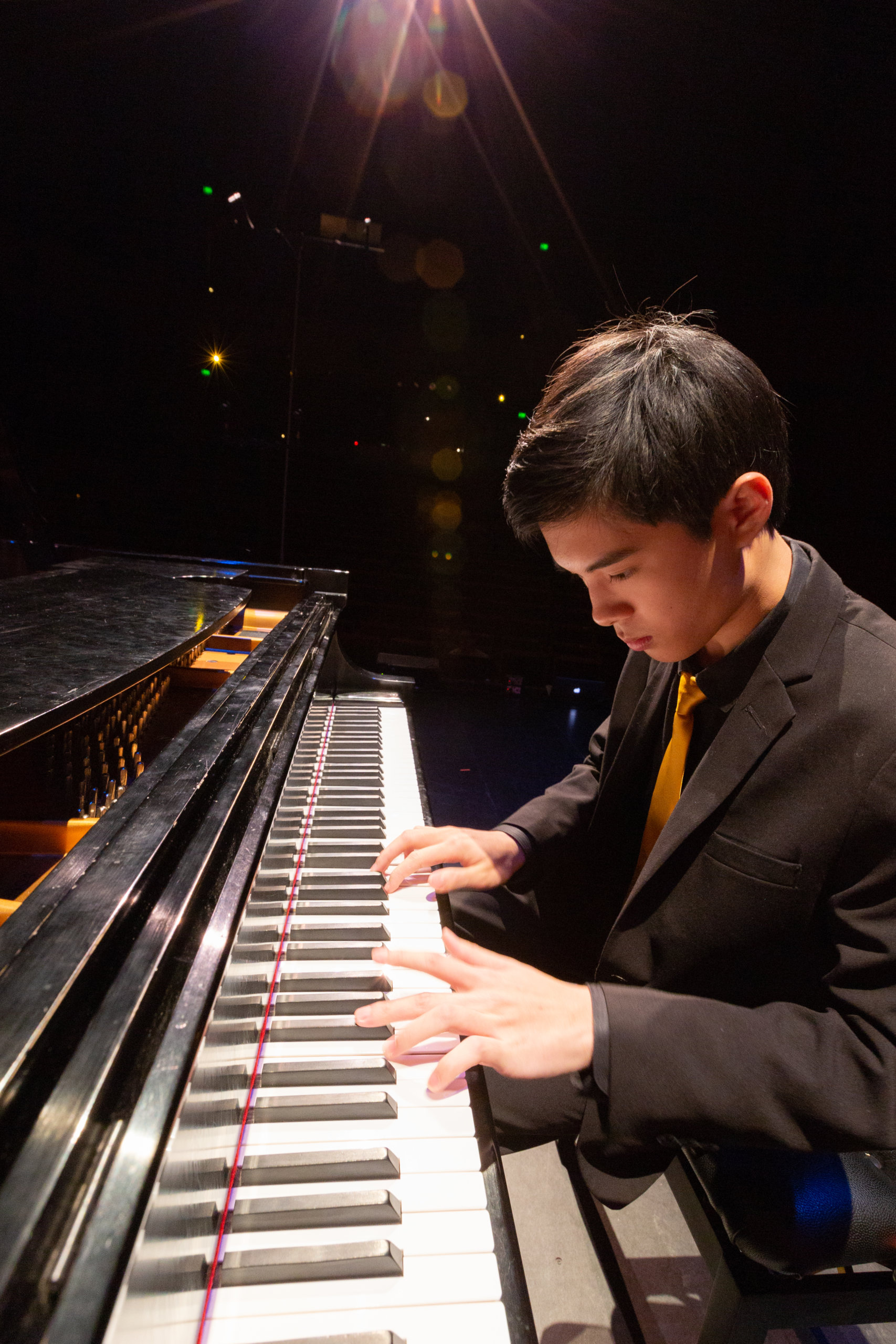
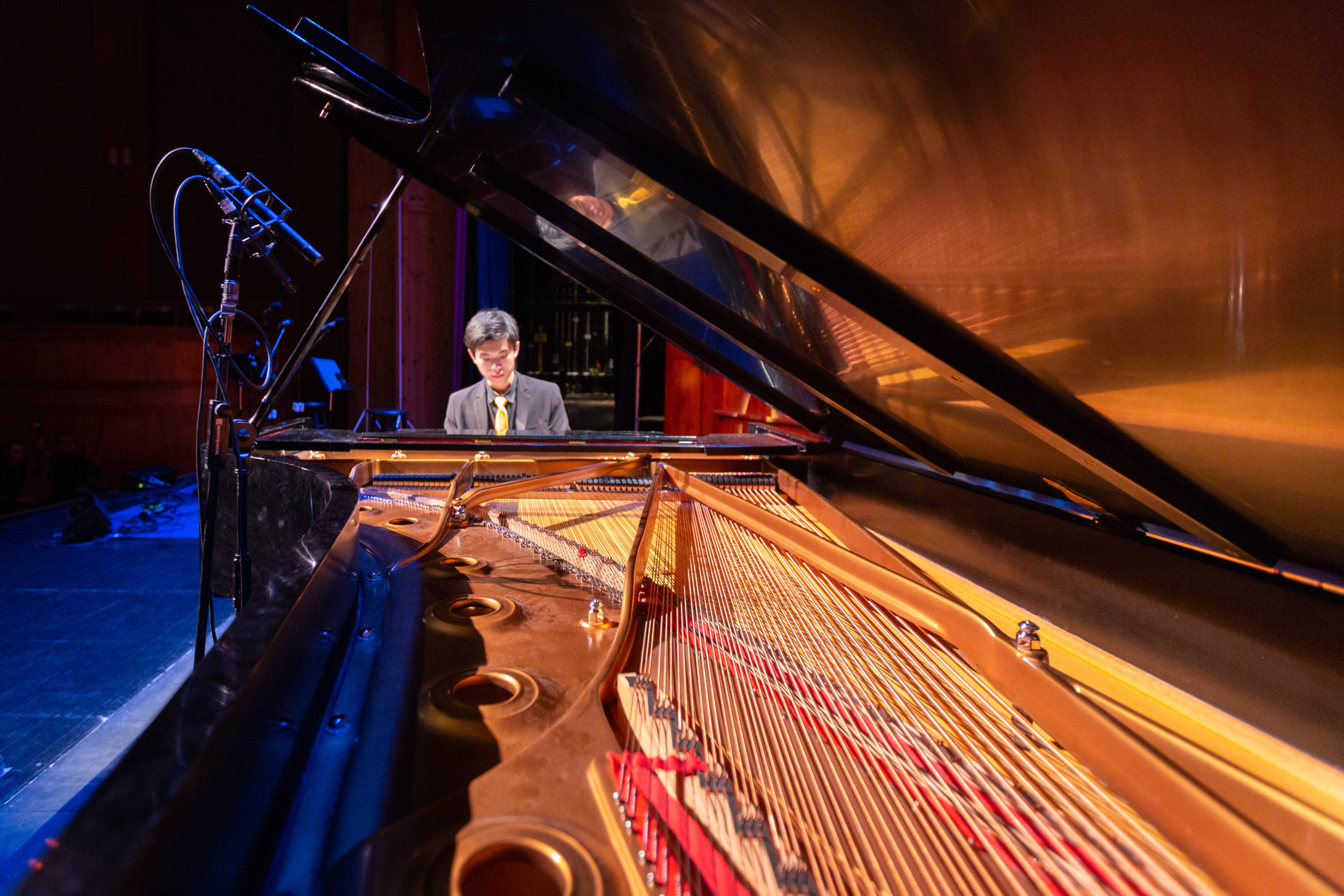
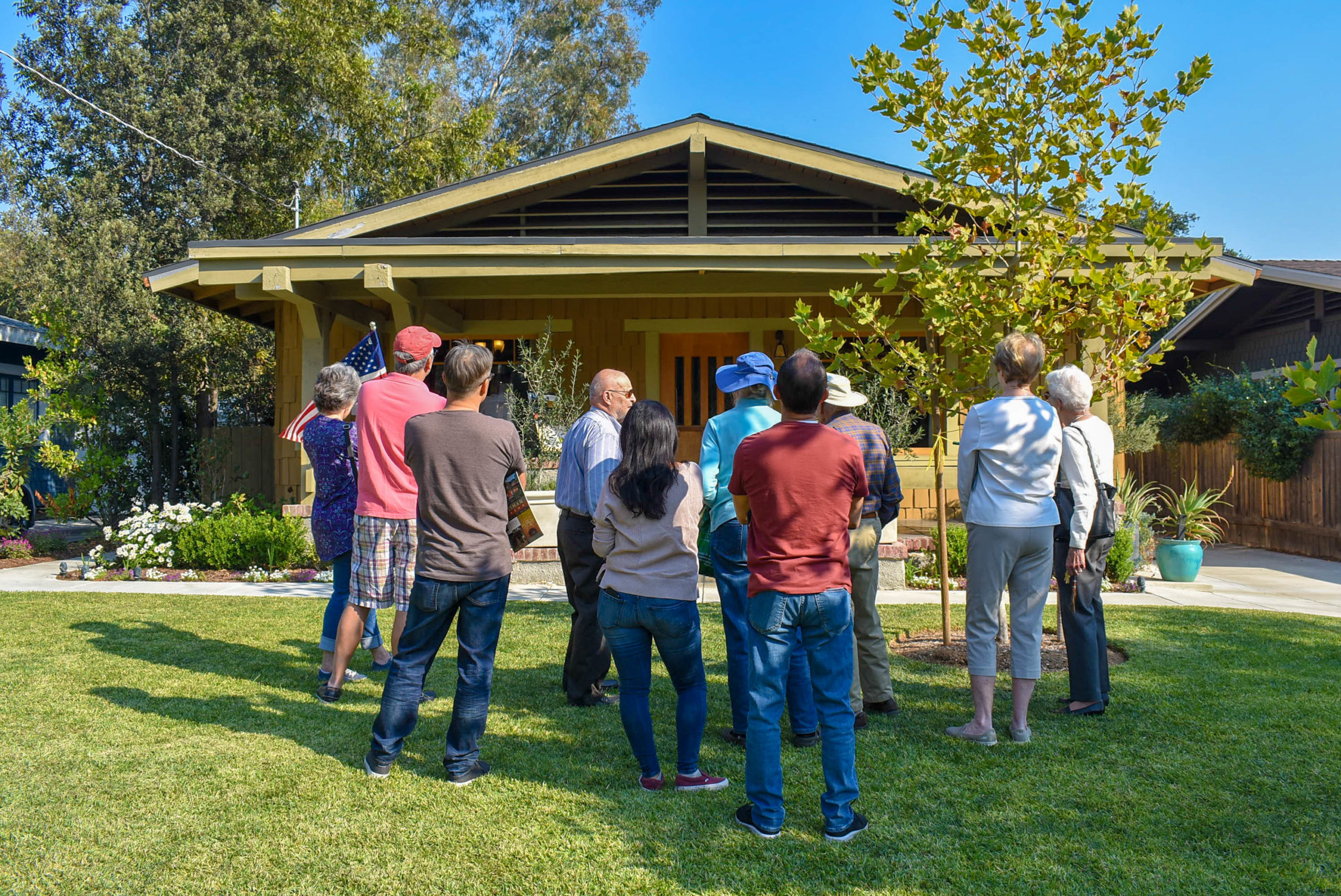


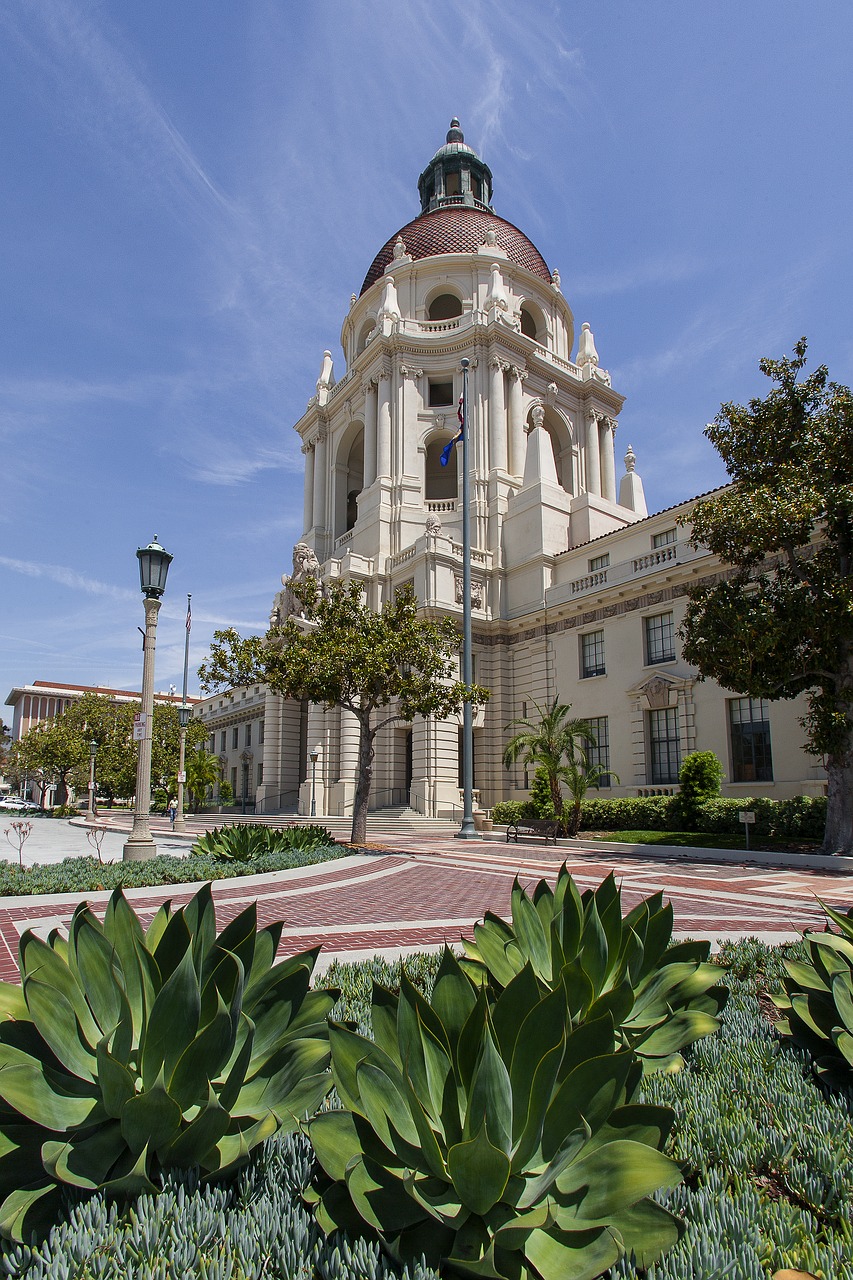


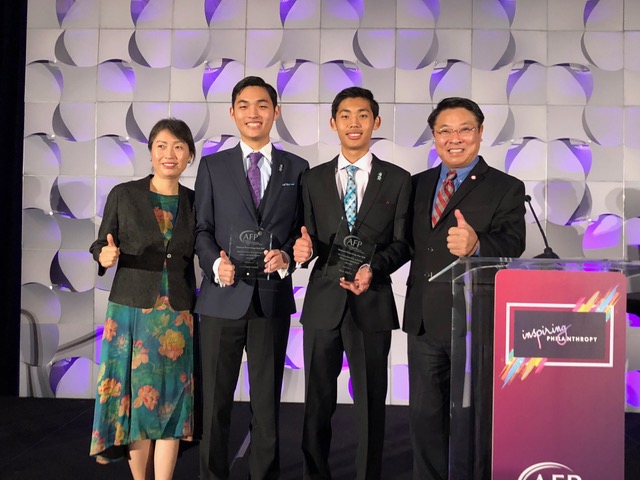
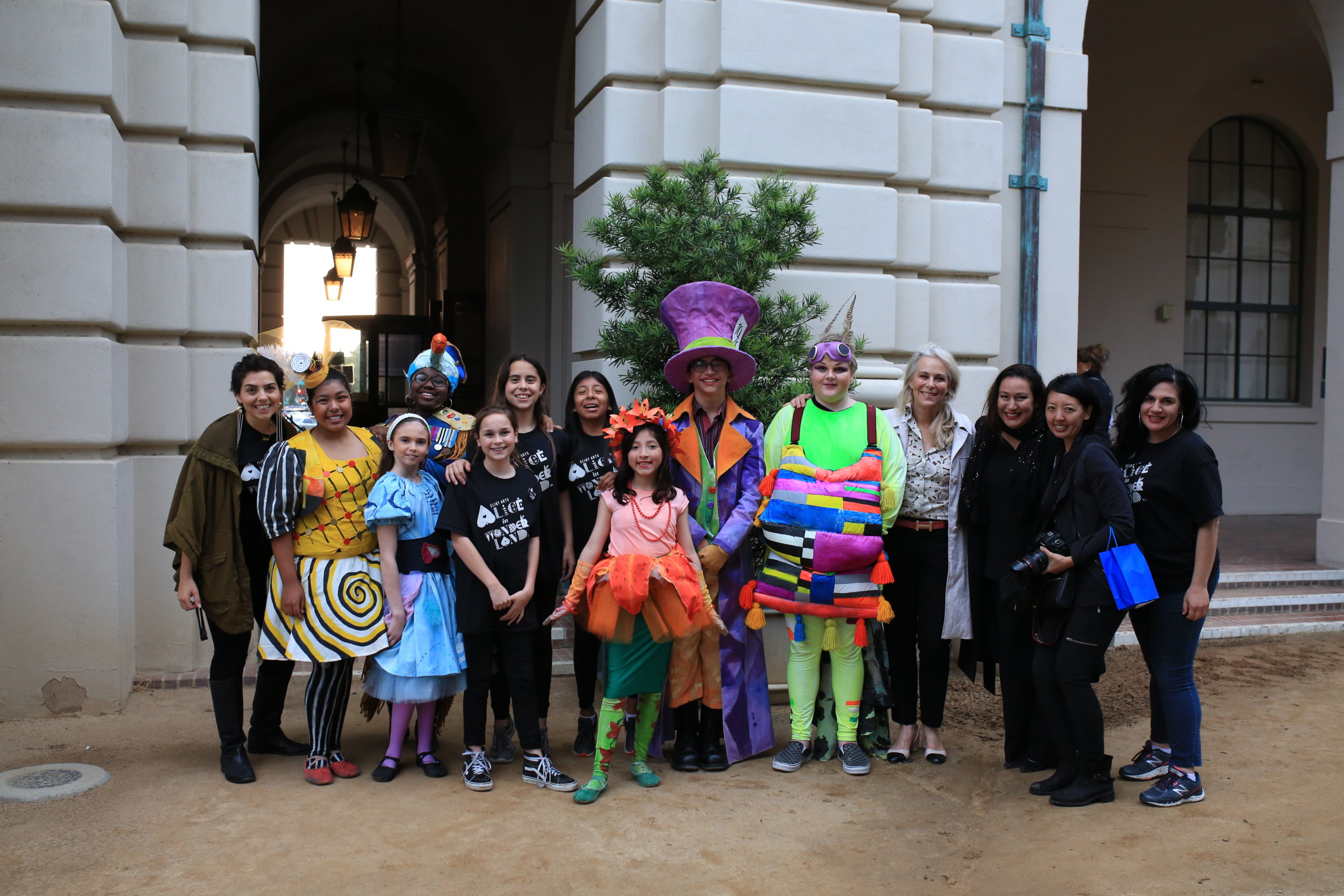
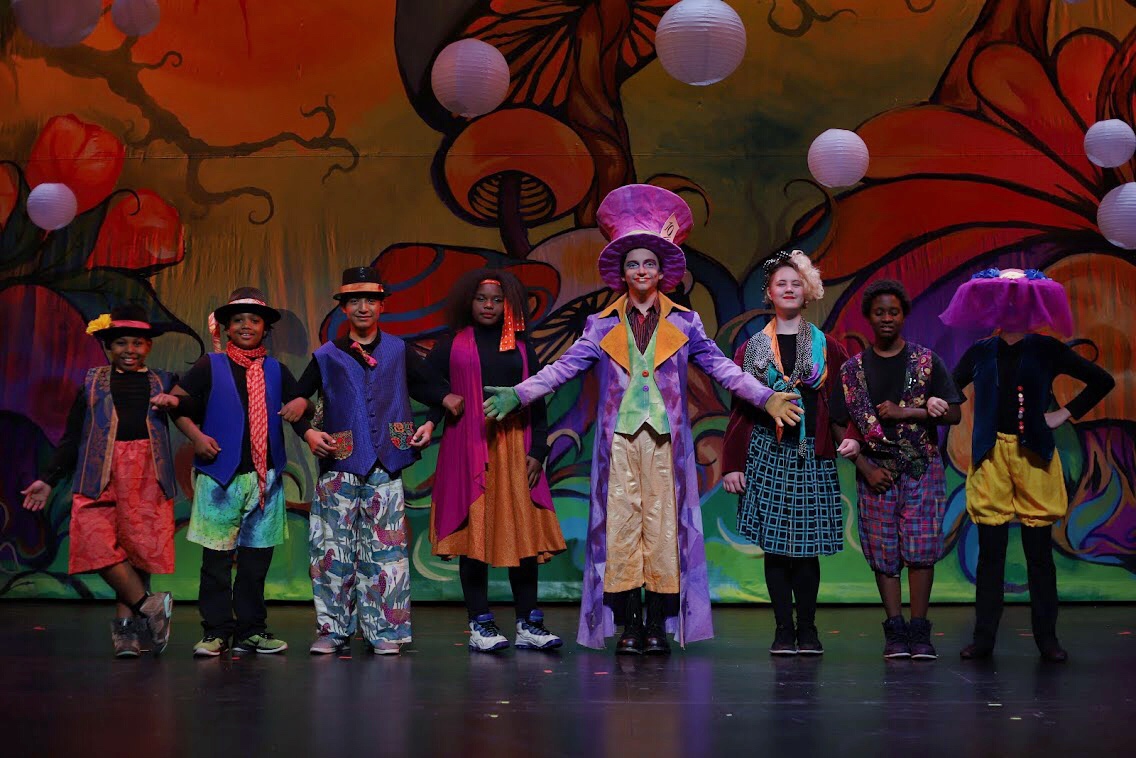
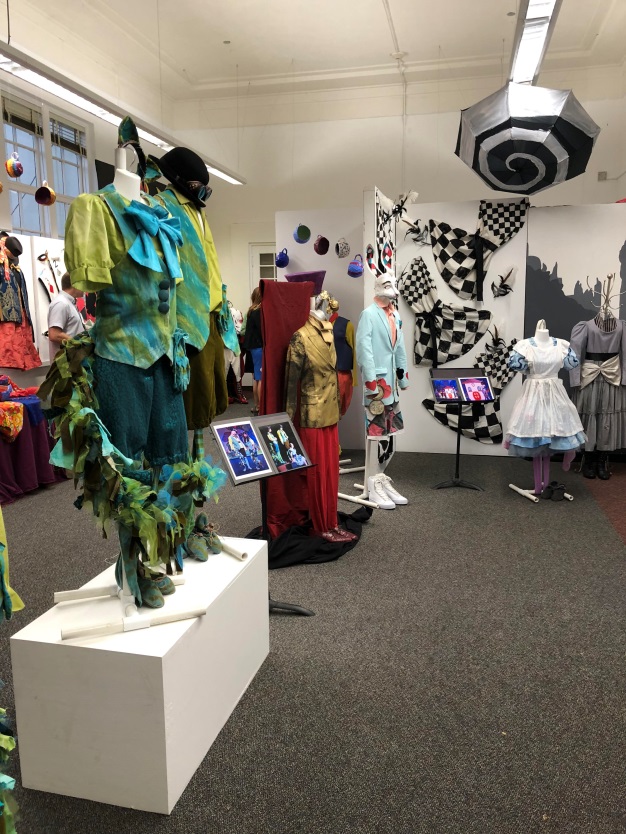
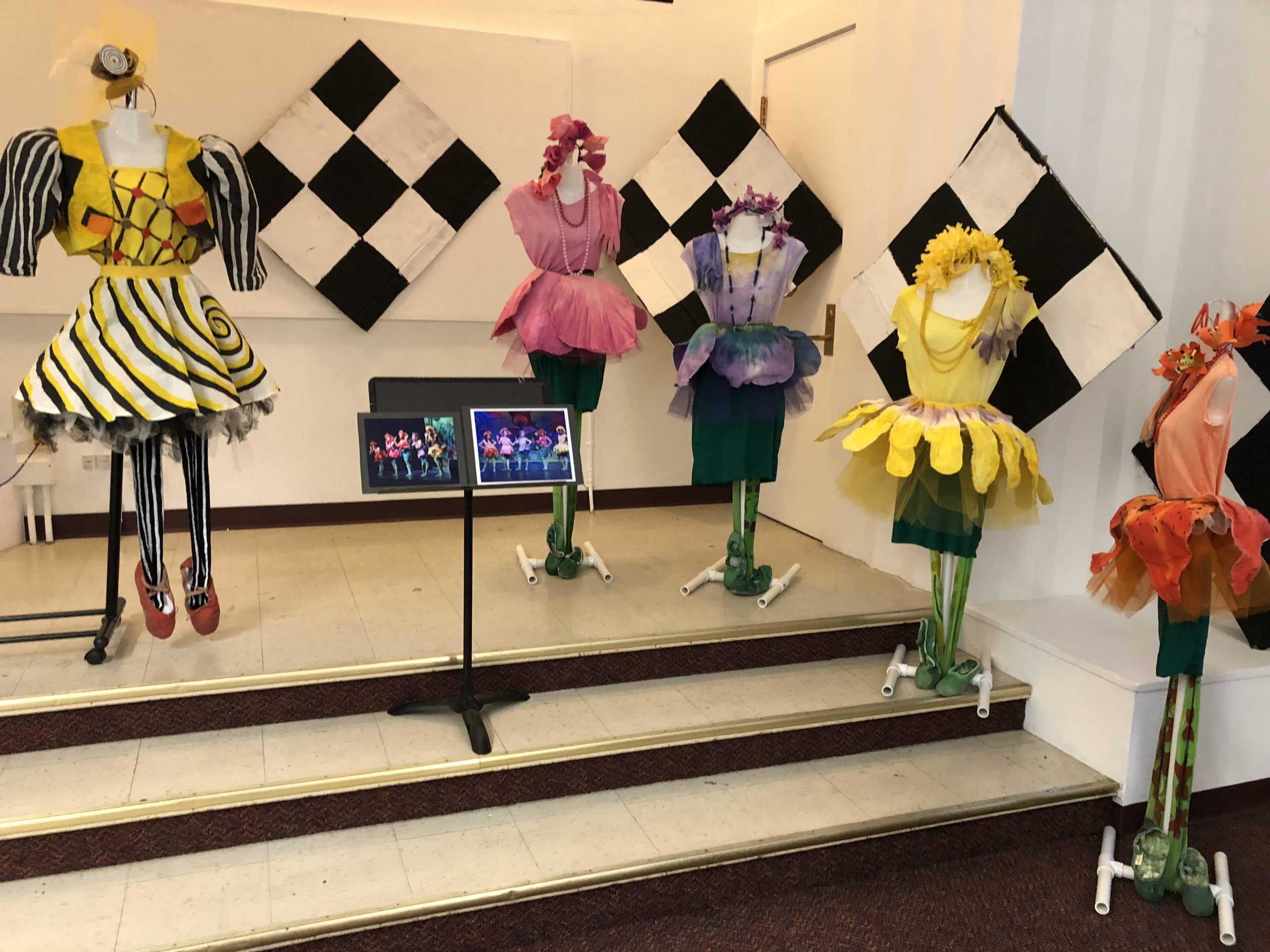
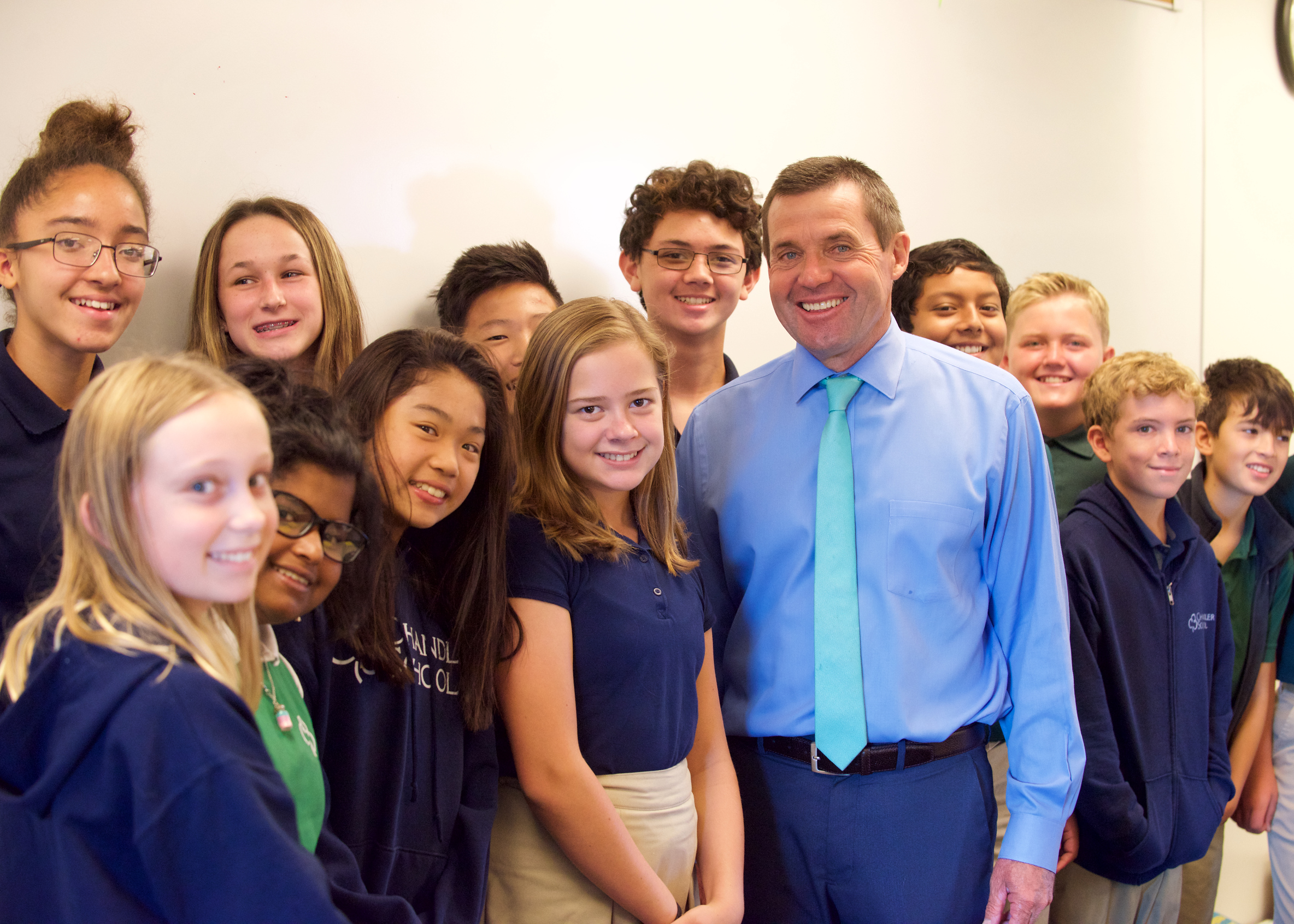




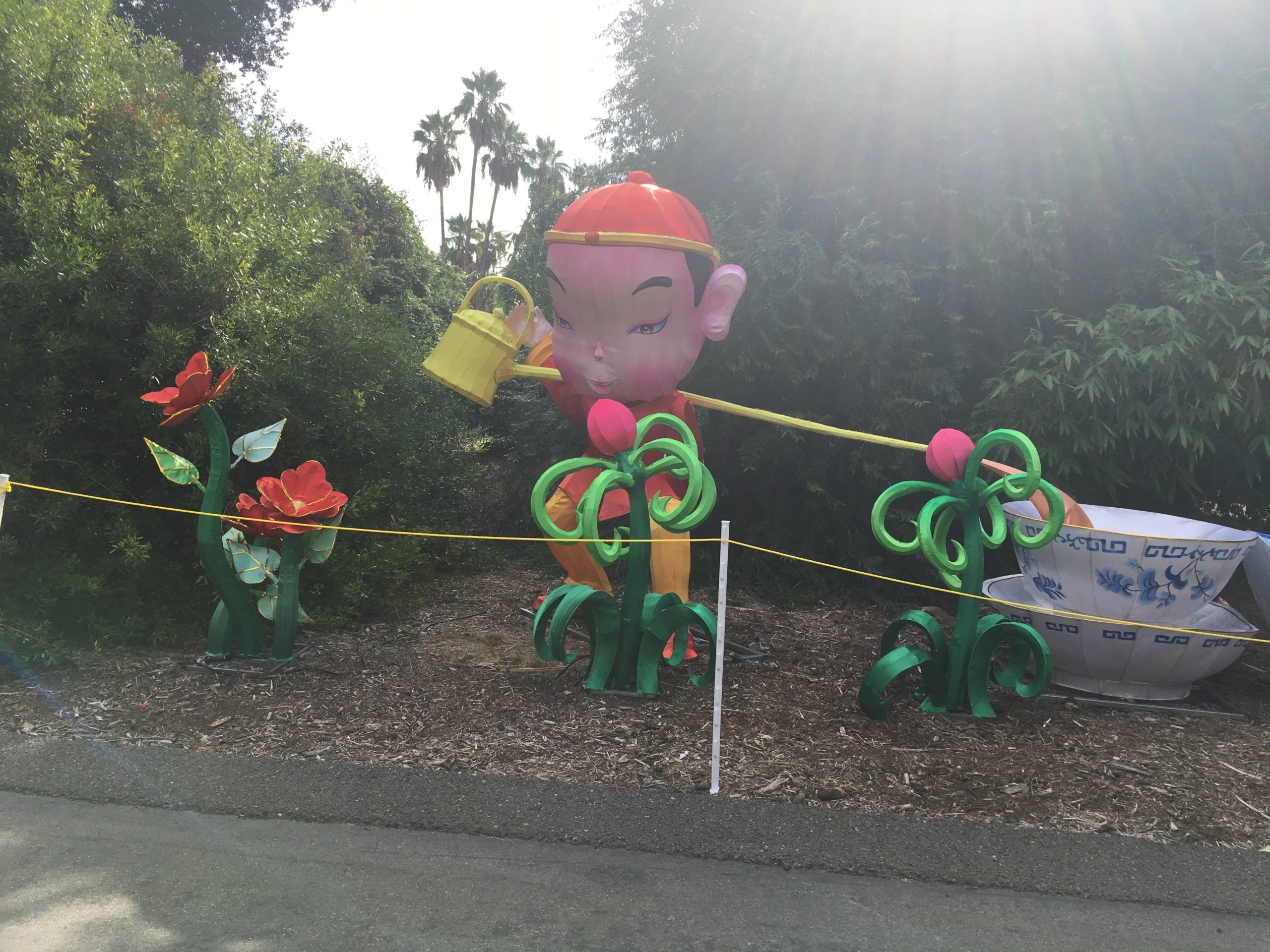


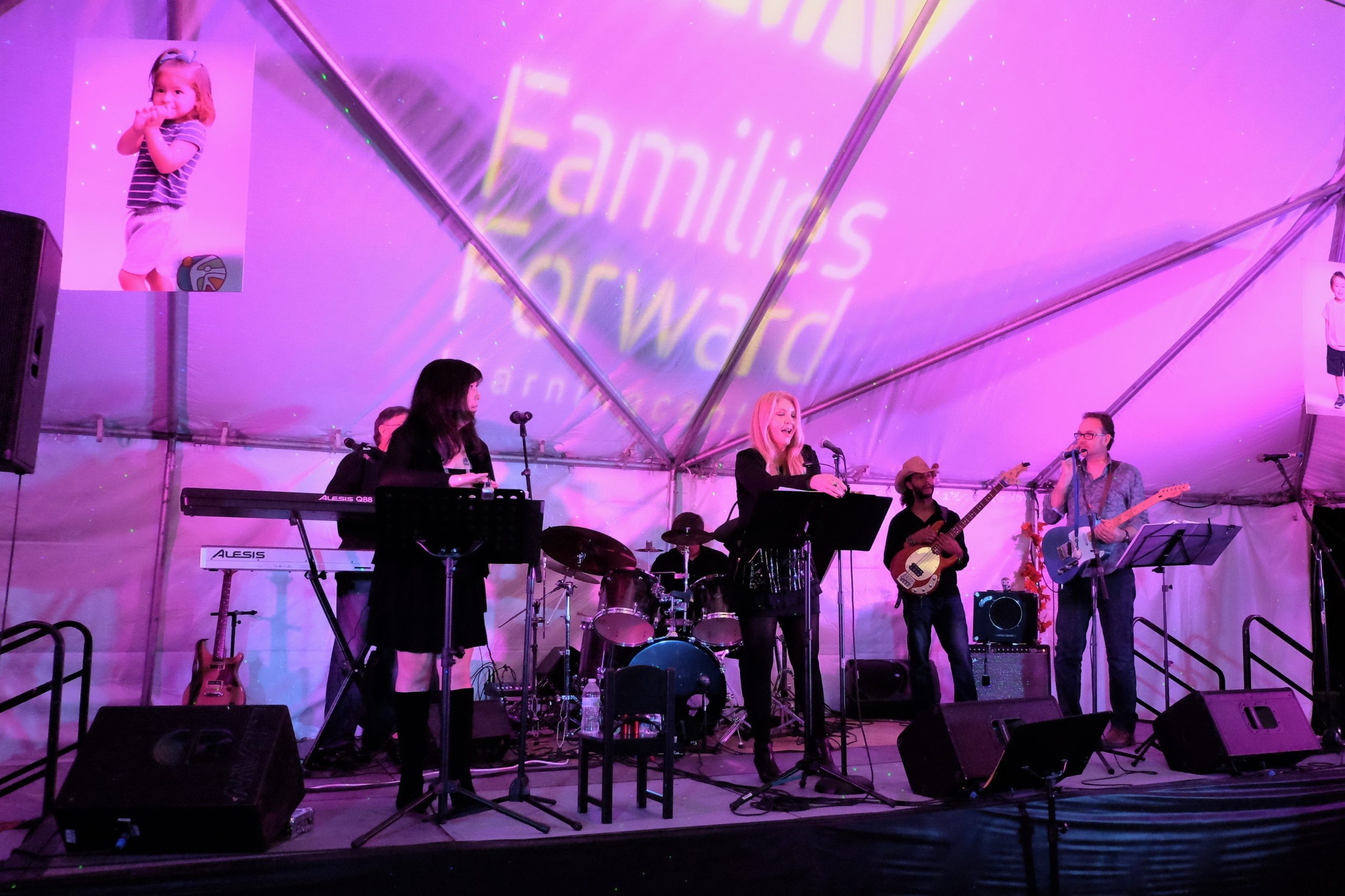


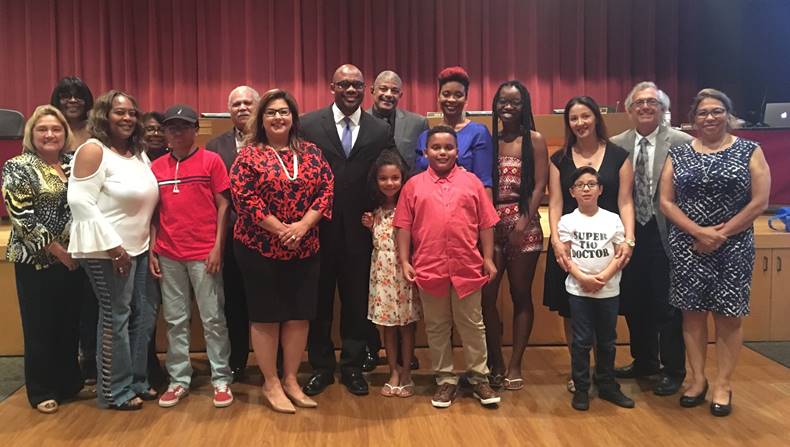

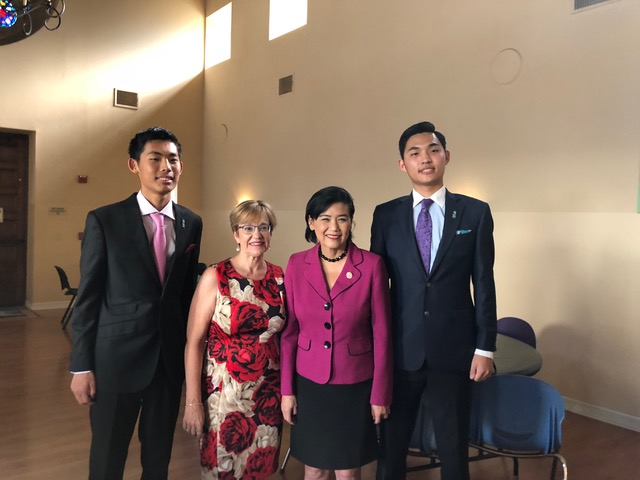
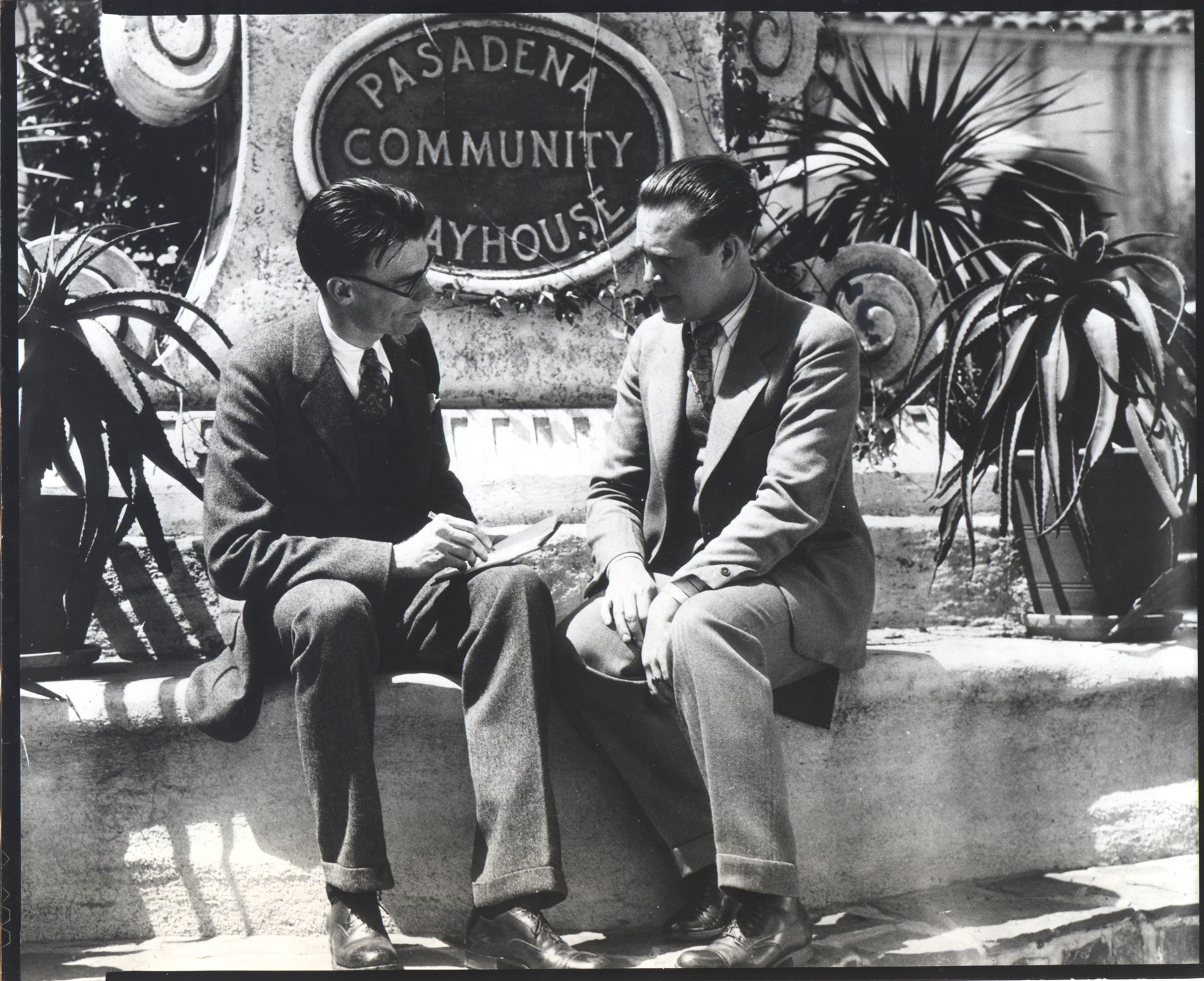
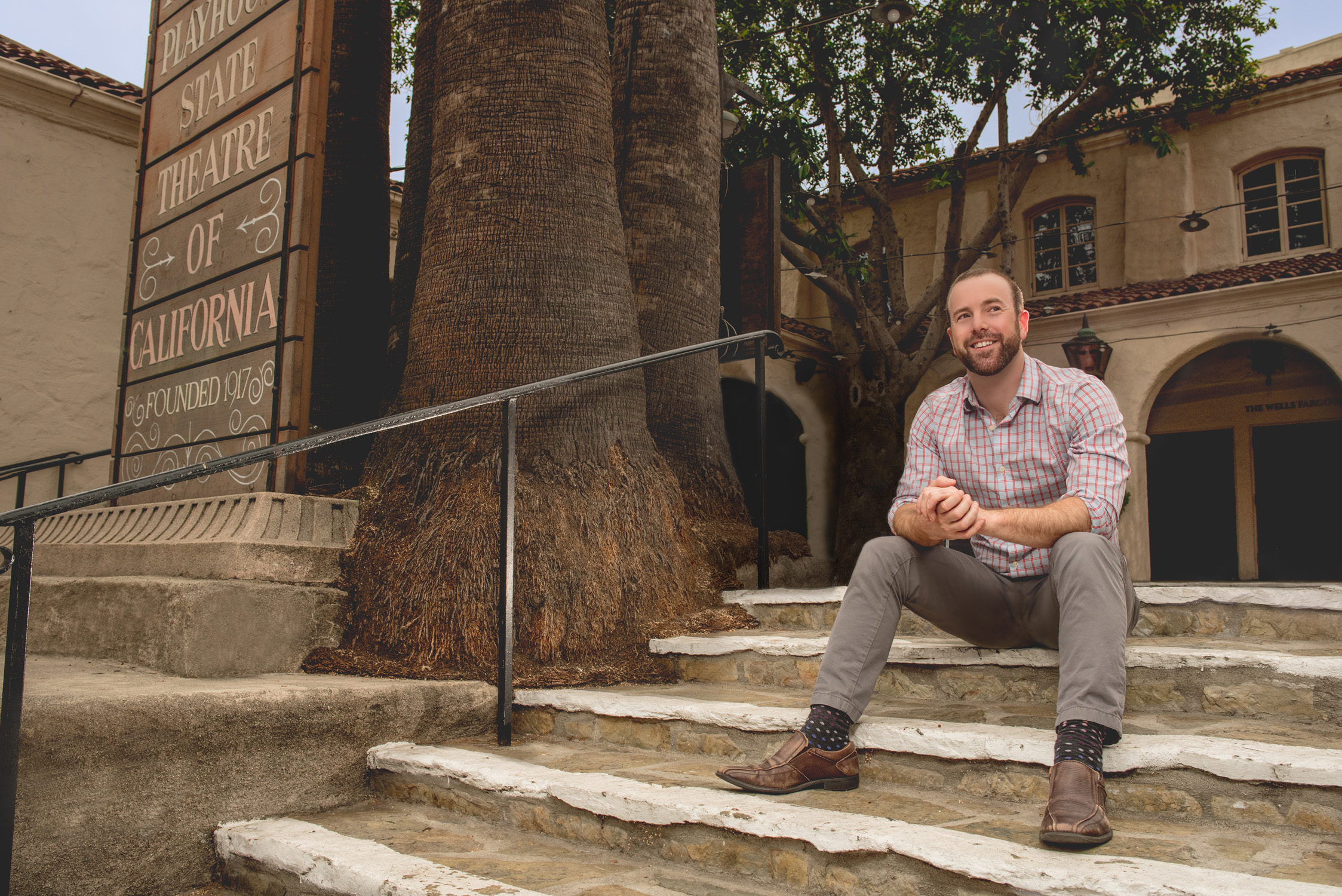
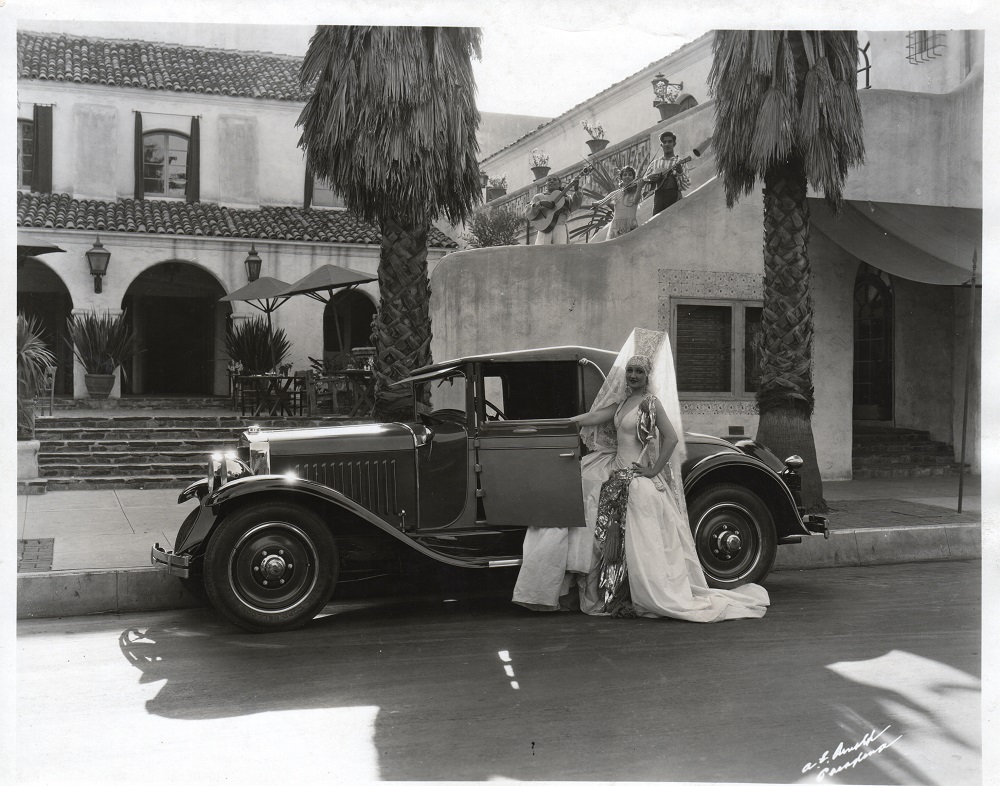
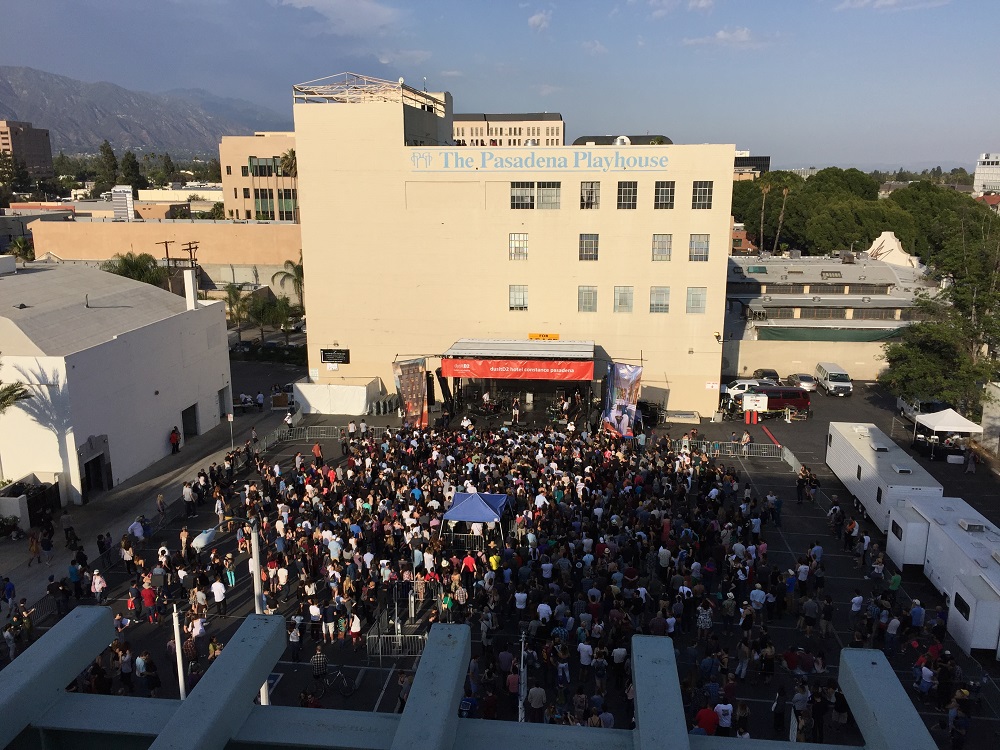
 A San Gabriel Valley Inquirer