Chapter 28 ‘Extirpation’ illustration by J.J. Dunn | Rawls says, “I’m fascinated with the idea that there are extirpated animals and it makes me wonder whether they’ll come back | Photo courtesy of M.G. Rawls
While enjoying a refreshing glass of iced tea – and maybe a sandwich – on the balcony of M.G. Rawls’s home, you may get a sighting of a black bear. Or maybe a mountain lion. A review of her security camera from the previous night’s outdoor activity might show nocturnal creatures having free run of the creek that abuts her property.
They are the inspirations for the characters that inhabit The Sorts of Pasadena Hollow, a trilogy of young adult books created by Rawls in 2019 (Sorts are people who can transform into animals). Her first book, Hannah’s Fires, at 166 pages, follows a teenager’s story as she settles into her new home in Pasadena Hollow. The second installment, Tony’s Tales, is 224 pages and focuses on Hannah’s first friend there. The last in the series is Henry’s Hopes, which is 332 pages long and has just been released on Amazon as an ebook (order it here). It chronicles the life of an elderly Tongva shaman, one of the earliest residents in the area, who also serves as mentor for the young Sorts.
Chapter 1 ‘A Red Dragonfly and Birch Beer’ illustration by J. J. Dunn | Rawls says, “This red dragonfly landed on a single upright branch of a small apple tree in my yard. His face was so expressive, I couldn’t resist including him in my story. Birch beer (non-alcoholic) was a staple of my New England childhood and later visits.” / Photo courtesy of M. G. Rawls
Rawls graciously invites me for lunch followed by a short interview for a second article about her books (read first article here). I mention that each of the three books became increasingly longer, and ask if she planned it that way or if more ideas just came to her as she wrote.
“My initial thought was always to have three books but the audience would start at 5th grade and they would mature as I went along,” Rawls replies. “At the same time, it would help me, since I was a new writer, to be able to write in a way that I was comfortable with with each book. So you can see my progression through my work – it starts out simpler, then gets more complicated. I was always hoping that the reader who liked the book in 5th grade would like the next in 6th, and so on, as they were reading. I was writing it for middle schoolers and older.”
“With the exception of a few supporting characters, the main people in Henry’s Hopes were already part of the first,” Rawls adds. “One of the comments I received from readers is that there are so many to keep track of, so I included a list and description of characters at the beginning of each book.”
Rawls kept to a fixed idea about how each book will flow. She explains, “Consistent with I told you in the first interview, the concept was the same with all three books. I created the chapter titles first and then built the story for each section. And what I wrote inspired me as I fleshed out that chapter. I pretty much stayed with the same titles I started out with; I made very little deviation from them.”
Chapter 3 ‘Till Death Do Part’ illustration by J. J. Dunn| Rawls claims, “This one is pure fantasy. Thankfully, no one I know (except for Sparkle Bitters) ever sliced off the tail of a marine iguana.” / Photo courtesy of M. G. Rawls
I then ask if she has a favorite character in her books, and Rawls responds, “You had a similar question the first time you wrote an article about The Sorts of Pasadena Hollow and my answer is: if I did, I wouldn’t say. Although each book has its own unique characters. In the first, there’s Hannah, the young adult girl with the emotional constraints within her. In the second, there’s Tony, who’s somewhat reckless; I meant for Tony’s Tales to be a boys’ book; and in the third – the adult book – there’s Henry, the Tongva spiritual leader. He wants the best for everybody but he doesn’t necessarily go about it the right way; he tends to be Machiavellian.”
“Did the idea to write a book set in your neck of the woods happen organically or was there a particular moment or instance when it occurred?” I query. Rawls replies, “The inspiration for this series came from an article in the L.A. Times – which I included in Hannah’s Fires – about an engineer who was convinced there were half-lizards living deep under the ground with a cache of gold and arranged to dig for it. I was so intrigued by that article and it motivated me to create these characters.
“Besides that, we live next to a creek and I can hear the water running – especially when the door is open at night. Most (not all) of the animal events in my books have their genesis in reality. In the first book, for example, there’s a raven who tries to steal Hannah’s bracelet and pretends he hurt his wing to try to get sympathy from her because he likes her. About 10 or 15 years ago, my husband found what he thought was an injured juvenile raven. We took it in for the night and the next morning there was such a squawking outside, it woke us up. Dozens of ravens were on our fence and across the street staring at us – it was clear what they wanted. We brought out the juvenile and he flew off unhurt. My daughter named that raven Nicky and she would look for it at her school. I later heard that ravens are very smart and will sometimes feign injury to get attention.”
“As I said during your first interview, I had been nurturing this story in my mind since we moved here in 1988. When the idea to write these books happened, all the stories that have accumulated over the years living here started coming back to me,” she continues. “In 2019, I began writing them as notes on my iPhone in the early morning and they got longer and longer. Finally I started pruning it out and thought ‘Oh, this is interesting.’ It gave me comfort – it was a world I could escape into.”
Chapter 11 ‘The Jeweled Koi’ illustration by J. J. Dunn | Rawls states, “I had a number of goldfish growing up including one named ‘Goldy’ who lived for several years until one day she jumped out and the consequences were tragic. The jewels were inspired by a book I read where the rulers kept giant kois in ponds and they attached precious jewels to their tails.” / Photo courtesy of M. G. Rawls
Unlike some popular fantasy young adult books set in dystopian worlds, the Sorts live in a utopian society. Rawls intentionally created an inclusive world where everyone is accepted. Without calling attention to it, she ensured there was representation for people of diverse race, age, and sexual orientation.
While some authors say they wish they had written something differently, Rawls stands by what she has created. “I’m fine with how they all turned out. If there was something I put in the book that sent me on a different path, I went along where that led me. That’s not to say I abandoned an idea or that I didn’t have a particular destination – I had the chapter titles to guide me – but the road wasn’t restricted.”
The ending to her third book wasn’t planned in advance. Rawls reveals in jest, “A writer I know once told me that every story needs to have an arc. Until she said that I hadn’t heard of the word. I didn’t know what it meant; I think I had to look it up because I was embarrassed. So I worked on my arc. Seriously, though, I had an idea how I wanted it to end, but not the specifics. It only came to me as I got there.”
Chapter 33 “Wedding of Sorts’ illustration by J. J. Dunn | Rawls describes, “I thought the Tongva phrase ‘My heart is with you’ was appropriate for a wedding book. J. J. Dunn based her painting on her husband’s German family book. I added the stink bug and hibiscus from my yard.” / Photo courtesy of M. G. Rawls
When I ask her to describe how she felt after completing the last book in the trilogy, Rawls simply answers, “These characters have taken a life of their own – my job is done!”
At the end of Henry’s Hopes, we find Lydia as the voice for the characters and the narrator of events we’ve been following. It comes as a surprise. And yet it’s because she isn’t a Sort – not in spite of it – that makes her the logical storyteller. As Rawls says, “The events that happen are everyday occurrences for the Sorts so they don’t find them interesting. But they’re not normal activities for Lydia so she’s fascinated by them. Being an investigative reporter, she thinks of them as a mystery to be unraveled.”
Rawls’s characters grow with her as she matures in her writing. While she starts out tentative in Hannah’s Fires, she gets more confident in Tony’s Tales, and reaches her stride in Henry’s Hopes. In the same vein, a reader slowly gains insight about them and inevitably becomes invested in Hannah, Tony, Henry, and all the Sorts in Pasadena Hollow… and feels sad that there won’t be another book to look forward to. But Rawls also leaves a huge gap where a reader can infer that events will have transpired, leaving the possibility open for her to pick up where she left off.
As with painters and other artists, authors cede control of their work once it’s out there for the public to make of it what they will. So we can imagine for ourselves milestones happening during that gap – or
Originally published on 10 April 2023 on Hey SoCal
The third panel speakers and The Huntington’s Yinshi Lerman-Tan (far right) | Photo by Brianna Chu / Hey SoCal
For Asian Americans, who have been largely ignored by society, the events of the past three years that threw them headlong into the spotlight were too overwhelming to contemplate. Surely invisibility would have been preferable to being widely hated and reviled. While racial slurs and violence directed against Asians and Asian Americans didn’t happen only recently, the anti-Asian rhetoric and crimes that erupted during the pandemic were so alarming that they became the catalyst for movements, including Stop AAPI Hate.
Alice Tsay, Director of Special Projects and Institutional Planning, declared that this series of lectures was two years in the making. Indeed in the two years since The Huntington embarked on this series until it actually transpired, stories related to Asians have dominated headlines.
Simon Li | Photo by Brianna Chu / Hey SoCal
In his introduction and opening remarks, Simon K. C. Li, Huntington trustee, talked about the Monterey Park massacre on the eve of the Lunar New Year, and said, “Reaction among Asians who have witnessed racism is disbelief that we are capable of such violence. Another mass shooting perpetrated by the same man in Alhambra reinforced the thought. Still, it’s a reality — Asians in America live with a sense of vulnerability.”
Li then brought up two issues. The first involves the name Asian American — does it do a disservice in obscuring the wide diversity of the many Asians to reduce the knowledge and complexity that will otherwise lead to great understanding? He said in 1992 the terms Chinese American and Japanese American were much more commonly used. But it didn’t save Vincent Chin, the Chinese American beaten to death in Detroit by two bat-wielding white auto workers angry about the popularity of Japanese cars.
The other issue is about the role of representation in helping minority communities. Li said it’s a common complaint that we don’t see enough faces like ours in movies, on TV, or in government and politics in the news. But he contended that he’s seen plenty of representation for both Asian Americans and non-American Asians making their name in U.S. politics, in movies, and on television. And he wondered, “Do such talents, such contributions, such celebrity really redound to the ‘normalization’ of Asian communities in America?”
At the end of his remarks, Li asked the panelists to answer two questions and suggest new answers going forward for Asian Americans: “What does it mean to be American? Who has the right to wear that title and to share fully in the promise it implies?” (read Brianna Chu’s response article here)
Gordon Chang | Photo by Brianna Chu / Hey SoCal
The first panel — Historical Roots (pre-1965) — focused on the origins of Asian experience, and anti-Asian racism, in California, with presenters drawing extensively on The Huntington’s Pacific Rim collections.
Gordon Chang, whose talk ‘Beyond Promontory: Chinese Railroad Workers and the Rise of California,’ continues the story of the Chinaman as railroad builders and what happened to them after they finished the transcontinental railways. He touched on the construction of the Tehachapi Loop in 1874.
An interesting revelation was when Chang debunked the myth that the railroad workers were docile. “In March 1875, the entire workforce tunneling in the Tehachapis went on strike for higher wages just as they did in 1867. They took advantage of the monopoly they had on railroad labor and demanded for improved working conditions.”
Naomi Hirahara | Photo by Brianna Chu / Hey SoCal
Naomi Hirahara’s presentation was “Torri Gate Welcoming Empire: Japanese Immigrant and Nisei Cultural Workers and Pasadena Landscape and Life.” She spoke about her lived experience as a Japanese American in Pasadena. Her father, Sam Hirahara, was a gardener. She said, “Many Japanese American men after World War II were gardeners. A lot of men who were released from the detention camps found it was easy to come over — all they had to do was push a lawn mower and they were in business.”
She also talked about George Turner Marsh, a businessman from Australia who had spent several years in Japan and learned the language. “He went to San Francisco and opened an Asian arts business in the late 1800s. He installed a Japanese house in the 1893 Chicago World Fair in the area that the Japanese government funded, which one of the architectural partners of the firm Greene & Greene saw. Frank Lloyd Wright also saw it as a little boy. This was the introduction to a Japanese aesthetic that perhaps made a lasting impact among American architects.”
Jean Chen Ho talked about the Los Angeles Chinatown Massacre of 1871, the culmination of anti-Chinese sentiment leading to racially motivated violence and for which a memorial is being built.
“According to stories, in the late afternoon of October 24, 1871 a gunfire broke out between two Chinese men from rival tongs on Calle de los Negros, now Los Angeles Street, feuding over a young woman,” Ho began. A white rancher was caught in the crossfire that caused his death. A vigilante mob then gathered to exact revenge for the slain Anglo man and went on to murder 17 Chinese men and one 15-year old boy. The mob also raided a number Chinese businesses of goods and cash, and destroyed property by fire. Newspaper accounts by L.A.’s elite often demonized ‘ruffian and disreputable class’ for the massacre. But what combined these two social sets on that night was white vigilantism that enabled the massacre. This incident put the blame back on the Chinese for the violence they suffered.”
An account of this massacre that night was written 50 years later in his memoir by Robert Maclay Widney who witnessed what happened and was later the presiding judge during the trial of the rioters. But Ho questioned the credibility of his story where he painted himself a hero, “Where do we place someone like Robert Maclay Widney who had the power to narrate his own story and have its social and material integrity preserved? What about the distorted, destroyed, or otherwise absent narratives from the victims of the massacre as well as those who survived that night of violence? The work that I’m taking up now is to reckon with the speculative possibility that Asian American lives have been previously only seen visible at the very moment they were suddenly extinguished by violence. My next project — a novel — now requires the intellectual and emotional capaciousness to imagine all that cannot be verified by the archive in order to tell a story about lives that exceed the archive in their sublime and impossible beauty.”
Marci Kwon | Photo by Brianna Chu / Hey SoCal
Marci Kwon’s presentation centered on the Asian American Art Initiative at Stanford University, an effort to collect and preserve histories and works of Asian American artists which reflect some of the subjects discussed by the other panelists. It’s a joint effort between the Canter Art Center and Stanford Library’s Special Collections which started in 2016. It came about because when she was trying to put together a syllabus for an Asian American Art history, she couldn’t find one. Thus her challenge was to collect 1,000 pieces of artwork by AAPI artists by 2026.
The second session – Shaping the Present – covered the period from 1965 to the present.
Wendy Cheng, called her talk “Assimilating into Difference: Multiethnic and Multiracial Histories of the San Gabriel Valley.” As Li did, she began her presentation with the Monterey Park mass shooting, “In the days after the shooting, Monterey Park was listed as an Asian American hub. It was a place of possibility for Asian immigrants to make lives and build community. Indeed in 1990, it became the first majority Asian city in the Continental United States; its population is 65% Asian today. But what this characterization can sometimes gloss over, is the incredible multi-ethnic and multi-racial richness of Monterey Park’s history and present — which came about through multiple generations of shared history of struggle and place-making.”
Cheng’s map of the San Gabriel Valley | Photo by May S. Ruiz / Hey SoCal
“In the near 70 interviews I conducted for my book ‘The Changs Next Door to the Diazes’ between 2006 to 2012, I found that those who grew up in Monterey Park and the western San Gabriel Valley developed a distinct regional consciousness about race,” disclosed Cheng. “They usually understood the particulars of each other’s identity. This region’s distinction as an Asian American place is one of its legacies — a home for immigrants and for those who are historically excluded or vilified elsewhere by those who don’t look exactly like them.”
Jane Hong spoke about “Asian American Evangelicals and Southern California Histories” and how they became an important voting bloc for the Republican Party. She attributed this to a couple of developments: the first was the diversification in U.S. population that resulted from the Immigration and Nationality Act of 1965. Japanese Americans made up the majority of Asian Americans for much of the 20th century; Chinese Americans became the most populous by the 1980s; Filipino Americans became the second largest Asian American group in 1990; and, very recently, Indian Americans surpassed the Filipino Americans as the second largest Asian American population.
Hong’s Asian American Evangelicals pie chart | Photo by May S. Ruiz / Hey SoCal
The second development was the marriage between white Evangelicals and the Republican Party. This can be traced to the Moral Majority, a political lobbying group formed in 1979 between Jerry Falwell Senior, the founder and president of Liberty University, and Ronald Reagan. They joined forces around a shared set of issues — opposing abortion, traditional family and marriage defined as between a man and woman, etc. And their influence grew within the Republican Party in the 1980s.
“Late 1960s and 1970s phenomenon Jesus (Free) Movement were largely young, white Americans,” Hong explained. “At the same time, Movement Activist was inspired by Asian American movement whose major tenet is ‘there’s strength in solidarity.’ So instead of calling themselves Japanese, Chinese, Filipino, it was a political act to call yourself Asian American to denote your belief, community, and shared interest. So this is what it means to be Asian American and Christian — integrating racial and individual identity.”
Oliver Wang’s topic was “The Nisei Week Cruise: Japanese American Car Culture in the 1970s and 80s.”
“So much of our car history has been written by white men so the Nikkei community has been largely forgotten or overlooked,” stated Wang. “A major goal of the exhibit is to write the Nikkei Community back into the stories and histories about how cars have transformed the cultural, economic, and social landscape of the Southland.”
Fred Jiro Fujioka featured prominently in Little Tokyo | Photo by May S. Ruiz / Hey SoCal
“Nisei Week began in Little Tokyo in 1934 as a way to encourage cultural pride in community economic development by an emergent second generation of Japanese Americans — the Nisei — who wanted to stake out a space for themselves within a community that up to that point had been largely dominated by their Nikkei parents and their generation,” continued Wang. “It quickly grew to become an annual celebration of the Japanese American community and further anchored Little Tokyo as the center of the Nikkei community in Southern California.”
Wang reported that Nisei Week cruise began to form in the early 1970s. “By the 1980s Nisei Week Cruise became the ‘king of cruises’ and continued to grow in popularity for the next 15 years until the summer of 1988 when it was shut down. But it left a lasting impression — for the people who grew up at that time, cruise was fundamentally a social experience that connected young people with one another. To attend the cruise was to participate in a cultural experience that helped define what it meant to be young and Japanese American for an entire generation.”
Linda Trinh Vo talked about the Vietnamese population in Orange County. She stated, “I titled my talk ‘Crafting Community’ because ‘crafting’ is purposeful – it needed a skill not just ad hoc. There’s an assumption that America rescued the Vietnamese refugees and other Southeast Asians. There’s a whole other discussion we can have about America and their intervention in the war in Vietnam that led to our displacement and then led to our migration or forced migration as asylum seekers and refugees. But our argument is that we saved ourselves. We had social agency — we had to figure out a way to survive, to get out of Vietnam and get resettled in the U.S. At times, we’re looked at as passive victims rather than seen as social agents helping ourselves.
Vo’s slide of Little Saigon | Photo by May S. Ruiz / Hey SoCal
“Today, the Vietnamese population is the largest of Asians in Orange County and also the largest population outside of Vietnam,” declared Vo. “Pre-1975 the only ones here were war or military brides, international students, and military personnel training during the Vietnam War. When the Vietnam War ended, about 120 of them were settled in Camp Pendleton, one of four U.S. camps where refugees settled. But they needed some place to live permanently so they had to find sponsors. Individuals, charities, religious organizations helped to sponsor and settle them in the city of Westminster (and later expanded to Garden Grove) which is today’s Little Saigon.”
The third session – Future Provocations – envisaged the future of Asian Americans from the perspective of the panelists’ field of expertise.
Manjusha P. Kulkarni‘s presentation was “Resistance and Resilience: Asian Americans’ Response to Hate.” She disclosed that since the beginning of the pandemic, Stop AAPI Hate received over 11,467 reports of discrimination. She said, “Policies drive much of the hate — mass deportation of Southeast Asians, programs like the China initiative, the 911 surveillance and profiling of South Asians. What that has led to is the blame game — one in five reported incidents include this kind of scapegoating, like public health which we saw during the bubonic plague where Chinese Americans were blamed for the disease. National security was blamed for the Japanese incarceration and 911 profiling. And economic insecurity and anxiety was the cause of the horrible beating of Vincent Chin.”
“As populations are growing, we begin to see ourselves as racialized,” continued Kulkarni. “Civil Rights leader and scholar Lani Guinier wrote about the social ladder when whiteness is at the top and blackness at the bottom. So where does that put Asian Americans in terms of the outsider framing, idea of perpetual foreigner.’ So where are you really from?’ are the questions we get even when we’re third, fourth, and fifth generation. And that leads to questions of loyalty — are we actually Americans?”
Kulkarni then discussed civic engagement, “Since 2020, we are more enthusiastic about voting than we ever had; we see that we play a role in the margin of victory. So it’s absolutely critical that we vote; and engage civically — write to your congressperson, go to meetings at city hall, and run for office. We need more representation across our land if we are to have a powerful voice. I want to leave you with this quote from Grace Lee Boggs, ‘You cannot change any society unless you take responsibility for it, unless you see yourself as belonging to it and responsible for changing it.’”
Jimenez’s installation at Coachella | Photo by Brianna Chu / Hey SoCal
Artist Jimenez Lai showed some photos of the work he’s done over the years. He represented Taiwan at the Venice Biennalle; his works have been displayed at museums and public events, including Coachella. One of his installations in front of City Hall, at Grand Park, is a collaboration with a musician and they conceived a structure like an oversized instrument. They embedded an amplifier so people could whisper their sorrows into it which then get distorted into nonsense — a confession booth of sorts.
Karin Wang spoke about “Asian Americans: Racialization & Privilege.” She began with a slide on Anti-Asian Hate which mirrored Kulkarni’s visual on the number of hate incidents. “What’s interesting is that at the same time that we were being racialized and targeted for violence and hate, Asian Americans are also occupying important spaces of privilege in two professions — Law and Medicine,” she declared. “We need to recognize where we have power and privilege. Lawyers are among the most powerful members of our society — not just lawyer lawyers, but judges, elected officials, people running government agencies.”
AAPI’s reports of discrimination against Asian Americans | Photo by Brianna Chu / Hey SoCal
Wang added, “There are a lot of stereotypes about Asians, one of them being that they are mostly in Medicine. And it is another sector that’s economically and socially advantaged in our society. There are improvements in the number of people of color in medicine on the national level but the majority of doctors are white; the next largest group is Asian and Pacific Islanders; Latinos and blacks are two populations that are underrepresented. It is becoming more racially diverse over time, although it is actually Asian Americans who are taking up a lot of that space.”
“Asian Americans are obviously not white and have never been viewed as white. Yet, we do have some privilege here as a community. So what is the provocation for the future as we move forward as Asian Americans? How are we going to think of ourselves in terms of where we fit in the American racial landscape? What are we going to do to use our positions of privilege in these places where we have it, and advance racial justice and equity not just for Asian Americans but for other communities of color as well,” Wang asked in conclusion.
The last speaker was Jeff Chang, who started his presentation by saying, “I was provoked by what Simon Li asked us to examine. The first: what is the desirability of being called Asian American especially given the anti-Asian violence we’re living through? And, second, the role of representation. We know that there is representation, but we also recognize that we are nowhere near what the culture industry calls for, which is to create narrative plenitude – the diversity of stories out there.”
“Can we create a narrative of Asian American that can take us to the next 50 years? Chang asked. “Narrative plenitude doesn’t just seem like a call to the white-dominated culture industries and social institutions. But it seems also for us to make better sense of the full diversity of our stories. But at the same time, violence is bringing us all back together. But it’s not that the violence makes us all Chinese, the violence makes us all Asian American. So when we say ‘Stop Asian hate, stop anti-Asian violence!’ we can call this a negative narrative. We’re saying ‘Stop, no more of this!’ But this narrative also has its limits. There’s a danger that we actually lose people to the fears. Is there a positive narrative of Asian American that can bring us together?”
Chang ended his presentation by yet posing these questions: “How do we form this new narrative that’s not just saying ‘No,’ but what can we all say ‘Yes’ to? How do we recognize the harms being perpetrated against us and not re-harm others because of that? But how does that help us think about what we might move to that can lift us all up together?”
Photo by May S. Ruiz / Hey SoCal
This symposium resonated deeply with me. As an Asian American, I related with the experiences some of the panelists described. I’ve lived here for 41 years and, every once in a while, I’m still asked where I’m from. I usually respond “I’m from Pasadena but originally from the Philippines.” Sometimes, though, I turn what might otherwise be an awkward exchange into a subtle teachable moment about the Philippines and Filipinos, and our historical ties to the United States.
As to Simon Li’s parting questions, there are as many answers as there are perspectives. And here’s mine: those of us who aren’t Americans by birthright but who legally immigrated to this country to build better futures also have the right to be called Americans. Most of us rose above our circumstances not in spite of being ‘foreigners’ but because of it. Most of us were born and raised in places of poverty and hardship and we were taught that education and industry were the means to success.
Because we didn’t come from places of wealth and abundance, we didn’t take for granted the opportunities that were available to us, as most immigrant accounts attest to. The possibilities became seemingly limitless and within reach because we were willing to work hard for them. Failure wasn’t an option — we wanted to ensure that our children didn’t go through the struggles we had to endure.
But being American comes with responsibility. We have to give back to the country we now call home by engaging with our community and actively seeking out how we can contribute to society. In areas where we have influence, we have to advocate for all people of color and use our voices to speak for those who can’t. At the very least, sharing our stories might help others understand that while we don’t look like them, we have similar hopes and dreams, and are striving for the same happy outcomes.
Originally published on 10 March 2023 on Hey SoCal
Masters of Taste returns to the Rose Bowl on April 2, 2023, commemorating its sixth year raising funds for Union Station Homeless Services. About 100 restaurateurs and beverage company owners come together for this event, and from 3 to 7 p.m. they serve food and drinks to approximately 3,000 attendees.
Homelessness has always been heartbreaking. But it becomes deadly when severe weather adds to homeless people’s plight. During winter, there’s a race to make sure they are housed before temperatures dip to near freezing. From November through March 1. Pasadena had over 27 inches of rain, rendering the homeless population in worse circumstances.
An L.A. Times article published on Feb. 23, 2023, reported that “Homeless services providers were struggling with shortages of shelter space Thursday as a rare winter storm raised the danger level for thousands of people living outdoors, with a forecast of three days of rain, freezing temperatures, blizzard-strength wind and low-elevation snow.”
On March 1, 2023, Masters of Taste held its media night (read Brianna Chu’s article about what to expect at the event) in the locker room of the Rose Bowl. As always, there’s excitement among the individuals behind this annual event and the people covering it. But there’s also a sense of great urgency to support Union Station in their relentless work of providing shelter for the homeless population who are now, more than ever, in dire need.
Masters of Taste founder Rob Levy | Photo by May S. Ruiz / Hey SoCal
Masters of Taste is the brainchild of Rob and Leslie Levy, owners of The Raymond 1886 in Pasadena and Knox & Dobson. He recalls what drew him to this endeavor, “This goes way back in my childhood. My oldest friend in the world started an organization in Chicago called ‘Inspiration Café,’ delivering sandwiches to the homeless when she was working as a cop. Then she ended up opening a restaurant for the homeless where they could come in, order off the menu, be served with dignity, and leave with no check to pay. If they were a good client, they were invited to work there and learn a trade. That grew into something huge, with multiple restaurants and cafes, cookbooks, and job training. She did this for 20 years and never took a paycheck — she did it for the love of it. She worked as a massage therapist to pay the bills while she grew this multimillion-dollar organization. It gives me shivers just thinking about her and what she has accomplished — she’s quite a remarkable individual and the most positive person you could ever meet in your life.”
“When the former CEO of Union Station asked me to be on the board, I immediately agreed,” continues Levy. “Then we thought we had to change the way we raise funds — we had been to one too many galas where nobody wanted to go, but got dressed up and went anyway because we felt obligated to. We figured we needed to create an amazing event where people aren’t thinking it’s a charity affair and Leslie came up with this idea of getting other chefs to gather for a cause. And what better place to do it than on the field of the Rose Bowl. Thus, Masters of Taste was born.
“We reached out to other chefs that we had done events with over the years and also through Lawrence Moore, of Lawrence Moore and Associates (one of the original founders, Moore is the person responsible for getting media coverage for Masters of Taste). When we explained what we were trying to accomplish, everyone agreed to participate. And they were absolutely thrilled when they learned that it was going to be at the Rose Bowl field. The first year that we did Masters of Taste, participants were incredulous when we told them to be on the field for the load-in because events are usually held only at the perimeter. One guy serving for a brewery had played football in college and played on the Rose Bowl field; it was his first time back there since. He actually got teary-eyed at the recollection because now he was there for a reason other than football.
“That same year, a spontaneous line dancing broke out on the field — DJs played music and in the middle of everything, there must have been 100 people line dancing. It was a delightful occurrence that was totally unanticipated. That was when we knew we were on to something.
“Then we had one year when it rained which, unbelievably, made it an even better event. Nobody left — 3,000 people on the field and they all stayed through the rain. It was the most memorable year we had. We set out to create an event that was like having a great Sunday afternoon out and it has taken on a life of its own. People want to do good — helping other people is now a movement.”
Ann Miskey, Union Station CEO | Photo by Meg Gifford / Hey SoCal
Anne Miskey, CEO of Union Station, reminds that while this annual spring festival at the Rose Bowl is the foremost food event in L.A., it serves a more important role — Masters of Taste celebrates the heart that’s in Los Angeles.
“The work we do is hard; we know homelessness is a major crisis here — there are so many vulnerable people on our streets and we work tirelessly at Union Station,” Miskey states during the media preview. “But we truly could not do it alone. And what you are doing by being here and supporting Masters of Taste is incredibly inspiring and helps us keep going because it shows that people do care, that people do want to make a difference. And I cannot tell you how much of a difference you make. We’re all enjoying the food and the wine but at the heart of that is giving back.”
“We work with thousands of people every year and sometimes it becomes this massive homelessness issue,” Miskey says further. “But it makes a difference if we put names and faces to it. So I want to tell you a little bit about Jose. He is a 74-year old gentleman from Puerto Rico. He had a job and was just living a normal life there and then he got very ill with heart problems during the major hurricane. Puerto Rico was in shambles; he was desperately ill and he couldn’t get help, so he came to Los Angeles for medical services. After his heart surgery, he was told that the hospital didn’t take his insurance and he left the hospital with a huge debt. He then lived in his car and struggled to survive. And then COVID hit. During that time everyone was being told to stay home to stay safe — and he didn’t have a home. Union Station stepped in with Project Room Key; we took some hotels where we were able to put people in.”
“My staff happened to meet Jose in his car and brought him into a warm hotel room, with his own bathroom, and three healthy meals a day,” adds Miskey. “But more than just a room, a bathroom, and food, he had people surrounding him who cared and wanted to make a difference in his life. After we worked with him and got to know him, we got him an apartment. He now lives in his own apartment — he has a living room, a kitchen, and a bedroom.”
One of the things Union Station staff does is to pay a visit to the people they’ve helped house to interview them and capture some of their stories. Miskey relates, “Jose went out and bought a gift for our staff because he said, ‘My mama taught me to never have someone come to your home without giving them something to take back with them.’ So here’s a man who had nothing and he’s making sure that he’s giving back to us. If you see Jose now, you see a man with smiles on his face and his life is back together again.”
Miskey concludes, “As you eat these amazing food and drink these amazing beverages, remember what you’re doing. You’re helping people like Jose, Quintana, and Mary — people who have lives and families but who, for health reasons and other circumstances, had ended up on the street. It’s a fun event and we all enjoy it, but behind it is saving people’s lives. And for that, I thank each and every one of you. I want you to leave tonight knowing that your heart and compassion are making a huge, huge difference.”
Host chefs Michael and Kwini Reed of Poppy + Rose and Poppy & Seed will continue the Masters of Taste’s tradition of making a difference through successful fundraising for Union Station.
Preview of what attendees will enjoy at Masters of Taste 2023 | Photo by May S. Ruiz / Hey SoCal
Michael is a classically trained chef and restaurateur, who has spent 19 years as a chef for restaurants across New York and Los Angeles. Born and raised in Oxnard, California, Michael grew up around the barbecue and the smell of fresh, home-made pies. His family cooked every day, pulling ingredients straight from the garden which went on to inspire his passion for food and hospitality.
Kwini is a Southern California native, wife, mother, and entrepreneur. She comes from a large family that values community, generosity, and a strong work ethic – traits that have helped her succeed in her career and personal endeavors. A graduate of California State University, Fullerton with a Bachelor of Science in marketing, she has over a decade of experience in business, finance, and human resource management, having worked at companies throughout LA, including The Standard Hotel, Band of Gypsies, and Brandy Melville USA.
The Reeds are the co-owners of two Los Angeles restaurants, Poppy + Rose of Downtown and Anaheim’s Poppy & Seed. Additionally, they run an upscale catering company, Root of All Food. As if their culinary accomplishments aren’t enough, they’re also in the process of developing a nonprofit to help convey the importance and potential of food to younger generations by coordinating lessons with local chefs, internship programs, and more.
Attendees at this year’s Masters of Taste are assured of having a fantastic time. As Vanda Asapahu, last year’s Masters of Taste host chef, declares “Kwini and Michael are inspiring human beings and together they make a dynamic team.”
So put on your party hat and get ready to eat and drink to your heart’s content as you help Union Station celebrate its 50th anniversary at the 50-yard line at the Rose for Bowl for Masters of Taste 2023! See you there!
Originally published on 1 February 2023 on Hey SoCal
Avid bike riders will have the chance to participate in the 45th Annual L.A. Chinatown Firecracker Run (LACFR) to be held on Saturday and Sunday, Feb. 18 and 19, 2023. One of the largest and oldest running races in the U.S., this year’s event incorporates a 40-mile bike ride through Pasadena which starts and ends at the Chinatown Plaza on Broadway. The bike ride route includes Linda Vista Avenue, Woodbury Road, New York Drive, Huntington Drive, Sierra Madre Boulevard, Mission Road, Altadena Drive, among other streets in the San Gabriel Valley. More information is available at firecracker10k.org/bike.
If you’re not a bike-riding enthusiast, though, there are still events you can join, like a 5K or 10K run/walk; even children and dogs can be part of the fun with the 1K kiddie and PAW’er dog run/walk. Registration is open on RaceJoy App and the fee is $30 to $65; participants can attend in person or virtually.
Each registered participant receives a commemorative 2023 Firecracker race bib, exclusive collectible finisher’s medal, limited edition commemorative t-shirt, goody bag, and much more. Additionally, participants and their guests will enjoy the Lunar New Year Celebration in the heart of historic Chinatown with an opening ceremony filled with lion dancers and the traditional lighting of 100,000 firecrackers. The Firecracker post-race expo includes vendors and booths as well as a new Chalk Art Festival and Boba Garden.
L.A. Chinatown Firecracker Run | Photo courtesy of L.A. Chinatown Firecracker Run
An article in the Belmont High School Alumni News in 2022 chronicles LACFR’s humble beginnings in 1978 when Belmont High School (Home of the Sentinels) alumnus Edmund Soohoo (class of 1966) and Helen Young, founding member of the Echo Park Lotus Festival, put their heads together to figure out what else they could to do celebrate the Lunar New Year besides the Golden Dragon Parade already being held annually. She suggested a marathon or a bike race but he thought Chinatown’s streets are probably too hilly for a full marathon, but a 10K would probably work. So he ran with the idea; he started researching and asking who could help organize such an event.
It’s not an exaggeration to say that it took a village to get the first event off the ground — as the Alumni News article recounts. Soohoo contacted a colleague, Fred Honda, who was head of municipal sports for Recreation and Parks; Honda introduced Soohoo to Bob Burke, director of the LAPD Police Olympics, a runner on the their long-distance relay team, and a founding member of the California Police Athletic Federation Board of Directors. Burke (1932-2015) then connected Soohoo to Andy Bakjian and Mel Schlossman (1925-1980). Bakjian (1914-1986) was the head track coach at Jefferson High School and led his team to the 1964 CIF California State Meet team title. He later became the Commissioner of Officials for the So Cal Association of the AAU in 1969, and he chaired the panel that selected the officials to work the 1984 Summer Olympic Games in L.A. Schlossman taught at Fairfax High School and coordinated cross country and track and field events for LAUSD. The four of them began organizing the first Firecracker 10K.
After a year of planning, Soohoo and his crew were ready to launch the race. To spread the word about the new run, volunteers made and distributed leaflets, putting them on car windshields and handing them out to participants at local runs and small races. Wilbur Woo (1916-2012), president of Chinatown’s Cathay Bank, gave Soohoo his personal check to cover the cost of the first t-shirt order.
L.A. Chinatown Firecracker Kiddie Run | Photo courtesy of L.A. Chinatown Firecracker Run
For that initial 10K in 1979, just over 1,000 runners lined up at Chinatown’s Central Plaza. Over the years, additional events were added to encourage participants of all ages and interests. Today, Firecracker events include a 5K run/walk, a bike ride, a kiddie run, and a PAW’er dog walk. Participation has grown to nearly 10,000. The event is no longer just a local one; every year, Firecracker L.A.-sponsored events attract hundreds of newcomers to Chinatown.
LACFR volunteers continue to donate their time and energy to organize and stage events and programs that promote healthy lifestyles, fitness, cultural awareness; support education; and encourage community participation. Through registration fees, donations, and sponsorships, they have endowed over one million dollars to the community. They support local elementary schools by supplementing academic, music, and physical fitness programs.
This year’s sponsors include ABC Laboratories, Young Engineering & Manufacturing, Inc., Longo Toyota Lexus, Payden & Rygel, CXN Freight Systems, Inc., Phoenix-PDQ, Inc., RSM, ZWIFT, LANDSEA, Assam Beverages, Kaiser Permanente, Los Angeles Chinatown Corp., RMJ Property, AEC Consultants, Inc., VCA Engineers, Inc., The Wonderful Company, Angel City Brewery, Canton Food Co., LA Central City Optimist, City of Los Angeles, The Lab @Chinatown, GoGo Squeez, Asian Pacific Community Fund, Bicycle Angels, among others.
Interviewed by email, LACFR’s secretary and founding board member Edmund Soohoo talks about the organization’s initial membership to its present day goals. While Belmont High School’s 2022 student population is made up of 87 percent Hispanic and LatinoAmericans, with Asian Americans making up the second largest group at 7 percent, he clarifies, “At the time of the organization’s founding the student body was more diverse — with whites, Japanese, African Americans, Chinese, Italians. The initial committee grew to include Latinos, whites and Japanese as well. We were friends of friends. All of us belonged to community organizations that included members from other races and cultures, as well as their other community advocates supporting each other.”
Asked if promoting a healthy lifestyle was the common thread that connected the founders or if they were all friends outside of this event, Soohoo responds. “Yes and no. Yes, many were friends outside of the event and/or became friends because of their work together. They all strived to coordinate an event our community could be proud of; to share our culture and traditions; and attract people to visit our community — Chinatown. It was always to coordinate the best events possible and share any proceeds with our communities.”
The Firecracker Run attracted attention from the beginning. Soohoo states, “The event drew a wide, diverse audience from day one. It was an opportunity for the greater running community to experience running in a historic community through the scenic and hilly route in Elysian Park.”
L.A. Chinatown Firecracker PAW’er Dog Walk | Photo courtesy of L.A. Chinatown Firecracker Run
In time, what started as a 10K run expanded to what it is today. Soohoo explains, “The kiddie run came about organically. We grew as our runners started families and wanted to involve their children as well. The PAW’er walk came about much later, as many of our committee members had pets, dogs, and thought it would be a good addition to support healthy lifestyles.”
And soon, the event also attracted some corporate sponsors. “There was not a specific turning point, more the evolution and growth of our participant base — size matters. And social media is critical, as well as bringing on board a person dedicated to supporting corporate sponsorships,” Soohoo declares.
As for food attractions being part of the event, Soohoo states, “There have always been simple refreshments for the participants; however, we support local business so we want our participants and spectators to patronize our local restaurants and eateries.”
Having witnessed the evolution of the event, Soohoo recalls some of the memorable high points in its 45-year history, “Highlights include the VIPS who have joined us to start the races; working through some rainy weekends; 100s of volunteers working together; growing the event to nearly 10,000 participants; listening to the drumbeats of the lion dancers; popping of the firecrackers; the roar of the runners; and knowing you did it again — for the runners and our Chinatown community; donating money to the schools and community organizations; and knowing your efforts made a difference.”
Are all the founding members still actively involved and do their children continue the legacy? Soohoo discloses that until late 2021, there were two founding members still actively involved but there’s only one now. Their children aren’t currently involved but they had been in the past.
Soohoo anticipates a bright future notwithstanding, “Each generation — including millennials and Gen Zs — finds their way to events that promote healthy lifestyles, in historic communities, that are authentic with real people from the community and fun for the entire family. Through more marketing, social media, and building upon our assets, we will expand this event. And allowing the next generation to take responsibility to grow Firecracker in their own creative ways!”
It’s heartwarming how a simple idea that a handful of Sentinels conceived came to blossom into such a hugely successful event. Being fit and healthy has never been more fun!
The Laurabelle A. Robinson house | Photo courtesy of AbilityFirst Food and Wine Festival
This Sunday, June 5, AbilityFirst’s famed Food and Wine Festival returns at the historic Laurabelle A. Robinson House in Pasadena from 5 to 8 pm. Sponsored by CHUBB, it marks the first time the outdoor gourmet food and drink event will be held in person since the pandemic began.
Nearly 400 guests are expected at this year’s event, which features more than 20 restaurants, cocktail bars, wineries, and breweries. The restaurants and dessert shops include Alexander’s Steakhouse, El Cholo Café, Gale’s Restaurant, Mi Piace, Porto’s Bakery, Ruth Chris Steak House, Tam O’Shanter, We Olive, Lark Cake Shop, Poppy Cake Bakery Company, Nothing Bundt Cakes, among others. Beverages featured include Cocktails and Spirit Tastings from 1886 at The Raymond, Dulce Vida Tequila, Krafted Spirits, JuneShine, and Golden Road Brewing, along with specially curated Wines. Pasadena’s very own Cerveceria Del Pueblo will also be pouring their distinctive beers showcasing flavors and aromas from South America; Califia Farms and PepsiCo will be serving non-alcoholic beverages.
Proceeds from this year’s Food & Wine Festival will directly benefit AbilityFirst which has targeted programming to help an individual successfully transition from childhood to adult life; providing employment preparation, training, and experience; building social connections and independence; and offering both their participants and their caregivers an opportunity to refresh and recharge through various recreational activities.
Guests at AbilityFirst Food and Wine Festival | Photo courtesy of AbilityFirst Food and Wine Festival
How the food and wine festival evolved into the spectacular event that it is today is quite a heartening story. Rebecca Haussling, Senior Director of Communications, relates. “A support group called Crown Guild created the first food and wine festival in 1953 with a wine tasting at the Langham Huntington, Pasadena (then known as the Huntington Hotel). Each Crown Guild member would invite ten to twelve friends and they would all be responsible for bringing a bottle of wine for the tasting. It branched out to Crown Guild members homes, and then onto friends of members’ homes, until they got local restaurateurs and beverage companies involved. It lent a casual outdoor environment where our guests could mingle and chat over food and drinks. Through the years, AbilityFirst has built strong relationships with restaurants, wineries, and breweries as we enthusiastically encouraged our guests to support these establishments.”
“It grew to its largest event in 2018 and 2019 with over 500 guests and raised more than $300,000,” Haussling says with great pride. “The pandemic brought with it several challenges, but we quickly adjusted. During 2020 and 2021, we held a virtual program with small private dinner parties with catered dinners in more than a dozen homes in Pasadena and the Los Angeles areas. We are delighted to be back ‘in real life’ for 2022 and return at the Laurabelle A. Robinson home, where homeowners Phaedra and Mark Ledbetter have hosted this unique food and wine tasting off and on for more than a decade.”
AbilityFirst was established as the Crippled Children’s Society of Southern California in 1926 by members of the Los Angeles Rotary Club, to assist kids with polio. In 2000, it adopted the name AbilityFirst to better reflect their broader mission of helping children and adults with physical and developmental disabilities reach their full potential by providing recreational and socialization programs, employment, accessible housing, and camping.
Fifty years ago, AbilltyFirst opened the Lawrence L. Frank Center in Pasadena and Long Beach; it is named after Lawrence L. Frank, of Lawry’s Restaurants fame, one of the original founders. From 2016 to 2017, the number of children and adults with developmental disabilities in these communities grew by 1,000 people, 66 percent of whom are between the ages of 6 and 51 years old – the target age for AbilityFirst’s programs.
His grandson, Richard Frank, continues to preserve his grandfather’s legacy by being on AbilityFirst’s board of directors. He co-chaired the Capital Campaign to help raise over $6M to initiate several programs to fit the burgeoning needs of the individuals they serve. And mindful of carrying on with their regular activities during the pandemic, AbilityFirst immediately responded to the lockdown restrictions.
(Shown left to right): Teresa, Maya, and Coach are participants in AbilityFirst’s College to Career program
Haussling discloses, “We were quick to pivot to remote and virtual programming for all of our programs and centers. Within less than two weeks AbilityFirst programs were able to get back up and running on Zoom with daily programs for our participants that included everything from exercise and yoga to arts and crafts, drawing classes, movie nights, book clubs, and much more. This helped lessen the feelings of isolation our participants felt during the pandemic and created space for social interaction – and FUN.”
“By August 2021 we were continuing with our remote programming and alternate programs where we were able to offer services out in the community and at local community venues such as parks, libraries and other safe, outdoor venues,” adds Haussling. “And by the end of 2021 we were safely delivering most services in person while utilizing our person-centered approach to maintain remote services as needed. Our person-centered approach (person-first) showcases and values diversity, inclusion and belonging.”
“Today, we are devoting our resources to providing the best services to those who are referred to us and actively seeking out those who have historically experienced barriers to receiving our services,” Haussling states.
Introduced a few years ago is College to Career, a community-based program for students who want to go to college and gain the skills, training, and education they need to achieve their academic and career goals. Additionally, the program emphasizes independence and personal choice in using community resources for daily living and future employment. This multi-year program begins with a self-discovery and community exploration component to help students to identify and develop a plan to achieve goals. Upon completion of the academic component, individuals may transition to community jobs, internships, or volunteer programs as they launch their career paths. The Lawrence L. Frank Center, AbilityFirst’s flagship location in Pasadena, houses the expanding College to Career program.
“AbilityFirst has six community centers offering several new adult programs including ExploreAbility, DiscoverAbility and PossAbility,” informs Haussling. “Our after school enrichment program includes homework support, outdoor activities, arts and crafts, cooking and more!”
Darreyon, in PossAbility Los Angeles, is prepping food for the Dream Center | Photo courtesy of AbilityFirst
ExploreAbility is an adult day and community integration program currently being offered at the AbilityFirst Joan and Harry A. Mier Center in Inglewood and the AbilityFirst Lawrence L. Frank Center in Pasadena. A licensed program, its objective is to identify what is important to each individual, to develop the skills necessary to achieve their goals, and to be involved in their communities through volunteering and community activities. Individual support and small-group activities promote interaction and learning. The program is designed to help individuals access their communities in their daily lives, work, recreational and leisure activities. It incorporates volunteering, community activities, independent living and skill-building, using a small group model.
PossAbility, offered in Pasadena and Los Angeles, is intended for adults who want to enhance their skills and independence, and to participate in their communities. Individuals in the program are empowered to set and pursue personal goals with an emphasis on employment readiness and increased community connections, including volunteering.
AbilityFirst has two group homes in Pasadena for adults and seniors – Crown House and Sierra Rose.
Debbie baking at Camp Paivika | Photo courtesy of AbilityFirst
According to Haussling, Ability First closed their work centers in December 2019. “We have since launched several new adults programs (mentioned above) and we have an expanding Supported Employment Program. In 2021 we completed a merger with FVO Solutions and we now run their manufacturing program as part of the acquisition.”
This merger gave AbilityFirst the capability to provide equipment and material storage, and to service a wide variety of assembly needs with a dedicated work-force, including: kit assembly; prototype to high volume runs; finished products and sub-assemblies; re-work; mechanical assembly; point-of-purchase displays; gluing and heat sealing; metal frames; and parts salvaging. They work with customers across many markets including government, commercial, consumer and industrial.
Rounding out AbilityFirst’s programs is Camp Paivika (a Native American word meaning “Dawn”) in the san Bernardino Mountains. It was begun in 1946 by the Rotary Club as one of the first full-accessible camps in the United States and has been in active operation since. It is maintained through endowments from donors and fund-raising efforts by community members.
Going to summer camps helps children develop social and communications skills as they participate in activities with other kids. It helps individuals build character and gain self-respect as they become responsible for their own safety and survival in a setting outside their comfort zone.
Camp Paivika offers this same independence and self-reliance for children, teens and adults with physical and developmental disabilities. Specially-trained members of AbilityFirst staff provide assistance and guidance as campers enjoy all the fun activities available to them – archery, arts & crafts, campfires and cookouts, nature hikes, horseback-riding, swimming. It is fully accredited by the American Camp Association.
Kelly (second from left) at City of Hope | Photo courtesy of AbilityFirst
In its 96 years of existence, AbilityFirst has touched thousands of lives and has made it possible for people with disabilities become productive, participating members of society. One successful ‘alum’ is Kelly who was in AbilityFirst’s College to Career program. On May 16 this year, she joined four other interns in the first Project SEARCH internship program, an AbilityFirst partnership with City of Hope and the San Gabriel Pomona Regional Center. An internationally known training model, it is designed to provide vocational training in a natural work setting to individuals with disabilities. It involves an extensive period of skills training and career exploration, innovative adaptations, long-term job support, and continuous feedback from on-site supervisor and trainers. The goal for each program is competitive employment.
What a supremely gratifying outcome! The founding Rotarians would have been so pleased to see how their foundation has grown to become ever more responsive to people’s needs. And with this year’s return of the AbilityFirst Food and Wine Festival, the organization is certain to reach its centennial with an impressive array of programs to help individuals with disabilities enjoy fulfilling lives.
It has been nine weeks since The Blue Boy left The Huntington Art Museum’s Thornton Portrait Gallery for a journey back to its birth home. On January 25, 2022, one hundred years to the day the painting left England forever, The National Gallery in London opened an exhibition of the works of celebrated English painter Thomas Gainsborough called ‘Gainsborough’s Blue Boy: The Return of a British Icon.’
For the gallery, it was a much-anticipated event that was years in the making. In the catalog of the exhibition, The National Gallery Director Gabriele Finaldi, writes that initial negotiations about the possible loan of the painting held between Lord Rothschild and representatives of The Huntington began in 2015 – three years before either Karen Lawrence (The Huntington Library, Art Museum, and Botanical Gardens president) and Christina Nielson (The Huntington’s Hannah and Russel Kully Director of the Art Museum) assumed their current posts.
‘Gainsborough’s Blue Boy’ exhibition catalogue | Photo by May S. Ruiz / Hey SoCal
The Huntington hired its first conservator, Christina O’Connell, in 2013 and one of her initial projects was a survey of the art collections. In 2017 she planned and undertook ‘Project Blue Boy,’ the first technical examination and conservation work that was done in public view. A special satellite conservation studio was set up in the west end of the Thornton Portrait Gallery for the year-long exhibition, from September 22, 2018 to September 30, 2019. More than 217,000 people – many of whom traveled several miles – came to see it. Several habitués to The Huntington speculated that the possible loan was the impetus for the conservation work.
That The Blue Boy has reached an iconic stature is demonstrated by how much attention and scrutiny it invites … and how people react to any news about it. In 1921, when British citizens learned that the second Duke of Westminster sold The Blue Boy to an American industrialist, protests broke out in the streets. When it was on view at the National Gallery for three weeks in January 1922, approximately 90,000 people – some of whom wept – queued to see it for the last time.
Visitors view Thomas Gainsborough’s The Blue Boy at The Huntington in the 1930s | Photo courtesy of The Huntington Library, Art Museum, and Botanical Gardens
The National Gallery’s then director, Sir Charles Holmes, nostalgically inscribed ‘Au Revoi, C.H.’ at the back of the painting. O’Connell, when she worked on ‘Project Blue Boy,’ very thoughtfully made sure it was also preserved. While that wish was granted a century later, Nielsen assures that it didn’t influence The Huntington’s magnanimous loan. “Strictly speaking, we agreed to lend only after lengthy consideration of a number of factors. But it makes part of a great story!”
In a reversal of events, when The Huntington announced in July last year that The Blue Boy was traveling to England for an exhibition, a wave of comments and views erupted. Art enthusiasts and museum-goers – some of whom didn’t have professional art experience – had as strong an opinion on the matter as art critics and experts. L.A. Times art critic Christopher Knight expressed incredulity that The Huntington went against the advice of the very experts the institution consulted. He said conservation experts believed the painting was too fragile to make that arduous journey. The Huntington, just as quickly, issued a response that refuted Knight’s claims. In the letter, Lawrence and Gregory A. Pieschala, The Huntington’s Chair of Board Trustees, mentioned that the institution convened a second panel of conservators and curators in 2019 when most of the conservation work was complete and it advised that the painting could be lent safely.
On both sides of the Atlantic, news that The Blue Boy will be back in its home country for a 16- week exhibition – from January 25 through May 15, 2022 – garnered extensive publicity. Articles were written about The Blue Boy’s storied history and how its image has been used and appropriated.
A Cadbury Company chocolate tin depicting Blue Boy, ca. 1920 | Photo by Aric Allen / The Huntington Library, Art Museum, and Botanical Gardens
The exhibition is expected to draw large crowds as well. While the National Gallery will not release visitation data until the exhibition has closed, Christine Riding, curator of the ‘Gainsborough’s Blue Boy,’ provided an anecdotal report. “The Blue Boy is proving incredibly popular with National Gallery visitors. From the very first day the exhibition opened, with a long queue of people keen to be the very first to say hello to him on his return, we’ve experienced large amounts of people each day eagerly making their way through the Gallery to see this exceptional loan.”
However, much like many renowned works of art, The Blue Boy’s popularity came long after the painter’s death. Riding writes in the exhibition’s catalogue, “One of the ironies of art history is that Thomas Gainsborough’s Blue Boy attracted little public attention (as far as contemporary sources relay) when it was first shown at the Royal Academy in 1770. Yet 150 years later, when it was sold to the American tycoon Henry E. Huntington, it was one of the most famous paintings in the world.”
Indeed, images of the Blue Boy has appeared on everything from chocolate tins to folding screens, as fashion historian and curator Kimberly Chrisman-Campbell chronicles in a blog titled ‘Blue Boy Mania: How Gainsborough’s Masterpiece Colored Pop Culture.’ In it, she records the painting’s history and its appeal to advertisers, entertainers, and interior decorators.
The New Renaissance Society, ‘Baroque n’ Stones’, Hanna Barbera Records, 1966. Blue Boy, wearing shades, graces the cover of this album of Baroque-style musical treatments of such Rolling Stones classics as ‘Get Off of My Cloud’ and ‘(I Can’t Get No) Satisfaction’ | Photo by Aric Allen / The Huntington Library, Art Museum, and Botanical Gardens
Anyone who has seen The Blue Boy identifies with it in some ways. And just like beauty being in the eye of the beholder, the painting stirs a different feeling or emotion in each of us. Leading up to the exhibition opening at The National Gallery, articles published in the U.K. demonstrated this. Matthew Wilson wrote in BBC Culture about its appropriation (or misappropriation) as a symbol for gay pride. Meanwhile, art historian Dan Ho paid a tribute to it in February for LGBTQ+ History Month. Jonathan Jones shared his jaded view in The Guardian that ‘it’s as a hokey vision of English art as a Disney cartoon of a fox hunt.’
Asked by email if the disparate sentiments expressed in the articles make people curious to see The Blue Boy, or if they take away from its mystique, Nielsen replies, “The painting has captivated audiences since it first went on display in 1770. It means something different to everyone who sees it, and that is part of its magic.”
Stories about The Blue Boy will be written in the decades and centuries yet to come. This gorgeous boy, who has inspired countless interpretations and conjured just as many images, could very well signify something else altogether to the generations after us. Some of the ways people relate to him and the painting may not be what Gainsborough originally intended. In Wilson’s BBC Culture article, he cites an art history professor saying “artists cede control of their creations once they are absorbed into the public arena.”
And, in essence, that’s the greatest gift artists could leave behind – for people to make of their artwork what they will. At the same time, it’s an assurance that their artwork will continue to be relevant.
Originally published on 31 March 2022 on Hey SoCal
Two years after the pandemic started and turned the world upside down, Pasadena milliner Cissy Li puts on her spring collection show. (read my previous story about Li and how she became a milliner here) And this time around, her creations of glassware and ceramic art join the spectacular hats on shelves and tables. Attendees to the show’s opening are treated to a dazzling array of multi-colored eye candy. There’s so much to look and marvel at!
Li, ever so glamorous in her cobalt blue and neon pink floor-length dress, wears a sparkling diamond necklace with a cabochon pendant and a ring to match. Perched on her head is a purple fascinator with silk lilac flowers. And she works the room with the ease and panache honed during her years as a runway model.
Cissy Li | Photo by Angela Lee / Courtesy of Cissy Li
Sitting elegantly on an armchair, Li talks about her expansion into this new endeavor, “Hats are worn during social occasions. And during the pandemic, not many people were ordering them because there were very limited social events or parties. That gave me the opportunity to branch out into something else – glassware and ceramics.
“Having my kids at home helped because I didn’t have to go to school and drive them around to their various after-school activities; it meant I could be home cooking and working on my glassware. They were pretty much on their own during remote learning. Of course, when I wasn’t physically near them, they tended to sneak in playing some video games. But all in all, they were well behaved. I think the school did a good job giving them a schedule and telling them what they needed to do.”
“I post my work on WeChat and Instagram and people who like what I make call me to commission some pieces,” Li continues. “I’m very lucky that the people who place orders give me carte blanche so I can be very creative. But I also appreciate it when someone comes with a pattern or a picture and tells me ‘I want something exactly like this.’”
These red glass plates took 80 hours of firing time in the kiln and about two hours of overglaze design and 24K gold luster touch up | Photo by May S. Ruiz / Hey SoCal
“During the pandemic, I did a lot of commissioned orders and that kept me very busy. Millinery used to be my primary source of income, but ceramic and glassware work has since become a second career. I’m pretty fast with glassware and hats but not with housework, especially with cooking – I can fire the kiln with self-assurance but I’m more careful that I don’t burn the food,” she confesses with a laugh.
It wasn’t the first time that Li experimented with glassware. When she lived in Italy, a friend – who was also a runway model – had an uncle who owned a glass blowing factory on Murano, an island off Venice. “I went there to study but I only lasted for three days. It was very hard work and I just couldn’t do it, so I quit. However, I learned the basic technical skills that I am able to use now,” Li reminisces.
Glassware molds in Li’s workshop | Photo courtesy of Cissy Li
When she began working on her glassware, Li had only a small, used kiln. As she grew more confident in what she was doing, she invested in a much larger one. She also moved her work space out of the billiards room next to the swimming pool on the lower level, up to the main level of her family’s property where the garage is located.
“The kiln looks like a bathtub and I can fire one big piece and several small items,” she describes. “I fire at 1,300 to 1,500 degrees F – it’s really hot. In the winter it’s freezing and in the summer it’s sweltering. Working with glass and ceramics involves a lot of dust too, so the garage is really the best place to do this.”
“How many hours do you work?” I ask. Li replies, “Once I get started, I keep going for about five or six hours. I do need that stretch of time to think and plan. Working with glass isn’t only about art, it also needs math and chemistry, and hard work – there’s a lot of cutting, grinding, and scoring – but I really enjoy it. It’s like a mystery; the result is different each time depending on the temperature. ”
Glass pendants in various colors and and shapes | Photo by May S. Ruiz / Hey SoCal
Li patiently explains how each piece of glassware is made, “You do one procedure at a time – you fire from a higher temperature then to a lower temperature. A piece of glass comes three millimeters thick but the product you want to make is six millimeters. You first cut the shape and put two pieces together, front and back. Then you place these in a kiln to melt together, which takes anywhere from 24 to 30 hours depending on the color – it takes longer to make pink and purple colored glassware. This process is called fusing.
“When it comes out, you choose what kind of finish you want. This, for instance, is dichroic glass and reflects two or more colors from different directions. It comes out flat, so the next process is called slumping, which uses gravity and heat from the kiln to shape sheet glass using a mold. Different shapes go into different ‘slumpers.’ You have to wipe it each time it comes out of the kiln – every fingerprint will stay on it so cleaning is an important step.”
“Each piece is unique and one-of-a-kind,” Li explains further. “When you fire glass, there’s always a champagne or catch bubble that makes the end-product interesting. In between firing, you put powder to either eliminate or create a bubble. It’s like an ID, there will be no two identical glassware.”
“The color comes from metals, including silver and copper. This glass, for example, is petrified wood – copper and sulfur reaction. On the front, there’s a brownish color which has sulfur inside; on the back, it’s robin’s egg and it has copper inside. When you melt these two pieces of glass in high heat, you see the reaction. And in this instance, it’s red.”
This red platter took Li 72 hours to make |Photo by May S. Ruiz / Beacon Media News
When I ask if she has a favorite piece from the hundreds of glassware and ceramic items in the collection, Li responds, “It’s hard to pick just one because I spent so much time working on every single item.”
I then inquire how she decides what piece to make, and she says, “It’s like with my hat – it’s a passion. Sometimes an idea comes from something that catches your eye. I buy several different feathers for making my hats and they’re all beautiful so I mimicked some of the feathers and they are part of this spring show.”
Half of the items in the collection is glassware and half is ceramic. All the glassware were created by Li from scratch, but not the ceramic pieces. She purchases the ceramic bases from four porcelain companies – Kristoff, Karolina (Poland), Cesky Porcelain, and Elizabeth (the Czech Republic).
Li applied gold luster on these vintage Japanese ceramic platters | Photo by May S. Ruiz / Beacon Media News
“They supply high quality and high consistency china bases so I like to order from them,” Li explains. “I do overglaze enameling and decoupage on them. Sometimes, I also apply mother of pearl or 24k gold luster with the design. These platters with flowers and peacocks, though, are vintage pieces from Japan with a discontinued pattern called Oriental Glamour. I bought small quantities of the last lot and then hand-painted all the gold luster. For the water pitcher, I used decoupage to design the overglaze and fired it in the kiln over 1400 degrees F. It took me about four to five hours to do the decoupage – I had to stand in front of a big mirror to make sure both sides are identical.”
Decoupaged ceramic water pitcher | Photo courtesy of Cissy Li
There are a few pieces in her spring collection signed “Cissy and Claire” which means that her 11-year-old daughter helped make them. Li says proudly, “She studied painting and clay pottery for years. Sometimes when I’m working, she’ll come up to me and ask if I need assistance. She’ll happily put colored objects together, organize beads and flowers, and give suggestions. She has beautiful hand-writing so she helps me use gold luster to write on glass and ceramic for custom orders.”
Some objects are signed ‘Cissy and Claire’ | Photo by May S. Ruiz / Hey SoCal
Much like the glassware, the headwear in the show were all designed and handmade by Li. She makes dress hats or afternoon tea hats and fur felt hats which are either rabbit or beaver fur felt.
Li says, “It takes a minimum of two weeks to make a felt hat because it has to be on wood block steam several times. It takes a shorter time to make a dress hat if I have all the materials, but most of the time I have to search around for the colors to match. Fifty percent of the feathers I use are ordered from England, France, and Spain.”
Two hats in the same color scheme but different materials | Photo by May S. Ruiz / Hey SoCal
I choose two hats that use different materials – a felt hat in aubergine with a butterfly embellishment and a purple fascinator decorated with pink lilies, reddish brown feathers, and a smaller butterfly – and Li tells me, “The one on the left is rabbit fur felt. The butterfly beadwork is by a Ukrainian artist which she handmade with Swarovski crystal. The one on the right is an afternoon tea hat or dress hat. The silk flowers are hand-painted by a Spanish artist; the peacock feathers are from the United States and color-dyed.”
All of Li’s spectacular creations involve hundreds of painstaking hours to complete and as many professional tools to accomplish. It’s surprising, therefore, that the items are affordable and might even be underpriced. Her glassware pieces cost anywhere from $35 pendants to $650 platters; the hats run about $475 to $700, depending on materials; and ceramic items are priced from $65 a plate to $3,000 for a set of 12.
The spring show opening, held on Sunday, March 20, 2022, was attended by fewer people than her previous exhibitions because we’re still emerging from a pandemic. However, there’s still time to catch it.
“The show will be open until April 15th and we want to make it as safe as possible for everyone,” Li assures. “So we’re offering private tours and viewing and people can call me at (626)808-1599 or send me an email at cissyxili@gmail.com to schedule an appointment.”
It’s spring in Southern California! And what better time to enjoy the outdoors when the weather is mild, than with a midday or afternoon tea with friends? A fabulous fascinator completes your attire. But why stop there? Spring clean your house and add a beautiful glassware on the living room table.
After sheltering in place, covering our faces with masks, and social distancing for two years, we’re finally feeling alive again! Here’s to a Happy Spring!
Originally published on 10 March 2022 on Hey SoCal
Agnes Pasadena, which serves delectable cheeses, is one of the participating restaurants in ‘Masters of Taste 5th Anniversary’ | Photo courtesy of May S. Ruiz / Hey SoCal
Two years after the pandemic unceremoniously canceled the Masters of Taste’s planned event, it’s coming back to Pasadena! So mark your calendars for the Masters of Taste’s 5th Anniversary to be held on Sunday, April 3 from 3 p.m. to 7 p.m. at the world-famous Rose Bowl.
Approximately 100 Los Angeles-area food and beverage experts will again gather in one place to create masterpieces for Southern California’s gastronomic aficionados, all for a worthwhile cause.
Masters of Taste 2019 was a sold-out event that attracted over 3,000 guests and garnered media attention throughout Southern California and beyond. This fifth-anniversary event is also expected to bring over 3,000 food and beverage enthusiasts together for one afternoon to celebrate this exhilarating festival, which will include the finest fare from culinary masters and restaurants, delectable sweets prepared by L.A.’s top sweet masters, and leading beverage masters.
A Media Night was held on Thursday, March 3, at the locker room of the Rose Bowl for a sampling of what foodies can expect at Masters of Taste 2022 and to introduce this year’s host chef, Vanda Asapahu. At the organization’s inception in 2016, she was one of only two female chefs. And now she’s the first female chef to take on the mantle of this prestigious food festival.
Vanda Asapahu is the first female chef host of Masters of Taste | Photo courtesy of Masters of Taste
Chef and owner of Ayara Thai Cuisine, Asapahu went to college at UCLA and to graduate school at Yale. She then spent four years living, traveling, and working her way through Thailand before returning home to Los Angeles. During her stay in her native country, she absorbed the Bangkok street food scene and revived old family recipes. Taking up the torch of her family’s culinary tradition, she brought back these treasured old recipes and new flavors to share at Ayara Thai. And in May 2019, Ayara Thai Cuisine was named one of “Michelin Guide California’s 2019 Bib Gourmands.”
Masters of Taste is the brainchild of Rob and Leslie Levy, owners of The Raymond 1886 in Pasadena. He recalls what drew him to this endeavor, “This goes way back in my childhood. My oldest friend in the world started an organization in Chicago called Inspiration Café, delivering sandwiches to the homeless when she was working as a cop. Then she ended up opening a restaurant for the homeless where they could come in, order off the menu, be served with dignity, and leave with no check to pay. If they were a good client, they were invited to work there and learn a trade. That grew into something huge, with multiple restaurants and cafes, cookbooks, and job training. She did this for 20 years and never took a paycheck – she did it for the love of it. She worked as a massage therapist to pay the bills while she grew this multimillion-dollar organization. It gives me shivers just thinking about her and what she has accomplished – she’s quite a remarkable individual and the most positive person you could ever meet in your life.”
Rob Levy, along with his wife, founded Masters of Taste | Photo by May S. Ruiz / Hey SoCal
“When the former CEO of Union Station Homeless Services asked me to be on the board, I immediately agreed,” continues Levy. “Then we thought we had to change the way we raise funds – we had been to one too many galas where nobody wanted to go, but got dressed up and went anyway because we felt obligated to. We figured we needed to create an amazing event where people aren’t thinking it’s a charity affair and Leslie came up with this idea of getting other chefs to gather for a cause. And what better place to do it than on the field of the Rose Bowl. Thus, Masters of Taste was born.
“We reached out to other chefs that we had done events with over the years and also through Lawrence Moore. When we explained what we were trying to accomplish, everyone agreed to participate. And they were absolutely thrilled when they learned that it was going to be at the Rose Bowl field. The first year that we did Masters of Taste, participants were incredulous when we told them to be on the field for the load-in because events are usually held only at the perimeter. One guy serving for a brewery had played football in college and played on the Rose Bowl field; it was his first time back there since. He actually got teary-eyed at the recollection because now he was there for a reason other than football.
“That same year, a spontaneous line dancing broke on the field – DJs played music and in the middle of everything, there must have been 100 people line dancing. It was a delightful occurrence that was totally unanticipated. That was when we knew we were on to something.
The Raymond 1886 team at a past ‘Masters of Taste’ event | Photo courtesy of ‘Masters of Taste’
“Then we had one year when it rained which, unbelievably, made it an even better event. Nobody left – 3,000 people on the field and they all stayed through the rain. It was the most memorable year we had. We set out to create an event that was like having a great Sunday afternoon out and it has taken on a life of its own. People want to do good – helping other people is now a movement.”
Lawrence Moore, principal of public relations firm Lawrence Moore & Associates, was one of the founding members of the group that puts up the event. She talks about the inception and evolution of Masters of Taste.
“I had known and worked with Rob and Leslie Levy for several years at the time he was thinking about partnering with an organization for a fundraising event,” he said. “When he sat on the board of Union Station and saw that the homelessness problem was growing – probably well before the rest of us ever realized it – he and Leslie decided that was where they wanted to focus their energies. They came up with the idea of creating an event and having it at the Rose Bowl. There were plenty of naysayers who said they wouldn’t be able to pull it off because no one had ever been allowed to use the field and the cost would be prohibitive even if they were able to.
“However, Rob and Leslie were undeterred; they were determined to do this. They gathered everyone – Amanda Green; Dana Levy, the Assistant Director of Development at Union Station at the time; me; and a friend and colleague of mine Dennis Richardson, whom I brought along, and who’s now our Event Producer. We literally sat down for lunch and just hashed out details, including a to-do list, names of people we needed to call, and so on. It was then decided that we were going ahead with the plan and this was the team to do it. From that day on, I became the event’s public relations person. We had the honor of creating the name and the strategy; we wanted to identify it as a food festival rather than a charity event for the first year, to build excitement from the culinary and beverage standpoint.”
Moore adds, “We met with people at Union Station and when we told them our concept, they were uncertain about it initially. They were used to the standard model of fundraising – holding a gala or a dinner. Additionally, we told them that we wanted to promote it as a luxury food festival instead of a fundraiser; that was the biggest obstacle we had to overcome. But they eventually came around and we held the first Masters of Taste on Sunday, April 3, 2016.
Masters of Taste’s 5th Anniversary Media Night | Photo by Brianna Chu / Hey SoCal
“The experience from that was very positive – we made half a million dollars the first year so we were able to prove we could raise money through ticket sales and private company sponsorships. We had an easier time for our second year because the Rose Bowl people got over their trepidation at using the space for a food festival and they even offered the option to have a Media Night. That’s when we announced the charity and that 100 percent of the proceeds will benefit Union Station. I think that was better received on the second year than it would probably have been the first year.”
“Being a member of the founding team and working on it as well, I am excited because I need to know that the money is going where it’s supposed to go. That was more impactful for me,” declares Moore. “As the years have gone by, I have had the opportunity to work directly with our media sponsors and build a relationship with them. Moreover, we are now able to invite more media to the actual event. And because everyone in the media has been introduced to the charity personally, they have a bigger investment in the event’s success. They are now part of the team and have put Masters of Taste on the map as L.A.’s foremost food event. It highlighted the cause and gave integrity to the event.”
‘Masters of Taste 2022 Team and Participants | Photo by Brianna Chu / Hey SoCal
The return of Masters of Taste this year has taken on an even greater significance. Anne Miskey, Union Station’s CEO, expounds, “Two years ago, Covid hit. And one of the first things that all of us heard was stay home to stay safe. The people we serve don’t have homes. So we had a crisis on top of a crisis here in Los Angeles. I’m very proud to say that my staff all went into high gear not only to help all of those people living on our streets, but also to keep them safe from Covid. Over the last two years we opened some sites – hotels and other buildings – where we could bring people inside safely.
“I remember sitting down and talking to one gentleman who had been living on the median down the street in his tent. He spoke about what it was like to come in a room, with a bed and a bathroom, a microwave and a coffee pot, and to be treated with dignity and respect. Of all the things he said to me, what hit me the most wasn’t the bed but of having someone acknowledge his humanity and care what happens to him. And that is the work that we do at Union Station. We recognize the humanity in all of these people living on our streets – we walk beside them to get them permanently housed, gain stability, and be able to hope and dream again.”
Miskey says further, “The people we serve have been hit incredibly hard, but we’re not the only ones. We know that the restaurant industry suffered over the last couple of years. So I want to thank all our chefs, our beverage masters, our vintners, our distillers for staying with us after two years of hell.”
Union Station Homeless Services CEO Anne Miskey | Photo by Tom Williams / Hey SoCal
Asapahu underscores what Miskey has pointed out, “This year’s event will have over a hundred culinary, beverage, and sweets masters. Many of us are still understaffed, we still have ingredient and raw material shortages, and every issue possible. But what sets people in the restaurant industry apart from others is their willingness to give and give and give, until we have nothing left to give. There are a lot of restaurants that couldn’t join Masters of Taste this year, but please show all the love and support to those who are going to be there. We’re barely getting out of the pandemic and they’re donating their time and their food.”
“This is L.A.’s biggest food event. And every dollar goes to Union Station Homeless Services, which provides meals, housing, and services to the homeless community of Los Angeles. There are currently 66,000 people in Los Angeles who are homeless, which is probably an under-reported number, and it breaks my heart. And while this issue can’t be solved overnight, every guest, participant, and media person attending Masters of Taste is working towards a solution,” concludes Asapahu.
The pandemic has challenged all of us; we have been tested and stretched to our limits. And the restaurant business has been the hardest hit. Many restaurants were forced to shutter permanently and those that have managed to reopen when it was safe continued to struggle. Even as health and safety protocols have been eased, social distancing and masking mandates lifted, restaurateurs still have difficulty finding people to work. No dining place – whether it’s a sit-down restaurant or a drive-thru – has been spared the staff shortage. And yet when they were called to come and help, they happily stepped up to the plate.
Masters of Taste 2022 will be an extraordinary event not only because it’s poised to break its all-time record of raising money to help L.A.’s homeless population, but more so because it will demonstrate the resilience of humankind and endless generosity and giving spirit of restaurateurs and beverage company owners. Let’s eat and drink to them and the event’s great success!
Originally published on 14 December 2021 on Hey SoCal
“Not THAT Rich” book cover | Photo courtesy of Belinda Lei
Asians are often stereotyped as the ‘model minority’ – overachieving, law-abiding, non-complaining people who soar above whatever challenges and obstacles are thrown at them to attain financial and personal success. That their accomplishments sometimes come at great cost to their mental well-being isn’t openly discussed.
This is what Belinda Lei explores in her young adult book called “Not THAT Rich,” which follows the lives of senior high schoolers as they navigate the stressful, highly competitive college admissions period.
The daughter of immigrants from Mainland China, Lei was born and raised in Walnut and Hacienda Heights in the eastern San Gabriel Valley. And while she says she’s grateful that her parents brought her up in predominantly Asian American communities where she wasn’t made fun of and bullied for what she ate and how she looked, it also meant being in a pressure cooker environment.
From her typical Asian upbringing – multi-generation family members in one household – she knows how Asian kids have to strictly adhere to the path their elders set out for them. “I also grew up with my grandparents, from whom I learned traditional Chinese values and an immigrant work ethic from a young age,” relates Lei. “My family promoted what they deemed best for me based upon what they thought would secure me a happy future – financial success, a reputable profession, and a devotion to family. As a teenager, I admittedly resented the expectations that seemed so unachievable and felt like I was simply following a mold – that of the model minority.
Belinda Lei’s publicity photo | Photo courtesy of notthatrich.com
“However, having recently turned 26 and now looking back, I empathize with why my family pushed me so hard when I was younger. Though I do believe there is a balance to everything (something I explore a lot in the book). With generational and cultural gaps, a lot of communication and understanding can be lost. And with mental health issues on the rise amongst adolescents and young adults too, it’s now more important than ever to try to bridge these gaps and develop common ground on this definition of ‘success’ and ‘happiness.’”
Asked if the title of her book is a reference to Kevin Kwan’s “Crazy Rich Asians” book series, Lei replies, “Yes and no. Originally, ‘Not THAT Rich’ was going to be called ‘SGV’ as a nod to the San Gabriel Valley, where the fictional Winchester High is located in. But over time, as I tailored the book to a young adult audience, I began to think about the books I loved as a teenager, like ‘Gossip Girl’ and ‘Crazy Rich Asians.’ For ‘Crazy Rich Asians,’ I was incredibly excited for not only the book series but also its fully Asian and Asian American cast in the movie adaptation.
“At the same, I also understood the stereotype that might be reinforced with it – that Asians are crazy and rich. Coming up with ‘Not THAT Rich,’ was a sarcastic response in some ways to ‘Crazy Rich Asians.’ What does being rich really mean? What are the sacrifices and struggles that it entails to achieve what we stereotypically deem as rich? Why do we pursue wealth in the first place? These are all questions I was hoping to address in the book although admittedly, I’m still trying to figure out all the answers myself!”
“I wrote ‘Not THAT Rich’ through the lens of being the book that I wish I had as a high schooler,” Lei describes. “Growing up, there wasn’t much Asian American representation in pop culture, and even when there was an Asian American actor on TV or in a book, I felt like it didn’t reflect my own experience of being a second-generation daughter of Chinese immigrants. I wanted to write a book that encompassed the glitz and glam I sought out in books growing up (like ‘Gossip Girl’ and ‘The Clique’) but also gave readers a glimpse into the diversity of perspectives and experiences that can be found in the world of being Asian American (like ‘Crazy Rich Asians’ to a certain extent, despite it being set in Singapore).
“Most importantly, I wanted the book to be fun. Young adults already have so much on their minds these days from juggling family, friends, education, and just being a teenager. The heaviness cast in 2020 by the pandemic and political turmoil made it even more important for me to write a lighthearted and juicy book that helped readers escape into a satirical world and, at the same time, draw out reflections about identity, motivations, and consequences.”
At the book launch of the Chinese version of ‘Not THAT Rich.’ From left, Monterey Park mayor/councilman Peter Chen; Duarte mayor Sam Kang; South Pasadena Mayor Michael Cacciotti; former assemblyman Mike representing congresswoman Judy Chu; former mayor of Walnut Mary Su; Belinda Lei; San Gabriel mayor Chin Ho Liao; Rowland Heights USD board president Cary Chen; RHUSD board member Agen Gonzalez; and board member Erik Venegas | Photo courtesy of notthatrich.com
But while Lei writes about high schoolers and their experience, her book is centered on her truths and others may not relate to them at all. She clarifies, “’Not THAT Rich’ only represents a tiny sliver of the extremely diverse and dynamic racial, socioeconomic, and cultural diversity of the L.A. region. It’s merely based on the world that I grew up in. I highlight a variety of backgrounds, thoughts, and experiences in the novel, but it doesn’t represent the 20 million Asian Americans who can trace their roots to more than 20 countries.”
“Asian Americans are an extremely heterogeneous group,” continues Lei. “Unfortunately, many people see us as a homogenous one. I was starkly aware of this ‘othering’ while writing it in 2020 and consuming reports about the increase of anti-Asian hate crimes due to COVID-19. How is it that my racial identity can brand me as someone who should ‘go back to my own country’ when the country that I’ve been born and raised in is the U.S.? I hope the stories that I weave can help subvert these misplaced prejudices by highlighting how being culturally American and culturally connected to another country should not be mutually exclusive.
“Lastly, think about who is not represented in the novel. Yes, ‘Not THAT Rich’ is fictional, but it does reflect the demographics of the area that I grew up in and the access and opportunities that I was surrounded by. It is very much a book about privilege. While it does not tackle issues of racism and classism head-on, this ‘fun, juicy, and dramatic’ world, unfortunately, does show how socioeconomic status, race, ethnicity, and educational opportunities are intimately intertwined in America.”
Spoiler alert – to say that “Not THAT Rich” depicts Asian parents in unflattering light would be a kindness. While they realize in the end how they have created a toxic environment for their children and redeem themselves by righting the wrongs, it could have happened sooner. And Lei is preaching the moral of her story by launching the Chinese version of her book so non-English-speaking parents can read it and, through it, develop self-awareness.
“I would like for the book to reach a worldwide audience, but my goal from the very beginning has always been that if I can reach only one youth out there and make them feel heard, then it has been worth it,” adds Lei. “In that sense, I’m already proud of how far it has come, and seeing it continue to rise in popularity is the icing on the cake. Target recently began carrying the English edition of my book online and as businesses are opening up more, I’m hoping to get it into more brick and mortar bookshops.”
‘Not THAT Rich’ book in Mandarin | Photo courtesy of notthatrich.com
In January, Lei will be returning to Yale to finish the final year of her MBA degree and will graduate next December. Since her first year there, though, she has been a strategy consultant, software engineer, and is currently a product manager at Citibank. She is also the managing director of an anti-bullying non-profit called Act to Change, which focuses on Asian American and Pacific Islander communities.
“The organization first started out in October 2015 as a national public awareness campaign on bullying prevention among youth under President Obama’s White House Initiative on Asian Americans and Pacific Islanders (WHIAAPI),” Lei explains. “I had been a senior intern at the White House Initiative to help spearhead the launch of the AAPI Bullying Prevention Task Force – a coordinated cross-agency effort to address bullying amongst youth. The report released by the task force resulted in the creation of Act To Change and when it officially became a non-profit in 2018, I joined as a founding board member and now I’m the Managing Director.
“I wear a lot of different hats in my role – I’m responsible for various initiatives like our Homeroom with Tan France series where Tan France conducts virtual school visits to talk about bullying and our most recent bullying survey in collaboration with Next Shark and Admerasia. I can also be hopping on calls about fundraising or making TikTok videos. This doesn’t include being our in-house developer where I help manage the website, acttochange.org, or our digital campaigns. It is like my second job.”
With Lei’s multitasking abilities and various pursuits, it’s difficult to foresee where she’ll be a decade from now. In fact, when queried about that, she confesses, “It’s a tough question that I never know how to answer for interviews! Being in my twenties, I feel like my life is constantly changing and with all my different interests I can see myself in multiple different situations in ten years. If I had to choose a dream state for me in my thirties though, it would be being in the entrepreneurship space and continuing to create products or experiences that make a positive impact on communities.”
We can predict, though, that we might see a sequel to “Not THAT Rich” in the not-too-distant future; Lei’s already brainstorming on it. Hopefully, in it the kids will have gone on to university and beyond, and are on the road to living fully realized versions of their younger selves.
But that ideal isn’t limited to Asians – it is something we all aspire to.
Originally published on 10 September 2021 on Hey SoCal
Installation view of The Blue Boy | Courtesy Photo / The Huntington Library, Art Museum, and Botanical Gardens
Last month we published an article about the announcement that The Huntington Library, Art Museum, and Botanical Gardens has decided to loan our beloved “Blue Boy” to the National Gallery in London. Gainsborough’s magnificent work, which left England for the United States on Jan. 25, 1922, will be part of an exhibit that is set to open exactly 100 years since that day.
In its announcement, Huntington President Karen R. Lawrence, remarked, “This masterpiece has made an indelible mark on both art history and popular culture, capturing the imaginations of a wide range of audiences. Given ‘The Blue Boy’s’ iconic status at The Huntington, this is an unprecedented loan, one which we considered very carefully. We hope that this partnership with the National Gallery will spark new conversations, appreciation, and research on both sides of the Atlantic.”
We in the San Gabriel Valley are so fortunate to have world renowned museums and to have been exposed to stunning works by some of the greatest artists who ever lived. Most of us have never known a time when “The Blue Boy” wasn’t at The Huntington. So we asked our readers to tell us how they feel about it traveling to London and share with us their experience with this piece of art.
While we didn’t receive as many responses as we had hoped, we learned that our readers have informed opinions with information to impart. We also feel that what we did get are representative of people’s reactions and we’re printing them below:
“My informal response to your informal survey is that if the experts say it’s not safe for the painting to travel, then it shouldn’t. I’m also concerned that if the painting does go to London, what’s to keep their museum from saying that the painting is too fragile to send back?
“As you can see, I’m reluctant to let it go.”
Meg Gifford Pasadena
“Everybody likes to return home, even for a short visit … and I’m sure ‘Blue Boy’ is among them. So I wish him “calm seas and prosperous voyage.”
“The greatest gift master painters have given mankind is that it doesn’t take an advanced degree in art to appreciate their work.
“Even as a rustic with no refinement, I have stood at length in reverence before Gainsborough’s masterpiece. And in so doing, I convinced myself that if I touched that canvas, I wouldn’t feel a flat surface, but instead Blue Boy’s silken garment and his flesh underneath it.”
David Quintero Monrovia
‘The Blue Boy’ post conservation | Photo by Christina Milton O’Connell / The Huntington Library, Art Museum, and Botanical Gardens.
“I believe it is a wonderful opportunity to return it to the land from whence it came so that a ‘new generation’ can admire its beauty. The concerns cited can be mitigated if those involved will check history regarding other great works of art that traveled outside their respective country.
“The Mona Lisa was painted in 1503, 276 years BEFORE Blue Boy. Thanks to the efforts of former First Lady Jacqueline Kennedy, France’s national treasure, a very fragile piece of art, was shipped to America. On January 8, 1963, Leonardo da Vinci’s Mona Lisa made its first appearance when it was put on display at the National Gallery of Art in Washington, D. C. It was transported by the S.S. France ocean liner in a temperature-controlled box in its own stateroom, accompanied by armed guards. The temperature, which was alarm-monitored, would not be allowed to fluctuate by more than one degree throughout the entire journey. Eleven years later, in 1974, the Mona Lisa once again left France to travel to Russia and Japan. It can be done without endangering the masterpiece.
“Françoise Nyssen, France’s former Minister of Culture, once said that she didn’t believe works of tremendous cultural significance should be confined to a single institution. I thoroughly agree. Whenever possible, great works of art should be shared with the world.
“Thank you.”
Charlotte Farmer Arcadia
“My first memories of seeing the ‘Blue Boy’ was in the 1970s when my parents took me to The Huntington as a young kid. It was my mom who introduced me to it, saying it’s a great piece of art. But my appreciation of it at the time was due to the fact that the painting was of a child, like me. I remember it also being next to “Pinkie,” and I don’t know if they were meant to be deliberately displayed next to each other. While these were paintings from a long time ago, I felt a connection and kinship with them.
“That impression stayed with me to this day so when we have visitors, I take them to The Huntington and show them the ‘Blue Boy.’ When my cousins from Japan came in 2018 for my dad’s 88th birthday celebration, I took them to the mansion along with a niece and nephew who aren’t from this area. I told them about The Huntington’s conservation project and what the x-rays showed beneath the painting. I was able to share a part of my local culture to two generations. There was a language barrier between my Japanese cousins and my American relatives and they had to use Google translate to communicate, but it was a fun family experience tied to the ‘Blue Boy.’
“It’s a nice gesture to share the artwork and I hope it’s safe for it to travel that far. However, its absence will sadden many of us who have grown up knowing it’s always been there. I imagine ‘Pinkie’ will also be sad not to have him by her side. What’s going in that space while ‘Blue Boy’ is away?
“I’m a member of The Huntington and I take strolls at the gardens. And every time I go to the mansion, I make it a point to see the ‘Blue Boy.’ It’s a magnificent piece of art and embodies what I think The Huntington is about. There are so many rotating exhibits – even at the promenade area – but seeing the ‘Blue Boy’ always makes me happy. It evokes emotions and memories of my childhood. I’ll be looking forward to its safe return.”
Stephanie Yamasaki Altadena
The board of The Huntington will be glad to know that their decision has more proponents than opponents and art experts can be assured that “The Blue Boy” can safely travel, as one reader asserted. And we can be gratified in the thought that art enthusiasts across the Atlantic will have the rare chance to see and experience the treasure we hold precious.
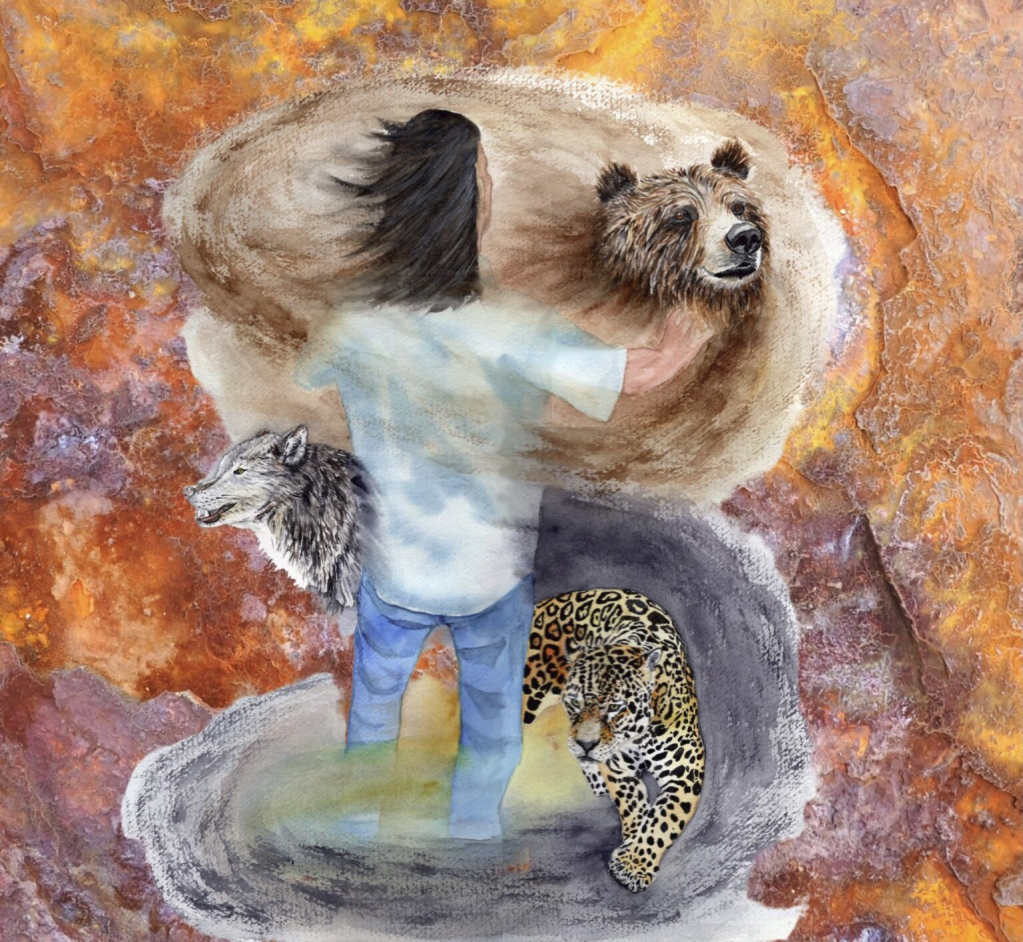
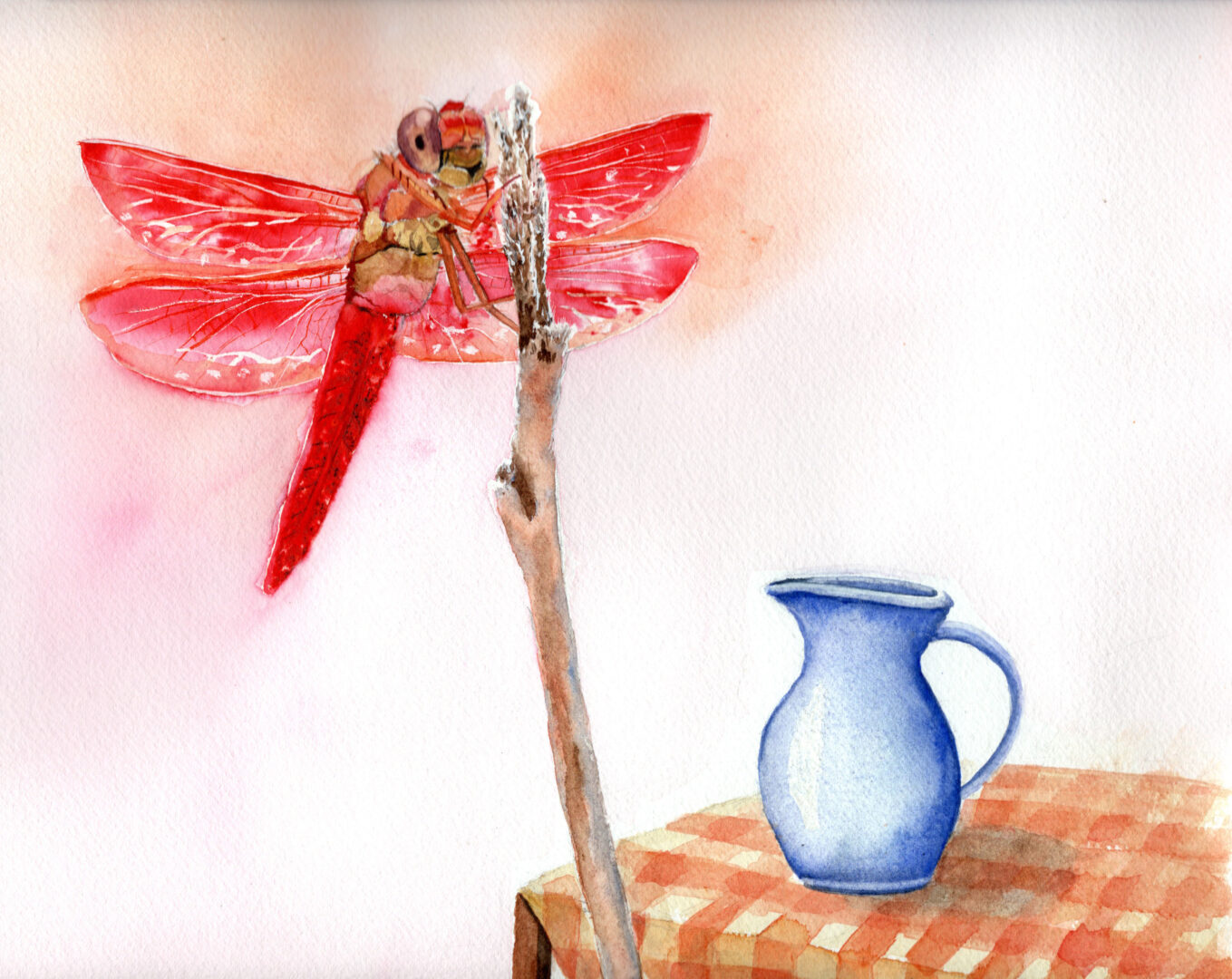
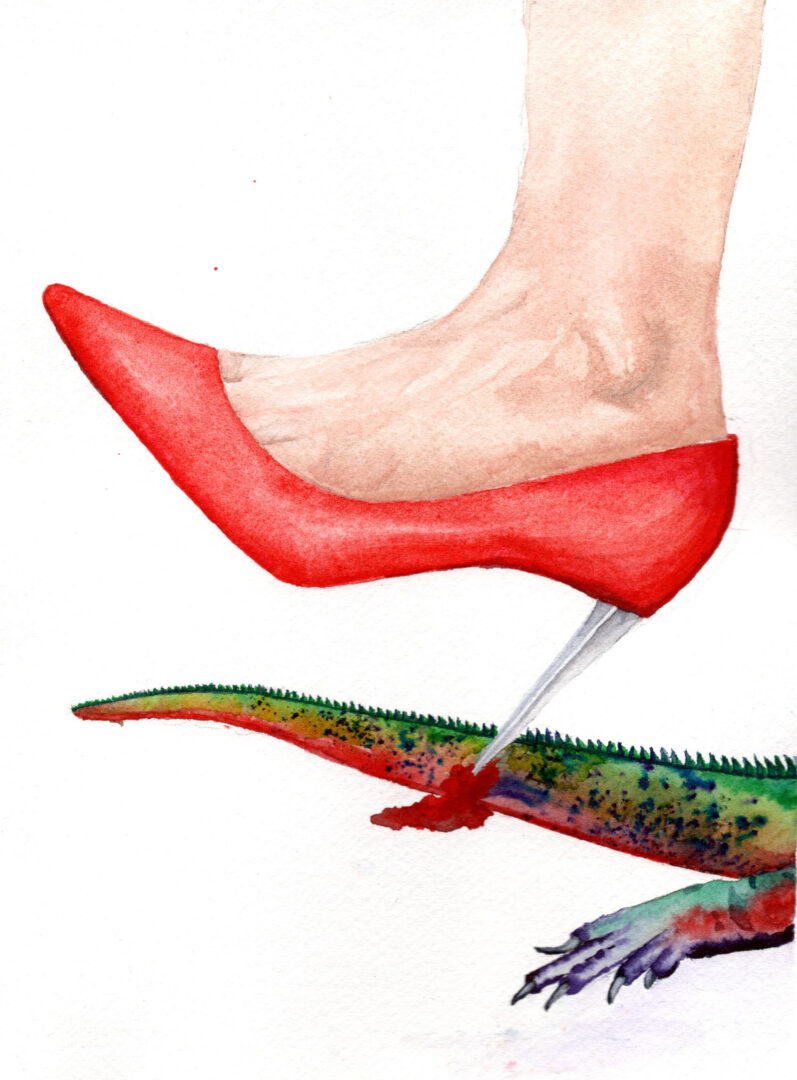
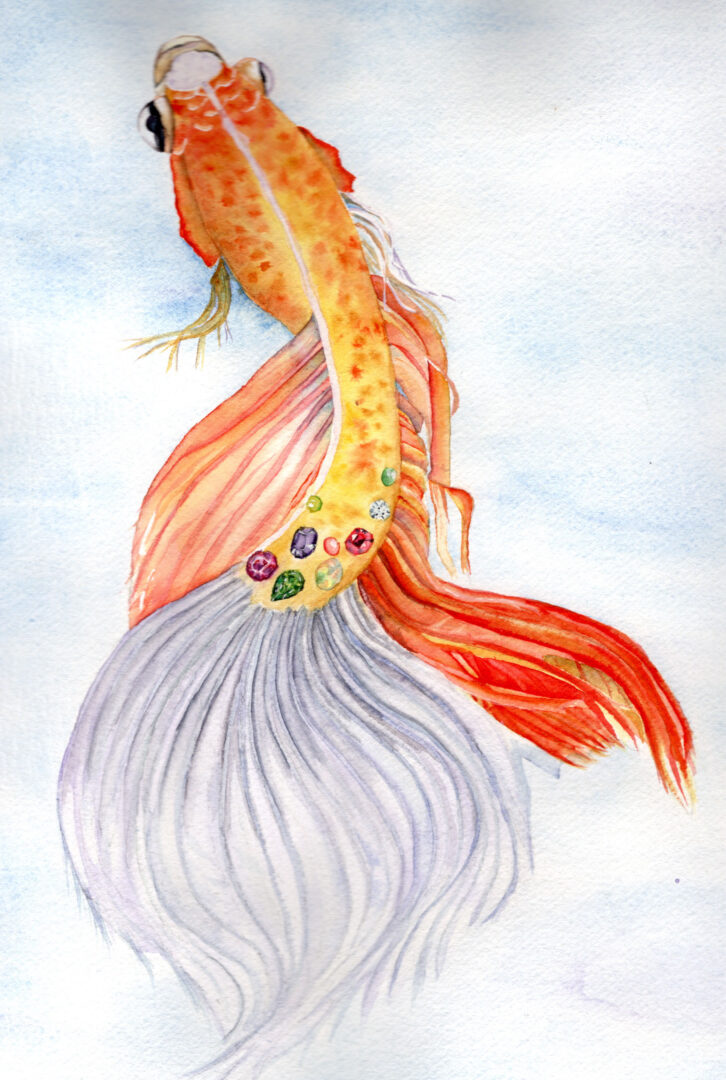
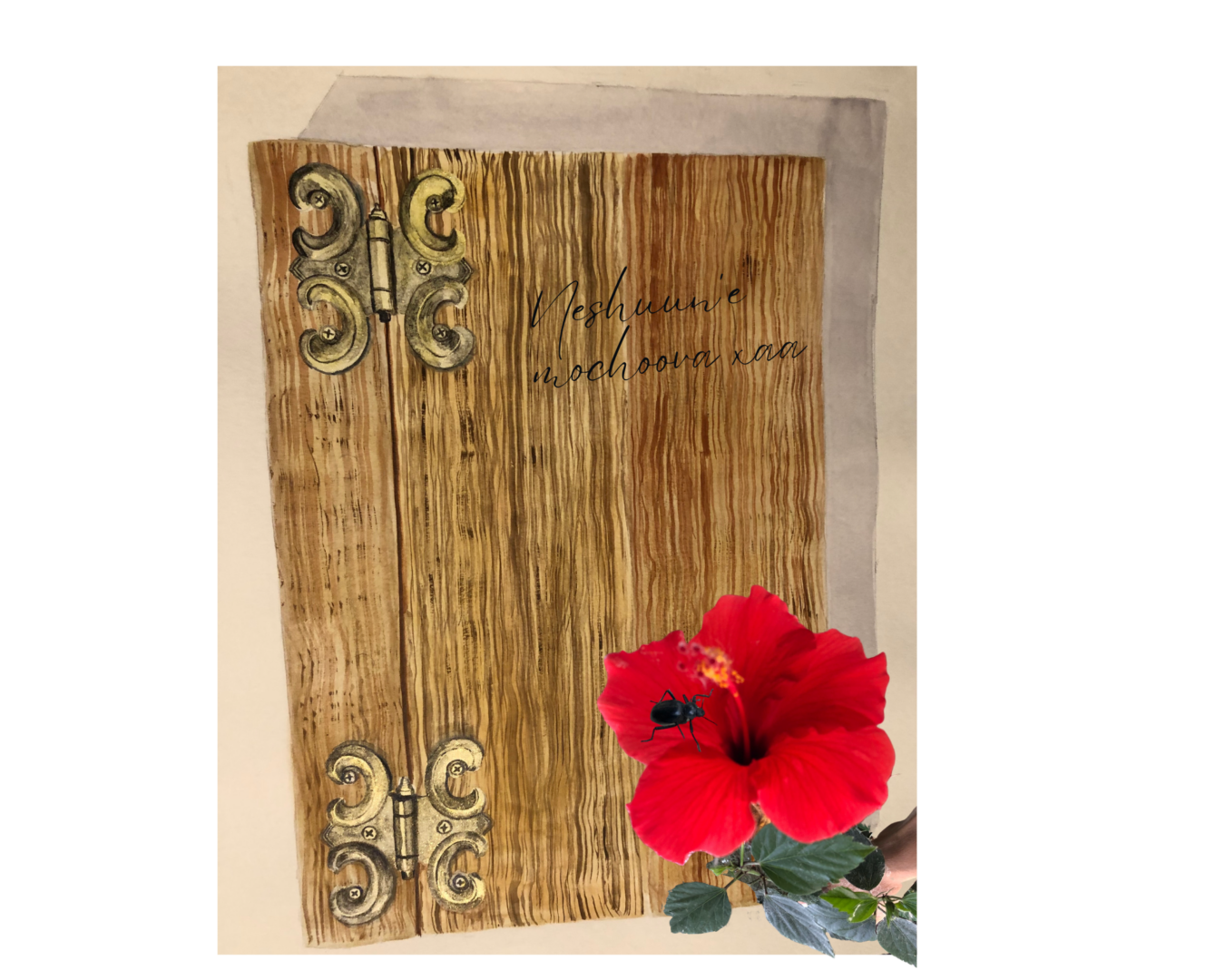
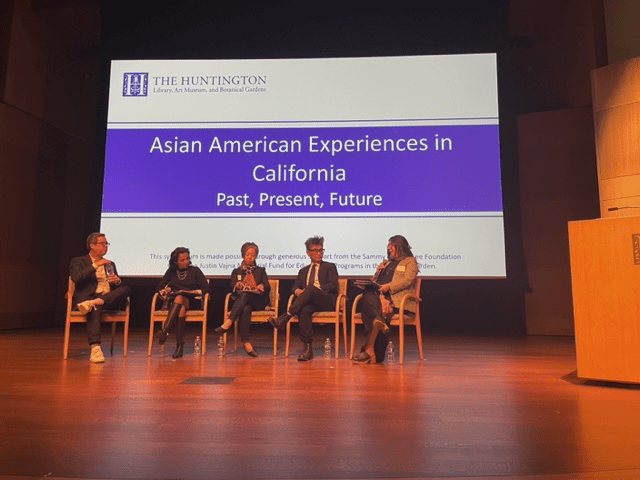
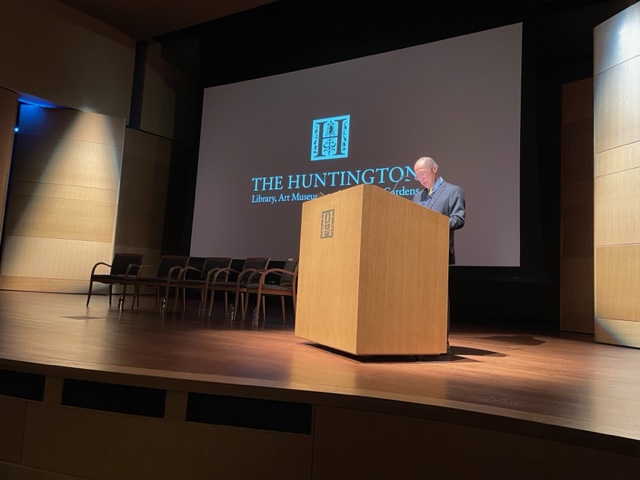
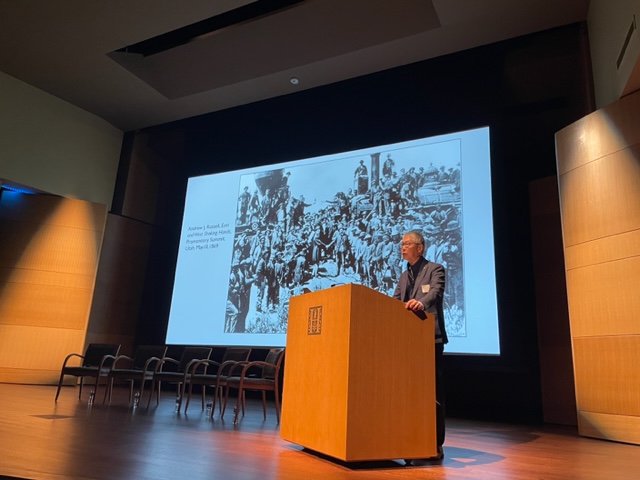
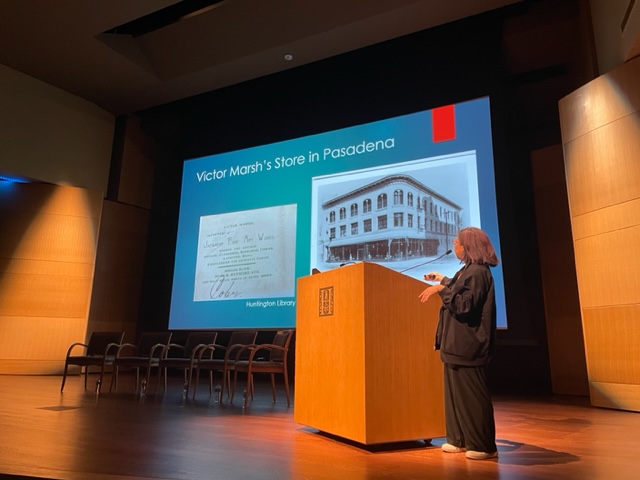
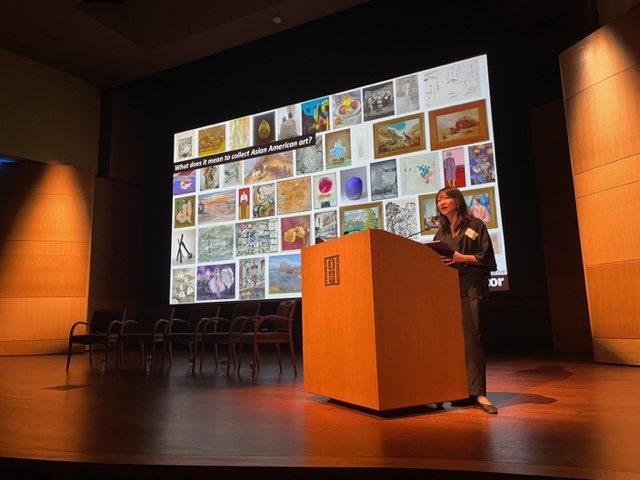
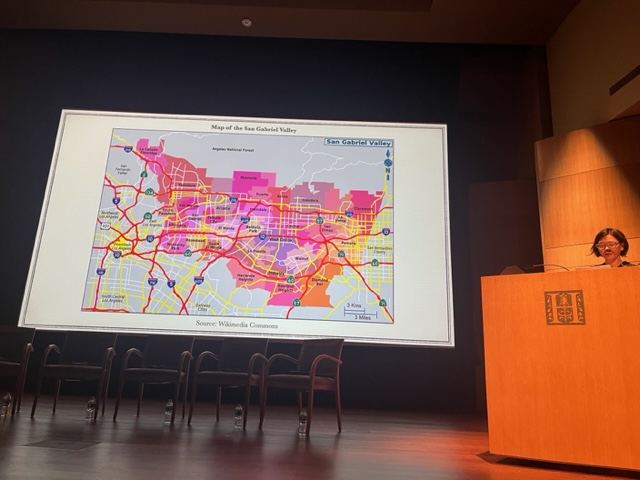
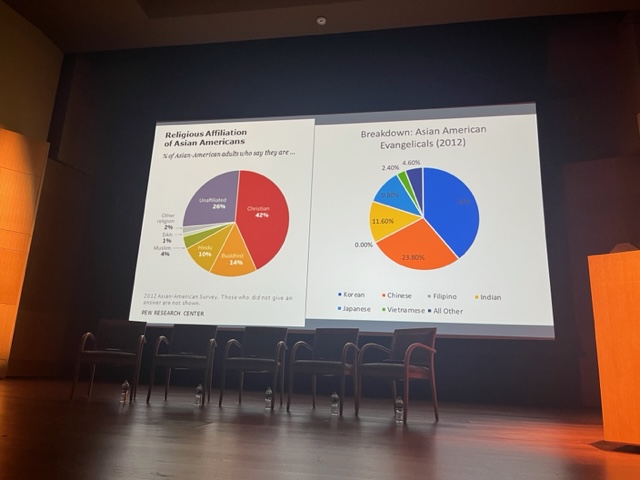
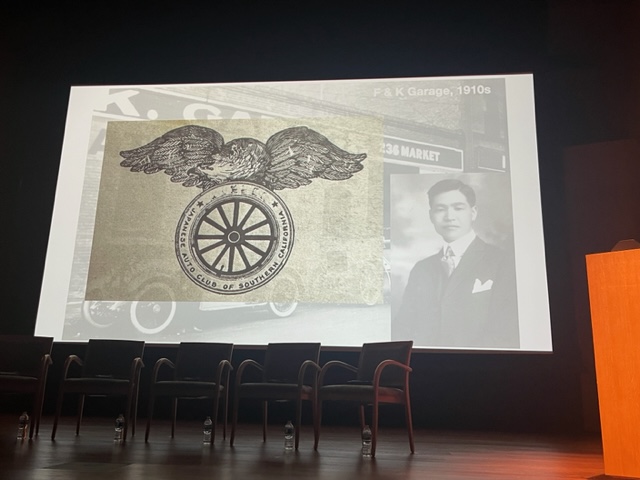
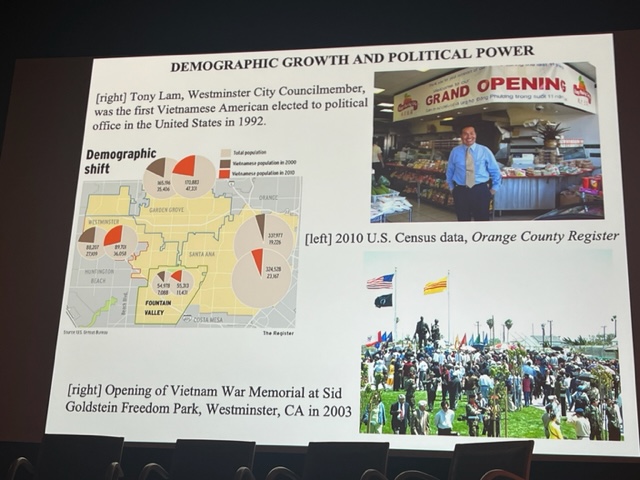
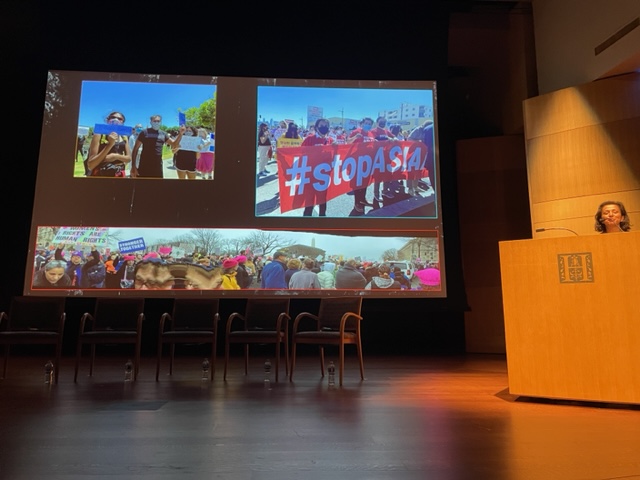
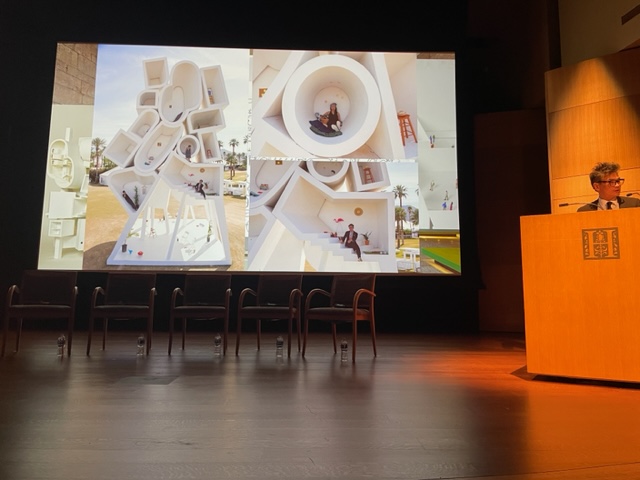
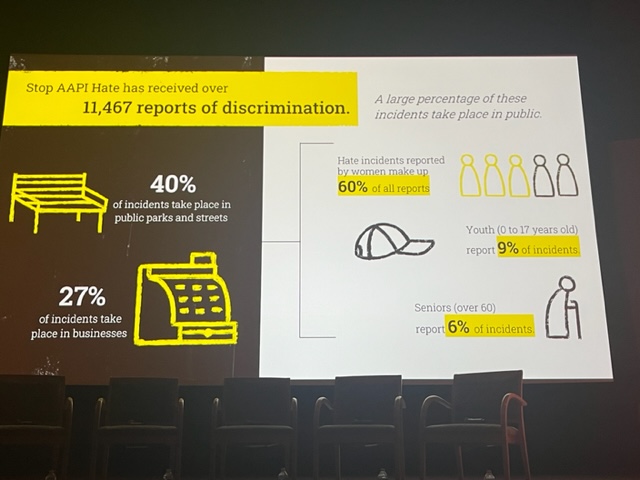
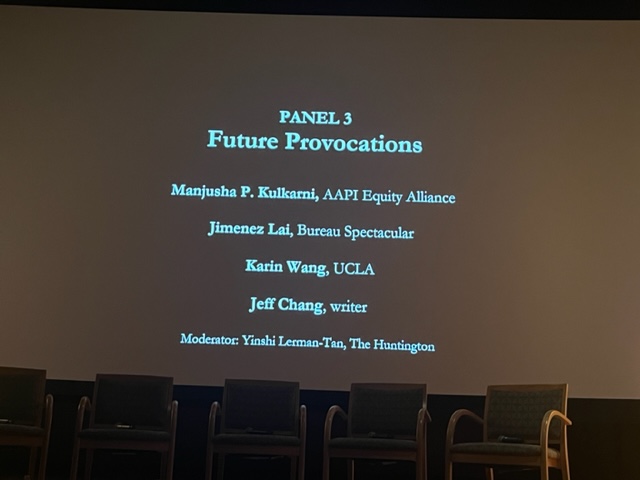
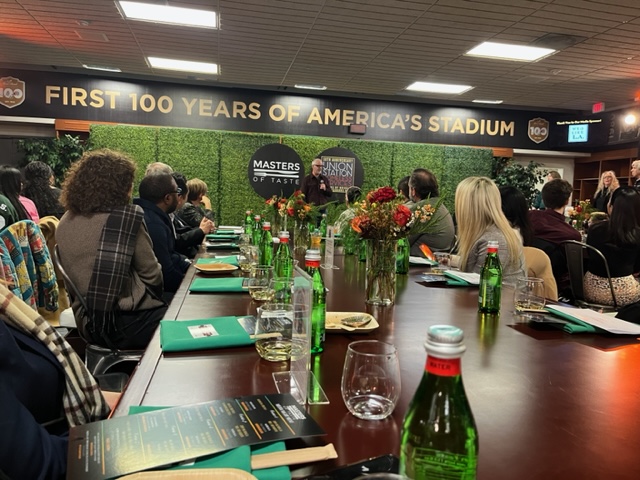
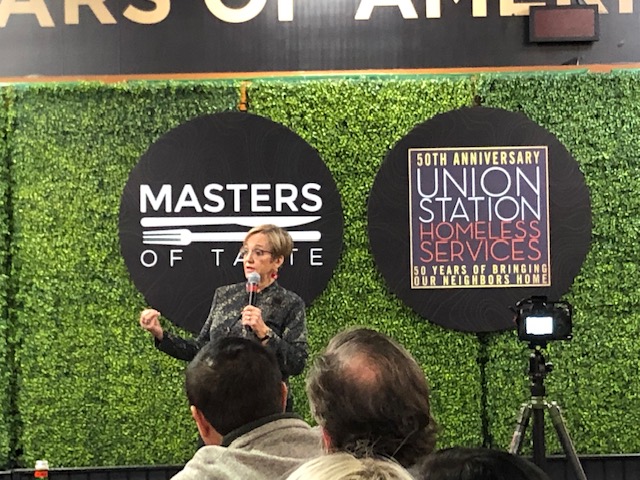

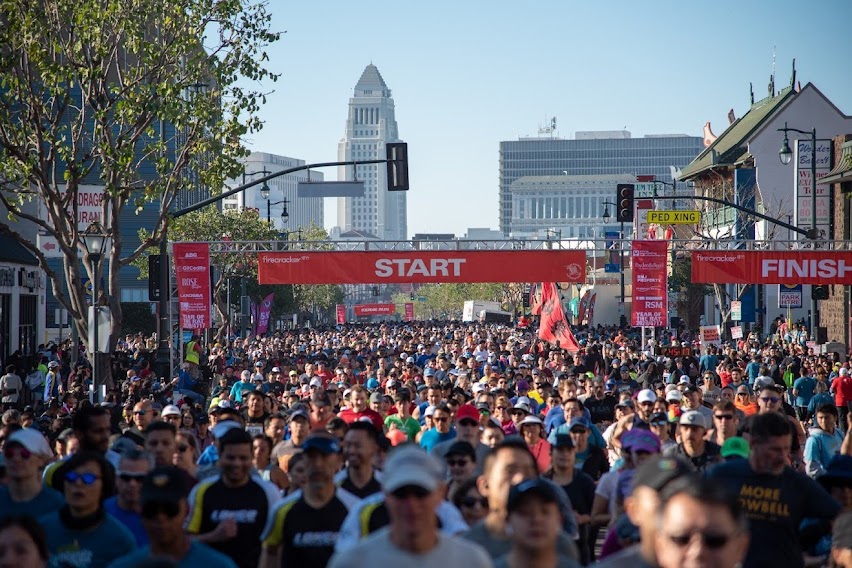
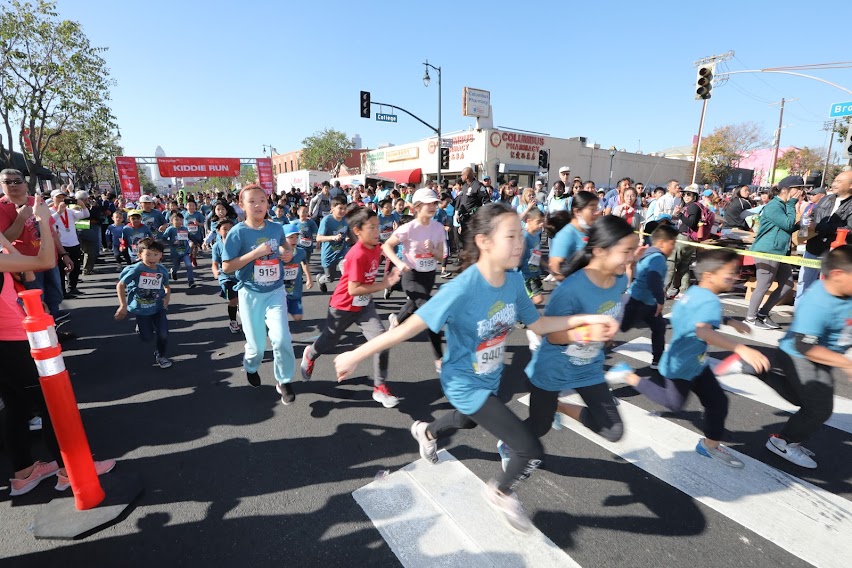
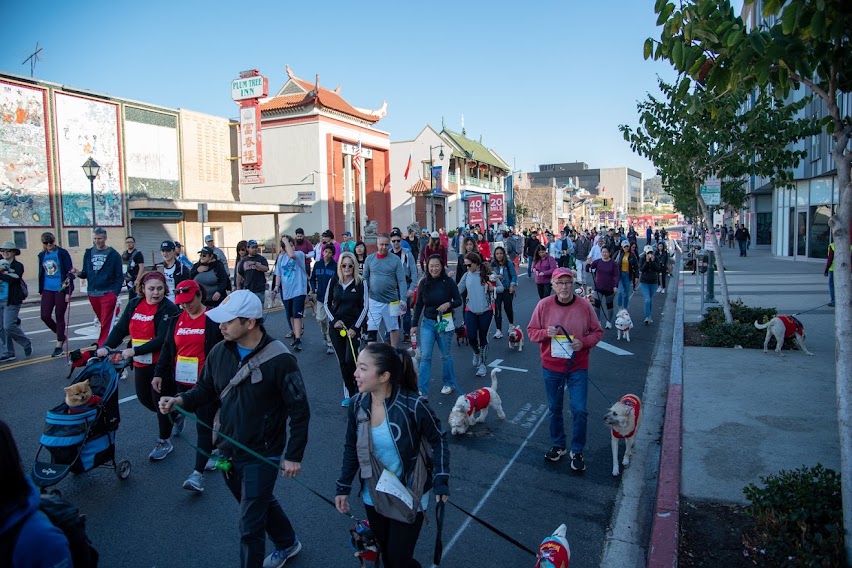

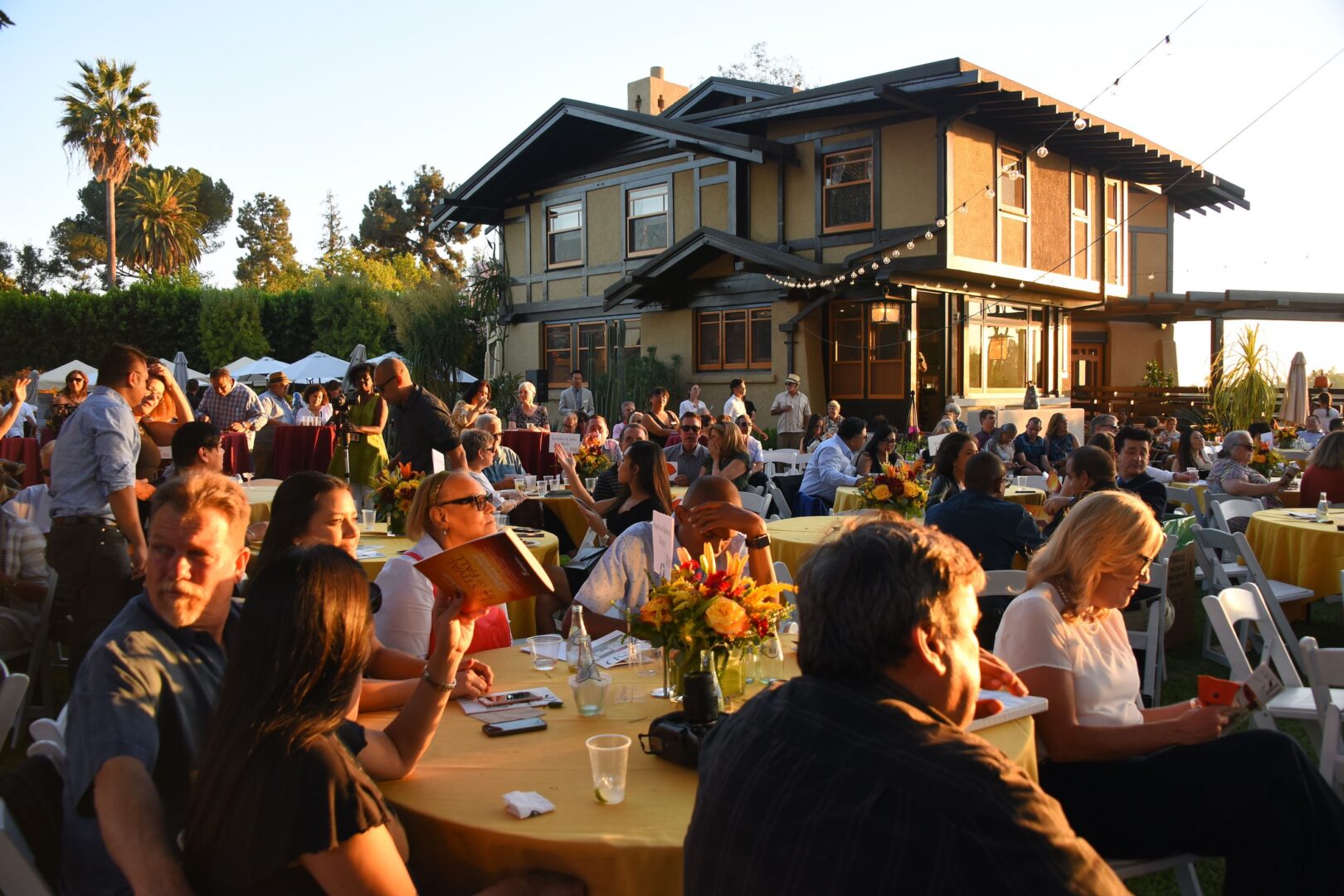
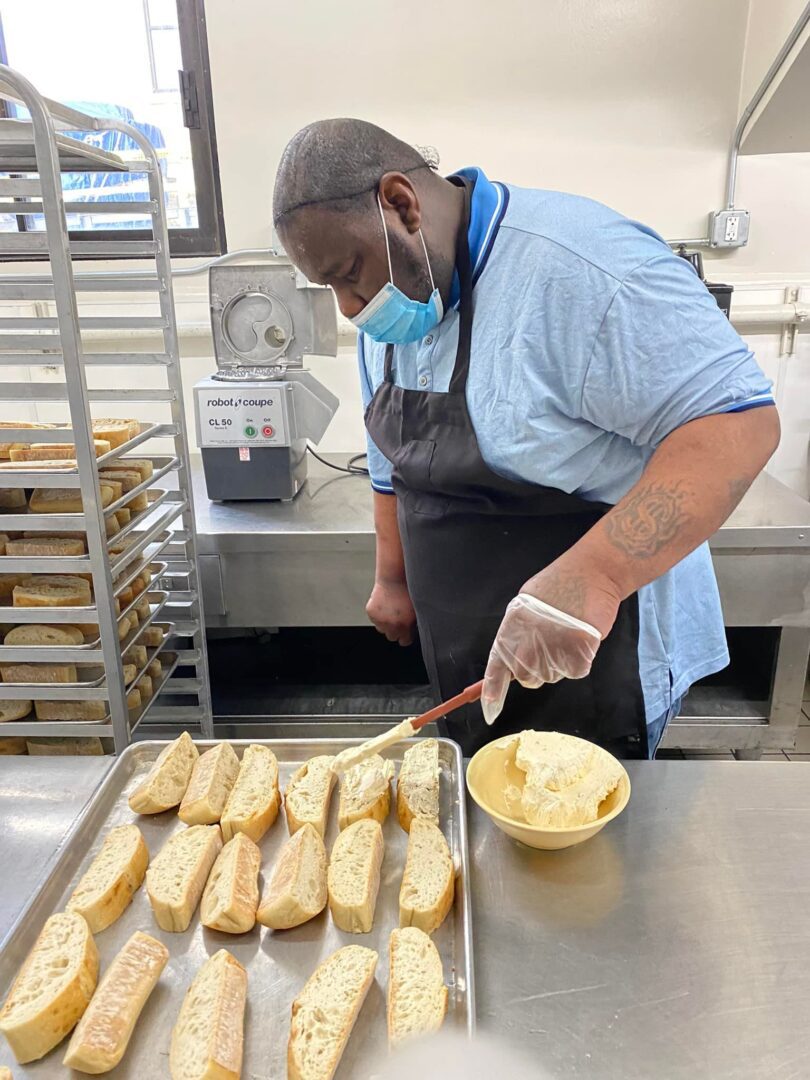
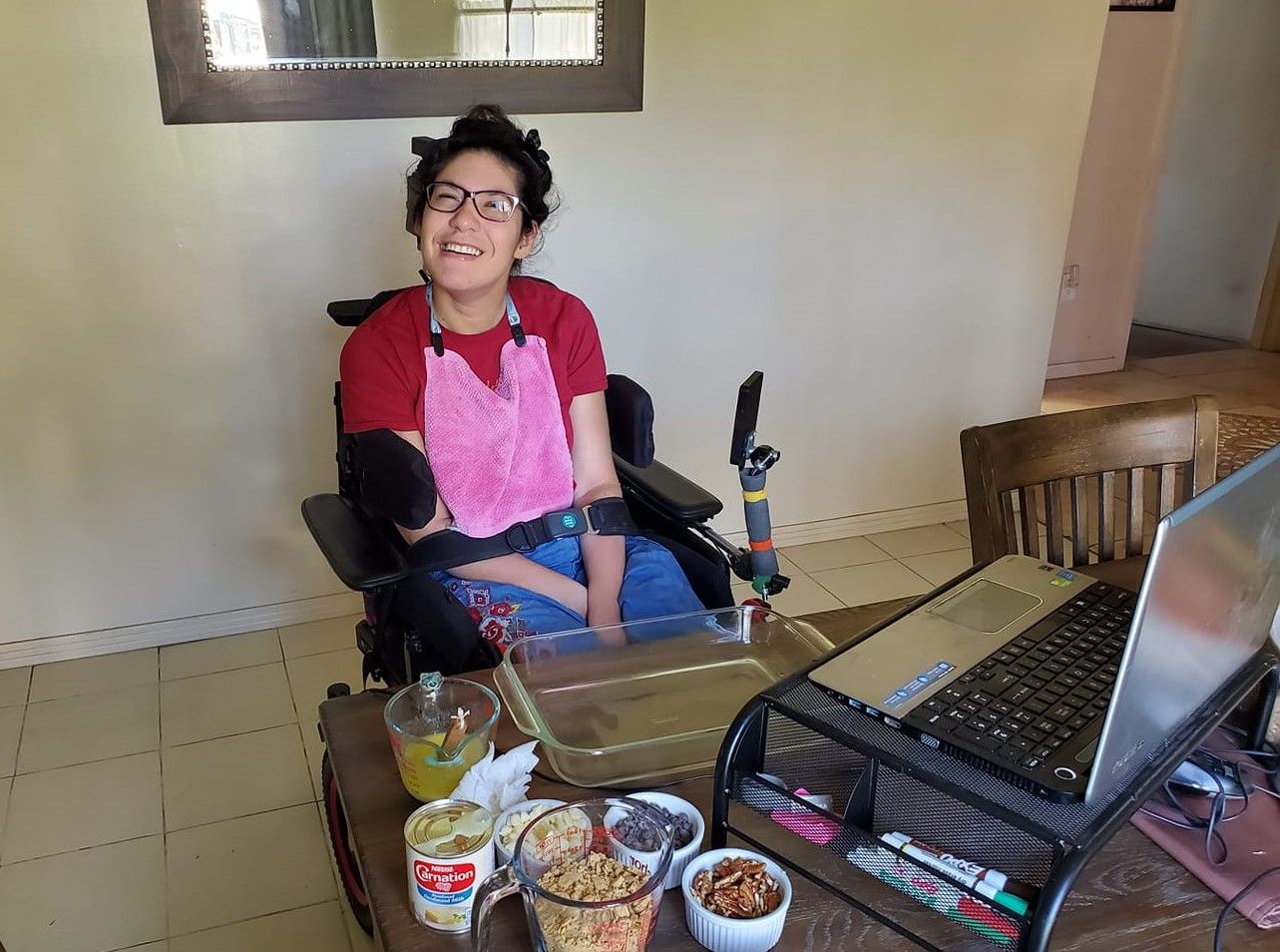
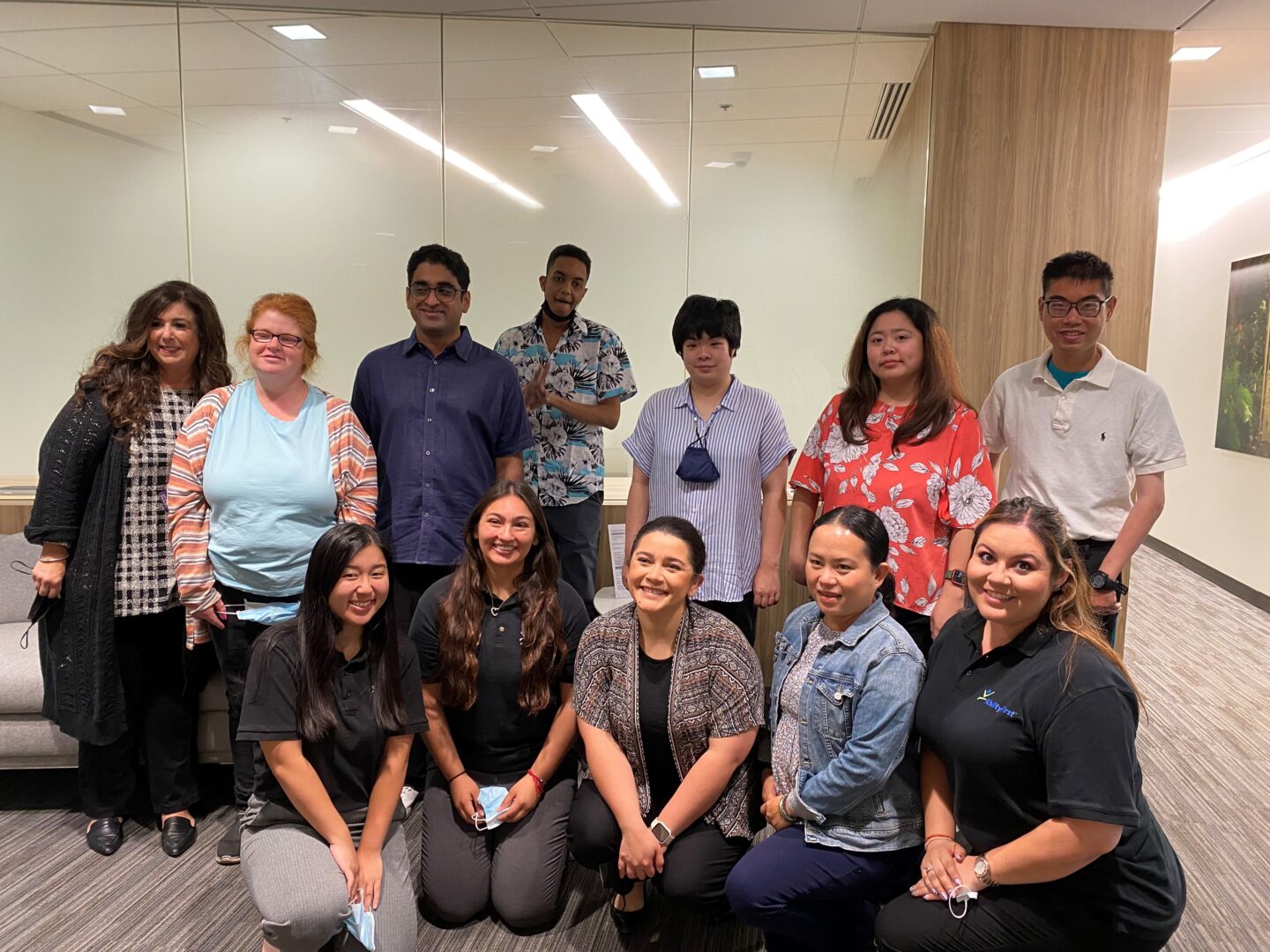
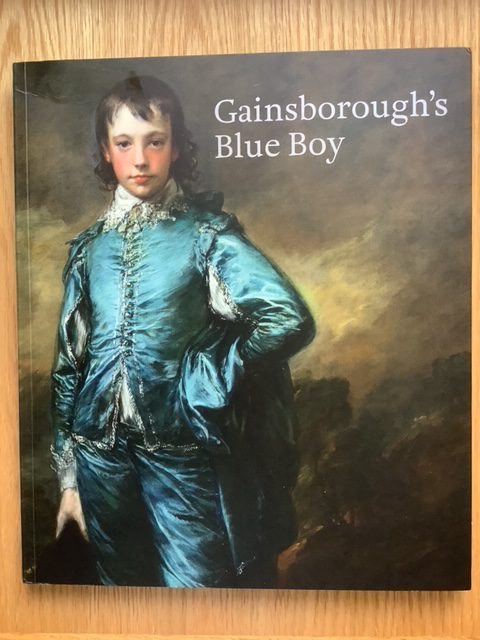
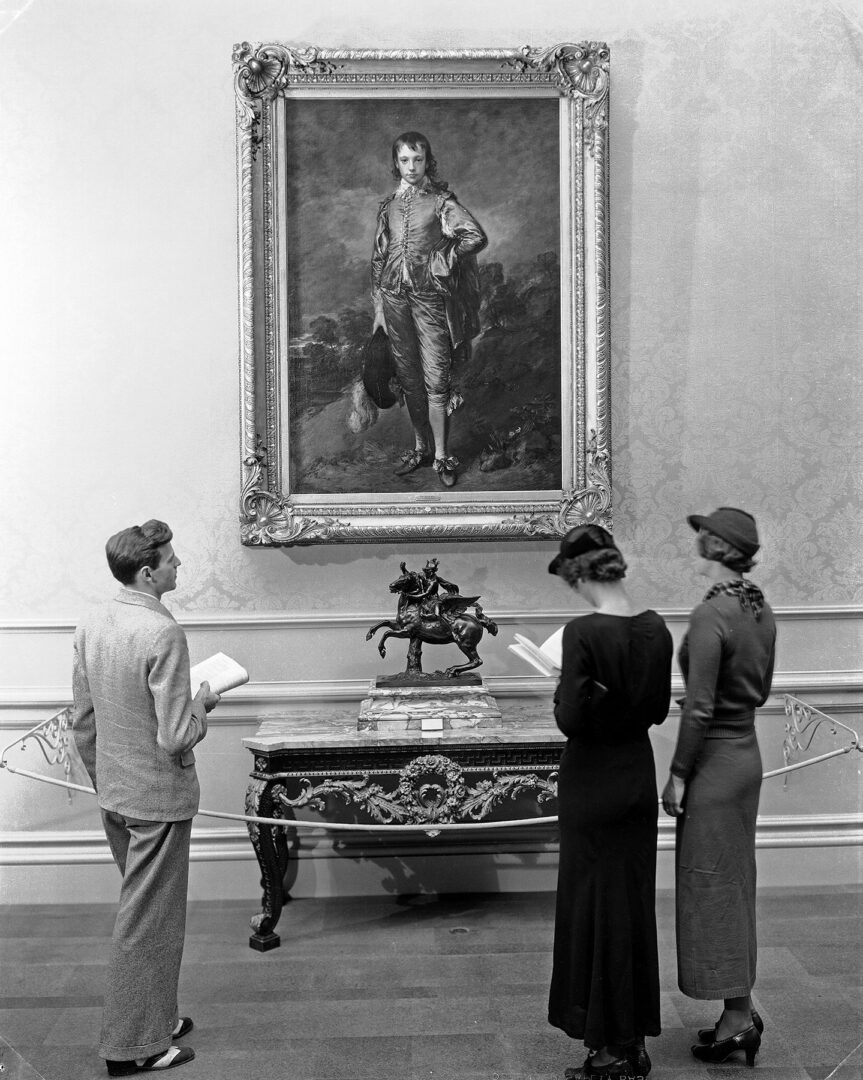
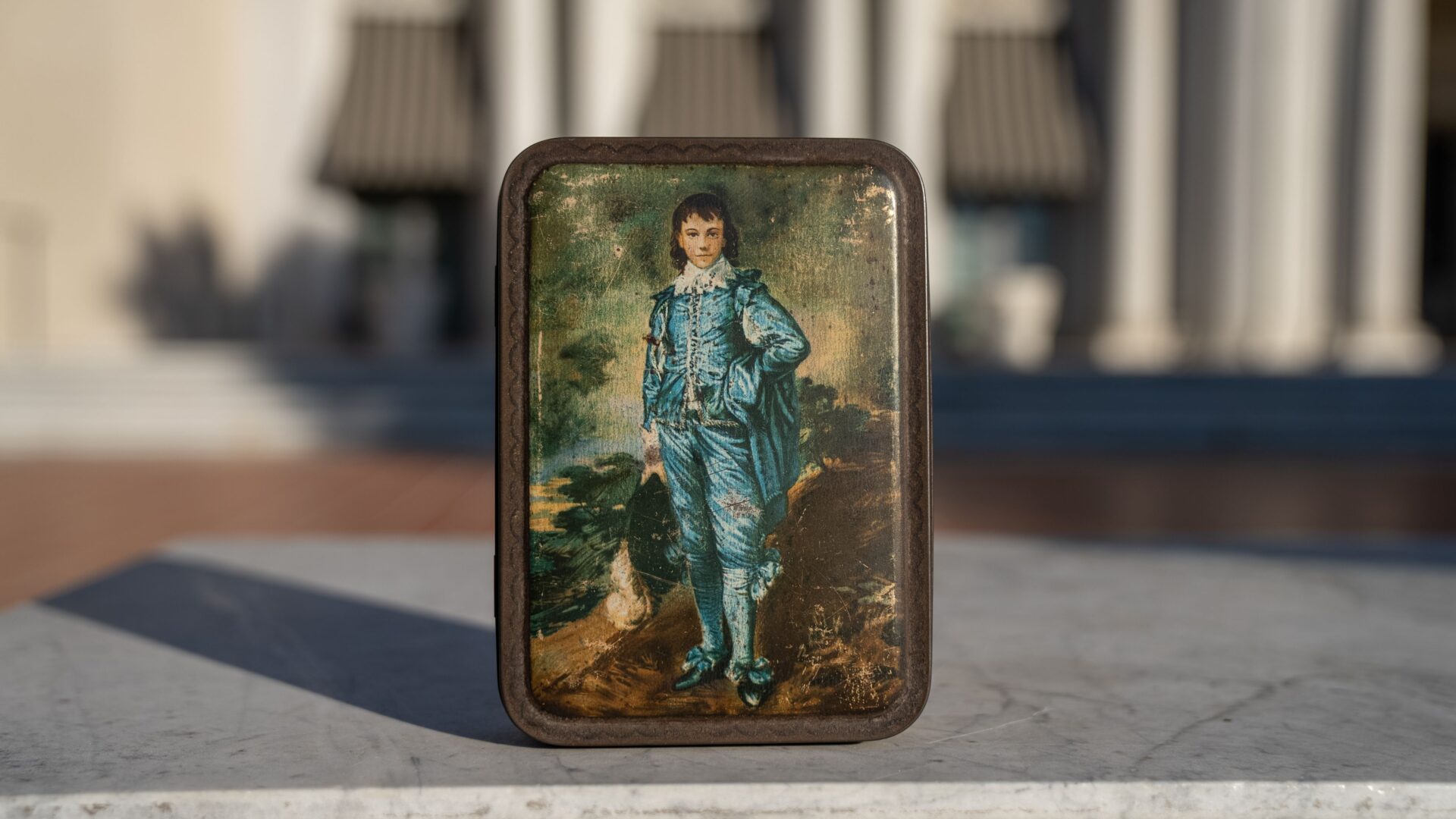
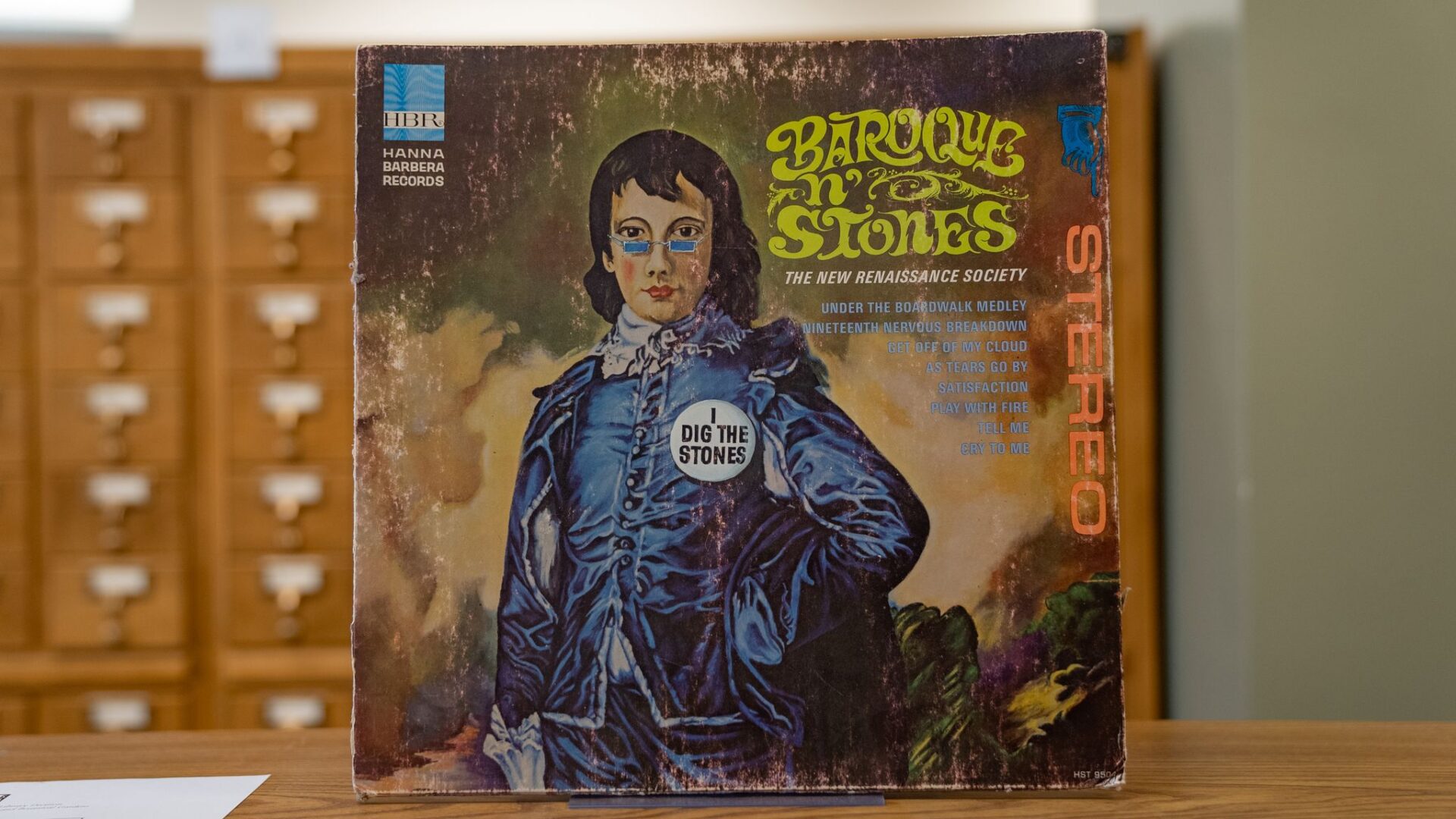
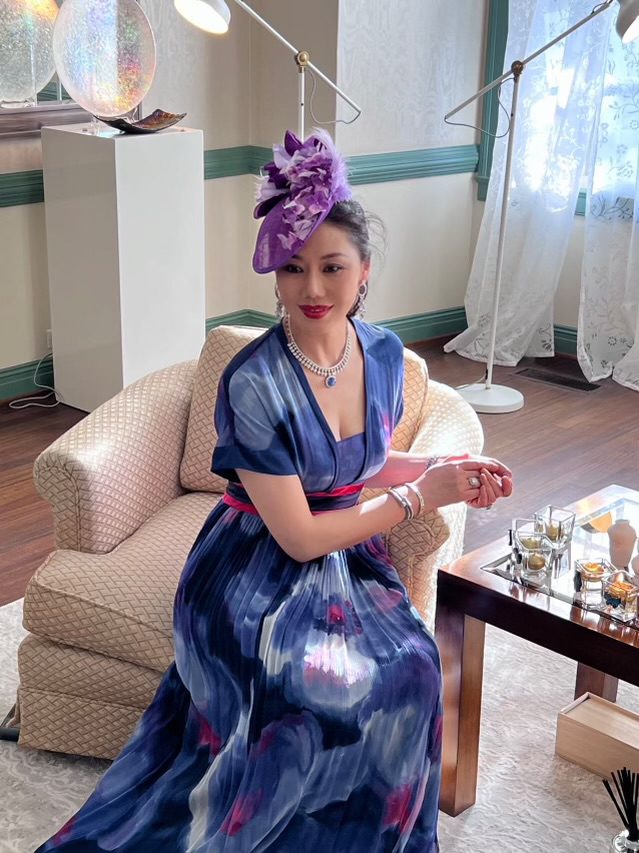
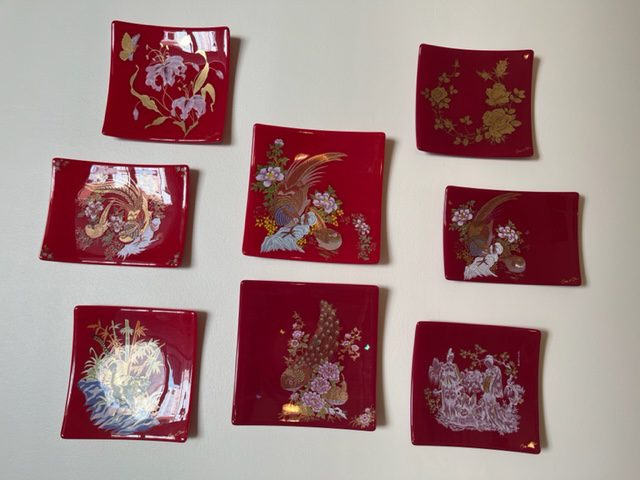
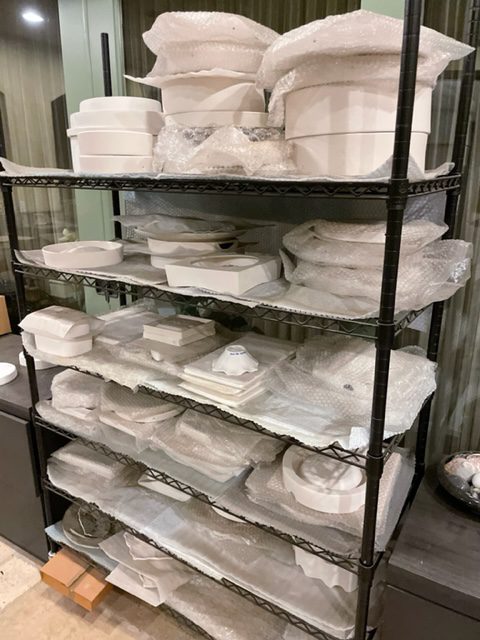
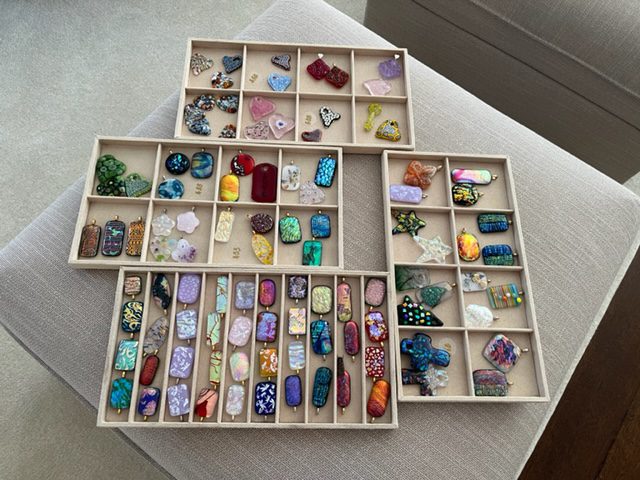
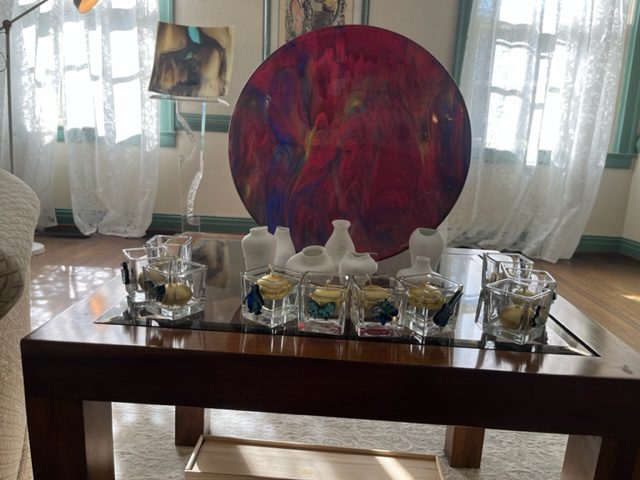
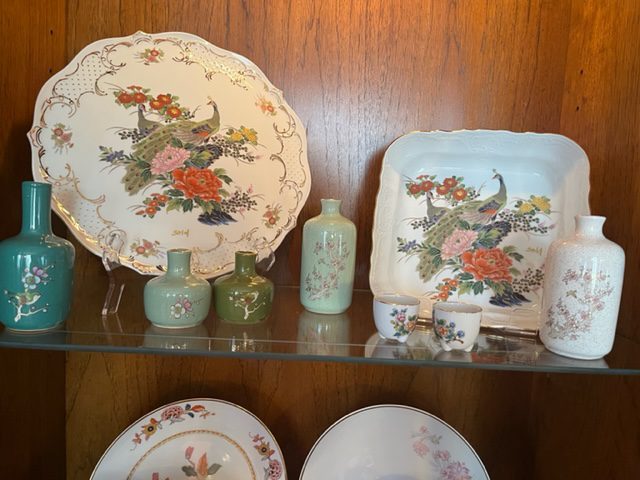
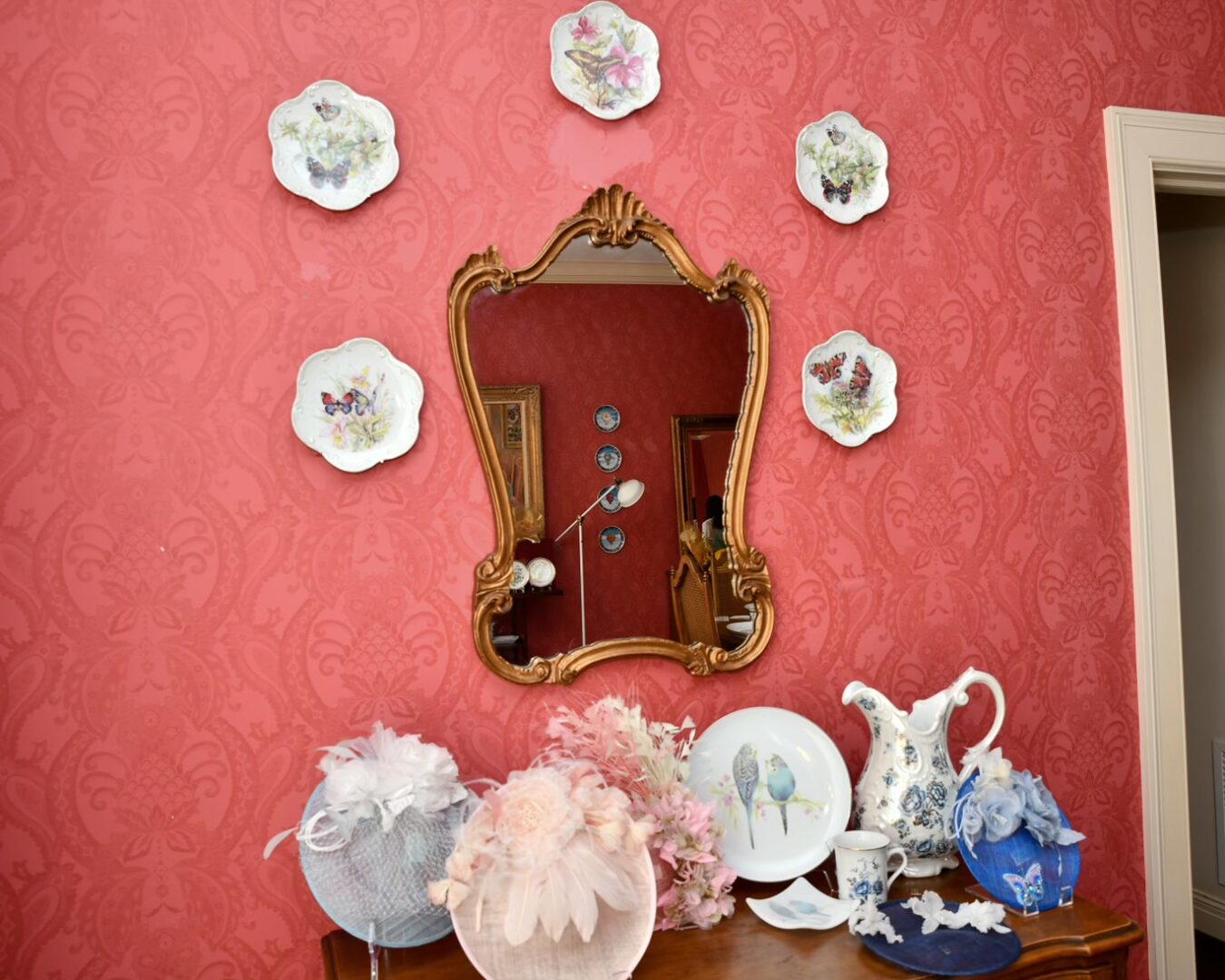
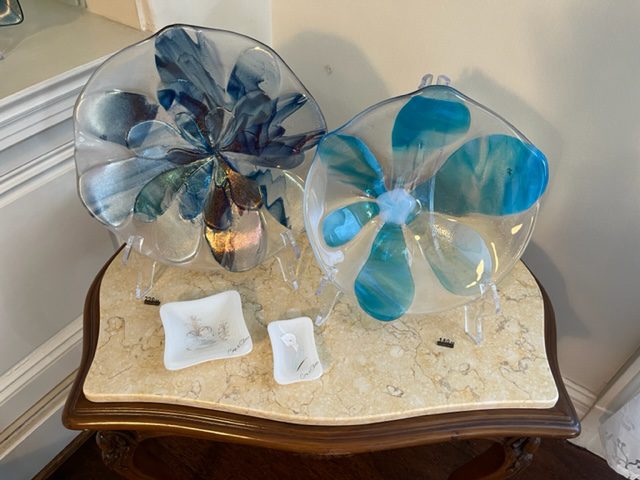
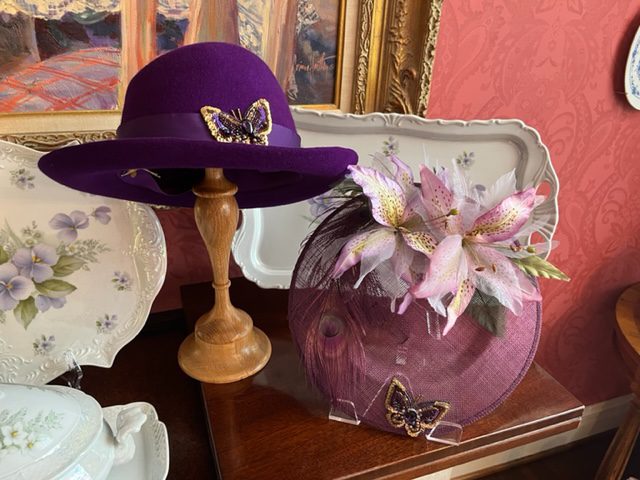
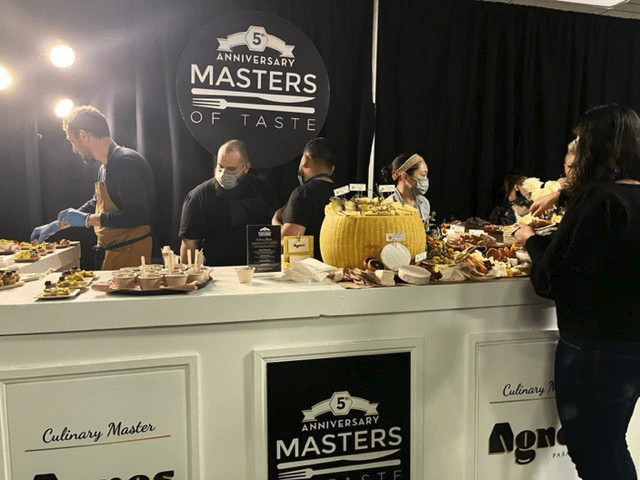
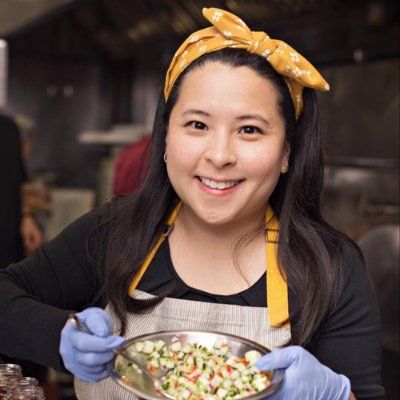
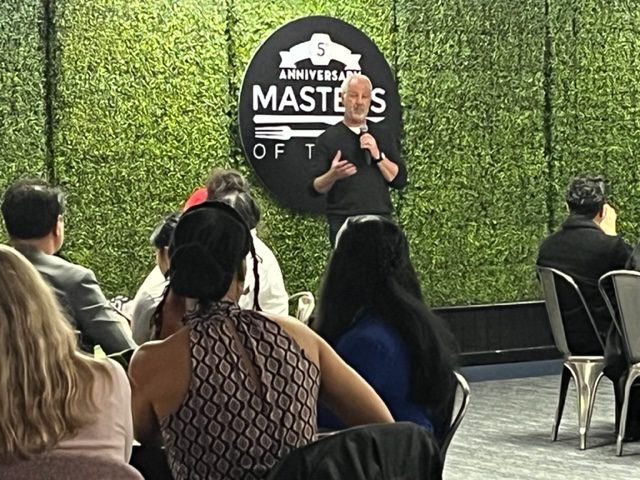
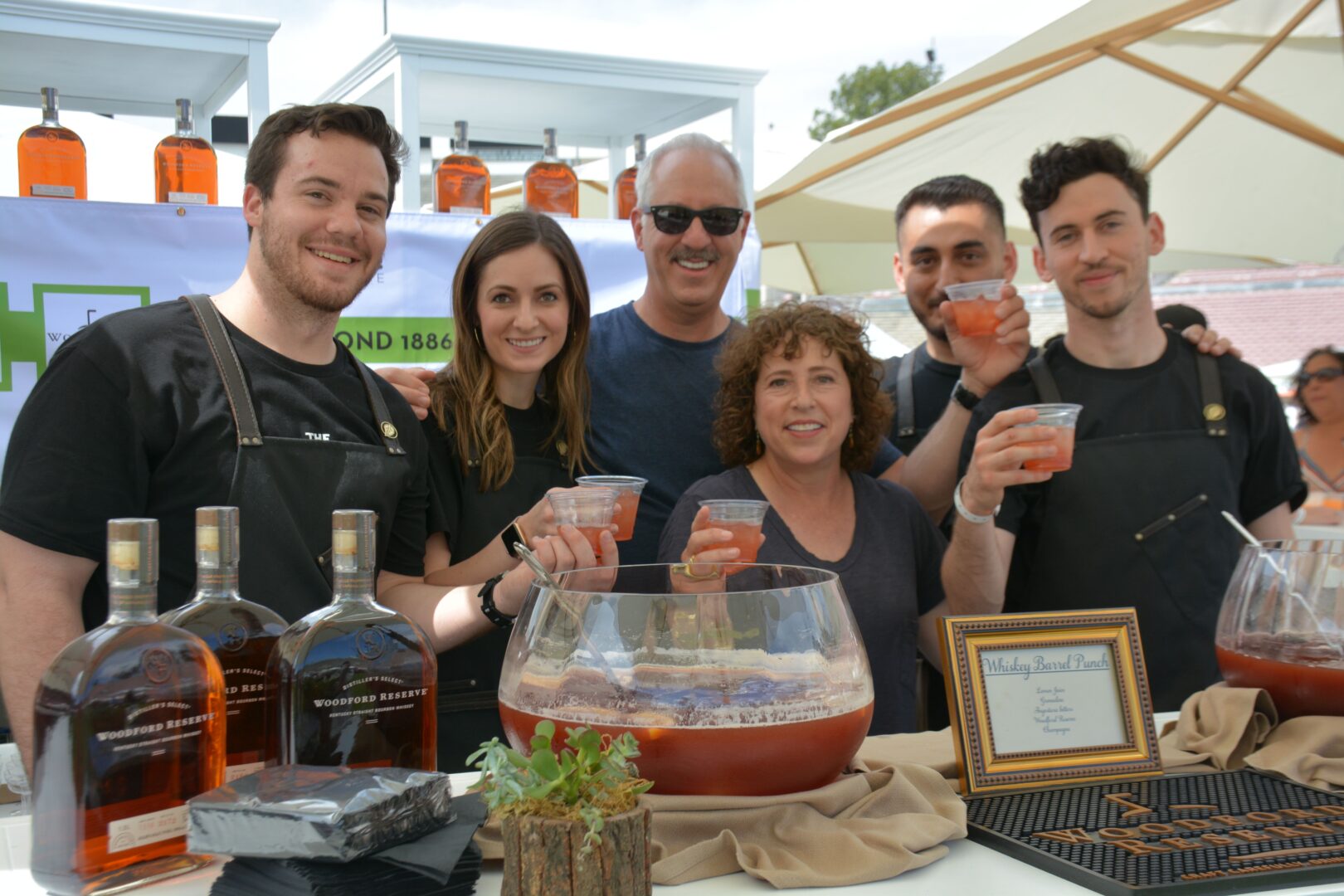
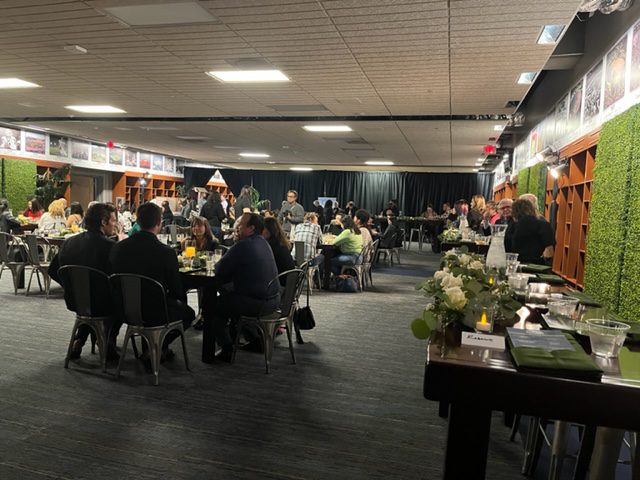
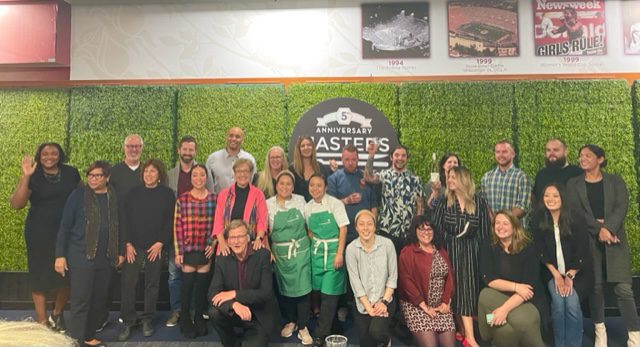
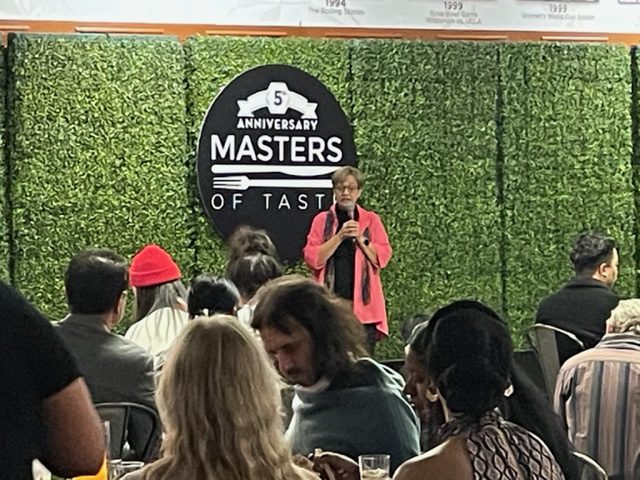
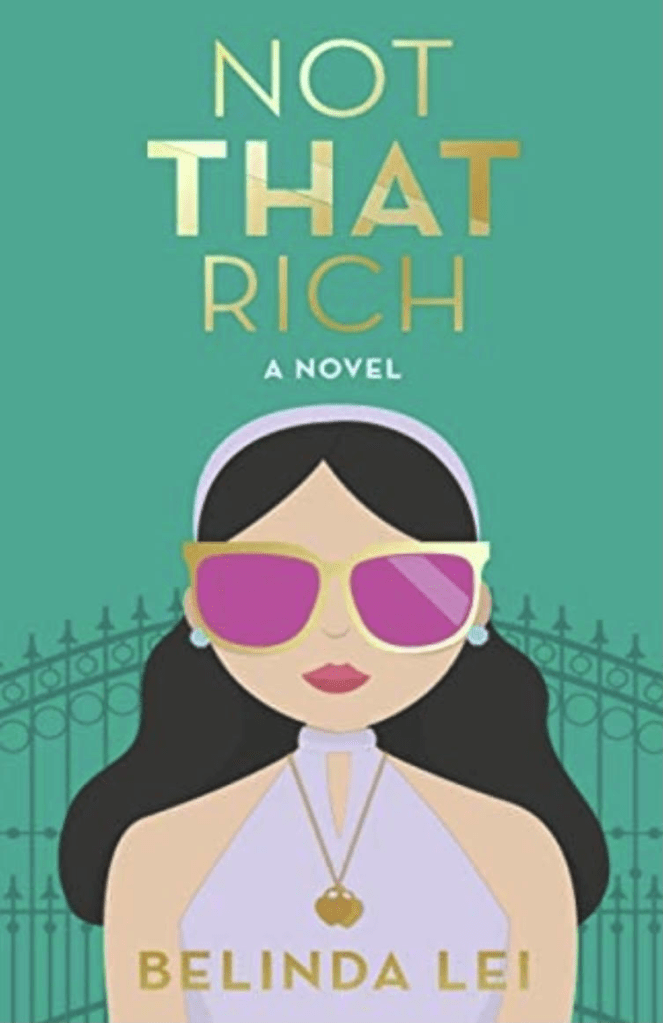
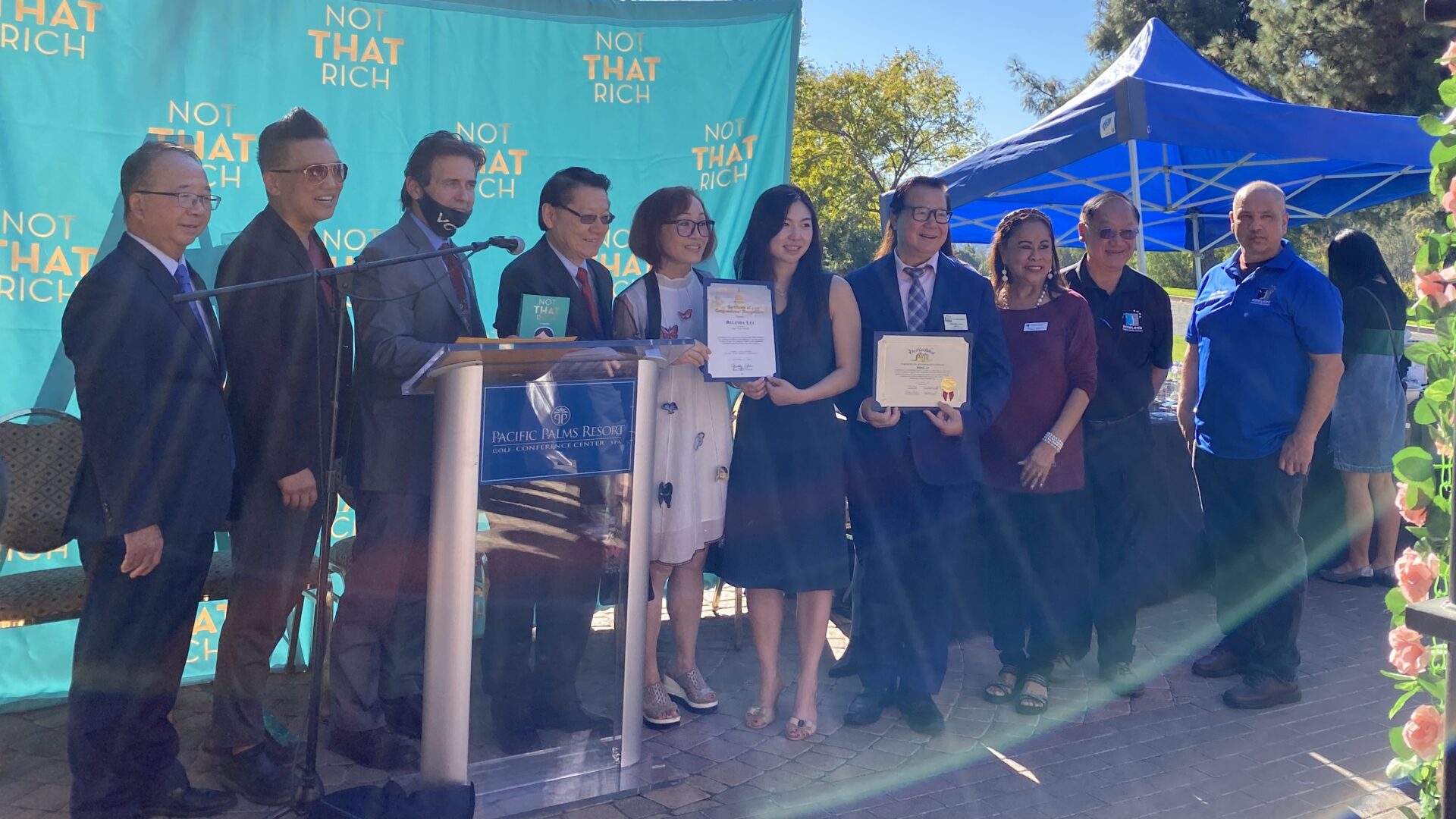


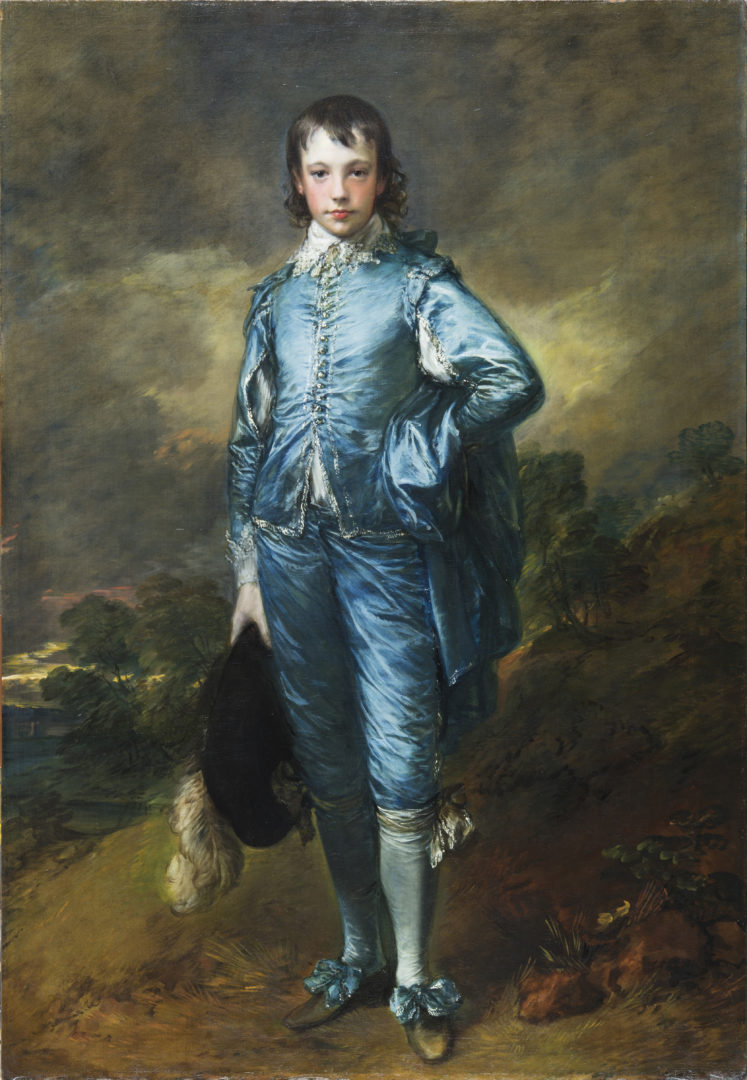
 A San Gabriel Valley Inquirer