Originally published on 10 September 2021 on Hey SoCal
Installation view of The Blue Boy | Courtesy Photo / The Huntington Library, Art Museum, and Botanical Gardens
Last month we published an article about the announcement that The Huntington Library, Art Museum, and Botanical Gardens has decided to loan our beloved “Blue Boy” to the National Gallery in London. Gainsborough’s magnificent work, which left England for the United States on Jan. 25, 1922, will be part of an exhibit that is set to open exactly 100 years since that day.
In its announcement, Huntington President Karen R. Lawrence, remarked, “This masterpiece has made an indelible mark on both art history and popular culture, capturing the imaginations of a wide range of audiences. Given ‘The Blue Boy’s’ iconic status at The Huntington, this is an unprecedented loan, one which we considered very carefully. We hope that this partnership with the National Gallery will spark new conversations, appreciation, and research on both sides of the Atlantic.”
We in the San Gabriel Valley are so fortunate to have world renowned museums and to have been exposed to stunning works by some of the greatest artists who ever lived. Most of us have never known a time when “The Blue Boy” wasn’t at The Huntington. So we asked our readers to tell us how they feel about it traveling to London and share with us their experience with this piece of art.
While we didn’t receive as many responses as we had hoped, we learned that our readers have informed opinions with information to impart. We also feel that what we did get are representative of people’s reactions and we’re printing them below:
“My informal response to your informal survey is that if the experts say it’s not safe for the painting to travel, then it shouldn’t. I’m also concerned that if the painting does go to London, what’s to keep their museum from saying that the painting is too fragile to send back?
“As you can see, I’m reluctant to let it go.”
Meg Gifford Pasadena
“Everybody likes to return home, even for a short visit … and I’m sure ‘Blue Boy’ is among them. So I wish him “calm seas and prosperous voyage.”
“The greatest gift master painters have given mankind is that it doesn’t take an advanced degree in art to appreciate their work.
“Even as a rustic with no refinement, I have stood at length in reverence before Gainsborough’s masterpiece. And in so doing, I convinced myself that if I touched that canvas, I wouldn’t feel a flat surface, but instead Blue Boy’s silken garment and his flesh underneath it.”
David Quintero Monrovia
‘The Blue Boy’ post conservation | Photo by Christina Milton O’Connell / The Huntington Library, Art Museum, and Botanical Gardens.
“I believe it is a wonderful opportunity to return it to the land from whence it came so that a ‘new generation’ can admire its beauty. The concerns cited can be mitigated if those involved will check history regarding other great works of art that traveled outside their respective country.
“The Mona Lisa was painted in 1503, 276 years BEFORE Blue Boy. Thanks to the efforts of former First Lady Jacqueline Kennedy, France’s national treasure, a very fragile piece of art, was shipped to America. On January 8, 1963, Leonardo da Vinci’s Mona Lisa made its first appearance when it was put on display at the National Gallery of Art in Washington, D. C. It was transported by the S.S. France ocean liner in a temperature-controlled box in its own stateroom, accompanied by armed guards. The temperature, which was alarm-monitored, would not be allowed to fluctuate by more than one degree throughout the entire journey. Eleven years later, in 1974, the Mona Lisa once again left France to travel to Russia and Japan. It can be done without endangering the masterpiece.
“Françoise Nyssen, France’s former Minister of Culture, once said that she didn’t believe works of tremendous cultural significance should be confined to a single institution. I thoroughly agree. Whenever possible, great works of art should be shared with the world.
“Thank you.”
Charlotte Farmer Arcadia
“My first memories of seeing the ‘Blue Boy’ was in the 1970s when my parents took me to The Huntington as a young kid. It was my mom who introduced me to it, saying it’s a great piece of art. But my appreciation of it at the time was due to the fact that the painting was of a child, like me. I remember it also being next to “Pinkie,” and I don’t know if they were meant to be deliberately displayed next to each other. While these were paintings from a long time ago, I felt a connection and kinship with them.
“That impression stayed with me to this day so when we have visitors, I take them to The Huntington and show them the ‘Blue Boy.’ When my cousins from Japan came in 2018 for my dad’s 88th birthday celebration, I took them to the mansion along with a niece and nephew who aren’t from this area. I told them about The Huntington’s conservation project and what the x-rays showed beneath the painting. I was able to share a part of my local culture to two generations. There was a language barrier between my Japanese cousins and my American relatives and they had to use Google translate to communicate, but it was a fun family experience tied to the ‘Blue Boy.’
“It’s a nice gesture to share the artwork and I hope it’s safe for it to travel that far. However, its absence will sadden many of us who have grown up knowing it’s always been there. I imagine ‘Pinkie’ will also be sad not to have him by her side. What’s going in that space while ‘Blue Boy’ is away?
“I’m a member of The Huntington and I take strolls at the gardens. And every time I go to the mansion, I make it a point to see the ‘Blue Boy.’ It’s a magnificent piece of art and embodies what I think The Huntington is about. There are so many rotating exhibits – even at the promenade area – but seeing the ‘Blue Boy’ always makes me happy. It evokes emotions and memories of my childhood. I’ll be looking forward to its safe return.”
Stephanie Yamasaki Altadena
The board of The Huntington will be glad to know that their decision has more proponents than opponents and art experts can be assured that “The Blue Boy” can safely travel, as one reader asserted. And we can be gratified in the thought that art enthusiasts across the Atlantic will have the rare chance to see and experience the treasure we hold precious.
Originally published on 19 August 2021 on Hey SoCal
‘The Blue Boy’ | Photo by Christina O’Connell / Huntington Library, Art Museum and Botanical Gardens
Among the many treasures housed in The Huntington’s art galleries, none has a more storied history than Thomas Gainsborough’s “The Blue Boy.” It had been a beloved artwork in its homeland – images of the boy in the striking blue attire appeared on various souvenir items. Its purchase in 1921 by an American collector caused quite a stir among the British people and they took to the streets when they found out that it was leaving for America.
“The Blue Boy” has occupied an important place at the Huntington Library, Art Museum, and Botanical Gardens since it opened in 1928. Along with the breathtaking and expansive gardens, the many valuable collections in the library – William Shakespeare’s quarto and folio editions, a rare Gutenberg bible on vellum, the Ellesmere manuscript of Chaucer’s “Canterbury Tales,” and Benjamin Franklin’s handwritten autobiography, among them, – the impressive works of art in the various galleries, the “Blue Boy” attracts more than 800,000 visitors every year.
In 2018, The Huntington embarked on “Project Blue Boy,” a nearly three-year conservation project to analyze, stabilize, clean, and restore the painting. To provide visitors a peek into the art and science of the process in real time, much of the conservation work was performed in public. Senior paintings conservator Christina O’Connell, who led the project, gave approximately 170 gallery talks and answered questions posed by the more than 200,000 visitors who came to watch the progress between 2018 and 2019.
The restored “Blue Boy” was scheduled to be back at the Thornton Portrait Gallery on March 26, 2020 but the coronavirus pandemic delayed that much anticipated unveiling (read related article here). While it was back at its usual spot in September last year, it was only on April 17 this year – when The Huntington’s art galleries were again open to the public – that visitors got to see Gainsborough’s masterpiece.
And then last month, The Huntington announced that “The Blue Boy” will be returning to England 100 years after it left. From Jan. 25 through May 3, 2022, it will be on display at the National Gallery in London – a reversal of events when it was last viewed by 90,000 people during its last three weeks there before it departed for its new home in California.
This time, the news stunned art experts. In a Los Angeles Times article published on July 6, art critic Christopher Knight wrote that he asked Mark Leonard, a retired conservator of paintings at the J. Paul Getty Museum, for a comment. Leonard replied that the panel of nine American and European art conservators – experts the museum convened in December 2018 to evaluate the “Blue Boy’s” condition – expressed shock about the decision made by The Huntington’s board of trustees.
Knight further wrote that “sending the picture was unanimously opposed by the expert team, who believed travel puts the prized work at grave risk. They warned of potential structural damage to the 250-year-old canvas from the arduous trip.”
While it’s magnanimous of The Huntington board to lend “The Blue Boy” to the National Gallery so that others across the Atlantic are afforded the opportunity to once more see it, we in the San Gabriel Valley are also very protective of it. We have wonderful memories of going to the Thornton Gallery to gaze in awe at Gainsborough’s genius, and we want to make sure the painting celebrates its next centennial.
How do you feel about “The Blue Boy” traveling 5,429 miles and being gone for four months? We invite you to send us an email and tell us, in 100 words or fewer, your thoughts about it and share your experience looking at this magnificent work of art. Send your email to: MayRChu56@gmail com. Unless you request otherwise, we will include your name when we publish our informal poll.
‘We Are Here’ Exhibition Gallery entrance | Photo by Brianna Chu / Hey SoCal
“We Are Here: Contemporary Art and Asian Voices in Los Angeles” was slated to open at USC Pacific Asia Museum (USC PAM) in March of last year but the coronavirus pandemic caused temporary closure of art galleries. While it was an enormous disappointment, it was a necessary mandate given the severity of the situation. We didn’t know it then, but all art venues would remain shuttered for what felt like an interminably long time.
The museum’s announcement that it will reopen to the public on May 29 was welcome news for all art enthusiasts. “We Are Here,” which has only been accessible online, will have its final week on view with in-person visits. The news also couldn’t have come on a more fitting occasion – AAPI Heritage Month. These artists and the experiences mirrored in their work reflect Asian American and Pacific Islanders’ many contributions to our country’s history, culture, and achievements.
“We Are Here” is curated Dr. Rebecca Hall, who has a PhD in Southeast Asian Art History from UCLA with a specialty in Buddhist art and textiles in Thailand, Laos, and Cambodia. After receiving her doctoral degree, she lived in Southeast Asia for a while doing research and teaching. She then moved back to the United States and taught in L.A. and Richmond, Va. She also had a curatorial postdoctoral fellowship at The Walters Art Museum in Baltimore, Maryland. More recently, she taught at Santa Monica College and Pasadena City College.
Because of her expertise, Hall was hired as a guest curator at USC PAM for an exhibition called “Ceremonies and Celebrations: Textile Treasures from the USC Pacific Asia Museum Collection”. It was up in the special exhibition galleries from September 2018 until January 2019, following her designation as a full-time curator in July 2018.
Prior to the pandemic, Hall graciously agreed to give a private guided tour while she discussed her vision for the exhibition and talked extensively about each artist’s background.
“I have been putting this together for a little over a year now,” Hall commenced. “It was grounded in my conviction that we have this incredible collection of art from the Asia Pacific world. And that world extends beyond the geography of Asia and the Pacific which we typically think of, but really encompasses the diversity of Los Angeles itself. As a person who’s not from L.A., but has lived here off and on since 2002, I wanted the opportunity to celebrate the diversity of our Asian and Pacific population.”
Recounted Hall, “I didn’t have any connections to contemporary artists in L.A. but I know we have one of the most wonderfully diverse and densely populated areas of people of Asian heritage living in one of the most creative cities on earth. I knew my task would not be that difficult and I just began to explore. Once I decided to develop an exhibition featuring the work of L.A.-based Asian artists, I started googling and looking at galleries, exhibitions, and artists’ websites. I made a long list of artists, and chose the seven I was most interested in and whose work I was most drawn to. It was a slow process at the outset but it was interesting and I learned a lot about artists in Los Angeles.
“As part of the exhibition, we also have these videos of three- to five-minute conversations with the artists that add layers of understanding. One of the joys, for me, in putting together this exhibition, is how brilliantly and clearly each of these artists articulate their vision in their work as well as when they talk about it. Furthermore, they’re very dynamic artists – each one works in different media and from a different perspective.”
The exhibition is organized by artist – there is a small display with a short introduction about each, with an accompanying detail about their work. As you walk in you’ll enter the space of Phung Huynh. Hall described, “Phung is a refugee from the Vietnam War but her history isn’t as straightforward as just that. Her mother is Vietnamese; her father is Cambodian who fled Cambodia into Vietnam where he met her mom. Her mother’s side of the family is actually ethnic Chinese who moved to Vietnam as refugees from China. She moved to the United States when she was a toddler and, living in Chinatown, was pushed to learn Chinese; it became a part of who she was. So her initial works of art and what she had shown up to this point were about how we perceive Chinese people and culture and how Asian American woman are pressured to modify their appearance to acceptable American standards. When I met with her, she had actually just been embarking on artwork that looks at her experiences as a Vietnamese and Cambodian refugee.
Huynh’s display of cross-stitched license plate | Photo by Brianna Chu / Hey SoCal
“When you come into the gallery you’ll see right away something iconic – a dozen pink donut boxes that she’s using as a canvas for portraits. Each portrait is that of a refugee from Southeast Asia who exemplifies power and perseverance: herself as a toddler; her parents; an artist; a chef; and some local personalities she interviewed, including someone who survived the Khmer Rouge through his art; and a documentary filmmaker who now lives in France.
“She created a baker’s dozen and on one wall is a portrait of a 13th person who isn’t a refugee – Mister Rogers. He was the one who made her and her family feel welcome in the United States and helped them to learn English. I think a lot of people can identify with that compassion he showed everybody and his lack of judgement in the way that he helped people see that they’re all Americans. He has a warmth that we should all aspire to.”
Pink donut boxes reference the donut shops that Cambodian refugees opened to build a new life in Southern California after they fled the genocide. Huynh’s display of cross-stitched license plates, meanwhile, are souvenir key chains that kids going to theme parks can buy that signifies inclusivity and an opportunity for all Americans to find their names on these mementos.
The next artist is Ann Le and she has twelve pieces in the show.
Ann Le’s ‘World War Apartment’ photo collage | Photo courtesy of USC Pacific Asia Museum
Hall expounded, “Ann was born in the United States to Vietnamese refugees. Growing up in a Vietnamese refugee community with her family left a lot of questions for her about who she was and why she was in this country. But her conversations with her family never directly touched on the war, its effects on them, and the reason they were refugees. I think she realized it was most important for her to articulate that point of view. She wanted to give voice to that experience and found a way to do it visually.
“Ann’s father was a photographer in Vietnam and he continued that interest in America. She has an archive of family photographs and her vision really came together when she looked at her family album. She took the photographs, collaged them on the computer, and layered them to create this juxtaposition that talks about war and loss, family and memory, in an incredibly compelling way. These are all members of her family in Vietnam and she put those photographs in front of typical Southern California middle class households to think about the disconnect, or connection, depending on your perspective, of who they are. She bridged that gap of what they would have if they were in California, or what they would have if they were in Vietnam.
“She has done a lot of research about the Vietnam War and wrapped that research into her work as well. She shows photos of her family placed together with imagery of the war – it’s a very strong statement. There are some subtleties but everyone sees and understands what she’s trying to get at. She’s very aware of the need for that conversation to take place.”
Hall introduced the next artist Ahree Lee and her work, “It was actually this video that drew her to me; I find this to be a very emotionally beautiful experience. It’s called ‘Bojagi’ (Memories to Light) which she created when she was resident artist at Asian Art Museum in San Francisco. She collected home videos and films from members of the Asian community in San Francisco doing just regular, mundane activities like visiting Frontier Town or going to the beach for a picnic, that aren’t important enough to be represented in mainstream media. She looked at human memories, emotions, and experience and then determined what was missing – in this case, the Asian-American experience – and put that into her work. What she came up with is a video that she called Bojagi, which is a Korean hand-quilted cloth that mothers would make for their daughters when they were going away to be married and got passed down over generations.
Ahree Lee’s weaving and computer coding artwork | Photo by May S. Ruiz / Hey SoCal
We then approached the next two displays which Hall explained are a totally different body of work that’s very new for Lee. She learned to weave when she became fascinated with the connection between weaving and computer technology. Her resulting artwork reveals a history that somehow got buried – that computer coding was based on loom technology and the pioneers of early programming were women. But when computer technology turned into a hugely profitable enterprise, it became a men’s field and women were shut out of the scene. She created a piece called ‘Ada,’ after Ada Lovelace, who was the first computer programmer in the 19th century, which physically and visually connects to that past and brings women’s labor into the discussion.
The other piece is composed of seven different weavings demonstrating her own labor. It’s one week of time in 2018, wherein she showed which portion of her day was spent on each activity – personal care, food, housework, childcare, non-household work, art, and leisure.
Kaoru Mansour’s ‘Succulent’ mixed media display | Photo by Brianna Chu / Hey SoCal
Walking to the space of Kaoru Mansour, Hall declared, “I love Kaoru’s work. You look at it and you just want to take it home with you. Growing up in Japan, Kaoru was discouraged from becoming an artist. When she moved to America, she started taking art classes and found her voice as an artist. The fact that she’s able to work every day on something that expresses who she is makes her happy. And that joy shines through in her work; she’s playful.
“Kaoru crafts her own visual language and doesn’t restrict herself – she moves through what’s interesting to her. She comes up with an idea, like heavy things hanging from a string, and she places the strings on the canvas. She falls in love with doilies and pompoms and creates art from those. She is active outdoors and in nature, and she integrates that in her work. If she’s thinking about family and her relationship to people, her work pivots in that direction.
“Her artist’s statement ‘If I can represent my character in the artwork, then I feel that I have successfully created an honest piece,’ is spot on. It perfectly describes her joy, her love of life, and her love of making art … and it spreads. People walk in this gallery and they love it – they feel excited.”
“Reanne Estrada‘s art is a little bit more difficult to explain,” Hall confessed as we reach the next display. “But I could not be more thrilled that she’s in this exhibition. She works very eclectically; she has both a collaborative and an individual art-making process. All of her work that we show here are part of a single idea – surveillance and security systems and how we function within something we aren’t actively a part of – we’re being watched all the time by cameras.
“She did a performance piece on Hollywood Boulevard in September 2019 in which she used prophylactics to obscure people’s gaits from being recorded by security monitors to identify who they are. She underscores the fact that surveillance is something that we have become so passive about. She is the only artist whose work carries over into our permanent collection – she created an audio tour of the Pacific Asia Museum that talks about surveillance and how it’s everywhere, but it is necessary because we’re protecting priceless works of art. But maybe when you leave, you’ll think about how surveillance cameras invade our privacy.
“Related to that is this website called ‘People Who Don’t Exist’ which shows how computers can harvest images of people who aren’t real but look real. She talks about how we lose control because of all the technology around us and finding ways to reassert ourselves.”
In the final gallery, visitors will see the works of two artists – Mei Xian Qiu and Sichong Xie.
Hall said about Qiu, “Mei is an ethnic Chinese woman born in Java. Her family has been in Indonesia for several generations since the 19th century where there’s a divided relationship between the Chinese and the Indonesian population. When she was born, she was given three different names by her family – a Chinese name, which was illegal according to the Indonesian government; an Indonesian name, which was required by the Indonesian government; and an American name, in anticipation of any possible future – in an embrace of her heritage. Her family fled to the United States to escape the anti-Chinese riots in Java. Her grandparents still live there, hence, Mei has been going back and forth between Indonesia and the United States with her family since her childhood. Her perspectives emanate from her as a Chinese, Indonesian, and American woman trying to figure out how she fits into all of this.”
Mei Xian Qiu’s series ‘Let a Thousand Flowers Bloom’ | Photo by Brianna Chu / Hey SoCal
“We’re showing different series of Mei’s work,” continued Hall. “The first one is an ongoing series she’s been doing for several years now called ‘Let a Thousand Flowers Bloom.’ It is a play on a 1965 Mao speech ‘Let a Hundred Flowers Blossom’ that saw arts flourish but subsequently got artists persecuted. She’s exploring how we think we have freedom of expression, but maybe we do not.
“It is a playful, yet serious look at the possible Chinese invasion of the United States. She’s toying with perception and the relationship between the Chinese and the United States. For instance, in this piece ‘Hollywood Land’ from 2012, the models she used in her work are actually people who would have been persecuted under Mao’s regime – intellectuals, writers, and artists. The apparel that they’re wearing, like military outfits, were from the photo studios in Beijing that people would go to mimic the Red Army or Red Guard.
“Mei’s second series is about the homeland. This one is called ‘Homecoming: Once we were the Other,’ about a Chinese woman going home who felt a disconnect between herself and her environment. She is questioning who this woman is with multiple identities in connection with the trash in the street. So she began collecting it and making art from that which asks ‘Who am I as a Chinese woman and how do I connect with this material?’ ‘How do I excavate Chinese culture and that Chinese side of myself?
“There’s always apprehension when she goes back to Indonesia because of the ongoing tension between the Chinese and the Indonesian people. It ebbs and flows – there’s violence and then everything seems fine. Using her Indonesian name Cindy Suriyani, she created a piece ‘Dewi Cantik’ (Pretty Darling) that shows a child’s and a woman’s bedroom, all nice and pretty but underneath, the threat of violence is always there. The cutout pieces are actually batik pattern because their family had a batik factory. This woman’s work changes depending on what she’s doing but they’re all around the idea of figuring out who she is with all these identities stemming from her having three different names.”
The seventh artist featured in the exhibition is Sichong Xie. Hall noted, “One aspect we’re touching on is that many people who live in L.A. are transplants and Sichong is an example. She was born in Mainland China, came to the United States initially as an undergraduate student, and found her voice as an artist. She eventually moved to L.A. for graduate school and decided to stay here.
“Sichong’s work is quite personal as well. She was very close to her grandparents; when her grandfather passed away, she found out he had drawn an illustration that had been published in the Beijing paper in the 1960s that had a political element to it. Because of it, he was thrown into a labor camp for two years and it had an adverse effect on her family. They had to relocate to Xian where she was born. The political cartoon was destroyed and nobody talked about it again so when she found out about it, she wanted to recreate it.
Sichong Xie’s ‘Do Donkeys Know Politics’ video still | Courtesy of USC Pacific Asia Museum
“What you see here came about from the chain of conversations she had with her grandmother in trying to redraw the cartoon. She would talk on the phone with her grandmother in Xian, and draw out how her grandmother would describe the cartoon and then would send it to her grandmother. Her grandmother would say, ‘That’s not right at all; the donkey wasn’t just holding the money bag, the donkey had the family riding on it, or there was a car, etc.’ And so, she has five different versions. It brings up questions about memory and about protection – ‘Is her grandmother misremembering it?’ and ‘Is she still afraid of what the cartoon would do for her granddaughter?’
“Sichong is a performance and an installation artist and we’re trying to show both. In this installation, she asks ‘Do donkeys know politics?’ and she’s done versions of it over the years and I really wanted it in the show because she came up with this way of presenting it. It’s totally new from everything she’s done before.”
Of the experience, Hall remarked, “I really enjoyed the process of working with the artists. It was definitely a conversation between me and each of them. We talked together to choose which pieces would be in the show and I tried to give them creative freedom and flexibility. Some artists were in the process of creating new works of art that are in the exhibition. A lot of that was just really good timing and for that reason I could not be happier. For example, Phung Huynh had explored aspects of being Asian in the US and the specific pressures placed on Asian women, but had only just started on her work examining the refugee experience when I first met with her. Reanne Estrada was just beginning her work on surveillance and created the site specific audio tour for USC PAM. And Mei Xian Qiu totally branched out from the photography series that people are more familiar with of hers, into the scrolls and the artworks exploring her experiences in Indonesia.”
The exhibition highlights women artists and Hall said it wasn’t by design. When she set out to find the artists, she discovered that they made what she found most compelling. Coincidentally, the show was scheduled to open in 2020 when there were many planned celebrations about women. Unfortunately, what would have been a commemoration of ‘The Year of the Woman’ was eclipsed by a year marked by untold worldwide devastation brought about by a pandemic. But it’s never too late to salute women and their accomplishments.
Hall clarified, “Personally, I’m not promoting it as an exhibition of women’s work, but this is at the point it should be because these artists do incredible work. But as a curator, I feel that the more important thing is I look forward to the day when having seven women of Asian heritage together in one show is not something out of the ordinary.
“Setting gender aside, however, the work of these artists engages with who they are as people and, often, who they are as immigrants or refugees. What I also love about their work is that they’re impeccably made. So even if you’re not interested in their narratives, I think that you can look at them and appreciate them for what they are. Furthermore, while their pieces are very specific, they express sentiments we can relate to and understand.”
Besides being a celebration of Asian artists’ achievements, and Asian women’s work in particular, it is being shown at a very opportune moment when anti-Asian crimes have reached immense proportion and publicity. For far too long, Asians have endured such hate crimes in obscurity and silence. Recently, they have been speaking up – urgently – and it’s time they were seen and heard.
Speaking as an Asian American, we should stop being invisible and voiceless. We’re no less important than others and our truths are no less significant than that of the next person’s. ‘We Are Here’ demonstrates that Asians are part of the human race but the Asian experience isn’t exclusive to Asian immigrants and refugees. The stories these seven women are telling are as profoundly personal as they are fundamentally universal.
Originally published on 12 November 2020 in the Pasadena Independent, Arcadia Weekly, and Monrovia Weekly
Illustration by J.J. Dunn | Courtesy photo / M.G. Rawls
Pasadena is only 12 miles from the hustle and bustle of downtown Los Angeles, but you’d never know it if you are a resident of its canyon area. Here, busy activity comes from the bears, mountain lions, and exotic wildlife that call it home. Human residents are used to observing animals we would otherwise only see at the zoo go about their daily existence.
In a newly published young adult book called ‘The Sorts of Pasadena Hollow: Hannah’s Fires,’ (available on Amazon) humans and the wildlife share equal billing as well as the locale’s physical space. Readers will be excited to read on and find out what creatures are lurking in the book’s pages.
‘The Sorts of Pasadena Hollow’ is an unexpected offering from M. G. Rawls, a former lawyer who spent her working career battling with contractors who had failed to pay pension and fringe benefit contributions on behalf of their union employees. Let me add that I am also her friend and, in all the years I’ve known her, never imagined she would come up with this book. But, as this article will reveal, there is a logical explanation for the theme choice.
Conducting the interview by email, I start by remarking, “I’ve heard of previous lawyers who ended up writing legal thrillers, proving the adage that you write what you know. And that begs the question – why fantasy? Have you been harboring an interest in the genre for a while?”
“Great question!” answers Rawls. “I’ve wondered about this myself. Before retiring in 2013, I represented union trust funds in breach of contract actions. I enjoyed what I did, but it’s probably not an exciting basis for a novel.”
“What inspires and continues to inspire me is living in the foothills of the San Gabriel Mountains in the Angeles Crest Forest and watching bears with cubs, deer, coyotes, skunks, mountain lions, foxes, miner’s cats (bet most have never heard of those stripe-tailed and raccoon-eyed nocturnal animals), the list of sightings is endless. Many of the descriptions in my fantasy story have their genesis in real events that happened and most of the wild animals I write about are local to the Pasadena and surrounding areas. I have been nurturing this story in my mind since I moved here in 1988,” reveals Rawls.
“Did the ideas about what animals to include in the books come before the people?” I ask, and Rawls replies, “No, generally the people came first and then as I developed their characters, their animal forms emerged.”
Illustration by J.J. Dunn | Courtesy photo / M.G. Rawls
One of Rawls’s characters is a Tongva man and I ask what compelled her to write about the tribe. She responds, “I first learned about the Tongva, an indigenous people that inhabited the area thousands of years before the Europeans settlers, through docent training at the Pasadena Museum of History. Their descendants exist today and their language continues to be taught. I love history, especially local history and wanted to learn more, so in researching the Tongva, I discovered that they believe in a spiritual connection between themselves, animals, and the land. That is fascinating to me, given the little canyon where I live. There is so much more I want to learn; I hope to do further research on this.”
The book includes real events that transpired in Pasadena and I ask if she investigated major events that made the news to build around and if there were places she wanted to include beforehand.
“I did both,” discloses Rawls. “It was fun to put the pieces together as I wrote the story. Having been an attorney, I worked to make my fantasy story as logical as possible. For example, there was a small discovery of gold in Southern California in 1842 before the major discovery in Northern California in 1848 at Sutter’s Sawmill in Coloma. I found that idea fascinating and built a small subplot around it. Also, one of the largest solar storms to hit the earth, known as the Carrington event, occurred in 1859. It was so bright, it was reported that gold prospectors got up thinking it was morning. That event is an important part of my books, but written in a way that I hope readers will remember. As for local places, between the three books, I think I will have written about every place of interest in the Pasadena area from the Cawston Ostrich Farm in South Pasadena (closed in 1935) to Pasadena City College and the Huntington Library in San Marino.
“Why did you chose to make it a fantasy story and why did you give your characters extraordinary powers?” I inquire. “Every writer is different of course,” Rawls states. “But for me, writing fantasy allowed me to expand my love of history in a creative manner. I wanted to include local history, but also have the flexibility to invent when needed. Wrapping local history with fantasy is my sneaky way of making history interesting and memorable to younger readers.
“I forgot to mention that I’m also a volunteer in the Junior Docent program at the Museum, training seventh and eighth graders in tours of the historic Fenyes mansion. So I’ve had some experience seeing what works and doesn’t work in retaining information.”
Illustration by J.J. Dunn | Courtesy photo / M.G. Rawls
Then I inquire how she decided on who her protagonists were going to be, whether training young people had any bearing on her choice, and if she thought the Z Generation had more compelling life challenges to overcome.
Rawls says, “In this first book, I knew it was going to be a young female. In that regard, I guess you do write what you know, since I was once 19. Though I want to stress this is a fictional story. I don’t know that training the junior docents influenced me other than hearing what interests them – like the stuffed owl and marmoset monkey cage in the Mansion’s studio. You may see these in Henry’s Hopes. I think young or old we all have life challenges to overcome, though the young may have the additional burden of not knowing where they’re headed, having so much of their life in front of them.”
“Why did you give them extraordinary powers?” I ask. “That’s an easy one,” declares Rawls. “In Hannah’s case, she is a 19-year-old girl who’s had a tough life, with no real family, and an evil stepfather. She suffers from nightmares and real life demons that she cannot get rid of. But there is hope as she enters this magical place called Pasadena Hollow.”
Curious about her process, I inquire, “Did you already have all the components planned out before you set out to write the books or did you make them up as you went along? Did you base some of your characters on people you know or have met or are they purely imagined?”
Replies Rawls, “Essentially, what I did is title my chapters and then write the story around the names of the chapters. I have no idea if this is how it’s supposed to be done. But it was important to me to get chapter names I was happy with. All three books are the same, chapter headings first and no outline. My characters are fictional! Even if there was a connection with a real person, living or deceased, I don’t know that I would say who it was.”
Asked what was the most difficult hurdle to overcome as she wrote, Rawls confesses, “Probably myself. I didn’t even tell my husband I’d written a book, until I handed him a near final draft. He took it in good stride and was very supportive, but he read it so fast I went back and lengthened it!”
Illustration by J.J. Dunn | Courtesy photo / M.G. Rawls
“Where did the name ‘sorts’ for these fantasy characters come from?” I query. And Rawls says, “It’s from the phrase ‘It takes all sorts,’ that I’ve been fascinated with forever. I couldn’t figure if the phrase was positive or negative, so I’ve used it for both and included it in my prologue. I don’t know the origin – maybe one of your savvy readers does.
“I’ve even taken to sometimes calling the creatures we see on a daily basis, ‘Sorts.’ You know, the grasshopper that clings to the screen door, the cricket that chirps inside the house or apartment, but you cannot locate, even the friendly jumping spider with the inquisitive eyes and red body I found in my house and relocated outside. Even if we don’t live near the forest, I think we’ve all wondered about these everyday creatures. – what they’re thinking and who they really are…”
‘Hannah’s Fires’ is the first installment in a planned trilogy. I ask her how far the characters’ arcs go and if the books will span several years as they grow older. Rawls replies, “In book two, ‘The Sorts of Pasadena Hollow: Tony’s Tales,’ the characters only age a few months, but you learn more about their back stories and personalities. And this second book takes a deep look, literally, as to what lives or rather lurks deep under Pasadena. I met with a Caltech geologist and despite my insistent prodding, he assures me that absolutely nothing like I imagined lives under Pasadena. But who knows? Haven’t we only gone down about seven miles? As you can probably tell, I’m a big fan of Jules Verne, having read ‘Journey to the Center of the Earth.’
“The third book, ‘Henry’s Hopes,’ continues the same time period, but just might have a brief flash forward at the end. ‘Tony’s Tales’ is nearing final edits and will appear first as an e-book without illustrations. I have also completed the first draft on ‘Henry’s Hopes,’ which should be online by late next year.”
‘The Sorts of Pasadena Hollow’ is aimed at readers from middle-school age to adults. Rawls asserts, “There is no reason why adults can’t enjoy fantasy or, in my case, enjoy fantasy writing. I want my readers to be able to escape, even if only for a brief period.”
Readers, young and old, will be treated to beautiful full-color drawings that begin each chapter in the ebook and a colored edition of the paperback, which is now an available option (order here). Rawls enthuses, “I want to give a shout out to the illustrator, JJ Dunn. JJ has been a friend since our children were in preschool, but I never knew she could draw until she gave me a picture for Christmas a couple of years ago. Her pictures are amazing! I hope you enjoy them as much as I have.”
Having been a Pasadena resident close to four decades, I was fascinated to discover its history through Rawls’s book. It gave me such a thrill that some of the landmarks where the events happen are places I frequent and know very well. I had fun figuring out what a fictional location’s real name is and trying to guess who a character is based on. It’s almost like an insider’s view of Pasadena and its residents. And that’s fantastic!
Originally published on 19 October 2020 in the Pasadena Independent, Arcadia Weekly, and Monrovia Weekly
Scott Silven in ‘The Journey’ | Photo by David Wilkinson/Empirical Photography / The Broad Stage
Wouldn’t it be great to travel 5,000 miles and see the breathtaking beauty of Scotland during lockdown? With some modern technology and illusion techniques, we can take in all the magic this land has to offer from our very own living room.
The Broad Stage has co-commissioned the West Coast premiere of a virtual event called ‘The Journey’, created and performed by illusionist and mentalist Scott Silven. From Oct. 20 through Nov. 15, Silven will take us along with him when he goes back to his beloved country. This immersive and intimate show promises to be quite a different experience where 30 participants per show will feel transported to a different place and time.
According to The Broad’s publicity material, Silven tells a long-forgotten story that reveals mysteries of the mind and unlocks the secrets of his glorious Scottish homeland. Through incredible illusions and feats of imagination, ‘The Journey’ explores the sense of home and the transformative power of place. We’ll then discover the path that connects us to Silven’s past, our own present, and a collective future.
It all sounds quite intriguing so I interview Silven by email to find out more about him and the show. I ask him when and how he got interested in illusion and magic, and he says, “I have a couple of defining moments from my childhood that stand out to me. The first echoes back to my grandfather: he took a piece of candy that I’d signed my name on, vanished it, and made it appear in a sealed matchbox on the table. He then immediately shared the secret with me — it was embarrassingly simple, but I was instantly captivated by him taking something ordinary and creating something extraordinary from it.
“The second is a little less specific: the experience of growing up in Scotland — which is a place where myth and mystery is woven into the fabric of its identity. So being connected to those stories and surroundings as a kid really instilled a sense of wonder and imagination in me. Thankfully, my parents were incredibly supportive in allowing me to follow my creative pursuits.”
As anyone who has read Harry Potter knows, there is a school for wizards. There is, however, none for mere mortals wanting to learn magic. As Silven confirms, “I’m afraid there’s nothing as exciting as a general school of magic, but I wish there was! It’s a very solitary craft which I started at a really young age. There are books that you can read, skills you can source, but the world of illusion is a meritocracy in that the more you learn and show an interest in it, the more you’re able to engage with mentors who will teach you esoteric secrets.”
I inquire how he became a professional illusionist and Silven answers, “I think the focus for me has always been to create my own work. I studied theatre in Edinburgh, Scotland, and while I was there I took part in the Edinburgh Fringe Festival — the biggest arts festival in the world — which allowed me to put my work in front of lots of international producers and was lucky enough to sign with an agent and move to London. From there I worked on establishing my craft and then signed with American management before making the move to the U.S.A. My focus was never becoming an illusionist in particular, but to create interesting and impossible experiences that audiences can relate with. I think that helped my work stand out in some way and is probably the reason why it’s connected with audiences across the world.”
“I have a core production team that I collaborate with, but then I like to engage with additional crew from local venues depending on the state or country I’m performing in,” continues Silven. “It’s really wonderful to connect with creatives across the world and share my work with them.”
Scott Silven in ‘The Journey’ | Photo by David Wilkinson/Empirical Photography / The Broad Stage
Unlike his previous shows, ‘The Journey’ uses Scotland as the backdrop in an immersive experience. Silven says, “Memory and nostalgia form a big part of my work, and Scotland was such a formative part of my childhood and what I do today — as I mentioned, the mythical landscape provides constant inspiration for me. Serendipitously, returning back to Scotland made me recognize the power of home and place and how that stays with us, and I knew I wanted to create an experience that would ask an audience the same questions. I began creating the experience based around the landscape and myths of my childhood and discovered that I wanted to take my audience on a virtual adventure from their home to mine in rural Scotland, and to use their imaginations and memories as the guide on ‘The Journey.’
“It’s an entirely live experience, as well as being interactive and immersive, with the audience’s input directly affecting elements of the show. By combining breakthrough technology, projection mapping, high definition visuals, and stereo sound to help tell my story, we have hopefully created something audiences will have never experienced in the online realm before. The challenges of the online format have allowed unique opportunities to connect with the audience on a deeper level that I wouldn’t otherwise be able to do in a live environment. We send the audience exclusive advance content that they can interact with before they engage with the experience. As well as this, there’s something very powerful about audience members sitting in the comfort of their own homes. They are asked to bring objects of meaning and purpose to them to the performance itself, which I hope makes it a far more personal and powerful experience than sitting in the usual darkened space of a theatre.”
‘The Journey’ is Silven’s debut performance on the West Coast. It’s unfortunate that we have been deprived of his physical presence, but he quickly assures, “I’ve been privileged enough to complete three world tours and I adore the West Coast — it’s one of my favorite places to visit. I’m looking forward to returning in the near future and already have plans to perform live as soon as we are able to.”
Finally, I inquire how many shows he does each year and if there has been one particularly significant or memorable place or event for him. Silven responds, “I usually have a pretty packed schedule where I perform on stage and screen; I typically do around 500 shows a year across the world. That’s what is particularly interesting about this format, in that I’m able to perform a ‘digital world tour,’ where anyone in the world can come and engage with my work. It’s one of the unique elements of moving from a live setting to an entirely online format.”
“I have so many wonderful moments from all my shows. Some that stand out to me are my first shows in New York. It was meant to be a four-week run but was extended and ran for many months. It really helped connect my work with American audiences and facilitated the step to move to New York City permanently — a childhood dream. Since then the opportunity to travel, where one week you’re doing shows in Seattle and the next you’re doing shows in Sydney, is perhaps the most memorable and important luxury my work has given me. I’m hugely excited to be bringing ‘The Journey’ to the Broad Stage for its West Coast premiere — I’ve hopefully crafted an experience that audiences will never have seen in the online realm before, and I can’t wait for them to experience it,” concludes Silven.
Maybe the lockdown isn’t an altogether unfortunate circumstance after all. Because of it, we have this fantastic opportunity to go on a virtual journey with a master illusionist to one of the most hauntingly beautiful places on earth.
Originally published on 15 October 2020 in the Pasadena Independent, Arcadia Weekly, and Monrovia Weekly
Spencer and his ‘magic’ cards | Photo courtesy of Spencer Cheung
We’re in lockdown – until the foreseeable future. For the past seven months we’ve been indoors either remote learning, teleconferencing, or chatting with friends on Zoom. We’ve been playing video games or watching movies on cable. Some of us are probably bored out of our wits.
If, like me, you’re barely hanging on to your sanity, I suggest taking this opportunity to learn something you’ve never tried before that might be useful or entertaining. Lately, people have been making sourdough bread and posting their progress online. It apparently takes a great deal of patience, practice, and a certain amount of luck, to make a perfect one.
But if baking isn’t your thing, how about learning magic card tricks? Spencer Cheung, a 17-year-old Arcadia High School senior, has created a YouTube video to teach you what he knows. Via email, he tells me how he became an aficionado.
“From childhood, magic has always been a part of my life,” discloses Spencer. “For example, whenever I did good in school, my mom would take me out at night, reach her hand out to a star, and it would magically turn into a sticker of a shiny, gold star. Of course, at the time, I didn’t know that the sticker was already in her hand. My mom performed magic every night by making something seemingly impossible, well, possible. And I’ve been interested in magic since. But it was when I saw a clip of Shin Lim doing magic on YouTube that I decided to pursue it as a hobby. It absolutely blew my mind and, for hours, I sat by the computer trying to figure out how it was done. From there, I was hooked, and the rest, as they say, is history.”
Spencer continues, “I didn’t take any courses in magic – most of my repertoire has been self-taught. However, I did get some tips from older members of the surrounding magic community that I know. It took around a year to properly pick up magic, but I think a turning point for me was when I got second place in ‘Arcadia’s Got Talent Competition.’ After successfully performing a trick in front of an audience of close to a hundred, I truly felt comfortable with my art and, from then on, was able to have the confidence to perform anywhere for anyone. I also have had the pleasure of performing for a bigger audience during the pandemic through a free Zoom magic show a few weeks ago.
“When the pandemic hit Southern California in mid-March and Governor Newsom ordered a lockdown, I thought I’d help fight the spread of COVID-19 by encouraging others to stay home and learn to do magic card tricks. That way, what they will be spreading is the joy of magic! So on YouTube, I have created an extensive series of 43 videos which teaches all the fundamentals a beginner will ever need in sleight of hand.
“When I was starting out, I was often lost because there was no clear path to follow that would help me properly learn magic. Thus, I created my channel to give others the sense of direction that I never had. Furthermore, I believe that magic is one of the best hobbies to build confidence and foster self-expression. It is also something that can be practiced and enjoyed by all ages.”
Spencer played varsity tennis | Photo courtesy of Spencer Cheung
Magic isn’t the only activity Spencer is busy with. He says, “Before lockdown, I played varsity tennis for Arcadia High School. I’ve been playing tennis for five years and I have achieved a high ranking of top 100 in Southern California in 2019. During social distancing, I’ve been playing piano for the Certificate of Merit program, practicing some tennis, learning how to play the ukulele, and self-studying French.”
Like most students, Spencer isn’t too thrilled with distance learning. He reveals, “It has affected my studies as all of my classes have turned virtual. While it hasn’t really influenced the material or the rate at which I learn, it has hindered my ability to ask questions and develop a real bond with my teachers. I am an extroverted and inquisitive person who usually thrives in an in-person environment, but because of distance learning, the extra barrier of a screen and a mute button makes it much harder to truly connect with my teachers and properly engage with the material.”
Spencer is in the midst of college applications – a crucial period in a high schooler’s life. I ask if the lockdown has made the process more complicated than it already is and if he’s able to confer with his adviser/college counselor.
“Most of the process is typically online, so inputting personal information and essays are still the same,” assures Spencer. “The only part that is complicated is writing about activities that you haven’t been able to engage in because of COVID. For me, the biggest upset was that I couldn’t accomplish my full duties as president of the Arcadia Magic Club which I founded at my school. Also, the lockdown does make it exponentially harder to tour colleges in person, but virtual tours are a safe and informative alternative.
“Given that Arcadia High School is such a big school, with over 3,000 students in total, students’ main form of communication with their counselors have been over email. Thus, many Arcadia students are used to speaking with their counselors over email and the lockdown hasn’t changed much.”
As to what he’s going to pursue in college, Spencer says, “As of now, I plan to major in political science because as a member of my school’s We The People Constitution Team, I have learned the importance of civic education and the significant role that politics play in the pandemic and our everyday lives. However, I am also interested in economics and other business-related fields because my father is an accountant. Regardless of major though, I hope to study abroad during my college years. I love traveling and exploring different cultures which is also the reason why I am currently learning French and plan to learn many other languages in the future.”
In the meantime, Spencer will teach us how a deck of cards can add some magic to our daily life.
Originally published on 28 September 2020 in the Pasadena Independent, Arcadia Weekly, and Monrovia Weekly
Javon Johnson in ‘Still’ | Photo by Jeff Lorch / Pasadena Playhouse
Theatre saw its early beginnings over two thousand years ago in Athens, Greece when festivals were held in March to honor Dionysus. Today, this art form is staged all year around the globe. And it can be argued that nowhere is it performed more at its magnificence than at the Pasadena Playhouse, the state theatre of California.
In the 103 years since its founding by Gilmor Brown, the Playhouse has evolved from being home to a small troupe of performers, to becoming the ‘star factory’ for film studios and a source of talent for the radio, television, and movie industries, to delivering groundbreaking theatrical experience, authentic community engagement, and life-long dramatic learning under the leadership of Producing Artistic Director Danny Feldman.
The Playhouse continues its mission in the wake of the global pandemic that shuttered all theatre companies, with the unveiling on Sept. 30 of PlayhouseLive – a first-of-its-kind nonprofit streaming platform that brings theater directly to its audience. Members will be able to access a new digital hub for high-quality theater experiences, presenting live and live-captured performances, original series, educational programming, and other industry-related content.
PlayhouseLive will highlight a wide array of theatrical voices through new and revisited work and will break down the physical boundaries of theater walls and open access to audiences all over the world. Distribution channels will include a standalone website, iPhone and Android apps, AppleTV, Amazon FireTV, Roku, Chromecast, and AirPlay, among others. This new digital platform will also serve as an online companion to the work that Pasadena Playhouse and partner theaters create on the stage when live theater performances resume.
Feldman, who graciously agrees to be interviewed by email, expands on the concept, “PlayhouseLive has a little bit of everything! There are some marquee pay-per-view events, there are original series and special offerings just for digital members, and then there is free content as well. In addition, we’ve moved all of our classes online and you can find that on PlayhouseLive as well. The theatrical events will be on for a few weeks while some of the other programming will remain on PlayhouseLive all year long. You’ll just have to check it out to see what we’ve got at any given time!”
PlayhouseLive launches with the premiere of ‘Still.,’ a newly commissioned work written by and starring Javon Johnson, and directed by Donny Jackson. The production is part of the fall line-up of pay-per-view streaming programming. As one of the nation’s most prominent spoken-word artists, Johnson shares his very personal experience as a Black man in America at this crucial time in our history. Blending powerful imagery, witty prose, and beautiful lyricism, Johnson shines in this unforgettable theatrical event.
I ask Feldman how he decided on the performer and experience to spotlight. He explains, “Our Board chair had worked with Javon in the past and connected us. From the moment I saw his work, I was captivated and knew I had to work with this artist. After the murder of George Floyd and the ensuing unrest that took over our nation, I was really looking for a way to respond with a piece of theater. For me personally, art has the unique power to bring to life ideas and emotions that simply can’t be captured on a page or in text alone. So I spoke with Javon about bringing his poetry to life on our stage to respond to the moment. I’m really proud of the piece and we’re all excited to share it with our community and the world.”
Streaming simultaneously with ‘Still.’ are ‘Jerry Herman: You Like,’ a new musical revue dedicated to the works of legendary Broadway composer/lyricist Jerry Herman, and new works from Ojai Playwrights Conference.
Bob Baker Marionette Theatre | Photo by Ian Byers-Gamber / Pasadena Playhouse
There’s also ‘Family Entertainment’ with the Bob Baker Marionette Theatre‘s production of ‘The Circus.’ Filmed in front of a live audience, it features over 100 of Bob Baker’s exquisitely hand-crafted marionettes – where the fiercest and the mildest of animals roam, trapeze performers execute daring, spine chilling aerial feats of acrobatics, and the clowns do what clowns do best. A beloved Los Angeles tradition, a Bob Baker puppet show has been experienced by more than one million children of all ages since the Theater’s establishment in 1963.
Other programs include the pilot episodes of four new series: ‘In Development’ gives an insider’s look at unproduced theatrical works as they are introduced to the world for the first time. The first episode will feature Megan Mullally and Nick Offerman performing excerpts from ‘Iceboy!,’ a new musical by Mark Hollmann, Jay Reiss and Erin Quinn Purcell.
‘Intermission with Hashtag Booked’ features celebrity interviews hosted by LaNisa Frederick and Danielle Pinnock, a comedic duo that started the web series ‘Hashtag Booked.’ Their first guest will be acclaimed actor Alfred Molina.
‘Page to Stage’ goes behind the curtain to explore the theatrical journey from concept on to opening night. In ‘Page to Stage: Little Shop of Horrors,’ the creative team at Pasadena Playhouse takes us from rehearsal to opening night of their groundbreaking revival. It features interviews with George Salazar, Mj Rodriguez and Amber Riley. ‘Page to Stage’ is free to the public.
‘From the Archives’ celebrates the unique impact regional theater has had across generations in shaping American culture. Initial episodes include a silent film featuring rare vintage footage of The Playhouse from the 1930s; a documentary short chronicling the years the Playhouse went dark (1968 through 1984) and the journey of the extraordinary woman who kept the hope alive to bring the historic theater back; and a fascinating look at the historic 1928 production of Eugene O’Neill’s ‘Lazarus Laughed’ which brought 151 actors together to perform 420 roles in a four-act play – a memorable production that put Pasadena Playhouse on the map.
PlayhouseLive will also feature educational Programming, including ‘The Everyday Avant Garde in Black Theatre Making,’ led by award-winning writer, composer, and performer Eisa Davis; ‘Shakespeare Masterclass’ led by internationally-recognized director and actor Rob Clare; ‘Basics of Stage Management,’ led by Broadway stage managers Kathleen Purvis and Andrew Neal, and the return of Adam Epstein with ‘The Contemporary Broadway Musical’ and Janet Fontaine with ‘Playtime with Miss Janet.’
Alfred Molina in ‘Intermission with Hashtag Booked’ | Courtesy photo / Pasadena Playhouse
I then ask Feldman to describe the challenge of pivoting from live stage productions to virtual offerings, what went into planning the events for PlayhouseLive, and how he plans to recreate the communal experience of live theatre when we can’t physically be with other people.
“First of all, nothing can replicate the live experience and that wasn’t something we were trying to do in any way,” clarifies Feldman. “Rather, we wanted to provide an alternative experience that merged the worlds of theater, film and television. It’s a hybrid experience and something we had fun exploring. In addition, we wanted to pull the curtain back and expose the backstage world with documentaries, interviews with artists and other behind-the-scenes shows giving patrons an experience they can’t get by sitting in our seats in the theater.”
“This was a massive challenge and I’m so proud of our Playhouse team for pulling this off. Between learning new skills, adapting our existing expertise, and all the COVID complications, we’ve all grown so much since we started this effort a few months ago,” declares Feldman.
An empty theatre must be a lonely sight and I ask Feldman if he has been to the Playhouse since the lockdown began in mid-March. He replies, “Yes! I’m actually here in the building right now! It’s a little haunting seeing the empty theater but it’s actually one of my favorite things. There is an amazing energy inside the empty auditorium. The potential of what is to come is present when you stand on the bare stage. I like to think about all the people and great theater that will inhabit this building when this mess is all over. That’s exciting!”
What lessons can we learn from these extraordinary times, I query. Feldman responds, “I think through the grief and loss of what we had all expected these past few months to be, we can refocus on what is important to us. I have felt myself and others around me change and have a better understanding of ourselves.”
Lastly, I invite Feldman to share any other thoughts he would like me to write. He says, “There are so many people in need in our community right now. And for those who are fortunate enough to be able to support others during this time, I’d just want to advocate for thinking about supporting the arts. If we all band together, getting through this time and don’t support our cultural institutions, is that really the world we want to come back to? We must recognize that in order for us to return to a world that is full of vibrant culture, NOW is the time to invest in our nonprofit cultural institutions. Otherwise, many won’t be with us on the other side of the pandemic.”
Live theatre performances went on even at the height of the world wars. Let’s ensure the survival and endurance of theatre for the next several thousand years after we’ve won the fight against this global pandemic.
Originally published on 24 September 2020 in the Pasadena Independent, Arcadia Weekly, and Monrovia Weekly
Erica Jong | Courtesy Photo
The Broad Stage and esteemed L.A.-based publisher Red Hen Press continue Season 2 of the Red Hen Press Poetry Hour as they discuss modern feminism. The online episode, which will broadcast on Facebook Live on Thursday, Sept. 24 at 6 p.m., will honor the extraordinary life and legacy of one of the leading proponents of feminism. Host Sandra Loh leads a program with five unique artists talking about the intersections between feminism, performance, identity, and poetry in the time following the demise of Ruth Bader Ginsburg, the #MeToo Movement, and a century of women’s suffrage.
The five unique poets and writers who will appear on the program are: Erica Jong (on tape), whose first and most famous novel, “Fear of Flying,” published in 1973 sold 37 million copies, blowing conventional thinking about women, marriage and sexuality out of the water; Judy Grahn, a foremother of feminist, the gay and lesbian liberation movement; Brooklyn based gender-liminal multi- and inter-disciplinary artist C. Bain, whose “Debridement” (Great Weather for Media) was a finalist for the 2016 Publishing Triangle Awards; Pushcart Prize nominee and Jack Straw Writer Program alum Amber Flame, a queer Black mama just one magic trick away from growing her unicorn horn; and Monique Jenkinson known for her herstory-making work as cis-gendered drag queen Fauxnique, crossing cabaret and contemporary dance. Fauxnique’s “The F Word” will perform at The Broad Stage in 2021.
Known the world over, Jong has inspired women of all ages to acknowledge and voice their needs and desires. She agrees to be interviewed by email to talk about her work and feminism.
I begin by confiding that I managed to get a copy of her book “Fear of Flying” when I was a very naive high school student at a Catholic school and I felt it wasn’t something a “nice” girl should be reading. I ask if that was a common reaction at that time.
Jong responds, “I think that some people were shocked and other people relieved. Through the years people have breathed a sigh of relief and said, ‘now I know that I am not abnormal. Now I know that other women think about sex and love the way I do.’ I guess it depends on when the person reads my work; some people feel relieved that their feelings are like mine and other people, perhaps younger, are shocked. What I have learned is that the response to a book is never static. I continue to be grateful to my readers for all their responses.”
I
inquire if it was meant to be provocative and Jong says, “I guess so! I don’t
think there is any point in writing if people are indifferent.”
When
I ask why she wrote it, Jong replies, “I think I was upset that women’s books
were not honest enough. I think however difficult it is, honesty is essential
to the writer and to the person! I write to share my courage and I’m immensely
grateful to my readers for communicating with me”
Has feminism come a long way from the bra-burning days of the 1960s? I query. To which Jong replies, “The feminist revolution has taken much too long. Remember that it started in the 18th century. Ever since Mary Wollstonecraft, we have been trying to tell the truth about our lives. Unfortunately, there are moments of regression but the main thing is that women have become more honest about dealing with feelings. We would never accept the silence that was forced on us in the past. Many women now feel they have the right to demand what they need. The incredible response to the death of Ruth Bader Ginsburg shows how much we still need feminist heroines to inspire us.”
The
topic of feminism is still an important discussion today. As Jong explains, “I
wish I could say that women’s honesty has been embraced by everyone but that is
not the case. We must still encourage each other to tell the truth about our
lives.”
Finally,
I ask how we get to that point when women, lesbians, gays, bisexuals,
transsexuals, and queers will all be treated the same. “We get to that point by
talking honestly about our feelings and we get to that point by writing
fiercely. We get to that point by never accepting silence,” asserts Jong.
Originally published on 18 September 2020 in the Pasadena Independent, Arcadia Weekly, and Monrovia Weekly
‘The Blue Boy’ by Thomas Gainsborough post conservation photo | Photo by Christina Milton O’Connell / The Huntington Library, Art Museum, and Botanical Gardens
Created by English landscape and portrait painter Thomas Gainsborough around 1770, ‘The Blue Boy’ occupies a place of honor at The Huntington Library, Art Museum, and Botanical Garden’s Thornton Portrait Gallery and is seen by about 800,000 people annually. After an 18-month restoration project, it has been rehung and will be available for viewing when it’s safe for the museum to reopen. And when we do get the chance to visit again, we’ll fully appreciate why the painting gained the moniker.
‘Project Blue Boy’ began in 2017 when conservators carried out a preliminary analysis of the painting. It was examined and documented using a range of imaging techniques that allowed Christina O’Connell, senior paintings conservator, and Dr. Melinda McCurdy, associate curator of British art, to see beyond the surface with wavelengths the human eye can’t see. Infrared reflectography rendered some paints transparent, making it possible to see preparatory lines or changes the artist made. Through ultraviolet illumination, they were able to examine and document the previous layers of varnish and old overpaints.
Their findings determined what needed to be done and how it was going to be accomplished – ‘The Blue Boy’ required conservation to address both structural and visual concerns. “Earlier conservation treatments mainly have involved adding new layers of varnish as temporary solutions to keep it on view as much as possible,” O’Connell declared at the start of the project. “The original colors now appear hazy and dull, and many of the details are obscured.”
According to O’Connell, there were also several areas where the paint was beginning to lift and flake, making the work vulnerable to paint loss and permanent damage; and the adhesion between the painting and its lining was separating, meaning it did not have adequate support for long-term display.
New images of the back of the painting were taken to document what appeared to be an original stretcher (the wooden support to which the canvas is fastened) as well as old labels and inscriptions that told more of the painting’s story. Furthermore, minute samples from the technical study and from previous analysis by experts were studied at high magnification (200-400x) with techniques including scanning electron microscopy with which conservators could scrutinize specific layers and pigments within the paint.
The undertaking uncovered new information of interest to art historians as well. During preliminary analysis, conservators found an L-shaped tear more than 11 inches in length which, data suggest, was made early in the painting’s history. The damage may have occurred during the 19th century when the painting was in the collection of the Duke of Westminster and exhibited frequently.
Side-by-side comparison of Thomas Gainsborough’s ‘The Blue Boy,’ Pre-conservation (left), post conservation (right) | Photo by Christina Milton O’Connell / The Huntington Library, Art Museum, and Botanical Gardens
It was decided early on that this conservation project was going to be different from what they had undertaken before – it would have an educational component and involve the community. The Huntington partnered with Bank of America’s Art Conservation Program to finance the massive undertaking.
For the first time in its history, The Huntington held a year-long exhibition from September 2018 to September 2019 showcasing the project in progress – the capstone of its centennial celebration. During the first three months, ‘The Blue Boy’ was on public view in a special satellite conservation studio set up in the west end of the Thornton Portrait Gallery, where O’Connell worked on the painting to continue examination and analysis, and began paint stabilization, surface cleaning, and removal of non-original varnish and overpaint.
It went off view from February through June when O’Connell performed structural work on the canvas and applied varnish with equipment that couldn’t be moved to the gallery space. ‘The Blue Boy’ then returned to the gallery where visitors witnessed the in-painting process until the close of the exhibition.
The final phase – held off view from October 2019 to March 2020 – involved in-painting, varnishing, supportive backing, and adjusting the framing.
A stabilized and restored painting was scheduled to be back at the Thornton Portrait Gallery in the spring, but the pandemic delayed the public unveiling until Thursday, Sept. 10. To help get the word out, The Huntington held a virtual press briefing. In conjunction with the event, Dr. McCurdy and O’Connell agree to be interviewed by email.
Christina Milton O’Connell, Mary Ann and John Sturgeon Senior Paintings Conservator, removed discolored varnish with small swabs | Courtesy Photo / The Huntington Library, Art Museum, and Botanical Gardens
I ask if they were able to find the answers to questions they had when they embarked on the project: What technical means did Gainsborough use to achieve his spectacular visual effects? Did he develop special pigments, create new materials, pioneer new techniques?
O’Connell replies, “We’re still waiting on some data from our samples and we hope to have more information soon. What we do know is that Gainsborough used a complex mixture of many different pigments together to make his colors. He also used many layers of opaque and transparent paint to create different visual effects. Now that the painting has been cleaned, we can see nuances of his brushstrokes that were obscured under the discolored/cloudy varnish. We can appreciate his technique from the fluid and fast strokes he applied to the sky and landscape to the more complex network of paint strokes that comprise the figure of the boy.
What might new technologies tell us about this earlier abandoned portrait? Where does this lost painting fit into his career? How does it compare with other earlier portraits by Gainsborough? Will there be other evidence that may become visible beneath the surface paint, and what it might indicate about Gainsborough’s painting practice?
“The digital x-ray gave us a clearer picture of the abandoned painting than we had previously,” answers Dr. McCurdy. “We were able to capture more of figure’s face, including his eyes, which we had never seen before. That was an exciting discovery. Unfortunately, there just wasn’t enough information for us to identify the sitter or to suggest a specific date range for the portrait.”
Adds O’Connell, “As Melinda indicated, we learned a lot from the x-rays. We also used infrared reflectography (IRR) to see through some of the layers of paint (X-rays go through all the layers). With IRR, we could confirm that Gainsborough didn’t take that previous portrait very far – he only captured the likeness of the sitter and painted very preliminary outlines for the figure’s shoulders. I’d like to point out that there isn’t one analytical technique that provides all the answers, we have to study the painting with many different forms of technology to get different pieces of information.
Did you discover other evidence beneath the surface paint and what did it indicate about the artist’s painting process?
“We used some techniques of analysis that hadn’t previously been used to study the painting,” says O’Connell. “One of those techniques is infrared reflectography (IRR). With this analysis, we can see what is beneath some of the paint layers and it’s a useful technique for examining the preparatory layers or sketches an artist applied under the paint. For Blue Boy, we can see preparatory lines that establish the bold pose of the figure from the very beginning stages.
Christina Milton O’Connell uses tiny brushes to reconnect Gainsborough’s brushstrokes across the voids of past damages | Courtesy Photo / The Huntington Library, Art Museum, and Botanical Gardens
I ask if there were other revelations they hadn’t expected to unearth and Dr. McCurdy responds, “We hadn’t expected to find that the painting had suffered a major damage in the past. The canvas had been torn, but it had been repaired so well that it hadn’t shown up in previous x-rays.”
Continues O’Connell, “Discovering the tear helped us understand the reason why the painting was lined. There was a large damage that needed repair.”
“How does this restoration project compare with others you have done before?” I inquire.
“The condition issues for Blue Boy were not surprising for a painting from the 18th century,” O’Connell discloses. “Each treatment is slightly unique and a conservator has to take into account the original materials and how they’ve aged over time, but also the past treatments and restorations. Each project is a unique case study and that’s one of the things I love about the field.”
Painting restoration doesn’t sound like a thrilling project for the average person who isn’t knowledgeable about art, so I ask what we should find exciting to know. I tell them I was shocked to learn that Gainsborough had painted over something – it seems sacrilegious – but I imagine it was a common practice among artists.
Dr. McCurdy explains, “It is not that uncommon to find another painting beneath the surface composition. There are many reasons an artist might decide to paint over something else – maybe the composition didn’t work out the way s/he wanted? Maybe a client did not pay? Materials are expensive, so it could also happen for cost-saving reasons. In this case, we know that Gainsborough didn’t paint Blue Boy as a commissioned work, so he wasn’t being paid for it. It made financial sense to re-use a canvas he already had.”
“Sharing the treatment process with our visitors created another avenue for them to learn about and see Blue Boy in a new way,” O’Connell expounds. “Visitors were extremely fascinated to learn about all the layers that comprise the painting (there are 8-9 and you wouldn’t know that just from looking at the surface). Some visitors are drawn to learning more about Gainsborough’s technique and others were drawn to the process of conservation. Some were interested to see the forensic side of the technical investigation. The focus on research and education (part of The Huntington’s mission) really meant that this project had something for everyone.
Christina Milton O’Connell in-painting in the conservation lab | Courtesy Photo / The Huntington Library, Art Museum, and Botanical Gardens
“I have many memories from visitors coming to the gallery, but one that stands out was a day when I had a detailed discussion with an artist and a polymer chemist from JPL about varnishes. They both had a different reason for asking their questions and a different experience and understanding of varnish, but everyone was engaged.”
Please share your thoughts about what you, personally, learned as you did this project, I ask.
Dr. McCurdy states, “In watching Christina uncover Gainsborough’s original palette from beneath layers of dirt and discolored varnish and overpaint, it was remarkable to see this painting that everyone knows through cheap reproductions be revealed as a truly compelling work of art. Now, we get a better sense of the relationship between the figure and the landscape, we are better able to see the complexity of Gainsborough’s brushwork, and the true colors of the figure’s blue costume. Due to the discoloration, it had appeared slightly green-ish. That effect is now gone, and it is brilliant blue again. It must have been striking to audiences who first saw it in 1770.”
“Conservation is very much a process of discovery,” concurs O’Connell. “I spent a lot of time looking at the surface of Blue Boy while setting tiny flakes of paint back into place and during the cleaning process where, inch by inch, I saw the original surface emerge from underneath many layers of degraded and cloudy varnish. Each treatment has unique problems to solve and decision-making as part of the process, so there’s an opportunity for learning with each treatment.”
Lastly, I inquire if there’s something that they would like to add. And Dr. McCurdy divulges, “For me, the fact that The Huntington decided to do this conservation work on public view was important. Of course, this is a beloved painting to many of our visitors, and we knew we needed to keep it on display as much as possible, but the most exciting thing was the way the project engaged visitors with the role museums play in preserving cultural heritage. There were times when the crowd of visitors around the satellite conservation lab in the Thornton Portrait Gallery was several deep. People were excited to learn more about this painting and to see the conservation work unfold in front of them.”
Installation view of ‘The Blue Boy’ in the Huntington Art Gallery | Photo by John Sullivan / The Huntington Library, Art Museum, and Botanical Gardens
‘The Blue Boy’ has a storied provenance. Thomas Gainsborough was among the most prominent artists of his day. Though he preferred to paint landscapes, he built a flourishing career as portraitist to the British aristocracy whom he depicted at their leisure. However, ‘The Blue Boy’ wasn’t a commissioned work but was done to show off his skill at the Royal Academy. Later circulated accounts that Gainsborough did it to disprove another painter’s belief about the use of the color blue were dispelled by The Huntington’s curators as apocryphal and were made after his death. The model was believed to be Jonathan Buttall (1752–1805), the son of a wealthy merchant and who was also the first owner of the painting, but his identity remains unconfirmed.
Anthony van Dyck, the 17th century Flemish painter, was a major influence in British art and Gainsborough’s Blue Boy’ appears to be an homage to him. Instead of dressing the figure in the elegant finery worn by most sitters at the time, Gainsborough chose knee breeches and a slashed doublet with a lace collar – inspired by van Dyck’s ‘Portrait of Charles, Lord Strange.’ It made its debut at the Royal Academy exhibition of 1770 as ‘A Portrait of a Young Gentleman,’ where it received high acclaim. By 1798 it was being called ‘The Blue Boy.’
When Henry and Arabella Huntington purchased ‘The Blue Boy’ in 1921, it was already being hailed as Gainsborough’s greatest work and a national treasure. His image was on print reproductions, even on chocolate tin containers. It was no surprise then that the sale of the painting to an American caused an enormous protest in its homeland. The National Gallery displayed it one last time before it left for California and reportedly drew 90,000 people.
But they needn’t have lamented – ‘The Blue Boy’ is as beloved and treasured at his home of 99 years. As Christina Nielsen, The Huntington’s Hannah and Russell Kully Director of the Art Collections, pronounced during the press briefing, “We hold him in trust not only for this generation but for future generations.”
The boy wearing a dazzling blue outfit and defiant demeanor once more stands confident at The Huntington’s Thornton Portrait Gallery where he will continue to beguile hundreds of thousands of admirers into the next century.
Originally published on 15 May 2020 in the Pasadena Independent, Arcadia Weekly, and Monrovia Weekly
A Noise Within’s virtual gala performance on Zoom (clockwise, L-R): Erika Soto, Kasey Mahaffy, and Rafael Goldstein | Courtesy Photo / A Noise Within
The unprecedented stay-at-home orders that were put in place mid-March following the coronavirus outbreak caused a closure of all businesses deemed non-essential. Venues where people usually gather, like theatres, had to shut down practically overnight; events were cancelled and performances were rescheduled.
For A Noise Within (ANW), however, the show goes on – virtually. Speaking with me by phone, Producing Artistic Directors Geoff Elliott and Julia Rodriguez-Elliott disclose that work doesn’t stop despite the lockdown.
“We’re
essentially doing everything that needs to be done from home – lots of Zoom
meetings with the various departments, the executive committee, the board. It’s
a different kind of busy but it’s busy,” says Rodriguez-Elliott.
Stay-at-home
orders notwithstanding, ANW recently held their first-ever virtual gala.
Elliott explains, “A lot of planning went into holding a virtual gala in lieu
of having our fundraising annual dinner on stage event. In the past, obviously,
the money raised from the dinner on stage went to the educational department.
This year it’s a little different because there are other challenges, so it was
an overall ask to our supporters that they be a part of the gala. We didn’t
know what to expect but it actually went very well – we hit our goal, which was
wonderful.”
Describes
Rodriguez-Elliott, “People were able to join Facebook Live for the event.
People who purchased tables for the event pre-COVID donated it back to the
theatre. That was really incredibly generous. And then pretty much all the
activities that we usually would do during the dinner on stage were all done
virtually. We had a paddle auction which lasted 48 hours, we had performances
of scenes from ‘Alice in Wonderland,’ which people were able to view through
Facebook Live and also through Vimeo. Geoff and I paid tribute to the honorees,
as we usually do every year during the dinner on stage event. Everything that
we would have done at the dinner on stage, we tried to duplicate except that it
was all virtual. It was a different experience but it was a wonderful way to
stay connected. It’s not a substitute for being together in a room but it was a
playful way to do it. I think people appreciate the opportunity – I know we do
– to connect even if we’re doing it in a little box.”
“You’re
trying to be as normal as possible virtually,” I comment. And Elliott, who
thankfully hasn’t lost his sense of humor, quips, “As normal as possible for
people who are abnormal generally.”
Alicia Green at the virtual gala | Courtesy Photo / A Noise Within
After two months in lockdown, Californians are slowly coming out of isolation. But our world will be vastly different from life as we know it. Even when restrictions are lifted for theatres at last, our new normal will probably involve wearing masks in public spaces and distancing in large gatherings. So how will theatre companies navigate this uncharted territory?
Rodriguez-Elliott says, “Various scenarios for the fall and spring seasons are one of the many things we talk about with our staff, with each other, and with Michael, our executive director. We’re crunching numbers and looking at half capacity – for instance, having every other seat, every other row. And if that were the case, we could have longer runs. We think that’s what’s going to be the scenario for a while in our line of business. We’ll just have to see how it plays out. We’re looking to Gov. Newsom as to the different phases of reopening and we’re paying close attention to the advice of the experts. It’s a day-to-day situation which changes constantly.”
“And
we expect that when all is said and done, there will be very specific
guidelines that we’ll follow – whether they’re based on national directives or
at the local level – about places where people assemble in terms of what you
can and can’t do,” Rodriguez-Elliott adds. “As Geoff said we’re trying to determine
what that might look like for us. Traffic-wise, how do you get people in, how
do you get people to the bathrooms, etc.”
I
inquire how they’ll handle the season schedule and Rodriguez-Elliott asserts, “The
schedule that we announced is what we’ll uphold and anticipate we’ll be
following. That said, things are shifting on a daily basis so we have to be
able to adapt to that. We’re looking at multiple contingencies, various plans
that would address changes in our ability to get into the space, or in the
number of audience members that we’ll be able to accommodate.”
“What
message do you want to impart to your audience,” I ask. “We will honor tickets
and subscriptions, if and when the schedule changes,” replies Rodriguez-Elliott.
“Also, people can help their local arts organizations during these very
challenging times by either contributing if they’re able to or by purchasing a
subscription.”
“I
want to add one thing that picks up on something Julia said earlier,” Elliott
interjects. “We’re not going anywhere. We’ll be back healthy and strong.
There’s something about live theatre that can’t be duplicated. We’ve been in
caves, and rooms, and around fires, for tens of thousands of years telling
stories to each other and relating the human experience. And that’s something
that’s always going to be with us. We personally are in a very good place – we
have a lot of support and supporters. At this moment in time we’ve been able to
keep our whole staff on without having to furlough anybody. We have a full
staff working from home. Who knows what the future holds, but that’s where we
are right now. But we’re feeling pretty confident about it.”
“We have a lot of online content,” continues Rodriguez-Elliott. “We’re hosting classes online. Our ‘Summer with Shakespeare’ (SWS) program is going virtual this year, which should be interesting. We’re doing as much as we possibly can until we can get back into the theatre.”
From June 15 through July 17, students attending SWS can access the dynamic and immersive classes safely while under the tutelage of professional artists working at ANW.
Little kids participating during ‘Summer with Shakespeare’ camp | Photo by Brian Feinzimer / A Noise Within
“Connecting with our community has always been a key component of A Noise Within,” pronounces Alicia Green, Director of Education and Community Outreach. “With health and safety at the forefront of our strategy, we decided to transform our schedules and programming so we can engage with our students from their homes. The online program has been designed so that it can continue to provide unique exposure to a variety of classic plays and guide students through the intricacies of the world of theatre.”
As
in years past, the classes will cover a wide range of topics to enrich students
and teach them about all aspects of stagecraft and what goes into a stage
performance. Campers will learn about swords/stage combat, magic, mask work, voice
work, stagecraft and design, and movement. Beyond expanding traditional theatre
skills, SWS helps students with public speaking, builds their self-confidence,
and connects them with pedagogically trained professionals.
“We’re offering several options for each of our tracks,” Green says. “It’s very flexible so that anyone can do it, and we make it work for every student. With everything being so unknown, we want to make sure to do what we can to provide top-tier theatre education while understanding that a full five weeks is not viable for everyone. Our program is structured so that families can choose what works best for their family, whether that be one week, or three, or attending our entire five-week camp. We want to give children the chance to be creative and collaborate with their peers while still being safe.”
Even older students have fun at the summer acting camp | Photo by Brian Feinzimer / A Noise Within
There are three tiers of the program broken down into age ranges. Track 1 is for students aged 14 through 18, Track 2 is for students aged 10 through 13, and Track 3 is for students aged 6 through 9. Each track is curated specifically to the age group and can even offer class credit for certain schools. The summer acting camp culminates in a final performance that will be livestreamed on YouTube to share with students’ friends and family.
“Students and families can expect the same quality they have always known with Summer with Shakespeare,” assures Green. “But now we are able to welcome families from across the country and incorporate technical elements via the magic of the digital age we didn’t have available before. Classes are both live and pre-recorded (utilizing platforms that are still engaging even when not live) and the schedule is flexible to allow students breaks from screen time and also provide ease of sharing computers and space. We have built in unstructured fun time to allow students to engage socially. While it’s not the same as being in the same room together, the social component of camp and youth is so important that we did our best to replicate it online!”
By now, parents have spent over eight weeks essentially home-schooling their children. They can take a break by sending their kids to ‘Summer with Shakespeare’ online camp (enroll here). Come fall, maybe schools will reopen and we can slowly get back to normal, whatever that looks like. We may even be able to once again see a play – A Noise Within’s ‘Alice in Wonderland’ would be a great escape from our new reality.

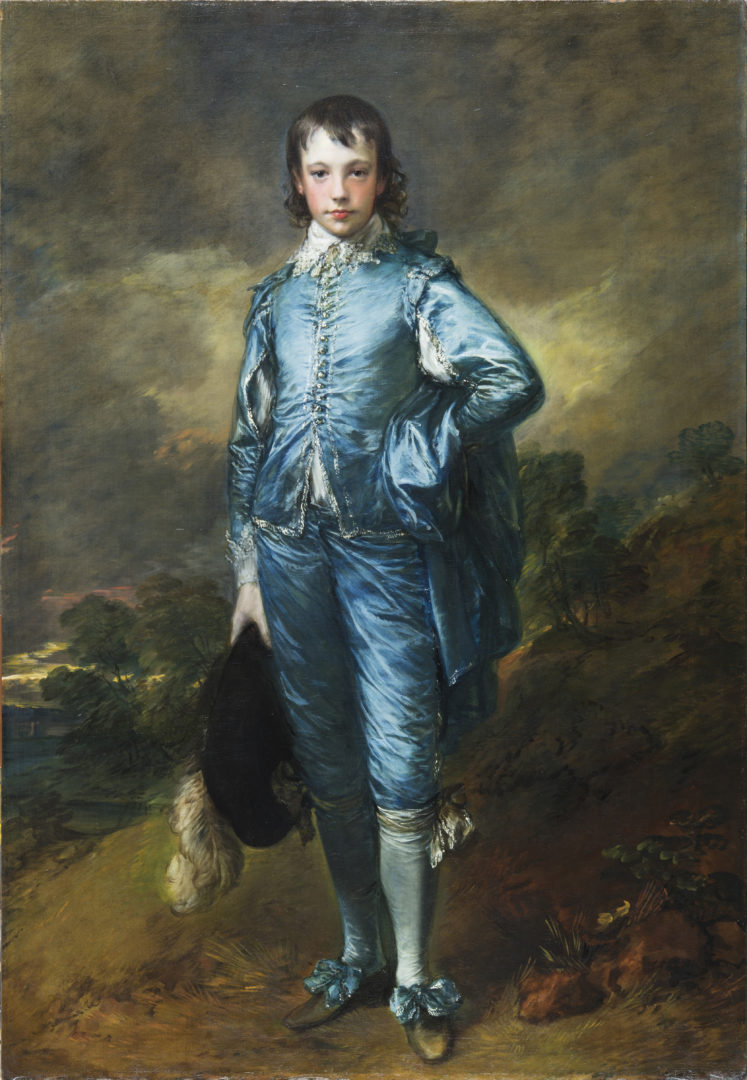
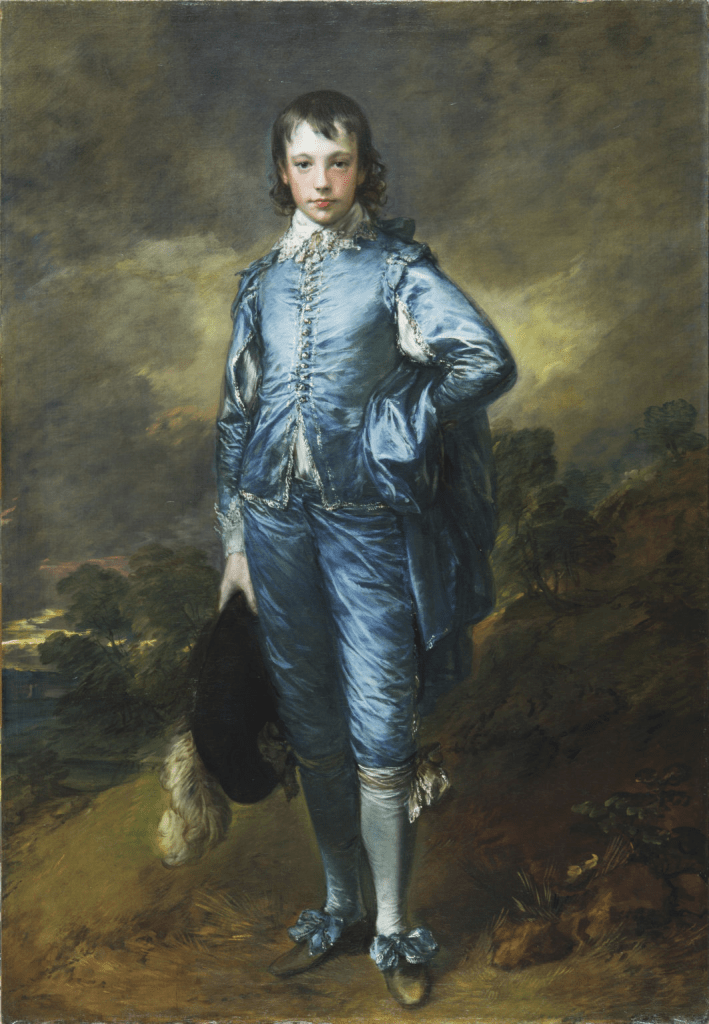

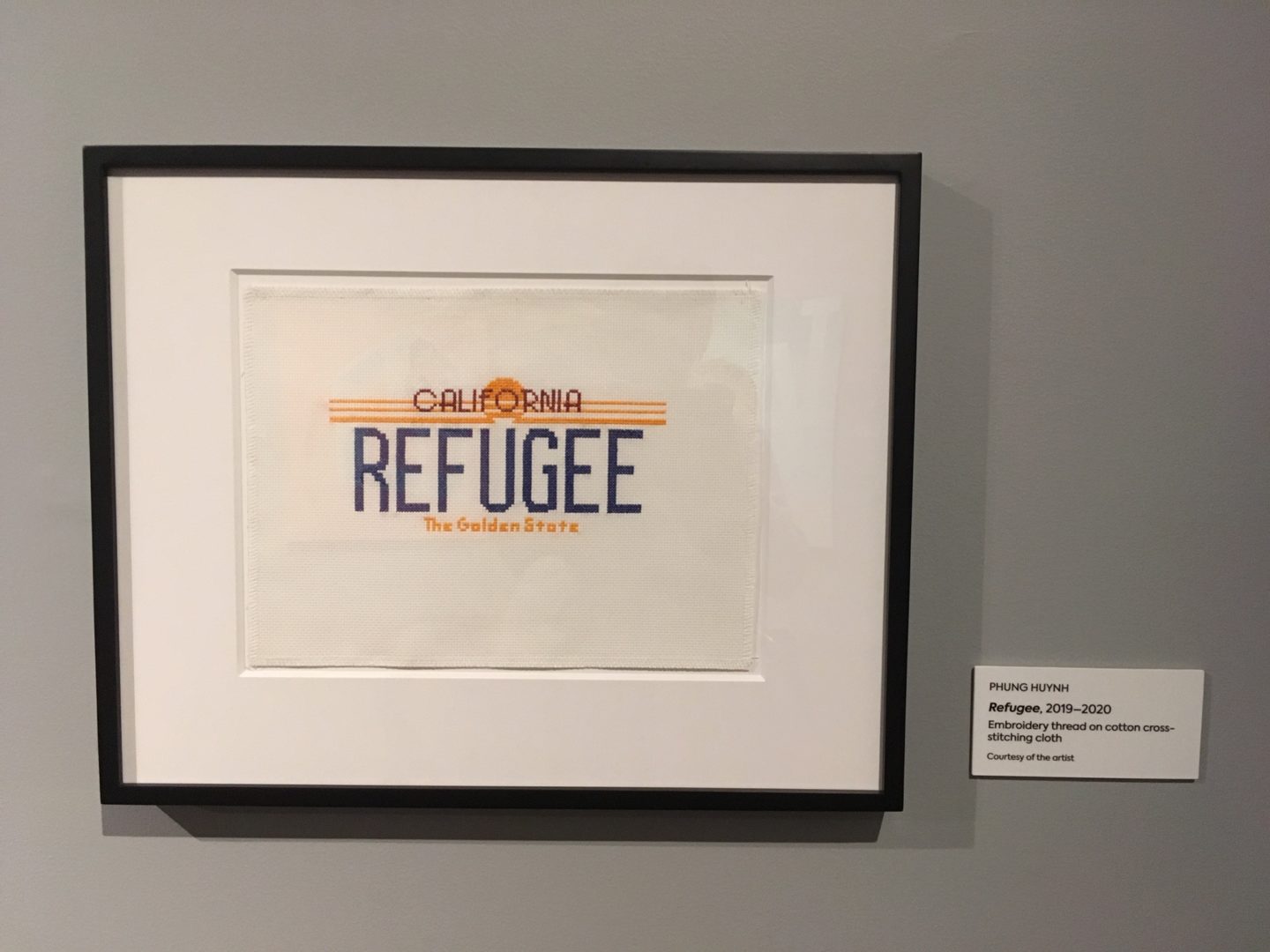
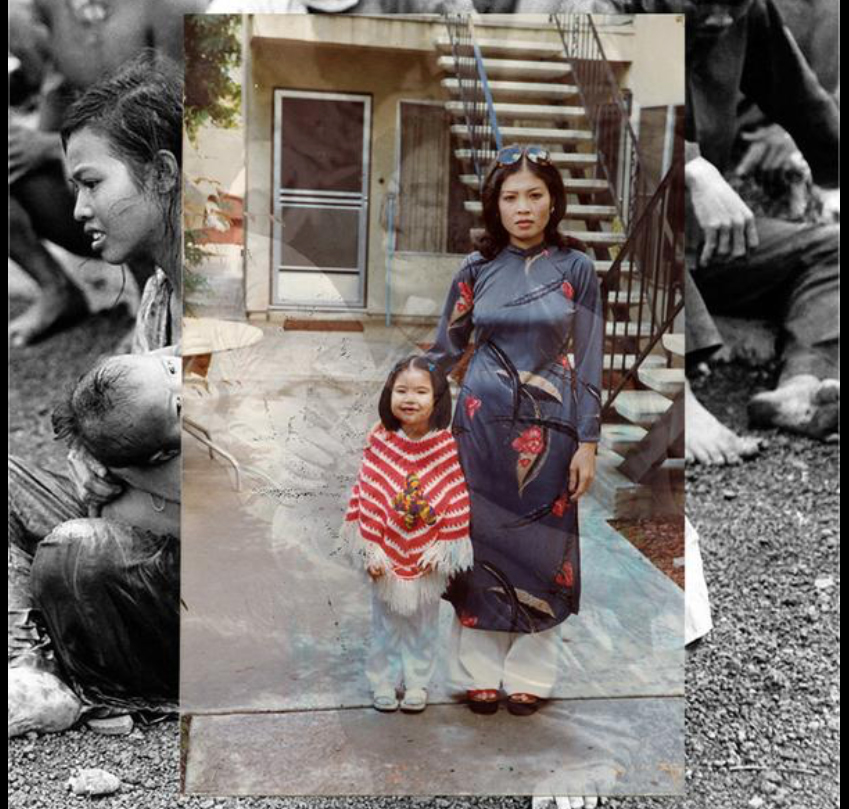
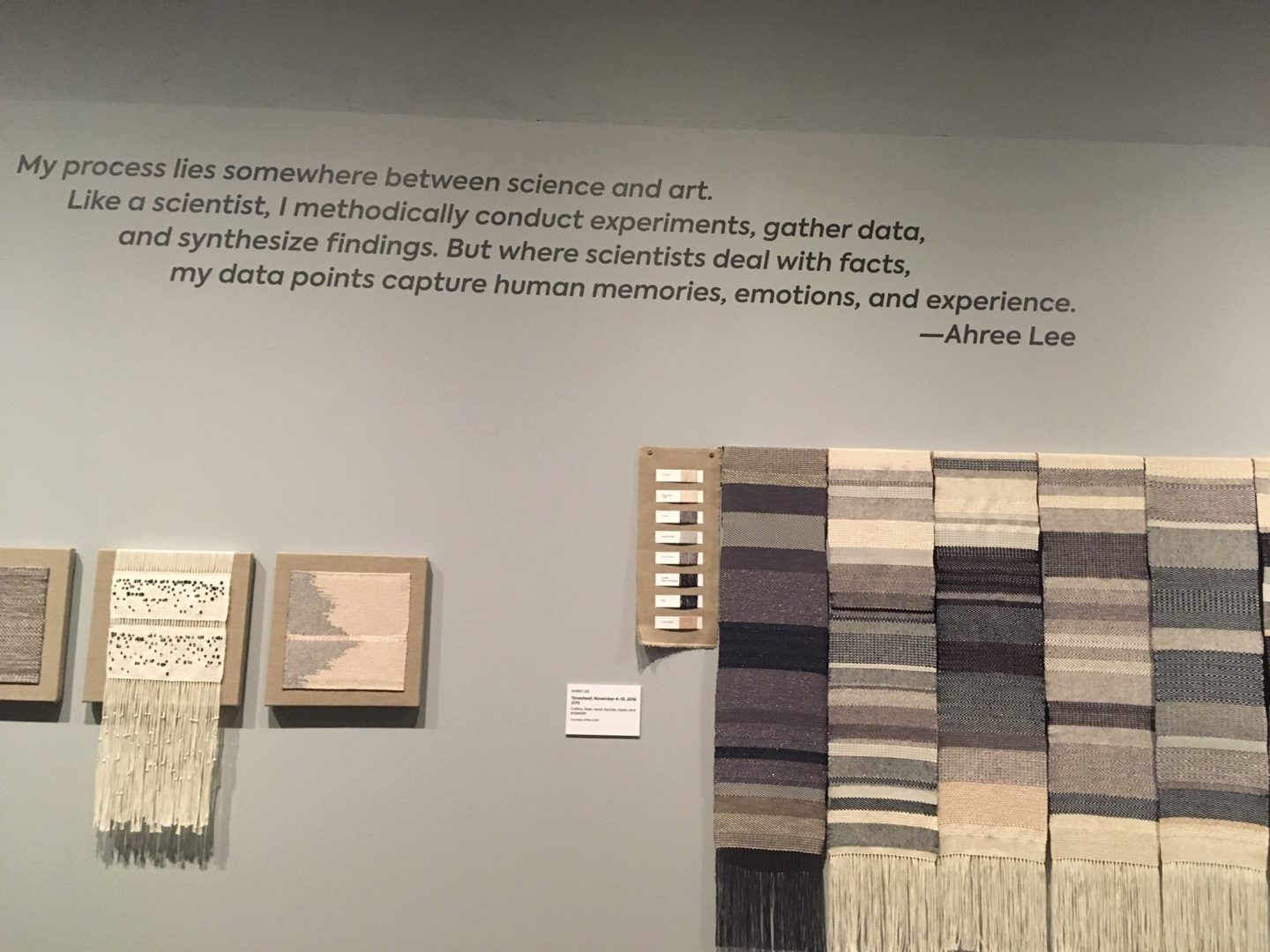
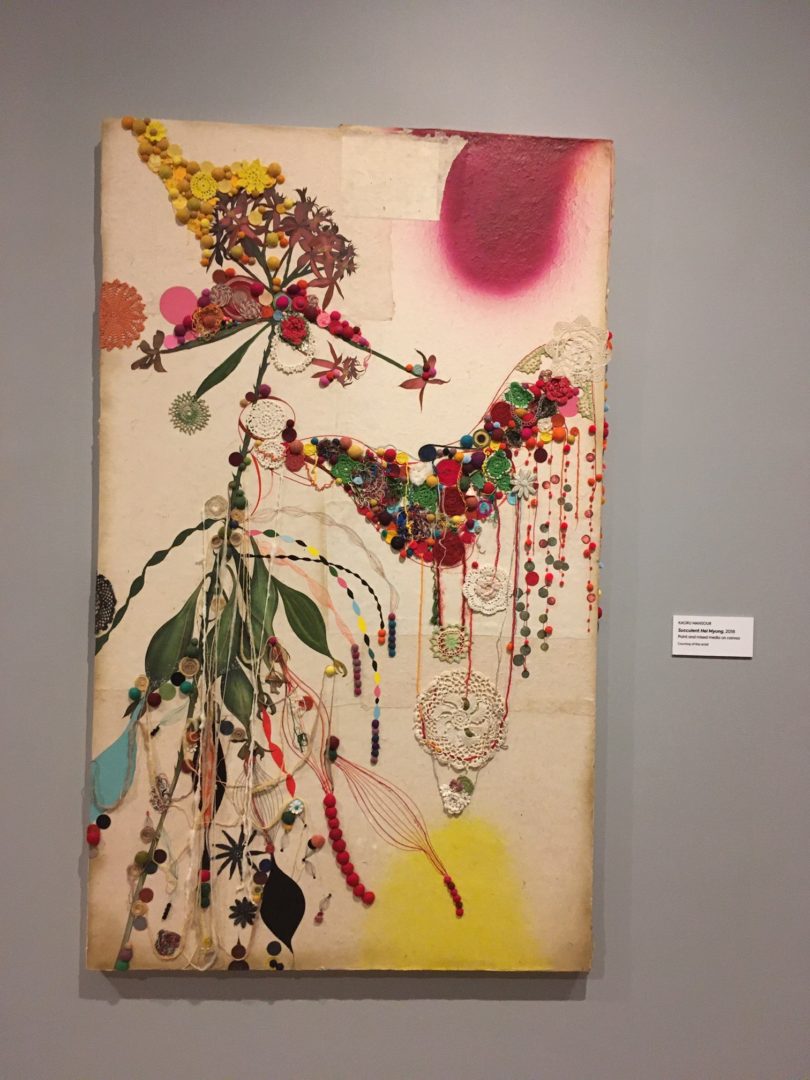
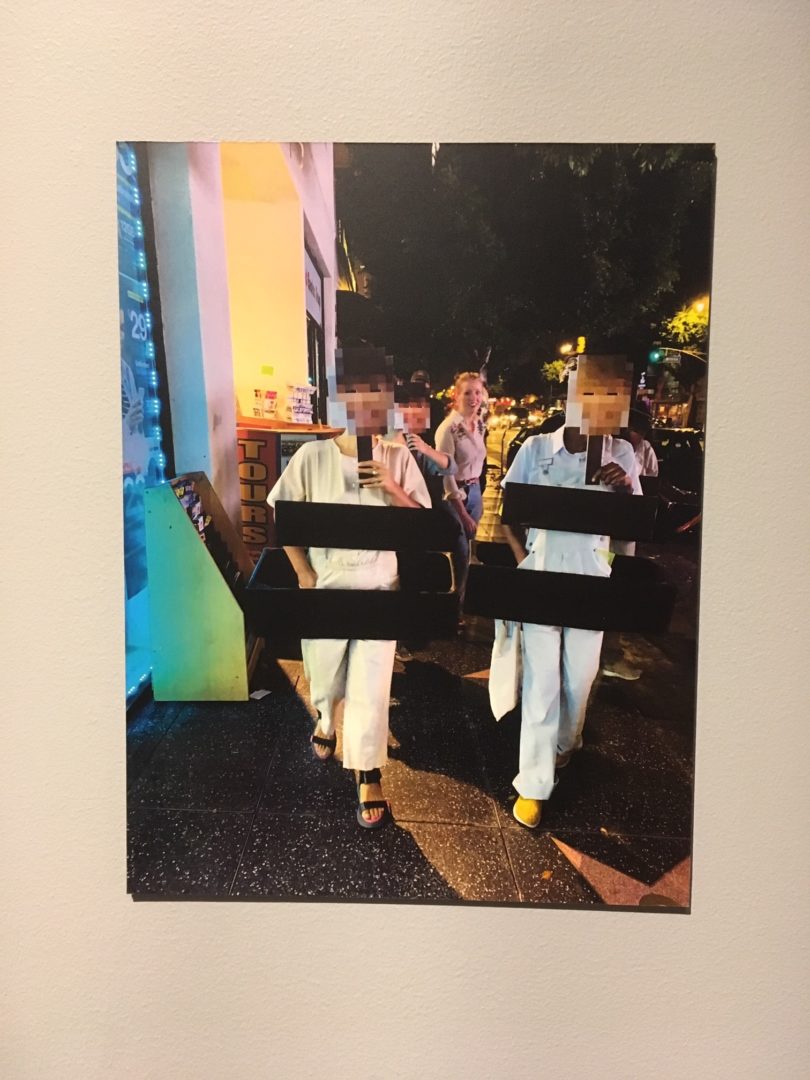
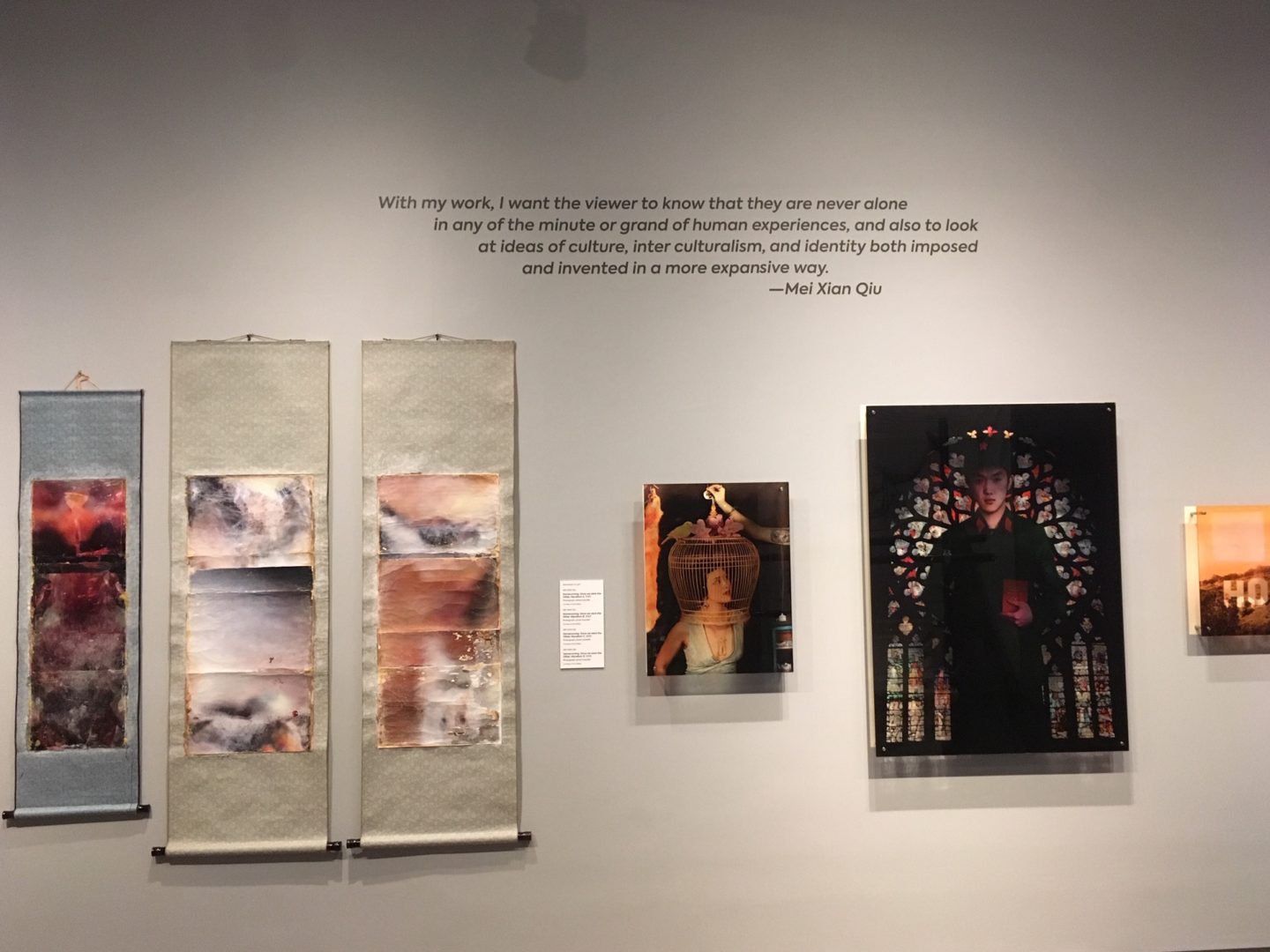
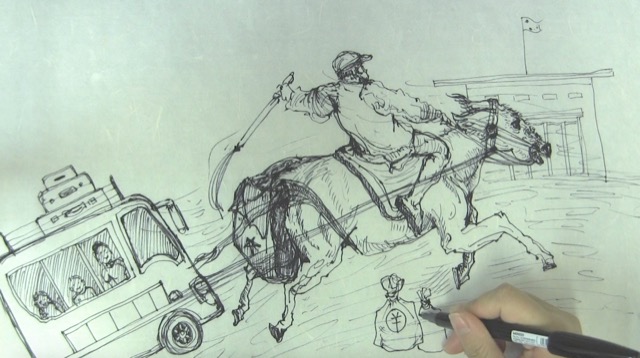

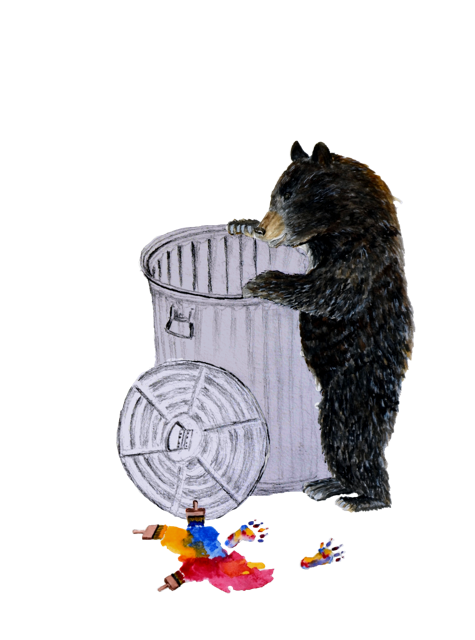
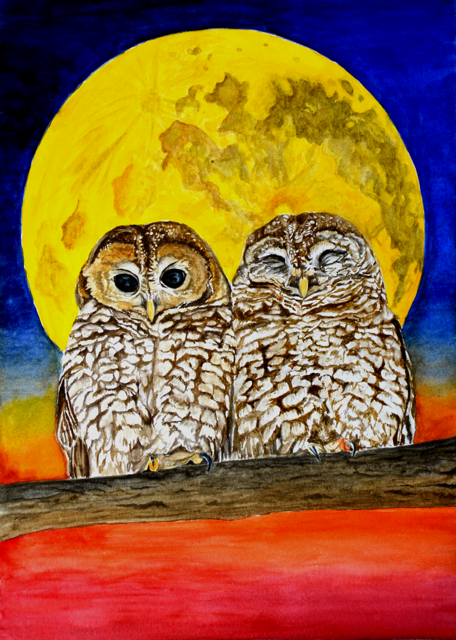
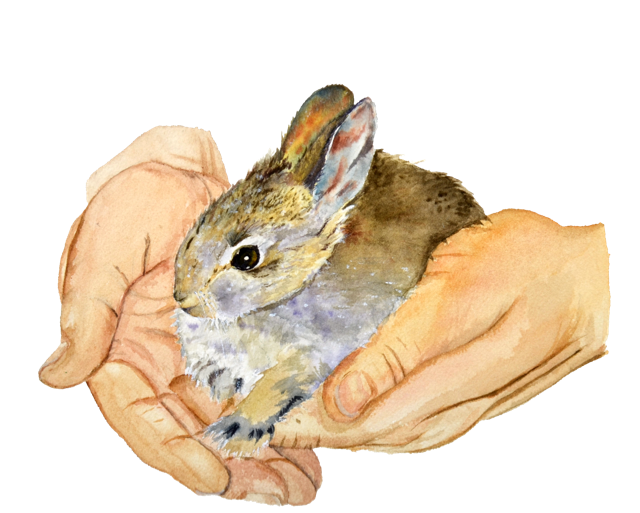
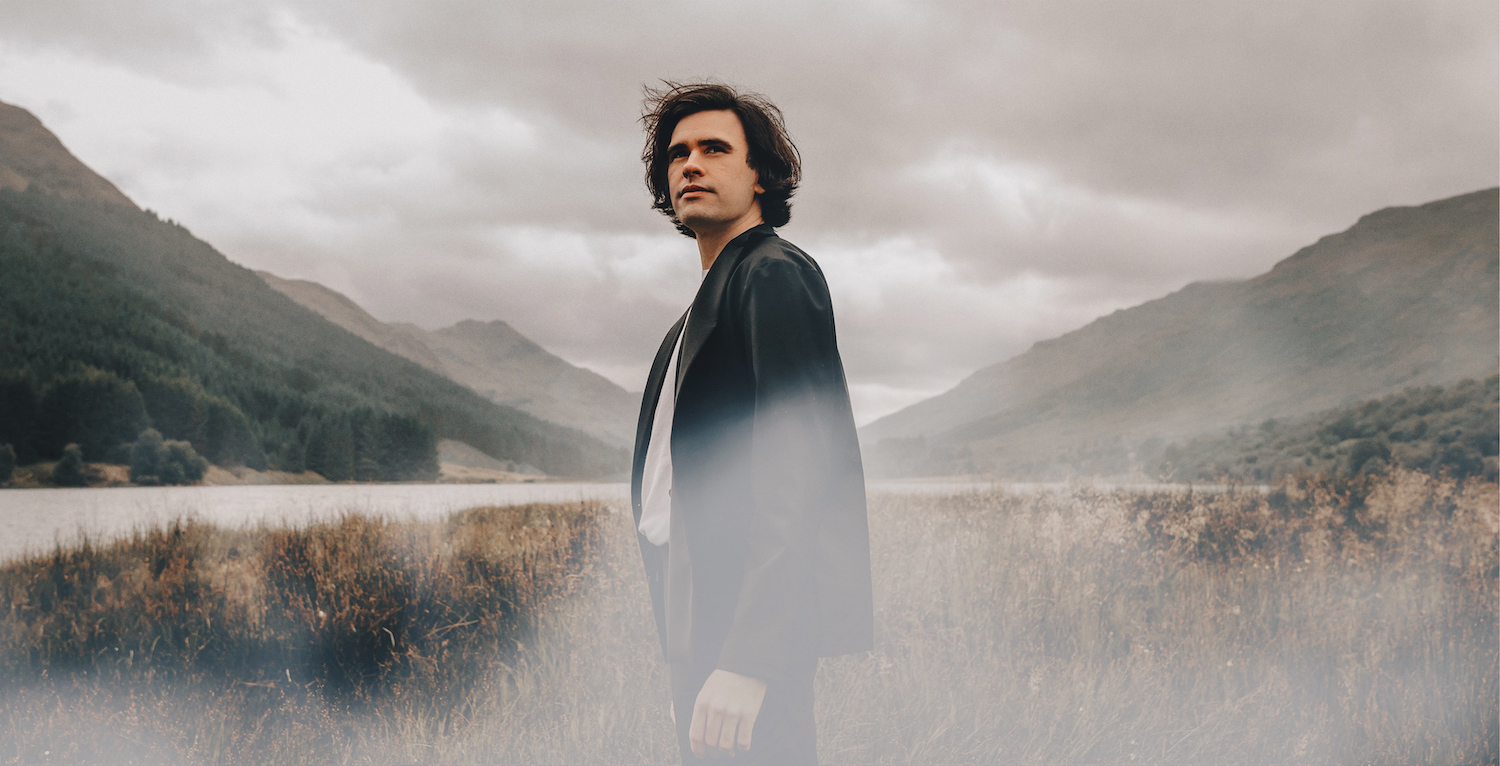
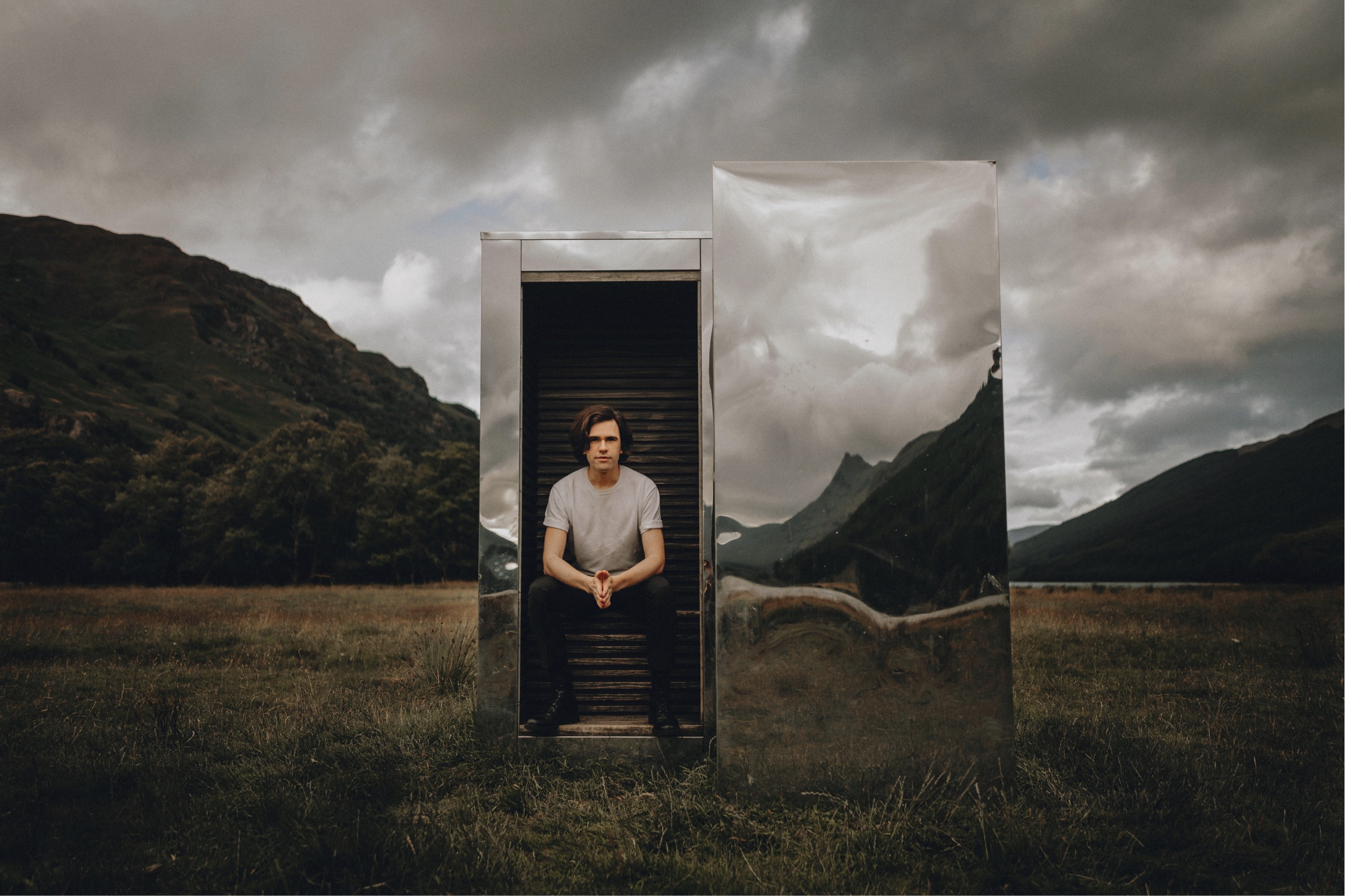
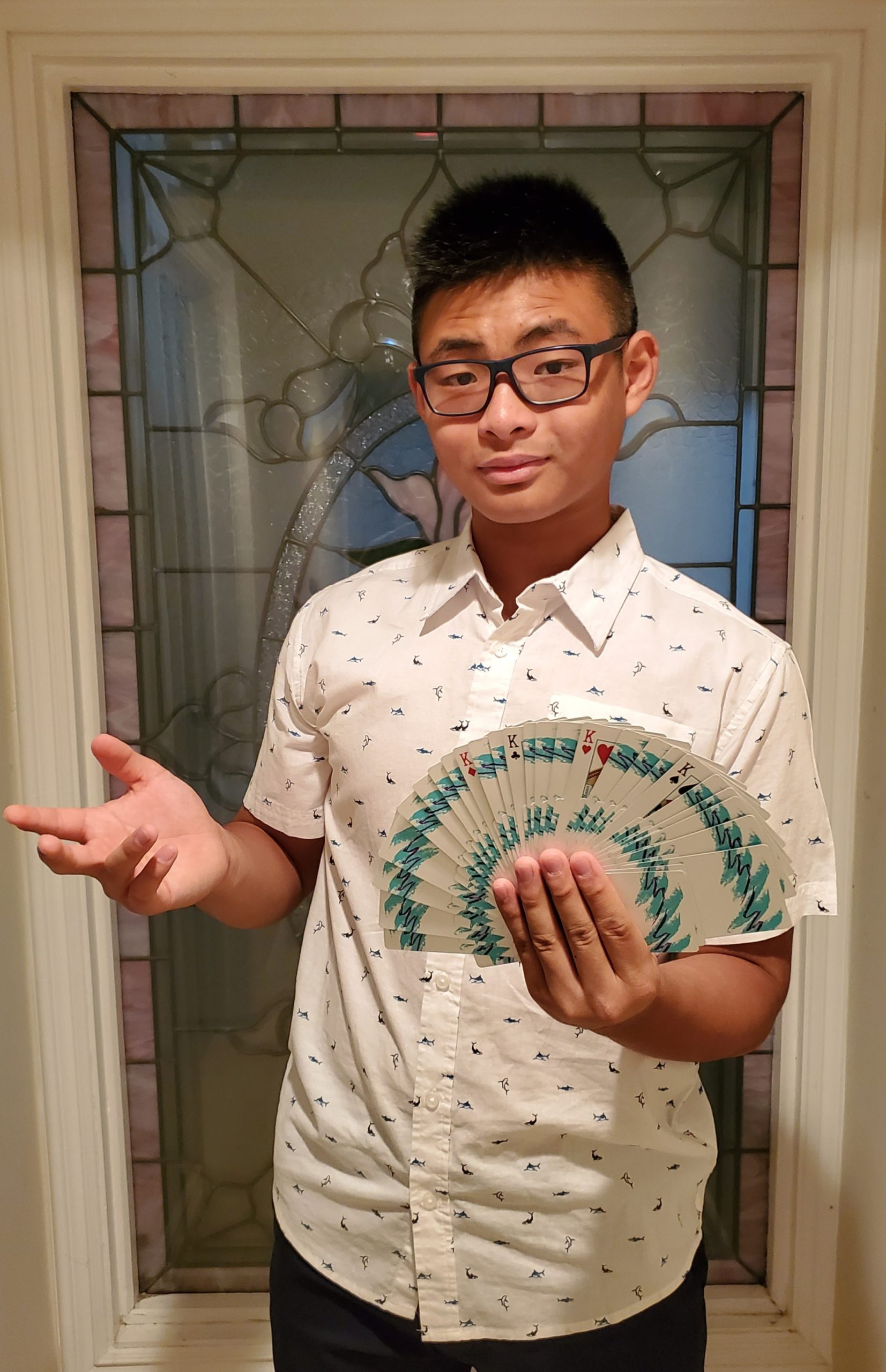
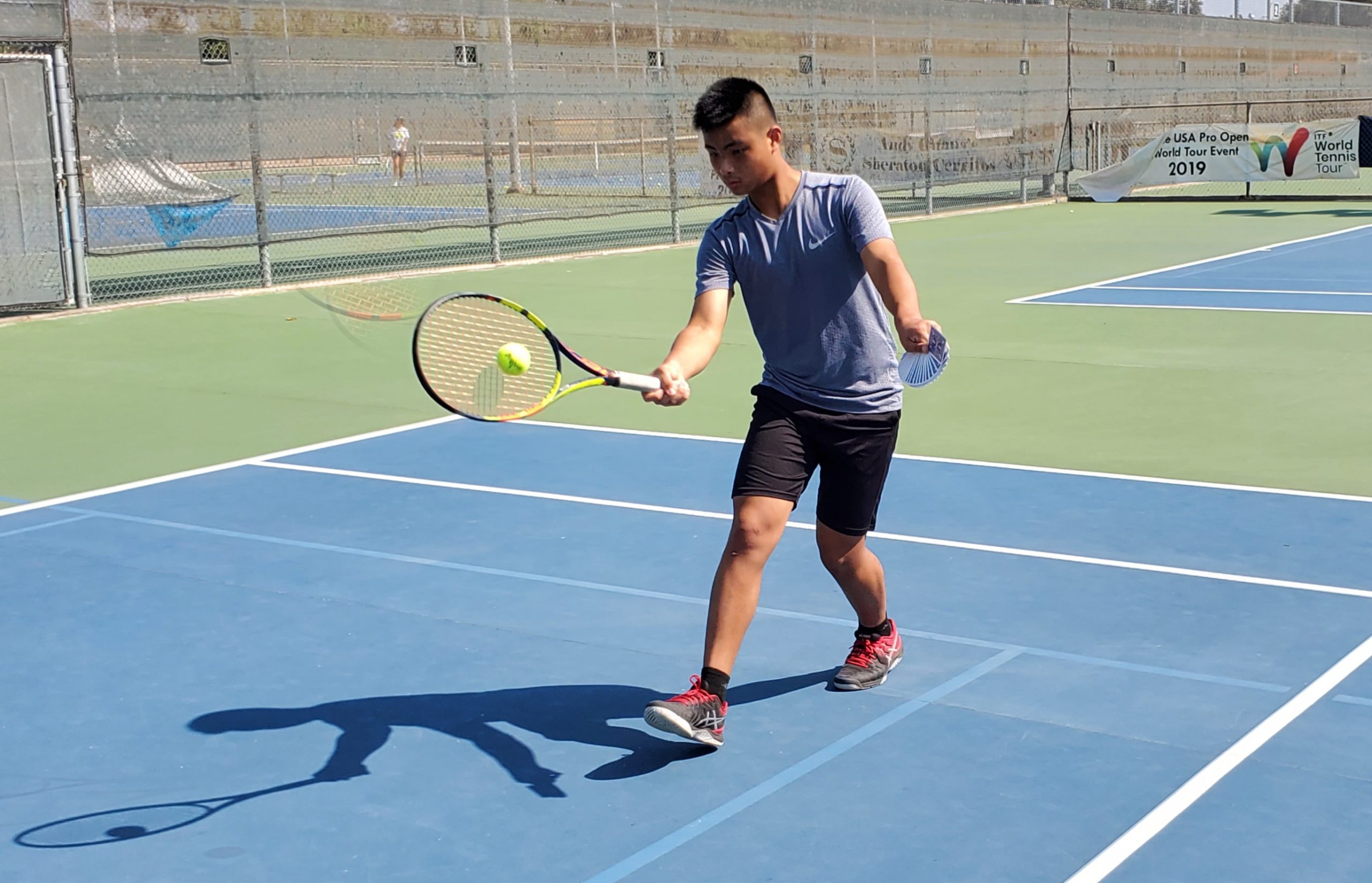
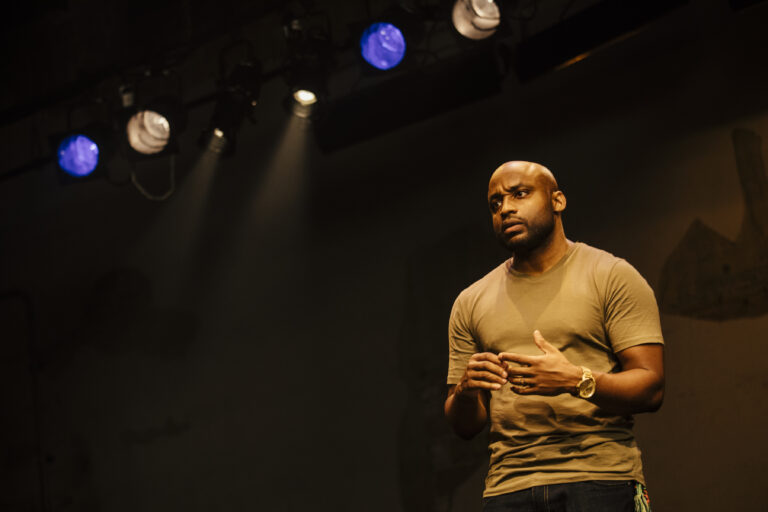
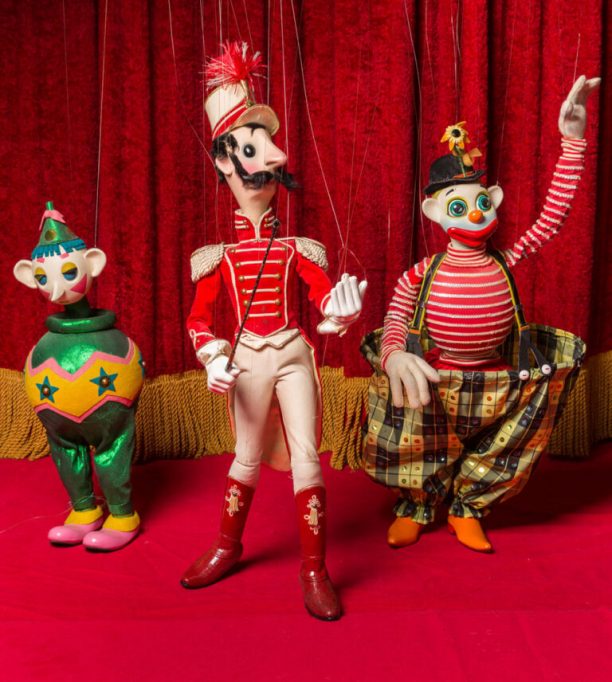
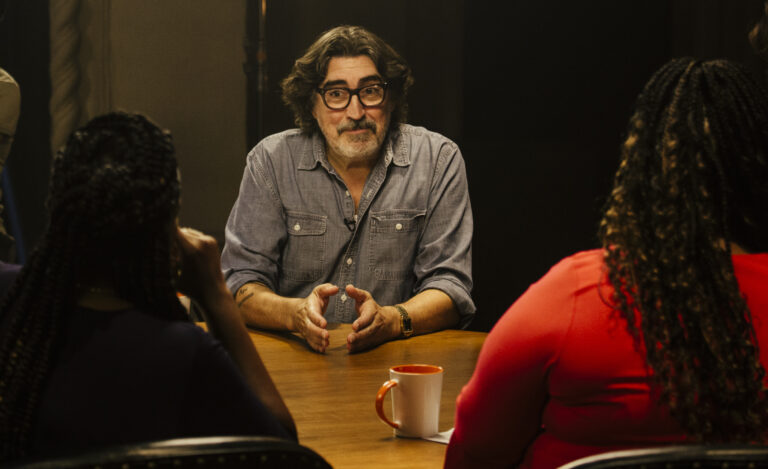

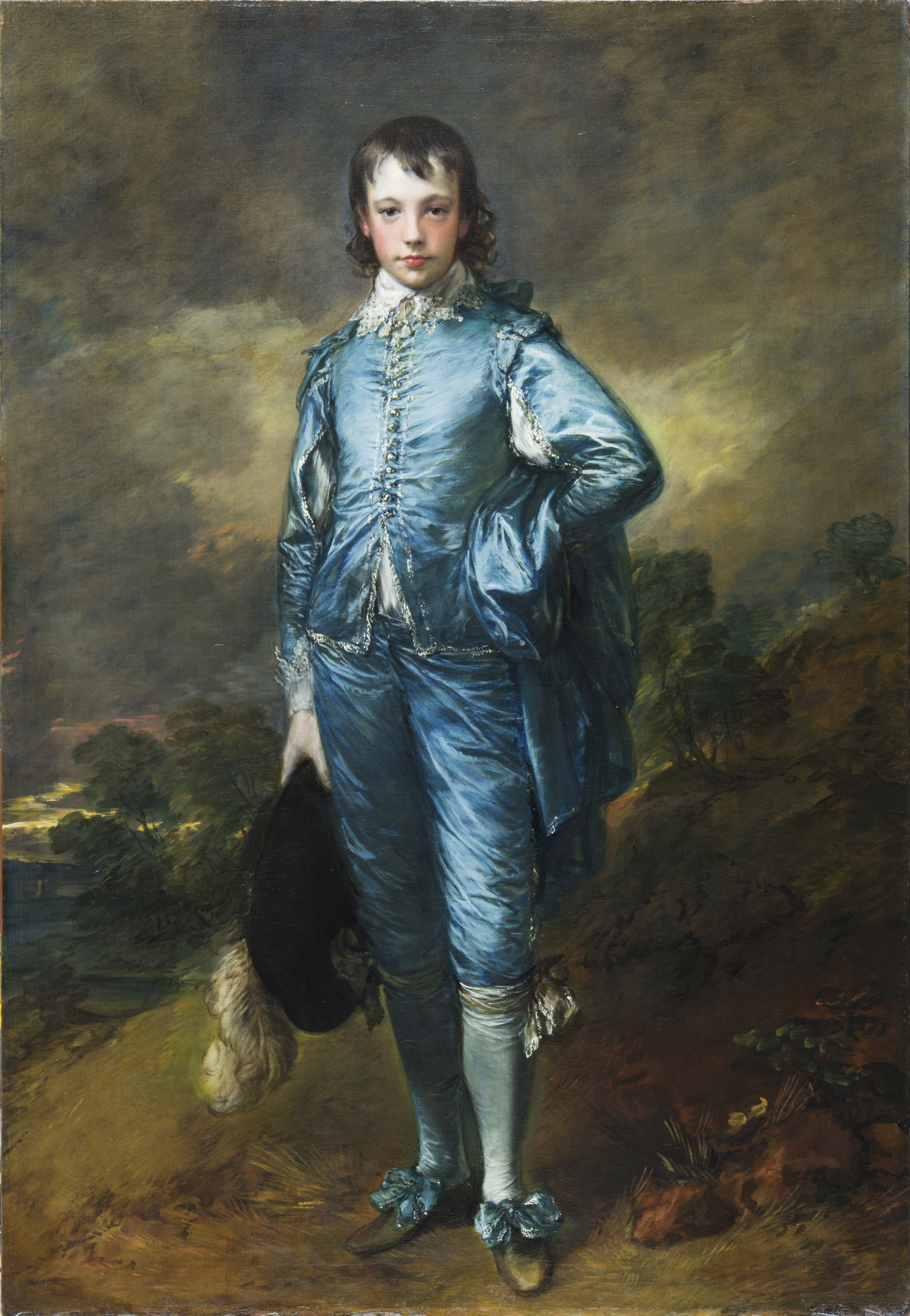
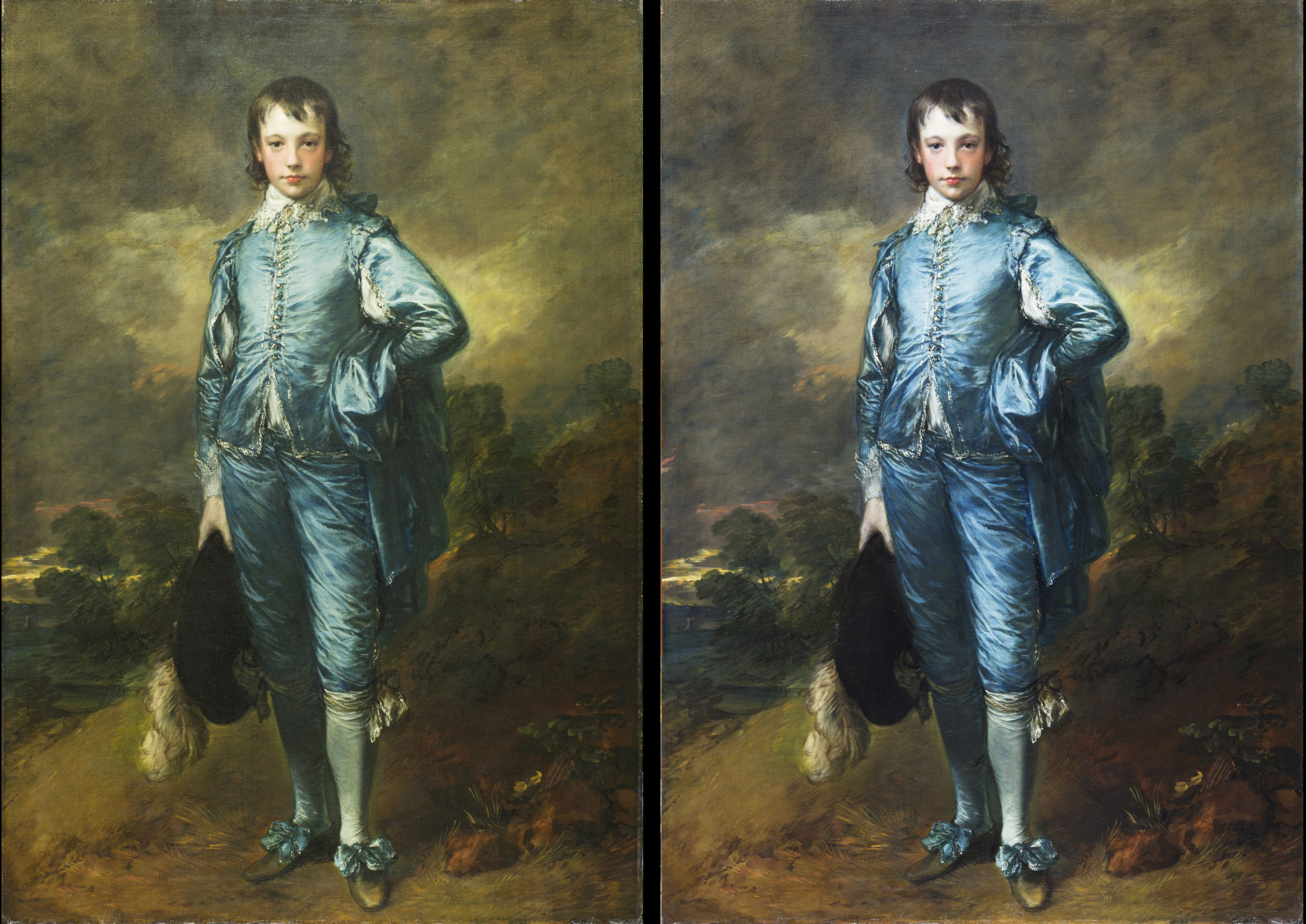
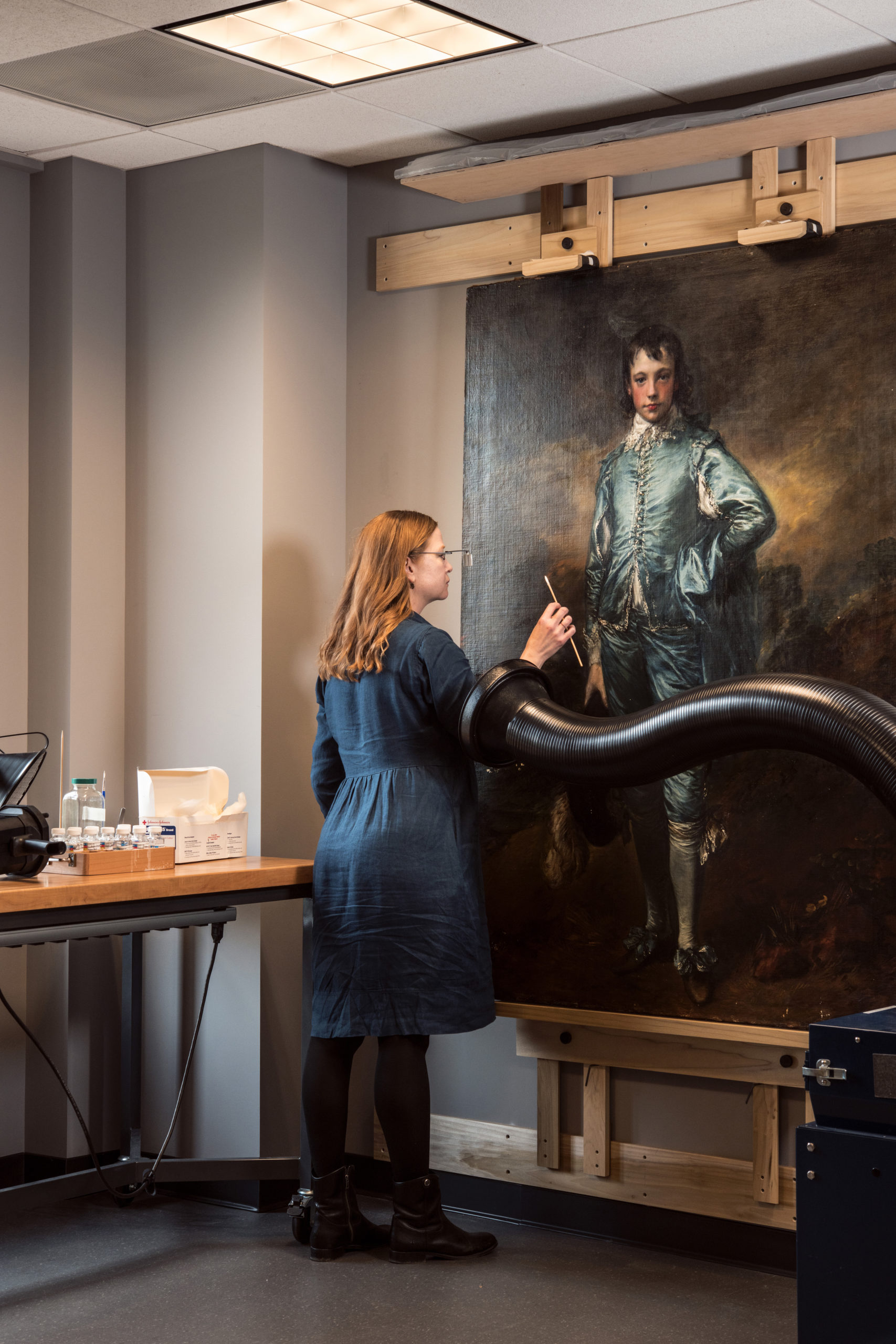

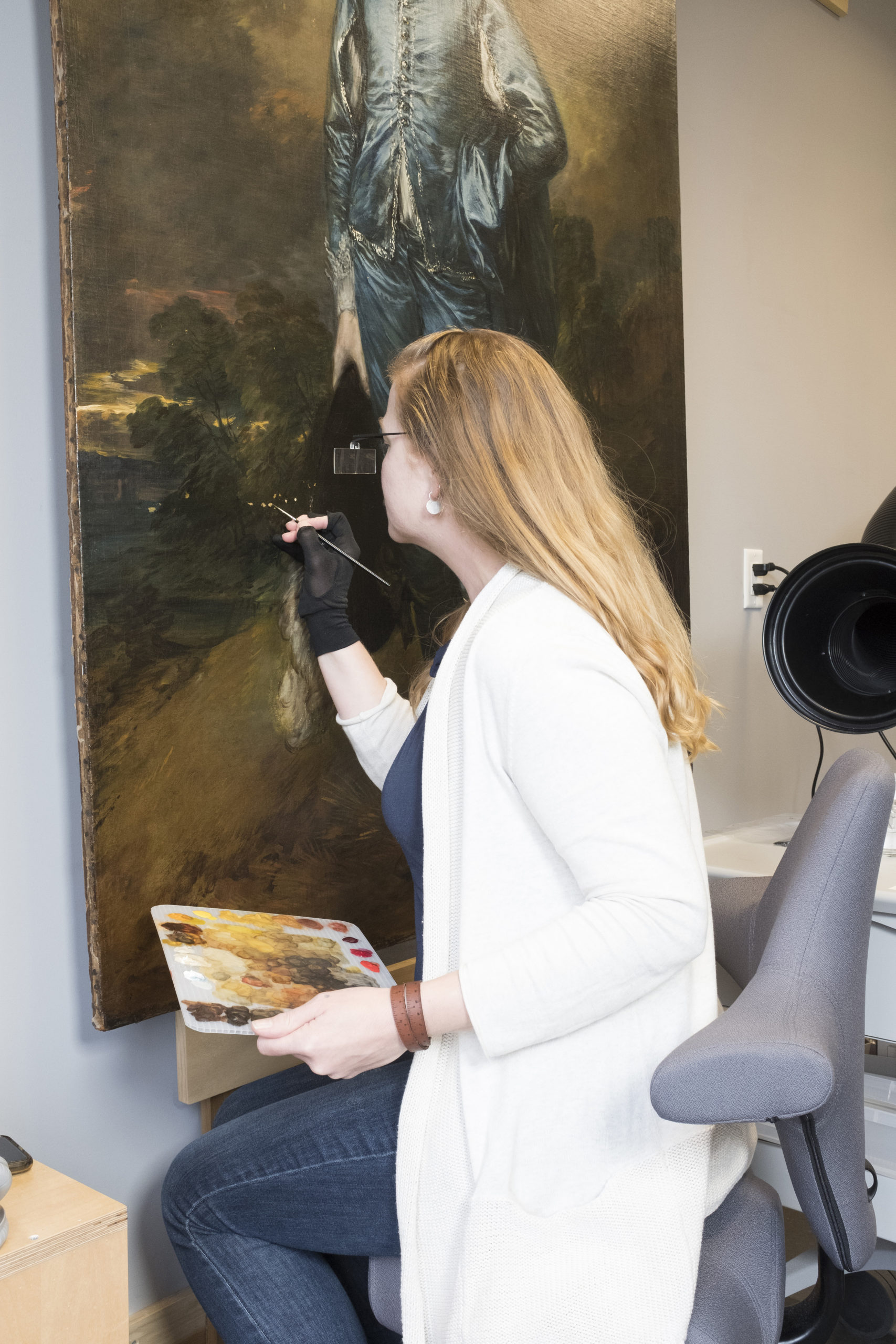
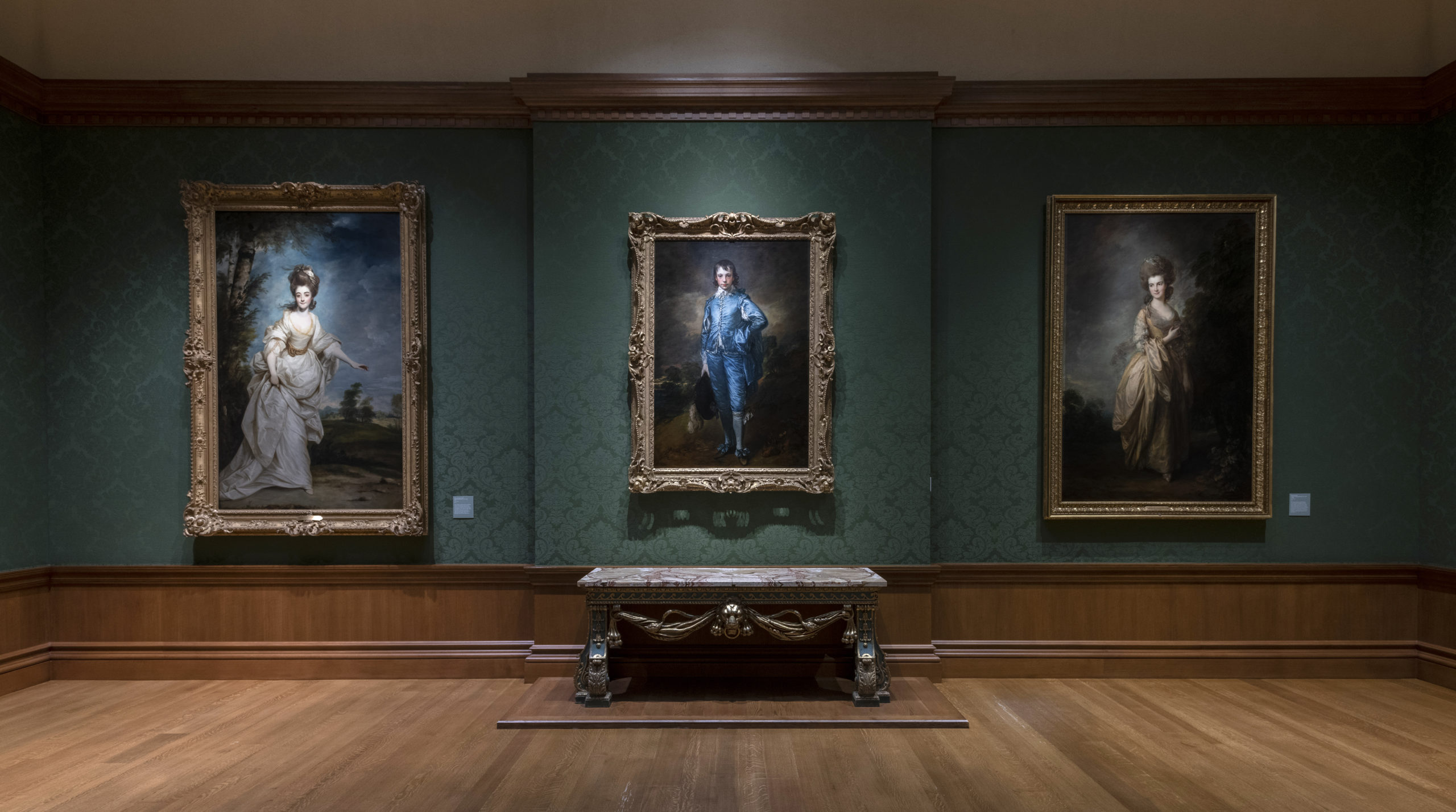
 A San Gabriel Valley Inquirer