Originally published on 19 October 2020 in the Pasadena Independent, Arcadia Weekly, and Monrovia Weekly
Scott Silven in ‘The Journey’ | Photo by David Wilkinson/Empirical Photography / The Broad Stage
Wouldn’t it be great to travel 5,000 miles and see the breathtaking beauty of Scotland during lockdown? With some modern technology and illusion techniques, we can take in all the magic this land has to offer from our very own living room.
The Broad Stage has co-commissioned the West Coast premiere of a virtual event called ‘The Journey’, created and performed by illusionist and mentalist Scott Silven. From Oct. 20 through Nov. 15, Silven will take us along with him when he goes back to his beloved country. This immersive and intimate show promises to be quite a different experience where 30 participants per show will feel transported to a different place and time.
According to The Broad’s publicity material, Silven tells a long-forgotten story that reveals mysteries of the mind and unlocks the secrets of his glorious Scottish homeland. Through incredible illusions and feats of imagination, ‘The Journey’ explores the sense of home and the transformative power of place. We’ll then discover the path that connects us to Silven’s past, our own present, and a collective future.
It all sounds quite intriguing so I interview Silven by email to find out more about him and the show. I ask him when and how he got interested in illusion and magic, and he says, “I have a couple of defining moments from my childhood that stand out to me. The first echoes back to my grandfather: he took a piece of candy that I’d signed my name on, vanished it, and made it appear in a sealed matchbox on the table. He then immediately shared the secret with me — it was embarrassingly simple, but I was instantly captivated by him taking something ordinary and creating something extraordinary from it.
“The second is a little less specific: the experience of growing up in Scotland — which is a place where myth and mystery is woven into the fabric of its identity. So being connected to those stories and surroundings as a kid really instilled a sense of wonder and imagination in me. Thankfully, my parents were incredibly supportive in allowing me to follow my creative pursuits.”
As anyone who has read Harry Potter knows, there is a school for wizards. There is, however, none for mere mortals wanting to learn magic. As Silven confirms, “I’m afraid there’s nothing as exciting as a general school of magic, but I wish there was! It’s a very solitary craft which I started at a really young age. There are books that you can read, skills you can source, but the world of illusion is a meritocracy in that the more you learn and show an interest in it, the more you’re able to engage with mentors who will teach you esoteric secrets.”
I inquire how he became a professional illusionist and Silven answers, “I think the focus for me has always been to create my own work. I studied theatre in Edinburgh, Scotland, and while I was there I took part in the Edinburgh Fringe Festival — the biggest arts festival in the world — which allowed me to put my work in front of lots of international producers and was lucky enough to sign with an agent and move to London. From there I worked on establishing my craft and then signed with American management before making the move to the U.S.A. My focus was never becoming an illusionist in particular, but to create interesting and impossible experiences that audiences can relate with. I think that helped my work stand out in some way and is probably the reason why it’s connected with audiences across the world.”
“I have a core production team that I collaborate with, but then I like to engage with additional crew from local venues depending on the state or country I’m performing in,” continues Silven. “It’s really wonderful to connect with creatives across the world and share my work with them.”
Scott Silven in ‘The Journey’ | Photo by David Wilkinson/Empirical Photography / The Broad Stage
Unlike his previous shows, ‘The Journey’ uses Scotland as the backdrop in an immersive experience. Silven says, “Memory and nostalgia form a big part of my work, and Scotland was such a formative part of my childhood and what I do today — as I mentioned, the mythical landscape provides constant inspiration for me. Serendipitously, returning back to Scotland made me recognize the power of home and place and how that stays with us, and I knew I wanted to create an experience that would ask an audience the same questions. I began creating the experience based around the landscape and myths of my childhood and discovered that I wanted to take my audience on a virtual adventure from their home to mine in rural Scotland, and to use their imaginations and memories as the guide on ‘The Journey.’
“It’s an entirely live experience, as well as being interactive and immersive, with the audience’s input directly affecting elements of the show. By combining breakthrough technology, projection mapping, high definition visuals, and stereo sound to help tell my story, we have hopefully created something audiences will have never experienced in the online realm before. The challenges of the online format have allowed unique opportunities to connect with the audience on a deeper level that I wouldn’t otherwise be able to do in a live environment. We send the audience exclusive advance content that they can interact with before they engage with the experience. As well as this, there’s something very powerful about audience members sitting in the comfort of their own homes. They are asked to bring objects of meaning and purpose to them to the performance itself, which I hope makes it a far more personal and powerful experience than sitting in the usual darkened space of a theatre.”
‘The Journey’ is Silven’s debut performance on the West Coast. It’s unfortunate that we have been deprived of his physical presence, but he quickly assures, “I’ve been privileged enough to complete three world tours and I adore the West Coast — it’s one of my favorite places to visit. I’m looking forward to returning in the near future and already have plans to perform live as soon as we are able to.”
Finally, I inquire how many shows he does each year and if there has been one particularly significant or memorable place or event for him. Silven responds, “I usually have a pretty packed schedule where I perform on stage and screen; I typically do around 500 shows a year across the world. That’s what is particularly interesting about this format, in that I’m able to perform a ‘digital world tour,’ where anyone in the world can come and engage with my work. It’s one of the unique elements of moving from a live setting to an entirely online format.”
“I have so many wonderful moments from all my shows. Some that stand out to me are my first shows in New York. It was meant to be a four-week run but was extended and ran for many months. It really helped connect my work with American audiences and facilitated the step to move to New York City permanently — a childhood dream. Since then the opportunity to travel, where one week you’re doing shows in Seattle and the next you’re doing shows in Sydney, is perhaps the most memorable and important luxury my work has given me. I’m hugely excited to be bringing ‘The Journey’ to the Broad Stage for its West Coast premiere — I’ve hopefully crafted an experience that audiences will never have seen in the online realm before, and I can’t wait for them to experience it,” concludes Silven.
Maybe the lockdown isn’t an altogether unfortunate circumstance after all. Because of it, we have this fantastic opportunity to go on a virtual journey with a master illusionist to one of the most hauntingly beautiful places on earth.
Originally published on 15 October 2020 in the Pasadena Independent, Arcadia Weekly, and Monrovia Weekly
Spencer and his ‘magic’ cards | Photo courtesy of Spencer Cheung
We’re in lockdown – until the foreseeable future. For the past seven months we’ve been indoors either remote learning, teleconferencing, or chatting with friends on Zoom. We’ve been playing video games or watching movies on cable. Some of us are probably bored out of our wits.
If, like me, you’re barely hanging on to your sanity, I suggest taking this opportunity to learn something you’ve never tried before that might be useful or entertaining. Lately, people have been making sourdough bread and posting their progress online. It apparently takes a great deal of patience, practice, and a certain amount of luck, to make a perfect one.
But if baking isn’t your thing, how about learning magic card tricks? Spencer Cheung, a 17-year-old Arcadia High School senior, has created a YouTube video to teach you what he knows. Via email, he tells me how he became an aficionado.
“From childhood, magic has always been a part of my life,” discloses Spencer. “For example, whenever I did good in school, my mom would take me out at night, reach her hand out to a star, and it would magically turn into a sticker of a shiny, gold star. Of course, at the time, I didn’t know that the sticker was already in her hand. My mom performed magic every night by making something seemingly impossible, well, possible. And I’ve been interested in magic since. But it was when I saw a clip of Shin Lim doing magic on YouTube that I decided to pursue it as a hobby. It absolutely blew my mind and, for hours, I sat by the computer trying to figure out how it was done. From there, I was hooked, and the rest, as they say, is history.”
Spencer continues, “I didn’t take any courses in magic – most of my repertoire has been self-taught. However, I did get some tips from older members of the surrounding magic community that I know. It took around a year to properly pick up magic, but I think a turning point for me was when I got second place in ‘Arcadia’s Got Talent Competition.’ After successfully performing a trick in front of an audience of close to a hundred, I truly felt comfortable with my art and, from then on, was able to have the confidence to perform anywhere for anyone. I also have had the pleasure of performing for a bigger audience during the pandemic through a free Zoom magic show a few weeks ago.
“When the pandemic hit Southern California in mid-March and Governor Newsom ordered a lockdown, I thought I’d help fight the spread of COVID-19 by encouraging others to stay home and learn to do magic card tricks. That way, what they will be spreading is the joy of magic! So on YouTube, I have created an extensive series of 43 videos which teaches all the fundamentals a beginner will ever need in sleight of hand.
“When I was starting out, I was often lost because there was no clear path to follow that would help me properly learn magic. Thus, I created my channel to give others the sense of direction that I never had. Furthermore, I believe that magic is one of the best hobbies to build confidence and foster self-expression. It is also something that can be practiced and enjoyed by all ages.”
Spencer played varsity tennis | Photo courtesy of Spencer Cheung
Magic isn’t the only activity Spencer is busy with. He says, “Before lockdown, I played varsity tennis for Arcadia High School. I’ve been playing tennis for five years and I have achieved a high ranking of top 100 in Southern California in 2019. During social distancing, I’ve been playing piano for the Certificate of Merit program, practicing some tennis, learning how to play the ukulele, and self-studying French.”
Like most students, Spencer isn’t too thrilled with distance learning. He reveals, “It has affected my studies as all of my classes have turned virtual. While it hasn’t really influenced the material or the rate at which I learn, it has hindered my ability to ask questions and develop a real bond with my teachers. I am an extroverted and inquisitive person who usually thrives in an in-person environment, but because of distance learning, the extra barrier of a screen and a mute button makes it much harder to truly connect with my teachers and properly engage with the material.”
Spencer is in the midst of college applications – a crucial period in a high schooler’s life. I ask if the lockdown has made the process more complicated than it already is and if he’s able to confer with his adviser/college counselor.
“Most of the process is typically online, so inputting personal information and essays are still the same,” assures Spencer. “The only part that is complicated is writing about activities that you haven’t been able to engage in because of COVID. For me, the biggest upset was that I couldn’t accomplish my full duties as president of the Arcadia Magic Club which I founded at my school. Also, the lockdown does make it exponentially harder to tour colleges in person, but virtual tours are a safe and informative alternative.
“Given that Arcadia High School is such a big school, with over 3,000 students in total, students’ main form of communication with their counselors have been over email. Thus, many Arcadia students are used to speaking with their counselors over email and the lockdown hasn’t changed much.”
As to what he’s going to pursue in college, Spencer says, “As of now, I plan to major in political science because as a member of my school’s We The People Constitution Team, I have learned the importance of civic education and the significant role that politics play in the pandemic and our everyday lives. However, I am also interested in economics and other business-related fields because my father is an accountant. Regardless of major though, I hope to study abroad during my college years. I love traveling and exploring different cultures which is also the reason why I am currently learning French and plan to learn many other languages in the future.”
In the meantime, Spencer will teach us how a deck of cards can add some magic to our daily life.
Originally published on 28 September 2020 in the Pasadena Independent, Arcadia Weekly, and Monrovia Weekly
Javon Johnson in ‘Still’ | Photo by Jeff Lorch / Pasadena Playhouse
Theatre saw its early beginnings over two thousand years ago in Athens, Greece when festivals were held in March to honor Dionysus. Today, this art form is staged all year around the globe. And it can be argued that nowhere is it performed more at its magnificence than at the Pasadena Playhouse, the state theatre of California.
In the 103 years since its founding by Gilmor Brown, the Playhouse has evolved from being home to a small troupe of performers, to becoming the ‘star factory’ for film studios and a source of talent for the radio, television, and movie industries, to delivering groundbreaking theatrical experience, authentic community engagement, and life-long dramatic learning under the leadership of Producing Artistic Director Danny Feldman.
The Playhouse continues its mission in the wake of the global pandemic that shuttered all theatre companies, with the unveiling on Sept. 30 of PlayhouseLive – a first-of-its-kind nonprofit streaming platform that brings theater directly to its audience. Members will be able to access a new digital hub for high-quality theater experiences, presenting live and live-captured performances, original series, educational programming, and other industry-related content.
PlayhouseLive will highlight a wide array of theatrical voices through new and revisited work and will break down the physical boundaries of theater walls and open access to audiences all over the world. Distribution channels will include a standalone website, iPhone and Android apps, AppleTV, Amazon FireTV, Roku, Chromecast, and AirPlay, among others. This new digital platform will also serve as an online companion to the work that Pasadena Playhouse and partner theaters create on the stage when live theater performances resume.
Feldman, who graciously agrees to be interviewed by email, expands on the concept, “PlayhouseLive has a little bit of everything! There are some marquee pay-per-view events, there are original series and special offerings just for digital members, and then there is free content as well. In addition, we’ve moved all of our classes online and you can find that on PlayhouseLive as well. The theatrical events will be on for a few weeks while some of the other programming will remain on PlayhouseLive all year long. You’ll just have to check it out to see what we’ve got at any given time!”
PlayhouseLive launches with the premiere of ‘Still.,’ a newly commissioned work written by and starring Javon Johnson, and directed by Donny Jackson. The production is part of the fall line-up of pay-per-view streaming programming. As one of the nation’s most prominent spoken-word artists, Johnson shares his very personal experience as a Black man in America at this crucial time in our history. Blending powerful imagery, witty prose, and beautiful lyricism, Johnson shines in this unforgettable theatrical event.
I ask Feldman how he decided on the performer and experience to spotlight. He explains, “Our Board chair had worked with Javon in the past and connected us. From the moment I saw his work, I was captivated and knew I had to work with this artist. After the murder of George Floyd and the ensuing unrest that took over our nation, I was really looking for a way to respond with a piece of theater. For me personally, art has the unique power to bring to life ideas and emotions that simply can’t be captured on a page or in text alone. So I spoke with Javon about bringing his poetry to life on our stage to respond to the moment. I’m really proud of the piece and we’re all excited to share it with our community and the world.”
Streaming simultaneously with ‘Still.’ are ‘Jerry Herman: You Like,’ a new musical revue dedicated to the works of legendary Broadway composer/lyricist Jerry Herman, and new works from Ojai Playwrights Conference.
Bob Baker Marionette Theatre | Photo by Ian Byers-Gamber / Pasadena Playhouse
There’s also ‘Family Entertainment’ with the Bob Baker Marionette Theatre‘s production of ‘The Circus.’ Filmed in front of a live audience, it features over 100 of Bob Baker’s exquisitely hand-crafted marionettes – where the fiercest and the mildest of animals roam, trapeze performers execute daring, spine chilling aerial feats of acrobatics, and the clowns do what clowns do best. A beloved Los Angeles tradition, a Bob Baker puppet show has been experienced by more than one million children of all ages since the Theater’s establishment in 1963.
Other programs include the pilot episodes of four new series: ‘In Development’ gives an insider’s look at unproduced theatrical works as they are introduced to the world for the first time. The first episode will feature Megan Mullally and Nick Offerman performing excerpts from ‘Iceboy!,’ a new musical by Mark Hollmann, Jay Reiss and Erin Quinn Purcell.
‘Intermission with Hashtag Booked’ features celebrity interviews hosted by LaNisa Frederick and Danielle Pinnock, a comedic duo that started the web series ‘Hashtag Booked.’ Their first guest will be acclaimed actor Alfred Molina.
‘Page to Stage’ goes behind the curtain to explore the theatrical journey from concept on to opening night. In ‘Page to Stage: Little Shop of Horrors,’ the creative team at Pasadena Playhouse takes us from rehearsal to opening night of their groundbreaking revival. It features interviews with George Salazar, Mj Rodriguez and Amber Riley. ‘Page to Stage’ is free to the public.
‘From the Archives’ celebrates the unique impact regional theater has had across generations in shaping American culture. Initial episodes include a silent film featuring rare vintage footage of The Playhouse from the 1930s; a documentary short chronicling the years the Playhouse went dark (1968 through 1984) and the journey of the extraordinary woman who kept the hope alive to bring the historic theater back; and a fascinating look at the historic 1928 production of Eugene O’Neill’s ‘Lazarus Laughed’ which brought 151 actors together to perform 420 roles in a four-act play – a memorable production that put Pasadena Playhouse on the map.
PlayhouseLive will also feature educational Programming, including ‘The Everyday Avant Garde in Black Theatre Making,’ led by award-winning writer, composer, and performer Eisa Davis; ‘Shakespeare Masterclass’ led by internationally-recognized director and actor Rob Clare; ‘Basics of Stage Management,’ led by Broadway stage managers Kathleen Purvis and Andrew Neal, and the return of Adam Epstein with ‘The Contemporary Broadway Musical’ and Janet Fontaine with ‘Playtime with Miss Janet.’
Alfred Molina in ‘Intermission with Hashtag Booked’ | Courtesy photo / Pasadena Playhouse
I then ask Feldman to describe the challenge of pivoting from live stage productions to virtual offerings, what went into planning the events for PlayhouseLive, and how he plans to recreate the communal experience of live theatre when we can’t physically be with other people.
“First of all, nothing can replicate the live experience and that wasn’t something we were trying to do in any way,” clarifies Feldman. “Rather, we wanted to provide an alternative experience that merged the worlds of theater, film and television. It’s a hybrid experience and something we had fun exploring. In addition, we wanted to pull the curtain back and expose the backstage world with documentaries, interviews with artists and other behind-the-scenes shows giving patrons an experience they can’t get by sitting in our seats in the theater.”
“This was a massive challenge and I’m so proud of our Playhouse team for pulling this off. Between learning new skills, adapting our existing expertise, and all the COVID complications, we’ve all grown so much since we started this effort a few months ago,” declares Feldman.
An empty theatre must be a lonely sight and I ask Feldman if he has been to the Playhouse since the lockdown began in mid-March. He replies, “Yes! I’m actually here in the building right now! It’s a little haunting seeing the empty theater but it’s actually one of my favorite things. There is an amazing energy inside the empty auditorium. The potential of what is to come is present when you stand on the bare stage. I like to think about all the people and great theater that will inhabit this building when this mess is all over. That’s exciting!”
What lessons can we learn from these extraordinary times, I query. Feldman responds, “I think through the grief and loss of what we had all expected these past few months to be, we can refocus on what is important to us. I have felt myself and others around me change and have a better understanding of ourselves.”
Lastly, I invite Feldman to share any other thoughts he would like me to write. He says, “There are so many people in need in our community right now. And for those who are fortunate enough to be able to support others during this time, I’d just want to advocate for thinking about supporting the arts. If we all band together, getting through this time and don’t support our cultural institutions, is that really the world we want to come back to? We must recognize that in order for us to return to a world that is full of vibrant culture, NOW is the time to invest in our nonprofit cultural institutions. Otherwise, many won’t be with us on the other side of the pandemic.”
Live theatre performances went on even at the height of the world wars. Let’s ensure the survival and endurance of theatre for the next several thousand years after we’ve won the fight against this global pandemic.
Originally published on 24 September 2020 in the Pasadena Independent, Arcadia Weekly, and Monrovia Weekly
Erica Jong | Courtesy Photo
The Broad Stage and esteemed L.A.-based publisher Red Hen Press continue Season 2 of the Red Hen Press Poetry Hour as they discuss modern feminism. The online episode, which will broadcast on Facebook Live on Thursday, Sept. 24 at 6 p.m., will honor the extraordinary life and legacy of one of the leading proponents of feminism. Host Sandra Loh leads a program with five unique artists talking about the intersections between feminism, performance, identity, and poetry in the time following the demise of Ruth Bader Ginsburg, the #MeToo Movement, and a century of women’s suffrage.
The five unique poets and writers who will appear on the program are: Erica Jong (on tape), whose first and most famous novel, “Fear of Flying,” published in 1973 sold 37 million copies, blowing conventional thinking about women, marriage and sexuality out of the water; Judy Grahn, a foremother of feminist, the gay and lesbian liberation movement; Brooklyn based gender-liminal multi- and inter-disciplinary artist C. Bain, whose “Debridement” (Great Weather for Media) was a finalist for the 2016 Publishing Triangle Awards; Pushcart Prize nominee and Jack Straw Writer Program alum Amber Flame, a queer Black mama just one magic trick away from growing her unicorn horn; and Monique Jenkinson known for her herstory-making work as cis-gendered drag queen Fauxnique, crossing cabaret and contemporary dance. Fauxnique’s “The F Word” will perform at The Broad Stage in 2021.
Known the world over, Jong has inspired women of all ages to acknowledge and voice their needs and desires. She agrees to be interviewed by email to talk about her work and feminism.
I begin by confiding that I managed to get a copy of her book “Fear of Flying” when I was a very naive high school student at a Catholic school and I felt it wasn’t something a “nice” girl should be reading. I ask if that was a common reaction at that time.
Jong responds, “I think that some people were shocked and other people relieved. Through the years people have breathed a sigh of relief and said, ‘now I know that I am not abnormal. Now I know that other women think about sex and love the way I do.’ I guess it depends on when the person reads my work; some people feel relieved that their feelings are like mine and other people, perhaps younger, are shocked. What I have learned is that the response to a book is never static. I continue to be grateful to my readers for all their responses.”
I
inquire if it was meant to be provocative and Jong says, “I guess so! I don’t
think there is any point in writing if people are indifferent.”
When
I ask why she wrote it, Jong replies, “I think I was upset that women’s books
were not honest enough. I think however difficult it is, honesty is essential
to the writer and to the person! I write to share my courage and I’m immensely
grateful to my readers for communicating with me”
Has feminism come a long way from the bra-burning days of the 1960s? I query. To which Jong replies, “The feminist revolution has taken much too long. Remember that it started in the 18th century. Ever since Mary Wollstonecraft, we have been trying to tell the truth about our lives. Unfortunately, there are moments of regression but the main thing is that women have become more honest about dealing with feelings. We would never accept the silence that was forced on us in the past. Many women now feel they have the right to demand what they need. The incredible response to the death of Ruth Bader Ginsburg shows how much we still need feminist heroines to inspire us.”
The
topic of feminism is still an important discussion today. As Jong explains, “I
wish I could say that women’s honesty has been embraced by everyone but that is
not the case. We must still encourage each other to tell the truth about our
lives.”
Finally,
I ask how we get to that point when women, lesbians, gays, bisexuals,
transsexuals, and queers will all be treated the same. “We get to that point by
talking honestly about our feelings and we get to that point by writing
fiercely. We get to that point by never accepting silence,” asserts Jong.
Originally published on 18 September 2020 in the Pasadena Independent, Arcadia Weekly, and Monrovia Weekly
‘The Blue Boy’ by Thomas Gainsborough post conservation photo | Photo by Christina Milton O’Connell / The Huntington Library, Art Museum, and Botanical Gardens
Created by English landscape and portrait painter Thomas Gainsborough around 1770, ‘The Blue Boy’ occupies a place of honor at The Huntington Library, Art Museum, and Botanical Garden’s Thornton Portrait Gallery and is seen by about 800,000 people annually. After an 18-month restoration project, it has been rehung and will be available for viewing when it’s safe for the museum to reopen. And when we do get the chance to visit again, we’ll fully appreciate why the painting gained the moniker.
‘Project Blue Boy’ began in 2017 when conservators carried out a preliminary analysis of the painting. It was examined and documented using a range of imaging techniques that allowed Christina O’Connell, senior paintings conservator, and Dr. Melinda McCurdy, associate curator of British art, to see beyond the surface with wavelengths the human eye can’t see. Infrared reflectography rendered some paints transparent, making it possible to see preparatory lines or changes the artist made. Through ultraviolet illumination, they were able to examine and document the previous layers of varnish and old overpaints.
Their findings determined what needed to be done and how it was going to be accomplished – ‘The Blue Boy’ required conservation to address both structural and visual concerns. “Earlier conservation treatments mainly have involved adding new layers of varnish as temporary solutions to keep it on view as much as possible,” O’Connell declared at the start of the project. “The original colors now appear hazy and dull, and many of the details are obscured.”
According to O’Connell, there were also several areas where the paint was beginning to lift and flake, making the work vulnerable to paint loss and permanent damage; and the adhesion between the painting and its lining was separating, meaning it did not have adequate support for long-term display.
New images of the back of the painting were taken to document what appeared to be an original stretcher (the wooden support to which the canvas is fastened) as well as old labels and inscriptions that told more of the painting’s story. Furthermore, minute samples from the technical study and from previous analysis by experts were studied at high magnification (200-400x) with techniques including scanning electron microscopy with which conservators could scrutinize specific layers and pigments within the paint.
The undertaking uncovered new information of interest to art historians as well. During preliminary analysis, conservators found an L-shaped tear more than 11 inches in length which, data suggest, was made early in the painting’s history. The damage may have occurred during the 19th century when the painting was in the collection of the Duke of Westminster and exhibited frequently.
Side-by-side comparison of Thomas Gainsborough’s ‘The Blue Boy,’ Pre-conservation (left), post conservation (right) | Photo by Christina Milton O’Connell / The Huntington Library, Art Museum, and Botanical Gardens
It was decided early on that this conservation project was going to be different from what they had undertaken before – it would have an educational component and involve the community. The Huntington partnered with Bank of America’s Art Conservation Program to finance the massive undertaking.
For the first time in its history, The Huntington held a year-long exhibition from September 2018 to September 2019 showcasing the project in progress – the capstone of its centennial celebration. During the first three months, ‘The Blue Boy’ was on public view in a special satellite conservation studio set up in the west end of the Thornton Portrait Gallery, where O’Connell worked on the painting to continue examination and analysis, and began paint stabilization, surface cleaning, and removal of non-original varnish and overpaint.
It went off view from February through June when O’Connell performed structural work on the canvas and applied varnish with equipment that couldn’t be moved to the gallery space. ‘The Blue Boy’ then returned to the gallery where visitors witnessed the in-painting process until the close of the exhibition.
The final phase – held off view from October 2019 to March 2020 – involved in-painting, varnishing, supportive backing, and adjusting the framing.
A stabilized and restored painting was scheduled to be back at the Thornton Portrait Gallery in the spring, but the pandemic delayed the public unveiling until Thursday, Sept. 10. To help get the word out, The Huntington held a virtual press briefing. In conjunction with the event, Dr. McCurdy and O’Connell agree to be interviewed by email.
Christina Milton O’Connell, Mary Ann and John Sturgeon Senior Paintings Conservator, removed discolored varnish with small swabs | Courtesy Photo / The Huntington Library, Art Museum, and Botanical Gardens
I ask if they were able to find the answers to questions they had when they embarked on the project: What technical means did Gainsborough use to achieve his spectacular visual effects? Did he develop special pigments, create new materials, pioneer new techniques?
O’Connell replies, “We’re still waiting on some data from our samples and we hope to have more information soon. What we do know is that Gainsborough used a complex mixture of many different pigments together to make his colors. He also used many layers of opaque and transparent paint to create different visual effects. Now that the painting has been cleaned, we can see nuances of his brushstrokes that were obscured under the discolored/cloudy varnish. We can appreciate his technique from the fluid and fast strokes he applied to the sky and landscape to the more complex network of paint strokes that comprise the figure of the boy.
What might new technologies tell us about this earlier abandoned portrait? Where does this lost painting fit into his career? How does it compare with other earlier portraits by Gainsborough? Will there be other evidence that may become visible beneath the surface paint, and what it might indicate about Gainsborough’s painting practice?
“The digital x-ray gave us a clearer picture of the abandoned painting than we had previously,” answers Dr. McCurdy. “We were able to capture more of figure’s face, including his eyes, which we had never seen before. That was an exciting discovery. Unfortunately, there just wasn’t enough information for us to identify the sitter or to suggest a specific date range for the portrait.”
Adds O’Connell, “As Melinda indicated, we learned a lot from the x-rays. We also used infrared reflectography (IRR) to see through some of the layers of paint (X-rays go through all the layers). With IRR, we could confirm that Gainsborough didn’t take that previous portrait very far – he only captured the likeness of the sitter and painted very preliminary outlines for the figure’s shoulders. I’d like to point out that there isn’t one analytical technique that provides all the answers, we have to study the painting with many different forms of technology to get different pieces of information.
Did you discover other evidence beneath the surface paint and what did it indicate about the artist’s painting process?
“We used some techniques of analysis that hadn’t previously been used to study the painting,” says O’Connell. “One of those techniques is infrared reflectography (IRR). With this analysis, we can see what is beneath some of the paint layers and it’s a useful technique for examining the preparatory layers or sketches an artist applied under the paint. For Blue Boy, we can see preparatory lines that establish the bold pose of the figure from the very beginning stages.
Christina Milton O’Connell uses tiny brushes to reconnect Gainsborough’s brushstrokes across the voids of past damages | Courtesy Photo / The Huntington Library, Art Museum, and Botanical Gardens
I ask if there were other revelations they hadn’t expected to unearth and Dr. McCurdy responds, “We hadn’t expected to find that the painting had suffered a major damage in the past. The canvas had been torn, but it had been repaired so well that it hadn’t shown up in previous x-rays.”
Continues O’Connell, “Discovering the tear helped us understand the reason why the painting was lined. There was a large damage that needed repair.”
“How does this restoration project compare with others you have done before?” I inquire.
“The condition issues for Blue Boy were not surprising for a painting from the 18th century,” O’Connell discloses. “Each treatment is slightly unique and a conservator has to take into account the original materials and how they’ve aged over time, but also the past treatments and restorations. Each project is a unique case study and that’s one of the things I love about the field.”
Painting restoration doesn’t sound like a thrilling project for the average person who isn’t knowledgeable about art, so I ask what we should find exciting to know. I tell them I was shocked to learn that Gainsborough had painted over something – it seems sacrilegious – but I imagine it was a common practice among artists.
Dr. McCurdy explains, “It is not that uncommon to find another painting beneath the surface composition. There are many reasons an artist might decide to paint over something else – maybe the composition didn’t work out the way s/he wanted? Maybe a client did not pay? Materials are expensive, so it could also happen for cost-saving reasons. In this case, we know that Gainsborough didn’t paint Blue Boy as a commissioned work, so he wasn’t being paid for it. It made financial sense to re-use a canvas he already had.”
“Sharing the treatment process with our visitors created another avenue for them to learn about and see Blue Boy in a new way,” O’Connell expounds. “Visitors were extremely fascinated to learn about all the layers that comprise the painting (there are 8-9 and you wouldn’t know that just from looking at the surface). Some visitors are drawn to learning more about Gainsborough’s technique and others were drawn to the process of conservation. Some were interested to see the forensic side of the technical investigation. The focus on research and education (part of The Huntington’s mission) really meant that this project had something for everyone.
Christina Milton O’Connell in-painting in the conservation lab | Courtesy Photo / The Huntington Library, Art Museum, and Botanical Gardens
“I have many memories from visitors coming to the gallery, but one that stands out was a day when I had a detailed discussion with an artist and a polymer chemist from JPL about varnishes. They both had a different reason for asking their questions and a different experience and understanding of varnish, but everyone was engaged.”
Please share your thoughts about what you, personally, learned as you did this project, I ask.
Dr. McCurdy states, “In watching Christina uncover Gainsborough’s original palette from beneath layers of dirt and discolored varnish and overpaint, it was remarkable to see this painting that everyone knows through cheap reproductions be revealed as a truly compelling work of art. Now, we get a better sense of the relationship between the figure and the landscape, we are better able to see the complexity of Gainsborough’s brushwork, and the true colors of the figure’s blue costume. Due to the discoloration, it had appeared slightly green-ish. That effect is now gone, and it is brilliant blue again. It must have been striking to audiences who first saw it in 1770.”
“Conservation is very much a process of discovery,” concurs O’Connell. “I spent a lot of time looking at the surface of Blue Boy while setting tiny flakes of paint back into place and during the cleaning process where, inch by inch, I saw the original surface emerge from underneath many layers of degraded and cloudy varnish. Each treatment has unique problems to solve and decision-making as part of the process, so there’s an opportunity for learning with each treatment.”
Lastly, I inquire if there’s something that they would like to add. And Dr. McCurdy divulges, “For me, the fact that The Huntington decided to do this conservation work on public view was important. Of course, this is a beloved painting to many of our visitors, and we knew we needed to keep it on display as much as possible, but the most exciting thing was the way the project engaged visitors with the role museums play in preserving cultural heritage. There were times when the crowd of visitors around the satellite conservation lab in the Thornton Portrait Gallery was several deep. People were excited to learn more about this painting and to see the conservation work unfold in front of them.”
Installation view of ‘The Blue Boy’ in the Huntington Art Gallery | Photo by John Sullivan / The Huntington Library, Art Museum, and Botanical Gardens
‘The Blue Boy’ has a storied provenance. Thomas Gainsborough was among the most prominent artists of his day. Though he preferred to paint landscapes, he built a flourishing career as portraitist to the British aristocracy whom he depicted at their leisure. However, ‘The Blue Boy’ wasn’t a commissioned work but was done to show off his skill at the Royal Academy. Later circulated accounts that Gainsborough did it to disprove another painter’s belief about the use of the color blue were dispelled by The Huntington’s curators as apocryphal and were made after his death. The model was believed to be Jonathan Buttall (1752–1805), the son of a wealthy merchant and who was also the first owner of the painting, but his identity remains unconfirmed.
Anthony van Dyck, the 17th century Flemish painter, was a major influence in British art and Gainsborough’s Blue Boy’ appears to be an homage to him. Instead of dressing the figure in the elegant finery worn by most sitters at the time, Gainsborough chose knee breeches and a slashed doublet with a lace collar – inspired by van Dyck’s ‘Portrait of Charles, Lord Strange.’ It made its debut at the Royal Academy exhibition of 1770 as ‘A Portrait of a Young Gentleman,’ where it received high acclaim. By 1798 it was being called ‘The Blue Boy.’
When Henry and Arabella Huntington purchased ‘The Blue Boy’ in 1921, it was already being hailed as Gainsborough’s greatest work and a national treasure. His image was on print reproductions, even on chocolate tin containers. It was no surprise then that the sale of the painting to an American caused an enormous protest in its homeland. The National Gallery displayed it one last time before it left for California and reportedly drew 90,000 people.
But they needn’t have lamented – ‘The Blue Boy’ is as beloved and treasured at his home of 99 years. As Christina Nielsen, The Huntington’s Hannah and Russell Kully Director of the Art Collections, pronounced during the press briefing, “We hold him in trust not only for this generation but for future generations.”
The boy wearing a dazzling blue outfit and defiant demeanor once more stands confident at The Huntington’s Thornton Portrait Gallery where he will continue to beguile hundreds of thousands of admirers into the next century.
Originally published on 15 May 2020 in the Pasadena Independent, Arcadia Weekly, and Monrovia Weekly
A Noise Within’s virtual gala performance on Zoom (clockwise, L-R): Erika Soto, Kasey Mahaffy, and Rafael Goldstein | Courtesy Photo / A Noise Within
The unprecedented stay-at-home orders that were put in place mid-March following the coronavirus outbreak caused a closure of all businesses deemed non-essential. Venues where people usually gather, like theatres, had to shut down practically overnight; events were cancelled and performances were rescheduled.
For A Noise Within (ANW), however, the show goes on – virtually. Speaking with me by phone, Producing Artistic Directors Geoff Elliott and Julia Rodriguez-Elliott disclose that work doesn’t stop despite the lockdown.
“We’re
essentially doing everything that needs to be done from home – lots of Zoom
meetings with the various departments, the executive committee, the board. It’s
a different kind of busy but it’s busy,” says Rodriguez-Elliott.
Stay-at-home
orders notwithstanding, ANW recently held their first-ever virtual gala.
Elliott explains, “A lot of planning went into holding a virtual gala in lieu
of having our fundraising annual dinner on stage event. In the past, obviously,
the money raised from the dinner on stage went to the educational department.
This year it’s a little different because there are other challenges, so it was
an overall ask to our supporters that they be a part of the gala. We didn’t
know what to expect but it actually went very well – we hit our goal, which was
wonderful.”
Describes
Rodriguez-Elliott, “People were able to join Facebook Live for the event.
People who purchased tables for the event pre-COVID donated it back to the
theatre. That was really incredibly generous. And then pretty much all the
activities that we usually would do during the dinner on stage were all done
virtually. We had a paddle auction which lasted 48 hours, we had performances
of scenes from ‘Alice in Wonderland,’ which people were able to view through
Facebook Live and also through Vimeo. Geoff and I paid tribute to the honorees,
as we usually do every year during the dinner on stage event. Everything that
we would have done at the dinner on stage, we tried to duplicate except that it
was all virtual. It was a different experience but it was a wonderful way to
stay connected. It’s not a substitute for being together in a room but it was a
playful way to do it. I think people appreciate the opportunity – I know we do
– to connect even if we’re doing it in a little box.”
“You’re
trying to be as normal as possible virtually,” I comment. And Elliott, who
thankfully hasn’t lost his sense of humor, quips, “As normal as possible for
people who are abnormal generally.”
Alicia Green at the virtual gala | Courtesy Photo / A Noise Within
After two months in lockdown, Californians are slowly coming out of isolation. But our world will be vastly different from life as we know it. Even when restrictions are lifted for theatres at last, our new normal will probably involve wearing masks in public spaces and distancing in large gatherings. So how will theatre companies navigate this uncharted territory?
Rodriguez-Elliott says, “Various scenarios for the fall and spring seasons are one of the many things we talk about with our staff, with each other, and with Michael, our executive director. We’re crunching numbers and looking at half capacity – for instance, having every other seat, every other row. And if that were the case, we could have longer runs. We think that’s what’s going to be the scenario for a while in our line of business. We’ll just have to see how it plays out. We’re looking to Gov. Newsom as to the different phases of reopening and we’re paying close attention to the advice of the experts. It’s a day-to-day situation which changes constantly.”
“And
we expect that when all is said and done, there will be very specific
guidelines that we’ll follow – whether they’re based on national directives or
at the local level – about places where people assemble in terms of what you
can and can’t do,” Rodriguez-Elliott adds. “As Geoff said we’re trying to determine
what that might look like for us. Traffic-wise, how do you get people in, how
do you get people to the bathrooms, etc.”
I
inquire how they’ll handle the season schedule and Rodriguez-Elliott asserts, “The
schedule that we announced is what we’ll uphold and anticipate we’ll be
following. That said, things are shifting on a daily basis so we have to be
able to adapt to that. We’re looking at multiple contingencies, various plans
that would address changes in our ability to get into the space, or in the
number of audience members that we’ll be able to accommodate.”
“What
message do you want to impart to your audience,” I ask. “We will honor tickets
and subscriptions, if and when the schedule changes,” replies Rodriguez-Elliott.
“Also, people can help their local arts organizations during these very
challenging times by either contributing if they’re able to or by purchasing a
subscription.”
“I
want to add one thing that picks up on something Julia said earlier,” Elliott
interjects. “We’re not going anywhere. We’ll be back healthy and strong.
There’s something about live theatre that can’t be duplicated. We’ve been in
caves, and rooms, and around fires, for tens of thousands of years telling
stories to each other and relating the human experience. And that’s something
that’s always going to be with us. We personally are in a very good place – we
have a lot of support and supporters. At this moment in time we’ve been able to
keep our whole staff on without having to furlough anybody. We have a full
staff working from home. Who knows what the future holds, but that’s where we
are right now. But we’re feeling pretty confident about it.”
“We have a lot of online content,” continues Rodriguez-Elliott. “We’re hosting classes online. Our ‘Summer with Shakespeare’ (SWS) program is going virtual this year, which should be interesting. We’re doing as much as we possibly can until we can get back into the theatre.”
From June 15 through July 17, students attending SWS can access the dynamic and immersive classes safely while under the tutelage of professional artists working at ANW.
Little kids participating during ‘Summer with Shakespeare’ camp | Photo by Brian Feinzimer / A Noise Within
“Connecting with our community has always been a key component of A Noise Within,” pronounces Alicia Green, Director of Education and Community Outreach. “With health and safety at the forefront of our strategy, we decided to transform our schedules and programming so we can engage with our students from their homes. The online program has been designed so that it can continue to provide unique exposure to a variety of classic plays and guide students through the intricacies of the world of theatre.”
As
in years past, the classes will cover a wide range of topics to enrich students
and teach them about all aspects of stagecraft and what goes into a stage
performance. Campers will learn about swords/stage combat, magic, mask work, voice
work, stagecraft and design, and movement. Beyond expanding traditional theatre
skills, SWS helps students with public speaking, builds their self-confidence,
and connects them with pedagogically trained professionals.
“We’re offering several options for each of our tracks,” Green says. “It’s very flexible so that anyone can do it, and we make it work for every student. With everything being so unknown, we want to make sure to do what we can to provide top-tier theatre education while understanding that a full five weeks is not viable for everyone. Our program is structured so that families can choose what works best for their family, whether that be one week, or three, or attending our entire five-week camp. We want to give children the chance to be creative and collaborate with their peers while still being safe.”
Even older students have fun at the summer acting camp | Photo by Brian Feinzimer / A Noise Within
There are three tiers of the program broken down into age ranges. Track 1 is for students aged 14 through 18, Track 2 is for students aged 10 through 13, and Track 3 is for students aged 6 through 9. Each track is curated specifically to the age group and can even offer class credit for certain schools. The summer acting camp culminates in a final performance that will be livestreamed on YouTube to share with students’ friends and family.
“Students and families can expect the same quality they have always known with Summer with Shakespeare,” assures Green. “But now we are able to welcome families from across the country and incorporate technical elements via the magic of the digital age we didn’t have available before. Classes are both live and pre-recorded (utilizing platforms that are still engaging even when not live) and the schedule is flexible to allow students breaks from screen time and also provide ease of sharing computers and space. We have built in unstructured fun time to allow students to engage socially. While it’s not the same as being in the same room together, the social component of camp and youth is so important that we did our best to replicate it online!”
By now, parents have spent over eight weeks essentially home-schooling their children. They can take a break by sending their kids to ‘Summer with Shakespeare’ online camp (enroll here). Come fall, maybe schools will reopen and we can slowly get back to normal, whatever that looks like. We may even be able to once again see a play – A Noise Within’s ‘Alice in Wonderland’ would be a great escape from our new reality.
Originally published on 6 March 2020 in the Pasadena Independent, Arcadia Weekly, and Monrovia Weekly. The show, however, was canceled because Gov. Gavin Newsom ordered a statewide lockdown that lasted about 18 months.
Connect with the Irish experience with internationally acclaimed fiddler Eileen Ivers and UnIVERSal Roots at Caltech’s Beckman Auditorium on Sunday, March 15, 2020 at 3:00 pm. As in all their previous shows, expect them to bring the audience to its feet with their electrifying performance which evokes the Irish journey through the years.
The daughter of Irish immigrants, Ivers grew up in New York’s Bronx neighborhood. She picked up the fiddle at the age of eight and went on to win nine all-Ireland fiddle championships, a 10th on tenor banjo, and over 30 championship medals, making her one of the most awarded persons ever to compete in these prestigious competitions.
Having gone on a short visit to Dublin and written about my delightful trip (Visiting Dublin, Ireland), I was very excited to learn that an Irish musical show will be coming to Pasadena. You can just imagine my thrill when I got the chance to talk with Ivers, hailed by the New York Times as ‘the Jimi Hendrix of the violin.’
‘The Jimi Hendrix of the Violin’ | Courtesy Photo / Eileen Ivers
Speaking with me by phone from New York, Ivers chats about her childhood interest in the fiddle, having a math degree, traveling all over the world, an upcoming new album, and a surprising new venture as a fiddle-playing tour guide.
I begin by telling her that I Googled her and found out she summered in Ireland and played the violin at the age of nine. I ask if her parents are musical. Ivers replies, “Not really, they grew up in rural Ireland so there was no chance of learning it where they were. But going back in the family history, there was music on both sides. Then again, anybody Irish has some music in them as well.
“Even at the age of three, I was going around our Bronx apartment playing a little plastic guitar and a wooden spoon pretending I was in Ireland. Then I asked my mom if they would rent a violin for me. I started playing and I took to the instrument immediately. I loved the sound and the emotion it conveyed – it could be fast and rhythmic, but even at that early age I understood that there was also something lonesome that could be coming out of the instrument.
“In the show you’ll hear tunes that will evoke heartbreak and loss that happen in any folk culture. The band and I, of course, will pull from the Irish experience and play some tunes in the traditional way. Through our music, we tell the amazing story of immigrants, like my parents and many before them, who had to leave Ireland and came to this part of the world – America and Canada – and elsewhere. They brought their music, songs, dance, stories, and even their language with them. And their art form integrated with other music along the way; it really helped birth a lot of Americana music. We like to show the threads and parallels between Celtic and American roots music in our performance and connect all those styles – bluegrass to country and French-Canadian to Cajun.”
While Ivers has made a fulfilling career in music, she holds degrees in mathematics. She discloses, “I attended Iona College and I studied mathematics. Although I kept playing music throughout my studies and started to find a passion in the musical field, I loved the discipline of math dearly. It’s kind of funny because we’re playing at Caltech and I always had a secret dream of being an aeronautical engineer and one day working for NASA in some capacity. However, music pulled at my heart and away from the sciences in a good way, many marvelous things have come out of that.
“I still have a great relationship with the college. In May of 2019 my alma mater conferred upon me an honorary Doctorate of Art degree for what I’ve done in the field of music – bringing people together through the stories and the music in our live concerts and through my records. I had the privilege of giving the commencement speech at the graduation as well. It was such a full circle moment. In early April, Iona College is giving me an award as a ‘Woman of Achievement 2020.’”
Knowing that many children of immigrants go into the math and science fields at the behest of their parents, I ask Ivers if she took math as a back-up in case the music didn’t take off. She responds, “My Irish parents didn’t have the opportunity to pursue higher education – they had to quit school and worked in the fields in Scotland and England to send money back home to help raise their siblings. They were very young when they came to America, my mom was only 18, and they gently made sure my sister and I had the chance of higher education because it was so important that we had this opportunity to advance ourselves as much as we could in America.
“Iona offered me a full scholarship and I worked very hard. A wonderful professor I had told me, ‘Eileen, get a Master’s degree because you could go anywhere with a math background.’ I think that was one of the best advice I’d been given. People ask me if I pull from my math background and I say ‘Absolutely!’ There are many connections between math and music in writing, arranging, or recording. In my education outreach program, I always tell kids to have a balance of academics, arts, and physical activity in life.”
Eileen Ivers and her band | Courtesy Photo / Eileen Ivers
Continues Ivers, “We’ve played at Caltech before and to come back is something we’re really looking forward to. And we’re excited because we’re releasing a brand-new record called ‘Scatter the Light’ which will come out two days before the Caltech show. This is a big deal for us!
“My band and I have been playing all over the world in performing arts centers, symphonies, etc. I formed it at the end of 1999 right after I was in River Dance, the blockbuster dance show which, to this, day is still being performed. The members of the band are: Matt Mancuso, our lead singer, guitarist, fiddler, and trumpeter; Buddy Connolly, who is a three-time champion of the button accordion, a very Irish instrument, plays it and the keyboards and does some background vocals; Lindsey Horner plays electric bass and baritone sax; Dave Barckow, is on percussion and acoustic guitar and also does lead vocals; I play fiddle, mandolin, and an Irish frame drum called bodhran, it’s a Gaelic word and is very much a part of Irish traditional music. There’s quite a range of instruments and songs and we invite participation. We love to break down that fourth wall and get the audience involved in the show.
“People attending our show hear tunes from hundreds of years back – some heartbreaking airs and cathartic laments that are part of the Irish mentality and spirit. We’ll show a little bit of the history – I like to speak between the tunes and really paint the picture of what the life was like during those years. Ultimately, it’s a very celebratory and uplifting show. We certainly demonstrate the resilience of the Irish people who have gone through so much. We talk about the famine and great hunger in Ireland from 1845 to 1849 which devastated the population causing so many to immigrate and that’s why the diaspora is so strong and vibrant throughout the world. Some of the most amazing moments in Irish music happen in places where you would never expect them to, like Australia and Japan, where I’ve traveled to. It’s a great testament to the way the music has gotten around the planet.”
Ivers’s music appeals to all age groups. She expounds, “My fans tend to be a little on the older side but parents and grandparents who come to show say ‘I wish I had brought my children or grandchildren.’ Thankfully, we’re starting to see many young people come to the show now because they are very excited about roots music, acoustic-generated tunes, and unique original songs. The show is truly for all ages, everyone gets something out of it.
“I also like to embrace technology. I run my fiddle through a loop pedal, called a loop station, which enables me to create multiple layers of a song, building on layers that precede each other. For example, I lay down a percussion part (by thumping on the body of the violin) then add a bass line by using an octave divider. A guitar-like rhythm is added through a Wah effects pedal, and a top line melody can then jam on top of the ‘full band’ sound. It displays that the violin is a versatile instrument. The show moves in a lot of directions which is one great thing about it – people jump to their feet at the end of it because they really felt that honest emotion and connection we’ve had throughout the show. It’s something that keeps us going for sure. It’s such a gratifying passion.”
Ivers has built a successful career from her passion | Courtesy Photo / Eileen Ivers
Ivers and her band are touring throughout the year. She reports that January and early February tend to be down times because of the weather and because people are just coming out of big end- of-year holidays. Spring is always a busy time with St. Patrick’s, and March spotlights all things Irish. After the Caltech show, they’ll go back to the East Coast and then they’re off to Alaska for a week-and-a-half.
Asked if there’s a place she hasn’t toured that she would like to go to, Ivers says, “There always is! There are pockets in Europe that we love performing in – Spain, France, Italy – but we’d love to be able to explore new areas in those countries. We played in Japan a few years ago – it was a very special audience – and we’d love to return there. Maybe one day we’ll perform in China as well. Fortunately, there are a lot of audiences all over the world who are open to hear our music.”
Although she has been to many places, Ivers, not surprisingly, enjoys going back to Ireland most. She reveals, “We have a house we built on my father’s land on the west of Ireland about 19 years ago. I tend to go back there two to three times a year with my family – my husband and young son. We love to recharge there and get inspired. It’s where I do a lot of my writing, more so than I do here.
“In April this year, I’m actually running a ‘Wild Atlantic Tours.’ A second one, in June, was added because of the enthusiastic response to the April tour. It sold out in one day and we capped it off at one full-load bus of 53 people. I’m looking forward to showing folks the west of Ireland, where my parents were born, which is the ‘Wild Atlantic Way,’ as well as many other cultural and historical sites. There will be daily sessions of music and the tour group will get to see the ‘real’ Ireland and her wonderful people.”
I, for one, am very disappointed that her bus tours are sold out; it’s one adventure I would love to go on. Maybe Ivers can be persuaded to expand her second career as a fiddle-playing tour guide.
Originally published on 4 March 2020 in the Pasadena Independent, Arcadia Weekly, and Monrovia Weekly
| Courtesy photo
Be transported to a fantastical universe when ‘Alice in Wonderland’ goes on stage from March 1 through April 18 at A Noise Within. Adapted by Eva Le Gallienne and Florida Friebus from the beloved Lewis Carroll books ‘Alice’s Adventures in Wonderland’ and ‘Through the Looking Glass,’ this production is directed by two-time Los Angeles Drama Critics Circle Award winner Stephanie Shroyer. Erika Soto stars as Alice and is joined by Susan Angelo, Bert Emmett, Rafael Goldstein, Julanne Chidi Hill, Kasey Mahaffy, Justin Lawrence Barnes, and Gabriel Leyva.
The
story begins in Victorian England then quickly ventures into the topsy-turvy
world that makes Wonderland. There we meet the various creatures that Alice encounters
along the way. An ensemble cast becomes the white rabbit, the queen of hearts,
the Cheshire cat, the duchess, the caterpillar, the mad hatter, the March hare,
the dormouse, and all the other characters.
Rafael
Goldstein, who is part of the ensemble, sits down with me one late afternoon to
talk about the play and his many roles. In an earlier interview, he mentioned
that his father was a teacher and he took home books for the children to read
every night. I ask if ‘Alice’s Adventures in Wonderland’ was one of those
books.
“I
don’t think it was, but we did watch a couple of made-for-TV productions of it,”
Goldstein recalls. “Although my father introduced me to the ‘Jabberwocky’ when
I was very young because he would use it in his classes to teach parts of
speech. For those who are unfamiliar with it, the ‘Jabberwocky’ is a nonsense
poem using weird words. But by virtue of the way they sound, and their
placement in a sentence, you can apply whatever meaning you wish to the poem.
That’s sort of Carroll in a nutshell.”
“If this anecdote is to be believed, when Carroll first started writing ‘Alice’s Adventures in Wonderland,’ he set out to write a children’s story without a moral,” continues Goldstein. “All the children’s tales at the time taught lessons – listen to your parents, don’t talk to strangers, stuff like that. This was pure fancy, it was creating this world around this child that she could disappear into. It’s an interesting take because Alice is being confronted with characters – animals and people – and the rules of that world keep changing so she’s having to adapt. You can’t help but feel that it’s a comment on what the world does to children – people who are thrown into a country where they don’t speak that language so they have to figure out from clues and context what the rules of engagement might be. And it really just points out the fact that the rules in any world can be arbitrary and how, often, children bear the brunt of those arbitrary rules.”
Rafael Goldstein (left) in ‘Rosencrantz and Guildenstern’ Are Dead | Photo by Craig Schwartz / A Noise Within
According to accounts, the original handwritten and illustrated copy is now lost and Carroll made revisions when he gave in to pressure to publish it into a book. Perhaps that was when he added the situations where lessons can be gleaned, I conjecture.
Goldstein
explains, “He did mention in subsequent interviews how people were finding
meaning and he was cagey about that. There’s a famous riddle in ‘Alice in
Wonderland’ – why is a raven like a writing desk? Scholars at Oxford and
Cambridge have been speculating whether it’s a math or a literature joke.
Carroll was a mathematician so mathematicians claim that it’s clearly a
mathematical equation and if you look for the clues you can find out the answer
to it. Others were saying that one of the explanations for why a raven was like
a writing desk was a reference to Edgar Allan Poe. But Carroll resisted all
attempts to explain his work or to assign any meaning. He waffled a lot on it,
but, at the end of the day, I think he wanted to maintain this aura of mystery
and whimsy. And I think this production succeeds in that – it is a presentation
of this world and does a good job of honoring Carroll’s stated intention. But
as to the work itself, I think audiences will see what they want to see.”
Asked
for his impression, Goldstein confesses, “I’ve read it now a couple of times
during this process and I’m guilty of assigning meaning to it. It does feel
like he’s preparing Alice for adulthood. And I feel like he’s trying to give
her this story that illustrates how difficult it is to navigate the adult
world.”
“This play combines both ‘Alice’s Adventures in Wonderland’ and ‘Alice Through the Looking Glass.’” elucidates Goldstein . “The first half is light and whimsical and zany. The second half is much more abstract and a little threatening, a little philosophical. I think that that structure is there on purpose – to put you at ease in the first half so that you’re open and available for the philosophical dissertation that he’s presenting to Alice.
“It’s
a cast of eight – Erika Soto is Alice and stays Alice throughout and the other
seven of us are taking on the rest of the roles. We’re doubling, tripling,
quadrupling and reaching very deep into our bag of character voices and faces. I
play the mad hatter, Tweedledee, a crab, which I’m very proud of, a caterpillar,
and some Victorian spirits. The characters in this adaptation are straight out
of Lewis Carroll’s – they are very colorful and each of them has their own
point of view and communicating so they have to be reflected in the
performance.”
“It’s been a wonderful challenge, actually,” Goldstein discloses with a laugh. “It’s been a lot of fun. Because these characters are so iconic and so much a part of the vernacular of the literary world, you’ll find a reference to ‘Alice in Wonderland.’ So people coming to the show will have their own versions of Alice, the mad hatter, the March hare, Tweedles Dee and Dum. Part of what we’ve been exploring and experimenting with is finding a new way of approaching them.
“Yes, this production is recommended for ages six and up but we also have to remember that adults are watching it as well. Tapping into what makes these characters compelling and indelible, and why they’ve lasted for so long has been a joy.”
Rafael Goldstein as ‘Henry V’ | Photo by Craig Schwartz / A Noise Within
How
does this production make a fantastic world come to life? I inquire. Rafael
says, “We have access to the best designers in town. This play is a director’s
and designer’s dream. Actors can only do so much with our physical bodies and
everything else will come from the costumes, sets, lighting, music. They are crafting
this world around us. In the rehearsal hall, we would be going through a scene
and all the actors would be deep in thought about what’s happening in it– she’s
going to cry and because she’s a giant, her tears will create an ocean. And all
of us are sitting there asking how this is going to happen. Then we get down
into the theatre and the designers will say ‘we’ll just throw a light there,
we’ll have a sound cue there’ and as we run it, all of a sudden the world
becomes clear. And while Carroll might not want us to have a point of view or
an attempt at understanding or deconstructing the piece, it is the artist’s job
to have a point of view, to have this nonsense make sense. The designer’s work
is valuable in communicating that not only to the actors but to the audience as
well.”
Goldstein says about the production, “There’s something in the production that will appeal to all ages. For those of us who are older, it’s an opportunity to reclaim a piece of childhood that we think we’ve left behind as we become adults. It’s a chance to live in that fantasy world unapologetically. And I’m reveling in that opportunity right now where play is serious and serious matters are ridiculous. That inversion is fun to experiment with.”
“I
think this story is important especially now when the world seems inexplicable.
I think this play does a good job of saying ‘It’s okay. No matter how strange,
upsetting, unpredictable, or crazy things around you may seem, there’s a very
good chance you will prevail because you’re prepared. ‘Readiness is all,’ as
Hamlet says,” concludes Goldstein.
Looking at it that way, we can all take life lessons from Alice’s experience and be ready for whatever the world throws at us.
Originally published on 28 February 2020 in the Pasadena Independent, Arcadia Weekly, and Monrovia Weekly. The show, however, was eventually cancelled because of the lockdown.
Shown left to right: Bryce Charles, Richard Bermudez, and Meghan Andrews during rehearsals | Photo by Monica Montoya / Boston Court Pasadena
Stephen Sondheim’s ‘Passion’ takes center stage at Boston Court Pasadena from March 5 to April 19, 2020. Based on the film ‘Passione d’Amore’ directed by Ettore Scola, after the novel ‘Fosca’ by I.U. Tarchetti, this production is directed by Artistic Director emeritus Michael Michetti. It stars Richard Bermudez as Giorgio, Bryce Charles as Clara, and Meghan Andrews as Fosca.
‘Passion’ transports us to 1860s Italy and tells the story of Giorgio, a handsome young army captain, who falls in love with the beautiful Clara and the unattractive and sickly Fosca, who challenges his notion of what love is. It explores love with all its perplexities – desire, obsession, lust, and madness.
Director Michael Michetti and lead actor Richard Bermudez graciously sit down with me to talk about the play and share their thoughts about the characters in it.
“I saw the show on Broadway in its original show and I’ve seen other productions since,” begins Michetti. “In 1999, I actually directed a premiere concert version of it in Los Angeles for Musical Theatre Guild, which does a week of rehearsals and puts up semi-staged concert productions of rarely done musicals. We did it for the Pasadena Playhouse for one night and we brought it back for one more night at Reprise at UCLA. This is the first time I’m directing it again, but I’ve been in love with it since I first saw the original.”
Michetti expounds, “Our production will be a departure from the original Broadway show because we’re staging it in a much smaller venue. But we’re utilizing our intimate space as an occasion to focus on the love story while still being textually faithful to the script and score the writers wrote. It feels to me like this is a show that is rich enough in its writing that, like doing Shakespeare, you can keep going back and, if you are true to what the authors have created, come up with many ways to reinterpret it. Having said that, I think people who know the show will see different things than what they’ve seen before.
“We’re doing a full production with a cast of 12 plus five musicians, which is pretty big for Boston Court Pasadena. We’re not expanding the space for the show, but we’ll be using all of it. We’ll have a two-story set and the orchestra will be on stage under the balcony. ‘Passion’ is a love triangle at its heart – it often breaks down to two- and three-person scenes. But it also takes place within the context of a military base where Giorgio, the protagonist, is stationed. It’s a unit set so we have objects to help change the volume of the space – several chairs, a small writing desk, a platform that doubles as a table and a bed, and a series of sheer hanging drapes that the cast moves around to transform the space.”
Bryce Charles and Richard Bermudez | Photo by Monica Montoya / Boston Court Pasadena
This reinterpretation is set during the same time as in the original play. Michetti describes, “It takes place in 1863 in Northern Italy and there are behaviors that would not be commonplace now, but are true to that period, including the climactic moment when the characters are challenging each other to a duel, and so forth. The other thing that’s noteworthy is, as Giorgio is torn between these two women in his life, you feel compassion for the women in the way society has created constrictions on the kinds of roles that they can have in the world. And, interestingly, Clara, the young woman Giorgio is in love with at the beginning of the play, is very bound by the social mores at the time. In the same token, Fosca is viewed through that lens but she doesn’t behave as the world wants her to. While I think there’s something liberating about that, she also pays a price for it because people judge her for not following the rules.”
I ask if Fosca is using her difficult circumstances to manipulate Giorgio. Michetti replies, “The script makes a case for a woman who is not attractive by traditional societal standards, is sickly and, for over a decade, has been parentless and living on a military base without female role models to learn from. At one point, in one of her most vulnerable moments, she says, ‘No one has taught me how to love.’ A lot of her actions is naiveté and impulsive rather than consciously manipulative.”
However, one can also question Giorgio’s behavior – when the story begins, he’s in love with a married woman and then he falls in love with another woman who’s an unlikely choice – I remind Michetti. “Giorgio is written as a man of moral purity but he finds himself in difficult situations,” remarks Michetti. “Fosca sees Giorgio as kind, compassionate, and empathetic – qualities that a lot of the men in this military base don’t have. Giorgio, on the one hand, is repelled by her and, on the other, is sympathetic to her and has feelings for her. A part of his journey is about realizing that there is something to the kind of love that Fosca is able to feel where she is literally able to give everything, including possibly her life for a love that is a different definition of love that he had known before.
“It’s an interesting challenge the writers have set up because in the beginning, he is seemingly in love with the perfect companion for him. But as the play goes on, you start to appreciate that it’s not quite as perfect as it was made out to be and the woman we would never imagine he could have feelings for, has challenged him to think about love in new ways and one he’s come to genuinely love.”
Bryce Charles and Richard Bermudez | Photo by Monica Montoya / Boston Court Pasadena
How believable is that for the audience?, I query. Michetti says, “That’s one of the dividing points in the original production. There were people who found it wholly convincing, very moving, and really beautiful. And there were others who were not able to fully buy into it. That has been a big part of our approach to this production – to make his journey to be apparently impossible at the beginning and inevitable by the time he gets there. There are several opportunities within the script and score to tell that story and we’re doing our best to mine them. It’s absolutely a challenge but one that I’m excited to tackle – if I feel it’s easy and I know exactly how to handle it, it’s never as creatively exciting.
“I’m working with a marvelous team who’s eager to tell the story and take on the challenge. I met Richard for the first time in the audition and he’s terrific. I have worked with Meghan who’s playing Fosca and I have seen a few other cast members. Bryce, who’s playing Clara, was just in the outstanding production of ‘Ragtime’ at the Pasadena Playhouse. Because it’s a musical, it requires amazing singers with amazing instruments but, honestly, it needs people with equally strong acting skills. It’s about finding artists with all the attributes and getting the right balance between them as well. Some people who auditioned sang beautifully but when we asked them to act it, they missed an aspect of the character and vice versa. It’s always the more gratifying when you find the people, as I believe we have here, who hit both sides of it.”
What was he looking for with the different roles, I ask. Michetti responds, “Giorgio is, for much of the play, a reactive rather than active character. He is someone who tends to sublimate his own needs in order to take care of others. Yet he is the protagonist of the play – it’s his journey we’re following – so we needed someone who can be dynamic and compelling. He’s a good leader, organized, and efficient but he is also compassionate and a lover of literature and is a deep, thoughtful thinker. He has both traditional masculine military side and a side who has a more feminine approach to things in terms of his sensitivity which is what Fosca is attracted to. We needed someone who exemplifies all of the contradictory aspects of Giorgio, and Richard embodies all that.
“For the role of Fosca, one of the challenges is that the original Fosca was played by Donna Murphy who did it so beautifully and iconically, and there’s a tendency to use that performance as the benchmark. And while I thought her performance was really brilliant, we’re taking a different approach. Meghan and I are less interested in finding the extremes of her grotesqueness and more interested in exploring a woman who is a misfit, but not necessarily a grotesque person. There isn’t a lot of discussion about her appearance. Nevertheless, I don’t think Fosca needs to be tremendously ugly. And, by the way, the actress who originally played her is a beautiful woman as is Meghan and she is doing an outstanding job.
“In terms of Clara, I wanted someone who is, as the script required, beautiful and charming and who can play the tragedy of a woman who is caught within the social constraints of her time. She is an upper-class woman who comes to discover that if she were to give everything to this relationship, she would lose a lot of things that are important to her. Bryce is fully embracing that and doing just beautiful work.”
Richard Bermudez | Photo by Monica Montoya / Boston Court Pasadena
Bermudez arrives at this juncture and I also ask him if the premise of the show is credible. He notes, “Therein lies the issue and that’s what we explore for an hour and 50 minutes. It’s a very difficult question and that may be why ‘Passion’ is not popularly staged. My character essentially goes through this very emotional and, at times, disorienting and overwhelming journey where his fundamental belief system about how he envisions love, and what relationships look and feel like is challenged by someone.
“Fosca disrupts Giorgio’s mental and physical health. Through all that, he comes to realize that this woman has opened a door to a whole new way of looking at life. What we hope to do is to make that love that he’s developed for her believable and that it’s sincere. He sees in her someone who loves him for no other reason than to love him in the most selfless and genuine way, asking for nothing. It’s not a love that he has ever known. It’s juxtaposed by his relationship with Clara, which is a very conditional love. They enjoy the moment but to really have a life with her, he will have to wait for a number of years, when it’s convenient for her to leave her husband. And Fosca questions if that’s really love. This is in the 1860s, in a patriarchal society, when women aren’t allowed to have much of a voice in anything. And here is this woman who challenges not just men, but the military, and normal conventions. She’s a fully formed person in a society where he’s not used to meeting people like her. He’s initially attracted to her intellect – in the script, she talks about his favorite book and he is surprised that she likes it as well. That fascination with her intellect leads to the unexpected – he realizes that the physical is fleeting whereas real love is grounded in something much, much deeper than just physicality.”
She sounds like someone obsessed, which is rather disturbing, I observe. Bermudez clarifies, “At the outset, it could look like a fatal attraction-type of obsession. But it really isn’t because deep down she doesn’t want to hurt him, she wants to see him happy. But she’s also a woman who’s not used to delving into this kind of feeling. She herself is going on her own journey of how to express that and she recognizes that she doesn’t conform to normal conventions – she’s not supposed to ask a man to kiss her, to ask for a date. Ultimately, there is something very attractive about someone who doesn’t care about appearances or being judged for her love.”
Darryl Archibald and Richard Bermudez | Photo by Monica Montoya / Boston Court Pasadena
Asked how he relates to Giorgio, Bermudez answers, “I relate to his sensitivity. I played a lot of sports growing up; in a lot of ways I was a jock. But I also played an instrument, sang in choir, and did musical theatre, all of which require a degree of sensitivity which your average jock may not necessarily possess. His intellectual curiosity appeals to me as well because I was also an avid reader growing up. As a small child, I was always curious about the big books my dad was reading. I probably read books far above my intellectual capacity at that time. Additionally, I can relate to his empathy. It’s something I value in people and relationships – the ability to put themselves in other people’s shoes. I think it’s fundamentally what we do as actors and performers – we make a living being empathetic. I have to say, though, that I’ve always prided myself in being able to use both hemispheres of my brain equally. In fact, I’m an actuary during the day; I’ve always done well in the math and sciences and scored highly in the creative and writing subjects. And that helps me feel fulfilled because I have diverse interests.”
Bermudez confesses that he has never seen ‘Passion’ performed, “I’m not alone in that. Several of my friends, with whom I’ve done theatre for a long time, haven’t either. Even my closest friend who said ‘Oh, that’s one of my top two favorite shows. I adore it!’ and when I asked, ‘Really, where did you see it?’ answered, “I’ve never seen it.’ But you get that reaction a lot! It’s one of those shows that’s very well regarded and revered among the people who know musicals because they know how difficult the subject matter is. But the difficulty is also what makes it rewarding if you can nail it right.
“I think it’s also one of the most impactful shows that I’ve ever read. We’ve only been rehearsing for a week and a half, and I’ve already been challenged so much – not just in the script but the extent of what I have to do. But I consider Michael savant when it comes to this material – I know he studied it for decades, he knows it intimately, and he’s meditated on it. He’s familiar with every facet of it. And I appreciate the careful attention he puts in it. We have the luxury of having a pretty extended rehearsal period, from my experience at least. At times we’d just sit and analyze a couple of words for a half hour. The first few nights, instead of singing the songs, we spoke them because we wanted to get to the intent of what we’re saying. We’re not just singing songs because they sound pretty, every single word and line mean something and we want that to be reflected in our acting choices. And we don’t want the music to necessarily inform those choices. It’s been very, very exciting!”
Continues Bermudez, “We’re taking a fresh approach, it’s pared down. Our musical director Darryl Archibald is doing a unique arrangement of the music – he’s orchestrating it to fit the space. He has done several original orchestrations … I’ve worked with him on other shows and I have so much faith in him. He’s just brilliant and I’m sure he’s going to do an amazing job with this. Also, since we have an intimate space, we’re thinking of not having body mics. There’s something about the purity of an unamplified voice that we just forget what that even sounds like. That’s exciting too.”
Michetti inserts, “I just want to tack on something to what Richard said. Darryl is such a gifted man and I’m very excited about the orchestration. He’s reducing it to a string trio – cello, viola, violin – one reed which will double clarinet and flute, and a keyboard. It’s sort of the composition of an orchestra that will be able to adjust the dynamics to support the unamplified voice in the space. He’s an amazing musician and has fantastic taste but he’s also interested in how the musical choices support the story-telling. He’s always asking what’s going on dramatically – ‘the music is saying this but is it dramatically playing against that?’ And in some cases that’s true. He challenges us with some really wonderful questions. I worked with Darryl a number of times in the past and it’s a treat to be in the room with him again.”
“This is a musical interspersed with dialogue,” discloses Michetti. “It’s an interesting structure because they’ve written it so that there’s no opportunity at the end of musical numbers for applause. The first time it breaks for applause is at the end of the play. It weaves seamlessly between music and dialogue – the songs are structured so that the music transitions into underscoring and dialogue takes over.”
Left to right: Byrce Charles, Richard Bermudez, and Meghan Andrews | Photo by Jenny Smith Cohn / Boston Court Pasadena
Performing for almost two hours without intermission can be tricky for the artists. According to Bermudez, his character is on stage for the most part of it. He confesses, “I like to hydrate so this presents a conundrum. Literally, as I was reading through the whole show, I was thinking ‘Okay, I think I have about 37 seconds here. I can maybe sneak off very quickly.’ The last thing I want is to have this profound climactic moment and I’m dying because I really need to go to the bathroom.
“There aren’t moments in the show built for applause. Even if we sing these beautiful numbers, it’s like a freight train – it keeps going. Michael brought up a very good point yesterday when we talked about it – ostensibly applause is for the audience to show their appreciation for the performers. At the same time, the audience feels a catharsis when they applaud. So they’re going to have to hold that back throughout the show. And for me, this show builds and builds where I break down physically and emotionally until I come to the moment where I’m near death and I kind of have an epiphany. So the audience will also have all that pent-up emotion and the release at the end. That’s going to be interesting.
“Reading through the play from start to finish with the music last night, I also realized how quickly I have to reset between scenes. They go rapidly and my challenge is – I don’t want to have an emotional hangover from scene to scene. Some scenes are sad and emotionally fraught, but you don’t want to have that lethargy for the next. There are many scenes that happen after a couple of weeks have gone by, but it may only be 20 seconds for me. So yesterday I got a really good sense of how hard it will be. It is a test of stamina and commitment for this company of actors and Michael is confident they’re up to the task.”
As to the audience takeaway, Bermudez pronounces, “I fully accept that we probably will have different reactions – it’s not for everybody. I feel that we will have done our job if people talked about the show afterwards … if they want to analyze our motivations and some of the choices that we made. To me, the most exciting reaction to a material – whether it’s a movie, or a play, or a musical – is when I can’t stop thinking about it. Sure, I want them to enjoy our singing and acting, and there’s space for that – Michael has put together a phenomenal cast. But I also want the audience to think about their own definition of love, what relationships are, what that looks like, and what we’re willing to do in the name of love, really, when it came down to it. We can all profess all the things that we’ll do for the people we love but what will we actually do?”
To which Michetti says, “I fully agree and I hope that people will come in with their own ideas about what love is or what an ideal love is. I certainly don’t think this play is trying to present the ideal love but I hope that people will go along on the journey and be moved by it. Even the love that Giorgio and Fosca arrive at is not perfect and not without consequences but all of the principal characters are doing their best. Last night, after a week of rehearsal, we did our first singing and reading through the play and I was very moved by the writing of the show and, already in this early stage, the beautiful commitment of the performers to tell the story of complicated people trying to navigate the choppy waters of love.”
Does it have a happy ending? I ask, and Bermudez responds, “It depends on who you are.”
Acquiesces Michetti, “It isn’t a strictly happy ending because there are consequences to the choices they make and there is loss in addition to … I can’t find the opposite of loss.” Gain, I supply, and he says, “Well, I’m not sure that’s exactly what I mean either, but I’ll use it for lack of a better word. I don’t want to give anything away, but there’s something set up earlier in the play that comes to a conclusion that I find tremendously satisfying when Giorgio realizes that Fosca had an understanding of him deeper than he could have understood at that moment. That comes back at the end of the play, which I find moving and satisfying.”
It’s an enigmatic response but, fittingly, ‘Passion’ is about that bewildering emotion we call ‘love.’ And it can mean as many things to as many people as it touches.
Originally published on 20 February 2020 in the Pasadena Independent, Arcadia Weekly, and Monrovia Weekly
Left to right: Jayce Evans and Frederick Stuart | Photo by Craig Schwartz / A Noise Within
A Noise Within opens its Spring event with William Shakespeare’s ‘The Winter’s Tale,’ going on in repertory from February 9 until April 11. Directed by Geoff Elliott, it features Frederick Stuart as Leontes, Trisha Miller as Hermione, Brian Ibsen as Polixenes, Jeremy Rabb as Camillo, Deborah Strang as Paulina, Angela Gulner as Perdita, and Alan Blumenfeld as Antigonus/shepherd, Alexander de Vasconcelos Matos as Florizel, Jayce Evans as Mamillius, Eric Flores as young shepherd/ensemble, Matthew Faroul as lord/ensemble, Katie Rodriguez as Emilia, Robert Anaya, Christopher Barajas, and Thomas Chavira.
‘The Winter’s Tale’ tells the story of Sicilian King Leontes who, in a fit of jealousy, orders the death of his friend Polixenus and sends his wife Hermione to prison only to find out that he was entirely mistaken. He spends the next 16 years atoning for his sin and is redeemed in the end.
One late afternoon before rehearsal, I meet with Stuart at the theatre lobby to chat about the play, its relevance today, and his favorite roles, among other topics. “It wasn’t a play I particularly knew very well,’ he begins. “Coincidentally, it marked my introduction to A Noise Within. A very good friend of mine brought me to my first ANW play 12 years ago in the old space in Glendale and it was ‘The Winter’s Tale.’”
Jeremy Rabb and Frederick Stuart | Photo by Craig Schwartz / A Noise Within
Stuart summarizes the play for me and describes his character. “We’re staging the play in the 1930s, around the time of Mussolini, when fascism was taking hold. Leontes is essentially a dictator. He seemingly discovers that his wife is cheating on him and might even be nine months pregnant with someone else’s child. He has such certainty that he condemns her to jail and then puts her on trial. He wants to execute the baby but has second thoughts and lets one of his men put her in a place outside ‘so that chance may nurse or end it.’ It so happens that she is rescued by a shepherd and grows up.
“Not only does his wife die, but his son dies as well of, essentially, a broken heart at seeing his mother in such distress. He then finds out he’s mistaken and spends the next 16 years in absolute self-flagellation. He’s so appalled by what he has done and he tries to make amends by going to the grave of both his dead wife and son.
“The daughter later comes back into her father’s life. Unbeknownst to him, Paulina has a gallery with Hermione’s statue in it. And we see her come back to life. As to whether it’s a magical event or whether she stayed on the sidelines for 16 years to teach him a lesson, that’s up to the audience to decide.”
Frederick Stuart, Deborah Strang, Trisha Miller, Frederick Stuart, and Katie Rodriguez | Photo by Craig Schwartz / A Noise Within
Continues Stuart, “It’s a story that I think is so relevant nowadays because people are so certain about things, especially about their political opinions. It’s a kind of psychosis, a kind of madness, when you are absolutely certain about something. Even scientists’ mode of inquiry is to be doubtful or, at least, uncertain and that is a healthy state of mind. But we seemingly live in times when people are too impatient to be uncertain. I think it’s fitting that this play is set in the 1930s when there was this sense of uncertainty and people held on to Fascism as something they feel certain about all of a sudden. It’s a dangerous mentality especially for the masses to hold onto certainties as a movement – people are capable of doing anything when they’re certain and there are enough numbers behind that certainty – as we’ve seen in the last century.
“So this story is relevant for the times we live in but it’s also relevant to us personally as individuals. It’s always beneficial, before jumping to conclusions, to put ourselves in other people’s shoes, and have a little bit more compassion before we act in ways such as Leontes does in this play.”
Actors inhabit their characters despite how different they are from the roles. In this case, however, Stuart, actually connects with Leontes’s temper. He discloses, “I’ve learnt over the years, that I have rage inside me. Society tells us to conform, yet everybody has a certain rage about the machine, so to speak. I think it’s healthy to have rage, it’s just where to put it. I’ve been lucky enough to discover acting and I saw it immediately as a way to explore my psyche and put these apparently unacceptable states of mind – rage, lust, and so on – into some use. We’re living in such a society where it’s impolite or improper to display these feelings – especially in England where I grew up. There’s a lid that is put on into all of our natural instincts and emotions. In this play I am able to come on stage and let rip! It’s quite enjoyable. Oh my God, it’s fantastic! You’ll see some shocking things that I do in this play.”
Asked if he has favorite roles, Stuart responds, “I loved ‘Tartuffe‘ which wasn’t a particularly huge role – it was quite small, in fact. The first hour or so, everybody’s just talking about Tartuffe then he makes his entrance. But it was a wonderful character and I enjoyed doing that. Of course, Hamlet is a part that I will always remember playing – it’s iconic.
Frederick Stuart and Deborah Strang | Photo by Craig Schwartz / A Noise Within
“You know, it’s funny, Deborah Strang, a veteran actress here at A Noise Within, said a great thing – it’s the one you’re in that’s the favorite. And I have to say, I’m learning a lot about myself and my craft. This play came at the right time … I’m ready for this role. The experiences I’ve gained and where I’m at in life have deepened me as a human being. I have different outlooks on life now. Sure, you can play Leontes as a young man in the first act. But when you come back in the second half of the show, it’s 16 years later, and you have to understand what compassion is. And as a young man, I gave lip service to compassion. I think that’s what aging is about – it’s about realizing that we are finite and mortal. And sometimes we’re frail and there’s nothing like the smile of a stranger, or a helping hand, or some kindness. It means so much especially as you get older.
“Not too long ago, I played Sydney Carton in Charles Dickens’s ‘A Tale of Two Cities.’ That is one of those roles that crack you open. As you progress through roles, each time you tackle something, you wonder whether you’re capable of bringing to it what is needed. For that particular role, it became very emotional at the end because he has to walk up these steps as he says this beautiful line – ‘It is a far, far better thing that I do than I have ever done; it is a far, far better rest that I go to than I have ever known.’ It’s heartbreaking. And that is a man who was so cynical all his life and ends up preparing to die to let another man live because he knows this man will make the woman he loves happy.”
“There is a real emotional journey and you just wonder whether you’re up for it,” Stuart expounds. “A similar thing is happening right now with ‘The Winter’s Tale’ because it has an ending that is so emotional and bittersweet. I didn’t know how it was going to affect me. It’s very personal for me in the same way that Hamlet was to me. I am an only child who never knew his father. My parents were living in Hong Kong and he was a journalist. When my mother was eight months pregnant with me, my father died during a hurricane. Perhaps because I was in the womb, I had a connection with that particular moment where death was transcendent. It’s such a magical, universal, and profound moment for an audience to experience because, no matter where we come from, that’s the one thing we all share as human beings – we know there will be one day that will be our last. To see this moment that Shakespeare has created come to life, literally, is overwhelming.
“We’ve all worked together before and we all know each other intimately. So for this moment to happen amongst us, it’s almost as if the audience is privy to a private moment amongst the actors on stage. From the first rehearsal onwards, we felt that this meant something profound to us. Rehearsal after rehearsal, with just us on stage, without an audience, we were in tears all the time.”
Left to right: Angela Gulner, Frederick Stuart, and Alexander De Vasconcelos Matos | Photo by Craig Schwartz / A Noise Within
Stuart can’t predict, though, if the audience will react the same way. He states, “There’s so much out of your control and when you focus on those, you’re disempowered. I’ve honed down my own life only to the things that I can control and within this play I can control what I do as an actor and how I receive other actors. Luckily, I’m surrounded with actors whom I admire and trust and love and the connections are so real and emotional. It feels as if we’re giving birth to something very magical. That said, I hope the audience is walloped.
“My first theatrical experience was Marcel Marceau, the French artist and mime. I saw that as a kid and there was something about the lights coming down and having a communal experience. It’s not the same as cinema. You’re presenting a piece of writing that has lasted for centuries for good reason. That’s why the Greeks invented theatre – because it’s somewhere we could experience something larger than ourselves and be emotionally connected with. This play does that, it’s bigger than the sum of its parts. I want the audience to feel that.”
Brian Ibsen, Trisha Miller, and Frederick Stuart | Photo by Craig Schwartz / A Noise Within
Acting didn’t come early in Stuart’s life. He reveals, “I was at boarding school when I was in England but I was dreadful in academia. When I was 16, I played the Artful Dodger in the school production of ‘Oliver’ and I was a great success. So that got me thinking about it. I left school, and because I didn’t have any qualification for any career, I went into construction for a while – I carried bricks up and down ladders. I was very good-looking as a young man … you’d never guess it. There were commercials at the time who featured someone who looked similar to me. And the bricklayers would say, ‘Pretty boy, didn’t you see yourself in that advert on TV last night?’ I signed up with a modeling agency and I started booking commercials – I had an entire career of it.
“Then I decided I wanted to go into acting and I auditioned for drama schools. I got into The Royal Central School of Speech and Drama, which is one of the better drama schools in England; I was about 24 years old. In 2005, I came to Los Angeles with dreams of becoming a movie star and ended up falling in love with theatre all over again. I studied with the great Larry Moss and then I found A Noise Within. While I have TV and film credits, theatre is where I feel most at home.”
Finally, I ask what would be a dream role for him and why. Stuart replies, “I’d love to do ‘Richard II’ because he’s very conflicted. He’s being appointed, apparently by God, to be the king. But he is the most inept character you could ever have as the king. And he kind of knows that. So he’s dealing with everything from the point of view of someone with no self-esteem. It is very interesting to see someone grapple with a position that has been thrust on him.”
An inept king may be the character that’s most unlike Stuart but there is no doubt that he would be a believable Richard II. As his performance in ‘The Winter’s Tale’ demonstrates, he is magnificent in every role he takes on.


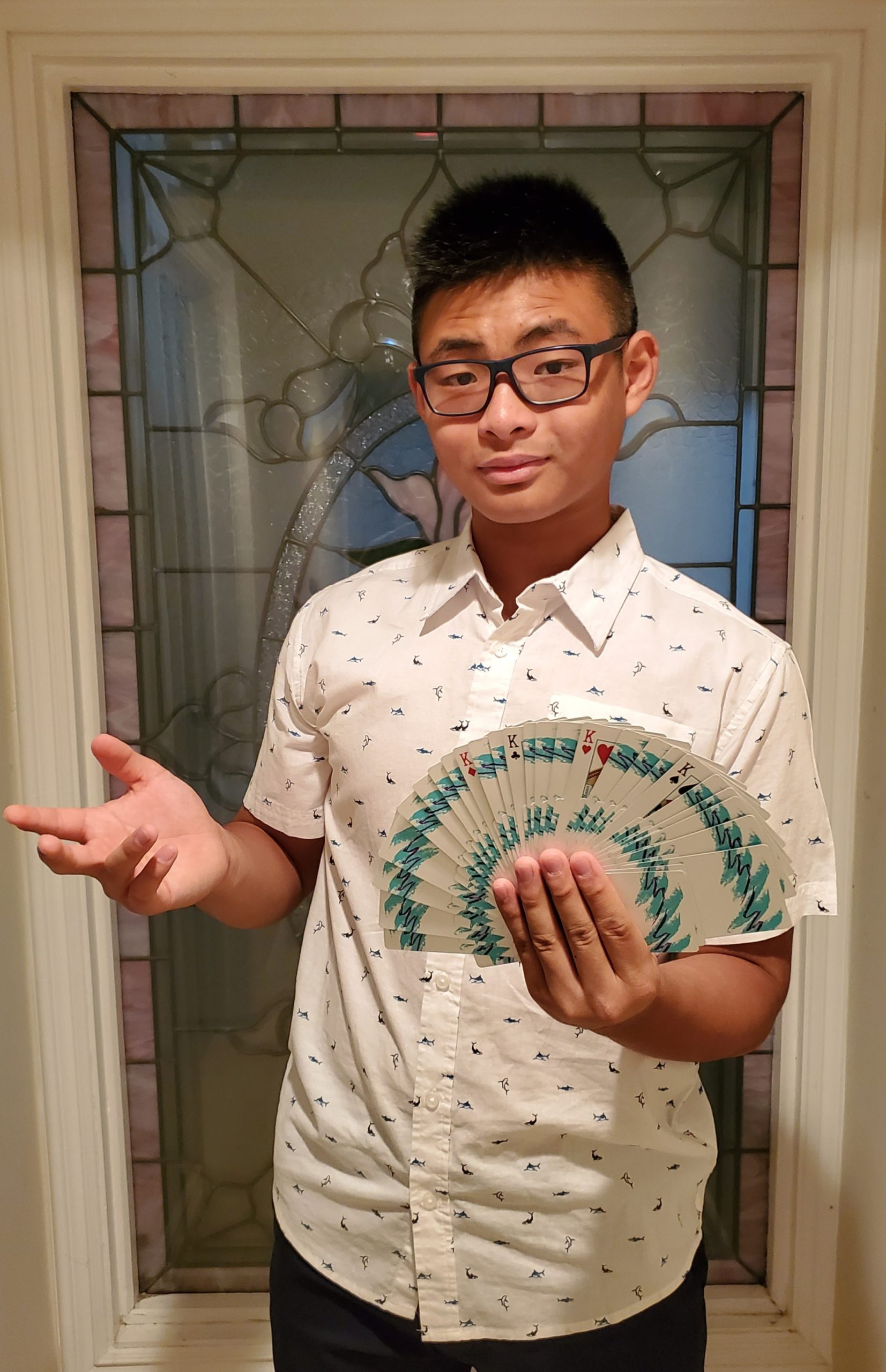





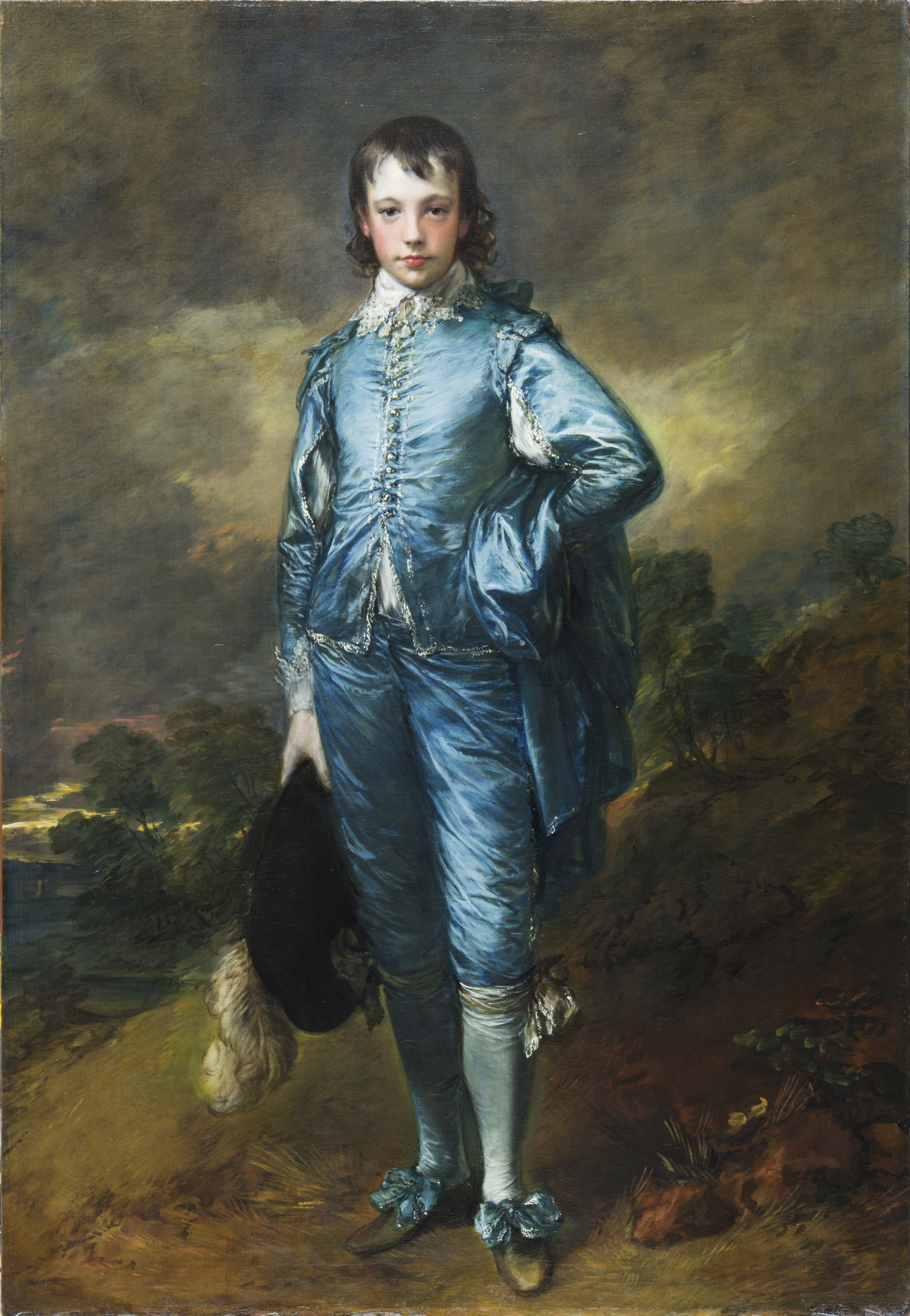
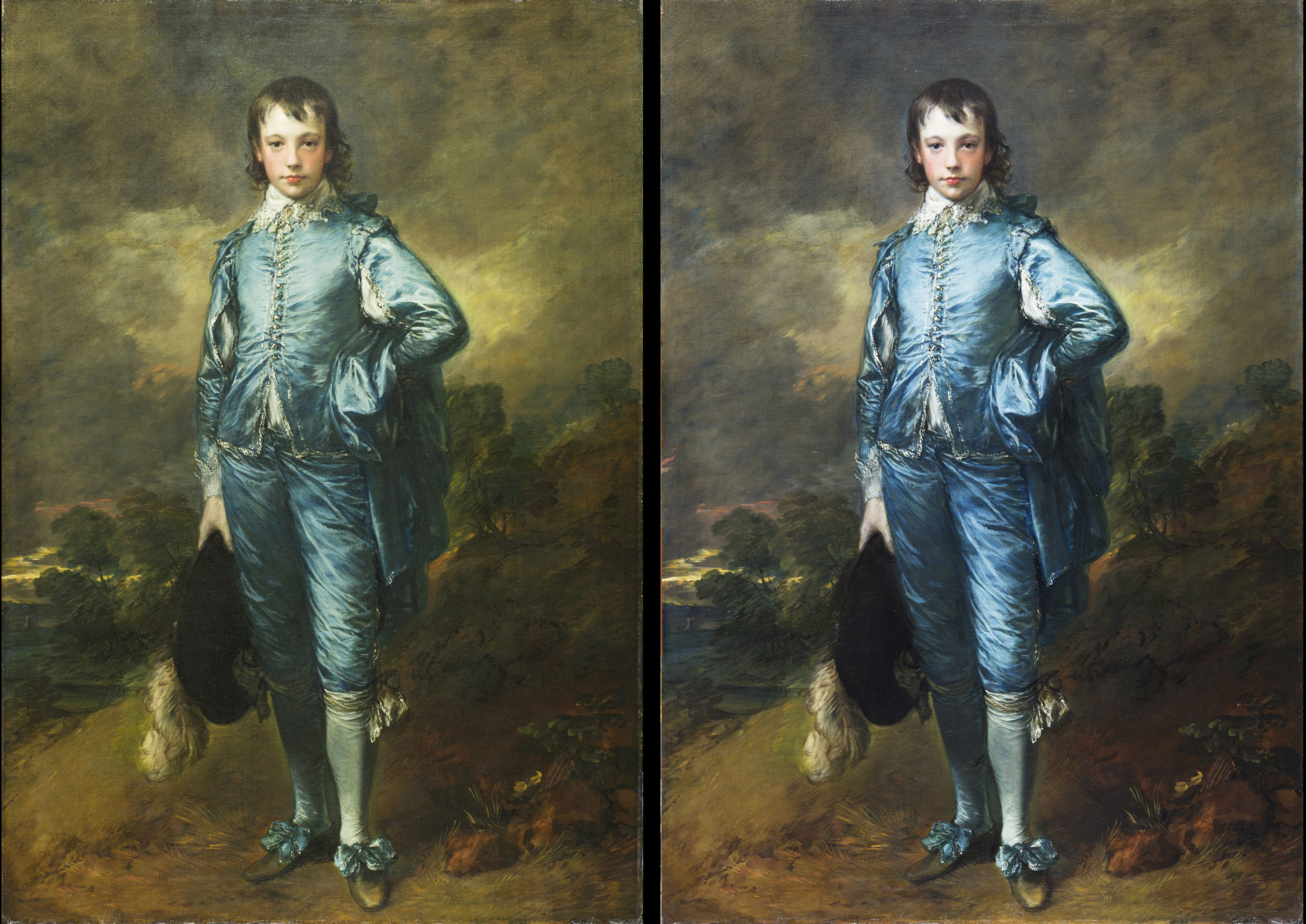
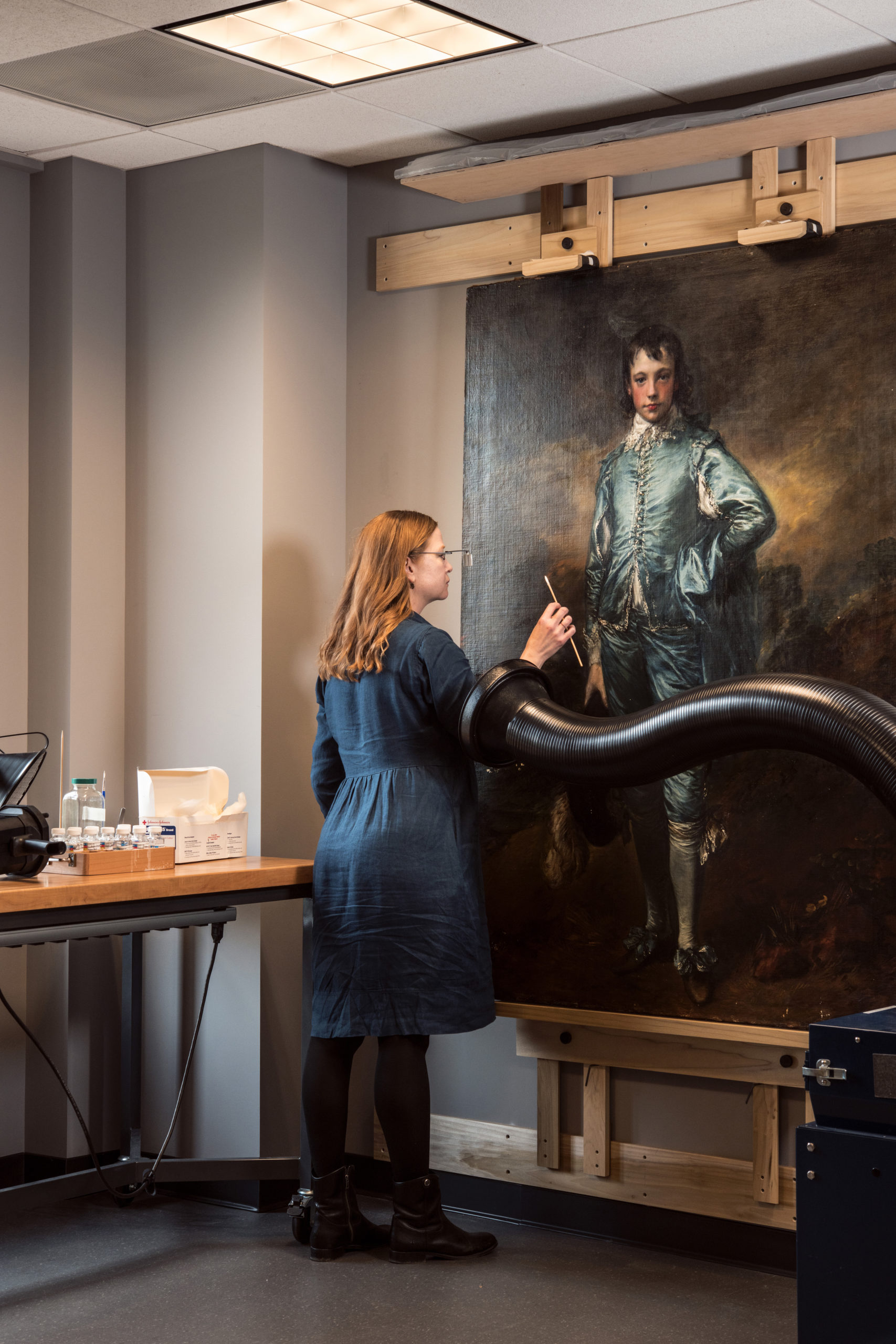

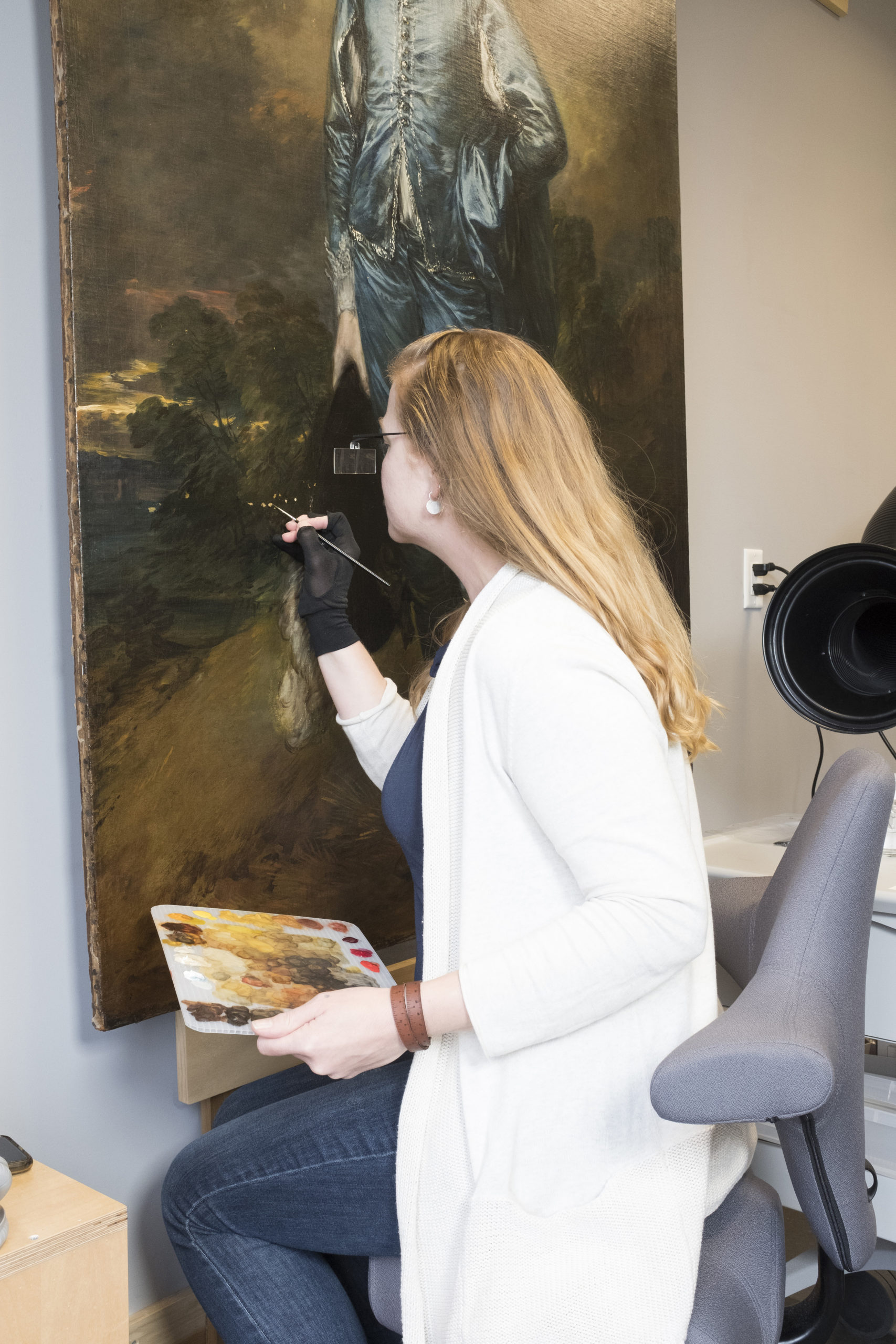
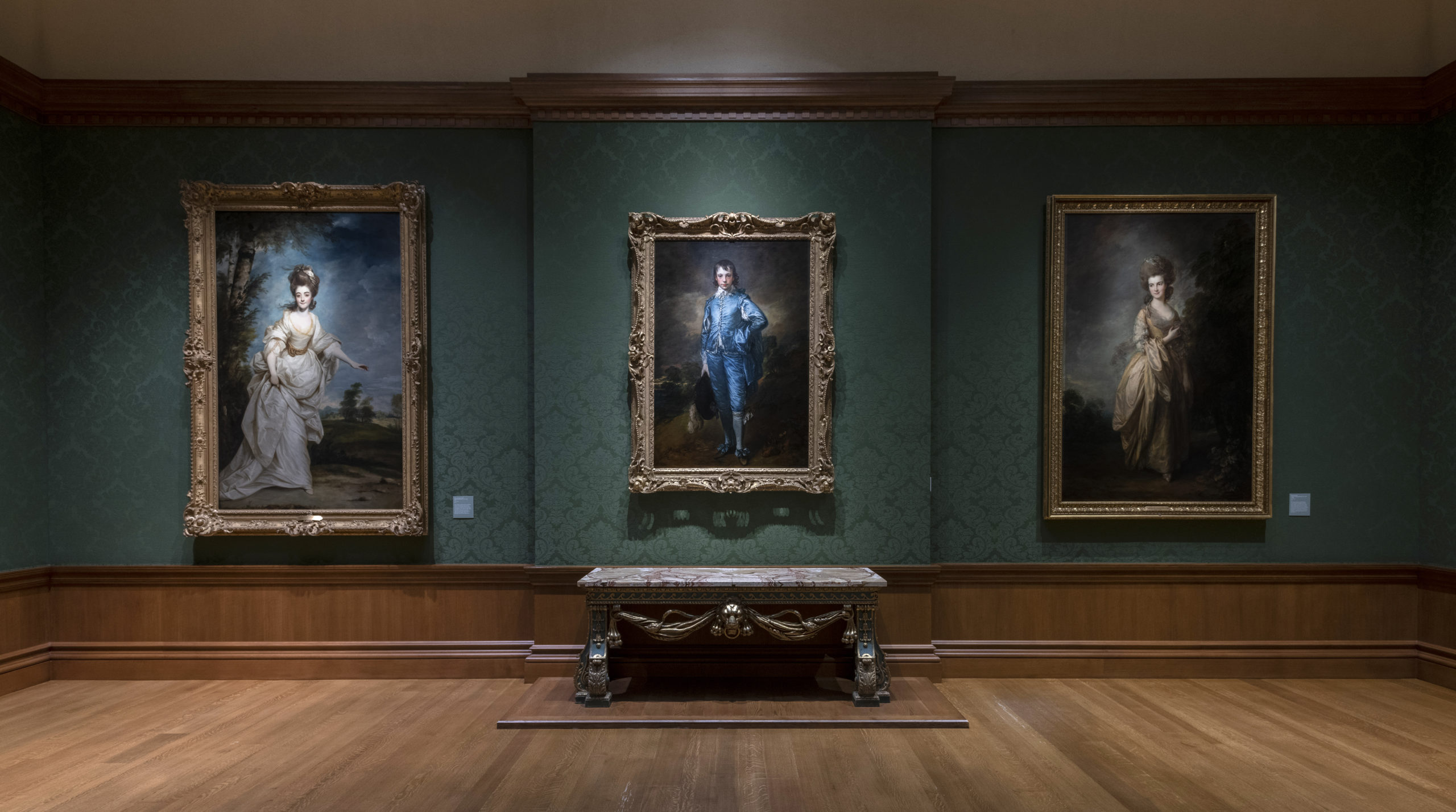






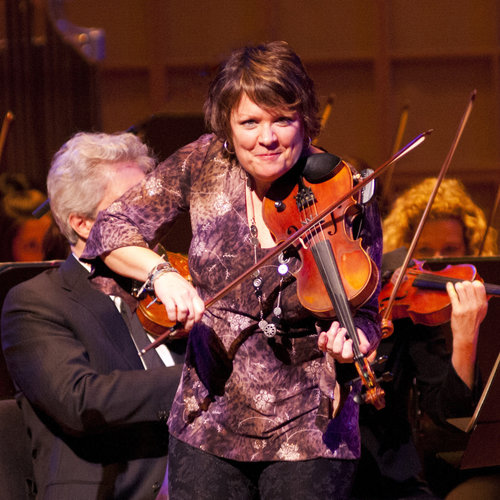




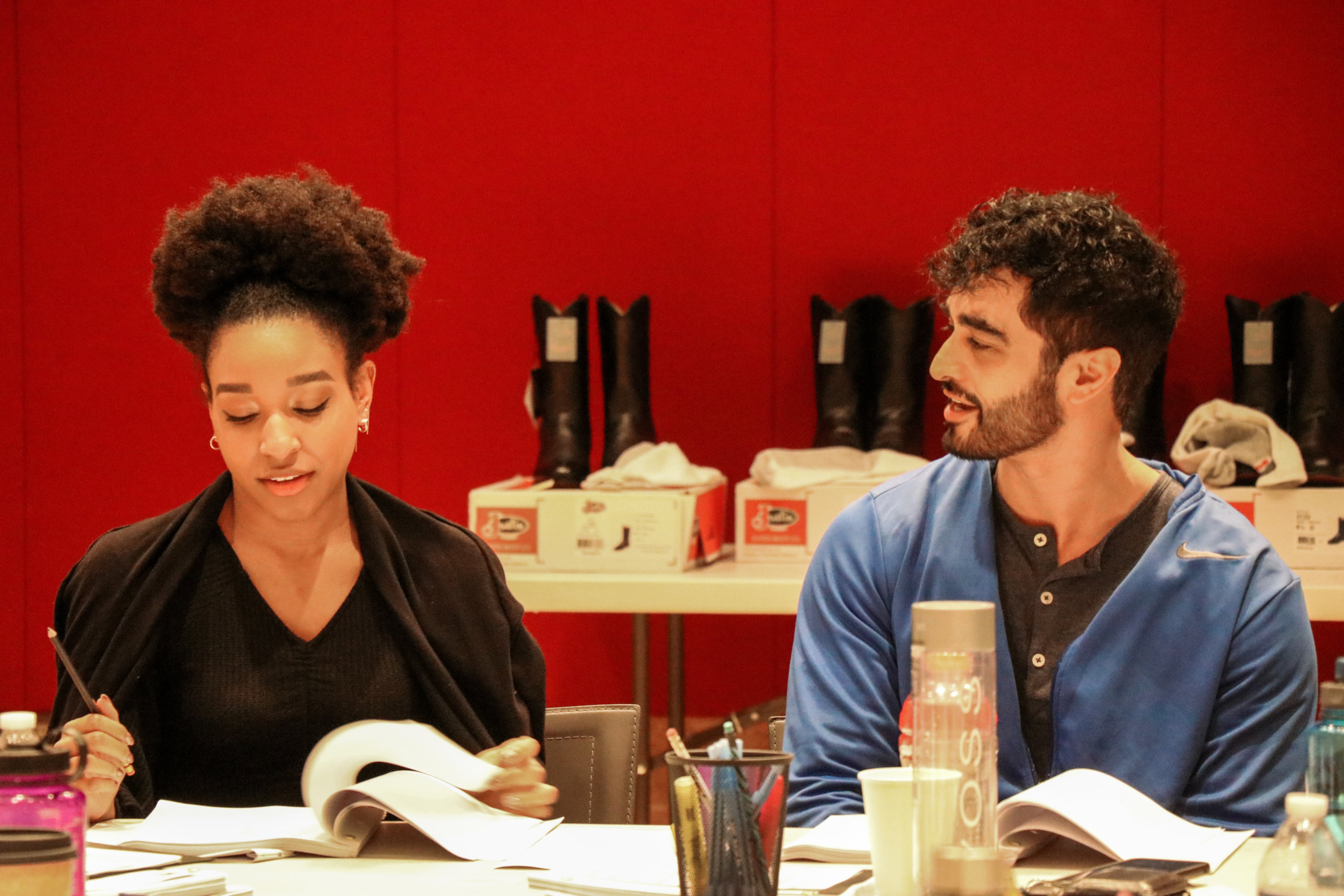


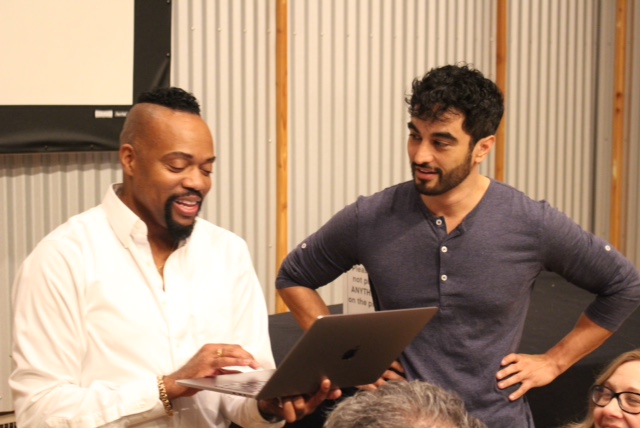
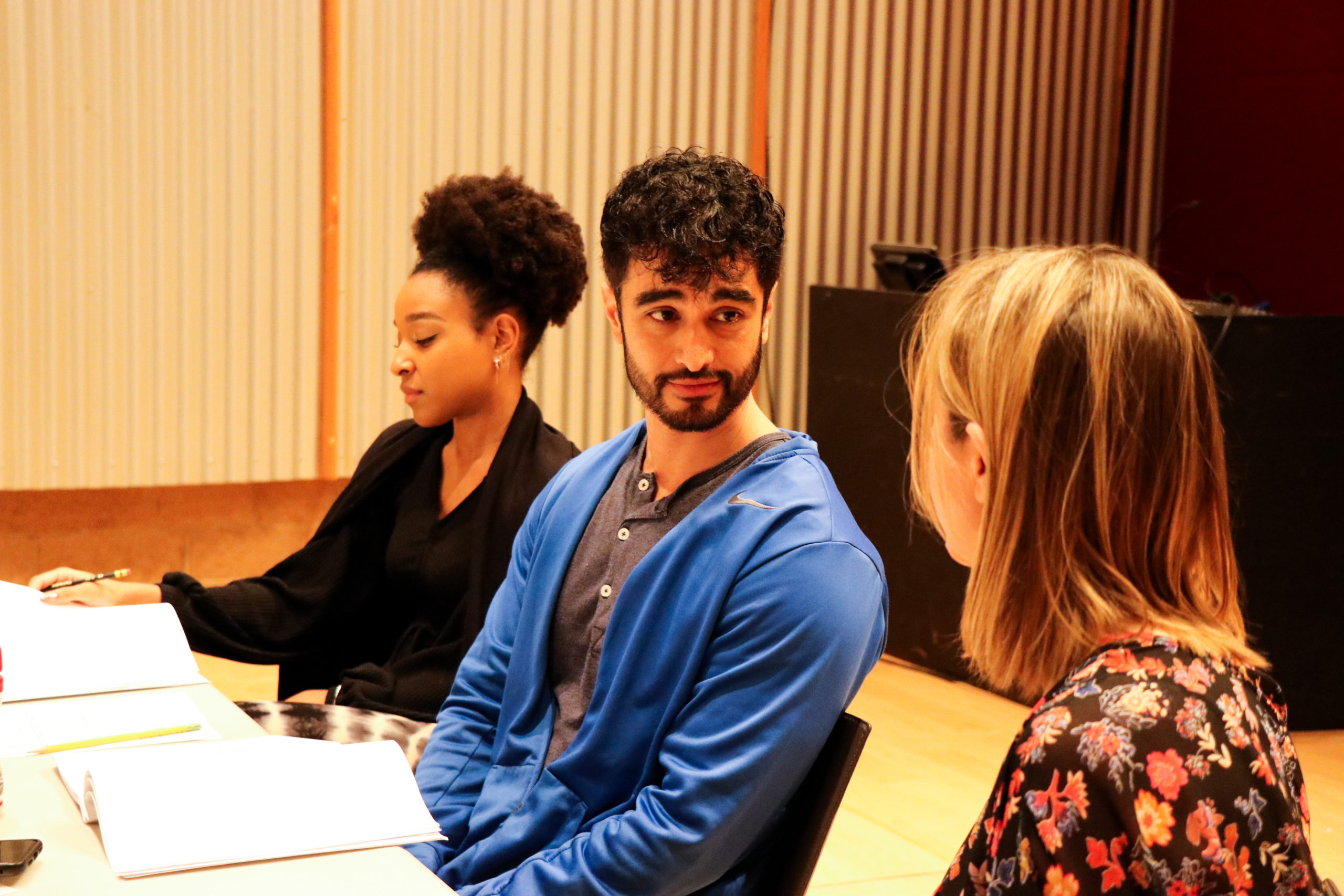


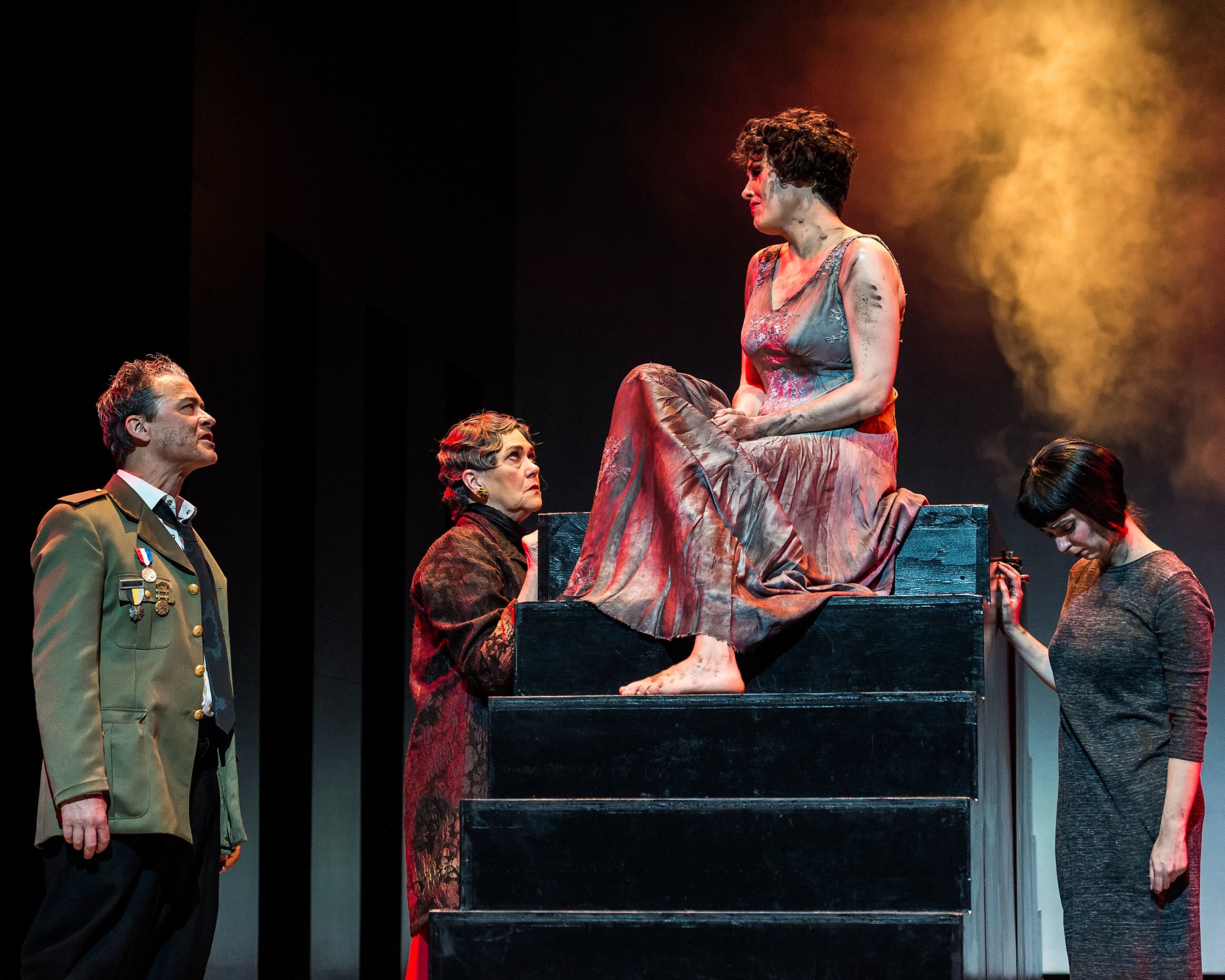
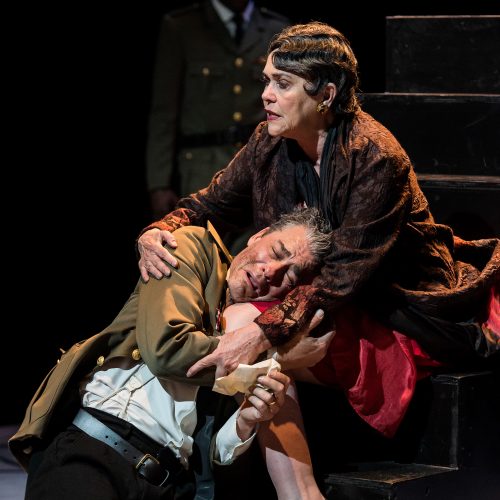

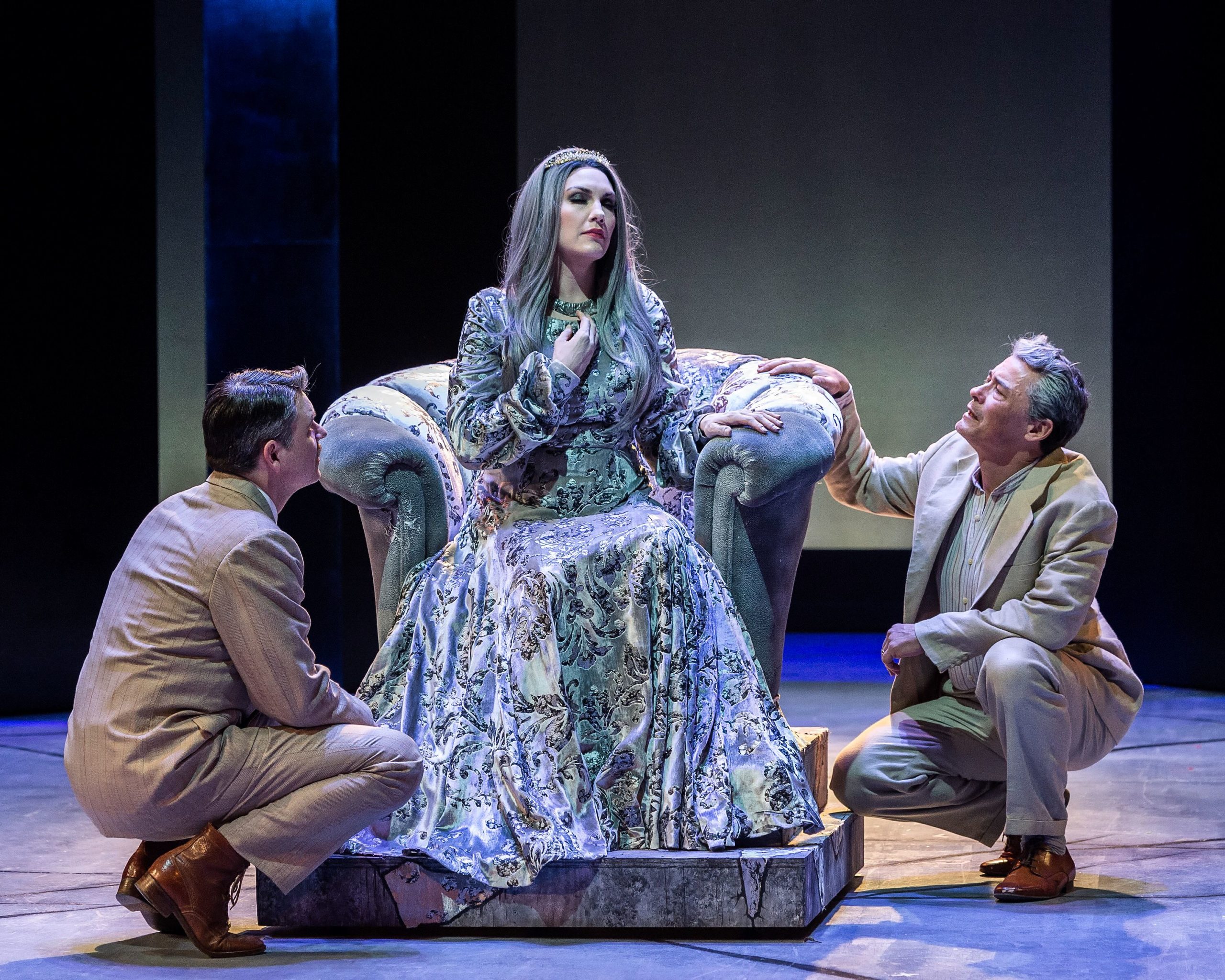
 A San Gabriel Valley Inquirer