Fabulous Fashion Exhibit at the Pasadena Museum of History

Originally published on 12 November 2015 in the Pasadena Independent, Arcadia Weekly, Monrovia Weekly, and Sierra Madre Weekly

A Beach Boys song famously claims “… the little old lady from Pasadena drives real fast and real hard … and is the terror of Colorado Blvd.” But as the Fabulous Fashion Exhibit, currently going at the Pasadena Museum of History (PMH), beautifully depicts, she is also a woman of impeccable sartorial taste.

The Fabulous Fashion Exhibit features clothes and accessories worn by Pasadena’s well-dressed women from the 1890s, the 1920s and the 1950s. As the show organizers describe them, these three decades were known (respectively) as times of wealth and luxury, flamboyance and decadence, and prosperity and consumerism.

As Dr. Elizabeth Smalley, PMH trustee and Collections Committee Chair, explains, “The three decades being represented in our Fabulous Fashion Exhibit were chosen because they each had distinct characteristics which showed the arc of women’s fashion choices as their roles in life have evolved. In the 1890s women had to have 24 outfits to get through their day because each activity required a change of clothes – they had to dress to make a call, to receive a caller, to go to tea or the theatre or the opera, or to go to dinner.”

The Gay Nineties couture mirrored the extravagance of the Gilded Age when the affluent society enjoyed lavish lifestyles. Women changed their outfits as they went about their various pursuits – from a morning gown for breakfast, to a tailored walking costume during the day, to an elaborate ball gown for evening. Several yards of fabric were required to make these apparels that oftentimes weighed a hefty 37 pounds.   

Clothes in the 1890s were accessorized with delicate, intricately constructed objects. Women carried parasols to protect their complexions from the sun. They waved their ostrich-feathered fans as much to revive them from the vapors as to communicate their interest in a gentleman. They always wore gloves, hats, and stockings on public occasions; large, bejeweled hair combs or tiaras complemented their ball gowns; small bags held money, opera glasses and a fan.

“Then the 1920s ushered in the age of independence for women when they earned the right to vote,” Smalley says. “They eschewed the social constraints of the past, some of them joined the workplace, and their clothes reflected that looseness and freedom.”

The Roaring Twenties was a time of exuberance when women dressed comfortably, bobbed their hair and wore make up. They were celebrating their emancipation from the chores that shackled them to their homes – they took on jobs alongside the men. Coco Chanel defined the look that characterized this era – sporty, boyish and youthful.  Side swags, floating panels and drapes, asymmetrical hemlines, intricate hand-beading, and Art Deco designs were all the rage.   

Accessories in the 1920s featured exotic materials and rich pattern. Daytime wear included a leather clutch with matching shoes; evening attires came with a small velvet purse or beaded bag that held lipstick, a few coins, a handkerchief and a house key. Women wore long strands of beads and pearls to break up the bodice line and accentuate the dropped waistline. They ornamented their hair with a cloche hat, or a glittering hair clip at night.  Rhinestone-embellished shoes became the focal point of women’s dressing as hemlines rose higher.

When the 1950s came around, men returned from the war and women reverted to their previous role as homemakers. According to Smalley, “women became conformists once again and their clothes looked more structured. It’s quite fascinating to see the changes in their roles and how their apparel reflected those.”

The Rockin’ Fifties, as the exhibit refers to the Eisenhower years, were ruled by conformity and conservatism once more. The ultra-feminine style became fashionable again as women revived their duty as the perfect wife. Christian Dior reimagined the hourglass silhouette with a well-fitted bodice, a wasp waist, and a capacious skirt. As in the 1890s, confining undergarments were essential to this ‘New Look’. The slimmer, looser sheath dress became the trend later in the decade but still relied on hidden reinforcements of corsetry, girdles, and garters. At the same time, women had to be pencil-thin, corseted, coiffured and perfectly accessorized.   

During the 1950s, outfits were flawlessly matched and synchronized: gloves, stockings, coordinating hat, shoes and handbag were de rigueur. Women wore jewelry – costume or real – to complete their look. Stylish women wore rhinestone brooches pinned to their suit collar or dress and they carried large purses made of crocodile, snake, lucite, or bamboo.    

Each show presented by PMH goes through a complicated and lengthy process. Jeannette Bovard, PMH media consultant, asserts “We brainstorm about what’s interesting, what’s relevant, and what’s coming up. Pasadena isn’t a bubble – world events affect us and we sort of affect world events. It is a small town with national significance as evidenced by all our exhibits.”

“For example, our past display was about the Civil War,” Bovard elucidates further. “PMH, as well as several other cultural institutions, mounted events celebrating its sesquicentennial anniversary. Along this vein, our Fabulous Fashion Exhibit showcases fashion trends in Pasadena that followed the rest of the country.”  

Many women in Pasadena held important roles as wives of prominent industrialists, businessmen, and politicians during the periods covered by the exhibit. These ladies, alongside  their husbands, put on important events as befitted their standing in the community.

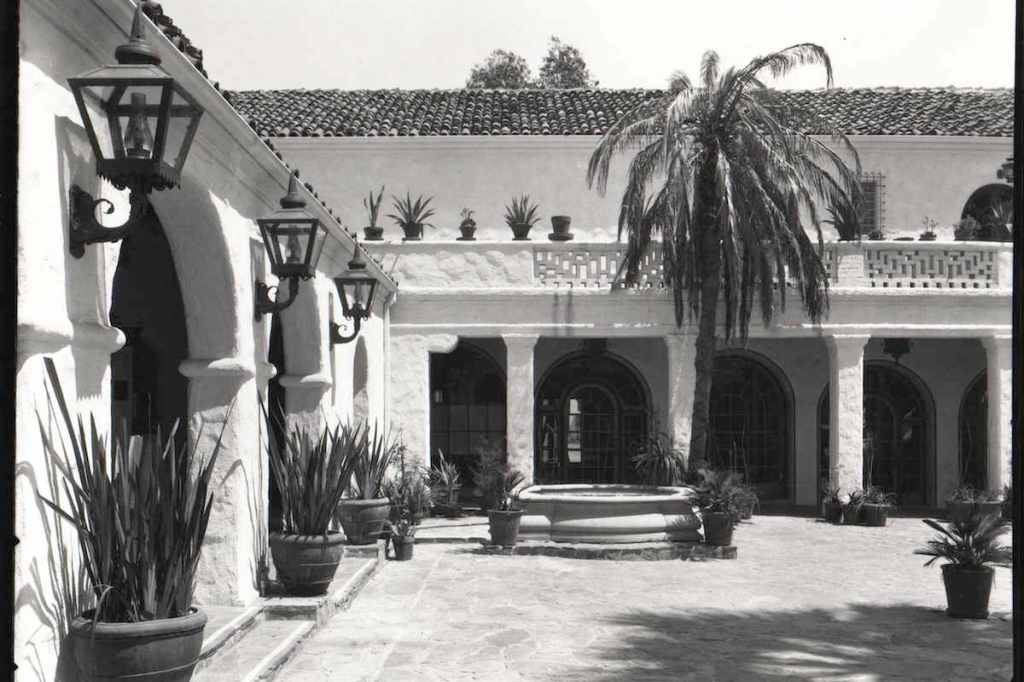
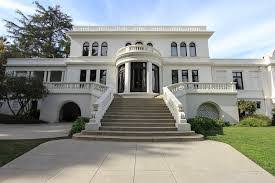
Smalley illustrates, “One of the clothes being featured is a cocktail dress that belonged to Leonora Paloheimo, granddaughter of Eva Fenyes (who, with her husband, Adalbert, built the Fenyes Mansion that houses the Pasadena Museum of History). Leonora was the wife of the Finnish Consul, Yrjo Paloheimo, so she would have worn this to parties and benefits, or to events she hosted.”

Besides showing the public its wonderful collection of clothing and objects is a far broader reason for holding this exhibit. As Bovard pronounces, “Everything that happens in the nation has somehow come through and been processed through Pasadena. And when we display what women wore during the three decades we are focusing on, we want to show that while these were worn by the ladies in Pasadena, these clothes did not originate here – they may have come from New York or Paris. We were fashionable … we still are.”

Except for a 1950s shirt dress, which organizers had to purchase expressly for this event, all  clothes and accessories in the Fabulous Fashion Exhibit are the property of PMH. They have been donated through the years by various benefactors and the Collection Committee ensures that each piece of clothing has a Pasadena provenance. One of the items being highlighted in the show is a breathtaking purple evening dress created by notable French designer and perfumer, Jean Patou. It is on loan from long-time local resident Susan McManigal, whose family owns the French Hand Laundry and Dry Cleaning on South Lake. 

Pasadena is a small town rich in charm and tradition, with old values that are deeply embedded in its people. Yet it is a city with diverse institutions typically found in large urban areas.  Indeed, Pasadena is home to Caltech, Art Center College of Design, Fuller Theological Seminary, Rose Bowl, Tournament of Roses, Gamble House, Norton Simon Museum, USC Pacific Asia Museum, The Pasadena Playhouse, and a host of other nationally recognized foundations. 

PMH joins a select group of cultural centers – it is a multifaceted entity that catalogs, documents and preserves vast holdings of different artifacts and objects. It then shares them with the public to educate, entertain, and connect to important events of universal significance.  The Fabulous Fashion Exhibit is one way to showcase the treasures the city has to offer while informing people about Pasadena Museum of History’s function. As to the little lady from Pasadena …. As to the little lady from Pasadena …. Well, surely everyone knows by now what she really is – tres chic!


Geoff Elliott Directs a Powerful ‘All My Sons’

Originally published on 5 November 2015 in the Pasadena Independent, Arcadia Weekly, Monrovia Weekly, and Sierra Madre Weekly

Geoff Elliott, co-artistic director (with his wife, Julia Rodriguez-Elliott) of famed Pasadena repertory company A Noise Within (ANW), and solo-directing this time, claims he is an actor first. This is most assuredly evident when you watch him on stage as he embodies the complex character, Joe Keller, paterfamilias in this 1947 Arthur Miller play, All My Sons.

Beacon’s Nathaniel Cayanan, in his review of ANW’s production, says, “Throughout the play, we’re put on a roller-coaster in which we’re at one point laughing at the liveliness and charm of Joe Keller, skillfully played by … Geoff Elliott, but at another point instantly entranced by the intense conflict boiling beneath the surface….”   

That Elliott is acting on stage while steering the course of the play is what makes his performance extraordinarily masterful.  He has wonderfully balanced his dual job of breathing life into Miller’s embattled Joe Keller and extracting the best work from his cast of talented actors.

As Elliott describes it, “…for actors, it’s very much about me and you, the two of us in the scene and what’s happening between us. The director, on the other hand, has a global perspective – he is thinking about the performances, and all other aspects of the production like the lighting, the sound, the set, the costumes.”

“Acting and directing are two very different experiences. But while the processes actors and directors go through are vastly different,” Elliott opines, “I think it’s healthy for all directors to have been actors at one point in their life, or at least to have trained because it’s really hard to know how vulnerable an actor is until you’ve done it yourself. I personally often find that there’s something missing when directors who have never acted try to articulate what it is they want to happen.”

Continues Elliott, “All actors bring something you’re not thinking of when you’re visualizing it.  It is when you get in the room with other artists that you begin to understand the play and where it needs to go. You have so many bright ideas before you go into the rehearsal room but you get in there and so much of what goes on is informed by those actors and what they’re bringing to it.  If you cast a production well you can trust they’re going to bring some really exciting stuff. I think a good director really pays attention to what the other artists are doing and helps them move along in that direction. You’re enlivened by the choices they’re making and that can make you think of something that enhances the play.”  

It is quite obvious then that Elliott has collaborated well with all the performers in ANW’s production of All My Sons. His passion for the play and his directorial choices made it a very realistic representation of life. As Cayanan further says in his review, “… However complex, this plot could have very easily been an overly melodramatic interpretation, but instead the play is well handled by a creative team that adeptly presents a very real and raw story of an American family of yesterday (and even today).”

Image of A Noise Within’s lobby taken from ANW website

All My Sons, Arthur Miller’s Tony Award-winning first hit play is the third offering in ANW’s 2015-2016 ‘Breaking and Entering’ season. Other cast members include Deborah Strang As Kate Keller, Rafael Goldstein as Chris Keller, Maegan McConnell as Ann Deever, Aaron Blakely as George Deever, Jeremy Rabb as Jim Bayliss, June Carryol as Sue Bayliss, E.K. Dangerfield as Frank Lubey, Natalie Reiko as Lydia Lubey, and Vega Pierce-English as Bert. The show opened on October 17, which was to have been Arthur Miller’s 100th birthday, and goes on stage through Saturday, November 21 with both a 2:00 pm matinee and evening performance at 8:00 pm.   

Asked if their iteration of this play is an homage to the late great playwright,  Elliott responds, “It may probably end up being such although I don’t know that we necessarily had that in mind.  But the greater reason for doing it is because of the fact that it’s an extraordinary masterpiece, and it’s so timely. This play could have been written yesterday. It will always be as timely as when he wrote it in 1947 – it’s true now as it was then.”  

Elliott elaborates on the play’s plot and his approach to it, “This play is about young love, and deep familial love. These are people who will sacrifice anything and everything to take care of their family and the ones who are precious to them. In the same vein, this is very much an ensemble piece, one that’s driven by performance, and it couldn’t be delivered without a magnificent company of actors, many of whom have been together for 20 years. This is among the most personally meaningful plays I have ever directed, and All My Sons is a wonderful introduction both to Arthur Miller and the work we do here at A Noise Within.”

“I hope people see themselves as they watch the play and understand that this is happening today. Decisions that hurt people are being made every day in America’s board rooms,”  Elliott concludes. He hopes people take home with them a lesson that Arthur Miller wanted to get through – past actions can come back to haunt us.

Under Elliott’s accomplished direction, A Noise Within’s All My Sons has created a memorable and soaring tribute to Arthur Miller’s legacy as a foremost American playwright. Elliott is proud of what they have produced and he hopes it proves to be an unforgettable theatre experience for many.  

My Masterpieces Series: USC Pacific Asia Museum

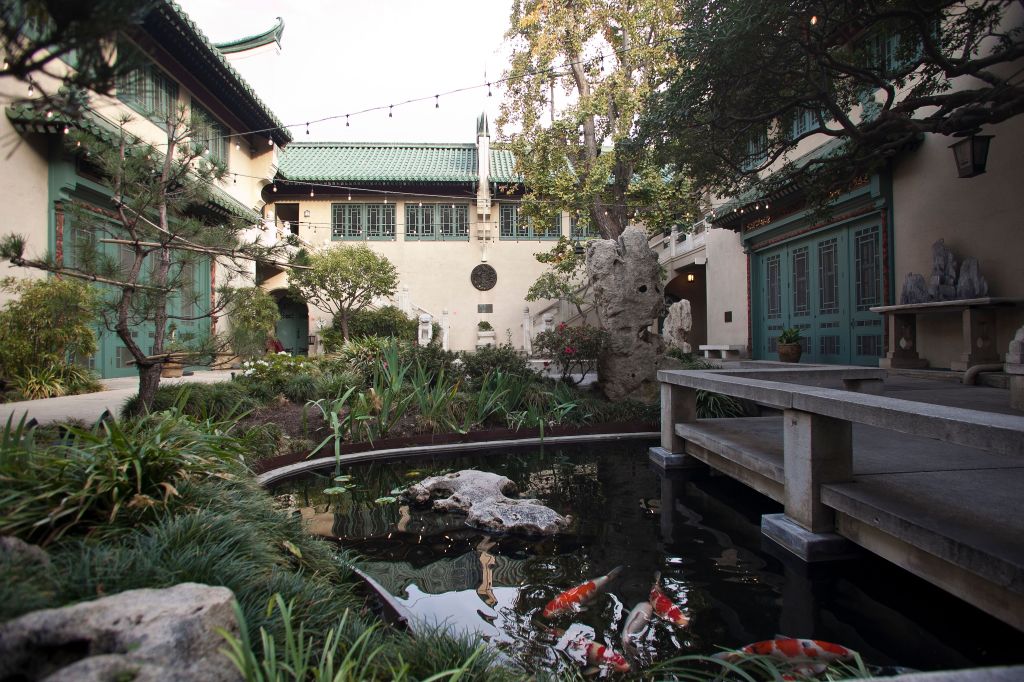
The koi pond and garden at USC Pacific Asia Museum | Photo by May S. Ruiz

Originally published on 22 October 2015 in the Pasadena Independent, Arcadia Weekly, Monrovia Weekly, and Sierra Madre Weekly

Ensconced in a nondescript corner on North Los Robles Avenue and Union Street in Pasadena is a foundation that holds some of the most valuable treasures in Asian artifacts. It’s the USC Pacific Asia Museum, which used to house the Pasadena Art Museum, and then became Pacific Asia Museum in 1971. In 2013, University of Southern California (USC) partnered with the institution to become a vital resource for education and cultural heritage.

Enter its handsome arched entrance, however, and you will be transported to another place and time. The transformation is so unexpected it’s breathtaking. The charming courtyard garden with a koi pond, rock sculpture, and natural plantings reflecting the changing seasons, take center stage while a Chinese Qing dynasty-inspired mansion wraps around it. The Pasadena architectural firm of Marston Van Pelt and Maybury built it as a grand residence in 1924 to exact specifications from California transplant, Grace Nicholson, a pioneering art collector and entrepreneur from Philadelphia.

This historic home also became the center for the arts in Pasadena and was host to several cultural organizations. The first floor served as a gallery where Ms. Nicholson displayed and sold American Indian and Oriental art objects. On the second floor were more galleries, an exhibition auditorium, and Ms. Nicholson’s private quarters. 

Today it is the foremost exhibitor of Asian art collections in Southern California. It is also the destination for Pasadena 6th graders’ My Masterpieces field trip where specially-trained docents conduct tours and hold workshops. 

Michael Fritzen, Head of Education and Public Program for USC Pacific Asia Museum, who took over this post five months ago, is ably assisted by Program Specialist, Becky Sun, in planning an interactive and hands-on two-hour visit. He says, “Our My Masterpieces Program for the Pasadena Unified School District (PUSD)/Pasadena Educational Foundation (PEF) is focused on the inquiry method. Students are asked questions about the pieces they see; they aren’t just dragged through the museum and told massive amounts of facts. They stop, look and reflect about a particular artifact. Aligned with the state Common Core standards, this visit is aimed at enhancing students’ classroom discussions in their World History course. We ensure that what they see and experience add depth to their understanding of the world, and of Asia, in particular.”

This tour is designed to lead 6th graders along the Silk Road. It moves through the collection, spotlights certain artifacts, and ultimately fashions a coherent historical fabric woven from threads that connect all the different countries in Asia – Japan, China, Korea, Vietnam – as students travel on the Silk Road. 

Grace Nicholson’s previous residence now houses USC Pacific Asia Museum

According to Sun the tour is divided into two parts. While one docent tours a group of students, another docent involves the students in a hands-on workshop. She says, “Our workshops are taught by Asian experts in different fields including calligraphy, brush painting, origami.”

Fritzen adds, “We provide authentic materials for students to employ during the workshop. If they’re working on calligraphy, for instance, they are using brushes, ink blocks, and rice paper made specifically for that art form. The work they produce will match what they see in the museum – it will have the look, smell, and texture of the original art. The art activity makes what they see in the gallery come to life and gives them a better understanding of what the artist went through to make the product. We try to create an experience that cannot be replicated in the classroom so that they leave with lasting memories of their visit.”

“My Masterpieces introduces Asian art and culture to kids from all over Pasadena who have never had occasion to visit the museum; it helps them understand why a particular tapestry or sculpture is unique and preservable,” continues Fritzen. “We hope that the visit inspires enthusiasm and passion in young people so that they later become visitors, members, donors, and collectors of art. The field trip includes a family pass for six people. That students actually redeem those passes proves that it makes a deep impression to them.”

Through their programs and events, USC Pacific Asia Museum follows its mission and vision unique to the museum – to further intercultural understanding through the arts of Asia and the Pacific Islands.

According to Fritzen, the museum recently featured a Harvest Moon Festival which showed how this is celebrated not only in China, but also in Japan, Korea, and Vietnam. The institution endeavors to showcase countries which are not usually at the forefront because they don’t have enough representation. 

With that in mind, USC Pacific Asia Museum will host in December a show featuring the art and culture of the Philippines. It may be the first time others will learn about this group of islands in the Pacific beyond the nightly news report of the country being in dire need of assistance, after being hit by devastating typhoons . Maybe it will help engender public interest in the countless natural wonders unique to the Philippines – beautiful coastlines, white sandy beaches, majestic mountains, lush countryside, exotic foods, and warm people.

If USC Pacific Asia Museum were to enlighten even just one mind about the abundant treasures to be found across the vast Pacific Ocean, it would have served the purpose it has set out for itself. 

Shakespeare’s Globe Theatre on Tour at The Huntington

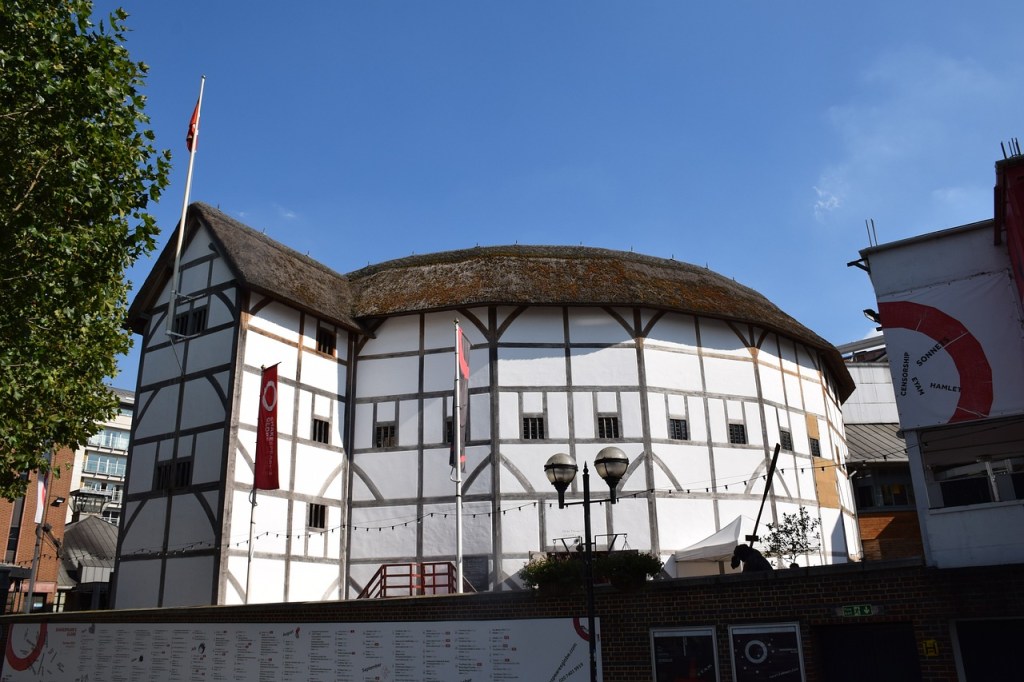
Shakespeare Globe Theatre, England (UK)

Originally published on 29 October 2015 in the Pasadena Independent, Arcadia Weekly, Monrovia Weekly, and Sierra Madre Weekly

Residents of the San Gabriel Valley will be in for a rare treat next week when London’s acclaimed Shakespeare’s Globe Theatre on Tour wends its way to Southern California to stage Much Ado About Nothing. For two nights in November, the 9th and the 10th, The Huntington will be the venue for this much-anticipated production.

Dominic Dromgoole, Artistic Director of Shakespeare’s Globe, has this to say, “I am delighted that Shakespeare’s Globe continues to extend its reach across the world through our epic touring programme. Our beautiful and fast-paced production of Much Ado About Nothing, having toured theatres and gardens in the UK over the summer, will be making its way to South America before touring to The Huntington in November. We have had a long-standing relationship with the Folger Shakespeare Library (in Washington, D.C.) where we have successfully toured our plays in the past, and consequently thought The Huntington would be a similarly natural fit.”

According to Lisa Blackburn, Communications Coordinator/Calendar Editor at The Huntington (Library, Art Collections, and Botanical Gardens), the Library’s depth of collection makes this San Marino, California institution one of the leading centers of Shakespeare scholarship. It rivals what is available at the British Library in London, The Folger Shakespeare Library in Washington, D.C., and the Newbury Library in Chicago.

The Huntington’s vast holdings include a rare 1623 “First Folio” edition of Shakespeare’s collected plays. Published seven years after the Bard’s death, it contains 36 plays, 18 of them printed for the first time. The Huntington also has numerous early quarto of individual plays, including one of only two surviving copies of the first edition of Hamlet (1603); rare 16th– and 17th-century works documenting life in Shakespeare’s world; materials relating to early theatre – including playbills promoting performances at London’s Drury Lane Theatre, engravings of famous Shakespearean actors of the day such as David Garrick and Sarah Siddons, and prints depicting dramatic scenes from many Shakespeare plays.

Educational and cultural programming – from lectures and conferences, to teacher training workshops, to professional theatrical performances – are frequently on offer at The Huntington.  It also works with schools on Shakespeare-related programs, as it did this past spring when The Huntington collaborated with Esteban E. Flores High School in East Los Angeles on a students’ production of A Midsummer Night’s Dream, which they performed for family and friends.

Other recent Shakespeare programs held at The Huntington include a production by the Independent Shakespeare Company, on the 6th of June 2015, of a rarely performed romance Pericles, Prince of Tyre.

Blackburn also says The Huntington has just successfully concluded a college-level seminar  in anticipation of the 400th anniversary of The Bard’s death. Heidi Brayman Hackel, associate professor of English at UC Riverside who specializes in the literature and culture of early modern England (1500-1700), conducted this course. It paid particular attention to Shakespeare’s late plays – The Winter’s tale, The Tempest, and Henry VIII – examining them as meditations on and farewells to the public stage and public life as well.  

At an April 2015 scholarly conference on “Rethinking Shakespeare in the Social Depth of Politics”, social historians and literary critics repositioned his works in the culture wars of the period to reassess his presentation of power and authority in his works.

In May, actors from the Independent Shakespeare Company and artists from LA Opera presented “Shakespeare Scenes and Sonnets: An Evening of Words and Music”. With 18th century Grand Manner Portraits in the art gallery serving as backdrop, they performed scenes, sonnets, and songs that explore connections between the works of Shakespeare and The Huntington’s art collections.

And this summer, as in summers past, The Huntington once more hosted its Shakespeare at The Huntington teacher training institute. A unique two-week workshop designed for secondary school teachers of English and Drama, it focuses on teaching Shakespeare through performance.  The course features an international faculty of scholars, educators, and theatre professionals.

Shakespeare’s Globe is a faithful reconstruction of the open-air playhouse for which he wrote his plays.  Globe Theatre on Tour has brought productions – Henry V, Ann Boleyn, As You Like It, King Lear, and The Taming of the Shrew – to castles, festivals, parks and town squares in the past five years. This London’s Bankside charity organization operates without government funding and has since become a popular tourist destination in the United Kingdom.  

Theatre season plays in repertory held annually from April through October, under Dromgoole’s helm, have attracted an international following and reputation for performance excellence, says Blackburn. Globe Education runs one of the largest arts education program in the country under the direction of Patrick Spottiswoode, with over 100,000 students a year. Shakespeare’s Globe Tour and Exhibition is open year-round and is the world’s only permanent exhibition dedicated to The Bard’s theatrical career.

Much Ado About Nothing, set in Governor Leonato’s house in the Sicilian town of Messina, follows the stories of two sets of lovers – Benedick and Beatrice and Claudio and Hero.  Leonato is hosting Prince Don Pedro of Arragon, Don John, Claudio (a young Florentine lord) and Benedick (a Paduan lord and confirmed bachelor engaged in a ‘merry war’ with Leonato’s niece, Beatrice, a confirmed spinster).

Don Pedro helps Claudio win the hand of Leonato’s daughter, Hero, in marriage; the wedding of Claudio and Hero is planned after a masked wedding. Don John is determined to break up this union and, knowing that the Prince and Claudio are listening, schemes to exchange vows with Hero’s gentlewoman , dressed in her mistress’s clothes, at Hero’s bedroom window.

At the same time, Pedro, Claudio, and Leonato conspire to make the feuding Benedick and Beatrice fall in love with each other.

Before Hero’s and Claudio’s wedding, Don John offers to give the prince and Claudio proof of Hero’s unfaithfulness. Claudio denounces Hero in the middle of the ceremony even as she proclaims her innocence. Friar Francis, not believing the charge, proposes that Hero should be reported dead and hidden until the truth is revealed.

The confusion is resolved in the final act, and a penitent Claudio ends up marrying Hero after all.  Beatrice and Benedick resolve their “merry war”; news comes that Don John has been captured and brought to justice.

Much Ado About Nothing, written between 1598 and early 1599, was made into a film in 1993 with Kenneth Branagh playing Benedick, and Emma Thompson as Beatrice; and was directed by Branagh.  Known as one of Shakespeare’s liveliest comedies, it was exceedingly popular in early years – it was one of the plays acted at Court during the May 1613 festivities for the betrothal and marriage of Princess Elizabeth and the Elector Palatine.

It will once more engage Southern Californians as Shakespeare’s Globe Theatre’s Much Ado About Nothing makes its two-night run at The Huntington. Almost four hundred years after his death, Shakespeare continues to delight audiences with his plays that still ring true today as they did when they were first performed.    

My Masterpieces Series: The Huntington Library, Art Museum, and Botanical Gardens

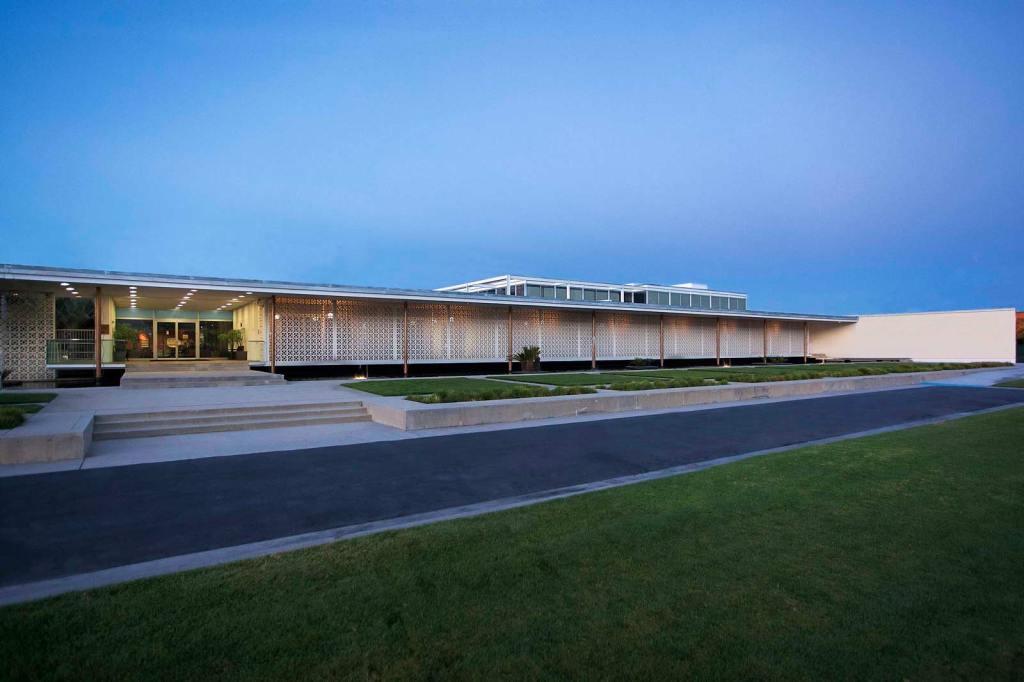
Virginia Steele Scott Galleries of American Art | Courtesy Photo

Originally published on 8 October 2015 in the Pasadena Independent, Arcadia Weekly, Monrovia Weekly, and Sierra Madre Weekly

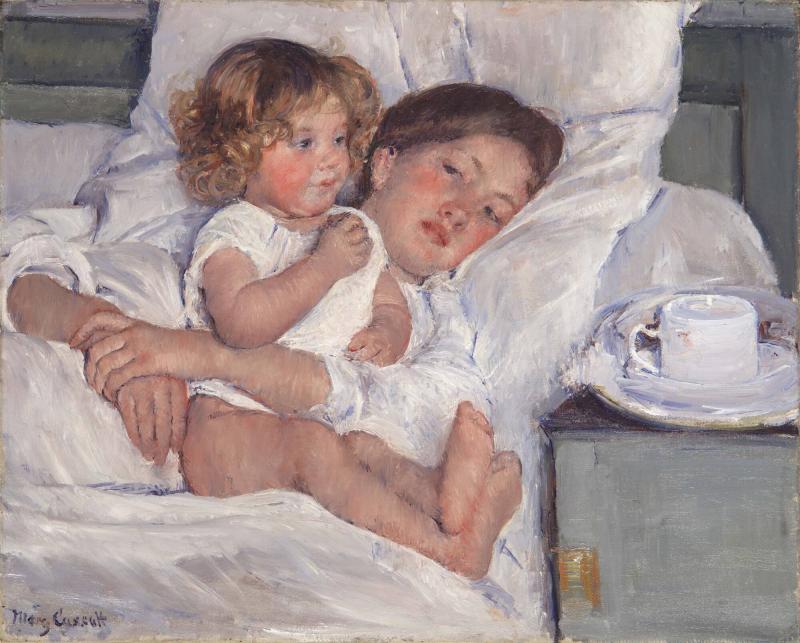
A group of lively 1st graders enters the double doors of The Huntington’s Virginia Steele Scott Galleries of American Art. As they are ushered into the foyer, all eyes alight upon Mary Cassatt’s 1897 painting, Breakfast in Bed. There is an audible gasp and a collective exclamation – “It’s Mary Cassatt!”

That this sense of awe, mixed with recognition, comes from 1st graders is why Guy Fish, Senior Manager for Art Education at The Huntington Library, Art Collections and Botanical Gardens, thinks Pasadena Unified School District’s (PUSD) and Pasadena Educational Foundation’s (PEF) My Masterpieces Program is in itself a treasure. He says, “That’s exactly what we’re trying to do! The program inspires passion and a love for art.”

Fish explains The Huntington’s collaboration further, “We were one of the co-developers of this pilot program; it is unique in its goal of stirring emotion, fostering knowledge and advancing understanding of the arts among schoolchildren. We are scaffolding and building these kinds of relationship with artwork. And we take seriously our charge of laying the Humanities foundation for young kids. We have a very important role to play; imagine if we didn’t do this and these kids go on to the 2nd grade program without this starting point.”

According to Fish, The Huntington’s focus for the one-hour field trip is to teach children the value of a museum experience. Each class is divided into small groups and a docent introduces the children to Henry and Arabella Huntington’s life as they tour the mansion.  Docents for the My Masterpieces Program are specially trained on how to make the visit fun and interesting.

To prepare the kids for their tour, teachers discuss in class the three paintings that they will see at The Huntington. They talk about these pieces of art and by the time the children come here, they’re already seeded with curiosity to see the actual painting – their visit adds another layer of meaning to the lesson.

“As our students are 1st graders, we focus on the theme of caring, while showing them the principles of line, shape, color and texture. Every artwork we choose to analyze portrays how this message is exemplified. One of the paintings they study is called The Clavering Children, a work of 18th century English painter George Romney. It encapsulates the basic concepts of art – warm and cool colors, line, texture and shape. It also shows a boy and a girl caring for each other and their animals … something most kids would relate to,” Fish further elaborates.

Another piece of artwork children look at during their field trip is called The Last Gleanings, an 1895 oil on canvas masterpiece created by French painter Jules-Adolphe Breton. It depicts a harvest scene, one of several paintings Breton produced that illustrates his love for the countryside.  To PUSD’s 1st graders, the painting shows caring for the land. 

Courtesy Photo

But it is American painter Mary Cassatt’s 1897 Breakfast in Bed that makes the biggest impression in these young children’s minds. An oil on canvas work showing a mother with her young child, painted in light colors, it is one of a recurring theme in Cassatt’s body of work. 

Early this year, The Huntington inaugurated the new Visitors Center that features four multi-room classrooms, among other things. According to Fish, they are thinking of adding a new component to their My Masterpieces program in January making use of those classrooms. He’s currently working on a plan to expand their program beyond kids analyzing artwork, but maybe creating their own. They now have the facilities to make that happen.      

An award-winning program, My Masterpieces received the prestigious CAMMY Award from the California Association of Museums in 2012. In 2010, it was also recognized by the California School Board with the Golden Bell Award. It was established during the 2008-2009 school year as a collaboration between teachers and various cultural organizations to bring about a high level of engagement among students.

It is this spirit of collaboration that proves My Masterpieces to be a worthwhile endeavor for The Huntington. As Fish explains, “It reinforces our commitment to our long-term partnerships; our work has matured into a deep relationship with PUSD. It also allowed us to systematize our school engagement. It was the springboard for The Huntington’s Teacher and School Programs, which developed the curriculum that supports the Common Core standards. The art course  offered by the My Masterpieces program isn’t far from the project-based learning promoted by the Common Core. Using the resources available at The Huntington, teachers from K-12th grade choose from 12 programs to provide students appreciation, engagement, and understanding of various subjects.”

The Huntington’s My Masterpieces field trip occurs during regular public viewing days. Visitors from far-flung countries as well as local tourists, together with PUSD’s 1st grade students, spend their day admiring the wealth of treasures this beloved institution has to offer. Arabella Huntington would have been delighted to know that Mary Cassatt’s Breakfast in Bed elicits as much appreciation from the youngest guests as from learned art aficionados.       

Julia Rodriguez-Elliott’s Vision for ‘A Flea in her Ear’

Originally published on 24 September 2015 in the Pasadena Independent, Arcadia Weekly, Monrovia Weekly, and Sierra Madre Weekly

Slamming doors, running feet, one revolving bed platform, screaming women, a gun-toting husband, a trysting place, and mistaken identities – all these are what make A Flea in her Ear such a fun and hilarious treat of a play.

Hailed as the greatest of French farces, Georges Feydeau’s timeless classic will debut on September 12 at A Noise Within in Pasadena. This new version, written by David Ives was commissioned by the Chicago Shakespeare Theatre, and is the first show in the repertory theatre company’s 2015-2016 Breaking and Entering season.

A Flea in her Ear tells the story of Victor Chandebise and his wife, Raymonde. After Victor’s brief bout of impotence, Raymonde suspects him of having a wandering eye. She asks her friend, Lucienne, to send him a letter luring him into a rendezvous with a mysterious lady at a hotel to see if he will show up. While this piques his curiosity, he takes the precaution of sending someone in his stead. The ensuing mishaps – a Victor look-alike bellboy and several miscommunications – all make for a madcap production.    

For Julia Rodriguez Elliott, who is directing A Flea in her Ear, it is the realization of a long-held dream. “I have long wanted to do this play,” says Rodriguez Elliott, “because I’ve loved it from the very first time I saw it. Frankly, there are funny shows – and then there’s A Flea in her Ear.  While it is a great source of naughty fun and every single element of farce is here in force, David Ives’ recent translation is available to us which makes it truly performable for our audience.”

As reimagined by Rodriguez Elliott, this Flea in her Ear, originally set in La Belle Epoque, takes place in 1950s Paris. She explains “… I wanted to take it out of the stuffy drawing room and set in the ‘50s – before the sexual revolution, when married people didn’t go to couples therapy and didn’t talk about intimate issues. It was a time period when gender roles were clearly defined.”

Rodriguez Elliott likens A Noise Within’s iteration of  Flea as reflective of the comedy in the 1950s era. She says, “The two female leads – Raymonde and Lucienne – crazy, scheming closest friends, are a bit reminiscent of Lucy and Ethel from I Love Lucy. Just as in that show, there are gender differences afoot – and they are somewhat ahead of their time in taking matters into their own hands. What breezes in as a minor misunderstanding blows into a comic whirlwind of gale force.”

That A Noise Within has a pool of resident actors has ensured a seamless production. Rodriguez-Elliott says, “While Ives has taken into account modern humor, he also knows that in great comedy the laughs come out of the essential humanity of the characters, and this has to be played along with a split-second timing. All of this is helped greatly by a sense of trust among the cast – 80 percent of the cast come from our repertory actors – that allows them to have a great safety with each other to perform the precise physical comedy of the piece…. This absolutely underscores the underlying premise of repertory theatre, and A Noise Within is proud to be among the few national companies that adhere to this time-honored, but increasingly rare theatrical concept.”

To prepare her actors for the demanding and grueling physical effort required for this play,  Rodriguez-Elliott had them throwing tennis balls at each other around in a circle. As soon as they were adept at that, she added layers of complexity like having two tennis balls going around at the same time, or changing the workout to a hot potato mode. The actors did this while committing their lines to memory – physical motions and spoken words became one effortless exercise.

Actors go through intense rehearsals for several weeks. During dress rehearsals, typically held about five days before preview week, actors don their costumes, props appear, and the lighting comes on. All the elements slowly come together as the play comes alive. As exciting as that sounds, Rodriguez-Elliott says, “The first day of dress rehearsal is usually a disaster!” All of a sudden actors realize they need to change parts of what they had practiced to allow for costume requirements. The clothes they’re wearing may be difficult to walk in, or the prop might be cumbersome to hold. This is when they need to make adjustments and integrate these to the flow of the play.

During playpreviews, Rodriguez-Elliott would be furiously making notes, determining what works and what needs tweaking. According to her, “… sometimes the play the audience sees on Opening Night is very different from what we started out with. If we find that there are things that are not working with audiences on several nights, we’ll make changes.” The Opening Night production of A Flea in her Ear will have been the culmination of rigorous rehearsals and various changes. The process gives true meaning to the phrase ‘work in progress.’

A Flea in her Ear reflects the theme of the 2015-2016 season at its most literal. Rodriguez-Elliott describes it as a show where “the characters are breaking conventions in terms of their sexuality but by the end of the play the couples enter a new phase of their life together.” 

But not before much mayhem occurs, to the delight of its audience. Rodriguez-Elliott laughingly refers to the massive confusion that unfolds before us, “… it is a beautiful chaos.”   

Community Organizer Intern at Pasadena Playhouse

Originally published on 27 August 2015 in the Pasadena Independent, Arcadia Weekly, Monrovia Weekly, and Sierra Madre Weekly

Giselle Boustani-Fontenele had an amazing summer. No, she didn’t do anything daring at some exotic locale like swim with sharks at Ambergris Caye in Belize, or climb the peaks of Mt. Kilimanjaro in Tanzania. Giselle spent ten weeks as The Pasadena Playhouse’s Community Organizer (CO) summer intern.  She did, however, brave the daily commute from her home in Tarzana to Pasadena.

For the first time, the internship program at The Playhouse was financed through a grant from the Los Angeles County Arts Commission (LACAC). Gisele reported to Seema Sueko, Associate Artistic Director, who joined The Playhouse in January 2014 from the Mo’olelo Performing Arts Company in San Diego. Sueko originated  Consensus Organizing for Theatre as a means to build partnerships with the community which, in turn, translates into higher ticket sales.  

During her internship, Giselle learned about Consensus Organizing by asking questions and by watching Sueko, and Victor Vazquez, The Playhouse’s Real Women Have Curves (RWHC) Community Organizer. She attended meetings with potential RWHC, the first show slated for the 2015 season,CO partnerships. According to Sueko, “…our summer intern had an up-close opportunity to experience CO and support these efforts.”

Giselle created the Master Colleges and Universities CO Contact Spreadsheet, a document which consolidates contact information for all the schools The Playhouse has collaborated with in the past or which have shown interest in becoming CO partners.  This document lists institutions, including Stanford, USC, The Claremont Colleges, Azusa Pacific University, Cal State L.A. and Pasadena City College, and others.   

Another interesting job Giselle worked on was preparing the Dramaturgy Starter Kits (DSK) for Real Women Have Curves and Breaking Through. A DSK is an internal document created by the Artistic Department for The Playhouse staff which helps them frame and promote the stage play or musical they are putting on.  This includes information such as the themes of the play and the inspiration for it. Giselle interviewed the artists of two shows – Sueko, who is directing RWHC; Sheldon Epps, Artistic Director of The Playhouse and director of Breaking Through, Kirsten Guenther, playwright  and Katie Kahanovitz, who is working on music and lyrics along with Cliff Downs.  

Additionally, Giselle produced two Learning Community gatherings involving  10-15 trainees who, like her, received their internships from the LACAC. She produced one of these gatherings herself, and the other, she assembled with a fellow-intern in the Pasadena area, Jessie Fontana-Maisel, who apprenticed at California Alliance for Arts Education.  In the first Learning Community, Giselle led a tour of The Playhouse, facilitated the Q&A Session with Epps and Sueko, and handled logistics. 

Giselle also worked on Walk and Learn Notes, an internal document with information for staff members on how they can ensure the safety and security of The Playhouse. This document includes emergency contact information, among other things. She was also involved in managing the reservations list of over 240 guests for the reading of Fabric at The Playhouse;  assisting in preparations for CO receptions during Waterfall and CO rally meetings for RWHC; and assisting with RWHC auditions. She also took on stage managerial duties for the reading of Fabric on the night the Stage Manager could not be present.

A theatre enthusiast herself, Giselle conducted interviews with Director of Finance, Meredith Min, and Producing Associate and Company Manager, Kirsten Hammack, to learn about their positions and their work – invaluable information for someone who might want to start a theatre company in the future. From Min, she learned how to keep track of accounts and ticket sales; the importance of creating balance sheets and P&L (Profit and Loss) statements. With Hammack, she learned about the  requirements and details concerning various unions like the AEA (Actors’ Equity Association), the SDC (Stage Directors and Choreographers Society), and the USA (United Scenic Artists); writing contracts for artists; and maintaining a clear head in times of stress.      

Meet and Greet for Real Women Have Curves fell on the last day of Giselle’s internship. She was there to welcome the artists and the community who came to listen to the table read. 

This month, Giselle will head back to Boston University as a Junior where she is pursuing a joint degree in Anthropology and Religion, and a minor in Theatre. She can’t wait to talk about her transformational ten weeks at The Playhouse with her Acting and Performance professor and mentor, Johnathan Solari. He had encouraged her to intern at a theatre company during the summer.

As a high school student at Sherman Oaks Center for Enriched Studies, Giselle was deeply involved in its theatre department.  She was president of its International Thespian Society and performed in many productions – Shakespeare and contemporary plays, and musicals – under the direction and guidance of John Beckman, Jill Cunningham and Frank Dion.

Giselle hopes to continue learning about and pursuing her interest in theatre while at Boston University. She aspires to take a Stage Directing MFA program in the future. So Giselle didn’t scale the mountains or swim in the deep this past summer, but she certainly got fully immersed in a rare and exciting theatre adventure.     

Students Spend Summer with Shakespeare at A Noise Within


Originally published on 18 June 2015 in the Pasadena Independent, Arcadia Weekly, Monrovia Weekly, and Sierra Madre Weekly

Educational? Check! Enriching? Oh, yes. Peppered with a large dose of fun? Absolutely! At A Noise Within, a classical repertory theatre company founded by Geoff Elliott and Julia Rodriguez-Elliott, summer camp is all of the above. But youngsters also gain a great deal of insight and experience about theatre in the duration of the program.

For five weeks starting June 15, students from ages 6 to 18 learn theatre craft from respected professionals in the field, culminating in a performance on stage on July 16 and 17. Trained actors, choreographers and designers introduce students to acting, improvisation, stage diction, text analysis, kinetic exercises, and stage combat in this intensive, conservatory-style program. 

 “We began Summer with Shakespeare in 1993 as a three-week acting camp,” says Alicia Green, A Noise Within’s Education Director.  “ It has been so successful that we decided to expand it to five weeks this year.  Students are assembled by age (6-9; 10-13; and 14-18). The younger kids can choose to join the entire five-week track or attend any configuration of time that fits their schedule. The oldest ones need to enroll for the entire five weeks because they will be putting on a full production of King Lear.  We have 105 students this summer, up from last year’s 45.”

Summer With Shakespeare covers the gamut of the Bard’s works. During their first week in camp, students learn about Shakespeare’s comedies – Midsummer Night’s Dream, As You Like It. In their second week, they study the tragedies – Macbeth, King Lear.  In their third week, they absorb the histories and romances – Richard II, Henry IV, Henry V.

At 10 a.m. on a hot and muggy Tuesday in June, kids make their way into A Noise Within’s home on Foothill Blvd. They carefully set their lunch bags on steel carts, marked with three age groupings, parked against the wall in the large main entrance hall. They then proceed to their respective class, to start the day’s exciting lesson.

Jeff Block and Ryan Luevano, of Maestro & Magic Productions, are conducting charades with the 10- to 13-year-olds on the main hall.  The group is divided into two teams facing off this morning – Keepers of the Blood Pact, or the Red Team, and Totally Awesome Unicorns, or the Blue Team. Using every magician’s accoutrement (white handkerchief, top hat and wand) a volunteer from one division mimes a magic he or she learned from class and someone from the competing group will guess what trick was performed. A correct guess earns the answering team a point.  It’s a very tight race; the two opponents are head-to-head. The game ends in a tie and everyone is happily satisfied with that outcome.

Sitting in a far corner of the main hall is Audrey Halaas-Voorhees, their class assistant, who will be there all day to make sure the children are well-behaved and are following instructions from their teacher. Audrey is also the person who will be walking them from class to class.

Vega, a first time participant in the Summer With Shakespeare camp, got interested in the program because his older brother attended it for three years. When his brother decided not to go to the camp this year, Vega took the spot. His favorite lesson is movement – something vital to one of his interests, which is dance. He is able to apply what he’s learned during his two weeks here with the steps he has mastered from the Pasadena Dance Theatre. Vega likes ballet, contemporary and ballroom dancing.  

Upstairs, Alison Elliott, is leading a very lively class with the six to nine-year-olds. She has them fully engaged in an imaginary situation at a sports stadium. She calls on some students to   come to the front of the class and act out her instructions:  “Watch only with your hands … with your eyes …with your neck …with your knees.” The little kids perform the actions animatedly and vigorously using only the body parts Alison calls for. And then she asks the ‘audience’ what sport the kids are watching and everyone shouts out ‘SOCCER!’

Meanwhile, their teacher’s assistant, Tomas Dakan, watches quietly and intently from his chair a few feet away. A student at Occidental College, Dakan himself is no stranger to the craft. He enjoys performing and has been involved with the Taproot Theatre Company, a professional, non-profit theatre company in Seattle, Washington.

Olivia is a standout in the six to nine-year-old class even when this is her first time here. She is passionate about the performing arts – she sings and dances, and does gymnastics at her school.  She is thrilled at the chance to learn acting and hopes to one day star in a musical. Olivia is also an avid reader and counts The Tail of Emily Windsnap and The Hunger Games as favorites. 

In the theatre, instructor Carolyn Marie Wright is on the stage with the 14- to 18-year-olds reading lines to King Lear, while teacher’s assistant Kenyon Meleney follows the lesson and gives cues to the students. This group has already finished creating the backdrop for the play and they are now in rehearsal. Their work and talent will be on display at the end of the five-week camp when they stage a full production of King Lear for an audience of family and friends.  

Kayla, who has been selected to play the lead role, is on her second year at Summer With Shakespeare. She says attending this camp has greatly improved her acting. She now knows what looks good on stage, and has learned how to reach her audience conceptually and emotionally.   Highly ambitious and industrious, Kayla has been music training for a year and sings in the school choir. She already has plans for college and a post-graduate degree in musicology.

Watching from high up in the bleachers is Megan Farber, another assistant teacher, who helps out with make-up and special effects. Farber, who is 26 years old, interned at A Noise Within in 2012. This is her first time TA-ing, as she gains some experience in the educational aspect of theatre. She hopes to one day teach in this field.

A Noise Within bustles! It is a-brim with energy and sparkle – from the teachers and professionals sharing their knowledge with the acting campers; the students exuberantly participating in class; the staff of the theatre company going about their daily business. There’s something happening everywhere.

For Green, every day is filled with momentous occasions to educate about and celebrate the wondrous world of theatre with children of all ages. Surely this is what the Bard has intended for his works to endure and be enjoyed, by theatre professional, emerging actor, and for-the-fun-of-it camper alike.        


A Noise Within Brings the Arts Into the Lives of Young People

Originally published on 11 June 2015 in the Pasadena Independent, Arcadia Weekly, Monrovia Weekly, and Sierra Madre Weekly

A Noise Within, a classical repertory company in Pasadena founded in 1991 by Geoff and Julia Rodriguez-Elliott, aims to produce world-class performances of great works of drama, to educate and inspire the public through programs that foster an understanding and appreciation of notable playwrights, and to train the next generation of classical theatre artists.

Its mission to educate is what led to the creation of the Outreach Program. According to Alicia Green, Education Director, teachers in 19 Los Angeles-area school districts align their curriculum to the theatre company’s scheduled season performances. Students then have the opportunity to experience what they learned in the classroom during the student matinee performance at the theatre, and participate in a post-show conversation with performers. 

Green said, “We care deeply about bringing the arts into the lives of every young person and strive to do so at every opportunity.”  

While it would seem that today’s youth prefers to communicate solely through texting, the reverse is what actually happens once students come in to the theatre. As Elliott put it, “What we found is that young people crave the experience to be part of a live performance. We saw a strange phenomenon – as actors walked by the audience to get to the stage, students reached out to them. They weren’t being disruptive or naughty – they wanted to know that these actors were real, breathing individuals. For some students this is a life-changing event.”

That young people need a sense of belonging and community is evidenced by the exponential growth of their Education Outreach Program since they started bringing them in during their 1993-1994 season.  According to Rodriguez-Elliott, there are now about 12,000 students from 130 different schools, from as far away as Ojai and Victorville, participating in it.

Adults are the typical theatregoers, but A Noise Within’s audience spans generations. Asked how they attract teenagers who grew up reading fantasy books, Elliott said, “Shakespeare is the original fantasy dramatist; he created the most fantastical situations on stage. Students learn his plays in 7th or 8th grade but found them dull and difficult to understand. But his works are not meant to be read, they are meant to be performed. When they are well-done and well-directed, the audience can feel what Shakespeare intended them to feel.”   

Rodriguez-Elliott added, “We have a multigenerational audience – at any given time, about 20 percent of our audience is made up of kids. And kids usually are the ones who have the ability to give themselves into the material, while adults get hung up on words they could not understand.”  

For some students, watching a play is a novel experience. Echoing Elliott’s remarks about the theatre experience as being transformational for kids, Green said, “Many of our students have never been to a theatre before, or seen a live performance. Seeing a page come to life is huge. They can relate to the material in a new, potentially more engaging way. Having the opportunity to interact with the text through on-their-feet study guide activities or in an in-class workshop and then see the show live, followed by a conversation with actors from the show creates an excitement that reading the book in class cannot.”

The 2015-2016 season’s theme of Breaking and Entering, A Noise Within’s 24th, features  protagonists who break down walls, enter unknown realms and search for the truth. As Elliott explained it, “In the context of our new season, breaking and entering can mean getting behind the walls of ignorance, even fear, and summoning the personal courage to step away from old notions in favor of a clear-eyed embrace of a new truth.”

That connecting thread links the six plays: A Flea in Her Ear by Georges Feydeau; Antigone by Jean Anouilh; All My Sons by Arthur Miller; Romeo and Juliet by Shakespeare; You Never CanTell, by George Bernard Shaw; and Six Characters in Search of an Author by Luigi Pirandello;  and entering its fourth season, A Christmas Carol by Charles Dickens, adapted by Elliott.  

A Noise Within is a true classical rotating repertory theatre which, according to Elliott, is unique in L.A. Three different plays can be on stage so someone can experience three very different and diverse performances within a week to a week-and-a-half period. Having a three-quarter stage so that the audience is closer to the performers and becomes part of what’s happening adds to the theatre experience.  

This brainchild of co-Artistic Directors, Elliott and Rodriguez-Elliott, has seen tremendous success since its inception and Pasadena has fully embraced it as part of its flourishing theatre community. Elliott said, “It has been a fabulous journey and it seems the universe is conspiring to make things happen … to make things right. And we will continue the same mission of ensuring access to a diverse audience. What will change is that we will be better at it. We are now embarking on a Five-Year Plan where we hope to improve our infrastructure and increase seating capacity to make it happen.”

For the thousands of students whose lives will change through exposure to theatre, it’s certainly not much ado about nothing.           

The Huntington Library Supports the Common Core Curriculum

Originally published on 9 April 2015 in the Pasadena Independent, Arcadia Weekly, Monrovia Weekly, and Sierra Madre Weekly

Henry Huntington may not have known it at the time but his bequest is not merely a showcase of important art and historical artifact, it is also an instrument in shaping America’s future.

Through the Huntington Library‘s Teacher and School Programs, educators receive training on how to incorporate the Library’s vast collection of books, art and gardens in the implementation of the Core Curriculum. Huntington’s educators collaborate with teachers in developing lesson plans, which are nationally available online. Teachers from K-12th grade choose from 12 programs to provide their students appreciation, engagement and understanding of various subjects.   

Programs in Art include:  European Voyages where students in grades 4 through 8 explore 18th century British and French art in the Huntington mansion. In Discovering Art, kindergarteners through 2nd graders are introduced to basic concepts as line, shape, color, and texture. American Adventures dialogue tours introduce critical thinking and speaking skills to 1st through 12th graders using artwork from 1700 – 1980, while theme based tours encourage students to look, think, and discuss their ideas and perceptions.

Some of the Garden Programs are: Soil, Seeds and Surprises, which acquaints students in kindergarten through 2nd grade with botany. Students from grades 4 through 12 experience the Japanese Garden as an art form and contrasts it with a traditional European-style garden. Poetry in the Chinese Garden engages 4th through 12th graders in verse as they compose two-line poems inspired by the beauty they behold.  

The Library Programs cover: Explorations in American History for grades 5, 8 and 11 is designed to complement the American History curriculum. In Paper, Pens & Prose, students in grades 4 to 9 learn how books were produced, how paper and inks were made, and what scribes used to write.    

The Chinese Garden at The Huntington | Photo by Brianna Chu

The Huntington Library encourages teachers to use its grounds and facilities to make the learning experience enjoyable for students. Mikki Heydorff, Volunteer and School Programs Manager, would like educators to know about school field trips at no charge every Wednesday, Thursday and Friday from October through May. From 10:00 to 11:30 every morning on these three days, teachers can come in with their students to visit the Library and its gardens on docent-led  tours. To take advantage of this opportunity, teachers have to sign up on a first-come first-serve basis, starting August 1st, to reserve a date.

Educators, too, can take advantage of the many summer activities at the Huntington.  In its 11th year of implementation, Shakespeare at the Huntington is a three-week course for high school English and Drama teachers focusing on training through performance. Shakespearean educator Louis Fantasia and an international faculty train 6th to 12th grade teachers on development, scene analysis, acting and directing techniques. Getting your Green Thumb classes for teachers cover garden planning, gardening techniques and curriculum connections. Information on field trips, lessons plans, and interactive media are available on the Huntington’s website www.huntington.org under the Education page and teacher resources.

To ensure that it continues to support its various education efforts, the Huntington Library  embarked on a major expansion project. The $68 million renovation made possible through private donors will open this Saturday, April 4, as the Steven S. Koblik Education and Visitor Center.  It raised another $10 million to endow the new facilities’ operations. The project consists of 52,000 square feet of educational space and visitor amenities replacing existing construction built in1980 that no longer accommodated the needs of its visitors, scholars and staff. The Visitor Center features a 400-seat auditorium, a large café with indoor-outdoor seating and garden views, four multi-use classrooms, meeting and event areas, and an orientation gallery. 

This latest renovation followed the recent opening of the Huntington Store, a new specialty coffee shop, and a new full-service admissions and membership section.  

From its first opening in 1919, when Henry Huntington bequeathed his vast collection and botanical gardens to enrich visitors, it has grown into an internationally known research center for scholars, an important destination for tourists, and a tranquil retreat for locals. Every year 600,000 visitors come to the Huntington Library to experience its impressive collection of magnificent art, rare books, significant manuscripts and botanical gardens. Its education programs offer school visits, tours and hands-on activities to 20,000 students annually. More than 10,000 people participate in its public programs including classes, workshops, performances, and lectures.  

How monumentally proud Henry Huntington would have been if he were around to witness how his precious legacy is being utilized and preserved!