Mayfield Senior School Empowers Young Women

Originally published on 19 November in the Pasadena Independent, Arcadia Weekly, Monrovia Weekly, and Sierra Madre Weekly

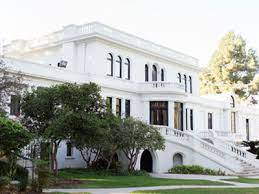
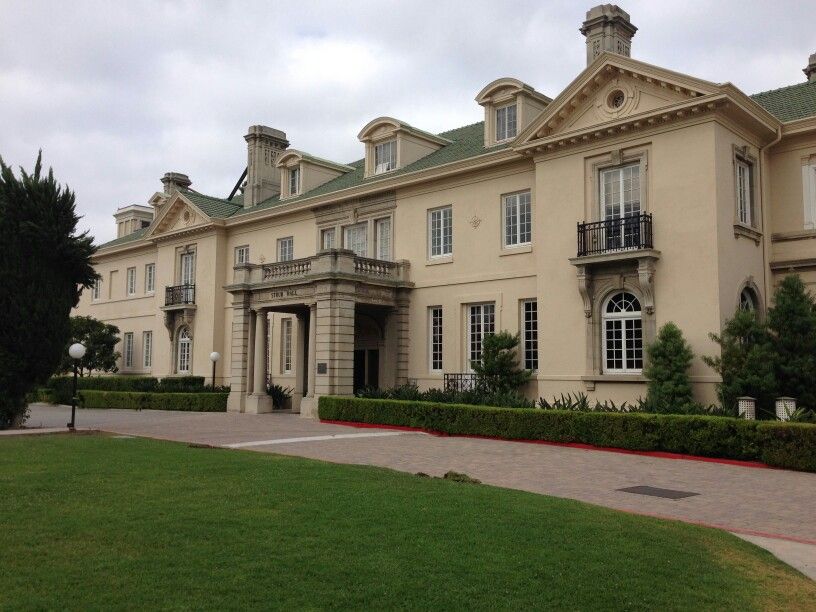
Enter the gates of Mayfield Senior School of the Holy Child Jesus, and you will understand why it’s a highly sought-out institution among hundreds of girls. It is a quiet, peaceful setting, away from the chaos and noise of the city, where young minds can focus unencumbered. A former grand residence near Pasadena’s Millionaires’ Row (Orange Grove Blvd.), it is now home to about 330 students who learn as much about academics as service to each other and the community.

Kate Morin, who became Mayfield’s Head of School this year, puts much emphasis on this esteemed institution’s motto “Actions Not Words”. She states, “The mission of the school is to find and seek the divine in each of us; when we believe that there is a higher power within us, it informs our actions. It’s about sisterhood and compassion – taking care of each other.”

As she recalls the first time she visited the school a year ago, Morin says “When I first stepped on campus I felt as if I’ve come home – this is where I’m being called to be in and it’s  wonderful that they agreed too. It was such a blessing because I knew this was the right place for me.”

Three months into her stewardship, Morin’s presentiment has deepened and she voices this observation, “The school is living its mission of where girls could find themselves .. .with lots of support from their teachers, the administration, and each other. My first impression has been reinforced as I spent more time here.”

College counselors, Abigail Shaw and Lori Holtrust, wholeheartedly agree with Morin’s assertion about the support Mayfield offers its students. As Holtrust puts it, “The teacher/student relationship is a beautiful thing to witness. We pride ourselves in creating relationships with each individual student.”

Shaw and Holtrust exemplify Mayfield’s commitment to advancing their charges’ best interest.  They have a markedly different approach to college counseling, apart from all other schools’ method. They work in tandem – every student gets to meet both counselors.

The college application process starts in earnest in 11th grade, according to Shaw. “The girls are ready to step into the world of college admissions and they have a Junior College Night where all parents come. We meet with each junior individually, with her parents; we offer two college tours – one on the east coast and another on the west coast.”

“In junior year the goal is for students to ask themselves what they’re looking for in a college, and do some serious self-reflection,” continues Shaw. “We support them in asking questions, helping them find the qualities they’re looking for. The discernment is the beginning of the college application process.”   

Morin points out, when girls first arrive on campus, they’re still little 13- and 14-year olds. “We don’t talk about college early on; we want them to be in the moment of high school. We first make sure we create a healthy balance and a mindfulness. When the time comes, we’ll work with them step by step, line by line, as our foundress Cornelia Connelly taught us.”

“The joy of our job is looking at what they think they want, and seeing where they end up in,” Shaw chimes in. “Sometimes where they end up isn’t what they started out with.” 

This seeming disparity is evident even in the school’s diverse enrollment. Shaw illustrates this, “Twenty years ago we had a duchess from Portugal and a girl from South Central L.A. who bussed herself here. We pull from all walks of life, we have breadth in our community, and our students get exposed to a global society.”

Service is integral to The Society of the Holy Child Jesus’ teaching. Mayfield students live the motto ‘Actions Not Words’ by volunteering their time throughout their four years on campus. They perform a certain number of service hours as part of their ministry and every student participates in a beloved annual tradition known as Cornelia Connelly Day (Annual Service Day). Morin says this year they went to 34 sites in Los Angeles and Pasadena to work with the developmentally disabled, at the Downton Mission, and other such organizations.

These experiences leave a lasting impression on these young women as they set about starting non-profit service clubs aimed at helping the less fortunate. The embodiment of the school’s mission informs the choices Mayfield students make as they think about college.      

In the same vein, a spirit of mindfulness applies as they go through the self-reflection process and keep all their options open. Holtrust says, “Two years ago, 68 seniors went on to attend 58 colleges and universities – a very broad spectrum.”

But the one common quality every student will take with her as she leaves Mayfield is her sense of empowerment. Morin confidently pronounces, “Each of them is armed with the knowledge that she is a powerful agent of change for the good, who has the wisdom to know how to use her skills to make the world a better place.” 
Fabulous Fashion Exhibit at the Pasadena Museum of History

Originally published on 12 November 2015 in the Pasadena Independent, Arcadia Weekly, Monrovia Weekly, and Sierra Madre Weekly

A Beach Boys song famously claims “… the little old lady from Pasadena drives real fast and real hard … and is the terror of Colorado Blvd.” But as the Fabulous Fashion Exhibit, currently going at the Pasadena Museum of History (PMH), beautifully depicts, she is also a woman of impeccable sartorial taste.

The Fabulous Fashion Exhibit features clothes and accessories worn by Pasadena’s well-dressed women from the 1890s, the 1920s and the 1950s. As the show organizers describe them, these three decades were known (respectively) as times of wealth and luxury, flamboyance and decadence, and prosperity and consumerism.

As Dr. Elizabeth Smalley, PMH trustee and Collections Committee Chair, explains, “The three decades being represented in our Fabulous Fashion Exhibit were chosen because they each had distinct characteristics which showed the arc of women’s fashion choices as their roles in life have evolved. In the 1890s women had to have 24 outfits to get through their day because each activity required a change of clothes – they had to dress to make a call, to receive a caller, to go to tea or the theatre or the opera, or to go to dinner.”

The Gay Nineties couture mirrored the extravagance of the Gilded Age when the affluent society enjoyed lavish lifestyles. Women changed their outfits as they went about their various pursuits – from a morning gown for breakfast, to a tailored walking costume during the day, to an elaborate ball gown for evening. Several yards of fabric were required to make these apparels that oftentimes weighed a hefty 37 pounds.   

Clothes in the 1890s were accessorized with delicate, intricately constructed objects. Women carried parasols to protect their complexions from the sun. They waved their ostrich-feathered fans as much to revive them from the vapors as to communicate their interest in a gentleman. They always wore gloves, hats, and stockings on public occasions; large, bejeweled hair combs or tiaras complemented their ball gowns; small bags held money, opera glasses and a fan.

“Then the 1920s ushered in the age of independence for women when they earned the right to vote,” Smalley says. “They eschewed the social constraints of the past, some of them joined the workplace, and their clothes reflected that looseness and freedom.”

The Roaring Twenties was a time of exuberance when women dressed comfortably, bobbed their hair and wore make up. They were celebrating their emancipation from the chores that shackled them to their homes – they took on jobs alongside the men. Coco Chanel defined the look that characterized this era – sporty, boyish and youthful.  Side swags, floating panels and drapes, asymmetrical hemlines, intricate hand-beading, and Art Deco designs were all the rage.   

Accessories in the 1920s featured exotic materials and rich pattern. Daytime wear included a leather clutch with matching shoes; evening attires came with a small velvet purse or beaded bag that held lipstick, a few coins, a handkerchief and a house key. Women wore long strands of beads and pearls to break up the bodice line and accentuate the dropped waistline. They ornamented their hair with a cloche hat, or a glittering hair clip at night.  Rhinestone-embellished shoes became the focal point of women’s dressing as hemlines rose higher.

When the 1950s came around, men returned from the war and women reverted to their previous role as homemakers. According to Smalley, “women became conformists once again and their clothes looked more structured. It’s quite fascinating to see the changes in their roles and how their apparel reflected those.”

The Rockin’ Fifties, as the exhibit refers to the Eisenhower years, were ruled by conformity and conservatism once more. The ultra-feminine style became fashionable again as women revived their duty as the perfect wife. Christian Dior reimagined the hourglass silhouette with a well-fitted bodice, a wasp waist, and a capacious skirt. As in the 1890s, confining undergarments were essential to this ‘New Look’. The slimmer, looser sheath dress became the trend later in the decade but still relied on hidden reinforcements of corsetry, girdles, and garters. At the same time, women had to be pencil-thin, corseted, coiffured and perfectly accessorized.   

During the 1950s, outfits were flawlessly matched and synchronized: gloves, stockings, coordinating hat, shoes and handbag were de rigueur. Women wore jewelry – costume or real – to complete their look. Stylish women wore rhinestone brooches pinned to their suit collar or dress and they carried large purses made of crocodile, snake, lucite, or bamboo.    

Each show presented by PMH goes through a complicated and lengthy process. Jeannette Bovard, PMH media consultant, asserts “We brainstorm about what’s interesting, what’s relevant, and what’s coming up. Pasadena isn’t a bubble – world events affect us and we sort of affect world events. It is a small town with national significance as evidenced by all our exhibits.”

“For example, our past display was about the Civil War,” Bovard elucidates further. “PMH, as well as several other cultural institutions, mounted events celebrating its sesquicentennial anniversary. Along this vein, our Fabulous Fashion Exhibit showcases fashion trends in Pasadena that followed the rest of the country.”  

Many women in Pasadena held important roles as wives of prominent industrialists, businessmen, and politicians during the periods covered by the exhibit. These ladies, alongside  their husbands, put on important events as befitted their standing in the community.

Smalley illustrates, “One of the clothes being featured is a cocktail dress that belonged to Leonora Paloheimo, granddaughter of Eva Fenyes (who, with her husband, Adalbert, built the Fenyes Mansion that houses the Pasadena Museum of History). Leonora was the wife of the Finnish Consul, Yrjo Paloheimo, so she would have worn this to parties and benefits, or to events she hosted.”

Besides showing the public its wonderful collection of clothing and objects is a far broader reason for holding this exhibit. As Bovard pronounces, “Everything that happens in the nation has somehow come through and been processed through Pasadena. And when we display what women wore during the three decades we are focusing on, we want to show that while these were worn by the ladies in Pasadena, these clothes did not originate here – they may have come from New York or Paris. We were fashionable … we still are.”

Except for a 1950s shirt dress, which organizers had to purchase expressly for this event, all  clothes and accessories in the Fabulous Fashion Exhibit are the property of PMH. They have been donated through the years by various benefactors and the Collection Committee ensures that each piece of clothing has a Pasadena provenance. One of the items being highlighted in the show is a breathtaking purple evening dress created by notable French designer and perfumer, Jean Patou. It is on loan from long-time local resident Susan McManigal, whose family owns the French Hand Laundry and Dry Cleaning on South Lake. 

Pasadena is a small town rich in charm and tradition, with old values that are deeply embedded in its people. Yet it is a city with diverse institutions typically found in large urban areas.  Indeed, Pasadena is home to Caltech, Art Center College of Design, Fuller Theological Seminary, Rose Bowl, Tournament of Roses, Gamble House, Norton Simon Museum, USC Pacific Asia Museum, The Pasadena Playhouse, and a host of other nationally recognized foundations. 

PMH joins a select group of cultural centers – it is a multifaceted entity that catalogs, documents and preserves vast holdings of different artifacts and objects. It then shares them with the public to educate, entertain, and connect to important events of universal significance.  The Fabulous Fashion Exhibit is one way to showcase the treasures the city has to offer while informing people about Pasadena Museum of History’s function. As to the little lady from Pasadena …. As to the little lady from Pasadena …. Well, surely everyone knows by now what she really is – tres chic!

Geoff Elliott Directs a Powerful ‘All My Sons’

Originally published on 5 November 2015 in the Pasadena Independent, Arcadia Weekly, Monrovia Weekly, and Sierra Madre Weekly

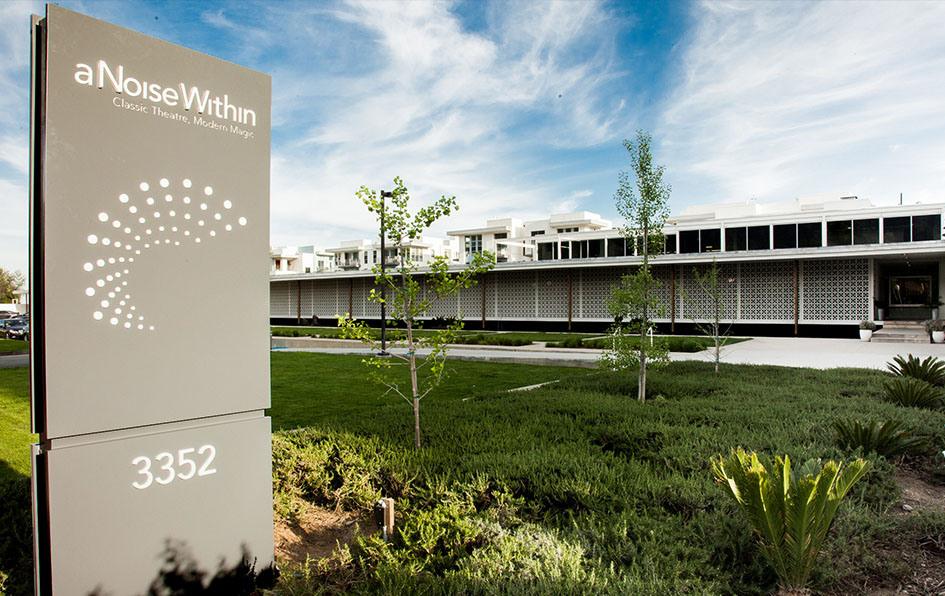
Geoff Elliott, co-artistic director (with his wife, Julia Rodriguez-Elliott) of famed Pasadena repertory company A Noise Within (ANW), and solo-directing this time, claims he is an actor first. This is most assuredly evident when you watch him on stage as he embodies the complex character, Joe Keller, paterfamilias in this 1947 Arthur Miller play, All My Sons.

Beacon’s Nathaniel Cayanan, in his review of ANW’s production, says, “Throughout the play, we’re put on a roller-coaster in which we’re at one point laughing at the liveliness and charm of Joe Keller, skillfully played by … Geoff Elliott, but at another point instantly entranced by the intense conflict boiling beneath the surface….”   

That Elliott is acting on stage while steering the course of the play is what makes his performance extraordinarily masterful.  He has wonderfully balanced his dual job of breathing life into Miller’s embattled Joe Keller and extracting the best work from his cast of talented actors.

As Elliott describes it, “…for actors, it’s very much about me and you, the two of us in the scene and what’s happening between us. The director, on the other hand, has a global perspective – he is thinking about the performances, and all other aspects of the production like the lighting, the sound, the set, the costumes.”

“Acting and directing are two very different experiences. But while the processes actors and directors go through are vastly different,” Elliott opines, “I think it’s healthy for all directors to have been actors at one point in their life, or at least to have trained because it’s really hard to know how vulnerable an actor is until you’ve done it yourself. I personally often find that there’s something missing when directors who have never acted try to articulate what it is they want to happen.”

Continues Elliott, “All actors bring something you’re not thinking of when you’re visualizing it.  It is when you get in the room with other artists that you begin to understand the play and where it needs to go. You have so many bright ideas before you go into the rehearsal room but you get in there and so much of what goes on is informed by those actors and what they’re bringing to it.  If you cast a production well you can trust they’re going to bring some really exciting stuff. I think a good director really pays attention to what the other artists are doing and helps them move along in that direction. You’re enlivened by the choices they’re making and that can make you think of something that enhances the play.”  

It is quite obvious then that Elliott has collaborated well with all the performers in ANW’s production of All My Sons. His passion for the play and his directorial choices made it a very realistic representation of life. As Cayanan further says in his review, “… However complex, this plot could have very easily been an overly melodramatic interpretation, but instead the play is well handled by a creative team that adeptly presents a very real and raw story of an American family of yesterday (and even today).”

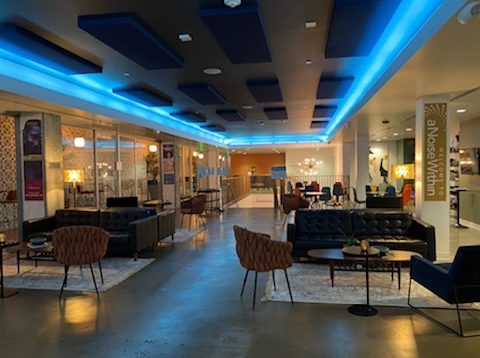
Image of A Noise Within’s lobby taken from ANW website

All My Sons, Arthur Miller’s Tony Award-winning first hit play is the third offering in ANW’s 2015-2016 ‘Breaking and Entering’ season. Other cast members include Deborah Strang As Kate Keller, Rafael Goldstein as Chris Keller, Maegan McConnell as Ann Deever, Aaron Blakely as George Deever, Jeremy Rabb as Jim Bayliss, June Carryol as Sue Bayliss, E.K. Dangerfield as Frank Lubey, Natalie Reiko as Lydia Lubey, and Vega Pierce-English as Bert. The show opened on October 17, which was to have been Arthur Miller’s 100th birthday, and goes on stage through Saturday, November 21 with both a 2:00 pm matinee and evening performance at 8:00 pm.   

Asked if their iteration of this play is an homage to the late great playwright,  Elliott responds, “It may probably end up being such although I don’t know that we necessarily had that in mind.  But the greater reason for doing it is because of the fact that it’s an extraordinary masterpiece, and it’s so timely. This play could have been written yesterday. It will always be as timely as when he wrote it in 1947 – it’s true now as it was then.”  

Elliott elaborates on the play’s plot and his approach to it, “This play is about young love, and deep familial love. These are people who will sacrifice anything and everything to take care of their family and the ones who are precious to them. In the same vein, this is very much an ensemble piece, one that’s driven by performance, and it couldn’t be delivered without a magnificent company of actors, many of whom have been together for 20 years. This is among the most personally meaningful plays I have ever directed, and All My Sons is a wonderful introduction both to Arthur Miller and the work we do here at A Noise Within.”

“I hope people see themselves as they watch the play and understand that this is happening today. Decisions that hurt people are being made every day in America’s board rooms,”  Elliott concludes. He hopes people take home with them a lesson that Arthur Miller wanted to get through – past actions can come back to haunt us.

Under Elliott’s accomplished direction, A Noise Within’s All My Sons has created a memorable and soaring tribute to Arthur Miller’s legacy as a foremost American playwright. Elliott is proud of what they have produced and he hopes it proves to be an unforgettable theatre experience for many.  

My Masterpieces Series: USC Pacific Asia Museum

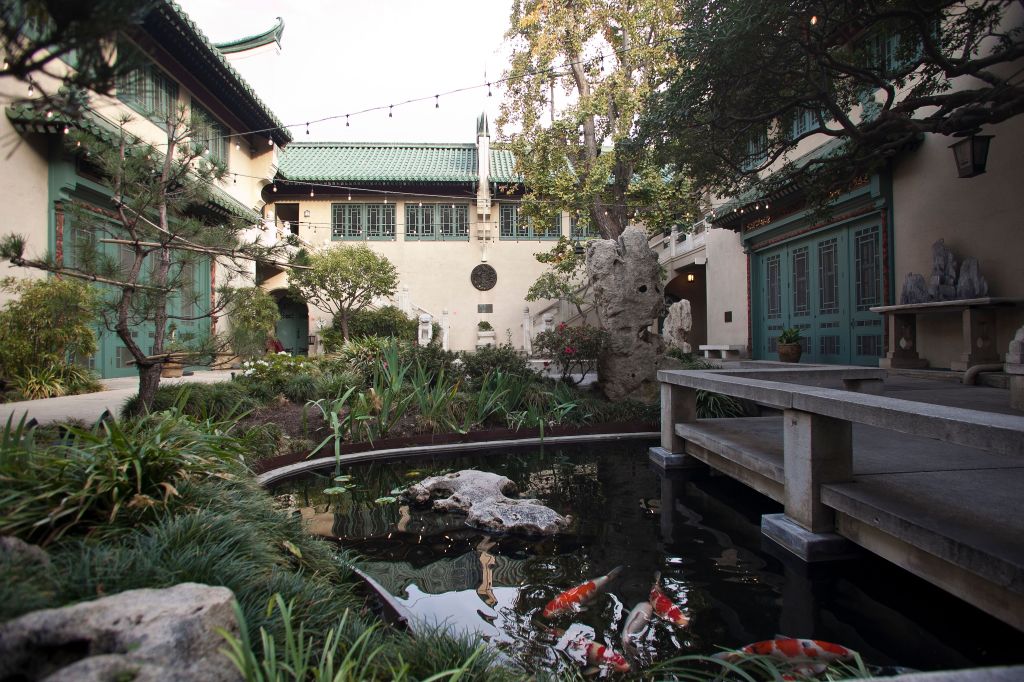
The koi pond and garden at USC Pacific Asia Museum | Photo by May S. Ruiz

Originally published on 22 October 2015 in the Pasadena Independent, Arcadia Weekly, Monrovia Weekly, and Sierra Madre Weekly

Ensconced in a nondescript corner on North Los Robles Avenue and Union Street in Pasadena is a foundation that holds some of the most valuable treasures in Asian artifacts. It’s the USC Pacific Asia Museum, which used to house the Pasadena Art Museum, and then became Pacific Asia Museum in 1971. In 2013, University of Southern California (USC) partnered with the institution to become a vital resource for education and cultural heritage.

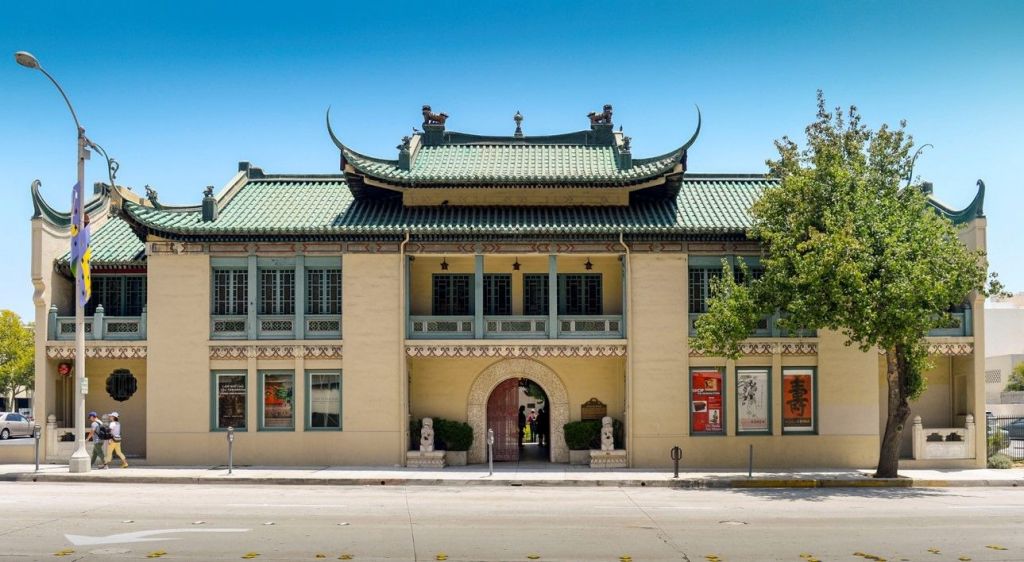
Enter its handsome arched entrance, however, and you will be transported to another place and time. The transformation is so unexpected it’s breathtaking. The charming courtyard garden with a koi pond, rock sculpture, and natural plantings reflecting the changing seasons, take center stage while a Chinese Qing dynasty-inspired mansion wraps around it. The Pasadena architectural firm of Marston Van Pelt and Maybury built it as a grand residence in 1924 to exact specifications from California transplant, Grace Nicholson, a pioneering art collector and entrepreneur from Philadelphia.

This historic home also became the center for the arts in Pasadena and was host to several cultural organizations. The first floor served as a gallery where Ms. Nicholson displayed and sold American Indian and Oriental art objects. On the second floor were more galleries, an exhibition auditorium, and Ms. Nicholson’s private quarters. 

Today it is the foremost exhibitor of Asian art collections in Southern California. It is also the destination for Pasadena 6th graders’ My Masterpieces field trip where specially-trained docents conduct tours and hold workshops. 

Michael Fritzen, Head of Education and Public Program for USC Pacific Asia Museum, who took over this post five months ago, is ably assisted by Program Specialist, Becky Sun, in planning an interactive and hands-on two-hour visit. He says, “Our My Masterpieces Program for the Pasadena Unified School District (PUSD)/Pasadena Educational Foundation (PEF) is focused on the inquiry method. Students are asked questions about the pieces they see; they aren’t just dragged through the museum and told massive amounts of facts. They stop, look and reflect about a particular artifact. Aligned with the state Common Core standards, this visit is aimed at enhancing students’ classroom discussions in their World History course. We ensure that what they see and experience add depth to their understanding of the world, and of Asia, in particular.”

This tour is designed to lead 6th graders along the Silk Road. It moves through the collection, spotlights certain artifacts, and ultimately fashions a coherent historical fabric woven from threads that connect all the different countries in Asia – Japan, China, Korea, Vietnam – as students travel on the Silk Road. 

Grace Nicholson’s previous residence now houses USC Pacific Asia Museum

According to Sun the tour is divided into two parts. While one docent tours a group of students, another docent involves the students in a hands-on workshop. She says, “Our workshops are taught by Asian experts in different fields including calligraphy, brush painting, origami.”

Fritzen adds, “We provide authentic materials for students to employ during the workshop. If they’re working on calligraphy, for instance, they are using brushes, ink blocks, and rice paper made specifically for that art form. The work they produce will match what they see in the museum – it will have the look, smell, and texture of the original art. The art activity makes what they see in the gallery come to life and gives them a better understanding of what the artist went through to make the product. We try to create an experience that cannot be replicated in the classroom so that they leave with lasting memories of their visit.”

“My Masterpieces introduces Asian art and culture to kids from all over Pasadena who have never had occasion to visit the museum; it helps them understand why a particular tapestry or sculpture is unique and preservable,” continues Fritzen. “We hope that the visit inspires enthusiasm and passion in young people so that they later become visitors, members, donors, and collectors of art. The field trip includes a family pass for six people. That students actually redeem those passes proves that it makes a deep impression to them.”

Through their programs and events, USC Pacific Asia Museum follows its mission and vision unique to the museum – to further intercultural understanding through the arts of Asia and the Pacific Islands.

According to Fritzen, the museum recently featured a Harvest Moon Festival which showed how this is celebrated not only in China, but also in Japan, Korea, and Vietnam. The institution endeavors to showcase countries which are not usually at the forefront because they don’t have enough representation. 

With that in mind, USC Pacific Asia Museum will host in December a show featuring the art and culture of the Philippines. It may be the first time others will learn about this group of islands in the Pacific beyond the nightly news report of the country being in dire need of assistance, after being hit by devastating typhoons . Maybe it will help engender public interest in the countless natural wonders unique to the Philippines – beautiful coastlines, white sandy beaches, majestic mountains, lush countryside, exotic foods, and warm people.

If USC Pacific Asia Museum were to enlighten even just one mind about the abundant treasures to be found across the vast Pacific Ocean, it would have served the purpose it has set out for itself. 

My Masterpieces Series: Pasadena Museum of History

Originally published on 15 October 2015 in the Pasadena Independent, Arcadia Weekly, Monrovia Weekly, and Sierra Madre Weekly

Brad Macneil, Education Program Coordinator at the Pasadena Museum of History (PMH), is readying once more for this year’s My Masterpieces Program. Every Tuesday and Thursday, beginning this month until the end of the school year, he and his team of volunteers will be welcoming 4th graders from all the public schools in Pasadena for a two-hour art class and activity at the Fenyes Mansion. 

According to Mr. Macneil, this program originated from a pilot test collaboration among the Pasadena Unified School District (PUSD), Pasadena Educational Foundation (PEF) and different cultural institutions, with input from teachers. He says, “It was important that we involved the teachers. We made sure they felt it was their program too so we asked them to write the curriculum for it.”

For My Masterpieces, PMH provides students and teachers with the Museum publication Painting the Beautiful as background material for their visit.Students also complete a lesson in class to prepare them for the field trip and learn some basics in art education. During their visit, they learn about the mansion and other members of the family, and explore what life was like in the early 1900s.      

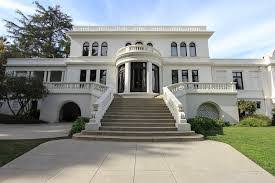
The Fenyes Mansion, which is also home to PMH, is a Beaux Arts residence built in the early 1900s as a winter home for Eva and Dr. Adalbert Fenyes. Macneil adds, “At the time Pasadena was a winter resort that attracted artists to the area because of its landscape which they painted.  They later sold these paintings to the wealthy visitors. A leader of that art community was Benjamin Brown, a famous landscape painter. He was a friend of Eva and he created some of the portraits and landscape paintings that still hang today in the mansion. Eva became a patron of Pasadena’s flourishing art colony and invited various artists to her studio or to go out into the foothills for creative material.”          

“The inspiration for the mansion field trip is Eva’s life and her love for the arts,” explains  Macneil. “Each visiting class is divided into three groups – art critics, artists, film makers – that   rotate to do different 30-minute activities led by a PMH volunteer. The art critics take a tour of the mansion and look at Eva’s art collection which they have seen in the book Painting the Beautiful. Using art terms and vocabulary, students discuss what they like or don’t like about a painting. They talk about the techniques the artist used to get certain effects.”

Macneil continues, “The artists head outside to the fountain, which has been depicted in painting by a well-known artist named Richard Miller. Volunteers give students a brief instruction: their task is to capture the spirit of the fountain as best they could using the pencil and pad they are provided. It’s very surprising how 4th graders can quietly concentrate on their sketches during the entire 30 minutes.  And more amazing is what they come up with!”

The Fenyes Mansion

The film makers go out in the garden. Macneil says, “Eva was not only interested in the arts, she was also fascinated by the technology involved in moving pictures. So for our film makers, we pick the actors, camera person, and director who will take part in creating a silent movie called A Thief in the Park. They learn not only techniques in movie-making, but more importantly, the value of collaboration. Teachers have great fun taking photos of the finished students’ work on their Smart Phones to show later in class. It’s probably the most popular thing we do – it’s exhausting and it needs several volunteers.”

PMH serves 3,000 4th grade students a year in the My Masterpieces program, using funds raised by the Paloheimo Foundation. But the organization could use more volunteers to help keep it running. Volunteers can be college-age or older and will lead tours Tuesday through Friday.  Anyone who has patience, enthusiasm, a sense of humor, and is interested in volunteering can call PMH at (626) 577-1660.

According to Jennifer Olson, District Arts Education Coordinator for PUSD, My Masterpieces started during the 2008-2009 school year. It began serving only four schools, then expanded by four to five schools annually until eventually all of Pasadena’s 18 schools became part of it. It aims not only to provide arts education and a cultural experience for all children, but also to help them feel at home at any of the arts organizations in their community. They found that so many students in the Pasadena Unified don’t usually go to museums with their families because there are too many barriers including cost and transportation. This program removes those impediments and invites all Pasadena families to experience the arts in their community.

A class visit to the Fenyes Mansion leaves a truly lasting impression in the minds of young students. According to Macneil, several of PMH’s Junior Docents (7th and 8th graders in Pasadena public and private schools giving tours to 3rd graders in the PUSD) first saw the mansion during their My Masterpieces Program visit in 4th grade. And it was what encouraged them to later become Junior Docents.

The Pasadena Museum of History’s motto is ‘History Matters.  Help us Pass it On’. The My Masterpieces program breathes life into that adage.

Shakespeare’s Globe Theatre on Tour at The Huntington

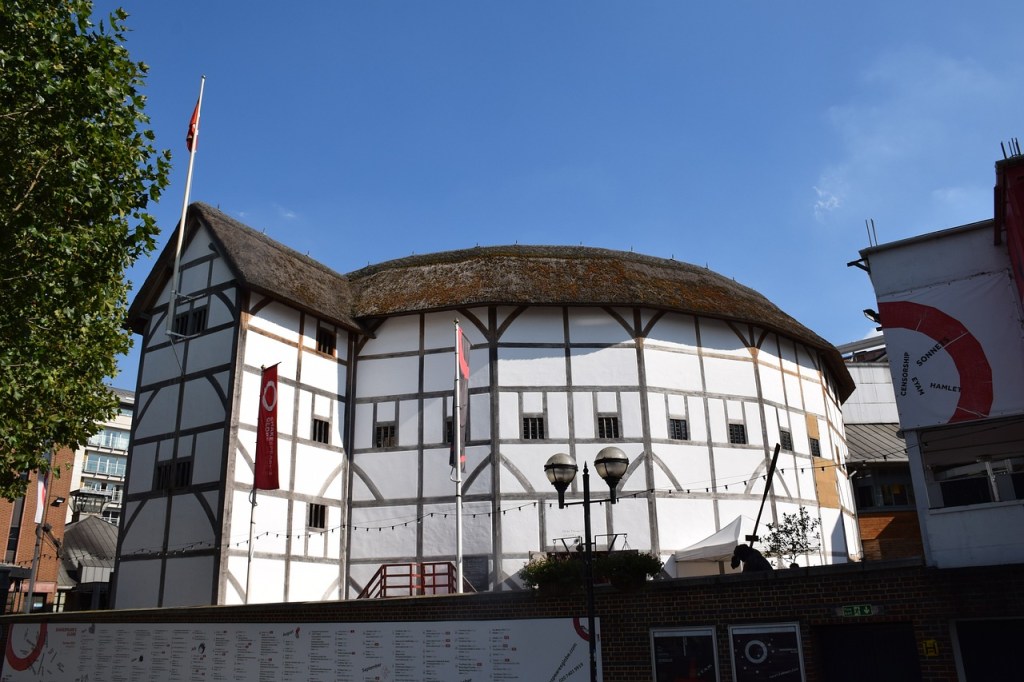
Shakespeare Globe Theatre, England (UK)

Originally published on 29 October 2015 in the Pasadena Independent, Arcadia Weekly, Monrovia Weekly, and Sierra Madre Weekly

Residents of the San Gabriel Valley will be in for a rare treat next week when London’s acclaimed Shakespeare’s Globe Theatre on Tour wends its way to Southern California to stage Much Ado About Nothing. For two nights in November, the 9th and the 10th, The Huntington will be the venue for this much-anticipated production.

Dominic Dromgoole, Artistic Director of Shakespeare’s Globe, has this to say, “I am delighted that Shakespeare’s Globe continues to extend its reach across the world through our epic touring programme. Our beautiful and fast-paced production of Much Ado About Nothing, having toured theatres and gardens in the UK over the summer, will be making its way to South America before touring to The Huntington in November. We have had a long-standing relationship with the Folger Shakespeare Library (in Washington, D.C.) where we have successfully toured our plays in the past, and consequently thought The Huntington would be a similarly natural fit.”

According to Lisa Blackburn, Communications Coordinator/Calendar Editor at The Huntington (Library, Art Collections, and Botanical Gardens), the Library’s depth of collection makes this San Marino, California institution one of the leading centers of Shakespeare scholarship. It rivals what is available at the British Library in London, The Folger Shakespeare Library in Washington, D.C., and the Newbury Library in Chicago.

The Huntington’s vast holdings include a rare 1623 “First Folio” edition of Shakespeare’s collected plays. Published seven years after the Bard’s death, it contains 36 plays, 18 of them printed for the first time. The Huntington also has numerous early quarto of individual plays, including one of only two surviving copies of the first edition of Hamlet (1603); rare 16th– and 17th-century works documenting life in Shakespeare’s world; materials relating to early theatre – including playbills promoting performances at London’s Drury Lane Theatre, engravings of famous Shakespearean actors of the day such as David Garrick and Sarah Siddons, and prints depicting dramatic scenes from many Shakespeare plays.

Educational and cultural programming – from lectures and conferences, to teacher training workshops, to professional theatrical performances – are frequently on offer at The Huntington.  It also works with schools on Shakespeare-related programs, as it did this past spring when The Huntington collaborated with Esteban E. Flores High School in East Los Angeles on a students’ production of A Midsummer Night’s Dream, which they performed for family and friends.

Other recent Shakespeare programs held at The Huntington include a production by the Independent Shakespeare Company, on the 6th of June 2015, of a rarely performed romance Pericles, Prince of Tyre.

Blackburn also says The Huntington has just successfully concluded a college-level seminar  in anticipation of the 400th anniversary of The Bard’s death. Heidi Brayman Hackel, associate professor of English at UC Riverside who specializes in the literature and culture of early modern England (1500-1700), conducted this course. It paid particular attention to Shakespeare’s late plays – The Winter’s tale, The Tempest, and Henry VIII – examining them as meditations on and farewells to the public stage and public life as well.  

At an April 2015 scholarly conference on “Rethinking Shakespeare in the Social Depth of Politics”, social historians and literary critics repositioned his works in the culture wars of the period to reassess his presentation of power and authority in his works.

In May, actors from the Independent Shakespeare Company and artists from LA Opera presented “Shakespeare Scenes and Sonnets: An Evening of Words and Music”. With 18th century Grand Manner Portraits in the art gallery serving as backdrop, they performed scenes, sonnets, and songs that explore connections between the works of Shakespeare and The Huntington’s art collections.

And this summer, as in summers past, The Huntington once more hosted its Shakespeare at The Huntington teacher training institute. A unique two-week workshop designed for secondary school teachers of English and Drama, it focuses on teaching Shakespeare through performance.  The course features an international faculty of scholars, educators, and theatre professionals.

Shakespeare’s Globe is a faithful reconstruction of the open-air playhouse for which he wrote his plays.  Globe Theatre on Tour has brought productions – Henry V, Ann Boleyn, As You Like It, King Lear, and The Taming of the Shrew – to castles, festivals, parks and town squares in the past five years. This London’s Bankside charity organization operates without government funding and has since become a popular tourist destination in the United Kingdom.  

Theatre season plays in repertory held annually from April through October, under Dromgoole’s helm, have attracted an international following and reputation for performance excellence, says Blackburn. Globe Education runs one of the largest arts education program in the country under the direction of Patrick Spottiswoode, with over 100,000 students a year. Shakespeare’s Globe Tour and Exhibition is open year-round and is the world’s only permanent exhibition dedicated to The Bard’s theatrical career.

Much Ado About Nothing, set in Governor Leonato’s house in the Sicilian town of Messina, follows the stories of two sets of lovers – Benedick and Beatrice and Claudio and Hero.  Leonato is hosting Prince Don Pedro of Arragon, Don John, Claudio (a young Florentine lord) and Benedick (a Paduan lord and confirmed bachelor engaged in a ‘merry war’ with Leonato’s niece, Beatrice, a confirmed spinster).

Don Pedro helps Claudio win the hand of Leonato’s daughter, Hero, in marriage; the wedding of Claudio and Hero is planned after a masked wedding. Don John is determined to break up this union and, knowing that the Prince and Claudio are listening, schemes to exchange vows with Hero’s gentlewoman , dressed in her mistress’s clothes, at Hero’s bedroom window.

At the same time, Pedro, Claudio, and Leonato conspire to make the feuding Benedick and Beatrice fall in love with each other.

Before Hero’s and Claudio’s wedding, Don John offers to give the prince and Claudio proof of Hero’s unfaithfulness. Claudio denounces Hero in the middle of the ceremony even as she proclaims her innocence. Friar Francis, not believing the charge, proposes that Hero should be reported dead and hidden until the truth is revealed.

The confusion is resolved in the final act, and a penitent Claudio ends up marrying Hero after all.  Beatrice and Benedick resolve their “merry war”; news comes that Don John has been captured and brought to justice.

Much Ado About Nothing, written between 1598 and early 1599, was made into a film in 1993 with Kenneth Branagh playing Benedick, and Emma Thompson as Beatrice; and was directed by Branagh.  Known as one of Shakespeare’s liveliest comedies, it was exceedingly popular in early years – it was one of the plays acted at Court during the May 1613 festivities for the betrothal and marriage of Princess Elizabeth and the Elector Palatine.

It will once more engage Southern Californians as Shakespeare’s Globe Theatre’s Much Ado About Nothing makes its two-night run at The Huntington. Almost four hundred years after his death, Shakespeare continues to delight audiences with his plays that still ring true today as they did when they were first performed.    

November College Search Guide

Originally published on 5 November 2015 in the Pasadena Independent, Arcadia Weekly, Monrovia Weekly, and Sierra Madre Weekly

The road to college

FRESHMAN

Your children have come this far into their 9th grade and should be fully settled in on their courses and their teachers’ teaching style. Hopefully, they have found some new friends among their classmates, and have adjusted to high school life in general. 

Encourage your children to focus on their studies and to make use of all the resources available at their school to accomplish all the work required to pass their course. The goal is not just to pass, however, but to make the best grade they are capable of getting. Ideally, they should be up-to-speed in all their classes but if there is anything about the course they can’t grasp, they need to seek assistance from teachers. Most of them will meet with students after class to provide the necessary tutorial lesson. They have to ask right away or they will fall behind all the more as the school year wears on.  All the grades they earn are reported and their GPA is the single most important component of the academic picture they present to the universities to which they will apply. It will show how well they did in high school and how prepared they are to go into college. 

By now they should have participated in some sports events their school competes in; they should have identified other extra-curricular activities they want to be involved in. 

SOPHOMORE

Most schools look at 10th grade as a fundamental year in high school. Your children should have already made a smooth transition from their middle school life and are actively exploring their various interests and are applying these towards extra-curricular work. They should be actively participating in sports, or arts, their school newspaper or their yearbook. 

The class deans should be working with your children in evaluating their class performance and workload to make sure they are on track and are making the grade. Together with their class dean, your children should be addressing preparations for standardized testing and junior year course options. 

Additionally, your children can start looking at various colleges offering the course they might consider taking.

JUNIOR

This is an important year for your children. They should register for all the standardized tests required for college application.  They need to be in constant communication with their counselor to ensure they on track for graduation and college admission. 

Encourage your children to focus on getting good grades. This year is the last complete school year grades the college admissions officers will see when your children send in their application.  Their GPA is the most reliable and significant predictor of how well they are ready for college work.

Most high schools in the area have held college fairs on campus and you and your children have met the representatives of the various colleges and universities to which they might consider applying. Your children should be researching these schools’ requirements and keeping track of the schools which offer the courses they are interested in pursuing.

SENIORS

Your children should take the SAT Subject Test if the college they’re applying to requires it They also should have already sent or should be ready to dispatch their application if they were trying for Early Action (EA) or Early Decision (ED). They should notify the colleges of any honors they received since mailing their application, and they have to make sure their school sends out a recent transcript, and all their standardized test results have been forwarded. As they await word from the college, they might want to keep writing all the supplemental essays required by the universities to which they will apply if they don’t get into their EA/ED school.  Acceptance to their EA school isn’t binding so they can still apply to other colleges, thus not limiting their options.

In the meantime, you children should make sure they are doing well academically. Some universities require the first semester grades, or the first quarter grades if they’re applying for EA/ED. In fact, your children shouldn’t let up on academics because a college can still rescind their offer of acceptance if students grades’ have fallen below acceptable level. 

Likewise, make sure your children are continuing to participate in athletics and extra-curricular activities. These sometimes help them relieve the stress of the college application process.  

This is also the time to research scholarships.  Some websites that could prove useful are:  Affordable Colleges Online (http://www.affordablecollegesonline.org/graduating-debt-free; CollegeXpress (www.collegexpress.com); Fastweb (www.fastweb.com); Free Application for Federal Student aid (www.fafsa.ed.gov); National Merit Scholarship Corporation (www.nationalmerit.org); Scholarships.com (www.scholarships.com); Scholarships360 (www.scholarshops360.org); Student Aid on the Web (www.studentaid.ed.gov). You and your children should talk to their school’s financial aid officer for guidance on willing out financial aid applications.

My Masterpieces Series: The Huntington Library, Art Museum, and Botanical Gardens

Virginia Steele Scott Galleries of American Art | Courtesy Photo

Originally published on 8 October 2015 in the Pasadena Independent, Arcadia Weekly, Monrovia Weekly, and Sierra Madre Weekly

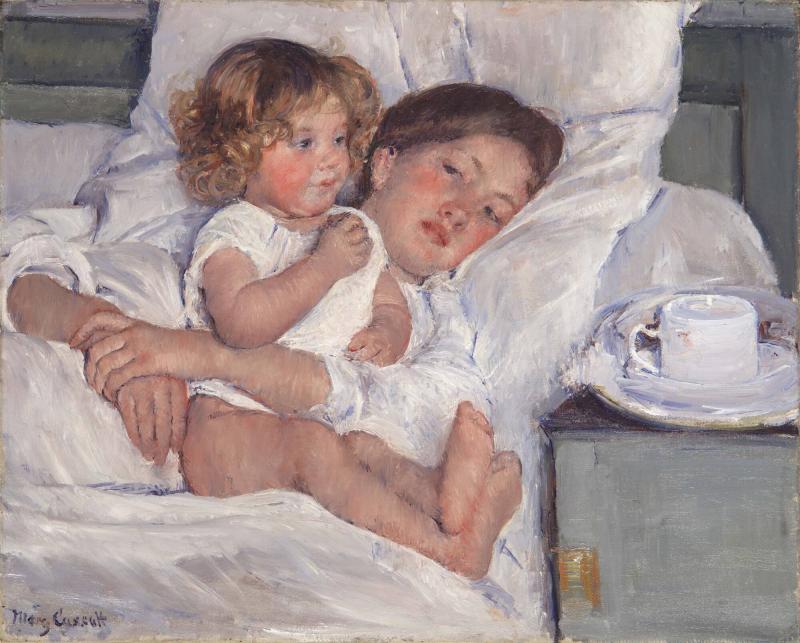
A group of lively 1st graders enters the double doors of The Huntington’s Virginia Steele Scott Galleries of American Art. As they are ushered into the foyer, all eyes alight upon Mary Cassatt’s 1897 painting, Breakfast in Bed. There is an audible gasp and a collective exclamation – “It’s Mary Cassatt!”

That this sense of awe, mixed with recognition, comes from 1st graders is why Guy Fish, Senior Manager for Art Education at The Huntington Library, Art Collections and Botanical Gardens, thinks Pasadena Unified School District’s (PUSD) and Pasadena Educational Foundation’s (PEF) My Masterpieces Program is in itself a treasure. He says, “That’s exactly what we’re trying to do! The program inspires passion and a love for art.”

Fish explains The Huntington’s collaboration further, “We were one of the co-developers of this pilot program; it is unique in its goal of stirring emotion, fostering knowledge and advancing understanding of the arts among schoolchildren. We are scaffolding and building these kinds of relationship with artwork. And we take seriously our charge of laying the Humanities foundation for young kids. We have a very important role to play; imagine if we didn’t do this and these kids go on to the 2nd grade program without this starting point.”

According to Fish, The Huntington’s focus for the one-hour field trip is to teach children the value of a museum experience. Each class is divided into small groups and a docent introduces the children to Henry and Arabella Huntington’s life as they tour the mansion.  Docents for the My Masterpieces Program are specially trained on how to make the visit fun and interesting.

To prepare the kids for their tour, teachers discuss in class the three paintings that they will see at The Huntington. They talk about these pieces of art and by the time the children come here, they’re already seeded with curiosity to see the actual painting – their visit adds another layer of meaning to the lesson.

“As our students are 1st graders, we focus on the theme of caring, while showing them the principles of line, shape, color and texture. Every artwork we choose to analyze portrays how this message is exemplified. One of the paintings they study is called The Clavering Children, a work of 18th century English painter George Romney. It encapsulates the basic concepts of art – warm and cool colors, line, texture and shape. It also shows a boy and a girl caring for each other and their animals … something most kids would relate to,” Fish further elaborates.

Another piece of artwork children look at during their field trip is called The Last Gleanings, an 1895 oil on canvas masterpiece created by French painter Jules-Adolphe Breton. It depicts a harvest scene, one of several paintings Breton produced that illustrates his love for the countryside.  To PUSD’s 1st graders, the painting shows caring for the land. 

Courtesy Photo

But it is American painter Mary Cassatt’s 1897 Breakfast in Bed that makes the biggest impression in these young children’s minds. An oil on canvas work showing a mother with her young child, painted in light colors, it is one of a recurring theme in Cassatt’s body of work. 

Early this year, The Huntington inaugurated the new Visitors Center that features four multi-room classrooms, among other things. According to Fish, they are thinking of adding a new component to their My Masterpieces program in January making use of those classrooms. He’s currently working on a plan to expand their program beyond kids analyzing artwork, but maybe creating their own. They now have the facilities to make that happen.      

An award-winning program, My Masterpieces received the prestigious CAMMY Award from the California Association of Museums in 2012. In 2010, it was also recognized by the California School Board with the Golden Bell Award. It was established during the 2008-2009 school year as a collaboration between teachers and various cultural organizations to bring about a high level of engagement among students.

It is this spirit of collaboration that proves My Masterpieces to be a worthwhile endeavor for The Huntington. As Fish explains, “It reinforces our commitment to our long-term partnerships; our work has matured into a deep relationship with PUSD. It also allowed us to systematize our school engagement. It was the springboard for The Huntington’s Teacher and School Programs, which developed the curriculum that supports the Common Core standards. The art course  offered by the My Masterpieces program isn’t far from the project-based learning promoted by the Common Core. Using the resources available at The Huntington, teachers from K-12th grade choose from 12 programs to provide students appreciation, engagement, and understanding of various subjects.”

The Huntington’s My Masterpieces field trip occurs during regular public viewing days. Visitors from far-flung countries as well as local tourists, together with PUSD’s 1st grade students, spend their day admiring the wealth of treasures this beloved institution has to offer. Arabella Huntington would have been delighted to know that Mary Cassatt’s Breakfast in Bed elicits as much appreciation from the youngest guests as from learned art aficionados.       

Altadena Farmers Market Educates on Domestic Technology


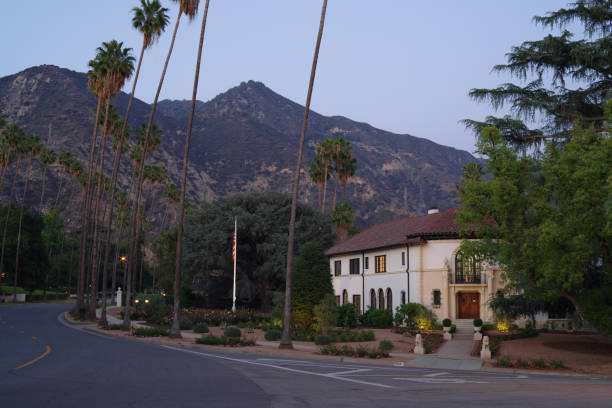
A residential neighborhood along Mendocino Lane in Altadena, showing the San Gabriel Mountains in the background.

Originally published on 15 October 2015 in the Pasadena Independent, Arcadia Weekly, Monrovia Weekly, and Sierra Madre Weekly

It all started when Joseph Shuldiner (who passed away in 2019) taught classes at the Altadena Urban Farmers Market at the Zane Grey Estate in Altadena. This underground market became a means for growers in the area to share information and exchange goods. Somehow, Los Angeles County officials got wind of this activity and took it as a sign that there was a need for a community market. They approached Shuldiner about starting a certified farmers market in the park and on May 30, 2012, he established the Altadena Certified Farmers Market.

Elizabeth Bowman, writing her thesis to earn her Master’s degree on Urban Sustainability from Antioch University, heard about Shuldiner’s program. A young woman with a mission to devise ways to get locally grown food to people in the community, she joined this urban farming project.

Meanwhile, Salim Moore, interning for Pasadena Magazine, was researching for a story he was writing on ‘Flour & Tea’. He was reading back issues of the publication “to get a feel for their writing style” and ran across Shuldiner’s Institute of Domestic Technology. He immediately sent an email to Shuldiner, and the rest is history.

It was serendipity. Three individuals coming from different background and circumstances happened upon each other born out of one concept. 

Bowman served as Assistant Secretary of Urban Farming. She helped backyard growers understand the various regulations and certification requirements of the Department of Agriculture and L.A. County. She was also instrumental in securing certification for a handful of backyard farmers with L.A County’s agricultural commissioner.

The Farmers Market found a sponsor in the Altadena Heritage, a non-profit, volunteer-based advocacy organization dedicated to protecting, preserving and raising awareness of the rich architectural, environmental, and cultural heritage of this foothill community. Every Wednesday from 4 to 8 pm in spring/summer, and from 3 to 7 pm during fall/winter, at the Loma Alta County Park, about half a dozen urban farmers, a few regional organic farms, and prepared food vendors set up shop in this bustling, albeit quaint setting.

Shuldiner conducted a ‘healthy snacks for kids’ demonstration at the Aveson Charter School opening. Last summer, he and Bowman organized food demos with their market vendors.  

Moore served as facilitator for the market, and provided such services as marking designated areas for each vendor, assisting farmers put up stalls, making sure there is electricity powering the area, and helping out in the actual selling at various booths.

Some changes took place in the meantime. The Altadena Community Garden assumed sponsorship from the Altadena Heritage. Last year, Bowman took over from Shuldiner as manager of the Altadena Farmers Market, and Moore moved up to the spot she vacated.  Together, Bowman and Moore continue Shuldiner’s legacy of making farmers market food more accessible, cooking with raw ingredients, stretching the food budget. They show people how they can feed a family of four on a $25 budget using fresh, locally grown produce. Shuldiner was the first participant in the $25 Challenge.

As the Altadena Farmers Market heads into its fourth year of operation since its founding, it is thriving as more urban growers and regional organic farms establish their business there. Vendors like Etheridge Organics from Orosi, Chuy’s Berry Farm of Arroyo Grande, and Bliss Avocados in Carpinteria join the cooperative of backyard farmers of Altadena, Pasadena, Sierra Madre and Hacienda Heights including: Whisper Farms (Altadena); Chili Lily Garden (Altadena); Reedley Street Farm (Panorama City); Nancy’s Garden (Hacienda Heights); and Spade & Seeds (South Pasadena).

In the works is the participation of Collard Greens Jr. Gardeners’ Club, an organization offering kids in Northwest Pasadena hands-on opportunity to learn about gardening, arts, science, health and fitness, and community awareness. They plan to demonstrate kid-friendly recipes with collard greens at the Farmers Market.

Occupying the rear area of the marketplace are prepared food vendors like Shucked Oyster Bar serving up oysters on the half shell, and selling clams, mussels and prepared fish; CA Chef’s Center preparing Japanese rice balls; Coldwater Canyon Provisions in Los Angeles, selling preserves from farmers market produce; Gypsy Eats and The Paella Artisan cooking hot foods; Morning Glory Confections, based in Echo Park, offering brittles, brownies, and cookies; Granola Mama’s Handmade, a Los Angeles-based cottage food producer. There’s even Ben Potter Knife Sharpening, an Altadena shop.

It is a true community endeavor – food crafters use produce and ingredients they buy from the urban farmers in the other tents. There is a palpable feeling of conviviality – regular customers come up and chat with vendors, stall owners visit with other farmers. A lot of ideas-swapping goes on throughout the afternoon. Performers provide music later on and further enliven the mood at the market. The general atmosphere evokes an image of times past when life was simpler, when the food on the table were made from ingredients freshly picked from the garden and were shared with neighbors.

Today the Altadena Farmers Market continues to be a flourishing endeavor. It has evolved into a true reflection of its entrepreneurial manager, Elizabeth Bowman – young and vibrant, with a definitely contagious positive outlook!    

October College Search Guide

Originally published on 1 October 2015 in the Pasadena Independent, Arcadia Weekly, Monrovia Weekly, and Sierra Madre Weekly

The road to college

As we settle into cooler temperatures and look forward to fall holidays, so should your children be getting into the rhythm of school life and activities. After they have put behind the excitement of the new school year, they should now concentrate on the job at hand.

FRESHMAN

Encourage your children to keep their focus on their schoolwork. By this time, they should have figured out what extra-curricular activities they are interested in pursuing and what sports they want to participate in. Give them guidance as they navigate this new phase in their school life, and support the choices they make.

SOPHOMORE

Depending on your children’s course choices and load, there could be standardized testing required of them. Your children should be taking AP and SAT II exams following completion of the course so they need to retain the knowledge they gained in class. The best preparation for  both AP and SAT II exams is for your children to make sure they understand the subject matter and do well in all tests the teachers give in class. If there is something they didn’t understand, they should right away speak to the teacher to ask for clarification or, possibly, find a tutor for additional help. The results of these standardized exams are required for college applications.       

JUNIORS

Your children should be aware that junior year is the last complete year of high school performance that college admissions officers will see. They have to put more effort at doing well and getting good marks.

They should register for and take the PSAT, which is also the qualifying exams for the National Merit Scholarship. It is also a good time for your children to meet with their school counselor to make sure they are taking all the courses they need to graduate and apply to college.

Your children should also be keeping up with their extra-curricular and sports activities. College admissions officers look at several components as they try to assemble an incoming class made up of the best candidates to add to their student body. 

Several area high schools hold College Fairs on campus. This is an excellent opportunity for you to see what the different colleges and universities are offering. Your children will get to meet and speak to admissions officers – they are usually the same people who will be reviewing your children’s application, reading your children’s essay, and sitting around the table, making their case for your children during the all-important decision-making rounds. They have a say on whether your children get accepted or denied admission to the school of their choice.  

SENIORS

Your children should now be in the process of completing the common app, and finalizing their essay topic or personal statement. They should have provided the teachers who are writing their letters of recommendation with stamped envelopes.

If your children are sending supplementary material (auditions or portfolios) with their application, they need to be getting these ready soon. Audition tapes for Arts Performance, for instance, can be uploaded on YouTube for easy access; some schools no longer accept CDs or DVDs. Your children should check the website of the college or university to which they are applying about supplement material requirements. Your children’s school counselors are also a great resource as they are always in contact with college admissions officers.

If your children’s high school offers interview advice and guidance, they should take advantage of it. Basic things like what clothes and shoes to wear, in addition to how to answer questions, all help towards giving your children confidence. While this is not an expert advice, I am going to say that in most cases, interviewers are not as concerned about what answer they give, but how they answer. Also, if your children are visiting a campus and an interview with an admissions officer is a requirement for application, they should take the opportunity to schedule the interview at that time. Admissions officers like to see demonstrated interest – a campus visit and interview will be remembered and noted.

Be on top of application deadlines; most schools offering Early Action or early Decision have to receive your children’s application in November.  

You and your children should be researching scholarships. A website called Affordable Colleges Online is a good resource to look into (http://www.affordablecollegesonline.org/graduating-debt-free).  Other websites include: CollegeXpress (www.collegexpress.com); Fastweb (www.fastweb.com); Free Application for Federal Student Aid (www.fafasa.ed.gov); National Merit Scholarship Corporation (www.nationalmerit.org); Scholarships.com (www.scholarships.com); Scholarships360 (www.scholaships360.org); Student Aid on the Web (www.studentaid.ed.gov). You should also attend the financial workshops being offered at your children’s high school.

Your responsibilities as parents are limited to offering encouragement, guidance and moral support as your children go through this stressful time. But while you need to let your children manage this process, you should also express your concerns and expectations. Communicate with your child, the counselors and the teachers when you have questions. 

Be there for your children but learn when to get out of their way. Never try to communicate with the college admission officers as it is the surest way to sabotage your children’s chances for admission. Do not be overzealous about getting your children accepted to their dream university; there is a school out there that’s the right place for them. While this may sound hollow now, the counselors at your children’s school and the admissions officers at the colleges or universities to which your children are applying are actually the experts at finding the best fits.