Originally published on 9 July 2020 in the Pasadena Independent, Arcadia Weekly, and Monrovia Weekly
When students were sent home during the coronavirus lockdown in March, they were left to their own devices as they studied remotely. Many didn’t have access to resources and teachers for guidance, which made it difficult to keep up with schoolwork. Parents of young children became active partners with the schools in providing learning for their kids. Some of them were also working from home so they had to juggle their time among their many responsibilities.
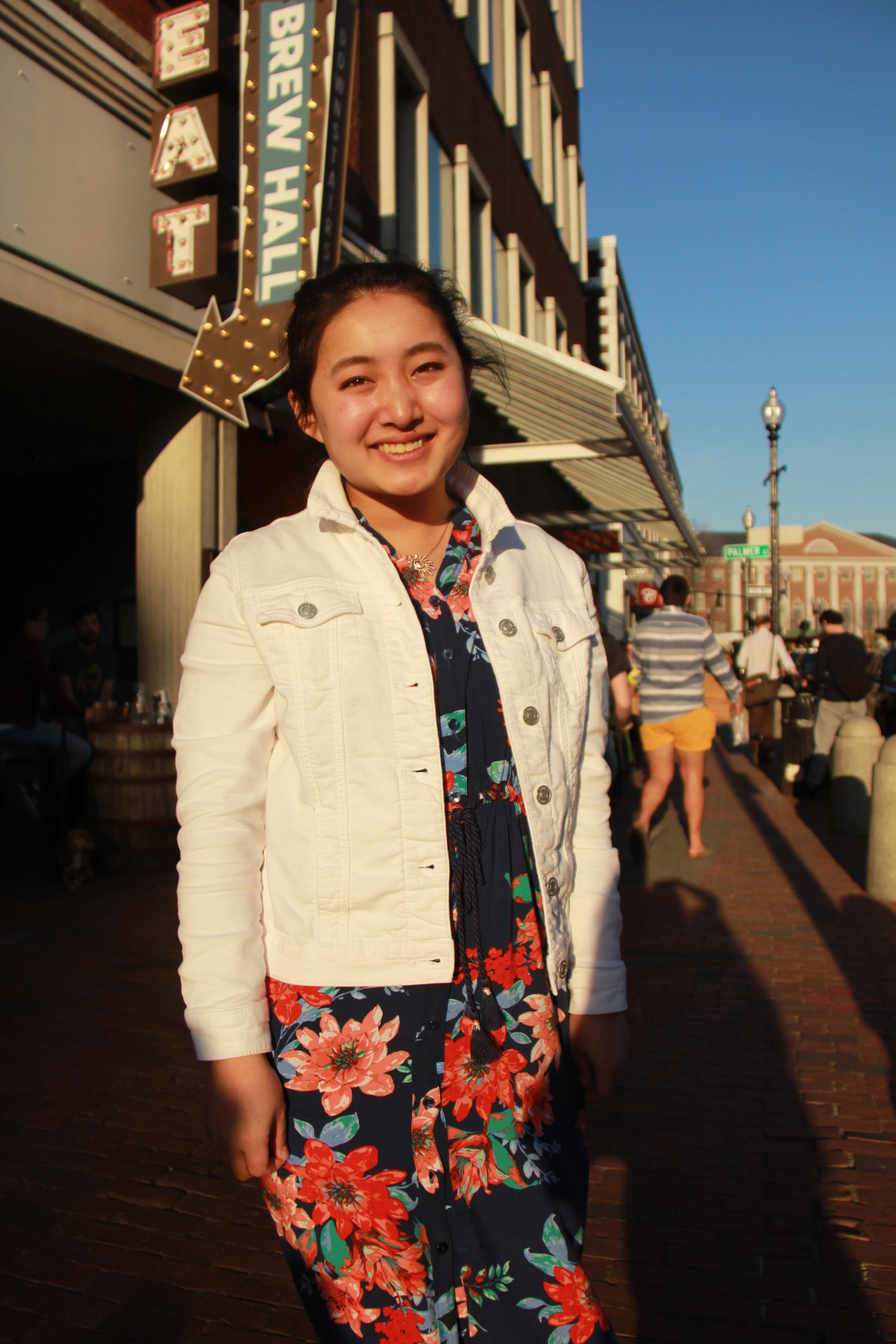
Karly Hou, who attended Henry M. Gunn High School in Northern California, was a freshman at Harvard University at the time. She had a brainstorm – organize an online platform to help students and parents during the quarantine period.
Fellow first-year Harvard student Kevin Tan, who went to Arcadia High School, along with a handful of other students from Stanford, Cal State San Luis Obispo, Northwestern, Rhode Island School of Design, Williams, and University of Pennsylvania, teamed up with Hou to form Wave Learning Festival. It is now on its third ‘wave’ of summer courses and has attracted middle- and high-schoolers from all over the world.
Via email, Hou and Tan reveal how they know each other, how they created Wave Learning Festival, and what they hope to accomplish.
“Karly and I have the same favorite study spot on campus: Cabot Science Library!” begins Tan. “It’s a truly amazing place for collaboration and seeing familiar friendly faces. There have been many times when those late night study sessions spontaneously broke into TikTok tutorials or just general chatter. Karly just has this amazing energy with her all the time, and we’ve been on the same wavelength since day one.”
It was this energy which Tan enthuses about that led to the creation of Wave Learning Festival.
Hou says, “In March, we were all sent home from college. While it was a stark transition, we were able to continue some sense of normalcy through online classes and club meetings. But I saw friends at my old high school struggling to maintain their studies, posting about their confusion and lack of communication and support from the school. I thought, if PAUSD (my district), one of the wealthiest school districts in California, was struggling like this, what must students across the country be dealing with?
“Around the same time, I saw notices of summer camps and community programs shutting down without replacements or refunds, and started reading article after article by exasperated working parents on the difficulty of balancing their full-time jobs with the new job of keeping their kids engaged.”
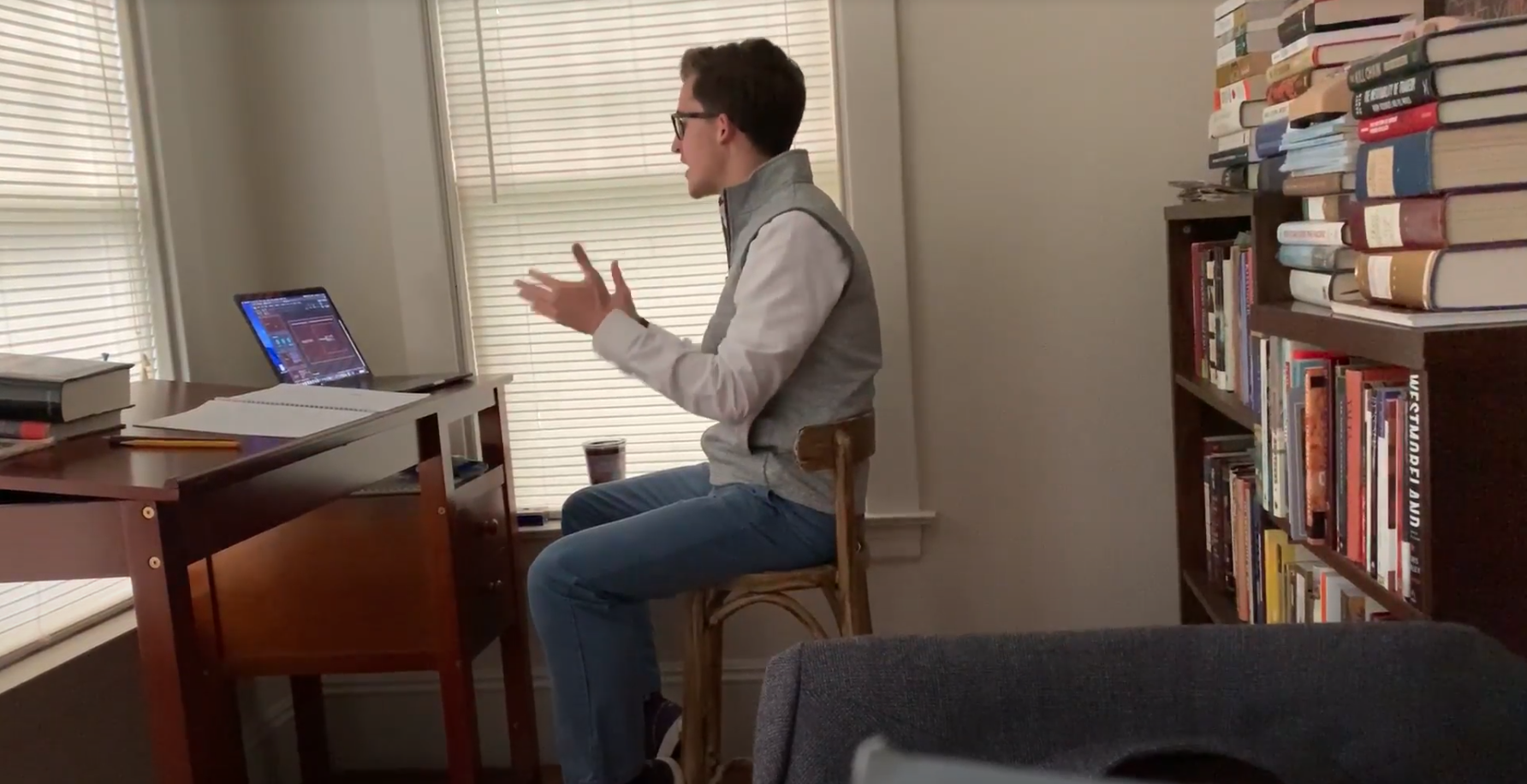
Those concerns, and how to address them, became an obsession for Hou. She discloses, “I had been thinking this idea over in my mind for around three days straight, and I finally realized I had to get started because I couldn’t think about anything else. I made a document to quickly outline my ideas on the structure of our program, set up a team structure broken into five subgroups, and set up some basic materials – email addresses, a Slack workspace, a shared Google Drive, etc. The name – Wave Learning Festival – came about on a whim. After some deliberation, I decided to just roll with it since a) we could tie it into the idea of our classes running in ‘waves,’ b) the ocean imagery could give us a lot to work with as a theme, and c) nobody on the team had any grievances with it.
“I then reached out to some of my close friends from college and high school, as well as a few passionate friends I’d met through other events and, luckily, almost everyone was really excited about the idea. We got straight to work. Four days later, we had enough logistics set up and a website launched to start working with teachers; a couple weeks later, we introduced our first wave of classes. It’s incredible to me that we were able to organize everything so quickly, and I think that’s because we were all motivated by this shared belief in helping the community.”
For anyone else, working on a passion project would be accomplishment enough. But, by now, you would conjecture that Hou is quite the over-achiever.
“Balancing Wave with the end of my courses/my summer internship has definitely kept me very busy, but I’ve been more than happy to stay occupied during quarantine,” discloses Hou. “The good thing is that we got started right before finals, when classwork was winding down, but it was definitely hard to force myself to actually study, since working on Wave was so much more fun! Once summer started, I was able to get into a more set schedule of working my internship at Two Sigma in Houston from 7 a.m. to 3 p.m., then taking a break before working on Wave through the evening. I spend my weekends working on Wave, so I’d say it comes out to be 20-plus hours a week right now, not counting the time spent thinking about it as I’m falling asleep at night. It definitely feels less tiring than it might seem, since I have so much fun on both projects. Happily, I still have some free time to hang out (virtually) with friends, bake cakes with the family, and do some painting.”
How she manages to do all that seems like a Herculean undertaking – it’s exhausting just seeing this young lady’s timetable on paper.
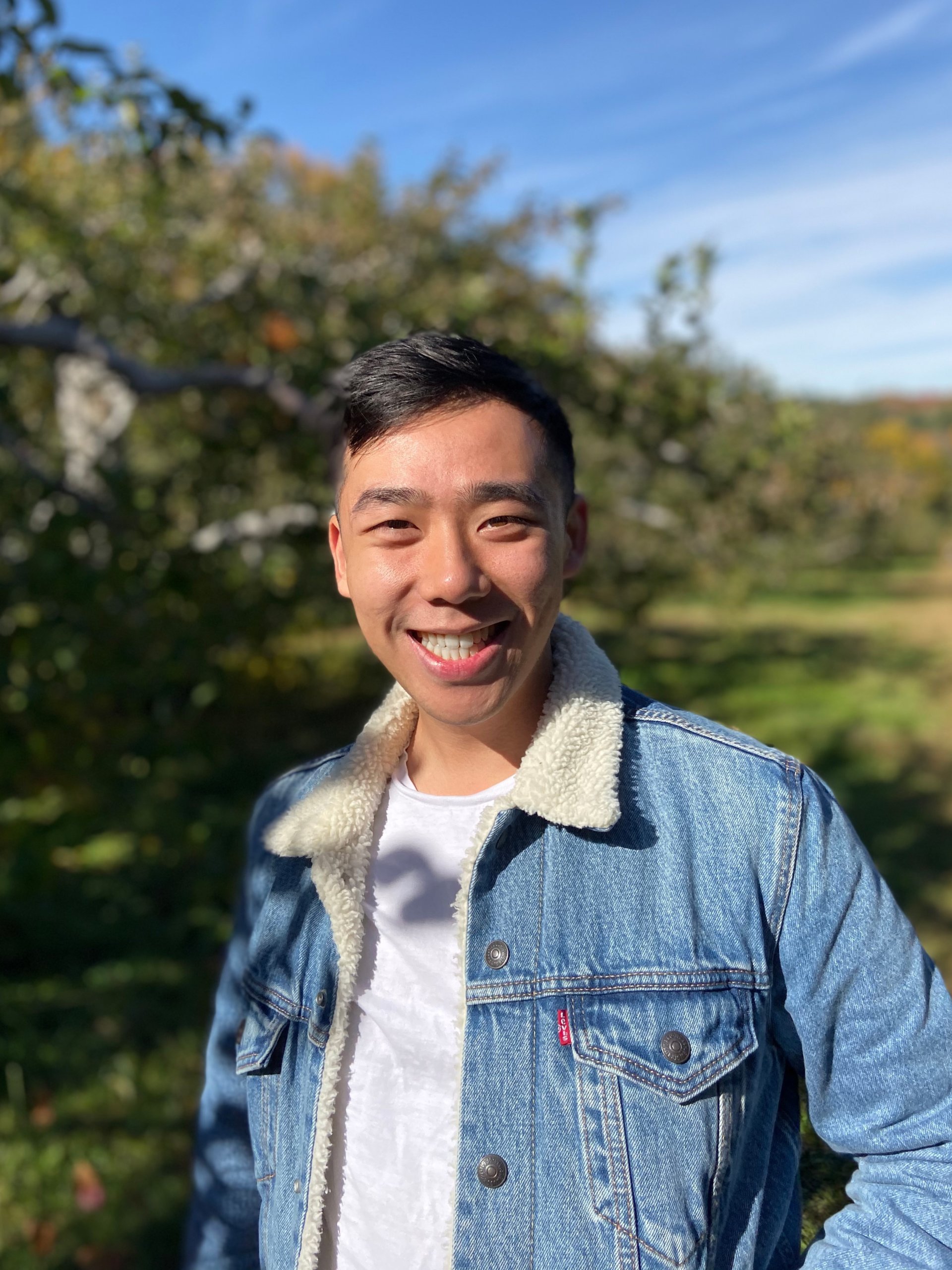
Tan isn’t a slacker either – he is the Associate Director of Logistics for Wave Learning Festival. He describes, “I do a lot of the work on the back-end to make sure that we have a palette of phenomenal classes each wave. I work directly with the college and high school students who sign up to teach a course, and I make sure that through Wave, we can translate those ideas into classes that work well in a remote setting. It’s really amazing how such a small group blossomed into something so much bigger. I remember for our inaugural wave, we had 12 courses running, and since then, the logistics team has been working tirelessly to work with the demand and enthusiasm from students and teachers alike. We have over 50 classes planned for our upcoming third wave of classes, and we’re hoping to include even more in the future!”
“I’ve been working to get almost 100 courses live on our site this summer, and I can tell you that is no easy task,” Tan expounds. “Being remote, I can work throughout the day focusing on the logistics – from interviewing our teachers to moderating ongoing classes to make sure they are safe. The team has put in a lot of time to make sure that the classes are of high quality and that student safety is never compromised. I’m really excited to get our content team integrated into the workflow so we can continue to scale this project throughout this summer.
“When I’m not working on Wave, I do research at Massachusetts General Hospital’s Lee Lab – their computational biology projects are a perfect transfer to remote – which I started this summer. With my mentor Anna Lappala, we’re finding novel ways to computationally model 4D chromosomal folding. I’m also taking online courses and working with a few of my friends to address social issues highlighted by the coronavirus pandemic or the Black Lives Matter movement.”
Hou and her collaborators designed Wave seminars to vary in duration and format. Most of them are a two- to three-week series with classes that meet three to five times a week and a few are one-time sessions. Any student can sign up at their website, and classes are held live through Zoom. There are no formal assessments or assigned homework – the goal is to help students learn about topics they’re interested in and have fun.
“We leave optional readings, assignments, and projects at our teachers’ discretion to enhance student learning,” explains Hou. “Our educators have been pretty good at measuring students’ progress through interactive discussions, projects, and informal quizzes. Although some of our courses only run once, many of our most popular courses from each wave return for future waves. Each teacher comes in with their own idea of what topics they’d like to teach. Our prompts are completely open-ended, so people can apply to teach whatever they’re passionate about – whether it be astrophysics or poetry, filmmaking or public speaking, hip hop or medical ethics!”
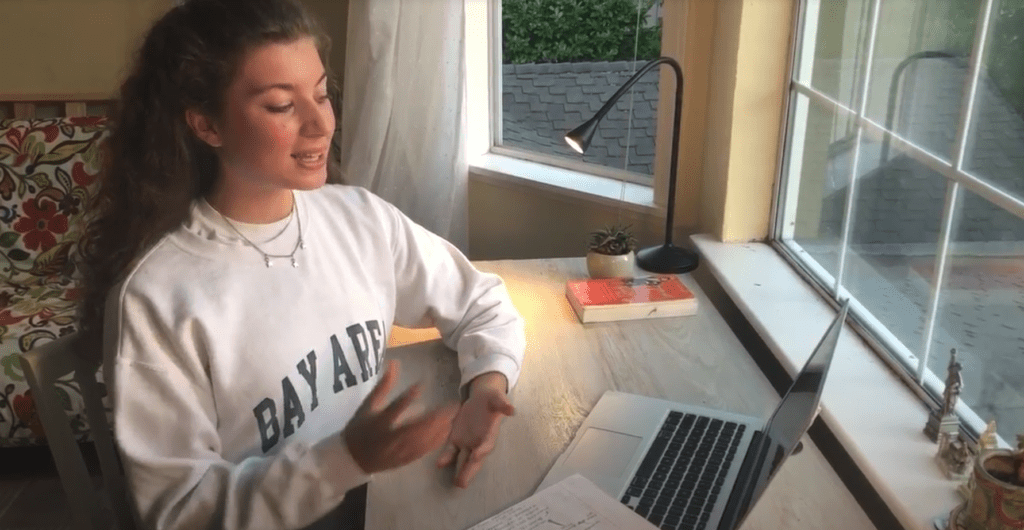
Instructors are carefully hand-picked from a pool of applications. Wave team members interview each applicant and work with them over the course of two weeks to review and refine their curricula. In addition, at least one team member sits in on each class to help with logistics and ensure things run smoothly. Some past instructors have also joined the team to help work with future teachers, passing on some of the experience and insight they’ve gained from going through the same process.
Wave seminars are all held online and are open to anyone who is awake at the time and can speak English. Says Hou, “We originally promoted it only within the US, but news of the program quickly spread around the world. We’ve now registered students from 31 countries: the US, Canada, Australia, New Zealand, the UK, Spain, Germany, Macedonia, Russia, China, Taiwan, Vietnam, the Philippines, Thailand, Singapore, Malaysia, Bangladesh, India, Nepal, Saudi Arabia, Jordan, Bahrain, UAE, Israel, Kuwait, Qatar, Egypt, Libya, South Africa, Venezuela, and Brazil. So far, over 2000 students have signed up to learn with us in Wave Three! Registration for Wave Four opens on July 14th with sessions beginning on the 27th. Wave Five begins on August 17th and each runs for three weeks. Interested families can enter their email address at our website to receive a notification when registration goes live. We think we’ll run over a hundred classes for Wave Four and maybe more for Wave Five to meet student demand.
“We are hoping to continue Wave into the near future, likely transitioning to a support format during the school year to assist students with their in-school coursework, provide some extracurricular opportunities, and set up career panels and college information sessions to help increase accessibility to this kind of information. We are planning to host our summer programming next summer as well, and now that we’ve set up so much infrastructure already, we anticipate being able to offer even more courses and serve even more students.”
Wave Learning Festival came about to fill a need caused by the coronavirus pandemic. However, from all indications, the Z Generation’s altruism and responsiveness come early on in their life compared to the generations before them. And they do it all in the spirit of having a fun time. Even if the lockdown didn’t happen when it did, Hou would undoubtedly have come up with a fantastic idea to be of service to others at some point. The pandemic only hastened the process.
 A San Gabriel Valley Inquirer