Originally published on 9 December 2019 in the Pasadena Independent, Arcadia Weekly, and Monrovia Weekly
The Pasadena Playhouse’s lit Christmas tree | Photo by May S. Ruiz / Beacon Media News
If you were at the Engemann Family Courtyard of the Pasadena Playhouse at 8:00 last Thursday evening, you would have been happily surprised by snow falling on your head. It was a fun final touch to The Playhouse’s tree lighting ceremony which started promptly at 7 pm.
Danny Feldman, Producing Artistic Director, whose brainchild it was to have a Christmas tree at the courtyard during the holidays, opened the ceremony with Playhouse District Association’s Executive Director, Brian Wallace. This year, the Playhouse is participating in the ‘Spark of Love’ Toy Drive with ABC7 and the Southern California Firefighters and Pasadena’s Fire chief was also on hand.
The public was treated to Christmas carols sung by The Marshall Fundamental Choir and by cast members of The Playhouse’s production of ‘Little House of Horrors’ – Brittany Campbell, Tickwanya Jones, and Cheyenne Isabel Wells. A performance by the Bob Baker Marionettes enthralled kids of all ages.
Pasadena Playhouse’s Producing Artistic Director Danny Feldman and Playhouse District’s Brian Wallace | Photo by May S. Ruiz / Beacon Media News
Sometime during the night, Feldman wrapped a scarf around his neck in anticipation of a rare snowfall. And we were not disappointed – we were soon covered in sudsy ‘snow’ after the Christmas tree was lit at 8:00.
Chatting with me directly after the ceremony, Feldman says, “This is my third tree lighting at the Pasadena Playhouse – we actually did one when I was barely starting here but we didn’t do it the following year. Then we got a new tree and this is our second year with the new tree. I’m Jewish but I love Christmastime. I love the idea of giving and of people enjoying the holidays together. Our world is so divisive and crazy so it’s good to have everyone coming into one space that’s nice and cozy like our courtyard to light a big tree and to celebrate.”
“My message year-round, not just at Christmas, is that the reason I love what I do is having the opportunity to bring strangers in our community collectively to sit in a room, then turn off the lights and let them play make-believe together,” Feldman remarks. “It reminds us of our shared humanity with these strangers sitting next to us. You watch a show like ‘The Great Leap’ and it awakens something in you personally but then you look over and the people next to you feel the same way. That, in our world of phones and Twitter, isn’t an experience we have often. And we have to fight to protect those shared experiences. To me, this Playhouse is a temple to that. It’s really the place of community coming together and connecting with one another. And so I spend every day trying to create the space for that to happen. And the holidays, in particular, is an important time to refresh or memory – to remind us of the importance of that.”
The Marshall Fundamental Choir | Photo by May S. Ruiz / Beacon Media News
The Tree Lighting occasion also included a show presented by professionals and students. Feldman explains, “We have partnerships with the public schools in Pasadena – every year we bring the entire PUSD 7th graders to see the play. What we often do is pick a different school each time to participate when we have an event. In the spring, we had a drum corps from one of the schools. We put on world-class plays but we also use our space to showcase local performers because we want to live up to our mission as a community gathering place.
“I grew up in the area and I’ve been to the Bob Baker Marionette Theatre in L.A. during school field trips. Watching a puppet show is a big deal for children. Adults see it from a different perspective but for a kid, just like the ones sitting at the front row today, it’s something entrancing. They focus on the movements of the marionettes and that’s magical.”
The Bob Baker Marionettes | Photo by May S. Ruiz / Beacon Media News
Feldman continues, “This year we wanted to do something that impacted the community in a bigger way. We knew that the Pasadena fire department has this drive so we called them and asked to partner with them – we’re one of their toys drop–off locations. We ask them to bring their fire truck, and speak to our audiences during holiday events.”
Recapping the year and looking forward to 2020, Feldman states, “This is one of our most successful years ever at The Playhouse. We had our big musicals – ‘Ragtime’ and ‘Little Shop of Horrors’ – and they were epic for us. They broke all sorts of records. For our Christmas show, we’re having the Bob Baker’s ‘Nutcracker’ at the Carrie Hamilton Theater from November 30 to December 29. Holding it at the smaller venue means the puppets will be right on eye level with the kids which makes for a really captivating show; we’re expecting it to be a big success.
“We’re starting 2020 with a really powerful play with Alfred Molina, who’s a brilliant actor. It’s called ‘The Father’ and it will run from February 5 to March 1. I don’t want to say too much about it but it’s an extraordinary performance that people will be talking about for many years to come.
‘Snow’ falls on Danny Feldman, cast members of ‘Little Shop of Horrors’ and a gleeful crowd | Photo by May S. Ruiz / Beacon Media News
“Then we’ll have Holland Taylor, an Emmy Award-winning, Tony-nominated actress, who most people know as the Mom from ‘Two and a Half Men.’ I saw her perform this show, ‘Ann,’ on Broadway in 2013 and it was, for me, one of the greatest nights of theatre – I loved it and I’ve been trying to get her to do that show here and she finally said yes. So we’re doing that from May 27 to June 28. It’s a brilliant play about Texas governor Ann Richards who was a powerful politician in a man’s world, who was a democratic governor in a Red State. Again, it’s a very timely piece at this divisive time – it shows how Richards’s work and what she fought for brought people together. Holland Taylor did all the research, wrote it, and performs the character of Ann Richards. The play is inspirational, hysterical, and fun.”
“Next summer we’re doing ‘Annie Get Your Gun,’ one of the greatest musicals of all time, which we’re putting a fresh, new spin on to update it. Musicals are expensive to produce but worth it, so we rely on philanthropic support. I wish we can do them all the tine – I love musicals and our audiences love them too. I think seeing a big musical like ‘Ragtime’ and ‘Little Shop of Horrors’ in a 650-seat theatre with a big orchestra and a big cast is a truly amazing sensory experience; you don’t get that in a big theatre. Our production of ‘Ragtime’ just got ‘Best Production,’ ‘Best Direction,’ ‘Best Choreography,’ Ovation nominations. So we’re building upon those,” Feldman says in closing.
And so, under Feldman’s stewardship, we can expect the Pasadena Playhouse to continue to astound us with fantastic shows, to rouse us with stirring plays and, always, to let us come together as a community in joyous appreciation of the performing art
Yee’s play centers on an American basketball team in Beijing where the coaches find themselves in a conflict that runs deeper than the strain between the countries and where a young player’s actions become the accidental focus of attention. Presented in partnership with East West Players, ‘The Great Leap’ is directed by Tony Award winner BD Wong and stars Justin Chien as Manford, Christine Lin as Connie, Grant Chang as Wen Chang, and James Eckhouse as Saul.
I attended the show’s opening last weekend and, because I hadn’t seen it before, I didn’t expect how spectacular it turned out to be. ‘The Great Leap’ is a drama that doesn’t call attention to itself – it is as quietly powerful as it is profoundly moving. And, I think, Grant Chang’s mesmerizing performance is one that will be remembered for years to come.
Chang, who graciously agrees to speak with me about the play, starts our phone conversation by saying that his throat has been bothering him and apologizes in advance that he might be coughing as we chat. Let me forewarn you, though, that this interview contains a few spoilers.
I begin by asking how he got involved with the play and Chang replies, “BD Wong and I are both from New York and he’s a good friend of mine. I had seen his performance in New York and I know that he did it in San Francisco as well. I was really blown away by it – it was such a great role for any Asian American male individual and I thought if I ever had the opportunity to do something like that, I would jump at it. There are very few plays where you’re the lead character and you have so much to say with such heart.
“Months later, BD mentioned he was doing this play and recommended that I audition for it. At first I thought they were only looking for local hires. Nevertheless, I sent in an audition tape which everyone involved saw and decided to take me. While BD and I knew each other, it wasn’t just handed to me. And I wouldn’t feel I earned the part if I didn’t audition for it.”
James Eckhouse as Saul and Grant Chang as Wen Chang | Photo by Jenny Graham / Pasadena Playhouse
Describing the character he plays, Chang says, “In many ways, the country or society we grow up in and how we grow up dictate how we feel and think. But at the core of every human being, no matter where they’re from and their upbringing, is yearning for love and the freedom to love. My character grew up during a suppressed time period – a very dark period in China. All he knew was living day to day and surviving by not causing waves; by listening to what he was told to do and how he should behave; and not changing the status quo in any way whatsoever. And that’s really hard because as an Asian-American, those aren’t my circumstances. While developing the character wasn’t too difficult, it was really depressing at times to suppress all my feelings and all that emotion to fit in his shoes.”
I ask Chang his biggest challenge and what was fun in playing this role. “When we first started rehearsals, it was hard not to break down,” he reveals. “I thought ‘Oh my God, how can I do this every night, eight times a week?’ That, and also memorizing all the lines in a short amount of time were the hardest thing. I would sit with one of the stage managers and drill the lines over and over in my head for hours on end to get comfortable enough to tell the story.
“However, once I got over that initial hurdle, I was able to get into the storytelling aspect. It’s truly a wonderful project and every night we’re on stage is a different experience depending on the energy of the audience and how we deliver our lines. I have the most fun in the scenes I share with James Eckhouse, who plays Saul. The more genuine and more fun it is for us translates really well to the whole experience. I think we take the audience on that same ride and joy. The feeling is infectious.”
“This cast is really amazing. When I first met them, we bonded quite quickly. Everyone got along and that’s so rare. The Pasadena Playhouse has been so wonderful and BD is a great director. I’m so happy about how it all turned out. Every day I get to perform it and make people cry – that makes me happy, however strange that sounds.”
Chang’s amazing performance is all the more impressive as it doesn’t reflect who he is. He remarks, “Wen Chang is so different from who I am so I had to dig deep to find him. Obviously, my parents and my culture influenced my depiction of my character. I grew up in New York city’s Chinatown so it wasn’t hard for me to connect because I’d met individuals who had that experience. Kids nowadays can’t always communicate well with their parents because of the generation gap. But I also learned from that and that helped me in building this character. However, the stoicism that my character has is intrinsic in Asian culture even to this day – we get too embarrassed to openly show emotion.”
Grant Chang | Photo by Jenny Graham / Pasadena Playhouse
BD has played the character twice but audiences who have watched it will see a different Wen Chang. “BD’s portrayal of the character wasn’t the same as mine,” Chang notes. “He was fantastic and wonderful, so much so that I wanted to do the play. At the core of it, we understand who the character is and where he comes from. Growing up as Chinese-Americans knowing our history, we can totally relate to it. But as individuals, I think our approach is probably quite different – just like everybody else and every person you meet in life. So we have to connect to what makes us unique and bring that out in the character. When he directed me, it wasn’t about him telling me how to do it because he had done it. It was about giving me the opportunity to find the character on my own. And I think that’s also what makes it so special to all of us because we really worked so hard and diligently to do a play that had such great meaning and emotional connection to the audience in many different ways.”
The playwright incorporated in the story a real event which is forever etched in the world’s collective memory. I ask if that affected his portrayal of the character and Chang responds, “At the end of the play Lauren Yee writes, ‘It’s Wen Chang, or it could be anyone else. More than the politics of it, it is more about how an individual can step forward, be brave, and own up to your life, instead of letting all the other factors and noise stop you from living the life you want to live.’ So for Wen Chang, who was just standing his entire life, that moment was about taking his turn instead of being suppressed. He knew it was a decision and moment that meant giving up his freedom, however little he had of it, and his own life. Even though it’s a very sad ending, it’s still such a beautiful ending. It was a moment of bravery and sacrifice.
“I would like the audience to leave with the notion that we all have one life and we have to live that life to the fullest. There’s a lesson to be learned just as the character learned it and made the choice. And it was the right choice; it was a beautiful choice. To me, it’s not how many years you live, it’s what we do with whatever time we have that matters.”
“As an actor, I want people to feel and to think about life. However one is affected by our play, it’s an effect because it makes the wheels turn in their head. And it can go in any direction they want to and that expands their thought process. A lot of people came up to me and said, ‘Wow, I didn’t expect it to end that way’, or ‘I was so moved.’ And it begs the question, ‘Why are you moved?’ ‘Why are you feeling that way?’ And that’s something they would have to answer, not me. I have done my job as an actor because I’ve moved them,” concludes Chang.
You don’t have to be Chinese American to feel Wen Chang’s pain when he, at last, lays bare his soul. In his last monologue, the profound torment which was hidden beneath his stoicism pours out, albeit in restrained anguish. Chang’s heart-rending portrayal of a man who ultimately breaks away from a lifetime of blind obedience to finally claim himself is supremely magnificent.
Originally published on 28 October 2019 in the Pasadena Independent, Arcadia Weekly, and Monrovia Weekly
Shown left to right: Angela Gulner, Geoff Elliott, and Zach Kenney | Photo by Craig Schwartz / A Noise Within
Renowned American playwright, actor, and director Sam Shepard was born on November 5, 1943 at Fort Sheridan, a military base just outside of Chicago, Illinois. His father served in the United States Army Air Corps during World War II and continued to serve in the U. S. Air Force after the war. Shepard’s family moved all over the United States and to Guam before eventually settling in Duarte.
While Shepard was attending Duarte High School, he got interested in theatre and writing. And it was in Duarte where his Pulitzer Prize-winning play ‘Buried Child’ began to take shape. This hauntingly absurd play, which A Noise Within (ANW) first produced during their 1997-1998 season is back home once more.
On stage from October 13 through November 23, ‘Buried Child’ is directed by ANW’s Producing Artistic Director Julia Rodriguez-Elliott. It stars ANW’s Co-Producing Artistic Director Geoff Elliott as Dodge, Deborah Strang as Halie, Michael Manuel as Tilden, Frederick Stuart as Bradley, Zach Kenney as Vince, Angela Gulner as Shelly, and Apollo Dukakis as Father Dewis.
Shepard’s powerful masterpiece, set in America’s heartland, details with wry humor the disintegration of the American Dream. When 22-year old Vince unexpectedly shows up at the family farm with his girlfriend Shelly, no one recognizes him. The unraveling of family secrets that follows is a funny, albeit unsettling, look at disillusionment and morality, and how people address and cope with their family’s dysfunction.
Zach Kenney, who’s performing at ANW for the first time, sits down with me at the theatre’s lobby before rehearsal one afternoon. I start our conversation by asking if he’s familiar with Shepard’s play.
“I am very familiar with the play,” Kenney answers. “In fact, it premiered in 1978 in San Francisco – my home town – at the Magic Theatre where I took my first acting class. It’s over by fort Mason which is a beautiful part of the city. In my teenage years, I worked on several productions at the Magic, in association with my training at American Conservatory Theater and in the Young Conservatory. That Shepard debuted ‘Buried Child’ there was memorable for me.
“It’s a story about a family in the Midwest. Shepard himself grew up in Fort Sheridan in Illinois so he knows that feel. All great American playwrights, I think, are essentially asking, in one way or another, ‘What does it mean to be American?’ I think Shepard takes that a step further, he puts a finer point in it, in asking ‘What does it mean to be a part of the American family dynamic?’ So a lot of his plays are about family. This play is definitely so. He’s spoken to the fact that it’s semi-autobiographical in some sense. While it incorporates elements of absurdity and surrealism, it also integrates his relationship with his father and his place in the family. I play a character named Vince who, with his new girlfriend Shelly, is ostensibly from New York and is traveling all this way to try to pick up where he left off after leaving several years ago.”
Zach Kenney | Courtesy photo / A Noise Within
Kenney continues, “Shepard himself had gone away to New York – he was involved in the jazz music scene in New York in the 1970s. Then later in life, he tried to reconcile with his father, with whom he had a very complicated relationship. A lot of what he brought in writing this play was very personal. So I’ve tried to consider some of those elements in my own take on the piece. This is my first Shepard play and this undoubtedly is the play that I’ve always wanted to do. I think it’s one of the great roles for a young American actor to tackle. This role is funny – Shepard once said that the role of Vince has always been problematic for him. All the other characters are fragments – figments of the real thing. But the character of Vince is more true to who he was, it’s the real McCoy. And, like our acting teachers used to say, it’s hardest to play yourself. I think, in that way he had – I don’t want to put too fine a point on it – maybe a shyness about the character of Vince.
“But I don’t have that reticence of revealing myself. For me it’s exciting not only because of what the script has me say but also of what the script has me doing. Vince can’t figure out why no one recognizes him. It’s confusing and haunting but there are moments that are written in where, perhaps, there’s a glimmer of recognition between Vince and his father. That isn’t something that Shepard wrote a big speech about. It’s simply between two actors on stage mostly in silence. And that’s one of his real genius – he created these moments that are alive between actors. He knew it from different angles; having been a playwright, actor, and director himself, he was able to switch those lenses.”
Shepard didn’t really make clear Vince’s circumstances. Kenney describes, “He’s been away for about six years – we don’t really know why he went away and why he decided to make the trip back at this moment. He’s got a young beautiful girlfriend, so perhaps the ambitions of this relationship has brought him back. Those were all the juicy, fun things to figure out together in the room. But it’s not explicit in the play. Not to be hokey about it, but I think Vince, in a lot of ways, embodies the future of America. I think three years after the end of Vietnam and 40 years after the Dust Bowl era, Shepard was looking back on America – the ground we just tread. And he wanted to ask what’s the next generation gonna have? That rings true today, obviously, for the challenges, the changes, and the prospects of the American heartland. It’s self-seeing what’s around the bend in this modern era.”
Did Rodriguez-Elliott give specific directions to him in playing Vince? I query. Kenney replies, “I wouldn’t say she gave me any directions at the outset, in terms of her framework. She has a very generous way with actors – she knows a lot of these folks. Hearing her in the room, getting a feel for her style, wasn’t hard to do. She has a really great way of leading without constricting. ‘Buried Child’ has elements of surrealism, absurdity, metaphor, heightened imagery, and you have to explore those moments, and figure out what’s inside of them and what they’re all about. And that’s how I want to work as well – by playing the extremes; it’s always easier to reel it back in. She’s allowed me to really explore some of the bold moments in this play and take risks because, I think, in the end, that’s what Shepard’s works demand of the artists who tackle them. He said his favorite actors are adventurous, outrageous, willing to jump off the cliff. That’s the kind of attitude and approach you have to bring to this piece.
“Shepard also talked a lot about the rhythm of this play – about how it’s musical, almost like jazz where things are going at a very nice clip and then there’s a long pause, even silence. Reading his plays is fascinating – it’s a really well conducted orchestra and you can hear the rhythm very well in your head, in the text, as you’re reading the play. So having fidelity to that serves us well, because it earns some of those changes in pitch and timbre and melody.”
‘Buried Child’ ensemble | Photo by Craig Schwartz / A Noise Within
Kenney goes on to describe his process, “I like to do a lot of research on the playwright, the time period, all the dramaturgical elements. I wouldn’t normally do such an extensive research into the playwrights and their arc as much as I did with Shepard – he’s such an icon in the American theatre. With his recent passing, and knowing they had wanted to take up this play again for quite a long time, I really wanted to get inside his head and get to know him a bit more.
“Then I work up the script, break down scenes. I think about the words that are being used and why – I study the text and the language a lot. With this play there are lots of repetition of words and ideas by various characters at different parts of the play. And none in the sense that in your first seeing that might hit you, but after working on the play that can be really useful. Shepard’s so great at getting at the heart of the matter between characters’ relationships so studying the text, becoming an expert on the script can really feed into the rhythm and the power of where he’s trying to get you to go as an actor.”
I ask whether him having seen the play before helped or restricted. Kenney replies, “I wouldn’t go see it now if there was a neighboring production. I saw it when I was 16 – it was a long time ago. What I remember about it are some of the images, the stage pictures. But I don’t recall the line readings, how they said something. So my performance is all fresh and it’s my own take. More than anything, it just grew in me a deep admiration for the play. It was with me through my development as an actor – watching it as a teenager and going through college, then rereading this play and finding it again at this time in my life. I’m really excited to do this because I’ve held it in my heart for a while.”
Then I inquire if there were things he discovered as he delved into the play, which he didn’t know coming in. Kenney says, “There were several revelations that happened. Just in my general experience, a lot of actors don’t like to have too firm of a take on their first reading. And I’m in that school of thought – I want to be open to what the other actors bring into the experience before I set something. In the first couple of weeks, after I have some of that in my ear, I like to go back and spend a lot of time with the script to get a better understanding of what’s going on. I take a particular speech or dialogue exchange between the characters and, almost like a mantra, repeat that and ruminate – let that simmer for a while. Sometimes there’s a stream of consciousness that can give some revelations about what’s going on immediately prior to and subsequent to that exchange. It’s sort of seeing it at 35,000 feet and then doing a swan dive and just sort of really doing a big zoom on everything. Occasionally that helps you detach from little habits that can begin to develop that aren’t necessarily fruitful.
Zach Kenney as Vince | Photo by Craig Schwartz / A Noise Within
“Another thing that I would like to mention is, there’s this speech towards the end of the play that Vince delivers. Shelly, his girlfriend, asked ‘You disappeared. What happened last night?’ Vince went for a long drive, rain was coming down, and he saw himself in the windshield. As he was studying his face in the windshield, that image begins to change into what looks like his father’s face, and continues to change into his grandfather’s face. And it has a profound effect on Vince. I think it’s a beautiful image and the words are really impactful. And I asked myself, ‘What is Shepard saying about what Vince is going through at this moment? And I had a sort of epiphany – this is Vince’s vision quest. I have a deep admiration and affinity for Native American cultures. The idea of a vision quest – a young man going off to either a sacred ground or a place he was unfamiliar with at a point when he was maturing in the family line, having some sort of vision, and often returning and seeking the advice of people back home about what it meant. It has an effect on bringing that person into the family fold. That idea had a big impression on me in terms of inspiring what that journey – that moment – was all about for Vince.
“Shepard liked to discuss the idea of ancestors, heritage, and family line. At one time, he wrote about looking at pictures of some of his relatives from the 1800s – the bone structure and elements of the face were all the same. Even though he presumably never knew these people, he’s inextricably connected to them. That line is inescapable, for better or worse. Again, going back to what I said before about a lot of his work being about the American family unit, that epiphany served me in the rehearsal period.”
Kenney adds, “One other thing I didn’t know when I started this, is that this play was written in neighboring Duarte – which is just a stone’s throw away. He said he wrote it in a trailer at the old ranch house that his family had – it was like an avocado farm or ranch. That was a really cool thing for me. When our audiences come out to see it here, and the lights come up on stage, they’re doing so under the very same sky and landscape as those which Shepard wrote it. That connection of place and history and time, there’s a bond there that will make our audiences, in some way, family. Personally, that’s been the thrill for me about making the drive to Pasadena – seeing this beautiful landscape and thinking of Shepard up in the hills, writing this play.”
Some plays have lessons that the audience can take way. Asked if there’s any in this play, Kenney answers, “There’s much to consider on the drive home from this play as there is during it. This is a play that comes at you in this vivid surge and, not to presuppose, I think on first seeing it when you walk away certainly Shepard would want you to still be considering what questions they were asking of themselves and of each other. This isn’t a play that wraps everything up neatly with a bow, which you digest during the viewing and you take away a couple of little savory nuggets. I think this is a play that works on you over time and that’s one of the masterful things about what he’s created. Again, I think it’s one of the reasons why it won a Pulitzer and why it gets produced as often as it does. One of the impacts it’s had on me is listening from all sides. Every character in this play has strong needs and comes from a very disparate place in their personal journey. And, somehow, they come together and those things get worked out in an interesting way.
“Let me also point out that Shepard claimed he never wanted to leave things nice and neat. He said, ‘As soon as people see my work and feel that they get it or know exactly what it’s all about, that sort of kills it. That weakens it in a way.’ I think one of the many great things he’s crafted is an ending full of possibility but not devoid of everything we just saw. I think there’s hope, but there’s also change and revelation from the characters. Shepard has put together this group of people and starts them at one place, something happens in the middle, and by the end they’re changed. It could only be that way. It’s inevitable. The way in which he gets us there, that’s the awesome thing about this piece. This play doesn’t end as much as it lands in a different place than where it began.”
Originally published on 8 October 2019 in the Pasadena Independent, Arcadia Weekly, and Monrovia Weekly
‘Gem of the Ocean’ ensemble | Photo by Craig Schwartz / A Noise Within
August Wilson, a Pulitzer Prize winning playwright, wrote a cycle of ten plays collectively called the ‘American Century Cycle’ which he set in a different decade of the 20th century. Each of the plays chronicles the complexities of the changing social and historical landscape of the African American experience over the course of a hundred years.
‘Gem of the Ocean,’ set in the Hill District of Pittsburgh, Pennsylvania, where Wilson grew up, is the first play in the cycle. It is the second production in A Noise Within’s 2019-2020 season and is on stage from September 22 to November 16. Directed by Gregg T. Daniel, it stars Veralyn Jones as Aunt Ester Tyler, Evan Lewis Smith as Citizen Barlow, Kevin Jackson as Solly Two Kings, Chuma Gault as Caesar Wilks, and Carolyn Ratteray as Black Mary Wilks.
Ratteray, a resident artist, was previously seen on the ANW stage when she portrayed the role of Beline in ‘The Imaginary Invalid.’ She graciously sits down with me an hour before rehearsal to talk about August Wilson, the play, and her role.
She begins with a revelation, “Gem of the Ocean’ holds a special position because it’s the first play in the ‘American Century Cycle’ even though he wrote it last. I love that he went back to the beginning, to the early 1900s – it takes place in 1904. He wrote in retrospect about how it all started. The date has significance as well. As you’ll read in the program, Aunt Ester is a 285 year-old spiritual advisor for the Hill District Community. If you do the math, the day she was born is 1619 which is the arrival of the first enslaved Africans on the American shores. As she explains in a beautiful monologue, Aunt Ester is a title that was handed down to her and whoever owns that title is the holder of the memories of the African people.
“Aunt Ester’s home address and house of sanctuary – 1839 Wylie Avenue – also has a significance. The year 1839 was the date of the enslaved people’s rebellion on La Amistad, the ship which traveled from West Africa to its final destination, which was supposed to have been Cuba. However, the enslaved people revolted and made the Spanish enslavers go back to Africa. Instead the Spaniards took the ship to the United States where they faced the Supreme Court to decide if they were, in fact, slaves or free people.
“August Wilson left gems of history within his text. By chronicling each play throughout the entire 1900s, he laid down the history of Africans, particularly Africans in the Americas. It was exciting to unpack everything during the first few days of table work. Coincidentally, 2019 marks the 400th anniversary of the first enslaved Africans’ arrival. How meaningful it is to stage this play now! Though I’ve seen some of his work, this is the first play of his that I’ve been part of. It’s amazing to be able to witness his brilliance as a play maker, world creator, and story teller. That’s the great thing about being an actor, each project is a mini history lesson.”
Ratteray explains, “In the play, a man named Citizen Barlow comes to Aunt Ester’s house because he has done a deed for which he feels a guilt and heaviness that he can’t quite shake. And only by getting his soul washed by Aunt Ester can he feel free again. August Wilson has woven a fascinating mythology that the people who didn’t make it across the water created a city of bones underneath the ocean. Aunt Ester has kept the bill of sale, the receipt that proves that she had been bought and sold, which she makes into a paper boat. She gives it to Citizen saying, ‘This is the Gem of the Ocean and you have to get on this boat to go to the City of Bones.’
Shown left to right: Veralyn Jones, Carolyn Ratteray, and Evan Lewis Smith | Photo by Craig Schwartz / A Noise Within
“The Middle Passage is the name given to the route that the ship with enslaved people took from Africa, through the Caribbean, up to the coast of America. Out of every 100 people kidnapped, only 40 lived. Obviously a lot of people jumped overboard when they could and a lot of them died because they were packed like sardines for months. It was a three- or four-month voyage, with no food and no bathrooms. The conditions were horrible. They were allowed a few minutes a day to walk, then they were put back in chains.
“August Wilson positioned this ritual which, I feel, is a call for Africans in the Americas to say ‘We have to honor this Middle Passage, the defining event of our experience here in this country and which has plagued us ever since. We have to lift it up and come to terms with it – we have to grieve, celebrate, and ritualize this Middle Passage. This play is building towards this moment when this man goes to the City of Bones and it’s the big theme of the play – that once you face your past, you can move on to your future.”
Asked to describe her character, Ratteray says, “Black Mary is Aunt Ester’s protégé. She wants to take on this mantle but she is, at the same time, reticent and hesitant, nervous and scared. She wonders what it means to be the holder of all these memories. It’s a daunting task for someone in her 20s. All the characters take a beautiful journey in the play and hers, in particular, starts from a place of being in service to others – Aunt Ester and the men in the household. Her life has been prescribed by the men in her world and by the strong dominating force of Aunt Ester.”
Ratteray, who gives a superb performance, cannot have a more different background from the character she plays. She says, “My dad came from Bermuda and my mother was from Georgia. He was amazing with his family chronology – he has all the papers about our family back to the very first person who bore our last name. They wanted us to know our lineage, to know who we are, and told us to carry that with us. They wanted the best for their kids and they put a huge emphasis on education. I went to a white private school for a good part of my growing up – 4th to 12th grade. My parents knew that it was totally dangerous for me to be in that situation because I could lose my connection to my history and to who I am. But they never let me do that. From a very early age, they told me about our history and gave me the biographies of Malcolm X, Dr. King, and other civil rights activists, to read. They planted seeds and created an environment that later on made me incredibly curious to know what it was like to live in the United States at an earlier time. You have to know your history or you’ll get swallowed by the dominant system. Which is what August wants us to do – to speak our truth and in our language. He wanted to lift the African American vernacular to a place of poetry. It’s amazing, because so often people would say ‘that’s not correct English – you can’t say ain’t’ and if it’s not perfect King’s English you’re somehow less smart or less advanced. It’s seeing your reflection wherever you can see it and having a sense of pride.
Carolyn Ratteray | Courtesy Photo / A Noise Within
I ask Ratteray how she approached her role. She replies, “I always try to find what I have in common with the character. There’s a scene where Citizen tells Black Mary to come to his bedroom that night and she stops him in his tracks, saying ‘What do you have to offer?’ She then goes into this monologue about how men don’t see the fullness of who she is. She’s looking for someone who doesn’t only want what he can take from her but has something to give back to her. She doesn’t want to be used anymore; she wants to be appreciated and valued. She wants to learn how to be seen in this world. She knows she has to be right with herself before she can be right for anybody else. I am awed by the heart with which she says it – she’s been wounded by these men – but she’s still holding on to the belief that she can demand better for herself. She wanted to wait for the right person and wait for herself to bloom so she can be with someone else. That’s such a deep line. It’s brilliant! I read that and I identified so strongly with that value. In my life I have spent a lot of time in self-reflection and constantly asking how I can make myself right, to come to the table with the fullness of myself. That type of grit and force of soul, I saw right away; this was a woman I can know.”
Continues Ratteray, “Soon after that scene, she stands up to Aunt Ester and says ‘I’m going to do things my way if I’m going to stay here.’ And that’s her being right with herself as well. It can be hard to stand up for oneself in this society and speak truth to power. It can be intimidating. But you can see the relief and growth that develops after she says it. That’s something I can relate to.
Although Black Mary doesn’t say outright that she’s ready to take on the role of Aunt Ester, that’s when she demonstrates she’s ready to take the mantle. And Aunt Ester says to her, ‘What took you so long?’ It was as if Aunt Ester was waiting for Black Mary this whole time to come to that realization.
“The dynamics change after that. She makes a very clear choice – she’s aligning with Aunt Ester. In order for Black Mary to take this mantle, she has to let her worldly family – Caesar – go. And that’s the one thing she hadn’t wanted to do; she had been riding this for as long as she can because he was of her blood and giving up on him meant she had nothing left. She walked that line but as events progress in this play, she sees that she doesn’t want to be associated with what he’s doing. She has to break away from him and find her own voice and footing. In the monologue towards the end of the play she says, ‘Caesar, I don’t knew you. You’re not my brother.’ And with that, the tie is broken and she’s fully realized. She becomes Aunt Ester’s successor.”
Chuma Gault as Caesar Wilks with Ratteray | Photo by Craig Schwartz / A Noise Within
In doing this play, Ratteray discovered something she hadn’t known going in, “I knew August Wilson was a genius – he has a Pulitzer and an amazing body of work. But actually understanding how much of a visionary, art maker, and political activist he was, was an eye-opener. The amount of history that he packed in had surely gone over my head the first time. It’s amazing how he built in those first 40 years after enslavement in this play. His lines are so well crafted with poetry, music, and rhythm as well as plain information. For two and a half hours, he told us a story about what this world was like post-reconstruction. The artistry by which he did that is astonishing to discover. At the same time he has painted a universal portrait of humanity. He tells us to live this life with integrity, whatever our race, gender, or orientation. The messages in this play are beautiful reminders of how to be in this world. It’s exciting to hear that every night and getting a history lesson at the same time.”
Ratteray adds, “August Wilson wrote a really fascinating historical series about the post reconstruction, into the Jim Crow era. At the most basic level, I hope our audiences enjoy the play; August Wilson is an amazing story teller. Ideally, I would love it if they could see themselves in those characters and hear the messages. The values that are imparted in the story are true to all of us regardless of our ethnicity and gender. Who hasn’t felt that tug of integrity? Who hasn’t asked themselves ‘Should I live my truth or should I hide it?’ ‘Should I align myself with the power structure or should I speak up and make a stand?’ Whether we’re immigrants who voluntarily arrived in this country recently or enslaved people who were forced to come here long ago, whatever the plethora of differences we have, the questions that make this universal and enduring over the years are the same. What is freedom in this day and age? Who am I? How do I become? What does it mean to face a part of your past in order to move forward? How do I live with myself if I don’t have a conscience? Do I have to compromise?
“I hope they don’t think of it only as a play written by a black playwright and it’s a black experience. While it’s specifically about the black experience, it isn’t exclusive to a particular community, it applies to all of us. August Wilson is one of the greatest American playwrights and he’s writing all of our stories. I hope people are moved; I hope people feel the story in their heart. I do love history, so part of me hopes that it makes people want to read about this period in our history – for them to look where we came from and where we are now. If we don’t know more about what happened in the past, we can’t cultivate the foundation of compassion for others – for those who are different from ourselves. I’m glad that we’re continuing to tell these stories. Being a part of this cast and crew, and the beautiful tone that Gregg struck from the beginning of what it means to speak these words and tell this history, is such a beautiful gift.”
Originally published on 3 October 2019 in the Pasadena Independent, Arcadia Weekly, and Monrovia Weekly
There are two lines in Leonard Cohen’s song ‘Anthem,’ that go ‘There is a crack, a crack in everything; that’s how the light gets in.’ The words inspired an original play by E.M. Lewis ‘How the Light Gets In,’ which is currently having its world premiere at Boston Court Pasadena from September 19 to October 28. Directed by Emilie Pascale Beck, the Literary Manager at Boston Court, it stars Amy Sloan and Ryun Yu in the roles of Grace and Haruki, and features Chelsea Kurtz as Kat and Dieterich Gray as Tommy Z.
‘How the Light Gets In’ is an intimate story about four characters – a travel writer who never travels, a Japanese architect who can’t figure out how to build a simple tea house, a gifted tattoo artist who resists the power of his talents, and a homeless girl who lives under a weeping willow tree in the Japanese garden – who live disparate lives that somehow intersect in the most unexpected way.
That peculiar, yet fascinating mix, is enough to pique anyone’s curiosity. Lewis, during a late morning interview, gladly chats about her start in playwriting, her connection to Boston Court, why she conceived this play, and how the four unlikely characters’ lives in ‘How the Light Gets In’ seamlessly blend into each other’s.
The ‘How the Light Gets In’ ensemble | Photo by Craig Schwartz / Boston Court Pasadena
Lewis begins, “I’m from rural Oregon but I went to graduate school at USC and stayed in Los Angeles for quite a while. This is where I became a playwright and I have a lot of friendships and connections to the theatre community here in Los Angeles. I met Emilie then and we’ve wanted to work on something together since. I was involved with ‘Moving Arts,’ a small theatre company in Silver Lake and they’ve done four of my plays over the years – ‘Song of Extinction,’ ‘Infinite Black Suitcase, ‘The Gun Show’ and the latest one was ‘Apple Season.’
While New York is widely known as where theatre happens, there’s a very active theatre community here. There are amazing actors and people who are passionate about creating stories for the stage who often are making a living on film and television. But they love coming back to the theatre because it’s intimate – there’s a relationship between you and the audience. And I love that, especially when the story is so close to me and I can feel myself breathing what they’re breathing. That’s ideal to me as an audience member and a playwright as, I’m sure, it is what actors and directors want.
Playwright E. M. Lewis | Photo courtesy of Tom Sanders Photography / Boston Court Pasadena
Talking about the play that involves people who seem to be in the wrong profession, Lewis describes, “Grace, the main protagonist, is a smart and capable travel writer who loves to read and enjoys what she does. She took care of her parents who were getting older and when they passed away she finds herself, in the middle of her 40s, a little bit isolated. While she has a satisfying career, she’s unmarried and has no family so her life has no meaning to her. When something happens to her, she’s shocked to find out she has no one to emotionally help her with what she’s physically going through.
“The male protagonist is the architect Haruki who lives in Japan but works internationally; he’s been widowed for ten years. His wife was the world to him and when she died, he lost his heart. He poured all his energy into his work and became solitary. While he is prospering professionally, the personal side of his life has been neglected.”
“So these two people find each other at a moment when he is finally, perhaps, maybe, open to the possibility of something new – although he’s not sure that he’s ready for love – and she is in the midst of a crisis, which is really the most terrible moment to come across someone who is lovely and wonderful. She doesn’t feel like herself and is not sure what’s going to happen. Yet, things in this life don’t happen on a schedule or when you want them to, they happen when they happen. So we’ll see whether or not they allow themselves to seize this opportunity. It’s a little love story; I haven’t written very many. It’s quite joyful to have these two characters in my head and in my ears as I was writing the play, and now to see them come to life. It’s really delightful; I think I should write more love stories,” Lewis chuckles.
Continues Lewis, “Tommy Z, the tattoo artist, is a tough character. He owns the shop where he works which is, basically, an abandoned half-demolished building that he bought for a good price. There’s one entire wall missing, where someone drove through. And so he built a wall out of discarded window frames and windows he salvaged from various garbage sites, which created a quilt of light.
“We learn that his life converged with Kat’s at a hospital emergency room. She had been having a rough time – she had hurt herself yet decided to get help. So she finds herself in the ER late one night and takes the last seat, which happens to be beside Tommy, whose brother has overdosed, and not for the first time. They strike up a conversation and a friendship, proving that in the midst of crisis people connect and find each other. Their story ends up intersecting with Grace’s and Haruki’s because Kat has been living under the willow tree in the Japanese garden. While Tommy’s only connection to the garden is through Kat, he gets woven into the tale because his gift as a tattoo artist turns out to be important to some of the other characters in unpredictable ways.”
Choosing her words deliberately, Lewis explains, “The core of the story is that in a moment of crisis, when you are overwhelmed by something that has happened, you are also in a moment of possibility of remaking yourself. Grace who, until that time, has been doing what she’s always done – writing a travel column – finds out she has a health crisis which knocks her off her feet. She’s trying to figure out what to do and how to handle it. And with the help of these strangers who become family to her, she finds her way out the other side and somehow in a better way. Sometimes a catastrophe pushes you to look at your life and see what’s missing, to consider what you want to be, show you a clock that’s ticking, and makes you realize how important it is to do what you want to do right now.”
Amy Sloan as Grace and Ryun Yu as Haruki, the main characters | Photo by Craig Schwartz / Boston Court Pasadena
Asked how she conceived the play, Lewis responds, “Plays are made out of playwrights. What other stuff do we have to make our work from? The story and the characters are entirely fictional but there’s a lot of Grace’s story that comes from me. I had a health crisis about two years ago, which was both shocking and scary, so Grace’s journey mirrors mine a little bit. I began writing the play while I was going through medical procedures and, as usual, it’s writing that saves me. My characters – who dropped into my head – helped me figure out about myself what I have trouble doing. Hearing their voices made me less lonely as I was going through it. And it’s exciting to see that they’re going on stage in a unexpectedly quick time from when I started writing it.”
The genesis of the title, which could be interpreted in so many different ways, helped Lewis craft the play. She reveals, “Titles are really important to me, they’re part of my conception of the play as a whole and what it wants to be. I can’t remember specifically if it just came into my head from knowing the song, or if I was listening to Leonard Cohen while I was writing it, and I went ‘Ah, that’s a great title!’ as sometimes happens. There is a lot of poetry in it. And that image of how the light gets in, for this character, who is in the midst of so much darkness, that’s definitely the central question of the play. Although it doesn’t only apply to her, but to all the characters and in different ways – more literal in some and metaphorical in others.
Lewis recalls that she was present for callbacks during the casting process. “Because this is a world premiere, these characters have not been fully embodied before. It’s so much an ensemble piece so we don’t have to merely consider them as themselves for the characters, but also how they work with each other. There’s a real human connection between each of the characters – one is a love story between Grace and Haruki. And with Grace and Kat, there are tendrils of a maternal relationship. Tommy has his own friendship that’s unique to him but they have to connect with each other. So casting was important and we put people together in different combinations during that casting period.
“I came back again a month ago for our first week of rehearsal. That’s such a golden time for a new play. Everybody’s sitting together – you don’t know each other, you’ve never worked together before – embarking on a new creation. That’s when a lot of fantastic questions arise especially from really, really good actors, about the play and their characters because they are having to figure out ‘Who is this person who I’m becoming?’ ‘What is their journey?’ And nobody looks at your character as carefully as the actors who will be playing them. We had fabulous table work that definitely inspired writing and rewriting during that week and in the time since. Emilie and I have been in conversation via email, sending little tweaks, adjustments, and rewrites.”
“The actors also had to be about the same age as the roles they’re playing because different things happen to us at various times in our life. And this is about four people who are in different places in their journey. An actress who’s 19 years old would not have the physical looks or the experience to act like someone who’s 40, which is Grace’s age in the play. They don’t have to be the exact age, they only have to be as close to that stage in their life.”
Chelsea Kurtz plays Kat and Dieterich Gray takes on the role of Tommy Z | Photo by Craig Schwartz
“What is important to you when casting the roles for your play?,” I query. Lewis responds, “I was mostly the silent partner, Emilie was leading the auditions. But what I was looking for were truth, vulnerability, and connection. You can feel it when someone is just putting on a façade versus someone who’s sharing their genuine self with you, especially in a small theatre. Vulnerability is also essential because the characters go through some things, and face some things about themselves. They have big questions about the universe and what they’re going through. So these have to be actors who are willing to open up and let us in. And, lastly, connection. This is a play that reaches out to the audience and, more and more, as I write, I find myself wanting to include the audience in the story- telling. I think of theatre as the old-fashioned medium – that what we do today is so connected and similar to people thousands of years ago sitting around the campfire telling each other stories. That was an intimate and connected experience and I want to make the kind of theatre that makes us feel that way – here we are in the darkness and sharing something that takes us through that whole emotional rainbow of feelings. Stories that help us ward off the darkness.”
A prolific playwright, Lewis has written about 13 or 14 plays. She states, “Most of them have been out in the world. I’ve been very lucky to have plays across the country and also in Edinburgh and a few other places. My play ‘Song of Extinction’ was at the Guthrie in Minneapolis. I’ve had plays staged in New York although not on Broadway; it was in Manhattan, though. I have been happily writing full time for the last nine years, which is fortunate because, as you know, the life of a playwright is such a roller coaster. Likewise, I do a little teaching here and there; and I also work on commissions. It’s a piecemeal sort of life and it’s uneven. But how lucky am I to be able to spend my life doing what I love and see my work come to life! It’s amazing to walk into a space and see the people who are figments of my imagination and here they are. I get to hug them. It’s very powerful as well as a big responsibility, in a good way.”
“Plays are a different art from poetry or novels.” Lewis elucidates. “Poets and novelists create the whole world themselves. Whereas a play is meant to be embodied and discovered through other people’s arts. And so to let them in helps you find the mood of the play. I love the part of my work that’s in my garret – alone, scribbling, listening to the voices of my characters in my head. But I love the other half of my life just as much – which is when I get to come to the theatre and work with the actors and directors.
“I’m so grateful to have my play premiering here at Boston Court. When I lived in Los Angeles, back when I was a baby playwright and finding my way, I would come to watch plays here at Boston Court. I thought they had the most stunningly beautiful stage and space. I loved the intimacy of the extraordinary design and their choice of plays that were smart and interesting. So to be able to have my play here with these lovely and smart people is a great gift. They take risks in doing new work and they love the business of helping a playwright find their play. Likewise, I have felt supported and challenged in all the best ways.”
As for the audience takeaway, Lewis says “There is a quote from Winston Churchill ‘If you’re going through hell, keep going.’ When we’re in the midst of a catastrophe, we tend to hunker down and not get out of it. I would like the audience to leave the theatre with a sense of coming out the other side of something, different than when they came in. Sometimes, even in the darkest time, you can be propelled into light and possibility that could nev
Originally published on 20 August 2019 in the Pasadena Independent, Arcadia Weekly, and Monrovia Weekly
Couture’s rendering of the creature breaking through the lab | Courtesy photo / Francois-Pierre Couture
A Noise Within (ANW) opens its 2019-2020 season ‘They Played with Fire’ with the California premiere of Nick Dear’s ‘Frankenstein.’ Adapted from the original novel by Mary Shelley and directed by Michael Michetti, it is a stand-alone production from August 11 to September 8, 2019.
Michael Manuel, who was last seen on the ANW stage as Iago in Shakespeare’s ‘Othello,’ stars as the Creature. Playing Victor Frankenstein is resident artist Kasey Mahaffy and taking the role of Elizabeth/female creature is Erika Soto.
Shelley’s most renowned work, ‘Frankenstein’ tells the story of a creature who comes back to wreak destruction after he is cast away into a hostile world by his creator. Dear’s adaptation of the Gothic tale depicts the themes of social rejection, intellectual hubris, and the emergence of good and evil.
Michetti pronounces, “By telling the story from the point of view of the Creature, this highly theatrical adaptation of Mary Shelley’s beloved novel delivers not only the terror we expect from the story, but a surprisingly thoughtful and moving exploration of society’s role in teaching and perpetuating violence.”
Scenic designer Francois-Pierre Couture has been tasked with providing ‘Frankenstein’ the backdrop and atmosphere that reflects Michetti’s vision. A transplant from Montreal, Canada, Couture is the rare artist with a full plate in both the artistic and academic fields.
I chat with Couture recently to find out how he ended up in Los Angeles, what teaching means to him, and why collaboration is what he does best.
Couture says, “When I was graduating from university in Montreal, I went to URTA (University/Resident Theatre Association), which is where students who are looking to go to graduate school for theatre programs have the opportunity to meet representatives from different universities in the U.S. (think College Fair). After presenting our portfolio, we were interviewed by school representatives.
“There weren’t that many schools from New York; I can’t remember if Yale and NYU were represented that year at URTA. But I was really considering going to either UCLA or CalArts – I thought it would be fun to go to the West Coast and explore that region of the United States. At that point I hadn’t been to Los Angeles; the first time was when I visited the schools. In fact, I went twice because I looked at both schools on separate trips. UCLA offered me a pretty hefty scholarship to cover my studies, including some living expenses. I waited a year to give me time to think about it and, in the end, I attended UCLA and earned my MFA (Masters in Fine Arts).”
Asked what made him stay, Couture replies, “I suppose when you study for three years in a certain environment, it grows on you. I also got in touch with The Actors’ Gang right away and started designing for them and I became their production manager for three years. One thing led to the next – I started working and then I established a career in L.A. In the process, I met people here and it became my little world.”
Besides doing scenic, lighting, and projection design, Couture teaches at UCLA, Cal State Long Beach, and is a full-time professor at East Los Angeles College (ELAC).
Couture relates how he discovered that teaching was also his calling. “About 10 years ago, when I started my grad studies at UCLA, through the Actors’ Gang I found a part-time teaching job at Culver City High School. One of my colleagues, who was also an ELAC teacher, told me about an opening there. So I started teaching at ELAC on a part-time basis.
“Things were happening all at once then – I was studying for my graduate degree, I was transitioning from a full time production manager job for the Actors’ Gang to part-time teacher, and growing my design career. When I got into the academic world, I got pulled further into it. I started teaching at Pepperdine, Loyola Marymount University, Cal State Long Beach, Cal State Northridge, UC Santa Barbara, and UCLA. At ELAC and UCLA I supervise students in their production work and mentor them.”
Couture showing his designs | Courtesy photo / Francois-Pierre Couture
“It’s extremely rewarding to be able to teach someone what you know and show them your process,” continues Couture. “It’s very healthy in many ways because it forces me to understand what I’m doing on an academic and intellectual level. Just like others who work in theatre, I don’t have time to intellectualize what I do because I do shows back-to-back. Going back to basics helps me secure the foundations again. It’s a symbiotic relationship – teaching young people, seeing them grow, and giving them opportunities, especially here in ELAC.
“A lot of our students come from communities who have no access to theatre, who don’t think of theatre as a source of employment that’s desirable for them. So it’s so gratifying to be able to offer all that to young people from varied backgrounds. One of my lighting students is going to do his graduate studies on the East Coast, some are going to CalArts, another is going UC Irvine, and one will attend Cal State Fullerton next year. Many of our theatre students are also doing great things, someone is right now finishing his Master’s in directing at UCLA. In the ten years that we’ve devoted to this program we’ve been able to help our demographics enter a field that was previously underrepresented. ELAC is also the official education partner of CTG’s (Center Theatre Group, which includes the Ahmanson, Taper, and Kirk Douglas) outreach program. That direct relationship is essential to our success.”
It wouldn’t be a stretch to say that education outreach and artistic work are rarely done by the same person, I opine. Couture says, “It’s hard; there’s a lot of hours involved. But, far from being the only one working on it, I am part of a big team. And we have an entire faculty working with us to create this outreach. With our strengths and connections in the industry, we’re able to advance this program.”
“Which is the day job and which is the side job?” I ask. “That’s a tough question,” responds Couture. “I’ll have to say teaching is my day job and designing is my night job. During the summer and winter months, I choose not to teach classes and that’s when I cram all the prep and design work. During the school year, I’m at school from 9 am to 5 pm four or five days a week, with pockets of down time. But, of course, during production my hours increase – I wake up at 4:00 or 5:00 in the morning to do my day job then go home to work at night. When I’m at the theatre, usually Thursday through Sunday, I work day and night.”
In the last 13 years, Couture has worked as a scenic, lighting, and projection designer. He has received multiple Ovation, LADCC, LA Weekly awards & nominations. Designs include: ‘Invisible Tango,’ ‘A Picasso,’ at the Geffen Playhouse; ‘Everything that Never Happened,’ ‘With Love and Major Organ,’ Boston Court Pasadena; ‘Destiny of Desire,’ Oregon Shakespeare Festival, Arena Stage Theatre, South Coast Repertory& Goodman Theatre; ‘Jackie Unveiled,’ Wallis Theatre; ‘The Mexican Trilogy, an American History,’ Los Angeles Theatre Center; ‘Metamorphoses,’ ‘Everything is Illuminated,’ Ensemble Theatre Company; ‘Médée’ and ‘Teseo,’ Chicago Opera Theatre; ‘L’Elisir d’Amore,’ and ‘Cold Mountain,’ Music Academy of the West.
Couture recalls the very first award he got, “Charles McNulty, the theatre writer for the L.A. Times, featured me in his column as one of ‘Faces to Watch’ in 2007 when I designed ‘Love’s Labor’s Lost’ at The Actors’ Gang Theatre. It took me about six years working a lot of small theatres doing scenic and lighting projects to build my reputation. To this day I still do between 10 and 20 productions a year and I didn’t get the work that I’m getting now until Charles’s endorsement.
“However, the awards and acclaim don’t affect how I work. The process is so tied to my relationship with the director and the other designers. The risks we take are based on what we’re trying to do with the play and how we want to tell the story. I can’t think about awards when I’m designing because then the pressure is put in the wrong place. If I work well with my co-designers and everybody on stage and I try to be innovative, am true to the play, and give what the play needs, then the award will hopefully follow. The goal is to do good work and do something that the audience will perceive, that will communicate the story. And if we get noticed and are given awards, then that’s wonderful. Awards are subjective in many ways and you’re judged against other people’s work. So if, one year, others also did amazing work and you didn’t win an award, it doesn’t mean you didn’t do good work.”
Shown left to right: Kasey Mahaffy, Michael Manuel, and Erika Soto | Photo by Craig Schwartz / A Noise Within
It was Michael Michetti, Artistic Director at Boston Court Pasadena, who approached Couture to do the scenic design for ‘Frankenstein.’
Couture discloses, “I’ve done about ten productions there; the first show I did with him was for ‘Dinosaur Within,’ in 2011. Michael is a very talented and accomplished director. He and I respect each other’s work immensely; we try to work together but there were always scheduling conflicts. It was really fortunate that I was available to do ‘Frankenstein.’ The design process took about two to two-and-a-half months. Michael and I talked about the play at the outset; then in our next meeting, I came in with more concrete idea designs.”
“I think what I’m good at, and what I do a lot, is balancing reality and abstraction. I often work on complicated plays that have multiple locations and that show emotional content. I try to encompass all the elements and synthesize them to create a design on the stage. I want to think I’m a good collaborator; I love to involve everybody else on the team. Lighting designer Jared Sayeg and I had a lot of conversations about ‘Frankenstein’s’ set and lighting design. We knew it was going to be a big project that involves a lot of work and that it was going to be demanding because it’s a challenging play.”
“So what can the audience look forward to?” I query. “The audience can expect a scenic design that is emotionally charged; that which emphasizes the struggle of the creature, visually and viscerally,” expounds Couture. “We utilized chiaroscuro – light and shadow – that echo the layers and dark corners of all the characters. It’s also a design that people will find surprising, maybe thought-provoking in some ways, as we don’t represent the reality of all the spaces because it’s a very cinematic universe. But it all makes sense.”
ANW’s ‘Frankenstein’ is indeed a stunning first production for this season. Michael Manuel’s superb acting, supported by a remarkable cast and an extraordinary design team, and helmed by a visionary director, brilliantly bring to life Mary Shelley’s much-loved novel. If the audience’s reaction during the opening weekend was any indication, ‘Frankenstein’ could expect a monstrously successful run.
‘Good Boys,’ the psychological thriller from playwright, Marvel comics author, and screenwriter Roberto Aguirre-Sacasa will have its Los Angeles premiere at the Pasadena Playhouse from June 26 to July 21. Starring renowned television actress Betsy Brandt in the role of Elizabeth Hardy, it is helmed by off-Broadway and regional director Carolyn Cantor.
Set in 1988, the play tells about Brandon Hardy, a high school senior at St. Joseph’s Prep who has the world at his feet. Handsome, athletic, and smart, he is a model student after the mold of his father. But when a pornographic videotape becomes the talk of the locker room, he gets caught up in a media explosion which threatens to shatter the Hardy’s comfortable life. ‘Good Boys’ is a riveting drama that delves into what happens when a family must separate fact from fiction and, ultimately, choose to either preserve a legacy of privilege or risk losing everything in pursuit of the truth.
During a recent phone conversation, Sacasa discloses the genesis and the current iteration of the play. “It was inspired by a real scandal that broke out at my alma mater. It’s a work of fiction, but it has parallels to what had actually happened and that I personally knew about. The title was originally ‘Good Boys and True,’ which comes from the prep school’s motto and is quoted in the play. It premiered in 2008 and was performed at several regional theatres but has never been on a major stage until now. I hope this West Coast debut at The Playhouse will give it the wider exposure I believe it deserves.
“Danny Feldman (Pasadena Playhouse’s Producing Artistic Director) was looking for material that was relevant to what’s been on the headlines recently – specifically the college admissions scandal and the Bret Kavanaugh nomination process. My husband, who has been involved with the Playhouse, brought my play to his attention. So we sat down to discuss how we could update it and one of Danny’s first suggestions was to rename it ‘Good Boys.’ I resisted it at first, but as I worked on the rewrites, it did start to feel more and more like a new play, so I came around to the title change.”
Aguirre-Sacasa describes, “The dramatic situations in this play are uncannily similar to incidents and issues that we’re still grappling with in this country – viscerally – even more so than when I first wrote it. In revisiting the play, I further explored themes like privilege, masculinity, and personal responsibility, as Brandon and Elizabeth find themselves on trial by their community and each other. ‘Good Boys’ is a sort of moral thriller, a game of cat and mouse between a mother and her son, with twists and turns that will keep you guessing about the truth right up to the end.”
While the actions of Brandon and his gay friend Justin drive the plot, the person who finds herself most affected by the scandal is his mother Elizabeth who, at the start of the play, has spent a lifetime doing the right thing – being a good doctor, thinking of herself a good mother, and questioning how to be a good wife.
Asked why he chose to make Elizabeth the central character in ‘Good Boys,’ Aguirre-Sacasa responds, “I thought there could be a little more psychological complexity in the mom’s journey through the play. A teenager is still developing, still figuring out their place in the world. An adult, presumably, knows their true self by that point. That said, I feel like both characters are compelling, it’s just that one is answering for sins done in the present, the other for sins done in the past.”
Originally from Washington, D.C., Aguirre-Sacasa attended Georgetown University where he studied playwriting. He received his Master’s degree in English Literature from McGill University, and earned an MFA from Yale School of Drama.
While Aguirre-Sacasa wrote plays early on in his career, he is also an avowed comic book reader. His semi-autobiographical play about a comic book writer and playwright was staged in 2006 at the Manhattan Theatre Club in New York. His theatrical work converged with comic book writing when Marvel hired an editor from a theatrical agency to find new writers and she called him.
Marvel signed him on for the ‘Fantastic Four’ and Aguirre-Sacasa’s first story was published in 2004. That was followed by more ‘Fantastic Four’ stories in ‘Marvel Knights 4’, ‘Nightcrawler’ vol. 3, the ‘Sensational Spider-Man’ vol. 2, and ‘Dead of Night featuring Man Thing.’
In 2013 he created ‘Afterlife with Archie’ which proved to be such a success that he was named Archie Comics’ chief executive officer. The book was also the inspiration for the television series ‘Riverdale,’ which he developed, and is now on its 4th season.
Additionally, Aguirre-Sacasa has written episodes for ‘Glee’ and developed the series ‘Chilling Adventures of Sabrina.’ He has gained a wide following among young people, whom he describes as very passionate and vocal about what they believe in. Twelve years ago he came to Los Angles to work on a television series. He discovered he truly enjoyed being here and decided to stay.
He manages to successfully move from one genre to another but Aguirre-Sacasa confesses that he has the most fun writing suspense thrillers. He expounds, “I enjoy writing in different genres – horror and stories about teenagers, for instance – but I love psychological thrillers because they are, essentially, character pieces. You put a character in a charged, dangerous situation, you turn up the heat, and you watch what they do. Will they crack under pressure? Will they lie or tell the truth? How will their actions define them? That’s true of most genres, of course, but with a good, juicy psychological thriller like ‘Good Boys,’ you get to do a deep dive.
“I don’t judge my characters, I keep them true to themselves,” he adds. “And I don’t impose my own expectations on what my audience should take away from the play. Each one will have a different experience based on where they are in their lives. That said, I’m a big believer in stories having beginnings, middles, and ends, so I think that ‘Good Boys’ does offer some resolution, though the mom and son have started their next journey. Their story with us – their trial with us – is over. Their story with each other is continuing.”
Originally published on 13 May 2019 in the Pasadena Independent, Arcadia Weekly, and Monrovia Weekly
Acting for 15-year-olds | Photo by Brian Feinzimer / A Noise Within
A Noise Within’s (ANW) ‘Summer With Shakespeare’ acting camp will once again be open from June 17 to July 19, 2019 and children don’t have to be aspiring actors to attend it. The most important skills that they will gain, in fact, are those that help them in their day-to-day life.
“Our focus is social learning and the soft skills which are going to help our students succeed as they get older, regardless of whether or not acting is a passion of theirs,” emphasizes Alicia Green, ANW’s Director of Education and Community Outreach. “Those include empathy, self-confidence, team-building, compromise, public speaking skills – the things that are really going to help them stand out in the current climate of technology where most kids are so used to working on their computer instead of interacting with others. These are inherent in a theatre class or theatre camp.”
“And if kids are interested in pursuing theatre, it’s an incredible place to train,” Green adds. “We’re a professional repertory theatre and all our instructors are working artists in their craft who have pedagogical backgrounds as well. However, we also have a lot of kids who are just interested in exploring the texts or because it’s fun for them and they enjoy being here. I don’t even think that they always know the soft skills they are developing. They come for the friendships that they’ve made. Sometimes, too, they come back because this is a place where they feel good about themselves. Truly, there are so many reasons we have such a high return rate with our students. It’s one thing to go to camp and have fun all day with your friends but it’s another to make it so meaningful that kids come back year after year.”
An 8-year-old learns sword-fighting | Photo by Brian Feinzimer / A Noise Within
Parents, whose children have gone to the ‘Summer with Shakespeare’ camp, only have high praise for the program. Green gets several gratifying feedback including, “Thank you so much for providing a wonderful camp experience for my five-year-old daughter. She came home the first day reciting Shakespeare and was excited to go every day. As a parent, I was really impressed by how it wasn’t just a singing and dancing camp; she learned a lot about all aspects of Shakespeare!”
“It’s a really well-run program, with enough structure for those who need it but freedom and flexibility to make it fun,” another parent points out. “The kids really learn about theatre and acting in a fun, productive atmosphere. It’s also great that it happens in a real theatre space.”
One Dad says, “The proof is in the pudding. As I sat in the audience watching the effects that a summer of A Noise Within had had on my 13-year old daughter, I was – in a word – becalmed. It was wonderful that she was appreciated so much and given a hefty amount of responsibility (read trust) onstage. We will be forever grateful for this summer!”
“Your children will be challenged, encouraged, nurtured, and leave with a broad range of skills and a new level of confidence,” is how one parent puts it.
Campers themselves have amazing testimonials to share. One of them claims, “‘Summer with Shakespeare’ was a life-changing experience I will never forget!”
Another camper enthuses, “I love this camp!!! They actually taught me stuff about acting and teamwork! ‘Summer With Shakespeare’ helped me achieve my goals and encouraged me to get out of my comfort zone and also taught me how to do things, such as making a prop or a costume!”
7-year-olds play with hula hoops | Photo by Brian Feinzimer / A Noise Within
The five-week camp is open for children who are as young as 3 all the way to 18 years old – from pre-school to high school. Green describes the different options students have.
“If you’re in high school you’ll perform ‘Julius Caesar.’ And in that five weeks, from beginning to end, their goal is to self-produce every aspect it takes to do a play. They do their own set, costumes, text work, swords. There will be movement, light, and sound elements. They will then perform on our stage with their sets, costumes, and everything they’ve developed in those five weeks.
“We have an identical program for middle school. This year they’ll be doing ‘Romeo and Juliet,’ and it’s the same exact thing – sets, costumes, props, etc. Everything is really on them, we provide the skills, material, and support that they need. But the expectation is that they’re responsible for building the set and making their costume. The finished product looks like kids made it instead of it looking like we have professional technicians come in. And that’s part of the plan. The kids are really proud of what they’ve accomplished – this is theirs and they’re going to present what is theirs at the end of the five weeks.”
Green continues, “We also have weekly camp options and every week has a theme. For each week that has a theme, there will not be a performative element. We’re very much process over product. There’s an open house at the end of every themed week so that parents can come in and observe and see what their kids have been doing for the past week.
“Week 1 is Comedy. They’ll do commedia and focus on the comedic text – they’ll sing, dance, and have a great time. Week 2 is Tragedy. We incorporate swords, stage combat, ‘Macbeth,’ ‘Hamlet,’ and the tragic text. Kids love this week because, you know, who doesn’t love a good tragedy? Week 3 is Histories and Romances. We keep the swords, but we throw in a little bit more – it’s a combo week. Weeks 4 and 5, for the weekly option, will have the same production. For ages 6 to 9 and 10 to 13 – those two weeks are a more condensed, less intense version of the five weeks. They’ll make their set and costumes, and at the end of those two weeks they’ll perform on our stage.”
Friendships are built at ‘Summer with Shakespeare’ | Photo by Brian Feinzimer / A Noise Within
“We have our pre-school week, which is incredible!,” effuses Green. “I’ve never had such feedback from parents so surprised that their 3-year-old was reciting Shakespeare a year later. Kids are still developing language and that’s something that’s so magical about doing a Shakespeare camp with kids. Adults tend to find Shakespeare intimidating. It’s different for kids because they’re still learning language, books, and texts in school. So if we don’t make it scary, they’re not scared of it. They’ll approach it with a great deal of excitement, they’ll learn the origins of language, and they’ll get to play with characters. Something that’s so great about doing camp here at A Noise Within is we’re a classical repertory company. We’re doing the plays that have permeated history for hundreds of years because they resonate with us as humans. Kids get these texts because they understand what the characters are going through. For instance, they meet characters who get jealous of somebody. They see what that feels like and what the repercussions of that are. These are all things that permeate all of Shakespeare’s texts and it’s really exciting to grasp that natural connection. We’re not only helping kids by learning Shakespeare which is great for them in school, but by building soft skills like empathy, and becoming better humans in the process.”
“It’s definitely a natural pathway for children who want to be actors, too,” clarifies Green. “Rafael Goldstein, one of our resident artists, was one student from years back, who transitioned from ‘Summer with Shakespeare’ camp to the ANW stage. Sam Christian has been doing ‘Summer with Shakespeare’ now for six years, I believe, and he was in ‘Raisin in the Sun’ last season. This past season, he was in ‘Rosencrantz and Guildenstern Are Dead’ and he just finished ‘Argonautika.’ And a lot of our summer camp students do end up with our ‘Christmas Carol’ for all the young people’s roles.”
So let your kids have a grand time learning how to sword-fight this summer! The skills they acquire are guaranteed to stay with them long after the summer months. And they will look back to that time with both pleasure and gratitude.
Originally published on 6 May 2019 in the Pasadena Independent, Arcadia Weekly, and Monrovia Weekly
‘Noises Off’ ensemble | Photo by Craig Schwartz / A Noise Within
A Noise Within (ANW) culminates its 2018-2019 season with another staging of ‘Noises Off’ that’s guaranteed to make audiences laugh their socks off. This smash hit production of Michael Frayn’s riotous comedy will run on a limited engagement from May 21 through June 9.
Frayn’s joyfully out-of-control British farce features an under-rehearsed and over-worked cast and crew with a penchant for drama more personal than professional, preparing for the world premiere of a new play aptly titled ‘Nothing On.’ As the production progresses, the bumbling cast brings the house down – literally.
Reprising his role as Garry Lejeune, is Kasey Mahaffy, who was recently awarded by the Los Angeles Drama Critics Circle (LADCC) ‘Best Lead Performance’ for his role as Rosencrantz in ANW’s production of ‘Rosencrantz and Guildenstern Are Dead.’ ANW also won the McCulloh Award for ‘Best Revival for Rosencrantz and Guildenstern Are Dead’ and Geoff Elliott won for ‘Best Direction’ for the play.
Kasey Mahaffy in his winning performance of Rosencrantz | Photo by Craig Schwartz / A Noise Within
Still basking from his newly received honor, Mahaffy sits down with me to talk about being a resident artist (RA) at ANW, ‘Noises Off,’ winning the LADCC award, and how theatre changed his life.
“I always knew I wanted to be an actor. My parents had cable and, when I was really young, I would watch a lot of Tom Hanks comedies like ‘Splash’ and ‘The Money Pit.’ I wanted to do what he was doing. But that was as far as that went. I wasn’t talented at anything; I couldn’t do sports – I couldn’t catch a pop fly, I couldn’t run. I was pretty good at Nintendo but that was about it. I felt worthless; I was an insecure, fat, gay (but didn’t know it) kid. In junior high, I was picked apart, shoved in lockers, and called faggot. Children would chase me after school and every day I would come home crying. I spent two years in agony, sobbing and wishing I could snap my fingers and disappear. I don’t want to trivialize it, but I was so sad, depressed, and scared of bullies that I contemplated suicide. I didn’t just want to hide, I wanted to disappear. In my heart if this was what life was, I didn’t want to be a part of it anymore.”
“But I stuck with it through that summer before high school and then I saw this group of people in high school putting on a play, which prompted me to audition for the theatre program,” continues Mahaffy. “I got into my first play which was ‘Dr. Doolittle’ where I was Monkey #3. It was my premiere and I was hooked! I instantly had a family who told me that I had value, that I had something to contribute to the group. They laughed at my jokes and said I was handsome. It was the first time in my life someone thought I was handsome! There wasn’t even a question, I knew I was home. That was when I was 13 and this year I’m going to be 40 and it will be my home for the rest of my life. Theatre illuminated a way out for me; it’s the place that made me feel good and trust myself.”
Mahaffy, a Portland, Oregon native, went on to earn his BFA in Acting from Southern Oregon University. He completed an Actors’ Ensemble Internship at the Pacific Conservatory for the Performing Arts (PCPA) in Santa Maria, California then moved to New York City and did regional theatre for three or four years before coming to Los Angeles.
“I did the Hollywood schlog and some plays, but mostly I worked in retail,” Mahaffy reveals. “I was miserable at selling women’s shoes at Bloomingdale’s and that’s the worst thing you could ever wish on someone to do. My entire life changed when Geoff (Elliott) and Julia (Rodriguez-Elliott) invited me to be an RA at A Noise Within because that meant my day job was theatre. I didn’t have to wait a table again, sell shoes, or work in a mall. I could come here and do what I love and make money and have insurance. I can still get to audition and work for TV. I personally feel that I’m the luckiest actor in this town.”
Mahaffy as Garry Lejeune | Photo by Craig Schwartz / A Noise Within
The role of Garry Lejeune was one he had dreamed of. Mahaffy says, “I’ve wanted to play this part for 23 years. I originally saw ‘Noises Off’ when I was in high school – three acts of an ensemble running up and down stairs, tripping around, and telling the funniest jokes that I’ve ever heard. I looked at the guy who played Garry and I thought, ‘That! That’s the role I want! But it took 23 years for me to get it. I’ve auditioned for many productions of it and have been offered Tim, the stage manager, two different times in my career and turned them down. Nothing against him, Tim is a great part but I didn’t want to be in a play where I was watching my dream role be done by somebody else. I knew that Garry was the role for me. Geoff and Julia took a chance on me. I’ve played some really great supporting parts here but up until then, that was the biggest thing they’d given me. From day one, I knew who he was, what I wanted to do with it, and where I wanted to take it.
“Last year we had half the rehearsal time because it was a remount and most of the cast had already done it. But I was new and I had, arguably, the hardest and biggest role. I had a condensed period to memorize all my lines. It was a crazy rehearsal process. This sounds so tacky, but I think the thing that helped me get there quickly was that intense desire to play this part. Of course, Geoff and Julia, co-directing it and having experienced this play a few times before, gave me pointers on what to avoid and the pitfalls. You really have to pay attention to Michael Frayn’s direction particularly in Act 2 which has practically no words, just running around backstage. It’s wild. You can put your own spin to these roles but it’s all in his script. You have to do what’s written or you get off track and the whole thing falls down like a house of cards.
“It went so well, but it was one of the hardest things I’d ever done. I had to be in peak physical shape – I had never been in that shape my whole life so I’m kind of excited to get back to it so I can get abs again. I do three hours of cardio and I could eat anything I want during the show, which is fabulous. But it’s tough on the body – three hours of non-stop running and shouting. I have to fall down a flight of stairs twice – pants on, pants off, and shoelaces tied. It’s pretty taxing but worth it.”
While the actors put in so much physical exertion, they make it look like they’re having fun on stage and the audience never catches them sweating. ‘Noises Off’ is really a play made to showcase ANW’s ensemble work but the show belongs to Mahaffy’s Garry. He’s the one who’s doing the most on stage, trying to right all the wrongs, and keeping the show on track. He also has the best punch lines.
Rafael Golstein (left) and Kasey Mahaffy (right) in ‘Rosencrantz and Guildenstern are Dead’ | Photo by Craig Schwartz / A Noise Within
Mahaffy is extremely proud to be at ANW. He says, “We’re pushing and stretching ourselves to do the shows. This company has always been incredible but, in the last five or six years, I’ve felt that they’re leaping into a new level of excellence. Julia is fantastic, she can tell a story while making everything visually stunning. Geoff, whom I had never been directed by and then got directed by him two shows in a row – ‘Rosencrantz and Guildenstern Are Dead’ and ‘Glass Menagerie,’ – is an actor’s director. As an actor himself, he knows how to speak like an actor and how to deliver a note, so he gets these acting ensembles just singing. They’re in a really exciting place artistically and our productions are more ambitious. Audiences can tell. They come up to us and say ‘We’ve been subscribers for ten years and the shows are great, but they’ve gotten better and better the last three or four years and we’re bringing in people!’
“A Noise Within opened doors for me. I’d never been up for anything before now and I just won the L.A. Drama Critics Circle Award a couple of weeks ago for ‘Rosencrantz and Guildenstern.’ I tied with Tom Hanks! He’s my idol! Watching him in movies all those years ago made me want to be an actor – it sort of looped back around. He wouldn’t remember me but I’ve met him a few times, mostly during catering jobs when I served him shrimp, and he’s just as lovely as you think he is. It would be a dream come true to work with him one day. But it was a neat moment, particularly, to call home and tell my mom ‘I just won best actor in L.A. and I tied with Tom Hanks!,’ and my mom going, ‘What the f– are you talking about? Wha….’ I’m sorry, I know I sound really smug, but it was just this really glorious moment for me.”
In the last two years, Mahaffy has done frequent TV guest appearances, like NCIS. Additionally, he’s had some life-changing auditions for a network series – they were at the point where it was him and another actor. And while they didn’t work out, he knows it was a matter of time so he has to keep away at it.
Mahaffy adds, “I’ve also done a couple of those Wix commercials, which were filmed in Tel Aviv, Israel. I had to fly there – it was really beautiful and exotic and fun. Next month I’m going to Hong Kong to do a play. I’m flying around the world to do art; I’m getting closer and closer with those TV jobs. My TV agent is so supportive – they come out here and see our plays. So when they see ‘Noises Off’ they know how to pitch me and call casting directors and producers and say, ‘Listen, you’ve got to come over and see this kid fall down a flight of stairs,’ and they do. Ever since I became an RA here, my life has been expanding and I owe this company the world for that.”
‘Noises Off’ ensemble | Photo by Craig Schwartz / A Noise Within
As to roles he would like to play someday, Mahaffy discloses, “I’ll tell you an interesting story. My other dream role was Tom in ‘The Glass Menagerie’ and they offered it to Raf (Rafael Goldstein, a resident artist an ANW). He’s my brother so it was fine, but I was going to be a little bit jealous nevertheless. Geoff said, ‘I want you to play the ‘gentleman caller.’’ I read it 15 years ago and I just remember him as the guy who comes in, kisses Laura, and they dance and then he leaves. But in the rehearsal of that show, I realized Jim is the role I want to do, not Tom. There are so many pockets and corners of this character that you could explore. I had the time of my life playing the ‘gentleman caller’ because of that, which surprised me.
“I’ve only got a few more years left to play Prior in ‘Angels in America.’ It’s another role I’ve been chasing around for 20 years. There have been other opportunities where I’ve almost gotten it, but it wasn’t quite right. But, who knows, maybe they’ll do it here one day. I’m not egotistical enough to think they’d do a show based on their RA or do star vehicles for people. But we have a whole group of RAs and we can do ‘Angels in America’ here – it’s one of the hardest shows to put on and it hasn’t been done in L.A.
“Coming from the theatre, I like shows that have different layers – those which are actor and character-driven, like ‘Russian Doll.’ I don’t know if you’ve seen it on Netflix, but the tone of ‘Russian Doll’ is very much like what I enjoy – dark, funny, quirky, and surprising. A dream would be a series on HBO. People who create for cable, like Allan Ball, who did ‘Six Feet Under’ and ‘True Blood’ for HBO, want to get to the nitty gritty of stuff and his characters express their ugliness and their pain in the most truthful manner possible. You really can’t do that with network because they’re worried about advertisers and if they’re going to push away people in the mid-west.”
“Being able to play a variety of roles is one of the blessings of being at A Noise Within. And to win an award for a show that was like an existential treatise on death – what happens when people disappear from your life – not long after my brother’s passing meant a lot. I dedicated that show to his memory, he was with me the entire time. And then there’s ‘Noises Off’ where you carry boxes and fall down stairs – they couldn’t be any more different in tone. But that’s why we do theatre and the fun of being an RA is that you could do crazy, dark things one show and then walk around wearing a big mustache and make an idiot of yourself. By the way, I based the look of my character off of Burt Reynolds – I was going for a ginger Burt Reynolds. My character loves getting all the ladies so I grew that mustache and it was my homage to Burt,” Mahaffy says with mirth.
The same day that Mahaffy and I meet, A Noise Within announced the theme for its 2019-2020 season, an event as highly anticipated as it was closely guarded, that all the resident artists were on pins and needles to learn their fate. ‘They Played With Fire’ season begins with the California premiere of Nick Dear’s adaptation of the chilling fable by Mary Shelley, ‘Frankenstein’ (August 11 to September 8, 2019) to be directed by Boston Court Pasadena’s Artistic Director Michael Michetti.
As if to underscore the diversity of acting parts he tackles and his versatility in inhabiting these characters, Mahaffy will be taking on the role of Victor Frankenstein. I can’t wait to see what he does with it!
Originally published on 22 April 2019 in the Pasadena Independent, Arcadia Weekly, and Monrovia Weekly
Veralyn Jones (left) as Hera and Trisha Miller (right) as Athena | Photo by Craig Schwartz / A Noise Within
Pasadenans have until May 5 to catch A Noise Within’s (ANW) spectacular production of ‘Argonautika,’ before it sails into the sunset. An epic theatrical journey by Tony Award-winning director and playwright Mary Zimmerman, it made its world premiere in 2006 at Chicago’s Lookingglass Theatre.
Directed by ANW’s Producing Artistic Director Julia Rodriguez-Elliott, ‘Argonautika’ is a modern take on the classic Greek myth ‘The Voyage of Jason and the Argonauts’ which tells about his quest for the Golden Fleece. It features an ensemble of multi-talented actors led by Ty Mayberry as Jason, Trisha Miller as Athena, Veralyn Jones as Hera, and many others.
In this story, the Greek goddesses Athena and Hera are collaborators in their common goal to help Jason. Miller and Jones share scenes for the better part of the show and have such a wonderful time. On a recent mid-morning, they chat with us about this production, their roles, and how proud they are to be on the show.
As if proving just how in sync they are, Miller and Jones exclaim at the same time, “We had never been on stage together before now, we met at the audition.”
“Veralyn and I bonded from day one, which was great because so much of the challenge of the show was trying to figure out who we are in this mix,” begins Miller. “There’s such an interesting order in a show like this where there are immortal goddesses and semi-gods. And then there are the Argonauts. The first couple of weeks of rehearsals we had so many conversations about what exactly does it mean to be a goddess.”
The interaction between Miller and Jones on stage is such a delight to watch as they seem like two friends who are comfortable with each other. And, as in true relationships, there are bound to be some disagreements. There’s one scene when the displeasure on Athena’s face is utterly hilarious to behold.
“Our characters have little spats throughout the show because we have completely different ways of approaching the problem,” elucidates Miller. “Athena is very methodical, she’s very much into strategy and she’s an anti-romantic. So when Hera comes up with the idea to go to Aphrodite, Athena thinks ‘That’s the last person I want to see at this point.’ Hera uses love to get Medea to go along with their plan, and Athena’s thinking ‘Oh this is going to be a terrible idea.’ I loved showing not real anger but playful exasperation.”
Jones pipes in, “Exactly! Like you say, Athena’s all methodical. And I think Hera is all emotion, she’s very vengeful. That’s such an amusing dynamic.”
Both Jones and Miller credit Rodriguez-Elliott for this show’s unique vision.
“In the published version of the script, Mary Zimmerman wrote that she struggled whether or not to put how she created all these monsters in the first production because she said so much of the fun of theatre is problem-solving and figuring things out,” Miller explains. “I think this was the perfect show for Julia because what she does best, I think, is coming up with a lot of inventive design and movement. And that’s the magic of this show!”
Ty Mayberry (left) as Jason and Angela Gulner (right) as Medea | Photo by Craig Schwartz / A Noise Within
“It’s interesting, you said that,” observes Jones. “When I first read the script, I wondered how Julia was envisioning how everything that’s in the script was going to materialize on the stage. Then there are also moments when we appear some place by flying in. Not having seen the production before, I tried finding photographs but there wasn’t that much out there. So, as an actor, you just have to wait and trust that the director has a vision, and she did. Not being in her head, you don’t know initially how all this is going to happen. But as we started rehearsing, and day after day, it was very clear for her. She just kind of put it out there and somehow we got it; it all came together.
“They did a lot of pre-production work; I think she said they had been working on this for five months prior to rehearsals. She had all hands on deck for this show. It’s a huge production! People told me when they saw it they had no idea they were coming in to see all the acrobats and gymnasts – someone falling from the sky and all that. There’s even a dragon, and I’m always so charmed by that dragon.”
Miller discloses, “Julia mentioned before that Mary Zimmerman’s work has a very strong directorial DNA to it in how she writes and uses her actors. I had done her ‘Metamorphoses’ before at a theatre in Dallas and it has the same sort of style to it. I joked to Julia one time that I’ve been chasing the Mary Zimmerman dragon ever since because I had so much fun doing that production. There’s so much humanity and camaraderie in her work too. This story is so much about determination and that meshes with what we all love about doing theater in the first place.”
“… Being able to collaborate in ensemble work,” interjects Jones. “We’re part of something bigger than life. That’s what I love about this show – the idea that we’re all in this to start the process and finish it. Everyone’s in sync; that’s true ensemble work. I see those Argonauts out there and how they throw their bodies into what they’re doing. I’m in total awe of the production I’m in, which I find exciting.”
“You’re absolutely right,” concurs Miller. “There are moments when there’s such precision in this show so that, like you said, if any movement is off, it takes so much focus from everybody. There’s one point in the show right when the ship launches and I’m up on the bridge with all the Argonauts and they start rowing … there’s all this movement and choreography that’s so precise. People are jumping down from the bridge and climbing up and down ladders, it’s to the second – you have to be precise. And it’s really, really difficult, but when it all comes together there’s no greater feeling in the world.”
“The scope of this production is bigger,” Miller claims. “I didn’t see the original ‘Argonautika’ but I do know that they didn’t use silks. The sea monster was completely different – I think it was just fabric and two eyeballs. I believe Mary Zimmerman only had a month to write and put it together, which is how she usually works. I think the benefit of us having more time is that Julia was able to find and use all the talent she needed to realize her vision. She has a cast that includes Marc (Leclerc), who’s actually a stuntman and can come down from the rafters, Cassandra (Marie Murphy) who can sing and act while she’s hanging upside down from a silk rope, and Richy (Storrs) who can play every instrument you hand him. She brought in a movement coach, Stephanie Shroyer, and Ken (Merckx, Jr.) who’s the fight choreographer.”
“This piece is really made for ANW in terms of how they want to utilize their physical space on and off the stage,” Jones supplies. “This is the big type of ensemble work they like to do; although this is far more ambitious than anything I’ve seen them do. That they have two other shows in repertory just makes it all the more incredible.
“It’s crazy backstage. There’s as much going on there as on stage. We only have three crew members and they do so much – running to get us what we need, move props and sets. They’re also the dragon puppeteers and they have to light the lanterns. They are multi-tasking in a big, big way.”
The ensemble | Photo by Craig Schwartz / A Noise Within
Asked if Rodriguez-Elliott gave specific directions in what she wanted to see from each character, Jones responds, “You, as the actor, have to come in with the knowledge about the character and bring that to her so she can direct you. She clarified that Hera is a goddess and that she’s the queen of heaven. So my task is to figure out how to play that physically and emotionally in world of this play. For me, the character unfolds itself as I go along. What I learn about the character informs me how to perform it for the audience.”
“For me, Athena has such a strong point of view about how she approaches things,” answers Miller. “She wants to think things through before making a decision, which is completely different from Hera’s. That’s a fun dynamic to have. But also, it was really helpful for this show knowing what our costumes were going to be like from the beginning. On the first day of rehearsal, our costume designer Jenny (Foldenauer) gave a presentation so we knew what we were going to be wearing. All the armor that Athena’s wearing gives the feeling that she’s powerful but, at the same time, it also restricts movement. So, for me, a lot of that was finding economy of movement and stillness. I think that also reflects who Athena is, someone with an intense focus. Part of my rehearsal process is just paring down my action and making everything purposeful and well thought-out.”
As to what they want the audience to feel when they leave the theatre, Jones declares, “Hera has a sense of who she is. Right or wrong, she goes after what she wants. I want women in the audience to be empowered – to know that she has the ability to take her destiny in her own hands. I’d love for women to feel they could rule – that they could take their own power and do with it what they will. I’d love for them to have that sense of ownership of purpose in their physical and emotional power. Hopefully, it’s directed in the right way.”
To which, Miller says, “That’s a good answer and it’s true. All three of us here are actually parents to daughters and that’s so much more important for me now – to play strong female characters for young women to emulate.
“Let me add that our dramaturge Miranda came in to talk to us about Greek mythology and the characters and what she found in this play that was important ,‘The whole play is about the humanity, the dogged determination, and the camaraderie within this voyage, and community to take care of each other.’ That’s so much what I hope people leave with. And I think the last scene of the play’s so beautiful where the Argonauts become the stars and constellations. They went on this great journey that they were so uncertain of, but they did it. They pulled together through sheer will, camaraderie, and determination. They were able to take control of their destiny and they’re still watching over us. I’m so proud of this show and it’s thrilling to be part of it.”
This could very well be ANW’s most extravagant production yet – complete with an actor dropping down from the rafters, another one singing as she hangs upside down from a silk rope, an unexpectedly likeable dragon, and a ferocious sea monster. It is a feat of inventiveness and creativity that is sure to entertain and please an audience used to lavish sets. That ‘Argonautika’ also imparts a message of empowerment for all women only makes it a show no one would want to miss!





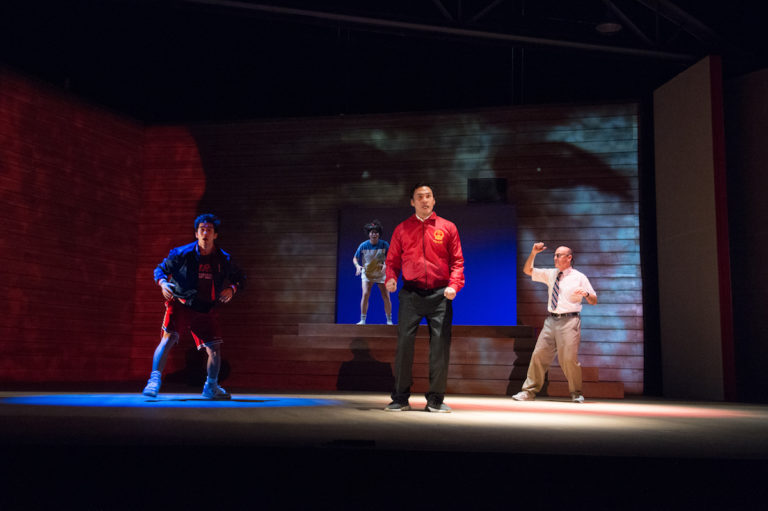
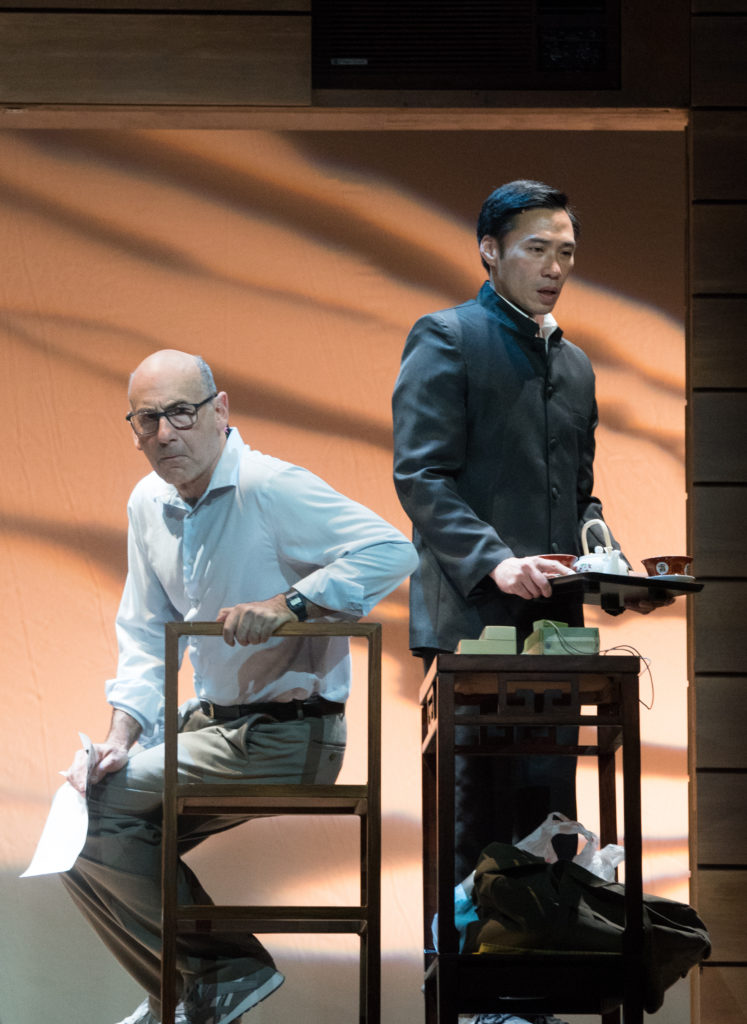
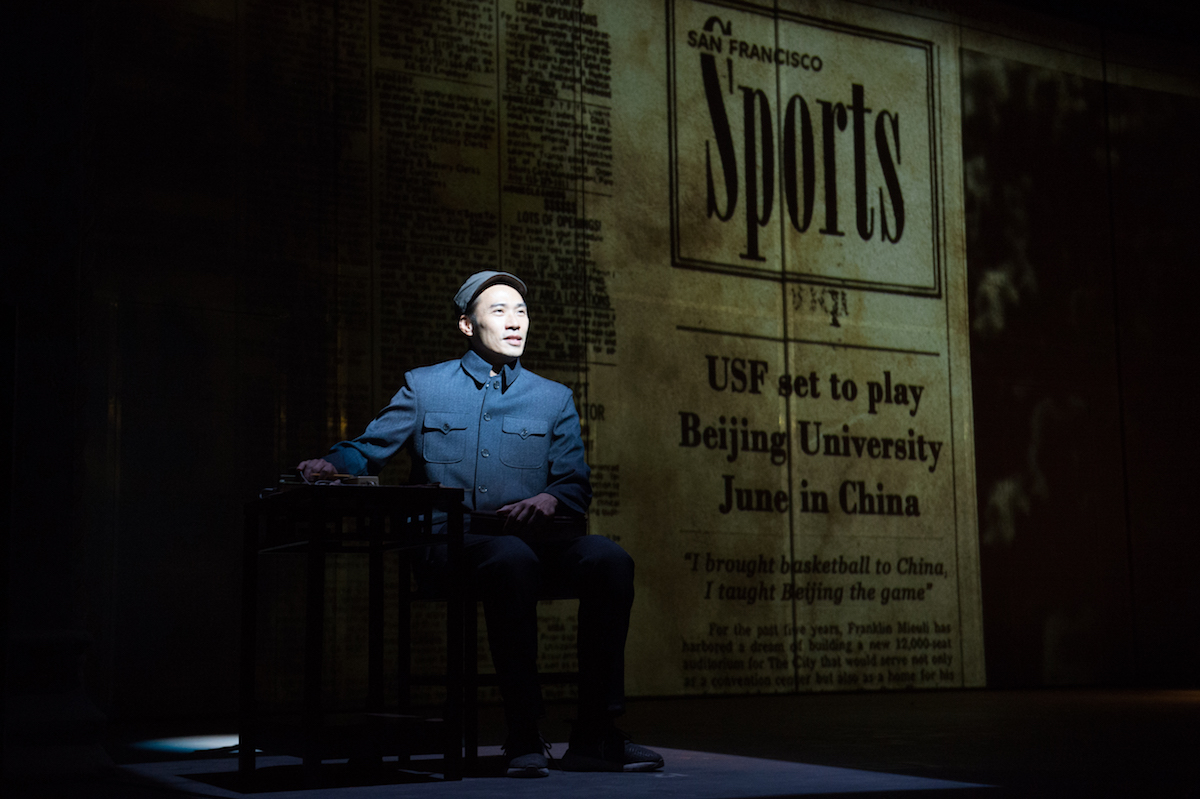
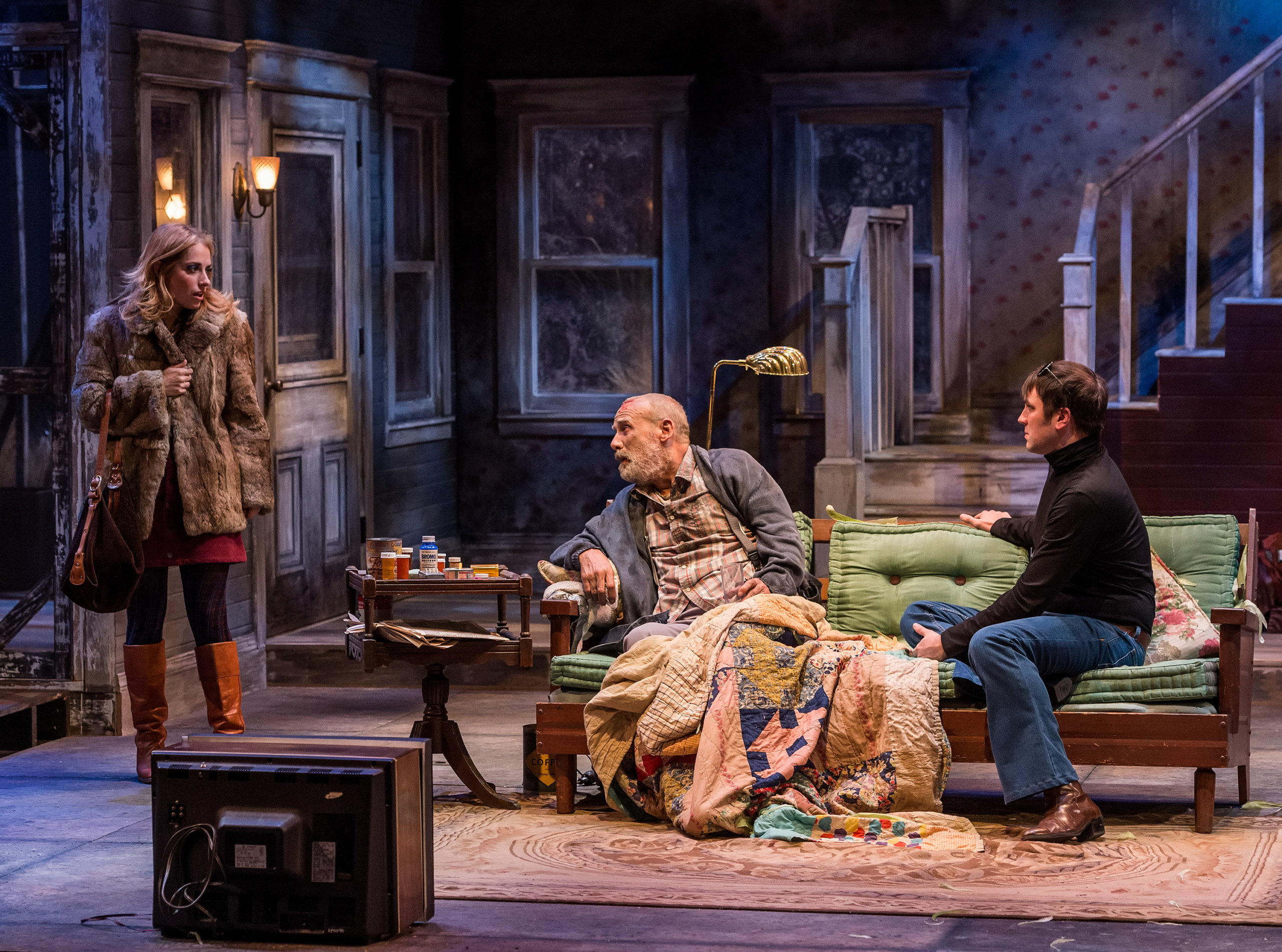

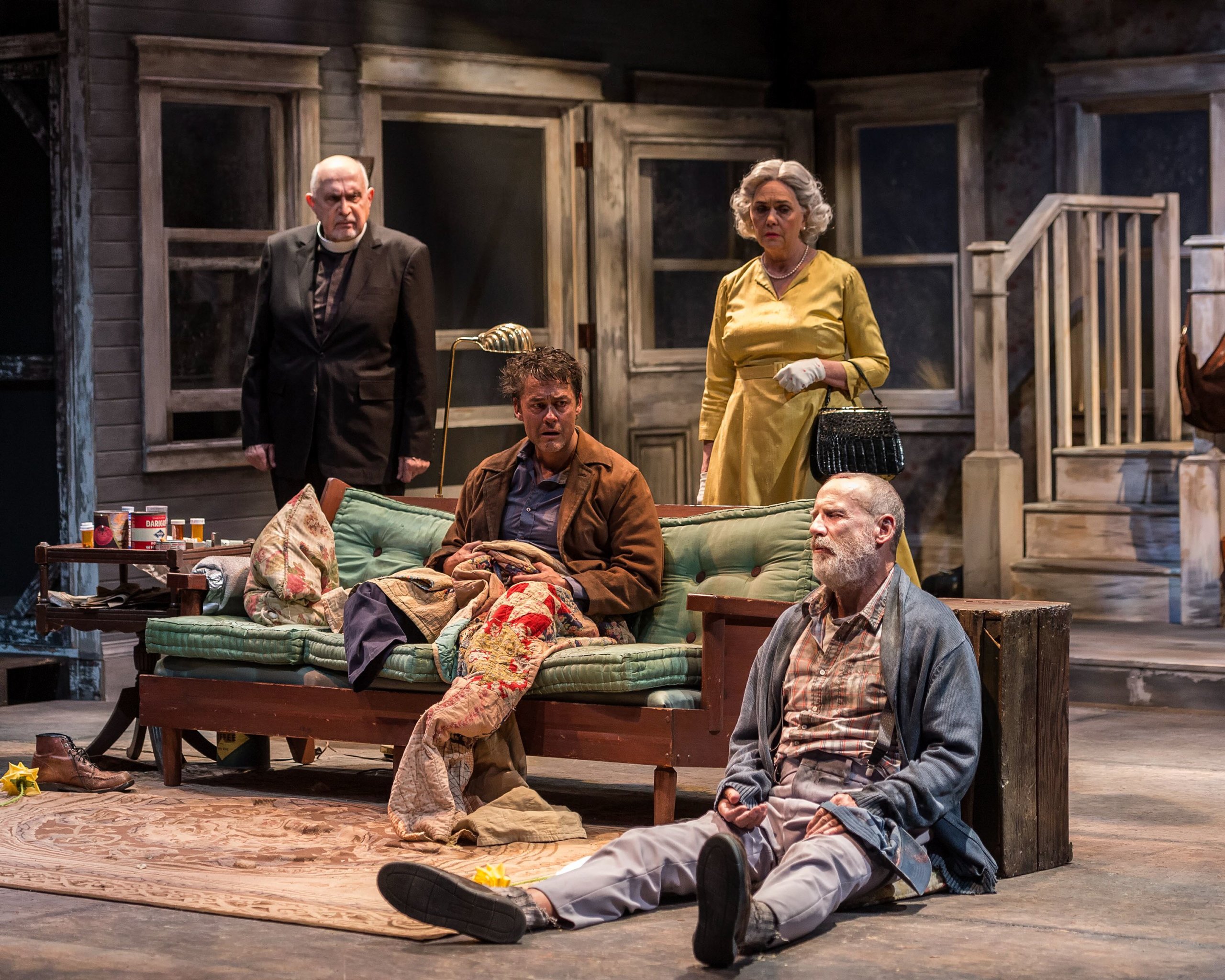
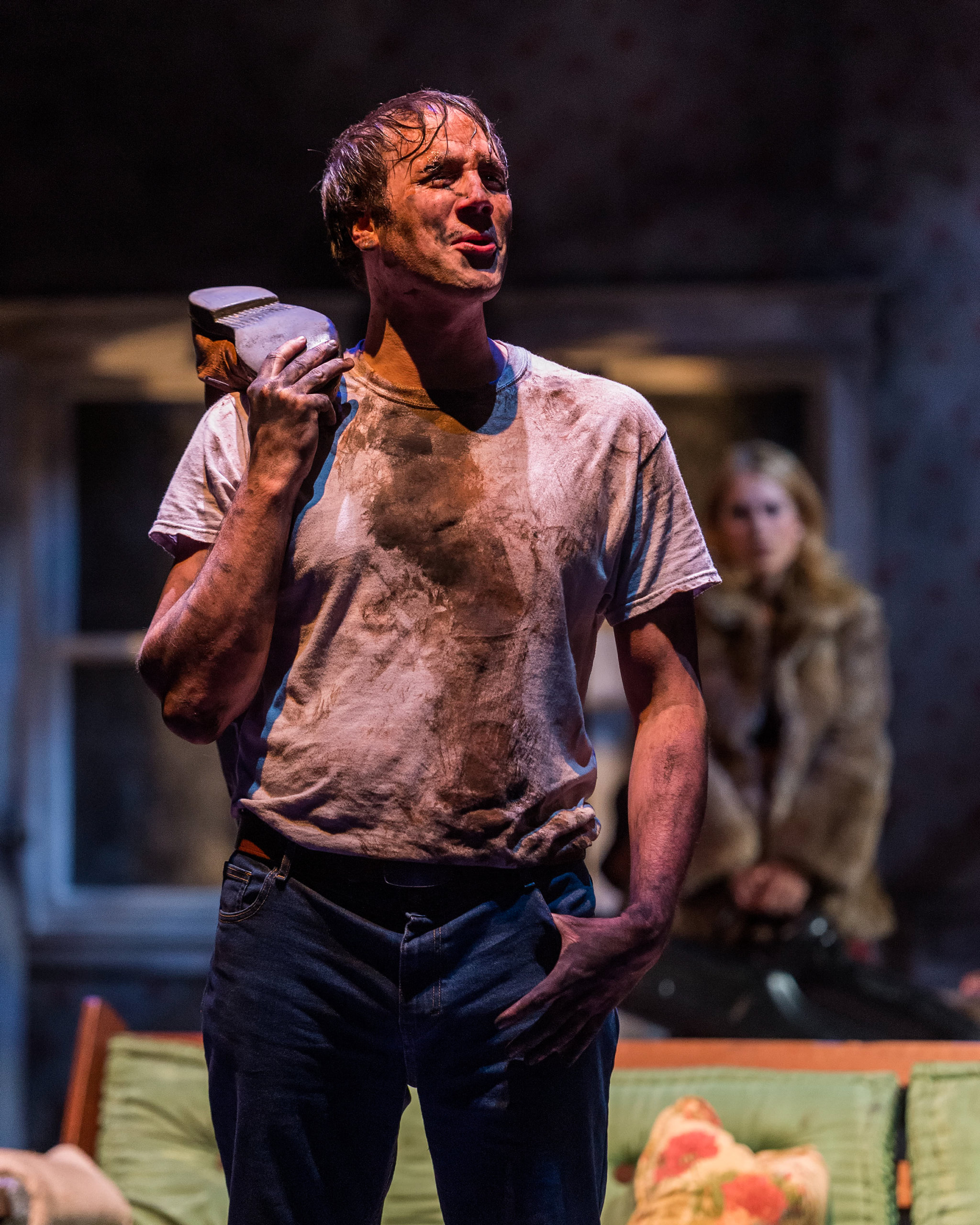
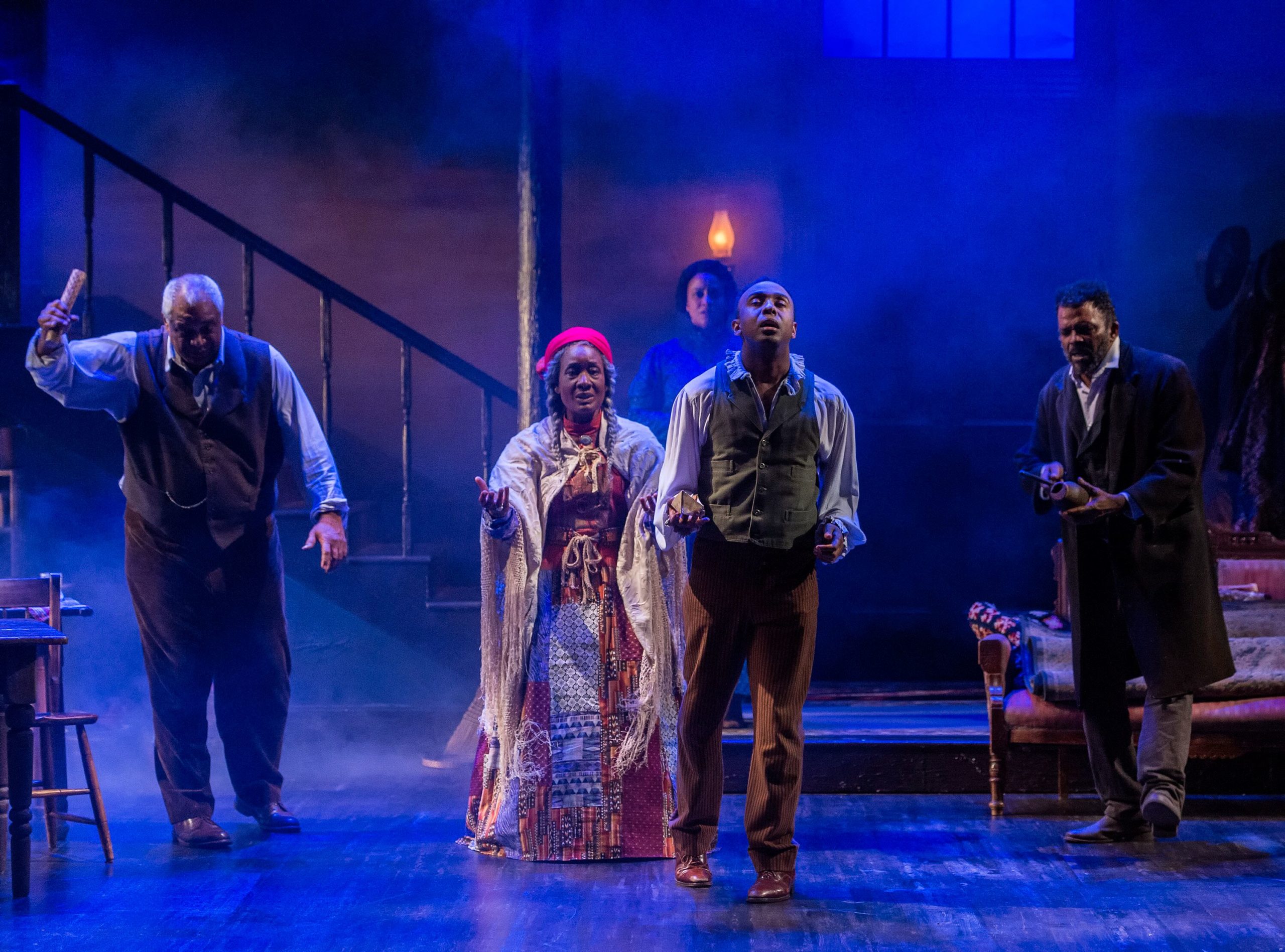
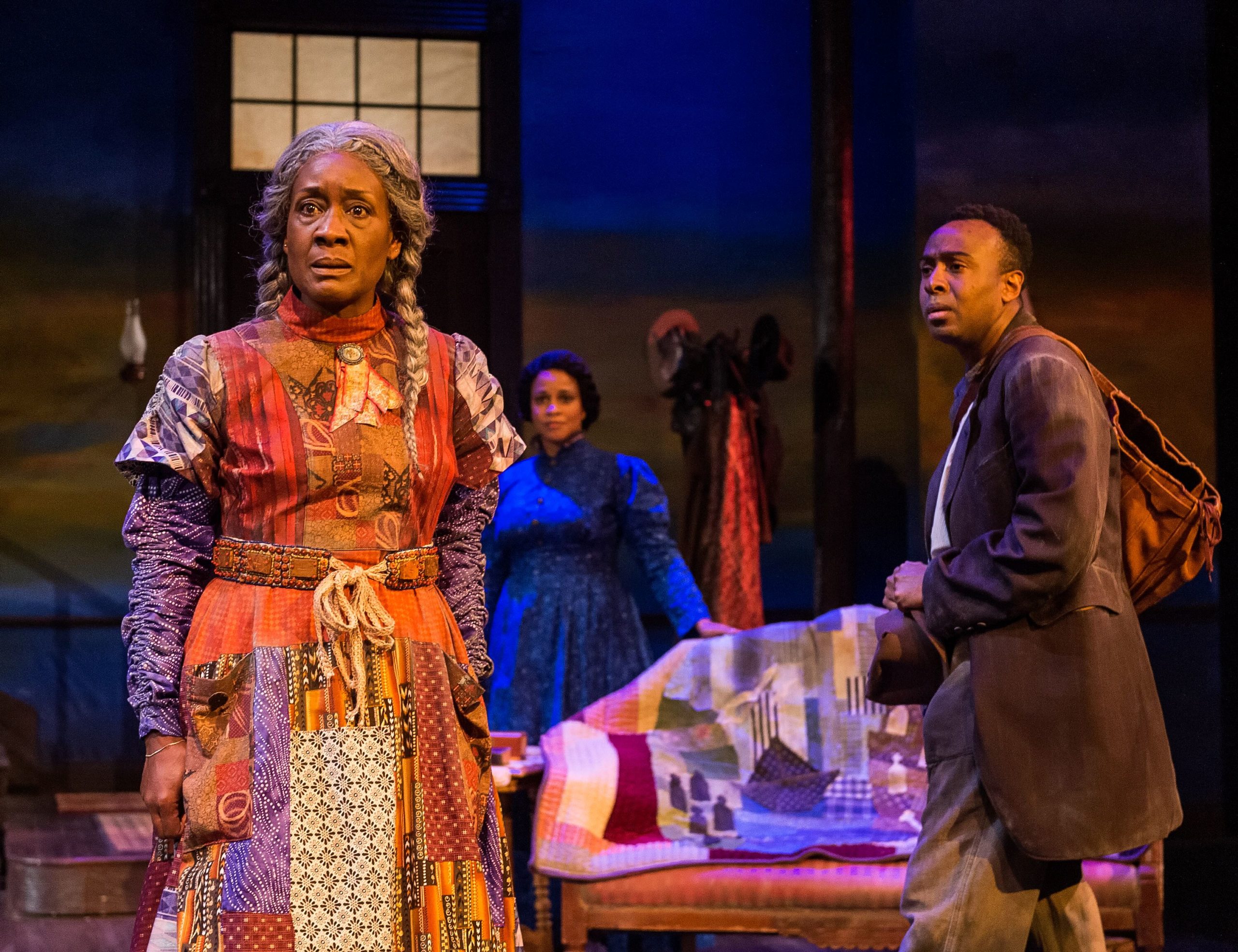

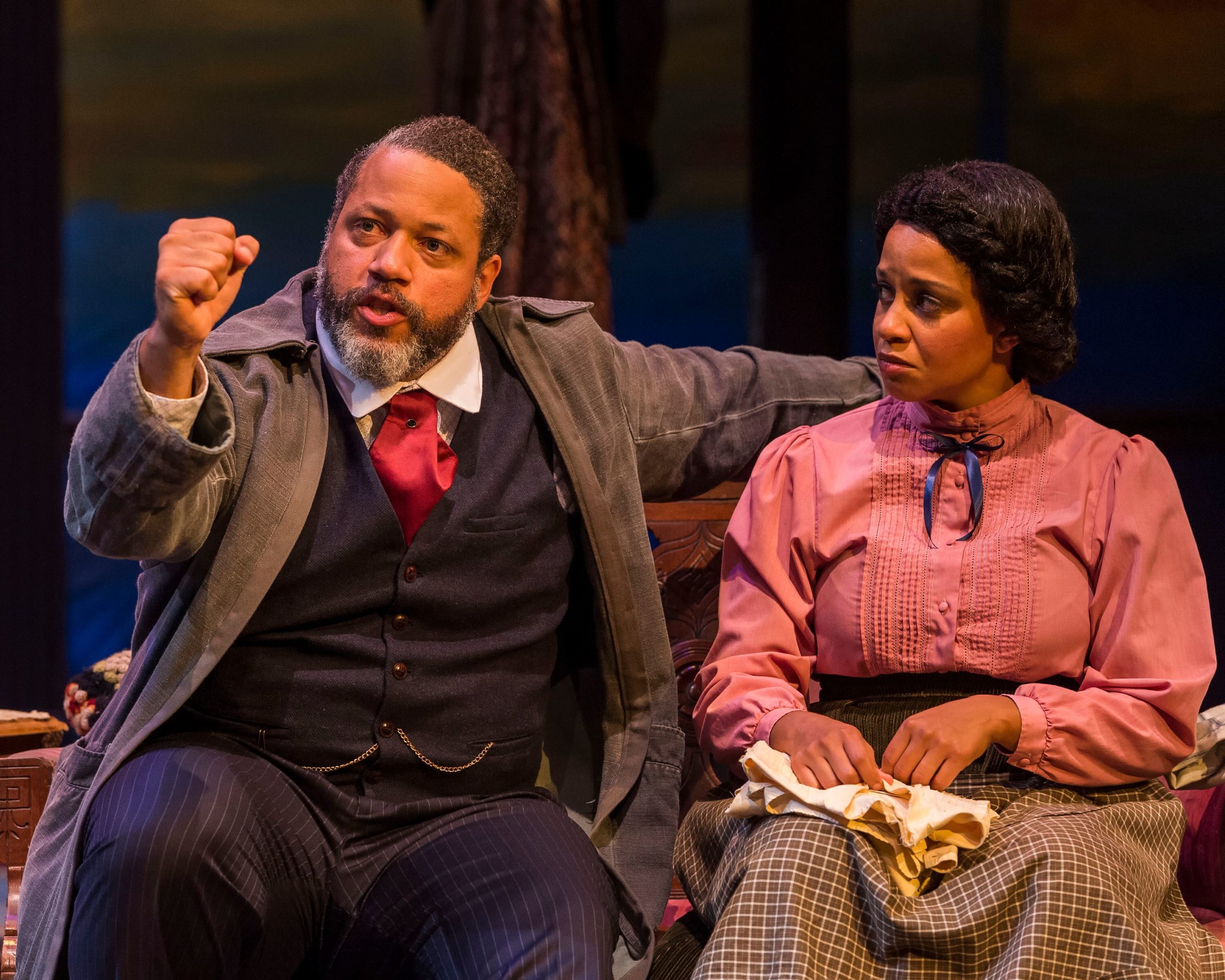
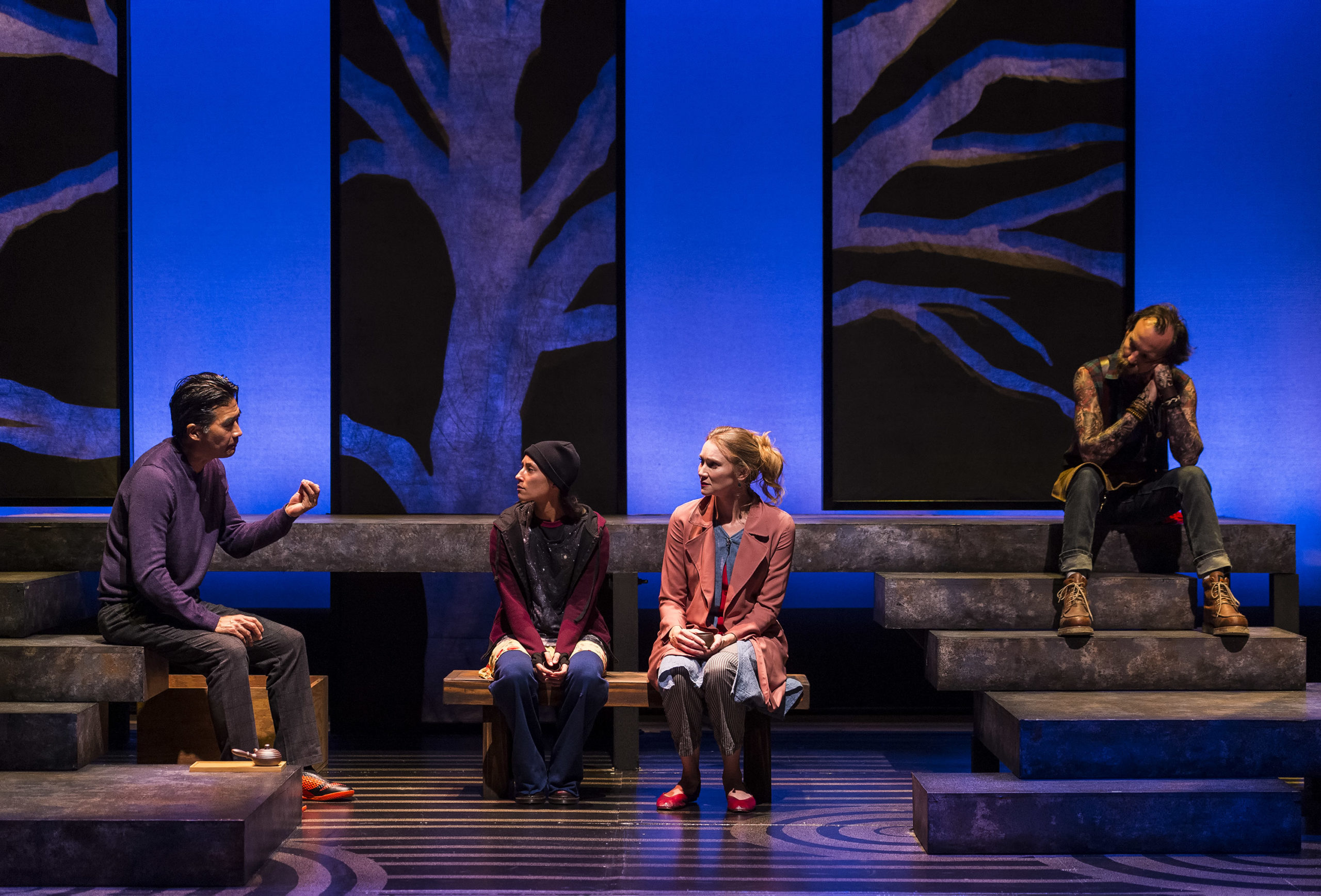
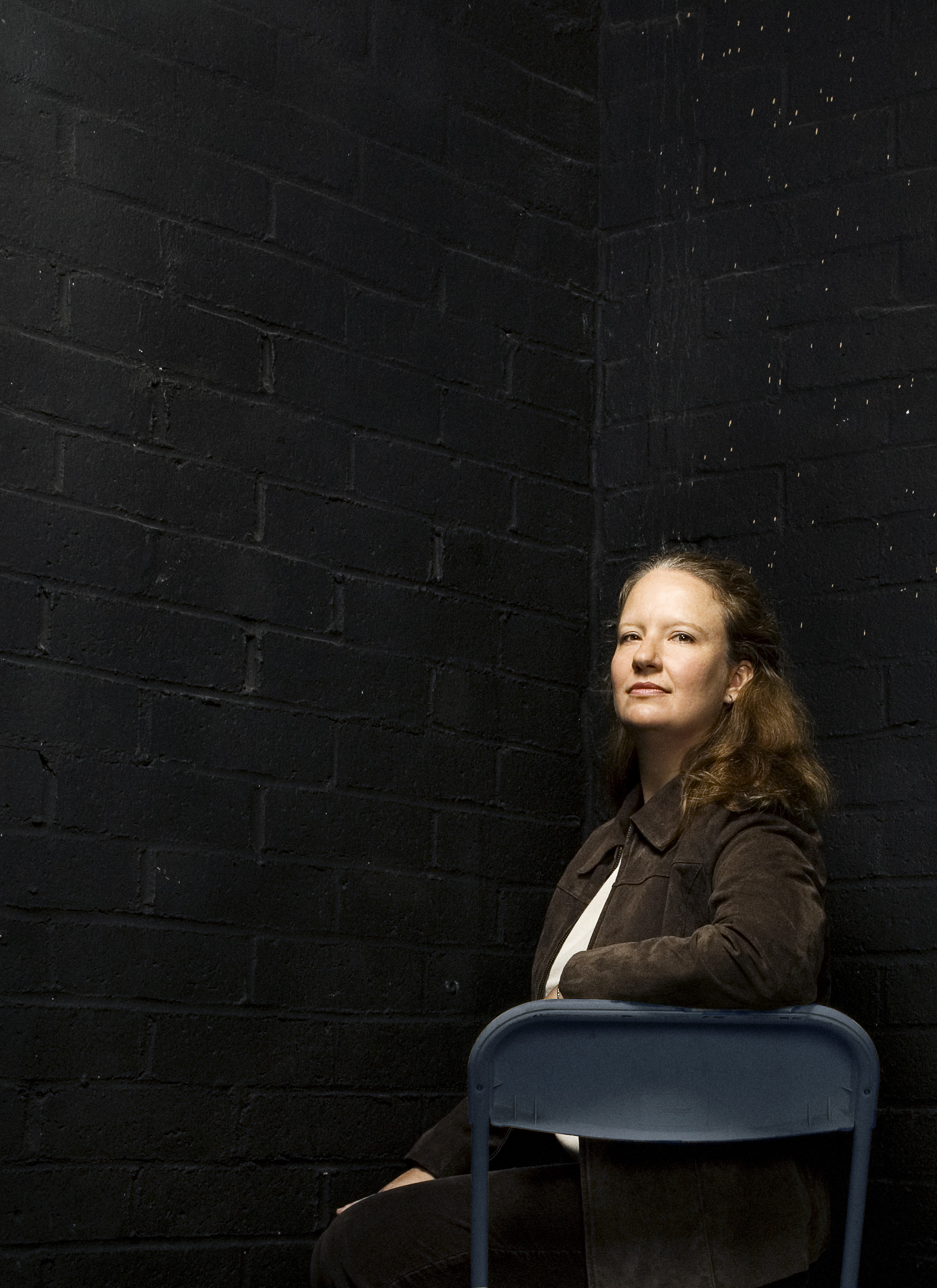
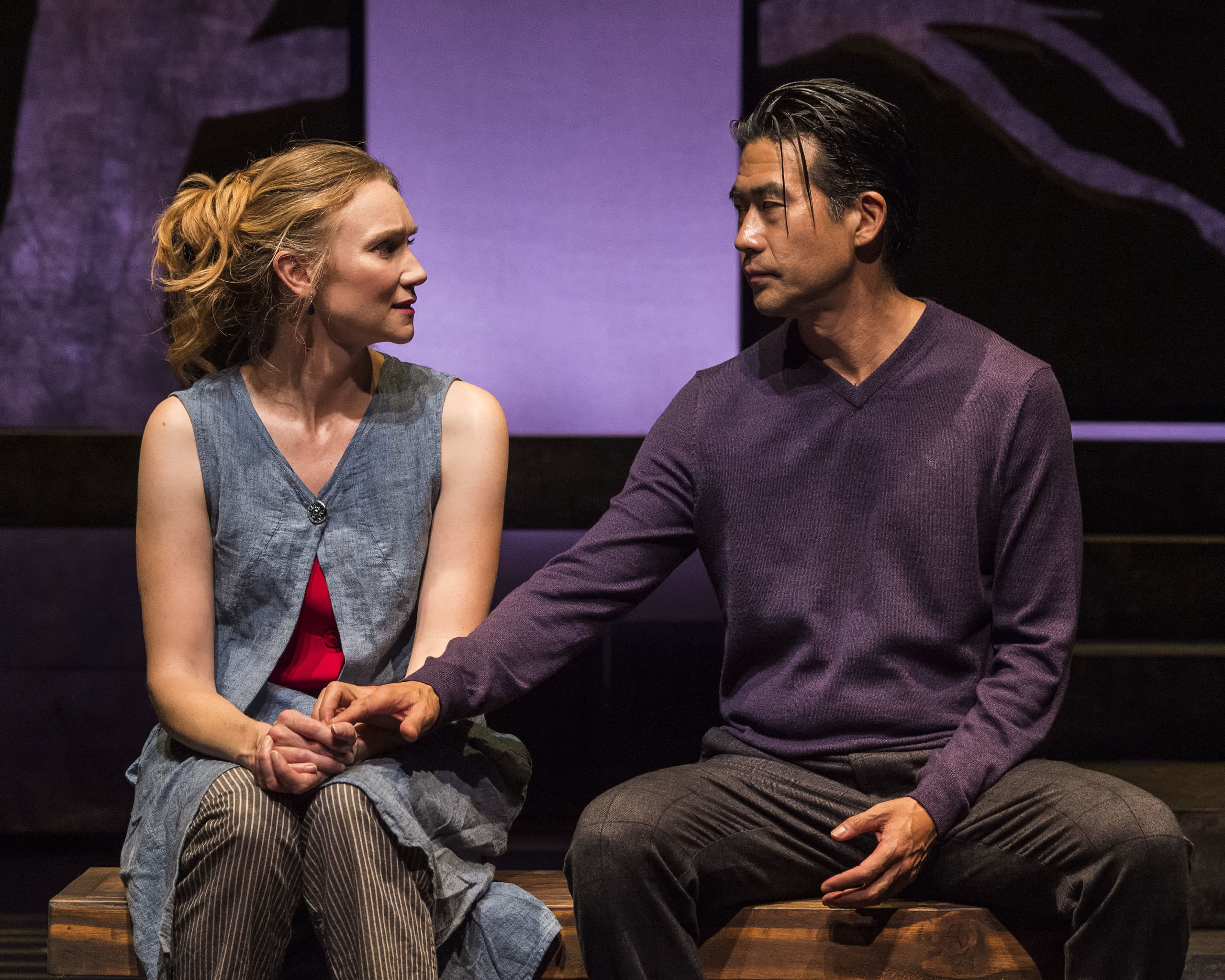
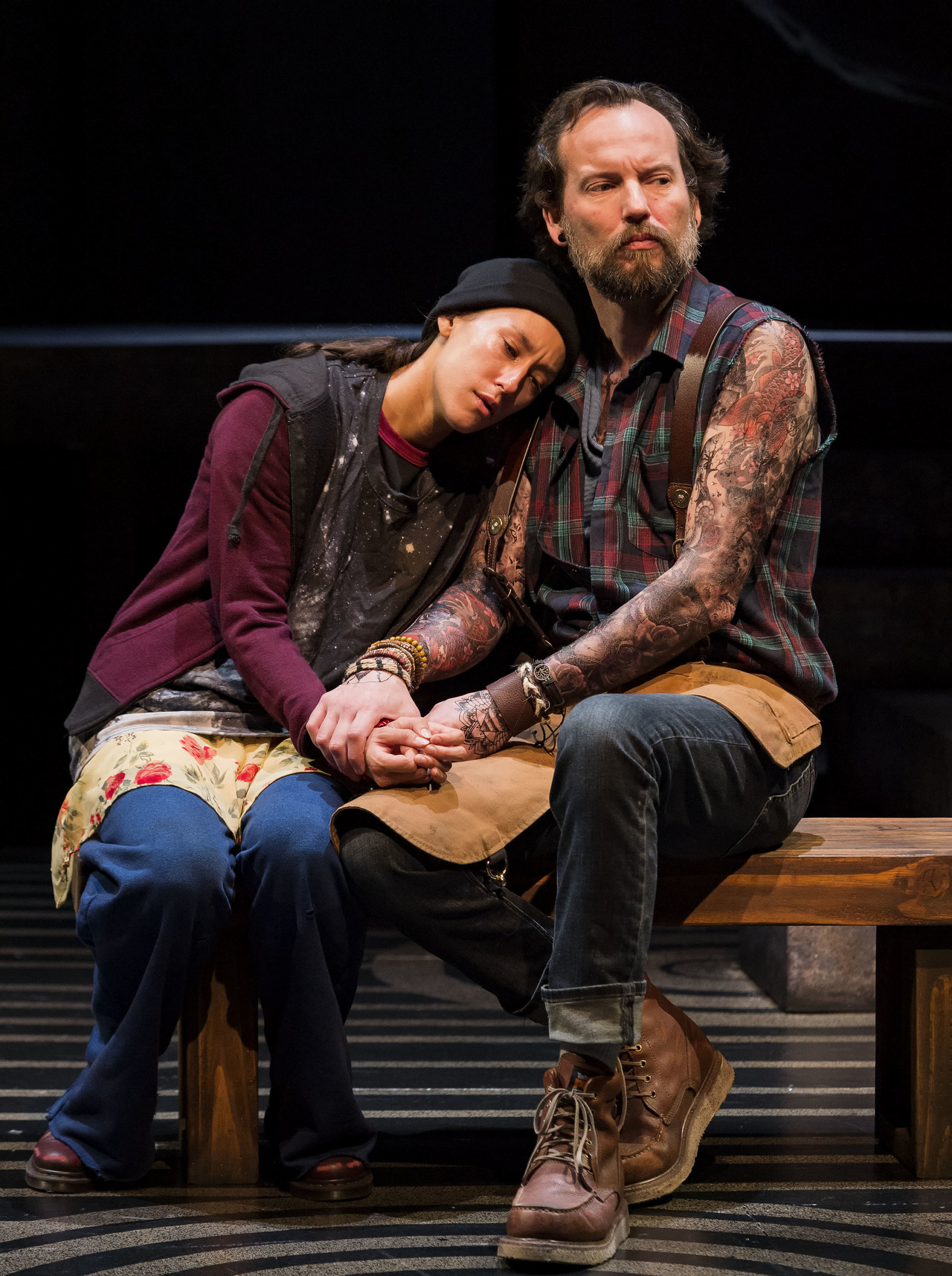
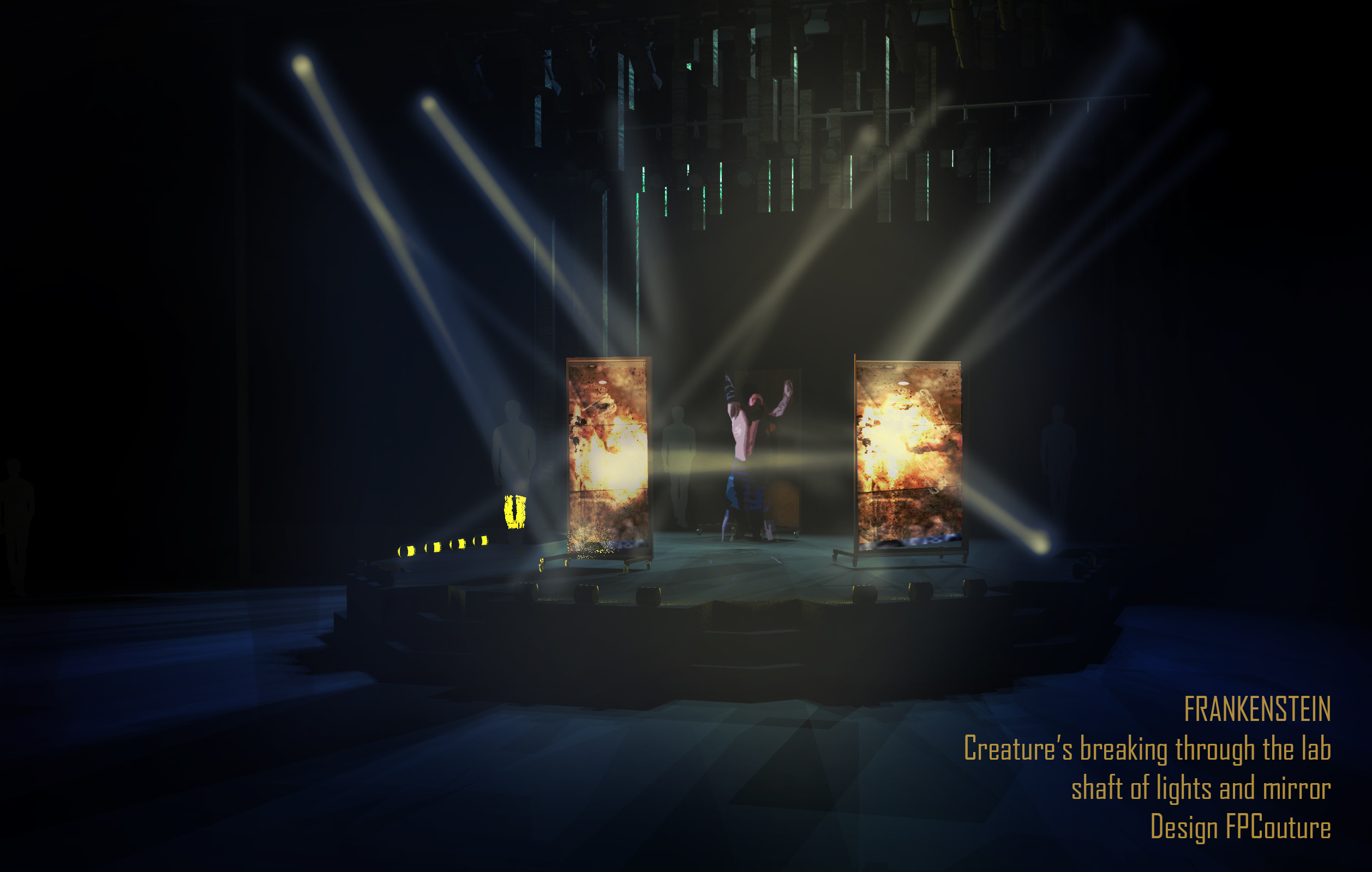

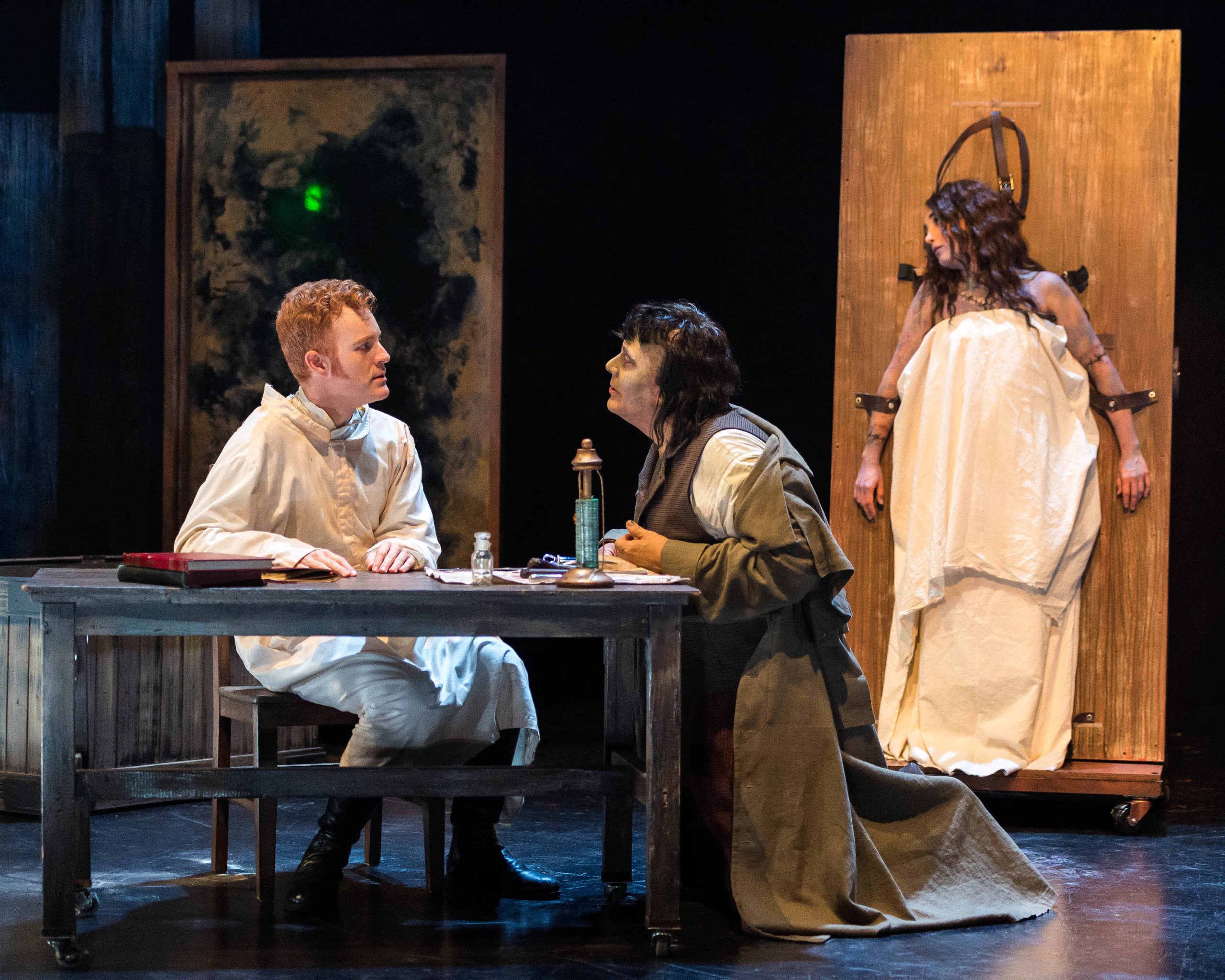

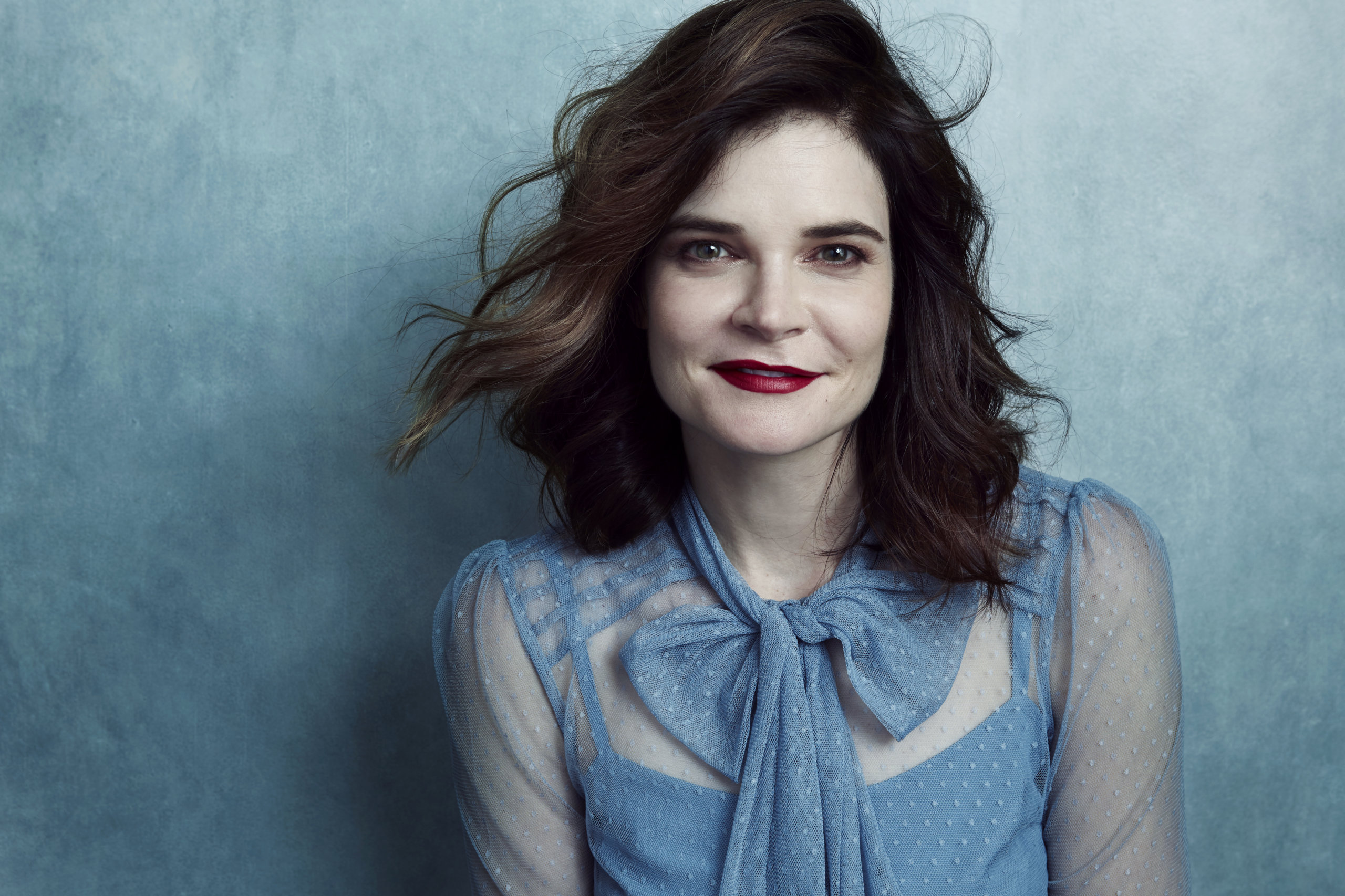
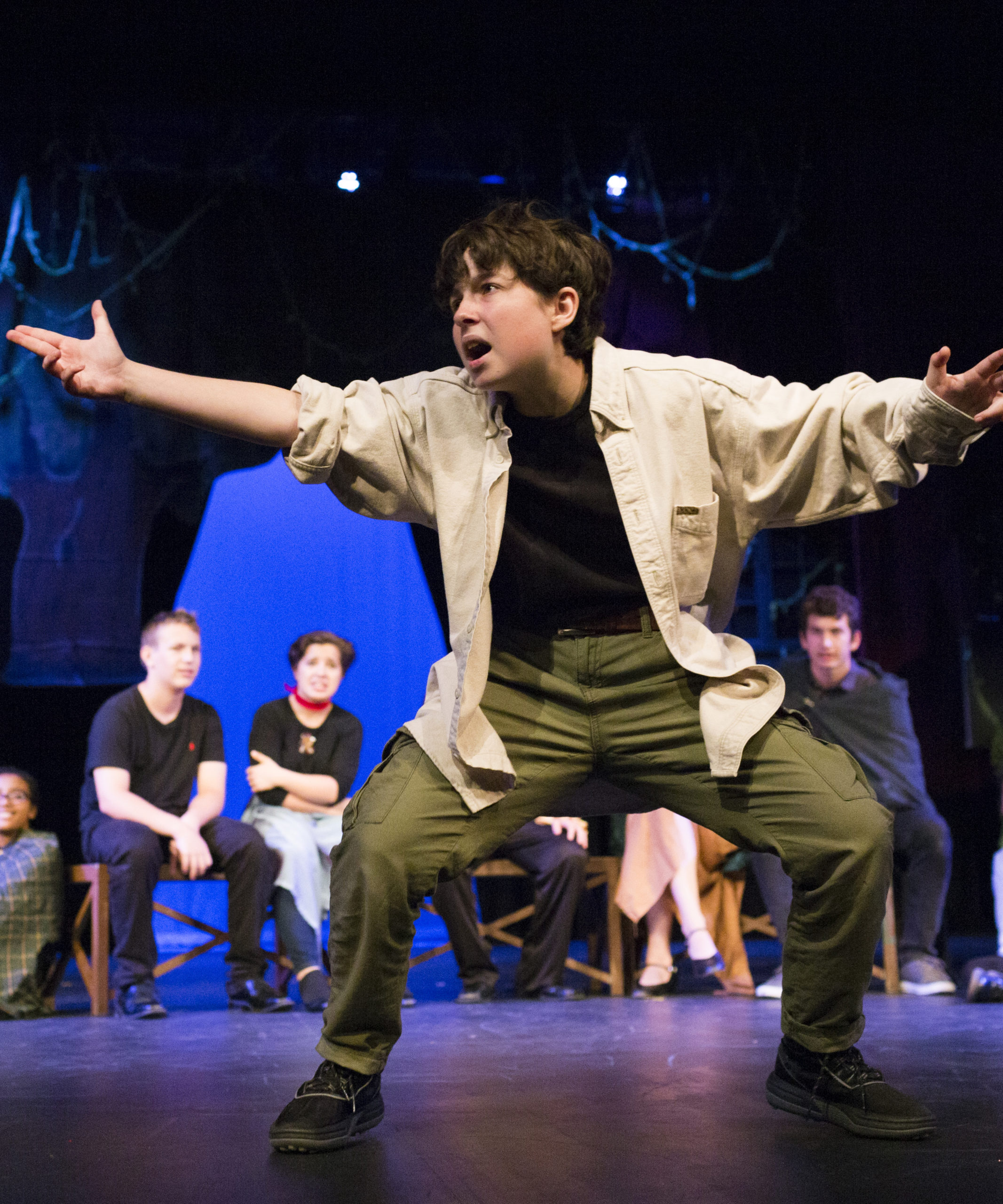





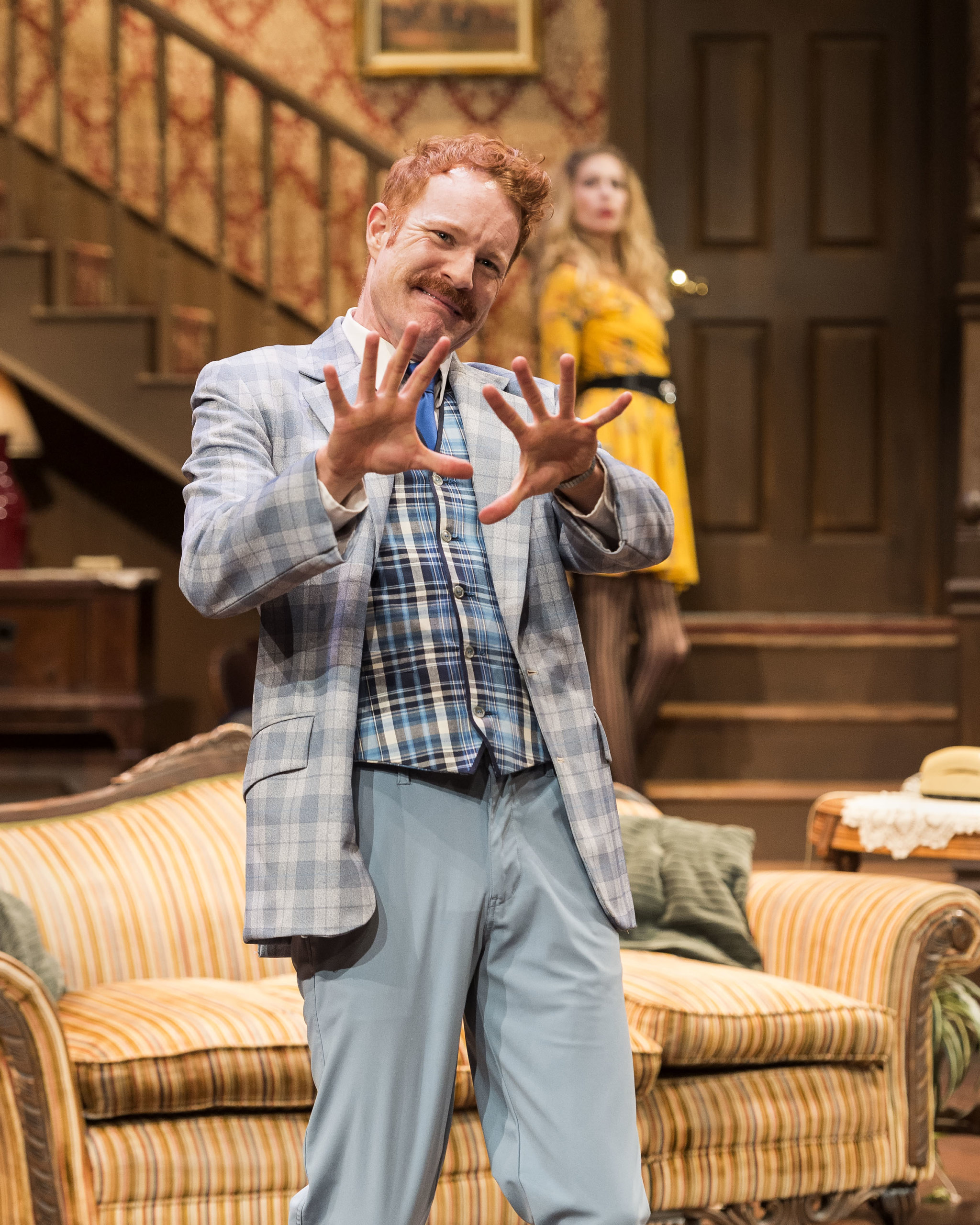


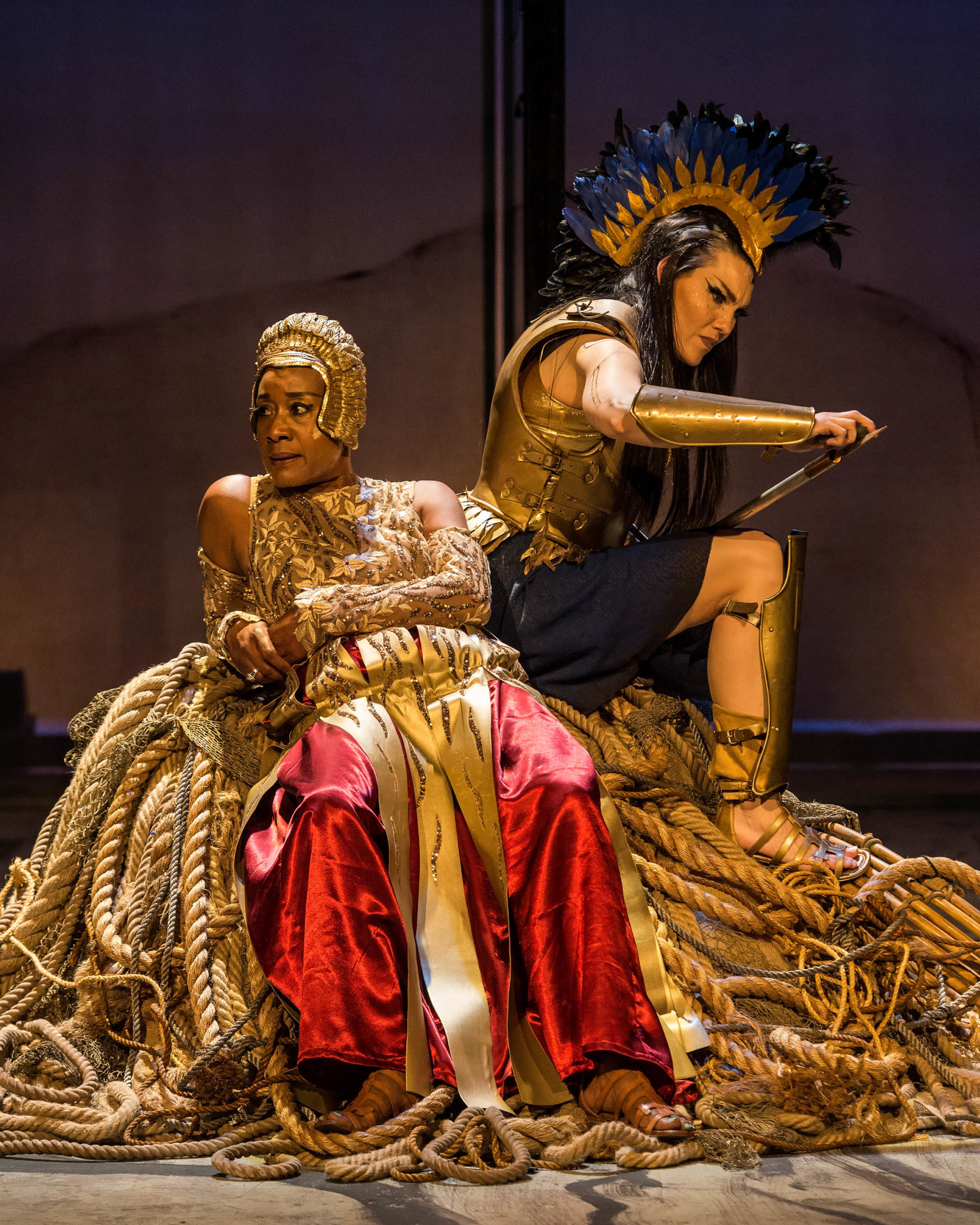
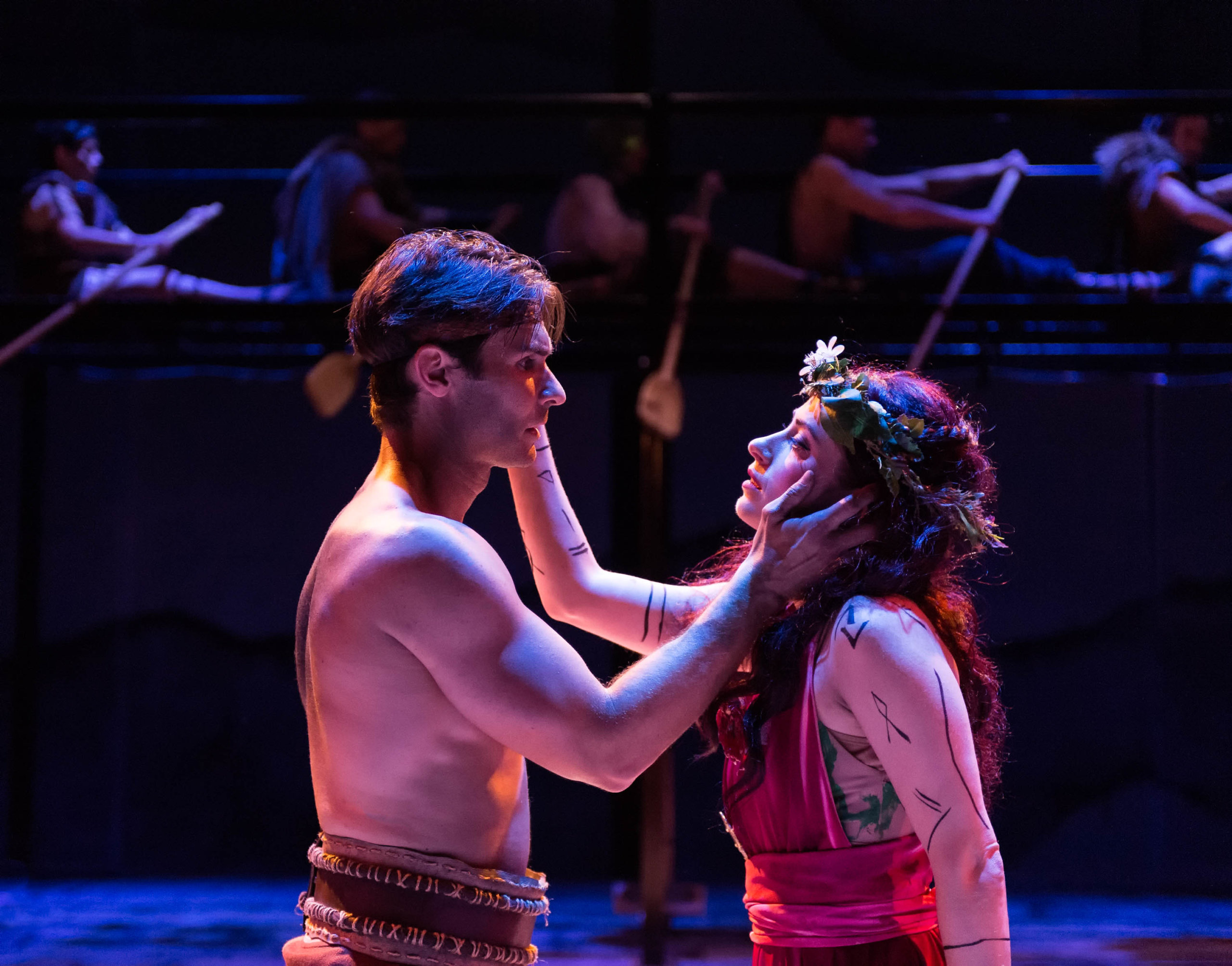

 A San Gabriel Valley Inquirer