September College Search Guide

Originally published on 1 September 2020 in the Pasadena Independent, Arcadia Weekly, and Monrovia Weekly
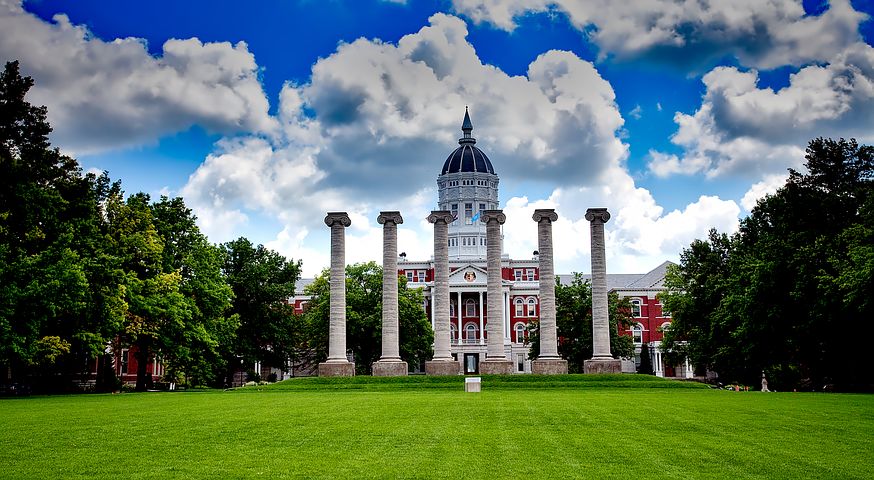
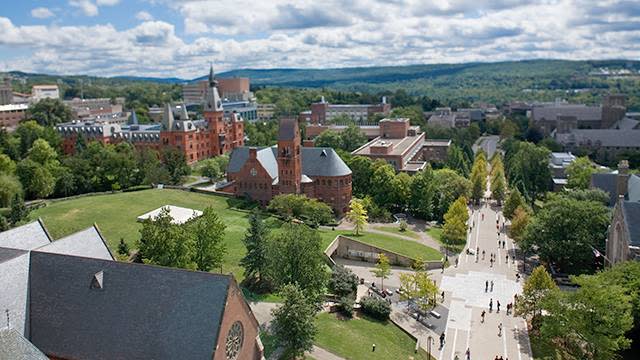
University of Mississippi | Courtesy photo

The road to college

It’s after Labor Day and that usually means the end of summer. Classes have begun in mid or late August so your children are settling into the new school year by now.

Before I launch into the college guide, let me touch on a topic that often times causes family discord. Counselors tell their students to follow their passion when it comes to deciding what to pursue in college. That makes a lot of sense because people generally learn better when they’re studying something they are interested in. However, we also hear about researches that find STEM degrees are the most valuable, with the liberal arts the least valuable, to employers. Parents, anxious about their children’s earning potential, career future, and over-all financial stability then discourage their children from taking liberal arts in college and push their children into the STEM fields.

On the other hand, employers also emphasize that they’re looking for applicants with excellent communication skills even when the job isn’t STEM-related. The contradictory information is enough to make anyone’s head spin. The one thing researchers and career advisors agree on is that earning a college degree will pay off in the long run. So whether your children are looking to get an engineering degree or are more interested in the humanities, the important thing is for you to support your children’s choice and help them to be ready for college.

My daughter’s high school administrators preached to their students that the college application process doesn’t start until the spring of their junior year and, therefore, they shouldn’t be working on it until then. As our family’s experience belatedly proved, however, the process really begins on the first day of 9th grade. Hence, I advocate that your children start preparing as soon as they get into high school. Doing so makes a world of difference in their college search outcome.

In last month’s college search guide, I said that the College Board is expanding the use of the adversity score to the SAT in an effort to make college admissions more equitable. It had many detractors, however, and the College Board recently announced that it’s dropping the adversity score and will now use what it calls ‘Landscape.’

While it pretty much includes the same factors that were in the ‘Adversity Score,’ the College Board claims ‘Landscape’ is more transparent and provides admissions officers more consistent background information.

In an article published in the Wall Street Journal on August 27, education writer Douglas Belkin, reported that the adversity score (also called environmental context dashboard) was a combination of 15 socioeconomic metrics from a student’s high school and neighborhood.

‘Landscape’ will add six ‘challenge’ factors that provide the ‘summary neighborhood challenge’ and the ‘summary high school challenge indicator.’ The factors are college attendance, household structure, median family income, housing stability, education levels, and crime.

Belkin noted that this is the second time that the College Board has rolled back efforts to reflect students’ socioeconomic backgrounds – it dropped a similar effort 20 years ago due to unfavorable reaction from colleges. And this will most probably not be the last word on the matter. The current admissions process is intrinsically flawed and band-aid solutions can’t make it right.

I still think that adding ‘screening methods’ misses the point. Every student is different and can’t be lumped under a general category. But admissions officers can’t reasonably learn about each one when they have approximately 30 minutes to scan each application. With ever more American students applying and interest among foreign students to study here increasing, the competition will not diminish any time soon.

| Courtesy photo

FRESHMAN

Instill in your children good time management and organizational skills early on. High school is so much busier than what they’ve been through yet. These skills will help them have a happy, productive, and successful four-year experience.

If your children didn’t develop good study habits in lower and middle school, they need to buckle up and be serious about academics. Encourage them to immerse themselves in the culture of their high school and get involved in various extra-curricular activities that support their interests, and which they can carry on into the next three years.

Your children should find the time to meet with their school’s counselor to map out a four-year curriculum that meets all the requirements for graduating and going into college. Most colleges or universities require: four years of English; four years of mathematics; four years of science with advanced work in at least one of the three disciplines – biology, chemistry, physics; four years of a world language; three years of history, including American and European.

They should take the most challenging courses they could handle. If their high school offers Advanced Placement (AP) subjects in ninth grade and your children decide to take the course, they have to be ready to take the exams after they complete it. Colleges usually only recognize 4s and 5s to show competency. Highly selective institutions also expect As on AP courses on students’ transcripts.

SOPHOMORE

By this time, your children should be fully transitioned into high school. They should be picking up where they left off – taking AP courses, working on extra-curricular activities they had identified in their freshman year, playing sports for their school, etc.

Practice exams for standardized tests are given in your children’s sophomore year so make sure they are registered for the PSAT. Taking these tests will help them identify their weaknesses and study for them. Several companies and organizations offer test preparation courses; your children should register to one if they need help getting ready for these exams (ACT: www.act.org; PSAT: www.collegeboard.com; Educational Testing Service: www.ets.org; Kaplan: www.kaplan.com; National Association for College Admission Counseling: www.nacacnet.org; The Princeton Review: www.princetonreview.com).

It may seem too early to do this, but your children can start looking at colleges that offer courses in their fields of interest. Or they can begin considering all possible options, if they haven’t determined what they are thinking of taking in college.

| Courtesy photo

JUNIOR

This is a very hectic, even stressful, time in your children’s high school life. It is also the last complete year that college admissions officers will see your students’ grades and accomplishments. It is a decidedly important year for them; they need to put the effort to show admission officers that they are capable of doing the work and are qualified for admission to the school to which they will be applying. If your children are thinking of applying to universities through early action/decision, their junior year grades and work will become all the more significant.

Aside from the rigors of school, sports, extra-curricular activities, there are standardized tests to take. Your children should be taking the Preliminary SAT/National Merit Scholarship Qualifying Test (PSAT/NMSQT) early next month. I would like to remind parents not to put extra pressure on their children as they get ready for the standardize exams – they are stressed enough as it is and a higher than average SAT score does not guarantee admission to their dream university.

You and your children should be going to College Fairs being held at their high school. They should be gathering information about colleges and universities – courses and diplomas offered; standardized test requirements for admission; deadlines for early action/decision, if being offered, and for regular admission.

SENIOR

It is going to be a marathon for your children! From the moment they get in the doors of the school, they are going to be putting much of their focus on college applications. If your children are applying for early action/decision, they should have taken all the standardized exams required by the university during their summer after junior year.

Make it a point to attend your children’s “Back to School Night” because the counselors will most probably be giving parents information about the college applications that will be starting in earnest.

The organizational skills that I have been talking about since your children entered 9th grade will be put to the test during their senior year. Encourage your children to create a calendar with standardized testing dates, counselor meeting schedules, application deadlines.

Your children should have a binder with separate sections for each college or university and a log of what needs to be accomplished for each, like: required standardized tests (SAT or ACT, SAT II grades; AP test scores, etc.); writing supplement; how many letters of recommendation they require; application fee; how to send the application.

Ideally, you and your children have visited the colleges they are thinking of applying to. One of the first things they have to do is finalize the list of colleges and universities to which they will send applications – eight was the norm when my daughter was applying. However, students now are sending in 12 or more applications. This new normal, though, has only added to the competitiveness of the process. I would suggest limiting it to 12 because applying to more schools doesn’t make a university with a 4% admission rate a more reachable goal.

They should be ready to write their personal statement; they should also have provided stamped envelopes to the teachers giving them recommendations.

One factor that makes the college admissions process really stressful for parents is the feeling of not knowing what’s happening. School counselors generally only have time to meet exclusively with students so parents feel shut out. However, there are books you can read to help demystify this process. A book I would recommend is called “Getting In! the Zinch Guide to College Admissions and Financial Aid in the Digital Age” by Steve Cohen, Anne Dwane, Paulo de Oliveira, and Michael Muska.

The professional guidance and insight the authors of this book provide will give you the ability to help your children navigate this complicated process. Use the book constructively; do not make it another source of stress for yourself and your children.

Over the course of writing a College Search Guide, I have also met a few outstanding independent counselors and I highly recommend them should you feel more comfortable getting regular, face-to-face time with a counselor.

Greg Kaplan is a local independent counselor and can be reached at greg@earningadmission.com and his website is www.earningadmission.com. There is a Boston-based counseling group called College Vine, which offers near-peer mentoring; one of their counselors is an Arcadia High School alumna, who is currently a senior student at Cornell.

If you are applying for financial aid, be aware that the Free Application for Federal Student Aid FAFSA (www.fafsa.ed.gov) submission date starts on October 1st to align with the college application schedule.

Research all scholarships available. Some online sites include: College Xpress (www.collegexpress.com); Fastweb (www.fastweb.com); Scholarships.com (www.scholarships.com); and Student Aid on the Web (www.student.ed.gov).

It goes without saying that as busy as your children are when they go through the college application process, they should also get the best grades they are capable of. The colleges to which they are applying will require their first quarter grades if they’re looking to gain admission through early action or early decision.


August College Search Guide

Originally published on 3 August 2020 in the Pasadena Independent, Arcadia Weekly, and Monrovia Weekly

Bern University | Courtesy photo

The road to college

For the August College Search Guide,  I would customarily write that I hope your children got the chance to decompress and savor the summer break. These are extraordinary times, however. Our usual activities have been upended and we’re constantly challenged to get to a place of normalcy in our daily lives.   

The announcement a few weeks ago that the Los Angeles and San Diego school districts will not be reopening their campuses for the Fall term until the foreseeable future caused much disappointment for students who have been learning remotely since mid-March. Parents of these students who, by default, became de facto teachers are as frustrated as they are exhausted.

Fortunately, the pandemic engendered tutoring services, some of which are conducted by high schoolers and college students, and are free of charge. These organizations, like ‘Sailors Learning,’ will continue providing assistance to elementary-age children, middle-, and high-schoolers through the remainder of this year. You and your children might want to take advantage of their help.

Much has been written about the negative effects of campus closures – including the loss of social interaction and students struggling with their schoolwork. For some high-schoolers, though, remote learning gave them relief – they got extra sleep, they were less stressed, they could email teachers questions without being embarrassed, they were able to focus on lengthy assignments – which made up for them not being able to hang out with their friends. Some even flourished – those who were typically behind got the extra time to catch up and ended the school year with excellent grades.                    

That said, the pandemic does not change the reality that every fall marks the time when the process of getting ready for college application begins – whether your children are just starting 9th grade or are already in 12th grade. The only difference is the pace at which they are working on their resume. They start building all the components that go into their transcript as soon as they get into high school. By the time they reach their senior year, they should have a transcript with excellent grades balanced with an equally impressive array of extra-curricular and enrichment activities.       

This year’s ‘Back to School Night’ will undoubtedly be a virtual event and something you shouldn’t miss. There is so much going on which administrators need to inform you about –  including an update on campus reopening safely and social distancing protocols they plan to have when that happens, to addressing issues voiced and implementing reforms advanced by the ‘Black Lives Matter’ movement.      

You and your children should determine their interests and career goals and see what courses the school offers which appropriately meet those. These should be the guidelines for your students during the four years they are in high school. The outcomes of their work then determine which colleges or universities they should consider when they put together their list of where to apply.

An important factor in the admissions process is the students’ (and parents’) preconceived ideas about where they should apply and what their dream school is. Oftentimes, kids apply to the same dozen or so most-recognizable university names. This creates an unreasonable expectation which, more often than not, leads to unhealthy behavior. There are innumerable institutions that offer excellent teaching; there is a school out there that is the right fit for your child. 

| Courtesy photo

FRESHMAN

High school is vastly different from middle school. Teachers have higher expectations from the work students turn in. Your children need to develop their analytical skills as their teachers will require deeper thinking and subject exploration from their papers. They should also have better time management skills to handle the more rigorous course load and extra-curricular activities.

In the first few days of 9th grade, your children will have several things they will be making decisions on, and tackling. I have to add here that high schools send their profile to the college or university to which your children are applying. Admissions officers will know what opportunities were available and if the applicant took advantage of them. I have listed them here with a brief description or explanation:

AP COURSES: Make sure your children choose the AP subjects they will need in the course(s) they will be taking in college. They shouldn’t pile up on APs to pad their resume because they will need to take the AP (and SAT II) exams for these subjects. Some universities only accept 4 or 5 on an AP exam for it to have any merit at all. While college admissions officers favor students who took on challenging AP subjects, they don’t look kindly on low AP grades either.   Encourage your children to take courses they are truly interested in; students who study something they really like generally do well in it.     

CLUBS: Your children should join the clubs they actually want to be involved in; encourage them to participate actively. Ideally, your children would start a society based on their interest or something they feel strongly about. It can be something socially impactful, or it can be a fun club for student members to take a respite from their heavy academic load. In my daughter’s school one student formed a Superhero Club where they went to all the openings of the latest Marvel or DC Comics films. Needless to say, this was years before the pandemic, when we could still go to the movies.       

ATHLETICS: This is an essential component of high school life that is being severely impacted by the pandemic. As you most probably have heard or read, even professional sports are beleaguered by COVID-19 infections. Schools will be challenged to find a way students can participate in sports at this time.                    

ARTS CLASS: If your children’s school offers art electives, encourage them to take a course. Usually, in the first year, the grade level dean encourages students to try various classes on offer so they can determine what they really want to focus on in the next three years.        

LANGUAGE: Besides the core subjects – English, History, Math, Science – a world language is a requirement for admission into college. In some elementary schools, students can take Mandarin and Spanish immersion classes. The Pasadena Unified School District, for one, offers French in addition to Mandarin and Spanish. If they continue on, these children will be ready not merely for college; they will be well-equipped for an increasingly global society.   

COMMUNITY SERVICE: Your children should do something they feel strongly about and work it every summer; it shows commitment to the activity they took on. This is going to be an essential component in your children’s transcript. Admissions officers are looking for depth of community involvement.       

SUMMER CAMP/ENRICHMENT COURSE: If your children have a passion for a particular activity, they should pursue a summer program related to it. Guidance counselors in some schools compile a list of the most engaging courses locally, out-of-state, or internationally.  

It goes without saying that all the above activities are merely supplements to good grades in the core subjects. Loading up on extra-curriculars at the expense of grades is definitely ill-advised.  While admissions officers at all the universities talk about their holistic approach in their selection process, a student’s GPA remains a very critical, if not the single most important, component of your children’s college application.  

SOPHOMORE

Your children have fully transitioned into high school, the demands of which were drilled into their subconscious the past school year. They have to put 9th grade behind them and face 10th grade with renewed energy and enthusiasm.

JUNIOR

This is going to be your children’s busiest school year. Make sure your children confer with their school’s counselor to ascertain they have all the courses required for graduating and for college. They need to know what standardized exams they’ll need to take for the college application. They should research which colleges and universities offer the course(s) they would like to pursue.

SENIOR 

By this time, your children should know where they will be applying and have visited the schools. They should have taken all standardized exams required for college applications, firmed up their college/university list, researched all kinds of scholarships, lined up teachers to write their recommendations, perfected their personal statement, and learned how to complete the common application.

July College Search Guide

Originally published on 2 July 2020 in the Pasadena Independent, Arcadia Weekly, and Monrovia Weekly

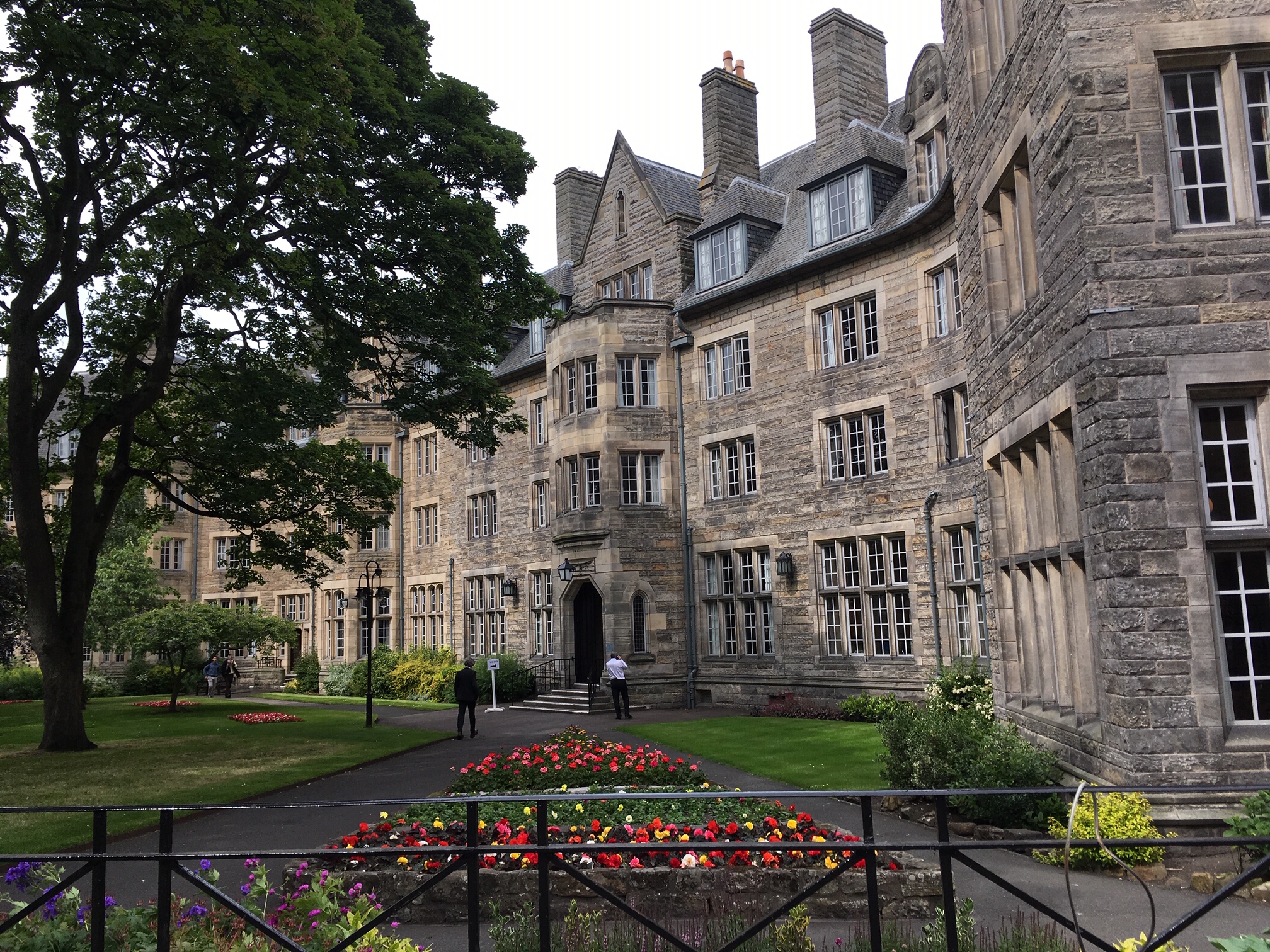
St Salvator’s College, University of St Andrews (Fife, Scotland), U.K. | Photo by May S. Ruiz / Beacon Media News

The road to college

Your children have been going through the greatest upheaval in their young lives. The coronavirus crisis has affected all of us in ways we’ve never before experienced. Among the biggest challenges for the adults in our household are concerns about our well-being, both physical and mental, and worries about our fiscal health. Our children sense our anxieties, adding to their own feeling of isolation from the world. Know that there are resources available, including the American Psychiatric Association and the Child Mind Institute, that can help adults and children cope at this difficult time.   

As I touched on in last month’s College Guide, summer jobs will be hard to find in our current situation. Some of the retail stores and restaurants which, in years past, hired teenagers aren’t enjoying as much traffic because people aren’t confident about being out and about. News about resurging coronavirus cases are fueling trepidations about reopening the economy as our financial experts envisioned.

That said, there’s the reality that your children are facing – building impressive resumes to look attractive to admissions officers. Whether school campuses will be open in the fall or classes will continue to be held remotely, your children need to be up to speed and ready to tackle the rigors of high school. Guide them to find activities that make for a productive summer.

RISING FRESHMAN

High School is going to be an exciting phase in your children’s academic life. Having completed middle school and their tween years where they found their identity, they are now ready to assert themselves in this new environment.

If your children have not shown much interest in reading during their elementary or middle school years, you need to encourage them to spend this month reading – just for the sheer pleasure of it. Persuade them to look for different authors and genres; familiarizing themselves with various styles and themes will help them find their own voice. Reading will expand their vocabulary as they gain maturity in their writing and that will prepare them for composing their personal statement.

RISING SOPHOMORE

As mentioned above, summer is an opportune time for reading. Encourage your children to spend part of their day on this pleasurable and educational pursuit.

Your children should find an enrichment program or perform community service work related to something they are passionate about. Sustained effort and interest in one particular cause show that your children are sincere, and not just padding their resumes.

If your children are so inclined, they can start researching colleges. Nowadays, they can go online and get virtual campus tours of most colleges or universities.

| Courtesy photo

RISING JUNIOR

Your children should be preparing themselves for one of the busiest years of their high school career. They should be immersed in community service work, professional internships, and enrichment programs. They can likewise start researching colleges and going online to get virtual college campus tours. This will also give your children some idea about the college application process.

Summer is the perfect time for them to read extensively to expand their vocabulary and prepare them for writing their essay for the college application.

RISING SENIORS

This is the year that will test your and your children’s mettle. Be prepared for the marathon (which actually started in the spring of their junior year). They should still be continuing the community service work they began back in their freshman year, getting an internship, or looking for avenues to use their talent.

If your children didn’t get the chance to visit the school prior to the coronavirus outbreak, they might want to do a virtual tour. It will help them narrow down their list to a more realistic number of applications.   

They should also be thinking about their personal statement. Likewise, some universities require a supplementary essay specific to them, with topics that range from the practical to the philosophical. Admissions officers are constantly on the lookout for something fresh and original in applicants’ compositions. However, it requires a certain amount of creativity and proficient writing skill to come up with a treatise that will impress seasoned readers.          

That said, your children might also find some time to actually enjoy this summer before they get swallowed up by the vortex of college applications. 

| Courtesy photo

COLLEGE-BOUND STUDENTS

Unless your children are spending this summer agonizing because they’re waitlisted at their first choice school, they must be very excited to have completed high school and are anxiously looking forward to the next phase of their education. By this time, they should have put in the deposit on the college they plan to attend. Some colleges will be sending out the procedures for class registrations, information on housing, meal specifics, and such other details to the incoming class.

Let your children take the lead on the college moving arrangements and only offer guidance when they ask for it. In all likelihood, your children will be moving away from home, maybe going to the other side of the country. They need to practice being on their own and the preparations for moving will be a good place to start.

If your children will be attending a university across the Atlantic, as my daughter did, there is a whole set of preparations you have to attend to. Applying for a student visa should be your priority as it could take a month to secure. You and your college-bound student need to communicate closely with the school as their requirements may differ greatly from those of American universities.

Email or call the university to know when to wire the tuition and other college fees. Make sure your student has the necessary information on how to register for classes, how to apply for housing, and what essentials to bring to school. Research where to find items – including bedding (sizes are different from what’s standard here) and small electric appliances (voltage and shape of plug are different) – that your student will need. Knowing beforehand what stores you have to visit saves time. 

Make sure you have enough time to spend helping your children settle into their new environment. When my daughter left for college in the U.K., we arrived there three weeks prior to freshers’ week. We opened her bank accounts, shopped for household items, and familiarized ourselves with the area (nearest grocery stores and hospital to her housing, for instance).           

For most parents, sending their children away to college across the country is difficult enough. Letting 18-year-olds live on their own 5,000 miles away for four years is almost unthinkable. It takes a great deal of courage, on your part and your children’s, to make that plunge. But you’ll find that they grow into confident, responsible, and self-reliant adults and it was the best decision you both made.             

At this juncture, let me address another situation. If your children weren’t accepted to any school they applied to, then they have to decide if they want to attend a community college. Most of these institutions will accept new students close to enrollment time. Some of them have arrangements with the UC system so graduates can attend a UC school for their junior and senior year. This has the double advantage of ensuring your children get a college diploma from a four-year university and saving on the cost of their education.

There are some instances when your children might gain admission during the spring term to their first-choice school (this scenario happens if the university wants to keep their ranking and your children did not receive a perfect SAT score but they met all the other requirements for admission. If your children have highly desirable qualities that will enhance the university’s student body, admissions officers will wait until after their school has been ranked so your kids’ SAT scores will no longer affect their place). Confer with your children’s college counselor about how to accomplish this.

Some college applicants who are on the waitlist for their dream university ask to be deferred (this will only work if your children met all the academic qualifications for admission to the school with only the problem of the university not having the space for your student this year). 

Of course, there is the option to take a gap year after high school. One of my daughter’s classmates used it doing humanitarian work in Africa. This alternative can help your children stand out in a sea of similar-looking applicants. Several universities consider this as a major boost in an applicant’s resume. Admissions officers tend to see the student in better light – this person has some tangible experience to bring in and, therefore, adds to the school make-up.

The gap year option has become front and center during the coronavirus crisis for those who feel paying a full tuition isn’t worth the price when schools may not reopen their campuses and classes may be held remotely. For other students, waiting until campuses reopen offers them the full experience of freshman year. Fortunately, there are companies and organizations out there offering life skill courses and useful seminars for gap year students, one of which is Mind the Gap’s LIFE READY. (Read related article here)             

Whether your high school graduate is going directly to college, going by the community college route, or taking a gap year, recognize their decision as a first step towards their independence.   

June College Search Guide

Originally published on 1 June 2020 in the Pasadena Independent, Arcadia Weekly, and Monrovia Weekly

University of Connecticut | Courtesy Photo

The road to college

Seniors are about to have their virtual graduation or have recently done so. Having spent the last semester of their high school sheltering in place, these teenagers have been looking forward to the loosening of the lockdown orders so they can finally get out of the house.  

Businesses, though, are taking a cautious approach to reopening and there will be limited options for these young people on how to spend their summer months. In the past, teenagers went to summer camps, found internships, or joined organizations like Habitat for Humanity or Doctors Without Borders to do service work in impoverished areas of the world.        

Those who had been anticipating to land summer jobs are going to be very disappointed. The coronavirus pandemic upended entire countries’ markets and wiped the economic expansion we had been enjoying here. Experts worldwide are predicting a recession that’s deeper and lengthier than what we saw during the financial meltdown of 2008.   

While we don’t need Challenger, Gray & Christmas to tell us that teen summer jobs outlook this year is pretty grim, I’m including the report they recently released:  

“Teen employment skyrocketed during the summer months of 2019 to the highest number of jobs added since 2001, according to an analysis of non-seasonally adjusted data from the Bureau of Labor Statistics by global outplacement and executive and business coaching firm Challenger, Gray & Christmas, Inc. However, the global pandemic of COVID-19 has changed everything and total jobs added for teens may fall well under 1,000,000, according to one workplace authority.

“A month ago, we would have predicted another summer of massive teen hiring. We had one of the tightest labor markets on record, historically low unemployment, and high consumer confidence – the perfect recipe for companies that traditionally hire teen workers, like retail and entertainment venues, to beef up staff,” said Andrew Challenger, Senior VP of Challenger, Gray & Christmas, Inc.

“Everything has changed. Many of these venues have stopped operating as non-essential businesses with reopening timelines in question. Grocery and department stores that are on a hiring binge now come with an inherent risk that did not exist before the outbreak. If we are able to weather this crisis and get businesses back up and running by June, we may see a surge in teen hiring then, however, teen workers, as well as any job seeker, may be much more wary of accepting public-facing roles,” he added.

Last summer saw 1,737,000 jobs gained by teens, 25% higher than the 1,388,000 jobs gained by teenagers in the summer of 2018. This was the highest number of teen jobs gained since 2001, when 1,742,000 jobs were added.

However, many companies are in a holding pattern and thousands of others are not open for business at all. A recent Challenger survey found 37% of companies have instituted hiring freezes. Another 11% have implemented permanent layoffs and 49% are likely to in the next three months. Meanwhile, 4% report they are revoking internship offers for the summer, many of which tend to go to older teens.

Nearly 10 million workers have filed initial jobless claims over the last two weeks. Challenger predicts job losses in the Leisure sector alone could top 14 million.

“The teen summer job is the first step in people’s careers. It is vitally important to helping young workers gain valuable skills that they will draw upon later in their jobs. Many employers want to see some job experience from even their entry-level workers,” said Challenger.

“The year with the lowest summer hiring since 1998 occurred in 2010, during the recovery from the Great Recession, when 960,000 teen jobs were added in May, June, and July. This year may see even fewer as conservative estimates suggest businesses will likely still be closed for much or part of May,” he added.

| Courtesy Photo

FRESHMAN

The sheltering-at-home order caused an upheaval in all students’ regular schedule. It was tough for 9th graders who were just getting used to high school and the workload associated with it. Remote learning, although helpful in providing continuity in students’ education, could not replace what they would get in the classroom. However, I hope your children were able to keep up with their curriculum.

Some schools may have eliminated final exams and given pass or fail grades in lieu of the letter grades, which must have been a disappointment for straight-A students. But that shouldn’t deter them from continuing to get excellent grades because the student’s GPA is the single, most important component of their transcript. And with the UC system’s decision to drop the SATs and ACTs from their requirements, students’ GPAs have become ever more significant.       

If your children can find summer enrichment activities, they should definitely pursue these. They also need to do a lot of reading to help them prepare for all the essays they will have to write when they start sending out their college application. 

SOPHOMORE

Your children’s end-of-year marks in 10th grade should have improved over last year’s if they didn’t do well in their freshman year. College admissions officers want to see students who continue to better themselves. 

While the UC system has dropped the standardized test requirement, not all universities have. So your children need to take the virtual ACT or June SAT subject tests. This year the College Board eliminated the essay portion and the testing time has been shortened.

JUNIOR

The school year that just ended was a pivotal one for your children as it would be the last full year that college admissions officers will see on your kids’ application. It should reflect your children’s efforts at getting the best marks they could muster, and an improvement over the first two years of high school. 

This is going to be their busiest summer with standardized tests like the ACT, SAT, SAT IIs, and APs. If they have not seen the schools they are considering applying to, they might consider taking virtual tours.

Your children should start thinking about their essay topic; checking in with their school counselor to make sure they have taken all the required courses for graduation and college; and lining up teachers they would like to ask for recommendations.   

SENIOR

It was a disappointing last year for students who were not able to properly say goodbye to their friends and teachers and didn’t get the opportunity to walk across the graduation stage. But I hope you watched their virtual commencement ceremony and celebrated at home with your graduate.       

Your children have accomplished a major milestone – successfully completing high school and getting accepted into a college or university! This period in their life will never again be repeated, so let them revel in what they have achieved. Give yourself a pat on the back while you’re at it, you’ve been a major influence in whatever path they choose to take from here.

May College Search Guide

Originally published on 1 May 2020 in the Pasadena Independent, Arcadia Weekly, and Monrovia Weekly

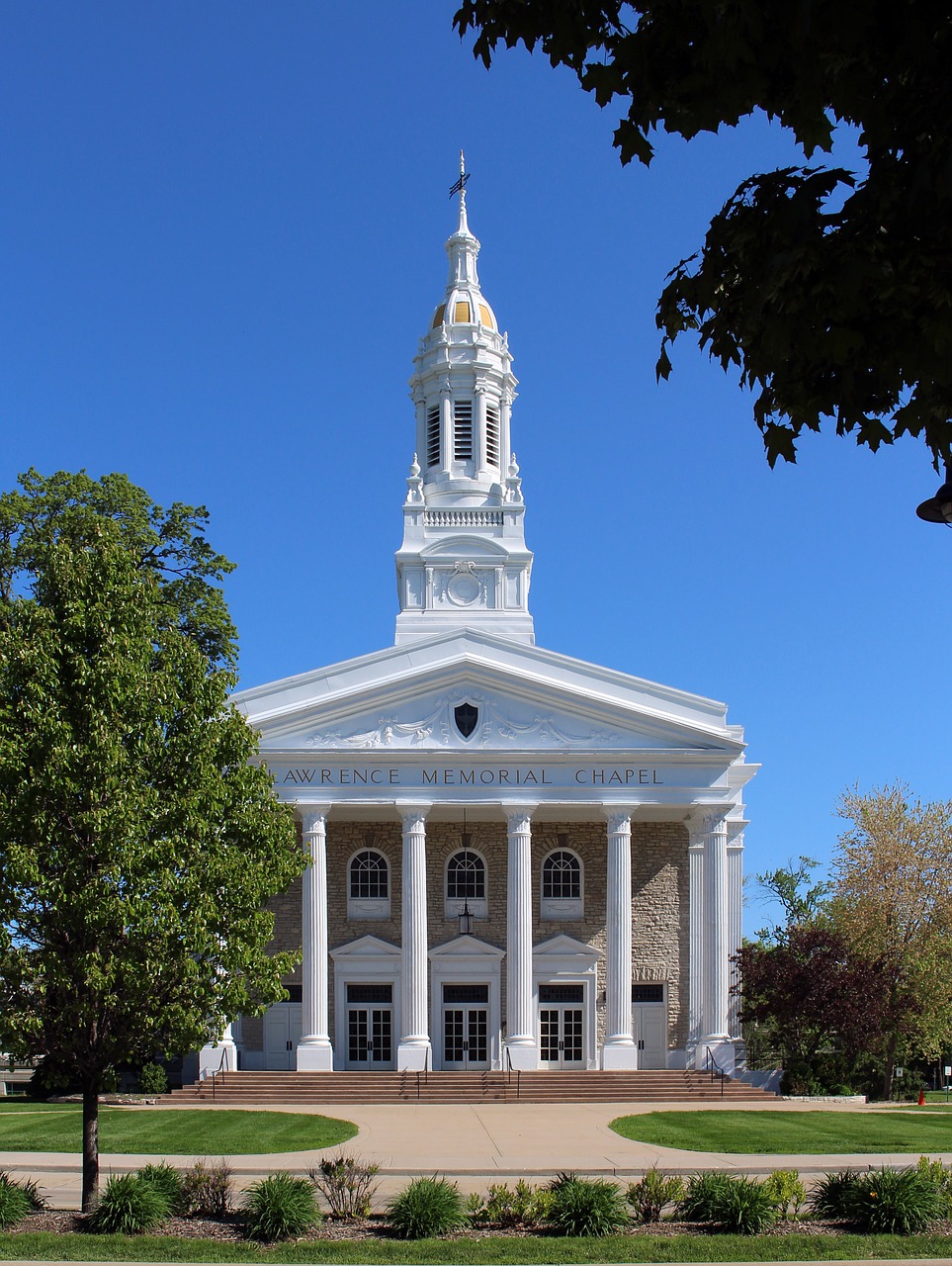
Lawrence University | Courtesy Photo

The road to college

By May S. Ruiz

The last few weeks of the school year is usually an exciting time for students. Freshmen are looking forward to their last month, relieved that they are almost done with 9th grade. Meanwhile, it is a bittersweet time for seniors as they anticipate the end of their high school career and spend the last remaining weeks with lifelong friends.

However, the coronavirus outbreak changed all that. Students have spent six weeks learning from home and seeing teachers and classmates only through teleconferencing. School administrators decided to forgo all final exams and will be holding virtual commencement exercises. The College Board will deliver digital exams for three million AP students this month and if schools don’t reopen in the fall, at-home SAT exams will be offered.

As surreal as everything is, though, parents and students have to keep on track. Now, more than  ever, students need to concentrate on their studies. And it is essential for parents to provide the guidance that teachers used to offer.                       

FRESHMAN

This is the last call for your 9th graders who need to improve their grades! Make them focus on staying on top of school and homework. While they may not be taking final exams this year, their final grades will be on their transcript. Their GPA is the single most important component of your children’s college application.

If their marks are not adequate for college acceptance requirements, they need to confer with their college counselors to arrange for remedial summer classes.

Summer projects might take on a different form this year because of social distancing. They need to speak with their grade level dean to figure out possible alternatives to the usual internships. Get your children to call various local organizations and ask how they can help during this health crisis.     

Admissions officers look for students who have demonstrated sustained community service in a few well-chosen areas. It isn’t the quantity of activities but the quality that’s important – they want to gauge the depth of students’ intellectual and ethical engagement to a given cause. The summer after their freshman year is the time for your children to find activities that truly speak to their interest and passion. Let them choose one that really resonates with them which they should carry through their four years in high school.            

Given that no one can really go out partying because of social distancing, the long summer months ahead will be a great time for your children to read. Encourage them to explore various genres and different authors. At the very least, reading will help them expand their vocabulary and expose them to different writing styles. This will come in handy when they write their personal statement and supplementary essays for their college application.

SOPHOMORE

Sophomore year is when your children have fully transitioned into high school. They are comfortable about how this phase fits into the whole secondary school experience. They have taken the practice PSAT, as a preparation for junior year when the results determine their eligibility for the National Merit Scholarship. They have also taken some AP tests, if they took an AP course.

Hopefully, your children have also done well in their studies, have maintained good grades this entire year, and have prepared for final exams. Admissions officers expect grades that are consistent, and if their freshman marks weren’t that great, their sophomore grades should at least show improvement over last year’s.    

Make sure your children have lined up their summer activities. While it may be difficult to find something that’s an extension or an expansion of what they did in the summer of freshman year because of social distancing, they should try for something related to it. Admissions officers want to see commitment to a particular interest and, given the circumstances, they will really appreciate your children’s effort.   

JUNIOR

Make sure your children have registered to take all the required standardized tests for college admissions. The Cal State and UC systems are making SAT tests optional this admissions cycle but if your children are applying through early action or early decision to other colleges, they need to have taken the SAT or ACT this summer. If your children have not been notified that this requirement is being relaxed because of the coronavirus outbreak, they should call the university’s admissions office for clarification.    

Your children’s final grades are extremely important! Eleventh grade is the last complete year that college admissions officers will see on the application and they expect grades that are either consistent with, or better than the first two years’.

SENIOR

This isn’t the end-of-schoolyear that your 12th grader was looking forward to. There will be no graduation ceremony, a teen’s rite-of-passage that marks their first step into adulthood. I hope that your children’s school has some kind of celebration and a virtual commencement exercise planned.         

If your children are still sweating it on the waitlist of their first-choice college, they need to ensure their final grades are terrific! They should keep up with all their schoolwork and send the college admissions officers any updates on awards and honors they receive. They should ask their college counselor if an additional letter of recommendation might be helpful. Keeping in touch with the admissions office reinforces their interest in attending the school if accepted.

They should have put a deposit on their second-choice school to guarantee them a place for the incoming class in the fall. Although, if they come off the waitlist on their first choice, they will lose this deposit.

Be there for your children to support them whatever the outcome of their college application. It has been a significant phase of reaching adulthood and was a very important learning experience. In the end, what matters is not where they have been accepted; the college they attend will not guarantee success in the real world. It’s how they use their education that determines how well they do in life.

March College Search Guide

Originally published on 2 March 2020 in the Pasadena Independent, Arcadia Weekly, and Monrovia Weekly

college
| Courtesy photo

The road to college

It has been feeling like summer the past couple of weeks but we’re only approaching spring and I’m sure your children are already looking forward to spring break. While it is an opportunity for them to relax, it is also a chance to evaluate where they are on their schoolwork.

Following last spring’s infamous college bribing scandal, several universities, including the UC and Cal State systems, have dropped the standardized tests as a requirement for college application. While some perceive this as leveling the playing field, a great many are not convinced; the jury is still out on this issue. At the same time, several administrators are advocating for a method to gauge college readiness and some form of testing is necessary. Whatever the case may be, your children have to apply themselves to studying and working hard because their GPA may be the only academic benchmark for admission.

I’m including reminders for the ACTs, SATs and APs in the college search guide as they are still requirements at some universities.      

FRESHMAN

Your children should have all their grades on track. They need to concentrate on maintaining good study habits now to be better equipped to handle the rigors of the workload in the coming years. If they haven’t been reading much, they should seriously consider taking up reading as a hobby during spring break to help them increase their vocabulary which they will need to take the SAT, and as preparation for writing their essay. 

They need to line up their summer activities. Their grade dean should have some ideas on how they can explore their passions and research summer opportunities. Consider looking into international experiences.   

SOPHOMORE

Tenth graders who are taking AP courses need to register for the AP exams administered in May. While there is a slew of small independent tutoring schools offering courses to prepare for the AP tests, some children do not need to take on this additional burden on their already busy schedules. Your children have enough on their plate with the intensive homework associated with an advanced placement course. That said, your kids will still have to show competence on the AP exams as all scores are submitted to the College Board; all the colleges to which your children apply will see the AP scores.

Your children should also take the SAT subject test. Your children’s teachers could provide guidance on what they need to prepare for. They might want to ask the teachers in that particular course for study suggestions, review packets, and sample tests. There are also test prep books available in bookstores and online.

It’s also a good time for your children to consult their class dean regarding summer activities – academic enrichment programs, volunteer work, or part-time employment. College admissions officers are looking for students who explored their passions while getting good grades.

There are outside resources for your children to plan ahead for the admissions process. A college preparation service called CollegeVine (www.collegevine.com) offers near-peer mentoring from ninth to 12th graders. Their consultants, who are recent high school graduates themselves, provide expert guidance. They are near in age to the children they are helping and have recently applied to college themselves.   

If you’re looking for a counselor who can meet in person with you and your children, I would recommend Greg Kaplan. He is a native Southern Californian and has been holding free college application workshops in the San Gabriel Valley. He is available for a personal meeting for the initial conference and thereafter confers with you and children via Skype. 

Likewise, Kaplan’s book “Earning Admission: Real Strategies for Getting into Highly Selective Colleges” is a useful resource. It offers your children  a guide on how to best present themselves to admissions officers.

– Courtesy photo

JUNIOR

Besides registering and preparing for the SAT or ACT, your children should use the spring break to visit college campuses. If possible, they should have a prepared college visit checklist with a page or several pages allotted for each school. For each of the schools, they will need to write their overall impressions – what they liked most or least. 

They should write their observations by categories: the intellectual atmosphere (Do students enjoy their courses or are they stressed-out? What is the advising system for freshmen? Are there opportunities for independent study/study abroad?). They should note the social climate (Do students stay on campus or do they leave on weekends? What are the facilities for socializing? Is there an active Greek life?). They should observe the campus life (What are the living arrangements? Is there guaranteed housing for four years? What are the dining options?). 

One major concern for parents and children should be security on campus (Can outsiders gain access to the library, the fitness center or student union? Are there video cameras around the school periphery?). Of course, the most serious threat to students’ well-being may actually be within the confines of the institution. This topic has become part of the national conversation and some universities are addressing the topic up front. I, personally, would want to know if officials have safeguards in place to prevent such crime from occurring. Do administrators disclose information about it or do they hide and blur the facts? What consequences does the school impose on perpetrators?

Some children know right away when they visit a campus that they don’t see themselves thriving there. It could be that it isn’t the right intellectual or academic fit for them; or the environment doesn’t suit their lifestyle. But it’s a good thing to know before they decide to apply.  

SENIOR

As I expounded on last month, some colleges will be sending out decision letters sometime in March or April. Your children should keep their wits about them as they await word from the colleges they applied to. 

After the marathon they finished, your children could be quite restless and anxious to know if they have been accepted to their school of choice. Remind them to use this quiet time productively by keeping their focus on academics and their grades. They should still engage in other worthwhile activities like sports or arts. 

Tell your children that they might be getting letters of rejection from some schools. While you might be more disappointed than your son or daughter, avoid showing it as that sends the wrong message. Not being accepted to their first choice isn’t the end of the world. In fact, while it may not seem like it at first blush, it usually turns out to be a blessing in disguise because, in most cases, they end up in the school that is the right fit for them.     

You and your children should research all scholarships and grants available to them. Many colleges offer merit scholarships to applicants with excellent academic records to motivate them to matriculate. The package usually includes the full cost of tuition and fees and may also cover room and board.

Universities also extend need-based grants to applicants who demonstrate a financial hardship. These reduce the cost of a college education and do not need to be repaid. Your children should complete the Federal Application for Federal Student Aid (www.fafsa.ed.gov). Other schools may also require a college-specific financial aid application.

Here are some useful websites to help you get started in your research: CollegeXpress (www.collegexpress.com/); Fastweb (www.fastweb.com); National Merit Scholarship Corporation (www.nationalmerit.org); Scholarships.com (www.scholarships.com); Scholarships360 (www.scholarships360.org); Student Aid on the Web (www.studentaid.ed.gov).

February College Search Guide

Originally published on 6 February 2020 in the Pasadena Independent, Arcadia Weekly, and Monrovia Weekly

| Courtesy Photo

The road to college

With winter break in the rearview mirror, your children’s emphasis should have shifted back to school work. Hopefully, they have also done well in their first semester and are actively involved in this phase of their learning.  

FRESHMAN

Your children are well into the second semester of 9th grade and are now fully engaged in the academic and extra-curricular life at their school. They should continue focusing on maintaining good grades. If their first semester marks need improvement, now is the time to turn things around. Time management is of paramount importance as schedules could prove to be challenging with their course load, sports and extra-curriculars all vying for their attention and time.  

Encourage your children to start thinking about their summer community service activity. Your student’s college counselor may have some recommendations on community service and other clubs and organizations to develop his or her interests and abilities. I have to emphasize that your children should pursue an activity they are truly passionate about and be involved in it throughout their four years in high school. This shows admissions officers genuine interest and zeal.   

SOPHOMORE

Make sure your children are staying on top of their grades so that the final grades that go on their transcript are the best they could earn. The schools they will be applying to will only get to see all the marks in their first three years in high school. If their first semester grades weren’t stellar, they need to improve their grades this semester. They need to meet with their grade class dean to make sure their grades and courses are on the right track for graduation. They should know what tests they need to take and register for them (www.collegeboard.com; http://www.act.org).

It would be a smart move for them to take the SAT subject test the year they take the course while it is still fresh in their mind. My daughter took her SAT II Chemistry test as well as the AP test in May of her sophomore year.

JUNIOR

I cannot emphasize this enough – junior year is the last complete year that college admissions officers will be looking at when your children send their application. They need to maintain their good grades and continue their extra-curricular activities. If they had good study habits back in 9th grade and have established a routine, they shouldn’t be feeling overwhelmed right now.    

Recently, I was reminded of the fact that for most students meeting frequently with their school’s counselors isn’t always a possibility. In some high schools where there are as many as 400 seniors to four full-time counselors, a junior may not even get any face-to-face time with a counselor. This puts the onus on your children to be very resourceful and to take the initiative in gathering their research material and plan their course of action as they embark on the college application process. 

Outside independent resources are also available for you and your children if you need assistance. One particular organization I heard about is called CollegeVine in Cambridge, Massachusetts. Its near-peer mentoring method pairs high school students with highly-qualified college student “peers” who have had recent success navigating this same road, which is challenging and daunting for teens. This model works because students relate to mentors closer to their own age who truly get them, communicate the same way, and are already on the campuses of the top universities with access to real-time information and tools. Peer mentors confer with students via video conferencing.

If you want an independent counselor who can sit down with you face-to-face during the initial meetings, Greg Kaplan would be a good resource. He grew up in and attended Southern California schools and has written an excellent book called “Earning Admission: Real Strategies for Getting into Highly Selective Colleges.” He will guide your student through the four years of high school and strategize how to best present your child to admissions officers. He does Skype conferencing after the first meeting.  

Meanwhile, as the parent of a junior, you should also make sure your child is on track – has taken all the courses the high school requires for graduation and are taking all the courses to complete the UC and Cal State requirements.                

They need to be aware of what standardized tests they should be registering for and taking (SAT I in March, ACT in April or June, SAT II exams in May or June. AP registration is in the fall but specific deadlines may vary by school, so your children should check with their teachers or AP coordinator.  www.collegeboard.com, www.act.org).

Your children’s plans for spring break college visits should be finalized. If they are visiting the colleges on their own (not the high school’s group-arranged tour), they need to call the admissions office to schedule their visit. It would be very ill-advised for parents to be scheduling the college visit for their students. As much as you want to be hands-on, relinquish control and have your children make the appointments. Most universities have a morning and an afternoon tour at 10:00 am and 2:00 pm.  There is usually an information session for an hour and a walking tour afterwards. If they are thinking of applying through early action or early decision, they might want to make an interview appointment with an admission officer (if it is a requirement for application). They might also want to schedule to meet with a current student to learn more about the school, or ask to see the rooming arrangements.

SENIOR

Your children should not take for granted that they are all done with schoolwork because they have sent in their college application. Don’t let them succumb to “senioritis” – they still have to submit their final transcript. The school can rescind their acceptance if admissions officers see a drastic drop in their grades. In fact, a single lower mark can trigger some questions. Besides, third quarter grades are very important in case they are waitlisted. And, in the unfortunate event that they realize the school they are attending isn’t the right fit for them, senior-year grades will be crucial if they decide to apply for a transfer. One college freshman I know did just that this past winter break.   

Additionally, seniors need to be mindful of their social activities. Schools are tech-savvy – they check social media profiles of students they have accepted and can rescind that offer if they find unacceptable behavior. Your children should be mindful of what may end up online.         

If your children have received new awards or commendations, or have accomplished something significant since they sent in their college application, they should email this important update to the admissions officer or the area representative of the school they applied to.

The months following the end of the college application process are usually as anxiety-ridden for seniors as well as parents. While everyone has breathed a sigh of relief that the mad rush is over, the waiting period is just as nerve-wracking. In the next few weeks, some college decisions would be trickling in.

Remind your children to be careful how they share their good news as their friends might be getting some bad news at the same time. If they have been accepted to their “safety school” but aren’t planning on attending it, they should resist the urge to boast about it as it might be someone else’s “dream school.”

Most of all, your children need to be patient – the answer will eventually arrive and nothing can hurry it up. Colleges notify at different times and in different ways. They shouldn’t read into the timing of the decision letters; their friends getting good news early doesn’t necessarily mean a bad outcome for them.       

Your children should confirm with the colleges to make sure they have all the documents they require. They should continue applying for scholarships (www.scholarships.com; www.collegexpress.com; www.scholarships360.org, www.fastweb.com,

www.studentaid.ed.gov, http://www.affordablecollegesonline.org/graduating-debt-free) and getting their FAFSA (www.fafsa.ed.gov) ready for submission.

January College Search Guide

Originally published on 2 January 2020 in the Pasadena Independent, Arcadia Weekly, and Monrovia Weekly

Harvard University | Courtesy Photo

The road to college

Happy New Decade! 2019 was quite eventful for college admissions, with the bribing scandal dominating the news for months. This brought into light the inequity in the process – not only are students from wealthy backgrounds able to take SAT prep courses, they can also hire counselors who will manipulate the system further.

The University of California and Cal State systems subsequently announced that they will no longer require students to submit ACT or SAT test scores with their application. More universities may follow suit.

During NACAC’s (National Association for College Admission Counseling) National Conference, the organization decided to make changes to their Code of Ethics and Professional Practices (CEPP) as well as bylaws, with the removal of certain provisions:

“Colleges must not offer incentives exclusive to students applying or admitted under an early decision application plan. Examples of incentives include the promise of special housing, enhanced financial aid packages, and special scholarships for early decision admits. Colleges may, however, disclose how admission rates for early decision differ from those for other admission plans.”

“College choices should be informed, well-considered, and free from coercion. Students require a reasonable amount of time to identify their college choices; complete applications for admission, financial aid, and scholarships; and decide which offer of admission to accept. Once students have committed themselves to a college, other colleges must respect that choice and cease recruiting them.”

“Colleges will not knowingly recruit or offer enrollment incentives to students who are already enrolled, registered, have declared their intent, or submitted contractual deposits to other institutions. May 1 is the point at which commitments to enroll become final, and colleges must respect that. The recognized exceptions are when students are admitted from a waitlist, students initiate inquiries themselves, or cooperation is sought by institutions that provide transfer programs.”

“Colleges must not solicit transfer applications from a previous year’s applicant or prospect pool unless the students have themselves initiated a transfer inquiry or the college has verified prior to contacting the students that they are either enrolled at a college that allows transfer recruitment from other colleges or are not currently enrolled in a college.”

As with all new rules and changes, no one is entirely sure how students or the colleges are affected. Already, there are concerns that these open the doors wide open for poaching – critics of the changes worry that colleges and universities will attempt to recruit students even after the student made their school decision. And that some schools may actually raise their required deposits to prevent students from changing their choice.

One upside is that the changes may allow smaller schools to compete with big-name colleges and universities. Now that students aren’t bound to matriculate, colleges may offer students varying financial aid packages giving students the opportunity to choose the best available option.

You and your children have to do your research diligently this admissions process.    

By this time, winter break is over and students are heading back to school I hope your children got the opportunity to de-stress and refresh, enjoyed time away from school, and just delighted in being teenagers. The years between middle and high school aren’t that long and, once gone, will never come back. Give your children the chance to relish this period in their lives.      

It amazes me how much driving parents do during the school year taking their kids to school, after-school sports practice and events, AP or SAT classes, weekend music lessons, etc. If all that running around makes parents stressed out I can only imagine how it must be for children who are juggling all these activities on top of going through puberty.

Parents can help their children by showing their support and guiding them through their high school years. Starting preparations for college admissions in 9th grade, instead of during the spring of your children’s junior year makes this process more manageable.    

Private high schools have counselors to give personal attention to students during the college application process. But many public schools do not have the staff for individualized guidance and it falls largely to parents to help their children. 

There are independent counselors you can consult for advice as you and your children navigate the admissions process. Sometimes just having someone you can call to answer some of your concerns or questions takes off much of the burden, most especially this year with all the changes taking place.  

Greg Kaplan, a Southern California native, offers counseling via Skype. He has written a book called Earning Admission: Real Strategies for Getting into Highly Selective Colleges that enlightens you on the process; he also offers college counseling workshops in the San Gabriel Valley.

An educational service called CollegeVine, based in Cambridge, Massachusetts, whose counselors are current university students, is also a good resource. These peer mentors can give your children the most current information about what the colleges are looking for since they are still in school themselves. Consultation is also done via video conferencing.                                             

FRESHMAN 

Typically, the beginning of the year marks the halfway point in the schoolyear.  First semester grades will soon be released, if they had not been sent out yet. If your 9th graders’ marks are not great, they would need to use the second semester to better them as it’s the end-of-year grades that show on the transcript. A student’s GPA is a very important, if not the single most influential, component of the college application. With some universities now eliminating  ACT and SAT requirements, admissions officers only have your children’s GPA to gauge their college-readiness and success.          

Make sure your children are continuing their extra-curricular activities in arts or sports, with concentration on one or two where they excel. Finding something they are truly passionate about and doing it throughout their high school years show their commitment. My daughter realized she loved acting only when she reached 11th grade. Thus, she didn’t have enough time to engage in it, and her resume reflected that. 

SOPHOMORE 

This is your student’s second year and by this time he/she should have fully transitioned into high school. He/she needs to put extra effort into weak subjects and solidify grades for the second semester. Your children should continue their focus on academic performance skills, sports participation and arts involvement. They should also start studying for the PSAT (www.collegeboard.com). Taking a practice PSAT in 10th grade gives them the chance to identify weaknesses then work on them before taking the NMSQT (www.nationalmerit.org) in 11th grade. At my daughter’s alma mater, students meet with their grade level dean in the winter of 10th grade to discuss year-end testing options and junior-year course options.

Sophomores enrolled in Advanced Algebra and Pre-Calculus register to take the SAT II Math Level 2 exam in June of their sophomore year. Those enrolled in Functions, Trigonometry and Advanced Algebra (FTAA) take this same exam in June of their junior year, after completing the Advanced Topics and An Introduction to Calculus-Honors (ATIC-Honors) course. Sophomores who are thinking of going into science, medicine, architecture, and engineering are encouraged to take the SAT II exam in Chemistry in May or June of their sophomore year. Your student should also start lining up summer activities.

JUNIOR 

The second semester of junior year is significant as it is the beginning of the college application process. From their research, students are now ready to start planning a visit to colleges. They can even do their initial campus virtual tours online www.campustours.com, www.CollegeProwler.com, www.SmartCollegeVisit.com, www.YOUniversity.com. Counselors usually recommend that students use their spring break to go to several different types of schools. A good list should include a small liberal arts college, a medium-sized research university, and a large state university to let them have a feel for what “small” or “large” school means.

Your children should be able to experience firsthand if a large city like New York makes them feel alive and vibrant, or if it totally overwhelms and scares them. They need to experience if a campus with 20,000 students is the right setting for them. While they don’t necessarily have to visit the schools they are actually considering applying to, this trip should give them ideas about what they are looking for in a university. Once they’ve established  the elements they are looking for, they can start making a record of schools they would put on their list of colleges to apply to. 

SENIOR 

All college applications should have already been sent out for the January 1st regular decision/admission deadline. Some universities, like Georgetown, have a later deadline. Some schools also have ED (Early Decision) II. Parents should already have filed their income tax returns; get ready to submit FAFSA (www.fafsa.ed.gov). Apply for scholarships. There are several websites to help you with your search like www.scholarships.com, http://www.collegexpress.com, www.scholarships360.org, http://www.affordablecollegesonline.org/graduating-debt-free.

As much as I am tempted to say “Tell your kids to breathe a sigh of relief because the hard part is over,” the reality is that they will be anxious because all that’s left now is the wait. And, oftentimes, the waiting is more difficult than the application process. Just be there for your kids to remind them that they have done a great job and they should let the admissions professionals do theirs.

The months from January through March can still be a time for your children to do something to help their cause. Mid-January is when high schools get their first semester grades finalized. If your student’s mid-year report is particularly spectacular, this could be a very good development especially if he/she is applying to a highly selective college. When your children’s high school sends the grades, have your children follow up with an email to the area representative telling them about their hard work and interest in that college.

If your children have been deferred at a college when they applied through early action or early decision, it is advisable for them to send in an additional teacher recommendation, but only if this supports their application. Likewise, if your student has received any notable honors or made any significant achievement, he/she should let the admissions officers know by email.     

Having done all these, you and your children will now just have to wait patiently for the process to play itself out.           

December College Search Guide

Originally published on 5 December 2019 in the Pasadena Independent, Arcadia Weekly, and Monrovia Weekly

Harvard University | Courtesy Photo

The road to college

Well, the rain certainly put a damper on our Thanksgiving weekend. But Southern California is always in need of it, so the rain was something to be thankful for. We’re also feeling the Southland version of winter with cooler daytime weather and freezing overnight temperatures in the mountains. All these have resulted in snow-capped mountains, making for a veritable Alpine sight. Christmas tree lots beckon with fragrant firs and mall stores entice with all kinds of sales promotions. And, of course, children are eagerly anticipating the Christmas season and winter break.

As we head towards the end of the year, some students are finishing up on the first semester and grateful that they are halfway through this school year. At the same time, some universities are re-examining their application process in light of the bribing scandal that rocked some of the most elite institutions of higher learning in the country earlier this year.

In an article published on November 24, L.A. Times writer Teresa Watanabe reported that chancellors of UC Berkeley and UC Santa Cruz and the University of California’s chief academic officer said they support dropping the SAT and ACT as an admission requirement.

According to UC Berkeley Chancellor Carol T. Christ and UC Provost Michael Brown, research has convinced them that performance on the SAT and ACT is so strongly influenced by family income, parent’s education, and race that using them for high stakes admissions decisions is simply wrong.

While Brown sees the SAT and ACT as an inaccurate barometer for admission, he isn’t opposed to all standardized tests that measure students by how much they’ve mastered prescribed academic content. He cited Smarter Balanced, which is used in California to assess 11th graders on the state’s Common Core Curriculum.                   

The article further mentioned that the 10-campus UC system and 23-campus Cal State system would join more than 1,000 other colleges that have gone testing-optional, with 47 more schools joining in the last 12 months.

Such measures, of course, are bad news for the multi-billion dollar college prep industry and among the dissenters to universities’ dropping the SAT and ACT tests is the  College Board, which owns and administers the SAT. Any change to what has been standard in the college application process will upend the existing method and it’s safe to presume that it would take a while before everyone can agree to one solution.    

As I have consistently preached to students, and parents who are helping and guiding them through the process, high schoolers should make sure they are getting good grades in all their subjects. The single, most important component of their transcript is their GPA. And, during the shift that is currently taking shape, it is the one constant that admissions officers are closely looking at. Students’ GPA reflects not merely what they’ve learned in the classroom but is an indicator of how well prepared they are to tackle the rigors of college and a predictor of their success when they get in.              

FRESHMAN

What a relief it must be for your 9th grader – he or she has survived the first semester of high school. While your children’s thoughts may be all about Christmas holiday, this would be a good time to evaluate their progress. Remind them that while first semester grades don’t show on the final transcript, these are barometers of their academic strengths and weaknesses. Encourage them to use the winter break to plan how to improve where needed and how to build on their successes going into the second semester.

SOPHOMORE

If your children are taking AP courses they should also have taken the AP and SAT II exams.  They should take the time to meet with their college counselors for guidance on how to improve their test scores, if necessary. Now is the time to look at their interests to determine what college course they might be suited for. Based on their aptitude and grades, they will have to start planning on their course options for 11th grade. They can also start researching which colleges offer the course they might want to pursue.

JUNIOR

This is an all-important year for your 11th grader and it is one of the busiest of their high school career. Your children should be able to successfully balance their academic and extra-curricular responsibilities. They should have already taken rigorous course loads, participated in campus activities, and moved into positions of leadership in whatever extra-curricular endeavor they chose.

If your children are applying to universities that still require the ACT or SAT results, they should start preparing for the exams either by taking practice tests online or by taking a prep course. Hopefully, college counselors have met with you and your children, and have given you an overview of the college application process. Your children (and you) should already have been to at least one College Fair and have met with a few admissions officers.

It might also be an opportune time to visit some colleges, at least the ones in California, before the spring break when you might consider going to out-of-town universities. If you haven’t thought about college visits, now is the time to put it on your calendar. I cannot emphasize enough how important it is for your children to see the campus for themselves. There is nothing more unfortunate than for them to matriculate to a college only to be miserable after the first few months. Adjusting to life away from one’s parents and the reality of college life is bad enough; finding out they are in the wrong school is just an added disappointment.

SENIOR

While kids all around are excited about the Christmas holidays – perhaps thinking about what movies they want to watch, and where to spend their time during their winter break – your high school senior is sweating over his or her personal essay or feverishly writing all the supplemental essays colleges require with their application for the regular decision or the second early decision (ED II) round.  

This is a crucial time for seniors. They need as much encouragement as elbow room to get their applications ready for sending. Your children should be in constant communication with the school counselor to ensure that all transcripts, teacher recommendations, and supplemental material are sent to all the colleges to which they are applying. They should be on top of application deadlines for all the schools – they’re not all the same – to which they plan to apply.    

If your 12th grader applied through Early Action (EA) or Early Decision (ED), he or she must also be nervously waiting to hear from the college. And I’m sure your child would be ecstatic to receive an acceptance letter from his or her first choice. An ED means your child is legally bound to matriculate to that university, and his or her college search is over. Whew! If your child is accepted to a school through EA, he or she can either accept that offer or still go on to apply to other schools.

Accepting an EA offer relieves your children of pressure so they can enjoy the Christmas holidays, but it doesn’t give them leverage if they are qualified for scholarships. The best scenario is to apply and get accepted to several colleges so your children can get to pick the best financial offer or scholarship. The daughter of a friend had this enviable position – she is currently a freshman at an elite private college in Pennsylvania and her mom only had to pay $57 for the entire school year.   

If your children are fortunate enough to have heard from their school, and have been offered admission, it would be mindful of them not to brag about their acceptance. Some of his or her classmates may have applied to the same school and are hoping for admission. The university to which your child was accepted might be his or her classmate’s first choice. It would be very hurtful to then boast that he or she has been accepted but is not planning on attending that college.

On the other hand, if your children have been deferred on the EA or ED round, there are some things they can do to enhance their chances during the regular round. They can send any updates on any significant changes since they sent their application – a letter from a counselor about their first semester work or a letter from a senior teacher. They can also send in their first semester grades, especially if they have received some As in the meantime.  

Your children can also write a strong letter of interest and intent – all colleges and universities are concerned about their yield. If they are assured that your child will matriculate if accepted, they will look at him or her in a more favorable light (that is, if your child fits the profile they are looking for). This is one reason most colleges have instituted the ED II – they are assured that the applicant will matriculate if accepted. At the same time, it’s disheartening for applicants who aren’t applying for ED II as they would be far fewer slots available making the regular round more competitive than it already is.     

Provide encouragement to your children if they have been deferred – the school isn’t rejecting them, they have just been put in the pool for the regular round. Remember that these admissions officers have thousands of applications to read. They wouldn’t want to go through your children’s application again if they weren’t interested in the first place, they would have just outright rejected them.        

Your children should research all available scholarships, and start completing the FAFSA.

Some useful websites are: CollegeXpress (www.collegexpress.com); Fastweb (www.fastweb.com); Free Application for Federal Student Aid (www.fafsa.ed.gov); National Merit Scholarship Corporation (www.nationalmerit.org);  Scholarships.com (www.scholarships.com); Scholarships360 (www.scholarships360.org); Student Aid on the Web (www.studentaid.ed.gov).

October College Search Guide

Originally published on 3 October 2019 in the Pasadena Independent, Arcadia Weekly, and Monrovia Weekly

Cornell University | Courtesy Photo

The road to college

The road to college involves four years of complicated planning and complex scheduling. High school students are extremely busy – homework, extra-curricular activities in art and sports, campus clubs, all compete for their time. To add to that, they have to make sure they get excellent marks in their courses and on the standardized tests. Their GPAs and SAT/ACT scores have to impress college admissions officers to really consider their application.          

I know some parents who enroll their kids in SAT prep courses as early as 9th grade and some independent counselors recommend that students sit for the SAT in 10th grade. However, I feel that taking the SAT this early isn’t necessarily the best course of action – students still have so much to learn and aren’t really ready for this test. Unless there are extenuating circumstances (if the SAT is a requirement for an advanced math course, for instance) that necessitate them to take it, I would suggest waiting a bit. My daughter took her SAT and ACT the summer before her senior year. By then she had accumulated as much knowledge as high school covered.

FRESHMAN

Encourage your children to keep their focus on their schoolwork. By this time, they should have figured out what extra-curricular activities they are interested in pursuing and what sports they want to participate in. Give them guidance as they navigate this new phase in their school life, and support the choices they make.

SOPHOMORE

Depending on your children’s course choices and load, there could be standardized testing required of them. Your children should be taking AP and SAT II exams following completion of the course while the knowledge they gained in class is still fresh in their minds. The best preparation for both AP and SAT II exams is for your children to make sure they understand the subject matter and do well in all tests the teachers give in class. If there is something they don’t understand, they should right away speak to the teacher to ask for clarification or, possibly, find a tutor for additional help. The results of these standardized exams are required for college applications.   

JUNIOR

Your children should be aware that junior year is the last complete year of high school performance that college admissions officers will see. They have to put more effort at doing well and getting good marks.

They should register for and take the PSAT, which is also the qualifying exams for the National Merit Scholarship. It is also a good time for your children to meet with their school counselor to make sure they are taking all the courses they need to graduate and apply to college.

Your children should also be keeping up with their extra-curricular and sports activities. College admissions officers look at several components as they try to assemble an incoming class made up of the best candidates to add to their student body. 

Several area high schools hold College Fairs on campus. This is an excellent opportunity for you to see what the different colleges and universities are offering. Your children will get to meet and speak to admissions officers – usually the same people who will be reviewing your children’s application, reading the essay, and sitting around the table – who will be making their case for your children during the all-important decision-making rounds. They have a say on whether your children get accepted or denied admission to the school of their choice.  

SENIOR

Eighteen year-olds are intent on getting into the college of their dreams. After all, they have spent four years preparing towards this goal. The cost of a college education may not have necessarily been top of mind for them.

However, with the ever-increasing cost of tuition, books, accommodations, and meals, a college education has become very expensive for a lot of Americans. Many parents can’t afford to send their children to college, necessitating children to take on a student loan. Today student debt is at a staggering $1.5 trillion.                        

To help parents and students make informed choices, PayScale, Inc., the world’s leading provider of on-demand compensation data and software, released its annual College Salary Report for the 2019-2020 school year. Using data collected from more than 3.2 million college alumni, it provides estimates of early and mid-career pay for 2,646 associate and bachelor’s degree-granting schools in the United States.     

An accompanying piece to this is a report PayScale puts out in the spring, called College Return on Investment, which details how much it will cost to attend a particular school and the earning potential of its alumni. These two reports are worth looking at when your children make decisions on what majors to take and what schools to apply to.     

Your children should now be in the process of completing the common app, and finalizing their essay topic or personal statement. They should have provided the teachers who are writing their letters of recommendation with stamped envelopes.

Depending on what course your children are applying for, they may be required to send supplementary material (auditions or portfolios) with their application and they need to get those ready. Audition tapes for Arts Performance, for instance, can be uploaded on YouTube for easy access. Your children should check the website of the college or university to which they are applying about supplement material requirements. Your children’s school counselors are also a great resource as they are always in contact with college admissions officers.

If your children’s high school offers interview advice and guidance, they should take advantage of it. Basic information like what clothes and shoes to wear, in addition to how to answer questions, all help towards giving your children confidence. While this is not a professional statement, in most cases, interviewers are not as concerned about the answer applicants give, as they are about their demeanor and how they present themselves. Also, if your children are visiting a campus and an interview with an admissions officer is a requirement for application, they should take the opportunity to schedule the interview at that time. Admissions officers like to see demonstrated interest – a campus visit and interview will be remembered and noted.

Be on top of application deadlines; most schools offering Early Action or early Decision have to receive your children’s application by the 1st of November.  

You and your children should be researching scholarships. Some websites include: CollegeXpress (www.collegexpress.com); Fastweb (www.fastweb.com); Free Application for Federal Student Aid (www.fafsa.ed.gov); National Merit Scholarship Corporation (www.nationalmerit.org); Scholarships.com (www.scholarships.com); Scholarships360 (www.scholarships360.org); Student Aid on the Web (www.studentaid.ed.gov). You should also attend the financial workshops being offered at your children’s high school. Most high schools offer on-site guidance, with specialists who can answer your questions.

Your responsibilities as parents are limited to offering encouragement, guidance, and moral support as your children go through this stressful time. But while you need to let your children manage this process, you should also express your concerns and expectations. Communicate with your child, the counselors, and the teachers when you have inquiries. 

Be there for your children but learn when to get out of their way. Never try to communicate with the college admission officers as it is the surest way to sabotage your children’s chances for admission. Do not be overzealous about getting your children accepted to their dream university; there is a school out there that’s the right place for them. While this may sound hollow now, the counselors at your children’s school and the admissions officers at the colleges, or universities to which your children are applying, are actually the experts at finding the best fits.