May College Search Guide

Originally published on 5 May 2022 on Hey SoCal

St Salvator’s Hall, University of St Andrews (Fife, Scotland, UK) | Photo courtesy of May S. Ruiz / Hey SoCal

The road to college

In the San Gabriel Valley, parents go to great lengths to instill in their children good learning habits at a very young age. A majority of them enroll their kids in competitive high schools to ensure that they earn admission to some of the most prestigious universities in the country.                            

My only daughter attended an over-a-century-old K-12 independent school in Pasadena, an institution renowned for its rigorous academic and wide-ranging athletic programs. I was confident she would be well prepared for the challenges of university. However, the school administrators and faculty did not discuss the college admissions process until the spring of junior year. They felt that students should enjoy high school and campus life – there was plenty of time to work on college applications.
| Courtesy photo

It was when my daughter and I first met with her college counselor that we realized that while she was academically ready for college, she hadn’t been fully apprised of what admissions officers were looking for from applicants. And because she had to scramble to put together a resume that looked impressive, the next 18 months proved more stressful than if she had been preparing for college application since 9th grade.                                 

Happily, it all turned out well for my daughter and she graduated from high school in the spring of 2014. She then went to the University of St Andrews in Scotland. About a quarter of the seniors in her class of 97 students matriculated to the Ivies and the rest of them attended the most selective universities in the United States.  

For my family, the college admissions experience felt like getting sucked into a vortex. But I learned that we weren’t alone – many parents felt lost and powerless to assist their children through the process. And so, in January of 2015, I launched this monthly college search guide to help parents and their children navigate the complicated admissions process. And because education is very important to me, I also began writing about schools in the area. Through the years, I have met and interviewed many schoolmasters, parents, and students who shared their experience and opinions on issues that affect them.

Writing this admissions process series has been a fulfilling endeavor for the past eight years. It is therefore with a certain degree of sadness that I’m letting you know that this will be my last college search guide. If your child is a senior who’s eagerly looking forward to graduation and going to university in the fall, I hope that this monthly guide has helped them (and you) get to the next stage of their educational journey. Thank you for the privilege!        

FRESHMAN

This is the final call for 9th graders who need to improve their grades! The GPA is the most important component of your children’s college application. If their marks are not adequate for college acceptance requirements, they need to confer with their college counselor to arrange for remedial summer classes.

Your children should have already registered for internships and planned their summer volunteer work. Admissions officers look for students who have demonstrated sustained community involvement. It isn’t the quantity but the quality of activities that’s important – they want to gauge the depth of students’ intellectual and ethical engagement to a given cause.

The summer after their freshman year is the time for your children to find activities that truly speak to their interest and passion. Let them choose one that really resonates with them which they should carry through their four years in high school.            

It’s also a great time for your children to read books. Encourage them to explore various genres and different authors. At the very least, reading will help them expand their vocabulary and expose them to different writing styles. This will come in handy when they write their personal statement and supplementary essays for their college application.

| Courtesy photo

SOPHOMORE

Sophomore year is when your children have fully transitioned into high school. They are comfortable about how this phase fits into the whole secondary school experience. They have taken the practice PSAT as a preparation for junior year when the results determine their eligibility for the National Merit Scholarship. They have also taken some AP tests, if they took an AP course.

Hopefully, your children have also done well in their studies, have maintained good grades this entire year, and have prepared for final exams. Admissions officers expect grades that are consistent, and, if their freshman marks weren’t that great, their sophomore grades should at least show improvement over last year’s.    

Make sure your children have lined up their summer activities. They will probably have more choices than they had the summer of freshman year when there were safety protocols in place, but they should try for something related to what they did last summer. Admissions officers want to see commitment to a particular interest.     

JUNIOR

Make sure your children have registered to take all the required standardized tests for college admissions. While these are not required by the Cal State and UC systems, they are still part of the application for some and, if your children are applying through early action or early decision to these schools, they need to take the SAT or ACT this summer.     

Your children’s final grades are extremely important! Eleventh grade is the last complete year that college admissions officers will see on the application and they expect grades that are either consistent with, or better than, the first two years’.

SENIOR

The high school graduation is a rite-of-passage that signifies a teenager’s first step into adulthood. Take the time to mark this occasion with a celebration!           

If your children are still sweating it on the waitlist of their first-choice college, they need to  ensure their final grades are terrific! They should keep up with all their schoolwork and send the college admissions officers any updates on awards and honors they receive. They should ask their college counselor if an additional letter of recommendation might be helpful. Keeping in touch with the admissions office reinforces their interest in attending the school if accepted.

They should have put a deposit on their second-choice school to guarantee them a place for the incoming class in the fall. Although, if they come off the waitlist on their first choice, they will lose this deposit.

Be there for your children to support them whatever the outcome of their college application; it has been an important learning experience. In the end, though, what matters is not where they had been accepted. The college they attend will not guarantee success in the real world; it’s how they use their education that determines how well they do in life.
March College Search Guide

Originally published on 3 March 2022 on Hey SoCal

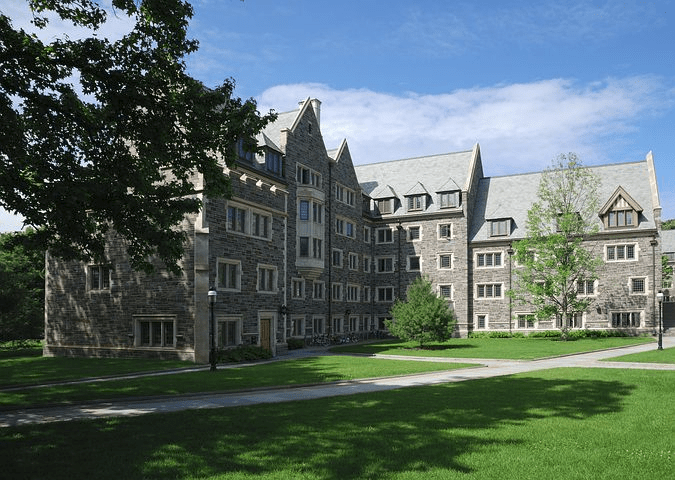
Princeton University | Courtesy Photo

The road to college

Two years into the pandemic, infection cases are finally decreasing; but death rates remain high. On February 15, several states, counties, and cities around the country eased or ended indoor mask mandates; last week, the L.A. Unified School District dropped the outdoor mask requirement. There’s speculation that California schools will no longer be requiring their students to wear masks on campus sometime this month.         

However, some counties in California – where infection cases still cause worry – are still imposing it. Many private schools and privately-owned establishments are also choosing to go their own way, practicing safety measures they deem necessary to ensure their employees’ and the public’s health and well-being. And, as usual, the seemingly arbitrary rules are creating dissent. But wherever your beliefs lie on this ongoing debate, I hope you are doing your utmost to keep safe and healthy.

If your children are attending in-person classes full-time, you must be so relieved after more than a year of having to home-school them. As we all know, though, the long-term remote learning resulted in unprecedented learning loss and widened the achievement gap. Students are playing catch-up on their schoolwork.

Fortunately, there are several tutoring services available if they require help. Find one which offers options that fit your children’s specific need and your family’s budget. A company called Mundo Academy provides excellent tutoring services in the Pasadena and San Gabriel Valley area. Likewise, some high school and college students have created free tutoring services and learning platforms to help children during the coronavirus pandemic. Two of these organizations include Sailors Learning and Wave Learning Festival.                     

Anxiety and depression have been on the rise among children and adults during the pandemic. Please don’t ignore your and your children’s mental health; reach out for assistance when you or your family members feel overwhelmed. The CDC has put together a resource kit for parents – divided by age group – to help ensure their children’s well-being. The site also has links to other resources that cover various concerns. Another CDC website is dedicated to helping parents manage stress during the coronavirus pandemic. 

In spite of the pandemic, the University of California broke records for first-year applications for the second consecutive year, according to data it recently released. Additionally, this past admissions cycle drew the largest and most diverse pool of applicants. While this is great news, it also means that it has become even more competitive to get in. And, as more colleges and universities join in scrapping standardized tests, your children need to be prepared to face ever greater challenges.     

Photo by Sofatutor for Unsplash

FRESHMAN:

Your children should have all their grades on track. They need to concentrate on maintaining good study habits now to be better equipped to handle the rigors of the workload in the coming years. If they haven’t been reading much, they should seriously consider taking up reading as a hobby during spring break to help them increase their vocabulary – it will come in handy when they write all the supplemental essays many universities require.   

It’s also a good time for your children to consult their class dean regarding summer activities – academic enrichment programs, volunteer work, or part-time employment. College admissions officers are looking for students who explored their passions while getting good grades.

Admissions officers will not expect your children to have extra-curricular activities during the  coronavirus pandemic. However, they will be interested to know how students spent their time outside of remote learning. Encourage your children to find volunteer work and community service activities.             

SOPHOMORE:

Tenth graders who are taking AP courses need to register for the AP exams administered in May.  While there is a slew of small independent tutoring schools offering courses to prepare for the AP tests, some children do not need to take on this additional burden on their already busy schedules. Your children have enough on their plate with the intensive homework associated with an advanced placement course. That said, your kids would still have to show competence on the AP exams as all scores are submitted to the College Board; all the colleges to which your children apply will see the AP scores.

JUNIOR:

Spring break is usually the time when juniors visit various campuses. Many schools organize tours for their students and college counselors provide a prepared college visit checklist with a page or several pages allotted for each college or university. They can also write their overall impressions which they can consult when they create their college list.    

If in-person tours aren’t available at the college or university you want to visit, make sure you and your children do a virtual tour or a webinar. Many universities offer a live virtual tour where someone takes you around the campus on FaceTime or Zoom. There’s usually an admissions officer on hand to answer questions. And, as in pre-pandemic years, you and your children need to make an appointment to attend the tour.        

Even when tours are conducted virtually, you can still ask some of the questions you normally would during an in-person visit. Here are a few examples: What is the advising system for freshmen? Are there opportunities for independent/study abroad? Is there guaranteed housing for four years? What are the dining options? What safety measures and precautions are offered by the school during the pandemic?

Especially during the pandemic, it’s advisable to arrange to speak with a current student about campus life. Here are some questions to ask: Do students stay on campus or do they leave on weekends? Are students practicing healthy campus lifestyles, like limiting parties? Even before the pandemic, these parties led to excessive drinking and wild behavior; these gatherings could be super spreaders of the current coronavirus variant.        

One major concern for parents and children should be security on campus (Can outsiders gain access to the library, the fitness center or student union? Are there video cameras around the school periphery?). Of course, the most serious threat to students’ well-being may actually be within the confines of the institution. This topic has become part of the national conversation   and some universities are addressing the topic upfront. I, personally, would want to know if officials have safeguards in place to prevent such crime from occurring. Do administrators disclose information about it or do they hide and blur the facts? What consequences does the school impose on perpetrators?

Photo by Priscilla du Preez for Unsplash

SENIOR:

You and your children should research all scholarships and grants available to them. Many colleges offer merit scholarships to applicants with excellent academic records to motivate them to matriculate. The package usually includes the full cost of tuition and fees and may also cover room and board.

Universities also extend need-based grants to applicants who demonstrate a financial hardship. These reduce the cost of a college education and do not need to be repaid. Your children should complete the Federal Application for Federal Student Aid. Other schools may also require a college-specific financial aid application.

Some useful websites to help you get started in your research include: CollegeXpress; FastwebNational Merit Scholarship Corporation; Scholarships.com; Scholarships360; and Student Aid on the Web.

As I expounded on last month, some colleges will be sending out decision letters sometime in March or April. Your children should keep their wits about them as they await word from the colleges they applied to. 

After the marathon they finished, your children may be quite restless and anxious to know if they have been accepted to their school of choice. Remind them to use this quiet time productively by keeping their focus on academics and their grades. They should still engage in other worthwhile activities like arts. 

Tell your children that they may be getting letters of rejection from some schools. While you might be more disappointed than your son or daughter, avoid showing it as that sends the wrong message. Not being accepted to their first choice isn’t the end of the world. In fact, while it may not seem like it at first, that rejection usually turns out to be a blessing in disguise – in most cases, they end up in the school that is the right fit for them.                  

February College Search Guide

Originally published on 4 February 2022 on Hey SoCal

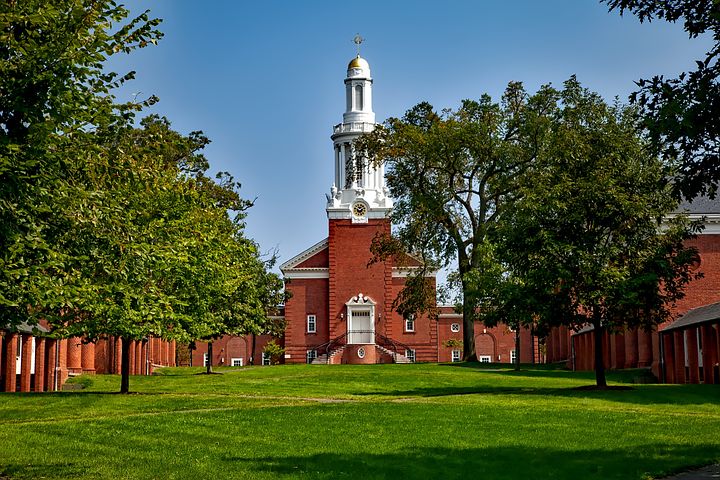
Yale University | Courtesy Photo

The road to college

It has been almost two years since the pandemic started, and the past holiday season brought on another surge in the infection rate. The U.S. currently has 8.17 million cases – 2.59 million in Los Angeles County – 95 percent of which is due to the omicron variant, according to the CDC and as reported on Bloomberg. Hospitals and health care workers are once more stretched to their limits.

Covid has touched everyone’s life and has caused adverse effects, the extent of which we have yet to find out. But the one certainty is that students suffered the most – they experienced major achievement gaps and significant setbacks during the 2020-2021 school year with mostly remote learning, based on a study released on Jan. 7 by the California Department of Education.

Schools and teachers are overwhelmed just as much as students and their parents. Fortunately, there are several tutoring services available if you and your children require help with school work. Find one which offers options that fit your children’s specific need and your family’s budget. A company called Mundo Academy provides excellent tutoring services in the Pasadena and San Gabriel Valley area. Likewise, some high school and college students have created free tutoring services and learning platforms to help children during the coronavirus pandemic. Two of these organizations include Sailors Learning and Wave Learning Festival.                     

If you’re exhausted, as most of us are at this time, please reach out for assistance. The CDC has put together a resource kit for parents, divided by age group, to help them ensure their children’s well-being. The site also has links to other resources that cover various concerns. Another CDC website is dedicated to helping parents manage stress during the coronavirus pandemic.           

Meanwhile, COVID-19 has resulted in changes to the college application process. The biggest upheaval was doing away with standardized testing by a majority of schools. The Cal State system recently announced that they are joining the UCs in eliminating the SAT and ACT. And then the College Board announced on Jan. 25 that the SAT will be given online exclusively beginning in 2024 in the United States and in 2023 in other countries.         

| Courtesy Photo

FRESHMAN

Your children are well into the second semester of 9th grade and are now fully engaged in the academic life at their school. With grades as the only benchmark for an applicant’s merit for acceptance, the student’s GPA is the single most important component of their college application. If their first semester marks need improvement, now is the time to turn things around.

Admissions officers will be interested to know what extra-curricular activities your children managed to accomplish during the pandemic – whether they were on campus or remote learning. Encourage your children to find virtual volunteer work or earn online certificates to put on their resumé. Hopefully, this time next year we’ll have some normalcy in our lives and students can take up some of the activities they have put on hold.              

SOPHOMORE

Your children need to really understand and learn the courses they’re taking so that the final grades on their transcript are the best they could earn. The schools they will be applying to will only see the grades in their three years in high school. If their first semester grades weren’t stellar, they need to improve this semester. They need to meet with their grade class dean to make sure their grades and courses are on the right track for graduation. While the SAT and ACT will not be required by many universities, AP scores are still being used as a gauge of college readiness and your children should register for the tests (www.collegeboard.com; www.act.org).

JUNIOR

I cannot emphasize this enough – junior year is the last complete year that college admissions officers will be looking at when your children send their application. They need to maintain their good grades and the pursuits that replaced their extra-curricular activities. If they had good study habits back in 9th grade and have established a routine, they shouldn’t be feeling overwhelmed right now.    

For most students, meeting frequently with their school counselors isn’t always a possibility. In some high schools where there are as many as 400 seniors to four full-time counselors, a junior may not even get any face-to-face time with a counselor. This puts the onus on your children to be very resourceful, take the initiative in gathering their research material, and plan their course of action as they embark on the college application process. This was a pre-pandemic fact that has become all the more glaring with Covid. Seek the services of an independent counselor if you need help.      

Meanwhile, as the parent of a junior, you should also make sure your child is on track – has taken all the courses the high school requires for graduation and is taking all the courses to complete the UC and Cal State requirements.                

You and your children should do a virtual college tour and consider doing an actual campus visit either during the spring break or in the summer. They might also want to make a phone call or have a Zoom chat with a current student to learn more about the school. More often than not, current college students and alums are happy to talk about their alma mater.    

| Photo courtesy of Eliott Reyna for Unsplash

SENIOR

Your children should not take for granted that they are all done with schoolwork because they have sent in their college application. Don’t let them succumb to ‘senioritis’ – they still have to submit their final transcript. Unlike last school year when teachers cut students a lot of slack because of the pandemic, they are more strict now that everyone has settled to the ‘new normal.’ Universities can rescind their acceptance if admissions officers see a drastic drop in the student’s grades. In fact, a single lower mark can trigger some questions. Moreover, third-quarter grades are critical in case they are waitlisted. And, in the unfortunate event they realize the school they were accepted to isn’t the right fit for them, senior-year grades will be crucial if they decide to apply for a transfer.

Additionally, seniors need to be mindful of their social activities. Schools are tech-savvy – they check social media profiles of students they have accepted and can rescind that offer if they find unacceptable behavior. Your children should be mindful of what may end up online.         

If your children have received new awards or commendations, or have accomplished something significant since they sent in their college application, they should email this important update to the admissions officer or the area representative of the school they applied to.

Your children should confirm with the colleges to make sure they have all the documents they require. They should continue applying for scholarships (www.scholarships.com; www.collegexpress.com; www.scholarships360.org, www.fastweb.com, www.studentaid.ed.gov) and getting their FAFSA (www.fafsa.ed.gov) ready for submission. I was recently alerted about scholarship scams by an organization called Comparitech.com, which I’m including in this college guide. 

The months following the end of the college application process are usually as anxiety-ridden for seniors as well as parents. While everyone has breathed a sigh of relief that the mad rush is over, the waiting period is just as nerve-wracking. In the next few weeks, some college decisions will be trickling in.

Remind your children to be careful how they share their good news as their friends might be getting some bad news at the same time. If they have been accepted to their ‘safety school’ but aren’t planning on attending it, they should resist the urge to boast about it as it might be someone else’s ‘dream school.’

Most of all, your children need to be patient – the answer will eventually arrive and nothing can hurry it up. Colleges notify at different times and in different ways. They shouldn’t read into the timing of the decision letters; their friends getting good news early doesn’t necessarily mean a bad outcome for them.       

Preparing for Successful Admission to a Private Middle School or High School

Originally published on 6 December 2021 on Hey SoCal

| Photo courtesy of Sofa Tutor on Unsplash

We all know that it’s college admissions season — as much a rite of passage as a dreaded time — when 12th-graders are feverishly writing supplemental essays in addition to the personal statement they submit with the common app, before spending the rest of their last year in high school anxiously waiting to hear from the colleges.

However, this is also the middle and high school application period. All over Pasadena and the San Gabriel Valley, fifth and eighth-graders planning to attend private schools are taking the ISEE (Independent School Entrance Examination) or HSPT (High School Placement Test), writing essays, and interviewing to gain admission to a middle school or high school.

Not much is written about it since the focus is mainly on college admissions and also because it affects only a small group, but it’s just as stressful and anxiety-inducing for young students and their parents.

Brianna Chu, a tutor at Mundo Academy and someone who’s currently guiding students through middle and high school applications in addition to college admissions, has put together a guide with tips to help students and parents navigate it.

Organization and time management are key to a successful school search, whether it’s a middle school, high school, or college. Above all, have reasonable expectations. There is a school that is the right fit for your child.

November College Search Guide

Originally published on 2 November 2021 on Hey SoCal

| Courtesy Photo

The road to college

Students are back on campus for in-person learning and many parents are finding out that their children are behind on most of their courses. Tutoring companies, which were in high demand during remote learning, continue to see students struggling to keep up with coursework – as if the college admissions process weren’t stressful enough. If you think a tutoring service will help, find one that offers options to fit your student’s specific need and your family’s budget. A company called Mundo Academy provides excellent tutoring services in the Pasadena and San Gabriel Valley area.

If you’re overwhelmed, as most of us are at this time, please reach out for assistance. The CDC has put together a resource kit for parents, divided by age group, to help them ensure their children’s well-being. The site also has links to other resources that cover various concerns. Another CDC page is dedicated to helping parents manage stress during the coronavirus pandemic.

FRESHMAN

I hope your children are settling into high school, focusing on their studies, and using all available resources to accomplish all the work required and succeed in each course. The goal is not just to pass, however, but to make the best grade they are capable of getting.

Ideally, they should be up-to-speed in all their classes, but if there’s anything about the course they can’t grasp, they need to seek assistance. Teachers are usually available after school to meet with students to explain a lesson they can’t understand, so they have to ask right away or they will fall behind all the more as the school year progresses.

Several universities have eliminated standardized test results from their decision-making process. That means your children’s GPA has become the single most important component of the academic picture they present to the universities to which they will apply. It will show how well they did in high school and how prepared they are to go to college. 

If your children are athletic and particularly good at one sport, encourage them to join their school’s division sports. Athletic excellence can be used as a hook to get into college; some universities offer lucrative athletic scholarships. They should ask their coach to help them determine the NCAA requirements.

They should have identified other extra-curricular activities they want to participate in, whether they’re in the arts or school clubs. An important thing for them to bear in mind is to make sure they continue that interest throughout high school – admission officers want to see depth of involvement.             

SOPHOMORE

Most universities look at 10th grade as a fundamental year in high school. Your children should have already made a smooth transition from their middle school life and are enthusiastically exploring their various interests and are applying these towards extra-curricular work. They should be actively participating in sports, or arts, their school newspaper, or their yearbook. 

The class deans should be working with your children in evaluating their class performance and workload to make sure they are on track and are making the grade. Together with their class dean, your children should be preparing for standardized testing and junior year course options. 

Additionally, your children can start looking at various colleges offering the course they might consider taking.

Photo by sofatutor on Unsplash

JUNIOR

This is an important year for your children. They need to be in constant communication with their counselor to ensure they are on track for graduation and college admission. 

Encourage your children to focus on getting good grades – this is the last complete school year marks the college admissions officers will see when your children send in their application. Their GPA is the most reliable and significant predictor of how well they are ready for college work.

Several high schools in the area have held virtual college fairs and you and your children should have met the representatives of the various colleges to which they might consider applying. Your children should be researching these schools’ requirements and keeping track of the universities which offer the courses they are interested in pursuing.

SENIORS

Your children should have already sent out their application early this month if they were trying for Early Action (EA) or Early Decision (ED). They should notify the universities of any honors they received since mailing their application; they have to make sure their school sends out a recent transcript, and all their standardized test results have been forwarded. 

If the university they are applying to is offering an alumni virtual interview, I would advise your children to plan ahead because the report will become part of their admission file. While it will most probably be held via Zoom, they have to comport themselves as if it was an in-person interview. They should dress conservatively and comfortably – no tank tops and no bare midriffs; make eye contact and listen well; be positive – stress their strengths and explain their weaknesses, but don’t dwell on the negative and don’t complain; answer all the questions – if they’re confused, ask for clarification; keep the conversation going; be prepared to ask thoughtful questions of their interviewer; try not to lead the conversation into a ‘trouble’ area – if they don’t know much about current events, don’t direct the conversation there; be honest; send a thank you note.

Most universities will mail out their acceptance letters in mid-December. As your children await word from the college, they might want to keep writing all the supplemental essays required by the universities to which they will apply for the regular decision round. Admission to their EA school isn’t binding so they can still apply to other colleges, thus not limiting their options. However, an acceptance to their ED school is binding and they are required to matriculate if admitted. 

In the meantime, you children should make sure they are doing well academically. Some universities require the first semester grades, or the first quarter grades if they’re applying for EA/ED. In fact, your children shouldn’t let up on academics because a college can still rescind their offer of acceptance if a student’s grades have fallen below acceptable level. 

Likewise, make sure your children are continuing to participate in athletics and extra-curricular activities. These sometimes help them relieve the stress of the college application process.  

This is also the time to research scholarships. Some websites that could prove useful are: CollegeXpress, Fastweb, Free Application for Federal Student Aid, National Merit Scholarship Corporation, Scholarships.com, Scholarships360, Student Aid on the Web. You and your children should talk to their school’s financial aid officer for guidance on filling out financial aid applications.

As hectic as it is with the semester drawing to a close, take the time to celebrate this Thanksgiving. Almost two years since the pandemic upended our lives, about 58% of our population is vaccinated and the infection rate is slowing. We have much to be thankful for.

October College Search Guide

Originally published on 1 October 2021 on Hey SoCal

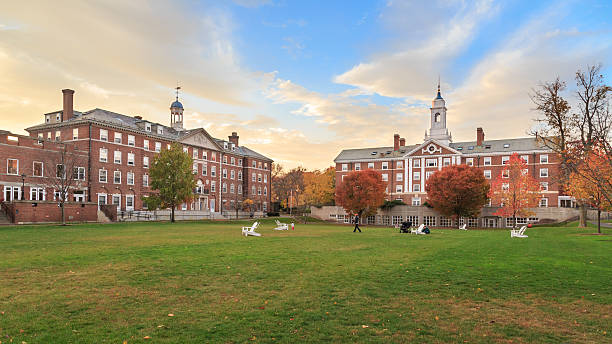
Harvard University | Courtesy Photo

The road to college

The road to college involves four years of complicated planning and complex scheduling. High school students are extremely busy – homework, extra-curricular activities in art and sports, campus clubs, all compete for their time. As if all that weren’t difficult enough, they have to make sure they get excellent marks in their courses and on the standardized tests. Their GPAs and SAT/ACT scores have to impress college admissions officers to really consider their application. If standardized test scores are no longer required by the schools to which your children are applying, their GPA is all the more crucial – it becomes the single, most important component of their transcript.         

I know several parents who enroll their kids in SAT prep courses as early as ninth grade and some independent counselors recommend that students sit for the SAT in 10th grade. However, I feel that taking the SAT this early isn’t necessarily the best course of action – students still have so much to learn and aren’t really ready for this test. Unless there are extenuating circumstances (if the SAT is a requirement for an advanced math course, for instance) that necessitate them to take it, I would suggest waiting a bit. I would recommend taking the SAT and ACT the summer before senior year. By then your children have accumulated as much knowledge as high school covered.

In the past 18 months tutoring service became a booming enterprise (and I don’t mean those offering test prep, which is a multi-billion dollar industry) for students who had difficulty during remote learning. While your children are now back on campus for in-person classes, they may be behind on some subjects so a tutor might still prove helpful. Find one that offers options to fit your student’s specific need and your family’s budget. A company called Mundo Academy provides excellent tutoring services in the Pasadena and San Gabriel Valley area.

FRESHMAN

Encourage your children to keep their focus on their schoolwork. By this time, they should have figured out what extra-curricular activities they are interested in pursuing and what sports they want to participate in. Give them guidance as they navigate this new phase in their school life, and support the choices they make.

SOPHOMORE

Depending on your children’s course choices and load, there could be standardized testing required of them. Your children should be taking AP exams following completion of the course while the knowledge they gained in class is still fresh in their minds. The best preparation for the exams is for your children to make sure they understand the subject matter and do well in all tests the teachers give in class. If there is something they don’t understand, they should right away speak to the teacher to ask for clarification or, possibly, find a tutor for additional help. The results of these standardized exams are required by some colleges.       

JUNIOR

Your children should be aware that junior year is the last complete year of high school performance that college admissions officers will see. They have to put more effort at doing well and getting good marks.

They should register for and take the PSAT, which is also the qualifying exams for the National Merit Scholarship. It is also a good time for your children to meet with their school counselor to make sure they are taking all the courses they need to graduate and apply to college.

Your children should also be keeping up with their extra-curricular and sports activities. College admissions officers look at several components as they try to assemble an incoming class made up of the best candidates to add to their student body. 

Several high schools in the area hold college fairs on campus. This is an excellent chance for you to see what the different colleges and universities are offering. Students get to meet and speak to admissions officers – usually the same people who would be reviewing your children’s application, reading the essay, and sitting around the table – who would be making their case for your children during the all-important decision-making rounds. Make sure you and your children attend these college fairs.

SENIOR

Your children should now be in the process of completing the common app, and finalizing their essay topic or personal statement. Unless recommendations can be sent to the universities online, your children should have provided the teachers who are writing their letters of recommendation with stamped envelopes.

Depending on what course your children are applying for, they may be required to send supplementary material (auditions or portfolios) with their application and they need to get those ready. Audition tapes for arts performance, for instance, can be uploaded on YouTube for easy access. Your children should check the website of the college or university to which they are applying about supplement material requirements. Your children’s school counselors are also a great resource as they are always in contact with college admissions officers.

Be on top of application deadlines; most schools offering Early Action or early Decision have to receive your children’s application by the 1st of November.  

You and your children should be researching scholarships. Some websites include: CollegeXpress, Fastweb, Free Application for Federal Student Aid, National Merit Scholarship Corporation, Scholarships.com, Scholarships360. You should also attend the financial workshops being offered at your children’s high school. Most high schools offer on-site guidance, with specialists who can answer your questions.

Your responsibilities as parents are limited to offering encouragement, guidance, and moral support as your children go through this stressful time. But while you need to let your children manage this process, you should also express your concerns and expectations. Communicate with your child, the counselors, and the teachers when you have inquiries. 

Be there for your children but learn when to get out of their way. Never try to communicate with the college admission officers as it is the surest way to sabotage your children’s chances for admission. Do not be overzealous about getting your children accepted to their dream university; there is a school out there that’s the right place for them. The counselors at your children’s school and the admissions officers at the colleges, or universities to which your children are applying, are actually the experts at finding the best fits. And while this may sound hollow at this time when you’re in the thick of college admissions, this is actually a wonderful learning opportunity for your children. Give them the chance to succeed on their own.               

January College Search Guide

Originally published on 4 January 2021 in the Pasadena Independent, Arcadia Weekly, and Monrovia Weekly

 
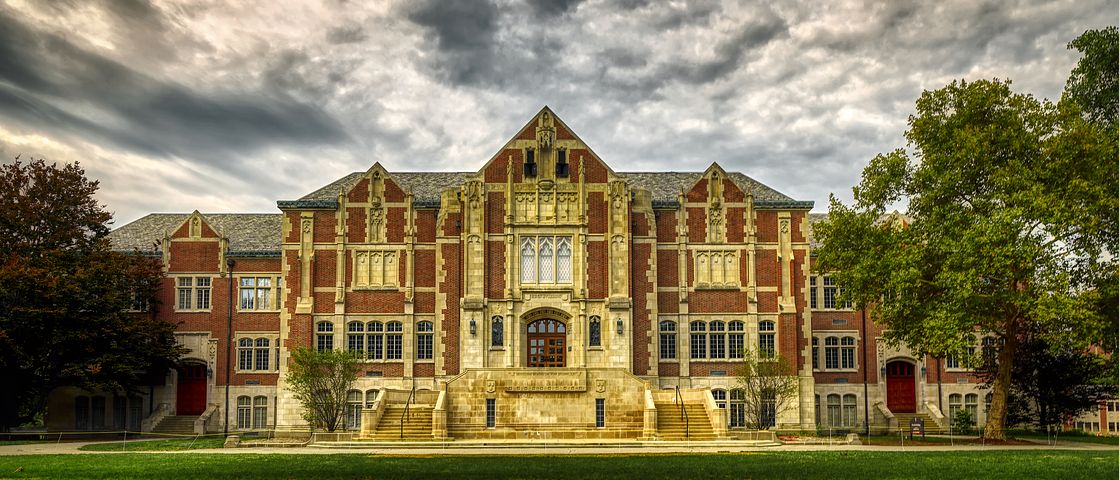
Ball State University (Muncie, Indiana) | Courtesy photo

The road to college

This new year starts with more warnings and worries about a ‘twindemic’ – cases of the seasonal flu combined with coronavirus infections – that could overwhelm hospitals, strain already overtaxed health care workers, and deplete vital resources. The impact of the virus was felt in every aspect of American life  – from the economy, to education, to our mental and physical well-being, among others.

On the school front, remote learning became the new normal and parents, a larger percentage of whom are mothers, have taken on the additional responsibility of homeschooling their children. While it is helping prevent the spread of the virus, parents are getting burned out and younger children are having difficulty focusing. At the same time, not all kids have access to reliable internet, and some who do have access are struggling to keep up with schoolwork.

There was a constant tug-of-war among parents, teachers, staff, and the government on to how best deliver teaching in the face of the pandemic and then resolve the ensuing learning crisis. Two days before the end of 2020, as reported by the L.A. Times,  Gov. Newsom announced a $2-billion package of incentives to encourage a return to in-person classes for California elementary school students as early as mid-February. However, as the report pointed out, given the alarming rate of infections over the region, it remains to be seen if districts can reasonably make this happen. Distance learning may still be our reality until the foreseeable future.                   

Fortunately, several tutoring services are available for parents and students who need help. Find   one that offers options to fit your children’s specific need and your family’s budget. A company called Mundo Academy provides excellent tutoring services in the Pasadena and San Gabriel Valley area. Likewise, socially-minded high school and college students have created free tutoring services and learning platforms to help children during the coronavirus pandemic. Two of these organizations include Sailors Learning and Wave Learning Festival.                     

If you’re exhausted, as most of us are at this time, please reach out for assistance. The CDC has put together a resource kit for parents, divided by age group, to help them ensure their children’s well-being. The site also has links to other resources that cover various concerns. Another CDC website is dedicated to helping parents manage stress during the coronavirus pandemic.           

Needless to say, the pandemic has only made the already complicated college application process all the more nerve-racking. I hope this college guide helps in some way.    


FRESHMAN 

Typically, the beginning of the year marks the halfway point in the schoolyear. First semester grades will soon be released, if they had not been sent out yet. If your 9th graders’ marks are not great, they would need to use the second semester to better them as it’s the end-of-year grades that show on the transcript. The College Board hasn’t been able to offer standardized testing because of the pandemic and some universities have dropped their SAT requirements, so a student’s GPA is the single most influential component of the college application. Admissions officers only have your children’s GPA to gauge their college-readiness and success.          

SOPHOMORE 

This is your student’s second year, and by this time they  should have fully transitioned into high school. They need to put extra effort into weak subjects and solidify grades in the second semester.

JUNIOR 

The second semester of junior year is significant as it is the beginning of the college application process. Students should have already started doing their research about the colleges and could start doing virtual tours, which might have to replace the usual campus visit. Some useful websites include campustours.com; CollegeProwler.com; SmartCollegeVisit.com; YOUniversity.com.  

SENIOR 

All college applications should have already been sent out for the January 1st regular decision/admission deadline. Some universities, like Georgetown, have a later deadline. Some schools also have ED (Early Decision) II. Parents should already have filed their income tax returns; get ready to submit FAFSA (www.fafsa.ed.gov). Apply for scholarships. There are several websites to help you with your search like www.scholarships.com, http://www.collegexpress.com, www.scholarships360.org, http://www.affordablecollegesonline.org/graduating-debt-free.

As much as I’m tempted to say “Tell your kids to breathe a sigh of relief, the hard part is over,” the truth is, the waiting part induces much anxiety. And, oftentimes, it’s worse because you or your children have no control over it. Just be there for your kids to remind them that they have done a great job and they should let the admissions professionals do theirs.

The months from January through March can still be a time for your children to do something to help their cause. Mid-January is when high schools get their first semester grades finalized. If your student’s mid-year report is particularly spectacular, this could be a very good development especially if they are applying to a highly selective college. When your children’s high school sends the grades, have your children follow up with an email to the area representative telling them about their hard work and interest in that college.

If your children have been deferred at a college when they applied through early action or early decision, it is advisable for them to send in an additional teacher recommendation, but only if this supports their application. Likewise, if your student has received any notable honors or made any significant achievement, they should let the admissions officers know by email.     

Having done all these, you and your children will now just have to wait patiently for the process to play itself out.           

.

December College Search Guide

Originally published on 3 December 2020 in the Pasadena Independent, Arcadia Weekly, and Monrovia Weekly

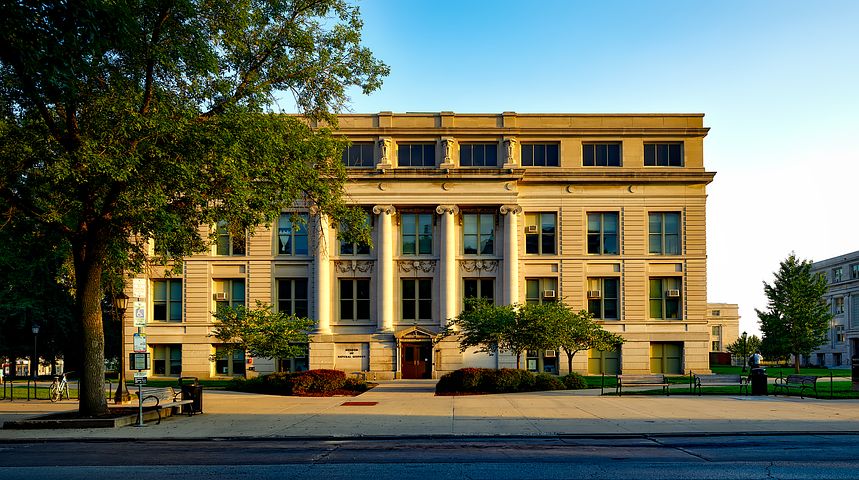
University of Iowa | Courtesy Photo

The road to college

Well, the rain certainly put a damper on our Thanksgiving weekend. But Southern California is always in need of it, so the rain was something to be thankful for. We’re also feeling the Southland version of winter with cooler daytime weather and freezing overnight temperatures in the mountains. All these have resulted in snow-capped mountains, making for a veritable Alpine sight. Christmas tree lots beckon with fragrant firs and mall stores entice with all kinds of sales promotions. And, of course, children are eagerly anticipating the Christmas season and winter break.

As we head towards the end of the year, some students are finishing up on the first semester and grateful that they are halfway through this school year. At the same time, some universities are re-examining their application process in light of the bribing scandal that rocked some of the most elite institutions of higher learning in the country earlier this year.

In an article published on November 24, L.A. Times writer Teresa Watanabe reported that chancellors of UC Berkeley and UC Santa Cruz and the University of California’s chief academic officer said they support dropping the SAT and ACT as an admission requirement.

According to UC Berkeley Chancellor Carol T. Christ and UC Provost Michael Brown, research has convinced them that performance on the SAT and ACT is so strongly influenced by family income, parent’s education, and race that using them for high stakes admissions decisions is simply wrong.

While Brown sees the SAT and ACT as an inaccurate barometer for admission, he isn’t opposed to all standardized tests that measure students by how much they’ve mastered prescribed academic content. He cited Smarter Balanced, which is used in California to assess 11th graders on the state’s Common Core Curriculum.

The article further mentioned that the 10-campus UC system and 23-campus Cal State system would join more than 1,000 other colleges that have gone testing-optional, with 47 more schools joining in the last 12 months.

Such measures, of course, are bad news for the multi-billion dollar college prep industry and among the dissenters to universities’ dropping the SAT and ACT tests is the  College Board, which owns and administers the SAT. Any change to what has been standard in the college application process will upend the existing method and it’s safe to presume that it would take a while before everyone can agree to one solution.

As I have consistently preached to students, and parents who are helping and guiding them through the process, high schoolers should make sure they are getting good grades in all their subjects. The single, most important component of their transcript is their GPA. And, during the shift that is currently taking shape, it is the one constant that admissions officers are closely looking at. Students’ GPA reflects not merely what they’ve learned in the classroom but is an indicator of how well prepared they are to tackle the rigors of college and a predictor of their success when they get in.

FRESHMAN

What a relief it must be for your 9th grader – he or she has survived the first semester of high school. While your children’s thoughts may be all about Christmas holiday, this would be a good time to evaluate their progress. Remind them that while first semester grades don’t show on the final transcript, these are barometers of their academic strengths and weaknesses. Encourage them to use the winter break to plan how to improve where needed and how to build on their successes going into the second semester.

SOPHOMORE

If your children are taking AP courses they should also have taken the AP and SAT II exams.  They should take the time to meet with their college counselors for guidance on how to improve their test scores, if necessary. Now is the time to look at their interests to determine what college course they might be suited for. Based on their aptitude and grades, they will have to start planning on their course options for 11th grade. They can also start researching which colleges offer the course they might want to pursue.

JUNIOR

This is an all-important year for your 11th grader and it is one of the busiest of their high school career. Your children should be able to successfully balance their academic and extra-curricular responsibilities. They should have already taken rigorous course loads, participated in campus activities, and moved into positions of leadership in whatever extra-curricular endeavor they chose.

If your children are applying to universities that still require the ACT or SAT results, they should start preparing for the exams either by taking practice tests online or by taking a prep course. Hopefully, college counselors have met with you and your children, and have given you an overview of the college application process. Your children (and you) should already have been to at least one College Fair and have met with a few admissions officers.

It might also be an opportune time to visit some colleges, at least the ones in California, before the spring break when you might consider going to out-of-town universities. If you haven’t thought about college visits, now is the time to put it on your calendar. I cannot emphasize enough how important it is for your children to see the campus for themselves. There is nothing more unfortunate than for them to matriculate to a college only to be miserable after the first few months. Adjusting to life away from one’s parents and the reality of college life is bad enough; finding out they are in the wrong school is just an added disappointment.

SENIOR

While kids all around are excited about the Christmas holidays – perhaps thinking about what movies they want to watch, and where to spend their time during their winter break – your high school senior is sweating over his or her personal essay or feverishly writing all the supplemental essays colleges require with their application for the regular decision or the second early decision (ED II) round.

This is a crucial time for seniors. They need as much encouragement as elbow room to get their applications ready for sending. Your children should be in constant communication with the school counselor to ensure that all transcripts, teacher recommendations, and supplemental material are sent to all the colleges to which they are applying. They should be on top of application deadlines for all the schools – they’re not all the same – to which they plan to apply.

If your 12th grader applied through Early Action (EA) or Early Decision (ED), he or she must also be nervously waiting to hear from the college. And I’m sure your child would be ecstatic to receive an acceptance letter from his or her first choice. An ED means your child is legally bound to matriculate to that university, and his or her college search is over. Whew! If your child is accepted to a school through EA, he or she can either accept that offer or still go on to apply to other schools.

Accepting an EA offer relieves your children of pressure so they can enjoy the Christmas holidays, but it doesn’t give them leverage if they are qualified for scholarships. The best scenario is to apply and get accepted to several colleges so your children can get to pick the best financial offer or scholarship. The daughter of a friend had this enviable position – she is currently a freshman at an elite private college in Pennsylvania and her mom only had to pay $57 for the entire school year.

If your children are fortunate enough to have heard from their school, and have been offered admission, it would be mindful of them not to brag about their acceptance. Some of his or her classmates may have applied to the same school and are hoping for admission. The university to which your child was accepted might be his or her classmate’s first choice. It would be very hurtful to then boast that he or she has been accepted but is not planning on attending that college.

On the other hand, if your children have been deferred on the EA or ED round, there are some things they can do to enhance their chances during the regular round. They can send any updates on any significant changes since they sent their application – a letter from a counselor about their first semester work or a letter from a senior teacher. They can also send in their first semester grades, especially if they have received some As in the meantime.

Your children can also write a strong letter of interest and intent – all colleges and universities are concerned about their yield. If they are assured that your child will matriculate if accepted, they will look at him or her in a more favorable light (that is, if your child fits the profile they are looking for). This is one reason most colleges have instituted the ED II – they are assured that the applicant will matriculate if accepted. At the same time, it’s disheartening for applicants who aren’t applying for ED II as they would be far fewer slots available making the regular round more competitive than it already is.

Provide encouragement to your children if they have been deferred – the school isn’t rejecting them, they have just been put in the pool for the regular round. Remember that these admissions officers have thousands of applications to read. They wouldn’t want to go through your children’s application again if they weren’t interested in the first place, they would have just outright rejected them.

Your children should research all available scholarships, and start completing the FAFSA.

Some useful websites are: CollegeXpress (www.collegexpress.com); Fastweb (www.fastweb.com); Free Application for Federal Student Aid (www.fafsa.ed.gov); National Merit Scholarship Corporation (www.nationalmerit.org);  Scholarships.com (www.scholarships.com); Scholarships360 (www.scholarships360.org); Student Aid on the Web (www.studentaid.ed.gov).

November College Search Guide

Originally published on 7 November 2019 in the Pasadena Independent, Arcadia Weekly, and Monrovia Weekly

Carleton College | Courtesy Photo

The road to college

FRESHMAN

With all the wildfires raging on everywhere in Southern California, it would be a welcome relief for the weather to cool down and bring us some rain. And as we fully ease into the fall season and further into the school year, I hope your children have also completely settled in as high-schoolers. Encourage your children to focus on their studies and to make use of all the resources available at their school to accomplish all the work required to succeed in each course. The goal is not just to pass, however, but to make the best grade they are capable of getting.

Ideally, they should be up-to-speed in all their classes but if there is anything about the course they can’t grasp, they need to seek assistance from teachers. Most teachers will meet with students after class to provide the necessary tutorial lesson. They have to ask right away or they will fall behind all the more as the school year goes on.

All their end-of-year grades are reported and their GPA is the single most important component of the academic picture they present to the universities to which they will apply. It will show how well they did in high school and how prepared they are to go to college. 

If your children are particularly good at one sport, encourage them to join their school’s competitive team. Excellence in sports can be used as a hook to get into college; some universities offer lucrative athletic scholarships. They should ask their coach to help them determine the NCAA requirements.

They should have identified other extra-curricular activities they want to participate in, whether they’re in the arts or school clubs. An important thing for them to bear in mind is to make sure they continue that interest throughout high school – admission officers want to see depth of involvement.             

SOPHOMORE

Most universities look at 10th grade as a fundamental year in high school. Your children should have already made a smooth transition from their middle school life and are enthusiastically exploring their various interests and are applying these towards extra-curricular work. They should be actively participating in sports, or arts, their school newspaper, or their yearbook. 

The class deans should be working with your children in evaluating their class performance and workload to make sure they are on track and are making the grade. Together with their class dean, your children should be preparing for standardized testing and junior year course options. 

Additionally, your children can start looking at various colleges offering the course they might consider taking.

JUNIOR

This is an important year for your children. They should register for all the standardized tests required for college application. They need to be in constant communication with their counselor to ensure they are on track for graduation and college admission. 

Encourage your children to focus on getting good grades. This year’s is the last complete school year marks the college admissions officers will see when your children send in their application. Their GPA is the most reliable and significant predictor of how well they are ready for college work.

Several high schools in the area have held college fairs on campus and you and your children would have met the representatives of the various colleges to which they might consider applying. Your children should be researching these schools’ requirements and keeping track of the universities which offer the courses they are interested in pursuing.

SENIORS

Eighteen year-olds are intent on getting into the college of their dreams. After all, they have spent four years preparing towards this goal. The cost of a college education may not have necessarily been top of mind for them.

However, with the ever-increasing cost of tuition, books, accommodations, and meals, a college education has become very expensive for a lot of Americans. Many parents can’t afford to send their children to college, necessitating children to take on a student loan. Today student debt is at a staggering $1.5 trillion.                       

To help parents and students make informed choices, PayScale, Inc., the world’s leading provider of on-demand compensation data and software, released its annual College Salary Report for the 2019-2020 school year. Using data collected from more than 3.2 million college alumni, it provides estimates of early and mid-career pay for 2,646 associate and bachelor’s degree-granting schools in the United States.     

An accompanying piece to this is a report PayScale puts out in the spring, called College Return on Investment, which details how much it will cost to attend a particular school and the earning potential of its alumni. These two reports are worth looking at when your children make decisions on what majors to take and what schools to apply to.    

Your children should take the AP exam and SAT Subject Test if the colleges they’re applying to require them. They also should have already sent out their application early this month if they were trying for Early Action (EA) or Early Decision (ED). They should notify the universities of any honors they received since mailing their application; they have to make sure their school sends out a recent transcript, and all their standardized test results have been forwarded. 

Some universities will offer alumni interviews and I would advise your children to plan ahead because the report will become part of their admission file. Here are some things they should do: arrive on time – in fact, show up early; dress conservatively and comfortably – no tank tops, no bare midriffs, no cut-off jeans; make eye contact and listen well; be positive – stress your strengths and explain your weaknesses, but don’t dwell on the negative and don’t complain; answer all the questions – if you’re confused, ask for clarification; keep the conversation going; be prepared to ask thoughtful questions of your interviewer; try not to lead the conversation into a ‘trouble’ area – if you don’t know much about current events, don’t direct the conversation there; be honest; send a thank you note.

Most universities will mail out their acceptance letters in mid-December. As your children await word from the college, they might want to keep writing all the supplemental essays required by the universities to which they will apply for the regular decision round. Admission to their EA school isn’t binding so they can still apply to other colleges, thus not limiting their options.  However, an acceptance to their ED school is binding and they are required to matriculate if admitted. 

In the meantime, you children should make sure they are doing well academically. Some universities require the first semester grades, or the first quarter grades if they’re applying for EA/ED. In fact, your children shouldn’t let up on academics because a college can still rescind their offer of acceptance if a student’s grades have fallen below acceptable level. 

Likewise, make sure your children are continuing to participate in athletics and extra-curricular activities. These sometimes help them relieve the stress of the college application process.  

This is also the time to research scholarships.  Some websites that could prove useful are:  CollegeXpress (www.collegexpress.com); Fastweb (www.fastweb.com); Free Application for Federal Student aid (www.fafsa.ed.gov); National Merit Scholarship Corporation (www.nationalmerit.org); Scholarships.com (www.scholarships.com); Scholarships360 (www.scholarshops360.org); Student Aid on the Web (www.studentaid.ed.gov).  You and your children should talk to their school’s financial aid officer for guidance on filling out financial aid applications.                

October College Search Guide

Originally published on 1 October 2020 in the Pasadena Independent, Arcadia Weekly, and Monrovia Weekly

Radcliffe Quad undergrad housing at Harvard University | Courtesy Photo

The road to college

The road to college involves four years of complicated planning and complex scheduling. High school students are extremely busy – homework, extra-curricular activities in art and sports, campus clubs, all compete for their time. To add to that, they have to make sure they get excellent marks in their courses and on the standardized tests. Their GPAs and SAT/ACT scores have to impress college admissions officers to really consider their application.

I know some parents who enroll their kids in SAT prep courses as early as 9th grade and some independent counselors recommend that students sit for the SAT in 10th grade. However, I feel that taking the SAT this early isn’t necessarily the best course of action – students still have so much to learn and aren’t really ready for this test. Unless there are extenuating circumstances (if the SAT is a requirement for an advanced math course, for instance) that necessitate them to take it, I would suggest waiting a bit. My daughter took her SAT and ACT the summer before her senior year. By then she had accumulated as much knowledge as high school covered.

FRESHMAN

Encourage your children to keep their focus on their schoolwork. By this time, they should have figured out what extra-curricular activities they are interested in pursuing and what sports they want to participate in. Give them guidance as they navigate this new phase in their school life, and support the choices they make.

SOPHOMORE

Depending on your children’s course choices and load, there could be standardized testing required of them. Your children should be taking AP and SAT II exams following completion of the course while the knowledge they gained in class is still fresh in their minds. The best preparation for both AP and SAT II exams is for your children to make sure they understand the subject matter and do well in all tests the teachers give in class. If there is something they don’t understand, they should right away speak to the teacher to ask for clarification or, possibly, find a tutor for additional help. The results of these standardized exams are required for college applications.

JUNIOR

Your children should be aware that junior year is the last complete year of high school performance that college admissions officers will see. They have to put more effort at doing well and getting good marks.

They should register for and take the PSAT, which is also the qualifying exams for the National Merit Scholarship. It is also a good time for your children to meet with their school counselor to make sure they are taking all the courses they need to graduate and apply to college.

Your children should also be keeping up with their extra-curricular and sports activities. College admissions officers look at several components as they try to assemble an incoming class made up of the best candidates to add to their student body.

Several area high schools hold College Fairs on campus. This is an excellent opportunity for you to see what the different colleges and universities are offering. Your children will get to meet and speak to admissions officers – usually the same people who will be reviewing your children’s application, reading the essay, and sitting around the table – who will be making their case for your children during the all-important decision-making rounds. They have a say on whether your children get accepted or denied admission to the school of their choice.

| Courtesy photo

SENIOR

Eighteen year-olds are intent on getting into the college of their dreams. After all, they have spent four years preparing towards this goal. The cost of a college education may not have necessarily been top of mind for them.

However, with the ever-increasing cost of tuition, books, accommodations, and meals, a college education has become very expensive for a lot of Americans. Many parents can’t afford to send their children to college, necessitating children to take on a student loan. Today student debt is at a staggering $1.5 trillion.

To help parents and students make informed choices, PayScale, Inc., the world’s leading provider of on-demand compensation data and software, released its annual College Salary Report for the 2019-2020 school year. Using data collected from more than 3.2 million college alumni, it provides estimates of early and mid-career pay for 2,646 associate and bachelor’s degree-granting schools in the United States.

An accompanying piece to this is a report PayScale puts out in the spring, called College Return on Investment, which details how much it will cost to attend a particular school and the earning potential of its alumni. These two reports are worth looking at when your children make decisions on what majors to take and what schools to apply to.

Your children should now be in the process of completing the common app, and finalizing their essay topic or personal statement. They should have provided the teachers who are writing their letters of recommendation with stamped envelopes.

Depending on what course your children are applying for, they may be required to send supplementary material (auditions or portfolios) with their application and they need to get those ready. Audition tapes for Arts Performance, for instance, can be uploaded on YouTube for easy access. Your children should check the website of the college or university to which they are applying about supplement material requirements. Your children’s school counselors are also a great resource as they are always in contact with college admissions officers.

If your children’s high school offers interview advice and guidance, they should take advantage of it. Basic information like what clothes and shoes to wear, in addition to how to answer questions, all help towards giving your children confidence. While this is not a professional statement, in most cases, interviewers are not as concerned about the answer applicants give, as they are about their demeanor and how they present themselves . Also, if your children are visiting a campus and an interview with an admissions officer is a requirement for application, they should take the opportunity to schedule the interview at that time. Admissions officers like to see demonstrated interest – a campus visit and interview will be remembered and noted.

Be on top of application deadlines; most schools offering Early Action or early Decision have to receive your children’s application by the 1st of November.

You and your children should be researching scholarships. Some websites include:  CollegeXpress (www.collegexpress.com); Fastweb (www.fastweb.com); Free Application for Federal Student Aid (www.fafsa.ed.gov); National Merit Scholarship Corporation (www.nationalmerit.org); Scholarships.com (www.scholarships.com); Scholarships360 (www.scholarships360.org); Student Aid on the Web (www.studentaid.ed.gov). You should also attend the financial workshops being offered at your children’s high school. Most high schools offer on-site guidance, with specialists who can answer your questions.

Your responsibilities as parents are limited to offering encouragement, guidance, and moral support as your children go through this stressful time. But while you need to let your children manage this process, you should also express your concerns and expectations. Communicate with your child, the counselors, and the teachers when you have inquiries.

Be there for your children but learn when to get out of their way. Never try to communicate with the college admission officers as it is the surest way to sabotage your children’s chances for admission. Do not be overzealous about getting your children accepted to their dream university; there is a school out there that’s the right place for them. While this may sound hollow now, the counselors at your children’s school and the admissions officers at the colleges, or universities to which your children are applying, are actually the experts at finding the best fits.