Ivo Müller’s “One Million Words – Rilke” invites us to go on a journey with him

Also published on 20 April 2026 on Hey SoCal
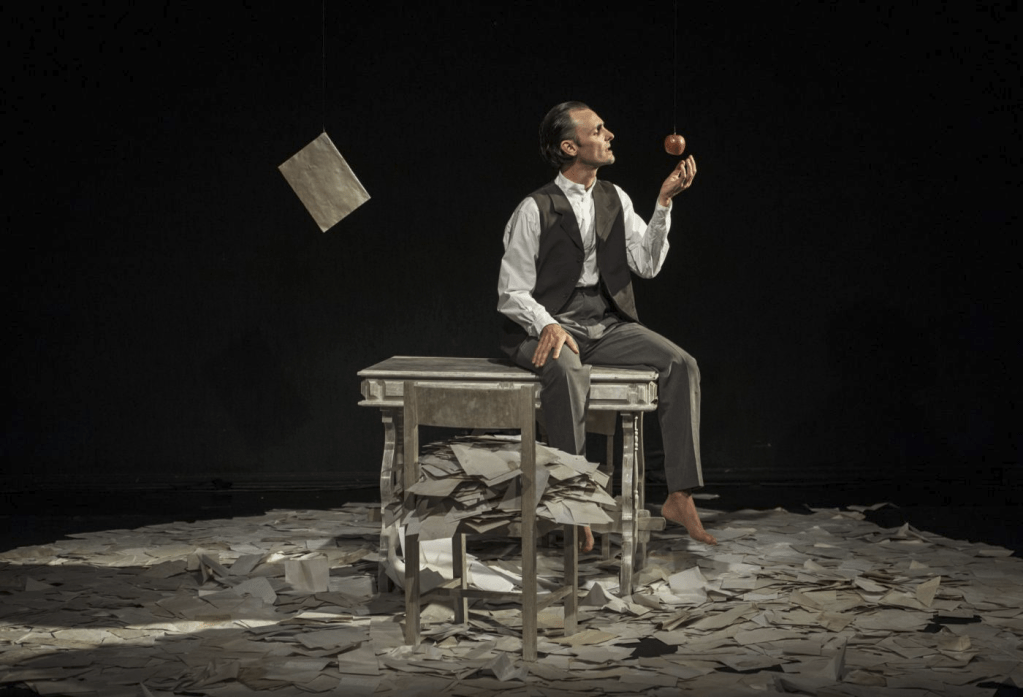
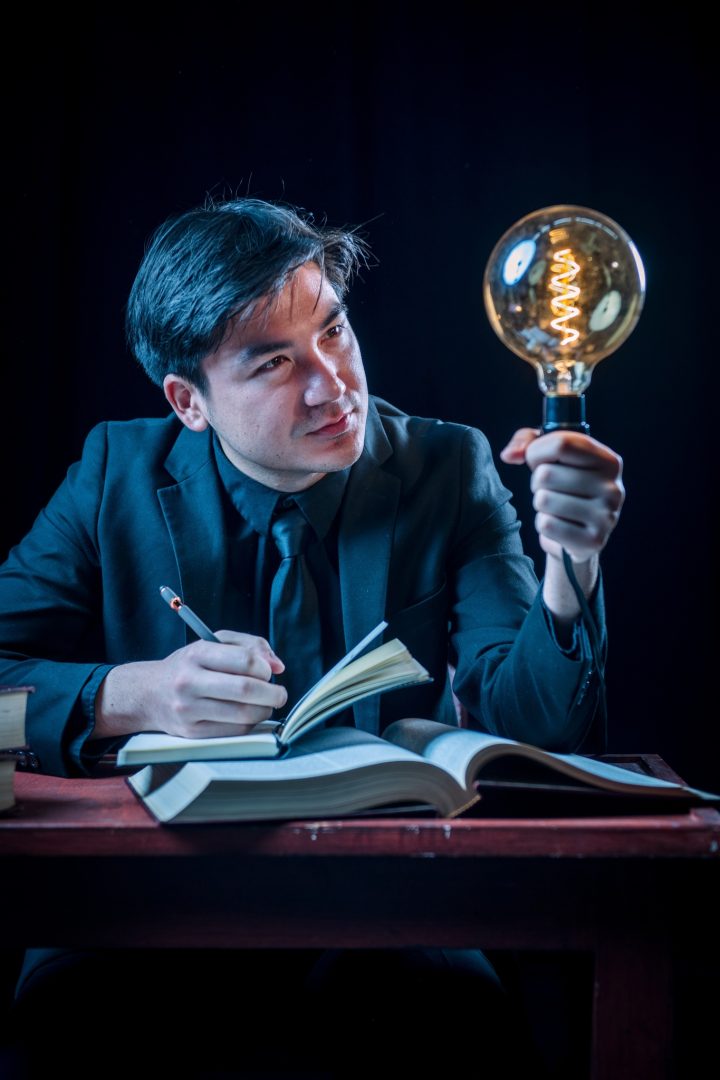
Ivo Müller. | Photo courtesy of Ivo Müller / One Million Words – Rilke

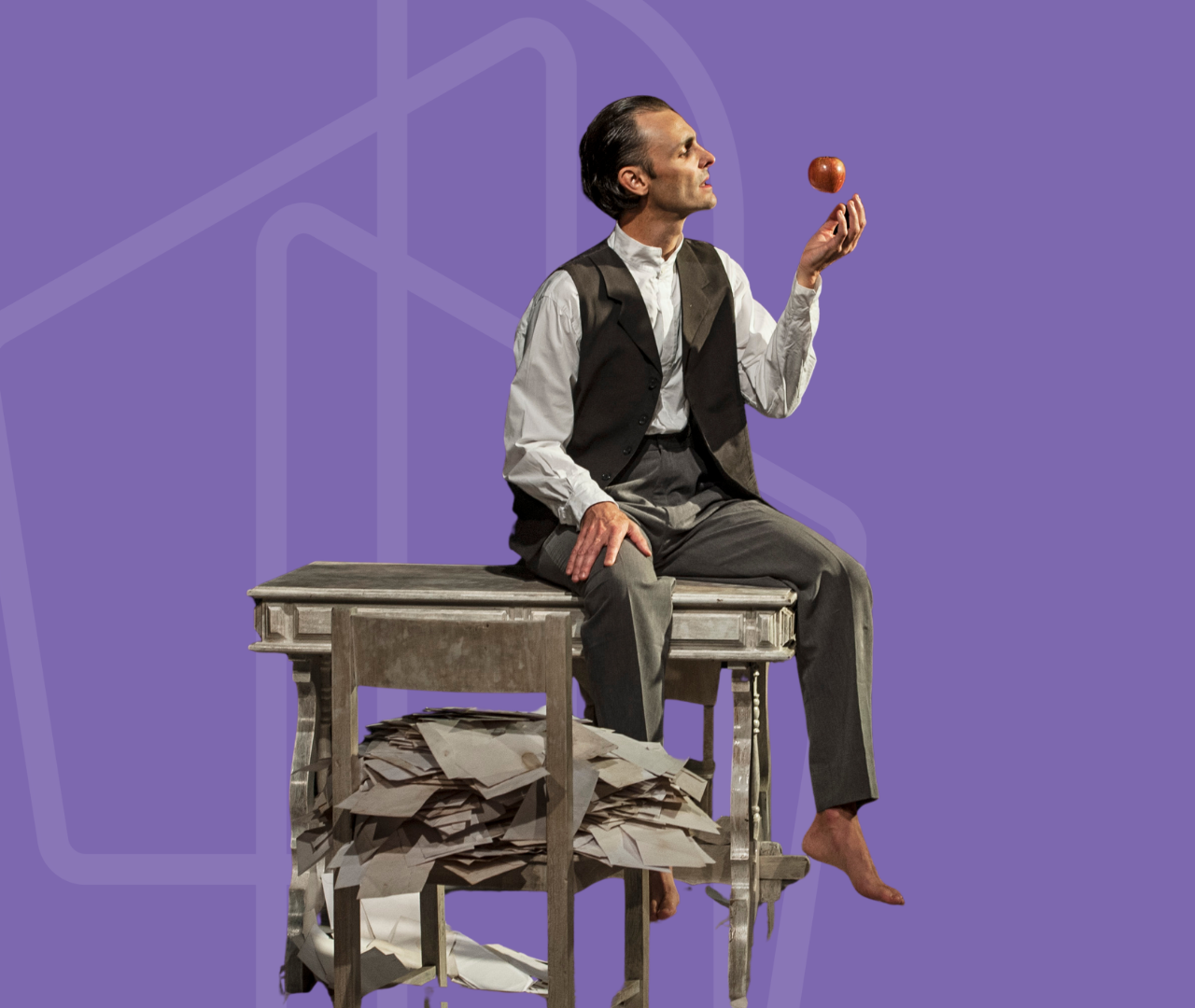
The Sierra Madre Playhouse presents the highly anticipated North American premiere of “One Million Words – Rilke,” a hit solo show inspired by the groundbreaking work of poet Rainer Maria Rilke. Created by and starring Ivo Müller, the play is slated to have six performances: April 24, 25, 26 and May 1, 2, 3, 2026.

Müller portrays both an actor from the present and a poet from the past who connect, exploring creativity, belonging, and what it means to stay grounded in a fast-moving world. Originally developed in Brazil, the show arrives in California during the centennial of Rilke’s passing (1875-1926), before heading to its UK premiere at the Edinburgh Festival Fringe.

Austrian poet Rainer Maria Rilke, who wrote in German, is widely regarded as a master of verse. He is celebrated as an idiosyncratic and expressive poet. According to scholars his work suggests mysticism – exploring themes of personal knowledge and incredulity.

A prolific poet, Rilke wrote hundreds of published poems – most notably The Book of Hours, New Poems, Duino Elegies, and Sonnets to Orpheus. He is also known to have been a great letter-writer, having penned an estimated 10,000 to 17,000 letters in his lifetime.           
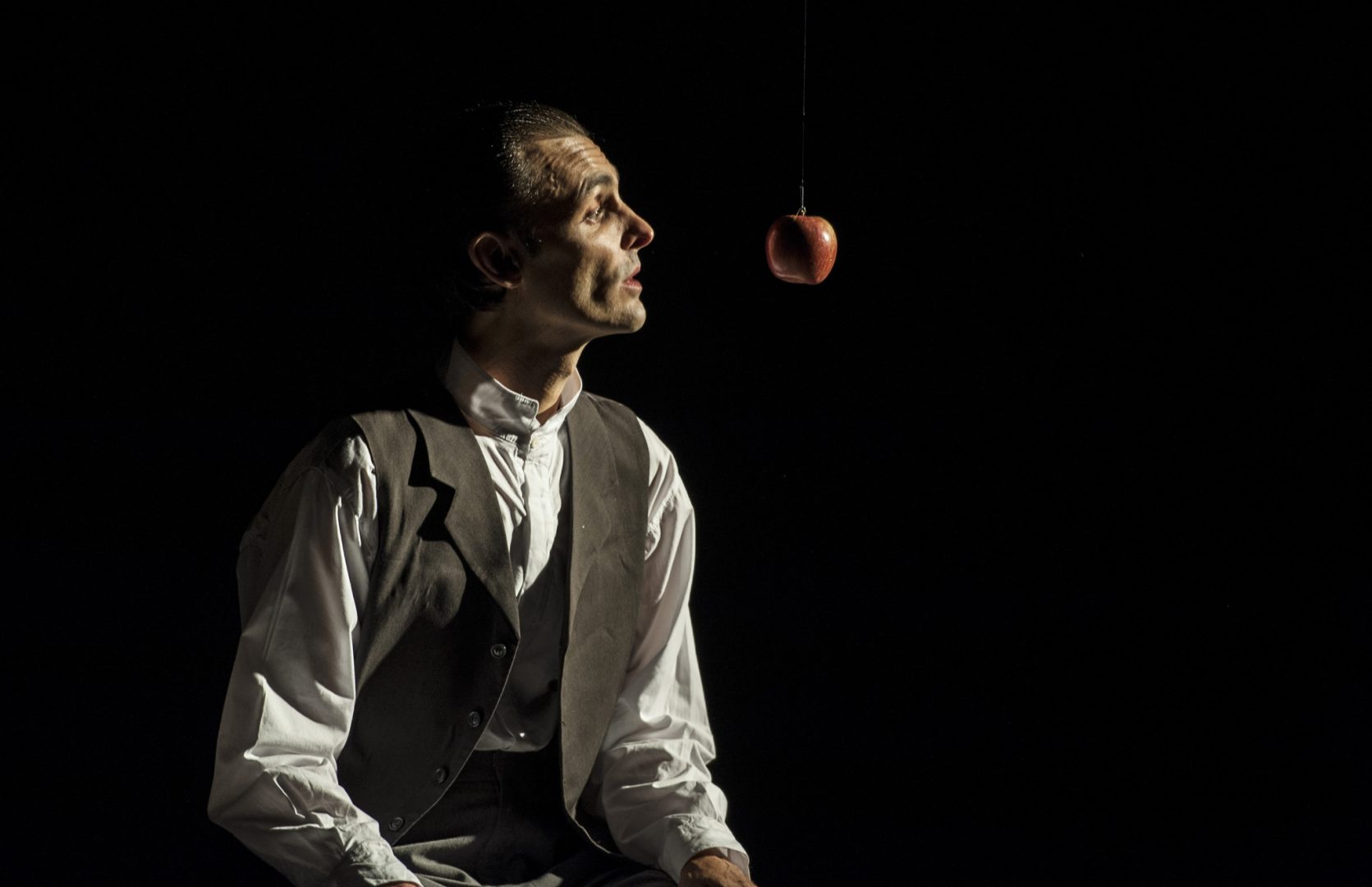
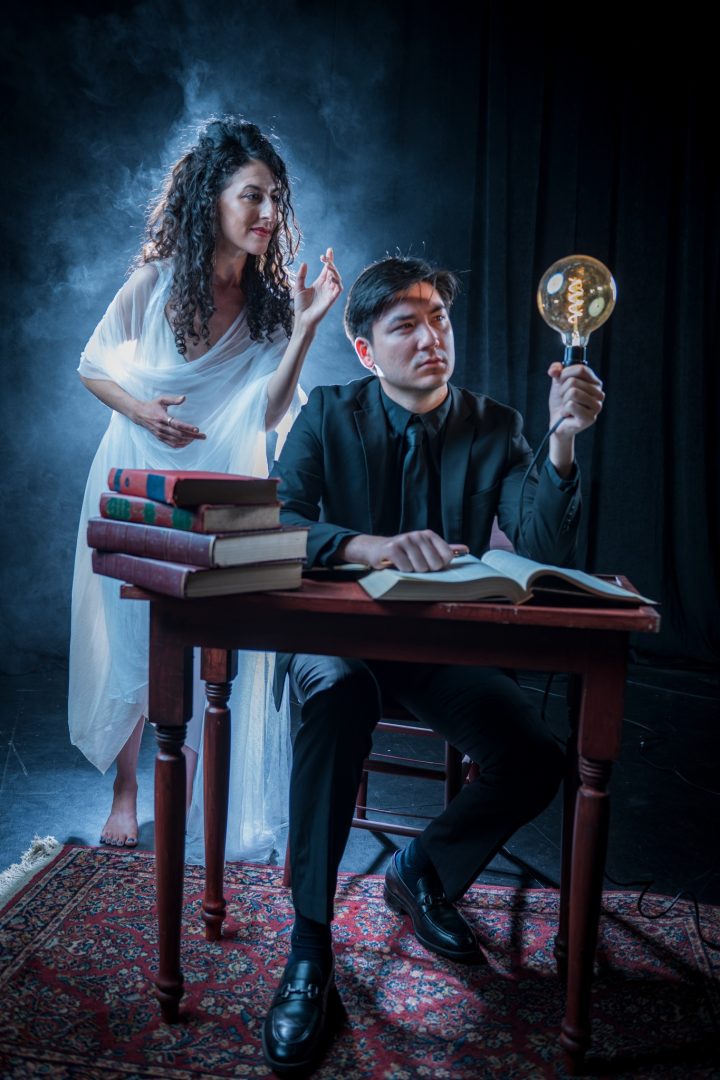
Ivo Müller. | Photo courtesy of Ivo Müller / One Million Words – Rilke

Directed by Arieta Corrêa, with Darrell Larson co-directing the English-language version, One Million Words – Rilke, tells the story of a writer who, for nearly a year, struggles to create poetry and can only express himself through letters. An actor uses these letters to navigate his own challenges in a place where even his name feels foreign, shaking the foundations of his identity.

Together, the poet and the actor explore themes of love, the creative process, and a sense of not belonging, highlighting the importance of being grounded in the present moment – topics that resonate deeply in today’s world.

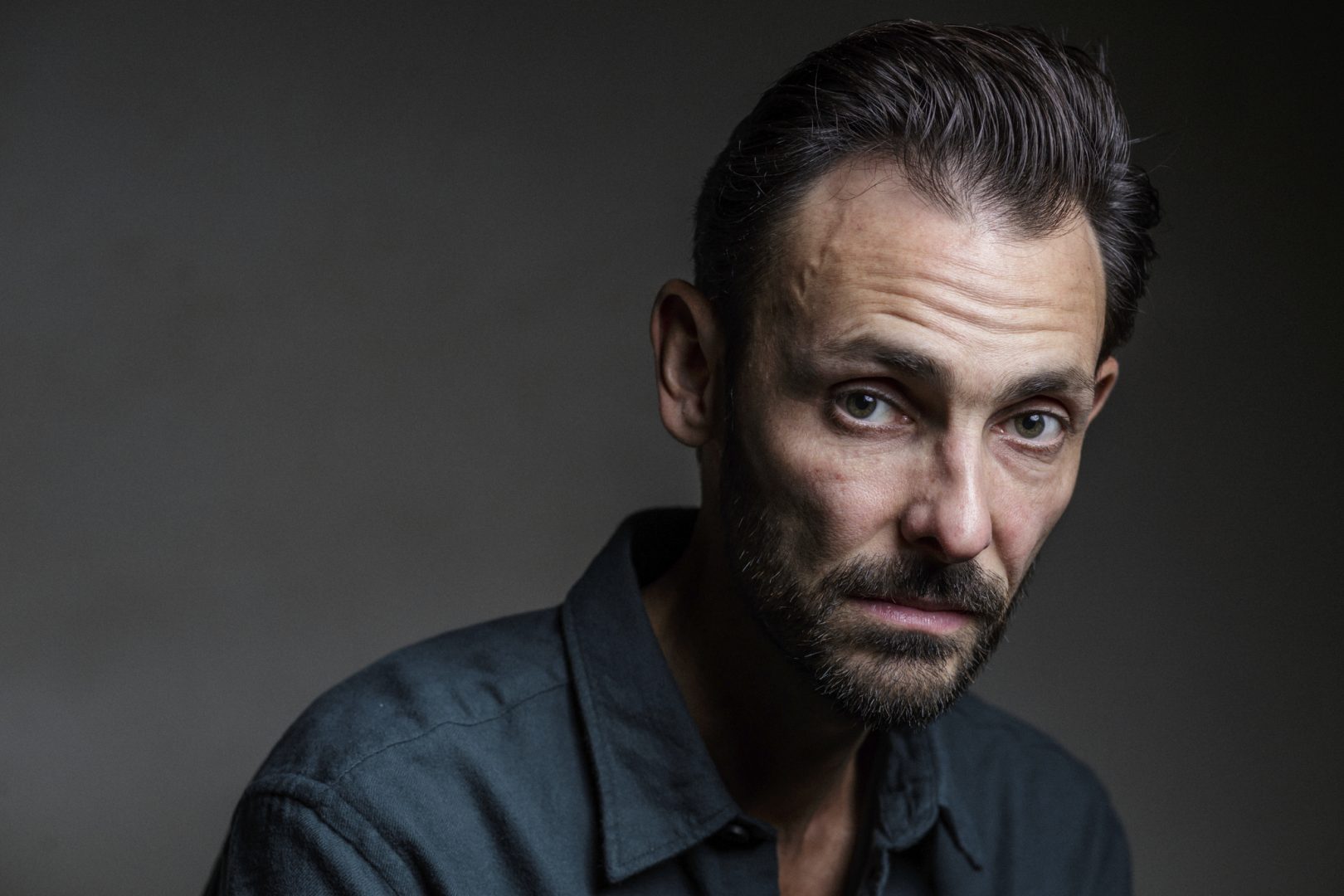
Ivo Müller is a stage and screen actor whose work spans Europe, the US, and his native Brazil. His stage credits include a production of Twelve Angry Men with leading Brazilian theatre company Grupo Tapa, in addition to his long-running hit solo performance based on the writings of Rainer Maria Rilke.

Müller’s cinematic work includes Tabu, the multi-award-winning Portuguese film directed by Miguel Gomes, which received the Critics’ Best Picture Award at the Berlin International Film Festival in 2012. Müller has worked with major studios such as HBO, Sony, and Globo TV. His recent credits include Hebe: The Brazilian Star (2019), in which he portrayed an AIDS-stricken hairdresser in the biopic about a celebrated Brazilian television host; and Night Stage, which premiered at the Berlin International Film Festival in 2025.
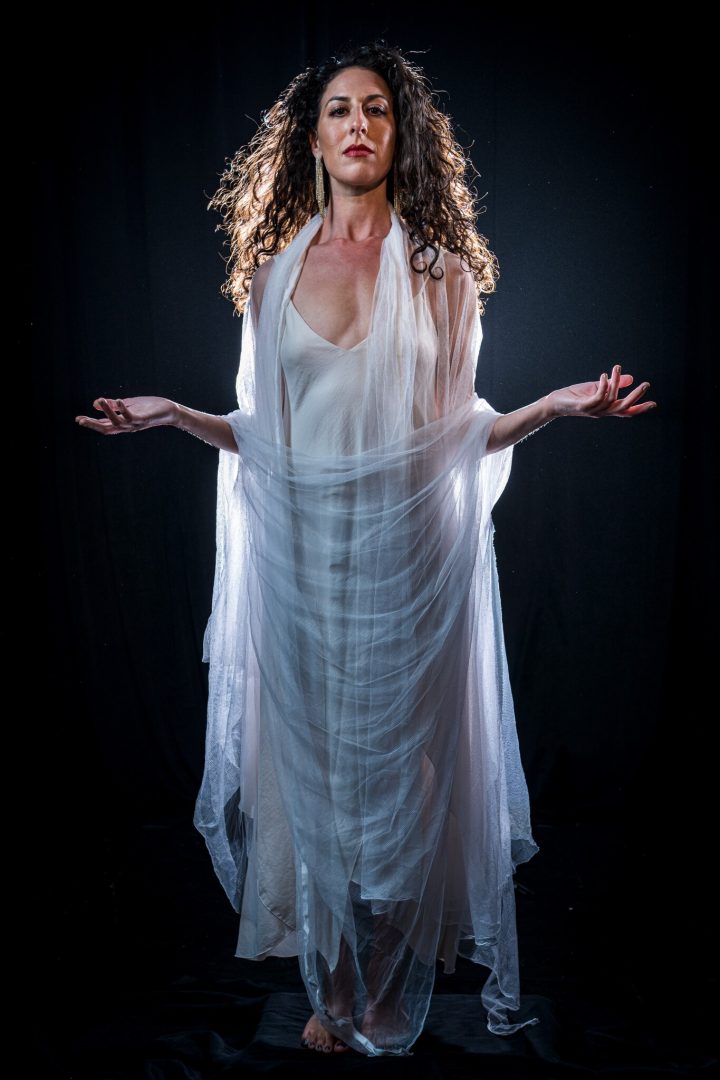
Ivo Müller. | Photo courtesy of Ivo Müller / One Million Words – Rilke

Alongside his acting career, Müller also served as a teacher and acting coach on the award-winning documentary film Cine Marrocos (2019), collaborating with homeless people and refugees living in an abandoned movie theatre in São Paulo. Other stage credits include Stitching by Anthony Neilson, Huis Clos (No Exit) by Jean-Paul Sartre, The Widows by Arthur Azevedo, Camaraderie by August Strindberg, Bitter Sicilian by Luigi Pirandello, and Hecuba by Euripides.

By email, Müller discusses when his interest in Rilke’s work commenced, what the play means to him, the choice of title for it, its enigmatic theme, and the audience reaction.       

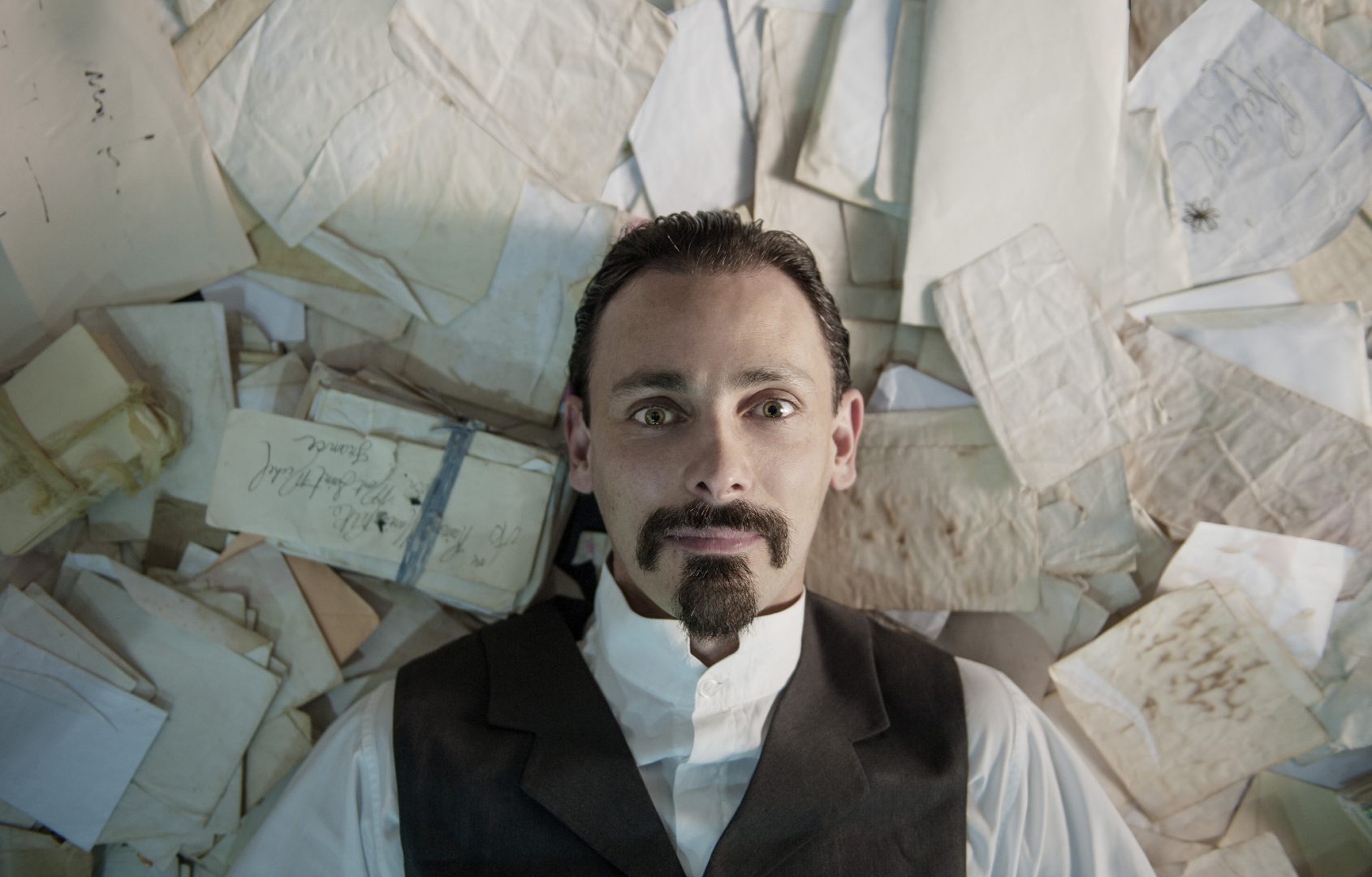
“While working as an acting teacher at a public school when I was in my twenties, I discovered copies of ‘Letters to a Young Poet’ in the library,” begins Müller. “At the time I was a young actor pursuing art outside my comfort zone, far from where I was born and raised, so I related deeply to what he was saying to the young poet.”
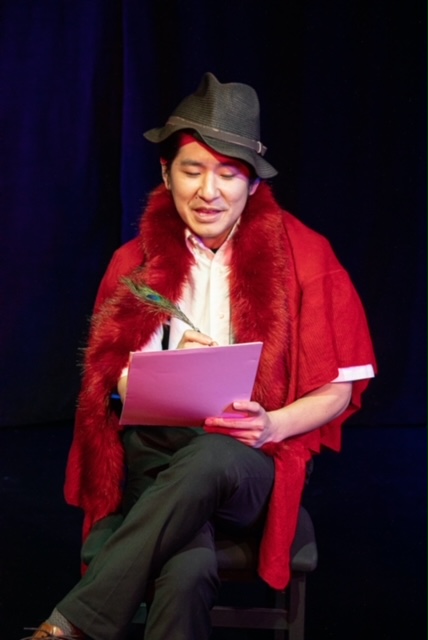
Ivo Müller. | Photo courtesy of Ivo Müller / One Million Words – Rilke

Though Müller was drawn to all of Rilke’s works, one in particular made the biggest impression. He recalls, “Years later, when I decided to create something for the theater using that material, I began reading his poetry more extensively. Rilke seemed to ‘appear’ to me – in bookstores, in quotes from films I was watching. I read much of his work but, without a doubt, the Duino Elegies are the ones that resonated most with me.”

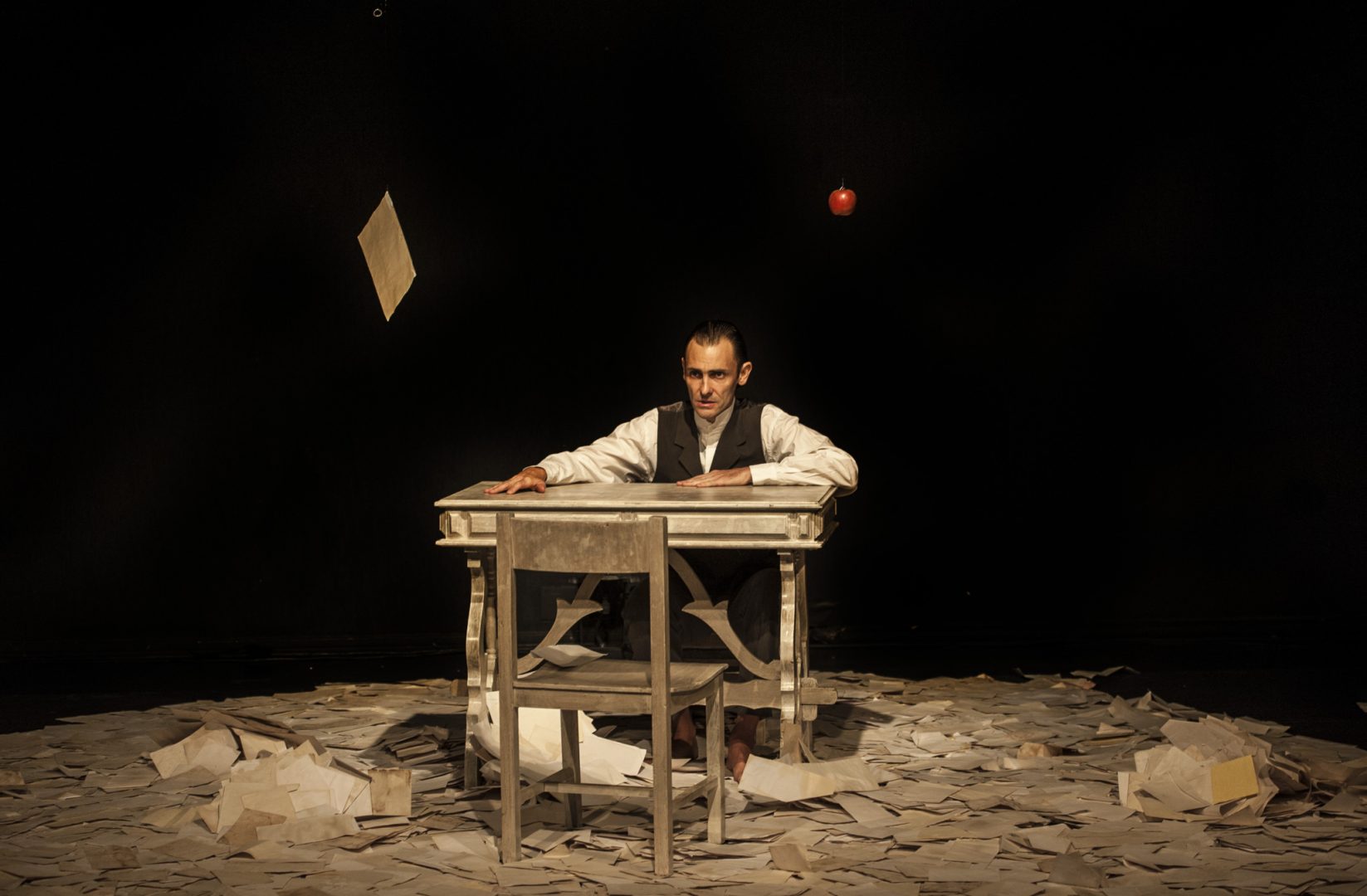
Müller refers to this play as the Rilke Project and whereas he has been doing this solo show for over a decade now, he didn’t possess enough confidence when he first performed it. That assuredness only came in later years. It has also gone through different versions and these iterations have taken him around the globe and keeps the play fresh.  

“The first – ‘Letters to a Young Poet’ – was performed from 2010 to 2013, with long runs in São Paulo and tours across many cities in Brazil,” enlightens Müller. “Then I stopped. I had grown tired of it and didn’t want to continue with that version.”

“In 2018, I was invited by the Biblioteca Mário de Andrade in São Paulo to bring the piece back,” Müller continues. “They offered a small budget, and I spoke with director Arieta Corrêa about creating a new version, which we simply called Rilke. That version was performed until 2019. And in 2020, I presented it via live streaming – as many artists did during the pandemic.”
Ivo Müller. Photo courtesy of Ivo Müller / One Million Words – Rilke

To reach a wider audience as well as to reflect where he is in life, Müller translated it into English. He had been writing the English version on and off for at least five years, but in 2024 – when he had a clear deadline – the process became more intense and he worked on it almost daily.

“The English version transformed the piece once again – it became a new play, for new audiences,” pronounces Müller. “Because of all these shifts, neither the play or my performance ever felt repetitive. Every single one has been memorable and so challenging that each performance feels like a milestone for me.”

Asked what ‘One Million Words – Rilke’ means to him, Müller replies, “This project has been a refuge for me, especially in moments when I’m not working on other projects and anxiety starts to surface. Beyond that, it brings me a sense of peace. At times like these, when we live with the looming possibility of a major war, it reminds me why this play feels important. As the poet Marina Tsvetaeva wrote about Rilke, he is a kind of ‘antidote’ to violence and to the brutality of the battlefield.”
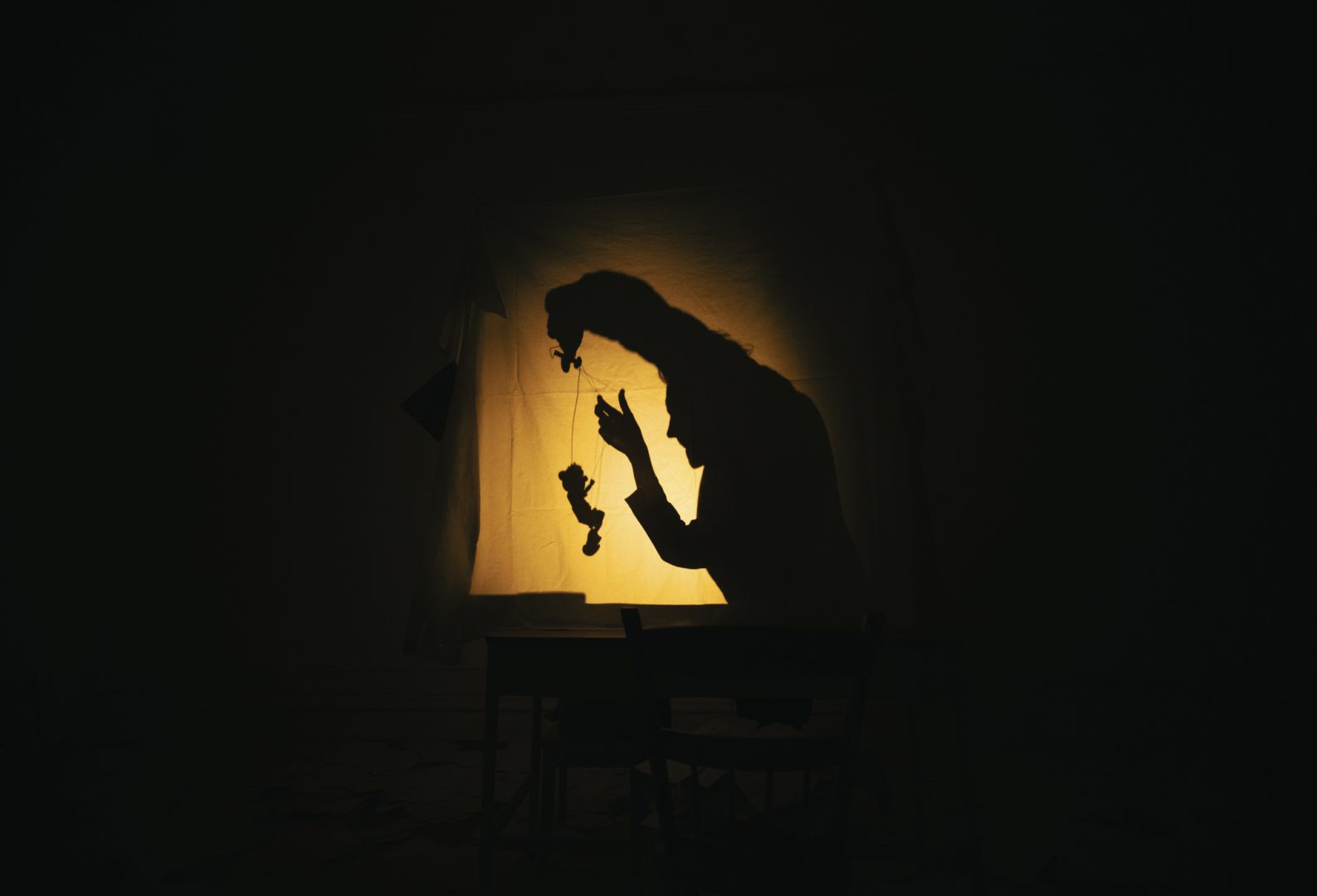
Photo courtesy of Ivo Müller / One Million Words – Rilke

“I titled it ‘One Million Words – Rilke’ because of the vast amount of material you find when you search for Rilke online,” explains Müller. “He wrote more than 13,000 letters, many of which have been translated into different languages. But also, I wanted the show to have a distinct and memorable name.”

“I’m not sure my performance ten years ago matched my abilities as an actor,” Müller discloses. “Perhaps I was too immature to take on a solo show when I first performed it in Portuguese. At the same time, it taught me so much – it has been a constant and intense form of training. Now, performing it in English truly aligns with where I am. It’s a character who has never fully belonged to the place he was born, who is a foreigner, who speaks with an accent.”

Workshopping the play to mounting it on the stage was a journey in itself. Relates Müller, “I had planned to workshop the show at the Hollywood Fringe in 2024, but I was invited to work in Brazil, so I cancelled the run. In the end, that project in Brazil was postponed. But things happen for a reason. Later that same year, Tony Torn and Lee Ann Brown offered me a slot to workshop the show in New York, at Torn Page – the historic brownstone in Chelsea where actors Geraldine Page and Rip Torn once lived. That’s where One Millions Words – Rilke in English was first performed.”
Ivo Müller. | Photo courtesy of Ivo Müller / One Million Words – Rilke

Every performance has been remarkable but one particular show stands out in Müller’s mind. He recalls, “Looking at the project as a whole, one of the most unforgettable moments happened during the run at the library I mentioned. It’s located in downtown São Paulo, and the performances were free – which brought in a very diverse audience. One day, a man came to speak with me after the show. He said he was there for the second time because the performance had somehow made him feel better. Then he told me he had been living on the streets and struggling with very negative, intrusive thoughts. But after watching the show, he said something had shifted. Those thoughts were no longer overwhelming him in the same way.”

As to what he wants his audience to take away, Müller declares, “Whatever they take away from the day they see the show. As writer Janet Flincher said after watching it, ‘the show has more ideas in an hour than you usually get in a month.’ And I like to write on the Playbill: ‘No, do not try to understand everything that is said. Instead, take a deep breath and let the words flow into your soul. And if some parts of the show bring you memories or if you zone out, that’s great. You should ‘travel’ and come back.’ I want the audience to tell the story with me, based on how they feel in that moment, on that particular day that they experience it.”

Those enigmatic words could only make us want to embark on a journey with him.       
Sierra Madre Playhouse Stages World Premiere of New Musical “Flashes of Light”

| Photo courtesy of M. Palma Photography

Also published on 16 May 2025 on Hey SoCal

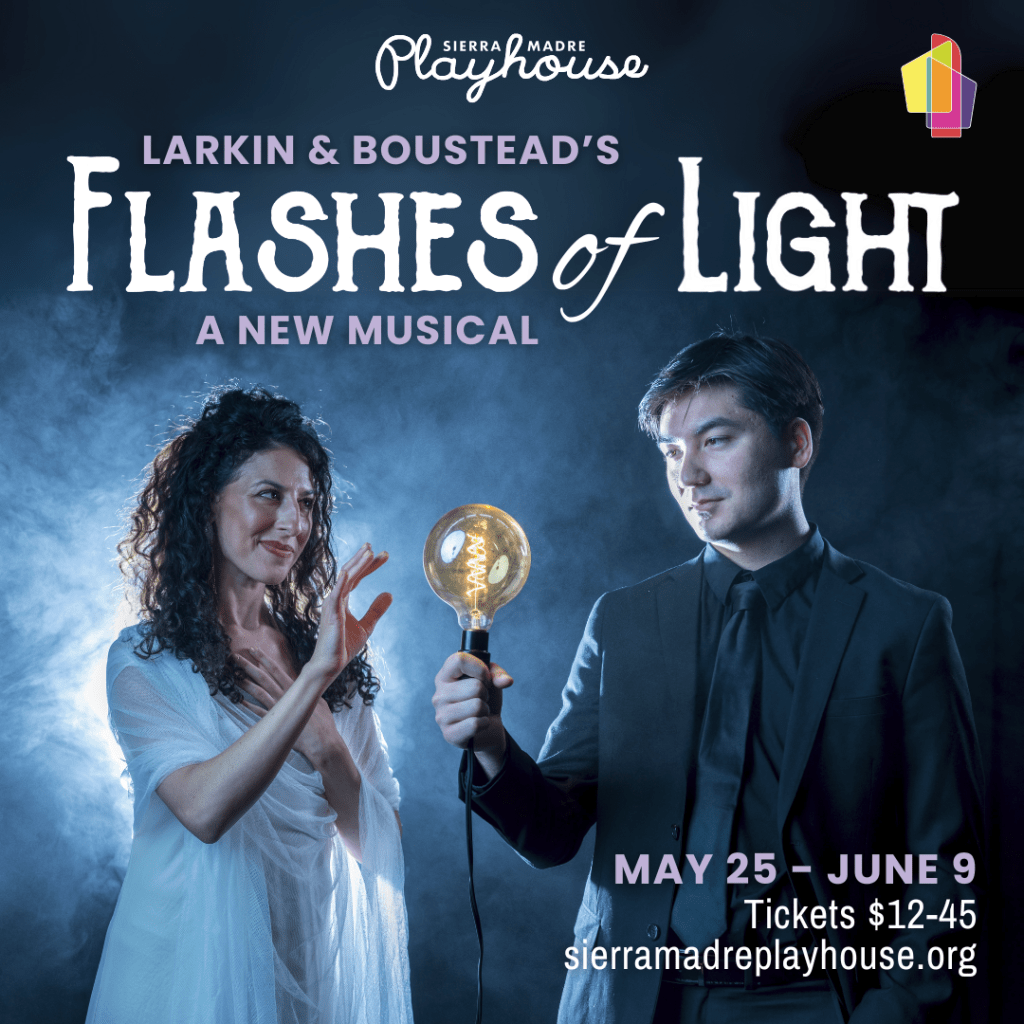
“Flashes of Light,” a new musical by Billy Larkin and Ron Boustead, makes its world premiere at the Sierra Madre Playhouse from May 25 through June 9, 2025. Directed by Jon Lawrence Rivera, founding artistic director of Playwright’s Arena, the production is about visionary inventor Nicola Tesla and his muse Electra, the formidable goddess of storm clouds.

Set against the backdrop of the industrial revolution in New York City in the late 1800s, the story follows inventor Nikola Tesla, guided by Electra, who sends him visions of groundbreaking inventions during lightning storms. Their connection amps up when Tesla’s rivalry with Thomas Edison intensifies during the “War of the Currents,” a battle that shaped the world’s electrical future. As Tesla and Electra become obsessed with pushing the envelope of scientific discovery, a star-crossed love story fraught with peril unfolds as the line between science and mythology begins to blur.

Bringing together mythology and science, romance and historical fiction, “Flashes of Light” is a brilliant idea in musical theatre. The music’s heartfelt lyrics, soaring vocals, and haunting melodies blending jazz, pop, and rock, bring this fantastical story both tragic and divine to life.

Co-creators Larkin and Boustead discuss by email the origins of this collaborative work, the choice of venue, and the audience takeaway.

“Billy became fascinated with Nikola Tesla – this mysterious figure – so critical in the development of our modern technology, yet so underappreciated in the mainstream of American history,” begins Boustead. “Tesla was known to experience flashes of light and blinding headaches throughout his life, which were most likely migraines, but we attributed his malady to the overwhelming influence of Electra, Goddess of the storm clouds. Naturally, her power would be a lot for a mortal to endure.”

Thomas Winter as Nikola Tesla. | Photo courtesy of M. Palma Photography

“Also, the obsessive Tesla never married or was known to have a partner, so the idea of including Electra as his muse gave us a romantic storyline to add to the narrative,” Larkin adds.

While integrating myth or folklore with a factual figure and moment in science might seem conflicting, mythology is very much intrinsic to theatre, as Larkin and Boustead explain. “Mythology has been a staple of theater since its beginning, and crafting this tale became a catalyst to do a deep dive into some of the more compelling figures of Greek and Roman myth. Electra answers to a council of gods, more senior than herself.”

“Naturally, Athena – known for her wisdom, power, and morality – leads the council,” Larkin and Boustead clarify. “Prometheus, who had given mortals the gift of fire, is on hand to guide Electra in her mission to assist humans in the development of electricity. And Dionysus is an amusing addition to the council, with his drunkenness, his humor, and the sibling rivalry he shares with his sister, Athena.”

Teasing out the story, Larkin and Boustead relate. “Nikola Tesla leaves his homeland in Serbia with a head full of ideas about how to best distribute electricity for homes and factories at the dawn of the industrial revolution. He lands in New York where he becomes a rival to the great Thomas Edison in the ‘war of the currents,’ a contest between Edison’s direct current method, and Tesla’s alternating current.

“Along the way, Tesla interacts with prominent figures in 19th century finance and industry, like J.P. Morgan and George Westinghouse, and befriends the first American celebrity – the one and only Mark Twain. Through every challenge, Tesla is being assisted in his groundbreaking inventions by Electra, heard and felt only by him, during lightning storms. Like all interactions with the gods, theirs is a star-crossed relationship, with profound and tragic consequences.”

Devyn Rush as Electra and Thomas Winter as Nikola Tesla. | Photo courtesy of M. Palma Photography

Asked why they chose to debut their production in an intimate setting, Larkin and Boustead reply, “In April of 2024, we performed a concert of songs from our show at the El Portal Theatre in Noho, which we filmed. A friend of mine, who attended the concert, happens to be on the board of Sierra Madre Playhouse, and brought our project to the attention of Matt Cook, the artistic director. Matt thought ‘Flashes of Light’ would be an exciting addition to their 2025 calendar and approached us about staging our first run in their 99 seat theater setting. We love the historic and intimate vibe of SMP, and find it a welcoming atmosphere to get our production on its feet.”

Musicals normally require an orchestra – which the Sierra Madre Playhouse couldn’t accommodate – so they had to improvise. “Our score is built around a full jazz-rock band,” describe Boustead, “Because of the size limitations of the stage at SMP, we determined that the best approach for the music was to use the hybrid combination of Billy at the piano, assisted by tracks covering the rest of the orchestration.”

All 26 songs in the show are original and co-written by Larkin and Boustead in the course of eight years. However, many other beloved songs ended up on the cutting room floor, otherwise their show would be three hours long.

Devyn Rush as Electra. | Photo courtesy of M. Palma Photography

The co-creators dream that their show will one day be staged at larger venues but, for right now, they are happy to debut it in the San Gabriel Valley.   

Larkin and Boustead emphasize, “Like any other musical theater creators, we imagine a trajectory that takes our project to larger venues next, with the ultimate goal of becoming a smash Broadway hit show, and eventually a touring company. But for now, we are singularly focused on making this version the very best it can be, given the time, budget, and space considerations available.”

“We hope audience members will gain a clearer appreciation for the tremendous contributions that Nikola Tesla made to our modern world,” pronounce Larkin and Boustead. “ We have been faithful to much of the history and science as it really happened, but we believe that the way we’ve told Tesla’s story will move audiences – sometimes to laughter, sometimes tears – but in the end to appreciate the value of one man’s life.”

“Tesla’s story is one that explores themes of science, mythology, genius, madness, immigration, friendship, romance, and ultimately legacy,” Larkin and Boustead declare as a final note. “It’s one that resonates with anyone who strives to leave the world a better place than they found it.”

These topics are as realistic as they are fantastic, as relatable as they are aspirational. “Flashes of Light” promises to be a little show with huge potential to reach great heights. And we in the San Gabriel Valley are so fortunate to be the very first ones to see it launch.

‘Mr. Yunioshi’ Explores the Question of What Roles Actors Should Choose to Play

Originally published on 14 January 2023 on Hey SoCal

Mr. Yunioshi is a character in the 1961 movie ‘Breakfast at Tiffany’s,’ which was adapted from Truman Capote’s novella of the same title. Mickey Rooney, wearing heavy make-up and mouth fittings, depicted  Mr. Yunioshi as a clumsy Japanese photographer who bumped into furniture and  lamps. Rooney’s interpretation – a ludicrous caricature – has since become the topic of much critical commentary.

In retrospect, it was a monumental mistake to cast Rooney as an Asian man. However, it can be argued that during the Golden Age of Hollywood, representation hadn’t entered our collective consciousness and movie studios hired mainly known ‘stars.’ In 1957 Yul Brynner played King Mongkut of Thailand on stage and later in the film adaptation of ‘The King and I.’ Katherine Hepburn was cast as an Asian Woman in the 1944 drama ‘Dragon Seed;’ Luise Rainer even won an Academy Award for her role in yellowface in the 1937 film ‘The Good Earth.’ That didn’t make it right, of course, but it was the reality at that time.  

A reversal of that situation is what’s in store in ‘Mr. Yunioshi.’ We’ll have the chance to see for ourselves how an Asian American playwright and actor imagined what Rooney was thinking to arrive at his depiction of the character when the play opens at the Sierra Madre Playhouse on Jan. 27. and runs through Feb. 5, ‘Mr. Yunioshi was written by J. Elijah Cho who also performs the titular role.

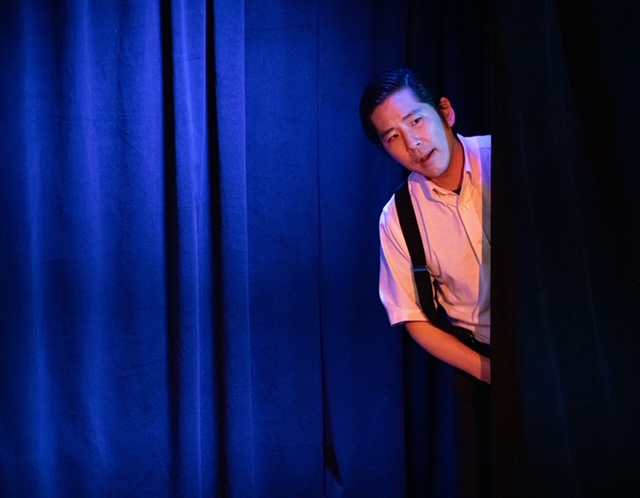
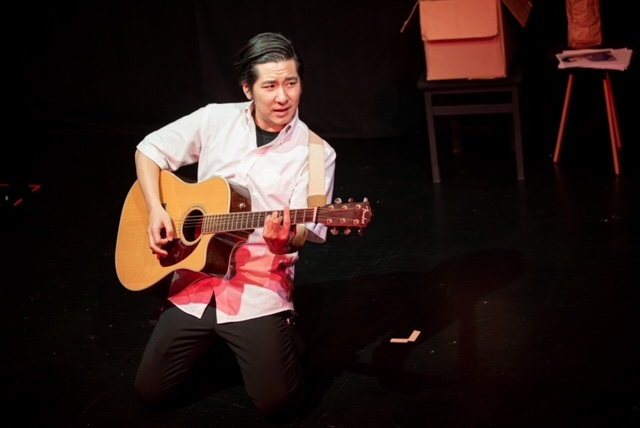
J. Elijah Cho in ‘Mr. Yunioshi’ | Photo by Rob Slaven / Sierra Madre Playhouse

Interviewing an Asian American actor who plays the role of a white man portraying an Asian character is such a thrill for an Asian American like me who has called Pasadena home for 40 years! By email Cho informs me that his parents were both in the Air Force (now retired) so he and his brother moved around a lot when they were growing up. He knew acting was his calling the first time he saw Ke Huy Quan in ‘Indiana Jones and the Temple of Doom’ as Short Round and in ‘The Goonies’ as Data. “Quan continues to inspire me as an actor!” Cho enthusiastically declares. 

When Cho graduated from high school on a military base in Korea, one of his aunts gave him a copy of Stephen King’s ‘On Writing.’ King’s book was what motivated him to write plays that he could ultimately perform himself when he went on to study Theatre Performance at the University of South Florida.

Cho’s role as Wonderboy AMC’s original series ‘Halt and Catch Fire’ was his introduction to American audiences. He says, “’Halt and Catch Fire’ is, to date, my biggest acting credit, and I’m so grateful to have been a part of a show that I am also a huge fan of. I auditioned for that through my agent in Tampa and we filmed in Atlanta. What I’m best known for right now is this YouTube video from Jubilee Media, ‘Do All Asian-Americans Think Alike?’ I’ve been recognized a few times for that, which is weird and fun. I’m hoping soon I’ll be known for Mr. Yunioshi!”

Asked when he wrote ‘Mr. Yunioshi’ and what prompted him to, he replies, “I wrote Mr. Yunioshi after my time on ‘Halt …’ was over but I had the idea before then. The play was written as sort of a humorous but heartfelt response to a local theater gatekeeper and also the limited roles and opportunities specifically for Asian American actors. I hope someday other Asian actors will see and want to do the show for their communities. I think Mickey Rooney is the most pointed to example of yellowface in cinema and people have protested screenings of ‘Breakfast at Tiffany’s’ because of his scenes. I don’t think of myself as an agitator, but I thought it was a subject that a lot of people (myself included) felt strong feelings about and that maybe humor and empathy could be used to help us navigate a way through it.”

Cho adds, “I think it can be hard for an actor to navigate what roles they choose because they have very little say in the opportunities they are given. I think writing helps but it comes with its own set of responsibilities. I believe an actor’s responsibility is to live truthfully under imaginary circumstances. And it certainly helps when you’re given a bit of control over those circumstances.”

J. Elijah Cho in ‘Mr. Yunioshi’ | Photo by Rob Slaven / Sierra Madre Playhouse

As to the audience takeaway, Cho says, “Empathy! I think that’s the big thing I hope audiences take from Mr. Yunioshi. I also hope they laugh and that they can leave some things behind, if that makes sense? I’ve had a few people tell me they thought I’d be angrier, but I don’t want to hate Mickey Rooney. I mean, I’ll make fun of him, but I think audiences can tell if it’s mean. And I don’t want to put more meanness out there.”

Mr. Yunioshi has been performed in New York and Australia so I ask if Australian audiences react similarly as those in New York and if the Edinburgh Fringe is next. Cho states, “The New York Fringe in 2016 was the first draft of the show and was still very tongue-in-cheek. My friend, Joe Wagner, directed me for the Hollywood Fringe and helped ground my performance and really find the comitragic character of Mickey Rooney. A tape of the Hollywood performance played online in Sydney during the lockdown, so unfortunately I didn’t get to see the audience reaction in Australia! And oh gosh, Edinburgh! I would love to do it at some point but we’ll have to see when!”

While having acting credentials on a television series and being on YouTube are helpful in furthering his career, they don’t necessarily result in getting the roles he wants. Cho explains, “I have a lot more experience on stage and I think that provides a degree of comfort. And I’m grateful for any opportunity to perform so I love being on set. Lately, I’ve been trying to remind myself that the type of credits I have hasn’t been as integral to finding collaborators as just staying busy and putting myself out there and I think that’s what really opens doors.”

I ask him how he prepares for Mr. Yunioshi and if the role gets easier now that he’s performed it a few times, he responds, “It’s a solo performance, so it’s only me on stage the entire time; and that’s challenging in a lot of ways. I’ve performed it a lot now and I feel like each show has prepared me a bit more mentally and emotionally for the next. It has gotten easier and while it is exhausting, I’m always so excited to perform it for people!”

J. Elijah Cho in ‘Mr. Yunioshi’ | Photo by Rob Slaven / Sierra Madre Playhouse

So what’s next for him? Cho says, “I’m writing a few new things – a horror comedy pilot and a horror screenplay among them… I’ve also got a few things for stage that are in the works. The next thing for me will be a sketch show at the Pack Theater with my team, Surprise B*tch! (or Surprise Beach, if we think there will be children present but it’s a late enough show that I think we’re okay…).”

Lastly, I ask him if there’s anything he wants me to include in the article that I had omitted to bring up. He says, “I’m always anxious that I’ve forgotten to express gratitude to all of the people that have helped with the show, so real quick: Thank you, Mom, Dad, Josh, Aunt Susie, Ari & David Stidham, Sierra Madre Playhouse, Hollywood Fringe, Joe Wagner, Jack Holloway, and you and your readers! I hope you can come see Mr. Yunioshi at Sierra Madre Playhouse, January 27 – February 5!”

While Mr. Yunioshi is a comedy, at the core it examines thought-provoking questions: Should actors have the opportunity to play ANY role? Could there ever have been a ‘right’ way to play it? What compels an actor to play a character that they really shouldn’t be playing?

Mr. Yunioshi is what Cho imagined informed (however ill it was) Rooney’s acting choice in his portrayal of a fictional Asian character. He treated his subject with kindness and compassion – he showed that Rooney’s intent was simply to make the audience laugh. And many people did when the film was first released. But we have since evolved as a society and we now recognize that insensitivity is no laughing matter.