Originally published on 10 August 2021 on Hey SoCal
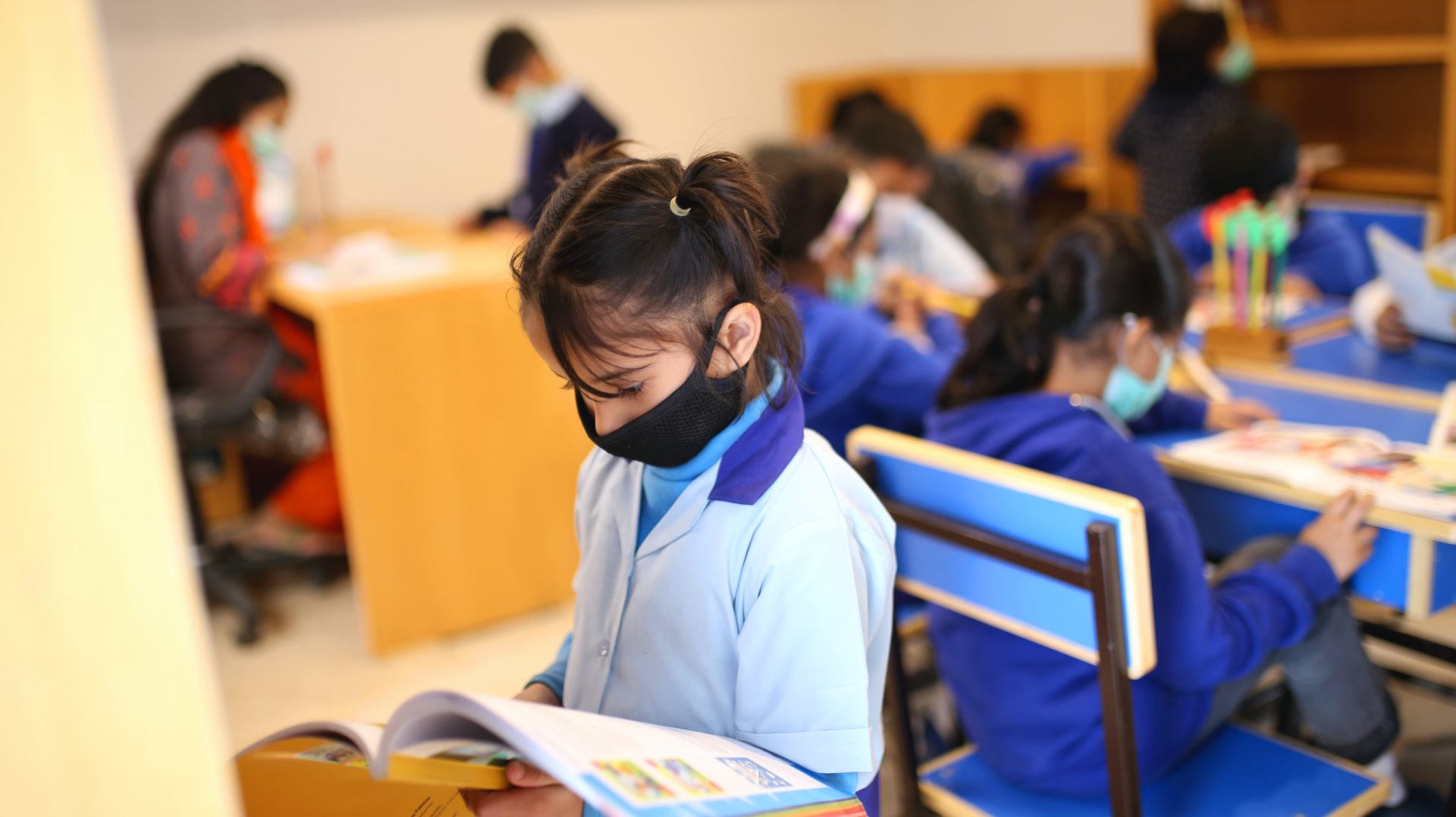
Photo by Muneer Ahmed OK on Unsplash
Schools are gearing up for reopening full time after more than a year of remote and hybrid learning. Such happy news should be a source of relief for parents who believe that virtual classes don’t adequately provide the environment and tools conducive to learning. However, the seemingly uncontrollable coronavirus infection rates from the Delta variant are causing trepidation, even fear, among these same parents.
Some people have gone so far as saying that it’s irresponsible for schools to reopen and have students come on campus under these circumstances. While the cost of learning loss should not be taken lightly, the threat to students’ and teachers’ safety and health should not be discounted in any way either. It is essential that we bring students back in the classrooms; it is necessary to keep students and teachers safe. Both are moral imperatives – one need doesn’t outweigh the other.
To find out how school districts and administrators are handling this sensitive issue, we reached out to the Arcadia, Monrovia, and Pasadena school districts and heads of independent schools to share their plans with us and our readers.
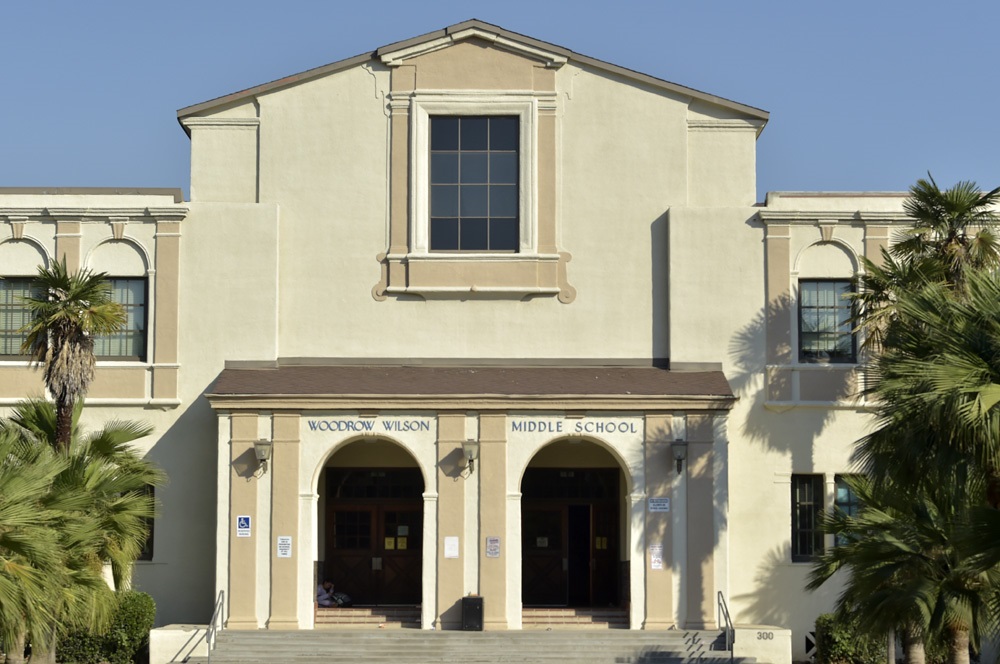
The Pasadena Unified School District serves approximately 17,000 students from kindergarten through 12th grade who live in Pasadena, Altadena, and Sierra Madre. Operating four high schools, five middle schools, three K-eighth, and 15 K-fifth elementary schools, it is the largest in the western San Gabriel Valley. Through Hilda Ramirez-Horvath, PUSD communications manager, Superintendent Brian McDonald discloses:
“School begins in PUSD on Thursday, Aug. 12. Classes will be full-time and in-person, five days a week. Learning will take place on campus an independent study will be available as an option for parents who are hesitant about sending their children back on campus. According to the California Department of Public Health (CDPH), in-person instruction can occur safely when prevention strategies are implemented. Since the pandemic began, PUSD has implemented multiple layers of robust set of safety measures. We will comply with the State’s public health requirements for schools and continue to work closely with the Pasadena Public Health Department (PPHD).
“We’re following the guidance of Pasadena Public Health and the California Public Health Department. We’re urging everyone who is eligible to get the vaccine, we have a robust COVID testing program, and masks are required for everyone. Ventilation is also in place with commercial-grade air purifiers in classrooms and common areas.
“As to whether PUSD will be requiring students to show proof that they’re fully inoculated, mandatory vaccinations for children are set by the state public health department. We will comply with state guidance.”
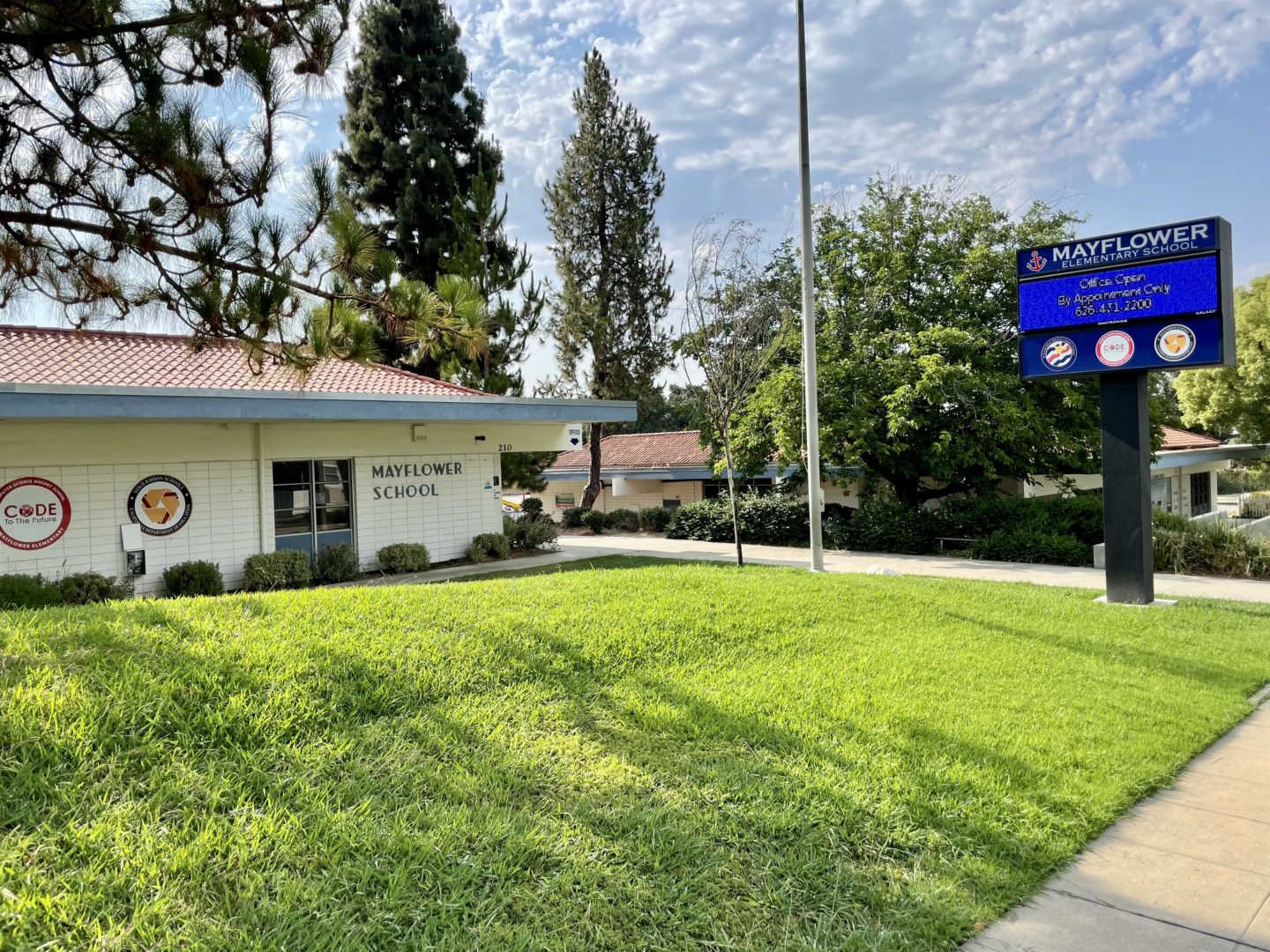
The Monrovia Unified School District encompasses five elementary schools, two middle schools, and one comprehensive high school. Superintendent Ryan Smith says:
“Our school year will begin on Wednesday, Aug. 18. We are very excited to welcome students back to campuses for traditional in-person instruction. We do have an independent study program at Mountain Park School that is a viable alternative for any family that prefers that their student continue to learn online on either a short or long-term basis.
“As always, we will be adhering to all requirements for schools that are laid out in both state and county public health guidelines. This includes the wearing of masks indoors for all students and staff; outdoors, masks are optional. Distancing is no longer a requirement in these guidelines; however, when feasible, we will do what we can to space students as needed or appropriate. We will not be requiring students to show proof of vaccination as that is not a requirement in health guidelines; students younger than 12 cannot be vaccinated anyway at this time. We have protocols in place to routinely clean our classroom, ensure proper ventilation, and access to PPE, again, all in accordance with public health requirements.
“We continue to emphasize that students who are ill or exhibiting symptoms stay home, handwashing, wearing masks, and that people get vaccinated if they are able.
“We are very excited about the start of the school year! Among our immediate priorities as we return are the following: identifying gaps in learning for each individual student and acting to address them; ensuring access to resources and support to address the social-emotional learning needs of all students; and utilizing technology to continue to personalize and accelerate student achievement.”
The Arcadia Unified School District is made up of 11 schools and serves about 9,500 students. It’s consistently named as one of the top school districts in the country by various ranking organizations; Arcadia High School is a U.S. News & World Report Gold Medal School.
We didn’t get a response from the school district’s information office but we learned that Arcadia High School will be opening on Aug. 11. Last Friday, Aug. 6, we observed the campus abuzz with activity – students were registering for classes, the band was practicing at the Performing Arts Center, and sports teams were meeting at the stadium. We saw safety protocols posted everywhere, the masking mandate strictly enforced, and bottles of hand sanitizers perched on tables at the reception lobby and at entrances. There was a definite air of eager anticipation for the school year to begin.
Most independent schools will start their 2021-2022 school year on the last week of August and, understandably, don’t have their plans etched in stone at this time. Among the handful of heads of school we requested information from, two agreed to tell us their procedures while emphasizing that they are in flux.
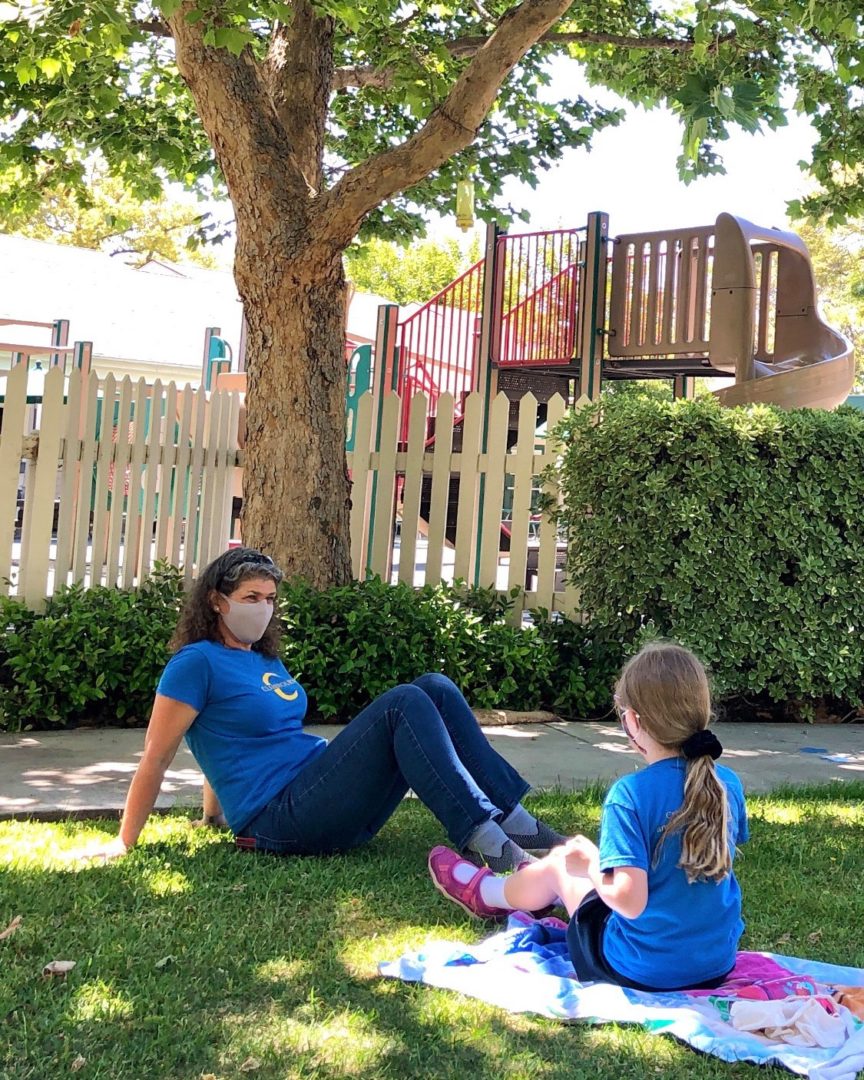
Clairbourn School in San Gabriel, which has served the Pasadena area continuously since 1926, is a day school with a small enrollment of 200 students from pre-K to eight grade. Head of school Amy Patzlaff, states:
“Our opening day is Aug. 26, and we currently plan to offer only in-person instruction, but there may be situations that we will handle on a case-by-case basis. That said, we are prepared to go fully remote in any class or grade should that become necessary due to health department orders, exposures, or any other reason.
“Besides cleaning procedures in place, we have hand sanitizers at every building entrance, desks are spaced out in classrooms to a minimum of three feet and more where possible, ventilation has been increased, and we are mandating universal masking on campus. We have visual cues to help with spacing – dots on benches and paw prints on the sidewalks. We do daily health screening for symptoms prior to arrival on campus. We will be doing regular COVID testing as long as it is recommended, including upon return to campus after holidays. In addition, we follow all of the protocols recommended by the health departments of isolating any symptomatic students or adults, sending them home, and requiring testing before return to campus. We will collect vaccination information and store it, according to privacy laws, along with all other health records.
“The spring was a good test of protocols while fewer students were on campus. We found the students compliant and the teachers vigilant. With the layers of protection in place, we are confident that we have mitigated the risk enough to have a successful year. A group of school nurses in our area have been working closely together to share strategies and procedures. This brain trust has helped each school to build on the collective work to launch successfully. I am grateful for the partnerships. In addition we have been working very closely, since March, with Pasadena Public Health, Los Angeles Public Health, cohorts of local schools, and Joffe Emergency Services. All of these agencies and groups have been generous with their time and knowledge. They all have provided expert advice that we can use immediately.”
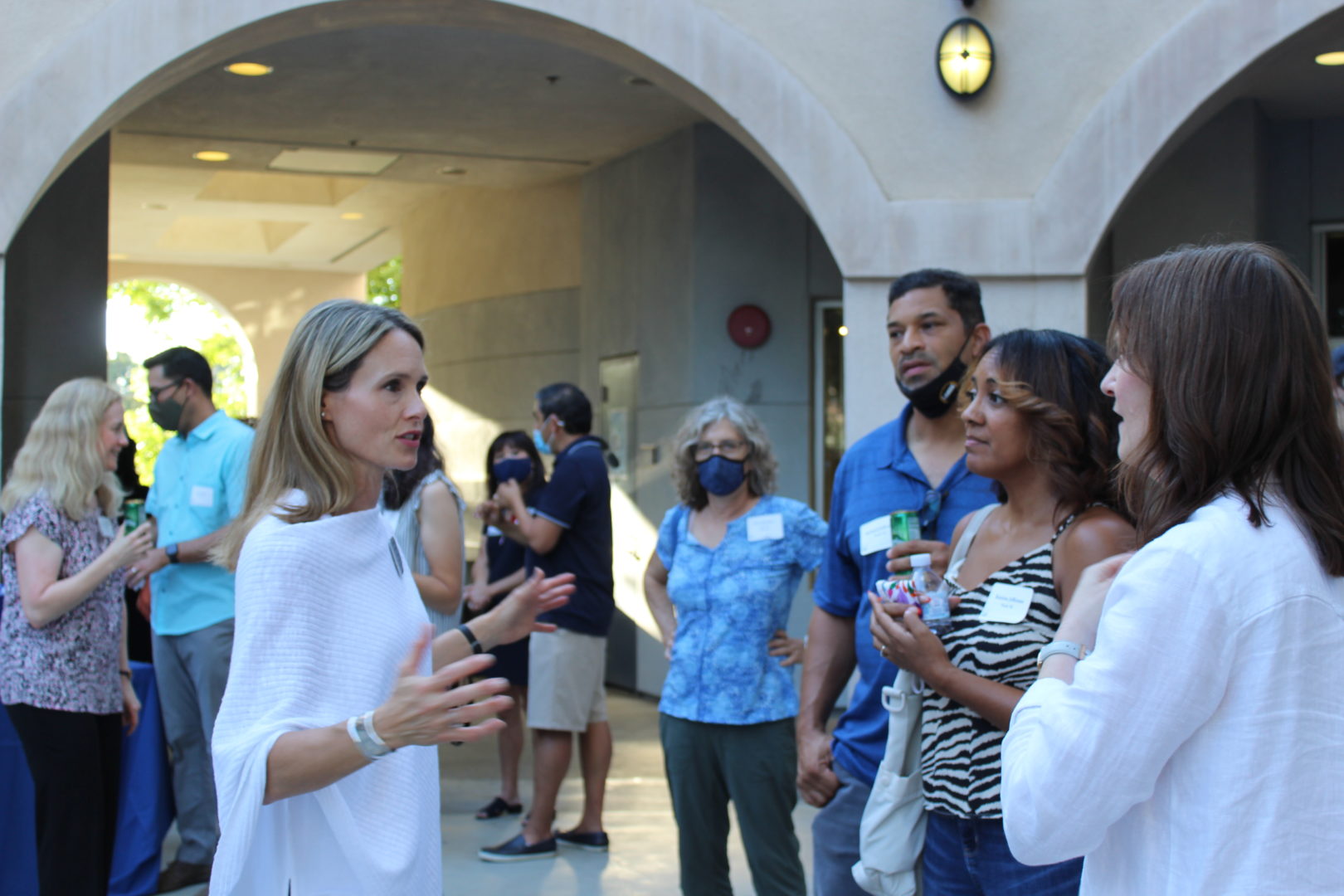
A nationally recognized coed learning institution, Flintridge Preparatory School in La Cañada Flintridge, educates students from seventh to 12th grade. Through their director of communications, Nicole Haims Trevor, head of School Vanessa Walker-Oakes, shares their opening plans.
“Our school year will begin on Aug. 26 for in-person classes only. We will follow all guidance from the State of California and Los Angeles County, including (but not limited to) masking indoors and outside as appropriate, enhanced cleaning protocols, improved ventilation, frequent handwashing, and daily symptom assessments. We are prepared to be responsive as conditions and guidance change.
“We expect all eligible community members to be vaccinated and to voluntarily share their students’ vaccination status. However, we anticipate our policy to change when the FDA fully approves the vaccination, removing the emergency use authorization.
“While we are mindful of the Delta variant, we here at Flintridge Prep are enthusiastic and excited to reopen this fall, and we look forward to revitalizing our relationships and reconnecting with our families on campus. Flintridge Prep values our community’s health, safety, and wellness, and we will use a variety of tactics to reduce risk for our students, their families, and our faculty and staff.”

 A San Gabriel Valley Inquirer