Originally published on 5 January 2022 on Hey SoCal
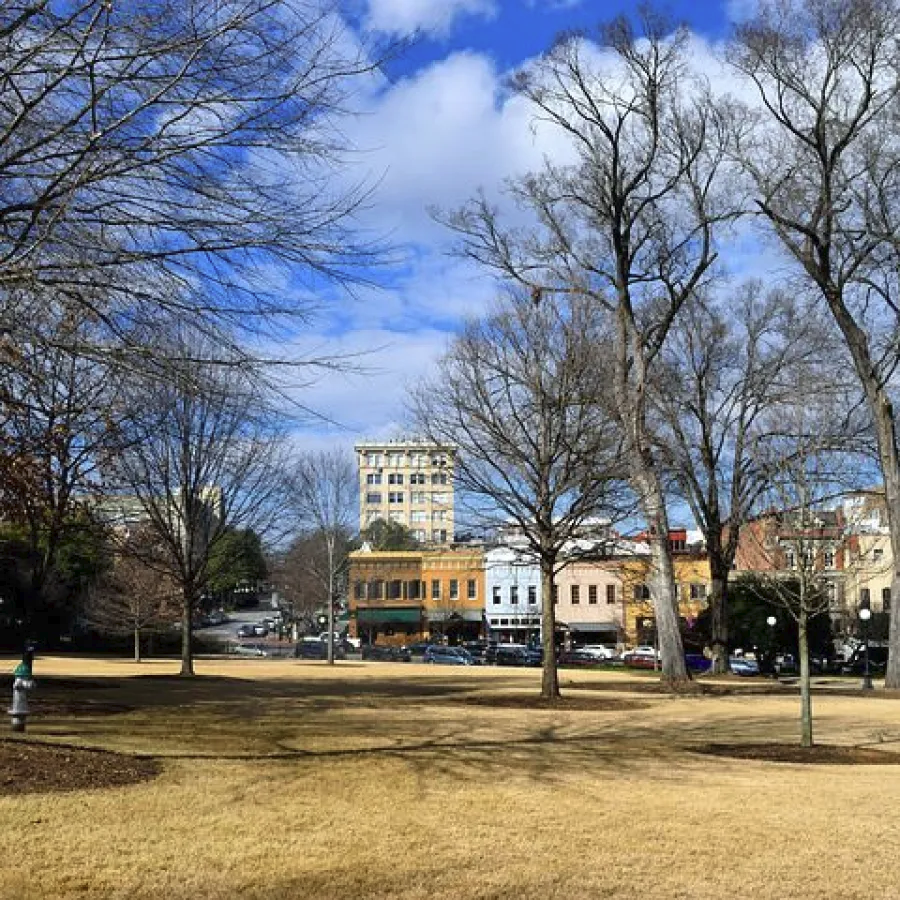
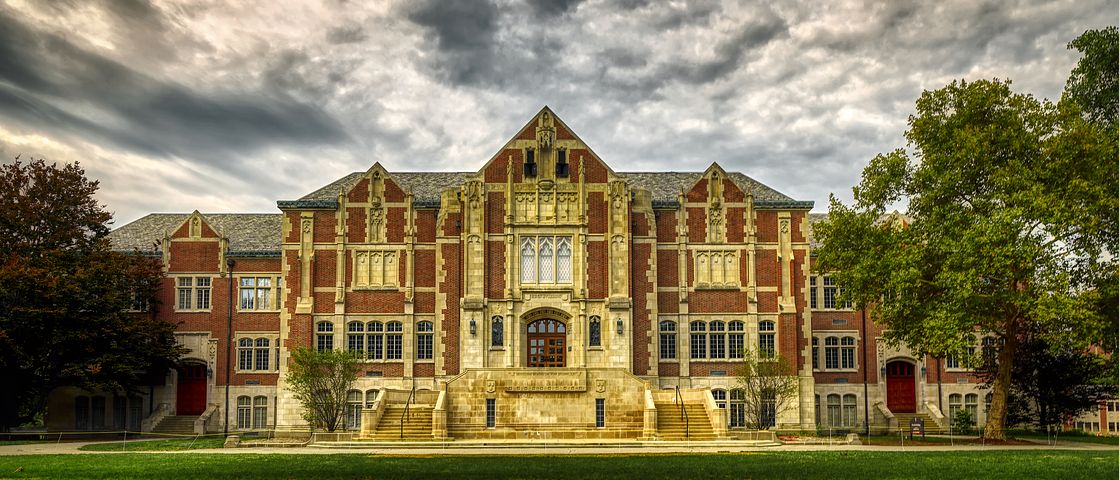
University of Georgia | Courtesy Photo
The road to college
Happy New Year!
We’re all still reeling from the impact of this pandemic which has touched every aspect of our life – from the economy to education, to our mental and physical well-being, among others. And now we welcome 2022 with the omicron variant, which seems to be less severe but more infectious. Before they even had a chance to take a breather, hospitals and health care workers are once again caring for those infected.
Anticipating a surge in Covid infections after the winter holiday, some schools are reinstating safety protocols. The L.A. Times published a Christmas story by staff writer Melissa Gomez about USC’s announcement that classes will be held remotely during the first week of this semester. She further reported that students and staff will be required to show proof of booster shots as soon as they are eligible.
There’s a heartening update about college admissions, though. On December 29, L.A. Times staff writer Teresa Watanabe reported that California is bucking the prevailing norm of privileged students with excellent GPAs and outstanding resumés. During this admissions cycle, unentitled kids are California’s new generation of star applicants.
And with that refreshing bit of news, let’s get on with the college guide.
FRESHMAN
Typically, the beginning of the year marks the halfway point in the school year. First semester grades will soon be released if they had not been sent out yet. If your 9th graders’ marks are not great, they would need to use the second semester to better them as it’s the end-of-year grades that show on the transcript. Some universities – including the UC and Cal State systems – have dropped their SAT requirements, so a student’s GPA is the single most influential component of the college application. Admissions officers only have your children’s GPA to gauge their college readiness and success.
SOPHOMORE
This is your student’s second year, and by this time they should have fully transitioned into high school. They need to put extra effort into weak subjects and solidify their grades this semester.
| Photo courtesy of Andrew Neel/Unsplash
JUNIOR
The second semester of junior year is significant as it is the beginning of the college application process. Students should have already started doing their research about the colleges and could start doing virtual tours ahead of a spring or summer campus visit. Some useful websites include campustours.com; CollegeProwler.com; SmartCollegeVisit.com and YOUniversity.com.
While I’m tempted to say “Tell your kids to breathe a sigh of relief, the hard part is over,” the truth is, the waiting part induces just as much anxiety as applying to colleges. And, oftentimes, it’s worse because neither you nor your children have control over it. Just be there for your kids to remind them that they have done a great job and they should let the admissions professionals do theirs.
The months from January through March can still be a time for your children to do something to help their cause. Mid-January is when high schools get their first semester grades finalized. If your student’s mid-year report is particularly spectacular, this could be a very good development especially if they are applying to a highly selective college. When your children’s high school sends the grades, have your children follow up with an email to the area representative telling them about their hard work and interest in that college.
If your children have been deferred at a college when they applied through early action or early decision, it is advisable for them to send in an additional teacher recommendation, but only if this supports their application. Likewise, if your student has received notable honors or made any significant achievement, they should let the admissions officers know by email.
Having done all these, you and your children will now just have to wait patiently for the process to play itself out.
Originally published on 1 March 2021 in the Pasadena Independent, Arcadia Weekly, and Monrovia Weekly
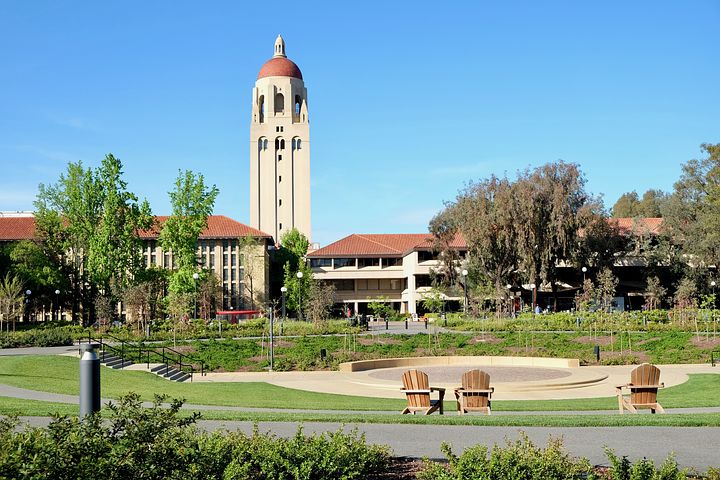
Stanford University | Courtesy Photo
The road to college
This month marks a year since the coronavirus pandemic became widespread and lockdown began. I wish I could say that we might see some light at the end of the tunnel but, sadly, that could still be months away. The U.S. has surpassed 500,000 COVID-19 deaths, more than in two world wars and the Vietnam war combined. While there are now three approved vaccines to help fight the coronavirus, there is very limited supply and rollout is being staggered. The latest vaccination update issued by the L.A. County Public Health Department has listed the sectors eligible for inoculation beginning March 1, they include workers in food and agriculture, education and childcare, and emergency services and first responders.
At the same time, government officials and school districts are announcing plans to reopen school campuses in early April. However, teachers’ unions are refusing to let their members go back to classrooms until they have been vaccinated. But private schools in California and the San Gabriel Valley have found ways to ensure their teachers’ and students’ safety and are now open for in-person learning. It only shows that the children who are more adversely affected by remote learning — those in low-income and racially diverse households — and who would most benefit from a return to classrooms, are not being served.
Inequity in access to education goes all the way to the college level and first came into the spotlight during the spring of 2019’s bribery scandal. And now the pandemic has exposed a trend in college admissions. According to the New York Times’ education briefing, selective schools — including California’s UC system and Penn State — saw double-digit surges in applications due to standardized test scores being waived this admissions cycle. Harvard University had a record-setting 42% increase and the entire Ivy League had to extend its notification by a week to give admissions officers time to read and process applications.
On the other hand, many state schools and small private colleges suffered double-digit drops in applications and enrollments. Many institutions outside the top-tier have been struggling for years and the pandemic just made it worse. The N.Y. Times report further said American colleges and universities have endured losses of more than $120 billion and a few have shut down permanently. The institutions still operating often have to make up the difference by cutting services and programs that provide the tools, resources, and support which many low-income and first-generation students need to complete their degrees.
But let me get back to the purpose of this college search guide. If your children are now attending in-person classes, you must be so relieved after a year of practically having to home-school them. They might have to play catch-up, though. Whether your kids are still remote-learning or on campus, there are several tutoring services available if they require help with school work. Find one which offers options that fit your children’s specific need and your family’s budget. A company called Mundo Academy provides excellent tutoring services in the Pasadena and San Gabriel Valley area. Likewise, some high school and college students have created free tutoring services and learning platforms to help children during the coronavirus pandemic. Two of these organizations include Sailors Learning and Wave Learning Festival.
If your children are still distance-learning, you must be exhausted balancing home-schooling and working. Please reach out for assistance. The CDC has put together a resource kit for parents, divided by age group, to help them ensure their children’s well-being. The site also has links to other resources that cover various concerns. Another CDC webpage is dedicated to helping parents manage stress during the coronavirus pandemic.
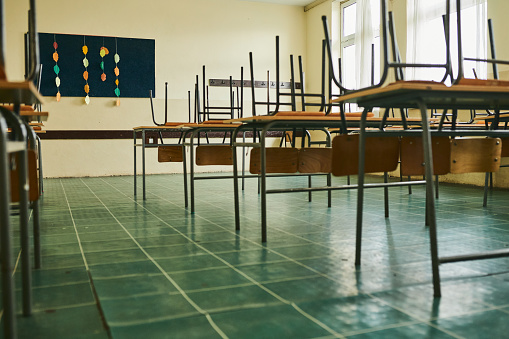
Empty classroom with chairs on the table during COVID-19 pandemic
FRESHMAN
Your children should have all their grades on track. They need to concentrate on maintaining good study habits now to be better equipped to handle the rigors of the workload in the coming years. If they haven’t been reading much, they should seriously consider taking up reading as a hobby during spring break to help them increase their vocabulary — it will come in handy when they write all the supplemental essays many universities require.
It’s also a good time for your children to consult their class dean regarding summer activities – academic enrichment programs, volunteer work, or part-time employment. College admissions officers are looking for students who explored their passions while getting good grades.
Admissions officers will not expect your children to have extra-curricular activities during the coronavirus pandemic. However, they will be interested to know how students spent their time outside of remote learning. Encourage your children to find virtual volunteer work or earn online certificates to put on their curriculum vitae. Hopefully, this time next year we’ll have some normalcy in our lives and students can resume some of the activities they have put on hold.
SOPHOMORE
Tenth graders who are taking AP courses need to register for the AP exams administered in May. While there is a slew of small independent tutoring schools offering courses to prepare for the AP tests, some children do not need to take on this additional burden on their already busy schedules. Your children have enough on their plate with the intensive homework associated with an advanced placement course. That said, your kids will still have to show competence on the AP exams as all scores are submitted to the College Board; all the colleges to which your children apply will see the AP scores.
Students with protective masks sitting in school desks in their classroom. School desks are marked with a cross to mark a place where sitting is not allowed to maintain social distance during corona virus.
JUNIOR
Spring break is usually the time when juniors visit various campuses. Years before the pandemic, my daughter’s school had an organized tour and students had a prepared college visit checklist with a page or several pages allotted for each school. They had to write their overall impressions.
In-person college visits may not be available during the pandemic so make sure you and your children do a virtual tour or a webinar. Many universities offer a live virtual tour where someone takes you around the campus on FaceTime or Zoom. There’s usually an admissions officer on hand to answer questions. And, as in pre-pandemic years, you and your children need to make an appointment to attend the tour.
Even when tours are conducted virtually, you can still ask some of the questions you normally would during an in-person visit. Here are a few examples: What is the advising system for freshmen? Are there opportunities for independent/study abroad? Is there guaranteed housing for four years? What are the dining options? What safety measures and precautions are offered by the school during the pandemic?
Especially during the pandemic, it’s advisable to arrange to speak with a current student about campus life. Here are some questions to ask: Do students stay on campus or do they leave on weekends? Are students practicing healthy campus lifestyles, like limiting parties? Even before the pandemic, these parties led to excessive drinking and wild behavior; these gatherings could be super spreaders of COVID-19.
One major concern for parents and children should be security on campus (Can outsiders gain access to the library, the fitness center or student union? Are there video cameras around the school periphery?). Of course, the most serious threat to students’ well-being may actually be within the confines of the institution. This topic has become part of the national conversation and some universities are addressing the topic up front. I, personally, would want to know if officials have safeguards in place to prevent such crime from occurring. Do administrators disclose information about it or do they hide and blur the facts? What consequences does the school impose on perpetrators?
SENIOR
You and your children should research all scholarships and grants available to them. Many colleges offer merit scholarships to applicants with excellent academic records to motivate them to matriculate. The package usually includes the full cost of tuition and fees and may also cover room and board.
Universities also extend need-based grants to applicants who demonstrate a financial hardship. These reduce the cost of a college education and do not need to be repaid. Your children should complete the Federal Application for Federal Student Aid. Other schools may also require a college-specific financial aid application.
As I expounded on last month, some colleges will be sending out decision letters sometime in March or April. Your children should keep their wits about them as they await word from the colleges they applied to.
After the marathon they finished, your children may be quite restless and anxious to know if they have been accepted to their school of choice. Remind them to use this quiet time productively by keeping their focus on academics and their grades. They should still engage in other worthwhile activities like arts.
Tell your children that they may be getting letters of rejection from some schools. While you might be more disappointed than your son or daughter, avoid showing it as that sends the wrong message. Not being accepted to their first choice isn’t the end of the world. In fact, while it may not seem like it at first, that rejection usually turns out to be a blessing in disguise — in most cases, they end up in the school that is the right fit for them.
Originally published on 1 February 2021 in the Pasadena Independent, Arcadia Weekly, and Monrovia Weekly
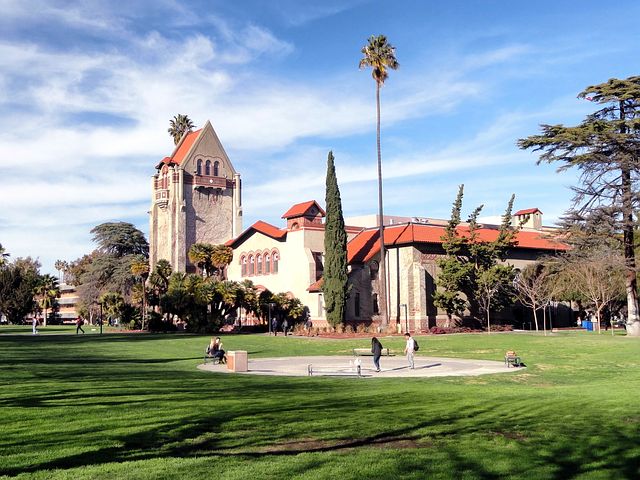
San Jose State University | Courtesy Photo
The road to college
It’s been 13 months since the first signs of coronavirus in the United States were reported. To date, there have been more than 25.45 million cases of infection and over 425,000 deaths, with January being the pandemic’s deadliest month. While the Moderna and Pfizer vaccines are now available, getting most of the population vaccinated is still several months ahead.
Students have been learning remotely beginning last spring; teachers have never been busier preparing for the day’s lessons and trying to engage distracted learners during virtual class; and parents are struggling to keep their job and helping their young kids keep up with school work all at once.
In an effort to get students back on campus, Gov. Newsom unveiled last month a $2-billion plan called ‘Safe Schools for All.’ However, it wasn’t ratified by the California Legislature. In an L.A. Times article on January 24, John Myers wrote that the mechanics of the proposal weren’t the only challenge. Education advocates argued that most of the funds would have been used to provide COVID-19 testing for staff and students instead of going towards educational and social-emotional services to benefit students. Several school districts are going their own way in deciding when and how to open their campus safely.
There are several tutoring services available if you and your children require help with school work. Find one which offers options that fit your children’s specific need and your family’s budget. A company called Mundo Academy provides excellent tutoring services in the Pasadena and San Gabriel Valley area. Likewise, some high school and college students have created free tutoring services and learning platforms to help children during the coronavirus pandemic. Two of these organizations include Sailors Learning and Wave Learning Festival.
Photo courtesy of Wave Learning Festival
If you’re exhausted, as most of us are at this time, please reach out for assistance. The CDC has put together a resource kit for parents, divided by age group, to help them ensure their children’s well-being. The site also has links to other resources that cover various concerns. Another CDC website is dedicated to helping parents manage stress during the coronavirus pandemic.
Meanwhile, COVID-19 has resulted in changes to the college application process. The biggest upheaval was doing away with standardized testing for this cycle. Ivy schools received an unprecedented number of applications because of this, and will be delaying sending out acceptances to process them. The College Board had to cancel multiple rounds of testing last year, which meant a significant revenue loss. This week, it announced the elimination of the SAT subject tests and essay. It added that APs – which are widely available – showcase students’ knowledge, and there are other ways students can demonstrate writing ability. But even before the pandemic, many universities were no longer requiring SAT and ACT scores as part of college applications; scrapping standardized testing altogether might not be far behind. The coronavirus could only hasten the inevitable.
FRESHMAN
Your children are well into the second semester of 9th grade and are now fully engaged in the academic life at their school. With grades as the only benchmark for an applicant’s merit for acceptance, the student’s GPA is the single most important component of their college application. If their first semester marks need improvement, now is the time to turn things around.
Admissions officers will not expect your children to have extra-curricular activities during the coronavirus pandemic. However, they will be interested to know how students spent their time outside of remote learning. Encourage your children to find virtual volunteer work or earn online certificates to put on their curriculum vitae. Hopefully, this time next year we’ll have some normalcy in our lives and students can resume some of the activities they have put on hold.
SOPHOMORE
Your children need to really understand and learn the courses they’re taking so that the final grades on their transcript are the best they could earn. The schools they will be applying to will only see the grades in their three years in high school. If their first semester grades weren’t stellar, they need to improve this semester. They need to ‘meet’ with their grade class dean to make sure their grades and courses are on the right track for graduation. While the SAT and ACT are no longer required by universities, AP scores are still being used as a gauge of college-readiness and your children should register for the tests (www.collegeboard.com; http://www.act.org).
JUNIOR
I cannot emphasize this enough – junior year is the last complete year that college admissions officers will be looking at when your children send their application. They need to maintain their good grades and the pursuits that replaced their extra-curricular activities. If they had good study habits back in 9th grade and have established a routine, they shouldn’t be feeling overwhelmed right now.
For most students, meeting frequently with their school’s counselors isn’t always a possibility. In some high schools where there are as many as 400 seniors to four full-time counselors, a junior may not even get any face-to-face time with a counselor. This puts the onus on your children to be very resourceful, take the initiative in gathering their research material, and plan their course of action as they embark on the college application process. This was a pre-pandemic fact that has become all the more glaring with COVID-19. Seek the services of an independent counselor if you need help.
Meanwhile, as the parent of a junior, you should also make sure your child is on track – has taken all the courses the high school requires for graduation and is taking all the courses to complete the UC and Cal State requirements.
You and your children should do a virtual college tour. They might also want to make a phone call or have a Zoom chat with a current student to learn more about the school. More often than not, current college students and alums are happy to talk about their alma mater.
SENIOR
Your children should not take for granted that they are all done with schoolwork because they have sent in their college application. Don’t let them succumb to ‘senioritis’ – they still have to submit their final transcript. Unlike last school year when teachers cut students a lot of slack because of the pandemic, they are more strict now that everyone has settled to the ‘new normal.’ Universities can rescind their acceptance if admissions officers see a drastic drop in the student’s grades. In fact, a single lower mark can trigger some questions. Moreover, third quarter grades are critical in case they are waitlisted. And, in the unfortunate event they realize the school they were accepted to isn’t the right fit for them, senior-year grades will be crucial if they decide to apply for a transfer.
Additionally, seniors need to be mindful of their social activities. Schools are tech-savvy – they check social media profiles of students they have accepted and can rescind that offer if they find unacceptable behavior. Your children should be mindful of what may end up online.
If your children have received new awards or commendations, or have accomplished something significant since they sent in their college application, they should email this important update to the admissions officer or the area representative of the school they applied to.
The months following the end of the college application process are usually as anxiety-ridden for seniors as well as parents. While everyone has breathed a sigh of relief that the mad rush is over, the waiting period is just as nerve-wracking. In the next few weeks, some college decisions will be trickling in.
Remind your children to be careful how they share their good news as their friends might be getting some bad news at the same time. If they have been accepted to their ‘safety school’ but aren’t planning on attending it, they should resist the urge to boast about it as it might be someone else’s ‘dream school.’
Most of all, your children need to be patient – the answer will eventually arrive and nothing can hurry it up. Colleges notify at different times and in different ways. They shouldn’t read into the timing of the decision letters; their friends getting good news early doesn’t necessarily mean a bad outcome for them.
Originally published on 4 January 2021 in the Pasadena Independent, Arcadia Weekly, and Monrovia Weekly
Ball State University (Muncie, Indiana) | Courtesy photo
The road to college
This new year starts with more warnings and worries about a ‘twindemic’ – cases of the seasonal flu combined with coronavirus infections – that could overwhelm hospitals, strain already overtaxed health care workers, and deplete vital resources. The impact of the virus was felt in every aspect of American life – from the economy, to education, to our mental and physical well-being, among others.
On the school front, remote learning became the new normal and parents, a larger percentage of whom are mothers, have taken on the additional responsibility of homeschooling their children. While it is helping prevent the spread of the virus, parents are getting burned out and younger children are having difficulty focusing. At the same time, not all kids have access to reliable internet, and some who do have access are struggling to keep up with schoolwork.
There was a constant tug-of-war among parents, teachers, staff, and the government on to how best deliver teaching in the face of the pandemic and then resolve the ensuing learning crisis. Two days before the end of 2020, as reported by the L.A. Times, Gov. Newsom announced a $2-billion package of incentives to encourage a return to in-person classes for California elementary school students as early as mid-February. However, as the report pointed out, given the alarming rate of infections over the region, it remains to be seen if districts can reasonably make this happen. Distance learning may still be our reality until the foreseeable future.
Fortunately, several tutoring services are available for parents and students who need help. Find one that offers options to fit your children’s specific need and your family’s budget. A company called Mundo Academy provides excellent tutoring services in the Pasadena and San Gabriel Valley area. Likewise, socially-minded high school and college students have created free tutoring services and learning platforms to help children during the coronavirus pandemic. Two of these organizations include Sailors Learning and Wave Learning Festival.
If you’re exhausted, as most of us are at this time, please reach out for assistance. The CDC has put together a resource kit for parents, divided by age group, to help them ensure their children’s well-being. The site also has links to other resources that cover various concerns. Another CDC website is dedicated to helping parents manage stress during the coronavirus pandemic.
Needless to say, the pandemic has only made the already complicated college application process all the more nerve-racking. I hope this college guide helps in some way.
FRESHMAN
Typically, the beginning of the year marks the halfway point in the schoolyear. First semester grades will soon be released, if they had not been sent out yet. If your 9th graders’ marks are not great, they would need to use the second semester to better them as it’s the end-of-year grades that show on the transcript. The College Board hasn’t been able to offer standardized testing because of the pandemic and some universities have dropped their SAT requirements, so a student’s GPA is the single most influential component of the college application. Admissions officers only have your children’s GPA to gauge their college-readiness and success.
SOPHOMORE
This is your student’s second year, and by this time they should have fully transitioned into high school. They need to put extra effort into weak subjects and solidify grades in the second semester.
JUNIOR
The second semester of junior year is significant as it is the beginning of the college application process. Students should have already started doing their research about the colleges and could start doing virtual tours, which might have to replace the usual campus visit. Some useful websites include campustours.com; CollegeProwler.com; SmartCollegeVisit.com; YOUniversity.com.
As much as I’m tempted to say “Tell your kids to breathe a sigh of relief, the hard part is over,” the truth is, the waiting part induces much anxiety. And, oftentimes, it’s worse because you or your children have no control over it. Just be there for your kids to remind them that they have done a great job and they should let the admissions professionals do theirs.
The months from January through March can still be a time for your children to do something to help their cause. Mid-January is when high schools get their first semester grades finalized. If your student’s mid-year report is particularly spectacular, this could be a very good development especially if they are applying to a highly selective college. When your children’s high school sends the grades, have your children follow up with an email to the area representative telling them about their hard work and interest in that college.
If your children have been deferred at a college when they applied through early action or early decision, it is advisable for them to send in an additional teacher recommendation, but only if this supports their application. Likewise, if your student has received any notable honors or made any significant achievement, they should let the admissions officers know by email.
Having done all these, you and your children will now just have to wait patiently for the process to play itself out.
Originally published on 16 July 2020 in the Pasadena Independent, Arcadia Weekly, and Monrovia Weekly
| Courtesy photo
Remote learning became the default method of delivering teaching when the coronavirus lockdown was enforced in mid-March. Students, who thought this was a short-term measure, were all excited to get an extended spring break. It was cause for celebration!
However, that thrill wore off as the reality of studying from home for an extended period of time became apparent – they missed social interaction with friends, guidance from teachers, and support from school administrators. It also brought to light a very basic problem – students were having a hard time keeping up with their classwork.
Monish Muralicharan, 14 years old, Sanjay Adhikesaven, and Abyan Das, both 15-year-olds, who were then freshmen at Foothill High School in Pleasanton, were talking with a parent of an elementary schooler who found out that their child was having trouble grasping topics and adjusting to distance learning. That chance discovery mobilized them to take action – they were going to match these children with appropriate tutors and founded an organization called ‘Sailors Learning.’
Their mandate is to provide the service free of charge to make it accessible to parents of all backgrounds whose elementary- and middle-school children need a tutor. They ensure students are matched with tutors who fit their schedules, academic needs, and areas of struggle. Additionally, they offer extra-curricular classes to students interested in science, math, coding, and history.
While their parents are involved in a small capacity – re-sharing posts on Facebook and LinkedIn to spread the word – Monish, Sanjay, and Abyan claim joint ownership of ‘Sailors Learning.’ Via email, they relate whose brainchild it was and why they named it such.
Sanjay
begins, “At the beginning of quarantine, we all were on a call and thought of providing
tutoring. We understood we were struggling in distance learning so the
struggles would be the same or even harder for elementary schoolers. We wanted
to pick an interesting name, and we thought ‘Sailors’ was a cool name because it
also represents reaching new depths, which is what we want to do here at ‘Sailors
Learning.’ At first, we had the idea for us to tutor children to help them out.
However, we decided to make a platform to allow other students to also be tutors
so we can help more people.”
“We are using tools such as Wix, Google Meets, Gmail and many other messaging sites,” Monish describes. “Since we are an online tutoring service, we use many different ways to communicate with our tutors and parents which is mostly email. We use Google Meets as our main platform for extracurricular classes. However, in one-on-one tutoring, the parent and tutor can choose to use other platforms such as Zoom. Wix has been a big part to our success as we use it to make a great website. A website is a core to having an online service and Wix has helped us make that possible.”
Continues Monish, “Currently, we do not have a supervisor because we wanted to have an independent nonprofit as high schoolers. As for curriculum, in our extracurricular classes we stray away from the common core and basic topics taught in school. Having a teacher will not help as they would be looking for school-related topics. The whole point of our group classes is to teach out of school subjects, that way the students who enroll are signing up for things they want to learn, not things they need for school. For our one-on-one tutoring service, the tutor helps the student with whatever they need, so the curriculum does not need to be supervised. As for the service itself, we only have qualified tutors – we have an interview process and we pick the best teachers. We have seen many other tutoring organizations where they accept anyone but we wanted our students to have the best quality learning. Finally, we pride ourselves on creating this nonprofit from the ground independently.”
And
it was getting started that proved to be the greatest challenge. Monish
discloses, “I believe that for most businesses, nonprofits, and companies that
is the first step, and the same is true for ‘Sailors Learning.’ We had no previous
experience running anything so we struggled at the start. But soon we split the
work up into parts for each founder and we got going and led to the point where
we are now.”
‘Sailors Learning’ currently has about 50 students and 17 tutors they found through word of mouth, Facebook, LinkedIn, and friends. They’re growing the tutor base and looking to expand it further as they plan on continuing to use their resources to help other children after remote learning is lifted. They are thinking of expanding to help high schoolers as well.
Abyan supplements, “We are a nonprofit organization so that means that tutors will receive volunteer hours. ‘Sailors Learning’ offers coding, science, three levels for math, history, a book club, and we are opening new classes for summer including engineering and a creative writing class.”
These
‘sailors’ are regular teenagers. Monish enjoys playing the clarinet, table
tennis, chess, video games, and participating
in debate tournaments. In his free time, he plays games, watches TV, exercises,
and listens to music.
Monish tutors coding on Fridays and science on Saturdays. He explains, “I love science because of the wide variety of subjects and learning about the world. I love coding because it is fun to type words and solve a problem or create a game. I allocate about two hours a day managing ‘Sailors Learning’ over my other commitments. For tutoring, I spend three to four hours a week creating content and teaching.
“We
didn’t think about volunteer hours when we started ‘Sailors Learning’ – we just
wanted to help children. That, for me, has been rewarding. First, I get to run
a nonprofit with my friends and it has strengthened my relations with them.
Second, I love to tutor children in specifically science and coding. Finally,
the most important is how we all make a platform for not only children to learn
but for tutors to teach.”
College isn’t too far off Monish’s mind – he’s aiming to get into either Berkeley, UCLA, or Stanford.
Sanjay, like Monish, counts playing games and table tennis as his major interests. In his free time he goes on walks or participates in debate tournaments. He spends two to three hours a day working on the management part of the organization and about three hours a week tutoring and creating classes in coding and history.
Adding
to what Monish mentioned, Sanjay says, “There were a few challenges that we
encountered. First, there was the nonprofit application process, which was new
to us since this was the first time we created a nonprofit. Second, we saw the
problems that can arise, such as a tutor not being available and having to find
a substitute.”
“I think ‘Sailors Learning’ has helped me in many ways. I developed better relationships with my friends. And while I like to tutor, I also enjoy making this platform for students and teachers, which can reach a much broader scope,” concludes Sanjay.
He plans to pursue something STEM-related in college, and has looked into schools he could possibly apply to.
Abyan Das | Courtesy photo / Sailors Learning
Abyan allots two hours a day working to improve the organization he co-founded. He also tutors the extra-curricular history group class once a week for three to four hours. His hobbies are soccer, tennis, and debate. When he has a bit of free time, he plays video games, reads, or participates in debate. The head marketer for ‘Sailors Learning,’ he is looking to pursue marketing or business and hopes to get into a UC college. Besides the early challenge of filing for a nonprofit, he says getting their name out in the world has proven to be daunting.
“I
don’t get anything out of ‘Sailors Learning’ except spreading learning,”
expresses Abyan. “The whole point of this organization was to help children
learn, especially now due to COVID-19. However, we want to make this a
long-term plan and continue helping children.”
It
doesn’t matter that they live in Pleasanton, California – they are happy to
tutor kids in all the markets they can reach. As they emphatically point out
“Education is education and shouldn’t be limited to the local area.” And since
it’s all done online, it doesn’t matter if the student lives 350 miles
away.
Monish, Sanjay, and Abyan would like ‘Sailors Learning’ to be a long-term endeavor and they might have that wish granted – Los Angeles and San Diego USD announced this week that campuses will not reopen this fall and remote learning will continue into the foreseeable future. More tutors, not fewer, will be needed and will be greatly appreciated by all students struggling with their coursework.
Originally published on 16 April 2020 in the Pasadena Independent, Arcadia Weekly, and Monrovia Weekly
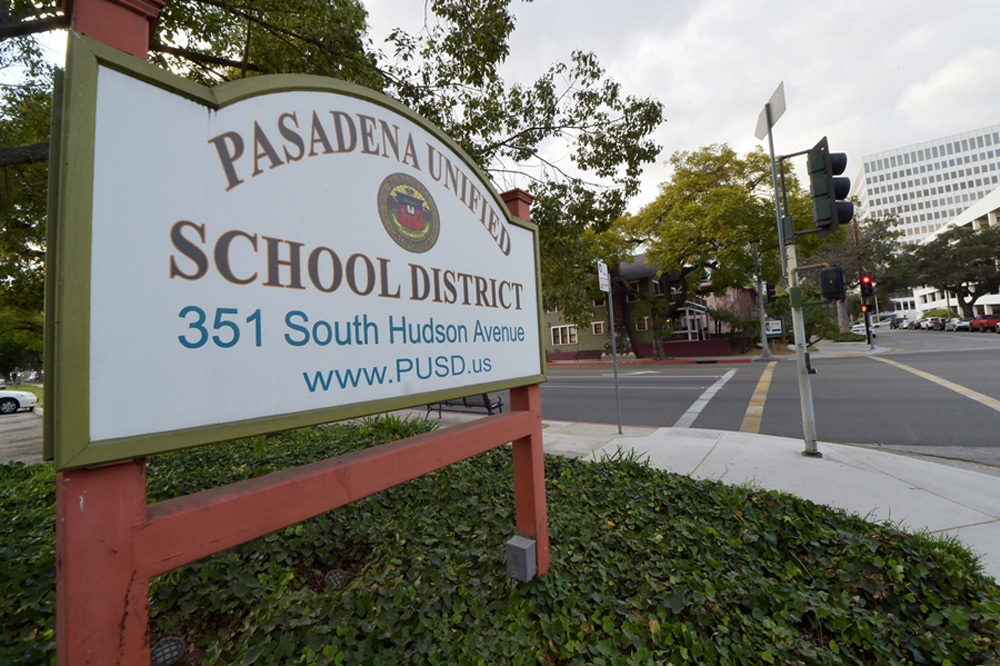
Pasadena Unified School District Office | Photo by Terry Miller / Beacon Media News
In the midst of health concerns caused by the coronavirus outbreak, safe distancing has been implemented. Schools closed to ensure the safety of students and to help curb the spread of the disease. I set out to determine if there is a system in place to handle this sudden change and how equipped administrators, teachers, and students in Pasadena are to switch to remote learning.
Pasadena Unified School District’s (PUSD) Director of Curriculum, Instruction, and Professional Development, Helen Chan Hill, informs me by email that PUSD initiated its remote learning plan in earnest very shortly prior to the school closures on March 13.
Hill expounds, “We laid out a three-stage plan: Stage 1 would be general, standards-based content that would be made available online and in print, with enough material that students could engage in reinforcement of learning for 2-3 weeks – we were able to get these up and running by March 16. Stage 1 work was completed by a central team of Curriculum & EdTech specialists, with the intent to buy a few weeks of time for teachers to build out their own online classrooms in PowerSchool Learning.
“Stage 2 began officially on April 6, following PUSD’s Spring Break. At this stage, all online classrooms are active and students should be able to take in content and lessons that are custom created for them by their teachers.
“Stage 3 is our transition to interactive learning, with the use of meeting apps and tools that allow for livestreams and more bi-directional communication between the teacher/student/ content.”
“PUSD, fortunately, had three key systems in place for several years that has helped with our readiness,” Hill continues. “The first of these is a network of Instructional Coaches in every school. They are the crux of our professional development design and have been instrumental in providing clarity and training to teachers. While teachers were planning prior to April 6, our Instructional Coaches and Principals/APs have been attending custom tutorials on remote learning that they can use with their staff.
“We have a network of TechLeaders that are early adopters of technology integration in the classroom. These are teachers who are in the classroom, but receive monthly training on apps, tools and best practices for instruction with technology. They too have been key in supporting teachers in this time!”
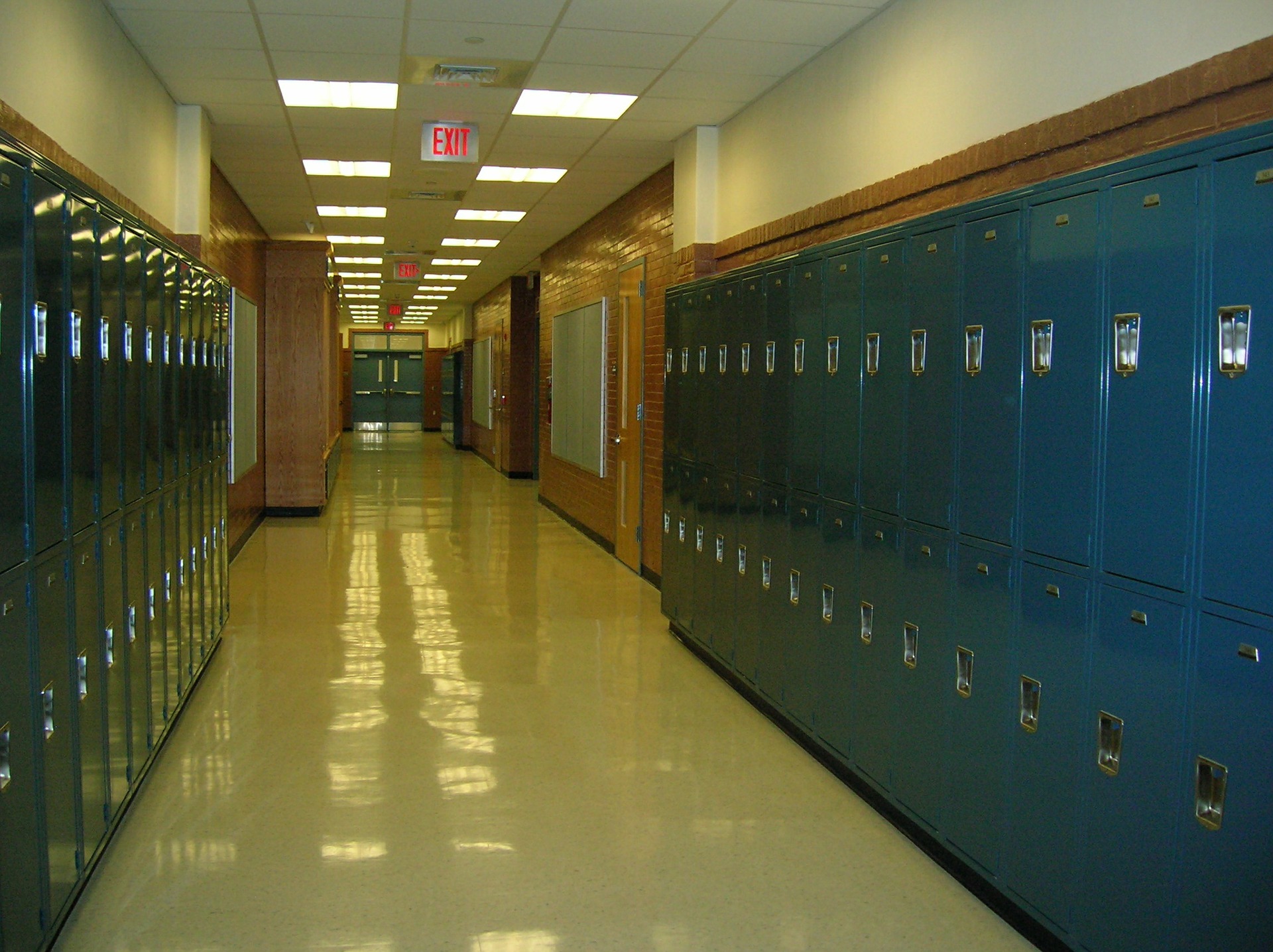
The school hallway, once a beehive of activity, is eerily quiet | Courtesy Photo
Asked if there are any assessments in place to determine if students are learning, Hill replies, “We have analytics on each online classroom in PowerSchool Learning with respect to usage, but as for assessment, that has not yet been fully determined. In alignment with CDE’s updates, we will be suspending nearly all of our local assessments. However, we want to help teachers to check on student progress and understanding through other means still to be determined.
“Furthermore, we have created a resource page to support our teachers and parents. We also want to emphasize that the well-being of our students and families is the utmost priority – while we are dedicating much work to ensure students’ academic opportunities, we are likewise encouraging grace, patience, and understanding around all of it. We know that families’ (as well as teachers’) lives have been uprooted and we need to take care of each other before we make demands for schoolwork.”
I’ve read articles that highlighted the plight of some students who don’t have computers at home or laptops and, even when they do have them, don’t have WiFi and I ask Hill if this is a problem at PUSD.
“Because of our techequity initiative that began in 2018, our students are already one to one with chromebooks,” Hill responds. “Sixth to 12th grade have already been taking them home, and K – 5 use them in the classroom. Therefore on March 13 when we dismissed, we asked elementary schools to dispatch the chrome books from the classroom for students to take home. We are still working on students with no Internet access – we have deployed all of our hotspots to the majority of those families in need, and are working with others on a solution.”
Speaking with me by email, Dr. Benita Scheckel, principal of Altadena Arts Magnet School, says, “Teachers had two weeks to finish creating their virtual classrooms; students began remote learning four weeks ago with general academic content loaded by our district onto PowerSchool Learning. Our school’s instructional coach, Ms. Hanh Le has really been doing the heavy lifting of training teachers to use all the available online apps to support student learning. The district is working closely with each campus’s administrative team and instructional coach to collect data on how teachers are managing their virtual classroom set up.
“I am trying to keep everything as normal as possible – I am continuing to send them my Sunday updates for staff. I am checking in on them every day formally via email and virtual staff meetings and then informally via text and phone calls.”
Dr. Scheckel adds, “I’m just so impressed by PUSD’s ability to move from in-person to virtual learning so quickly and seamlessly. I am also incredibly inspired by our teachers’ aptitude and willingness to jump right in and learn so many new things in such a short amount of time. My teachers and so many across the district are commenting on how sad they are to not be able to see their students in person every day.”
She says, “I have been communicating with students through email; surveys and all work is being posted and submitted by students on a Learning Management System called PowerSchool. Next week, after our spring break, I will conduct digital lessons and hold virtual office hours via Google Hangout Meet.
“I am working to create (and modify in real time, due to the situation) lessons and activities to best support student learning and support student needs in this uncertain time. I don’t have a model or a template that I follow, per se, but I am trying to provide instruction that supports my students in the most effective way possible.”
Adds Butler, “I can’t speak for all high school teachers in this case, but speaking for myself, I am learning to communicate with my students in different ways. I am used to in-class conferencing to support student learning. However, with remote learning, this one-on-one time has changed. Now, instead of supporting students individually during class hours, students are being supported at all times during the day.
“Student engagement really depends on the class. Virtual discussions can still take place on various learning management systems and other digital resources like flip grid or padlet. Student engagement can be achieved with different types of assessments, projects, research activities about which students are passionate, or assignments/activities that relate to their lives.
“It is hard to say if high school students are better able to adapt to remote learning, I think time will tell. However, many students have explained that they miss the in-person support their peers and their teachers provide. I think that all students, no matter their age, are able to adapt to remote learning when they have teachers who have integrated technology into their classroom regularly. I think one of the greatest challenges high school students are facing is that many have familial responsibilities outside of school work.”
Asked what has been the biggest hurdle for her, Butler remarks, “Not sure I have had to overcome anything yet; I feel like every day I am faced with a new challenge, but the challenges and new learning experiences are what make education such an enjoyable profession.
Students are adapting to learning from home | Courtesy Photo
Armenui Manasarian, who is one of PUSD’s TechLeaders, teaches at Sierra Madre Middle School. She describes how she conducts her virtual classes. “For about ten years now, I have been using the LMS (Learning Management System) called Powerschool Learning. I post my assignments and content on my class pages; I record myself giving the lessons on screencastify and post them on my page for my students to listen to it and view it. To establish as much connection as possible, I check in with them by conducting polls and using discussion boards on Powerschool. I have embed Nearpod lessons, Listewise lessons, videos, etc. Eventually, I will be using Google Meets to connect to the class for live instruction.”
Continues Manasarian, “I teach five periods – two classes of English, two classes of History, and one elective that is a tech class/Hawk News with a total of 167 students. My elective does the school news broadcast and we are trying to do this remotely and sending them out to the school as a means for all of us to connect.”
“Every Monday, I post an agenda for the week so students are clear about expectations and are able to manage their time; I film tutorial videos which I send to parents and students to help them along and as to what my expectations are. I create a Dropbox so that students know where to turn in the assignments. My students use various tools such as Kami (lets them type on PDF) so that they can do the work and turn it in. I am also emailing my students/parents. I am available on Google Hangouts whenever students and parents have questions or are confused about lessons.”
“I look for interesting topics to cover. Some discussions are lecture types with only me; some are interactive where they can respond to each other in the class; and there are times when they record their voice response or, using animation, they record a face response.
“Not being able to explain things in person is a struggle at times, especially since this happened so suddenly that we didn’t really have adequate time to prepare the kids. They all have various types of households with different schedules. Their parents might not be able to help as much or they might not have the best access to internet. I try to make things very clear and set norms, guidelines, and routines so that everyone can follow along. I give them a suggested schedule, but it is up to the family to enforce them.”
While this pandemic brought to light the limitations of remote learning, it also brought out the best in the PUSD. Manasarian notes, “I am proud of my district for the pace, teamwork, and efficiency with which they dealt with the situation. They set up learning materials for two weeks for teachers who needed time to learn, and to transition and plan all of this. They made sure all students had Chromebooks so that they can all access the content and curriculum. Everyone worked together to ensure this to be a success for both teachers and students. We really came together as district leaders and teachers in this time of crisis.”
If teachers are sometimes challenged engaging middle-schoolers, those who teach the youngest learners have their work cut out for them. Five-year-olds need hand-holding and getting solid educational foundation is crucial.
A classroom devoid of students | Courtesy photo
Chelsea Eshnaur is a kindergarten teacher at Madison Elementary and has 19 students in her class. She expounds on how she delivers remote learning, “Using the PowerSchool, my students are able to log on to my page and see the assignments for the week; I am hoping in the upcoming weeks to try out a Google Hangout Meet. I don’t think I can use this to actually teach content because not everyone would be available at the same time to log on. In the past two weeks of online learning, I’ve only had about six students actually log on. But I’m hoping to just do a daily read aloud and just say ‘Hi’ to those who are available.
“As we have switched to this online platform for teaching, I have mostly just been creating my own method for pushing out content. Being in kindergarten has made it harder to adapt my content to a digital platform, but there are so many resources out there from other educators that have made it pretty seamless.
“I have created additional resources on my page that include ‘Enrichment’ and ‘Intervention Practice.’ The goal of the ‘Enrichment’ page is to provide resources that would engage the students outside of the core academics. For example: art, science, social studies, P.E., etc…. In the ‘Intervention Practice’ page, I have a plethora of resources for the students to work on in areas that they might be struggling in, outside of weekly content.”
“Because my students are so young, I cannot expect them to engage the content independently,” Eshnauer says further. “They need the help of someone at home to log on and work through everything with them (reading directions, etc…). I know that this model of school work has been an adjustment, not just for me and my students but for their families as well, many of whom are still working during the day.
“I’ve had a handful of parents reach out for clarification. I’ve sent out emails, phone blasts, and messages on Remind (messaging system), with very few responses. This is the most frustrating part because, like I said earlier, for the younger students, they need someone to help them access all of this. And when I have 4 out of 19 parents respond to any updates, it makes me think that the other 15 students aren’t getting anything.
How do you know if the children are actually taking in the lessons you’re posting online? I query. Eshnaur replies, “That’s a good question! Because I don’t have every student logging on daily, I cannot guarantee that all students are accessing the content. I include an online ‘quiz’ at the end of the week for each main content area (phonics, reading and math).”
While it’s still early days and there isn’t much data available, I nevertheless ask Eshnauer what has worked well and what hasn’t since remote learning has been put in place. She says, “So far I have found that I just need to be as available as possible. For parents that are accessing the content during the ‘school day,’ I’m trying to check emails and messages as often as possible in case of any questions. Also, be willing to troubleshoot everything! Online learning is new for all of us. So I’m constantly checking links and asking parents to let me know if they’re not working on their end, etc…
“What makes me nervous since going to online learning is just the lack of data that I will have. I know people might think, ‘it’s just kindergarten,’ but this part of the year is critical. I still have about half my class that are struggling to master the alphabet (ID and sound). This part of the year would have been more intensive as I worked with them to get them where they need to be. But so far, most of those students are not even logging on. And now they’re going to go to first grade at a disadvantage and the gap will just get wider and wider the more they progress through the grades.”
These are unprecedented times we live in. The world as we know it has been upended and most normal activities have practically ground to a halt. As disconcerting as our conditions are at the moment, however, life has to go on and so we persevere.
And as we have seen on television and read in the papers, during these extraordinarily dire times when our resources are diminished and our spirits are tested, we manage to make the best of our circumstances. Our collective will to fight the odds prevails and makes us soar above adversities.











 A San Gabriel Valley Inquirer