Also published on 20 April 2026 on Hey SoCal
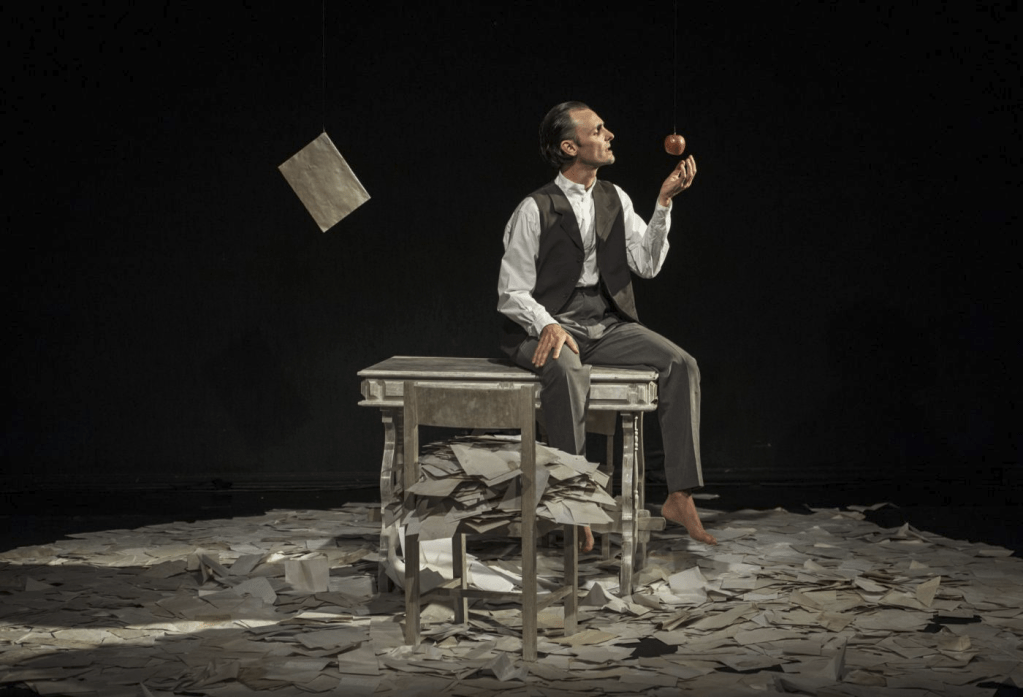
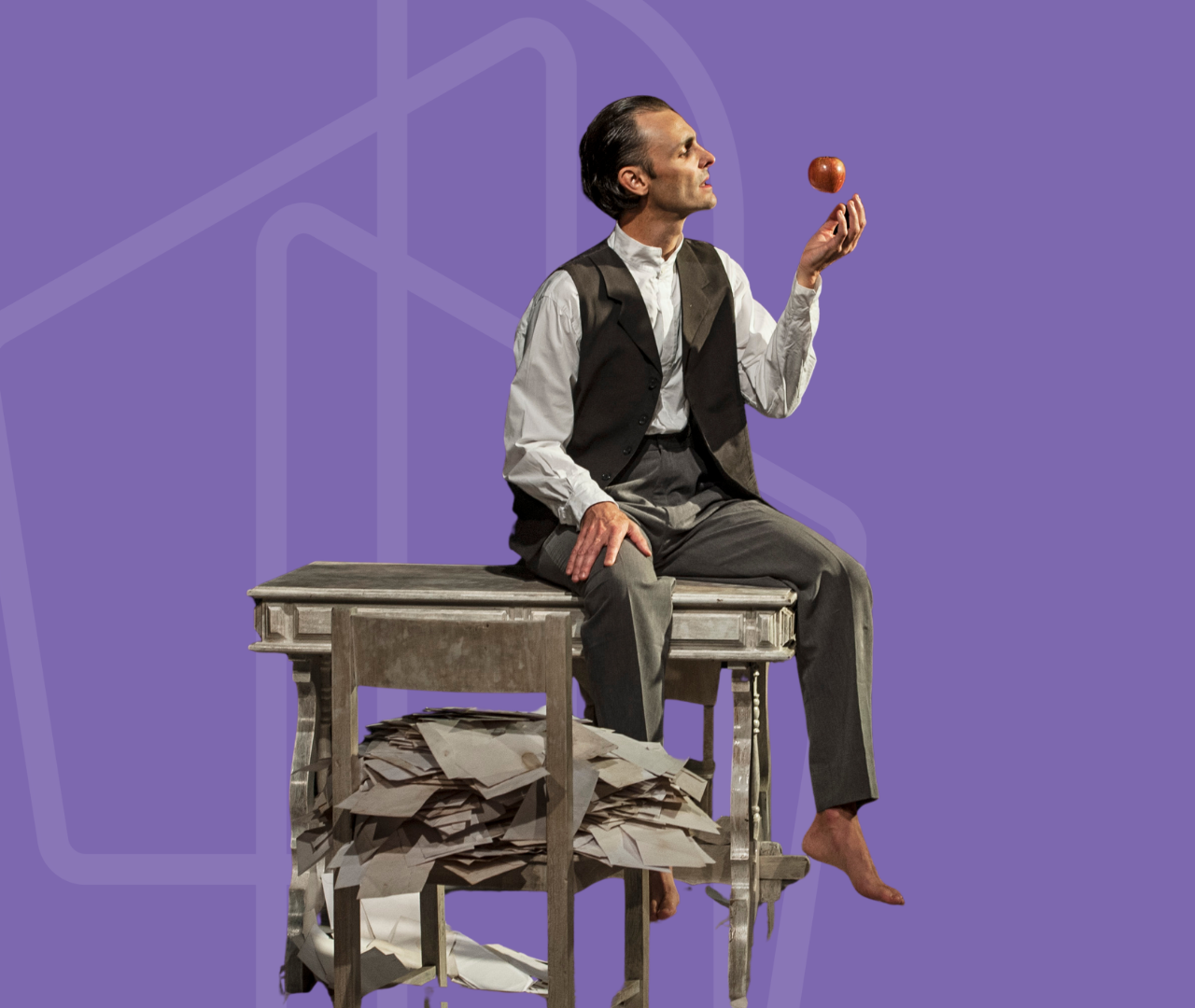
Ivo Müller. | Photo courtesy of Ivo Müller / One Million Words – Rilke
The Sierra Madre Playhouse presents the highly anticipated North American premiere of “One Million Words – Rilke,” a hit solo show inspired by the groundbreaking work of poet Rainer Maria Rilke. Created by and starring Ivo Müller, the play is slated to have six performances: April 24, 25, 26 and May 1, 2, 3, 2026.
Müller portrays both an actor from the present and a poet from the past who connect, exploring creativity, belonging, and what it means to stay grounded in a fast-moving world. Originally developed in Brazil, the show arrives in California during the centennial of Rilke’s passing (1875-1926), before heading to its UK premiere at the Edinburgh Festival Fringe.
Austrian poet Rainer Maria Rilke, who wrote in German, is widely regarded as a master of verse. He is celebrated as an idiosyncratic and expressive poet. According to scholars his work suggests mysticism – exploring themes of personal knowledge and incredulity.
A prolific poet, Rilke wrote hundreds of published poems – most notably The Book of Hours, New Poems, Duino Elegies, and Sonnets to Orpheus. He is also known to have been a great letter-writer, having penned an estimated 10,000 to 17,000 letters in his lifetime.
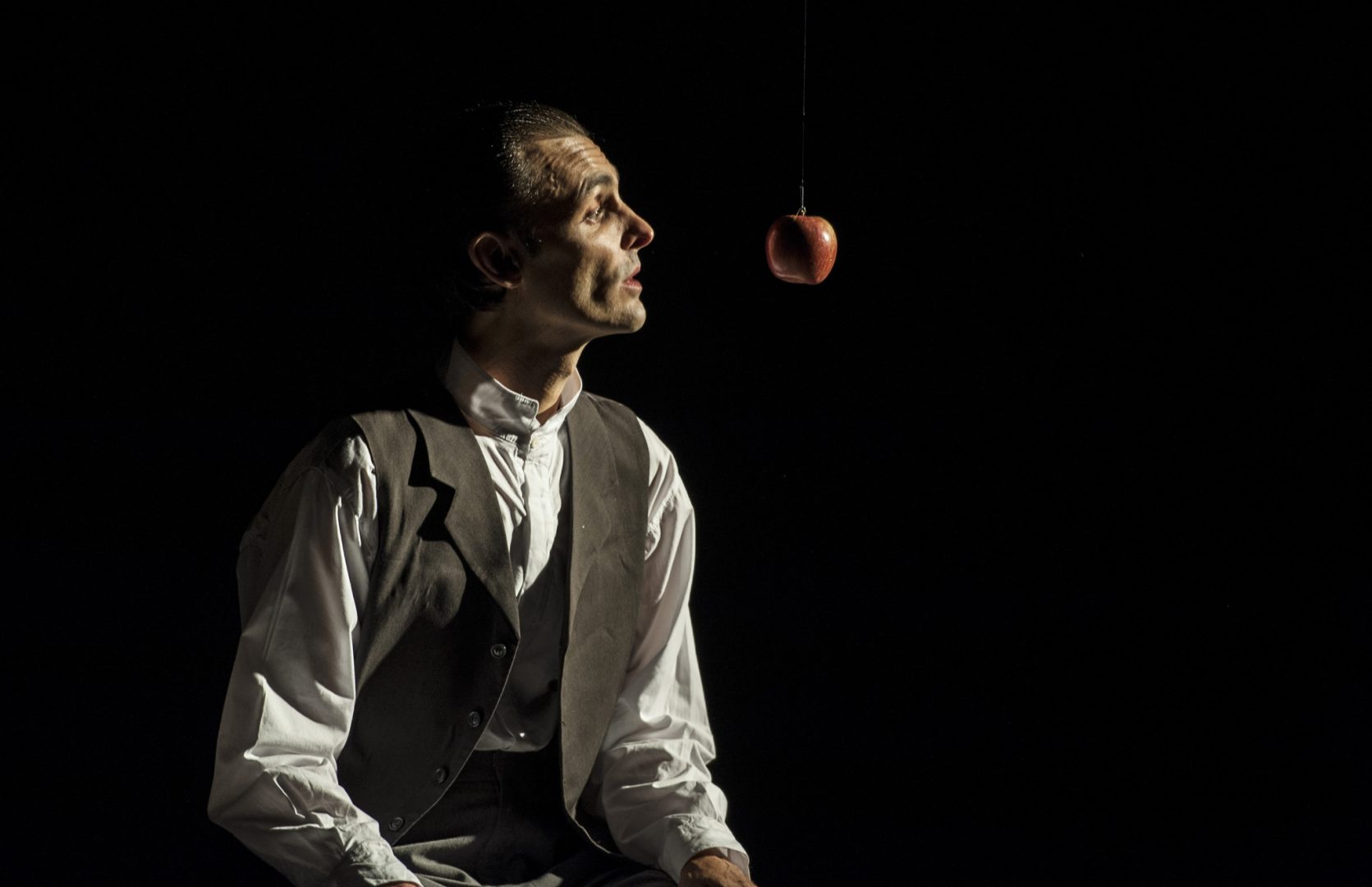
Directed by Arieta Corrêa, with Darrell Larson co-directing the English-language version, One Million Words – Rilke, tells the story of a writer who, for nearly a year, struggles to create poetry and can only express himself through letters. An actor uses these letters to navigate his own challenges in a place where even his name feels foreign, shaking the foundations of his identity.
Together, the poet and the actor explore themes of love, the creative process, and a sense of not belonging, highlighting the importance of being grounded in the present moment – topics that resonate deeply in today’s world.
Ivo Müller is a stage and screen actor whose work spans Europe, the US, and his native Brazil. His stage credits include a production of Twelve Angry Men with leading Brazilian theatre company Grupo Tapa, in addition to his long-running hit solo performance based on the writings of Rainer Maria Rilke.
Müller’s cinematic work includes Tabu, the multi-award-winning Portuguese film directed by Miguel Gomes, which received the Critics’ Best Picture Award at the Berlin International Film Festival in 2012. Müller has worked with major studios such as HBO, Sony, and Globo TV. His recent credits include Hebe: The Brazilian Star (2019), in which he portrayed an AIDS-stricken hairdresser in the biopic about a celebrated Brazilian television host; and Night Stage, which premiered at the Berlin International Film Festival in 2025.
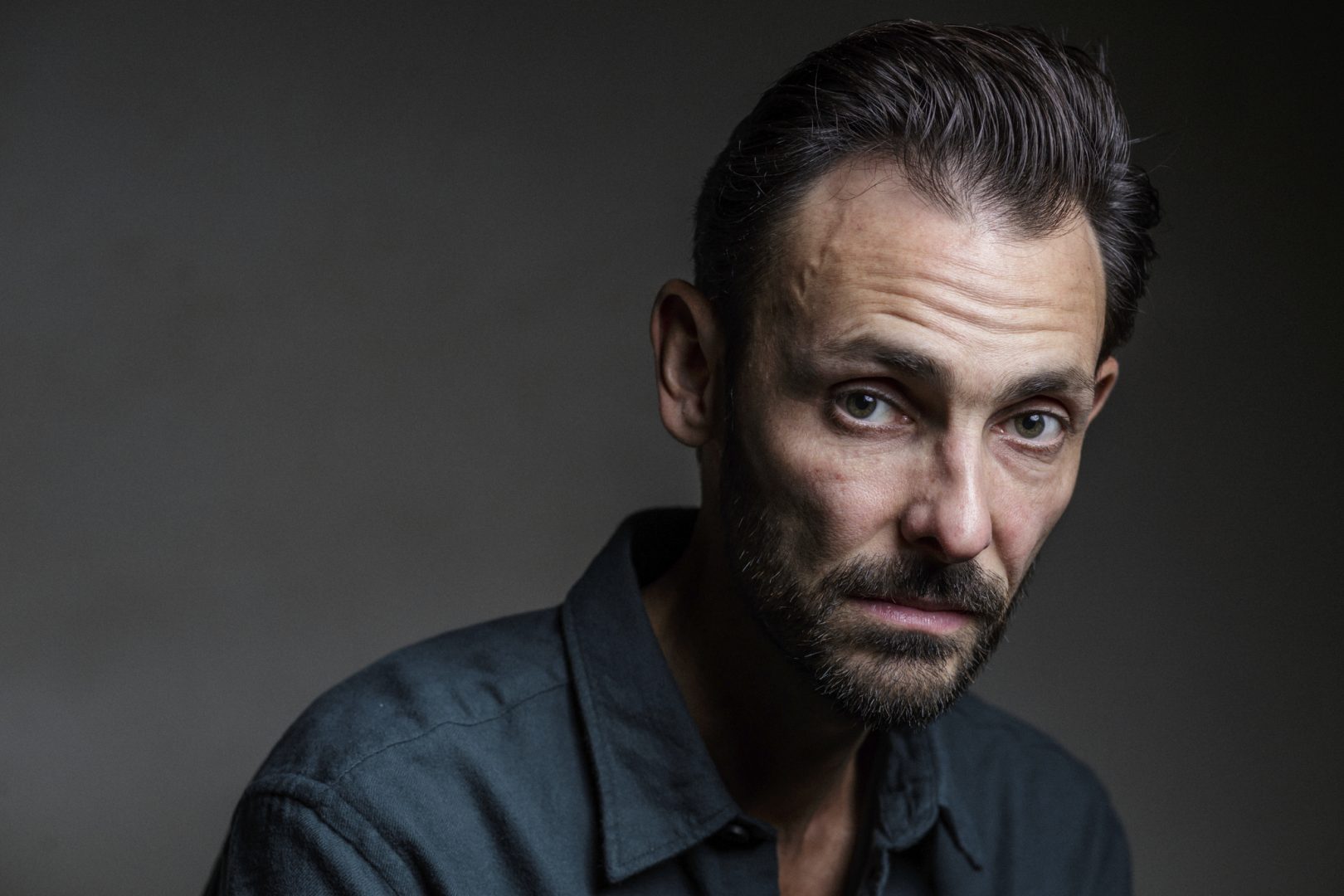
Alongside his acting career, Müller also served as a teacher and acting coach on the award-winning documentary film Cine Marrocos (2019), collaborating with homeless people and refugees living in an abandoned movie theatre in São Paulo. Other stage credits include Stitching by Anthony Neilson, Huis Clos (No Exit) by Jean-Paul Sartre, The Widows by Arthur Azevedo, Camaraderie by August Strindberg, Bitter Sicilian by Luigi Pirandello, and Hecuba by Euripides.
By email, Müller discusses when his interest in Rilke’s work commenced, what the play means to him, the choice of title for it, its enigmatic theme, and the audience reaction.
“While working as an acting teacher at a public school when I was in my twenties, I discovered copies of ‘Letters to a Young Poet’ in the library,” begins Müller. “At the time I was a young actor pursuing art outside my comfort zone, far from where I was born and raised, so I related deeply to what he was saying to the young poet.”
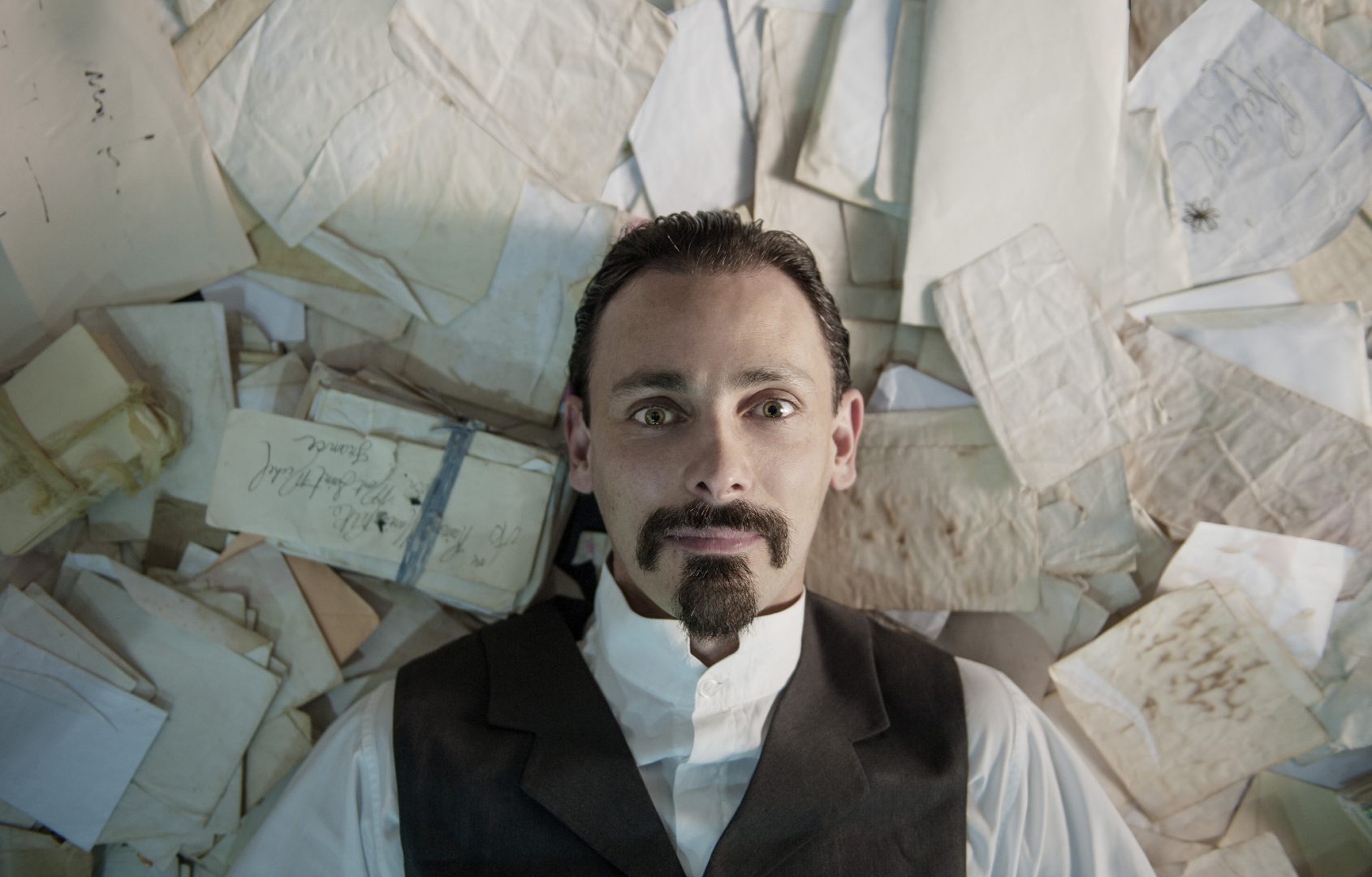
Though Müller was drawn to all of Rilke’s works, one in particular made the biggest impression. He recalls, “Years later, when I decided to create something for the theater using that material, I began reading his poetry more extensively. Rilke seemed to ‘appear’ to me – in bookstores, in quotes from films I was watching. I read much of his work but, without a doubt, the Duino Elegies are the ones that resonated most with me.”
Müller refers to this play as the Rilke Project and whereas he has been doing this solo show for over a decade now, he didn’t possess enough confidence when he first performed it. That assuredness only came in later years. It has also gone through different versions and these iterations have taken him around the globe and keeps the play fresh.
“The first – ‘Letters to a Young Poet’ – was performed from 2010 to 2013, with long runs in São Paulo and tours across many cities in Brazil,” enlightens Müller. “Then I stopped. I had grown tired of it and didn’t want to continue with that version.”
“In 2018, I was invited by the Biblioteca Mário de Andrade in São Paulo to bring the piece back,” Müller continues. “They offered a small budget, and I spoke with director Arieta Corrêa about creating a new version, which we simply called Rilke. That version was performed until 2019. And in 2020, I presented it via live streaming – as many artists did during the pandemic.”
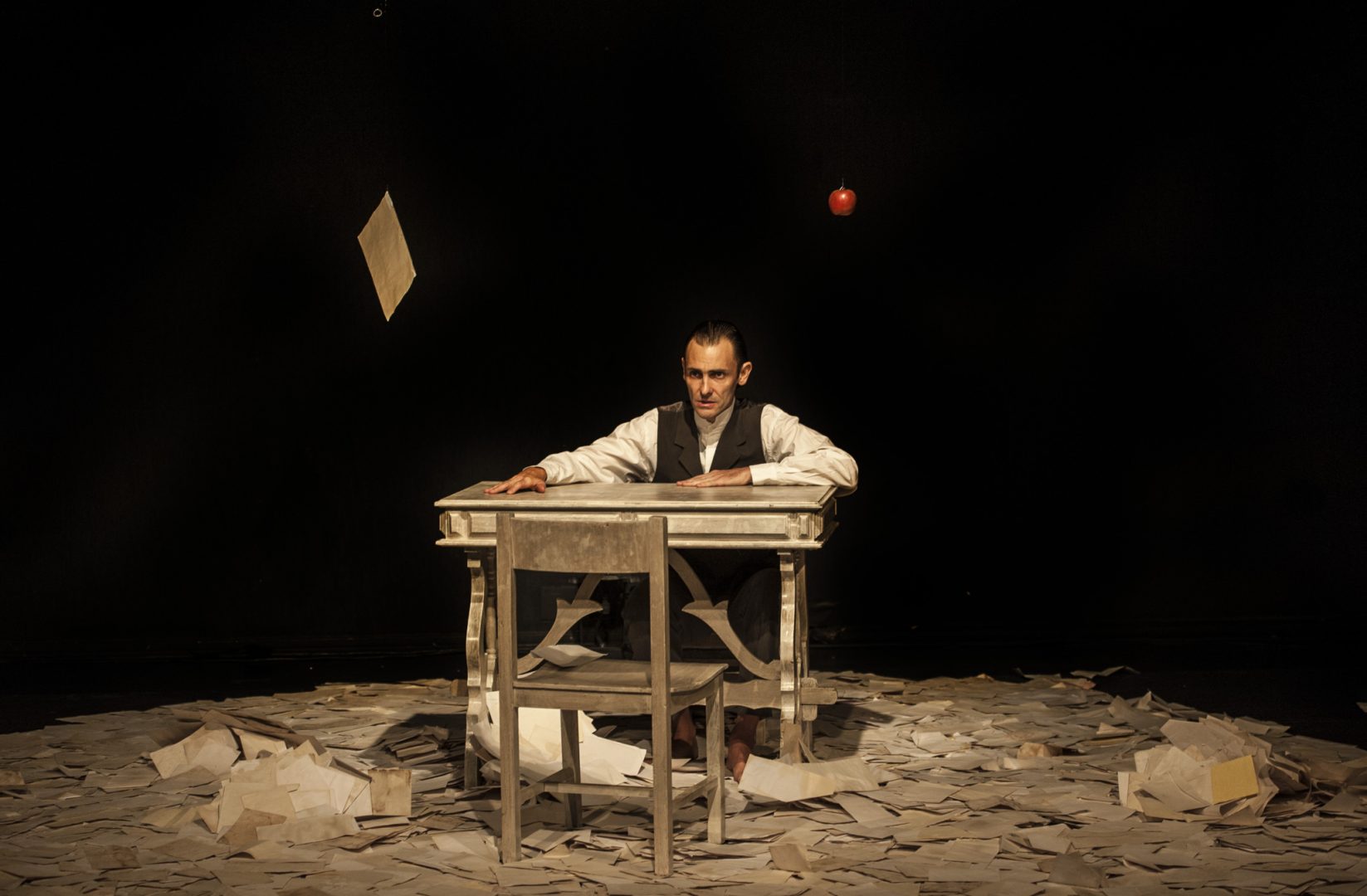
To reach a wider audience as well as to reflect where he is in life, Müller translated it into English. He had been writing the English version on and off for at least five years, but in 2024 – when he had a clear deadline – the process became more intense and he worked on it almost daily.
“The English version transformed the piece once again – it became a new play, for new audiences,” pronounces Müller. “Because of all these shifts, neither the play or my performance ever felt repetitive. Every single one has been memorable and so challenging that each performance feels like a milestone for me.”
Asked what ‘One Million Words – Rilke’ means to him, Müller replies, “This project has been a refuge for me, especially in moments when I’m not working on other projects and anxiety starts to surface. Beyond that, it brings me a sense of peace. At times like these, when we live with the looming possibility of a major war, it reminds me why this play feels important. As the poet Marina Tsvetaeva wrote about Rilke, he is a kind of ‘antidote’ to violence and to the brutality of the battlefield.”
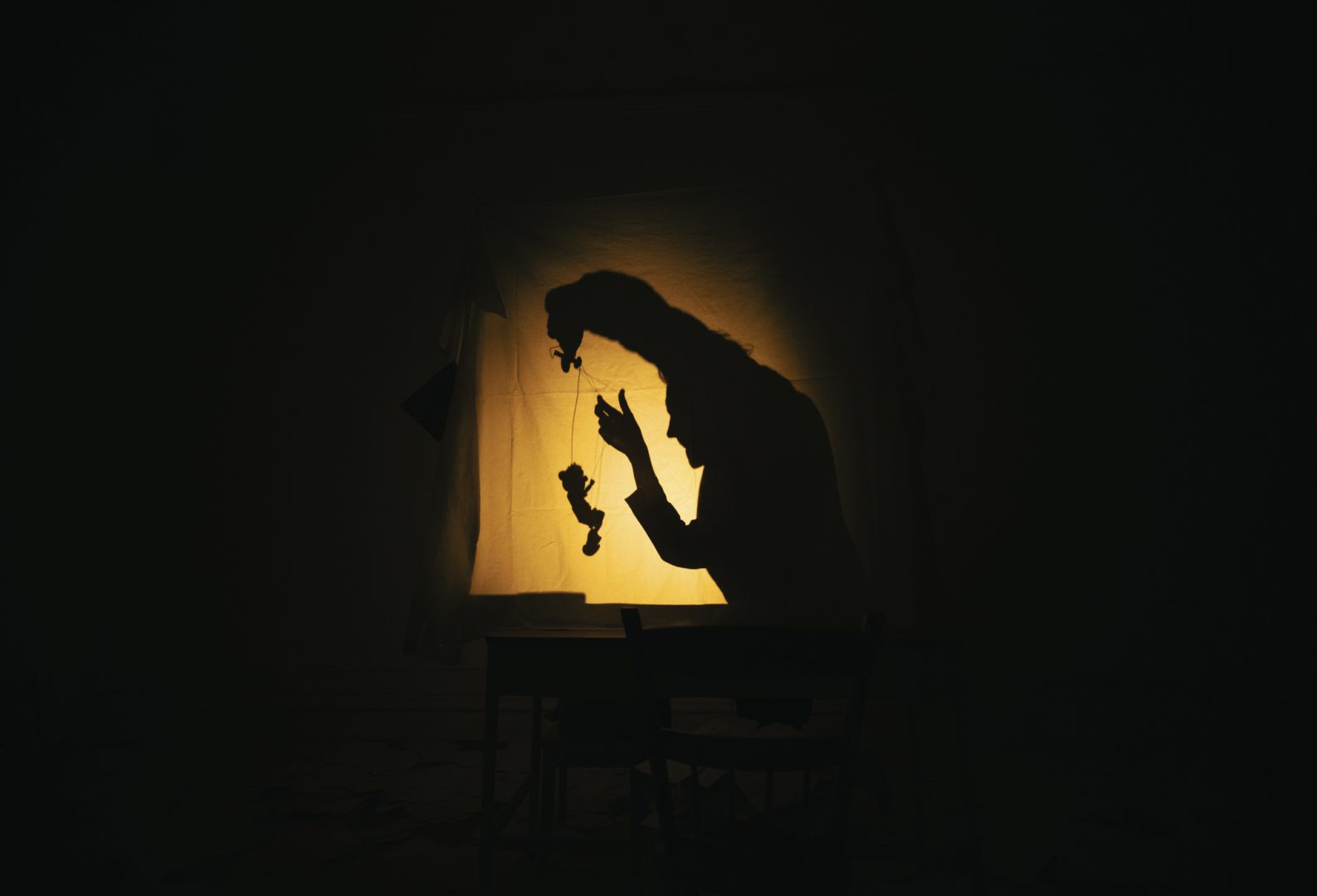
“I titled it ‘One Million Words – Rilke’ because of the vast amount of material you find when you search for Rilke online,” explains Müller. “He wrote more than 13,000 letters, many of which have been translated into different languages. But also, I wanted the show to have a distinct and memorable name.”
“I’m not sure my performance ten years ago matched my abilities as an actor,” Müller discloses. “Perhaps I was too immature to take on a solo show when I first performed it in Portuguese. At the same time, it taught me so much – it has been a constant and intense form of training. Now, performing it in English truly aligns with where I am. It’s a character who has never fully belonged to the place he was born, who is a foreigner, who speaks with an accent.”
Workshopping the play to mounting it on the stage was a journey in itself. Relates Müller, “I had planned to workshop the show at the Hollywood Fringe in 2024, but I was invited to work in Brazil, so I cancelled the run. In the end, that project in Brazil was postponed. But things happen for a reason. Later that same year, Tony Torn and Lee Ann Brown offered me a slot to workshop the show in New York, at Torn Page – the historic brownstone in Chelsea where actors Geraldine Page and Rip Torn once lived. That’s where One Millions Words – Rilke in English was first performed.”
Every performance has been remarkable but one particular show stands out in Müller’s mind. He recalls, “Looking at the project as a whole, one of the most unforgettable moments happened during the run at the library I mentioned. It’s located in downtown São Paulo, and the performances were free – which brought in a very diverse audience. One day, a man came to speak with me after the show. He said he was there for the second time because the performance had somehow made him feel better. Then he told me he had been living on the streets and struggling with very negative, intrusive thoughts. But after watching the show, he said something had shifted. Those thoughts were no longer overwhelming him in the same way.”
As to what he wants his audience to take away, Müller declares, “Whatever they take away from the day they see the show. As writer Janet Flincher said after watching it, ‘the show has more ideas in an hour than you usually get in a month.’ And I like to write on the Playbill: ‘No, do not try to understand everything that is said. Instead, take a deep breath and let the words flow into your soul. And if some parts of the show bring you memories or if you zone out, that’s great. You should ‘travel’ and come back.’ I want the audience to tell the story with me, based on how they feel in that moment, on that particular day that they experience it.”
Those enigmatic words could only make us want to embark on a journey with him.