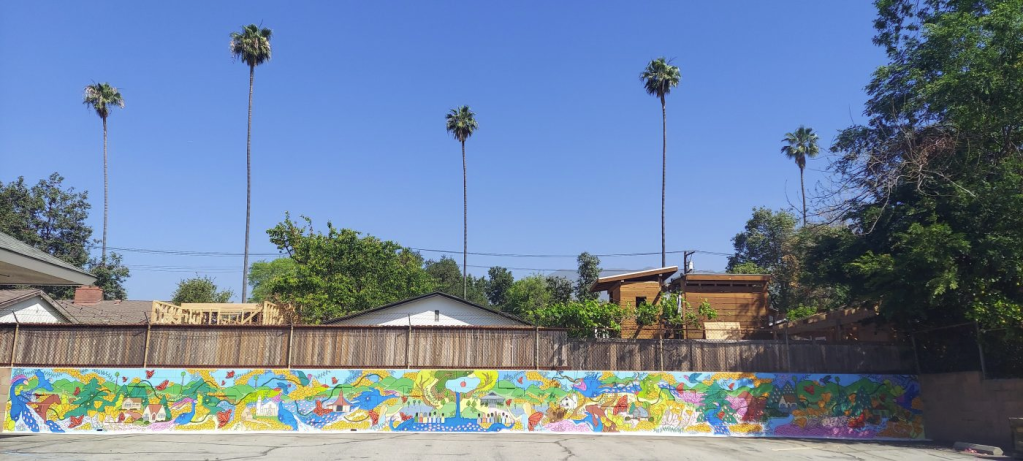
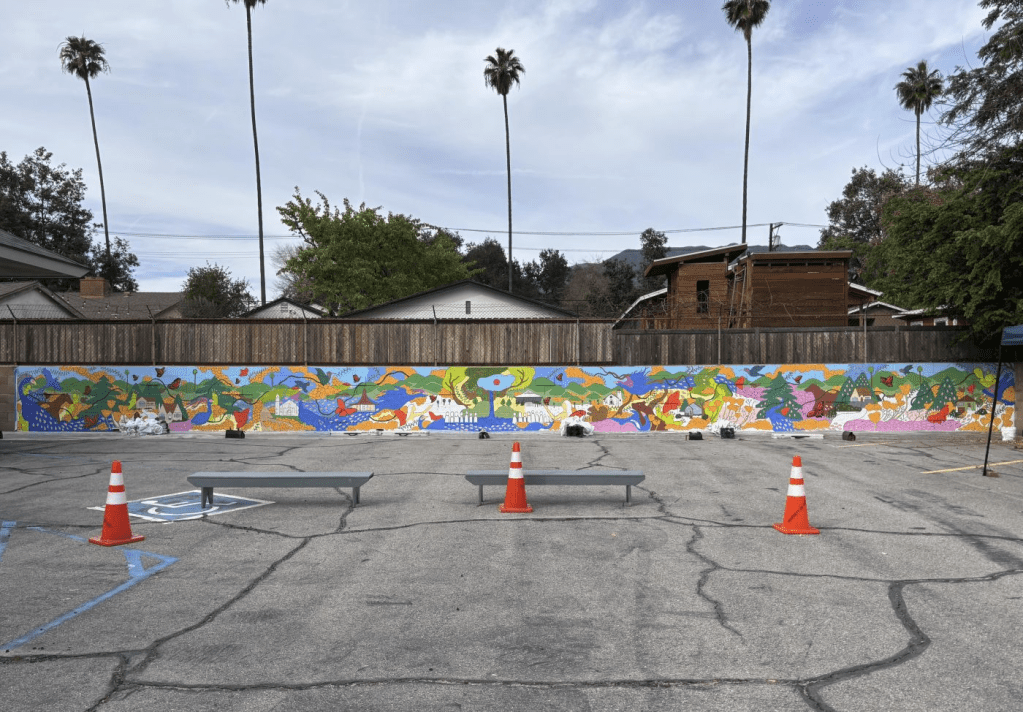
The completed “Healing and Hope” mural unveiled. | Photo courtesy of the Pasadena Buddhist Temple
The Pasadena Buddhist Temple celebrated the completion of the “Healing and Hope” mural at 3 pm on Sunday, March 22. The brainchild of Kyoko Gibbs, wife of the temple’s spiritual leader Rev. Gregory Gibbs, who collaborated with Miki Yokoyama, an artist and Eaton Fire survivor – it was a way of restoring the community after their life-shattering experience.
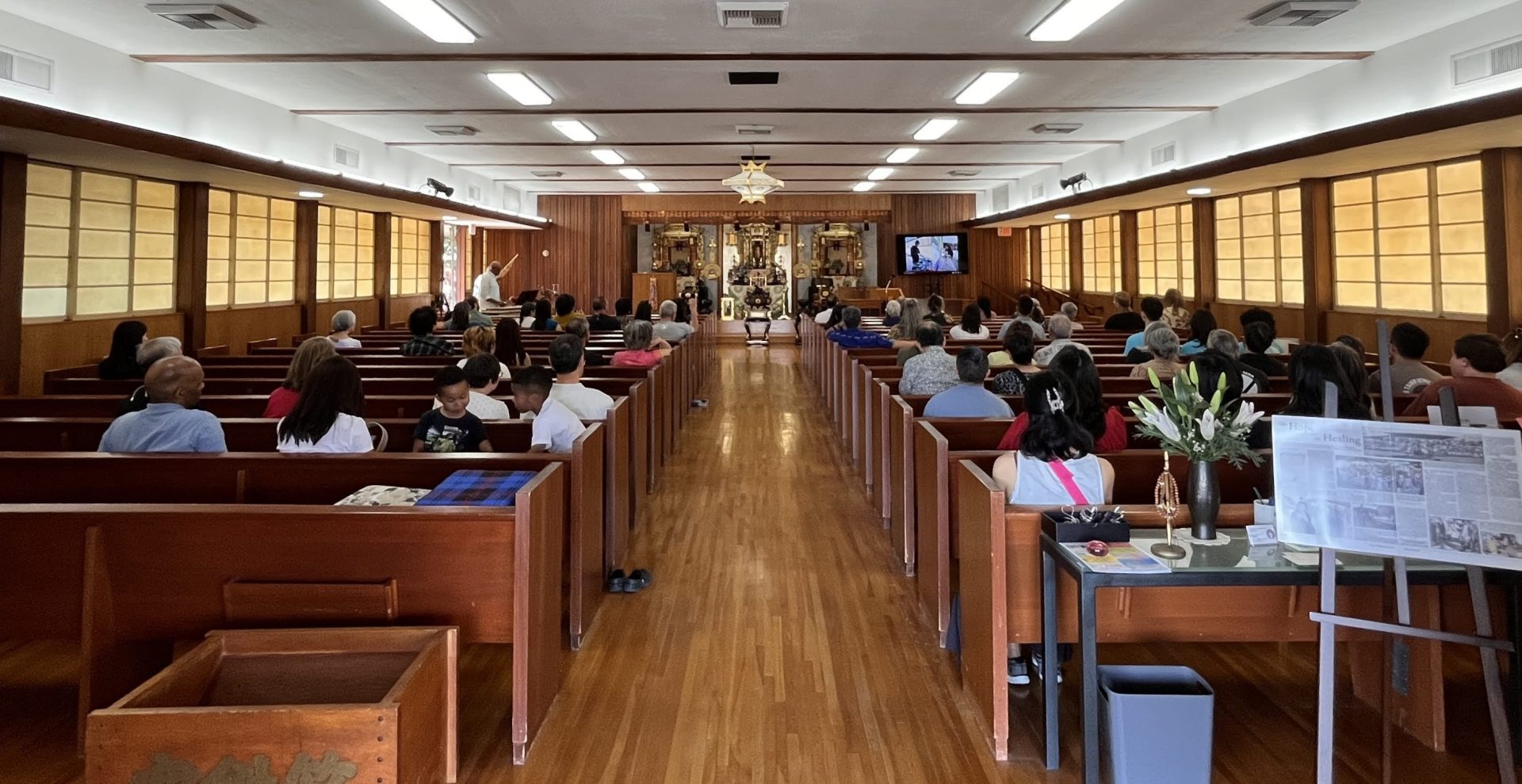
It was a festive occasion with about 70 people in attendance. A video about the progress of the mural was shown, after which attendees were invited to gather outside for the unveiling of the completed mural.
About 70 people attended the celebration at the Pasadena Buddhist Temple. | Photo courtesy of the Pasadena Buddhist Temple
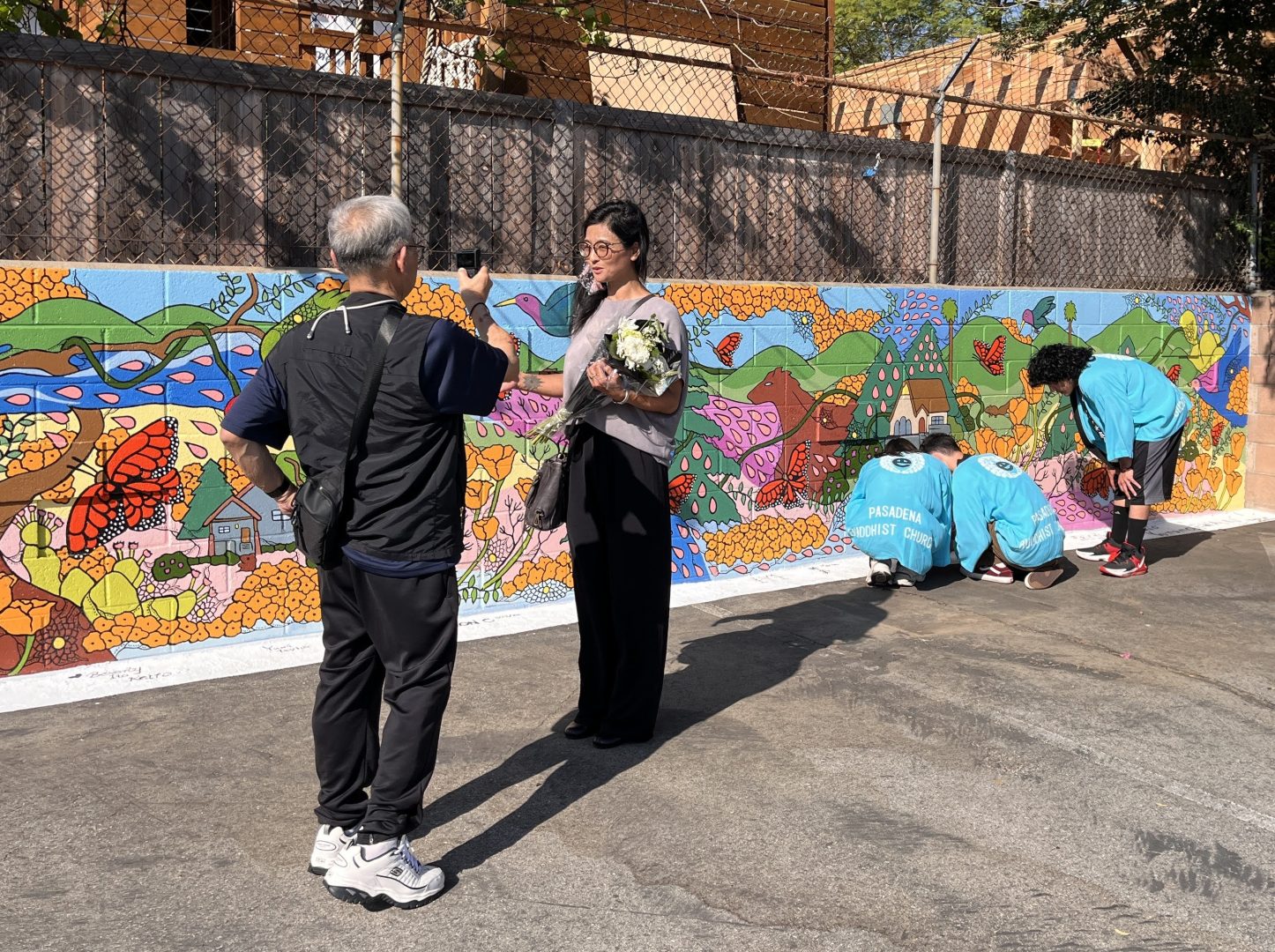
Gibbs’s younger son Ren and his friends Winston and Felix – fittingly attired for the occasion in happi (a tube-sleeved Japanese coat) – walked rapidly as they uncovered the mural. Their fast-walking provided a light-heartened moment for the mothers present who found it entertaining. Keiro and Little Tokyo Service Center were recognized for their compassionate support. Yokoyama shared her story in creating the mural with the community and invited everyone to sign their names on the painted primer area, the ground part.
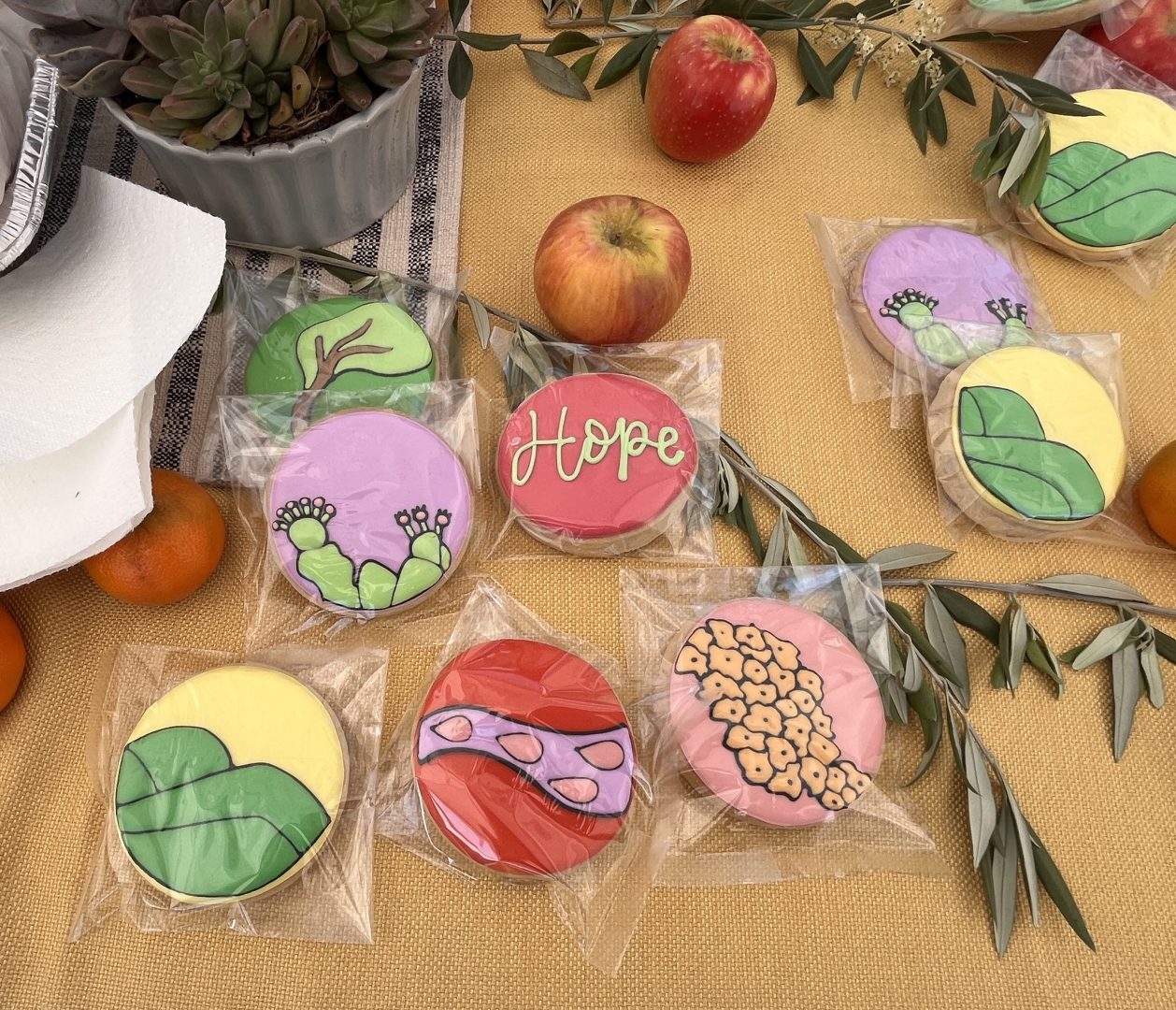
“Judicanti Responsura,” the music duo formed in 1984 by tubaist William Roper and percussionist Joseph Mitchell – who were fire survivors as well – set the stage beautifully to welcome people in the Hondo, the main building. The Altadena Cookie Company provided custom cookies for the event.
Miki Yokoyama, at right. | Photo courtesy of the Pasadena Buddhist Temple
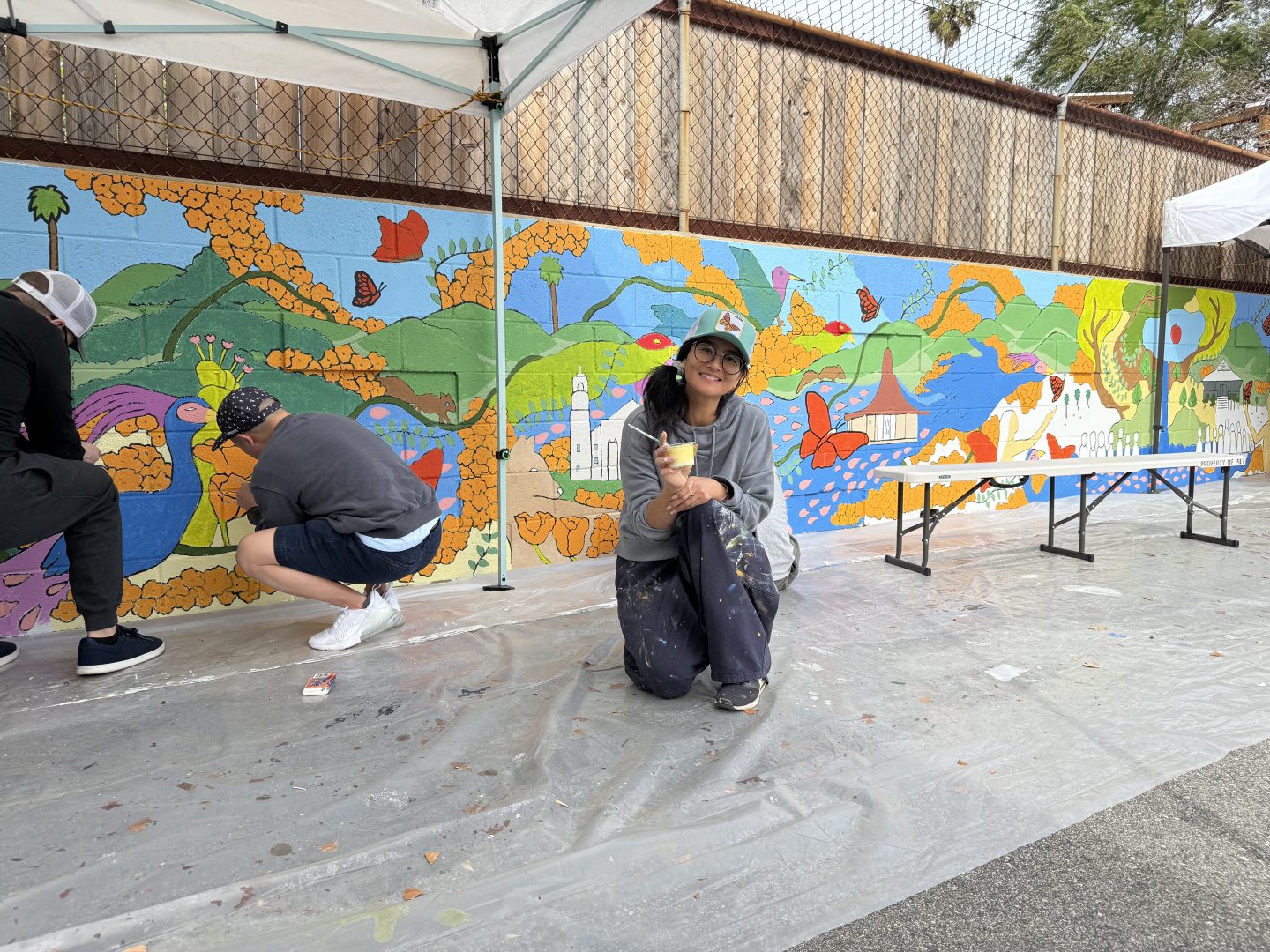
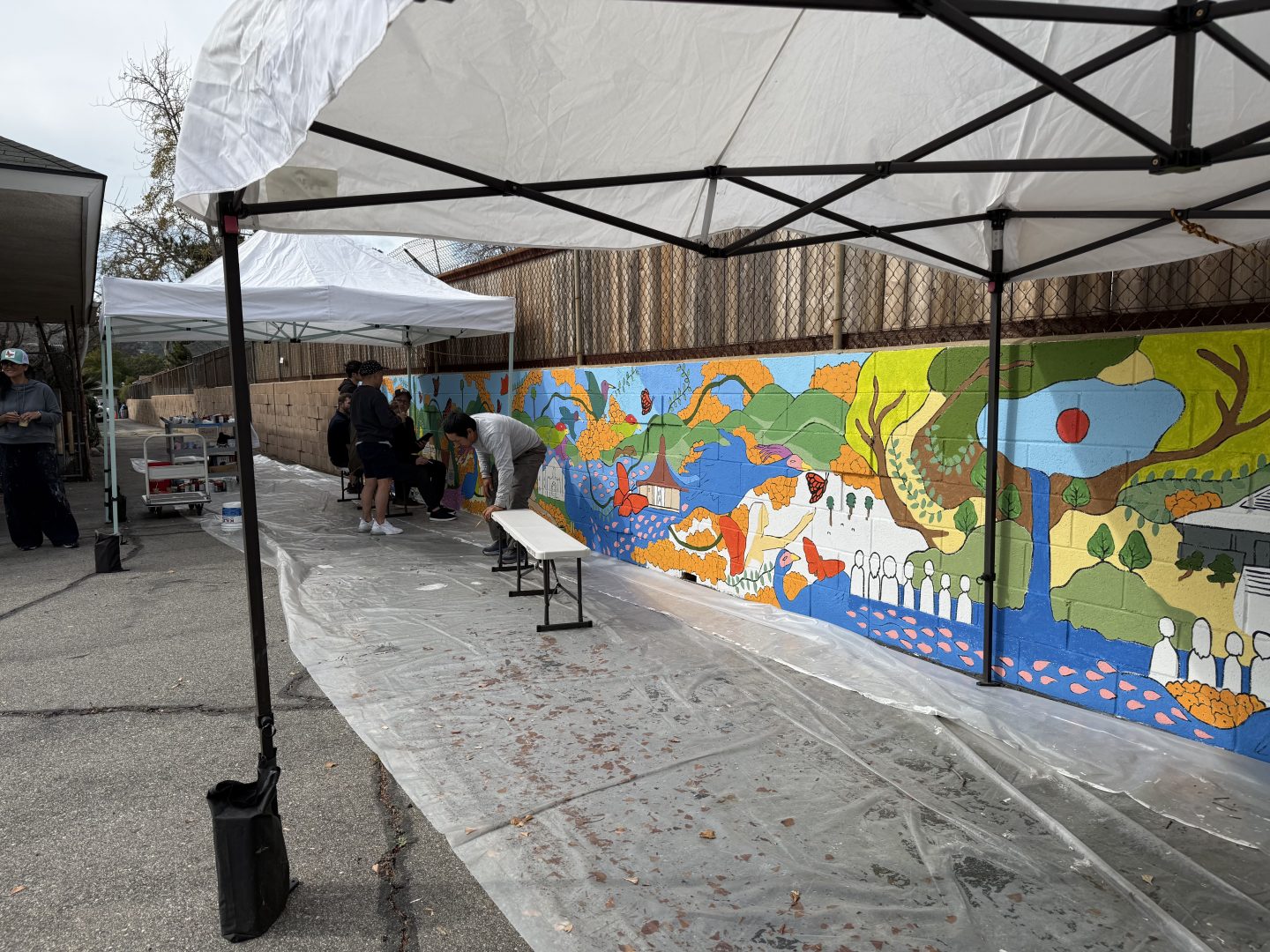
The “Healing and Hope” mural took a few months to paint, with Eaton Fire survivors participating in the project. In mid-March, the mural was almost done.
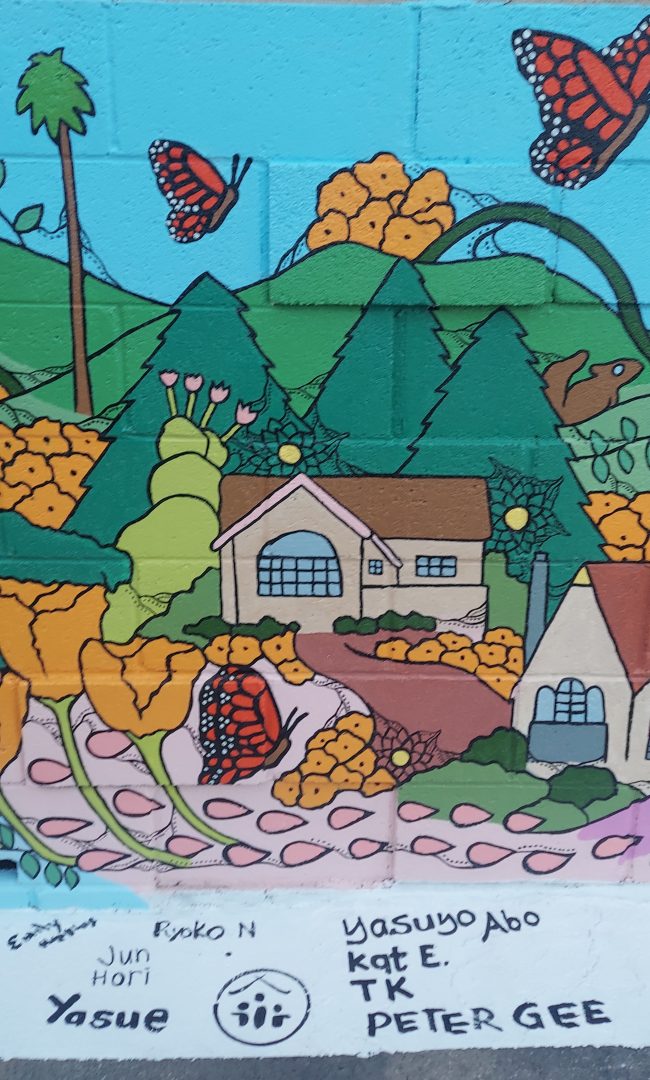
Yokoyama recounts, “I completed the final touches on the mural last Sunday, the 15th. This week, I have been applying a top coat over the finished painting, painting the ground directly below the wall white, and preparing a space where everyone who participated in the mural can add their signatures.”
People’s signatures on the mural. | Photo courtesy of the Pasadena Buddhist Temple
For Yokoyama, the completion of the project is as joyful as it is bittersweet. “This experience has been incredibly meaningful to me,” states Yokoyama. “Working together with everyone on a single mural was something that truly helped and supported me. I had been struggling mentally over the past year since the fire, so I am very grateful to Kyoko for proposing this project. The time spent painting with everyone allowed me to focus on both the creative process and connecting with others. Each day, I felt that these moments were healing my heart. Seeing everyone working so hard on their parts of the mural gave me strength and courage.”
“My feelings right now are quite complex,” Yokoyama discloses. “I am very happy that we were able to complete the mural. At the same time, I feel a deep sense of sadness knowing that this time of creating together has come to an end. Since Kyoko and I first began discussing the location of the mural, I have been coming to the site five days a week for about two months, so it has been a very special part of my life.”
Custom cookies from the Altadena Cookie Company
Those sentiments are echoed by Gibbs, “I already miss the sense of togetherness from working together. It brought me happiness and strength. The bond we formed through the mural project, and of course during last year’s gatherings and activities, will stay in my heart and help me move forward! I will cherish all the encounters.”
“Feeling the results of the community’s teamwork is truly empowering,” adds Gibbs. “We are stronger together, and I am deeply thankful to be part of this caring and supportive community! This mural gives me a deep sense of hope, seeing how something beautiful and empowering has emerged from such a devastating event.”
Indeed the Eaton Fire, as tragic as it has been, provided the impetus for Altadenans to unite – whether to fight for accountability from county officials or to work on an artistic endeavor that commemorates their shared experience. And that is a wonderful outcome to celebrate.
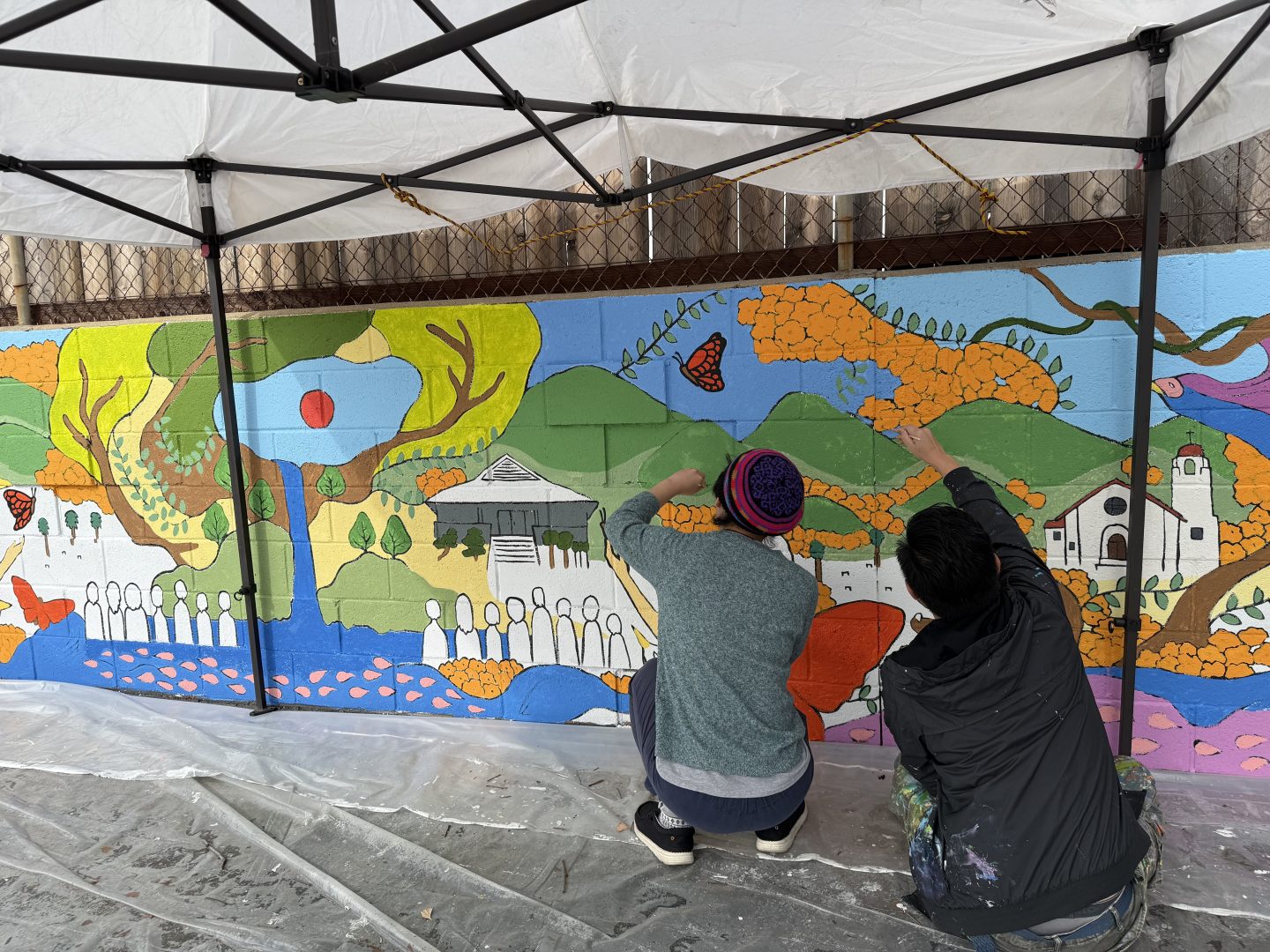
The Healing and Hope Mural painting in progress. | Photo courtesy of Miki Yokoyama / Pasadena Buddhist Temple
The Eaton Fire killed 19 people, destroyed over 9,000 structures, and brought untold grief to the community. More than a year later, displaced Altadena and Pasadena residents are still reeling from the trauma. There are constant reminders of what they lost and memories of that fateful day are still fresh in their mind.
As much anguish as the Eaton Fire wrought, there have also been many instances of a community coming together in their shared experience. The most recent of such moments is a group painting initiated by Miki Yokoyama who created a mural at the Pasadena Buddhist Temple. The brainchild of Kyoko Gibbs, wife of the temple’s spiritual leader Reverend Gregory Gibbs, the mural symbolizes what she thinks everyone needs – healing and hope.
The temple almost became a casualty of the fire had it not been for the bravery of neighbors who put out the flames. Gibbs recalls, “Greg and I, along with our younger son, live in the temple residence, so we followed the evacuation order in the very early morning of Jan. 7 and drove to a hotel. Watching the news at the hotel, we recognized the temple’s neighbors getting burned down despite the efforts of firefighters. Feeling urged to return to the temple, we drove back there to find our ‘heroes’ and some other temple members trying to extinguish the flames that had landed between the tea garden and the edge of the main building, Hondo.”
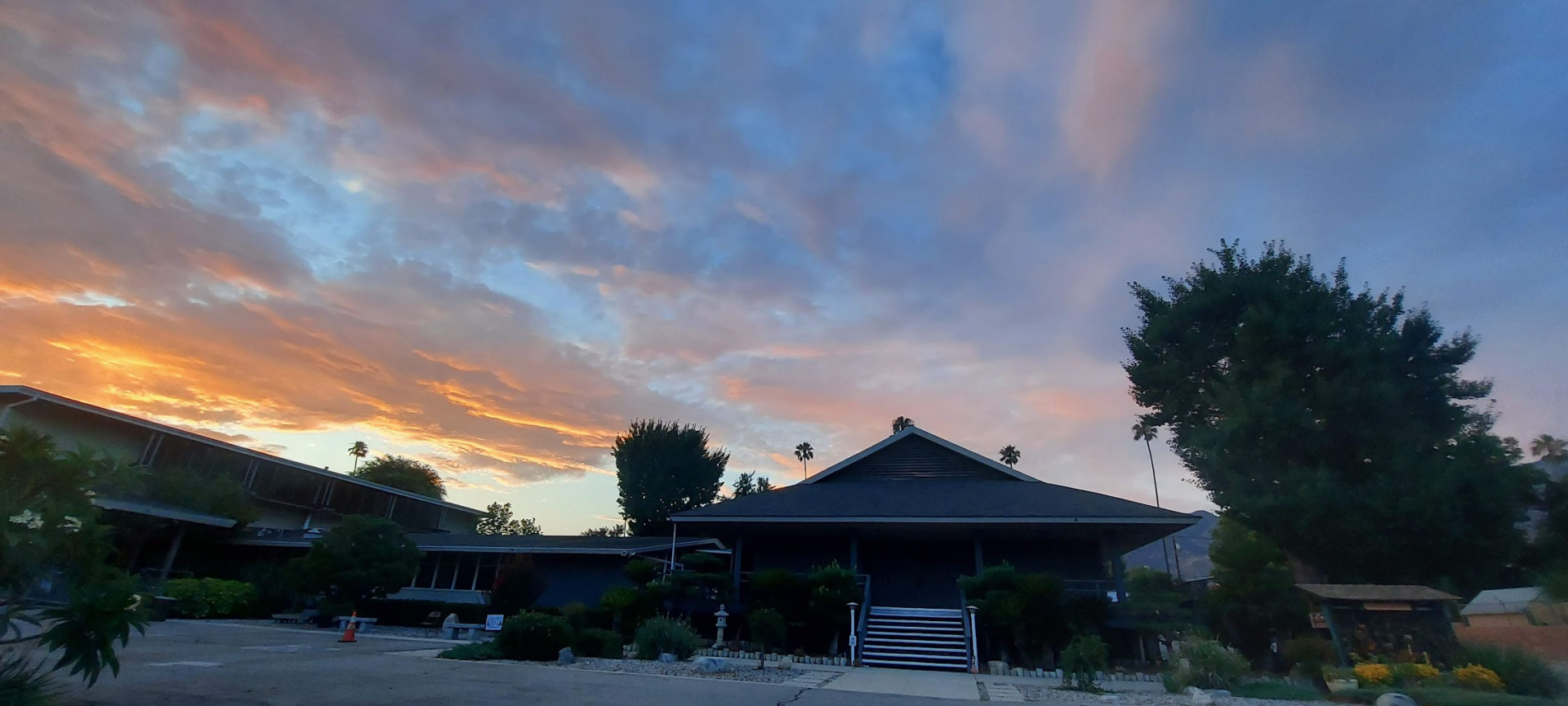
The Pasadena Buddhist Temple at night. | Photo courtesy of the Pasadena Buddhist Temple
“As we heard and learned about the temple members, associated friends, and neighbors’ loss and damage due to the fire, we were deeply hurt – not just physically but also emotionally,” continues Gibbs. “No words were spoken; we cried while holding and hugging them.”
Immediately, the temple community collaborated on events and efforts to help fire survivors. “Since two days after the fire, the restaurants in Little Tokyo (Azay and Far Bar) and San Gabriel (Yama Sushi), Little Tokyo Service Center, Keiro, Pasadena Japanese Cultural Institute, and the churches and temple in the affected Altadena and Pasadena areas, along with many others such as Buddhist Churches of America, Tanaka Farms, King’s Bakery, Go For Broke, and many more, have stepped up to the plate. Each individual person and organization gave them a hand in a selfless and compassionate way. As we continue to move forward, I am truly grateful for everyone’s kindness.”
The Gibbses themselves have been the recipient of people’s generosity. “During the remediation process for all the temple facilities, we needed to relocate to the temple’s friends’ house for about two months,” Gibbs says. “We were so fortunate to receive their kind offer. The temple is now fully restored and I am very thankful for those two temple board members who tirelessly worked with the insurance and intensive cleaning companies.”
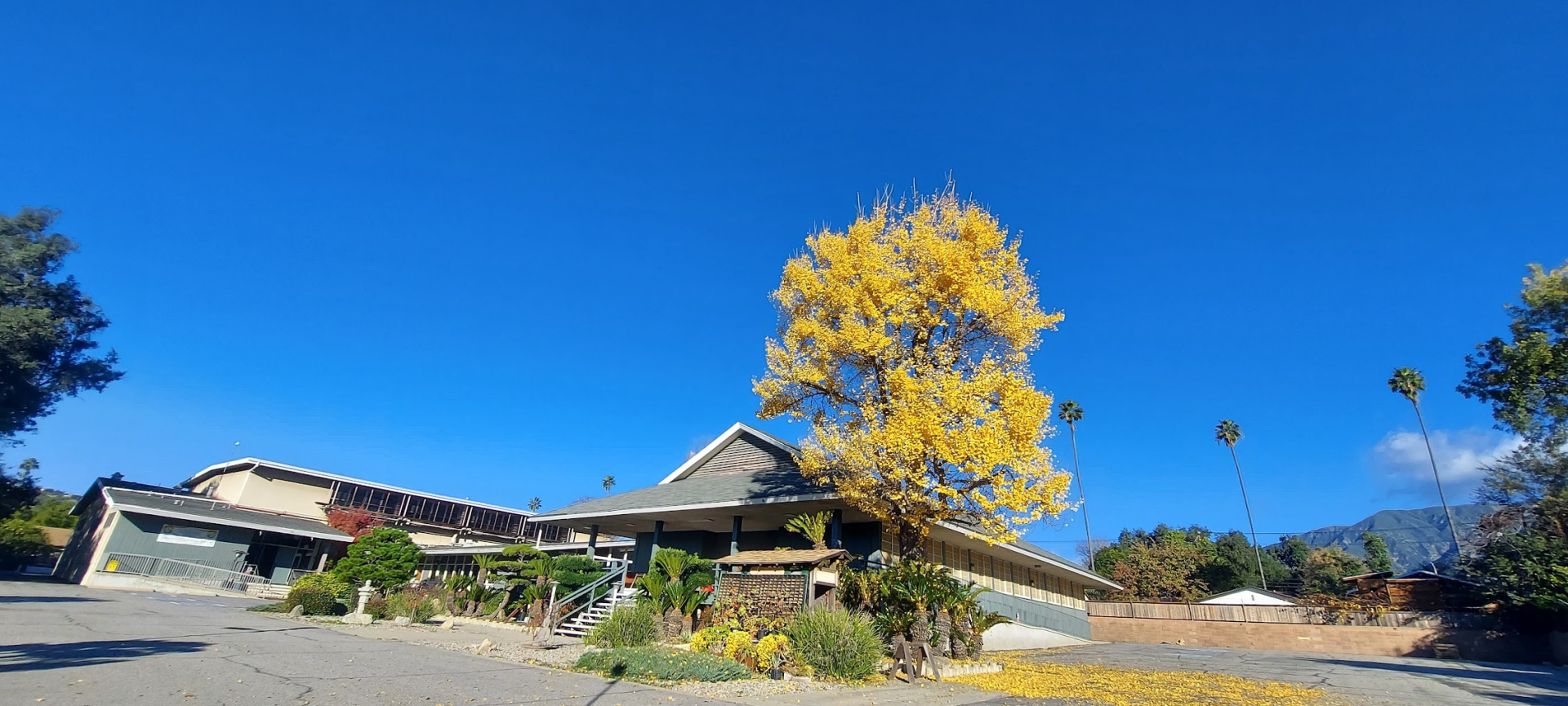
The temple is now fully restored. | Photo courtesy of the Pasadena Buddhist Temple
For its part, the temple raised and distributed close to $90,000 to fire victims and actively continues to raise funds for them. “On the first anniversary of the fire, we presented them with a card and a small monetary gift. We wanted them to know that we are thinking of them. Additionally, we will be holding a White Elephant Sale, which opens to them first for free before the general public. We will also have a Girls’ Day Celebration with the tea ceremony, which they will be invited to join. More financial support will be distributed soon from the social welfare committee of Buddhist Churches of America (Pasadena Buddhist Temple is a part of BCA).”
Another activity that took place one year after the Eaton Fire was the creation of a mural. Recalls Gibbs, “As the first anniversary of the fire approached, I was thinking about what we – as the whole affected community – could do to help heal and inspire hope. Then, SOGs (Sons of Gardeners), who volunteer twice a week to maintain the temple grounds, were discussing painting a concrete section of the ramp outside. And it hit me with the idea of creating a mural instead of just painting. I brought up this concept with them and shared it with the temple board, and they all rallied behind it right away!”
“Fortunately, Keiro, which has been a financial supporter of activities and events for fire survivors, also agreed to continue its support,” Gibbs says further. “I knew who I needed to ask to lead the mural designs – Miki. She isn’t a member of the temple but I met her through the meal program for fire survivors.”
In mid-November, Gibbs reached out to Yokoyama and proposed crafting a mural and inviting the participation of those who had lost their homes in the fire as a way to help restore the town. They discussed what kind of wall painting they wanted to create and developed the concept together. To signify what it represents, they called it Healing and Hope Mural.
Miki Yokoyama. | Photo by May S. Ruiz / Hey SoCal
The Eaton Fire decimated Yokoyama’s home and all her artwork, and wreaked havoc on her mental health. She discloses, “The emotional shock was immense; I struggled with symptoms of PTSD for a long time. During the first year after the disaster, I believe that painting truly saved me. Now, through this project, I find healing in creating together with the temple community and others who were also affected by the disaster. Realizing that I am not alone and receiving strength from everyone involved fills me with deep gratitude.”
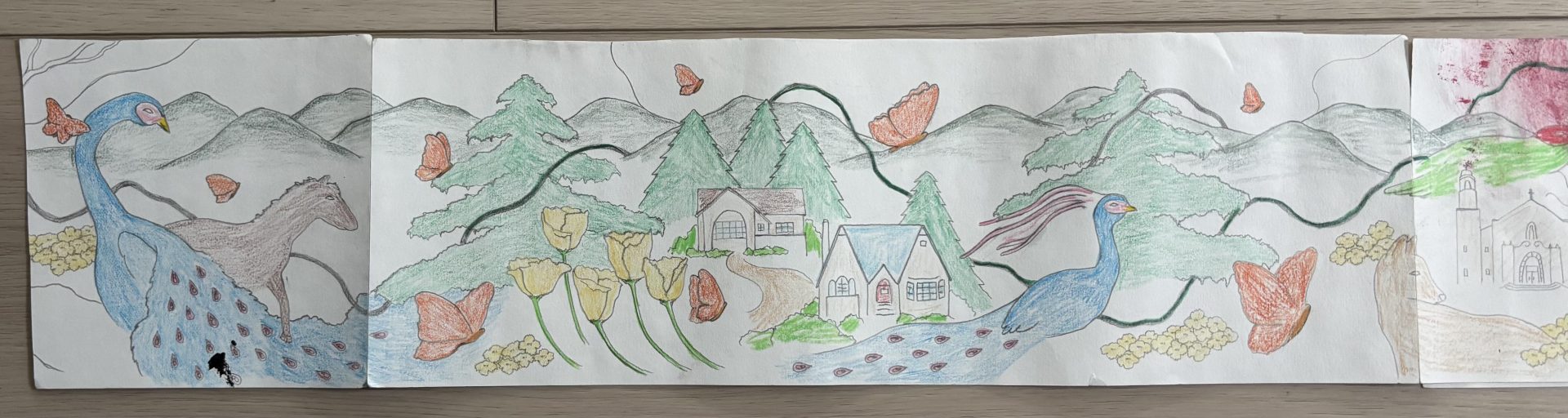
Yokoyama describes how she transferred the painting – measuring approximately 70 feet long by 56 inches tall – on the wall. “I first created a rough sketch on paper and then projected it onto the wall. However, many of the finer details will be added freehand while looking at the actual wall. From here, I plan to add more delicate lines and dots to develop the piece further.”
Yokohama’s drawings of the mural. | Photo courtesy of Miki Yokoyama
“This project is open to everyone, regardless of artistic experience,” explains Yokoyama. “Before we began painting together, I prepared the mural by drawing the outlines in black ink. Although I predetermined the colors, my hope is simply that everyone enjoys the process. I tell participants that it is perfectly fine if they paint outside the lines or even cover the black outlines. I will make any necessary corrections afterward, so everyone is free to add color as they wish.”
“At present, the mural is about halfway complete,” Yokoyama adds. “Much of the white space has been filled, and the next steps are to apply a second layer to the lighter areas of ink, retrace the black outlines, and then add finer lines and dots. By layering these delicate details, I hope to bring greater depth and subtlety to the work. Even if it takes time, I am committed to leaving behind the best possible piece.”
“As we continue working together with the community – shaping it according to our shared intentions – I am also excited to see how the mural will ultimately come together,” Yokoyama says further. “I am very much looking forward to its completion.”
One of the Eaton Fire survivors who went to the temple to paint heard about it through her mom who is a member of the temple. She asks that her name not be mentioned but graciously agrees to talk about her participation.
“Miki was there and she showed me where to paint, provided paint and brush, and instructions,” she begins. “I painted the windows on the house light blue as she instructed. She explained that it was okay to paint over lines as these will be repainted after the color is applied; the community painters are adding color and the artists are adding detail. While I was there one of the artists was refining with details. She used a Q-tip to add white spots to a red butterfly. The mural is a representation of the local community and the hope that exists in the Eaton Fire area to rebuild the physical and emotional aspects of the community.”
Photo by May S. Ruiz / Hey SoCal
Painting the mural offered a brief respite from her daily stresses in the aftermath of the fire. She says, “The consequences of the fire a year later are still part of a continuing domino effect in various ways that will remain for many years. Growth and hope are also results of this effect. Projects and institutions such as the Pasadena Buddhist Temple bring the community together for positive focus and forward momentum.”
It is exactly what compelled Gibbs to come up with a community endeavor. She declares, “Through this experience – coloring in the mural while chatting with others or working quietly – I would like all to feel connected and empowered. You are not alone. We are stronger together.”
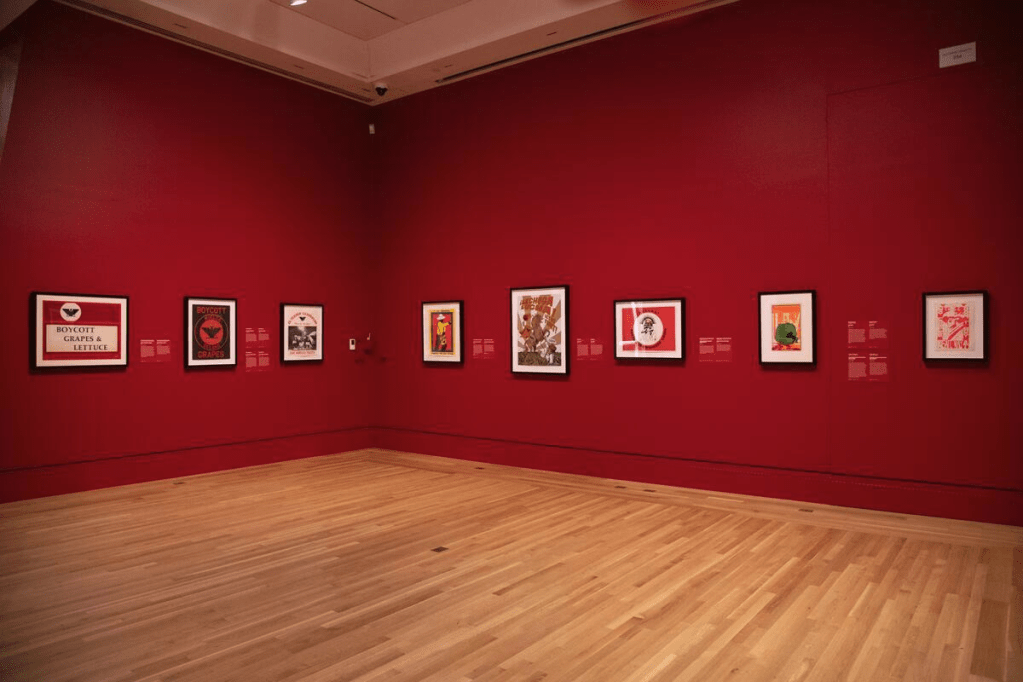
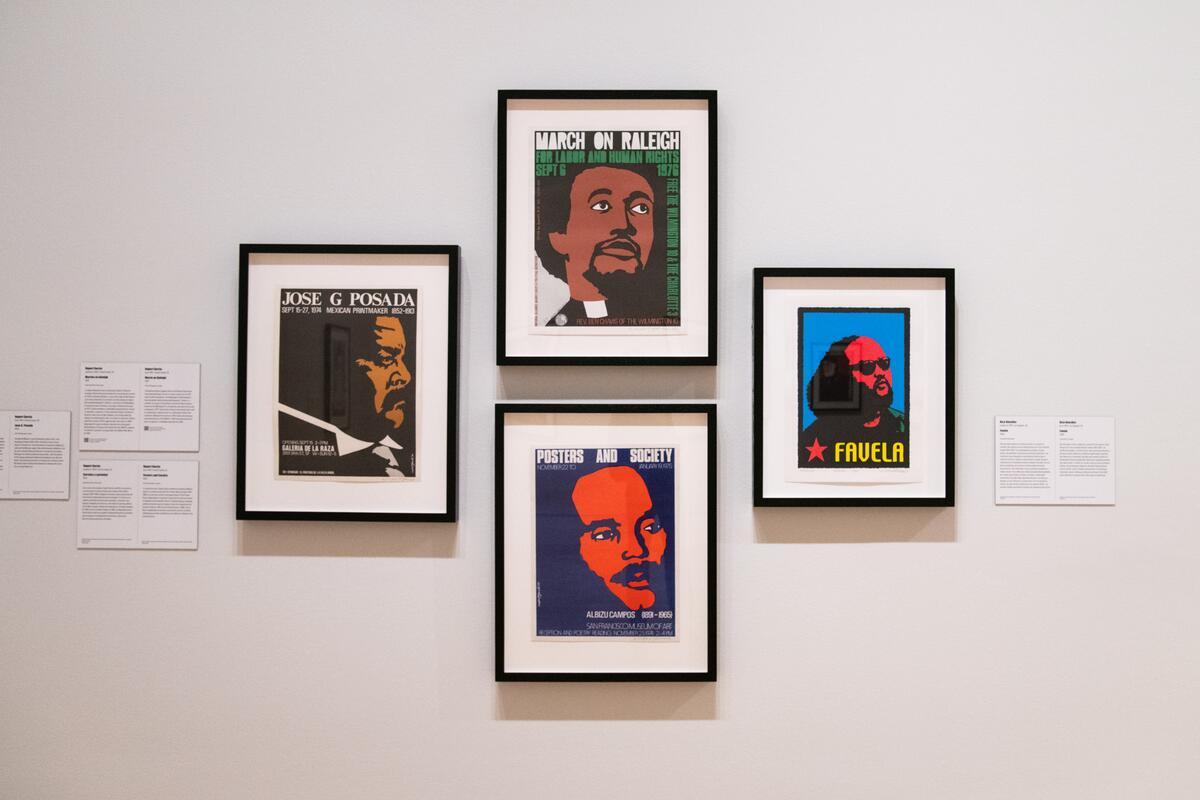
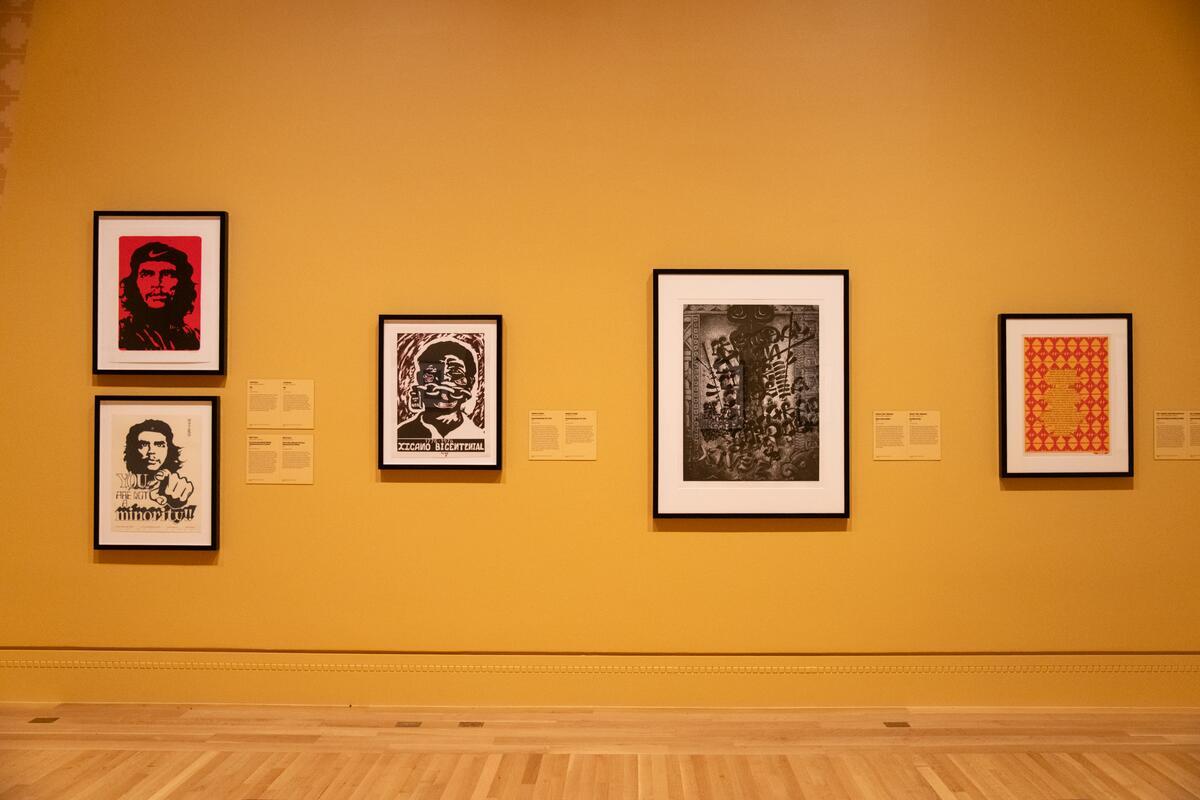
“Radical Histories: Chicano Prints from the Smithsonian American Art Museum,” makes its West Coast debut at The Huntington’s Marylou and George Boone Gallery from Nov. 16 to March 2. Curated by E. Carmen Ramos, forming acting chief curator and curator of Latinx art at the Smithsonian American Art Museum, the exhibition features 60 dynamic works by nearly 40 artists and collectives that trace more than six decades of Chicano printing as a form of resistance, community building and cultural reclamation.
Commencing with the late 1960s Delano Grape Strike, the precursor to the United Farm Workers (UFW) labor union, the prints in “Radical Histories” depict momentous events in the history of community activism and the formation of collective identity. Chicano artists used silkscreens, posters, and offset prints to mobilize communities – often with barbed wit, lively colors, and evident urgency.
The exhibition is arranged in five thematic sections: “Together We Fight,” “¡Guerra No!” (No War!), “Violent Divisions,” “Rethinking América,” and “Changemakers.” Each section highlights how Chicano artists have used the accessible and reproducible medium of printmaking to confront injustice, affirm cultural identity, and engage in transformative storytelling.
Installation photo courtesy of The Huntington
Section 1: Together We Fight
The opening section explores how the UFW, cofounded by César Chávez and Dolores Huerta, collaborated with visual and performance artists to support the fight for farmworkers’ rights. Key labor actions inspired a wave of Chicano art that functioned as both political expression and tangible solidarity. Artists adopted the UFW’s iconic black eagle, embedding it in posters, prints, and murals that raised awareness and helped fund the movement. The union’s visual language extended beyond its own campaigns, appearing in advocacy materials for the Texas Farm Workers Union and the Cannery Workers Committee in Sacramento.
Section 2: ¡Guerra No! (No War!)
Since the 1960s, Chicano graphic art has played a vital role in advancing antiwar resistance. These works serve as rallying cries, counternarratives to mainstream media, and spaces of reflection. Chicano artists have used print and poster art to critically examine U.S. military interventions in Vietnam, El Salvador, Chile, Iraq, and elsewhere.
Section 3: Violent Divisions
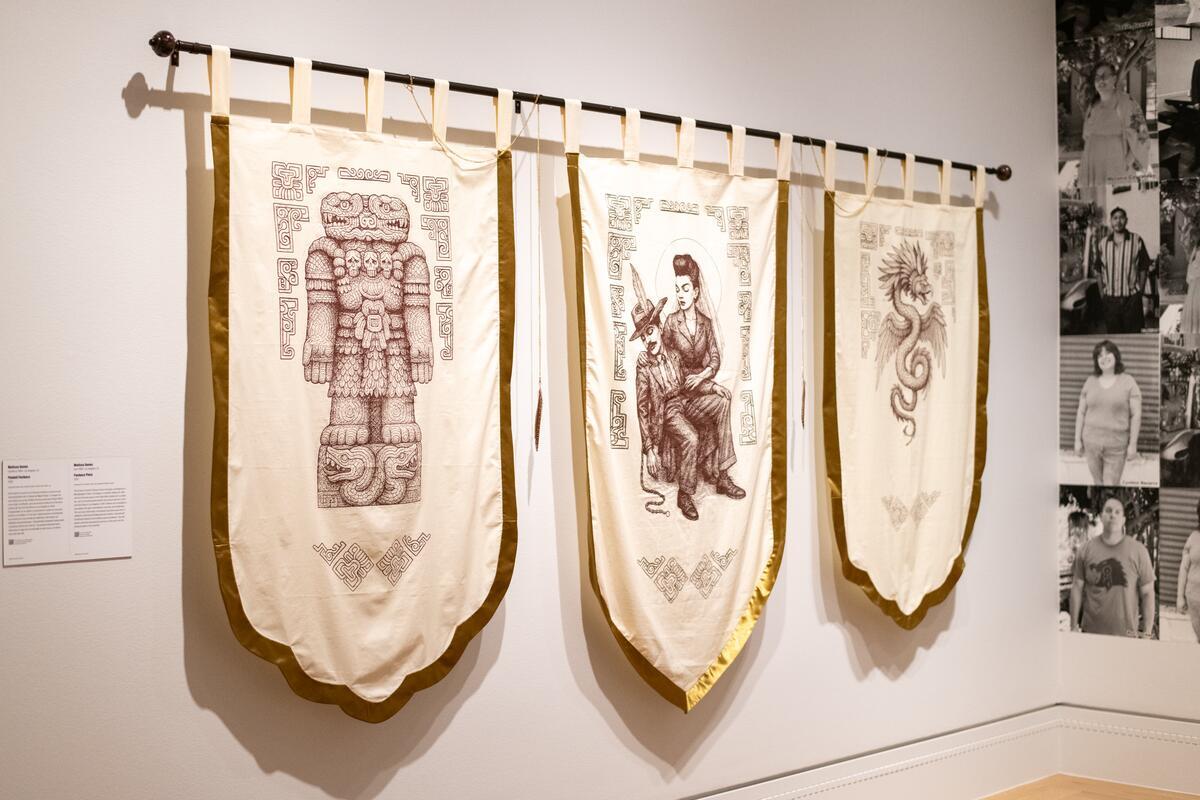
The U.S.-Mexico border has been a central theme in Chicano art. Printmaking has enabled Chicano artists to raise awareness about the experiences of immigrant communities because it is affordable and prints are easily distributed. Recurring iconography – such as the monarch butterfly, a symbol of natural migration – challenges the notion of geopolitical boundaries. Figures like the Virgin of Guadalupe and ancient Mesoamerican goddesses appear as powerful cultural symbols.
Section 4: Rethinking América
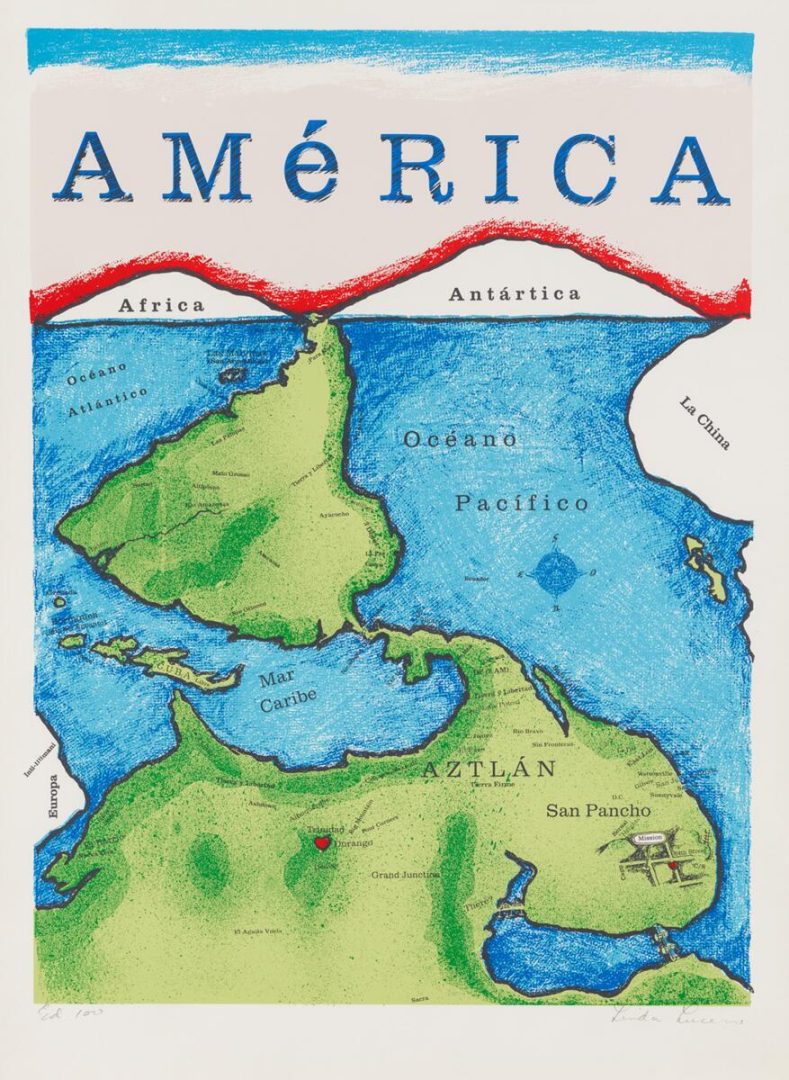
This section presents works that broaden historical narratives by including perspectives rooted in resistance and cultural reclamation. The artists drew inspiration from revolutionary figures and movements to create narratives that center Mexican American and Indigenous perspectives. Using mapmaking and record forms like the ancient Mesoamerican codex, Chicano artists also created speculative past and present narratives to reimagine social landscapes.
Linda Zamora Lucero, América, 1986, screenprint on paper, Smithsonian American Art Museum, Gift of Gilberto Cardenas and Dolores Garcia. | Photo courtesy of The Huntington
Section 5: Changemakers
Portraiture is a cornerstone of Chicano art, used to educate audiences and celebrate both cultural icons and overlooked figures. Artists often base their portraits on documentary photographs, transforming black-and-white images into vivid prints that honor the subject’s life and legacy. Featured changemakers include political prisoners, activist leaders, attorneys, actors, and artists—individuals who challenged the status quo and shaped history.
By email, Dennis Carr, Virginia Steele Scott Chief Curator of American art, and Angélica Becerra, Bradford and Christine Mishler Associate Curator of American Art – also the venue curators – discuss the exhibition’s origins, its relevance, and viewer takeaways.
“Radical Histories was organized by the Smithsonian American Art Museum to highlight the central role Chicano artists have played in shaping American visual culture,” begins Carr. “The exhibition began touring nationally in 2022 following its debut at the Smithsonian American Art Museum, and The Huntington is presenting its first West Coast exhibition.”
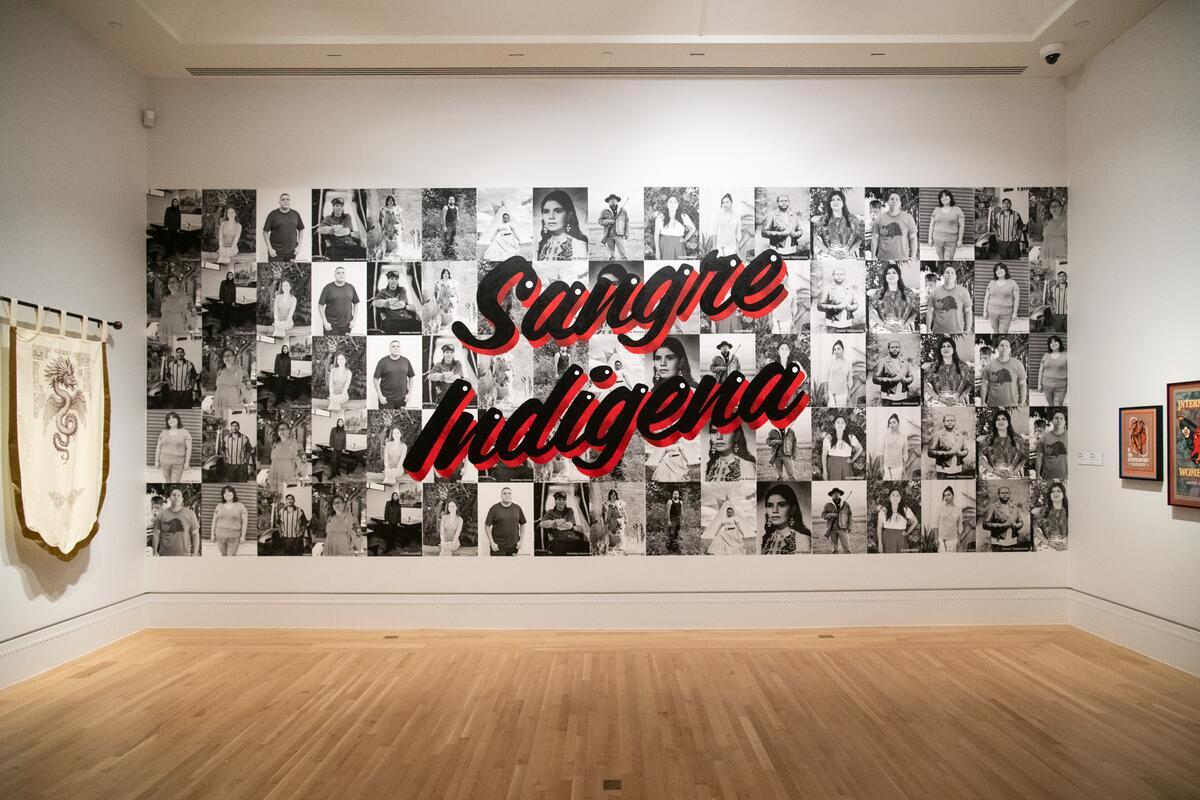
“While the core exhibition is drawn from SAAM’s collection, our presentation places particular emphasis on Los Angeles as a vital center of Chicano printmaking,” Carr clarifies. “To honor that history, The Huntington commissioned a new mural by Los Angeles–based artist Melissa Govea, created in collaboration with Self Help Graphics & Art, a community print studio that has supported Chicanx and Latinx artists since 1973.”
Melissa Govea’s mural. | Photo courtesy of The Huntington
“Through this partnership, we commissioned Melissa Govea, a Los Angeles–based artist who is Chicana and Purépecha,” explains Carr. “Govea began her career as a muralist and is known for work that honors community, ancestry, and cultural memory. Rather than giving her a specific direction, we invited her to respond to the themes of the exhibition. The result is a dedicated gallery featuring a new mural, a sculptural installation, and print-based works that together reflect multiple dimensions of her practice. This marks the first time her work has been presented in a museum context.
“Her mural, titled ‘Sangre Indígena’ (Indigenous Blood), draws on portraits of friends, collaborators, and cultural leaders who have shaped her life. The work recognizes the generations of artists, organizers, and knowledge-keepers who came before her, while affirming the presence, agency, and creativity of those shaping Los Angeles today.”
Installation Photo courtesy of The Huntington
It would be an oversimplification to say how many works in the exhibition are from L.A. artists, as Becerra explains.
“Many artists in ‘Radical Histories’ have deep ties to Los Angeles, whether they lived, studied, printed, organized, or collaborated here. The most meaningful connection is through Self Help Graphics & Art, which offered open studio access, mentorship, and a collaborative printmaking environment to generations of Chicano and Latinx artists.
“Artists such as Barbara Carrasco and Ernesto Yerena Montejano continue to live and work in L.A., and their practices remain rooted in local community networks. So rather than thinking in terms of birthplace alone, it’s more accurate to say that Los Angeles is one of the central homes of Chicano printmaking, and the exhibition reflects that history.”
Installation photo courtesy of The Huntington
Asked if the exhibition has taken greater meaning now with ICE raids targeting Hispanic communities and looking Hispanic or Latino is enough to get one handcuffed and thrown into a detention camp, Becerra replies, “The themes in ‘Radical Histories’ are both longstanding and timely. Chicano printmakers have historically used posters and prints to address labor injustice, state violence, displacement, and the struggle for belonging – issues that continue to resonate today.”
Becerra says further, “What museums like The Huntington can offer is space: a place to look closely, process, reflect, and connect personal experience to shared history. These works remind us that art has always been a tool of community care and resistance.”
As for the viewer takeway, Carr states, “We hope visitors come away with a deeper understanding of how Chicano artists have used printmaking to organize, to tell stories, to build community, and to assert cultural identity. And we hope they see that art is not separate from daily life – it is a tool for resilience and collective meaning-making.”
“In addition to the exhibition itself, The Huntington will host public programs, bilingual gallery talks, and hands-on workshops in collaboration with local artists and partners,” adds Carr. “A major highlight will be Historias Radicales: Latinx Identity and History in Southern California, a two-day conference on December 5–6, connecting the exhibition to The Huntington’s co
A work in The Huntington’s new exhibition is by Janet Harvey Kelman, “Stories from Chaucer Told to the Children” with pictures by W. Heath Robinson, London: T.C. and E.C. Jack, 1906, gift from Donald Green. | Image courtesy of The Huntington
The Huntington Library is renowned for several iconic pieces — the Gutenberg Bible, the Ellesmere Chaucer manuscript, and Shakespeare’s Folio, to name just a few. Visitors expect to see them individually at their usual spot.
Soon these exceptional items will be displayed at The Huntington Mansion alongside other important objects that reveal surprising connections and untold stories in a series called “Stories from the Library.” The inaugural show, on view from June 21 through Dec. 1, will feature Geoffrey Chaucer’s “Canterbury Tales” and later iterations of the work, and the visionary figures who shaped Los Angeles.
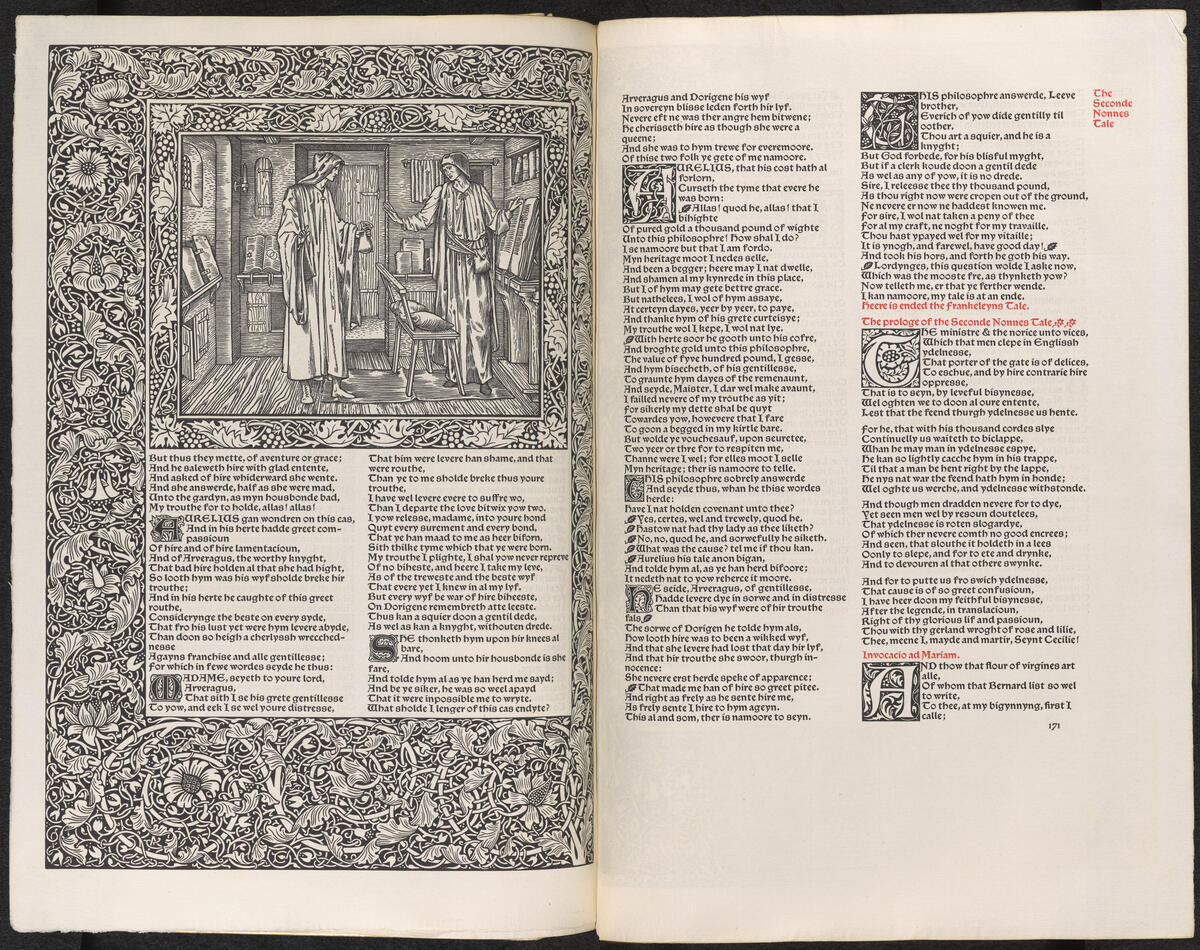
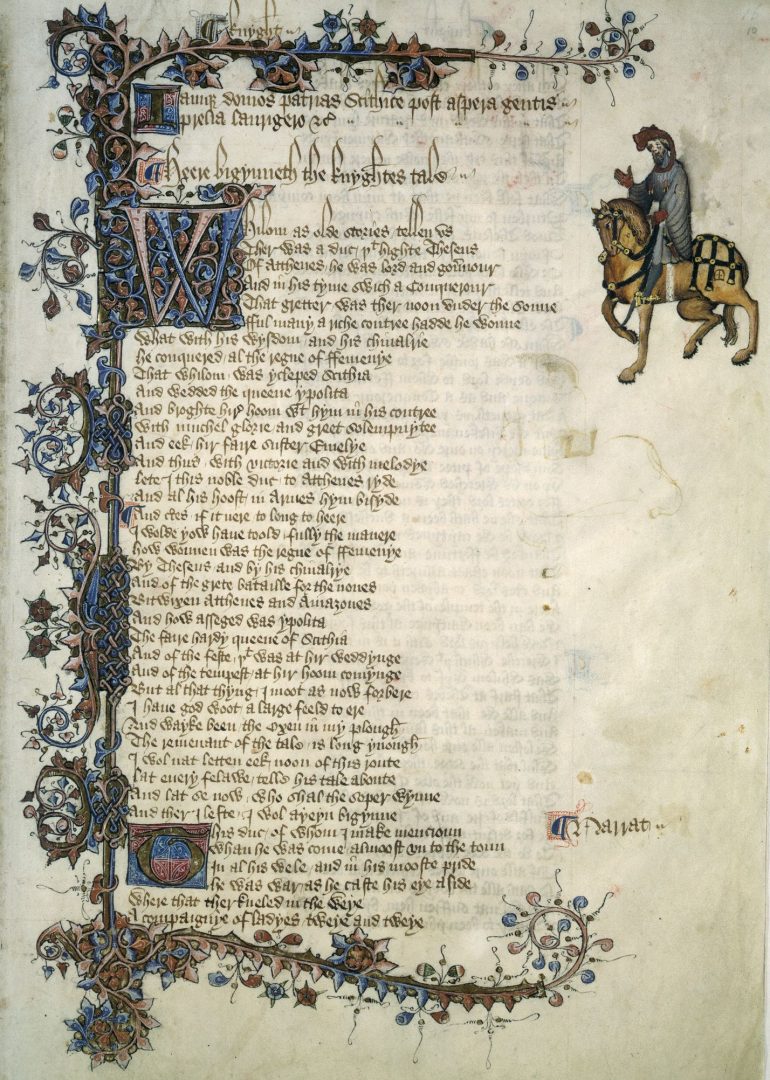
“The Tales Through Time” commences with The Huntington’s Ellesmere Chaucer manuscript, an elaborately decorated work created between 1400 and 1405. The most complete and authoritative version, it is presented together with later iterations of the work to illustrate how creators like writers, artists and printers — collectively and individually — changed the tales textually and visually over five centuries of retellings.
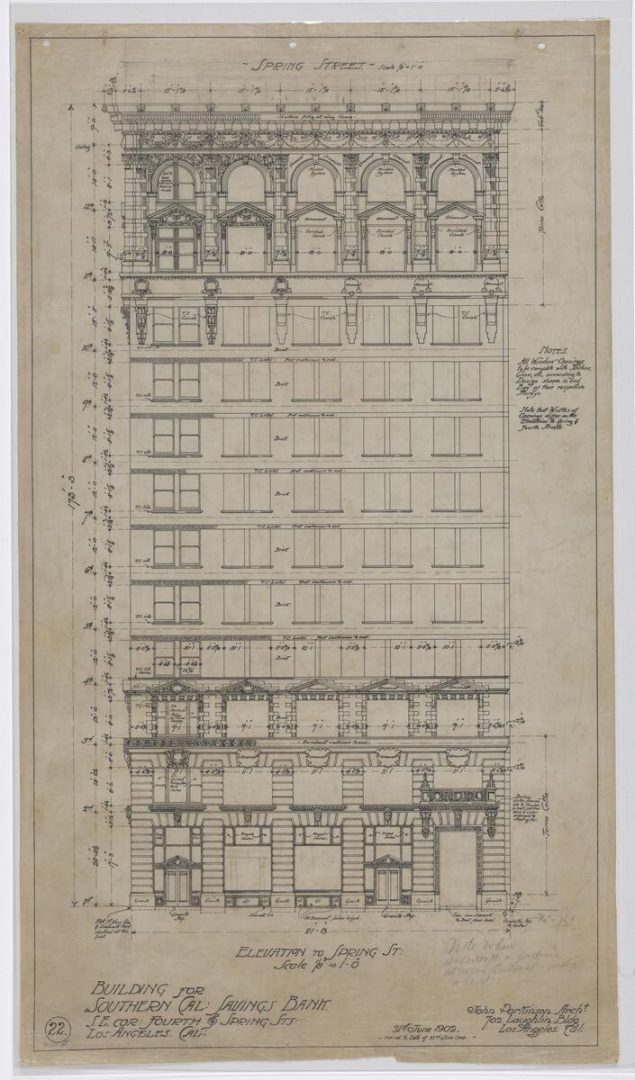
“Los Angeles, Revisited” explores ways in which architects, planners, business owners, and activists have contended with a constantly evolving city like Los Angeles. The show is anchored by the 1902 design plans for L.A.’s first skyscraper Braly Block, conceived by architect John Parkinson.
Sandra Brooke Gordon, the director of the library, states, “Drawn from across the library’s vast holdings, each rotation in this series centers on a single item making a star turn — a destination object — placed in conversation with other selections. These exhibitions highlight the interrelatedness, beauty, and power of the library’s collection of approximately 12 million items, while encouraging visitors to make new and inspired connections.”
Vanessa Wilkie, senior curator of medieval manuscripts and British history and head of library curatorial, and Steve Tabor, curator of rare books, co-curated “The Tales through Time.” By email, Wilkie talks about how the series originated, how they prepared the exhibition, and what she hopes visitors take away from it.
“While the mansion was built first, Henry Huntington had the Library constructed beginning around 1919, relatively early in his collecting,” Wilkie says. “So in a sense, he always envisioned that his library collections would be displayed independently of his other collections. I’ve always appreciated this idea — that books, archival documents, photographs, prints, and manuscripts deserved their own celebrated space.”
Just as necessity is the mother of invention, complications engender improvisations, as Wilkie discloses. “When the institution decided it was time to end the long run of the library’s Main Hall exhibition, ‘Remarkable Works-Remarkable Times,’ we were all committed to keeping library collections on view with the understanding that we logistically couldn’t take down an exhibit and have an exhibit in the same space. We saw this logistical challenge as an opportunity!
“The Art Museum generously offered to open two gallery spaces to the library. It was an obvious choice to put library collections in the historic ‘Large Library’ but our collections contain over millions of flat works — like photographs, architectural drawings, maps, and drawings. The Large Library doesn’t allow for anything to be hung on the wall, so the Focus Gallery was offered as a second location to showcase more of our collections … to tell more stories from the library.
“The Works of Geoffrey Chaucer,” Hammersmith: Kelmscott Press, 1896, from the Sanford and Helen Berger Collection. | Image courtesy of The Huntington
“Curators immediately saw this as an opportunity for unexpected pairings of exhibits, which made us all the more eager to think in unexpected ways,” continues Wilkie. “We are mindful that visitors always love to see some favorite pieces, like the Gutenberg Bible and the writings of Octavia Butler, and we envisioned this exhibition series as an occasion to bring in some of those beloved hits while also giving visitors a chance to get to know other parts of our magnificent collections. Our hope is that people come to see what they already love but leave thinking about a favorite piece in a new way or, better yet, having seen something they never expected!”
Asked what motivated their decision to center the exhibit around Geoffrey Chaucer’s The Canterbury Tales, Wilkie replies, “The Ellesmere Chaucer is one of The Huntington’s most famous manuscripts; it is gorgeous, but it is also perhaps the most influential work in the English-speaking world. ‘Stories From the Library’ is a rotating exhibition series that does something new for our collections, so we liked the idea of starting with a book people already know quite well and framing it in a completely different way than how visitors have seen it over the past twelve years. We actively chose not to think about ‘The Canterbury Tales’ in a singular historical context but rather wanted to think about how the Ellesmere Chaucer brought individual tales together and then what the visual and textual trajectories for those tales were.”
While the sheer number of items in the library’s collection could have posed a challenge when deciding which piece to showcase in the inaugural exhibition, the curators knew exactly what to launch with.
“Beginning with ‘The Canterbury Tales’ gave us a fairly focused starting point, and then we just followed the pilgrims through our collections!” declares Wilkie. “We have some 15th century manuscripts with copies of individual tales, so we plotted those through time and then narrowed back down when we realized our collections could easily fill multiple galleries.”
“The Chaucer display is paired with ‘Los Angeles, Revisited,’ an exhibition about the shifting real and imagined landscapes in L.A.,” Wilkie explains. “No other place in the world could offer that pairing with these stellar pieces; it is the past and present colliding in spectacular ways! When curators are thinking about exhibitions in this series, we’re also thinking about how they’ll be paired and recognize that their sum is greater than their individual parts — although their individual parts are also pretty special.”
The Ellesmere Chaucer manuscript. | Image courtesy of The Huntington
Visitors to The Huntington can expect to see “Stories from the Library” for a while.
“We anticipate the series running for three or four years and have paired-exhibitions planned that can take us far beyond that,” discloses Wilkie. “Each exhibition will run for six months, but we’ll turn pages or swap out entire pieces at the three-month mark. Library materials are extremely sensitive to light, so while we want to keep exhibits up to give visitors a chance to see them, we also need to be mindful of the physical needs and constraints of fragile collections.”
“Most people are introduced to ‘The Canterbury Tales’ as a singular canonical text, but this exhibition is a chance for people to break it down and see how it has changed, or not changed, over the centuries,” Wilkie says. “That also demonstrates how unstable the concept of a canonical work really is. Throughout the series, we hope people will be invigorated by seeing beloved favorites alongside never-before-exhibited items, in spaces they don’t typically see library collections. Change isn’t easy, but it can also give us a fresh perspective.”
“Los Angeles, Revisited” is curated by Erin Chase, the library’s associate curator of architecture and photography. She discusses the anchor piece of the exhibition, what other materials will accompany it, how she planned the show, and the visitor takeaway.
John Parkinson, architect, Building for Southern California Savings Bank (Braly Block), elevation to Spring Street, 1902, ink on tracing cloth. | Image courtesy of The Huntington
“The 1902 design plans for L.A.’s first skyscraper is part of a larger recent acquisition made by the Huntington which is the archive of the architecture firm of John and Donald Parkinson,” Chase begins. “It has never been shown in a museum or library before so it’s very exciting to be able to show it to the public.
“Also included in the exhibition is a variety of materials from across the Huntington’s library collections,” adds Chase. “Everything from an 1888 early birds-eye-view map of East Los Angeles to architectural drawings of iconic L.A. buildings like the Braly Block and Googies coffee shop, to historical and contemporary photographs and manuscripts by literary figures such as Eve Babitz and Christopher Isherwood.”
Explains Chase, “This is a small jewel-box exhibition with a hefty theme so striking the right balance was important. Los Angeles lacks the centrality and layout of most traditional American cities and it’s what makes us unique. I wanted to celebrate the city and the visionaries who believed in its promise, but it was also important to address some darker parts of our past including redevelopment and the displacement of families as a result. Additionally, L.A. has always served as an unwitting muse for artists. So it was important to include people like Ed Ruscha and Gusmano Cesaretti who have helped us make sense of our urban landscape from a visual perspective.
“I hope visitors get a deeper understanding of some of the issues architects, planners, business owners, residents, and activists contended with in the 20th century,” Chase says. “L.A. grew rapidly between 1900 and 1950 and this exhibition just begins to touch on major issues that have impacted the urban landscape such as architecture, transportation, and redevelopment. Most of all, I hope they enjoy seeing some of the extraordinary drawings and photographs from the Huntington’s archives up close. Many of these have never been on view before, so this is a great opportunity to catch them.”
“Stories from the Library” will be an eye-opener for many of us who have not fully appreciated the expanse and significance of The Huntington Library’s holdings. Until now the drawing of the groundbreaking Braly Block has never been displayed in an exhibition. It’s going to be so much fun to discover what surprise each show brings.
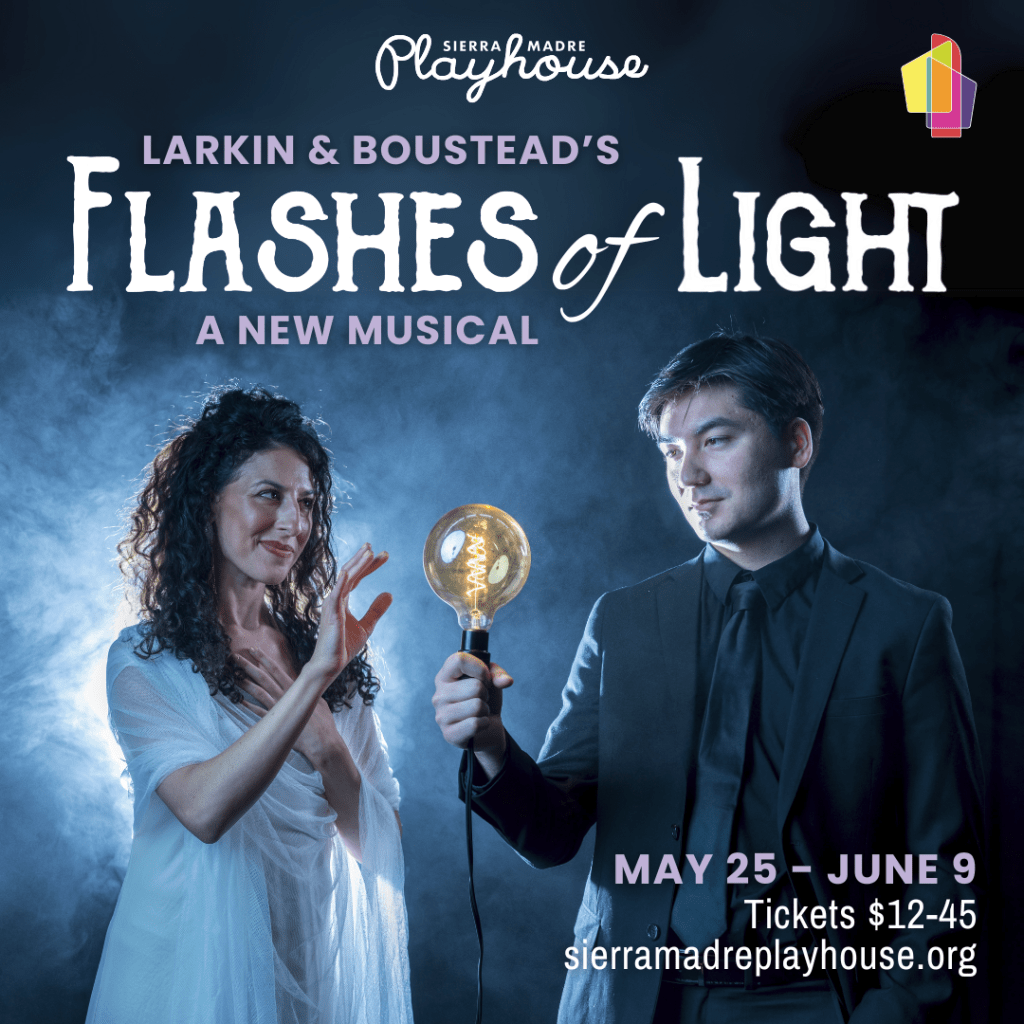
“Flashes of Light,” a new musical by Billy Larkin and Ron Boustead, makes its world premiere at the Sierra Madre Playhouse from May 25 through June 9, 2025. Directed by Jon Lawrence Rivera, founding artistic director of Playwright’s Arena, the production is about visionary inventor Nicola Tesla and his muse Electra, the formidable goddess of storm clouds.
Set against the backdrop of the industrial revolution in New York City in the late 1800s, the story follows inventor Nikola Tesla, guided by Electra, who sends him visions of groundbreaking inventions during lightning storms. Their connection amps up when Tesla’s rivalry with Thomas Edison intensifies during the “War of the Currents,” a battle that shaped the world’s electrical future. As Tesla and Electra become obsessed with pushing the envelope of scientific discovery, a star-crossed love story fraught with peril unfolds as the line between science and mythology begins to blur.
Bringing together mythology and science, romance and historical fiction, “Flashes of Light” is a brilliant idea in musical theatre. The music’s heartfelt lyrics, soaring vocals, and haunting melodies blending jazz, pop, and rock, bring this fantastical story both tragic and divine to life.
Co-creators Larkin and Boustead discuss by email the origins of this collaborative work, the choice of venue, and the audience takeaway.
“Billy became fascinated with Nikola Tesla – this mysterious figure – so critical in the development of our modern technology, yet so underappreciated in the mainstream of American history,” begins Boustead. “Tesla was known to experience flashes of light and blinding headaches throughout his life, which were most likely migraines, but we attributed his malady to the overwhelming influence of Electra, Goddess of the storm clouds. Naturally, her power would be a lot for a mortal to endure.”
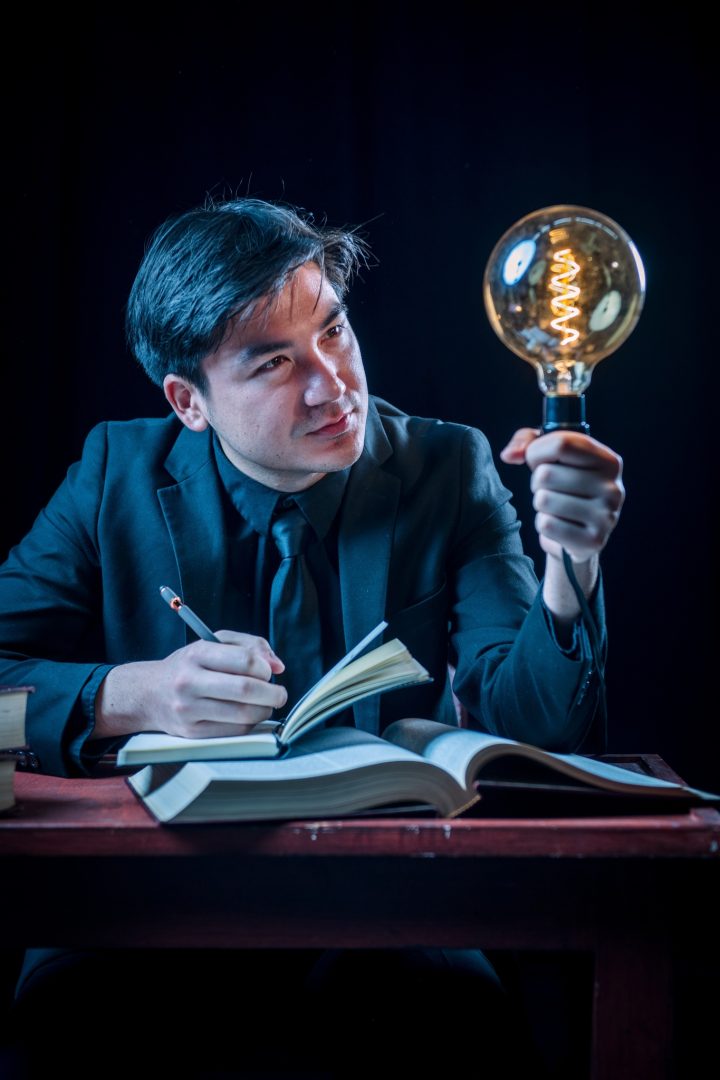
Thomas Winter as Nikola Tesla. | Photo courtesy of M. Palma Photography
“Also, the obsessive Tesla never married or was known to have a partner, so the idea of including Electra as his muse gave us a romantic storyline to add to the narrative,” Larkin adds.
While integrating myth or folklore with a factual figure and moment in science might seem conflicting, mythology is very much intrinsic to theatre, as Larkin and Boustead explain. “Mythology has been a staple of theater since its beginning, and crafting this tale became a catalyst to do a deep dive into some of the more compelling figures of Greek and Roman myth. Electra answers to a council of gods, more senior than herself.”
“Naturally, Athena – known for her wisdom, power, and morality – leads the council,” Larkin and Boustead clarify. “Prometheus, who had given mortals the gift of fire, is on hand to guide Electra in her mission to assist humans in the development of electricity. And Dionysus is an amusing addition to the council, with his drunkenness, his humor, and the sibling rivalry he shares with his sister, Athena.”
Teasing out the story, Larkin and Boustead relate. “Nikola Tesla leaves his homeland in Serbia with a head full of ideas about how to best distribute electricity for homes and factories at the dawn of the industrial revolution. He lands in New York where he becomes a rival to the great Thomas Edison in the ‘war of the currents,’ a contest between Edison’s direct current method, and Tesla’s alternating current.
“Along the way, Tesla interacts with prominent figures in 19th century finance and industry, like J.P. Morgan and George Westinghouse, and befriends the first American celebrity – the one and only Mark Twain. Through every challenge, Tesla is being assisted in his groundbreaking inventions by Electra, heard and felt only by him, during lightning storms. Like all interactions with the gods, theirs is a star-crossed relationship, with profound and tragic consequences.”
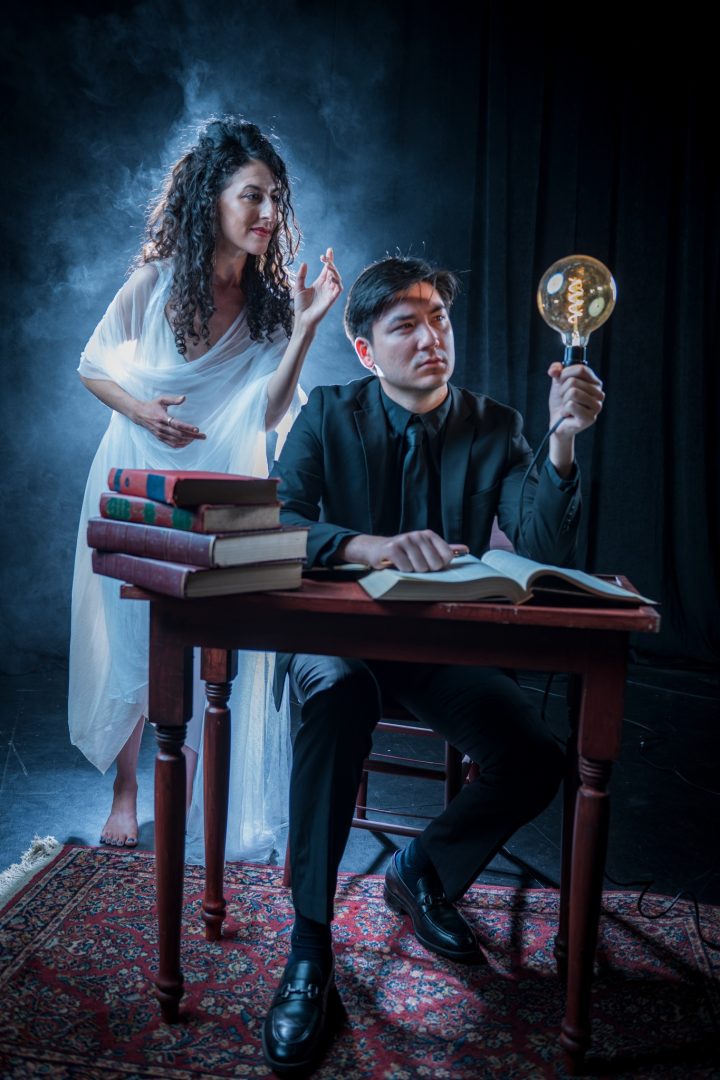
Devyn Rush as Electra and Thomas Winter as Nikola Tesla. | Photo courtesy of M. Palma Photography
Asked why they chose to debut their production in an intimate setting, Larkin and Boustead reply, “In April of 2024, we performed a concert of songs from our show at the El Portal Theatre in Noho, which we filmed. A friend of mine, who attended the concert, happens to be on the board of Sierra Madre Playhouse, and brought our project to the attention of Matt Cook, the artistic director. Matt thought ‘Flashes of Light’ would be an exciting addition to their 2025 calendar and approached us about staging our first run in their 99 seat theater setting. We love the historic and intimate vibe of SMP, and find it a welcoming atmosphere to get our production on its feet.”
Musicals normally require an orchestra – which the Sierra Madre Playhouse couldn’t accommodate – so they had to improvise. “Our score is built around a full jazz-rock band,” describe Boustead, “Because of the size limitations of the stage at SMP, we determined that the best approach for the music was to use the hybrid combination of Billy at the piano, assisted by tracks covering the rest of the orchestration.”
All 26 songs in the show are original and co-written by Larkin and Boustead in the course of eight years. However, many other beloved songs ended up on the cutting room floor, otherwise their show would be three hours long.
Devyn Rush as Electra. | Photo courtesy of M. Palma Photography
The co-creators dream that their show will one day be staged at larger venues but, for right now, they are happy to debut it in the San Gabriel Valley.
Larkin and Boustead emphasize, “Like any other musical theater creators, we imagine a trajectory that takes our project to larger venues next, with the ultimate goal of becoming a smash Broadway hit show, and eventually a touring company. But for now, we are singularly focused on making this version the very best it can be, given the time, budget, and space considerations available.”
“We hope audience members will gain a clearer appreciation for the tremendous contributions that Nikola Tesla made to our modern world,” pronounce Larkin and Boustead. “ We have been faithful to much of the history and science as it really happened, but we believe that the way we’ve told Tesla’s story will move audiences – sometimes to laughter, sometimes tears – but in the end to appreciate the value of one man’s life.”
“Tesla’s story is one that explores themes of science, mythology, genius, madness, immigration, friendship, romance, and ultimately legacy,” Larkin and Boustead declare as a final note. “It’s one that resonates with anyone who strives to leave the world a better place than they found it.”
These topics are as realistic as they are fantastic, as relatable as they are aspirational. “Flashes of Light” promises to be a little show with huge potential to reach great heights. And we in the San Gabriel Valley are so fortunate to be the very first ones to see it launch.
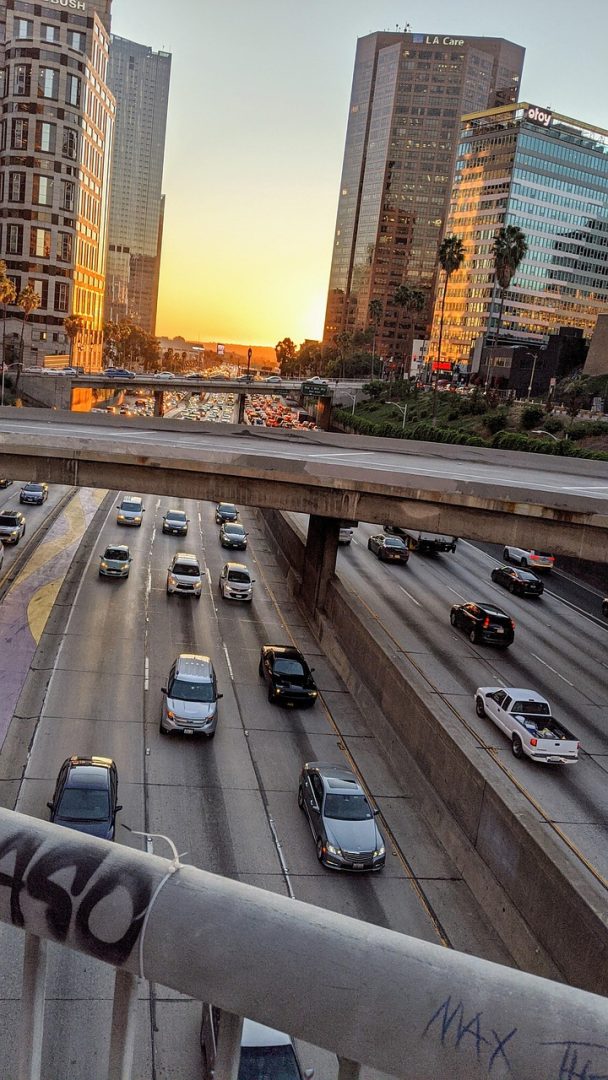
In L.A. County, freeways are a ubiquitous part of our surroundings. It’s hard to imagine a time when we traveled the expanse of the region on city streets. As population increased and more cars traversed the roads, freeways were constructed to make driving safer for people and areas more accessible.
The 110 Freeway, more popularly known as the Pasadena Freeway, is one of the oldest (if not the first) freeways in the United States. The first section – the Arroyo Seco Parkway – opened to traffic in 1938 and the rest of the throughway opened in 1940. Today, there are several freeway interchanges that connect Los Angeles to various parts of California and to other states.
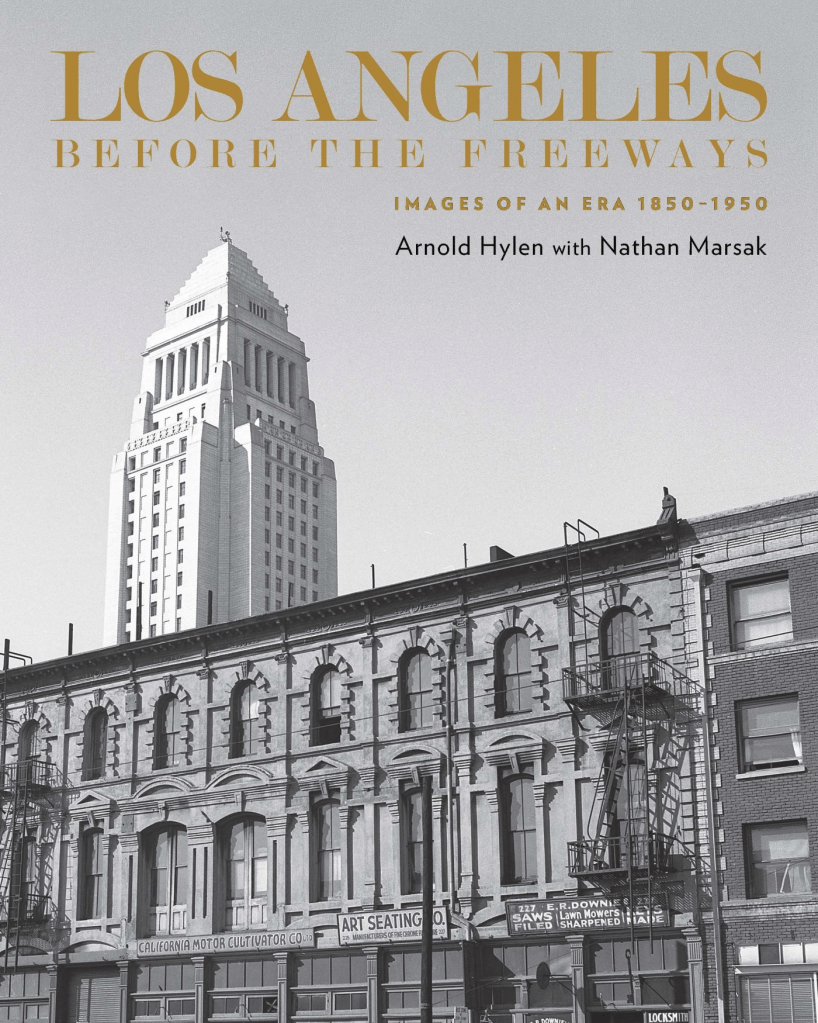
Countless buildings were demolished to make way for the construction of these freeways. The book “Los Angeles Before the Freeways: Images of An Era 1850-1950” gives a lush, visual tour of a Los Angeles that no longer exists – one of elegant office buildings and stately mansions that were razed in the name of “progress.” Originally published by Dawson’s Book Shop in 1981, it has become a cult classic among L.A.’s architectural historians.
Photo courtesy of Pixabay
Gorgeous black-and-white photos from Arnold Hylen that capture a forgotten era are showcased in the book. It has an original essay by the photographer that provides historical background and context for the time period. This new edition from Angel City Press, to be released on March 25, contains additional, never-before-seen photographs from Hylen and newly unearthed information from historian Nathan Marsak on these lost architectural treasures.
The stunning photography recalls an era when downtown Los Angeles was unspoiled by wide-scale redevelopment and retained much of its original character. Each page offers a glimpse of what the city used to be, before some of its architectural jewels were destroyed for the newer, more modern city that would soon follow.
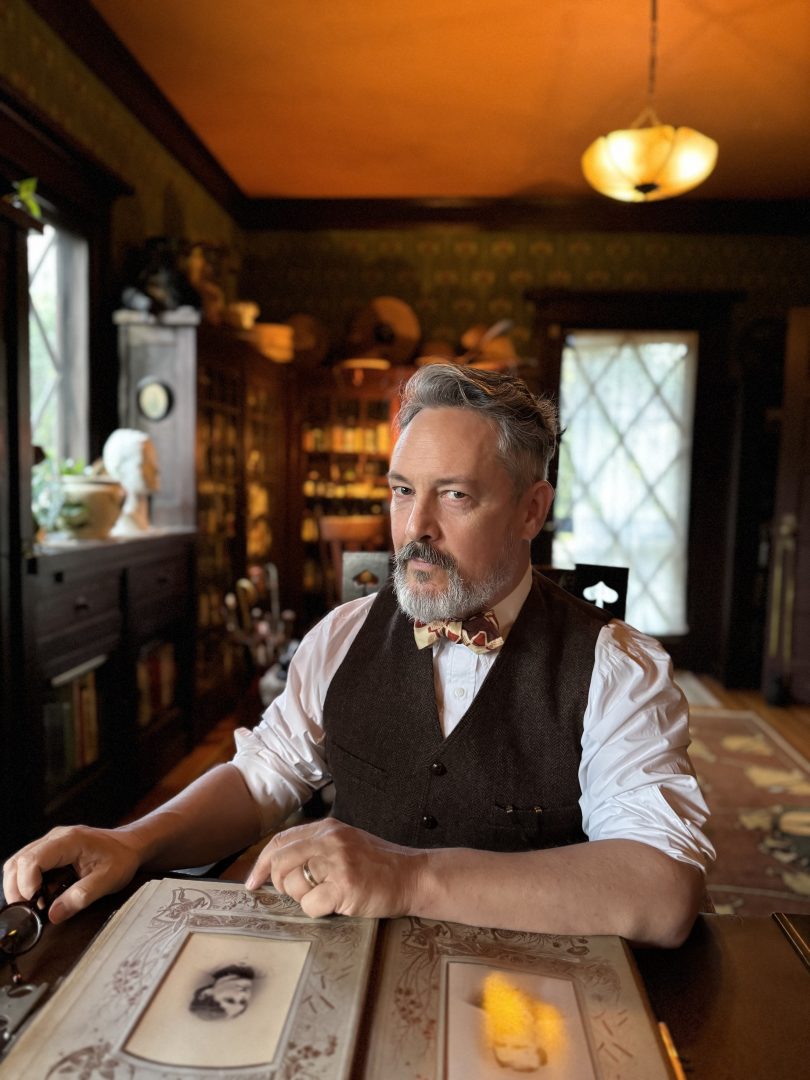
Marsak graciously agreed to be interviewed by email about how he became an L.A. historian – despite not being a native Angeleno – and the upcoming book “Los Angeles Before the Freeways” and why it’s important to get it republished.
“I was born and raised in Santa Barbara, and Los Angeles was like a weird, distant backyard,” he began. “Our television stations were all out of L.A. so I became obsessed with, for example, commercials for Zachary All and Cal Worthington. Then we’d go to LA and it was so different from the picture-perfect neighborhoods of Santa Barbara; in the 1970s Los Angeles was pretty treeless, covered in billboards, blanketed in smog. Like a dying civilization, but with so many insane neon signs, so much bizarre architecture. The whole of the city was fantastical like Disneyland, albeit a giant, grimy, dystopic version of Disneyland.”
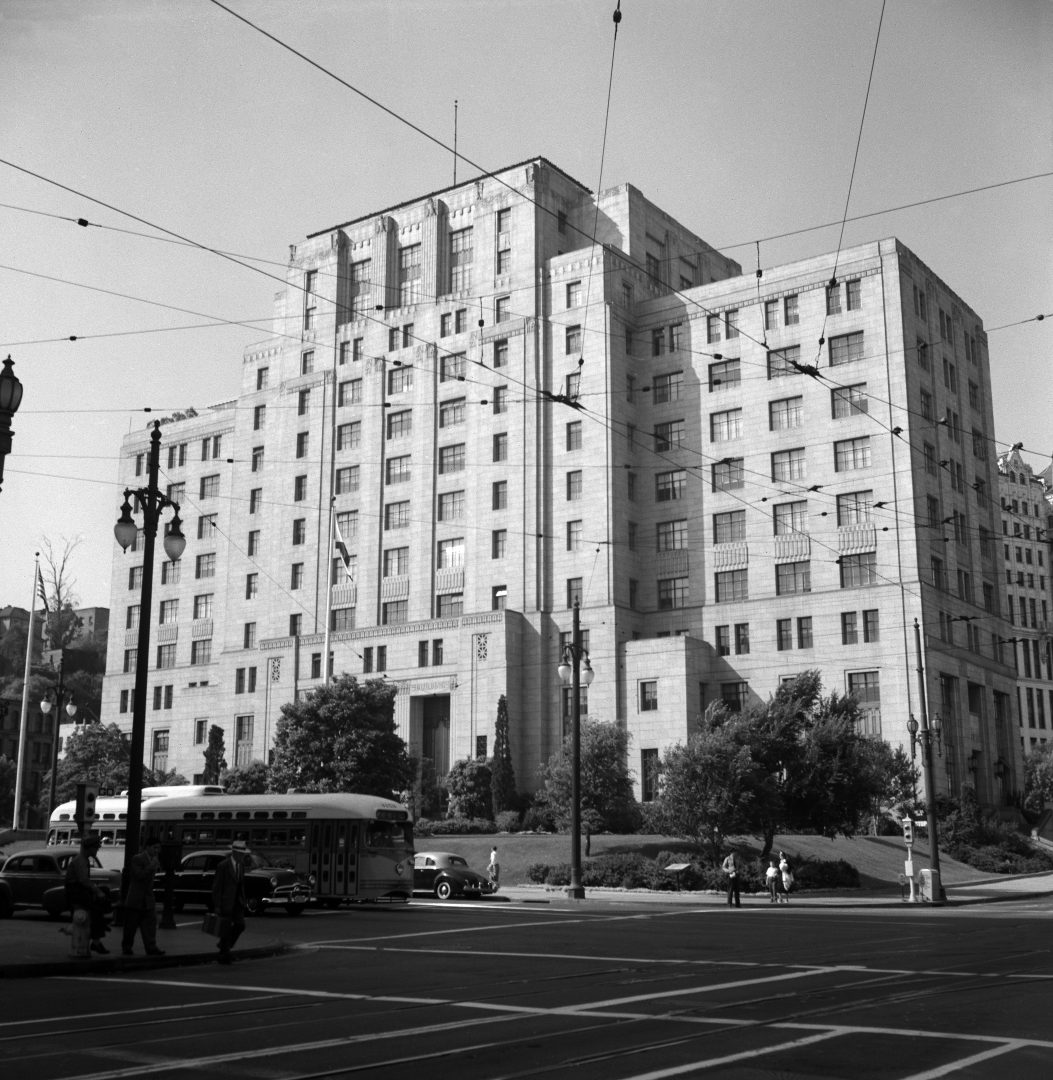
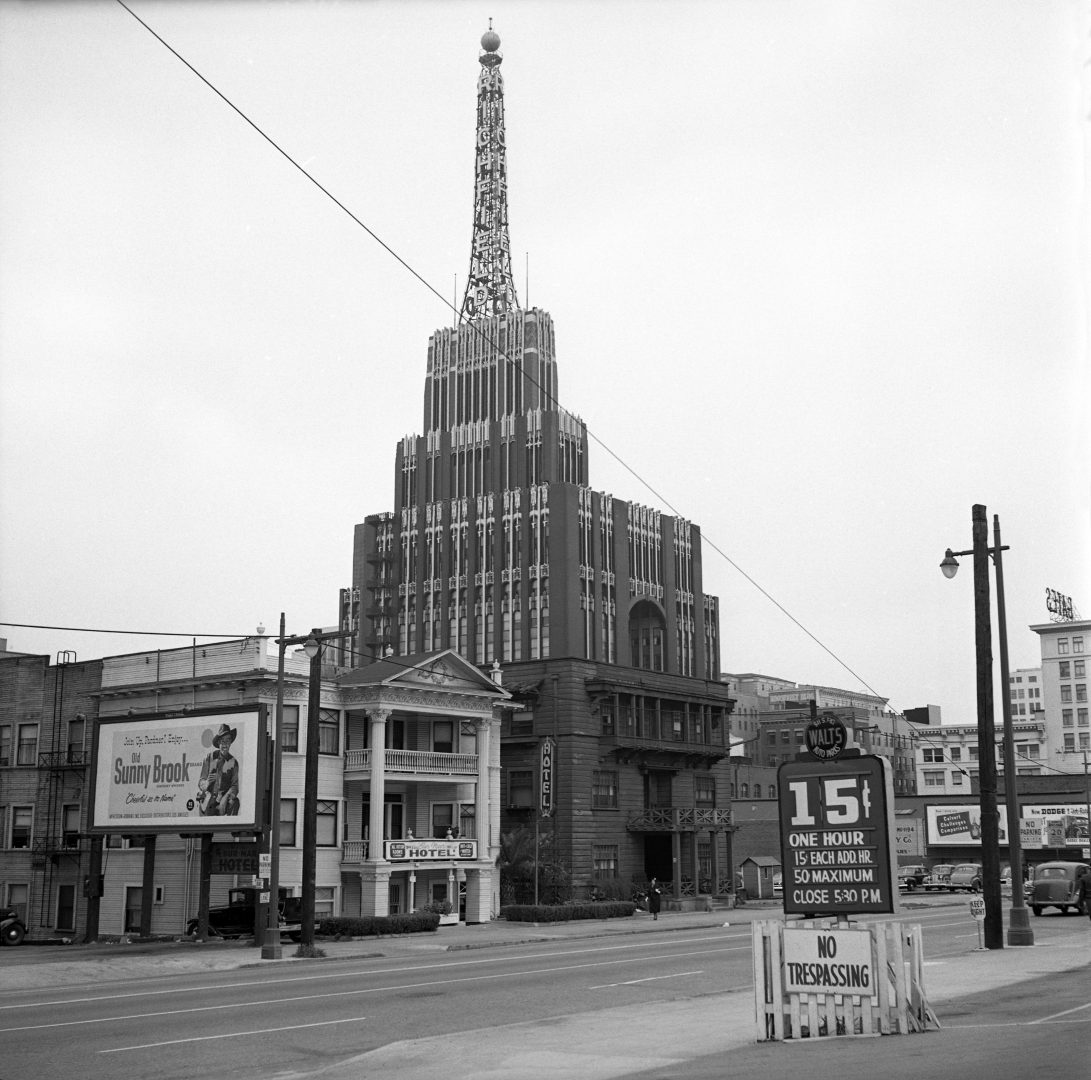
California State Building on First Street. | Photo by Arnold Hylen / Courtesy of Angel City Press
The career choice, however, was preordained. Marsak explained, “My father was a historian and I follow in his footsteps. While other parents took their kids to baseball games, I was being led through Florentine museums or the cathedrals of France. I would have been destined to become a historian no matter where I landed, but I’m very glad my home became Los Angeles.”
Taking up roots in L.A., though, wasn’t always part of Marsak’s plans. He disclosed, “In the early 1990s, I was out in Wisconsin, going to graduate school and doing architectural history. But the lure of Southern California pulled me back, especially after I saw the ’92 riots on TV. I packed my things, and read Raymond Chandler and James Ellroy to acquaint myself with my new home, and moved to East Hollywood and began looking for ‘Old L.A.’
“Sometime in the mid-90s, I was in a downtown bar talking up the old timers about lost Los Angeles and one of them said ‘you know there was a guy who took photos all around here back in the fifties, and he published a coupla books of them’ — referring of course to Arnold Hylen – and I immediately began combing the bookstores until I found Hylen’s 1976 Bunker Hill book, and his 1981 Los Angeles Before the Freeways.”
L.A. historian Nathan Marsak / Photo courtesy of Angel City Press
And reading those books became the impetus to discover the architectural history of his adopted home.
“I loved Hylen’s Freeways book, and used to drive around with it on my lap like a Thomas Guide of phantom Los Angeles,” said Marsak. “And because so few copies existed – Dawson’s Book Shop only printed 600 of them in 1981 – I made it my mission to reprint it.”
“But for all of Hylen’s groundbreaking research, as included in his indispensable essay, there were unanswered questions,” continued Marsak. “I wanted to flesh out the buildings with the addition of their architects and construction dates. Naturally, as well, I wanted the images to be larger, and clearer, and that would require being in possession of the original negatives, which I finally managed to purchase in 2016. Each negative strip had three images, so sometimes there were alternate angles or shots of something not in the book. I was thrilled to be able to include some of those never-before-seen captures.”
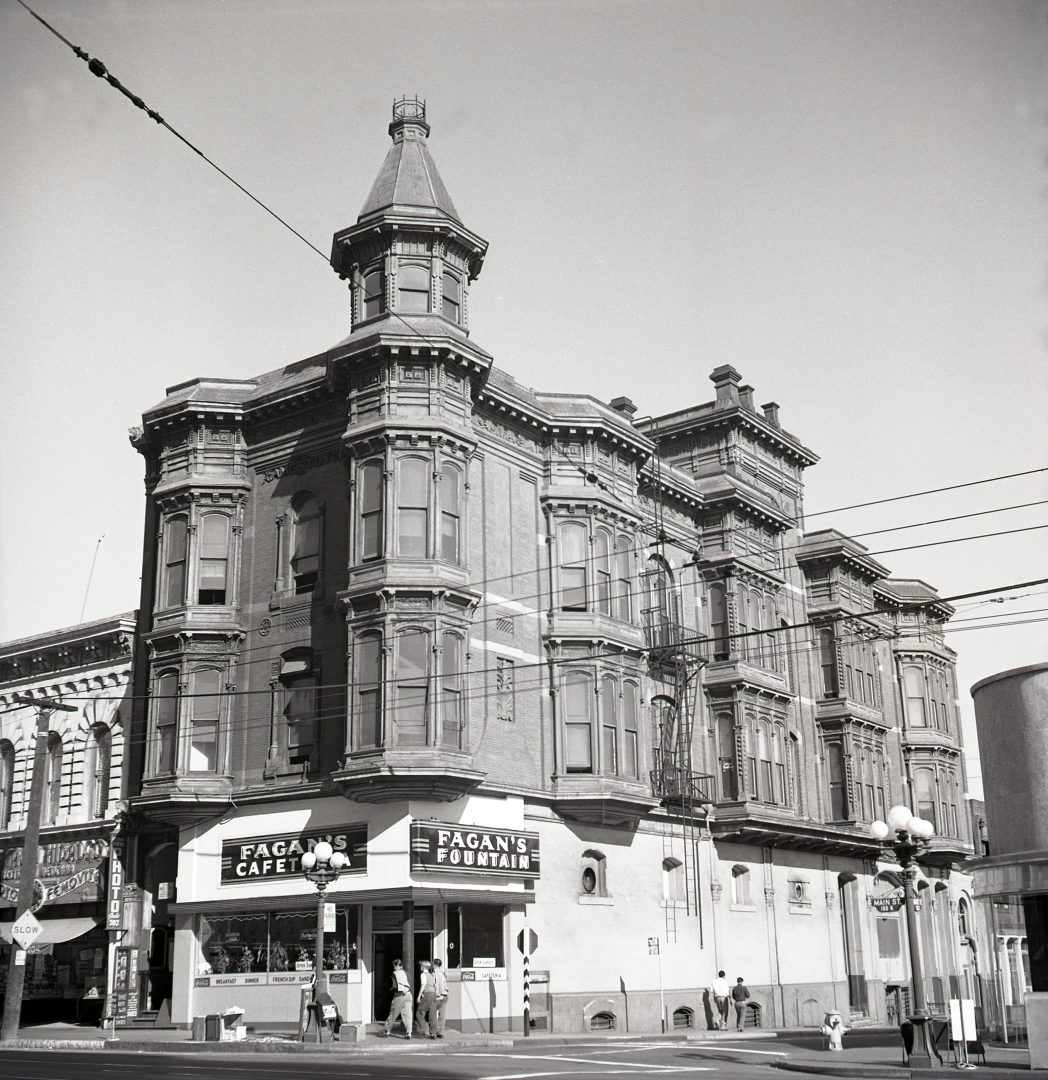
Amestoy Block on Main and Market | Photo by Arnold Hylen / Courtesy of Angel City Press
The original version of Hylen’s book contained 116 photos and the expanded new edition of “Los Angeles Before the Freeways” has 143 images. Hylen began taking photographs downtown about 1950. The majority of his output occurred between 1955-1960, but there are images in the new book that date to as late as 1979, according to Marsak.
“This is not a book about buildings that were only lost to freeways,” Marsak clarified. “It also includes some structures that were demolished when the Hollywood Freeway made its easterly path through Fort Moore hill, and of course there are some images of the Harbor Freeway as it was constructed west of Bunker Hill. But most of the structures contained herein were lost to parking lots, or the expansion of the Civic Center. An accurate number for how many structures were razed because of freeway construction would be difficult to gauge, but a safe bet is about 1,000.”
The road to getting the book republished was long. Marsak related, “I established contact with Hylen’s family about 2006, and by the time I acquired rights and negatives, in 2016, I was already working on my Bunker Hill book for Angel City Press, so ‘Freeways’ took a back burner. I began writing the captions and scanning the ‘Freeways’ negatives in early 2022, which was about two years of work before I handed Angel City Press a completed manuscript in 2024.”
Marsak added, “I hope readers take away that there were first-rate domestic and commercial structures by top-flight architects in the 19th century. Naturally, the fact that the majority of the structures featured have been wiped away, I also hope causes readers to become active with preservation in their communities.”
Through this book, Marsak would also like us to have a better appreciation for the city.
“There’s more to Victorian L.A. than just the Queen Anne houses on Carroll Avenue or at Heritage Square – which are great, don’t get me wrong! – but we once had an incredible collection of Romanesque Revival, Italianate, and other styles blanketing the city in general, downtown in particular,” emphasized Marsak.
Unfortunately, these magnificent edifices didn’t survive the wrecking ball and – but for the images in the book – no trace of their past existence remains.
“Very few people in postwar America were interested in architectural salvage from Victorian buildings,” Marsak lamented. “The Magic Castle, though, utilized parts of structures for its fanciful interior. And of course, most famously, two houses from Bunker Hill were moved to Montecito Heights as the first structures in the Heritage Square project. But they were sadly burned to the ground not long after their relocation.”
It’s a disgrace that the inspired works of eminent architects had to be sacrificed in the service of building something as pedestrian as a parking lot. Fortunately, we’re now repurposing the ruins of significant structures. Many interior decorators and designers are sourcing demolished materials to integrate into new construction to imbue character and a distinctive look. It’s one way to ensure that torn down buildings are given a second life

 A San Gabriel Valley Inquirer