Danny Feldman | Photo by Jim Cox / Pasadena Playhouse
The Los Angeles Times recently launched L.A. Influential and Pasadena Playhouse’s Producing Artistic Director Danny Feldman was called one of The Creators – a group of outstanding individuals who are leaving their mark in film, art, music, and more. He was listed with fourteen others across all of the arts, joining an esteemed company that includes Eva Longoria, Ava DuVernay, Shonda Rhimes, Ryan Murphy, Jordan Peele, Mindy Kaling, Steven Yeun, and others. In the accompanying write-up, theatre critic Charles McNulty hailed him “The man who saved L.A. theatre.”
“It’s a little bit of an exaggeration,” says Feldman during a phone interview. He then recalls when he was informed of the honor. “They reached out a little less than a year ago to say I’ve been selected for this influencer list, so I’ve had time to digest it. I didn’t know who else was on this and the full context exactly, but I was a little shocked.”
Feldman clarifies, “I’m very pleased and grateful, but it’s really less about me than The Playhouse – I just get to be the face of it. The tribute is a sign or symbol that the work we’re doing at Pasadena Playhouse is getting noticed. This happened around the time The Playhouse won the (2023) Tony for Best Regional Theatre, which was a major achievement for us. It was an embarrassment of riches!”
The exterior of Pasadena Playhouse | Photo by Jeff Lorch / Pasadena Playhouse
“The Tony award had a tremendous impact,” emphasizes Feldman. “The Playhouse has a storied history with lots of ups and downs. The award honored the legacy and the unique history of the Pasadena Playhouse as one of the most important theatres in America. At the same time, we were recognized at a high point – when we were firing on all cylinders, when we were rising artistically.”
“Financially, we were at one of the more solid places we’ve been in our entire history; we were finding our stride and were on the eve of an expansion,” continues Feldman. “To receive a national recognition, like a Tony Award, for our body of work and for our impact of excellence in the world of theatre was overwhelming. So many of us have been working so hard for so long, to be acknowledged with a Tony Award was very fulfilling.”
In May 2025, The Playhouse’s building will celebrate its centennial and its programming will reflect its history.
Feldman states, “The Pasadena Playhouse is an iconic building and institution in our Los Angeles community as well as in the American theatre. That’s the theme throughout 2024-2025 so we’re calling it our iconic season. I was aiming for big shows that were iconic in their way –epic presentations that look like New York coming here and having a moment in our theatre.”
The Playhouse’s historic stage will feel alive with a sizzling Martin Crimp adaptation of one of the greatest plays of all time, Cyrano de Bergerac; a fresh new revival of Jerry Herman and Harvey Fierstein’s Tony Award winner for Best Musical, La Cage aux Folles; a new production of Suzan-Lori Parks’ Pulitzer Prize and Tony Award-winning classic, Topdog/Underdog – one of the best new American plays written in the last 25 years, as Feldman asserts.
Danny Feldman | Photo by Jim Cox / Pasadena Playhouse
“We’ll have special musical performances with the Civic Auditorium for two consecutive weekends of concerts featuring two of the most enduring musicals of all time: Anything Goes in Concert, starring Jinkx Monsoon as Reno Sweeney and Follies, an encore to our recent Sondheim celebration,” Feldman adds. “It’s a robust slate of shows that are sort of the greatest hits in a way, to honor our extraordinary achievement of having one of the oldest operating theatres in America. These special theatrical events will expand our initiative exploring classic American musicals with our community. ”
According to Feldman, musicals are rarely performed by non-profit theatres because they’re cost prohibitive. While the Pasadena Playhouse had staged musicals in the past, in 2019 he launched the American Musical Project – a bold and financially risky move. He discloses the reasoning behind the expensive venture, “We feel that it’s important because musical theatre is one of our contributions to the world. And we realize there’s a danger that the next generation and the generation after may not be able to experience these shows the way they’re intended in a 650-seat theatre in our community. We started with ‘Ragtime,’ ‘Little Shop of Horrors,’ and, of course, our Sondheim celebration. ‘Jelly’s Last Jam’ closing this week is the latest. We’re really showing folks our commitment and dedication to the American musical. We do them quite well, I have to say. People are really enjoying the artists and responding to them.”
Watching Broadway musicals at The Playhouse is a singularly unique experience. Feldman explains, “We love Broadway tours! It’s wonderful that our community gets to see these great shows from New York when they come to the Ahmanson or the Pantages. But those shows were created for a commercial purpose for Broadway and they go on tour with mainly New York performers. We do something very different at Pasadena Playhouse – we start with a blank page. I put together a team and they make the show from scratch. ‘Jelly’s Last Jam’ has over a hundred local employees working on it; the scale of it is pretty fantastic. I think they’re so successful artistically because of the group of hardworking people who are making it just for the audience that comes to see the show at the Pasadena Playhouse.”
Not surprisingly, the back-to-back accolades of The Playhouse’s Best Regional Theatre Tony Award and Feldman being named “The man that kept L.A. theatre alive” have put pressure on Feldman. “I try not to think about that,” quips Feldman. “But, of course I feel a lot of pressure from my daily job – I’m in a very privileged position of running a very important theatre in American history and our community. We’ve got to keep raising the bar with every decision we make, every show we decide to put on. Pasadena Playhouse is on the forefront of the American theatre, which means there are a lot of eyes on all the things we do. But it’s always been that way.”
“We take the responsibility of being the state theatre of California very seriously,” stresses Feldman. “And I think you see that in the quality of our work. I’m assembling teams of some of the top theatre-makers in America, whether they’re the most experienced – Alfred Molina is on our board and performs on our stage often – or the most exciting new talent. But regardless, these are some of the hardest-working and talented people in theatre coming to create extraordinary theatre. We operate with the thought that if we don’t get this right it may be our last. Maybe that’s not true now but it used to be true, and that’s what drives us. And while these accolades are great and we feel deeply proud and honored by them, we have a lot more to do.”
The interior of Pasadena Playhouse | Photo by Jeff Lorch / Pasadena Playhouse
Feldman expounds, “We have a big vision for Pasadena Playhouse; we’re setting the theatre up for now as well as in the next hundred years. Today we have the luxury of not just thinking about the next show, but about where the American theatre is going – how do we lead the way on that – and what it will look like two or three decades from now.”
To that end, The Playhouse will present The Next Stage Immersive Summit 2025 in January in partnership with The Immersive Experience Institute, the main service organization for immersive theater artists. The premiere gathering of creators of immersive art & entertainment will draw international guests from the fields of performing arts, themed entertainment, XR, and gaming. This is the largest gathering of its kind in the world.
“This year we expanded our audience in a dramatic way with the inauguration of a major youth and family ecosystem – classes and professional shows for kids. Keep your eye out on that programming because that’s only going to grow in the future. Theatre education is core to who we are. The school at the Pasadena Playhouse was built in the 1920s and by the 1930s the College of Dramatic Arts was one of the top schools in America,” explains Feldman.
The public’s involvement is crucial to the realization of Feldman’s ambitious plans. He exhorts, “The lifeblood of our theatre is the people in the community and we urge folks to become members – you get to come along for the whole ride, you get to see all the shows. I think the folks who have been coming recently feel the new energy at The Playhouse and they understand that. But for those who may think it’s not for them or haven’t been here in a while, we encourage you to come take a look at us, come check out the shows, come look at our education program – we’ve really become a force in the world of theatre.”
Feldman will mark eight years of stewardship of the Pasadena Playhouse this fall. He took over as producing artistic director when the venerable institution was at its nadir financially and was struggling to get traction in the community. That he even took on such a daunting challenge is remarkable enough. That he then led the way in turning its fortunes around and flourishing during these particularly trying times for American theatre is an astounding feat.
Originally published on 14 September 2021 on Hey SoCal
The Pasadena Playhouse returns this fall with its 2021-2022 season. Danny Feldman, producing artistic director, couldn’t contain his thrill to be coming back to the theatre with a live audience. And it wouldn’t be just your standard seated audience either. But I’ll let him tell you all about it.
Speaking by phone on a recent afternoon, Feldman enthuses, “We’ll open our season in November with ‘Head Over Heels,’ a musical comedy adaptation of ‘The Arcadia’ by Sir Philip Sidney and is set to the music of the iconic 1980s all-female rock band The Go-Go’s. It’s huge and ambitious. I had been working on this for a long time, but I was planning to do it for a future season – there was no way in my mind we could do it this season. However, a few months ago, I went on an artistic retreat with two extraordinary artists – Jenny Koons and Sam Pinkleton – and afterwards we all thought this show is the only way to come back from a pandemic. It just felt so perfect for the moment even if we only had a short timeline to make it happen. This show is joyful, diverse, and wonderfully inclusive. We want to give people one of their best nights out since the pandemic happened.
The Go-Go’s | Photo courtesy of Pasadena Playhouse
“The world has changed. It is pretty unrecognizable to me right now and we want people to have that experience. So we’re completely reconfiguring the theatre – there will be no traditional stage and proscenium. The best way I can describe it is the show happens all around you. The story is about a royal family who goes on a journey to save their kingdom and discovers the joy of each other along the way. It is full of comedy, dancing, and great music, and the audience is coming along with them.”
Amidst anxieties about emerging coronavirus variants and mutations, rehearsals on “Head Over Heels” are well underway. Feldman says, “Like everyone, I’m cautiously optimistic, a little nervous, and really very excited to get things going again. At the same time, we’re being flexible because we realize there’s so much uncertainty. It’s truly a piece of art and theatre being created out of the pandemic. And that’s rare because we’re so close to it. I expect years from now there will be plays about what it was like during a pandemic period and what we have is a piece of art created during one, which takes into account the challenges – audience safety concern and all that. But we still feel we can safely pull this off given the guidelines now and the direction COVID’s going. That said, if things change we will adapt and change with it. This is a new world.”
Except for next spring’s premiere of “Ann,” The Playhouse’s 2021-2022 season isn’t what was originally slated for last year. Feldman discloses, “Everything is going to be new because I took a different approach that is reflective of the world that changed. The Pasadena Playhouse takes great pride in the fact that though we’re a hundred-year-old-plus institution, we’re relevant, we’re responding to the moment.
“’After ‘Head Over Heels,’ we’re staging a play that’s a Pasadena Playhouse co-production with the Woolly Mammoth Theatre Company in Washington, D.C. and the Huntington Theatre Company in Boston. Again, this is a new model of creating work. The play is a teenage retelling of ‘Richard III’ with a rather racy title ‘Teenage Dick’ and it’s a pretty exciting new work by Mike Lew, an amazing young playwright. It sets Richard III in high school where he’s bullied because he has cerebral palsy and he’s running for senior class president. It gets into power and what one does to achieve power and status when they’re a marginalized person. It’s both funny and gut-punching and is really a fun way to approach a classic like ‘Richard III,’ but in a contemporary setting. It’s a wild ride. I think it’s a surprising evening of theatre people will not forget for a long time.”
Holland Taylor | Photo courtesy of Pasadena Playhouse
Feldman says further, “‘Ann’ follows in the spring with the extraordinary Holland Taylor, the legend – this is her show. It’s a delightful evening celebrating Ann Richards. It gets into politics in a way that is appropriate for today, that is not trying to separate people or create division but bringing people together. Governor Ann Richards was an older divorced woman, single mother, former alcoholic, Democrat in Texas. And Holland just reincarnates her. She’s coming back alive on stage and you feel like you’re having a visit with Ann Richards. It’s a delightful, soul-soothing celebratory evening. After ‘Ann’ there’s a show I haven’t picked yet.
“Then we close with a party as well – ‘freestyle love supreme.’ This was created from the minds of Lin Manuel Miranda and his collaborators Anthony Veneziale and Tommy Kail who directed ‘Hamilton’ and another production we did with Nia Vardalos ‘Tiny Beautiful Things.’ This will be the first time that the Pasadena Playhouse has a show coming directly from Broadway. It’s a Special Tony recipient and it will be on Broadway for the second time in October, and then it’s coming here next summer. It’s got several things all at once – hip-hop, freestyle rappers, a band, an audience, and no script. The show will be made up every night using words and ideas solicited directly from the audience and then, like magic, you see it appear right in front of your eyes. It’s a wonderful way to round out a season that to me is exciting and pulsating and celebratory and creating a new path forward – different kinds of shows, different ways for audiences to engage with the work.”
While The Playhouse won’t be opening until November, Feldman stayed busy during the pandemic. He says, “We launched our digital platform PlayhouseLive where we had a full program which included commissioned work that was in response to George Floyd and the racial reckoning in America. We also did the Jerry Hermann show about the Broadway composer, which garnered attention all over the country. We offered a Broadway class with hundreds of people across the United States taking it.
“We expanded our footprint. We really worked on redefining what a theatre can be during that time – what it looks like when you’re not confined to four walls of a historic theatre. That was exciting and we’re certainly planning to continue some of our digital work.”
PlayhouseLive was as much a success as it was a revelation. Feldman explains, “The word community changed for us. One of our shows was favorably reviewed by the New York Times. I don’t think that’s ever happened at the Pasadena Playhouse! Our community wasn’t just Pasadena, San Gabriel Valley, and Los Angeles. People from all over the world were watching our content – it confirmed that the name Pasadena Playhouse actually means something around the world. Of course we know that because it’s been here forever, but it really was a fantastic sign of our power and peoples’ understanding of who we are and desire to engage with us.”
Danny Feldman | Photo courtesy of Pasadena Playhouse
Asked what he learned during the pandemic, Feldman replies, “I learned to slow down a little bit. I learned that in the absence of performing art, we realized how much we need it, and how much as humans we’re wired to come together and be together. It’s not just we’re wired to tell stories and hear stories, we could do than on Netflix and HBO. It’s the collective experience of sitting in a room with strangers, having the lights go down, playing make-believe, and having shared experience with the actors on stage but also with the audience – laughing together, crying together, applauding together – all of that. It was an opportunity to understand the value of that in our lives and to make sure that when we came back out of that, that we do it wholeheartedly, we do it with intention, and we do it to create good in the world.
“Our role at the Pasadena Playhouse is to make the lives of our community better – to enrich the community. When I try to pick shows, I ask ‘Is this one going to create good in the community – even the challenging ones?’ ‘What conversations is it going to start?’ This season there’s so much celebration – whether it’s Go-Go’s dancing party at the beginning or free style with The Supremes at the end – and how to get people to laugh and engage and come out of their shells together. Or for those who just want to sit back and experience it their way, ‘How do you create a space for them to do that?’ We take stock in these moments. I’m thrilled to be coming back! I can’t wait!”
Feldman ends with a call to action. “We had a year plus of absence of the performing arts. If any of the readers are like me, that was a part of the pain of the year. Now that we have an opportunity to come back, having community here that is full of rich cultural experiences is so important. It’s why I love living here. And the best way our community can come together to make sure that in this very uncertain period we can have a thriving scene and places to go, is to support cultural institutions. Support us here at the Pasadena Playhouse and other local theatres. You can do that by donating if you’re in a position to do it but, even more importantly, become a member, subscribe. Make a commitment that I’m going there a couple times a year. That’s our lifeblood. We need a robust audience to stand up and say, ‘We want this and we’re ready to come on a journey with you’ in order for us to be here for many years to come.”
Originally published on 28 September 2020 in the Pasadena Independent, Arcadia Weekly, and Monrovia Weekly
Javon Johnson in ‘Still’ | Photo by Jeff Lorch / Pasadena Playhouse
Theatre saw its early beginnings over two thousand years ago in Athens, Greece when festivals were held in March to honor Dionysus. Today, this art form is staged all year around the globe. And it can be argued that nowhere is it performed more at its magnificence than at the Pasadena Playhouse, the state theatre of California.
In the 103 years since its founding by Gilmor Brown, the Playhouse has evolved from being home to a small troupe of performers, to becoming the ‘star factory’ for film studios and a source of talent for the radio, television, and movie industries, to delivering groundbreaking theatrical experience, authentic community engagement, and life-long dramatic learning under the leadership of Producing Artistic Director Danny Feldman.
The Playhouse continues its mission in the wake of the global pandemic that shuttered all theatre companies, with the unveiling on Sept. 30 of PlayhouseLive – a first-of-its-kind nonprofit streaming platform that brings theater directly to its audience. Members will be able to access a new digital hub for high-quality theater experiences, presenting live and live-captured performances, original series, educational programming, and other industry-related content.
PlayhouseLive will highlight a wide array of theatrical voices through new and revisited work and will break down the physical boundaries of theater walls and open access to audiences all over the world. Distribution channels will include a standalone website, iPhone and Android apps, AppleTV, Amazon FireTV, Roku, Chromecast, and AirPlay, among others. This new digital platform will also serve as an online companion to the work that Pasadena Playhouse and partner theaters create on the stage when live theater performances resume.
Feldman, who graciously agrees to be interviewed by email, expands on the concept, “PlayhouseLive has a little bit of everything! There are some marquee pay-per-view events, there are original series and special offerings just for digital members, and then there is free content as well. In addition, we’ve moved all of our classes online and you can find that on PlayhouseLive as well. The theatrical events will be on for a few weeks while some of the other programming will remain on PlayhouseLive all year long. You’ll just have to check it out to see what we’ve got at any given time!”
PlayhouseLive launches with the premiere of ‘Still.,’ a newly commissioned work written by and starring Javon Johnson, and directed by Donny Jackson. The production is part of the fall line-up of pay-per-view streaming programming. As one of the nation’s most prominent spoken-word artists, Johnson shares his very personal experience as a Black man in America at this crucial time in our history. Blending powerful imagery, witty prose, and beautiful lyricism, Johnson shines in this unforgettable theatrical event.
I ask Feldman how he decided on the performer and experience to spotlight. He explains, “Our Board chair had worked with Javon in the past and connected us. From the moment I saw his work, I was captivated and knew I had to work with this artist. After the murder of George Floyd and the ensuing unrest that took over our nation, I was really looking for a way to respond with a piece of theater. For me personally, art has the unique power to bring to life ideas and emotions that simply can’t be captured on a page or in text alone. So I spoke with Javon about bringing his poetry to life on our stage to respond to the moment. I’m really proud of the piece and we’re all excited to share it with our community and the world.”
Streaming simultaneously with ‘Still.’ are ‘Jerry Herman: You Like,’ a new musical revue dedicated to the works of legendary Broadway composer/lyricist Jerry Herman, and new works from Ojai Playwrights Conference.
Bob Baker Marionette Theatre | Photo by Ian Byers-Gamber / Pasadena Playhouse
There’s also ‘Family Entertainment’ with the Bob Baker Marionette Theatre‘s production of ‘The Circus.’ Filmed in front of a live audience, it features over 100 of Bob Baker’s exquisitely hand-crafted marionettes – where the fiercest and the mildest of animals roam, trapeze performers execute daring, spine chilling aerial feats of acrobatics, and the clowns do what clowns do best. A beloved Los Angeles tradition, a Bob Baker puppet show has been experienced by more than one million children of all ages since the Theater’s establishment in 1963.
Other programs include the pilot episodes of four new series: ‘In Development’ gives an insider’s look at unproduced theatrical works as they are introduced to the world for the first time. The first episode will feature Megan Mullally and Nick Offerman performing excerpts from ‘Iceboy!,’ a new musical by Mark Hollmann, Jay Reiss and Erin Quinn Purcell.
‘Intermission with Hashtag Booked’ features celebrity interviews hosted by LaNisa Frederick and Danielle Pinnock, a comedic duo that started the web series ‘Hashtag Booked.’ Their first guest will be acclaimed actor Alfred Molina.
‘Page to Stage’ goes behind the curtain to explore the theatrical journey from concept on to opening night. In ‘Page to Stage: Little Shop of Horrors,’ the creative team at Pasadena Playhouse takes us from rehearsal to opening night of their groundbreaking revival. It features interviews with George Salazar, Mj Rodriguez and Amber Riley. ‘Page to Stage’ is free to the public.
‘From the Archives’ celebrates the unique impact regional theater has had across generations in shaping American culture. Initial episodes include a silent film featuring rare vintage footage of The Playhouse from the 1930s; a documentary short chronicling the years the Playhouse went dark (1968 through 1984) and the journey of the extraordinary woman who kept the hope alive to bring the historic theater back; and a fascinating look at the historic 1928 production of Eugene O’Neill’s ‘Lazarus Laughed’ which brought 151 actors together to perform 420 roles in a four-act play – a memorable production that put Pasadena Playhouse on the map.
PlayhouseLive will also feature educational Programming, including ‘The Everyday Avant Garde in Black Theatre Making,’ led by award-winning writer, composer, and performer Eisa Davis; ‘Shakespeare Masterclass’ led by internationally-recognized director and actor Rob Clare; ‘Basics of Stage Management,’ led by Broadway stage managers Kathleen Purvis and Andrew Neal, and the return of Adam Epstein with ‘The Contemporary Broadway Musical’ and Janet Fontaine with ‘Playtime with Miss Janet.’
Alfred Molina in ‘Intermission with Hashtag Booked’ | Courtesy photo / Pasadena Playhouse
I then ask Feldman to describe the challenge of pivoting from live stage productions to virtual offerings, what went into planning the events for PlayhouseLive, and how he plans to recreate the communal experience of live theatre when we can’t physically be with other people.
“First of all, nothing can replicate the live experience and that wasn’t something we were trying to do in any way,” clarifies Feldman. “Rather, we wanted to provide an alternative experience that merged the worlds of theater, film and television. It’s a hybrid experience and something we had fun exploring. In addition, we wanted to pull the curtain back and expose the backstage world with documentaries, interviews with artists and other behind-the-scenes shows giving patrons an experience they can’t get by sitting in our seats in the theater.”
“This was a massive challenge and I’m so proud of our Playhouse team for pulling this off. Between learning new skills, adapting our existing expertise, and all the COVID complications, we’ve all grown so much since we started this effort a few months ago,” declares Feldman.
An empty theatre must be a lonely sight and I ask Feldman if he has been to the Playhouse since the lockdown began in mid-March. He replies, “Yes! I’m actually here in the building right now! It’s a little haunting seeing the empty theater but it’s actually one of my favorite things. There is an amazing energy inside the empty auditorium. The potential of what is to come is present when you stand on the bare stage. I like to think about all the people and great theater that will inhabit this building when this mess is all over. That’s exciting!”
What lessons can we learn from these extraordinary times, I query. Feldman responds, “I think through the grief and loss of what we had all expected these past few months to be, we can refocus on what is important to us. I have felt myself and others around me change and have a better understanding of ourselves.”
Lastly, I invite Feldman to share any other thoughts he would like me to write. He says, “There are so many people in need in our community right now. And for those who are fortunate enough to be able to support others during this time, I’d just want to advocate for thinking about supporting the arts. If we all band together, getting through this time and don’t support our cultural institutions, is that really the world we want to come back to? We must recognize that in order for us to return to a world that is full of vibrant culture, NOW is the time to invest in our nonprofit cultural institutions. Otherwise, many won’t be with us on the other side of the pandemic.”
Live theatre performances went on even at the height of the world wars. Let’s ensure the survival and endurance of theatre for the next several thousand years after we’ve won the fight against this global pandemic.
Originally published on 11 February 2020 in the Pasadena Independent, Arcadia Weekly, and Monrovia Weekly
PMH’s ‘Starting Anew: Transforming Pasadena 1890-1930’ Exhibition Signage | Photo by Marlyn Woo/Joanne Wilborn / Pasadena Museum of History
Very few of us realize that the Pasadena we know and live in today was built in the early 20th century by dreamers with grand visions who settled here from the Midwest and the East Coast. The Pasadena Museum of History (PMH) offers a compelling look at the most flourishing period in Pasadena’s history with an exhibition called ‘Starting Anew: Transforming Pasadena 1890 – 1930,’ on view until July 3, 2020.
I consider Pasadena my hometown and have lived here for 37 years. And while I dearly love my adopted city, I don’t know as much about it as I probably should. PMH’s exhibition provides that stimulating learning experience and Brad Macneil, Education Program Coordinator, who curated this show, happily gives me a tour.
Our first stop is a chart which shows that population growth in Pasadena outpaced that of Los Angeles and then leveled off in 1930 when the depression hit. He discloses, “This was what sparked the idea for this exhibition. It was an amazing time in Pasadena’s history when the population went from below 5,000 to over 76,000 in just four decades. Today there are 150,000 – the population only doubled since. The city was transformed in so many different ways and our exhibit asks and answers a number of questions – why people came here, how they got here, where they lived, what they did, what kept them here.”
Macneil explains that the railway system started serving Pasadena in the mid-1880s, which caused the population to rise from 500 to 5,000 between 1880 and 1890. A photo of the Santa Fe Railway Depot and the Hotel Green greets us as we enter the first exhibition hall.
Population Chart | Photo by Marlyn Woo/Joanne Wilborn / Pasadena Museum of History
“Part of our exhibit tells the story of Dr. Adalbert and Eva Fenyes,” Macneil narrates. “The couple met in Cairo, Egypt and were married in Budapest. It was during their honeymoon around the world that they heard about Pasadena. They arrived at this train station in 1896 as newlyweds, and they had with them Leonora, Eva’s teen-age daughter from her first husband. They stayed at the Hotel Green for about three days and fell in love with Pasadena. They immediately leased a house on the Arroyo, which they later bought. Subsequently, they built two mansions here. One of the wonderful things about this exhibit is that we are able to display the museum’s collection. These are the Fenyeses luggage here and that telephone over there was inside the depot.”
Santa Fe train depot, the Fenyeses’ luggage, and depot telephone | Photo by Marlyn Woo/Joanne Wilborn / Pasadena Museum of History
“Besides word-of-mouth, a marketing campaign touting the city’s natural beauty and health benefits lured people to the area,” adds Macneil. “In the late 1880s big, fancy hotels were being constructed, the first of which was the Raymond Hotel. It was built by entrepreneur Walter Raymond, who had been working for a company back East that brought tourists here and thought Pasadena could use a grand hotel. Other hotels then were Hotel Green, the Pintoresca, the Maryland, the Huntington (which was originally the Wentworth and is now The Langham), and the Vista del Arroyo.
“Each year thousands came to Pasadena for the seasons – from November through March. The population would go up and down. The wealthy people came from the Midwest like Indiana and Chicago, and the Northeast – Boston, Philadelphia, and New York. Because of the winter resort business, the whole town grew. Visitors needed service, which opened up employment opportunities. That brought in working class people from other parts of the country to get jobs in the railways, hotels, and in agriculture. Professionals also arrived – doctors, lawyers, newspaper publishers. Pasadena grew into a diverse community – there was already a large Mexican American population, then the Armenians, the Chinese, and the Japanese arrived. They came to either find a job or start a business.”
Pasadena was a great place to be an entrepreneur and PMH’s exhibition highlights four enterprising people who came here with very little yet built successful establishments. One of them was Elmer Anderson who arrived with nothing more than a typewriter repair kit and founded Anderson Typewriters. Known today as Anderson Business Technology, it has branches all over Southern California selling business equipment and is still being run by his descendants. The local store on Colorado Boulevard, near Arroyo Parkway, remains to this day.
Many of us will recognize the edifice resembling a Chinese Imperial Palace on Los Robles and Union Street as USC Pacific Asia Museum. Back in the 1920s it was Grace Nicholson’s Treasure House of Oriental Art. She came here with a small inheritance and opened a curio shop selling Native American arts and crafts. She developed great relationships with Native Americans in the Southwest and eventually started selling to the finest museums in the country, including the Smithsonian and Field Museum. She later switched to Asian artifacts and created her treasure house where she lived and worked.
Adam Clark Vroman, an avid book collector and photographer, moved to Pasadena from Illinois hoping the climate would help his wife recover from her illness. Unfortunately, she died two years later. Brokenhearted, he sold his book collection to raise the capital to open Vroman’s Bookstore. As he had no direct heir, he made arrangements for his employees to take over the store when he passed away. It was a remarkable demonstration of how much he cherished and took care of his staff. Some of the descendants of those employees run Vroman’s today and it remains a beloved Pasadena purveyor of books and gift items.
There was Ernest Batchelder who came here to teach art at Throop Institute. He later started his own business – making the eponymous tiles – and became the foremost proponent of the American Arts and Crafts Movement.
Local businesses | Photo by Marlyn Woo/Joanne Wilborn / Pasadena Museum of History
Architects and builders prospered at this time because people needed housing. Those who came here for work built bungalows and cottages. Macneil states, “The cost to build a house varied from under $1,000 up to $100,000. Between 1902 and 1918 the median value of local houses was $1,700 (these houses today cost over a million dollars). Those with wealth seasoned in Pasadena and stayed for months at a time. A number of them decided to build winter homes on Orange Grove Boulevard, otherwise known as Millionaires’ Row. Displays of some of these grand houses include Adolphus Busch’s; the Gamble house, which still exists today; the Merritt House, which is now surrounded by million-dollar condos.”
After the depression, the owners of these mansions couldn’t afford the upkeep and sold them. Of the 52 mansions, only six or eight of them remain; the rest have been razed to the ground to make room for apartments and condominiums. Of course, even these divided-up homes are not for the middle- and working-class as they lease for several thousand dollars a month or sell for millions.
One of the mansions that’s still around is the gorgeous Marshall-Eagle Estate built in 1919 for $500,000 (valued at $8 million at the time) and is now Mayfield School. The exhibition has a display of it that tells its history and shows interiors shots.
Throughout the exhibit, PMH reveals the passage of time through changes in fashion and technology – dresses from the different decades; a high-wheeler bicycle; a carpet sweeper; an Edison machine; a record player; a gas-powered hair curler, one of the first dial telephones ever made, and an early typewriter. Macneil says students love to see and handle the typewriters but can’t figure out how to use the telephone.
Macneil leads me to the next display, saying, “Our story goes on about the Fenyeses becoming part of the community. Eva designs her first mansion, a Moroccan palace on Orange Grove Boulevard. This is Eva’s sketch of her mansion – there is an area that’s all glass, one of the first commissions of Walter Judson of Judson Stained Glass Studios. Her daughter Leonora grows in age, marries, and moves away. Eva gets immersed in the community business-wise by buying real estate and as a socialite by being involved with the art scene. Dr. Fenyes gets his medical practice going.
Local artists’ works | Photo by Marlyn Woo/Joanne Wilborn / Pasadena Museum of History
“Pasadena was one of the main art colonies in California during this period, so we have here a wall of art featuring selected works of the artists who lived here then. One of Eva’s biggest legacy was being patron of the arts and helping other artists in the community. She was a prolific painter herself and we have a lot of her art at the mansion, some of which we show here.”
The second part of the exhibition, in the opposite hall, begins with an iconic image of City Hall and explores how the ‘City Beautiful Movement’ ushered the Golden Age of Pasadena. Macneil expounds, “In the Chicago Exposition of 1893, they built the White City. Many famous architects helped construct wonderful buildings, public plazas, and garden areas for the World Fair. The ‘City Beautiful Movement’ came out of that. The idea is that if you beautify the city with these magnificent public structures, it uplifts all the residents spiritually and morally.
An image of the Pasadena City Hall leads us to the second part of the exhibit | Photo by Marlyn Woo/Joanne Wilborn /Pasadena Museum of History
“A lot of people from Pasadena were able to go the Chicago Exposition of 1893 and when they came back, this philosophy took off. They pulled people together, held meetings, and talked about what they could do. And the first thing they did was clean up the city. They got rid of the tacky real estate signs in the main part of town, tidied vacant lots, planted trees and flowers, painted buildings, and regulated architectural styles. It began in the early 1900s with input from various people in the city – movers and shakers as well as the general population. They came up with the plan for the city and things took off in the 1920s when money and the will were there. And so they erected grand public buildings. A main area was the Civic Center – City Hall, the Public Library, the Civic Auditorium. Most of what we identify with Pasadena today – the beautiful architecture, the cultural institutions – were built at this time.”
“There’s a section called ‘Nature versus Man-Made Beauty,’” Macneil goes on to say. “Out-of-towners came here because of the natural beauty of the area – like the Arroyo and the mountains. Then people created man-made parks bringing in trees from other parts of the world, changing the landscape. We have images of Central Park by Castle Green, Library Park by the Senior Center, and Brookside Park. There’s Eva’s picnic basket because she enjoys going on picnics.”
Macneil points to the next section, “Here we talk about the various means of transportation. During this period of time, people got around town by walking. But there were also buggies and carts, trolley cars, and automobiles. But bicycles were the biggest thing – there were more bicycles per capita in Pasadena than any other city in the United States. This is an early-1900 map of the bike trails and roads in California.
“Because of the power of the bicyclists as a group, they put a lot of pressure to make the streets and signage better, even before they were done for cars. This is California Cycleway, an elevated tollway for bicycle traffic which ran from the Green Hotel to South Pasadena. It was planned to go all the way to Los Angeles but it was never completed because Horace Stubbins encountered legal battles with Henry Huntington over right-of-way. He decided not to pursue it, but the family did keep some of the right-of-way and was able to sell it to the state for the Pasadena freeway. This is still a dream of some people to build – imagine how wonderful it would be to ride your bicycle high above the streets on a road that ran along the Pasadena freeway.
The ‘Kids Corner’ has a display of things kids wore, what types of games they played, where they went to school. There are hands-on items like the stereoscope that kids can look through and see three-dimensional images.
A section that Macneil calls ‘The Extraordinary Excursions’ features three early theme parks, the first of which is Busch Gardens. According to Macneil, Adolphus and Lilly Busch, of the Anheuser Busch and Budweiser fame, had a house on Millionaires’ Row. Adolphus bought approximately 37 acres, covering the area from his house on Orange Grove to the Arroyo, on which he created this magical park and opened it to the public for free. However, the park subsequently met the same fate as that of the grand estates in the area – it closed in the 1930s and 1940s and was subdivided. Lilly tried to make an arrangement for the city to take it over but it was too expensive for the city to maintain.
Cawston Ostrich Farm | Photo by Marlyn Woo/Joanne Wilborn / Pasadena Museum of History
Another was the Cawston Ostrich Farm. Macneil relates that entrepreneur Edwin Cawston, who had learned about ostriches and the ostrich feathers trade in South Africa, came in the late 1880s to open a business here. He had stores in New York, San Francisco, and Los Angeles selling feathers all over the world but it was in South Pasadena that he established one of the first ostrich farms in the country. At the same time, he created a beautiful park-like area where people could come and observe the ostriches’ little chicks, see the big birds being fed, and watch ostrich races. They could even ride on a cart behind the ostrich and, if they were brave, on the ostrich. It became quite a popular destination.
Around the corner you’ll come upon photographs of the Mount Lowe Railway, a series of scenic railroads which went up the mountains above Altadena, created by Thaddeus Lowe. Visitors taking the train up reached a beautiful destination with four hotels, a zoo, an observatory for star-gazing, and a golf course. Macneil says, “People would take the Pacific Railway from all over Southern California, but especially from Los Angeles, come into Pasadena and up to the foothills of Altadena. They’d get off the trolley car and on what they called the ‘white chariots’ that would take them on a steep incline. They would come up to the first hotel and alight there. Then they would get on a trolley car that wound around the mountains until they arrived at the topmost hotel – the Alpine Tavern.”
People got their entertainment during that period from the Pasadena Playhouse and cinemas which started out showing silent movies. “Then there was the Grand Opera House, which was located close to Green Hotel,” recounts Macneil. “It was built by entrepreneurs who brought great opera to town while simultaneously hoping it would help raise real estate values. However, it failed to take off partly because it competed with an opera house in Los Angeles which got the better acts.”
Macneil adds, “When I did my research, I used the city directories going back to the 1880s and found pages upon pages of clubs, associations, and societies where everybody belonged. People came together through their common interests – whether it was just for fun or for a civic purpose.
“We showcase three of these organizations: the Valley Hunt Club for men and women, started out in 1890 as a hunt club, as the name implies. It then became more of a social club and gave us the Tournament of Roses Rose Parade and Rose Bowl game. The Elks Club was a place for men to get together both socially and as a charitable group. The Shakespeare Club began as a women’s literary club to promote reading. All these three organizations were very involved with the community then and still are to this day. All these clubs, at one time or another, had entries in the Rose Parade and on display are trophies they had won. Some items are artifacts from the clubs.”
The Fenyeses display | Photo by Marlyn Woo/Joanne Wilborn / Pasadena Museum of History
Towards the end of the exhibit, the display talks about the Fenyeses selling their big Moroccan palace and downsizing to the mansion in 1906. This section explores the life of Eva and Dr. Fenyes from 1906 to 1930. While they were world travelers, Pasadena was their home base. They were involved in the community in different ways – she was still a socialite; he continued with his medical practice and, being an entomologist, his work with beetles. Leonora, Eva’s daughter, became widowed and came back to live with them. In 1911, Eva, Leonora, and Leonora II all lived here and created a wonderful bond of three generations.
A wall of displays delves into the transformation of Pasadena. Macneil expounds, “Through the 1893 ‘City Beautiful Movement,’ city officials were able to hire architects from Chicago and established the Bennett Plan that created the Civic Center – the City Hall, the Library, and the Civic Auditorium. At the same time, more beautiful buildings were being erected and various infrastructure were being constructed. The Colorado Street Bridge was built in 1913 for people arriving by car to have a grand entrance into Pasadena. They also had plans for a beautiful art museum and school on Carmelita where the Norton Simon is now, although that never came to fruition.”
The 1920s were the Golden Age of Pasadena when innumerable buildings featuring European architecture were constructed all over the city. Schools and city service structures were being upgraded; the Rose Bowl was built. PMH’s exhibit has a video that shows the changing cityscape.
“And then the depression hit and everything slowed down,” says Macneil. “The Civic Auditorium hadn’t been completely built. Fortunately, city officials were able to do some creative financing to finish it but several things which were on the planning stage stopped. The resort industry collapsed – hotels were torn down and were reused for other functions. The Vista del Arroyo, for instance, became a hospital; today it is the Court of Appeals. Of the hotels built during that period, only the Huntington Hotel still stands today. Population growth halted as well.
Colorado Street Bridge | Courtesy Photo
“At the very end of the exhibit, we showcase PMH’s mission – capturing and gathering the history of Pasadena and the surrounding area and sharing it with the public. Our collection encompasses this productive and transformative period so our archives and collection department were quickly able to put together what we felt would represent that time.
On the Curator’s statement, Macneil confesses that while he was born and raised in the area – three generations of his family lived here – he didn’t fully appreciate Pasadena. It wasn’t until he went away for a while and then returned that he developed his deep love for the city. Through this exhibit, he hopes that he can share all that he has rediscovered
Macneil states, “We’re hoping parents come with their children to our exhibition. We’re purposefully keeping it open until July 3rd so students from both public and private schools can learn Pasadena’s history. How fun would it be for these young people to learn what happened a century before their time and then see the structures when they walk around the city.”
As PMH has detailed in the exhibition, some of the dreams of the city’s visionaries worked and some didn’t. But many of the magnificent and architecturally diverse structures from the city’s Golden Age remain and they are what give Pasadena the culture and history for which it is renowned. And through this exhibition, Macneil wants to remind people what we are capable of doing if we pull together as a community. The past can be used as a blueprint for the future.
Originally published on 28 January 2020 in the Pasadena Independent, Arcadia Weekly, and Monrovia Weekly
Alfred Molina stars as ‘The Father’ | Photo by Paisley Smith / Pasadena Playhouse
If audiences who are watching ‘The Father’ at the Pasadena Playhouse are dazed and bewildered, then it would have spectacularly accomplished showing us what goes on in the mind of someone afflicted with dementia.
Written by Florian Zeller and translated by Christopher Hampton, ‘The Father’ has been acclaimed on two continents. It won the 2014 Moliere Award and was nominated for the Evening Standard Theatre Award, the Olivier for Best New Play, and the Tony for Best Play. The much celebrated theatrical production promises to astound when it goes on stage at the Pasadena Playhouse from February 5th through March 1st.
‘The Father’ is directed by Jessica Kubzansky and stars Alfred Molina, in what’s being hailed as a tour-de-force role, Sue Cremin as ‘Anne,’ Michael Manuel as ‘Pierre,’ Pia Shah as ‘Laura,’ Hugo Armstrong as ‘Man,’ and Lisa Renee Pitts as ‘Woman.’
Taking a break from rehearsals, Kubzansky chats with me about how she landed the plum job of directing the play, why she immediately thought of Alfred Molina, and what she wants the audience to take away.
Kubzansky relates, “The brilliant Danny Feldman, the Pasadena Playhouse’s Producing Artistic Director, and I have worked together before. He said, ‘I have a play I want to send you. I don’t want you to do any research, I just want you to read it.’ I read it cold. I actually didn’t know anything about it and, in fact, obviously when I saw the title ‘The Father,’ my first thought was ‘Is he sending me the Strindberg?’ But it soon became very clear that it’s not the Strindberg and as I read it, my heart started beating faster. At the end of the play, I was blown away – gobsmacked! I called him and I said ‘Listen, I hope you’re thinking of Fred Molina for this role’ and he said to me, ‘Fred is already attached.’ And I went, ‘Oh my God! This is incredible!’ Of course, I would be honored to direct it.’”
Curious, I ask why she thought of Alfred Molina straightaway and Kubzansky replies, “Because he’s a brilliant actor.” I protest saying, “Surely, there are other wonderful actors.” And she quickly explains, “One of the things that’s important is that this is a story that can happen to anyone and Fred is so vital and alive. He’s such a powerful man and the idea that this happens to people who are vital, alive, and powerful was really moving to me. Much more so, frankly, than to see it happening to someone who already is, in some ways, on their last legs. First of all, I love Fred and I’ve never had the opportunity to work with him – and I’ve wanted to, for years, because he’s so brilliant. He has such a deep well and so much breadth and depth that he was the one who came to mind for the role when I read the play. He’s an astonishing instrument as an actor.”
When I inquire if she gave Molina specific directions or if he came in with his own ideas about the role, Kubzansky says, “Fred and I had a number of lunches before we went into rehearsals to talk about what’s moving to us about the play and about the approach to take. And we were on the same page. There’s no question that we have shared thoughts and opinions about various aspects of the play. Fred brings so much to the table – actually every single actor in this cast is remarkable. When I have actors that are this amazing, in general, I usually like to work off of their impulses and then help shape from there. Because a smart director takes advantage of all the great brains in the room. It’s a collaboration, of course. He has thoughts and questions, as do I, and we’re bouncing together to discover the play and his character. We’re enhancing each other.”
Alfred Molina | Photo by Paisley Smith / Pasadena Playhouse
I ask what she found compelling about ‘The Father’ and Kubzansky enthuses, “I think it’s a beautiful, brilliantly written play. And I think it’s like getting lost in a fun house or a labyrinth. One of the things that really attracted me to the play was trying to figure out what is real and whose reality we’re in and why. That’s so exciting to me! It’s a viewpoint on a condition that many people are in the middle of that we don’t get to experience. The play is entirely from Andre’s perspective. And to understand the world through his eyes is very powerful and very moving and really disorienting in the way that I think it would be. I have never seen it and I’m happy I haven’t. When I direct something, unless it’s Shakespeare, I’m really delighted if I get to meet it for the first time.”
The play has been described as a dark comedy. But there’s nothing comedic about dementia, as people with relatives that suffer from dementia know very well, I tell Kubzansky. She acquiesces, then adds, “Dementia is a horrifying disease. It is unbearable because as the realities of people who have dementia diverge, you lose more and more the person you treasured all your life. That is totally undeniable and is absolutely touched on in this play. But there are events that happen around it that are just funny. There are some delicious moments when, for instance, Andre is meeting a new caregiver and he tells her that he was a tap dancer. And his daughter says, ‘Dad, you were an engineer!’ The fact that he’s now claiming he was a tap dancer, from one perspective, is horrifying. But there’s another perspective where that’s just funny. And, for the moment, maybe that’s true.”
Sue Cremin as Anne | Courtesy photo / Pasadena Playhouse
“We talk about both sides of people with dementia as being in a giant improv and (in the same way) most human beings don’t understand how much they’re improv-ing in daily life,” continues Kubzansky. “And what I mean by that is, I think, that a person who has dementia is aware that there are things they don’t know that they should. So they’re constantly acting like they know what’s going on to preserve face until a certain point after which that stops being the case. And the people surrounding them are continually trying to navigate what the person with dementia is thinking and the ways in which they can accommodate that thought while still getting what they need. The whole interaction is like a giant game of improv in which no one knows what’s going to happen next. Sometimes, unintentionally, the results of that are funny.
“For instance, in this play, Andre is very worried about a watch that he has. And the processes that he goes through to ascertain where his watch is, are sometimes really funny. He’s worried that it’s gone missing or someone’s taken it, and the means he uses to figure out what happened to his watch occasionally result in some kind of brilliant character improvs. So those are the reasons this play is funny. No one is making fun of this disease – it’s too terrible.”
Kubzansky has seen first-hand how dementia affects people. She discloses, “To be honest, in my particular case, my grandmother was a very dour, sour woman most of her life. She came from Poland to escape the pogroms. In Poland, her husband was an intellectual and when they immigrated to New York, he became a factory worker in a garment workshop. It was a very typical immigrant story. To get her to smile was like cracking granite. Her life was hard and you experienced that every time you interacted with her. But, as she turned 90, she started to have dementia and, all of a sudden, her personality radically changed. She confused us with people she grew up with – she didn’t recognize me as her granddaughter anymore. She assumed I was her friend in Poland – she was charming and sweet. I didn’t know that woman existed but I got to meet the woman before life beat on her. I could see why my grandfather married her. The dementia made her a nicer human. In a weird way, that one was a gift. Most of the time, I don’t think it is.”
The play might be disorienting for the audience. As Kubzansky describes, “Because the play is from Andre’s perspective, things change in very strange ways. Bizarre things happen and it is as disorienting for us as it is for him. For a minute we actually get to walk in his shoes but, blessedly, we don’t have to stay there like he does.”
Michael Manuel as Pierre | Courtesy photo / Pasadena Playhouse
As for the reaction she’s hoping for, Kubzansky declares, “I want the audience to have a huge amount of compassion for every single human in the play because, I think, this is not only the story of a man who has dementia, but the story of his daughter who’s trying to be his caregiver. It’s the story of her partner, who is living with someone who isn’t his parent who has dementia, and how trying that is. I want everyone to understand how challenging it is for everybody to be a good human being in very difficult circumstances – how wearying it is to be the caregiver, how exhausting it is to be the person who has the disease and doesn’t understand what’s going on most of the time. I want us to think about the people who dedicate their lives to taking care of these people. I think it’s such a challenging road to navigate. One of the things that I think gets really hard when people become exhausted – either because they have the disease or because they’re dealing with someone who has the disease – is how to remain a good human being, how to stay compassionate and not punitive or uncaring.
“I hope that people walk out of the play with the sense that they are seen, that they’re challenged in their journey. Because whether you’re caring for a parent with Alzheimer’s or a parent who is terminally ill with cancer, there’s so much caretaking going on. There is a huge generation of people taking care of older parents and their own children at the same time and it’s exhausting. The idea that the audience could walk out having seen themselves and know that someone else is seeing how challenging their journey is, and how difficult yet how desirable it is to be a good human being through those given circumstances. Most profoundly, with a new understanding from inside the head of the person who’s experiencing dementia – what it must be like. I would be thrilled if that’s what people walked away with.”
Originally published on 9 December 2019 in the Pasadena Independent, Arcadia Weekly, and Monrovia Weekly
The Pasadena Playhouse’s lit Christmas tree | Photo by May S. Ruiz / Beacon Media News
If you were at the Engemann Family Courtyard of the Pasadena Playhouse at 8:00 last Thursday evening, you would have been happily surprised by snow falling on your head. It was a fun final touch to The Playhouse’s tree lighting ceremony which started promptly at 7 pm.
Danny Feldman, Producing Artistic Director, whose brainchild it was to have a Christmas tree at the courtyard during the holidays, opened the ceremony with Playhouse District Association’s Executive Director, Brian Wallace. This year, the Playhouse is participating in the ‘Spark of Love’ Toy Drive with ABC7 and the Southern California Firefighters and Pasadena’s Fire chief was also on hand.
The public was treated to Christmas carols sung by The Marshall Fundamental Choir and by cast members of The Playhouse’s production of ‘Little House of Horrors’ – Brittany Campbell, Tickwanya Jones, and Cheyenne Isabel Wells. A performance by the Bob Baker Marionettes enthralled kids of all ages.
Pasadena Playhouse’s Producing Artistic Director Danny Feldman and Playhouse District’s Brian Wallace | Photo by May S. Ruiz / Beacon Media News
Sometime during the night, Feldman wrapped a scarf around his neck in anticipation of a rare snowfall. And we were not disappointed – we were soon covered in sudsy ‘snow’ after the Christmas tree was lit at 8:00.
Chatting with me directly after the ceremony, Feldman says, “This is my third tree lighting at the Pasadena Playhouse – we actually did one when I was barely starting here but we didn’t do it the following year. Then we got a new tree and this is our second year with the new tree. I’m Jewish but I love Christmastime. I love the idea of giving and of people enjoying the holidays together. Our world is so divisive and crazy so it’s good to have everyone coming into one space that’s nice and cozy like our courtyard to light a big tree and to celebrate.”
“My message year-round, not just at Christmas, is that the reason I love what I do is having the opportunity to bring strangers in our community collectively to sit in a room, then turn off the lights and let them play make-believe together,” Feldman remarks. “It reminds us of our shared humanity with these strangers sitting next to us. You watch a show like ‘The Great Leap’ and it awakens something in you personally but then you look over and the people next to you feel the same way. That, in our world of phones and Twitter, isn’t an experience we have often. And we have to fight to protect those shared experiences. To me, this Playhouse is a temple to that. It’s really the place of community coming together and connecting with one another. And so I spend every day trying to create the space for that to happen. And the holidays, in particular, is an important time to refresh or memory – to remind us of the importance of that.”
The Marshall Fundamental Choir | Photo by May S. Ruiz / Beacon Media News
The Tree Lighting occasion also included a show presented by professionals and students. Feldman explains, “We have partnerships with the public schools in Pasadena – every year we bring the entire PUSD 7th graders to see the play. What we often do is pick a different school each time to participate when we have an event. In the spring, we had a drum corps from one of the schools. We put on world-class plays but we also use our space to showcase local performers because we want to live up to our mission as a community gathering place.
“I grew up in the area and I’ve been to the Bob Baker Marionette Theatre in L.A. during school field trips. Watching a puppet show is a big deal for children. Adults see it from a different perspective but for a kid, just like the ones sitting at the front row today, it’s something entrancing. They focus on the movements of the marionettes and that’s magical.”
The Bob Baker Marionettes | Photo by May S. Ruiz / Beacon Media News
Feldman continues, “This year we wanted to do something that impacted the community in a bigger way. We knew that the Pasadena fire department has this drive so we called them and asked to partner with them – we’re one of their toys drop–off locations. We ask them to bring their fire truck, and speak to our audiences during holiday events.”
Recapping the year and looking forward to 2020, Feldman states, “This is one of our most successful years ever at The Playhouse. We had our big musicals – ‘Ragtime’ and ‘Little Shop of Horrors’ – and they were epic for us. They broke all sorts of records. For our Christmas show, we’re having the Bob Baker’s ‘Nutcracker’ at the Carrie Hamilton Theater from November 30 to December 29. Holding it at the smaller venue means the puppets will be right on eye level with the kids which makes for a really captivating show; we’re expecting it to be a big success.
“We’re starting 2020 with a really powerful play with Alfred Molina, who’s a brilliant actor. It’s called ‘The Father’ and it will run from February 5 to March 1. I don’t want to say too much about it but it’s an extraordinary performance that people will be talking about for many years to come.
‘Snow’ falls on Danny Feldman, cast members of ‘Little Shop of Horrors’ and a gleeful crowd | Photo by May S. Ruiz / Beacon Media News
“Then we’ll have Holland Taylor, an Emmy Award-winning, Tony-nominated actress, who most people know as the Mom from ‘Two and a Half Men.’ I saw her perform this show, ‘Ann,’ on Broadway in 2013 and it was, for me, one of the greatest nights of theatre – I loved it and I’ve been trying to get her to do that show here and she finally said yes. So we’re doing that from May 27 to June 28. It’s a brilliant play about Texas governor Ann Richards who was a powerful politician in a man’s world, who was a democratic governor in a Red State. Again, it’s a very timely piece at this divisive time – it shows how Richards’s work and what she fought for brought people together. Holland Taylor did all the research, wrote it, and performs the character of Ann Richards. The play is inspirational, hysterical, and fun.”
“Next summer we’re doing ‘Annie Get Your Gun,’ one of the greatest musicals of all time, which we’re putting a fresh, new spin on to update it. Musicals are expensive to produce but worth it, so we rely on philanthropic support. I wish we can do them all the tine – I love musicals and our audiences love them too. I think seeing a big musical like ‘Ragtime’ and ‘Little Shop of Horrors’ in a 650-seat theatre with a big orchestra and a big cast is a truly amazing sensory experience; you don’t get that in a big theatre. Our production of ‘Ragtime’ just got ‘Best Production,’ ‘Best Direction,’ ‘Best Choreography,’ Ovation nominations. So we’re building upon those,” Feldman says in closing.
And so, under Feldman’s stewardship, we can expect the Pasadena Playhouse to continue to astound us with fantastic shows, to rouse us with stirring plays and, always, to let us come together as a community in joyous appreciation of the performing art
Yee’s play centers on an American basketball team in Beijing where the coaches find themselves in a conflict that runs deeper than the strain between the countries and where a young player’s actions become the accidental focus of attention. Presented in partnership with East West Players, ‘The Great Leap’ is directed by Tony Award winner BD Wong and stars Justin Chien as Manford, Christine Lin as Connie, Grant Chang as Wen Chang, and James Eckhouse as Saul.
I attended the show’s opening last weekend and, because I hadn’t seen it before, I didn’t expect how spectacular it turned out to be. ‘The Great Leap’ is a drama that doesn’t call attention to itself – it is as quietly powerful as it is profoundly moving. And, I think, Grant Chang’s mesmerizing performance is one that will be remembered for years to come.
Chang, who graciously agrees to speak with me about the play, starts our phone conversation by saying that his throat has been bothering him and apologizes in advance that he might be coughing as we chat. Let me forewarn you, though, that this interview contains a few spoilers.
I begin by asking how he got involved with the play and Chang replies, “BD Wong and I are both from New York and he’s a good friend of mine. I had seen his performance in New York and I know that he did it in San Francisco as well. I was really blown away by it – it was such a great role for any Asian American male individual and I thought if I ever had the opportunity to do something like that, I would jump at it. There are very few plays where you’re the lead character and you have so much to say with such heart.
“Months later, BD mentioned he was doing this play and recommended that I audition for it. At first I thought they were only looking for local hires. Nevertheless, I sent in an audition tape which everyone involved saw and decided to take me. While BD and I knew each other, it wasn’t just handed to me. And I wouldn’t feel I earned the part if I didn’t audition for it.”
James Eckhouse as Saul and Grant Chang as Wen Chang | Photo by Jenny Graham / Pasadena Playhouse
Describing the character he plays, Chang says, “In many ways, the country or society we grow up in and how we grow up dictate how we feel and think. But at the core of every human being, no matter where they’re from and their upbringing, is yearning for love and the freedom to love. My character grew up during a suppressed time period – a very dark period in China. All he knew was living day to day and surviving by not causing waves; by listening to what he was told to do and how he should behave; and not changing the status quo in any way whatsoever. And that’s really hard because as an Asian-American, those aren’t my circumstances. While developing the character wasn’t too difficult, it was really depressing at times to suppress all my feelings and all that emotion to fit in his shoes.”
I ask Chang his biggest challenge and what was fun in playing this role. “When we first started rehearsals, it was hard not to break down,” he reveals. “I thought ‘Oh my God, how can I do this every night, eight times a week?’ That, and also memorizing all the lines in a short amount of time were the hardest thing. I would sit with one of the stage managers and drill the lines over and over in my head for hours on end to get comfortable enough to tell the story.
“However, once I got over that initial hurdle, I was able to get into the storytelling aspect. It’s truly a wonderful project and every night we’re on stage is a different experience depending on the energy of the audience and how we deliver our lines. I have the most fun in the scenes I share with James Eckhouse, who plays Saul. The more genuine and more fun it is for us translates really well to the whole experience. I think we take the audience on that same ride and joy. The feeling is infectious.”
“This cast is really amazing. When I first met them, we bonded quite quickly. Everyone got along and that’s so rare. The Pasadena Playhouse has been so wonderful and BD is a great director. I’m so happy about how it all turned out. Every day I get to perform it and make people cry – that makes me happy, however strange that sounds.”
Chang’s amazing performance is all the more impressive as it doesn’t reflect who he is. He remarks, “Wen Chang is so different from who I am so I had to dig deep to find him. Obviously, my parents and my culture influenced my depiction of my character. I grew up in New York city’s Chinatown so it wasn’t hard for me to connect because I’d met individuals who had that experience. Kids nowadays can’t always communicate well with their parents because of the generation gap. But I also learned from that and that helped me in building this character. However, the stoicism that my character has is intrinsic in Asian culture even to this day – we get too embarrassed to openly show emotion.”
Grant Chang | Photo by Jenny Graham / Pasadena Playhouse
BD has played the character twice but audiences who have watched it will see a different Wen Chang. “BD’s portrayal of the character wasn’t the same as mine,” Chang notes. “He was fantastic and wonderful, so much so that I wanted to do the play. At the core of it, we understand who the character is and where he comes from. Growing up as Chinese-Americans knowing our history, we can totally relate to it. But as individuals, I think our approach is probably quite different – just like everybody else and every person you meet in life. So we have to connect to what makes us unique and bring that out in the character. When he directed me, it wasn’t about him telling me how to do it because he had done it. It was about giving me the opportunity to find the character on my own. And I think that’s also what makes it so special to all of us because we really worked so hard and diligently to do a play that had such great meaning and emotional connection to the audience in many different ways.”
The playwright incorporated in the story a real event which is forever etched in the world’s collective memory. I ask if that affected his portrayal of the character and Chang responds, “At the end of the play Lauren Yee writes, ‘It’s Wen Chang, or it could be anyone else. More than the politics of it, it is more about how an individual can step forward, be brave, and own up to your life, instead of letting all the other factors and noise stop you from living the life you want to live.’ So for Wen Chang, who was just standing his entire life, that moment was about taking his turn instead of being suppressed. He knew it was a decision and moment that meant giving up his freedom, however little he had of it, and his own life. Even though it’s a very sad ending, it’s still such a beautiful ending. It was a moment of bravery and sacrifice.
“I would like the audience to leave with the notion that we all have one life and we have to live that life to the fullest. There’s a lesson to be learned just as the character learned it and made the choice. And it was the right choice; it was a beautiful choice. To me, it’s not how many years you live, it’s what we do with whatever time we have that matters.”
“As an actor, I want people to feel and to think about life. However one is affected by our play, it’s an effect because it makes the wheels turn in their head. And it can go in any direction they want to and that expands their thought process. A lot of people came up to me and said, ‘Wow, I didn’t expect it to end that way’, or ‘I was so moved.’ And it begs the question, ‘Why are you moved?’ ‘Why are you feeling that way?’ And that’s something they would have to answer, not me. I have done my job as an actor because I’ve moved them,” concludes Chang.
You don’t have to be Chinese American to feel Wen Chang’s pain when he, at last, lays bare his soul. In his last monologue, the profound torment which was hidden beneath his stoicism pours out, albeit in restrained anguish. Chang’s heart-rending portrayal of a man who ultimately breaks away from a lifetime of blind obedience to finally claim himself is supremely magnificent.
‘Good Boys,’ the psychological thriller from playwright, Marvel comics author, and screenwriter Roberto Aguirre-Sacasa will have its Los Angeles premiere at the Pasadena Playhouse from June 26 to July 21. Starring renowned television actress Betsy Brandt in the role of Elizabeth Hardy, it is helmed by off-Broadway and regional director Carolyn Cantor.
Set in 1988, the play tells about Brandon Hardy, a high school senior at St. Joseph’s Prep who has the world at his feet. Handsome, athletic, and smart, he is a model student after the mold of his father. But when a pornographic videotape becomes the talk of the locker room, he gets caught up in a media explosion which threatens to shatter the Hardy’s comfortable life. ‘Good Boys’ is a riveting drama that delves into what happens when a family must separate fact from fiction and, ultimately, choose to either preserve a legacy of privilege or risk losing everything in pursuit of the truth.
During a recent phone conversation, Sacasa discloses the genesis and the current iteration of the play. “It was inspired by a real scandal that broke out at my alma mater. It’s a work of fiction, but it has parallels to what had actually happened and that I personally knew about. The title was originally ‘Good Boys and True,’ which comes from the prep school’s motto and is quoted in the play. It premiered in 2008 and was performed at several regional theatres but has never been on a major stage until now. I hope this West Coast debut at The Playhouse will give it the wider exposure I believe it deserves.
“Danny Feldman (Pasadena Playhouse’s Producing Artistic Director) was looking for material that was relevant to what’s been on the headlines recently – specifically the college admissions scandal and the Bret Kavanaugh nomination process. My husband, who has been involved with the Playhouse, brought my play to his attention. So we sat down to discuss how we could update it and one of Danny’s first suggestions was to rename it ‘Good Boys.’ I resisted it at first, but as I worked on the rewrites, it did start to feel more and more like a new play, so I came around to the title change.”
Aguirre-Sacasa describes, “The dramatic situations in this play are uncannily similar to incidents and issues that we’re still grappling with in this country – viscerally – even more so than when I first wrote it. In revisiting the play, I further explored themes like privilege, masculinity, and personal responsibility, as Brandon and Elizabeth find themselves on trial by their community and each other. ‘Good Boys’ is a sort of moral thriller, a game of cat and mouse between a mother and her son, with twists and turns that will keep you guessing about the truth right up to the end.”
While the actions of Brandon and his gay friend Justin drive the plot, the person who finds herself most affected by the scandal is his mother Elizabeth who, at the start of the play, has spent a lifetime doing the right thing – being a good doctor, thinking of herself a good mother, and questioning how to be a good wife.
Asked why he chose to make Elizabeth the central character in ‘Good Boys,’ Aguirre-Sacasa responds, “I thought there could be a little more psychological complexity in the mom’s journey through the play. A teenager is still developing, still figuring out their place in the world. An adult, presumably, knows their true self by that point. That said, I feel like both characters are compelling, it’s just that one is answering for sins done in the present, the other for sins done in the past.”
Originally from Washington, D.C., Aguirre-Sacasa attended Georgetown University where he studied playwriting. He received his Master’s degree in English Literature from McGill University, and earned an MFA from Yale School of Drama.
While Aguirre-Sacasa wrote plays early on in his career, he is also an avowed comic book reader. His semi-autobiographical play about a comic book writer and playwright was staged in 2006 at the Manhattan Theatre Club in New York. His theatrical work converged with comic book writing when Marvel hired an editor from a theatrical agency to find new writers and she called him.
Marvel signed him on for the ‘Fantastic Four’ and Aguirre-Sacasa’s first story was published in 2004. That was followed by more ‘Fantastic Four’ stories in ‘Marvel Knights 4’, ‘Nightcrawler’ vol. 3, the ‘Sensational Spider-Man’ vol. 2, and ‘Dead of Night featuring Man Thing.’
In 2013 he created ‘Afterlife with Archie’ which proved to be such a success that he was named Archie Comics’ chief executive officer. The book was also the inspiration for the television series ‘Riverdale,’ which he developed, and is now on its 4th season.
Additionally, Aguirre-Sacasa has written episodes for ‘Glee’ and developed the series ‘Chilling Adventures of Sabrina.’ He has gained a wide following among young people, whom he describes as very passionate and vocal about what they believe in. Twelve years ago he came to Los Angles to work on a television series. He discovered he truly enjoyed being here and decided to stay.
He manages to successfully move from one genre to another but Aguirre-Sacasa confesses that he has the most fun writing suspense thrillers. He expounds, “I enjoy writing in different genres – horror and stories about teenagers, for instance – but I love psychological thrillers because they are, essentially, character pieces. You put a character in a charged, dangerous situation, you turn up the heat, and you watch what they do. Will they crack under pressure? Will they lie or tell the truth? How will their actions define them? That’s true of most genres, of course, but with a good, juicy psychological thriller like ‘Good Boys,’ you get to do a deep dive.
“I don’t judge my characters, I keep them true to themselves,” he adds. “And I don’t impose my own expectations on what my audience should take away from the play. Each one will have a different experience based on where they are in their lives. That said, I’m a big believer in stories having beginnings, middles, and ends, so I think that ‘Good Boys’ does offer some resolution, though the mom and son have started their next journey. Their story with us – their trial with us – is over. Their story with each other is continuing.”
Originally published on 8 April 2019 in the Pasadena Independent, Arcadia Weekly, and Monrovia Weekly
Nia Vardalos as Sugar | Photo by Joan Marcus / Courtesy of the Public Theater
‘Tiny Beautiful Things,’ which was a New York Times Critics’ Pick when it debuted at the Public Theater, is coming to the Pasadena Playhouse on April 10 until May 5, 2019. It stars Nia Vardalos as Sugar and features Sameerah Luqmaan-Harris, who will play the role of Sugar at select performances, Teddy Cañez, Natalie Woolams-Torres, Giovanni Adams, Adam J. Smith, and Sarah Hollis. Sherri Eden Barber will restage this production based on the original direction by Thomas Kail (of the ‘Hamilton’ fame).
Vardalos, who originated the role of Sugar at the Public Theater under the direction of Thomas Kail, also created the stage adaptation of ‘Tiny Beautiful Things’ based on the New York Times Bestseller of the same name by Cheryl Strayed. The project was conceived by Vardalos in conjunction with Thomas Kail and Marshall Hayman.
Speaking with us on the first day of rehearsals, Vardalos recalls what drew her to Strayed’s book. “Tommy Kail gave me the book and said ‘I think there might be a play in this.’ I read the book on a plane and was overwhelmed by the letters – I cried so hard that I think people must have thought something was wrong. It wasn’t that they’re sad, but it was that I was unleashed, unzipped, opened. It was catharsis.
“The letter writers – their naked emotions and the lack of conceal in any way – were what struck me. The letters were so well-written and Cheryl’s responses were not advice. I didn’t know how I could write it. It terrified me. It was so outside of my comfort zone and, yet, that was what drew me to it. I had finished the script for ‘My Big Fat Greek Wedding 2,’ and I knew at the time that we were about to start filming it. So I felt it was the perfect moment to just jump in on something different.”
“Ironically, it was through social media that we found Cheryl,” Vardalos continues. “We contacted her on Twitter and asked for the rights to the book. It’s a daunting experience to adapt someone else’s writing. And to do it, I had to really get to know Cheryl, which was not a hardship in any way. She’s the most wonderful person and we bonded. It was an incredible partnership from beginning to end.”
“What I found absolutely transformative was the moment I realized that Cheryl wrote the unpaid column particularly because she, too, was grieving and thus was able to relate to the letter writer,” discloses Vardalos. “I was faithful to her words but then I started to get really brave and pulled from one piece and put it in another. Right within her words, I arced the play, and added a narrative. To create conflict, I had the letter writers question me, when the ones in her book didn’t because they loved her right away.”
Teddy Canez, Nia Vardalos, and Natalie Woolams-Torres | Photo by Joan Marcus / Courtesy of the Public Theatre
From the time she started to adapt the book to getting it staged, took three years. Vardalos says, “It was a process that didn’t have boundaries because, luckily, with theatre you have a long time to do it. So I did the workshops for ‘Tiny Beautiful Things’ in between filming, editing, and world-touring for ‘My Big Fat Greek Wedding 2,’ then I came back and did the play. After the first run I changed it again to add some humor for the second run. I realized that even though there was a funny bit in the latter part of the play, the audience didn’t know they had permission to laugh – I put humor in the beginning so they would know.”
It’s surprising to learn that when ‘Tiny Beautiful Things’ played in New York, more than 50 percent of the audience was male. Vardalos conjectures, “I think that anyone can sit there in the audience and feel. These pieces are open to everyone’s interpretation. For example, even though I cannot personally relate to some of the pieces, what gets me every time is the advice because it’s illuminating rather than instructional, nobody wants to be told what to do. And it seems that Cheryl intuitively knows that, and that’s why I love her advice columns – they’re not authoritative, they’re transparent, and storytelling. It was heartening to look out there and see at least half the audience be men and that they would come back. It was amazing.”
When Vardalos started adapting the book, she hadn’t thought about who would play the role of Sugar. She says, “Cheryl has a way of knowing the truth. After sitting down with her, she asked me, ‘Do you want to play Sugar?’ and in that moment I realized I did. And I was as honest as I always am, and I said ‘Yes, please.’”
However, knowing the characters intimately doesn’t inevitably mean the writer could do a better job of playing the part. Vardalos explains, “In my entire career, I have seen actors take my words and give them life. I don’t think the person who puts fingertips to keyboard is necessarily the best person to play a role. Tommy and I set out to create a role and many roles that were not bound by ethnicity, age, or gender because we want it to be as open as Cheryl is.
“I’ve now seen Sugar played by an African American woman named Opal Alladin who knocked it out of the park in San Diego. Cheryl has seen a woman play Sugar in Portland who is white. It’s going on stage in New Haven, Connecticut and in Seattle, Washington. So it’s really cool! It’s gender-less and race-less and it’s all the things we want it to be. I want to learn and see what other people do with it. In fact, I wrote in the notes ‘I look forward to upcoming productions in which you will interpret this play with your love, creativity, and ingenuity. Above all, I hope you will always remember that the letters are real.’”
Nia Vardalos | Photo by Joan Marcus / Courtesy of the Public Theater
“Can we talk about the cast now?” Vardalos requests excitedly, “We had to cast people who were incredibly diverse. Tommy had envisioned them to embody the characters without changing costumes, voices, or accents; it was all about attitude, character, emotions, and personality. We tried a lot of different ways of accomplishing this when we were workshopping. And Tommy obviously knows what he’s doing; he knows when something feels right and he doesn’t waver. I also love that he would ask me ‘Okay? Feel good to you?’ And there was never a moment when I didn’t go ‘Yeah! Okay!’”
“So we have these wonderfully multi-talented actors. For example, one actor plays a man who’s confused about whether to tell his girlfriend how he feels. Then 20 minutes into the play, the same actor plays a transgender person. We have a man who’s my online troll and is incessantly vulgar, needling Sugar with online abuse. And by the end of the play, is a grieving father. Natalie has the role of someone who doubts me the most in the play, then becomes my mother who showers love on Sugar.”
About her experience playing the role of Sugar, Vardalos describes, “We did eight shows a week for three months during the first round, then we did eight shows a week for four months during the second round. Whenever I’m asked how many times I’ve played Sugar I say ‘not enough,’ and it’s not meant to be a glib answer. Every time I think I’m finished with the run, I can’t wait to do it again. There’s something about the play that always affects us– we’ll sit in the wings and hear the audience coming in and we get really excited because they haven’t heard it yet. And the stories are so uplifting and cathartic. The audience walks out happy and high because they felt something. Isn’t that where we’re all at right now? Just to feel something that will let us get away from all the craziness. We’ve got political fatigue; the news cycles just weigh on us.”
The audience reaction is as varied as the number of times the play is staged. Clarifies Vardalos, “Each audience is different, which is what’s great about live theatre. But, more often than not, the story that I tell about my mother is the one that affects people. It’s where Natalie plays the part of a young girl who was raped. There’s a part when I’m heading downstage and Natalie goes upstage, then goes over to the side and becomes Sugar’s mother. That’s my favorite moment in the play because to see this young actress who’s 28 years old transform like that … it gives me the shivers every time. She literally goes from being vulnerable to commanding and I love it! In just a turn, she transforms! And I love the reaction of the audience.”
Much has transpired since ‘Tiny Beautiful Things’ opened in New York, Vardalos enthuses, “We published the play and it has been licensed by approximately 25 theatres across the U.S. It’s been translated to Spanish and it’s going to be in Mexico and Uruguay. I hope to bring it to Greece and it’s going to be a touring production. This Pasadena production is the first time the New York cast is being brought back from the Public Theatre. It’s so exciting! This is so unique because I didn’t just pull one or two people – it’s all the actors, the production designer, the costumer, the sound designer, Tommy’s associate Sherry Barber – it’s everybody. We’re all still so close, which is rare. We played it one year and two months ago in New York. We closed December 18, 2017 and we’re opening here on April 10, 2019.”
“When Pasadenans see ‘Tiny Beautiful Things’ I just want them to say ‘That’s me!’ Because as Chery Strayed says ‘We’re all Sugar,’” Vardalos pronounces.
Originally published on 18 February 2019 in the Pasadena Independent, Arcadia Weekly, and Monrovia Weekly
Clifton Duncan with the Model T | Courtesy photo by Nick Agro / Pasadena Playhouse
In ‘Ragtime: The Musical,’ a Ford Model T precipitates all the ensuing action that takes place; so it was important for the car to be on stage. Fortunately, Christopher Cook, Pasadena Playhouse’s Production Manager, didn’t have too far to go to find one. Altadenan Norm Haley, a real estate broker, is an avid collector of Model Ts and he graciously lent one of his cars.
Danny Feldman, Producing Artistic Director, can’t wait to show off the car they were able to borrow for the show. After I interview him at in his office, he walks me down to the stage where the Ford Model T is set on rollers, all ready to make its debut. “Norm drove this car up to The Playhouse and you should have seen us – we were jumping with excitement!,” he relates with the giddiness of a child in a toy store. “Doesn’t it look amazing?! Someone has to write about him and the car.”
And so on a cold and gray morning, a few days into ‘Ragtime’s’ run, Norm Haley and I meet at the theatre’s library to chat about how his Model T became part of The Playhouse’s biggest production, his collection, and his fascination with cars.
“I got a phone call from The Playhouse asking me what Model Ts I had,” Haley begins. “After they described what they needed, I said yes, I have something that looks like that and it’s garaged somewhere close to The Playhouse. We met, they looked at it, they photographed it, and they decided they wanted to use it.”
Haley’s interest in automobiles came from his dad, who, in the early 1960s, worked on cars. He bought his first car – a Jeep – when he was 14, before he could even drive. He and his dad worked on it for a couple of years until he was old enough to take it on the road.
Collecting Ford Model Ts happened quite by accident, though. Haley recalls, “Back in 1976 or 1977, I had sold a house up in Altadena and I was sitting at the breakfast table with the couple. We were getting ready to sign the sale papers when the wife looked up and said to her husband, ‘I’m not signing these papers until you agree to get rid of some stuff.’ And one of the ‘stuff’ was a 1926 Canadian Model T Touring car. As you probably surmised, I ended up selling their house and owning the car.
“Now I own ten Model Ts, with some of the last serial numbers they made. I have every model they built in 1926-27, which were called The Improved Fords – I have the 2-door, the 4-door, the roadster, and the roadster pick-up.”
The 1926 Ford Model T Roadster at the Sierra Madre 4th of July Parade | Courtesy photo / Norm Haley
Having owned, driven, and toured the Ford Model Ts, Haley is very knowledgeable about them. He declares, “It was the car that put America on the road – until it came along, most people didn’t venture more than ten miles away from home because that’s how far they could walk or ride a horse. The Model Ts of the early years were very expensive, comparatively speaking, they were around $1,200 to $1,300 and they were all made by hand, there were no assembly lines yet. In 1914 Ford got his assembly lines and it was when he put Americans on wheels.
“The Model T represents a cherished past – everywhere I drive, people gawk, or come up to tell me ‘I learned how to drive in one of these,’ ‘My Grandpa used to drive me to school in one.’ I don’t hear that so much any longer; they aren’t that popular anymore. Those who appreciated them have mostly passed away so the market has flooded out. Young people don’t want them because they don’t have enough power and kids don’t want to learn to drive them. It’s such a shame; to me, the Model T is part of Americana.”
Continues Haley, “That particular truck on the stage has been driven from Baltimore, Maryland to Los Angeles. I didn’t drive it – I met some German people when I was part of the Model T Ford Tour in Italy and Switzerland, and I left them that car. I have another Model T, the 1927 Coupe, which I have driven 60,000 miles. It’s been across the United States and the Rockies twice, and to Lake Superior and Fairbanks, Alaska.
“By 1927, it was no longer popular because you had to shift the car by pedal on the floor – the car had three pedals on the floor, two of which are for shifting – and the gas was by the steering wheel. At the time there were other cars, like the Chevrolet and Dodge, which had standard three-speed transmission, that women liked better. Ford shut down his plant for over a year, stopped manufacturing the Model T, and retooled for the Model A.”
Most of Haley’s cars are what he calls ‘20 footers.’ He explains, “They look really good from 20 feet away; when you get up close you could see all the little flaws. But, to me and my circle of friends, they’re worth a lot more than if they were restored. In fact, the Model T on the stage isn’t up to most car connoisseurs’ standards. The paint job on it isn’t that great and it’s still the original except for the rear fender. I had lent it to a friend and he rear ended someone when he drove it in Nova Scotia, so it had to be repaired and repainted.”
For the record, the car that figures prominently in ‘Ragtime: The Musical’ is a 1917 Model T while the vehicle on the stage of the Pasadena Playhouse is a 1926 Model T Ford Roadster Pick-Up. While true collectors would know the difference, audiences at The Playhouse don’t nitpick – we all cheer when the car makes its appearance. We can recognize and appreciate a priceless treasure when we see one.
Discloses Haley, “Almost all my cars are survivors. That Model T in ‘Ragtime’ is very, very original. Highly, ridiculously, overly restored cars with the $5,000 paint job and the $5,000 motor are a dime a dozen. For each survivor car I have, I probably passed up on 20. In fact, last Wednesday I drove up to Visalia with a trailer to look at a truck, but even as I got out of my car I knew I wasn’t going to buy it. When I buy a vehicle, I want to make sure no one has started to restore it and that it’s still pretty much in its original shape.
“I do have some nicely restored automobiles, but they’re the ones that were on their last legs so I had no choice. The Model T Coupe I was talking about, I’m the third owner of that car. It had been parked in a barn at Plano Texas since the 1960s. I actually drove it for several years but it was so tired that I completely tore it apart and restored it. That was years and years ago, maybe in the 1980s.”
As many cars as he owns, Haley has never taken any of them to a show like the San Marino Motor Classic held in June every year at Lacy Park. He says, “Besides the Pebble Beach Auto Show, the event we have here in San Marino may be one of the best in the Western United States. But I’m not the ‘Show and Tell’ kind of guy; besides, I don’t really have the time to sit around at these events. I have a couple of trucks that I’ve put on display – a restored truck which is in the March page of an Auto Calendar and a Helms Bakery truck.”
Haley drives a 1947 DIVCO Helms Bakery truck painted the wrong color by a previous owner (it should be yellow and blue) | Courtesy photo / Norm Haley
Seeing the blank look on my face, Haley elucidates, “In 1930, a gentleman from the East Coast named Paul Helms came to California because he had tuberculosis. He was a marketing genius. He opened a bakery and the first contract he got was to deliver all the baked goods to the Olympics in Los Angeles. Later, the Helms baked items became a household staple.
“In those days most families didn’t have enough money to own two cars. Father took the car to work and mother relied on the cleaners which had a truck that came out to pick up the dry cleaning, the grocer who delivered the groceries if she called in, and the Helms man. By 1940, the trucks that made the home delivery were driving 75,000 miles a day transporting bread, donuts, cakes, and cookies all over Southern California. I was lucky enough to get one of those Helms trucks. There may be only ten of them in existence today.”
Asked if he has any favorites among the 50 vehicles in his collection, Haley replies, “My most-prized car is the 1927 Coupe just because I’ve driven it so much. My favorite truck is the Helms. I’m a member of the Monrovia Historical Society’s Board of Directors and once a year I would put one or two trucks in the ‘Friends of Monrovia.’ Recently, we’ve been handing out donuts in the Helms truck, along with information pamphlets about the society.
“I have a 1954 truck called Canopy Express. Only 3,000 of them were made and I don’t know how many are left. It’s used for delivering fruits and vegetables around the neighborhood, and I would load it up with pineapples to give away to people. For the last 35 years, I’ve also put a different car or truck in the Sierra Madre Fourth of July parade.”
We can certainly understand Haley’s nostalgia for the cars of old which people today don’t particularly care for. There are so many different makes and models to choose from – all of them with the latest technological features – to bother with antiquated vehicles.
But, every once in a while, we see a vintage car driving down the Colorado Street Bridge at a leisurely 30 miles per hour and we can’t help but stare and delight at such a rare sight. Thanks to collectors like Haley, we can reminisce and look back to a time when we weren’t in such a state of frenzied haste.
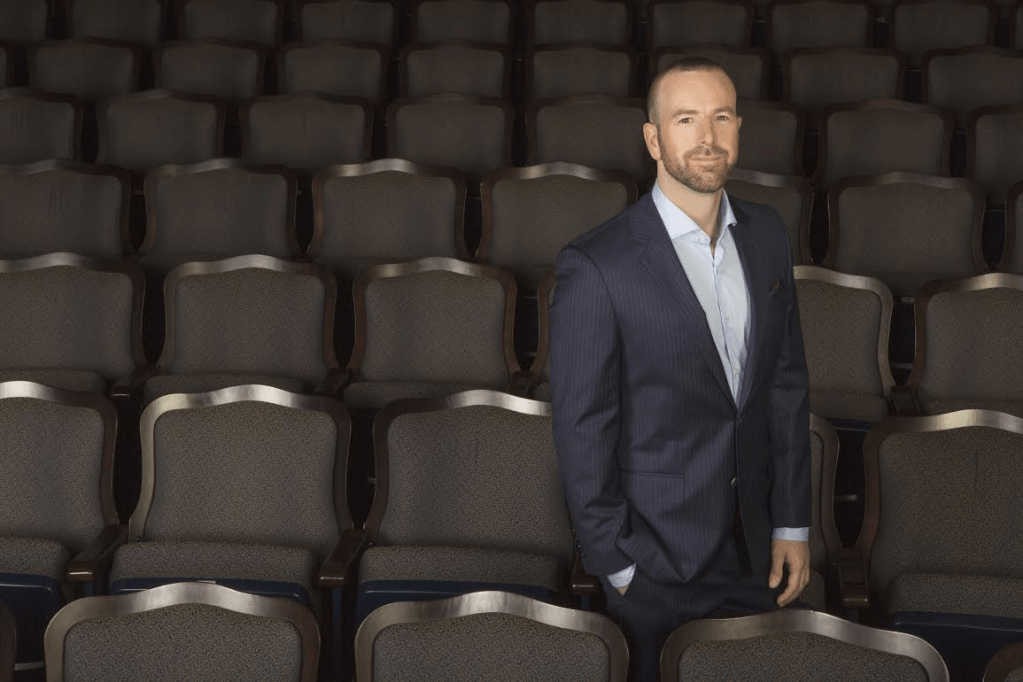
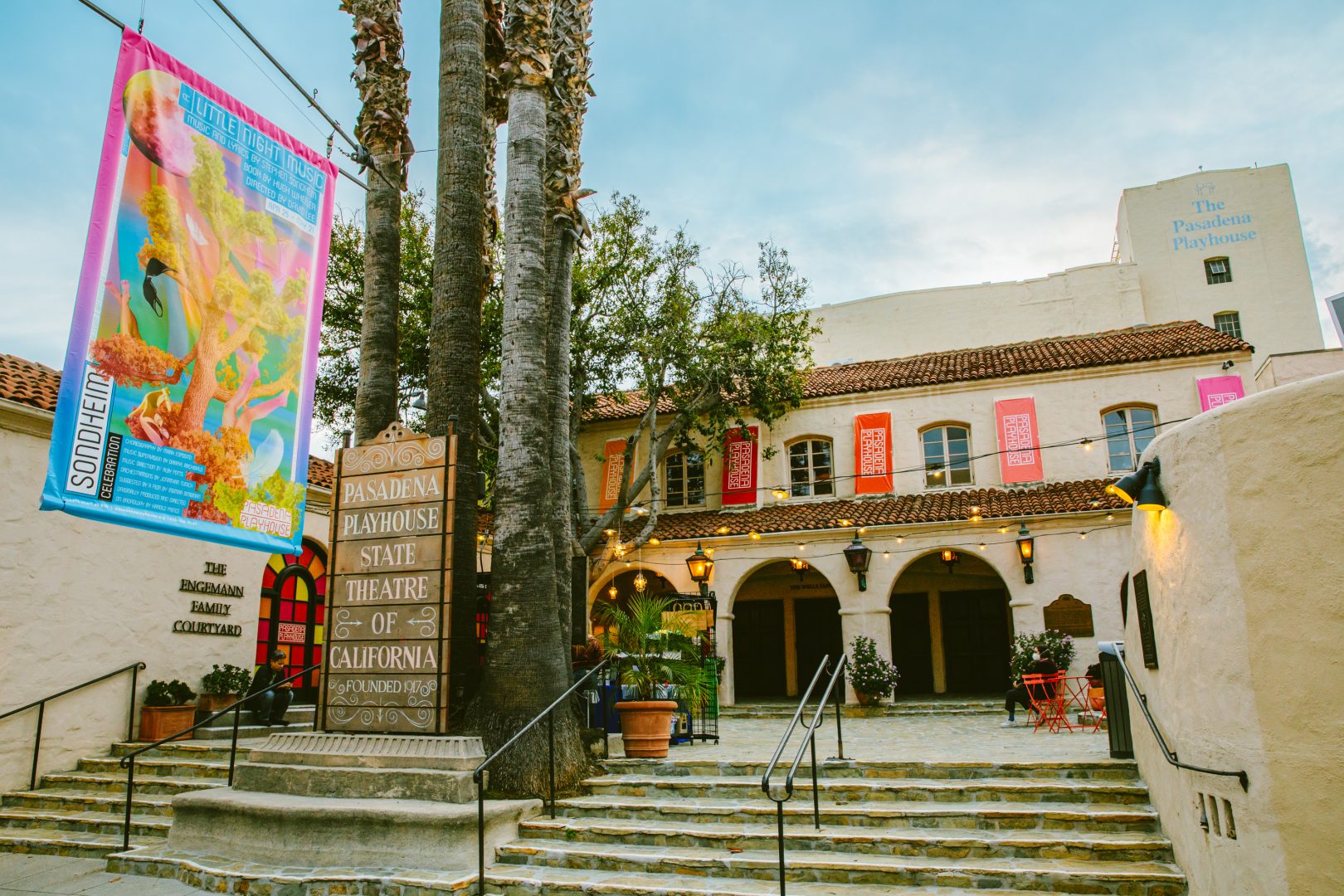
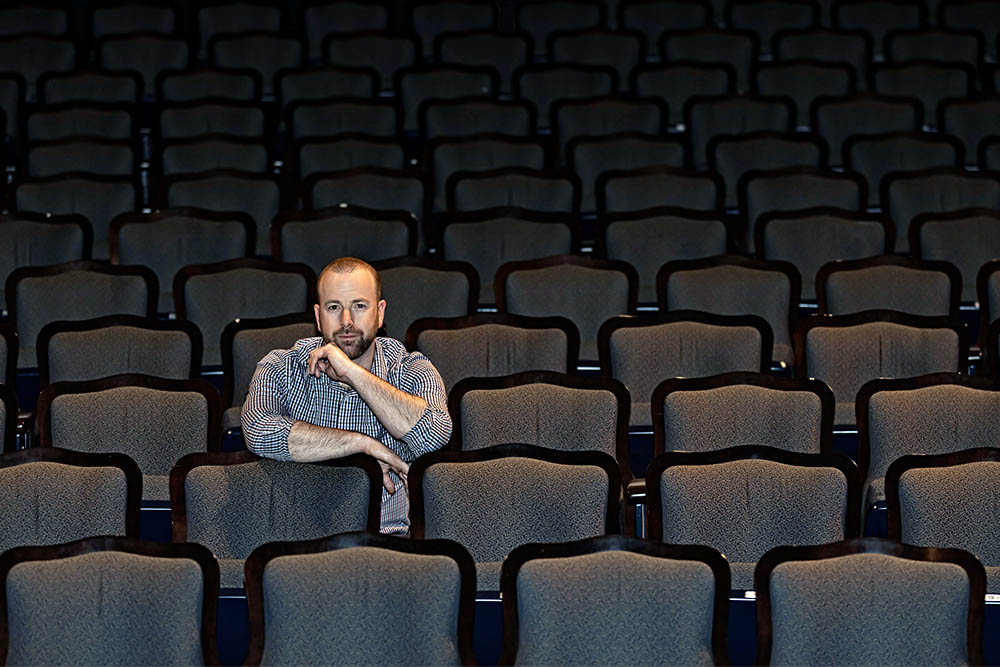
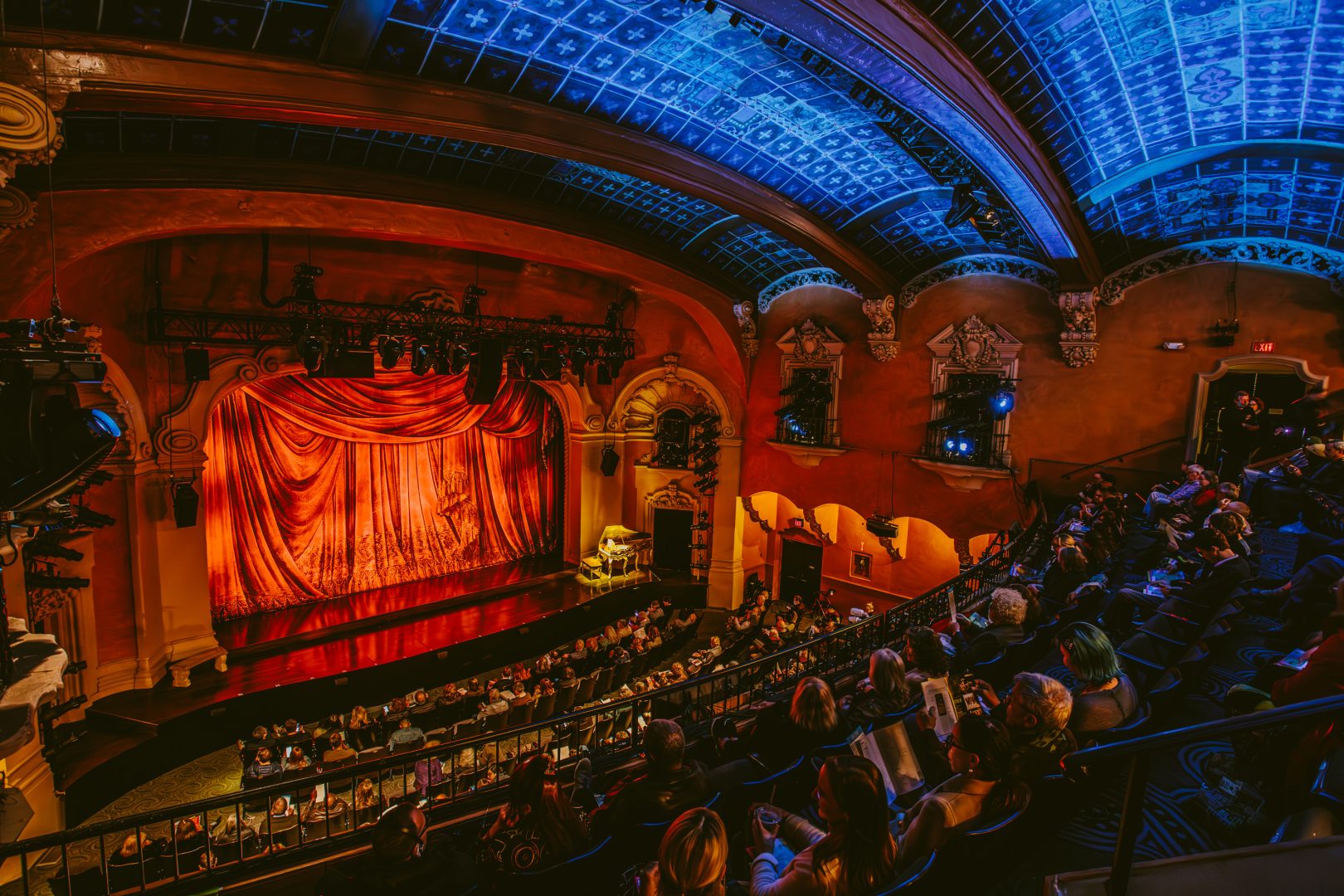
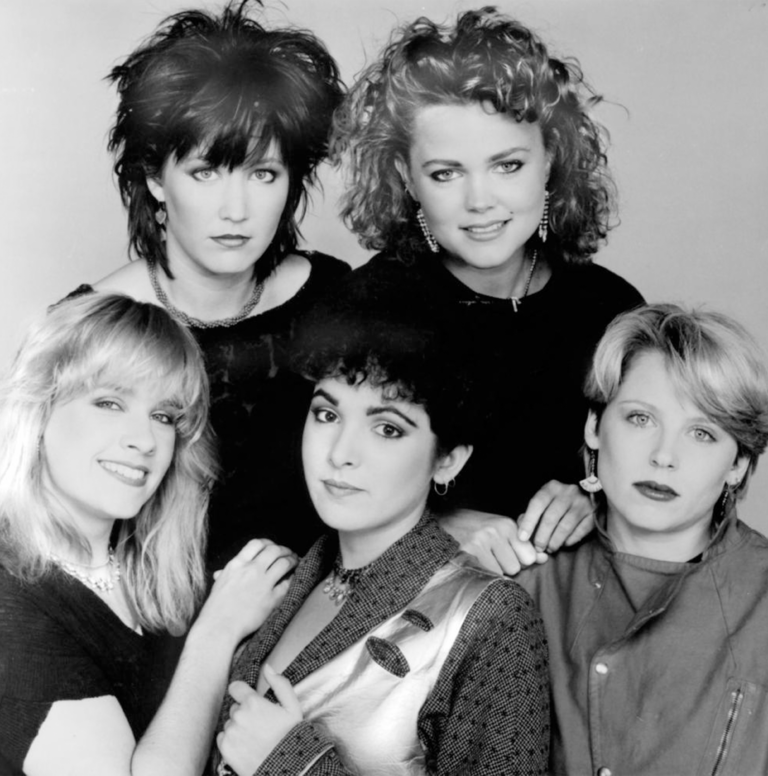
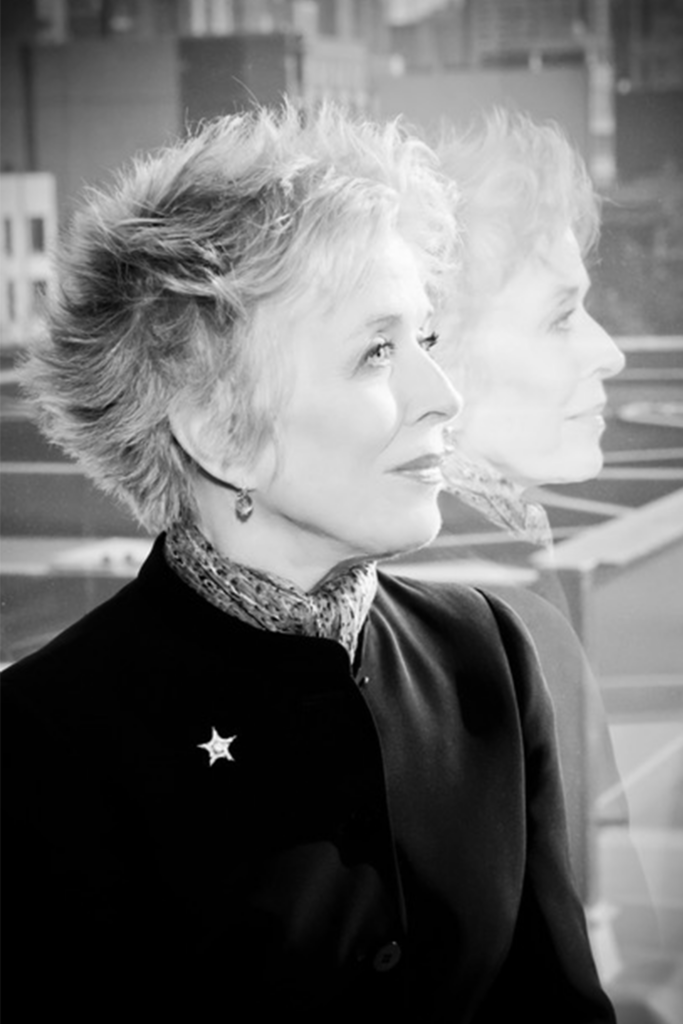
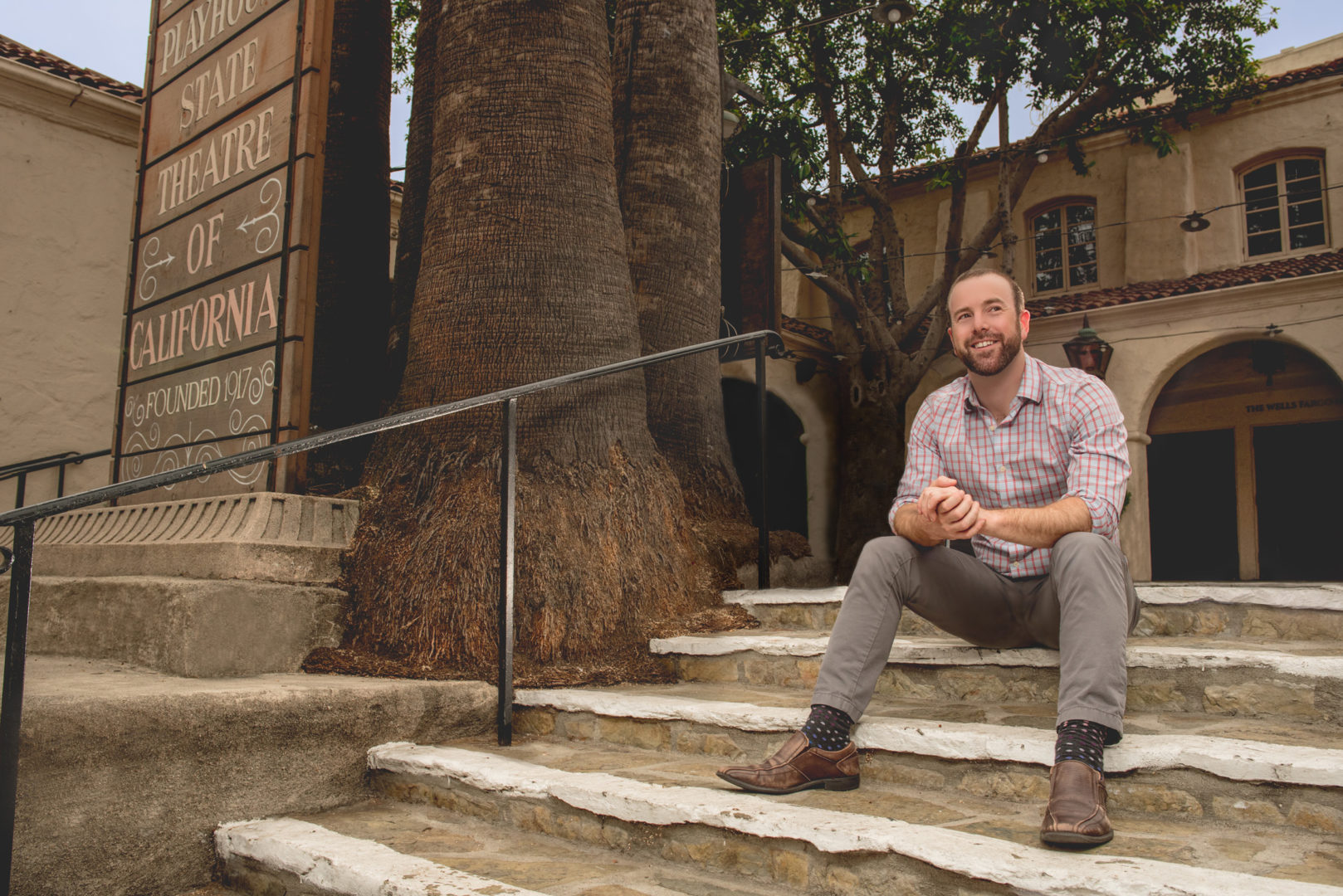
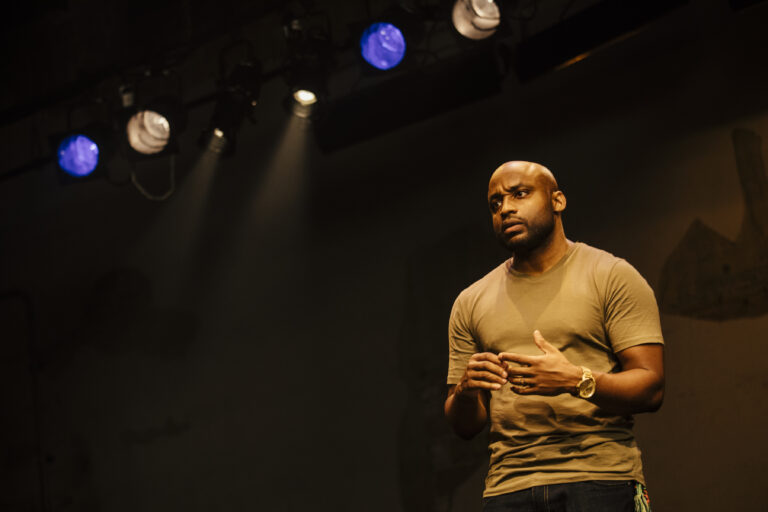
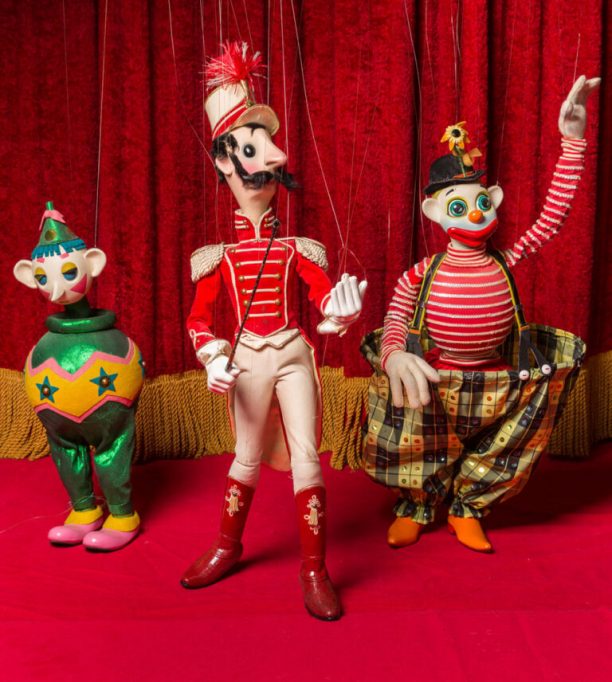
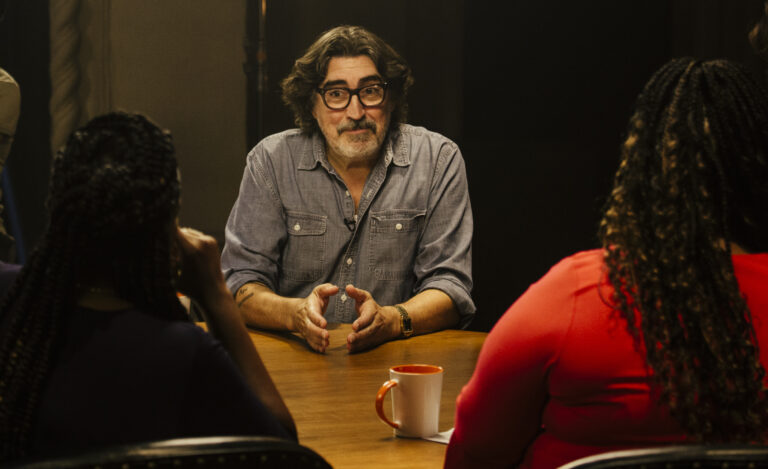
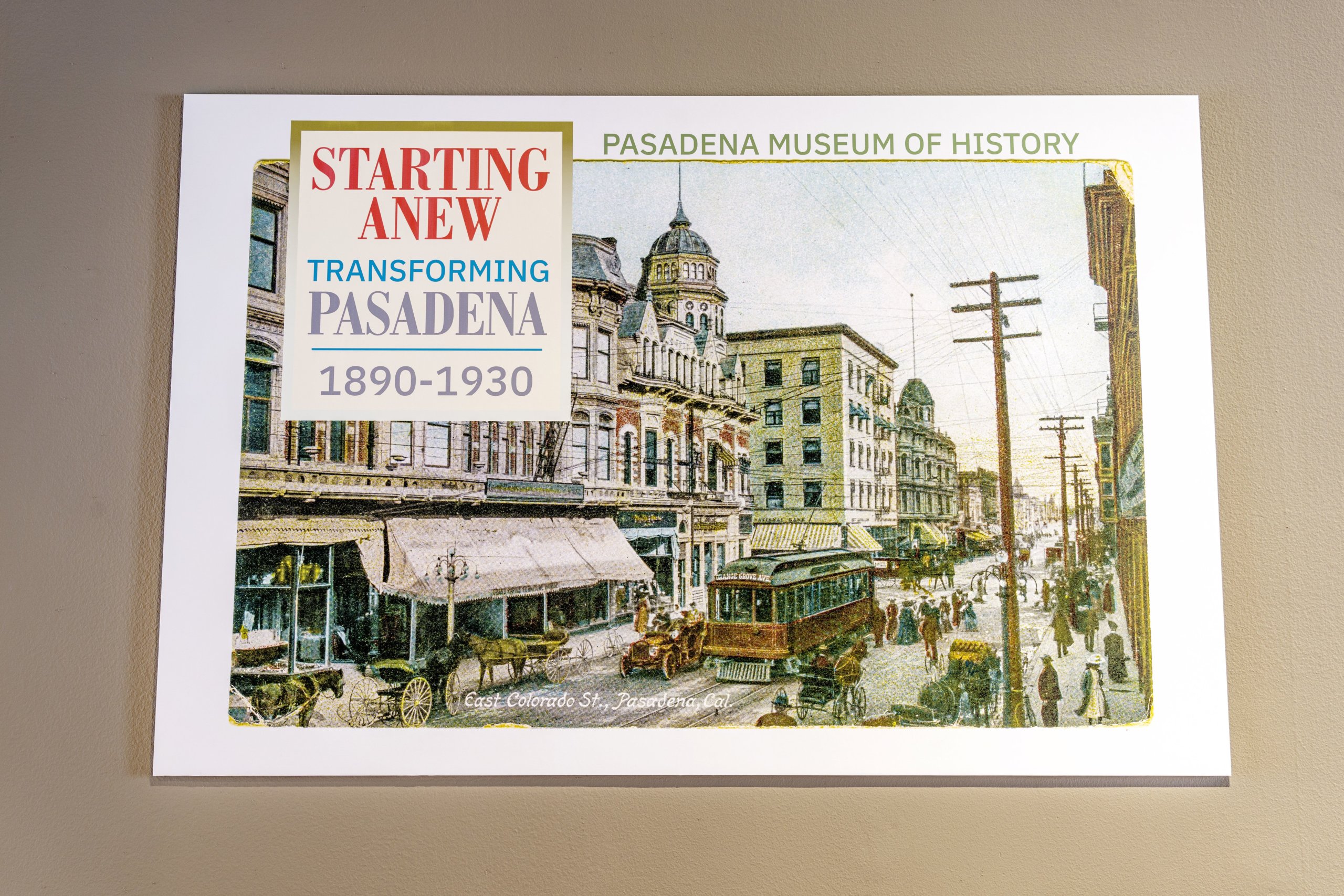
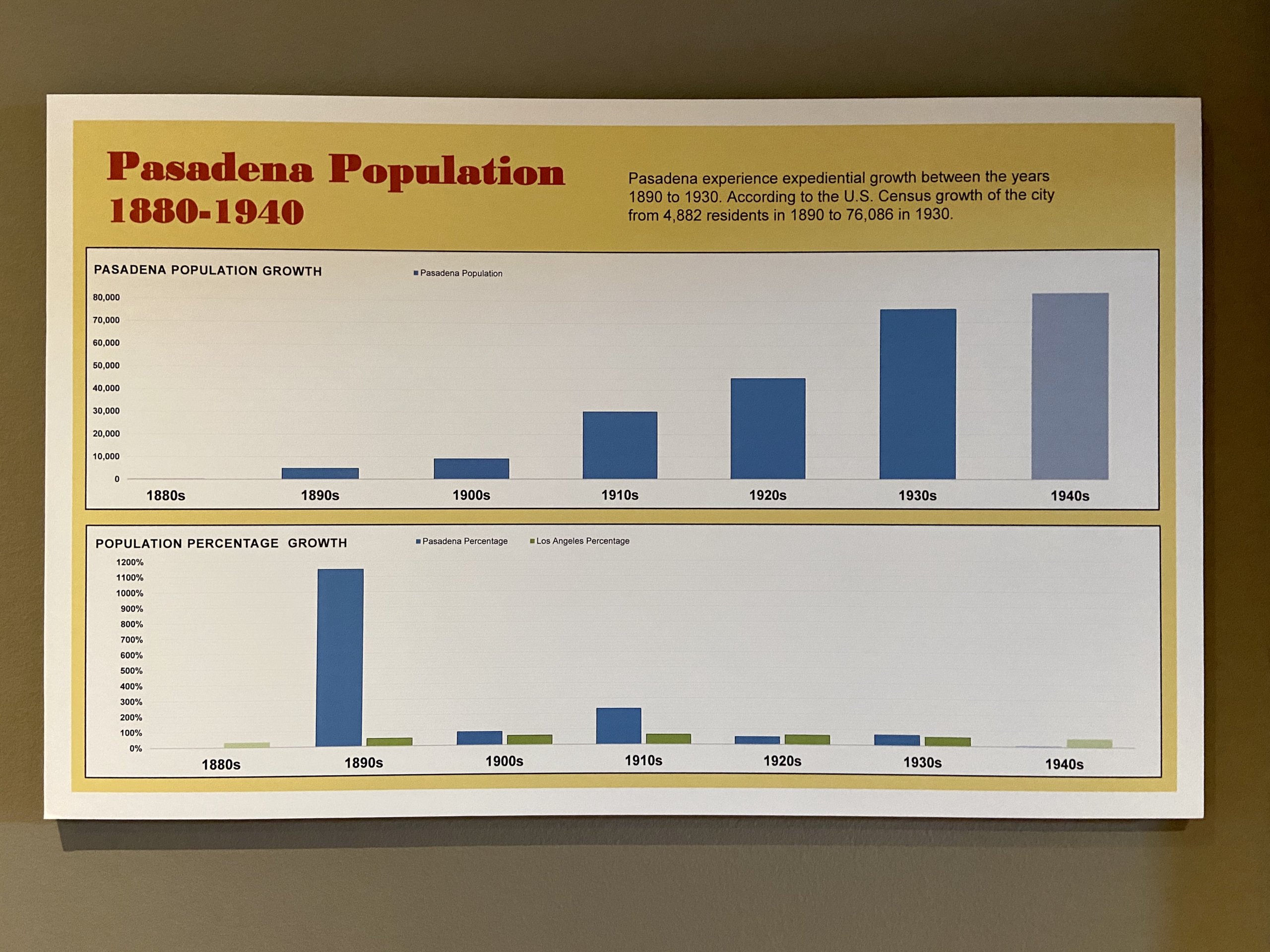
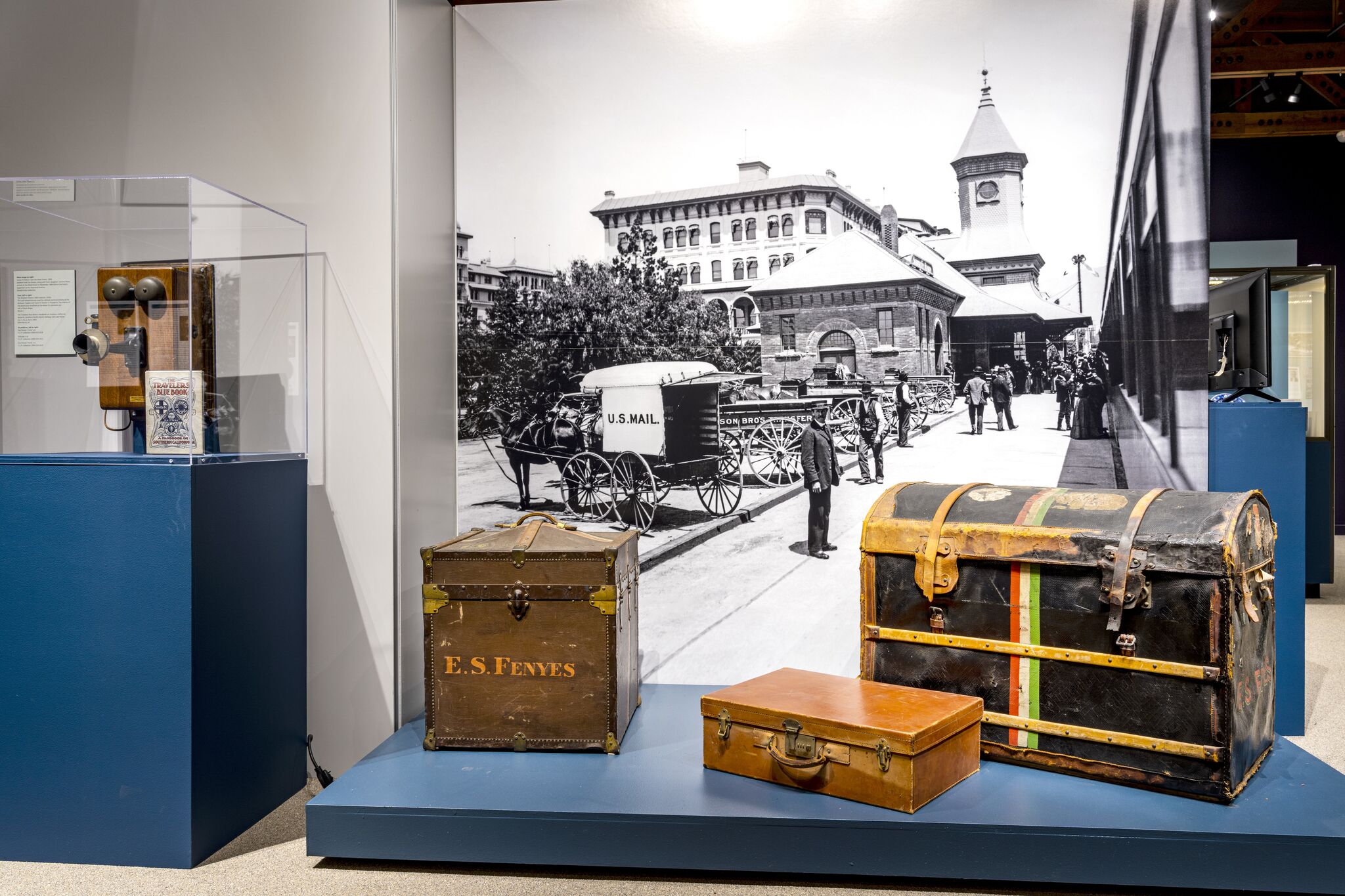
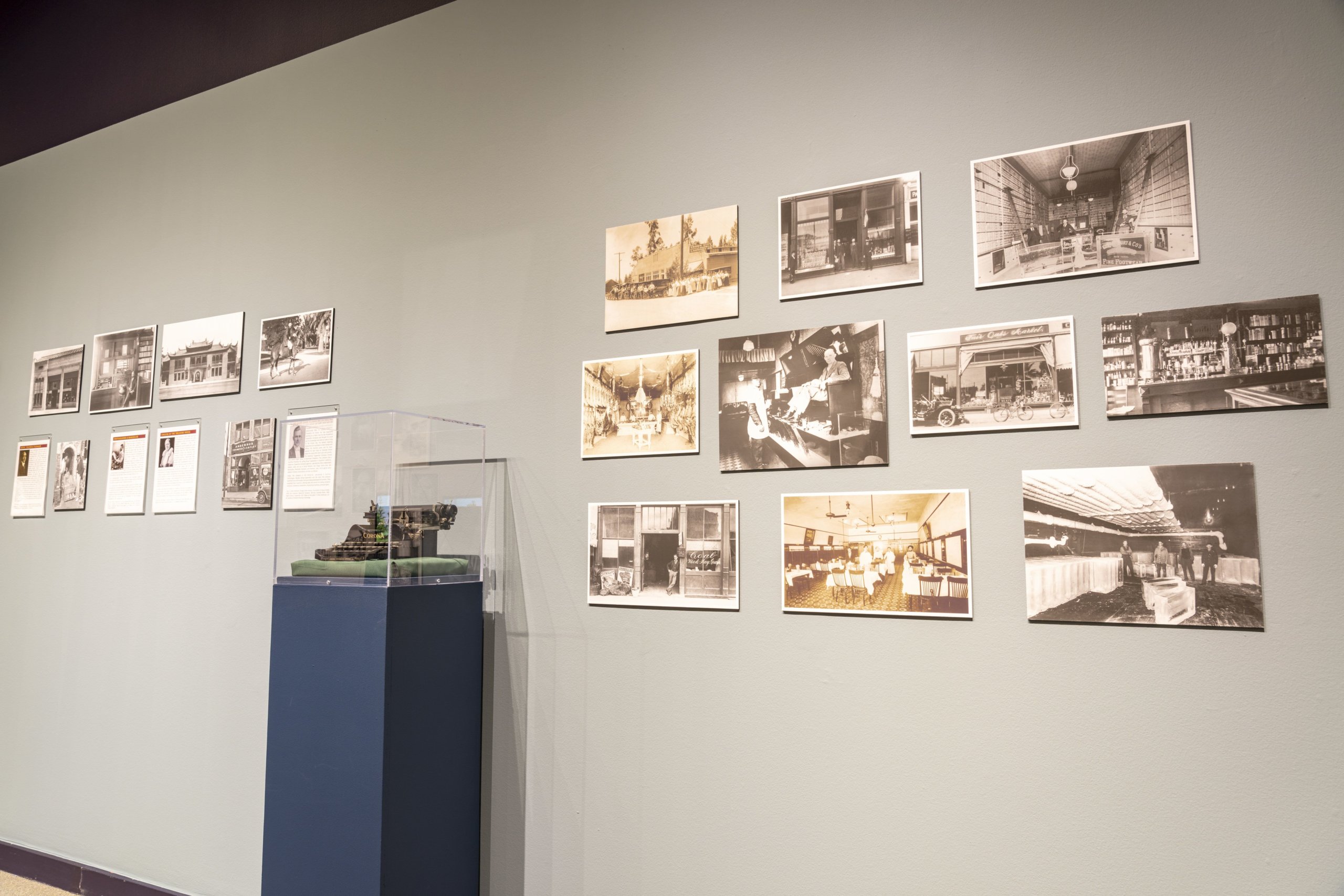
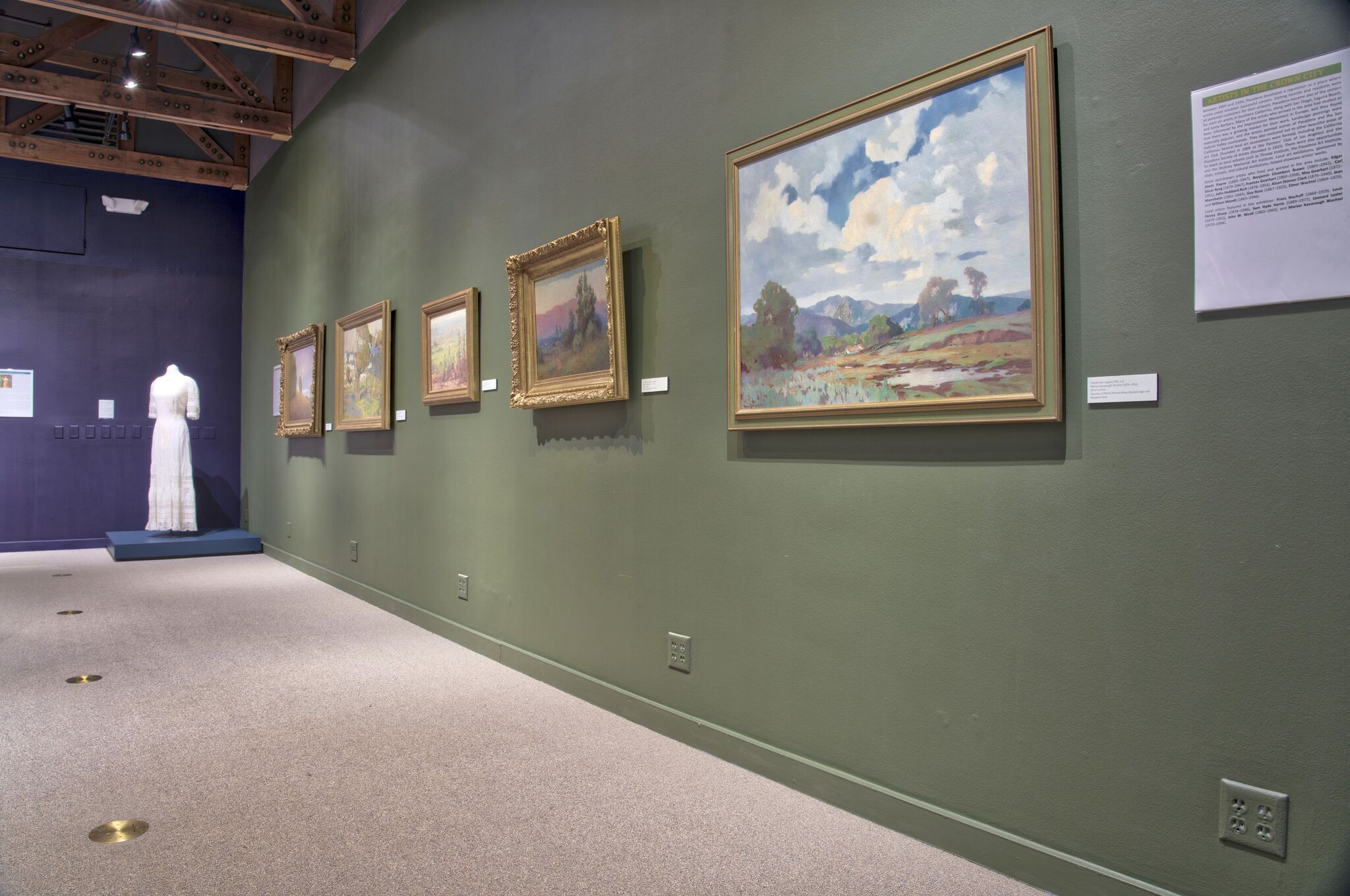
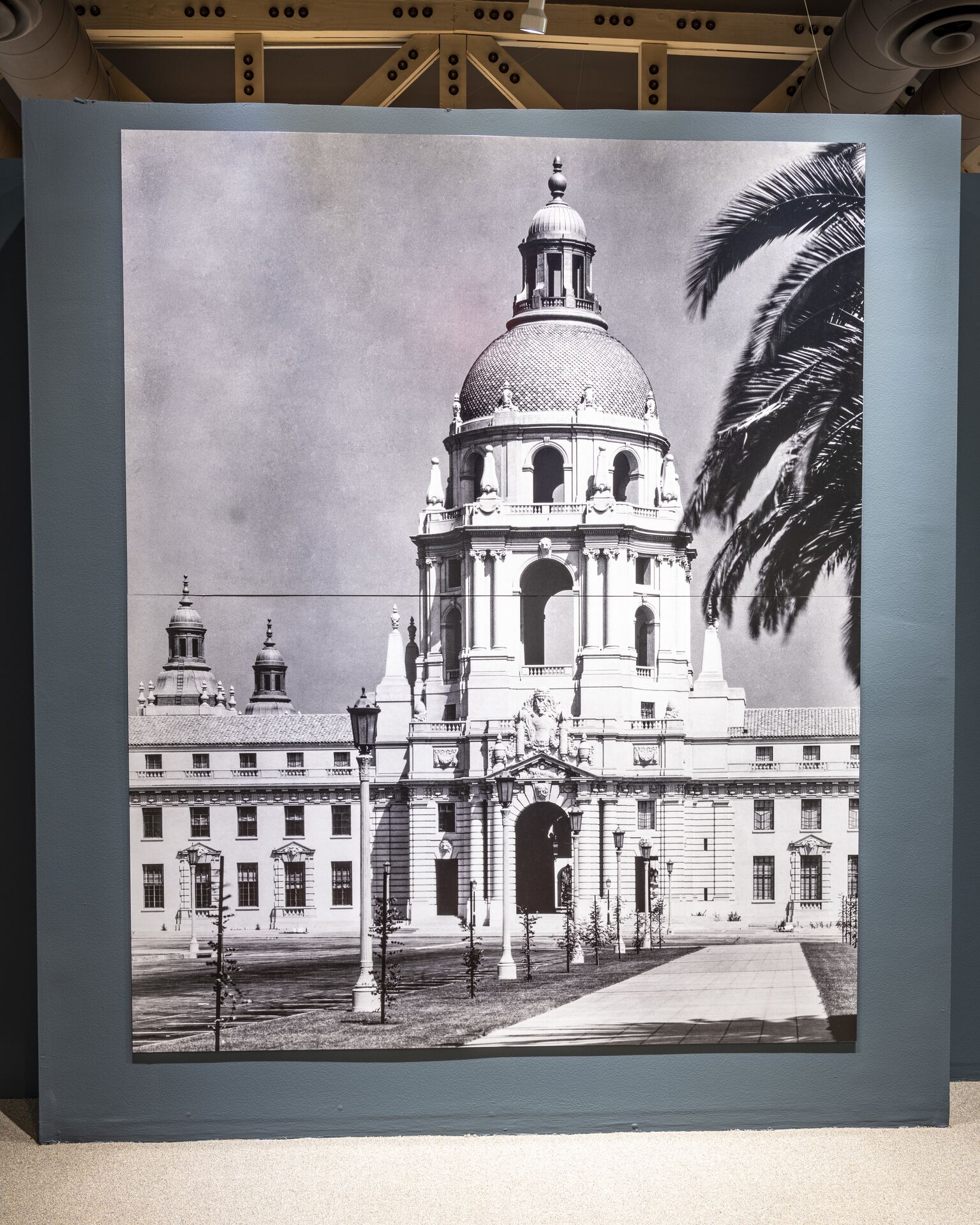
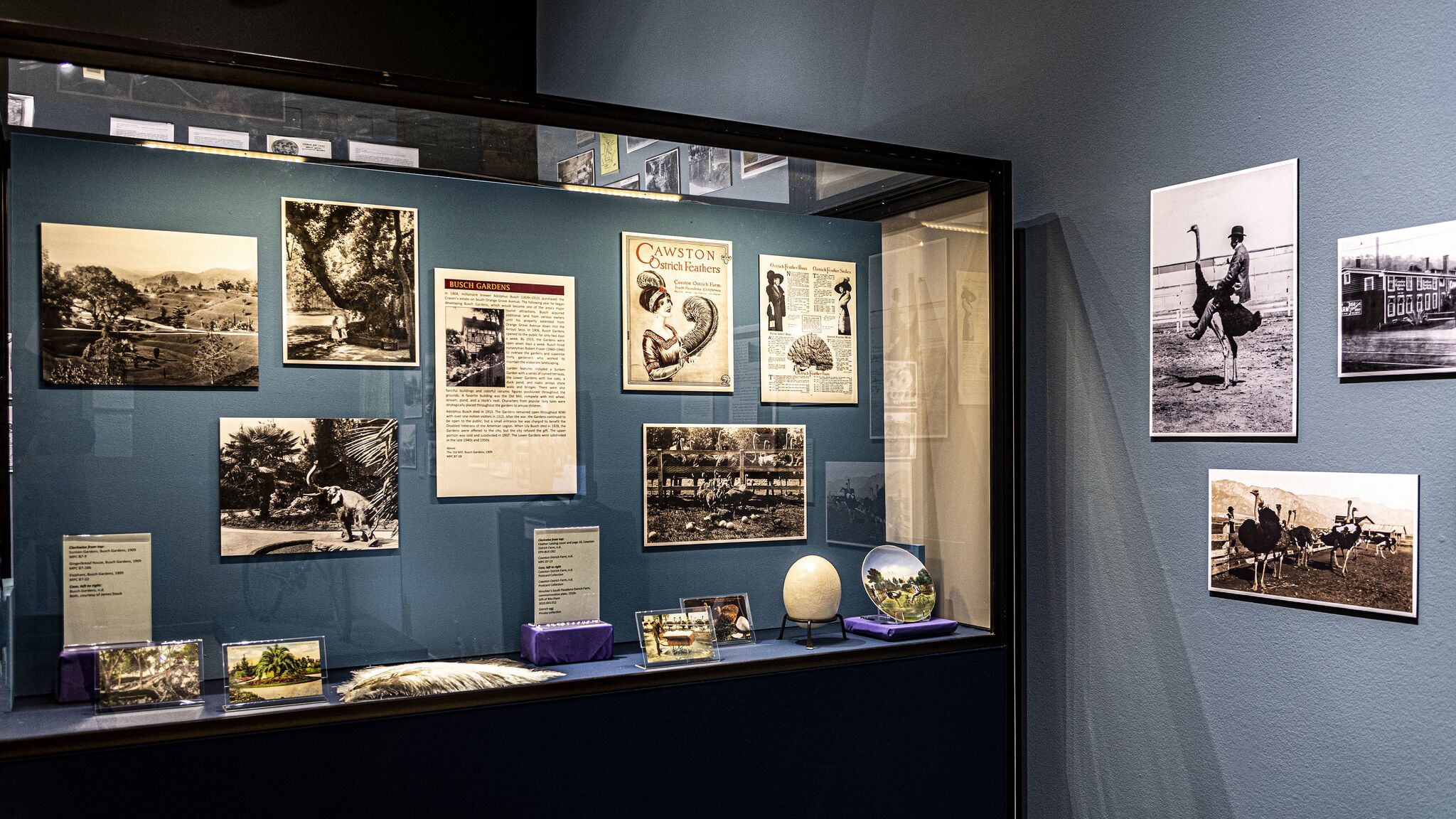
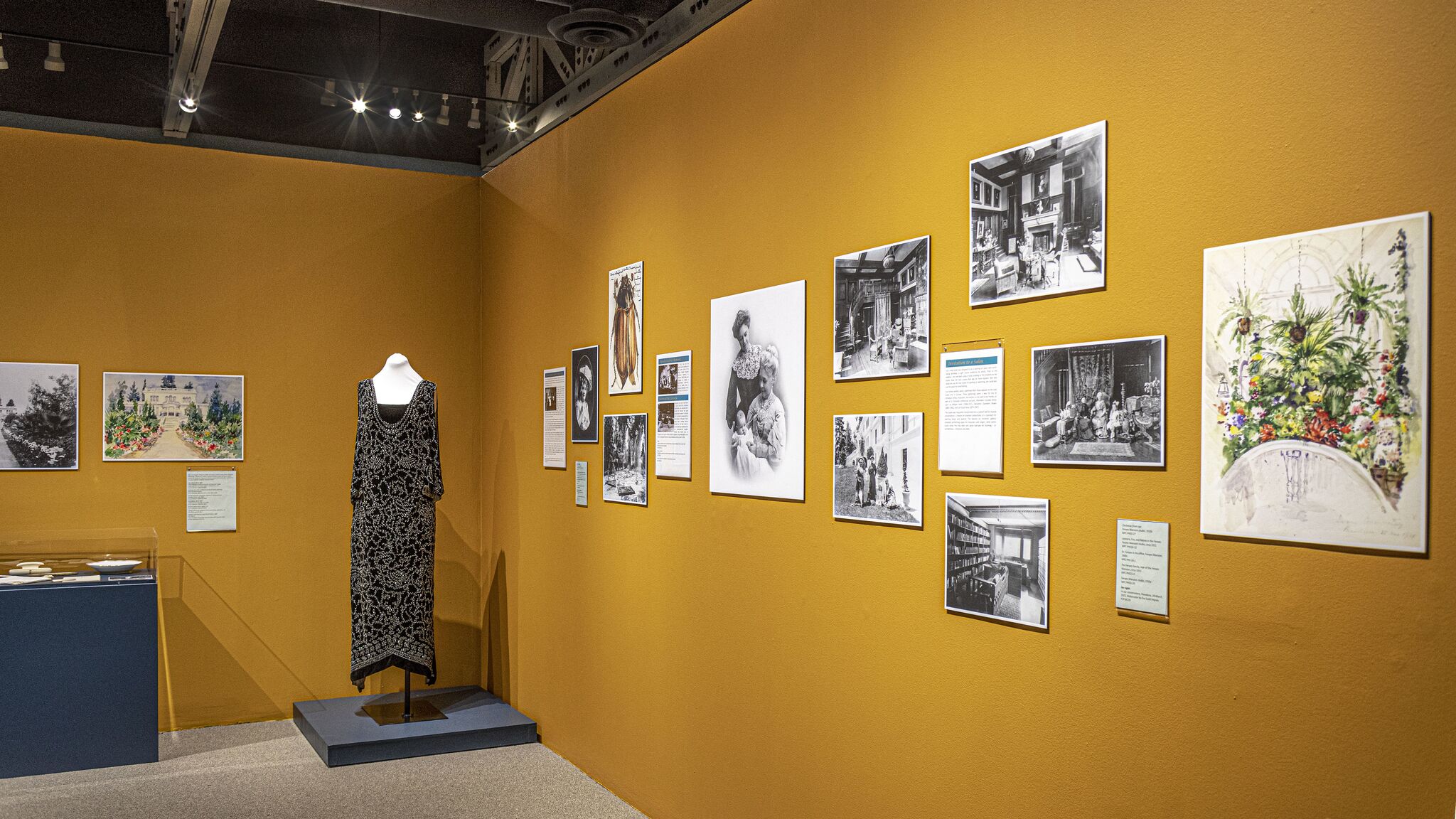

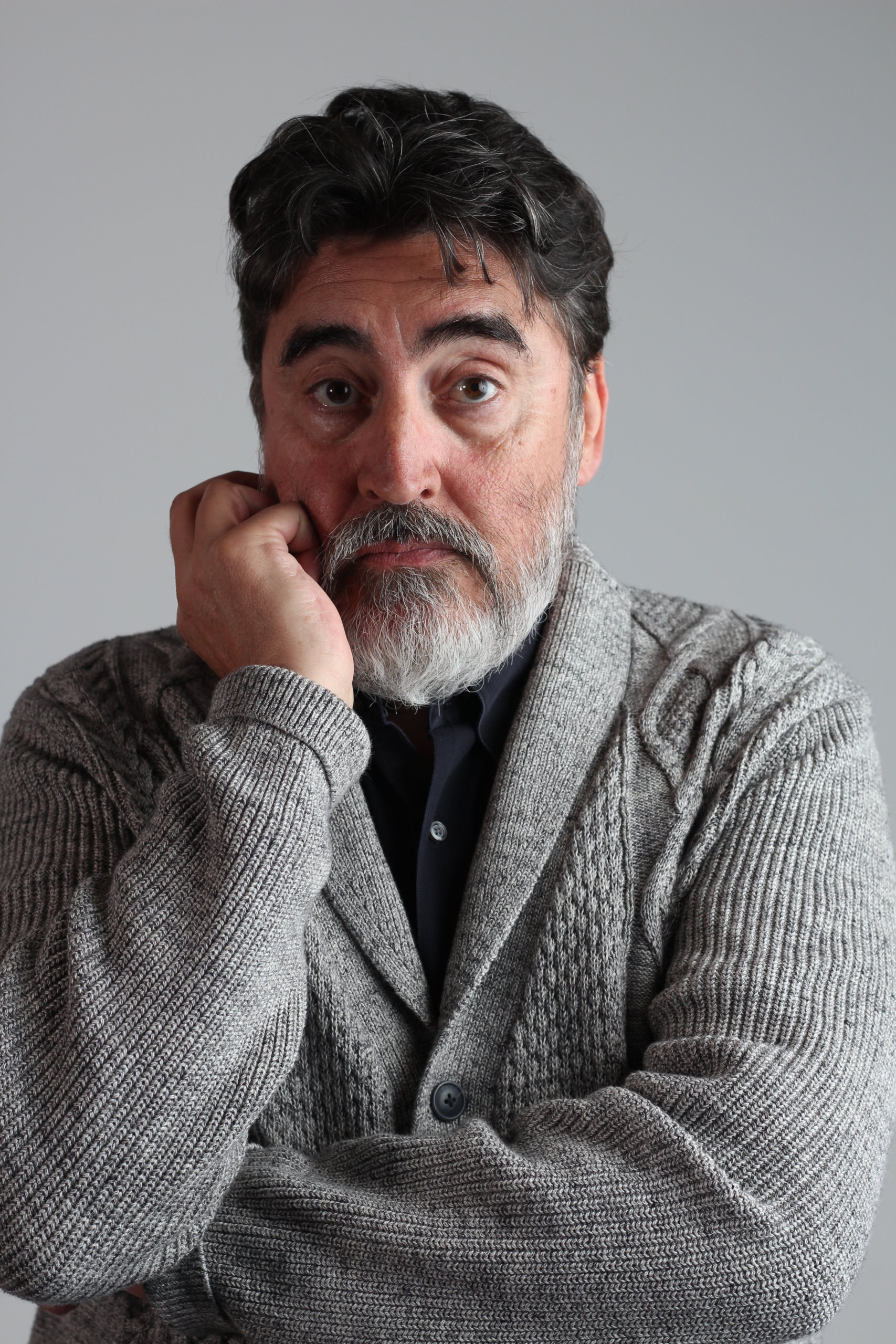
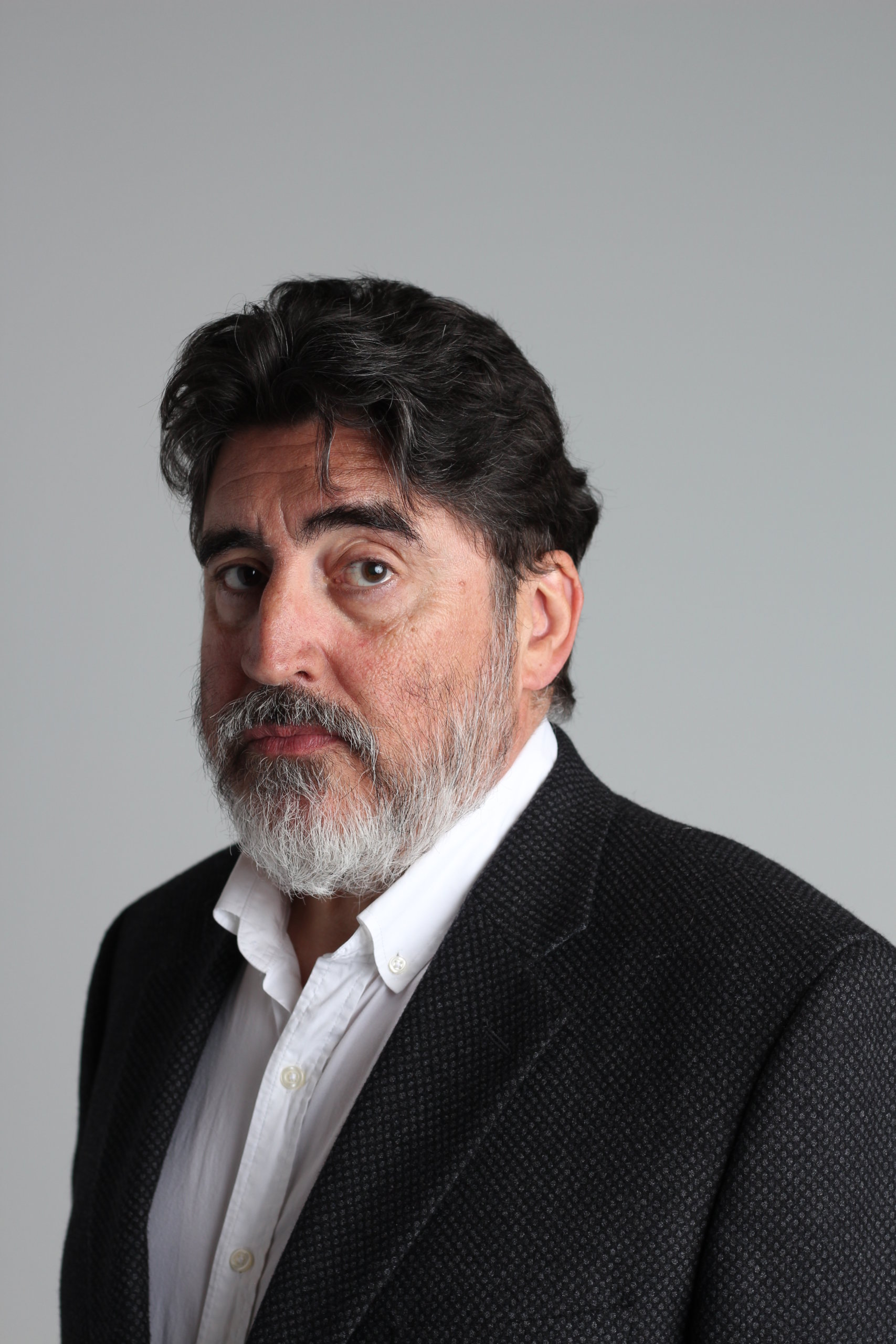
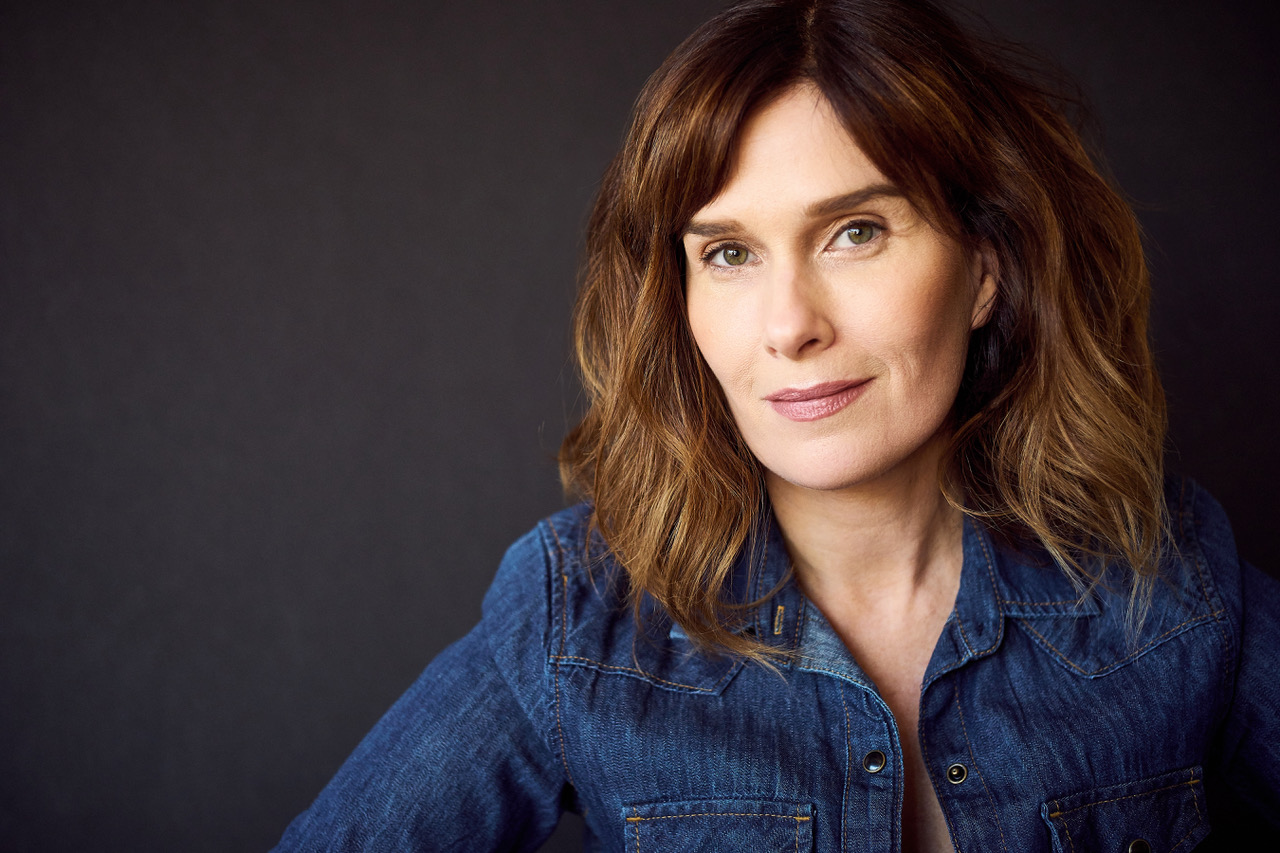
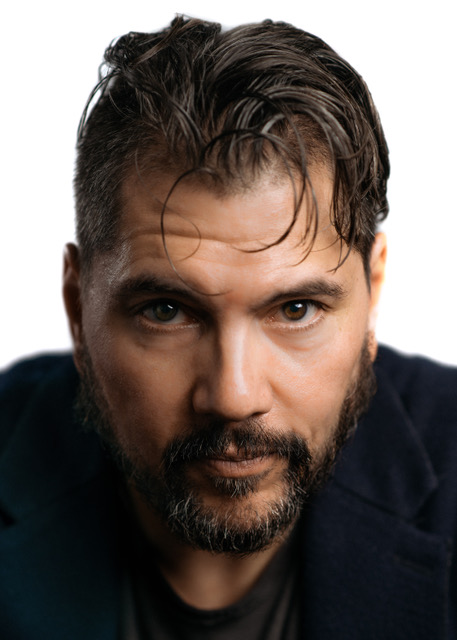
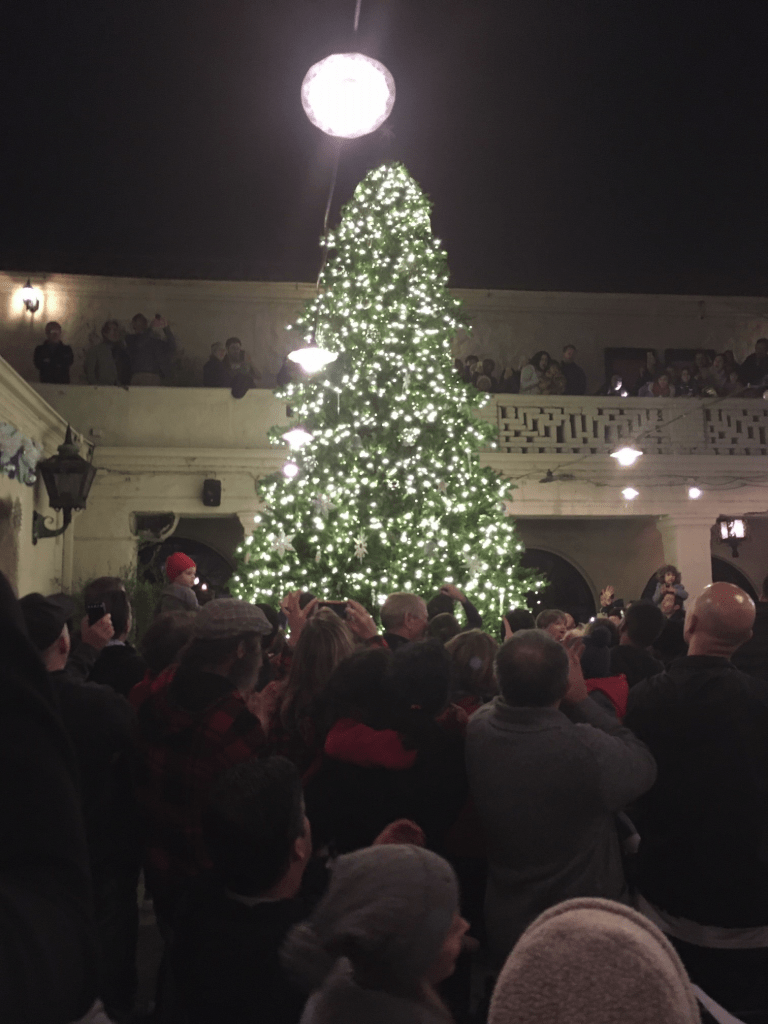
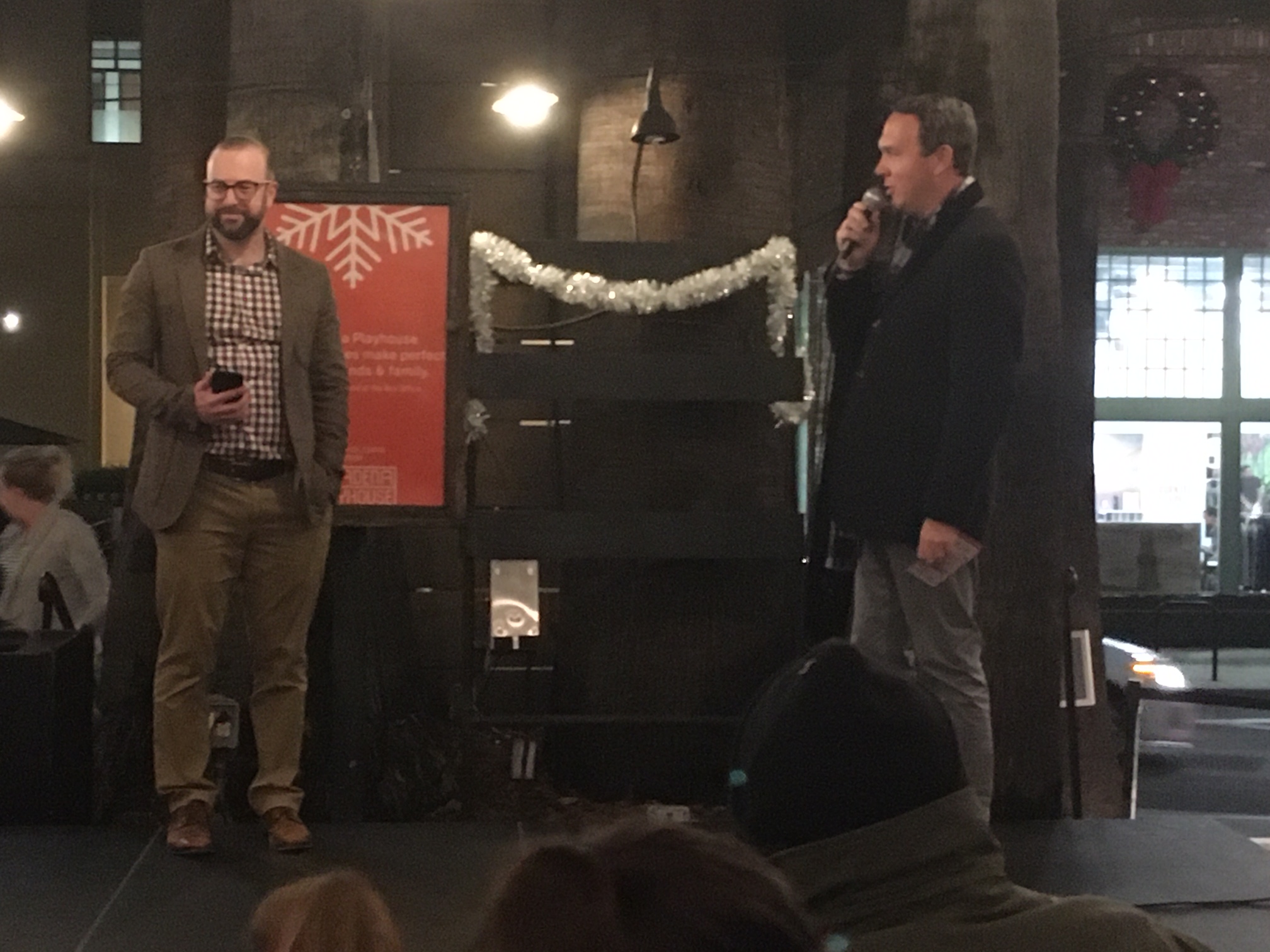
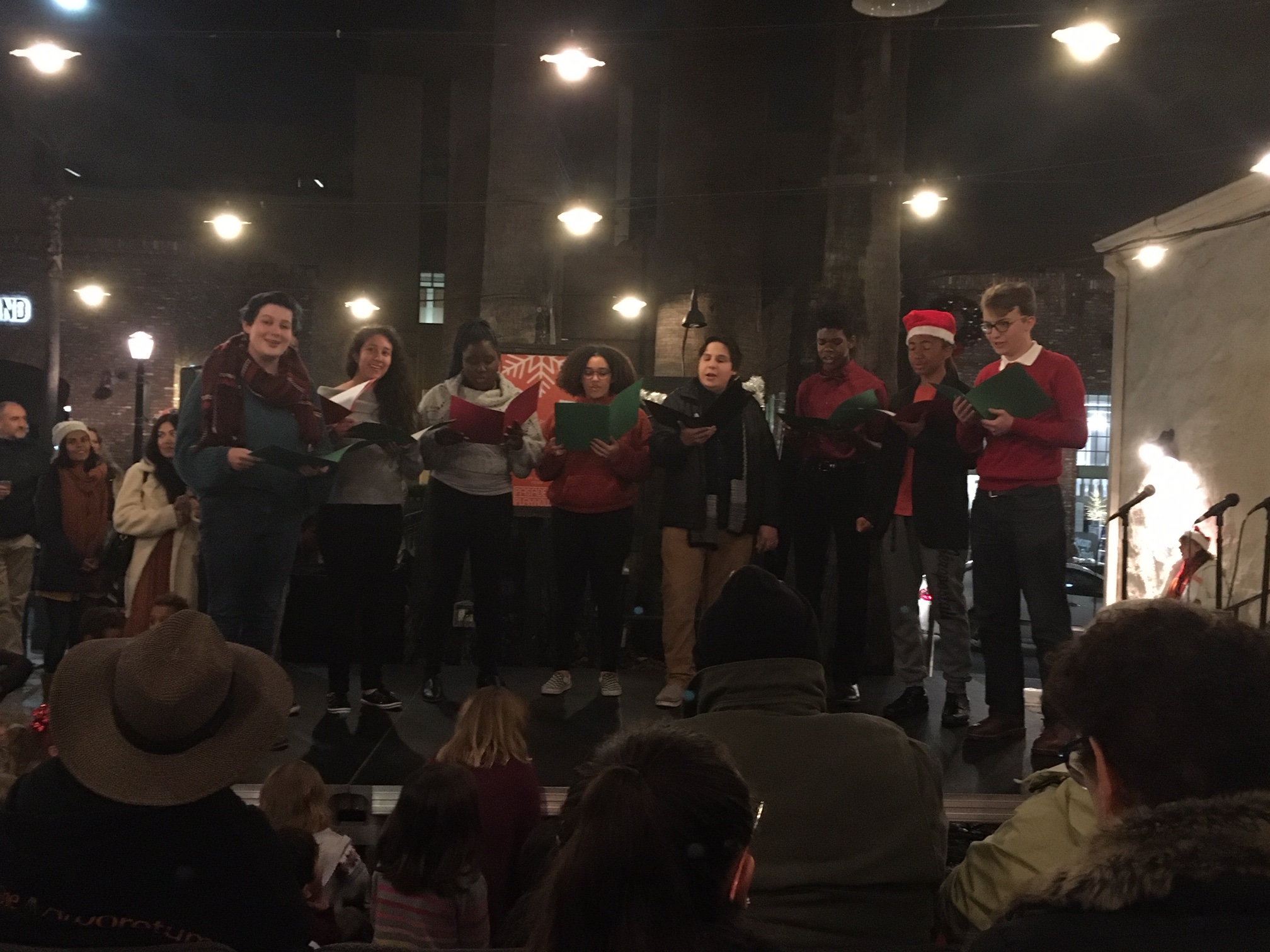

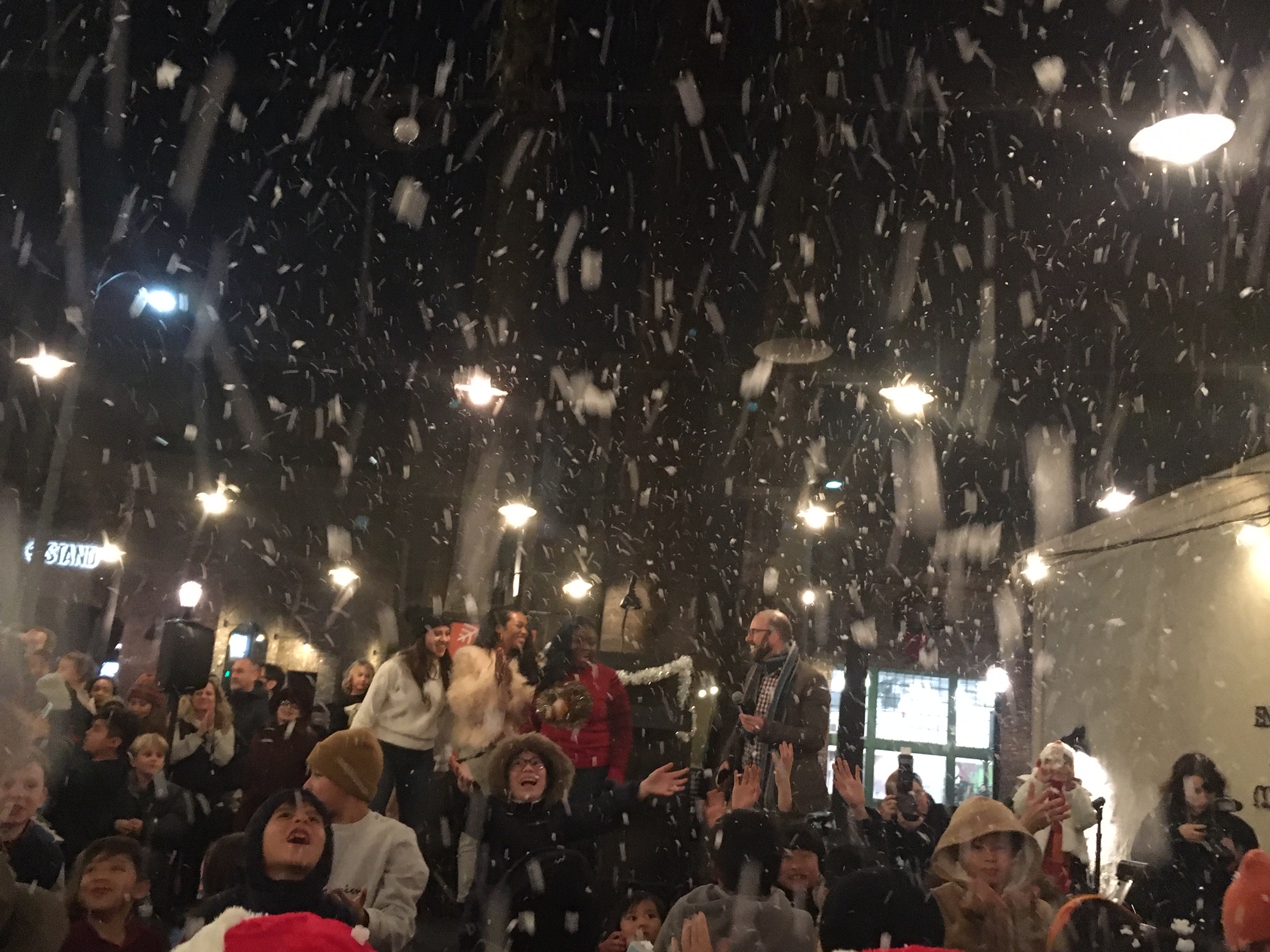
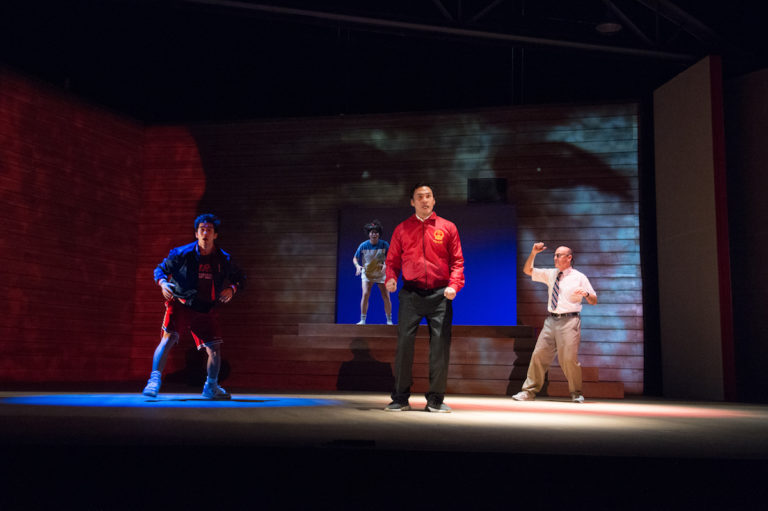
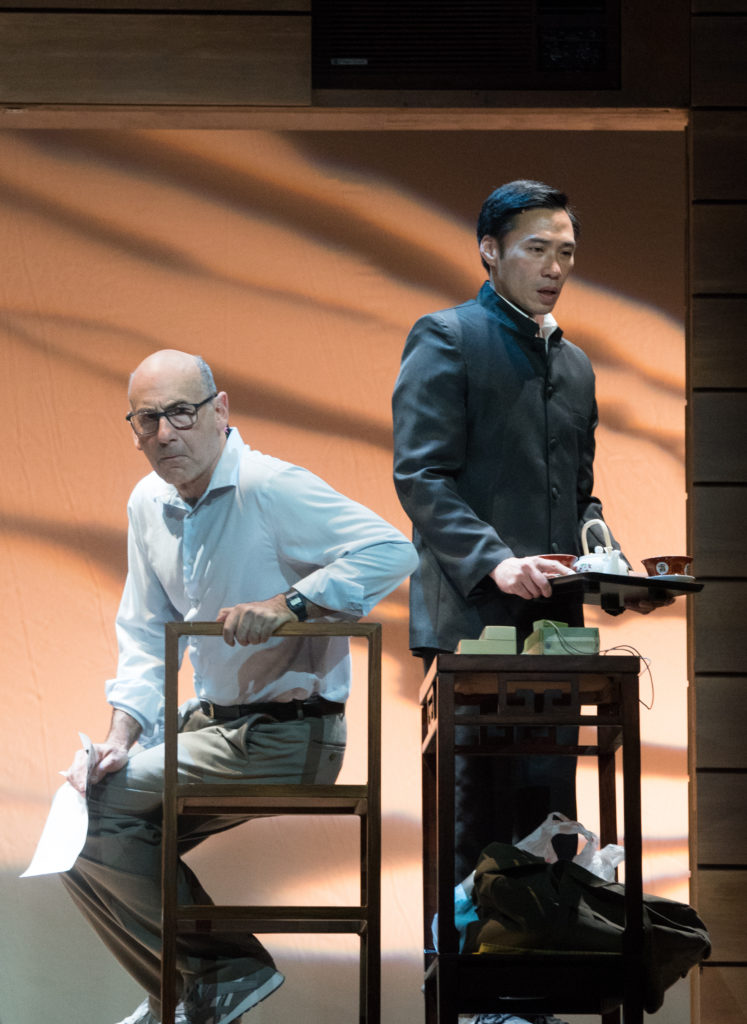
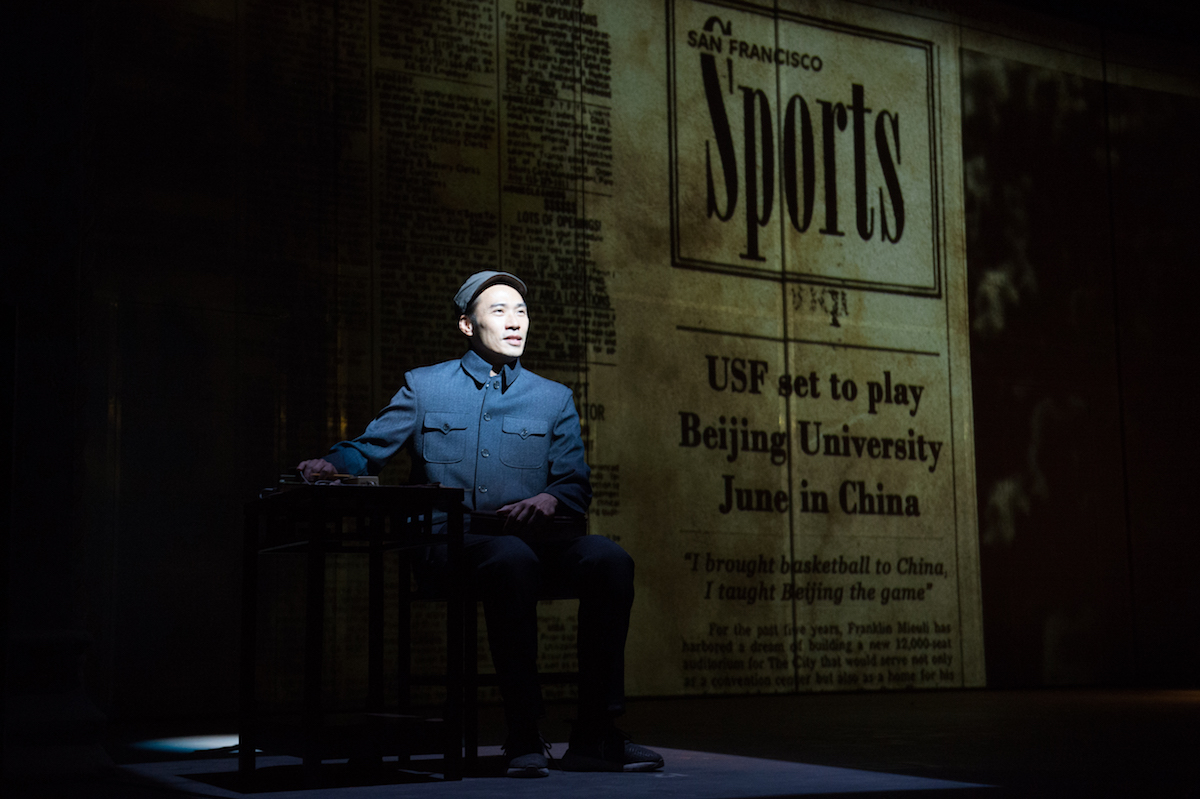
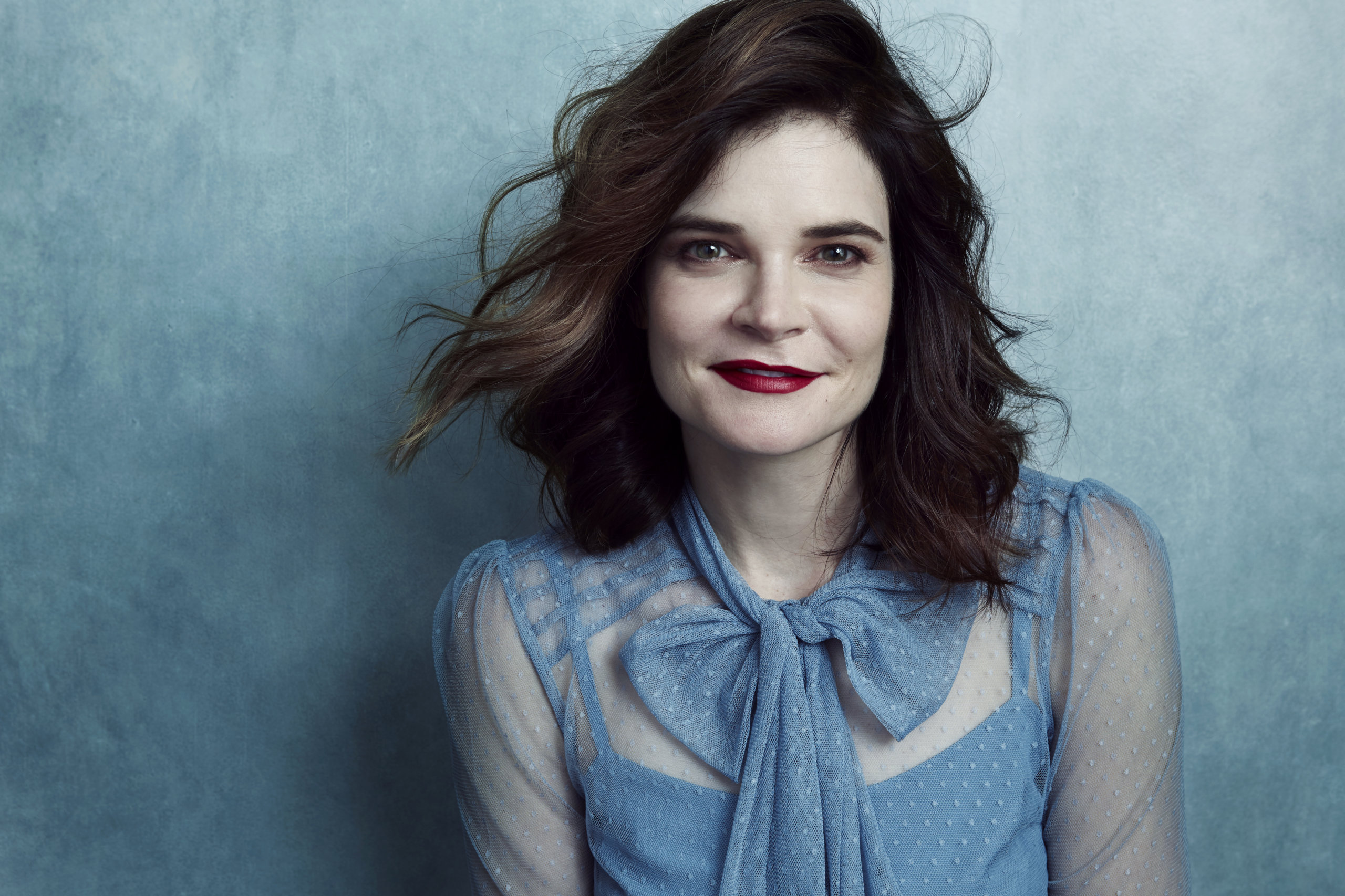
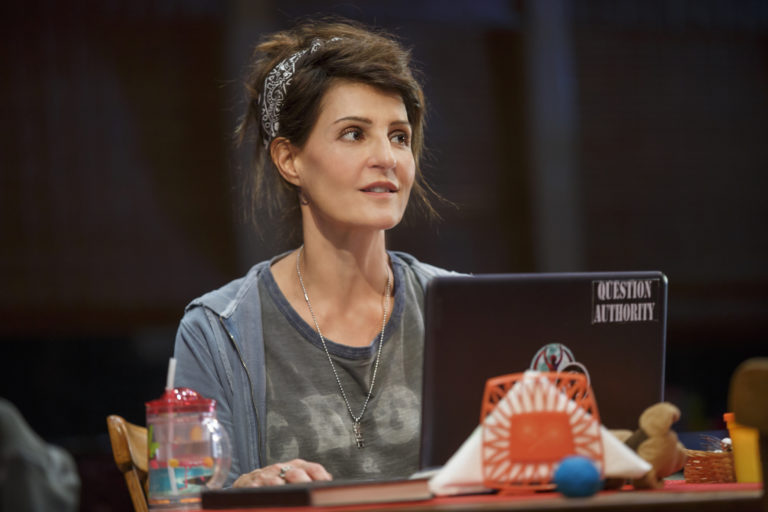

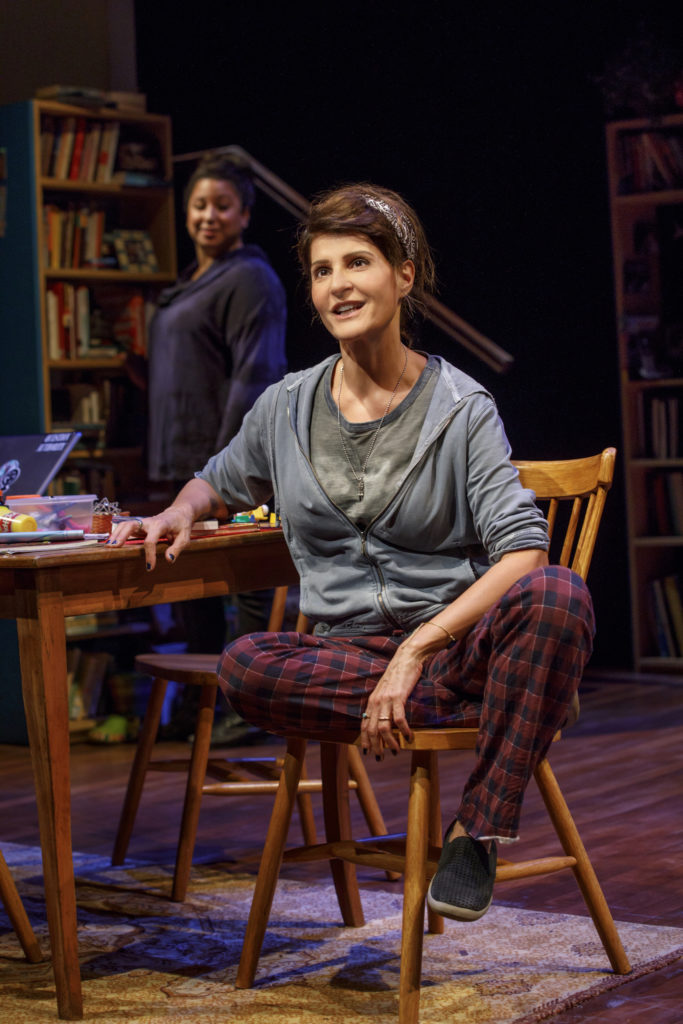
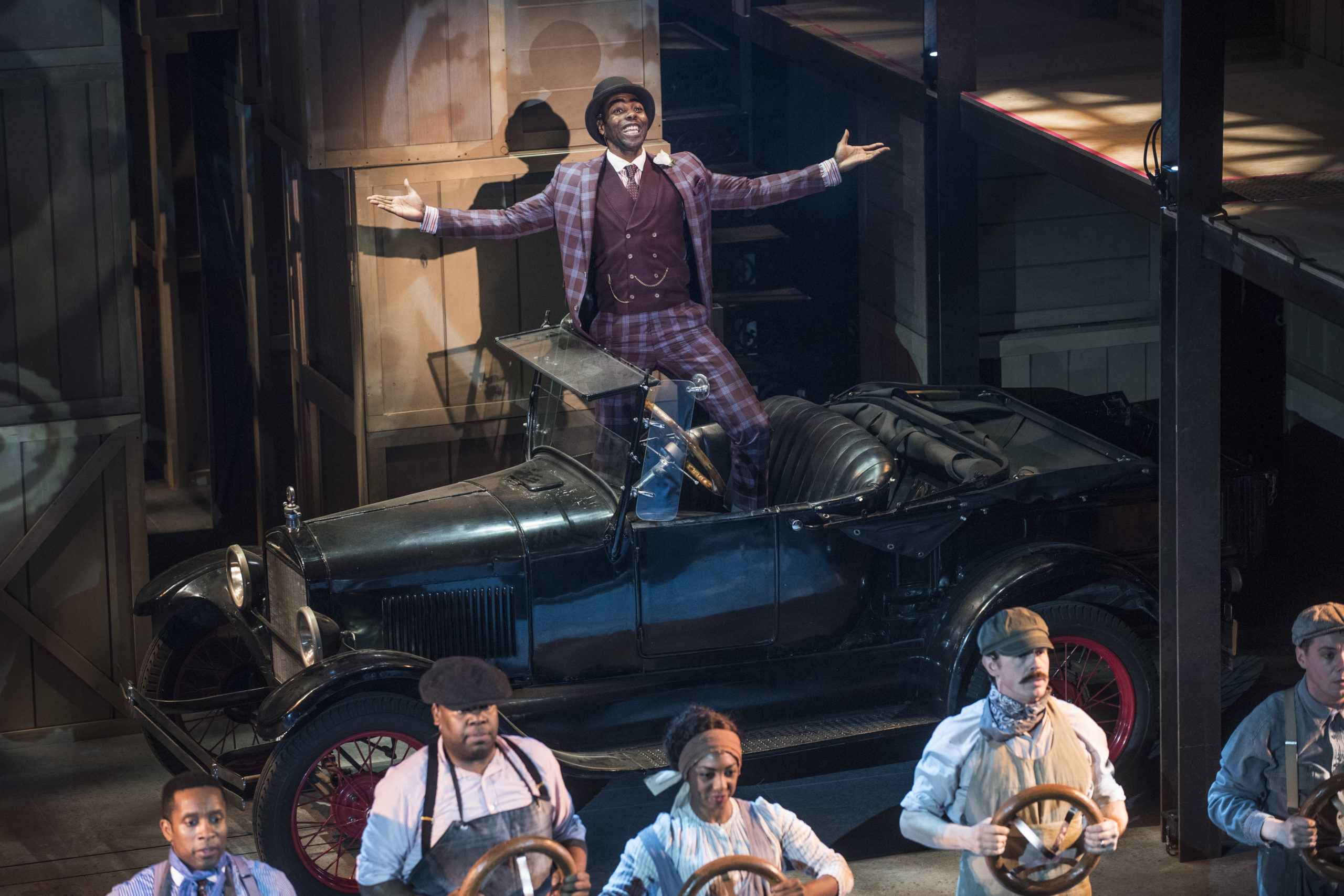
 A San Gabriel Valley Inquirer