“Flashes of Light,” a new musical by Billy Larkin and Ron Boustead, makes its world premiere at the Sierra Madre Playhouse from May 25 through June 9, 2025. Directed by Jon Lawrence Rivera, founding artistic director of Playwright’s Arena, the production is about visionary inventor Nicola Tesla and his muse Electra, the formidable goddess of storm clouds.
Set against the backdrop of the industrial revolution in New York City in the late 1800s, the story follows inventor Nikola Tesla, guided by Electra, who sends him visions of groundbreaking inventions during lightning storms. Their connection amps up when Tesla’s rivalry with Thomas Edison intensifies during the “War of the Currents,” a battle that shaped the world’s electrical future. As Tesla and Electra become obsessed with pushing the envelope of scientific discovery, a star-crossed love story fraught with peril unfolds as the line between science and mythology begins to blur.
Bringing together mythology and science, romance and historical fiction, “Flashes of Light” is a brilliant idea in musical theatre. The music’s heartfelt lyrics, soaring vocals, and haunting melodies blending jazz, pop, and rock, bring this fantastical story both tragic and divine to life.
Co-creators Larkin and Boustead discuss by email the origins of this collaborative work, the choice of venue, and the audience takeaway.
“Billy became fascinated with Nikola Tesla – this mysterious figure – so critical in the development of our modern technology, yet so underappreciated in the mainstream of American history,” begins Boustead. “Tesla was known to experience flashes of light and blinding headaches throughout his life, which were most likely migraines, but we attributed his malady to the overwhelming influence of Electra, Goddess of the storm clouds. Naturally, her power would be a lot for a mortal to endure.”
Thomas Winter as Nikola Tesla. | Photo courtesy of M. Palma Photography
“Also, the obsessive Tesla never married or was known to have a partner, so the idea of including Electra as his muse gave us a romantic storyline to add to the narrative,” Larkin adds.
While integrating myth or folklore with a factual figure and moment in science might seem conflicting, mythology is very much intrinsic to theatre, as Larkin and Boustead explain. “Mythology has been a staple of theater since its beginning, and crafting this tale became a catalyst to do a deep dive into some of the more compelling figures of Greek and Roman myth. Electra answers to a council of gods, more senior than herself.”
“Naturally, Athena – known for her wisdom, power, and morality – leads the council,” Larkin and Boustead clarify. “Prometheus, who had given mortals the gift of fire, is on hand to guide Electra in her mission to assist humans in the development of electricity. And Dionysus is an amusing addition to the council, with his drunkenness, his humor, and the sibling rivalry he shares with his sister, Athena.”
Teasing out the story, Larkin and Boustead relate. “Nikola Tesla leaves his homeland in Serbia with a head full of ideas about how to best distribute electricity for homes and factories at the dawn of the industrial revolution. He lands in New York where he becomes a rival to the great Thomas Edison in the ‘war of the currents,’ a contest between Edison’s direct current method, and Tesla’s alternating current.
“Along the way, Tesla interacts with prominent figures in 19th century finance and industry, like J.P. Morgan and George Westinghouse, and befriends the first American celebrity – the one and only Mark Twain. Through every challenge, Tesla is being assisted in his groundbreaking inventions by Electra, heard and felt only by him, during lightning storms. Like all interactions with the gods, theirs is a star-crossed relationship, with profound and tragic consequences.”
Devyn Rush as Electra and Thomas Winter as Nikola Tesla. | Photo courtesy of M. Palma Photography
Asked why they chose to debut their production in an intimate setting, Larkin and Boustead reply, “In April of 2024, we performed a concert of songs from our show at the El Portal Theatre in Noho, which we filmed. A friend of mine, who attended the concert, happens to be on the board of Sierra Madre Playhouse, and brought our project to the attention of Matt Cook, the artistic director. Matt thought ‘Flashes of Light’ would be an exciting addition to their 2025 calendar and approached us about staging our first run in their 99 seat theater setting. We love the historic and intimate vibe of SMP, and find it a welcoming atmosphere to get our production on its feet.”
Musicals normally require an orchestra – which the Sierra Madre Playhouse couldn’t accommodate – so they had to improvise. “Our score is built around a full jazz-rock band,” describe Boustead, “Because of the size limitations of the stage at SMP, we determined that the best approach for the music was to use the hybrid combination of Billy at the piano, assisted by tracks covering the rest of the orchestration.”
All 26 songs in the show are original and co-written by Larkin and Boustead in the course of eight years. However, many other beloved songs ended up on the cutting room floor, otherwise their show would be three hours long.
Devyn Rush as Electra. | Photo courtesy of M. Palma Photography
The co-creators dream that their show will one day be staged at larger venues but, for right now, they are happy to debut it in the San Gabriel Valley.
Larkin and Boustead emphasize, “Like any other musical theater creators, we imagine a trajectory that takes our project to larger venues next, with the ultimate goal of becoming a smash Broadway hit show, and eventually a touring company. But for now, we are singularly focused on making this version the very best it can be, given the time, budget, and space considerations available.”
“We hope audience members will gain a clearer appreciation for the tremendous contributions that Nikola Tesla made to our modern world,” pronounce Larkin and Boustead. “ We have been faithful to much of the history and science as it really happened, but we believe that the way we’ve told Tesla’s story will move audiences – sometimes to laughter, sometimes tears – but in the end to appreciate the value of one man’s life.”
“Tesla’s story is one that explores themes of science, mythology, genius, madness, immigration, friendship, romance, and ultimately legacy,” Larkin and Boustead declare as a final note. “It’s one that resonates with anyone who strives to leave the world a better place than they found it.”
These topics are as realistic as they are fantastic, as relatable as they are aspirational. “Flashes of Light” promises to be a little show with huge potential to reach great heights. And we in the San Gabriel Valley are so fortunate to be the very first ones to see it launch.
Danny Feldman | Photo by Jim Cox / Pasadena Playhouse
The Los Angeles Times recently launched L.A. Influential and Pasadena Playhouse’s Producing Artistic Director Danny Feldman was called one of The Creators – a group of outstanding individuals who are leaving their mark in film, art, music, and more. He was listed with fourteen others across all of the arts, joining an esteemed company that includes Eva Longoria, Ava DuVernay, Shonda Rhimes, Ryan Murphy, Jordan Peele, Mindy Kaling, Steven Yeun, and others. In the accompanying write-up, theatre critic Charles McNulty hailed him “The man who saved L.A. theatre.”
“It’s a little bit of an exaggeration,” says Feldman during a phone interview. He then recalls when he was informed of the honor. “They reached out a little less than a year ago to say I’ve been selected for this influencer list, so I’ve had time to digest it. I didn’t know who else was on this and the full context exactly, but I was a little shocked.”
Feldman clarifies, “I’m very pleased and grateful, but it’s really less about me than The Playhouse – I just get to be the face of it. The tribute is a sign or symbol that the work we’re doing at Pasadena Playhouse is getting noticed. This happened around the time The Playhouse won the (2023) Tony for Best Regional Theatre, which was a major achievement for us. It was an embarrassment of riches!”
The exterior of Pasadena Playhouse | Photo by Jeff Lorch / Pasadena Playhouse
“The Tony award had a tremendous impact,” emphasizes Feldman. “The Playhouse has a storied history with lots of ups and downs. The award honored the legacy and the unique history of the Pasadena Playhouse as one of the most important theatres in America. At the same time, we were recognized at a high point – when we were firing on all cylinders, when we were rising artistically.”
“Financially, we were at one of the more solid places we’ve been in our entire history; we were finding our stride and were on the eve of an expansion,” continues Feldman. “To receive a national recognition, like a Tony Award, for our body of work and for our impact of excellence in the world of theatre was overwhelming. So many of us have been working so hard for so long, to be acknowledged with a Tony Award was very fulfilling.”
In May 2025, The Playhouse’s building will celebrate its centennial and its programming will reflect its history.
Feldman states, “The Pasadena Playhouse is an iconic building and institution in our Los Angeles community as well as in the American theatre. That’s the theme throughout 2024-2025 so we’re calling it our iconic season. I was aiming for big shows that were iconic in their way –epic presentations that look like New York coming here and having a moment in our theatre.”
The Playhouse’s historic stage will feel alive with a sizzling Martin Crimp adaptation of one of the greatest plays of all time, Cyrano de Bergerac; a fresh new revival of Jerry Herman and Harvey Fierstein’s Tony Award winner for Best Musical, La Cage aux Folles; a new production of Suzan-Lori Parks’ Pulitzer Prize and Tony Award-winning classic, Topdog/Underdog – one of the best new American plays written in the last 25 years, as Feldman asserts.
Danny Feldman | Photo by Jim Cox / Pasadena Playhouse
“We’ll have special musical performances with the Civic Auditorium for two consecutive weekends of concerts featuring two of the most enduring musicals of all time: Anything Goes in Concert, starring Jinkx Monsoon as Reno Sweeney and Follies, an encore to our recent Sondheim celebration,” Feldman adds. “It’s a robust slate of shows that are sort of the greatest hits in a way, to honor our extraordinary achievement of having one of the oldest operating theatres in America. These special theatrical events will expand our initiative exploring classic American musicals with our community. ”
According to Feldman, musicals are rarely performed by non-profit theatres because they’re cost prohibitive. While the Pasadena Playhouse had staged musicals in the past, in 2019 he launched the American Musical Project – a bold and financially risky move. He discloses the reasoning behind the expensive venture, “We feel that it’s important because musical theatre is one of our contributions to the world. And we realize there’s a danger that the next generation and the generation after may not be able to experience these shows the way they’re intended in a 650-seat theatre in our community. We started with ‘Ragtime,’ ‘Little Shop of Horrors,’ and, of course, our Sondheim celebration. ‘Jelly’s Last Jam’ closing this week is the latest. We’re really showing folks our commitment and dedication to the American musical. We do them quite well, I have to say. People are really enjoying the artists and responding to them.”
Watching Broadway musicals at The Playhouse is a singularly unique experience. Feldman explains, “We love Broadway tours! It’s wonderful that our community gets to see these great shows from New York when they come to the Ahmanson or the Pantages. But those shows were created for a commercial purpose for Broadway and they go on tour with mainly New York performers. We do something very different at Pasadena Playhouse – we start with a blank page. I put together a team and they make the show from scratch. ‘Jelly’s Last Jam’ has over a hundred local employees working on it; the scale of it is pretty fantastic. I think they’re so successful artistically because of the group of hardworking people who are making it just for the audience that comes to see the show at the Pasadena Playhouse.”
Not surprisingly, the back-to-back accolades of The Playhouse’s Best Regional Theatre Tony Award and Feldman being named “The man that kept L.A. theatre alive” have put pressure on Feldman. “I try not to think about that,” quips Feldman. “But, of course I feel a lot of pressure from my daily job – I’m in a very privileged position of running a very important theatre in American history and our community. We’ve got to keep raising the bar with every decision we make, every show we decide to put on. Pasadena Playhouse is on the forefront of the American theatre, which means there are a lot of eyes on all the things we do. But it’s always been that way.”
“We take the responsibility of being the state theatre of California very seriously,” stresses Feldman. “And I think you see that in the quality of our work. I’m assembling teams of some of the top theatre-makers in America, whether they’re the most experienced – Alfred Molina is on our board and performs on our stage often – or the most exciting new talent. But regardless, these are some of the hardest-working and talented people in theatre coming to create extraordinary theatre. We operate with the thought that if we don’t get this right it may be our last. Maybe that’s not true now but it used to be true, and that’s what drives us. And while these accolades are great and we feel deeply proud and honored by them, we have a lot more to do.”
The interior of Pasadena Playhouse | Photo by Jeff Lorch / Pasadena Playhouse
Feldman expounds, “We have a big vision for Pasadena Playhouse; we’re setting the theatre up for now as well as in the next hundred years. Today we have the luxury of not just thinking about the next show, but about where the American theatre is going – how do we lead the way on that – and what it will look like two or three decades from now.”
To that end, The Playhouse will present The Next Stage Immersive Summit 2025 in January in partnership with The Immersive Experience Institute, the main service organization for immersive theater artists. The premiere gathering of creators of immersive art & entertainment will draw international guests from the fields of performing arts, themed entertainment, XR, and gaming. This is the largest gathering of its kind in the world.
“This year we expanded our audience in a dramatic way with the inauguration of a major youth and family ecosystem – classes and professional shows for kids. Keep your eye out on that programming because that’s only going to grow in the future. Theatre education is core to who we are. The school at the Pasadena Playhouse was built in the 1920s and by the 1930s the College of Dramatic Arts was one of the top schools in America,” explains Feldman.
The public’s involvement is crucial to the realization of Feldman’s ambitious plans. He exhorts, “The lifeblood of our theatre is the people in the community and we urge folks to become members – you get to come along for the whole ride, you get to see all the shows. I think the folks who have been coming recently feel the new energy at The Playhouse and they understand that. But for those who may think it’s not for them or haven’t been here in a while, we encourage you to come take a look at us, come check out the shows, come look at our education program – we’ve really become a force in the world of theatre.”
Feldman will mark eight years of stewardship of the Pasadena Playhouse this fall. He took over as producing artistic director when the venerable institution was at its nadir financially and was struggling to get traction in the community. That he even took on such a daunting challenge is remarkable enough. That he then led the way in turning its fortunes around and flourishing during these particularly trying times for American theatre is an astounding feat.
“On This Side of the World,” an East West Players presentation, held its opening day at David Henry Hwang Theater on May 14. It is a joint creation of Paulo K. Tiról, who wrote the music and lyrics, and Noam Shapiro, who directed it. Featuring an ensemble of the most accomplished Filipino actors and performers in Southern California, this world premiere marks the first time a musical about Filipino immigrants written by one himself has been staged.
With a one-way ticket to the United States and a suitcase full of stories, a woman leaves her native Philippines and flies 8,491 miles across the Pacific Ocean to build a new life in New York. Her 17-hour journey, which begins when she boards a Philippine Airlines flight in Manila, is the subject of “On This Side of the World.”
The cast performs ‘Ay! Amerika’ | Photo by Jenny Graham / East West Players
In this musical, a woman replays each story collected from immigrants who came before her – tales of overseas workers, young lovers, and gossipy church ladies; snapshots of undocumented immigrants, millennial princesses, and first-generation Americans. Running approximately two-and-a-half hours that includes a 15-minute intermission, it offers its audience insight about Filipinos as it provides great entertainment.
While I am a Filipino immigrant, I’ve been in the United States for 41 years and four decades of those years as a Pasadena resident. In all that time, I haven’t visited my native country and I feel more Pasadenan than Manileña. But the show brought back a flood of memories of my years growing up in a Manila suburb.
Michael C. Palma as Mr. Legarda performs ‘Proud’ with the cast | Photo by Jenny Graham / East West Players
One of the songs – ‘Lantern in the Window’ – sung by Cassie Simone as Kayla, is about the lantern that’s unmistakably Filipino. We call it ‘parol’ and it hangs in every window at Christmas. As poor a country as the Philippines is, Filipinos live large at Christmastime and spend a lot of money buying presents. We also usher in the holidays way earlier than most. In the U. S., Christmas season starts the day after Thanksgiving; in the Philippines, all the malls have decorations up and Christmas songs are played in September!
Of all the Filipino traditions, it’s the Christmas midnight mass I miss the most. And I’m embarrassed to say that it isn’t because of the service, but the food. As children, my two sisters and I attended ‘simbang gabi’ during Christmas week because there would be food vendors selling an assortment of rice-based sweets we call ‘kakanin.’ The aroma emanating from the food stalls surrounding the church patio was more than a small distraction – we could think of nothing else but hurrying out as soon as the priest utters ‘Go in peace’ to have some ‘bibingka,’ ‘puto,’ ‘kutchinta,’ or ‘palitaw.’ Even now, I could practically smell and savor the scrumptious food! The festive spread that my mom would have laid out on the dining table after we got back from the Christmas eve mass, or ‘misa de gallo,’ is also something that’s not easily recreated in California.
Cassie Simone as Dee-Dee (center) performs ‘Yaya’ with Zandi de Jesus (left) and Andrea Somera (right) | Photo by Jenny Graham / East West Players
The stories Tiról tells through the songs are faithful to all Filipino immigrants’ experiences and I will mention a few that stand out for me. Michael Palma’s ‘Cool Tito’ works tirelessly just so he can send money and ‘balikbayan’ boxes full of toys and the latest electronic gadgets and athletic shoes to nieces and nephews back home. He maxes out credit cards at Christmas to buy every item on the list. Never mind that he has to spend the next three months working double shift to pay off his debt and cover the finance charge it incurred.
‘Yaya’ reminds me of the shock many Filipinos feel when they first arrive in the United States and find out they have to do all the housework themselves. Cassie Simone’s portrayal as Dee-Dee, the brat who’s wailing for her ‘yaya,’ is quite hilarious.
The song ‘Ay! Amerika’ is as side-splittingly funny as it is a spot-on depiction of just how judgmental Filipinos can be. Maritess and Marivic, as portrayed by Zandi de Jesus and Cassie Simone, are models for the quintessential holier-than-thou women who gossip with glee about the ill-fated choices and misfortunes of people they knew from back home. They sing that such scandalous events can only happen in America. It’s a comical scene – the ensemble intones ‘wa-wa-wa-wa’ in prayer, and the audience when I watched the show chanted along.
Steven-Adam Agdeppa as Miggy performs ‘Rice Queens’ | Photo by Jenny Graham / East West Players
But the performance that brought the house down was Steven-Adam Agdeppa’s, ‘Rice Queens.’ The audience absolutely loved him as Miggy in drag and they demonstrated it clearly. They cheered and whistled. Someone even threw a dollar bill on the stage.
‘My Mother is an Immigrant,’ sung by Andrea Somera as Brianna, is a song that will reduce all mothers to tears. They will deeply connect with it. At the start of the song, Brianna bemoans that she doesn’t fit in at school because her mother is an immigrant; that her mother expects her to get excellent grades and makes her go to art classes and take piano lessons. And her mother thinks she’s extraordinary.
By the end of the song, Brianna is a fully grown adult and says she turned out to be ordinary. And, contrary to how she felt about her mom in the beginning, Brianna looks back with appreciation for her mother. She hopes to raise her future child with as much love as her mother has for her, that she now recognizes.
Coincidentally, my daughter’s name is also Brianna. And, while I wasn’t a tiger mom – a label that a lot of the Asian parents I know wear as a badge of honor – I admit my academic expectations when she was in school were ridiculous. I also thought she was extraordinary and now that she’s in her 20s I still think she’s a remarkable human being.
All the songs in “On This Side of the World” are noteworthy but ‘My Mother is an Immigrant’ speaks to me the most.
Andrea Somera as Brianna performs ‘My Mother is an Immigrant’ | Photo by Jenny Graham /East West Players
I interviewed Tiról and Shapiro when they were just two weeks into rehearsal and they said work in a musical never ends, that it’s ongoing. In the story I wrote, the plane was bound for Los Angeles – a 14-hour flight and 8,000 miles from the Philippines. I don’t know if they decided on that final destination because the New York skyline, which they use as backdrop, is more impressive. Or maybe they thought that since the plane originated from Ninoy Aquino International Airport it’s only fitting that the destination in America be John F. Kennedy International instead of LAX. After all, the Philippine airport is named after a slain hero and icon so only a disembarkation site bearing the moniker of an assassinated American president will do.
But whatever and however they may have deviated from their initial idea, this iteration of “On This Side of the World” is a beautifully presented, well-thought-out production. The show reflects all that is good and admirable about Filipinos and Filipino immigrants, as well as the bad and disgraceful about us. The performers are superb actors and singers who can wow any audience – and when I watched it, the majority of those in attendance were non-Filipinos. But they were fully captivated and engaged throughout and indicated their approval with a rousing applause and an enthusiastic standing ovation at the end of the show.
Tiról deserves acknowledgment and praise for blazing the trail for aspiring Filipino musical theatre writers and creators. To Shapiro we owe a debt of gratitude for taking a leap of faith when he helped Tiról get this dream project realized.
The success of “On This Side of the World” can only advance the talents of Filipino performers who have, until now, mostly played insignificant roles in Hollywood films and Broadway shows. It can only give Tiról a foothold in the performing arts and make it easier for other Filipino playwrights to get their work staged. It can only pave the way for a more equitable future for all Asians in America.
Originally published on 26 April 2023 on Hey SoCal
With a one-way ticket to the United States and a suitcase full of stories, a woman leaves her native Philippines and flies 8,000 miles across the Pacific Ocean to build a new life. Her 14-hour flight journey is the subject of “On This Side of the World” premiering at the David Henry Hwang Theater on May 11 and running through June 4, 2023. Presented by East West Players, it is the joint creation of Paulo K. Tiról, who wrote the music and lyrics, and Noam Shapiro, who directs. It features an ensemble of the most accomplished Filipino actors and performers in Southern California.
Interviewed by phone, Tiról and Shapiro graciously talk about how a simple grad school course exercise became a musical embarking on its world premiere, answer questions about their collaboration, and disclose future projects.
“I was at NYU doing my Masters in Musical Theatre Writing in 2013 and for one class, the assignment was to choose a community which would inspire songs that I would write over two years,” Tiról begins. “I chose Filipino immigrants because I was one myself. At the same time, I didn’t know any other Filipino immigrant composers writing about the Filipino immigrant experience. And I have lots of immigrant friends whose stories I could ‘steal’ to turn into songs.”
The cast of ‘On This Side of the World’ | East West Players
In this musical, a woman replays each story collected from immigrants who came before her — tales of overseas workers, young lovers, and gossipy church ladies; snapshots of undocumented immigrants, millennial princesses and first-generation Americans — which was inspired by Tiról’s own experience. (read my review here)
“After a 12-year corporate career in Manila, I decided to immigrate to the U.S. in 2011. It was scary; my life was going to change and I didn’t know what to expect. So I contacted all my immigrant friends in the U.S. and I asked them what their stories were like. I collected and wrote their stories and, on my own one-way ticket flight from Manila to Boston, which was my first city here, I replayed them. And that was the structure for the musical,” explains Tiról.
That structure, however, didn’t get assembled until Shapiro collaborated with him. In fact, this show might never have been mounted if it were not for a chance meeting.
“There was a lot of discouragement from 2013, when I first started writing the songs, to 2018,” reveals Tiról. “I had been pitching and trying to get the attention of New York Asian American theatre community, Filipino American artists, hoping to find collaborators and had no luck. It was when I met Noam in 2018 that things started to happen.”
Shapiro recalls how he met Tiról and what caught his attention, “At a presentation of new musical theatre at the Public Theater in New York City in 2018, Paulo showcased one of his songs from ‘On This Side of the World’ called ‘Light of the Home.’ It’s about three overseas workers in home healthcare services and how they have learned in Filipino culture to be a light of the home, to care for their loved ones who are family. But they made the difficult decision to come to the U.S. so they can send money to care for their families back home. The music, lyrics, and characters were unlike anything I’d ever heard. I’m not Filipino, but my mom is an immigrant so that resonated with me. I wrote in my program next to Paulo’s name ‘I got chills.’”
“He literally just sent me an email saying ‘I’d like to meet you, talk, and learn more,’ Tiról adds. “We exchanged a few emails and then had a three-hour conversation, after which he said, ‘I’d like to help you finish this show and get it produced.’ I was floored! At the time he made that pronouncement, the show was only half-written; it was really a gamble on his part.”
Noam Shapiro (left) and Paul K. Tiról (right) in residence at the Catwalk Art Institute in Catskill, New York | East West Players
And an artistic partnership was launched. “The show used to have a libretto, or spoken dialog, but we changed that,” states Shapiro. “I worked with Paulo in selecting the order of the 29 songs he wrote so that they tell a cohesive story. Together we came up with the story arc following this one woman who is coming to the U.S. to start a new job as a teacher in order to support her family. She meets five other Filipino immigrants on the plane who inspire her to reflect on all the different stories she collected prior to leaving the Philippines about other immigrants before her. She has a notebook with her where she wrote these stories and each time she meets someone, she turns to the page in her notebook that has the corresponding story and that story comes to life. And over the course of the 14-hour flight, her journey from anxiety and fear to that of optimism and hope unfolds.”
Getting a musical from development to production takes years — the process is rife with obstacles to surmount. “They cost anywhere between $6 million and $11 million to produce and you never know whether they’re going to be successful,” explains Tiról. “So many musicals on Broadway close prematurely, which is why these days most of them are restaging or tried-and-tested classics. Or the new ones are adaptations of Hollywood blockbusters, bestselling novels, or cartoons. I’m really grateful to Noam because he took a chance on this musical. And over the years we’ve been fortunate to have had organizations who’d taken a risk on it. East West Players chose to program this musical in this season. It’s challenging finding supporters and people who will back you and we’re very lucky with what we’ve found.”
“We were able to present the show in 2019 for the first time and it was called ‘A Workshop Production,” Shapiro expounds. “That means we had some costumes, sets, and lights, but not a whole production. We did the show in a tiny 65-seat upstairs theatre in downtown New York City when it was about two-thirds complete and we’ve added several songs since. A big springboard for this show after the workshop production came through the National Alliance for Musical Theatre (NAMT) which has an annual festival of new musical theatre works. In 2020, we were selected out of 330 applications for this festival and we presented three songs from ‘On This Side of the World’ in a virtual format. From that opportunity, several different theaters on the West Coast — including East West Players — heard about the show, took an interest, and supported us over the last three years to bring the show to production.”
Paulo K. Tiról accompanies Diane Phelan at the annual fundraiser of the Rhinebeck Writers Retreat at Sardi’s in New York City. Dianne starred as Cinderella in ‘Into the Woods’ on Broadway, and is currently on the show’s national tour which will end in L.A. in July 2023 | East West Players
“One other challenge is that many people like a single story, follow one character as they go from A to B to C to D. And this musical is a story about stories – it’s about how stories give us strength to move forward courageously in our lives and become our fullest selves. And it took some convincing to get theaters to buy into that idea. So we’re really grateful for not only East West Players but also the NAMT. We participated in the Rhinebeck Writer’s Retreat, the Catwalk Art Institute’s summer residency, and a developmental reading at Musical Theatre West. Prior to NAMT, the show was developed by Three Hares Theater, Access Theater, and Prospect Theater Company. All these people believed in us and the show. There’s an expression that ‘it takes a village’ and that’s really true for bringing a new musical from page to stage.”
There’s a misconception that all Filipino men are with the U.S. Navy and all the women are nurses, or maids, or caregivers. And while this musical features some Filipinos as healthcare workers, it has more characters than that. “We wanted to change the belief that Filipinos are one-dimensional navy enlistees or health care workers. Apart from dispelling that notion, we also wanted to give actors more opportunity to portray characters that are three-dimensional, who are fleshed-out, interesting, and complicated,” declares Tiról.
Shapiro illustrates, “One of my favorite songs in this show is called ‘Leading Man’ and it’s about a Filipino actor who was very successful back in Manila who came to the U.S. to break into show business in Hollywood or on Broadway. But he keeps getting offered either ‘extra’ roles or non-speaking parts, or traditional Asian American characters in ‘Miss Saigon’ and ‘The King and I.’ All he wants to do is play a leading character, to play someone in a prestige drama or a lead romantic character in a comedy. This musical provides an answer to that character’s wish by giving six actors the opportunity to play comedic and dramatic roles, to sing so many different styles, to demonstrate all that they can do and, hopefully, expand the theatre canon of the roles available to AAPI actors.”
“The cast we’ve assembled are phenomenally talented, generous, and hard-working,” Tiról enthuses. “It’s not an easy show. There’s a lot of music — and it’s not easy music — but they’re pouring so much work and love into it.”
A staged reading of ‘On This Side of the World’ presented by East West Players in July 2022 | East West Players
One of the actors is Mike Palma, who is also associate artistic of Cold Tofu Improv. He describes his early childhood in L.A. “I was born and raised in Silver Lake and when I was growing up, we had a back house that we rented out. An immigrant family who had just arrived from the Philippines moved in it and lived there for about nine years. They had little kids who didn’t speak a lick of English. I was an only child who was being brought up in Tagalog by my grandparents and my mom, so I was able to use what I knew and got to expand my Tagalog vocabulary to communicate with them.”
Filipinos are a music-loving people, as Palma’s family and upbringing prove. He reminisces, “My mom was always singing in the house while she did house chores and I mimicked that. Then my uncle arrived from the Philippines and lived with us for a couple of years. He was constantly singing and playing guitar, and he would invite me to sing with him. Then, lo and behold, he joined a Filipino choir in L.A.”
Palma continues, “When I was about seven or eight years old, a really famous theatre group from the Philippines came to LA. to stage the zarzuela called ‘Walang Sugat,’ which was apparently a really big deal in Filipino theatre. It was all in Tagalog and had a cast of the most famous Filipino actors. The director was Bernardo Bernardo and the lead actress was Fides Cuyugan.
“This theatre company hired the choir, which my uncle was a part of, and I would sing the songs with him. Then I got hired when they were looking for a little boy to play one of the pivotal characters. In the role, I was accidentally shot and was rescued by the hero, the show’s lead actor. There was a pivotal song “Bayan Ko’ — I didn’t know then the levity of this song — and I sang that every single night. We toured that show all over California, at Lincoln Center in New York, and in Canada. That was the last bit of acting I did.”
It was in the 1990s when Palma consciously decided he wanted to be an actor and he explains why, “I rarely saw an Asian face on TV or in film and I would say to myself, ‘Man, I could do that!’ But I never really did anything about it. Then in 1998, I was cast in another play and my career as a ‘professional actor’ ramped up from there. I took acting classes — one of my mentors and close friend was Domingo (Dom) Magwili — who held lessons at a Japanese community center right off the 101 freeway on Vermont. And then in 2002, East West Players Theatre Group had a two-to-three-week summer conservatory. Despite the enormous cost for me back then, I enrolled. It offered several courses — dance, voice, acting, improv, tai chi. The dance instructor was Kay Cole, who originated one of the roles in Chorus Line on Broadway.”
Noam Shapiro and Paulo K Tiról at the first rehearsal for the world premiere of ‘On This Side of the World’ at East West Players in L.A. on April 23, 2023 | Photo by Gavin Pak / East West Players
In “On This Side of the World,” Palma plays the baritone roles — Abe, Tito, Miko, and Mr. Legarda — and the ensemble. He says, “Paulo’s music is so challengingly beautiful that I’m listening to it all the time, more so than the other musicals I’ve been in. The words are so deep and layered, the melodies are beautiful. This is my first time working with Paulo and it’s been a great experience.”
Palma says further, “In the span of my career, I’ve worked with down-to-earth, supportive, loving people. Paulo and Noam are so giving. Their rehearsals are very free — there’s a lot of creativity and improv. Noam is one of those directors who’ll let you find your character and your process versus someone who gives it to you. He might have an idea but he’ll let you discover it and maybe what you find expounds upon that and you both come up with something better than the original thought.”
“This musical is going to hit upon everything you grew up with — the stories that you’ve seen as a child or a young adult,” Palma concludes. “Even on day one when we heard the songs, we said ‘Oh yeah, we did that!’ or ‘We saw that.’ There were mentions of the ‘balikbayan’ boxes, chismis, people talking in church, and, of course, there’s food. If you’re Filipino, it’s going to touch all of your senses, and all the memories and experiences you have as a Filipino or as a Filipino American. But this immigrant story relates to all ethnicities and any culture so you don’t have to be Filipino. You’re going to experience all the trials and tribulations of someone who goes into another country. It’s presented in a way you’ll understand and relate to, and you’ll love it! Besides all that, the music is great!”
That sentiment is echoed by Shapiro when he talks about their hopes for this show. “Our dream is that more and more people see ‘On This Side of the World’ and are touched by these characters’ stories. Whether that is a tour, or other new and unique productions mounted in other cities, we’d be excited by those opportunities. One of our other dreams is to travel up and down several states on the West Coast with large Filipino communities, and then eventually be able to bring the show back to New York and the East Coast.”
Paulo K. Tiról and Noam Shapiro work on their musical adaptation of Jose Antonio Vargas’s memoir ‘Dear America’ while in residence at the Catwalk Art Institute in Upstate New York in May 2022 | East West Players
Tiról and Shapiro work so well together that future collaborations are sure to follow. And Tiról confirms, “We’ve already started our second project. Right around the time when Noam was wondering ‘what are we going to work on next?’ we met Filipino American journalist and activist Jose Antonio Vargas.”
“Jose expressed interest in becoming a supporter after someone shared with him the songs on ‘On This Side of the World,’” Shapiro relates. “To prepare for our meeting with him, we read the memoir ‘Dear America’ and we both turned to each other and said ‘This would make an amazing musical.’ So at the end of our conversation with him, we asked if we could adapt his memoir to a musical and he agreed!”
“It’s still in the early stages and it isn’t going to be complete for a while because we’ve been focusing on ‘On This Side of the World.’ But we got his permission in late 2021 and we have a draft of a handful of scenes and songs. It takes a long time to develop a musical but over the next two or three years, we’ll see this new musical come to light,” assures Tiról.
Audiences can likewise be assured that the music and story will reflect how all Filipinos and Filipino immigrants get through hardships. They are a people seemingly unaffected by Asian pessimism. In the face of adversity and their daily struggles, Filipinos smile and sing their troubles away. No matter how bleak their circumstances, they look forward to tomorrow — confident that the new day will bring renewed hope and ever more possibilities.
Originally published on 14 September 2021 on Hey SoCal
The Pasadena Playhouse returns this fall with its 2021-2022 season. Danny Feldman, producing artistic director, couldn’t contain his thrill to be coming back to the theatre with a live audience. And it wouldn’t be just your standard seated audience either. But I’ll let him tell you all about it.
Speaking by phone on a recent afternoon, Feldman enthuses, “We’ll open our season in November with ‘Head Over Heels,’ a musical comedy adaptation of ‘The Arcadia’ by Sir Philip Sidney and is set to the music of the iconic 1980s all-female rock band The Go-Go’s. It’s huge and ambitious. I had been working on this for a long time, but I was planning to do it for a future season – there was no way in my mind we could do it this season. However, a few months ago, I went on an artistic retreat with two extraordinary artists – Jenny Koons and Sam Pinkleton – and afterwards we all thought this show is the only way to come back from a pandemic. It just felt so perfect for the moment even if we only had a short timeline to make it happen. This show is joyful, diverse, and wonderfully inclusive. We want to give people one of their best nights out since the pandemic happened.
The Go-Go’s | Photo courtesy of Pasadena Playhouse
“The world has changed. It is pretty unrecognizable to me right now and we want people to have that experience. So we’re completely reconfiguring the theatre – there will be no traditional stage and proscenium. The best way I can describe it is the show happens all around you. The story is about a royal family who goes on a journey to save their kingdom and discovers the joy of each other along the way. It is full of comedy, dancing, and great music, and the audience is coming along with them.”
Amidst anxieties about emerging coronavirus variants and mutations, rehearsals on “Head Over Heels” are well underway. Feldman says, “Like everyone, I’m cautiously optimistic, a little nervous, and really very excited to get things going again. At the same time, we’re being flexible because we realize there’s so much uncertainty. It’s truly a piece of art and theatre being created out of the pandemic. And that’s rare because we’re so close to it. I expect years from now there will be plays about what it was like during a pandemic period and what we have is a piece of art created during one, which takes into account the challenges – audience safety concern and all that. But we still feel we can safely pull this off given the guidelines now and the direction COVID’s going. That said, if things change we will adapt and change with it. This is a new world.”
Except for next spring’s premiere of “Ann,” The Playhouse’s 2021-2022 season isn’t what was originally slated for last year. Feldman discloses, “Everything is going to be new because I took a different approach that is reflective of the world that changed. The Pasadena Playhouse takes great pride in the fact that though we’re a hundred-year-old-plus institution, we’re relevant, we’re responding to the moment.
“’After ‘Head Over Heels,’ we’re staging a play that’s a Pasadena Playhouse co-production with the Woolly Mammoth Theatre Company in Washington, D.C. and the Huntington Theatre Company in Boston. Again, this is a new model of creating work. The play is a teenage retelling of ‘Richard III’ with a rather racy title ‘Teenage Dick’ and it’s a pretty exciting new work by Mike Lew, an amazing young playwright. It sets Richard III in high school where he’s bullied because he has cerebral palsy and he’s running for senior class president. It gets into power and what one does to achieve power and status when they’re a marginalized person. It’s both funny and gut-punching and is really a fun way to approach a classic like ‘Richard III,’ but in a contemporary setting. It’s a wild ride. I think it’s a surprising evening of theatre people will not forget for a long time.”
Holland Taylor | Photo courtesy of Pasadena Playhouse
Feldman says further, “‘Ann’ follows in the spring with the extraordinary Holland Taylor, the legend – this is her show. It’s a delightful evening celebrating Ann Richards. It gets into politics in a way that is appropriate for today, that is not trying to separate people or create division but bringing people together. Governor Ann Richards was an older divorced woman, single mother, former alcoholic, Democrat in Texas. And Holland just reincarnates her. She’s coming back alive on stage and you feel like you’re having a visit with Ann Richards. It’s a delightful, soul-soothing celebratory evening. After ‘Ann’ there’s a show I haven’t picked yet.
“Then we close with a party as well – ‘freestyle love supreme.’ This was created from the minds of Lin Manuel Miranda and his collaborators Anthony Veneziale and Tommy Kail who directed ‘Hamilton’ and another production we did with Nia Vardalos ‘Tiny Beautiful Things.’ This will be the first time that the Pasadena Playhouse has a show coming directly from Broadway. It’s a Special Tony recipient and it will be on Broadway for the second time in October, and then it’s coming here next summer. It’s got several things all at once – hip-hop, freestyle rappers, a band, an audience, and no script. The show will be made up every night using words and ideas solicited directly from the audience and then, like magic, you see it appear right in front of your eyes. It’s a wonderful way to round out a season that to me is exciting and pulsating and celebratory and creating a new path forward – different kinds of shows, different ways for audiences to engage with the work.”
While The Playhouse won’t be opening until November, Feldman stayed busy during the pandemic. He says, “We launched our digital platform PlayhouseLive where we had a full program which included commissioned work that was in response to George Floyd and the racial reckoning in America. We also did the Jerry Hermann show about the Broadway composer, which garnered attention all over the country. We offered a Broadway class with hundreds of people across the United States taking it.
“We expanded our footprint. We really worked on redefining what a theatre can be during that time – what it looks like when you’re not confined to four walls of a historic theatre. That was exciting and we’re certainly planning to continue some of our digital work.”
PlayhouseLive was as much a success as it was a revelation. Feldman explains, “The word community changed for us. One of our shows was favorably reviewed by the New York Times. I don’t think that’s ever happened at the Pasadena Playhouse! Our community wasn’t just Pasadena, San Gabriel Valley, and Los Angeles. People from all over the world were watching our content – it confirmed that the name Pasadena Playhouse actually means something around the world. Of course we know that because it’s been here forever, but it really was a fantastic sign of our power and peoples’ understanding of who we are and desire to engage with us.”
Danny Feldman | Photo courtesy of Pasadena Playhouse
Asked what he learned during the pandemic, Feldman replies, “I learned to slow down a little bit. I learned that in the absence of performing art, we realized how much we need it, and how much as humans we’re wired to come together and be together. It’s not just we’re wired to tell stories and hear stories, we could do than on Netflix and HBO. It’s the collective experience of sitting in a room with strangers, having the lights go down, playing make-believe, and having shared experience with the actors on stage but also with the audience – laughing together, crying together, applauding together – all of that. It was an opportunity to understand the value of that in our lives and to make sure that when we came back out of that, that we do it wholeheartedly, we do it with intention, and we do it to create good in the world.
“Our role at the Pasadena Playhouse is to make the lives of our community better – to enrich the community. When I try to pick shows, I ask ‘Is this one going to create good in the community – even the challenging ones?’ ‘What conversations is it going to start?’ This season there’s so much celebration – whether it’s Go-Go’s dancing party at the beginning or free style with The Supremes at the end – and how to get people to laugh and engage and come out of their shells together. Or for those who just want to sit back and experience it their way, ‘How do you create a space for them to do that?’ We take stock in these moments. I’m thrilled to be coming back! I can’t wait!”
Feldman ends with a call to action. “We had a year plus of absence of the performing arts. If any of the readers are like me, that was a part of the pain of the year. Now that we have an opportunity to come back, having community here that is full of rich cultural experiences is so important. It’s why I love living here. And the best way our community can come together to make sure that in this very uncertain period we can have a thriving scene and places to go, is to support cultural institutions. Support us here at the Pasadena Playhouse and other local theatres. You can do that by donating if you’re in a position to do it but, even more importantly, become a member, subscribe. Make a commitment that I’m going there a couple times a year. That’s our lifeblood. We need a robust audience to stand up and say, ‘We want this and we’re ready to come on a journey with you’ in order for us to be here for many years to come.”
Originally published on 28 February 2020 in the Pasadena Independent, Arcadia Weekly, and Monrovia Weekly. The show, however, was eventually cancelled because of the lockdown.
Shown left to right: Bryce Charles, Richard Bermudez, and Meghan Andrews during rehearsals | Photo by Monica Montoya / Boston Court Pasadena
Stephen Sondheim’s ‘Passion’ takes center stage at Boston Court Pasadena from March 5 to April 19, 2020. Based on the film ‘Passione d’Amore’ directed by Ettore Scola, after the novel ‘Fosca’ by I.U. Tarchetti, this production is directed by Artistic Director emeritus Michael Michetti. It stars Richard Bermudez as Giorgio, Bryce Charles as Clara, and Meghan Andrews as Fosca.
‘Passion’ transports us to 1860s Italy and tells the story of Giorgio, a handsome young army captain, who falls in love with the beautiful Clara and the unattractive and sickly Fosca, who challenges his notion of what love is. It explores love with all its perplexities – desire, obsession, lust, and madness.
Director Michael Michetti and lead actor Richard Bermudez graciously sit down with me to talk about the play and share their thoughts about the characters in it.
“I saw the show on Broadway in its original show and I’ve seen other productions since,” begins Michetti. “In 1999, I actually directed a premiere concert version of it in Los Angeles for Musical Theatre Guild, which does a week of rehearsals and puts up semi-staged concert productions of rarely done musicals. We did it for the Pasadena Playhouse for one night and we brought it back for one more night at Reprise at UCLA. This is the first time I’m directing it again, but I’ve been in love with it since I first saw the original.”
Michetti expounds, “Our production will be a departure from the original Broadway show because we’re staging it in a much smaller venue. But we’re utilizing our intimate space as an occasion to focus on the love story while still being textually faithful to the script and score the writers wrote. It feels to me like this is a show that is rich enough in its writing that, like doing Shakespeare, you can keep going back and, if you are true to what the authors have created, come up with many ways to reinterpret it. Having said that, I think people who know the show will see different things than what they’ve seen before.
“We’re doing a full production with a cast of 12 plus five musicians, which is pretty big for Boston Court Pasadena. We’re not expanding the space for the show, but we’ll be using all of it. We’ll have a two-story set and the orchestra will be on stage under the balcony. ‘Passion’ is a love triangle at its heart – it often breaks down to two- and three-person scenes. But it also takes place within the context of a military base where Giorgio, the protagonist, is stationed. It’s a unit set so we have objects to help change the volume of the space – several chairs, a small writing desk, a platform that doubles as a table and a bed, and a series of sheer hanging drapes that the cast moves around to transform the space.”
Bryce Charles and Richard Bermudez | Photo by Monica Montoya / Boston Court Pasadena
This reinterpretation is set during the same time as in the original play. Michetti describes, “It takes place in 1863 in Northern Italy and there are behaviors that would not be commonplace now, but are true to that period, including the climactic moment when the characters are challenging each other to a duel, and so forth. The other thing that’s noteworthy is, as Giorgio is torn between these two women in his life, you feel compassion for the women in the way society has created constrictions on the kinds of roles that they can have in the world. And, interestingly, Clara, the young woman Giorgio is in love with at the beginning of the play, is very bound by the social mores at the time. In the same token, Fosca is viewed through that lens but she doesn’t behave as the world wants her to. While I think there’s something liberating about that, she also pays a price for it because people judge her for not following the rules.”
I ask if Fosca is using her difficult circumstances to manipulate Giorgio. Michetti replies, “The script makes a case for a woman who is not attractive by traditional societal standards, is sickly and, for over a decade, has been parentless and living on a military base without female role models to learn from. At one point, in one of her most vulnerable moments, she says, ‘No one has taught me how to love.’ A lot of her actions is naiveté and impulsive rather than consciously manipulative.”
However, one can also question Giorgio’s behavior – when the story begins, he’s in love with a married woman and then he falls in love with another woman who’s an unlikely choice – I remind Michetti. “Giorgio is written as a man of moral purity but he finds himself in difficult situations,” remarks Michetti. “Fosca sees Giorgio as kind, compassionate, and empathetic – qualities that a lot of the men in this military base don’t have. Giorgio, on the one hand, is repelled by her and, on the other, is sympathetic to her and has feelings for her. A part of his journey is about realizing that there is something to the kind of love that Fosca is able to feel where she is literally able to give everything, including possibly her life for a love that is a different definition of love that he had known before.
“It’s an interesting challenge the writers have set up because in the beginning, he is seemingly in love with the perfect companion for him. But as the play goes on, you start to appreciate that it’s not quite as perfect as it was made out to be and the woman we would never imagine he could have feelings for, has challenged him to think about love in new ways and one he’s come to genuinely love.”
Bryce Charles and Richard Bermudez | Photo by Monica Montoya / Boston Court Pasadena
How believable is that for the audience?, I query. Michetti says, “That’s one of the dividing points in the original production. There were people who found it wholly convincing, very moving, and really beautiful. And there were others who were not able to fully buy into it. That has been a big part of our approach to this production – to make his journey to be apparently impossible at the beginning and inevitable by the time he gets there. There are several opportunities within the script and score to tell that story and we’re doing our best to mine them. It’s absolutely a challenge but one that I’m excited to tackle – if I feel it’s easy and I know exactly how to handle it, it’s never as creatively exciting.
“I’m working with a marvelous team who’s eager to tell the story and take on the challenge. I met Richard for the first time in the audition and he’s terrific. I have worked with Meghan who’s playing Fosca and I have seen a few other cast members. Bryce, who’s playing Clara, was just in the outstanding production of ‘Ragtime’ at the Pasadena Playhouse. Because it’s a musical, it requires amazing singers with amazing instruments but, honestly, it needs people with equally strong acting skills. It’s about finding artists with all the attributes and getting the right balance between them as well. Some people who auditioned sang beautifully but when we asked them to act it, they missed an aspect of the character and vice versa. It’s always the more gratifying when you find the people, as I believe we have here, who hit both sides of it.”
What was he looking for with the different roles, I ask. Michetti responds, “Giorgio is, for much of the play, a reactive rather than active character. He is someone who tends to sublimate his own needs in order to take care of others. Yet he is the protagonist of the play – it’s his journey we’re following – so we needed someone who can be dynamic and compelling. He’s a good leader, organized, and efficient but he is also compassionate and a lover of literature and is a deep, thoughtful thinker. He has both traditional masculine military side and a side who has a more feminine approach to things in terms of his sensitivity which is what Fosca is attracted to. We needed someone who exemplifies all of the contradictory aspects of Giorgio, and Richard embodies all that.
“For the role of Fosca, one of the challenges is that the original Fosca was played by Donna Murphy who did it so beautifully and iconically, and there’s a tendency to use that performance as the benchmark. And while I thought her performance was really brilliant, we’re taking a different approach. Meghan and I are less interested in finding the extremes of her grotesqueness and more interested in exploring a woman who is a misfit, but not necessarily a grotesque person. There isn’t a lot of discussion about her appearance. Nevertheless, I don’t think Fosca needs to be tremendously ugly. And, by the way, the actress who originally played her is a beautiful woman as is Meghan and she is doing an outstanding job.
“In terms of Clara, I wanted someone who is, as the script required, beautiful and charming and who can play the tragedy of a woman who is caught within the social constraints of her time. She is an upper-class woman who comes to discover that if she were to give everything to this relationship, she would lose a lot of things that are important to her. Bryce is fully embracing that and doing just beautiful work.”
Richard Bermudez | Photo by Monica Montoya / Boston Court Pasadena
Bermudez arrives at this juncture and I also ask him if the premise of the show is credible. He notes, “Therein lies the issue and that’s what we explore for an hour and 50 minutes. It’s a very difficult question and that may be why ‘Passion’ is not popularly staged. My character essentially goes through this very emotional and, at times, disorienting and overwhelming journey where his fundamental belief system about how he envisions love, and what relationships look and feel like is challenged by someone.
“Fosca disrupts Giorgio’s mental and physical health. Through all that, he comes to realize that this woman has opened a door to a whole new way of looking at life. What we hope to do is to make that love that he’s developed for her believable and that it’s sincere. He sees in her someone who loves him for no other reason than to love him in the most selfless and genuine way, asking for nothing. It’s not a love that he has ever known. It’s juxtaposed by his relationship with Clara, which is a very conditional love. They enjoy the moment but to really have a life with her, he will have to wait for a number of years, when it’s convenient for her to leave her husband. And Fosca questions if that’s really love. This is in the 1860s, in a patriarchal society, when women aren’t allowed to have much of a voice in anything. And here is this woman who challenges not just men, but the military, and normal conventions. She’s a fully formed person in a society where he’s not used to meeting people like her. He’s initially attracted to her intellect – in the script, she talks about his favorite book and he is surprised that she likes it as well. That fascination with her intellect leads to the unexpected – he realizes that the physical is fleeting whereas real love is grounded in something much, much deeper than just physicality.”
She sounds like someone obsessed, which is rather disturbing, I observe. Bermudez clarifies, “At the outset, it could look like a fatal attraction-type of obsession. But it really isn’t because deep down she doesn’t want to hurt him, she wants to see him happy. But she’s also a woman who’s not used to delving into this kind of feeling. She herself is going on her own journey of how to express that and she recognizes that she doesn’t conform to normal conventions – she’s not supposed to ask a man to kiss her, to ask for a date. Ultimately, there is something very attractive about someone who doesn’t care about appearances or being judged for her love.”
Darryl Archibald and Richard Bermudez | Photo by Monica Montoya / Boston Court Pasadena
Asked how he relates to Giorgio, Bermudez answers, “I relate to his sensitivity. I played a lot of sports growing up; in a lot of ways I was a jock. But I also played an instrument, sang in choir, and did musical theatre, all of which require a degree of sensitivity which your average jock may not necessarily possess. His intellectual curiosity appeals to me as well because I was also an avid reader growing up. As a small child, I was always curious about the big books my dad was reading. I probably read books far above my intellectual capacity at that time. Additionally, I can relate to his empathy. It’s something I value in people and relationships – the ability to put themselves in other people’s shoes. I think it’s fundamentally what we do as actors and performers – we make a living being empathetic. I have to say, though, that I’ve always prided myself in being able to use both hemispheres of my brain equally. In fact, I’m an actuary during the day; I’ve always done well in the math and sciences and scored highly in the creative and writing subjects. And that helps me feel fulfilled because I have diverse interests.”
Bermudez confesses that he has never seen ‘Passion’ performed, “I’m not alone in that. Several of my friends, with whom I’ve done theatre for a long time, haven’t either. Even my closest friend who said ‘Oh, that’s one of my top two favorite shows. I adore it!’ and when I asked, ‘Really, where did you see it?’ answered, “I’ve never seen it.’ But you get that reaction a lot! It’s one of those shows that’s very well regarded and revered among the people who know musicals because they know how difficult the subject matter is. But the difficulty is also what makes it rewarding if you can nail it right.
“I think it’s also one of the most impactful shows that I’ve ever read. We’ve only been rehearsing for a week and a half, and I’ve already been challenged so much – not just in the script but the extent of what I have to do. But I consider Michael savant when it comes to this material – I know he studied it for decades, he knows it intimately, and he’s meditated on it. He’s familiar with every facet of it. And I appreciate the careful attention he puts in it. We have the luxury of having a pretty extended rehearsal period, from my experience at least. At times we’d just sit and analyze a couple of words for a half hour. The first few nights, instead of singing the songs, we spoke them because we wanted to get to the intent of what we’re saying. We’re not just singing songs because they sound pretty, every single word and line mean something and we want that to be reflected in our acting choices. And we don’t want the music to necessarily inform those choices. It’s been very, very exciting!”
Continues Bermudez, “We’re taking a fresh approach, it’s pared down. Our musical director Darryl Archibald is doing a unique arrangement of the music – he’s orchestrating it to fit the space. He has done several original orchestrations … I’ve worked with him on other shows and I have so much faith in him. He’s just brilliant and I’m sure he’s going to do an amazing job with this. Also, since we have an intimate space, we’re thinking of not having body mics. There’s something about the purity of an unamplified voice that we just forget what that even sounds like. That’s exciting too.”
Michetti inserts, “I just want to tack on something to what Richard said. Darryl is such a gifted man and I’m very excited about the orchestration. He’s reducing it to a string trio – cello, viola, violin – one reed which will double clarinet and flute, and a keyboard. It’s sort of the composition of an orchestra that will be able to adjust the dynamics to support the unamplified voice in the space. He’s an amazing musician and has fantastic taste but he’s also interested in how the musical choices support the story-telling. He’s always asking what’s going on dramatically – ‘the music is saying this but is it dramatically playing against that?’ And in some cases that’s true. He challenges us with some really wonderful questions. I worked with Darryl a number of times in the past and it’s a treat to be in the room with him again.”
“This is a musical interspersed with dialogue,” discloses Michetti. “It’s an interesting structure because they’ve written it so that there’s no opportunity at the end of musical numbers for applause. The first time it breaks for applause is at the end of the play. It weaves seamlessly between music and dialogue – the songs are structured so that the music transitions into underscoring and dialogue takes over.”
Left to right: Byrce Charles, Richard Bermudez, and Meghan Andrews | Photo by Jenny Smith Cohn / Boston Court Pasadena
Performing for almost two hours without intermission can be tricky for the artists. According to Bermudez, his character is on stage for the most part of it. He confesses, “I like to hydrate so this presents a conundrum. Literally, as I was reading through the whole show, I was thinking ‘Okay, I think I have about 37 seconds here. I can maybe sneak off very quickly.’ The last thing I want is to have this profound climactic moment and I’m dying because I really need to go to the bathroom.
“There aren’t moments in the show built for applause. Even if we sing these beautiful numbers, it’s like a freight train – it keeps going. Michael brought up a very good point yesterday when we talked about it – ostensibly applause is for the audience to show their appreciation for the performers. At the same time, the audience feels a catharsis when they applaud. So they’re going to have to hold that back throughout the show. And for me, this show builds and builds where I break down physically and emotionally until I come to the moment where I’m near death and I kind of have an epiphany. So the audience will also have all that pent-up emotion and the release at the end. That’s going to be interesting.
“Reading through the play from start to finish with the music last night, I also realized how quickly I have to reset between scenes. They go rapidly and my challenge is – I don’t want to have an emotional hangover from scene to scene. Some scenes are sad and emotionally fraught, but you don’t want to have that lethargy for the next. There are many scenes that happen after a couple of weeks have gone by, but it may only be 20 seconds for me. So yesterday I got a really good sense of how hard it will be. It is a test of stamina and commitment for this company of actors and Michael is confident they’re up to the task.”
As to the audience takeaway, Bermudez pronounces, “I fully accept that we probably will have different reactions – it’s not for everybody. I feel that we will have done our job if people talked about the show afterwards … if they want to analyze our motivations and some of the choices that we made. To me, the most exciting reaction to a material – whether it’s a movie, or a play, or a musical – is when I can’t stop thinking about it. Sure, I want them to enjoy our singing and acting, and there’s space for that – Michael has put together a phenomenal cast. But I also want the audience to think about their own definition of love, what relationships are, what that looks like, and what we’re willing to do in the name of love, really, when it came down to it. We can all profess all the things that we’ll do for the people we love but what will we actually do?”
To which Michetti says, “I fully agree and I hope that people will come in with their own ideas about what love is or what an ideal love is. I certainly don’t think this play is trying to present the ideal love but I hope that people will go along on the journey and be moved by it. Even the love that Giorgio and Fosca arrive at is not perfect and not without consequences but all of the principal characters are doing their best. Last night, after a week of rehearsal, we did our first singing and reading through the play and I was very moved by the writing of the show and, already in this early stage, the beautiful commitment of the performers to tell the story of complicated people trying to navigate the choppy waters of love.”
Does it have a happy ending? I ask, and Bermudez responds, “It depends on who you are.”
Acquiesces Michetti, “It isn’t a strictly happy ending because there are consequences to the choices they make and there is loss in addition to … I can’t find the opposite of loss.” Gain, I supply, and he says, “Well, I’m not sure that’s exactly what I mean either, but I’ll use it for lack of a better word. I don’t want to give anything away, but there’s something set up earlier in the play that comes to a conclusion that I find tremendously satisfying when Giorgio realizes that Fosca had an understanding of him deeper than he could have understood at that moment. That comes back at the end of the play, which I find moving and satisfying.”
It’s an enigmatic response but, fittingly, ‘Passion’ is about that bewildering emotion we call ‘love.’ And it can mean as many things to as many people as it touches.
Originally published on 26 November 2018 in the Pasadena Independent, Arcadia Weekly, and Monrovia Weekly
Jay Wallace (left) and Jer Adrianne Lelliott (right) flank Melissa Bautista and Mateo Alfonso | Photo By May S. Ruiz / Beacon Media News
This weekend, California School of the Arts-San Gabriel Valley (CSArts-SGV) and mediaV, a Santa Monica-based production company, will jointly premiere a retelling of William Shakespeare’s ‘The Merry Wives of Windsor.’ Renamed ‘The Merry Lives of Windsor High,’ it will be held on Friday and Saturday, November 30 and December 1, at the Duarte Performing Arts Center.
This production is the first ‘Incubator Project’ developed by the partners, an incredible one-of-a-kind collaboration that gives students of CSArts-SGV’s Musical Theatre Conservatory the opportunity to be the first to originate and produce a series of brand-new rock musicals.
MediaV founders and philanthropists Russell Meyer and Marcy Shaffer have pledged a gift of $50,000 to CSArts-SGV over the next two years to support the creation of two world premieres, with the intention to continue collaborating over the next several years. Using the works of William Shakespeare as source material, the Incubator Project will create modern and relevant musicals that would subsequently be offered for public license and performance.
“We are thrilled to be given the opportunity to create and contribute original works to the catalog of musicals available today,” pronounces CSArts-SGV Chair of Theatre Jay Wallace. “We hope the material will gain momentum and be performed by high school, college, and community programs across the country.”
Jer Adrianne Lelliott, who directed last year’s CSArts-SGV’s production of Oscar Wilde’s ‘The Importance of Being Earnest’ will be directing ‘The Merry Lives of Windsor High.’ A theater actor since early childhood, she played Chip in the original Los Angeles cast of Disney’s ‘Beauty and the Beast’ at age 12. She attended film school at Loyola Marymount University and upon completion returned to theatre. She earned her MFA in Acting at Cal State Fullerton, after which she started working professionally in regional theatres all over the United States.
The founding artistic director of Coeurage Theatre Company, Lelliott’s theatrical directing highlights include Carla Ching’s Blackbird, as well as Vieux Carré, The Woodsman, and Andronicus for Coeurage.
Lelliott’s television credits include Sweet Justice, Picket Fences, Journey of the Heart, Melrose Place, Walker Texas Ranger, Life with Louie, The Practice, Ambushed, Safe Harbor, Providence, 7th Heaven, Disappearance, Smallville, The Handler, NCIS: Los Angeles, and Ctrl Alt Delete, among many others. Film credits include Jack, Ambushed, Diplomatic Siege, Betrayal, Race You to the Bottom, Driftwood, and more.
Students in rehearsal | Courtesy photo / CSArts-SGV
Distinguishing between the two productions she helmed at CSArts-SGV, Lelliott states, “Last year’s was straight-on Oscar Wilde, a dead playwright, so the script was set in stone. While this year, the script is continually developing and revising as we go.
“Jay and I have been talking since spring, planning with the creators and writers. There have been numerous phone calls and face-to-face meetings. They were here two days ago to see our progress and making script changes as they watched students in rehearsals.”
That so much is riding on this Incubator Project is not lost on the students. Pasadenan Melissa Bautista, who’s in 11th grade and attends the Musical Theatre Conservatory, says, “My parents understand that being a junior and participating in a production is a big responsibility so they could be knocking on my door at 3 am to check if everything’s fine.
“I constantly juggle between doing homework and going to rehearsals. We have a buffer from 4:45 to 5:30 so that’s usually the time I do homework. I also eat snacks and drink water to replenish my energy. We’re not always on during rehearsals so I use the in-between times, too.”
“It’s very much about time management,” inserts Wallace.
Concurs Mateo Alfonso, a 9th grade student from Monrovia who’s also in the Musical Theatre Conservatory, “My parents know that if I get into a show I’ll be in rehearsals until 8:30 pm and that’s just a commitment you have to make when you dedicate yourself to the Arts and you’re doing what you love.”
“In this musical, I play Tess, the coffee girl who works at the brewery,” describes Bautista. “She’s a senior and she’s trying to raise money to go to college; she’s also the friend that everyone goes to for advice. She just happens to be caught in the middle of all the drama.”
“Tess loves her friends with all her heart, a trait that’s close to me as a person,” Bautista continues. “But as kind-hearted as she is, she’s sassy and sarcastic at the same time. She stands up for herself, which is something I aspire to.
“In previous roles I was someone flighty. But this time, my character is very down to earth, a great advice-giver, and a very supportive friend. This gives me the opportunity to be seen as someone who’s not just an airhead, or that high-pitch voiced, quirky girl, but someone with more substance.”
Alfonso couldn’t say much about his character beyond, “I play the role of Oliver who’s a senior and a soccer fan; he’s the twin brother of Olivia. I would like the audience to see what a high schooler is really like. Playing the character of someone who’s shy, I relate to him. However, unlike the role I portrayed last year who holds a lot inside, in this musical my character shows that you don’t have to pretend, you just have to be yourself.”
Getting in character | Courtesy photo / CSArts-SGV
Asked if she gave Bautista and Alfonso direction on how to act like senior students on the show, Lelliott remarks, “First of all, I’d like to commend Mateo for doing a great job of talking around a major spoiler. But to answer your question, they’re giving me pointers! Actually, what’s important to us and the creators is that it reflects our campus and students. They chose our school because they wanted our population so when they present the work to other colleges and universities they can show the crème de la crème. Most of the characters in the play are high school seniors with the exception of one; we have one 8th grader who cracked that age criterion and managed to get in the play.”
“I directed it just like I would professional theatre,” asserts Lelliott. “These young people are as professional as some of the adults I work with; their training is excellent. It’s collaborative as to who they are. I also cast all 26 of them for specific reasons – they were as close as possible to the characters they play and we want their personalities to shine through.
“But beyond that, I gave them notes as to how they could make clear their objectives, staging – making sure the audience can see their faces and hear their voices, and technique. The good thing about teaching and then directing them is that we have a shared vocabulary, so when I say ‘You have to raise the stakes here,’ they know what that means.”
“I would say that this is a broader philosophy of how we approach all our productions here. There should be a collaborative effort, we should show respect, we have a mutual language. We certainly value having a polished professional product and the shows we have mounted, thus far, have demonstrated that. However, process is probably the most vital component to everything that we do. Our philosophical goal throughout the conservatory and theatre acting is our growth, whether as artists or as individuals. It’s up to us as the leaders at CSArts-SGV to inspire them to achieve their potential through the process.”
Speaking of the process, Lelliott discloses, “Tonight, we’re just working on songs. There are 20 songs, bookended with big company musical numbers. In between there are quartets, trios, duets, solos, and reprises. My musical director and choreographer are there; I’ll put the students up, we have a running order. They’ll get notes specifically for vocal and choreo.
“Tomorrow, there won’t be any music, we’ll just be concentrating on staging scenes. Sometimes it will be like a three-ring circus, where I’ll be working on acting with students, while the musical director will be doing songs with them, and the choreographer will be working with other students on the dancing.”
“The reason ‘Hamilton’ is so much better than everything else that came out on Broadway is that the producers gave it extra time, which doesn’t usually happen with union contracts,” expounds Lelliott. “They didn’t just go in with a script and put on the show, it was an evolving process.
“That’s the same thing here. While we didn’t make major revisions, the writers came in and we all watched it and we were thrilled with it. Then we decided we could streamline the opening number to make it even faster. We’ll turn in a show in 90 minutes, with no intermission. People can see the show then grab lunch afterwards.”
“I think one of the things that we considered is what’s happening in the world right now,” Wallace says further. “Some of the revisions that were made were to make it more relevant to the audience.”
Lelliot clarifies, “The show doesn’t really touch on social issues. I’m going to riff off what Mateo said earlier – it touches on them by not touching on them. What people will see up there is a really diverse, inclusive cast. It will honor, even as we shatter, a lot of archetypes and stereotypes in a school setting – the jocks, the cheerleaders, and the brains. We’ll see more three-dimensional characters and, in so doing, I suppose there will be an undercurrent of social justice, if you will. But the real justice of it, really, is that we’ll be presenting a more idyllic world which is what CSArts-SGV embodies – a beautiful culture – and how well that works when we don’t label people.”
Rehearsing the songs with the choreography | Courtesy photo / CSArts-SGV
This first incubator project has another outcome, explains Wallace, “Something interesting I want to touch on is that this is also linked to a course that we’ll offer in the spring which will be led by the person who will direct next year’s incubator project. Students will develop the actual product as well as get exposure to what it’s like to put on a brand-new musical, to promote it, to learn how to be marketing savvy. An important part of that course will be workshopping next spring’s incubator so by the time we get into the Fall we’re ready to rock and roll, literally.
“We’re exploring how we can tap into the youth who may not be trained in those, but who are so innovative. We’d like to utilize that to build a framework together that will become the foundation of future incubator projects, so when these students graduate our school they’ll have a major head start on collaborating and originating new material.”
When queried how he found a teacher to teach the course, Wallace replies, “I started from the creative side – who would be the most ideal person to lead the incubator project. It’s important that it’s always somebody who has experience in generating their own product, in promoting their own image and product; someone who has an understanding of the means to engage on a collaborative effort. And, first and foremost, someone who can connect with students.
“This opportunity for us to originate a musical and to collaborate with professional talent, is almost unheard of even at the collegiate level, and certainly not at the high school level. I’d be very surprised if there were anything like this anywhere in the country. The shakers at media V deserve a lot of credit for that vision and for coming to us to partner with them. It’s a real sign of reinvesting in youth and theatre arts, specifically musical theatre, and allowing these students to develop through that process. It’s extremely unique and, quite honestly, a blessing. And to do this in the second year of our school is just insane.”
As the chair of the theatre department, Wallace is aware that the onus to make a success of the project falls squarely on him, “My philosophy is ‘This is my challenge and my opportunity. Embrace it.’”
It is that spirit of ownership that Wallace displays that has made such a tremendous success of all CSArts-SGV’s theatre productions. Bravo!
Originally published on 30 April 2018 in the Pasadena Independent, Arcadia Weekly, and Monrovia Weekly
Susan Egan, musical theatre, television and film star, will delight audiences during a night of Broadway at the California School of the Arts-San Gabriel Valley’s (CSArts-SGV) inaugural fundraising celebration, ‘Unplugged with Susan Egan.’
A cabaret-style show, ‘Unplugged’ will also feature 17 CSArts-SGV’s bright and talented students as they perform songs from popular musicals and films including ‘Little Shop of Horrors,’ ‘Wicked’ and more. It is being held on Saturday, May 12, with two performances at 5:00 pm and 7:30 pm in the gorgeous, state-of-the-art Barrett Hall at the Pasadena Conservatory of Music. A silent auction and cocktail reception for all guests begin at 6:15 pm. To purchase tickets, visit sgv.csarts.net/boxoffice.
Egan has headlined on Broadway in the title role of ‘Thoroughly Modern Millie,’ won critical acclaim as Sally Bowles in ‘Cabaret,’ and received the Tony Award and Drama Desk nomination for Best Actress as the original Belle in Disney’s ‘Beauty and the Beast.’ A seasoned voice actress, she has starred as Megan in ‘Hercules,’ Lin in ‘Spirited Away,’ and recently, Rose Quartz in the hit Disney cartoon ‘Steven Universe.’
From left to right, Lily Annino, Jessie Ellico Franks, and Nicole Slessor | Courtesy Photo
Nicole Slessor, an 11th grader from Monrovia, will be singing the alto part in ‘Beauty and the Beast’ and ‘Little Shop of Horrors.’ Over the past few weeks, she and other student performers have been going into a practice room during office hours recording their parts. She has also been practicing at home in preparation for the full group rehearsals with Egan.
This isn’t Slessor’s first involvement in a CSArts-SGV production. She says, “I am in FUSION, so I do shows that represent the school around the community. We recently performed at Grand Park L.A. I am also in the Commercial Dance Conservatory, and I have participated in the winter, spring and, most recently, the Student Choreography show, which I directed!”
“At first it was difficult for me to balance academics and art, but then I started to realize that the school gives us a variety of opportunities to focus on our academics,” discloses Slessor. “Teachers keep their doors open at lunch and I go in to study and do homework. I also use office hours as a time to organize as well as finish the to-do checklist I keep in my planner. Having three AP classes is a lot of work, but the school definitely helps us out.”
Being in this show is such a thrill for Slessor. She states, “A few years ago Susan came and did a similar event with the theatre program at Monrovia High School, which I attended, so I know of her. It also doesn’t hurt that my two favorite Disney movies are ‘Hercules’ and ‘Beauty and the Beast.’
“I am very interested in taking arts in college and as a future career,” continues Slessor. “I am trained in theatre jazz dance, so I am looking at programs that have a strong jazz course. My goal after college is to become a Radio City Rockette and perform on Broadway. And when my dance career is over I would like to tour with a dance company as a therapist for dancers.” Spoken like a young woman who has put a great deal of thought about her future.
Ninth grader Jessie Ellico Franks, from Sierra Madre, is in the Acting Conservatory and will be singing The Schuyler Sister with two other girls and other songs as part of the ensemble.
(Left to right) Lily Annino, Jessie Ellico Franks, and Nicole Slessor in rehearsal with director Stephen Cook | Courtesy Photo
Like Slessor, Franks isn’t new to school productions. She enumerates, “I have been in ‘The Yellow Boat,’ a tale about a young boy with an enormous imagination; in the musical ‘Pippin,’ which tells about a man trying to find purpose in life; in ‘The Elephant’s Graveyard,’ a heartfelt and sorrowful story that describes the one-and-only hanging of a circus elephant named Mary; and in ‘Performing with the Pros,’ a musical revue led by and performed alongside Broadway veteran David Burnham.”
While performing is a passion for Franks, studying is a priority, “I value my education and make a real effort to balance art with academics. I make certain all my academic work is done before I start on my conservatory homework. If I know I have performances or long rehearsals coming up, I prepare and plan ahead, making sure to know what will be covered in class.”
Franks adds, “I did some research on Susan Egan when I found out I was going to be in this production. I also watched ‘Hercules,’ which is one of my all-time favorite Disney movies; I loved her in it. And who can forget Meg? Arts performance is something I truly enjoy; I hope to attend an arts college and continue my work in the professional field. I honestly couldn’t see myself doing anything else!”
Arcadian Lily Annino, a junior attending the Musical Theatre Conservatory, will be singing in the ‘Beauty and the Beast’ medley and in the group number ‘I Won’t Say I’m in Love’ from ‘Hercules.’
“I listened to the tracks online to familiarize myself and get comfortable with the songs,” Annino states. “I’ve been involved in other productions so I pretty much have an understanding of how I should prepare for it. Last semester I was in the play ‘The Elephant’s Graveyard,’ an interactive, introspective play where everyone in the cast had a singular seven-minute monologue delivered to a small audience.
Additionally, I was an assistant in the school musical ‘Pippin.’ A few weeks ago, I had the honor of originating the role of Frances in the Mini Musical Show, where musical theatre and integrated arts students had the opportunity to audition for musicals written by creative writing students. That was such an amazing experience!”
Like Slessor and Franks, Annino has mastered balancing academics and performances. She says, “I have been utilizing office hours, by going in every day to get extra help and homework done. I almost never go home with a huge load of homework. At the moment, I am not sure what I would like to major in in college. What I know, for certain, is that musical theatre and performing will remain a part of my life.”
For these three San Gabriel Valley students, being able to pursue their passion while they are still in high school is as much a valuable opportunity as it is a treasured gift. That they are collaborating with some of the biggest names in the world of performing arts is just the icing on the cake.


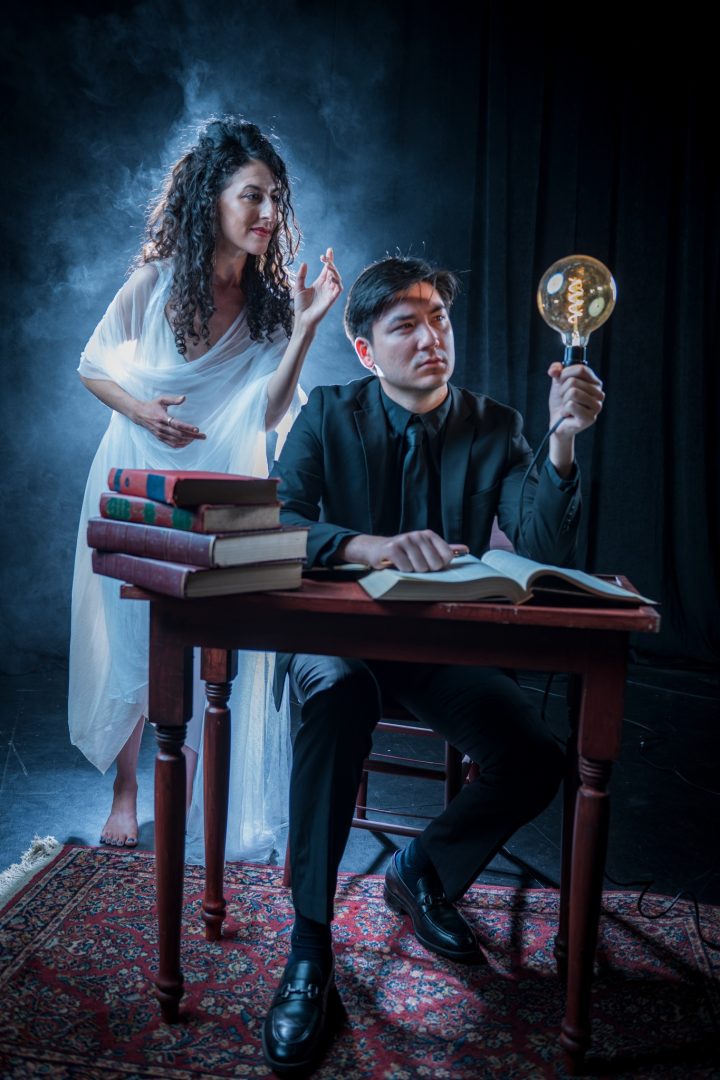
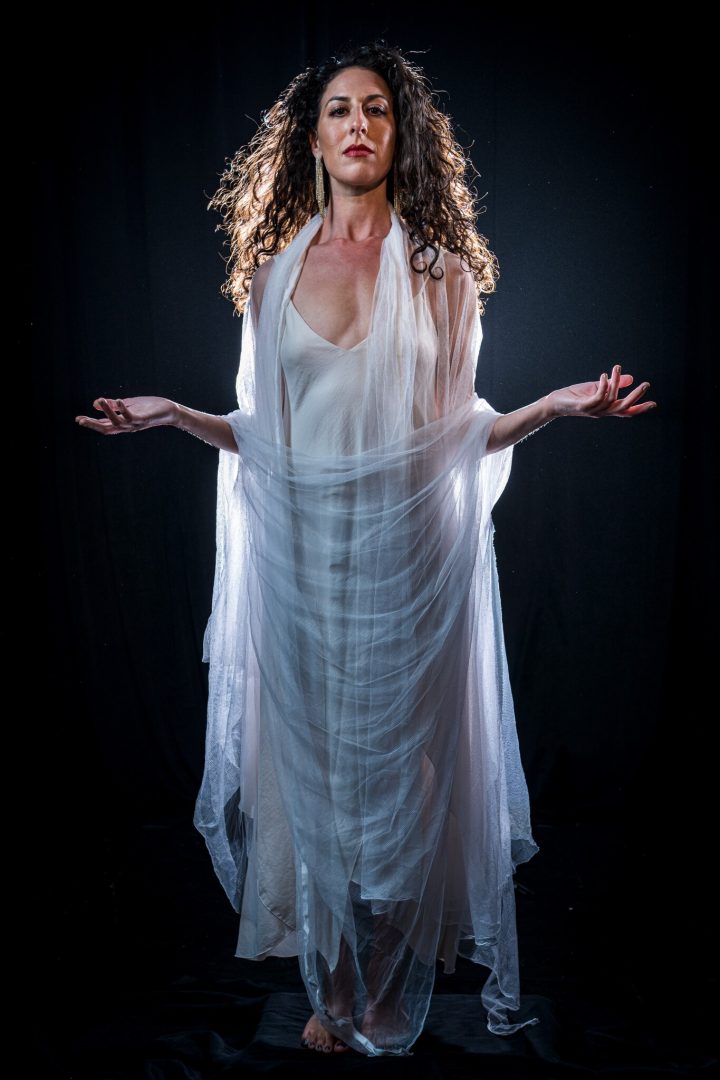
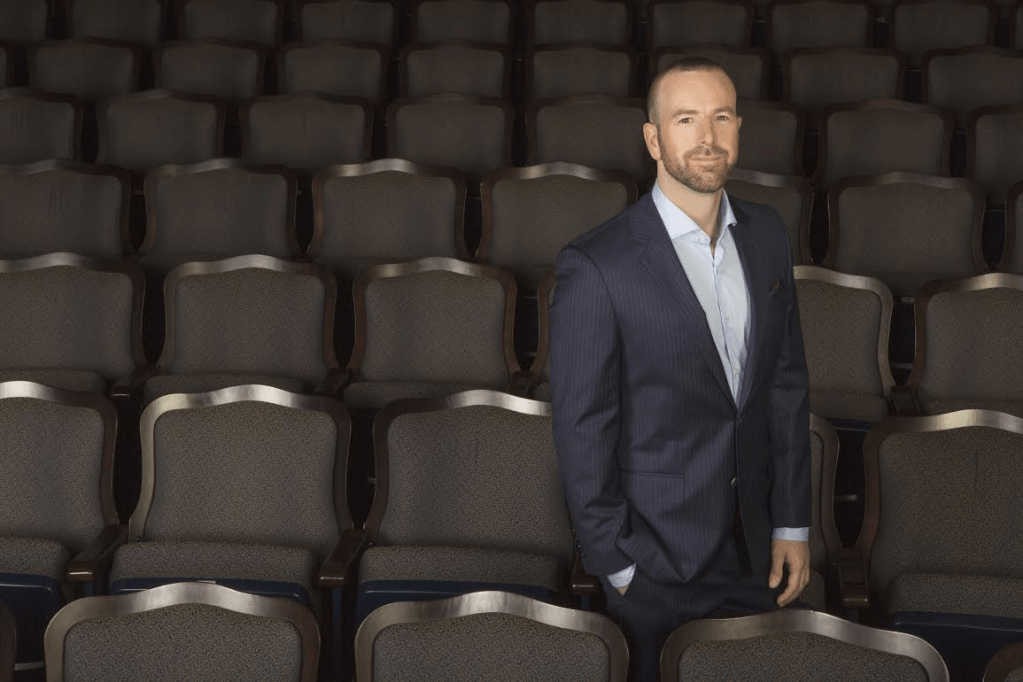

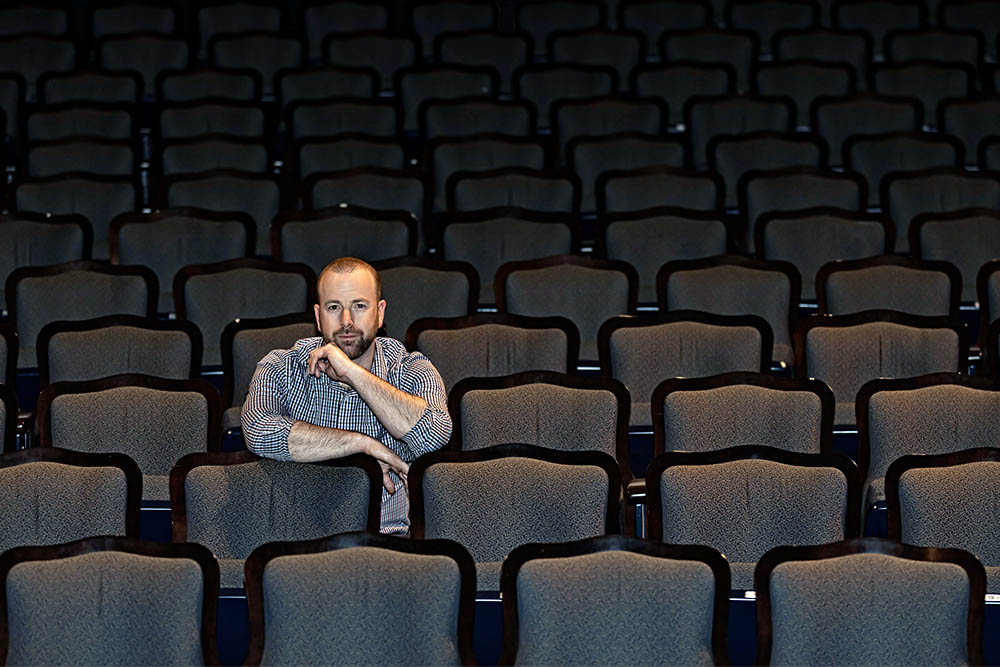




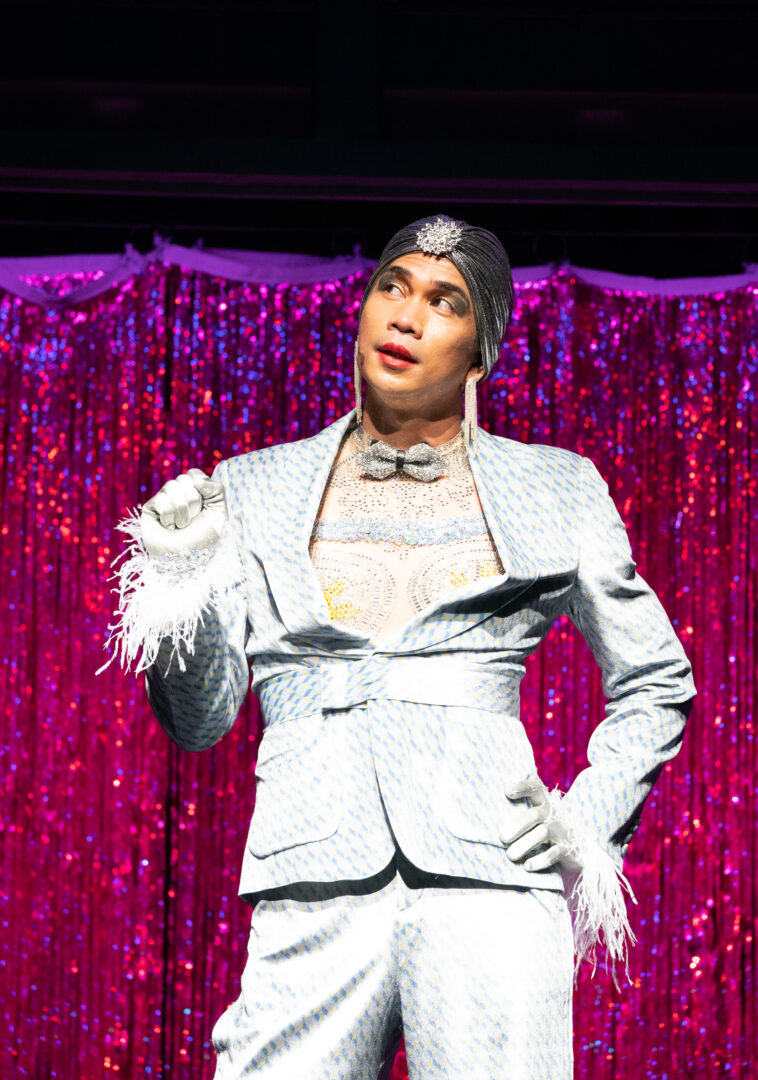
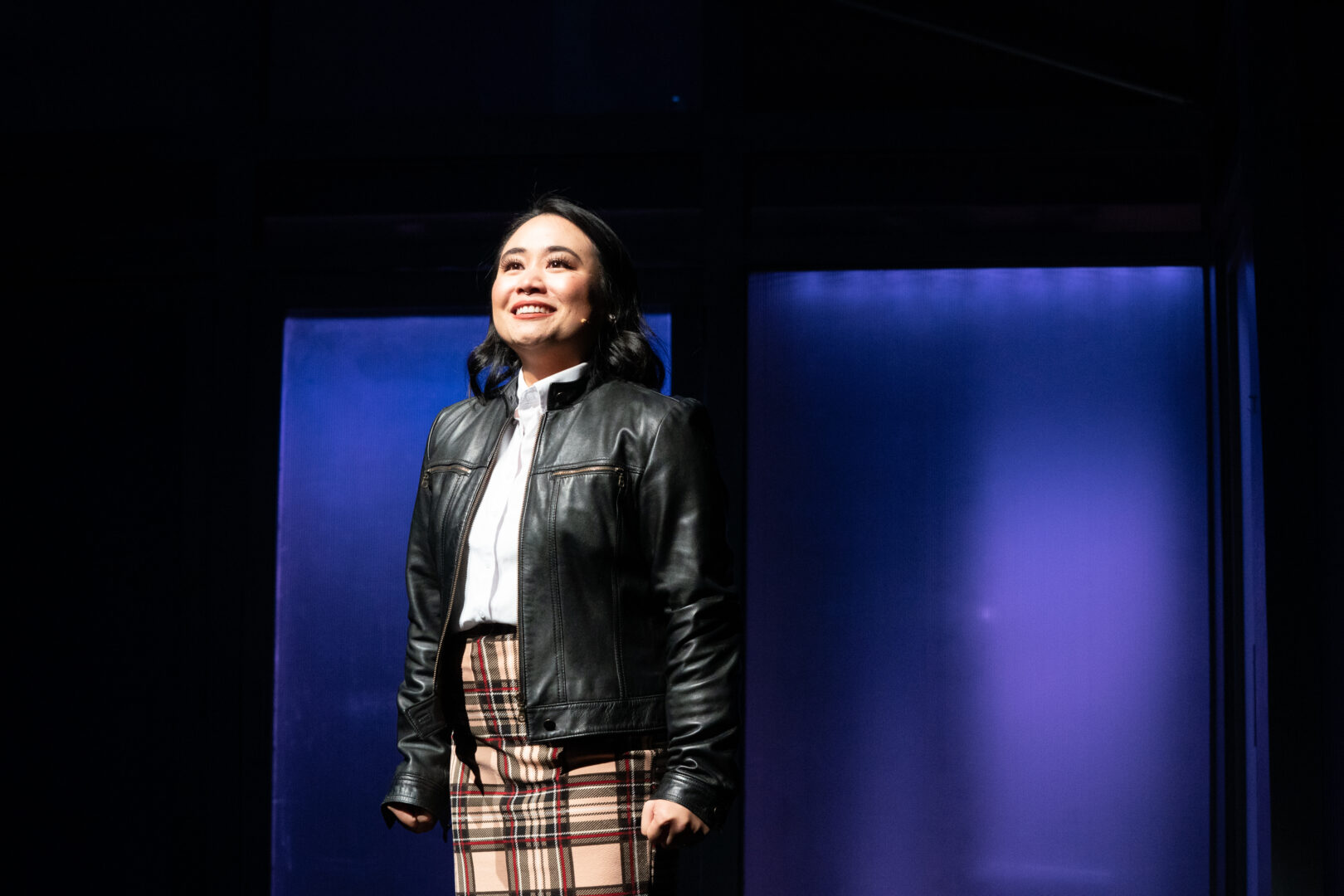


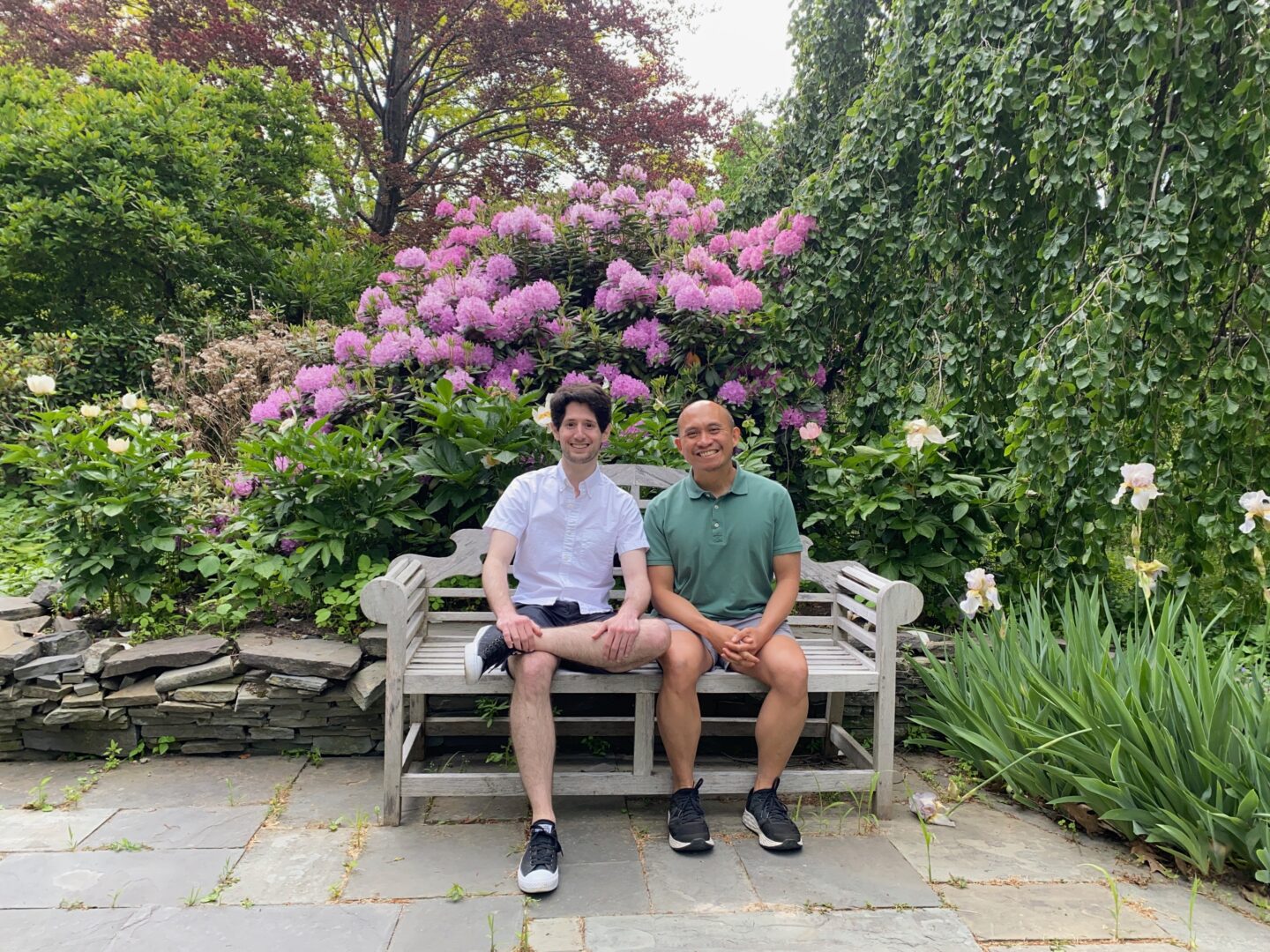
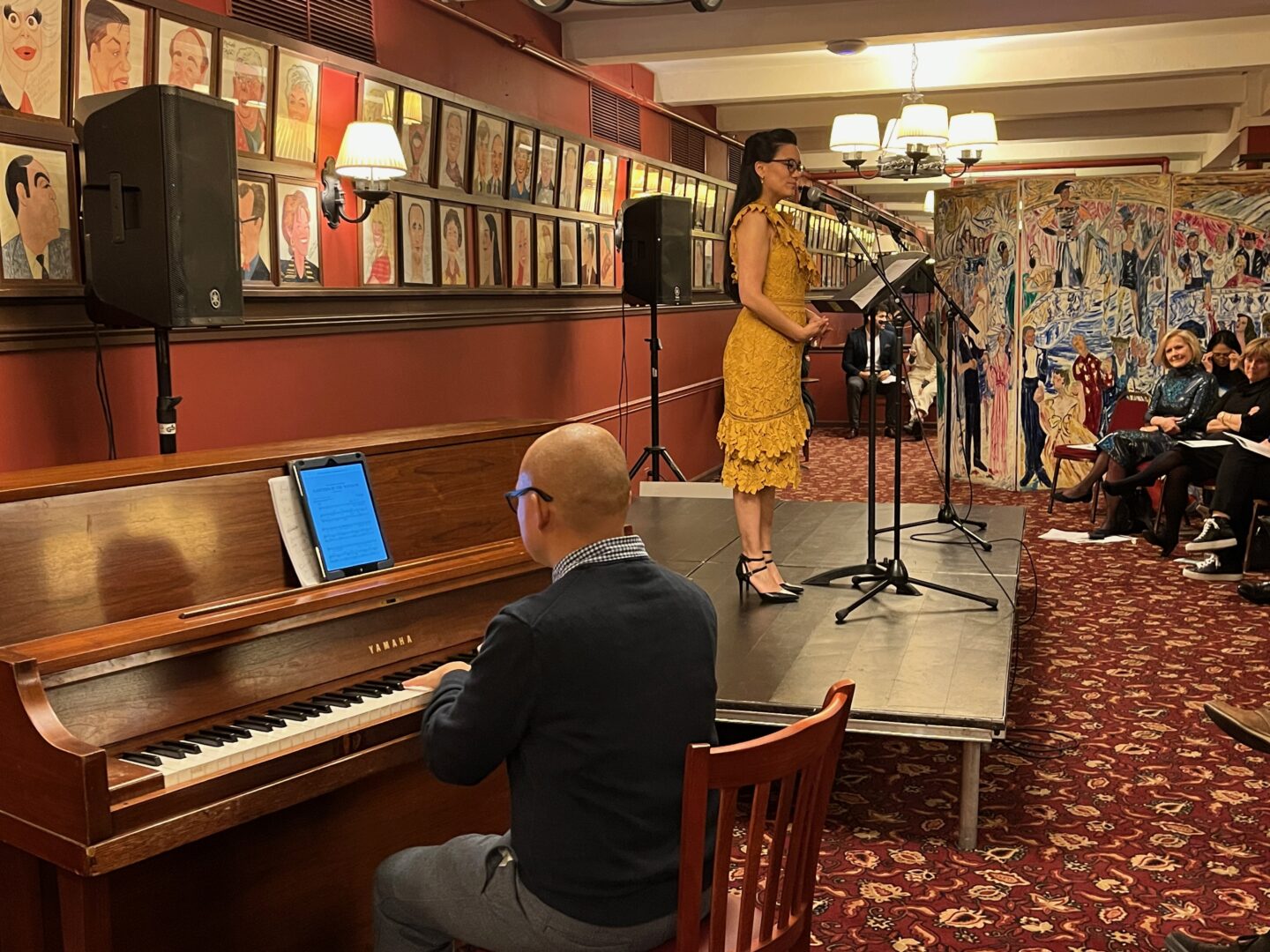
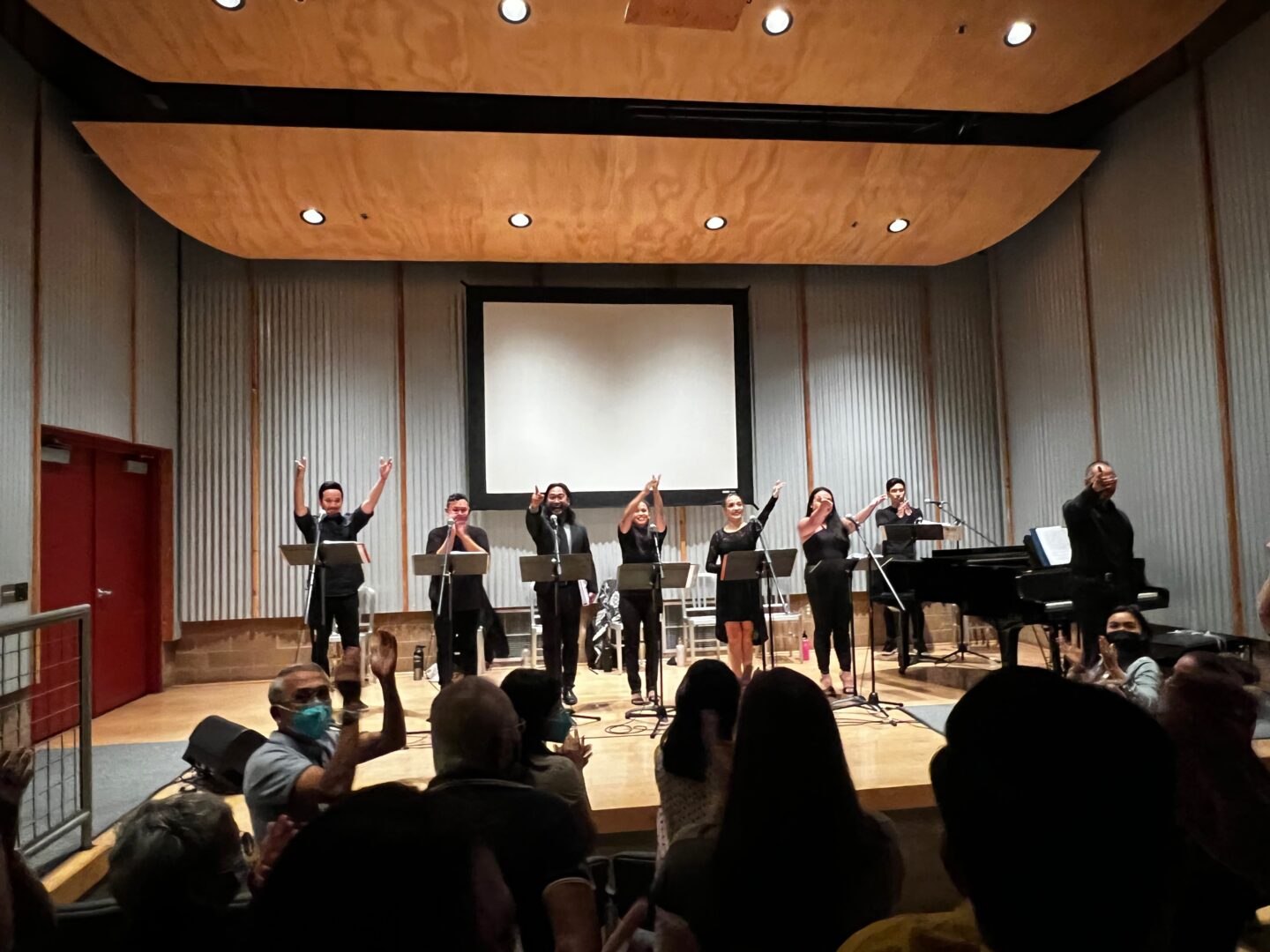
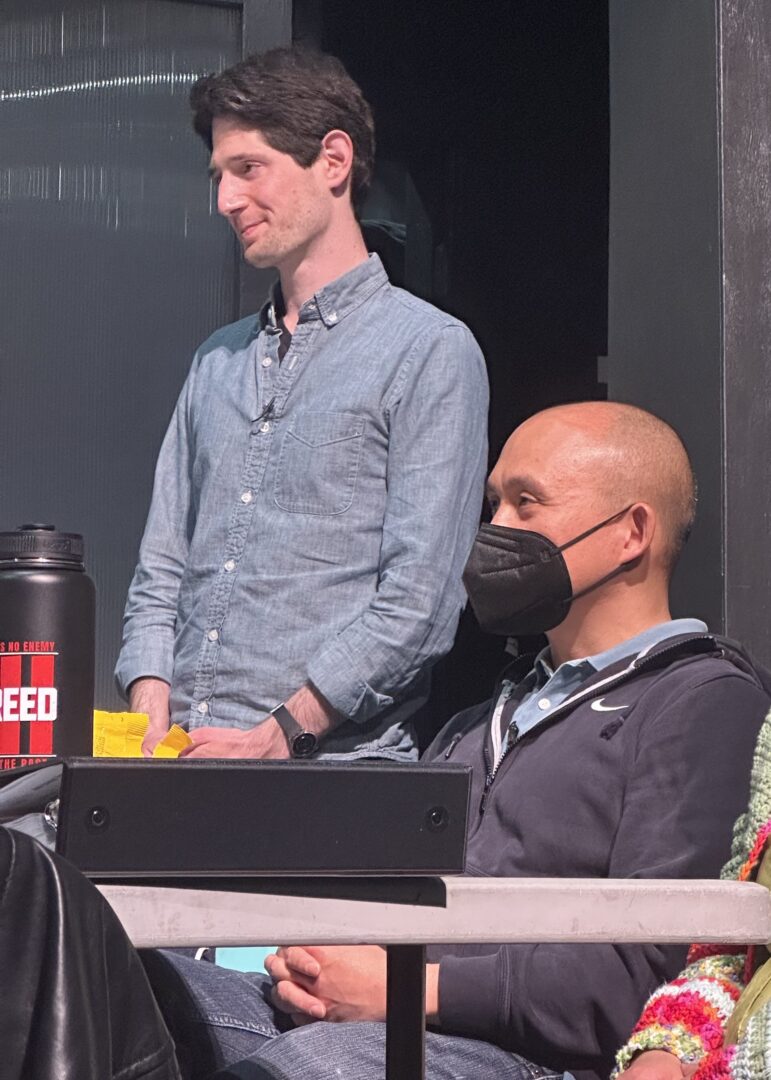
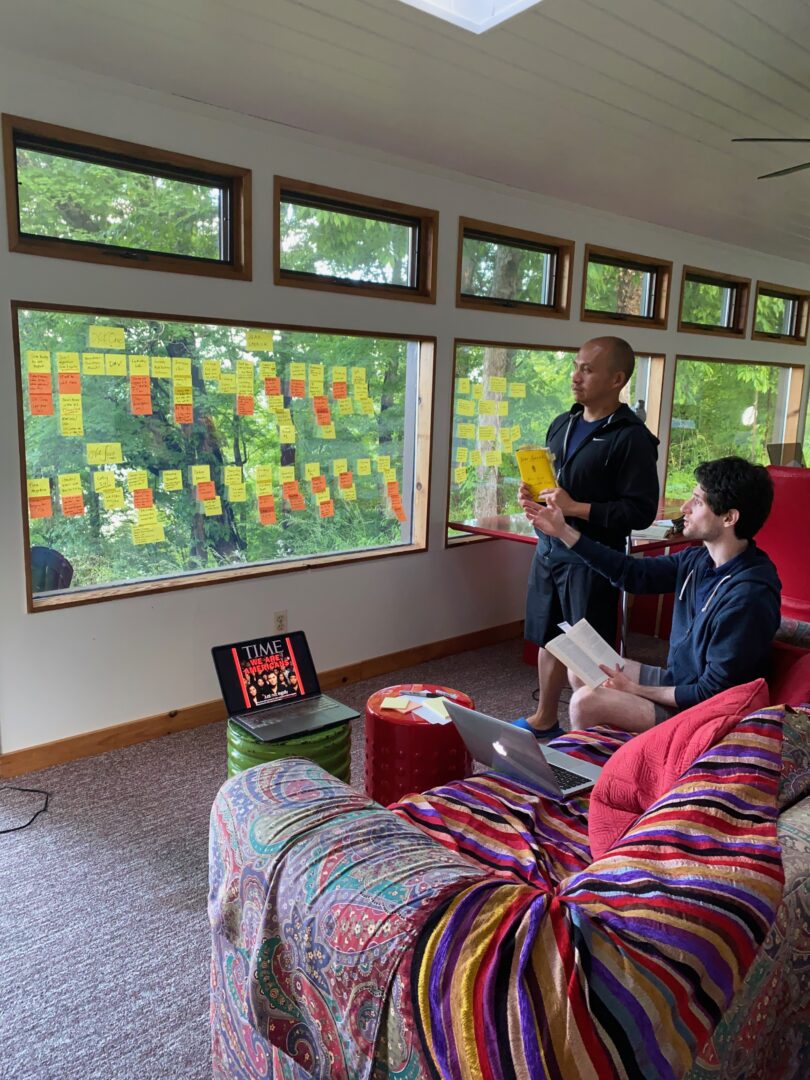
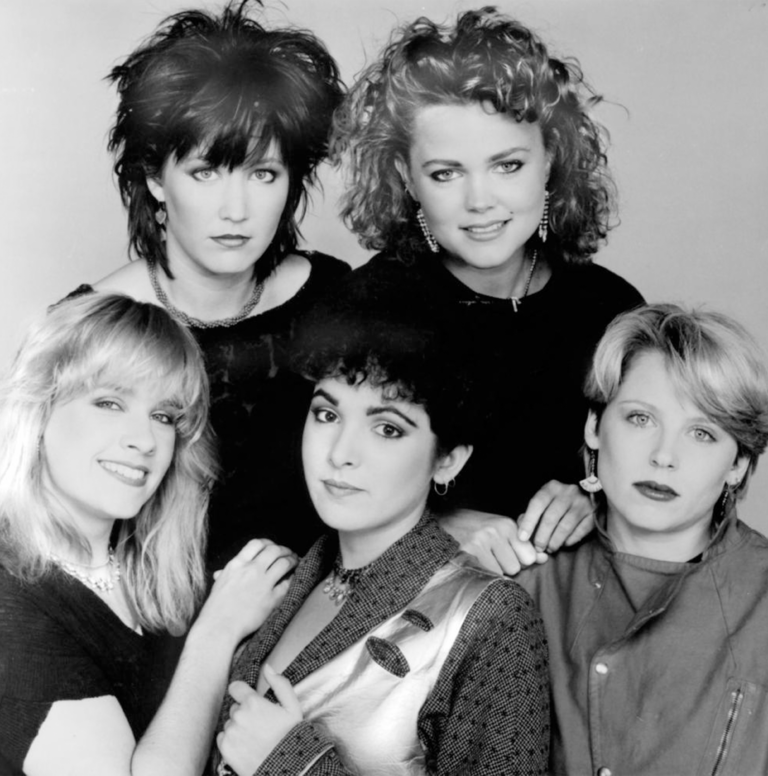
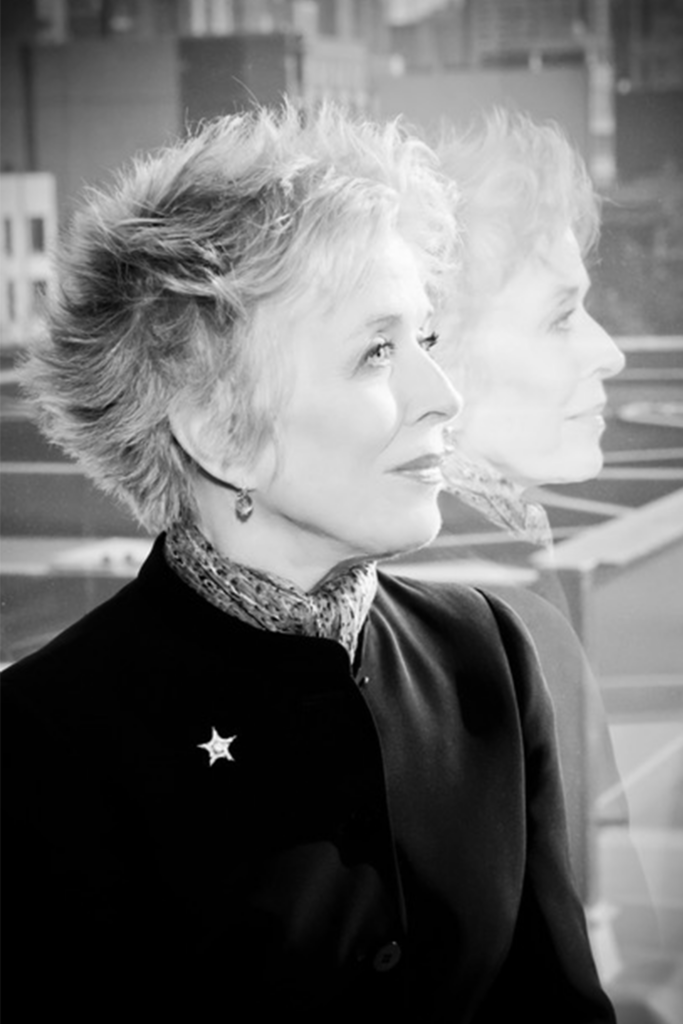
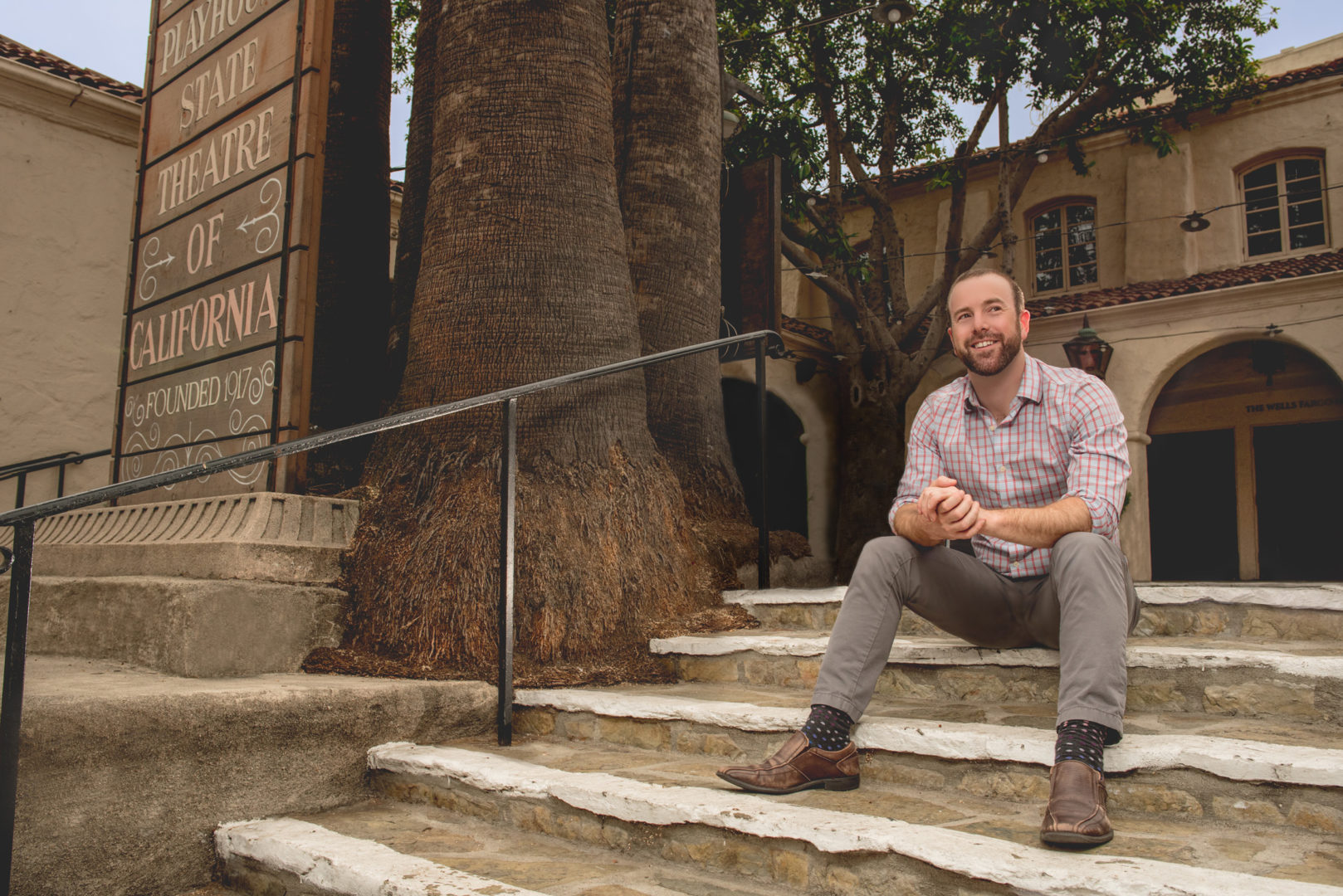
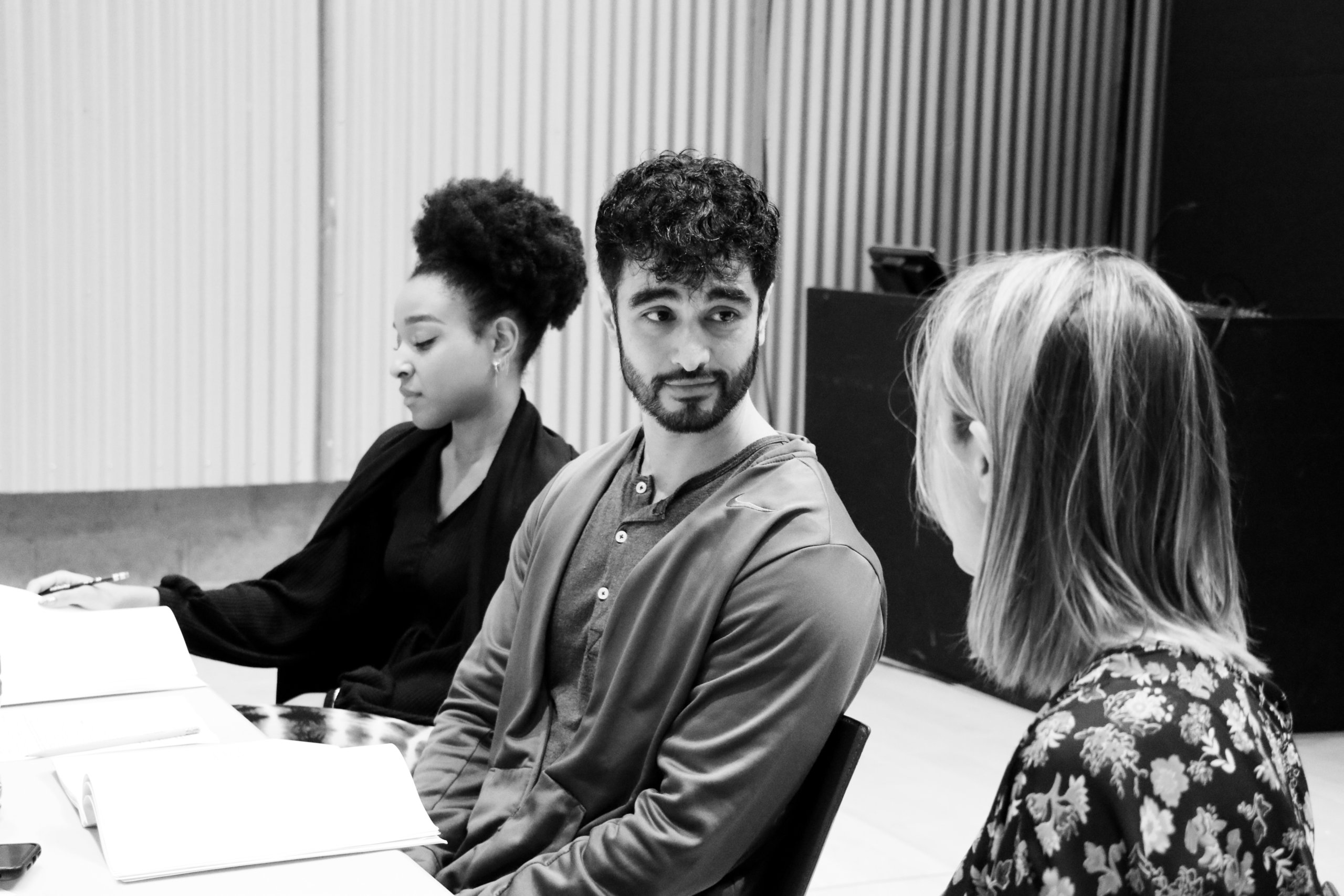
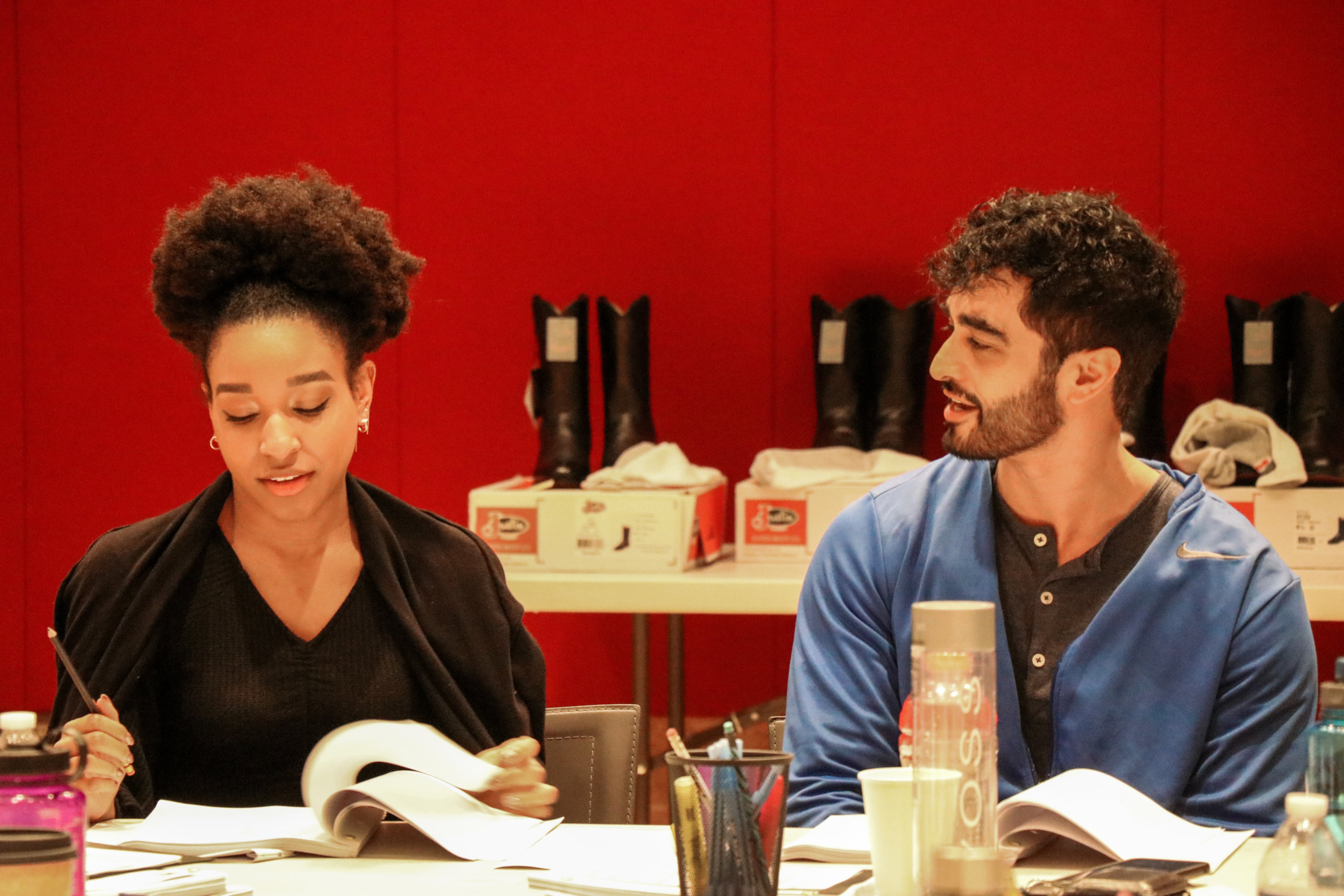
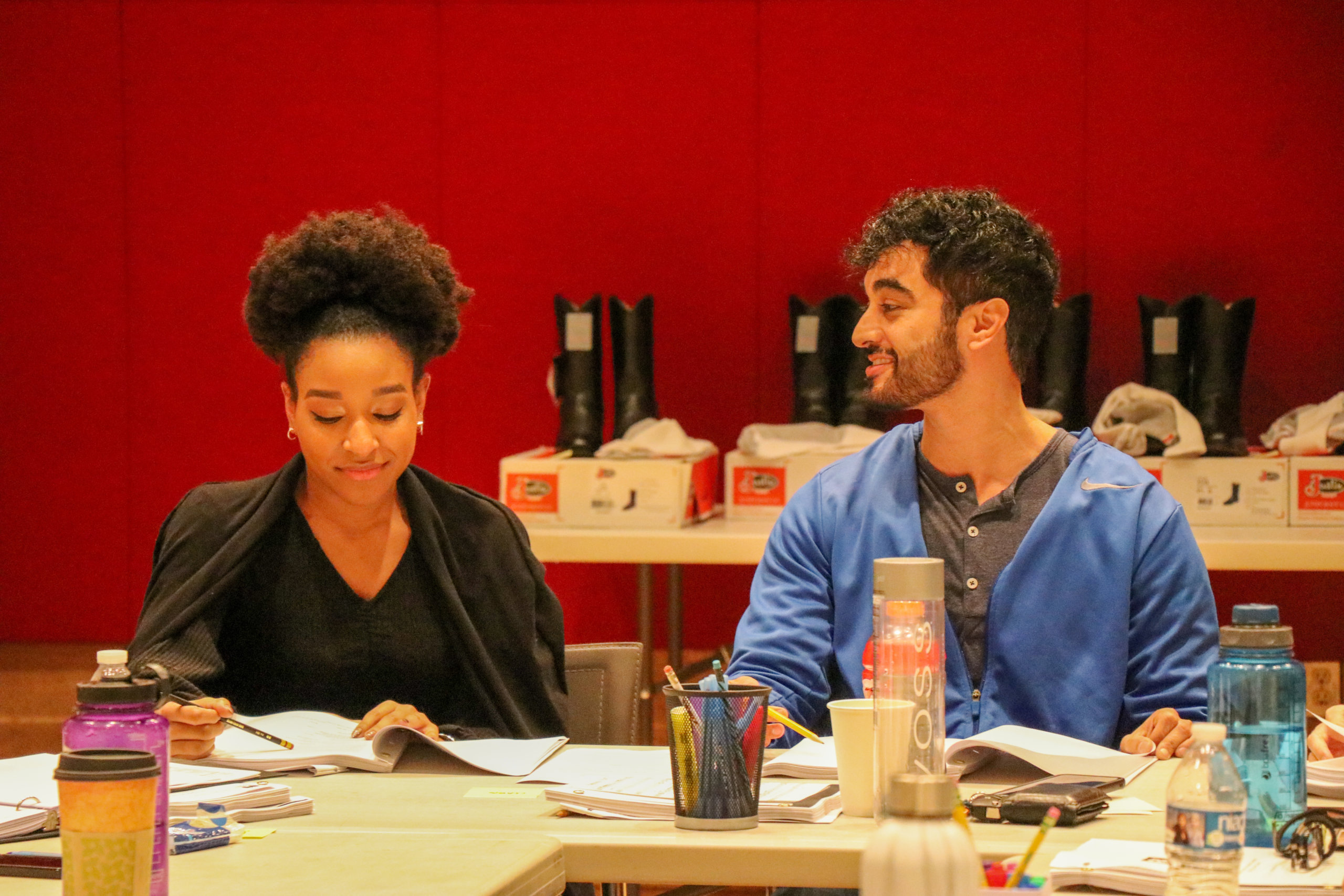
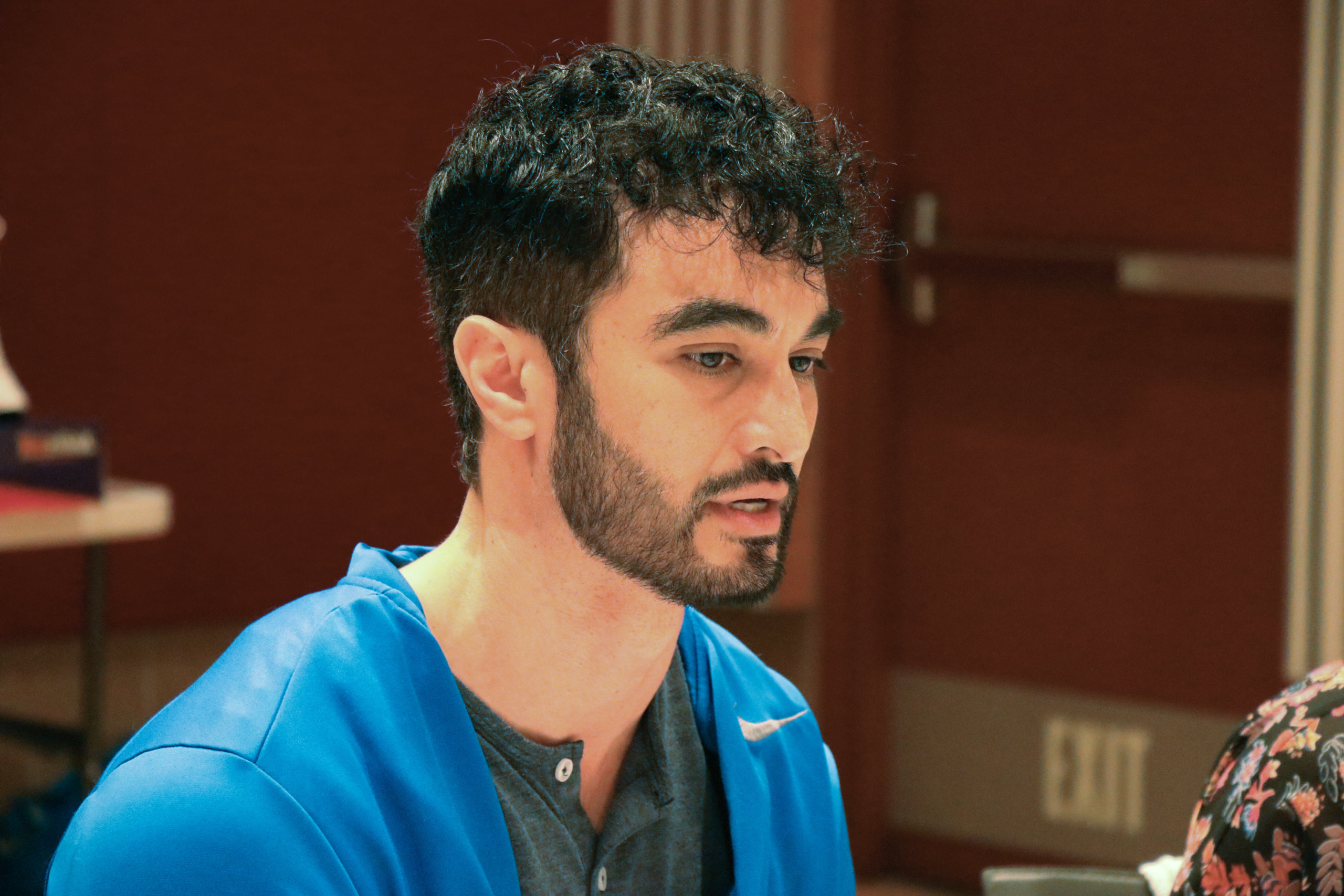
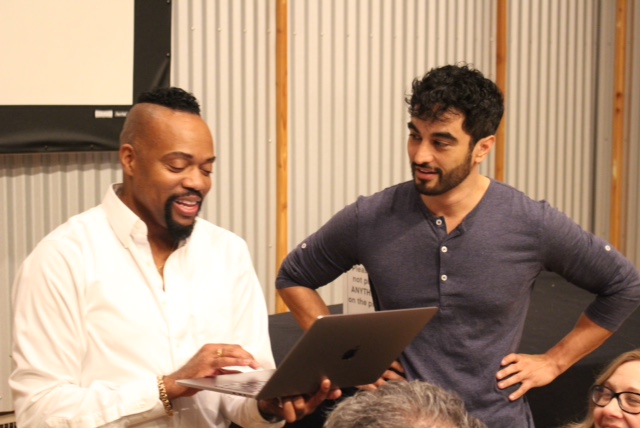
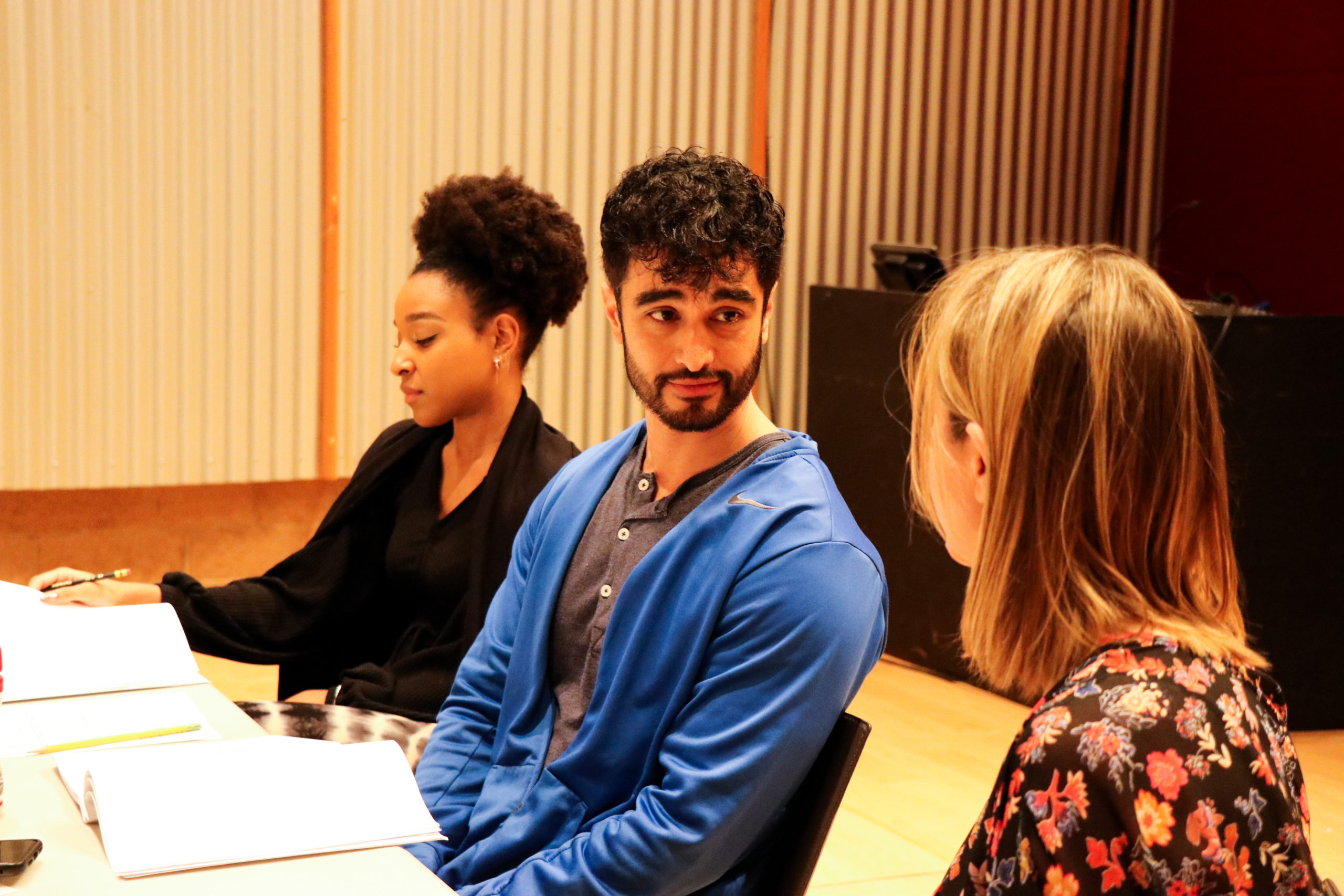
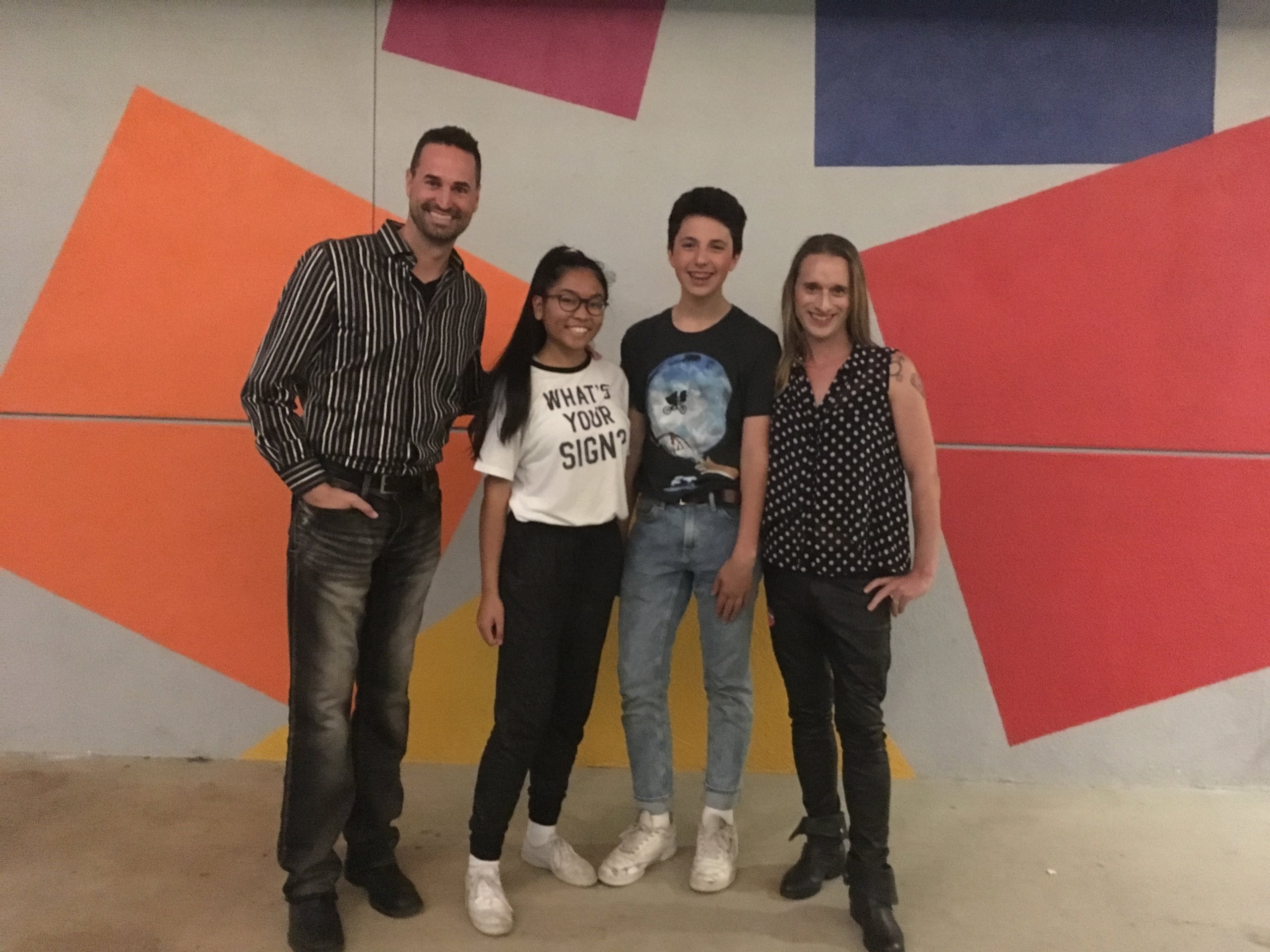
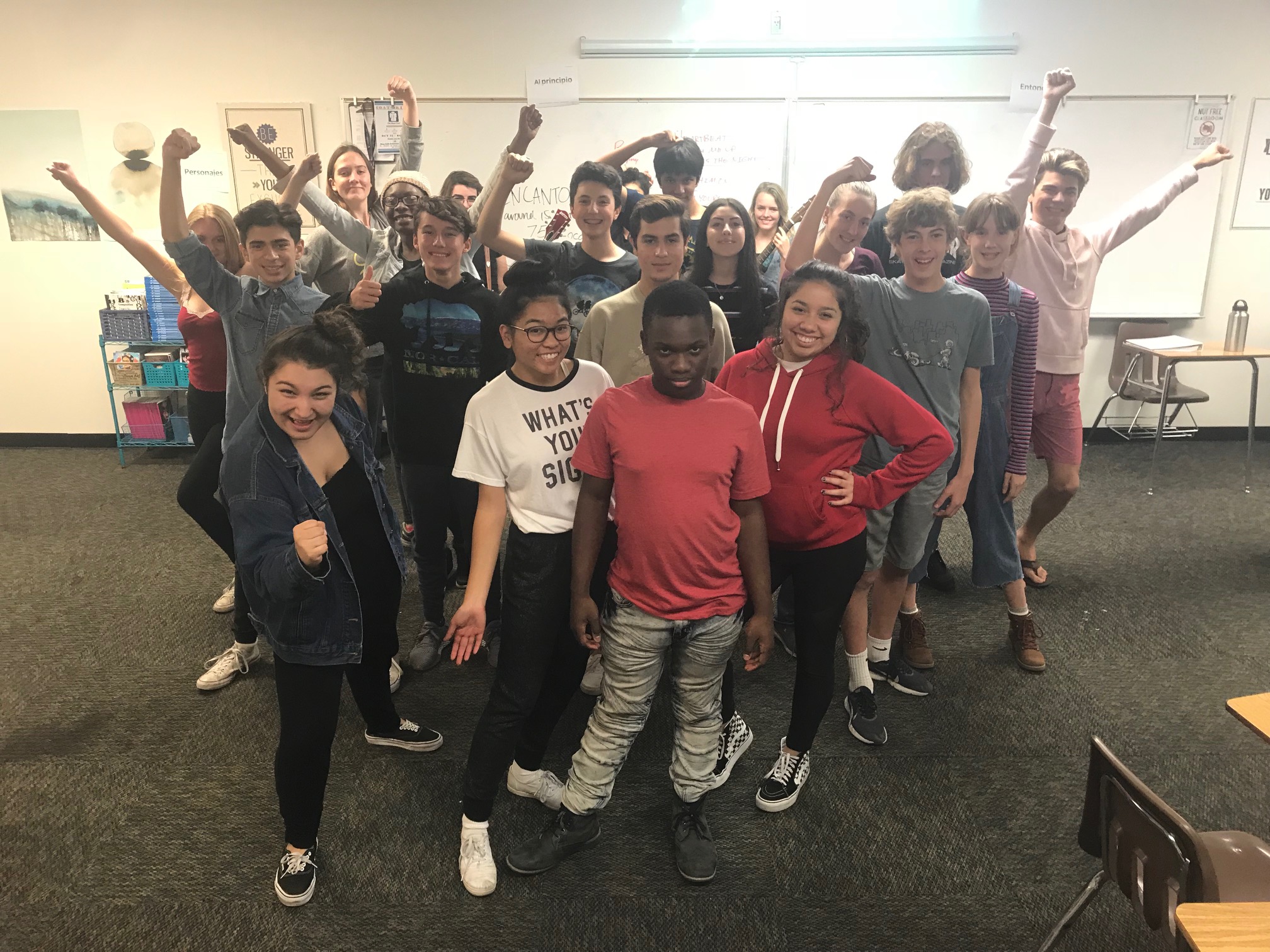
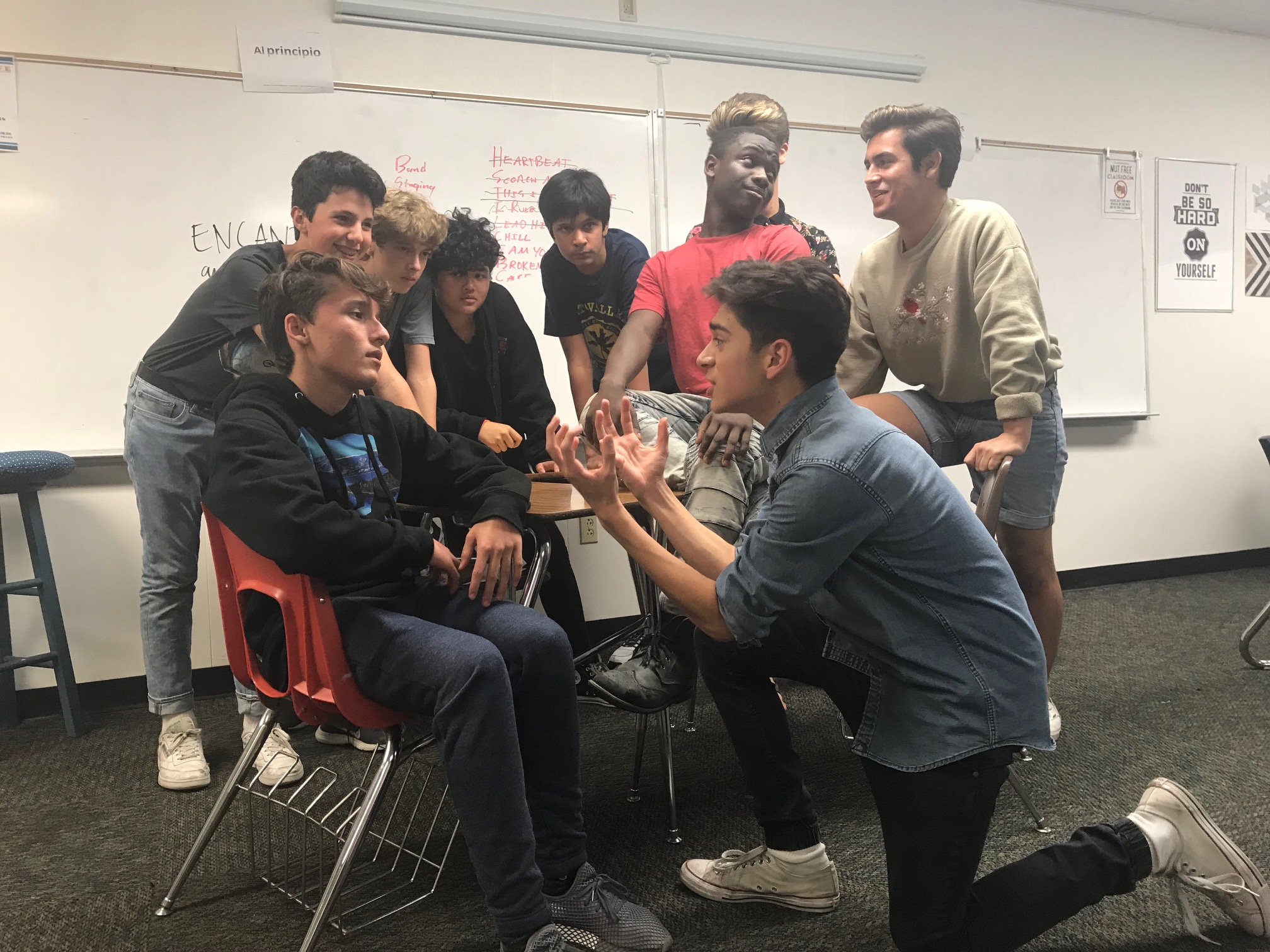
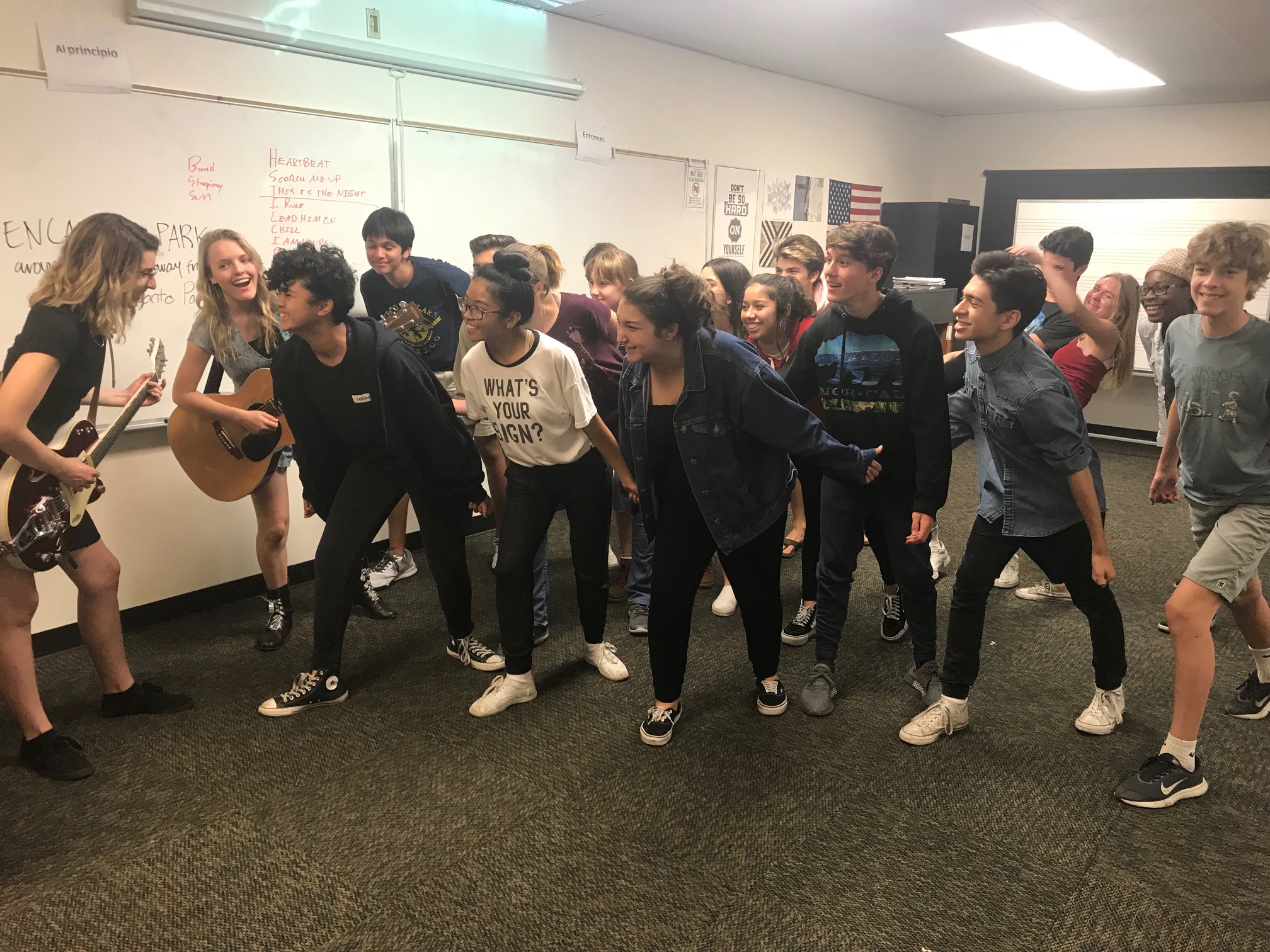

 A San Gabriel Valley Inquirer