Originally published on 22 February 2019 in the Pasadena Independent, Arcadia Weekly, and Monrovia Weekly
Make The Arboretum in Arcadia your destination for an evening of dazzling contemporary art. From February 27 to March 3, the natural landscape of this beautiful garden will serve as the backdrop for ‘Digital Nature 2019,’ an art exhibit featuring unique, site-specific artworks.
‘Digital Nature’ brings together a collection of contemporary artists who explore diverse themes – butterfly camouflage, bird songs and heavy metal, and interactive digital wildflowers. They will transform The Arboretum into an outdoor gallery of illuminated art, video, and sound installations.
Richard Schulhof, CEO of The Arboretum says, “We first presented ‘Digital Nature’ in 2016; this one takes it to the next level. The Arboretum, I believe, is a spectacular setting for art. As part of our mission, we have education programs and we connect with people with our landscapes and gardens that explore themes. Art is yet another vehicle to engage people, to inspire thought, and encourage conversation about what’s happening in our world. We want to stimulate new thinking about the natural environment, our relationship with it, and the changes that are presently transforming it.”
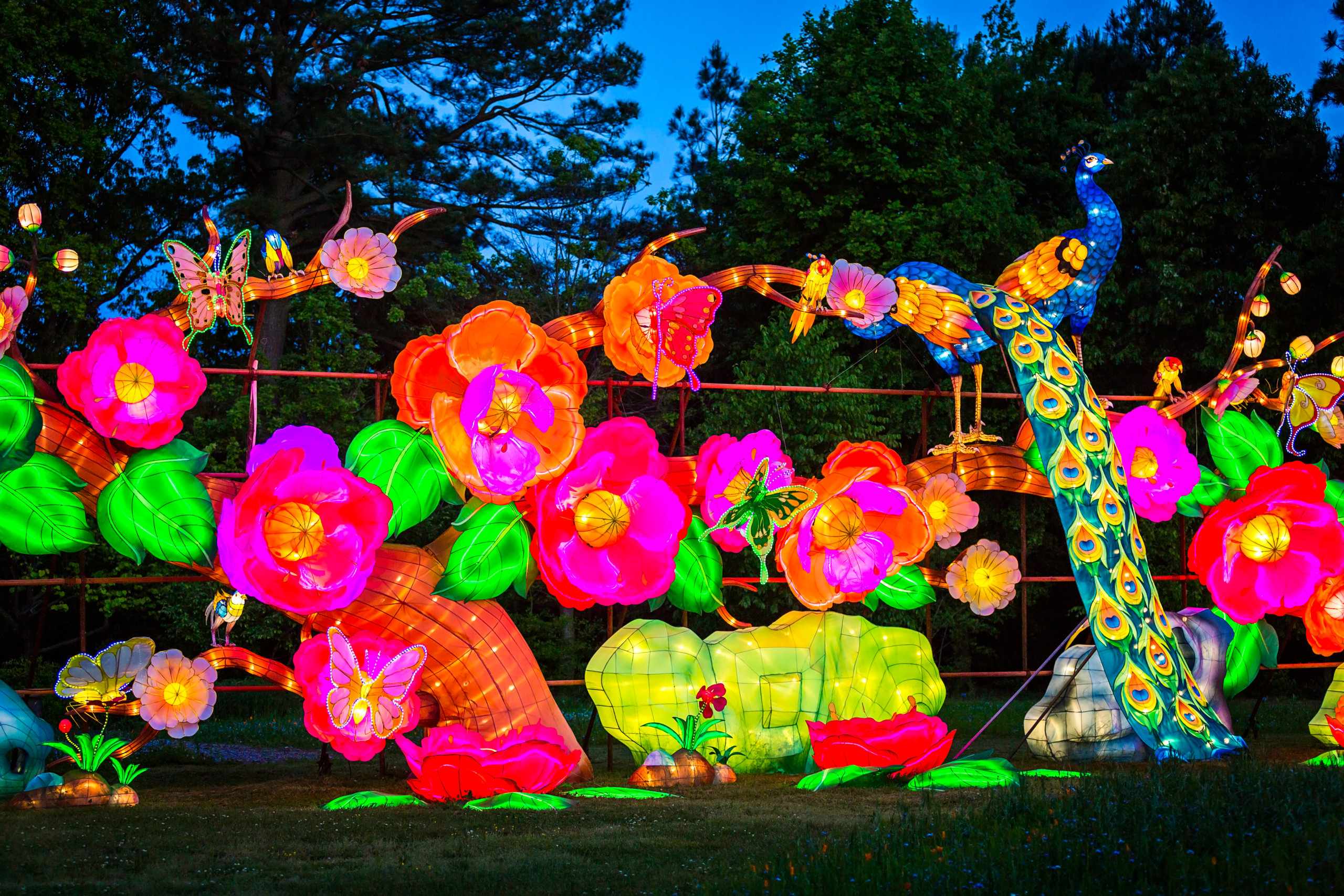
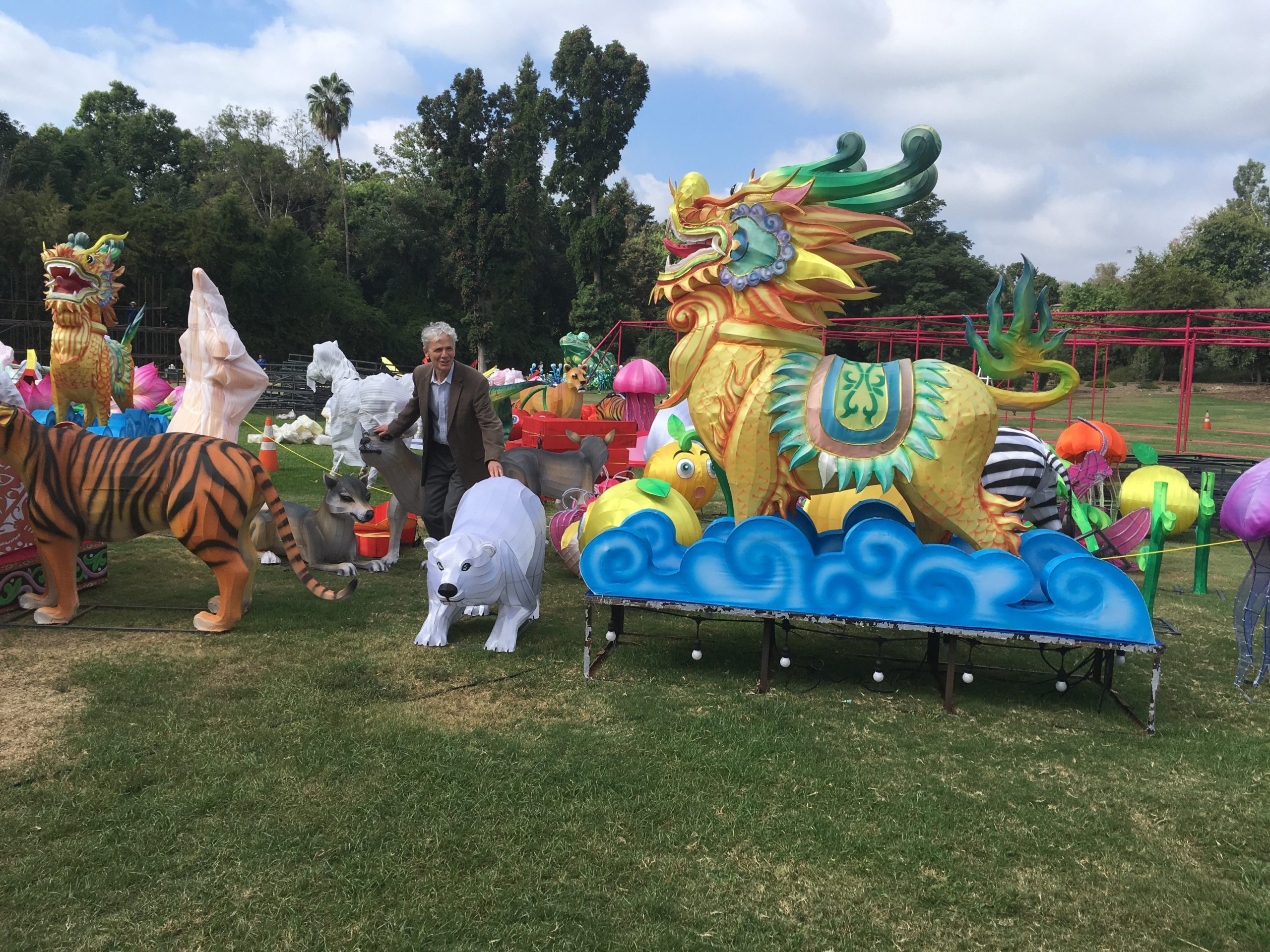
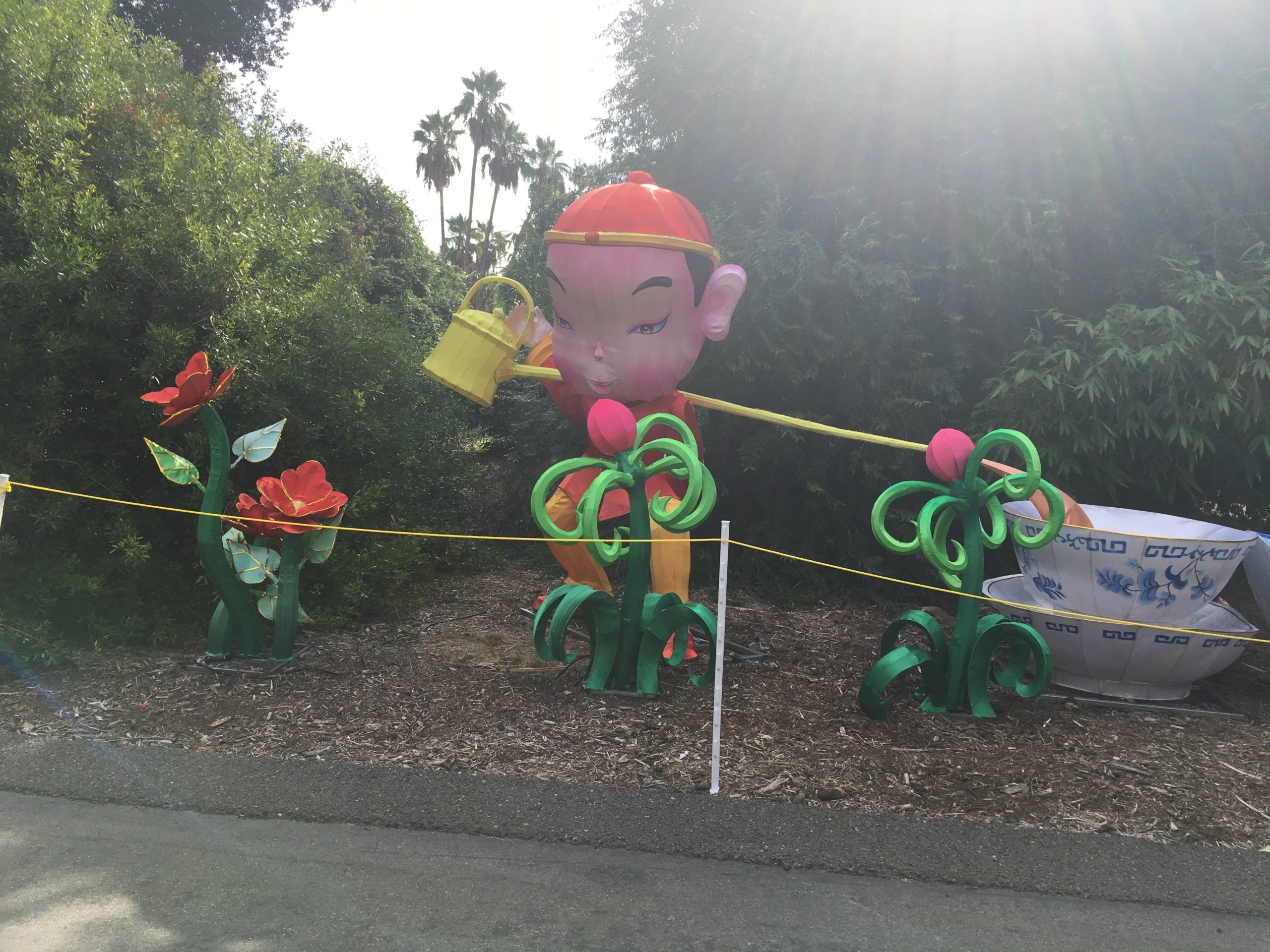
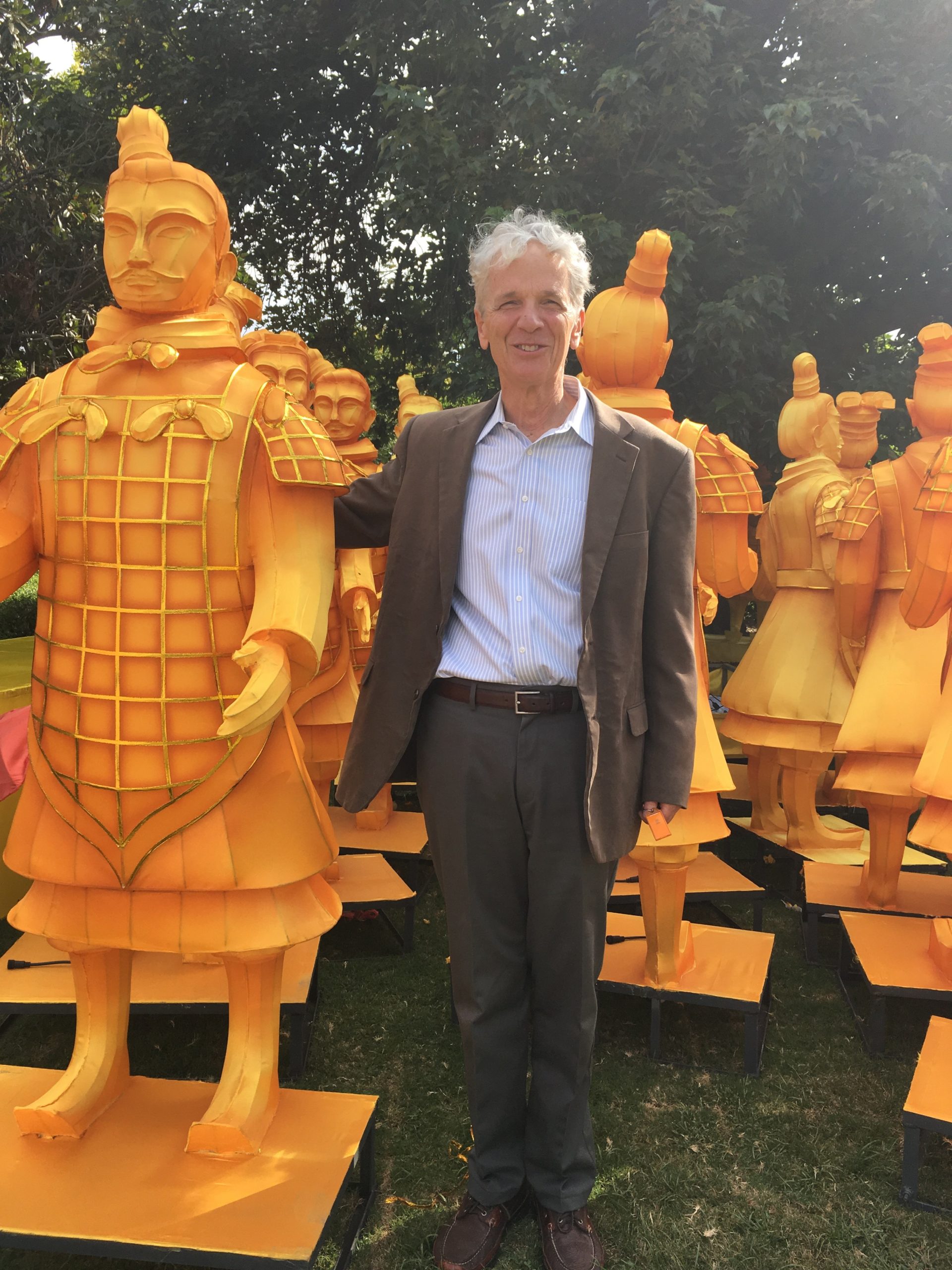
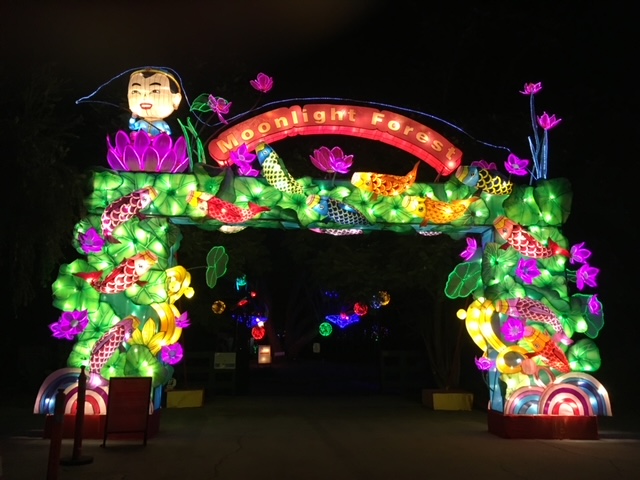
As the recently concluded ‘Moonlight Forest Festival’ proved, people enjoy coming to The Arboretum at night. Schulhof would like ‘Digital Nature’ to kindle the same enthusiasm but quickly points out the distinction between them, “This is an art exhibition – statements from artists about a variety of topics. Unlike going to a light show where you come to enjoy the beauty of visual art or presentation, like the lantern festival, this one is a more cerebral experience. These installations will be scattered along the paths so you come upon them as you walk, and in that sense it’s similar to that of the lantern festival. But whereas ‘Moonlight Forest’ was a continuous experience, each encounter in ‘Digital Nature’ is a discrete experience: it’s in its own gallery. But I would love for there to be an overlap; I would be delighted if people who turned up for the lantern festival came and enjoyed this exhibition as well.”
Schulhof declares, “We’re making a statement that art doesn’t necessarily belong only in an art gallery – it could belong in the landscape, it could be available to everyone, it could be part of our everyday experience. We want to take the art out of the museum and make it available to a much larger populace. We serve a broad community here at the Arboretum; so why not have an art exhibition that allows that community to engage with this art.
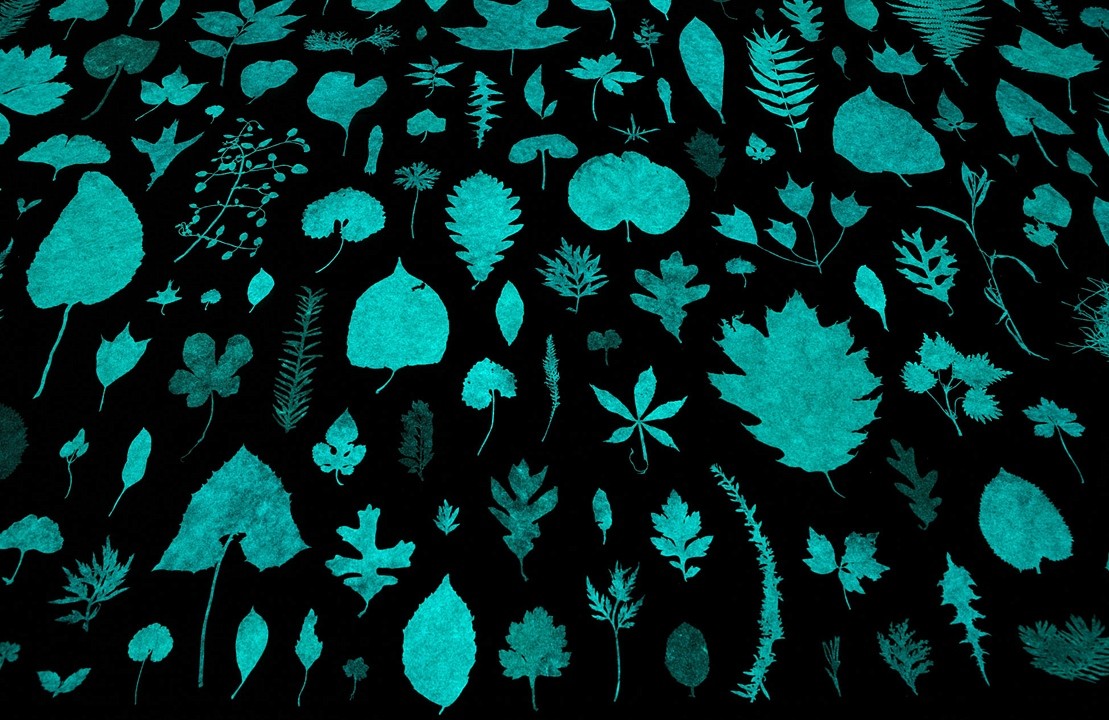
“‘Digital Nature’ is a very personal expression of the artists, which concerns an aspect of nature they find intriguing and inspiring, and they’re sharing that with us. It’s a look inside of their world. Nami Yamamoto, for instance, is fascinated by photosynthesis. She cuts intricate leaf patterns from paper she made with abaca and then embeds phosphorescent powder into the paper, so at night you’ll encounter these sheets of leaves that glow in the dark. You can see the connection with our botanical collections. It’s our way of communicating that just about every living thing on this planet thrives on this amazing ability of plants to harness energy from the sun. It’s the basis for life on earth and most people will never think about it; it’s taken for granted, it’s just a given.
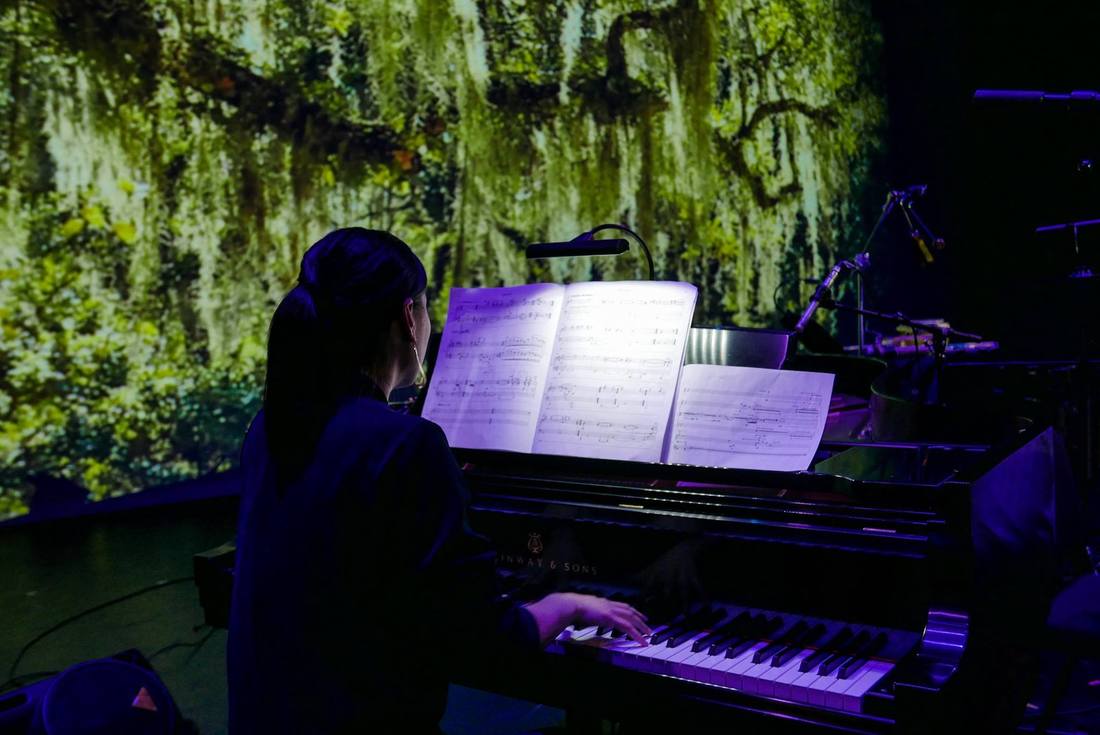
“Another example is the work of Richard Johnson and Timothy Roy which explores the relationship between two plants – the Spanish moss that colonizes the branches of live oaks. They’re an artist and a composer working collaboratively who became fascinated by the incredible biological and visual drama of these live oak trees dripping with Spanish moss. They composed a score and combined it with imagery of the relationship between the plants. Each person watching and hearing the music will have his own interpretation. Those of us who are sensitive to plants and other forms of life will have that internal experience that Richard and Timothy find transformative.”
“This has been in development for a year and a half,” relates Schulhof. “Shirley Watts, a Bay Area artist and curator, who has a special interest in botanical landscapes as a context for the public exhibition, is the visionary responsible for ‘Digital Nature.’ She realized there was a rich opportunity in juxtaposing works of art with landscape and botanical collections.”
To explain how her involvement with The Arboretum came about, Watts says, “I had done a show at U. C. Berkeley in 2013 called ‘Natural Discourse,’ which was totally unlike what we’re doing here. It had physical installations of sculptures and some poets rewrote the plant tags. Since it wasn’t an art gallery, where there was another event coming up behind it, we could do whatever we wanted. So it stayed up in the garden for six months. It was fantastic! So many people saw the exhibition, not necessarily because they were there because of it, they just came upon it. And that’s a big deal with the work that I do – taking the art out of the museum and putting it in places where there’s a large public.
“Coincidentally, after we did the show in Berkeley, I was contacted by Gloria Gerace, who is the Managing Director of Pacific Standard Time, which puts up shows in museums all over Los Angeles. Apparently, Richard had hired her to do some consulting here to explore the possibility of having art events at the garden. Gloria found ‘Natural Discourse’ online and she asked me about the work we did in Berkeley. I had met Richard before, too, and he told me that he was open to having art here at The Arboretum. So I pursued him.”
Continues Watts, “When I started working here at The Arboretum, we were looking at doing the same kind of show we did in Berkeley. But I really started thinking about what this place is – its history and its location – and realized that so many films and TV shows have been made here. So I thought why don’t we have a show of video installations? It seemed appropriate for The Arboretum.
“Once we decided to show videos, it was a no brainer, we had to do it at night. And from a financial support basis, that turned out to be a brilliant idea because The Arboretum closes at 5:00 so people had to come back to get separate tickets for the show. And tickets sales help fund the work we’re doing. It isn’t expensive, though. Tickets are $15; the highest-priced ticket is $18.
“We put on ‘Digital Nature 2016’ exhibit not knowing what to expect. We thought we would sell 500 tickets and we sold 1,500; that helped fund the project. It was an amazing experience for all the artists involved – they helped install the artwork, they were here during the show, they met each other. That kind of collaboration in a garden like this was different, something they’d never had before. That the public also showed up to see the show was just such a positive outcome for everyone.”
Asked why ‘Digital Nature’ will only be up for a week, Watts replies, “It’s funny, the other day I was in San Francisco and I was talking to a gallery owner about this show, and she said ‘All that work for only five nights?’ I really contemplated about it afterwards and thought ‘I’ve had this long career working in gardens, and yeah, it’s only five nights but that’s how things happen in gardens – its ephemeral. Right now, at home, my magnolia is blooming and I’m missing it, and that’s it for this year! Things come and go and change in gardens. For me, it’s appropriate.”

Only one artist from 2016 will be presenting artwork in this year’s ‘Digital Nature’ exhibit. Watts explains, “I’m always looking for new artists. Now I know a lot of artists, and they refer me to their friends’ works and I find people online. I also have connections to an artists’ residency in Connecticut and they have a lot of composers that go to residency. And when they send out their emails I go through everybody’s work. For this year’s show, I found these young composers who wrote a piece about Southern oak trees – one of them wrote the chamber music and the other made a video that goes along with that. Unfortunately we won’t have live chamber music but we’ll show the recording and the video under an oak tree. All the installations have a connection to the place they’re at.”
Watts says she didn’t have specific sites at The Arboretum in mind beforehand, “I mostly found the artists I wanted to work with – sometimes they have existing work, a few of them are still making new work now – and I had conversations with them. We have 18 or 19 artists for this sow, but some of them are collaborating. Most of them are local but some are from out of state; one is from Chicago, the composers are coming in from Michigan, another is from Philadelphia. Once I had a group of artists together, that’s when I spent some time at The Arboretum to decide where the pieces are going.”
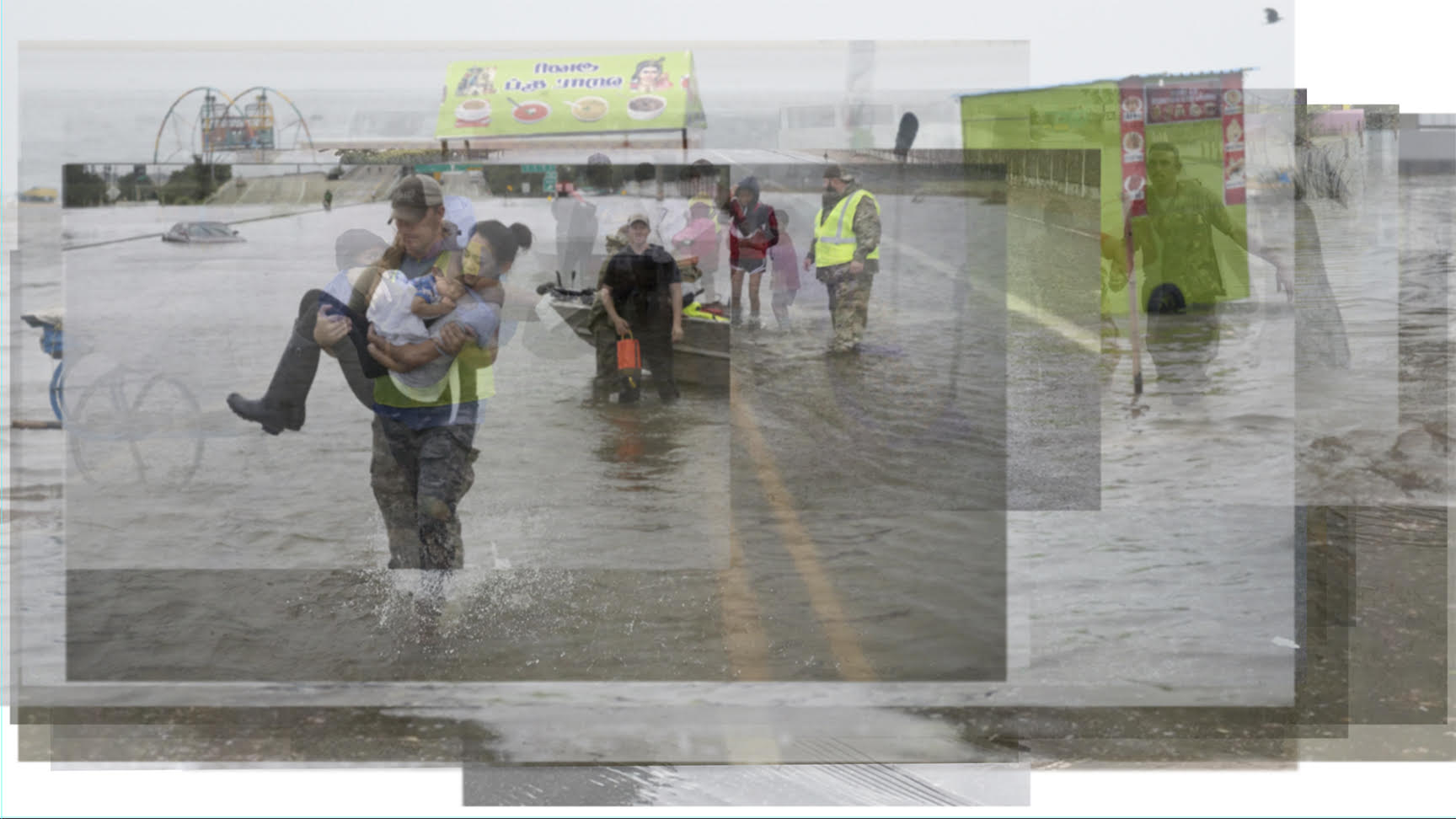
“The show isn’t touring; its site-specific work,” clarifies Watts. “While the pieces can go places, they were brought together to be in this show, in this place. For artists it’s an opportunity to show their work; it’s difficult to find places where you can find an audience. However, some artists we have in ‘Digital Nature’ are pretty well known. Brigitte Zieger, who’s from Paris, is one whose work has been displayed around the world. LACMA owns an art piece of hers. We’re showing one of her works which we’ll be projecting onto two walls by the front fountain. She and the other artists participating in this exhibit get the chance to see their work in a completely different setting.”
Schulhof underlines ‘Digital Nature’s’ more pressing significance, “There’s so much focus right now on changes that are occurring in our natural environment around the world – global warming, the introduction of invasive species, increasing urbanization. I think there is a cascade of environmental shifts because of climate change. While that’s not the sole emphasis of this show, it’s an important focus. To bring art into the landscape where you can have an artist make a statement juxtaposing with the botanical collection here at The Arboretum is an incredibly opportune occasion. ”
That ‘Digital Nature 2019’ transpires and culminates in five nights underscore the fleeting nature of blossoms in our environment, as Watts points out. The installations are a reminder that we need to appreciate the inherent wonders around us and recognize that we have to play an active role in preserving them for future generations.
 A San Gabriel Valley Inquirer