Exploring Lombardy, Italy, in Four Days

Also published on 5 October 2026 on Hey SoCal
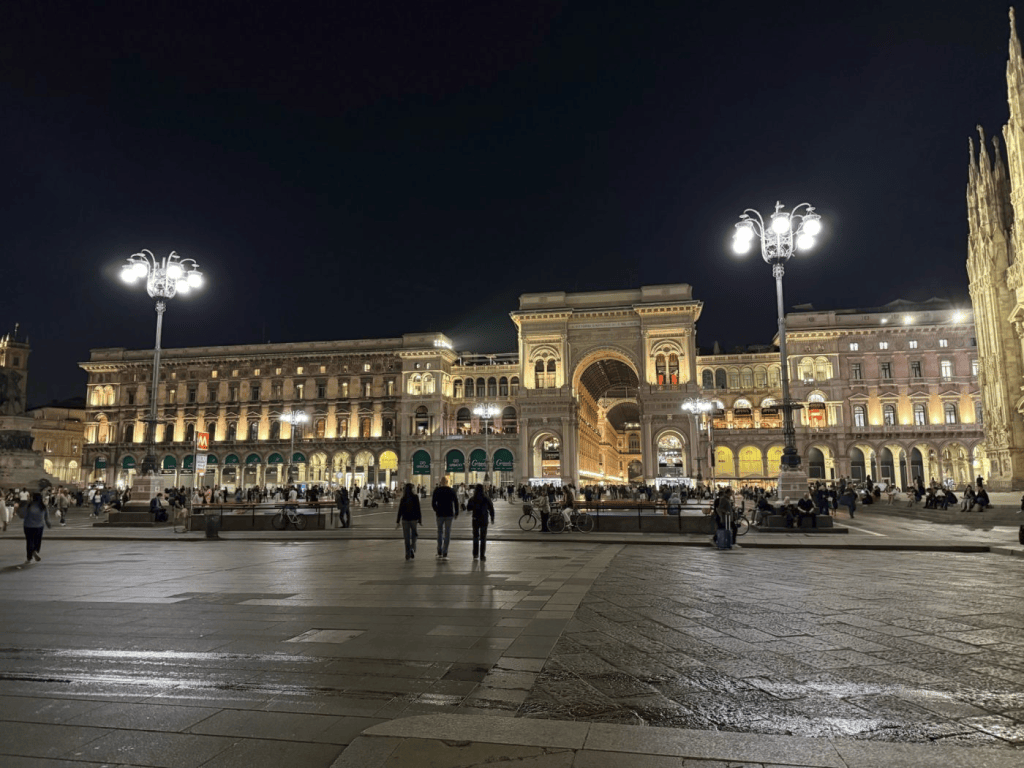
The Galleria Vittorio Emanuele II at night. | Photo by May S. Ruiz / Hey SoCal

Italy consistently ranks as one of the top travel destinations in the world and one of the most visited countries globally. I have had the pleasure of touring some of its most popular cities once – Siena, Florence, Rome – and Venice twice. While I had no immediate plans to visit again, I didn’t hesitate to accept an invitation from my niece to attend her wedding last month at the historic Villa Mapelli Mozzi in Casatenovo in the Lombardy region.   

Accompanied by my daughter and her husband, I flew from LAX to Milan via Frankfurt as there’s no straight flight. We arrived in the afternoon one day before the event in late September and stayed at the villa – an 18th century aristocratic estate in the rolling hills of the Brianza region, which sits between Milan and Lake Como at the foot of the Alps.
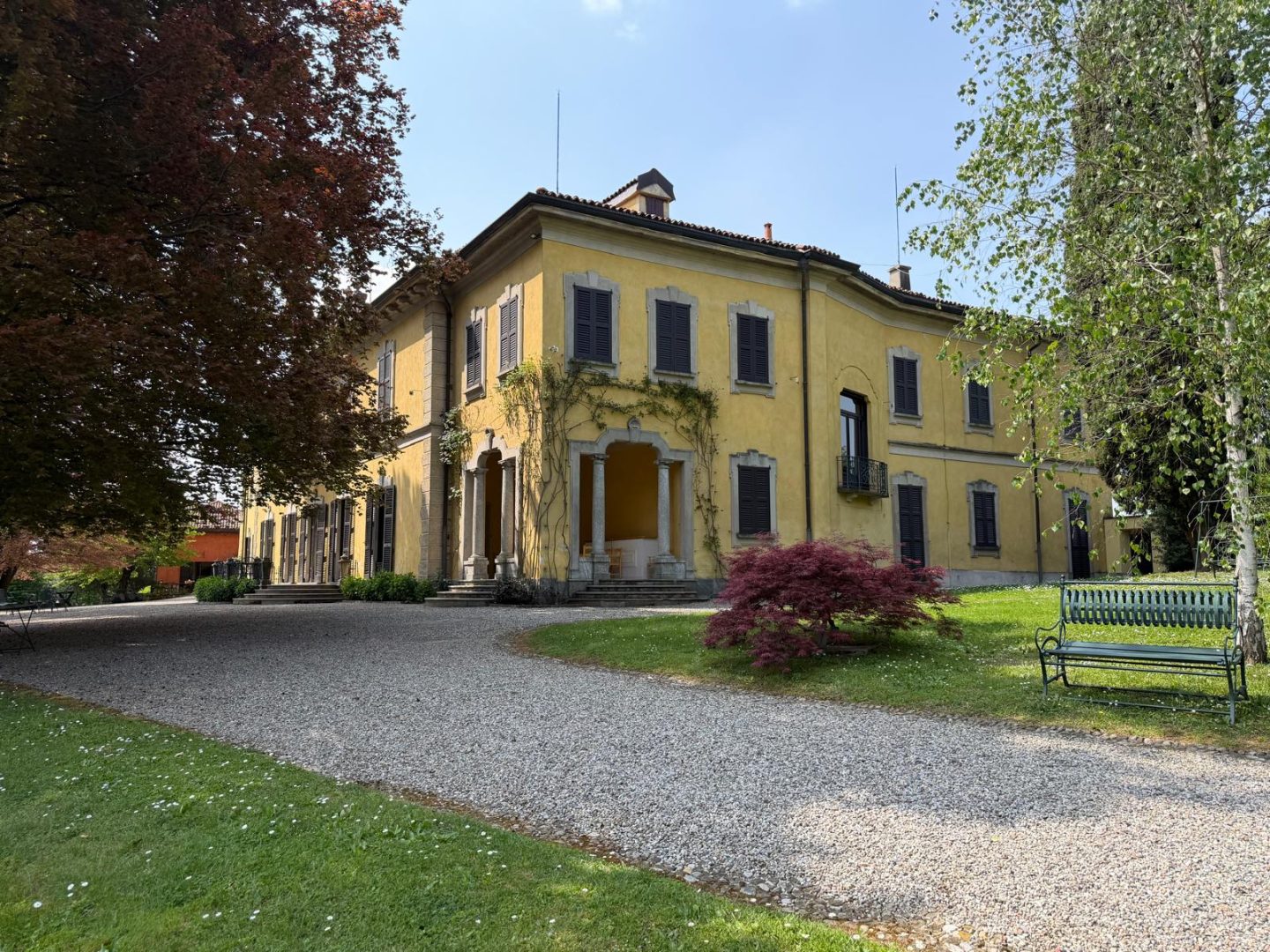
The Villa Mapelli Mozzi in Casatenovo. | Photo courtesy of Anne Morel

Villa Mapelli Mozzi is renowned for its architectural history and its connection to the Mapelli Mozzi family, whose prominent modern descendants include Count Edoardo Mapelli Mozzi, husband of Princess Beatrice.

Four grand reception halls and two libraries grace Villa Mapelli Mozzi’s lower level, which has direct access to the gardens. The interiors feature traditional Venetian terrazzo and antique oak wood floors and many rooms retain their original fireplaces. The ceilings are detailed with lavish period stuccowork.
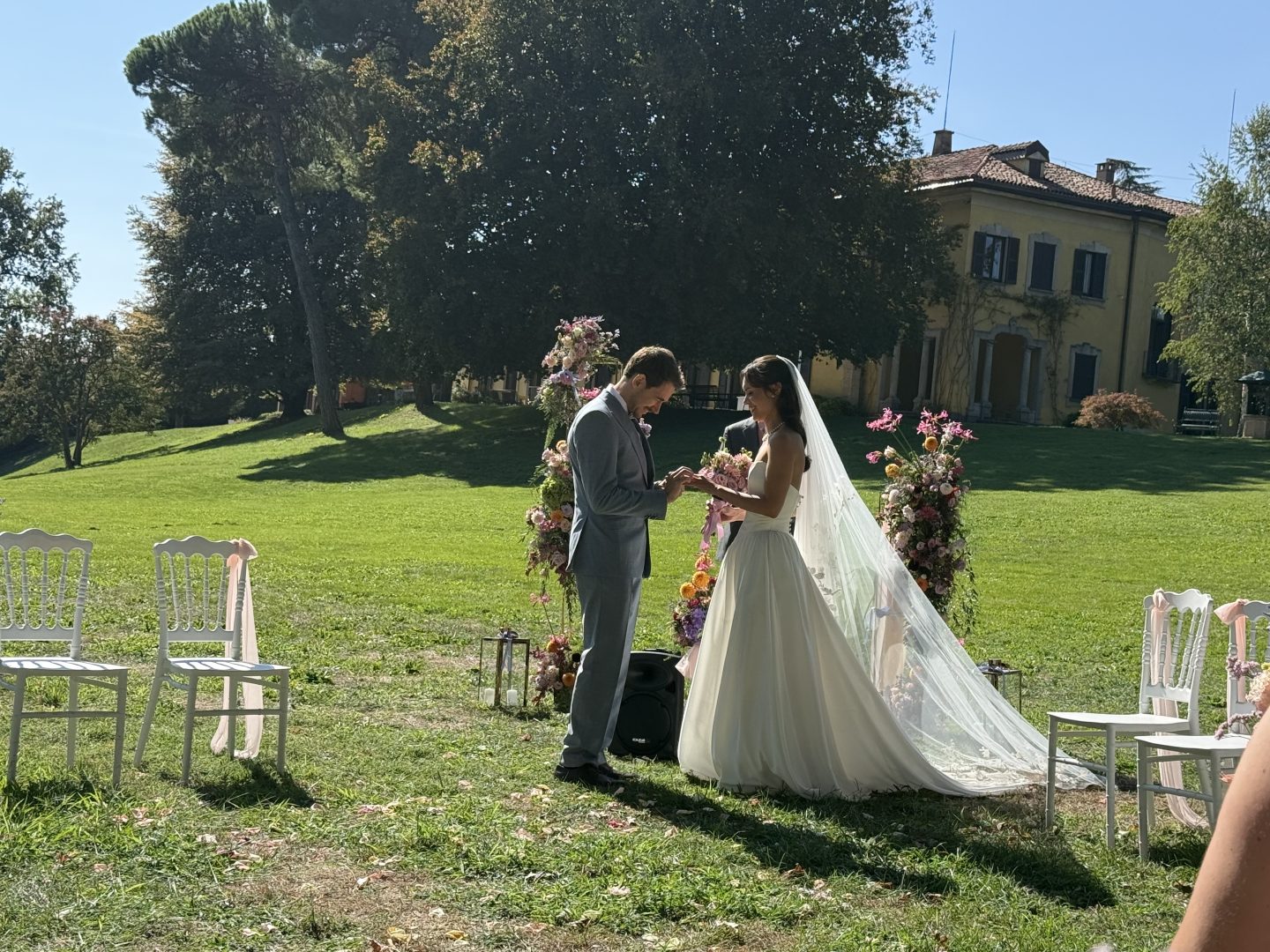
The bride and groom exchanging wedding rings. | Photo by May S. Ruiz / Hey SoCal

A grand main staircase opens into an exquisite upper gallery. The second level hallway connects bedrooms which overlook 4.5 acres of English Park. The lush lawn features century-old trees and manicured paths. A large outdoor swimming pool blends the villa’s Old World stateliness with modern lifestyle amenities.

After a bit of rest from our 12-hour flight and the hour-long car ride from Linate airport, we joined the other guests at the courtyard for an olive oil tasting. It was conducted by a British olive oil sommelier, or oleologist, who asked us to sample four different kinds – ranging from the ultra-premium olive oil to the supermarket quality. It seemed that the better variety was the one that was spicy and made you cough. Most of us at our table agreed we preferred what we could buy at the grocery store. A make-your-own-pizza dinner was supposed to follow, but there was a problem with the electricity so the chef made all the pizzas instead.            
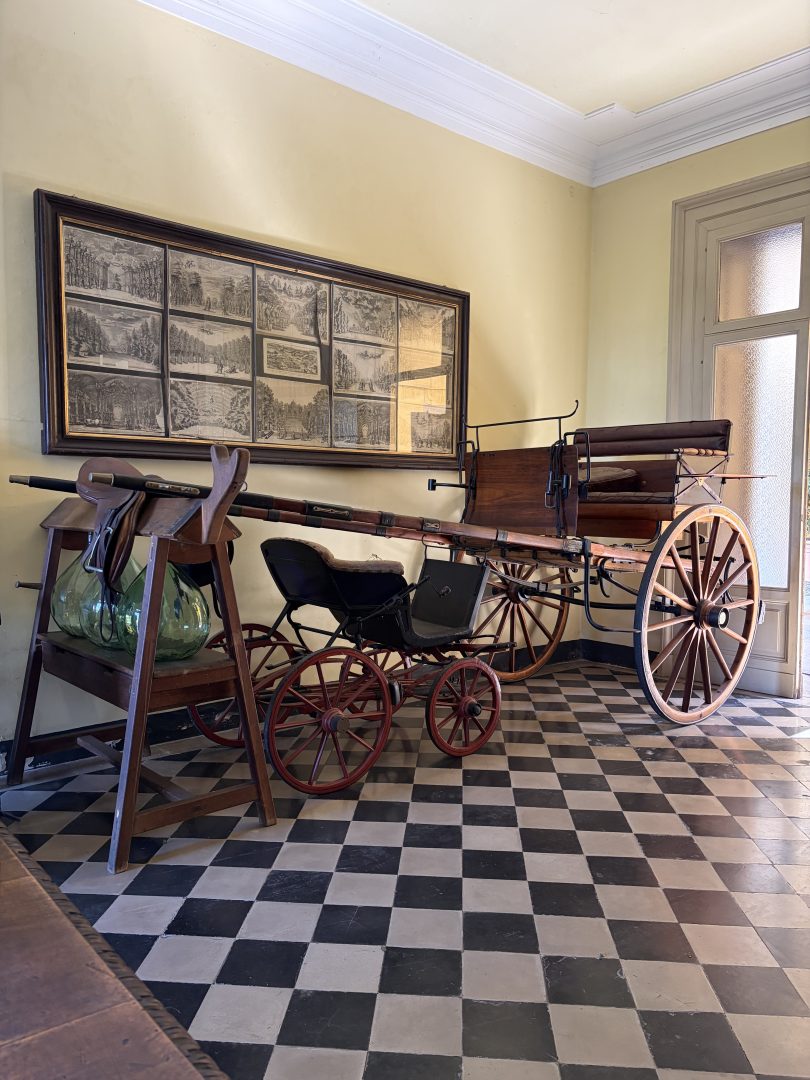
A carriage sits near the side door of the villa. | Photo by Brianna Chu / Hey SoCal

The wedding ceremony took place at 2 pm the next day at the estate’s park with 75 guests in attendance – friends and family who came from Switzerland, Canada, and the United States. To give us a chance to talk with others we weren’t acquainted with, we played a wedding bingo game after the nuptials. It was a fun ice-breaker!
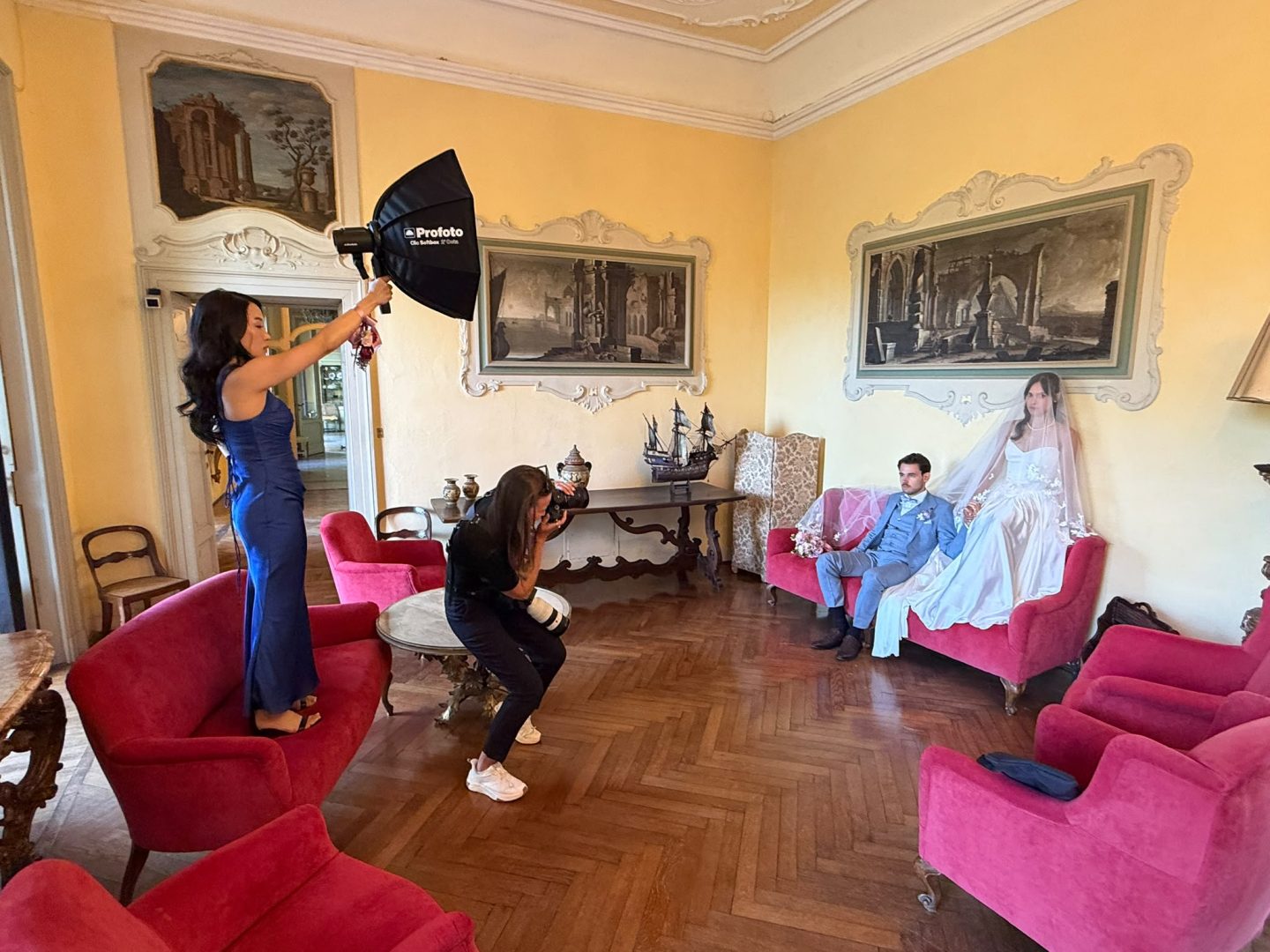
The newlyweds being photographed with help from the maid of honor. | Photo courtesy of Anne Morel

While the photographer took pictures of the bride and groom, guests chatted in the sitting rooms or headed to the game room which had a billiard table in the center and a foosball table at one corner. Hors d’oeuvres and drinks were served after the photo sessions at the front courtyard as the newlyweds played a wedding shoe game to the guests’ amusement.

At 7 pm, dinner was served at the back courtyard followed by the cutting of the cake and dancing till the wee hours. Everyone had a great time making new acquaintances and catching up with family. The wedding was an occasion filled with happy memories that we will forever cherish.
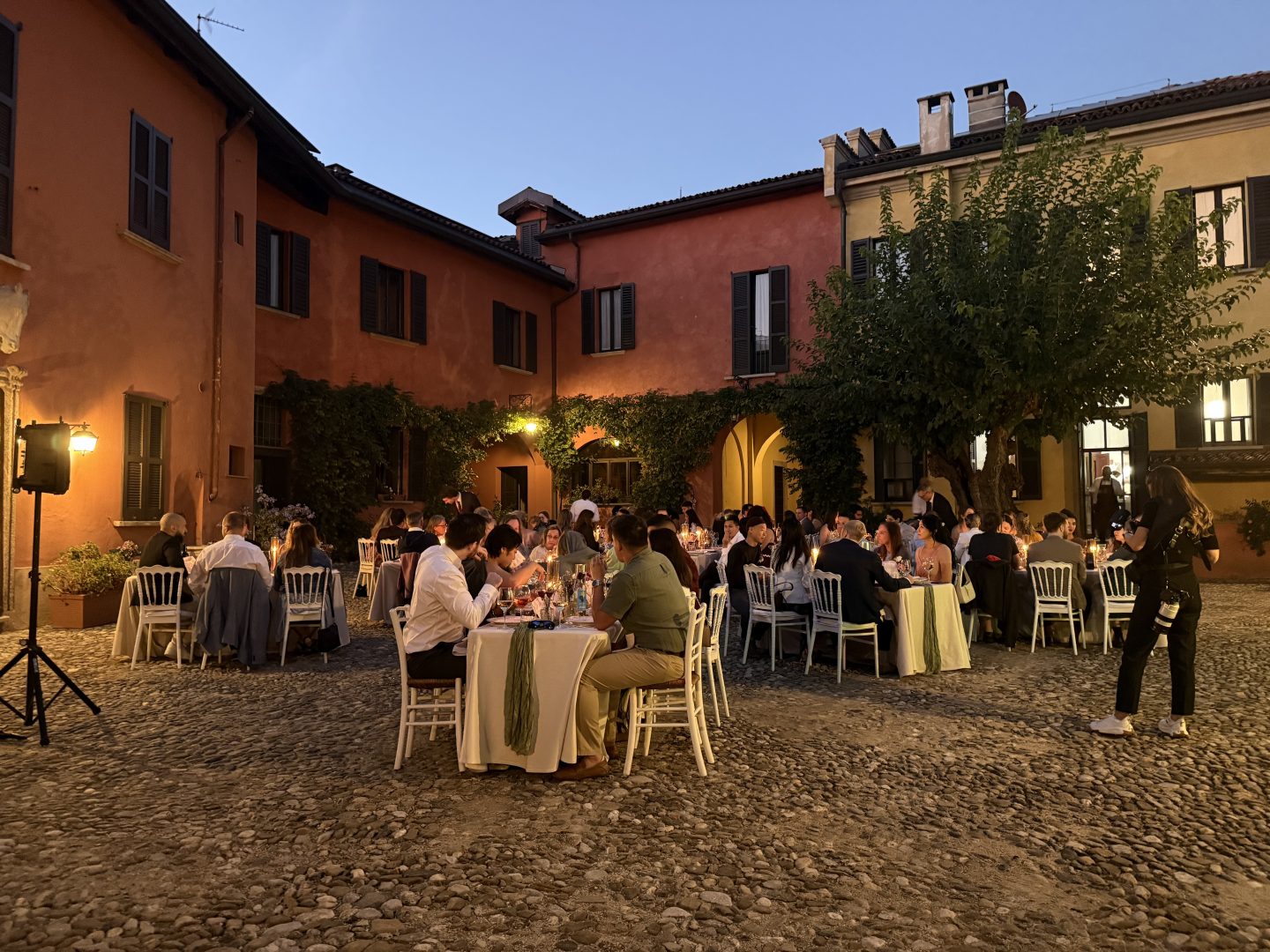
The dinner reception. | Photo by May S. Ruiz / Hey SoCal

We stayed at the villa until noon the following day then headed to Milan, approximately 20 miles south of Casatenovo. The Hotel dei Cavalieri, located at the city center, was our ‘home’ during our short stay in the city. It is within walking distance to several tourist attractions – the Duomo di Milano, Teatro alla Scala, Galleria Vittorio Emanuele II, among others.

Because we only had one-and-a-half days in Milan, we needed to strategize to make the most of it without stressing out. We intentionally didn’t prepare an itinerary, opting to leisurely explore the city – and there’s much to see.           
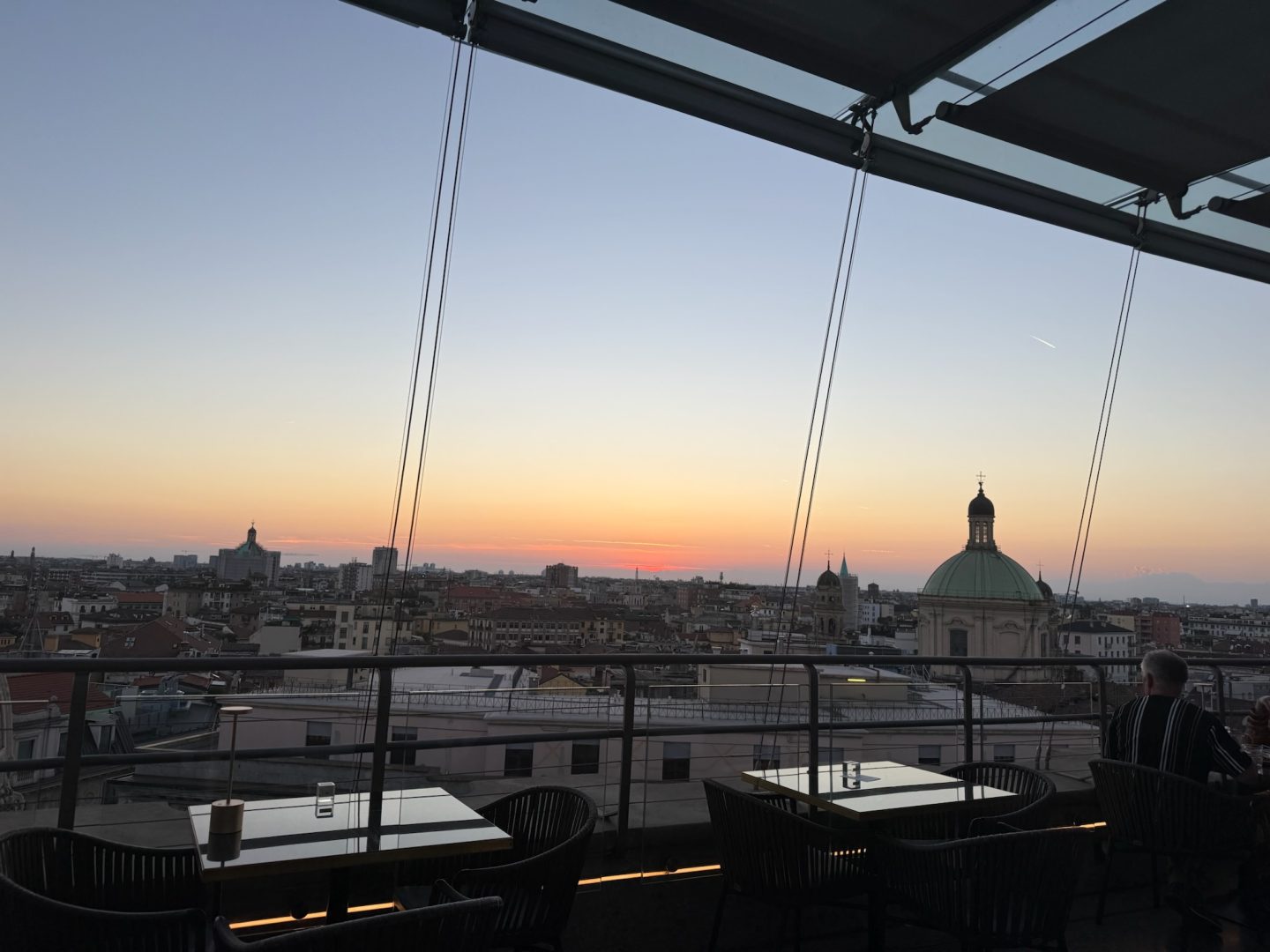
The view from Hotel dei Cavalieri’s The Roof Bar & Restaurant. | Photo by May S. Ruiz / Hey SoCal

The Duomo is unarguably the centerpiece of Milan. A majestic Gothic cathedral that soars 365 feet from the ground, it is the largest church in the Italian Republic – and one of the biggest in the world. Its construction was a massive undertaking that took nearly six centuries to complete.

In 1386 Archbishop Antonio da Saluzzo commissioned the construction of the Duomo to coincide with his cousin Gian Galeazzo Visconti’s ascension to power in Milan. The Veneranda Fabbrica del Duomo was established in 1387 to oversee the complex design and construction which shifted materials from brick to unique pink and white Candoglia marble transported via dedicated canals.       
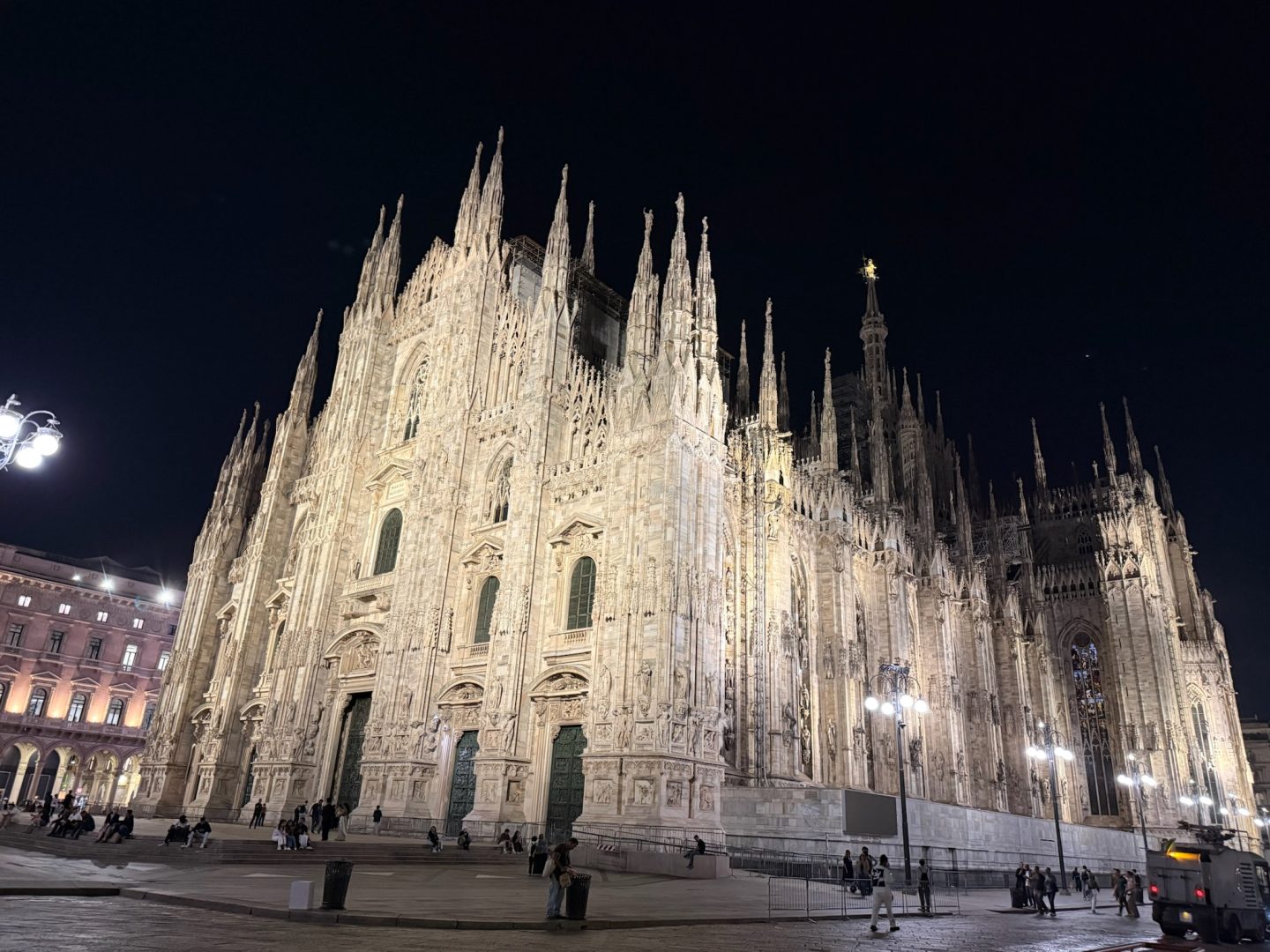
The Duomo di Milano at night. | Photo by May S. Ruiz / Hey SoCal

The iconic golden statue of the Virgin Mary – La Madonina – was raised to the top of the highest spire in 1774. Construction on the Duomo halted due to budgetary shortage; Napoleon Bonaparte’s coronation as King of Italy became the catalyst for a vigorous fundraising campaign that propelled the building of the grand façade between 1805 and 1813.

But it was in the 20th century when the details, decorations, and the final bronze door were officially completed. The Duomo di Milano we see today was unveiled on January 6, 1965.
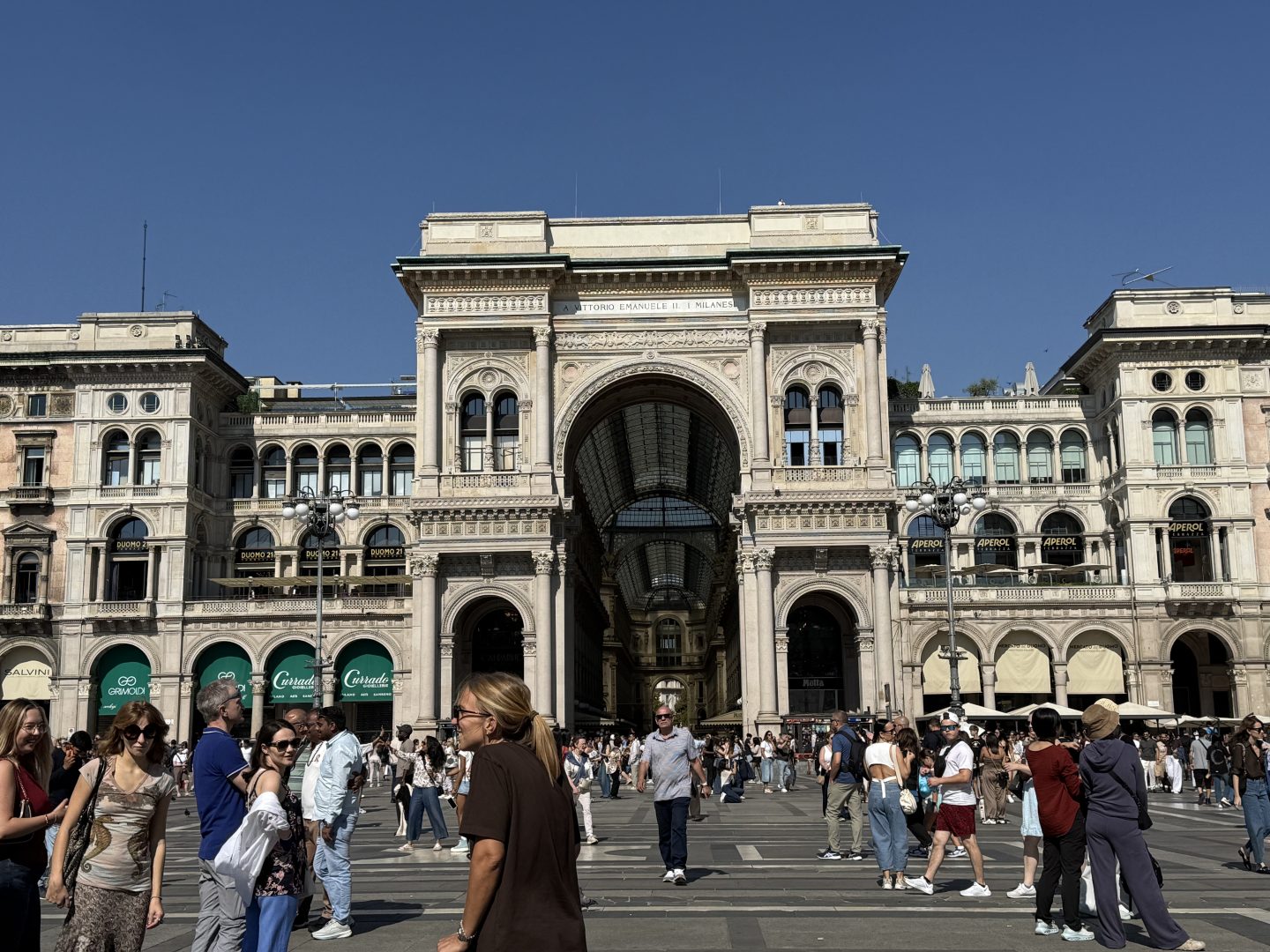
The Galleria Vittorio Emanuele II. | Photo by May S. Ruiz / Hey SoCal

Milan’s other celebrated landmark is the magnificent Galleria Vittorio Emanuele II – Italy’s oldest shopping arcade and a breathtaking 19th century architectural masterpiece. It was conceived in 1860 when the local government launched a competition to revitalize the central historic district between the Duomo and the Teatro alla Scala.

Bolognese architect Giuseppe Mengoni’s monumental design that incorporated an imposing glass-and-iron vault inspired by the elegant glass arcades of Paris was chosen out of countless entries. The project evolved into a significant civic monument celebrating national identity following Italy’s unification in 1861 and was named after Victor Emmanuel II, the first king of the united Kingdom of Italy. It was he who laid the initial foundation stone on March 7, 1865.
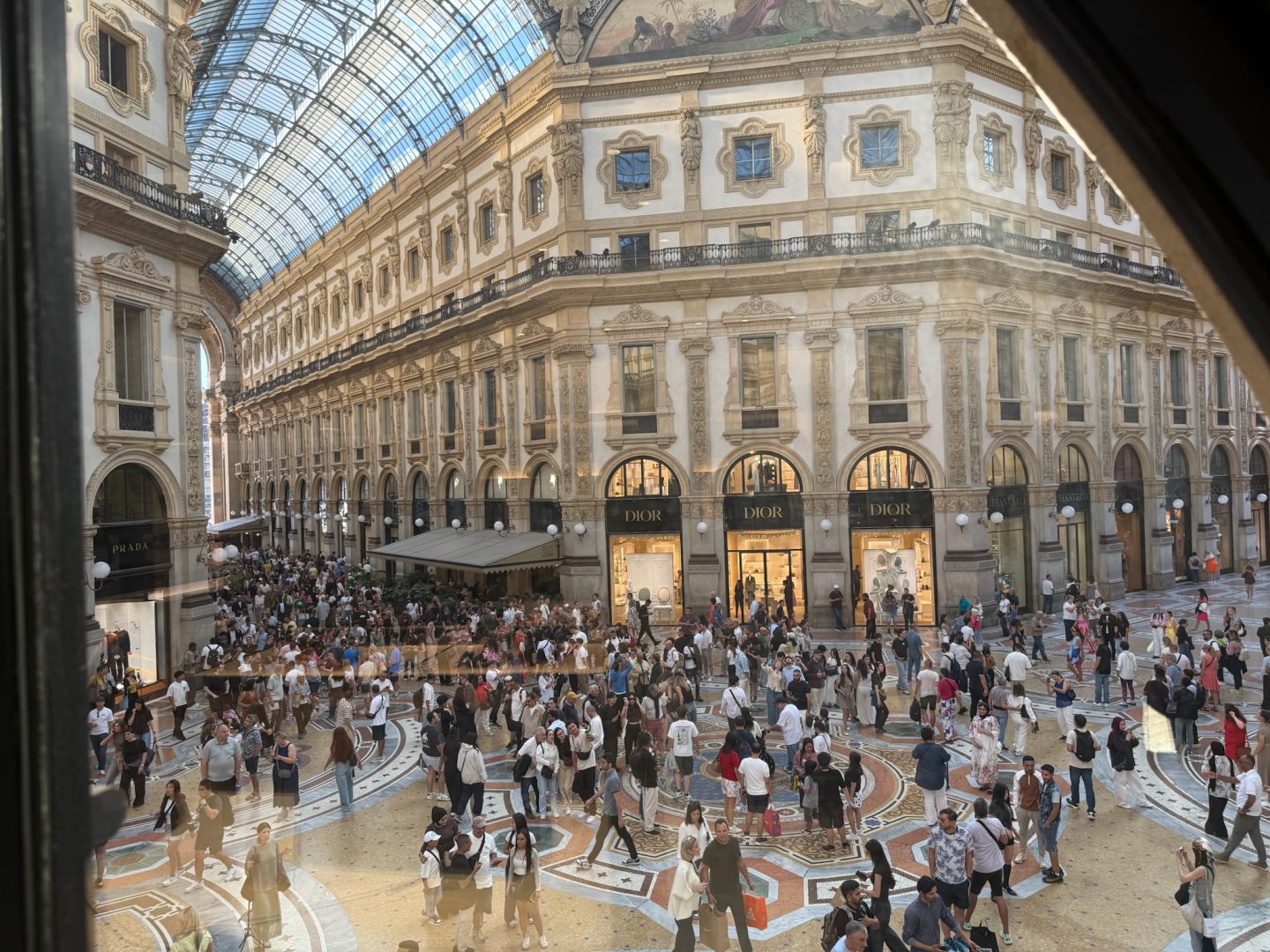
The shops at the Galleria Vittorio Emanuele II. | Photo by May S. Ruiz / Hey SoCal

Construction pressed forward rapidly despite early skepticism and financing obstacles. The arcade partially opened to the public on September 15, 1867 but it wasn’t until 10 years later that the exterior details were completed. Not too long after, it earned the nickname “il Salotto di Milano” or Milan’s drawing room and became a popular venue where politicians and local thinkers debated civic life.

Today Galleria Vittorio Emanuele II is home to iconic Italian and global luxury houses, including the original Prada flagship store, Gucci, Louis Vuitton, Armani, and Dior. It also houses the legendary Camparino in Galleria, where the famous Campari aperitivo was invented. Elegant sit-down restaurants and traditional cafés serving classic Milanese dishes line the arcades.
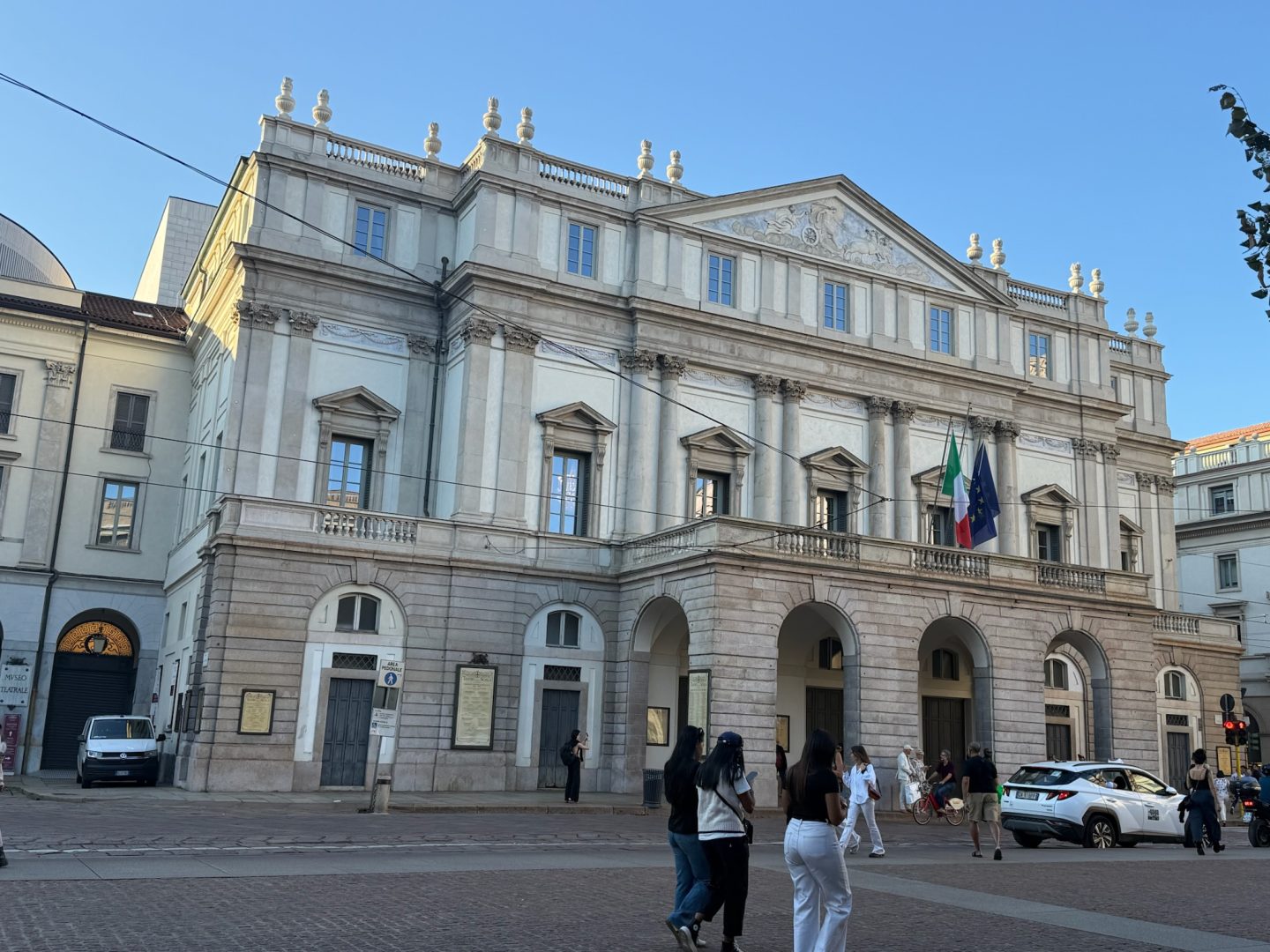
The Teatro alla Scala. | Photo by May S. Ruiz / Hey SoCal

People coming from the Duomo di Milano and walking straight through the northern exit of the Galleria Vittorio Emanuele II – which opens right into Piazza della Scala – will encounter the Teatro alla Scala. More commonly known as La Scala, it was commissioned by Empress Maria Theresa of Austria to replace the previous opera house that burned to the ground in a devastating fire. It took its name from the former Church of Santa Maria alla Scala which was demolished to make room for the structure and opened on August 3, 1778.

Designed by prominent architect Giuseppe Piermarini, La Scala opened with Antonio Salieri’s opera “L’Europa Riconosciuta.” During the theater’s 19th Century Golden Age, it became the showcase for Italian opera seria, premiering foundational works by illustrious composers like Rossini, Donizetti, Bellini, and Giuseppe Verdi. In the late 19th and early 20th centuries, conductor Arturo Toscanini revolutionized operations by introducing an orchestra pit, dimming auditorium lights, and raising artistic discipline.    
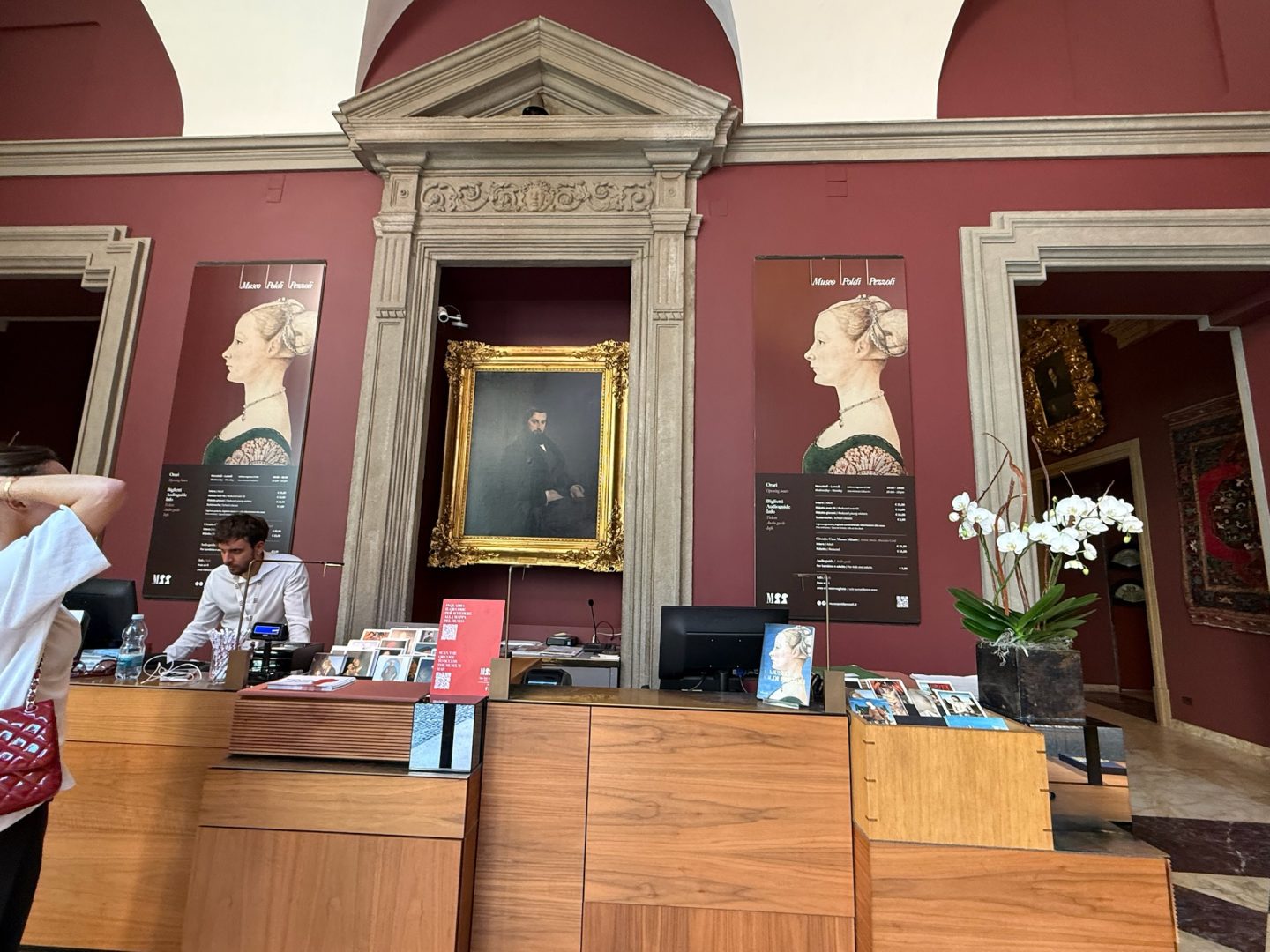
The Museo Poldi Pezzoli’s reception area. | Photo by May S. Ruiz / Hey SoCal

La Scala was severely damaged by allied air raids in August 1943 and underwent a thorough reconstruction. It reopened in May 1946 with a glorious concert led by Toscanini. A major modernization project spearheaded by architect Mario Botta between 2002 and 2004 updated its stage machinery and acoustics.

Tucked among Milan’s famous attractions is the compact Museo Poldi Pezzoli. It is a three-minute walk north of La Scala and is very close to the Duomo and the high-end Montenapoleone fashion district. Count Gian Giacomo Poldi Pezzoli, a wealthy Milanese aristocrat and passionate art patron, converted his multi-story family mansion into a museum to display his private collections. He pioneered the concept of period rooms – where the décor, furniture, and wall finishes matched the era of the artworks displayed.       
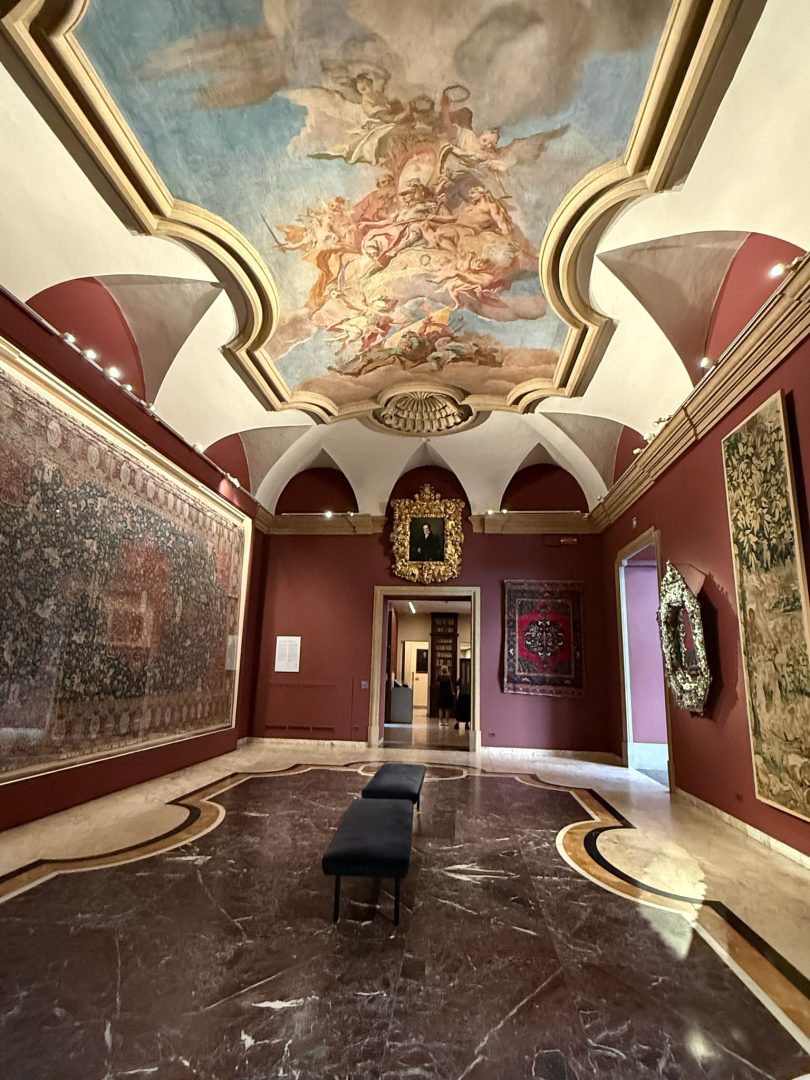
The entrance hall of Museo Poldi Pezzoli. | Photo by May S. Ruiz / Hey SoCal

Upon his death in 1879, Poldi Pezzoli left his palace and vast holding of over 6,000 works – including Italian Renaissance masterpieces, armor, and clocks – for public use, managed through an artistic foundation. It debuted to the public in 1881and became one of Europe’s foremost house museums. The house-museum model originated by Poldi Pezzoli was the influence for international cultural institutions. It was the inspiration for similar residences-turned-museums like the Isabella Stewart Gardner Museum and the Frick Collection here in the United States. 

The Museo Poldi Pezzoli was the only cultural landmark we visited in Milan. From the courtyard, we entered the reception area where a large portrait of Poldi Pezzoli greets guests. The grandeur of the entrance hall is a prelude to what lies ahead. On the ground floor are the Arms Room, where visitors see one of the most significant collections of historical weaponry and armor in Europe, and the Decorative Arts and Library, which houses an assemblage of oriental rugs and rare historical books.
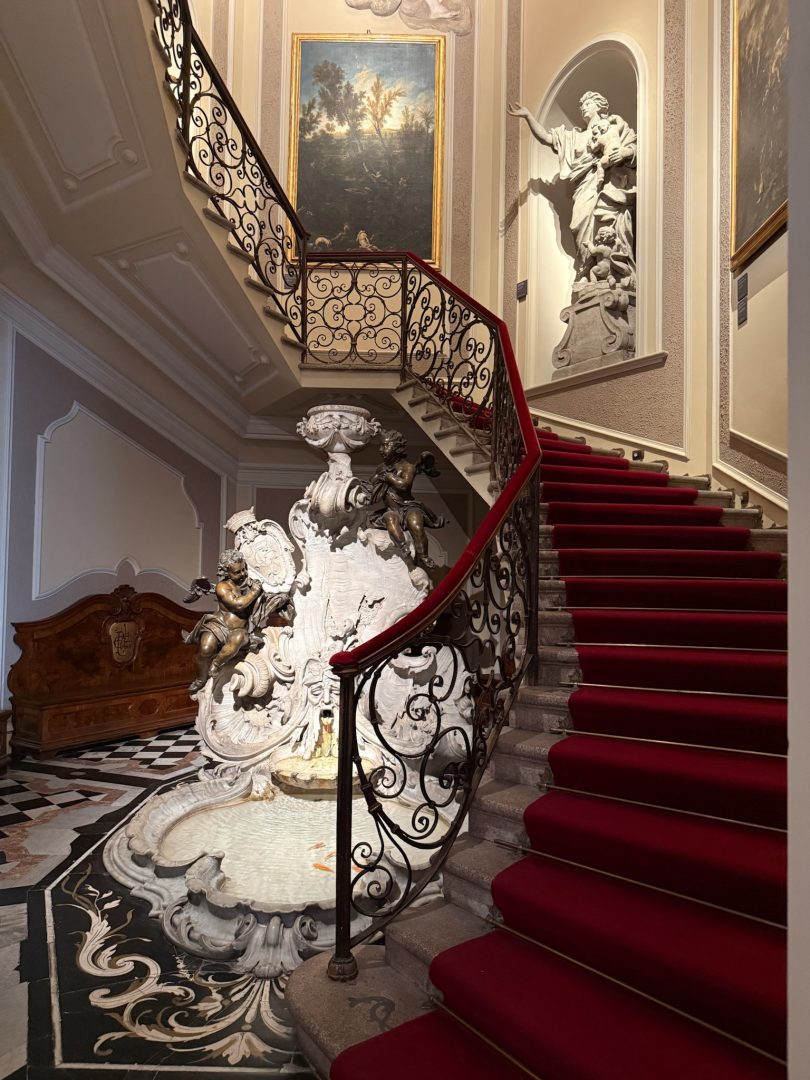
Museo Poldi Pezzoli’s striking staircase. | Photo by May S. Ruiz / Hey SoCal

An antique staircase featuring an opulent Neo-Baroque rockwork and shell fountain designed by artist and director Giuseppe Bertini leads visitors to the first floor which has 20 themed, period-style rooms containing the museum’s primary art collections and masterworks. These include renowned Renaissance masterpieces, the museum icon Portrait of a Woman by Piero del Pollaiolo, Tuscan and Venetian Masters panels and paintings. Integrated into the first floor galleries are unique curated pieces including antique watches, sundials, historical jewelry, tapestries, and rare lace embroidery.

We left greatly impressed by institution’s architectural and decorative elements as much as the breadth and provenance of the collections it held. It was a jewel box of a museum!         
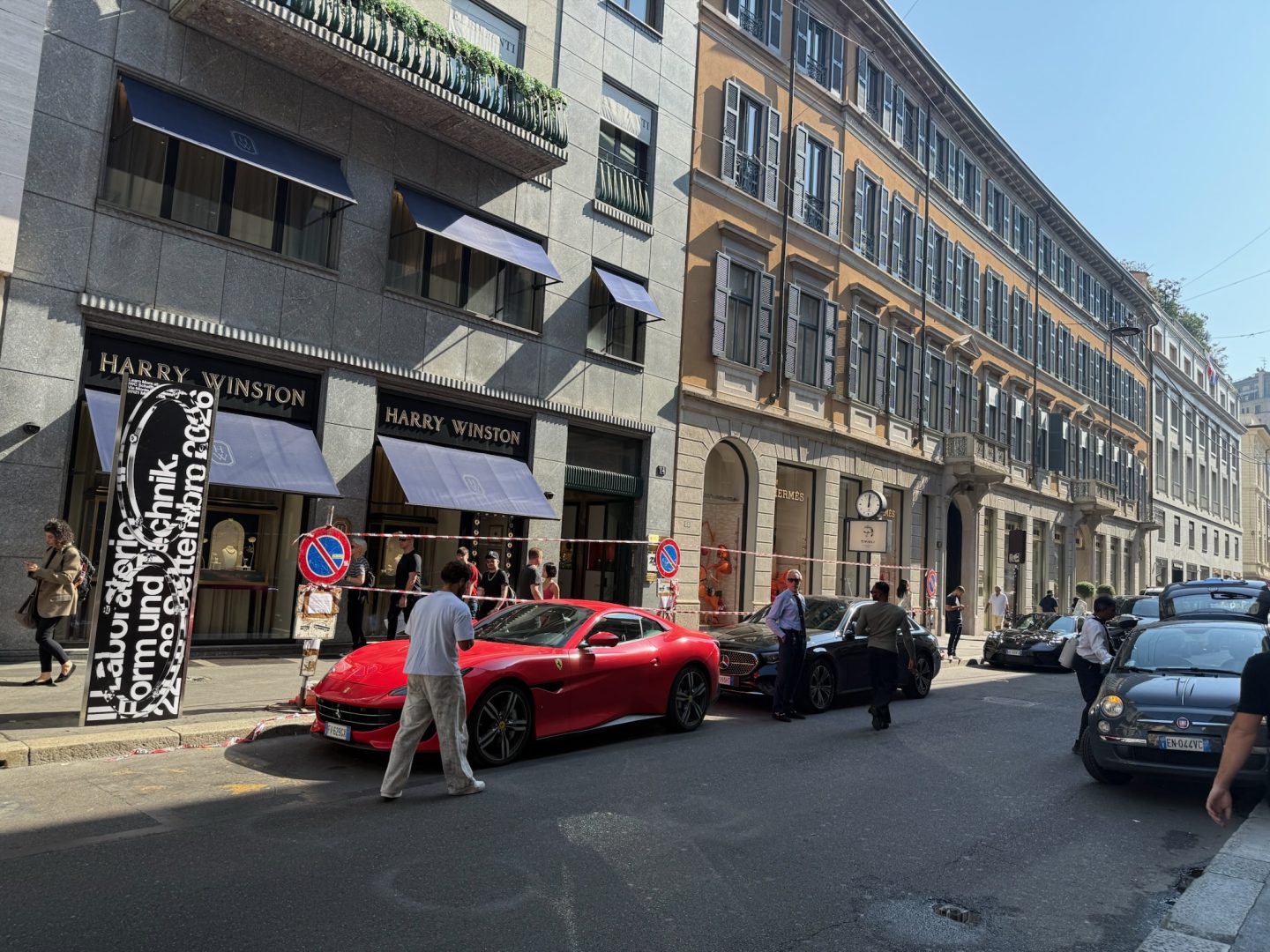
The Harry Winston and Hermes shops at Quadrilatero della Moda’s Via Montenapoleone. | Photo by May S. Ruiz / Hey SoCal

Milan is the fashion capital of Italy so it would be a grave omission if we were there during Fashion Week and didn’t explore its haute couture district – the Quadrilatero della Moda (Fashion Quadrilateral) also known as the Quadrilatero d’Oro. This upscale neighborhood forms a shape defined by four prestigious boundary streets.

The Via Montenapoleone is the heart of the district and one of the most expensive and famous shopping streets in the world. It was where we found the flagship House of Dior store which reopened on September 18, 2026 after an extensive two-year architectural refurbishment. This location also features Monsieur Dior by Enrico Bartolini, the brand’s first restaurant and café concept in Italy.
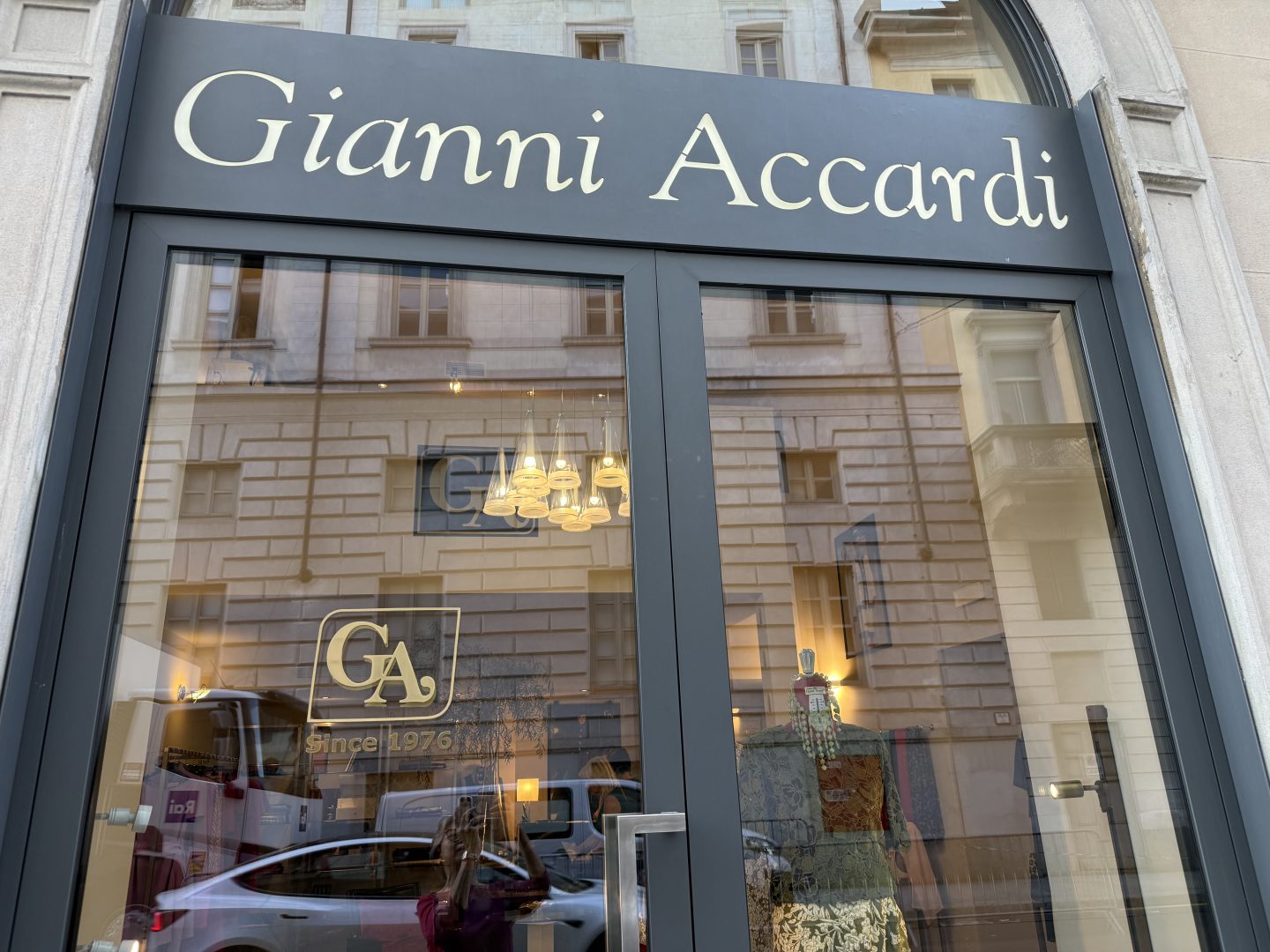
The Gianni Accardi Boutique. | Photo by May S. Ruiz / Hey SoCal

While we were strolling at Via Giuseppe Verdi 2 near La Scala, we chanced upon a Gianni Accardi boutique. A striking black jacket and asymmetrical skirt on the mannequin in the shop’s display window attracted our attention and we went in. A prominent Milanese institution established in 1976, Gianni Accardi is widely celebrated for its women’s haute couture and bespoke tailoring. When the skirt didn’t fit right on my daughter, Gianni took her measurements so he could make the alterations.
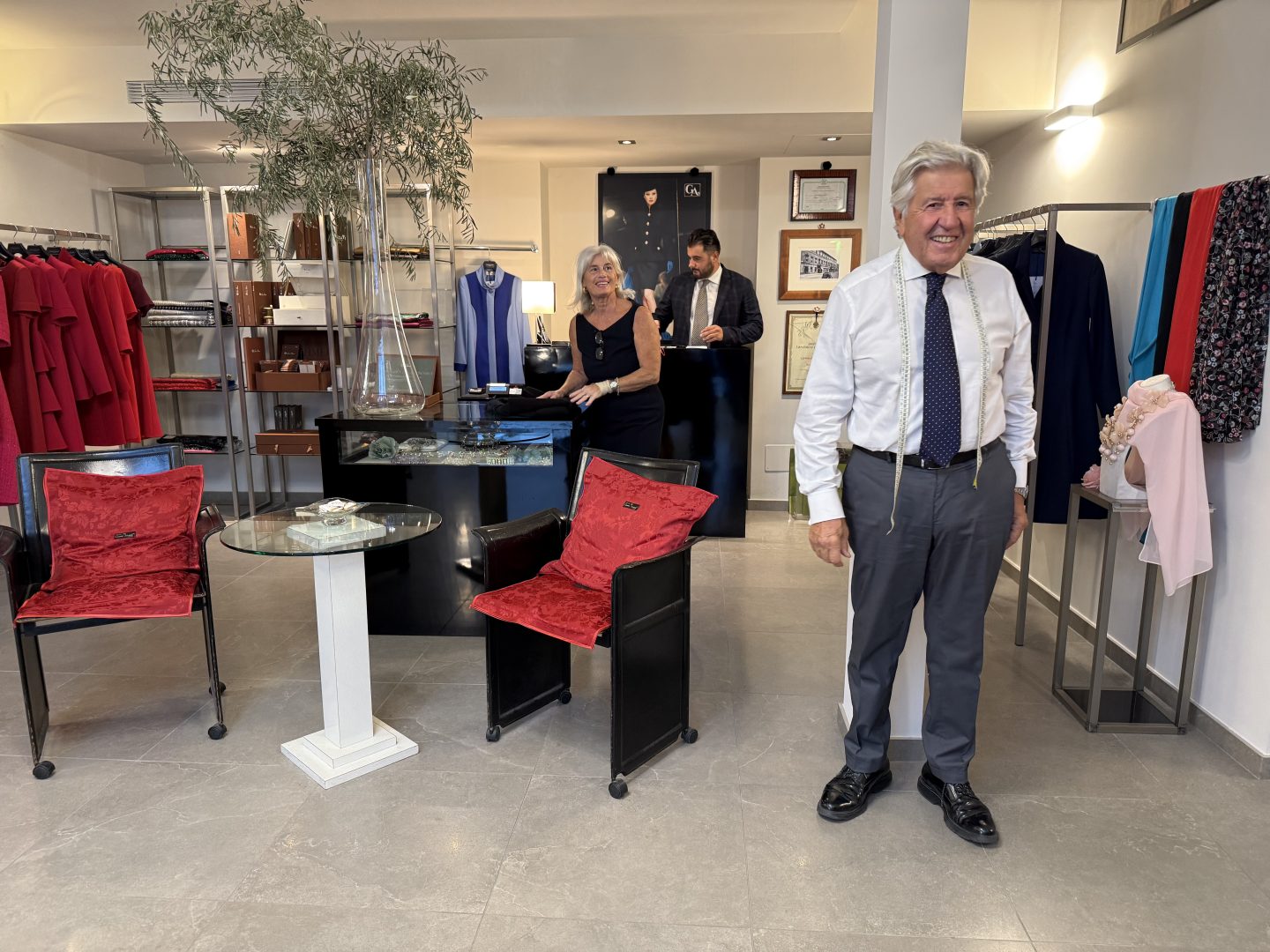
Gianni Accardi (at far right). | Photo by May S. Ruiz / Hey SoCal

Our fashion expedition took us to the Brera District, Milan’s principal design hub alongside luxury boutiques, artisan shops, and vintage stores. It features narrow cobblestone streets, hidden courtyards, historic cafés, and a lively evening social scene. It’s where the Sealup Flagship Store has been located since 2016. The name is a portmanteau of the English word “sea” and the Milanese dialect word “lup” or wolf.

The Sealup Shop at the Brera District. | Photo by May S. Ruiz / Hey SoCal

Established in 1935 as an avant-garde rainwear company specializing in innovative water-repellent garments, it gained international fame in the 1960s when style icons like Jacqueline Kennedy Onassis wore Sealup raincoats. From the 1960s through the 1980s, the brand produced outerwear and fabrics for well-known designers like Karl Lagerfeld and Prada. The company has since shifted its focus back to its own high-end label.

Sealup offers a wide selection of coats and jackets – all beautifully designed and made. A friendly and efficient staff patiently helped us find the appropriate trench coat to wear in California.     
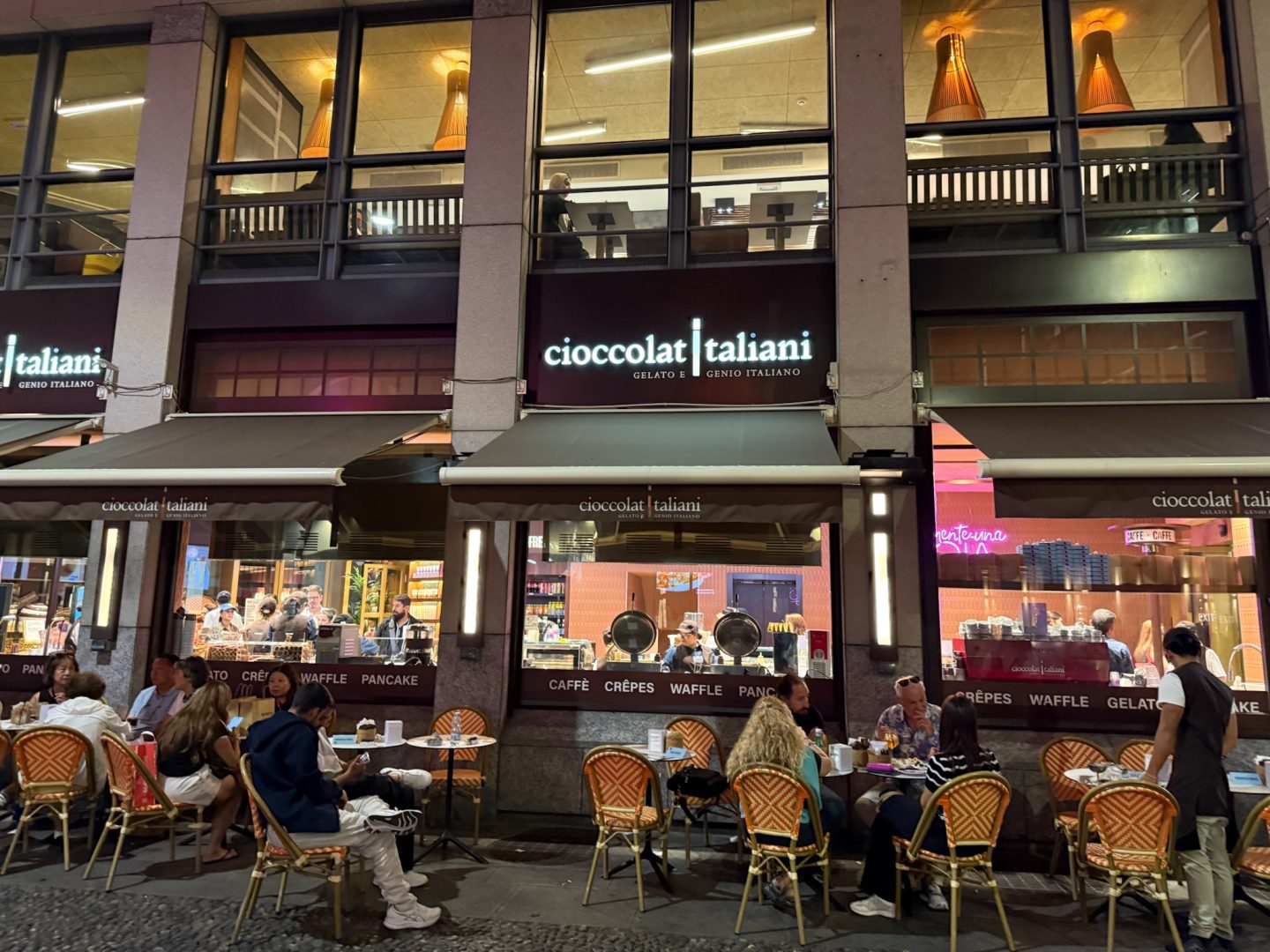
Cioccolati Italiani. | Photo by May S. Ruiz / Hey SoCal

It was our last evening in Milan and we couldn’t leave Italy without eating pizza and pasta. We headed to a pizzeria on the Piazza del Duomo to indulge in a pizza dogana and spaghetti alle vongole. Then off we went to Cioccolati Italiani for gelato – it was a sweet finale to a brief but very fun adventure in Milan.                                                                        
Behold the Magnificence of Venice

Originally published on 31 July 2018 in the Pasadena Independent, Arcadia Weekly, and Monrovia Weekly

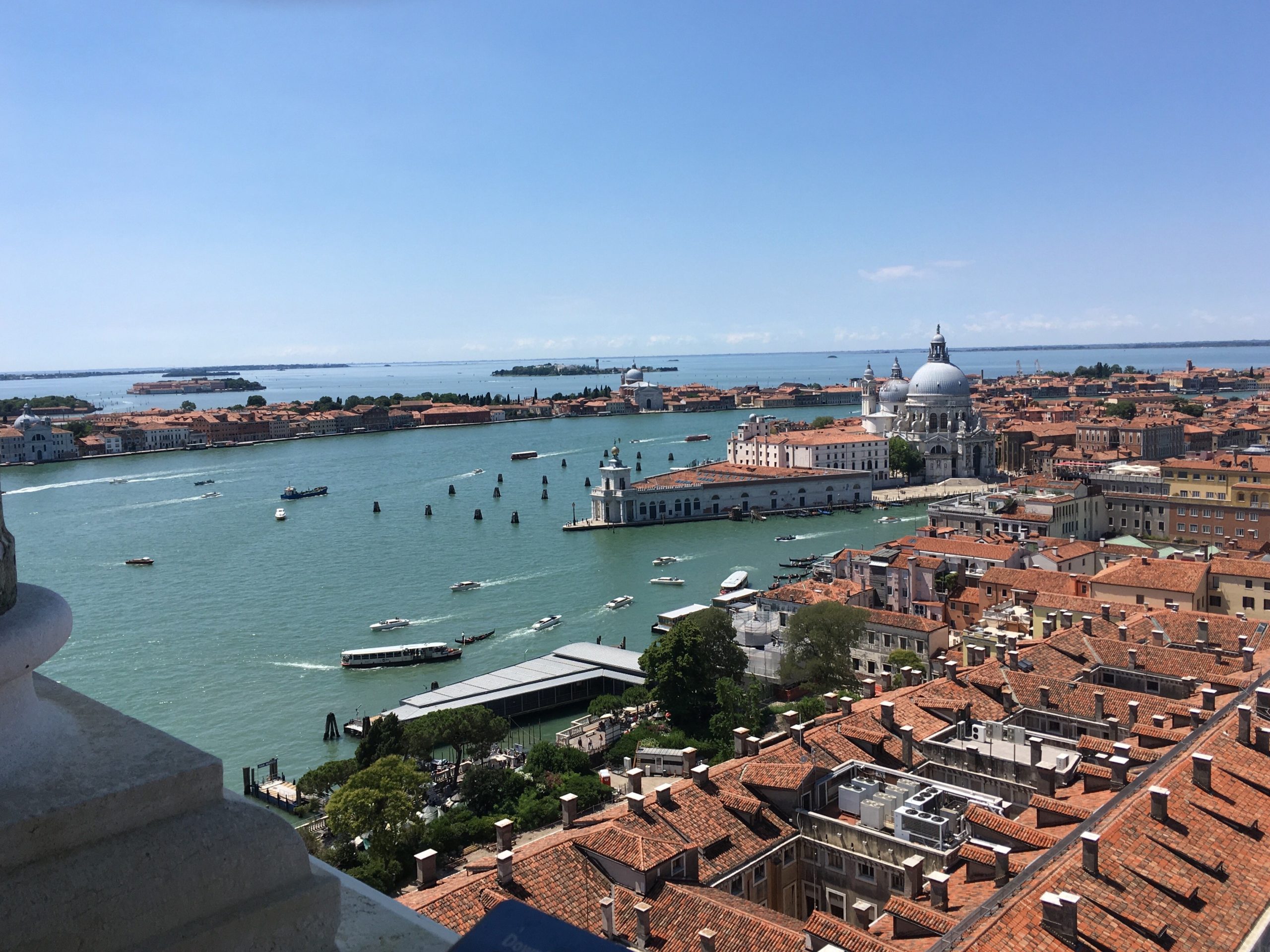
Venice, with the city’s red-tiled rooftops, viewed from the Clocktower | Photo by May S. Ruiz / Beacon Media News

Venice: It’s called ‘City of Bridges,’ ‘City of Canals,’ ‘City of Masks,’ ‘City of Water,’ ‘City of Gondolas,’ and ‘Queen of the Adriatic.’ But however many different ways we want to think of it, there is one thing we can universally agree on – Venice is quite unlike any other city in the world.

Built on more than a hundred islands in a lagoon on the Adriatic Sea, Venice floats on the water. It has no roads to speak of, only canals and bridges, and the mode of transportation is either the water bus or water taxi. Its main thoroughfare, the Grand Canal, is lined with magnificent Renaissance and Gothic palaces. The lagoon and a part of the city are listed as a UNESCO World Heritage site.

According to historians, Venice was ‘born’ on the 25th of March 421, the feast of the Annunciation, when people fleeing from the barbarian invasions built the first settlements. It was merely an unhealthy swamp at the time, whose inhabitants scraped a living by fishing and salt production.

In 697 the Byzantines realized Venice’s potential and built the duchy of Venice. By the year 1000 it established itself as a major maritime power alongside Amalfi, Genoa, and Pisa. These principalities maintained political autonomy, their money was accepted throughout the Mediterranean basin, and they participated in the Crusades with their own fleet.

All this led to Venice’s ascension as an empire which, at the height of its glory, extended from Bergamo in the north to the entire Dalmatian Coast and to the Greek Coast. From the 13th century up to the end of the 17th century it was also an important center of commerce and art. The wealth that Venetians accumulated during their years of prosperity is displayed by the enormous and stunning palaces that they built.

It was in the 18th century that the decline of Venice began. When Napoleon and his army invaded the city on the 12th of May 1797, no one resisted. In fact, many thought he was bringing new ideas of democracy. Venice then alternated being a French and Austrian territory.

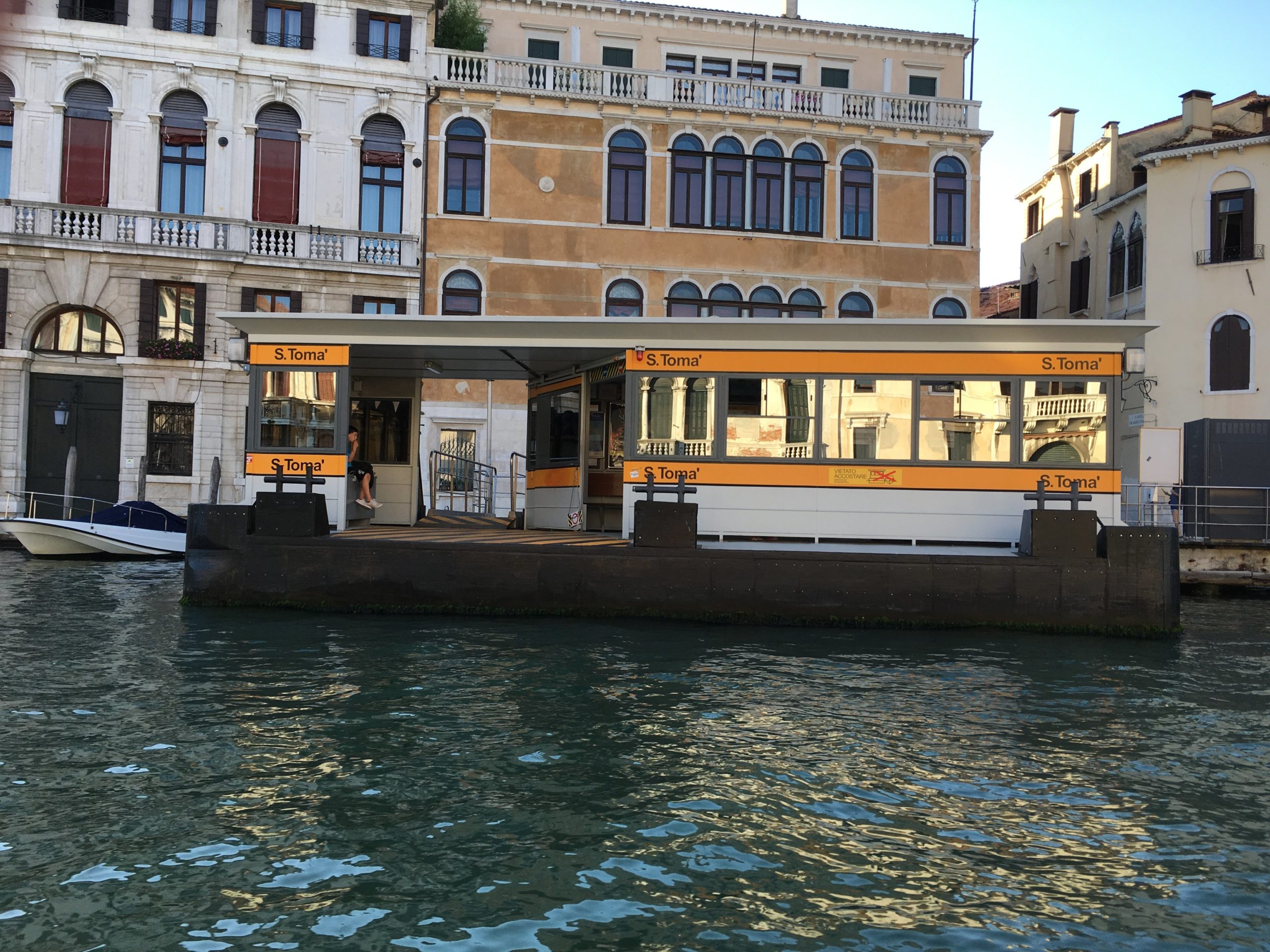
A bus stop on the Grand Canal | Photo by May S. Ruiz / Beacon Media News

Today, Venice is a small city with about 60,000 inhabitants that attracts millions of tourists to make it fill past capacity. That it is singularly different makes it one of the most popular destinations in the world, which has been both a blessing and a curse. Its infrastructure endures much wear and tear from the trampling of feet; its tidal levels are lowering and the city is sinking; many houses are uninhabited during most part of the year, so they don’t get constant maintenance.

The thought that this city may one day be underwater is one reason most of us want to go there. But whatever motive urges us, we will never be disappointed. Venice offers the most breathtaking vista of historic structures and a rich culture uniquely its own.

A tour of Venice starts from the Marco Polo airport, if arriving by air, which is how my two young companions and I traveled. From there we took a water taxi to Hotel Colombina, which is located one bridge over from the Bridge of Sighs and is a five-minute walk to Piazza San Marco.

We were only staying in Venice for four days so we decided to spend most of that time taking in the sights at Piazza San Marco. This tour guide focuses on the structures one can find within this area, which Napoleon legendarily referred to as “the drawing room of Europe.”

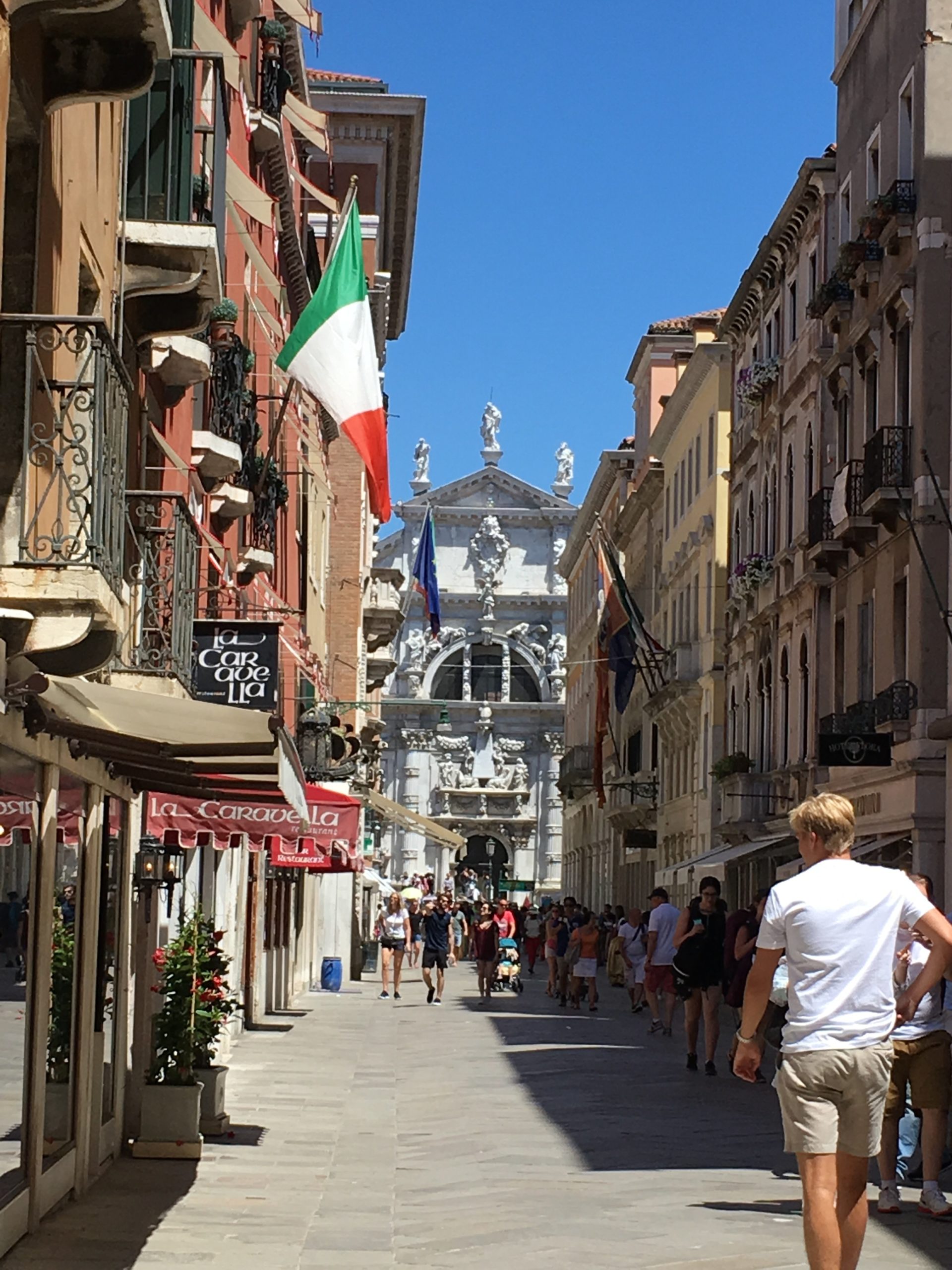
Walking around Piazza San Marco | Photo by May S. Ruiz / Beacon Media News

St. Mark’s Square, the piazza’s English name, is the symbol of Venice and is considered one of the most beautiful squares in the world. It is also the only real ‘square’ in the city – all the others are called ‘campi.’

Venice’s political and religious center, St. Mark’s Square is trapezoid in shape and is framed by St. Mark’s Basilica, the Doges Palace, the Clocktower, the Bell Tower (Campanile), the Procuratie, the Library, and the Correr Museum (Museo Correr). Numerous kiosks selling anything from souvenir items, to postcards, to hats and parasols, dot the Square. Along its perimeters are countless trattorias, gelaterias, and name-brand retail stores. It is also where the internationally renowned annual Carnival (Carnevale) takes place.

When I first visited Venice 20 years ago, St. Mark’s Square was also inhabited by a teeming mass of pigeons attracted to the area because tourists fed them. Ten years ago, city officials  banned the feeding of these birds so there are now far fewer pigeons mingling with people. The Basilica’s exterior has also since been repainted and looks much more impressive, as befits its lofty image.

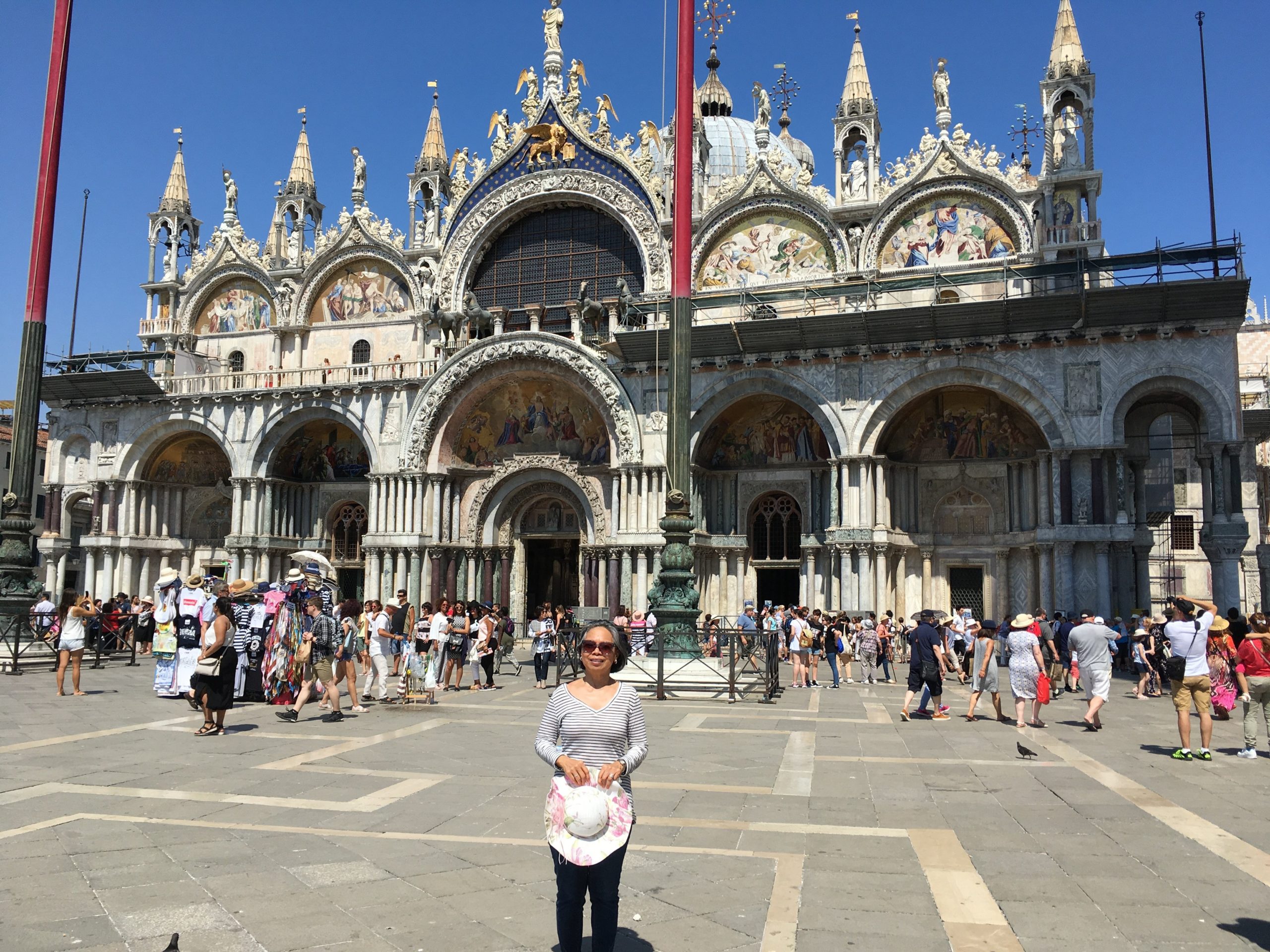
The writer in front of St. Mark’s Basilica | Photo by Brianna Chu

St. Mark’s Basilica, located at the eastern end of the Square, has seen several reconstructions over the centuries. In 832, a first basilica was built to house the remains of Mark the Evangelist from Alexandria. It was burned down in 976 and rebuilt in 978 by Doge Pietro Orseolo I.

Further reconstruction in 1063 by Domenico Contarini, with influences from Byzantine, Gothic, and Romanesque designs, led to today’s St. Mark Basilica. Connected to the Doge’s Palace, it was originally the chapel of the Doge. In 1807 it became the cathedral church of the Roman Catholic Archdiocese of Venice. Its opulence, marked by gold ground mosaics, made it a status symbol of Venetian wealth and power in the 11th century. A low tower houses St. Mark’s Treasure and has a high altar of gold.

A rigid dress code prohibits people in shorts or outfits exposing legs above the knees, those baring their arms, and women showing cleavage, from coming in. Paper ponchos and skirts are available at the entrance for people to wear before entering the Basilica. Taking photos, whether using a camera or a cell phone, is not allowed at all.

Above the portal of the basilica are perched the four gilded bronze horses of St. Mark, installed on the balcony in 1254. Also known as the ‘Triumphal Quadriga,’ they were part of the loot sacked by the Venetians from Constantinople during the Fourth Crusade. They were replaced in 1977 by replicas, with the originals kept inside the basilica, to save them from further damage caused by air pollution.

To the right of St. Mark’s Basilica is the Procuratie Vecchie, with a double loggia in the Venetian-Byzantine style. It was built in the 12th century under Doge Sebastiano Ziani during the Republic to house the apartments of the Procurators of San Marco. It has an expanse of almost 500 feet and a portico of 50 arches.

The original Procuratie was partly damaged by fire at the beginning of the 16th century. It was demolished and rebuilt and was completed in 1538. Connected to the Procuratie are the Museo Correr, the Museo del Risorgimento, and Museo Archeologico, the administrative department of the Musei Civici and part of the Biblioteca Nazionale Marciana (Marciana National Library). These buildings were originally utilized by Napoleon for receptions and later were reserved for the use of the kings of Italy.

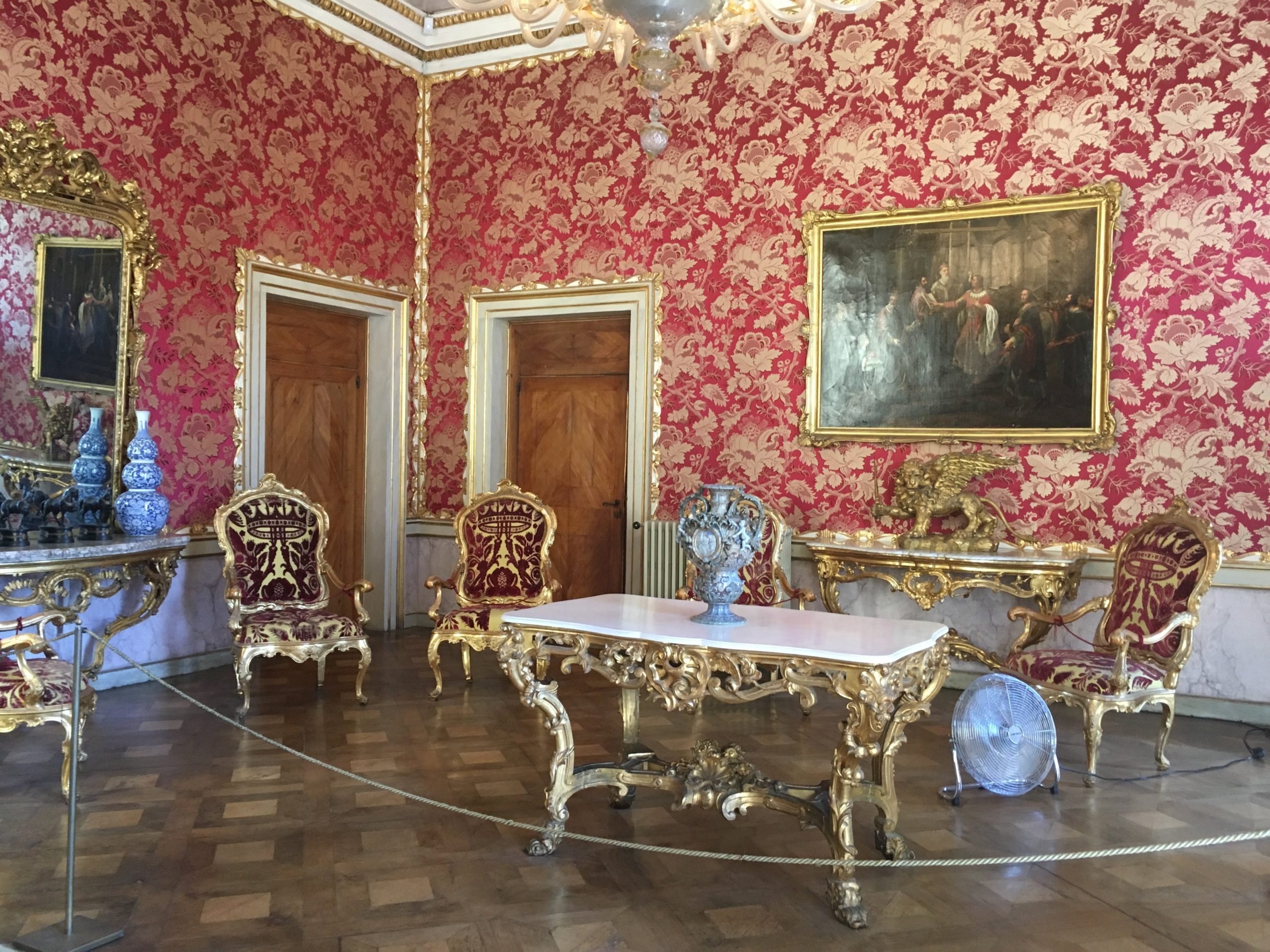
One of the Imperial Rooms at Museo Correr | Photo by May S. Ruiz / Beacon Media News

Museo Correr houses the Imperial Rooms, decorated in the style popularized during the Hapsburg period and some elements from the Napoleonic age. Next to the Imperial Rooms is the dining room for non-official occasions such as ‘work’ meetings of the Government cabinet, and as an antechamber to the Lombardy-Venetia Throne Room. The Throne Room functioned alternately as a waiting room for those seeking an audience with the Emperor or Empress.

The next rooms, none less ornate or embellished, are for the Empress’s private use – the Bathroom, the Study, The Boudoir, and The Bed Chamber. There is an antechamber of the apartments, which was a passageway from the rooms of Empress Elisabeth and Emperor Franz Joseph. It has a balcony which gives a breathtaking view of the Royal Gardens, looking towards the Basin of St. Mark’s, and the island of San Giorgio.

An oval-shaped Neoclassical room is the junction between the palace’s public rooms and the royal apartments. When Franz Joseph and Elisabeth were staying there, it served as the Royals’ casual dining room where they ate breakfast, lunch, and dinner.

The Neoclassical Rooms were part of the 2015 Restoration Project to recondition the Antonio Canova Collection at Museo Correr. Italian sculptor Canova, who was famous for his marble sculptures, is regarded as the greatest of Neoclassical artists. Born in Venice on the 13th of October 1822, his works were inspired by the Baroque and the Classical Revival. The Ballroom at Museo Correr houses the most striking of Canova’s sculptures – Orpheus and Eurydice, Daedalus and Icarus, and Paride (or Paris. In Greek mythology, his elopement with Helen, Queen of Sparta, precipitated the Trojan War).

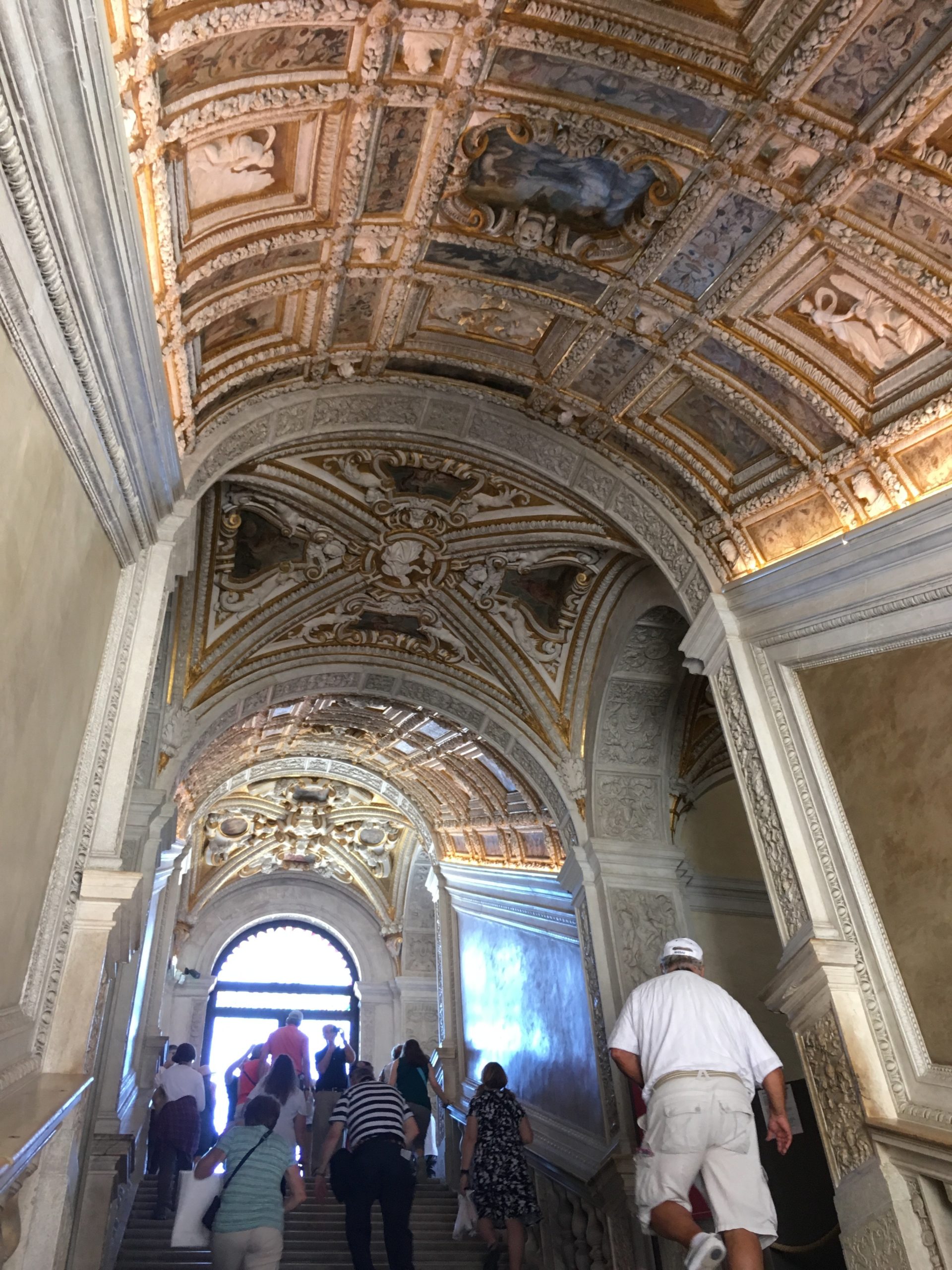
The Golden Staircase at Doge’s Palace | Photo by May S. Ruiz / Beacon Media News

The Doge’s Palace, the residence of the doges, stands where the Grand Canal flows into the lagoon. It was the heart of Venice, the symbol of its might and supremacy. Like the other structures on the Square, it is the product of complex reconstructions – which commenced in the 14th century, coinciding with the reorganization of the entire area. It opened as a museum in 1923, one of the eleven cultural and artistic buildings managed by the Fondazione Musei Civici di Venezia.

Imposing in its aspect, the façade of the Doges Palace is a grand example of floral Gothic decorated with white and rose-colored geometric shapes. It has a double row of arcades in the lower levels, typical of the Venetian fondaco palaces. Large lancet windows sit above, capped by a lace-like parapet of Oriental cresting.

A big interior courtyard and a spectacular Giant’s Staircase were our first clues of the lavishness within. Once inside, we went up the Golden Staircase, the breathtaking golden stucco-decorated vault which was formerly used only by Magistrates and important people. No ceiling or wall in the Doge’s Palace has been spared from artistic depictions of notable historic or biblical event. The extravagance and opulence are overwhelming!

The Armory Rooms have a collection of historical weapons and armaments used by the Palace’s guards. Some of them are 15th and 16th century suits of armor, swords, halberds, quivers, and crossbows. Room IV contains examples of 16th and 17th century firearms and instruments of torture.

Our visit to the Doge’s Palace ended at the prisons. We crossed the infamous Bridge of Sighs, the covered walkway that connects the palace to the walled-in chambers used to lock up criminals. The bridge was named for the sighs the prisoners breathed as they took their last look at freedom through the small windows.

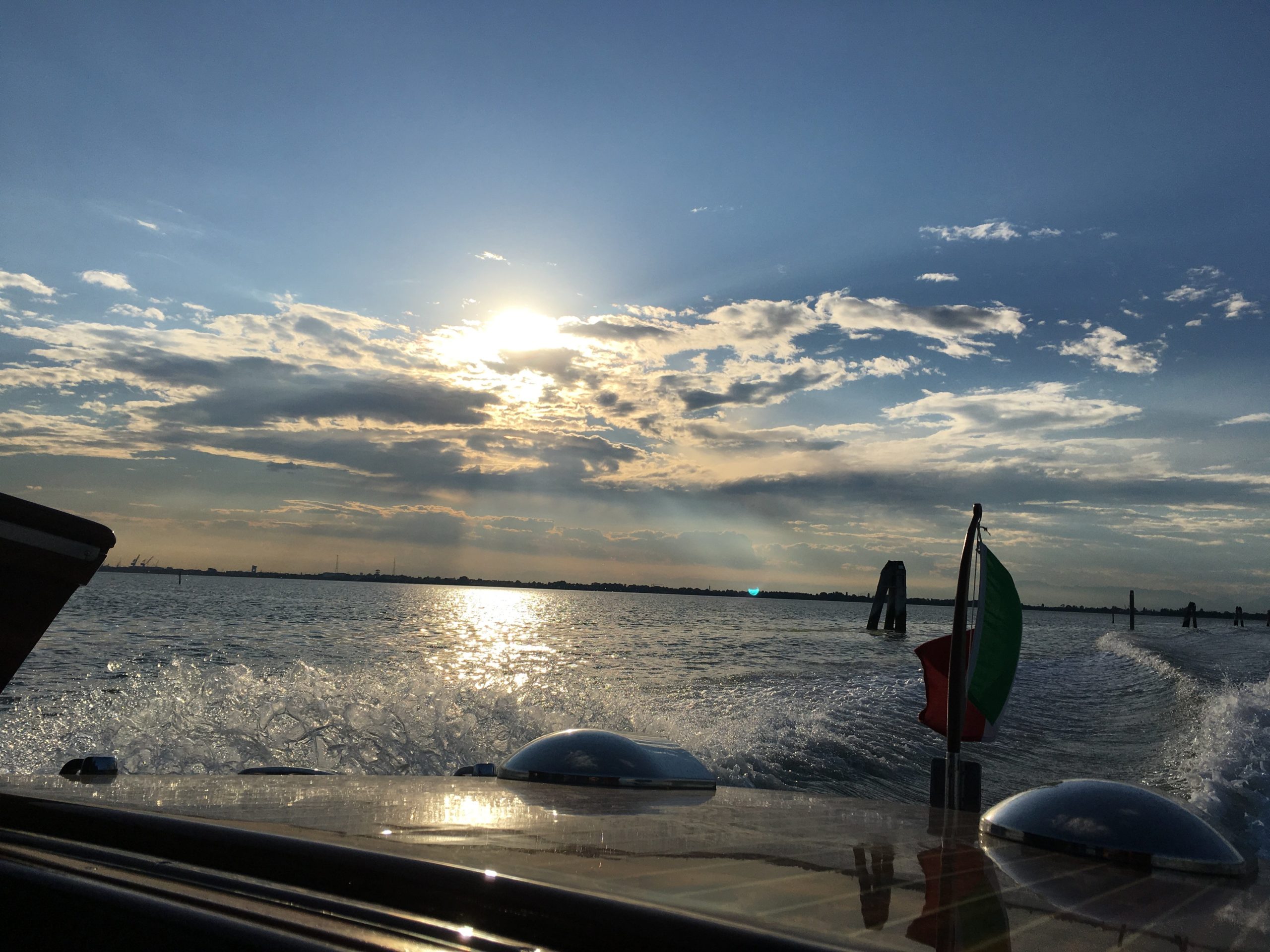
Sunset in Venice | Photo by May S. Ruiz / Beacon Media News

On the north side of St. Mark’s Square is the Clocktower, built at the end of the 15th century as the doorway to the Mercerie, one of the city’s main streets. It also served as a landmark visible from the lagoon to demonstrate the wealth and glory of Venice. Above the arch is a large enameled clockface showing the hours, the moon phases, a sundial, and signs of the zodiac. On top of it is a small balcony with the three Magi; and above are the Moors, the two bronze figures which, to this day, strike the hours by hammering on the bell.

The Campanile, or Bell Tower, is the most recognizable representation of Venice. Standing at 323 feet tall, it is the tallest structure and was used as a lighthouse or a look-out tower. Its five bells marked the important moments in the republic’s history, including the start and the end of the workday, the meetings of the Great Council, and the assemblies of the senate.

Our short tour of Venice gave us a glimpse of the city’s long history and glorious past. It was a lovely reminder that the city isn’t stagnant but is at once timeless and ageless. And although it no longer has the power and sovereignty it once boasted of, its grace and beauty will forever hold us captive.

This resplendent city on the water – with its fascinating bridges and canals, magnificent palaces and structures – continues to charm, to enchant, and to entice people the world over into its warm embrace.

[