Pandemic Amplifies Inequity in Education

Originally published on 20 May 2021 on Hey SoCal

It’s graduation season for seniors – an event that is usually greeted with gleeful anticipation by students and their families. These students, who spent the majority of their last year in high school distance learning, are leaving after what would have arguably been one of the most memorable periods of their life. But it’s memorable in the worst possible sense because a great number of them feel it has been a lost year.                

The college application process, a rite-of-passage for teenagers all over the country, wrought a great deal of anxiety and disappointment this year. Already a nerve-wracking time for students and parents, the pandemic has not only intensified their apprehension but has also exposed a trend in college admissions. According to a New York Times education briefing, selective schools – including California’s UC system and Penn State – saw double-digit surges in applications due to standardized test scores being waived this admissions cycle. Harvard University had a record-setting 42% increase and the entire Ivy League had to extend its notification by a week to give admissions officers time to read and process applications. It marked the lowest college acceptance rates in a decade for these schools.    

On the other hand, many state schools and small private colleges suffered double-digit drops in applications and enrollments. Many institutions outside the top-tier have been struggling for years and the pandemic just made it worse. The N.Y. Times report further said American colleges and universities have endured losses of more than $120 billion and a few have shut down permanently. The institutions still operating often have to make up the difference by cutting services and programs that provide the tools, resources, and support which many low-income and first-generation students need to complete their degrees.

A survey released a few weeks ago by Intelligent.com, a resource for pre, current, and post college students to use when making choices for their education, provides additional evidence of pandemic’s negative effect. It found that one in four students who left college during the pandemic isn’t returning – at a time when getting into a university  was tougher than ever.

Intelligent.com’s key findings are as follows:

  • 21% of students from households that earn less than $25,000 annually left school during the pandemic.
  • 38% of students of color who left school during the pandemic did so because they could not afford tuition.
  • 19% of undergraduate students say they won’t graduate on time because of pandemic-related disruptions.
  • One-third of college students would attend classes exclusively online in exchange for a 10% tuition decrease.

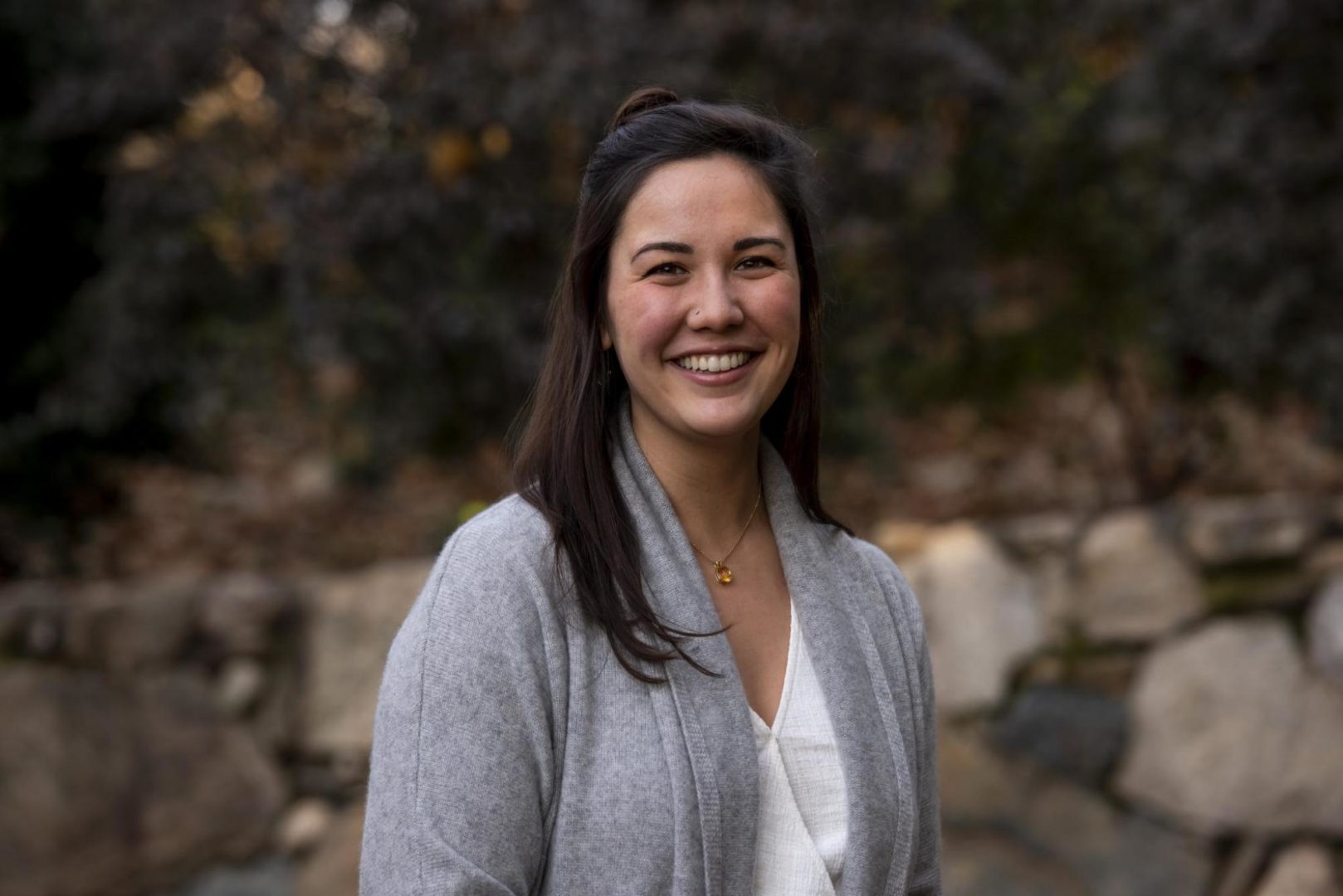
Beata Williams, a college admissions expert and a consultant at Intelligent.com, pronounces, “For many students who have comfortable spaces to study in, privacy, and online connectivity capabilities, the shift to online classes did increase their productivity. However, for students who live in smaller spaces with shared rooms, less privacy, and may have caretaking responsibilities, the shift to online learning during the pandemic decreased their productivity.”

Beata Williams | Courtesy Photo

By email, Williams answers Beacon Media News’ questions: 

When was Intelligent.com established? What is its mission? Where is it headquartered? Who are the people behind the organization?

Intelligent.com was founded in 2017 by a group of digital marketers based in Seattle, Wash. The founding members can be found here: https://www.intelligent.com/about-us/ and the managing editor is Kristen Scatton. Our mission is to help students make smarter choices through our research and the information we publish.

Please describe your background, including number of years in education and capacity.

I have worked with students in an academic setting since my early twenties when I began my career in the Office of the Vice Chancellor for Student Affairs at the University of Illinois at Chicago. I authentically enjoy and have passion for coaching students to achieve their academic and professional goals. I also fell in love with the potential to make an impact within an academic environment. I completed my B.S. in marketing and my M.S. in public administration at UIC.

After completing my graduate studies, I moved to New York City and worked at Columbia University in the Executive MBA and Executive Education Program offices with executive level students as a finance and admissions officer. I later transitioned to New York University Leonard  B. Stern School of Business where I worked in student engagement,  executive education, MBA international programs, global programs and academic affairs. I thoroughly understand the admissions process and have extensive experience working with domestic and international  students. 

For the past nine years, I have been focused on coaching students through the undergraduate and graduate admissions process. A few schools my students have been offered admission to include: Carnegie Mellon, Columbia, Cornell, Hong Kong University of Science and Technology, London School of Economics, MIT, NYU, Oxford, UCLA,  UPENN, USC, and Yale. Ninety-nine percent of my students have been admitted to at least one of their top choices. The feedback I overwhelmingly receive is that not only have I helped students reach their dream programs, I alleviate the stress by breaking down the application process into manageable steps leading them towards consistent progress towards their goals. 

What was the purpose of the survey?

We designed the survey targeting enrolled college students with the purpose of determining how they felt about the current state of their education given that it is forcing them to learn in different settings and formats. We wanted to know how the quality of their education and their outcomes have changed during the pandemic and if that has changed their education plans for the future.

When was the survey done and who conducted it? How many students participated and how did you find them? Of the students you asked, how many declined to answer? What methodology was used?

The survey was administered by online survey platform Pollfish on April 6, 2021. We surveyed 1,250 American college students, including undergraduate, graduate, and doctoral students aged 18 and older about the impact of the pandemic on their education, and their preferences for school attendance once the pandemic is over. Of the 1,250 polled, none of them declined to answer. The data show 8/600 people were from the LA area (Los Angeles & Long Beach).

Does Intelligent.com offer services or products geared for college students?

Intelligent.com offers resources and guides for prospective college students and current college students to help students succeed in the classroom by bringing together the latest research with tips and techniques championed by today’s leading experts.

Please tell me anything else I need to know about you and Intelligent.com that I didn’t ask.

The internet is filled with information (some garbage). Yet where do we go when we need answers? As a group of digital marketers who have a deep understanding of the internet we wanted to do something about it. We deployed our team of experts and research to scour through all the nooks and crannies of the internet to find the buried treasure, analyzing mountains of data, in order to create content that helps students gain a competitive advantage in their pursuit of higher education and future endeavors. And to make this possible, we’re committed to finding a business model that best serves our users and doesn’t corrupt the integrity of our content. So you won’t find programmatic ad blocks on our site, nor will you find affiliate disclosures. Oh, and you definitely won’t see any ‘native ads’.

All is not lost, though. Williams assures, “While the pandemic has exacerbated the divide between advantaged and disadvantaged students, it has created an opportunity to re-envision and shift to a more equitable learning environment through hybrid learning opportunities at lower costs available to everyone. Community colleges serve a large percentage (approximately 50%) of students lacking in college prep skills and those from lower incomes; President Biden’s proposal to make community colleges tuition free, has the potential to significantly change the access to education for many students. And I still see a need for education in the future.”

National WWII Museum Field Trip Focuses on Japanese Americans’ Incarceration

Originally published on 11 May 2021 on Hey SoCal

Los Angeles area middle- and high-school students will be participating in The National WWII Museum’s annual electronic field trip (EFT) to be held on May 13 focusing on Japanese Americans’ incarceration during the war. It is significant that this year’s EFT falls during Asian-American Pacific Islander (AAPI) Heritage Month when we pay tribute to their contributions to our country’s culture, history, and achievements.

The National WWII Museum in New Orleans opened on June 6, 2000, the 56th anniversary of the largest seaborne invasion in history, as the D-Day Museum. In 2003, Congress designated it as the official WWII museum of the United States. Its six-acre campus encompasses five pavilions which house historical exhibitions, on-site restoration work, a period dinner theatre, and restaurants.      

Its website describes, “Offering a compelling blend of sweeping narrative and poignant personal detail, The National WWII Museum features immersive exhibits, multimedia experiences, and an expansive collection of artifacts and first-person oral histories, taking visitors inside the story of the war that changed the world. Beyond the galleries, the Museum’s online collections, virtual field trips, webinars, educational travel programs, and renowned International Conference on World War II offer patrons new ways to connect to history and honor the generation that sacrificed so much to secure our freedom.”

In its press announcement, The National WWII Museum informs that more than 1,100 L.A. County students will participate in an hour-long virtual journey into the shoes of young Japanese Americans who were forcibly removed from the West Coast after the United States’ entrance into World War II. The museum’s EFTs cover compelling World War II topics streamed directly into classrooms across the country, no special technology required.

This year’s Japanese American Experiences in WWII EFT features student reporters based in California and New Orleans, as they gather accounts from those who experienced the Japanese American incarceration firsthand and receive an up-close look at primary sources and artifacts. The session will include classroom polls and Q&As, and is complemented with a curriculum that is available for download on the museum’s website.

Via email, The National WWII Museum’s Director of Distance Learning, Chrissy Gregg, explains, “The Electronic Field Trips began in 2015 and this Japanese American Experiences EFT is our sixth program of this type. These programs began as an initial partnership between the Museum and our local public broadcasting station, but they’ve evolved into a Museum production that showcases important sites and stories from World War II through the lens of our student reporters.

“In all productions, The National WWII Museum makes an audition call for student reporters both locally and then in whatever location we are filming outside of New Orleans. For our reporters outside of New Orleans, we work with fellow museums or organizations involved in the Electronic Field Trip to share this with their educator networks. This year’s EFT is especially noteworthy because the Heart Mountain Interpretive Center in Wyoming brought this opportunity to the attention of Amy Mass and her grandson, Ryo Martinez-Mass. He is our first student reporter to actually interview a living relative (his grandmother Amy Mass) who personally experienced this event.”

Scott Fujita | Photo courtesy of The National WWII Museum

All 50 states have been participating in the EFT according to Gregg. She says, “The Museum has a large list of schools that we work with and provide programming to, all across the country. We also send marketing and email blasts to constituents to spread the word, in addition to promoting the Electronic Field Trips through the media.”

Gregg adds that California schools have participated in every broadcast beginning with The Museum’s 75th Anniversary of Pearl Harbor program in 2015. Each year, the number grows significantly. As of right now, there are 264 sites in California registered with 4,773 students and still growing. California numbers of students for each EFT are as follows:

  • 75th Anniversary of Pearl Harbor: 667
  • Fighting for the Right to Fight: African Americans in WWII: 1,542
  • 75th Anniversary of D-Day: 3,761
  • The Manhattan Project 3,312

Asked about the scope of the curriculum, Gregg replies, “We try to address one major World War II topic a year that we know is being taught in schools. On occasion, these broadcasts are also tied to anniversaries like Pearl Harbor, D-Day or the end of the war. Teachers can access curriculum related to the World War II Home Front at ww2classroom.org, and additional pre- and post-Electronic Field Trip resources are also available on the Museum’s Flipgrid page.

Discloses Gregg, “This is one of the first EFTs we’ve hosted with many direct participants with personal connections to the story: student reporter Ryo Martinez-Mass and his grandmother Amy Mass; Walter Imahara; our editors at Japanese American Memorial Pilgrimages; our script writer Helen Yoshida; and of course our host, Super Bowl winning former NFL linebacker for the New Orleans Saints Scott Fujita and expert Erin Aoyama.”

Scott Fujita is a Super Bowl-winning former NFL linebacker and beloved member of the New Orleans Saints. He played 11 seasons in the NFL before retiring in 2013. He currently serves as Head of School at All Saints Day School in Carmel, Calif. His parents are Helen and Rodney Fujita. His father was born in Gila River incarceration camp during World War II and his grandfather served in the all-Nisei 442nd Regiment Combat Team.

Erin Aoyama is a doctoral candidate in American Studies at Brown University, where she works in the fields of comparative ethnic studies, and public humanities. Her dissertation project examines the afterlives of Japanese American incarceration and redress, with a particular focus on intersections between Japanese American communities and the Black freedom movement. She is a yonsei whose family was incarcerated at Heart Mountain in Wyoming during World War II. Her grandfather served in F Company of the 442nd Regimental Combat Team.                             

Erin Aoyama | Photo courtesy of The National WWII Museum

“This project has been important to me because I think it’s vital people learn and know about the Japanese internment,” student reporter Ryo states. “My grandmother’s story and the stories of other former internees need to be passed on to the younger generations now so they can be prevented from repeating. It’s also been a powerful experience personally, learning about my family’s history and my grandmother’s life.”

Through its various exhibitions and special events, The National WWII Museum lives up to its mission to “tell the story of the American experience in the war that changed the world – why it was fought, how it was won, and what it means today – so that all generations will understand the price of freedom and be inspired by what they learn.”

The National WWII Museum’s EFT shows what Japanese Americans suffered because of a war they didn’t personally start. Many of the men and women who were sent to internment camps as adults have already passed away. But their sacrifice and experience didn’t die with them – they are acknowledged and memorialized.

And it is only fitting that on AAPI Heritage Month, young students are learning about events and people that were far removed from their circumstances but have shaped the country they are growing up in. Maybe they will be a generation of Americans who will treat someone who doesn’t look like them not with disdain or suspicion but with acceptance and inclusion.

May College Search Guide

Originally published on 3 May 2021 on Hey SoCal

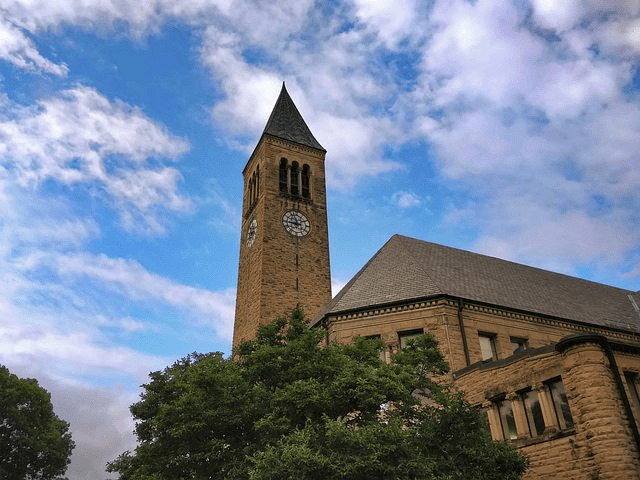
Cornell University | Courtesy Photo

The road to college

Students are ready for the end of a school year that has been marked with so much uncertainty and upheaval – education officials and school districts going back and forth between opening campuses and then resuming remote learning because of infection surges; teachers unions refusing to let their members return to campus until everyone has been fully vaccinated and schools have coronavirus testing in place; parents who are divided into two camps: those who want their children taught in school because it’s what’s best for them and those who want to continue remote learning because they don’t think schools can keep their children safe from COVID-19.

Whether your children returned on campus to finish what little was left of the schoolyear or stayed with distance learning, they must be relieved to finally get done.

Some schools are considering offering enhanced summer programs that combine academic courses with outdoor and sports activities that hadn’t been available. Academic experts have long worried about learning loss during the lengthy summer break which, inarguably, has been brought into sharper focus during distance learning. Now, more than any other year, you should encourage your children to enroll.

FRESHMAN

This is the last call for your ninth graders who need to improve their grades! GPA is the most important component of your children’s college application. If their marks are not adequate for college acceptance requirements, they need to confer with their college counselors to arrange for remedial summer classes.

By June, almost every Californian will likely be vaccinated and business will reopen. We will presumably have some kind of normalcy in our lives that will allow us to resume some of our summer activities. Encourage your children to speak with their grade level dean to figure out possible internships.  

Your children should begin planning summer volunteer activities. Admissions officers look for students who have demonstrated sustained community service in a few well-chosen areas. It isn’t the quantity of activities but the quality that’s important – they want to gauge the depth of students’ intellectual and ethical engagement to a given cause. The summer after their freshman year is the time for your children to find activities that truly speak to their interest and passion. Let them choose one that really resonates with them which they should carry through their four years in high school.            

Because we haven’t been able to go anywhere or seen anyone for 14 months, your children could be tempted to spend the summer months hanging out with their friends. While I know they deserve to get their social life back, they should also schedule some time for reading books. Encourage them to explore various genres and different authors. At the very least, reading will help them expand their vocabulary and expose them to different writing styles. This will come in handy when they write their personal statement and supplementary essays for their college application.

SOPHOMORE

Sophomore year is when your children have fully transitioned into high school. They are comfortable about how this phase fits into the whole secondary school experience. They have taken the practice PSAT, as a preparation for junior year when the results determine their eligibility for the National Merit Scholarship. They have also taken some AP tests, if they took an AP course.

Hopefully, your children have also done well in their studies, have maintained good grades this entire year, and have prepared for final exams. Admissions officers expect grades that are consistent, and if their freshman marks weren’t that great, their sophomore grades should at least show improvement over last year’s.    

Make sure your children have lined up their summer activities. They will probably have more choices than they had the summer of freshman year during social distancing, but they should try for something related to what they did last year. Admissions officers want to see commitment to a particular interest and, given the circumstances, they will really appreciate your children’s effort.   

JUNIOR

Make sure your children have registered to take all the required standardized tests for college admissions. While standardized tests are not required by the Cal State and UC systems, they are still part of the application for some and, if your children are applying through early action or early decision to these schools, they need to take the SAT or ACT this summer.     

Your children’s final grades are extremely important! Eleventh grade is the last complete year that college admissions officers will see on the application and they expect grades that are either consistent with, or better than, the first two years.

SENIOR

The high school graduation is a rite-of-passage that signifies a teenager’s first step into adulthood. I hope that your children’s school has some kind of celebration and a virtual commencement exercise planned, should an in-person graduation not be deemed safe.          

If your children are still sweating it on the waitlist of their first-choice college, they need to ensure their final grades are terrific! They should keep up with all their schoolwork and send the college admissions officers any updates on awards and honors they receive. They should ask their college counselor if an additional letter of recommendation might be helpful. Keeping in touch with the admissions office reinforces their interest in attending the school if accepted.

They should have put a deposit on their second-choice school to guarantee them a place for the incoming class in the fall. Although, if they come off the waitlist on their first choice, they will lose this deposit.

Be there for your children to support them whatever the outcome of their college application. It has been a significant phase of reaching adulthood and an important learning experience. In the end, though, what matters is not where they have been accepted. The college they attend will not guarantee success in the real world; it’s how they use their education that determines how well they do in life

Monrovia Schools Adopt Distance Learning

Originally published on 9 April 2020 in the Pasadena Independent, Arcadia Weekly and Monrovia Weekly

This image has an empty alt attribute; its file name is classroom-2093744_1920-954x682.jpg
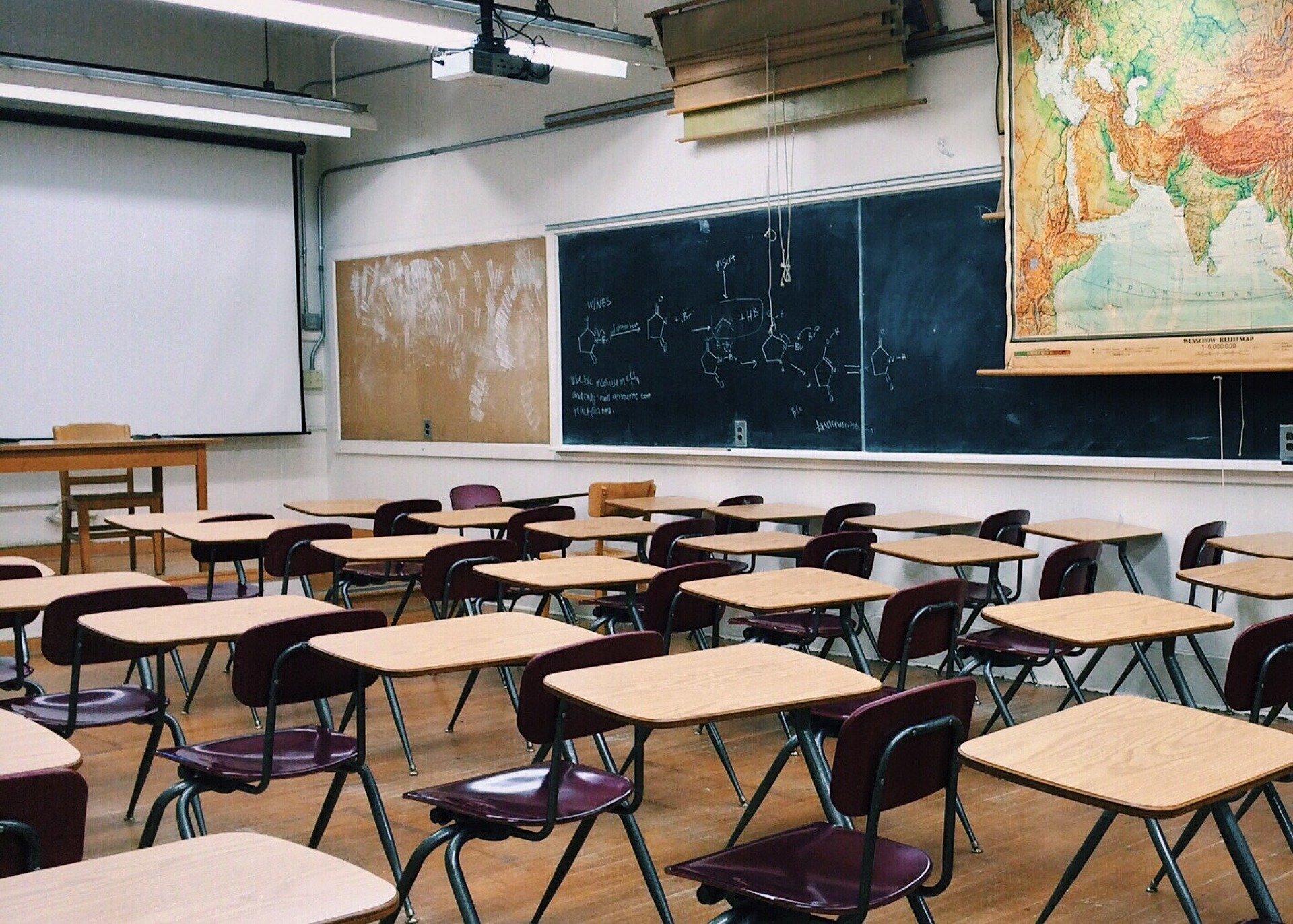
A classroom devoid of students | Courtesy Photo

On March 13 this year, more than 12,000 public and private K-12 schools in California announced closures to keep children and teachers safe after the coronavirus outbreak. They sent students home for an extended spring break while school administrators and teachers scrambled to put together a curriculum and system for distance learning.

Except for a handful of high schools offering online courses, such as Stanford University’s Online High School which was established in 2006 for grades 7-12, virtual classes were a rarity. But that changed practically overnight.                   

To find out when schools in the western San Gabriel Valley started distance learning and how they are delivering it, I reach out by email to three public school districts and independent schools. What I discover is that local schools, fortunately, have the infrastructure in place to support virtual learning.

Furthermore, based on their responses to my questions, I uncover the amazing dedication and skill of administrators and teachers who, in very short order, found ways to teach and connect with students and parents. I am featuring them separately because I would like to do their work justice. And while each article will never be able to cover the depth and breadth of their efforts, it gives readers a good perspective of what’s going on.                  

Dr. Katherine Thorossian, superintendent of the Monrovia Unified School District (MUSD), says, “Most of our online classes began on Tuesday, March 17, 2020. The few that did not, began with packets. Our schools were fairly well prepared. Our teachers and administrators have been training on various virtual platforms, with special emphases in Google Classrooms and the Google Suite of tools, systemically for the past five years. Our schools distributed devices to those students who did not have a personal tablet at home. We conducted a survey to see where the needs were and have worked diligently to fill those needs.”

I inquire how the district is supporting teachers and students in this new way of schooling. Replies Dr. Thorossian, “Teachers are meeting weekly with their principals in Google Hangouts. Teachers are receiving ongoing professional development from Instructional Specialists who support them with the technology and the content areas. Each school has two to six teachers (depending upon their size) who have been highly trained in technology tasked with being a support to the teachers on the school site. Two technology hotlines have been created – one for teachers and one for students/parents.

“Teachers are contacting students who have not accessed the content to make sure there are no issues with technology and to make sure every student remains connected with their teachers. Additionally, counselors are not only providing office hours, but are reaching out to students with whom they had previously scheduled regular ‘check-ins.’ Counselors are also meeting virtually with existing groups for group counseling sessions.

“Instructional Specialists created two weekly newsletters: one to support teachers and another to support parents. 

“While everyone is working at different times and locations in order to practice the safest of precautions, we are still ‘open.’ Teachers and administrators are still accessible and responding in a timely manner. Schools and offices are still answering and returning calls and emails.

This image has an empty alt attribute; its file name is school-417612_1920-912x682.jpg
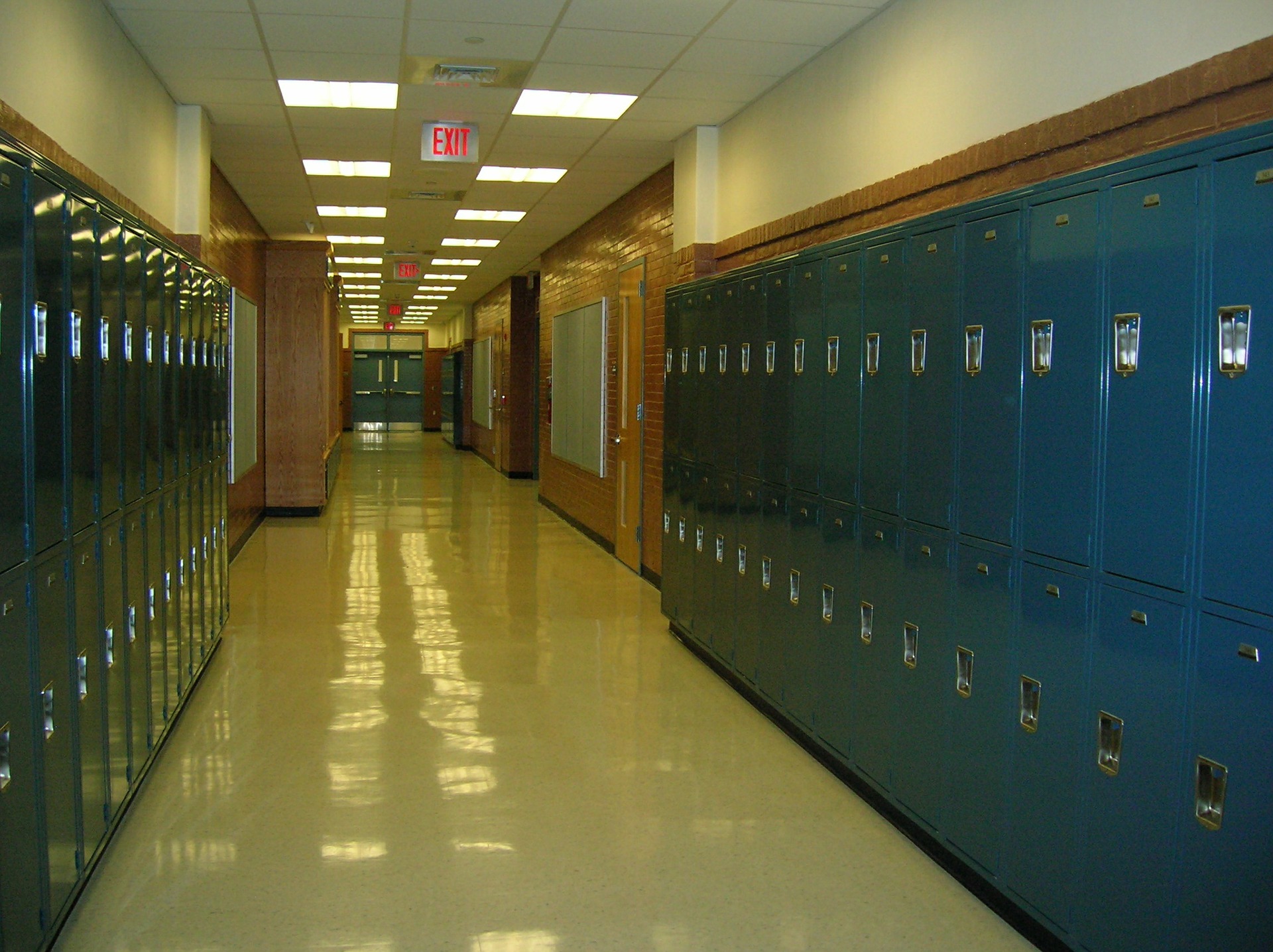
The school hallway, once a beehive of activity, is eerily quiet | Courtesy Photo

Dr. Thorossian elucidates on how the district monitors progress, “Principals have been ‘invited’ into the Google Classrooms on their virtual campus and ‘walk through’ classes in order to be aware of how things are going ‘on campus’ and to provide support where needed. Principals have daily check-ins with members of the district office team. We created an online platform that has a lot of information for parents, teachers, and students. It is a dynamic site that we continue to fill with new information and resources. It may be accessed through the main page of our website, and I encourage people to check it out as without it, they will not get a complete picture of the work being done.”

Asked if there is any assessment in place to determine if students are learning, Dr. Thorossian remarks, “An essential element in the learning cycle is feedback. Teachers provide feedback in many ways to their students and, in that way, monitor the progress they are making in class.  Standardized tests have been suspended this year in California. We are still working to determine the best manner in which classroom assessments should be administered.”

Jennifer Maljian, an Instructional Technology Specialist for MUSD who also happens to have two children attending schools in the district, describes her function, “My colleague, Chad Miller, and I have been trying to set up spaces and times that teachers who have questions have a place to have those voiced. We send out a weekly newsletter with distance learning tips and a video message from us. We also hold weekly Q&A sessions via Zoom to discuss topics related to Google classroom, distance learning through the student lens, and time set aside for teacher questions. We’ve had a very good turnout for those, thus far. Our goal is to continue these platforms for teachers throughout the duration of the distance learning.

“We have completed two weeks of distance learning – we’re currently on week three, but it’s officially our Spring Break. I can pretty much bet that teachers are using this week to really plan and prep for the next weeks to come!”

Markiena Madison teaches about 145 students in her 6th and 7th Science and Social Studies classes at Santa Fe Computer Science Magnet School. She explains, “My classes are conducted through Google Classroom, which is the platform I’ve been using for four years now. In addition to that, I screencast a lot of my teaching so students can view it at their own pace and work through it. I use Nearpod lessons for teaching as well. Lastly, I conduct virtual class meetings using Zoom to keep the connection with them, check-in, and to laugh a bit.”

“I have pre-created templates readily available for use and I also make new templates based on what I want them to learn/demonstrate for the day. Those templates include graphic organizers, vocabulary organizers, and fill-in forms using Google.”

As to student participation, Madison says, “It’s not a big issue when we’re using Zoom, but sometimes students don’t want to participate visually, so they close/turn off the camera. However, they do stay social using the audio. The biggest hurdle is motivating the students that were already struggling to do the work at home and the lack of face-to-face contact which makes a huge impact on engagement. In addition to that, making sure they complete all the assignments without the same in-class instruction.”

Madison notes, “Most of my students, during our virtual discussions, have stated that they already want to come back to school – even those students that don’t like to come to school. Which proves the saying, ‘You don’t appreciate something until it’s gone.’”

This image has an empty alt attribute; its file name is Maddie-Micah-3-909x682.jpg
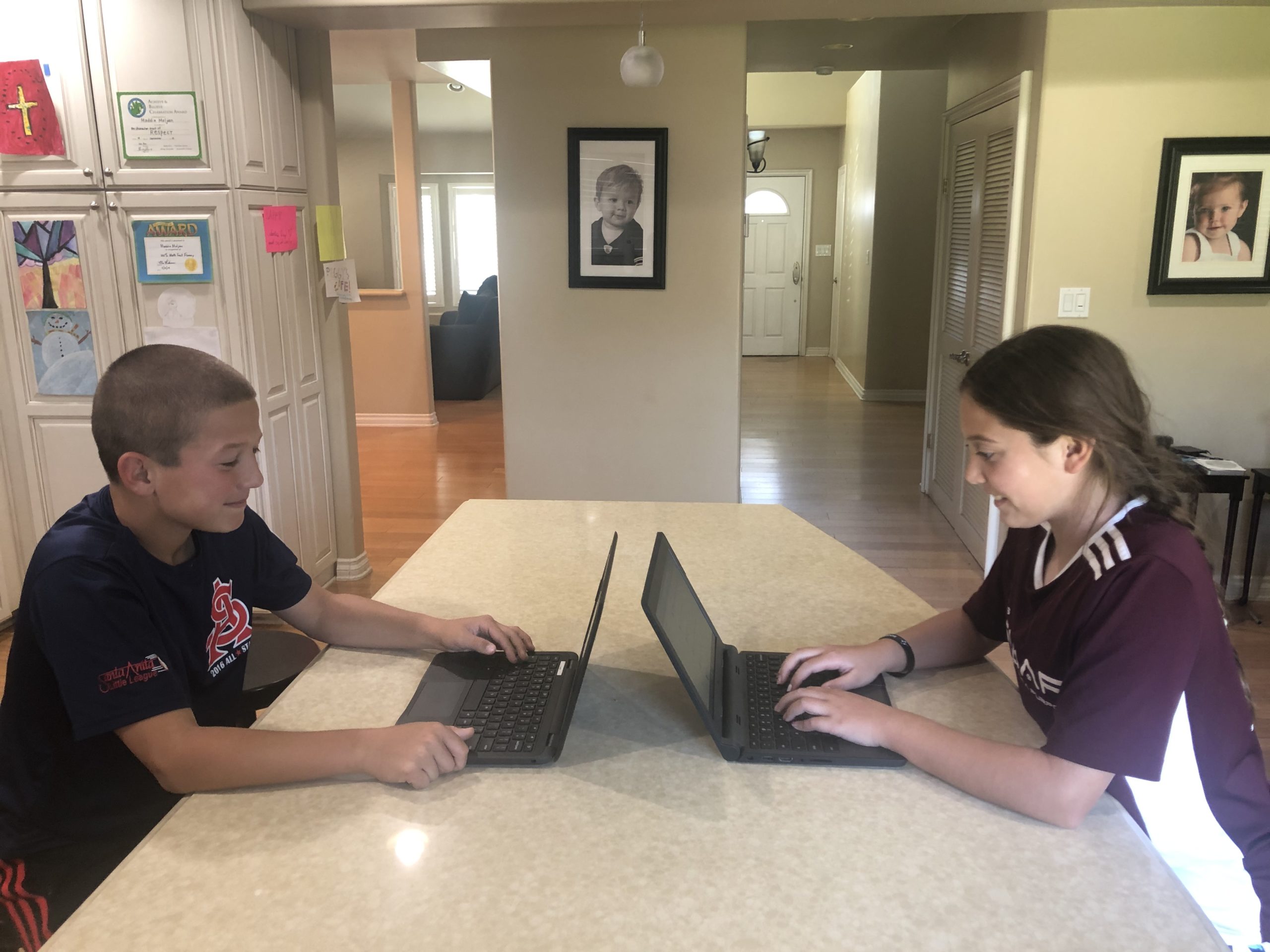
The dining table is now the hub of distance learning | Photo by Jennifer Maljian / MUSD

At Clifton Middle School, Gina Ayala teaches 101 6th grade and 67 8th grade students. She says, “The model I used for teaching was initially quite fluid – it felt like a beta test. Additionally, the first days were focused on assessing which students had access to technology (cell phones only, home WiFi, tablet or computer with full keyboard etc.) The technology access determined my expectation during the first days of quarantine.

“As we enter week three of distance learning (April 6) following our Spring Break, I plan to use more of a template. For example, assignments posted on Monday & Wednesday, activity on Friday with certain ‘office hours’ posted per grade level and specific class Zoom sessions scheduled by period. My hope is that a routine which allows flexibility will suit the academic and social needs of my students.”

Ayala tries to make sure students participate, “During teleconference, I use the same equity cards I used in the classroom to randomly call on students for response or contribution. I also use the private comment feature on Google Classroom to address a student. I’ve called parents and sent emails to families to gather information on why a student may not be responding to a Google Classroom prompt. Additionally, my grade level team (8th grade) has decided to work to get our students on the same schedule so all 8th grade science students will know the expectations for the week ahead. This will help with friends being able to help friends even if they don’t share the same teacher. I believe this will definitely help engage students who aren’t actively participating.”

“Initially, the biggest challenge was determining what type of digital access was available to each and every student. I need to be able to reach EVERY student,” Ayala adds.

“The learning curve for many teachers was very steep – switching, with virtually no notice, from the classroom to the virtual classroom,” comments Ayala. “My colleagues have been extremely helpful and inspiring. The amount of new apps, teleconference platforms, emails regarding distance learning, webinars, YouTube links, in addition to the plethora of resources pushed out by our district can be daunting. I have gone down the internet rabbit hole of amazing resources available. Knowing that too much information can cause a mental shutdown, I want to be mindful that my students aren’t experiencing that with new learning styles necessary in each of their ‘virtual’ classrooms. The silver lining is how much I have learned in such a short amount of time – the most practical, self-directed ‘professional development’ I’ve ever experienced. I cannot overstate the gratitude I feel towards my colleagues who have been both professionally collaborative and personally entertaining (videos, memes, FaceTime, Hangouts, virtual Happy Hours).

Clifton Middle School principal Jennifer Jackson voices her reservations and offers her insights. “Distance learning has its advantages at times, but the circumstances in which we entered into it made it difficult. Teachers are not used to digital platforms of learning but rather rely on technology tools when appropriate during lessons. There is quite a difference here. I feel the Clifton teachers have done a tremendous job embracing their new normal and providing a reasonable and accessible curriculum in all subject areas including physical education and electives.

“However, I do have concerns with accumulated screen time for students as we endure school closures. We will continue to learn and provide teachers the resources they need to become more confident with distance learning in addition to providing support for students. We will have much to reflect upon when this is over and I do wholeheartedly believe schools will benefit from all of this in the long run.”  

The most important component of the remote learning platform are the students and it would be remiss of me not to ask them for their thoughts. I reach out to Maljian’s children – Madison (Maddie) and Micah. 

This image has an empty alt attribute; its file name is Maddie-Maljian-2-909x682.jpg
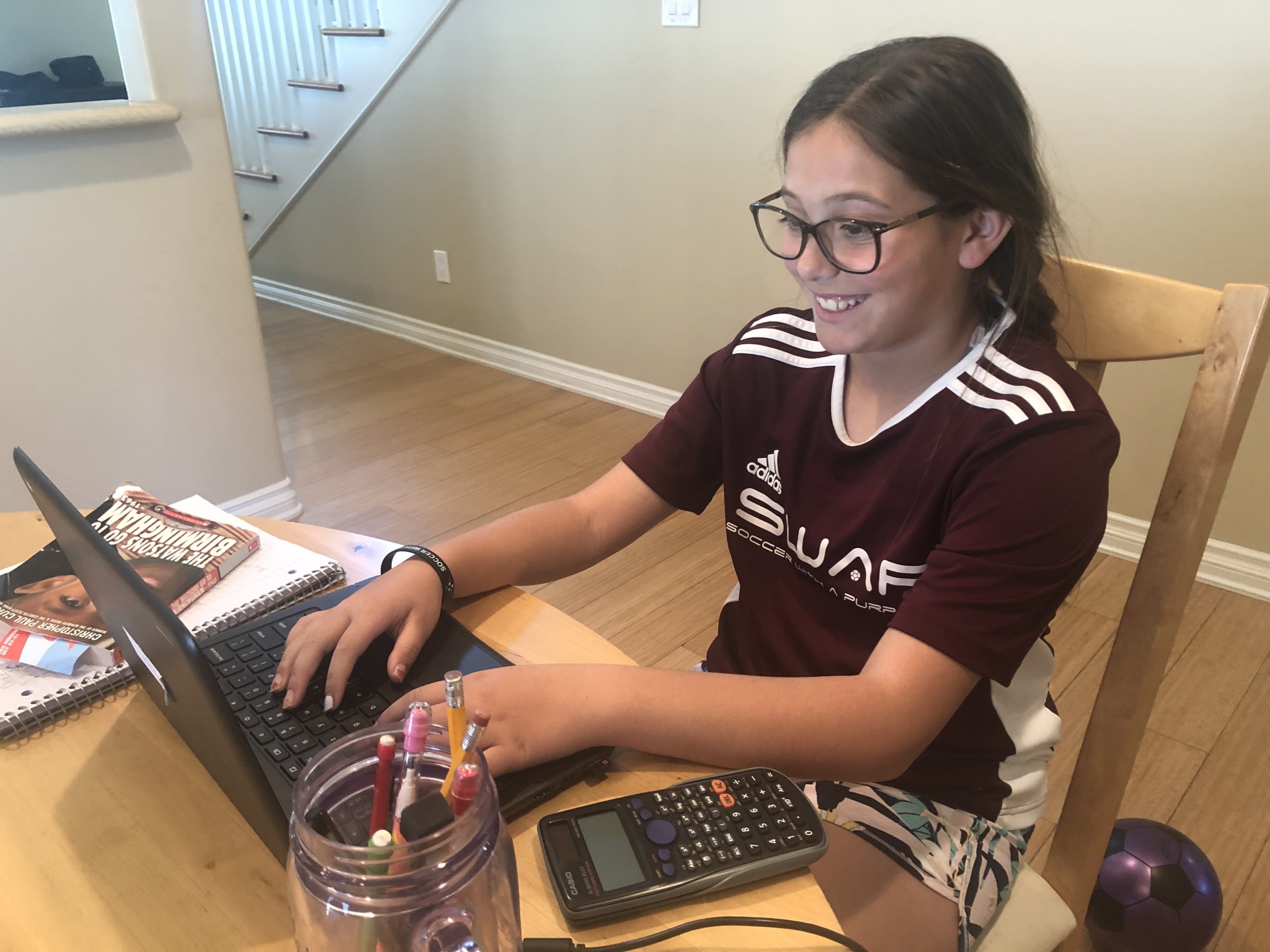
Madison Maljian | Photo by Jennifer Maljian / MUSD

Maddie is in 5th grade at MUSD’s Plymouth Elementary School. Responding to my question on how she receives her online learning, she writes, “My teacher, Mrs. Kim,  posts an agenda in Google Classroom each day using a Google Doc that includes hyperlinks to each assignment, activity, or Hangout we are to join for the day. She also includes a friendly morning message to us each day. In addition, she also sends the same Google Doc agenda to my parents through the Remind app each morning.

How do you motivate yourself to learn when you’re not actively participating in class? I inquire. Maddie answers, “When we started Distance Learning, I sat down with my parents and we discussed a schedule for each day that would include waking up, getting dressed like I’m going to school. I wrote down on a piece of paper what I needed to complete for the day so I could check items off as I finished them. I also tell myself each day I can do it!”

I ask Maddie if she had any challenges because of this new method and if she reached out to her teacher for help. She discloses, “ I struggled one day with WiFi at my house, and I was unable to join a Zoom with my class. Once my family figured out the WiFi issue, I contacted my teacher through Google Hangout and she filled me in on what I missed. My biggest hurdle is missing my teacher and school friends and trying to find ways to still connect with them.”

This image has an empty alt attribute; its file name is Micah-Maljian-909x682.jpg
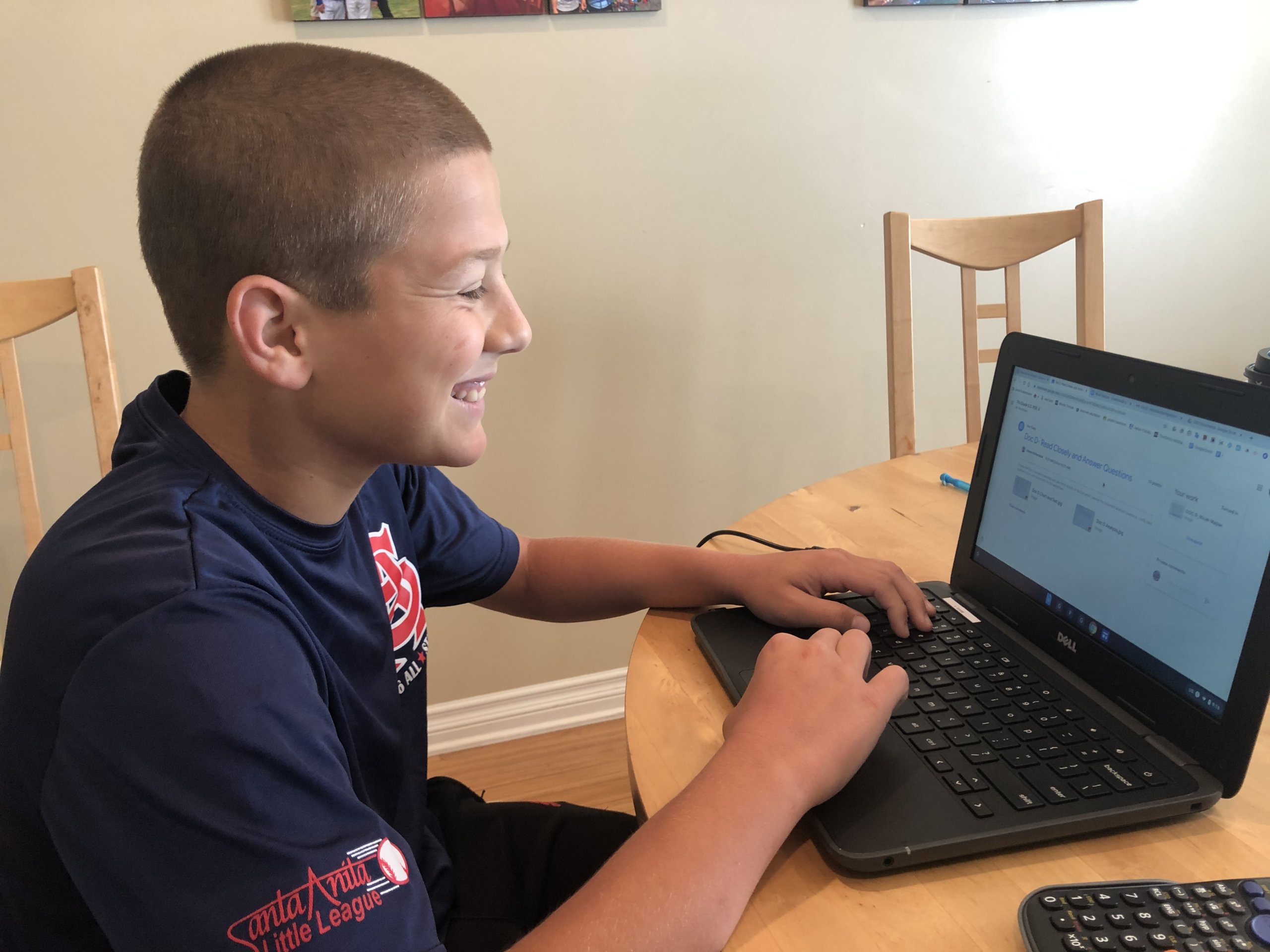
Micah Maljian | Photo by Jennifer Maljian/ MUSD

Her brother Micah, who is a 7th grader at Computer Science Magnet School, reports “ I get updates in Google Classroom from all of my teachers. Each teacher posts a check-in question and an assignment or activity as well as a video, almost every day. The videos are awesome – some teachers tell jokes, sing songs, perform Santa Fe cheers. It makes me feel like I’m still at school, even if only for a few minutes.

“My mom and I sit down every morning and we create one sheet that includes all of the items I need to complete that day. As I finish them, I am able to check them off. I also include break times for myself where I can practice baseball, juggle the soccer ball, and play basketball in my backyard.”

“The biggest challenge I’ve had so far was figuring out what format a teacher wanted a document submitted through Google Classroom. I emailed that teacher, and they got back to me very quickly and walked me through exactly how I needed to do that. The most difficult hurdle to overcome in this sudden change in my learning is missing my school, my classmates and friends, and my teachers. I really wish I could go back to school, but my teachers are doing everything to make it the best experience for us,” Micah ends.

Their mom adds, “My two kids have had really positive experiences with online learning. We’ve only run into the WiFi being a bit spotty which requires leaving an assignment for a while until we can get the WiFi up and running and then coming back to the assignment to finish it.

“It’s definitely a quick learning curve for everyone, but on a daily basis I am BLOWN away by how amazing the teachers in MUSD are! We are very lucky to have such rock stars teaching our kids! Their energy is magnetic and is what has continued to make my kids want to get up each morning – to see the video messages they send their students and the fun ways they’re incorporating silly things like crazy hat day, or how many jumping jacks can you do in 90 seconds. The heart of a teacher is nothing short of a miracle to these students right now!”

During this safe-distancing and remote learning period, we are once again reminded that humans are hard wired for social interaction and the classroom experience cannot be virtually replicated. Students, as much as teachers, are in school not only for the academics but for the physical contact and friendship.

However, it is also during trying times that we see human beings come together – school administrators and teachers united to ensure continuity in student learning. We accomplish extraordinary things when we rise to the challenge.