December College Search Guide

Originally published on 3 December 2021 on Hey SoCal
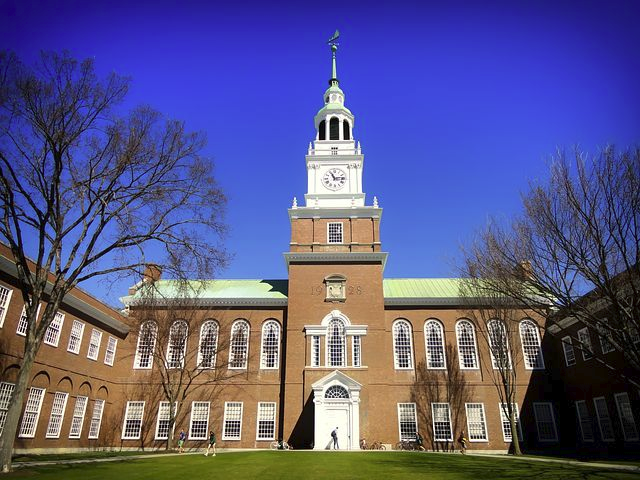
Dartmouth College | Courtesy Photo

The road to college

Just as we thought we were finally seeing a decrease in COVID-19 infection rates, comes the news that a highly transmissible coronavirus variant – Omicron – is causing great anxiety all over the world. Several countries, including the United States, are restricting travel to and from southern Africa. It has put a new wrinkle on people’s plans to travel during the holidays to be with relatives and friends they haven’t seen in almost two years.

We have yet to find out if this will affect schools as students have finally returned on campus two months ago and are adjusting to a new normal. The coronavirus pandemic changed the way learning is delivered not only for elementary and high schools but for colleges and universities as well.

College admissions also adapted to the circumstances when SAT, ACT, and AP tests got canceled because of the pandemic. It foretold the beginning of the end to standardized testing.

However, it wasn’t due to COVID-19 that the 10-campus UC and 23-campus Cal State systems went test-optional. It was because they were convinced that performance on the SAT and ACT is so strongly influenced by family income, parents’ education, and race that using them for high stakes admissions decisions is wrong.

On November 18th, Teresa Watanabe of the L.A. Times reported that the University of California is dropping standardized tests altogether after faculty could not find an alternative exam. In her follow-up article on the 23rd, she quoted FairTest, the National Center for Fair and Open Testing, in stating that the UC and Cal State systems “would join more than 1,000 other colleges that have gone testing-optional, with 47 more schools joining in the last 12 months, double the number over last year.”        

As I wrote last year in this monthly guide, this means the only components of students’ applications are the personal essay and their GPA. And as I have constantly preached to students, and parents who are helping and guiding them through the process, high schoolers should make sure they are getting good grades in all their subjects. The student’s GPA is now the singular, most important component of their college application. It reflects not merely what they’ve learned in the classroom but is an indicator of how well prepared they are to tackle the rigors of college and a predictor of their success when they get in.

Their personal essay is the other piece that has taken on a greater significance. Admissions officers have to get to know your child through their personal statements and determine if they will be the right fit for the incoming class they are trying to build and if they will make a meaningful contribution to the school’s student body. It’s a rather daunting task to accomplish with 500 words. While a college counselor can guide and help your child craft a better essay, make sure it’s in their own voice – admissions officers can easily tell if it sounds contrived and unnatural.              

Photo by Green Chameleon for UnSplash

Another development affecting college admissions is Amherst ending its legacy admissions preference, as reported by Matt Feeney on the New Yorker also on November 23rd. And, as he pointed out, other colleges and universities may soon follow suit.

While both those announcements seem to even out the playing field and make college admissions more equitable, they also translate to ever more students applying for spots that didn’t increase in number. That proved to be the case last admissions cycle when Ivy schools, led by Harvard at 42%, saw a rise in college applications

Meanwhile, SmartAsset, a company that offers financial advice, released its seventh annual study on the colleges that give students the best return on their investments. It listed California at number 5 with the following colleges and universities:    


RankSchoolCityAvg. Scholarships and GrantsAvg. Starting SalaryCollege Tuition*Student Living CostsStudent Retention RateCollege Education Value Index
1California Institute of TechnologyPasadena, CA$41,062$87,600$52,362$19,72298%89.80
2Stanford UniversityStanford, CA$49,255$81,800$51,354$20,23399%87.00
3Harvey Mudd CollegeClaremont, CA$36,443$91,400$56,620$20,32797%86.85
4University of California-BerkeleyBerkeley, CA$19,369$72,600$14,184$23,88297%65.13
5University of California-San DiegoLa Jolla, CA$17,958$65,000$14,167$18,67193%65.01
6California Polytechnic State University-San Luis ObispoSan Luis Obispo, CA$6,768$66,400$9,816$18,48694%62.51
7University of California-Los AngelesLos Angeles, CA$19,300$62,600$13,226$21,39497%57.22
8University of California-DavisDavis, CA$17,958$62,700$14,402$20,77592%54.97
9University of Southern CaliforniaLos Angeles, CA$39,516$66,100$56,225$18,60096%54.74
10University of California-IrvineIrvine, CA$18,216$61,100$13,700$20,56194%54.69

FRESHMAN

What a relief it must be for your 9th grader – he or she has survived the first semester of high school. While your children’s thoughts may be all about the Christmas holiday, this would be a good time to evaluate their progress. Remind them that while first semester grades don’t show on the final transcript, these are barometers of their academic strengths and weaknesses. Encourage them to use the winter break to plan how to improve where needed and how to build on their successes going into the second semester.

SOPHOMORE

Now is the time to look at their interests to determine what college course they might be suited for. Based on their aptitude and grades, they will have to start planning on their course options for 11th grade. They can also start researching which colleges offer the course they might want to pursue.

Photo by Annie Spratt for Unsplash

JUNIOR

This is an all-important year for your 11th grader and it is one of the busiest of their high school career. Your children should be able to successfully balance their academic, extra-curricular, and athletic activities. Hopefully, college counselors have met with you and your children and have given you an overview of the college application process. Your children (and you) should already have been to at least one College Fair and have met with a few admissions officers either in person or via Zoom.

SENIOR

While kids all around are excited about the Christmas holidays, your high school senior is sweating over his or her personal essay or feverishly writing all the supplemental essays colleges require with their application for the regular decision or the second early decision (ED II) round.  

This is a crucial time for seniors. They need as much encouragement as elbow room to get their applications ready for sending. Your children should be in constant communication with the school counselor to ensure that all transcripts, teacher recommendations, and supplemental material are sent to all the colleges to which they are applying. They should be on top of application deadlines for all the schools – they’re not all the same – to which they plan to apply.    

If your 12th grader applied through Early Action (EA) or Early Decision (ED), he or she must also be nervously waiting to hear from the college. And I’m sure your child would be ecstatic to receive an acceptance letter from his or her first choice. An ED means your child is legally bound to matriculate to that university, and his or her college search is over. Whew! If your child is accepted to a school through EA, he or she can either accept that offer or still go on to apply to other schools.

Accepting an EA offer relieves your children of pressure so they can enjoy the Christmas holidays, but it doesn’t give them leverage if they are qualified for scholarships. The best scenario is to apply and get accepted to several colleges so your children can get to pick the best financial offer or scholarship.

If your children are fortunate enough to have heard from their school and have been offered admission, it would be mindful of them not to brag about their acceptance. Some of his or her classmates may have applied to the same school and are hoping for admission. The university to which your child was accepted might be his or her classmate’s first choice. It would be very hurtful to then boast that he or she has been accepted but is not planning on attending that college.

On the other hand, if your children have been deferred on the EA or ED round, there are some things they can do to enhance their chances during the regular round. They can send any updates on any significant changes since they sent their application – a letter from a counselor about their first semester work or a letter from a senior teacher. They can also send in their first semester grades, especially if they have received some As in the meantime.  

Your children can also write a strong letter of interest and intent – all colleges and universities are concerned about their yield. If they are assured that your child will matriculate if accepted, they will look at him or her in a more favorable light (that is, if your child fits the profile they are looking for). This is one reason most colleges have instituted the ED II – they are assured that the applicant will matriculate if accepted. At the same time, it’s disheartening for applicants who aren’t applying for ED II as they would be far fewer slots available making the regular round more competitive than it already is.     

Provide encouragement to your children if they have been deferred – the school isn’t rejecting them, they have just been put in the pool for the regular round. Remember that these admissions officers have thousands of applications to read. They wouldn’t want to go through your children’s application again if they weren’t interested in the first place, they would have just outright rejected them. 

Your children should research all available scholarships, and start completing the FAFSA.

Some useful websites are: CollegeXpress (www.collegexpress.com); Fastweb (www.fastweb.com); Free Application for Federal Student Aid (www.fafsa.ed.gov); National Merit Scholarship Corporation (www.nationalmerit.org);  Scholarships.com (www.scholarships.com); Scholarships360 (www.scholarships360.org); Student Aid on the Web (www.studentaid.ed.gov).


A Noise Within is Back on Stage for its 30th Anniversary Season

Originally published on 28 September 2021 on Hey SoCal

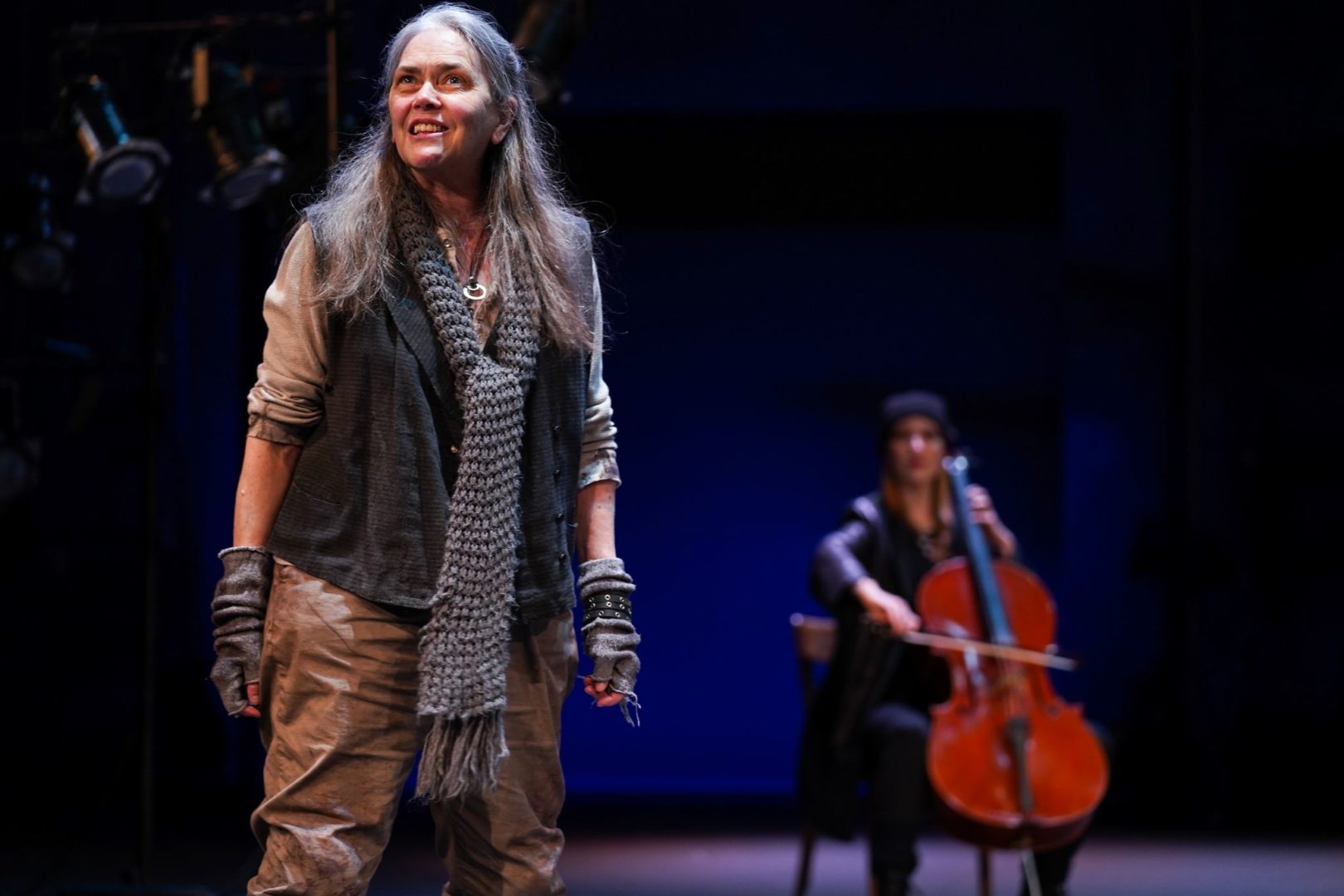
Deborah Strang as ‘the poet’ in “An Iliad” | Photo by Eric Pargac / A Noise Within

After 18 months of shutdown, A Noise Within (ANW) returns to live theatre with a one-person show of Lisa Peterson and Denis O’Hare’s modern-day retelling of Homer’s epic “An Iliad.” Directed by Julia Rodriguez-Elliott, it features two ANW powerhouses Geoff Elliott and Deborah Strang in alternating performances as “the poet” and will be on stage through Oct. 3, 2021.

Speaking with us by phone, co-producing artistic directors Geoff Elliott and Julia Rodriguez-Elliott explain the theme of their 2021-2022 season, which marks their 30th anniversary, and detail ANW’s protocols to assure theatre-goers that their safety is a top priority.

Asked if there are plays they had originally planned for the previous season that will be included, Rodriguez-Elliott replies, “Yes, we brought back ‘An Iliad’ and ‘Metamorphoses.’ We have just experienced so much change in the world we live in, so our season’s theme ‘We Shattered the Chrysalis’ seemed like a very appropriate one to examine. And ‘Metamorphoses’ is at the center of that because it’s a play about transformation and the healing power of love as a change agent. We felt it would fit into the 30th anniversary season.”

Geoff Elliott as ‘the poet’ | Photo by Eric Pargac / A Noise Within

Continues Rodriguez-Elliott, “‘An Iliad’ is a play with one actor and no intermission so it was a means for audiences to get used to theatre again before we get into full productions. We figured we would learn a lot with this first show and any adjustment that we needed to make, we would be implementing in the following show, which has more cast members. More importantly, this play is always relevant; but more so right now, as we see and read about the rage and conflict going on everywhere. And with the Afghanistan withdrawal, it seems like it was written just yesterday. Additionally, it’s a brilliant piece of writing, and Geoff and Deborah are magnificent! It’s just a wonderful way to re-enter the world of live theatre.”

Prior to reopening, ANW developed and refined extensive plans to keep everyone safe which they outlined in a press statement. These procedures include, but are not limited to: staff and crew certifying as COVID compliance officers; initiating a deep clean of its HVAC system for optimal turnover of fresh air; routinely disinfecting high-touch areas; providing PPE; and following LA Department of Health guidelines.

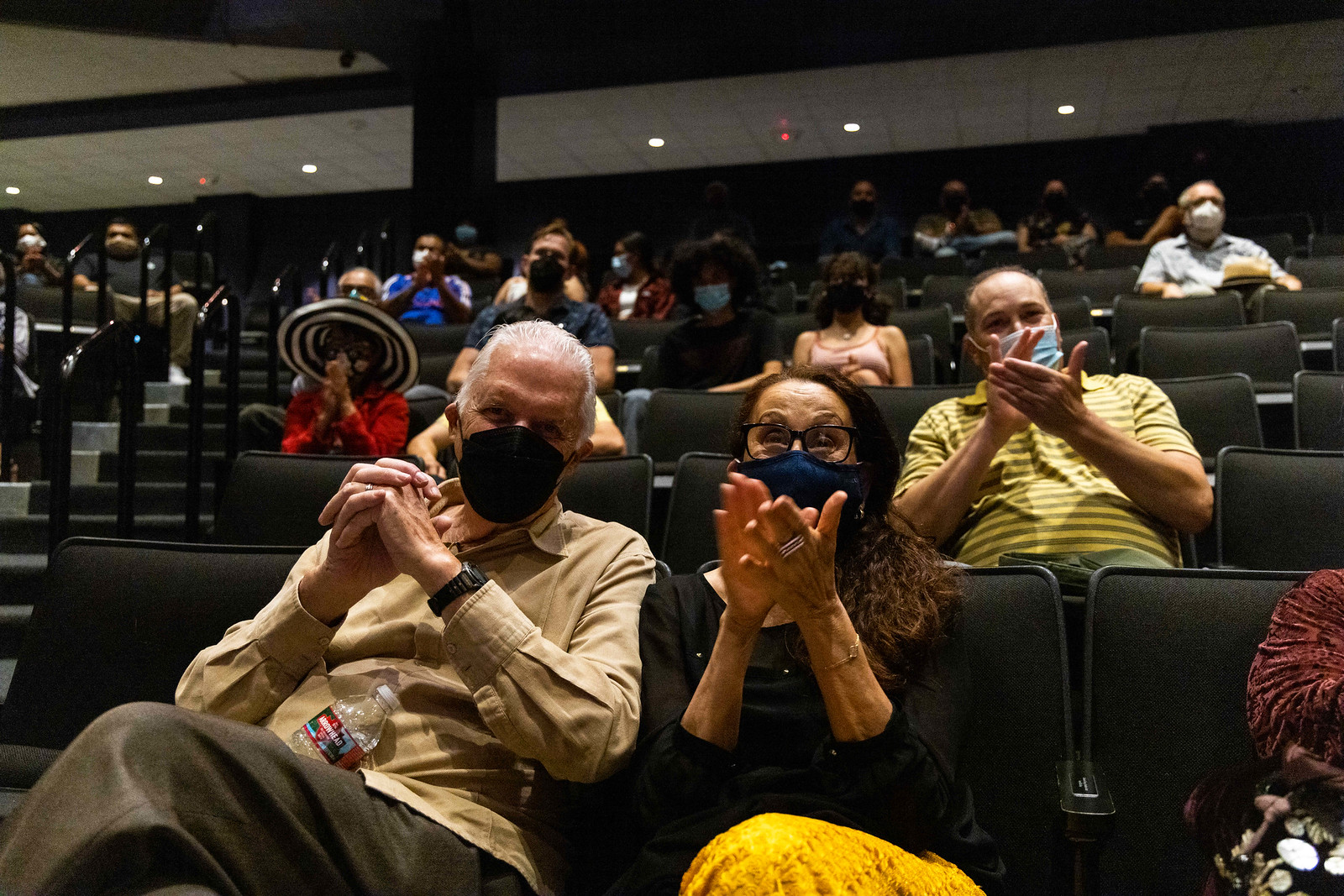
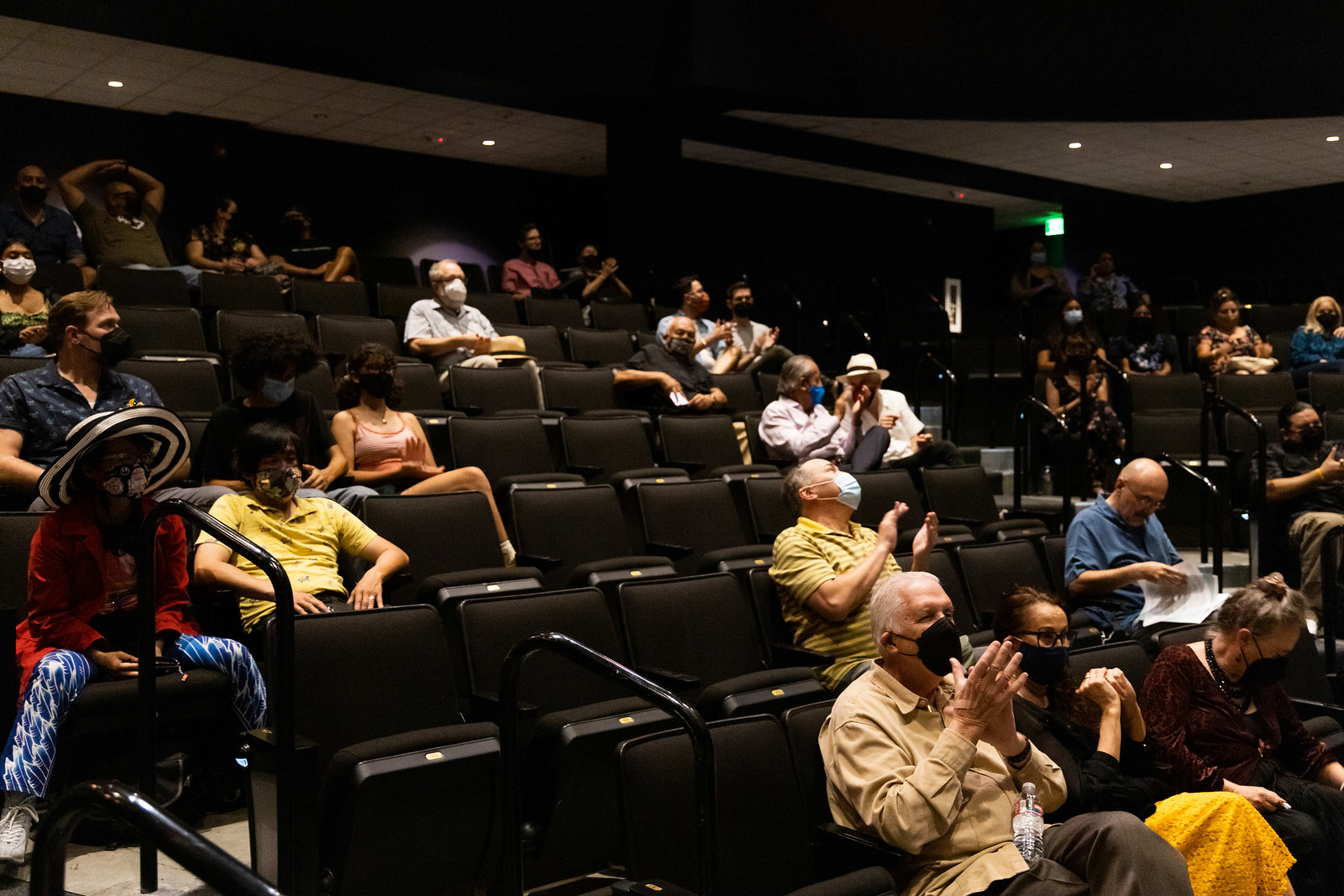
Besides requiring full vaccination for all staff, artists, and volunteers who work onsite, ANW has also put into effect strict guidelines for theatre-goers. Before being admitted into the theatre, all audience members must provide full proof of vaccination. Masks are required regardless of vaccination status and will be available on site until such time that LA County stops requiring masks indoors. At that point, masks will continue to be strongly recommended.

A Noise Within enforces strict safety guidelines | Photo by Brian Feinzimer / A Noise Within

During the months when the theatre was dark, ANW filmed ‘An Iliad’ with Elliott and Strang alternating as “the poet.” Elliott performed it on opening night for a live audience and relates the experience. “It was surreal on a certain level. Like everybody else, other than doing online things here and there, including filming ‘An Iliad’ a while back, we’ve been dormant for a year and when I got out there, I wasn’t prepared for all of the masks. It was a really surreal experience – I had to adjust as I have never done before. It’s beautiful to be back, but also very strange.       

“From an actor’s perspective, it’s a totally different feel. We rehearsed it differently. We knew we had to do it in a certain way because we only had limited time with the resources. It was a three-camera shot. There are seven chapters in ‘An Iliad’ and Deborah and I alternated performing in each chapter. We were very happy with the product but this play was meant to have a live audience for the actor to connect with them. Hearing their response propels you as a performer and you learn something new each time you do it – which doesn’t happen when the show is filmed. There’s something about everyone being in the same room, watching and listening to the story, and everybody relating to what’s happening on stage. You can’t have that anywhere else. It’s a kind of communion; there’s something very healing about it.”

“The show is really a conversation with the audience and when you do it on film, you’re missing that piece because the camera becomes your partner in a sense,” adds Rodriguez-Elliott. “It’s also different from the directing perspective. When you’re filming, the director or director of photography is making choices about what the audience is going to see, whereas in a play you’re on stage and you have a much more open canvas. As an audience member, you get to choose what you want to be looking at at any given time. Essentially, the audience members are much more active participants in a live version then in a film version. And it’s been interesting because a lot of folks who saw it on film have returned to see it live and almost everyone said they like the live version so much more.”

Audiences who have come back to watch the play are reacting positively to ANW’s strict protocols as well. Elliott says, “Overwhelmingly so. The feedback we’re getting is that people are thankful we’re requiring those and that we’re diligent about imposing them. If someone takes their mask off during the performance, our house manager and ushers gently remind them to put them back on, which makes everyone around them feel safe.”

Deborah Strang | Photo by Eric Pargac / A Noise Within

ANW is bringing back their popular holiday show this year and Rodriguez-Elliott addresses it. “We’re making an accommodation for ‘A Christmas Carol’ because it’s all about families coming to watch the show together. We’ll move to requiring children 12 and under to show proof of negative test for COVID. I think by then people are used to that because that’s being done in schools.”

Concurs Elliott, “The joy of the show is having families and their kids there. I have to say that I’ve read reports about Pfizer coming out with a lower dose vaccine for kids which they think will be available by Halloween. I hope – and I have my fingers crossed – that a lot of kids will be able to get vaccinated by then.”

While looking forward to things getting better by the end of this year, they recall the challenges of the past 18 months. Rodriguez-Elliott says, “Like other theatre companies, we tried to find opportunities to stay connected with our audiences on Zoom. We also wanted to keep the artists engaged. It was a challenging time for performers because the lockdown happened very unexpectedly, so they were quickly displaced and essentially out of work. As an artist, what fuels you is working on the art. As an organization, we were ultimately lucky despite all the challenges because we have such a strong support system. Our board did an amazing job of helping us navigate the challenges of the moment. Our supporters and donors responded and supported us in extraordinary ways, as did the foundations. Certainly, the government support was critical to surviving 18 to 19 months and not producing theatre nor having opportunities to generate revenue. It’s unheard of.”

“And, again, from a performer’s point of view, these Zoom readings are such a cheap knock-off,” Elliott expresses in frustration. “The artist is just trying to hang on, trying to connect with partners because the reality is actors feed off of each other. But we’re not in the same room so I’m not really looking at them when I’m speaking to them in a scene. We have to just imagine all that and, man, it’s so synthetic; I don’t think I will miss it.”

Rodriguez-Elliott declares, “It was a place holder but definitely not a substitute for real theatre. That said, in terms of the artistic piece of it, I think we got so adept at the Zoom world that it has been useful in things like being able to provide resources for audiences. Now we’re doing these deep dives where we have directors and artists talk about the play and audiences can participate in advance of attending a production. There are things that can enhance the theatre-going experience but not a substitute for it.”

“Plays like ‘An Iliad’ aren’t really suited for film; and performing on film isn’t what we do as a theatre company,” Elliott states firmly. “At the same time I take my hat off to all the performers and directors who were involved with it because it’s not easy to do. And as Julia said there was a learning curve but I think we actually got very good at it.”

“We also held two virtual annual fundraising dinners, believe it or not,” Rodriguez-Elliott says.  “The first one came up really fast right after everything shut down and the second one was last April. That we got adept at doing – we partnered with a caterer and had dinner delivered to people’s homes. We tried as much as possible to recreate the feeling in the room when we have events.”

Photo by Brian Feinzimer / A Noise Within

While ANW will now stage all plays with live audiences, they will keep some of their virtual programming. Rodriguez-Elliott discloses. “We’ll have the post-show conversations so even if people don’t watch a show on a night with one, they can still participate. We’ll also keep the ‘deep dives’ which our audiences enjoy.”

As much hardship the pandemic and resulting shutdown presented, there were lessons gained, which Rodriguez-Elliott expounds on. “We were still doing a lot of work. We still had to figure out what to do next and how to get through the next three months, but we were able to do it in comfortable clothes. It gave us a chance to consider a work/life balance and I think that’s a positive take-away. The other piece is that we learned to be flexible. It really called on us to change direction a number of times and I think one of the advantages for us was the size of our organization – we’re rather nimble so we were able to make changes as things were coming at us 24/7.

“It has been very moving to see how important the arts are in people’s lives because that’s what we heard over and over again with our community during this period of shutdown – the importance of theatre and community and coming together. On that note, I would like to say that this is a great time for people to support local theatre in the same way that we’re dining out to support restaurants. I think there’s a level of hesitancy. But once they come and they see the protocols that are being followed, and that we’re taking safety seriously and meeting them where they are, I think people will feel more comfortable attending live performances.”

September College Search Guide

Originally published on 1 September 2021 on Hey SoCal

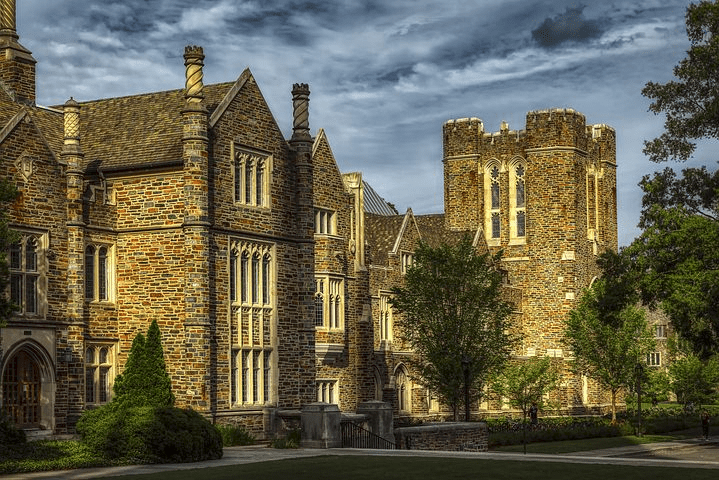
Duke University | Courtesy Photo

The road to college

Amidst the ongoing debate about the constitutionality of requiring every eligible student to be vaccinated or agree to weekly COVID-19 testing (Pasadena Unified School District was one of the first districts whose board approved the mandate), all schools in the San Gabriel Valley are now open for in-person classes.

With the troubling surge in infection cases from the Delta variant, it should be a welcome relief for administrators, teachers, parents, and other vaccinated students. The move could help bring some normalcy to our children’s school life. These students would like to resume the kind of learning that virtual classes could not replicate.    

Before I launch into the college guide, let me first touch on a topic that oftentimes causes family discord. School counselors tell their students to follow their passion when it comes to deciding what to pursue in college. That makes a lot of sense because people generally learn better when they’re studying something they are interested in. However, we also hear about research that finds STEM degrees are the most valuable, with the liberal arts the least valuable, to employers. Parents, anxious about their children’s earning potential, career future, and over-all financial stability, then discourage their children from taking liberal arts in college and push their children into the STEM field.

Employers, on the other hand, emphasize that they’re looking for applicants with excellent communication skills even when the job isn’t STEM-related. The conflicting information is enough to make anyone’s head spin. The one thing researchers and career advisors agree on is that earning a college degree will pay off in the long run. So whether your children are looking to get an engineering degree or are more interested in the humanities, the important thing is for you to support your children’s choice and help them be ready for college.                        

And that brings us to the College Guide. School administrators and counselors preach to their students that the college application process doesn’t start until the spring of their junior year and, therefore, they should just have fun and enjoy high school. While I agree that they won’t be applying until their senior year, the admissions process really begins on the first day of ninth grade. The components of their application is a compilation of their activities and accomplishments during their four years in high school. Hence, I advocate that your children start planning early on. Doing so makes a world of difference in their college search outcome.

FRESHMAN

Instill in your children good time management and organizational skills early on. High school is so much busier than what they’ve been through yet. These skills will help them have a happy, productive, and successful four-year experience.

If your children didn’t develop good study habits in lower and middle school, they need to buckle up and be serious about academics. Encourage them to immerse themselves in the culture of their high school and get involved in various extra-curricular activities that support their interests, and which they can carry on into the next three years.

Your children should find the time to meet with their school’s counselor to map out a four-year curriculum that meets all the requirements for graduating and going into college. Most colleges or universities require: four years of English; four years of mathematics; four years of science with advanced work in at least one of the three disciplines — biology, chemistry, physics; four years of a world language; three years of history, including American and European.   

They should take the most challenging courses they can handle. If their high school offers Advanced Placement (AP) subjects in ninth grade and your children decide to take the course, they have to be ready to take the exams after they complete it. Colleges usually only recognize 4s and 5s to show competency. Highly selective institutions also expect As on AP courses on students’ transcripts. 

I cannot emphasize enough that your children’s GPA is the single, most important component of their transcript. With several universities, like the UC and Cal State systems, dropping the SAT, students’ grades could very well be the determining factor for college-readiness.       

SOPHOMORE

By this time, your children should be fully transitioned into high school. They should be picking up where they left off — taking AP courses, working on extra-curricular activities they identified in their freshman year, etc.  

Practice exams for standardized tests are given in your children’s sophomore year so make sure they are registered for the PSAT (capacity is limited because of COVID-19 concerns so check to ascertain testing dates and that sites are open). Taking these tests will help them identify their weaknesses and study for them. Several companies and organizations offer test preparation courses (ACT: www.act.org; PSAT: www.collegeboard.com; Educational Testing Service: www.ets.org; Kaplan: www.kaplan.com; National Association for College Admission Counseling: www.nacacnet.org; The Princeton Review: www.princetonreview.com).

It may seem too early to do this, but your children can start looking at colleges that offer courses in their fields of interest. Or they can begin considering all possible options, if they haven’t determined what they are thinking of taking in college.

JUNIOR

This is a very hectic, even stressful, time in your children’s high school life. It is also the last complete year that college admissions officers will see your students’ grades and accomplishments. It is a critical year for them; they need to put the effort to show admission officers that they are capable of doing the work and are qualified for admission to the school to which they will be applying. If your children are thinking of applying to universities through early action/decision, their junior year grades and work will be all the more significant.

Aside from the rigors of school and extra-curricular activities, there are standardized tests to take. Your children should be taking the Preliminary SAT/National Merit Scholarship Qualifying Test (PSAT/NMSQT) early next month. I would like to remind parents not to put extra pressure on their children as they get ready for the standardize exams — they are stressed enough as it is, and a higher-than-average SAT score does not guarantee admission to their dream university.        

Normally, colleges and universities would be holding College Fairs on various high school campuses around this time. Your children’s school should update you if either in-person or virtual fairs will be held.        

SENIOR

It is going to be a marathon for your children! If your children are applying for early action/decision, they should have taken all the standardized exams required by the university during their summer after junior year. 

Make it a point to attend your children’s ‘Back to School Night’ – counselors will probably be giving parents information about the college applications that will be starting in earnest.  

The organizational skills that I have been talking about since your children entered ninth grade will be put to the test during their senior year. Encourage your children to create a calendar with standardized testing dates, counselor meeting schedules, and application deadlines. 

Your children should have a binder with separate sections for each college or university and a log of what needs to be accomplished for each, like: required standardized tests (SAT or ACT, SAT II grades; AP test scores, etc.); writing supplement; how many letters of recommendation they require; application fee; application deadlines..      

Ideally, you and your children have visited the colleges (even if you did it virtually) they are thinking of applying to. One of the first things they have to do is finalize the list of colleges and universities to which they will send applications. Eight was the norm when my daughter was applying, but students now are sending in 12 or more applications. This new normal, though, has only added to the competitiveness of the process. I would suggest limiting it to12 because applying to more schools doesn’t make a university with a 4% admission rate a more reachable goal.  

They should be ready to write their personal statement. If teacher recommendations are being sent to the schools instead of emailed, your children should also have provided stamped envelopes to the teachers.   

If you are applying for financial aid, be aware that the Free Application for Federal Student Aid FAFSA submission date starts on October 1st to align with the college admissions schedule. 

Research all scholarships available. Some online sites include: CollegeXpress; Fastweb; and Scholarships.com. Many schools use Naviance, which also provides students information about scholarships and assistance on how to apply.

It goes without saying that as busy as your children are when they go through the college application process, they should also get the best grades they are capable of. The colleges to which they are applying will require their first quarter grades if they’re looking to gain admission through early action or early decision.     

One factor that makes the college admissions process really stressful for parents is the feeling of not knowing what’s happening. School counselors generally only have time to meet exclusively with students, so parents feel shut out. However, there are books you can read to help demystify this process. A book I would recommend is called “Getting In! the Zinch Guide to College Admissions and Financial Aid in the Digital Age” by Steve Cohen, Anne Dwane, Paulo de Oliveira, and Michael Muska.

The professional guidance and insight the authors of this book provide will give you the ability to help your children navigate this complicated process. Use the book constructively; do not make it another source of stress for yourself and your children.

A book by Frank Bruni called “Where You Go Is Not Who You’ll Be” is a great read for both parents and students who are in the middle of college applications. It will help keep your expectations realistic and relieve your children of the pressure to get into the most selective universities.   

SGV Schools Reopen After More Than a Year of Remote Learning

Originally published on 10 August 2021 on Hey SoCal

Photo by Muneer Ahmed OK on Unsplash

Schools are gearing up for reopening full time after more than a year of remote and hybrid learning. Such happy news should be a source of relief for parents who believe that virtual classes don’t adequately provide the environment and tools conducive to learning. However, the seemingly uncontrollable coronavirus infection rates from the Delta variant are causing trepidation, even fear, among these same parents.

Some people have gone so far as saying that it’s irresponsible for schools to reopen and have students come on campus under these circumstances. While the cost of learning loss should not be taken lightly, the threat to students’ and teachers’ safety and health should not be discounted in any way either. It is essential that we bring students back in the classrooms; it is necessary to keep students and teachers safe. Both are moral imperatives – one need doesn’t outweigh the other.

To find out how school districts and administrators are handling this sensitive issue, we reached out to the Arcadia, Monrovia, and Pasadena school districts and heads of independent schools to share their plans with us and our readers.   

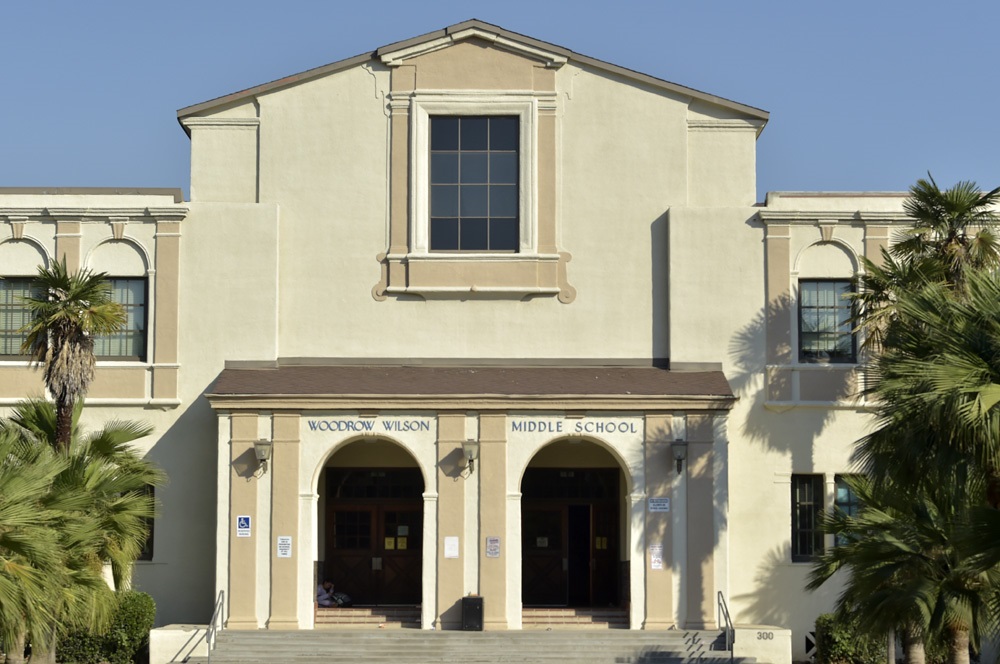
Wilson Middle School | Photo by Terry Miller / Hey SoCal

The Pasadena Unified School District serves approximately 17,000 students from kindergarten through 12th grade who live in Pasadena, Altadena, and Sierra Madre. Operating four high schools, five middle schools, three K-eighth, and 15 K-fifth elementary schools, it is the largest in the western San Gabriel Valley. Through Hilda Ramirez-Horvath, PUSD communications manager, Superintendent Brian McDonald discloses:

“School begins in PUSD on Thursday, Aug. 12. Classes will be full-time and in-person, five days a week. Learning will take place on campus an independent study will be available as an option for parents who are hesitant about sending their children back on campus. According to the California Department of Public Health (CDPH), in-person instruction can occur safely when prevention strategies are implemented. Since the pandemic began, PUSD has implemented multiple layers of robust set of safety measures. We will comply with the State’s public health requirements for schools and continue to work closely with the Pasadena Public Health Department (PPHD).

“We’re following the guidance of Pasadena Public Health and the California Public Health Department. We’re urging everyone who is eligible to get the vaccine, we have a robust COVID testing program, and masks are required for everyone. Ventilation is also in place with commercial-grade air purifiers in classrooms and common areas.

“As to whether PUSD will be requiring students to show proof that they’re fully inoculated, mandatory vaccinations for children are set by the state public health department. We will comply with state guidance.”

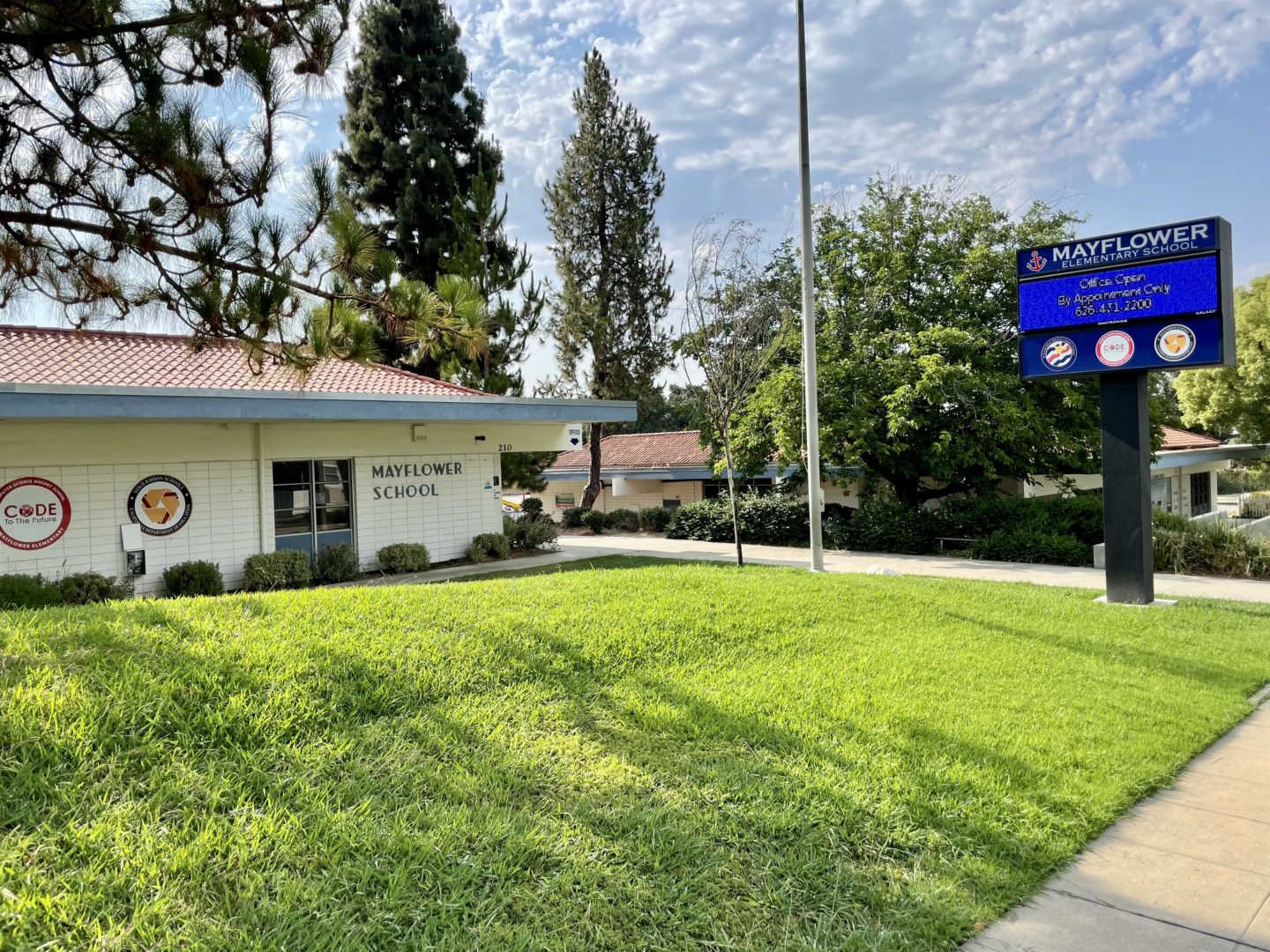
Mayflower Elementary School | Photo courtesy of Monrovia Unified School District

The Monrovia Unified School District encompasses five elementary schools, two middle schools, and one comprehensive high school. Superintendent Ryan Smith says:

“Our school year will begin on Wednesday, Aug. 18. We are very excited to welcome students back to campuses for traditional in-person instruction. We do have an independent study program at Mountain Park School that is a viable alternative for any family that prefers that their student continue to learn online on either a short or long-term basis.

“As always, we will be adhering to all requirements for schools that are laid out in both state and county public health guidelines. This includes the wearing of masks indoors for all students and staff; outdoors, masks are optional. Distancing is no longer a requirement in these guidelines; however, when feasible, we will do what we can to space students as needed or appropriate. We will not be requiring students to show proof of vaccination as that is not a requirement in health guidelines; students younger than 12 cannot be vaccinated anyway at this time. We have protocols in place to routinely clean our classroom, ensure proper ventilation, and access to PPE, again, all in accordance with public health requirements.

“We continue to emphasize that students who are ill or exhibiting symptoms stay home, handwashing, wearing masks, and that people get vaccinated if they are able.

“We are very excited about the start of the school year! Among our immediate priorities as we return are the following: identifying gaps in learning for each individual student and acting to address them; ensuring access to resources and support to address the social-emotional learning needs of all students; and utilizing technology to continue to personalize and accelerate student achievement.”

The Arcadia Unified School District is made up of 11 schools and serves about 9,500 students. It’s consistently named as one of the top school districts in the country by various ranking organizations; Arcadia High School is a U.S. News & World Report Gold Medal School.

We didn’t get a response from the school district’s information office but we learned that Arcadia High School will be opening on Aug. 11. Last Friday, Aug. 6, we observed the campus abuzz with activity – students were registering for classes, the band was practicing at the Performing Arts Center, and sports teams were meeting at the stadium. We saw safety protocols posted everywhere, the masking mandate strictly enforced, and bottles of hand sanitizers perched on tables at the reception lobby and at entrances. There was a definite air of eager anticipation for the school year to begin.

Most independent schools will start their 2021-2022 school year on the last week of August and, understandably, don’t have their plans etched in stone at this time. Among the handful of heads of school we requested information from, two agreed to tell us their procedures while emphasizing that they are in flux.                                            

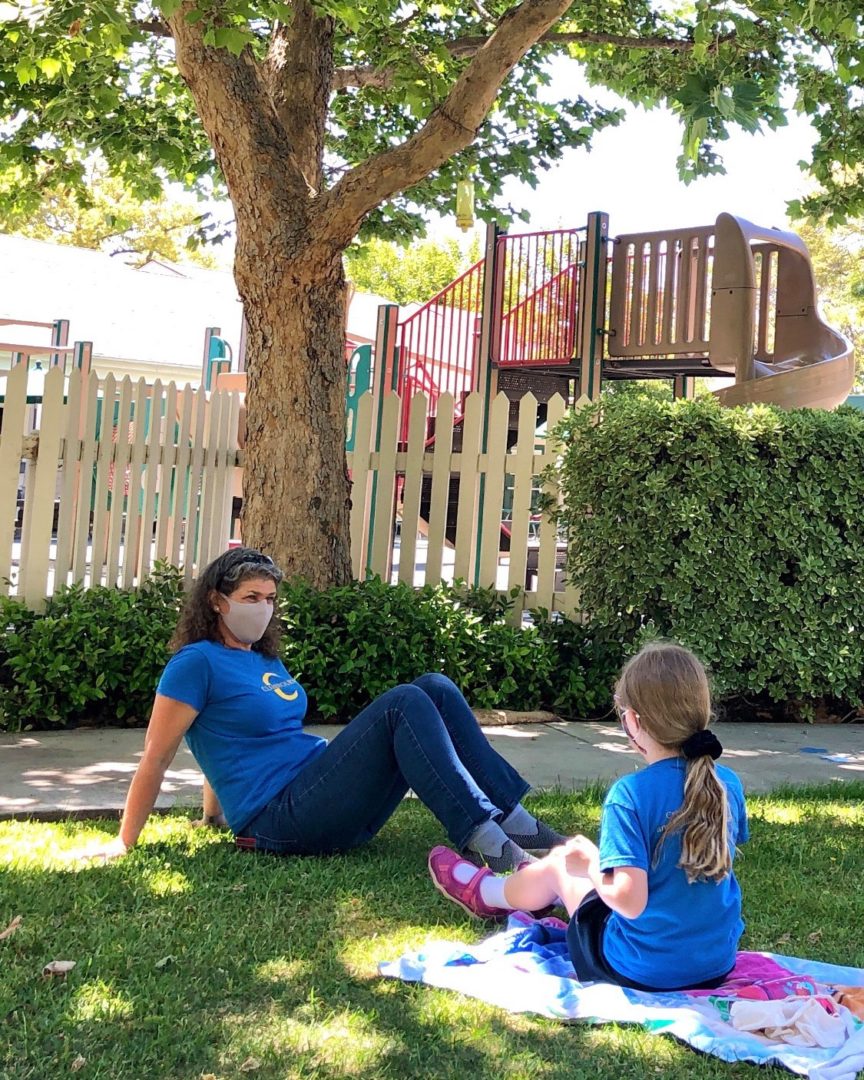
Head of school Amy Patzlaff relaxes with a student | Photo courtesy of Clairbourn School

Clairbourn School in San Gabriel, which has served the Pasadena area continuously since 1926, is a day school with a small enrollment of 200 students from pre-K to eight grade. Head of school Amy Patzlaff, states:

“Our opening day is Aug. 26, and we currently plan to offer only in-person instruction, but there may be situations that we will handle on a case-by-case basis. That said, we are prepared to go fully remote in any class or grade should that become necessary due to health department orders, exposures, or any other reason. 

“Besides cleaning procedures in place, we have hand sanitizers at every building entrance, desks are spaced out in classrooms to a minimum of three feet and more where possible, ventilation has been increased, and we are mandating universal masking on campus. We have visual cues to help with spacing – dots on benches and paw prints on the sidewalks. We do daily health screening for symptoms prior to arrival on campus. We will be doing regular COVID testing as long as it is recommended, including upon return to campus after holidays. In addition, we follow all of the protocols recommended by the health departments of isolating any symptomatic students or adults, sending them home, and requiring testing before return to campus. We will collect vaccination information and store it, according to privacy laws, along with all other health records.

“The spring was a good test of protocols while fewer students were on campus. We found the students compliant and the teachers vigilant. With the layers of protection in place, we are confident that we have mitigated the risk enough to have a successful year. A group of school nurses in our area have been working closely together to share strategies and procedures. This brain trust has helped each school to build on the collective work to launch successfully. I am grateful for the partnerships. In addition we have been working very closely, since March, with Pasadena Public Health, Los Angeles Public Health, cohorts of local schools, and Joffe Emergency Services. All of these agencies and groups have been generous with their time and knowledge. They all have provided expert advice that we can use immediately.” 

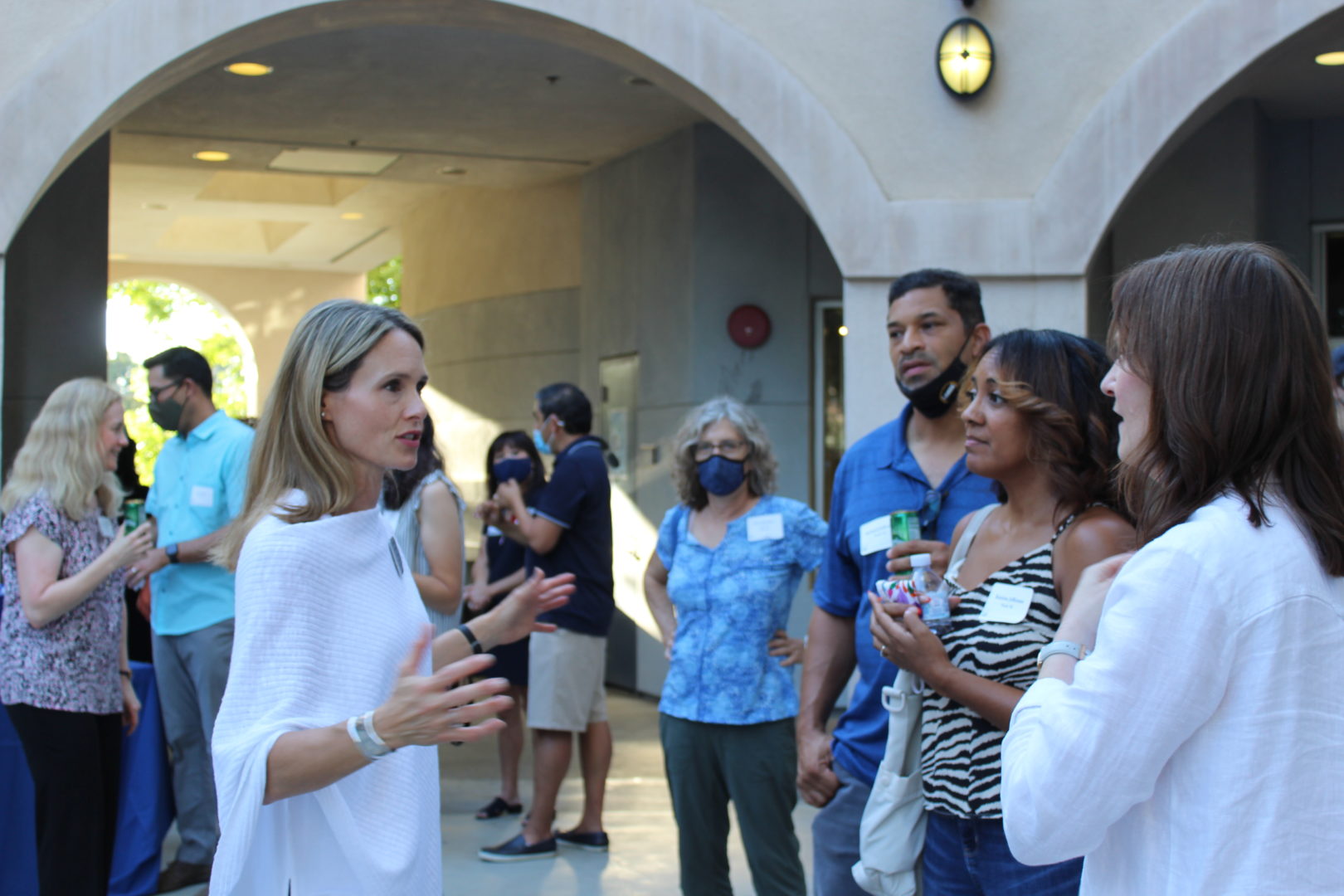
Vanessa Walker-Oaks (in white blouse on the left) chats with parents during a “Meet and Greet” event | Photo courtesy of Flintridge Preparatory School

A nationally recognized coed learning institution, Flintridge Preparatory School in La Cañada Flintridge, educates students from seventh to 12th grade. Through their director of communications, Nicole Haims Trevor, head of School Vanessa Walker-Oakes, shares their opening plans.           

“Our school year will begin on Aug. 26 for in-person classes only. We will follow all guidance from the State of California and Los Angeles County, including (but not limited to) masking indoors and outside as appropriate, enhanced cleaning protocols, improved ventilation, frequent handwashing, and daily symptom assessments. We are prepared to be responsive as conditions and guidance change.

“We expect all eligible community members to be vaccinated and to voluntarily share their students’ vaccination status. However, we anticipate our policy to change when the FDA fully approves the vaccination, removing the emergency use authorization.

“While we are mindful of the Delta variant, we here at Flintridge Prep are enthusiastic and excited to reopen this fall, and we look forward to revitalizing our relationships and reconnecting with our families on campus. Flintridge Prep values our community’s health, safety, and wellness, and we will use a variety of tactics to reduce risk for our students, their families, and our faculty and staff.”