Students are ready for the end of a school year that has been marked with so much uncertainty and upheaval – education officials and school districts going back and forth between opening campuses and then resuming remote learning because of infection surges; teachers unions refusing to let their members return to campus until everyone has been fully vaccinated and schools have coronavirus testing in place; parents who are divided into two camps: those who want their children taught in school because it’s what’s best for them and those who want to continue remote learning because they don’t think schools can keep their children safe from COVID-19.
Whether your children returned on campus to finish what little was left of the schoolyear or stayed with distance learning, they must be relieved to finally get done.
Some schools are considering offering enhanced summer programs that combine academic courses with outdoor and sports activities that hadn’t been available. Academic experts have long worried about learning loss during the lengthy summer break which, inarguably, has been brought into sharper focus during distance learning. Now, more than any other year, you should encourage your children to enroll.
FRESHMAN
This is the last call for your ninth graders who need to improve their grades! GPA is the most important component of your children’s college application. If their marks are not adequate for college acceptance requirements, they need to confer with their college counselors to arrange for remedial summer classes.
By June, almost every Californian will likely be vaccinated and business will reopen. We will presumably have some kind of normalcy in our lives that will allow us to resume some of our summer activities. Encourage your children to speak with their grade level dean to figure out possible internships.
Your children should begin planning summer volunteer activities. Admissions officers look for students who have demonstrated sustained community service in a few well-chosen areas. It isn’t the quantity of activities but the quality that’s important – they want to gauge the depth of students’ intellectual and ethical engagement to a given cause. The summer after their freshman year is the time for your children to find activities that truly speak to their interest and passion. Let them choose one that really resonates with them which they should carry through their four years in high school.
Because we haven’t been able to go anywhere or seen anyone for 14 months, your children could be tempted to spend the summer months hanging out with their friends. While I know they deserve to get their social life back, they should also schedule some time for reading books. Encourage them to explore various genres and different authors. At the very least, reading will help them expand their vocabulary and expose them to different writing styles. This will come in handy when they write their personal statement and supplementary essays for their college application.
SOPHOMORE
Sophomore year is when your children have fully transitioned into high school. They are comfortable about how this phase fits into the whole secondary school experience. They have taken the practice PSAT, as a preparation for junior year when the results determine their eligibility for the National Merit Scholarship. They have also taken some AP tests, if they took an AP course.
Hopefully, your children have also done well in their studies, have maintained good grades this entire year, and have prepared for final exams. Admissions officers expect grades that are consistent, and if their freshman marks weren’t that great, their sophomore grades should at least show improvement over last year’s.
Make sure your children have lined up their summer activities. They will probably have more choices than they had the summer of freshman year during social distancing, but they should try for something related to what they did last year. Admissions officers want to see commitment to a particular interest and, given the circumstances, they will really appreciate your children’s effort.
JUNIOR
Make sure your children have registered to take all the required standardized tests for college admissions. While standardized tests are not required by the Cal State and UC systems, they are still part of the application for some and, if your children are applying through early action or early decision to these schools, they need to take the SAT or ACT this summer.
Your children’s final grades are extremely important! Eleventh grade is the last complete year that college admissions officers will see on the application and they expect grades that are either consistent with, or better than, the first two years.
SENIOR
The high school graduation is a rite-of-passage that signifies a teenager’s first step into adulthood. I hope that your children’s school has some kind of celebration and a virtual commencement exercise planned, should an in-person graduation not be deemed safe.
If your children are still sweating it on the waitlist of their first-choice college, they need to ensure their final grades are terrific! They should keep up with all their schoolwork and send the college admissions officers any updates on awards and honors they receive. They should ask their college counselor if an additional letter of recommendation might be helpful. Keeping in touch with the admissions office reinforces their interest in attending the school if accepted.
They should have put a deposit on their second-choice school to guarantee them a place for the incoming class in the fall. Although, if they come off the waitlist on their first choice, they will lose this deposit.
Be there for your children to support them whatever the outcome of their college application. It has been a significant phase of reaching adulthood and an important learning experience. In the end, though, what matters is not where they have been accepted. The college they attend will not guarantee success in the real world; it’s how they use their education that determines how well they do in life
Last week the Wall Street Journal reported that the U.S. Centers for Disease Control (CDC) cut in half the distance for K-12 classrooms and removed a recommendation for schools to install physical barriers – sneeze guards, partitions, or tape. However, students should maintain the six-feet social distance when they are in other indoor venues like the auditorium; during extra- curricular activities, like sports events and music practice; or when masks have to be removed, like when they’re eating.
The reduced social distance does not apply to teachers and staff because, according to the CDC, COVID-19 transmission rates are higher among adults. Furthermore, the six feet requirement remains in place in communities with high transmission rates if students cannot be divided into cohorts.
L.A. County has seen a decline in the number of COVID-19 infections and several school districts in the San Gabriel Valley are planning on having students on campus in mid-April. Some school districts, though, are taking a more guarded approach by keeping the six feet distance, installing physical barriers to separate desks, and conducting their own health tests.
While all research data show that the classroom setting is the best environment for learning, not
all parents are rushing to send their children back to school, as reported by writer Howard Blume in an L.A. Times article. Parents in more affluent areas are twice as likely to send their children back to an elementary school as those in low income areas.
For middle- and high-schoolers, reluctance to return to school isn’t based on safety concerns but the classroom set-up – students will stay in a home room, instead of going to various teachers classrooms and classes will be taught via Zoom. For many, this arrangement isn’t much better than remote learning. In fact, they feel they’d rather learn from home where it’s more comfortable.
There are only two months left in the school year. And whether your high school children are going back on campus or have decided to complete the year in the comforts of home, they have to be preparing for the rigors of college.
FRESHMAN
The school year is winding down. Your 9th graders should be on track on all their academic grades and putting extra effort into getting the best grades they could muster. Assuming that things will come back to normal soon, they should line up summer activities – enrichment programs, summer camps, volunteer work, or part-time jobs.
All these – grades, arts, athletics, community work, employment – from 9th through 12th grade, will be recorded on the transcript that your children’s high schools will send to the colleges to which they apply.
SOPHOMORE
The College Board has made updates in light of the coronavirus outbreak (read it here) so please be aware of what your children need to do. Make sure your children have registered for all the standardized tests they have to take in May or June (Possible AP tests for 10th graders are Math, Chemistry, History and Foreign Language. Deadlines are April and May for tests in May and June).
They need to plan their summer activities. If they are taking an Art elective, or are interested in a particular art field, they should consider a summer program in that course to put on their resume.
High school students at school, wearing N95 Face masks in the classroom.
JUNIOR
This is the last complete academic year admissions officers will see when your children apply to colleges. They want to see grades that are improving from year to year, so the 11th grade final marks should be the highest on the report cards. If your children had gone on virtual college campus tours during spring break, they should also know the academic requirements of the colleges to which they are thinking of applying. They need to look at where they are grades-wise to figure out if the school on their list is a realistic goal.
Make sure your children have registered for the SAT, ACT (www.act.org), SAT Subject Tests, AP especially if they are thinking of applying through early action or early decision.
They should have all their summer activities lined up – enrichment programs, summer camps, volunteer work or part-time jobs. Remind your children to continue the pursuits they started in freshman year as admissions officers look for sustained interest, which is a reflection of what they are truly passionate about.
SENIOR
Some universities have sent out their decision letters in mid- or late-March, or mid-April if they applied to the Ivies. If your children are lucky enough to be accepted to all the schools to which they applied, they deserve a big congratulations! You can all exhale now!
This is the part where your children get to choose the school they really want to attend. During the application process, your children were hoping the colleges to which they applied accept them. Now the colleges that accepted your children would like your kids to choose them! In this rank-obsessed world of American universities, the schools encourage all students to apply to them (they actively recruit students they would never even admit because the more applications they receive and the more rejections they send out, the higher they’re ranked.) The tables are turned because once your children get the schools’ acceptance letter, these schools would like to ensure your kids actually attend their college. This is the yield: the higher their yield, the higher their ranking.
If your children are applying for financial aid or scholarships, now is the time to compare schools’ financial aid or scholarship offers. If a particular school really wants your children, you might have the opportunity to ask for a better package than what it originally extended.
If your children have been waitlisted to a school they are determined to get into, they need to respond quickly to let the admissions officers know that they are very interested. Your children should send a follow-up letter to express that the school is their top choice and that they will definitely enroll if accepted.
Demonstrated interest is all the more critical at this juncture as your children want to ascertain the admissions officers keep them in mind. Encourage your children to work with their high school’s counselor to make sure they send the transcript for the first semester, and any updates on awards and honors received after they sent their application. Your children need to keep in constant touch with the admissions officers.
The admissions office requires a decision from accepted students on May 1st. Make sure your children accept the offer of their second choice school where they have been admitted, and pay the required deposit. If your children are later accepted to the school to which they were waitlisted and accept that offer, they will lose the deposit on the other school. But it’s their guarantee that they will be attending a college in the fall.
Originally published on 29 December 2020 in the Pasadena Independent, Arcadia Weekly, and Monrovia Weekly
The 2020 Rose Parade | Courtesy photo / Tournament of Roses
To say that these are extraordinary times might be an understatement to describe a year beset by an astounding 81 million infections and over 1.7 million deaths from COVID-19 worldwide. In the face of those sobering statistics, a New Year’s Day without a Rose Parade or Rose Bowl Game in Pasadena seems trifling.
However, the Tournament of Roses Association (TofR) is determined to use that day — when we’re usually glued to our television sets marveling at the magnificent floats, watching the spectacular equestrians, and delighting in the marching bands as they travel five miles on Colorado Boulevard — to showcase and honor our New Year’s Day traditions.
This New Year’s Day presentation isn’t all about entertainment though. TofR President Dr. Robert Miller states, “We’re producing ‘Rose Parade New Year’s Celebration Presented by Honda,’ in partnership with Feeding America®, the nation’s largest organization dedicated to fighting domestic hunger through a nationwide network of food banks. Food insecurity has been a focus of our organization’s efforts during the pandemic, so it was only fitting for us to extend that commitment to our TV special. We’re very happy to have this opportunity to work with Feeding America, an organization that’s working to change lives in communities across the country.”
“When we were envisioning what this was, we asked ‘What do we want this show to feature?'” Miller continues. “Words like ‘new beginnings,’ ‘current issues,’ ‘moving forward,’ ‘honoring first responders,’ ‘optimism,’ ‘football,’ ‘ celebration,’ came to mind. It’s a fully-produced, two-hours of engaging, interactive broadcast about everything Rose Parade — our history; volunteers; parade participants, including bands, equestrians; and all the beautiful flowers. We’ll have celebrity performers in the fields of music, film, and television, as well as culinary and sports personalities.”
According to a press statement released by TofR, “The re-imagined New Year’s Day celebration will feature stellar musical entertainment and exciting celebrity guest appearances that will appeal to fans of country music, television, Broadway, and sports. There’s something for everyone in the family to enjoy. Musical performers include: Sheryl Crow, nine-time GRAMMY® Award winner with more than 50 million albums sold; Mickey Guyton, country singer-songwriter and historic GRAMMY® award nominee; Tori Kelly, multi-GRAMMY® Award winner, singer-songwriter; Lady A, multi-platinum, seven-time GRAMMY® Award-winning country trio Rascal Flatts — the most awarded country group of the last decade; The War and Treaty, eclectic, soulful, husband-and-wife duo – one of Nashville’s breakout acts.
Actor and philanthropist Gary Sinise was the 2018 Rose Parade grand marshal | Photo by Terry Miller / Beacon Media News
“There will be celebrity guest appearances by: Daddy Yankee – multi award-winning singer; songwriter, actor and producer Shanola Hampton – star of ‘Shameless’ on Showtime; Laurie Hernandez – Olympic gold and silver medalist, 2016 U.S. Olympic Women’s Gymnastics Team; Emeril Lagasse – chef, restaurateur, TV personality; and author Matt Leinart – 2019 Rose Bowl Hall of Fame inductee, former NFL player and Heisman Trophy winner; Rita Moreno – Emmy®, GRAMMY®, Oscar® and Tony® (EGOT) award winner; Dascha Polanco – star of Netflix hit, ‘Orange is the New Black’; Vin Scully – voice of the Los Angeles Dodgers for more than 65 years; Gary Sinise – actor, philanthropist and 2018 Rose Parade grand marshal. Past Rose Parade grand marshals, Emeril Lagasse and Gary Sinise, will both be featured in the special. Gary will open the show and Emeril will shake us up with his favorite New Year’s Day cocktail.”
The 2009 Rose Court | Photo by Terry Miller / Beacon Media News
Adds Miller, “The two-hour special will speak to our Royal Court and their traditions; we’ll share some of our unique moments and lots of heartwarming stories about the TofR members and their activities. We’ll show spectacular floats from previous years, a behind-the-scenes look into building a parade float, and New Year’s wishes from fans around the globe. And, of course, it will talk about football — we’ll have Rose Bowl Game® football highlights. The show will air on ABC, Hallmark Channel, KTLA, NBC and RFD-TV at 8 a.m. PST and on Univision at 7 a.m. PST on Jan. 1. We limited travel and ensured the safety of our talent by having the performance segments filmed at iconic locations around the country — including the Grand Ole Opry and the Rose Bowl Stadium — using the strictest COVID-19 safety protocols.”
The TV special will also include a virtual performance of “Everything’s Coming Up Roses” by seniors in high school from bands across the country to be led by a surprise conductor. Explains Miller, “While we have invited all the bands who were scheduled to perform in this year’s parade to instead join us for the 2022 Rose Parade, we realize that there are many seniors who will graduate before that. We didn’t want them to miss out on this opportunity, so we’re giving them their very own, unique performance spotlight.
Courtesy photo | Tournament of Roses
“We’re very excited about this retrospect and a look at America’s New Year celebration — the Rose Parade. All the networks are happy to broadcast the program and we’re grateful to them for airing it. It is our gift to the country and to the world. We want to convey the message that the view of our parade may look very different this year but our mission never changes — to provide the world the best floral parade, to create an enjoyable entertainment event, and to make those accessible to everyone.”
In previous years, the floats were available for public viewing directly after the parade and the following day at Victory Park. When TofR announced in July that they would not be able to host a parade on New Year’s Day, the board sat down to figure out if they could have some floral art displays instead.
Fiesta Parade Floats rendering of Donate Life’s floral sculpture | Courtesy photo / Tournament of Roses
Miller expounds, “We thought about having drive-by floral installations sponsored by companies. But in order for it to be economically feasible, we needed anywhere from 15 to 20 participants. We were able to get seven or eight committed, but we realized that wouldn’t be enough to make it work so we informed them of our decision to scrap the plan. (As a side note, the idea sounds great, so we might do it another year as a spring or summer event.) However, Donate Life, an organization which has been a Rose Parade participant for several years, came back to us because they liked the concept and thought it would be a way for them to continue promoting the importance of organ, eye, and tissue donation — the need for donors doesn’t stop during the pandemic.”
A press release issued by TofR states, “The Donate Life Rose Parade® float has inspired people across the country and around the world to save and heal lives through the powerful message of organ, eye, and tissue donation since its first participation in 2004. On its 18th year, and as a tribute to17 years on the Rose Parade®, the Donate Life community commissioned a beautiful and symbolic floral sculpture that will be featured in the Tournament of Roses’ TV special and then installed at the Tournament House at the end of December.”
Donate Life’s floral sculpture was created by Fiesta Parade Floats (FPF) at its 70,000-square-foot facility in Irwindale. Established in 1988, it is the longest-tenured Rose Parade float builder and has boasting rights to having the most awards in the float building industry. Its float for The UPS Store’s entry “Stories Change the World” won the 2020 Sweepstakes Trophy.
The UPS Store’s Rose Parade entry | Courtesy photo / Fiesta Parade Floats
Relates Mark Havenner, Fiesta Float Parade’s spokesman, “Our company started in January of 1988, with its first Rose Parade being the 1989 Rose Parade. On a normal year we produce anywhere from 12-14 Rose Parade Floats. We have been Donate Life’s float builder for the last few years and we’re honored that they wanted us to create this special display. Working directly with Donate Life, award-winning float designer Charles Meier conceived the floral sculpture called ‘Community of Life.’”
Featuring a vibrant honeycomb built by bees, Donate Life’s floral sculpture illustrates that we are stronger when we work together as a community. In the honeycomb are 21 hexagonal memorial portraits, depicting the life that donors bequeath. Additionally, the names of six health professionals — Donation Healthcare Heroes — who have gone above and beyond the scope of duty to make donation and transplantation possible during the pandemic are inscribed on plaques. Hundreds of individually dedicated roses within two beautiful bushes contain personal messages of gratitude, hope, love, and remembrance from the families of donor recipients. Astromerias of various colors are also used in the floral garden.
“In mid-September Fiesta Parade Floats started work on Donate Life’s floral sculpture, which measures approximately 30 feet wide and 15 feet high,” says Havenner. “Twelve people worked on building it and an additional 14 were involved with the decoration process. It will be on display from Dec. 30 through Jan. 3.”
Numerous small enterprises have been adversely affected by the pandemic and, in the Pasadena area, float builders count among them. Havenner discloses, “With the cancellation of the Rose Parade and other projects Fiesta normally works on, we have lost approximately 99% of our yearly business. Fiesta Parade Floats is hoping that all moves forward with the Tournament of Roses and its Jan. 1, 2022 Rose Parade.”
The 40-foot canvas at the Tournament House | Courtesy photo / Tournament of Roses
A 40-foot canvas in front of Tournament House reiterates that sentiment. It says “Getting Through the Unexpected, Together. The view of our parade might look very different this year, but our mission never changes.” On it are photos of bands, floats, and equestrians — the Rose Parade’s three major hallmarks. And according to Miller, already people are stopping, looking, and taking pictures. As he articulates it, “It basically says ‘We didn’t go anywhere. This pandemic hasn’t beaten us, we’re going to be back.’”
During pre-pandemic times, the Tournament president spends a whirlwind year traveling across and out of the country to be the face of the organization. In fact, it’s almost a full-time job that at the end of 2019 Miller decided to retire from his post at the Los Angeles Community College District as vice chancellor of financial resources, where he spent the last four years of his 37-year career in academia, so he could give it all his time and complete dedication.
Robert B. Miller | Courtesy photo / Tournament of Roses
Miller describes, “The president is the ambassador-in-chief and our job is to go out into the community — locally and regionally throughout the country, and between three to five internationally — and help with fundraising. That includes meeting with major sponsors, appearing at banquets, kissing babies, and whatever it takes to help them raise the money to be able to come to Pasadena. Getting a band to Pasadena, for example, is typically a $2,000 to $2,500 expense per band participant. So we’re looking at anywhere from $400,000 to $1 million just to get a band to Pasadena — that’s a lot of bake sale and car wash fund raising. I have been a TofR member for 37 years and it’s a true honor and pleasure to get to this point.”
This has been a vastly different year, though, and none of what Miller prepared decades for transpired. However, much like other major festivals, TofR’s board of directors decided that all of 2020-2021 assignments would be the same in 2021-2022. Therefore, he will be president again and will have the opportunity to do what other presidents before him had done. His theme “Dream, Believe, Achieve” will return next year.
A Rose Parade entry | Photo by Terry Miller / Beacon Media News
Miller’s professional experience as a community college administrator — he spent 22 years at Pasadena City College as associate superintendent and senior vice-president for business and college services, which was essentially like being a chief financial officer; he was interim superintendent president for about 15 months — served him well in this challenging year.
“All that administrative experience and business knowledge and acumen came in handy in working through the myriad issues — cancelling the parade and the impact of that decision on everyone from parade participants, to vendors, major suppliers, sponsors, partners,” expresses Miller. “I was heavily engaged starting the end of March through Aug. 1, figuring out the business aspect. For example, we had to take this year’s operating budget from roughly $16 million to just under $6 million. That was difficult enough, but then we had to look at every one of our relationships and determine the impact on that and work with these entities to limit the damage. We determined we had to make a decision in early July if we wanted to cancel the parade because of the investments and contractual commitments these entities — our float builders, bands, co-sponsors — had to make. That kept me busy 10 to12 hours a day.
“The TofR Foundation, which has been in operation, I’m guessing probably in the 1980s, has given almost $4 million to the local community and we’re working to give more. It’s a business and this year it was all about sustaining under these terms. My number one goal was to maintain as strong a balance sheet as we could and keeping as much reserves as we could to make sure this parade and game will be here for another 132 years. There’s no doubt that it has been a very different experience. We all have our journeys in life — I happen to be one who believes everything happens for a reason and, as fate would have it, I was the president during this horrible pandemic.”
Colorado Boulevard during the Rose Parade | Photo by Terry Miller / Beacon Media News
Besides the two-hour television special on New Year’s Day, the CFP semi-finals were originally going to be played at the Rose Bowl that afternoon and then later, at the Sugar Bowl. The winner of the Rose Bowl Game and the winner of the Sugar Bowl will then compete in the 2021 National Championship Game in Miami on Jan. 11 at the Hard Rock Stadium in Miami Gardens, Fla. and will be aired on ESPN.
TofR devised a schedule and set of activities in compliance with COVID-19 protocol. They will create a bubble environment necessary to ensure the health and safety of the players, coaches, and athletic staff, the vendors, and the media — from where they will be staying during their three days’ stay, to where they will be eating (the traditional Lawry’s dinner was cancelled), to where they will practice.
Because L.A. County had a surge of coronavirus outbreak, state health officials did not approve Rose Bowl representatives’ appeal to allow 400 to 500 people in the 90,888-seat stadium. So the plan was for the teams to play at 2 p.m. without spectators. According to a sports article in the Pasadena Star-News, though, Clemson’s coach Dabo Swinney said it made no sense to fly his players all the way to California to play to an empty stadium. Furthermore, “before losing to Clemson, Notre Dame coach Brian Kelly went so far as saying that his team might boycott the game if families were not allowed to attend.”
The Rose Bowl Game | Photo by Terry Miller / Beacon Media News
In the end, it was announced that the playoff between Clemson and Ohio State will be held at the AT&T Stadium in Arlington, Texas. This marks only the second time that the Rose Bowl Game will not be played in Pasadena’s Rose Bowl Stadium — the first was in 1942 when the game was moved because Japanese military forces attacked Pearl Harbor on the 7th of December and there had been fears of another attack on the West Coast.
It was quite a disappointing outcome. Miller, however, chooses to take a philosophical view of it all, “I just want to say this because it’s so important. When you look at the financial pain and ruin, the illnesses, and the deaths wrought by this pandemic in this country and around the world, our parade and our game are relatively insignificant. We have to put it all in perspective. And we, like everybody else, just have to adapt and manage the situation as best we can. We have to recognize that as big a deal as our parade and game are to ourselves and, we’d like to think, to our country and the world, it’s a tiny piece of this horrible puzzle.”
On the morning of Jan. 1, Pasadenans can take heart that even if the Rose Bowl Game will not be held in our backyard, we have a Rose Parade TV special to wake up to — it will almost be just like a New Year’s Day of the past. And, as insignificant as the Rose Parade and Rose Bowl Game are in the face of the destruction caused by the pandemic, echoing Miller’s words, after the devastating year we’ve been through, it is reassuring to see something familiar and normal. That, indeed, would be a gift to Pasadena and the world.
Originally published on 15 October 2020 in the Pasadena Independent, Arcadia Weekly, and Monrovia Weekly
Spencer and his ‘magic’ cards | Photo courtesy of Spencer Cheung
We’re in lockdown – until the foreseeable future. For the past seven months we’ve been indoors either remote learning, teleconferencing, or chatting with friends on Zoom. We’ve been playing video games or watching movies on cable. Some of us are probably bored out of our wits.
If, like me, you’re barely hanging on to your sanity, I suggest taking this opportunity to learn something you’ve never tried before that might be useful or entertaining. Lately, people have been making sourdough bread and posting their progress online. It apparently takes a great deal of patience, practice, and a certain amount of luck, to make a perfect one.
But if baking isn’t your thing, how about learning magic card tricks? Spencer Cheung, a 17-year-old Arcadia High School senior, has created a YouTube video to teach you what he knows. Via email, he tells me how he became an aficionado.
“From childhood, magic has always been a part of my life,” discloses Spencer. “For example, whenever I did good in school, my mom would take me out at night, reach her hand out to a star, and it would magically turn into a sticker of a shiny, gold star. Of course, at the time, I didn’t know that the sticker was already in her hand. My mom performed magic every night by making something seemingly impossible, well, possible. And I’ve been interested in magic since. But it was when I saw a clip of Shin Lim doing magic on YouTube that I decided to pursue it as a hobby. It absolutely blew my mind and, for hours, I sat by the computer trying to figure out how it was done. From there, I was hooked, and the rest, as they say, is history.”
Spencer continues, “I didn’t take any courses in magic – most of my repertoire has been self-taught. However, I did get some tips from older members of the surrounding magic community that I know. It took around a year to properly pick up magic, but I think a turning point for me was when I got second place in ‘Arcadia’s Got Talent Competition.’ After successfully performing a trick in front of an audience of close to a hundred, I truly felt comfortable with my art and, from then on, was able to have the confidence to perform anywhere for anyone. I also have had the pleasure of performing for a bigger audience during the pandemic through a free Zoom magic show a few weeks ago.
“When the pandemic hit Southern California in mid-March and Governor Newsom ordered a lockdown, I thought I’d help fight the spread of COVID-19 by encouraging others to stay home and learn to do magic card tricks. That way, what they will be spreading is the joy of magic! So on YouTube, I have created an extensive series of 43 videos which teaches all the fundamentals a beginner will ever need in sleight of hand.
“When I was starting out, I was often lost because there was no clear path to follow that would help me properly learn magic. Thus, I created my channel to give others the sense of direction that I never had. Furthermore, I believe that magic is one of the best hobbies to build confidence and foster self-expression. It is also something that can be practiced and enjoyed by all ages.”
Spencer played varsity tennis | Photo courtesy of Spencer Cheung
Magic isn’t the only activity Spencer is busy with. He says, “Before lockdown, I played varsity tennis for Arcadia High School. I’ve been playing tennis for five years and I have achieved a high ranking of top 100 in Southern California in 2019. During social distancing, I’ve been playing piano for the Certificate of Merit program, practicing some tennis, learning how to play the ukulele, and self-studying French.”
Like most students, Spencer isn’t too thrilled with distance learning. He reveals, “It has affected my studies as all of my classes have turned virtual. While it hasn’t really influenced the material or the rate at which I learn, it has hindered my ability to ask questions and develop a real bond with my teachers. I am an extroverted and inquisitive person who usually thrives in an in-person environment, but because of distance learning, the extra barrier of a screen and a mute button makes it much harder to truly connect with my teachers and properly engage with the material.”
Spencer is in the midst of college applications – a crucial period in a high schooler’s life. I ask if the lockdown has made the process more complicated than it already is and if he’s able to confer with his adviser/college counselor.
“Most of the process is typically online, so inputting personal information and essays are still the same,” assures Spencer. “The only part that is complicated is writing about activities that you haven’t been able to engage in because of COVID. For me, the biggest upset was that I couldn’t accomplish my full duties as president of the Arcadia Magic Club which I founded at my school. Also, the lockdown does make it exponentially harder to tour colleges in person, but virtual tours are a safe and informative alternative.
“Given that Arcadia High School is such a big school, with over 3,000 students in total, students’ main form of communication with their counselors have been over email. Thus, many Arcadia students are used to speaking with their counselors over email and the lockdown hasn’t changed much.”
As to what he’s going to pursue in college, Spencer says, “As of now, I plan to major in political science because as a member of my school’s We The People Constitution Team, I have learned the importance of civic education and the significant role that politics play in the pandemic and our everyday lives. However, I am also interested in economics and other business-related fields because my father is an accountant. Regardless of major though, I hope to study abroad during my college years. I love traveling and exploring different cultures which is also the reason why I am currently learning French and plan to learn many other languages in the future.”
In the meantime, Spencer will teach us how a deck of cards can add some magic to our daily life.
Originally published on 14 September 2020 in the Pasadena Independent, Arcadia Weekly, and Monrovia Weekly
Weber setting up his file folder for his animation videos | Photo by Nancy Lin
Fifteen-year-old Weber Lin was an Arcadia High School freshman when schools closed their campus in March and resorted to virtual learning. One day he and his parents read a CNN online article about a group of people in Montana who were making 3D-printed Personal Protective Equipment (PPE) to help with disposable mask shortages in local hospitals. They shared their ‘Montana Mask’ design with the public, which started a worldwide grass-roots effort to alleviate PPE shortages everywhere. And Weber saw an opportunity to join the cause.
Using a 3D printer he had won at a previous competition, Weber printed reusable ‘Montana Masks’ for a local urgent care clinic as his Eagle Scout project. Arcadia Police Chief Robert Guthrie also asked for an order of the masks for his police force. The venture was such a success that it grew into a much larger endeavor. He started a GoFundMe campaign raising over $3K, acquired six more printers, and created over 3,000 pieces of PPE (masks, face, shields, and ear savers) which he distributed to frontline workers from Hawaii to the East Coast and even to South America.
Weber assembling some 3D printers | Photo by Nancy Lin
Weber later learned that the Breakthrough Junior Challenge, an annual global competition for students to inspire creative thinking about science, added a COVID category this year. Having already worked on providing masks in March and April, he thought entering the competition’s COVID category was a natural extension of his efforts to help stem the spread of COVID-19. He spent over 150 hours producing a public service announcement (PSA) to help people, even kids, to better understand the coronavirus.
The idea was to create an entertaining and educational PSA with an unusual angle – from the point of view of the virus. Weber has always enjoyed making videos for school projects, even adding a bit of fun with green screens and stop-motion clay animation. For the Breakthrough Junior Challenge video, though, he really pulled out all the stops. He converted the family dining room – which he had previously used as a makeshift 3D printing PPE factory – into a production studio. His PSA includes a file folder that moves by itself and body parts that magically fall apart and come together. But what truly makes this amazing is that he’s completely self-taught, never having taken any formal class in film-making or video editing.
That project advanced Weber into the top 30 semifinalist stage and he is now in the Popular Vote phase. If he wins either the overall popular vote or the COVID category popular vote, it would shortcut him into the final round of judging for a chance to win a $250K scholarship, a new $100K science lab for his high school, and a $50K prize for his favorite STEM teacher.
With your help, Weber can win the popular vote and Arcadia High School can get a science lab. Please enter your vote before September 20. Use this link to his video and instructions on how to vote.
Share the video with friends for a SECOND VOTE (making sure they only vote by going THROUGH the link too; just “liking” your shared post will not count for votes)
IMPORTANT: ONLY LIKES/SHARES ON THE OFFICIAL BREAKTHROUGH PAGE COUNT!There is a max of 2 votes (1 like/1 share) per FB account owner.
Whether he prevails in the competition or doesn’t, Weber is already a winner in the eyes of all the frontline workers whose health and lives he helped save.
Originally published on 16 July 2020 in the Pasadena Independent, Arcadia Weekly, and Monrovia Weekly
| Courtesy photo
Remote learning became the default method of delivering teaching when the coronavirus lockdown was enforced in mid-March. Students, who thought this was a short-term measure, were all excited to get an extended spring break. It was cause for celebration!
However, that thrill wore off as the reality of studying from home for an extended period of time became apparent – they missed social interaction with friends, guidance from teachers, and support from school administrators. It also brought to light a very basic problem – students were having a hard time keeping up with their classwork.
Monish Muralicharan, 14 years old, Sanjay Adhikesaven, and Abyan Das, both 15-year-olds, who were then freshmen at Foothill High School in Pleasanton, were talking with a parent of an elementary schooler who found out that their child was having trouble grasping topics and adjusting to distance learning. That chance discovery mobilized them to take action – they were going to match these children with appropriate tutors and founded an organization called ‘Sailors Learning.’
Their mandate is to provide the service free of charge to make it accessible to parents of all backgrounds whose elementary- and middle-school children need a tutor. They ensure students are matched with tutors who fit their schedules, academic needs, and areas of struggle. Additionally, they offer extra-curricular classes to students interested in science, math, coding, and history.
While their parents are involved in a small capacity – re-sharing posts on Facebook and LinkedIn to spread the word – Monish, Sanjay, and Abyan claim joint ownership of ‘Sailors Learning.’ Via email, they relate whose brainchild it was and why they named it such.
Sanjay
begins, “At the beginning of quarantine, we all were on a call and thought of providing
tutoring. We understood we were struggling in distance learning so the
struggles would be the same or even harder for elementary schoolers. We wanted
to pick an interesting name, and we thought ‘Sailors’ was a cool name because it
also represents reaching new depths, which is what we want to do here at ‘Sailors
Learning.’ At first, we had the idea for us to tutor children to help them out.
However, we decided to make a platform to allow other students to also be tutors
so we can help more people.”
“We are using tools such as Wix, Google Meets, Gmail and many other messaging sites,” Monish describes. “Since we are an online tutoring service, we use many different ways to communicate with our tutors and parents which is mostly email. We use Google Meets as our main platform for extracurricular classes. However, in one-on-one tutoring, the parent and tutor can choose to use other platforms such as Zoom. Wix has been a big part to our success as we use it to make a great website. A website is a core to having an online service and Wix has helped us make that possible.”
Continues Monish, “Currently, we do not have a supervisor because we wanted to have an independent nonprofit as high schoolers. As for curriculum, in our extracurricular classes we stray away from the common core and basic topics taught in school. Having a teacher will not help as they would be looking for school-related topics. The whole point of our group classes is to teach out of school subjects, that way the students who enroll are signing up for things they want to learn, not things they need for school. For our one-on-one tutoring service, the tutor helps the student with whatever they need, so the curriculum does not need to be supervised. As for the service itself, we only have qualified tutors – we have an interview process and we pick the best teachers. We have seen many other tutoring organizations where they accept anyone but we wanted our students to have the best quality learning. Finally, we pride ourselves on creating this nonprofit from the ground independently.”
And
it was getting started that proved to be the greatest challenge. Monish
discloses, “I believe that for most businesses, nonprofits, and companies that
is the first step, and the same is true for ‘Sailors Learning.’ We had no previous
experience running anything so we struggled at the start. But soon we split the
work up into parts for each founder and we got going and led to the point where
we are now.”
‘Sailors Learning’ currently has about 50 students and 17 tutors they found through word of mouth, Facebook, LinkedIn, and friends. They’re growing the tutor base and looking to expand it further as they plan on continuing to use their resources to help other children after remote learning is lifted. They are thinking of expanding to help high schoolers as well.
Abyan supplements, “We are a nonprofit organization so that means that tutors will receive volunteer hours. ‘Sailors Learning’ offers coding, science, three levels for math, history, a book club, and we are opening new classes for summer including engineering and a creative writing class.”
These
‘sailors’ are regular teenagers. Monish enjoys playing the clarinet, table
tennis, chess, video games, and participating
in debate tournaments. In his free time, he plays games, watches TV, exercises,
and listens to music.
Monish tutors coding on Fridays and science on Saturdays. He explains, “I love science because of the wide variety of subjects and learning about the world. I love coding because it is fun to type words and solve a problem or create a game. I allocate about two hours a day managing ‘Sailors Learning’ over my other commitments. For tutoring, I spend three to four hours a week creating content and teaching.
“We
didn’t think about volunteer hours when we started ‘Sailors Learning’ – we just
wanted to help children. That, for me, has been rewarding. First, I get to run
a nonprofit with my friends and it has strengthened my relations with them.
Second, I love to tutor children in specifically science and coding. Finally,
the most important is how we all make a platform for not only children to learn
but for tutors to teach.”
College isn’t too far off Monish’s mind – he’s aiming to get into either Berkeley, UCLA, or Stanford.
Sanjay, like Monish, counts playing games and table tennis as his major interests. In his free time he goes on walks or participates in debate tournaments. He spends two to three hours a day working on the management part of the organization and about three hours a week tutoring and creating classes in coding and history.
Adding
to what Monish mentioned, Sanjay says, “There were a few challenges that we
encountered. First, there was the nonprofit application process, which was new
to us since this was the first time we created a nonprofit. Second, we saw the
problems that can arise, such as a tutor not being available and having to find
a substitute.”
“I think ‘Sailors Learning’ has helped me in many ways. I developed better relationships with my friends. And while I like to tutor, I also enjoy making this platform for students and teachers, which can reach a much broader scope,” concludes Sanjay.
He plans to pursue something STEM-related in college, and has looked into schools he could possibly apply to.
Abyan Das | Courtesy photo / Sailors Learning
Abyan allots two hours a day working to improve the organization he co-founded. He also tutors the extra-curricular history group class once a week for three to four hours. His hobbies are soccer, tennis, and debate. When he has a bit of free time, he plays video games, reads, or participates in debate. The head marketer for ‘Sailors Learning,’ he is looking to pursue marketing or business and hopes to get into a UC college. Besides the early challenge of filing for a nonprofit, he says getting their name out in the world has proven to be daunting.
“I
don’t get anything out of ‘Sailors Learning’ except spreading learning,”
expresses Abyan. “The whole point of this organization was to help children
learn, especially now due to COVID-19. However, we want to make this a
long-term plan and continue helping children.”
It
doesn’t matter that they live in Pleasanton, California – they are happy to
tutor kids in all the markets they can reach. As they emphatically point out
“Education is education and shouldn’t be limited to the local area.” And since
it’s all done online, it doesn’t matter if the student lives 350 miles
away.
Monish, Sanjay, and Abyan would like ‘Sailors Learning’ to be a long-term endeavor and they might have that wish granted – Los Angeles and San Diego USD announced this week that campuses will not reopen this fall and remote learning will continue into the foreseeable future. More tutors, not fewer, will be needed and will be greatly appreciated by all students struggling with their coursework.
Originally published on 9 July 2020 in the Pasadena Independent, Arcadia Weekly, and Monrovia Weekly
Karly Hou, shown at Harvard Square, is Wave Learning Festival’s Chair and Founder | Courtesy photo / Wave Learning Festival
When students were sent home during the coronavirus lockdown in March, they were left to their own devices as they studied remotely. Many didn’t have access to resources and teachers for guidance, which made it difficult to keep up with schoolwork. Parents of young children became active partners with the schools in providing learning for their kids. Some of them were also working from home so they had to juggle their time among their many responsibilities.
Karly Hou, who attended Henry M. Gunn High School in Northern California, was a freshman at Harvard University at the time. She had a brainstorm – organize an online platform to help students and parents during the quarantine period.
Fellow first-year Harvard student Kevin Tan, who went to Arcadia High School, along with a handful of other students from Stanford, Cal State San Luis Obispo, Northwestern, Rhode Island School of Design, Williams, and University of Pennsylvania, teamed up with Hou to form Wave Learning Festival. It is now on its third ‘wave’ of summer courses and has attracted middle- and high-schoolers from all over the world.
Via
email, Hou and Tan reveal how they know each other, how they created Wave
Learning Festival, and what they hope to accomplish.
“Karly and I have the same favorite study spot on campus: Cabot Science Library!” begins Tan. “It’s a truly amazing place for collaboration and seeing familiar friendly faces. There have been many times when those late night study sessions spontaneously broke into TikTok tutorials or just general chatter. Karly just has this amazing energy with her all the time, and we’ve been on the same wavelength since day one.”
It
was this energy which Tan enthuses about that led to the creation of Wave
Learning Festival.
Hou
says, “In March, we were all sent home from college. While it was a stark
transition, we were able to continue some sense of normalcy through online
classes and club meetings. But I saw friends at my old high school struggling
to maintain their studies, posting about their confusion and lack of
communication and support from the school. I thought, if PAUSD (my district),
one of the wealthiest school districts in California, was struggling like this,
what must students across the country be dealing with?
“Around the same time, I saw notices of summer camps and community programs shutting down without replacements or refunds, and started reading article after article by exasperated working parents on the difficulty of balancing their full-time jobs with the new job of keeping their kids engaged.”
Nick Danby, teaching ‘Great Speeches of History | Courtesy photo / Wave Learning Festival
Those concerns, and how to address them, became an obsession for Hou. She discloses, “I had been thinking this idea over in my mind for around three days straight, and I finally realized I had to get started because I couldn’t think about anything else. I made a document to quickly outline my ideas on the structure of our program, set up a team structure broken into five subgroups, and set up some basic materials – email addresses, a Slack workspace, a shared Google Drive, etc. The name – Wave Learning Festival – came about on a whim. After some deliberation, I decided to just roll with it since a) we could tie it into the idea of our classes running in ‘waves,’ b) the ocean imagery could give us a lot to work with as a theme, and c) nobody on the team had any grievances with it.
“I then reached out to some of my close friends from college and high school, as well as a few passionate friends I’d met through other events and, luckily, almost everyone was really excited about the idea. We got straight to work. Four days later, we had enough logistics set up and a website launched to start working with teachers; a couple weeks later, we introduced our first wave of classes. It’s incredible to me that we were able to organize everything so quickly, and I think that’s because we were all motivated by this shared belief in helping the community.”
For
anyone else, working on a passion project would be accomplishment enough. But,
by now, you would conjecture that Hou is quite the over-achiever.
“Balancing Wave with the end of my courses/my summer internship has definitely kept me very busy, but I’ve been more than happy to stay occupied during quarantine,” discloses Hou. “The good thing is that we got started right before finals, when classwork was winding down, but it was definitely hard to force myself to actually study, since working on Wave was so much more fun! Once summer started, I was able to get into a more set schedule of working my internship at Two Sigma in Houston from 7 a.m. to 3 p.m., then taking a break before working on Wave through the evening. I spend my weekends working on Wave, so I’d say it comes out to be 20-plus hours a week right now, not counting the time spent thinking about it as I’m falling asleep at night. It definitely feels less tiring than it might seem, since I have so much fun on both projects. Happily, I still have some free time to hang out (virtually) with friends, bake cakes with the family, and do some painting.”
How she manages to do all that seems like a Herculean undertaking – it’s exhausting just seeing this young lady’s timetable on paper.
Arcadian Kevin Tan is Wave Learning Festival’s Associate Director of Logistics | Courtesy photo / Wave Learning Festival
Tan isn’t a slacker either – he is the Associate Director of Logistics for Wave Learning Festival. He describes, “I do a lot of the work on the back-end to make sure that we have a palette of phenomenal classes each wave. I work directly with the college and high school students who sign up to teach a course, and I make sure that through Wave, we can translate those ideas into classes that work well in a remote setting. It’s really amazing how such a small group blossomed into something so much bigger. I remember for our inaugural wave, we had 12 courses running, and since then, the logistics team has been working tirelessly to work with the demand and enthusiasm from students and teachers alike. We have over 50 classes planned for our upcoming third wave of classes, and we’re hoping to include even more in the future!”
“I’ve
been working to get almost 100 courses live on our site this summer, and I can
tell you that is no easy task,” Tan expounds. “Being remote, I can work
throughout the day focusing on the logistics – from interviewing our teachers
to moderating ongoing classes to make sure they are safe. The team has put in a
lot of time to make sure that the classes are of high quality and that student
safety is never compromised. I’m really excited to get our content team
integrated into the workflow so we can continue to scale this project
throughout this summer.
“When I’m not working on Wave, I do research at Massachusetts General Hospital’s Lee Lab – their computational biology projects are a perfect transfer to remote – which I started this summer. With my mentor Anna Lappala, we’re finding novel ways to computationally model 4D chromosomal folding. I’m also taking online courses and working with a few of my friends to address social issues highlighted by the coronavirus pandemic or the Black Lives Matter movement.”
Hou
and her collaborators designed Wave seminars to vary in duration and format. Most
of them are a two- to three-week series with classes that meet three to five
times a week and a few are one-time sessions. Any student can sign up at their
website, and classes are held live through Zoom. There are no formal
assessments or assigned homework – the goal is to help students learn about
topics they’re interested in and have fun.
“We leave optional readings, assignments, and projects at our teachers’ discretion to enhance student learning,” explains Hou. “Our educators have been pretty good at measuring students’ progress through interactive discussions, projects, and informal quizzes. Although some of our courses only run once, many of our most popular courses from each wave return for future waves. Each teacher comes in with their own idea of what topics they’d like to teach. Our prompts are completely open-ended, so people can apply to teach whatever they’re passionate about – whether it be astrophysics or poetry, filmmaking or public speaking, hip hop or medical ethics!”
Madison Abbassi, a rising junior at Palo Alto High School, teaching ‘How Cancer Work’ | Courtesy Photo / Wave Learning Festival
Instructors are carefully hand-picked from a pool of applications. Wave team members interview each applicant and work with them over the course of two weeks to review and refine their curricula. In addition, at least one team member sits in on each class to help with logistics and ensure things run smoothly. Some past instructors have also joined the team to help work with future teachers, passing on some of the experience and insight they’ve gained from going through the same process.
Wave
seminars are all held online and are open to anyone who is awake at the time
and can speak English. Says Hou, “We originally promoted it only within the US,
but news of the program quickly spread around the world. We’ve now registered
students from 31 countries: the US, Canada, Australia, New Zealand, the UK,
Spain, Germany, Macedonia, Russia, China, Taiwan, Vietnam, the Philippines,
Thailand, Singapore, Malaysia, Bangladesh, India, Nepal, Saudi Arabia, Jordan,
Bahrain, UAE, Israel, Kuwait, Qatar, Egypt, Libya, South Africa, Venezuela, and
Brazil. So far, over 2000 students have signed up to learn with us in Wave
Three! Registration for Wave Four opens on July 14th with sessions beginning on the 27th.
Wave Five begins on August 17th and each runs for three weeks. Interested
families can enter their email address at our website to receive a notification
when registration goes live. We think we’ll run over a hundred classes for Wave
Four and maybe more for Wave Five to meet student demand.
“We
are hoping to continue Wave into the near future, likely transitioning to a
support format during the school year to assist students with their in-school
coursework, provide some extracurricular opportunities, and set up career
panels and college information sessions to help increase accessibility to this
kind of information. We are planning to host our summer programming next summer
as well, and now that we’ve set up so much infrastructure already, we
anticipate being able to offer even more courses and serve even more students.”
Wave Learning Festival came about to fill a need caused by the coronavirus pandemic. However, from all indications, the Z Generation’s altruism and responsiveness come early on in their life compared to the generations before them. And they do it all in the spirit of having a fun time. Even if the lockdown didn’t happen when it did, Hou would undoubtedly have come up with a fantastic idea to be of service to others at some point. The pandemic only hastened the process.
Originally published on 22 June 2020 in the Pasadena Independent, Arcadia Weekly, and Monrovia Weekly
| Courtesy photo
Until a few short years ago, the gap year was a British tradition – when a high school graduate spends a year before going off to college to pursue an interest or to work on a humanitarian project in another part of the world – we in America had only heard or read about. Then, ever so slowly, the idea took hold here among the wealthy. The coronavirus pandemic, however, made taking a gap year a realistic, even practical, option for students if school campuses aren’t going to be open in the fall.
An organization called Mind the Gap, was founded by Abby Brody to address the range of shortcomings in higher education and as a result of the need to bridge the chasm between what students learn in school and life skills they need in the real world. Its 15-week semester, called LIFE READY Program, will launch in September this year.
Brody
expands on this via email, “The cracks in the traditional path of higher
education have turned into more extensive and exposed gaps during the COVID-19
pandemic. We have been studying the crisis in higher education for the past two
years and the research is clear: gap year students have an advantage (in school
and life), but this advantage has previously been for the privileged – we are
changing this in real time. In being passionate about our mission we realized
quickly we were on to something huge when the A-list of educators jumped (and
continue to jump) at the chance to be a part of our team.
“We all share the spirit that gap semesters/years must be part of the narrative of education for all, and that means beyond the elite. Going directly to college and making the large financial commitment required may not be in the best interest of all students, irrespective of their financial means. At Mind the Gap we know it’s scary to step off the hamster wheel of our country’s established education system, but, alone especially, it’s just not serving most best. Having the gift of time and experience beyond the walls of a classroom is an outsized advantage. LIFE READY, our gap year program is step one in our journey to create alternative pathways that allow our youth to find happiness and success. It is no longer one size fits all.”
Continues
Brody, “We think it is an absurd expectation to think that high school
graduates are ready to pick a major or make the most of this experience from
the current K-12 education. How can they? Life, up to this point, has been ‘school,
after school, homework.’ Repeat. They study, they take a test, they forget.
Repeat. And school alone reflects little of the reality of life.
“COVID did not create the issues we are seeing in higher education today, but it has absolutely put a bright spotlight on it and accelerated change (and, but many, understanding and acceptance of that change). Parents and students should be questioning the ‘path’ of our education system. The student debt crisis is very real. The workplace of tomorrow is different than today and the skills required no longer fit in ‘majors.’ We are being challenged to think differently and not all march down a singular path that has less than ideal outcomes for many. Our youth and the world need better, now more than ever.”
Abby Brody | Courtesy photo / Mind the Gap
“We are the first gap year program created by education researchers and experts with the proper lens for filling the systemic gaps between school and life,” Brody declares. “As mentioned, we have extensively studied the ‘why’ students are failing for the past two years and as a team have decades of experience working with this age group. Our team is the best of the best and has a track record of creating successful startups in the education space. David Dunbar, lead curriculum designer, created City Term, one of the most transformative educational experiences. Ivan Cestero, Clair Sellers, and I were founding members of Avenues: The World School. Our work at Avenues was to rethink K-12 education. We’ve done it before, we are doing it again – and in a major way.”
The
course being offered by Mind the Gap, however, has a hefty price tag of $5,000
per semester, which could be a major deterrent for the many families who are
financially strapped and are the most adversely affected by the coronavirus
pandemic.
“We
are planning in early July to add a variety of a-la-carte options for, say, the
devoted gymnast who is using her gap semester to focus first on that, and
second on becoming life ready,” says Brody. “We are realists, and we get that
this new, new world does not offer only binaries. In addition, we are
considering, based primarily on early indications of interest, offering second
and third cohorts during the first semester starting in a staggered manner as
we have capped our registration at 300 persons and while the quality of
programming and experience is paramount, we feel we can bring that plus offer
more broadly the curriculum to those who might have a bit different timing
and/or needs.
“Further, we are expecting to open up registration via sponsorships/scholarships in time for Fall 2020 so that we are accessible by virtually anyone who has graduated high school in the past five years who really wants in! For our LIFE SET academies (which will launch in the future), our recipe is simple. Value of degree costs less than the degree.”
Abby Brody | Courtesy photo / Mind the Gap
“This is not school,” clarifies Brody. “While we could partner with a community college like others have, it’s always at an additional cost and we don’t want to walk away from our mission that is student focused. And we don’t just want to bring college bound students into our program. At Mind the Gap we are okay saying out loud that college does not serve everyone. Our graduates may go straight into the workforce or go into a vocational setting.”
“We
will be leveraging a collaborative learning platform called jigsaw,” Brody
explains. “This platform is not a lecture platform like how most distant
learning is looking online with ‘Zoom’ class. Our platform allows ‘Fellows’ to
customize their screen to have documents, videos, chats and live speaker views
at the same time. We chose this platform as it facilitates collaborative work
which we value and mirrors how we think.
“Most work is live on this platform. There will be pre-recorded videos for life hacks, but these are interviews with professionals in the field. No lectures. We are anti lecture! We know based on brain science that we learn through stories and the act of doing, not passive listening. So all of our videos are narratives of professionals in the field telling their stories. How they got where they are.”
Adds Brody, “The LIFE READY program is always in the now. We plan on changing every semester to meet the need of the day. Therefore this fall we will touch on public policy and governance inspired by the Black Lives Matter movement. We also use our student ambassadors to pilot our thinking wanting to make sure that we are choosing topics of interest. The course topics are less important to us. We use the topics to teach the meta skills of the workforce: critical thinking, etc. all topics this fall are taught through an impact lens as impact is core to the ideals of Gen Z!”
The
whole rationale behind Mind the Gap is to teach students lessons and skills not
being provided by institutions of higher learning and is not to be confused as
a means to get hired by the organizations they partner with. Elucidates Brody, “We
think ‘Fellow-First’ and believe in their personal journey. The gap space
should be purely about that, a time to discover who you are and where you want
to go. While we will have partnerships with companies as part of the
curriculum, it is not with the lens of future employment.
“However, company partnerships will play a huge role in our LIFE SET academies that we are launching in the future. These will be vocational settings and we hope to create these academies in careers that are not being served by the current higher education system. For us, that equation is simple. If the cost of a degree is less than the market value of the degree then that vocation is not being served by traditional four-year institutions. A great example is teaching! We have a teacher shortage in the United States because of this reality.
“Our plan (and words we live by, too) starting with Gap, is: Life Ready, Set, Go. LIFE READY (gap time), LIFE SET (vocational education for vocations not served by current four-year institutions), LIFE GO (ongoing professional development and networking).”
Only two years ago, educators and counselors believed that a four-year college degree was worth being in debt for – because the alternative was not viable for a balanced life. (Read related article here) It’s ironic that the coronavirus pandemic, which upended life as we know it, is also fortuitously uprooting long-practiced models of how we prepare students for life beyond the classroom.
Originally published on 11 June 2020 in the Pasadena Independent, Arcadia Weekly, and Monrovia Weekly
Michelle Dong of Arcadia High School | Courtesy Photo
The high school class 2020 is a generation whose lives have been upended by the global pandemic. While it can be argued that being asked to stay home as we wage a war against a disease is a far cry from having to fight a war on the battlefields as the boomers before them had done, these teenagers have seen much devastation during their lifetime.
Today’s 17- or 18-year-olds have been raised in a digital world. They know only too well the harsh realities – climate change, gender and racial discrimination, socioeconomic inequality, pandemics, violence, hunger, poverty, and homelessness millions around the world suffer each day – and grew up before their time. They worry endlessly about their future even as they seemingly spend countless hours playing ‘Animal Crossing’ on their computer. They are going to be agents of change.
Michelle Dong, who is 18 years old, graduated virtually from Arcadia High School on June 4 and will be attending UC Irvine in the fall. She said that while the pandemic didn’t alter her plans for college, it made her more aware of her decision-making process. She had to consider which college would support her during this time of uncertainty.
“When I constantly hear about the rising death toll and infected cases, I feel helpless and worried about the future,” Michelle discloses. “On my part, I ensure that I practice all the necessary social distancing and health and safety precautions. Fortunately, on an economic level, my family was not impacted deeply by this pandemic. However, it’s saddening to see my favorite local stores close or struggle to maintain business. This pandemic has propelled me to look into public health and examine how disease prevention education can impact a community. I also feel a moral responsibility to educate myself and those in my community to progress through these challenges. ”
“I think my generation must adapt to new changes and innovate new ways of living.I feel that with quarantine, my generation can examine society and develop their stance on what is morally right and wrong. We will be entering a turbulent economic landscape and I hope my generation will be the change that is needed in our world.”
Marc Soong of Stanford Online High School | Courtesy Photo
Marc Soong of Alhambra turned 17, three days before his virtual graduation from Stanford University’s Online High School on June 7. It was to have taken place at Stanford University’s Stanford Memorial Auditorium and he was scheduled to play ‘Liebeslied’ (Love’s Sorrow) by Fritz Kreisler, transcribed for the piano by Sergei Rachmaninoff. He is matriculating at Stanford University in the fall.
“As someone who isn’t too social, I feel that the graduation canceling would have a greater impact on others than on me. However, I was looking forward to performing for my classmates and meeting them, many of whom I have only seen online,” confesses Marc.
But his disappointment is eclipsed by more worrisome thoughts. Says Marc, “As the number of deaths from the virus surpassed 100,000, more than lives lost in several U.S. wars, I feel overwhelmed. Because I can’t go out and also since I’m not well versed in communications or medicine, but also because I’m only one person, I feel somewhat helpless that I can’t do more about the coronavirus. I realize how lucky I am – that I have a place to live, and food to eat, and very supportive parents – and there is a guilt-appreciation feeling in that.
“There are lessons to be learned from that. Our generation must value community over individual greed. We should focus on science and rational thought when it comes to making decisions and dealing with environmental problems rather than personal biases. Our generation will have to focus on working together with other countries and really find ways to deal with climate change, as well as develop vaccines for those diseases that continue to plague us.”
Kate Tadeo of Monrovia High School | Courtesy Photo
Seventeen-year-old Kate Tadeo graduated valedictorian at Monrovia High School’s drive-thru commencement ceremony held on June 3 and has been designated a John W. Kluge Scholar through the Columbia Undergraduate Scholar Program.
Kate says, “At first I was pretty bummed when I learned we would be ending the school year much differently than anticipated, but as the days went by I realized how fortunate I was to even be healthy during the global pandemic that is going on. Though it’s a little sad we didn’t have that traditional end of high school, it was out of anyone’s control and I’m just glad to spend more time with family before I leave for college.
“I’m
attending Columbia University in the fall and, to date, they are still planning
on holding fall semester on campus. Although I haven’t picked any courses yet,
I’m going into my undergrad education on the pre-med track. I am sure that will
include courses or even labs on possibly gaining knowledge on new diseases,
like COVID-19. I might end up doing research on potential unknown diseases and
how to prevent the worst. Additionally, many universities have made such
impressive progress with cancer research and I would like to be a part of the
generation to find a cure.”
“If
anything, I think this pandemic has shown that it is important for society as a
whole to learn from our experience and follow the guidelines set in place. While
some people disregarded them and even protested against them, I do not
understand how one could ignore and protest against an airborne disease. It is necessary
to pay attention to the facts presented by credible sources and immediately
take action to minimize the casualties.”
Continues
Kate, “There are so many things in the world that need to change and I think
this generation is very passionate in bringing about just that. I have so much
hope for my generation to move past a lot of the societal norms various
generations before us have just passed down. Even right now it’s amazing seeing
so many people around me be so passionate about the Black Lives Matter movement
and I genuinely hope this is the generation that can finally put an end to the
four centuries of systemic racism this country has undergone.
“I
am passionate about gender, racial, and social inequality and though I know it
is a long, ongoing challenge, it is one we face in everyday conversations with
those around us. Though my part may be small now, as I just try to convey
through conversation the importance of equality for all regardless of race,
gender, socioeconomic circumstance, it is important to relay the message to
whoever possible, whether that be a loved one, a good friend, or maybe even an
acquaintance who maybe says a comment invalidating a certain group of people.
“I also feel climate change is a very real, daunting concern that this country’s government should be paying more attention to. Although right now I live with my parents and eat their diet and I drive a car, I hope to at least reduce my own carbon footprint starting next year by possibly cutting most meat out of my diet and walking or taking the train instead of driving. At the end of the day we all need to acknowledge our privilege and incorporate it into how we can elicit positive change.”
Eric Dong of San Marino High School at the JFK Museum at Hyannis Port, Massachusetts | Courtesy Photo
Eric Dong (no relation to Michelle), who is 17 years old, will be graduating from San Marino High School during an in-person commencement ceremony tentatively scheduled for July 31. He says, “I’m not too bothered that we spent the last semester at home. Though it will be disappointing if I am unable to say my good-byes to my friends and wonderful teachers in person. Senior activities such as prom and grad night are postponed, which is unfortunate since I’d prefer not to attend these parties over summer, and some people might not want to go then.
“I’m
still excited to go to college this fall. However, if Brown decides to switch
to on-line classes or the virus is still active, I might take a gap year so I
can enjoy the full experience of freshman year. I will continue volunteering at
Union Station, work to earn some of my own money, or intern to gain experience
during the gap year.”
“The
economic upheaval, the thousands of people infected daily, and the lives lost
are devastating news for everyone, and I have become more sensible and
appreciative of life, taking careful steps to stay safe and healthy,” says Eric
about the coronavirus pandemic. “In an effort to help stem the contagion, my
brother and I have provided 1,500 face masks for the families and children at
Union Station Homeless Services in Pasadena and joined the International Leadership
Foundation (ILF) in donating tens of thousands of medical-grade face masks to
Rhode Island, Mercy Medical Center of Long Island, and Columbia Medical Center.”
A
dynamic youth activist, Eric also recently participated in events held by the
ILF and the Robert F. Kennedy Human Rights Foundation to fight against violence
and racism.
Declares
Eric, “I see myself as an agent of change in the environmental science area
since I am passionate and ready to take steps to mitigate the harm caused by climate
change. Last year, I spent my summer interning at MIT EAPS Cziczo Lab for
Clouds and Aerosols where I investigated factors causing the formation of ice
clouds by examining water samples from the Atlantic and Pacific oceans. I
isolated positive and negative particles via Particle Analysis by Laser Mass
Spectrometry and collected 2,000 sets daily, and created graphs and charts to
display analyses. I am co-author of two research papers: “Ice Nucleation of Sea
Spray Aerosols Generated Across Marin Biogeochemical Boundaries” and
“Fluorinated Secondary Organic Aerosol Formation from Hydrofluoroolefin
Emissions.
“My
interest was motivated by my visits to my brother in 2015 and 2016 in China when
he was seeking treatment for a medical condition. I witnessed scores of
children unable to breathe, attend school, play sports, or fully live their
lives. I brought 3M filtration masks for my extended family there, but this
small gesture felt futile. I later learned that people as far flung as Japan,
Korea, and California are also feeling the effects of Chinese smog. The
consequences of environmental degradation shocked me. I decided then to
concentrate in Environmental Science and Engineering when I go to college and I
intend to achieve an ambitious goal – to create tangible change by fostering
clean air and pure water.”
As young as Eric, Kate, Marc, and Michelle are in years, they are painfully cognizant of all that is wrong. What they do with their awareness, coupled with their drive to do good, may very well determine the course for humanity and effect change in the world.
With the Early College program students have a path to college through courses that meet high school graduation requirements and provide college credits simultaneously | Courtesy photo
It’s graduation time for high school seniors across America – the culmination of four years of frenetic juggling of school and extra-curricular activities, finishing homework and long-overdue essays, and preparing for the vortex called college admissions. Graduation is a rite-of-passage for teenagers everywhere.
But the coronavirus pandemic deprived the class of 2020 of a proper send-off and graduation. It is a crushing disappointment for the thousands who have been looking forward to this momentous occasion with joyful anticipation. They are a smart and resilient lot, though. Many of them realize that being robbed of senior activities and the opportunity to walk across the stage on graduation day is not a devastating loss in the whole scheme of things. In fact, some of them have taken a philosophical attitude about their last year in high school prematurely ending.
Michelle Dong is the senior class president of Arcadia High School. She, along with the student council, organized various activities for the graduating class much like they would if they had been on campus.
Michelle Dong, Arcadia High School’s senior class president | Courtesy Photo / Arcadia High School
“We
have developed several video projects to celebrate and remember the memories of
the Class of 2020,” reveals Dong. “First, we recently published a video that
celebrated our “snr szn” (senior season) – a common mantra that
seniors used during the school year. Senior Council collected videos and
pictures from the seniors to highlight our lives as the Class of 2020. I
believe this video was a bittersweet reminder that our senior year was
beautiful, even if it was cut short.
“The
next video we have planned will bring our class through a journey from our
childhood to our present selves through pictures submitted by students and
parents of baby pictures and memories of grades K-12. Our goal with this video
is to commemorate our journey toward reaching a significant milestone.”
Dong
says further, “Additionally, we want to uphold a highly anticipated senior
activity: Senior Chalking. I have been looking forward to chalking ever since I
was a little freshman. As an alternative to this event, we are coordinating a
distribution day to give seniors pieces of chalk respective to the colors of
their future plans (4-year or 2-year college, technical school, military,
etc.). Students will receive the colors they requested prior to the
distribution and chalk at the safety of their homes.
“Finally,
we are coordinating a ‘Senior Package’ for the seniors. This package will
consist of multiple farewell gifts from Senior Council. We have put a lot of
time and effort into selecting items that have sentiment and sustainability. I
currently do not want to disclose the items because I want it to be a surprise
for the seniors!
“We
have spent many hours on video calls and text messages trying to come up with
the best alternatives to activities we would normally have at school.
Hopefully, these efforts will bring our class the closure they deserve.”
I
ask Dong to share her thoughts about graduation and she says, “I have felt a
bag of mixed emotions ever since the school closed in March. At one end, I felt
disappointed that I couldn’t live out the full extent of my senior year,
especially since we had a lot of end-of-the-year senior activities. I felt
crushed that I couldn’t say a final goodbye to friends in my classes or
teachers.
“At
the other end, I couldn’t brood over my past and tried to find silver linings
amidst quarantine. I have been gifted so much time to work on myself and
explore personal interests that I originally didn’t have the time for. I’m also
grateful that I can spend so much time with my family before I leave for
college. Quarantine has allowed me to be more introspective. Staying home has
catalyzed me to make the most out of life when things have settled down. Life
isn’t finite, so I am choosing to make the most out of it despite the temporary
setbacks I face now, and in the future.”
Arcadia High School’s administrators, likewise, intend to hold a graduation ceremony even as they adapt to the circumstances.
Angie Dillman, Arcadia High School principal | Courtesy Photo / Arcadia High School
Angie Dillman, Arcadia High School principal, declares, “We’re going to broadcast our graduation for our 793 seniors at 6:30 pm on June 4, the date and time originally scheduled. As with previous graduations, there will be several elements to the rite and the first part is ceremonial in nature – the senior class president, the valedictorian, and I give speeches. This is followed by the official recognition of our salutatorians by the board president Lori Philippi and myself. I then certify that the students have met all graduation requirements and then AUSD Superintendent Dr. David Vannasdall accepts the graduating class.
“The second part is the reading of the students’ names which will be pre-recorded. The caps and gowns, honors cords, the valedictorian’s and salutatorians’ stoles were sent out over the past two weeks. Graduates can submit photos of themselves wearing their cap and gown which will be used in the virtual ceremony. If they weren’t able to submit photos, we will use their yearbook picture. All of this will be live-streamed by our school’s news station and students will watch the virtual ceremony with their families from the safety of their homes.
A stunning event at every Arcadia High School graduation is
the moment when all graduates toss their mortarboards up in the air, reflecting
the jubilation these young people feel after four years of hard work. And while
that image cannot be captured at a virtual graduation, they will approximate
the act. Says Dillman, “At the end of the ceremony, I think our valedictorian
is going to throw up his cap and ask everyone at home to join him.”
Dillman adds, “Because of the restrictions, the high school administrators were not able to do all the things we would like to celebrate the class of 2020. However, we were able to do one thing – we surprised the valedictorian Braden Wong in his house with the announcement, which we livestreamed. We’re hoping to hold a real graduation ceremony when we’re allowed – maybe in the next couple of months.”
Kirk McGinnis showing a lawn sign for MHS’s graduates | Courtesy Photo / Monrovia High School
Monrovia High School, which U.S. News and World Report has recently ranked in the top 13 percent of schools in the nation because of the early college and career readiness program that Principal Kirk McGinnis instituted three years ago, will be giving their students a memorable send-off.
The district purchased lawn signs for the class of 2020 which they distributed on April 30 from 10 a.m. to noon. McGinnis says, “That day was super fun – we got to see our seniors as they drove through the campus to pick up their signs. A staff member delivered the sign to the home of any family that could not make it at that time.
“We have a long list of senior celebrations planned as well, including graduation banners, a symbolic lighting of our field lights and the M on the mountain each Wednesday in the month of May at 20:20 (8:20 p.m.) for 20 minutes to honor the class of 2020, and a permanent dedication wall at school for the class of 2020 with handprints and signatures.”
Discloses
McGinnis, “We thought about having a community parade but feedback around it was
lackluster. Likewise, in planning with the city we also understand that the
complexity of having 360 graduates and their families parading through our
community poses a significant potential impact to our community. So, we adjusted
the graduation plan that will help reach the goal of having students cross the
graduation stage while still meeting the guidelines of social distancing.”
“We designed a drive-thru graduation platform in the interior of our campus at a spot where families in their cars will stage so they’re not causing congestion on the public road,” describes McGinnis. “I have them broken down to 40 cars every half hour, from 3 to 7 p.m. Each car will be set far from the platform to allow each graduate to safely get out. Parents and family will have a front row seat in their cars. Graduates, wearing their cap and gown, will walk across the graduation stage where I will be standing. They will pick up their diploma cover from the table, walk off the stage, get back into their vehicle, and then head on their way off campus.”
“The
school purchased masks to be worn that day for our staff and graduates. A
professional photographer will be on site to capture the image of the student
receiving their diploma and moving their tassel from one side to the other.
Families can order prints of this memorable event.”
In the works is something that McGinnis says will be distinct to MHS. He says, “Our video production team is working hard to prepare the video component of the graduation ceremony. As students arrive, check in, and prepare to walk across the stage, the school’s team will be queuing each student’s previously prepared graduation stats (awards and recognitions, the school or military branch they will be attending in the fall, as well as their senior portrait) which will be scrolling on the screen below the video of the graduate receiving their diploma. This will all be live-streamed so other relatives of the graduates can watch from the comfort of their own homes, and recorded so they can have it as a keepsake.”
A past Poly graduation invitation and commencement booklet | Photo by May S. Ruiz / Beacon Media News
Polytechnic is an independent K-12 school in Pasadena. Established in 1907, it has the proud distinction of being the first independent school in Southern California. Some students in the class of 2020 are ‘lifers’ and have been dreaming of the first graduation they will experience after spending 13 years on campus. They have been eagerly awaiting the flurry of merrymaking at the Upper School during ‘Senior Week.’
Jennifer Fleischer, Upper School director, says, “Ordinarily, we have two weeks of senior week where there are a variety of activities, including the outdoor trip which, unfortunately, had been cancelled. We’re bringing ‘Chalk Day’ to the students. We’re delivering chalk to each house and we’ll come around to photograph the pictures they make. We’ll create a website and some social media presence around the senior celebrations. We’ll try as much as we can to recreate and reimagine celebrations while we’re safer at home. There are about 16 committees – commencement, Honors Day, Senior Weeks, prom, etc. – working on different events and students are a part of each so they are appropriately represented.”
Poly’s
96 seniors will be graduating on June 5. As of this writing, though, Fleischer
reports that they “are still pulling together details, pivoting to make sure we
are honoring our students and prioritizing safety.”
John
Bracker, head of school, says, “It’s a complicated time and our hearts go out
to the seniors and ‘lifers’ because of how much they’ve anticipated senior
spring and the rites-of-passage – whether it’s the spring musical or the senior
class trip on the Colorado River – which aren’t happening.”
“We’re
considering different scenarios for graduation because so much runs into the
‘it depends’ category. We might have a car parade or a drive-thru graduation;
or we might do something virtual. Another possibility is to spread people
around the field. I know some schools are pushing graduation till later but
we’ve made a decision to do something on the day to mark it, then plan
something for later. We don’t want to keep pushing off graduation later and
later and find ourselves in October. We’ll do the best we can with what we’re
allowed to do now and think of what we can do later this summer when,
hopefully, the restrictions are eased up and we can do something that’s more community-building
and celebratory.”
“I don’t think we can pretend that it’s going to be the same,” continues Bracker. “We have to accept that and then plan something that will be the first time in over a 100 years, and maybe the only time in the next 100 years, that we’ll celebrate graduation this way at Poly. There ought to be something important about that and something that will make that memorable – it will be different than we’ve done before, it won’t feel the same. It won’t be the same experience, but it will be historic.”
These are extraordinary times for us all and we’re having to figure out how to navigate uncharted territory as we go along. But teachers, students, and school administrators have all done a remarkable job of quickly adapting to circumstances. And the Class of 2020 will stand out in our memories as the generation that handled their biggest disappointment with uncommon grace.

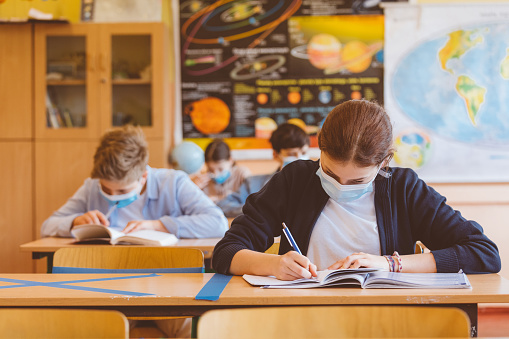


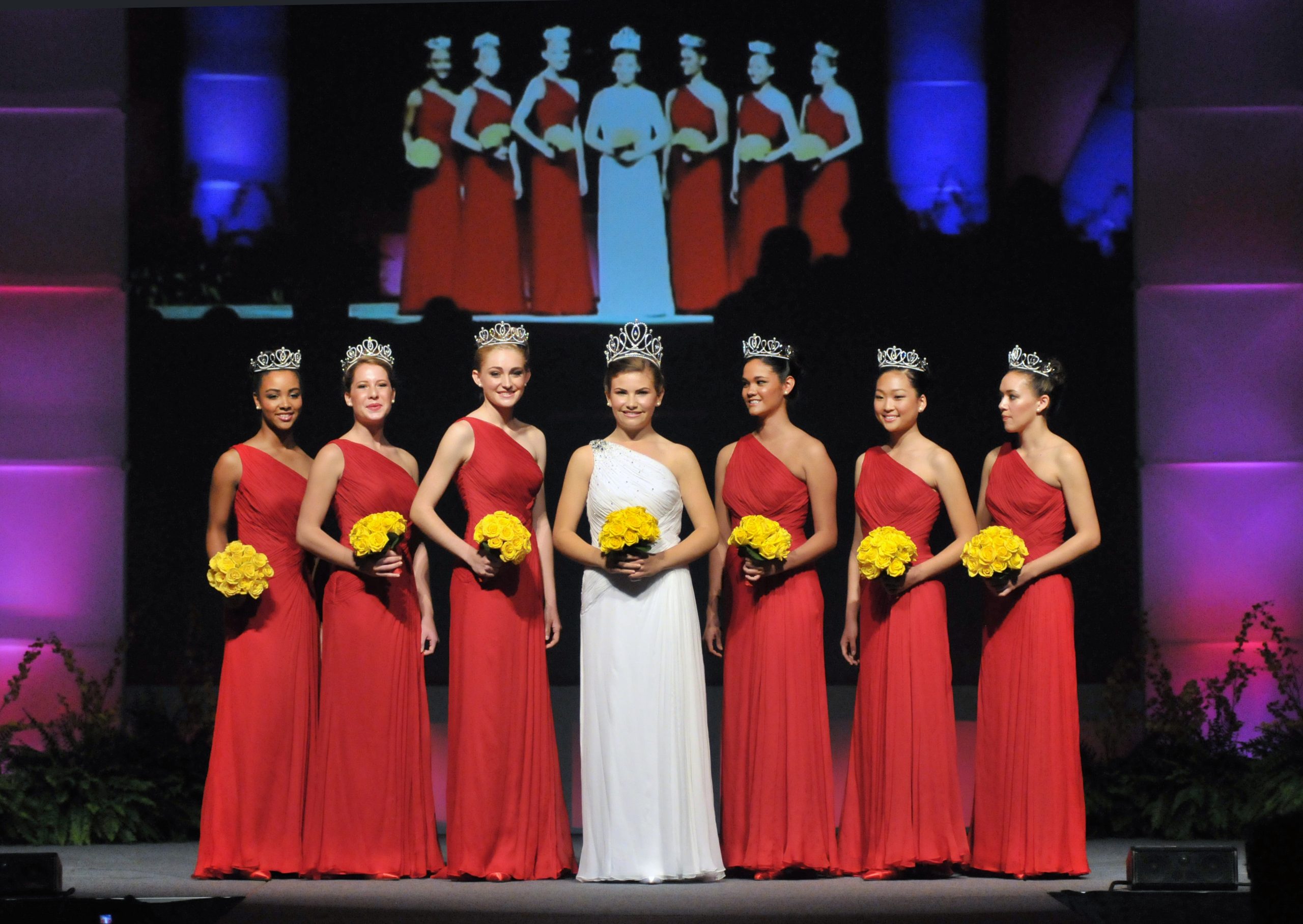
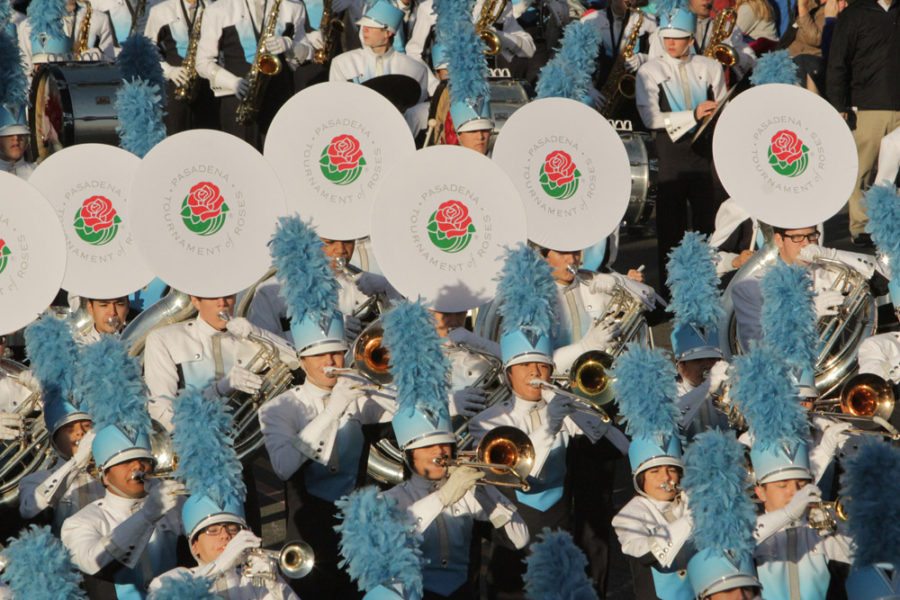
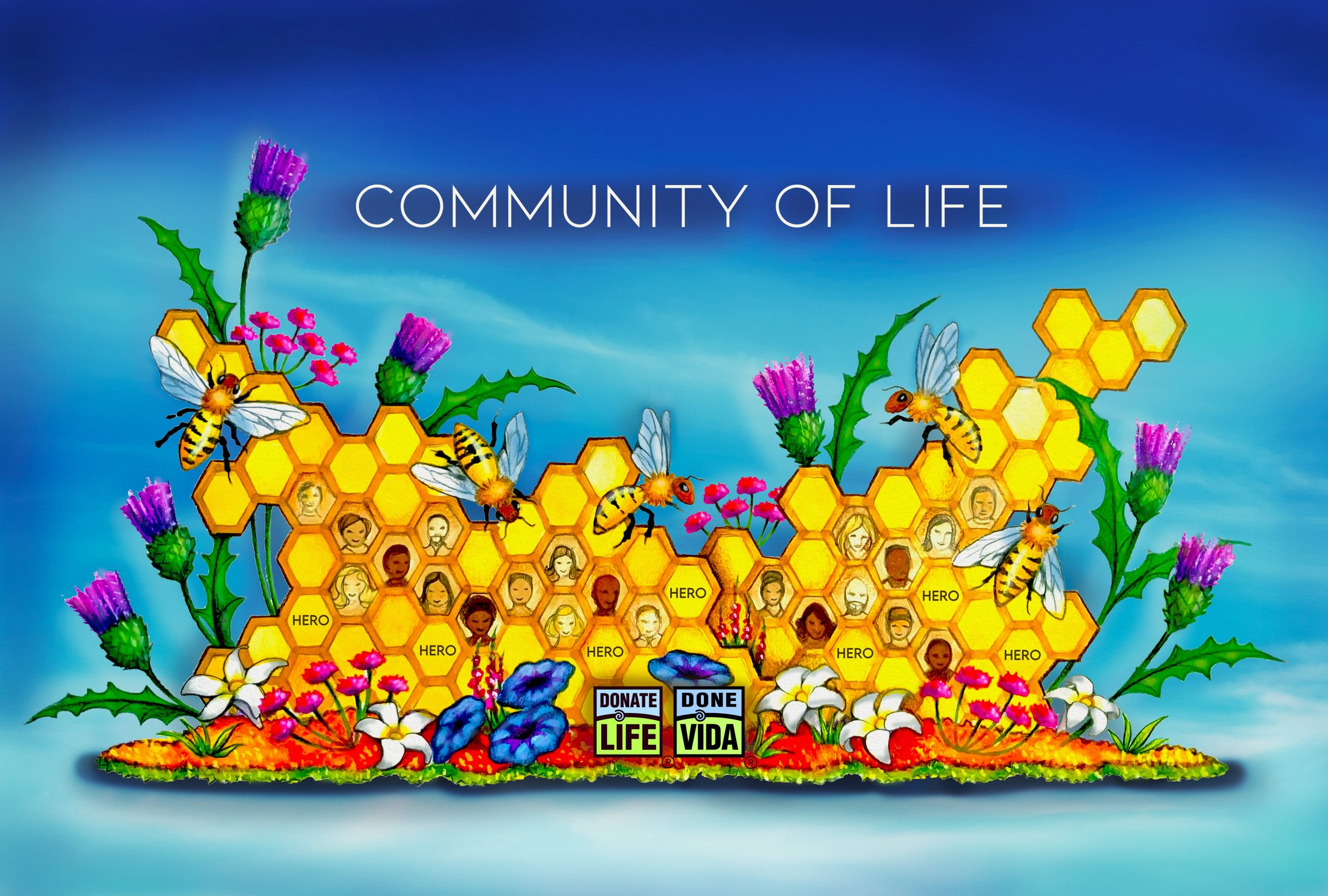


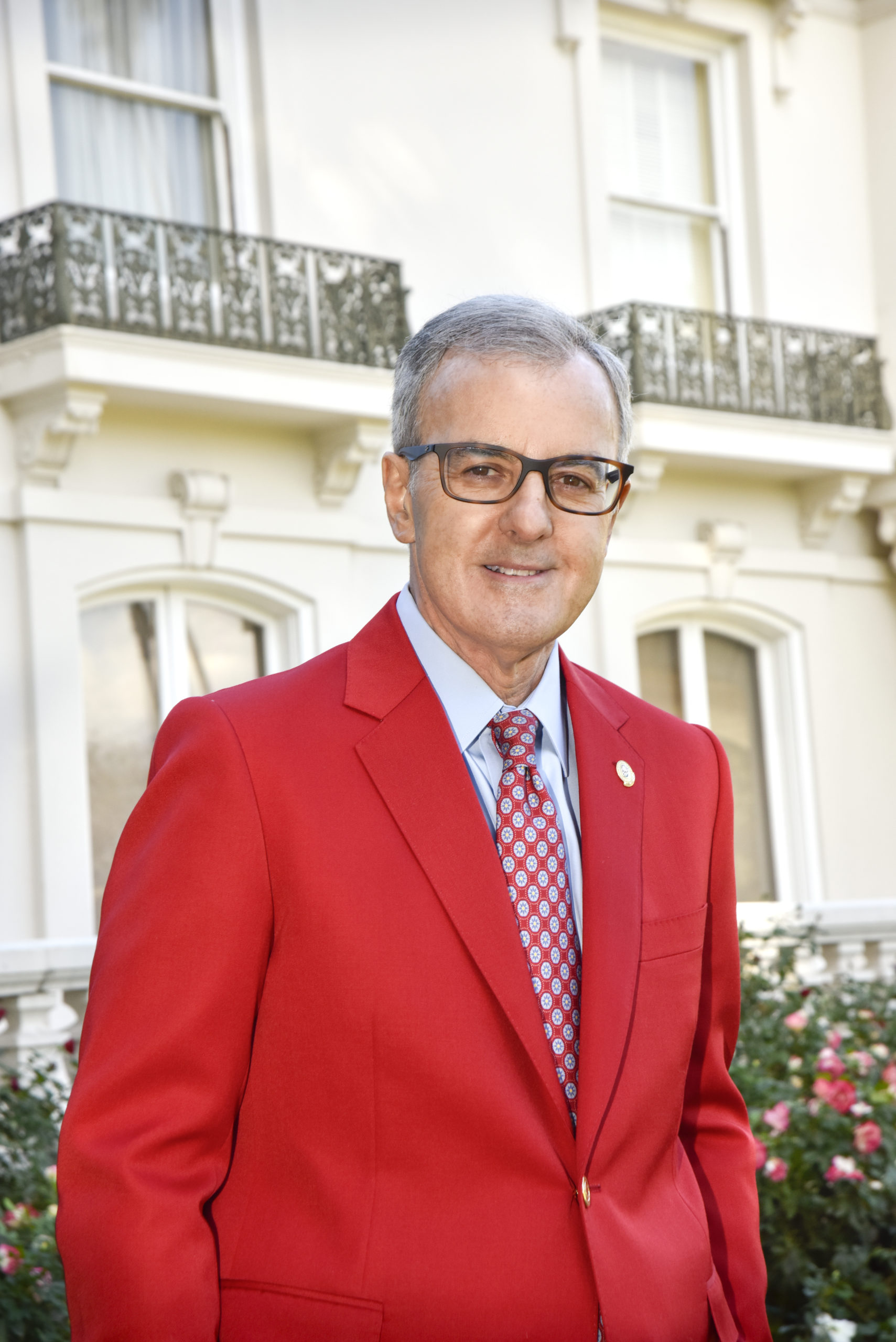


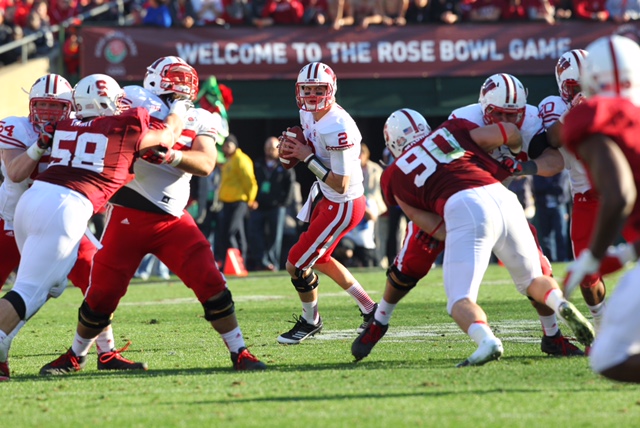
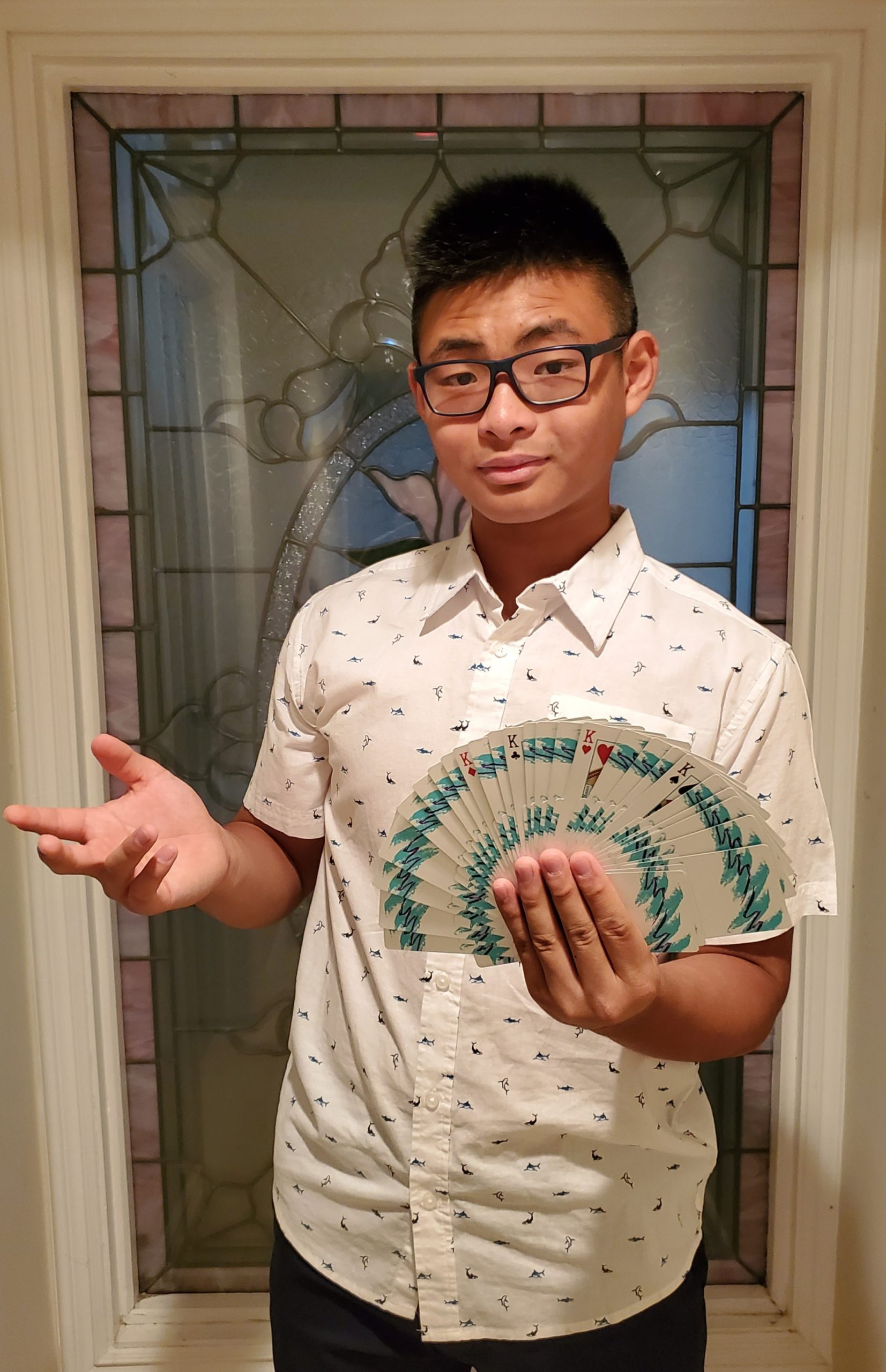
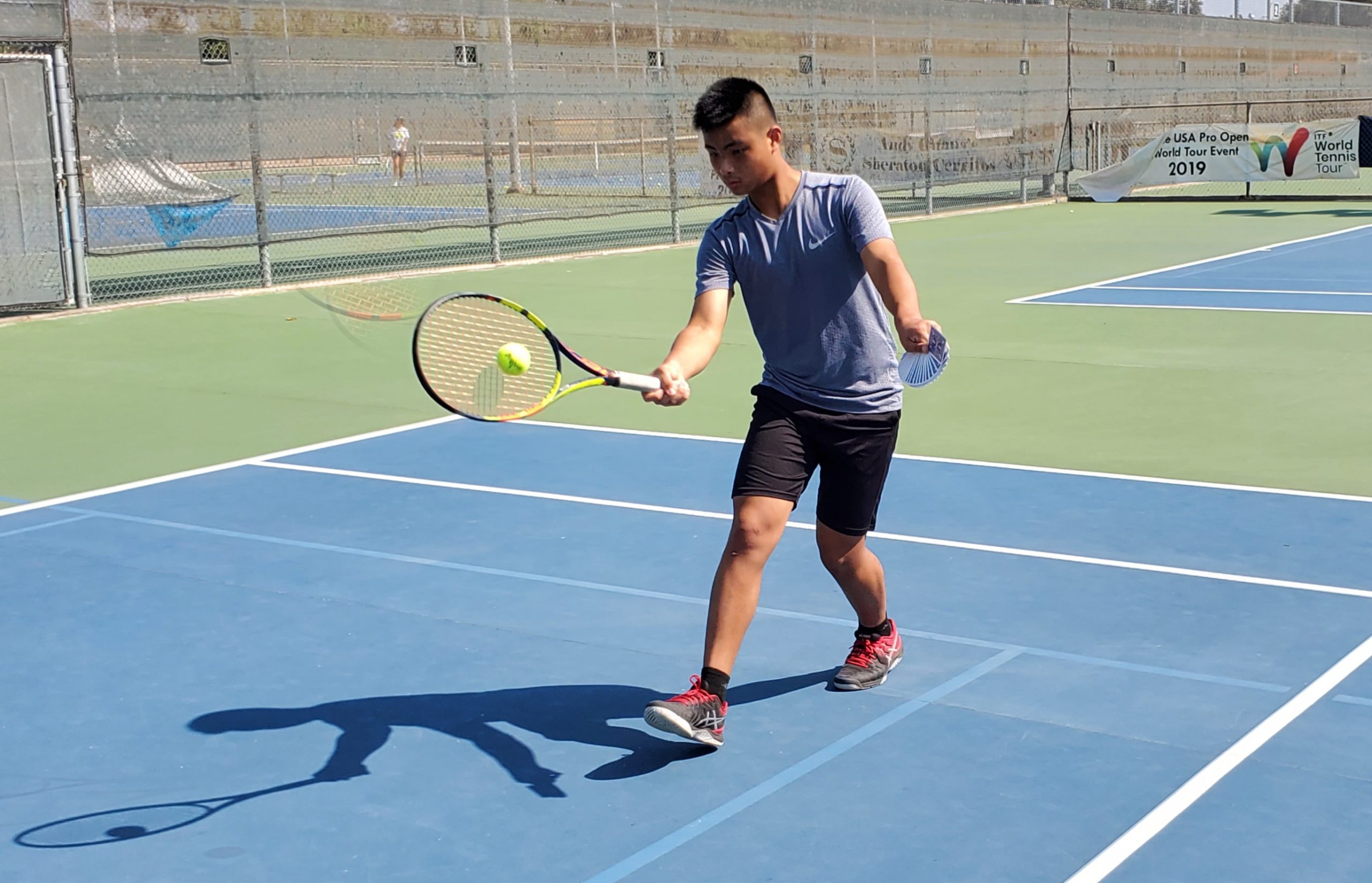
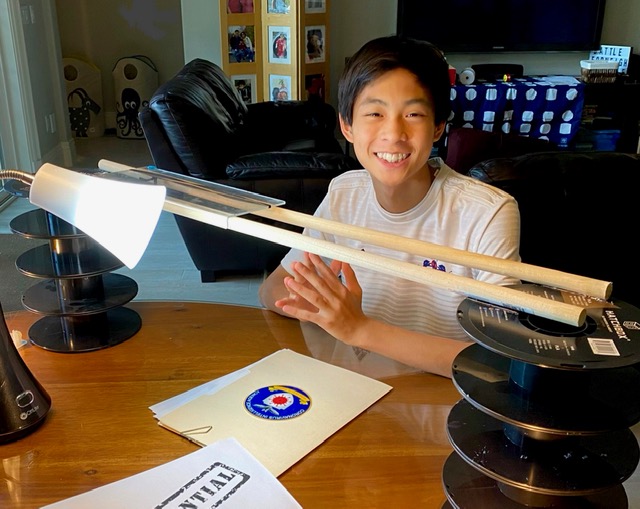
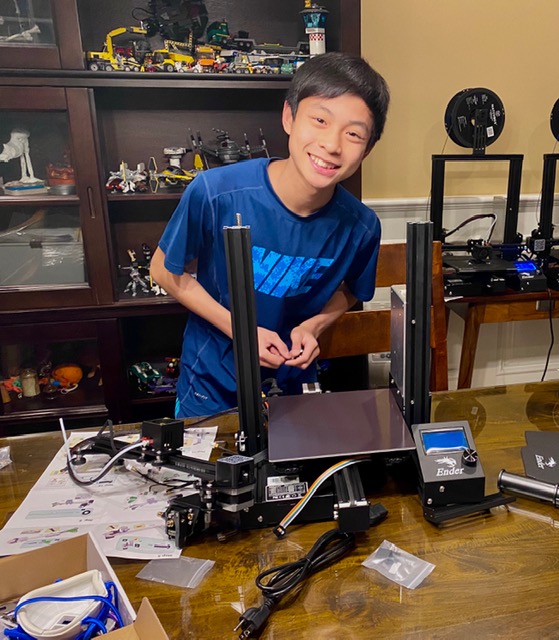

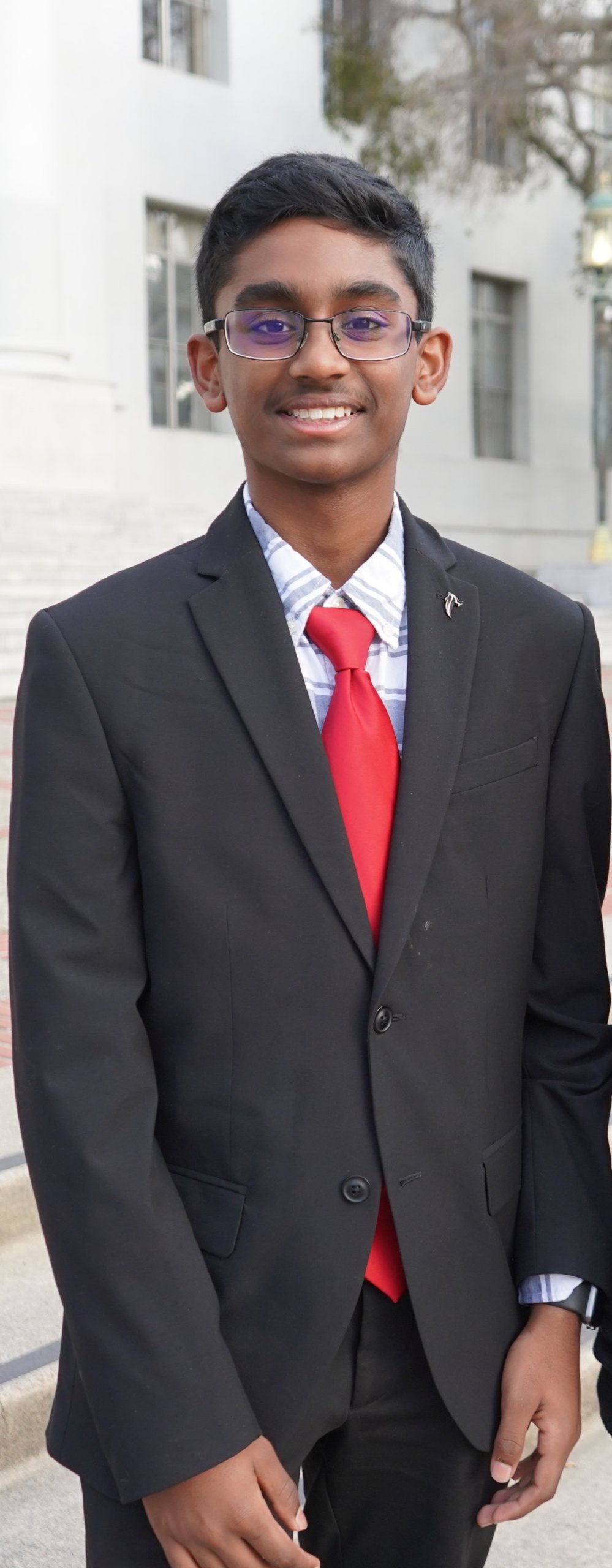
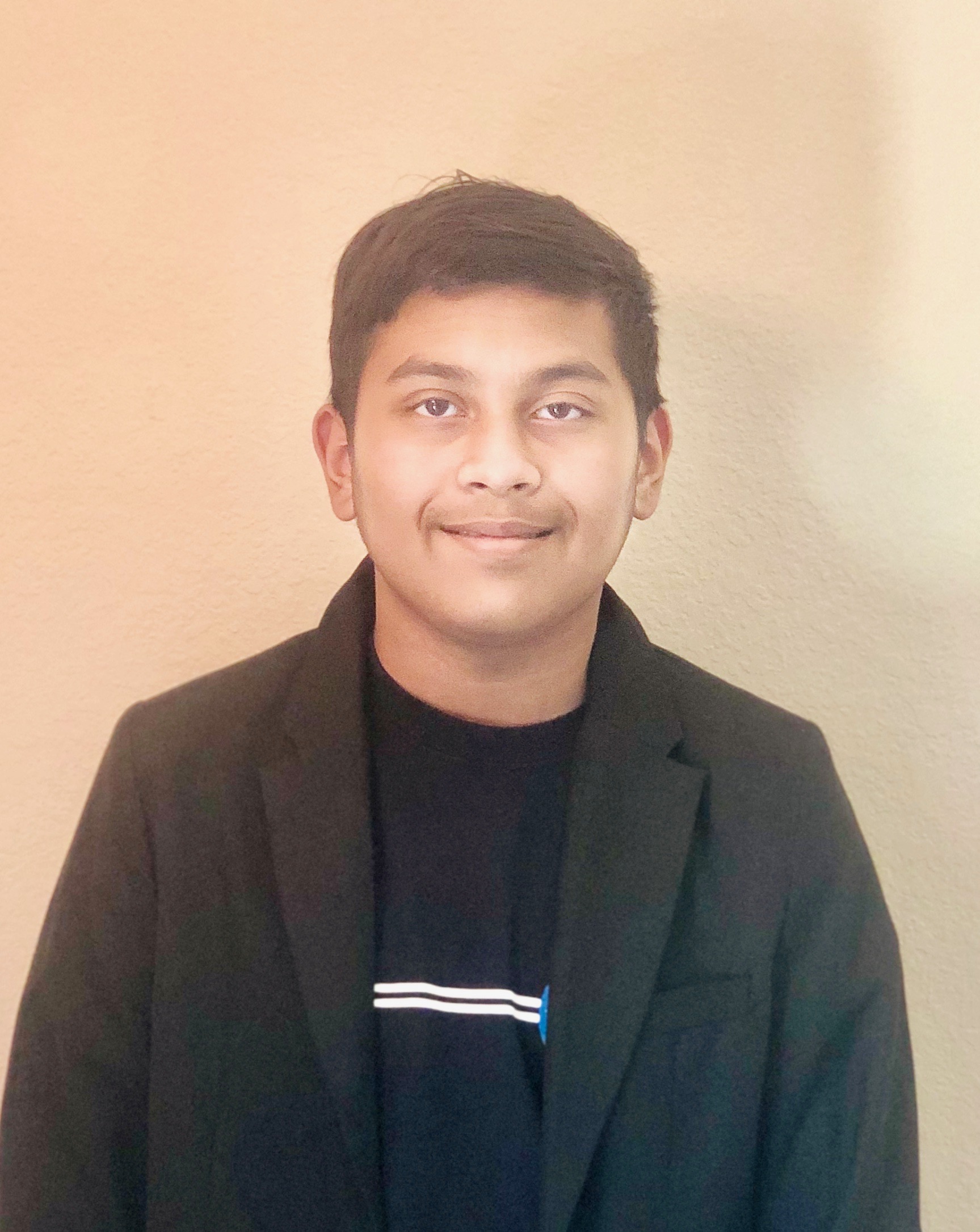
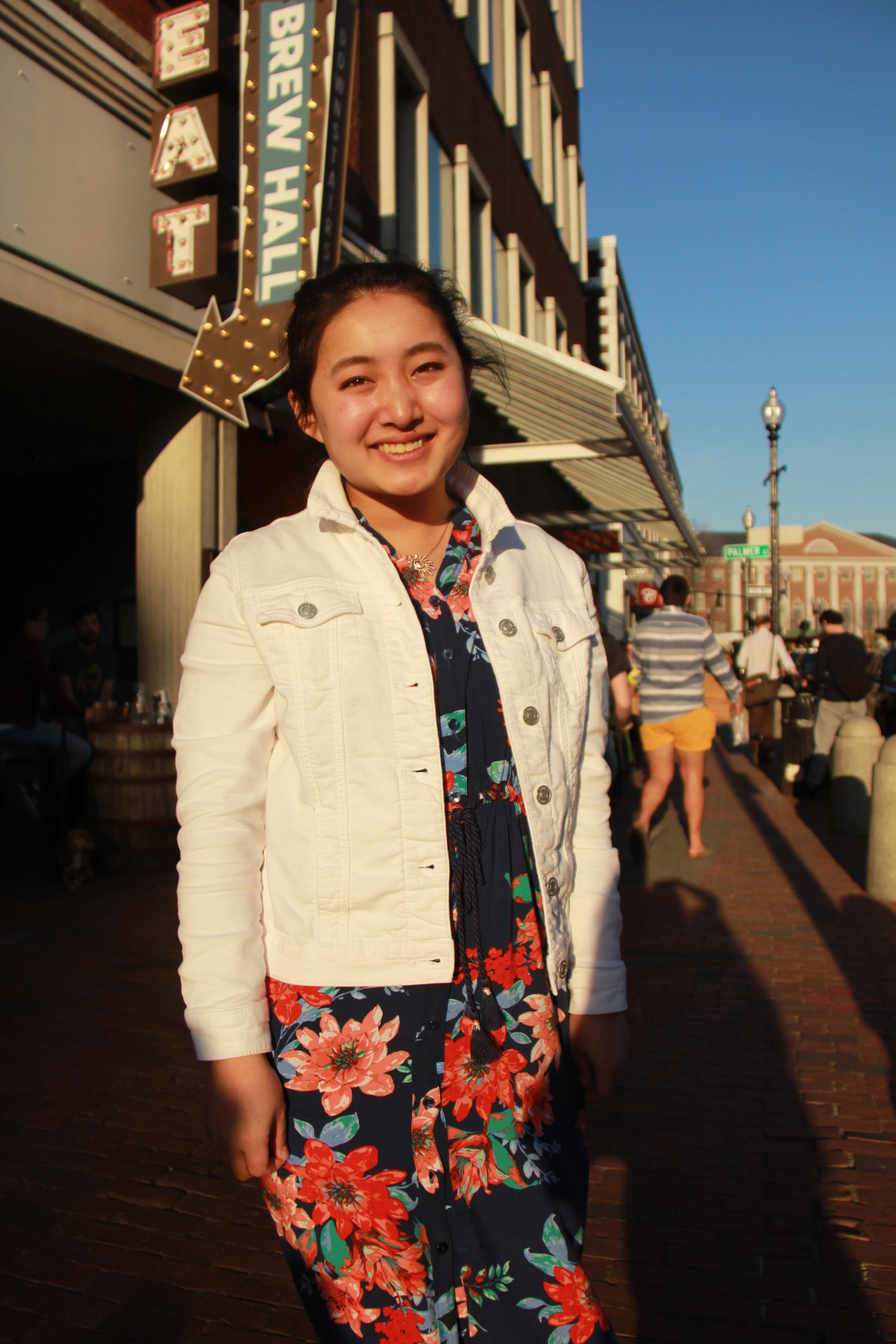
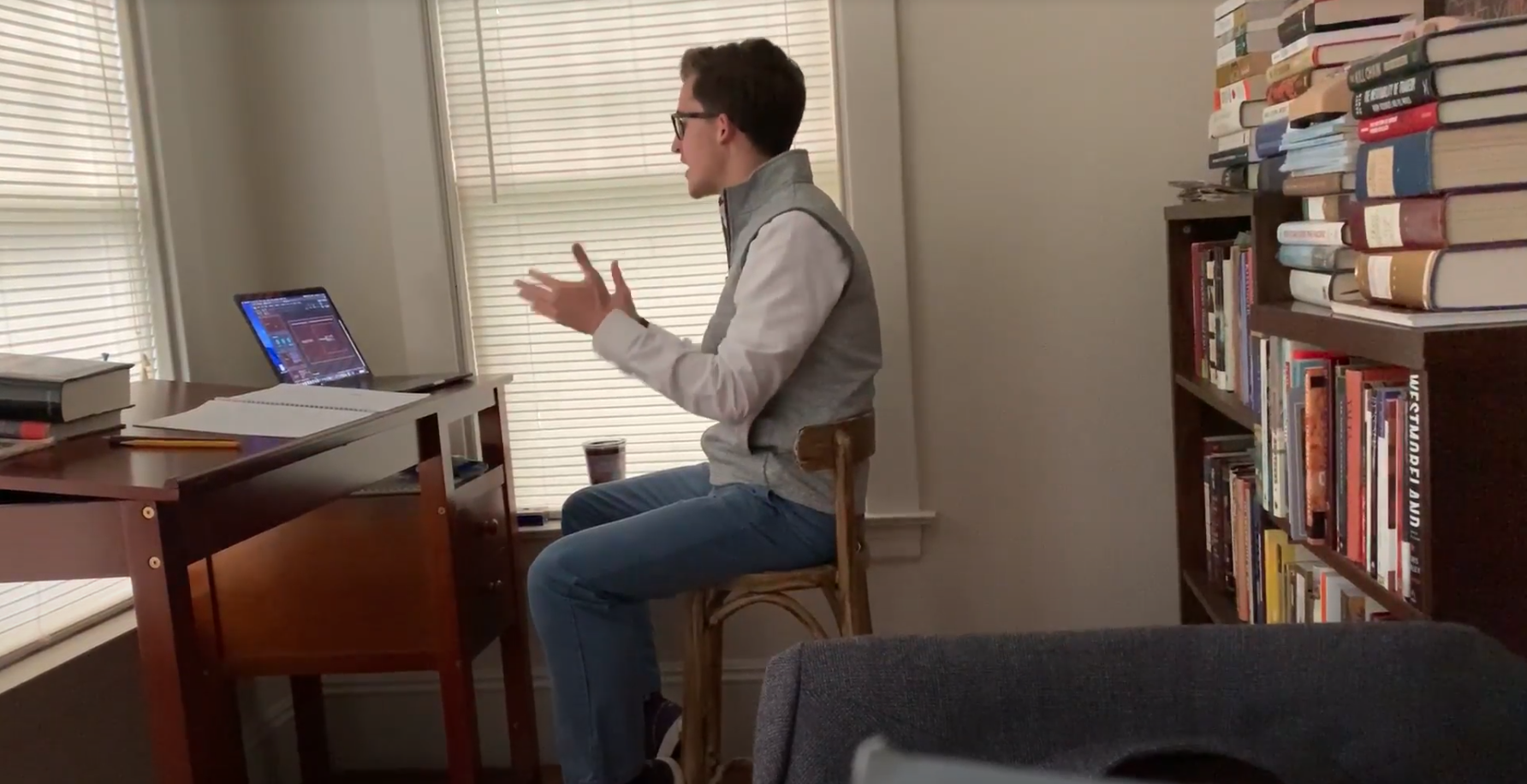
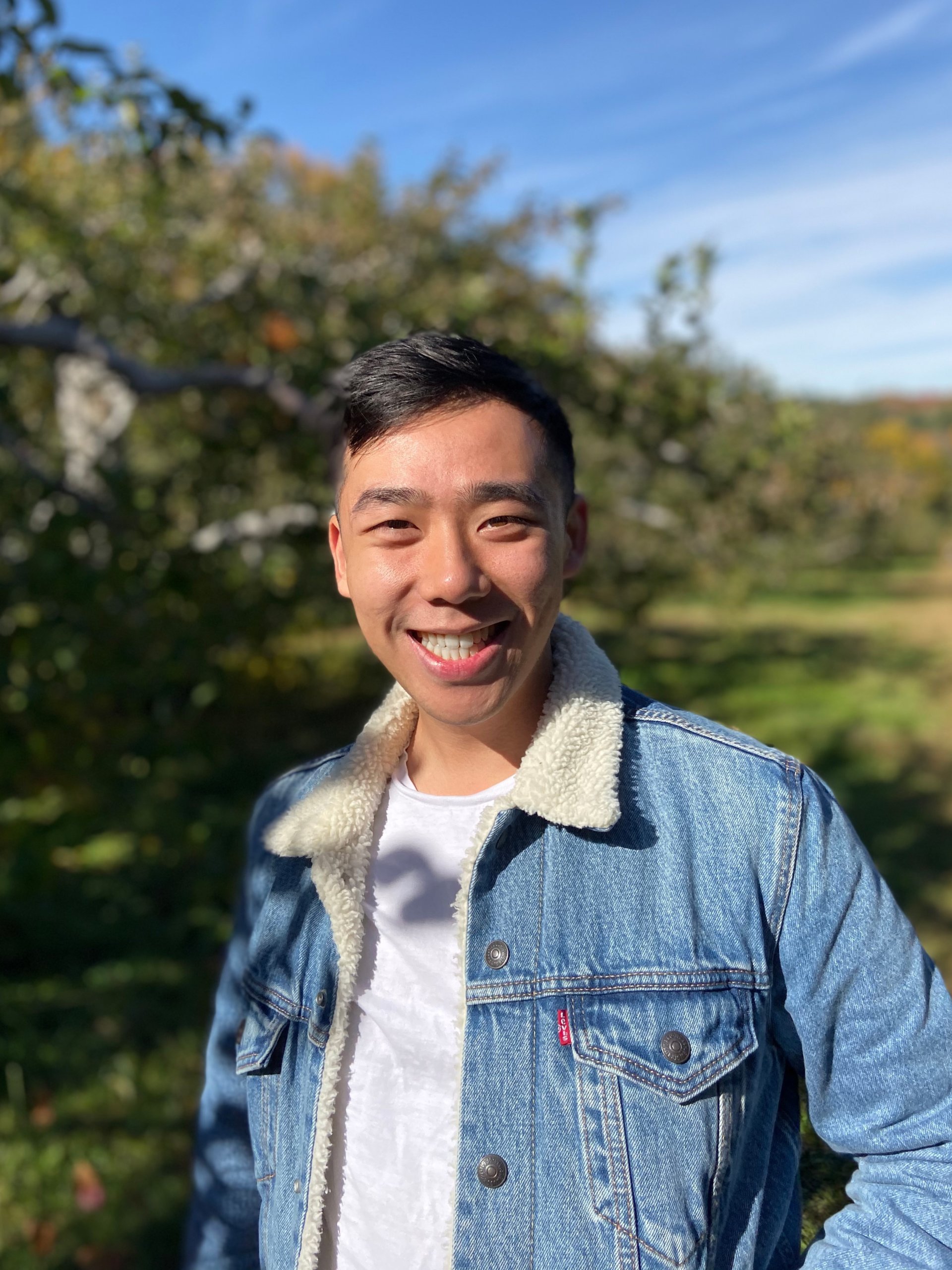
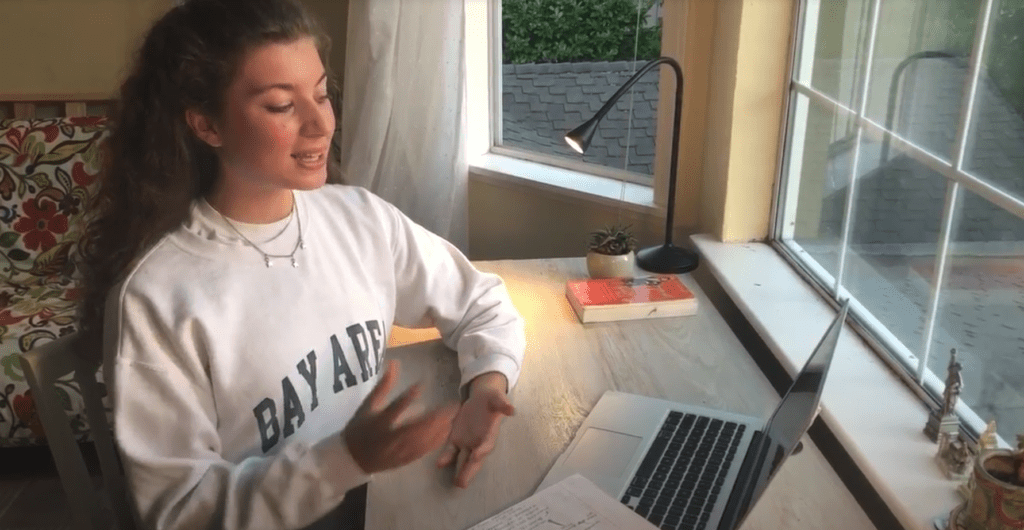
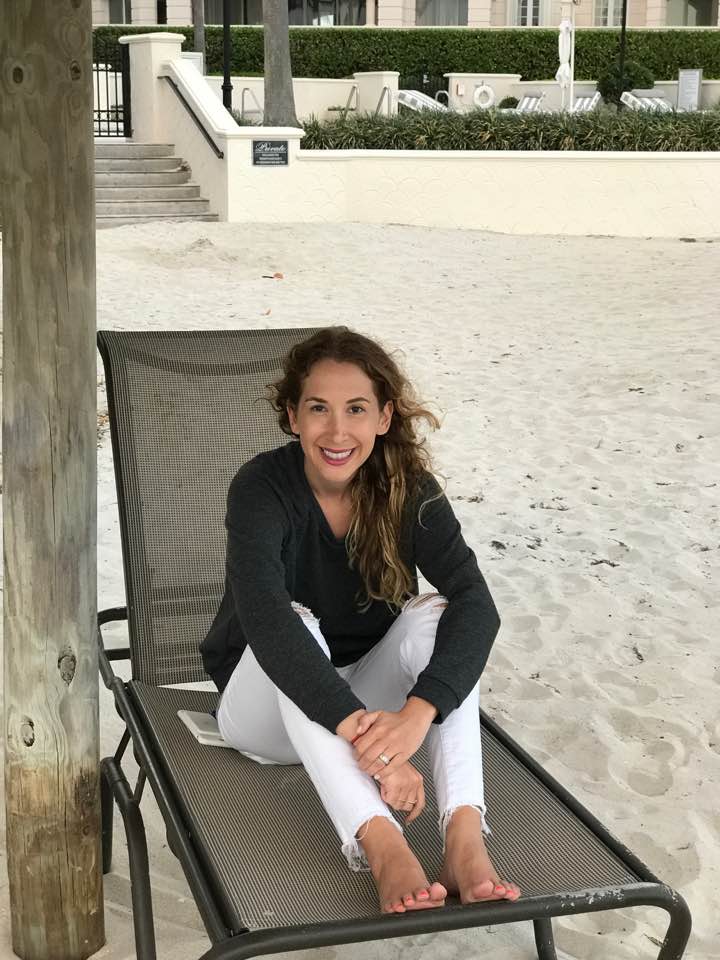
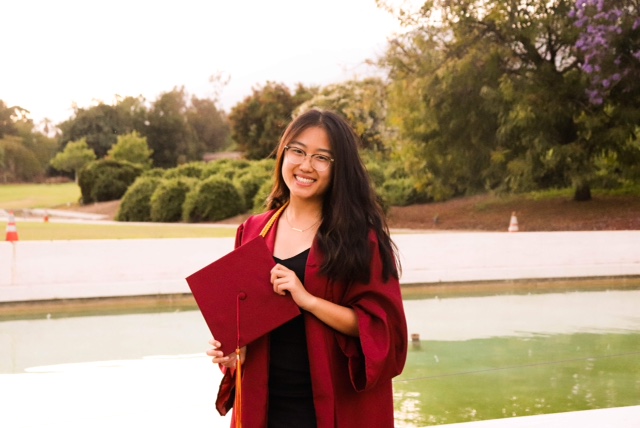
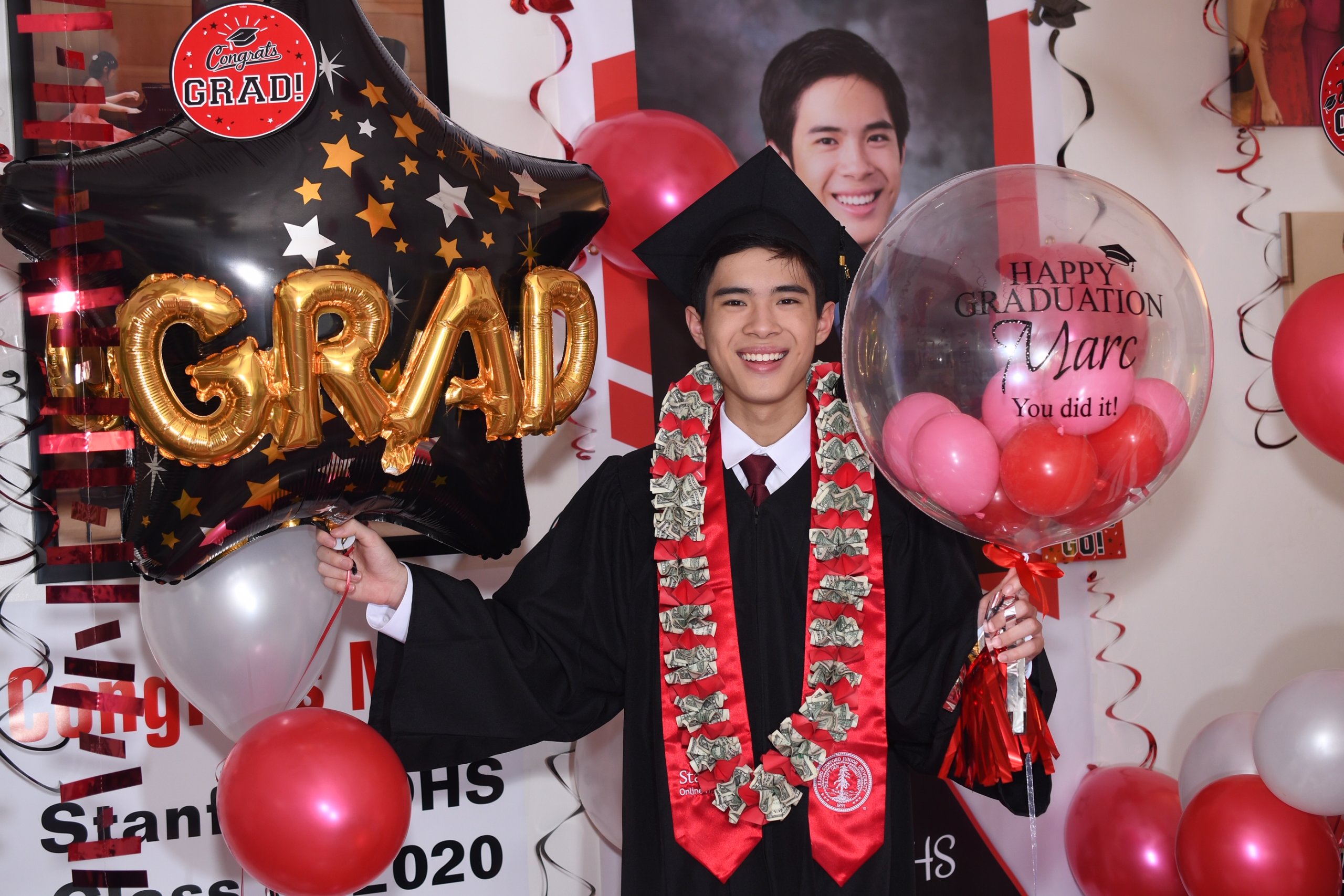
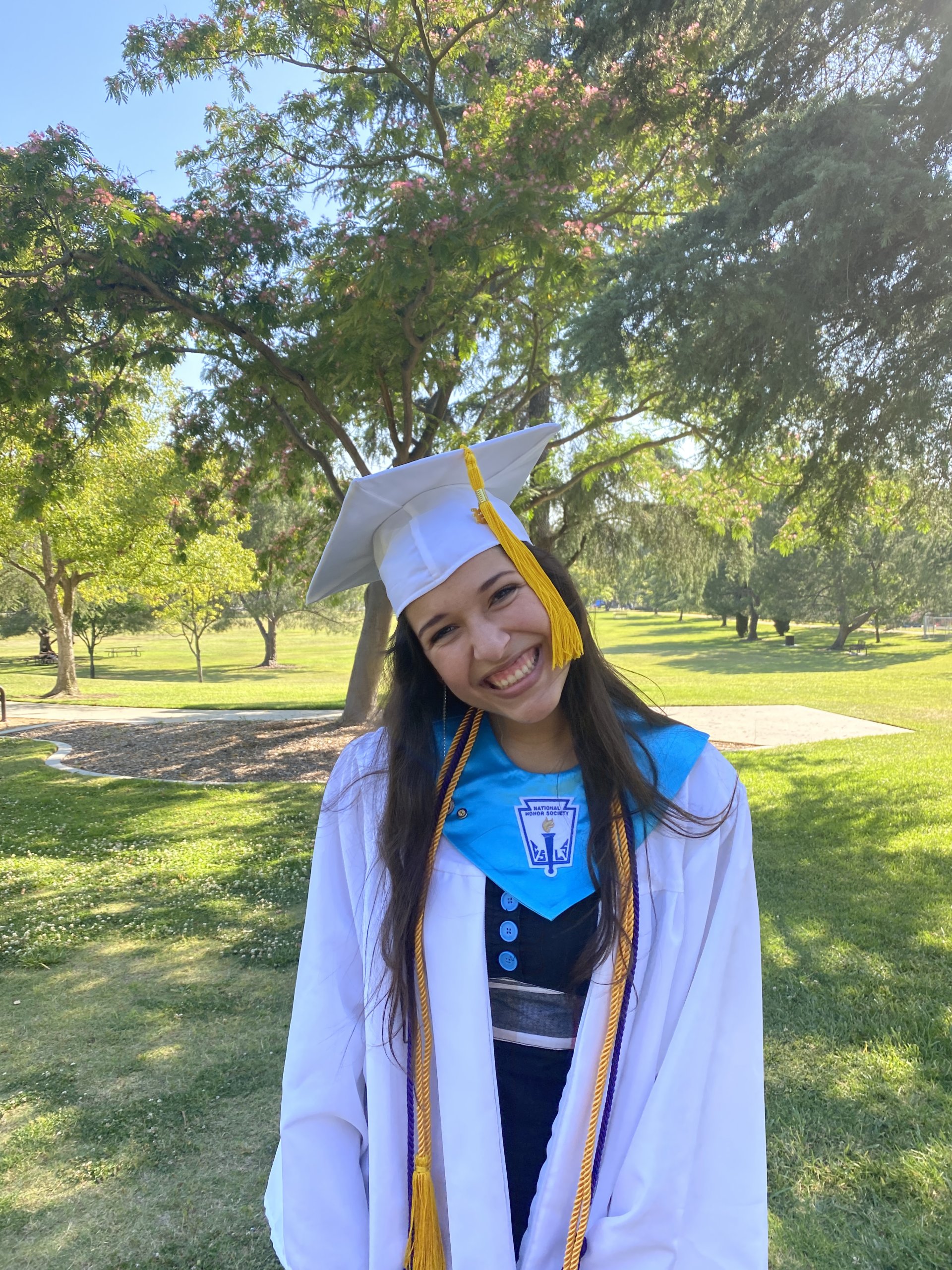
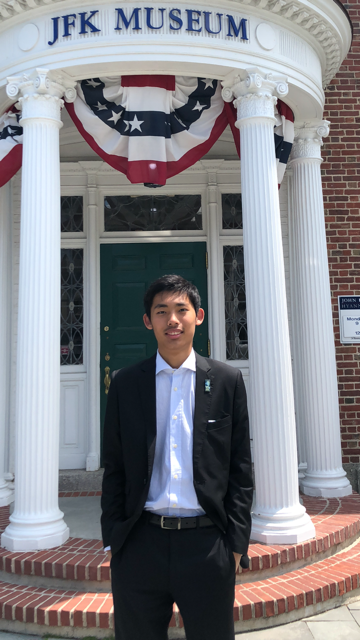
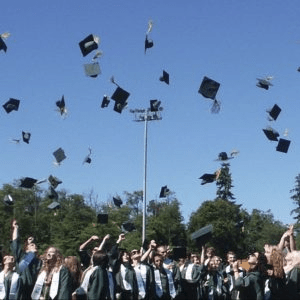
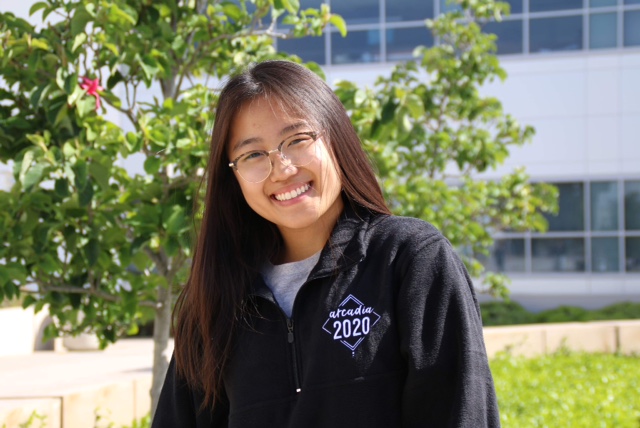
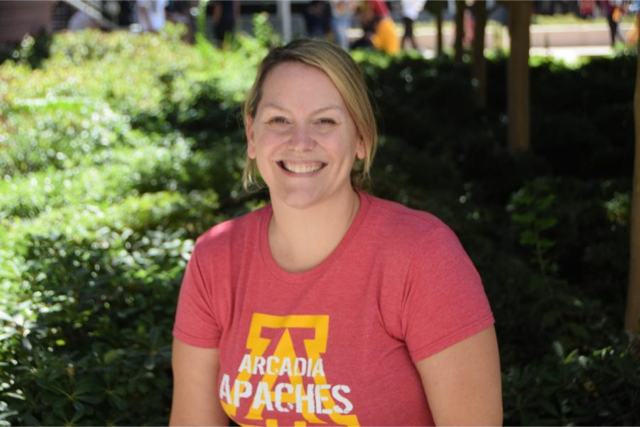
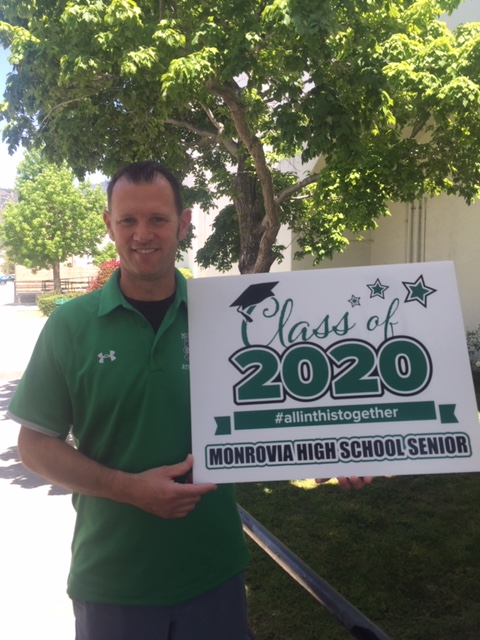
 A San Gabriel Valley Inquirer