Originally published on 28 September 2018 in the Pasadena Independent, Arcadia Weekly, and Monrovia Weekly
Looking forward to a bright career after graduating from college | Photo by May S. Ruiz / Beacon Media News
In a few weeks high school seniors applying to UC and Cal State schools, or other universities through early action or early decision, will be sending out their applications. It is the last step in this grueling process that begins in 9th grade when they start to build their transcript.
These 18-year-olds spent four years of their life burnishing their resume with the hope that the admissions officers in the college of their dreams will admit them. A lot of them have a 4.0 GPA and perfect SAT scores, took a dozen AP courses, helped build houses in far-flung corners of the world, and acquired internships in the field they are passionate about.
What these students may not have thought of, though, is the price tag of a college degree. And the cost of tuition, books, accommodations, and meals is increasing every year. However, not every parent can afford to pay for their children’s college education, necessitating young people to get student loans.
A generation of young graduates is heading out into the world looking forward to a bright career but, at the same time, is carrying a huge burden on its shoulders. Student debt is now at a staggering $1.5 trillion.
So while students should follow their passion when they choose what to major in, it is as essential for them to balance their decisions with the realities of life beyond college and consider schools with the best earning potential.
To help parents and students make informed choices, PayScale, Inc., the world’s leading provider of on-demand compensation data and software, released its annual College Salary Report for the 2018-2019 school year. It is the only organization offering insightful, real time data based on crowdsourced figures and hundreds of compensable factors for both employers and employees to help them make important compensation decisions.
PayScale’s 2018-2019 College Salary Report uses data collected from more than 3.2 million college alumni, providing estimates of early and mid-career pay for 2,646 associate and bachelor’s degree-granting schools in the United States.
Lydia Frank | Courtesy photo
Lydia Frank, PayScale’s Vice-President details their organic growth, “The company was established in 2002 to help individuals understand how much they should be earning at their jobs. From there, we moved on to providing compensation information to employers.
“In 2008, we realized we had all this great data around what school people attended, what they majored in, and what they ultimately ended up earning – the kind of material parents and students need when they start their college search.”
“So we launched the College Salary Report ten years ago precisely to help parents and students make decisions as to what major to choose and what college to attend,” explains Frank. “We want to give them the information on how this will impact earning potential after graduation.
“There’s a lot of material out there telling students which college to attend based on reputation, teaching staff, and amenities available, but there aren’t any information out in the market about what they will be earning as a graduate from a particular school. We thought it was something unique we could bring to bear.”
“We didn’t expect it to take off the way that it did when we started it in 2008,” Frank discloses. “I think it became pretty obvious that we were unique in our ability to be able to provide this information so it became more mission-based – that we had to put it out there because it’s really valuable. It helps students figure out how much they should be borrowing and it gives them an idea what their income will be after graduating.”
Adds Frank, “The other piece of this is a report we put out in the spring of 2010, called College Return on Investment, which details how much it will cost to attend a particular school and the earning potential of its alumni.”
PayScale’s 2018-2019 College Salary Report shows the top 50 schools offering Bachelor’s degrees fall into 16 states, with California and New York home to 22 of them.
For associate degrees, nursing and healthcare provide the biggest payoff for graduates at half the cost of a four-year institution. Helene Fuld College of Nursing tops the list of schools in this category, followed by Pacific Union College, and Cochran School of Nursing. The majority of the highest-earning two-year programs are schools with strong reputations and a specific focus in nursing and healthcare professions.
Ivy League universities, elite technical institutions, and military academies continue to top the list. Harvey Mudd College is a Liberal Arts school that grants degrees in only science, engineering, and mathematics. It is a member of the Claremont Colleges, and its fellow member schools – Claremont McKenna, Pomona, Pitzer, and Scripps – rank 43rd, 67th, 355th, and 374th, respectively. Colorado is the first interior state to appear on the list, with the Colorado School of Mines in 11th place and the U.S. Air Force Academy in 16th.
Looking at the best schools by major, Vanderbilt for Communications, Newman University for Education, and Union College in New York for Humanities have the highest earnings for graduates but they do not appear in the top 50 schools in the annual report.
Most of the highest-paying two-year majors are technology-focused, with software engineering in the top spot. Construction project management is the first non-tech-focused major in the list, ranking 4th. Engineering and math dominate the bachelor’s rankings, but petroleum engineering majors make far and away the most money mid-career. Operations research & industrial engineering, a newly included major, comes in second place, followed by actuarial mathematics.
STEM topped the list in terms of earning potential, as expected. However, students who want to pursue a Liberal Arts degree could take comfort in the fact that they will be able to catch up.
“Graduates with an Arts degree tend to not make a lot out of the gate but they end up making more mid-career,” reveals Frank. “We had some interesting findings when we looked at mid-career earnings at 10+ years. Degrees like Philosophy start to float up there. So it’s not that you shouldn’t major in Liberal Arts, you just have to know that it would take longer for you to be able to pay off debt. That you have to really be careful about how you fund your education.”
Indeed a Liberal Arts degree gives one a wide scope of knowledge which applies across fields. Some of the biggest names in business today majored in courses which their parents could have thought made them totally unemployable. Carly Fiorina, the former CEO of Hewlett-Packard, graduated from Stanford University with a B.A. in Medieval History and Philosophy.
Young people really can’t know how far they can go and what they can achieve based on their college degree. It’s up to them to make their own fortune.
Originally published on 18 September 2018 in the Pasadena Independent, Arcadia Weekly, and Monrovia Weekly
Sushi Roku in Pasadena’s Old Town serves only the freshest fish and highest quality food. Head Sushi Chef Manzo Kitaura creates beautiful sashimi plates | Photo by May S. Ruiz / Beacon Media News
We know that Californians have developed sophisticated palates when sushi and sashimi restaurants are as ubiquitous as eateries serving standard American fare. In the San Gabriel Valley, Japanese food is so mainstream that ramen noodle joints can be found at every strip mall.
So how did ramen and sushi become something akin to staple dining options? Well, we can say that it’s mostly because of the large Asian population in the area. There was a time, however, when this wasn’t the case, and we owe our appreciation for raw seafood to a very enterprising immigrant who introduced sushi to Los Angeles.
Noritoshi Kanai, the former chairman of Los Angeles Mutual Trading Co., Inc. (Mutual Trading), may have singlehandedly been responsible for bringing sushi to our local dining scene. It wouldn’t be an exaggeration to say that sushi eating in this country is intrinsically linked with the company.
Atsuko says, “This trade show grew organically. We began as a Japanese food wholesaler and, as the business expanded, we started carrying specialty items for chefs like chinaware and professional knives specifically for Japanese food preparation. Our first show, in 1989, was a modest chinaware sale held in our office parking lot.
Mutual Trading’s 30th Annual Expo featured Japanese serving ware like sashimi/sushi platters and soup bowls, among other things | Photo by May S. Ruiz / Beacon Media News
“We continued holding our Japanese Restaurant Shows for 24 years at our own site using the warehouse area and the parking lot. Our staff designed and produced the event – from the theme that changed yearly, to product selection, to seminar highlights – and even procured special items aimed at filling customers’ needs.
“The corporation currently has 500 employees, with ten locations spanning the United States, Lima (Peru) and Tokyo (Japan). It began as a small enterprise in 1926 in Los Angeles when a group of ten Japanese businessmen in Little Tokyo formed a co-op to create an import channel for basic food commodities from Japan, mainly dried and canned. Back then, products were shipped in cargo freighters, taking months to travel across the Pacific.”
“In the 1960s Mutual Trading decided to focus on the foodservice trade and it has since become our forte,” continues Atsuko. “Our portfolio consists of specialty foods, chilled and frozen items, alcoholic beverages, and specialized restaurant equipment. And to help the industry continue growing and improving, we also offer educational services through our sushi and sake schools.
“Mr. Kanai’s involvement with the company began in 1951 when he opened Mutual Trading in Japan, serving as the export arm and procurement outfit for products headed for sales at Los Angeles Mutual Trading. He then immigrated to the U.S. in 1964 to manage LA Mutual, becoming president in 1976. He passed the position to the current president Kosei Yamamoto in 2011. The corporation is now a conglomerate under a publicly-traded company in Japan with Takara Shuzo International Co., Ltd. as major stockholder.”
Sushi’s rise as a gustatory star is as captivating a story as the Japanese way of life itself. It was during the 1964 Summer Olympics in Tokyo, that Japanese culture and cuisine gained international prominence.
It was also then that Japanese industries – the Toyotas and the Panasonics – were starting to establish their U.S. headquarters in Southern California. That brought Japanese expatriates into the area, all yearning for foods from back home.
Atsuko relates “Mr. Kanai and his business consultant, a Jewish-American gentleman named Harry Wolff, Jr., were also trying to figure out what items they could next bring into the country. They traveled all over Asia – the Philippines, Malaysia, Singapore – but those trips yielded no viable leads.
A selection of sushi items | Photo by May S. Ruiz / Beacon Media News
“One night, on a dare, Mr. Kanai took Mr. Wolff to a sushi shop behind their hotel in Ginza. To his surprise, the American ate every raw fish they were served. A week later, Mr. Kanai was presented a large bill from the sushi restaurant. Unbeknownst to him, Mr. Wolff had been visiting ‘his’ sushi man every evening before dinner to have his fill of sushi as appetizers.
“Not only was Mr. Wolff sold on sushi’s fresh appeal, he also believed Japanese chefs were great entertainers as they prepared the food in front of diners. He thought they were worldly – it didn’t matter that they really couldn’t speak English well – they had great charm and showmanship. He thought it was a great concept to take back to the U.S.
“Mr. Kanai took Chef Saito and his wife with him to Los Angeles to open the first sushi bar in America, in Little Tokyo, on the second floor of the Kawafuku Restaurant. Within a year the couple had made a small fortune and, upon returning to Japan, opened Shinnosuke Sushi, their very own restaurant in the fashionable Ginza district – a feat unheard of for such a young man to have achieved because sushi apprenticeship usually took a couple of decades at that time. News of his incredible accomplishment quickly spread, inspiring sushi chefs-in-training, with much encouragement from Saito, to head to America to become sushi pioneers.”
That was how, in 1965, edomae-style sushi first landed on American soil. Thereafter, young and ambitious sushi chefs came in droves to U.S., built a niche business, and found success.
A shortage in fatty tuna (toro), an important component in the sushi trade, could very well have spelled disaster for any Japanese restaurant. When this unfortunate episode occurred in the late 1960s and early 1970s, an innovative chef created the California Roll using avocado as a substitute.
There is a controversy as to who really invented the California Roll with several sushi chefs being credited with it. One account has it that Chef Ichiro Mashita of Tokyo Kaikan in Little Tokyo was the first in the world to reverse-roll the dark seaweed to hide it inside the white rice.
But whoever came up with that singular idea resolved not only the fatty tuna shortage crisis but also Americans’ trepidation at eating anything black in color. It was a masterstroke of genius. The creation of the California Roll is the very epitome of truth in the adage ‘Adversity is the mother of all invention.’ Today, even diners who can’t eat raw fish order the California Roll and get the satisfaction of saying they enjoy sushi.
The popular and universally-liked California Roll | Courtesy photo
Mutual Trading was running through an entrepreneurial spirit as well. It succeeded in the commercial frozen edamame import business in 1970. Then, in 1972, it became the first to import junmai shu, pure rice ingredient sake.
Furthermore, Mutual Trading offered benefits unprecedented then – profit sharing, stock options, and fully paid health insurance – a business-savvy move that espoused staff loyalty and ensured employment longevity.
James Clavell’s epic novel ‘Shogun’ was adapted for television and ABC aired the miniseries in 1980. It was a phenomenon among American viewers. Young people got enamored with Japanese culture and loved everything Japanese.
For a week, when the show was airing, Japanese restaurants were deserted, only to be overrun the following week by crowds of Americans queueing to eat sushi and other Japanese specialties. American entrepreneurs capitalized on the mystique of Japanese-owned restaurants as a trend and opened their sushi establishments. The renowned Teru Sushi in Hollywood was one of them.
As business evolved to attract new customers, sushi restaurants also came in various styles. California Beach in Hermosa Beach rode this tide – surf-and-sun-worshipping diners gladly waited for hours to get seated and ate sushi surrounded by much amplified rock n’ roll music. While they waited, they’d hang out on the sidewalk drinking tall bottles of Sapporo beer straight from the bottle. And that became an independent, fashionable pastime.
During Japan’s bubble economy in the 1980s, Mutual Trading brought in premium Jizake artisan micro-brewed sake priced at over six times that of domestically brewed sake. Though a tough sell at the outset, restaurateurs were educated on consumers’ appreciation for high quality products and it gained a foothold. There are now hundreds of premium brands available in America.
Various brands of sake were on display during Mutual Trading’s 30th Annual Expo | Photo by May S. Ruiz / Beacon Media News
The beginning of the new millennium was marked by recessions and made casual dining an inevitable choice for many Americans. So a new generation of Japanese food professionals invaded the foodservice landscape in the early 2000s and brought with them other genres of Japanese food – ramen, tonkatsu, izakaya, yakitori, curry, udon and soba.
With the ascent of Japanese food in our collective consciousness, Mutual Trading’s responsibility to advance quality assurance grew. In 2003, it constructed the first super-freezer (Minus 60 degrees F) storage facility on the West Coast. This technology guarantees that seafood arrives at restaurant kitchens at the same fresh state it was when first caught.
In 2008, Mutual Trading established Miyako Sushi and Washoku School. A brainchild of the famed Chef Katsuya and Noritoshi Kanai, it not only offers instruction to aspiring sushi chefs who wouldn’t otherwise have access to proper culinary preparation, but mentoring future generations of chefs as well.
Mutual Trading opened the Sake School of America in 2010 to afford trade professionals a better understanding and enjoyment of Japanese liquors. Wine fans and master sommeliers started to take interest in learning about sake and Shochu, an unexpected but lucky outcome.
There are 35,000 Japanese restaurants all over the U.S. today and Los Angeles Mutual Trading services 3,500 of them from San Luis Obispo to San Diego. Atsuko declares, “Every sales rep excels in Japanese food knowledge, and is a skilled Sake and Shochu adviser or sommelier. We don’t just sell food from Japan, we are trained to serve as ambassadors of Japanese food culture and as their promoters in faraway regions outside of Japan. Indeed, we are the stewards and staunch protectors of Japanese tradition and way of life.”
Sushi preparation and presentation are as much an art as they are a science. Explains Atsuko, “Sushi is always made of vinegar-ed rice and a topping – the acidic seasoning aids in suppressing deterioration. Green tea, which often accompanies sushi, is also a palate cleanser between each serving of sushi.
“Well-trained, professional sushi chefs would know which direction to cut the fish and which knife to use. Without the proper knife and technique, the sashimi would be cut to a curve; with a yanagi knife, it will stand upright when plated. They would know how to present the selection in an aesthetically pleasing way – pieces would have harmonious colors, and set asymmetrically, having highs and lows. They would know which season to select a certain fish that is not contaminated with parasites.”
Mutual Trading’s contribution to the success of the Japanese dining experience is vast. Atsuko states, “We’re importers and distributors and that’s where we excel. We have over 6,000 items in our inventory which we sell to our member restaurants and proprietors. Our product development and procurement team is constantly researching, and working very closely with suppliers. There are abundant possibilities and opportunities in the U.S, and Japan, and it’s our job to help our clients run their business efficiently and profitably.”
For all that Mutual Trading does to maintain the standards of authentic Japanese cuisine, however, there are natural obstacles that make it difficult for American restaurants to exactly replicate the sushi one can eat in Japan.
“Although close, sushi here is not the same as the ones found in Japan,” Atsuko clarifies. “Japan is a small country completely surrounded by water. This makes fresh seafood available year-round, sold at the many fresh fish markets dotting the coasts. There, it’s possible to deliver fish caught in the ocean, even live, within a day. Because of climatic and migration patterns, there is an ever-changing variety of fish and shellfish at Japanese markets. Restaurants can create local and culturally based cuisine around them.
“The United States is a big country, with coastal regions east and west, and a vast land mass in between. Fresh fish delivery isn’t viable with too many miles to cover. The fishery industry here began, and is still dominated by, cooked canned tuna. Many large fish though – tuna and yellowtail – are either farmed overseas and frozen, or caught at sea and frozen. In that sense, the quality of the fish is basically the same anywhere it’s served.”
A bowl of delicious ramen noodle soup | Courtesy photo
There is also the matter of keeping the taste of the food made here as authentic as dishes prepared in Japan.
Atsuko elucidates, “There are many factors that can change a cuisine when brought to another country. The first one that comes to mind is water. Most of Japan has soft water while California pulls hard, highly mineralized water from the Colorado River. Consider the most fundamental Japanese food ingredient dashi: soft water can extract umami essence easily, which hard water can’t do.
“Availability of ingredients is another factor. There are 47 different prefectures in Japan, with their unique micro-geographic characteristics. They individually have their locally-grown soy sauce, salt, chili peppers, miso, and vinegar to suit and enhance the distinctive taste of their regional cuisine. American restaurants are limited to what importers, like us, bring in. For instance, we carry about 100 types of soy sauce. That sounds like a lot, but there are thousands available in Japan.”
Mutual Trading’s mission is to bring the flavors of Japan to the people of the world. And while that might not be the same everywhere, there is one thing that remains constant.
“The Japanese culinary philosophy is backed by a thousand-year history and is based on highlighting the natural ingredients through minimal culinary alteration,” emphasizes Atsuko. “This philosophy is reflected in ingredient growing/harvesting, preparation techniques, tools and equipment, serving ware, and ambience. It starts from the birth of the ingredient to its consumption.”
“Two other philosophies underlie Japanese eating practice. The first one is ‘Itadakimasu,’ the mindful reverence to the food before eating it. It is Buddhist in origin and from it stems the practice of minimizing waste: eat all you take, and use the entire ingredient from top to bottom, head to tail.
“The second is ‘Omotenashi,’ the art of generous hospitality: preserving what the guest would delight in, and offering it subliminally. It’s like engaging in a thankful task, without calling attention to oneself to warrant a word of thanks. That mutual respect of giving thanks and receiving it is inherently understood. It’s so Zen-like.”
That ramen, once synonymous with the lowly ‘cup o’ noodles’ and consumed mainly by cash-strapped, dorm-dwelling college students, has been elevated to a loftier status as seen by the current craze for tonkatsu ramen, is proof that Americans’ fondness for Japanese food isn’t waning any time soon.
Sushi and sashimi, ramen and udon, with their distinctive flavors and style, have become profoundly appealing to a great many diners. That there is a Japanese culinary philosophy behind a serving of raw fish only makes eating sushi a sublimely pleasurable dining experience.
Originally published on 20 August 2018 in the Pasadena Independent, Arcadia Weekly, and Monrovia Weekly
Abundant green plants in St Andrews Botanic Garden contrast with the centuries-old, stone-clad structures of the University of St Andrews | Photo by May S. Ruiz / Beacon Media News
St Andrews, in Scotland, is notorious for horizontal rains and arctic winds. My first visit there, in July of 2013, was marked by sporadic downpours and grey skies. The following year, I was there for three weeks of mostly gloomy weather in the middle of August. Last year, there was a hurricane when I got there during the height of summer.
It was such a delightful surprise to spend the greater part of June this year in St Andrews and experience sunlight. In fact, the sun rose at 3:00 in the morning and didn’t set until past 10:00 at night. I just couldn’t get enough of it; I availed of the glorious weather by taking in the outdoor sights.
St Andrews Castle is actually in ruins so a tour of it is generally outside. What remains of it are the walls, the tower, the ‘bottle dungeon,’ and the mine and counter-mine. But its stunning location right next to the North Sea makes it a breathtaking tourist destination.
Unlike other European castles, which were primarily residences of the monarchy, St Andrews Castle was an ecclesiastic center inhabited by the powerful bishops and archbishops of Scotland in the 1200s and 1300s.
Its history is as remarkable, bloody, and controversial as its occupants. In the 1400s the Scottish royals were associated with the bishops and, in consequence, with the castle. King James I was educated by Bishop Henry Wardlaw, who founded the University of St Andrews in 1413. James II chose a later bishop, James Kennedy, to be his advisor. In 1445, James III was born in the castle.
The entry gate to St Andrews Castle | Photo by May S. Ruiz / Beacon Media News
St Andrews Castle was likewise used as a prison which housed not only local criminals under the bishop’s jurisdiction but other prominent figures, including David Stuart (the Duke of Rothesay, heir apparent to the throne of Great Britain which, today, is Prince Charles) in 1402, and Duke Murdoch in 1425. In 1478, Archbishop Patrick Graham was declared insane and was confined in his own castle.
During the Scottish Reformation, St Andrews Castle was the site of religious persecution when Scottish Protestants were punished with cruel and public deaths. In 1546, David Beaton, the Archbishop of Glasgow, imprisoned Protestant preacher George Wishart in the tower and on March 1, ordered him burned at stake in front of the castle walls. Wishart supporters avenged his death on May 26 when they gained entry, overcame the garrison, murdered Cardinal Beaton, and hung his body from his window on the castle’s front.
Protestants used the castle as a shelter where they established the first Protestant congregation in Scotland and the Regent James Hamilton ordered a long siege. In 1546, attackers dug a mine through solid rock to attack while defenders tunneled a counter-mine.
In 1547, John Knox, the leader of the Scottish Reformation, entered the castle during a ceasefire and served as the garrison’s preacher for the remainder of the siege. This temporary peace ended when the French fleet bombarded the castle, which fell unprotected.
St Andrews Castle was rebuilt by Archbishop John Hamilton but, after his death in 1571, it was inhabited by a succession of constables. Attempts to reestablish religious power in Scotland failed and, in 1689, William of Orange abolished the office of the bishop. The castle was rendered useless and quickly deteriorated; parts of it were used in repairing the pier.
The ruins of St Andrews Cathedral | Photo by May S. Ruiz / Beacon Media News
The rare bright and warm day was the perfect antidote to what I learned about the castle. I headed out to St Andrews Cathedral but its history isn’t any cheerier than the castle’s. Built in 1158, it was the base of the Medieval Catholic Church in Scotland and the seat of the Archdiocese of St Andrews.
Inevitably, its past is intricately linked with the Castle. Incited by the preaching of John Knox, a Protestant mob ransacked St Andrews Cathedral during the Scottish Reformation and completely destroyed its interior. Whatever was left of it was used as building material for the town.
Long ago the largest cathedral and most magnificent church in Scotland, what stands for St Andrews Cathedral today are the ruins of the nave and St Rule’s Tower. Nonetheless, it continues to be a significant reminder of the influence it once wielded as the symbol of Catholicism.
Tourists looking to find a destination that doesn’t recall depressing times would do well to head to St Andrews Botanic Garden, as I did. Located on the southern edge of town at Kinnes Burn, it is sometimes referred to as St Andrews’ hidden gem. And for good reason.
The modest entrance to the garden is in sharp contrast to that of The Huntington‘s in San Marino, which has a tall, imposing gate that suggests what to expect within. Visitors to St Andrews Botanic Garden, however, will be pleasantly surprised to discover an 18-acre paradise.
Native and exotic plants abound in St Andrews Botanic Garden | Photo by May S. Ruiz / Beacon Media News
Previously founded by the University of St Andrews in 1889 on the grounds of St Mary’s College, it was moved to its current location in the early 1960s. Mindful of the harsh Scottish climate, the designer structured a dense barrier of pine trees along the western edge, with many shrubs and trees around the site, to provide protection for the plants.
It is a wonderland of native and exotic plants laid out in zones of woodland, meadow, shrubbery herbaceous bedding, ponds, a rockery, and a butterfly house. In the greenhouses, I was thrilled to find myself surrounded by familiar plants – the very same ones in my backyard. There were anthuriums and lilies, cacti and aloe veras, birds of paradise and sago palms. It was easy to be deceived into thinking I was in Pasadena.
I marveled at the ponds with small waterfalls, walked on the impressive expanse of green meadow, and climbed up a rockery. This is a side of St Andrews I had never seen before and it offered me a vastly different perspective.
St Andrews doesn’t only have centuries-old, stone-clad structures; it also has abundant, green flora. The town isn’t all about honoring and preserving the past, but also about building and tending the future. The image that conjures is as heartwarming as it is astonishing.
Originally published on 15 August 2018 in the Pasadena Independent, Arcadia Weekly, and Monrovia Weekly
Venice in the Storm and a Venetian mask wearer | Courtesy photo
One of life’s greatest pleasures is being able to travel to different places to gain various experiences. Some people aspire to visit every state in our vast country, while others aim bigger and want to see every continent in the world.
For me, travel isn’t motivated by being able to tick off a list of dream destinations or having bragging rights to the number of countries I’ve been to. It’s about enjoying the local cuisine, experiencing another culture, and marveling at the sights – everything that makes the place unique from all others.
Italy is one country I am happy to go back to again and again. Who doesn’t like Italian food? It must be the most popular cuisine on this planet. Pizza, by far, outsells any other food item out there. And how can you say ‘no’ to a delicious dish of spaghetti with meatballs?
There isn’t any one quintessential Italian city; each region has something worthy of the amazement it engenders. Many travelers like Milan – it is a global fashion and design center; an important European financial base; and a cultural hub.
To countless others, Tuscany is an Italian paradise. One American author, Frances Mayes, wrote a memoir which chronicled how she bought and renovated a house in Cortona. Her book, ‘Under the Tuscan Sun,’ published in 1996 was subsequently turned into a movie and inspired many to visit, even reside, there.
Florence is definitely the place to see if you’re in Tuscany, though. It is the most populous area in the region. The birthplace of The Renaissance, Florence offers so much in terms of art and architecture.
Rome, Italy’s capital, is the most cosmopolitan of all Italian cities. The ruins of the Colosseum, the Pantheon, the Forum are reminders that it once was a formidable empire. For Roman Catholics, a visit to Rome is at the top of the list. It is where the Vatican, the seat of Catholicism, is located.
A painted palazzo facade on the Grand Canal | Photo by May S. Ruiz / Beacon Media News
One place that is distinct from any other Italian city is Venice. Seasoned travelers will even tell you it is the most un-Italian city. Because it separated itself from the rest of Italy to escape invaders during medieval times, it had to establish itself as an independent state. Its location made it a maritime power. At the same time, it afforded access to other influences which added to its wealth of arts, architecture, and culture.
Since I absolutely love pasta vongole and tiramisu, both of which are typically Venetian, I don’t need any other reason to go back to Venice. But a trip to this dazzling city on the water is definitely all the more enriching because of its long history and glorious past.
A visit to Venice is intentional. You can only get to it by vaporetto (waterbus or water taxi); it isn’t one of those sites you just happen to be driving through. It is a safe place for tourists – unlike in other busy cities, you can enjoy walking at night without the anxiety of getting mugged. There are very few violent crimes in Venice so you won’t have to fear for your life. However, there are pickpockets, just like in any other crowded city. So you have to be mindful of where you put your valuables and you have to be aware of your surroundings.
The trip to the hotel by vaporetto is the most spectacular half-hour ride one can have during sunset, when the amber light is filtered through pillow-y clouds. It is the most dramatic introduction to the beauty that awaits the traveler.
Arriving in Venice at sunset | Photo by May S. Ruiz / Beacon Media News
My two young companions and I got to Hotel Colombina in the early evening and we immediately unpacked. We crossed the footbridge a few steps away from the hotel and saw The Bridge of Sighs to our left.
We followed the path most people were taking and found ourselves right in the middle of Piazza San Marco (St. Mark’s Square) and beheld all the magnificent buildings therein – the Basilica di San Marco (St. Mark’s Basilica), Palazzo Ducale (Doge’s Palace), the Procuratie, the Campanile (Belltower), and Torre dell’Orologio (Clocktower). We were in the heart of the city!
As close as Hotel Colombina is to the activities going on at Piazza San Marco, however, its location is surprisingly quiet. There isn’t much pedestrian traffic near it and the footbridge provides an excellent backdrop for picture-taking.
Venice produced renowned artists. The palaces we visited contained the most spectacular works of Italy’s greatest artists – Bellini, Canaletto, Canova, Tintoretto, Veronese, among others. Even the humblest homes in this city boast of priceless paintings by famous painters.
Moorish influences, not seen in other Italian edifices, are on display at St Mark’s Basilica with its mosaics, the arches on its façade, and the Islamic lanterns on top of the dome. Former residences like the Doge’s Palace and Ca’ d’Oro, and the fondacoes (trading factories and warehouses) have architectural elements that reflect those of mosques. They are all reminders that Venice was once a trade center that linked the Adriatic and Mediterranean Seas to Constantinople, Egypt, and Syria.
It’s impossible to see everything here unless you’re staying for a while. One way to take in the grandeur of Venice is a boat ride around the lagoon, as we did. A gondola ride is also a must if you want a more leisurely outing. Not all gondoliers sing as they paddle on the canal but they are always happy to oblige.
One of the many trattorias in Venice | Photo by May S. Ruiz / Beacon Media News
Italy is known for its delicious food and Venice abounds with trattorias and ristorantes. You don’t have to eat at expensive restaurants with fancy dress codes, your most satisfying gastronomic experience can be found in the hole-in-the-wall trattorias.
While Venice isn’t known for pizza like Naples or Sicily, we ate excellent pizza at the very popular Rosso Pomodoro.
Seafood is the specialty of Venice and every restaurant has an abundance of dishes to showcase their fresh catch. As determined as I was to try out many different varieties of it, I am addicted to pasta alle vongole (Italian noodles with clams) so I mostly ate that with either spaghetti or linguini.
The lagoon is the source of the local fishes in Venice, like sardele (pilchards), sardon (anchovies), sgombo (mackerel), and go (grass goby). However, if you’re not adventurous, restaurants offer other fish we know, including tuna and salmon; and some we don’t see too often, like cuttlefish and squid. Both of them have black ink, which can be strange, but they’re rather tasty. And the calamari anywhere we went was outstanding. Mussels and shrimps are also readily available at the market and served at restaurants.
Tiramisu, a decadent dessert which we might have first heard of in the 1993 romantic comedy ‘Sleepless in Seattle’ starring Tom Hanks and Meg Ryan, became an instant fad that almost every restaurant had it on their dessert menu. It’s not quite as popular now among foodies but in Venice, where tiramisu originated, it will never go out of style. It is a dessert mainstay and it was the perfect ending to every meal I ate there.
A store selling Venetian masks in all colors and sizes | Courtesy photo
Venice is called the ‘City of Masks’ and you can find masks everywhere – from the biggest and most elaborate one that hides your entire face, to the simpler and smaller variety that covers mostly the eye area. They are made of papier–mache and are decorated with fabric, feather, fur, or gems.
The history of the Venetian mask goes back centuries when they were used as a disguise for people who were indulging in promiscuous or indulgent activities. Later on, they became the emblem of the Carnevale (Carnival), a pageant and street fair celebrating hedonism, which is still held every year at Piazza San Marco.
We weren’t going to leave Venice without bringing home an authentic Venetian mask but determining which to buy was tough. There were so many choices and each one so beautiful and colorful. In the end, what decided it for us was the size because it had to fit in a suitcase. Even then, packing the mask proved to be a challenge because of its shape.
Venice is also widely known for Murano glass. Historians believe Italian glassmaking began in the 8th century but it was in 1291 that Murano, located almost a mile away from the main city, became the center for it when glassmakers were ordered to move their foundries to the nearby island to protect Venice’s mostly wooden buildings from fires.
Murano glassmakers became the island’s most prominent citizens. By the 14th century they were so esteemed that they were allowed to wear swords, enjoyed immunity from prosecution by the Venetian state, and their daughters were permitted to marry into Venice’s most affluent families. Marriage between a glassmaker and a nobleman’s daughter was considered a good match.
We made an expedition to the New Murano Gallery to see how the exquisite Murano masterpieces are individually made. Our knowledgeable gallery guide told us glassmaking is still a respected artisan profession that’s handed down between generations.
Murano glassmakers still use the traditional process developed a thousand years ago | Photo by May S. Ruiz / Beacon Media News
That morning we observed glassmaking artists create drinking glasses for a special order. We were told each piece in the set costs 110 Euros. That price seemed steep, but we deemed it equitable after we watched what the process for making it entailed.
Each artist has his own distinctive style and the pride he takes in his work is admirable. The New Murano Gallery displays all their products in an upstairs room with a dedicated area for each glassmaker. The pieces vary in size and come in spectacular colors. The intricacy and value of each work of art is reflected in the price tag too.
Some artists are known for a particular motif – fishes, equines, seahorses, and so on. They are truly magnificent sculptures and are a sight to see! Other lesser-priced items are presented according to type of glassware – wine goblets, drinking glasses, coffee and tea sets, Asian figurines, etc.
The gallery takes precautions with regard to guarding the integrity of their original products so picture-taking is not allowed upstairs. Each item is signed by the glassmaker and a certificate is issued as proof of authenticity.
Buyers of Murano Glass come from all over the world. That morning several groups from different countries were also there. Our guide, a polyglot, gave the tour and answered questions in languages besides English.
Judging by the number of orders the gallery gets, Murano Glass is still much-coveted. We saw huge packages ready for shipment with addresses in the United States and in other continents. Care is taken to guarantee the ordered items arrive in their destination safely. Each purchase is covered by insurance and Murano Gallery will replace any damaged piece without charge. Each order is also documented and saved on their computer so that if, years later, one piece in a set gets broken the owner can call the gallery with the order number and an exact item can be made.
There are several glassmakers on Murano and their merchandise can claim to be Murano Glass as long as they carry the trademark ‘Vetro Artistico Murano.’ It certifies that the products have been made there using traditional artistic methods born and developed on the island over a thousand years.
Lace is another Venetian product and lace-making is considered both an art and a tradition on the island of Burano. It began in the 16th century during the ‘Rinascimento,’ a period of artistic and cultural awakening and became as important as Murano Glass. Lace became a symbol of wealth and class as only aristocrats could afford to purchase it.
Competition from foreign makers selling cheap lace in the 1700s led to a sharp decline in lace-making. Then in the 1800s machinery industrialized lace production. However, handmade lace can still be found and purchased today in Burano, where a professional college for lace-making has been opened to protect this art and tradition.
The Campanile and Basilica di San Marco from the Canal | Photo by May S. Ruiz / Beacon Media News
Venice is the venue for La Biennale di Venezia (Venice Film Festival), which is celebrating its 75th anniversary. Held on the island of Lido, it is one of the ‘Big Three’ film festivals alongside the Cannes Film Festival and Berlin International Film Festival.
From the 29th of August to the 8th of September this year, Venice will welcome thousands of people in the film industry as well as movie buffs. Because it is held in the Fall, the reception participating movies get from film critics has become a more accurate indication of what movies will be in the Academy Awards line up.
The magnificence of Venice is clearly evident to the 55,000 tourists who descend on this jewel of a city every single day. It is one travel destination that will remain unforgettable for me. Each time I visit, I see another aspect to it and I’m awed by its beauty all over again. But even those who haven’t been there are touched by it in some way. Venice’s influence – whether it’s related to art, clothing, food, or movies – reaches far and wide.
Venetians call their city ‘Serenissima’ – the Most Serene Republic – not because it’s peaceful (the presence of so many tourists guarantees it’s anything but quiet) but because it still reigns supreme. And Venice’s gifts to the world are as unique as the city itself; they are a reflection of the splendor that is Venice.
Originally published on 31 July 2018 in the Pasadena Independent, Arcadia Weekly, and Monrovia Weekly
Venice, with the city’s red-tiled rooftops, viewed from the Clocktower | Photo by May S. Ruiz / Beacon Media News
Venice: It’s called ‘City of Bridges,’ ‘City of Canals,’ ‘City of Masks,’ ‘City of Water,’ ‘City of Gondolas,’ and ‘Queen of the Adriatic.’ But however many different ways we want to think of it, there is one thing we can universally agree on – Venice is quite unlike any other city in the world.
Built on more than a hundred islands in a lagoon on the Adriatic Sea, Venice floats on the water. It has no roads to speak of, only canals and bridges, and the mode of transportation is either the water bus or water taxi. Its main thoroughfare, the Grand Canal, is lined with magnificent Renaissance and Gothic palaces. The lagoon and a part of the city are listed as a UNESCO World Heritage site.
According to historians, Venice was ‘born’ on the 25th of March 421, the feast of the Annunciation, when people fleeing from the barbarian invasions built the first settlements. It was merely an unhealthy swamp at the time, whose inhabitants scraped a living by fishing and salt production.
In 697 the Byzantines realized Venice’s potential and built the duchy of Venice. By the year 1000 it established itself as a major maritime power alongside Amalfi, Genoa, and Pisa. These principalities maintained political autonomy, their money was accepted throughout the Mediterranean basin, and they participated in the Crusades with their own fleet.
All this led to Venice’s ascension as an empire which, at the height of its glory, extended from Bergamo in the north to the entire Dalmatian Coast and to the Greek Coast. From the 13th century up to the end of the 17th century it was also an important center of commerce and art. The wealth that Venetians accumulated during their years of prosperity is displayed by the enormous and stunning palaces that they built.
It was in the 18th century that the decline of Venice began. When Napoleon and his army invaded the city on the 12th of May 1797, no one resisted. In fact, many thought he was bringing new ideas of democracy. Venice then alternated being a French and Austrian territory.
A bus stop on the Grand Canal | Photo by May S. Ruiz / Beacon Media News
Today, Venice is a small city with about 60,000 inhabitants that attracts millions of tourists to make it fill past capacity. That it is singularly different makes it one of the most popular destinations in the world, which has been both a blessing and a curse. Its infrastructure endures much wear and tear from the trampling of feet; its tidal levels are lowering and the city is sinking; many houses are uninhabited during most part of the year, so they don’t get constant maintenance.
The thought that this city may one day be underwater is one reason most of us want to go there. But whatever motive urges us, we will never be disappointed. Venice offers the most breathtaking vista of historic structures and a rich culture uniquely its own.
A tour of Venice starts from the Marco Polo airport, if arriving by air, which is how my two young companions and I traveled. From there we took a water taxi to Hotel Colombina, which is located one bridge over from the Bridge of Sighs and is a five-minute walk to Piazza San Marco.
We were only staying in Venice for four days so we decided to spend most of that time taking in the sights at Piazza San Marco. This tour guide focuses on the structures one can find within this area, which Napoleon legendarily referred to as “the drawing room of Europe.”
Walking around Piazza San Marco | Photo by May S. Ruiz / Beacon Media News
St. Mark’s Square, the piazza’s English name, is the symbol of Venice and is considered one of the most beautiful squares in the world. It is also the only real ‘square’ in the city – all the others are called ‘campi.’
Venice’s political and religious center, St. Mark’s Square is trapezoid in shape and is framed by St. Mark’s Basilica, the Doges Palace, the Clocktower, the Bell Tower (Campanile), the Procuratie, the Library, and the Correr Museum (Museo Correr). Numerous kiosks selling anything from souvenir items, to postcards, to hats and parasols, dot the Square. Along its perimeters are countless trattorias, gelaterias, and name-brand retail stores. It is also where the internationally renowned annual Carnival (Carnevale) takes place.
When I first visited Venice 20 years ago, St. Mark’s Square was also inhabited by a teeming mass of pigeons attracted to the area because tourists fed them. Ten years ago, city officials banned the feeding of these birds so there are now far fewer pigeons mingling with people. The Basilica’s exterior has also since been repainted and looks much more impressive, as befits its lofty image.
The writer in front of St. Mark’s Basilica | Photo by Brianna Chu
St. Mark’s Basilica, located at the eastern end of the Square, has seen several reconstructions over the centuries. In 832, a first basilica was built to house the remains of Mark the Evangelist from Alexandria. It was burned down in 976 and rebuilt in 978 by Doge Pietro Orseolo I.
Further reconstruction in 1063 by Domenico Contarini, with influences from Byzantine, Gothic, and Romanesque designs, led to today’s St. Mark Basilica. Connected to the Doge’s Palace, it was originally the chapel of the Doge. In 1807 it became the cathedral church of the Roman Catholic Archdiocese of Venice. Its opulence, marked by gold ground mosaics, made it a status symbol of Venetian wealth and power in the 11th century. A low tower houses St. Mark’s Treasure and has a high altar of gold.
A rigid dress code prohibits people in shorts or outfits exposing legs above the knees, those baring their arms, and women showing cleavage, from coming in. Paper ponchos and skirts are available at the entrance for people to wear before entering the Basilica. Taking photos, whether using a camera or a cell phone, is not allowed at all.
Above the portal of the basilica are perched the four gilded bronze horses of St. Mark, installed on the balcony in 1254. Also known as the ‘Triumphal Quadriga,’ they were part of the loot sacked by the Venetians from Constantinople during the Fourth Crusade. They were replaced in 1977 by replicas, with the originals kept inside the basilica, to save them from further damage caused by air pollution.
To the right of St. Mark’s Basilica is the Procuratie Vecchie, with a double loggia in the Venetian-Byzantine style. It was built in the 12th century under Doge Sebastiano Ziani during the Republic to house the apartments of the Procurators of San Marco. It has an expanse of almost 500 feet and a portico of 50 arches.
The original Procuratie was partly damaged by fire at the beginning of the 16th century. It was demolished and rebuilt and was completed in 1538. Connected to the Procuratie are the Museo Correr, the Museo del Risorgimento, and Museo Archeologico, the administrative department of the Musei Civici and part of the Biblioteca Nazionale Marciana (Marciana National Library). These buildings were originally utilized by Napoleon for receptions and later were reserved for the use of the kings of Italy.
One of the Imperial Rooms at Museo Correr | Photo by May S. Ruiz / Beacon Media News
Museo Correr houses the Imperial Rooms, decorated in the style popularized during the Hapsburg period and some elements from the Napoleonic age. Next to the Imperial Rooms is the dining room for non-official occasions such as ‘work’ meetings of the Government cabinet, and as an antechamber to the Lombardy-Venetia Throne Room. The Throne Room functioned alternately as a waiting room for those seeking an audience with the Emperor or Empress.
The next rooms, none less ornate or embellished, are for the Empress’s private use – the Bathroom, the Study, The Boudoir, and The Bed Chamber. There is an antechamber of the apartments, which was a passageway from the rooms of Empress Elisabeth and Emperor Franz Joseph. It has a balcony which gives a breathtaking view of the Royal Gardens, looking towards the Basin of St. Mark’s, and the island of San Giorgio.
An oval-shaped Neoclassical room is the junction between the palace’s public rooms and the royal apartments. When Franz Joseph and Elisabeth were staying there, it served as the Royals’ casual dining room where they ate breakfast, lunch, and dinner.
The Neoclassical Rooms were part of the 2015 Restoration Project to recondition the Antonio Canova Collection at Museo Correr. Italian sculptor Canova, who was famous for his marble sculptures, is regarded as the greatest of Neoclassical artists. Born in Venice on the 13th of October 1822, his works were inspired by the Baroque and the Classical Revival. The Ballroom at Museo Correr houses the most striking of Canova’s sculptures – Orpheus and Eurydice, Daedalus and Icarus, and Paride (or Paris. In Greek mythology, his elopement with Helen, Queen of Sparta, precipitated the Trojan War).
The Golden Staircase at Doge’s Palace | Photo by May S. Ruiz / Beacon Media News
The Doge’s Palace, the residence of the doges, stands where the Grand Canal flows into the lagoon. It was the heart of Venice, the symbol of its might and supremacy. Like the other structures on the Square, it is the product of complex reconstructions – which commenced in the 14th century, coinciding with the reorganization of the entire area. It opened as a museum in 1923, one of the eleven cultural and artistic buildings managed by the Fondazione Musei Civici di Venezia.
Imposing in its aspect, the façade of the Doges Palace is a grand example of floral Gothic decorated with white and rose-colored geometric shapes. It has a double row of arcades in the lower levels, typical of the Venetian fondaco palaces. Large lancet windows sit above, capped by a lace-like parapet of Oriental cresting.
A big interior courtyard and a spectacular Giant’s Staircase were our first clues of the lavishness within. Once inside, we went up the Golden Staircase, the breathtaking golden stucco-decorated vault which was formerly used only by Magistrates and important people. No ceiling or wall in the Doge’s Palace has been spared from artistic depictions of notable historic or biblical event. The extravagance and opulence are overwhelming!
The Armory Rooms have a collection of historical weapons and armaments used by the Palace’s guards. Some of them are 15th and 16th century suits of armor, swords, halberds, quivers, and crossbows. Room IV contains examples of 16th and 17th century firearms and instruments of torture.
Our visit to the Doge’s Palace ended at the prisons. We crossed the infamous Bridge of Sighs, the covered walkway that connects the palace to the walled-in chambers used to lock up criminals. The bridge was named for the sighs the prisoners breathed as they took their last look at freedom through the small windows.
Sunset in Venice | Photo by May S. Ruiz / Beacon Media News
On the north side of St. Mark’s Square is the Clocktower, built at the end of the 15th century as the doorway to the Mercerie, one of the city’s main streets. It also served as a landmark visible from the lagoon to demonstrate the wealth and glory of Venice. Above the arch is a large enameled clockface showing the hours, the moon phases, a sundial, and signs of the zodiac. On top of it is a small balcony with the three Magi; and above are the Moors, the two bronze figures which, to this day, strike the hours by hammering on the bell.
The Campanile, or Bell Tower, is the most recognizable representation of Venice. Standing at 323 feet tall, it is the tallest structure and was used as a lighthouse or a look-out tower. Its five bells marked the important moments in the republic’s history, including the start and the end of the workday, the meetings of the Great Council, and the assemblies of the senate.
Our short tour of Venice gave us a glimpse of the city’s long history and glorious past. It was a lovely reminder that the city isn’t stagnant but is at once timeless and ageless. And although it no longer has the power and sovereignty it once boasted of, its grace and beauty will forever hold us captive.
This resplendent city on the water – with its fascinating bridges and canals, magnificent palaces and structures – continues to charm, to enchant, and to entice people the world over into its warm embrace.
Originally published on 19 July 2018 in the Pasadena Independent, Arcadia Weekly, and Monrovia Weekly
St Andrews from St Rule’s Tower | Courtesy photo
Mention St Andrews, Scotland, and most people would automatically think of golf. It is, after all, popularly known as the birthplace of this sport where it was first played in the 15th century. To this day the British Open is held on The Old Course every five years.
Golfer Bobby Jones once proclaimed, “I could take out of my life everything except my experiences at St Andrews and I would still have a rich, full life.” That may be a bit of an exaggeration, though. Celebrated golfer Jack Nicklaus put it in better perspective when he said, “If you’re going to be a player people will remember, you have to win The Open at St Andrews.”
After his first Open victory at St Andrews in 2000, Tiger Woods famously declared, “It may be years before I fully appreciate it, but I am inclined to believe that winning The Open at the Home of Golf is the ultimate achievement in the sport.”
Countless superlatives that can be uttered relating to the golf experience on this picturesque coastal town 30 miles northeast of Edinburgh and they would all be true. Golf enthusiasts have consistently included St Andrews on their bucket list.
Aside from the iconic Old Course, players can enjoy the New Course, Balgove Course, Castle Course, Eden Course, Jubilee Course, Kingsbarns Golf Links, Strathtyrum Course, and the Fairmont St Andrews. With so many venues to choose from, they could practically play a round on a different course each day for two weeks without having to travel more than 30 minutes to reach one.
Professional golf is a lucrative business that gets support from major sponsors and draws an elite following. St Andrews Links run five annual tournaments throughout the year, including the St Andrews Links Trophy, and host the St Rule Trophy, the Alfred Dunhill Links Championship, and The Open Championship.
During the summer months, non-professional players from all over the world flock into town. Golf is a big part of the daily lives of St Andrews residents; each one of them is touched by the sport in one way or another.
The world-famous and iconic Old Course | Courtesy photo
Limo chauffeurs, as well as cab and shuttle drivers, have numerous memorable stories about how many golfers and golf clubs they have transported from the Edinburgh airport to St Andrews. Every pub and tavern owner has served tankards of ale or glasses of Scotch whisky to the most famous golf luminaries, whether in celebration of a championship win or in commiseration for an upsetting loss. All hoteliers and B&B proprietors have warmly hosted these perennial visitors to their charming enclave.
But golf isn’t everything that St Andrews has to offer. It is also home to the University of St Andrews, the first and most ancient university in Scotland and the third oldest in the English-speaking world after Oxford and Cambridge. And while I don’t have first-hand knowledge as regards the importance of golf to life in St Andrews, I have a bit more perspective about what the school means to locals.
Founded in 1413, the University of St Andrews has consistently ranked third in academic excellence, behind Cambridge and Oxford, and first in student happiness in the United Kingdom. Presiding over this year’s graduation ceremony, Principal and Vice Chancellor Sally Mapstone also pronounced St Andrews as among the most modern and forward-looking universities.
While some might refute that claim, what’s indisputable is that St Andrews is the most international of all the universities in the U.K., which may partly explain why it is contemporary and in-step with the times. When my daughter and I visited it in 2013 during her college search, our student tour guide said 135 nationalities are represented – one-third of the student body come from Scotland, another third hail from England, and the last third are from around the globe.
Americans make up the largest group of international students, and each state is represented by two students. This last bit of information was demonstrated to us over a year later when my daughter was at the University Store to buy school supplies right before freshers’ (as incoming students are called; or freshmen as they’re referred to in the United States) week. Upon hearing my daughter’s American accent, the cashier inquired where she’s from and when she said “California,” he immediately said, “So you’re the second one; the first Californian was here the other day.”
The ruins of St Andrews Castle | Courtesy photo
During term time students make up approximately one third of the total population and because the university doesn’t really have a school campus, its buildings are scattered across town. The school and its students are such an integral part of the community. One out of every five residents has some connection to the school, whether as faculty or staff or as a worker in restaurants, grocery stores, retailers, and clothes shops catering to students and university personnel.
If you’re a tourist while school is in session, you will most definitely bump into students as they hurry off to their lectures or tutorials when you make your way to the ruins of St Andrews Castle or Cathedral. They are most probably sitting only a few feet away from you as you take in the majesty and splendor of sunset on the West Sands.
It’s a small town and everyone knows everyone else. Locals have as their neighbors students who are leasing the flat next door. The owner of the local cab company told us that there are only a hundred taxis in St Andrews and all cab drivers recognize the students by face. He assured us that they all treat these young people like their own children, “If ever students are too drunk to walk home we’ll drive them to their flat even if they have no money on them. They can just pay us the fare the next time they see us.” The legal drinking age in Scotland is 18 years old so intoxicated students are not an uncommon sight.
Students get the special treatment at The Botanic Garden, which is open all year and offers free admission to those with a valid student ID. University students mingle with locals as school traditions are celebrated all over town – whether it’s the Raisin Weekend during freshers’ week, the Gaudie Walk to East Sands, or the May Dip on the North Sea – and they’re all part of the daily affairs at St Andrews.
The Gaudie Walk is a University of St Andrews tradition | Courtesy photo
Academic dress, which is both distinctive and ubiquitous, is central to university life. In earlier days, students wore the red gown so tavern owners could identify them when they came round for a pint. Nowadays, it is worn to chapel services, formal dinners in the residential halls, meetings of the Union Debating Society, by student ambassadors who give guided tours and, most noticeably, for the traditional pier walk.
At no other time have students been lavished as much attention and affection than during graduation week which, this year, was from the 26th to the 29th of June. The entire town takes part in the excitement of the students and their families. A portion of North Street is closed for 15 minutes twice a day for the academic procession after the morning and afternoon ceremonies. The bells of St Salvator’s chapel are likewise on full peal and can be heard a mile out for an hour after each ceremony. Several restaurants offer prix fixe menus during graduation week. There is a palpable euphoric feel in the air at this joyous period.
This is also one of the busiest seasons at St Andrews when every single hotel room is booked and all bed and breakfast establishments are at full occupancy. Pam Izatt, a past president of the St Andrews B&B Association, says, “If your child is attending the University of St Andrews, reserve your accommodations two years in advance of graduation because they go fast. You’ll end up staying in Dundee or even Edinburgh otherwise.”
And graduation is the one occasion no University of St Andrews parent should ever miss. Unlike most American university commencement ceremonies which are conducted in large venues to accommodate thousands, it is an intimate affair at this ancient school where graduation is held at Younger Hall which has a capacity of 969 people.
It is a tradition that began in 1696 but the current form of graduation followed today is from the 1860s. In the past, the ceremony took place in the University Library but as the university grew it needed a larger venue and Younger Hall was built.
Two ceremonies are held for four days during graduation week, at 10:30 a.m. and at 2 p.m. Not everyone can be accommodated at Younger Hall but family and friends can watch the graduation from two screening rooms where the ceremony is streamed live.
Graduates at St Salvator’s Quad | Photo by May S. Ruiz
Graduands occupy the first several rows at the front of Younger Hall, with parents and families filling the remaining seats and those upstairs in the balcony. The university chaplain opens the ceremony and the academic procession enters the hall led by six men carrying maces that symbolize the university’s colleges. They are followed by various faculty heads, with the Principal and Vice Chancellor, Sally Mapstone, and the Chancellor Lord Campbell of Pittenween bringing up the rear.
The graduation ceremony I attended was presided by Mapstone who told us about the history of Younger Hall and explained the ritual, “It is the major celebratory occasion in our academic year at St Andrews and is a part of a tradition that allows for transformation. It is when scholars become masters and masters become doctors. It marks a particular rite of passage for our students when they become something they were not before. Graduations give us permission to change while recording what we stand for and establishing connections between generations.”
The conferment of a degree transpires when Mapstone says in Latin, “I raise you to the rank of Master of Arts and to symbolize this I place upon you this hat” to the first graduand. She then uses the shortened Latin phrase “et super te,” which means “and upon you, too” to the rest of the graduands.
According to Mapstone, the cap which touches the head of the graduate was long thought to have come from the trousers originally worn by St Andrews’ most famous 16th century student John Knox, the major proponent of Reformation in Scotland. He also, among other things, blew the first trumpet blast against the monstrous regiment of women. Happily, she notes, researchers found that this particular cap was purchased for the doctoral graduation of Sir John Arbuthnot, the Scottish physician and satirist who graduated in 1696, and this cap has been used since.
After the ceremony, new graduates join the academic procession which emerges from Younger Hall into North Street and then to St Salvator’s quad accompanied by the ringing of St Salvator’s chapel bells. Graduates take several turns around the quad while family and friends cheer their accomplishment.
A University of St Andrews graduation is the perfect capstone to students’ four years of diligent academic studies coupled with dynamic involvement in campus activities. It is a ceremony that is as solemn as it is stirring, and as moving as it is impressive. It is indeed a rite-of-passage worthy of the pomp and ceremony it is accorded.
In equal measure, golfers and students support the economy of this town as well as contribute to the local color. St Andrews is certainly abuzz and alive with their presence. And anyone who has been fortunate enough to visit this stunningly beautiful spot in Scotland fully appreciates how they have enriched the St Andrews experience.
Originally published on 5 June 2018 in the Pasadena Independent, Arcadia Weekly, and Monrovia Weekly
Gilmore Brown and Charles Prickett (Early Playhouse) | Courtesy photo / Pasadena Playhouse Archives
The venerable Pasadena Playhouse, the State Theatre of California, is observing its centennial. It is a milestone only a handful of theatre institutions in the country have reached, which is why Producing Artistic Director Danny Feldman can’t help but speak in awe of its past as well as its place in history.
“We’re celebrating three significant events – the centennial, the 90th anniversary of the founding of the Playhouse College of Theatre Arts, and the 80th year of the Playhouse’s designation as the State Theatre of California – and that’s extraordinary when you compare it to the Center Theatre Group, for instance, which is turning 50 this year,” states Feldman. “They’re babies compared to the Playhouse! Very few, if any, professional theatres in this country can claim similar distinction of history, impact, and longevity.”
“The Playhouse has survived world wars and has weathered financial challenges to continue to bring productions that enrich the community. It has been a leading center for theatre arts in America for a century but very few people realize its importance. It’s my job to tell people about it; it’s incumbent upon us to tell our story and history. And I’m excited to be taking us back to that journey.”
Feldman continues, “Any time there’s a new artistic director, which is a very healthy and natural evolution, you get someone who’s coming in with a new lens as to what they interpret their mission to be. I stand on the very broad shoulders of Gilmore Brown and Sheldon Epps who dedicated big chunks of their career into making this place thrive.
“Gilmore Brown founded the Pasadena Playhouse in 1917 when he was only in his 30s and basically operated the theatre until his death in 1960. He defined the greatness and international acclaim of the Playhouse. It was here that world premieres of the works of Tennessee Williams and Eugene O’Neill were presented. It was the venue for women playwrights to stage their creations in those early years when it wasn’t the norm.
“He was the entrepreneurial man who galvanized this community into buying the land where the Playhouse sits now and build this theater. It belongs in the hierarchy of monumental buildings. At the time its cornerstone was laid, it was the only structure of its kind among orange groves. Variety called it a world-class facility, a true original.
“An energetic and fascinating man, Gilmore put the entire community to work in the Playhouse. They made costumes and they were part of the chorus in the shows. There was a blurring of the lines between professional and non-professional theatre artists. What resulted was a community that fell in love with this enterprise and gave themselves for many, many years in establishing it and taking great pride in making it one of the foremost theaters in the country.”
Producing Artistic Director Danny Feldman | Courtesy photo / Ben Gibbs
“The Playhouse had a lot of ups and downs after this death when the theater was dark for a period of time,” relates Feldman. “The next great chapter in its history was when Sheldon Epps came on board. He was really ahead of his time in reinterpreting the Playhouse’s role. The community wasn’t what it looked like back in 1917 and it was him who burst open the doors of who the stage is for and what kinds of stories are being told. I think he made a permanent change to the Playhouse in saying ‘we are an inclusive place.’ It’s not a place about one segment but several segments of our community. I’m so inspired by that and am building on it.
“When I took over, not only did the artistic director change after 20 years, but it was a change right at the cusp of its new century. On top of the financial challenges, we have a new artistic focus through my lens, my love and passion. And at the same time we are defining what a theater is going to be in the age of Netflix and Hulu. We can’t function as we did back in 1917, the world is different now. So the question is how are we going to make theater flourish? What are the core values and ideas that worked back then that were important to the community and how do they translate today?”
“We want to have relevance which isn’t a new idea because it’s how it has always been,” Feldman says further. “Even when doing a classic like ‘Romeo and Juliet,’ if it doesn’t connect to your audience and it doesn’t make them see themselves, it isn’t alive. Great theatre or art is about making an audience of strangers a community. It’s sitting next to someone you’ve never met before and having that great moment when you realize everyone around you is engaged in the same personal experience. Theatre is the ultimate master class in empathy.
“That is profound and it’s why theaters have always thrived, and will continue to, even with the inventions of radio, television, movies, and the Internet. Theater unites people in a way you don’t get with any other medium. No one can contrive something that can replace that. It’s worked with the ancient Greeks and it will do so now for a reason. The desire to be around other people is innate in human beings and we crave it in a way that’s hard to articulate in words but it’s important for humanity.”
Feldman remarks, “When the Playhouse was first established there was a great level of investment particularly in Pasadena and the San Gabriel Valley that went on for a long time. People went door-to-door to raise money to build this structure because they were deeply attached to the work the theatre was doing. They were an active part of it and felt ownership of this. But over time, some of that connectivity was lost.
“Our challenge is to do a much better job of broadening the definition of what our community is and we started some initiatives to address that. We’re sending out a message loud and clear that it isn’t just those who belong to an economic class that can afford to buy tickets. So one of the things we did right away was to lower our ticket prices. You can come to any show at the Playhouse for $25 and get good seats. We have a substantial portion of our tickets for that and they sell out first.
“We also launched a program called ‘Community at play,’ which is a free ticket initiative. We identified that there are groups in the community that have barriers to coming to see a play because of cost, or transportation, and so on. To get this population to be with the rest of our audience and be a part of our community, we gave away thousands of tickets to social service groups and after-school programs.”
“Studies show that young people who had an art experience in school have a greater likelihood of them coming back as adults, which bodes well for us,” Feldman adds. “A generous donor has enabled us to bring the entire 7th grade of the Pasadena Unified School District come to watch ‘Pirates of Penzance’ and I’m excited to say they’re all coming back next season for ‘Woman in Black.’ Our goal is for everyone who attends public schools in Pasadena to be able to see a show at their theater.
“Last night, for our ‘Community at Play’ program, a group of predominantly Latino students who did a workshop beforehand, came with their teachers to watch ‘Bordertown Now.’ Their experience was so moving that it brought tears to my eyes. They heard their voices on our stage which elevated them. The State Theater of California should rightfully be the place where Latino voices are amplified in the same way that Tennessee Williams’s or William Shakespeare’s voices were. It’s one of the ways we’re enriching our community and showing our relevance to it.”
Senorita with Car (1936) | Courtesy photo / Pasadena Playhouse Archives
Feldman pronounces, “I want to think of the Playhouse’s next chapter as a transformation and I want to be careful when I talk about it. We’re firmly rooted in the past and we’ve had some real challenges that we’ve addressed head-on. I’m not someone who turns a corner and says ‘let’s forget the past’ because I want to remember it – there’s value to it. We’re a historical theater and we have to honor our past but look at it with the lens of the future.
“I think of myself as bridging those worlds and our programming demonstrates that. The first show we put on for our centennial season was ‘Our Town,’ which is a play about community. But what does that community look like today? So we reinterpreted it to reflect our changing world.”
“In the 1920s Gilmore Brown produced new plays here and in the 1940s he put on Tennessee Williams plays,” Feldman expounds. “He championed contemporary playwrights and I’m continuing that. We have ‘Bordertown Now,’ a play refreshed and rewritten by modern-day artists from their work 20 years ago, to show the world we live in today. In a way it’s a transformation in taking core values deeply rooted in the past but aware of where we’re going in the future. We want to find the spirit that prevailed in the 1940s to the 1970s, which was the period the Playhouse had the most growth, and put our own distinctive stamp on it.
“My previous post in New York was with an artist-driven theater, established by Philip Seymour Hoffman and other exciting artists, that created space and opportunities for those who are being marginalized and being left out of the conversation. I was very much inspired by that and I’ve brought that here, particularly as we expand the scope of our work. It deeply resonates with me because my father wasn’t born here. I realize that America is a tapestry of different cultures and people.”
“California is one of the most diverse places on the planet and the Playhouse is its State Theater. I’m responsible for ensuring that our values and programs demonstrate the core values of inclusion, diversity, and providing a space for more than just one thing. That’s inherent in who are as an institution and I want to carry on that legacy,” declares Feldman.
So how does an institution that is one of the most prolific drama-producing organizations in the history of American theatre – having commissioned over 550 new works, produced upwards of 1,200 shows, spearheaded over 500 world premieres, developed several shows that went on to Broadway, and welcomed more than one million audience members – commemorate a milestone?
Pasadena Playhouse will celebrate its centennial with a block party | Courtesy photo / Chris Molina
“There was a great deal of discussion about it and a great many ideas were thrown around, including having a black-tie dinner,” discloses Feldman. “And, quite frankly, I wrestled with it for a long time because I want to make sure that whatever we do, it has to be something that’s engaging our community the way it has in the past and building on that heritage.
“One day, when I was in a heated debate on it, someone asked ‘If money weren’t an issue, what would you want to do?’ And I said ‘We’d close all the streets around the Playhouse and invite everyone to come so we can say ‘thank you.’ And my Marketing Director said, ‘Okay, let’s do it.’
“It’s a huge undertaking to close El Molino Street, the parking lot, and the Playhouse Alley. But we decided that instead of having a self-congratulatory event, having a block party was the best way to honor everyone who has supported us. It would be an opportunity to reintroduce the Playhouse to the community, to say that this isn’t our space but your space. It has served as a gathering place for a community for a hundred years and we want to be a part of their lives for the next century.”
Brown established Pasadena Playhouse in 1917 and named it Pasadena Community Playhouse, safeguarding the entire neighborhood’s investment in it. And while it has achieved an international renown in the years hence, Danny Feldman is making it his mission to ensure that the community spirit on which it was founded lives on into its next century. Gilmore Brown would have been pleased.
Originally published on 14 May 2018 in the Pasadena Independent, Arcadia Weekly, and Monrovia Weekly
Approximately 1.9 million colleges students their Bachelor’s degree this year | Photo by Francois Kilchoer
All across the United States college students are graduating, alive with the ideals of youth and armed with a four-year degree. They are eager to make a contribution to the world using the knowledge they acquired and the skills they have developed.
The National Center for Education Statistics estimates that colleges and universities will award 1.9 million bachelor’s degrees this month. And with graduation season in progress, it is a timely opportunity to make an assessment of how much it costs to get a four-year degree, what it means to have a college education, and what good it does for everyone.
According to the College Board, during the 2017-2018 school year, in-state students paid an average of $9,970 on tuition and fees at a public university; out-of-state students paid $25,620. Students who attended private, non-profit four-year colleges and universities paid an average of $34,740.
After factoring in transportation and living expenses, the estimated amount spent by undergraduates in the 2017-2018 school year was $20,770 for in-state students at a four-year public university; $36,420 for out-of-state students at a four-year public college; and $46,950 for a private non-profit, four-year institution.
Based on those numbers, a four-year degree at a public school costs an in-state student about $83,080 while an out-of-state student pays $145,680; and a private non-profit college sets a student back approximately $187,800 for a four-year degree. These are all averages; students at Columbia University, the most expensive in the country, pay about $280,000 for their four-year degree.
Many students have to borrow money to be able to pay for college and today over 44 million Americans hold a total of $1.4 trillion in student loan, according to the College Board. And the cost of going to college rises every year.
The runaway costs of getting an undergraduate diploma, coupled with an astounding debt students take on before they even have a viable way of repaying it, have made many people question if the investment is really worth it.
Brittanie Kilchoer beams after receiving her Bachelor of Science in Biomedical Engineering degree from the Hajim School of Engineering at the University of Rochester | Photo by Francois Kilchoer
In September last year, NBC News and Wall Street Journal conducted a national survey of social trends among 1,200 adults. When asked if Americans agreed that a four-year degree ‘is worth the cost because people have a better chance to get a good job and earn more money over their lifetime,’ 49 percent concurred. However, 47 percent said a degree is not worth the cost ‘because people often graduate without specific job skills and with a large amount of debt to pay off.’
Those numbers varied from the findings of a CNBC survey in June 2013 when 53 percent of Americans said a four-year degree is worth the cost, while 40 percent said it is not.
Most significantly, it’s young people who brought the numbers down for those who favor a college education. Among 18-34 year-olds, only 39 percent say a four-year college degree is worth the cost; 57 percent disagree. Just four years ago the reverse was true, with 56 percent in favor of investing in a college education, compared to 38 percent who said it wasn’t worth the price tag.
As if to underline young people’s thinking, two months ago, the Wall Street Journal published an article by Douglas Belkin about a high school student in a Pittsburgh suburb who “ … earns A’s in her honors class and scored in the 88th percentile on her college boards, but instead of going to college hopes to attend a two-year technical program that will qualify her to work as a diesel mechanic.”
Belkin writes about another student whose parents are both professionals with college degrees and assumed their 14-year old daughter would follow in their footsteps. However, her heart is set on a vocational school where she wants to study cosmetology and computer science. And while they worry that decision will be looked down upon by their well-heeled neighbors in an affluent Philadelphia area, they aren’t confident that a college degree will help their daughter get a decent job and could saddle her with debt.
The article goes on to say that there is a course correction going on in high schools “which are beginning to re-emphasize vocational education, rebranded as career and technical education.”
Recently I read an excerpt in The Atlantic, of a book written by Bryan Caplan, an Economics professor at George Mason University in Fairfax, Virginia. The author of ‘The Case Against Education,’ Caplan believes “The world might be better off without college for everyone (because) students don’t seem to be getting much out of higher education;” and “… college is a big waste of time and money.”
Caplan points out that while he embraces the ideal of transformative education and believes in the life of the mind, he is cynical about people. He’s “… cynical about ‘deciders’ – school officials who control what students study. The vast majority think they’ve done their job as long as students comply.” He’s “… cynical about teachers; the vast majority are uninspiring,” and “ … most have little firsthand knowledge of the workplace.”
Higher education, posits Caplan, “paves the way to general prosperity or social justice. But education enriches individuals much more than it enriches nations.” He adds that “ …there’s credit inflation: as the average level of education rises, you need more education to convince employers you’re worthy of any specific job;” that “a great majority of the extra education workers received was deployed not to get better jobs, but to get jobs that had recently been held by people with less education.”
As a parent who’s passionate about education and giving our children all the tools necessary for them to succeed in life, I find all these polls, stories, and trends deeply concerning. I’m sure most parents would agree with me that we should invest in the future and our children are our best hope for tomorrow. We would like to be able to leave our country’s, indeed our planet’s, future in capable hands.
To help give perspective to the debate that’s now going on, I spoke with two Pasadena-area heads of school, the vice-president of NAIS (National Association of Independent Schools), the president of NACAC (National Association of College Admissions Counselors), and a respected Southland career coach.
Robert W. Nafie chats with students | Courtesy Photo
Dr. Robert Nafie, who has spent close to 50 years in education, is the headmaster of Clairbourn School, a pre-K to 8th grade independent school in San Gabriel. He offers this point of view, “Let me rephrase the discussion by asking the larger question – am I in favor of self-development and continuous self-improvement? The answer is yes. And what is the most efficient way to improve yourself? In the past, it was probably by being a student and being self-taught.
Another way is to be a pupil and learn from a teacher. In which case, a traditional college education or land-based college experience provides a structure and framework to help motivate someone to continue to improve.”
“To have a democratic form of government you need a citizenry that’s well-educated and well-informed,” declares Nafie. “The question then becomes ‘is a traditional college the best way of self-improvement?’ And there are two parts to this. Is a prix fixe menu of colleges and universities – one tuition fee, one location, one syllabus – practical? If you can afford it, can find financing through scholarships, grants, and financial aid then, yes, it makes perfect sense.”
“On the other hand, does it make sense for young people who leave college at the age of 22 and who may come out with a $200K debt before they really earn any kind of serious money? College education is very expensive and I, for one, don’t believe taking 15 or 20 years before getting that loan paid off is the way to offer opportunity to the next generation. With a debt at ten to twelve percent interest it would be impossible for them to retire in this environment when people make three to four percent on their investments,” Dr. Nafie says.
“When I was growing up there were more layers among the privileged and working class,” continues Nafie. “However, there’s more appreciation today for people who pursue other lines of work they don’t necessarily go to college for. There are people who have skills and talents that can be cultivated. The greater model is not where you went to college but how have you improved your life? What did you know at one time and are you moving forward in your search for knowledge and information?
There’s been a recent development that hearkens back to earlier times in artisanal work and I’m a big proponent of it. For instance, more than we might have earlier, we value people who restore historical buildings to their original luster. Today we respect excellent carpenters and other tradespeople. I think there’s an avenue for creative people who work with their hands. There are more opportunities for areas of work we didn’t consider before.”
Nafie sums up, “So to get back to the original question, if you could afford to get a college education without suffocating debt, then you should do it because all avenues are open to you. It offers the best job opportunities and advancement. The second approach is to be a student and self-study, and know the top people in every walk of life; know how thoughts cross fields instead of just having one chimney of knowledge. The third option is to be a craftsman and learn from a master in the artisan tradition.”
Peter Bachmann, head of Flintridge Preparatory School, a 7th to 12th grade institution in La Canada-Flintridge, argues that a college education is worth the investment. He states, “Firstly, we don’t know what the economy will look like over the next 50 years of the graduate’s work. This will more likely change multiple times and will probably involve a number of job changes. College teaches students adaptability, creativity, and critical thinking – all of which someone needs to prepare for what lies ahead.”
“Secondly, there’s the unexamined assumption that the only reason to go to college is to get a job,” states Bachmann. “While that is clearly a major motivation, that is a narrow and potentially impractical assumption. To live in an American democracy, we have to be collaborators both in the workplace and in the civic society. College can help you analyze political issues, cultivate civic responsibility, and participate in your community. So there is a civic purpose to college.”
“And thirdly, college helps you grow as a person, develop passions and ideas. It can help you think critically and creatively about all aspects of your life,” Bachmann adds. “I think college done well has very broad purposes, with broad pay-offs.”
“Additionally, depending on what field you want to go into, college may be extremely important,” stresses Bachmann. “Obviously, if you want to be a doctor, an engineer, or a lawyer, you need college and probably graduate degrees. I am a big ‘follow your passion’ advocate for college undergraduates.”
“You should not opt out of college because you don’t want to have student loans, but look for ways to fund your college education,” Bachmann asserts. “Find colleges offering merit scholarships; apply for financial aid and grants. There are public universities which provide excellent teaching. There are also private institutions that are not necessarily the most highly selective schools and charge less. These schools can often produce college-educated kids who are successful in the marketplace and are civic leaders, as well.”
Peter Bachmann at Prep’s Spring Reunion | Photo by Melissa Kobe
Myra McGovern, vice-president of NAIS and speaking on its behalf, voices yet another viewpoint, “What we’re seeing is that the nature of both work and school is changing and what families are looking for in K-12 instruction or in higher education is shifting.
“There are many different reasons why families seek education. For some, it’s to get into competitive colleges and universities and to succeed academically. For other families, a school is a place to learn community values or where to really nurture the talents of an individual.
“At the same time we’re seeing a lot of students who are successful academically and go to college, but don’t have the social and emotional skills, and the resiliency necessary to function. So we’re urging schools to think not only how to help students get the best SAT scores but to prepare them for lifelong success and well-being so they are able to consider different options.”
“One of the things our schools are good at is preparing them for jobs that don’t even exist yet,” McGovern explains. “If we don’t know what the jobs of the future look like, how do we prepare students so that they have the flexibility and abilities that will transmit to many different fields in the future – particularly in thinking through programs for innovation and design, in areas like coding or decoding that may, in fact, not be ‘THE’ thing needed when they become adults.
“There isn’t a definitive answer to whether a four-year degree is worth it or if isn’t; it really depends on the student’s specific goals. And that’s the one thing independent schools specialize in – finding out what students’ aspirations are and helping them get there,” McGovern concludes.
David Burge, President of NACAC is, ironically, the Vice-President for Enrollment Management at George Mason University where Caplan teaches, and he argues ardently for a college education.
“First of all, there’s good documentation and research that would suggest that if you’re someone who has low or moderate income, your lifetime earnings are more directly connected to your ability to earn a degree. And, to some extent, this noise about college not being worth it is being driven by people who already have a degree and strong earning potential. Americans from a predominantly low income background don’t have the same access to the same capital, opportunities, and networks so, for them, college is very important,” maintains Burge.
“Second of all, the research is pretty clear about lifetime earning potential,” Burge continues. “Even when you look at various disciplines, Liberal Arts majors, like their counterparts in Engineering, are getting a greater return on investment that far exceeds anything they could get, say in the stock market.”
“Generally speaking, even after students are out of college five or ten years, they find that the earnings gap between those who attended college and those who didn’t tends to widen,” adds Burge. “When you look back at the great recession, a lot of the jobs that were lost were held by those without college degrees. And a disproportionate number of jobs that have been created during the economic recovery required a college degree.”
“There’s also societal good at play,” Burge points out. “The College Board has put out a very good research that college graduates are more likely to have employer-provided pensions and healthcare insurance; they’re more likely to be physically active, less likely to smoke, more likely to volunteer and vote. That’s not to say that those who didn’t go to college are somehow deficient; there are a lot of people without a college degree who have very successful lives.
“Furthermore, it doesn’t mean that college is a golden ticket, because it’s not. People who go to college still have to have good ideas and still have to do good work. It’s certainly not a guarantee, nor is it completely necessary, but it is definitely going to be the best accelerant that people can have to get to their dreams.”
“We, at NACAC, believe that school counselors should not tell students they shouldn’t have debt but counsel them on what is the right amount of debt relative to what they can expect to earn from their degree. Additionally, there are alternative paths to degrees, like community colleges, on your way to a four-year degree that can still produce the same outcome not only in terms of earnings but also for happiness and success,” concludes Burge.
Going to college isn’t the end-all. In fact, graduation day marks the beginning of the next challenge.
Cynthia Shapiro is a Southern California career coach and employee advocate who has written two internationally bestselling books. A television expert, who has done a lot of work with ABC News – ABC World Tonight, Good Morning America, Nightline, and 20/20 – and CNN, she helps graduates find jobs.
Shapiro declares, “Universities are self-perpetuating institutions and are disseminating the idea that all you need is this degree and doors will open, you’ll be CEO in ten minutes. While a college or master’s degree does open doors, it’s something to add to your tool box to give you a leg up. You need to get out there and make it happen.
The problem is that while universities have career centers, they don’t teach students how to write a good resume, how to interact in the public world, how to behave with a boss, what are the most important things to do to find and keep a job.”
Career coach Cynthia Shapiro offers expert advice on career moves.
“There’s a lot of competition – not just for top jobs, but for any job,” Shapiro pronounces. “And, yes, the job market is shrinking for a variety of reasons, including automation, job consolidation, outsourcing, international business. But there are always jobs for people with the right approach.
“What companies hire for is actually not skills and talent; they know they can teach that. What they hire for is attitude and passion; passion gets the job every time. Employers are looking for positivity, confidence but not arrogance; a willingness to get in there, to roll up their sleeves and get the work done and learn, and be a part of the team.
“That said, there are companies who will discriminate if you don’t have a degree and that’s another reason why you should have one. Some jobs even require a Master’s degree and those doors will be closed to you if you don’t have it.”
And because of competition, employers now are looking for more components on applicants’ resumes. Shapiro discloses, “It used to be that a four-year, or six-year, or eight-year degree was enough to get you hired. Companies like to see actual work experience so you have to get an internship to show you’ve been successful in a work setting.
Applicants who’ve had internships in their chosen field are hired faster than all others. But if you can’t find an internship in your desired career, find any job. Even working at Wendy’s at night to help pay for your college education shows you’re responsible, a go-getter, and you’ve got work ethic. Make sure your manager likes you so you can ask for a good reference.”
Graduates who don’t have an internship to put on their resume could include school projects. Shapiro says, “Showcase the things you’ve done in college as work experience. For example, a marketing project where you went to an actual business; or a business plan you wrote for a dry cleaner’s; or being treasurer of your college sorority. It’s obviously collegial experience but it’s what we call transferable skills because they show what you’re capable of.”
“What you need to do is get your foot in the door. Call up the company you really want to work for and ask if you can work there for free; companies don’t usually turn down free labor. Then show them how good you are, how you can shine, that you’re better than everyone else. I can guarantee you they’re going to find a position for you,” concludes Shapiro.
As voiced by my respondents, there is much evidence that a college degree is a means to an end that is worth investing in. However, happiness and success aren’t predicated upon acquiring one. There are other ways of getting an education and making a living. And a fulfilling and satisfying life isn’t measured by one’s job title or how much wealth one has accumulated.
Our responsibility as parents and educators is to guide our children to make education choices based on their dreams and passions because it is by following those, and succeeding in them, that they can do the most good for themselves and, hopefully, for the world.
Originally published on 24 April 2018 in the Pasadena Independent, Arcadia Weekly, and Monrovia Weekly
“Belleville” stars Thomas Sadoski and Anna Camp on the red carpet on opening night | Photo by Nick Agro
Anna Camp and Thomas Sadoski performed to an appreciative and intent audience this past Sunday when Amy Herzog’s psychological thriller “Belleville” opened at the Pasadena Playhouse.
Directed by Jenna Worsham, Camp and Sadoski played a young American couple living in a Bohemian neighborhood in Paris called Belleville. It began as Camp’s character, Abby, came home unexpectedly one afternoon and heard her husband Zack, played by Sadoski, watching porn in their bedroom.
Thomas Sadoski and Amanda Seyfried | Photo by Nick Agro
This seemingly harmless incident quickly turned into a catastrophic event, as one revelation after another of secrets Abby and Zack had hidden from each other were exposed. Slowly their real identities were unmasked and each of them was surprised to learn they didn’t really know the person they married. The audience watched the intense interplay between the two characters with such concentration one could hear a pin drop.
With no intermission to break the intensity, we didn’t have so much as time to catch our breath. When the play finally came to an end, about a hundred minutes later, we were almost as finally relieved as we were utterly devastated.
Anna Camp and Skylar Astin | Photo by Nick Agro
“Belleville” was indeed a Hitchockian thriller of a play. Director and actors did not disappoint. Camp and Sadoski kept up the tension right up to its conclusion. And an appreciative audience showed their approval with a rousing standing ovation when the lights turned down.
Both Camp and Sadoski enjoy a loyal following and their fans must have come out to support them. Last Sunday’s performance attracted noticeably young theatergoers. It was a stroke of genius that the Playhouse’s Producing Artistic Director, Danny Feldman, chose to mount a play about millennials. And it certainly didn’t hurt that Anna Camp and Thomas Sadoski starred in it. Well done, all!
The play centers on Zack and Abby, young Americans who look for all the world like a perfect couple experiencing the ideal expatriate life in Paris so he can fulfill his noble mission at Doctors Without Borders to fight pediatric AIDS. They live in a funky bohemian apartment in Belleville.
This image of perfection is shattered when Abby finds Zack at home one afternoon when he’s supposed to be at work. Their idyllic life turns into a nightmare and we watch in suspense as the real characters beneath the façade are slowly unmasked.
While neither Sadoski nor Camp has seen ‘Belleville’ performed they have both heard of it and its playwright. Sadoski says, “Amy is a Pulitzer Prize nominee and an Obie Award winner and I know of her work. She’s a tremendous writer, one of the most important voices of her generation. I’m so thrilled to be working on this project!”
This marks the first time Sadoski will be on stage at this venue and he recounts how he got the role, “I love this theater and its history. Danny Feldman, the Playhouse’s Producing Artistic Director, and I have been talking for a while about finding some work for me to do in Pasadena. It so happened that he had a window and we threw around some ideas about what plays we wanted to do. When he mentioned ‘Belleville’ I just went ‘Absolutely!’ It’s really a no-brainer.
“We also realized it hadn’t been done on the West Coast so this would be the premiere and that got us all the more excited. Our director, Jenna Worsham, is a huge advocate of Amy’s work and she was thrilled with the idea. So we, as a unit, jumped at the opportunity to put it up.”
Thomas Sadoski | Photo courtesy of Pasadena Playhouse
Sadoski says further, “As rehearsal goes on we’ll continue to unwrap who these people are. The most interesting for me at the moment is delineating between the private Zack and the public Zack – the version that he presents to the world and the Zack that exists inside that only he knows.
“It’s going to be really exciting to prolong that feeling of unease, fear, suspicion, and discomfort throughout the play. The last thing we want is for it to be a caricature of a film noir. I would be interested to see how the audience reacts and that’s the beauty of live theatre.
“I’m always a bit reluctant to form an idea of what I want the audience to leave with. Early on I had a really strong opinion about what I would like the play to bring out and I worked really hard to make that happen. But what I learned in time was that I can have those wants and desires but people will come with their own experience which, in turn, will inform what they walk away with.
I’m at a point in my career when I just want to tell the story as truthfully as I possibly can, give an honest and open performance. I think that’s more generous than determining the conclusion I want the audience to have. That said, it’s also very Hitchcockian – you don’t come out of a Hitchcock movie with a song in your heart and a spring in your feet.”
A famously private person, there isn’t a lot out there about Sadoski and he likes to keep it that way. He discloses, “Firstly, it’s the way I was raised. Secondly, I am happy to share my thoughts and opinions about politics and whatnot but I am not the kind of person who has his personal life on display at all times.
“Additionally, I don’t think it serves me as an actor to give people some sense of ownership. Nor for the audience’s perception, when I go on stage or in front of the camera, be colored by what they think they know about me. I want to be able to make my performance be true to the character I play.”
Sadoski has been on television (‘The Newsroom,’ ‘Life in Pieces’) and on Broadway (‘reasons to be pretty’ and ‘Other Desert Cities,’ with a Tony Award nomination. He has, of late, been doing audiobooks.
“Theatre is my first love so I would like to keep coming back to it,” Sadoski reveals. “I enjoy doing TV and film so I will continue to do them as much as possible. I have also found a lot of joy doing audiobooks. I think the next place for me to go artistically is directing; I look forward to that opportunity.”
“Life couldn’t be better at this point. I have a beautiful daughter and wonderful wife I love hanging out with and I go to work. I’m one of the few fortunate people who can say that I get to do what I love to do for a living. My cup runneth over,” concludes Sadoski.
Anna Camp is adored by everyone who has seen her in the film Pitch Perfect (1, 2 and 3) and has built a following with her appearances on iconic TV hits ‘Mad Men’ and ‘The Good Wife.’ Like Sadoski she will be performing at The Playhouse for the first time and was very excited when she got the script for Belleville.
“I feel in love with it immediately after I read it,” recalls Camp. “I called my agent and said ‘I’m doing this.’ It was very powerful and there was some sense I had about this character. I have not been offered a role like this, certainly not a theatrical piece, and I was very glad they considered me for it.
“I’ve seen Tom on Broadway, off-Broadway, and from ‘The Newsroom.’ While he and I have worked on Broadway at about the same time, I’ve never worked with him before. I’m very happy that this will be the moment we’ll work together because he’s fantastic for the role and it’s a fantastic material to be working with him on for the first time. It was quite amazing how we had an easy relationship from the first day of rehearsal. I can’t ask for a better job.”
Anna Camp | Photo courtesy of Pasadena Playhouse
Asked if she had specific thoughts on how to approach the character, Camp answers, “Obviously when you first read a script you have an idea in your head but nothing really comes into focus until you’re working with the actors and allowing the director to ask more questions of the character to find out about the person. And I’m actually discovering that in some ways she is like other characters I’ve played before, and in other ways she’s different. And every day, as we rehearse, it gets more complex and more layered.
“I’m finding out more who Abby is, she’s becoming a fully realized person and who I want her to be. It helped that I didn’t see the play before; I always like not having an idea of what someone has already done with the role haunting me in a way. I’m curious as to how other actors have played it before but I’m glad I haven’t seen it performed onstage. That’s what makes this incredibly my own and that’s the beauty in doing a play.
“There are certain things that happen as Zack and Abby interact that I found fascinating. In the beginning Abby appeared to be in fear of her own shadow, feeling out of place living in Paris, and afraid in her own apartment. And at the same time there are so many moments when she could be cutting, and harsh, and cruel. It’s a really well drawn out character – there’s a lot of anger underneath her and it’s very biting. This is a really multi-dimensional character that Amy has created.”
“The best part about a Hitchcockian thriller is the buildup,” continues Camp. “And that’s the fun part – shaping the play into something that keeps the audience at the edge of their seat and not know whom to root for; to have them come up with their own conclusion as they watch the play. We want to truly increase the suspense before the final reveal.
“I want the audience to be moved emotionally in a way that they are not expecting, to feel what it’s like to be in love but in a wrong kind of love; to learn something about yourself; to make you a better human being during this time you have on the planet.”
Being in this play has also taught Camp something, “I’m finding out the difference between film and theatre. Last night during rehearsal Jenna said ‘theatre is like live music – you play the same notes every night but you’re playing it in a different way; and film is like a painting, it is done and it is complete and it’s over.’ I will carry her words with me forever.”
Camp discloses future plans, “I am in the middle of producing a film where I will star in and we’re trying to hire a writer. I’m looking for more female-led ventures and projects that would connect with my audience. I’ve loved acting since I was a little girl and as long as I can continue to do that then I’m living my dream. Working in theatre is something that has deepened me as an actor and I hope it leaves me a better actor than when I came in.”
Camp and Sadoski are exciting performers to watch. They have proven themselves in every medium they’ve been in. They are both at the Pasadena Playhouse to show us how live theatre can mesmerize, enthrall, and hypnotize in a play that may very well make us question if we really know the people to whom we are closest. The master of suspense himself, Alfred Hitchcock, would approve.
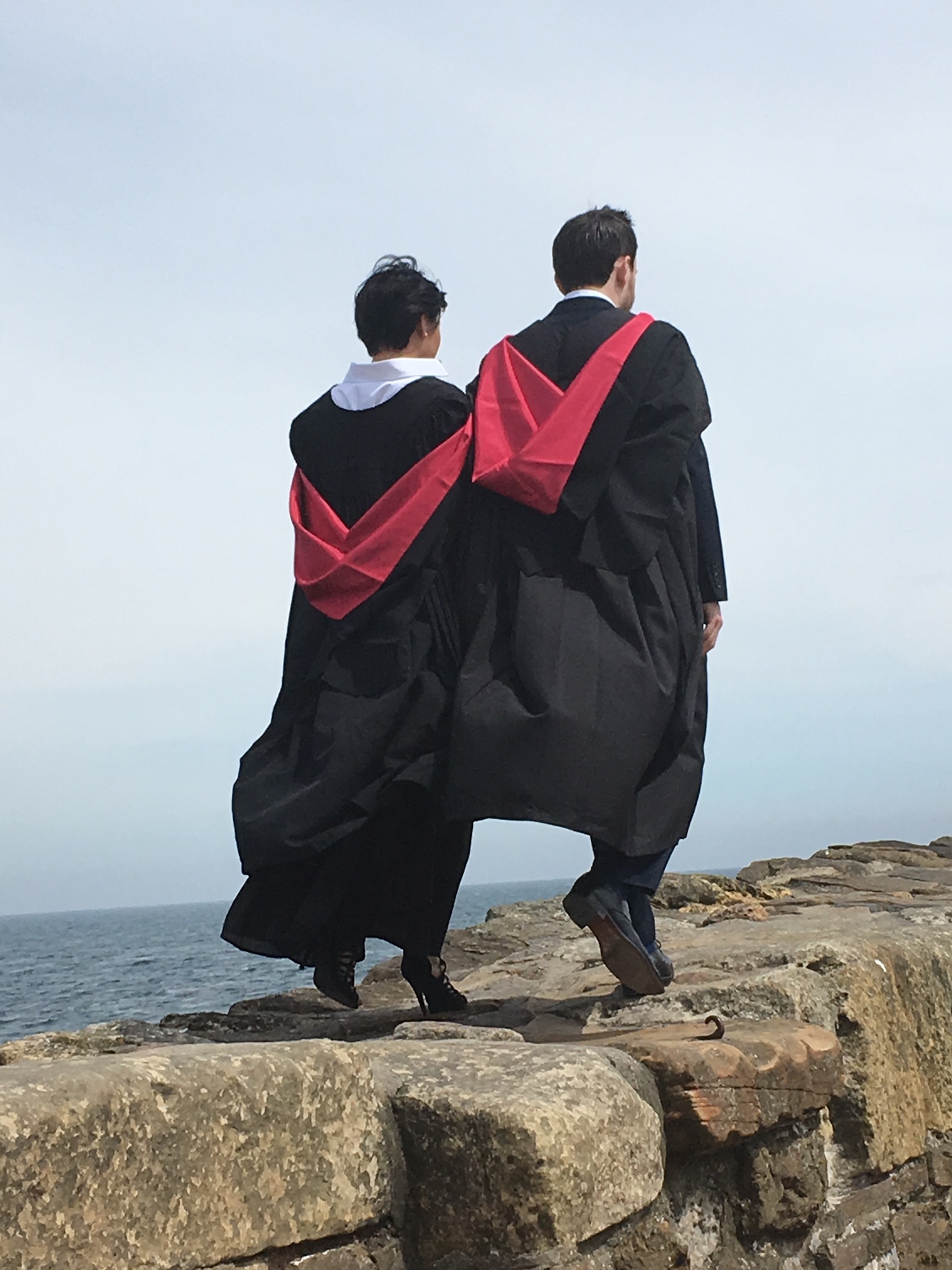

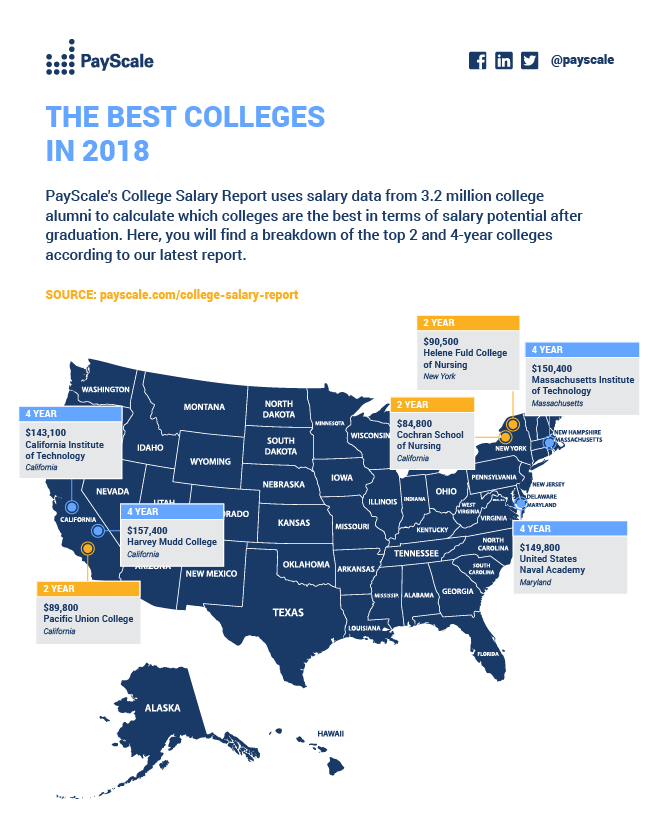






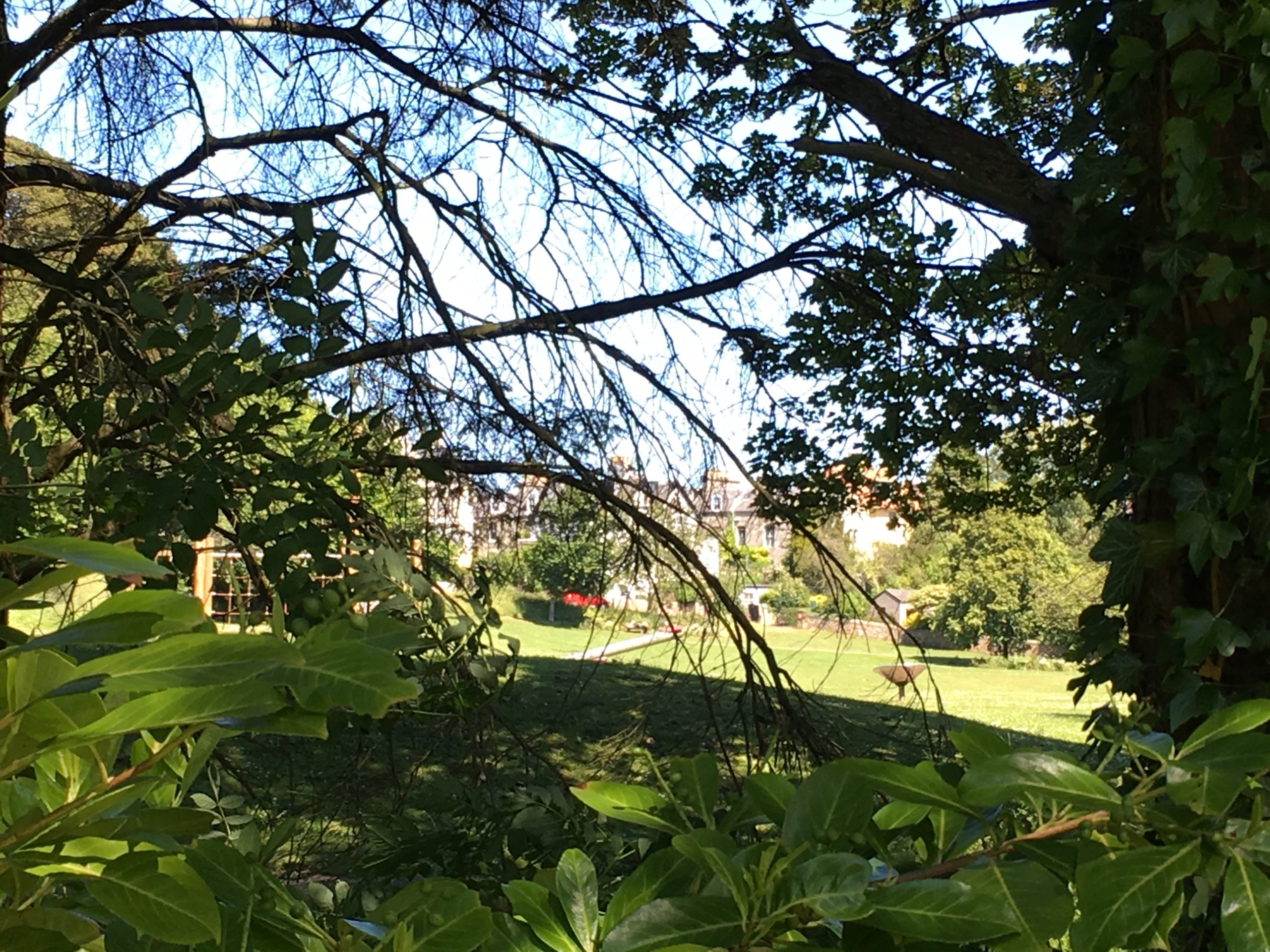


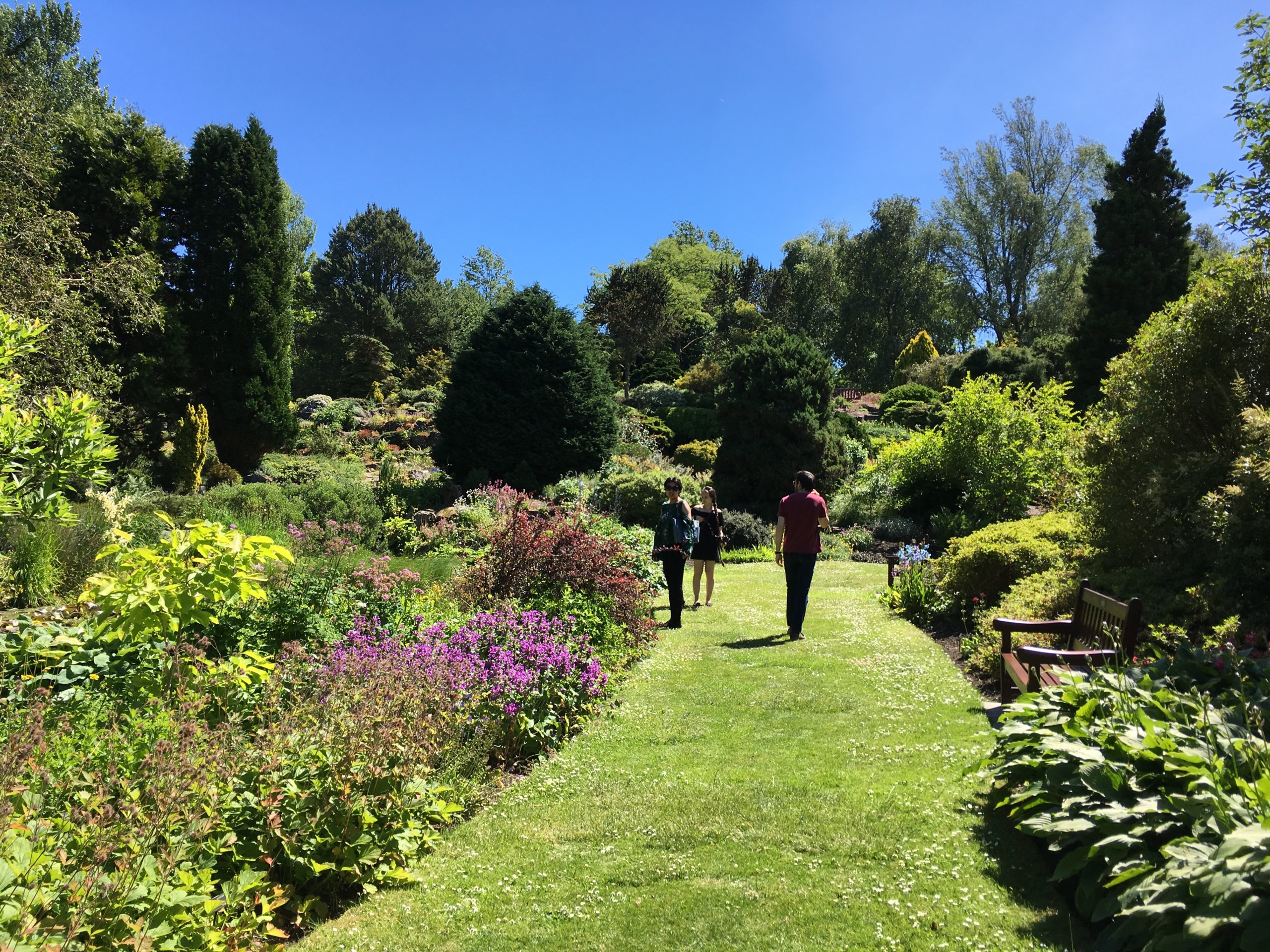

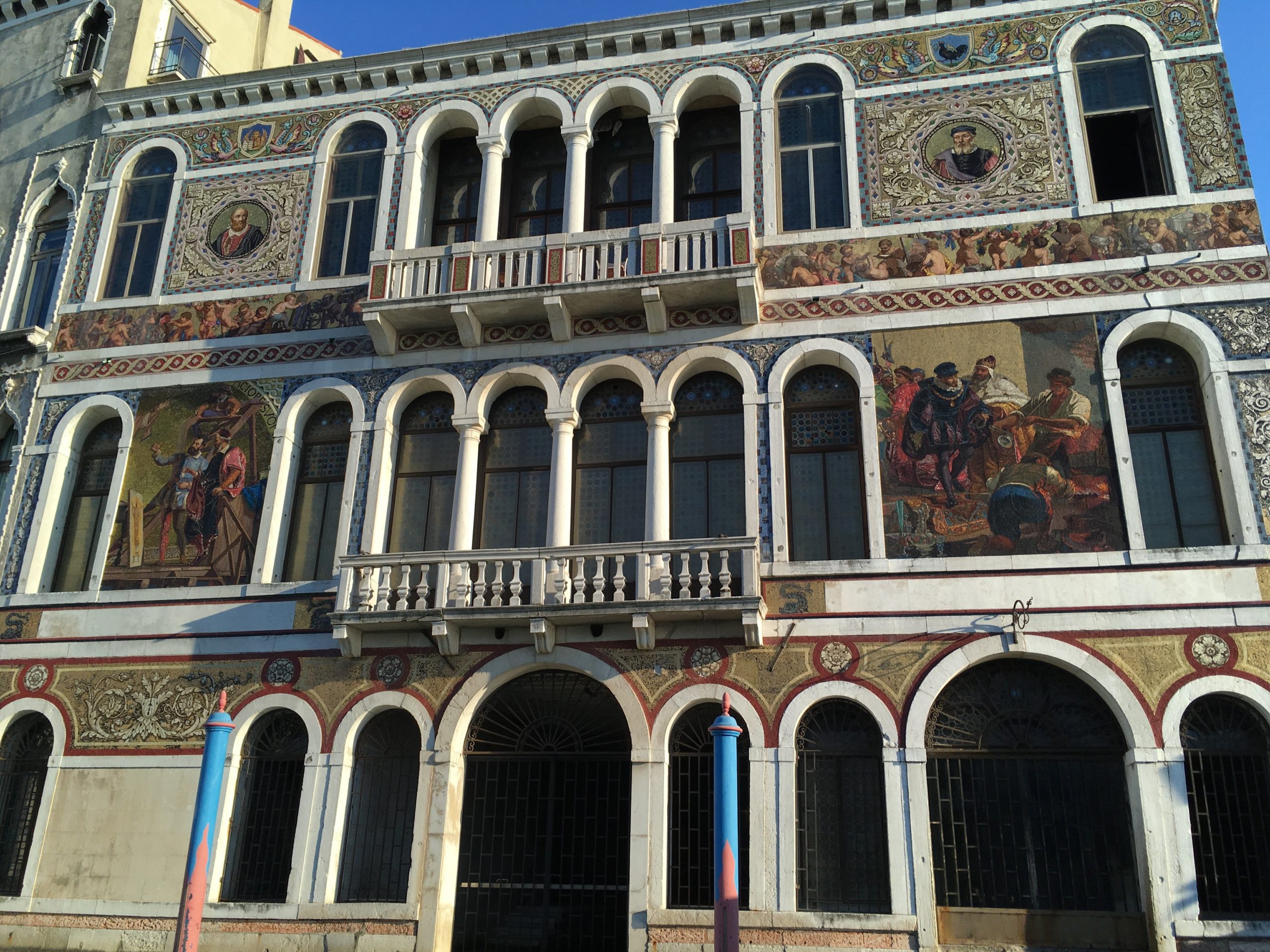
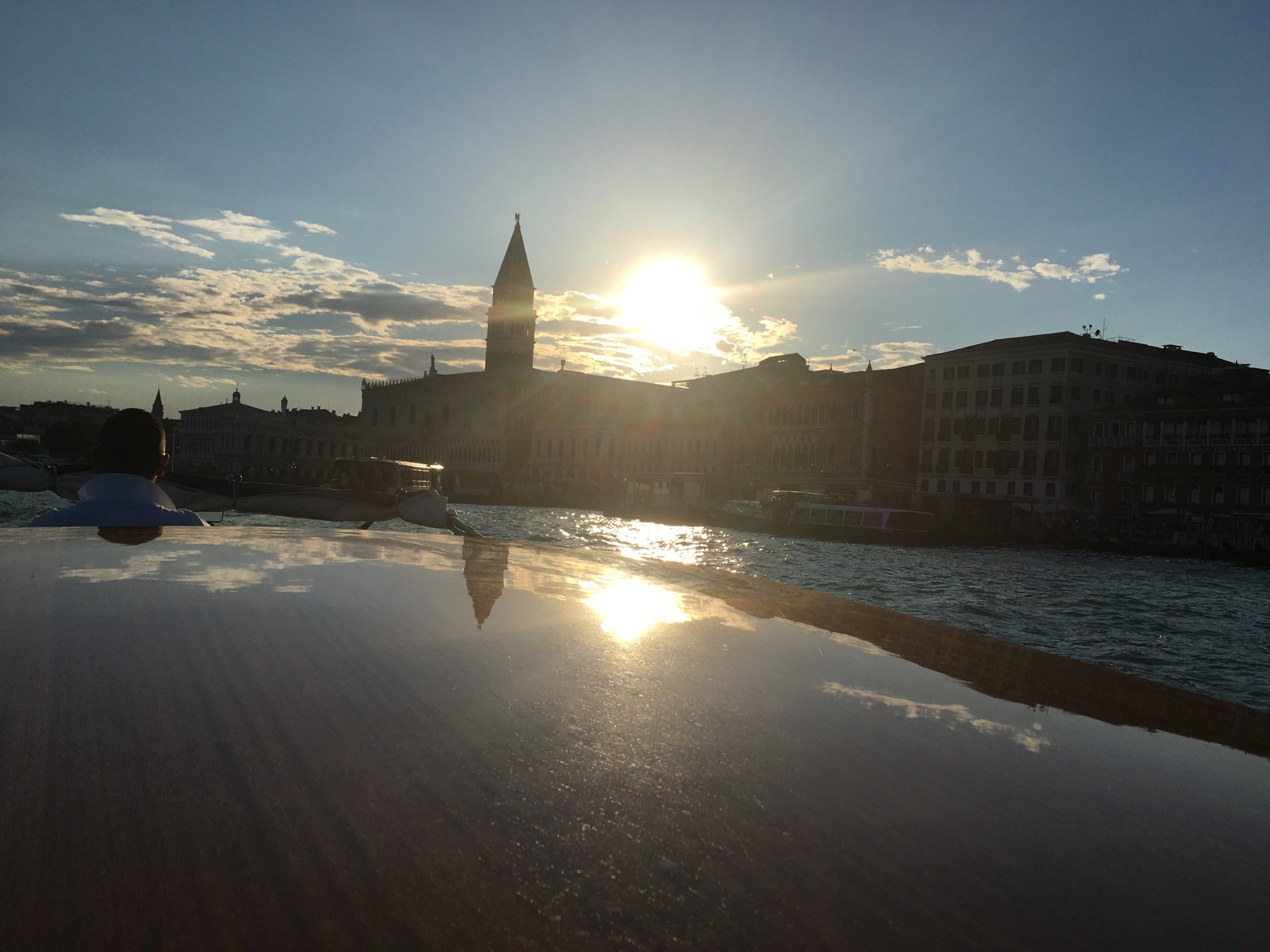
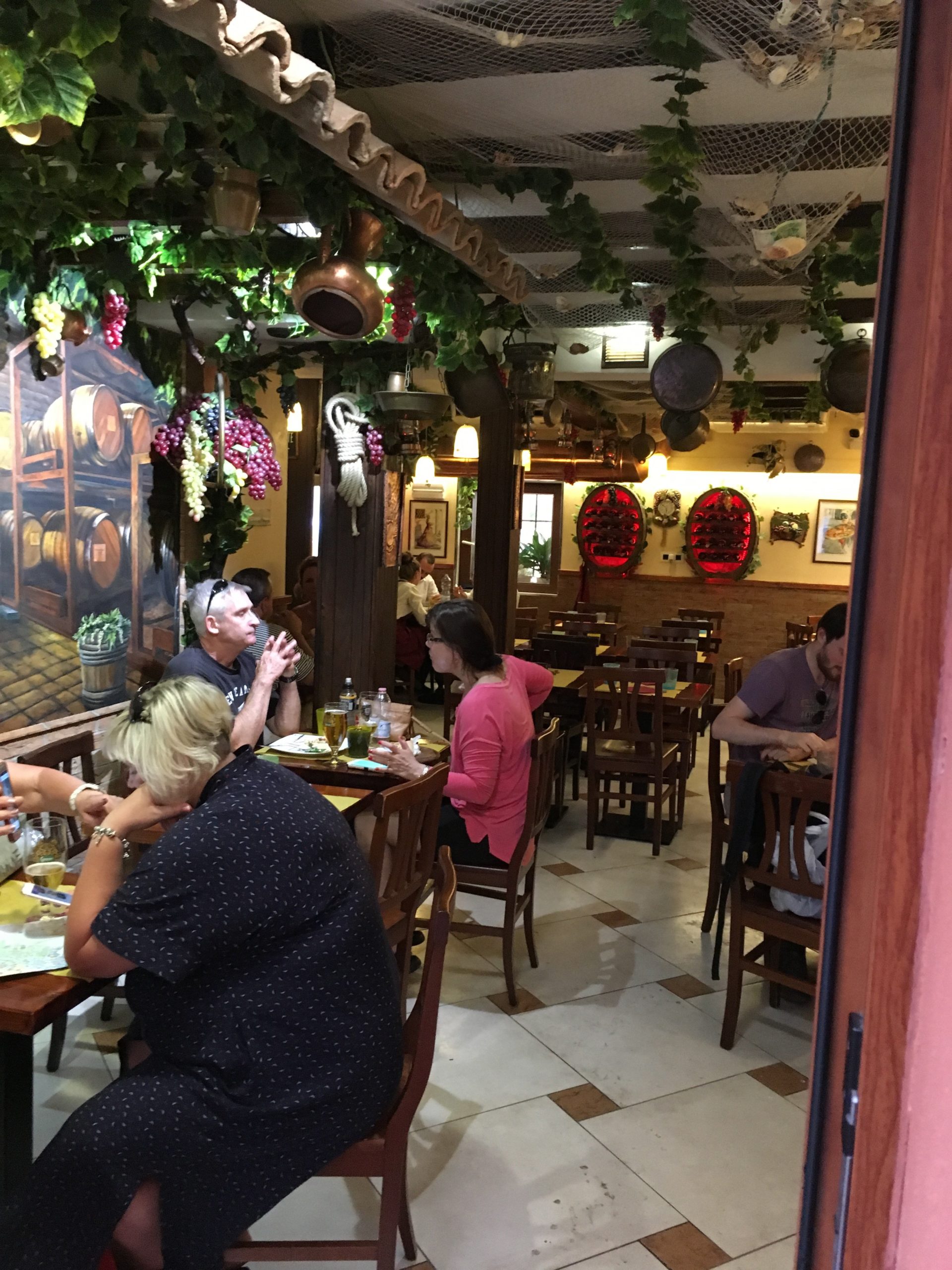
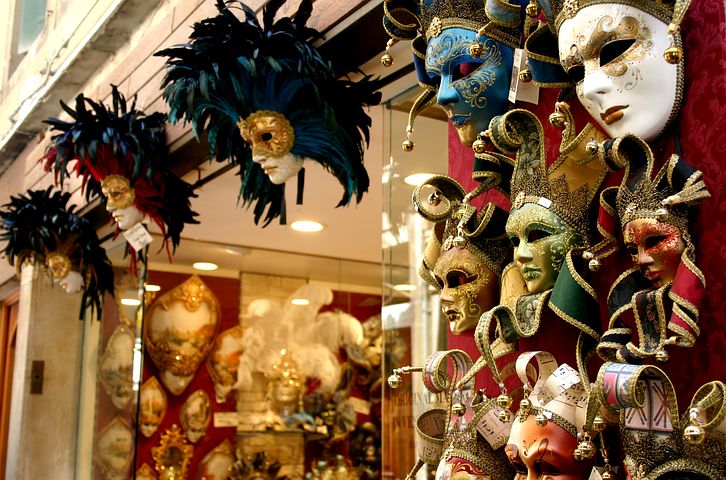
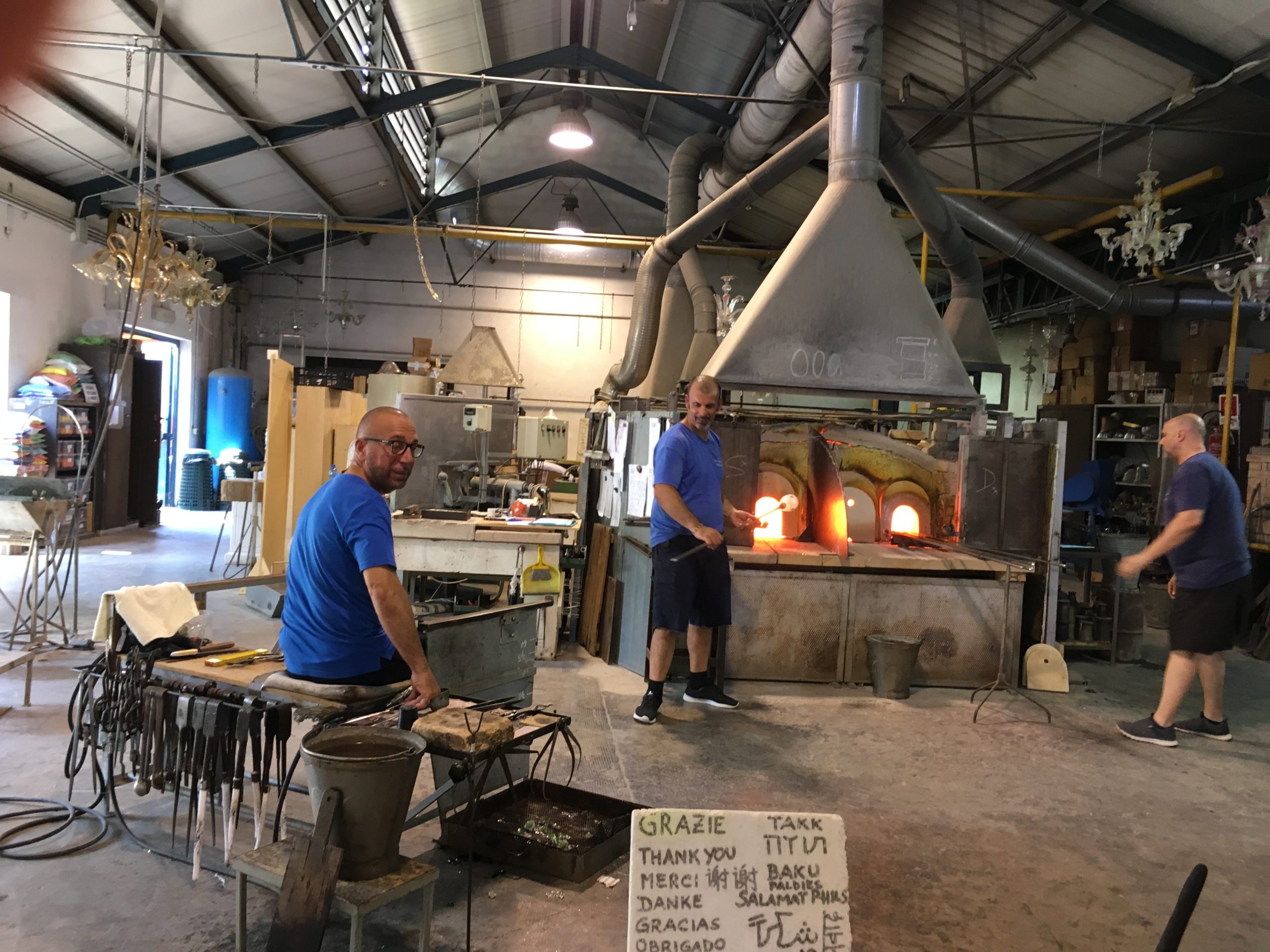
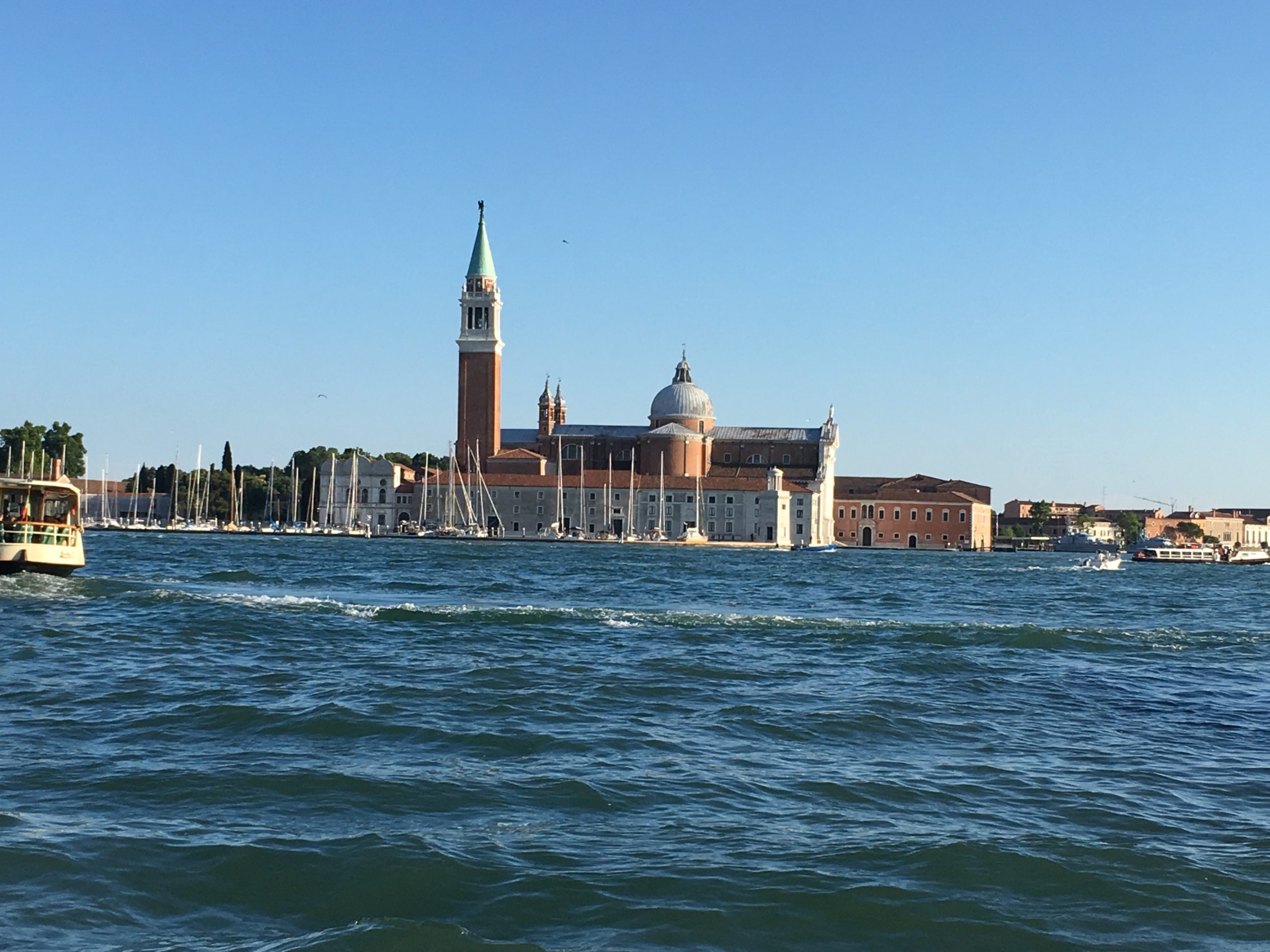
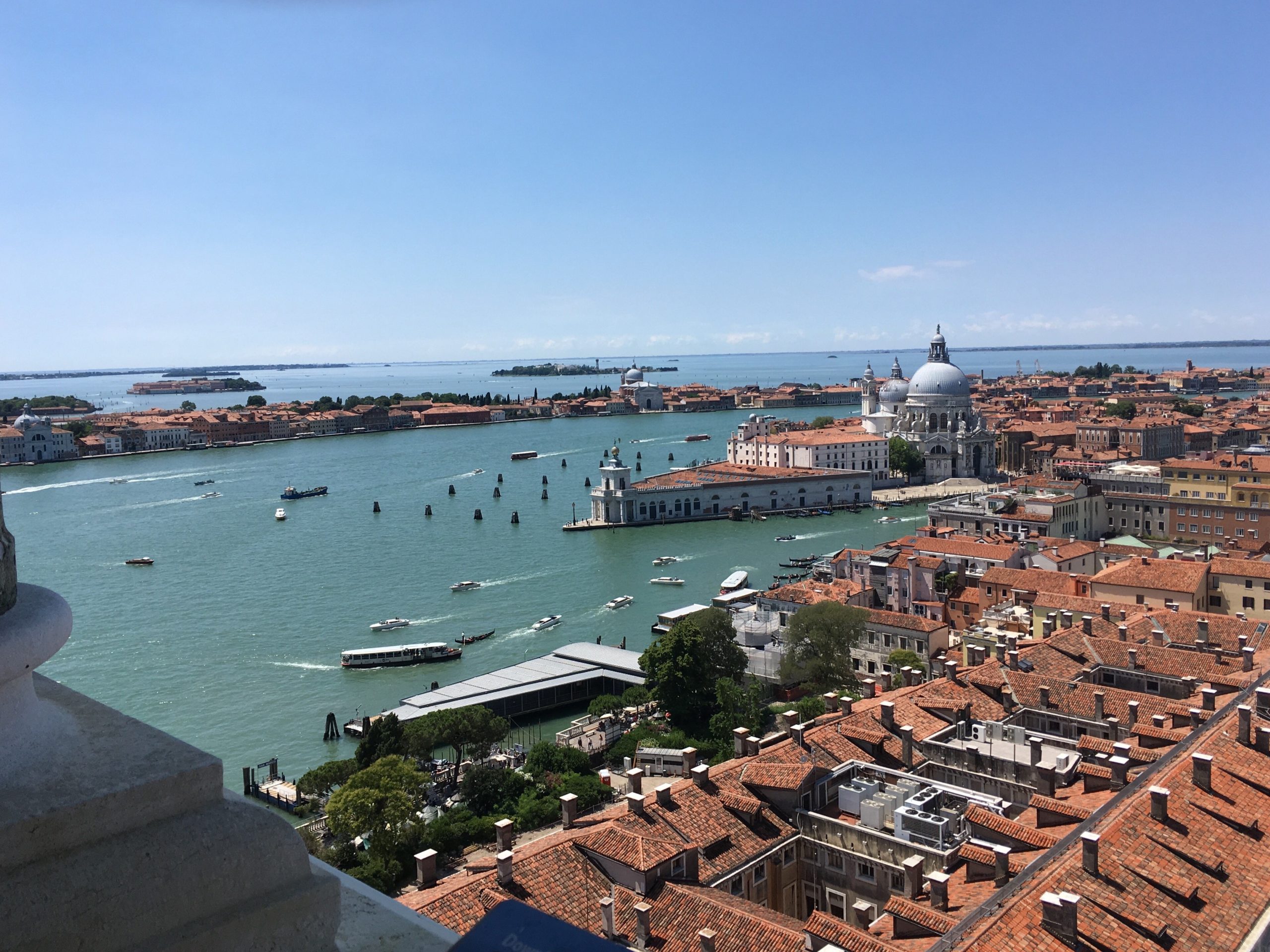
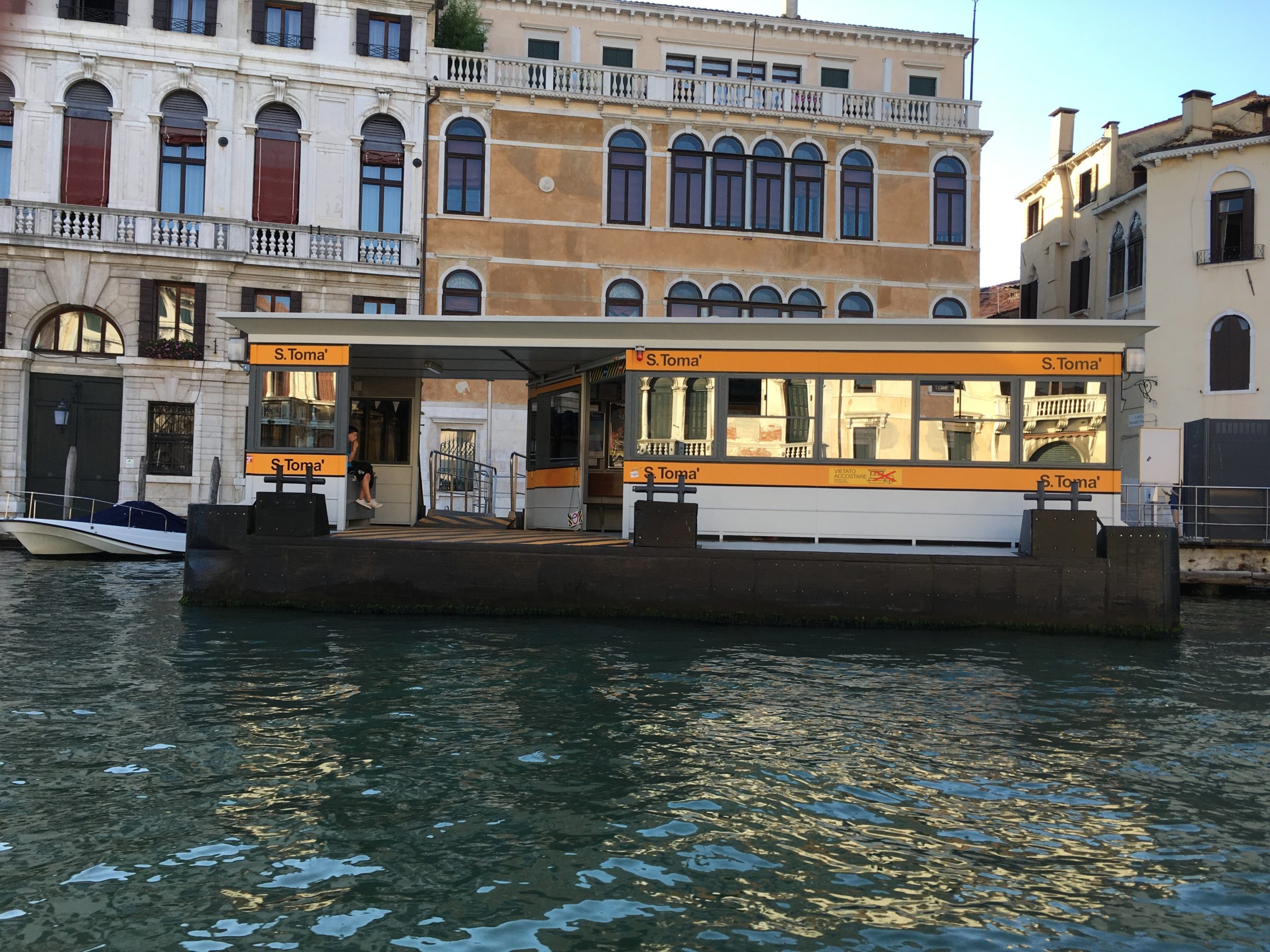
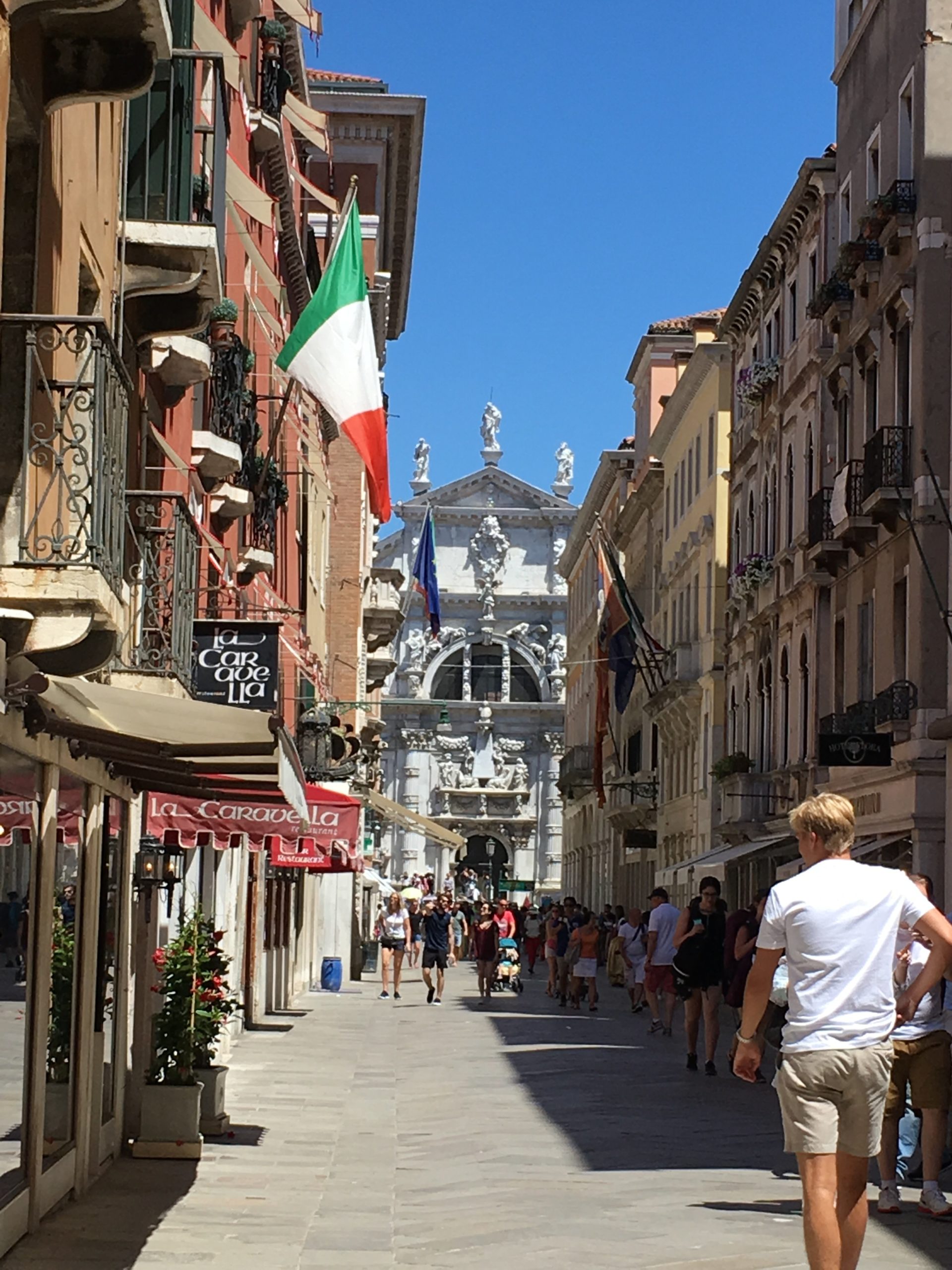
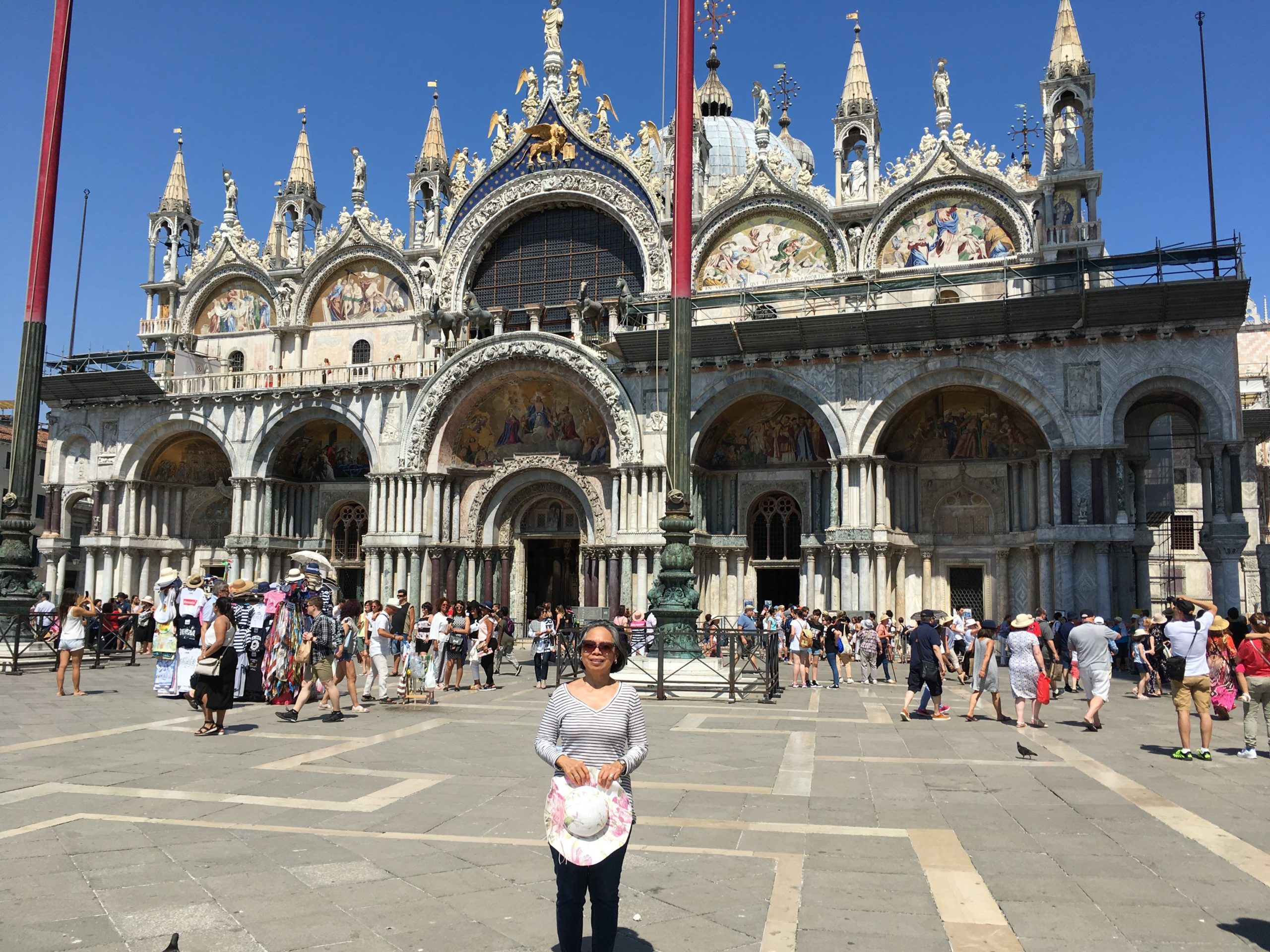
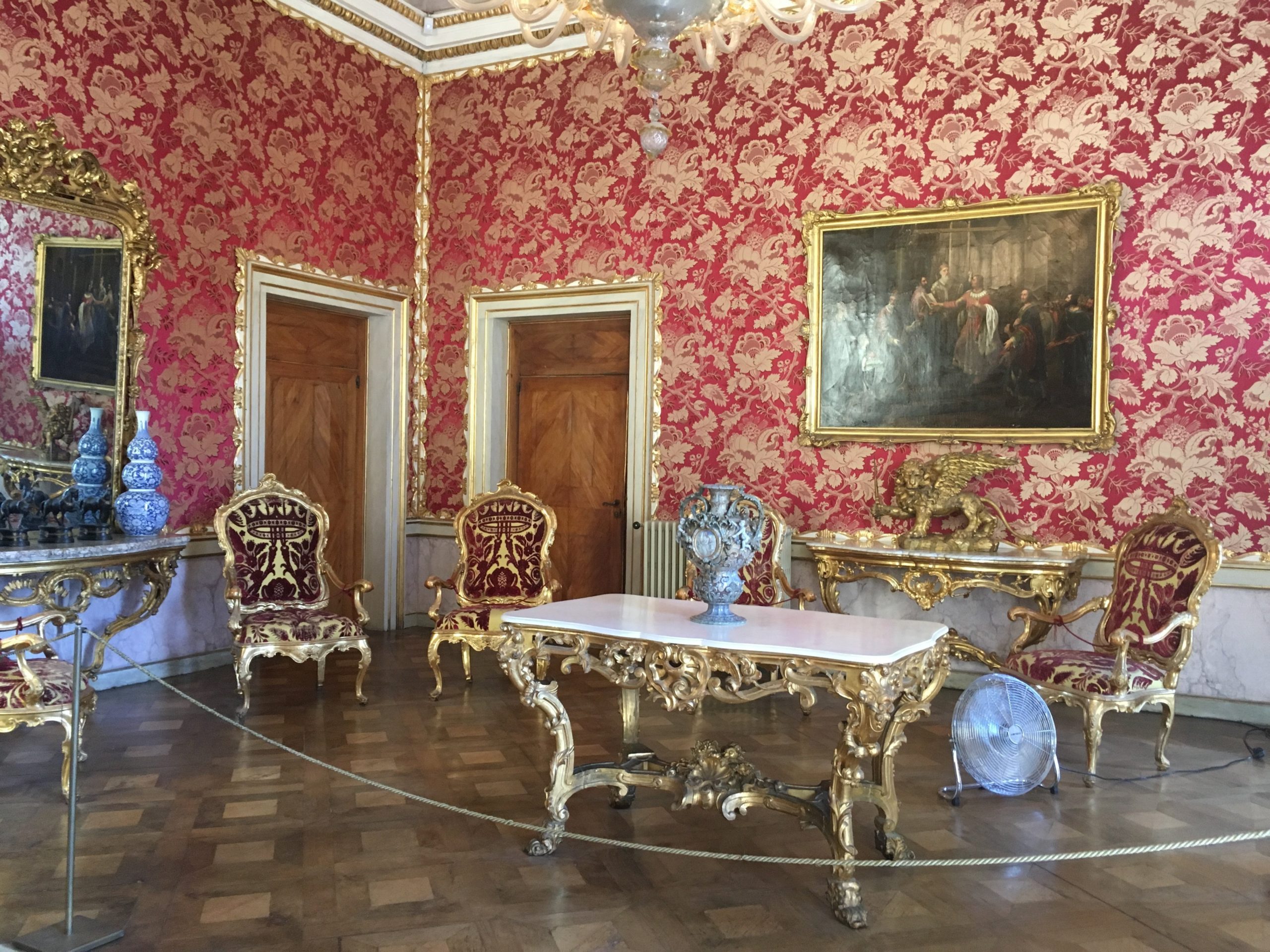
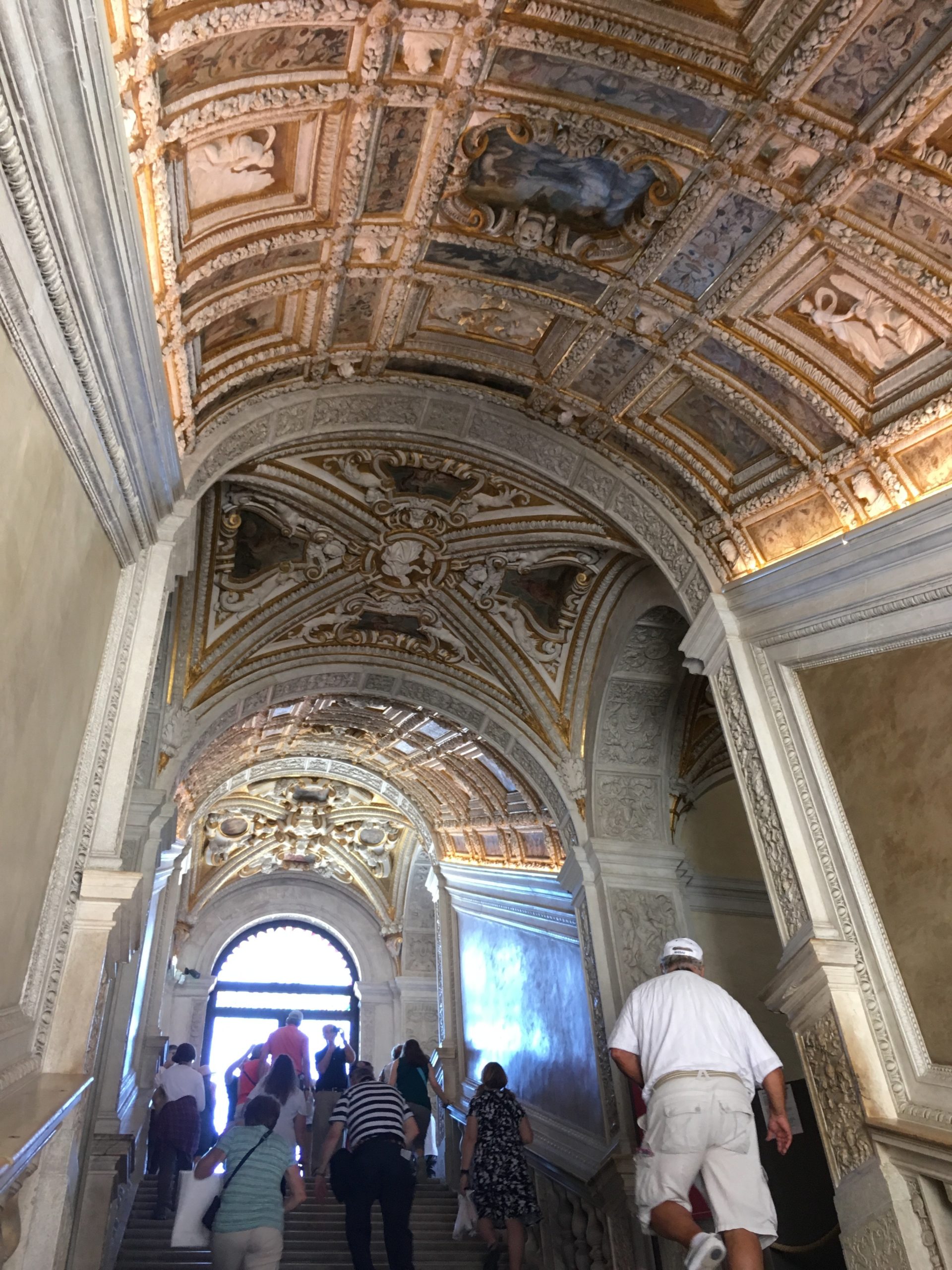
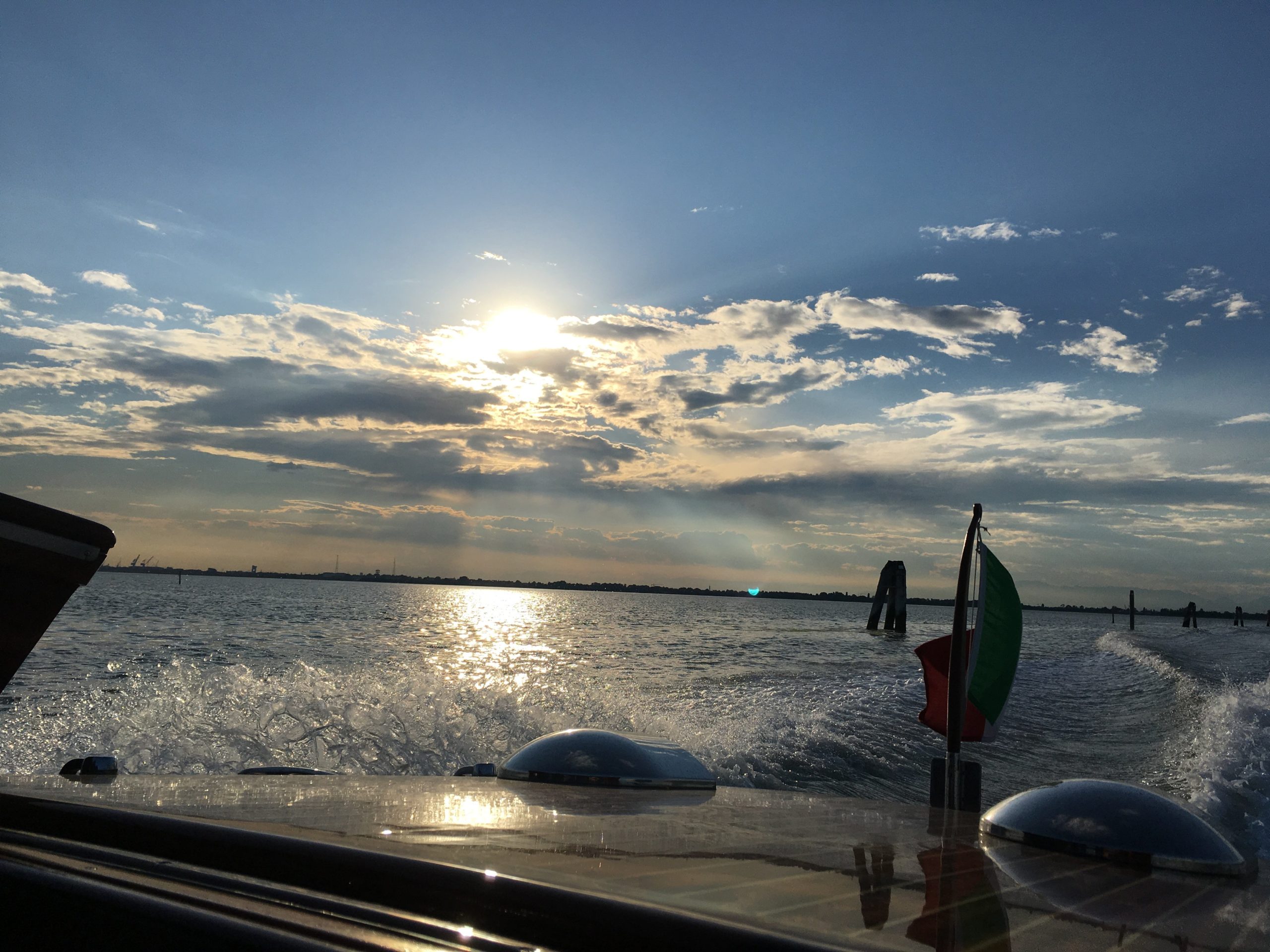



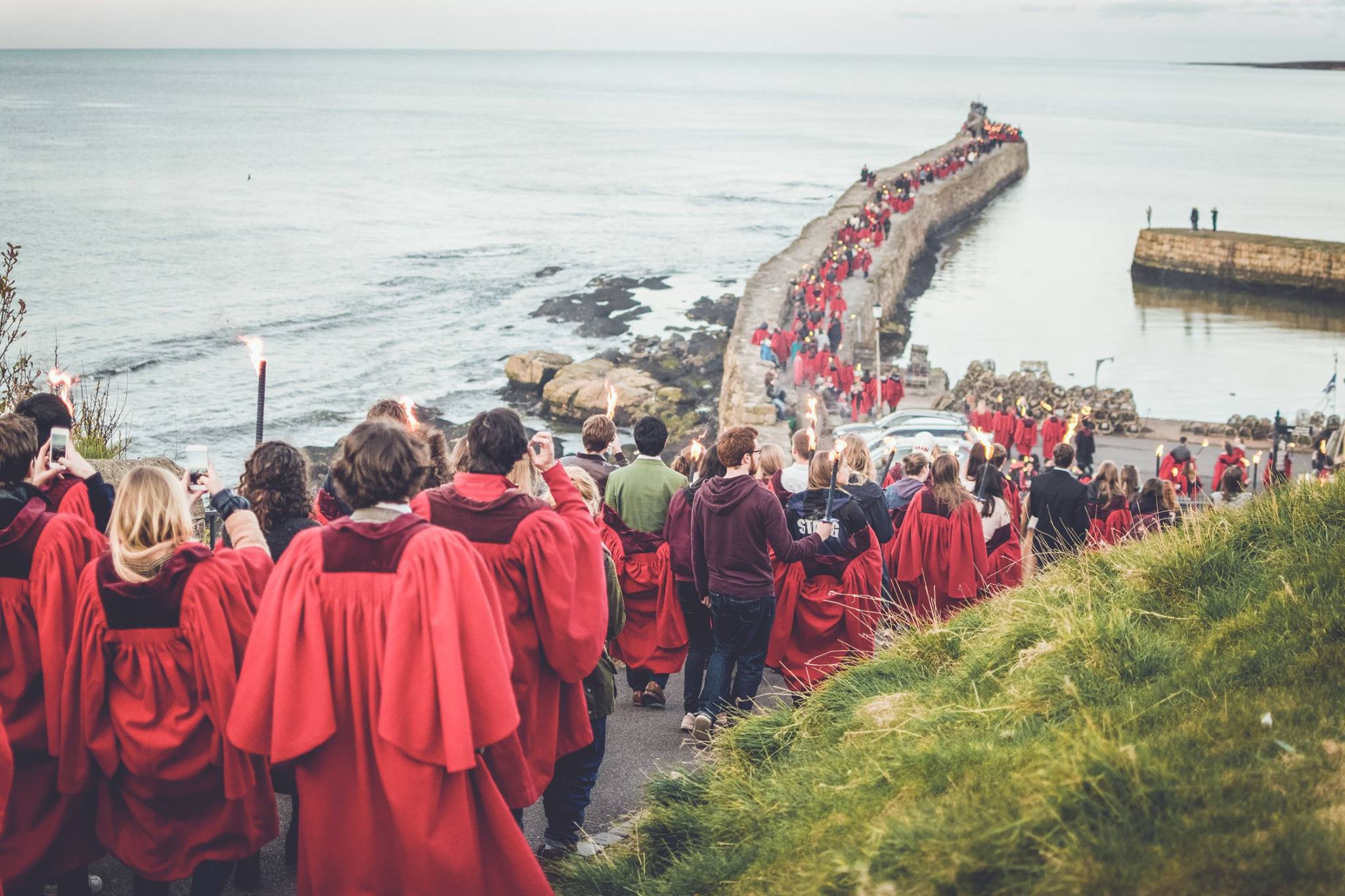

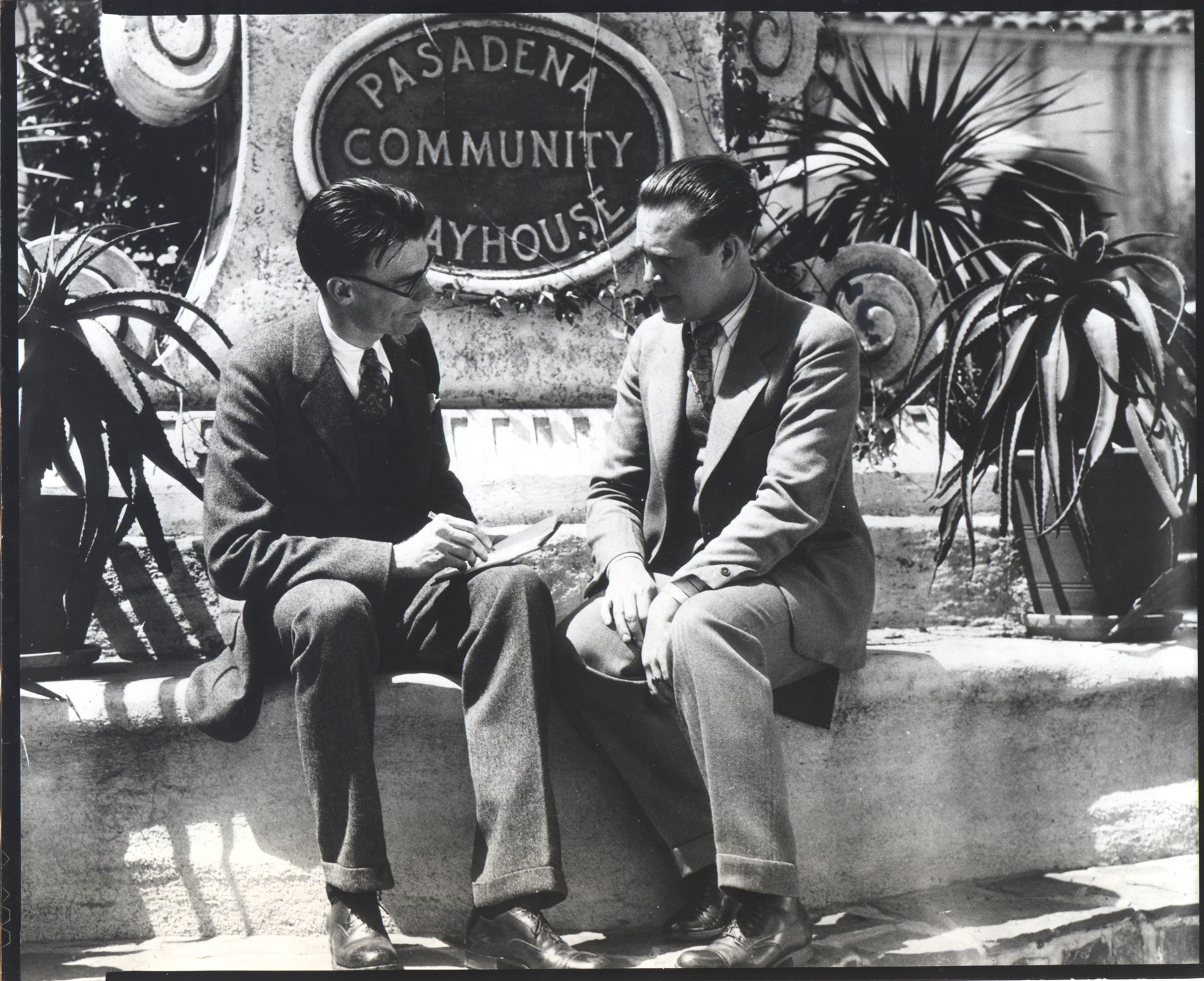
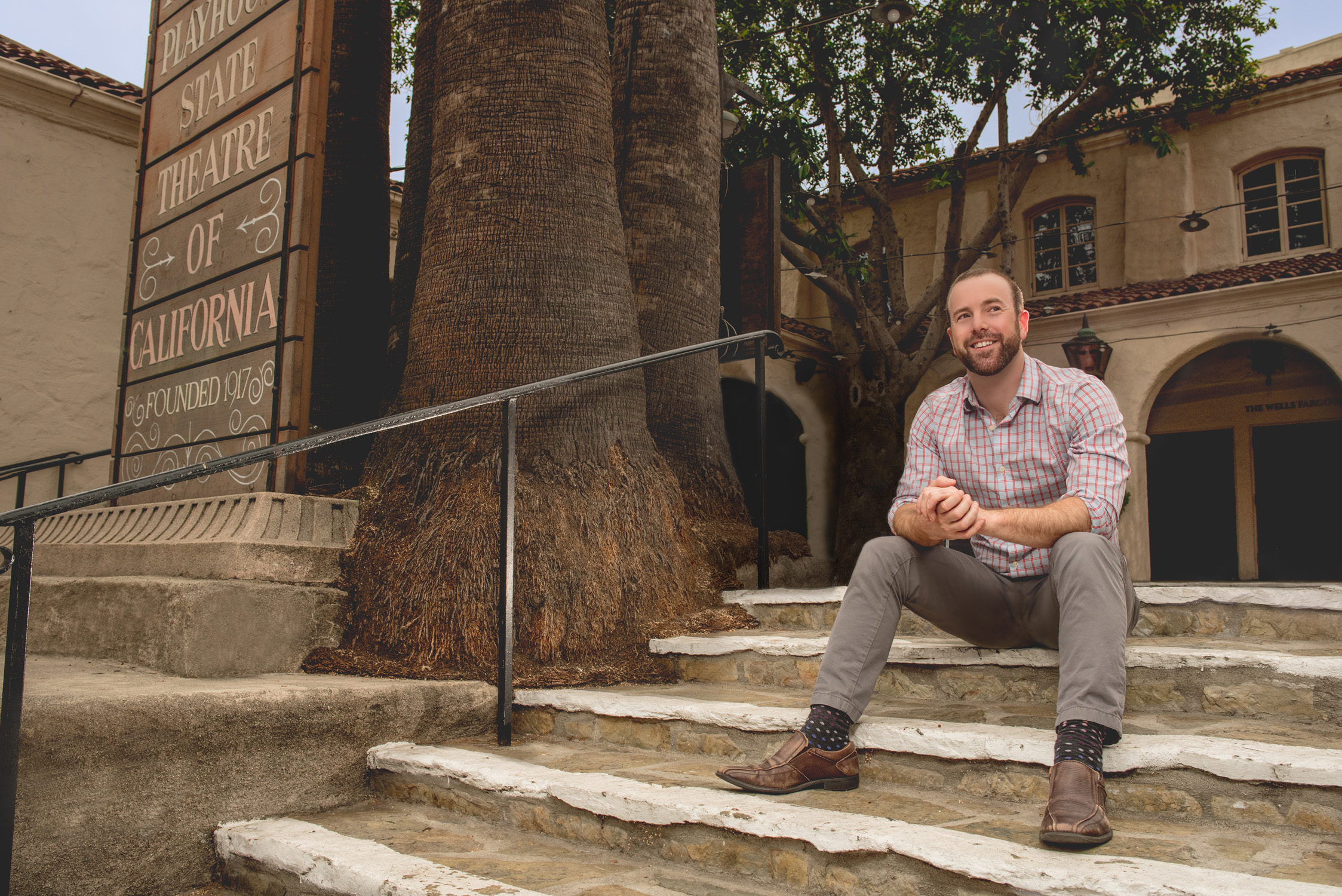
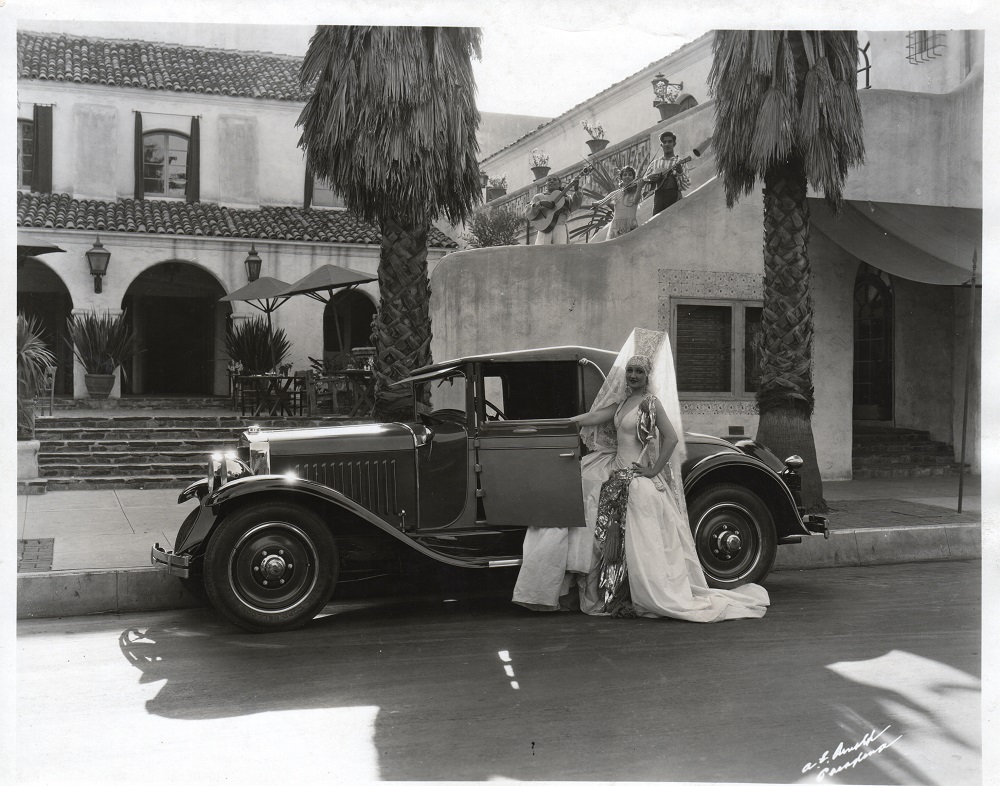

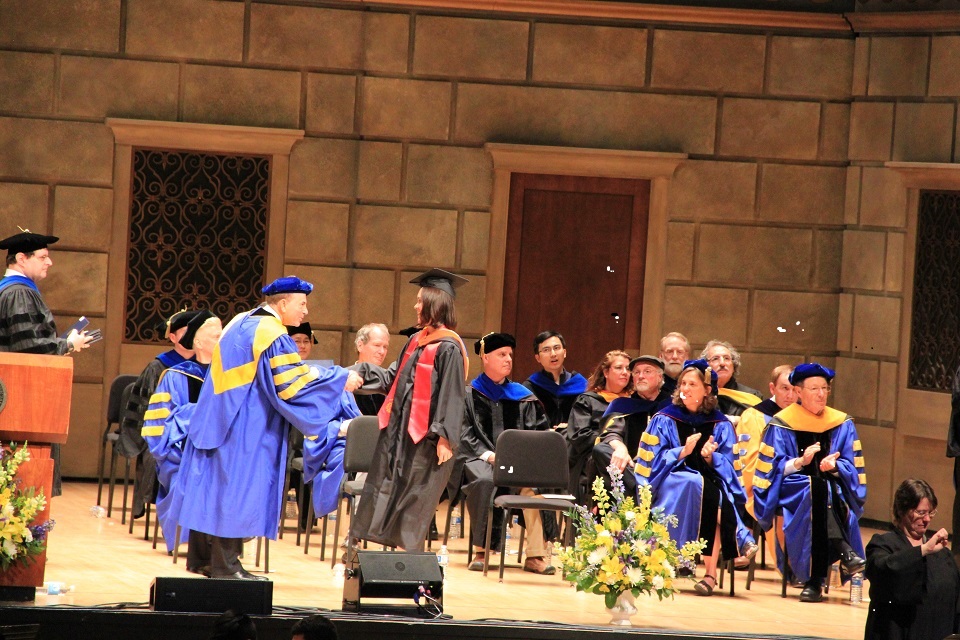
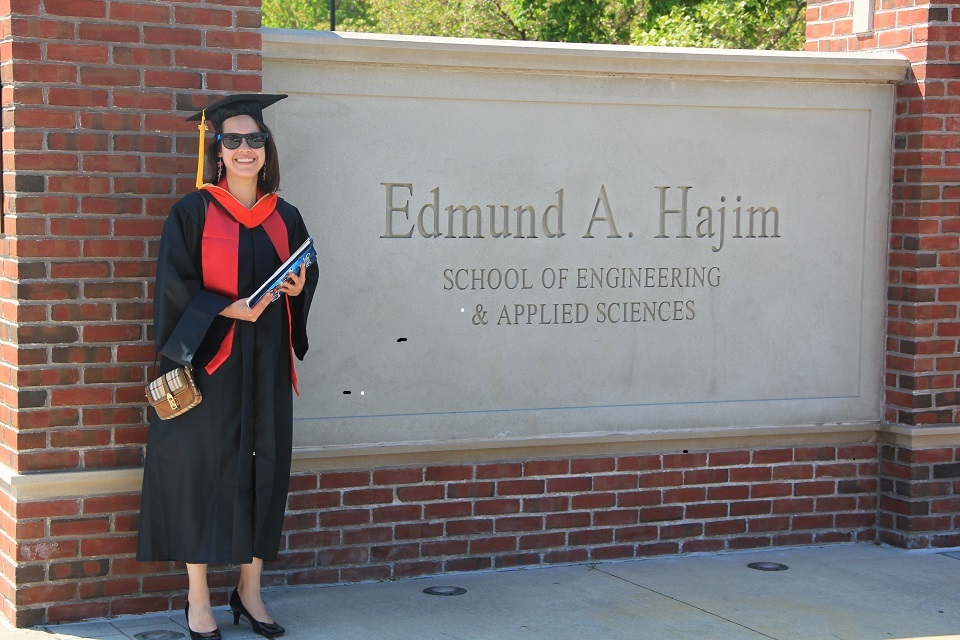
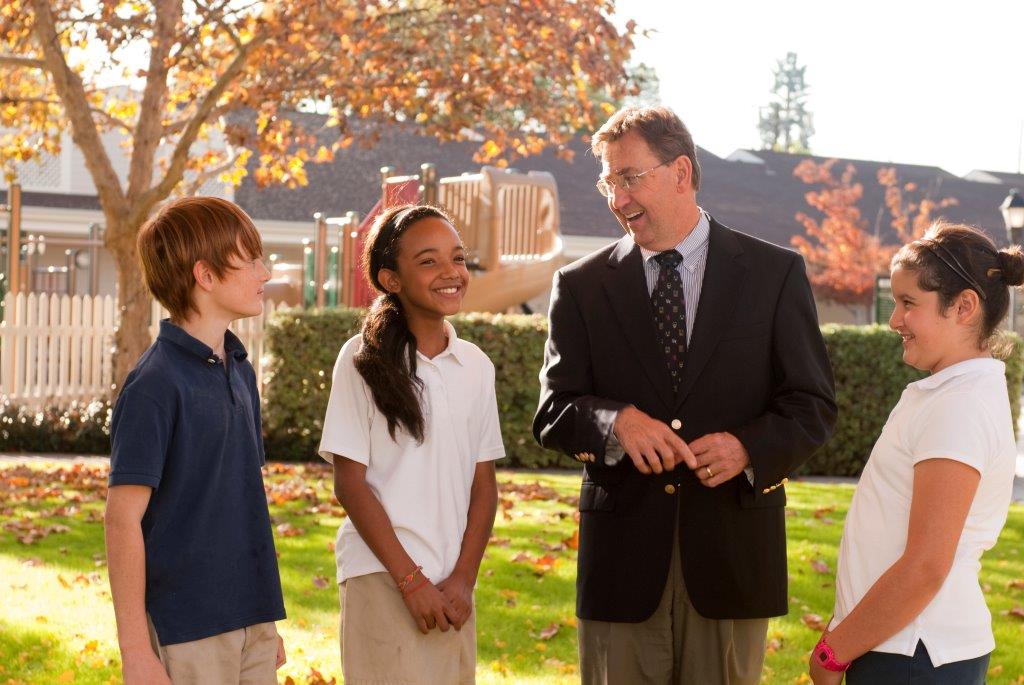





 A San Gabriel Valley Inquirer