For residents of the Michillinda Park neighborhood in East Pasadena, an ostentation of peacocks promenading on the boulevard is an everyday sight. But on a recent Sunday morning, we are pleasantly surprised to observe dozens of antique and vintage automobiles driving past our house.
It is a fascinating spectacle that invites further investigation. I take a break from pruning my roses and walk about 200 feet to Michillinda Park where I see several antique cars on the road while people chat by tables laden with pots of hot cocoa and coffee. I learn that this car show is an annual event and someone points out the organizers, Jean and Peter Eastwood, who are siblings and lifelong Pasadena residents.
A 1909 Pierce Arrow (left) and 1920 Model T Ford (right). | Photo by May S. Ruiz / Hey SoCal
I approach the Eastwoods and Peter proudly says that this is the 69th year they’ve been holding this annual antique car show. He proceeds to give me the history of the event, which is known as the Holiday Motor Excursion (HME), but interrupts himself to inform me that he actually has the history written down somewhere.
Indeed for the 40th anniversary of HME, Peter authored a write-up about how the event originated on behalf of the Eastwood family.
December 25th in Southern California is, more often than not, sunny and clear. It was on one of those Christmas days back in the early 1950s when the seed was planted that eventually grew into the Holiday Motor Excursion.
In Pasadena that Christmas morning, Doug and June Eastwood suggested to their five children, after opening their presents,“Let’s go to Uncle Warwick and Aunt Millie’s to see what (cousins) Joyce and Elaine got.”
Jean and Peter Eastwood. | Photo by May S. Ruiz / Hey SoCal
It did not take long for Richard, Sharon, Jean, Peter, and David to squeeze into Dad’s Model T Ford for the ride over there. After the cousins compared gifts, Warwick’s 1905 Buick was cranked up and a short trip around the corner took the families to Bill and Lola Collier’s house for a look at Nancy’s presents. This prompted Bill to take out his 1910 Maxwell and the three families went for a short ride. Then to Ward and Betty Kimballs’s house for Christmas cookies and tea.
It only took a year or two for the spontaneous Christmas Day itinerary to expand and visits were made to the homes of John Walgamott, Bob Coombes, Louis Cook, Dick Mendelson, and other Pasadena area Horseless Carriage Club friends.
The sight of a small caravan of antique cars crisscrossing Pasadena only hours after Santa had been there was always greeted with cheers from the neighborhood residents.
1920 Duesenberg racecar. | Photo by May S. Ruiz / Hey SoCal
Before long, club members from outside the area were feeling left out. The explanation that the Eastwoods were just out having some fun and that it really wasn’t an organized club event was not what they wanted to hear.
It was at this time in the mid-1950s when families in their antique cars started showing up at Doug or Warwick’s house on Christmas morning, not wanting to miss out on “the fun.” Over the years, homemade cookies had to be supplemented with store bought doughnuts and the first of several 100-cup coffee pots were put into service.
1911 Pope Hartford. | Photo by May S. Ruiz / Hey SoCal
Sometime in the late 1960s the event date was changed to the weekend between the holidays and the departure point was moved to the Pancake House located between Doug’s and Warwick’s homes. As the event grew in popularity, the Model T Club and other clubs with newer cars joined in. In the late 1980s, to maintain the flavor of early day motoring and to keep the event to a manageable size, participants were invited to bring vehicles built before 1933.
Over the years the HME has been fortunate to be invited to visit many wonderful family homes, collections, and businesses in the area. Many visits have been made to the Dean Hensley, Burton Burton, and Don Ricardo Collections, just to name a few.
Somewhere along the line the HME. was adopted as a Horseless Carriage Club of Southern California event but the Eastwood family still handles all the event planning. For over 30 years Warwick and Millie hosted the dessert stop at their home at the event’s conclusion. In 1994 they decided to take it easy and Gary and Sheryl Hunter eagerly volunteered to take over and host the party at their home in nearby Arcadia.
The popularity of the event can be gauged by the 450 nametags and 150 copies of driving instructions given out last year – not to mention 30 dozen doughnuts, 400 cups of coffee, and 200 cups of orange juice.
1925 White Yosemite Tour Bus (yellow car on left), 1923 Model T Ford (right); 1910 Jackson (in back)
At some later time, the Arcadia County Park became the Holiday Motor Excursion’s departure point. Cars arrive as early as 6:30 but the event officially commences at 7:30 and the tour begins promptly at 9:30.
“This year there are 110 participating cars,” discloses Eastwood. “I believe the oldest car this year is a 1909 Stanley (steam powered!). A few arrived on trailers but most are driven to the event. I know that two of the cars that came by trailer were from Arroyo Grand and Hanford, California.”
1929 Model A Ford. | Photo by May S. Ruiz / Hey SoCal
Continues Eastwood, “The tour route is usually around 30 miles. We drive about 10 miles winding through the picturesque neighborhoods of Arcadia and Pasadena. Then we stop at a different park for coffee and donuts provided by our club – the donut stop is part of the event’s annual traditions.”
“Then we carry on for another 20 miles through more scenic Pasadena neighborhoods along the arroyo and other areas,” Eastwood adds. “We then circle back for lunch at Clearman’s North Woods Inn or Clearman’s Galley on Huntington Drive and Rosemead Blvd. From there we take a short drive to a nearby club member’s house for dessert. The route changes every year because we want to keep people guessing. But we come to Michillinda Park every two or three years”
The Horseless Carriage Club (HCC) doesn’t promote the event to the public according to Eastwood. The information is posted on the club’s website for the car owners. HME shirts – the artwork for which was created by Disney animator and HCC member Ward Kimball – are available at the event and they are discussing selling them through the club website.
Model T Ford. | Photo by May S. Ruiz / Hey SoCal
Unlike other antique car shows, HME is not a fundraising affair. Eastwood clarifies, “The event is merely an opportunity for the car owners and their families to have some holiday fun. The emphasis is on the driving aspect. We are fortunate that we can enjoy our cars this time of year – many clubs in other areas don’t have the weather we have.”
After a while, the tables of drinks and donuts are cleared and club members get in their cars to resume the tour. The drivers and passengers of the antique cars happily wave to people who happen to see them making their way to their scheduled stop on the route. And at every stop bystanders and onlookers marvel at the exquisite automobiles.
What started for the Eastwood family as a fun Christmas day jaunt around the neighborhood has grown into an eagerly anticipated annual tradition for hundreds of car enthusiasts and even those who might know next to nothing about antique cars. Watching the beautiful rare cars we don’t normally see on our streets certainly puts a smile on our face. What a delightful treat!
Jan Brueghel the Younger. Flowers in a Gilt Tazza, c. 1620. | Photo courtesy of The Norton Simon Foundation
October 24, 2025 marks the 50th anniversary when the Pasadena Art Museum was renamed Norton Simon Museum. It is only fitting then that 50 years to the day, the museum will debut the exhibition called “Gold: Enduring Power, Sacred Craft.” On view in the lower level exhibition wing through February 16, 2026, it explores the artistic and cultural function of gold in 57 objects drawn from the museum’s American and European and South and Southeast Asian collections.
The objects in this exhibition were crafted from metal excavated from mines across three continents and transported over vast regions, often in the form of currency. In the hands of trained craftspeople, this processed gold was transformed into jewelry that adorned Roman patrician women or spun into thread that was then woven into textiles for elite patrons in Europe and Asia.
Co-curated by Maggie Bell, Norton Simon Museum’s associate curator, and Lakshika Senarath Gamage, assistant curator, “Gold: Enduring Power, Sacred Craft” being the exhibition during the 50th anniversary celebration came about serendipitously. They had been contemplating to collaborate on an exhibition that would bring the Asian collection and the American and European collection together. When they began this project two years ago, they realized there was a common element in the artwork they were looking at.
Rembrandt van Rijn, The Goldweigher, 1639. | Photo courtesy of The Norton Simon Foundation
“As we were looking at the objects in our collections, a theme emerged and we realized we talk about gold across mediums – tapestries, sculptures, painting, works on paper – as an opportunity to get to know and celebrate the collection,” Bell begins. “We systematically went through all the objects that had gold as a medium. At the same time we started thinking about the way gold as a metal interacted with other medium and also what gold means symbolically, even to representations of gold in thread or in paint. There are so many ways to approach this subject. There are things in the exhibition which don’t actually have gold in them but evoke ideas and associations with gold.”
Later in the process they realized the exhibition they had been planning was going to be completed around the same time as the museum’s 50th anniversary celebration. And it was a happy coincidence because the milestone is traditionally symbolized by gold.
“With the story we wanted to tell together, we started with about 200 possible objects,” continues Bell. “We got to know these objects and started doing research. And one of the best things that happened in the process is that I learned so much from Lakshika about her collection and the stories and themes that we can tell together. In conversation with each other and through research we narrowed them down. There were only a certain number of objects that would tell that story clearly and we consolidated them to the 57 that visitors will see in the exhibition.”
“We want to explore gold as a medium but also as an idea,” Bell states. “We want to show the ways in which gold as a material physically does endure for millennia, hence the title. Also, it has a grasp on our imagination globally; visitors will see in the geographical range of these objects that gold really has so much power as a medium.”
Gerard David, The Coronation of the Virgin, Maria in Sole, c. 1515. | Photo courtesy of The Norton Simon Foundation
The exhibition is divided into three themes: power, devotion, and adornment. The 57 objects represent about 17 countries across four continents, spanning from 1000 BCE to the 20th century.
“Through these works we explore how gold traveled across land and sea, how it was crafted, and how it has been imbued with special meaning, particularly with devotion,” explains Gamage. “This is possibly the first time South and Southeast Asian art are displayed together with American and European collection in the special exhibitions galleries. I do want to emphasize that this is not a comprehensive picture of gold because we are drawing solely from the Norton Simon Museum collection and these objects were mostly sourced by Norton Simon himself.”
Museumgoers will find a clean, front-facing plan and objects displayed on tables in the center instead of against the wall. The first gallery focuses on power, the second on devotion, and the third contains jewelry and the smallest objects. Interior walls and display stands are painted red, inspired by a lot of the images in the space. The lighting will be different in each gallery.
Asia: China, Tibet, Headdress, 20th century. Gold Metal with semiprecious stones. | Photo courtesy of The Norton Simon Foundation
Gamage elaborates, “Visitors won’t see any artwork on the peripheral walls and it’s a deliberate design choice to give prominence to the objects. Maggie and I worked very closely with the designers to create an exhibition that felt meaningful to visitors. The layout allows them to create their own pathways and gives them the freedom as they walk around to see these connections with their own eyes. And rather than separating them into just Asian and European, we wanted the objects to have interesting sightlines so visitors can see Asian objects visually interacting with American and European objects. That highlights function and meaning, whereas a division by geography and time loses those meaningful trajectories.”
A map at the entrance indicates where the objects originated and where the gold came from. In the first gallery, the very first object visitors will see is a bovine sculpture from 18th century China.
Asia: China, Tibet; Asia, Nepal, Bovine, 18th-19th century. Gilt-copper alloy. | Photo courtesy of The Norton Simon Foundation
“We chose this because it is associated with strength, power, and resilience, and possibly tied to ancient Chinese feng shui tradition,” explains Gamage. “The function is not exactly known because not much research has been done about this object. The practice itself remains unclear but the charging bull has long been viewed as an auspicious symbol of prosperity and abundance.”
One of the foremost European objects in the first gallery that addresses the power of gold – both as an economic material as well as a symbolic medium – is a portrait of Sir Bryan Tuke, who was appointed treasurer and secretary of Henry VIII’s royal household in 1528.
“This is a copy after a painting by Hans Holbein the Younger, a German artist primarily for the court of Henry VIII,” Bell describes. “Holbein was both a painter and a jeweler and was renowned for designing jewelry for Henry VIII and his wives, and incorporating those designs into the portraits he did of the people in Henry VIII’s court. Because Holbein was a 16th century artist and this was done in the 17th century, it’s possible that Tuke’s descendants commissioned the new portrait to hang in their home as a reminder of their own connections to the Court of Henry VIII in the previous century.”
Hans Holbein the Younger, Portrait of Sir Bryan Tuke, c. 1527. | Photo courtesy of The Norton Simon Foundation
“It’s very true to the original Holbein portrait especially in the way that the cross jewelry is hanging around Bryan Tuke’s shoulders,” explains Bell. “It’s very conceivable that Tuke designed this hefty gold cross himself. I really like this image because a treasurer gets the economic power of gold; it also has an interesting symbolism around the use of gold in this portrait. When this was painted Tuke had just recovered from a really serious illness. It has additional meaning because gold was associated with longevity and good health since it never tarnished.”
In the second gallery, objects on devotion and the sacred role of gold in making art are displayed.
“It was a really fascinating theme to think through with Lakshika because gold has different meanings in Christianity, Buddhism, and Hinduism that is very complex,” Bell declares. “For example, in the Christian tradition, gold is incorporated into images of religious figures as a way to honor them. But it also becomes a bit tricky because poverty is such an ideal in Christianity, so integrating gold undermines the value of poverty as a Christian virtue.
“But in Buddhism, there is the tradition of genuine sacrifice that comes from giving gold as a gift. It was really interesting to think through those ideas with Lakshika in terms of using gold to craft religious images and the different symbolic and devotional implications that they have.”
Workshop of Cornelis Engebrechtsz, The Adoration of the Magi, c. 1520. | Photo courtesy of The Norton Simon Foundation
One of the first European displays in the second gallery is a painting called “The Adoration of the Magi.” It is a scene showing the three kings who traveled from the four known corners of the world – Asia, Europe, and Africa – to honor the Son of God with extravagant gifts of frankincense, myrrh, and gold..
“What I found interesting that I didn’t realize, is that in a lot of these images from the 16th and 17th century, Christ is shown interacting with this pot of gold,” says Bell. “I find that thought-provoking because, at the same time. the Holy Family was also honored for their poverty. Christ was born in a manger, surrounded by farm animals but he was being honored with gold and he’s reaching out for the gold, and in some paintings even holding the gold coin.”
A South Asian object in the second gallery is the sculpture of Indra – the Hindu god of storms, thunder, and lightning, and was historically the king of gods.
Asia: Nepal, Indra, 13th century. Gilt bronze. | Photo courtesy of The Norton Simon Foundation
Gamage states, “Indra is in this particular posture called the ‘Royal Ease.’ He wears a very distinctive Nepalese crown and he also has a horizontal third eye that clearly tells us that this is the god Indra. There are various ceremonies that are very specific to the veneration of Indra, particularly in the Kathmandu Valley in Nepal.”
In the third gallery, called adornment, objects are mostly jewelry. The one object from the Asian collection is a bracelet made of pure gold dated 1000 BCE – the oldest object in the exhibition. It is from the Uragu Kingdom, which is modern Turkey, Armenia, and part of Iraq.
Asia: Urartu, Bracelet with Animal Head Terminals, c. 1000 BC. Gold. | Photo courtesy of The Norton Simon Foundation
“We have an eclectic group of ancient European objects,” enthuses Bell. “There are two Egyptian cats that we’re really excited about. These were on trend for collectors in the 1960s. We have figurines of various goddesses decorated in gold in someone’s home as talismans. We have this fantastic pair of earrings which are hollow inside but made of pure gold. They’re beautiful! It’s a testament to the power of gold – it doesn’t tarnish even after millennia. We were desperately trying to find photos of Jennifer Jones, Norton Simon’s second wife, wearing these to some events. But we have not been able to verify this.”
Europe: Roman, Pair of Earrings, 3rd century CE. Gold. | Photo courtesy of The Norton Simon Foundation
The Gold exhibition will feature four technical stations, created by the museum’s conservator, behind the two large tapestries. Bell expounds on the reason for this.
“We’re thinking about gold as a material and we had no idea about the many ways gold can be manipulated to become ink, paint, thread, leaf, or something you can melt. There are so many things you can do with gold. It’s alchemical in a real sense. We kind of condensed them into these four major techniques that you see throughout the show: gold leaf on painted wood panel, gold threads, gold paint, and gilded cast metal – which is the majority of the work that Lakshika is displaying from the South and Southeast Asian collection. So we’re very grateful to our conservator and we hope they will enhance the exhibition experience for our visitors.”
Giovanni di Paolo, Branchini Madonna, 1427. Tempera and gold leaf on panel. | Photo courtesy of The Norton Simon Foundation
Asked if they learned something when they worked on the exhibition they didn’t know before, Bell replies, “Training our eyes to recognize the different techniques was a skill I didn’t have before. That was something we acquired through looking at objects to get a sense of ways that gold paint or gold leaf could be applied. And also, just understanding the complexity of gold as the material resource in the world. What’s it meant to get from a mine or a river into the hands of the artist is extraordinarily difficult to understand, and I was very humbled by that research.”
Gamage echoes Bell’s sentiment “One of the most interesting things I learned is a very deep appreciation for those artists who used gold in magical ways we would never even have imagined. For example, to see how gold was coiled and wrapped around another thread and how it was used in a tapestry, cut silk embroidery; or in painting as gold leaf. Today, we have this state-of-the-art technology and are capable of so many modern and technological marvels. But to know that humans were capable of such intricate and extraordinary artistry was deeply humbling, to mimic Maggie’s words. That level of technical expertise and finesse they had – and that they did by hand – is something that still amazes me.”
Rendering of the Norton Simon Museum’s main entrance and pedestrian walkway. | Image courtesy of ARG and SWA
The Norton Simon Museum’s 50th anniversary celebration will include a community weekend, which is free to the public, to be held on November 7, 8, and 9. There will be exhibitions, various activities, live music, and the unveiling of the improvement project.
A book called “Recollections: Stories from the Norton Simon Museum” is also available for purchase. A fascinating read, it contains essays penned by former and current staff about some of the paintings, sculptures, and artworks in the museum’s holdings.
In the book’s introduction, Emily Talbot, Vice President of Collections and Chief Curator, recalls the museum’s history. Maggie Bell traces Tiepolo’s “Allegory of Virtue and Nobility’s” acquisition and journey to Pasadena. Talbot lets us in on the little-known friendship between Norton Simon and abstract expressionist artist Helen Frankenthaler. Dana Reeb’s essay informs us Simon amassed one of the largest and most important Goya print collections in the world. Likewise, Lakshika Senarath Gamage reveals how Simon assembled the largest body of Chola period bronzes that allowed him to wield the most influence in this area of the art market.
Recollections. | Photo by May S. Ruiz / Hey SoCal
Rachel Daphne Weiss explores the collaborative purchase of Poussin’s “The Holy Family with the Infant St. John the Baptist and St. Elizabeth” between Simon and the Getty. Leslie Denk writes about Cary Grant’s gift to the museum of Diego Rivera’s painting “The Flower Vendor.” Gloria Williams Sander gives us an insider look at how the right frames present paintings to their best effect. Bell’s second essay sheds light on how the West Coast exhibition “Radical P.A.S.T.: Contemporary Art and Music in Pasadena, 1960-1974” explored Pasadena’s role as a generative hotbed of contemporary art. John Griswold, Head of Conservation and Installation, discusses the museum’s collaborative approach to conservation.
Gloria Williams Sander reflects on the moment Photography became accepted in the art world as a medium worthy of collecting and exhibiting. Alexandra Kaczenski uncovers the legacy of Printmaking in Los Angeles. Gamage’s second essay examines Architect Frank Gehry and Los Angeles County Museum of Art Curator Pratapaditya Pal’s vision for the Asian galleries and the arrangement of the objects displayed within. The last essay by Griswold and Talbot talks about the Norton Simon Museum’s loan exchange program, which gives museumgoers the opportunity to view significant artworks from the National Gallery of Art in Washington, DC, the Art Institute of Chicago, and the Musée d’Orsay.
Norton Simon’s extraordinary art collection has been a Pasadena treasure since its founding. It has magnificently lived up to the purpose Simon envisioned when he assembled one of the finest European and South and Southeast Asian masterpieces in the world. In the capable hands of the museum’s stewards and curators, Simon’s legacy will continue to enrich our lives and flourish well into the next 50 years.
The Norton Simon Museum in Pasadena. | Photo courtesy of Tony Mariotti/Wikimedia Commons (CC BY 2.0)
The facade of the Norton Simon Museum is known to millions of television viewers around the world as the backdrop of Pasadena’s annual Rose Parade. With the beautiful San Gabriel Mountains behind it and flower-bedecked floats traveling along Colorado Boulevard on a sunny winter morning, it is an iconic image that once enticed countless people to move to Southern California, and still draws several thousand tourists to the city.
As the museum celebrates its 50th anniversary, it is undergoing an exterior renovation project to make it more inviting for these television viewers and people on the grandstands to come in and discover the treasures found within.
During a recent tour of Norton Simon Museum, Leslie Denk, vice president of external affairs, talks about the captivating man behind the institution’s magnificent collection, the history of the museum and the exterior improvement project.
Gallery entrance. | Photo courtesy of the Norton Simon Museum
“Norton Simon was originally from Portland, Oregon,” Denk begins. “When he was in his late teens, he and his family moved to Los Angeles. He started to think about business and with a small loan, he took over Hunt’s Food, which was called something else back then. He was really known for identifying businesses with potential but weren’t financially successful and then turning them around. Some of the businesses in his conglomerate include Avis Car Rental, Canada Dry Corporation, McCalls Publishing and, of course, Hunt’s Food where he really made a name for himself.”
While Simon always knew he wanted to become a business man, his first art acquisition was happenstance. Relates Denk, “As the story goes, in the early 1950s he and his first wife were living in Larchmont Village in L.A. and his wife hired a decorator to revamp their home. The decorator brought in works of art that didn’t speak to him. He had his regular haircuts at the barber shop in the Ambassador Hotel on Wilshire Blvd. where there was an art gallery. One day in 1954, he popped in at the gallery and ended up purchasing a few works of art. As a former senior curator who was hired as a young person by Simon described, ‘it was like an olive coming out of a bottle – he could never put the olives back in.’”
Today the Norton Simon Museum boasts a collection of 12,000 paintings, sculptures, and works on paper. Its collection of European paintings and sculpture, which spans the Renaissance to the 20th century, includes the finest collection of Impressionist and Post-Impressionist art on the West Coast.
Retrospect Exhibition Installation. | Photo courtesy of the Norton Simon Museum
It’s a staggering number considering Simon was personally involved and didn’t have a team acquiring artwork on his behalf. A self-created capitalist, he approached art acquisition like a business — purchasing an artwork and selling it when the value increased to procure more.
Before he acquired the building to display his collection, most of Simon’s art was traveling. Denk said, “He had a program called Museum Without Walls where he would send portions of his collection to other museums around the country. A lot were held at LACMA for many years too. He also had them at his businesses — several large monumental sculpture were at his corporate campus — and at his homes where he had a really interesting way of storing his art collection. He kept them in something similar to a vault where he had racks to hang them. It was an important part of his acquisition strategy to live with the paintings; he wanted to spend time with the artwork to see how he felt about it before he would commit to purchasing it.”
Norton SImon, third from right. | Photo courtesy of the Norton Simon Museum
Norton Simon Museum’s history is intertwined with that of Pasadena Art Museum’s. Denk reveals, “This building was actually built in the late 1960s by the Pasadena Art Museum which was the first modern and contemporary art museum in the Los Angeles area. They did some groundbreaking exhibitions in the 1950s and 1960s and they wanted to expand and relocate from their site on Los Robles. This land was owned by the city and they were able to build this structure. It opened in 1969, but they ran into a lot of financial difficulty.”
“They eventually struck a deal where Simon assumed control of the building and their collection, paid off their debts, and did some repairs,” Denk continues. “We debuted this museum in October 1975 and it was renamed Norton Simon Museum. When Simon took over, he quickly realized the museum is the backdrop of the parade. He negotiated to have the bleachers moved, he enlarged the museum’s letterings, and commissioned the rose placard on the front of the building. It’s a wonderful tradition that we’re happy to be part of.”
The building was designed for a contemporary art collection, with curved walls outside and similarly shaped interior. “After Simon’s death in 1993, his widow and the Board of Trustees decided to do a remodel of the interior galleries and they hired Frank O. Gehry,” states Denk. “He raised the ceilings, added the skylights, squared off the walls, and created new gallery spaces appropriate to the Simon collection.”
The pond in the sculpture garden. | Photo courtesy of the Norton Simon Museum
“At the same time, the sculpture garden was reenvisioned by landscape designer Nancy Goslee Power,” Denk says further. “The previous garden had been pretty minimalist and modernist — with a lot of turf, a long rectilinear fountain, and sparse plantings. When Jennifer Jones Simon hired Nancy, she asked her to create a romantic space to better reflect the collection and was a nod to Monet’s gardens. So Nancy patterned it after Japanese strolling gardens and it became a real highlight for visitors to the museum.”
Organized chronologically on an H pattern, the European collection is the first stop on our tour of the galleries.
“We have the only painting by Raphael west of Washington, D.C. — it’s one of the unique things people may not know about the Norton Simon Museum,” Denk discloses. “As part of our 50th anniversary, we selected 50 works of art throughout the museum, including this ‘Madonna and Child with Book’ and put labels that highlighted recent research or other projects that we’ve done, like conservation work, so people can learn a little bit more about how to care for and interpret the collection.“
Raphael (Raffaelo Sanzio, Italian, 1483-1520) “Madonna and Child with Book,” c. 1502-03 oil on panel. | Photo courtesy of the Norton Simon Foundation
Denk leads me to the next piece saying, “This is our wonderful ‘Still Life with Lemons, Oranges, and a Rose’ painted by Baroque Spanish artist Francisco de Zurbarán. It is the only signed and dated still life by this great master of the school of Seville. It was lent to the Prado last year and it will be a highlight of a Zurbarán major exhibition coming up in the next year or two. A scholar once referred to it as the ‘Mona Lisa of Still Life.’”
As we enter the theater, Denk explains, “Our theater seats almost 300 people and we screen films, host lectures, stage performances here year-round. In 2001, it was refurbished by Arthur Gensler Jr. & Associates Inc. We do about 10 lectures, four performances, and approximately 25 films a year. A week from today, we’re starting a film series directed by previous directors of the board that will run through July as part of our 50th anniversary celebration.”
Rembrandt’s “Self-portrait.” | Photo courtesy of the Norton Simon Museum
When we reach the 17th century Dutch wing, Denk remarks, “Here we display three paintings by Rembrandt – ‘Portrait of a Boy,’ ‘Self-portrait,’ and ‘Portrait of a Bearded Man in a Wide-Brimmed Hat.’ We have a huge and significant Rembrandt print collection and sometimes we organize smaller exhibitions for it. Ten years ago we had a rare Rembrandt print show.”
In the French and Italian 18th century collection, the museum has a notable selection of French paintings that include works by Jean-Siméon Chardin, Jean-Baptiste Greuze, and Jean-Honoré Fragonard; Italian masterpieces by artists like Giovanni Battista Tiepolo.
Impressionism Gallery. | Photo courtesy of the Norton Simon Museum
We reach the 19th century collection and Denk declares, “This is probably the most well-known among our artworks and this period was the origins of his art collecting. As he became more immersed in the art world he began collecting other genres and forms. We have this incredible Van Gogh ‘Portrait of a Peasant,’ which is certainly iconic of the collection. ‘Mulberry Tree’ by Van Gogh is also a real knockout. We have a pretty significant Van Gogh collection — the biggest in Southern California.”
Degas’s “Little Dancer Aged Fourteen.” | Photo courtesy of the Norton Simon Museum
Simon was fascinated by Edgar Degas and the museum has a wonderful collection of his works, including a little sculpture. Claude Monet is another crowd-pleaser and they have a few of his paintings. ‘The Ragpicker’ by Édouard Manet, is one of the highlights of their 19th century collection.
The museum’s pastel collection is in a dimly-lit space to protect the works. Degas’s small sculpture ‘Little Dancer Aged Fourteen’ is also kept in here because her skirt is material and also has sensitivity to light.
In the 20th century collection section, Denk points out a painting called ‘The Traveler’ by Liubov Popova — a Russian artist who died very young.
Picasso’s “Woman with a Book.” | Photo courtesy of the Norton Simon Museum
“Simon loved Picasso,” Denk pronounces. “We have various works here and a print collection. This is his ‘Woman with a Book’ — it’s one of the most celebrated likenesses of his lover Marie-Thérèse Walter and is another well-known work of art in the collection.
“This is a great artwork by Diego Rivera — ‘The Flower Vendor’ painted in 1941 — that was donated by Cary Grant to the museum,” says Denk. “That’s another fun little story that we’re highlighting for the anniversary because he served on the Board of Trustees. Diego Rivera did a series of similar paintings and this is one of them.”
Diego Rivera’s “The Flower Vendor” was a gift from actor Cary Grant. | Photo courtesy of the Norton Simon Museum
A number of works in the Modern Art gallery are from the Pasadena Art Museum, including those of the “Blue Four” — Lyonel Feininger, Alexei Jawlensky, Paul Klee, and Vassily Kandinsky. Constantin Brancusi’s sculpture called “Bird in Space” commands the most prominent spot beneath the skylight. Other art pieces include an Alberto Giacometti sculpture called “Tall Figure IV” from 1960 and Barbara Hepworth’s “Four-Square (Walk Through).”
From the Modern Art gallery, we walk downstairs to the lower level gallery which houses South and Southeast Asian Art.
“In 1971, Simon met and married Jennifer Jones who was an Academy Award-winning actress,” Denk explains. “They went to Hawaii for their honeymoon but he wasn’t a beach kind of guy and he got bored. So she suggested they move on to India. While he was there he started visiting museums and became excited about South Asian art. His collection later expanded to include Southeast Asia.”
The Asian collection. | Photo courtesy of Norton Simon Museum
The Asian collection was previously showcased in the main gallery but was moved here during the remodel with Gehry. It has three exhibition wings where temporary shows are held. It will be the site for the museum’s 50th anniversary exhibition called “Gold.” The café has been moved here since the start of the renovation work.
Donning hard hats and neon vests, we then explore the outdoor grounds where the renovation is going on.
“This exterior remodel has been in conversation for more than ten years,” Denk expounds. “Since 2021, we have been working on the conceptual and pre-design phases. The early part of the project was to make the exterior of the building more inviting for passers-by to want to come in, to make the main entrance more visible, to refurbish our tile — to create a better street presence, if you will. We’ll construct new pedestrian path and a fresh sign which will run parallel to the driveway. Our east driveway will be more visible as well. We’ll also have the ability to close our gates and protect the campus.”
Rendering of the Norton Simon Museum’s Sculpture Garden. | Image courtesy of ARG and SWA
The sculpture garden and pond – a favorite of visitors to the museum – are getting updated. Says Denk, “Our sculpture garden is 25 years old and the liner at the bottom of the pond was past its lifespan so we knew this was a good opportunity to drain the pond and rebuild it. We’ll make the pond smaller and reposition it away from the building to make it easier for people to navigate the area during busy exhibition openings and events.
“We’re redoing all the paths and hardscaping and adding more seating. People love our garden and I want to promise our visitors that it will look a lot like it did. We’re not trying to redesign the garden or change the original concept of it being a lush and romantic special place,” Denk assures.
Heath tile. | Photo courtesy of the Norton Simon Museum
The most recognizable feature of the Norton Simon Museum is the structure’s distinct tile-clad façade created by San Francisco-based Heath Ceramics. With 115,000 tiles on the building, the significant commission launched Edith Heath’s tile business.
According to Denk the tile had never been cleaned before other than the occasional spot cleaning and rain. Part of this project is working with architectural restorers to undertake a conservation treatment and touching up little blemishes. Heath is also recreating the tile for missing areas.
Additionally, a solid wall will be built around Colorado Blvd. and Orange Grove to help reduce the noise from the street. A big olive tree will be planted to catch people’s eyes. Along the south lawn three light pole banners which will have details from objects from the collection will be erected. Drivers will get a glimpse of Van Gogh’s ‘Portrait of a Peasant’ or Picasso’s “Woman with a Book.” “The Thinker” will be relocated near the pedestrian path away from the trees to make it more visible.
Rendering of the Norton Simon Museum’s main entrance and pedestrian walkway | Image courtesy of ARG and SWA
The architectural firm that’s leading the project design is Architectural Resources Group. Denk explains how they made the choice, “We interviewed a couple of different architectural firms and we really liked Architectural Resources Group because they are preservation-focused. Even though we’re not a historic site we have a lot of iconic elements like the tile and podium wall. We knew that they would come to this project with sensitivity for maintaining a lot of the physical elements of our site that are so important to us, especially being the backdrop of the parade.”
While they had hoped to complete the renovation sooner, Denk is hopeful it will wrap up in time for the October celebration. She says, “We had a soft launch in February with the opening of the ‘Retrospect’ exhibition, the ‘50 Objects’ on our website, and a program series — lectures and tours that highlight the museum’s history.”
“But our big moment of celebration will be in October,” Denk emphasizes. “The actual date of the name change to the Norton Simon Museum was October 24, 1975. That’s the day we’re opening the ‘Gold’ exhibition and the following Saturday we’re planning to have a community festival. It would be a great opportunity for people who haven’t been to the museum to see it and for others to rediscover it.”
A “Retrospect” exhibit installation. | Photo courtesy of the Norton Simon Museum
Norton Simon Museum hosts approximately 8,000 school groups from the Pasadena Unified School District and schools throughout the area every Monday, Thursday and Friday morning. The museum also welcomes 150,000 visitors per year, 70% of whom are local and 30% from Southern California, other states and abroad.
The museum has become an integral part of Pasadena’s Rose Parade so they adjust their hours for it. They’re closed on the day of the parade and they add more open days so people can come when they’re here for the annual event. They also make sure they have something exciting for visitors to see — whether it’s a special loan or an interesting exhibition — on top of their exceptional collection.
In the 50 years since Norton Simon Museum’s establishment, it has distinguished itself as a tourist destination and the place where art enthusiasts can find extraordinary artworks. With the completed renovation project, this rare gem in Pasadena will certainly shine ever
New Signage at The Huntington gate. | Photo courtesy of David Esquivel / The Huntington
Frequent visitors to The Huntington will be surprised to see starkly different signage as they enter the gates. The familiar name The Huntington Library, Art Museum, and Botanical Gardens with all its flourishes has been replaced with only the letter “H.” The bold visual identity and simplified name “The Huntington” are just the introduction to the institution’s first sweeping branding initiative in its 106-year history.
The H monogram signifies a foundation grounded in tradition but focused on modernization. Incorporating a jewel-like center, it serves as a reminder that The Huntington is a treasured cultural institution. The gem is flanked by two stylized pillars – one pointing left toward the past and one pointing right toward the future.
A large canvas with the new logo near the Celebration Garden. | Photo by May S. Ruiz / Hey SoCal
Launched on April 8, 2025, the brand rollout includes new signage, a refreshed website, a marketing campaign inviting visitors to “Rediscover The Huntington,” educational content for all ages, new branded merchandise, celebratory giveaways, and special Second Sunday events with activities for all ages. The rebrand is propelled by the visionary One Huntington strategic plan led by President Karen R. Lawrence – a transformation that marks the next chapter in the institution’s evolution.
Interviewed by email, Lawrence spoke about the concept behind the rebrand.
Karen R. Lawrence during the opening of Shōya House. | Photo by Brianna Chu / Hey SoCal
“The rebrand emerged from our strategic planning process,” she said. “It supports our institutional priorities and commitments directly; in particular, demonstrating the connections among our three core collections – library, art, and botanical – and expanding access, engagement, and education for a broader public, both digitally and in person.
Expounded Lawrence, “What is most important to note about our new brand is that it helps The Huntington achieve several objectives:
“Connecting our collections: First, we simplified our name from The Huntington Library, Art Museum, and Botanical Gardens to just The Huntington. It better represents the powerful cross-fertilization among our three core collections and conveys that the whole is more than the sum of its excellent parts! We use the term ‘One Huntington’ to describe these unique connections.
“Our monogram, too, reflects this unity: While our previous monogram borrowed heavily from the botanical, our new H – with a jewel-like center flanked by two pillars – captures the essence of what we do as an institution. One pillar honors our history, the other looks to the future, and the gem in the middle is what makes The Huntington unique: our people, our collections, and our mission.
“Increased accessibility and digital agility. Our previous ornate H was beautiful but didn’t scale well – imagine trying to decipher that intricate design on a smartphone screen – it simply didn’t work. The new monogram is clean, modern, and legible across all formats.”
Exterior view of the Rose Garden Tea Room. | Photo by Joshua White / JWPictures.com / The Huntington
The extensive branding initiative entailed getting input from all quarters. Lawrence stated, “Members of our Trustees and Board of governors were thoughtful partners throughout the process. They wanted to make sure that we preserved what has always been special about The Huntington but endorsed our desire to reflect recent initiatives as well. We issued an open request for proposals from firms that specialize in branding and communications and ultimately selected Base Design, an international creative agency, to help guide us. The process was collaborative, with feedback loops at every stage – from early concepts to final design.”
“We formed a Steering Committee and a larger stakeholder group,” added Lawrence. “We intentionally involved staff from across the institution, because a brand isn’t just a logo – it’s how we see ourselves, how the public sees us, and how we want to be seen.
“We invited a wide range of stakeholders to weigh in on the design concepts, suggesting a number of modifications, including the logo. Their feedback helped shape not only how the brand looks but also the spirit it conveys.”
Betye Saar, ‘Drifting Toward Twilight,’ 2023 installation. | Photo by Joshua White / JWPictures.com / The Huntington
The final decision about the new brand was not arrived at single-handedly by Lawrence. She clarified, “It was a consensus-driven process. We took an iterative approach that allowed many voices to be heard and incorporated along the way. Together, we made some course corrections, which I believe made the final product better. It honestly reflects a shared vision.”
Lastly, Lawrence encouraged people to see for themselves what The Huntington offers.
“We are inviting everyone to Rediscover The Huntington. We are known as a superb research library to scholars around the world. Members of the public know us for our Rose Garden, or for The Blue Boy and our Ellesmere Chaucer, and we’re rightly proud of these masterpieces, but we’re also home to more contemporary and recently-acquired works and collections – by Thomas Pynchon, Betye Saar, Octavia Butler.”
The private garden at Shōya House. | Photo by Brianna Chu / Hey SoCal
“Other ‘new’ acquisitions include a 320-year-old Shōya House in the Japanese Garden, which was moved piece by piece from Japan to its new home. The house, with its surrounding ecosystem, is a historic example of a contemporary priority – sustainability. We hope our longstanding visitors as well as new ones will find new and surprising things to discover here.
“With our new visual identity and streamlined name, we’ve also launched a series of digital initiatives that expand our reach, bringing The Huntington to global audiences – students, researchers, and our ‘community of the curious.’
The execution of The Huntington’s rebrand fell to Annabel Adams, who came on board in August 2024 as Vice President for Communications and Marketing. While she took me on a tour of the site one week after the rollout, she talked about stepping into this new role only six months before the launch, the new logo, and the programs that lean into The Huntington’s values.
The Huntington Store. | Photo by May S. Ruiz / Hey SoCal
“I knew coming in that I was going to lead the rebrand, but I didn’t get to see the brand because we had to keep it confidential,” Adams began. “This was actually years in the making. My predecessor Susan Turner-Lowe conducted a stakeholder and focus groups. They did studies to assess how a brand can lean into our values and serve our communities better. That’s what led to this rich color palette, the agile and adaptable H that can scale both for print and digital media. It is in service to all the research they did for years coming up with this brand.”
Continued Adams, “I had the privilege of coming on board when the brand had already taken shape and my job was to deploy it – to bring it to life across the institution. I worked with my incredible communications team to adapt the signage, the website; anywhere there was an existing logo or monogram, we touched it with the new brand. And there were hundreds of them!”
Banners show people engaging with the collections. | Photo by May S. Ruiz / Hey SoCal
As we approached an allėe of banners on the Brody California Garden, Adams said, “Our creative director Lori Ann Achzet was the talent behind the scenes bringing this striking brand to life. She created these banners – which show how people engage with the collections at The Huntington – and did the front gate revamp. She’s an incredible designer and asset to us.”
“Part of the rebrand is to remind people that there are three components to The Huntington – the library, art museum, and botanical gardens,” Adams reiterated. “People love the ornate H with the filigree and leaves – it’s so beautiful. However, it really is representative just of the botanical gardens. We’re proud of our 130 acres of botanical gardens, but we also have an art museum and a library. The rebrand is meant to unify and showcase that we are the synergy of these three collections. The arrows in the monogram also have significance: the arrow pointing left means traditions which we are honoring and the one pointing right is for innovations.”
The Chinese Garden. | Photo by David Esquivel / The Huntington
“You do realize this redesign will be met with resistance from people like me who have been coming here for decades and are very familiar with the old monogram,” I pointed out. Without hesitation, Adams countered, “I’m aware of that. But it’s important to note that all the things that everyone loves at The Huntington have not changed. I take it as a compliment that people feel so passionately about The Huntington they know and love. And that resistance to change speaks to how powerful people’s affinity to the institution is.”
Adams again echoed Lawrence’s explanation for the rebrand, “Our old monogram – as ornate and beautiful as it was – could not scale down in an iPhone icon. This new H is accessible for a digital world; we want the experiences of our brand to be accessible to everyone and the ornate H wasn’t.”
“Our values are what guided the brand and my job is to find ways to further lean into them,” Adams asserted. “Those include being more accessible, adapting to a digital world, ensuring our audience can engage and benefit from The Huntington. Then that meant we also have to develop programs that could help us see the brand in action.”
The Rose Hills Foundation Conservatory for Botanical Science. | Photo courtesy of The Huntington
The Huntington’s evolution reflects its increasingly important role as a world-renowned institution – welcoming over one million visitors, hosting more than 500 school groups, engaging about 2,000 scholars and 1,000 volunteers, and reaching approximately seven million website and digital library users and 110 million social media users annually.
As part of the brand launch, The Huntington is expanding its reach with new digital products that connect students, lifelong learners, and global audiences to its renowned collections – anytime, anywhere. These offerings include:
“Huntington How To”: This four-episode YouTube series brings The Huntington’s collections to life through practical guidance from its in-house experts. The first episode, featuring Stephen Reid, assistant curator and head gardener of the Rose Garden, demonstrates how to grow and care for roses, even in Southern California’s unique climate. Future monthly episodes will explore such topics as deciphering historical handwriting, interpreting decorative arts, and repairing books.
Rothenberg Reading Room. | Photo courtesy of The Huntington
“Collections for the Curious”: Designed for the intellectually curious, this new digital discovery tool will allow online visitors to explore The Huntington’s holdings by using keywords and filters, generating results from the library, art, and botanical collections. The public tool will launch in June with a series of curated highlights that will spotlight unexpected connections among The Huntington’s three collections, including items from recent exhibitions, as well as Latino art and artists, tea services, and women artists.
“Everyday Extraordinary”: Developed in collaboration with award-winning educational content producer Makematic, this playful animated series introduces primary school students to fascinating scientific concepts in a fun and accessible way. Episodes will explore such botanical topics as photosynthesis, mushrooms, and carnivorous plants. The series will launch in May.
According to Adams, The Huntington partnered with Museums for All to make the institution affordable for everyone. Individuals who receive SNAP (Supplemental Nutrition Assistance Program) benefits are eligible for a reduced admission of $3. Since the partnership’s launch in January, The Huntington has welcomed nearly 8,500 visitors through the program.
Architectural rendering of Scholars Grove. | Image by VTBS Architects / The Huntington
An important project is the development of Scholars Grove, a residential community designed to support visiting fellows conducting research in the institution’s renowned collections. Scheduled for summer construction to last 14 to 16 months, it will address long-standing housing challenges for The Huntington’s visiting research fellows – providing 33 residential units arranged in seven one- and two-story buildings, along with a commons building designed to foster interdisciplinary collaboration.
The project design incorporates and preserves 150 trees, including a Magnolia pacifica tarahumara (the only known mature specimen in North America), several historic oaks, and a research grove of avocado trees – one of which dates to founder Henry E. Huntington’s time.
New logo on merchandise; an artist painted an orange from The Huntington’s orange grove for the label on the marmalade jar. | Photo by May S. Ruiz / Hey SoCal
Asked what the biggest challenge was for her, Adams responded, “Doing all this in six months! But there is an undercurrent of enthusiasm and possibility at The Huntington that I find really refreshing and energizing. So I think it was never a question to me of whether this was possible, it was just how do we think of this as a continual deployment? In six months we have this major launch but we are going to continue to lean into the brand now. The launch was a catalyst and how we maintain that momentum is the next phase.”
“We have this beautiful ad that’s coming out in the Museum section of the New York Times – the first time that we’re going to have an advertisement that shows an object from each collection represented as this one foundation and what it offers to the world as a cultural institution. One of items we’re spotlighting in the ad is Octavia Butler’s archive. It’s also the first time we’re spotlighting in an ad this incredible collection that’s so meaningful for us to have at The Huntington. Octavia Butler is a Pasadena native and her work always had impact and meaning, but I think it specially has meaning at a time like now. It’s going to be exciting to see how we can continue to bring that message of what The Huntington has to offer across its collections to everyone through how we communicate with our audience,” expounded Adams.
Don Bachardy Exhibition in the Boone Gallery. | Photo by May S. Ruiz / Hey SoCal
Added Adams, “We have a number of great exhibitions planned this year. Don Bachardy in the Boone Gallery is the first exhibition in the new brand. You see on the title wall how the colors and the font work. It’s really legible and accessible.”
“The power of this brand is the accessibility,” Adams emphasized. “A brand is more than just the visual identity, it’s the execution in action. Things like the YouTube ‘how to’ series, Museums for All, the Scholars Grove – those are initiatives that spotlight the accessibility that we’re leaning into with this new brand, the legibility, even our color palette. The colors weren’t chosen willy-nilly, they were from items in our collections in the library, the museum, and the botanical gardens. These are colors that represent The Huntington and that’s why they’re meaningful. These images of people in action are meant to signify that when Henry Huntington created this institution, his goal was to put these collections to use.”
“It’s our invitation to people – to rediscover The Huntington,” declared Adams. “We haven’t changed. You know us for Blue Boy and Pinkie. But do you also know us for Borderlands? Do you know us for the Kehinde Wiley portrait? Do you know us for Shōya House? Come and see everything that The Huntington offers.”
The Huntington means different things to different people. I first visited The Huntington 43 years ago because of the Ellesmere manuscript of Chaucer’s Canterbury Tales and Shakespeare’s Folio in the Library and The Blue Boy and Pinkie in the Art Museum.
(L to R) Abby Mirhan and Emily Wong pose for pictures in front of the artwork created by The Huntington staff to celebrate the launch of the rebrand. | Photo by May S. Ruiz / Hey SoCal
For Abby Mirhan of South Pasadena, The Huntington means the gardens. She was there one Friday to rediscover what she loved about it and find new things she hadn’t seen.
Mirhan said, “My first visit to The Huntington Gardens was 40 years ago when my mom took me. I hadn’t heard of it before and didn’t know what to expect. When I saw the beautiful Chinese and Japanese Gardens, the first thing that came to mind was ‘Why didn’t I come here before now? It’s so close to my house, I should really visit more often.’”
That didn’t happen though. The last time Mirhan was at The Huntington was about ten years ago when she volunteered to chaperone her youngest daughter’s class for a field trip. So she decided to re-experience it with her friend, Emily Wong.
Wong, who’s from Montebello, is excited to join her friend. For her, The Huntington means the museum. She disclosed, “I came here several years ago with my husband and my daughter to see the artwork in the museum. But today, I’m going to explore the gardens as well.”
A selfie of Mirhan and Wong with Mary Cassatt’s painting ‘Breakfast in Bed’. | Photo courtesy of Abby Mirhan
While some of us might hope for a glorious sunny day on our visit to The Huntington gardens, Mirhan and Wong were delighted that they unexpectedly came on a grey and gloomy day.
“I have a medical condition that makes me sensitive to sun exposure,” enlightened Mirhan. “I usually bring a hat whenever I go outdoors. We got lucky with today’s overcast weather.”
Mirhan and Wong arrived at 10:00 to take in the full Huntington experience. They explored the many beautiful gardens and marveled at the roses and wisteria in full bloom; looked at the artwork in the galleries and gazed in awe at the stunning paintings and artwork.
“We had a really great time – we took soooo many selfies to show our families and as a reminder of this fun day,” Mirhan said laughing.
Asked what they liked best on this visit, Wong replied, “I loved the pretty flowers in the gardens and the gorgeous landscapes. I also enjoyed reading the backstory of the art pieces.”
Abby Mirhan by a lily pond. | Photo courtesy of Emily Wong
Ever the garden enthusiast Mirhan quickly said, “I really enjoyed the lily ponds, especially where the bamboos reach across – I never knew bamboo trees could bend! I also liked the jungle garden; it felt like being in a different world instead of San Marino!”
There is something for everyone at The Huntington any day of the year, in any weather, as Adams told me during our tour. The plants are beautiful year-round and there will always be blooming flowers no matter when you visit.
Installation view of Borderlands with Three-Bound by Enrique Martinez Celaya at Scott Galleries of American Art. | Photo by Joshua White / JWPictures / The Huntington
Many visitors that Friday couldn’t remember what The Huntington’s old monogram looked like and didn’t particularly care – they just wanted to engage with the collections. Adams may be justified in not being overly concerned about long-time habitués who aren’t thrilled to see the new logo of our cherished institution. She’s convinced we’ll eventually come around and learn to like this new H.
Henry E. Huntington would have been very pleased to know that the institution he founded in 1919 is being determinedly and purposefully equipped to stay relevant and ensure his legacy continues to be useful to everyone in The Huntington’s next century.
Mayon Volcano in Legaspoi City is considered the world’s most perfect volcanic cone | Photo courtesy of Pixabay
Long before the Immigration and Nationality Act of 1965 and the initial wave of Chinese migration to America in the mid-1800s, Filipinos became the first Asians to arrive in the continental United States on October 18, 1587 at what is now California’s Morro Bay.
Four centuries later – in 1992 – the Filipino American Historical Society introduced FAHM (Filipino American History Month) to commemorate that momentous occasion. In 2009, the U.S. Congress officially recognized October as FAHM in the United States.
Sunset at Manila Bay | Photo courtesy of Pixabay
The history of the Philippines and the United States intertwined when Spanish colonialism went head-to-head against American imperialism. Commodore George Dewey defeated the Spanish fleet at the Battle of Manila Bay during the Spanish-American War which took place on May 1st, 1898 and ended over three centuries of Spanish colonization in the Philippines. One June 12, 1898 Filipino patriot Emilio Aguinaldo proclaimed an independent Philippine republic.
Author and historian Luis H. Francia in his book, ‘A History of the Philippines’ wrote, “U.S. intentions towards the Philippines were remarkably similar to Spain’s: to exploit the Philippines as a market and source of raw materials, and to utilize the islands as a stepping stone from which to gain access to the markets of China.”
The Banaue Rice Terraces were carved into the mountains by the ancestors of the Igorot people; it is commonly referred to as the “Eighth Wonder of the World” | Photo courtesy of Pixabay
Philippine revolutionary army resisted American military forces which turned into the 1899 Philippine-American War. Francia wrote, “Ostensibly for the liberation of Spanish colonies, the war mutated into one of empire building. First against Spain, and then against the Philippines, the United States aggressively strode to be an imperialist power. The two facets of what in fact was a single war set the stage for subsequent U.S involvement in the Philippines that continues to this day.”
William Howard Taft, then civil governor of the Philippines, defended American occupation in the islands during his speech before the Union Reading Room in Manila on December 17, 1903. “It was decided that if we turned the islands back to Spain we should be guilty of a breach of faith to the people who had worked and cooperated with us in driving Spain from power …. Being the sovereign in these islands, then the question came, ‘What was our duty to these people?’”
The governor’s palace. | Photo courtesy of The Huntington Library, San Marino, Califotnia
Taft refuted the charge that the United States came to the Philippines to acquire territory and power. At the same time, he said the Filipinos weren’t ready to form a government so the Americans were there to provide the helping and guiding hand from the people who also fought hard for their own freedom.
While his remarks were a disparagement of the Filipinos’ ability and intelligence, some Filipinos acknowledged a basis for this reasoning. In his address before the U.S. House of Representatives on January 5, 1927, Grant M Hudson of Michigan, presented a speech by Vicente Villamin, a Filipino lawyer and author, who called it “the Philippine problem.”
Ifugao Igorots. | Photo courtesy of The Huntington Library, San Marino, California
“The Philippine problem involves a three-cornered responsibility, to wit: The responsibility of Filipinos to themselves to keep their country a fit place to live in, the responsibility of America to the Filipinos to give them a chance to live as a nation in a reasonably safe and satisfactory manner, and the responsibility of America to herself to make morally sure that her withdrawal from the Philippines will not open the way to conflicts in the Pacific which may develop into world conflagration. These are the determining factors in the solution of the Philippine problem, and not the showing of the different administration in the Philippines or the mental capacity of the Filipinos to govern themselves.”
Villamin then said that Filipinos themselves were of two minds – patriots were willing to stand the costs and risks of immediate nationhood while realists alleged that the knowledge of those costs and risks had not been brought home to the people.
A weaver in Zamboanga, Mindanao Island. | Photo courtesy of The Huntington Library, San Marino, California
However, the impetus for the United States to grant Philippine independence was not borne by altruism or benevolence but the financial meltdown that brought about the Great Depression of 1929. Private companies thought it would lead to the termination of duty-free exports from the Philippines that were competing with American products. They also hoped it would result in stricter immigration laws so Filipino workers – who were perceived as unfairly competing on the labor market for jobs – could no longer freely enter the U.S.
During the International Studies Conference held in Paris on June 28 through July 3, 1937, Robert Gale Woolbert submitted a memorandum on The Reversal in American Expansionist Policy.
A farmer riding on a carabao. | Photo courtesy of The Huntington Library, San Marino, California
It posited: “The decisive reason, however, for granting the Filipinos their independence was the desire of politically powerful agricultural interests in the United States to rid themselves of the competition of Philippine products. In the Jones Act Congress had formally promised the Filipinos their independence ‘as soon as a stable government can be established.’ But in the debates of 1933-1934 preceding the passage of the act setting up the Philippine Commonwealth, the crucial issue was not whether the Philippine people were ready for self-government, but how Philippine sugar, coconut oil, hemp, and tobacco could be kept out of the American market.”
Before that independence took place, however, the invasion of Poland by Nazi Germany on September 1, 1939 and the subsequent declaration of war on Germany made by Britain and France precipitated World War II. Shortly after that, on September 22, 1940, Japan – which had been extending its empire in the Pacific – invaded French Indochina and on September 27 formed an alliance with Germany and Italy.
Two individuals with the locals. | Photo courtesy of The Huntington Library, San Marino, California
Japan had been on an expansionist course for decades, imitating western countries, and its interest in Chinese markets and Asian natural resources competed with those of the United States’. On December 7, 1941, Japan launched a surprise attack on the United States Pacific fleet at Pearl Harbor, Hawaii, and nine hours later invaded the Philippines. U.S. Gen. Douglas MacArthur, who had set up his headquarters there, was caught off-guard and the Japanese quickly eliminated his troops. Shortly after that, Germany and Italy declared war on the United States.
The Japanese occupied the Philippines for almost four years and killed close to a million civilians. McArthur was forced to evacuate his headquarters in 1942 because he was deemed too valuable to the United States to be captured or killed by the Japanese. Before his departure, though, he vowed to return. And on October 20, 1944, he landed on Leyte Island to fulfill that promise. His famous speech “I have returned” remains one of the most iconic phrases of the war and his return became an unforgettable event for Filipinos.
Pursuant to the Tydings-McDuffie Law, the United States granted the Philippines its independence on July 4, 1946. Thousands of people gathered at Luneta Park in Manila to witness the end of nearly half a century of U.S colonial rule in the Philippines. But because July 4 is widely known as U.S. Independence Day, it became confusing. In 1962, then president Diosdado Macapagal reinstated June 12 as the official independence day, commemorating the 1898 proclamation.
Luneta Park and the Rizal monument. | Photo courtesy of The Huntington Library, San Marino, California
While the Philippines and the United States had severed ties long ago and the majority of Filipinos alive today did not personally experience the American occupation of the Philippines, Filipinos feel a kinship with Americans. Opinion surveys have consistently shown that the United States ranks as the Filipinos’ favorite country in the world.
As Jay Samonte, a Filipino businessman who was born and raised in the Philippines and is a Quezon City resident, remarks, “A lot of Filipinos are disenchanted with Philippine government policies and the system, and the lack of job opportunities resulting in poverty. They are always in search of greener pastures. The U.S. is one of the top choices and has the strongest influence on Filipinos. Many of them have families that went to the U.S. in the 1980s and 1990s to find jobs then came back to retire here. Another influence is Hollywood movies. But the U.S. is also one of the most difficult countries to immigrate to. Resettling in Australia, Canada, and the U.K. is easier and they have become popular options.”
“Spanish rule was perceived by Filipinos as negative because of the Spaniards’ abuses, exploitation, and the execution of (national hero) José Rizal, while U.S. occupation freed us from the Spanish and the Japanese during WWII. There is a positive feeling of Americans being seen as heroes,” concludes Samonte.
The University of Santo Tomas in Manila, founded on April 28, 1611 by Spanish friar Miguel de Benavides, is one of the world’s largest Catholic universities in terms of enrollment found on one campus | Photo by Kent Ogares for Unsplash
Spanish influence in the Philippines, however, still exists to this day and the most significant is Catholicism. A majority of Filipinos are Catholics and Catholic private schools and universities have remained popular educational choices.
But Filipinos owe the educational system being used today to the Americans. In her book, “A History of Education in the Philippines: 1565 – 1930,” Encarnación Alzona, Ph.D., associate professor of history at the University of the Philippines, wrote: “The memorizing method, which prevailed in secondary schools during the Spanish era, has been abandoned. It has been replaced by the latest pedagogical methods of instruction. Teachers are required to prepare lesson plans and to ask pupils thought-provoking questions. The project method has also found its way into the secondary school and has helped to vitalize the subjects of study.”
Moreover, English became the medium of instruction. Phonics and phonetics, grammar and usage were taught in the very early grades as they are to this day. And while Tagalog, the national language, is the dialect widely spoken by Filipinos, English has been the primary language used in professional settings and when conducting business.
Palma Hall at the University of the Philippines | Photo by Kat Fernandez for Unsplash
In 1908, the Philippine Assembly passed an act that created the University of the Philippines (U.P.) – patterned after American state universities in organization and administration. It became the benchmark for institutions of higher learning. Several universities were subsequently established and led to the accessibility of college education to a majority of Filipinos. Out of all the positive outcomes of the U.S. regime in the Philippines, education had the greatest impact. It gave Filipinos the tool to better their circumstances.
For a while U.S. History was a required course in high school and also during the second year in College. Today, however, only students at select schools study it.
According to Esmeralda Perez, who taught U.S. History from grades 9-12 at International School Manila (formerly American School) for 14 years until her retirement a few years ago, other schools that had similar curriculum were Brent School in Baguio City, Northern Luzon and another called Faith located outside Metro Manila.
Philippine jeepneys began as Willy Jeeps left behind when American G.I.s departed after World War II | Photo courtesy of Pixabay
“U.S. History covered the discovery era, technology, innovations, colonialism, domestic issues such as slavery, civil war, and involvement in the world wars, various attempts and efforts to solve economic problems brought by Depression, the excitement of Space Explorations, the challenges of the administrations such as economic, political, and social issues. The rest were covered as evolving current events,” Perez says.
Perez explains, “U.S. History provides the lens through which the students examined the success formula of a nation as well as its weaknesses in handling its problems. Filipinos gained a better understanding of how we adapted and assimilated American culture in its physical and spiritual realms.”
“Whether U.S. Colonialism has been destructive or beneficial very much depends on where we stand amidst the ongoing geopolitical situations,” states Perez. “Teaching U.S. History and colonialism in school requires a thorough understanding of the subject; they can only be effectively imparted through the eyes of an unbiased and well informed instructor. A dramatic walk through history makes learning experiential as well, for history can be a personal connectedness to a storied past.”
Manila skyline | Photo courtesy of Pixabay
That many Filipinos want to hear stories about life in America from people who have been here and dream of coming to the United States themselves is proven by my lived experience.
When my two sisters and I were little kids in Quezon City (a metropolis of Manila) in the 1960s, my mom would take us to Cavite (approximately 28 miles south of Quezon City) to see her cousins, who we called Tita (aunt) and Tito (uncle), and were visiting from the U.S. My aunts were nurses living and working in Chicago and my uncles were with the U.S. Navy.
Their visits always turned into a reunion and large celebration for our clan – my mom had 10 siblings and there were 57 children among them. Neither my sisters, cousins, nor I knew these relatives that well, but going to Cavite was always a thrill for all the kids because it meant we’d be feasting on delicious foods and delicacies all day while the grown-ups chatted away and our aunts and uncles would gift each child a dollar bill before we left.
The U.S. Embassy in Manila | Photo courtesy of Pixabay
As I got older, I became more aware that immigrating to America was a goal for many Filipinos looking for more life opportunities. As it happened, my dad was working at the U.S. Embassy in Manila and we constantly had people showing up on our doorstep to inquire if there was an easier way to get their application for U.S. residency approved. That he worked at the U.S. Information Agency (USIS) as the media relations officer, and wasn’t privy to how the consular section operated, didn’t deter anyone from asking anyway.
In the late 1970s my parents decided to emigrate from the Philippines as well. My dad had been working at the U.S. Embassy for 30 years and even if he was only 52 years old, he was granted retirement. He was also offered the chance for him and his dependents to go to the America as residents. I had turned 21 the year before and wasn’t a dependent so I had to apply separately; my mom chose to stay behind with me and my youngest sister until she finished college. My dad had to petition the three of us and it took five years to get approved.
My dad and my younger sister, who was 20 years old and had just graduated from university, immigrated first. The two of them settled down in Orange County close to where our relatives from Cavite resided and they went about the business of paving the way for the rest of us to begin a new life here. In 1980, they were able to buy a small house for all of us to live in shortly before my mom, my youngest sister, and I arrived two years later.
Luneta Park and the Rizal monument today | Photo courtesy of Pixabay
I have been a California resident for 42 years and call Pasadena home. My husband and I have a daughter who has been married now for five years and live not too far from us. My younger sister resided in Orange County until she and her Swiss husband moved to Switzerland permanently in 1994 with their two children before they turned 4 and 2 years old. My youngest sister still lives in Orange County with her husband; their four adult children and families reside near them.
It has been 78 since the U.S. granted the Philippines its independence, yet the two countries still have enduring ties that bind them. The United States continues to provide financial assistance and disaster relief. The two counties have a robust trade and investment relationship. Filipinos still want to come to America for work, but strict immigration policies have made them look for overseas jobs elsewhere.
A Manila sunset | Photo courtesy of Pixabay
Francia wrote in 2019, “The Philippine diaspora totals approximately 11 million, spread throughout the globe, from North America to the Middle East to the Scandinavian countries, with occupations ranging from doctors, nurses, and computer engineers to domestic workers, and merchant marines.”
Despite strict immigration laws, however, an estimated 4 million Filipinos live in the United States – the second largest Asian American group after the Chinese – until very recently when Indian Americans surpassed that number.
While colonialism might have been the United States’ intended goal when it drove the Spaniards away in 1898, the Philippines benefited nevertheless. Many Filipinos and Filipino Americans may think I’m misguided, and I certainly do not expect them to agree with me, but I believe the United States has given us much to be grateful for.
References:
A History of the Philippines: From Indios Bravos to Filipinos, Luis H. Francia.
The Duty of Americans in the Philippines: Address by Hon. William Howard Taft, civil governor of the Philippine Islands, delivered before the Union Reading Room, Manila, P.I., Thursday, December 17, 1903, The Huntington Library, San Marino, California.
The Philippines: Extension of remarks of Hon. Grant M. Hudson of Michigan in the House of Representatives. Villamin, Vicente, 1927, 300261, The Huntington Library, San Marino, California.
“A history of education in the Philippines, 1565-1930,” Encarnación Alzona, 1895-2001. Manila: University of the Philippines press, 1932. LA 1291.A6, The Huntington Library, San Marino, California
International Studies Conference, Tenth Session Paris, June 28-July 3, 1937. Memorandum on the Reversal in American Expansionist Policy by Robert Gale Woolbert, The Huntington Library, San Marino, California.
What has been done on the Philippines: a record of practical accomplishments under civil government. United States. Bureau of Insular Affairs, 119597, The Huntington Library, San Marino, California.
Philip Bloom speaks during the press opening of The Huntington’s Chinese Medicinal Garden opening
The final piece of the Huntington’s popular Chinese Garden — the culmination of years of work, interrupted by the pandemic — the Chinese Medicinal Garden (採藥圃 Cǎi Yào Pǔ) is, as the Chinese Garden’s curator Philip Bloom says, truly a milestone worth celebrating.
The team has been working on many types of interpretive programming for the Chinese Garden, including an art gallery scholar studio and the celebration court for performance space.
“But it is, I think, the Chinese Medicinal Garden that most powerfully connects the Chinese Garden to the rest of the Huntington as a whole,” Bloom reflected in his remarks to the press the day before the garden’s official May 22 opening.
“The Cǎi Yào Pǔ is a place for learning about the relationships between plants and people,” Bloom said. “Indeed, in historical China, medicinal gardens were always a primary site where people went to learn about and think with plants.”
Michelle Bailey, the garden’s assistant curator, concurred: “The deepest purpose for us at The Huntington is to show the long relationship between humans and plants.”
Some of the Medicinal Garden’s first admirers studying its plots. | Photo by Brianna Chu/HeySoCal.com
The plants featured in the garden were chosen partially based on those included in seminal medical texts of Chinese traditional medicine, such as “Shennong’s Classic of Medicine” (神農本草經 Shénnóng Běncǎo Jīng) — one of the world’s oldest pharmaceutical texts, written in the first or second century C.E. The garden’s collection includes selections shared by the Chinese Medicinal Herb Farm in Petaluma, California. Additionally, some included specimens were hand-collected from China in the 1990s by Robert Newman, dean emeritus of Emperor’s College, which further impresses botanical and historical significance.
In total, around 100-120 of these plants have been selected and included in the medicinal garden. As both Bailey and Bloom are historians by background, the two chose to structure the garden’s six main beds based on the stories they saw within the plants’ characteristics and uses, rather than following the more typical approach of simply grouping plants based on how well they grow together.
The six main beds are broken down into the following categories: fundamental herbs, prescriptions/plant classifications, ornamentals, comestibles, imported medicines and useful plants.
One of the Fundamental Herbs beds. | Photo by Brianna Chu/Hey SoCal.com
The Fundamental Herbs bed showcases many plants and herbs from “Shennong’s Classic,” many of which are still used today in traditional Chinese medicine. Due to the sheer quantity of plants covered across in the text, plants’ inclusion were dictated by availability.
To delve into the story of trade, the Imported Herbs bed features plants non-native to China but would have reached them through the Silk Road or by maritime trade. Some plants nested in this bed may be familiar, like turmeric, ashwagandha and St. Paul’s Wort, among others. These tell the story of communication, travel and exchange — making their way from their native lands of India, Southeast Asia, Europe and even the Americas to be used, studied and cataloged in another seminal medical text, “Compendium of Materia Medica” (本草綱目 Běn Cǎo Gāng Mù)also known as“Great Pharmacopeia,” which was originally published in Nanjing, China, in 1596.
True indigo boasts not only medicinal properties but also wide use as a beautiful dye. | Photo by Brianna Chu/Hey SoCal.com
The “Useful Plants” are multipurpose ones: those that can be used not only as medicine or treatment, but also as dyes, textiles, incense, timber and other purposes. “Comestibles” are foods that also have beneficial medicinal properties, like sacred basil and aloe.
Half of this split bed features the 11 components for a prescription. | Photo by Brianna Chu/Hey SoCal.com
One bed is split in half: on one side, all 11 herbs and grasses needed for a prescription for long life are grouped together, while the other half of the bed is dedicated to herbs classified by their taste — bitter, sweet, salty, sour and acrid.
The “Ornamentals” may strike visitors as familiar flowers and trees for a Chinese garden, such as plum and peach trees, chrysanthemums, peonies and roses — evidence that cultivating a garden can be healthful and beneficial in more ways than one.
Beyond the verdure currently exhibited in the garden, there are still more rare specimens being tended in the Huntington’s nursery. While nothing is planned yet, there is the potential to further explore the knowledge and history of medicinal herbs in an extension of the Cǎi Yào Pǔ.
The Cǎi Yào Pǔ buzzes with interest at its press opening. | Photo by Brianna Chu/Hey SoCal.com
Aside from independent strolls through the Chinese Medicinal Garden, members of the public can also attend monthly open houses, at which Bailey’s dedicated and knowledgeable team of about 10 volunteers will be available to answer questions regarding the plants, their history and their uses. Prospective attendees can check the dates and times for these open houses at the garden’s webpage to plan visits here: https://huntington.org/event/chinese-medicinal-garden-open-house
Masters of Taste Media Night in the locker room of the Rose Bowl. | Photo by May S. Ruiz / Hey SoCal
Masters of Taste (MoT), L.A.’s premier food and beverage festival, returns at the 50-yard line of Pasadena’s Rose Bowl on Sunday, April 7, 2024 from 3 to 7 pm. Celebrating its seventh year raising funds for Union Station Homeless Services (Union Station), the event brings together 100 restaurateurs and beverage company owners to serve food and drinks to approximately 3,000 attendees.
The brainchild of Rob and Leslie Levy, owners of The Raymond 1886 and Knox & Dobson in Pasadena, Masters of Taste was a concept Rob adapted from a childhood friend’s organization in Chicago called “Inspiration Café” which delivers sandwiches to the homeless. When the former CEO of Union Station asked him to be on the board, he set out to find a better way to raise funds than asking people to get all dressed up to attend a gala they only felt obligated to attend. Leslie came up with the idea of having chefs gather for an event that was so amazing it didn’t feel like it was a charity affair.
Rob and Leslie Levy (third and fourth from left) at their Raymond 1886 Masters of Taste booth. / Photo courtesy of Masters of Taste
On their first year at the Rose Bowl, a spontaneous line dancing broke out on the field – a delightful occurrence that was totally unanticipated. It was when they knew they had stumbled upon a successful endeavor. There was another year when it rained which, incredibly, made it an even better event. Nobody left – 3,000 people on the field stayed through the rain; Levy said it was the most memorable year they’ve had.
As the organizers had previously done, Masters of Taste held its media night in the locker room of the Rose Bowl. On February 28, 2024, we arrived at the venue and were pleasantly surprised to see twice the number of chairs and tables from last year’s media preview. Media attendance and sponsorship had increased dramatically since we first attended it. And as always, there was excitement among the individuals behind this annual event and the people covering it.
City Club in Los Angeles served hors d’oeuvres at Masters of Taste media night. | Photo by May S. Ruiz / Hey SoCal
After we had enjoyed a few drinks and hors d’oeuvres, the program began with a reminder of why we were there. Benjamin Turkle of Boomtown Brewery declared, “We’ve been working with homeless causes in L.A. for almost nine years now, helping on Skid Row. My wife’s partnership with Brilliant Corners to work with Union Station Homeless Services is just another foundation stone.”
Turkle went on to say, “We’ve always been told that we need to pick ourselves up by our bootstraps. But that’s very challenging when we don’t have bootstraps to pick ourselves up by. It takes a community and each individual citizen – whether or not you’re an entrepreneur in the service industry or in the thousands of other positions in our city – to lend threads to others so they can make their own bootstraps, to lend hands so others can pick themselves up as well. We’re all in it together and our rising tide will raise all ships. Thanks to Masters of Taste for doing this, for involving all of us in keeping this issue forefront.”
Anne Miskey, CEO of Union Station Homeless Services. | Photo by Margaret Gifford / Hey SoCal
Anne Miskey, CEO of Union Station, then stood up to welcome everyone. She said, “You’re more than friends, you’re now part of our Union Station family. We’re here for a fun night to enjoy great food and drinks but they’re all for a great cause. Every bite of food and sip of drink at Master of Taste helps the homeless in Los Angeles – could there be a better way to spend your evening?!”
Joking that she used to be thin, Miskey then thanked all the chefs and beverage masters for making Masters of Taste a possibility. She added, “Thank you to the media. It’s because of you that we’re able to get the word out … and year after year, we sell out. Union Station works with all sorts of people – those living in tents and whose lives have fallen apart. It is through the support of people like you that we’re able to walk alongside homeless people in their journey. We don’t just see people housed and get work; what we see is the return of hope and the ability for them to once again have dreams.”
In a bow to tradition, 2023 MoT host chefs Michael and Kwini Reed of Poppy + Rose and Poppy & Seed passed the baton to this year’s chef hosts Bret Thompson and Lucy Thompson-Ramirez, owners of Pez Cantina and Pez Coastal Kitchen. The husband and wife team has made a significant impact in the hospitality industry. With their passion for culinary excellence and warm hospitality, they have made a distinctive mark in the Los Angeles dining scene and beyond.
Kwini and Michael Reed (third and fourth from the left) passed the baton to Lucy Thompson-Ramirez and Bret Thompson (first and second from left). | Photo by Brianna Chu / Hey SoCal
Bret Thompson’s culinary journey began at the renowned California Culinary Academy in San Francisco. He honed his skills at esteemed establishments such as Aqua in San Francisco, Roy’s in Hawaii, and Pinot Blanc in St. Helena, California. Seeking international inspiration, he traveled to Spain to study under Chef Martin Berasategui at Restaurante Martin Berasategui, a Michelin 2-star establishment in Lasarte, Spain. He further expanded his culinary repertoire in Lebanon at Atlas Café, then studied under Chef Bernard Loiseau at La Cote d’Or – his Michelin 3-star restaurant in Saulieu, France – and then at L’Arpege, Chef Alain Passard’s Michelin 2-star restaurant in Paris.
Throughout his career, Thompson also had an extensive tenure with The Patina Group, working at multiple restaurants, running catering operations, and ultimately becoming the Corporate Executive Chef overseeing all restaurant operations for the entire chain. While there he garnered accolades – including being named “Chef of the Year 2002” by the Orange County Business Journal during his time as Executive Chef at Catal Restaurant in Anaheim.
The menu during media night. | Photo by May S. Ruiz / Hey SoCal
Thompson eventually moved on and co-founded and became a partner at the iconic MILK Ice Cream Parlor & Bakeshop in Los Angeles. He also opened his own Market Restaurant and Catering, which he successfully sold in 2014. In 2015, he joined forces with his wife to embark on a new culinary adventure as the proud owners of Pez Cantina. This seasonal, modern, coastal-inspired Mexican restaurant and bar in downtown Los Angeles quickly became a beloved dining destination. In October 2021, they expanded with a new location LA Burrito in Montebello, California.
Lucy Thompson-Ramirez brings her unique perspective and expertise to the front of the house at Pez Cantina. Born in Guanajuato, Mexico, she migrated to the United States with her family at a young age. She pursued her education at the University of Santa Barbara, majoring in Sociology and minoring in Spanish. Her first career path led her into the fashion industry, where she excelled in sales and later established her own showroom with her brother called Siblings Showroom.
After a successful 18-year tenure in fashion, Thompson-Ramirez made a seamless transition into the hospitality industry alongside her husband. At Pez Cantina, her warm and welcoming demeanor shines as she personally greets regulars by name and fosters new connections. Her dedication to providing a home-like atmosphere has made Pez Cantina feel like an extension of their own family. In recognition of her leadership and contribution to the industry, she was appointed as President of the Latino Restaurant Association in 2023 and serves on the Los Angeles Tourism and Convention Board.
Seating during media night at Masters of Taste. | Photo by May S. Ruiz / Hey SoCal
Two weeks ago, Thompson and Thompson-Ramirez opened Pez Coastal Kitchen in Pasadena which offers a diverse menu featuring sea-to-table and farm-to-table cuisine – showcasing the best of seasonal California flavors. The restaurant highlights their expertise in curing, smoking and dry-aging meats and seafood, as well as their partnerships with local farmers and specialty producers. With a focus on creating a modern coastal dining experience, they aim to contribute to Pasadena’s thriving culinary scene and bring a fresh new concept to the city.
As the evening wound down, Shawn Morrissey, Senior Director of Advocacy and Community Engagement at Union Station as well as head of the Lived Experience Advisory Panel at the organization, county and state level, shared his moving experience as someone who was once an unhoused individual. He related, “In 2002, when I was almost 40, I arrived at Union Station with two black eyes, a gash on my forehead, and practically naked. Besides being homeless, I was also trying to get help overcoming a decades-long drug addiction due to trauma. And for the first time in my life, I was met with unconditional regard and I was nurtured. I was brought into a community where people wanted an authentic relationship with me. These were the things that made a difference.”
Masters of Taste organizers and participants during media night at the Rose Bowl locker room. | Photo by Brianna Chu / Hey SoCal
“We used to make homeless individuals jump through hoops and blame them for the situation they’re in, make them earn their way into housing or their way out of the streets,” continued Sean. “All that did was make the homeless problem worse. We know today there are best practice models – housing first, harm reduction, post-trauma care, etc. – which make us healthy.”
“I want to end with two thoughts – people are not broken; systems are. One of the things we hear a lot is that drug addiction drives people to homelessness but what we really know is that it’s a symptom of larger systemic and structural issues. In the 16 years that I’ve worked on the streets with people, I have yet to meet someone who chose not being sober over getting housing,” Sean concluded.
Masters of Taste at the Rose Bowl. / Photo courtesy of Masters of taste
Union Station has grown to be one of the best homeless services agencies in Los Angeles and is the lead County agency for Service Planning Area 3 (SPA 3). For over 50 years, it has been coordinating homeless services in 38 communities spanning from Eagle Rock to Pomona. It has seen a 97% success rate in permanently housing people since adopting the Housing First model. But its mission transcends providing temporary shelters; it is committed to creating lasting solutions for homelessness through housing, supportive services, and connection to the community.
Every dollar raised at Masters of Taste benefits the work of Union Station to end homelessness. Over the last six years, MoT has donated close to $3 Million to help countless families and individuals find a secure and welcoming place to call home.
So purchase your tickets to the 2024 Masters of Taste for a really fun Sunday afternoon hanging out with other foodies while doing your share in helping solve the homelessness crisis.
The Kwun Shu Opera Society’s Kun Opera performance | Photo by Brianna Chu / Hey SoCal
To most Asians and people of Chinese descent, the dragon is the most auspicious animal symbol in the lunar calendar – the sign symbolizes power and success and brings good fortune and prosperity. The Huntington Library, Art Museum, and Botanical Gardens welcomed the Year of the Dragon with a festival on February 10 and 11, 2024 from 10 am to 5 pm.
Program highlights on Feb. 10 included live music by the Han Music Ensemble (10:30 a.m.–12:30 p.m. and 2–4 p.m.) and Chinese Kwun Opera Society (11 a.m. and 1 p.m.) in the Chinese Garden. There were also martial arts demonstrations by Shaolin Temple Cultural Center USA (East Lawn, 10:30 a.m. and 2:30 p.m.) and K-STAR Contortion and Martial Arts (Rothenberg Hall, 11 a.m. and 1 p.m.), as well as lion dancers featuring Northern Shaolim Kung Fu (12:30 and 3:30 p.m.) on the East Lawn near the Huntington Art Gallery. Additionally, mask-changing artist Wei Qi Zhong performed (11 a.m., 1 p.m., and 3 p.m.) inside Haaga Hall.
Lion Dance | Photo courtesy of The Huntington Library, Art Museum, and Botanical Gardens
“This is one of the most beloved events of the entire year at The Huntington,” Sian Adams, Director of Strategic Initiatives, stated during a phone conversation. “There’s something for everybody; it has a lot of different food options, live music, performances, arts and crafts workshops for kids, lots of different offerings that make the day fun for a variety of ages.”
Kung Fu demonstration | Photo by Brianna Chu / Hey SoCal
While some events – like the lion dance – are mainstays, the organizers mix up the offerings. “We always are looking at the programming,” stated Adams. “This year we added the Kun Opera for a two-day performance in the Chinese Garden because we wanted to bring in something very artistic and special to the garden’s space itself.”
Kun Opera | Photo by Brianna Chu / Hey SoCal
The Kun Opera, also known as Kunqu Opera, is one of the three classic operas of the world. It is highly stylized – singers with painted faces wear elaborate costumes; hand gestures and head movements add another layer of meaning to what’s being sung. UNESCO proclaimed it as a ‘Masterpiece of the Oral and Intangible Heritage of Humanity in 2001.
All performances were relatively short – about 20 minutes each – held at different locations and people watched while standing. However, some performances had seating, like the Kun Opera in the Chinese Garden and the contortion and martial arts shows in Rothenberg Hall.
Floral display | Photo by Brianna Chu / Hey SoCal
Whether it was by design or a case of bad scheduling, some shows were presented during the same time slots. Visitors either missed a really great presentation or had to stay the entire day to catch all the performances. If the organizers planned that all along to entice people to stay longer, though, then it was brilliant! There were several shows that went on throughout the day, like the floral arrangements, the Lego display, and calligraphy writing station. The Han Music Ensemble played well-known Chinese music with traditional instruments at the Transcendent Pavilion from 10:30 a.m. to 12:30 p.m. and from 2 to 4 p.m.
Calligraphy-writing station | Photo by Brianna Chu / Hey SoCal
According to Adams the Lunar New Year Festival is open to all members but it’s so popular that membership tickets usually sell out on the first day they’re offered. Tickets are also available to the general public although these also go very quickly so everyone is encouraged to purchase well in advance. Advanced reservations to get in are required for non-members and members as well.
Tai Chi demonstration | Photo by Brianna Chu / Hey SoCal
“This annual event is part of The Huntington’s regular programming,” explained Adams. “That said, we’ve had one corporate partner which has made the Lunar New Year Festival possible for us since the beginning and that’s East West Bank. They have been our champion and a friend to the Chinese Garden at The Huntington from the earliest days. We’re truly lucky and we appreciate their friendship.”
Masked performer / Photo courtesy of The Huntington Library, Art Museum, and Botanical Gardens
Now on its 19th year, the Lunar New Year Festival is The Huntington’s biggest event and it takes place across the institution in multiple staging spaces. It’s surprising therefore to learn that there aren’t that many people who make it happen. Adams said, “It’s a pretty lean and mean team headed by our Membership Dept. But while there are only a handful of core staff organizing it, there are about 50 volunteers on the day of the event to help ensure everything runs smoothly. We have a robust volunteer program – teen volunteers, docents, and staff sign up for the various events.”
Battlefield drums (gu) being played| Photo by Brianna Chu / Hey SoCal
“The Lunar New Year Festival is a big lift for The Huntington – it’s all hands on deck for all of us here. We want everybody who comes to have a good experience and a great time. We look carefully at our programming and, just as important, our food offerings. All our restaurants are open and we also bring in external food trucks so there are lots of options to help ensure shorter lines and people aren’t waiting a long time for food. Additionally, we want to give visitors a variety of choices. These food trucks are they’re typically grouped in spaces but they’re all over The Huntington. It’s a very large campus so we want to make sure there are food available everywhere for easy access to visitors. You can be on one side and you don’t want to go all the way to the other side to find food.”
Adams added, “We make sure we offer lots of different entry points to invite people to come in and learn about other cultures and experience different traditions. Food can sometimes be an important gateway. You might try Chinese food and think ‘Oh I want to learn a little bit more.’ It makes the world a little bit smaller.”
Han Music Ensemble with traditional Chinese instruments (pipa, which is like a guitar, on the left; guzheng, a plucked zither, on the right) | Photo by Brianna Chu / Hey SoCal
“One of the things I want to emphasize is how proud we are to be a part of the Chinese-American community in Southern California,” declared Adams. “With the Garden and this festival, we open up The Huntington and welcome that dialogue in trying to make the world a little bit smaller by bringing east and west together. And really just connecting people and educating for the purpose of increasing understanding is important for these days and times. If you can learn a little bit more about another culture, boy doesn’t that go far!? Those are the things you carry your whole life – a little bit of understanding, a little bit of perspective.”
Photo courtesy of The Huntington Library, Art Museum, and Botanical Gardens
If there’s one thing that most people can connect with, it’s food. And who doesn’t like Chinese food? Dumplings, chow mein, sweet and sour pork, and orange chicken are some of the most recognizable dishes the world over. How wonderful it is to discover our shared humanity with people sitting at the same table while enjoying a delicious bowl of noodles and taking in the artistic and cultural traditions of one of the oldest civilizations on earth. At the very least, it’s a fantastic way to welcome the Year of the Dragon.
The Flower Fields in Carlsbad | Photo courtesy of Diana Rose Photography
After the cold weather and rain we’ve had, one can’t help but wish for spring to arrive. And what could be a lovelier way to bask in the mild Southern California sunshine than with a picnic and a walk on a field of vibrant blooms?
Pop Up Picnic Co. provides just that with their PICNIC + FLOWERS event when they return this year from March 23 to May 12, 2024. Against a backdrop of The Flower Fields in Carlsbad and the San Diego coastline beyond, picnickers will enjoy an elevated outdoors experience with curated bites, live music, and stunning views. The event will take place every Saturday and Sunday with seatings available between 11am and 2pm.
While several other picnic pop up companies have appeared in recent years, Lauren Kimmons is proud to have founded the original. She talks by phone about the origins of this popular event, “I created Pop Up Picnic as a promotional idea for Valentine’s Day 2012 to create buzz for the wedding + design business that I owned at that time. People loved it! We did them on request for several years and even when I sold that business in 2016, I never stopped getting requests for Pop Up Picnics. In 2018, I relaunched the service as Pop Up Picnic Co and we’ve been helping people get together ever since.”
Photo courtesy of Diana Rose Photography
Successful endeavors are usually products of an inventive mind, an entrepreneurial spirit, and serendipity, as PICNIC + FLOWERS proves. Kimmons explains, “PICNIC + FLOWERS was a nebulous dream of mine and it all came to fruition because of a great networking opportunity and a gracious, creative, fearless lady: Joni Miringoff of The Flower Fields. Joni happened to see my company included in press for the San Diego Tourism Authority Accelerator (Pop Up Picnic Co was an inaugural cohort member) and we just hit it off! That meeting set my business on a completely novel direction. I am forever grateful to SDTA and Joni for setting me on this new path.”
Kimmons says 1,195 people booked the weekend event in 2023, which encouraged her to return this year. And as she has always done, she does a lot of planning and prep work to ensure the event runs smoothly. She describes “I’m a big believer in systems. There are lots of details and logistics that go into planning an event like this and the biggest thing is staying organized and starting early. There are a few key areas where we focus in the months leading up to P+F: logistics, guest experience, supplies, marketing, and staffing. Luckily, we have the blueprint from last year so we have the added benefit of seeing what works (and what doesn’t) and making adjustments from there. We’re a tiny but mighty team of just three full-time staff members. As the event comes closer we’ll add about five more team members.”
That’s not to say it was easy from the get-go. She says, “The biggest challenge was believing I could do it. But like anything, it’s just one foot in front of the other. That’s where my background in weddings really honed my talent for logistics and planning. We just take everything one step at a time. This year, I just hope it lives up to the success of last year! We’re adding new features and amenities for the guests like more shaded areas, increasing the menu, adding dessert, and including private parking. All these features come with new challenges but we’re up for the task!”
Photo courtesy of Diana Rose Photography
This pop up picnic isn’t only offered in Carlsbad. Kimmons clarifies, “We have picnics in several locations! Pop Up Picnic Co’s main service is picnics for parties of 2-25 guests throughout San Diego. We call them Pop Up Picnics, a term we coined way back in 2012. We have two styles – BOHO with low seating and ORIGINAL with farm tables and bistro chairs. We can pop-up at the beach, a park, your home and lots of other places.”
“We would love to have our guests come back again in 2024 and we’re offering a couple bonuses for our previous guests which will all go out to our email subscribers,” says Kimmons. “We’re adding some enhancements this year including a private entrance and dedicated PICNICS + FLOWERS parking which means more time enjoying the fields! PICNICS + FLOWERS guests will also receive free wagon rides, expanded shade structures, a family-fun zone with lawn games, and expanded pre-fixe menu with picnic-inspired tea sandwiches, an assortment of seasonal salads, charcuterie for the table and mini fruit pies for dessert. Moreover, we’re making the experience more inviting for families, on top of giving discounted kids tickets, we’ve created a really fun, picnic-themed kids menu with cheese sandwiches, fruit + kid-friendly, nut-free snacks. We also have custom PICNICS + FLOWERS activity packs with coloring pages and a scavenger hunt and lawn games in our family-friendly play area.”
Photo courtesy of Diana Rose Photography
The culinary offerings at this year’s event are set to delight attendees. Guests will receive an individual box containing a tasting menu with a variety of options to choose from, including cucumber chive sandwiches, chickpea smash sandwiches, ham and tomato sandwiches, three seasonal side salad choices, mini charcuterie, and delightful fruit pies on a stick for dessert. Refreshing beverages will accompany the delectable bites such as hibiscus-lemon aguas frescas and mint-infused water. Children will be served a child-friendly meal comprising cheese sandwiches, fruit, and dessert.
While the charming picnics have limited seating times of one hour, guests are encouraged to linger and explore The Flower Fields at their leisure and enjoy their complimentary wagon rides. Games at the tables add to the entertainment, allowing attendees to savor the experience with family and friends. For those bringing their children, a family-fun zone will be open for play.
It’s never too early to plan for fun things to do and new places to visit this spring. Make PICNIC + FLOWERS one of your exciting new adventures!
Located about 120 miles south of Pasadena, La Jolla is a wealthy seaside community with a population of approximately 50,000 or close to a third of Pasadena’s. It occupies seven miles of coastline and is home to several venerable educational foundations, including the Scripps Institute of Oceanography and University of California San Diego; historic buildings like the La Jolla Woman’s Club and La Jolla Recreational Center; renowned sports venues such as Torrey Pines Golf course and La Jolla Beach and Tennis Club.
It is also the breathtaking setting for the Annual La Jolla Concours d’Elegance, which will be held this year from April 19 to 21. Presented by LPL Financial and major sponsors Panerai, Mercedes Benz, and Sotheby’s, among others, it will showcase classic automobiles from the Roaring ’20s and Glamorous ’30s. Celebrating its 18th year, it is recognized as the premier automotive lifestyle event.
Photo courtesy of La Jolla Concours d’Elegance
Speaking by phone, event chair Michael Dorvillier talks about the event’s humble beginnings and how it evolved into one of the most prestigious classic automobile showcases in the country. He relates, “It was created 20 years ago as the La Jolla Motor Cars Classic by a group of community leaders and merchants with the primary objective of bringing business into La Jolla in the month of January when things are usually really, really quiet. Then sometime in 2011 or 2012 the original founders handed ownership of the show to the La Jolla Historical Society.”
“Incidentally, the historical society’s executive director at the time was a friend of mine and didn’t know anything about cars,” adds Dorvillier. “The founding group knew I was a car collector – I would always go to the show because it was in my own backyard. I put in a car once; it was always a fun thing for me to do. They also knew I was passionate about the community and I had relationships in the car world. I was asked to step in and be part of the committee that oversaw the event. I was at a point in my professional career when I was financially stable and I wanted to find something I could donate time and money to.”
A wealth manager offering financial services, Dorvillier has lived in La Jolla for the past 35 years. It was where he raised his kids and established his business. Buying and collecting old cars, tinkering with them and showing them, became a lifelong hobby when he bought his first car – his dad’s 1969 Camaro – which he retrofitted with fancy wheels and a modern motor.
Dorvillier continues, “I joined the committee the first year to observe and soak up as much information as I could about this event as it stood then and what its future could look like. And I realized very quickly they had this really great little car show, but it was on a concours venue at this amazing location – Ellen Browning Scripps Park. No other organization can have that entire park for a weekend to themselves, but the show had been there long enough that they kind of had that in their back pocket. However, I wasn’t going to put in my time and energy for a local car show held once a year on a Sunday; I wanted to do a proper concours. Thus, in 2013, the three-day weekend getaway called La Jolla Concours d’Elegance was born.”
Photo courtesy of La Jolla Concours d’Elegance
“When we converted it to a concours, we needed to have judges. Today we have 75 volunteer judges who are from different parts of the U.S., and six or seven of them come from overseas. They’re all specialists in the cars they judge and they want to have La Jolla on their resumé. There are, in fact, quite a few high-end concours around the world. You can go to many different ones around the globe and see world-class cars that travel from concours to concours. But what makes us stand out and garner global attention is the experience we offer. Our tagline is ‘world-class cars, world-class experience.’
And La Jolla Concours d’Elegance has certainly lived up to that claim. Dorvillier remarks, “Last year, we had 21 Duesenbergs on display. Most of them were 1 of 1 – meaning they only ever made one of them. Every single screw, wire, and leather seat was exactly what it would have been when the car was built new. The first five or six Duesenbergs in the line-up were probably worth $100-M. These are pieces of art! They’re very rare, beautiful automobiles. You don’t have to like cars to come to our show and love it and want to come back. You’re looking at art and history.”
The three-day getaway experience has an impressive array of activities with every amenity imaginable. Much thought and planning have gone into this year’s event, starting with the cover art for the posters, programs, tickets, banners, and other promotional materials. Official La Jolla Concours artist Scott Jacobs, prominent for his incredible photorealistic paintings of motorcycles and automobiles, will continue to astound as he paints the 1937 Rolls-Royce Phantom III from the Aaron Wiess collection.
The 1937 Rolls-Royce Phantom III epitomizes the luxury and engineering prowess of pre-war Rolls-Royce. This model, replacing the Phantom II, is distinguished as the only V12 Rolls-Royce until 1998’s Silver Seraph. Among the 721 V12 Phantom III chassis built from 1936 to 1939, this particular vehicle is a testament to the era’s peak in automotive luxury and design. Its heart, an aluminum-alloy V12 7.32-liter engine, is a marvel of its time, featuring a dual ignition system with two distributors and 24 spark plugs. Enhanced by Ace wheel discs for aesthetics and practicality, the car also boasts advanced features like on-board jacking and the Bijour lubrication system. Scott Jacobs’s portrayal of this iconic vehicle in his artwork not only captures its elegance and sophistication, but also serves as a tribute to the artistry and grandeur of the automotive and artistic crafts of the era.
Photo courtesy of La Jolla Concours d’Elegance
Instead of featuring a single marque, the 2024 Concours celebrates a vast range of makes and models from the transformative era of the 1920s and 1930s, including Bugatti, Duesenberg, Packard, Bentley, Rolls Royce, and more. From sleek Art Deco designs to the powerful engines found within, these vehicles will transport spectators back to a time of innovation, luxury, and boundless enthusiasm for automotive craftsmanship.
An exquisite collection of automobiles will also be on display including:
1932 Chrysler CP8 (Robert Schlesier): A marvel of engineering with only 5 surviving examples of the original 251 built. Debuting at the La Jolla Concours after extensive restoration, this car boasts a unique transmission.
1930 Ruxton (The Nethercutt Museum): Of the 96 produced, fewer than 20 survive. The Ruxton’s distinctive striped paint job highlighted its low profile.
1937 Rolls Royce Phantom III V-12 (Thrupp & Maberly): Originally commissioned by Sir Kameshwar, Maharajah of Bahadur, this vehicle was a highlight at the 2003 Pebble Beach Concours.
1965 Alfa Romeo Giulia SS (Mark Angotta): A rarity in black, among the 1,400 built, this model stands out for its stunning livery.
1955 Jaguar D-Type: Once owned by Hollywood comedian and writer Jack Douglas, this is one of only 71 ever made.
1973 250 cc Husqvarna Trials Bike: A rare find in the USA, with only 200 initially imported.
Aston Martin DB5: Celebrated as the “Most Famous Car in the World,” renowned for its iconic role in the James Bond film ‘Goldfinger.’
Fiat 1500 GT by Ghia (Kipland Howard): An extremely rare model, with only 36 imported to the USA and fewer than 50 known to survive worldwide. Its appearance at the La Jolla Concours marks its American debut.
1962 Triumph Italia 2000 Vignale (Kurt & Sharon Oblinger): Designed by Giovani Michelotti and built by Vignale, this is one of the only 328 ever produced.
Photo courtesy of La Jolla Concours d’Elegance
The world-class experience begins on Friday, April 19, with a VIP Party from 6:00 to 10:00 pm at Ellen Browning Scripps Park. Guests will immerse themselves in live music, savor artistically crafted cocktails from a hosted bar, relish gourmet delights from 20 of San Diego’s top restaurants, and participate in an exciting live auction featuring unique items.
On Saturday, April 20, guests will take part in an intimate and exclusive experience from 7:00 am to 2:00 pm. They will start the day by visiting remarkable car collections followed by a driving tour of the dramatic scenery of San Diego. A sumptuous lunch awaits them at the private venue.
Later that day, “Porsches on Prospect” goes on from 5:00 to 9:00 pm. Guests will witness 75 magnificent Porsches lining Prospect Street, and enjoy the village’s vibrant atmosphere, featuring live music, exclusive retail offers, gallery openings, restaurant specials, and much more.
On Sunday, April 21, from 9:00 am to 4:00 pm, guests will get a once-in-a-lifetime chance to view over 200 spectacular and rare vehicles that will be displayed at Ellen Browning Scripps Park on the La Jolla Cove lawn along the breathtaking Pacific Coast. They will indulge in the Champagne and Honey Tasting Garden and other unique experiences throughout the day. They will enjoy live music, visit exclusive vendors, and be treated to refreshing beers and cocktails – all while surrounded by an extraordinary display of cars. Moreover, they will watch a vintage flyover along the coast!
Photo courtesy of La Jolla Concours d’Elegance
That the little La Jolla car show has gone on to the become the dazzling and sought-after weekend party is not lost on Dorvillier. He enthuses, “When I took over as chairman, I jokingly said to someone one day ‘Every time I say to my wife let’s go to this car show this weekend, her response is do we really have to go to another one of those?’ It’s usually the last thing a non-car person wants to do. So we purposefully created an experience where if the husband was the car guy and the wife was sick of going to car shows, she was going to be dragging him back next year. And we have succeeded!”
Dorvillier quickly points out that he didn’t accomplish this feat by himself – there are 24 individuals that make up the committee who share the credit. He says, “Laurel McFarlane of McFarlane Promotions is the event coordinator and she’s been involved with this show from Day One. As the event grew, I spread out the responsibilities so there are now two components: the ‘talent,’ which are the cars; and the business aspect, which encompasses fundraising and sponsors, and the parties. While I oversee the entire project, I focus on the business side and my co-chair Bob Kerner runs the talent side. He has a team underneath him that ensures everything that’s related to the cars is perfect and topnotch – finding the cars and judges, for instance. We’re very discerning when it comes to cars, we don’t take any automobile that comes in. The selection team goes through all the cars and makes sure they’re authentic and original, worthy of having on the field. The executive committee, along with the car selection committee and the chief judge, decide on the marque.”
The La Jolla Concours d’Elegance is actually a year-long endeavor. Dorvillier explains, “We start over the minute one show ends. We didn’t hold it during the pandemic, but in October of 2021 we organized a golf tournament that raised the money we needed to pay for our expenses during the two years we were off. There are costs associated with this event and we needed to generate enough revenue while we sat on the sidelines so the Historical Society wouldn’t get adversely affected.”
Photo courtesy of La Jolla Concours d’Elegance
A unique event in this year’s celebration is the Mille Miglia at La Jolla which Dorvillier is excited about. He says, “Hagerty, the largest insurance company in the car industry, owns the California Mille, which is a 1,000-mile race that started in Italy and is still held there to this day. (The iconic car racing event was begun by Counts Aymo Maggi and Franco Mazzotti in 1927). Hagerty has reinvented that race here in the United States and this year they’re starting the Mille Miglia at La Jolla at the Concours. On Monday morning, all those cars participating in that race – I believe there are about a hundred – will take off on their 1,000-mile race over five days through Southern California. All the cars are classic Ferraris, Lamborghinis, and Maseratis from the ‘50s and early’60s era.”
It has been a little more than a decade since Dorvillier took the reins of what is now La Jolla Concours d’Elegance. And in that time, he has met many wealthy yet unassuming people who are just taking in the joys of seeing the most beautiful cars in one place. He marvels, “My best memories involve the people that I’ve met in the car hobby world. When you come to our event, you’re standing there looking at a Bugatti or a Duesenberg that costs anywhere from $10-M to $20-M and you’re talking to the owner. You have no idea that that person is a billionaire other than the fact that he owns that car. They’re just very down-to-earth people who are truly passionate about their hobby, which is collecting and preserving these pieces of art.”
Photo courtesy of La Jolla Concours d’Elegance
“For a long time, La Jolla was a sleepy town. But the Concours d’Elegance has livened things up for our community,” declares Dorvillier. “It has helped tourism – people usually arrive on a Thursday and stay for the weekend. Last year we were able to fill 800 hotel rooms; visitors dined in participating restaurants, shopped at clothing stores and various retail establishments, and went into museums. (There were 2,500 attendees in the Sunday events but there were several free events during the weekend so the total attendance was much higher) I’m proud to have played a small role in putting La Jolla back on the international map.”
“That said, I didn’t do this all by myself,” Dorvillier emphasizes. “Indeed it takes a village to make this happen – we have a dedicated team year-round and 250 volunteers on the weekend of the event. And I want to make sure they get the recognition they deserve.”
Dorvillier and his team have stopped at nothing to put on a once-in-a-lifetime experience. What could be more spectacular than driving down to La Jolla on a beautiful Friday morning this spring with clear blue skies above and the pristine waters of the Pacific Ocean on the horizon and then spending the weekend at the La Jolla Concours d’Elegance? It promises to be one weekend affair to remember!
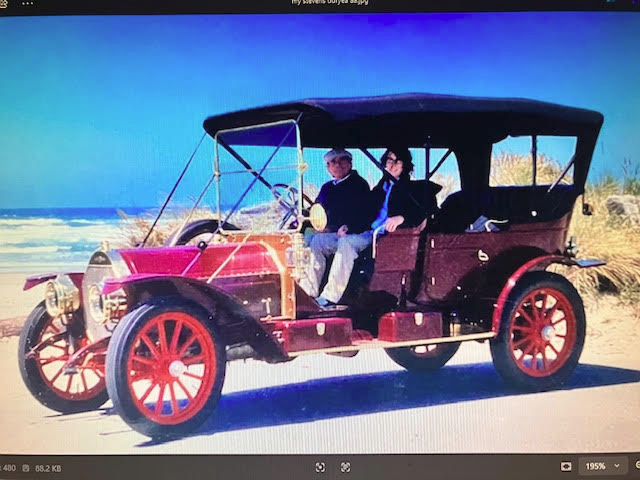
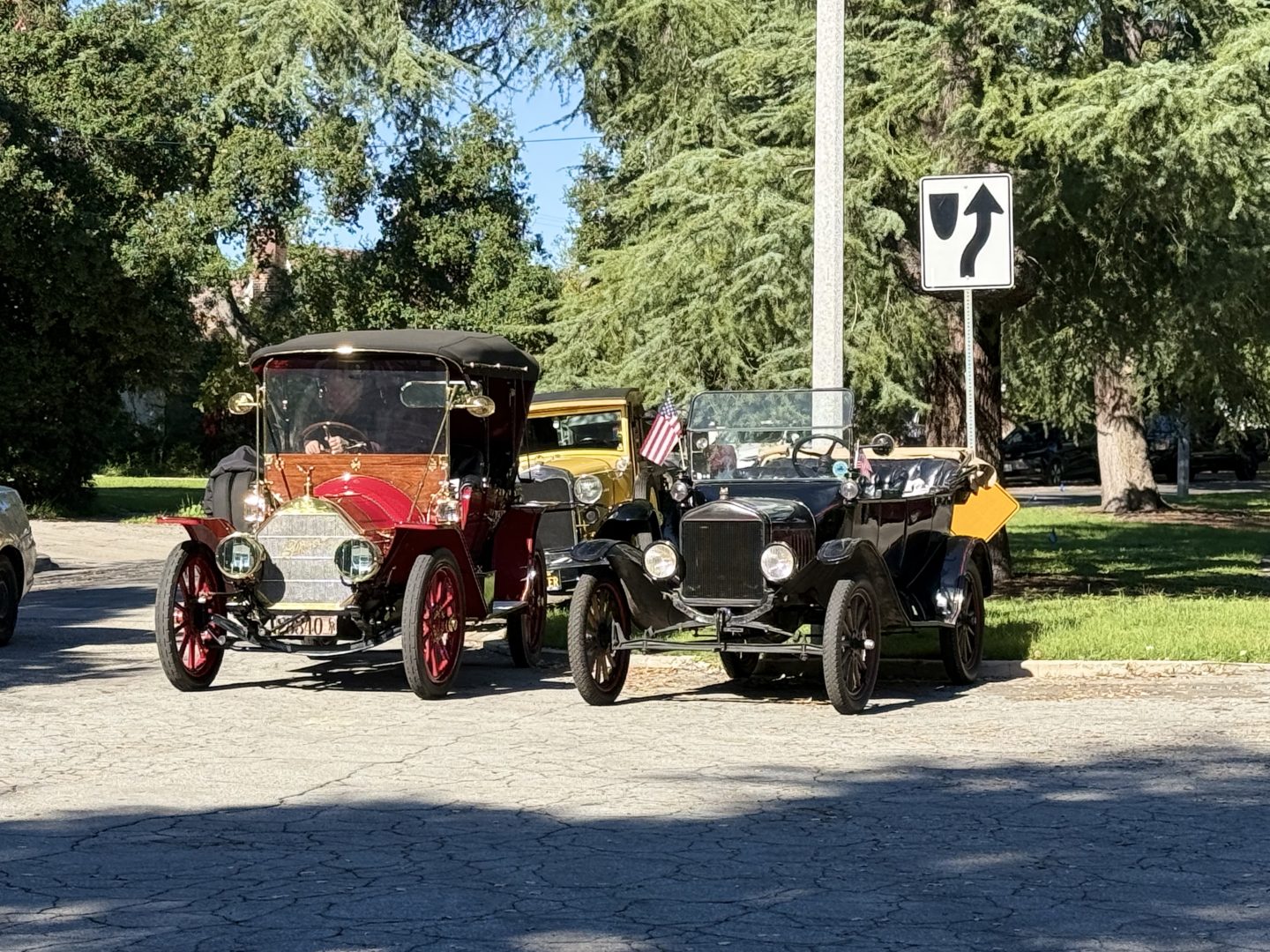
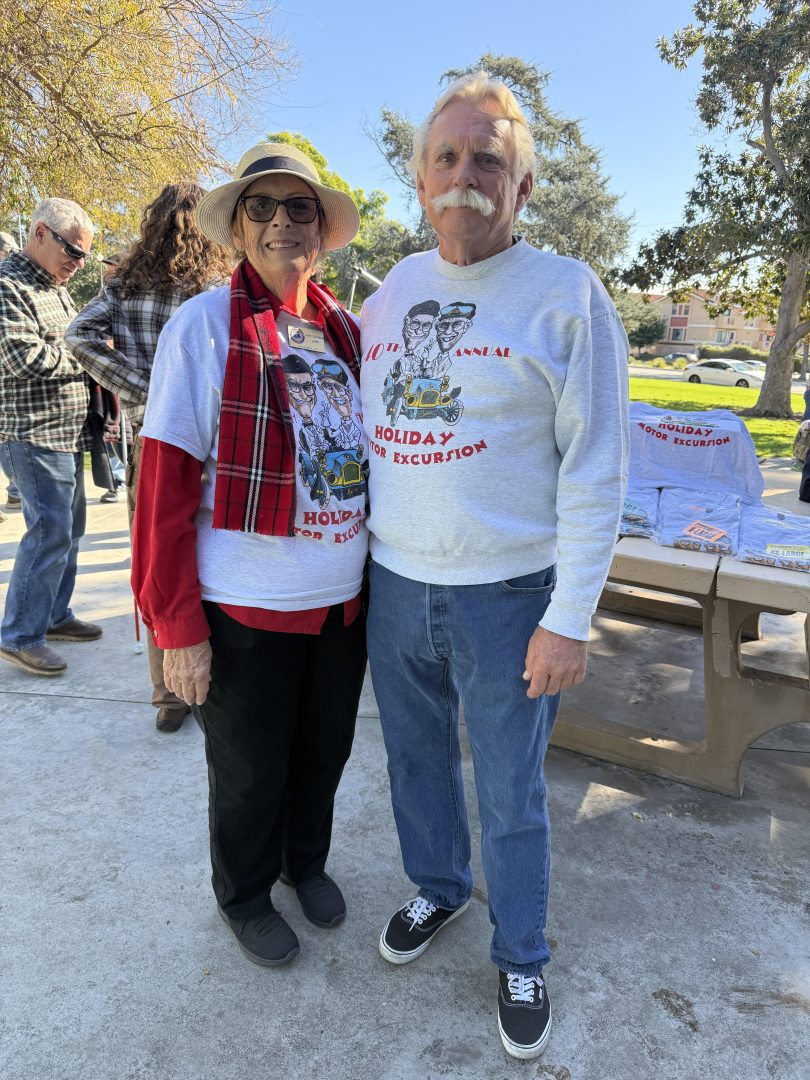
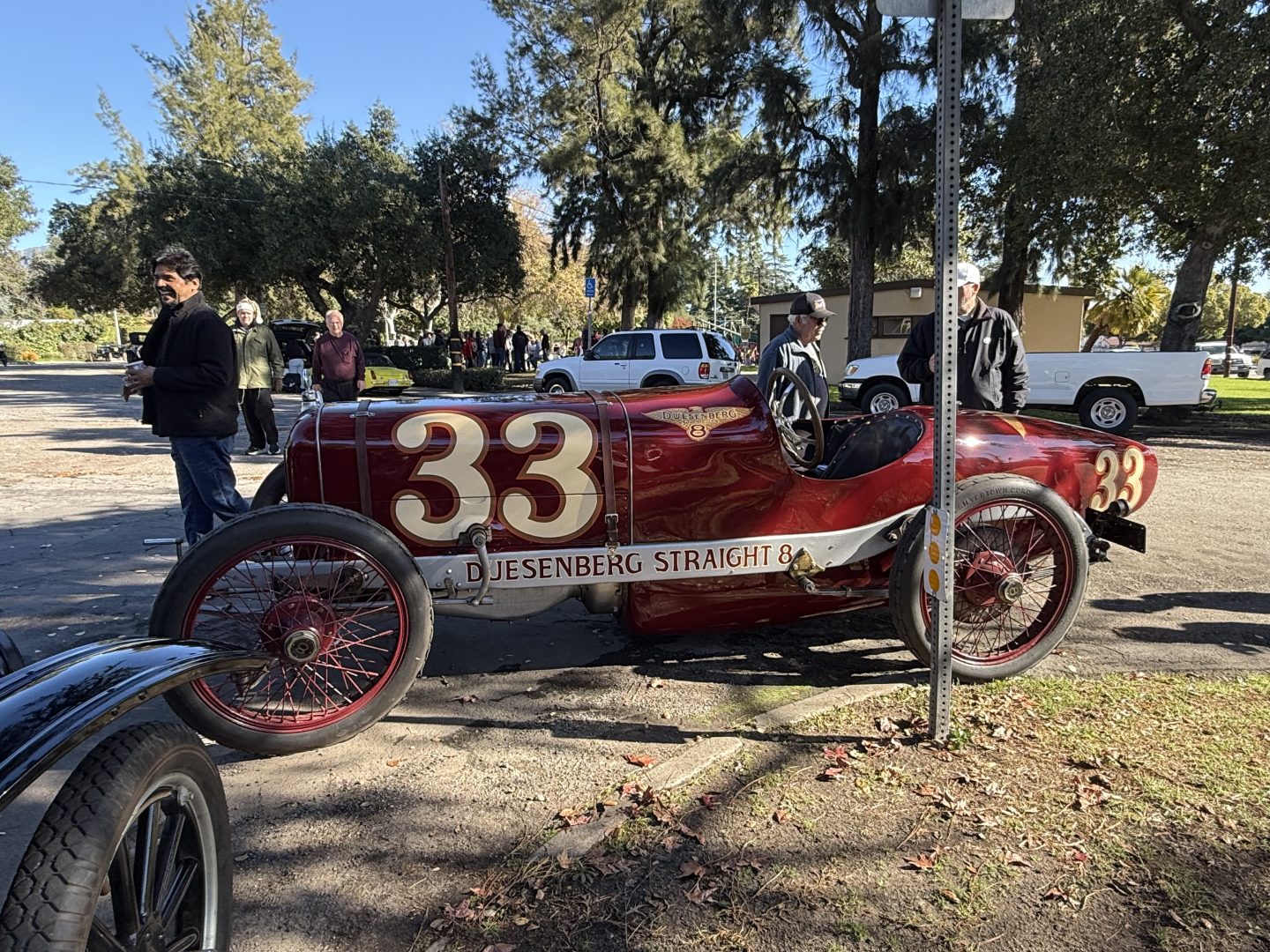
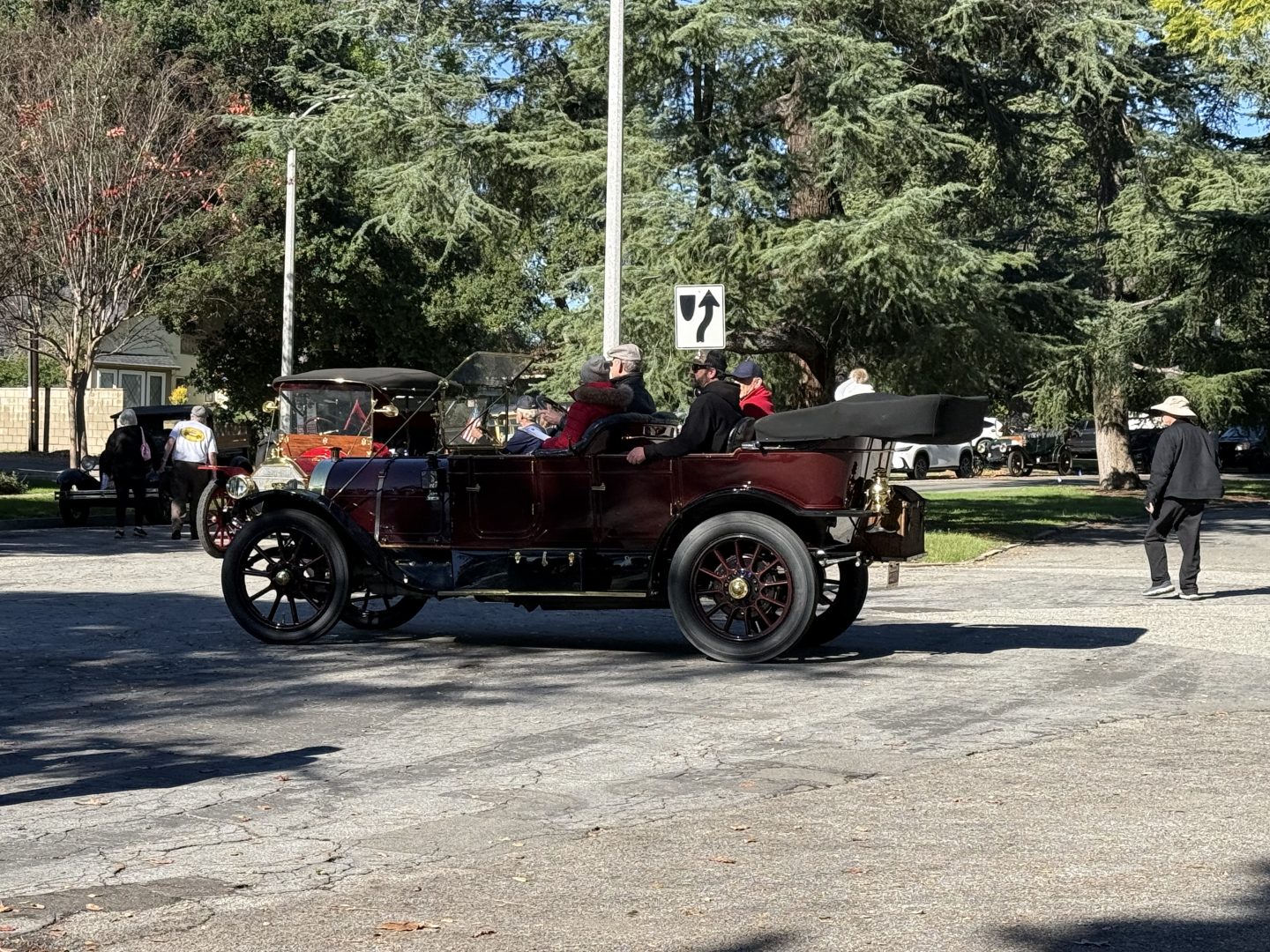
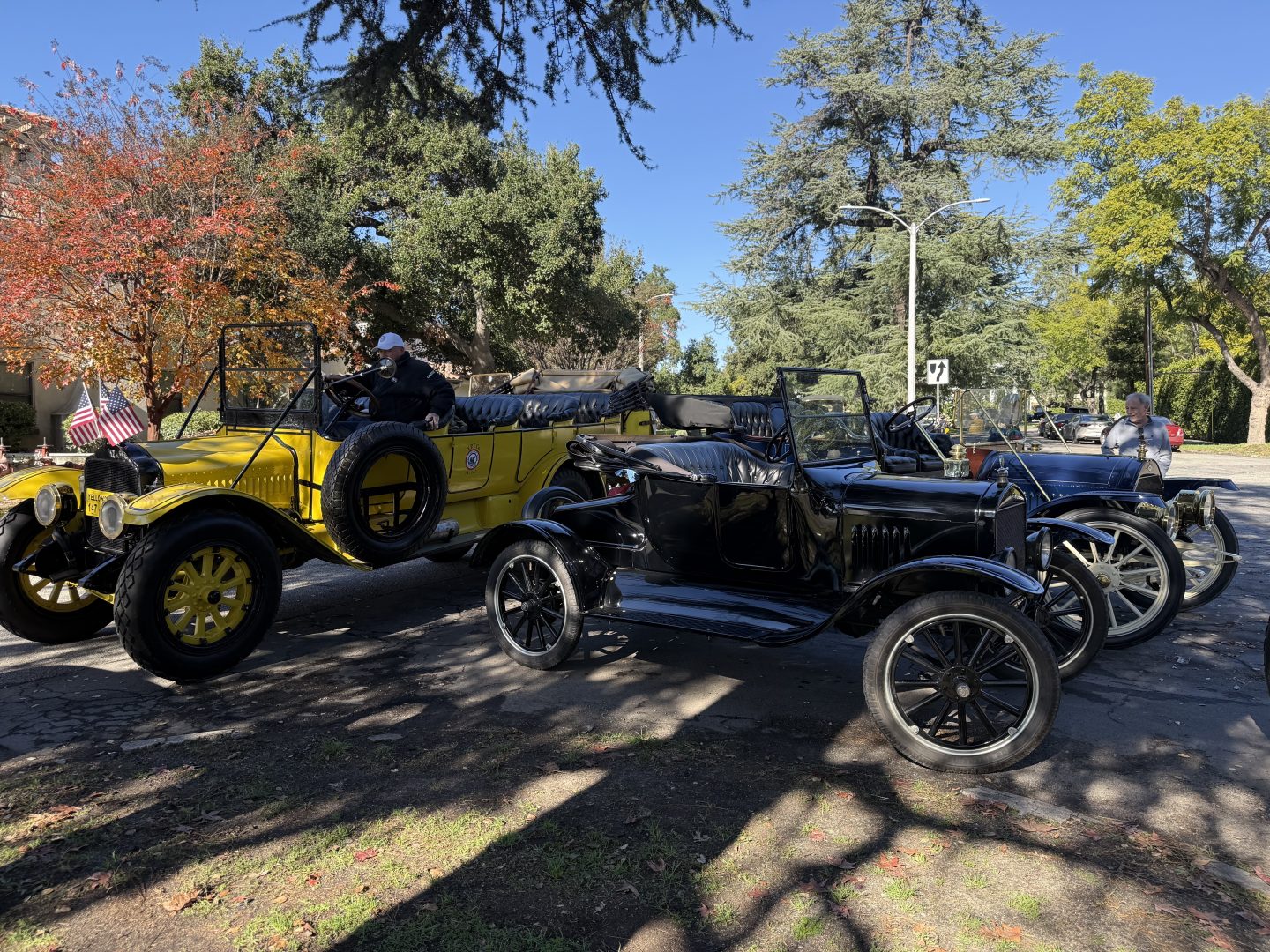
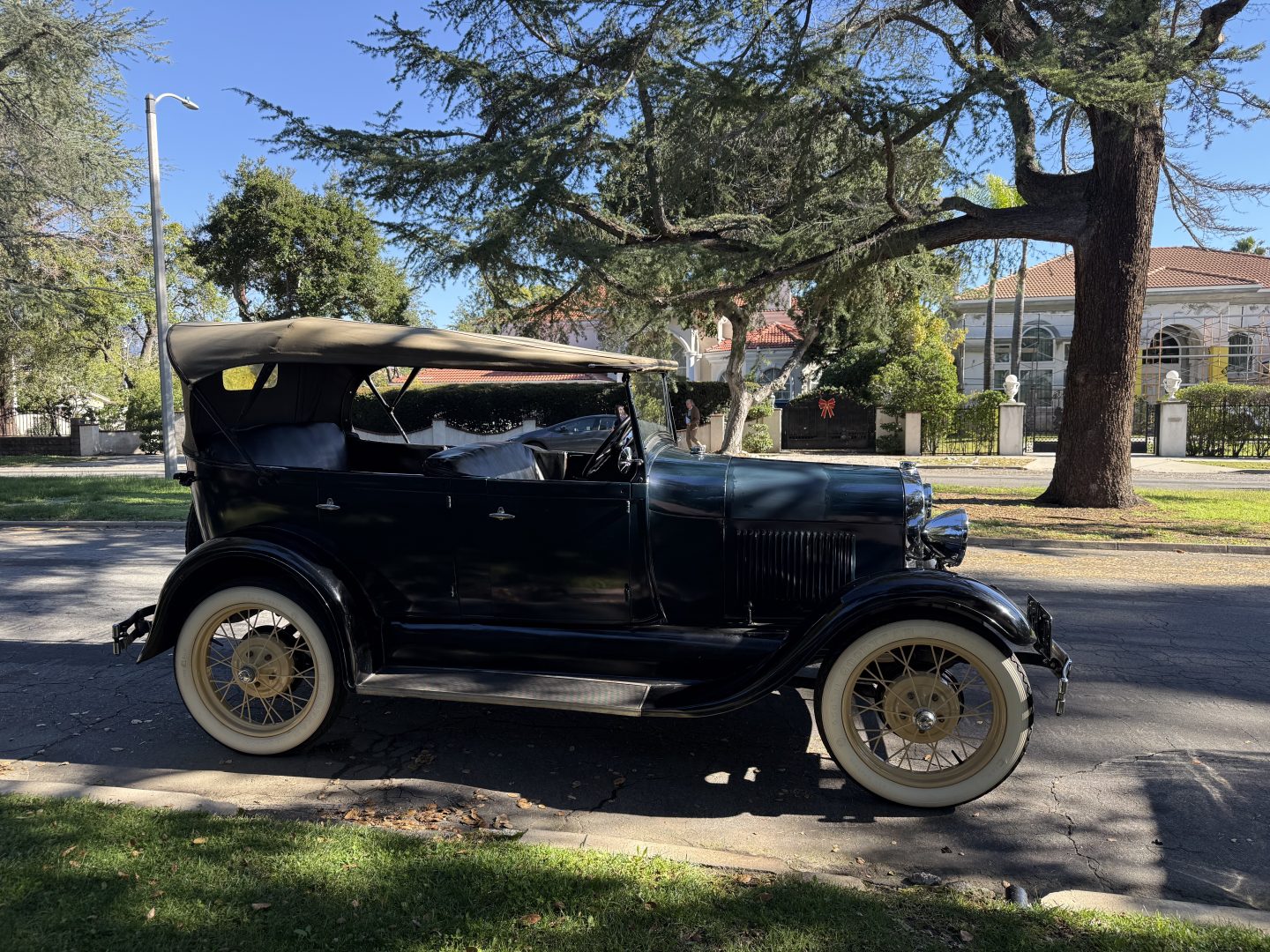
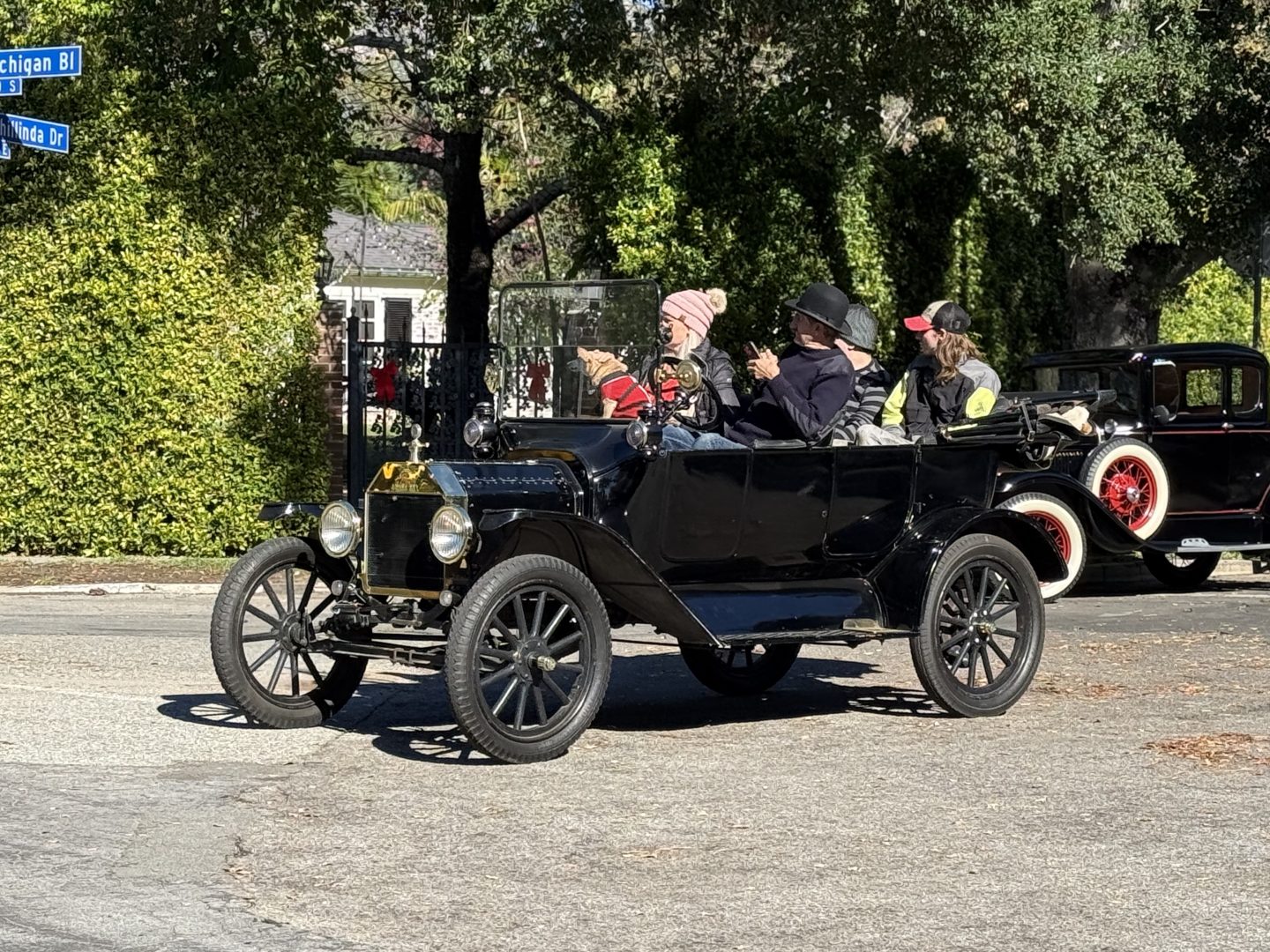
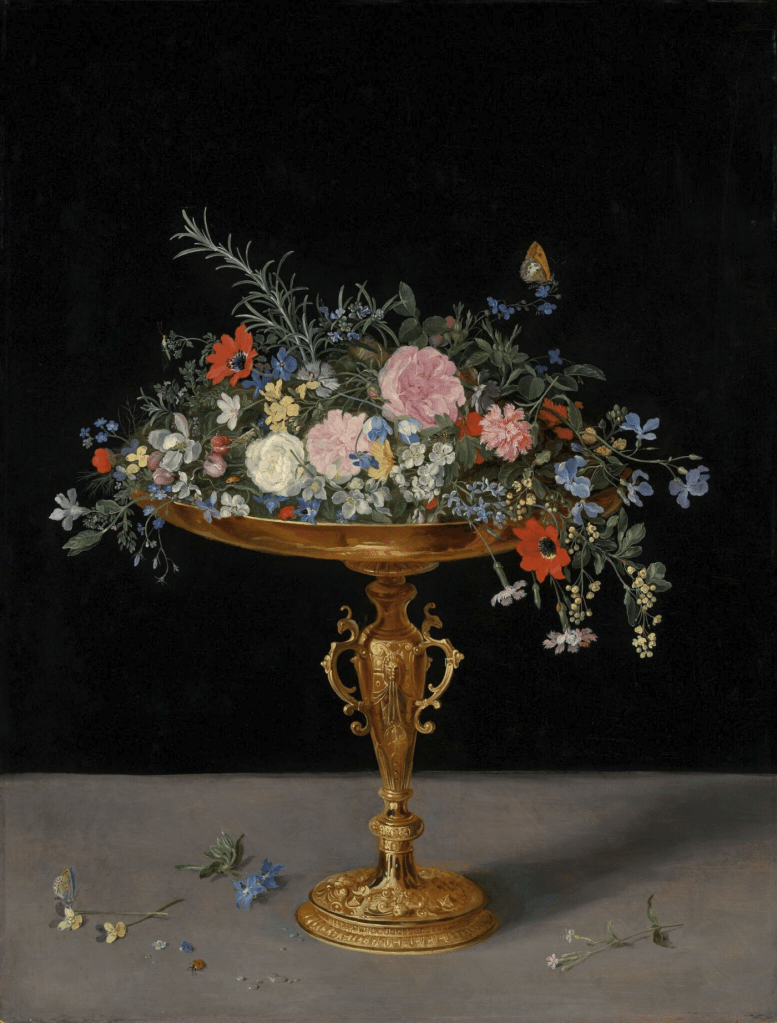
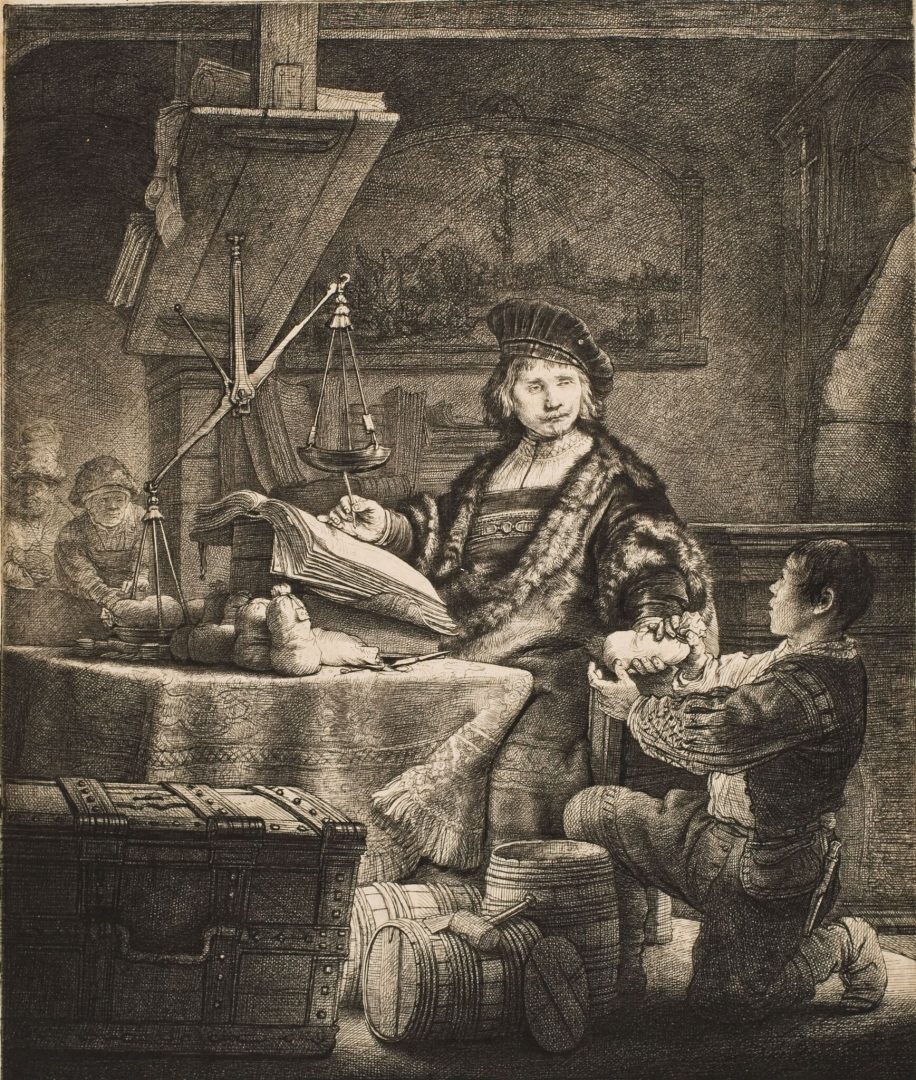
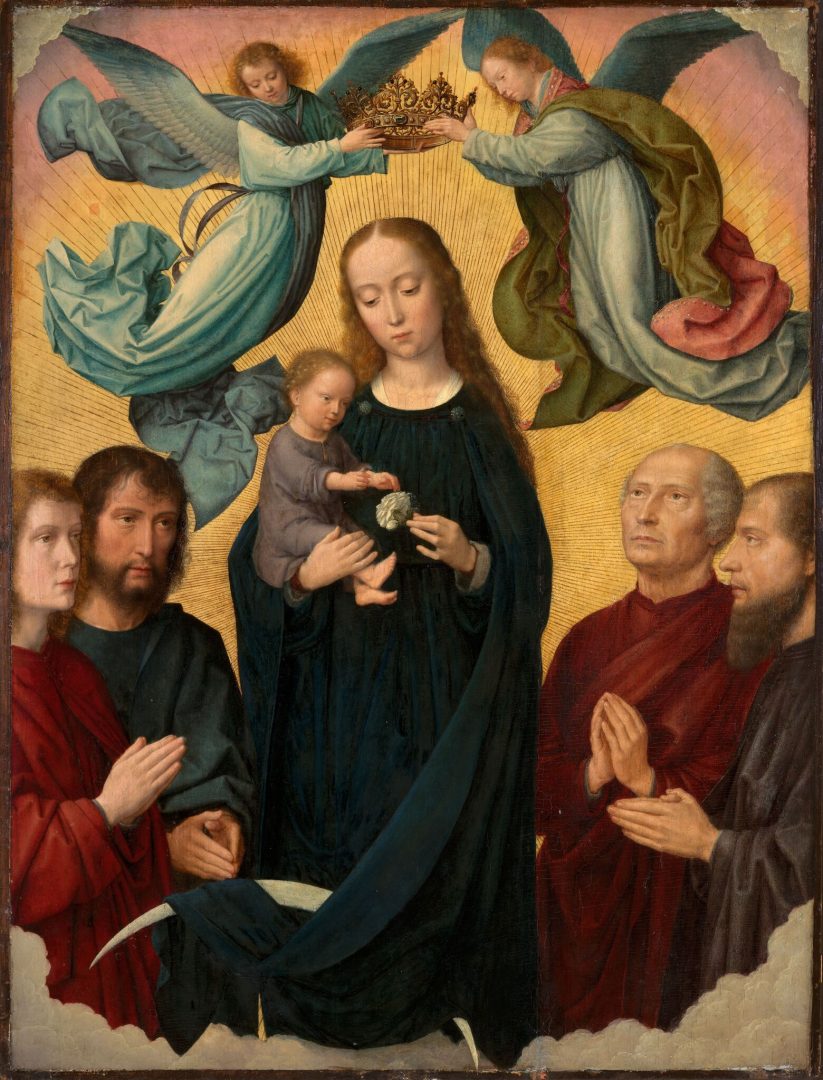
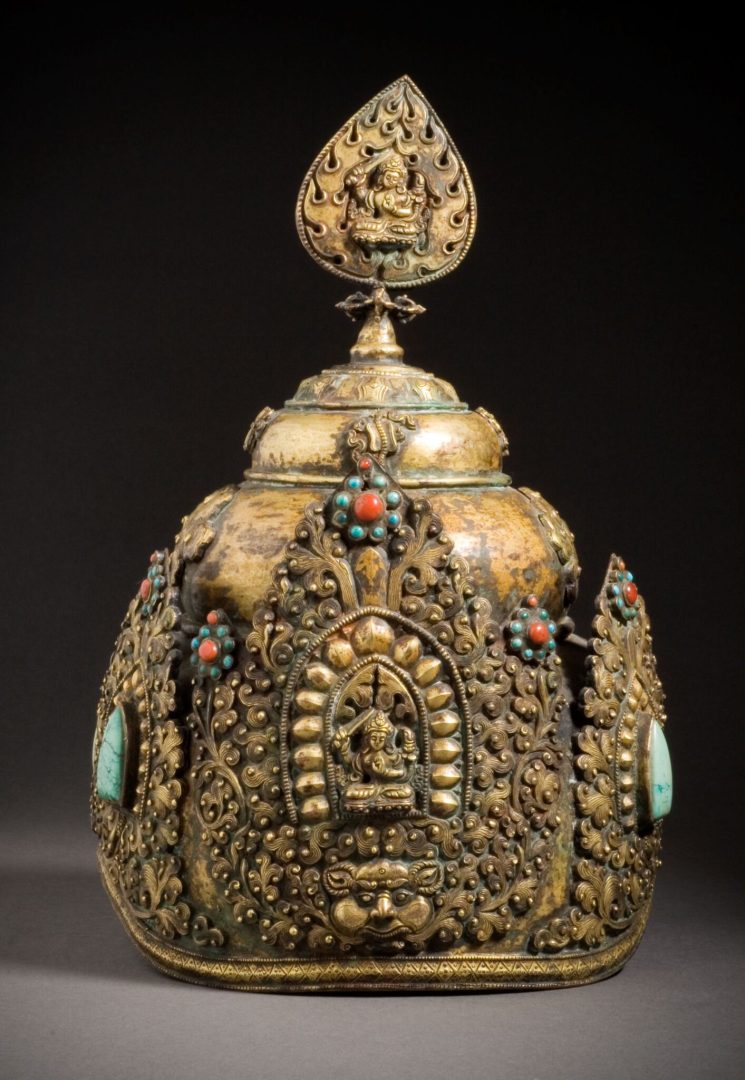
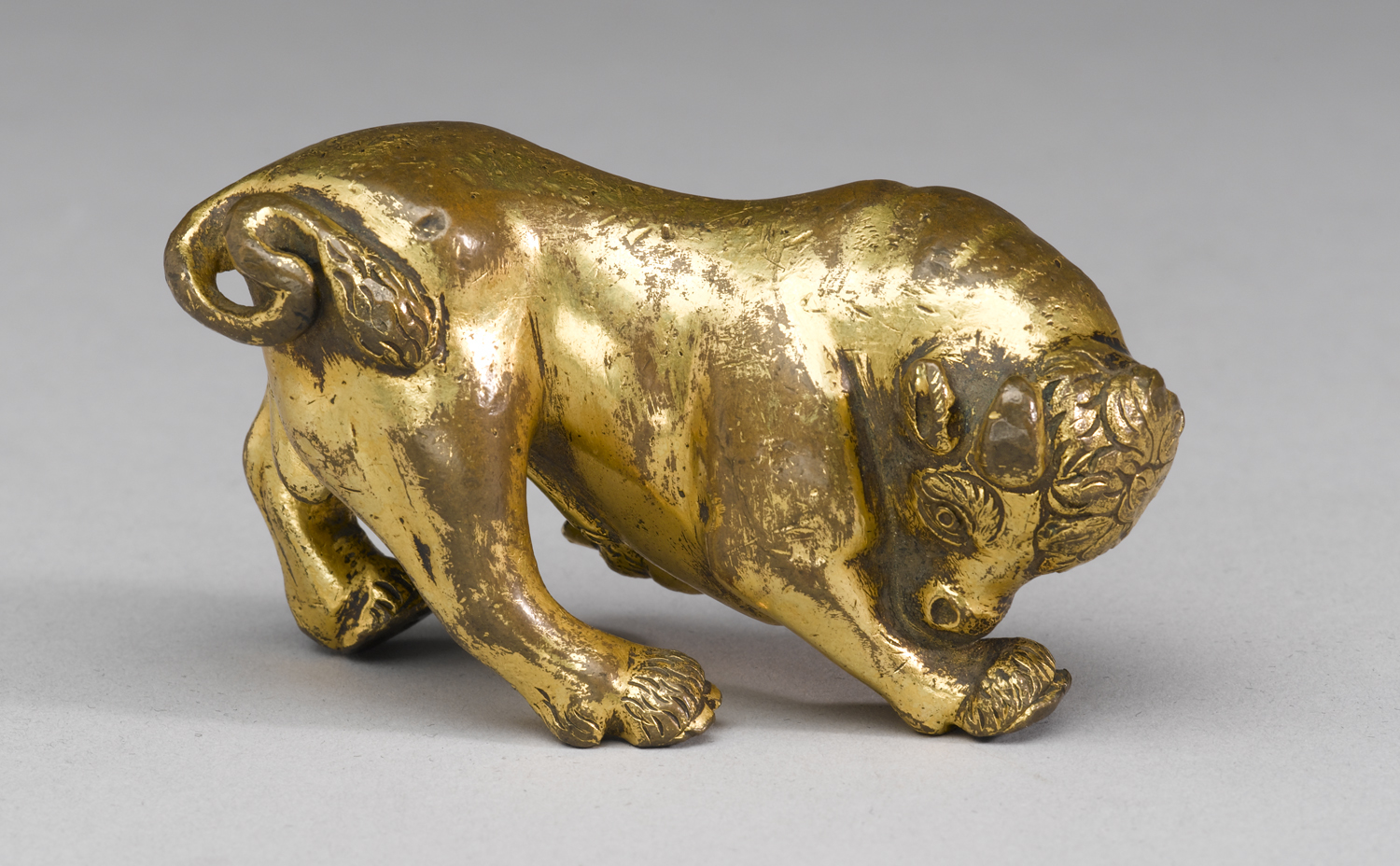
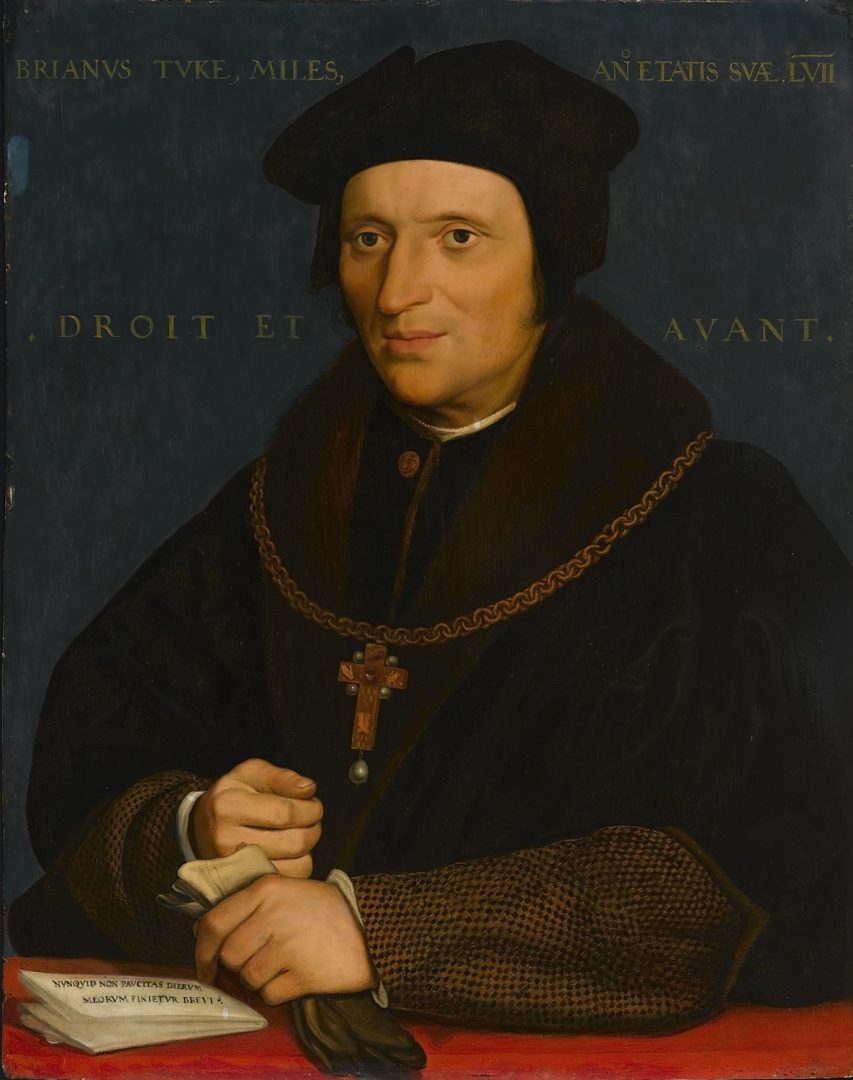
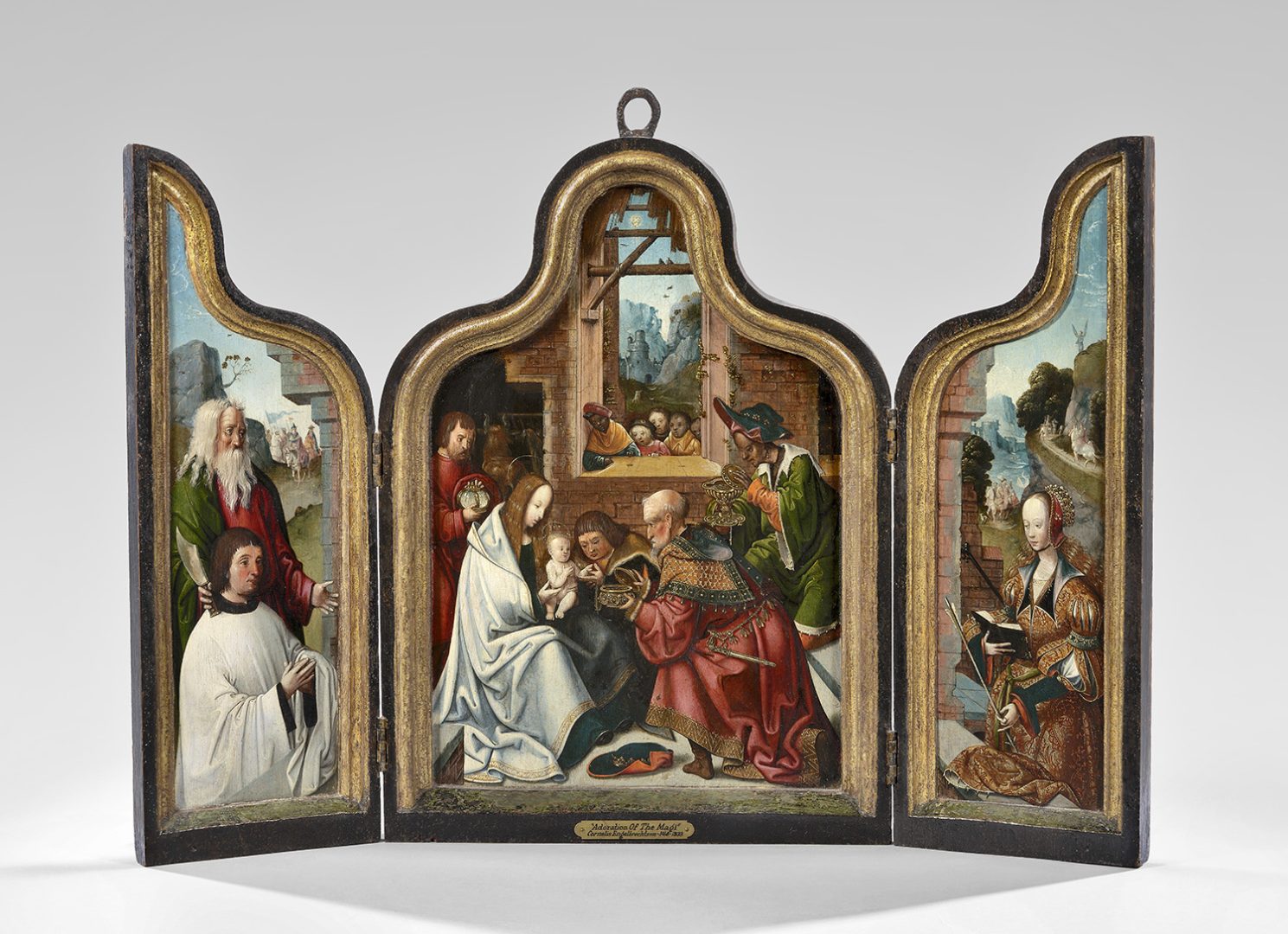
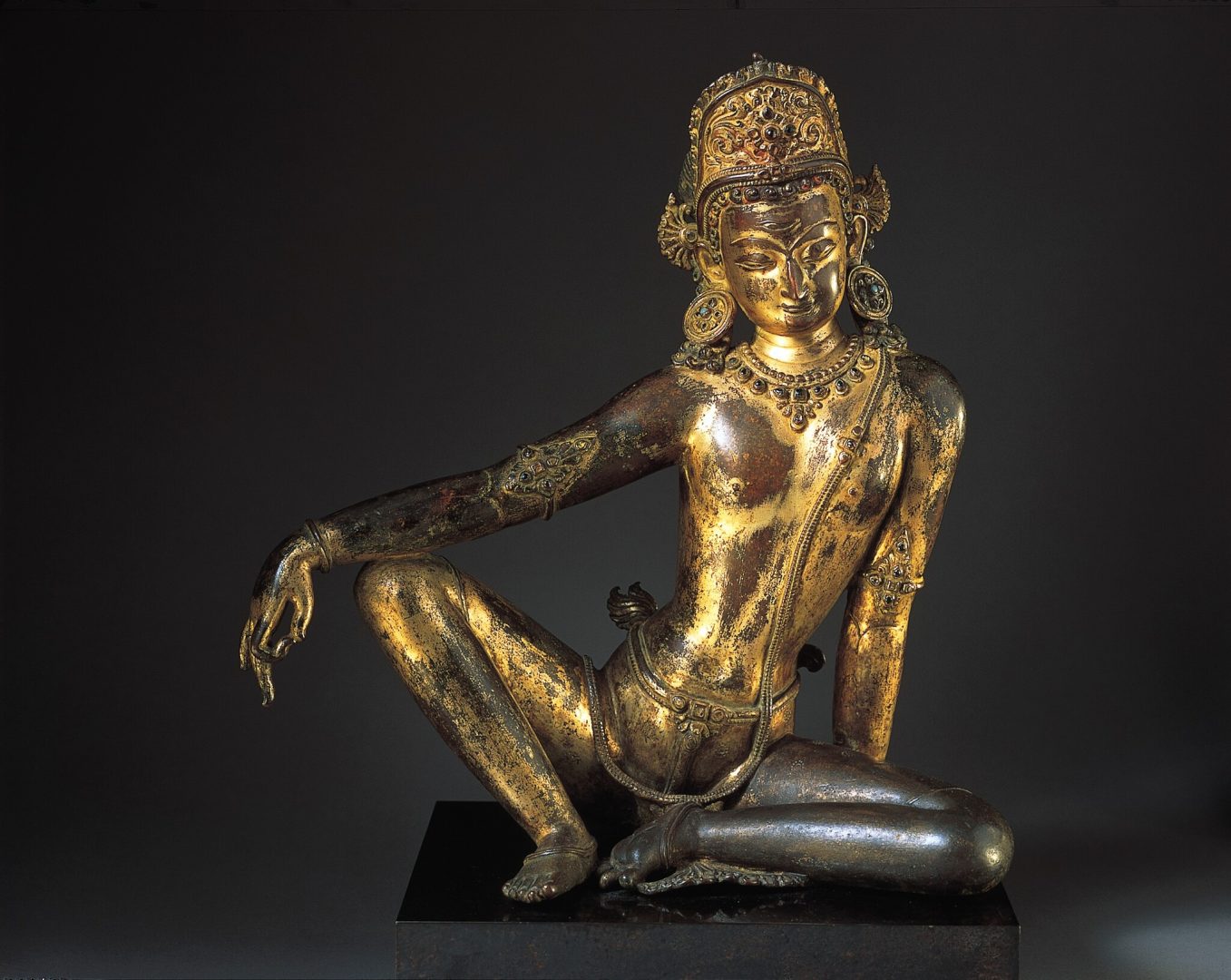
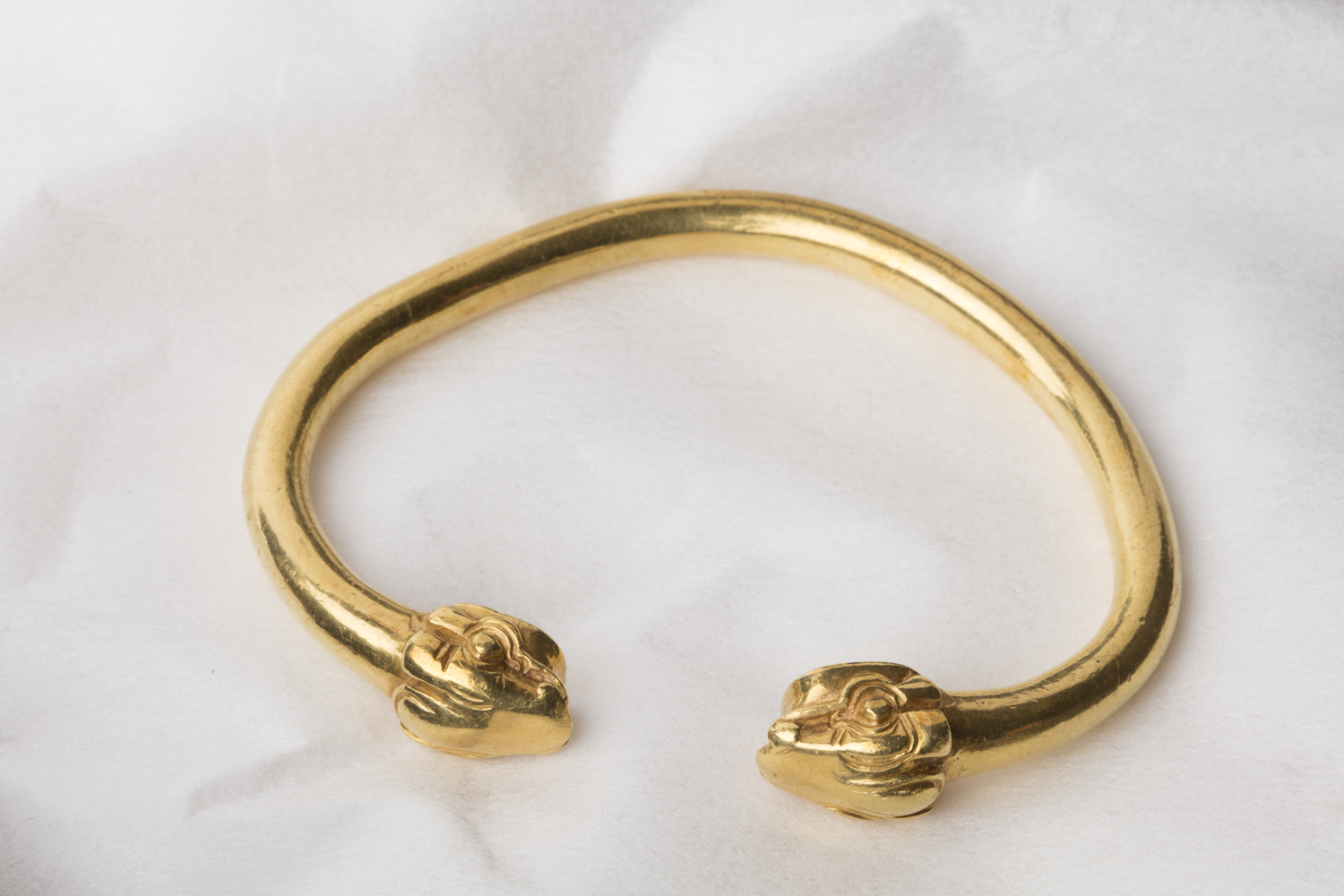
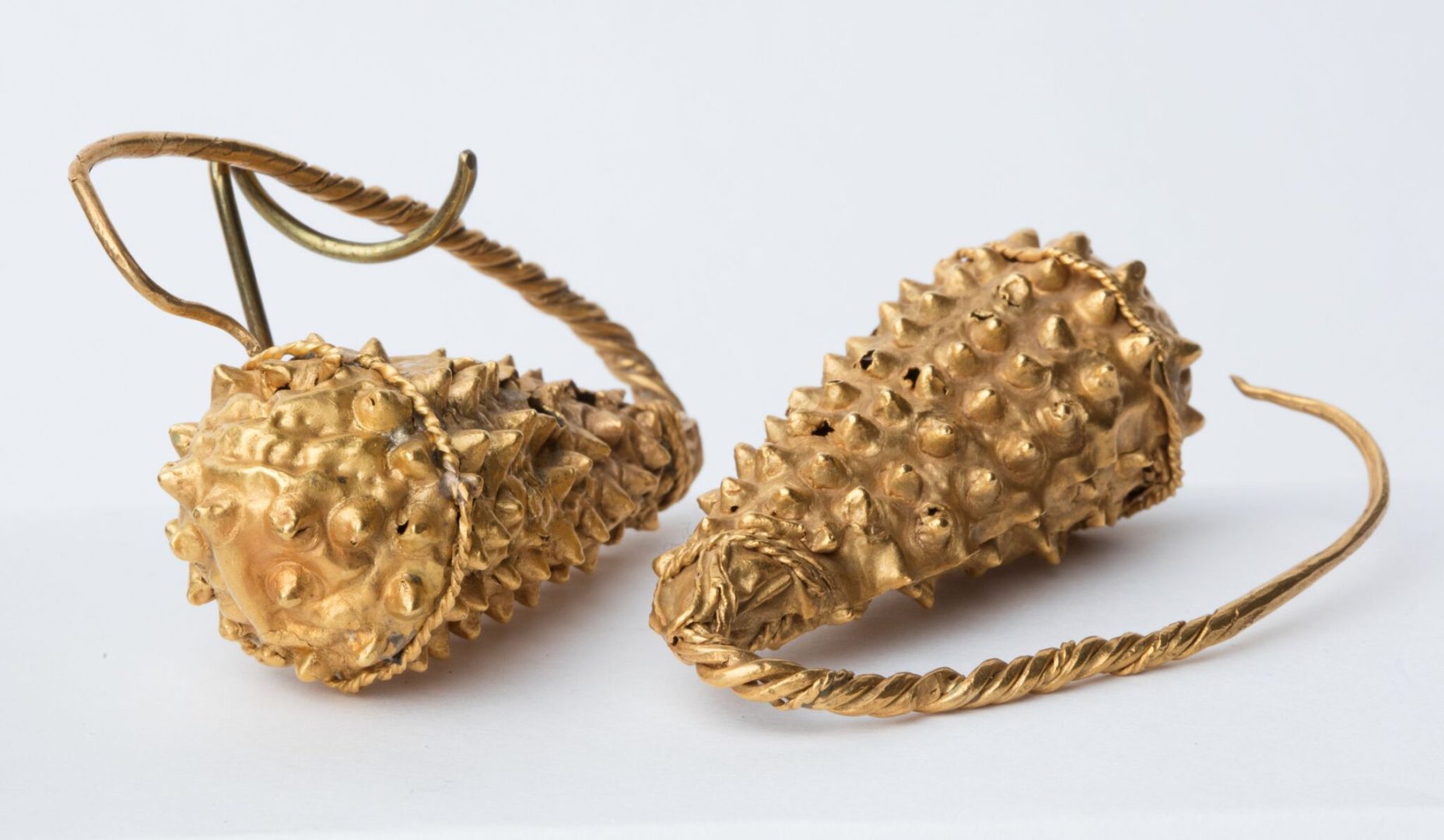
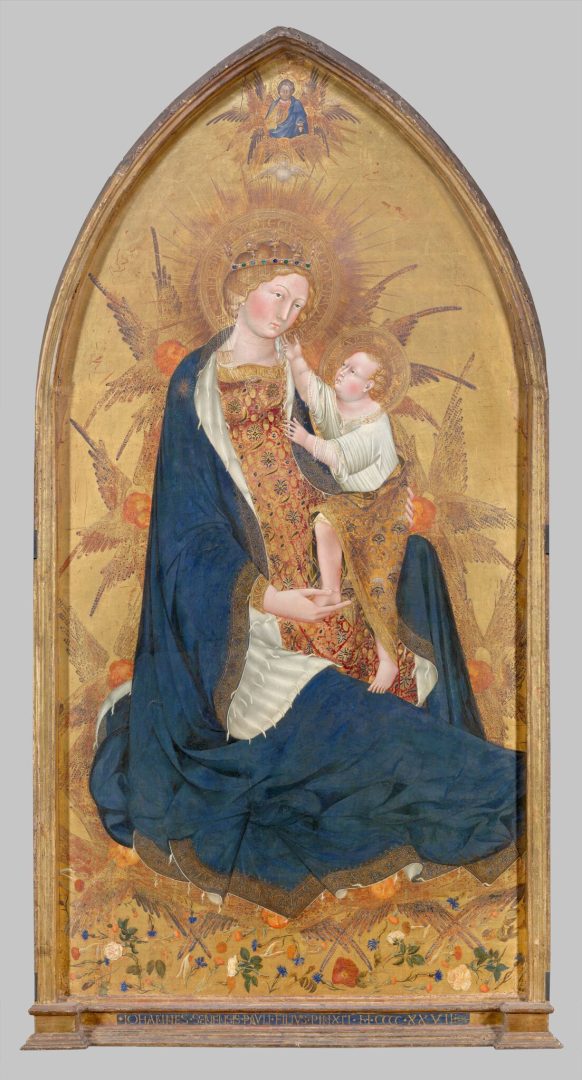
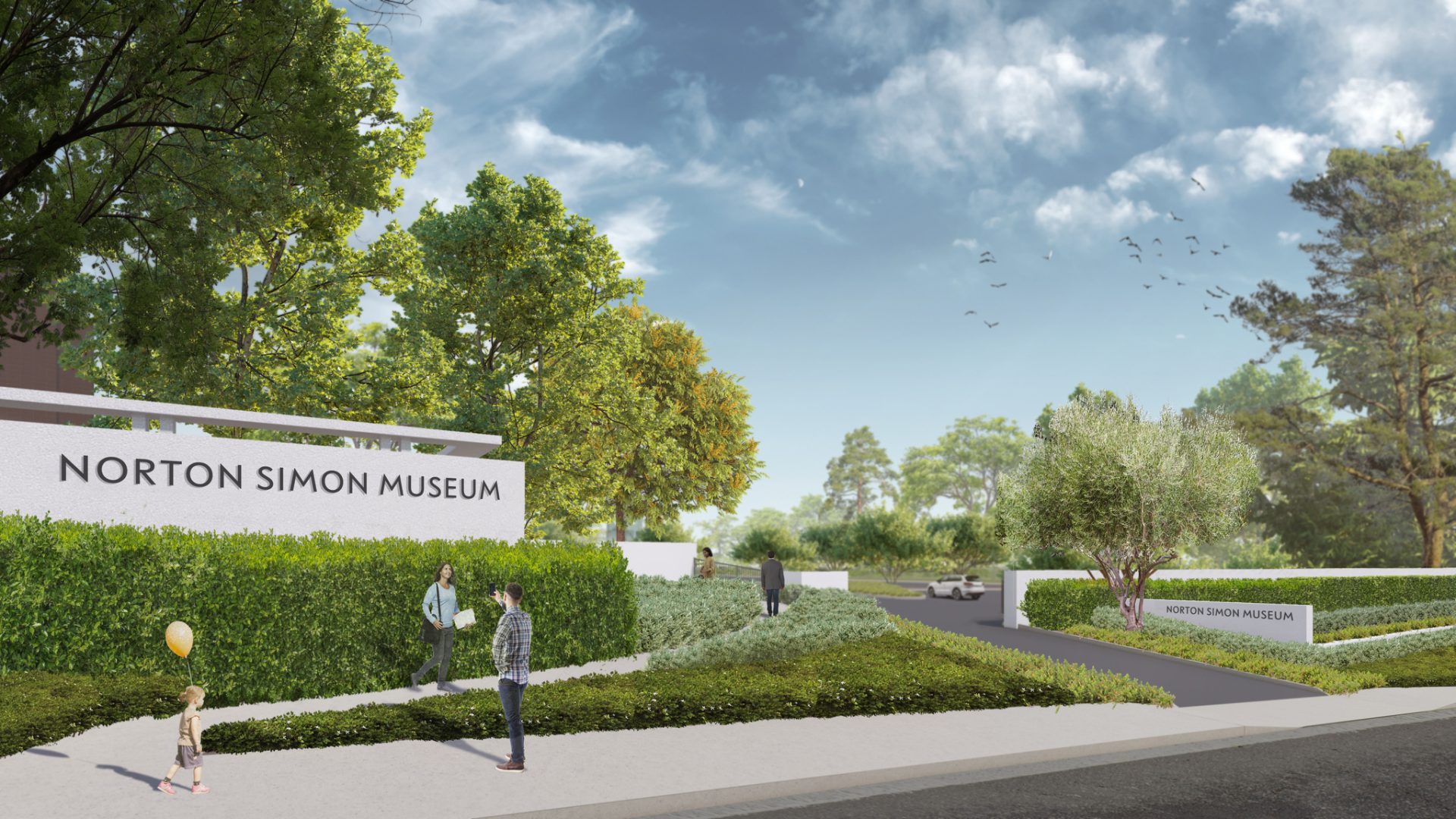
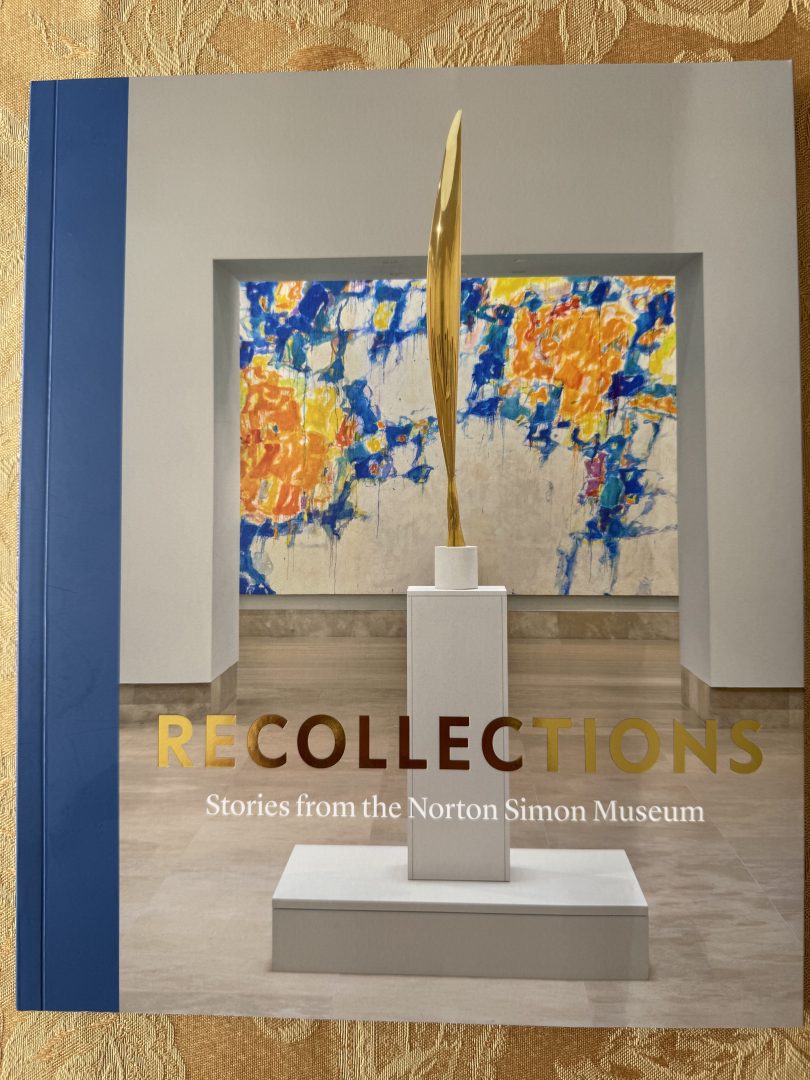
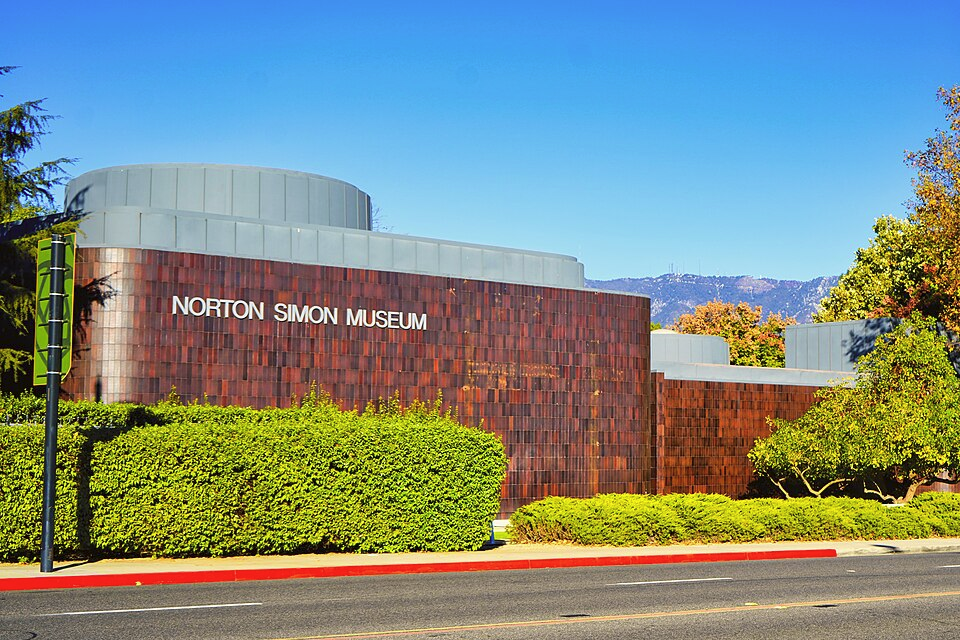
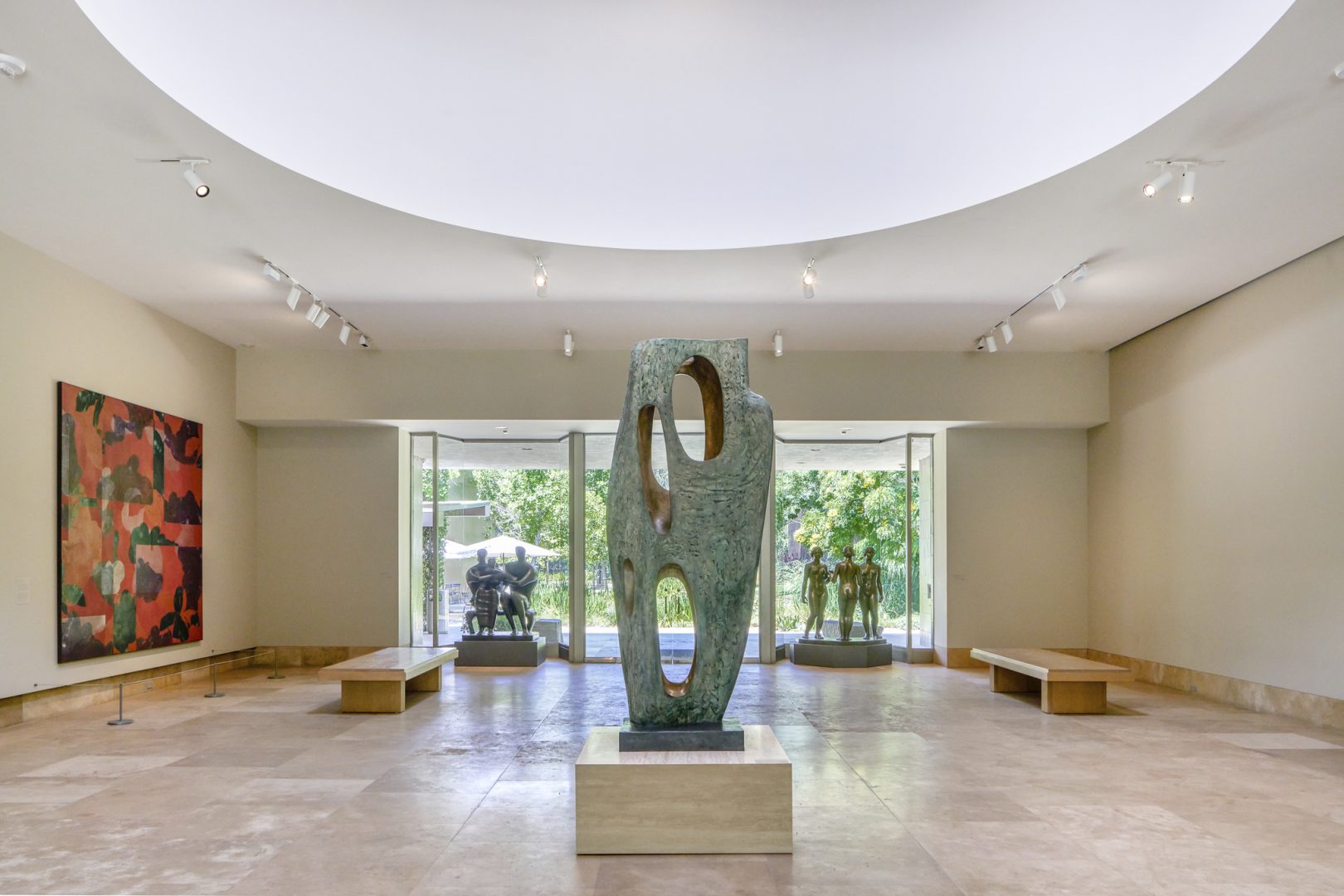
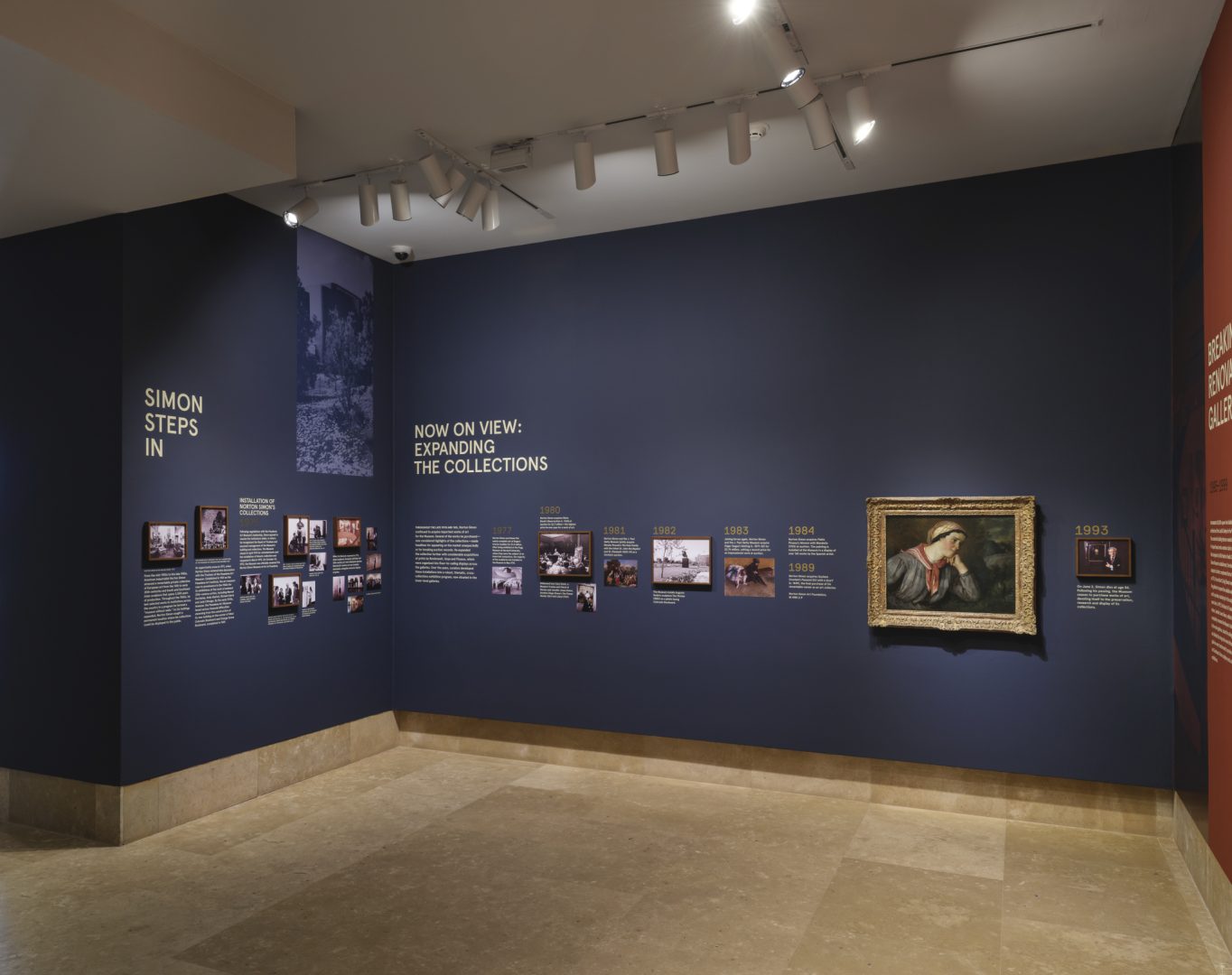
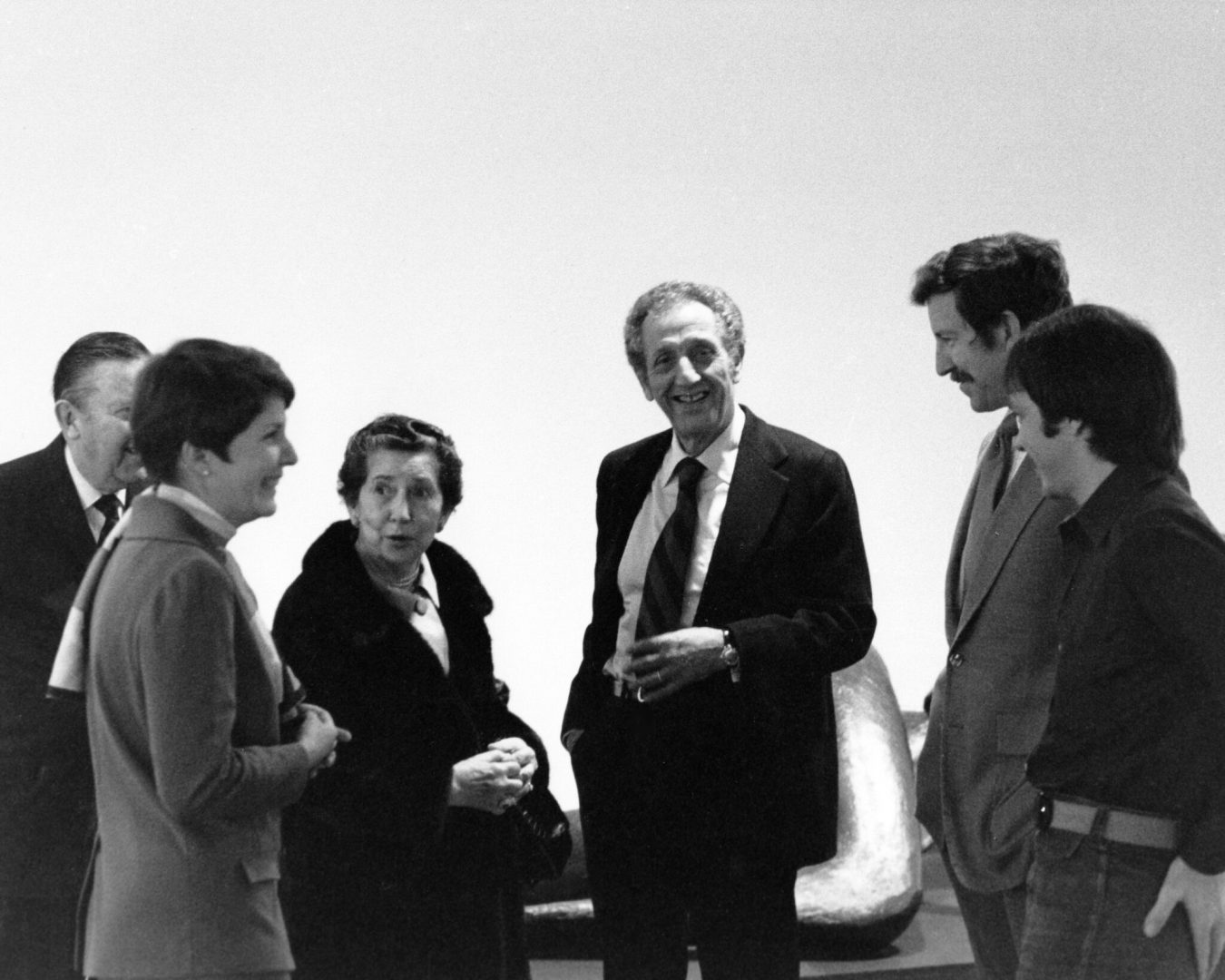
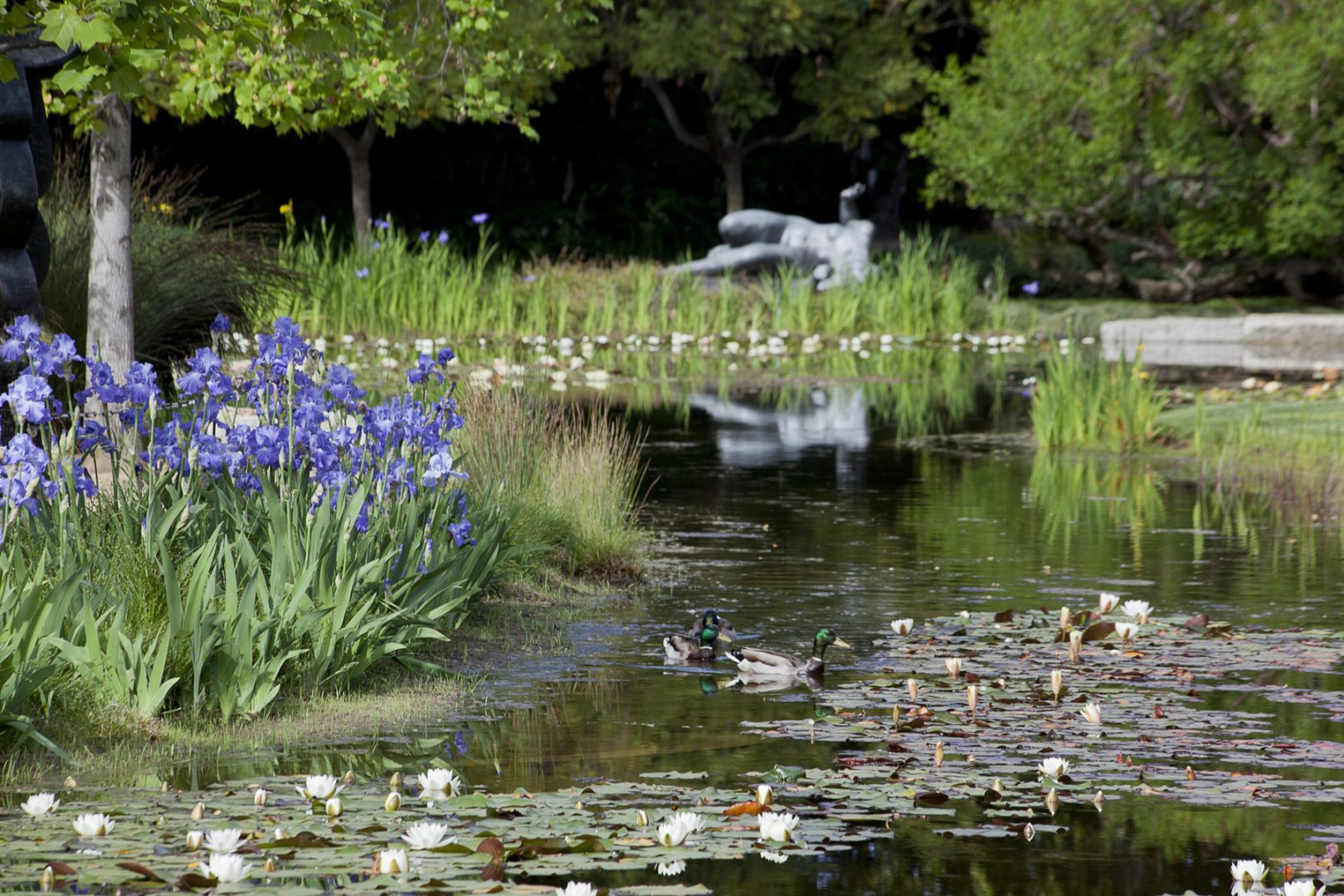
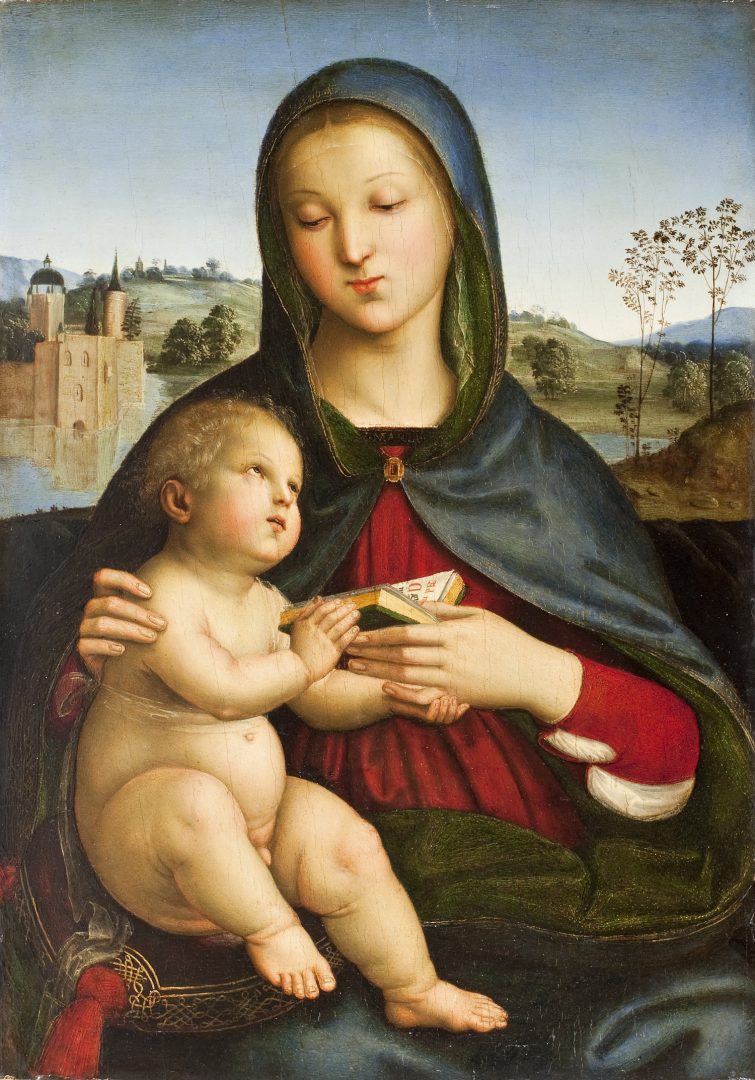
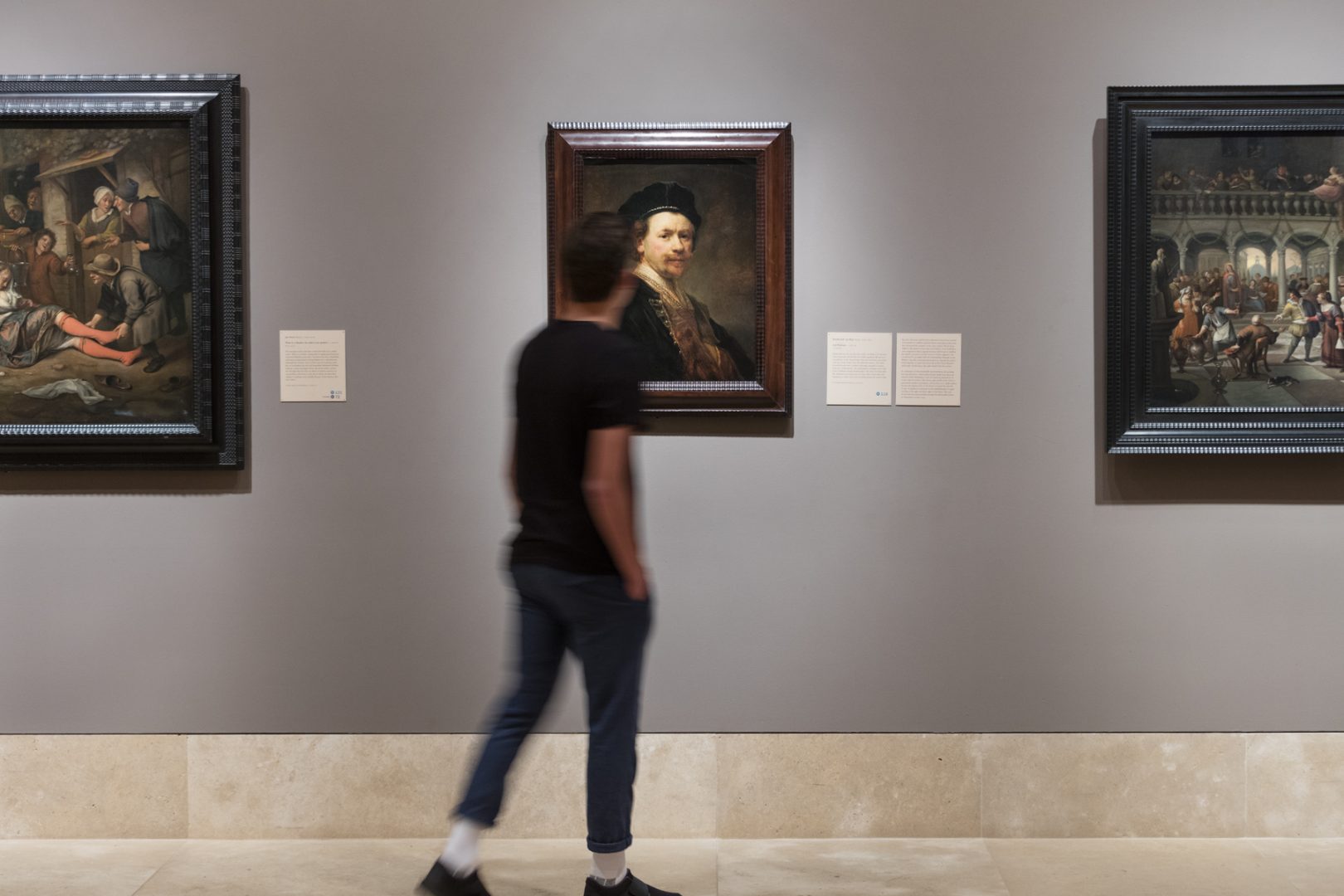
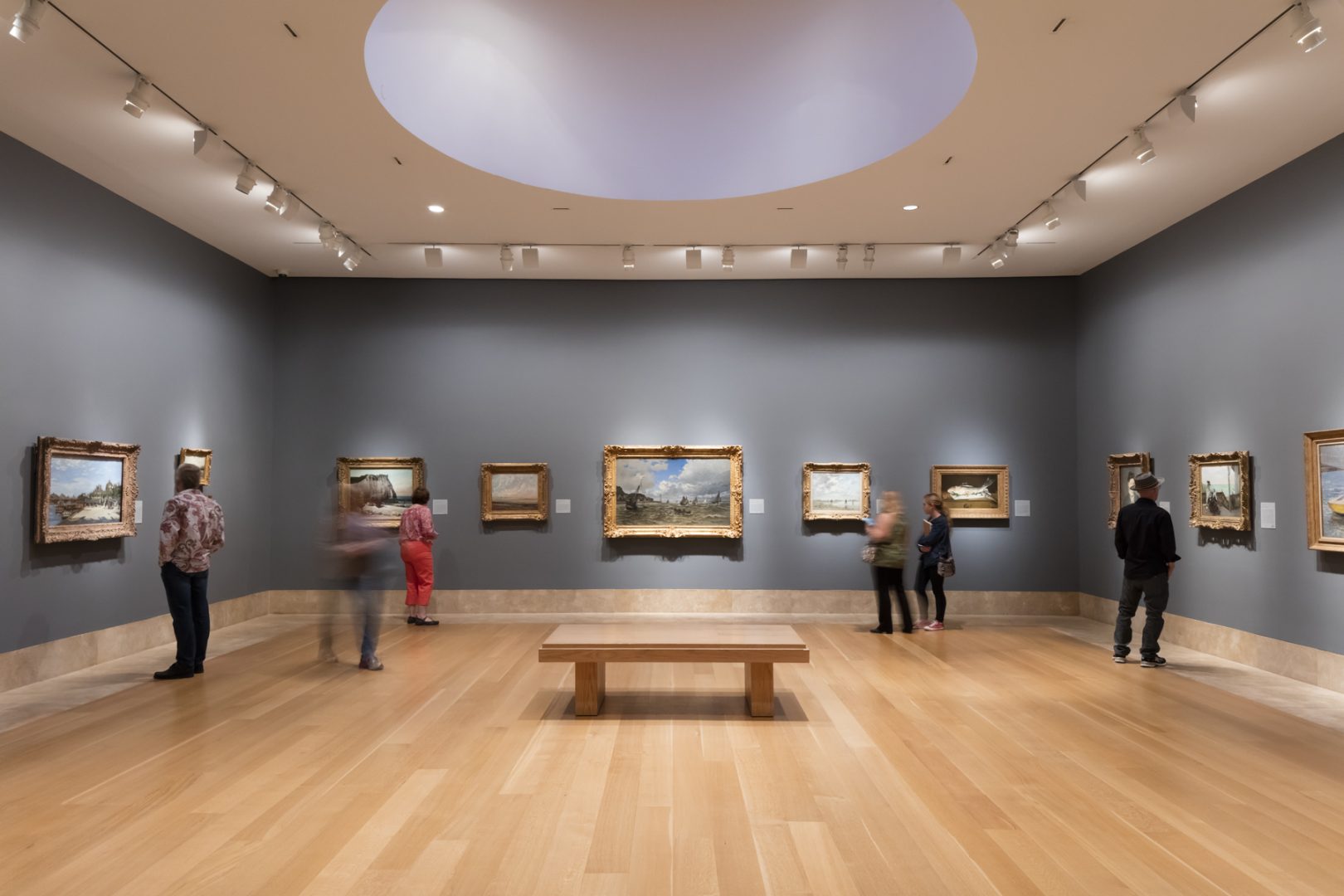
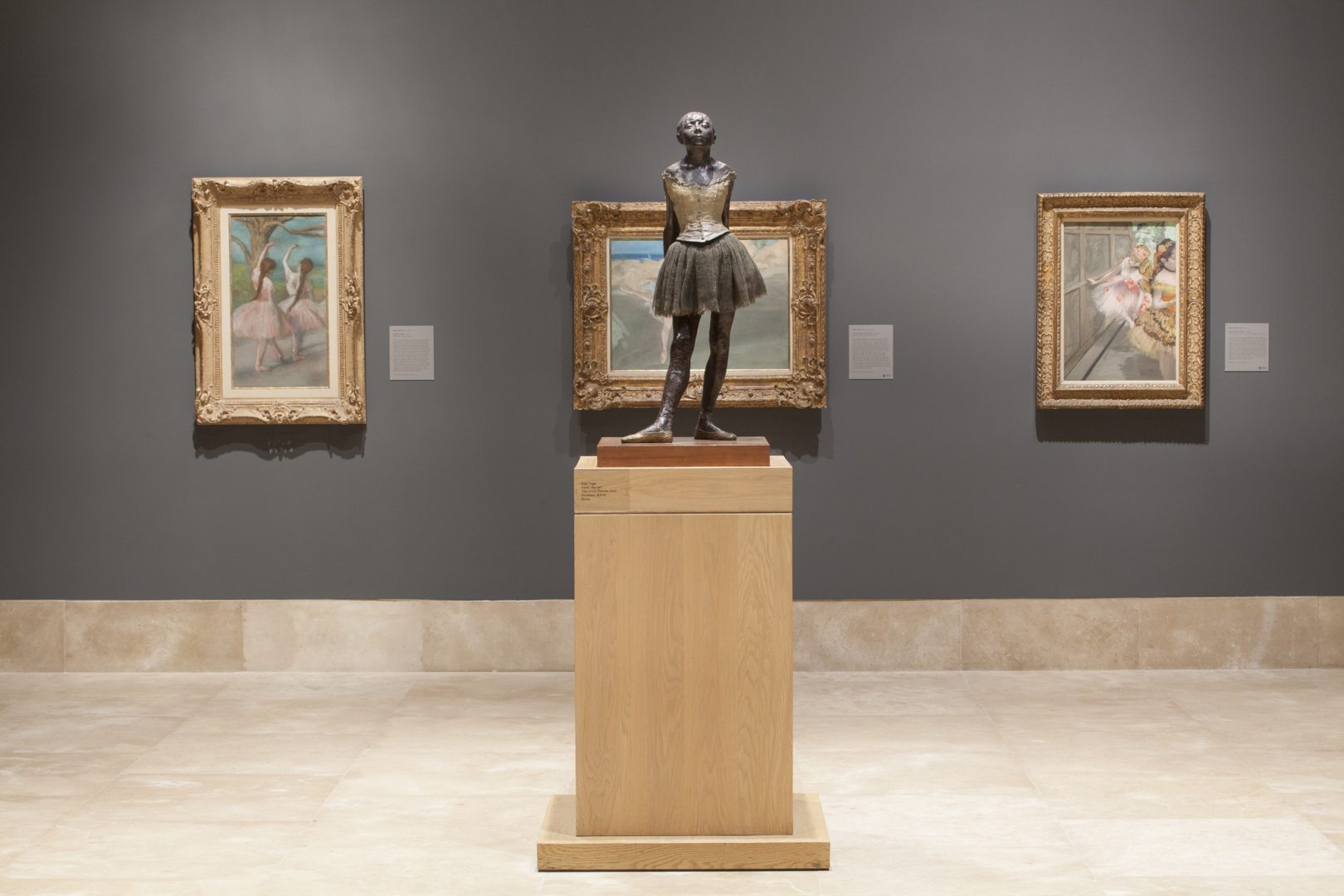
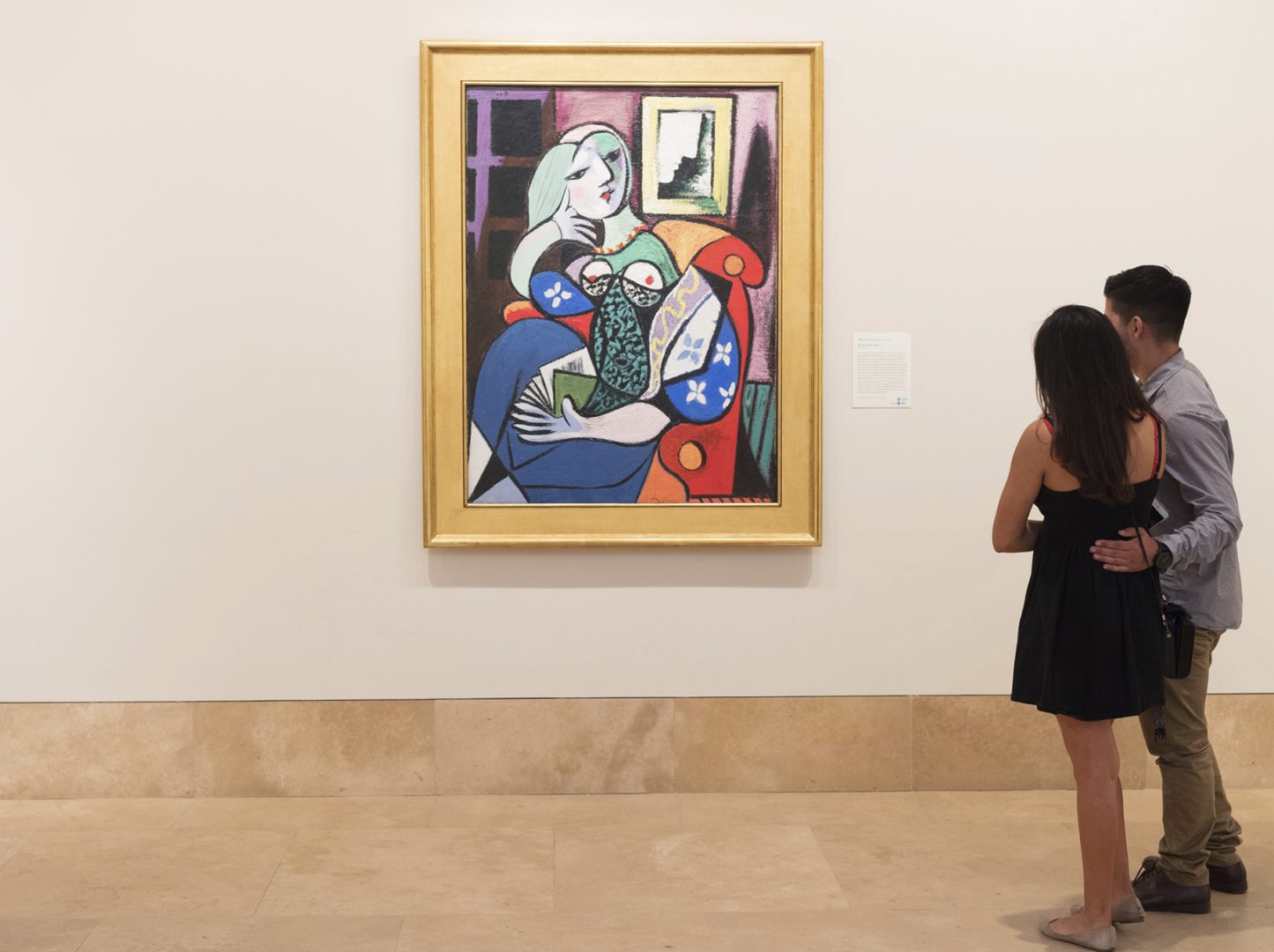
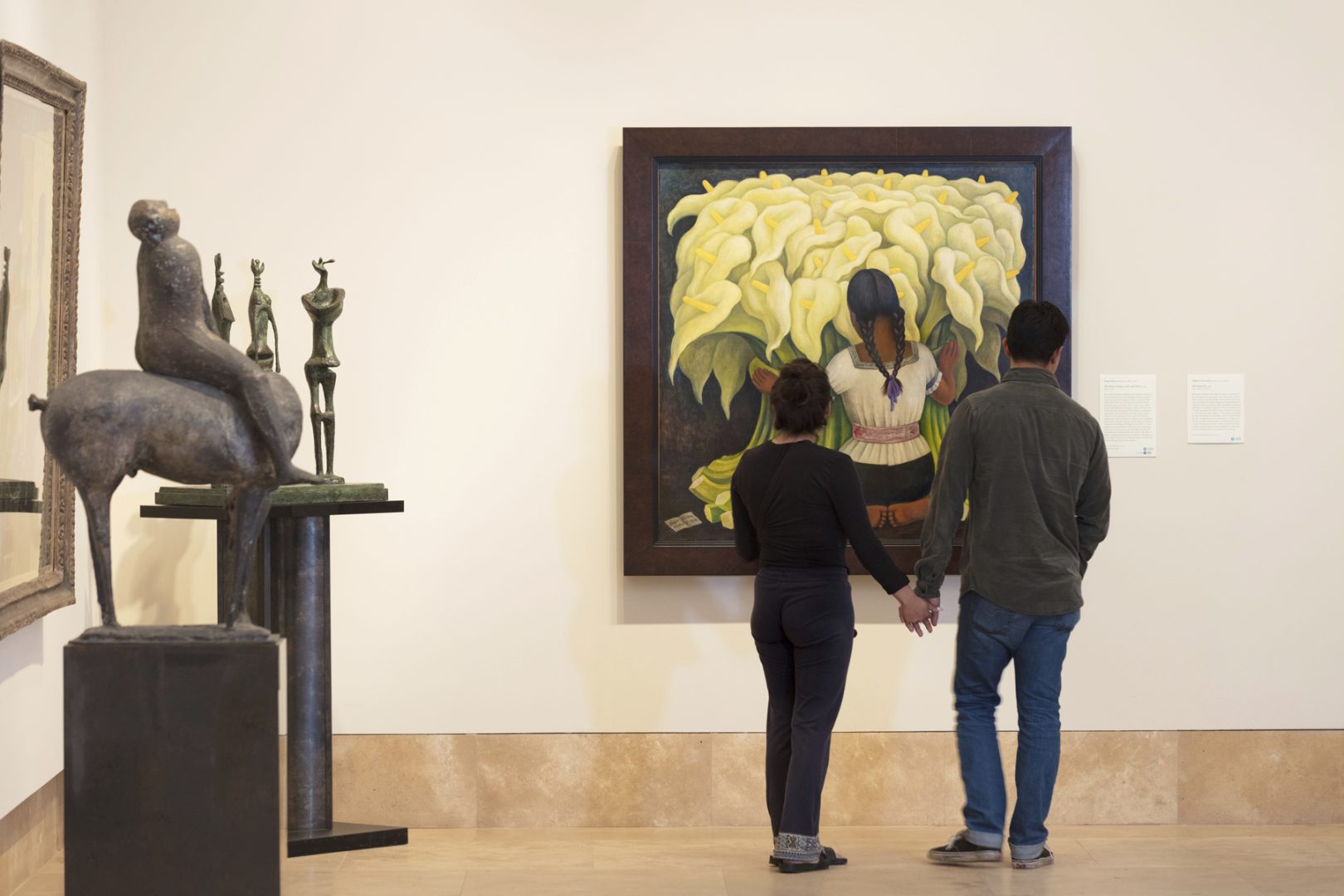
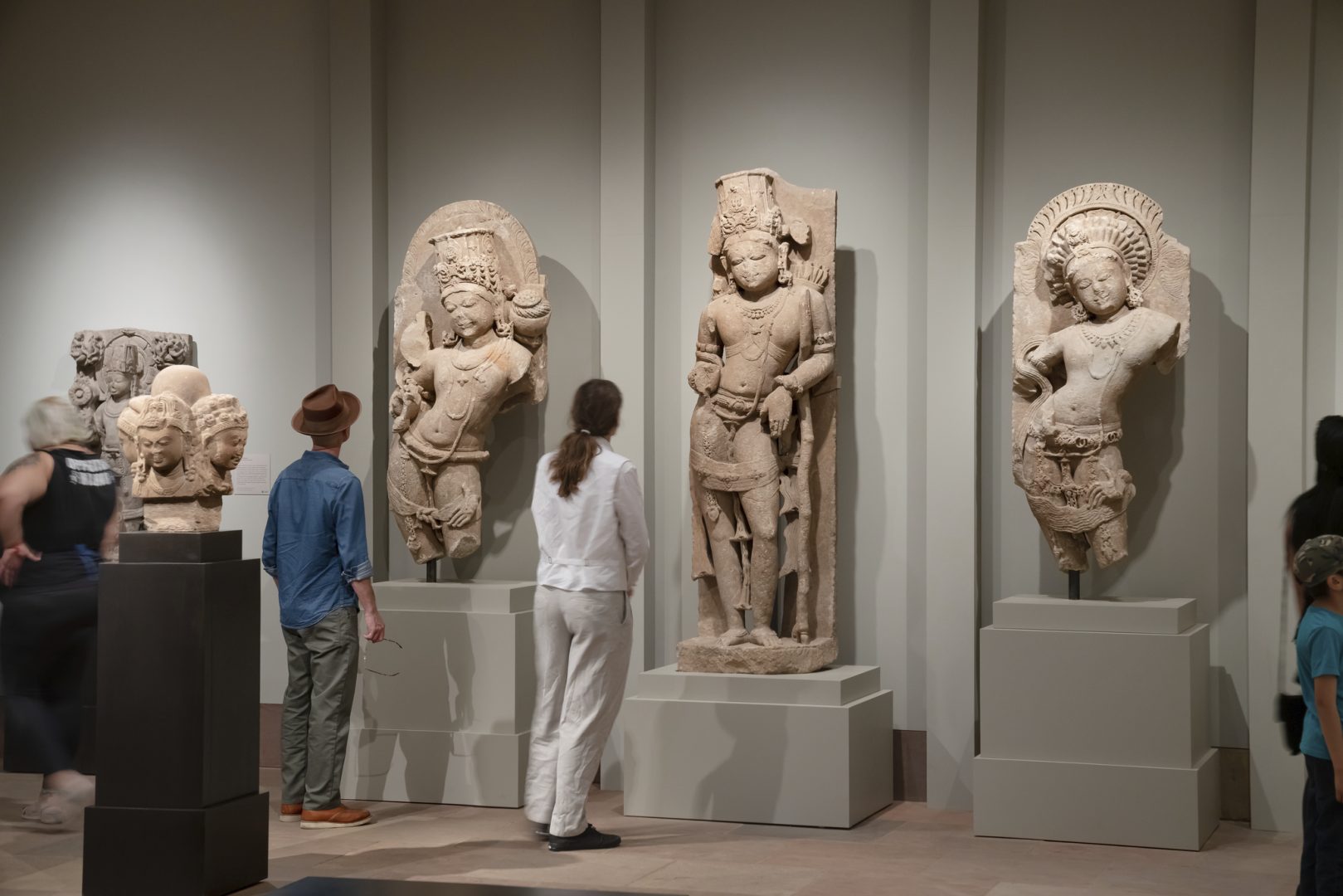
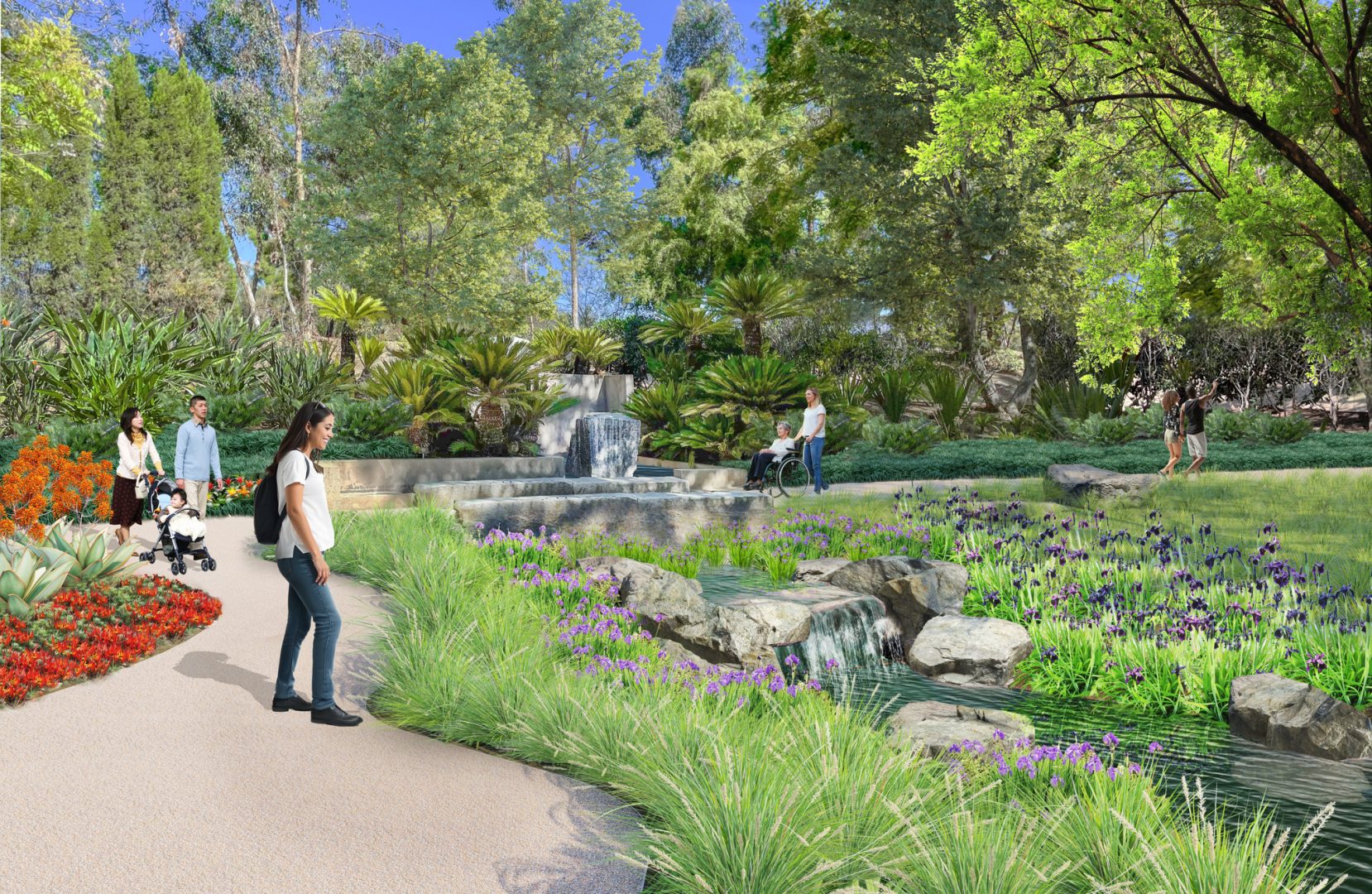
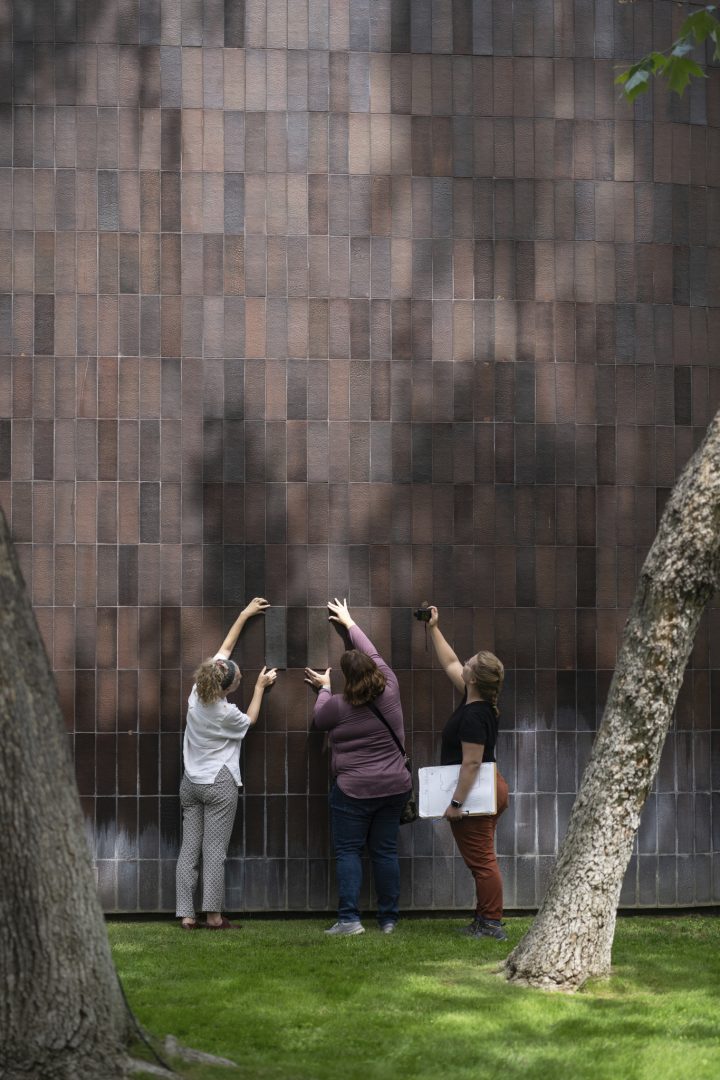
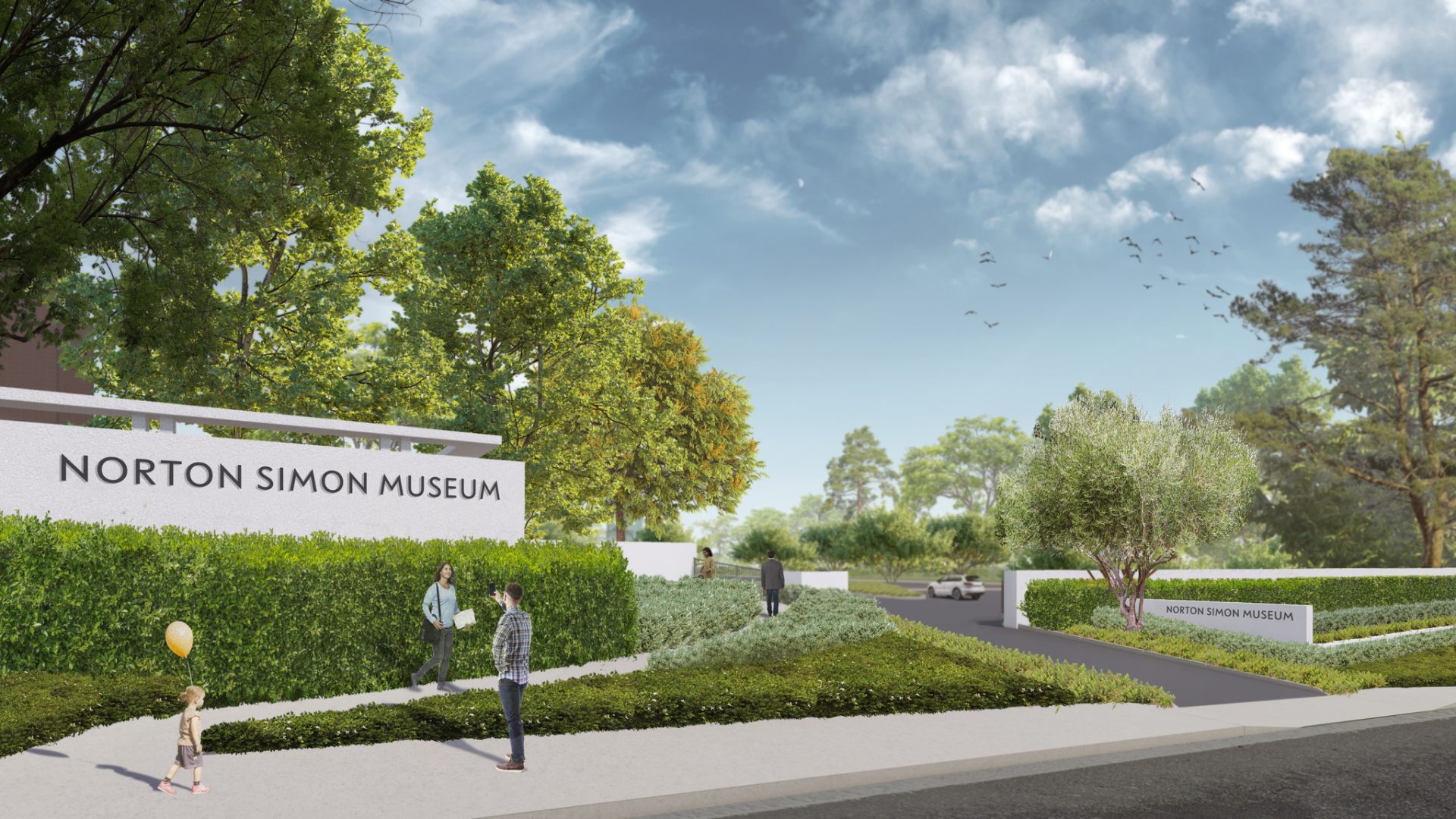
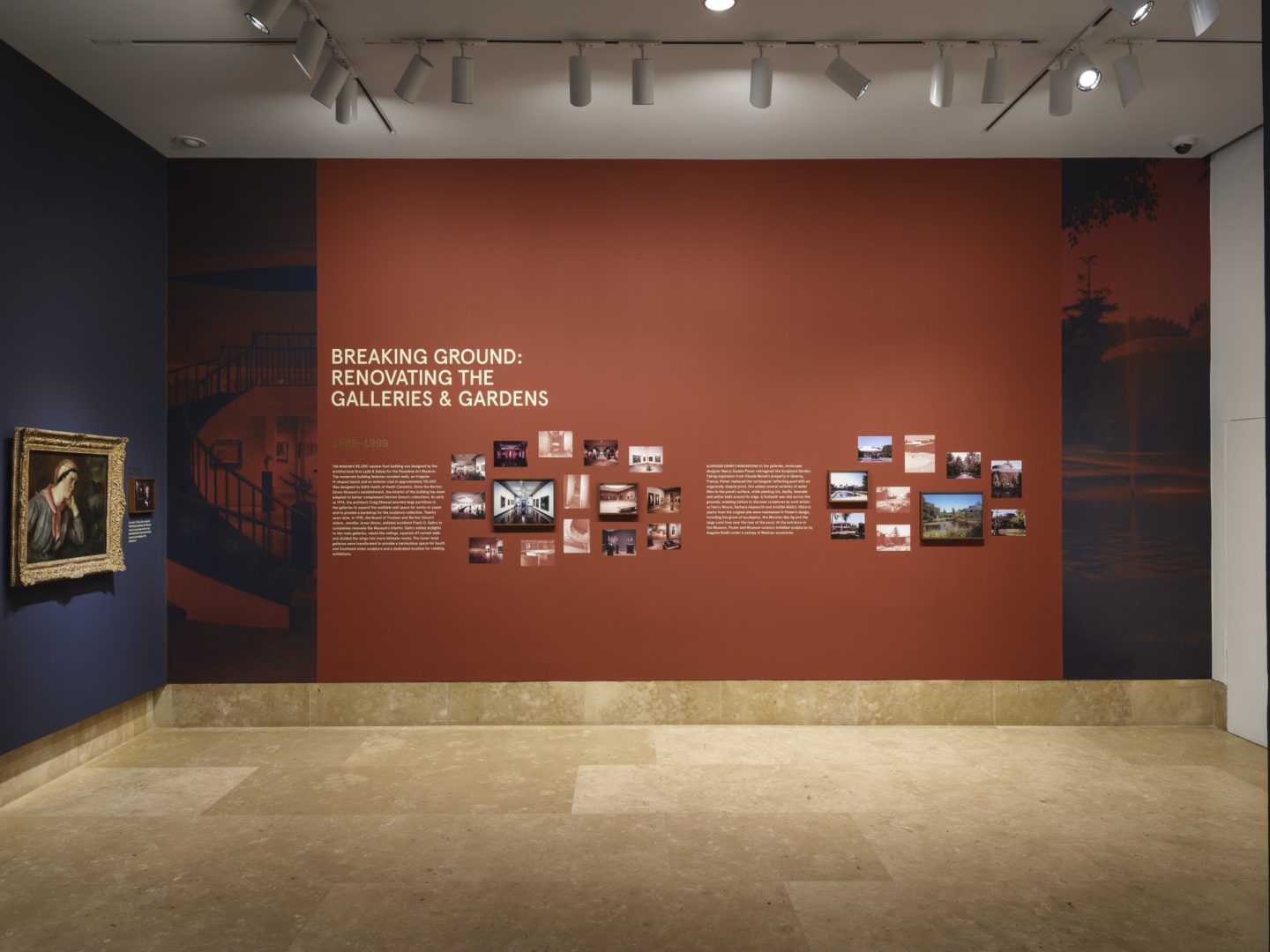
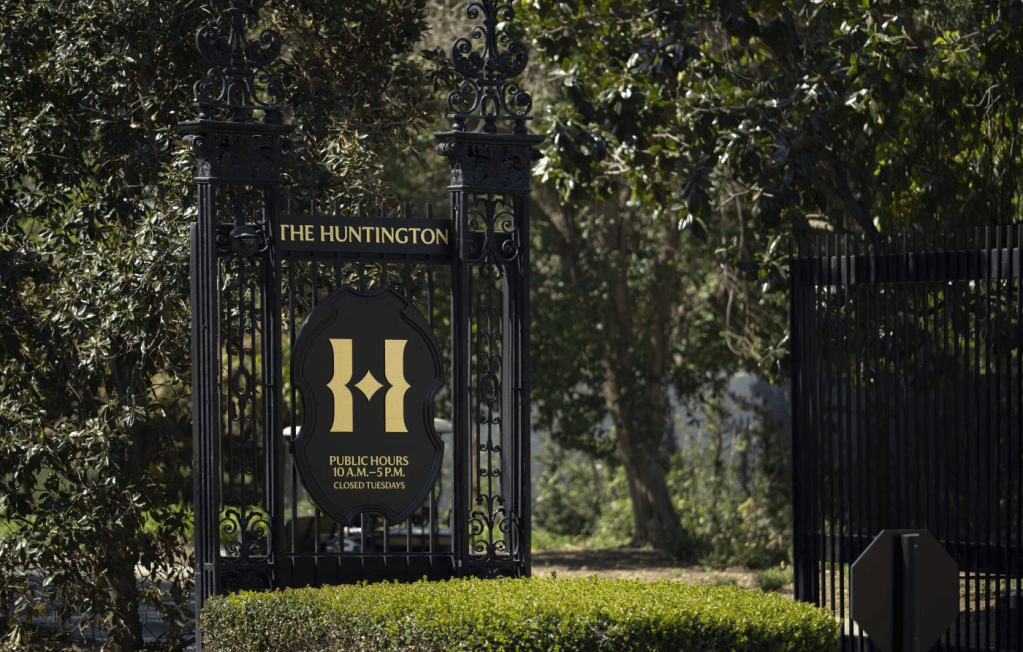
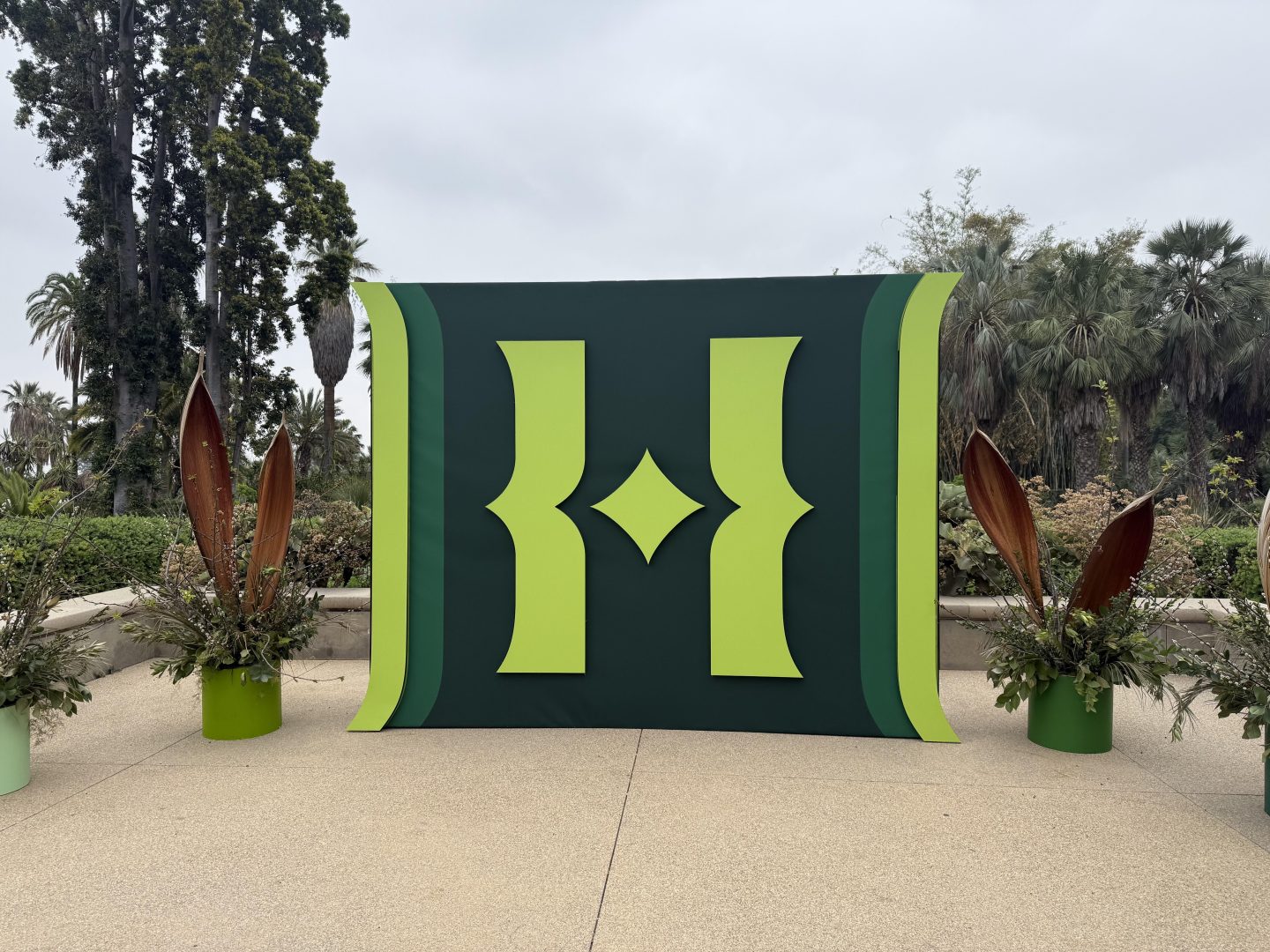
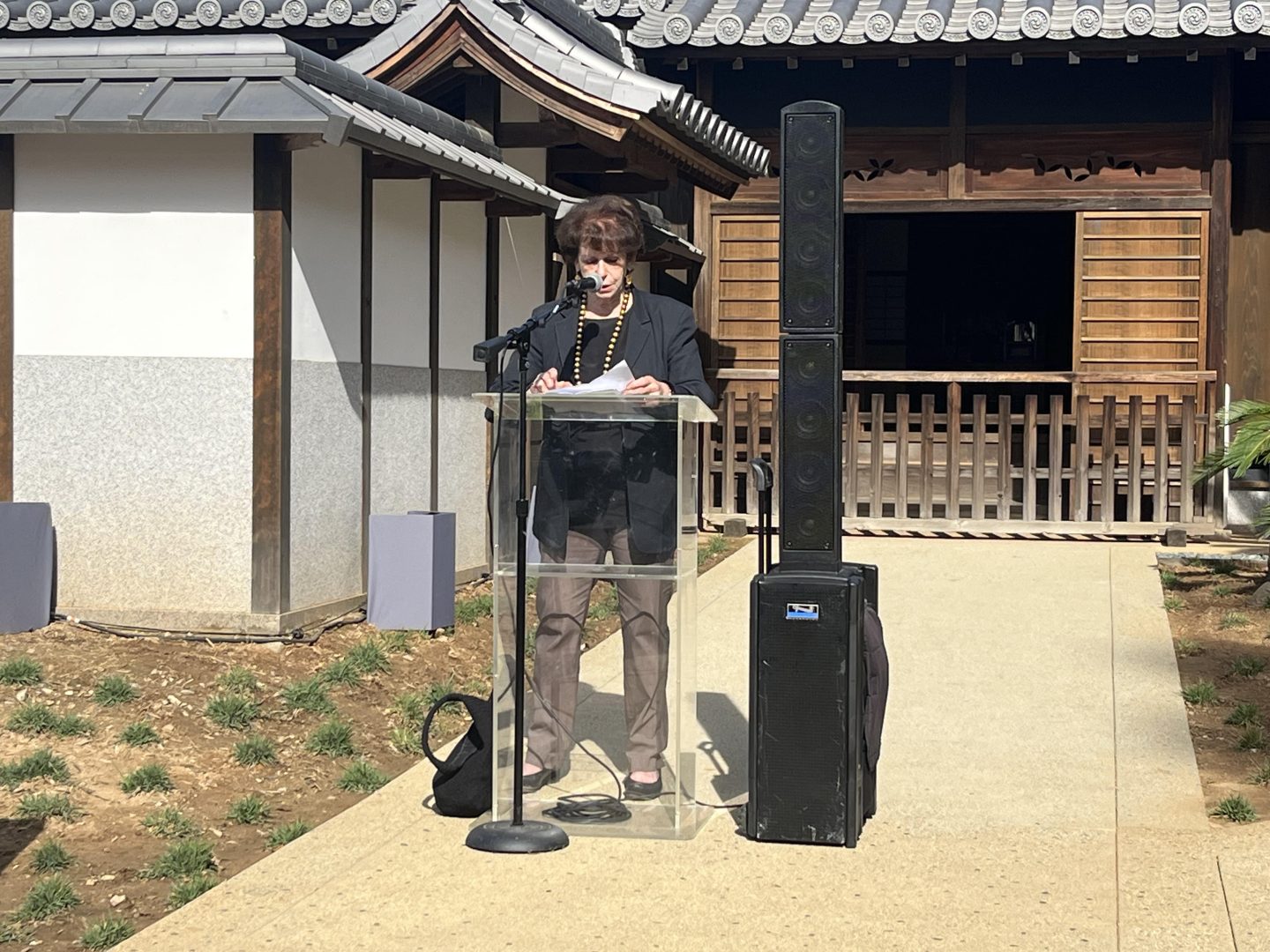
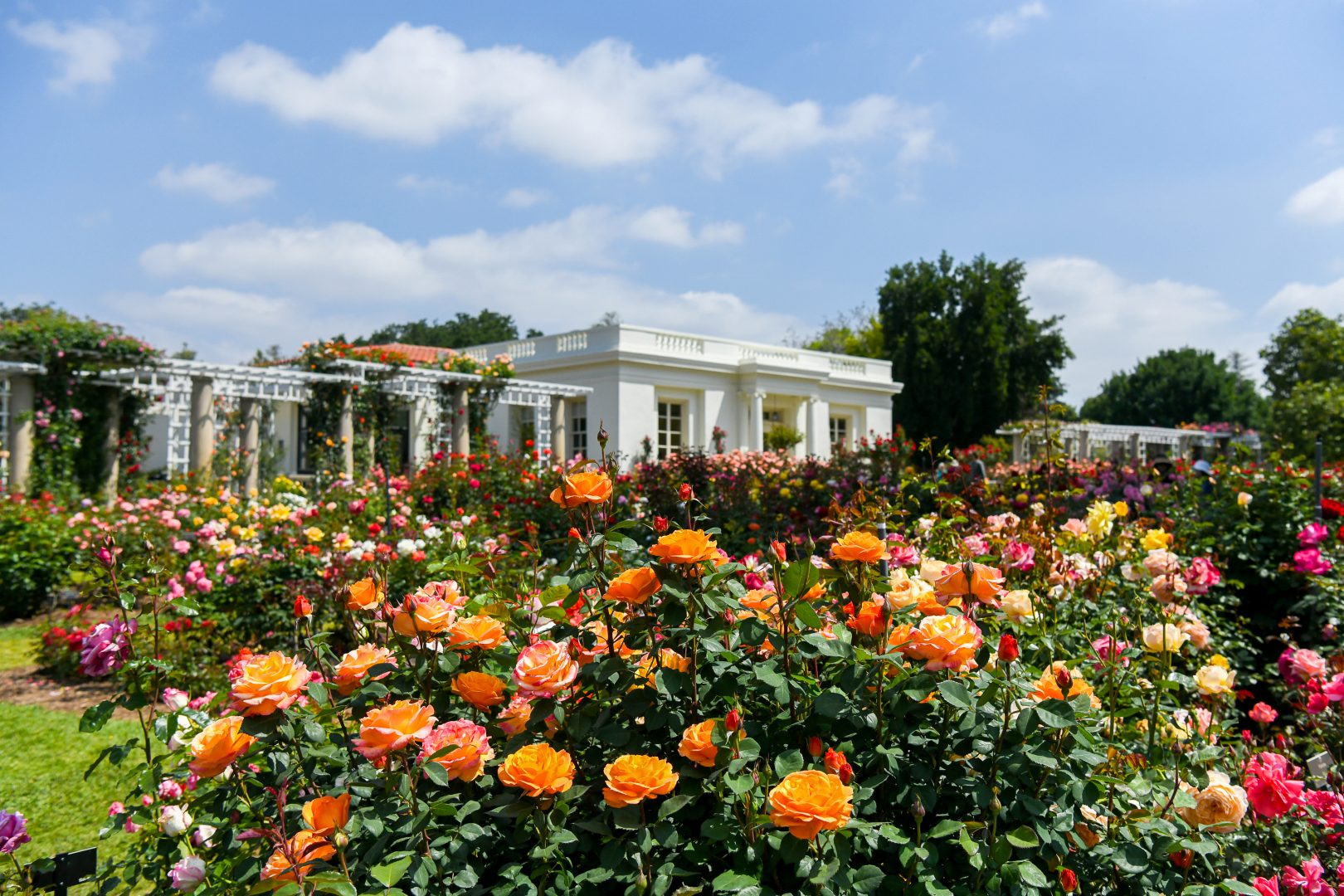
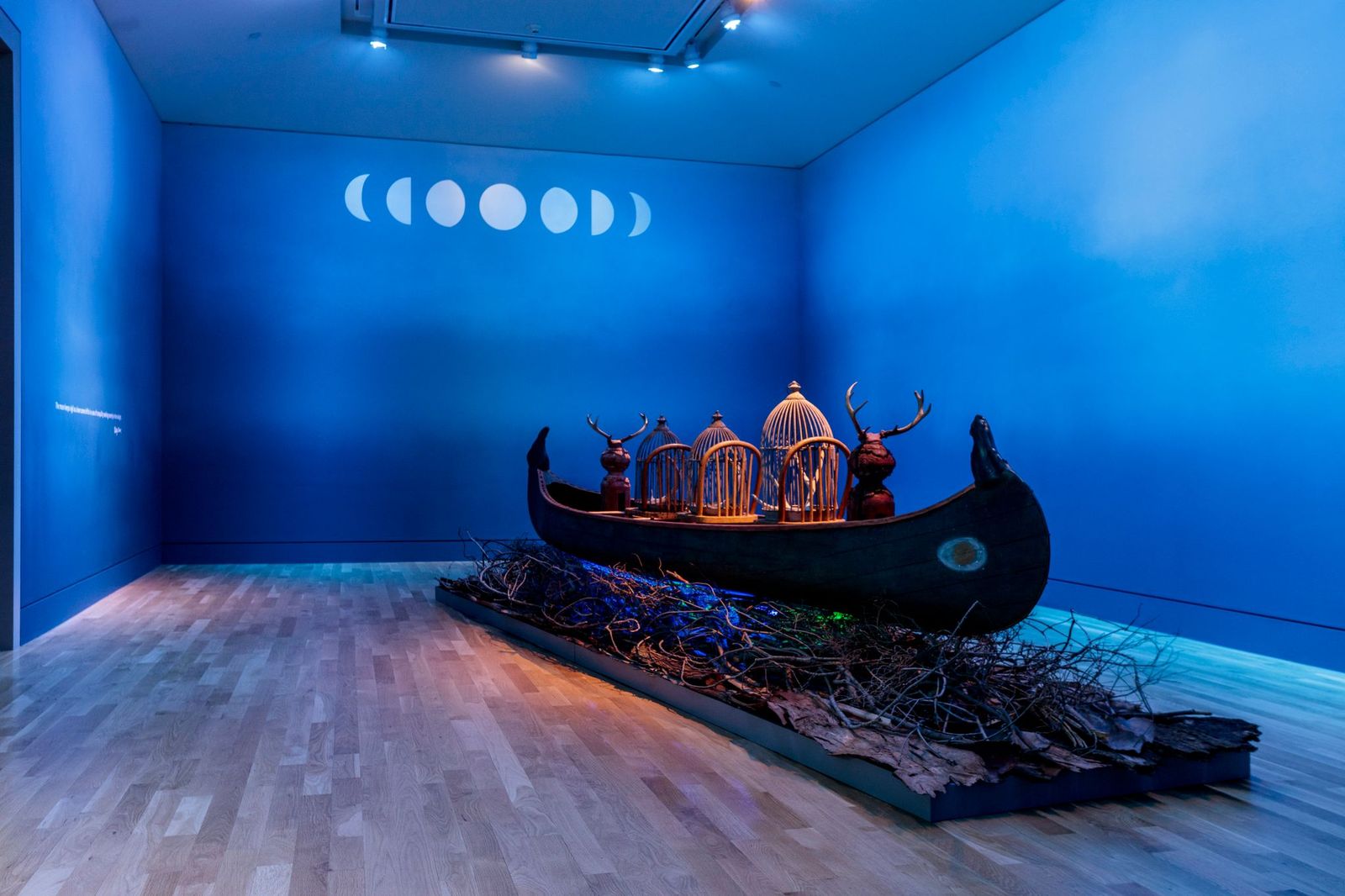
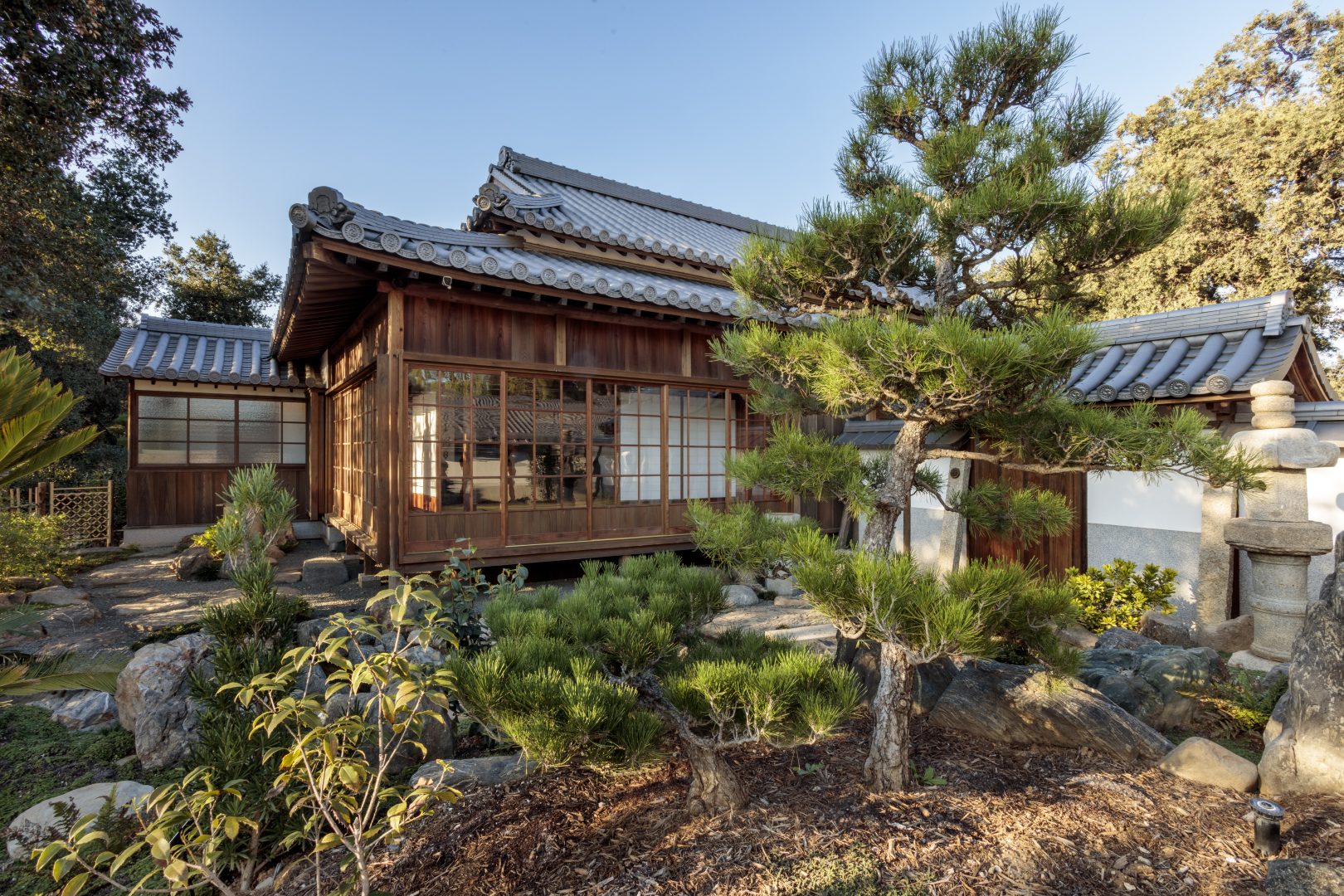
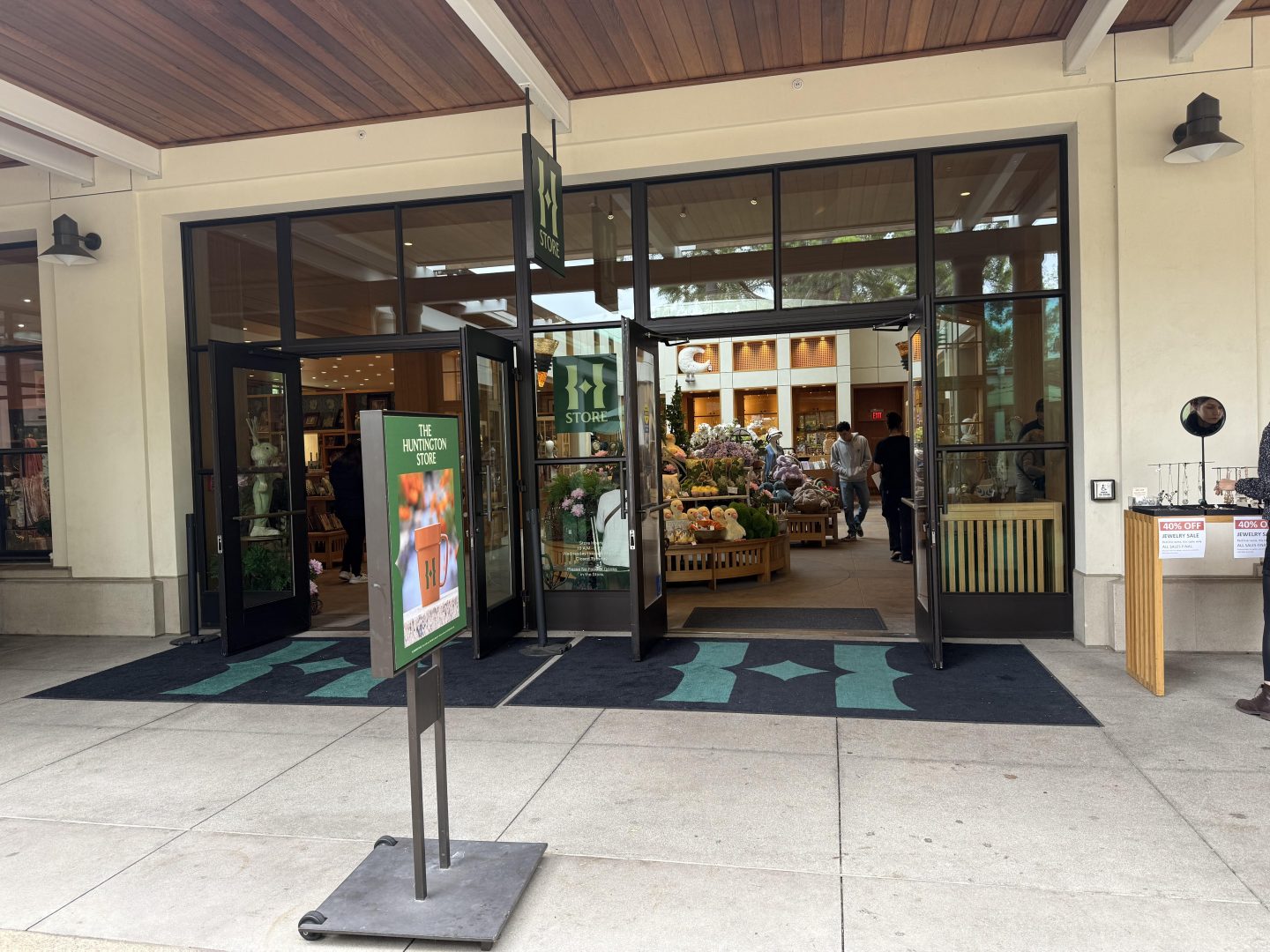
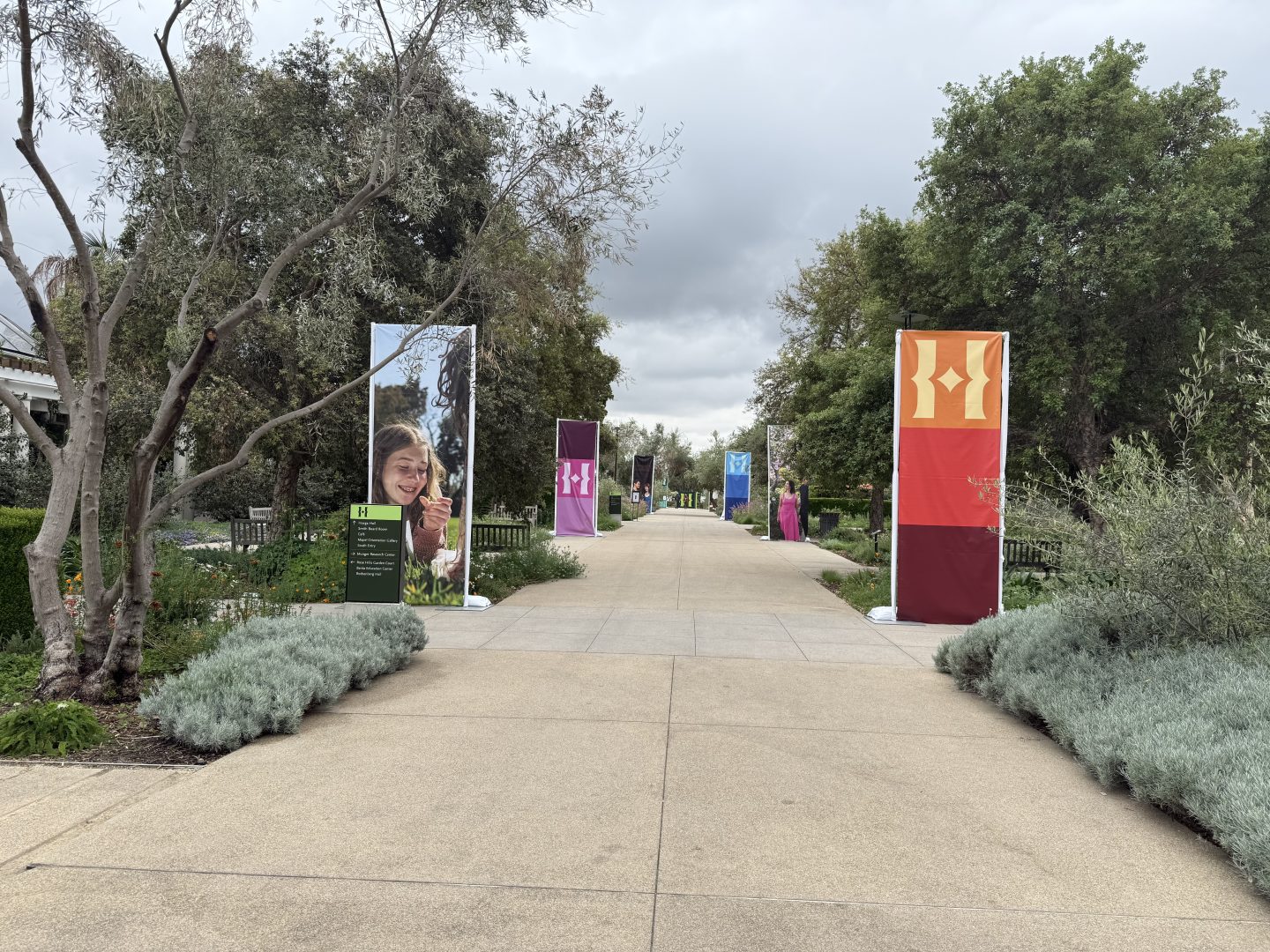
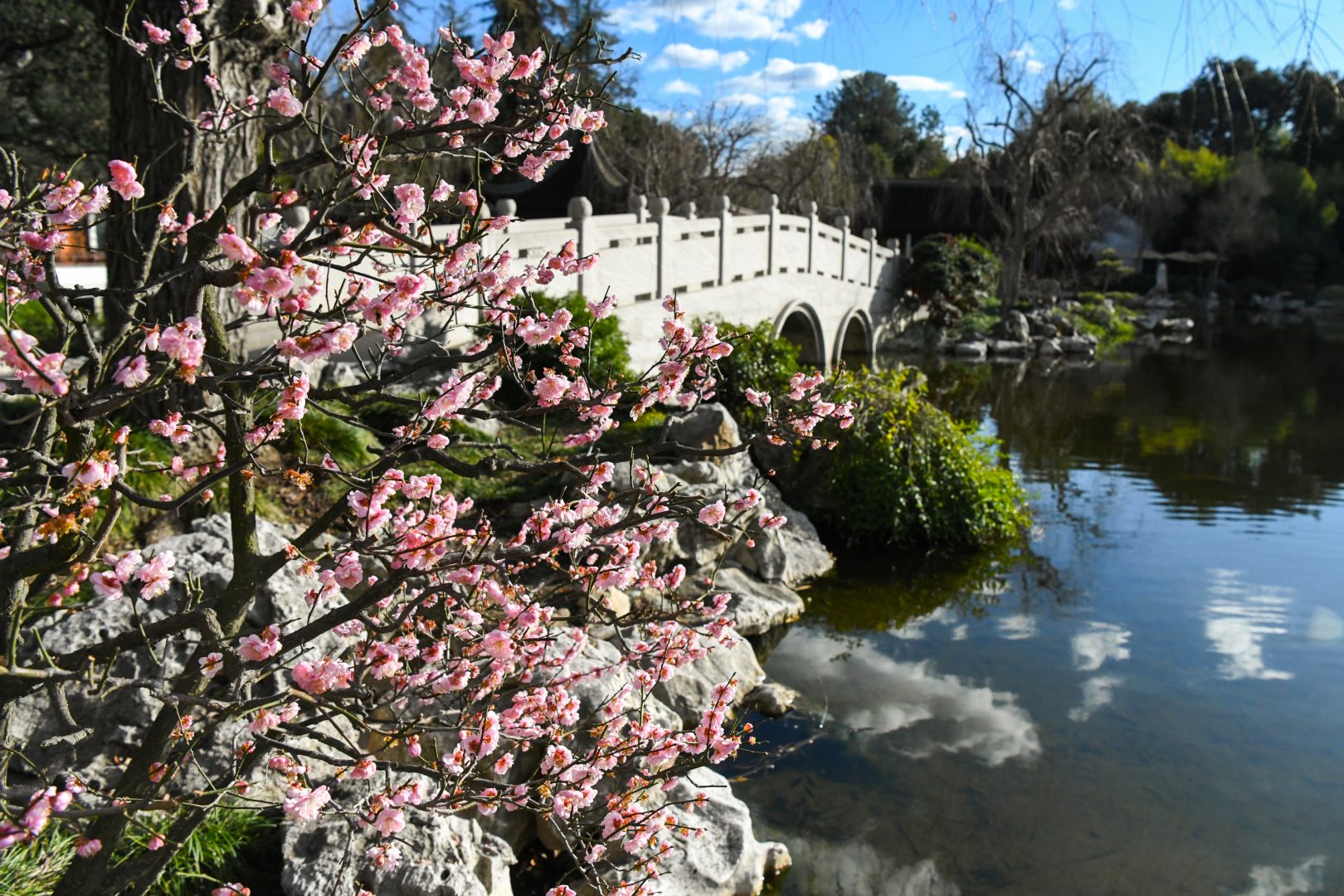
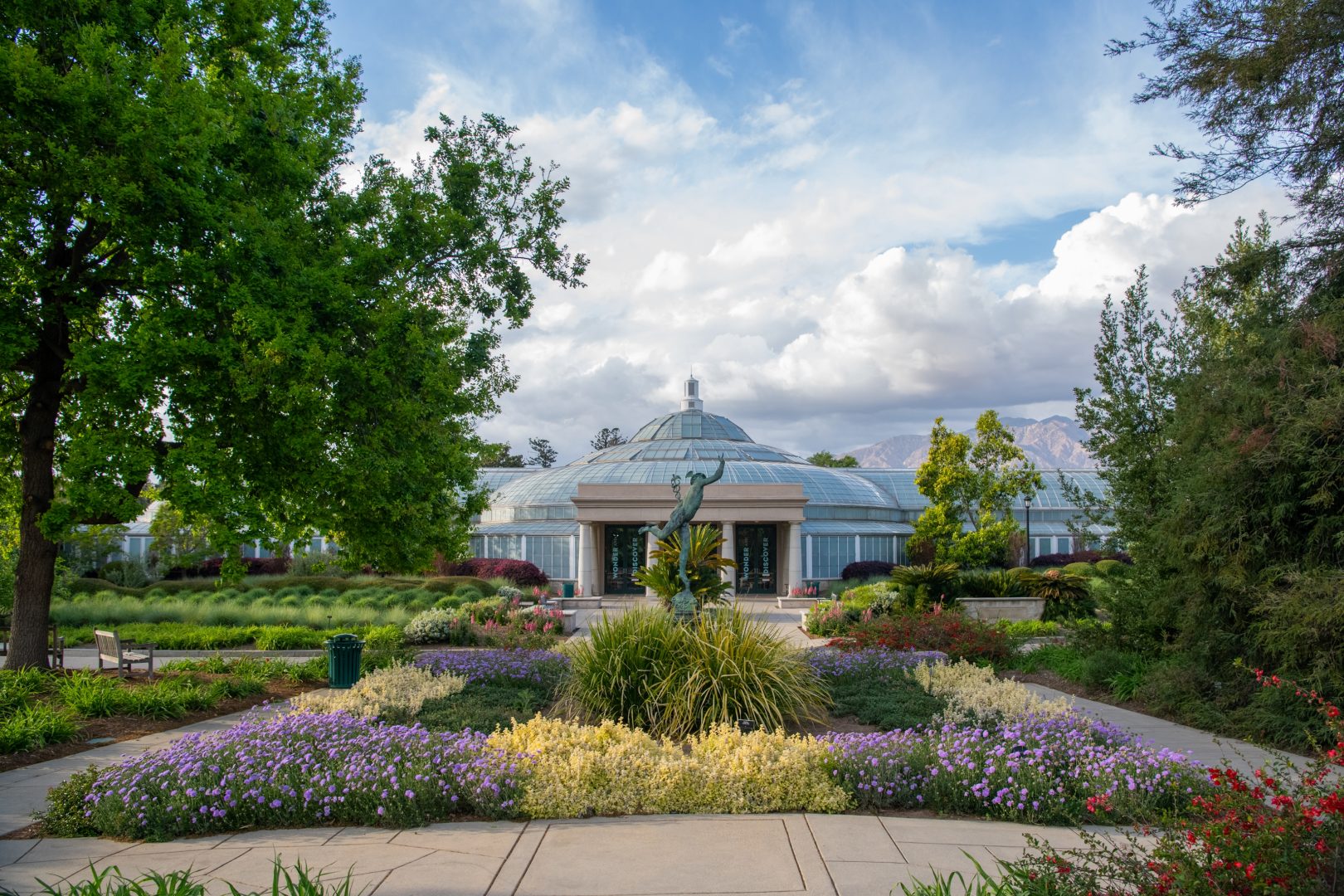
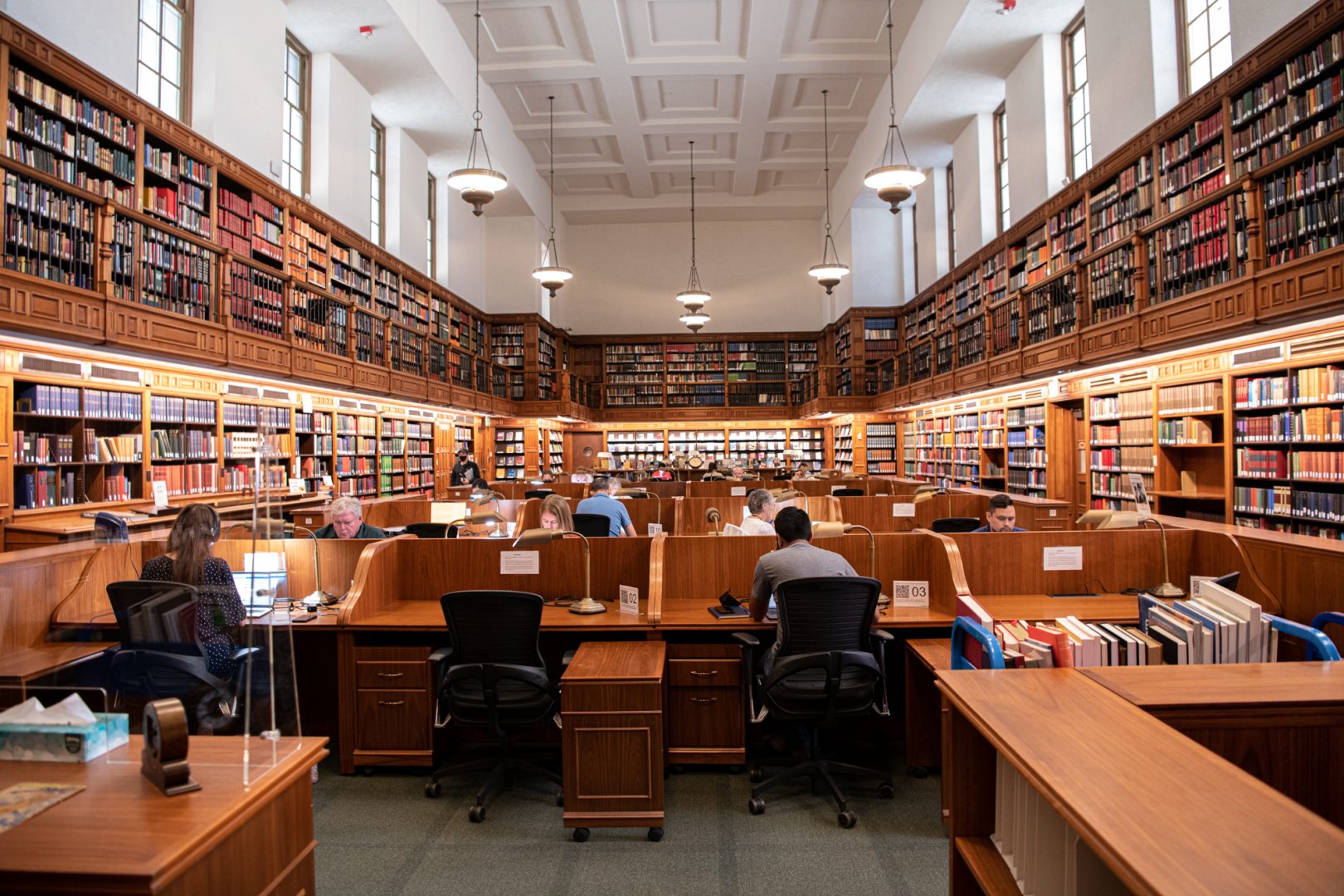
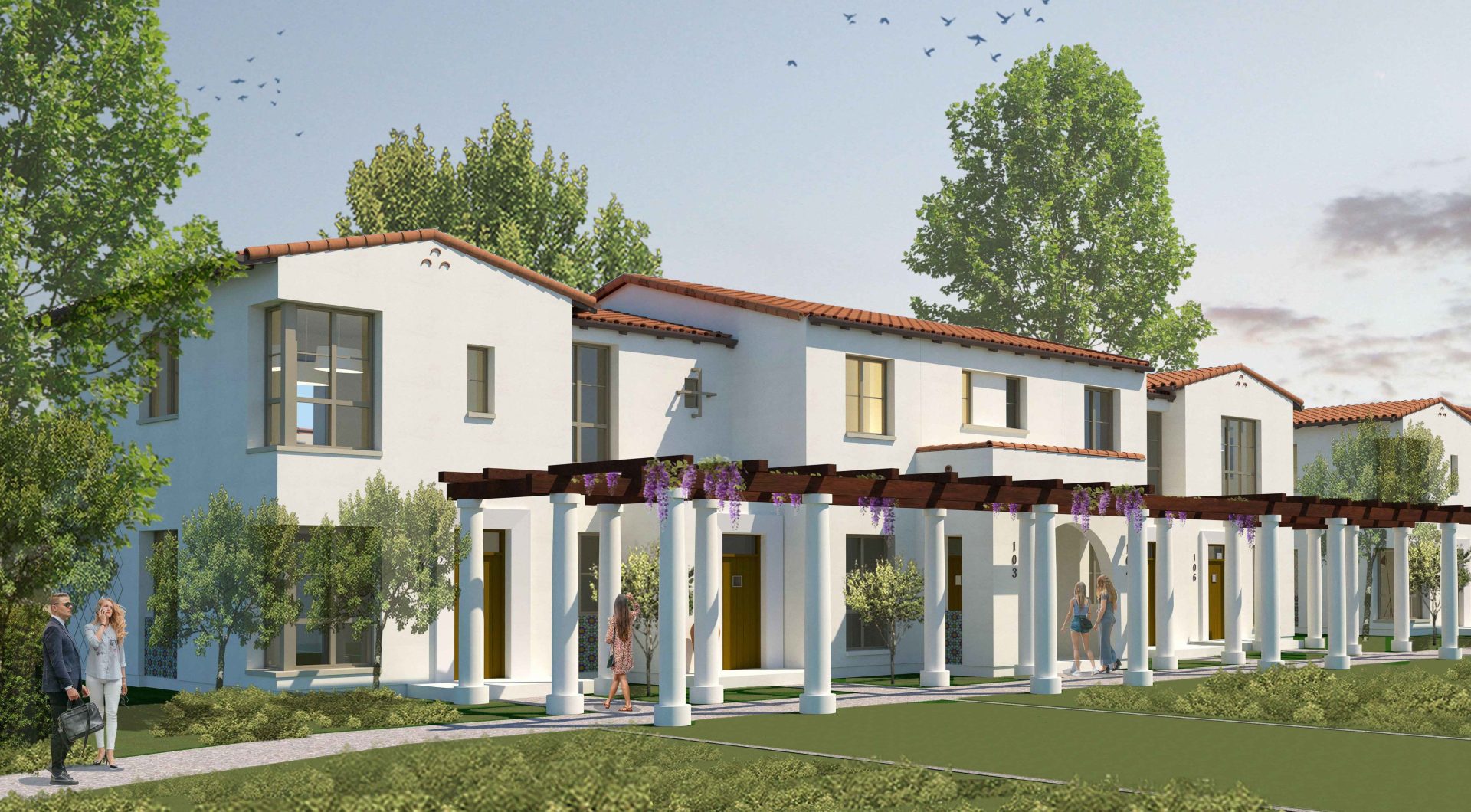
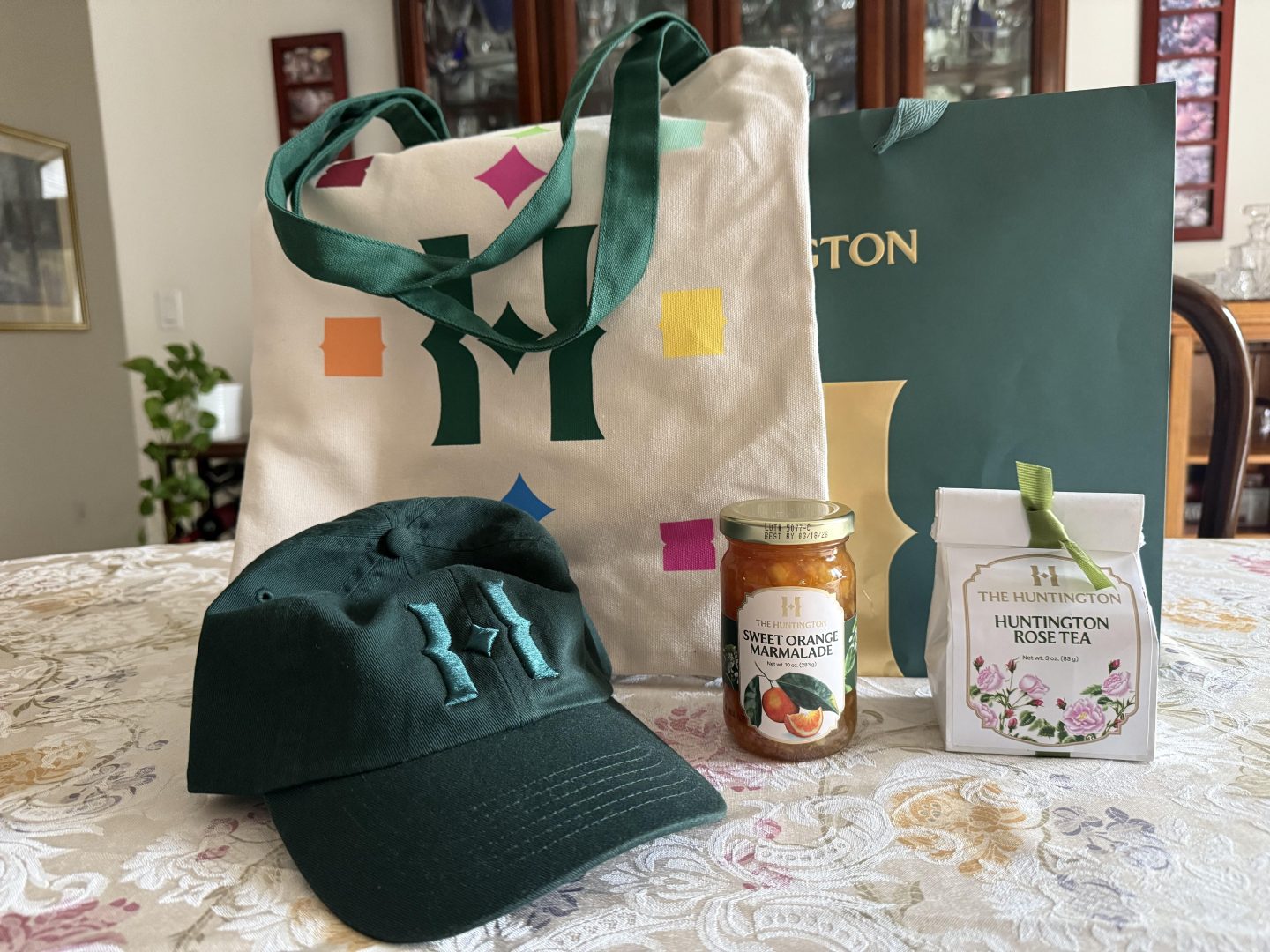
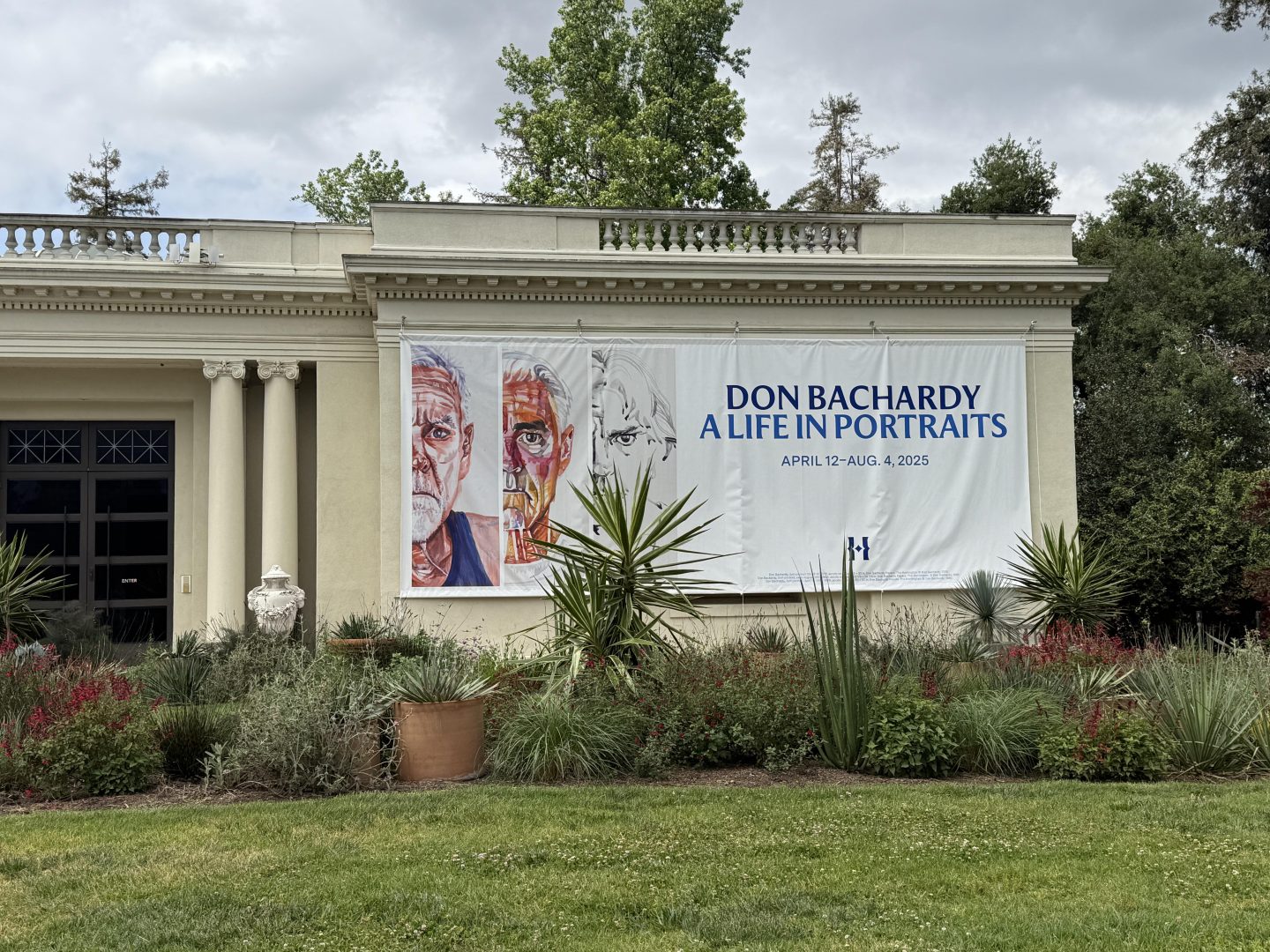
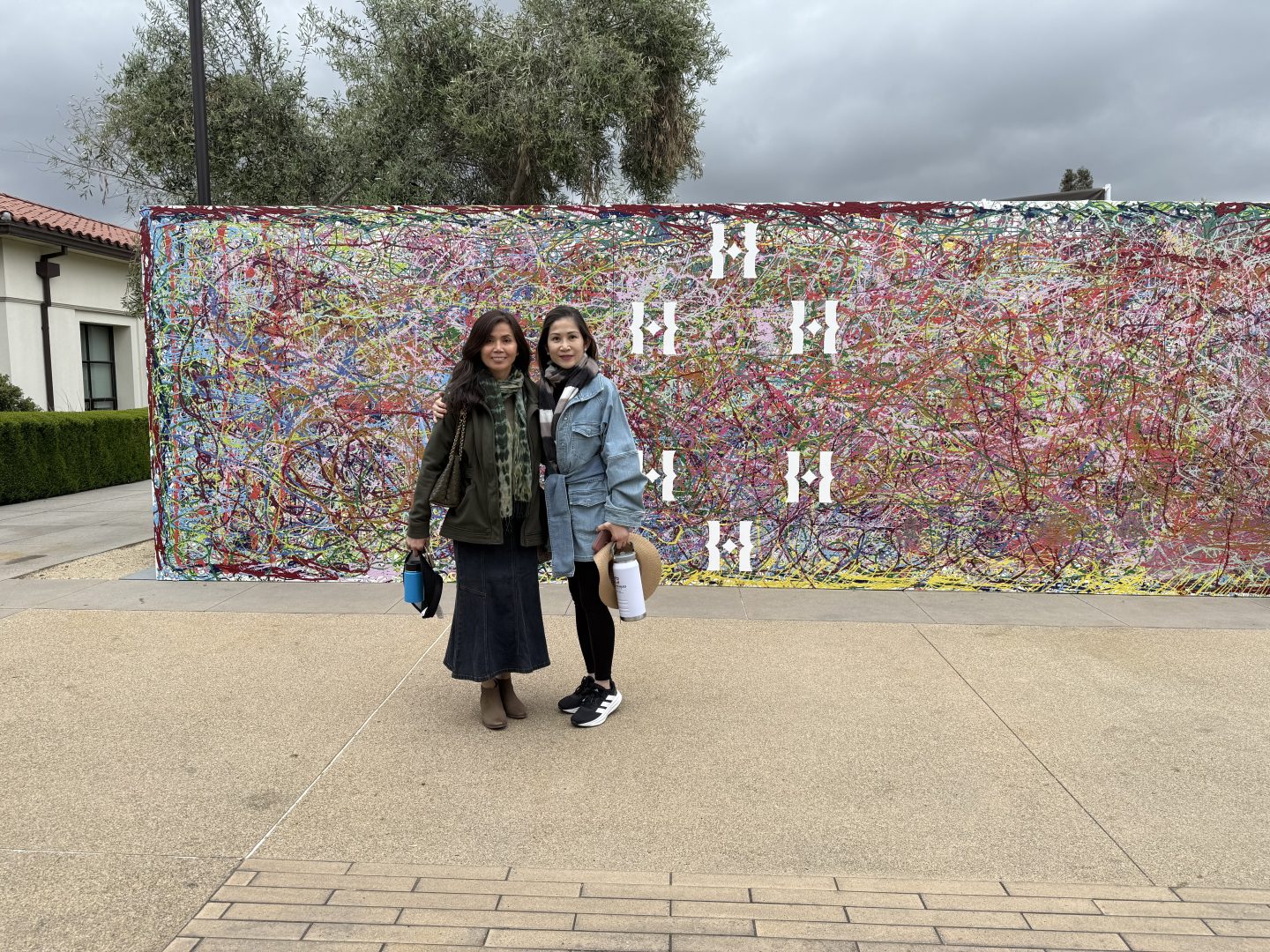
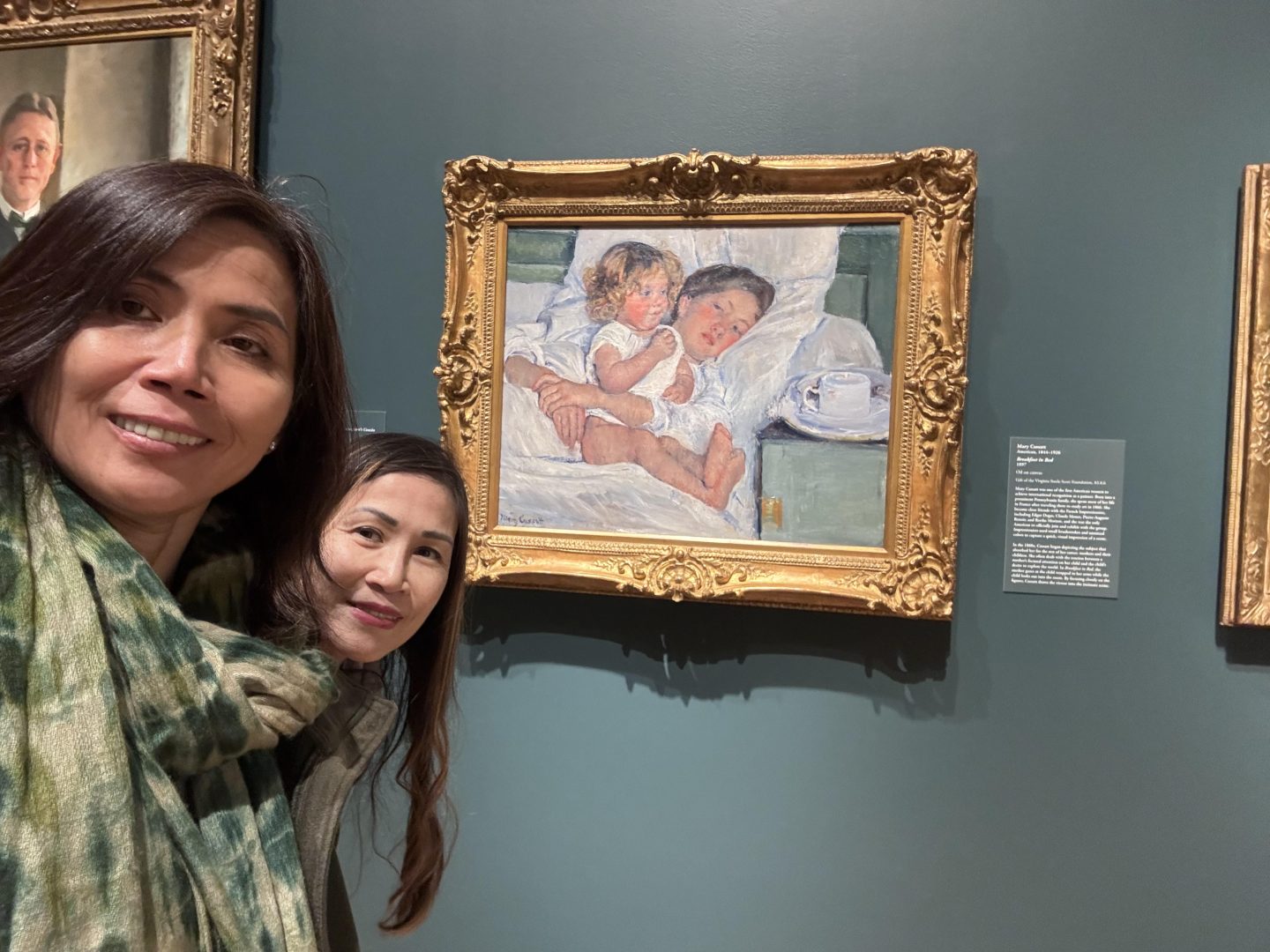
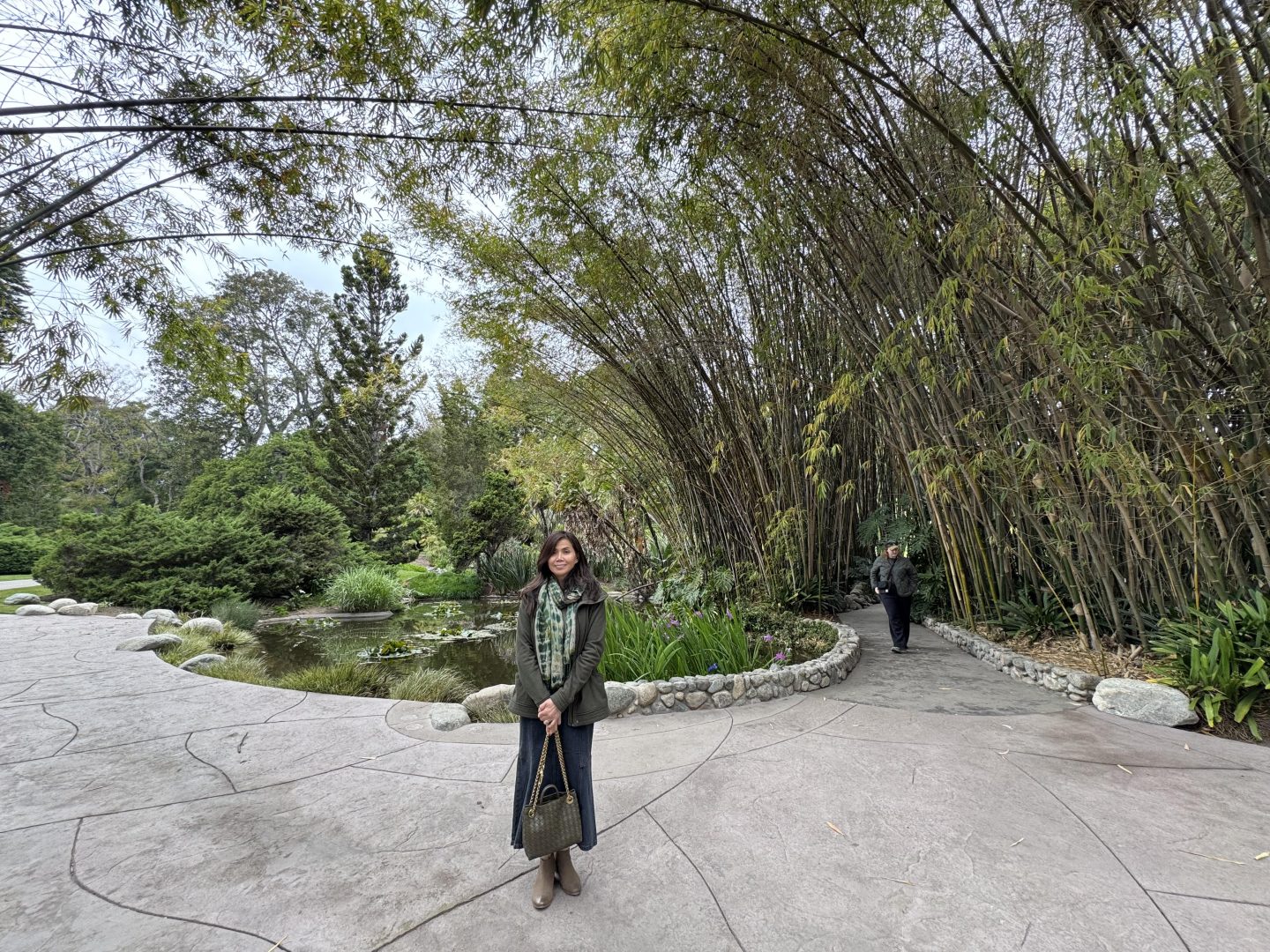
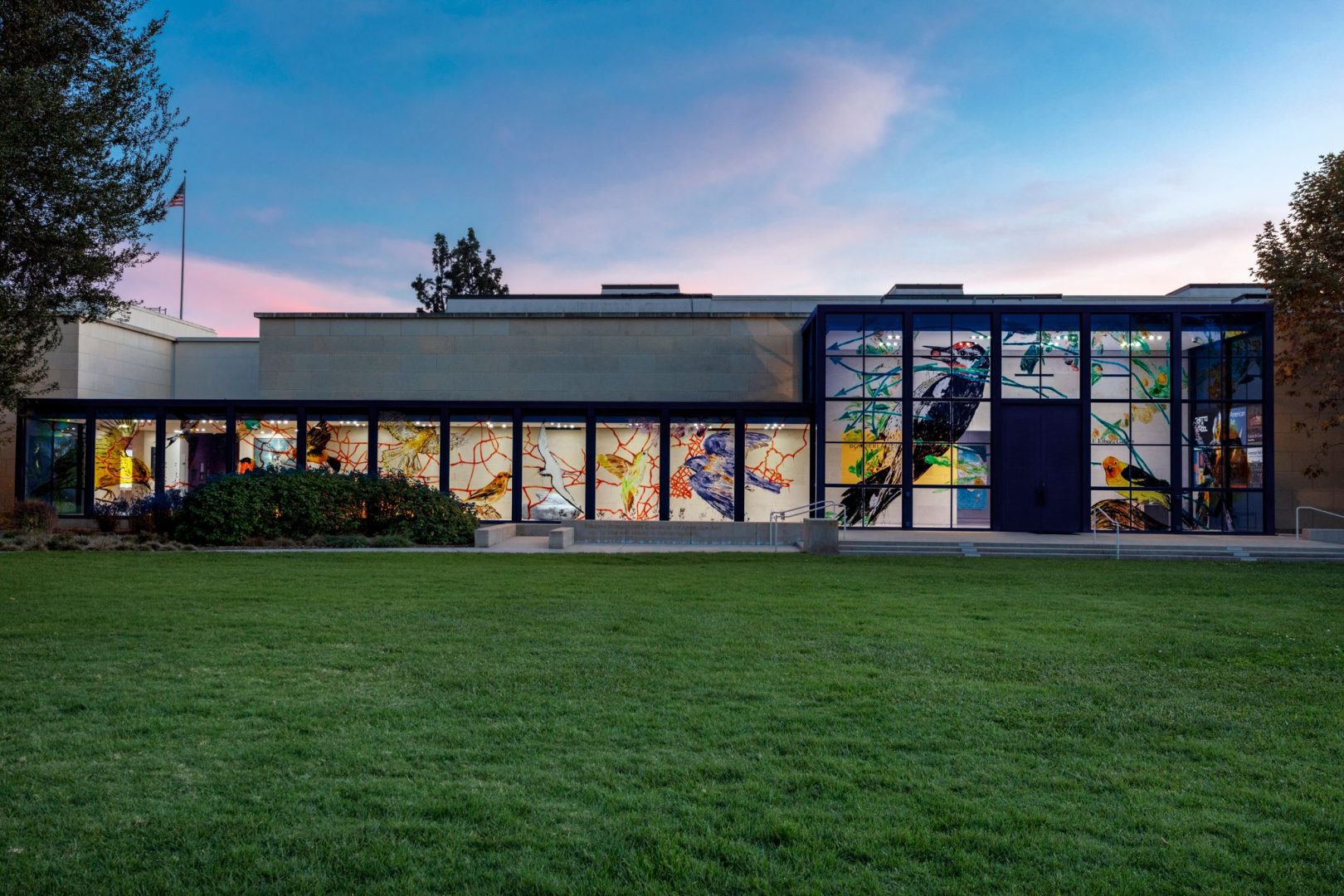
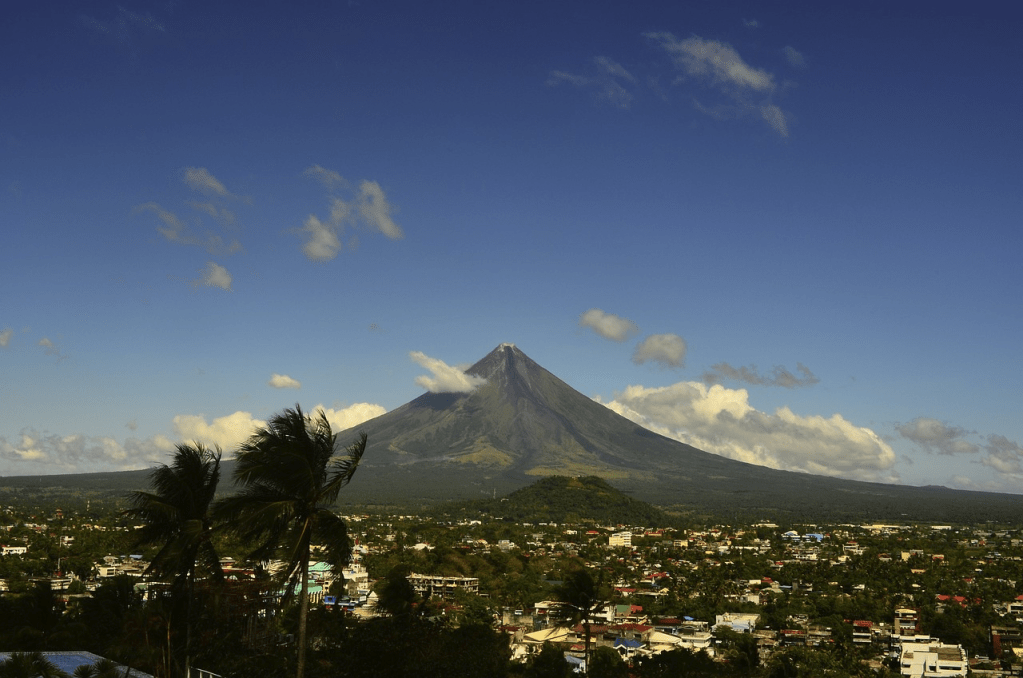

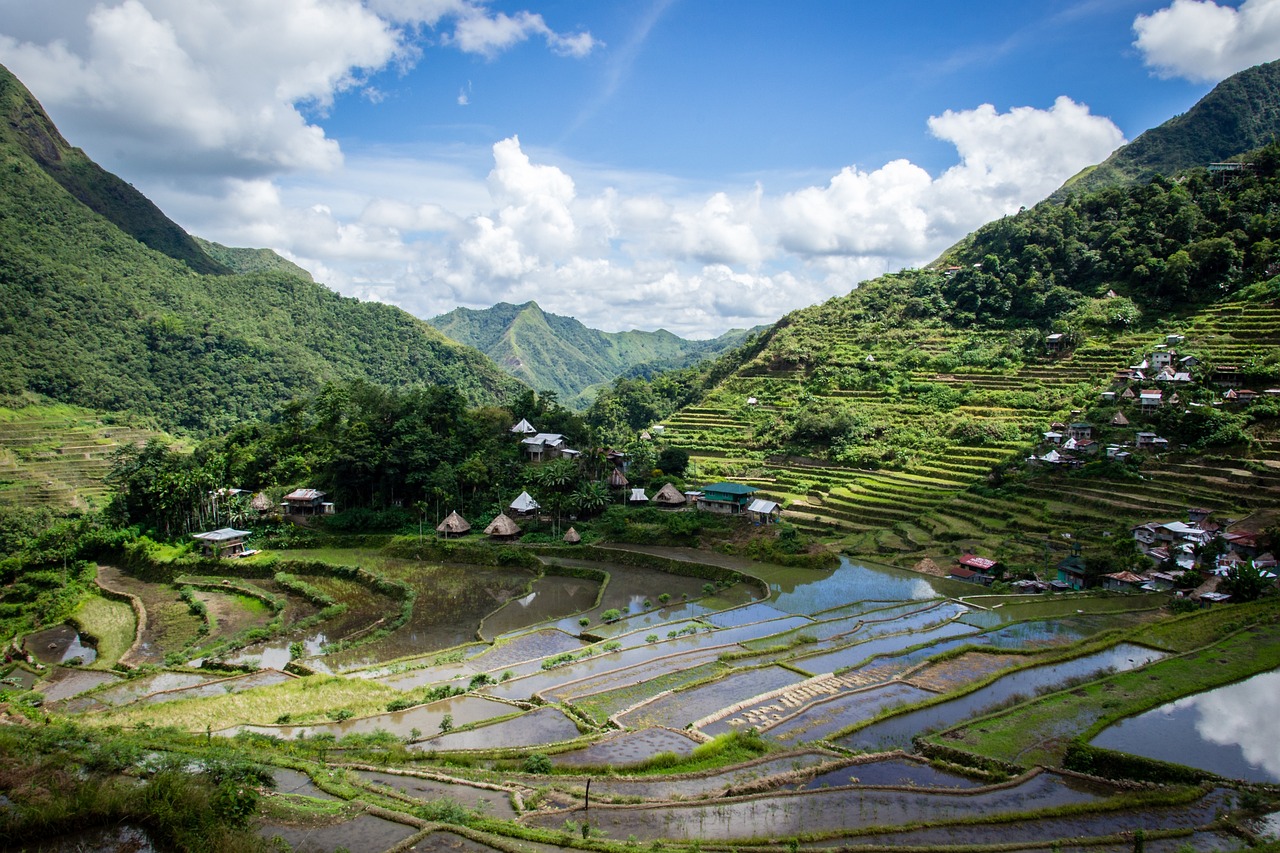
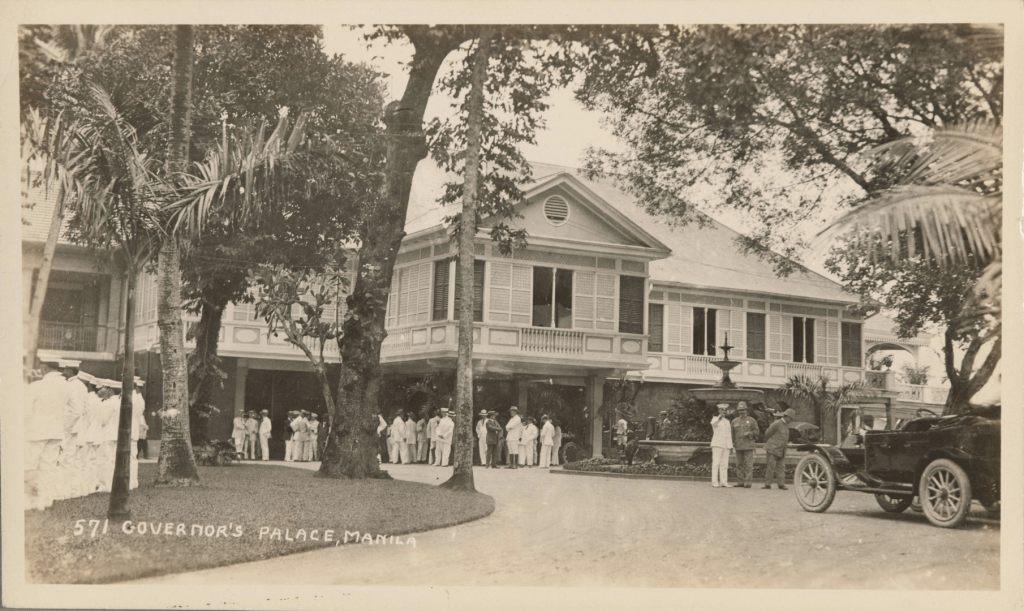
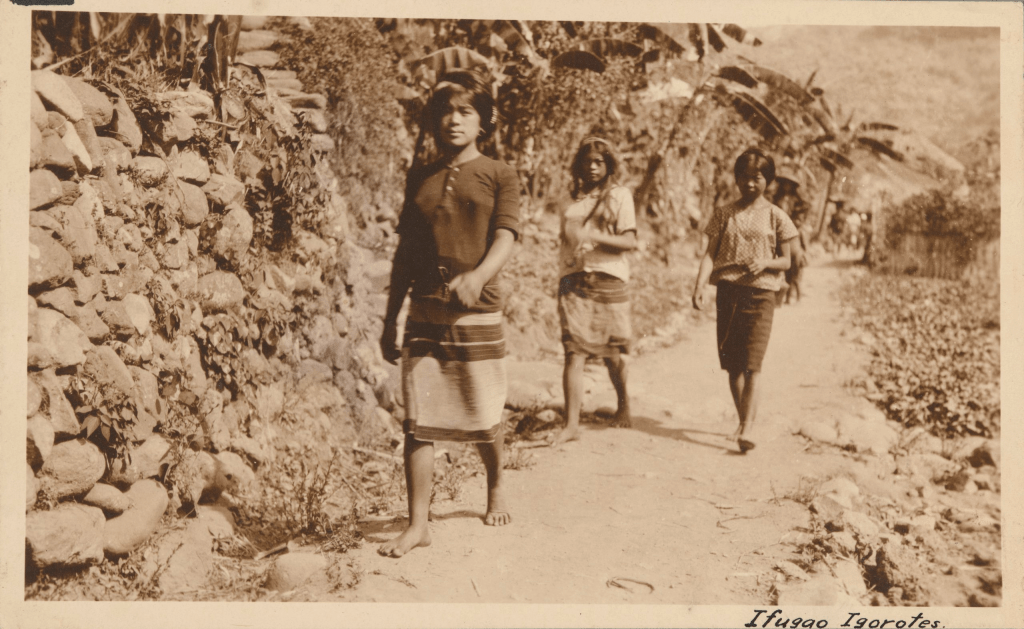
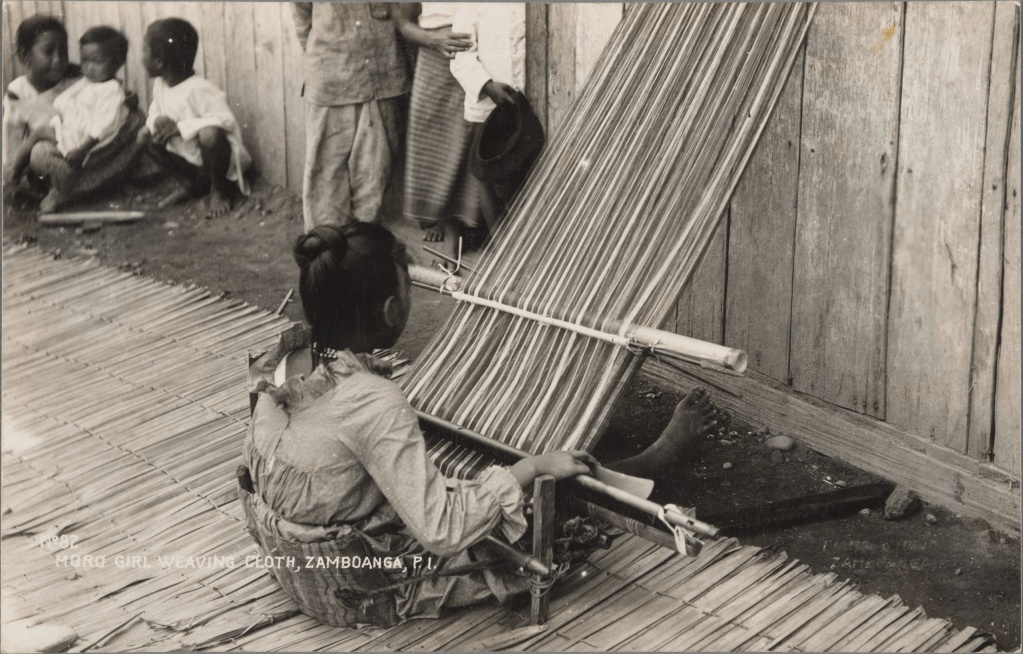
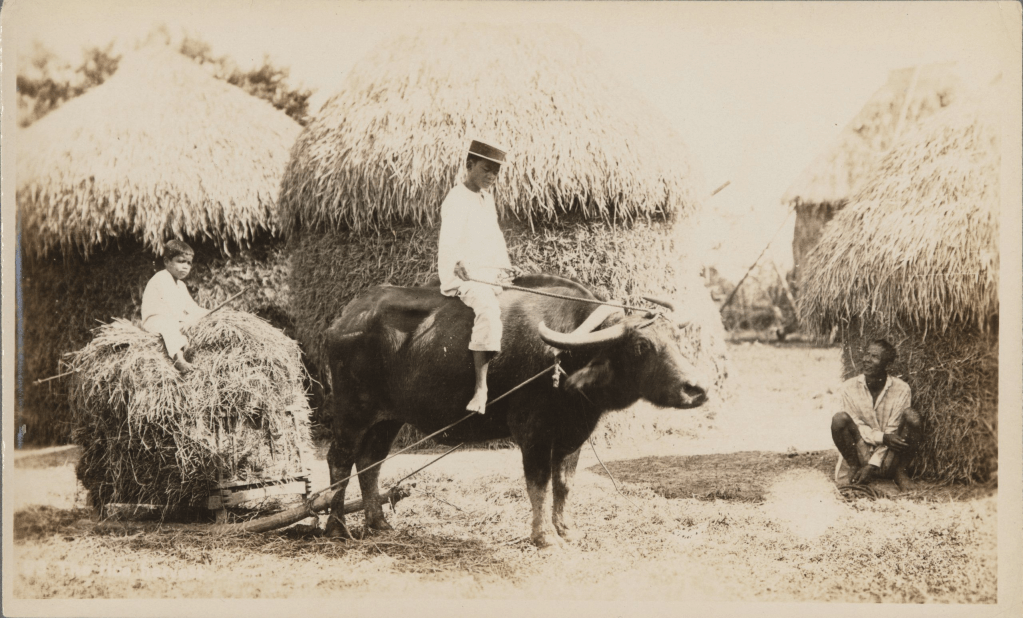
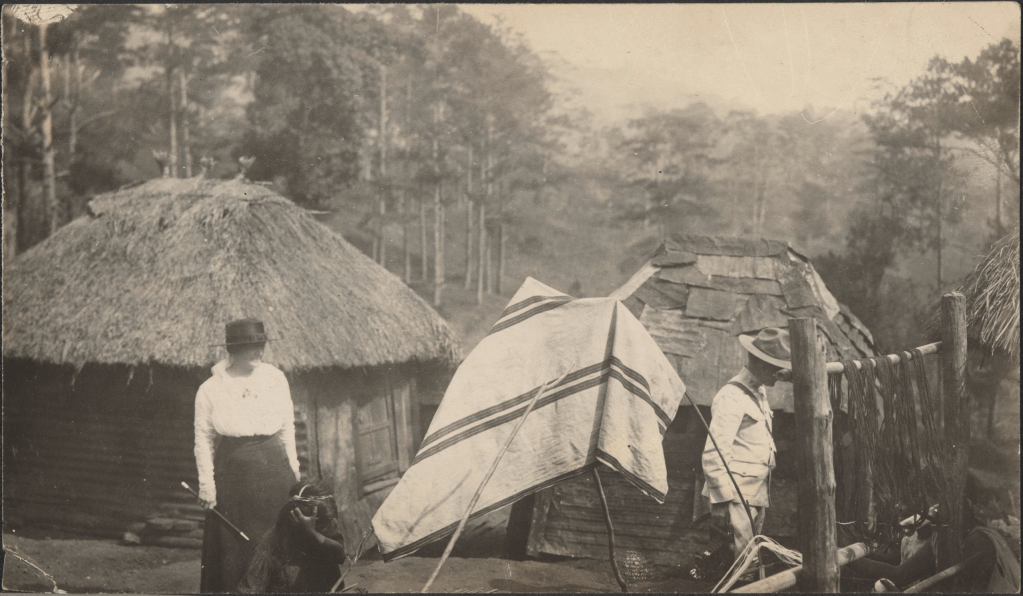
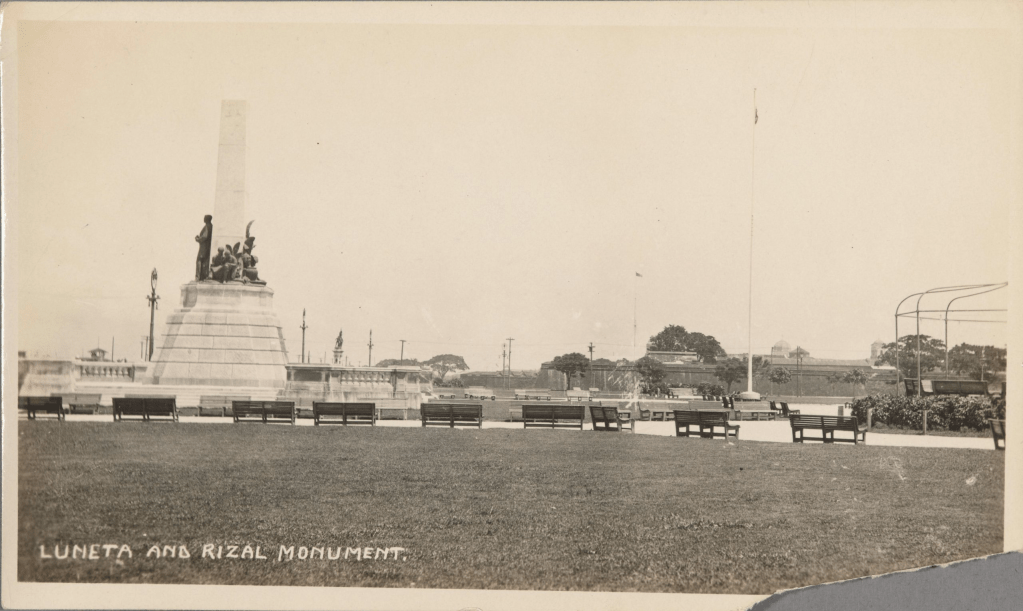
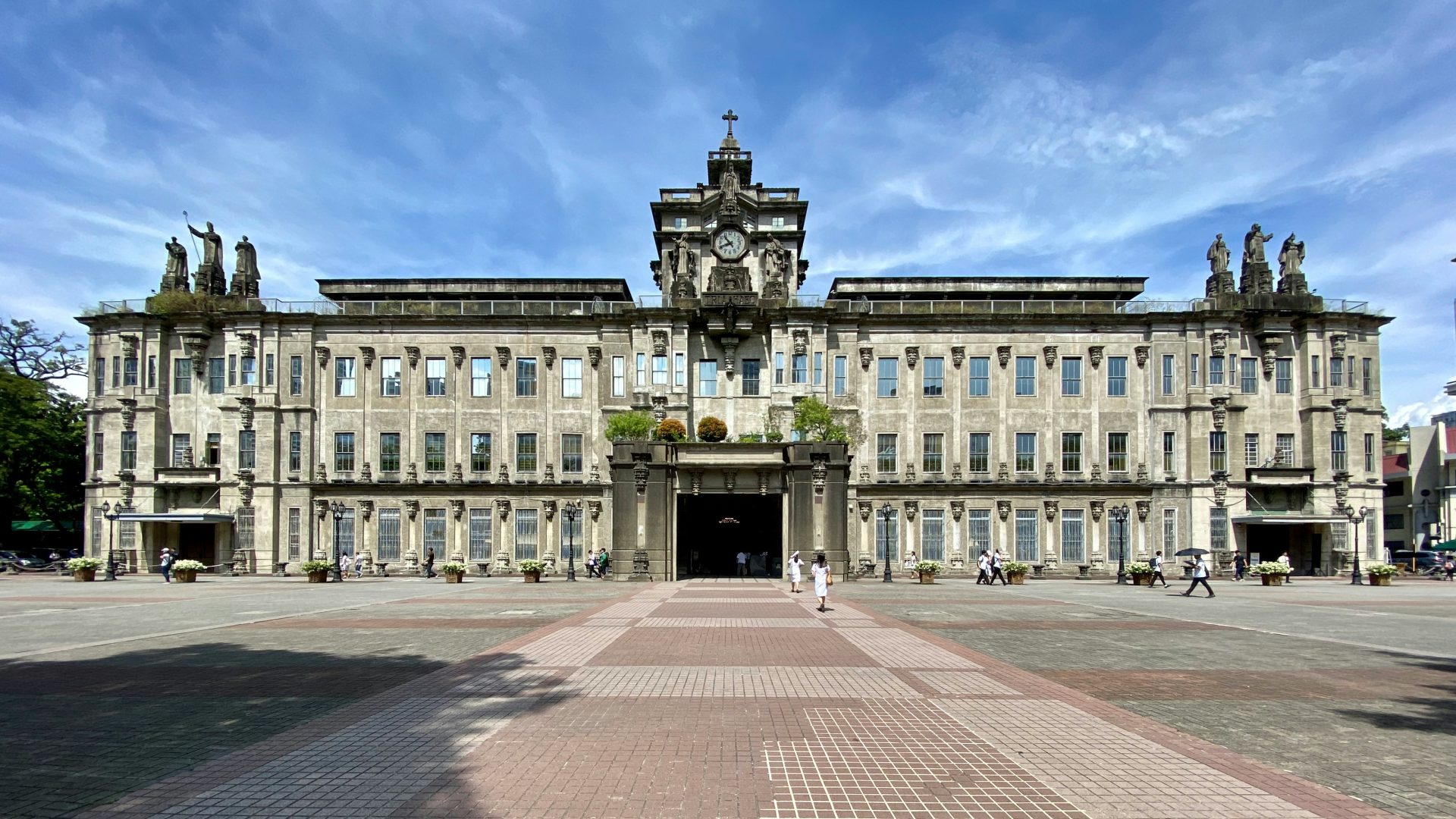
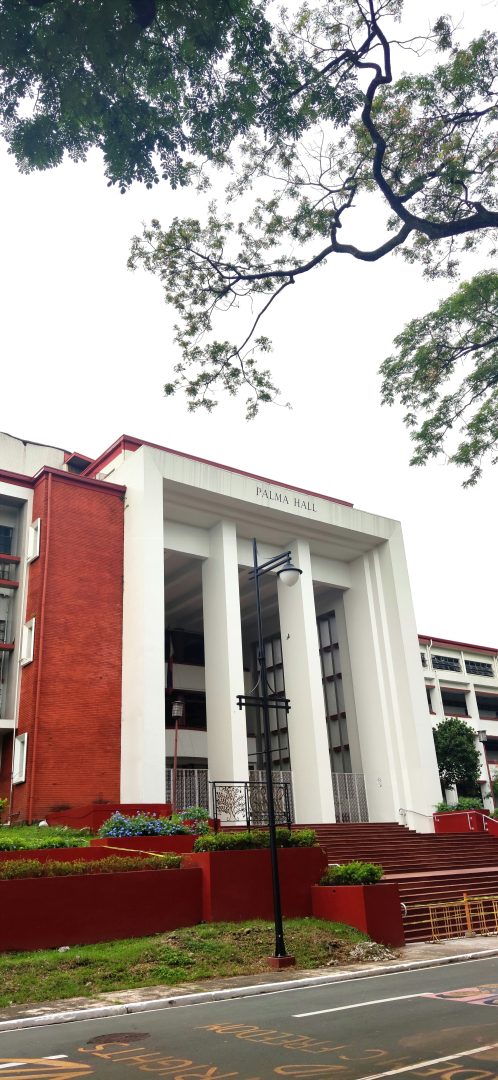
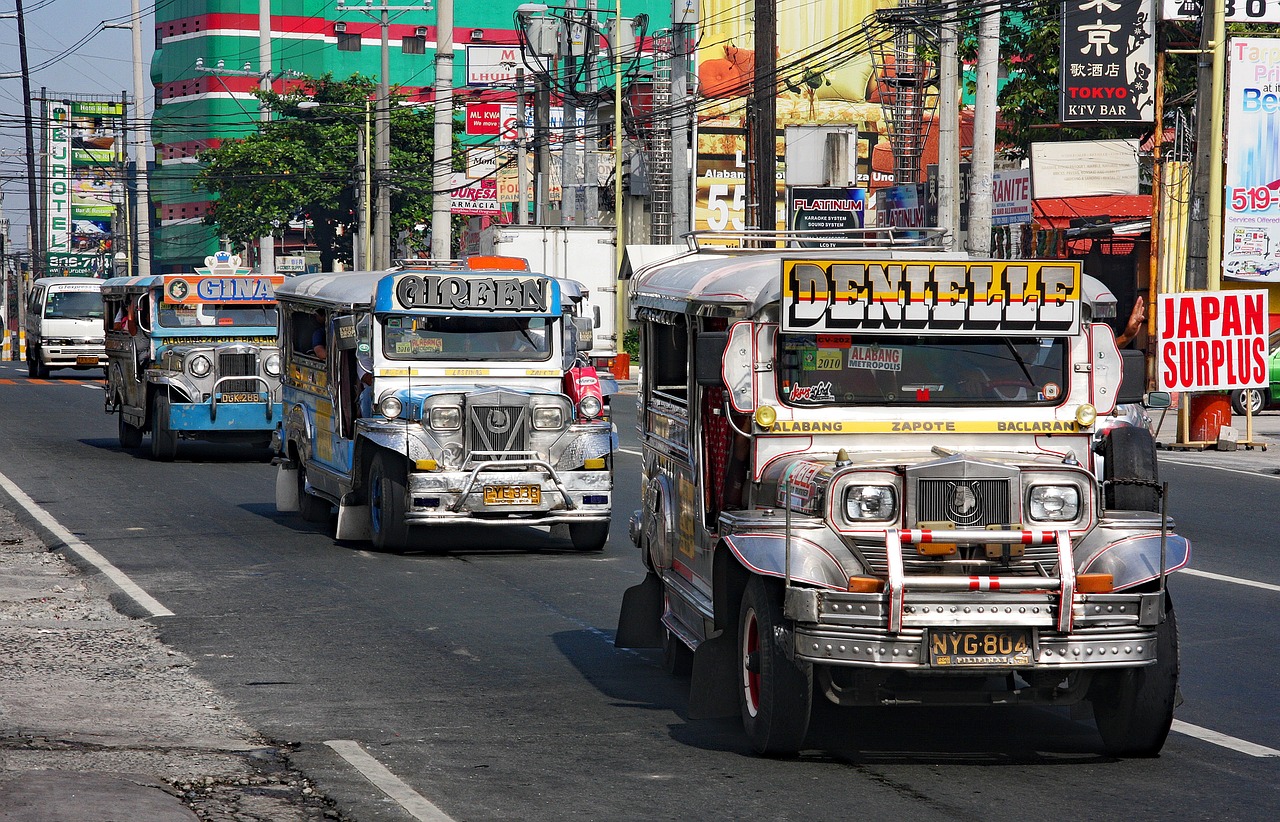
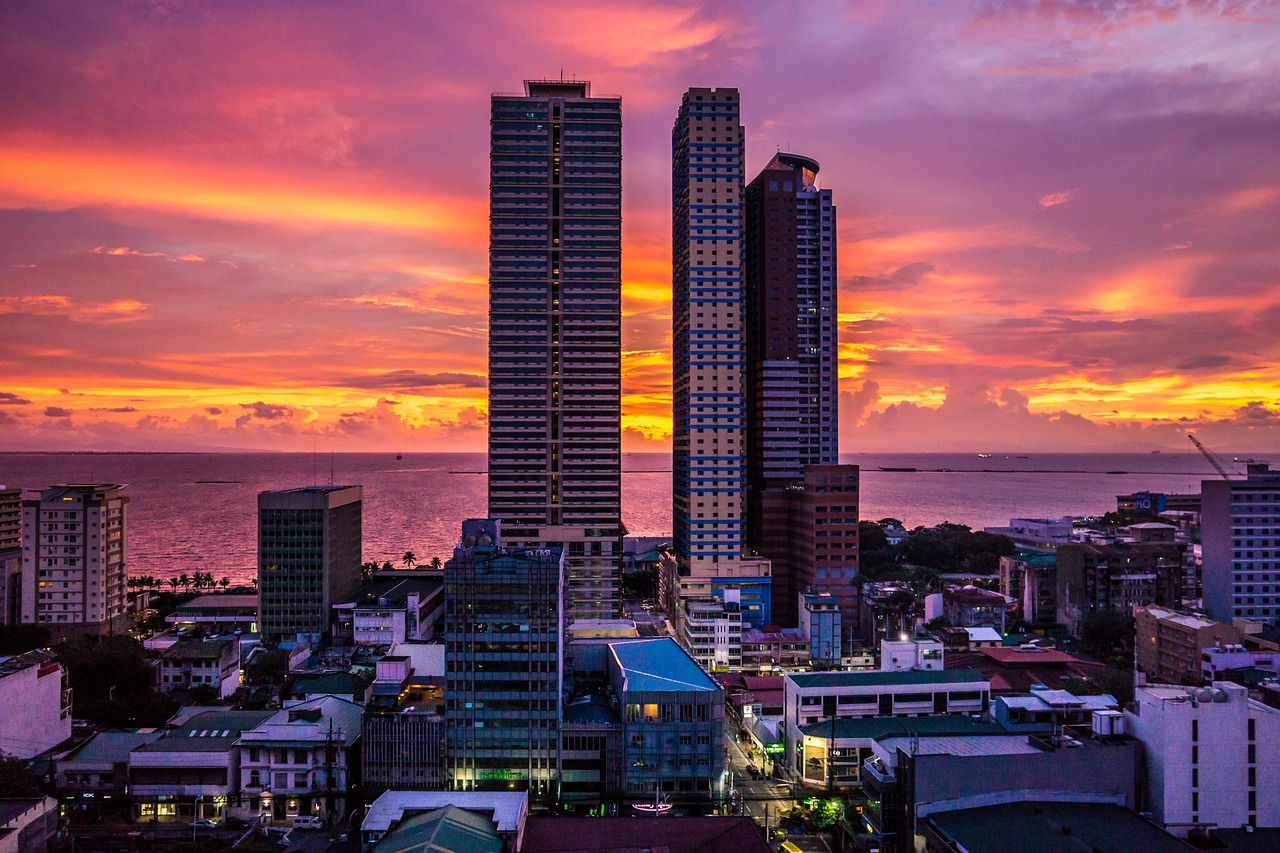
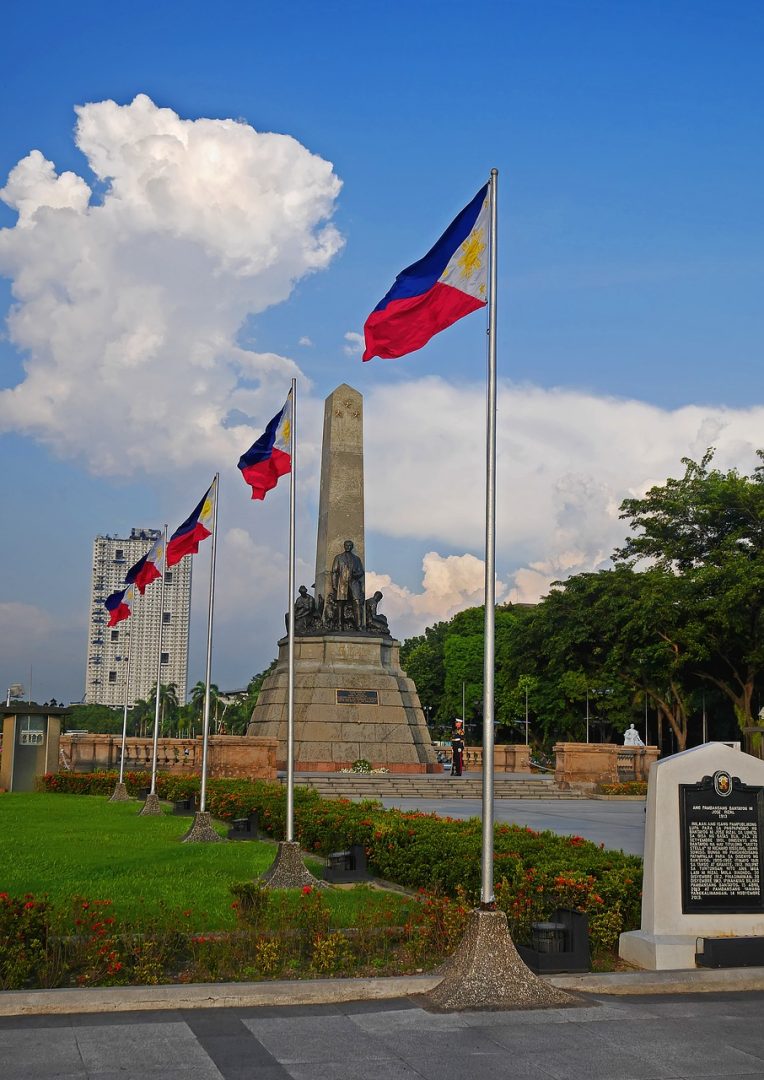
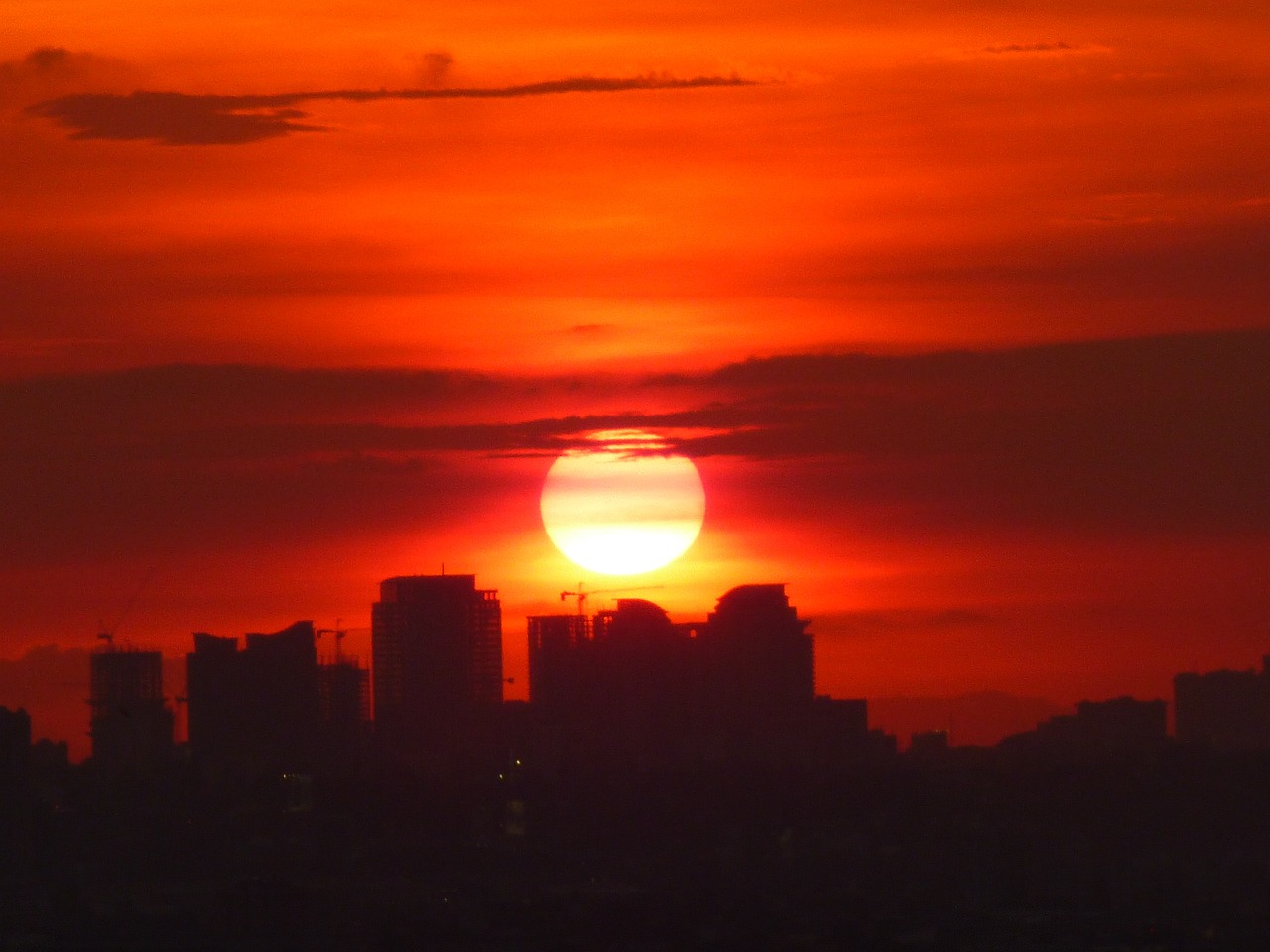
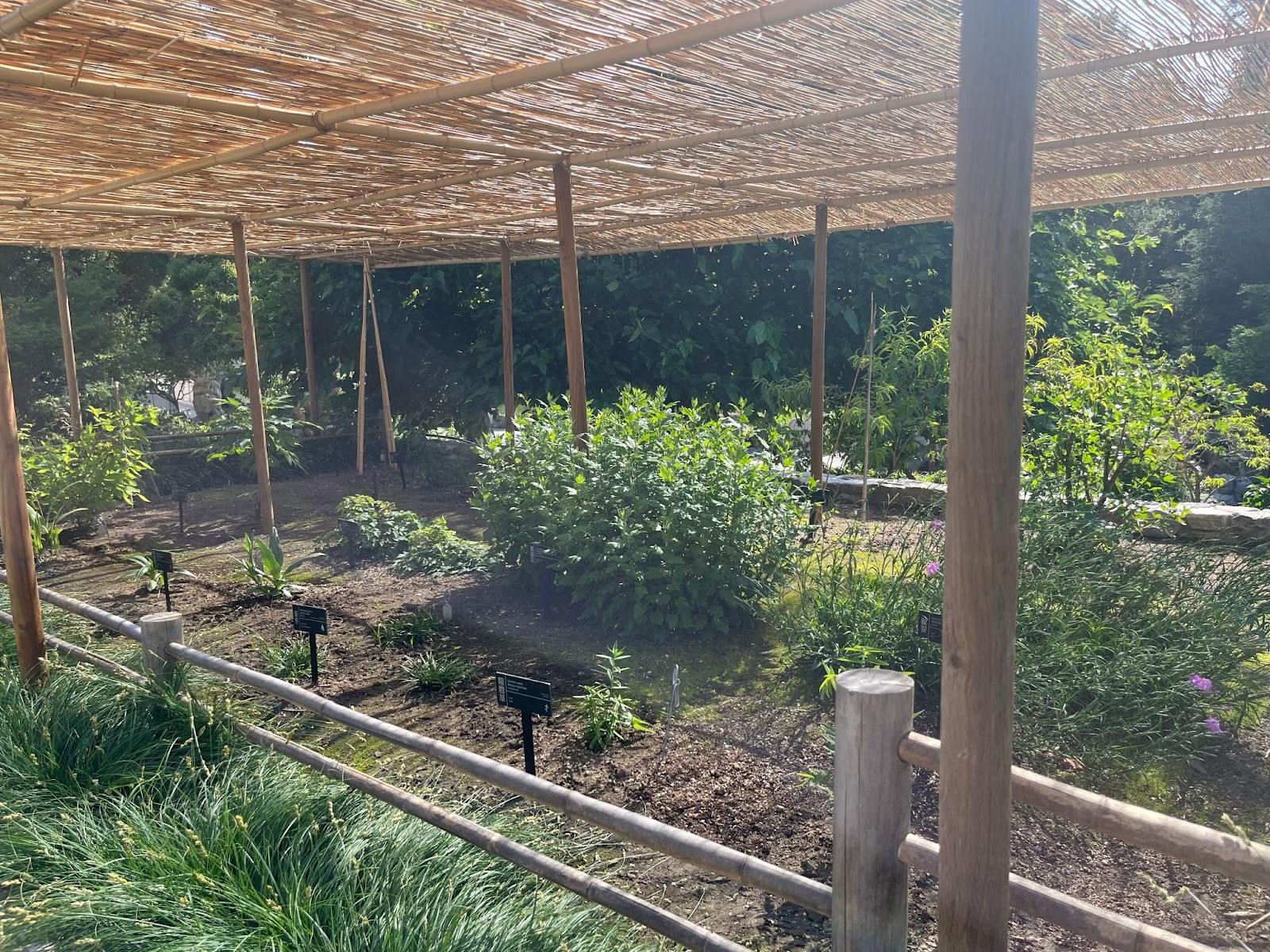

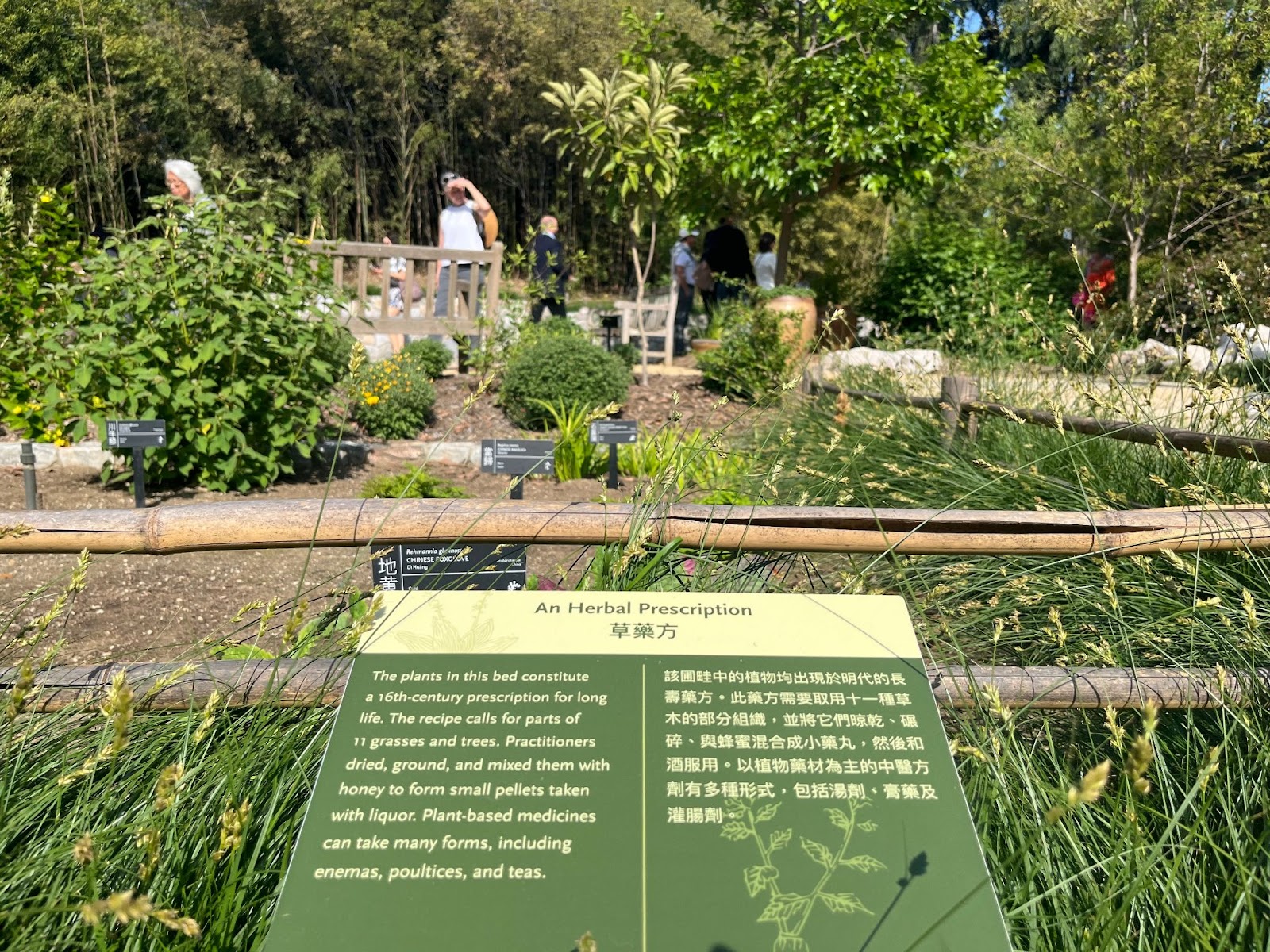
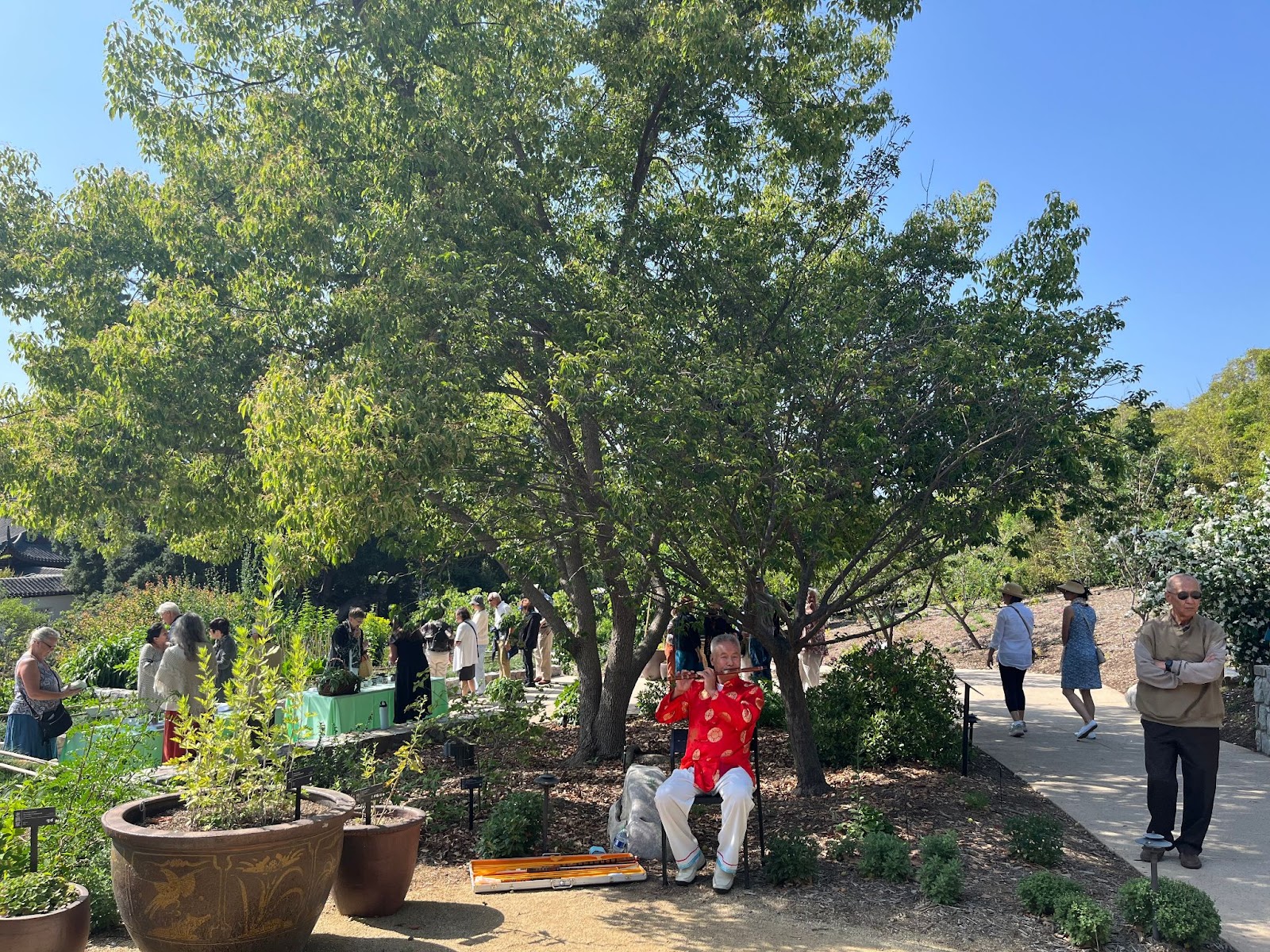

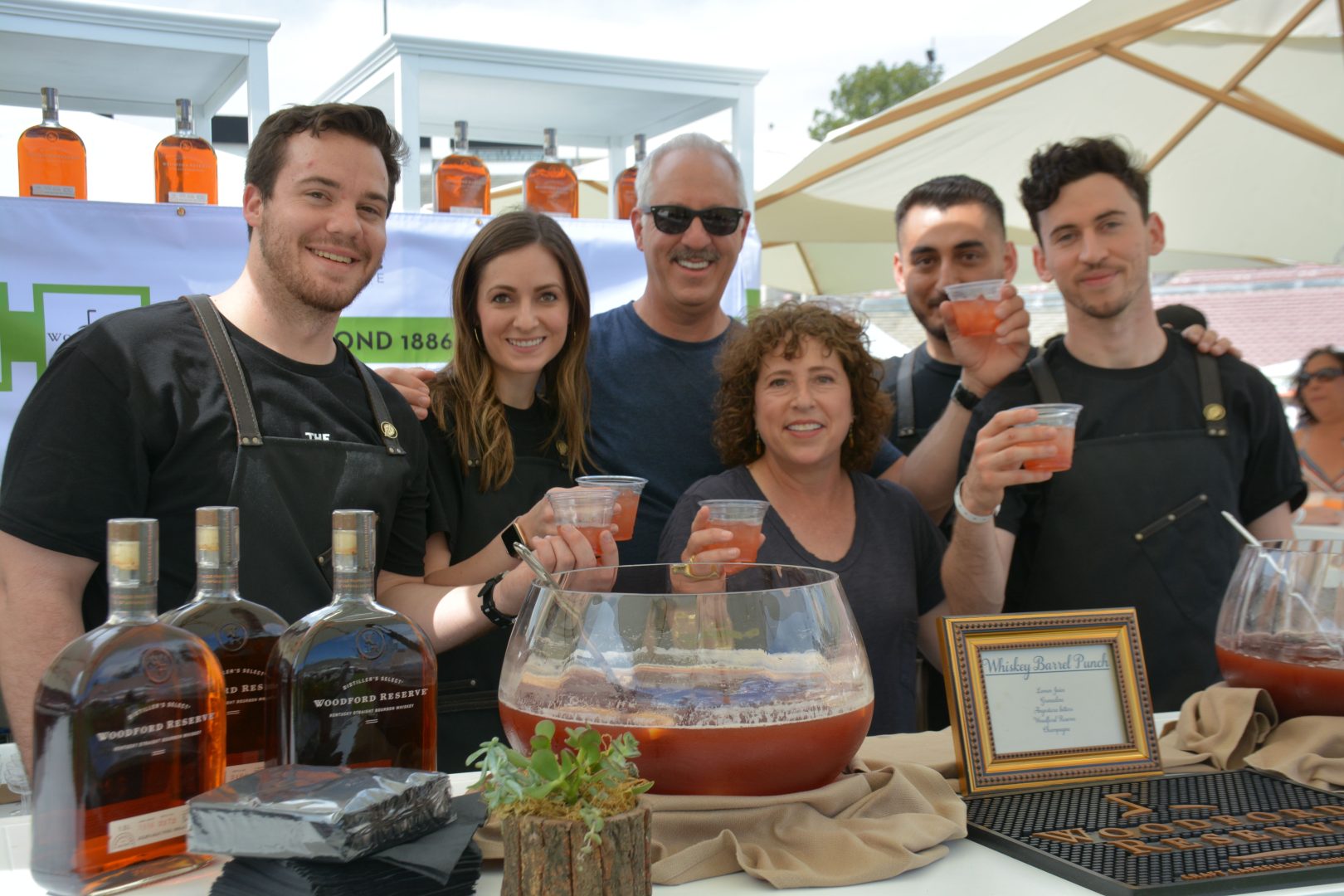
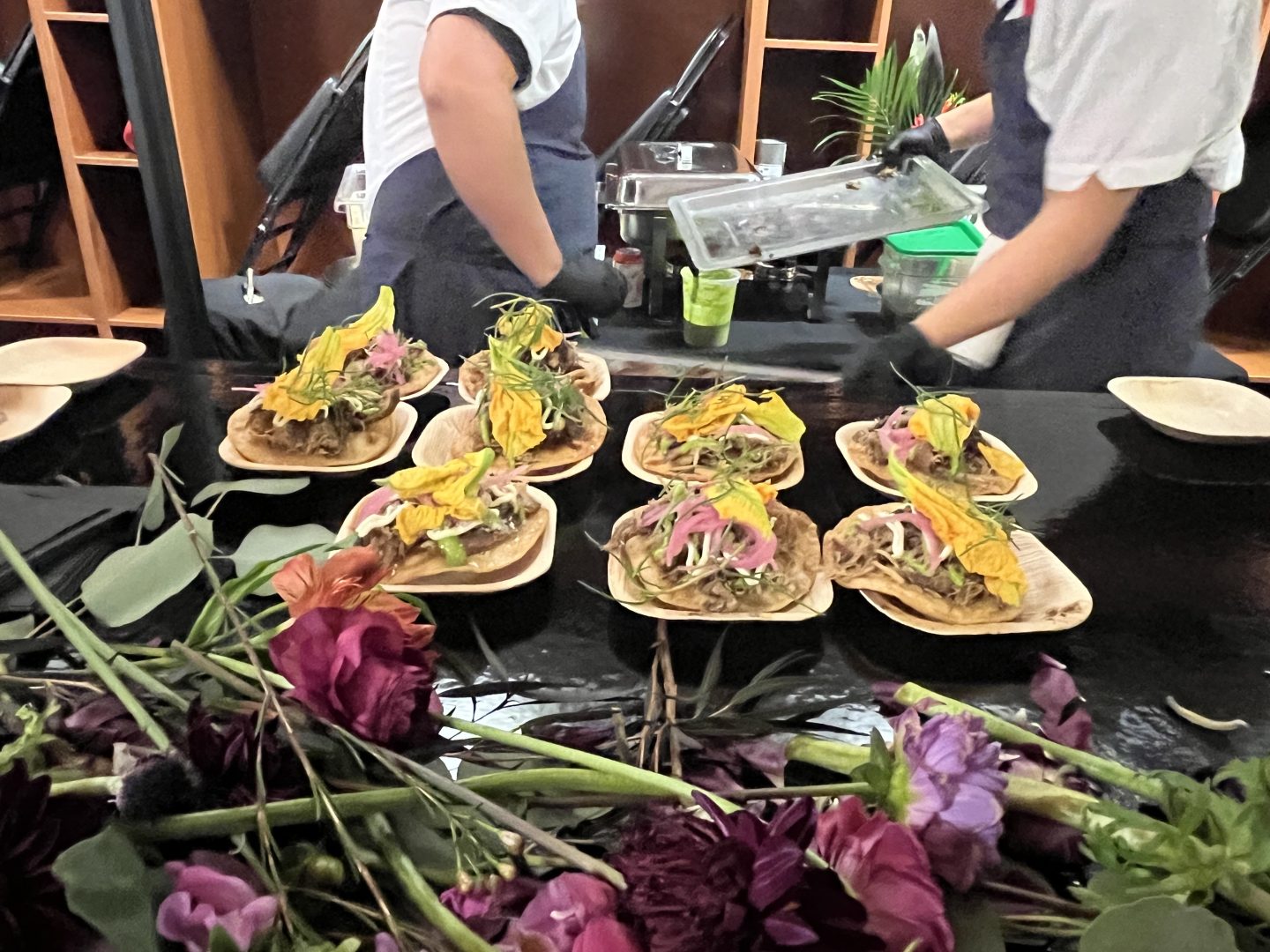
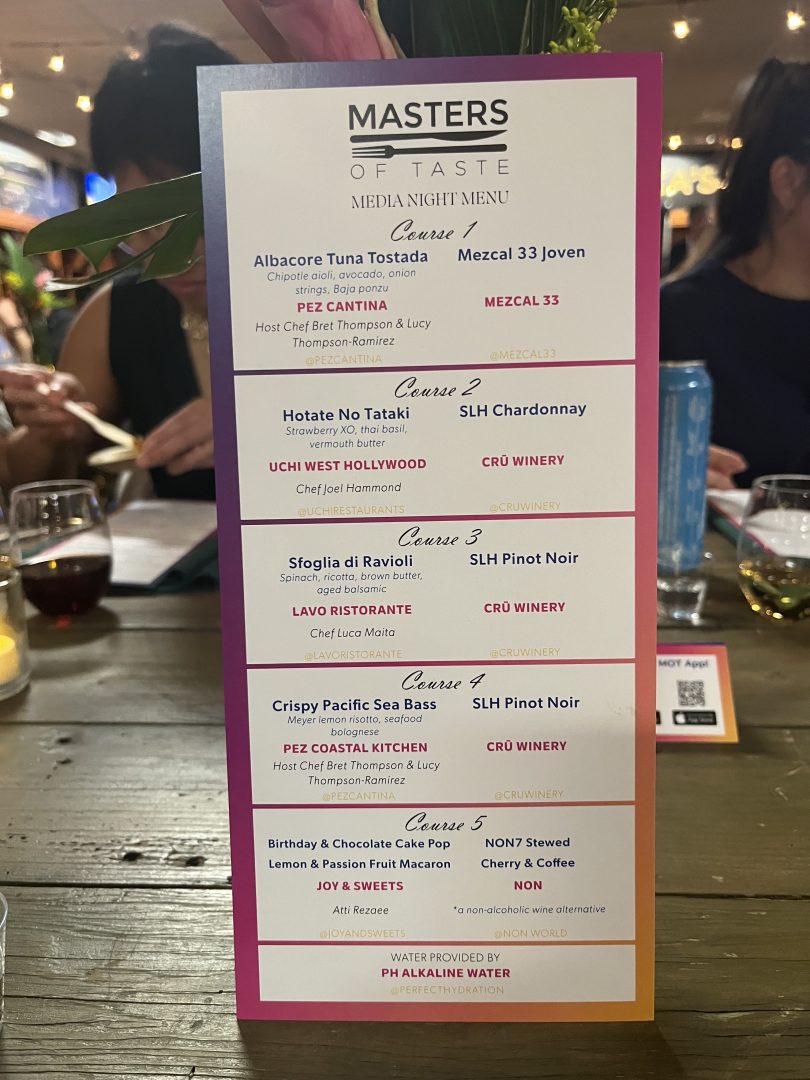
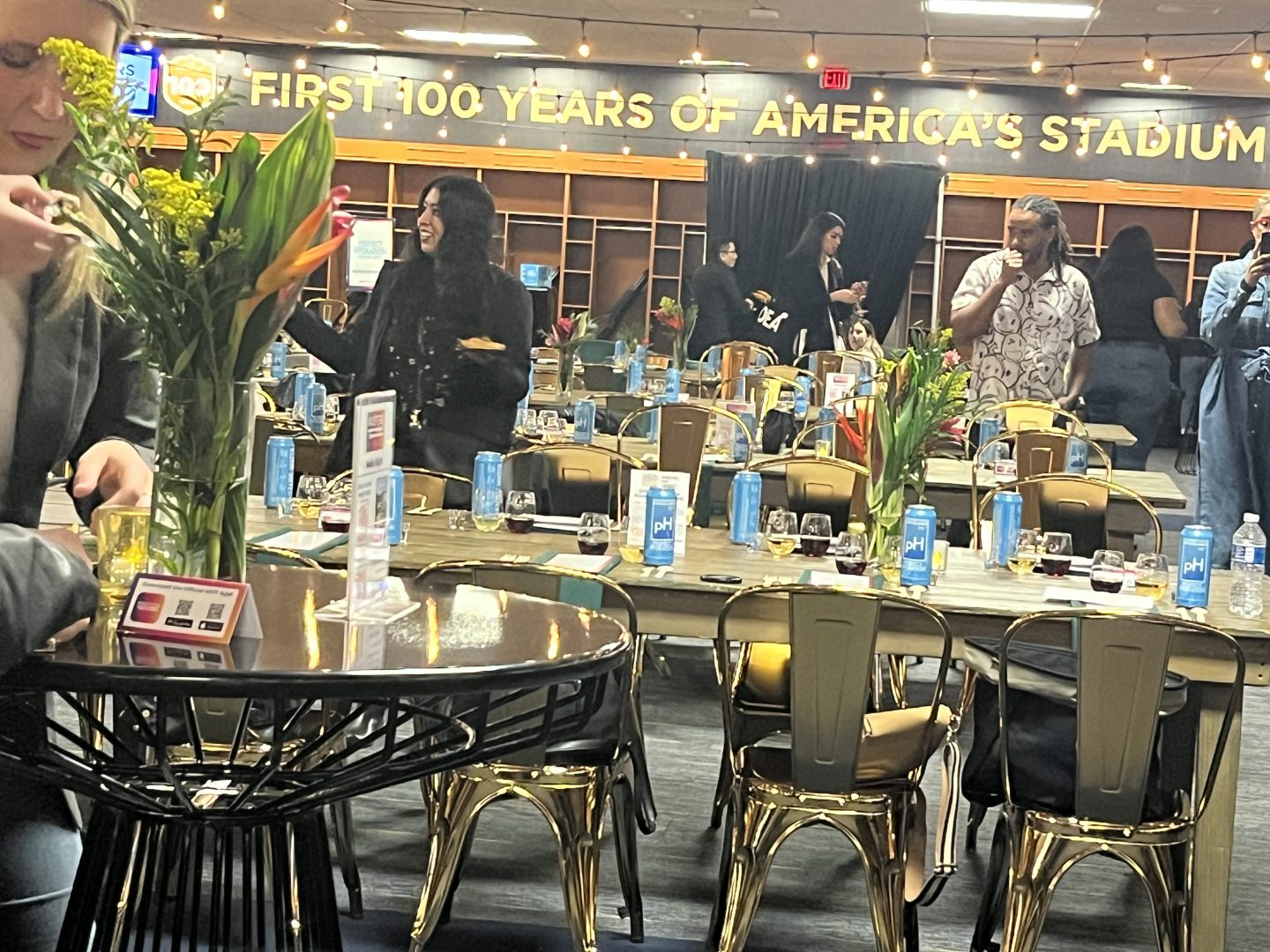
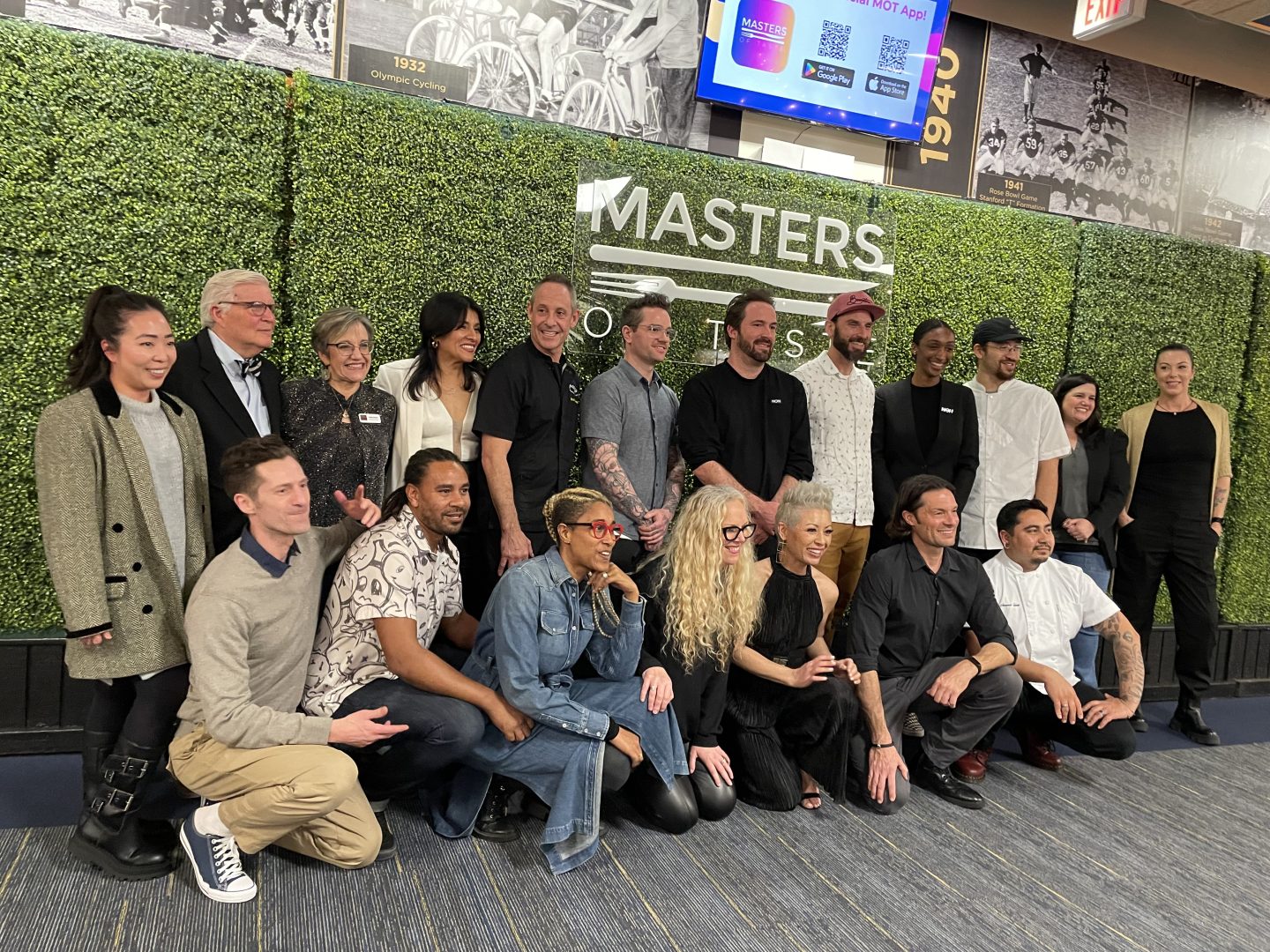
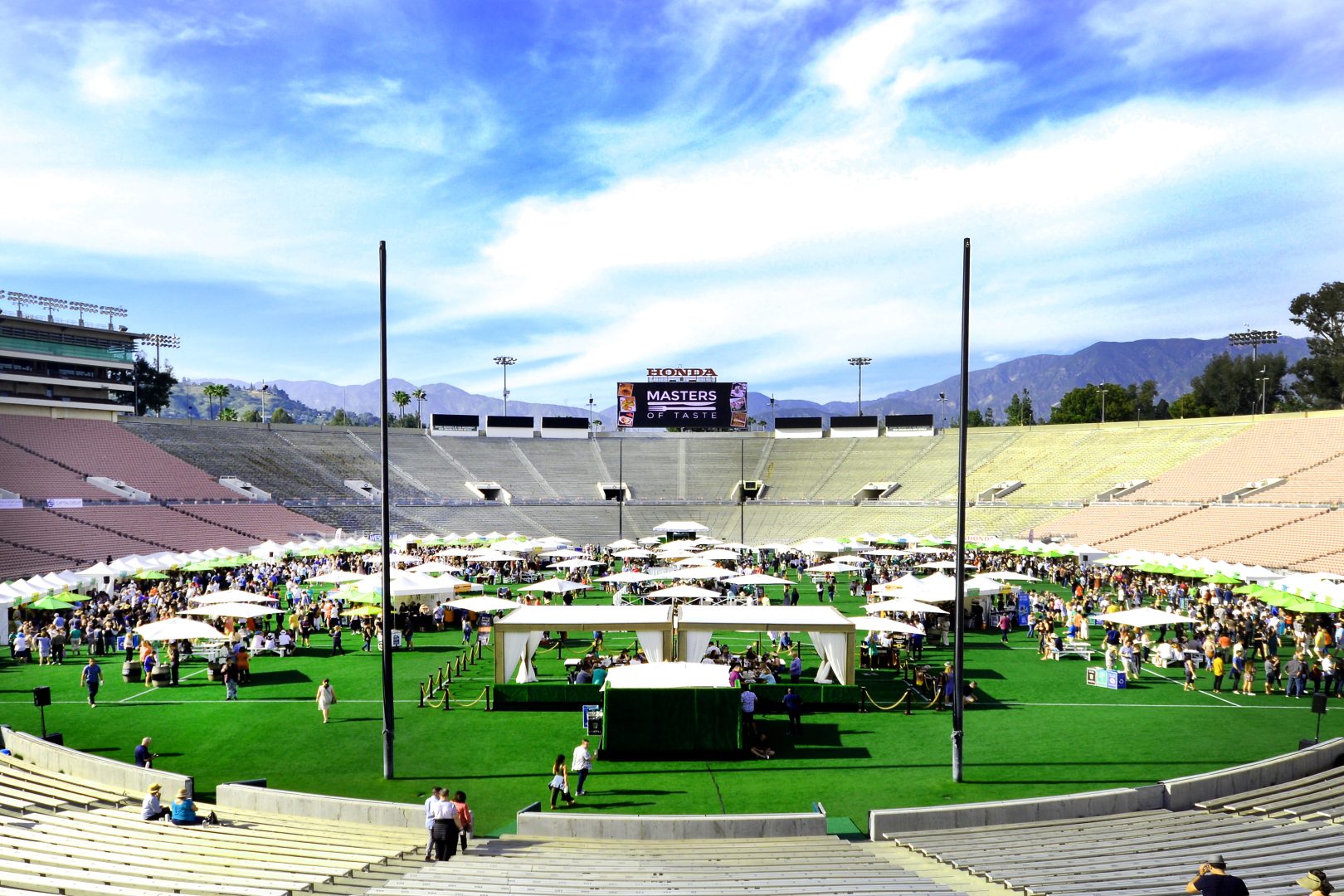
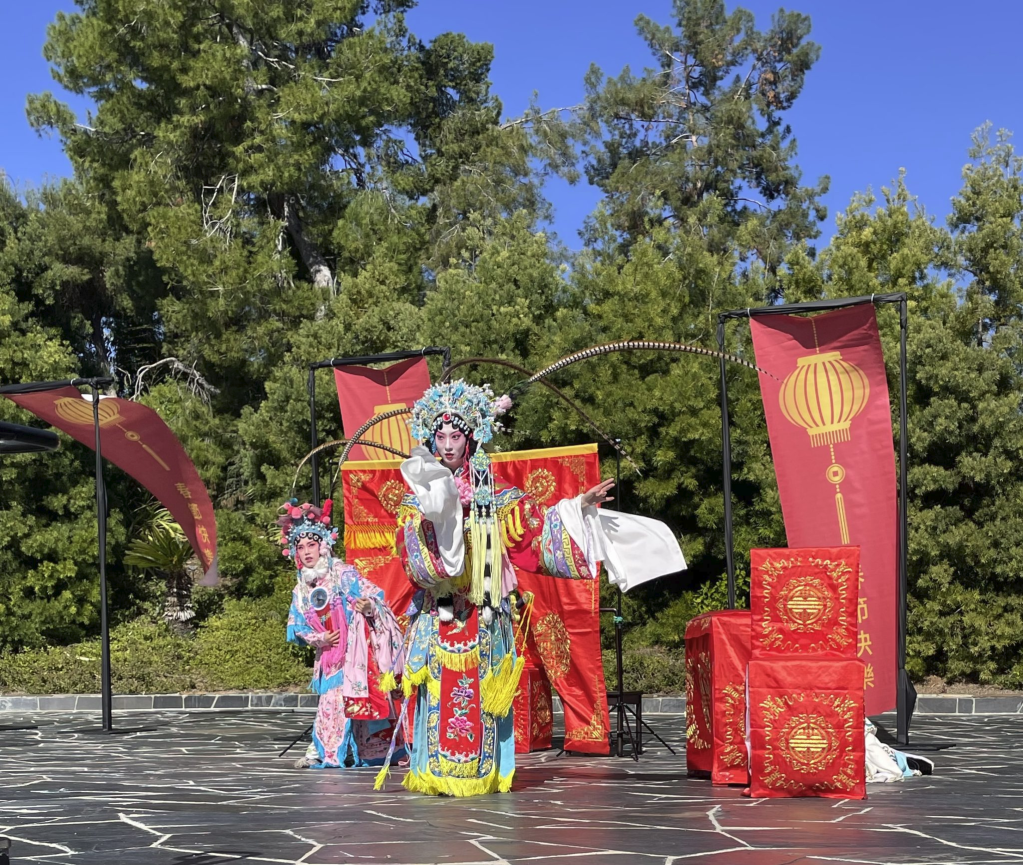
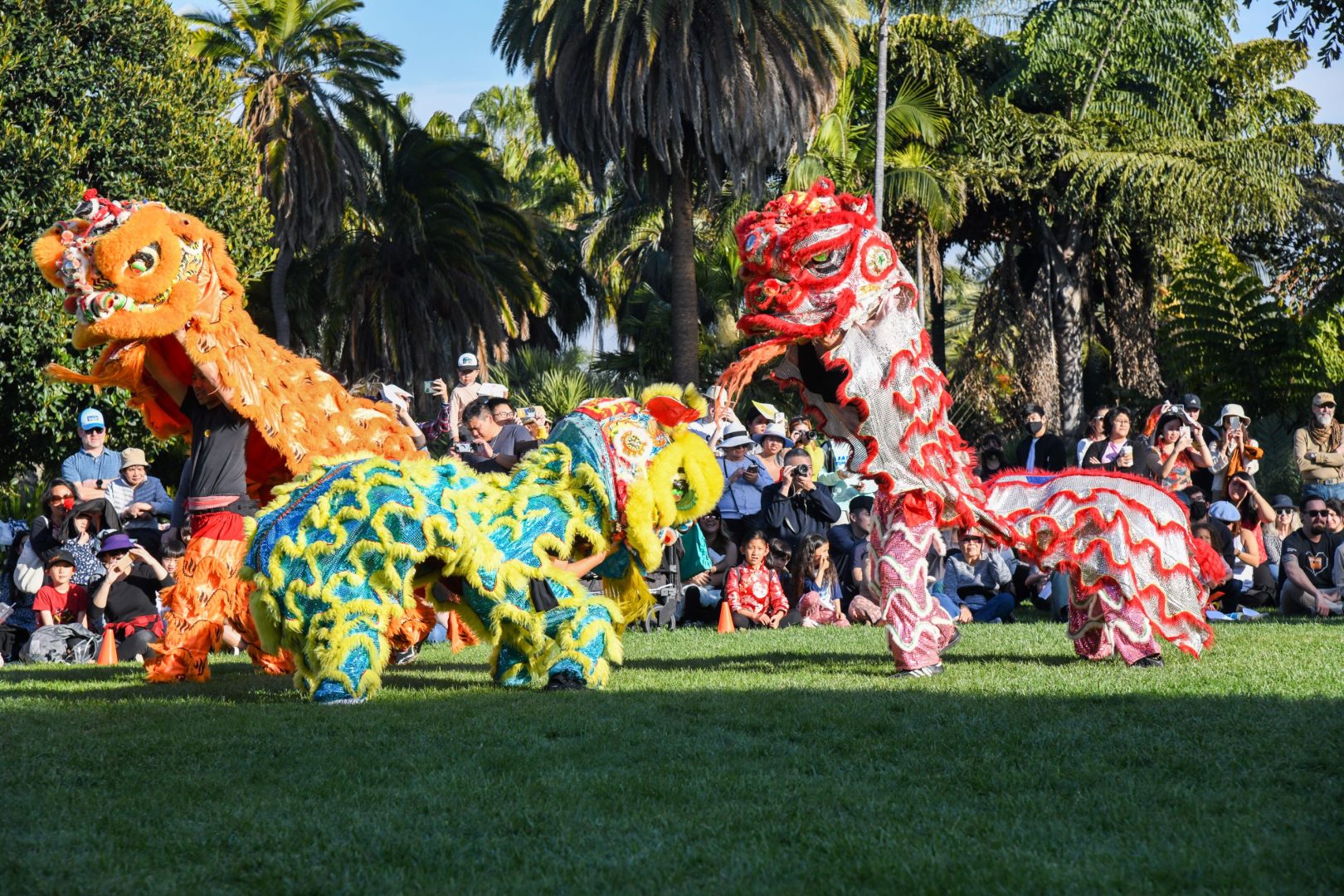
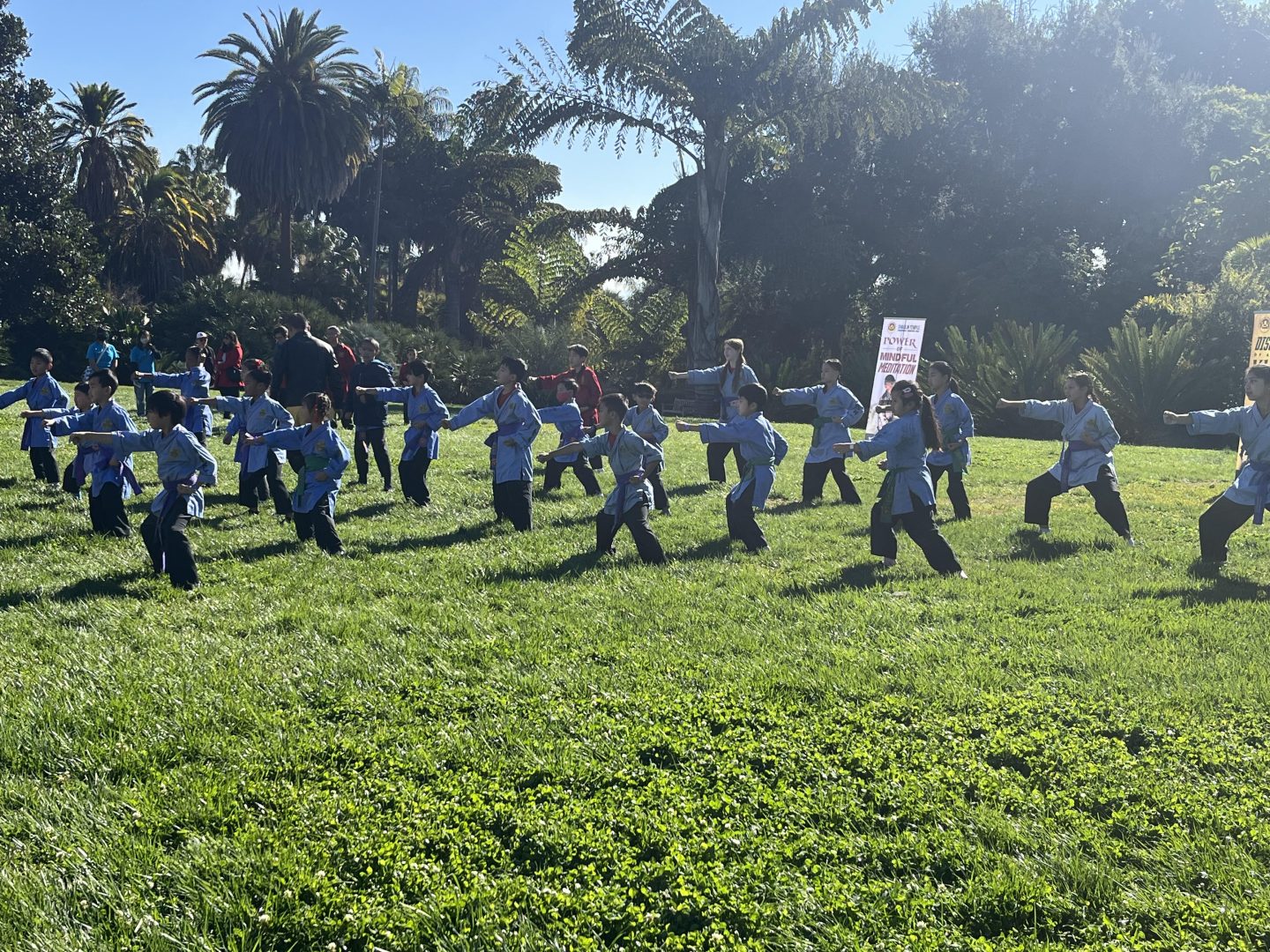
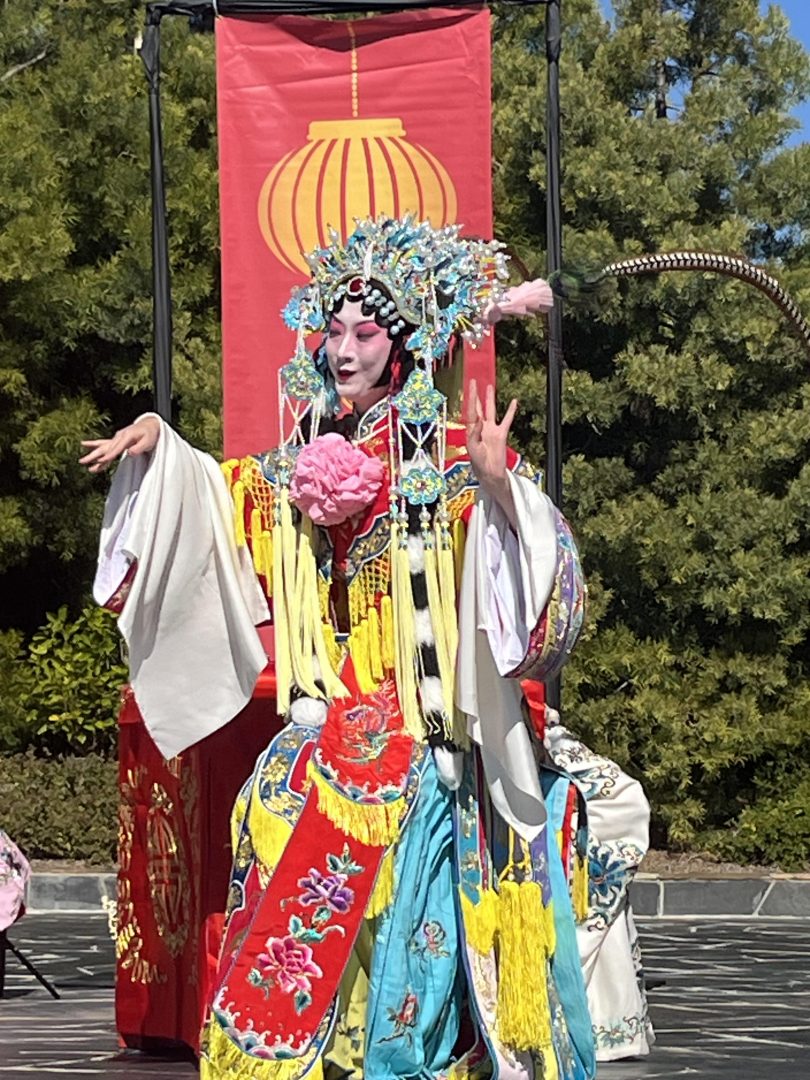
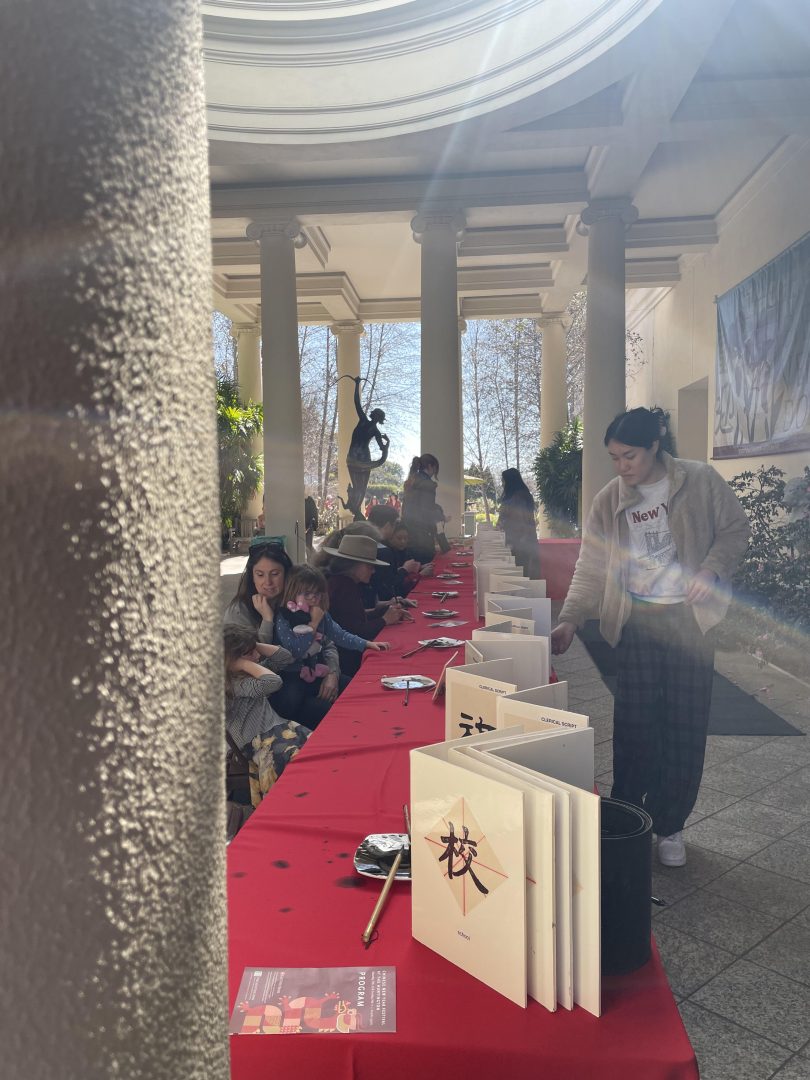
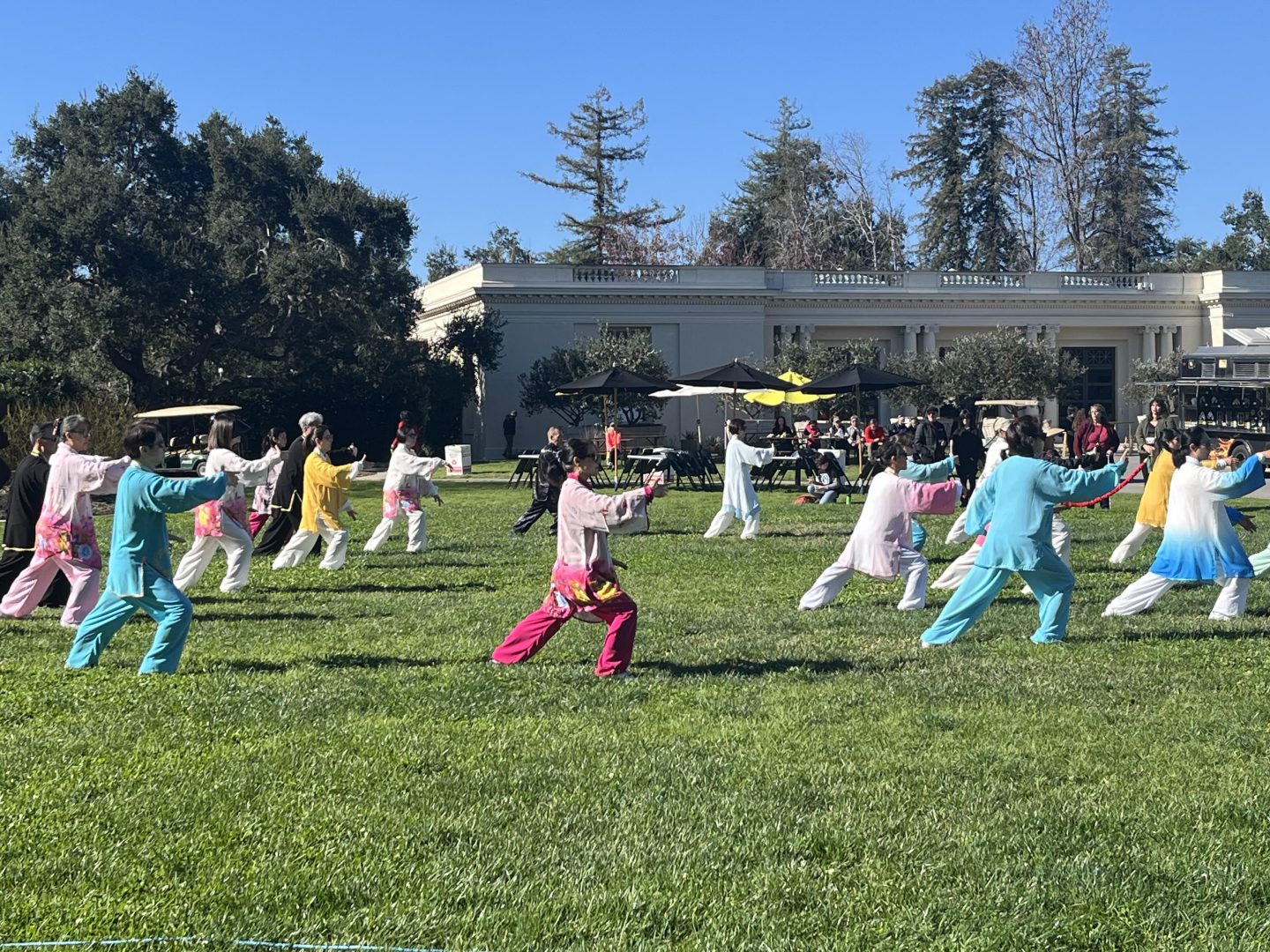
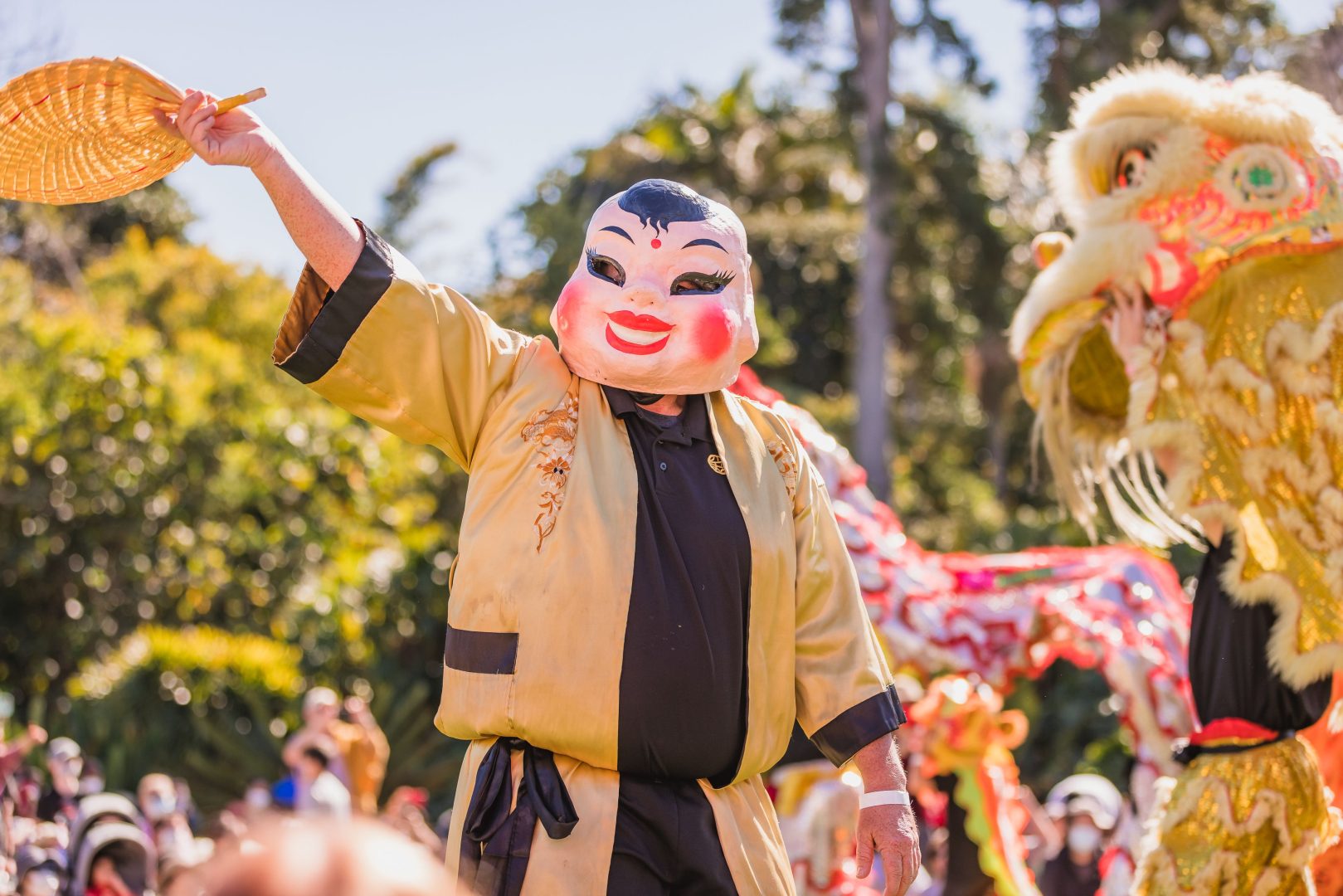
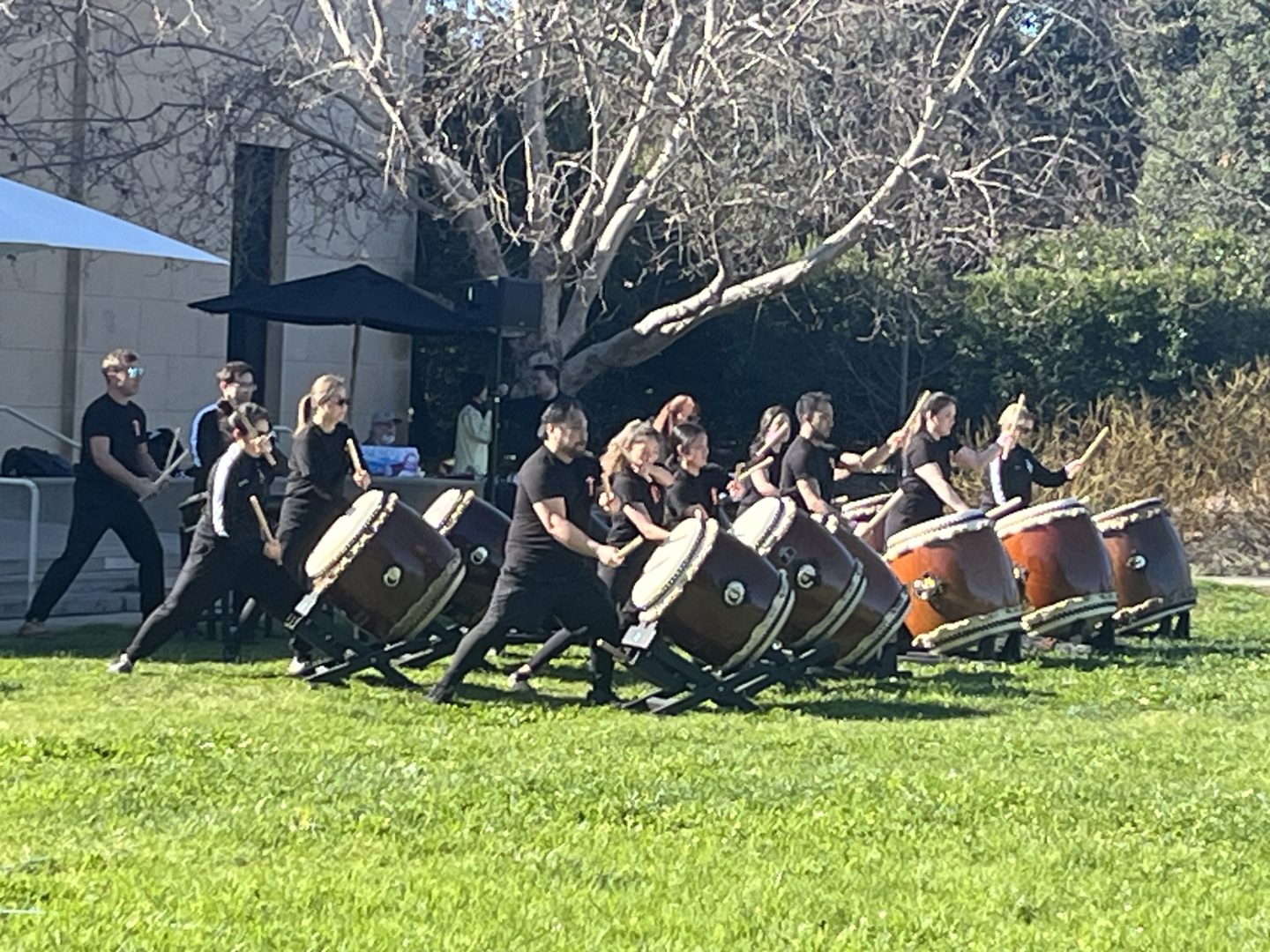
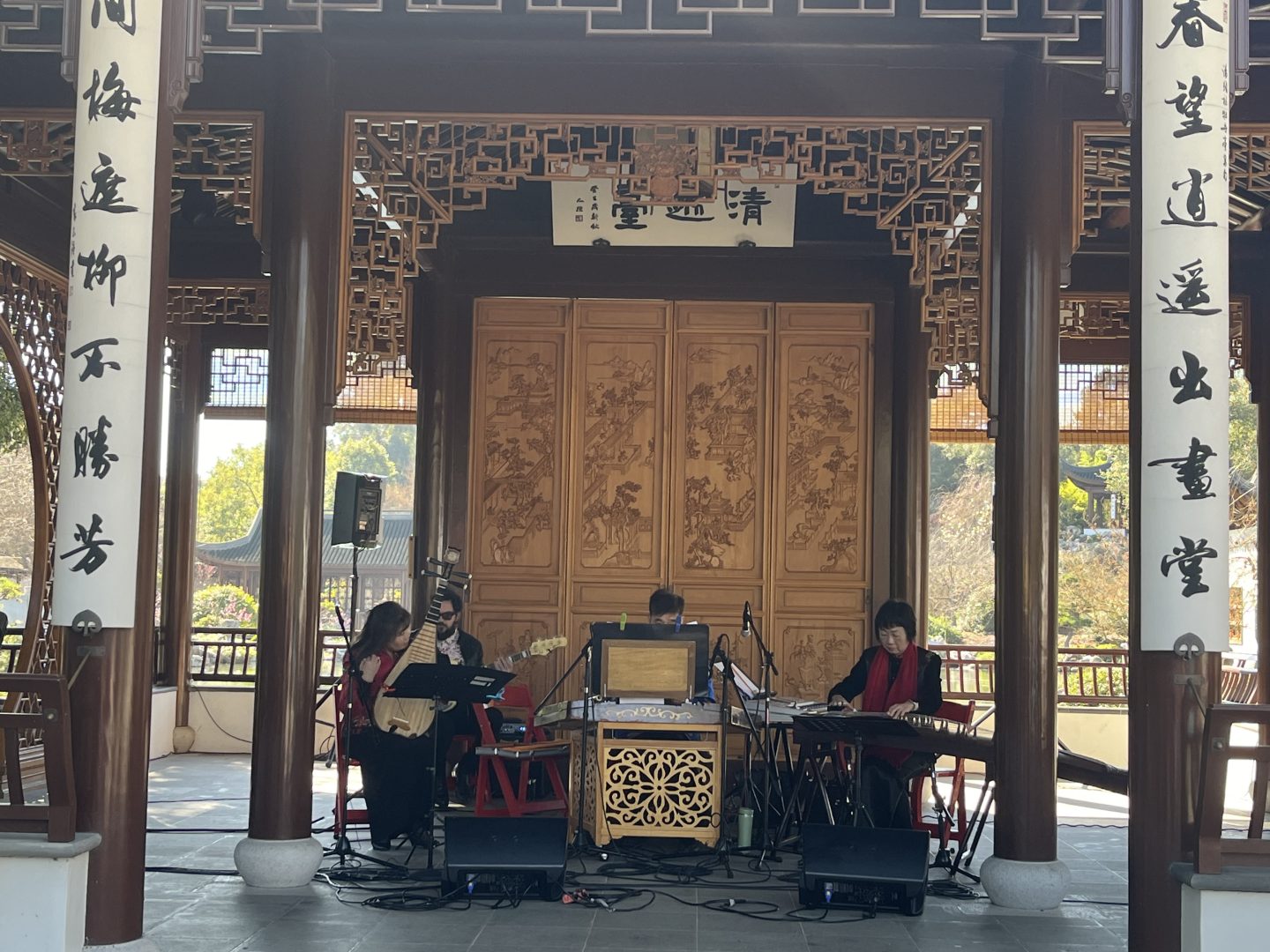
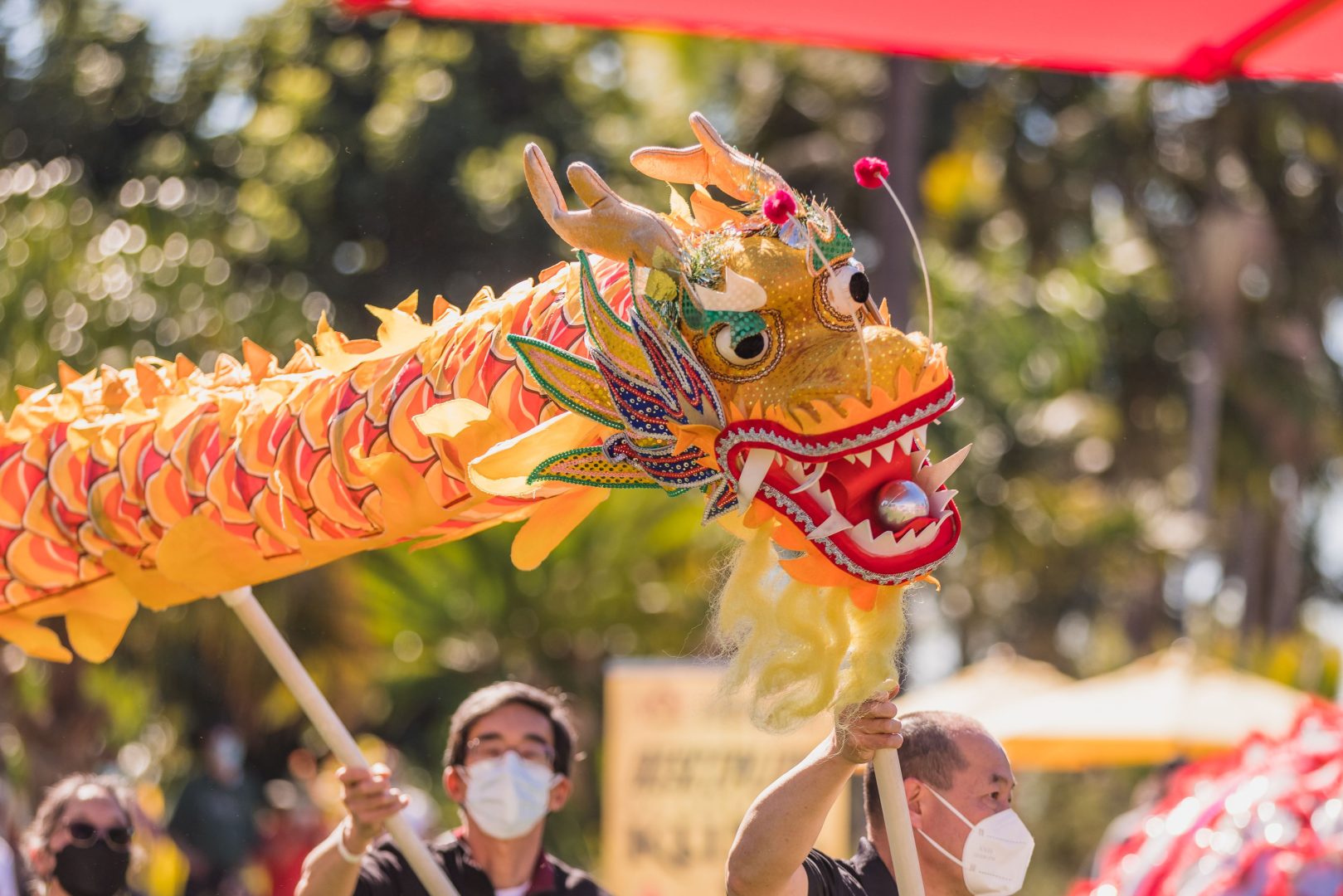

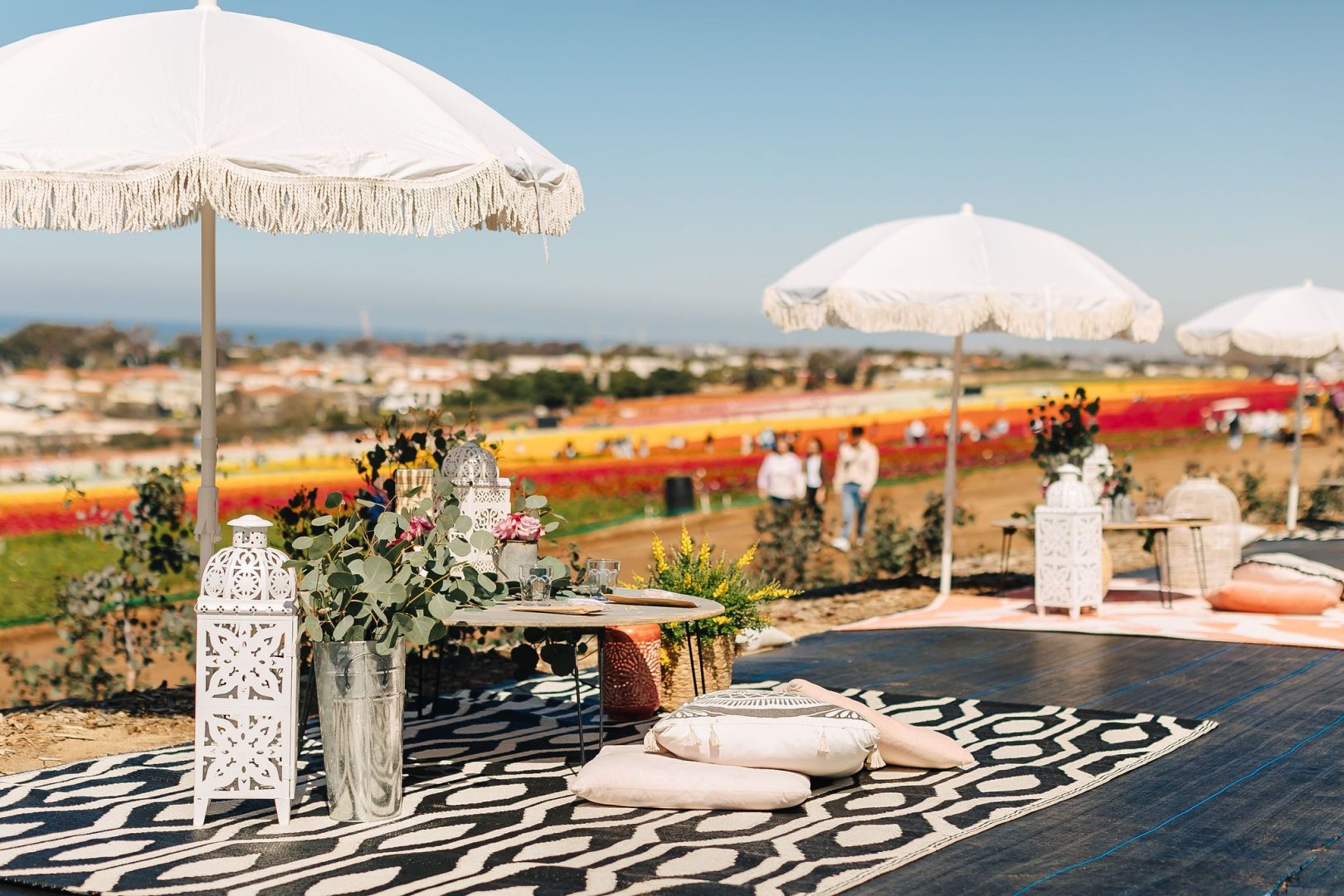
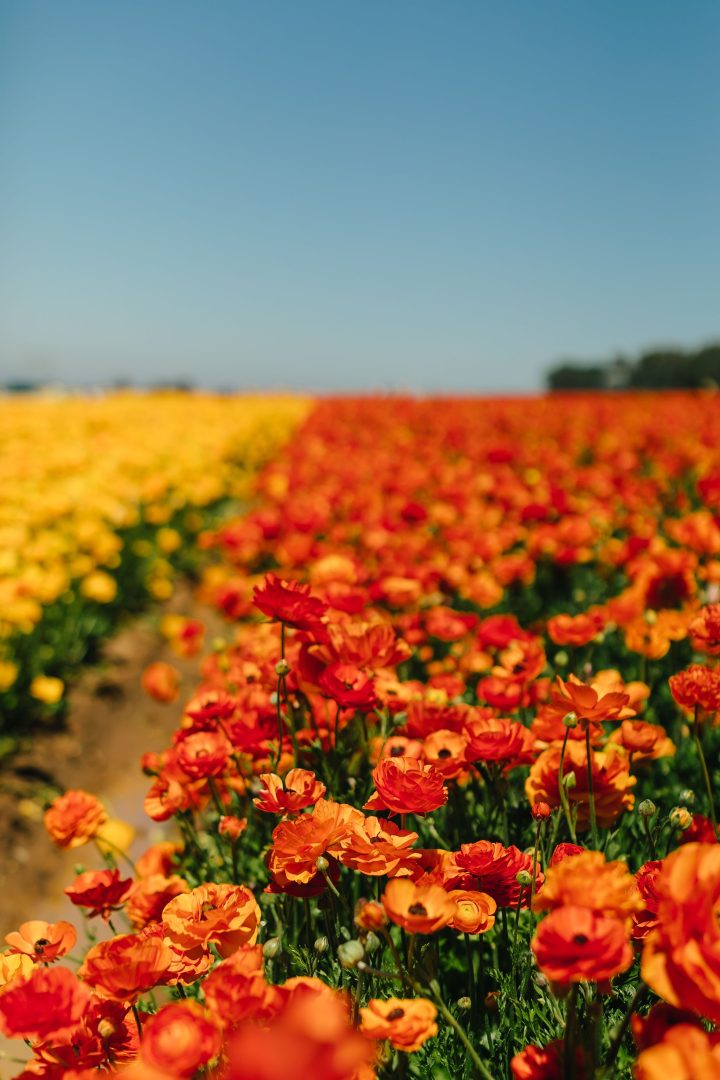
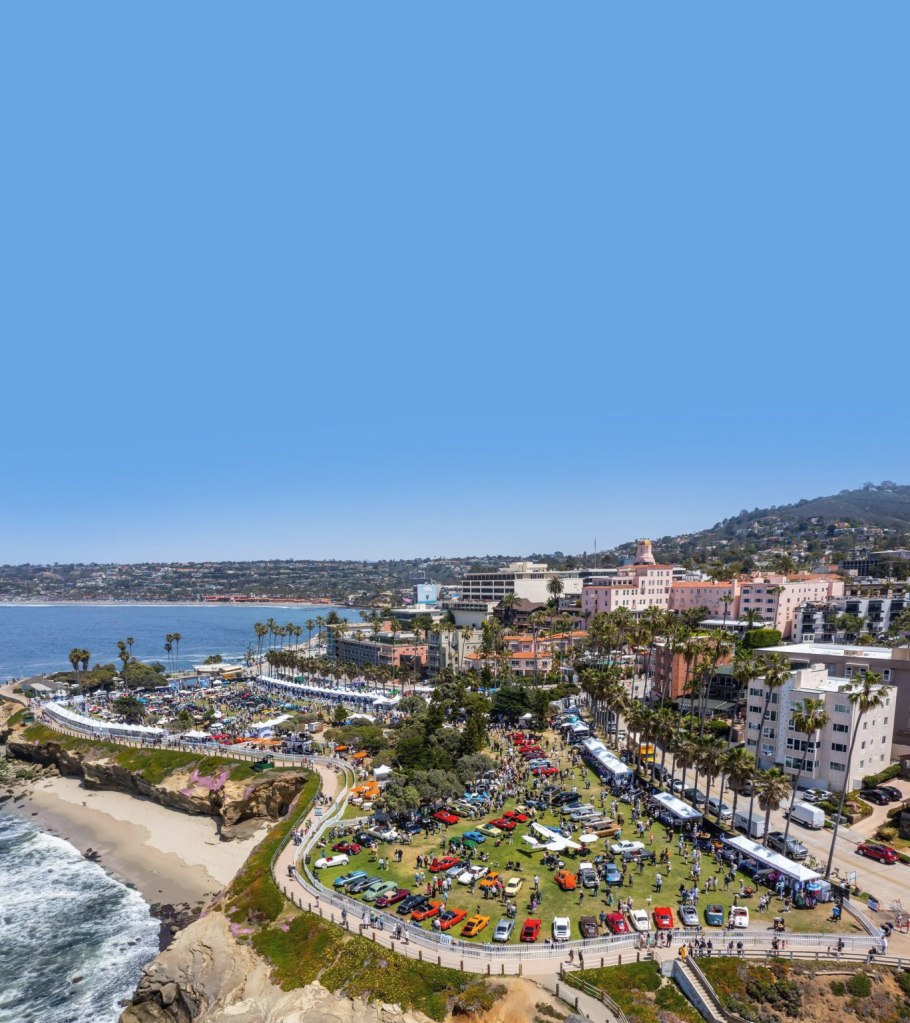
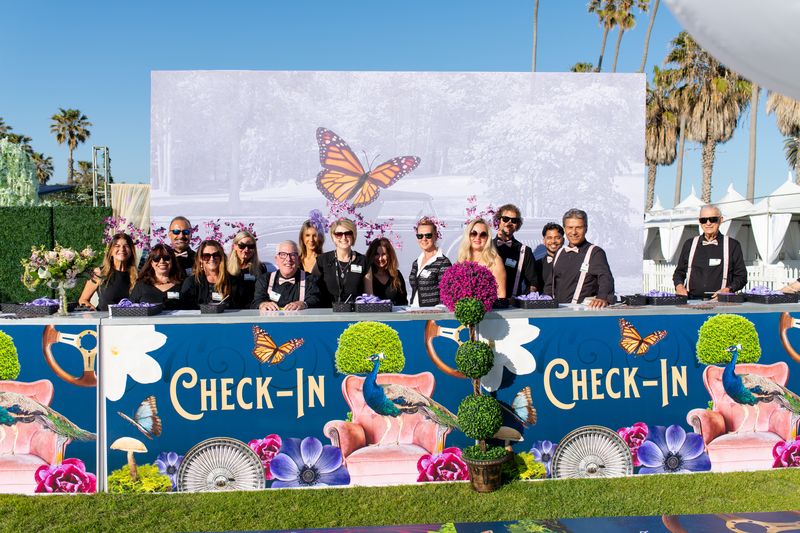


 A San Gabriel Valley Inquirer