Originally published on 1 March 2021 in the Pasadena Independent, Arcadia Weekly, and Monrovia Weekly
Stanford University | Courtesy Photo
The road to college
This month marks a year since the coronavirus pandemic became widespread and lockdown began. I wish I could say that we might see some light at the end of the tunnel but, sadly, that could still be months away. The U.S. has surpassed 500,000 COVID-19 deaths, more than in two world wars and the Vietnam war combined. While there are now three approved vaccines to help fight the coronavirus, there is very limited supply and rollout is being staggered. The latest vaccination update issued by the L.A. County Public Health Department has listed the sectors eligible for inoculation beginning March 1, they include workers in food and agriculture, education and childcare, and emergency services and first responders.
At the same time, government officials and school districts are announcing plans to reopen school campuses in early April. However, teachers’ unions are refusing to let their members go back to classrooms until they have been vaccinated. But private schools in California and the San Gabriel Valley have found ways to ensure their teachers’ and students’ safety and are now open for in-person learning. It only shows that the children who are more adversely affected by remote learning — those in low-income and racially diverse households — and who would most benefit from a return to classrooms, are not being served.
Inequity in access to education goes all the way to the college level and first came into the spotlight during the spring of 2019’s bribery scandal. And now the pandemic has exposed a trend in college admissions. According to the New York Times’ education briefing, selective schools — including California’s UC system and Penn State — saw double-digit surges in applications due to standardized test scores being waived this admissions cycle. Harvard University had a record-setting 42% increase and the entire Ivy League had to extend its notification by a week to give admissions officers time to read and process applications.
On the other hand, many state schools and small private colleges suffered double-digit drops in applications and enrollments. Many institutions outside the top-tier have been struggling for years and the pandemic just made it worse. The N.Y. Times report further said American colleges and universities have endured losses of more than $120 billion and a few have shut down permanently. The institutions still operating often have to make up the difference by cutting services and programs that provide the tools, resources, and support which many low-income and first-generation students need to complete their degrees.
But let me get back to the purpose of this college search guide. If your children are now attending in-person classes, you must be so relieved after a year of practically having to home-school them. They might have to play catch-up, though. Whether your kids are still remote-learning or on campus, there are several tutoring services available if they require help with school work. Find one which offers options that fit your children’s specific need and your family’s budget. A company called Mundo Academy provides excellent tutoring services in the Pasadena and San Gabriel Valley area. Likewise, some high school and college students have created free tutoring services and learning platforms to help children during the coronavirus pandemic. Two of these organizations include Sailors Learning and Wave Learning Festival.
If your children are still distance-learning, you must be exhausted balancing home-schooling and working. Please reach out for assistance. The CDC has put together a resource kit for parents, divided by age group, to help them ensure their children’s well-being. The site also has links to other resources that cover various concerns. Another CDC webpage is dedicated to helping parents manage stress during the coronavirus pandemic.
Empty classroom with chairs on the table during COVID-19 pandemic
FRESHMAN
Your children should have all their grades on track. They need to concentrate on maintaining good study habits now to be better equipped to handle the rigors of the workload in the coming years. If they haven’t been reading much, they should seriously consider taking up reading as a hobby during spring break to help them increase their vocabulary — it will come in handy when they write all the supplemental essays many universities require.
It’s also a good time for your children to consult their class dean regarding summer activities – academic enrichment programs, volunteer work, or part-time employment. College admissions officers are looking for students who explored their passions while getting good grades.
Admissions officers will not expect your children to have extra-curricular activities during the coronavirus pandemic. However, they will be interested to know how students spent their time outside of remote learning. Encourage your children to find virtual volunteer work or earn online certificates to put on their curriculum vitae. Hopefully, this time next year we’ll have some normalcy in our lives and students can resume some of the activities they have put on hold.
SOPHOMORE
Tenth graders who are taking AP courses need to register for the AP exams administered in May. While there is a slew of small independent tutoring schools offering courses to prepare for the AP tests, some children do not need to take on this additional burden on their already busy schedules. Your children have enough on their plate with the intensive homework associated with an advanced placement course. That said, your kids will still have to show competence on the AP exams as all scores are submitted to the College Board; all the colleges to which your children apply will see the AP scores.
Students with protective masks sitting in school desks in their classroom. School desks are marked with a cross to mark a place where sitting is not allowed to maintain social distance during corona virus.
JUNIOR
Spring break is usually the time when juniors visit various campuses. Years before the pandemic, my daughter’s school had an organized tour and students had a prepared college visit checklist with a page or several pages allotted for each school. They had to write their overall impressions.
In-person college visits may not be available during the pandemic so make sure you and your children do a virtual tour or a webinar. Many universities offer a live virtual tour where someone takes you around the campus on FaceTime or Zoom. There’s usually an admissions officer on hand to answer questions. And, as in pre-pandemic years, you and your children need to make an appointment to attend the tour.
Even when tours are conducted virtually, you can still ask some of the questions you normally would during an in-person visit. Here are a few examples: What is the advising system for freshmen? Are there opportunities for independent/study abroad? Is there guaranteed housing for four years? What are the dining options? What safety measures and precautions are offered by the school during the pandemic?
Especially during the pandemic, it’s advisable to arrange to speak with a current student about campus life. Here are some questions to ask: Do students stay on campus or do they leave on weekends? Are students practicing healthy campus lifestyles, like limiting parties? Even before the pandemic, these parties led to excessive drinking and wild behavior; these gatherings could be super spreaders of COVID-19.
One major concern for parents and children should be security on campus (Can outsiders gain access to the library, the fitness center or student union? Are there video cameras around the school periphery?). Of course, the most serious threat to students’ well-being may actually be within the confines of the institution. This topic has become part of the national conversation and some universities are addressing the topic up front. I, personally, would want to know if officials have safeguards in place to prevent such crime from occurring. Do administrators disclose information about it or do they hide and blur the facts? What consequences does the school impose on perpetrators?
SENIOR
You and your children should research all scholarships and grants available to them. Many colleges offer merit scholarships to applicants with excellent academic records to motivate them to matriculate. The package usually includes the full cost of tuition and fees and may also cover room and board.
Universities also extend need-based grants to applicants who demonstrate a financial hardship. These reduce the cost of a college education and do not need to be repaid. Your children should complete the Federal Application for Federal Student Aid. Other schools may also require a college-specific financial aid application.
As I expounded on last month, some colleges will be sending out decision letters sometime in March or April. Your children should keep their wits about them as they await word from the colleges they applied to.
After the marathon they finished, your children may be quite restless and anxious to know if they have been accepted to their school of choice. Remind them to use this quiet time productively by keeping their focus on academics and their grades. They should still engage in other worthwhile activities like arts.
Tell your children that they may be getting letters of rejection from some schools. While you might be more disappointed than your son or daughter, avoid showing it as that sends the wrong message. Not being accepted to their first choice isn’t the end of the world. In fact, while it may not seem like it at first, that rejection usually turns out to be a blessing in disguise — in most cases, they end up in the school that is the right fit for them.
Originally published on 1 February 2021 in the Pasadena Independent, Arcadia Weekly, and Monrovia Weekly
San Jose State University | Courtesy Photo
The road to college
It’s been 13 months since the first signs of coronavirus in the United States were reported. To date, there have been more than 25.45 million cases of infection and over 425,000 deaths, with January being the pandemic’s deadliest month. While the Moderna and Pfizer vaccines are now available, getting most of the population vaccinated is still several months ahead.
Students have been learning remotely beginning last spring; teachers have never been busier preparing for the day’s lessons and trying to engage distracted learners during virtual class; and parents are struggling to keep their job and helping their young kids keep up with school work all at once.
In an effort to get students back on campus, Gov. Newsom unveiled last month a $2-billion plan called ‘Safe Schools for All.’ However, it wasn’t ratified by the California Legislature. In an L.A. Times article on January 24, John Myers wrote that the mechanics of the proposal weren’t the only challenge. Education advocates argued that most of the funds would have been used to provide COVID-19 testing for staff and students instead of going towards educational and social-emotional services to benefit students. Several school districts are going their own way in deciding when and how to open their campus safely.
There are several tutoring services available if you and your children require help with school work. Find one which offers options that fit your children’s specific need and your family’s budget. A company called Mundo Academy provides excellent tutoring services in the Pasadena and San Gabriel Valley area. Likewise, some high school and college students have created free tutoring services and learning platforms to help children during the coronavirus pandemic. Two of these organizations include Sailors Learning and Wave Learning Festival.
Photo courtesy of Wave Learning Festival
If you’re exhausted, as most of us are at this time, please reach out for assistance. The CDC has put together a resource kit for parents, divided by age group, to help them ensure their children’s well-being. The site also has links to other resources that cover various concerns. Another CDC website is dedicated to helping parents manage stress during the coronavirus pandemic.
Meanwhile, COVID-19 has resulted in changes to the college application process. The biggest upheaval was doing away with standardized testing for this cycle. Ivy schools received an unprecedented number of applications because of this, and will be delaying sending out acceptances to process them. The College Board had to cancel multiple rounds of testing last year, which meant a significant revenue loss. This week, it announced the elimination of the SAT subject tests and essay. It added that APs – which are widely available – showcase students’ knowledge, and there are other ways students can demonstrate writing ability. But even before the pandemic, many universities were no longer requiring SAT and ACT scores as part of college applications; scrapping standardized testing altogether might not be far behind. The coronavirus could only hasten the inevitable.
FRESHMAN
Your children are well into the second semester of 9th grade and are now fully engaged in the academic life at their school. With grades as the only benchmark for an applicant’s merit for acceptance, the student’s GPA is the single most important component of their college application. If their first semester marks need improvement, now is the time to turn things around.
Admissions officers will not expect your children to have extra-curricular activities during the coronavirus pandemic. However, they will be interested to know how students spent their time outside of remote learning. Encourage your children to find virtual volunteer work or earn online certificates to put on their curriculum vitae. Hopefully, this time next year we’ll have some normalcy in our lives and students can resume some of the activities they have put on hold.
SOPHOMORE
Your children need to really understand and learn the courses they’re taking so that the final grades on their transcript are the best they could earn. The schools they will be applying to will only see the grades in their three years in high school. If their first semester grades weren’t stellar, they need to improve this semester. They need to ‘meet’ with their grade class dean to make sure their grades and courses are on the right track for graduation. While the SAT and ACT are no longer required by universities, AP scores are still being used as a gauge of college-readiness and your children should register for the tests (www.collegeboard.com; http://www.act.org).
JUNIOR
I cannot emphasize this enough – junior year is the last complete year that college admissions officers will be looking at when your children send their application. They need to maintain their good grades and the pursuits that replaced their extra-curricular activities. If they had good study habits back in 9th grade and have established a routine, they shouldn’t be feeling overwhelmed right now.
For most students, meeting frequently with their school’s counselors isn’t always a possibility. In some high schools where there are as many as 400 seniors to four full-time counselors, a junior may not even get any face-to-face time with a counselor. This puts the onus on your children to be very resourceful, take the initiative in gathering their research material, and plan their course of action as they embark on the college application process. This was a pre-pandemic fact that has become all the more glaring with COVID-19. Seek the services of an independent counselor if you need help.
Meanwhile, as the parent of a junior, you should also make sure your child is on track – has taken all the courses the high school requires for graduation and is taking all the courses to complete the UC and Cal State requirements.
You and your children should do a virtual college tour. They might also want to make a phone call or have a Zoom chat with a current student to learn more about the school. More often than not, current college students and alums are happy to talk about their alma mater.
SENIOR
Your children should not take for granted that they are all done with schoolwork because they have sent in their college application. Don’t let them succumb to ‘senioritis’ – they still have to submit their final transcript. Unlike last school year when teachers cut students a lot of slack because of the pandemic, they are more strict now that everyone has settled to the ‘new normal.’ Universities can rescind their acceptance if admissions officers see a drastic drop in the student’s grades. In fact, a single lower mark can trigger some questions. Moreover, third quarter grades are critical in case they are waitlisted. And, in the unfortunate event they realize the school they were accepted to isn’t the right fit for them, senior-year grades will be crucial if they decide to apply for a transfer.
Additionally, seniors need to be mindful of their social activities. Schools are tech-savvy – they check social media profiles of students they have accepted and can rescind that offer if they find unacceptable behavior. Your children should be mindful of what may end up online.
If your children have received new awards or commendations, or have accomplished something significant since they sent in their college application, they should email this important update to the admissions officer or the area representative of the school they applied to.
The months following the end of the college application process are usually as anxiety-ridden for seniors as well as parents. While everyone has breathed a sigh of relief that the mad rush is over, the waiting period is just as nerve-wracking. In the next few weeks, some college decisions will be trickling in.
Remind your children to be careful how they share their good news as their friends might be getting some bad news at the same time. If they have been accepted to their ‘safety school’ but aren’t planning on attending it, they should resist the urge to boast about it as it might be someone else’s ‘dream school.’
Most of all, your children need to be patient – the answer will eventually arrive and nothing can hurry it up. Colleges notify at different times and in different ways. They shouldn’t read into the timing of the decision letters; their friends getting good news early doesn’t necessarily mean a bad outcome for them.
Originally published on 4 January 2021 in the Pasadena Independent, Arcadia Weekly, and Monrovia Weekly
Ball State University (Muncie, Indiana) | Courtesy photo
The road to college
This new year starts with more warnings and worries about a ‘twindemic’ – cases of the seasonal flu combined with coronavirus infections – that could overwhelm hospitals, strain already overtaxed health care workers, and deplete vital resources. The impact of the virus was felt in every aspect of American life – from the economy, to education, to our mental and physical well-being, among others.
On the school front, remote learning became the new normal and parents, a larger percentage of whom are mothers, have taken on the additional responsibility of homeschooling their children. While it is helping prevent the spread of the virus, parents are getting burned out and younger children are having difficulty focusing. At the same time, not all kids have access to reliable internet, and some who do have access are struggling to keep up with schoolwork.
There was a constant tug-of-war among parents, teachers, staff, and the government on to how best deliver teaching in the face of the pandemic and then resolve the ensuing learning crisis. Two days before the end of 2020, as reported by the L.A. Times, Gov. Newsom announced a $2-billion package of incentives to encourage a return to in-person classes for California elementary school students as early as mid-February. However, as the report pointed out, given the alarming rate of infections over the region, it remains to be seen if districts can reasonably make this happen. Distance learning may still be our reality until the foreseeable future.
Fortunately, several tutoring services are available for parents and students who need help. Find one that offers options to fit your children’s specific need and your family’s budget. A company called Mundo Academy provides excellent tutoring services in the Pasadena and San Gabriel Valley area. Likewise, socially-minded high school and college students have created free tutoring services and learning platforms to help children during the coronavirus pandemic. Two of these organizations include Sailors Learning and Wave Learning Festival.
If you’re exhausted, as most of us are at this time, please reach out for assistance. The CDC has put together a resource kit for parents, divided by age group, to help them ensure their children’s well-being. The site also has links to other resources that cover various concerns. Another CDC website is dedicated to helping parents manage stress during the coronavirus pandemic.
Needless to say, the pandemic has only made the already complicated college application process all the more nerve-racking. I hope this college guide helps in some way.
FRESHMAN
Typically, the beginning of the year marks the halfway point in the schoolyear. First semester grades will soon be released, if they had not been sent out yet. If your 9th graders’ marks are not great, they would need to use the second semester to better them as it’s the end-of-year grades that show on the transcript. The College Board hasn’t been able to offer standardized testing because of the pandemic and some universities have dropped their SAT requirements, so a student’s GPA is the single most influential component of the college application. Admissions officers only have your children’s GPA to gauge their college-readiness and success.
SOPHOMORE
This is your student’s second year, and by this time they should have fully transitioned into high school. They need to put extra effort into weak subjects and solidify grades in the second semester.
JUNIOR
The second semester of junior year is significant as it is the beginning of the college application process. Students should have already started doing their research about the colleges and could start doing virtual tours, which might have to replace the usual campus visit. Some useful websites include campustours.com; CollegeProwler.com; SmartCollegeVisit.com; YOUniversity.com.
As much as I’m tempted to say “Tell your kids to breathe a sigh of relief, the hard part is over,” the truth is, the waiting part induces much anxiety. And, oftentimes, it’s worse because you or your children have no control over it. Just be there for your kids to remind them that they have done a great job and they should let the admissions professionals do theirs.
The months from January through March can still be a time for your children to do something to help their cause. Mid-January is when high schools get their first semester grades finalized. If your student’s mid-year report is particularly spectacular, this could be a very good development especially if they are applying to a highly selective college. When your children’s high school sends the grades, have your children follow up with an email to the area representative telling them about their hard work and interest in that college.
If your children have been deferred at a college when they applied through early action or early decision, it is advisable for them to send in an additional teacher recommendation, but only if this supports their application. Likewise, if your student has received any notable honors or made any significant achievement, they should let the admissions officers know by email.
Having done all these, you and your children will now just have to wait patiently for the process to play itself out.
Originally published on 16 December 2020 in the Pasadena Independent, Arcadia Weekly, and Monrovia Weekly
Pasadena Unified School District Office | Photo by Terry Miller / Beacon Media News
Nine months into the coronavirus pandemic, COVID-19 continues to challenge school systems, teachers, and students. Distance learning, while it’s better than not having any kind of learning at all, isn’t effectively reaching all students.
Fortunately for students in the Pasadena Unified School District (PUSD), administrators reacted quickly following the lockdown restrictions. Within two weeks, remote learning was in place — hotspots were provided for families with no internet access and iPads and chrome books were sent to students’ homes (read related article here). All that, however, doesn’t guarantee student success. As teachers would tell you, it’s hard enough engaging students when they’re in the classroom; remote learning presents more complications.
It is in this area where the Pasadena Educational Foundation (PEF) comes in. For almost 50 years, PEF has been a PUSD partner with a mission to support, enhance, and supplement the programs, initiatives, and priorities of the school district. It created the Teacher Grant Program to help bring more creativity, innovation, and inspiration into PUSD classrooms by providing the resources needed to help teachers and principals take their creative projects from idea to reality and enhance the classroom experience for their students. This year, 181 educators received awards representing 124 unique proposals from every school in the district — many of them addressed the unique resource needs of distance learning.
Three special honors were given to recipients whose proposals exemplified the qualities embodied by the individual after whom the award is named.
The Calvin Hunt Arts Award was created in memory of Calvin Hunt who, as director of the Alvin Ailey American Dance Theatre, took dancers all over the world as cultural ambassadors. This award promotes and supports dedicated teachers enhancing arts education in PUSD. It went to Pasadena High School’s (PHS) Hillary Temple, who proposed a dance room download.
Pasadena High School’s dance classroom | Photo courtesy of PHS
This is Temple’s second year teaching all levels at PHS. Interviewed via email, she relates the challenges she’s encountered during remote learning and how she overcomes them. “Some of them include technology/WiFi issues for students or myself, lack of ability to communicate, and not being able to see the kids at all times. I think the key to overcoming teaching dance online would be to just have an open mind, trust your students, and laugh things off. It’s not going to be perfect because these are unprecedented times, so we have to make the best of it, still challenge our students and laugh at ourselves or the technology when it’s acting up.”
Asked about her Teacher Grant proposal, Temple says, “We just got a new dance room at PHS and it’s beautiful. However, there were no furniture, white boards, projector, etc. I am doing a ‘dance room download’ to bring the room up to date and to give our students the most amazing dance program I can.”
Hillary Temple | Photo courtesy of PHS
With the purchase of a television and sound system, students would be able to use their computers to broadcast their ideas and thoughts and become leaders via tech in the classroom through assignments and presentations. In addition, this will upgrade the dance room to standards used at most Cal State and UC classrooms to enhance the experience of a beginning dancer.
“I am super proud of my students and learning dance at home,” Temple hastens to add. “Learning how to dance, in general, is difficult. With the added stress of not knowing which way I’m truly facing, not being able to hear me or the music well, not having a mirror, etc., the kids are doing really well and they are dialed in. I feel blessed to have such motivated students who are making the best of my class — they are awesome.”
The Jarratt Brunson Memorial Award for Literacy honors the late Jarratt Brunson, the PEF founder who initiated the Teacher Grant Program. It goes to the proposal that best reflects Jarratt’s passion for reading and early literacy. This year it was given to Kathryn Marquez at Madison Elementary School who proposed Libros Para Todos! (Books for All!).
Madison Elementary School | Photo by Kathryn Marquez / Madison Elementary
Marquez, a first grade teacher at Madison Elementary School, relates, “My previous school closed at the end of the last school year, so this is my first year at Madison. It has been challenging to join a new school while learning to teach remotely using new mediums. Sometimes, technology refuses to cooperate! What makes it worth it is getting to know my students and developing relationships with them.”
“When I taught at Jefferson, I applied for and received the Jarratt Brunson Grant for Literacy, which enabled me to have four Little Free Libraries installed around the school,” continues Marquez. “LFLs are known around the world for their philosophy of Take a Book…Return a Book. I brought one of the libraries with me to Madison, where it is waiting to be installed. To my astonishment, I have been awarded this prestigious grant once again!
“I will be ordering a large selection of Spanish language and bilingual books to distribute to our school community. In this time of a pandemic that has so upended our lives, while students have no access to our school library, it is my goal to put books into the hands of families for whom Spanish is their home language. As they finish with the stories, they can return them to the LFL and choose a different one. It is my dearest hope that multiple generations share and enjoy these books.”
Little Free Library at Madison Elementary | Photo by Kathryn Marquez / Madison Elementary
The Kathy Onoye Principal Award goes to the PUSD administrator whose proposal best exemplifies their role in inspiring leadership. The 2020 winner is Angela Baxter of Willard IB which received two grants: a Schoolwide Grant – Grade Level Ukuleles and a Teacher Grant – Set of iPads for song writing and infomercials connected to students’ IB units of inquiry.
Linda Wittry, the teacher who proposed the projects, has been at Willard Magnet for 31 years as IB coordinator, working with teachers in designing and implementing the six inquiry units taught at each grade as part of the International Baccalaureate Primary Years Program.
Being outside the classroom has freed Wittry to set a schedule that helps her support various programs and projects for the school. She organizes monthly assemblies, musicals, and events, including the International Fashion Show, International Dance Festival, Rock and Roll Day, and Hispanic Heritage Assembly with a mariachi band. Additionally, as extra music instructor, she teaches first grade keyboards, second grade recorders, third grade ukuleles, fourth grade guitar, fifth grade keys, guitar, rock band.
The pandemic posed a problem, though. Says Wittry, “Having enough instruments for students to check out and not to share when back on campus was a challenge. So I proposed getting a grade level set of ukuleles to be used by third and fourth grade students during different times of the school year and, ultimately, for all students to have access to instrumental music.”
Ukuleles for all at Willard IB | Photo by Linda Wittry / Willard IB
As Wittry explained in her proposal, the far-reaching purpose of the project is to maximize musical experiences for children through the use of a grade level set of ukuleles during distance learning and beyond. The project will provide grade level ukulele experiences for all fourth graders during distance learning; provide ukulele experiences for each grade level team three-five in the year following distance learning; create a long term contemporary ukulele course for all third graders at Willard; create a generation of students that can play multiple musical instruments; equip students with the ability to become proficient at: playing rhythms, chords, and songs on the ukulele; and give students the opportunity to invent and create their own songs individually or in cooperative groups.
For the iPad Song Teacher Grant, Wittry proposed purchasing a set of iPads and, with a Garage Bank app, provide opportunities for Willard’s second to fifth grade students to create music and music videos, write original songs, and produce infomercials. Moreover, these tools will give students another creative format to present to the class their research findings related to their IB course.
Tournament of Roses President Robert Miller | Photo courtesy of Tournament of Roses
PEF’s Teacher Grant is made possible through donations from the College Football Playoff (CFP) Foundation and the Pasadena Tournament of Roses Association (TofR). Speaking with me by phone, Dr. Robert Miller, TofR’s president and chairman of the Board, declares, “Investing in our community has long been one of the association’s principal goals. Particularly this year, given the suffering that is taking place during the pandemic, we felt it was important to increase our presence and profile, and to continue to contribute to our community. PEF, which has been a long-time supporter of PUSD, remains one of the organizations we want to work closely with in promoting public education in the city of Pasadena.
“Education has been one of the sectors most impacted by the pandemic. But despite all the challenges, PUSD teachers have adapted quite well. They found creative ways to engage their students and I think they deserve our support more than ever. They continue to rise to the challenge of keeping students learning in a difficult environment.”
States Miller, “It’s incredibly satisfying to see where our donation goes. It’s being used to fund remote dance and music performance classes, art exhibits, science experiments — we’re giving take-home art and science supplies; we’re furnishing ukuleles and percussion instruments; we’re equipping art teachers with cameras to record and the technology to play back their performances, and document cameras for books and demonstrations; we’re providing books in Spanish, French, and Mandarin. Our donation benefits thousands of students in Pasadena, Altadena, and Sierra Madre.”
Miller, along with PUSD Superintendent Dr. Brian McDonald, presented the grant to the teachers during a drive-thru celebration and parade. He enthuses, “I was particularly honored and pleased that I had the opportunity to welcome and meet the educators who received the award. They were incredibly enthusiastic. I was amazed how many showed up to receive the grant in person, who arrived in wonderfully decorated cars. It made me feel good to know that there are dedicated teachers here who give of themselves in ways that are far beyond what we expect and what they earn; they care deeply for their students. It is just one of the honors I have as TofR president — to represent our 935 members and say ‘thank you for your incredible service.’ It was a wonderful experience.”
At the helm of PEF is Dr. Patrick Conyers, who has been the executive director for 10 years. He graciously agrees to be interviewed by email to expound on his functions, the organization’s activities, and its future goals.
Patrick Conyers (left) with PEF board member Bill Creim | Photo courtesy of Pasadena Educational Foundation
Having read on his LinkedIn profile that he was the director of development at two Pasadena organizations, I inquire how those previous posts benefited PEF and its mission. Conyers replies, “I was Director of Development at Southern California Public Radio (KPCC) and, before that, the Pasadena Museum of History. I learned a great deal about the nonprofit world and philanthropy in our community from Bill Davis, CEO, and Mark Crowley, general manager, at SCPR, and from Jeannette O’Malley, PMH’s executive director. I learned how to set aggressive goals for a charitable organization, and meet those goals. Both organizations have an entrepreneurial spirit, which is something I’d like to think PEF has as well.”
Asked if he introduced new initiatives when he first came on board, Conyers answers, “PEF was a venerable and effective organization when I arrived. The organization, through the leadership of my predecessor, Joan Fauvre, and the rest of the Board and staff of PEF, was making a positive impact in the educational experience of PUSD students. My charge was to grow the organization, so we could be still more impactful. Sometimes, that effort at growth meant paring back some activities, so we could focus more energy on the most important programs and initiatives.
“Other times, what was needed was to grow already successful programs (like finding more funding and partners to expand the Teacher Grant Program, and increasing our capacity to serve more students in our Summer Enrichment Program). We have launched new programs during my tenure, too, and I am very proud we’ve been able to do that successfully. Programs like the App Academy, an innovative four-year computer science program at Pasadena High, and the Pasadena Math Academy, an accelerated math program for gifted PUSD math students in grades five to 12, have been great successes, and display an effective partnership among PEF, PUSD, and community members willing to give of their time, expertise, and financial resources to launch and grow new and engaging educational programs.”
In his 10 years’ leadership, Conyers thinks the most significant shift that has taken place is the growing awareness that prevailing views about Pasadena schools don’t reflect reality. He explains, “For too long, there has been a ‘perception gap.’ Many people in the community are holding on to outdated and inaccurate beliefs about the quality of education in our schools when, in truth, reality outpaces perception. The Board and staff of PEF have worked diligently to provide information that has helped shrink that perception gap. We know that by encouraging people to look for themselves and hear from educators and see the impact that community support is making, the gap would inevitably go away. The shrinking of that gap has been accelerated by excellent partners, including former Mayor Terry Tornek, partnering organizations like PEN, College Access Plan (CAP), Collaborate PASadena, Young & Healthy, and others, and enthusiastic parents, educators, and engaged community members. The recent successful passing of Measures J and O are testaments to the recognition our community has for the importance of quality, well-funded public education.’
I ask Conyers if there’s a project he started which has flourished and expanded and he says, “Our Realtor Initiative is something I am very proud of, but I wouldn’t say that I started it. A group of our Board members (Lorna Miller, Dawn O’Keeffe, George Brumder) recognized how important area realtors are in welcoming families to the community and informing them about public/private school options. But they also knew that what was needed wasn’t just feeding information to realtors, which they in turn could pass along to clients; we needed to hear from realtors themselves about what they knew/didn’t know, what they needed to be informed, and how they preferred having information shared with them. Over the past several years, through our Realtor Initiative, we have built and grown positive relationships with area realty offices and with PFAR (Pasadena Foothill Association of Realtors). There is a Realtor Certification that PFAR awards to agents who have taken a short, informative course about PUSD schools and programs. I’m grateful that a second generation of PEF Board members, namely Del Lile and Jennifer Miyake-Trapp, have taken over leadership of this initiative on the PEF side, as well as Monica Lopez, from our staff. The program itself has been featured in scholarly publications and videos, and we have had countless discussions with organizations like ours from around the country, who are wanting to start a similar effort.”
Pasadena Unified School District | Photo by Terry Miller / Beacon Media News
Among the various programs that the PEF has created is one called ‘My Masterpieces,’ (read My Masterpieces series here) which has a huge impact on young students. I ask Conyers if there is a singular initiative that has the most lasting influence on students.
“My Masterpieces is an excellent program, and one that other communities would not be able to replicate,” Conyers pronounces. “It involves many wonderful partners, who are combining their expertise and energies for the benefit of our community’s public school students. We’ll never know how many students had their eyes and futures opened to them through a visit to the Armory, or The Huntington, or Norton Simon. Much of the work in education is, of course, aspirational — open doors, provide opportunities, spark imaginations, and help young people find and release their immense potential.
“I also think our Teacher Grant program is having enormous influence. This year alone we were able to give grants to teachers and/or principals at every PUSD school. A couple years ago we awarded the Kathy Onoye Principal’s Award to Brian Stanley, the outstanding principal at Rose City Continuation High School, which enabled him to renovate a room on campus into a library; the next year, we awarded his school another grant to help purchase additional books to fill out the shelves. As with all the programs we do, we don’t always know the impact our work has on an individual student, but I have to believe more books in more students’ hands is having a profoundly positive impact.”
Given how the pandemic has affected the economy and people’s pocketbooks, I inquire if that changed the way PEF raised funds and how it allocated them. “Our mission is to support, enhance, and supplement the programs, initiatives, and priorities of the PUSD,” clarifies Conyers. “To that end, our work has traditionally focused on providing resources to teachers and administrators to amplify the good work they are already doing, and to enable innovative new programs to get off the ground. When the pandemic hit, we recognized that there were significant impediments that could make basic learning more difficult for many students in our community. The safety and well-being of PUSD students and staff became our priority. We created a Response Fund, and have been grateful for the many individuals and foundations that have generously contributed. The Response Fund was created to help distribute meals to area families (our volunteers helped to distribute more than 660 thousand meals), to help students with tech and connectivity needs, and to enable us to print nearly 2,000 face shields on 3D printers that we distributed to PUSD Food Services, custodial staff, and to community partners like the Rose Bowl Aquatics Center and Children’s Hospital LA.”
I ask what lessons were learned and how those can help PEF in the future, and Conyers says, “We are hearing from our PUSD colleagues that the pandemic and distance-learning are widening the gap between families with means and those without. We are committed to helping the district in every way we can to provide equitable resources and educational opportunities to every PUSD student.”
Through its numerous initiatives, PEF has done much to help students in the district. However, the work is far from finished. Conyers declares, “I think it’s time for our community, and our nation too, to have a dialogue about public education. Educating the young people of our community and helping them to be responsible citizens, critical thinkers, and practiced problem solvers is a responsibility we have for them. We need to renew our commitment to public education and devote our resources and energy that young people deserve. I’d like PEF to lead the effort to creating that dialogue in our community.”
Lastly, Conyers imparts, “If there was one thing I would like people to remember when they look back at my stewardship, it would be that our schools are stronger because of the hard work of PEF and its supporters.”
Originally published on 3 December 2020 in the Pasadena Independent, Arcadia Weekly, and Monrovia Weekly
University of Iowa | Courtesy Photo
The road to college
Well, the rain certainly put a damper on our Thanksgiving weekend. But Southern California is always in need of it, so the rain was something to be thankful for. We’re also feeling the Southland version of winter with cooler daytime weather and freezing overnight temperatures in the mountains. All these have resulted in snow-capped mountains, making for a veritable Alpine sight. Christmas tree lots beckon with fragrant firs and mall stores entice with all kinds of sales promotions. And, of course, children are eagerly anticipating the Christmas season and winter break.
As we head towards the end of the year, some students are finishing up on the first semester and grateful that they are halfway through this school year. At the same time, some universities are re-examining their application process in light of the bribing scandal that rocked some of the most elite institutions of higher learning in the country earlier this year.
In an article published on November 24, L.A. Times writer Teresa Watanabe reported that chancellors of UC Berkeley and UC Santa Cruz and the University of California’s chief academic officer said they support dropping the SAT and ACT as an admission requirement.
According to UC Berkeley Chancellor Carol T. Christ and UC Provost Michael Brown, research has convinced them that performance on the SAT and ACT is so strongly influenced by family income, parent’s education, and race that using them for high stakes admissions decisions is simply wrong.
While Brown sees the SAT and ACT as an inaccurate barometer for admission, he isn’t opposed to all standardized tests that measure students by how much they’ve mastered prescribed academic content. He cited Smarter Balanced, which is used in California to assess 11th graders on the state’s Common Core Curriculum.
The article further mentioned that the 10-campus UC system and 23-campus Cal State system would join more than 1,000 other colleges that have gone testing-optional, with 47 more schools joining in the last 12 months.
Such measures, of course, are bad news for the multi-billion dollar college prep industry and among the dissenters to universities’ dropping the SAT and ACT tests is the College Board, which owns and administers the SAT. Any change to what has been standard in the college application process will upend the existing method and it’s safe to presume that it would take a while before everyone can agree to one solution.
As I have consistently preached to students, and parents who are helping and guiding them through the process, high schoolers should make sure they are getting good grades in all their subjects. The single, most important component of their transcript is their GPA. And, during the shift that is currently taking shape, it is the one constant that admissions officers are closely looking at. Students’ GPA reflects not merely what they’ve learned in the classroom but is an indicator of how well prepared they are to tackle the rigors of college and a predictor of their success when they get in.
FRESHMAN
What a relief it must be for your 9th grader – he or she has survived the first semester of high school. While your children’s thoughts may be all about Christmas holiday, this would be a good time to evaluate their progress. Remind them that while first semester grades don’t show on the final transcript, these are barometers of their academic strengths and weaknesses. Encourage them to use the winter break to plan how to improve where needed and how to build on their successes going into the second semester.
SOPHOMORE
If your children are taking AP courses they should also have taken the AP and SAT II exams. They should take the time to meet with their college counselors for guidance on how to improve their test scores, if necessary. Now is the time to look at their interests to determine what college course they might be suited for. Based on their aptitude and grades, they will have to start planning on their course options for 11th grade. They can also start researching which colleges offer the course they might want to pursue.
JUNIOR
This is an all-important year for your 11th grader and it is one of the busiest of their high school career. Your children should be able to successfully balance their academic and extra-curricular responsibilities. They should have already taken rigorous course loads, participated in campus activities, and moved into positions of leadership in whatever extra-curricular endeavor they chose.
If your children are applying to universities that still require the ACT or SAT results, they should start preparing for the exams either by taking practice tests online or by taking a prep course. Hopefully, college counselors have met with you and your children, and have given you an overview of the college application process. Your children (and you) should already have been to at least one College Fair and have met with a few admissions officers.
It might also be an opportune time to visit some colleges, at least the ones in California, before the spring break when you might consider going to out-of-town universities. If you haven’t thought about college visits, now is the time to put it on your calendar. I cannot emphasize enough how important it is for your children to see the campus for themselves. There is nothing more unfortunate than for them to matriculate to a college only to be miserable after the first few months. Adjusting to life away from one’s parents and the reality of college life is bad enough; finding out they are in the wrong school is just an added disappointment.
SENIOR
While kids all around are excited about the Christmas holidays – perhaps thinking about what movies they want to watch, and where to spend their time during their winter break – your high school senior is sweating over his or her personal essay or feverishly writing all the supplemental essays colleges require with their application for the regular decision or the second early decision (ED II) round.
This is a crucial time for seniors. They need as much encouragement as elbow room to get their applications ready for sending. Your children should be in constant communication with the school counselor to ensure that all transcripts, teacher recommendations, and supplemental material are sent to all the colleges to which they are applying. They should be on top of application deadlines for all the schools – they’re not all the same – to which they plan to apply.
If your 12th grader applied through Early Action (EA) or Early Decision (ED), he or she must also be nervously waiting to hear from the college. And I’m sure your child would be ecstatic to receive an acceptance letter from his or her first choice. An ED means your child is legally bound to matriculate to that university, and his or her college search is over. Whew! If your child is accepted to a school through EA, he or she can either accept that offer or still go on to apply to other schools.
Accepting an EA offer relieves your children of pressure so they can enjoy the Christmas holidays, but it doesn’t give them leverage if they are qualified for scholarships. The best scenario is to apply and get accepted to several colleges so your children can get to pick the best financial offer or scholarship. The daughter of a friend had this enviable position – she is currently a freshman at an elite private college in Pennsylvania and her mom only had to pay $57 for the entire school year.
If your children are fortunate enough to have heard from their school, and have been offered admission, it would be mindful of them not to brag about their acceptance. Some of his or her classmates may have applied to the same school and are hoping for admission. The university to which your child was accepted might be his or her classmate’s first choice. It would be very hurtful to then boast that he or she has been accepted but is not planning on attending that college.
On the other hand, if your children have been deferred on the EA or ED round, there are some things they can do to enhance their chances during the regular round. They can send any updates on any significant changes since they sent their application – a letter from a counselor about their first semester work or a letter from a senior teacher. They can also send in their first semester grades, especially if they have received some As in the meantime.
Your children can also write a strong letter of interest and intent – all colleges and universities are concerned about their yield. If they are assured that your child will matriculate if accepted, they will look at him or her in a more favorable light (that is, if your child fits the profile they are looking for). This is one reason most colleges have instituted the ED II – they are assured that the applicant will matriculate if accepted. At the same time, it’s disheartening for applicants who aren’t applying for ED II as they would be far fewer slots available making the regular round more competitive than it already is.
Provide encouragement to your children if they have been deferred – the school isn’t rejecting them, they have just been put in the pool for the regular round. Remember that these admissions officers have thousands of applications to read. They wouldn’t want to go through your children’s application again if they weren’t interested in the first place, they would have just outright rejected them.
Your children should research all available scholarships, and start completing the FAFSA.
Originally published on 5 November 2020 in the Pasadena Independent, Arcadia Weekly, and Monrovia Weekly
UCLA | Courtesy photo
The road to college
FRESHMAN
With all the wildfires raging on everywhere in Southern California, it would be a welcome relief for the weather to cool down and bring us some rain. And as we fully ease into the fall season and further into the school year, I hope your children have also completely settled in as high-schoolers. Encourage your children to focus on their studies and to make use of all the resources available at their school to accomplish all the work required to succeed in each course. The goal is not just to pass, however, but to make the best grade they are capable of getting.
Ideally, they should be up-to-speed in all their classes but if there is anything about the course they can’t grasp, they need to seek assistance from teachers. Most teachers will meet with students after class to provide the necessary tutorial lesson. They have to ask right away or they will fall behind all the more as the school year goes on.
All their end-of-year grades are reported and their GPA is the single most important component of the academic picture they present to the universities to which they will apply. It will show how well they did in high school and how prepared they are to go to college.
If your children are particularly good at one sport, encourage them to join their school’s competitive team. Excellence in sports can be used as a hook to get into college; some universities offer lucrative athletic scholarships. They should ask their coach to help them determine the NCAA requirements.
They should have identified other extra-curricular activities they want to participate in, whether they’re in the arts or school clubs. An important thing for them to bear in mind is to make sure they continue that interest throughout high school – admission officers want to see depth of involvement.
SOPHOMORE
Most universities look at 10th grade as a fundamental year in high school. Your children should have already made a smooth transition from their middle school life and are enthusiastically exploring their various interests and are applying these towards extra-curricular work. They should be actively participating in sports, or arts, their school newspaper, or their yearbook.
The class deans should be working with your children in evaluating their class performance and workload to make sure they are on track and are making the grade. Together with their class dean, your children should be preparing for standardized testing and junior year course options.
Additionally, your children can start looking at various colleges offering the course they might consider taking.
| Courtesy photo
JUNIOR
This is an important year for your children. They should register for all the standardized tests required for college application. They need to be in constant communication with their counselor to ensure they are on track for graduation and college admission.
Encourage your children to focus on getting good grades. This year’s is the last complete school year marks the college admissions officers will see when your children send in their application. Their GPA is the most reliable and significant predictor of how well they are ready for college work.
Several high schools in the area have held college fairs on campus and you and your children would have met the representatives of the various colleges to which they might consider applying. Your children should be researching these schools’ requirements and keeping track of the universities which offer the courses they are interested in pursuing.
SENIORS
Eighteen year-olds are intent on getting into the college of their dreams. After all, they have spent four years preparing towards this goal. The cost of a college education may not have necessarily been top of mind for them.
However, with the ever-increasing cost of tuition, books, accommodations, and meals, a college education has become very expensive for a lot of Americans. Many parents can’t afford to send their children to college, necessitating children to take on a student loan. Today student debt is at a staggering $1.5 trillion.
To help parents and students make informed choices, PayScale, Inc., the world’s leading provider of on-demand compensation data and software, released its annual College Salary Report for the 2019-2020 school year. Using data collected from more than 3.2 million college alumni, it provides estimates of early and mid-career pay for 2,646 associate and bachelor’s degree-granting schools in the United States.
An accompanying piece to this is a report PayScale puts out in the spring, called College Return on Investment, which details how much it will cost to attend a particular school and the earning potential of its alumni. These two reports are worth looking at when your children make decisions on what majors to take and what schools to apply to.
Your children should take the AP exam and SAT Subject Test if the colleges they’re applying to require them. They also should have already sent out their application early this month if they were trying for Early Action (EA) or Early Decision (ED). They should notify the universities of any honors they received since mailing their application; they have to make sure their school sends out a recent transcript, and all their standardized test results have been forwarded.
Some universities will offer alumni interviews and I
would advise your children to plan ahead because the report will become part of
their admission file. Here are some things they should do: arrive on time – in
fact, show up early; dress conservatively and comfortably – no tank tops, no
bare midriffs, no cut-off jeans; make eye contact and listen well; be positive
– stress your strengths and explain your weaknesses, but don’t dwell on the
negative and don’t complain; answer all the questions – if you’re confused, ask
for clarification; keep the conversation going; be prepared to ask thoughtful
questions of your interviewer; try not to lead the conversation into a
‘trouble’ area – if you don’t know much about current events, don’t direct the
conversation there; be honest; send a thank you note.
Most universities will mail out their acceptance letters in mid-December. As your children await word from the college, they might want to keep writing all the supplemental essays required by the universities to which they will apply for the regular decision round. Admission to their EA school isn’t binding so they can still apply to other colleges, thus not limiting their options. However, an acceptance to their ED school is binding and they are required to matriculate if admitted.
In the meantime, you children should make sure they are doing well academically. Some universities require the first semester grades, or the first quarter grades if they’re applying for EA/ED. In fact, your children shouldn’t let up on academics because a college can still rescind their offer of acceptance if a student’s grades have fallen below acceptable level.
Likewise, make sure your children are continuing to participate in athletics and extra-curricular activities. These sometimes help them relieve the stress of the college application process.
Originally published on 7 November 2019 in the Pasadena Independent, Arcadia Weekly, and Monrovia Weekly
Carleton College | Courtesy Photo
The road to college
FRESHMAN
With all the wildfires raging on everywhere in Southern California, it would be a welcome relief for the weather to cool down and bring us some rain. And as we fully ease into the fall season and further into the school year, I hope your children have also completely settled in as high-schoolers. Encourage your children to focus on their studies and to make use of all the resources available at their school to accomplish all the work required to succeed in each course. The goal is not just to pass, however, but to make the best grade they are capable of getting.
Ideally, they should be up-to-speed in all their classes but if there is anything about the course they can’t grasp, they need to seek assistance from teachers. Most teachers will meet with students after class to provide the necessary tutorial lesson. They have to ask right away or they will fall behind all the more as the school year goes on.
All their end-of-year grades are reported and their GPA is the single most important component of the academic picture they present to the universities to which they will apply. It will show how well they did in high school and how prepared they are to go to college.
If your children are particularly good at one sport, encourage them to join their school’s competitive team. Excellence in sports can be used as a hook to get into college; some universities offer lucrative athletic scholarships. They should ask their coach to help them determine the NCAA requirements.
They should have identified other extra-curricular activities they want to participate in, whether they’re in the arts or school clubs. An important thing for them to bear in mind is to make sure they continue that interest throughout high school – admission officers want to see depth of involvement.
SOPHOMORE
Most universities look at 10th grade as a fundamental year in high school. Your children should have already made a smooth transition from their middle school life and are enthusiastically exploring their various interests and are applying these towards extra-curricular work. They should be actively participating in sports, or arts, their school newspaper, or their yearbook.
The class deans should be working with your children in evaluating their class performance and workload to make sure they are on track and are making the grade. Together with their class dean, your children should be preparing for standardized testing and junior year course options.
Additionally, your children can start looking at various colleges offering the course they might consider taking.
JUNIOR
This is an important year for your children. They should register for all the standardized tests required for college application. They need to be in constant communication with their counselor to ensure they are on track for graduation and college admission.
Encourage your children to focus on getting good grades. This year’s is the last complete school year marks the college admissions officers will see when your children send in their application. Their GPA is the most reliable and significant predictor of how well they are ready for college work.
Several high schools in the area have held college fairs on campus and you and your children would have met the representatives of the various colleges to which they might consider applying. Your children should be researching these schools’ requirements and keeping track of the universities which offer the courses they are interested in pursuing.
SENIORS
Eighteen year-olds are intent on getting into the college of their dreams. After all, they have spent four years preparing towards this goal. The cost of a college education may not have necessarily been top of mind for them.
However, with the ever-increasing cost of tuition, books, accommodations, and meals, a college education has become very expensive for a lot of Americans. Many parents can’t afford to send their children to college, necessitating children to take on a student loan. Today student debt is at a staggering $1.5 trillion.
To help parents and students make informed choices, PayScale, Inc., the world’s leading provider of on-demand compensation data and software, released its annual College Salary Report for the 2019-2020 school year. Using data collected from more than 3.2 million college alumni, it provides estimates of early and mid-career pay for 2,646 associate and bachelor’s degree-granting schools in the United States.
An accompanying piece to this is a report PayScale puts out in the spring, called College Return on Investment, which details how much it will cost to attend a particular school and the earning potential of its alumni. These two reports are worth looking at when your children make decisions on what majors to take and what schools to apply to.
Your children should take the AP exam and SAT Subject Test if the colleges they’re applying to require them. They also should have already sent out their application early this month if they were trying for Early Action (EA) or Early Decision (ED). They should notify the universities of any honors they received since mailing their application; they have to make sure their school sends out a recent transcript, and all their standardized test results have been forwarded.
Some universities will offer alumni interviews and I would advise your children to plan ahead because the report will become part of their admission file. Here are some things they should do: arrive on time – in fact, show up early; dress conservatively and comfortably – no tank tops, no bare midriffs, no cut-off jeans; make eye contact and listen well; be positive – stress your strengths and explain your weaknesses, but don’t dwell on the negative and don’t complain; answer all the questions – if you’re confused, ask for clarification; keep the conversation going; be prepared to ask thoughtful questions of your interviewer; try not to lead the conversation into a ‘trouble’ area – if you don’t know much about current events, don’t direct the conversation there; be honest; send a thank you note.
Most universities will mail out their acceptance letters in mid-December. As your children await word from the college, they might want to keep writing all the supplemental essays required by the universities to which they will apply for the regular decision round. Admission to their EA school isn’t binding so they can still apply to other colleges, thus not limiting their options. However, an acceptance to their ED school is binding and they are required to matriculate if admitted.
In the meantime, you children should make sure they are doing well academically. Some universities require the first semester grades, or the first quarter grades if they’re applying for EA/ED. In fact, your children shouldn’t let up on academics because a college can still rescind their offer of acceptance if a student’s grades have fallen below acceptable level.
Likewise, make sure your children are continuing to participate in athletics and extra-curricular activities. These sometimes help them relieve the stress of the college application process.
Originally published on 15 October 2020 in the Pasadena Independent, Arcadia Weekly, and Monrovia Weekly
Spencer and his ‘magic’ cards | Photo courtesy of Spencer Cheung
We’re in lockdown – until the foreseeable future. For the past seven months we’ve been indoors either remote learning, teleconferencing, or chatting with friends on Zoom. We’ve been playing video games or watching movies on cable. Some of us are probably bored out of our wits.
If, like me, you’re barely hanging on to your sanity, I suggest taking this opportunity to learn something you’ve never tried before that might be useful or entertaining. Lately, people have been making sourdough bread and posting their progress online. It apparently takes a great deal of patience, practice, and a certain amount of luck, to make a perfect one.
But if baking isn’t your thing, how about learning magic card tricks? Spencer Cheung, a 17-year-old Arcadia High School senior, has created a YouTube video to teach you what he knows. Via email, he tells me how he became an aficionado.
“From childhood, magic has always been a part of my life,” discloses Spencer. “For example, whenever I did good in school, my mom would take me out at night, reach her hand out to a star, and it would magically turn into a sticker of a shiny, gold star. Of course, at the time, I didn’t know that the sticker was already in her hand. My mom performed magic every night by making something seemingly impossible, well, possible. And I’ve been interested in magic since. But it was when I saw a clip of Shin Lim doing magic on YouTube that I decided to pursue it as a hobby. It absolutely blew my mind and, for hours, I sat by the computer trying to figure out how it was done. From there, I was hooked, and the rest, as they say, is history.”
Spencer continues, “I didn’t take any courses in magic – most of my repertoire has been self-taught. However, I did get some tips from older members of the surrounding magic community that I know. It took around a year to properly pick up magic, but I think a turning point for me was when I got second place in ‘Arcadia’s Got Talent Competition.’ After successfully performing a trick in front of an audience of close to a hundred, I truly felt comfortable with my art and, from then on, was able to have the confidence to perform anywhere for anyone. I also have had the pleasure of performing for a bigger audience during the pandemic through a free Zoom magic show a few weeks ago.
“When the pandemic hit Southern California in mid-March and Governor Newsom ordered a lockdown, I thought I’d help fight the spread of COVID-19 by encouraging others to stay home and learn to do magic card tricks. That way, what they will be spreading is the joy of magic! So on YouTube, I have created an extensive series of 43 videos which teaches all the fundamentals a beginner will ever need in sleight of hand.
“When I was starting out, I was often lost because there was no clear path to follow that would help me properly learn magic. Thus, I created my channel to give others the sense of direction that I never had. Furthermore, I believe that magic is one of the best hobbies to build confidence and foster self-expression. It is also something that can be practiced and enjoyed by all ages.”
Spencer played varsity tennis | Photo courtesy of Spencer Cheung
Magic isn’t the only activity Spencer is busy with. He says, “Before lockdown, I played varsity tennis for Arcadia High School. I’ve been playing tennis for five years and I have achieved a high ranking of top 100 in Southern California in 2019. During social distancing, I’ve been playing piano for the Certificate of Merit program, practicing some tennis, learning how to play the ukulele, and self-studying French.”
Like most students, Spencer isn’t too thrilled with distance learning. He reveals, “It has affected my studies as all of my classes have turned virtual. While it hasn’t really influenced the material or the rate at which I learn, it has hindered my ability to ask questions and develop a real bond with my teachers. I am an extroverted and inquisitive person who usually thrives in an in-person environment, but because of distance learning, the extra barrier of a screen and a mute button makes it much harder to truly connect with my teachers and properly engage with the material.”
Spencer is in the midst of college applications – a crucial period in a high schooler’s life. I ask if the lockdown has made the process more complicated than it already is and if he’s able to confer with his adviser/college counselor.
“Most of the process is typically online, so inputting personal information and essays are still the same,” assures Spencer. “The only part that is complicated is writing about activities that you haven’t been able to engage in because of COVID. For me, the biggest upset was that I couldn’t accomplish my full duties as president of the Arcadia Magic Club which I founded at my school. Also, the lockdown does make it exponentially harder to tour colleges in person, but virtual tours are a safe and informative alternative.
“Given that Arcadia High School is such a big school, with over 3,000 students in total, students’ main form of communication with their counselors have been over email. Thus, many Arcadia students are used to speaking with their counselors over email and the lockdown hasn’t changed much.”
As to what he’s going to pursue in college, Spencer says, “As of now, I plan to major in political science because as a member of my school’s We The People Constitution Team, I have learned the importance of civic education and the significant role that politics play in the pandemic and our everyday lives. However, I am also interested in economics and other business-related fields because my father is an accountant. Regardless of major though, I hope to study abroad during my college years. I love traveling and exploring different cultures which is also the reason why I am currently learning French and plan to learn many other languages in the future.”
In the meantime, Spencer will teach us how a deck of cards can add some magic to our daily life.
Originally published on 1 October 2020 in the Pasadena Independent, Arcadia Weekly, and Monrovia Weekly
Radcliffe Quad undergrad housing at Harvard University | Courtesy Photo
The road to college
The road to college involves four years of complicated planning and complex scheduling. High school students are extremely busy – homework, extra-curricular activities in art and sports, campus clubs, all compete for their time. To add to that, they have to make sure they get excellent marks in their courses and on the standardized tests. Their GPAs and SAT/ACT scores have to impress college admissions officers to really consider their application.
I know some parents who enroll their kids in SAT prep courses as early as 9th grade and some independent counselors recommend that students sit for the SAT in 10th grade. However, I feel that taking the SAT this early isn’t necessarily the best course of action – students still have so much to learn and aren’t really ready for this test. Unless there are extenuating circumstances (if the SAT is a requirement for an advanced math course, for instance) that necessitate them to take it, I would suggest waiting a bit. My daughter took her SAT and ACT the summer before her senior year. By then she had accumulated as much knowledge as high school covered.
FRESHMAN
Encourage your children to keep their focus on their schoolwork. By this time, they should have figured out what extra-curricular activities they are interested in pursuing and what sports they want to participate in. Give them guidance as they navigate this new phase in their school life, and support the choices they make.
SOPHOMORE
Depending on your children’s course choices and load, there could be standardized testing required of them. Your children should be taking AP and SAT II exams following completion of the course while the knowledge they gained in class is still fresh in their minds. The best preparation for both AP and SAT II exams is for your children to make sure they understand the subject matter and do well in all tests the teachers give in class. If there is something they don’t understand, they should right away speak to the teacher to ask for clarification or, possibly, find a tutor for additional help. The results of these standardized exams are required for college applications.
JUNIOR
Your children should be aware that junior year is the last complete year of high school performance that college admissions officers will see. They have to put more effort at doing well and getting good marks.
They should register for and take the PSAT, which is also the qualifying exams for the National Merit Scholarship. It is also a good time for your children to meet with their school counselor to make sure they are taking all the courses they need to graduate and apply to college.
Your children should also be keeping up with their extra-curricular and sports activities. College admissions officers look at several components as they try to assemble an incoming class made up of the best candidates to add to their student body.
Several area high schools hold College Fairs on campus. This is an excellent opportunity for you to see what the different colleges and universities are offering. Your children will get to meet and speak to admissions officers – usually the same people who will be reviewing your children’s application, reading the essay, and sitting around the table – who will be making their case for your children during the all-important decision-making rounds. They have a say on whether your children get accepted or denied admission to the school of their choice.
| Courtesy photo
SENIOR
Eighteen year-olds are intent on getting into the college of their dreams. After all, they have spent four years preparing towards this goal. The cost of a college education may not have necessarily been top of mind for them.
However, with the ever-increasing cost of tuition, books, accommodations, and meals, a college education has become very expensive for a lot of Americans. Many parents can’t afford to send their children to college, necessitating children to take on a student loan. Today student debt is at a staggering $1.5 trillion.
To help parents and students make informed choices, PayScale, Inc., the world’s leading provider of on-demand compensation data and software, released its annual College Salary Report for the 2019-2020 school year. Using data collected from more than 3.2 million college alumni, it provides estimates of early and mid-career pay for 2,646 associate and bachelor’s degree-granting schools in the United States.
An accompanying piece to this is a report PayScale puts out in the spring, called College Return on Investment, which details how much it will cost to attend a particular school and the earning potential of its alumni. These two reports are worth looking at when your children make decisions on what majors to take and what schools to apply to.
Your children should now be in the process of completing the common app, and finalizing their essay topic or personal statement. They should have provided the teachers who are writing their letters of recommendation with stamped envelopes.
Depending on what course your children are applying for, they may be required to send supplementary material (auditions or portfolios) with their application and they need to get those ready. Audition tapes for Arts Performance, for instance, can be uploaded on YouTube for easy access. Your children should check the website of the college or university to which they are applying about supplement material requirements. Your children’s school counselors are also a great resource as they are always in contact with college admissions officers.
If your children’s high school offers interview advice and guidance, they should take advantage of it. Basic information like what clothes and shoes to wear, in addition to how to answer questions, all help towards giving your children confidence. While this is not a professional statement, in most cases, interviewers are not as concerned about the answer applicants give, as they are about their demeanor and how they present themselves . Also, if your children are visiting a campus and an interview with an admissions officer is a requirement for application, they should take the opportunity to schedule the interview at that time. Admissions officers like to see demonstrated interest – a campus visit and interview will be remembered and noted.
Be on top of application deadlines; most schools offering Early Action or early Decision have to receive your children’s application by the 1st of November.
You and your children should be researching scholarships. Some websites include: CollegeXpress (www.collegexpress.com); Fastweb (www.fastweb.com); Free Application for Federal Student Aid (www.fafsa.ed.gov); National Merit Scholarship Corporation (www.nationalmerit.org); Scholarships.com (www.scholarships.com); Scholarships360 (www.scholarships360.org); Student Aid on the Web (www.studentaid.ed.gov). You should also attend the financial workshops being offered at your children’s high school. Most high schools offer on-site guidance, with specialists who can answer your questions.
Your responsibilities as parents are limited to offering encouragement, guidance, and moral support as your children go through this stressful time. But while you need to let your children manage this process, you should also express your concerns and expectations. Communicate with your child, the counselors, and the teachers when you have inquiries.
Be there for your children but learn when to get out of their way. Never try to communicate with the college admission officers as it is the surest way to sabotage your children’s chances for admission. Do not be overzealous about getting your children accepted to their dream university; there is a school out there that’s the right place for them. While this may sound hollow now, the counselors at your children’s school and the admissions officers at the colleges, or universities to which your children are applying, are actually the experts at finding the best fits.
Originally published on 1 September 2020 in the Pasadena Independent, Arcadia Weekly, and Monrovia Weekly
University of Mississippi | Courtesy photo
The road to college
It’s after Labor Day and that usually means the end of summer. Classes have begun in mid or late August so your children are settling into the new school year by now.
Before I launch into the college guide, let me touch on a topic that often times causes family discord. Counselors tell their students to follow their passion when it comes to deciding what to pursue in college. That makes a lot of sense because people generally learn better when they’re studying something they are interested in. However, we also hear about researches that find STEM degrees are the most valuable, with the liberal arts the least valuable, to employers. Parents, anxious about their children’s earning potential, career future, and over-all financial stability then discourage their children from taking liberal arts in college and push their children into the STEM fields.
On the other hand, employers also emphasize that they’re looking for applicants with excellent communication skills even when the job isn’t STEM-related. The contradictory information is enough to make anyone’s head spin. The one thing researchers and career advisors agree on is that earning a college degree will pay off in the long run. So whether your children are looking to get an engineering degree or are more interested in the humanities, the important thing is for you to support your children’s choice and help them to be ready for college.
My daughter’s high school administrators preached to their students that the college application process doesn’t start until the spring of their junior year and, therefore, they shouldn’t be working on it until then. As our family’s experience belatedly proved, however, the process really begins on the first day of 9th grade. Hence, I advocate that your children start preparing as soon as they get into high school. Doing so makes a world of difference in their college search outcome.
In last month’s college search guide, I said that the College Board is expanding the use of the adversity score to the SAT in an effort to make college admissions more equitable. It had many detractors, however, and the College Board recently announced that it’s dropping the adversity score and will now use what it calls ‘Landscape.’
While it pretty much includes the same factors that were in the ‘Adversity Score,’ the College Board claims ‘Landscape’ is more transparent and provides admissions officers more consistent background information.
In an article published in the Wall Street Journal on August 27, education writer Douglas Belkin, reported that the adversity score (also called environmental context dashboard) was a combination of 15 socioeconomic metrics from a student’s high school and neighborhood.
‘Landscape’ will add six ‘challenge’ factors that provide the ‘summary neighborhood challenge’ and the ‘summary high school challenge indicator.’ The factors are college attendance, household structure, median family income, housing stability, education levels, and crime.
Belkin noted that this is the second time that the College Board has rolled back efforts to reflect students’ socioeconomic backgrounds – it dropped a similar effort 20 years ago due to unfavorable reaction from colleges. And this will most probably not be the last word on the matter. The current admissions process is intrinsically flawed and band-aid solutions can’t make it right.
I still think that adding ‘screening methods’ misses the point. Every student is different and can’t be lumped under a general category. But admissions officers can’t reasonably learn about each one when they have approximately 30 minutes to scan each application. With ever more American students applying and interest among foreign students to study here increasing, the competition will not diminish any time soon.
| Courtesy photo
FRESHMAN
Instill in your children good time management and organizational skills early on. High school is so much busier than what they’ve been through yet. These skills will help them have a happy, productive, and successful four-year experience.
If your children didn’t develop good study habits in lower and middle school, they need to buckle up and be serious about academics. Encourage them to immerse themselves in the culture of their high school and get involved in various extra-curricular activities that support their interests, and which they can carry on into the next three years.
Your children should find the time to meet with their school’s counselor to map out a four-year curriculum that meets all the requirements for graduating and going into college. Most colleges or universities require: four years of English; four years of mathematics; four years of science with advanced work in at least one of the three disciplines – biology, chemistry, physics; four years of a world language; three years of history, including American and European.
They should take the most challenging courses they could handle. If their high school offers Advanced Placement (AP) subjects in ninth grade and your children decide to take the course, they have to be ready to take the exams after they complete it. Colleges usually only recognize 4s and 5s to show competency. Highly selective institutions also expect As on AP courses on students’ transcripts.
SOPHOMORE
By this time, your children should be fully transitioned into high school. They should be picking up where they left off – taking AP courses, working on extra-curricular activities they had identified in their freshman year, playing sports for their school, etc.
Practice exams for standardized tests are given in your children’s sophomore year so make sure they are registered for the PSAT. Taking these tests will help them identify their weaknesses and study for them. Several companies and organizations offer test preparation courses; your children should register to one if they need help getting ready for these exams (ACT: www.act.org; PSAT: www.collegeboard.com; Educational Testing Service: www.ets.org; Kaplan: www.kaplan.com; National Association for College Admission Counseling: www.nacacnet.org; The Princeton Review: www.princetonreview.com).
It may seem too early to do this, but your children can start looking at colleges that offer courses in their fields of interest. Or they can begin considering all possible options, if they haven’t determined what they are thinking of taking in college.
| Courtesy photo
JUNIOR
This is a very hectic, even stressful, time in your children’s high school life. It is also the last complete year that college admissions officers will see your students’ grades and accomplishments. It is a decidedly important year for them; they need to put the effort to show admission officers that they are capable of doing the work and are qualified for admission to the school to which they will be applying. If your children are thinking of applying to universities through early action/decision, their junior year grades and work will become all the more significant.
Aside from the rigors of school, sports, extra-curricular activities, there are standardized tests to take. Your children should be taking the Preliminary SAT/National Merit Scholarship Qualifying Test (PSAT/NMSQT) early next month. I would like to remind parents not to put extra pressure on their children as they get ready for the standardize exams – they are stressed enough as it is and a higher than average SAT score does not guarantee admission to their dream university.
You and your children should be going to College Fairs being held at their high school. They should be gathering information about colleges and universities – courses and diplomas offered; standardized test requirements for admission; deadlines for early action/decision, if being offered, and for regular admission.
SENIOR
It is going to be a marathon for your children! From the moment they get in the doors of the school, they are going to be putting much of their focus on college applications. If your children are applying for early action/decision, they should have taken all the standardized exams required by the university during their summer after junior year.
Make it a point to attend your children’s “Back to School Night” because the counselors will most probably be giving parents information about the college applications that will be starting in earnest.
The organizational skills that I have been talking about since your children entered 9th grade will be put to the test during their senior year. Encourage your children to create a calendar with standardized testing dates, counselor meeting schedules, application deadlines.
Your children should have a binder with separate sections for each college or university and a log of what needs to be accomplished for each, like: required standardized tests (SAT or ACT, SAT II grades; AP test scores, etc.); writing supplement; how many letters of recommendation they require; application fee; how to send the application.
Ideally, you and your children have visited the colleges they are thinking of applying to. One of the first things they have to do is finalize the list of colleges and universities to which they will send applications – eight was the norm when my daughter was applying. However, students now are sending in 12 or more applications. This new normal, though, has only added to the competitiveness of the process. I would suggest limiting it to 12 because applying to more schools doesn’t make a university with a 4% admission rate a more reachable goal.
They should be ready to write their personal statement; they should also have provided stamped envelopes to the teachers giving them recommendations.
One factor that makes the college admissions process really stressful for parents is the feeling of not knowing what’s happening. School counselors generally only have time to meet exclusively with students so parents feel shut out. However, there are books you can read to help demystify this process. A book I would recommend is called “Getting In! the Zinch Guide to College Admissions and Financial Aid in the Digital Age” by Steve Cohen, Anne Dwane, Paulo de Oliveira, and Michael Muska.
The professional guidance and insight the authors of this book provide will give you the ability to help your children navigate this complicated process. Use the book constructively; do not make it another source of stress for yourself and your children.
Over the course of writing a College Search Guide, I have also met a few outstanding independent counselors and I highly recommend them should you feel more comfortable getting regular, face-to-face time with a counselor.
Greg Kaplan is a local independent counselor and can be reached at greg@earningadmission.com and his website is www.earningadmission.com. There is a Boston-based counseling group called College Vine, which offers near-peer mentoring; one of their counselors is an Arcadia High School alumna, who is currently a senior student at Cornell.
If you are applying for financial aid, be aware that the Free Application for Federal Student Aid FAFSA (www.fafsa.ed.gov) submission date starts on October 1st to align with the college application schedule.
It goes without saying that as busy as your children are when they go through the college application process, they should also get the best grades they are capable of. The colleges to which they are applying will require their first quarter grades if they’re looking to gain admission through early action or early decision.
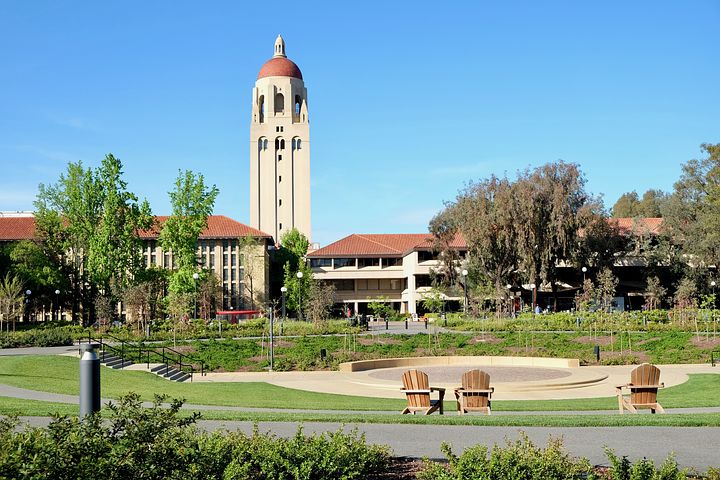
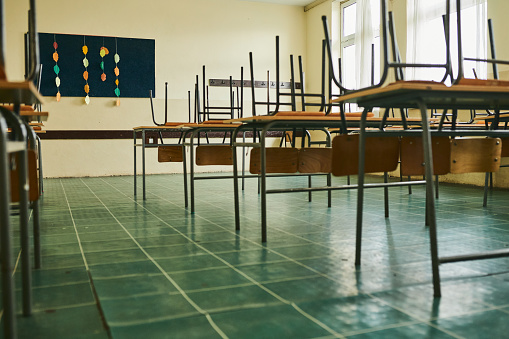

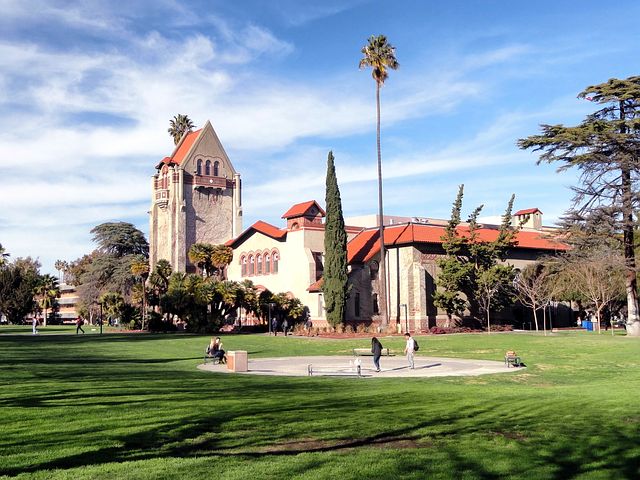

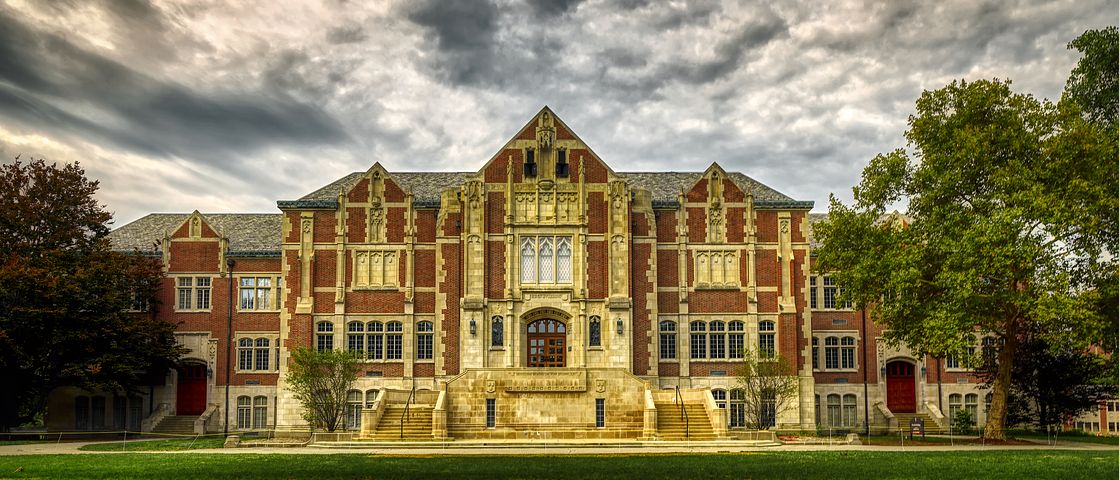

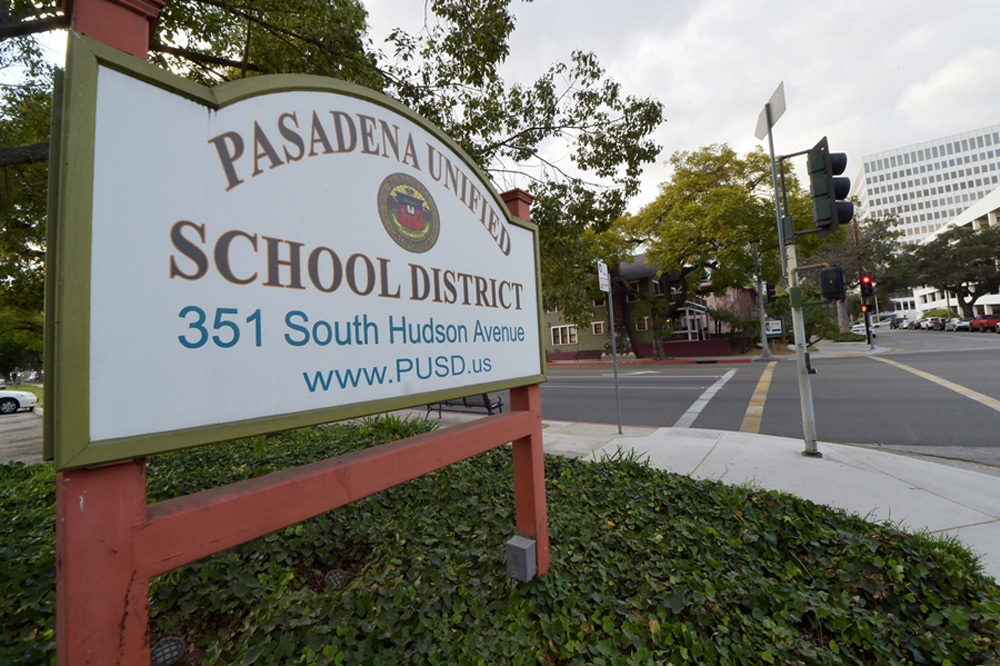
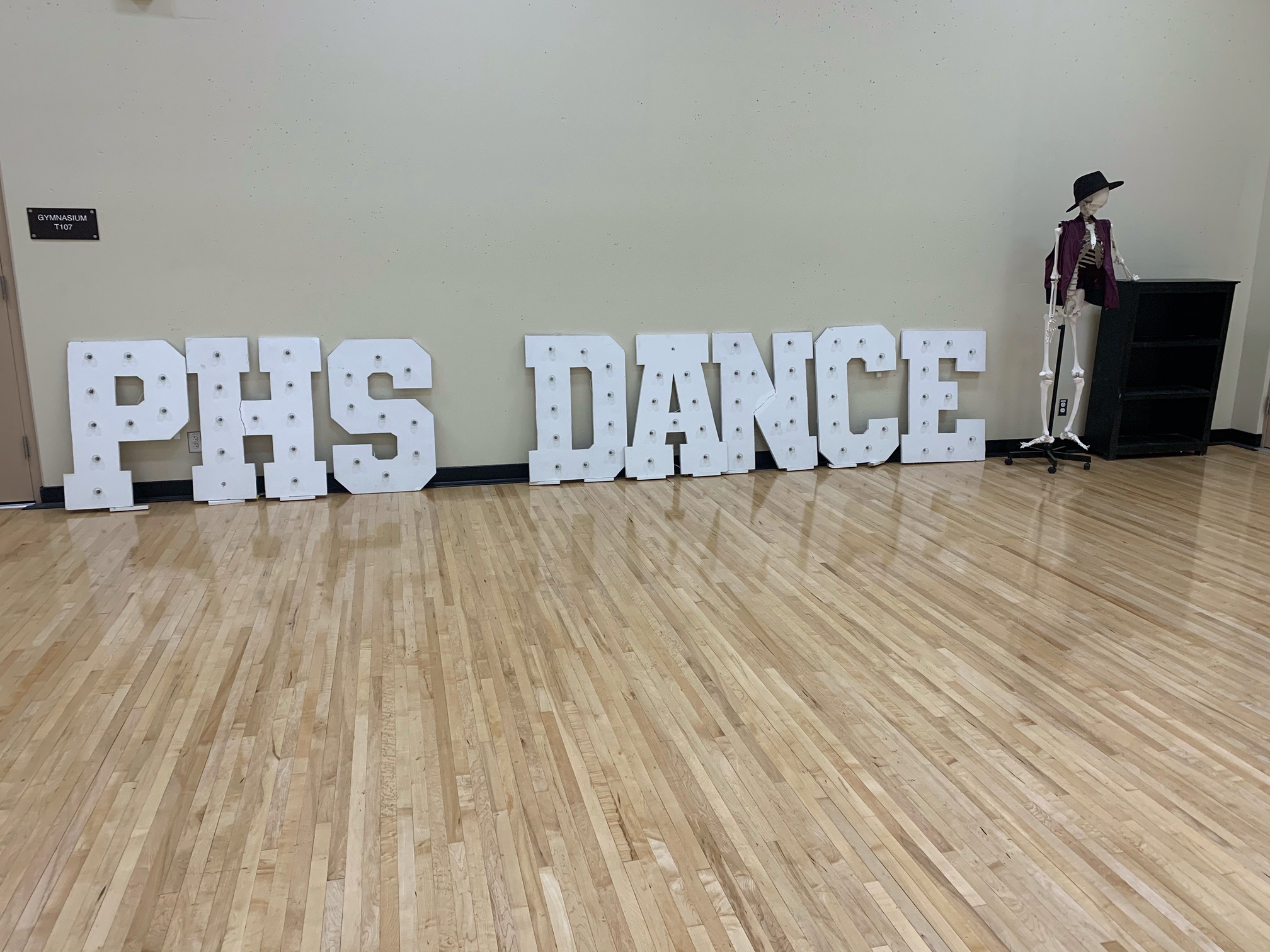

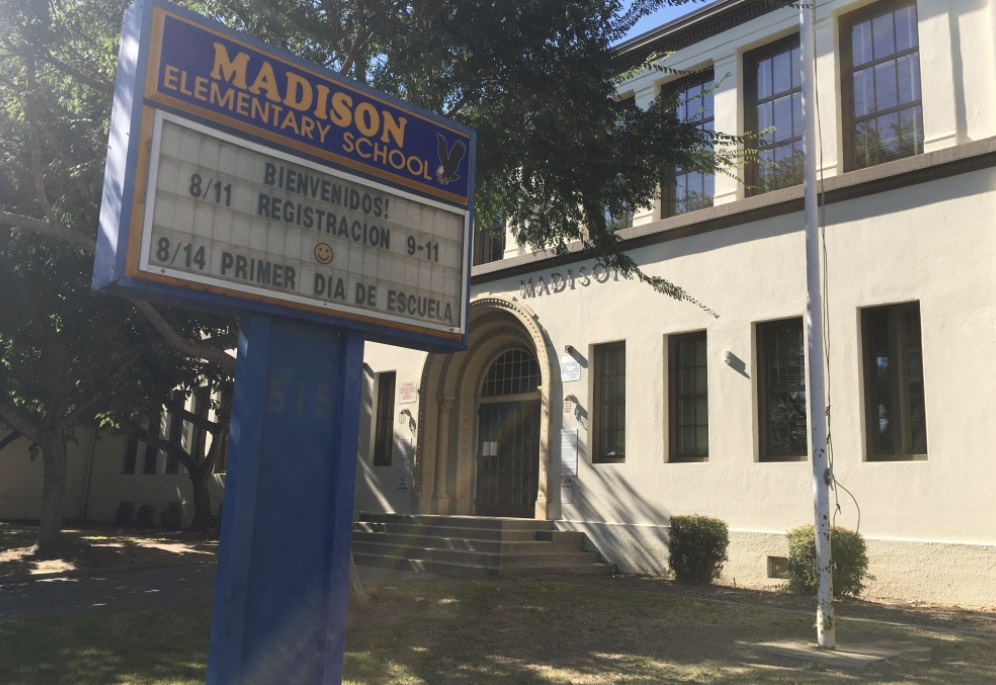
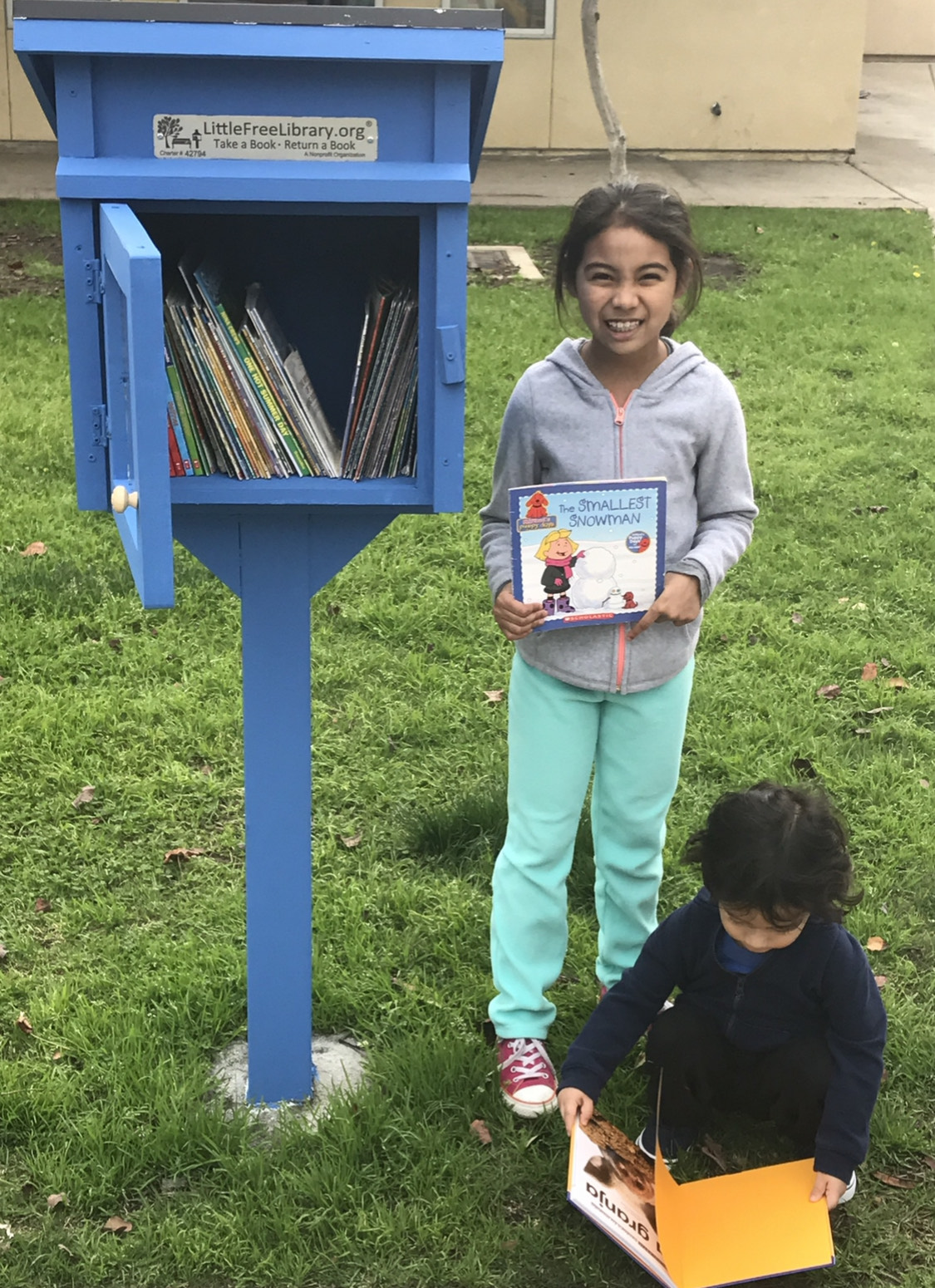

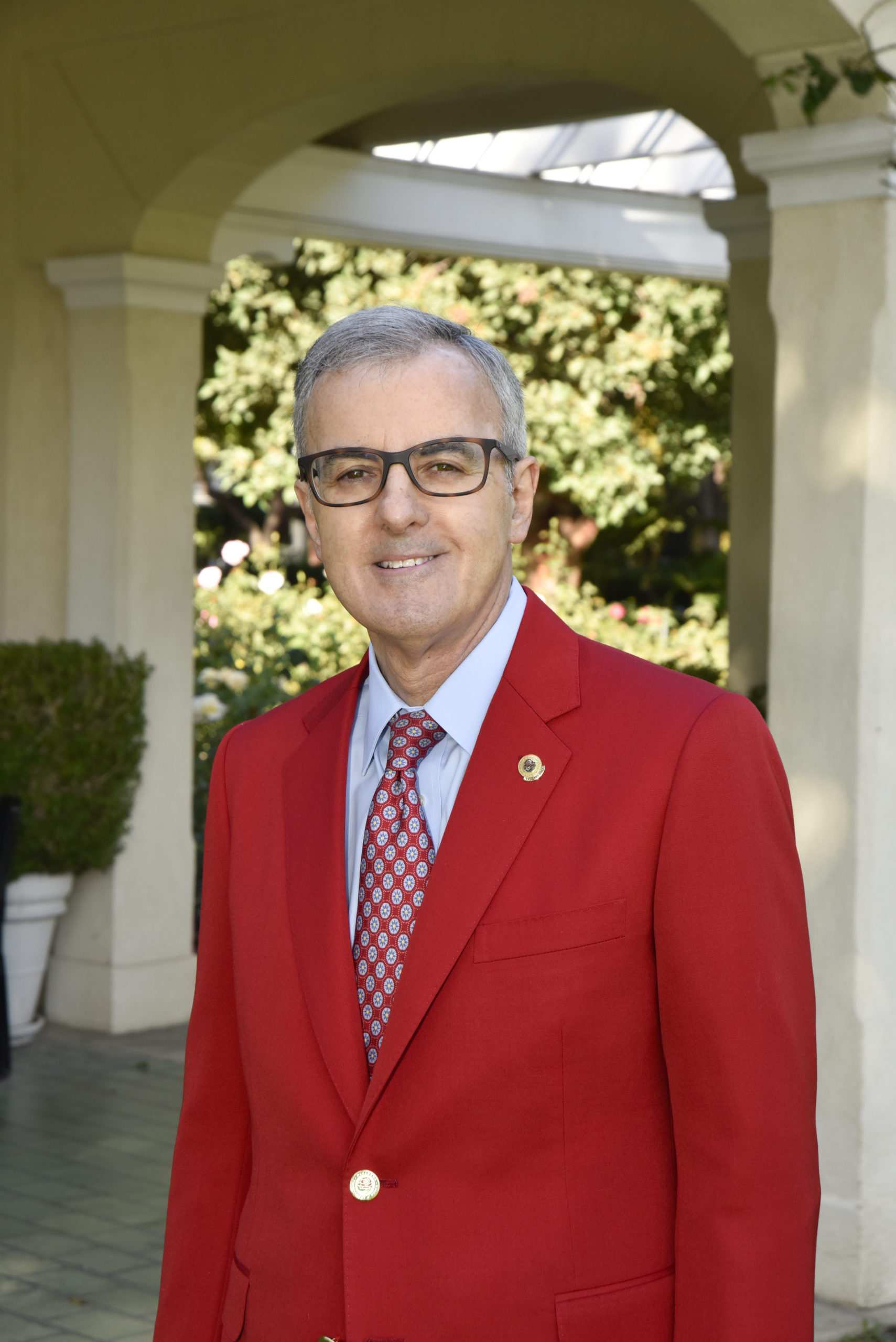
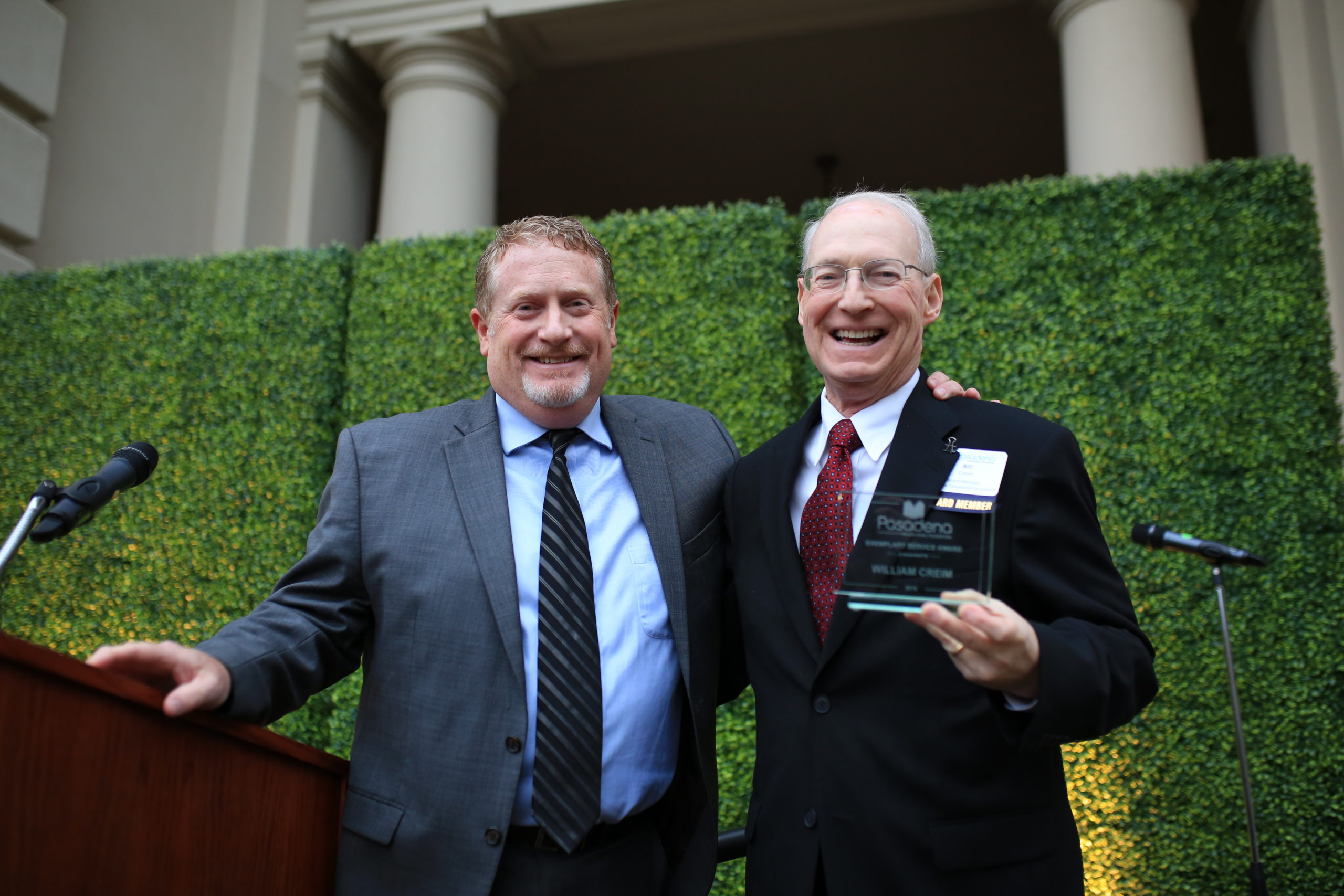
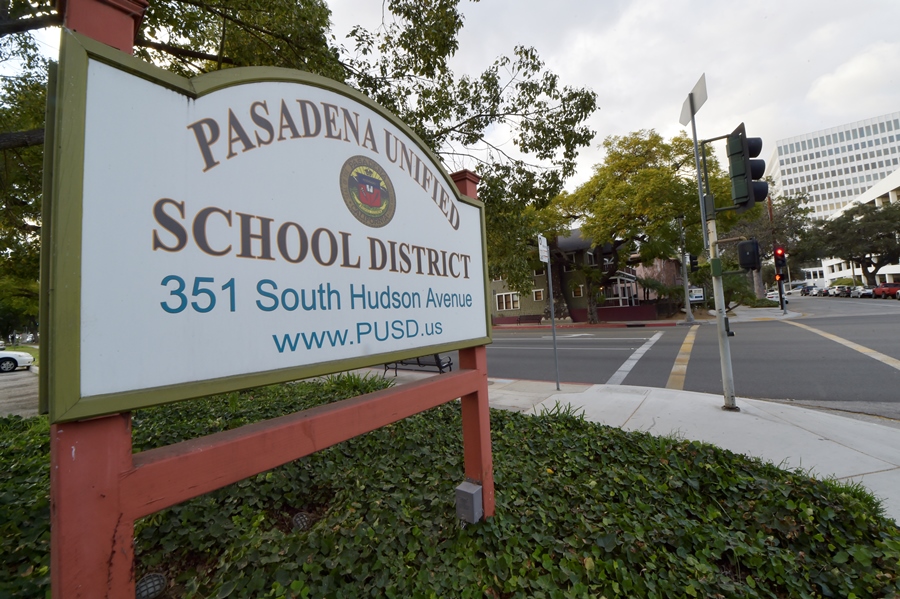
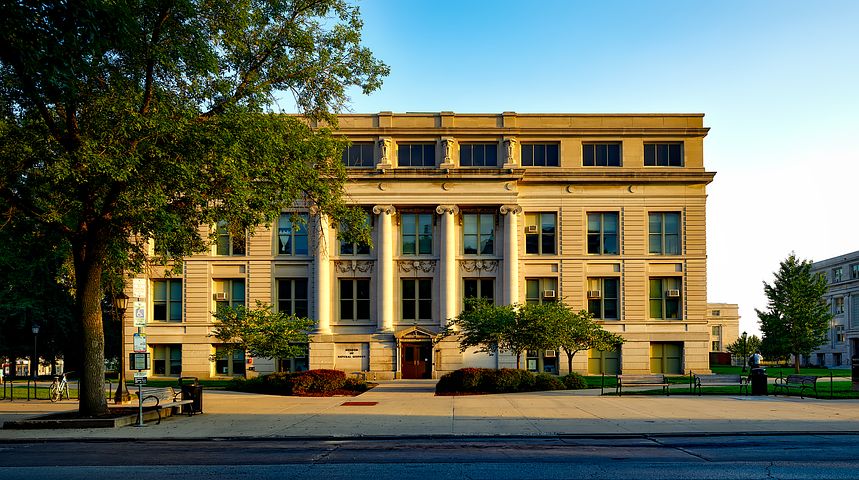


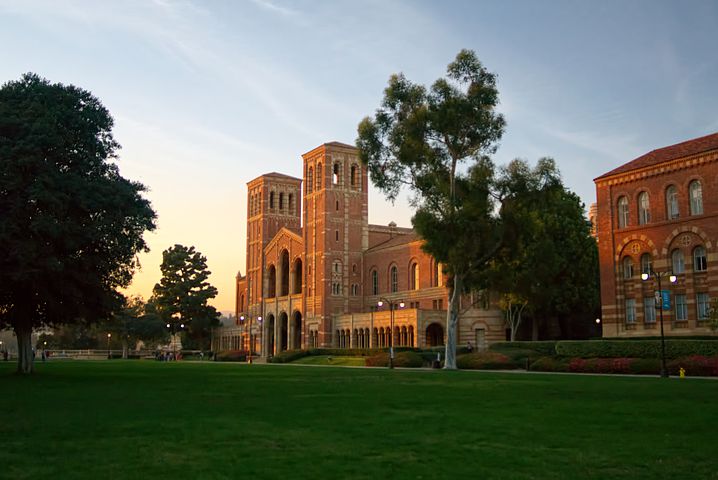



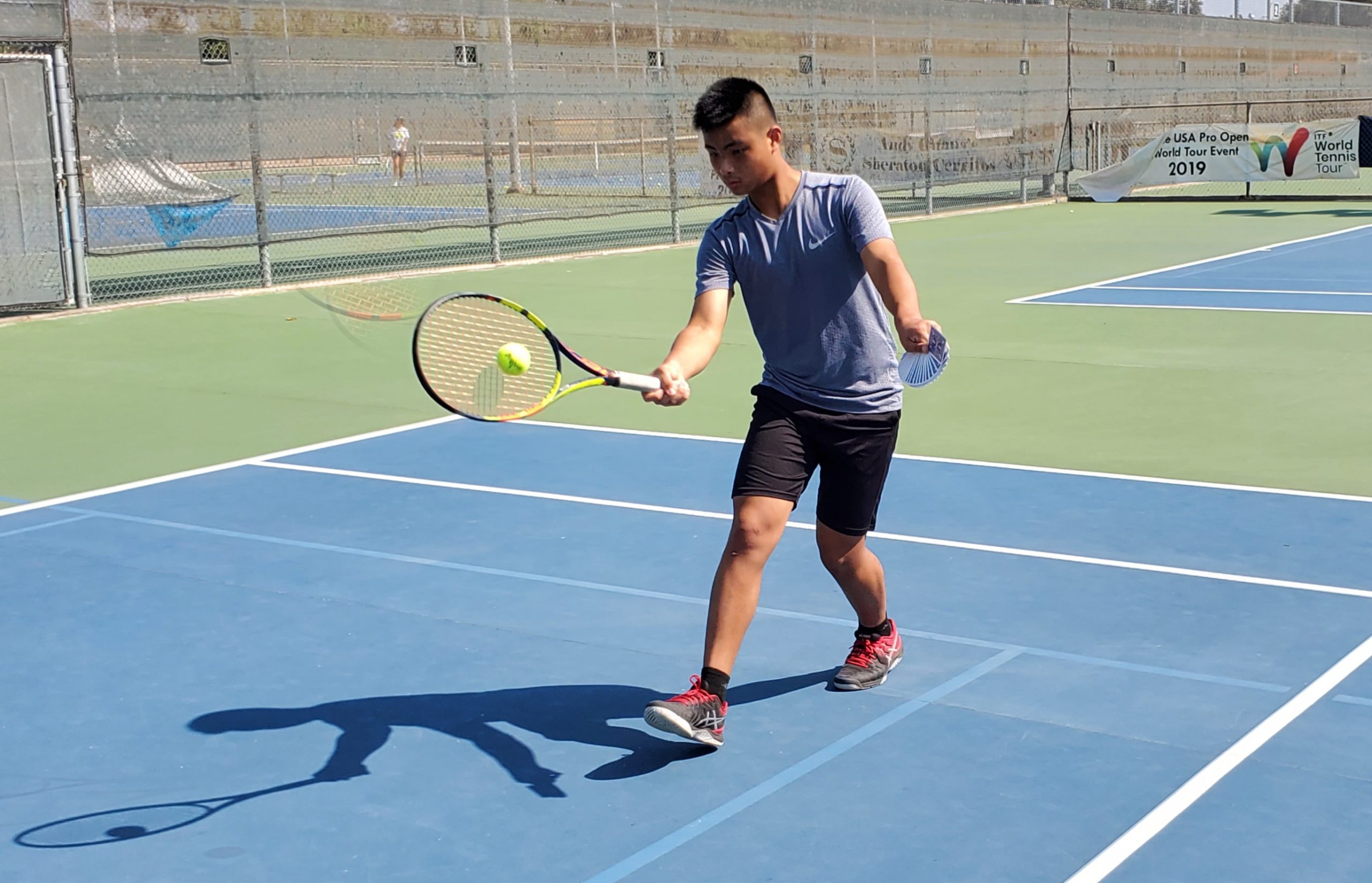
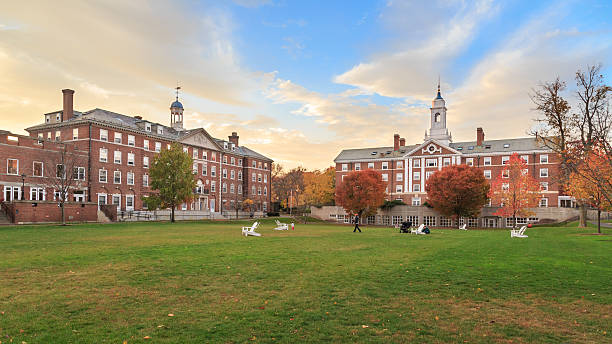

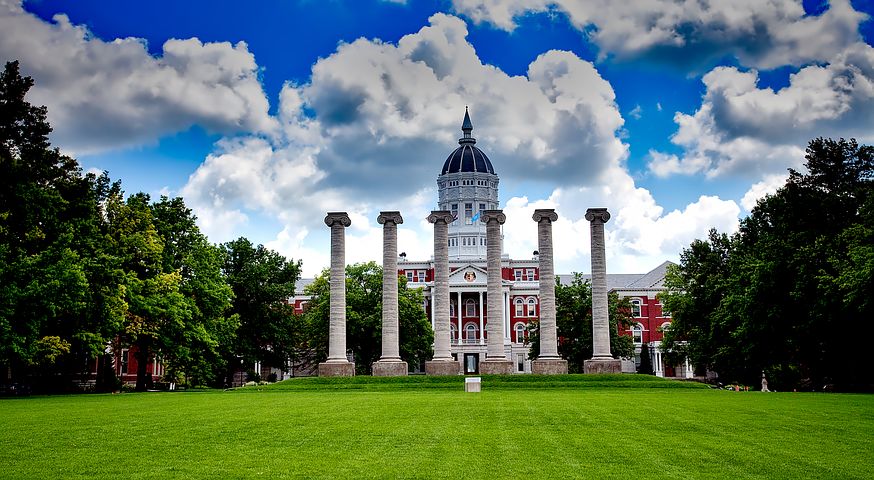


 A San Gabriel Valley Inquirer