Chapter 28 ‘Extirpation’ illustration by J.J. Dunn | Rawls says, “I’m fascinated with the idea that there are extirpated animals and it makes me wonder whether they’ll come back | Photo courtesy of M.G. Rawls
While enjoying a refreshing glass of iced tea – and maybe a sandwich – on the balcony of M.G. Rawls’s home, you may get a sighting of a black bear. Or maybe a mountain lion. A review of her security camera from the previous night’s outdoor activity might show nocturnal creatures having free run of the creek that abuts her property.
They are the inspirations for the characters that inhabit The Sorts of Pasadena Hollow, a trilogy of young adult books created by Rawls in 2019 (Sorts are people who can transform into animals). Her first book, Hannah’s Fires, at 166 pages, follows a teenager’s story as she settles into her new home in Pasadena Hollow. The second installment, Tony’s Tales, is 224 pages and focuses on Hannah’s first friend there. The last in the series is Henry’s Hopes, which is 332 pages long and has just been released on Amazon as an ebook (order it here). It chronicles the life of an elderly Tongva shaman, one of the earliest residents in the area, who also serves as mentor for the young Sorts.
Chapter 1 ‘A Red Dragonfly and Birch Beer’ illustration by J. J. Dunn | Rawls says, “This red dragonfly landed on a single upright branch of a small apple tree in my yard. His face was so expressive, I couldn’t resist including him in my story. Birch beer (non-alcoholic) was a staple of my New England childhood and later visits.” / Photo courtesy of M. G. Rawls
Rawls graciously invites me for lunch followed by a short interview for a second article about her books (read first article here). I mention that each of the three books became increasingly longer, and ask if she planned it that way or if more ideas just came to her as she wrote.
“My initial thought was always to have three books but the audience would start at 5th grade and they would mature as I went along,” Rawls replies. “At the same time, it would help me, since I was a new writer, to be able to write in a way that I was comfortable with with each book. So you can see my progression through my work – it starts out simpler, then gets more complicated. I was always hoping that the reader who liked the book in 5th grade would like the next in 6th, and so on, as they were reading. I was writing it for middle schoolers and older.”
“With the exception of a few supporting characters, the main people in Henry’s Hopes were already part of the first,” Rawls adds. “One of the comments I received from readers is that there are so many to keep track of, so I included a list and description of characters at the beginning of each book.”
Rawls kept to a fixed idea about how each book will flow. She explains, “Consistent with I told you in the first interview, the concept was the same with all three books. I created the chapter titles first and then built the story for each section. And what I wrote inspired me as I fleshed out that chapter. I pretty much stayed with the same titles I started out with; I made very little deviation from them.”
Chapter 3 ‘Till Death Do Part’ illustration by J. J. Dunn| Rawls claims, “This one is pure fantasy. Thankfully, no one I know (except for Sparkle Bitters) ever sliced off the tail of a marine iguana.” / Photo courtesy of M. G. Rawls
I then ask if she has a favorite character in her books, and Rawls responds, “You had a similar question the first time you wrote an article about The Sorts of Pasadena Hollow and my answer is: if I did, I wouldn’t say. Although each book has its own unique characters. In the first, there’s Hannah, the young adult girl with the emotional constraints within her. In the second, there’s Tony, who’s somewhat reckless; I meant for Tony’s Tales to be a boys’ book; and in the third – the adult book – there’s Henry, the Tongva spiritual leader. He wants the best for everybody but he doesn’t necessarily go about it the right way; he tends to be Machiavellian.”
“Did the idea to write a book set in your neck of the woods happen organically or was there a particular moment or instance when it occurred?” I query. Rawls replies, “The inspiration for this series came from an article in the L.A. Times – which I included in Hannah’s Fires – about an engineer who was convinced there were half-lizards living deep under the ground with a cache of gold and arranged to dig for it. I was so intrigued by that article and it motivated me to create these characters.
“Besides that, we live next to a creek and I can hear the water running – especially when the door is open at night. Most (not all) of the animal events in my books have their genesis in reality. In the first book, for example, there’s a raven who tries to steal Hannah’s bracelet and pretends he hurt his wing to try to get sympathy from her because he likes her. About 10 or 15 years ago, my husband found what he thought was an injured juvenile raven. We took it in for the night and the next morning there was such a squawking outside, it woke us up. Dozens of ravens were on our fence and across the street staring at us – it was clear what they wanted. We brought out the juvenile and he flew off unhurt. My daughter named that raven Nicky and she would look for it at her school. I later heard that ravens are very smart and will sometimes feign injury to get attention.”
“As I said during your first interview, I had been nurturing this story in my mind since we moved here in 1988. When the idea to write these books happened, all the stories that have accumulated over the years living here started coming back to me,” she continues. “In 2019, I began writing them as notes on my iPhone in the early morning and they got longer and longer. Finally I started pruning it out and thought ‘Oh, this is interesting.’ It gave me comfort – it was a world I could escape into.”
Chapter 11 ‘The Jeweled Koi’ illustration by J. J. Dunn | Rawls states, “I had a number of goldfish growing up including one named ‘Goldy’ who lived for several years until one day she jumped out and the consequences were tragic. The jewels were inspired by a book I read where the rulers kept giant kois in ponds and they attached precious jewels to their tails.” / Photo courtesy of M. G. Rawls
Unlike some popular fantasy young adult books set in dystopian worlds, the Sorts live in a utopian society. Rawls intentionally created an inclusive world where everyone is accepted. Without calling attention to it, she ensured there was representation for people of diverse race, age, and sexual orientation.
While some authors say they wish they had written something differently, Rawls stands by what she has created. “I’m fine with how they all turned out. If there was something I put in the book that sent me on a different path, I went along where that led me. That’s not to say I abandoned an idea or that I didn’t have a particular destination – I had the chapter titles to guide me – but the road wasn’t restricted.”
The ending to her third book wasn’t planned in advance. Rawls reveals in jest, “A writer I know once told me that every story needs to have an arc. Until she said that I hadn’t heard of the word. I didn’t know what it meant; I think I had to look it up because I was embarrassed. So I worked on my arc. Seriously, though, I had an idea how I wanted it to end, but not the specifics. It only came to me as I got there.”
Chapter 33 “Wedding of Sorts’ illustration by J. J. Dunn | Rawls describes, “I thought the Tongva phrase ‘My heart is with you’ was appropriate for a wedding book. J. J. Dunn based her painting on her husband’s German family book. I added the stink bug and hibiscus from my yard.” / Photo courtesy of M. G. Rawls
When I ask her to describe how she felt after completing the last book in the trilogy, Rawls simply answers, “These characters have taken a life of their own – my job is done!”
At the end of Henry’s Hopes, we find Lydia as the voice for the characters and the narrator of events we’ve been following. It comes as a surprise. And yet it’s because she isn’t a Sort – not in spite of it – that makes her the logical storyteller. As Rawls says, “The events that happen are everyday occurrences for the Sorts so they don’t find them interesting. But they’re not normal activities for Lydia so she’s fascinated by them. Being an investigative reporter, she thinks of them as a mystery to be unraveled.”
Rawls’s characters grow with her as she matures in her writing. While she starts out tentative in Hannah’s Fires, she gets more confident in Tony’s Tales, and reaches her stride in Henry’s Hopes. In the same vein, a reader slowly gains insight about them and inevitably becomes invested in Hannah, Tony, Henry, and all the Sorts in Pasadena Hollow… and feels sad that there won’t be another book to look forward to. But Rawls also leaves a huge gap where a reader can infer that events will have transpired, leaving the possibility open for her to pick up where she left off.
As with painters and other artists, authors cede control of their work once it’s out there for the public to make of it what they will. So we can imagine for ourselves milestones happening during that gap – or
Shao Keping’s “Floating to the Future” 1981 Woodcut print | Photo courtesy of USC Pacific Asia Museum
USC Pacific Asia Museum (USC PAM) continues its mission and vision to further intercultural understanding through the arts of Asia and the Pacific Islands with Imprinting in Time: Chinese Printmaking at the Beginning of a New Era. On view from August 11 through November 12, 2023, the exhibition looks at printmaking by Chinese artists from the 1980s to the present and analyzes the unique narrative of the medium within the contexts of cultural, academic, sociopolitical, and economic changes in recent Chinese history.
Imprinting in Time is curated by Danielle Shang, a Los Angeles based art historian and exhibition organizer. Her research focuses on the impact of globalization, urban renewal, social change, and class restructuring on art-making and the narrative of art history.
He Kun’s “Stretch” 2003 Reduction woodcut print | Courtesy Photo / USC Pacific Asia Museum
Woodcut originated in China, dating as far back as the Han Dynasty (206 B.C. to 220 A.D). The first woodblock fragments were of silk printed with flowers in three colors. Much later – in the early 20th century – it became a popular art form used by Chinese progressives to advocate for social change. The New Woodcut Movement hit its stride in China from 1912 through 1949.
In an article about the history of the movement (From New Woodcut to the No Name Group: Resistance, Medium and Message in 20th Century China) New York-based artist Chang Yuchen wrote that Lu Xun was probably the most significant among these activists. He established the Morning Flower Society in 1929, which published journals that introduced foreign literature and art to Chinese audiences. Two of the volumes were dedicated to modern woodcuts – considered by Lu Xun as the most accessible and efficient means for disseminating revolutionary ideas among the masses.
The Communist Party became a powerful force during the Sino-Japanese War and Mao Zedong exerted his authority. He delivered a famous speech at the Yan’an Conference on Literature and Arts in May 1942, where he declared “Literature and art are subordinate to politics, but in their turn exert a great influence on politics” and quoted a poem by Lu Xun to support that view. Following his speech, progressive artists and writers moved to Yan’an to produce art that responded to Mao’s call. What began as a pursuit of communication, however, was reduced to serving as the Communist Party’s marketing tool.
In 1979, the Ministry of Culture restored the party memberships of artists who had been sent to labor camps and persecuted during the Cultural Revolution. One of these was Jiang Feng, who played a crucial role in the New Woodcut Movement. He was appointed director of the Central Academy of Fine Arts, and later as chairman of the reconstituted Chinese Artists Association.
Yu Youhan’s “Chairman Mao in Discussion with the Peasants of Shaoshan” 2006 lithograph | Courtesy Photo / USC Pacific Asia Museum
Another suspected ‘rightist’ – Liu Xun – was released from incarceration and named head of the Beijing Municipal Artists Association. When he learned about the group of plein air painters – who later became known as the No Name Group – who managed to work under such impossible conditions, Liu Xun organized an official exhibition of their work. More than 2,700 people came to the show on the first day.
However, without the hostile conditions that kept them united in their art, the No Name Group slowly drifted apart. Some of them immigrated to other countries and some stopped painting altogether. Those who continued painting – and remained nameless – were resistant to the booming market for Chinese contemporary art just as they refused to go along with politics.
The emergence of etching, lithograph, silkscreen, and digital devices in the 1980s added new energy to the medium. Most artists included in USC PAM’s exhibition were academically trained printmakers; however, a few have established their reputations in other media and explored printmaking as an additional aesthetic in their practices.
Su Xinping’s “Fish Feast” 1998 Lithograph | Courtesy Photo / USC Pacific Asia Museum
Museum curator Rebecca Hall states, “Imprinting in Time is an exciting exhibition for USC Pacific Asia Museum to share with the public because all but a few of the artworks in the exhibition come from the museum’s permanent collection. Formed around the recently donated Charles T. Townley collection of contemporary Chinese art, Danielle Shang did an outstanding job of teasing out the strengths of the Townley collection and finding further artworks to supplement her thesis in PAM’s permanent collection, some of which have not been exhibited in many years.”
“Printmaking, particularly woodcut, is uniquely important in modern Chinese history because it was instrumental for disseminating ideologies of the nation-state to the masses from the 1930s to the 1980s,” says Shang. “It is a perfect example of hybridizing a traditional Chinese medium that has been around for centuries with modernist techniques from the West.”
The exhibition will show 60 works organized into three sections: the Modern Woodcut Movement; the Post Mao Era; and Crisis and Hope Since the 1990s.
Zhen Xu’s “School of Fish 3” 1997 Woodcut print | Courtesy Photo / USC Pacific Asia Museum
Modern Woodcut Movement
Among all the printmaking techniques, the woodblock is most significant in modern Chinese history for articulating social commentary and nationalistic sentiments. The monumental figure who initiated the movement was not a visual artist but the writer, collector, and activist Lu Xun (1881-1936). In the early 1930s, Lu introduced Käthe Kollwitz’s woodcut to Chinese artists, who immediately embraced the medium for its effectiveness in engaging a broad public. These artists began to produce prints with simplified but highly suggestive forms and figures to depict the violence, injustice, and angst that plagued Chinese society.
After Mao Zedong’s speech at the Yan’an Forum on Literature and Art (1942), woodcut was given singular priority, and its subjects shifted from social critiques to celebrating the bright new life under Communist control. Subsequently, the woodcut printmaking that hybridized German Expressionism, Soviet Social Realism, Chinese traditional water-based printing techniques, and folk arts’ vernacular styles was established as a major discipline in all art schools and employed largely for propaganda purposes to serve the state after the creation of the People’s Republic of China in 1949.
Xue Song’s “Coca Cola” (9/66) 2005 Serigraph | Courtesy Photo / USC Pacific Asia Museum
Post Mao Era
After 1976, while many artists continued to produce works that celebrated the socialist vision of modernity, others began to explore the notion of individuality and new graphic effects. The rise of etching, lithograph, silkscreen, and digital devices added new energy to the medium. Meanwhile, distinct regional schools emerged, notably the Great Northern Wilderness and the Yunnan School.
Contrary to earlier times when human figures and narrative themes dominated printed pictures, landscapes, and abstract compositions became popular. Some artists intentionally evoked the traditional Chinese ideal of integrating calligraphy, painting, and poetry when combining images with texts.
Shang expounds on the regional schools, the art style, and the artists who emerged during this period.
“Since the late 1970s, artists in Yunnan Province, including Zheng Xu and He Kun, turned their attention to local ethnic groups, neighboring Southeast Asian cultures and the ancient Chinese technique known as heavy color painting 工笔重彩画 that emphasizes line drawing and bold colors. Figures depicted by the Yunnan School artists are flat, geometric, semi-abstracted, and energized with bright colors, reminiscent of cubism and fauvism. Motifs incorporated into their works are derived not only from ancient Buddhist cave paintings but also from local traditional garments and decorations.”
“In the 1980s, Zheng and He among other printmakers in Yunnan began to create reduction woodcuts to produce heavy color prints,” Shang adds. “A color reduction woodcut is simply a relief print that is carved, inked, and printed multiple times using only one piece of woodblock. The entire edition must be printed at once since carving destroys the wood incrementally.
“The artists also established several workshops in the region to invite people from rural communities to make art, positioning printmaking at the intersections of arts practice, social engagement, and cultural restoration.”
Men were the dominant figures in this art form. Shang reveals, “Very few female artists were active in the history of Chinese printmaking. One extraordinary exception is Chen Haiyan (b. 1955, China), who, in her cycle of DREAM, developed a distinct style charged with raw, idiosyncratic, and expressive energy. The series narrates 20 of the artist’s dreams in monochrome woodcuts, integrating texts into images. The technique she employs to make the prints is known as touyin 透印 or ‘penetrating print.’ First, ink is rolled onto the wood block where a sheet of paper is smoothed on top. The next step is to burnish the paper with a spoon, rubbing until the ink soaks all the way through. Unlike other printing techniques, which create mirror images, touyin can be viewed from the front and the back – eliminating the need for the artist to make a preliminary, reversed design for carving. Thus, the artist’s ideas and emotions are conveyed directly to the woodblock without an intermediary step, affording her the spontaneity that attracts the viewer’s attention. She currently teaches at the China Academy of Fine Arts in Hangzhou.”
Sun Xun’s “Time Spy” 2016 3D Animation | Courtesy Photo / USC Pacific Asia Museum
Crisis and Hope Since the 1990s
The 1990s saw China’s rapid transformation into a hyper-consumer society. As works of art entered the market as commodities, prints failed to gain recognition as valuable cultural products. To survive, printmakers had to switch to other media, teach, or hold positions at state-sponsored cultural organizations, whose programs continued instructing conservative subjects and styles. In response to the new conditions, a few artists have moved beyond technical concerns to search for ways to advance the medium and participate in global conversations. Their practices shine a new light on printmaking.
It’s unfortunate that despite its fascinating ancestry and storied past, printmaking in China did not continue to flourish. This exhibition at USC Pacific Asia Museum may yet demonstrate that prints – which have since been relegated to being disposable merchandise – and printmaking can be rejuvenated through a fresh audience. At th
“On This Side of the World,” an East West Players presentation, held its opening day at David Henry Hwang Theater on May 14. It is a joint creation of Paulo K. Tiról, who wrote the music and lyrics, and Noam Shapiro, who directed it. Featuring an ensemble of the most accomplished Filipino actors and performers in Southern California, this world premiere marks the first time a musical about Filipino immigrants written by one himself has been staged.
With a one-way ticket to the United States and a suitcase full of stories, a woman leaves her native Philippines and flies 8,491 miles across the Pacific Ocean to build a new life in New York. Her 17-hour journey, which begins when she boards a Philippine Airlines flight in Manila, is the subject of “On This Side of the World.”
The cast performs ‘Ay! Amerika’ | Photo by Jenny Graham / East West Players
In this musical, a woman replays each story collected from immigrants who came before her – tales of overseas workers, young lovers, and gossipy church ladies; snapshots of undocumented immigrants, millennial princesses, and first-generation Americans. Running approximately two-and-a-half hours that includes a 15-minute intermission, it offers its audience insight about Filipinos as it provides great entertainment.
While I am a Filipino immigrant, I’ve been in the United States for 41 years and four decades of those years as a Pasadena resident. In all that time, I haven’t visited my native country and I feel more Pasadenan than Manileña. But the show brought back a flood of memories of my years growing up in a Manila suburb.
Michael C. Palma as Mr. Legarda performs ‘Proud’ with the cast | Photo by Jenny Graham / East West Players
One of the songs – ‘Lantern in the Window’ – sung by Cassie Simone as Kayla, is about the lantern that’s unmistakably Filipino. We call it ‘parol’ and it hangs in every window at Christmas. As poor a country as the Philippines is, Filipinos live large at Christmastime and spend a lot of money buying presents. We also usher in the holidays way earlier than most. In the U. S., Christmas season starts the day after Thanksgiving; in the Philippines, all the malls have decorations up and Christmas songs are played in September!
Of all the Filipino traditions, it’s the Christmas midnight mass I miss the most. And I’m embarrassed to say that it isn’t because of the service, but the food. As children, my two sisters and I attended ‘simbang gabi’ during Christmas week because there would be food vendors selling an assortment of rice-based sweets we call ‘kakanin.’ The aroma emanating from the food stalls surrounding the church patio was more than a small distraction – we could think of nothing else but hurrying out as soon as the priest utters ‘Go in peace’ to have some ‘bibingka,’ ‘puto,’ ‘kutchinta,’ or ‘palitaw.’ Even now, I could practically smell and savor the scrumptious food! The festive spread that my mom would have laid out on the dining table after we got back from the Christmas eve mass, or ‘misa de gallo,’ is also something that’s not easily recreated in California.
Cassie Simone as Dee-Dee (center) performs ‘Yaya’ with Zandi de Jesus (left) and Andrea Somera (right) | Photo by Jenny Graham / East West Players
The stories Tiról tells through the songs are faithful to all Filipino immigrants’ experiences and I will mention a few that stand out for me. Michael Palma’s ‘Cool Tito’ works tirelessly just so he can send money and ‘balikbayan’ boxes full of toys and the latest electronic gadgets and athletic shoes to nieces and nephews back home. He maxes out credit cards at Christmas to buy every item on the list. Never mind that he has to spend the next three months working double shift to pay off his debt and cover the finance charge it incurred.
‘Yaya’ reminds me of the shock many Filipinos feel when they first arrive in the United States and find out they have to do all the housework themselves. Cassie Simone’s portrayal as Dee-Dee, the brat who’s wailing for her ‘yaya,’ is quite hilarious.
The song ‘Ay! Amerika’ is as side-splittingly funny as it is a spot-on depiction of just how judgmental Filipinos can be. Maritess and Marivic, as portrayed by Zandi de Jesus and Cassie Simone, are models for the quintessential holier-than-thou women who gossip with glee about the ill-fated choices and misfortunes of people they knew from back home. They sing that such scandalous events can only happen in America. It’s a comical scene – the ensemble intones ‘wa-wa-wa-wa’ in prayer, and the audience when I watched the show chanted along.
Steven-Adam Agdeppa as Miggy performs ‘Rice Queens’ | Photo by Jenny Graham / East West Players
But the performance that brought the house down was Steven-Adam Agdeppa’s, ‘Rice Queens.’ The audience absolutely loved him as Miggy in drag and they demonstrated it clearly. They cheered and whistled. Someone even threw a dollar bill on the stage.
‘My Mother is an Immigrant,’ sung by Andrea Somera as Brianna, is a song that will reduce all mothers to tears. They will deeply connect with it. At the start of the song, Brianna bemoans that she doesn’t fit in at school because her mother is an immigrant; that her mother expects her to get excellent grades and makes her go to art classes and take piano lessons. And her mother thinks she’s extraordinary.
By the end of the song, Brianna is a fully grown adult and says she turned out to be ordinary. And, contrary to how she felt about her mom in the beginning, Brianna looks back with appreciation for her mother. She hopes to raise her future child with as much love as her mother has for her, that she now recognizes.
Coincidentally, my daughter’s name is also Brianna. And, while I wasn’t a tiger mom – a label that a lot of the Asian parents I know wear as a badge of honor – I admit my academic expectations when she was in school were ridiculous. I also thought she was extraordinary and now that she’s in her 20s I still think she’s a remarkable human being.
All the songs in “On This Side of the World” are noteworthy but ‘My Mother is an Immigrant’ speaks to me the most.
Andrea Somera as Brianna performs ‘My Mother is an Immigrant’ | Photo by Jenny Graham /East West Players
I interviewed Tiról and Shapiro when they were just two weeks into rehearsal and they said work in a musical never ends, that it’s ongoing. In the story I wrote, the plane was bound for Los Angeles – a 14-hour flight and 8,000 miles from the Philippines. I don’t know if they decided on that final destination because the New York skyline, which they use as backdrop, is more impressive. Or maybe they thought that since the plane originated from Ninoy Aquino International Airport it’s only fitting that the destination in America be John F. Kennedy International instead of LAX. After all, the Philippine airport is named after a slain hero and icon so only a disembarkation site bearing the moniker of an assassinated American president will do.
But whatever and however they may have deviated from their initial idea, this iteration of “On This Side of the World” is a beautifully presented, well-thought-out production. The show reflects all that is good and admirable about Filipinos and Filipino immigrants, as well as the bad and disgraceful about us. The performers are superb actors and singers who can wow any audience – and when I watched it, the majority of those in attendance were non-Filipinos. But they were fully captivated and engaged throughout and indicated their approval with a rousing applause and an enthusiastic standing ovation at the end of the show.
Tiról deserves acknowledgment and praise for blazing the trail for aspiring Filipino musical theatre writers and creators. To Shapiro we owe a debt of gratitude for taking a leap of faith when he helped Tiról get this dream project realized.
The success of “On This Side of the World” can only advance the talents of Filipino performers who have, until now, mostly played insignificant roles in Hollywood films and Broadway shows. It can only give Tiról a foothold in the performing arts and make it easier for other Filipino playwrights to get their work staged. It can only pave the way for a more equitable future for all Asians in America.
Originally published on 26 April 2023 on Hey SoCal
With a one-way ticket to the United States and a suitcase full of stories, a woman leaves her native Philippines and flies 8,000 miles across the Pacific Ocean to build a new life. Her 14-hour flight journey is the subject of “On This Side of the World” premiering at the David Henry Hwang Theater on May 11 and running through June 4, 2023. Presented by East West Players, it is the joint creation of Paulo K. Tiról, who wrote the music and lyrics, and Noam Shapiro, who directs. It features an ensemble of the most accomplished Filipino actors and performers in Southern California.
Interviewed by phone, Tiról and Shapiro graciously talk about how a simple grad school course exercise became a musical embarking on its world premiere, answer questions about their collaboration, and disclose future projects.
“I was at NYU doing my Masters in Musical Theatre Writing in 2013 and for one class, the assignment was to choose a community which would inspire songs that I would write over two years,” Tiról begins. “I chose Filipino immigrants because I was one myself. At the same time, I didn’t know any other Filipino immigrant composers writing about the Filipino immigrant experience. And I have lots of immigrant friends whose stories I could ‘steal’ to turn into songs.”
The cast of ‘On This Side of the World’ | East West Players
In this musical, a woman replays each story collected from immigrants who came before her — tales of overseas workers, young lovers, and gossipy church ladies; snapshots of undocumented immigrants, millennial princesses and first-generation Americans — which was inspired by Tiról’s own experience. (read my review here)
“After a 12-year corporate career in Manila, I decided to immigrate to the U.S. in 2011. It was scary; my life was going to change and I didn’t know what to expect. So I contacted all my immigrant friends in the U.S. and I asked them what their stories were like. I collected and wrote their stories and, on my own one-way ticket flight from Manila to Boston, which was my first city here, I replayed them. And that was the structure for the musical,” explains Tiról.
That structure, however, didn’t get assembled until Shapiro collaborated with him. In fact, this show might never have been mounted if it were not for a chance meeting.
“There was a lot of discouragement from 2013, when I first started writing the songs, to 2018,” reveals Tiról. “I had been pitching and trying to get the attention of New York Asian American theatre community, Filipino American artists, hoping to find collaborators and had no luck. It was when I met Noam in 2018 that things started to happen.”
Shapiro recalls how he met Tiról and what caught his attention, “At a presentation of new musical theatre at the Public Theater in New York City in 2018, Paulo showcased one of his songs from ‘On This Side of the World’ called ‘Light of the Home.’ It’s about three overseas workers in home healthcare services and how they have learned in Filipino culture to be a light of the home, to care for their loved ones who are family. But they made the difficult decision to come to the U.S. so they can send money to care for their families back home. The music, lyrics, and characters were unlike anything I’d ever heard. I’m not Filipino, but my mom is an immigrant so that resonated with me. I wrote in my program next to Paulo’s name ‘I got chills.’”
“He literally just sent me an email saying ‘I’d like to meet you, talk, and learn more,’ Tiról adds. “We exchanged a few emails and then had a three-hour conversation, after which he said, ‘I’d like to help you finish this show and get it produced.’ I was floored! At the time he made that pronouncement, the show was only half-written; it was really a gamble on his part.”
Noam Shapiro (left) and Paul K. Tiról (right) in residence at the Catwalk Art Institute in Catskill, New York | East West Players
And an artistic partnership was launched. “The show used to have a libretto, or spoken dialog, but we changed that,” states Shapiro. “I worked with Paulo in selecting the order of the 29 songs he wrote so that they tell a cohesive story. Together we came up with the story arc following this one woman who is coming to the U.S. to start a new job as a teacher in order to support her family. She meets five other Filipino immigrants on the plane who inspire her to reflect on all the different stories she collected prior to leaving the Philippines about other immigrants before her. She has a notebook with her where she wrote these stories and each time she meets someone, she turns to the page in her notebook that has the corresponding story and that story comes to life. And over the course of the 14-hour flight, her journey from anxiety and fear to that of optimism and hope unfolds.”
Getting a musical from development to production takes years — the process is rife with obstacles to surmount. “They cost anywhere between $6 million and $11 million to produce and you never know whether they’re going to be successful,” explains Tiról. “So many musicals on Broadway close prematurely, which is why these days most of them are restaging or tried-and-tested classics. Or the new ones are adaptations of Hollywood blockbusters, bestselling novels, or cartoons. I’m really grateful to Noam because he took a chance on this musical. And over the years we’ve been fortunate to have had organizations who’d taken a risk on it. East West Players chose to program this musical in this season. It’s challenging finding supporters and people who will back you and we’re very lucky with what we’ve found.”
“We were able to present the show in 2019 for the first time and it was called ‘A Workshop Production,” Shapiro expounds. “That means we had some costumes, sets, and lights, but not a whole production. We did the show in a tiny 65-seat upstairs theatre in downtown New York City when it was about two-thirds complete and we’ve added several songs since. A big springboard for this show after the workshop production came through the National Alliance for Musical Theatre (NAMT) which has an annual festival of new musical theatre works. In 2020, we were selected out of 330 applications for this festival and we presented three songs from ‘On This Side of the World’ in a virtual format. From that opportunity, several different theaters on the West Coast — including East West Players — heard about the show, took an interest, and supported us over the last three years to bring the show to production.”
Paulo K. Tiról accompanies Diane Phelan at the annual fundraiser of the Rhinebeck Writers Retreat at Sardi’s in New York City. Dianne starred as Cinderella in ‘Into the Woods’ on Broadway, and is currently on the show’s national tour which will end in L.A. in July 2023 | East West Players
“One other challenge is that many people like a single story, follow one character as they go from A to B to C to D. And this musical is a story about stories – it’s about how stories give us strength to move forward courageously in our lives and become our fullest selves. And it took some convincing to get theaters to buy into that idea. So we’re really grateful for not only East West Players but also the NAMT. We participated in the Rhinebeck Writer’s Retreat, the Catwalk Art Institute’s summer residency, and a developmental reading at Musical Theatre West. Prior to NAMT, the show was developed by Three Hares Theater, Access Theater, and Prospect Theater Company. All these people believed in us and the show. There’s an expression that ‘it takes a village’ and that’s really true for bringing a new musical from page to stage.”
There’s a misconception that all Filipino men are with the U.S. Navy and all the women are nurses, or maids, or caregivers. And while this musical features some Filipinos as healthcare workers, it has more characters than that. “We wanted to change the belief that Filipinos are one-dimensional navy enlistees or health care workers. Apart from dispelling that notion, we also wanted to give actors more opportunity to portray characters that are three-dimensional, who are fleshed-out, interesting, and complicated,” declares Tiról.
Shapiro illustrates, “One of my favorite songs in this show is called ‘Leading Man’ and it’s about a Filipino actor who was very successful back in Manila who came to the U.S. to break into show business in Hollywood or on Broadway. But he keeps getting offered either ‘extra’ roles or non-speaking parts, or traditional Asian American characters in ‘Miss Saigon’ and ‘The King and I.’ All he wants to do is play a leading character, to play someone in a prestige drama or a lead romantic character in a comedy. This musical provides an answer to that character’s wish by giving six actors the opportunity to play comedic and dramatic roles, to sing so many different styles, to demonstrate all that they can do and, hopefully, expand the theatre canon of the roles available to AAPI actors.”
“The cast we’ve assembled are phenomenally talented, generous, and hard-working,” Tiról enthuses. “It’s not an easy show. There’s a lot of music — and it’s not easy music — but they’re pouring so much work and love into it.”
A staged reading of ‘On This Side of the World’ presented by East West Players in July 2022 | East West Players
One of the actors is Mike Palma, who is also associate artistic of Cold Tofu Improv. He describes his early childhood in L.A. “I was born and raised in Silver Lake and when I was growing up, we had a back house that we rented out. An immigrant family who had just arrived from the Philippines moved in it and lived there for about nine years. They had little kids who didn’t speak a lick of English. I was an only child who was being brought up in Tagalog by my grandparents and my mom, so I was able to use what I knew and got to expand my Tagalog vocabulary to communicate with them.”
Filipinos are a music-loving people, as Palma’s family and upbringing prove. He reminisces, “My mom was always singing in the house while she did house chores and I mimicked that. Then my uncle arrived from the Philippines and lived with us for a couple of years. He was constantly singing and playing guitar, and he would invite me to sing with him. Then, lo and behold, he joined a Filipino choir in L.A.”
Palma continues, “When I was about seven or eight years old, a really famous theatre group from the Philippines came to LA. to stage the zarzuela called ‘Walang Sugat,’ which was apparently a really big deal in Filipino theatre. It was all in Tagalog and had a cast of the most famous Filipino actors. The director was Bernardo Bernardo and the lead actress was Fides Cuyugan.
“This theatre company hired the choir, which my uncle was a part of, and I would sing the songs with him. Then I got hired when they were looking for a little boy to play one of the pivotal characters. In the role, I was accidentally shot and was rescued by the hero, the show’s lead actor. There was a pivotal song “Bayan Ko’ — I didn’t know then the levity of this song — and I sang that every single night. We toured that show all over California, at Lincoln Center in New York, and in Canada. That was the last bit of acting I did.”
It was in the 1990s when Palma consciously decided he wanted to be an actor and he explains why, “I rarely saw an Asian face on TV or in film and I would say to myself, ‘Man, I could do that!’ But I never really did anything about it. Then in 1998, I was cast in another play and my career as a ‘professional actor’ ramped up from there. I took acting classes — one of my mentors and close friend was Domingo (Dom) Magwili — who held lessons at a Japanese community center right off the 101 freeway on Vermont. And then in 2002, East West Players Theatre Group had a two-to-three-week summer conservatory. Despite the enormous cost for me back then, I enrolled. It offered several courses — dance, voice, acting, improv, tai chi. The dance instructor was Kay Cole, who originated one of the roles in Chorus Line on Broadway.”
Noam Shapiro and Paulo K Tiról at the first rehearsal for the world premiere of ‘On This Side of the World’ at East West Players in L.A. on April 23, 2023 | Photo by Gavin Pak / East West Players
In “On This Side of the World,” Palma plays the baritone roles — Abe, Tito, Miko, and Mr. Legarda — and the ensemble. He says, “Paulo’s music is so challengingly beautiful that I’m listening to it all the time, more so than the other musicals I’ve been in. The words are so deep and layered, the melodies are beautiful. This is my first time working with Paulo and it’s been a great experience.”
Palma says further, “In the span of my career, I’ve worked with down-to-earth, supportive, loving people. Paulo and Noam are so giving. Their rehearsals are very free — there’s a lot of creativity and improv. Noam is one of those directors who’ll let you find your character and your process versus someone who gives it to you. He might have an idea but he’ll let you discover it and maybe what you find expounds upon that and you both come up with something better than the original thought.”
“This musical is going to hit upon everything you grew up with — the stories that you’ve seen as a child or a young adult,” Palma concludes. “Even on day one when we heard the songs, we said ‘Oh yeah, we did that!’ or ‘We saw that.’ There were mentions of the ‘balikbayan’ boxes, chismis, people talking in church, and, of course, there’s food. If you’re Filipino, it’s going to touch all of your senses, and all the memories and experiences you have as a Filipino or as a Filipino American. But this immigrant story relates to all ethnicities and any culture so you don’t have to be Filipino. You’re going to experience all the trials and tribulations of someone who goes into another country. It’s presented in a way you’ll understand and relate to, and you’ll love it! Besides all that, the music is great!”
That sentiment is echoed by Shapiro when he talks about their hopes for this show. “Our dream is that more and more people see ‘On This Side of the World’ and are touched by these characters’ stories. Whether that is a tour, or other new and unique productions mounted in other cities, we’d be excited by those opportunities. One of our other dreams is to travel up and down several states on the West Coast with large Filipino communities, and then eventually be able to bring the show back to New York and the East Coast.”
Paulo K. Tiról and Noam Shapiro work on their musical adaptation of Jose Antonio Vargas’s memoir ‘Dear America’ while in residence at the Catwalk Art Institute in Upstate New York in May 2022 | East West Players
Tiról and Shapiro work so well together that future collaborations are sure to follow. And Tiról confirms, “We’ve already started our second project. Right around the time when Noam was wondering ‘what are we going to work on next?’ we met Filipino American journalist and activist Jose Antonio Vargas.”
“Jose expressed interest in becoming a supporter after someone shared with him the songs on ‘On This Side of the World,’” Shapiro relates. “To prepare for our meeting with him, we read the memoir ‘Dear America’ and we both turned to each other and said ‘This would make an amazing musical.’ So at the end of our conversation with him, we asked if we could adapt his memoir to a musical and he agreed!”
“It’s still in the early stages and it isn’t going to be complete for a while because we’ve been focusing on ‘On This Side of the World.’ But we got his permission in late 2021 and we have a draft of a handful of scenes and songs. It takes a long time to develop a musical but over the next two or three years, we’ll see this new musical come to light,” assures Tiról.
Audiences can likewise be assured that the music and story will reflect how all Filipinos and Filipino immigrants get through hardships. They are a people seemingly unaffected by Asian pessimism. In the face of adversity and their daily struggles, Filipinos smile and sing their troubles away. No matter how bleak their circumstances, they look forward to tomorrow — confident that the new day will bring renewed hope and ever more possibilities.
Originally published on 17 March 2023 on Hey SoCal
On March 12, Joann’s Art Space at 1745 Orlando Rd. in San Marino opened a solo exhibition featuring the artwork of Jim Barry, the Visual Art Director at California Institute of Technology (Caltech). His pieces are available for purchase and can be viewed by appointment only until April 11, 2023, by calling (626) 999-1777.
The invitation to Barry’s solo exhibition | Photo courtesy of Joann’s Art Space
Called “An Art Walk on the Silk Road,” the exhibition features 79 silk paintings divided by themes: Science, Dance, Landscape, and Africa. In the landscapes are a number of pieces of Chinese scholar, viewing stones, and bonsai or pénjǐng.
In Science, he shows “Scientist’s Dream” a desktop room temperature detector for dark matter. It uses an interferometer for calibration and gas inside a chamber. Detection of dark matter is evident by the purple sparks in the chamber. This dream is just that, though — far beyond today’s technology.
‘Scientist’s Dream’ | Photo by Sean Yang / Joann’s Art Space
The poster features the LIGO project for detecting black hole collisions, a depiction of project teams, noise the machine needs to filter, and the global human history of observatories with examples from China, Korea, England, Egypt, Peru, etc.
The dance pictures feature hip-hop dancers Barry sketched while they developed their routines.
A long time Caltech academic, Barry has been teaching classes at Caltech since 1987 – the year students changed the Hollywood sign to read ‘Caltech’ for a day. His courses include Silk Painting, some Silkscreen, and Drawing and Painting with Figure Drawing. He has also been instrumental in creating new virtual reality tools and interactive spaces with Santiago Lombeyda at the Center for Data-Driven Discovery (CDDD).
Because his grandmother was a painter, visual art had been his passion at an early age. He didn’t think of it seriously as a future career, however, and instead, he pursued a Bachelor’s degree that related to his interest in African life and culture. He received BA degrees in Cultural Anthropology, focusing on Africa and Black Studies with an emphasis on Race Relations, from the University of California Santa Barbara.
‘Resting Dancers’ | Photo by Sean Yang / Joann’s Art Space
Graciously agreeing to be interviewed by email and phone, Barry answers questions about how painting and teaching became his twin vocations. He relates, “I decided to go to West Africa after college. I was already interested in African life and culture; being able to explore many areas deepened my knowledge and led to more specific destinations such as Oualata, Mauritania, and the Dogon Country in Mali. I applied to graduate school to study Sociology at the University of Ibadan and I was accepted two years later, but had problems getting a visa.”
Barry continues, “So I went to Senegal. I arrived during an important ‘flowering’ of modern Senegalese painting driven in part by the President, Leopold Senghor, who was a well-known writer and poet. I met Senegalese artists and found my chosen medium, batik on cotton, was sought after but not well established. I shared a studio with the artist/painter, Aissa Dione — who’s now a textile artist — on the island of Goréé. My art started to sell and I traveled out to other countries putting up exhibits, leaving them to travel to small villages and interesting historic cultural centers often in remote areas.”
“That was what I’ve always wanted to do and I abandoned my plan to attend graduate school,” Barry discloses. “I remained in Senegal for four months, then spent two months in Gambia working in a batik cooperative, Gena Bess. I returned to Dakar for the larger Senegalese art community and market. After some time I began further travels to Mauritania and Mali and did shows with the cooperation of French and American cultural centers. The work I showed included Batik, Etchings, Watercolors, and pencil sketches.”
“Due to my interest in Anthropology, I learned greetings in the different languages I encountered. It was easy to make friends while I was traveling alone on public transportation. People far into the countryside respected the occupation of an artist and it was not unusual to get good advice from people who might have never entered a museum,” says Barry.
Jim Barry explains ‘Gurunsi Kitchen’ | Photo by Sean Yang / Joann’s Art Space
In 1981 Barry returned to the United States, and while visiting the Armory Center for the Arts he was invited to teach there. “It went really well; I was apparently good at teaching!” he marvels. “That eventually led to a job at Polytechnic School (Caltech’s sister school) a few years later, teaching a Perspective course for sixth graders. Then Caltech conducted a search for a teacher when the institution was seeking to reintroduce its Visual Art program after a long hiatus and I got the part-time job while still working as a teacher at Poly.”
While he held two teaching posts, though, he continued to paint. He held several exhibitions during return trips to West Africa.
Barry started silk painting after three decades of doing batik. “I refined and invented so many techniques that everything became highly complex. I felt I had painted myself into a corner,” he jokes.
“At an international Batik Conference in Boston, I was introduced to silk painting from Japan at a level I could appreciate and learn from,” Barry explains. “By transitioning I left behind the more toxic chemicals I had been working with on cotton since Africa. My silk painting has little in common with traditional Chinese artwork in that dye thickeners are not used. In many cases, it is closer to wet-on-wet watercolor but can be scaled larger.”
Large and small paintings at the exhibition | Photo by Sean Yang / Joann’s Art Space
Asked to describe his process, Barry replies, “Some pictures start with sketches from my daily sketchbook, transition to more drawings, then quick watercolors in preparation for a final large piece. Others begin with a color abstract that gets drawn into with the gutta resist (like wax), then more color, more gutta, etc., until I have achieved my goal or occasionally give up. There is no erasure in silk painting.”
“I like to paint and design both in the studio and in plein air,” explains Barry. “Taking photographs is rarely helpful to me. I will take them for information, but they are seldom used.” As to his painting style, he says, “I prefer to get my lines ‘right’ but enjoy playing with color. I rarely paint a blue sky in that it conveys no emotion.”
Gurunsi Backyard | Photo by Sean Yang / Joann’s Art Space
All of Barry’s paintings are done for the purpose of selling them and he doesn’t have a favorite painting that he never plans to sell.
Barry divulges, “While in Dakar, I had a complex painting of a flying turtle over Africa inspired by a mask statue. I made hand-colored etchings of it and tried to keep the original. Someone bought one of the etchings, and when I mentioned that I had the batik, he wanted that. I insisted it was not for sale; if it were, the price would be a certain multiple of the etching. Though he still wanted it at that, I would not sell. Later in the day, he returned saying he would make it ‘hard on me’ and offered me double. I sold it immediately! Then I asked what he did. It turns out he helps install airports in Africa.”
For someone who has neither a degree in painting nor teaching, Barry has definitely succeeded in both endeavors. And no matter how having a full-time job keeps him busy most days, he always finds the opportunity and time for his passion. As he pronounces, “Perhaps it’s an obsession. Painting is like a sport; one learns mostly by practicing and thinking about it on the field.” Spoken like a philosopher too.
Originally published on 23 January 2023 on Hey SoCal
Evan LeGrande Wilson, who founded LeGrande Studios, Inc. over 30 years ago, has built a flourishing practice of creating decorative and fine artworks. His commissioned works have graced the homes of various celebrities and notable personalities like Brad Pitt and Angelina Jolie, Barry Bonds, and Roy Disney, Jr. among others; major institutions including L.A. County Libraries, NASA, Forest Lawn; and several historic churches, hotels, and theaters.
On Dec. 9, 2022, Wilson opened his solo exhibition of cityscapes, landscapes, and portraits at Joann’s Art Space at 1745 Orlando Road in Pasadena. His pieces are available for purchase and can be viewed by appointment only until Feb. 28, 2023 by calling (626) 999-1777. One morning, during a break from the huge winter storm, he graciously agrees to meet for an interview and walkthrough.
Wilson discloses that his painting career began even while he was taking a political science degree at UCLA. He declares, “I had absolutely no interest in political science; I just wanted a degree. While I was in college, I worked for a company that did painting in beautiful homes in Beverly Hills, Bel Air, and other exclusive areas. I worked on Mondays, Wednesday, and Fridays and I went to school on Tuesdays and Thursdays. At first, I worked on glazes and then little by little I got the opportunity to paint something more specific — it could be clouds and skies, flowers or butterflies, etc. It wasn’t [until] after I finished college, though, that I realized I enjoyed painting. So I took some classes at Otis College of Art and Design, then I studied in Europe to improve my artistic abilities.”
Evan LeGrande Wilson with two of his favorite paintings | Photo by courtesy of Joann’s Art Space
Like writers, painters paint what they know. For Wilson, the place where he grew up in rural Utah called Huntington, which then had a population 100 people, holds a special place in his heart and he recently painted a landscape of the farms there. He did another painting for his mother of the area close to where she was raised and where she had gone to school. “She had a graduating class of seven students,” he says.
Travel is a fount of learning and inspiration for many of us, but more so for artists who appreciate what they see and then weave that into their craft. Among the paintings in Wilson’s exhibition are his experiences in Europe. In fact, the source of one of his favorite paintings — “Reflections from Ĉesky Krumlov” — was the Czech Republic. He explains, “I was there taking photos and observing the light at different times of the day and I captured this idea and painted it in oil in the studio. It was actually used as background in a rom-com movie called ‘The Wedding Year’ a couple of years ago.”
“Gréve Generalé” | Photo courtesy of Joann’s Art Space
Wilson points to another piece and says, “This was in Paris when there was a train strike and people, including me, were stuck waiting for the next train. The father has fallen asleep and she’s looking up at the sign to check when the train is going to arrive. I changed the background completely. This is what I call a genre painting as opposed to a portrait, a landscape, or a still life — it captures a moment in time.”
There are two pieces of a winter scene in The Netherlands; another is a still life painted in Belgium — “I was with a friend and we just set some things on the table and I started drawing the rough shapes,” Wilson recalls.
“Ancient Prague” | Photo courtesy of Joann’s Art Space
“This painting is that of an ancient deteriorating historic building in Prague in the Czech Republic,” Wilson states. “I put a vase there — something brighter — to give a contrast to the old weathered wood and as a focal point to look at.”
“Evening Skyline” | Photo courtesy of Joann’s Art Space
The local scenery also serves as a well of creativity. Wilson reveals, “I often drive around L.A. just to look for interesting views and this one is a cityscape at night; that line of palm trees is near Dodger Stadium. I like the color palettes here going into the shadow tones that aren’t necessarily burnt or raw umber but you see violets. It’s like a study on how you see color as it diminishes as the sun goes down. This won a Best in Show on two different group exhibitions.”
A painting that elicits a lot of positive feedback is called “Sunrise.” Wilson states, “It’s heartwarming and beautiful — it’s meant to evoke that feeling when we go out in the morning as the sun is coming up. There were important paint theory decisions I had to make when I was doing this. One is that I brought the horizon line low which allowed me to strié the sky and create all these layers of color. I also moved the trees to the side because the rays of the sun are coming this way so the position of trees is counterbalanced by the direction of the light.”
“Sunrise” | Photo courtesy of Joann’s Art Space
“And going back to color theory, colors that are opposite each other on the color wheel look really good together — they’re called complementary colors for a reason,” Wilson explains further. “That’s why several people responded to this piece during the show. Sometimes we react to things even when we don’t know why we like them. If the trees or the horizon line were right in the center, we’d still like the painting but it wouldn’t have the same effect in our brain, it wouldn’t look as interesting.”
“Castle Green” | Photo courtesy of Joann’s Art Space
Wilson likes painting trees and remarks about one such piece, “This is another tree in an interesting setting. For this, I set up my easel in the park across from Castle Green in Pasadena. It’s a small scene with the Castle Green architecture in the background; I changed the foreground a little bit. I love the way that palm tree came out and it’s one of my absolute favorite paintings.”
“Radiant” | Photo courtesy of Joann’s Art Space
Friends and family also feature in some of his works. “This one, called ‘Radiant,’ has won a Best in Show award,” Wilson says. “This was painted in preparation for a mural that I was selected to paint; the full size painting is in the La Crescenta Library. The model is my niece; I set her up in the studio, moved some lighting around and I took pictures. It’s also one of my favorite paintings; I think it came out really nicely.”
“Warrior” | Photo courtesy of Joann’s Art Space
Pointing to the next piece, Wilson says, “This is a fun painting of my son. I painted him with a bloody nose because I thought that would make it more interesting. There’s a favorite Norwegian painter of mine named Odd Nerdrum who painted self-portraits and there’s one of him with a bloody nose, which I find fascinating. I think it depicts life and vulnerability. In this particular instance, my son was getting to that age where he’s going from being a boy into becoming an adult. And men go through this phase when they can play sports, or go into the mountains, whereas as a child he’s fearful and dependent on someone else for protection. It’s a transitional point when they’re proud of the fact that they can take care of themselves. This one gets mixed reviews. When I showed it in a group exhibition I told one woman that I punched my son to make his nose bleed; she was terrified and she wouldn’t speak to me. And then I told her I was joking.”
“Easter Sunday” | Photo courtesy of Joann’s Art Space
Wilson tends to put some things in a painting that weren’t originally there (like the blue vase in the “Ancient Prague”), as he did for a piece called “Easter Sunday.” He explains, “The people in this painting haven’t even met each other. This piece started out being about these two women chatting. I liked the idea of expanding the scene and making it about an activity, like a Sunday afternoon barbecue with the family. This is my brother on the left and my nephew on the right, and neither one of them has met the two women. In this scene, the red hair is counterbalanced by the guitar and the blue of the sky with her blue shirt. And the vegetable tray coming at you on the foreground isn’t taking away from the conversation that’s going on between the women. All the elements in the painting support that focus.”
“Finding Oneself” | Photo courtesy of Joann’s Art Space
Neither is Wilson shy to approach people he doesn’t know. He relates, “This one is a successful exercise in perspective. Again this is one of those situations where I was driving around and taking photos of something that would work well in a painting. I had in mind a piece about finding yourself and I came across this guy on the campus of Pasadena City College and I asked him to pose for me. He was with a group traveling from somewhere in the Midwest, maybe Oklahoma, and they were just resting on the lawn.”
Likewise, LeGrande Studios is known for decorative arts projects and some of them have been featured in acclaimed publications, including Architectural Digest. Wilson says, “A large portion of my business is what I call site-specific decorative painting where someone will ask me to redesign a room — paint the walls or the ceiling, or paint architectural elements that fit a certain look: maybe it’s a color palette, a design, or a period in a historic home. We work out all the details beforehand and also as we move through the project. Sometimes the commission comes through an interior designer, an architect, or even a friend who tells me ‘I want you to meet with this client.’ Many times I wouldn’t know who I’m painting for, only to find out later that it was a princess from Saudi Arabia.”
Evan LeGrande Wilson in a space arranged to look like his atelier| Photo by May S. Ruiz / Hey SoCal
One can’t help but wonder if his middle name is something he made up and Wilson assures that it isn’t. “LeGrande is really the middle name my parents gave me and the only reason I use it professionally is because there is another older gentleman who’s also an artist — a very good artist — named Evan Wilson. And early on I didn’t want to be confused with him. So I used LeGrande also for my business; it’s not about me feeling grand or big.”
Asked what kind of a painter he is, Wilson replies, “I’m a versatile painter and it’s one of the things I’m most proud of; I’m not just a portrait, or landscape, or genre painter. I like painting a lot of different things. I look for meaning in my work. Each one of us has a gesture we put out into the world — whether we’re writing a song, making a bouquet of flowers to give to someone. And what I want is to be a painter that puts interesting things out there into the world based on my experience and what I like. If I try to do something that everyone will love then I’m not going to succeed. When I paint on canvas, it has to be interesting to me, first and foremost, and if it’s interesting to me, hopefully others will find it interesting as well.”
“Evening Waves” | Photo courtesy of Joann’s Art Space
Is he then making a statement? “It can be said that I’m making a statement,” Wilson says. “However, I’m not a political painter. I have strong opinions about some issues — like the environment, or health care, or the government — but that’s not what I paint. I paint to make a statement of beauty: this is what I find interesting in a beautiful way. Because beauty is only a part of the human experience. I have paintings that make statements about youth and beauty; and I find beauty in painting old people who are far past their prime or in the old tree which has been around for several hundred years. My statements are sometimes hidden and sometimes overt. But, at the end of the day, it’s about what I find interesting. And that sometimes changes through time.”
Lastly, I ask if there’s something he wants to add, and he quickly states, “I just want to say thank you to anyone who takes the time to sit in front of the painting and appreciate it because a lot of work goes into these paintings. It’s an art form. It’s not the most important art form in the world, it’s only part of the human experience — but appreciation of it enhances our life. It’s made by hand, it’s a craft that I have worked on for years and so I’m glad when people take notice. I do it for myself but I also do it as a business and for the enjoyment of others.”
Originally published on 14 January 2023 on Hey SoCal
Mr. Yunioshi is a character in the 1961 movie ‘Breakfast at Tiffany’s,’ which was adapted from Truman Capote’s novella of the same title. Mickey Rooney, wearing heavy make-up and mouth fittings, depicted Mr. Yunioshi as a clumsy Japanese photographer who bumped into furniture and lamps. Rooney’s interpretation – a ludicrous caricature – has since become the topic of much critical commentary.
In retrospect, it was a monumental mistake to cast Rooney as an Asian man. However, it can be argued that during the Golden Age of Hollywood, representation hadn’t entered our collective consciousness and movie studios hired mainly known ‘stars.’ In 1957 Yul Brynner played King Mongkut of Thailand on stage and later in the film adaptation of ‘The King and I.’ Katherine Hepburn was cast as an Asian Woman in the 1944 drama ‘Dragon Seed;’ Luise Rainer even won an Academy Award for her role in yellowface in the 1937 film ‘The Good Earth.’ That didn’t make it right, of course, but it was the reality at that time.
A reversal of that situation is what’s in store in ‘Mr. Yunioshi.’ We’ll have the chance to see for ourselves how an Asian American playwright and actor imagined what Rooney was thinking to arrive at his depiction of the character when the play opens at the Sierra Madre Playhouse on Jan. 27. and runs through Feb. 5, ‘Mr. Yunioshi was written by J. Elijah Cho who also performs the titular role.
J. Elijah Cho in ‘Mr. Yunioshi’ | Photo by Rob Slaven / Sierra Madre Playhouse
Interviewing an Asian American actor who plays the role of a white man portraying an Asian character is such a thrill for an Asian American like me who has called Pasadena home for 40 years! By email Cho informs me that his parents were both in the Air Force (now retired) so he and his brother moved around a lot when they were growing up. He knew acting was his calling the first time he saw Ke Huy Quan in ‘Indiana Jones and the Temple of Doom’ as Short Round and in ‘The Goonies’ as Data. “Quan continues to inspire me as an actor!” Cho enthusiastically declares.
When Cho graduated from high school on a military base in Korea, one of his aunts gave him a copy of Stephen King’s ‘On Writing.’ King’s book was what motivated him to write plays that he could ultimately perform himself when he went on to study Theatre Performance at the University of South Florida.
Cho’s role as Wonderboy AMC’s original series ‘Halt and Catch Fire’ was his introduction to American audiences. He says, “’Halt and Catch Fire’ is, to date, my biggest acting credit, and I’m so grateful to have been a part of a show that I am also a huge fan of. I auditioned for that through my agent in Tampa and we filmed in Atlanta. What I’m best known for right now is this YouTube video from Jubilee Media, ‘Do All Asian-Americans Think Alike?’ I’ve been recognized a few times for that, which is weird and fun. I’m hoping soon I’ll be known for Mr. Yunioshi!”
Asked when he wrote ‘Mr. Yunioshi’ and what prompted him to, he replies, “I wrote Mr. Yunioshi after my time on ‘Halt …’ was over but I had the idea before then. The play was written as sort of a humorous but heartfelt response to a local theater gatekeeper and also the limited roles and opportunities specifically for Asian American actors. I hope someday other Asian actors will see and want to do the show for their communities. I think Mickey Rooney is the most pointed to example of yellowface in cinema and people have protested screenings of ‘Breakfast at Tiffany’s’ because of his scenes. I don’t think of myself as an agitator, but I thought it was a subject that a lot of people (myself included) felt strong feelings about and that maybe humor and empathy could be used to help us navigate a way through it.”
Cho adds, “I think it can be hard for an actor to navigate what roles they choose because they have very little say in the opportunities they are given. I think writing helps but it comes with its own set of responsibilities. I believe an actor’s responsibility is to live truthfully under imaginary circumstances. And it certainly helps when you’re given a bit of control over those circumstances.”
J. Elijah Cho in ‘Mr. Yunioshi’ | Photo by Rob Slaven / Sierra Madre Playhouse
As to the audience takeaway, Cho says, “Empathy! I think that’s the big thing I hope audiences take from Mr. Yunioshi. I also hope they laugh and that they can leave some things behind, if that makes sense? I’ve had a few people tell me they thought I’d be angrier, but I don’t want to hate Mickey Rooney. I mean, I’ll make fun of him, but I think audiences can tell if it’s mean. And I don’t want to put more meanness out there.”
Mr. Yunioshi has been performed in New York and Australia so I ask if Australian audiences react similarly as those in New York and if the Edinburgh Fringe is next. Cho states, “The New York Fringe in 2016 was the first draft of the show and was still very tongue-in-cheek. My friend, Joe Wagner, directed me for the Hollywood Fringe and helped ground my performance and really find the comitragic character of Mickey Rooney. A tape of the Hollywood performance played online in Sydney during the lockdown, so unfortunately I didn’t get to see the audience reaction in Australia! And oh gosh, Edinburgh! I would love to do it at some point but we’ll have to see when!”
While having acting credentials on a television series and being on YouTube are helpful in furthering his career, they don’t necessarily result in getting the roles he wants. Cho explains, “I have a lot more experience on stage and I think that provides a degree of comfort. And I’m grateful for any opportunity to perform so I love being on set. Lately, I’ve been trying to remind myself that the type of credits I have hasn’t been as integral to finding collaborators as just staying busy and putting myself out there and I think that’s what really opens doors.”
I ask him how he prepares for Mr. Yunioshi and if the role gets easier now that he’s performed it a few times, he responds, “It’s a solo performance, so it’s only me on stage the entire time; and that’s challenging in a lot of ways. I’ve performed it a lot now and I feel like each show has prepared me a bit more mentally and emotionally for the next. It has gotten easier and while it is exhausting, I’m always so excited to perform it for people!”
J. Elijah Cho in ‘Mr. Yunioshi’ | Photo by Rob Slaven / Sierra Madre Playhouse
So what’s next for him? Cho says, “I’m writing a few new things – a horror comedy pilot and a horror screenplay among them… I’ve also got a few things for stage that are in the works. The next thing for me will be a sketch show at the Pack Theater with my team, Surprise B*tch! (or Surprise Beach, if we think there will be children present but it’s a late enough show that I think we’re okay…).”
Lastly, I ask him if there’s anything he wants me to include in the article that I had omitted to bring up. He says, “I’m always anxious that I’ve forgotten to express gratitude to all of the people that have helped with the show, so real quick: Thank you, Mom, Dad, Josh, Aunt Susie, Ari & David Stidham, Sierra Madre Playhouse, Hollywood Fringe, Joe Wagner, Jack Holloway, and you and your readers! I hope you can come see Mr. Yunioshi at Sierra Madre Playhouse, January 27 – February 5!”
While Mr. Yunioshi is a comedy, at the core it examines thought-provoking questions: Should actors have the opportunity to play ANY role? Could there ever have been a ‘right’ way to play it? What compels an actor to play a character that they really shouldn’t be playing?
Mr. Yunioshi is what Cho imagined informed (however ill it was) Rooney’s acting choice in his portrayal of a fictional Asian character. He treated his subject with kindness and compassion – he showed that Rooney’s intent was simply to make the audience laugh. And many people did when the film was first released. But we have since evolved as a society and we now recognize that insensitivity is no laughing matter.
Originally published on 6 December 2022 on Hey SoCal
The Scholart Selection, an art space located at the San Gabriel Mission District, held its inaugural show from Nov. 18 to 20 – in time for the holiday shopping season – with an exhibition and sale of hats, glassware, and ceramic items made by Pasadena artist Cissy Li. Also featured were vintage costume jewelry from the showroom owner’s private collection.
A former haute couture runway model, Li graced the catwalk for Europe’s renowned fashion houses. She followed that illustrious career with yet another artistic endeavor – artisanal milliner (read related article here) – creating bespoke headwear for friends. Then she expanded into making glass and ceramic art ware, which she displayed at her spring show this year (read my article here).
Plates with an over glaze of famous oil paintings and 22K gold band | Photo by May S. Ruiz / Hey SoCal
According to Li, she wasn’t asked to make anything special for Scholart Selection’s maiden event. She says, “Cindy [the art space’s founder] trusted me to come up with something and told me not to work too hard; she reassured me that we had enough items to show. So I made 16 plates for the gallery opening – they are one layer of clear glass with an over glaze of famous oil paintings and 22K gold band.”
That confidence in Li’s ability is high praise from someone she hasn’t known very long. She discloses that they met through a friend they both know. “I then invited Cindy to my friend Yenfu Guo’s exhibition called GAME at Seasons LA. After some lengthy and wonderful conversations, we became friends. I invited her to my workshop to show her how to make glass art work. She was very interested and, maybe impressed, so she asked me to be her new art space’s first guest artist. I was so thrilled!”
Cissy Li (at left) and Cindy Wang (right) | Photo by Lingxue Hao / The Scholart Selection
It isn’t the first time that Li has partnered with a gallery and she absolutely enjoys the experience. She enthuses, “This is a wonderful way to show people your ability! And I had a great time working with Cindy. I learned so much from her – she is so smart and hands-on – and I would love to collaborate with her again!
Li’s recollection about how they became acquainted is echoed by Cindy Wang, Scholart Selection’s founder, who graciously speaks with us during the showroom’s opening. Scholart’s Space Manager Dodonna Jen acts as interpreter to facilitate the interview.
Wang relates, “We met at a friend’s party about six months ago and we hit it off. I’ve met a lot of artists in my life and I felt I connected with Cissy as one artist to another. I saw her work and how passionate she is about her art. I also admire how meticulous she is in keeping her workshop neat and organized.”
The decision to ask Li to be her first guest artist wasn’t an impulse but a deliberate choice. Wang explains, “Cissy is a dear friend of mine and I have a great understanding of her creative process. Since our opening exhibition is a three-day event amidst the holidays, the hand-crafted hats, ceramics, and glassware with their beautiful colors are very fitting to share with everyone during the Christmas season. I truly commend Cissy for her dedication and hard work and all the hours she puts in to perfect each and every piece of her art.”
Vintage costume jewelry and hats | Photo by Lingxue Hao / The Scholart Selection
Vintage costume jewelry pieces accompanied the magnificent Cissy Li creations. They were from Wang’s private collection gathered from her travels in Europe and were available for purchase. However, the cameos were only on display because she’s loathed to part with them. She states, “There’s so much history and stories behind the cameos and I’m not ready to give them up just yet.” Perhaps one day.
While at first glance, the vintage jewelry is reminiscent of Old Hollywood glamour, Wang didn’t necessarily pick from that particular era, fashion, or style. She sees the value of the costume jewelry based on their beauty, quality, and workmanship.
Cameos in Cindy Wang’s collection | Photo by May S. Ruiz / Hey SoCal
Wang reiterates, “That’s why I call the space Scholart Selection – the art pieces we exhibit, from jewelry to ceramics, have been selected to reflect the best of artists’ work. What I’m sharing with people are what I personally picked, not random items.”
Because she was born and raised in Beijing – which has a long and storied art and culture history – Wang was drawn to the arts early on. She reveals, “I majored in interior design and also studied advertising at university. After graduating, I started a media company. My husband and I have an extensive range of art collections, including traditional Chinese ceramics, calligraphy and paintings; Japanese wood-block art; and numerous antique and vintage cameos. The Scholart Selection is not my first art space. I’ve owned an antique shop for several years in Beijing that showcases all kinds of art.”
“When I’m not working on an exhibition, I enjoy creating content for my art channel, as well as traveling to various countries to visit local galleries and artists’ studios or even antique shops,” adds Wang. “I always believe that the best way to learn is to see and experience.”
Wang had been living in the United States for three years when she founded the company in 2012 as a channel for art. She originally called it The Scholar but eventually renamed it Scholart (a portmanteau for scholar and art) Selection. It then became obvious that she needed a space for her to realize her desire to share the knowledge she gained and learned through the years.
While she is an Arcadia resident, she chose to open her showroom in San Gabriel. She says, “The San Gabriel Mission area is a historical landmark and when I saw it, I knew it was the perfect place for an art space!”
Cindy Wang (at left) and Dodonna Jen (right) | Photo by Lingxue Hao / The Scholart Selection
Discovering the perfect space to open its doors to the public took some time and doing, though. Dodonna Jen explains, “Cindy found this space in September last year and there had been a lot of back and forth with the landlord and property manager. We leased the spot in February then went through extensive planning and renovations. All the renovations were completed in August so we literally just moved in.”
And Wang and her team hit the ground running. After Li’s show, Scholart Selection will welcome in December the next artist – A Japanese American artist who will share his experience growing up in Los Angeles through his artwork.
“Our current plan is to hold eight to ten exhibitions for 2023,” Wang divulges. “We are now lining up both local and international artists. Our regular exhibitions run about a month long while smaller shows and pop-up events go on for about a few days.
“Whatever the scale of the exhibition, The Scholart Selection always encourages everyone to walk into the art space and feel the spectacular visual gratification that makes you want to keep coming back to experience art in person, as well as relax, muse, and have a good time,” asserts Wang.
Determining whom to invite to exhibit their artwork at Scholart Selection involves analyzing the artist’s oeuvre. Wang declares, “First of all, when we look into an artist, it’s not only my personal understanding of them but also our entire team’s evaluation. We see their artwork, the style and the story that they wish to tell. Of course, the initiative for us to work with an artist is the artist’s perception, with sensitivity to the current culture and society. The process of collaborating with artists and selecting the artworks is always the most fun part. Working with artists always brings me into contact with a wealth of outlook on the world.”
Beautiful glassware in striking colors | Photo by Lingxue Hao / The Scholart Selection
“We are not limited to a certain art form, because art has no boundaries,” Wang clarifies. “This is also the reason why The Scholart Selection does not categorize itself as a gallery but, instead, as an art space. We welcome various art forms, such as movies, music, photography, and different ways of artistic expression. We would love to devote ourselves to creating opportunities for talented artists.”
That Wang asked Cissy Li as their inaugural artist demonstrates her and Scholart Selection’s commitment to that mission, along with showcasing only the best in their field. And the reception from guests did not disappoint.
“We put in a lot of time and effort for this event – from decorating to designing and from invitations to coordination.” Wang concludes, “We wanted to give our guests a welcoming and warm experience. It was definitely successful; we were overwhelmed!”
It shouldn’t have come as a surprise. Wang and Li created an event people enjoyed going to because they curated pieces to mirror their kindred spirit and passion for art. The exhibition set the benchmark for Scholart Selection’s upcoming shows. It’s a tough act to follow, but Wang is sure to invite only consummate professionals like her who can top that feat time and time again.
Sandra Low, A Very Civil Cheese, oil on canvas | Photo courtesy of the artist / USC Pacific Asia Museum
“Off Kilter: Power and Pathos,” on view from July 22 to Sept. 4 at the USC Pacific Asia Museum (USC PAM), features the works of Sandra Low, Keiko Fukazawa, and Kim-Trang Tran. The exhibition is the latest installation in the museum’s effort to provide a place where, through their work, diasporic Asian American artists can examine and address present-day concerns that affect our community.
In her introduction to the exhibition, USC PAM Curator Rebecca Hall states, “How might contemporary artists guide us through this current moment of increasingly entrenched attitudes, distrust, and ongoing uncertainty? Perhaps it requires the point of view of someone positioned on the margins observing events as they unfold. In these turbulent times, the artworks that connect us require honesty and depth of conviction from their makers.
“The three artists featured in this exhibition share adventurous and experimental attitudes towards their chosen mediums and the uncanny ability to address socio-political issues with immediacy, power, and pathos. Sandra Low, Keiko Fukazawa, and T. Kim-Trang Tran understand that art draws from personal experience made manifest in explorations of the vital role that history, family, and politics play in our lives.
‘Off Kilter: Power and Pathos’ installation entrance | Photo by May S. Ruiz / Hey SoCal
“Masters of their different mediums, these artists’ work provides social commentary on the influences and power structures that guide our memories and identities. Each artist incorporates familiar imagery into their creations, reminding viewers of our connections to each other and to history’s continued relevance. Using satire and critical commentary, they underscore the power of women of color in shaping social change.”
Hall explains during a press preview of the exhibition, “Those of you who are familiar with what I’ve been doing here as curator know that my ongoing work with contemporary Asian diasporic artists stems from my desire to focus on a very specific part in Asia, to bring it into L.A. and in the current moment – which has changed in the last couple of years – and to engage with the community (read about two previous exhibitions ‘We Are Here: Contemporary Art and Asian Voices in Los Angeles’ and ‘Intervention: Fresh Perspectives After 50 Years’). This started with an exhibition called ‘We Are Here’ which opened to great fanfare on March 13, 2020 only to be shut down because of the pandemic. We reopened it last year, aptly, during AAPI Heritage month.
“That exhibition highlighted seven Asian American female artists who lived and worked in Los Angeles. It was at that time that I met both Sandra and Kim-Trang but I wasn’t able to include their work on that show because of our limited space. I was so impressed with both that I wanted to make sure I brought them into the galleries. In fact, Kim-Trang was supposed to exhibit in 2020 the piece that we now have in our galleries, so I’m thrilled to find a way to make that happen. It was a bit later that I met Keiko after she displayed a piece in our sister museum The Fisher Museum of Art.”
“As a curator working with contemporary artists, my interest is ‘How are we moving in this worldview now and how are they capturing this moment that we’re in,” Hall continues. “And I think these three artists are doing it differently – using assorted media and with various perspectives – and you’ll see that as you walk through their work.”
For the exhibition, Hall created wall labels that give background information on the artists and their works on display. The large canvases from Sandra Low’s ‘Cheesy Paintings’ series focus on the representation of kitschy subjects set within romantic landscapes. The central objects nearly disappear in a layer of oozing, dripping American cheese. With great attention to detail and a painterly eye, Low creates these paintings to call attention to the contrasting components of American life. On each canvas, viewers can relate to the seduction and illusion of prosperity; the desire to consume and the dangers of gluttony; and the way something familiar can seem completely novel when presented in an unexpected way.
Low’s unique ability to merge the familiar with the unfamiliar while finding profound humor and warmth shines throughout her work. Her ‘Ma Stories’ chronicle cultural and generational differences through the illustration of her mother’s unique perspective of her daily world. Her ‘Pandemic Prints’ draw from a similarly uncanny ability to balance the personal with the poignant. Through all of these artworks, she reminds us that we can find humor and the absurd in even the darkest of moments, cutting through the drama of life and finding a sense of balance.
Sandra Low, Ma Stories | Photo by Brianna Chu / Hey SoCal
Hall reveals as we approach the artist’s displays, “I find Sandra’s work very compelling, but I also find it the most difficult to talk about because it’s so much about being a diasporic Chinese American woman. And I get it, but it’s not my place to talk about that and it’s not my voice that I should be using. But I can take on the role of sharing her work with everyone – and PAM has the space for that.
“In my mind, Sandra is a stand-up comedian in a parallel world because of her way of using humor to talk about things. Two of her series have been ongoing for several years – ‘Ma Stories’ and ‘Cheesy Paintings’ – while ‘Pandemic Prints’ center on a specific period. Her ‘Ma Stories’ came from the disconnect she felt as an Asian American growing up in the San Gabriel Valley. She still lives with her mother, who has dementia, and that’s how she copes with it; she processes things through drawing, painting, and humor. This series records her day-to-day interaction with her mom. In fact, these pieces aren’t so much about art than they are about her relationship with her mother.”
Indeed, when you look at the drawings and read the verbiage, you can imagine the artist reacting to what her mother did or said. The series – however absurd and comical the illustrations and captions are – is a child’s homage to a beloved mother. With the additional layer of her mother’s dementia, you sense that Low wants to preserve all the memories which her parent has lost. Each display is at once hilarious and heartbreaking.
About the next set of Low’s works, Hall says, “‘Cheesy Paintings’ pulls from the same experience we see in her ‘Ma Stories.’ Cheese takes on different meanings to Sandra and she plays with the contrast of cheese dripping on the landscape.”
Anyone who has emigrated from Southeast Asia will tell you that several decades ago, dairy products like milk, butter, and cheese – daily staples in the U.S. and easily obtainable here – were rare commodities except for a privileged few. What a treat it must have been for Low’s mother who, until then perhaps, had only eaten Cheez Whiz and Velveeta – processed food which passed for cheese – to see so many varieties in the grocery store. Her mother’s reaction to the abundance of cheese made a huge impression and she memorialized that in a fantastically funny way.
Sandra Low, Pandemic Prints | Photo by Brianna Chu / Hey SoCal
In ‘Pandemic Prints,’ Low uses household items. Hall relates, “We were all housebound during the pandemic so she used whatever objects were available, like doilies, to create these images and process what was going on; each print takes you to that moment. This one stands out for me – September 21, 2020: over 200,000 deaths from Covid-19 in the U.S., over 950,000 worldwide. She recorded what happened that day; they are universal and personal at the same time.”
The wall label for Keiko Fukazawa’s displays reads: Keiko Fukazawa believes that art “should define its era, reflect what we are living through, and challenge us to think and act with more awareness as we each shape the current and future world we live in.” Born and raised in Japan, Fukazawa has lived in the U.S. for nearly forty years. Her love of clay is evident in all of the work she creates. Fukazawa sees clay as a forceful medium that allows for boundary-breaking detail and artistry. She completed a multi-year artist residency in Jingdezhen, China from 2013 until 2015, an experience that further contextualized her longstanding interest in porcelain as a medium tied to Chinese culture and history. Her time in China also provided further insight into the unique connections between consumerism and control as they manifest in contemporary Chinese society, a theme seen in several of the works exhibited here.
As an artist raised in Japan now living in Southern California, Fukazawa has honed her perspective to question the role of perception and power in the world around us. By creating familiar objects in the exquisite and historically significant medium of porcelain, Fukazawa asks viewers to question the very systems in which we participate, pulling us into the detailed surfaces of her work and encouraging dialogue about our need to find common ground.
Keiko Fukazawa, Peacemaker Series | Photo by Brianna Chu / Hey SoCal
Hall describes as we reach the artist’s gallery, “This is Keiko’s ‘Peacemaker’ series. In ‘Seven Days,’ she selected seven days that had gun deaths – which includes suicide – and stacked guns which have the name and age of the person who died and where it occurred. Because I’m a curator, I think context is everything. And I think this is an important series in the way she visualizes gun violence so that there’s no way we can remain neutral on this issue. It’s new work for her and I’m excited that we could show it.”
The other part of Fukazawa’s ‘Peacemaker’ series shows the guns used in mass shootings with the state flower wrapped around the gun. The flower is a symbol of beauty, hope, and life while the gun represents violence, death, and sorrow.
Keiko Fukazawa, Circle of Friends | Photo by Brianna Chu / Hey SoCal
One display area is devoted to Fukazawa’s work with clay and ceramics, and her time in China. When one thinks of China, the image of Mao Zedong inevitably comes to mind and so she produced a piece called ‘Hello, Mao.’ She also made ‘Perception Plates’ and five of these pieces are in the exhibition. Another set of artworks is called ‘Circle of Friends’ – porcelain underglaze with profile images of reviled world leaders past and present – that Hall says was shown at Fisher Museum last fall, to which Fukazawa has since added The Philippines’s Rodrigo Duterte and Brazil’s Jair Bolsonaro.
According to the display label for the third artist in this exhibition, Kim-Trang Tran creates multimedia artworks that question the way we perceive the world through our unique experiences and the ongoing influence of history and conflict on our lives. Tran’s experiences as a Vietnamese War refugee who immigrated to the United States at age 9 have been central to her body of work. ‘Movements: Battles and Solidarity’ is a large-scale three-channel video installation projected on handmade screens bearing images that explore the connections between women of color and their shared socio-political and physical “movements.” This installation links fashion, race, and class through intersecting images highlighting women as they challenge power structures and create autonomy.
The fashion industry’s roots in hegemony and both capitalist and cultural exploitation are like tendrils reaching through history and across the globe. Tran’s research into the subject of the global trade of cotton and its connections to colonization and war led her to focus on significant events between 1972–74 when the Civil Rights movement collided with high fashion, labor unrest in the garment industry, and the Vietnam War. The work explores shared political and physical “movements” made manifest in the catwalk, the run, and the march. Tran’s installation ‘Movements: Battles and Solidarity’ lays bare the interrelationship between women, diversity, production, and power and the continuing urgency of these subjects today.
Kim-Trang Tran, Movements: Battles and Solidarity | Photo by Brianna Chu / Hey SoCal
Hall informs that Tran’s inspiration for this was a book she read about a fashion show in Versailles in 1972 when the American prêt-à-porter competed against the French haute couture collection, “The Americans ran away with it because they had multi-ethnic models, disco music, and they were having great fun. This multi-media display captures that period from 1972 to 1974 – what was going on at that time and what fashion meant – but she makes it very relevant. And so she thought about the protest movement in textile factories in three different locations in the U.S. and all involved women.
“I feel it’s so empowering and so poignant in the way she portrayed labor, women, representation, and power. There are several layers to this artwork: the image on the left on the screen is embroidered and was made in Vietnam; then there’s a visual on how people treat women’s bodies. I also studied textiles and when I saw this for the first time, I had goosebumps on my arms and tears streaming down my face. I knew we had to have this.”
How fortuitous it is that Hall has made it her creed to advance the accomplishments of diasporic Asian Americans – ensuring that they are seen and heard. At a time when the population in Pasadena and Los Angeles is becoming ever more diverse, USC Pacific Asia Museum is leading the charge to connect us all.
Artworks that trace the practice of drawing in Britain from the 17th through the mid-20th century are featured in an exhibition called “100 Great British Drawings” at The Huntington Library, Art Museum, and Botanical Gardens. On display from June 18 through Sep. 5 in the MaryLou and George Boone Gallery are works of renowned British artists – William Blake, John Constable, Thomas Gainsborough, and J. M. W. Turner, as well as artists of the Pre-Raphaelite Brotherhood and early 20th-century modernism.
Mrs. Grant Knitting (1834) by David Wilkie (1785-1841) | Photo by Brianna Chu / Hey SoCal
“The Huntington is renowned for its incomparable collection of British art, ranging from 15th century silver to the graphic art of Henry Moore, with the most famous works being, of course, our grand manner paintings,” Christina Nielsen, Hannah and Russel Kully Director of the Art Museum, states in a press release. “Thomas Gainsborough’s Blue Boy and Thomas Lawrence’s Pinkie often serve as the poster boy and poster girl for the whole institution. But what most visitors do not realize is that The Huntington is also home to an extensive and remarkable collection of British drawings. This exhibition and catalog, the first to show the range of our British works on paper on such a scale, seek to fill that knowledge gap.”
During the exhibition’s reception and viewing, Nielson remarks, “You’ll see 100 works – some of which have never before been seen – judiciously chosen by Melinda McCurdy, our curator of British Art. But did you know that we have 12,000 British works on paper – prints, drawings, watercolors? These are only the tip of the iceberg. This is really an important step for us as The Huntington makes a priority of giving access to its collection. It’s an extraordinary opportunity to view these treasures of work on paper that are very light sensitive and can only be actually shown in person on a rotating basis every few years for three months at a time. We’ll then continue to make them accessible to scholars and to the public digitally.”
“This has been a long time coming,” Melinda McCurdy states. “We had originally intended for it to open in 2020 as part of The Huntington’s Centennial Celebration. However, the pandemic intervened and we had to put it on hold. We chose 100 representative artworks to show the quality, and the depth and breadth of our collection of British drawings. The hardest part was settling on only 100 and it certainly took a long time to do that. Technically, there are 102 drawings on display – there are a hundred frames but there are 102 drawings.”
100 Great British Drawings Exhibition entrance
McCurdy discloses with a smile, “When the exhibition designer asked what I had in mind for it, I said ‘Just make it pretty.’ And so when it’s 120 degrees outside and you come in, it’s like stepping into a watercolor. That’s actually done on purpose; the color scheme and design of the entire exhibition is based on one watercolor in the exhibition.”
By email, McCurdy explains how she selected the artworks, “It took several months, but I looked at all of our British drawings and considered each of them for condition, historical importance, quality, finish, and how they reflected the character of the collection as a whole in terms of its makeup and strengths. It was fairly easy to narrow it down to the top several hundred, but from that point there were definitely some tough decisions to make. And the decision wasn’t made alone – there was a lot of discussion with colleagues inside and outside the institution. We tried as much as possible to create a balance between subject and medium.”
Wallflower and Tulip (1767) by Matilda Conyers (1698-1793) | Photo by Brianna Chu / Hey SoCal
“While we don’t have immediate plans to do another exhibition exactly like this one, we will definitely use our British drawings collection in future projects, whether as elements of large thematic exhibitions or on their own in special installations,” McCurdy adds.
McCurdy reveals that the exhibition design and color scheme were derived from John Brett’s The Open Sea. “I had chosen this watercolor as the cover image for the book – its color scheme and composition made it perfect for that – and once that decision was made, it was a natural to continue with it in the larger exhibition design. It’s a fairly recent addition to the collection (2018), so hadn’t been on exhibition here before and was not as well-known as some of our other drawings.”
But while the choice of exhibition design came easily enough to McCurdy, her favorite artwork is less easy to pick. She confesses, “Every time I walk into the gallery I find a new favorite.”
Hayfield (1878) by Helen Allingham(1848-1926) | Photo by Brianna Chu / Hey SoCal
Visitors to the museum would likewise find it difficult to name one artist or artwork that stands out. All the drawings, sketches, and watercolors offer something. McCurdy suggests, “I would recommend visitors spend time with the objects on display. Pick out one or two in each room of the exhibition and look closely for a few minutes. The great thing about drawings is that the more you look, the more details you notice, and the more you can understand how the images were made. Drawing is something most of us can relate to. Its marks on paper. Many of us drew pictures as kids, so there’s already a built-in connection there. Even if the drawing is 200 years old, we can easily imagine the artist swiping a brush dipped in watercolor across a sheet of paper or making a line with a pencil or pen.”
Excursions of Imagination | Photo by May S. Ruiz / Hey SoCal
A companion catalog – Excursions of Imagination – beautifully preserves for posterity this first-ever public exhibition. In the foreword, Nielson divulges that except for a “few key examples, most notably by Blake, Henry and Arabella did not collect drawings. Instead, the superb collection presented here came together thanks to the vision and tenacity of the longtime curator of the art gallery, Dr. Robert R. Wark. He saw an opportunity to build on The Huntington’s strength in British art while forging a new path by acquiring works on paper. Scooping up the Gilbert Davis Collection in 1959, he spent the next three decades purchasing drawings that deeply resonated with other Huntington collecting areas, including botanical illustrations and drawings by children’s book illustrators. … Wark also made a point to buy drawings by women artists.”
In the catalog introduction, McCurdy recognizes Wark’s significant contributions to The Huntington’s vast holdings of British Arts and expounds, “Henry was an avid collector of books, whereas his wife, Arabella, was the driving force behind their important collection of paintings and decorative art. Drawings did not factor largely into their art purchases. In 1910, however, Henry acquired roughly 240 drawings by the late eighteenth-century British satirical artist Thomas Rowlandson from the Philadelphia book dealer Charles Sessler. In the mid-1920s, he purchased two further sets of Rowlandson drawings, also from Sessler: A Tour in a Post Chaise, numbering 69 items and The English Dance of Death, about 100 works. These acquisitions comprise the bulk of The Huntington’s drawings by Rowlandson…. Wark accounts for these important but anomalous acquisitions by the fact that Henry purchased the Rowlandson drawings as part of bound volumes. In other words, he bought them because they were books. Still today, The English Dance of Death series resides within the library rather than the art collections.”
Lonely Tower (Undated, ca. 1881) by Samuel Palmer (1805-1881) | Photo by Brianna Chu / Hey SoCal
McCurdy offers a comprehensive account of how the ‘Huntington collection’ grew to be the extraordinarily expansive and expertly curated assemblage that it is today. Ann Bermingham’s essay educates readers that “drawing is a journey – an excursion of imagination” then splendidly navigates us through it and, along the way, through the history of British drawing as an art form. The Illustration descriptions by McCurdy and Jessie Fontana-Maisel depict extraordinary detail and proffer fascinating perspective.
With its eye-pleasing jacket, enlightening information, meticulously formatted pages, and carefully researched entries, Excursions of Imagination is indeed a work of art itself, as McCurdy pronounces. It is an indispensable companion to the 100 Great British Drawings exhibition – a well-articulated representation of the institution’s massive holdings. And long after the show closes, it will remain a fount of knowledge about the incredible collection of British art at The Huntington.
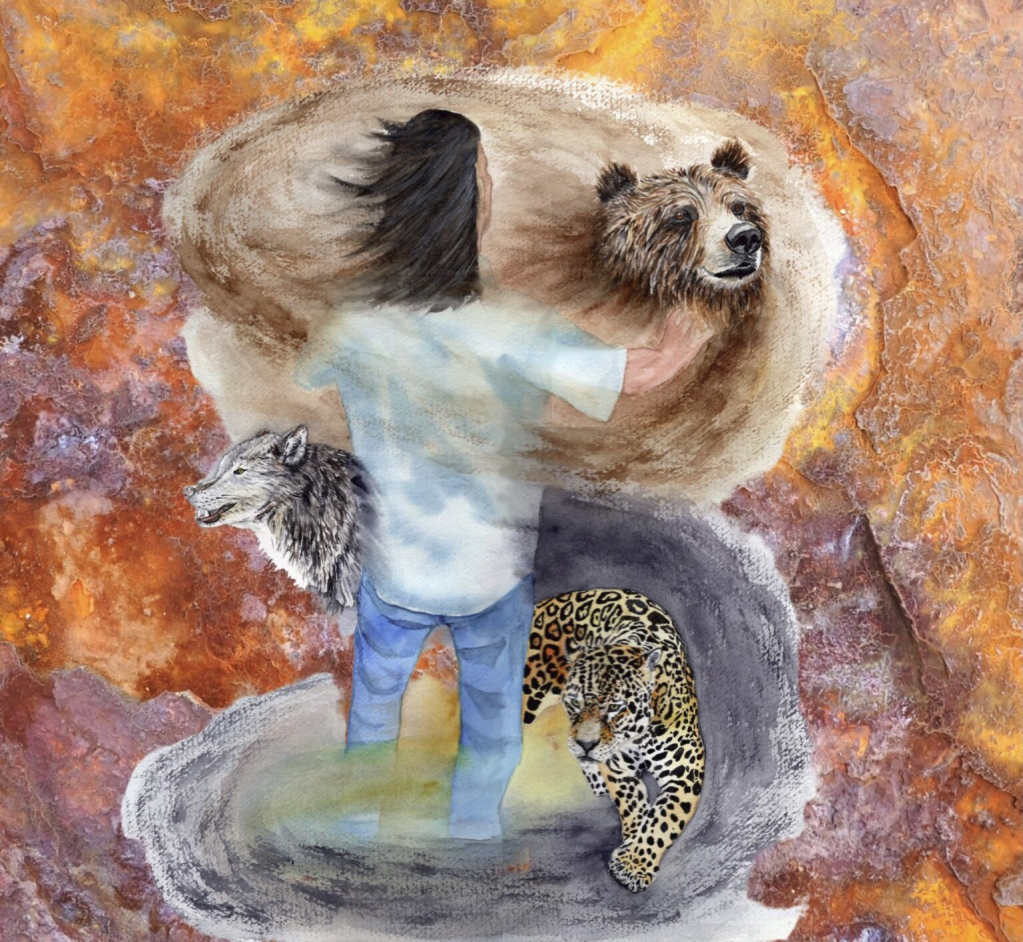
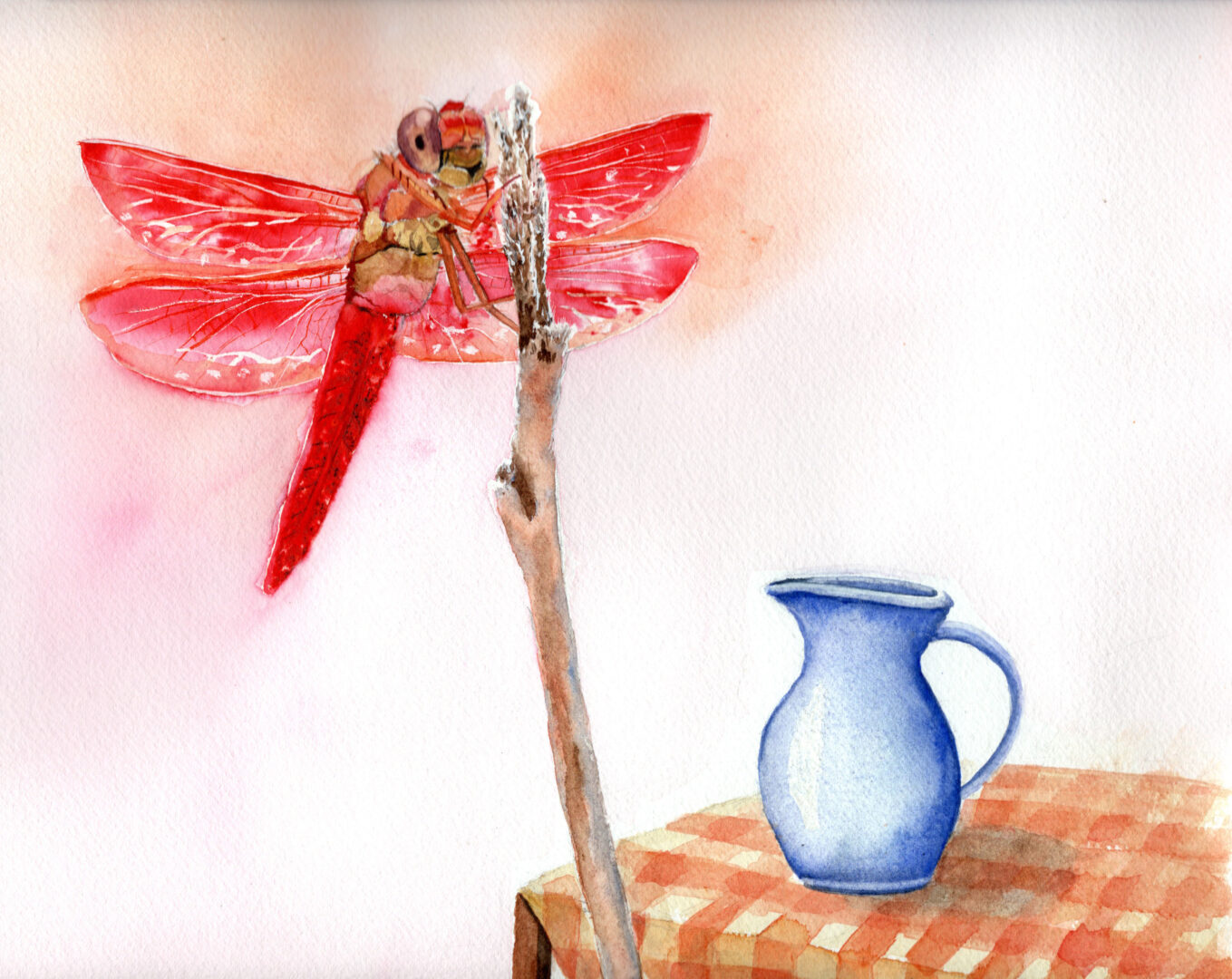
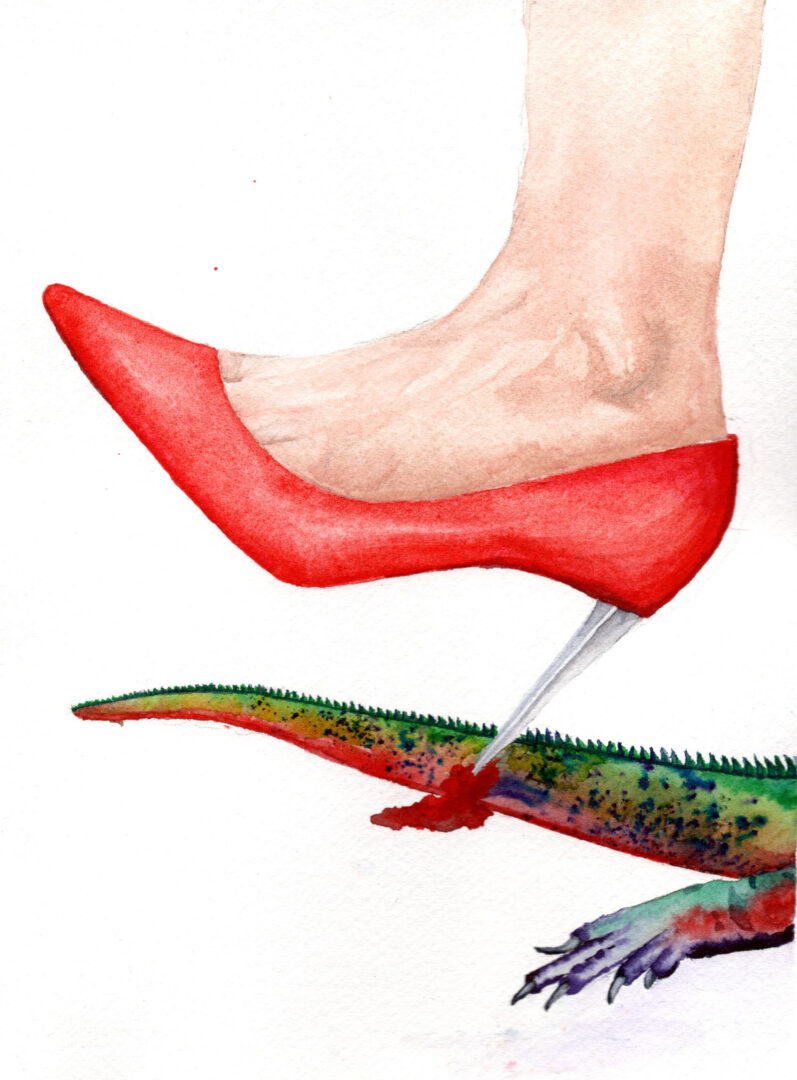
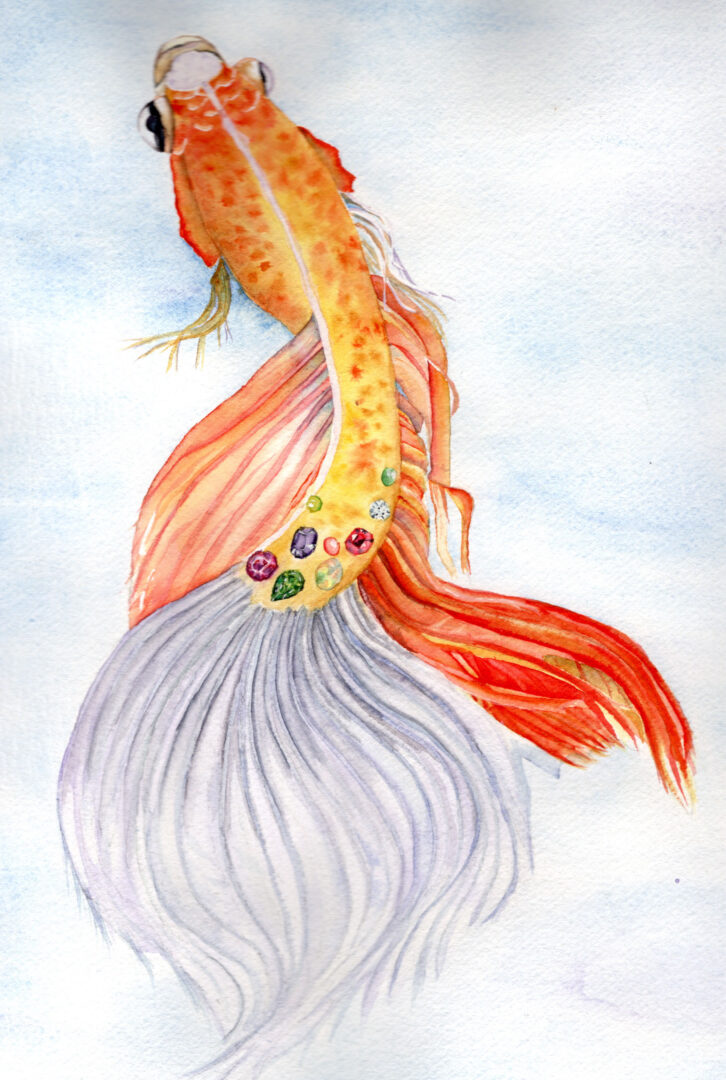
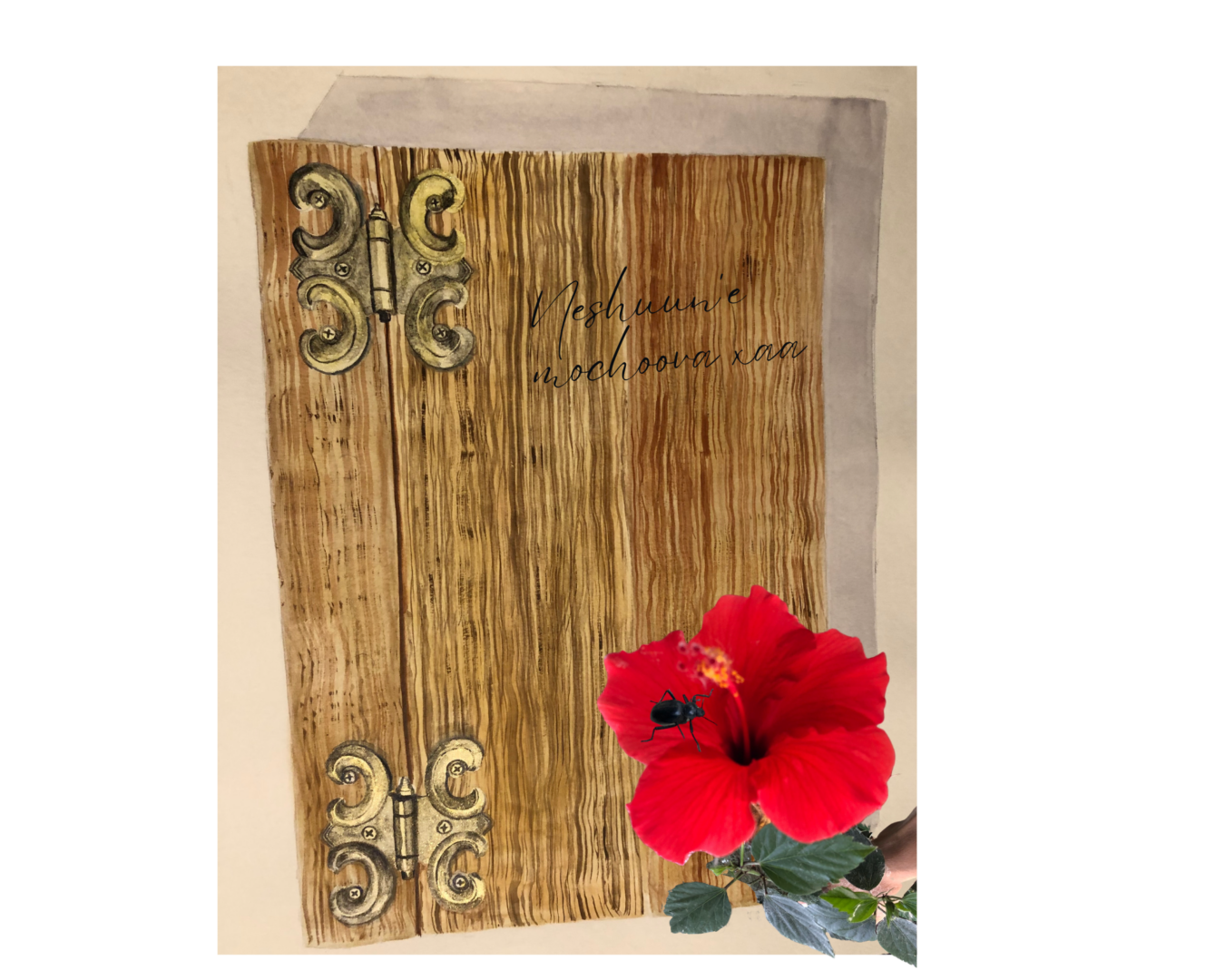
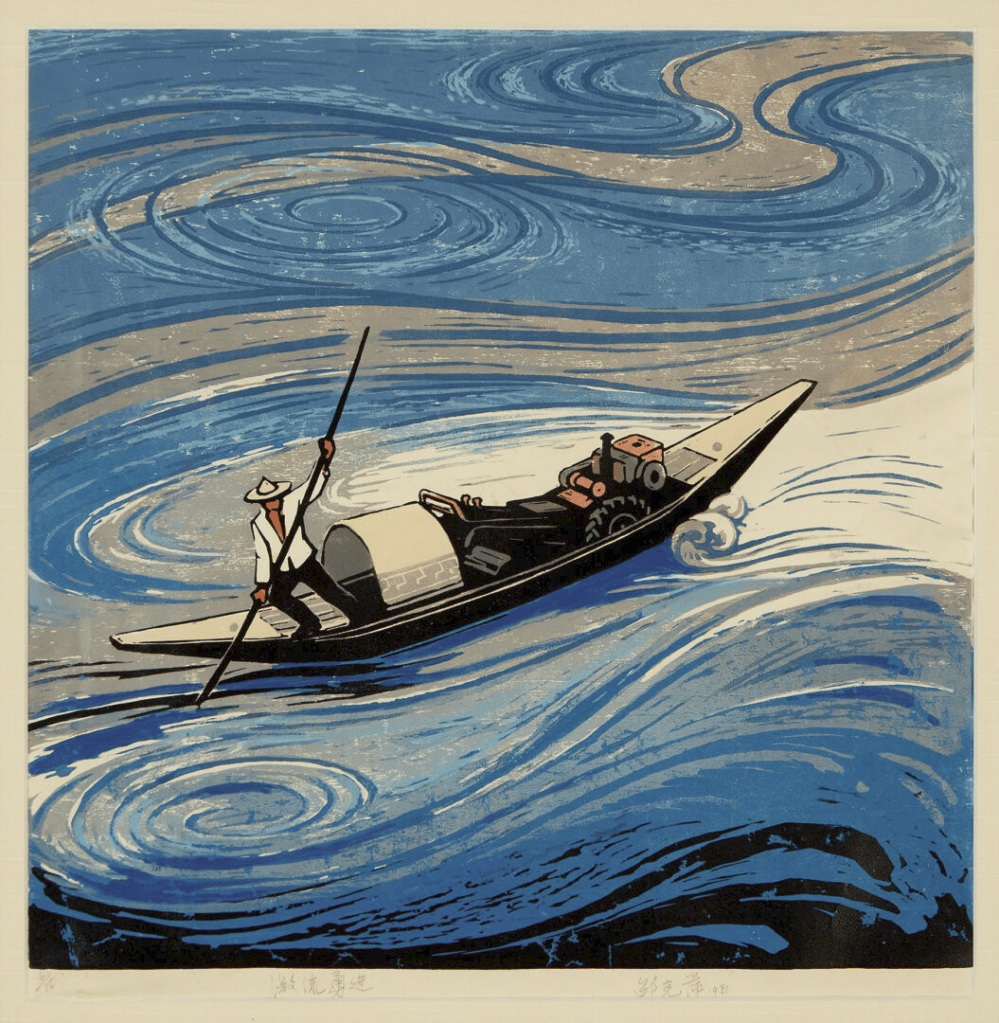
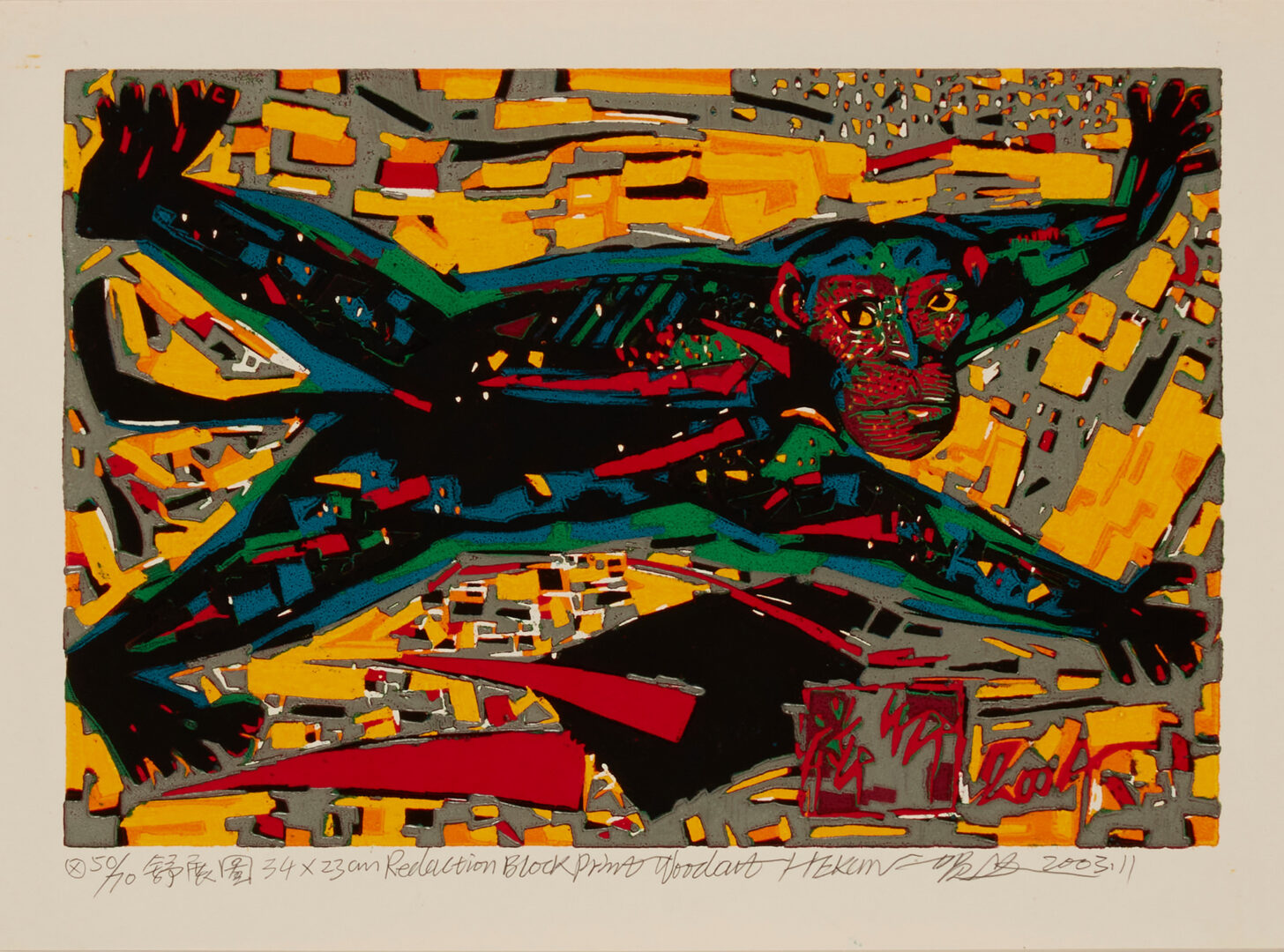
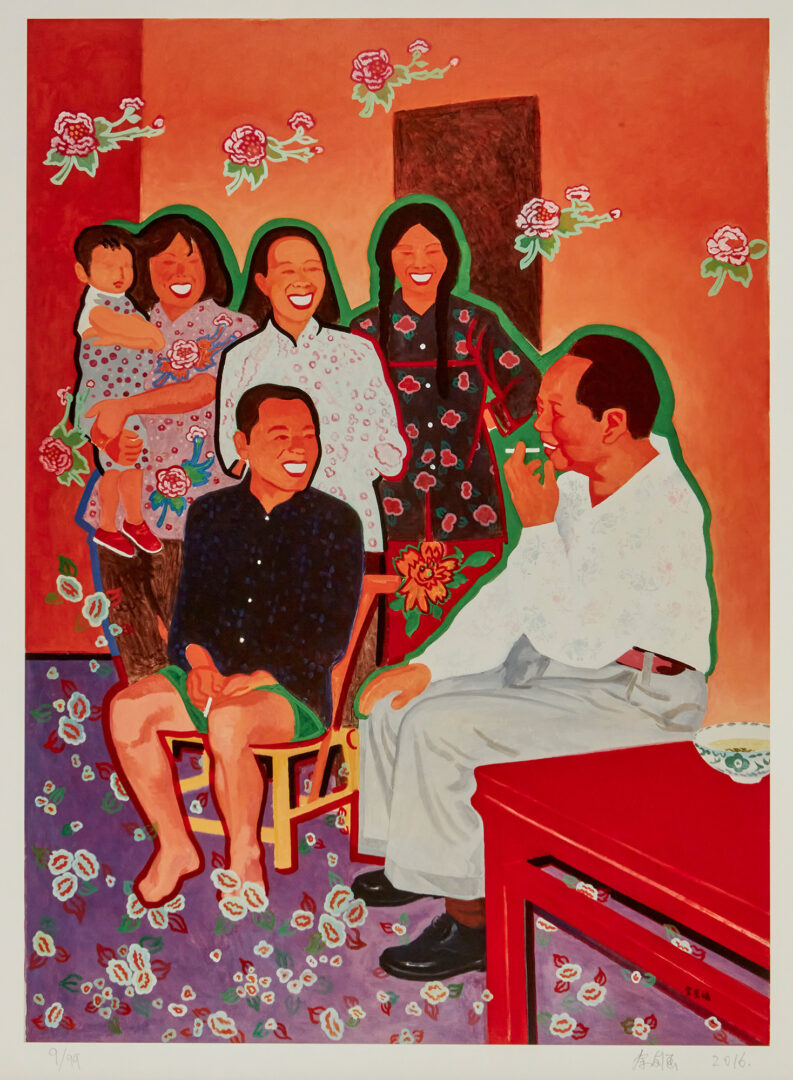
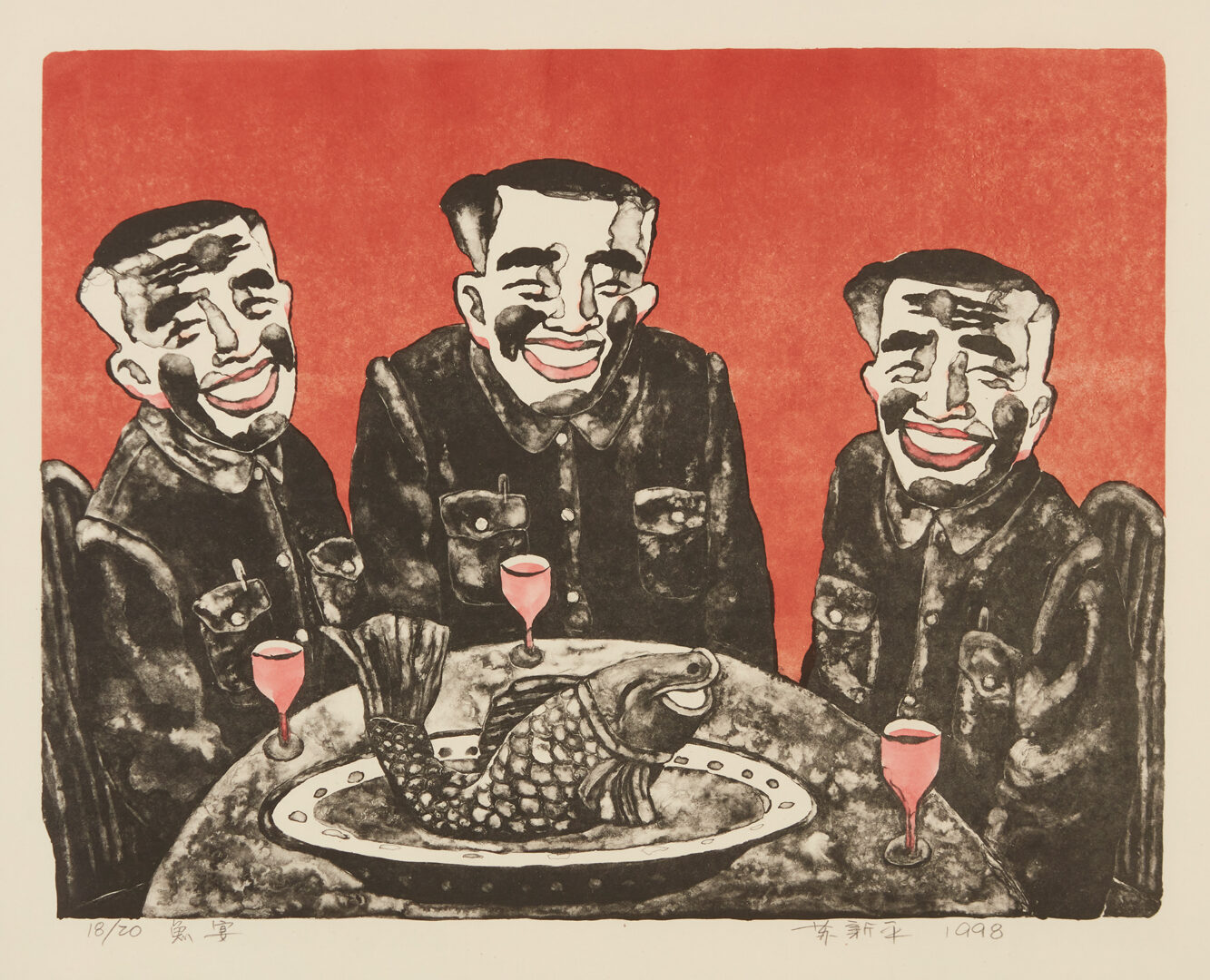
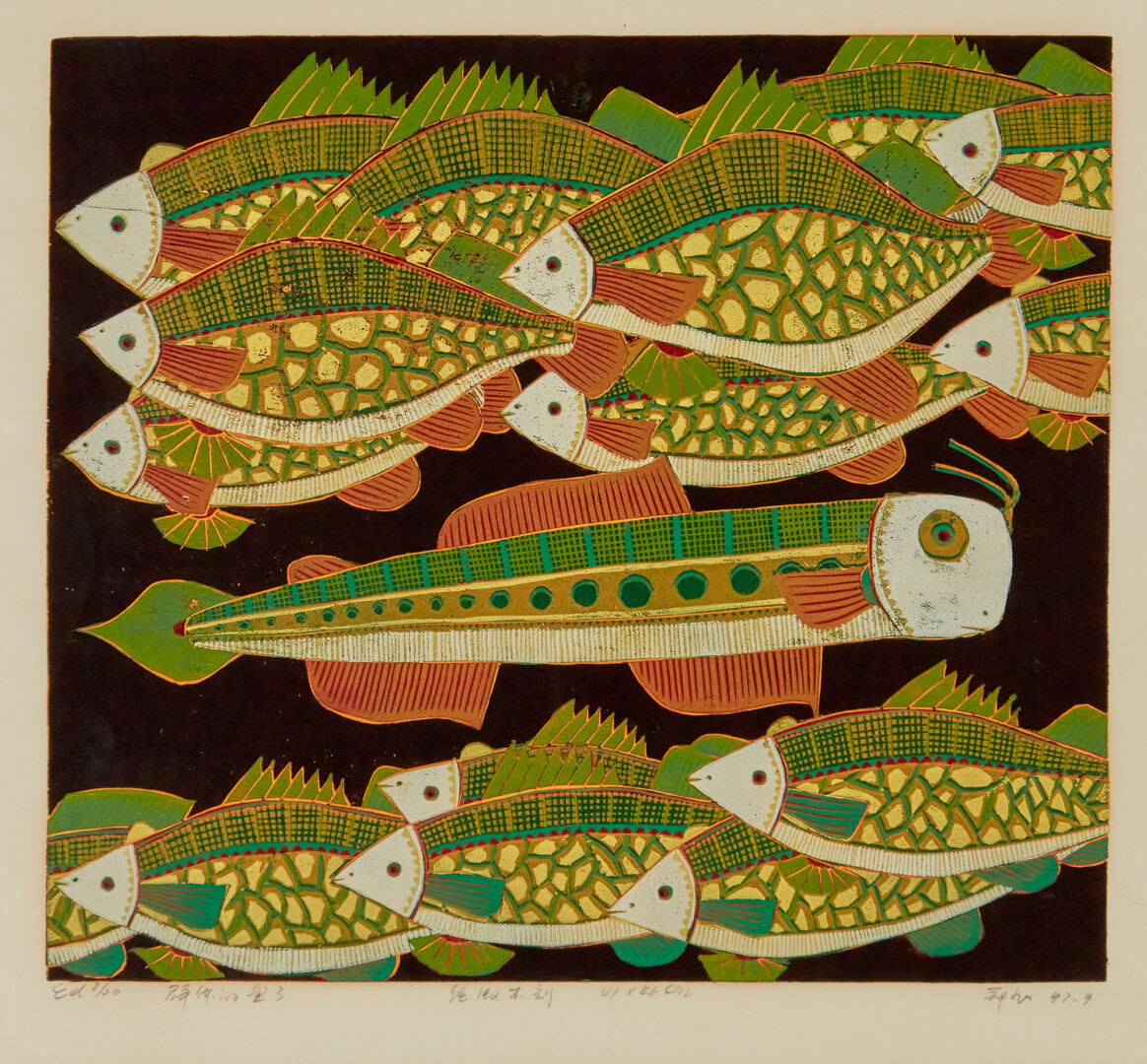
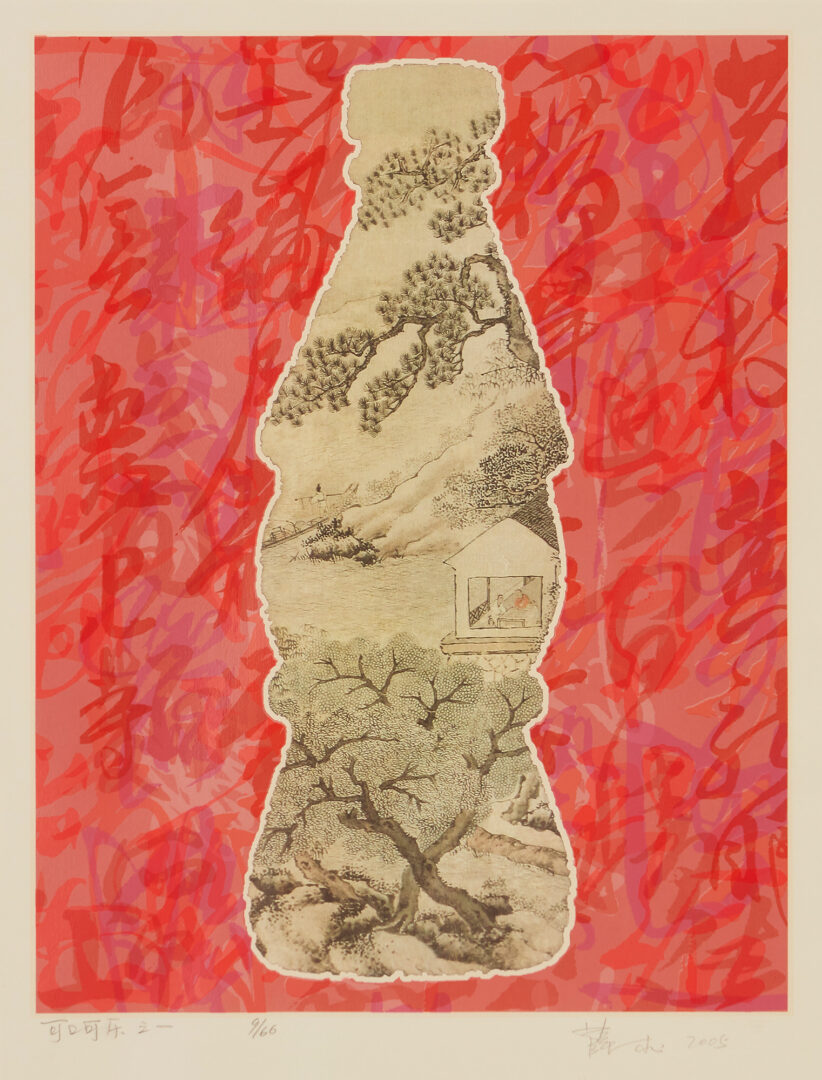
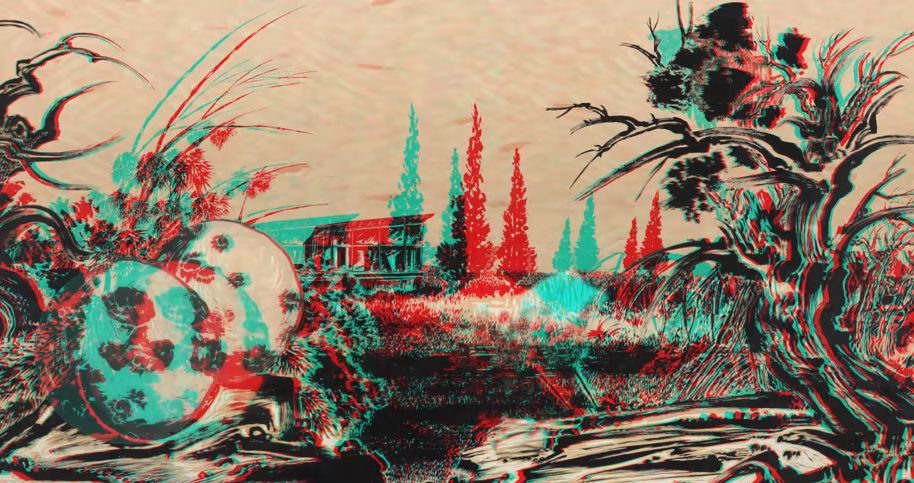
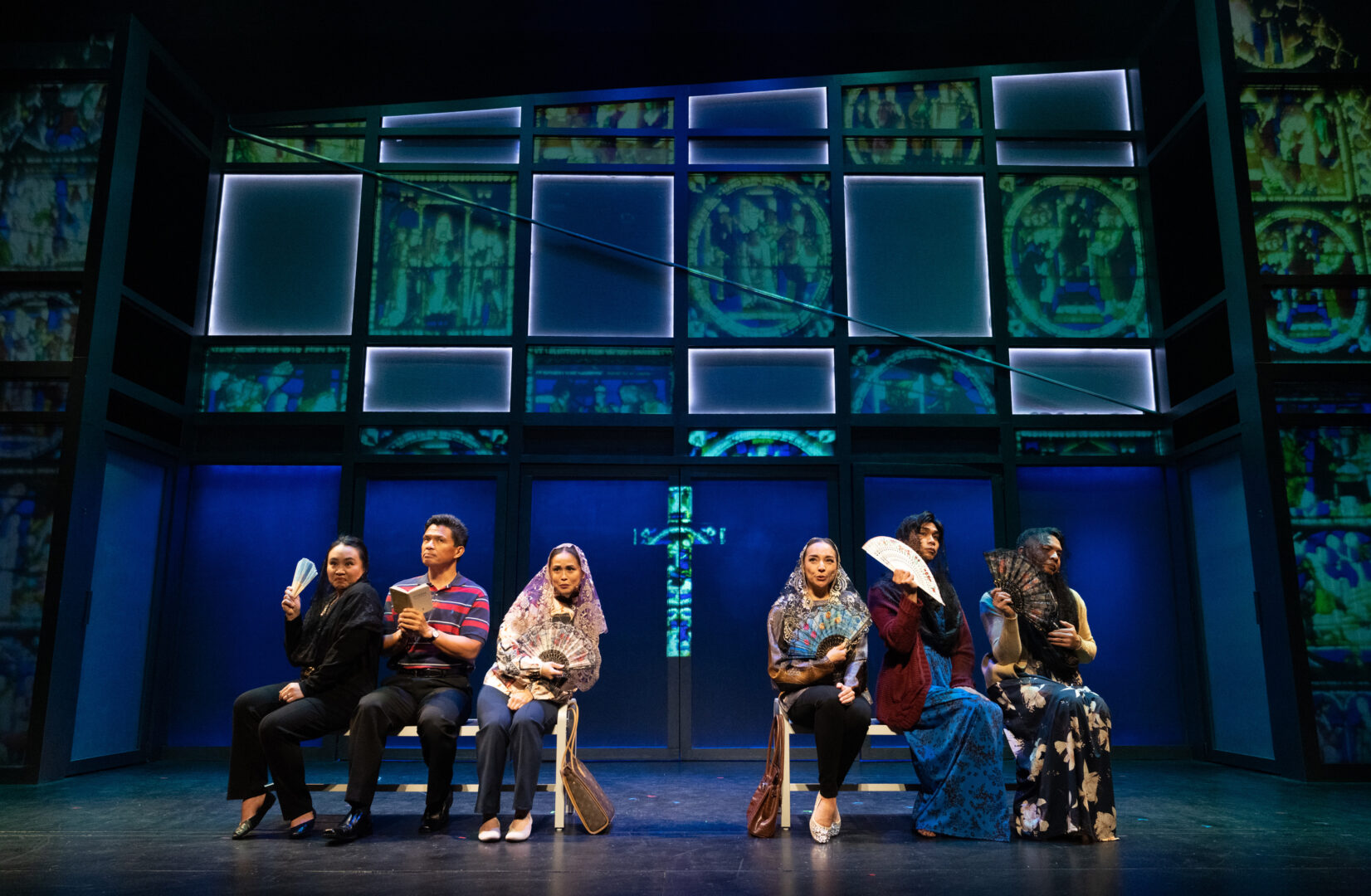
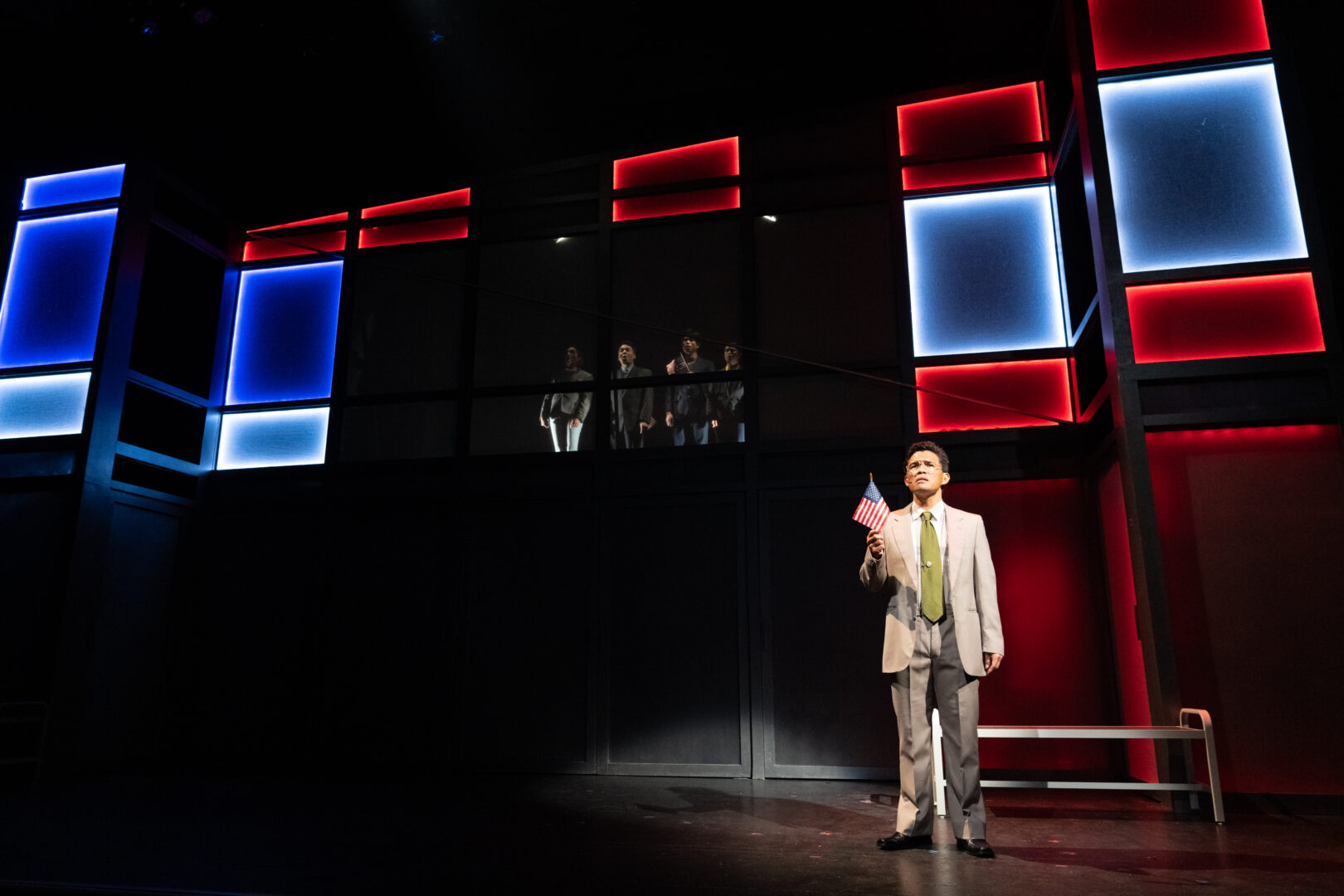
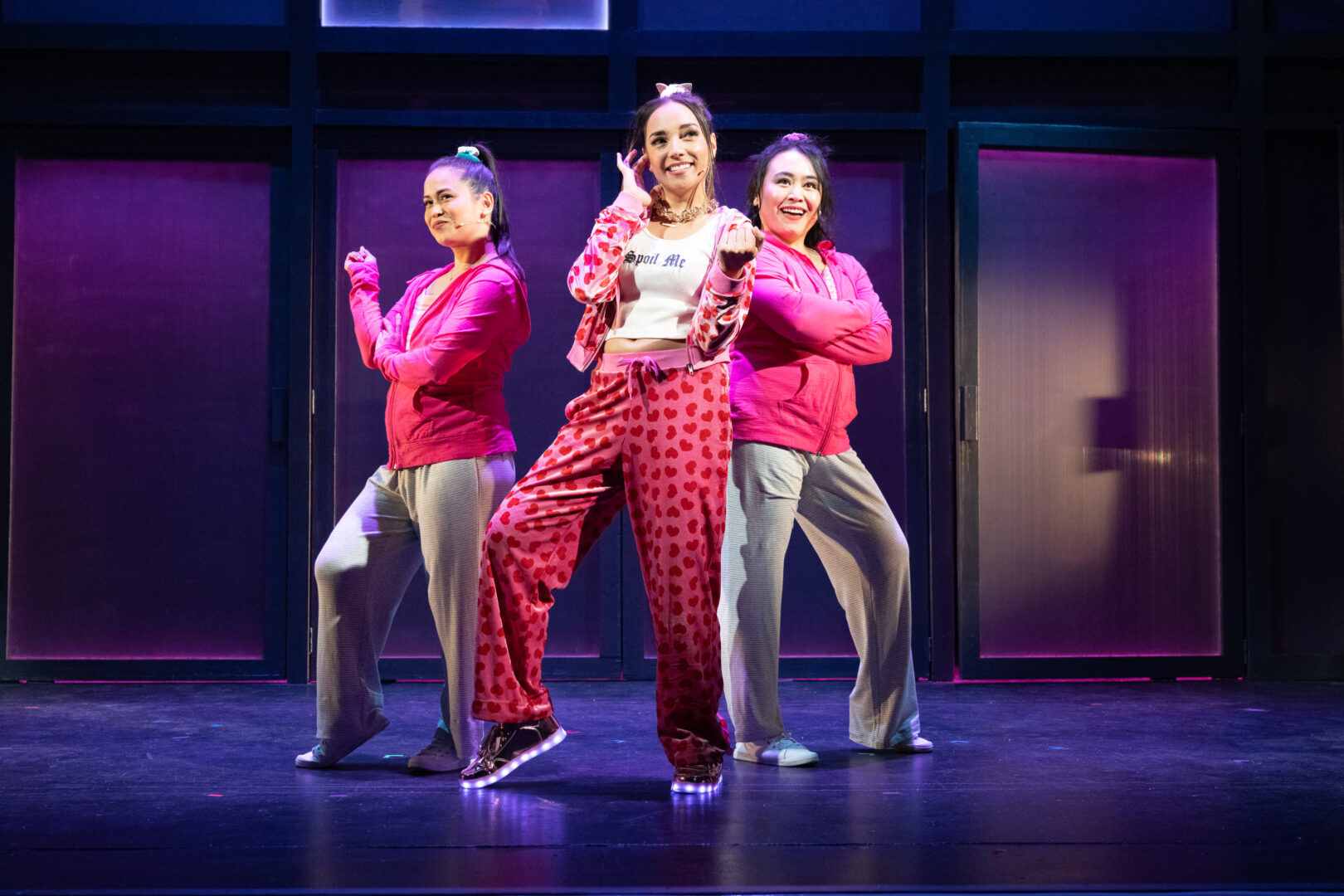
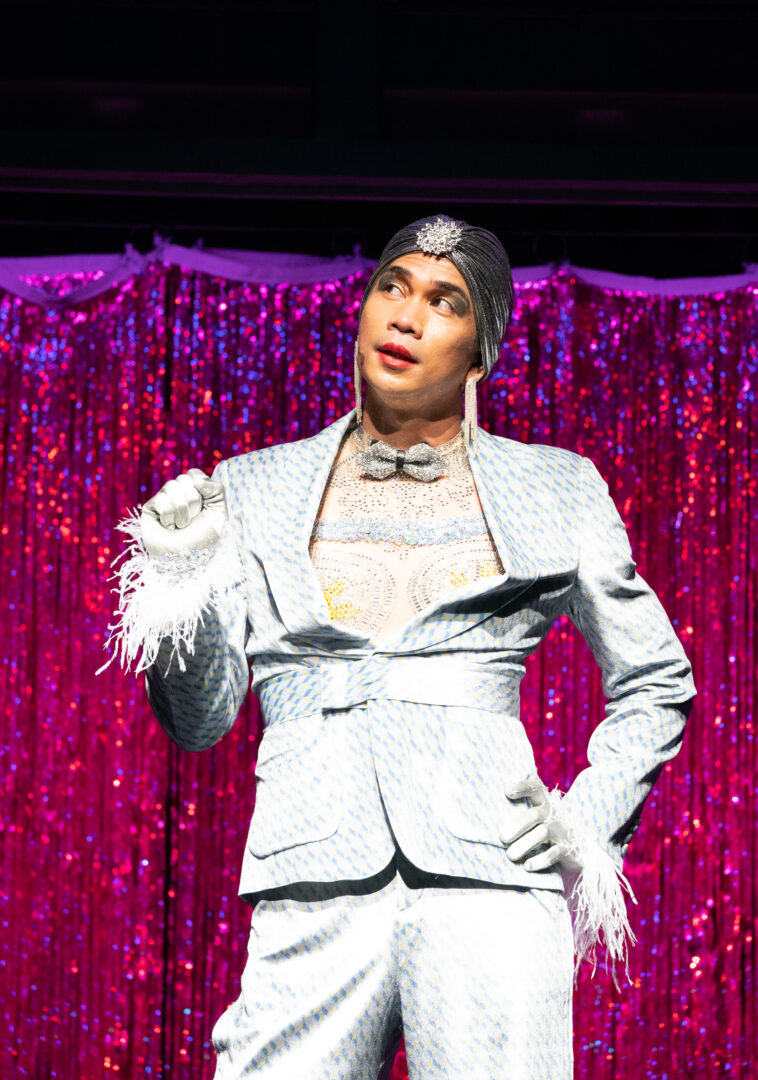
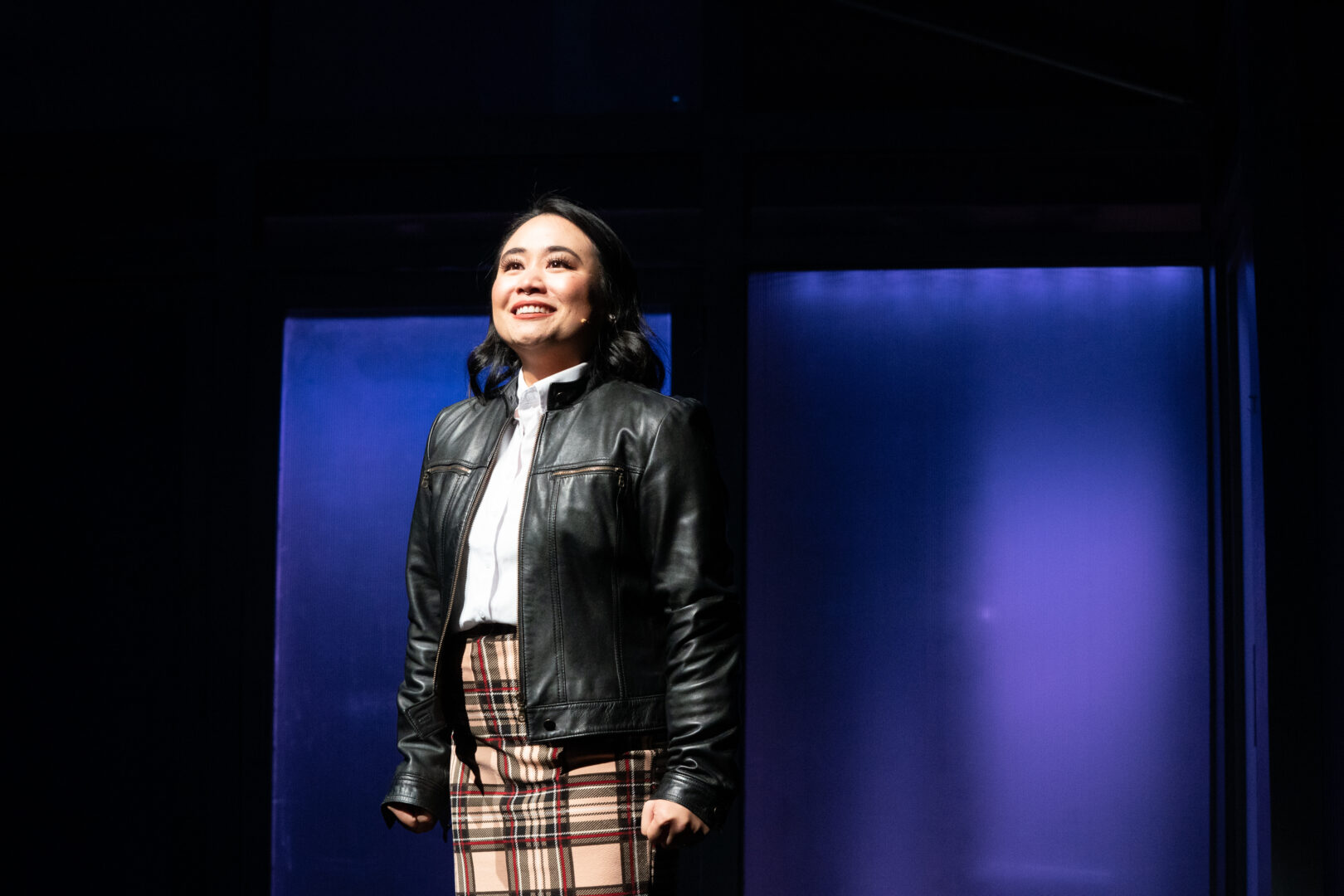


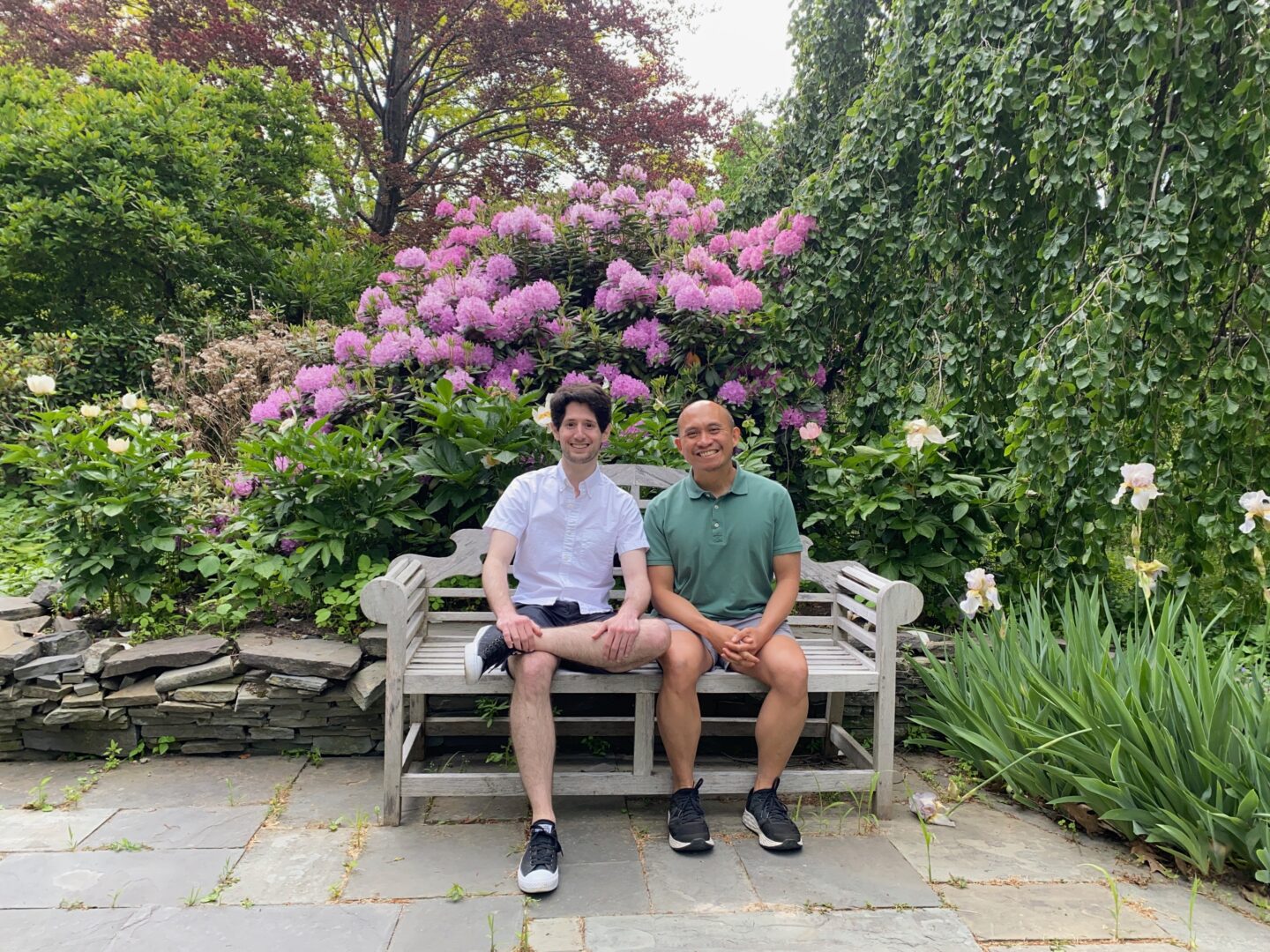
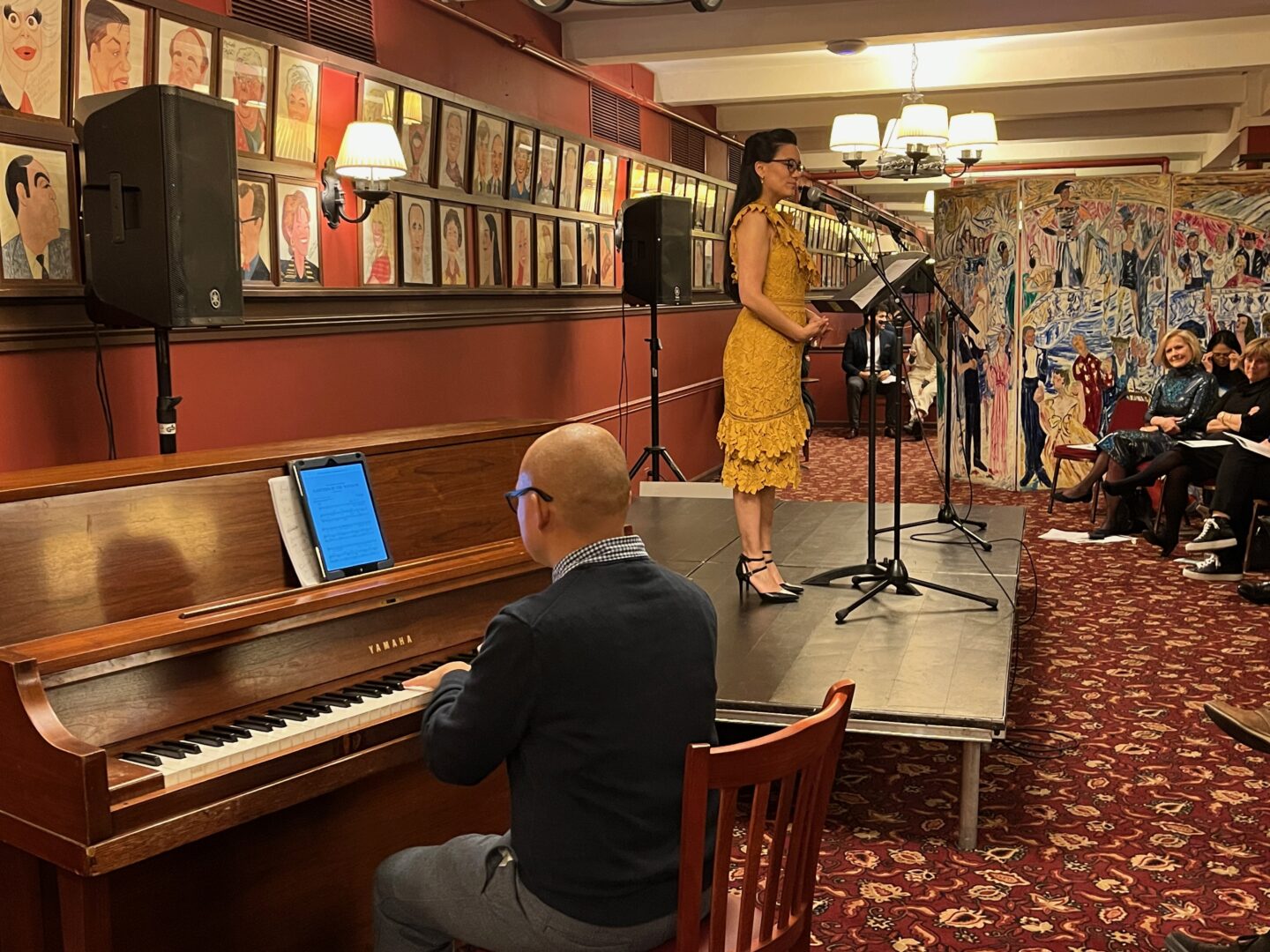
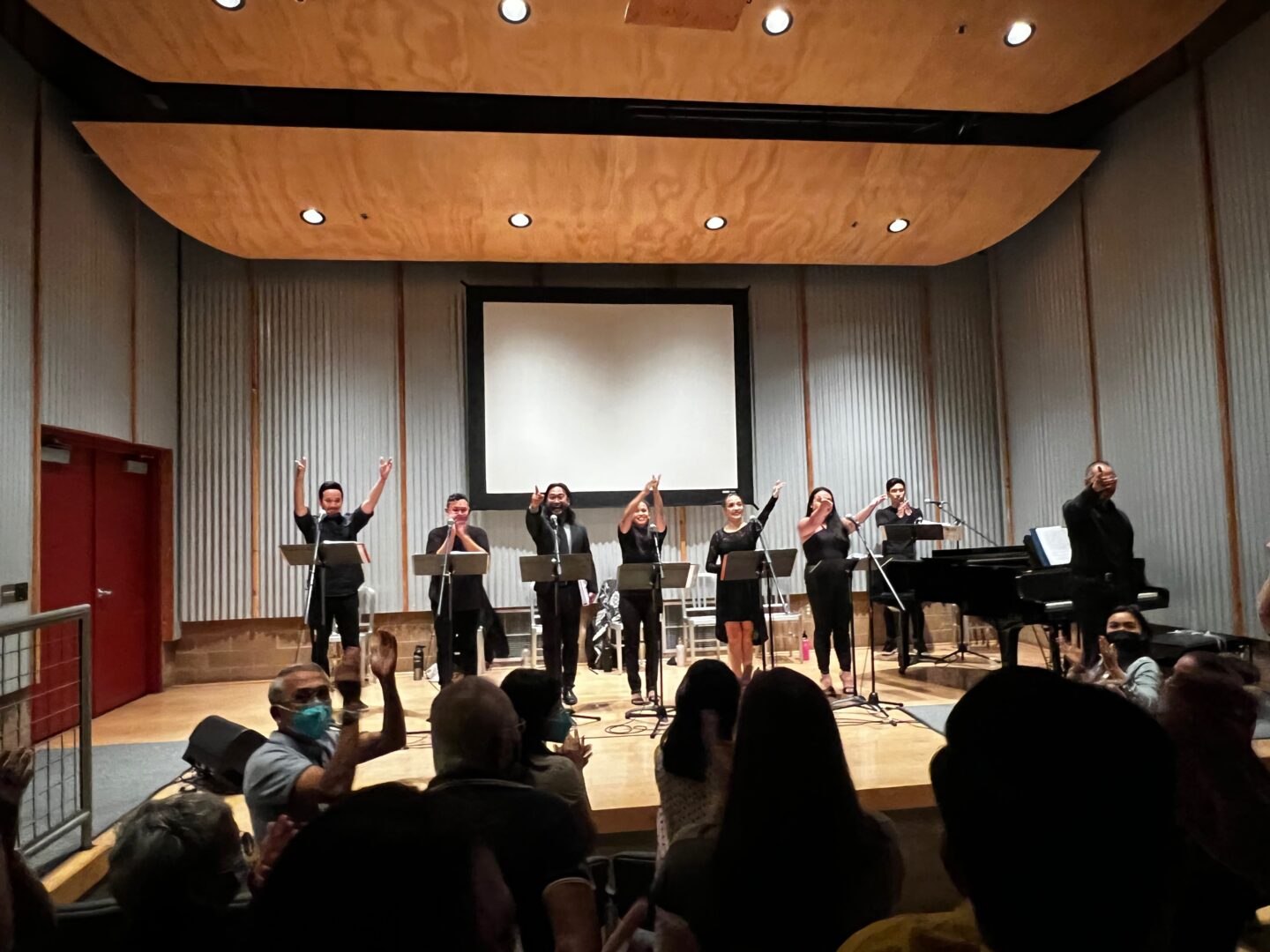
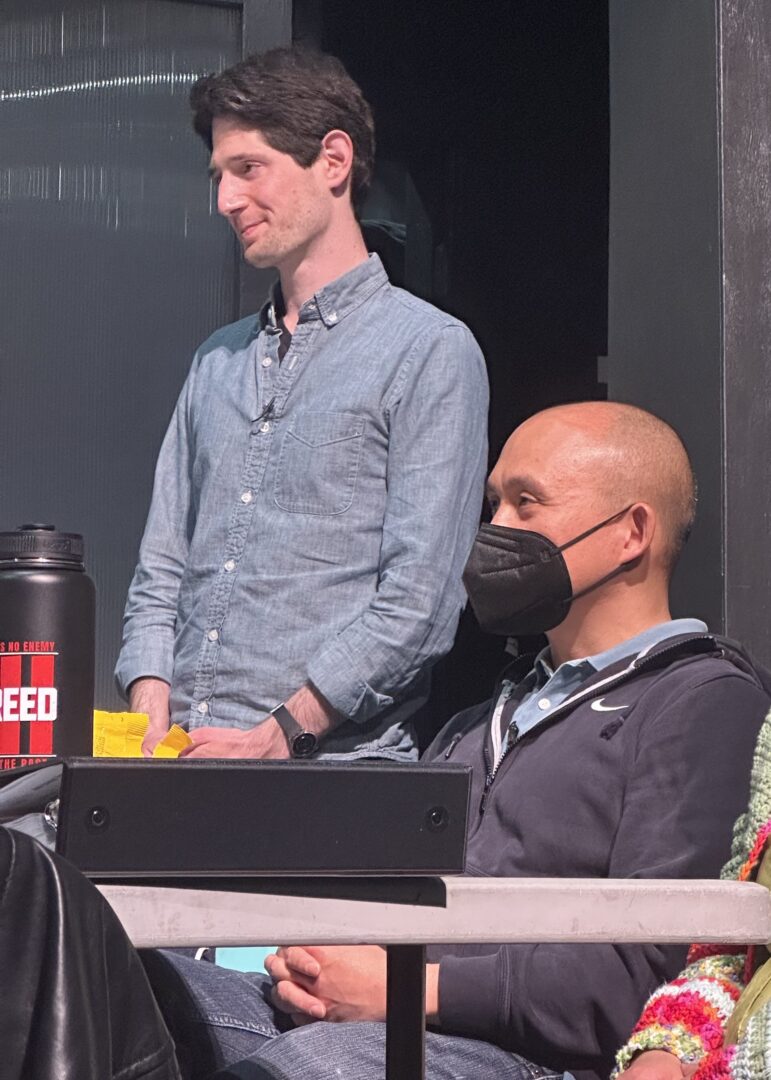
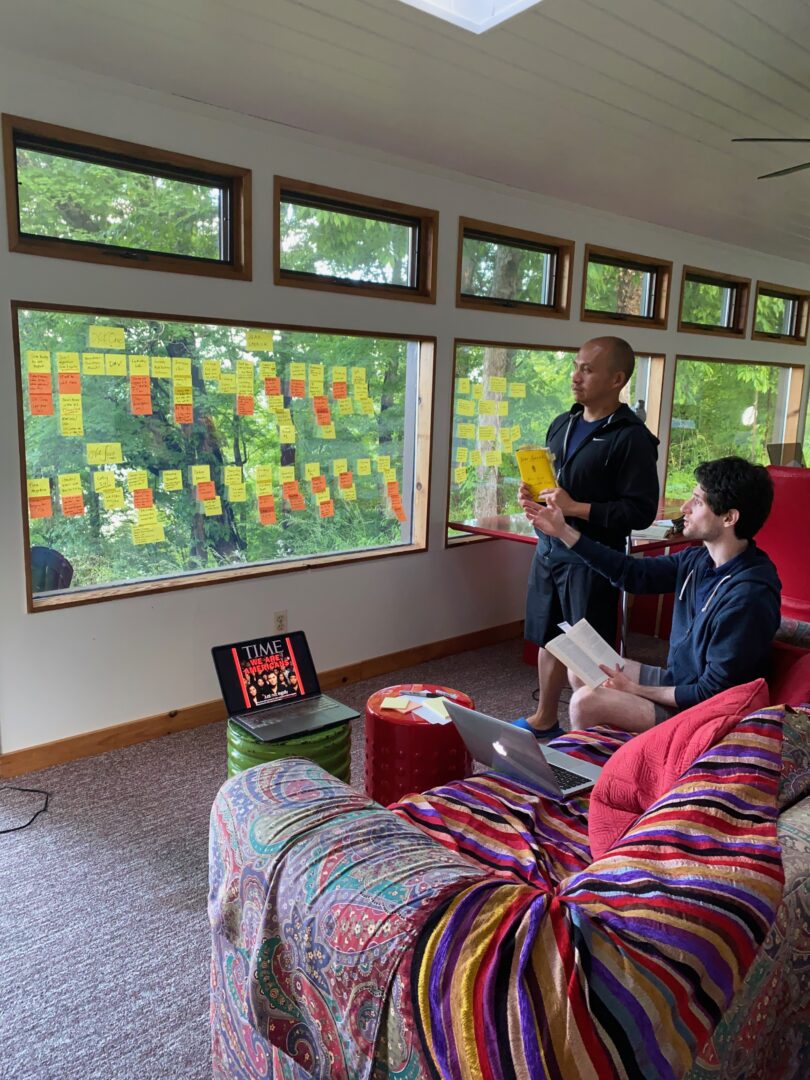
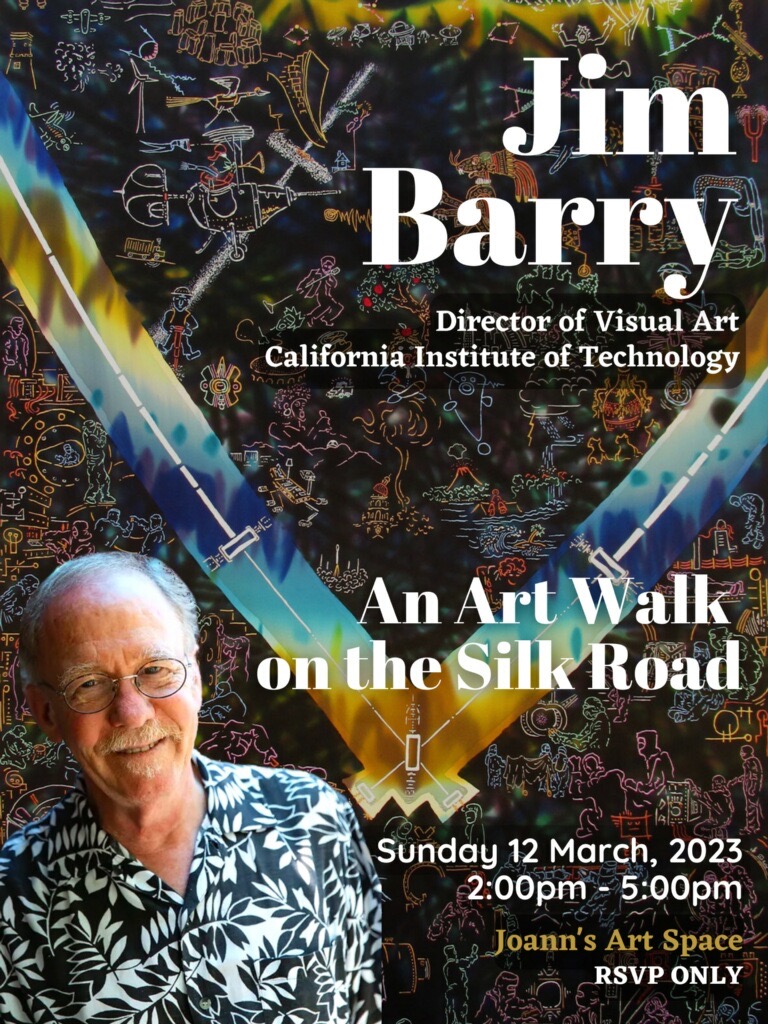
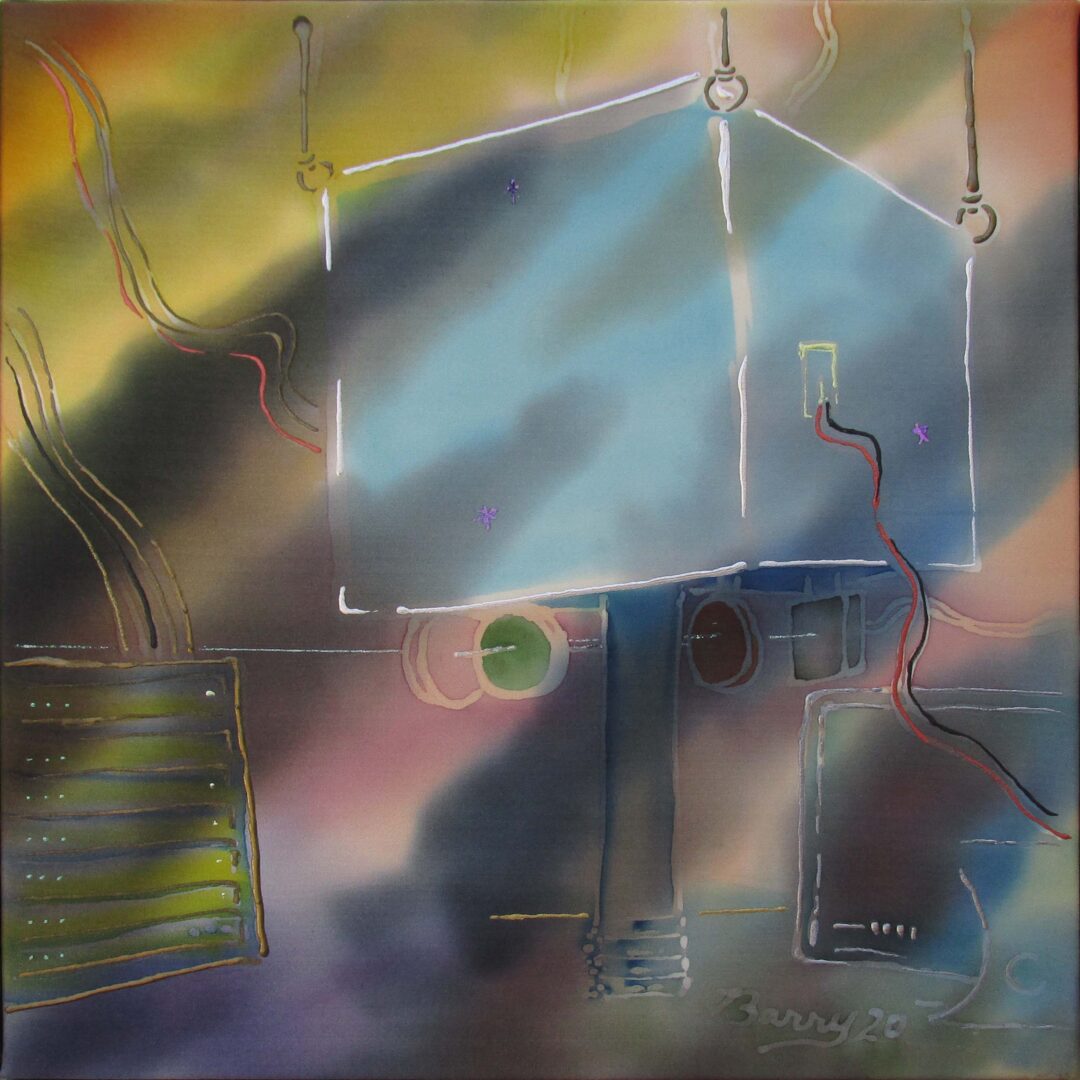
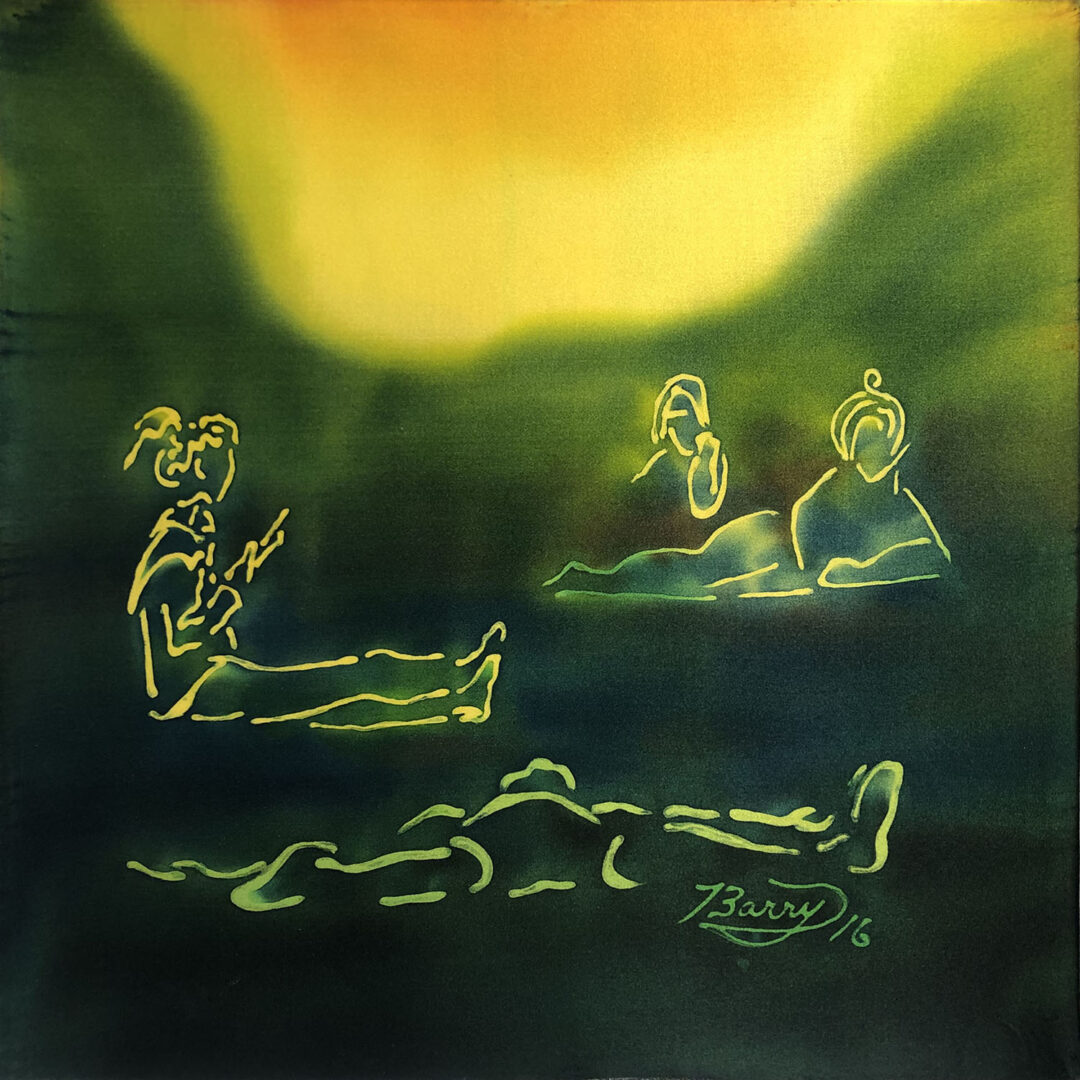
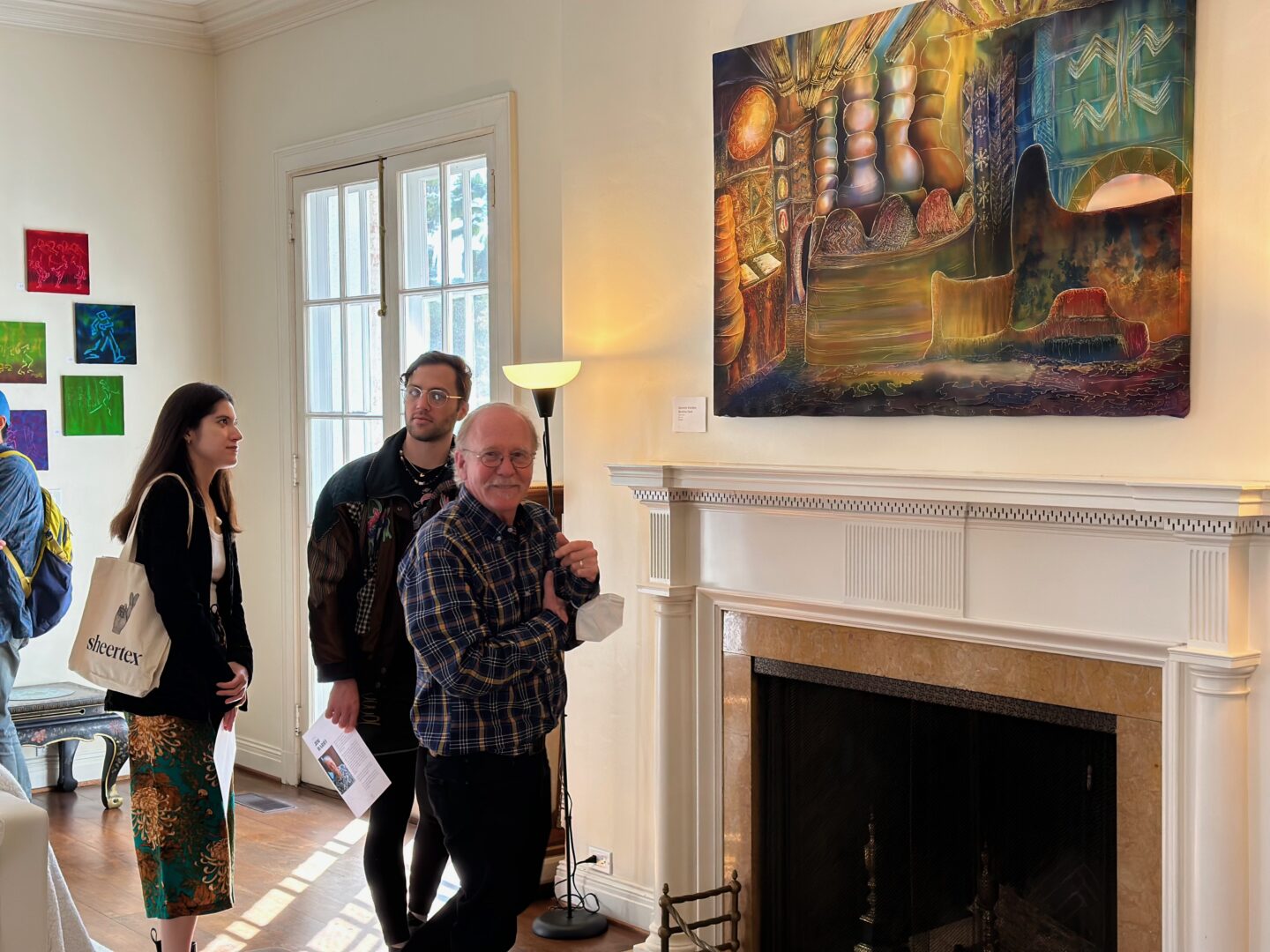
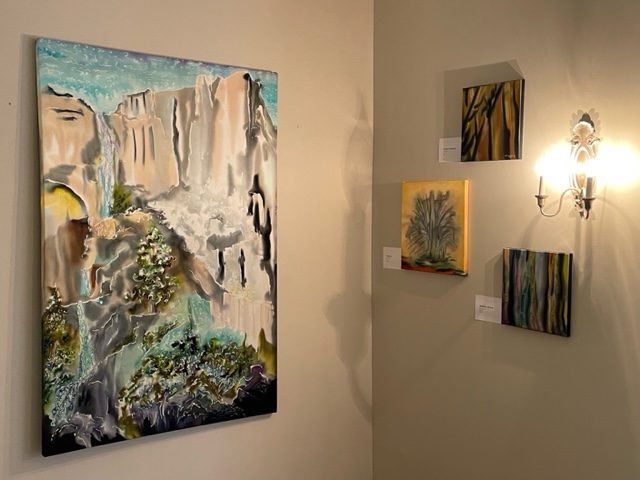
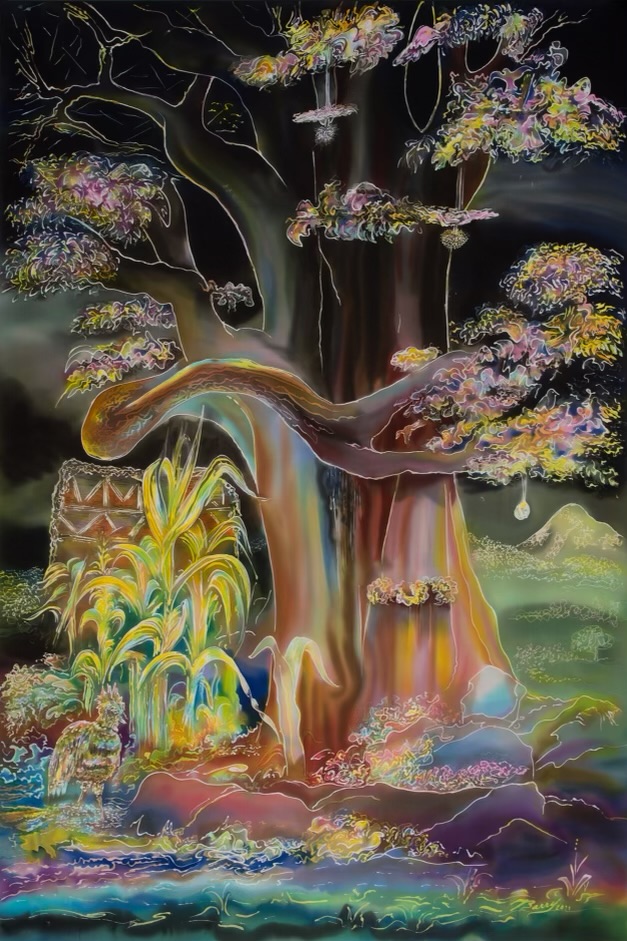
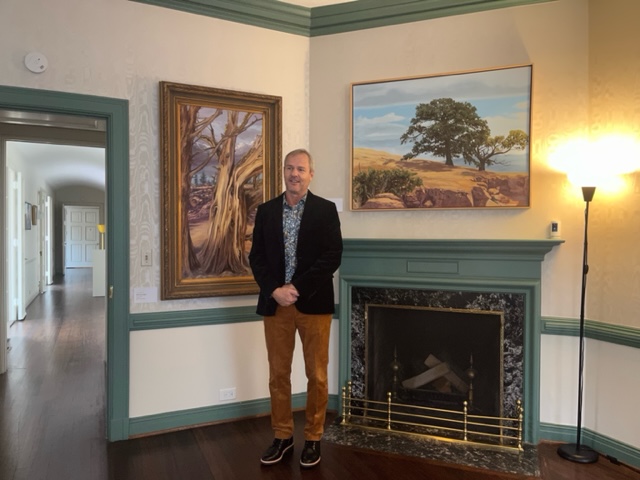
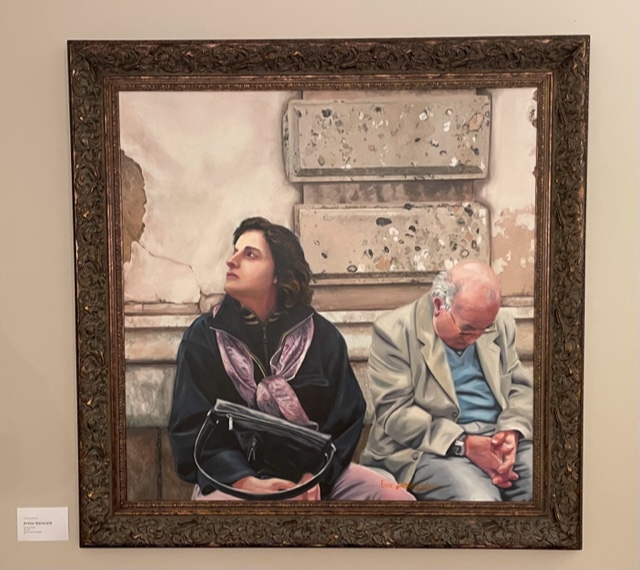
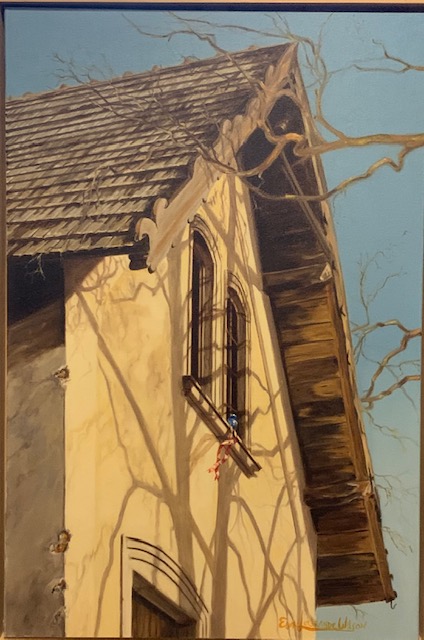

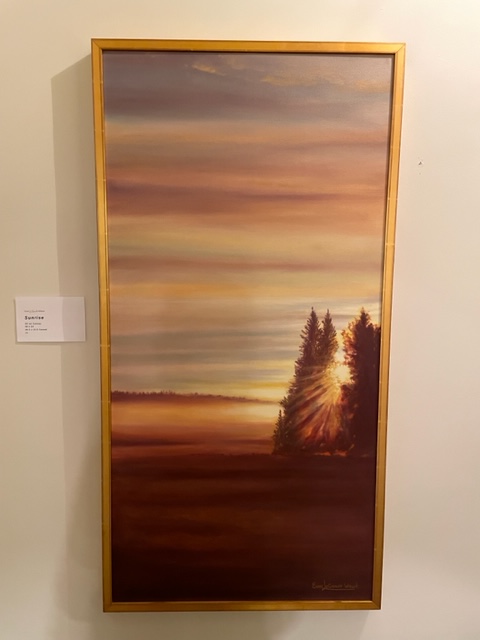
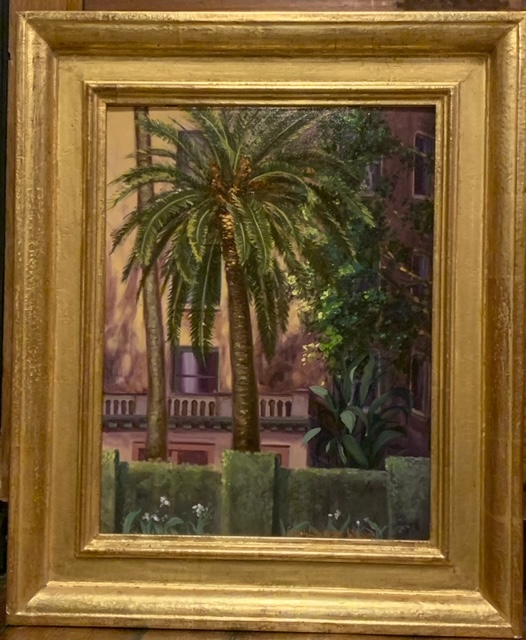
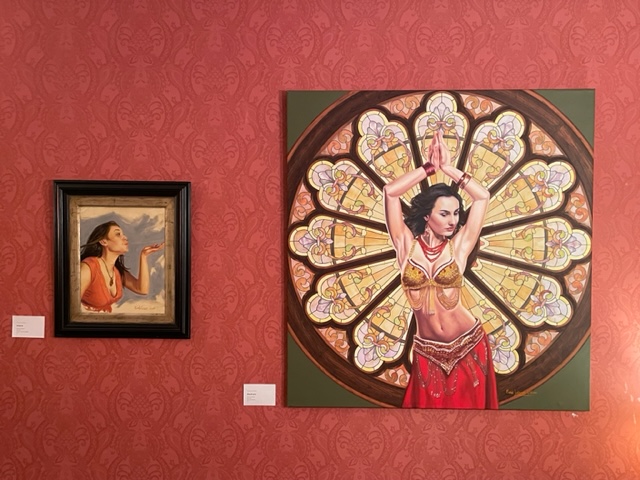
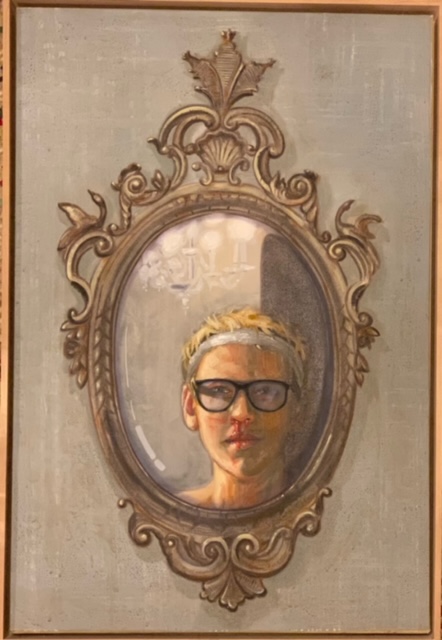
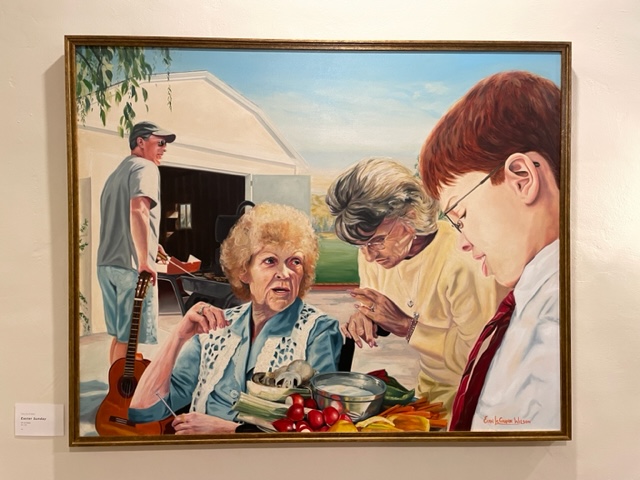
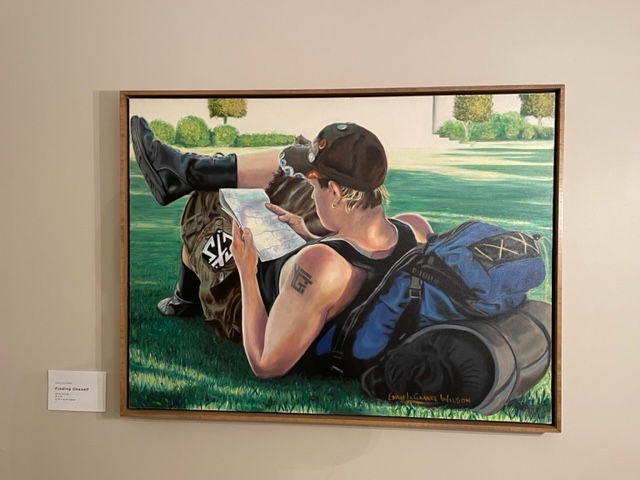
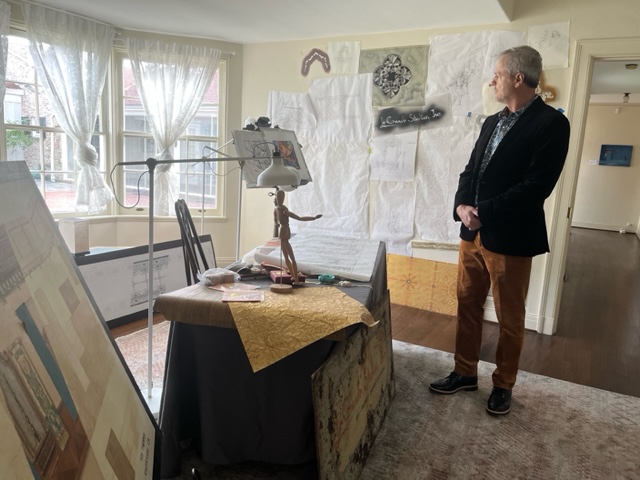
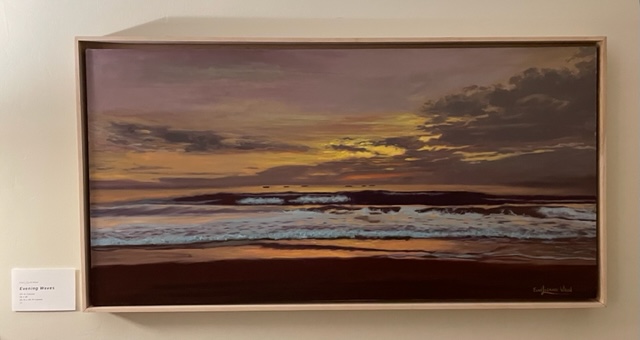
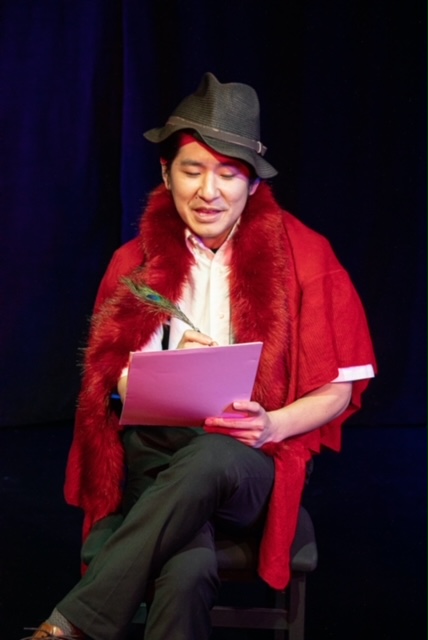
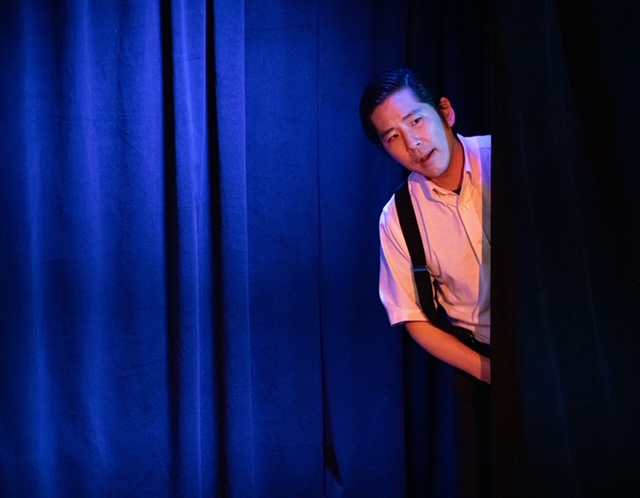
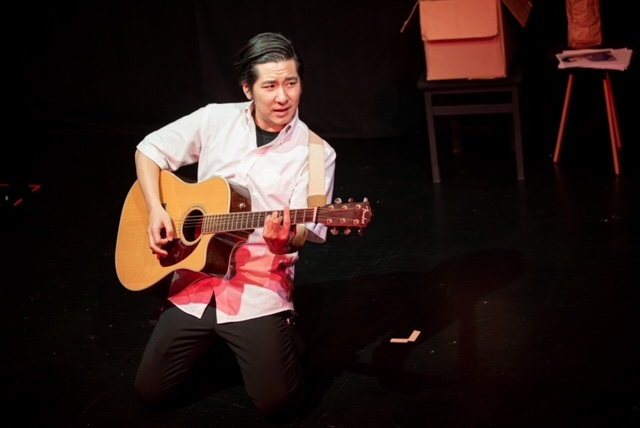
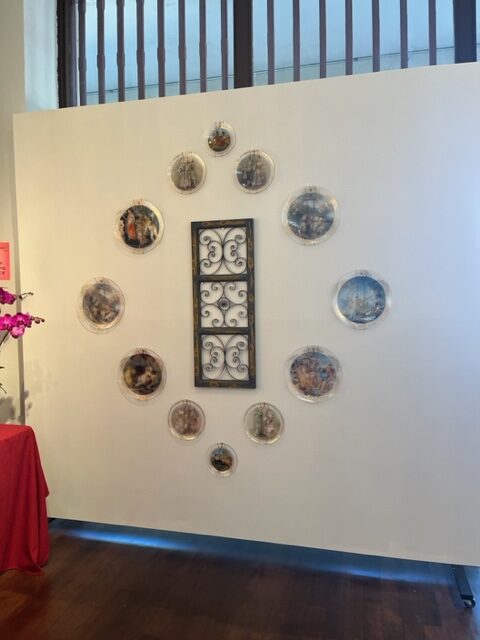
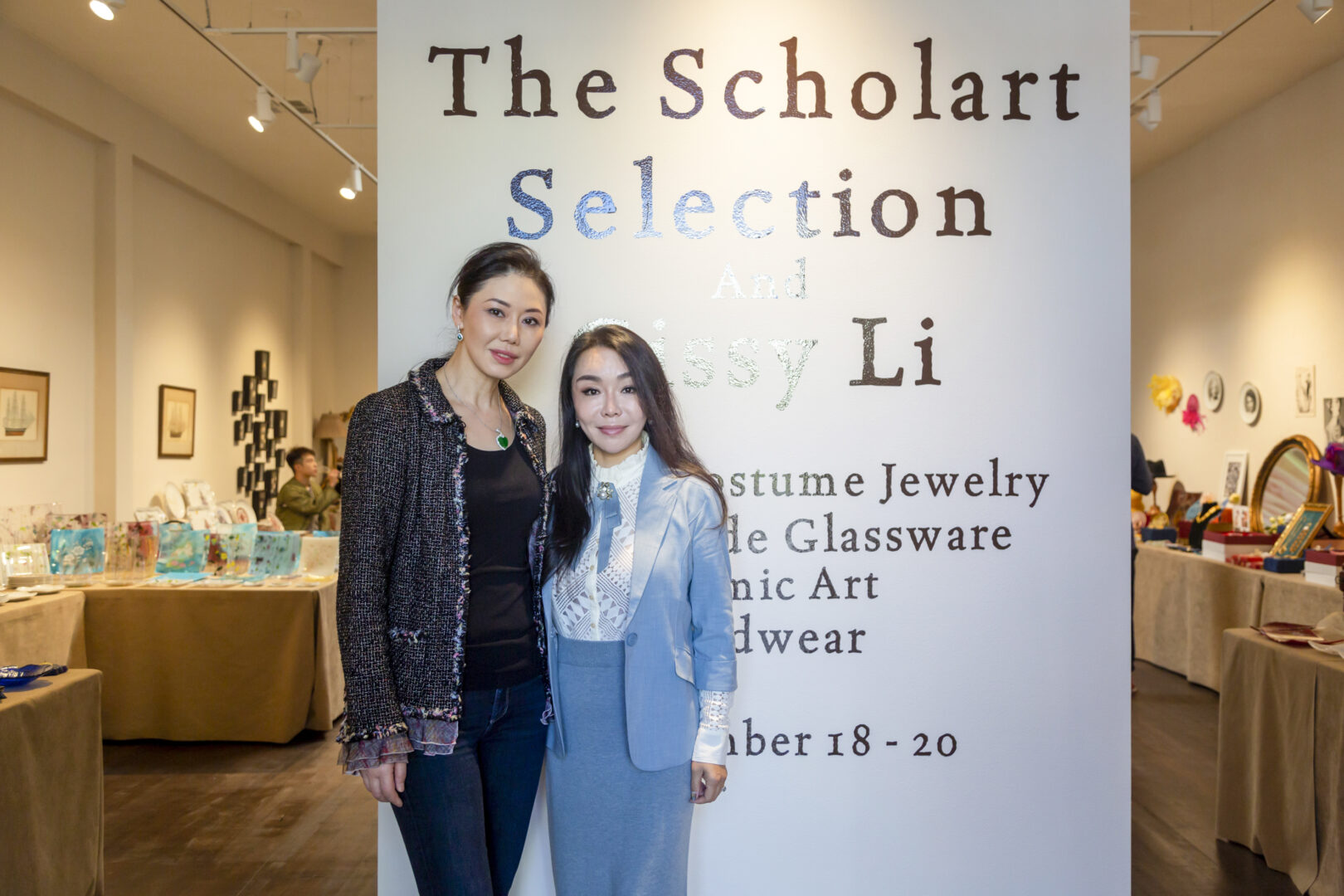
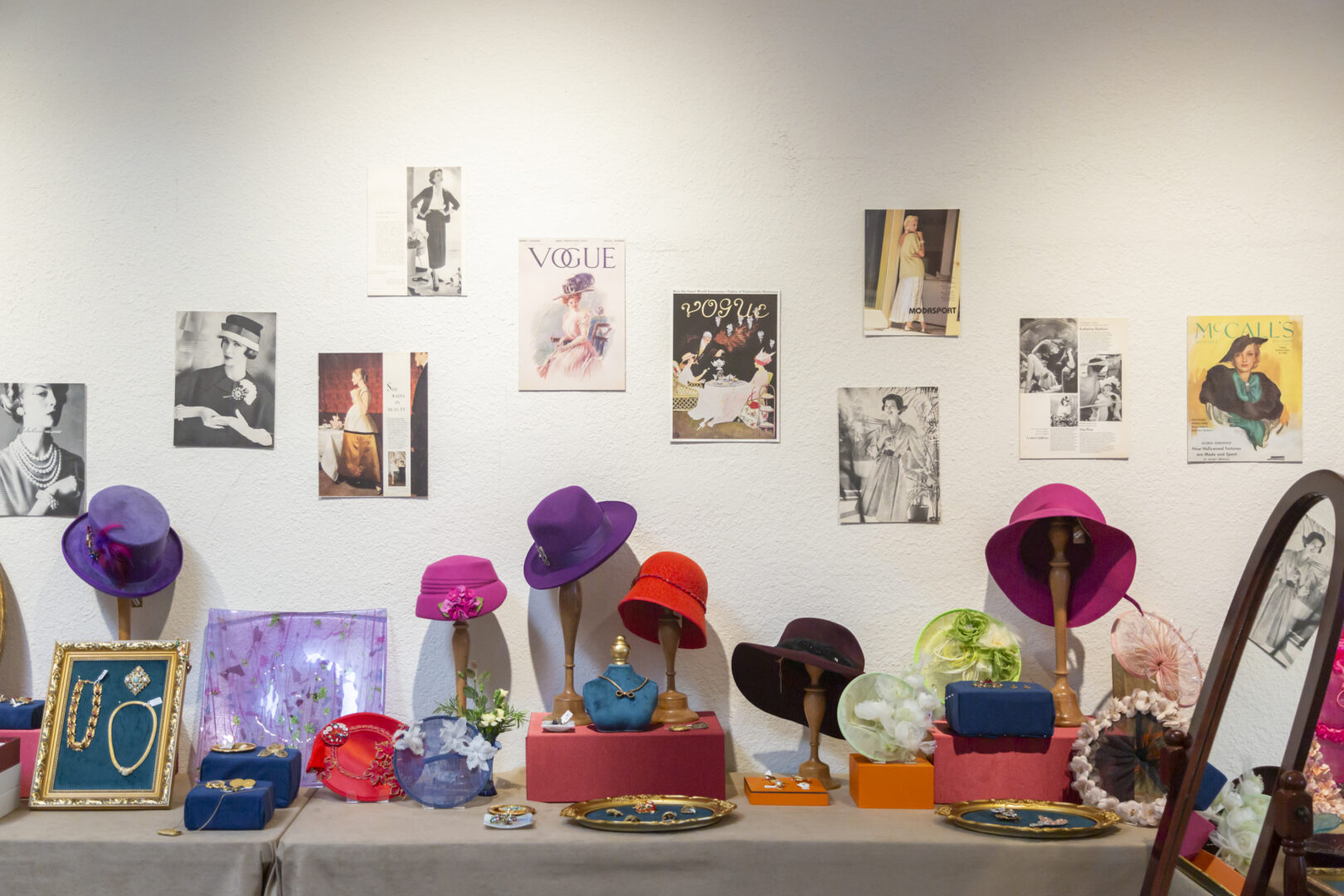
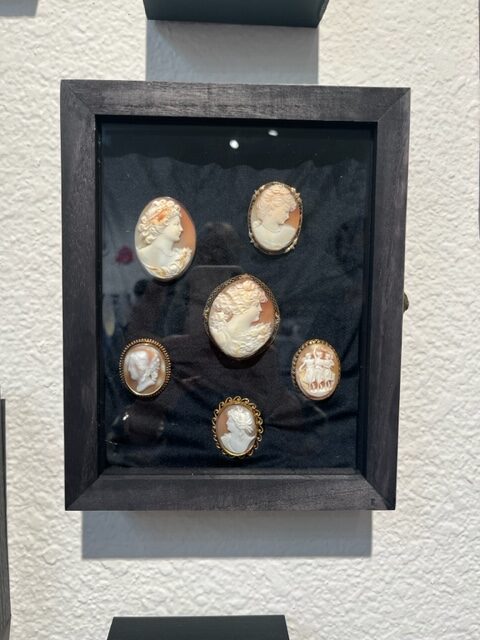
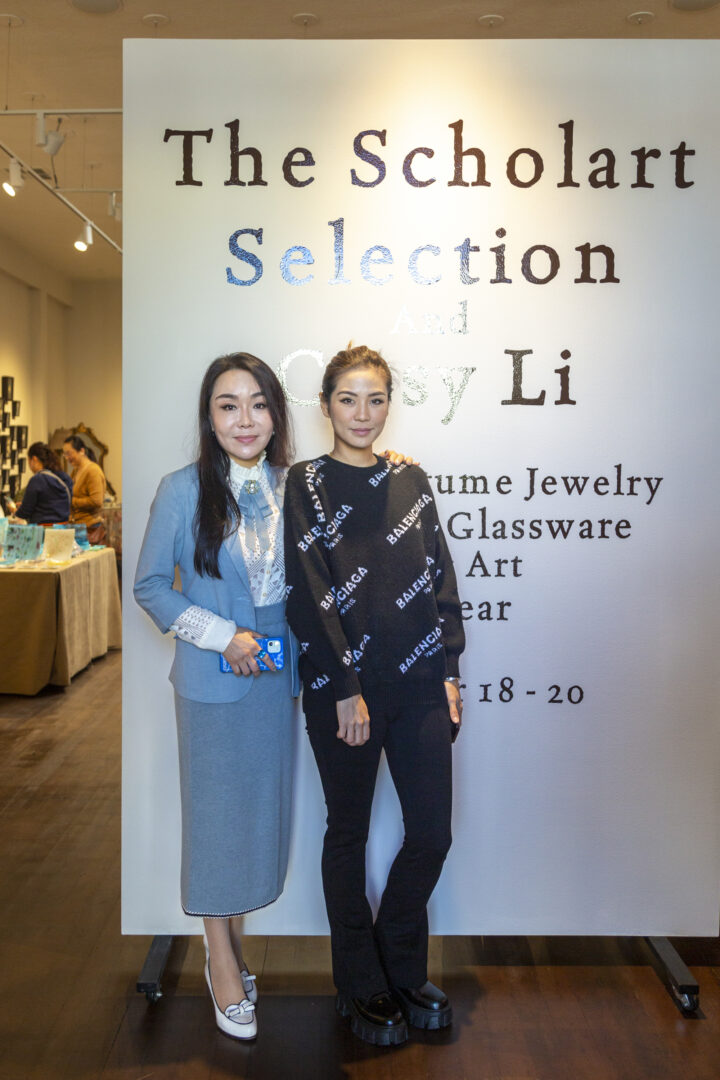

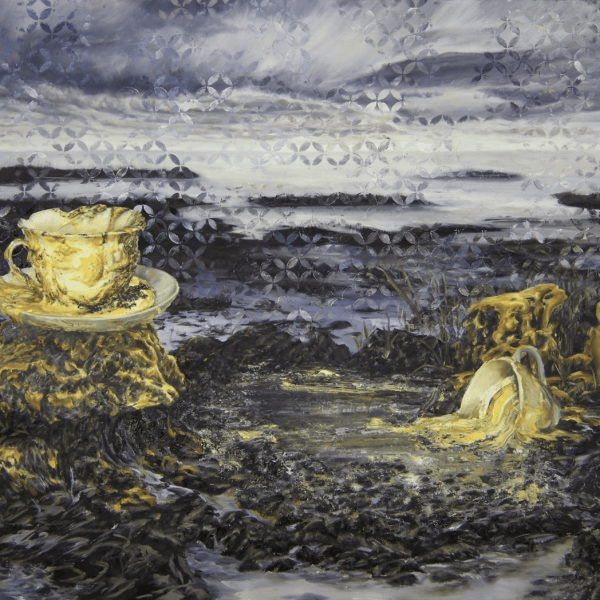
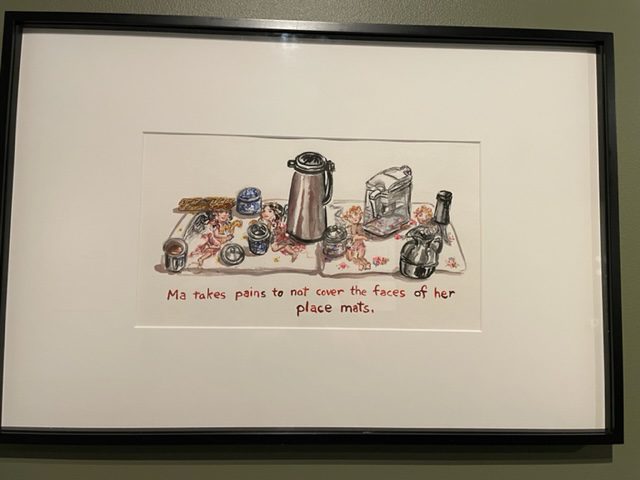
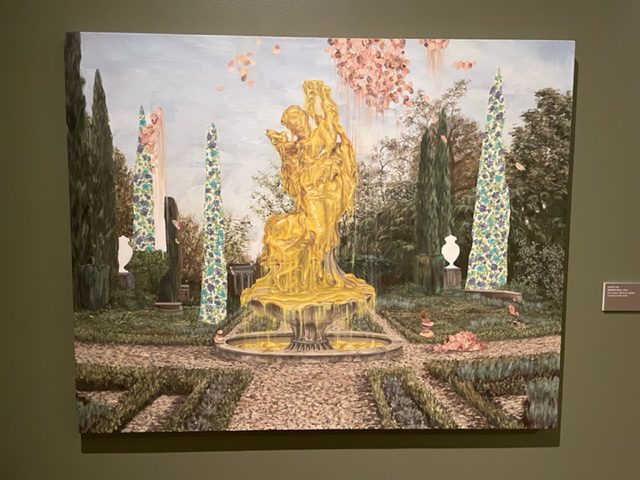

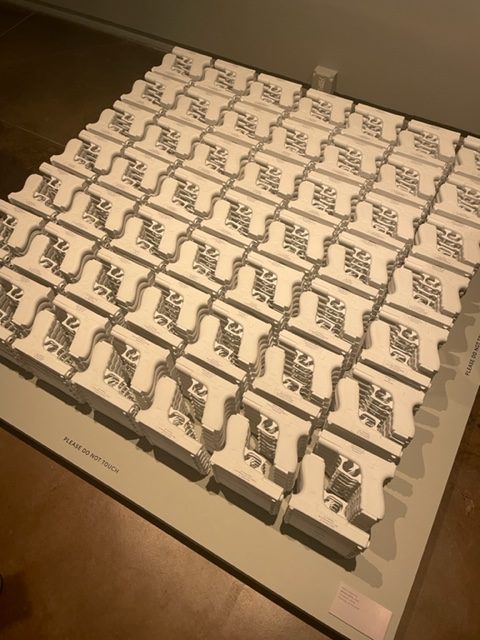
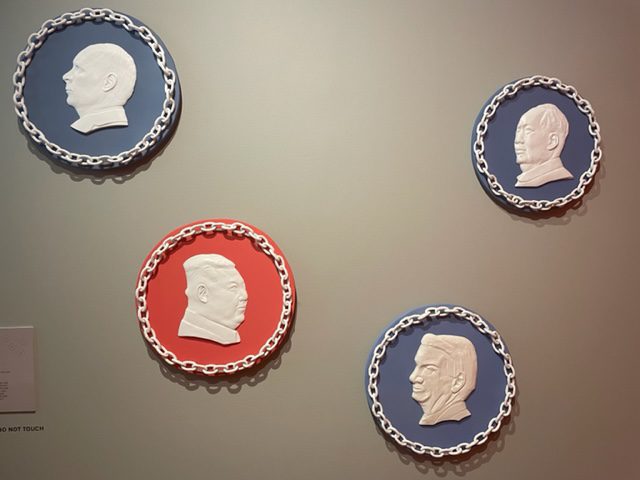
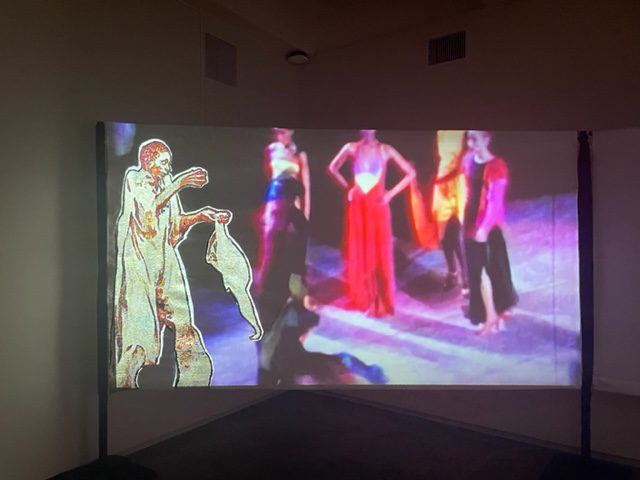
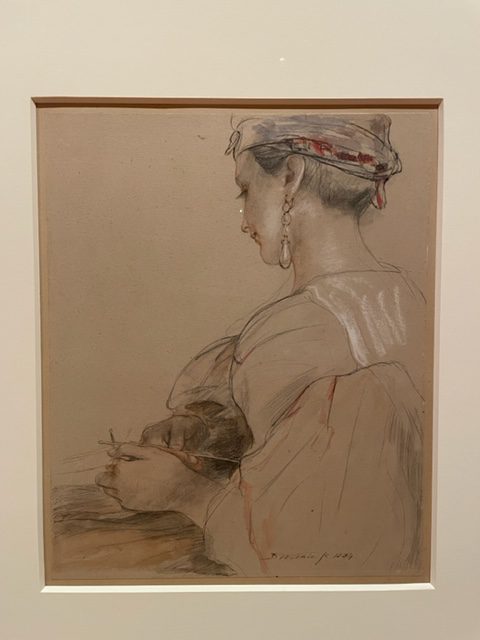
 A San Gabriel Valley Inquirer