Back for its 16th year, the La Jolla Art & Wine Festival will be held on September 28 and 29 for a weekend of live entertainment, family-friendly activities, and more. This much anticipated event, which draws visitors from across the region to the beautiful La Jolla Village, showcases over 160 artists, and a ticketed Wine & Beer Garden featuring more than 35 international wineries and local craft breweries.
“We are thrilled to bring together such a diverse and talented group of artists, as well as the region’s finest wineries, distilleries, and breweries, in a grand open-air celebration in the village every year,” states Brenda Chand, Executive Director of the La Jolla Art & Wine Festival. “We look forward to welcoming everyone to this year’s festival and supporting the arts and education in San Diego.”
Photo courtesy of La Jolla Art & Wine Festival
The La Jolla Art & Wine Festival was founded in 2008 by Sherry Ahern in the wake of the financial crash to help people who had been adversely affected by the financial crash. A non-profit organization, its mission is to bring needed funds to the city’s public schools, art to the community, and promote La Jolla and its merchants. An astounding 10,000 came to the first festival which was held on upper Girard, where the farmers market is; it has since relocated on Girard between Torrey Pines and Prospect.
Ahern also wanted to help promote Via de Guadaloupe – Mexico’s wine country – which was then a newcomer to the industry, according to Chand. So she invited them to participate in the beer and wine garden alongside local wineries. Occupancy at the garden was limited to 450 people so there was a queue around the block during the entire weekend; the garden can now seat hundreds. They also charged attendees during the first few festivals, which is a free event today.
Photo courtesy of La Jolla Art & Wine Festival
This year, the iconic Wine & Beer Garden will feature more than 35 international wineries, local craft breweries, and distilleries, and local food vendors, offering a delightful array of tastes and experiences. Whether you are a seasoned connoisseur or simply looking to enjoy a refreshing beverage, the wine and beer garden will provide a welcoming atmosphere to savor and enjoy the festival. Participants include local favorites Pali Wine Co., Bird Rock Fine Wine, Puesto, Boochcraft, IZO Spirits, Solento Tequila, and more.
“Geppetto’s in La Jolla has been a sponsor and huge supporter of the event since day one,” continues Chand. “The owners – Brian and Danielle Miller – live in La Jolla and had kids at the schools. They helped us start the family art center because we wanted a place where families and kids could do fun projects and learn about art.”
Photo courtesy of La Jolla Art & Wine Festival
For this year’s festival, the Geppetto’s Family Art Center will offer engaging activities for children of all ages provided by the La Jolla Youth Robotics, The Living Coast Discovery Center, Seaside Arts Center, and Science Guys of San Diego. Activities will range from face painting and balloon twisting to interactive visual arts projects and exciting robotics demonstrations, ensuring that young festival-goers have an unforgettable experience.
Chand enthuses, “The event has tripled or quadrupled since its inception 16 years ago. Everyone looks forward to it because every year we add new things to make the event enjoyable and exciting. We strive to be inclusive and we like to promote up-and-coming artists so we involve artists and vendors of diverse backgrounds. Many careers have been launched at our event due to the special opportunities it brings for new vendors.”
Photo courtesy of La Jolla Art & Wine Festival
“We are juried fine art show, so all artists that want to participate must apply via Zapplications – an international artist platform. A jury selects the final participating artists. We sell the exhibit space (booths) to artists and then the artists sell their art to attendees. This year, hundreds of artists applied and we sold out of 160+ artist booths in a week.”
Art enthusiasts will have the opportunity to explore and acquire new masterpieces from artists hailing from across the United States, Mexico, and beyond. Artists will present their works in a diverse array of mediums, including painting, sculpture, jewelry design, fine glass, ceramics, woodwork, mixed media, and photography, at the open-air festival. This year’s featured artist is Roy Kerckhoffs, a renowned photographer and mixed media artist whose work conveys a story of a place with a history, highlighting the beauty that exists in human-made wooden, concrete, and steel structures contrasting with soft organic forms from nature.
Photo courtesy of La Jolla Art & Wine Festival
“The La Jolla Art & Wine Festival is one of the biggest art festivals in California and we expect over 45,000 people to attend over the course of two days,” declares Chand. “We will have 160+ fine artists, 40+ vendors in the wine and beer garden (breweries, wineries, distilleries, and restaurants), numerous sponsors, 20+ vendors in the Geppetto’s Family Art Center (where everything is free for kids), a gourmet food court, a silent auction (this is online and the link is on our website), live entertainment, live art, roving entertainment (by Rosin Box Project and stilt walkers) and pet adoptions. The festival is FREE but tickets are required for entry into the wine and beer garden. We have valet parking available and many parking lots in the area.”
While this is Chand’s third year as executive director, she has been involved with the festival as the art director since 2017. She says, “Every year brings something new and special – from the unique cool artists, to the fun entertainment, there is something happening everywhere you look. I love my job and I love getting to see my team’s hard work come together for such a special cause. Our event helps support art, science, technology and other programs that are underfunded in these public schools. To date, we have raised $1.2 million for the education benefit of 5,000 kids each year.”
So this fall, plan to drive to La Jolla Village for an art and wine weekend adventure and contribute to a worthwhile cause.
Danny Feldman | Photo by Jim Cox / Pasadena Playhouse
The Los Angeles Times recently launched L.A. Influential and Pasadena Playhouse’s Producing Artistic Director Danny Feldman was called one of The Creators – a group of outstanding individuals who are leaving their mark in film, art, music, and more. He was listed with fourteen others across all of the arts, joining an esteemed company that includes Eva Longoria, Ava DuVernay, Shonda Rhimes, Ryan Murphy, Jordan Peele, Mindy Kaling, Steven Yeun, and others. In the accompanying write-up, theatre critic Charles McNulty hailed him “The man who saved L.A. theatre.”
“It’s a little bit of an exaggeration,” says Feldman during a phone interview. He then recalls when he was informed of the honor. “They reached out a little less than a year ago to say I’ve been selected for this influencer list, so I’ve had time to digest it. I didn’t know who else was on this and the full context exactly, but I was a little shocked.”
Feldman clarifies, “I’m very pleased and grateful, but it’s really less about me than The Playhouse – I just get to be the face of it. The tribute is a sign or symbol that the work we’re doing at Pasadena Playhouse is getting noticed. This happened around the time The Playhouse won the (2023) Tony for Best Regional Theatre, which was a major achievement for us. It was an embarrassment of riches!”
The exterior of Pasadena Playhouse | Photo by Jeff Lorch / Pasadena Playhouse
“The Tony award had a tremendous impact,” emphasizes Feldman. “The Playhouse has a storied history with lots of ups and downs. The award honored the legacy and the unique history of the Pasadena Playhouse as one of the most important theatres in America. At the same time, we were recognized at a high point – when we were firing on all cylinders, when we were rising artistically.”
“Financially, we were at one of the more solid places we’ve been in our entire history; we were finding our stride and were on the eve of an expansion,” continues Feldman. “To receive a national recognition, like a Tony Award, for our body of work and for our impact of excellence in the world of theatre was overwhelming. So many of us have been working so hard for so long, to be acknowledged with a Tony Award was very fulfilling.”
In May 2025, The Playhouse’s building will celebrate its centennial and its programming will reflect its history.
Feldman states, “The Pasadena Playhouse is an iconic building and institution in our Los Angeles community as well as in the American theatre. That’s the theme throughout 2024-2025 so we’re calling it our iconic season. I was aiming for big shows that were iconic in their way –epic presentations that look like New York coming here and having a moment in our theatre.”
The Playhouse’s historic stage will feel alive with a sizzling Martin Crimp adaptation of one of the greatest plays of all time, Cyrano de Bergerac; a fresh new revival of Jerry Herman and Harvey Fierstein’s Tony Award winner for Best Musical, La Cage aux Folles; a new production of Suzan-Lori Parks’ Pulitzer Prize and Tony Award-winning classic, Topdog/Underdog – one of the best new American plays written in the last 25 years, as Feldman asserts.
Danny Feldman | Photo by Jim Cox / Pasadena Playhouse
“We’ll have special musical performances with the Civic Auditorium for two consecutive weekends of concerts featuring two of the most enduring musicals of all time: Anything Goes in Concert, starring Jinkx Monsoon as Reno Sweeney and Follies, an encore to our recent Sondheim celebration,” Feldman adds. “It’s a robust slate of shows that are sort of the greatest hits in a way, to honor our extraordinary achievement of having one of the oldest operating theatres in America. These special theatrical events will expand our initiative exploring classic American musicals with our community. ”
According to Feldman, musicals are rarely performed by non-profit theatres because they’re cost prohibitive. While the Pasadena Playhouse had staged musicals in the past, in 2019 he launched the American Musical Project – a bold and financially risky move. He discloses the reasoning behind the expensive venture, “We feel that it’s important because musical theatre is one of our contributions to the world. And we realize there’s a danger that the next generation and the generation after may not be able to experience these shows the way they’re intended in a 650-seat theatre in our community. We started with ‘Ragtime,’ ‘Little Shop of Horrors,’ and, of course, our Sondheim celebration. ‘Jelly’s Last Jam’ closing this week is the latest. We’re really showing folks our commitment and dedication to the American musical. We do them quite well, I have to say. People are really enjoying the artists and responding to them.”
Watching Broadway musicals at The Playhouse is a singularly unique experience. Feldman explains, “We love Broadway tours! It’s wonderful that our community gets to see these great shows from New York when they come to the Ahmanson or the Pantages. But those shows were created for a commercial purpose for Broadway and they go on tour with mainly New York performers. We do something very different at Pasadena Playhouse – we start with a blank page. I put together a team and they make the show from scratch. ‘Jelly’s Last Jam’ has over a hundred local employees working on it; the scale of it is pretty fantastic. I think they’re so successful artistically because of the group of hardworking people who are making it just for the audience that comes to see the show at the Pasadena Playhouse.”
Not surprisingly, the back-to-back accolades of The Playhouse’s Best Regional Theatre Tony Award and Feldman being named “The man that kept L.A. theatre alive” have put pressure on Feldman. “I try not to think about that,” quips Feldman. “But, of course I feel a lot of pressure from my daily job – I’m in a very privileged position of running a very important theatre in American history and our community. We’ve got to keep raising the bar with every decision we make, every show we decide to put on. Pasadena Playhouse is on the forefront of the American theatre, which means there are a lot of eyes on all the things we do. But it’s always been that way.”
“We take the responsibility of being the state theatre of California very seriously,” stresses Feldman. “And I think you see that in the quality of our work. I’m assembling teams of some of the top theatre-makers in America, whether they’re the most experienced – Alfred Molina is on our board and performs on our stage often – or the most exciting new talent. But regardless, these are some of the hardest-working and talented people in theatre coming to create extraordinary theatre. We operate with the thought that if we don’t get this right it may be our last. Maybe that’s not true now but it used to be true, and that’s what drives us. And while these accolades are great and we feel deeply proud and honored by them, we have a lot more to do.”
The interior of Pasadena Playhouse | Photo by Jeff Lorch / Pasadena Playhouse
Feldman expounds, “We have a big vision for Pasadena Playhouse; we’re setting the theatre up for now as well as in the next hundred years. Today we have the luxury of not just thinking about the next show, but about where the American theatre is going – how do we lead the way on that – and what it will look like two or three decades from now.”
To that end, The Playhouse will present The Next Stage Immersive Summit 2025 in January in partnership with The Immersive Experience Institute, the main service organization for immersive theater artists. The premiere gathering of creators of immersive art & entertainment will draw international guests from the fields of performing arts, themed entertainment, XR, and gaming. This is the largest gathering of its kind in the world.
“This year we expanded our audience in a dramatic way with the inauguration of a major youth and family ecosystem – classes and professional shows for kids. Keep your eye out on that programming because that’s only going to grow in the future. Theatre education is core to who we are. The school at the Pasadena Playhouse was built in the 1920s and by the 1930s the College of Dramatic Arts was one of the top schools in America,” explains Feldman.
The public’s involvement is crucial to the realization of Feldman’s ambitious plans. He exhorts, “The lifeblood of our theatre is the people in the community and we urge folks to become members – you get to come along for the whole ride, you get to see all the shows. I think the folks who have been coming recently feel the new energy at The Playhouse and they understand that. But for those who may think it’s not for them or haven’t been here in a while, we encourage you to come take a look at us, come check out the shows, come look at our education program – we’ve really become a force in the world of theatre.”
Feldman will mark eight years of stewardship of the Pasadena Playhouse this fall. He took over as producing artistic director when the venerable institution was at its nadir financially and was struggling to get traction in the community. That he even took on such a daunting challenge is remarkable enough. That he then led the way in turning its fortunes around and flourishing during these particularly trying times for American theatre is an astounding feat.
In 1919 D.W. Griffith directed Hollywood’s first onscreen interracial love story between a white woman and a Chinese man. The movie was “Broken Blossoms” and the lovers were played by Lillian Gish as Lucy Burrows and Richard Barthelmess, in yellow face make up, as Cheng Huan.
What went on behind the scenes is the subject of East West Players’ next World Premiere play “Unbroken Blossoms” — a historical reimagining of the making of this actual boundary-breaking Hollywood classic — written by Philip W. Chung and directed by Jeff Liu.
“Unbroken Blossoms” follows two Chinese American consultants who are hired for the movie “Broken Blossoms” — Moon, an idealistic family man and James, a cynical, aspiring filmmaker — as they contend with the inflated ego of the film’s director D.W. Griffith, who is hoping to disprove criticisms of racism after the release of his controversial Civil War epic “The Birth of a Nation.”
Based on real events, this story of the suppressed voices behind the silent film “Broken Blossoms” reveals a historical conflict just behind the silver screen. “Unbroken Blossoms” goes on stage from June 27 through July 21 at the David Henry Hwang Theatre in downtown Los Angeles. The cast includes Gavin Kawin Lee as James Leong, Ron Song as Moon Kwan, Arye Gross as D.W. Griffith, Alexandra Hellquist as Lillian Gish/Gilda, and Conlan Ledwith as Richard Barthelmess.
The cast of “Unbroken Blossoms.” | Photos courtesy of East West Players
Speaking by phone, Chung explains the genesis of the play. “I’m fascinated by Hollywood history so I’ve read about D.W. Griffith; he is considered the godfather of cinema. His film ‘Birth of a Nation’ is hailed as one of the first and greatest films of all time. But it’s also a movie that makes heroes out of the Ku Klux Klan. It says something about America that the film which defined Hollywood — it introduced new forms and techniques about the craft — had KKK as protagonists. I thought it was interesting.”
“Studying his career I realized that he made ‘Broken Blossoms,’ one of the first ‘positive’ interracial relationships in Hollywood films, after that.” Chung continues. “But, of course, it was 1919 and it was a white man in yellow face makeup playing a Chinese character. I watched the movie and from today’s point of view it’s very dated and offensive because of the stereotypes. So one has to look at it from the historical context. For that time, this was a progressive movie — it was arguing for this relationship between a white woman and Chinese man. They were clearly trying to do something that wasn’t the usual negative depiction of Chinese people. The intent might have been good but, because of the limitations at that time, the result was still problematic.”
“And then I found out during my research that he hired two Chinese American consultants for the movie — James Leong and Moon Kwan,” Chung adds. “They were both real people and went on to have long careers working in Hollywood films. But we don’t really know much about that history and a lot of it is forgotten. That got me thinking about what it might have been like to work on this movie at a time when the Chinese were being portrayed but not in an authentic way. ‘Unbroken Blossoms’ tries to explore both sides of that dichotomy. It’s an imagining of what transpired from their point of view.”
Chung finished writing a draft of “Unbroken Blossoms” in 2015 and the play had a public reading of it at the Japanese American National Museum with East West Players and Visual Communications. He put it away after that and worked on other projects. It was during the pandemic that he revisited and reworked the play.
Philip W. Chung. | Photo by TJ Ramirez/East West Players
“The world has changed a lot since I wrote ‘Unbroken Blossoms’ in 2015,” explains Chung. “The play is set in 1919 in Los Angeles during the Spanish flu pandemic. It was very similar to COVID: people were wearing masks and there were several race riots — black versus white — and anti-Asian violence all over the country. Those were the things in my play, but when I wrote in 2015 those were events that happened in the past. I wanted to explore that parallel between now and 1919 more closely than I did in the original version. The fact that the play feels more relevant now than it did back in 2015 is strangely disappointing in a way, because it shows that history is repeating itself and we didn’t learn from past experience.”
That Chung called his play “Unbroken Blossoms” hints at something hopeful, though. He discloses the idea behind the title. “The white woman and Chinese man in the 1919 film are broken blossoms. Each has tragedies in their lives that prevent them from being a whole person. I thought it would be interesting if the play was the opposite of that. Is there a way to become unbroken — specifically in this case — if the portrayal of being Asian is a broken version of ourselves that we see from Hollywood? Is there a way beyond that?”
Ron Song, left, and Gavin K. Lee. | Photo by TJ Ramirez East West Players
Gavin Lee, who plays James Leong, heard about Chung’s play in February through “Unbroken Blossoms” director Jeff Liu. He says, “I had worked with Jeff before and he asked me if I was interested in reading a new play. He sent me the script and I thought it was pretty visceral. There are many elements in the play, like the misogynistic laws at that time, that got me angry. But they are obviously meant to have that effect. There are some scenes that were difficult to read — particularly the part where Moon gets mistaken for me and he gets brutally beaten. They can’t tell the difference between the two Chinese men.”
“Anyone who watches the play will definitely feel for the two Chinese consultants,” states Lee. “They have vastly different viewpoints. My character is very cynical. Already he knows the filmmakers don’t really care about them or their opinions; they were only hired because the producers want to look good. My character understands that whole process and he’s just trying to get something out of it. Moon, on the other hand, really believes he’s there to be a consultant. I feel like he’s the one the audience will root for.”
“Moon and James poke at each other because Moon believes he’s helping to make the characters be more authentic and represented in this film,” Lee relates. “James, on the other hand, believes the only way the film can be more authentic is if it has an actual Chinese actors instead of white actors portraying Chinese people. So Moon laughs at what James is trying to do; he thinks it’s unrealistic and wishful thinking.”
Two weeks into rehearsals, Lee reconsiders his initial reaction about his character. “When I first read the play, I saw James as being cynical. The more I work on it, though, I’m finding parts in which his love, passion, and hope show through his sardonic exterior, which is fun to play. I’m not sure if this was the intention of the author, Philip Chung, or if it’s just a character trait I had to apply myself to get more grounded in it. But it does make me want to root for James more. While he seems cynical, James’s ultimate goal is to learn from a renowned director so he can make films that are true to Chinese people.”
Gavin K. Lee. | Photo by TJ Ramirez/East West Players
Lee didn’t set out to be in theater. He reveals, “I had always been into math and sciences — or at least that was what I thought. I was on a pre-med track going into college and I had taken the MCAT. But about ten years ago, I decided that medical school wasn’t for me. I had switched from pre-med to teaching and was living in Korea then. I took an interest in acting after reading career guide books and taking personality tests which showed it was the best career for me. I thought it was strange, but I tried it out on a web series. I had no training so I was awful. As bad as I felt about my acting, though, I actually loved doing it.”
“So I moved back to the U.S. and almost immediately I signed up for acting classes,” Lee says. “I went to the Beverly Hills Playhouse and took a course on scene study. Then I did my first play in 2016. I have also done some TV and film but theatre has become a strong passion for me.”
“I feel that there’s better representation in theatre than TV or film. But that’s only my opinion and it’s based on my lived experience,” Lee clarifies. “I get audition calls for roles for open casting. In fact, I have another audition to play a British character. I think theatregoers are more accepting seeing a non-white actor portraying a traditionally white character.”
As for the audience takeaway, Lee opines, “Whether people believe one viewpoint or another, any good play will have them contemplating the repercussions of what they saw. Some people may disagree with the message of the play but I definitely think people will come out after seeing the play feeling a flurry of emotions — which is why we do theatre. There’s comedy in it, obviously drama, anger, which is one of the feelings I had when I read Philip Chung’s play. Ideally, some people will leave the theatre hopeful that because times have changed in the last hundred years, it will continue to do so for the better.”
While it’s unfortunate that Chung didn’t find much information about Moon and James and their experience, it’s also propitious. Having a blank canvas accorded him the freedom to create nuanced, complex characters and the engrossing plot that make Unbroken Blossoms compelling theater.
William Fitzgerald with Robert de Niro. | Photo courtesy of Alex Plank
According to the American Psychiatric Association, autism is a complex developmental condition involving persistent challenges with social communication, restricted interests, and repetitive behavior. The Centers for Disease Control and Prevention estimates that one in 36 children has been identified as having autism spectrum disorder, or ASD. Academic books have been written to help us understand it while fiction novels and movies with autistic protagonists have been published and produced.
A Hollywood film makes cinema history with the release of “Ezra” at the end of the month in about 1,000 movie theaters across the country — marking the first time a neurodivergent actor is playing a title role.
With an ensemble cast starring Robert de Niro, Bobby Cannavale, Rose Byrne, Vera Farmiga, Whoopi Goldberg and Rainn Wilson, the movie follows a father’s journey co-parenting his autistic son. Written by Tony Spiridakis, directed by Tony Goldwyn, and introducing autistic actor William Fitzgerald, “Ezra” is more than a film about autism; it’s a groundbreaking step toward inclusive filmmaking, inspired by Spiridakis’ own journey of acceptance with his son Dimitri.
From left, Bobby Cannavale, Alex Plank and Rose Byrne. | Photo courtesy of Alex Plank
Taking that history-making event one step further, Love & Autism will host Hollywood’s “An Evening with Ezra” on Tuesday, May 24. To be held at The Writer’s Guild Theater in Beverly Hills, it is a first-of-its-kind neurodivergent-affirming film screening. This event aims to become the blueprint for inclusive screening practices in Hollywood, advocating for authentic representation of neurodiversity both on and off the screen.
The entire movie production centered around a neurodivergent-affirming ethos, tapping filmmaker and autistic advocate Alex Plank as the film’s associate producer, creative consultant and DEI advisor to ensure meaningful representation behind the camera as well as thoughtful accessibility for its titular actor on set. Plank continues this work for “An Evening with Ezra,” ensuring the inclusivity of production is continued in this event.
Dr. Jenny Palmiotto, an expert in neurodivergent-affirming care and founder of Love & Autism, is the driving force behind this screening, inviting Hollywood to celebrate the autistic and neurodivergent community and confront internalized ableism in traditional screening practices. The neurodivergent community features prominently in every aspect of the event — from the chefs and musicians to artists and guests.
“Ezra captures the universal themes of love and connection that are often missed within the larger conversation and beliefs about what it means to be autistic,” Palmiotto says. “Everyone deserves to be seen and heard, to have a sense of belonging, and be their authentic self. Ezra gets it right, and we want to reflect that in this event.”
On the set of “Ezra.” | Photo courtesy of Alex Plank
At “An Evening with Ezra,” inclusivity isn’t just a buzzword — it’s a fundamental aspect of the event’s design. Guests can expect a range of thoughtful accommodations throughout the evening, including a peaceful entrance, grounding areas, sensory experiences and more.
Guests will have access to noise-canceling headphones and earplugs, swings for movement regulation, and quiet thoughtful reflection spaces available at any point in the evening. During the screening, guests are invited to drape a colored sash on a neighboring chair to ensure spatial needs are respected discreetly and effectively.
The evening will also prominently feature autistic talent including “The Autistic Chef” Vanessa D’Souza, harpist Evangeline and violinist Navid. Guests will be invited to explore intersectional art installations by neurodivergent artists Dimitri Spiridakis and Maze Creatix.
By email, Palmiotto and Plank talked about how the movie came about and their involvement with it.
“The film was written by Tony Spiridakis who has an autistic son. I was brought on by Bill Horberg and Tony Goldwyn who wanted to make sure we cast an autistic actor and was a proponent of ‘nothing about us without us’ — a concept I introduced him to,” Plank states.
Getting films produced is very challenging and filled with obstacles, but “Ezra” was blessed with good fortune. Plank explains. “Films have gotten harder and harder to finance recently but Ezra is a story that struck a chord with a lot of people. Bill Horberg has a son on the autism spectrum so Closer Media and its founder Zhang Xin were instrumental. Jon Kilik, who produced De Niro’s directorial debut A Bronx Tale, also produced our film and was on set every day. Tony Goldwyn was a powerhouse in terms of getting things in place. And Wayfarer Studios also made this film.”
Alex Plank with William Fitzgerald. | Photo courtesy of Alex Plank
One misconception about autism is that it’s a rare condition, which Plank sets straight. “Autism is much more common than people realize,” elucidates Plank. “Being autistic is another way of being human, so this film takes on a story that is part of many of our lives. What ‘Ezra’ does that other films have not done is within character development of Ezra, played by William Fitzgerald. The character Ezra is more nuanced and authentic than autistic characters in previous films. Autistic people were included from start to finish and the autistic experience on which I think contributed to the overall success of the storyline and resulting film.”
Having the support of esteemed Hollywood personalities right at the start attracts a stellar cast, as Plank discloses. “Robert De Niro’s son is autistic and he had a very strong reaction to ‘Ezra.’ So having him involved didn’t hurt. But Tony Goldwyn, our director, managed to get a lot of great actors involved because he is so beloved and respected. For instance, Whoopi worked with him on Ghost. A lot of our cast has a personal connection to autism as well.”
Plank continues, “I served as the consultant and associate producer for ‘Ezra.’ Having a creative role was important to me as an autistic person because I adhere to ‘nothing about us without us.’ It took us less than 30 days to film. I think everyone was really impressed with how well everything went. Autistic people are often underestimated and so I think that was part of it.”
Robert de Niro and Alex Plank. | Photo courtesy of Alex Plank
False impressions about autism abound, as Palmiotto and Plank reveal.
“There are way too many misconceptions about autism to be able to list them all but some of the most common are related to the way we think about disability in general,” states Plank. “Autistic people don’t overcome our own limitations. We overcome society being set up in a way that doesn’t align with the way neurodivergent individuals function. I’m autistic myself so everything I do involves neurodivergence (at least my own). I founded a website called WrongPlanet.net when I was a teenager. Since that time I’ve been doing public speaking and activism. I majored in Film at George Mason University and began working on TV series and films. I worked on The Bridge on FX as a consultant and also acted in it. I also guest starred on The Good Doctor.”
Palmiotto adds, “Misconceptions about being autistic are discriminatory as they create access barriers in all systems. Each of us is responsible for examining our own ableism and how these internal thoughts stigmatize and pathologize those that are autistic. When we make assumptions that autistic people are broken versions of ‘normal,’ we have a human rights issue.
“It isn’t hard to change our internal thoughts and actions, it just requires us to accept the invitation to do so. Alex, myself and so many others work towards dismantling ableism, when we do this we create a better world. As a neurodivergent-affirming therapist, I see this work as not just the work of autistic self-advocates and their family members, but all of our journey. My work within neurodivergence is to help all of us accept the invitation to challenge ableism for autistic people.”
“Film has a way of moving people towards change even when we have no lived experience with the story. ‘Ezra’ invites viewers to shift their perspective on what it means to be autistic. Ezra’s story is one of universal themes of becoming, authenticity and love. Each character becomes a better version of themselves when their loved ones are their truest self. Even more than that, it’s a story of love and the risks that we take for those we love. Within this, ‘Ezra’ shows us all that autistic people want and need the very things that we all need. This is what I hope the audience takes from this movie; that each person deserves the human right of being their authentic self and when we allow for that in others, autistic or non-autistic, we all a better for it,” Palmiotto concludes.
Wiser words have never been spoken. Would that Ezra and its film screening event “An Evening with Ezra” serve as the standard for inclusivity in Hollywood.
Jacqueline Valenzuela. Cooking. Aerosol Oil Paint Stick on Canvas / Photo courtesy of Ontario Museum of History & Art
In 2009, the various community groups in the City of Ontario’s recreation centers got together and created what they dubbed the performer showcase. What was a simple affair has become an annual celebration now known as Culture Fest and it returns on May 11, 2024 from 12 to 4 pm with a block party presented by the Ontario Museum of History & Art.
Located at 225 South Euclid Avenue, the Ontario Museum of History & Art is uniquely housed in the former City Hall and is a historical landmark funded by the Works Progress Administration. Its mission is to preserve, interpret, and celebrate the history and cultural heritage of Ontario and the surrounding area. From developing exhibitions, to engaging visitors through educational experiences, and events that inspire creative action, it is an anchor to the growing downtown arts district. The Museum recently achieved accreditation by the American Alliance of Museums (AAM), the highest national recognition accorded to the nation’s museums.
Photo courtesy of the Ontario Museum of History & Art
The free, family-friendly Culture Fest features the different cultural experiences that exist within Ontario’s diverse community. This year it will highlight the rich Chicanx diaspora. Participants will enjoy art installations, live music, a classic car show, hands-on art-making activities, food and beverages, live performances that express what it means to be Chicanx in the Inland Empire, and more.
By email, event coordinator, Rebecca Ustrell, talks about its fascinating history. “Culture Fest originated over 15 years ago as a showcase of community groups from the City of Ontario’s recreation centers and was called the performer showcase. It was held at the time of class registrations (before you could sign up online) so that community members could see the types of classes that they could sign up for. A few years back, it became a heritage event and was hosted by the library and Robert E. Ellingwood Model Colony History Room.”
“It’s gone through different iterations to serve the needs of the community at the time it was happening,” explains Ustrell. “Always with the aim of continuing to celebrate Ontario’s diversity, Culture Fest was created to serve as a platform to showcase the different cultural tradition of communities which reside in Ontario, California.”
Photo courtesy of the Ontario Museum of History & Art
As Culture Fest expanded, it moved to various venues to accommodate the audience which had likewise increased. Ustrell relates, “In 2019, the Community Life & Culture Agency hosted the event at Ontario Town Square, where the many cultural communities of Ontario were celebrated through an array of spectacular performances by local Ontario groups and schools including Tongan dance, Taiko drumming, Mariachi, Folklorico, and Interpretive dance. The event also hosted family arts and craft booths, and information booths from local communities such as MALO (Motivating Action Leadership Opportunity) highlighting the Tongan Community and the Hispanic Chamber of Commerce.”
The pandemic upended life as we know it and the world went on lockdown. Culture Fest was not hosted in 2020-2021 and – as all institutions did – the City of Ontario focused on online arts and culture experiences to continue to engage with the city’s diverse community.
Photo courtesy of the Ontario Museum of History & Art
“In 2022, Culture Fest returned. This time taking place in the Downtown Ontario Arts District at the historic old City Hall which is now the Ontario Museum of History & Art,” explains Ustrell. “The staff at City of Ontario Community Life and Culture and the Ontario Museum of History & Art partnered to it to reinvigorate the spirit of celebrating cultural diversity. It featured The Southland Symphony Orchestra, Bob Baker Marionette Theater, MALO, artist vendors, and an assemblage workshop with Dr. Patricia Jessup-Woodlin. Occurring in tandem with the city-wide Ontario Art Walk, this event attracted a wider audience at its new venue, further solidifying the impact of community.”
According to Ustrell planning Culture Fest takes between six to nine months and taps into the needs of the community for the event’s theme. Their current programming is also significant factor when deciding what to focus. In the past, it showcased the different performing arts programs within the recreation department. Last year, the theme was water, inspired by the new permanent exhibit Built on Water.
Photo courtesy of the Ontario Museum of History & Art
Continues UstrelI, “In 2023, the Museum, Arts & Culture department at the City of Ontario doubled capacity and allowed for growth in the vision of Culture Fest. With the addition of a public art installation, Culture Fest’s impact on the local art scene grew tremendously. The event thematically focused on water, in celebration of the opening of the Museum’s new permanent exhibition, Built on Water: Ontario and Inland Southern California. Additionally, the festival featured public artist Luciana Abait’s large-scale immersive video projection installation, The Glass Wall.”
“Originally presented in 2022 as a part of LUMINEX 2.0 in downtown Los Angeles, the artwork draws attention to water as a resource, and the realities and metaphors involved in the struggle to control it,” Ustrell describes. “The video was projected onto the northwest façade of the Museum. A roster of performers, varying from a Tongan performance by MALO and marionette puppetry, to a rendition of Handel’s Water Dance by the Southland Symphony’s brass quintet, was featured. High school bands with the Southern California Percussion Ensemble closed out the evening.”
Design and Build your own Front Yard Plaza / Photo courtesy of the Ontario Museum of History & Art
“The 2024 Culture Fest will highlight the rich Chicanx diaspora which has called Ontario its home for generations,” discloses Ustrell. “Whilst inviting local entertainers, artists, and organizations to partner with us, we realized that the footprint of the event had to expand to house all of the exciting activations we had in mind. We opted to reserve an entire city block to host this year’s Culture Fest, resulting in the decision to add the tagline ‘Block Party’ to the title.”
“This year’s roster of activities and entertainment is exciting, and attendance is expected to double because of the attractions planned for the day. Guests are invited to explore a classic car show hosted by colorblindshotz while sounds are provided by Bitter End Gallery and DJ Lis Bomb. Experience art installations by Briar Rosa which celebrate childhood candy and snacks, such as Takis, iconic in the Chicanx community; Jacqueline Valenzuela will present a historical timeline of custom car culture; view a claymation animation by Anthony Chacon and a stacked CRT TV video installation by Al Espinugio; and a 4ft low rider piñata created by The Piñata House will be on display,” Ustrell says further.
Classic Car Show / Photo courtesy of the Ontario Museum of History & Art
Financed entirely by the Department of Museum, Art & Culture’s operating budget, Culture Fest will also feature hands-on art-making activities like “Build Your Own Lowrider” with Jacqueline Valenzuela. “Growing Art Ontario” with Willis Salomon will contribute to a communal art installation celebrating a more art-ful community. “Build and Dream Your Front-Yard Plaza with John Kamp and James Rojas will demonstrate how residents can make the ultimate Chicanx inspired front yard with found objects. Attendees can decorate themselves with original hand-carved stamp temporary tattoos with Grafica Nocturna and take glamour shots at the Old School Photobooth by Gilbert G Photography.
Collaborations with The Cheech Center include a Build Your Crown activities inspired by artist Eloy Torrez, and the Chaffey Community Museum of Art will hold a Piñata Bust Art Raffle. Both the Ontario Museum of History & Art and Chaffey Community Museum of Art, which are admission-free and open to the public, will remain open throughout the duration of the event.
Gilbert G Photography / Photo courtesy of the Ontario Museum of History & Art
“As an agency, Community Life & Culture’s consistent driving force is to uplift, highlight, and educate visitors on the cultural communities of Ontario and Greater Southern California. We work diligently to provide opportunities for artists and purveyors of culture to thrive by collaborating with these talented individuals. Culture Fest could not exist without that collaboration, and we are honored to engage with musicians, entertainers, and artists by providing them with paid opportunities, and afford unique arts and educational experiences for visitors,” concludes Ustrell.
While showcasing the Chicanx experience, the 2024 Culture Fest in Ontario also promises to be a spectacular event full of fun and thrills for the entire family. What could be a better way to spend a beautiful spring day in Southern California!
The Kwun Shu Opera Society’s Kun Opera performance | Photo by Brianna Chu / Hey SoCal
To most Asians and people of Chinese descent, the dragon is the most auspicious animal symbol in the lunar calendar – the sign symbolizes power and success and brings good fortune and prosperity. The Huntington Library, Art Museum, and Botanical Gardens welcomed the Year of the Dragon with a festival on February 10 and 11, 2024 from 10 am to 5 pm.
Program highlights on Feb. 10 included live music by the Han Music Ensemble (10:30 a.m.–12:30 p.m. and 2–4 p.m.) and Chinese Kwun Opera Society (11 a.m. and 1 p.m.) in the Chinese Garden. There were also martial arts demonstrations by Shaolin Temple Cultural Center USA (East Lawn, 10:30 a.m. and 2:30 p.m.) and K-STAR Contortion and Martial Arts (Rothenberg Hall, 11 a.m. and 1 p.m.), as well as lion dancers featuring Northern Shaolim Kung Fu (12:30 and 3:30 p.m.) on the East Lawn near the Huntington Art Gallery. Additionally, mask-changing artist Wei Qi Zhong performed (11 a.m., 1 p.m., and 3 p.m.) inside Haaga Hall.
Lion Dance | Photo courtesy of The Huntington Library, Art Museum, and Botanical Gardens
“This is one of the most beloved events of the entire year at The Huntington,” Sian Adams, Director of Strategic Initiatives, stated during a phone conversation. “There’s something for everybody; it has a lot of different food options, live music, performances, arts and crafts workshops for kids, lots of different offerings that make the day fun for a variety of ages.”
Kung Fu demonstration | Photo by Brianna Chu / Hey SoCal
While some events – like the lion dance – are mainstays, the organizers mix up the offerings. “We always are looking at the programming,” stated Adams. “This year we added the Kun Opera for a two-day performance in the Chinese Garden because we wanted to bring in something very artistic and special to the garden’s space itself.”
Kun Opera | Photo by Brianna Chu / Hey SoCal
The Kun Opera, also known as Kunqu Opera, is one of the three classic operas of the world. It is highly stylized – singers with painted faces wear elaborate costumes; hand gestures and head movements add another layer of meaning to what’s being sung. UNESCO proclaimed it as a ‘Masterpiece of the Oral and Intangible Heritage of Humanity in 2001.
All performances were relatively short – about 20 minutes each – held at different locations and people watched while standing. However, some performances had seating, like the Kun Opera in the Chinese Garden and the contortion and martial arts shows in Rothenberg Hall.
Floral display | Photo by Brianna Chu / Hey SoCal
Whether it was by design or a case of bad scheduling, some shows were presented during the same time slots. Visitors either missed a really great presentation or had to stay the entire day to catch all the performances. If the organizers planned that all along to entice people to stay longer, though, then it was brilliant! There were several shows that went on throughout the day, like the floral arrangements, the Lego display, and calligraphy writing station. The Han Music Ensemble played well-known Chinese music with traditional instruments at the Transcendent Pavilion from 10:30 a.m. to 12:30 p.m. and from 2 to 4 p.m.
Calligraphy-writing station | Photo by Brianna Chu / Hey SoCal
According to Adams the Lunar New Year Festival is open to all members but it’s so popular that membership tickets usually sell out on the first day they’re offered. Tickets are also available to the general public although these also go very quickly so everyone is encouraged to purchase well in advance. Advanced reservations to get in are required for non-members and members as well.
Tai Chi demonstration | Photo by Brianna Chu / Hey SoCal
“This annual event is part of The Huntington’s regular programming,” explained Adams. “That said, we’ve had one corporate partner which has made the Lunar New Year Festival possible for us since the beginning and that’s East West Bank. They have been our champion and a friend to the Chinese Garden at The Huntington from the earliest days. We’re truly lucky and we appreciate their friendship.”
Masked performer / Photo courtesy of The Huntington Library, Art Museum, and Botanical Gardens
Now on its 19th year, the Lunar New Year Festival is The Huntington’s biggest event and it takes place across the institution in multiple staging spaces. It’s surprising therefore to learn that there aren’t that many people who make it happen. Adams said, “It’s a pretty lean and mean team headed by our Membership Dept. But while there are only a handful of core staff organizing it, there are about 50 volunteers on the day of the event to help ensure everything runs smoothly. We have a robust volunteer program – teen volunteers, docents, and staff sign up for the various events.”
Battlefield drums (gu) being played| Photo by Brianna Chu / Hey SoCal
“The Lunar New Year Festival is a big lift for The Huntington – it’s all hands on deck for all of us here. We want everybody who comes to have a good experience and a great time. We look carefully at our programming and, just as important, our food offerings. All our restaurants are open and we also bring in external food trucks so there are lots of options to help ensure shorter lines and people aren’t waiting a long time for food. Additionally, we want to give visitors a variety of choices. These food trucks are they’re typically grouped in spaces but they’re all over The Huntington. It’s a very large campus so we want to make sure there are food available everywhere for easy access to visitors. You can be on one side and you don’t want to go all the way to the other side to find food.”
Adams added, “We make sure we offer lots of different entry points to invite people to come in and learn about other cultures and experience different traditions. Food can sometimes be an important gateway. You might try Chinese food and think ‘Oh I want to learn a little bit more.’ It makes the world a little bit smaller.”
Han Music Ensemble with traditional Chinese instruments (pipa, which is like a guitar, on the left; guzheng, a plucked zither, on the right) | Photo by Brianna Chu / Hey SoCal
“One of the things I want to emphasize is how proud we are to be a part of the Chinese-American community in Southern California,” declared Adams. “With the Garden and this festival, we open up The Huntington and welcome that dialogue in trying to make the world a little bit smaller by bringing east and west together. And really just connecting people and educating for the purpose of increasing understanding is important for these days and times. If you can learn a little bit more about another culture, boy doesn’t that go far!? Those are the things you carry your whole life – a little bit of understanding, a little bit of perspective.”
Photo courtesy of The Huntington Library, Art Museum, and Botanical Gardens
If there’s one thing that most people can connect with, it’s food. And who doesn’t like Chinese food? Dumplings, chow mein, sweet and sour pork, and orange chicken are some of the most recognizable dishes the world over. How wonderful it is to discover our shared humanity with people sitting at the same table while enjoying a delicious bowl of noodles and taking in the artistic and cultural traditions of one of the oldest civilizations on earth. At the very least, it’s a fantastic way to welcome the Year of the Dragon.
Located about 120 miles south of Pasadena, La Jolla is a wealthy seaside community with a population of approximately 50,000 or close to a third of Pasadena’s. It occupies seven miles of coastline and is home to several venerable educational foundations, including the Scripps Institute of Oceanography and University of California San Diego; historic buildings like the La Jolla Woman’s Club and La Jolla Recreational Center; renowned sports venues such as Torrey Pines Golf course and La Jolla Beach and Tennis Club.
It is also the breathtaking setting for the Annual La Jolla Concours d’Elegance, which will be held this year from April 19 to 21. Presented by LPL Financial and major sponsors Panerai, Mercedes Benz, and Sotheby’s, among others, it will showcase classic automobiles from the Roaring ’20s and Glamorous ’30s. Celebrating its 18th year, it is recognized as the premier automotive lifestyle event.
Photo courtesy of La Jolla Concours d’Elegance
Speaking by phone, event chair Michael Dorvillier talks about the event’s humble beginnings and how it evolved into one of the most prestigious classic automobile showcases in the country. He relates, “It was created 20 years ago as the La Jolla Motor Cars Classic by a group of community leaders and merchants with the primary objective of bringing business into La Jolla in the month of January when things are usually really, really quiet. Then sometime in 2011 or 2012 the original founders handed ownership of the show to the La Jolla Historical Society.”
“Incidentally, the historical society’s executive director at the time was a friend of mine and didn’t know anything about cars,” adds Dorvillier. “The founding group knew I was a car collector – I would always go to the show because it was in my own backyard. I put in a car once; it was always a fun thing for me to do. They also knew I was passionate about the community and I had relationships in the car world. I was asked to step in and be part of the committee that oversaw the event. I was at a point in my professional career when I was financially stable and I wanted to find something I could donate time and money to.”
A wealth manager offering financial services, Dorvillier has lived in La Jolla for the past 35 years. It was where he raised his kids and established his business. Buying and collecting old cars, tinkering with them and showing them, became a lifelong hobby when he bought his first car – his dad’s 1969 Camaro – which he retrofitted with fancy wheels and a modern motor.
Dorvillier continues, “I joined the committee the first year to observe and soak up as much information as I could about this event as it stood then and what its future could look like. And I realized very quickly they had this really great little car show, but it was on a concours venue at this amazing location – Ellen Browning Scripps Park. No other organization can have that entire park for a weekend to themselves, but the show had been there long enough that they kind of had that in their back pocket. However, I wasn’t going to put in my time and energy for a local car show held once a year on a Sunday; I wanted to do a proper concours. Thus, in 2013, the three-day weekend getaway called La Jolla Concours d’Elegance was born.”
Photo courtesy of La Jolla Concours d’Elegance
“When we converted it to a concours, we needed to have judges. Today we have 75 volunteer judges who are from different parts of the U.S., and six or seven of them come from overseas. They’re all specialists in the cars they judge and they want to have La Jolla on their resumé. There are, in fact, quite a few high-end concours around the world. You can go to many different ones around the globe and see world-class cars that travel from concours to concours. But what makes us stand out and garner global attention is the experience we offer. Our tagline is ‘world-class cars, world-class experience.’
And La Jolla Concours d’Elegance has certainly lived up to that claim. Dorvillier remarks, “Last year, we had 21 Duesenbergs on display. Most of them were 1 of 1 – meaning they only ever made one of them. Every single screw, wire, and leather seat was exactly what it would have been when the car was built new. The first five or six Duesenbergs in the line-up were probably worth $100-M. These are pieces of art! They’re very rare, beautiful automobiles. You don’t have to like cars to come to our show and love it and want to come back. You’re looking at art and history.”
The three-day getaway experience has an impressive array of activities with every amenity imaginable. Much thought and planning have gone into this year’s event, starting with the cover art for the posters, programs, tickets, banners, and other promotional materials. Official La Jolla Concours artist Scott Jacobs, prominent for his incredible photorealistic paintings of motorcycles and automobiles, will continue to astound as he paints the 1937 Rolls-Royce Phantom III from the Aaron Wiess collection.
The 1937 Rolls-Royce Phantom III epitomizes the luxury and engineering prowess of pre-war Rolls-Royce. This model, replacing the Phantom II, is distinguished as the only V12 Rolls-Royce until 1998’s Silver Seraph. Among the 721 V12 Phantom III chassis built from 1936 to 1939, this particular vehicle is a testament to the era’s peak in automotive luxury and design. Its heart, an aluminum-alloy V12 7.32-liter engine, is a marvel of its time, featuring a dual ignition system with two distributors and 24 spark plugs. Enhanced by Ace wheel discs for aesthetics and practicality, the car also boasts advanced features like on-board jacking and the Bijour lubrication system. Scott Jacobs’s portrayal of this iconic vehicle in his artwork not only captures its elegance and sophistication, but also serves as a tribute to the artistry and grandeur of the automotive and artistic crafts of the era.
Photo courtesy of La Jolla Concours d’Elegance
Instead of featuring a single marque, the 2024 Concours celebrates a vast range of makes and models from the transformative era of the 1920s and 1930s, including Bugatti, Duesenberg, Packard, Bentley, Rolls Royce, and more. From sleek Art Deco designs to the powerful engines found within, these vehicles will transport spectators back to a time of innovation, luxury, and boundless enthusiasm for automotive craftsmanship.
An exquisite collection of automobiles will also be on display including:
1932 Chrysler CP8 (Robert Schlesier): A marvel of engineering with only 5 surviving examples of the original 251 built. Debuting at the La Jolla Concours after extensive restoration, this car boasts a unique transmission.
1930 Ruxton (The Nethercutt Museum): Of the 96 produced, fewer than 20 survive. The Ruxton’s distinctive striped paint job highlighted its low profile.
1937 Rolls Royce Phantom III V-12 (Thrupp & Maberly): Originally commissioned by Sir Kameshwar, Maharajah of Bahadur, this vehicle was a highlight at the 2003 Pebble Beach Concours.
1965 Alfa Romeo Giulia SS (Mark Angotta): A rarity in black, among the 1,400 built, this model stands out for its stunning livery.
1955 Jaguar D-Type: Once owned by Hollywood comedian and writer Jack Douglas, this is one of only 71 ever made.
1973 250 cc Husqvarna Trials Bike: A rare find in the USA, with only 200 initially imported.
Aston Martin DB5: Celebrated as the “Most Famous Car in the World,” renowned for its iconic role in the James Bond film ‘Goldfinger.’
Fiat 1500 GT by Ghia (Kipland Howard): An extremely rare model, with only 36 imported to the USA and fewer than 50 known to survive worldwide. Its appearance at the La Jolla Concours marks its American debut.
1962 Triumph Italia 2000 Vignale (Kurt & Sharon Oblinger): Designed by Giovani Michelotti and built by Vignale, this is one of the only 328 ever produced.
Photo courtesy of La Jolla Concours d’Elegance
The world-class experience begins on Friday, April 19, with a VIP Party from 6:00 to 10:00 pm at Ellen Browning Scripps Park. Guests will immerse themselves in live music, savor artistically crafted cocktails from a hosted bar, relish gourmet delights from 20 of San Diego’s top restaurants, and participate in an exciting live auction featuring unique items.
On Saturday, April 20, guests will take part in an intimate and exclusive experience from 7:00 am to 2:00 pm. They will start the day by visiting remarkable car collections followed by a driving tour of the dramatic scenery of San Diego. A sumptuous lunch awaits them at the private venue.
Later that day, “Porsches on Prospect” goes on from 5:00 to 9:00 pm. Guests will witness 75 magnificent Porsches lining Prospect Street, and enjoy the village’s vibrant atmosphere, featuring live music, exclusive retail offers, gallery openings, restaurant specials, and much more.
On Sunday, April 21, from 9:00 am to 4:00 pm, guests will get a once-in-a-lifetime chance to view over 200 spectacular and rare vehicles that will be displayed at Ellen Browning Scripps Park on the La Jolla Cove lawn along the breathtaking Pacific Coast. They will indulge in the Champagne and Honey Tasting Garden and other unique experiences throughout the day. They will enjoy live music, visit exclusive vendors, and be treated to refreshing beers and cocktails – all while surrounded by an extraordinary display of cars. Moreover, they will watch a vintage flyover along the coast!
Photo courtesy of La Jolla Concours d’Elegance
That the little La Jolla car show has gone on to the become the dazzling and sought-after weekend party is not lost on Dorvillier. He enthuses, “When I took over as chairman, I jokingly said to someone one day ‘Every time I say to my wife let’s go to this car show this weekend, her response is do we really have to go to another one of those?’ It’s usually the last thing a non-car person wants to do. So we purposefully created an experience where if the husband was the car guy and the wife was sick of going to car shows, she was going to be dragging him back next year. And we have succeeded!”
Dorvillier quickly points out that he didn’t accomplish this feat by himself – there are 24 individuals that make up the committee who share the credit. He says, “Laurel McFarlane of McFarlane Promotions is the event coordinator and she’s been involved with this show from Day One. As the event grew, I spread out the responsibilities so there are now two components: the ‘talent,’ which are the cars; and the business aspect, which encompasses fundraising and sponsors, and the parties. While I oversee the entire project, I focus on the business side and my co-chair Bob Kerner runs the talent side. He has a team underneath him that ensures everything that’s related to the cars is perfect and topnotch – finding the cars and judges, for instance. We’re very discerning when it comes to cars, we don’t take any automobile that comes in. The selection team goes through all the cars and makes sure they’re authentic and original, worthy of having on the field. The executive committee, along with the car selection committee and the chief judge, decide on the marque.”
The La Jolla Concours d’Elegance is actually a year-long endeavor. Dorvillier explains, “We start over the minute one show ends. We didn’t hold it during the pandemic, but in October of 2021 we organized a golf tournament that raised the money we needed to pay for our expenses during the two years we were off. There are costs associated with this event and we needed to generate enough revenue while we sat on the sidelines so the Historical Society wouldn’t get adversely affected.”
Photo courtesy of La Jolla Concours d’Elegance
A unique event in this year’s celebration is the Mille Miglia at La Jolla which Dorvillier is excited about. He says, “Hagerty, the largest insurance company in the car industry, owns the California Mille, which is a 1,000-mile race that started in Italy and is still held there to this day. (The iconic car racing event was begun by Counts Aymo Maggi and Franco Mazzotti in 1927). Hagerty has reinvented that race here in the United States and this year they’re starting the Mille Miglia at La Jolla at the Concours. On Monday morning, all those cars participating in that race – I believe there are about a hundred – will take off on their 1,000-mile race over five days through Southern California. All the cars are classic Ferraris, Lamborghinis, and Maseratis from the ‘50s and early’60s era.”
It has been a little more than a decade since Dorvillier took the reins of what is now La Jolla Concours d’Elegance. And in that time, he has met many wealthy yet unassuming people who are just taking in the joys of seeing the most beautiful cars in one place. He marvels, “My best memories involve the people that I’ve met in the car hobby world. When you come to our event, you’re standing there looking at a Bugatti or a Duesenberg that costs anywhere from $10-M to $20-M and you’re talking to the owner. You have no idea that that person is a billionaire other than the fact that he owns that car. They’re just very down-to-earth people who are truly passionate about their hobby, which is collecting and preserving these pieces of art.”
Photo courtesy of La Jolla Concours d’Elegance
“For a long time, La Jolla was a sleepy town. But the Concours d’Elegance has livened things up for our community,” declares Dorvillier. “It has helped tourism – people usually arrive on a Thursday and stay for the weekend. Last year we were able to fill 800 hotel rooms; visitors dined in participating restaurants, shopped at clothing stores and various retail establishments, and went into museums. (There were 2,500 attendees in the Sunday events but there were several free events during the weekend so the total attendance was much higher) I’m proud to have played a small role in putting La Jolla back on the international map.”
“That said, I didn’t do this all by myself,” Dorvillier emphasizes. “Indeed it takes a village to make this happen – we have a dedicated team year-round and 250 volunteers on the weekend of the event. And I want to make sure they get the recognition they deserve.”
Dorvillier and his team have stopped at nothing to put on a once-in-a-lifetime experience. What could be more spectacular than driving down to La Jolla on a beautiful Friday morning this spring with clear blue skies above and the pristine waters of the Pacific Ocean on the horizon and then spending the weekend at the La Jolla Concours d’Elegance? It promises to be one weekend affair to remember!
Clockwise from top left: Vivian Wenli Lin, The Joy Luck Mom Club, 2023; Jennifer Ling Datchuk, Love Yourself Longtime, 2019; Charlene Liu, China Palace, 2023; Rania Ho, Roundabout, 2023; Patty Chang, Invocationsand Que Sera Sera, 2013, Andrew Thomas Huang, Kiss of the Rabbit God, 2019; Richard Fung, My Mother’s Place, 1990; Candice Lin, Lithium Sex Demons in the Factory, 2023; Ken Lum, Coming Soon, 2009 / Courtesy of USC Pacific Asia Museum
A touching experience awaits visitors to USC Pacific Asia Museum who come to see Another Beautiful Country: Moving Images By Chinese American Artists. On view from January 26 to April 21, 2024, the exhibition showcases ten artists whose work explores diverse ways immigrants and their families embody, imagine, and reciprocate intercultural experiences.
Drawing its title from the Chinese translation of America, 美國/měiguó, literally beautiful country, and the popular abbreviation for American-born Chinese (A.B.C.), this exhibition presents artworks as scenes of cross-cultural sharing. Another Beautiful Country foregrounds fluctuating ideas of nationhood and belonging as portrayed by artists who identify as Chinese American. These artists confront subject positions of being both, while neither singularly, Chinese and (nor) American, revealing the nuance and multivalence of national categorizations.
Another Beautiful Country installation | Photo by May S. Ruiz / Hey SoCal
Another Beautiful Country is the first full exhibition that Lin curated at PAM but she’s certainly not a stranger to the museum. She explains via email. “I have had the pleasure of working with PAM on multiple programs. In 2020, I collaborated with USC students and colleagues to create an online exhibition, ‘In a Bronze Mirror: Eileen Chang’s Life and Literature,’ which showcases qipao/cheongsam from PAM’s collection. In October 2022, I organized the USC Visions & Voices event at PAM, ‘Taipei Night,’ which featured Taiwanese pop music, snacks and boba tea, as well as talks, a special print giveaway, and film screening and workshop by two of the exhibition’s included artists: University of Oregon Art and Printmaking Professor Charlene Liu and Occidental Media Arts and Culture Professor Vivian Wenli Lin.”
Putting on an exhibition typically takes time and Another Beautiful Country was several years in the making. Lin states, “I’ve been conceptualizing this project since I started my new position as Associate Professor of Critical Studies in USC’s Roski School of Art and Design in 2019. The preparation, including working with the wonderful PAM staff, fundraising (we received a major Exhibition Support Grant from The Andy Warhol Foundation for the Arts), crafting didactics, promotional materials, and a beautiful publication, organizing related programming, and my favorite part – talking with the artists – has been ongoing since 2021.”
Lin is also very familiar with the artists whose artworks are being showcased. She discloses, “I had been following, teaching, curating, and/or writing about the marvelous works of most of these included artists for years. I’ve had the good fortune of getting to know many of them as colleagues and collaborators, and our discussions and further research introduced me to more artists whose works align with the exhibition’s themes. All the selected artists inhabit and contemplate subject positions of being both, while neither purely Chinese and (nor) American. Each artist creates works that I see as moving images – considered both literally as videos, projections, and costume and set-oriented installations in transnational circulation, and figuratively as emotionally evocative and addressing migration and Chinese American diasporic relations.”
Jenny Lin during exhibition opening and reception | Photo by May S. Ruiz / Hey SoCal
Both curator and artist were active partners in choosing pieces that provoke discussion. Lin says, “Each artist is exhibiting one to three pieces/series but we made the selections together in extensive conversations. Featured artworks vary wildly in style, content, medium, and scale, with the exhibition encompassing a doormat, neon sign, prints, experimental videos, participatory documentary, large-scale projection, hybridized sculptures, and immersive installations. While vibrantly diverse, all these artworks closely relate to one another, and we’ve designed the exhibition to highlight those relations.”
Below is a sampling of artists’ works.
Patty Chang / 張怡
Invocations and Que Sera Sera, 2013
Two channel video installation, 3 Minutes, 45 seconds
Patty Chang’s “Que Sera Sera” | Photo courtesy of USC Pacific Asia Museum
Que Sera Sera features the artist singing her newborn baby to sleep. Chang gently rocks to and fro, her baby strapped to her body in a carrier – baby whimpers at first, and a tiny foot protruding from the carrier rests on the artist’s hip. Beside them lies Chang’s father in a bed with side rails; he is dying, breathing, but nearly motionless. She sings to him too: “Que Sera Sera, What Will Be Will Be.”
As in Chang’s video, wherein we encounter three generations of family members at distinct life stages, Que Sera Sera covers childhood, growing up and falling in love, and having a child of one’s own. Throughout the song, the narrator – the singer’s parent or singer-as-parent – tenderly responds to questions of what will be: “Will we have rainbows day after day? The Future’s Not Ours To See.” Both artwork and song urge us to be patient and present. With sorrow and joy, Chang inhabits a moment of intimacy with her baby and father, one drifting to sleep, the other drifting toward death.
Written by US composers Jay Livingston and Ray Evans, who often co-wrote songs for movies, “Que Sera Sera” became popularized by Doris Day, who belted the song as a secret signal to her kidnapped son, in Alfred Hitchcok’s 1955 film, The Man Who Knew Too Much. The song’s title, “Que Sera Sera,” which has since become a popular US phrase to express “what will be will is grammatically incorrect in the languages it assimilates (in Spanish it would be “lo que será, será,” in Italian “quel che sarà sarà”), a reminder of the imperfections of translation and language acquisition. Yet even if imperfectly, we learn new languages – studying in schools, speaking the words of a place we have migrated to, learning the native tongues of our parents, or grandparents; Chang’s son now speaks with her mother, his grandmother, in pǔtōng huà.
In Invocations, we catch a glimpse of Chang’s baby being rolled up, in stroller, to his grandmother. She embraces her grandson, she in paisley trousers, he in striped onesie and green leggings. Baby cries; grandmother exclaims, “Jīntiān nǐ zěnme chǎo!” (Today you are so noisy!). In the rest of Invocations, we see Chang’s mother’s hands, holding and swiping through a list of invocations that appear on a tablet. Her voice, soothing and steady, reads in accented English: “Invocation of loss of balance / Invocation of falling / Invocation of motor control / Invocation of envy / Invocation of incontinence / Invocation of caregiving / Invocation of catheter / Invocation of daily life / Invocation of isolation / Invocation of shame / Invocation of guilt / Invocation of longing…” The list of invocations related to growing older, disease, medical treatments, desire, everyday life, and ideas, at once quotidian and dreamy, reads like a poem.
List of Invocations, 2017 Letterpress print
Echoed in a print, List of Invocations hangs nearby the video installation. Light grey text in a clinical font appears on white paper; the lightness of the words, as well as their structural repetition, mimics life’s fleeting nature. Chang’s invocations are practical, magical, ethical, and perhaps, ultimately futile, albeit still worthwhile, as all states, emotions, and things shall pass; “what will be will be.” Chang’s Invocations and Que Sera Sera stand as offerings of familial intimacies and vulnerabilities, tenderly reminding us of life’s cruel and beautiful cycles.
Jennifer Ling Datchuk / 玲
Love Yourself Long Time, 2019
Doormat
Jennifer Ling Datchuk’s ‘Love Yourself Longtime’ /
Photo courtesy of USC Pacific Asia Museum
and
Love Yourself Long Time, 2021
Mirrored acrylic and neon
Love Yourself Long Time (2019) takes form in two artworks: a glowing custom-made neon, mirrored sign and a red doormat, nearly identical to those meant to be stepped on, elevated in the exhibition via the museological standard of placing art objects upon pedestals. The phrase, Love Yourself Long Time, illuminated in neon on the sign (with yourself lighting up letter by letter) and embossed in golden English letters and Chinese characters on the doormat, references a scene in director Stanley Kubrick’s 1987 film Full Metal Jacket, in which two US soldiers stationed in Vietnam negotiate with a Vietnamese sex worker, who advertises: “Me love you long time.” Datchuk twists the line, which has circulated widely throughout American popular culture. Asserting agency, she turns the grammatically incorrect offer of the subjugated, exoticized sex worker into a positive affirmation encouraging self-love.
Two Week Wait (2021) is a sculpture reflecting on female health and safety, as well as the common Covid-19 quarantine period. Constructed like a shimmering alter with Chinoiserie, famille rose porcelain candlesticks stacked upon its steps, Two Week Wait acknowledges ways in which people in North America and Western Europe often look to Eastern symbols and rituals for spiritual fulfilment. Simultaneously, the artwork sparks varied emotions that may accompany pregnancy, shared across the globe: exuberance, joy, fear, terror, sorrow, trepidation, regret, excitement, anticipation.
The title, Two Week Wait, refers to the typical time of waiting between ovulation and menstruation, in other words the time it takes to confirm pregnancy. Women internationally, including in the United States and People’s Republic of China, have long struggled and continue struggling for bodily autonomy and reproductive rights.
(Jennifer Ling Datchuk will be giving an artist talk in the galleries with Ken Lum at PAM on Saturday, January 27 at 1pm)
Rania Ho / 何颖宜
Roundabout, 2023
Single channel video, 14 Minutes, 29 seconds
Rania Ho’s ‘Roundabout’ / Photo courtesy of USC Pacific Asia Museum
Roundabout features US-born, China and US-based artist Rania Ho walking in circles in a demolition site in her video projection. A fade-in technique makes the artist appear and disappear as she walks in large concentric circles, her body attached to string, stanchion, and ball bearing, creating a fulcrum point. As Ho steadily walks each circumference, she sprays the ground from a hose attached to a fluorescent green water pack she wears on her back. The spray emits a hum and leaves a ghostly residue that slowly begins evaporating over the course of the video. The gesture, along with Ho’s uniform-like black clothing and industrial hose, recalls decontamination processes used in China following the initial outbreak of Covid-19.
Those who live or have spent time in China may also be reminded of the poetic practice of people, usually elderly, writing calligraphy in water on the stone pathways of parks. For others, Ho’s overlapping circles resemble the logo of the Olympics, held in summer 2008 and winter 2022 in Beijing, where Ho made the video. As the artist describes in her writing about the piece, the demolition site, Luoge Zhuang Village of Shunyi District, used to be filled with artists’ studios (she herself had a studio on the outskirts of the village), which were hastily demolished in 2021, supposedly to make way for Olympics-related construction that never came to be.
The fixed camera surveys the demolition site, with its cracked surface and rubble, below a smoggy sky and deciduous trees, sans leaves. Ho’s body, dwarfed by the site and her circumambulation – at once like a Buddhist ritual and Sisyphean task – persist on infinite loop, a quiet mourning for the fallen studios on the outskirts of Beijing.
You Kinda Had to Be There (Motel Cali), 2005/2023
Single channel video, 6 minutes, 30 seconds, edited from 24 hours
Visitors encounter a very different, comical, high-spirited representation of Beijing’s art scene in the mid-aughts in Ho’s You Kinda Had To Be There (2023). This project, tucked behind a curtain, consists of a karaoke-inspired video installation with a shimmering tinsel backdrop, headphones, and microphones for museum goers who fancy singing along. The video features artists singing or performing in various ways The Eagle’s “Hotel California,” a common karaoke song that most all of us love to hate. Ho created this 6 minute, 30 second video (the duration of the actual song) by editing footage of a 24-hour participatory event she organized in 2005. For the original event, part of Complete Art Experience Project (CAEP/联合现场地计划), a city-wide art initiative in Beijing, Ho invited artists and other community members to sing “Hotel California.”
The creative, offkey renditions by many of Beijing’s most active artists of the day collectively compose a kind of time capsule of a free reeling art world, set amidst the frenetic pace of intense urban development. Ho’s moving images of artist friends, goofing off and singing “Hotel California,” especially when juxtaposed against the solitude of her post-Covid-19 Roundabout, wherein the only other creature to appear is a dog we later hear barking, stresses the vitality of friendship, chosen family, and playful communal gatherings.
(Rania Ho will be giving an artist talk with Simon Leung at PAM on Wednesday, April 3 at 6pm)
Andrew Thomas Huang /黃卓寧
Kiss of the Rabbit God, 2019
Single channel video, 14 minutes, 29 seconds
and
Rabbit God Statue, 2019
Mixed media with adornments by Tanya Melendez
Andrew Thomas Huang’s ‘Kiss of the Rabbit God’ / Photo courtesy of USC Pacific Asia Museum
Kiss of the Rabbit God is a fairy tale of queer love. The protagonist, a young Chinese American man named Matt, played by actor Teddy Lee, feels trapped working in his parents’ Chinese restaurant (filmed on location in LA’s Chinatown), until he meets the deity, Tu’er Shen (Rabbit God), in human form, played by actor Jeff Chen.
The two young men embark on a loving, celestial sequence that allows Matt to embrace his gay identity through self-discovery and by entering into a mystical Chinese legend. Accompanying Huang’s short film stands Huang’s Rabbit God Statue, which the artist recently showed in another exhibition of Kiss of the Rabbit God in Hong Kong. Kiss of the Rabbit God’s setting nods to Huang’s own family’s 40-year history running a Cantonese restaurant in southern California.
Vivian Wenli Lin / 林雯莉
The Joy Luck Mom Club: Untold Narratives of Migration, 2023
Single channel video, 10 minutes
Vivian Wenli Lin’s “The Joy Luck Club: Untold Narratives of Migration | Photo by May S. Ruiz / Hey SoCal
The Joy Luck Mom Club: Untold Narratives of Migration is a mixed-methods participatory, interview and observation-based video project. In turning to lost and untold narratives of migration that have been kept silent or hidden away, Lin centers the diasporic identities that were excluded in mainstream representations of the immigrant narrative.
Inspired by the film The Joy Luck Club (1994) based on the novel by Amy Tan and directed by Wayne Wang – a film considered to be a dominant representation of the Asian American immigration narrative, the project attempts to contribute to the untold/unheard/silenced and forgotten narratives of women’s migration. Immigrant stories are often centered on generational trauma as a result of the self-sacrificing Asian mother.
The narratives shared via The Joy Luck Mom Club: Untold Narratives of Migration attempt to decenter the “Asian American” immigration story, through the use of participatory media making methods, to gather transnational stories between Asia/America, blurring the lines between how these histories of migration can be remembered as fact or fiction, memory or truth. Lin offers an opportunity for museum visitors to share their own “joy luck mom club” moments; a flier with QR code and instructions is available near the video.
(Vivian Wenli Lin will be holding a related workshop, “The Joy Luck Mom Club – Participatory Video,” on Saturday, March 23 from 11:30am-2pm)
Ken Lum /林蔭庭
Coming Soon, 2009/2023
C-print reproduced on vinyl
Ken Lum’s ‘Coming Soon’ / Photo courtesy of USC Pacific Asia Museum
The print, facing outward from a museum window, resembles a family photograph of a mixed-race European-Asian couple and their biracial daughter. This picture of a seemingly benign nuclear family, paired with the text Coming Soon in both English and Chinese characters, resembles an advertisement for a Hollywood movie or global fashion brand, though without slick styling or airbrushed perfection. The image counters historical anti-miscegenation laws and parodies superficial corporate diversity campaigns. Simultaneously, for those in the know,
Coming Soon reminds us of the ability of images to deceive and the importance of questioning our assumptions; Lum divulged to me that the people in the photograph are not in fact a family, but three strangers the artist met in Beijing.
(Ken Lum will be giving an artist talk in the galleries with Jennifer Ling Datchuk at PAM on Saturday, January 27 at 1pm)
Lin has consciously and mindfully put together an extraordinary show. Another Beautiful Country is an impressive collection of thought-provoking artwork that invites a response and reaction from its audience.
She expresses magnificently what she wishes the exhibition engenders. “I hope people will spend time with each artwork, absorbing the multivalent presentations of Chinese American experiences and identities, which collectively unravel grand historical narratives, nationalist myths, and essentializing stereotypes. I hope people visiting the exhibition will come away with admiration for these artists’ fantastic works and the unique, nuanced ways they portray Chinese American relations. Ultimately, I hope the exhibition will inspire visitors to reflect on their own familial stories of migration and imagine belonging in another beautiful country, a place where generous, cross-cultural relations flourish.”
Emmanuel Romano, “Construction Workers: Solidarity in Action,” 1940, oil on board, 48-by-36-by-1.75 inches. | Courtesy of the Collection of Sandra and Bram Dijkstra
From Dec. 2 through Mach 18, “Art for the People: WPA-Era Paintings from the Dijkstra Collection” will be on view in the Virginia Steele Scott Galleries of American Art at The Huntington. Featuring 19 remarkable works drawn from the collection of Sandra and Bram Dijkstra, the exhibition is a collaboration between the Crocker Art Museum in Sacramento, the Oceanside Museum of Art in Oceanside, and The Huntington Library, Art Museum, and Botanical Gardens in San Marino.
The exhibition highlights federal Works Progress Administration artists of the 1930s and early 1940s who were employed by the government to help stimulate the post-Depression economy. More than 10,000 artists participated, creating works that represented the nation and its people, and seeking to express fundamental human concerns, basic democratic principles and the plight of the dispossessed.
“Art for the People” and its companion catalog feature paintings from across the United States, with strong representation by California artists, artists of color, women artists, and Jewish artists who have generally been omitted from the WPA-era narrative. Some of the paintings are often described as American Expressionism or American Scene, depicting both urban and rural subjects and focusing on the lives of average Americans.
Helen Forbes, “A Vale in Death Valley,” 1939, oil on canvas, 34-by-40-by-1.75 inches. | Courtesy of the Collection of Sandra and Bram Dijkstra
The Huntington’s presentation of “Art for the People” is the third and last stop for the traveling exhibition, which originated at the Crocker Art Museum, where it ran from Jan. 29 to May 7, 2023. It was on view at the Oceanside Museum of Art from June 24 until Nov. 5. Shown differently at each venue, the installation at The Huntington showcases paintings by 18 artists, including paintings that were given to The Huntington by the Dijkstras, such as “Soldier,” a major work by African American artist Charles White. White, who became an important figure in what was known as the Chicago Black Renaissance, made the painting in 1944 after he had been drafted into the U.S. Army.
Dennis Carr, Virginia Steele Scott chief curator of American Art at The Huntington, speaks to me about the exhibition and how the collaboration with the two other museums came about.
“If memory serves, it started with a conversation between Scott Shields at the Crocker Museum and Sandy and Bram Dijsktra, who expressed their interest in presenting publicly this part of their collections,” Carr starts. “Once the Crocker Museum was enthusiastic about it, they reached out to other venues, including The Huntington. We were especially interested given the strength of our American paintings collection in the early 20th century — specifically around the WPA period — as well as the strength of The Huntington Library in collecting material like this. So we felt it was a natural fit for the institution.”
Carr explains, “Both the Oceanside Museum and the Crocker Museum displayed all 40 paintings. We didn’t have the space available at The Huntington but we chose what we felt were highlights of the collection and focusing on California artists, artists of color, and women artists.”
Charles White, “Soldier,” 1944, tempera on masonite, 30-by-25 inches. | Courtesy of The Huntington/Sandra and Bram Dijkstra/The Charles White Archives
“There’s one from The Huntington’s permanent collection which was donated by Bram and Sandy Dijkstra in 2013,” Carr continues, referring to ‘Soldier’ by White. “In my opinion, it’s one of the most striking paintings in the American Art collection. Charles White was a black artist who moved from the East Coast and eventually settled in Altadena and became a very important painter in Los Angeles in the mid-20th century. This is a vital early work by him and we’re so proud to have it in The Huntington’s permanent collection. But we thought it was important to include the Charles White painting in this show because it’s of the era and it’s by a very local artist. It’s been on view in our gallery ever since they donated it in 2013 and it’s nice to see it join other works from the Dijkstra’s private collection in the exhibition.”
Carr adds, “Miki Hayakawa was a Japanese-born artist who immigrated to California as a young girl and there’s a delightful painting by her called ‘The View from my Window’ from 1935. It shows the scene from her apartment in San Francisco looking at Coit Tower in the distance. There’s also a painting by Sueo Serisawa, another Japanese-born artist who lived in California during World War II but had to leave the Coast and eventually settled in Chicago and New York. The work that’s represented in the show is from 1945. There are works by other women artists like Helen Forbes who depicted a wonderful aspect of the California landscape.”
Miki Hayakawa, From My Window, 1935, oil on canvas, 28-by-28 inches. | Courtesy of the Collection of Sandra and Bram Dijkstra
“What the exhibition shows is not just an East Coast view of art in the period but across the United States and the development of different regional schools on the East Coast, in the Midwest and on the West Coast — where different artists were showing different aspects of American life. The focus of the Dijkstra collection on mostly underrepresented and under-recognized artists presents a much broader and more diverse vision of this era,” Carr emphasizes.
Interestingly, while “Art for the People” is on view, The Huntington will be opening a show in February about Sargent Claude Johnson, another WPA-era painter.
“Sargent Claude Johnson was a black sculptor based in the Bay Area who was also supported by the WPA in the 1930s and early 1940s,” says Carr. “I believe he was one of only three black supervisors of the WPA nationwide. He was a very distinguished artist and was very proud of the fact that he was a supervisor in the WPA. He led large-scale projects for architectural installations in a number of venues in San Francisco and Berkeley. For Johnson, the program allowed him to work on a bigger scale with larger teams of artists. It definitely supported him as an artist during this difficult time period, and I think it allowed him to expand his creativity.”
Sueo Serisawa, Portrait of My Daughter, 1945, oil on canvas, 20-by-14-by-1.75 inches. | Courtesy of the Collection of Sandra and Bram Dijkstra
I ask what the significance of WPA-era paintings in American art is, and Carr replies, “They present a very diverse look at the American scene in two extremely important decades in the development of American art — the 1930s and 1940s. It was a very challenging time for artists, financially and socially, but it was also a time of significant governmental support for the arts. It kept many of them alive and working, and it allowed many artists to work on a larger scale than they had ever before. Likewise, it was a time of great flourishing of the arts in the United States and the seed for that was planted not just by the government but by the people who participated in this program. That resulted in a number of murals created for post offices, government buildings, and public spaces like schools and classrooms. It also produced a larger network of artists who were also being supported by the program and I think that it helped in the advancement of communities of artists across the United States.”
As for the visitor takeaway, Carr opines, “It’s a profound and striking view of a bleak period in American history and it looks at ways that visual artists were responding to this moment across the United States. I think there will be many names of artists that our public is not familiar with but should be, because the works are stunning and powerful, and they speak with the clarity and an emotional quality that really capture the era. Sometimes art can feel esoteric to some audiences, but this art speaks with the simplicity and directness that people can relate to. I think that the show itself and the works within it will be a surprise for many.”
“Moreover, it’s interesting to look back in an era when there was the largest governmental program for the support of the arts ever created until then or since. We can reflect on what that meant in that moment and how the arts remained so relevant in American culture and what the government’s role could be or should be to support that,” Carr concludes.
Betye Saar, ‘Drifting Toward Twilight,’ 2023 (installation view) | Photo by Joshua White / JWPictures.com. The Huntington Library, Art Museum, and Botanical Gardens
A newly commissioned, site-specific installation by renowned Pasadena artist Betye Saar opened to the public on Saturday, November 11, 2023 at The Huntington Library, Art Museum, and Botanical Gardens. Called ‘Drifting Toward Twilight’ it will be on view for two years at the Virginia Steele Scott Galleries of American Art, after which it will become part of the institution’s American art collection.
The large scale artwork – a 17-foot vintage wooden canoe and found objects, including antlers, birdcages, and natural materials Saar harvested from The Huntington’s 207-acre grounds – is the focus of an immersive exhibition ‘Betye Saar: Drifting Toward Twilight.’ It is co-curated by Yinshi Lerman-Tan, The Huntington’s Bradford and Christine Mishler Associate Curator of American Art, and Sóla Saar Agustsson, Saar’s granddaughter and the Huntington Art Museum’s special programs and digitization coordinator.
During the press preview on Friday, November 10, Dennis Carr, Virginia Steele Scott Chief Curator of American Art, remarks, “Betye Saar is one of the most important artists of our time. Her compelling voice has echoed in Los Angeles for many, many decades. But she grew up in Pasadena and has fond memories of walking in the Huntington’s gardens.”
Yinshi Lerman-Tan | Photo by May S. Ruiz / Hey SoCal
Co-curators Lerman-Tan and Agustsson alternately talk about the installation. Lerman-Tan divulges that Saar specifically chose this location for the installation because it’s like a secret room. She explains, “It has a ‘cocoon-like environment.’ The walls are painted in an oceanic blue gradient, featuring a poem by Saar and phases of the moon. Shifting lighting effects in the gallery emulate phases of daylight to twilight, evening to night, and night to dawn. Inside the monumental canoe, Saar positions mysterious ‘passengers,’ including antlers in metal birdcages, children’s chairs, and architectural elements – all drawn from the artist’s ever-evolving collection of found objects. The space beneath the canoe will be illuminated by a cool neon glow, highlighting plant material foraged by the artist from The Huntington’s gardens.”
“Saar’s work evokes mysticism and the occult, as well as the human relationship to nature and the cosmos,” Lerman-Tan describes. “An immersive, watery space containing a canoe that is part vessel and part dreamscape, the installation gestures to the ancestral and mythological journeys, and the constant cycles of the natural world.”
Betye Saar with ‘Drifting Toward Twilight,’ 2023 (installation view) | Photo by Joshua White / JWPictures.com. The Huntington Library, Art Museum, and Botanical Gardens
Besides her role as co-curator, Agustsson was instrumental in making this installation and exhibition a reality. Speaking by phone a week before the exhibition opening, she discloses, “I worked as an assistant to Christina Nielsen (Hannah and Russell Kully Director of the Art Museum) when I first came to The Huntington about two years ago. She happens to be a huge fan of Betye’s and wanted to do an exhibition with her. A few ideas floated around but I remembered that when I was working for Betye a few years ago, she had bought this vintage canoe and had started collecting antlers and natural materials for an assemblage. She’s done canoe installations in the past so this was a notion that has been marinating. I thought that The Huntington Gardens would be the perfect home for the canoe because the concept was to incorporate natural materials. Then Betye came up with the idea of foraging and using plant materials from the Huntington garden.”
Interviewed via email, Saar recounts her collaboration with the Huntington’s Art Museum and Botanical Gardens to realize this endeavor. “I visited the Huntington in the spring of 2022 and met with Christina Nielsen and my granddaughter Sóla Saar Agustsson and the idea of a project came up. Then some of the Huntington curators came to visit my studio and saw the canoe. I submitted a sketch and then made a scale model of the room and the canoe. It all just came together after that.”
“I have used canoes in some of my previous installations,” explains Saar. “To me it represents an element of indigenous people who used them, and the connection to nature. But I also really enjoy the shape of the canoe. The flow of it visually and how when you are in a canoe you feel like you are gliding. I acquired this particular canoe a few years ago and it was sitting in my garage waiting to become art. The Huntington commission made it take shape.”
In a short documentary film – produced for the exhibition and is being shown at an adjacent room – Saar explains her concept for the installation, “A canoe is an object of Early America as a means of transportation and I added the wood burrows to make it look vintage. There are three cages that make you think of slavery, of being taken care of and having certain things but you’re still caged – caged freedom in a way.”
The companion film also includes a footage of her foraging natural materials at the Huntington garden. Saar recollects, “I think it was back in April when I came to gather materials from the garden. There had been a series of storms and many of the trees had limbs break or had to be trimmed. I picked up what Mother Nature started.”
As she picks up discarded branches, she gets ideas about how to use them and asks an assistant to hand her her notebook. Saar expounds, “I am an assemblage artist and am inspired by the materials I find at flea markets and estate sales, or things people give me. Sometimes I’ll think ‘Oh this old red box needs to sit on a red table’ or something. But I also am inspired by things I see as I travel or images in my dreams and I’ll make a sketch of it. I always have a little sketchbook in my purse and a bigger art kit and sketchbook when I travel. Sometimes the sketch becomes an assemblage, sometimes it stays a sketch.”
Betye Saar, ‘Drifting Toward Twilight,’ 2023 (installation view) | Photo by Joshua White / JWPictures. com. The Huntington Library, Art Museum, and Botanical Gardens
Saar had a very clear idea about the ambience she wanted to produce and she kept close tabs on its progress. She relates, “I’ve been back and forth to The Huntington many times these past months. I was selecting the wall colors, choosing the lighting effects, etc. until it all came together to create the right mood. I wanted to feel immersed in the room.”
Agustsson says she worked very closely with Lerman-Tan to ensure they carried out what her grandmother envisioned. The inter-generational component of this exhibition will extend to the catalogue to be published in the summer of 2024. Agustsson will write a Q&A piece that covers Saar’s life and her career. It focuses specifically on her childhood growing up in Pasadena and her visits to The Huntington as a child and teenager, gardening practice, and an interview about the new canoe installation.
It will have a Director’s foreword by Christina Nielsen, followed by a short essay by Ishmael Scott Reed, an American poet, novelist, playwright, and longtime friend of Saar, as well as a re-publication of an archival interview he did with Saar in the 1970s. Lerman-Tan and Tiffany E. Barber, assistant professor of African American art at UCLA, will be contributing essays.
I ask Agustsson what it was like to work on a project with someone she knows so well, and she replies, “I’ve worked with her in the past for years so that helped me capture her vision and facilitate dialogue between her and the museum. I realize that this is a very special and personal project given her upbringing in Pasadena so I wanted to establish that particular connection.”
“For me, I found it to be really inspiring and meaningful especially getting to interview her and learning more about her,” Agustsson says further. “Even though I’ve grown up with her, there are things I continue to discover about her. I learned that she liked tap dancing when she was a teenager. I had no idea, I never heard that before! She’s 97, she’s had so many amazing experiences, and she’s done different kinds of art work in various media – costume design, designing greeting cards, printmaking, collage, immersive installations like this one, and she was a seamstress. It doesn’t surprise me that she also did tap dancing.”
Saar is the matriarch of a close-knit family of artists, as Agustsson’s account of her grandmother’s influence in her childhood years and present life as an adult attests to. “Betye has three daughters and six grandchildren. We were always drawing and doing art as youngsters. But even now, we have themed family parties and we’re all very supportive of each other. In a way Betye working in diverse mediums – assemblage, printmaking, collage, design, painting – was passed down. Two of her daughters, Alison and my mother Lezley, are artists and her other daughter Tracye is a writer and her studio manager. Alison does printmaking and sculpture, my mom does painting, collage, and assemblage.”
Betye Saar and Sóla Saar Agustsson | Photo courtesy of Sóla Saar Agustsson
“I’m not really a visual artist but I do collages and dollhouses, which is like assemblage in a way. My cousin does printmaking and ceramics,” continues Agustsson. “My grandfather, Betye’s husband, Richard Saar was a ceramicist and my other cousin does set design, which relates to Betye being a costume designer. We like to go to flea markets together and are on the lookout to get each other certain things. My grandmother would also give me a lot of advice about art.”
Collecting found objects to create art is something Saar began doing since she was four or five years old. She says that whenever they moved to a new house, she would look through the previous owners’ trash to see what they threw away.
It’s no wonder then that assemblage spoke to her. Saar reminisces, “In the 1970s I saw the work of Joseph Cornell, right here at the Pasadena Art Museum in fact. I was inspired by how he took ordinary objects and made them into art. He made art that was beautiful and clever and had a sense of humor. It made me want to do that too.”
I inquire if there’s one artwork she created that means more to her than the rest, which one is the most memorable piece she made and why. Saar answers, “I don’t really have a favorite but I have a few works of art that I like because the viewer is invited to make an offering. Mti (1973) and Mojotech (1987). I like involving the public and getting them to experience my work in different ways. It’s also very interesting to see what people leave as an offering. Sometimes it’s a gum wrapper or money or ticket stubs. But sometimes people will leave a drawing they made on site or return later with a photograph or poem. I keep all of these items and feel they have a special power from people connecting to my work.”
That tangible takeaway is something Saar hopes for. She says, “As an artist, one tries to elicit an emotion from the viewer. This can be a tricky thing because I want people to feel what they feel but not dictate it. I hope that people come and see my exhibition in the gallery and then go out and find their own inspiration in the gardens. That’s what I did.”
Betye Saar, ‘Drifting Toward Twilight,’ 2023 (installation view) | Photo by Joshua White / JWPictures.com. The Huntington Library, Art Museum, and Botanical Gardens
When I ask Agustsson what she wants viewers to take away, she replies, “It’s meditative and I think she wanted to convey that emotion. It mimics floating in a body of water looking at the twilight and the moon; it has a very cosmic feeling. With all the turmoil going on in the world and in life, the room feels like a reprieve. I don’t get caught up in thinking about its meaning in terms of words. It’s refreshing to walk away with just an emotional response to it. And that’s very much integral in her process of creating – getting across an emotion – and intuition is a lot of what guides her.”
Agustsson adds, “I just hope that visitors and aspiring artists will relate to her method in harvesting and assembling the work where she demonstrates you can make art out of everyday objects and things you find on the ground. And that they get inspiration after seeing the film, watching her work in the creative process with so much enthusiasm at 97 years old.”
Finally, I ask Saar what it means for her to have her installation become part of The Huntington’s permanent collection and she says, “Well, being from Pasadena it means a great deal to me. I came to the gardens as a child and now here I am as an adult, a 97-year old, with my art in this amazing museum. It’s truly an honor that my work is now part of the legacy of The Huntington.”
‘Betye Saar: Drifting Toward Twilight’ represents a homecoming for Saar. Without a doubt, Pasadenans will be proud of her significance in this community and celebrate her iconic status in Black feminist and American art.
But the installation will profoundly affect all visitors. As they step inside the room, they will at once be enveloped in its warm embrace. And as they read Saar’s poem painted on the wall, ‘The moon keeps vigil as a lone canoe drifts in a sea of tranquility seeking serenity in the twilight,’ they will feel transported to a calm and peaceful place.
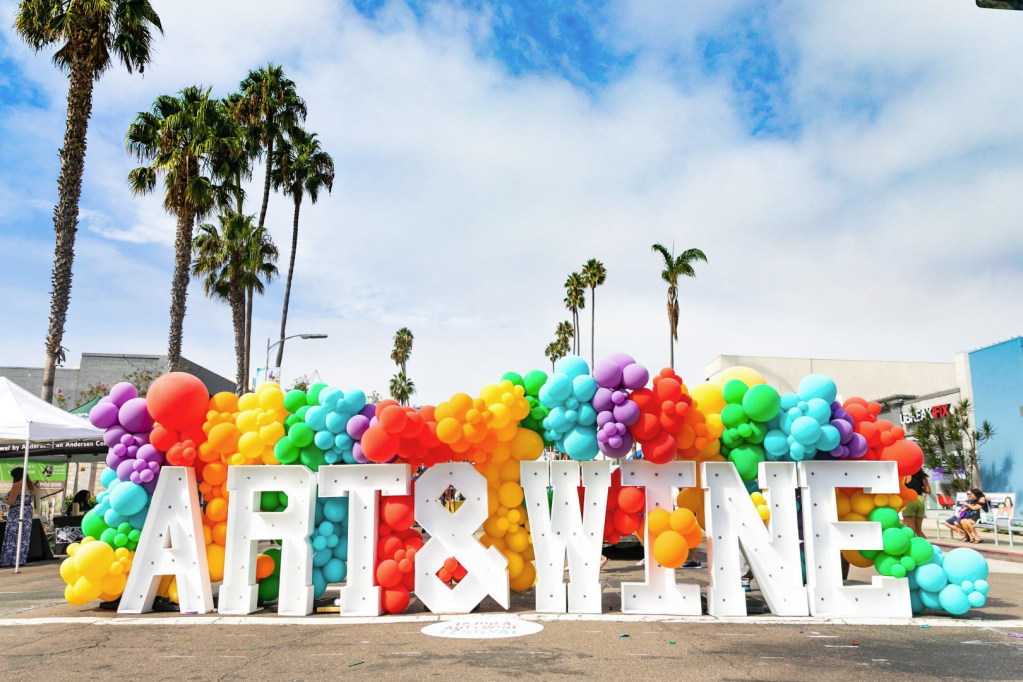
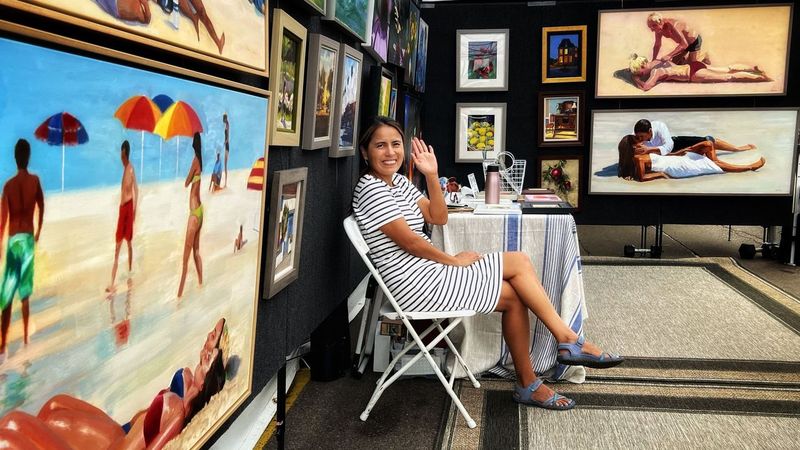
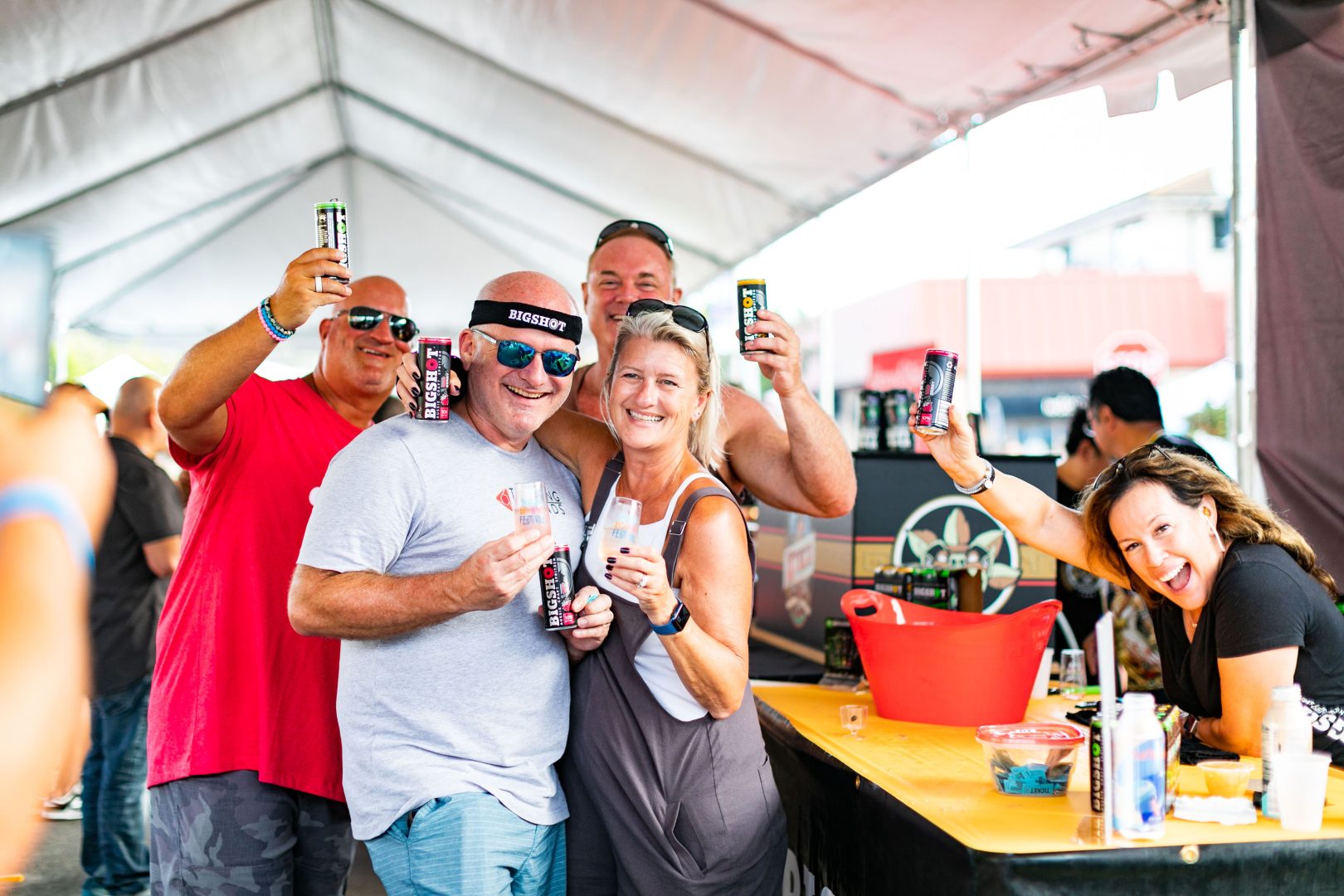
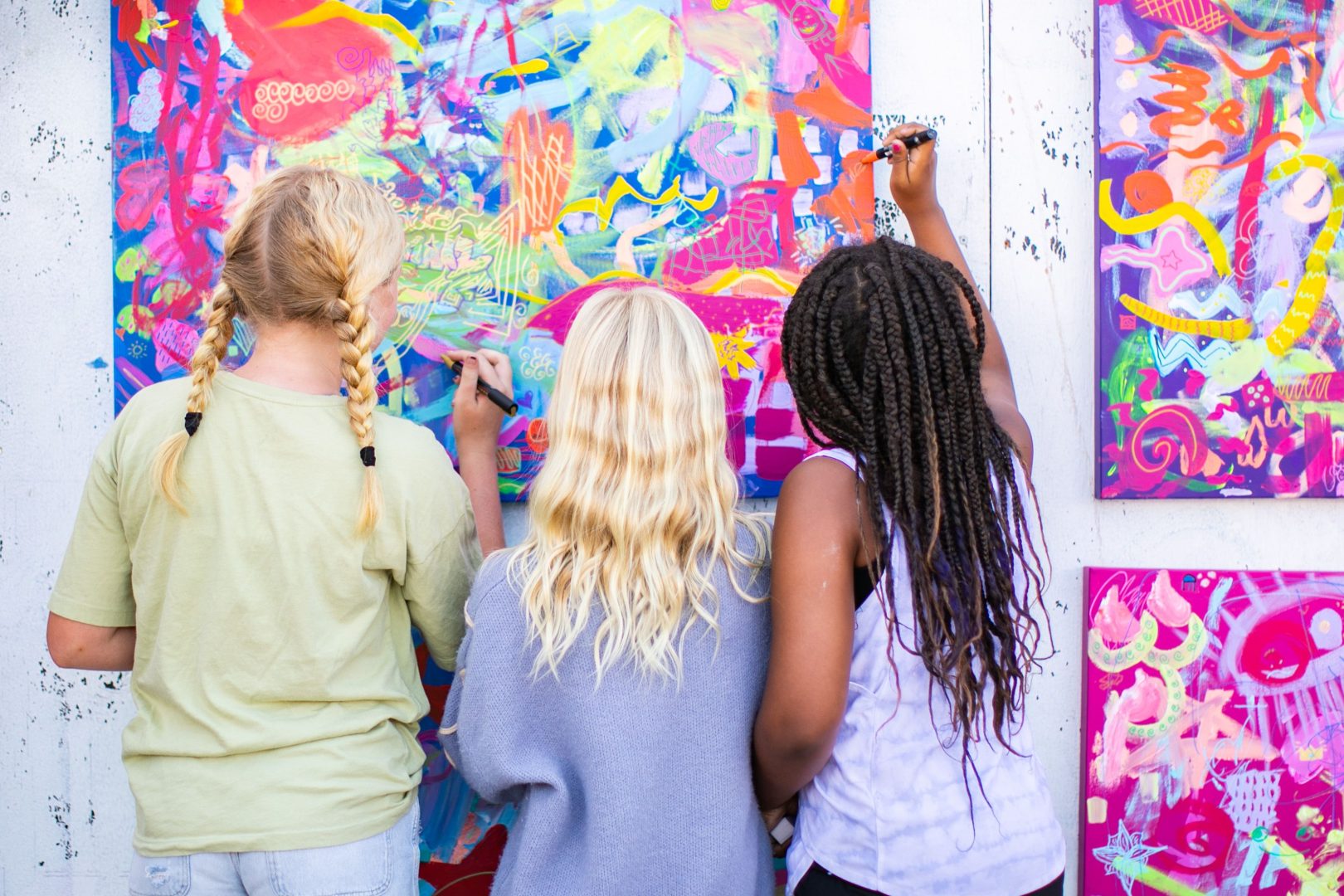
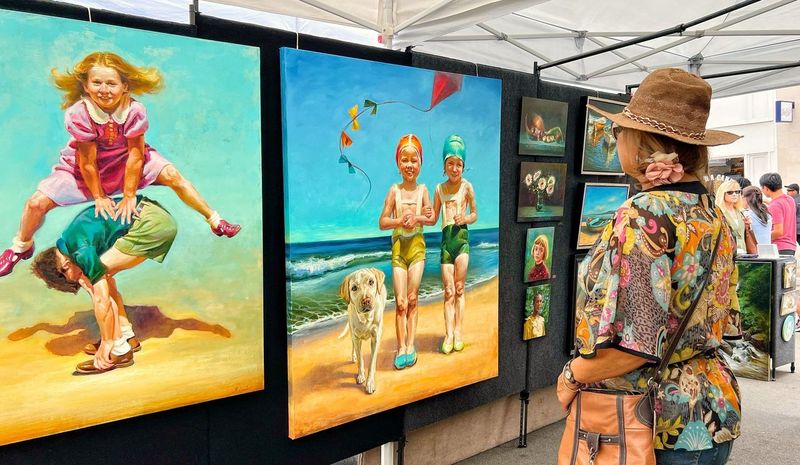
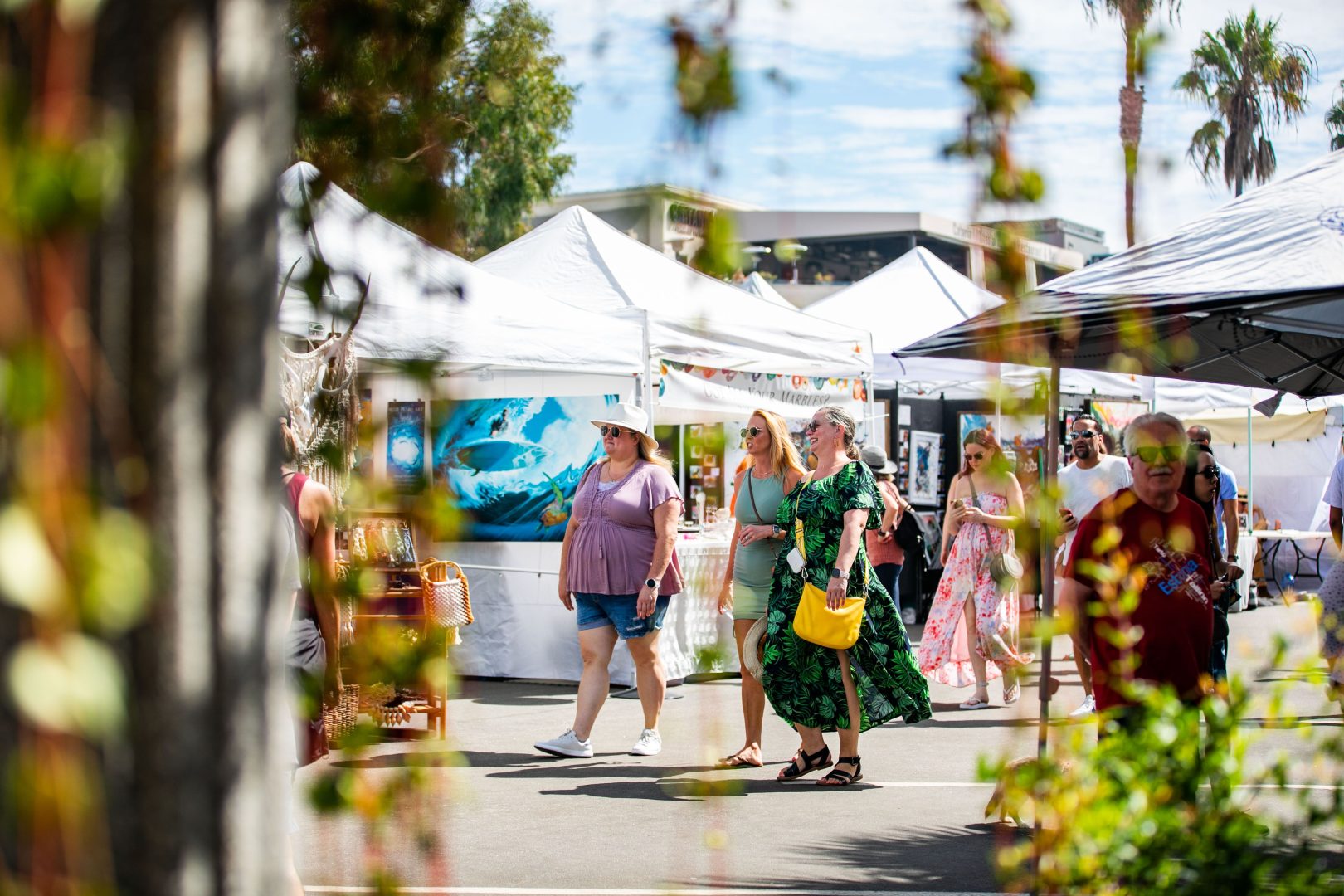
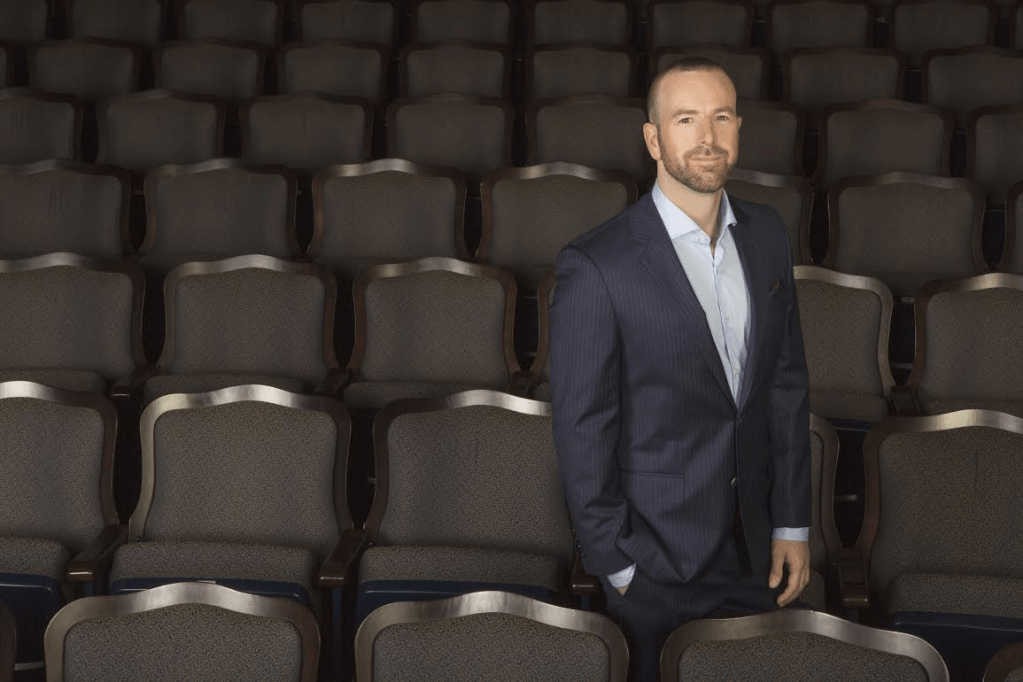
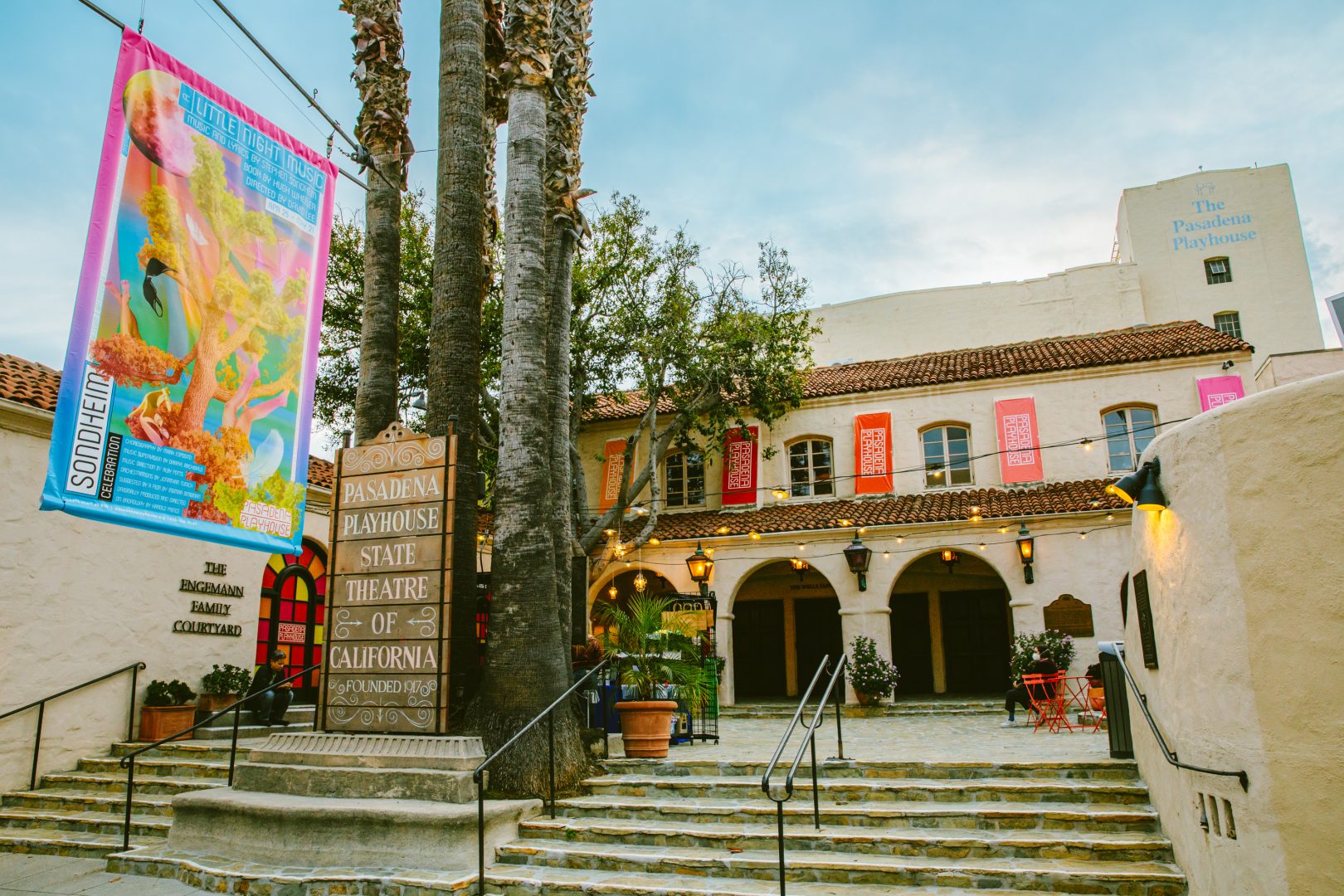
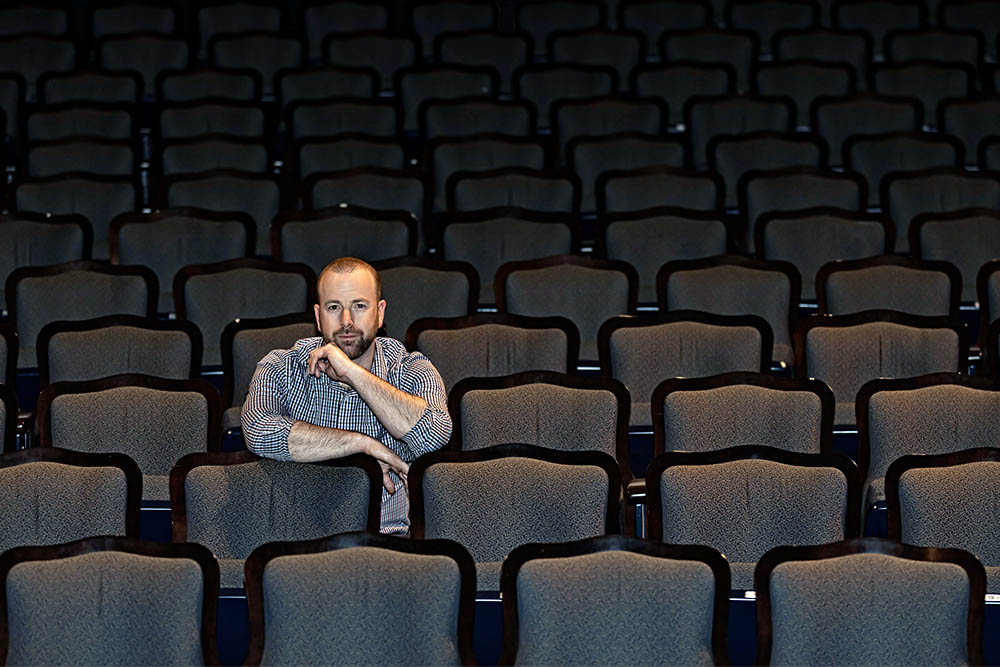
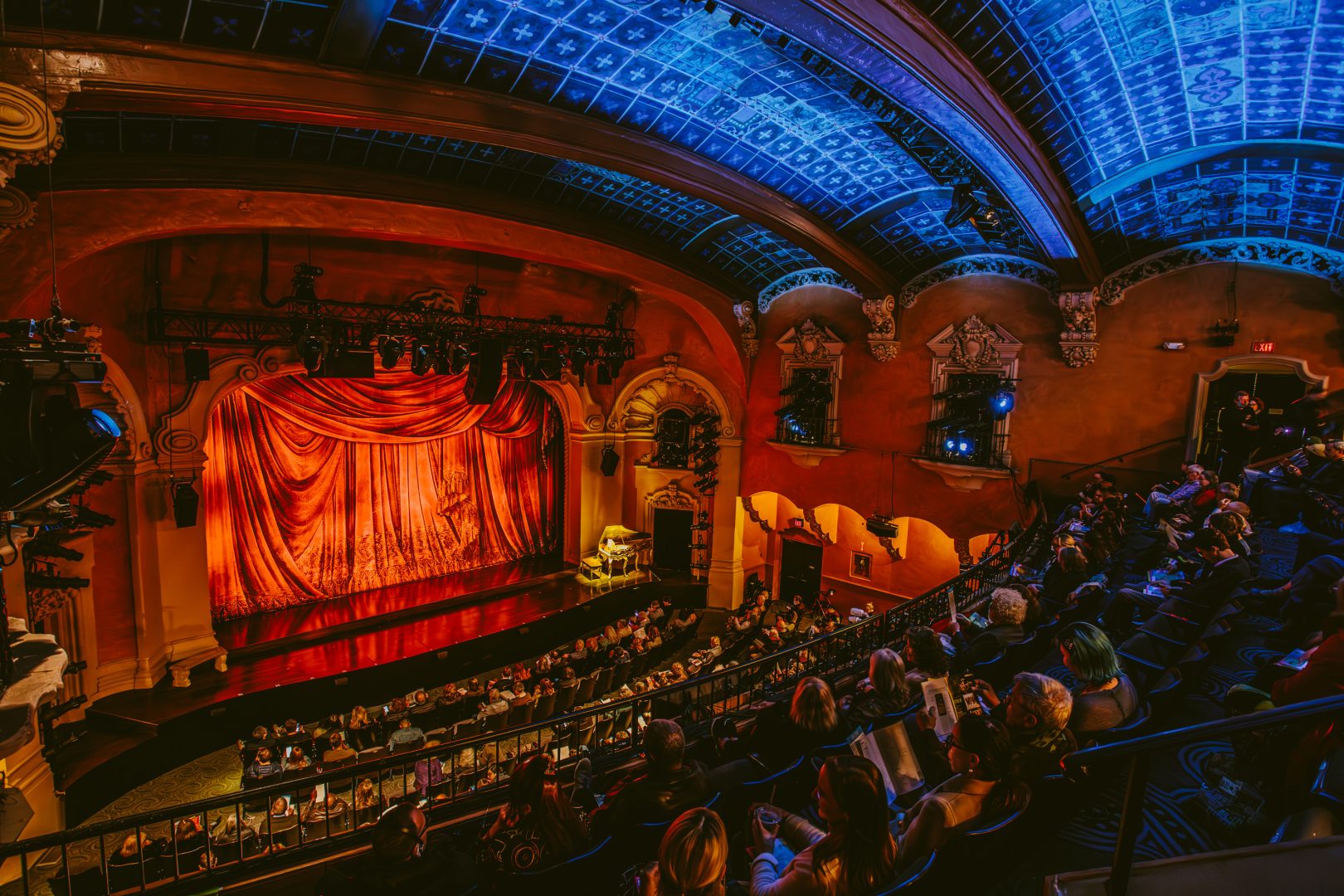
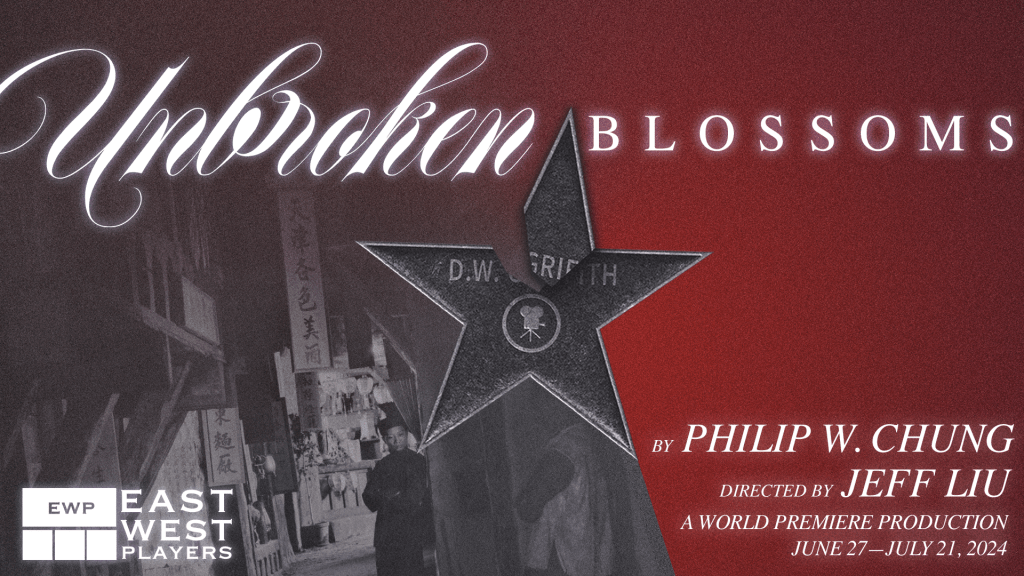
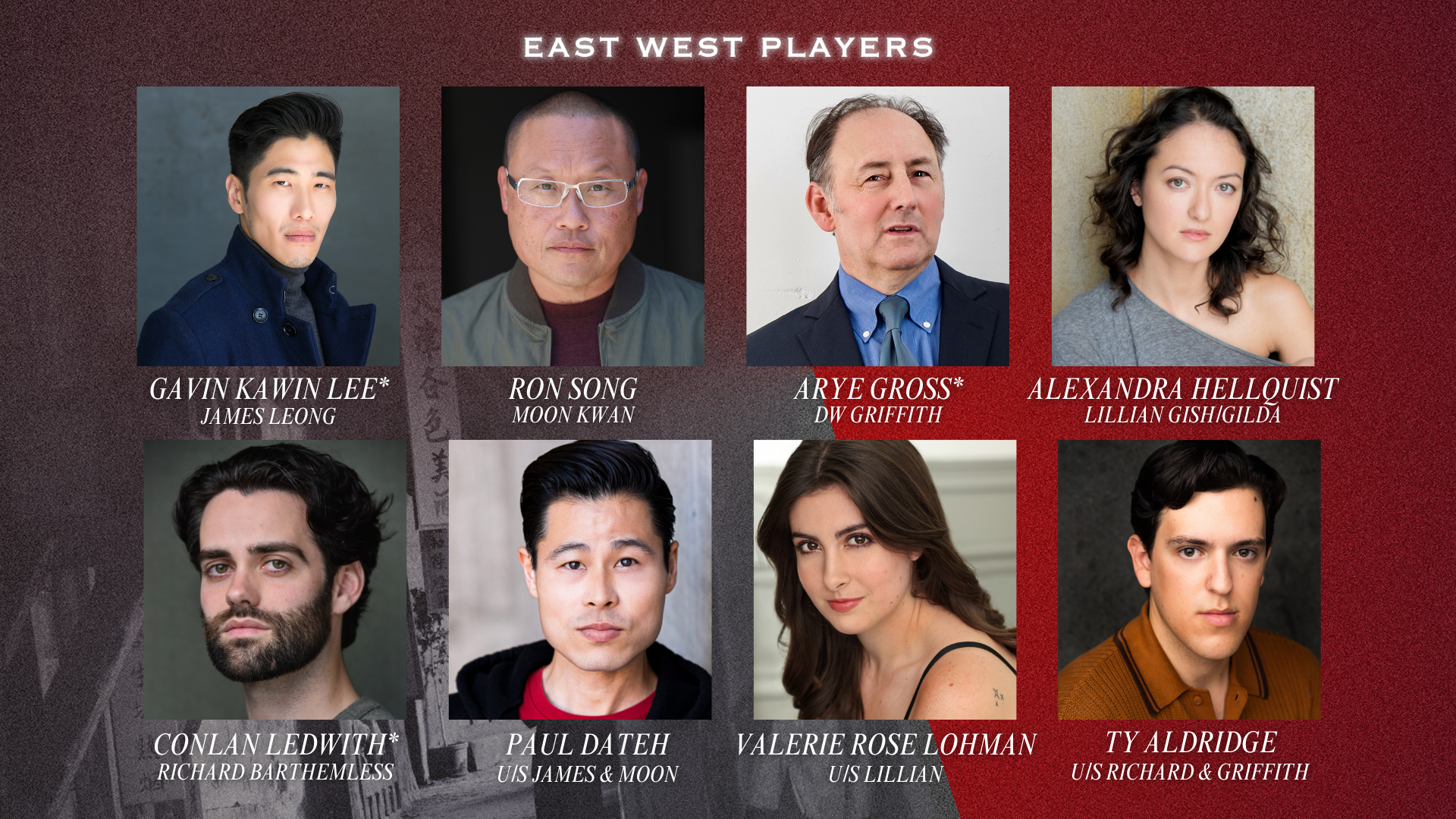
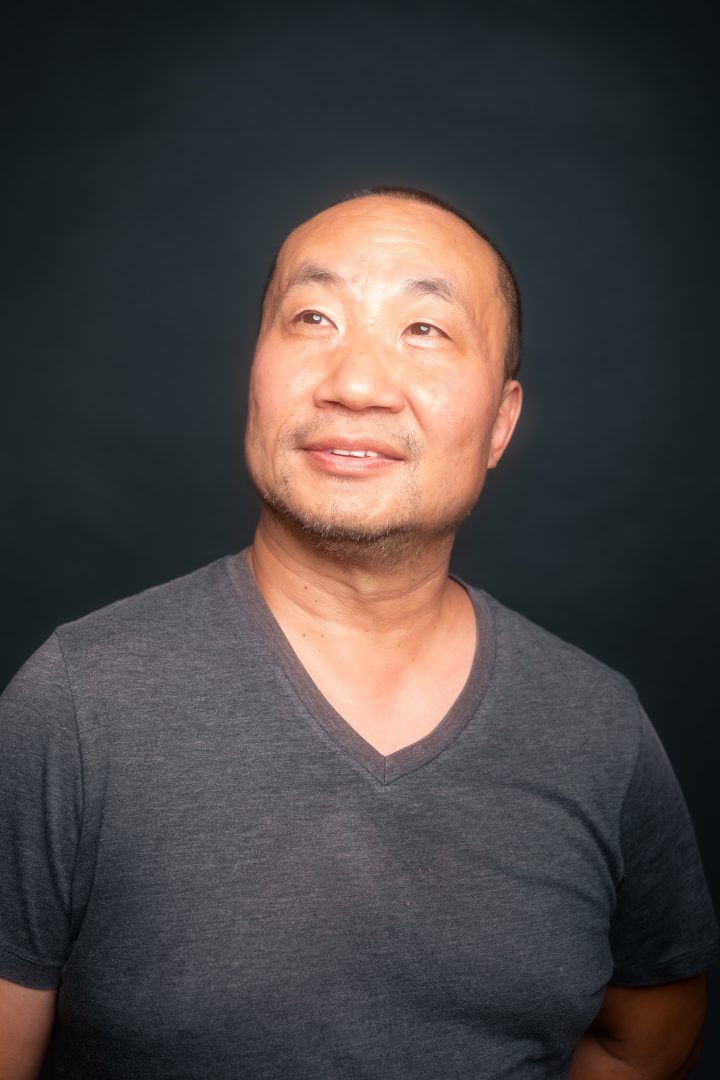
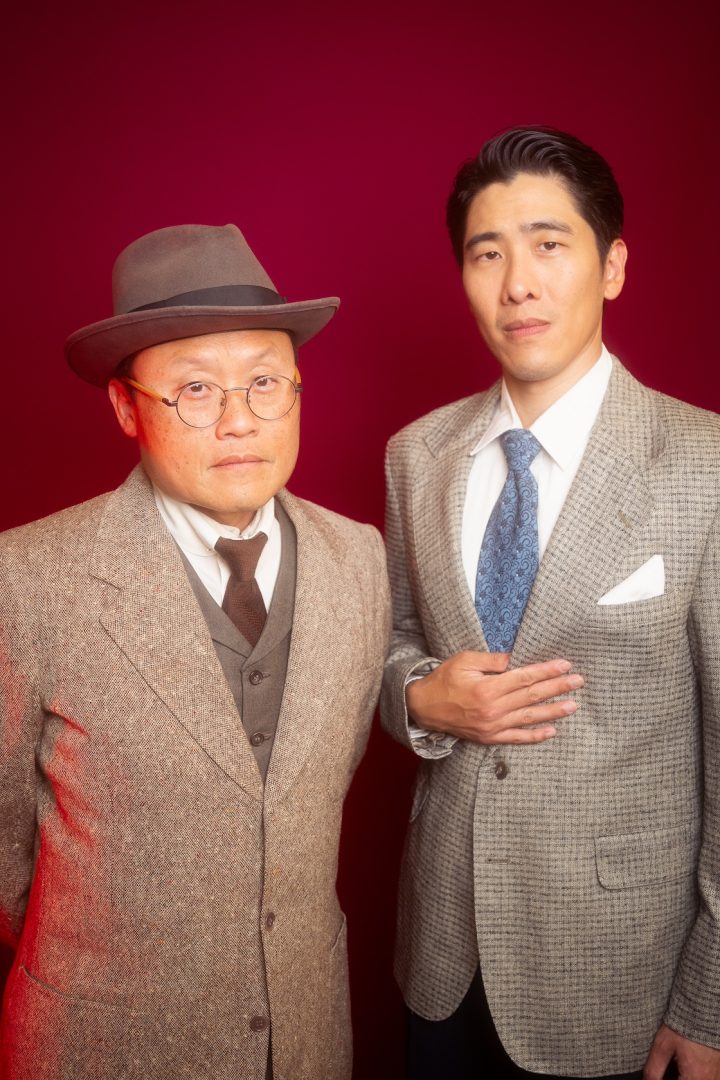
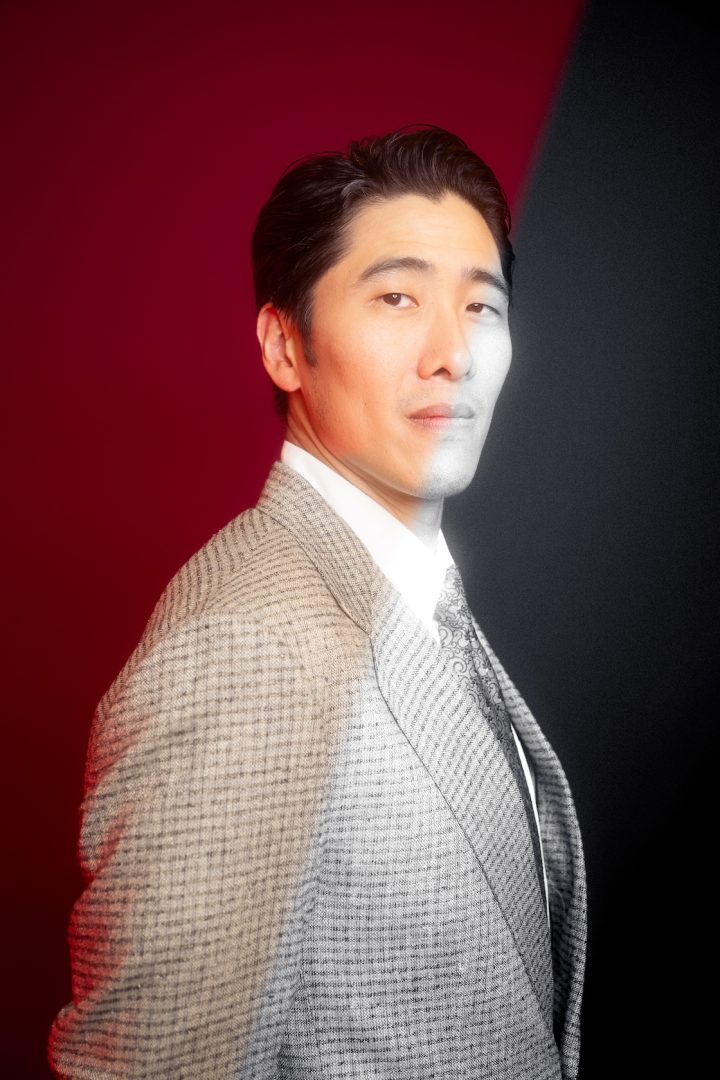
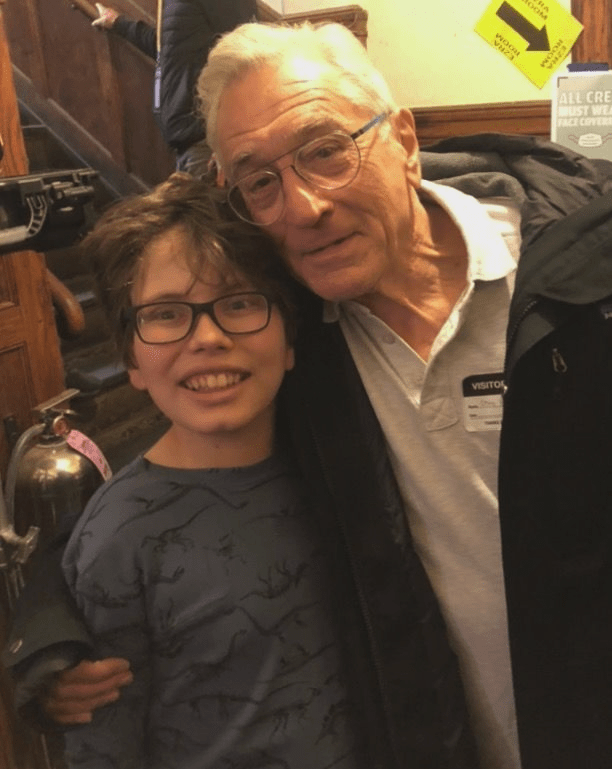
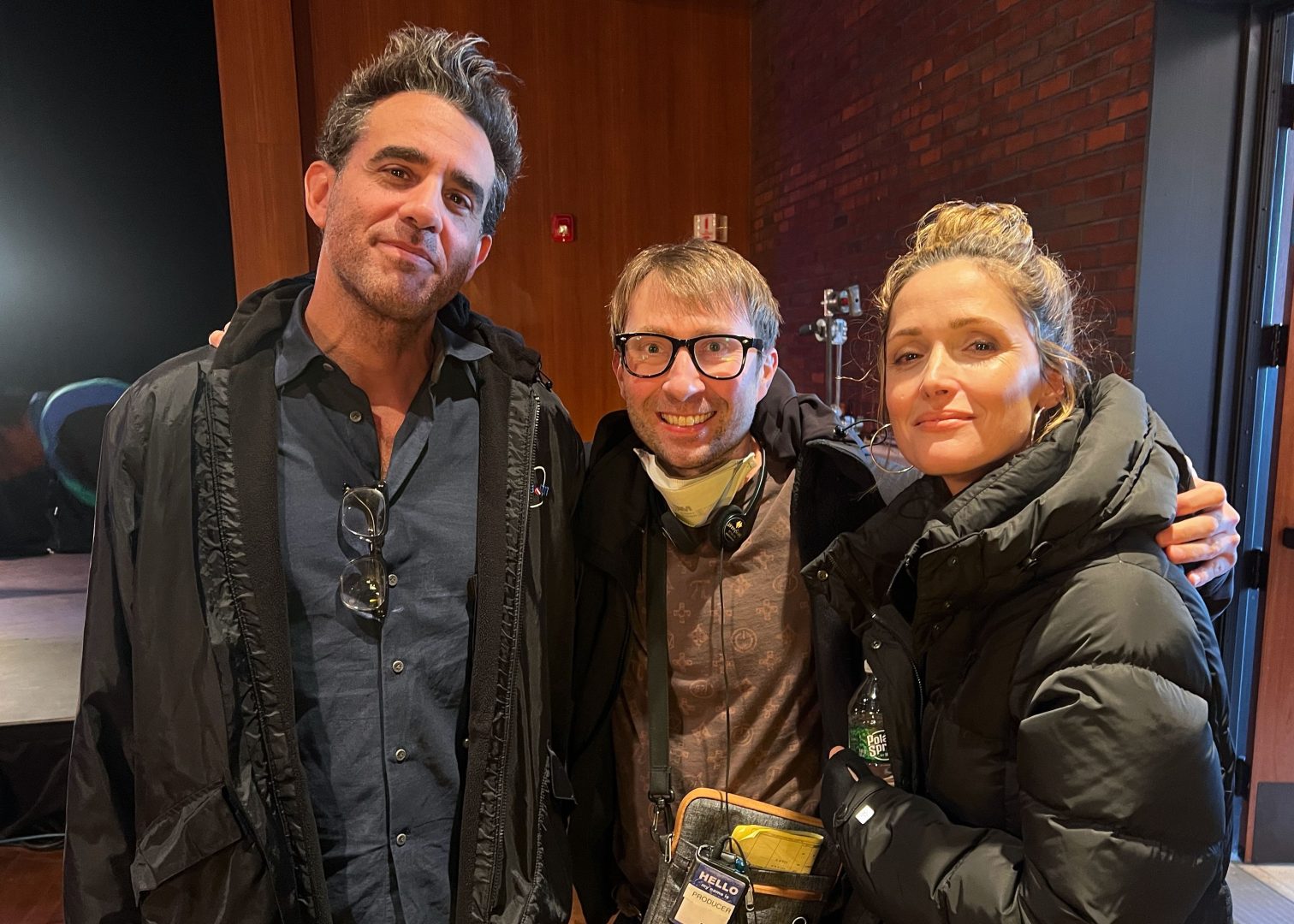
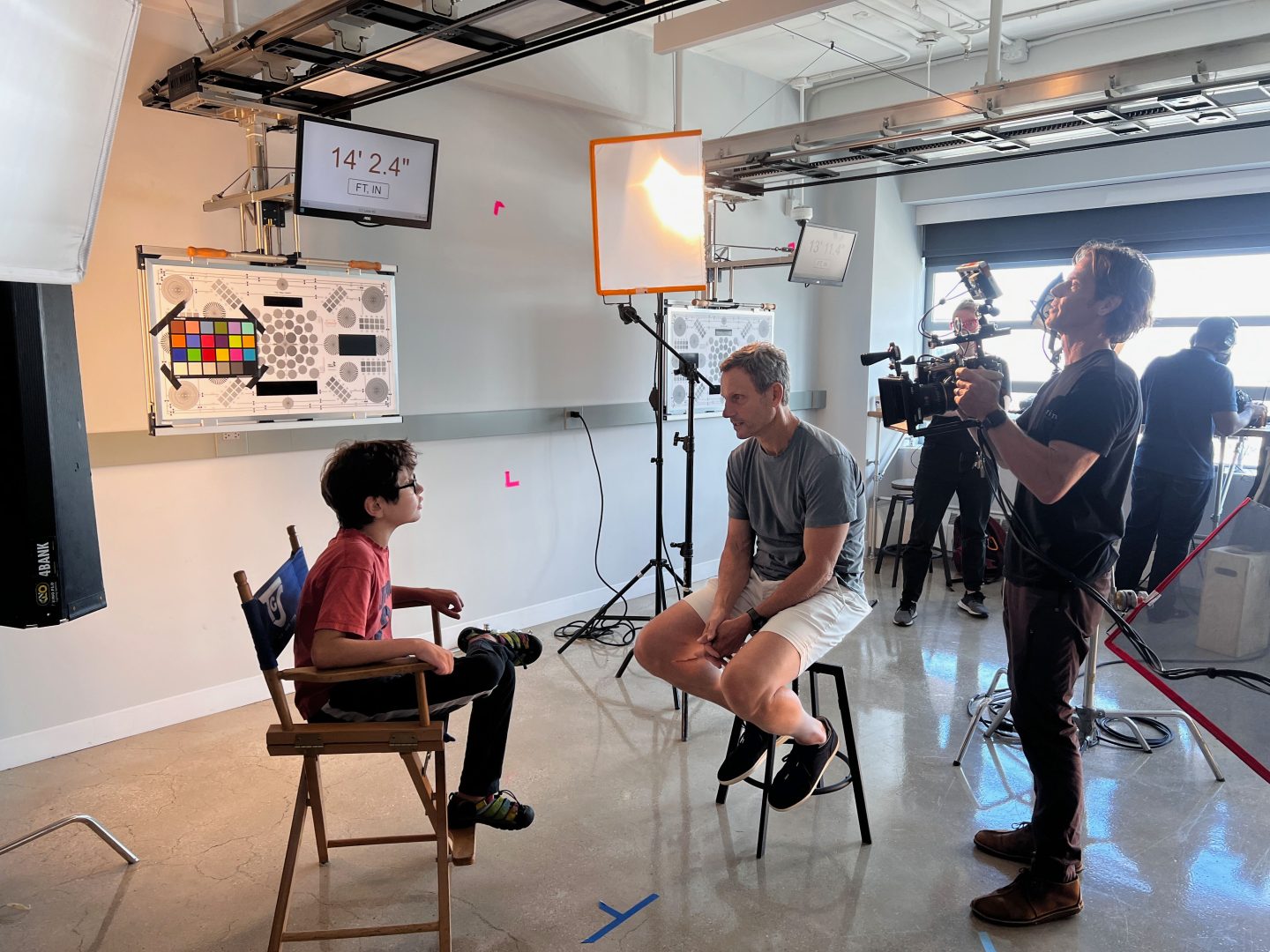
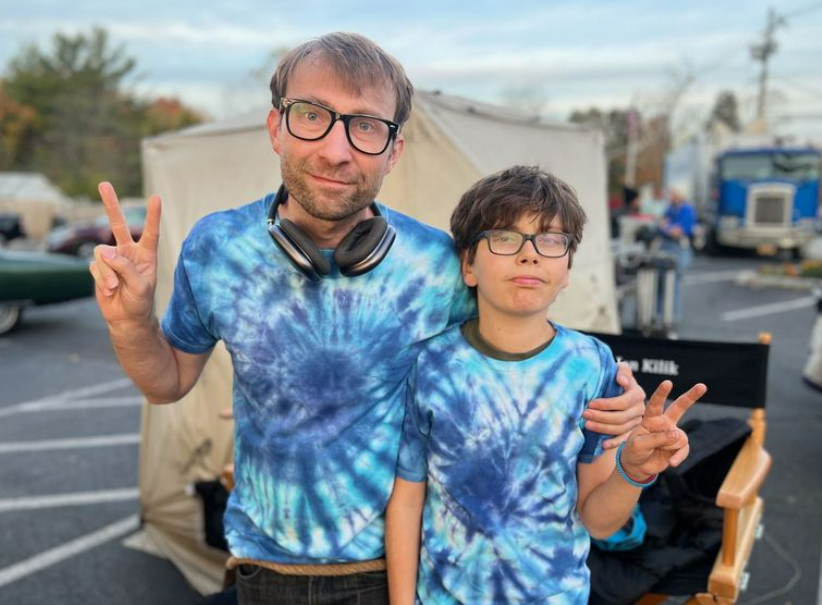
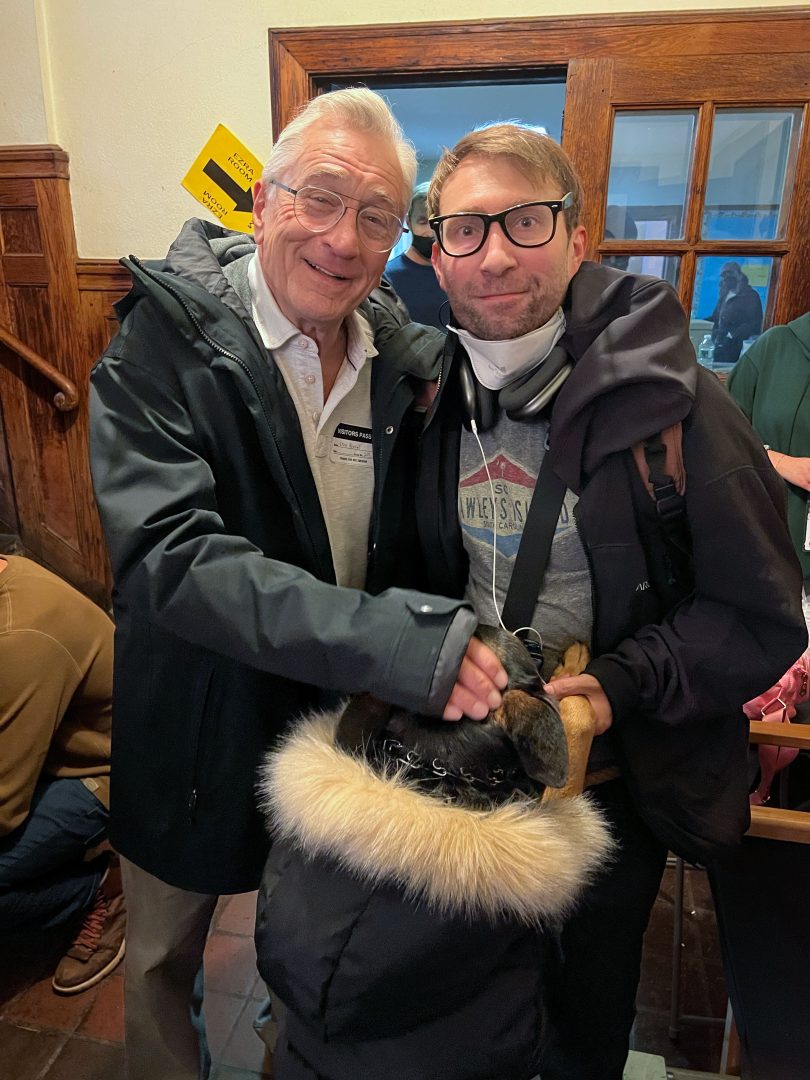
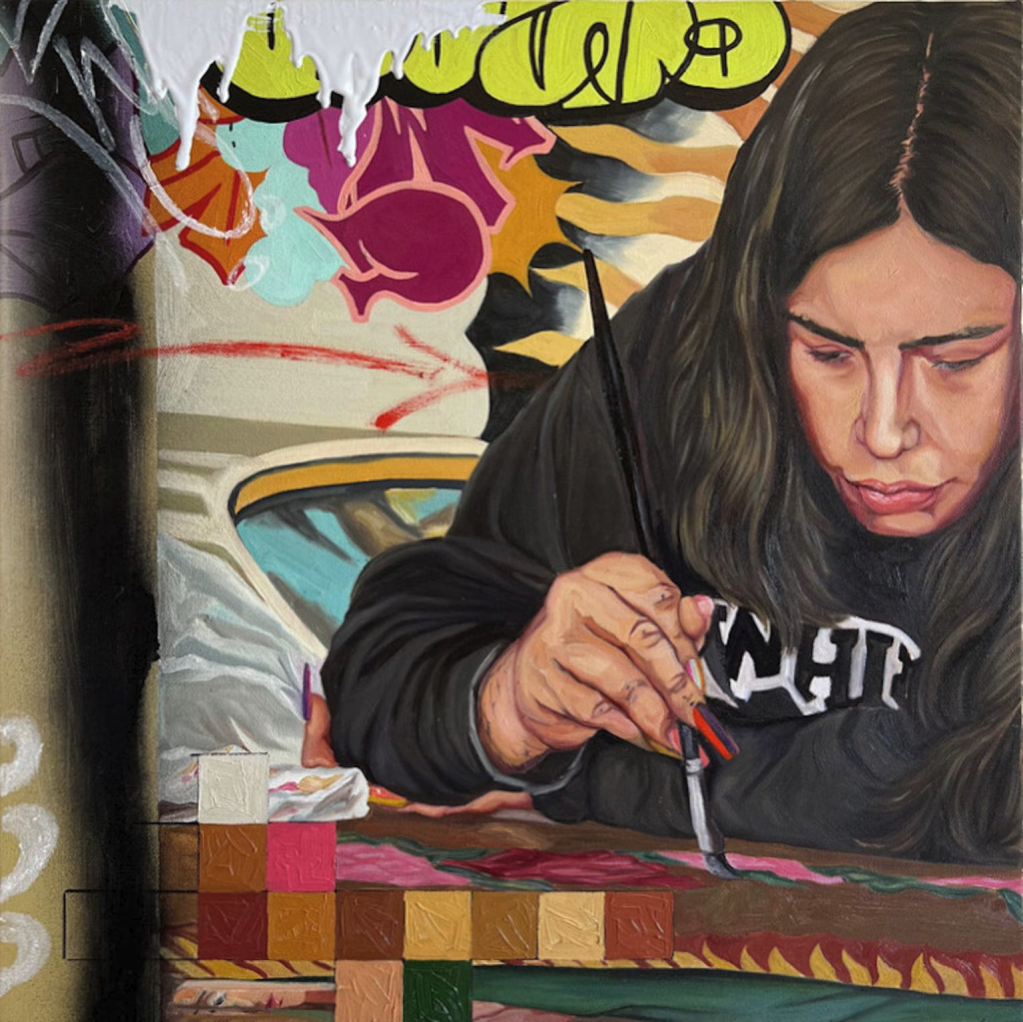
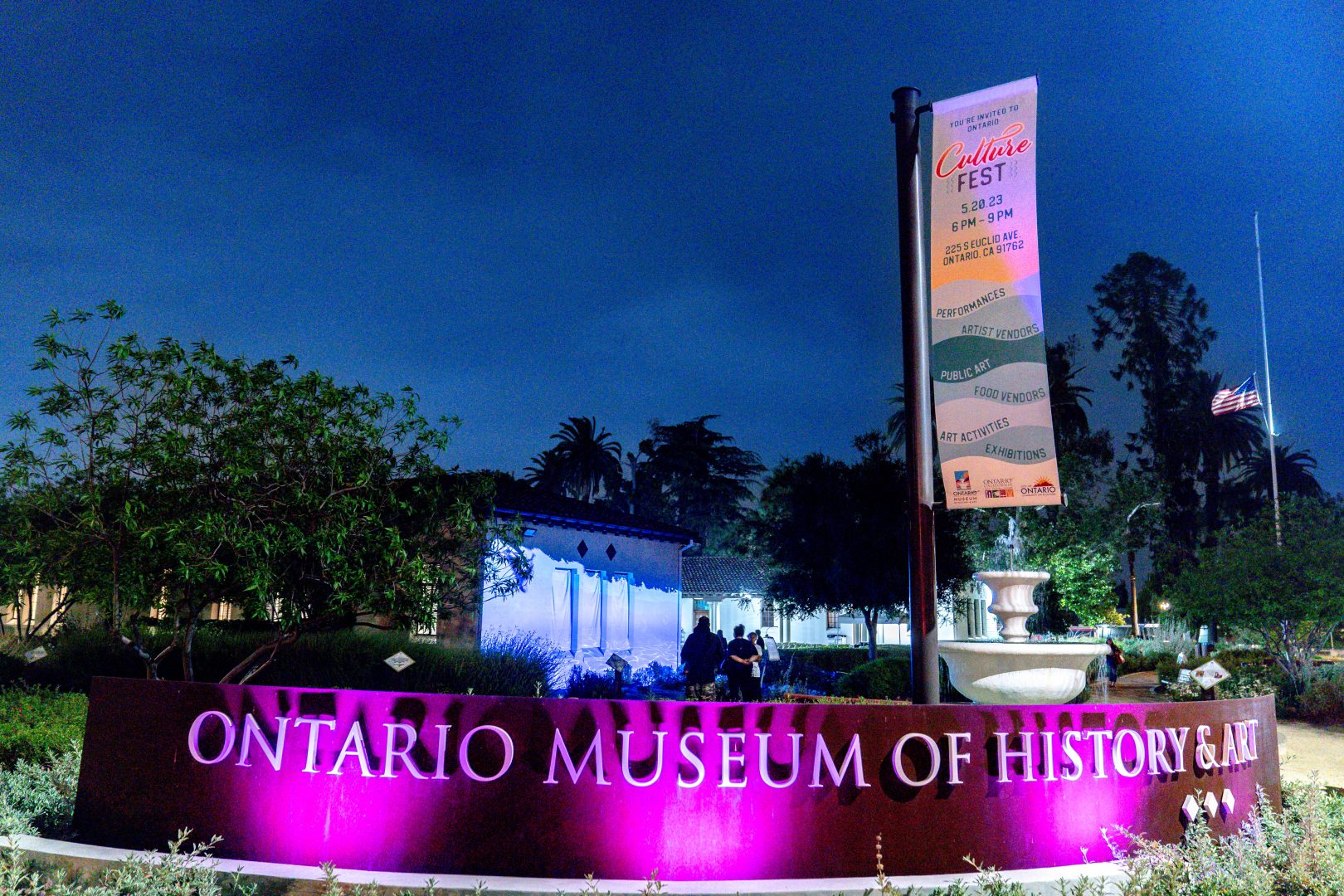
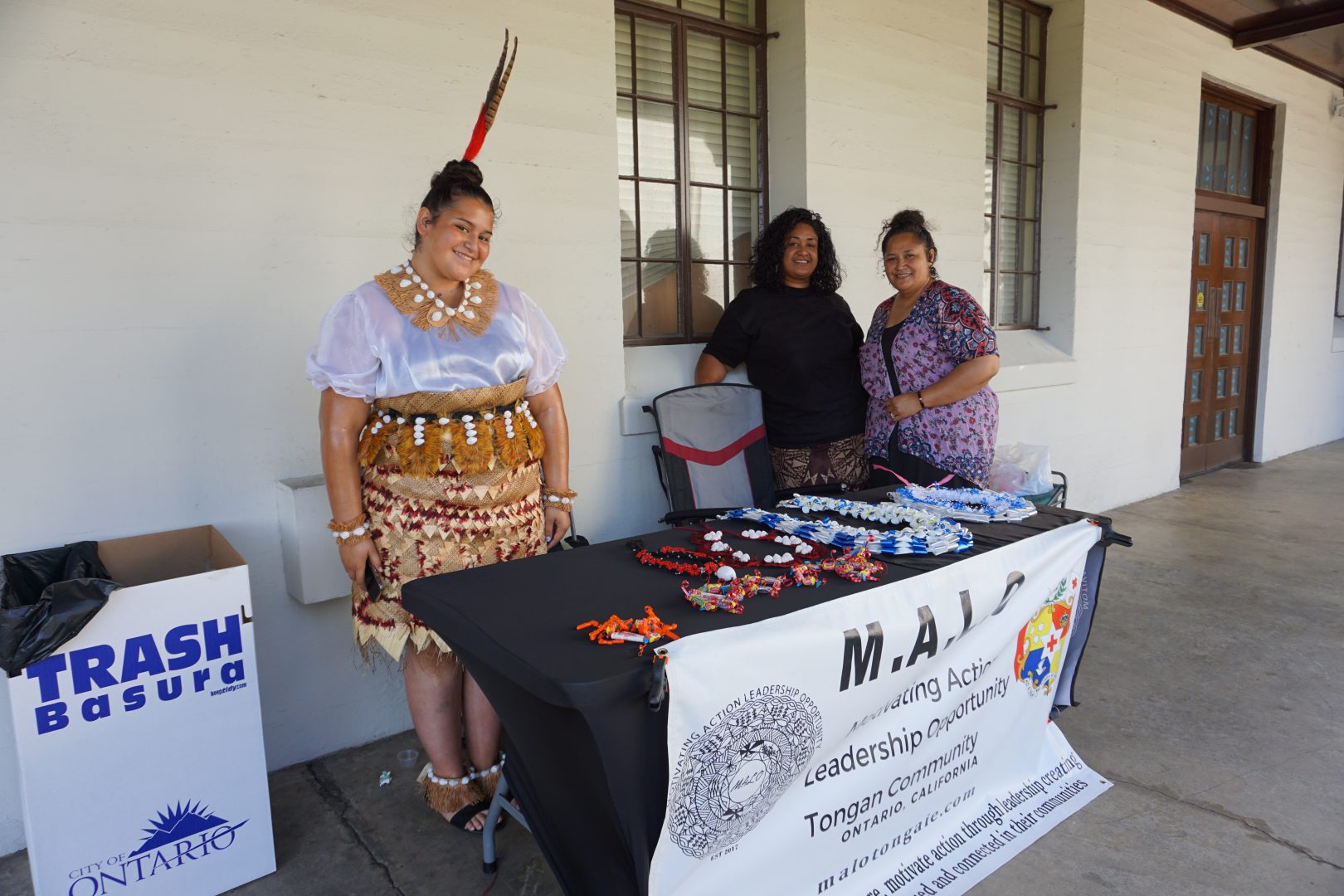

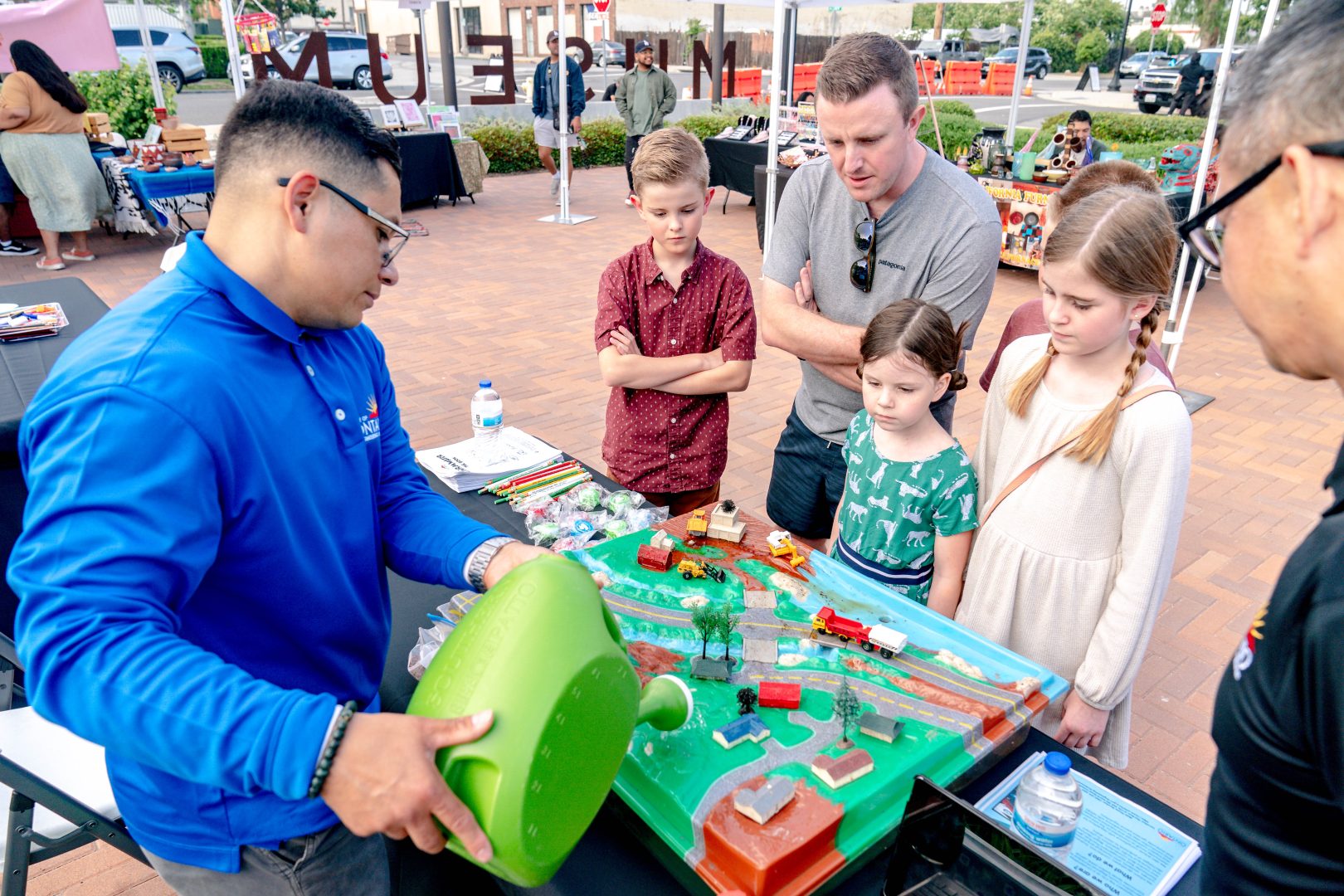
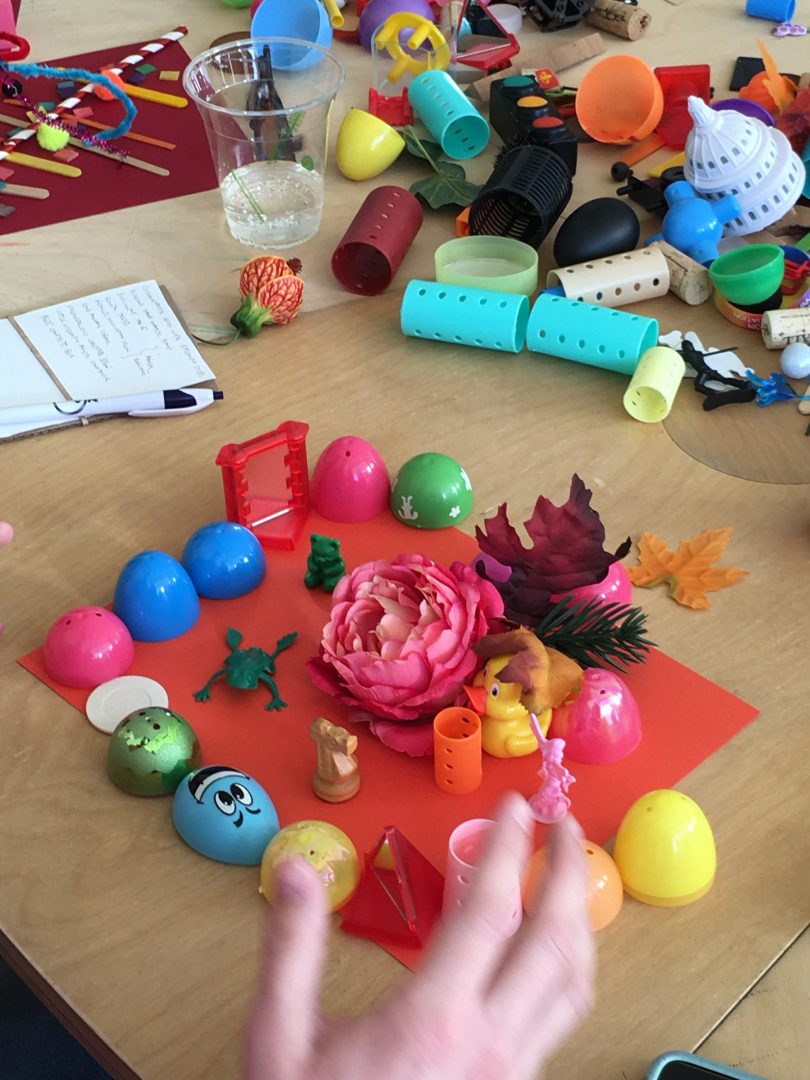
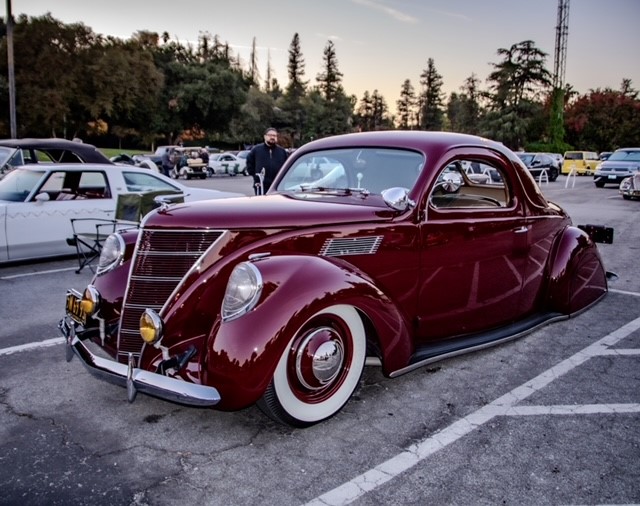
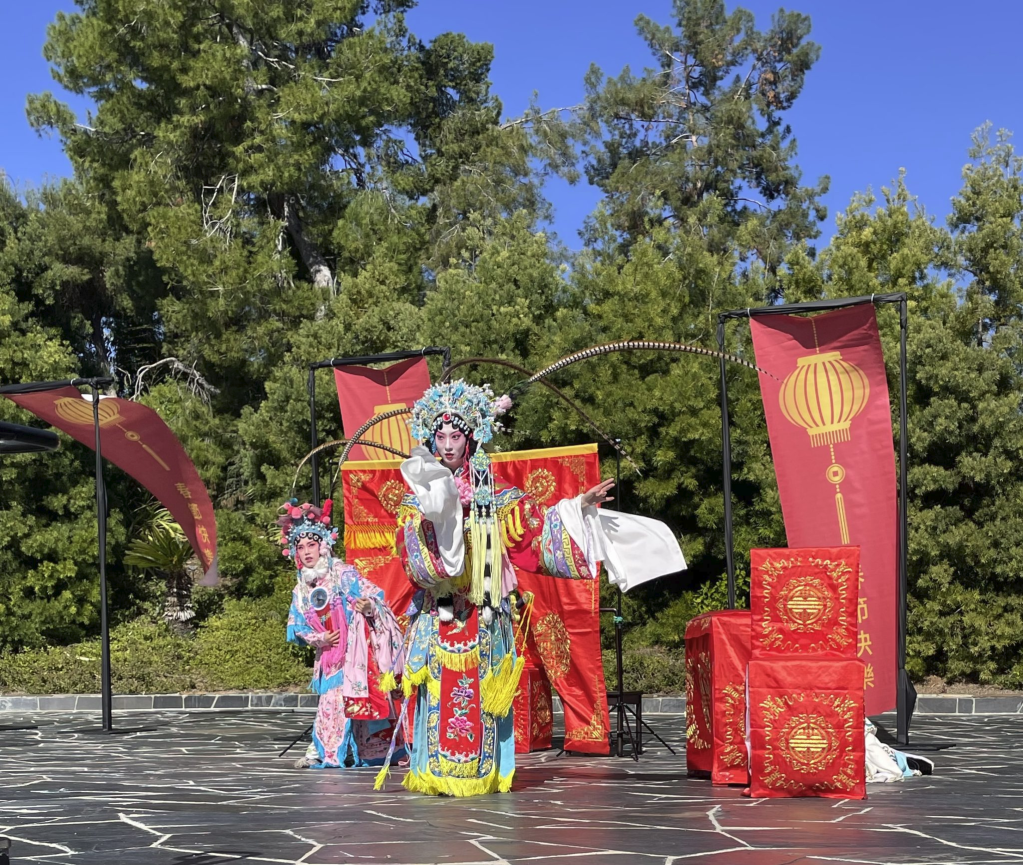
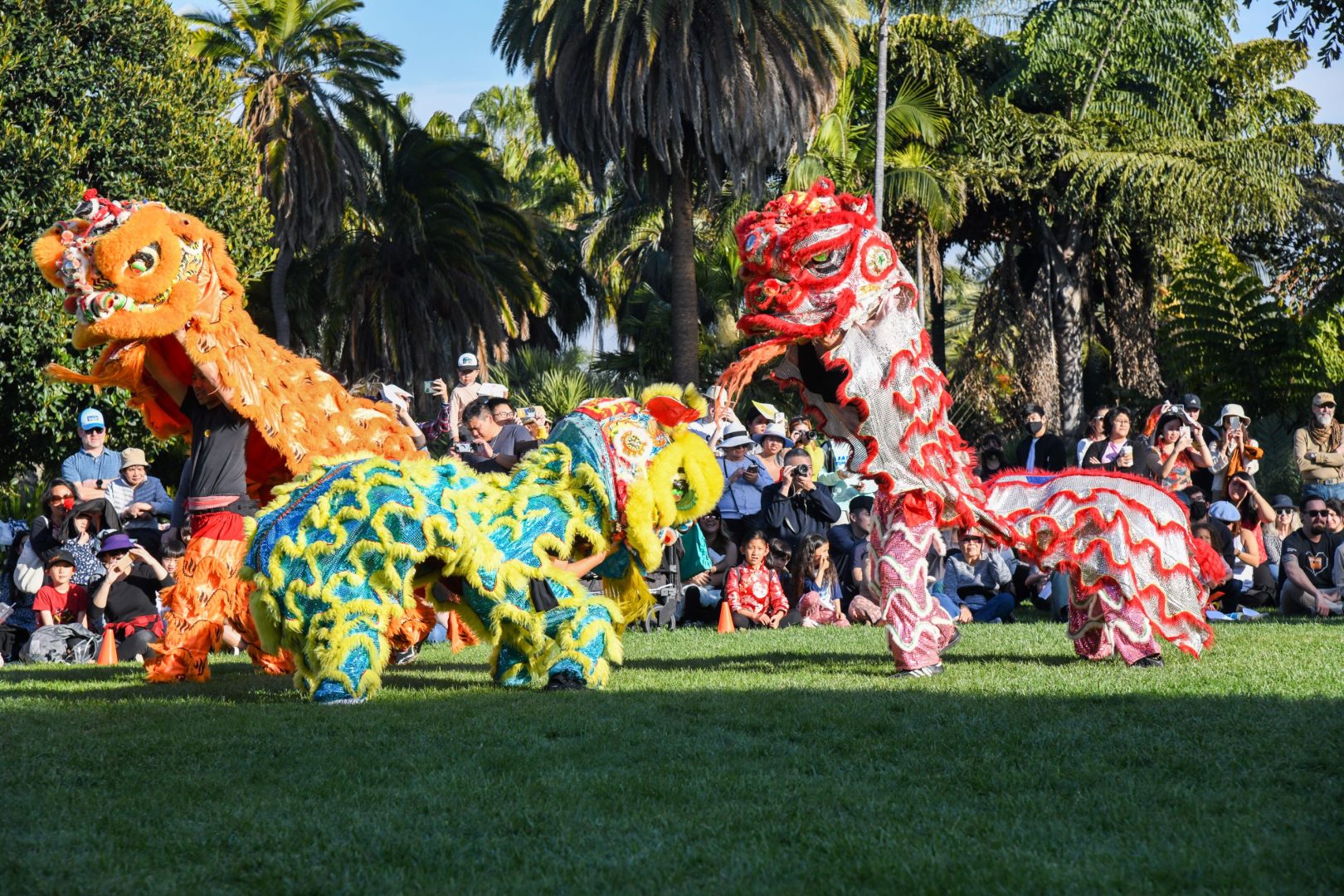
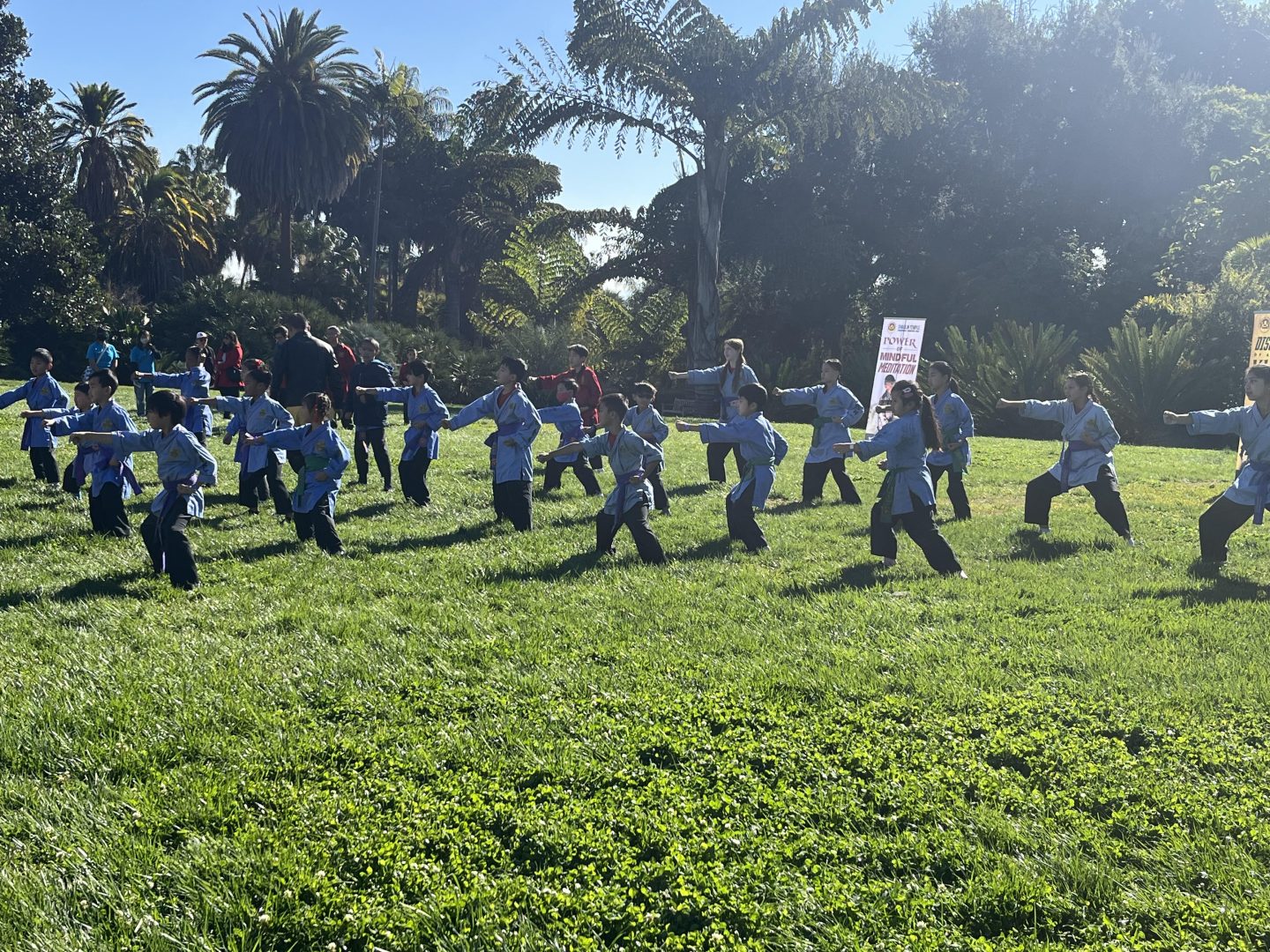
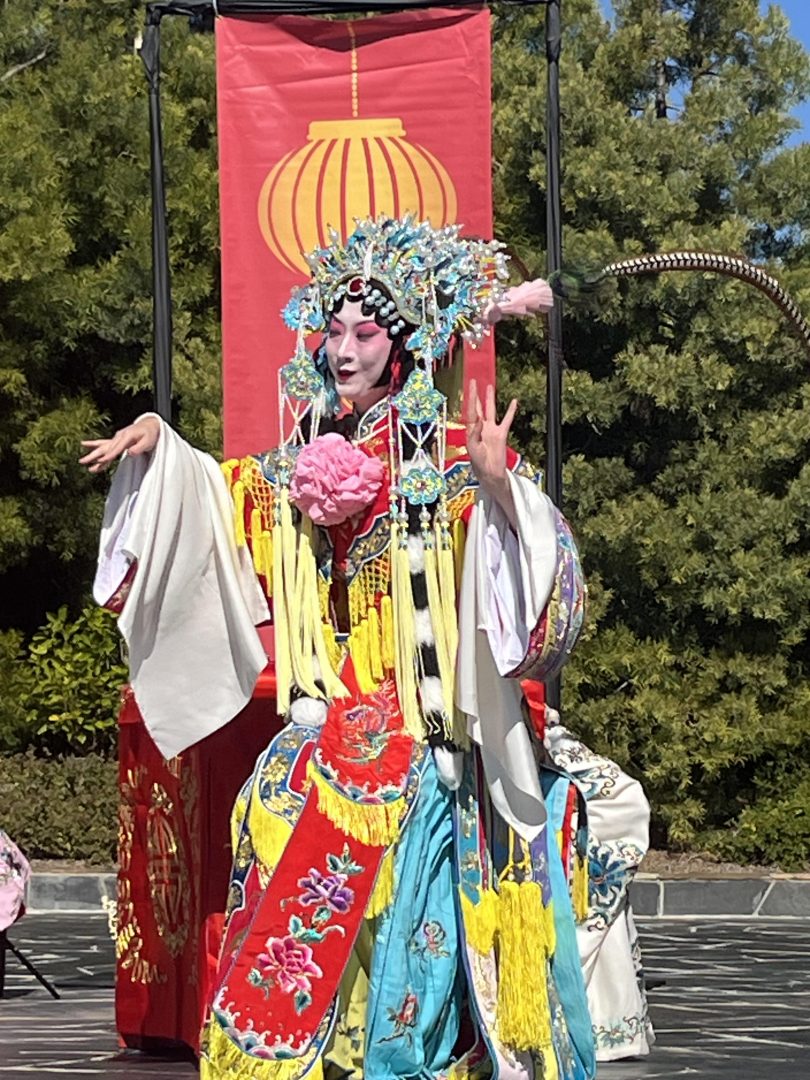
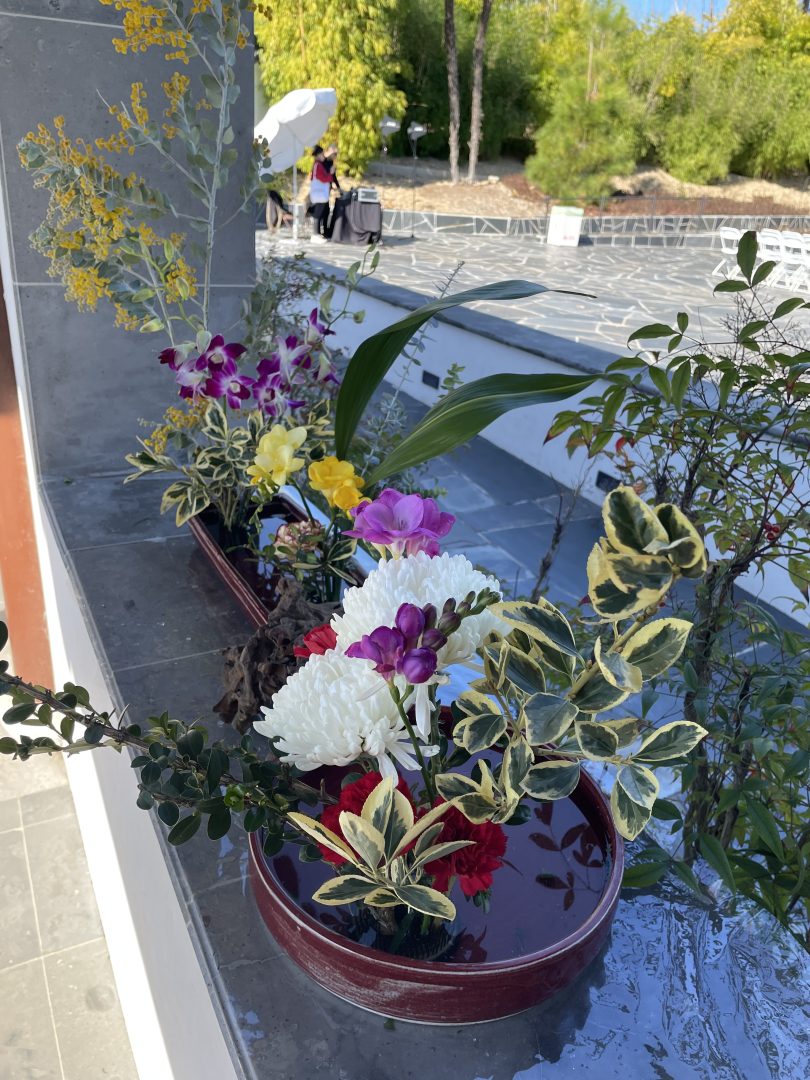
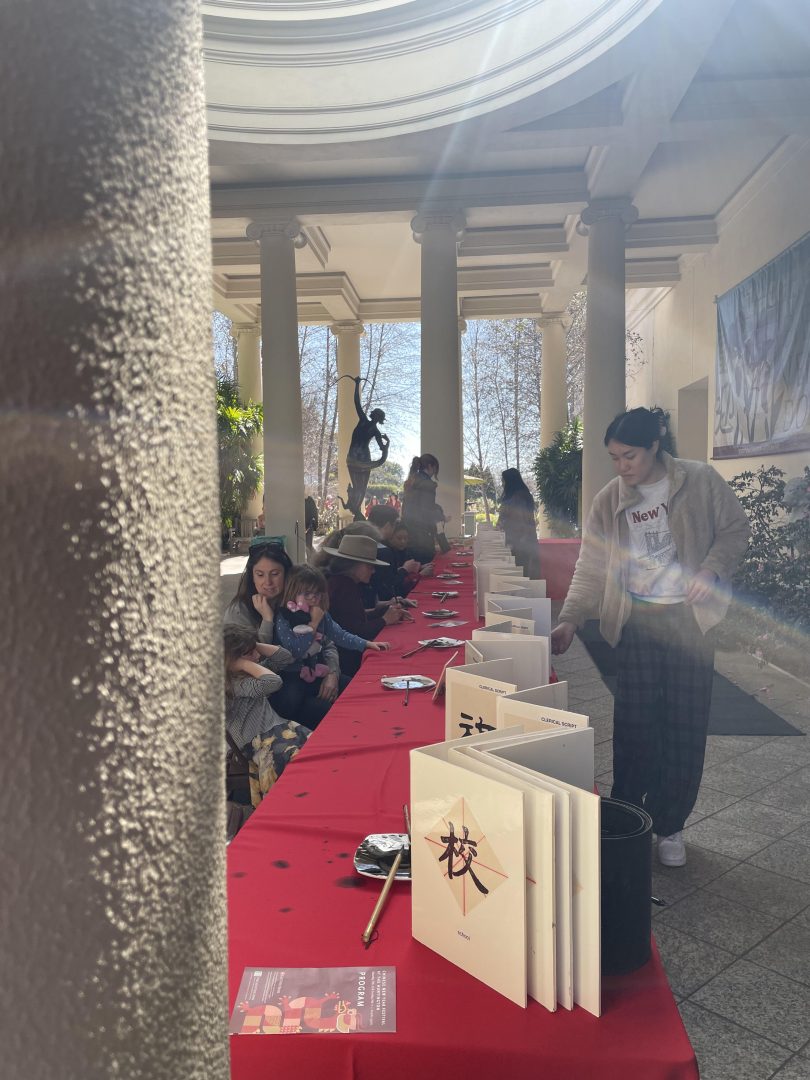
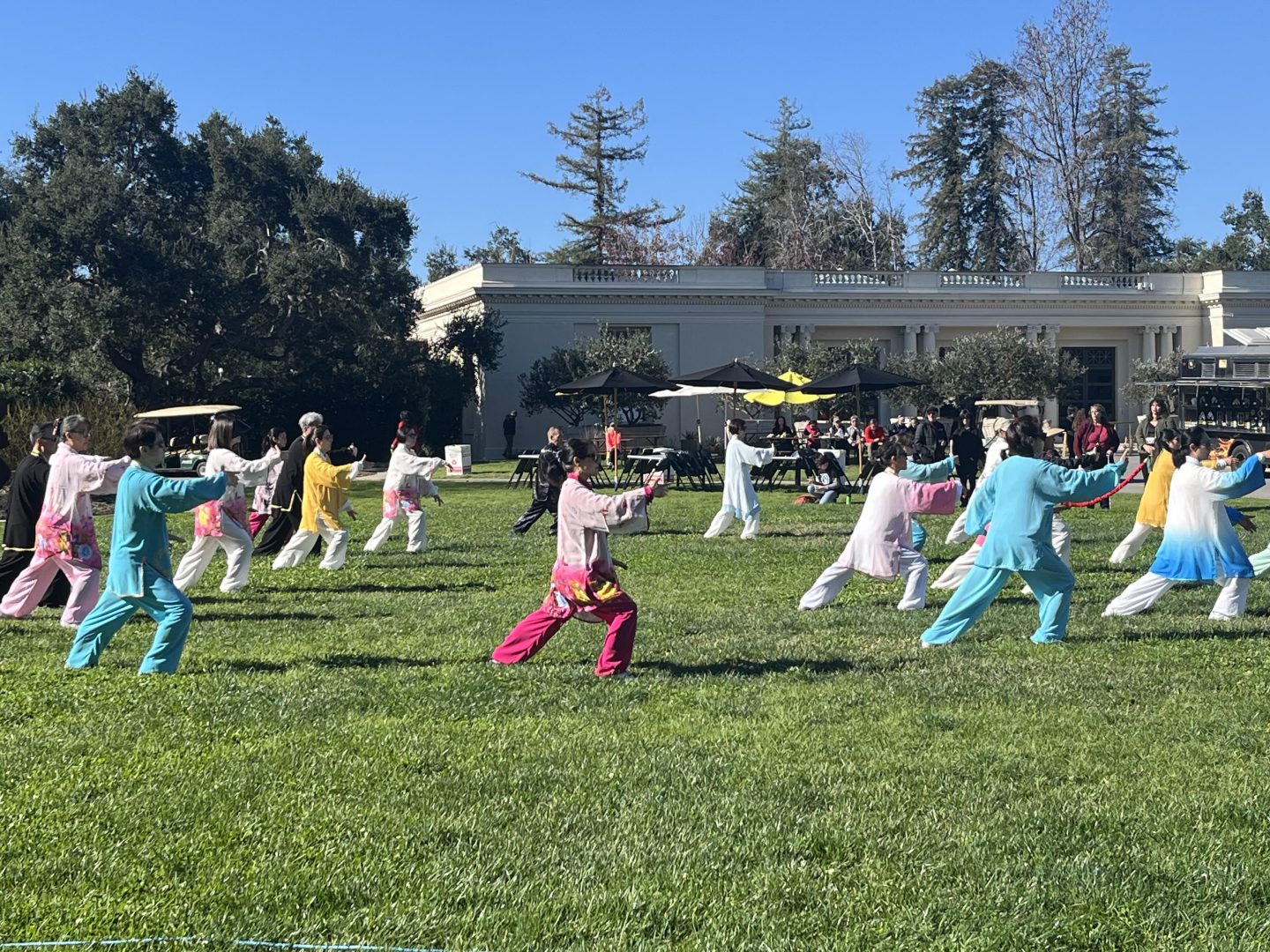
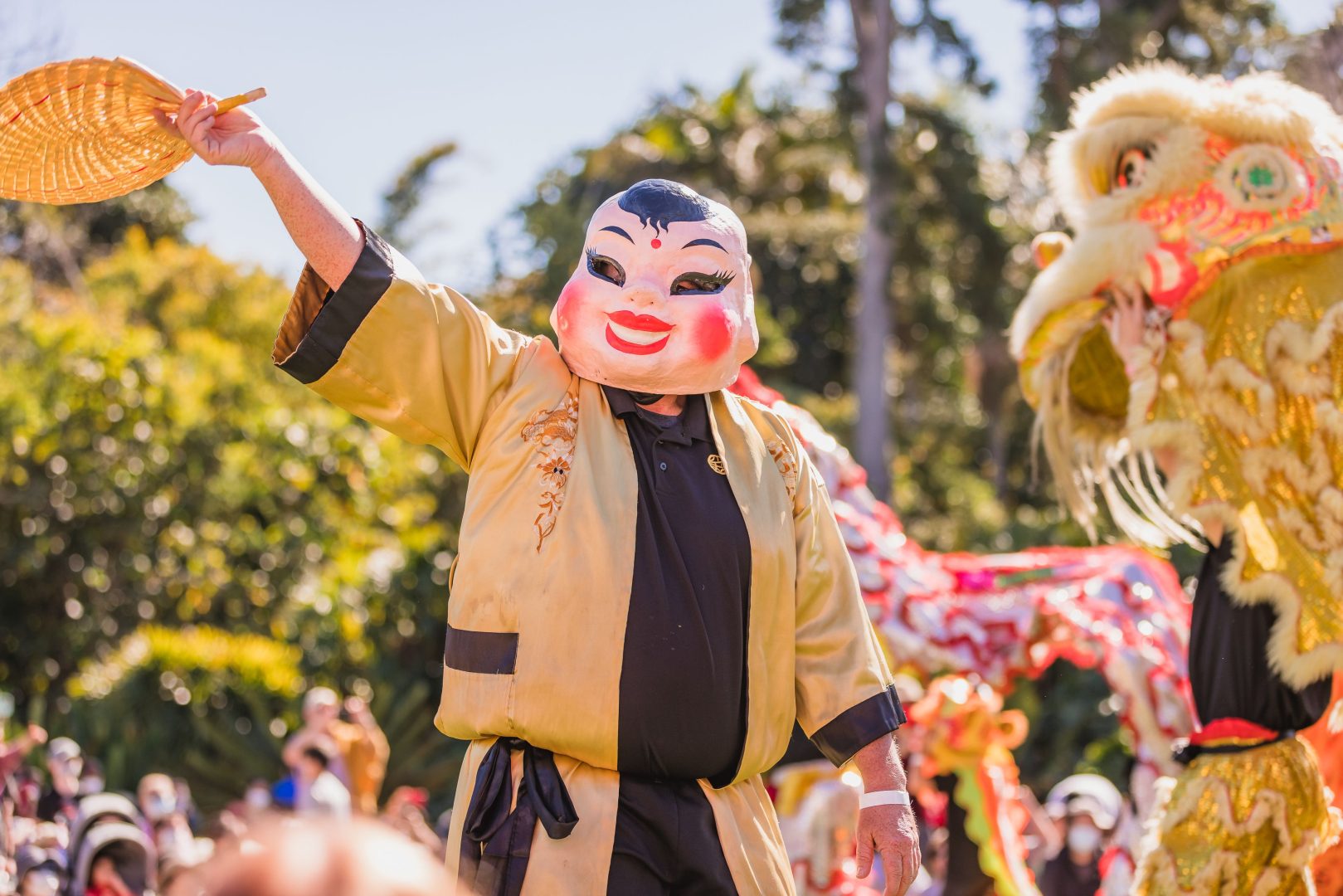
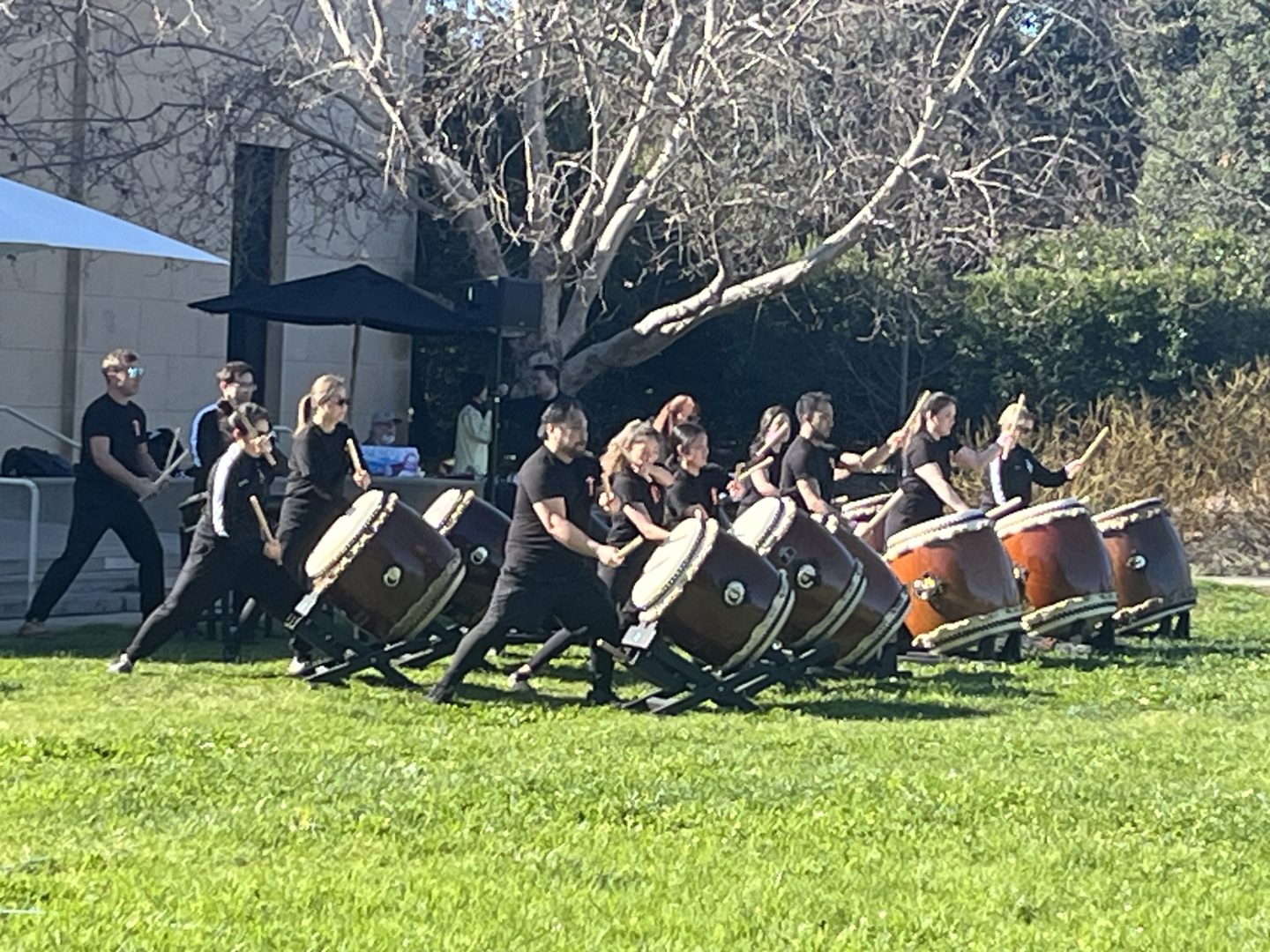
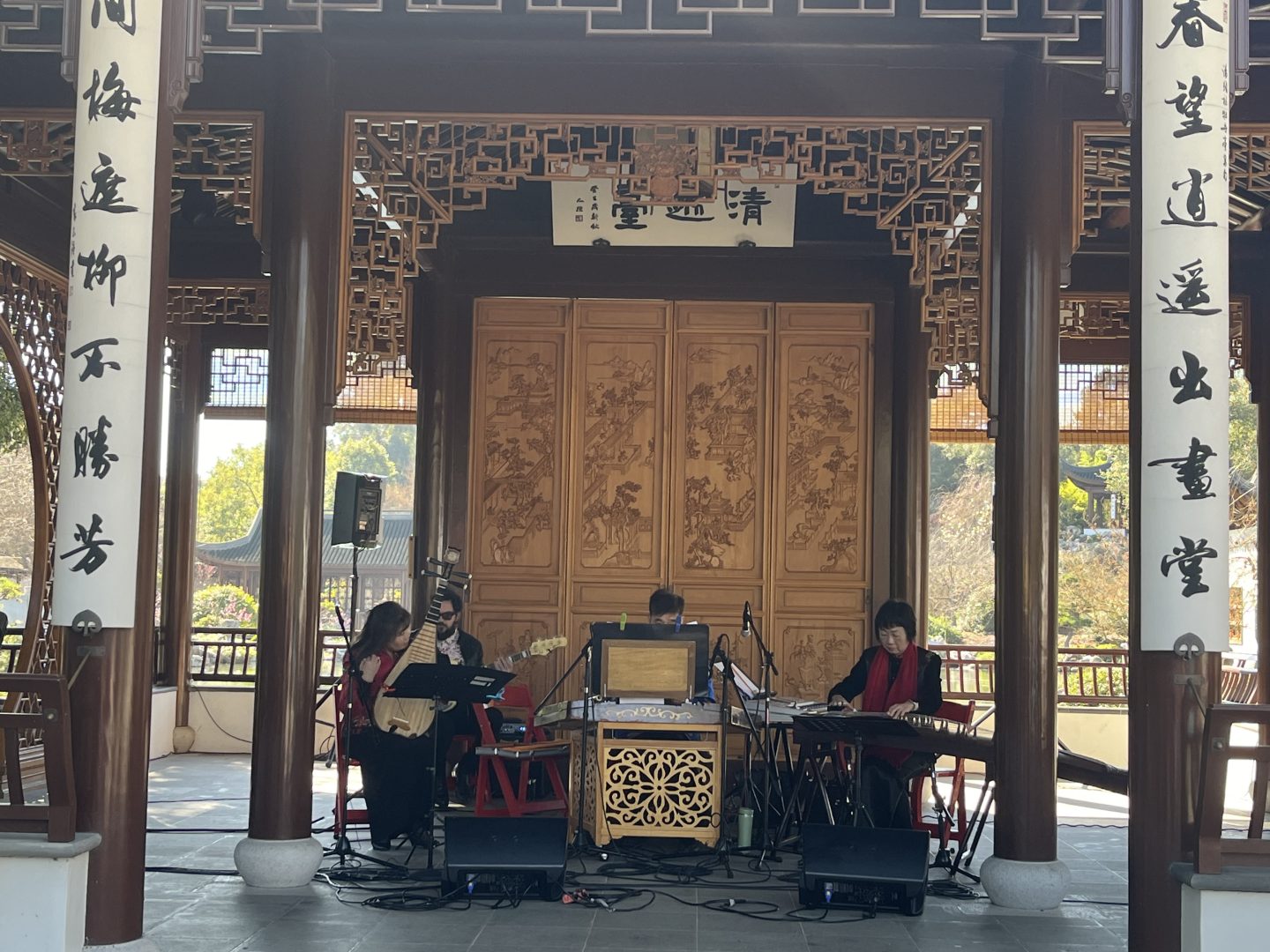
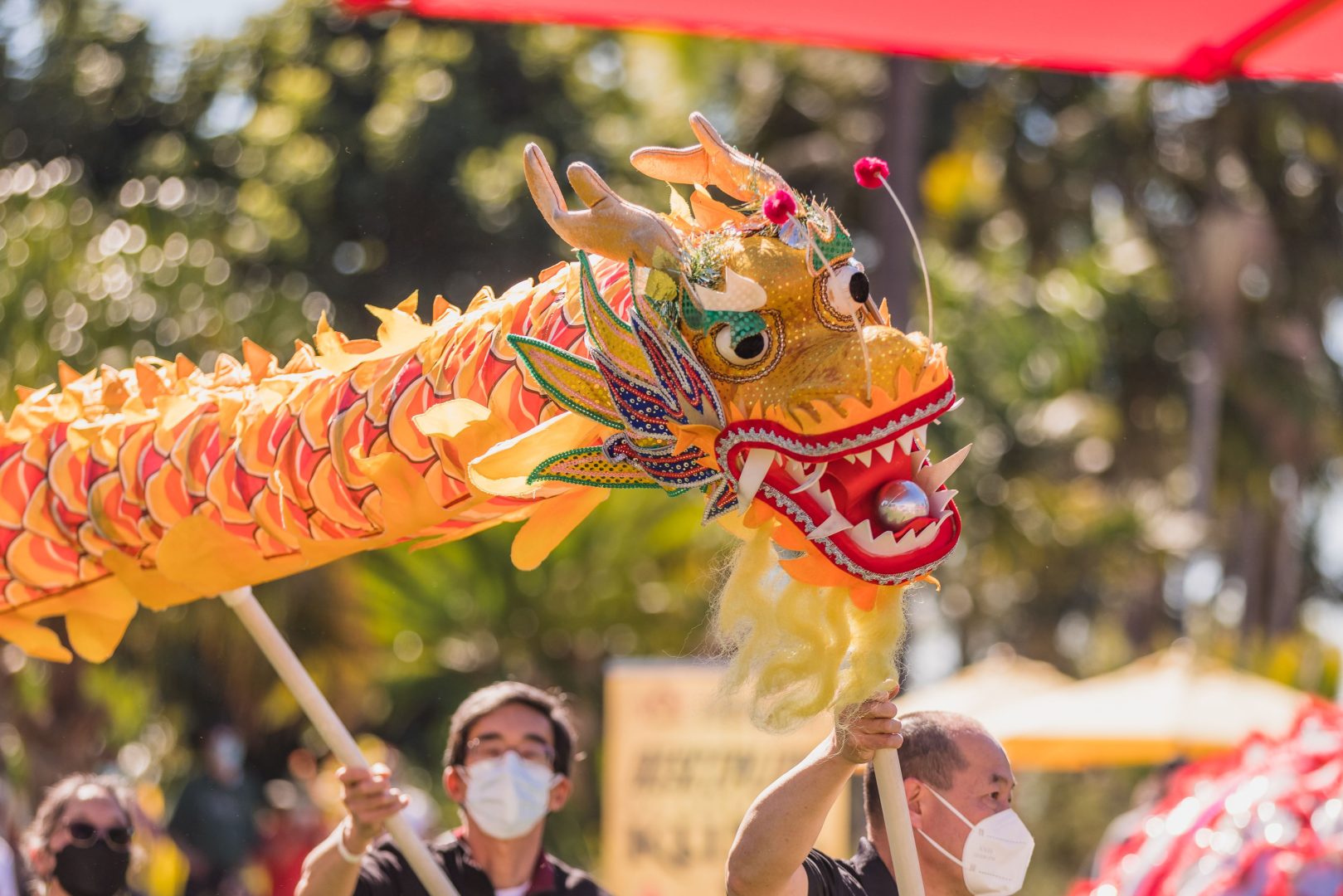
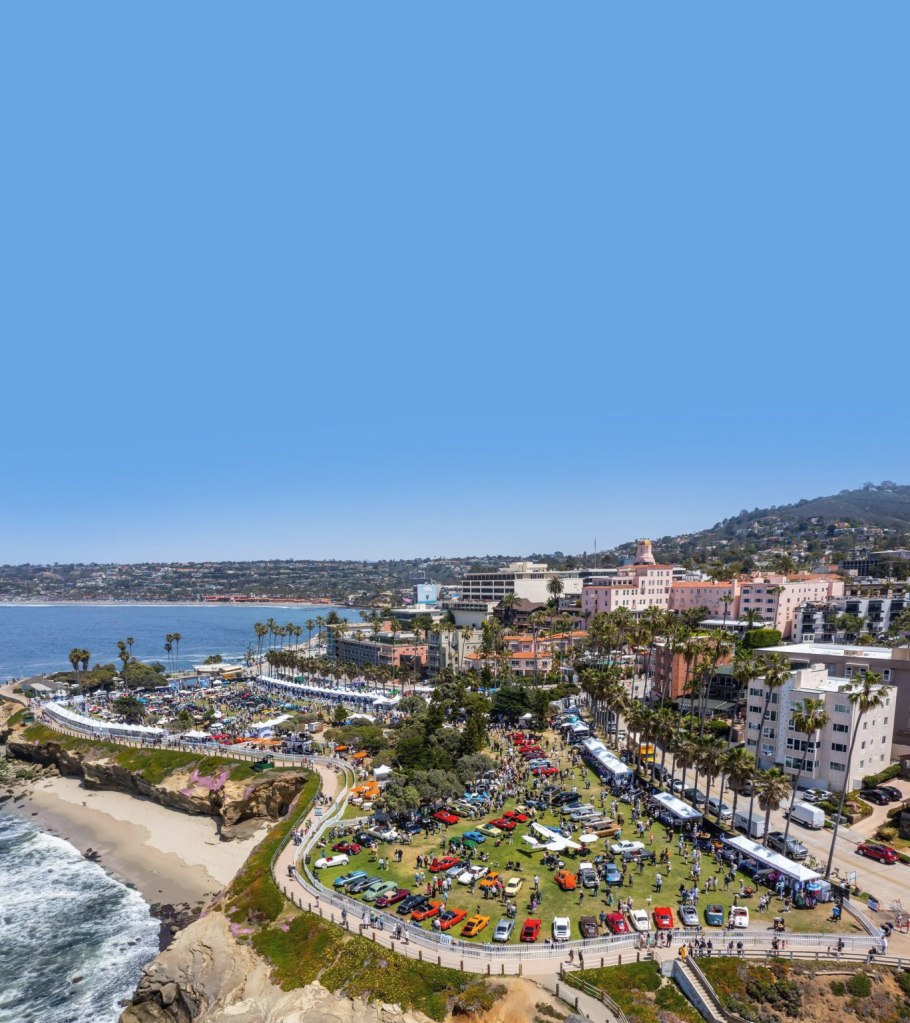
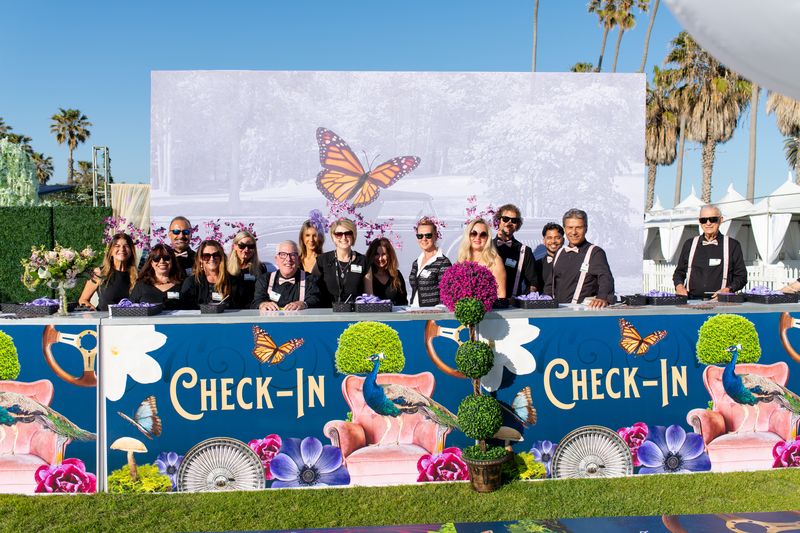


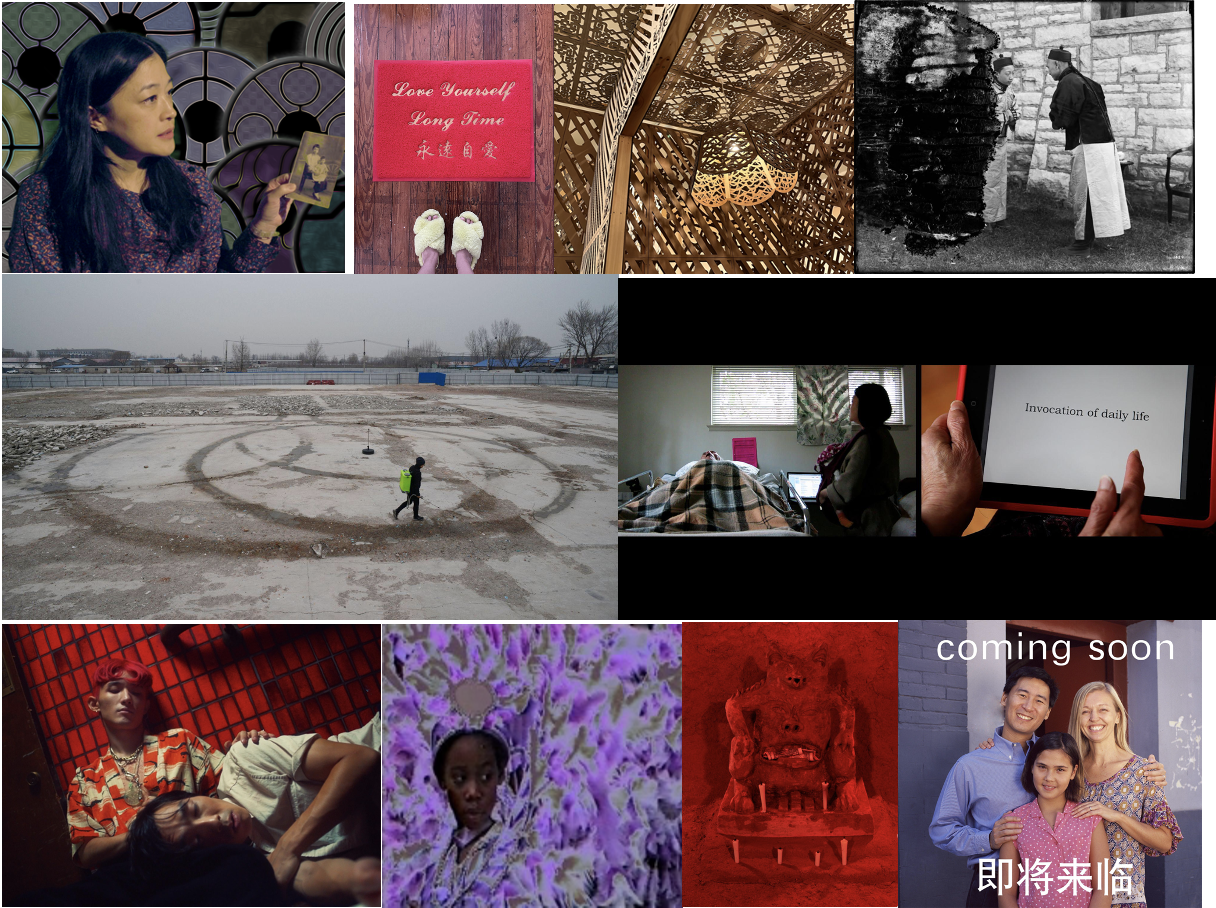
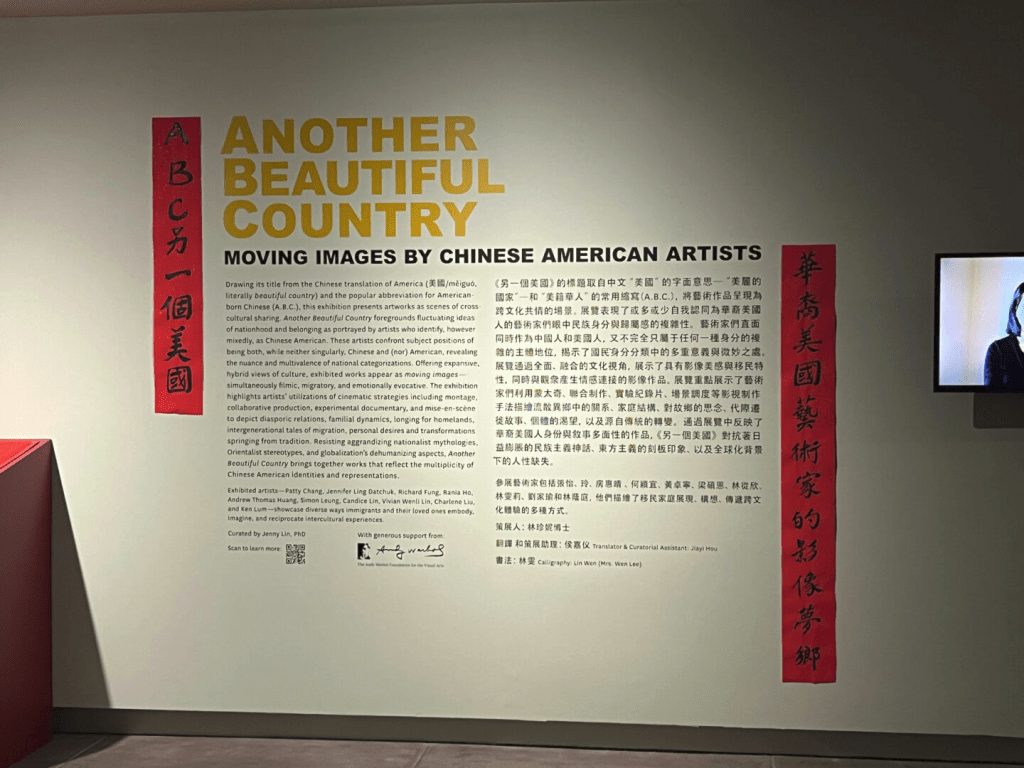
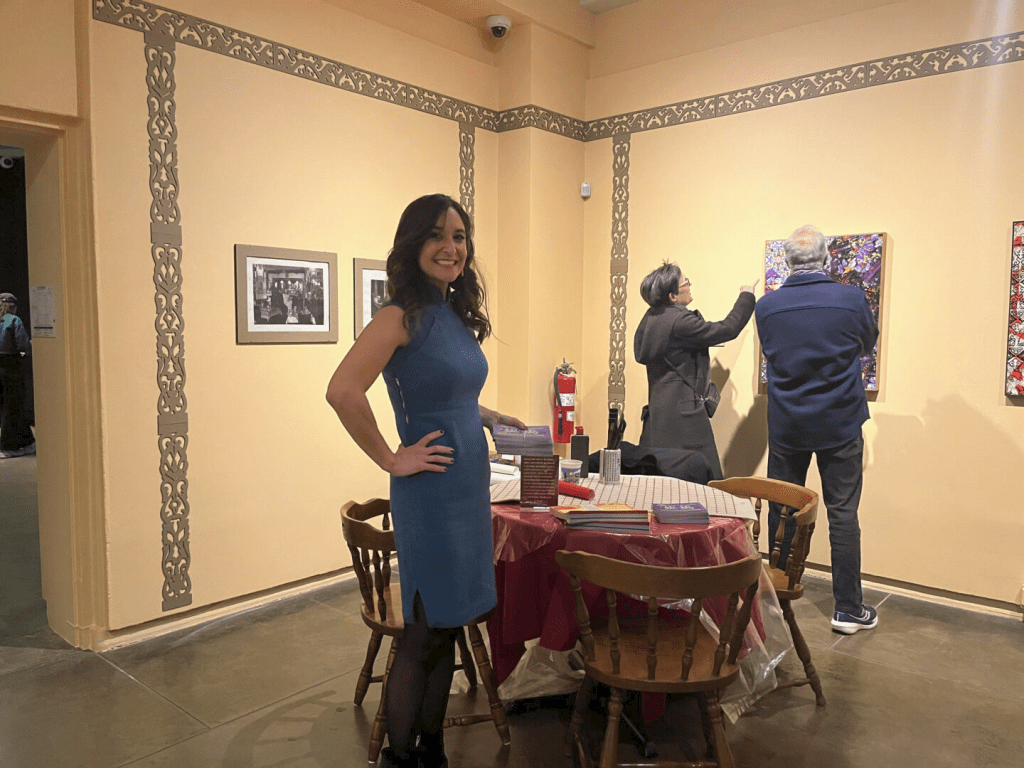
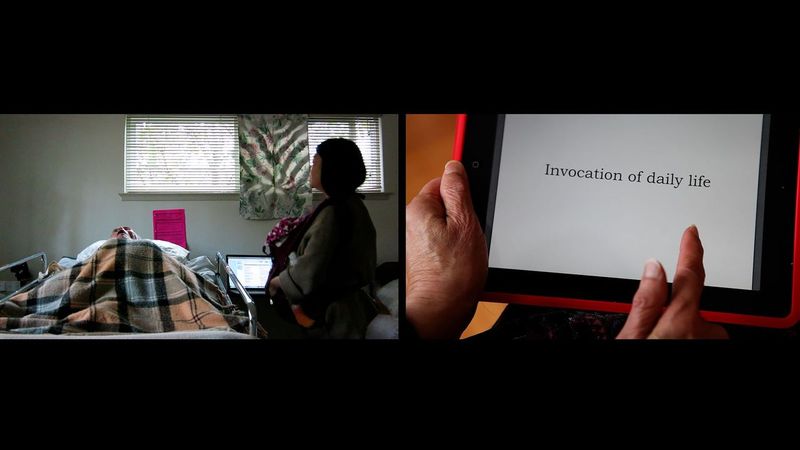
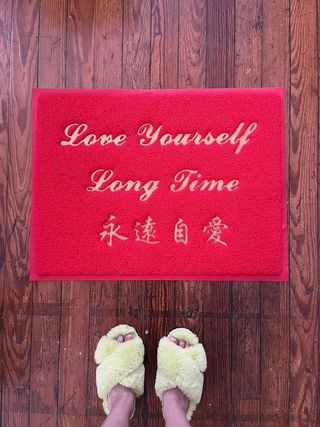
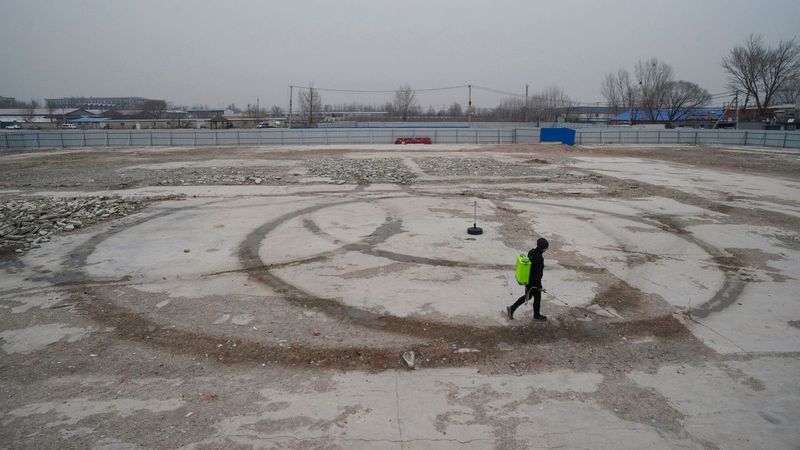
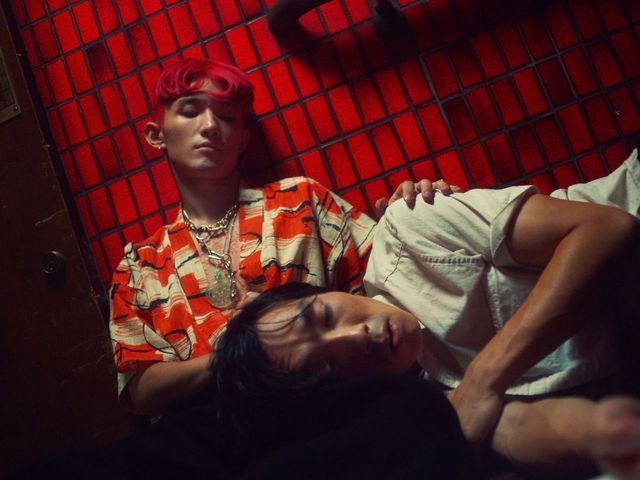
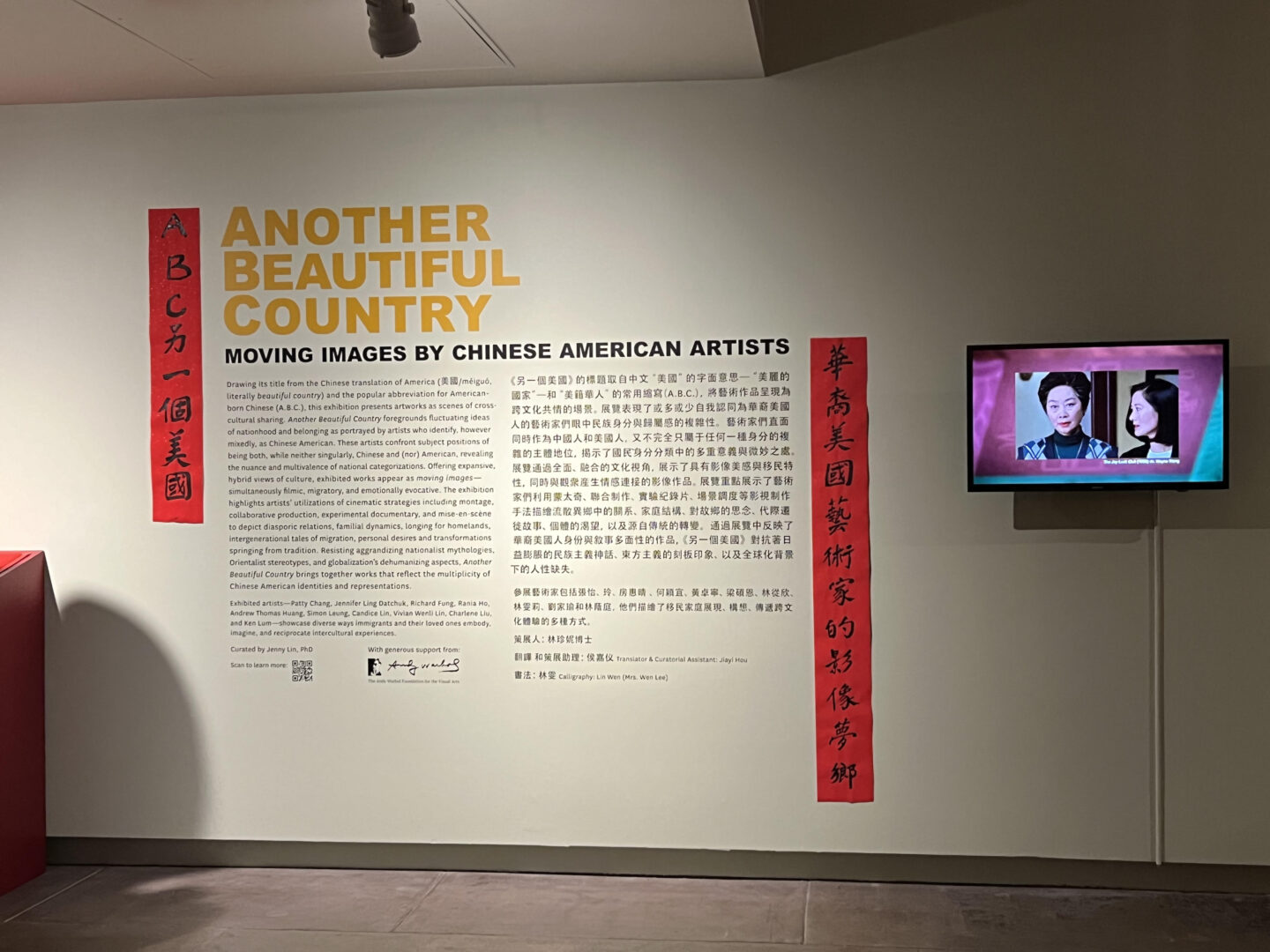


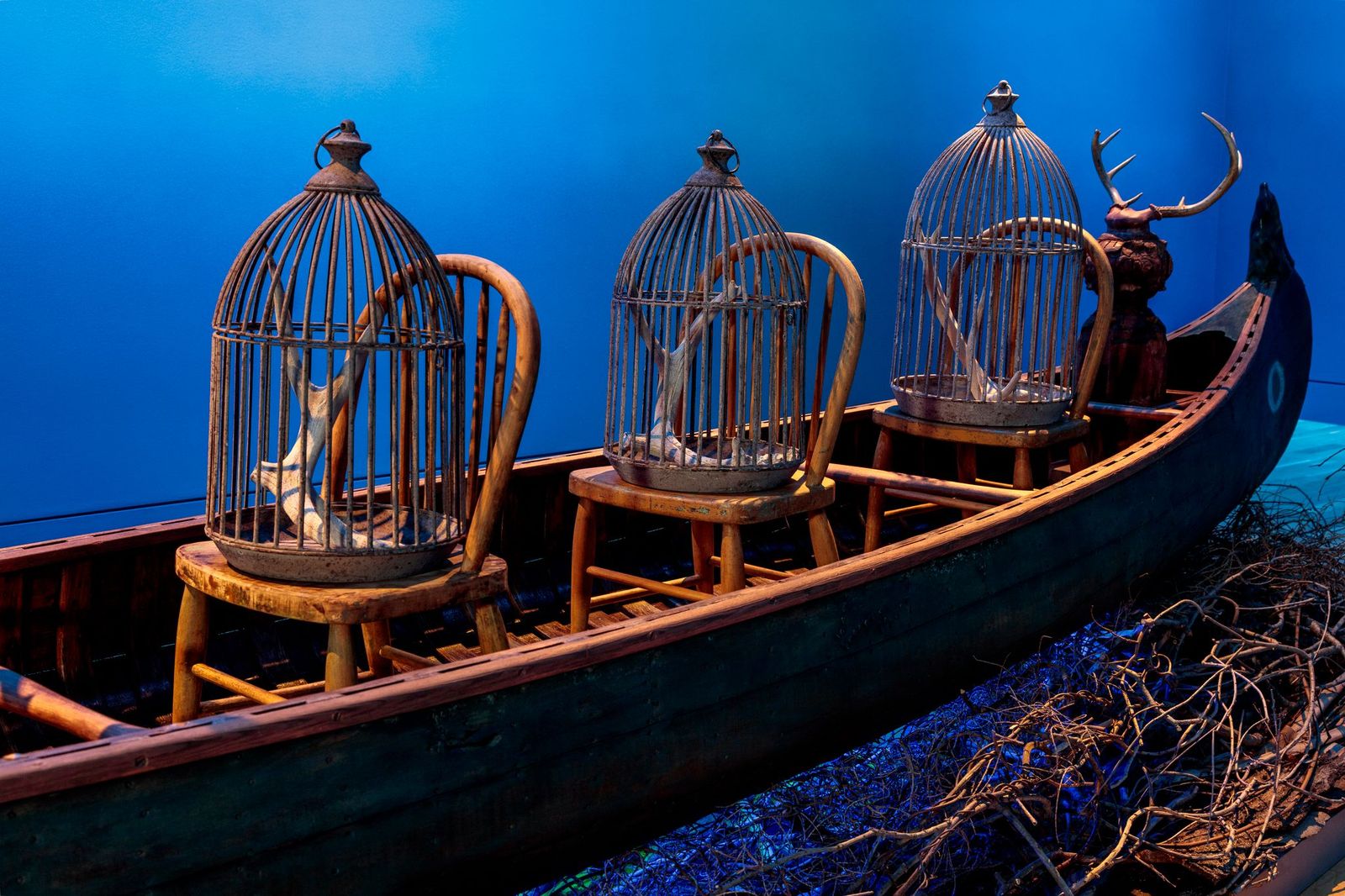
 A San Gabriel Valley Inquirer