“Flashes of Light,” a new musical by Billy Larkin and Ron Boustead, makes its world premiere at the Sierra Madre Playhouse from May 25 through June 9, 2025. Directed by Jon Lawrence Rivera, founding artistic director of Playwright’s Arena, the production is about visionary inventor Nicola Tesla and his muse Electra, the formidable goddess of storm clouds.
Set against the backdrop of the industrial revolution in New York City in the late 1800s, the story follows inventor Nikola Tesla, guided by Electra, who sends him visions of groundbreaking inventions during lightning storms. Their connection amps up when Tesla’s rivalry with Thomas Edison intensifies during the “War of the Currents,” a battle that shaped the world’s electrical future. As Tesla and Electra become obsessed with pushing the envelope of scientific discovery, a star-crossed love story fraught with peril unfolds as the line between science and mythology begins to blur.
Bringing together mythology and science, romance and historical fiction, “Flashes of Light” is a brilliant idea in musical theatre. The music’s heartfelt lyrics, soaring vocals, and haunting melodies blending jazz, pop, and rock, bring this fantastical story both tragic and divine to life.
Co-creators Larkin and Boustead discuss by email the origins of this collaborative work, the choice of venue, and the audience takeaway.
“Billy became fascinated with Nikola Tesla – this mysterious figure – so critical in the development of our modern technology, yet so underappreciated in the mainstream of American history,” begins Boustead. “Tesla was known to experience flashes of light and blinding headaches throughout his life, which were most likely migraines, but we attributed his malady to the overwhelming influence of Electra, Goddess of the storm clouds. Naturally, her power would be a lot for a mortal to endure.”
Thomas Winter as Nikola Tesla. | Photo courtesy of M. Palma Photography
“Also, the obsessive Tesla never married or was known to have a partner, so the idea of including Electra as his muse gave us a romantic storyline to add to the narrative,” Larkin adds.
While integrating myth or folklore with a factual figure and moment in science might seem conflicting, mythology is very much intrinsic to theatre, as Larkin and Boustead explain. “Mythology has been a staple of theater since its beginning, and crafting this tale became a catalyst to do a deep dive into some of the more compelling figures of Greek and Roman myth. Electra answers to a council of gods, more senior than herself.”
“Naturally, Athena – known for her wisdom, power, and morality – leads the council,” Larkin and Boustead clarify. “Prometheus, who had given mortals the gift of fire, is on hand to guide Electra in her mission to assist humans in the development of electricity. And Dionysus is an amusing addition to the council, with his drunkenness, his humor, and the sibling rivalry he shares with his sister, Athena.”
Teasing out the story, Larkin and Boustead relate. “Nikola Tesla leaves his homeland in Serbia with a head full of ideas about how to best distribute electricity for homes and factories at the dawn of the industrial revolution. He lands in New York where he becomes a rival to the great Thomas Edison in the ‘war of the currents,’ a contest between Edison’s direct current method, and Tesla’s alternating current.
“Along the way, Tesla interacts with prominent figures in 19th century finance and industry, like J.P. Morgan and George Westinghouse, and befriends the first American celebrity – the one and only Mark Twain. Through every challenge, Tesla is being assisted in his groundbreaking inventions by Electra, heard and felt only by him, during lightning storms. Like all interactions with the gods, theirs is a star-crossed relationship, with profound and tragic consequences.”
Devyn Rush as Electra and Thomas Winter as Nikola Tesla. | Photo courtesy of M. Palma Photography
Asked why they chose to debut their production in an intimate setting, Larkin and Boustead reply, “In April of 2024, we performed a concert of songs from our show at the El Portal Theatre in Noho, which we filmed. A friend of mine, who attended the concert, happens to be on the board of Sierra Madre Playhouse, and brought our project to the attention of Matt Cook, the artistic director. Matt thought ‘Flashes of Light’ would be an exciting addition to their 2025 calendar and approached us about staging our first run in their 99 seat theater setting. We love the historic and intimate vibe of SMP, and find it a welcoming atmosphere to get our production on its feet.”
Musicals normally require an orchestra – which the Sierra Madre Playhouse couldn’t accommodate – so they had to improvise. “Our score is built around a full jazz-rock band,” describe Boustead, “Because of the size limitations of the stage at SMP, we determined that the best approach for the music was to use the hybrid combination of Billy at the piano, assisted by tracks covering the rest of the orchestration.”
All 26 songs in the show are original and co-written by Larkin and Boustead in the course of eight years. However, many other beloved songs ended up on the cutting room floor, otherwise their show would be three hours long.
Devyn Rush as Electra. | Photo courtesy of M. Palma Photography
The co-creators dream that their show will one day be staged at larger venues but, for right now, they are happy to debut it in the San Gabriel Valley.
Larkin and Boustead emphasize, “Like any other musical theater creators, we imagine a trajectory that takes our project to larger venues next, with the ultimate goal of becoming a smash Broadway hit show, and eventually a touring company. But for now, we are singularly focused on making this version the very best it can be, given the time, budget, and space considerations available.”
“We hope audience members will gain a clearer appreciation for the tremendous contributions that Nikola Tesla made to our modern world,” pronounce Larkin and Boustead. “ We have been faithful to much of the history and science as it really happened, but we believe that the way we’ve told Tesla’s story will move audiences – sometimes to laughter, sometimes tears – but in the end to appreciate the value of one man’s life.”
“Tesla’s story is one that explores themes of science, mythology, genius, madness, immigration, friendship, romance, and ultimately legacy,” Larkin and Boustead declare as a final note. “It’s one that resonates with anyone who strives to leave the world a better place than they found it.”
These topics are as realistic as they are fantastic, as relatable as they are aspirational. “Flashes of Light” promises to be a little show with huge potential to reach great heights. And we in the San Gabriel Valley are so fortunate to be the very first ones to see it launch.
The Norton Simon Museum in Pasadena. | Photo courtesy of Tony Mariotti/Wikimedia Commons (CC BY 2.0)
The facade of the Norton Simon Museum is known to millions of television viewers around the world as the backdrop of Pasadena’s annual Rose Parade. With the beautiful San Gabriel Mountains behind it and flower-bedecked floats traveling along Colorado Boulevard on a sunny winter morning, it is an iconic image that once enticed countless people to move to Southern California, and still draws several thousand tourists to the city.
As the museum celebrates its 50th anniversary, it is undergoing an exterior renovation project to make it more inviting for these television viewers and people on the grandstands to come in and discover the treasures found within.
During a recent tour of Norton Simon Museum, Leslie Denk, vice president of external affairs, talks about the captivating man behind the institution’s magnificent collection, the history of the museum and the exterior improvement project.
Gallery entrance. | Photo courtesy of the Norton Simon Museum
“Norton Simon was originally from Portland, Oregon,” Denk begins. “When he was in his late teens, he and his family moved to Los Angeles. He started to think about business and with a small loan, he took over Hunt’s Food, which was called something else back then. He was really known for identifying businesses with potential but weren’t financially successful and then turning them around. Some of the businesses in his conglomerate include Avis Car Rental, Canada Dry Corporation, McCalls Publishing and, of course, Hunt’s Food where he really made a name for himself.”
While Simon always knew he wanted to become a business man, his first art acquisition was happenstance. Relates Denk, “As the story goes, in the early 1950s he and his first wife were living in Larchmont Village in L.A. and his wife hired a decorator to revamp their home. The decorator brought in works of art that didn’t speak to him. He had his regular haircuts at the barber shop in the Ambassador Hotel on Wilshire Blvd. where there was an art gallery. One day in 1954, he popped in at the gallery and ended up purchasing a few works of art. As a former senior curator who was hired as a young person by Simon described, ‘it was like an olive coming out of a bottle – he could never put the olives back in.’”
Today the Norton Simon Museum boasts a collection of 12,000 paintings, sculptures, and works on paper. Its collection of European paintings and sculpture, which spans the Renaissance to the 20th century, includes the finest collection of Impressionist and Post-Impressionist art on the West Coast.
Retrospect Exhibition Installation. | Photo courtesy of the Norton Simon Museum
It’s a staggering number considering Simon was personally involved and didn’t have a team acquiring artwork on his behalf. A self-created capitalist, he approached art acquisition like a business — purchasing an artwork and selling it when the value increased to procure more.
Before he acquired the building to display his collection, most of Simon’s art was traveling. Denk said, “He had a program called Museum Without Walls where he would send portions of his collection to other museums around the country. A lot were held at LACMA for many years too. He also had them at his businesses — several large monumental sculpture were at his corporate campus — and at his homes where he had a really interesting way of storing his art collection. He kept them in something similar to a vault where he had racks to hang them. It was an important part of his acquisition strategy to live with the paintings; he wanted to spend time with the artwork to see how he felt about it before he would commit to purchasing it.”
Norton SImon, third from right. | Photo courtesy of the Norton Simon Museum
Norton Simon Museum’s history is intertwined with that of Pasadena Art Museum’s. Denk reveals, “This building was actually built in the late 1960s by the Pasadena Art Museum which was the first modern and contemporary art museum in the Los Angeles area. They did some groundbreaking exhibitions in the 1950s and 1960s and they wanted to expand and relocate from their site on Los Robles. This land was owned by the city and they were able to build this structure. It opened in 1969, but they ran into a lot of financial difficulty.”
“They eventually struck a deal where Simon assumed control of the building and their collection, paid off their debts, and did some repairs,” Denk continues. “We debuted this museum in October 1975 and it was renamed Norton Simon Museum. When Simon took over, he quickly realized the museum is the backdrop of the parade. He negotiated to have the bleachers moved, he enlarged the museum’s letterings, and commissioned the rose placard on the front of the building. It’s a wonderful tradition that we’re happy to be part of.”
The building was designed for a contemporary art collection, with curved walls outside and similarly shaped interior. “After Simon’s death in 1993, his widow and the Board of Trustees decided to do a remodel of the interior galleries and they hired Frank O. Gehry,” states Denk. “He raised the ceilings, added the skylights, squared off the walls, and created new gallery spaces appropriate to the Simon collection.”
The pond in the sculpture garden. | Photo courtesy of the Norton Simon Museum
“At the same time, the sculpture garden was reenvisioned by landscape designer Nancy Goslee Power,” Denk says further. “The previous garden had been pretty minimalist and modernist — with a lot of turf, a long rectilinear fountain, and sparse plantings. When Jennifer Jones Simon hired Nancy, she asked her to create a romantic space to better reflect the collection and was a nod to Monet’s gardens. So Nancy patterned it after Japanese strolling gardens and it became a real highlight for visitors to the museum.”
Organized chronologically on an H pattern, the European collection is the first stop on our tour of the galleries.
“We have the only painting by Raphael west of Washington, D.C. — it’s one of the unique things people may not know about the Norton Simon Museum,” Denk discloses. “As part of our 50th anniversary, we selected 50 works of art throughout the museum, including this ‘Madonna and Child with Book’ and put labels that highlighted recent research or other projects that we’ve done, like conservation work, so people can learn a little bit more about how to care for and interpret the collection.“
Raphael (Raffaelo Sanzio, Italian, 1483-1520) “Madonna and Child with Book,” c. 1502-03 oil on panel. | Photo courtesy of the Norton Simon Foundation
Denk leads me to the next piece saying, “This is our wonderful ‘Still Life with Lemons, Oranges, and a Rose’ painted by Baroque Spanish artist Francisco de Zurbarán. It is the only signed and dated still life by this great master of the school of Seville. It was lent to the Prado last year and it will be a highlight of a Zurbarán major exhibition coming up in the next year or two. A scholar once referred to it as the ‘Mona Lisa of Still Life.’”
As we enter the theater, Denk explains, “Our theater seats almost 300 people and we screen films, host lectures, stage performances here year-round. In 2001, it was refurbished by Arthur Gensler Jr. & Associates Inc. We do about 10 lectures, four performances, and approximately 25 films a year. A week from today, we’re starting a film series directed by previous directors of the board that will run through July as part of our 50th anniversary celebration.”
Rembrandt’s “Self-portrait.” | Photo courtesy of the Norton Simon Museum
When we reach the 17th century Dutch wing, Denk remarks, “Here we display three paintings by Rembrandt – ‘Portrait of a Boy,’ ‘Self-portrait,’ and ‘Portrait of a Bearded Man in a Wide-Brimmed Hat.’ We have a huge and significant Rembrandt print collection and sometimes we organize smaller exhibitions for it. Ten years ago we had a rare Rembrandt print show.”
In the French and Italian 18th century collection, the museum has a notable selection of French paintings that include works by Jean-Siméon Chardin, Jean-Baptiste Greuze, and Jean-Honoré Fragonard; Italian masterpieces by artists like Giovanni Battista Tiepolo.
Impressionism Gallery. | Photo courtesy of the Norton Simon Museum
We reach the 19th century collection and Denk declares, “This is probably the most well-known among our artworks and this period was the origins of his art collecting. As he became more immersed in the art world he began collecting other genres and forms. We have this incredible Van Gogh ‘Portrait of a Peasant,’ which is certainly iconic of the collection. ‘Mulberry Tree’ by Van Gogh is also a real knockout. We have a pretty significant Van Gogh collection — the biggest in Southern California.”
Degas’s “Little Dancer Aged Fourteen.” | Photo courtesy of the Norton Simon Museum
Simon was fascinated by Edgar Degas and the museum has a wonderful collection of his works, including a little sculpture. Claude Monet is another crowd-pleaser and they have a few of his paintings. ‘The Ragpicker’ by Édouard Manet, is one of the highlights of their 19th century collection.
The museum’s pastel collection is in a dimly-lit space to protect the works. Degas’s small sculpture ‘Little Dancer Aged Fourteen’ is also kept in here because her skirt is material and also has sensitivity to light.
In the 20th century collection section, Denk points out a painting called ‘The Traveler’ by Liubov Popova — a Russian artist who died very young.
Picasso’s “Woman with a Book.” | Photo courtesy of the Norton Simon Museum
“Simon loved Picasso,” Denk pronounces. “We have various works here and a print collection. This is his ‘Woman with a Book’ — it’s one of the most celebrated likenesses of his lover Marie-Thérèse Walter and is another well-known work of art in the collection.
“This is a great artwork by Diego Rivera — ‘The Flower Vendor’ painted in 1941 — that was donated by Cary Grant to the museum,” says Denk. “That’s another fun little story that we’re highlighting for the anniversary because he served on the Board of Trustees. Diego Rivera did a series of similar paintings and this is one of them.”
Diego Rivera’s “The Flower Vendor” was a gift from actor Cary Grant. | Photo courtesy of the Norton Simon Museum
A number of works in the Modern Art gallery are from the Pasadena Art Museum, including those of the “Blue Four” — Lyonel Feininger, Alexei Jawlensky, Paul Klee, and Vassily Kandinsky. Constantin Brancusi’s sculpture called “Bird in Space” commands the most prominent spot beneath the skylight. Other art pieces include an Alberto Giacometti sculpture called “Tall Figure IV” from 1960 and Barbara Hepworth’s “Four-Square (Walk Through).”
From the Modern Art gallery, we walk downstairs to the lower level gallery which houses South and Southeast Asian Art.
“In 1971, Simon met and married Jennifer Jones who was an Academy Award-winning actress,” Denk explains. “They went to Hawaii for their honeymoon but he wasn’t a beach kind of guy and he got bored. So she suggested they move on to India. While he was there he started visiting museums and became excited about South Asian art. His collection later expanded to include Southeast Asia.”
The Asian collection. | Photo courtesy of Norton Simon Museum
The Asian collection was previously showcased in the main gallery but was moved here during the remodel with Gehry. It has three exhibition wings where temporary shows are held. It will be the site for the museum’s 50th anniversary exhibition called “Gold.” The café has been moved here since the start of the renovation work.
Donning hard hats and neon vests, we then explore the outdoor grounds where the renovation is going on.
“This exterior remodel has been in conversation for more than ten years,” Denk expounds. “Since 2021, we have been working on the conceptual and pre-design phases. The early part of the project was to make the exterior of the building more inviting for passers-by to want to come in, to make the main entrance more visible, to refurbish our tile — to create a better street presence, if you will. We’ll construct new pedestrian path and a fresh sign which will run parallel to the driveway. Our east driveway will be more visible as well. We’ll also have the ability to close our gates and protect the campus.”
Rendering of the Norton Simon Museum’s Sculpture Garden. | Image courtesy of ARG and SWA
The sculpture garden and pond – a favorite of visitors to the museum – are getting updated. Says Denk, “Our sculpture garden is 25 years old and the liner at the bottom of the pond was past its lifespan so we knew this was a good opportunity to drain the pond and rebuild it. We’ll make the pond smaller and reposition it away from the building to make it easier for people to navigate the area during busy exhibition openings and events.
“We’re redoing all the paths and hardscaping and adding more seating. People love our garden and I want to promise our visitors that it will look a lot like it did. We’re not trying to redesign the garden or change the original concept of it being a lush and romantic special place,” Denk assures.
Heath tile. | Photo courtesy of the Norton Simon Museum
The most recognizable feature of the Norton Simon Museum is the structure’s distinct tile-clad façade created by San Francisco-based Heath Ceramics. With 115,000 tiles on the building, the significant commission launched Edith Heath’s tile business.
According to Denk the tile had never been cleaned before other than the occasional spot cleaning and rain. Part of this project is working with architectural restorers to undertake a conservation treatment and touching up little blemishes. Heath is also recreating the tile for missing areas.
Additionally, a solid wall will be built around Colorado Blvd. and Orange Grove to help reduce the noise from the street. A big olive tree will be planted to catch people’s eyes. Along the south lawn three light pole banners which will have details from objects from the collection will be erected. Drivers will get a glimpse of Van Gogh’s ‘Portrait of a Peasant’ or Picasso’s “Woman with a Book.” “The Thinker” will be relocated near the pedestrian path away from the trees to make it more visible.
Rendering of the Norton Simon Museum’s main entrance and pedestrian walkway | Image courtesy of ARG and SWA
The architectural firm that’s leading the project design is Architectural Resources Group. Denk explains how they made the choice, “We interviewed a couple of different architectural firms and we really liked Architectural Resources Group because they are preservation-focused. Even though we’re not a historic site we have a lot of iconic elements like the tile and podium wall. We knew that they would come to this project with sensitivity for maintaining a lot of the physical elements of our site that are so important to us, especially being the backdrop of the parade.”
While they had hoped to complete the renovation sooner, Denk is hopeful it will wrap up in time for the October celebration. She says, “We had a soft launch in February with the opening of the ‘Retrospect’ exhibition, the ‘50 Objects’ on our website, and a program series — lectures and tours that highlight the museum’s history.”
“But our big moment of celebration will be in October,” Denk emphasizes. “The actual date of the name change to the Norton Simon Museum was October 24, 1975. That’s the day we’re opening the ‘Gold’ exhibition and the following Saturday we’re planning to have a community festival. It would be a great opportunity for people who haven’t been to the museum to see it and for others to rediscover it.”
A “Retrospect” exhibit installation. | Photo courtesy of the Norton Simon Museum
Norton Simon Museum hosts approximately 8,000 school groups from the Pasadena Unified School District and schools throughout the area every Monday, Thursday and Friday morning. The museum also welcomes 150,000 visitors per year, 70% of whom are local and 30% from Southern California, other states and abroad.
The museum has become an integral part of Pasadena’s Rose Parade so they adjust their hours for it. They’re closed on the day of the parade and they add more open days so people can come when they’re here for the annual event. They also make sure they have something exciting for visitors to see — whether it’s a special loan or an interesting exhibition — on top of their exceptional collection.
In the 50 years since Norton Simon Museum’s establishment, it has distinguished itself as a tourist destination and the place where art enthusiasts can find extraordinary artworks. With the completed renovation project, this rare gem in Pasadena will certainly shine ever
New Signage at The Huntington gate. | Photo courtesy of David Esquivel / The Huntington
Frequent visitors to The Huntington will be surprised to see starkly different signage as they enter the gates. The familiar name The Huntington Library, Art Museum, and Botanical Gardens with all its flourishes has been replaced with only the letter “H.” The bold visual identity and simplified name “The Huntington” are just the introduction to the institution’s first sweeping branding initiative in its 106-year history.
The H monogram signifies a foundation grounded in tradition but focused on modernization. Incorporating a jewel-like center, it serves as a reminder that The Huntington is a treasured cultural institution. The gem is flanked by two stylized pillars – one pointing left toward the past and one pointing right toward the future.
A large canvas with the new logo near the Celebration Garden. | Photo by May S. Ruiz / Hey SoCal
Launched on April 8, 2025, the brand rollout includes new signage, a refreshed website, a marketing campaign inviting visitors to “Rediscover The Huntington,” educational content for all ages, new branded merchandise, celebratory giveaways, and special Second Sunday events with activities for all ages. The rebrand is propelled by the visionary One Huntington strategic plan led by President Karen R. Lawrence – a transformation that marks the next chapter in the institution’s evolution.
Interviewed by email, Lawrence spoke about the concept behind the rebrand.
Karen R. Lawrence during the opening of Shōya House. | Photo by Brianna Chu / Hey SoCal
“The rebrand emerged from our strategic planning process,” she said. “It supports our institutional priorities and commitments directly; in particular, demonstrating the connections among our three core collections – library, art, and botanical – and expanding access, engagement, and education for a broader public, both digitally and in person.
Expounded Lawrence, “What is most important to note about our new brand is that it helps The Huntington achieve several objectives:
“Connecting our collections: First, we simplified our name from The Huntington Library, Art Museum, and Botanical Gardens to just The Huntington. It better represents the powerful cross-fertilization among our three core collections and conveys that the whole is more than the sum of its excellent parts! We use the term ‘One Huntington’ to describe these unique connections.
“Our monogram, too, reflects this unity: While our previous monogram borrowed heavily from the botanical, our new H – with a jewel-like center flanked by two pillars – captures the essence of what we do as an institution. One pillar honors our history, the other looks to the future, and the gem in the middle is what makes The Huntington unique: our people, our collections, and our mission.
“Increased accessibility and digital agility. Our previous ornate H was beautiful but didn’t scale well – imagine trying to decipher that intricate design on a smartphone screen – it simply didn’t work. The new monogram is clean, modern, and legible across all formats.”
Exterior view of the Rose Garden Tea Room. | Photo by Joshua White / JWPictures.com / The Huntington
The extensive branding initiative entailed getting input from all quarters. Lawrence stated, “Members of our Trustees and Board of governors were thoughtful partners throughout the process. They wanted to make sure that we preserved what has always been special about The Huntington but endorsed our desire to reflect recent initiatives as well. We issued an open request for proposals from firms that specialize in branding and communications and ultimately selected Base Design, an international creative agency, to help guide us. The process was collaborative, with feedback loops at every stage – from early concepts to final design.”
“We formed a Steering Committee and a larger stakeholder group,” added Lawrence. “We intentionally involved staff from across the institution, because a brand isn’t just a logo – it’s how we see ourselves, how the public sees us, and how we want to be seen.
“We invited a wide range of stakeholders to weigh in on the design concepts, suggesting a number of modifications, including the logo. Their feedback helped shape not only how the brand looks but also the spirit it conveys.”
Betye Saar, ‘Drifting Toward Twilight,’ 2023 installation. | Photo by Joshua White / JWPictures.com / The Huntington
The final decision about the new brand was not arrived at single-handedly by Lawrence. She clarified, “It was a consensus-driven process. We took an iterative approach that allowed many voices to be heard and incorporated along the way. Together, we made some course corrections, which I believe made the final product better. It honestly reflects a shared vision.”
Lastly, Lawrence encouraged people to see for themselves what The Huntington offers.
“We are inviting everyone to Rediscover The Huntington. We are known as a superb research library to scholars around the world. Members of the public know us for our Rose Garden, or for The Blue Boy and our Ellesmere Chaucer, and we’re rightly proud of these masterpieces, but we’re also home to more contemporary and recently-acquired works and collections – by Thomas Pynchon, Betye Saar, Octavia Butler.”
The private garden at Shōya House. | Photo by Brianna Chu / Hey SoCal
“Other ‘new’ acquisitions include a 320-year-old Shōya House in the Japanese Garden, which was moved piece by piece from Japan to its new home. The house, with its surrounding ecosystem, is a historic example of a contemporary priority – sustainability. We hope our longstanding visitors as well as new ones will find new and surprising things to discover here.
“With our new visual identity and streamlined name, we’ve also launched a series of digital initiatives that expand our reach, bringing The Huntington to global audiences – students, researchers, and our ‘community of the curious.’
The execution of The Huntington’s rebrand fell to Annabel Adams, who came on board in August 2024 as Vice President for Communications and Marketing. While she took me on a tour of the site one week after the rollout, she talked about stepping into this new role only six months before the launch, the new logo, and the programs that lean into The Huntington’s values.
The Huntington Store. | Photo by May S. Ruiz / Hey SoCal
“I knew coming in that I was going to lead the rebrand, but I didn’t get to see the brand because we had to keep it confidential,” Adams began. “This was actually years in the making. My predecessor Susan Turner-Lowe conducted a stakeholder and focus groups. They did studies to assess how a brand can lean into our values and serve our communities better. That’s what led to this rich color palette, the agile and adaptable H that can scale both for print and digital media. It is in service to all the research they did for years coming up with this brand.”
Continued Adams, “I had the privilege of coming on board when the brand had already taken shape and my job was to deploy it – to bring it to life across the institution. I worked with my incredible communications team to adapt the signage, the website; anywhere there was an existing logo or monogram, we touched it with the new brand. And there were hundreds of them!”
Banners show people engaging with the collections. | Photo by May S. Ruiz / Hey SoCal
As we approached an allėe of banners on the Brody California Garden, Adams said, “Our creative director Lori Ann Achzet was the talent behind the scenes bringing this striking brand to life. She created these banners – which show how people engage with the collections at The Huntington – and did the front gate revamp. She’s an incredible designer and asset to us.”
“Part of the rebrand is to remind people that there are three components to The Huntington – the library, art museum, and botanical gardens,” Adams reiterated. “People love the ornate H with the filigree and leaves – it’s so beautiful. However, it really is representative just of the botanical gardens. We’re proud of our 130 acres of botanical gardens, but we also have an art museum and a library. The rebrand is meant to unify and showcase that we are the synergy of these three collections. The arrows in the monogram also have significance: the arrow pointing left means traditions which we are honoring and the one pointing right is for innovations.”
The Chinese Garden. | Photo by David Esquivel / The Huntington
“You do realize this redesign will be met with resistance from people like me who have been coming here for decades and are very familiar with the old monogram,” I pointed out. Without hesitation, Adams countered, “I’m aware of that. But it’s important to note that all the things that everyone loves at The Huntington have not changed. I take it as a compliment that people feel so passionately about The Huntington they know and love. And that resistance to change speaks to how powerful people’s affinity to the institution is.”
Adams again echoed Lawrence’s explanation for the rebrand, “Our old monogram – as ornate and beautiful as it was – could not scale down in an iPhone icon. This new H is accessible for a digital world; we want the experiences of our brand to be accessible to everyone and the ornate H wasn’t.”
“Our values are what guided the brand and my job is to find ways to further lean into them,” Adams asserted. “Those include being more accessible, adapting to a digital world, ensuring our audience can engage and benefit from The Huntington. Then that meant we also have to develop programs that could help us see the brand in action.”
The Rose Hills Foundation Conservatory for Botanical Science. | Photo courtesy of The Huntington
The Huntington’s evolution reflects its increasingly important role as a world-renowned institution – welcoming over one million visitors, hosting more than 500 school groups, engaging about 2,000 scholars and 1,000 volunteers, and reaching approximately seven million website and digital library users and 110 million social media users annually.
As part of the brand launch, The Huntington is expanding its reach with new digital products that connect students, lifelong learners, and global audiences to its renowned collections – anytime, anywhere. These offerings include:
“Huntington How To”: This four-episode YouTube series brings The Huntington’s collections to life through practical guidance from its in-house experts. The first episode, featuring Stephen Reid, assistant curator and head gardener of the Rose Garden, demonstrates how to grow and care for roses, even in Southern California’s unique climate. Future monthly episodes will explore such topics as deciphering historical handwriting, interpreting decorative arts, and repairing books.
Rothenberg Reading Room. | Photo courtesy of The Huntington
“Collections for the Curious”: Designed for the intellectually curious, this new digital discovery tool will allow online visitors to explore The Huntington’s holdings by using keywords and filters, generating results from the library, art, and botanical collections. The public tool will launch in June with a series of curated highlights that will spotlight unexpected connections among The Huntington’s three collections, including items from recent exhibitions, as well as Latino art and artists, tea services, and women artists.
“Everyday Extraordinary”: Developed in collaboration with award-winning educational content producer Makematic, this playful animated series introduces primary school students to fascinating scientific concepts in a fun and accessible way. Episodes will explore such botanical topics as photosynthesis, mushrooms, and carnivorous plants. The series will launch in May.
According to Adams, The Huntington partnered with Museums for All to make the institution affordable for everyone. Individuals who receive SNAP (Supplemental Nutrition Assistance Program) benefits are eligible for a reduced admission of $3. Since the partnership’s launch in January, The Huntington has welcomed nearly 8,500 visitors through the program.
Architectural rendering of Scholars Grove. | Image by VTBS Architects / The Huntington
An important project is the development of Scholars Grove, a residential community designed to support visiting fellows conducting research in the institution’s renowned collections. Scheduled for summer construction to last 14 to 16 months, it will address long-standing housing challenges for The Huntington’s visiting research fellows – providing 33 residential units arranged in seven one- and two-story buildings, along with a commons building designed to foster interdisciplinary collaboration.
The project design incorporates and preserves 150 trees, including a Magnolia pacifica tarahumara (the only known mature specimen in North America), several historic oaks, and a research grove of avocado trees – one of which dates to founder Henry E. Huntington’s time.
New logo on merchandise; an artist painted an orange from The Huntington’s orange grove for the label on the marmalade jar. | Photo by May S. Ruiz / Hey SoCal
Asked what the biggest challenge was for her, Adams responded, “Doing all this in six months! But there is an undercurrent of enthusiasm and possibility at The Huntington that I find really refreshing and energizing. So I think it was never a question to me of whether this was possible, it was just how do we think of this as a continual deployment? In six months we have this major launch but we are going to continue to lean into the brand now. The launch was a catalyst and how we maintain that momentum is the next phase.”
“We have this beautiful ad that’s coming out in the Museum section of the New York Times – the first time that we’re going to have an advertisement that shows an object from each collection represented as this one foundation and what it offers to the world as a cultural institution. One of items we’re spotlighting in the ad is Octavia Butler’s archive. It’s also the first time we’re spotlighting in an ad this incredible collection that’s so meaningful for us to have at The Huntington. Octavia Butler is a Pasadena native and her work always had impact and meaning, but I think it specially has meaning at a time like now. It’s going to be exciting to see how we can continue to bring that message of what The Huntington has to offer across its collections to everyone through how we communicate with our audience,” expounded Adams.
Don Bachardy Exhibition in the Boone Gallery. | Photo by May S. Ruiz / Hey SoCal
Added Adams, “We have a number of great exhibitions planned this year. Don Bachardy in the Boone Gallery is the first exhibition in the new brand. You see on the title wall how the colors and the font work. It’s really legible and accessible.”
“The power of this brand is the accessibility,” Adams emphasized. “A brand is more than just the visual identity, it’s the execution in action. Things like the YouTube ‘how to’ series, Museums for All, the Scholars Grove – those are initiatives that spotlight the accessibility that we’re leaning into with this new brand, the legibility, even our color palette. The colors weren’t chosen willy-nilly, they were from items in our collections in the library, the museum, and the botanical gardens. These are colors that represent The Huntington and that’s why they’re meaningful. These images of people in action are meant to signify that when Henry Huntington created this institution, his goal was to put these collections to use.”
“It’s our invitation to people – to rediscover The Huntington,” declared Adams. “We haven’t changed. You know us for Blue Boy and Pinkie. But do you also know us for Borderlands? Do you know us for the Kehinde Wiley portrait? Do you know us for Shōya House? Come and see everything that The Huntington offers.”
The Huntington means different things to different people. I first visited The Huntington 43 years ago because of the Ellesmere manuscript of Chaucer’s Canterbury Tales and Shakespeare’s Folio in the Library and The Blue Boy and Pinkie in the Art Museum.
(L to R) Abby Mirhan and Emily Wong pose for pictures in front of the artwork created by The Huntington staff to celebrate the launch of the rebrand. | Photo by May S. Ruiz / Hey SoCal
For Abby Mirhan of South Pasadena, The Huntington means the gardens. She was there one Friday to rediscover what she loved about it and find new things she hadn’t seen.
Mirhan said, “My first visit to The Huntington Gardens was 40 years ago when my mom took me. I hadn’t heard of it before and didn’t know what to expect. When I saw the beautiful Chinese and Japanese Gardens, the first thing that came to mind was ‘Why didn’t I come here before now? It’s so close to my house, I should really visit more often.’”
That didn’t happen though. The last time Mirhan was at The Huntington was about ten years ago when she volunteered to chaperone her youngest daughter’s class for a field trip. So she decided to re-experience it with her friend, Emily Wong.
Wong, who’s from Montebello, is excited to join her friend. For her, The Huntington means the museum. She disclosed, “I came here several years ago with my husband and my daughter to see the artwork in the museum. But today, I’m going to explore the gardens as well.”
A selfie of Mirhan and Wong with Mary Cassatt’s painting ‘Breakfast in Bed’. | Photo courtesy of Abby Mirhan
While some of us might hope for a glorious sunny day on our visit to The Huntington gardens, Mirhan and Wong were delighted that they unexpectedly came on a grey and gloomy day.
“I have a medical condition that makes me sensitive to sun exposure,” enlightened Mirhan. “I usually bring a hat whenever I go outdoors. We got lucky with today’s overcast weather.”
Mirhan and Wong arrived at 10:00 to take in the full Huntington experience. They explored the many beautiful gardens and marveled at the roses and wisteria in full bloom; looked at the artwork in the galleries and gazed in awe at the stunning paintings and artwork.
“We had a really great time – we took soooo many selfies to show our families and as a reminder of this fun day,” Mirhan said laughing.
Asked what they liked best on this visit, Wong replied, “I loved the pretty flowers in the gardens and the gorgeous landscapes. I also enjoyed reading the backstory of the art pieces.”
Abby Mirhan by a lily pond. | Photo courtesy of Emily Wong
Ever the garden enthusiast Mirhan quickly said, “I really enjoyed the lily ponds, especially where the bamboos reach across – I never knew bamboo trees could bend! I also liked the jungle garden; it felt like being in a different world instead of San Marino!”
There is something for everyone at The Huntington any day of the year, in any weather, as Adams told me during our tour. The plants are beautiful year-round and there will always be blooming flowers no matter when you visit.
Installation view of Borderlands with Three-Bound by Enrique Martinez Celaya at Scott Galleries of American Art. | Photo by Joshua White / JWPictures / The Huntington
Many visitors that Friday couldn’t remember what The Huntington’s old monogram looked like and didn’t particularly care – they just wanted to engage with the collections. Adams may be justified in not being overly concerned about long-time habitués who aren’t thrilled to see the new logo of our cherished institution. She’s convinced we’ll eventually come around and learn to like this new H.
Henry E. Huntington would have been very pleased to know that the institution he founded in 1919 is being determinedly and purposefully equipped to stay relevant and ensure his legacy continues to be useful to everyone in The Huntington’s next century.
In L.A. County, freeways are a ubiquitous part of our surroundings. It’s hard to imagine a time when we traveled the expanse of the region on city streets. As population increased and more cars traversed the roads, freeways were constructed to make driving safer for people and areas more accessible.
The 110 Freeway, more popularly known as the Pasadena Freeway, is one of the oldest (if not the first) freeways in the United States. The first section – the Arroyo Seco Parkway – opened to traffic in 1938 and the rest of the throughway opened in 1940. Today, there are several freeway interchanges that connect Los Angeles to various parts of California and to other states.
Countless buildings were demolished to make way for the construction of these freeways. The book “Los Angeles Before the Freeways: Images of An Era 1850-1950” gives a lush, visual tour of a Los Angeles that no longer exists – one of elegant office buildings and stately mansions that were razed in the name of “progress.” Originally published by Dawson’s Book Shop in 1981, it has become a cult classic among L.A.’s architectural historians.
Photo courtesy of Pixabay
Gorgeous black-and-white photos from Arnold Hylen that capture a forgotten era are showcased in the book. It has an original essay by the photographer that provides historical background and context for the time period. This new edition from Angel City Press, to be released on March 25, contains additional, never-before-seen photographs from Hylen and newly unearthed information from historian Nathan Marsak on these lost architectural treasures.
The stunning photography recalls an era when downtown Los Angeles was unspoiled by wide-scale redevelopment and retained much of its original character. Each page offers a glimpse of what the city used to be, before some of its architectural jewels were destroyed for the newer, more modern city that would soon follow.
Marsak graciously agreed to be interviewed by email about how he became an L.A. historian – despite not being a native Angeleno – and the upcoming book “Los Angeles Before the Freeways” and why it’s important to get it republished.
“I was born and raised in Santa Barbara, and Los Angeles was like a weird, distant backyard,” he began. “Our television stations were all out of L.A. so I became obsessed with, for example, commercials for Zachary All and Cal Worthington. Then we’d go to LA and it was so different from the picture-perfect neighborhoods of Santa Barbara; in the 1970s Los Angeles was pretty treeless, covered in billboards, blanketed in smog. Like a dying civilization, but with so many insane neon signs, so much bizarre architecture. The whole of the city was fantastical like Disneyland, albeit a giant, grimy, dystopic version of Disneyland.”
California State Building on First Street. | Photo by Arnold Hylen / Courtesy of Angel City Press
The career choice, however, was preordained. Marsak explained, “My father was a historian and I follow in his footsteps. While other parents took their kids to baseball games, I was being led through Florentine museums or the cathedrals of France. I would have been destined to become a historian no matter where I landed, but I’m very glad my home became Los Angeles.”
Taking up roots in L.A., though, wasn’t always part of Marsak’s plans. He disclosed, “In the early 1990s, I was out in Wisconsin, going to graduate school and doing architectural history. But the lure of Southern California pulled me back, especially after I saw the ’92 riots on TV. I packed my things, and read Raymond Chandler and James Ellroy to acquaint myself with my new home, and moved to East Hollywood and began looking for ‘Old L.A.’
“Sometime in the mid-90s, I was in a downtown bar talking up the old timers about lost Los Angeles and one of them said ‘you know there was a guy who took photos all around here back in the fifties, and he published a coupla books of them’ — referring of course to Arnold Hylen – and I immediately began combing the bookstores until I found Hylen’s 1976 Bunker Hill book, and his 1981 Los Angeles Before the Freeways.”
L.A. historian Nathan Marsak / Photo courtesy of Angel City Press
And reading those books became the impetus to discover the architectural history of his adopted home.
“I loved Hylen’s Freeways book, and used to drive around with it on my lap like a Thomas Guide of phantom Los Angeles,” said Marsak. “And because so few copies existed – Dawson’s Book Shop only printed 600 of them in 1981 – I made it my mission to reprint it.”
“But for all of Hylen’s groundbreaking research, as included in his indispensable essay, there were unanswered questions,” continued Marsak. “I wanted to flesh out the buildings with the addition of their architects and construction dates. Naturally, as well, I wanted the images to be larger, and clearer, and that would require being in possession of the original negatives, which I finally managed to purchase in 2016. Each negative strip had three images, so sometimes there were alternate angles or shots of something not in the book. I was thrilled to be able to include some of those never-before-seen captures.”
Amestoy Block on Main and Market | Photo by Arnold Hylen / Courtesy of Angel City Press
The original version of Hylen’s book contained 116 photos and the expanded new edition of “Los Angeles Before the Freeways” has 143 images. Hylen began taking photographs downtown about 1950. The majority of his output occurred between 1955-1960, but there are images in the new book that date to as late as 1979, according to Marsak.
“This is not a book about buildings that were only lost to freeways,” Marsak clarified. “It also includes some structures that were demolished when the Hollywood Freeway made its easterly path through Fort Moore hill, and of course there are some images of the Harbor Freeway as it was constructed west of Bunker Hill. But most of the structures contained herein were lost to parking lots, or the expansion of the Civic Center. An accurate number for how many structures were razed because of freeway construction would be difficult to gauge, but a safe bet is about 1,000.”
The road to getting the book republished was long. Marsak related, “I established contact with Hylen’s family about 2006, and by the time I acquired rights and negatives, in 2016, I was already working on my Bunker Hill book for Angel City Press, so ‘Freeways’ took a back burner. I began writing the captions and scanning the ‘Freeways’ negatives in early 2022, which was about two years of work before I handed Angel City Press a completed manuscript in 2024.”
Marsak added, “I hope readers take away that there were first-rate domestic and commercial structures by top-flight architects in the 19th century. Naturally, the fact that the majority of the structures featured have been wiped away, I also hope causes readers to become active with preservation in their communities.”
Through this book, Marsak would also like us to have a better appreciation for the city.
“There’s more to Victorian L.A. than just the Queen Anne houses on Carroll Avenue or at Heritage Square – which are great, don’t get me wrong! – but we once had an incredible collection of Romanesque Revival, Italianate, and other styles blanketing the city in general, downtown in particular,” emphasized Marsak.
Unfortunately, these magnificent edifices didn’t survive the wrecking ball and – but for the images in the book – no trace of their past existence remains.
“Very few people in postwar America were interested in architectural salvage from Victorian buildings,” Marsak lamented. “The Magic Castle, though, utilized parts of structures for its fanciful interior. And of course, most famously, two houses from Bunker Hill were moved to Montecito Heights as the first structures in the Heritage Square project. But they were sadly burned to the ground not long after their relocation.”
It’s a disgrace that the inspired works of eminent architects had to be sacrificed in the service of building something as pedestrian as a parking lot. Fortunately, we’re now repurposing the ruins of significant structures. Many interior decorators and designers are sourcing demolished materials to integrate into new construction to imbue character and a distinctive look. It’s one way to ensure that torn down buildings are given a second life
About 10 years ago, Lauren Yee watched an LA Band called Dengue Fever at an outdoor music festival. That singular event inspired her to write a play called “Cambodian Rock Band” and it debuted in 2018 at South Coast Repertory in Orange County.
“Cambodian Rock Band” has since been staged in various iterations at different venues. The show makes its return to Southern California from Feb. 13 to March 9 in the David Henry Hwang Theatre at East West Players in Los Angeles — not too far from Long Beach, which is home to the largest Cambodian population outside of Cambodia.
This part-play, part-rock concert tells the powerful story of a Khmer Rouge survivor returning to Cambodia after three decades. As his daughter prepares to prosecute one of the regime’s most notorious war criminals, they must confront their shared history through the healing power of music.
East West Player’s production marks director Chay Yew’s 13th collaboration with the theater, bringing his signature vision to an extraordinary ensemble. He directed the world premiere of “Cambodian Rock Band” at South Coast Repertory and the off-Broadway run at Signature Theatre.
The cast, many of whom were part of the original world-premiere production, includes Kelsey Angel Baehrens as Neary/Sothea, Abraham Kim as Rom/Journalist, Tim Liu as Ted/Leng, Jane Lui as Pou/Guard, Joe Ngo as Chum and Daisuke Tsuji as Duch.
Speaking by phone, New York-based playwright Lauren Yee talks about the genesis of “Cambodian Rock Band,” what compels her to write, and her work process.
“I fell in love with Dengue Fever’s music — it was infectious, and fun and joyful,” begins Yee. “They play their own take on music inspired by the Cambodian rock scene of the ’60s and ’70s. So I went on a deep dive into their musical influences and learned about those musicians, a lot of whom were killed or died during the Khmer Rouge’s takeover of Cambodia in the early ’70s. It was shocking to me that not only the people, but this whole branch of musical history had been under attack. I thought, ‘there’s a play somewhere in here and I want to write it.’”
Shown from left to right: Joe Ngo as Chum, Tim Liu as Leng, Kelsey Angel Baehrens as Sothea, Jane Lui as Pou, and Abraham Kim as Rom perform “One Thousand Tears of a Tarantula” by Dengue Fever. | Photo Teolindo / East West Players
For a long time, Yee just contemplated about what that play might be. Then in 2015 she was commissioned by South Coast Repertory to write a play for them and she started working on what was to become “Cambodian Rock Band.”
Yee relates, “In the development process I brought on an actor named Joe Ngo, who I knew from Seattle, and it just so happened that his parents were survivors of the Khmer Rouge. And he played the electric guitar! It went from being a play about music to a play where the actors should play their instrument. He has just been the heart and soul of the show. He premiered the play at South Coast in 2018 and he’s basically been performing the role on and off for the past seven years. His involvement with the play is turning ten this year and he’s coming back to his home base of Southern California to perform the play at East West Players.”
“For a playwright, it’s a dream to have actors who have such a long relationship with a single work,” enthuses Yee. “Usually theaters bring in the actors for a month of rehearsals and a month of performances, and the actor may never touch the play again. But to be able to have these actors come back, like Daisuke Tsuji, Jane Lui, Abraham Kim, who were in the original cast at South Coast and two other actors — Kelsey Angel Baehrens and Tim Liu — join the show having done previous iterations of it, is a beautiful homecoming and something very rare in theatre.”
A Chinese American, Yee has written several Asian-centric comedies and dramas. One of her earlier plays was a comedy called “Ching Chong Chinaman” that featured the Wongs, a Chinese American family, in which she skewered every cliché about Asian American identity. More recently, she wrote a drama titled “The Great Leap,” about an American basketball team that traveled to Beijing in 1989 that explored the intersection of identity and politics and the cultural and political risks of speaking out.
I ask if she writes Asian plays because she’s Asian or because she wants to see more Asian representation in theatre, Yee responds, “I think it’s both. First and foremost, I’m a human who loves theatre so I think my plays represent a wide range of topics, ideas, and characters. But one thing I can offer the theatre world that I’m very proud of, is that I write great roles for Asian American performers where they get to play basketball or shred on an electric guitar and do really cool things and play the villain.”
“Sometimes parts of the plays I write reflect my own lived experience and family history,” continues Yee. “And also, over the years, I find I’ve been really interested in unpacking Communism in Asia in the 20th century and its collision with Western culture. It sounds very dry, but to me it’s about ‘What is it like when something seemingly Western as basketball collides with China?’ ‘What is it like when you’re living in a world that has outlawed Western music and then you hear electric guitar?’ as in ‘Cambodian Rock Band.’ I find those clashes incredibly interesting.”
And Yee doesn’t shirk from sensitive topics as she did with “Ching Chong Chinaman.”
She explains, “’Ching Chong Chinaman,’ which I wrote almost 20 years ago, is very close to my own family experience. It shines a light on how others thought of Chinese Americans and Asian Americans at a time when it wasn’t on people’s radar. Stop AAPI Hate was not a thing yet. We were just coming off seeing Asian Americans as this model minority and no one was talking about how we’re viewed and what language is being used against us.”
“For me, that was the right title for the play because I think it’s important that we don’t ignore the things that are traumatic — like charged language,” Yee adds. “We shouldn’t pretend that everything’s okay; we have to confront them.”
Shown from left to right: Joe Ngo as Chum, Kelsey Angel Baehrens as Sothea, Tim Liu as Leng, Jane Lui as Pou, and Abraham Kim as Rom. | Photo by Teolindo / East West Players
According to Yee, she doesn’t have a fixed idea if a play she’s writing is going to be a comedy or a drama.
“Each play is like a kid: the child is born and you don’t know their personality, what they’re going to be like,” enlightens Yee. “But as you begin to spend time with them you see how they speak and communicate. In all of my plays there’s the vein of humor that runs throughout; there’s something deeply, painfully funny in them. I think drama and comedy exist in that same human experience. I really can’t separate the two.”
While most of Yee’s plays have been universally praised by critics, she’s a little shy when it comes to reviews.
“I can write a play and two different people can have totally different opinions about what they think of it or how the play should have gone,” Yee says. “I’m most invested in listening to the voices that are closest to the creative process.”
As for the audience takeaway, Yee observes, “I’m really excited for whatever the audience takes away. I think it’s going to vary based on who you are and your experiences with the music and its history. For those new to this history, I want to incite you to dig deeper and learn more; to think about the power of art, and the threat of oppressive regime, and what can happen when things change.
“And for people who are closer to the material, who know the music or maybe are familiar in a personal way with the event, I hope you’re able to celebrate that music, and reflect on your own history, and share some of your own experiences with people you love. What I found with this play that has been so moving is to hear people — especially from the Cambodian community — say ‘I went through that, or I didn’t experience exactly that, but I’m going to tell my kids about what happened to me.’”
In parting, Yee declares, “I’m so excited to be part of East West Players’ 60th anniversary. Throughout the 20th and 21st century, they have been a leader in championing AAPI voices and it’s really an honor to be part of Lily Tung Crystal’s inaugural season. I think ‘Cambodian Rock Band’ is a joyride — the music is electric, the performers are amazing. It’s a show that lifts you up on your feet despite it all.”
Those who have been fortunate enough to see Yee’s plays will tell you that she creates intensely heartbreaking plays that bring the audience to tears and hysterically funny ones that have people laughing their heads off. “Cambodian Rock Band” is another one of her works that’s certain to elicit a strong emotional reaction.
Graphic design and illustration by Azuda Oda. Original photo of Manzanar, California by Dorothea Lange, 1942 / Photo courtesy of “The Camp”
In 1942 President Franklin D. Roosevelt issued an Executive Order that gave the U.S. army authority to compel 120,000 Japanese Americans believed to be security risks, to sell their homes and dispose of their possessions, and send them to ten concentration camps across the country.
This internment of Japanese American men, women, and children – one of the darkest moments in U.S. history – is the topic of an opera called “The Camp.” It will make its world premiere on February 22, 23 and March 1, 2, 2025 at JACCC (Japanese American Cultural & Community Center), which is within blocks of where 83 years ago families were loaded on buses and sent to the camps.
“The Camp” tells the moving story of the Shimono family, Japanese Americans forcibly removed from their suburban home in Southern California. After Mas, a fisherman and the head of the household, is arrested by the FBI on suspicion of espionage, the family is reunited in a desolate incarceration camp. As the family struggles to survive the emotional and physical toll of their wrongful imprisonment, this poignant, new opera illuminates the remarkable strength of familial bonds and the power of collective resistance in the face of injustice.
Pictured from left: Alexandra Bass, Steven Moritsugu, and Roberto Perlas Gómez | Photo by Mae Koo / The Camp
Presented in partnership with JACCC, “The Camp” is a collaboration between librettist Lionelle Hamanaka, composer Daniel Kessner, and director Diana Wyenn. It features an intergenerational cast of eleven singers and a 22-member orchestra led by conductor Steven F. Hofer. The associate director is John Miasaki, joined by artistic consultant Anne Marie Ketchum de la Vega, scenic designer Yuri Okahana-Benson, lighting designer Pablo Santiago, costume designer Kathleen Qui, and properties designer Brittany White to complete the creative staff.
The cast of eleven is headed by leading Los Angeles area vocalists – bass-baritone Roberto Perlas Gómez as Mas Shimono; mezzo-soprano Shu Tran as Haruko Shimono; and soprano Tiffany Ho as Suzy Shimono. With Habin Kim as Rebecca Shimono, Patrick Tsoi-A-Sue as Nobu, Krishna Raman as the Commentator, FBI Agent, and PFC Parker, Sarah Wang as Mrs. Hosaka, Steve Moritsugu as Tana, Dennis Rupp as Edwards and Reverend, Hisato Masuyama as Kenji and Jamie Sanderson as Taylor.
Speaking with me by phone just two weeks after the Palisades and Eaton Fires, New York-based Lionelle Hamanaka precedes the interview by thoughtfully inquiring after my safety and well-being. She then likens the displacement the fires caused with what happened during World War II.
Sarah Z. Wang and Krishna Raman | Photo by Mae Koo / The Camp
“I was looking at the population of the U.S. in 1945 compared to today,” begins Hamanaka. “In 2020 the U.S. population was 329 million, in 1945 it was 139 million – 120,00 Japanese Americans were displaced in 1942 because they were incarcerated and today about 200,000 California – specifically L.A. area – residents were evacuated because of the fires. A slightly higher percentage was displaced in 1942 than from the fire. Sixty percent of the residents lost their property or had to sell it in a week. I think the Japanese American population has in its collective memory a comparable tragedy to the one in California. It’s a horrible thing that it happened at all.”
Hamanaka, a sansei whose parents were incarcerated at the Arkansas Jerome War Relocation Center, wasn’t born yet during World War II. Her mother was in her late teens and had two kids while her father was about 20 years old and had graduated from Fresno State College when they met at the camp.
Like many people who endured the horrors of the Japanese American internment, her parents didn’t tell her or her siblings about their experience. Recalls Hamanaka, “I found out at 12 years old through my social studies teacher in class. Most Japanese Americans didn’t tell their kids because they didn’t want them to be burdened with a negative self-image.”
Roberto Perlas Gómez and Tiffany Ho | Photo by Mae Koo / The Camp
Learning about the camps changed Hamanaka’s entire life; she says she felt traumatized and never got over it.
I ask her how she moved forward from that revelation and she replies, “I had a very different background. I think when we were little, my dad used to read us passages from classical literature, including the works of Shakespeare, E.E. Cummings, and other writers. Even though we didn’t understand all the words, we actually memorized a lot of poems and passages when we were 3 and 4 years old. ”
“My father was an actor,” Hamanaka continues. “He was a very friendly guy and he used to have a salon in our apartment – as miserable as it was – on the Lower East Side. Because we lived where one-sixth of all Americans have passed through, it’s a very universal place. While it was segregated, my father’s circle wasn’t. He was friends with Isamu Yamaguchi and James Baldwin. Later he became friends with Mako, who was a very important actor. We had racially and sexually integrated salons at our house and I think that gave a healthy balance to the trauma that my parents had lived through.”
Hamanaka went to the Japanese American National Museum to get the records about the camp where her parents, half-brother, and half-sister were imprisoned. “The Camp” integrates people’s experience from the various camps and the stories she had heard and read.
Hisato Masuyama and Roberto Perlas Gómez | Photo by Mae Koo / The Camp
“My mother was imprisoned in Santa Anita Race Track, a local assembly point where she was in a horse stall for nine months, before she and others were transported to permanent camps. I referred to it in a dialogue in the opera,” discloses Hamanaka.
Prior to writing this opera, Hamanaka has had exposure to people’s work related to the concentration camps. She explains, “I’ve read important works of literature written about the camps, including a book called ‘No-No Boy’ by John Okada. The topic has been covered in a musical on Broadway; I’ve seen George Takei’s ‘Allegiance,’ which was very good. An opera will appeal to a different audience. I think all segments of the population should be exposed to our history but nobody knows that history unless it’s available.”
According to Hamanaka, “The Camp” is a passion project for her and the others involved in it. “I used to be a jazz singer and now I’m a playwright. I think when you’re an artist you feel it’s necessary to express yourself. In the United States there’s no support for artists, therefore, there has to be a pretty compelling reason.”
“I think culture is a decisive factor in determining consciousness. Because as human beings, we have words and we are able to tell stories. I’m a minority woman and I live in the 20th and 21st century. I’m Japanese American and we went through this experience – it’s a pivotal part of my life. Otherwise I wouldn’t have written these works that I have already done. We live in a segregated society and world; we’re divided nationally according to class and race. Within our country we’re segregated according to nationalities and generations, and so forth,” Hamanaka expounds.
Tiffany Ho and Patrick Tsoi-a-Sue | Photo by Mae Koo / The Camp
“Culture is a way of people seeking understanding and education, of ending segregation, of having compassion and all of the virtues that are described in all religious work and oral literature from the beginning of time,” continues Hamanaka. “Therefore, it’s a need; it’s part of our identity as a species.
“Because when there’s no understanding, when there’s segregation, when there’s class, national, racial, and sexual antagonism, we wind up killing each other. It’s like the teachers used to say – use your words. I used to use music, now I’m using words. I was very lucky to meet Daniel Kessner on Facebook and do this project with such an acclaimed composer.”
Hamanaka concludes, “I hope to some small extent I reflect the character of my people in that struggle and the struggle against racism in this country. Because we’re under attack right now and we need to have a big united front. If even one person or child who sees and hears the opera decides they’re going to do something and not be afraid, it is a victory.”
Briar Rosa’s “Queen III” in the “Centered in Ink Exhibition.” | Photo courtesy of the Ontario Museum of History & Art
Ontario Museum of History & Art (OMHA) presents two exhibitions that portray community issues and cultural stories. “Mission Gráfica: Reflecting a Community in Print” and “Centered in Ink: Printmaking in the Inland Empire” will open concurrently on Thursday, January 9, and will run through March 9, 2025.
A community reception will be held on Saturday, January 11, from 2 to 4 p.m., with light refreshments and a chance to meet the artists from Centered in Ink. Additionally, OMHA will host an artist talk with featured artists from the exhibitions on Saturday, February 1, from 2 to 3 p.m.
Mission Gráfica poster / Photo courtesy of Ontario Museum of History & Art
“Mission Gráfica: Reflecting a Community in Print” is a touring exhibition developed in partnership with the San Francisco Public Library that features dozens of screenprints from Mission Gráfica, a community print center of diversity and cultural ferment in San Francisco. Founded in 1982 as part of the Mission Cultural Center, Mission Gráfica became the most sought-after political poster center in the Bay Area in the 1980s. Designed to capture attention on the street, the posters urged political action as well as celebrated culture and life.
This exhibition reflects a variety of styles, approaches, and sensibilities from non-professional and emerging artists to well-known figures such as Carmen Lomas Garza, Nancy Hom, Rupert Garcia, Mildred Howard, Jean La Marr, Ester Hernandez, Michael Roman, and the San Francisco Print Collective. It will explore themes of U.S. Imperialism, gender inequality and women’s empowerment, cultural celebrations, Indigenous America, and more – many of which continue to resonate today.
Stephanie Lagos. Mixed media screenprint / Photo courtesy of Ontario Museum of History & Art
Its companion exhibition, “Centered in Ink: Printmaking in the Inland Empire,” will showcase a diverse array of printmakers and screen printers of the Inland Empire who employ their artistic skills to address pressing community issues and ignite conversations that resound with viewers. Using their printmaking practices to create powerful visual statements, the artists delve into thought-provoking themes such as identity, activism, and environmental awareness. Participating artists include Briar Rosa, Adam Aguilar, L.Akinyi, Micah Amaro, BA Soul, Kenia Cruz, Cesar Garcia, Jorge Heredia, Duan Kellum, Stephanie Lagos, Eduardo Raul Muñoz-Villagaña, Erick Revollo-Paz, and Sarah Vazquez.
Twenty seven prints from Mission Gráfica and thirty artworks for Centered in Ink will be exhibited in the museum’s North Wing Galleries.
Mission Gráfica screenprint / Photo courtesy of Ontario Museum of History & Art
Samantha Herrera, exhibition curator, says by email that the two shows were purposefully meant to run together. “Centered in Ink was planned to pair with Mission Gráfica. With most of the traveling exhibits we host, we try to complement them with the Inland Empire’s fascinating history and exciting art communities.”
“We searched in our local art community for a similar group of printmakers working together at a local art center who were producing artwork with a socially conscious theme and providing an outlet for creativity to the community at large,” Herrera says further.
“I wasn’t familiar with the Mission Gráfica art collective until recently. But I did recognize some of its artists, such as Esther Hernandez, from my studies of the Chicano rights movement in college,” discloses Herrera. “During that period, Esther’s work centered on themes of women’s rights and the struggles of Chicano farmworkers, using her art to amplify their voices and issues.”
Mission Gráfica screenprint / Photo courtesy of Ontario Museum of History & Art
“The printmakers we are featuring in Centered in Ink, all have connections to the Garcia Center for the Arts in the city of San Bernardino, similar to the artists in Mission Grafica, hosted by the Mission Cultural Center of Latino Arts in San Francisco,” explains Herrera. “Most of the local printmakers we are presenting are influenced by the Oaxaca woodcut print art form, originating from the Mexican state of Oaxaca.”
Local participating artists include:
Jacob Adame (Briar Rosa)
Briar Rosa works with various mediums to make paintings, sculptures, drawings, and prints. Their work has developed into exploring the figure and its historical relationship with symbolism.
Briar Rosa. Hover When we Weep / Photo courtesy of Ontario Museum of History & Art
Adam Aguilar
Adam Aguilar is a printmaker and multidisciplinary artist from the Inland Empire. He has worked displayed in Inland Empire galleries and museums.
Adam Aguilar. Nectar Fields / Photo courtesy of Ontario Museum of History & Art
Lilian Owiti (L Akinyi)
L. Akinyi is an interdisciplinary artist currently working to bridge the cultural landscapes of their upbringing in Nairobi to the diverse influences of the Inland Empire, where they currently live and work. Through their practice, Akinyi explores their own internal world, themes of identity, migration and the interplay between traditional and contemporary spiritual practices from her African/diasporic lens.
Micah Amaro
Micah Amaro is a San Bernardino artist who focuses on character design through colorful and expressive BIPOC illustrations. She has demonstrated her versatility by branching out into different mediums, such as printmaking with the collective Grafica Nocturna. Over the years, she has worked with many organizations, such as the Locatora Radio podcast and Arts Connection.
Mission Gráfica screenprint / Photo courtesy of Ontario Museum of History & Art
Brenda Angel (BA Soul)
An artist born and raised in San Bernardino, California, BA Soul expresses her creativity through paint, fabric, illustration, and murals. Inspired by her culture and the beauty of nature, she connects deeply with others through her art.
Kenia Cruz
Kenia Cruz is an interdisciplinary artist raised in Los Angeles and the Inland Empire, whose practice is currently focused on printmaking. She holds a Bachelor of Arts degree in Art with a concentration in Visual Studies from Cal State San Bernardino and is now pursuing a master’s degree in education with an emphasis on art at the University of Redlands.
Cesar Garcia
Cesar Garcia is a craftsman based in San Bernardino, who prefers working with printmaking techniques such as xylography, pyrography, stencil and airbrushing. He believes art is a powerful tool to create awareness about what is happening around us and reflects the times we live in.
Cesar Garcia. Untitled / Photo courtesy of Ontario Museum of History & Art
Jorge Heredia (Osvaldo Heredia)
Osvaldo Heredia is a first-generation Salvadoran Mexican, born in Downtown Los Angeles and now primarily working in San Bernardino. Heredia is a graduate of Cal State San Bernardino and a former Director of the Garcia Center for the Arts, where he led and contributed to many community projects, with the goal of empowering the community.
Duan Kellum
Born in Trenton, New Jersey, Duan Kellum is an educator, artist and activist. Kellum’s predominant mediums are screen- printing and stenciling.
Duan Kellum. Sal’s World / Photo courtesy of Ontario Museum of History & Art
Stephanie Lagos
Stephanie Lagos is a versatile artist based in the Inland Empire, exploring their Mexican Honduran heritage through various mediums, including painting, ceramics, drawing, and printmaking. Their work reflects a deep connection to their roots and cultural identity, pushing the boundaries of Eurocentric ideas in art.
Erick Revollo-Paz
Erick Revollo-Paz is an artist born in Mexico and raised in Southern California. After graduating from California State San Bernardino, Revollo-Paz developed a passion for art, specifically within printmaking practices.
Sarah Vazquez
Sarah Vazquez is a visual artist from San Bernardino, California, who works across various mediums and has been focused on printmaking since 2018. Her work is emotionally driven as she explores themes of identity, connection, and healing. Vazquez is an advocate for accessible art education and a member of the Grafica Nocturna printmaking collective.
Sarah Vazquez. Infinite Love / Photo courtesy of Museum of History & Art
Herrera declares, “Through their creative process, the artists in both exhibitions reflect various styles, approaches, and sensibilities. They explore societal struggles, weaving personal narratives into broader discussions that connect the individual to their community. These works spark dialogue on identity, place, and belonging, using diverse materials and symbols to share stories and encourage reflection. We hope the work resonates with you as much as it did with us and continues to inspire dialogue among members of the Inland Empire community.”
Through the decades and spanning cultures, artists have spoken their truths and effected social reform. Would that we, who view this exhibition, engage with their works and act on what we learn.
Teens in a flower field / Photo courtesy of Hank Wu
In the final days leading up to the Fall of Saigon on April 30, 1975, U.S. diplomats organized the massive evacuation of American and South Vietnamese citizens in an operation called Operation Frequent Wind. The capture of Saigon by North Vietnam and the Viet Cong, which marked the end of the Vietnam War, was a humiliating failure of American foreign policy in Southeast Asia.
Elizabeth Ai, a Chinese-Vietnamese-American writer, filmmaker, and producer who was born and raised in Alhambra, in the western San Gabriel Valley, documents the stories of the people who were transplanted here in the aftermath of the Vietnam war.
Ai’s film documentary “New Wave” and companion book “New Wave: Rebellion and Reinvention in the Vietnamese Diaspora” shine a light on the music that saved the 1.5 generation – refugees who were born in Vietnam but were raised in the United States. Many of these young people in Southern California found a new life and a new identity in New Wave music, a type of Euro Disco that became enormously popular in this community.
The idea for the film was conceived in Ai’s head in 2018 when she was pregnant with her daughter. She reveals that it started out as a documentary focused on the Vietnamese as a way to leave something for her daughter. She was trying to save the memories of this community before they disappeared but, in time, it all blurred into her own family history. As people shared their stories, she discovered how much they mirrored her own.
“New Wave,” the film, begins with a news clip showing the arrival of close to 160,00 Indo-Chinese refugees who first settled in Camp Pendleton and other settlements. It centers on the lived experience of Ai’s two main interviewees Ian Nguyen and Lynda Trang Đài – prominent artists of the music genre when the young refugees came of age in the 1980s – and her own.
Ian Nguyen, who goes by the professional name DJ BPM, is one of the remaining New Wave artists. He describes what it was like to live in a new country; they shared a house with four different families. It was through one of the teenage boys that he discovered New Wave music. With its steady disco beat, electronic drums, and synthesizer, it seemed ahead of its time.
Several record stores in Chinatown started carrying cassette tapes and vinyl records of the music which sounds like today’s Depeche Mode. They called it New Wave and the name stuck; in the 1980s it was played at all Vietnamese supermarkets and restaurants.
Nguyen started deejaying in L.A., Orange County, and San Diego; he has been a New Wave DJ and concert producer for almost 40 years.
After his daughter was born, Nguyen decided to try to rebuild a relationship with his father. He went to visit his dad in the nursing home and, at his father’s request, he drove around to show him the houses he used to live in. It turned out to be a very emotional reunion because it was the first time he hugged his father.
Women in Black | Photo courtesy of Thai Tai / “New Wave: Rebellion and Reinvention in the Vietnamese Diaspora”
New Wave singer Lynda Trang Đài, is called the Vietnamese Madonna. When she arrived here, she says she saw white, black, and Hispanic singers, but no Vietnamese artists – and she dreamed of being the first. She started out singing at community events.
It was when she was a high school senior that Đài began singing professionally on weekends at night clubs. During one of her weekend gigs she was discovered by a Vietnamese TV producer of a show called Paris by Night, a variety program which catered to the Vietnamese in Paris. For some, it was the only way to see other Vietnamese people; for another generation, it was a way to dream about their homeland.
Her show debuted on the same week as her high school graduation and “Give me your Love Tonight” was the song that launched her career. Young people loved Đài’s revolutionary music and the Lyndaholics became her loyal followers.
Đài became internationally famous and performed in Australia, New Caledonia, Moscow, Poland, Hungary, the Czech Republic, Norway, Finland, England, Germany, Italy, and all over Asia. After several years of collaboration, the producers of Paris by Night put on Đài’s final performance. It was the end of her TV career.
Shortly after that, Đài had a baby. To earn a living she opened a sandwich shop, which she ran while still touring with her husband Tommy who was also a singer. Because they were gone so much they didn’t spend a lot of time with their son, who grew up resenting their career and employment choices.
In the film, Ai discloses that Đài reminds her of her mom, Lan. She was very good at what she did and she broke the rules about what it meant to be a traditional Vietnamese woman. Behind her stage persona was someone who took care of her family and provided for them.
Like Đài, Lan was the sole breadwinner for their entire family. She was pushed by her own parents to take care of her 12 siblings. She came to America but ended up divorcing her husband and becoming a single mom. She worked day and night so she could pay for the mortgage and the cars, and send money to relatives back in Vietnam. And when these relatives came here, she helped them start new lives. She put them through school and bought them cars; she purchased a house for her grandparents and even funded their gambling hobby.
Elizabeth Ai | Photo by Yudi Echevarria / “New Wave: Rebellion and Reinvention in the Vietnamese Diaspora”
Because her mom was moving from one nail salon to another trying to build an empire, Ai was practically raised by surrogate parents – her Aunt Myra, her mother’s sister, and a rebellious uncle. She and her brother lived with their grandparents. They saw very little of their mom and they eventually became estranged.
Ten years after Ai last saw Lan, she reunited with her mom, who lives in Jackson Hole, Wyoming. She took her little daughter there to meet her grandmother for the first time. The audience can feel the tension between Ai and her mom as she expresses how she felt abandoned as a young child. It’s no longer a film about the Vietnamese people and how they coped in their new environment, but of the filmmaker’s personal journey and her courageous decision to confront her own buried trauma.
“New Wave: Rebellion and Reinvention in the Vietnamese Diaspora,” the film’s companion book, contains essays by Elizabeth Ai, Thúy Đinh, Thúy Võ Đặng, Thao Ha, Lan Duong, Eric Nguyen, Carolyn Huynh, Julia Huỳnh, Thuy Tran, Paul Quốc Trần, and Trace Le. It is a story of joy and youthful defiance, showing how young Vietnamese refugees reinvented themselves in the West through music, fashion, and community.
Speaking by phone, Ai discusses the film and the book, and people’s reaction to the documentary.
“Featuring Lynda Trang Đài was a no brainer,” Ai declares. “She’s the Vietnamese Madonna so I had to have her in the film. DJ BPM was someone I met randomly at a night club where my team and I went to for revival parties. He was a big fan of the New Wave music, not necessarily Lynda but of the Euro-disco artists. He used to deejay music at garage parties. They had to import this music in and he was one of the original people on the scene listening to the music. He collected these New Wave vinyl records when he was a teenager until he was in his 50s.”
Ai mentions in the film that her life changed when she had a baby and that made the big difference on how the documentary evolved.
“Beyond the Asian American community, I really wanted to touch on the theme of parent and child relationship,” explains Ai. “I don’t know if everyone wants to be a parent, but each one of us is someone’s child and we understand the friction and tension. You don’t have to be an immigrant or a refugee, or a child of a refugee, to understand what it feels like to not belong sometimes. But I do feel that the barriers, the challenges, and the obstacles become greater as a refugee or an immigrant – as somebody who is of two different worlds and cultures.”
“I feel that as a theme, the relationship between a child and a parent is universal,” continues Ai. “We’re fighting for our identities and sometimes our parents don’t understand or have their own obligations and circumstances. I think, for me, having had the privilege to be a parent on my own terms really made it even more intense the need to be able to share a part of my story with my daughter.”
Ai says, “A lot of people thought I would be going into Vietnam war stories. But for me it was more important to talk about that time when my uncle and aunties – the people who raised me – were the ones navigating this space with so much complexity and struggle. We always look at the adults who are learning English at night and working three different jobs. At the same time, it’s very challenging to be a young person in this world trying to figure out who you are.”
Book cover photo courtesy of “New Wave: Rebellion and Reinvention in the Vietnamese Diaspora”
The pandemic happened in the middle of filming so Ai and her team largely paused production throughout 2020 and 2021, prompting a start to their Instagram page to crowdsource archival material. It was also how the companion book came about.
“I got so many archives from the community with our social media, on Instagram, and our crowd sourcing that I felt it was necessary to share some of the documents that didn’t go into the film in this different medium,” explains Ai. “So that if people didn’t see the film, they could find the material in a different way. In the same token, it’s something that I felt was necessary because we don’t see these archives of us being saved by western, White American media. They don’t preserve our history.”
The authors who contributed essays in the book wrote about belonging. Ai clarifies, “The sense of wanting to belong and having their own world that they can build. Between all the other essays and my contributions, it really was to show that for so long we have been kept out of the narrative that we see on TV, or in film, or in books.”
Ai says further, “I really believe that both the film and the book are acts of community preservation and community film- and book-making. It’s really important to me to acknowledge all the people who contributed – even the act of taking a photograph and saving it – so that we could share it in this way.”
While Ai’s family – her maternal grandparents, parents, and her mom’s siblings – were refugees, she was not. And she thinks it’s because of it, not in spite of it, that she’s more involved in her ethnic community much more than immigrants are.
“Our whole life, we had the obligation to assimilate,” reasons Ai. “When we become adults we ask ourselves why we haven’t been more immersed in this world. It’s imperative that we realize all of this white-washing of culture. I’m in my 40s and as a teenager all I ever saw on magazine covers were white women; it was the most radical thing when you finally saw a black woman on the cover of a magazine or in a film.”
“But it’s still rare to see an Asian person in the media, so now we get to change that narrative,” Ai adds. “It’s beautiful to see this reclamation happening among Asian Americans in the global diaspora. Even though we were displaced by American wars happening in our country, we could still reclaim our heritage. I think we all still want to be very much connected to our ancestry; this is our cultural inheritance. I see a lot of young people in their 20s doing it and I’m as proud of them as much as I’m inspired by them.”
Quoc Si and The Magic | Photo courtesy of Quoc Si / “New Wave: Rebellion and Reinvention in the Vietnamese Diaspora”
Those who’ve seen the film are not only asking questions, but also sharing their family dynamics as well as the challenges they have to overcome.
“That’s what the problem is with this model minority myth,” Ai pronounces. “We’re all perceived as crazy rich Asians who do great in school. But that’s not true across all our diasporas; that’s not true for all cultures, not Chinese, or Japanese, or Korean, or Filipino. Everybody struggles and it’s very harmful to have these stereotypes because that becomes the expectation. Then people believe that you don’t need help or that you don’t have problems. The misconception that ripples through the community is that we’re all doctors and lawyers.”
“It’s important to have these conversations – with each other, with our parents, with our children. And as artists, to tell the stories and to say that we worked hard and we struggled, and there’s pain in the community when we appear to be successful. I think that to have humanity is to see the full scope of what it is for each one of us,’ emphasizes Ai.
“New Wave” had its world premiere in New York at the Tribeca Film Festival in June where it won a Special Jury Award for Best New Documentary Director. It will be playing in over 20 film festivals before the end of the year. Since Tribeca the film has been shown in California – in L.A., Orange County, and San Diego – and all over the United States. It has likewise been screened in Germany, Poland, and other countries.
A majority of the audience at the Vietnamese Film Festival were Vietnamese but the people who have attended the screening and have come out to support it have not been exclusively Asian Americans.
It’s heartening that the Vietnamese community and, by extension, Southeast Asians are having this opportunity to be seen and heard as “New Wave” tours the country and the globe. It’s one more step taken on the long road towards belonging and inclusion.
Caltech presents the Grammy Award-winning vocal ensemble Tonality with a program called HomeCare on Saturday, November 16, 2024, at 8:00 pm at Beckman Auditorium. Part of Getty’s PST ART: Art & Science Collide, the performance is one of Caltech’s PST ART Opening Doors series.
Known for creating choral concerts that shine a light on issues rarely presented in choral music, Tonality strives to deliver authentic stories through voice and body to incite change, understanding, and dialogue. Under the direction of Tonality founder Alexander Blake, HomeCare will focus on the climate crisis through the words of young leaders who have spoken about the urgency of taking care of our home planet and conserving the resources available on earth.
Blake discloses that he conceived Tonality because he didn’t see himself represented in the field of classical music. He says, “Growing up in North Carolina, I sang in gospel choirs and started taking classes in classical music. I realized that I was oftentimes the only person of color in those endeavors so I set out to change that. In 2016 we put out a very intentional call for musicians of color who are trained in classical music, saying we wanted to create a choir that reflected our community here in Los Angeles and globally.”
Tonality rehearses at St. John’s Episcopal Cathedral, Oct. 8, 2021 | Photo/Michael Owen Baker / Courtesy of Tonality
Tonality’s ensemble is comprised of 24 singers for its L.A. concerts and 16 on tour. But because availability changes, the ensemble has a wide roster of over 70 singers to provide opportunities for as many musicians as possible. They represent various cultures and ethnicities, including African American, Chinese/Korean, Filipino/Mix, Indian, Egyptian/Puerto Rican, Indigenous American, Mexican, Dutch/German, French/Armenian, Syrian/Native American/White, Japanese/Hispanic/White, etc. A majority of the singers are professional vocalists who sing in multiple ensembles with various artistic duties. Most of them are full-time musicians and a small number have full-time jobs outside of music
Under Blake’s leadership as conductor and artistic and executive director, Tonality had its first rehearsal in June of 2016. “We did one concert in 2016 and they asked us to do it again,” he states. “Then we started to produce our own concert – we found the rehearsal space and venue – until eventually we started getting calls.”
Within a year of its founding, Tonality’s mission evolved to use their collective voices to present concerts on themes of social justice with the hope of catalyzing empathy and community activism. Tonality received the 2020 Chorus America/ASCAP Award for Adventurous Programming, a prize given for commitment to singing and commissioning new works.
Photo courtesy of Tonality
“It was an acknowledgment of the kind of music which is rarely performed at the level and consistency we’re doing it in a classical genre,” explains Blake. “Choirs sometimes do shows that have a focus on an issue but to continually create, support, and promote music about social justice issues and working with diverse composers with diverse styles to present these topics was what was recognized by the ASCAP award.”
“The award came with cash, half of which we donated to the Black Lives Matter movement,” Blake adds. “But to me what it symbolized was the opportunity for more choirs to lean in, to use art to speak about topics that matter. It really opened up conversations about how musicians can produce concerts around justice issues and also how the choral culture can be more diverse and equitable. I think for us the biggest change is being able to perform these pieces and creating more opportunities for composers to talk about issues through their art.”
Tonality has been touring since its inception, but the first big tour opportunity came about in 2022. Recalls Blake, “We received an email from Bjork, who was looking for choirs in L.A. who were involved in social issues. She got recommendations from people who’d seen our show. Our work aligned with what she was doing and she asked us to perform with her. So we did two concerts with her in Los Angeles and three in San Francisco.”
Photo courtesy of Tonality
For the Caltech concert, Tonality will be performing a repeat of what they did in 2018.
“Most of the pieces that we did in the 2018 concert were premiered at that event,” declares Blake. “Joseph Trapanese’s ‘New Collective Consciousness’ was a piece that we premiered. ‘Earth Song,’ which was arranged by Nathan Heldman with words and music by Michael Jackson, premiered at our concert. There are a number of pieces that we were able to bring about.”
“While a lot of our music is a capella, for HomeCare we’ll have a piano for a couple of songs then we have a guitar and percussion,” Blake clarifies. “There will also be solo as well as ensemble pieces – the music genres include classical, pop, R&B, Hindustani, and various other styles.”
Describes Blake, “The format of our concerts is storytelling and the music is there to help people connect emotionally to the issue. We also work with experts and organizations to make sure people know how to get involved. We’ll be joined by a number of guests, including Dr. Lucy Jones who focused her research on how climate change will be more disastrous for earthquakes.”
HomeCare will open with Woody Guthrie “This Land is Your Land” and close with Michael Jackson’s “Earth Song.” The concert also includes music by Gaayatri Kaundinya, Luke Wallace, Christopher O’Brien, Francisco F. Feliciano, Joseph Trapanese and Carlos Fernando Lopez composing to a text of Gabriel Garcia Marquez. Tickets are available at pst.caltech.edu/events/opening-d
Philippe Jacques de Loutherbourg, Iron Works of Coalbrook Dale in The Romantic and Picturesque Scenery of England and Wales | Photo courtesy of The Huntington Library, Art Museum, and Botanical Gardens
Almost daily over the past two decades, we’ve been hearing about climate change – when we experience a heat wave, when we witness a wildfire, when we see on the news an arctic blast on the East Coast, or when we learn about melting icebergs in the Antarctic Ocean.
Yet this phenomenon didn’t just happen in the last 20 years, or even during our lifetime, as the “Storm Cloud: Picturing the Origins of our Climate Crisis” exhibition at The Huntington Library, Art Museum, and Botanical Gardens demonstrates. On view from September 15, 2024 through January 6, 2025 at the Marylou and George Boone Gallery, it will be on display concurrently with “Growing and Knowing in the Gardens of China.”
Photo by May S. Ruiz / Hey SoCal
The two shows are part of PST ART: Art & Science Collide, a regional event presented by Getty featuring more than 70 exhibitions and programs that explore the intersections of art and science, past and present.
Its title originates from a series of lectures given by British writer and art critic John Ruskin in 1884. In “The Storm Cloud of the Nineteenth Century,” he conveyed concern over the changing appearance of the English sky caused by the smoke generated by coal-fired factories.
A pair of drawings that illustrates his “Storm Cloud” lecture – Thunderclouds, Val d’Aosta (1858) and Cloud Study: Ice Clouds over Coniston (1880) – is on loan to the exhibition from the Ruskin Museum and Research Centre at Lancaster University (U.K.). Ruskin made drawings of the sky throughout his life. These records of his observations helped him understand how the appearance of the sky had changed due to industrial pollution.
Arthur Severn after John Ruskin Thunderclouds, Val d’ Aosta; Cloud Study: Ice Clouds over Coniston | Photo by May S. Ruiz / Hey SoCal
To give visitors to the show greater insight, a companion book has been published and contains two major essays and 16 contributions by academics, art curators, authors, educators, environmental activists, graphic designers, poets, and scientists.
Co-curators Melinda McCurdy, The Huntington’s curator of British art, Karla Nielsen, senior curator of literary collections, and Kristen Anthony, assistant curator for special projects, talked about the exhibition by phone three days before the show.
Nielsen said, “When we were given the theme ‘Art and Science Collide,’ we knew we were going to initially use materials across the Huntington collections supplemented by key loans. We have materials by John Ruskin both in the museum and in the library and we started thinking about his process of close observation of the natural world.
Photo by May S. Ruiz / Hey SoCal
“He gave a lecture in 1884 called ‘Storm Cloud of the Nineteenth Century’ in which he talks about decades of looking at the sky, thinking about the clouds, and drawing them. He referred to this new type of cloud ‘storm cloud,’ which today we would call smog – the cloud formation that happens around particulate matter from burning coal.”
“It’s considered one of the first public outcries about human-caused climate change and it happened in 1884,” pronounced Nielsen. “We thought it was interesting that it was much earlier than when most people cite the beginning of our conversation about how long have humans known in the developing world that we were having a harmful impact on the natural world.”
Anthony explained, “So when we talk about the origins of the climate crisis, it’s important that we look at the period immediately after the Industrial Revolution because that’s when in earnest the extraction and burning of fossil fuels for industry really took off. And literally the carbon in the atmosphere began to steadily rise throughout the period that this show covers.”
“Ruskin was our starting point, but we actually traced the phenomenon through the Huntington’s collection which is strong in the histories of the United Kingdom and the United States, so it really does follow the material from Britain and the United States – it is a story of the Anglophone world. Obviously there are other stories to tell that cover the rest of the world, but this exhibition focuses on England and the U.S.,” clarified McCurdy.
Photo by May S. Ruiz / Hey SoCal
“The thing that connects London and L.A. is smog so the show moves from the British Empire and a coal-powered economy to the beginnings of our current petroleum-based economy,” Nielsen pointed out. “Of course that makes L.A. a global hub because it’s one of the leading sites of extraction for petroleum as early as the late 19th century.”
Asked about the visitor takeaway, Anthony replied, “As far as the history of climate crisis, I think visitors will walk away knowing that we’ve understood humanity’s impact on the planet longer than the average person thought. And these changes – this impact on the planet – can be charted in the cultural productions of the period. You can see the earth changing and how industry is impacting the planet through the works of art and literature and the historical and scientific texts produced in the period.”
(From left) Melinda McCurdy, Kristen Anthony, and Karla Nielsen | Photo by May S. Ruiz / Hey SoCal
In her introduction shortly before a walkthrough of the exhibition, McCurdy said the project started when the Getty announced the theme for this iteration of PST, which is ‘Art and Science Collide.’ It was originally displayed in a smaller space but as their work progressed during the pandemic, the show moved to the Boone Gallery.
The exhibition is divided into three parts and multiple sections. The first “A New Relationship to Nature” is centered on humans’ connection with the natural world shown through beautiful works of art.
McCurdy took visitors to the first room and stated, “We commenced this exhibition in the late 1700s with the rise of the Industrial Revolution when factories started drawing people away from the countryside to the city and people were disconnecting from nature because they were working indoors. They learned to appreciate nature in a different way. It started the rise of tourism – when people were going into nature for recreation and pleasure. People sought picturesque vistas, they climbed mountains, and walked through valleys looking for that connection to nature.”
John Constable, ‘View on the Stour near Dedham, ‘ 1822 | Photo courtesy of The Huntington Library, Art Museum, and Botanical Gardens
“John Constable’s painting ‘View on the Stour Near Dedham’ is in fact not a natural landscape but a scene of industrial infrastructure in Eastern England,” described McCurdy. “The river was converted into a canal in order to transport grain from the interior of the country where it was grown and processed in the mill to then be distributed to urban markets. It’s a story of commodity; we’re going to hear a lot about commodity and shipping in the 19th century. In the painting he showed how the weather and atmospheric conditions could be used to convey emotion – this is a very emotional connection to the landscape.”
The exhibition’s other sections link the arts and science more explicitly. A selection of Constable’s “cloud studies” is juxtaposed with drawings of clouds by pioneering British meteorologist Luke Howard, demonstrating the shared interest in close observations of natural phenomena.
Photo by May S. Ruiz / Hey SoCal
Manuscripts by William and Dorothy Wordsworth are placed alongside multiple guidebooks to England’s Lake District, which were geared to the English public’s growing interest in hiking as a form of recreation and respite from city life.
Nielsen expounded, “While William was known as a poet, he actually wrote a guide about the Lake District. We were able to borrow from the Wordsworth Trust in the Lake District two manuscripts by his sister Dorothy Wordsworth. She was a companion to William throughout his life, accompanying him on his inspirational walks through the countryside. She was also an astute describer of the natural world so we borrowed one of her journals which contained a description ‘encountering daffodils on a hill’ that’s very reminiscent of his ‘Daffodils’ poem: ‘I wandered lonely as a cloud That floats on high o’er vales and hills, When all at once I saw a crowd, A host of golden daffodils.’ The poem conveys the enjoyment of being in nature.”
Photo by May S. Ruiz / Hey SoCal
The history of science is explored in the next room. Anthony pointed to a research cast of ichthyosaur skull borrowed from the Dinosaur Institute, Natural History Museum of L.A. County and Bureau of Land Management. The animal which this skull belonged to was from 244 million years ago; the drawing of the ichthyosaur skeleton is by Orra White Hitchcock, wife of Edward Hitchcock.
“One of the materials in this room is a book published by James Hutton, a Scottish farmer and naturalist, also known as the founder of modern geology,” declared Anthony. “In 1788, he wrote the theory of earth which was the first work to postulate that the earth was much older than the popular understanding of earth’s age which was derived from a literal interpretation of biblical text. After looking at the layers of rock on his land and how they formed, he hypothesized the planet was millions of years old and so much older than what we had ever thought. We now know it’s 4.6 billion years old.”
A broad range of objects traces growing environmental awareness over the course of the 19th century. Significant paintings by artists of the Romantic and Pre-Raphaelite movements and the Hudson River School are shown in conjunction with rare manuscript materials, such as Henry David Thoreau’s handwritten draft of Walden. Photographs of western American mountain ranges are displayed alongside materials from the archives of early 20th century conservationists John Muir and Mary Hunter Austin.
Thomas Cole, ‘Portage Falls on the Genesee,’ 1839 | Photo courtesy of The Huntington Library, Art Museum, and Botanical Gardens
“Storm Cloud” also features artists known for their paintings of the Hudson River Valley scene in Upstate New York. Thomas Cole’s colossal “Portage Falls on the Genesee” – a gift to The Huntington in 2021 from The Ahmanson Foundation – pays tribute to the natural world as much as it cautions us about people’s effect on it.
The second section of the exhibition focuses on the problems that come with industrialization. Using a painting that depicts Jamaica, McCurdy discussed the plantation economy and the ecological damage that results from it – the extraction of resources and devastation that goes along with degradation of humanity.
Frederic Edwin Church, ‘Vale of St. Thomas, Jamaica,’ 1867 | Photo courtesy of The Huntington Library, Art Museum, and Botanical Gardens
Frederic Edwin Church’s “Vale of St. Thomas, Jamaica” shows the relationship between people and the industrializing world. On the right side of this painting, he portrays Jamaica as an untouched paradise with a very lush jumble of nature; but the left side, almost hidden by a storm cloud, illustrates evidence of severe drought exacerbated by deforestation due to plantation agriculture.
The other section of the room shows factory labor and some textiles and wallpapers produced by William Morris. McCurdy pointed out that Morris veered away from factory work and instead advocated for the artisanal way of manufacturing. One of the treasures in The Huntington’s collection is a book containing recipes for the dyes made from plants and vegetables used in his textile factories to ameliorate some of the problems causing harm to the environment.
Francis Michelin, ‘Scott’s European Fashions, for the Summer 1848 | Photo courtesy of The Huntington Library, Art Museum, and Botanical Gardens
Impacts of fashion on the environment are displayed in the next room. The rate of extinction accelerated in the 19th century due to habitat destruction, overhunting, industrial pollution, among other factors. As this case shows, fashion was a major contributor as well. The hats which most gentlemen wore were made from beaver fur. Early in the 19th century their population was in such a deep decline that environmentalists were worried they were going to be extinct. The introduction of silk plush in 1840 saved beavers from that fate. Gentlemen decided they preferred the more shiny look of silk plush so it became a trend and the beaver population began to recover.
Photo by May S. Ruiz / Hey SoCal
Late in the 19th century, around 1888-1890, women’s hats using bird body parts became a trend. This extreme hunting brought many birds like egret and bird of paradise to near-extinction. A group of upper-class women decided to counter that by convincing their friends to move away from this fashion trend. That organization turned into the Audubon Society. It was one of the earliest wildlife preservation organizations specifically to protect animals from being hunted for fashion and it was able to lobby the government to enact laws that protect migratory birds.
The final section focuses on the extraction and burning of coal into oil and the exhibition displays paintings of factories blowing black smoke into the atmosphere – images meant to signal production and progress.
Unknown, Oil Well on Fire, photograph, circa 1920s | Photo courtesy of The Huntington Library, Art Museum, and Botanical Gardens
Materials from the Ruskin collection illustrate London as one of the most polluted cities in the world. McCurdy disclosed, “The air quality was so bad and the people called it ‘fog’ and ‘pea souper’ because of its sickly green yellow color which was essentially particulates from coal-burning fires in factories mixed with the water in the air, creating a dense atmosphere.”
“London and Los Angeles are connected by smog,” reiterated McCurdy. “Many of those who grew up here remember we had days when we weren’t allowed to go outside because of the bad air quality. It has gotten better with regulations; collective action and regulations help ameliorate these problems.”
Rebecca Méndez, ‘Any Instant Whatever’ / Photo courtesy of The Huntington Library, Art Museum, and Botanical Gardens
The final work of art is a video installation by L.A. based artist Rebecca Méndez. She spliced together images of different times of the day to illustrate that our sky is a shared space and we all breathe what we throw into it. The curators used it as a 21st century cloud study.
As a parting note, Anthony shared with us The Huntington’s participation in the Climate Impact Program. They created a show that has as little adverse effect as possible and modeled sustainability practices: they reduced their research travel and limited loans to a few geographic regions and institutions so shipments could be bundled together. Within the gallery itself they mixed cases and frames from existing inventory – nothing was customized; instead of building walls with Sheetrock they used apple plywood panels so they could be disassembled and utilized for future exhibitions. They will also produce a climate impact report.
“Storm Cloud” examines a critical issue in a fascinating way that captures our attention. Anthony, McCurdy, and Nielsen did an extraordinary job in turning an otherwise lecturing tone into one that encourages us to take an active role in reversing climate change lest future generations end up inheriting a planet that’s barely recognizable as the same place their ancestors inhabited.
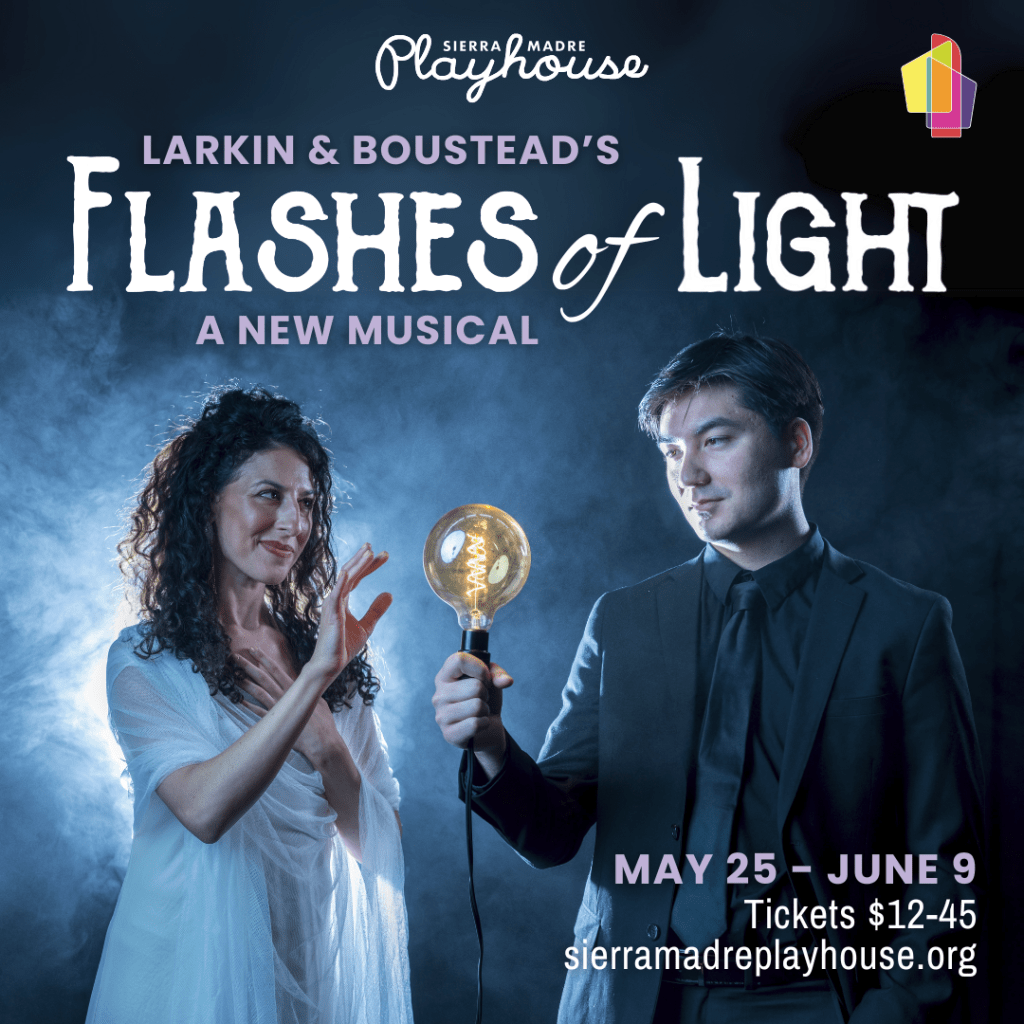
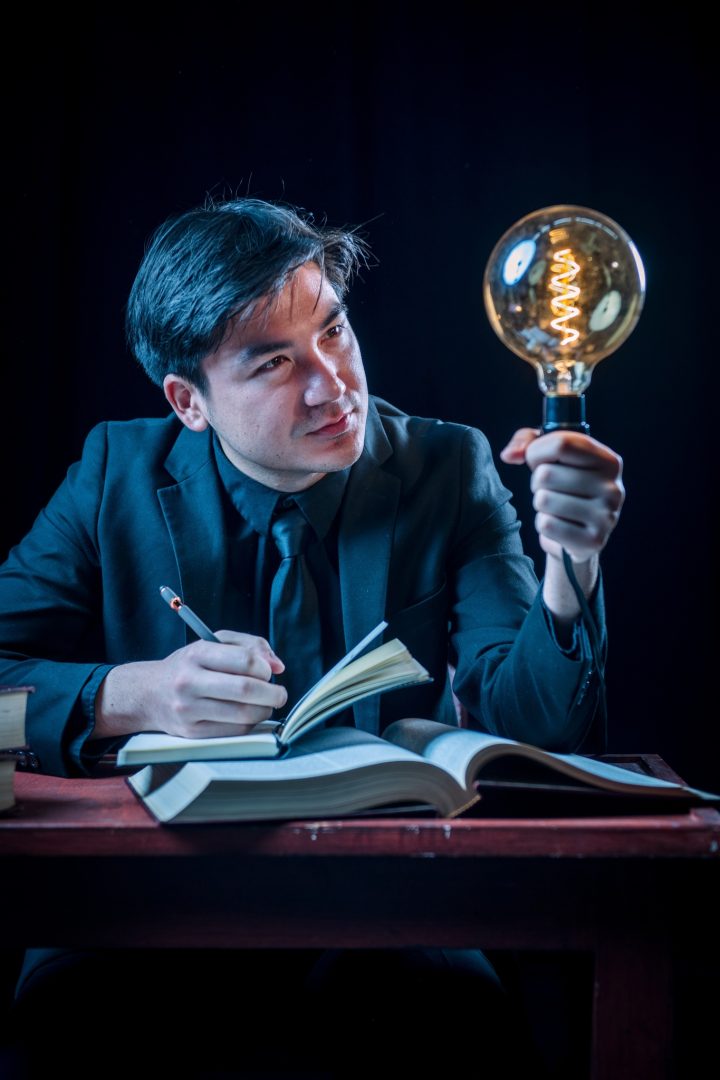
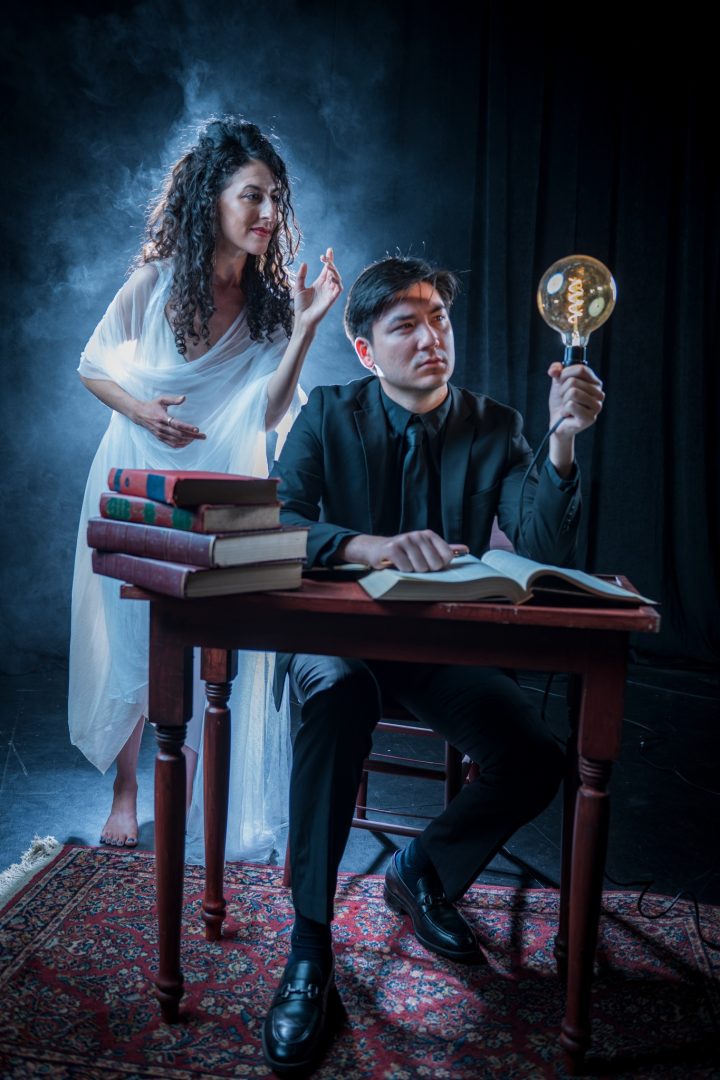
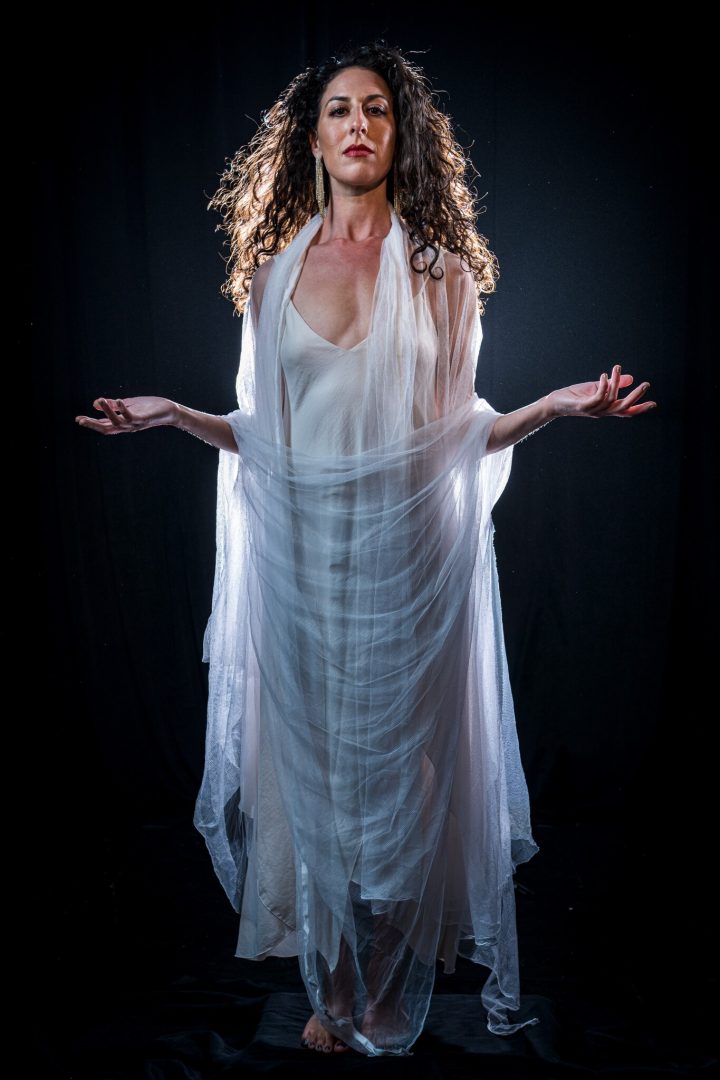
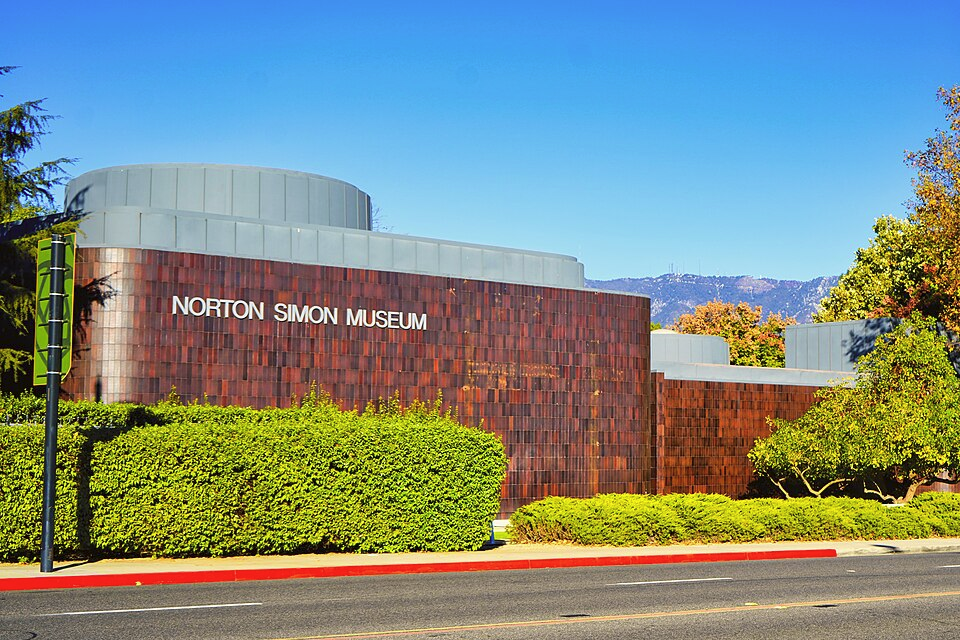
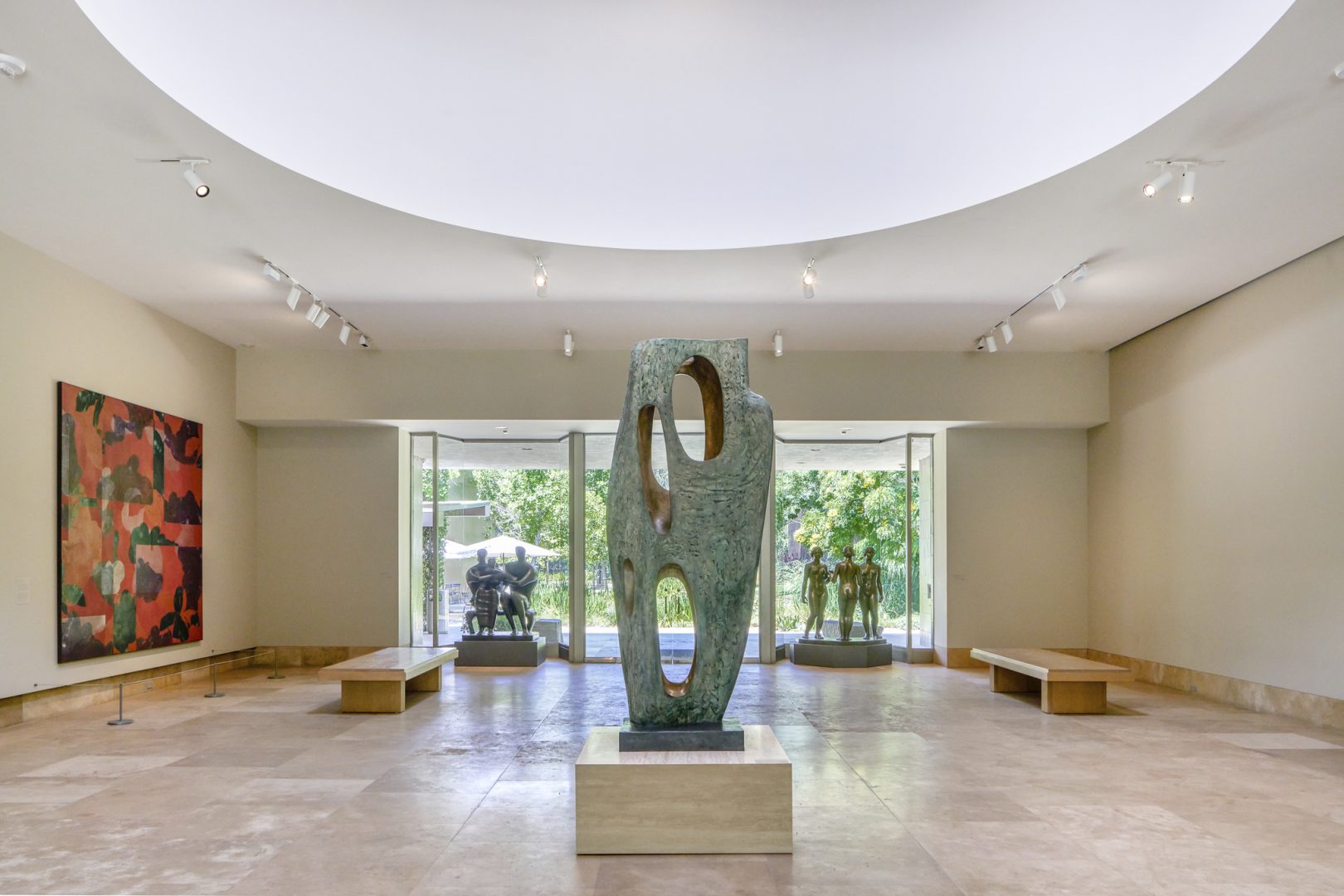
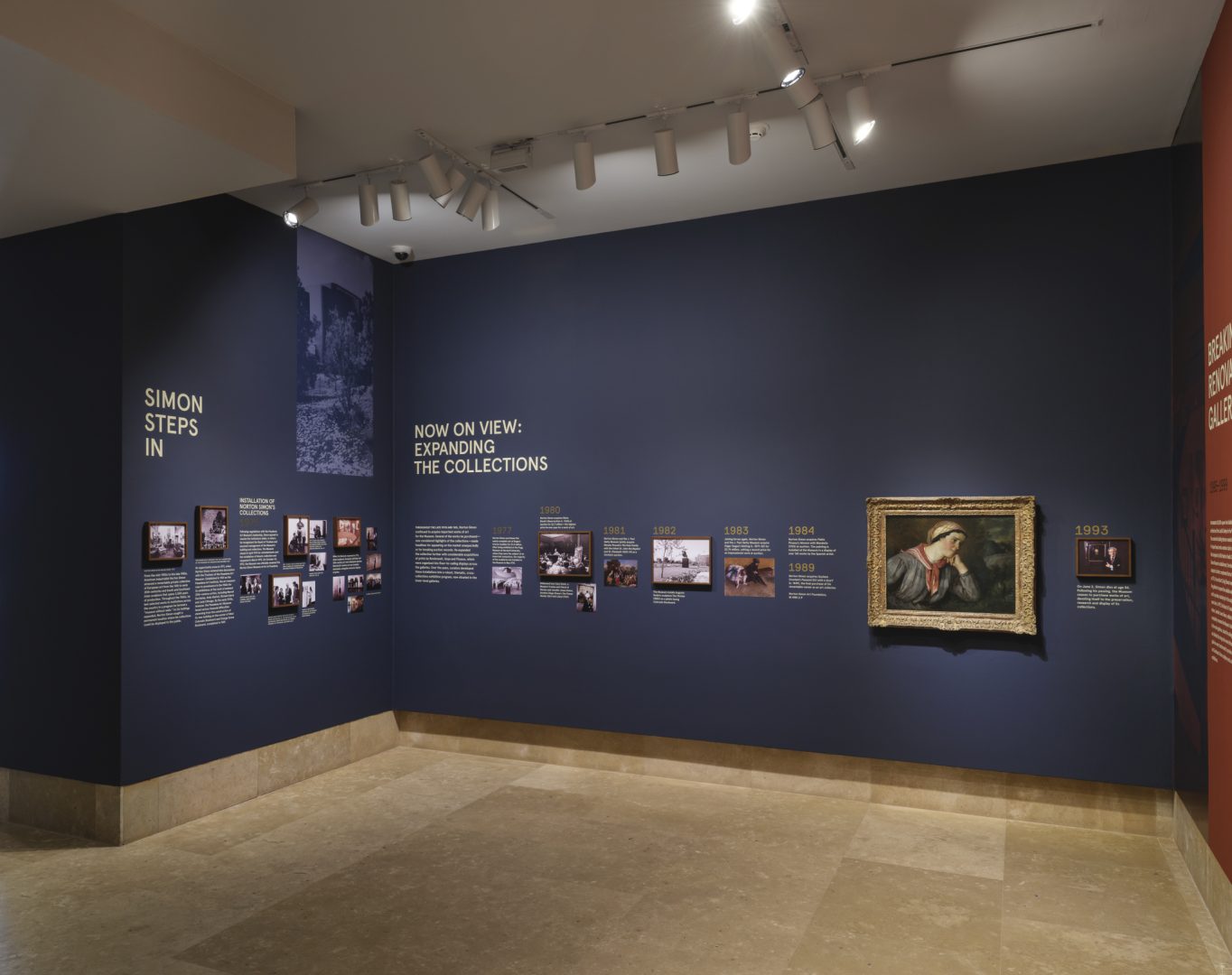
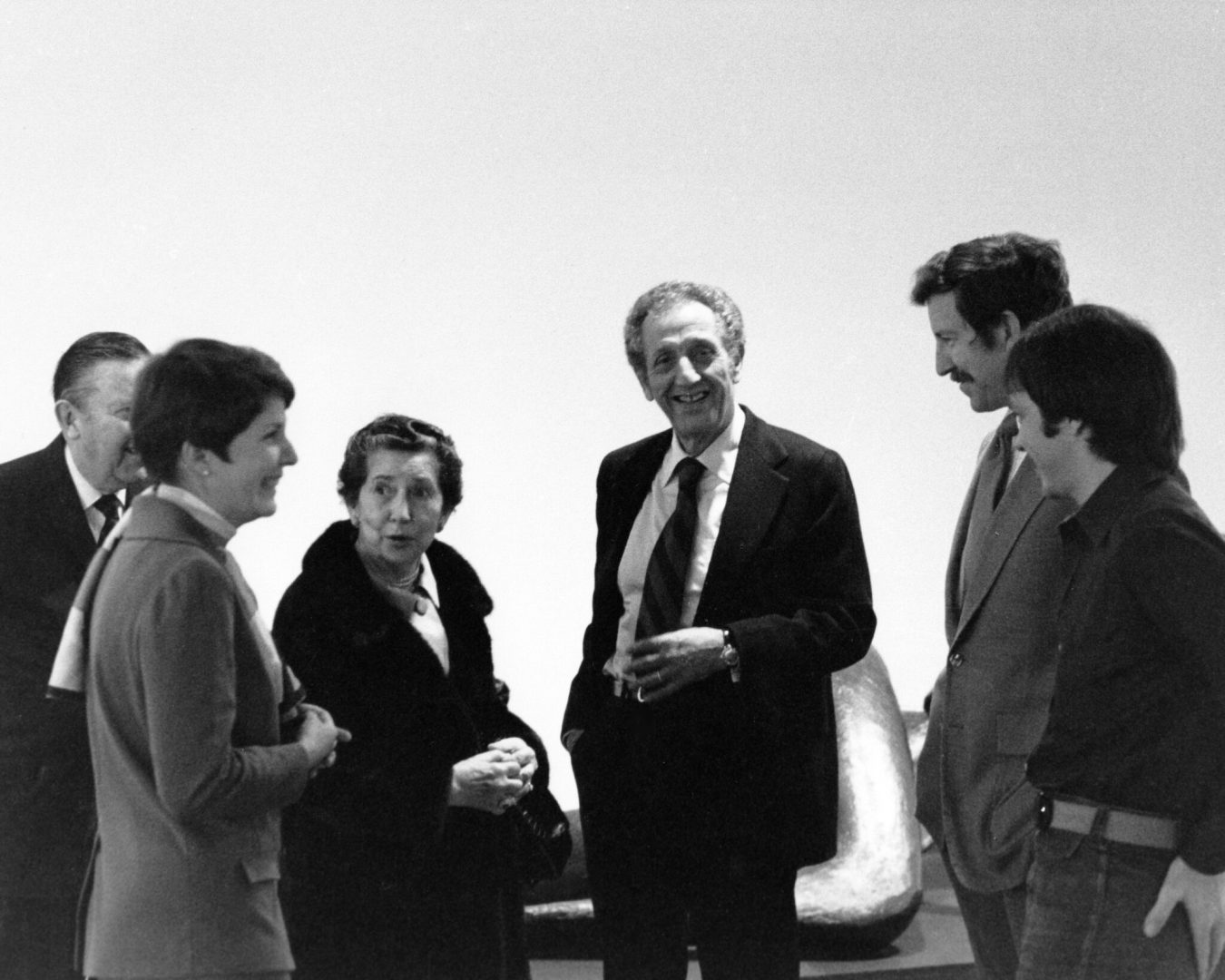
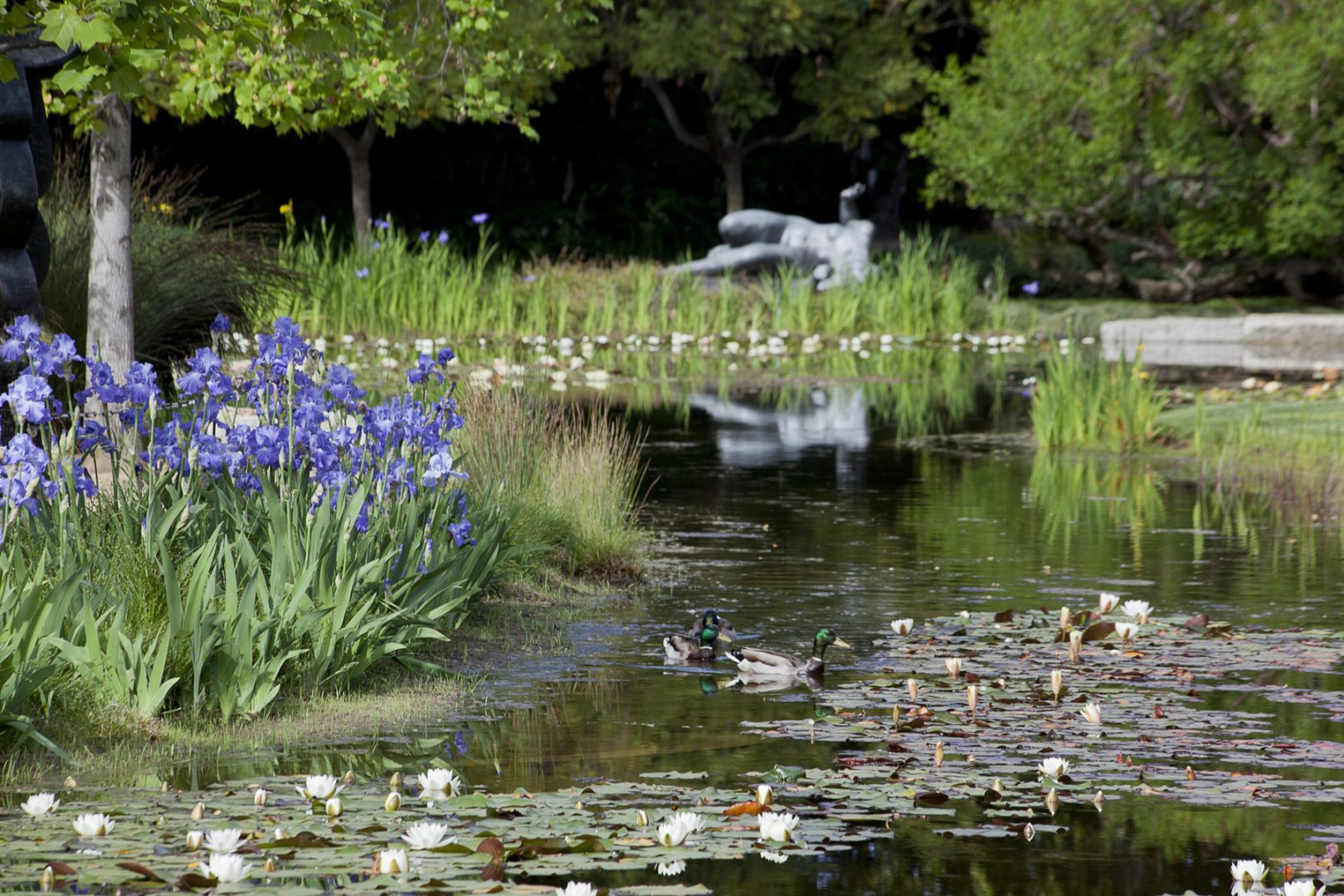
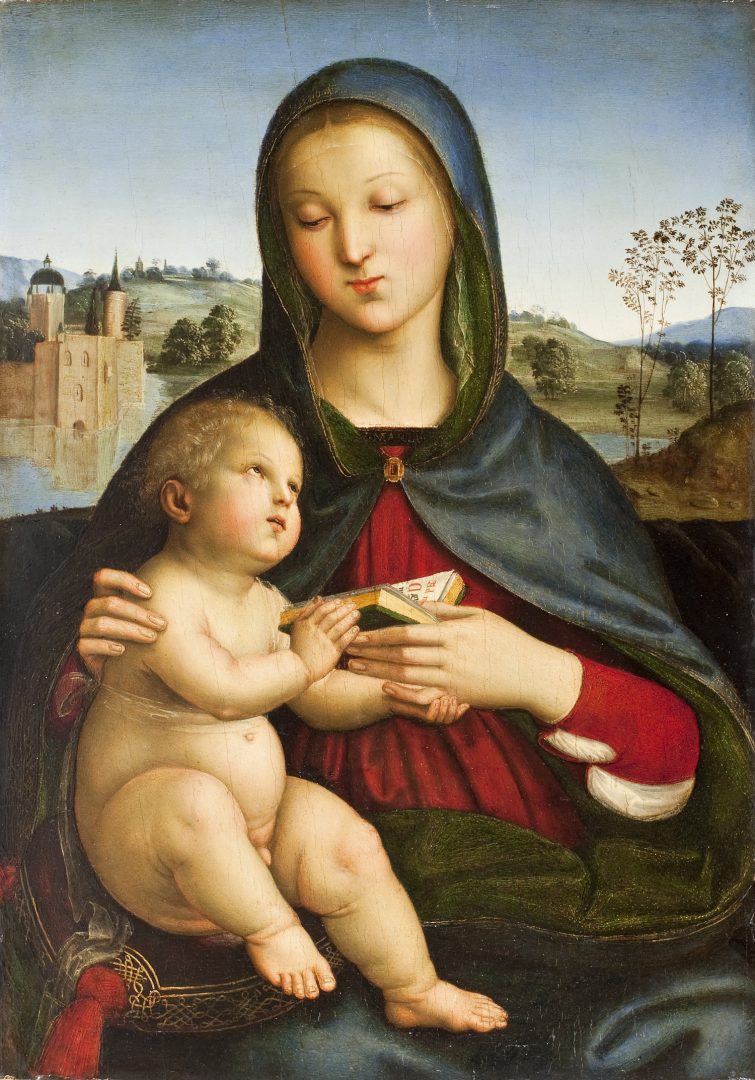
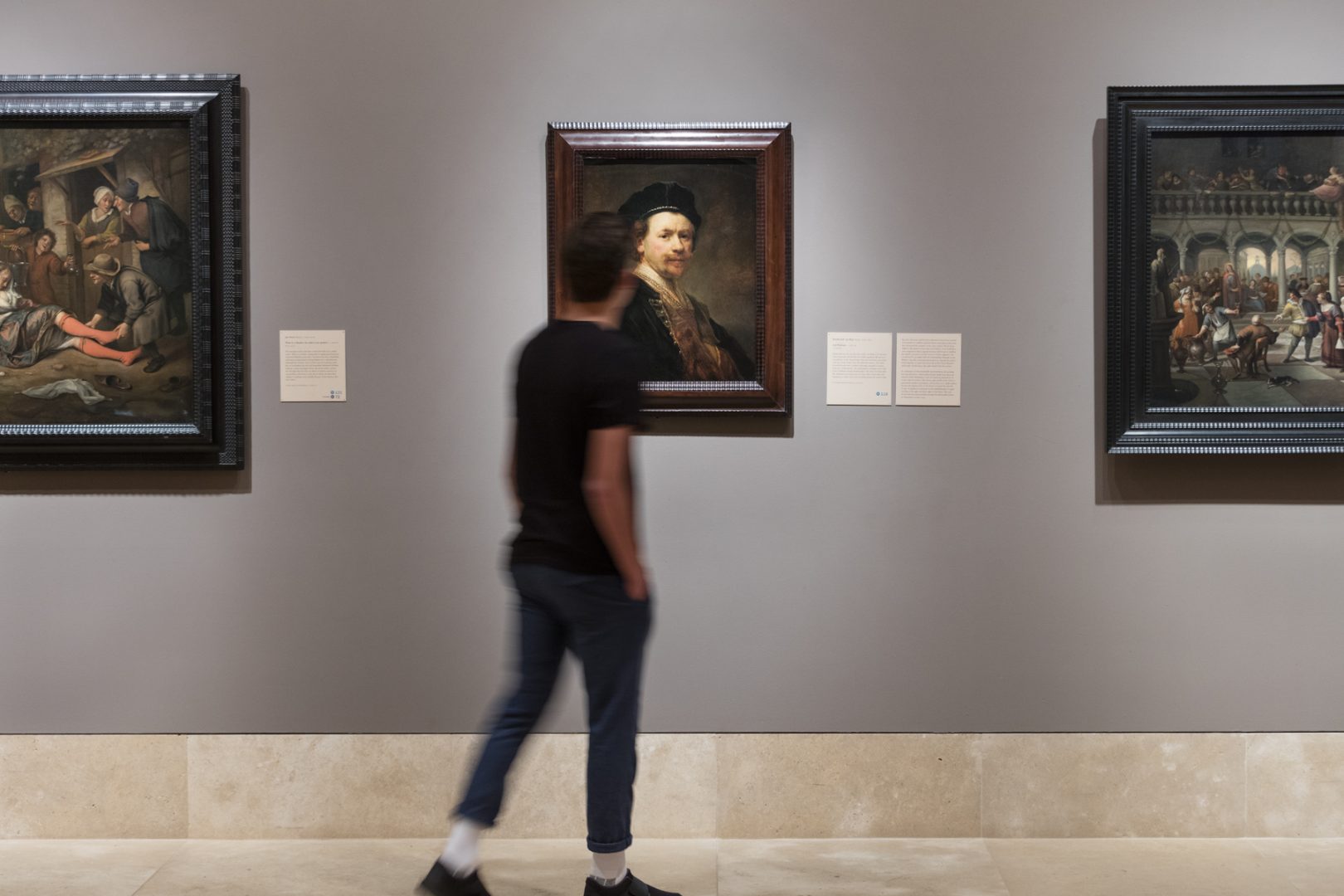
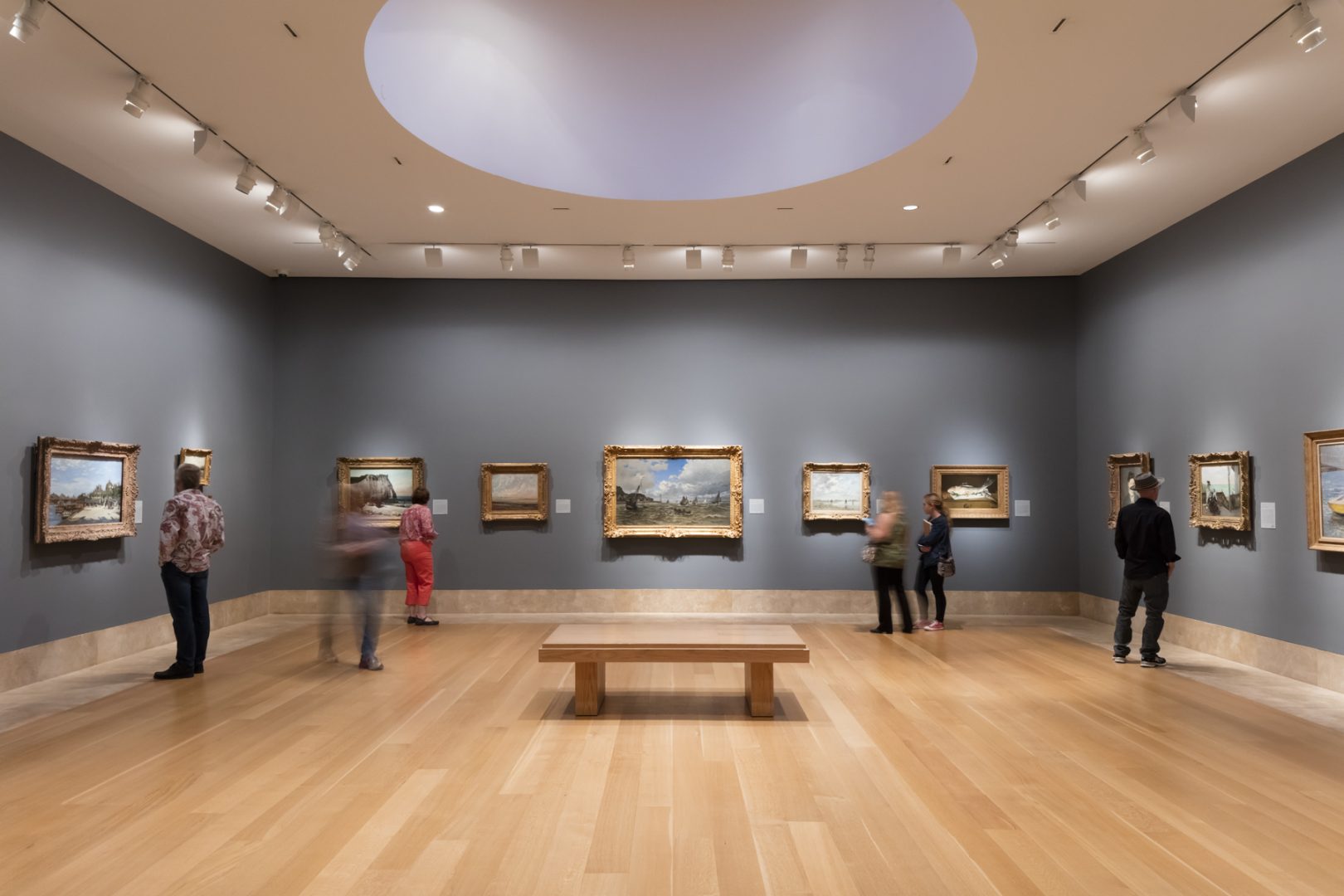
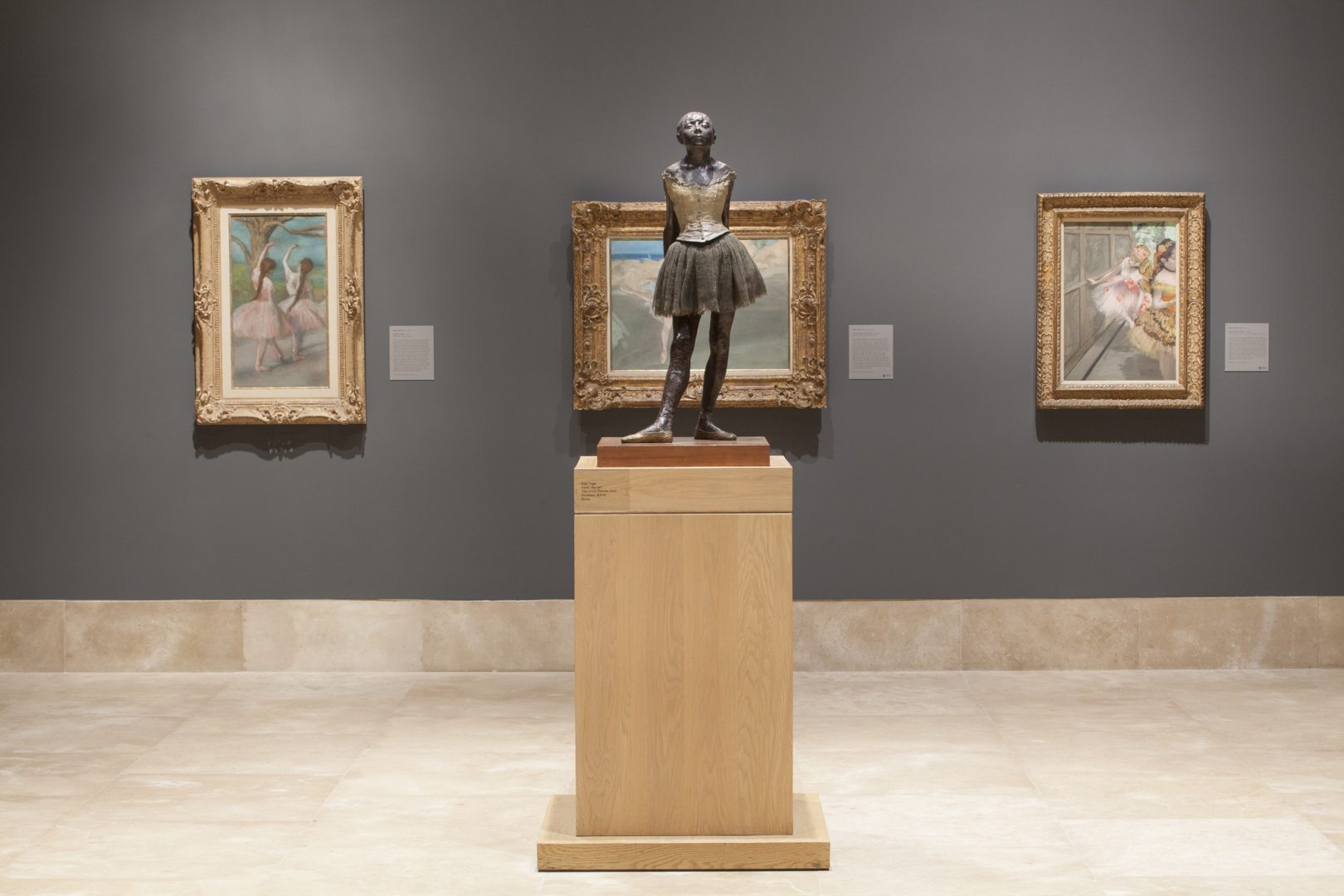
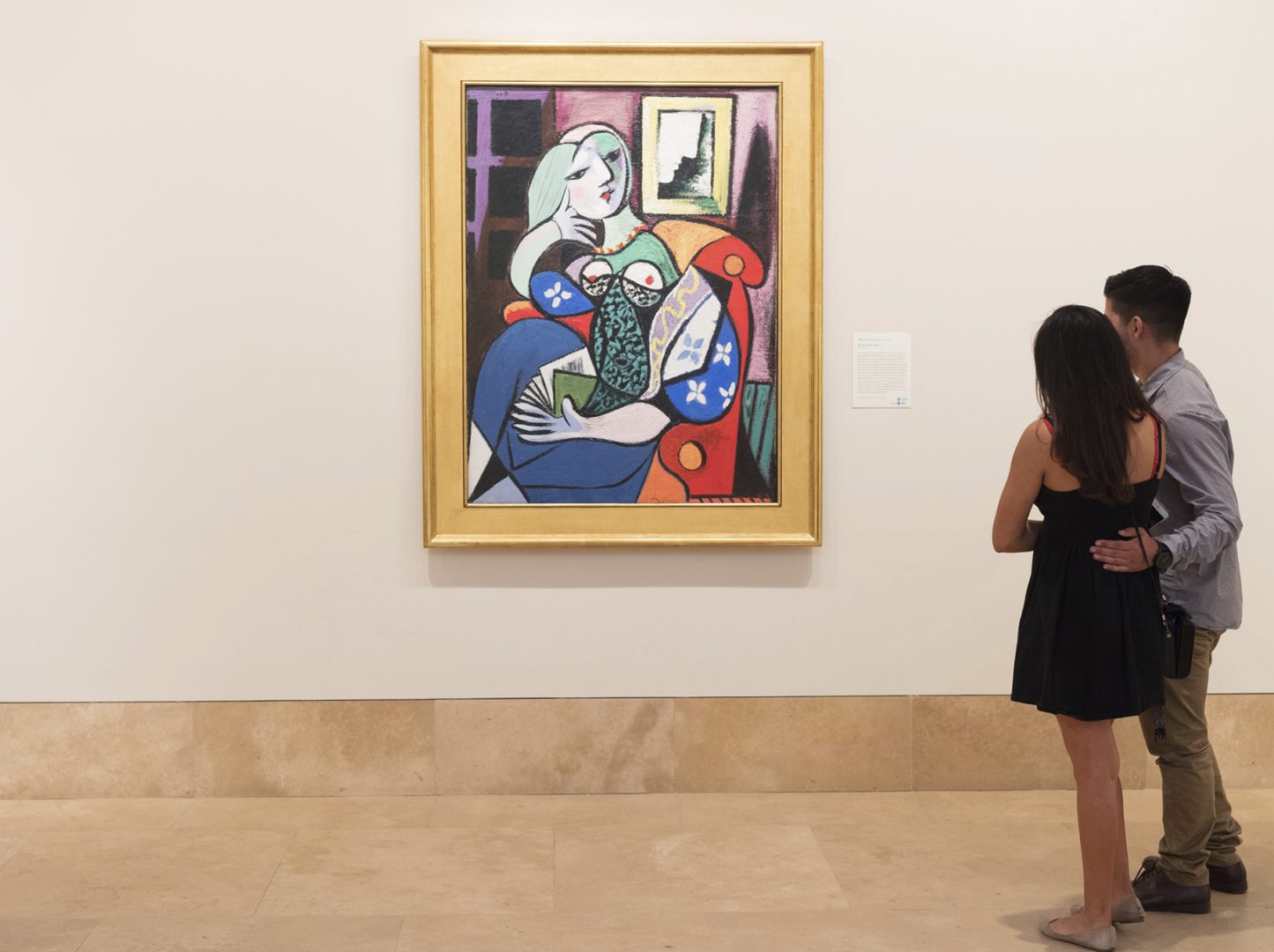
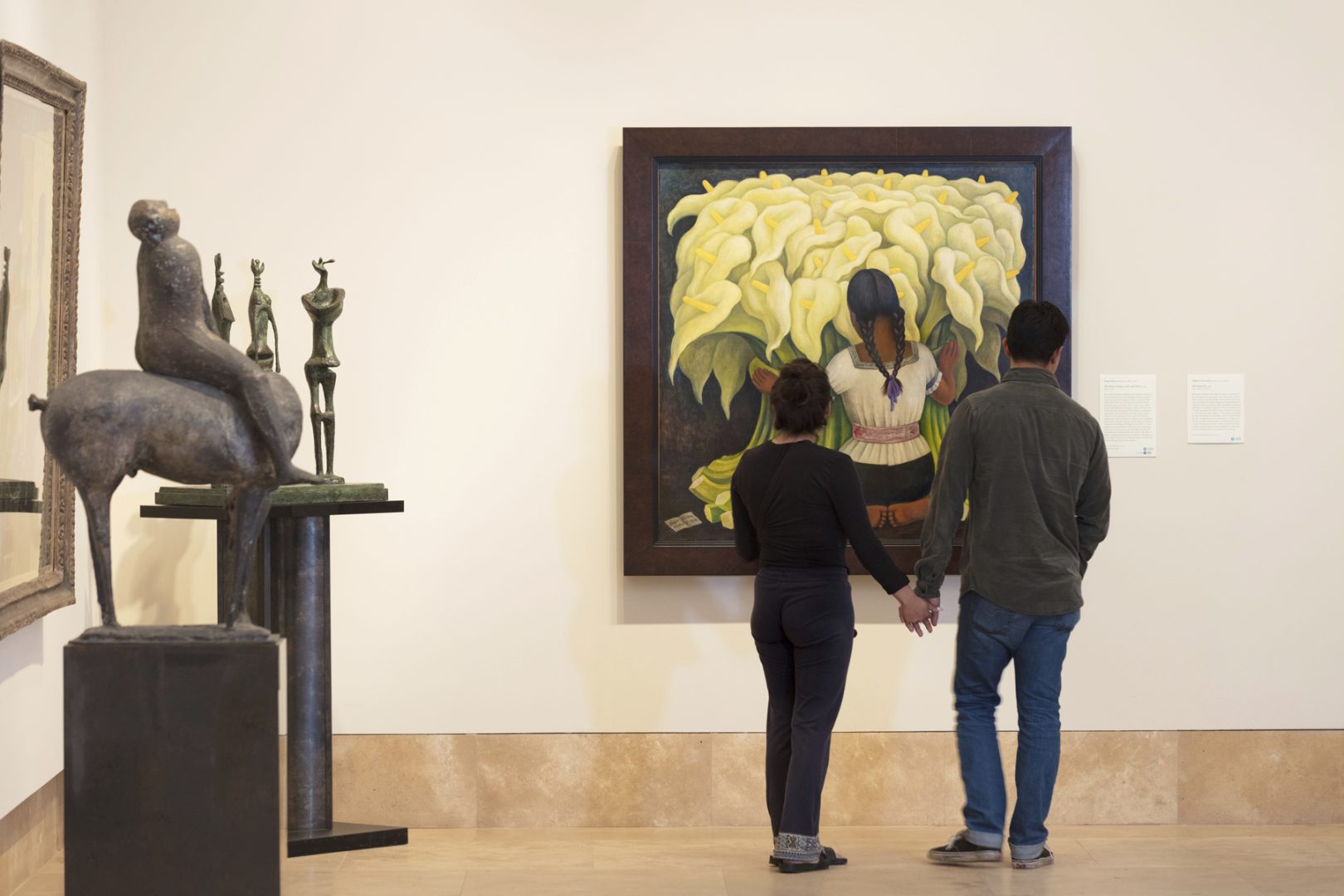
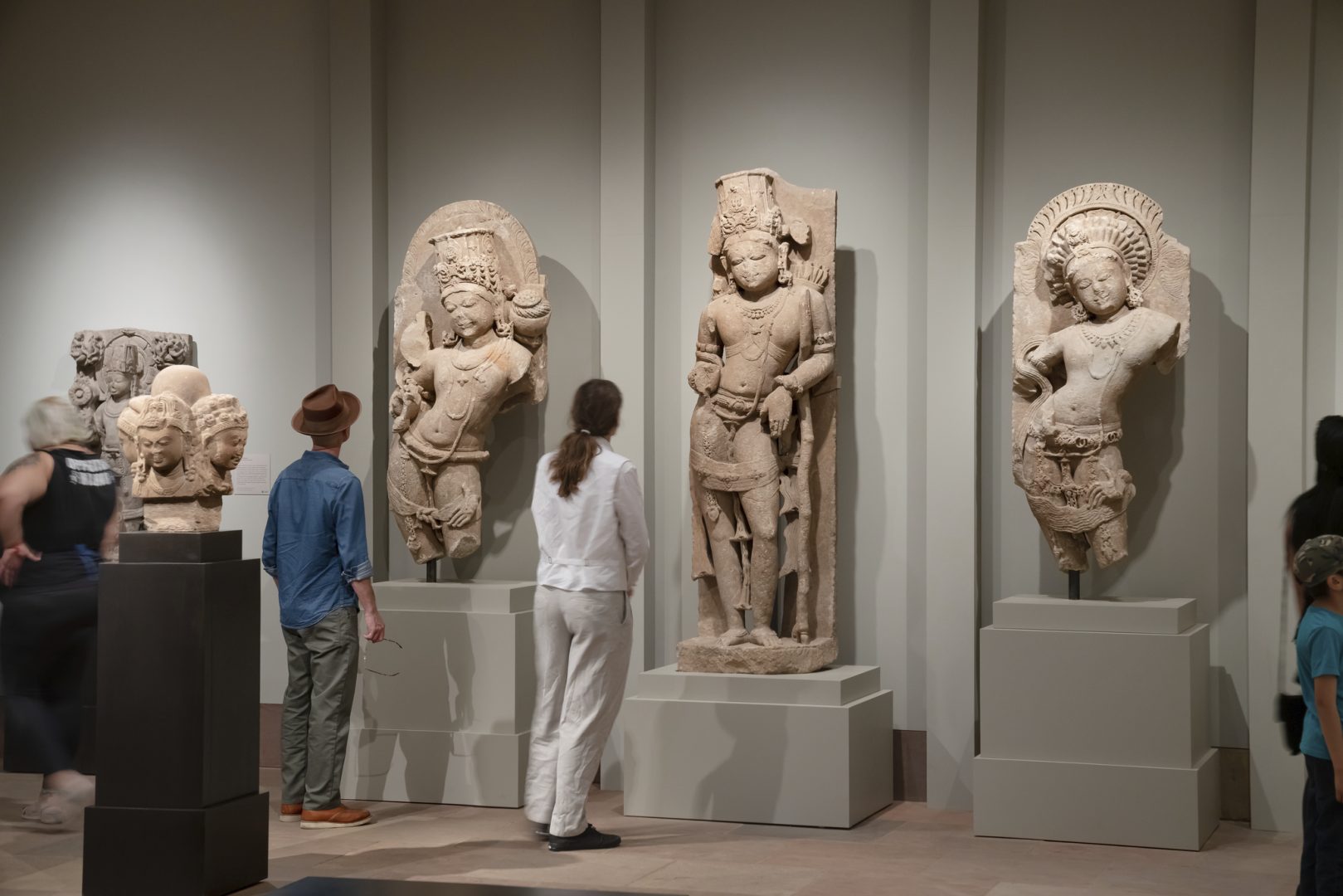
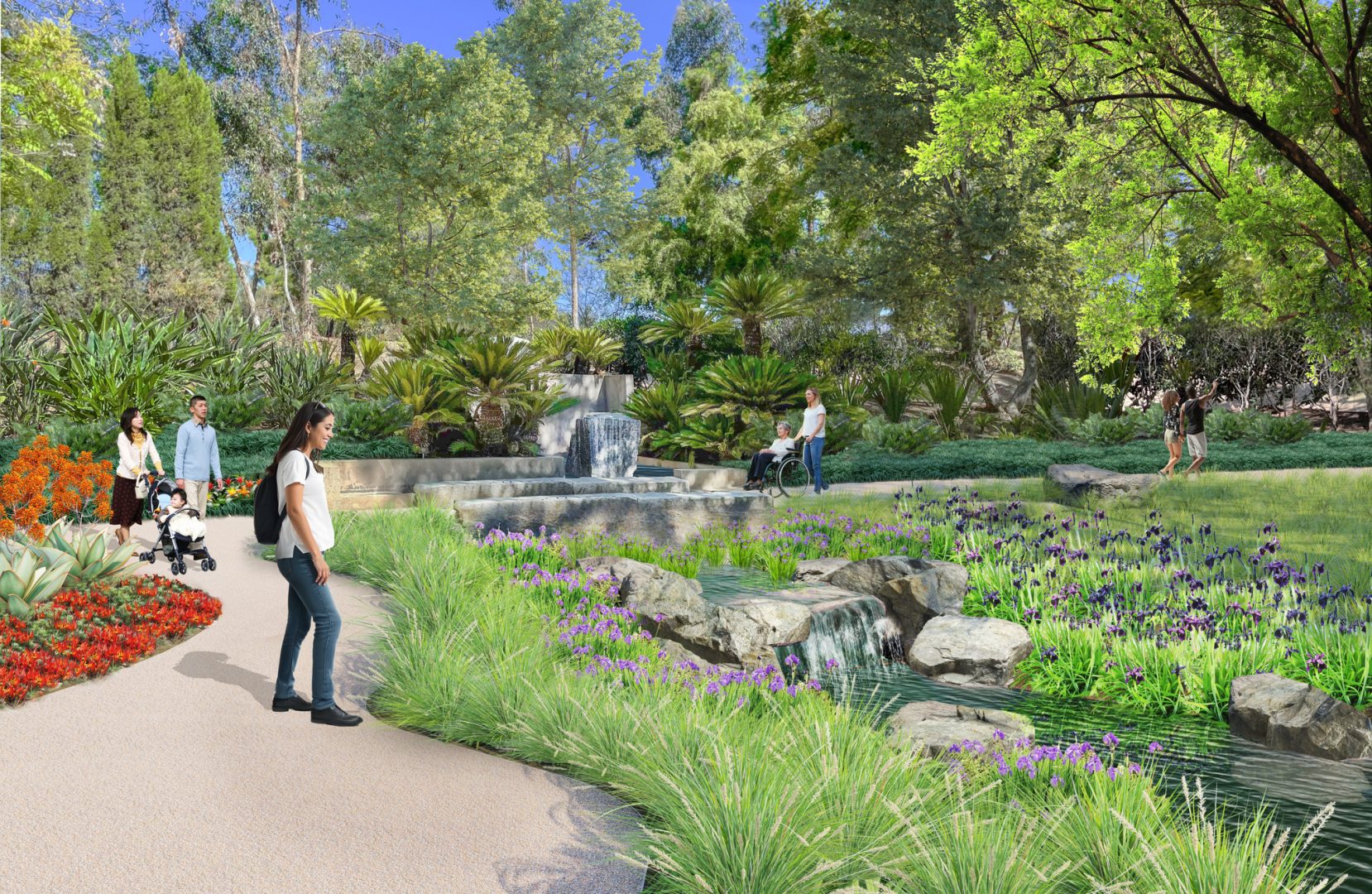
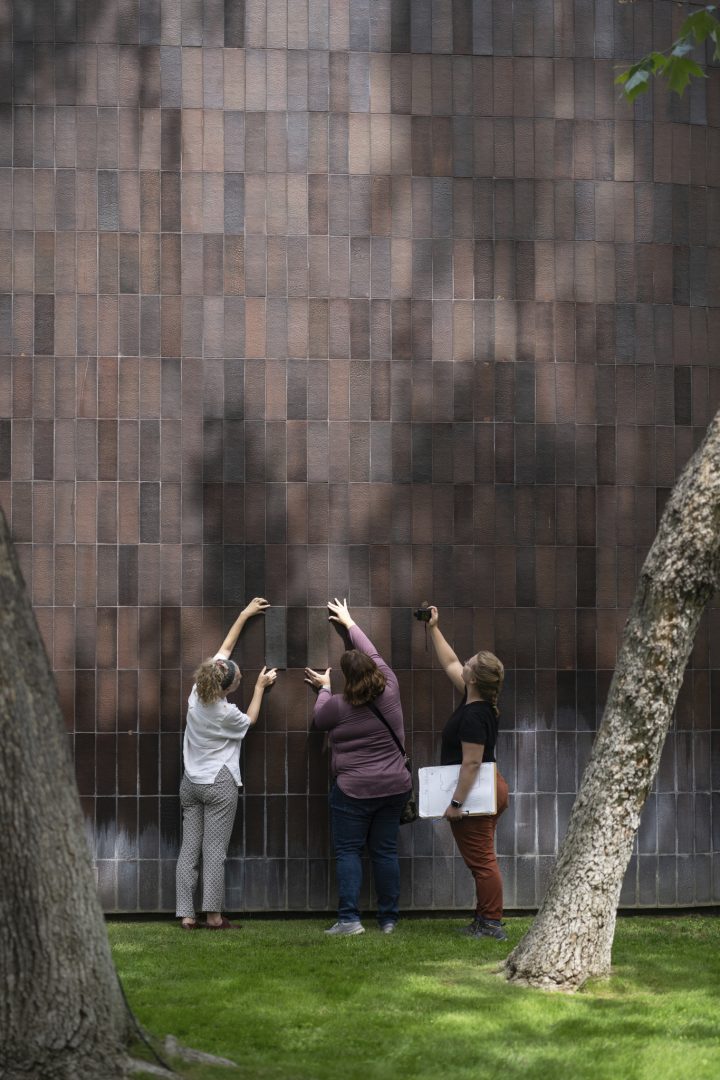
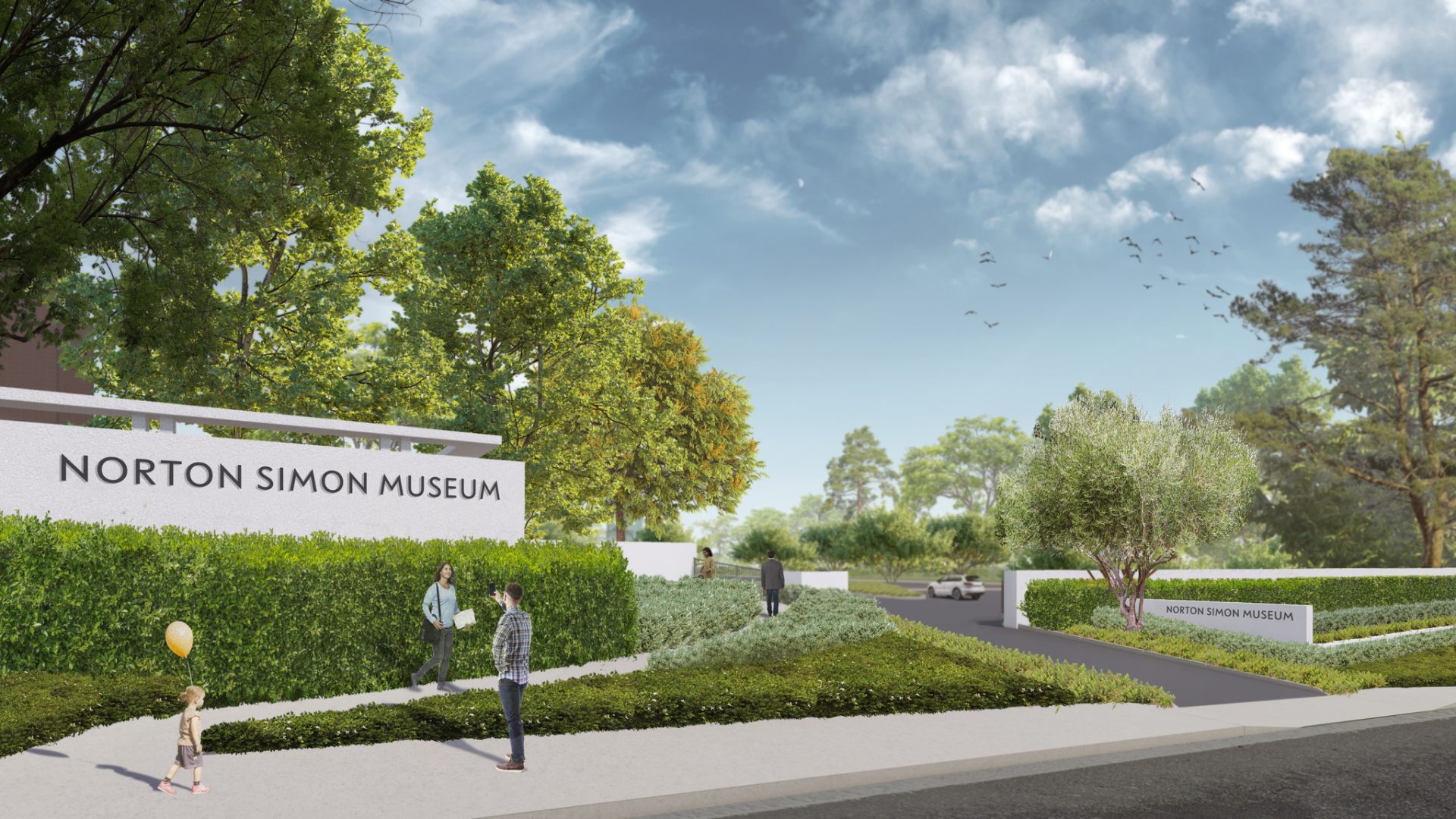
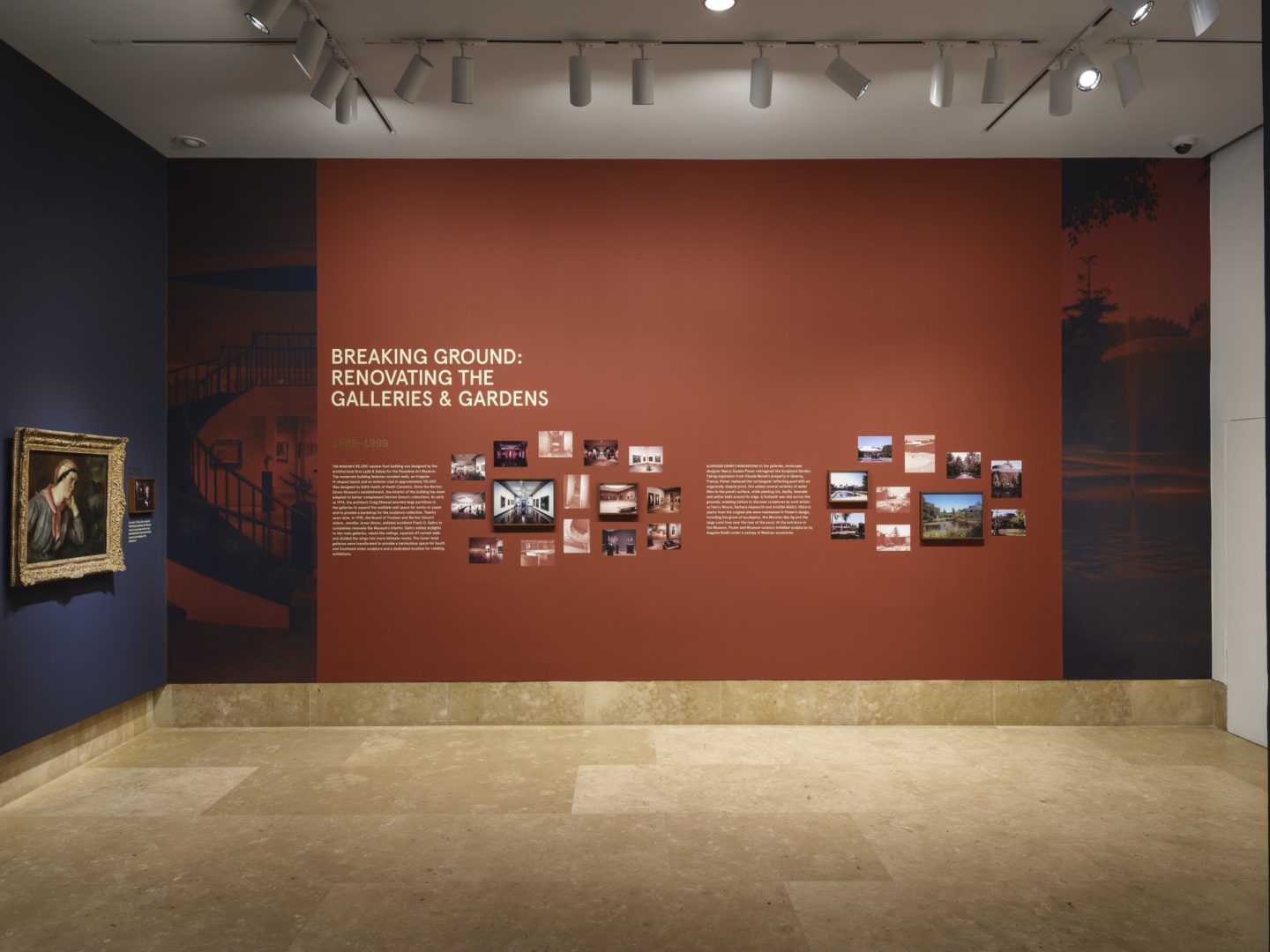
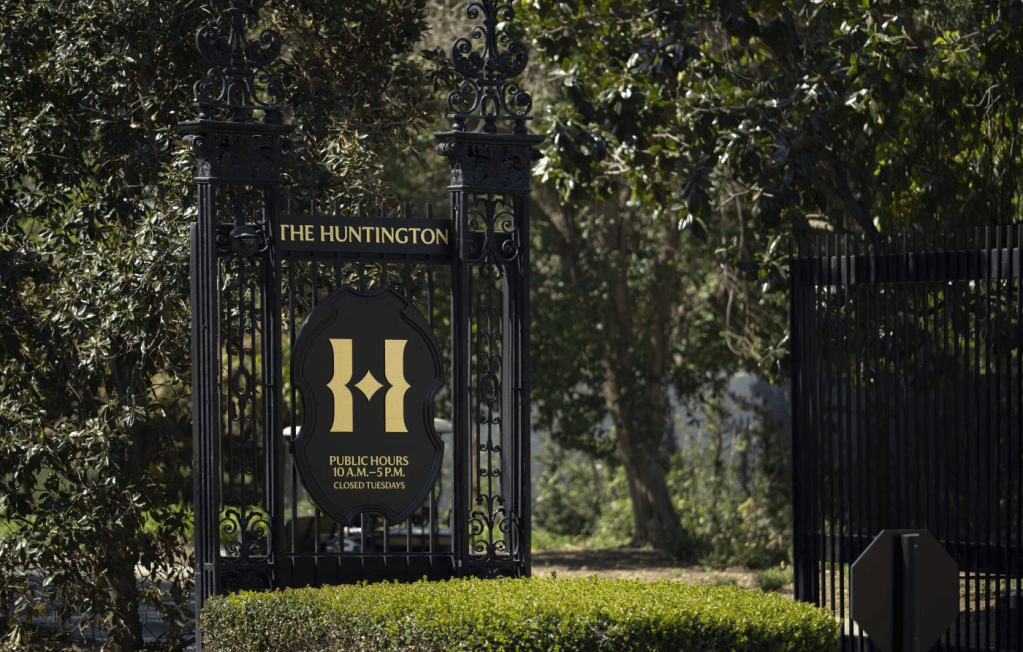
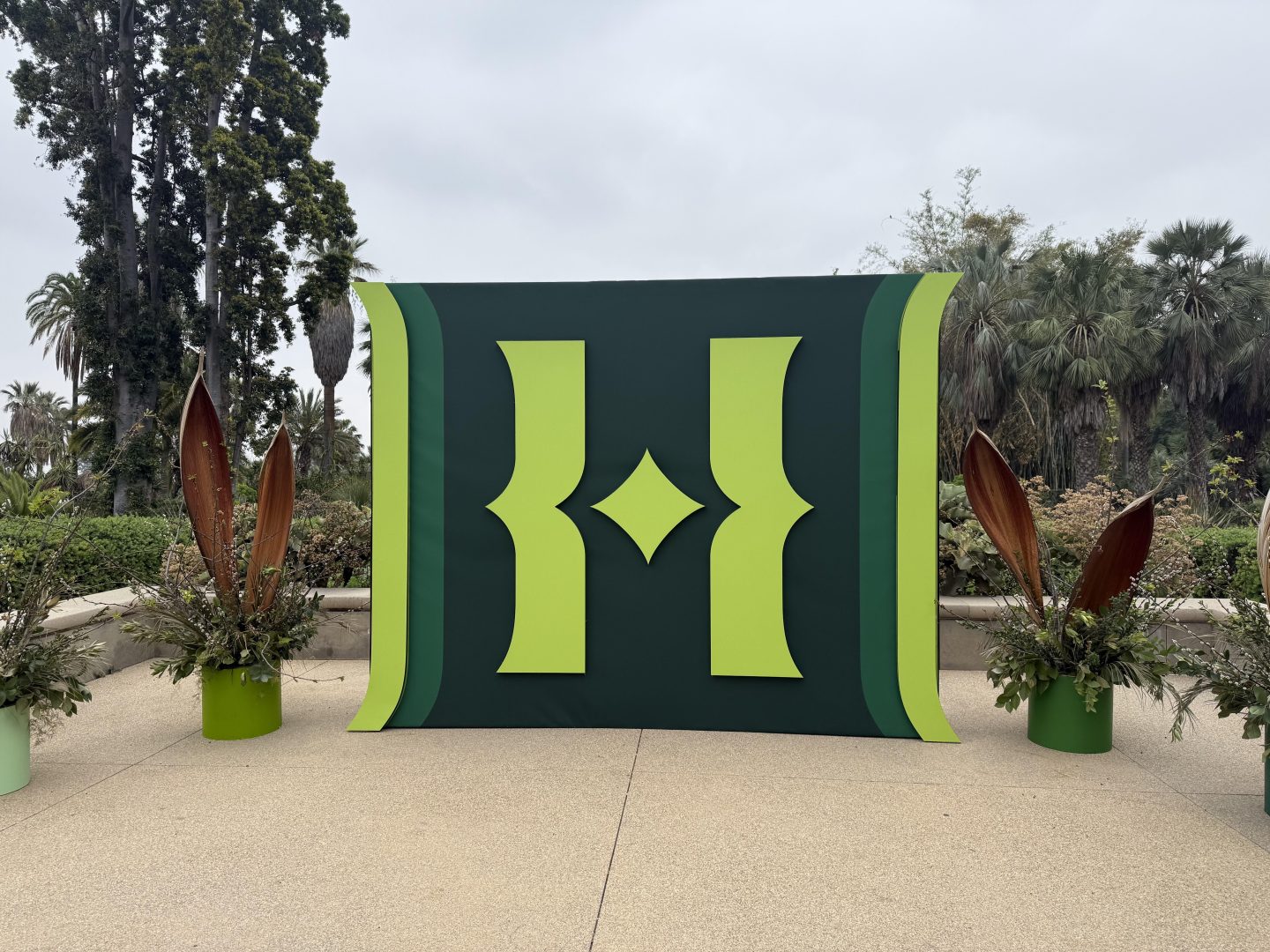
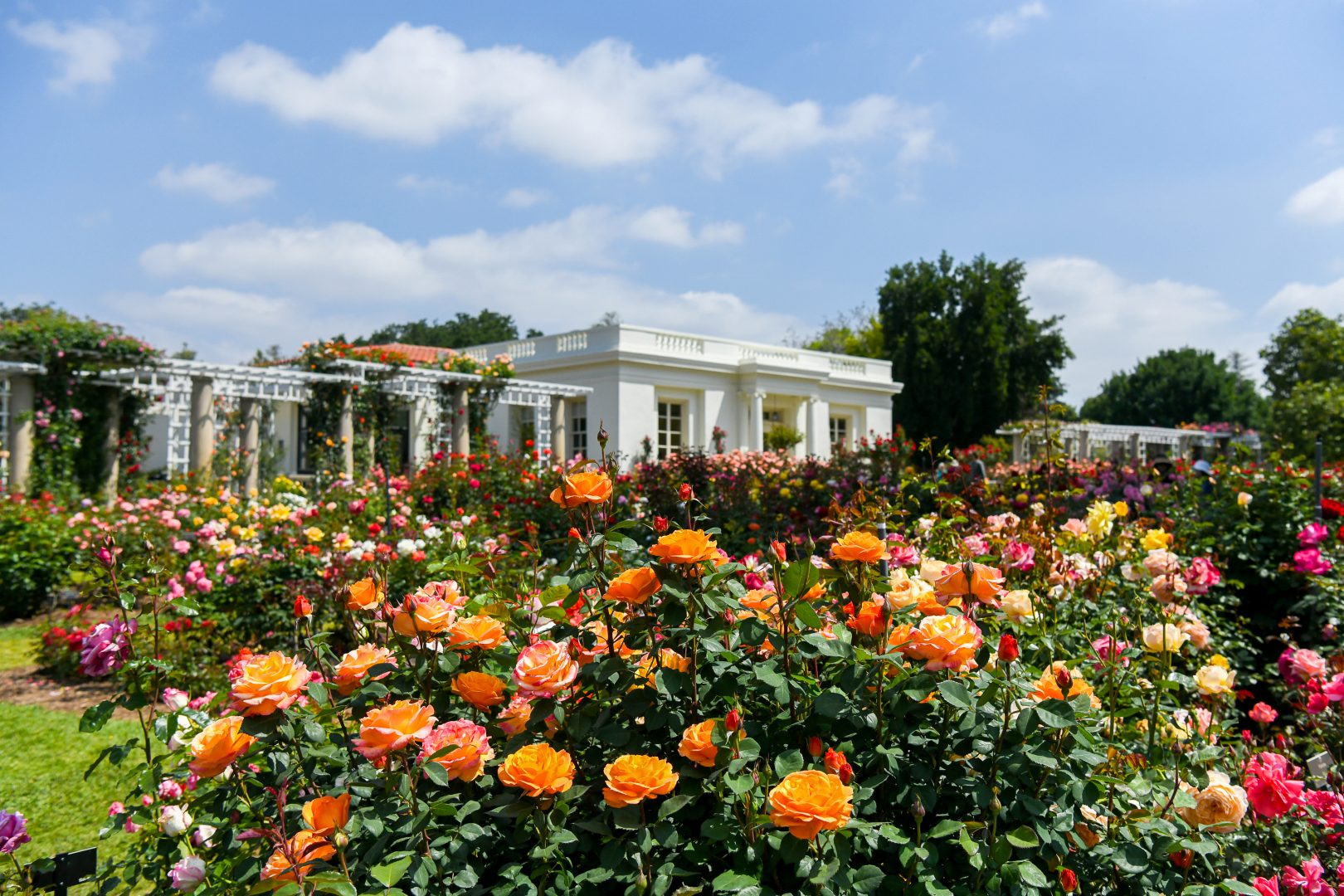
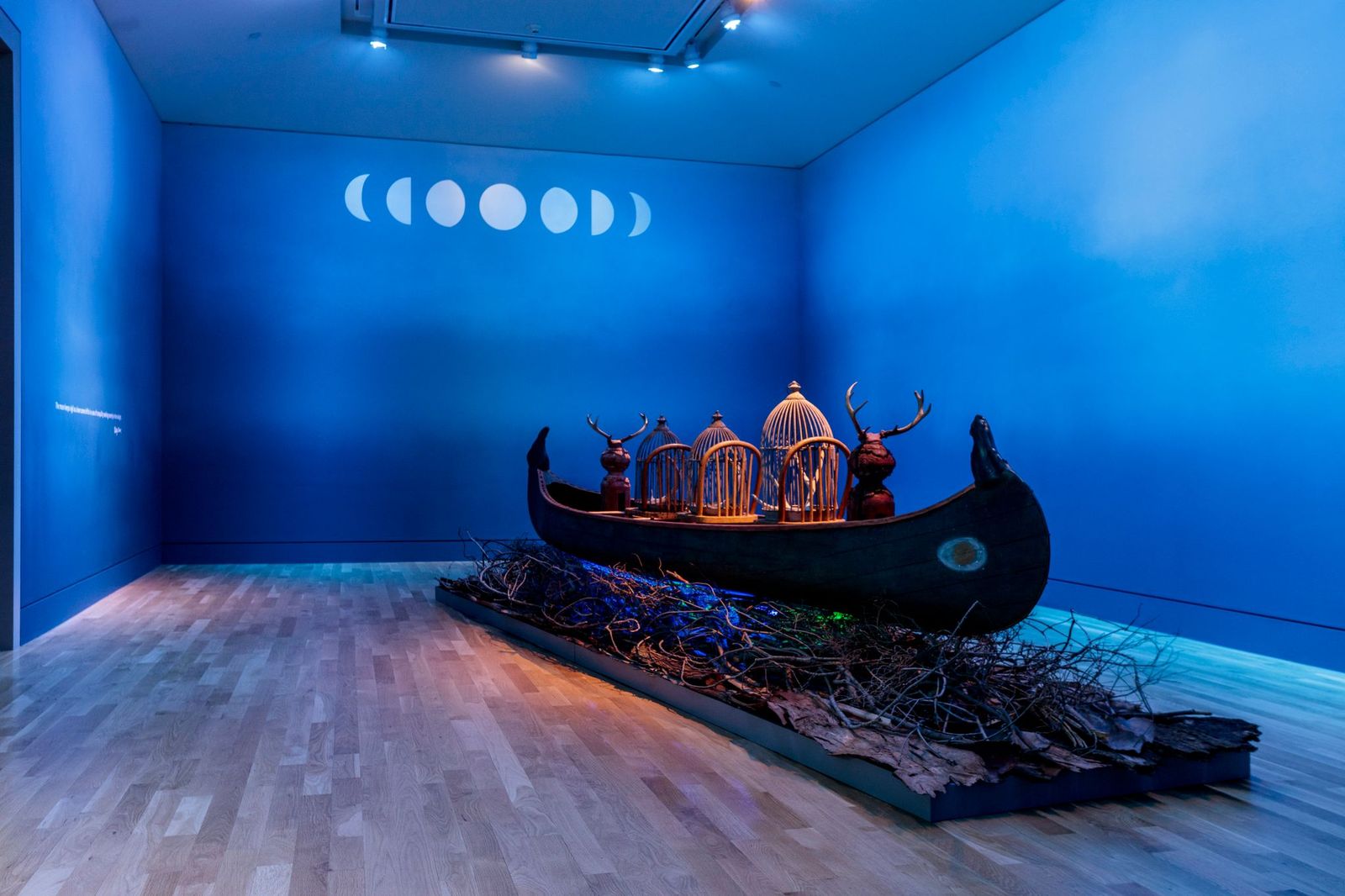
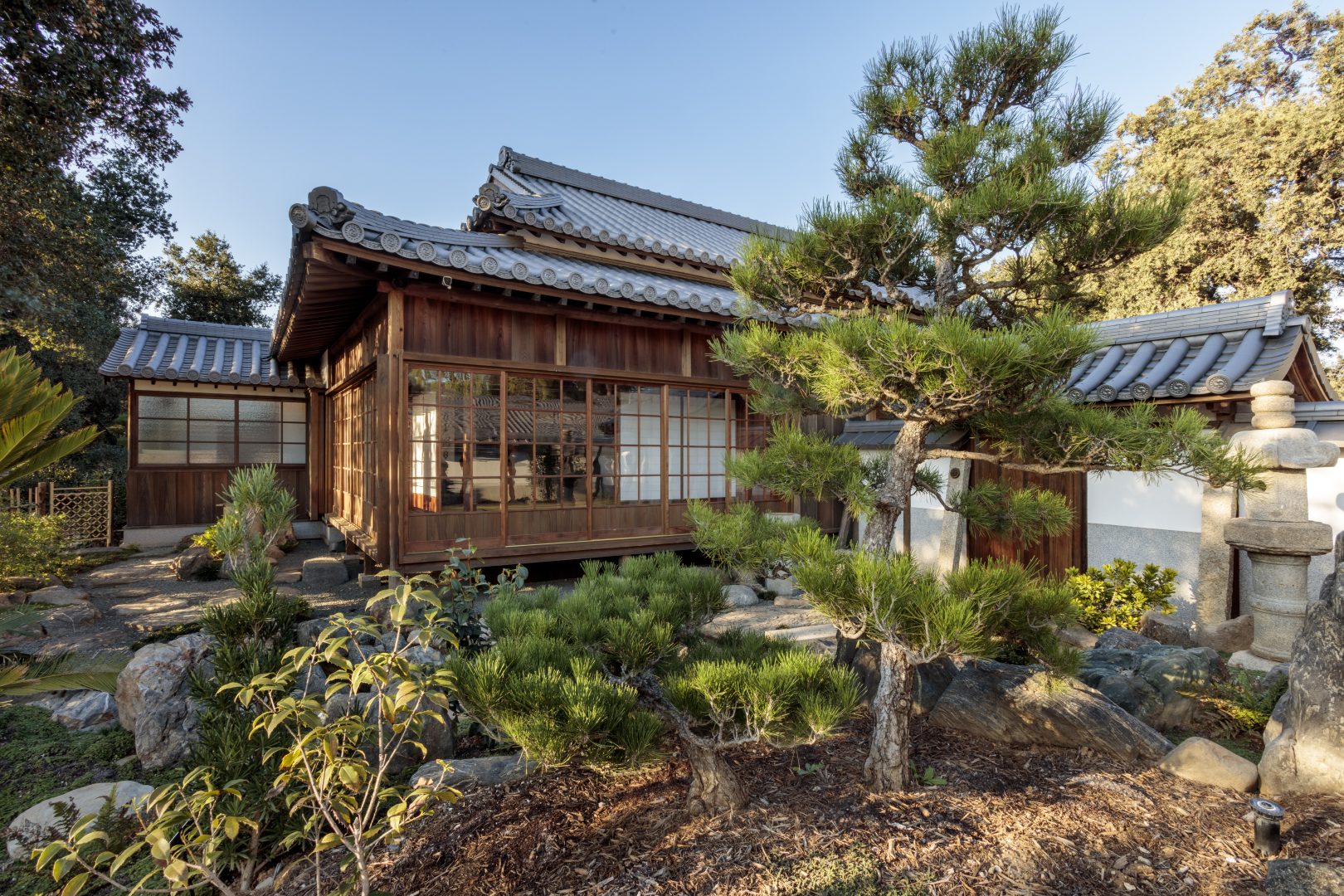
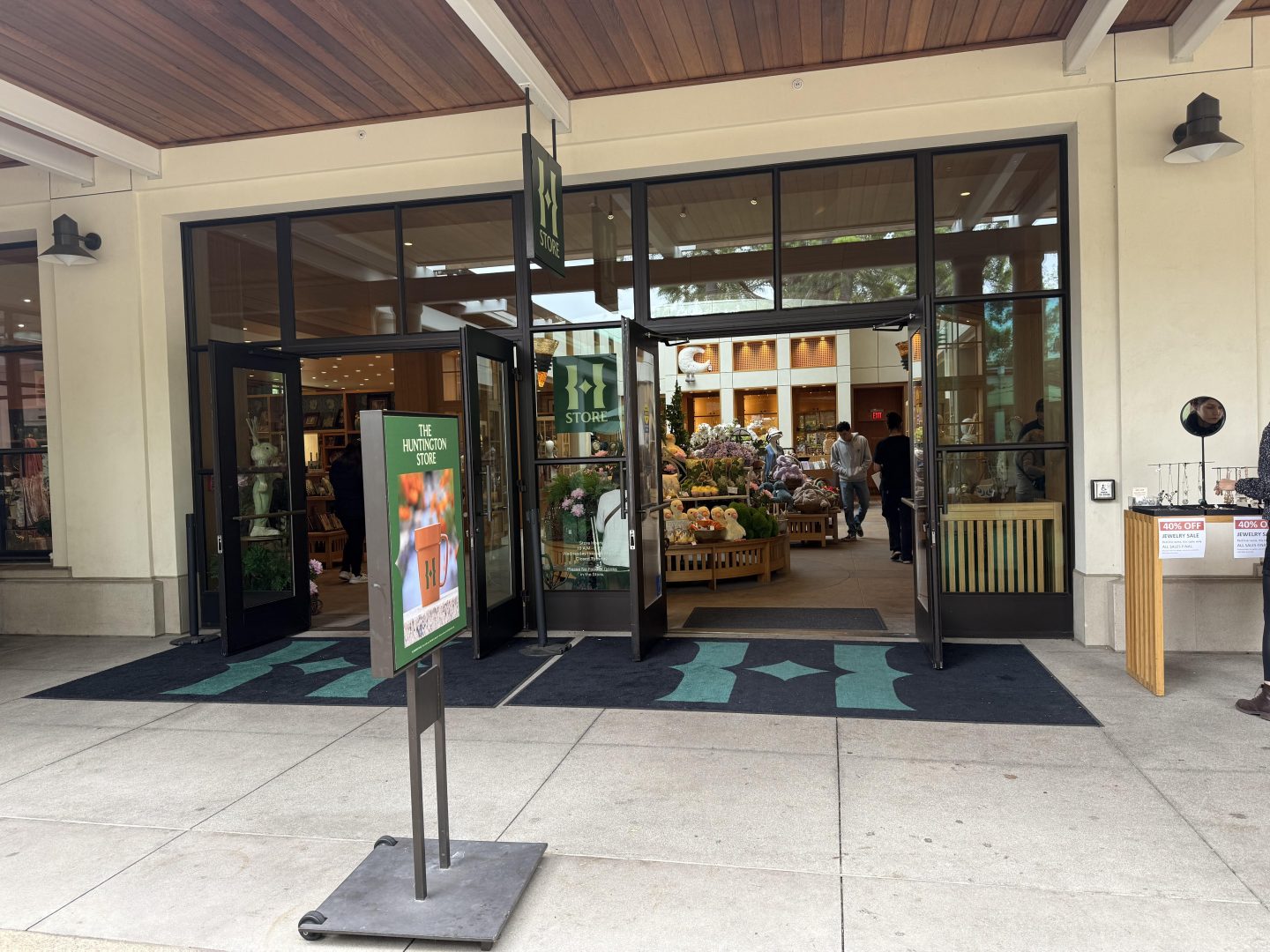
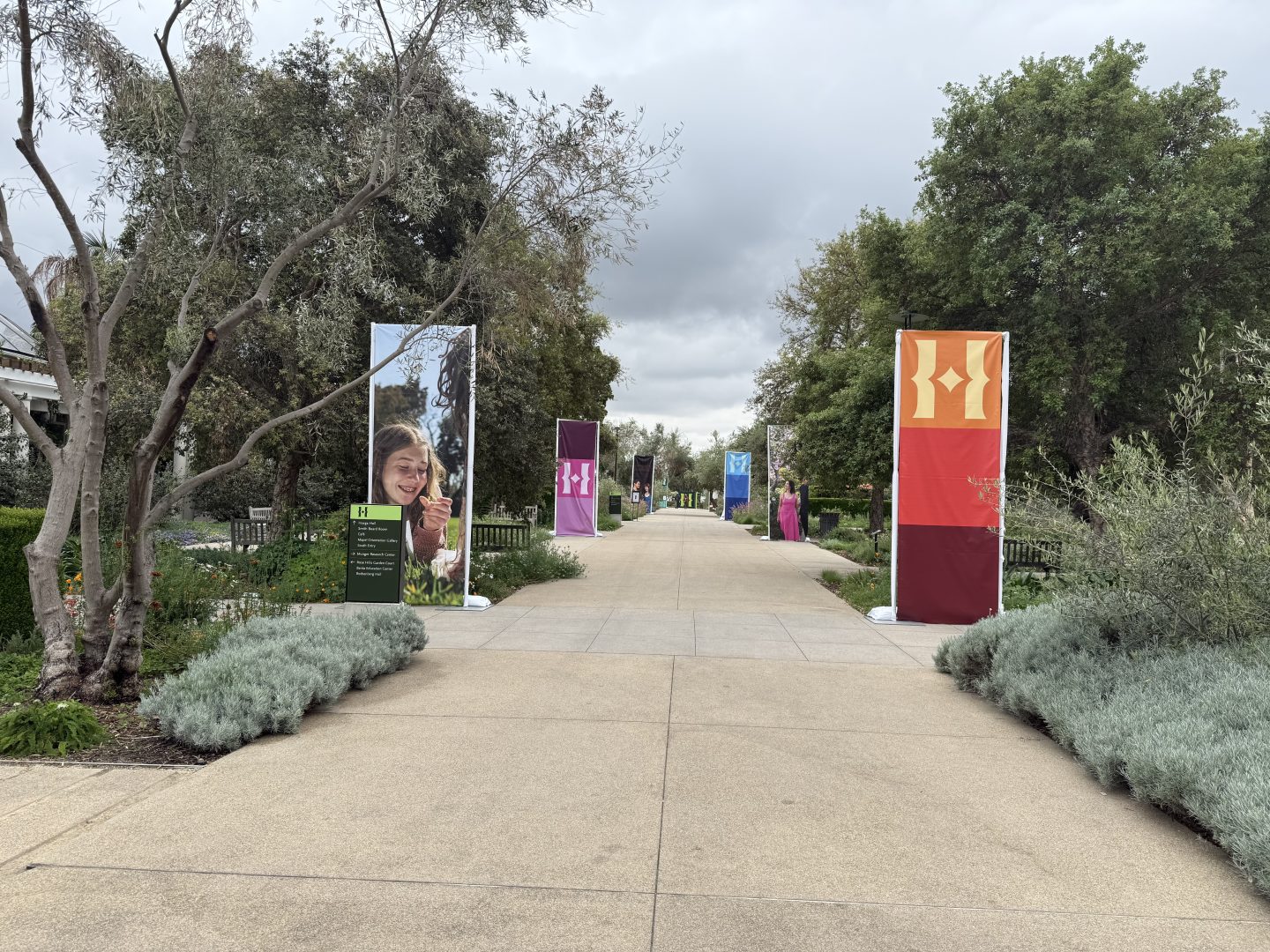
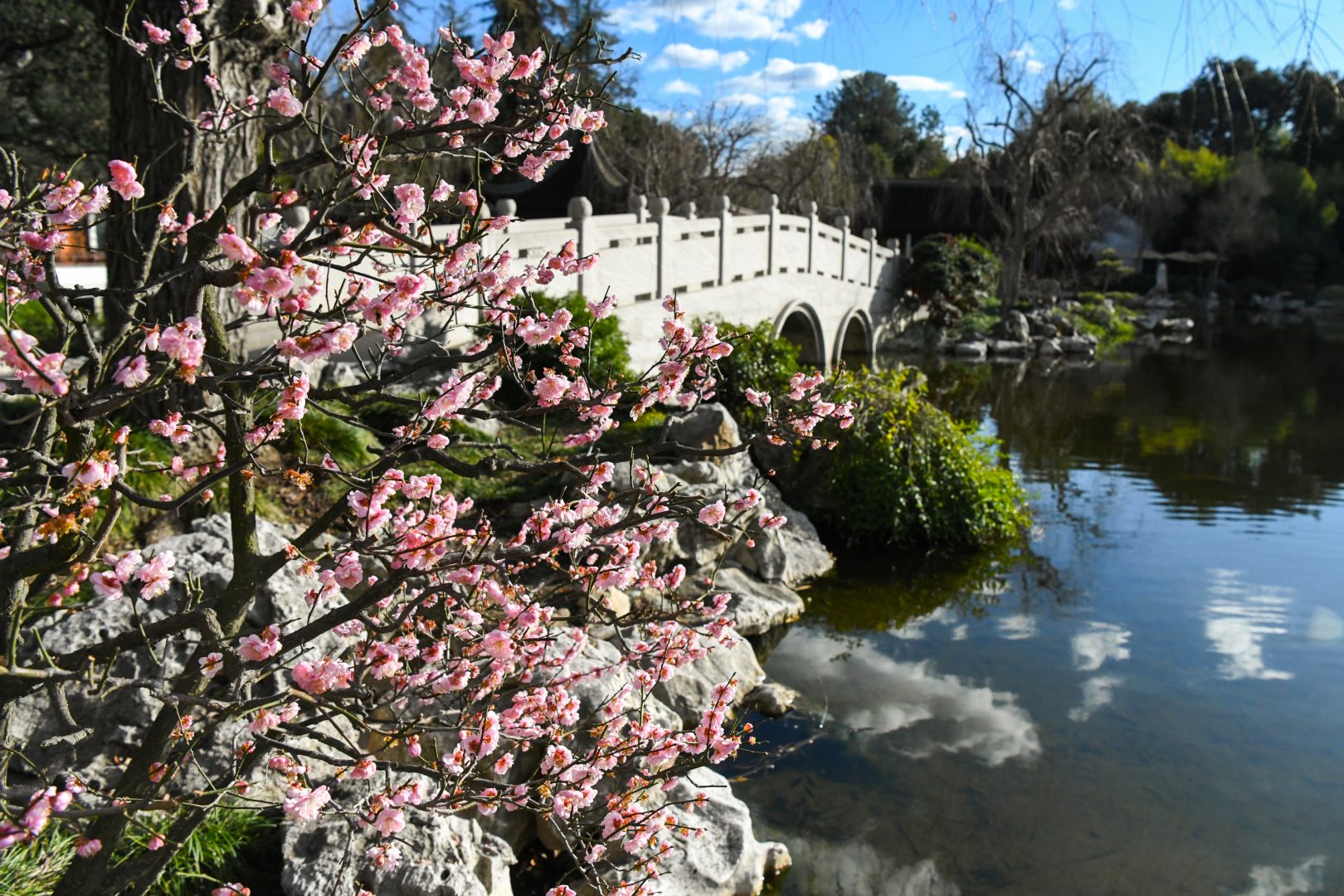
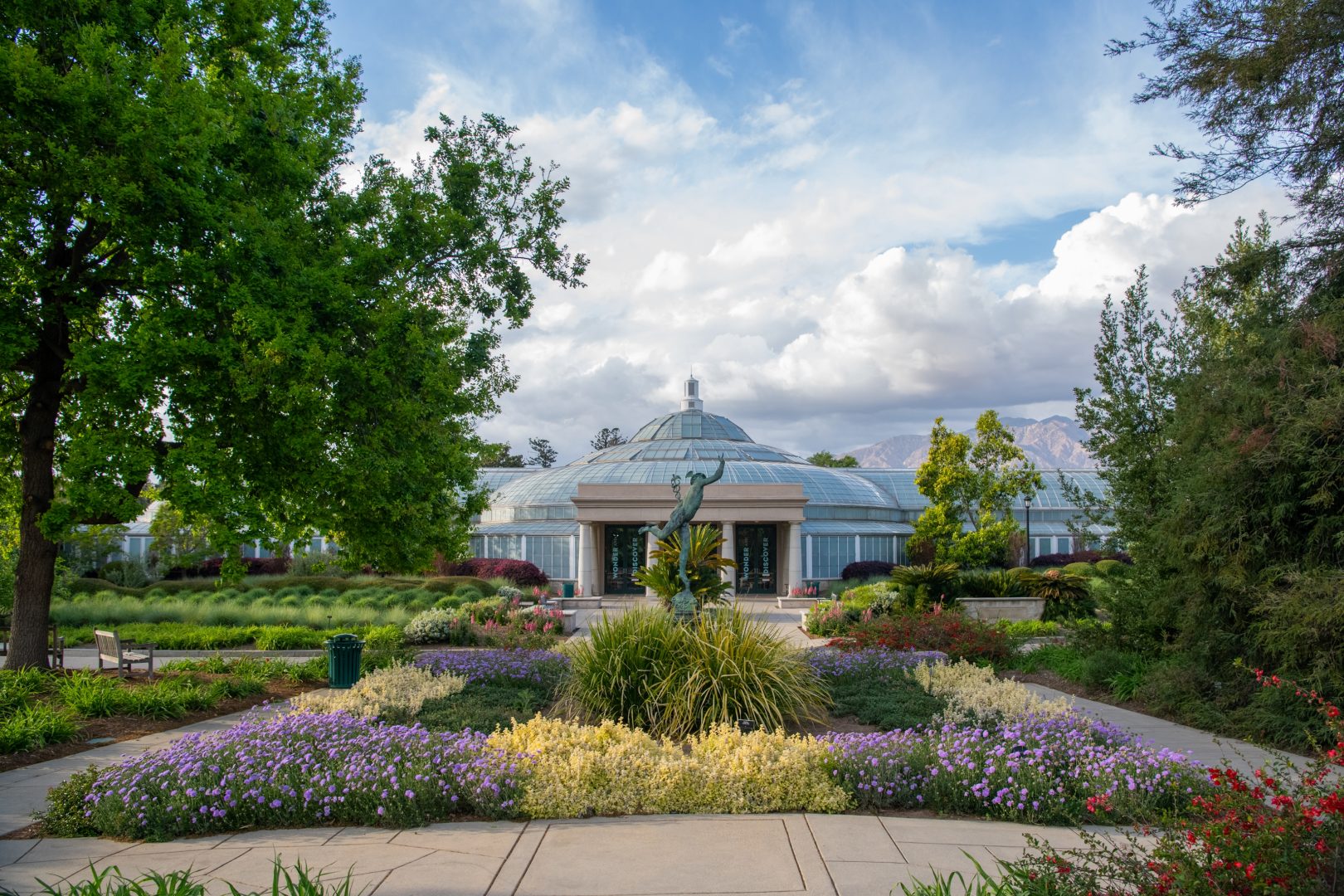
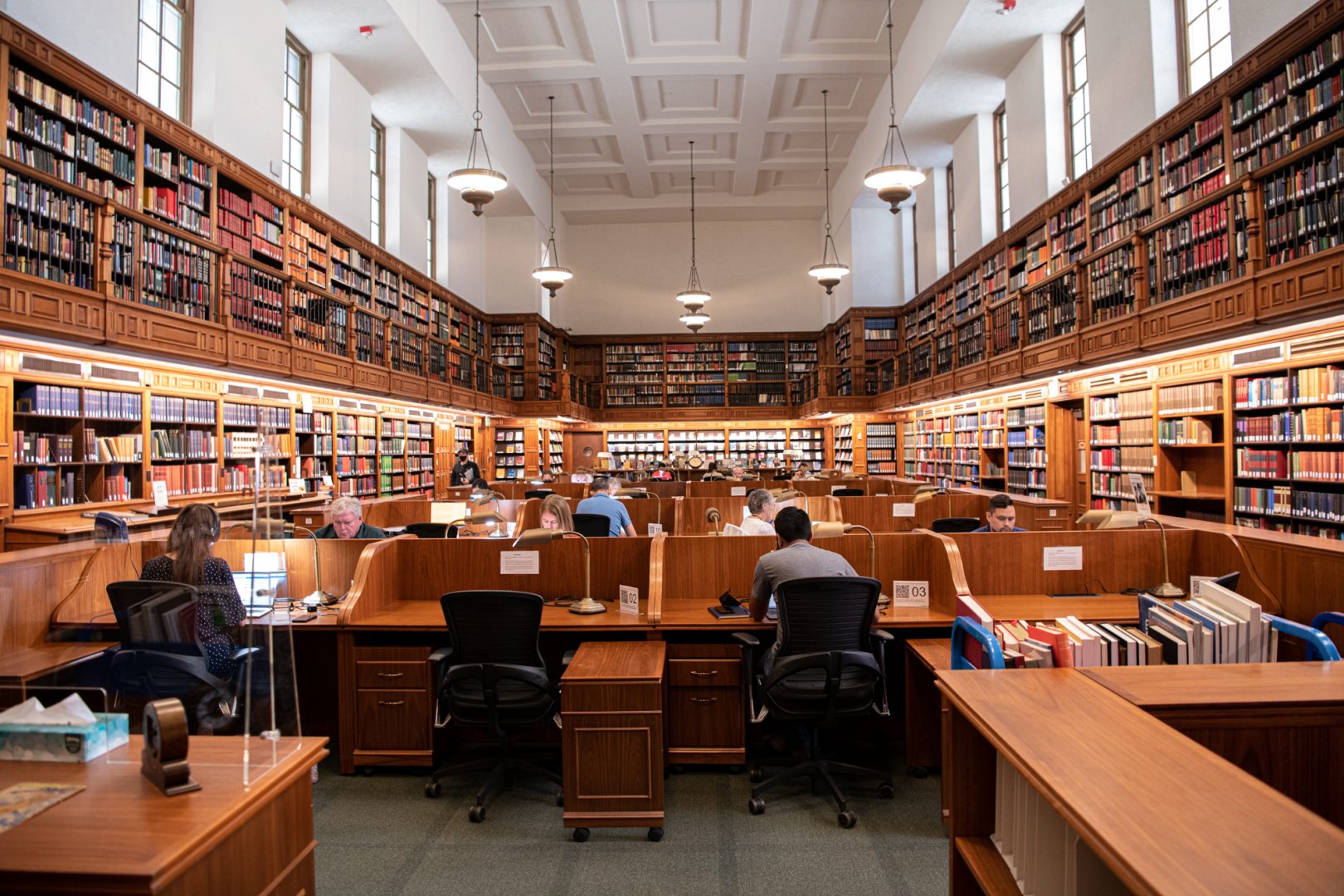

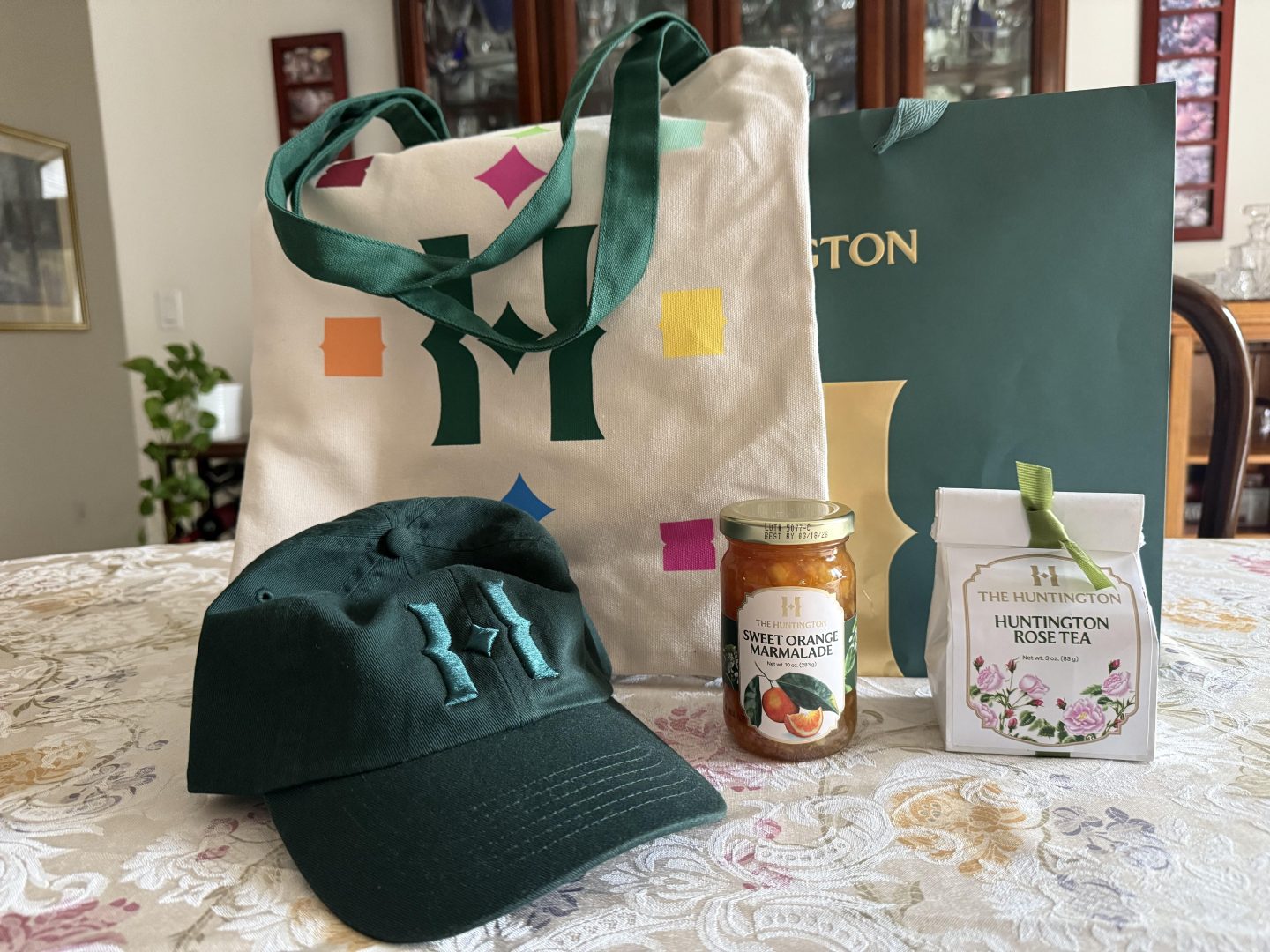
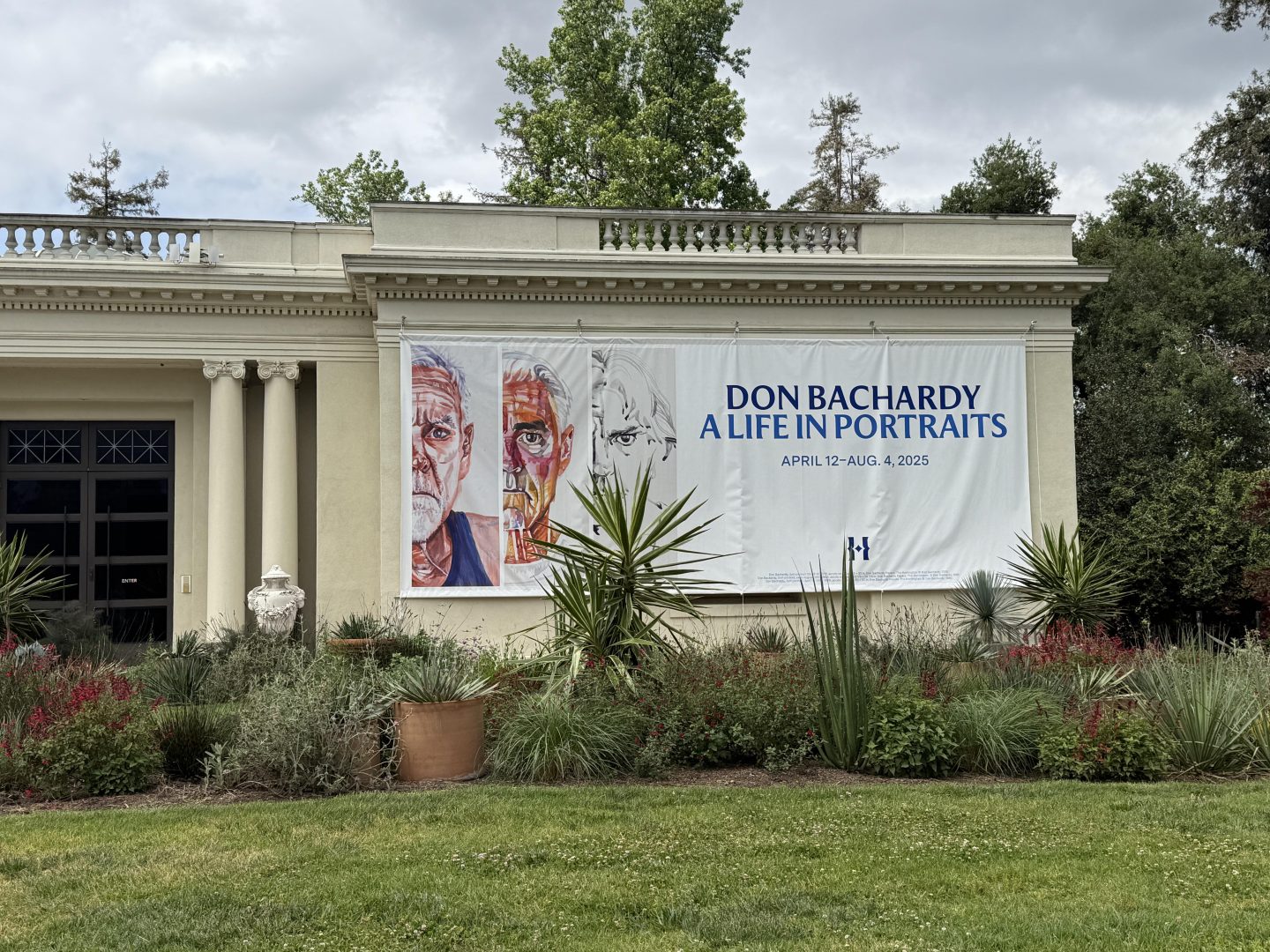
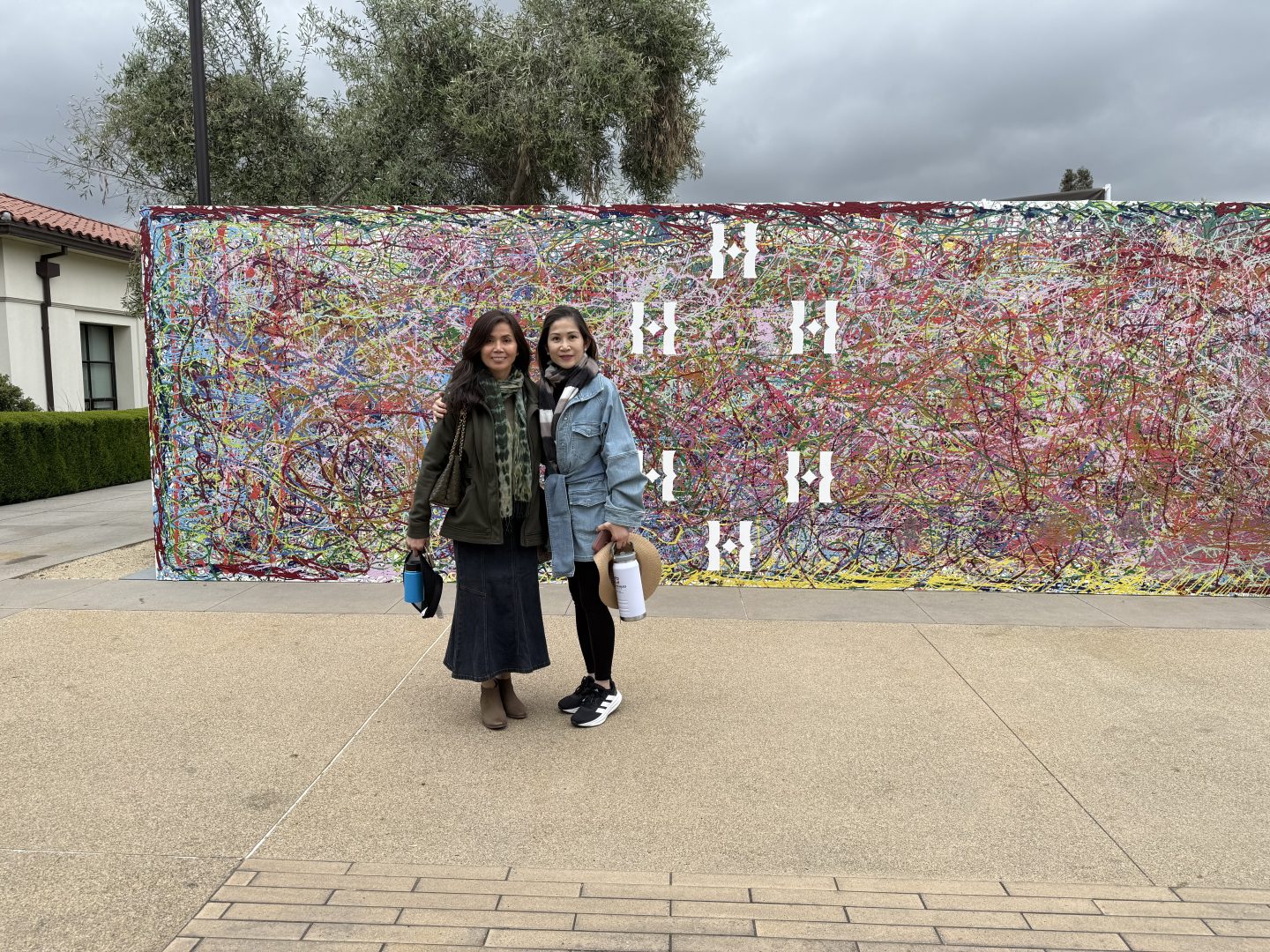
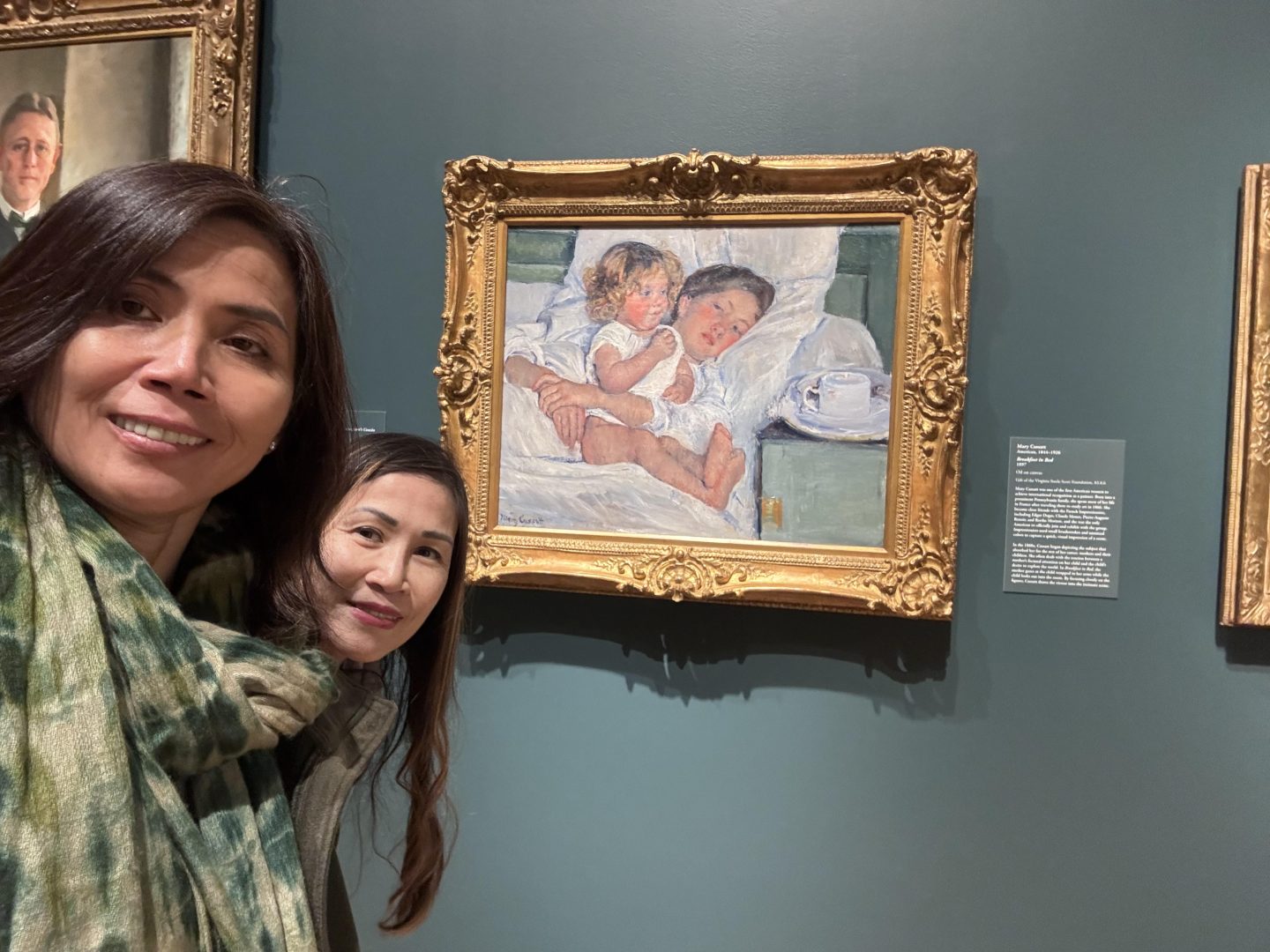
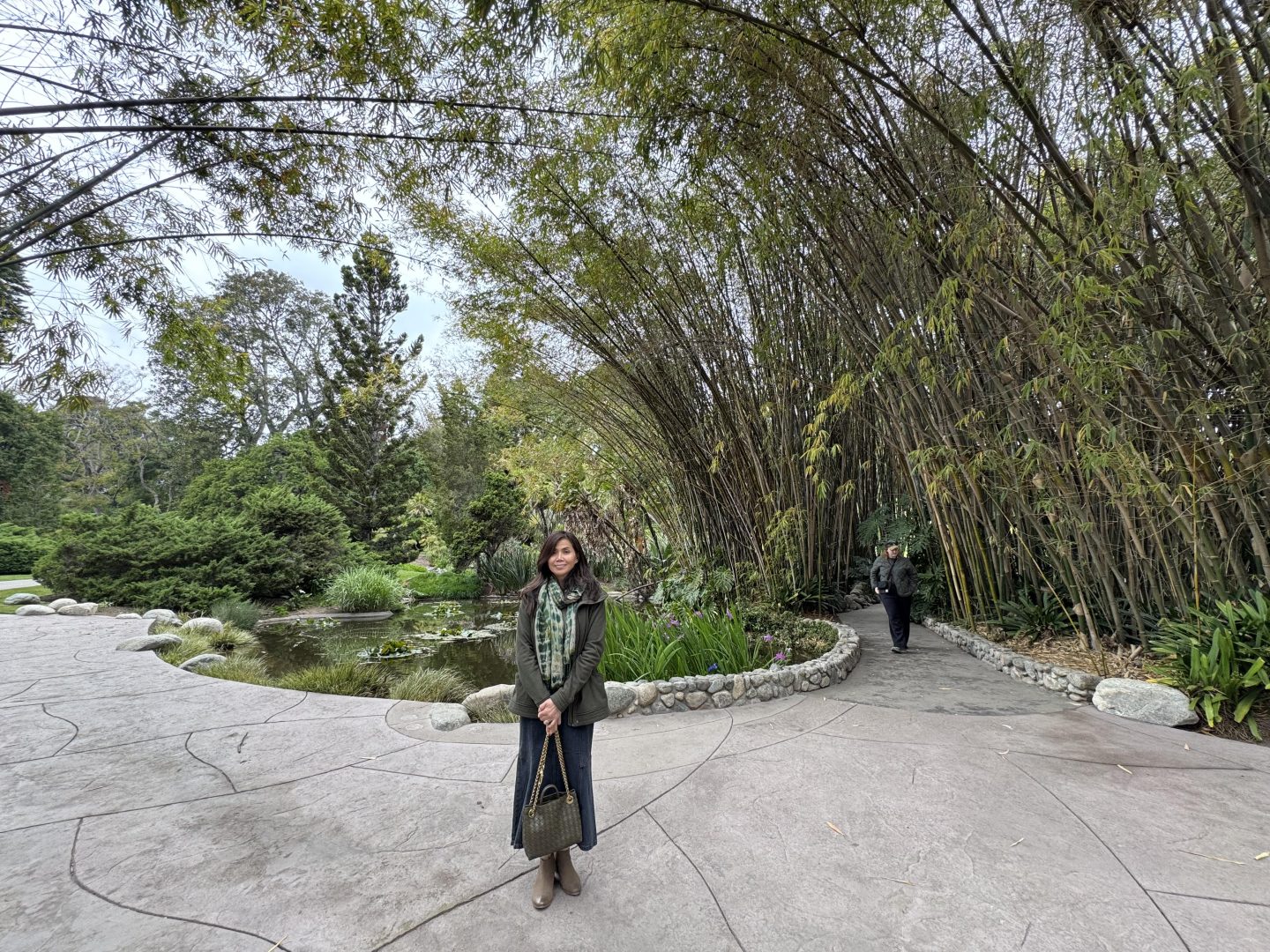
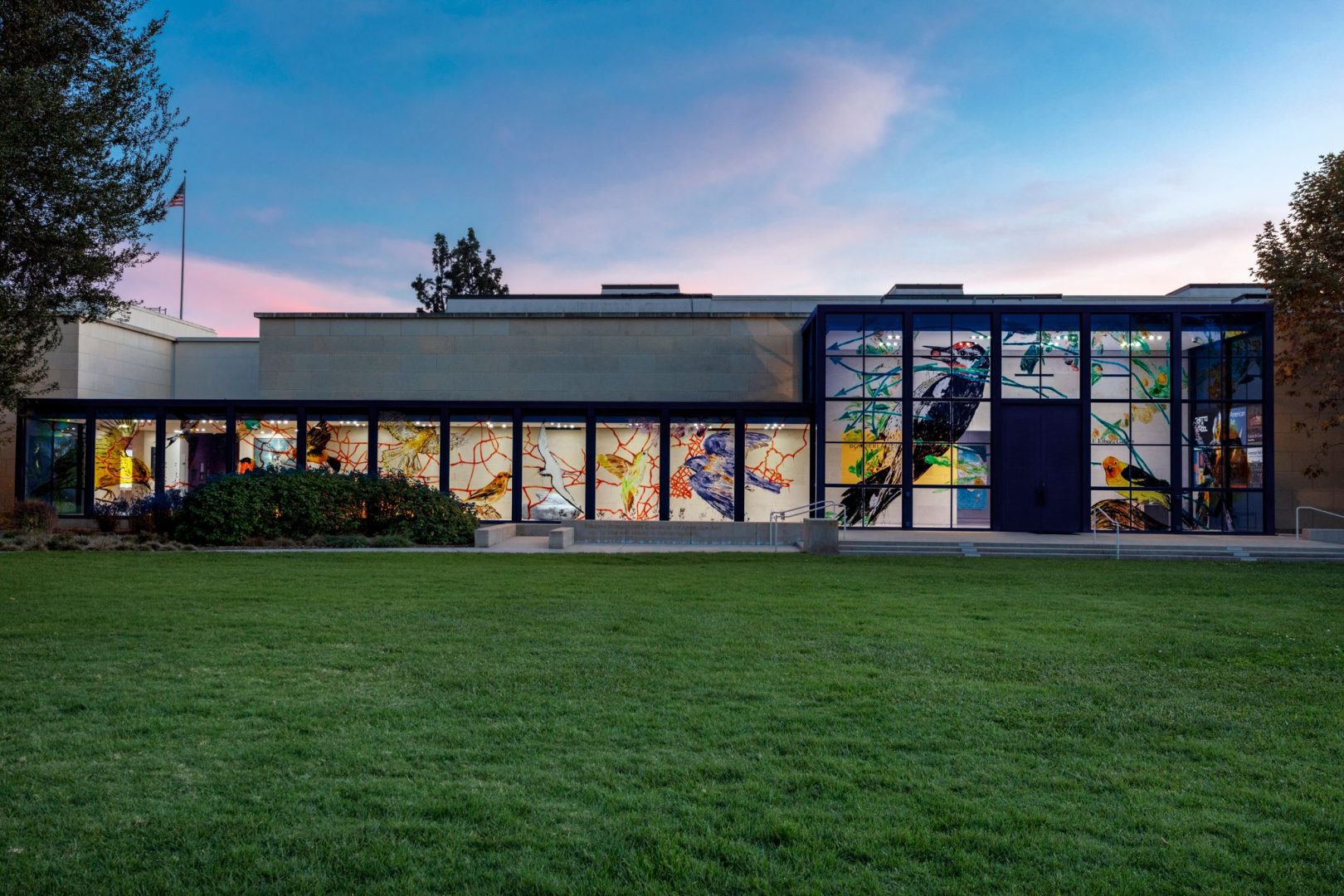
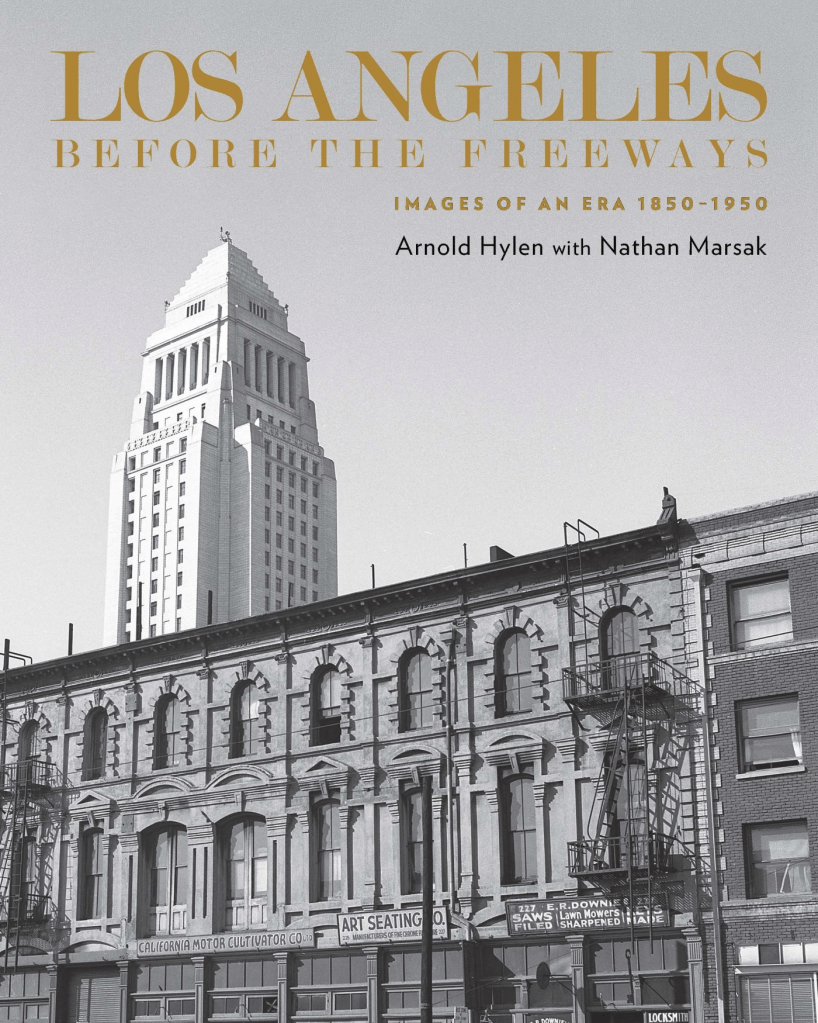
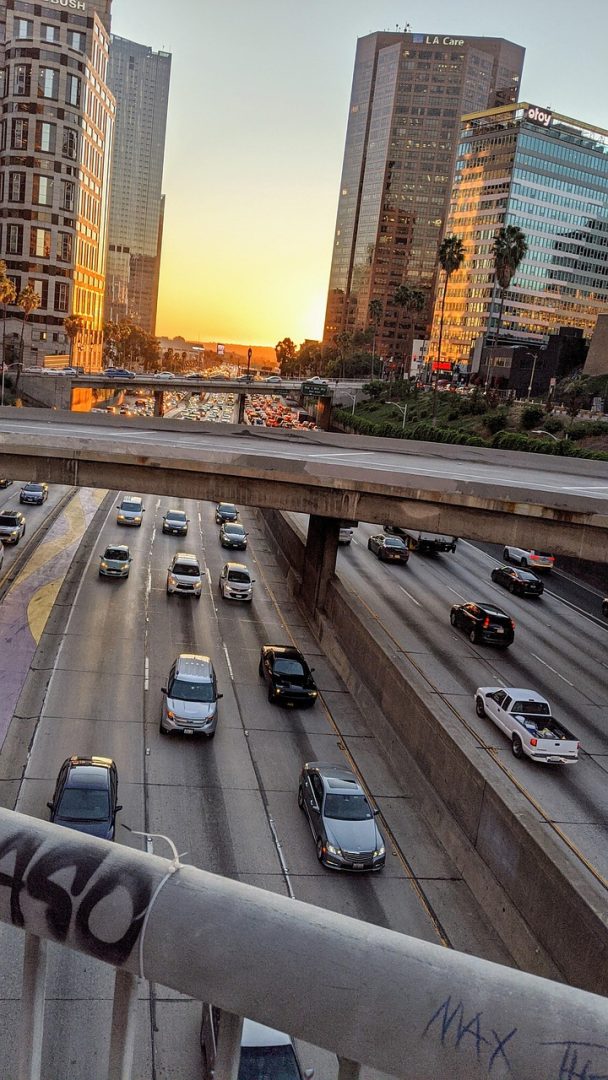
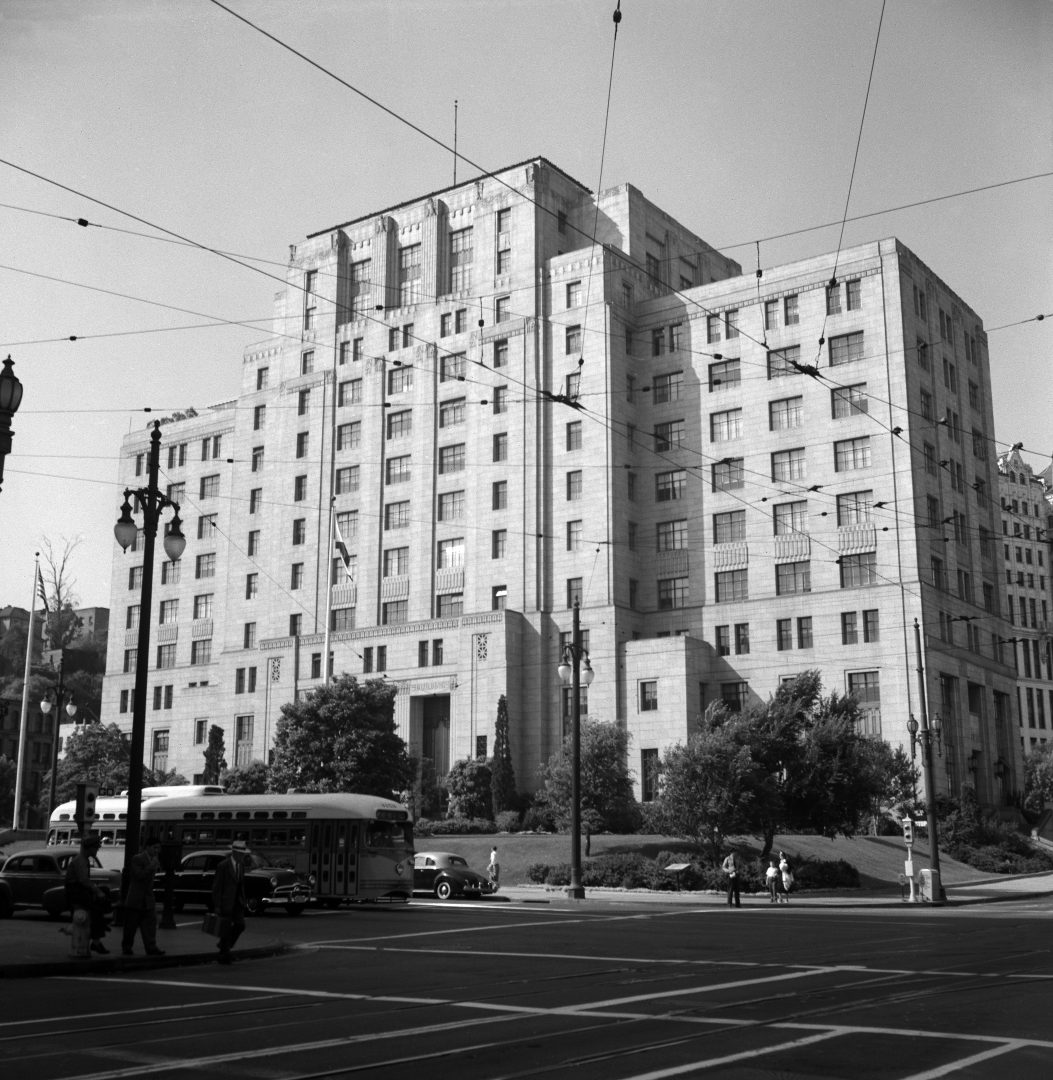
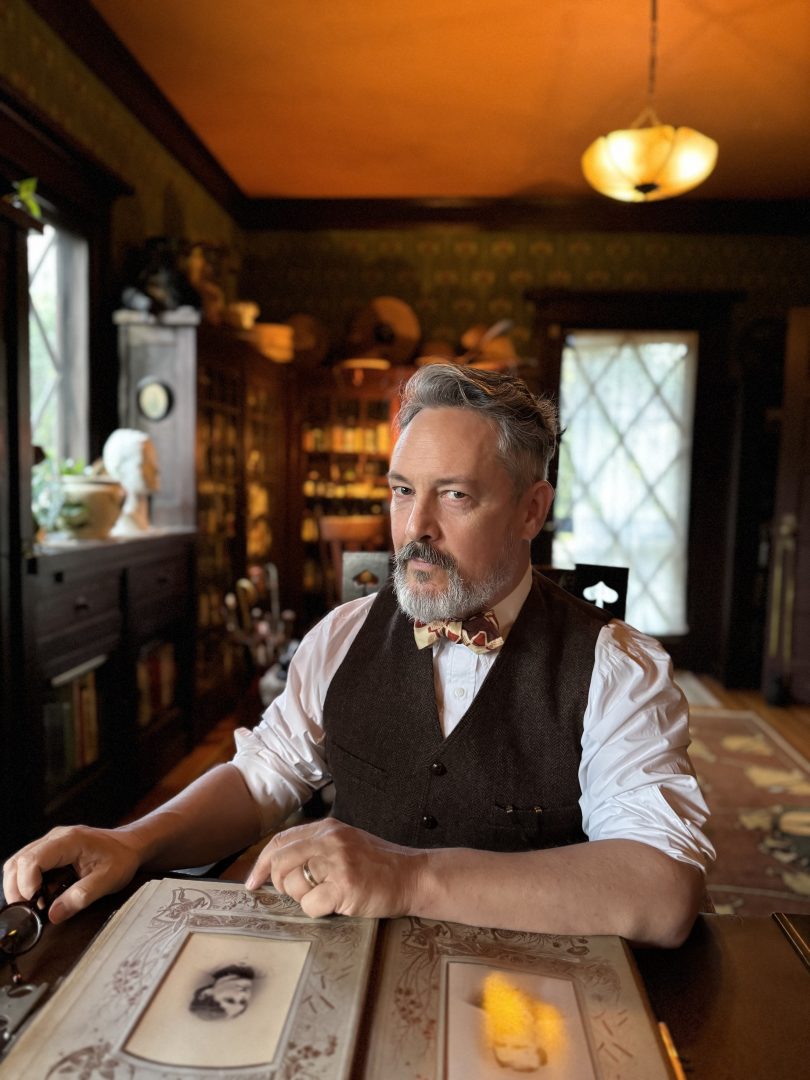
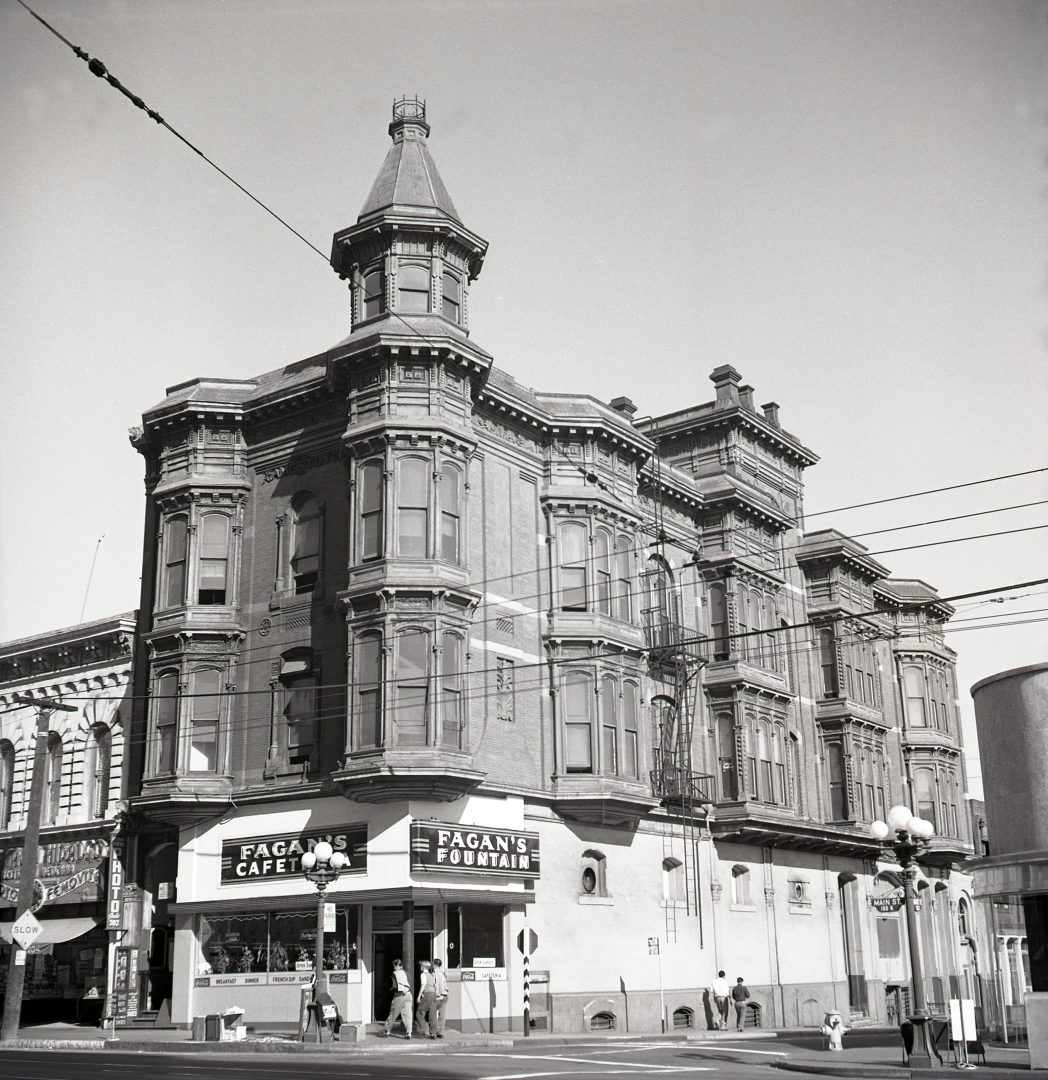
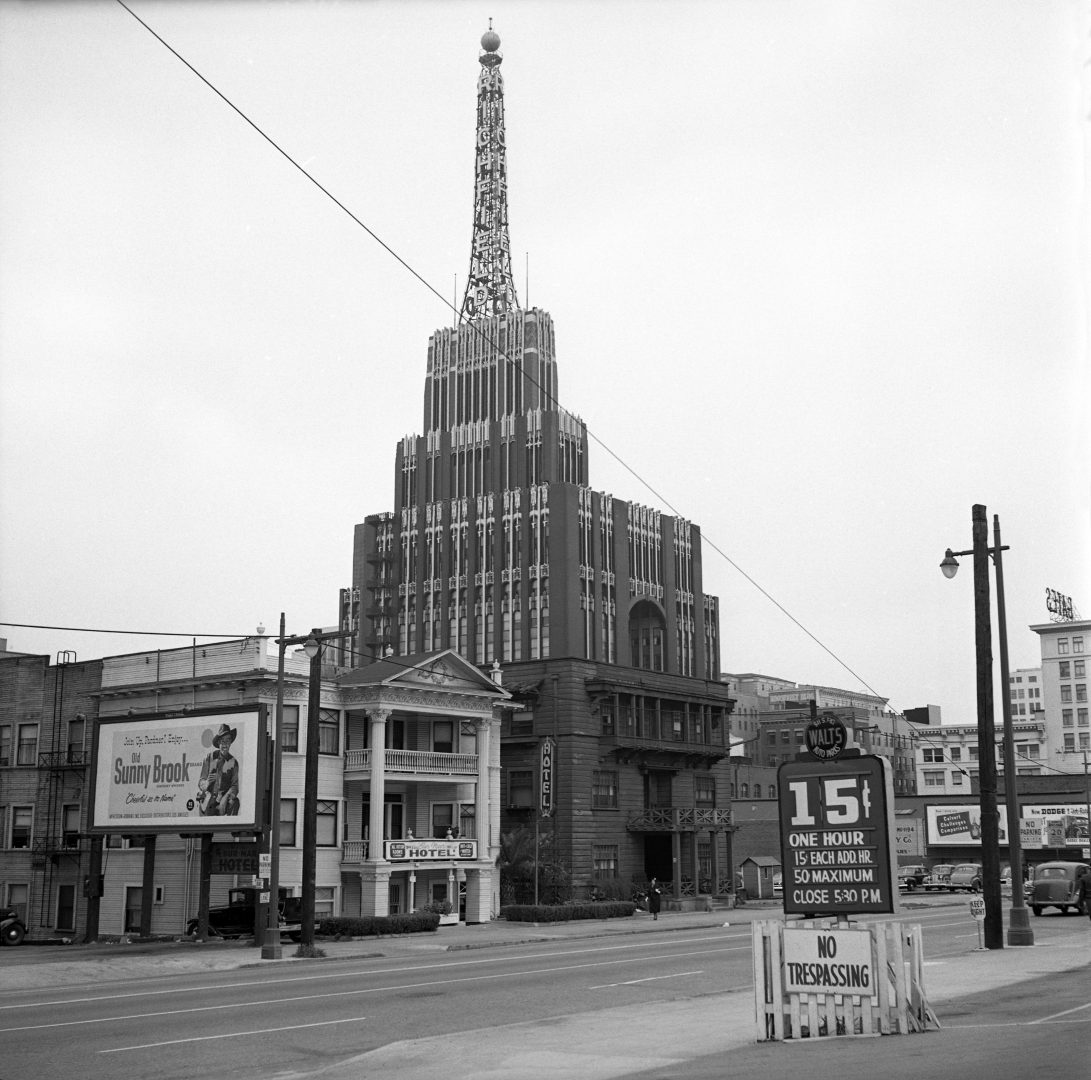
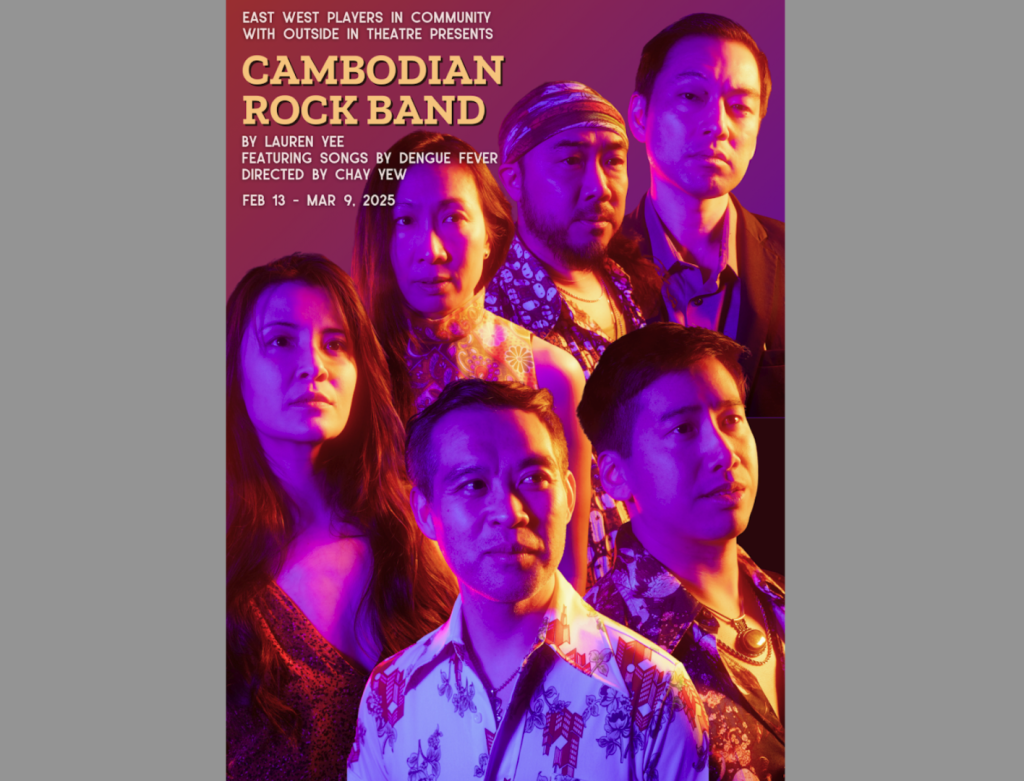
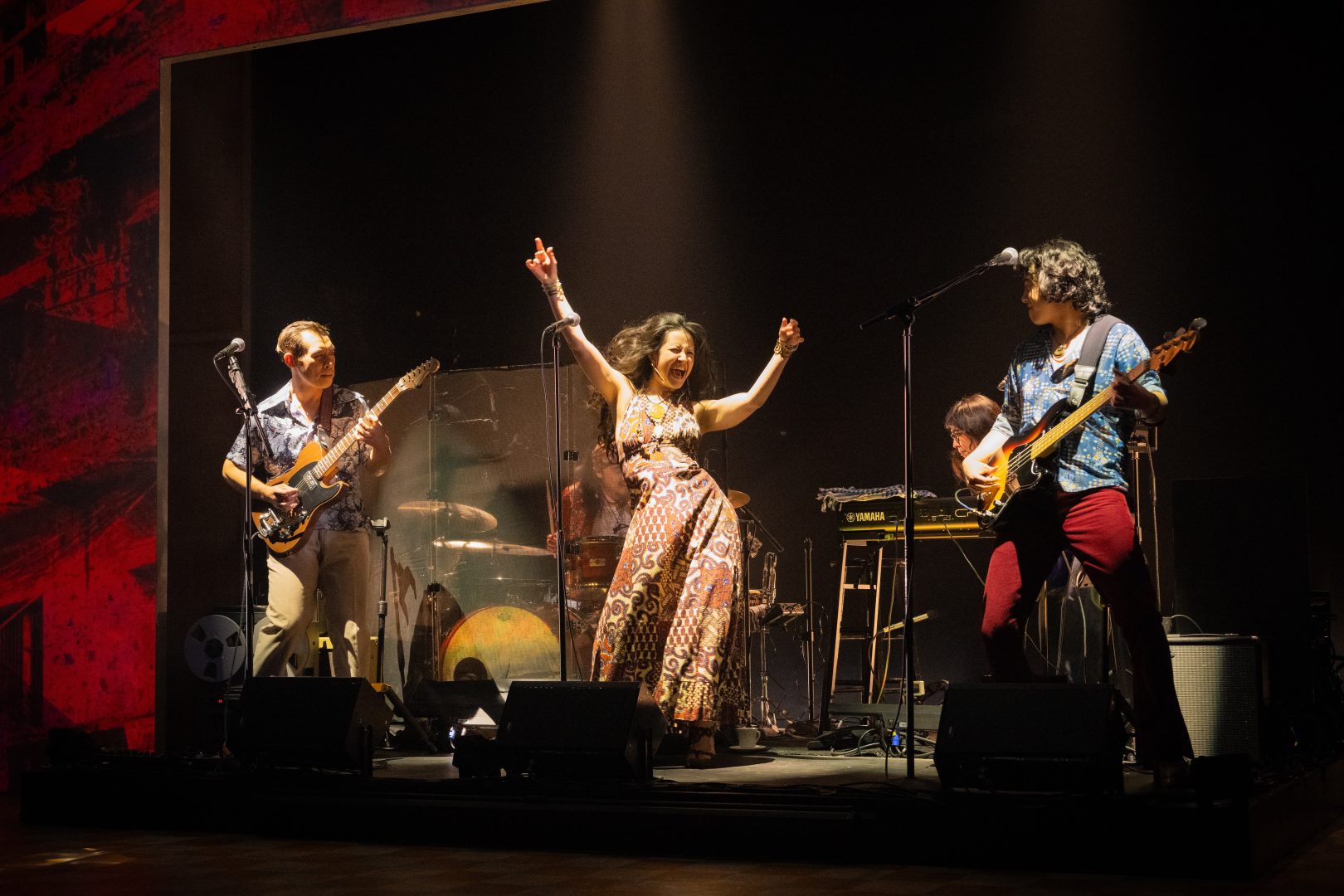
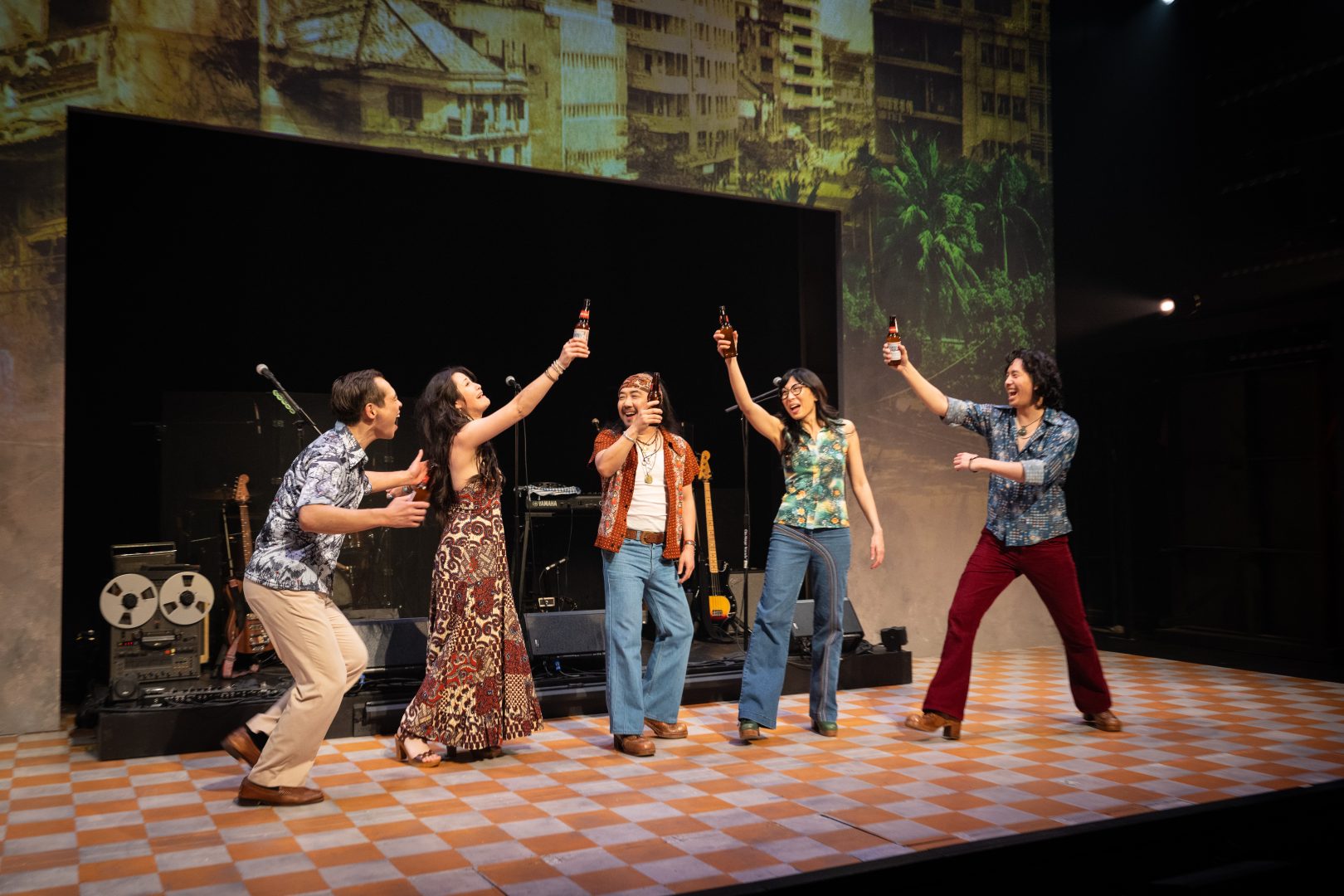
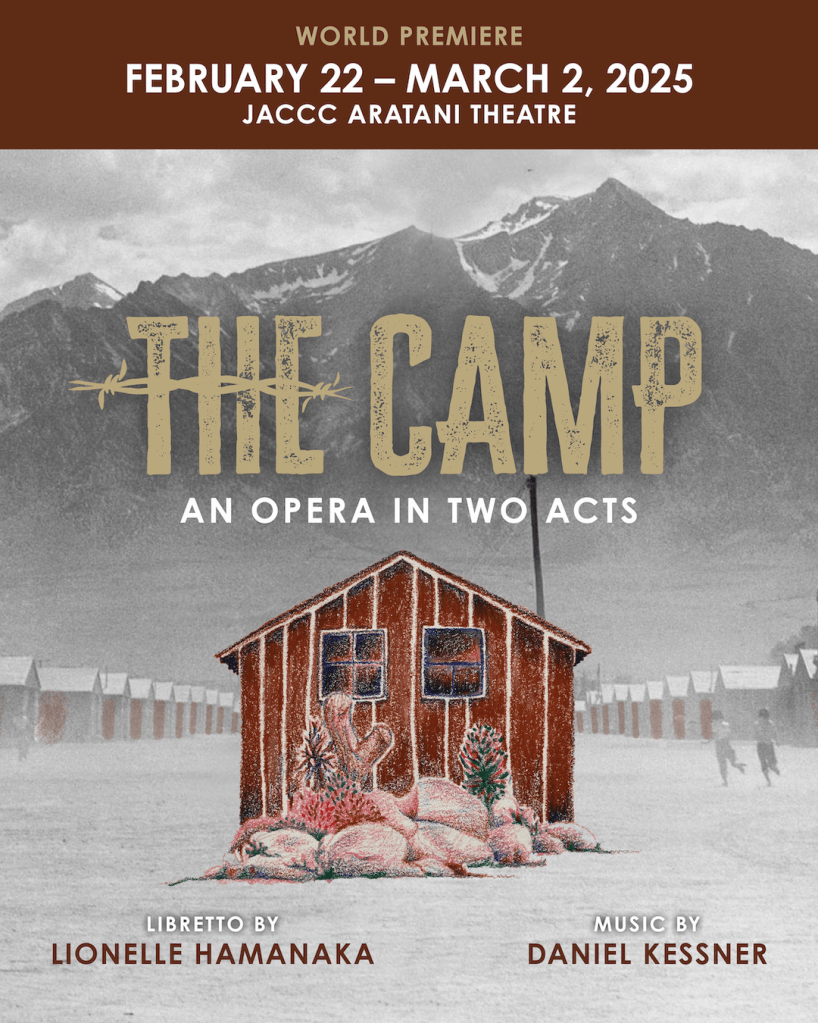
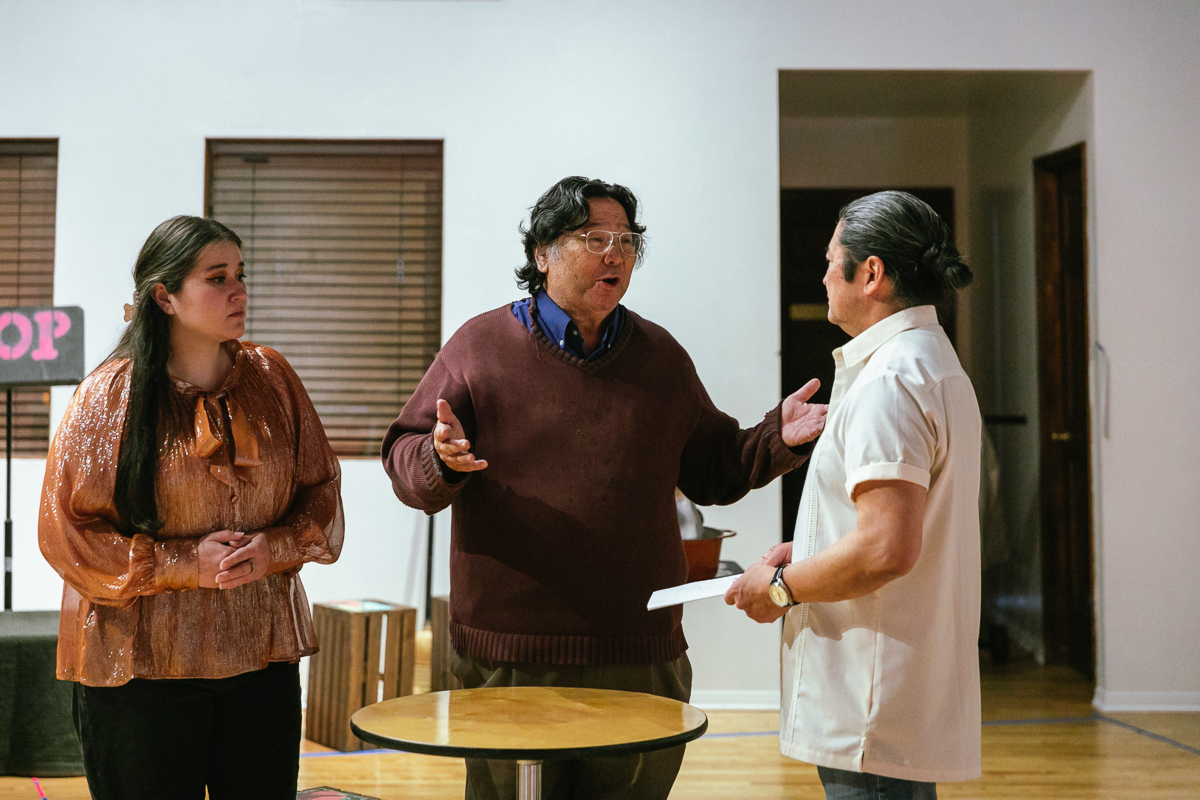
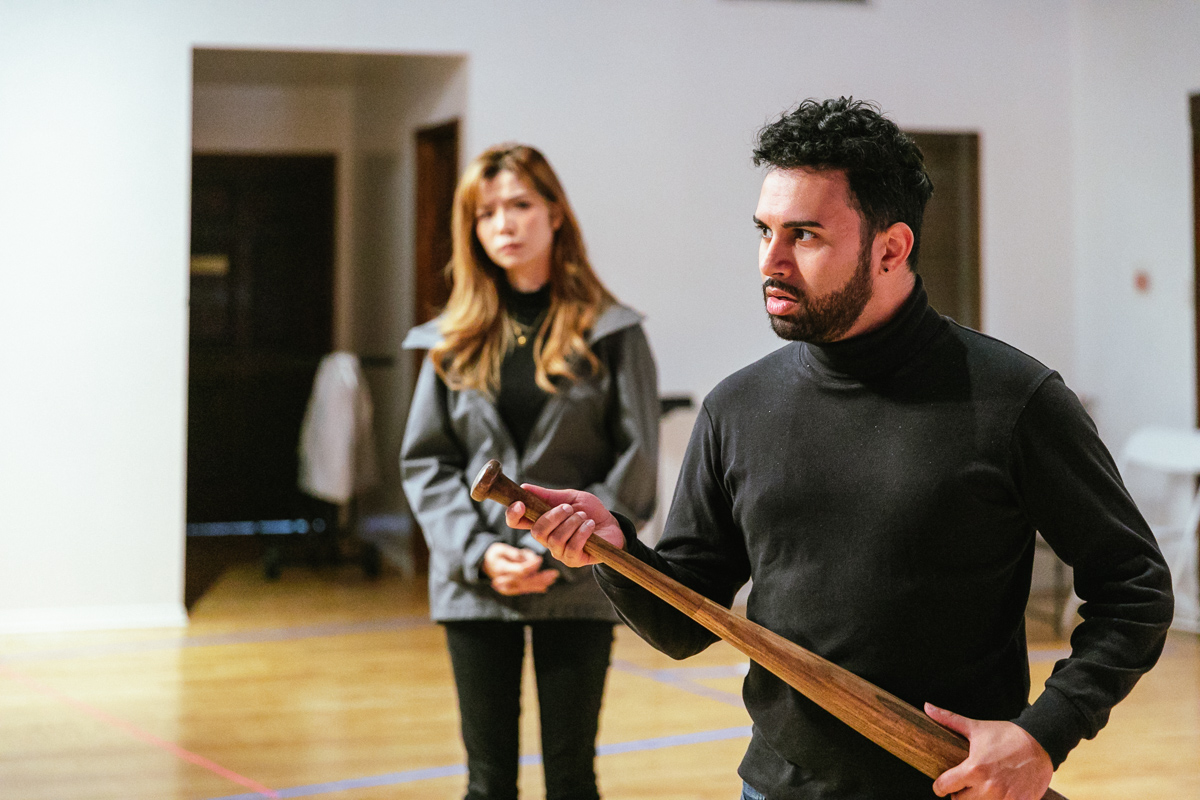
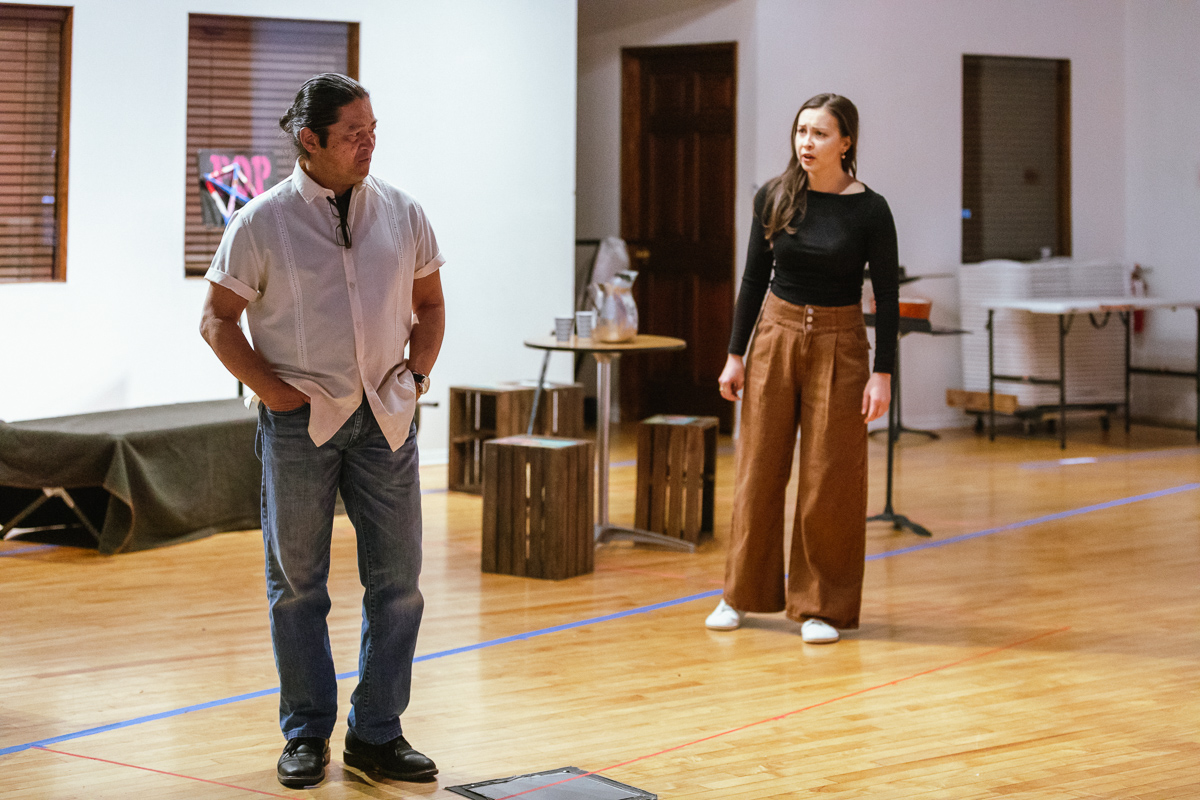
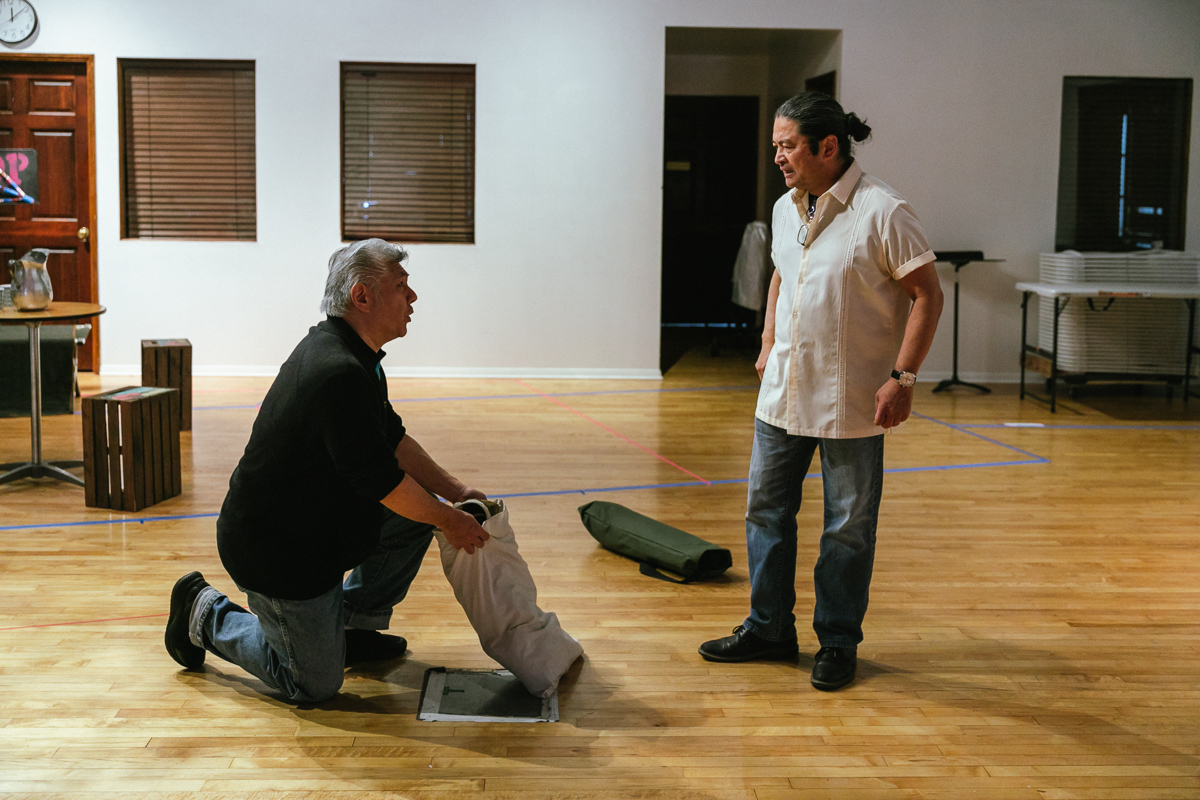
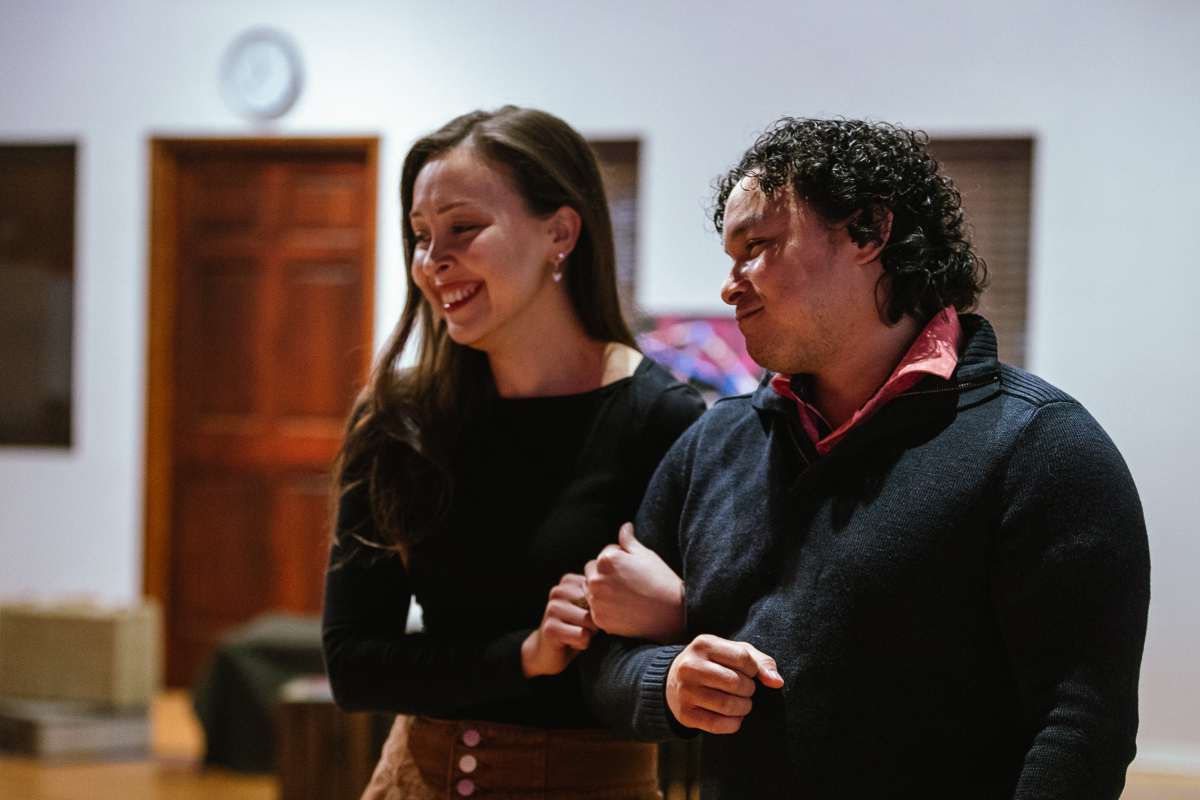

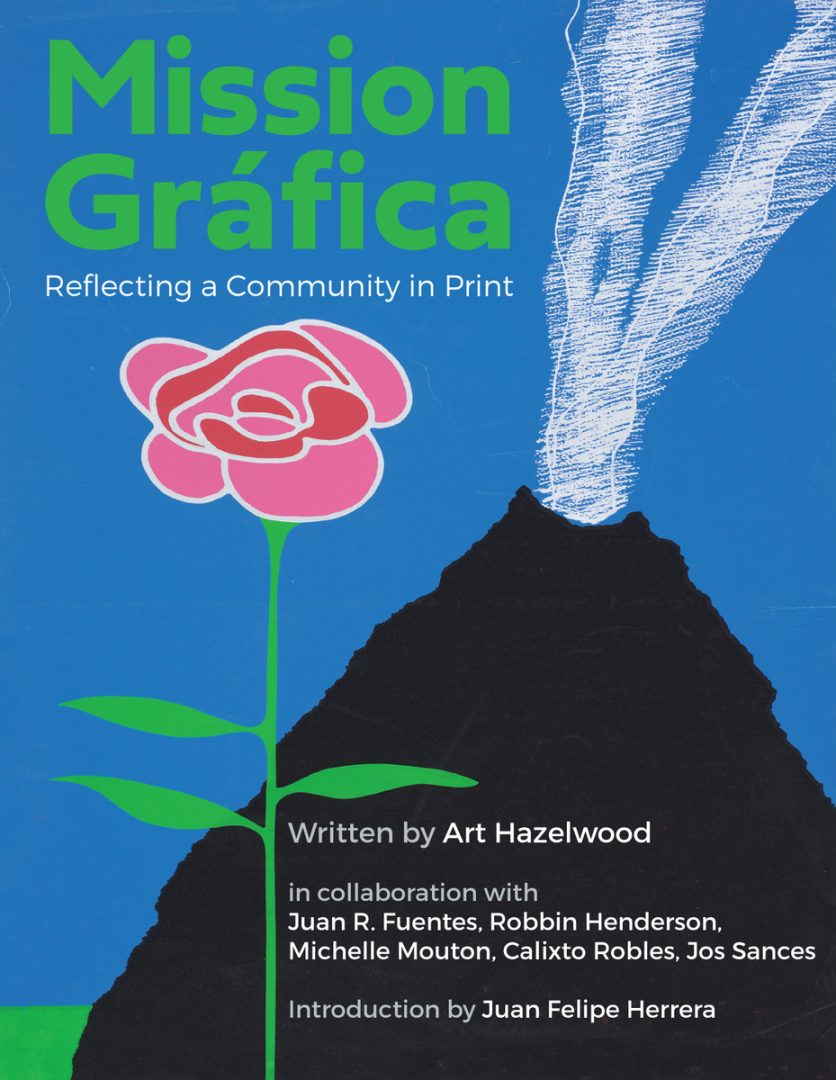
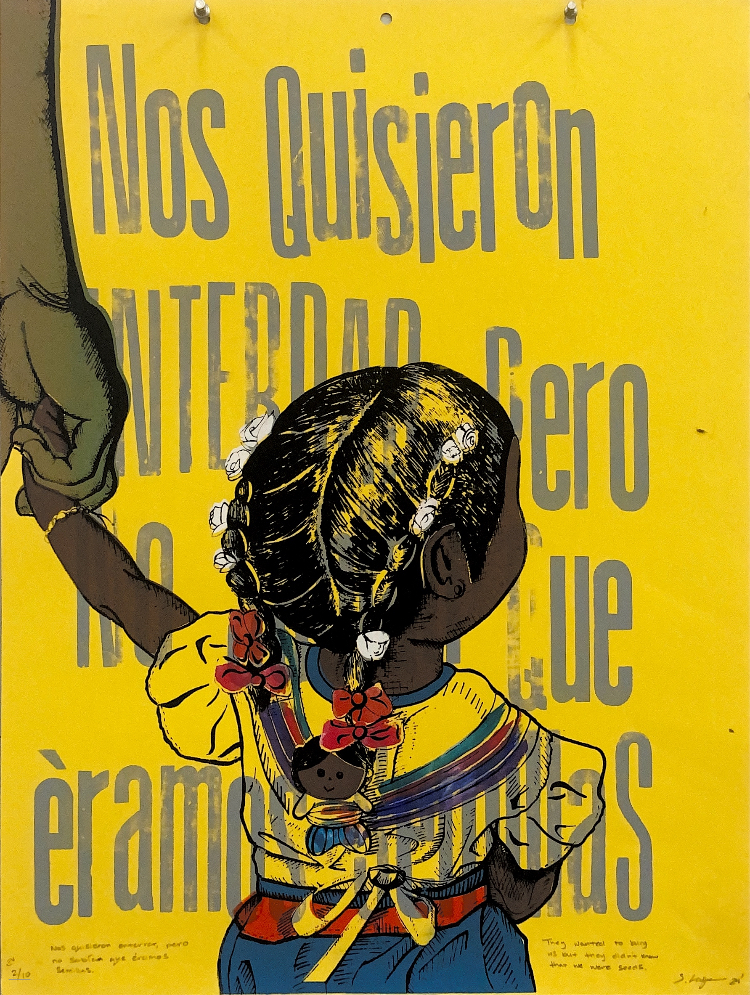
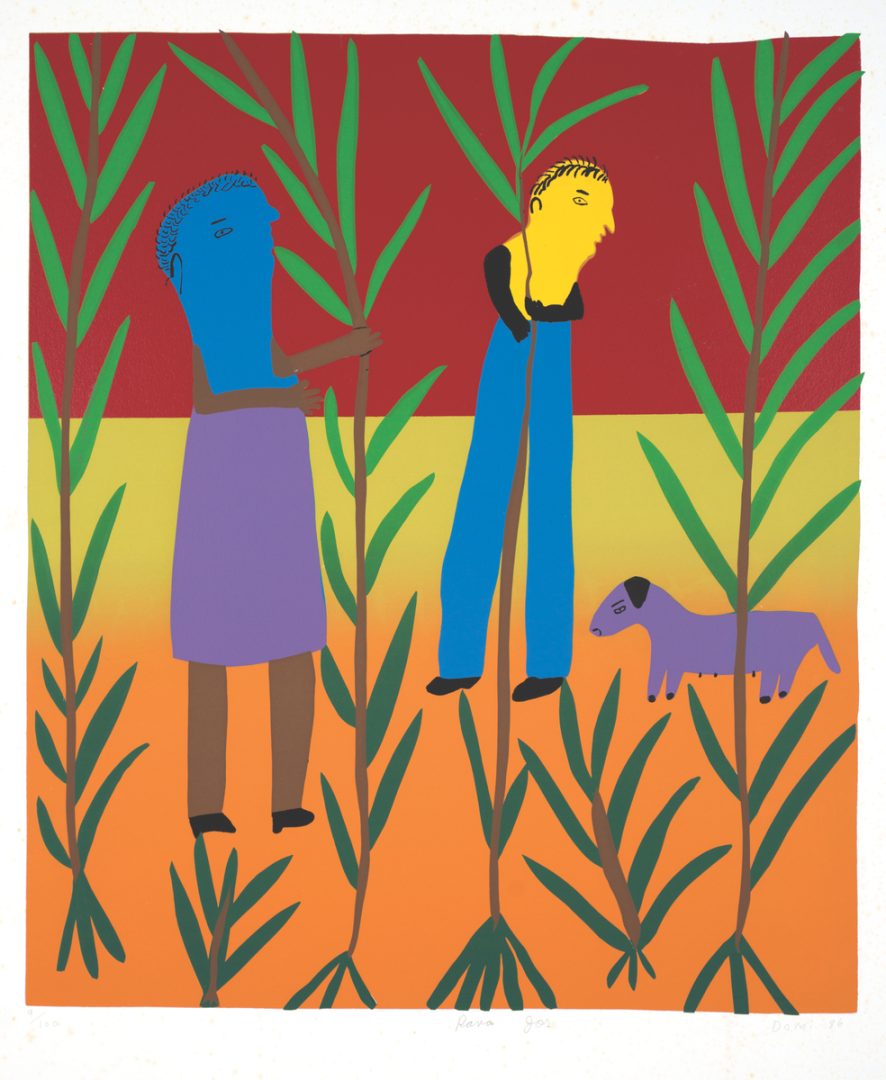
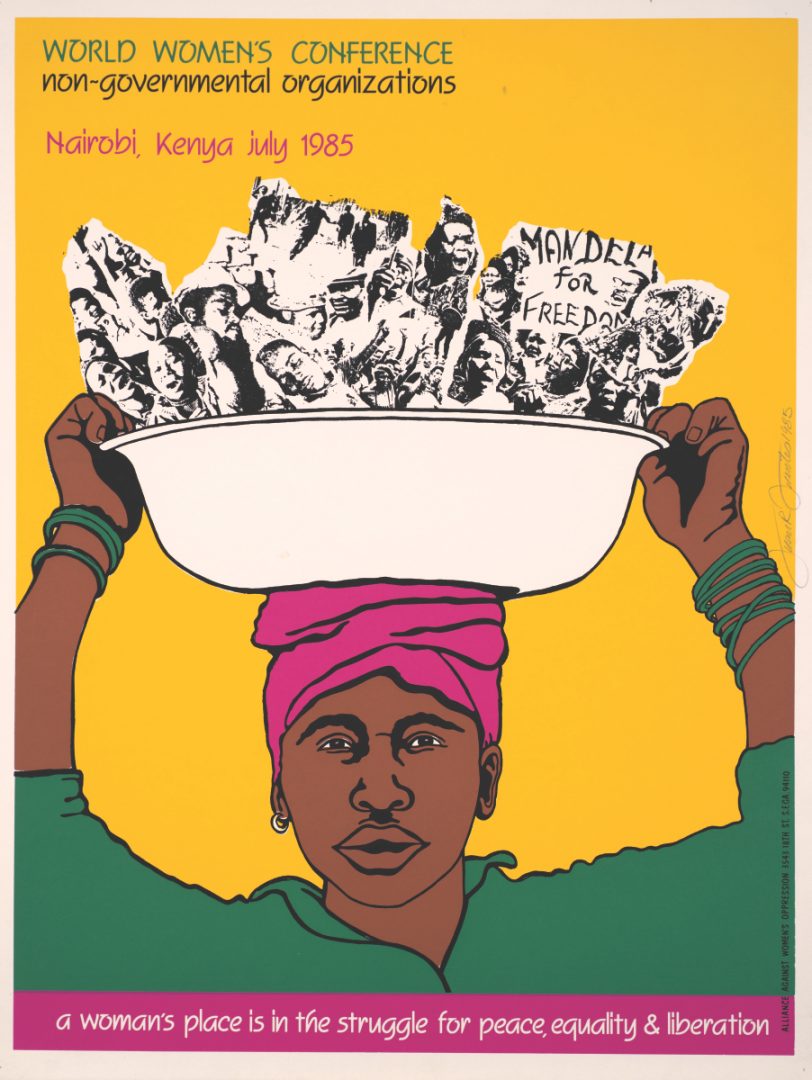
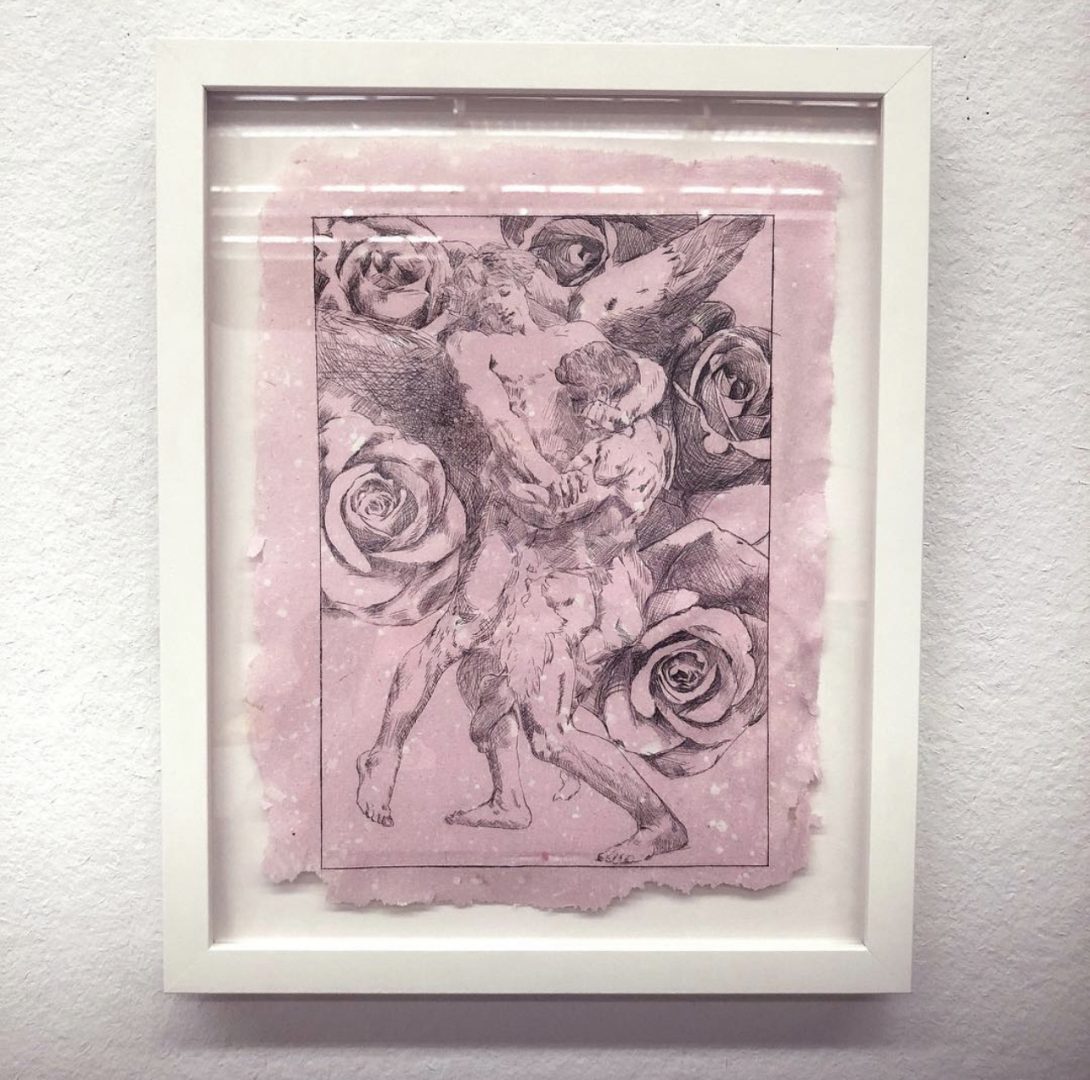
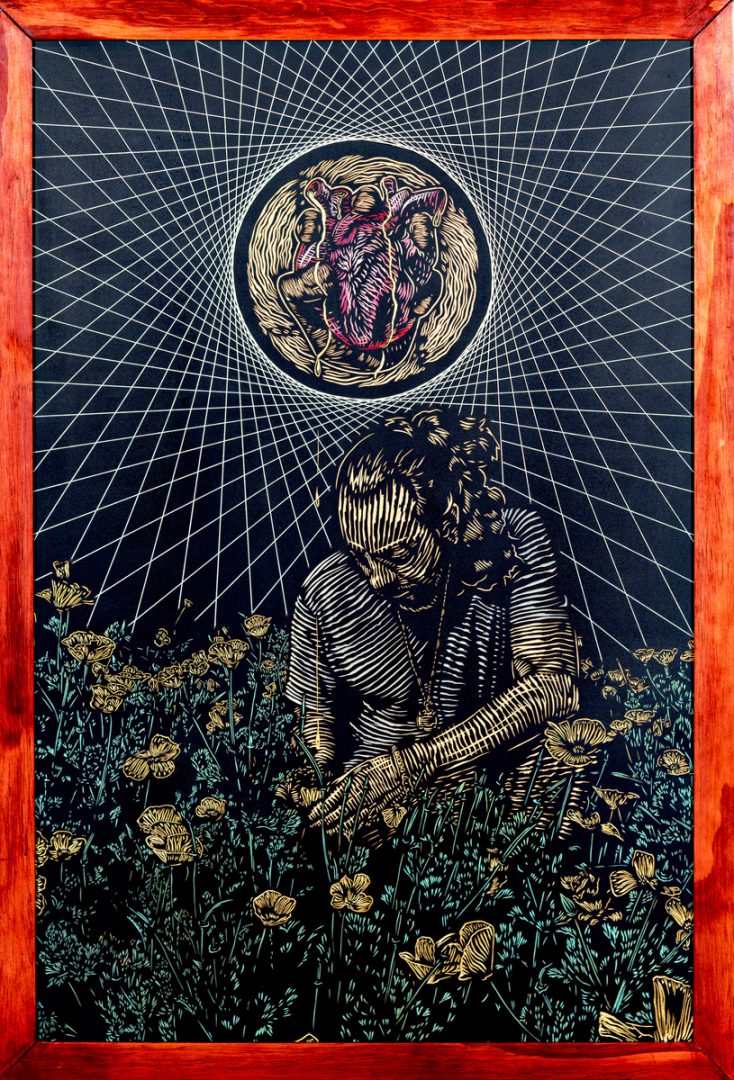
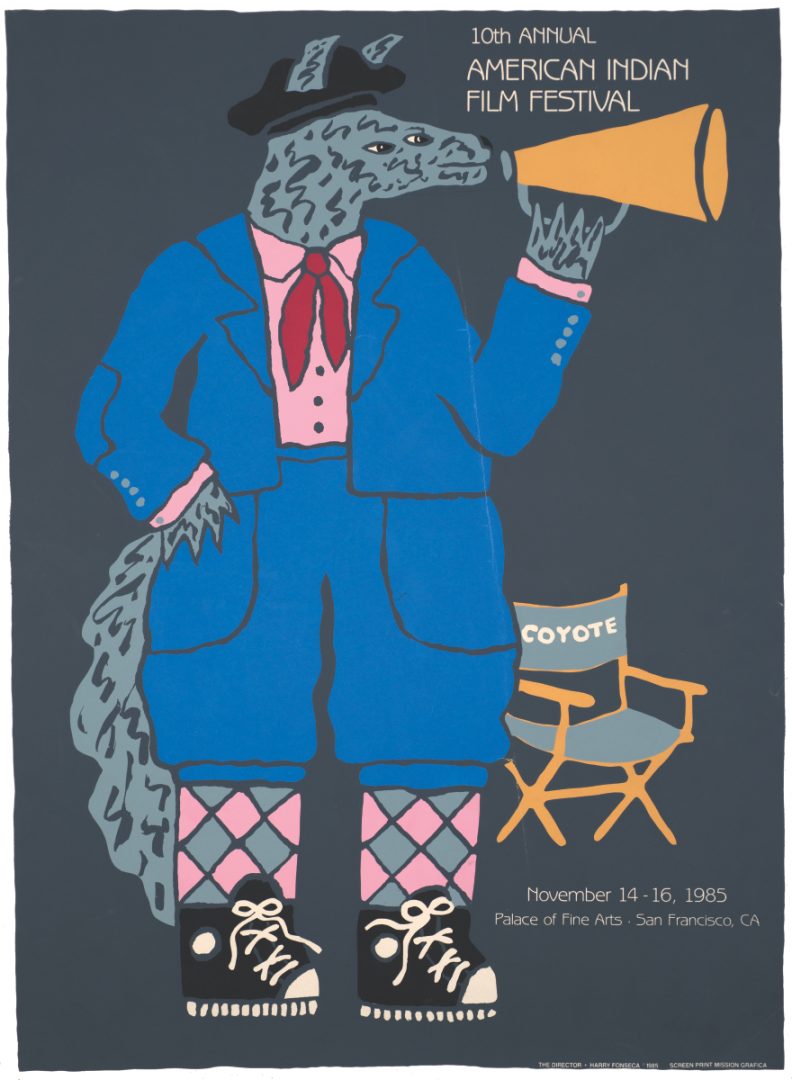
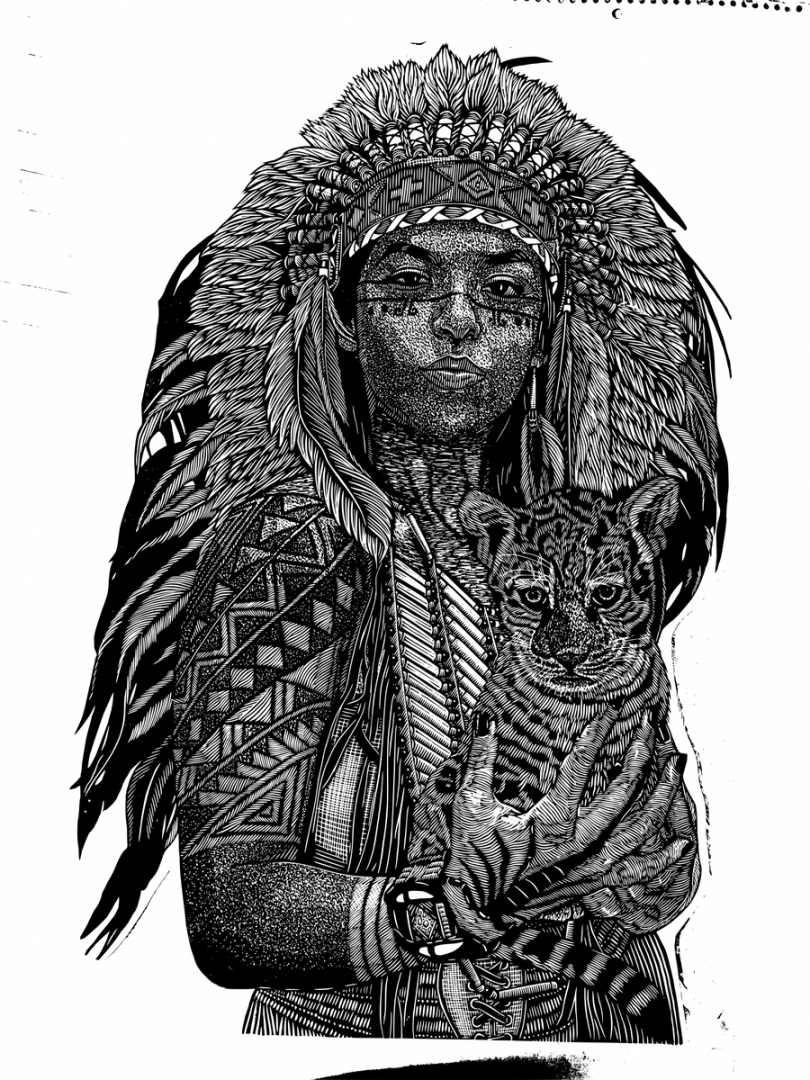
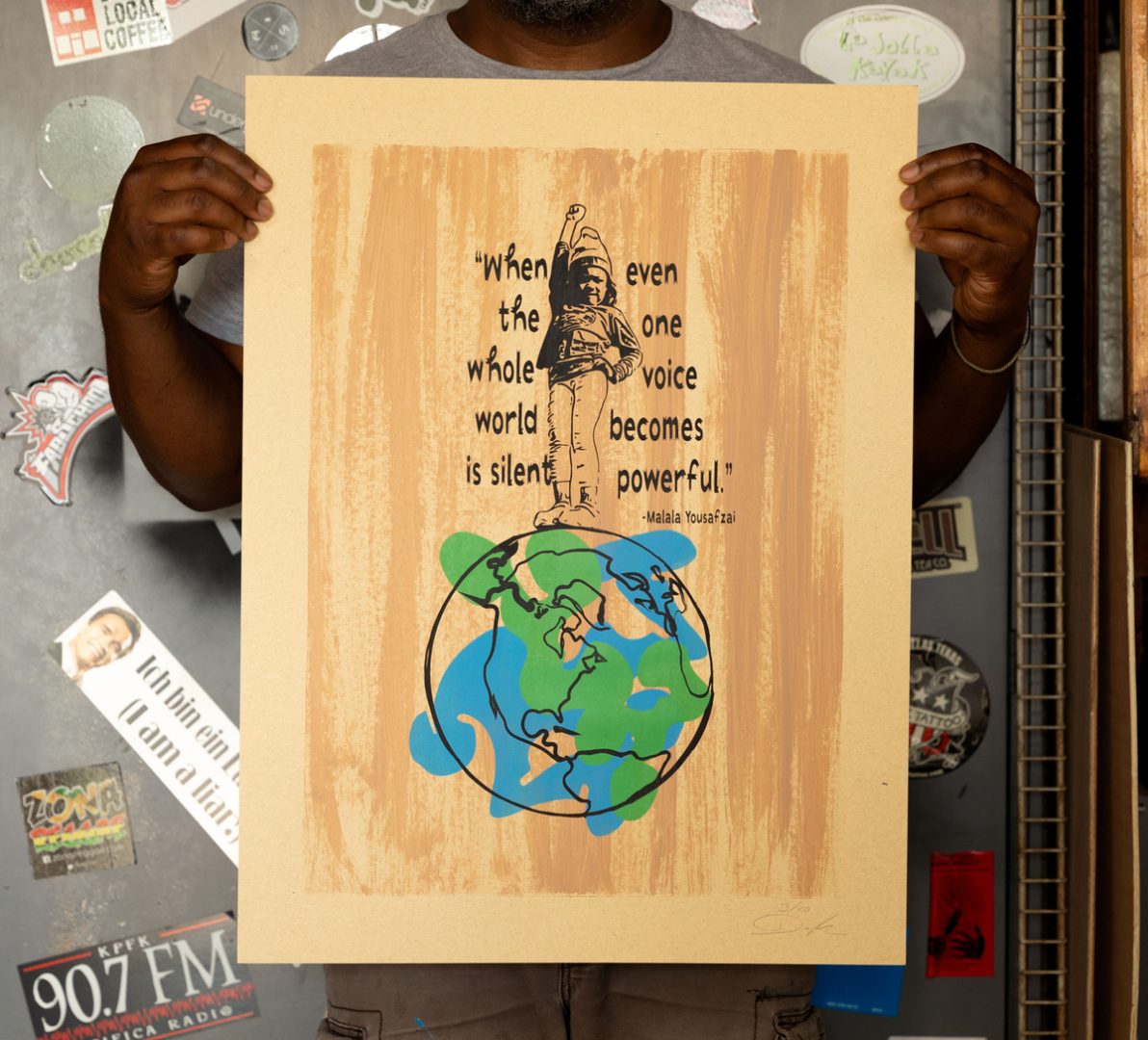
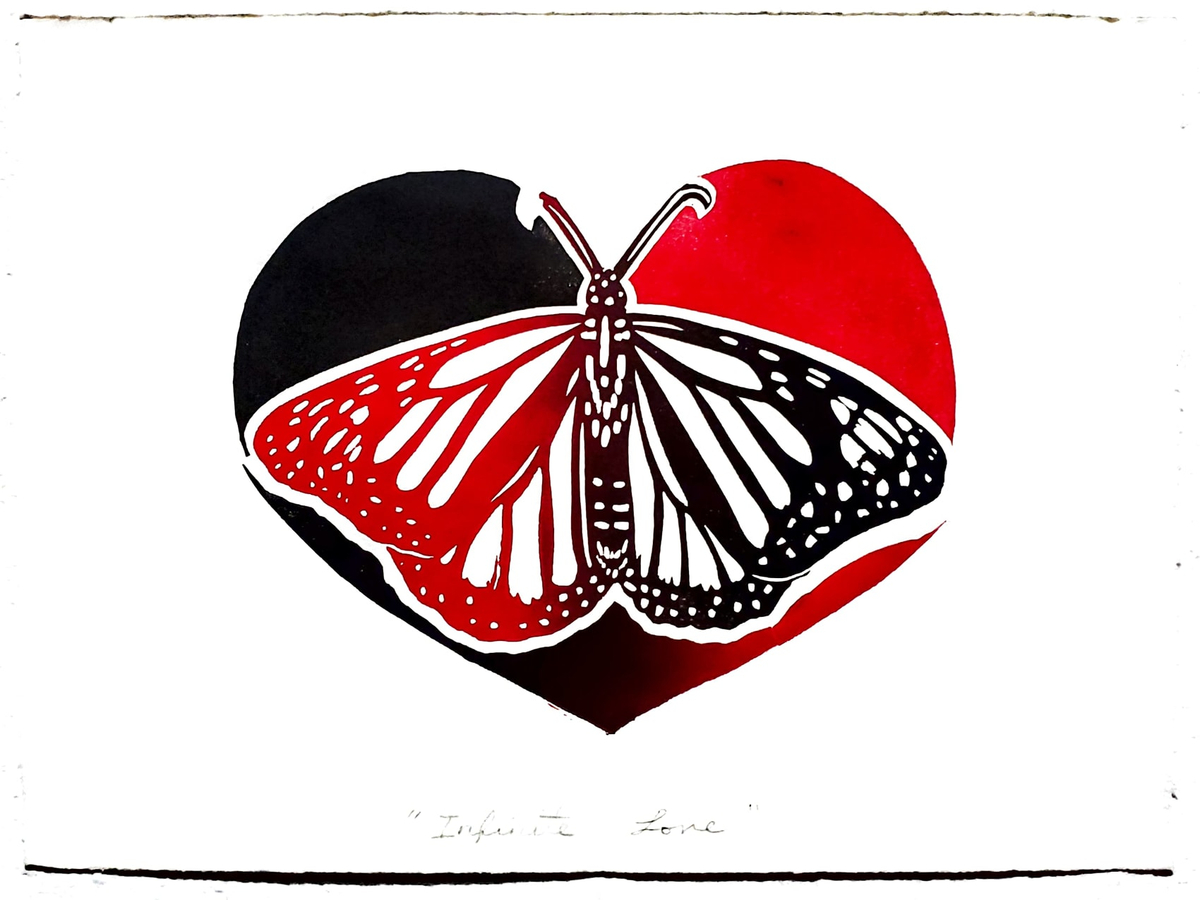
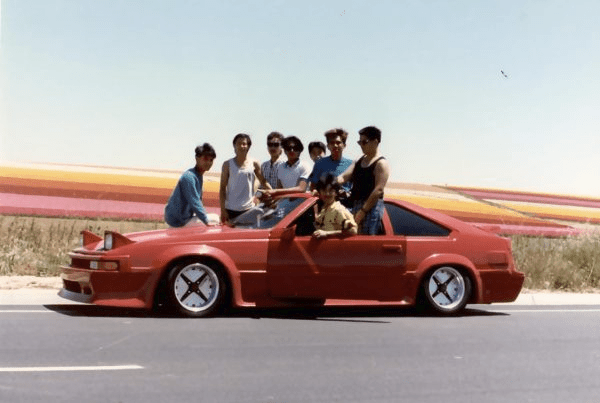
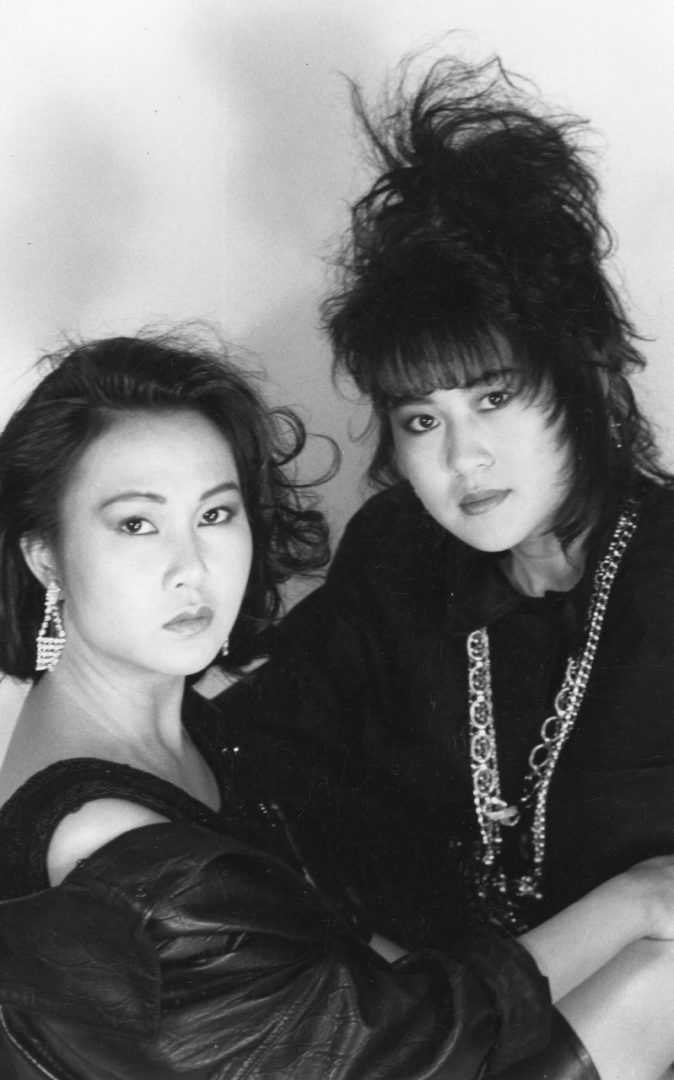
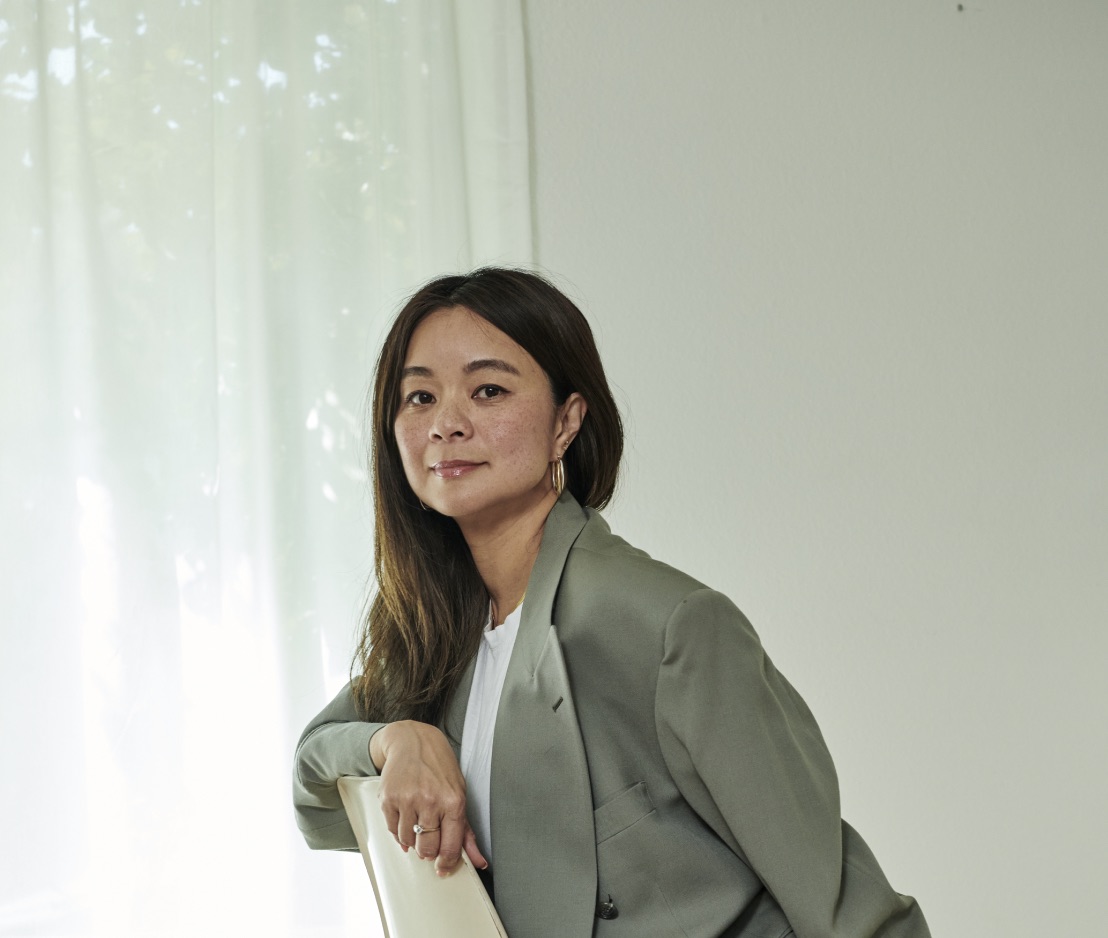
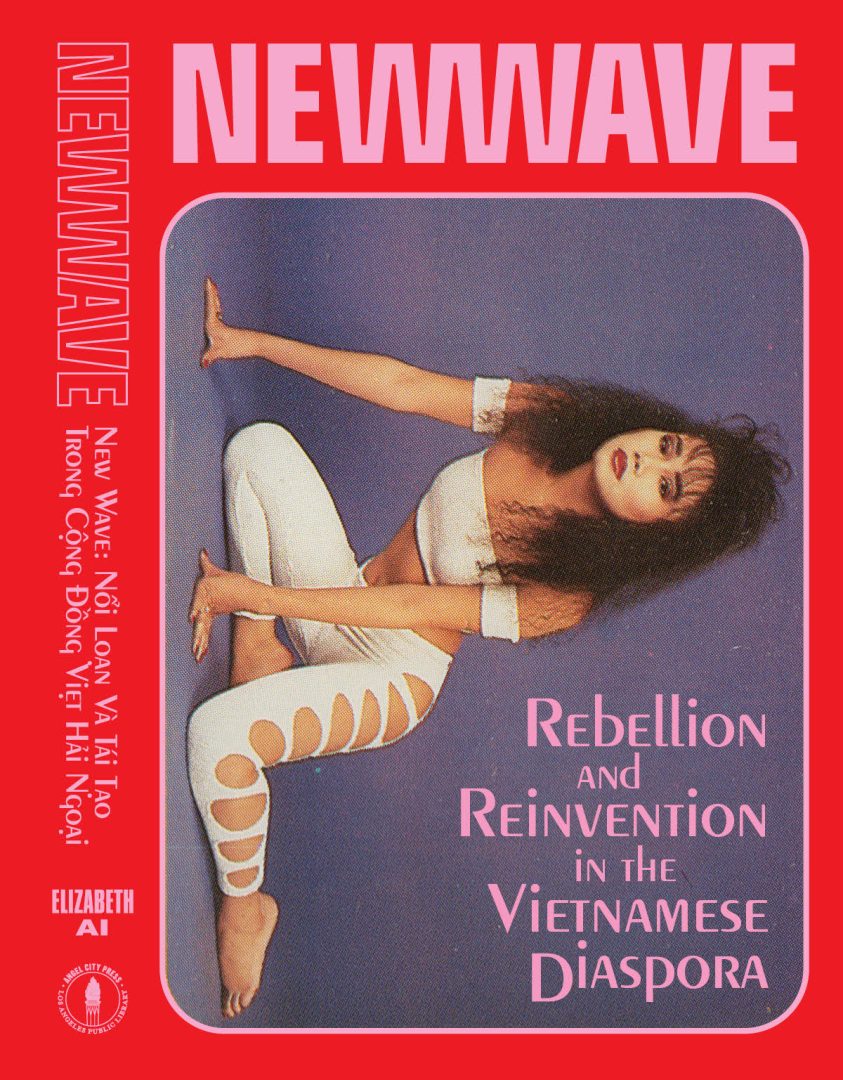
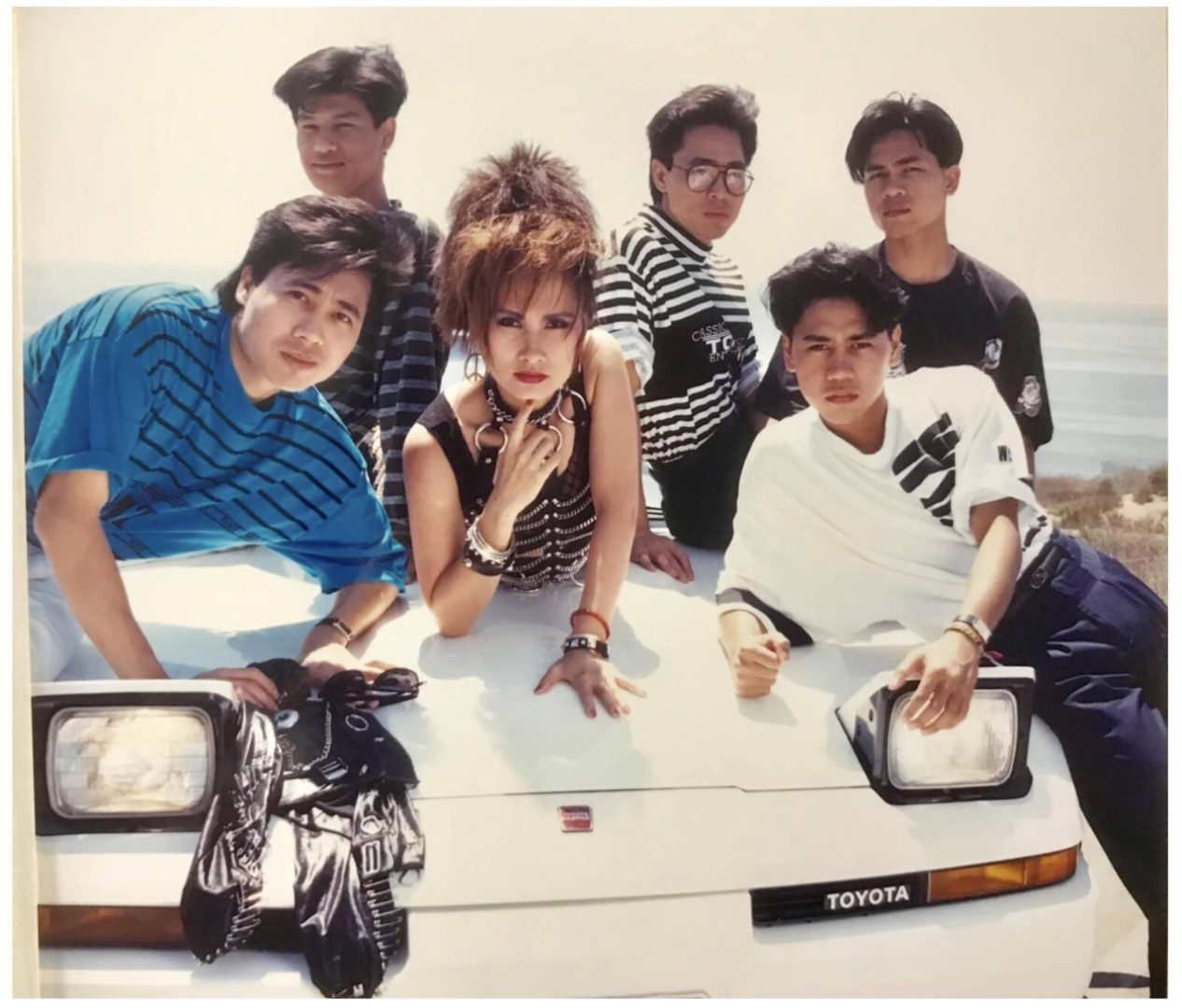
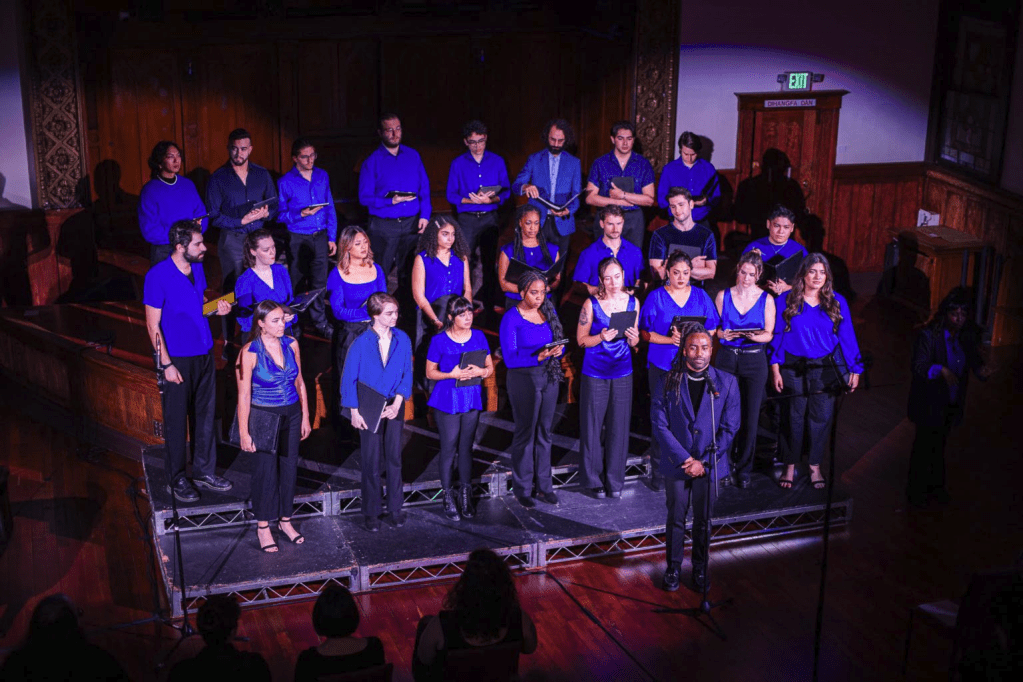
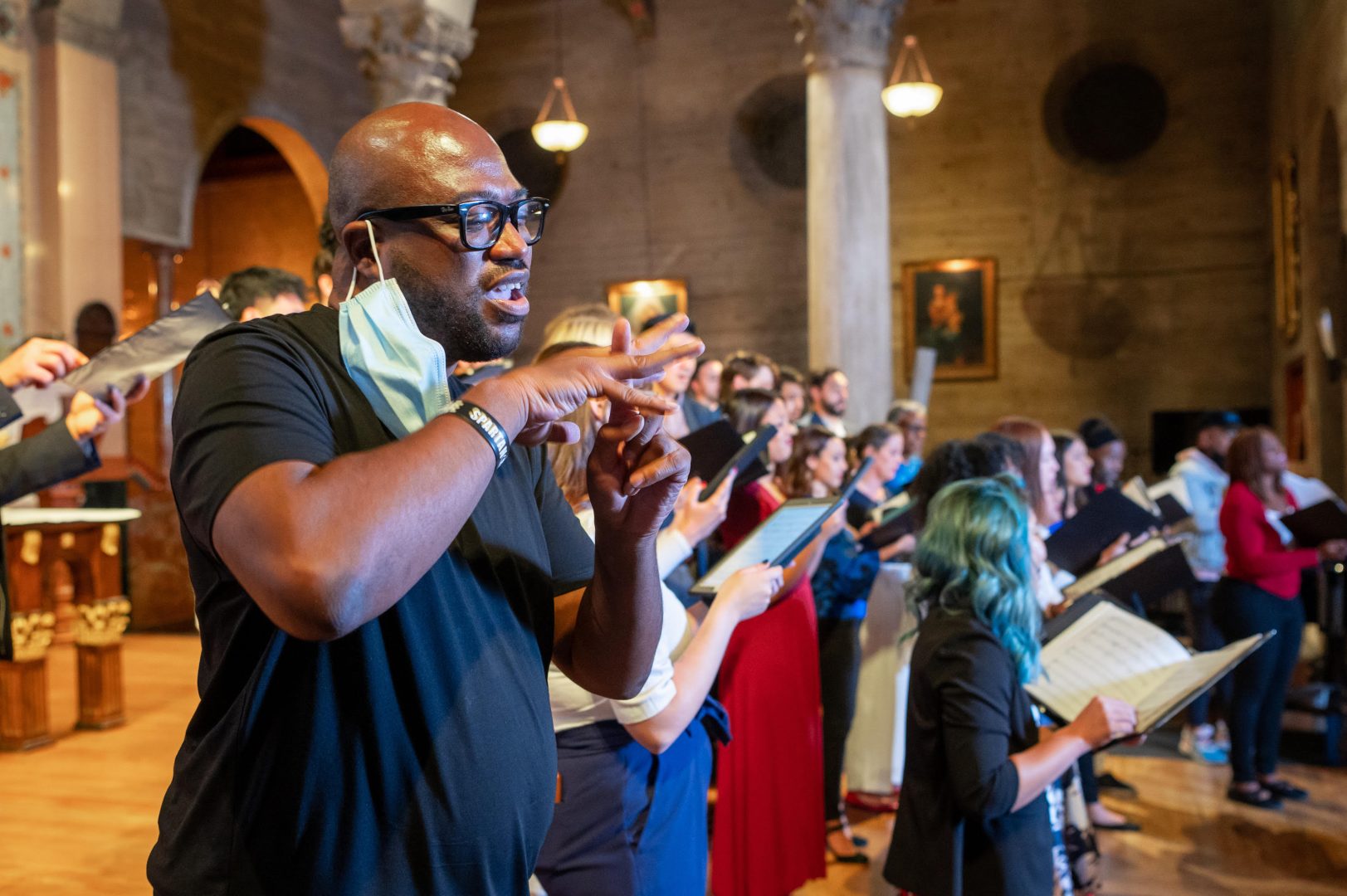
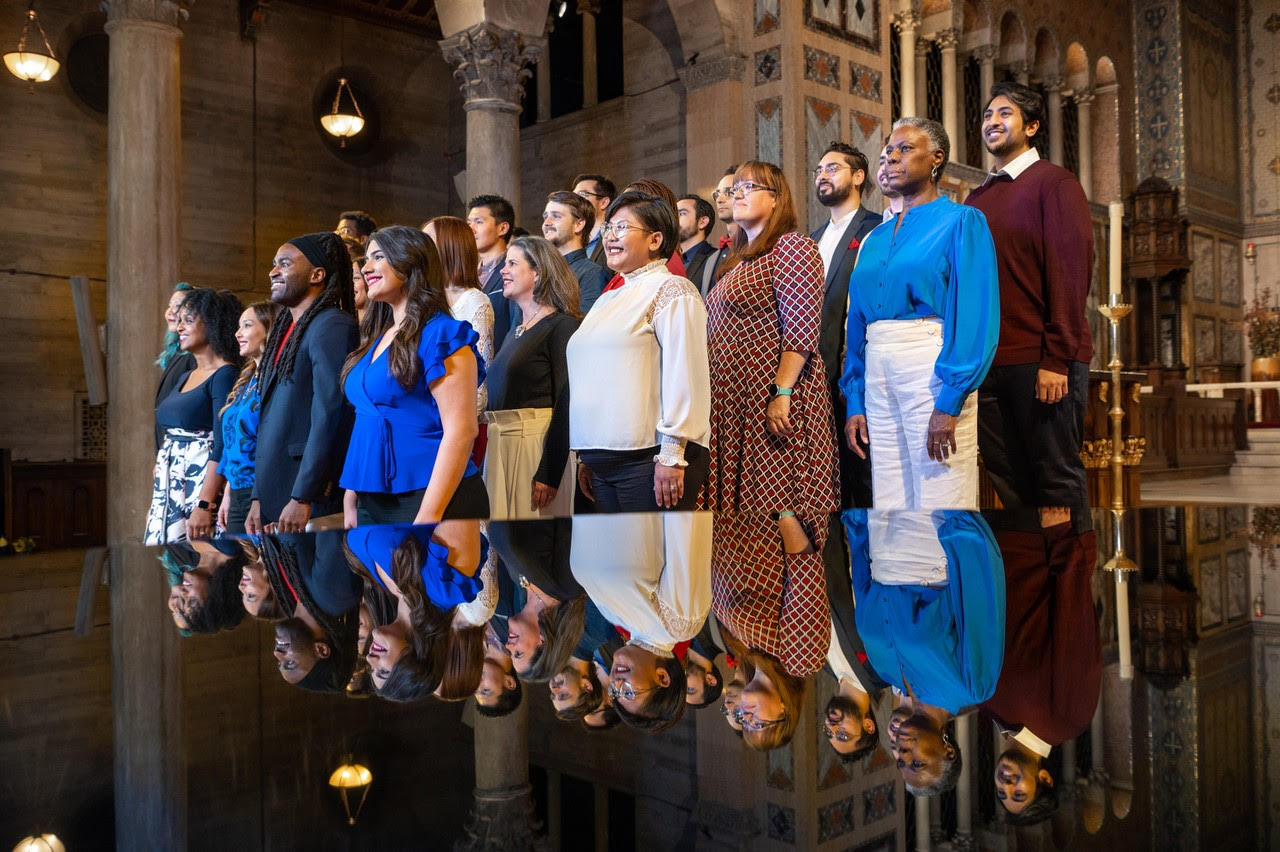
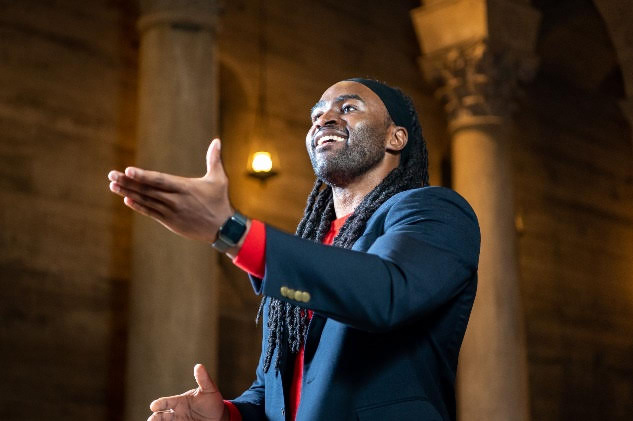
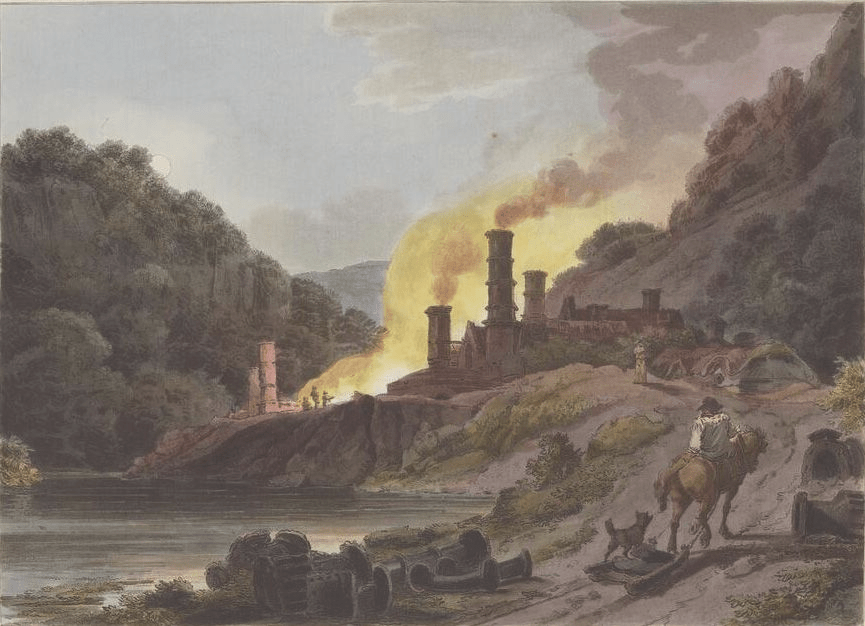
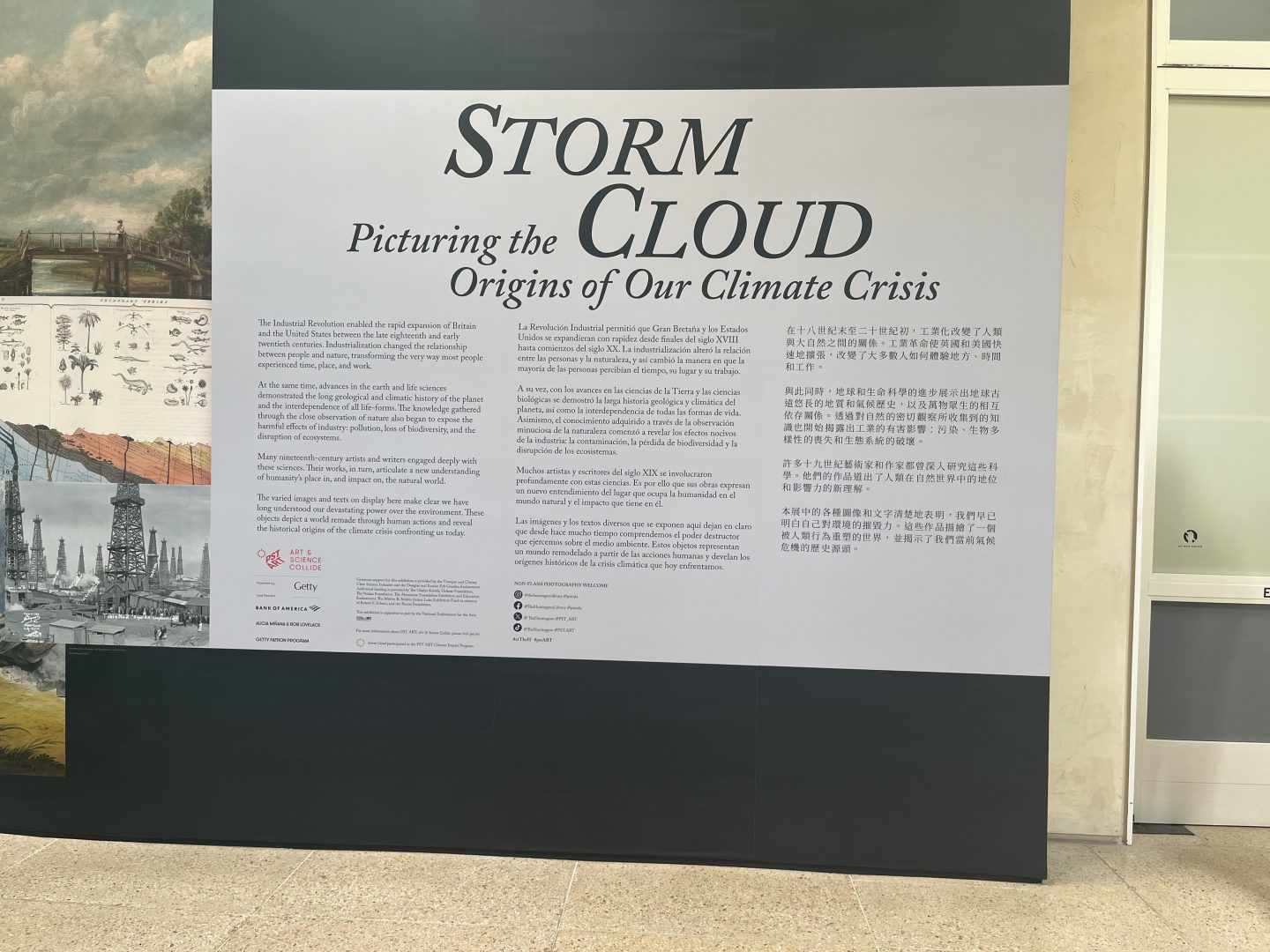
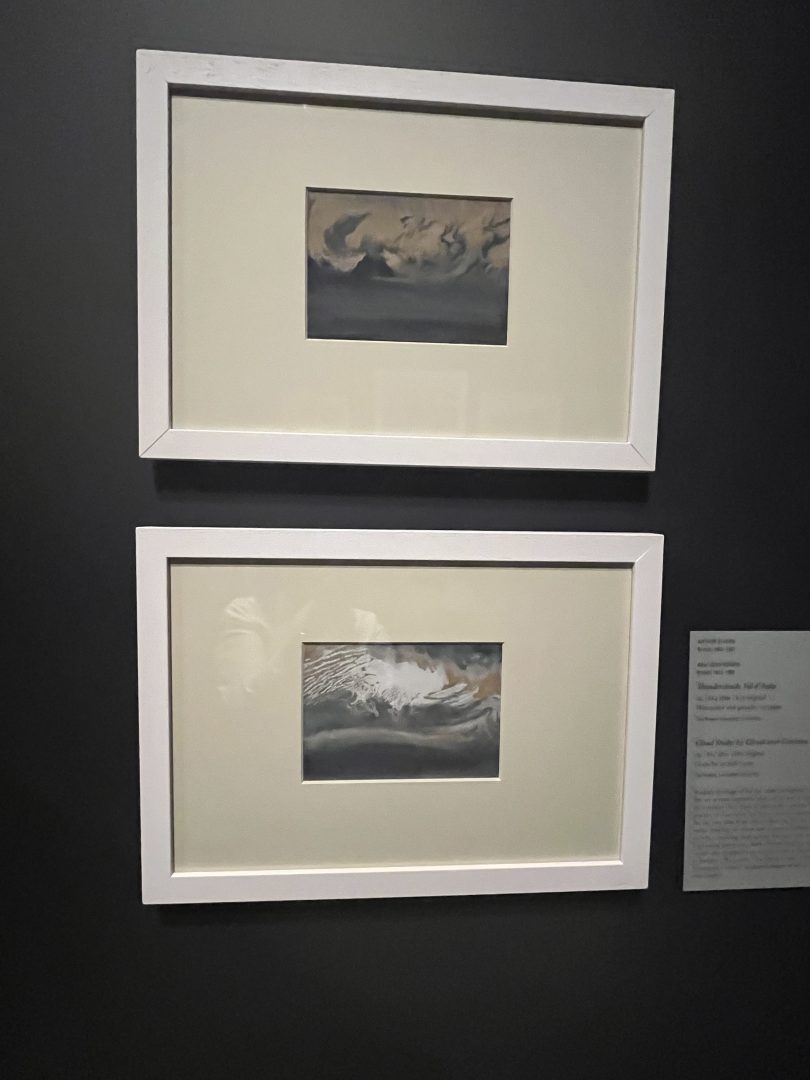
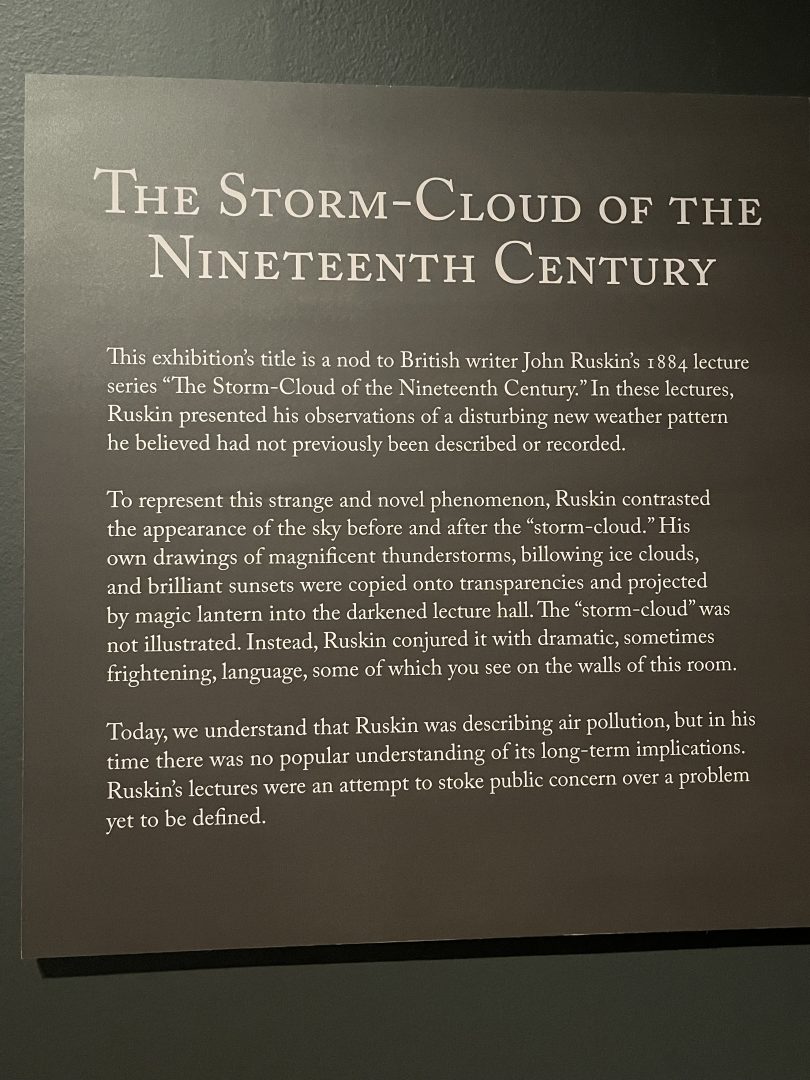
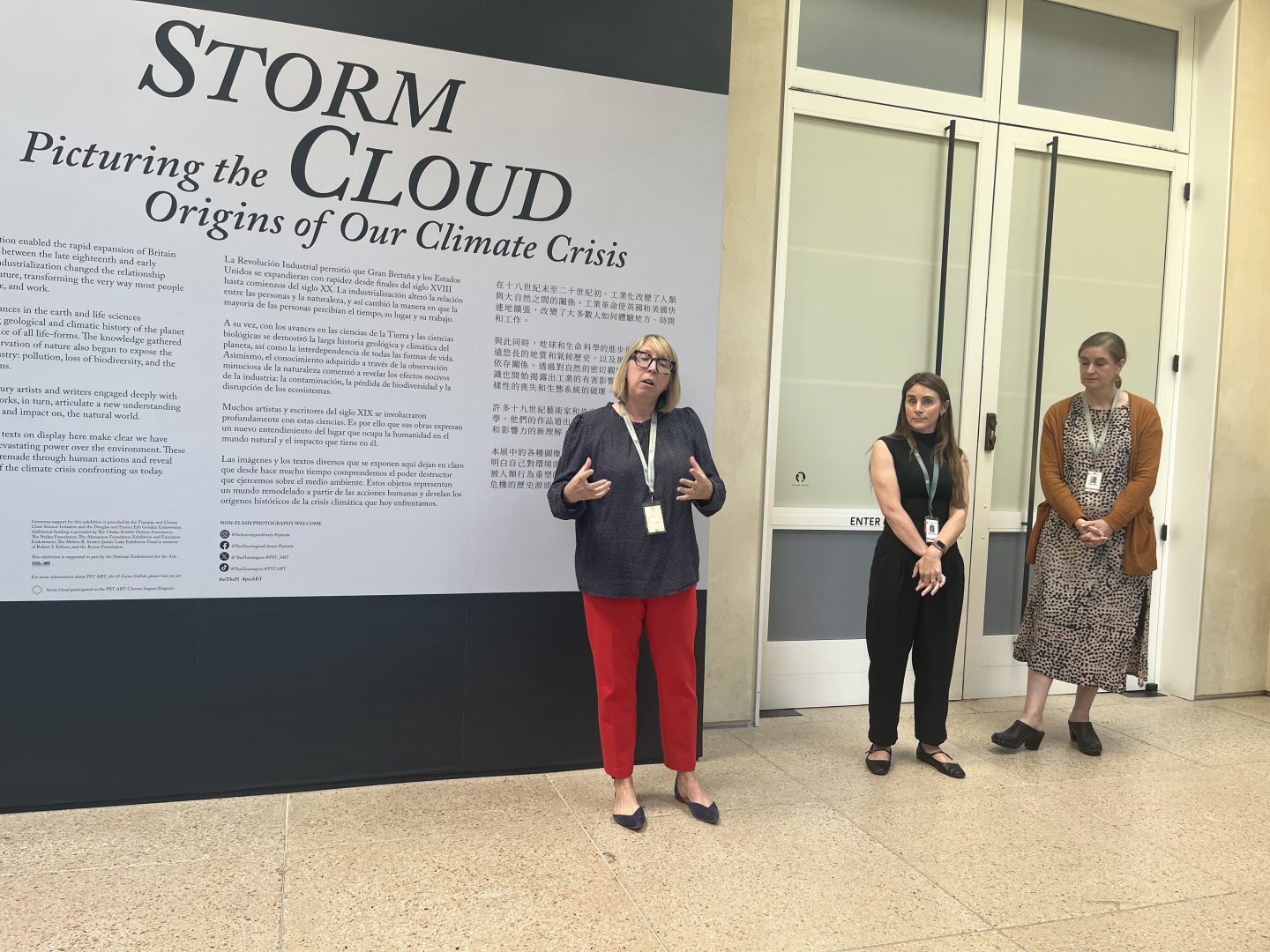
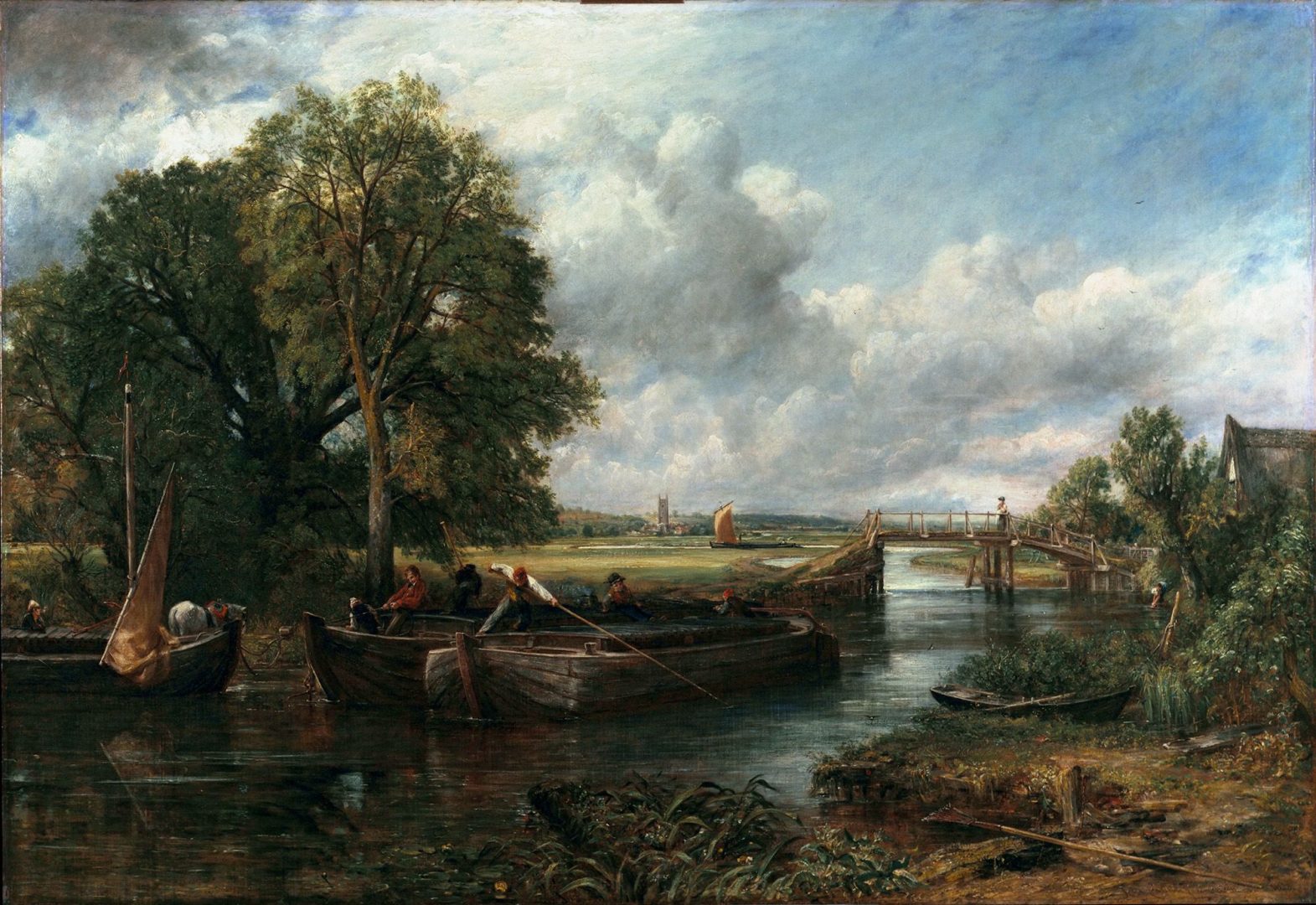
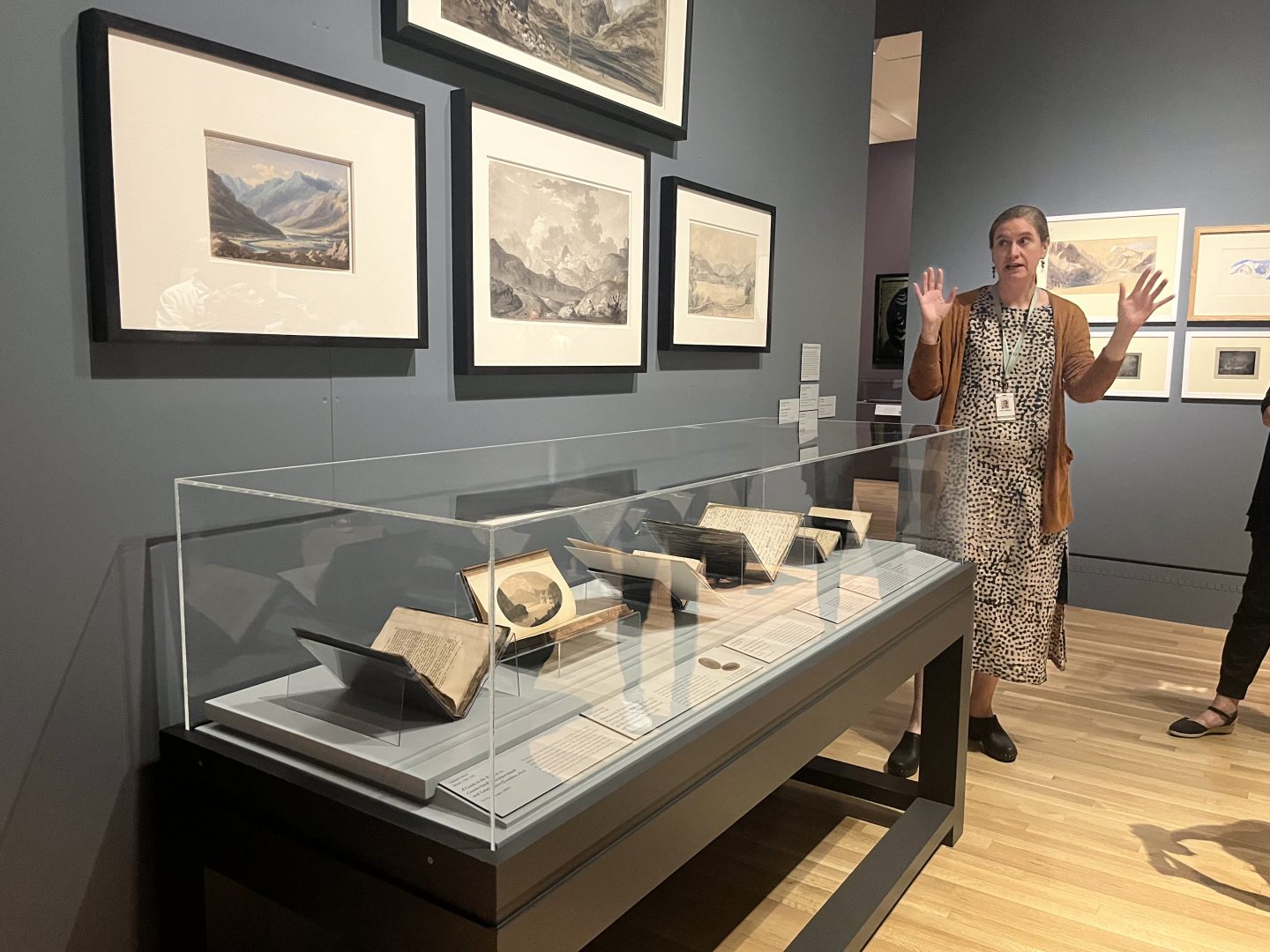
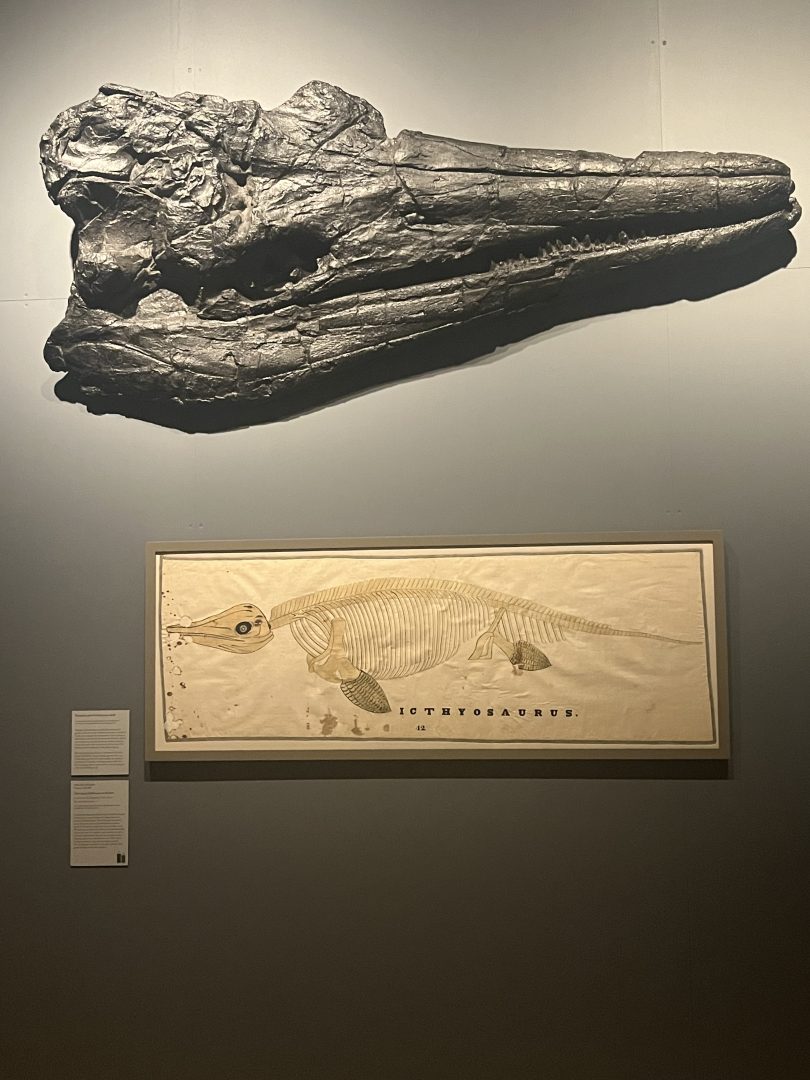
 A San Gabriel Valley Inquirer