While the pandemic isn’t in the rearview mirror just yet – with news of the Omicron subvariant BA.2 cases spreading fast in L.A. – the overall feeling is that we might soon see the end of it. Most public schools districts in Southern California have lifted masking mandates; several independent and private schools have followed suit, exception for a few circumstances that they are posting on their websites or electronic newsletters.
And now we’re two weeks into spring! That means most students are looking forward to Easter/spring break and getting some much needed rest from the rigors of high school work. It’s a great opportunity to take a short out-of-town trip, especially if you’ve been putting off traveling because of safety concerns. Getting away from our regular daily routine helps us recalibrate and rejuvenate. But if traveling isn’t an option, be sure to enjoy the mild spring weather. Happy spring!
FRESHMAN
The school year is winding down. Your ninth graders should be on track on all their academic grades and putting extra effort into getting the best grades they could muster. They should also line up summer activities – enrichment programs, summer camps, volunteer work, or part-time jobs.
All these – grades, arts, athletics, community work, employment – from 9th through 12th grade, will be recorded on the transcript that your children’s high schools will send to the colleges to which they apply.
SOPHOMORE
Not all universities have dropped standardized tests as a requirement for college application. Make sure your children have registered for all the tests they have to take in May or June (possible AP tests for 10th graders are math, chemistry, history and foreign language; deadlines are April and May for tests in May and June).
They need to plan their summer activities. If they are taking an art elective, or are interested in a particular art field, they should consider a summer program in that course to put on their resumé.
JUNIOR
This is the last complete academic year admissions officers will see when your children apply to colleges. They want to see grades that are improving from year to year, so the 11th grade final marks should be the highest on the report cards. If your children have gone on virtual college campus tours they should also know the academic requirements of the colleges to which they are thinking of applying. They need to look at where they are grades-wise to figure out if the school on their list is a realistic goal. The spring break is also an opportune time to go on campus visits (see March College Search Guide for tips on making the most of them). Admissions officers are on hand to do interviews and students are on campus so you can talk with them.
Make sure your children have registered for the SAT, ACT (www.act.org), SAT Subject Tests, AP especially if they are thinking of applying through early action or early decision.
They should have all their summer activities lined up – enrichment programs, summer camps, volunteer work or part-time jobs. Remind your children to continue the pursuits they started in freshman year as admissions officers look for sustained interest, which is a reflection of what they are truly passionate about.
Courtesy photo
SENIOR
Some universities have sent out their decision letters in mid- or late-March, or mid-April if they applied to the Ivies. If your children are lucky enough to be accepted to all the schools to which they applied, they deserve a big congratulations! You can all exhale now!
This is the part where your children get to choose the school they really want to attend. During the application process, your children were hoping the colleges to which they applied accept them. Now the colleges that accepted your children would like your kids to choose them! In this rank-obsessed world of American universities, the schools encourage all students to apply to them (they actively recruit students they would never even admit because the more applications they receive and the more rejections they send out, the higher they’re ranked. Additionally, it’s a huge financial boost; the most sought-after colleges and universities get several thousand applications which earn them millions of dollars.). The tables are turned because once your children get the schools’ acceptance letter, these schools would like to ensure your kids actually attend their college. This is the yield: the higher their yield, the higher their ranking.
If your children are applying for financial aid or scholarships, now is the time to compare schools’ financial aid or scholarship offers. If a particular school really wants your children, you might have the opportunity to ask for a better package than what it originally extended.
If your children have been waitlisted to a school they are determined to get into, they need to respond quickly to let the admissions officers know that they are very interested. Your children should send a follow-up letter to express that the school is their top choice and that they will definitely enroll if accepted.
Demonstrated interest is all the more critical at this juncture as your children want to ascertain the admissions officers keep them in mind. Encourage your children to work with their high school’s counselor to make sure they send the transcript for the first semester, and any updates on awards and honors received after they sent their application. Your children need to keep in constant touch with the admissions officers.
The admissions office requires a decision from accepted students on May 1. Make sure your children accept the offer of their second choice school where they have been admitted, and pay the required deposit. If your children are later accepted to the school to which they were waitlisted and accept that offer, they will lose the deposit on the other school. But it’s their guarantee that they will be attending a college in the fall.
Originally published on 31 March 2022 on Hey SoCal
Two years after the pandemic started and turned the world upside down, Pasadena milliner Cissy Li puts on her spring collection show. (read my previous story about Li and how she became a milliner here) And this time around, her creations of glassware and ceramic art join the spectacular hats on shelves and tables. Attendees to the show’s opening are treated to a dazzling array of multi-colored eye candy. There’s so much to look and marvel at!
Li, ever so glamorous in her cobalt blue and neon pink floor-length dress, wears a sparkling diamond necklace with a cabochon pendant and a ring to match. Perched on her head is a purple fascinator with silk lilac flowers. And she works the room with the ease and panache honed during her years as a runway model.
Cissy Li | Photo by Angela Lee / Courtesy of Cissy Li
Sitting elegantly on an armchair, Li talks about her expansion into this new endeavor, “Hats are worn during social occasions. And during the pandemic, not many people were ordering them because there were very limited social events or parties. That gave me the opportunity to branch out into something else – glassware and ceramics.
“Having my kids at home helped because I didn’t have to go to school and drive them around to their various after-school activities; it meant I could be home cooking and working on my glassware. They were pretty much on their own during remote learning. Of course, when I wasn’t physically near them, they tended to sneak in playing some video games. But all in all, they were well behaved. I think the school did a good job giving them a schedule and telling them what they needed to do.”
“I post my work on WeChat and Instagram and people who like what I make call me to commission some pieces,” Li continues. “I’m very lucky that the people who place orders give me carte blanche so I can be very creative. But I also appreciate it when someone comes with a pattern or a picture and tells me ‘I want something exactly like this.’”
These red glass plates took 80 hours of firing time in the kiln and about two hours of overglaze design and 24K gold luster touch up | Photo by May S. Ruiz / Hey SoCal
“During the pandemic, I did a lot of commissioned orders and that kept me very busy. Millinery used to be my primary source of income, but ceramic and glassware work has since become a second career. I’m pretty fast with glassware and hats but not with housework, especially with cooking – I can fire the kiln with self-assurance but I’m more careful that I don’t burn the food,” she confesses with a laugh.
It wasn’t the first time that Li experimented with glassware. When she lived in Italy, a friend – who was also a runway model – had an uncle who owned a glass blowing factory on Murano, an island off Venice. “I went there to study but I only lasted for three days. It was very hard work and I just couldn’t do it, so I quit. However, I learned the basic technical skills that I am able to use now,” Li reminisces.
Glassware molds in Li’s workshop | Photo courtesy of Cissy Li
When she began working on her glassware, Li had only a small, used kiln. As she grew more confident in what she was doing, she invested in a much larger one. She also moved her work space out of the billiards room next to the swimming pool on the lower level, up to the main level of her family’s property where the garage is located.
“The kiln looks like a bathtub and I can fire one big piece and several small items,” she describes. “I fire at 1,300 to 1,500 degrees F – it’s really hot. In the winter it’s freezing and in the summer it’s sweltering. Working with glass and ceramics involves a lot of dust too, so the garage is really the best place to do this.”
“How many hours do you work?” I ask. Li replies, “Once I get started, I keep going for about five or six hours. I do need that stretch of time to think and plan. Working with glass isn’t only about art, it also needs math and chemistry, and hard work – there’s a lot of cutting, grinding, and scoring – but I really enjoy it. It’s like a mystery; the result is different each time depending on the temperature. ”
Glass pendants in various colors and and shapes | Photo by May S. Ruiz / Hey SoCal
Li patiently explains how each piece of glassware is made, “You do one procedure at a time – you fire from a higher temperature then to a lower temperature. A piece of glass comes three millimeters thick but the product you want to make is six millimeters. You first cut the shape and put two pieces together, front and back. Then you place these in a kiln to melt together, which takes anywhere from 24 to 30 hours depending on the color – it takes longer to make pink and purple colored glassware. This process is called fusing.
“When it comes out, you choose what kind of finish you want. This, for instance, is dichroic glass and reflects two or more colors from different directions. It comes out flat, so the next process is called slumping, which uses gravity and heat from the kiln to shape sheet glass using a mold. Different shapes go into different ‘slumpers.’ You have to wipe it each time it comes out of the kiln – every fingerprint will stay on it so cleaning is an important step.”
“Each piece is unique and one-of-a-kind,” Li explains further. “When you fire glass, there’s always a champagne or catch bubble that makes the end-product interesting. In between firing, you put powder to either eliminate or create a bubble. It’s like an ID, there will be no two identical glassware.”
“The color comes from metals, including silver and copper. This glass, for example, is petrified wood – copper and sulfur reaction. On the front, there’s a brownish color which has sulfur inside; on the back, it’s robin’s egg and it has copper inside. When you melt these two pieces of glass in high heat, you see the reaction. And in this instance, it’s red.”
This red platter took Li 72 hours to make |Photo by May S. Ruiz / Beacon Media News
When I ask if she has a favorite piece from the hundreds of glassware and ceramic items in the collection, Li responds, “It’s hard to pick just one because I spent so much time working on every single item.”
I then inquire how she decides what piece to make, and she says, “It’s like with my hat – it’s a passion. Sometimes an idea comes from something that catches your eye. I buy several different feathers for making my hats and they’re all beautiful so I mimicked some of the feathers and they are part of this spring show.”
Half of the items in the collection is glassware and half is ceramic. All the glassware were created by Li from scratch, but not the ceramic pieces. She purchases the ceramic bases from four porcelain companies – Kristoff, Karolina (Poland), Cesky Porcelain, and Elizabeth (the Czech Republic).
Li applied gold luster on these vintage Japanese ceramic platters | Photo by May S. Ruiz / Beacon Media News
“They supply high quality and high consistency china bases so I like to order from them,” Li explains. “I do overglaze enameling and decoupage on them. Sometimes, I also apply mother of pearl or 24k gold luster with the design. These platters with flowers and peacocks, though, are vintage pieces from Japan with a discontinued pattern called Oriental Glamour. I bought small quantities of the last lot and then hand-painted all the gold luster. For the water pitcher, I used decoupage to design the overglaze and fired it in the kiln over 1400 degrees F. It took me about four to five hours to do the decoupage – I had to stand in front of a big mirror to make sure both sides are identical.”
Decoupaged ceramic water pitcher | Photo courtesy of Cissy Li
There are a few pieces in her spring collection signed “Cissy and Claire” which means that her 11-year-old daughter helped make them. Li says proudly, “She studied painting and clay pottery for years. Sometimes when I’m working, she’ll come up to me and ask if I need assistance. She’ll happily put colored objects together, organize beads and flowers, and give suggestions. She has beautiful hand-writing so she helps me use gold luster to write on glass and ceramic for custom orders.”
Some objects are signed ‘Cissy and Claire’ | Photo by May S. Ruiz / Hey SoCal
Much like the glassware, the headwear in the show were all designed and handmade by Li. She makes dress hats or afternoon tea hats and fur felt hats which are either rabbit or beaver fur felt.
Li says, “It takes a minimum of two weeks to make a felt hat because it has to be on wood block steam several times. It takes a shorter time to make a dress hat if I have all the materials, but most of the time I have to search around for the colors to match. Fifty percent of the feathers I use are ordered from England, France, and Spain.”
Two hats in the same color scheme but different materials | Photo by May S. Ruiz / Hey SoCal
I choose two hats that use different materials – a felt hat in aubergine with a butterfly embellishment and a purple fascinator decorated with pink lilies, reddish brown feathers, and a smaller butterfly – and Li tells me, “The one on the left is rabbit fur felt. The butterfly beadwork is by a Ukrainian artist which she handmade with Swarovski crystal. The one on the right is an afternoon tea hat or dress hat. The silk flowers are hand-painted by a Spanish artist; the peacock feathers are from the United States and color-dyed.”
All of Li’s spectacular creations involve hundreds of painstaking hours to complete and as many professional tools to accomplish. It’s surprising, therefore, that the items are affordable and might even be underpriced. Her glassware pieces cost anywhere from $35 pendants to $650 platters; the hats run about $475 to $700, depending on materials; and ceramic items are priced from $65 a plate to $3,000 for a set of 12.
The spring show opening, held on Sunday, March 20, 2022, was attended by fewer people than her previous exhibitions because we’re still emerging from a pandemic. However, there’s still time to catch it.
“The show will be open until April 15th and we want to make it as safe as possible for everyone,” Li assures. “So we’re offering private tours and viewing and people can call me at (626)808-1599 or send me an email at cissyxili@gmail.com to schedule an appointment.”
It’s spring in Southern California! And what better time to enjoy the outdoors when the weather is mild, than with a midday or afternoon tea with friends? A fabulous fascinator completes your attire. But why stop there? Spring clean your house and add a beautiful glassware on the living room table.
After sheltering in place, covering our faces with masks, and social distancing for two years, we’re finally feeling alive again! Here’s to a Happy Spring!
Originally published on 24 March 2022 on Hey SoCal
The cast of Anna in the Tropics | Photo by Craig Schwartz / A Noise Within
“Anna in the Tropics,” Nilo Cruz’s Pulitzer Prize-winning drama about cigar factory workers, is on stage at A Noise Within (ANW) from March 20 through April 17, 2022. The fifth production during the theatre company’s 30th anniversary season, it marks the directorial debut of Jonathan Muñoz-Proulx.
The play is set in 1929 at a Cuban-American cigar factory where cigars are still rolled by hand and lectors are employed to provide a diversion in the workers’ tediously repetitious daily labors. When a handsome and debonair new lector, Juan Julian, reads the story of Tolstoy’s ‘Anna Karenina,’ the lives of the workers begin to parallel those of the novel’s characters. Suddenly the drama takes over their otherwise humdrum reality – old traditions and new ways collide while longing, love, and betrayal spark a volatile flame foreshadowing the end of an era.
It is through this electrifying play that ANW audiences will be introduced to Muñoz-Proulx, who is also ANW’s inaugural Director of Cultural Programming. He came on board three years ago and is responsible for curating and producing all the events in the Noise Now program. This means creating workshops, readings, concerts, and dance events in collaboration with community partners to build relationships with new audiences, and partner with other artists.
Muñoz-Proulx explains the genesis of the job, “It was a new position they were looking to fill. They knew they wanted to have a community focus that engages audiences of color – specifically, blacks and indigenous people. I really had a very open and supportive invitation to build this program from scratch and let it change as we continue to define it. That’s my principal role.
Jonathan Muñoz-Proulx (center) with the cast of Anna in the Tropics | Photo by Eric Pargac / A Noise Within
“But I also wear an artistic hat where I work with and Geoff and Julia (Elliott and Rodriguez-Elliott, artistic and producing directors of ANW) and we talk about season planning and selecting directors and designers, discussing what’s going to be on our main stage. Over these three years, my relationship with them and the theatre has deepened. When I first started, I really just had one job – these community partnerships. But because we’ve built trust and an artistic language together, I’m now supporting season selections and also working more closely with resident artists (RAs). The RAs curate and present their own reading series called ‘The Resident Artist Series’ which I’m going to be curating and producing.”
And directing ‘Anna in the Tropics’ has added an extra responsibility. To say that Muñoz-Proulx has been busy lately is quite an understatement. He states, “I’m in Zoom meetings all day with artists, answering emails, and reading plays. Then during dinner I do some directing prep and head into the theatre for rehearsals. We work from 6 to 11 pm on weeknights – they’re really long days for me. It’s a dream life for six weeks and then I’ll probably sleep for a month afterwards.”
In spite of the long days and sleep deprivation, Muñoz-Proulx excitement when he talks about ‘Anna in the Tropics’ comes through even when he’s speaking to me by phone. He describes, “It’s a highly theatrical play where these cigar workers escape the monotony of their day-to-day life working in a factory and are transported by the words of the classic literature read to them beyond the factory walls. There’s a wonderful balance of very intense drama and tension with a really poetic, musical freedom of the play. It’s a roller coaster – it just goes and goes and goes until it reaches its climax. And it’s epic! It will just pull the audience along this roller coaster ride to the end.”
“A lot of the play happens as the workers are coming in to work, as they’re leaving work, and in between their shifts,” Muñoz-Proulx explains. “So it’s almost like you’re seeing the characters at the water cooler chatting about the drama and the gossip of their lives – who they love and who they hate. Their lives start mirroring those of the characters’ in the book. And the characters in the book are giving the factory workers the courage to say what they want and ask for what they need and feel empowered to live their fullest lives. It reminds me of today where we might watch television or a movie and see our identities reflected back to us to give us the courage to be our fullest selves.”
Jason Manuel Olazábal and Tania Verafield | Photo by Craig Schwartz / A Noise Within
Because ‘Anna in the Tropics’ is about Cuban-Americans, the cast is made up of actors who look like the characters. Muñoz-Proulx states. “It was very important to us that everyone identifies as Latino or Latina or Latinx. Among ANW’s resident artists, only two – Erika Soto and Rafael Goldstein – are of Latin descent and we knew this is a play we were not going to cast from our RA community. So it was a great opportunity for ANW to meet a lot of new artists through several rounds of auditions. And, hopefully, this will be the start of some ongoing relationships with them.”
While it means that the cast will be new faces for ANW’s audience, they won’t be strangers to Muñoz-Proulx. He asserts, “I live, and work, and direct in Los Angeles so I’ve known and worked with most of the cast of ‘Anna in the Tropics’ for ten years. Even though they haven’t been to ANW necessarily, this is a community of artists whom I have a great relationship with. However, as a director, I’m not so concerned about having a shorthand with them or working quickly, we’ll find our own artistic language together. What matters most to me is that the people we bring into the room – the actors and creative community – have really big hearts and are pleasant collaborators. That doesn’t mean we all need to be best friends, it means we create a space where people can be imperfect, and vulnerable, and ask questions, and be supportive along that journey.”
I ask if people of color are now getting more roles and recognition in theatre. Muñoz-Proulx replies, “I think they are. I think it has become more and more unacceptable for theatres to produce plays that predominantly feature white actors. I think more and more theatres are producing plays written by playwrights of color. And more and more, they’re hiring directors of color. And more and more, not only are actors of color in those plays but, more importantly, actors of color are also in plays that don’t have to cast actors of color – like some classics or Shakespeare. I think there’s greater artistic freedom being celebrated in how we cast nontraditionally.”
“It isn’t that roles are color blind,” Muñoz-Proulx clarifies. “I gravitate towards the term color conscious because I think color matters and I think the audience does see it. And there can be some stories told about how folks identify on stage. But being color conscious, I think, allows us to let go of a default that every character is white unless we decide otherwise. I think being color conscious invites the possibility that a character could be whoever comes to the audition and really excites and surprises us with their interpretation of the role.”
Leandro Cano and Tania Verafield | Photo by Craig Schwartz / A Noise Within
“And it doesn’t matter if the blood relatives in the play are from a different race or culture,” expounds Muñoz-Proulx. “I think there’s a lot of freedom and flexibility in theatre that we maybe don’t have on film and television. In theatre, we can really build the artistic team; we can assemble the cast to how we decide to tell the story regardless of what they look like. The priority is that the cast is representative of our community. And in this state, our community is incredibly diverse Los Angeles. It’s important that within the whole season, we have a diverse balance of actors of color. But even with plays that have customarily white cast, we have people of color play roles that are traditionally played by white actors, as we did in ‘All’s Well that Ends Well.’”
When asked about his vision for the play, Muñoz-Proulx responds, “I’m very interested in how we can establish a simple and realistic monotony to this factory. I’m attracted to how we can show what their everyday life is like, but then infuse that with some form of magic, and poetry, and theatricality. And even though I haven’t seen a lot of other productions, I think that ours will probably have more magic and theatricality than other productions.”
Jonathan Muñoz-Proulx during rehearsals | Photo by Eric Pargac / A Noise Within
“That’s the type of theatre I love,” Muñoz-Proulx adds. “For example, if a character is having an emotional moment, I tell my team and my designers that I want to tease out that monologue, expand it to fill the room. That might mean that with light or sound or color we exaggerate or emphasize what’s going on. Even though the work inside the factory isn’t a particularly joyous moment or particularly traumatic instance, that might be represented in a more abstract and magical way. It might not be what Nilo Cruz requires in the text, but I’m little by little finding moments – and you’ll see them – where there will be some theatrical magic.”
“I want our audience to leave the theatre with the sentiment that the people we love and our relationships are the most important things we have,” says Muñoz-Proulx. “And it’s very easy to take for granted what we have even when it’s right in front of us … until it’s gone. We see these characters in this play really struggle with each other. But they also need each other to heal and to survive.”
“The play has an awareness – it is really interested in the tradition of rolling cigars, the tradition of bringing a Cuban culture to America,” enlightens Muñoz-Proulx. “It is very much about ‘How do we preserve and stay connected to our ancestors and to or legacy, and to the traditions that made us?’ And I think that’s a really beautiful theme that a lot of us can connect to. The play also engages with themes of modernity and progress and change taking place in 1929 just before the Great Depression. These characters are planning for a joyous future ahead, not knowing that the whole world is going to change and be crushed by the Great Depression. Having gone into this pandemic two years ago, and beginning to emerge from it now, never before have I thought so much about change, and recovering, and healing from change.”
Muñoz-Proulx couldn’t have better articulated what most of us are feeling at the moment. Because of what we’ve been through, we learned to distinguish the truly important and profoundly meaningful from a mere trifle and fleeting fancy – then to protect them fiercely and hold them close in our heart
Originally published on 10 March 2022 on Hey SoCal
Agnes Pasadena, which serves delectable cheeses, is one of the participating restaurants in ‘Masters of Taste 5th Anniversary’ | Photo courtesy of May S. Ruiz / Hey SoCal
Two years after the pandemic unceremoniously canceled the Masters of Taste’s planned event, it’s coming back to Pasadena! So mark your calendars for the Masters of Taste’s 5th Anniversary to be held on Sunday, April 3 from 3 p.m. to 7 p.m. at the world-famous Rose Bowl.
Approximately 100 Los Angeles-area food and beverage experts will again gather in one place to create masterpieces for Southern California’s gastronomic aficionados, all for a worthwhile cause.
Masters of Taste 2019 was a sold-out event that attracted over 3,000 guests and garnered media attention throughout Southern California and beyond. This fifth-anniversary event is also expected to bring over 3,000 food and beverage enthusiasts together for one afternoon to celebrate this exhilarating festival, which will include the finest fare from culinary masters and restaurants, delectable sweets prepared by L.A.’s top sweet masters, and leading beverage masters.
A Media Night was held on Thursday, March 3, at the locker room of the Rose Bowl for a sampling of what foodies can expect at Masters of Taste 2022 and to introduce this year’s host chef, Vanda Asapahu. At the organization’s inception in 2016, she was one of only two female chefs. And now she’s the first female chef to take on the mantle of this prestigious food festival.
Vanda Asapahu is the first female chef host of Masters of Taste | Photo courtesy of Masters of Taste
Chef and owner of Ayara Thai Cuisine, Asapahu went to college at UCLA and to graduate school at Yale. She then spent four years living, traveling, and working her way through Thailand before returning home to Los Angeles. During her stay in her native country, she absorbed the Bangkok street food scene and revived old family recipes. Taking up the torch of her family’s culinary tradition, she brought back these treasured old recipes and new flavors to share at Ayara Thai. And in May 2019, Ayara Thai Cuisine was named one of “Michelin Guide California’s 2019 Bib Gourmands.”
Masters of Taste is the brainchild of Rob and Leslie Levy, owners of The Raymond 1886 in Pasadena. He recalls what drew him to this endeavor, “This goes way back in my childhood. My oldest friend in the world started an organization in Chicago called Inspiration Café, delivering sandwiches to the homeless when she was working as a cop. Then she ended up opening a restaurant for the homeless where they could come in, order off the menu, be served with dignity, and leave with no check to pay. If they were a good client, they were invited to work there and learn a trade. That grew into something huge, with multiple restaurants and cafes, cookbooks, and job training. She did this for 20 years and never took a paycheck – she did it for the love of it. She worked as a massage therapist to pay the bills while she grew this multimillion-dollar organization. It gives me shivers just thinking about her and what she has accomplished – she’s quite a remarkable individual and the most positive person you could ever meet in your life.”
Rob Levy, along with his wife, founded Masters of Taste | Photo by May S. Ruiz / Hey SoCal
“When the former CEO of Union Station Homeless Services asked me to be on the board, I immediately agreed,” continues Levy. “Then we thought we had to change the way we raise funds – we had been to one too many galas where nobody wanted to go, but got dressed up and went anyway because we felt obligated to. We figured we needed to create an amazing event where people aren’t thinking it’s a charity affair and Leslie came up with this idea of getting other chefs to gather for a cause. And what better place to do it than on the field of the Rose Bowl. Thus, Masters of Taste was born.
“We reached out to other chefs that we had done events with over the years and also through Lawrence Moore. When we explained what we were trying to accomplish, everyone agreed to participate. And they were absolutely thrilled when they learned that it was going to be at the Rose Bowl field. The first year that we did Masters of Taste, participants were incredulous when we told them to be on the field for the load-in because events are usually held only at the perimeter. One guy serving for a brewery had played football in college and played on the Rose Bowl field; it was his first time back there since. He actually got teary-eyed at the recollection because now he was there for a reason other than football.
“That same year, a spontaneous line dancing broke on the field – DJs played music and in the middle of everything, there must have been 100 people line dancing. It was a delightful occurrence that was totally unanticipated. That was when we knew we were on to something.
The Raymond 1886 team at a past ‘Masters of Taste’ event | Photo courtesy of ‘Masters of Taste’
“Then we had one year when it rained which, unbelievably, made it an even better event. Nobody left – 3,000 people on the field and they all stayed through the rain. It was the most memorable year we had. We set out to create an event that was like having a great Sunday afternoon out and it has taken on a life of its own. People want to do good – helping other people is now a movement.”
Lawrence Moore, principal of public relations firm Lawrence Moore & Associates, was one of the founding members of the group that puts up the event. She talks about the inception and evolution of Masters of Taste.
“I had known and worked with Rob and Leslie Levy for several years at the time he was thinking about partnering with an organization for a fundraising event,” he said. “When he sat on the board of Union Station and saw that the homelessness problem was growing – probably well before the rest of us ever realized it – he and Leslie decided that was where they wanted to focus their energies. They came up with the idea of creating an event and having it at the Rose Bowl. There were plenty of naysayers who said they wouldn’t be able to pull it off because no one had ever been allowed to use the field and the cost would be prohibitive even if they were able to.
“However, Rob and Leslie were undeterred; they were determined to do this. They gathered everyone – Amanda Green; Dana Levy, the Assistant Director of Development at Union Station at the time; me; and a friend and colleague of mine Dennis Richardson, whom I brought along, and who’s now our Event Producer. We literally sat down for lunch and just hashed out details, including a to-do list, names of people we needed to call, and so on. It was then decided that we were going ahead with the plan and this was the team to do it. From that day on, I became the event’s public relations person. We had the honor of creating the name and the strategy; we wanted to identify it as a food festival rather than a charity event for the first year, to build excitement from the culinary and beverage standpoint.”
Moore adds, “We met with people at Union Station and when we told them our concept, they were uncertain about it initially. They were used to the standard model of fundraising – holding a gala or a dinner. Additionally, we told them that we wanted to promote it as a luxury food festival instead of a fundraiser; that was the biggest obstacle we had to overcome. But they eventually came around and we held the first Masters of Taste on Sunday, April 3, 2016.
Masters of Taste’s 5th Anniversary Media Night | Photo by Brianna Chu / Hey SoCal
“The experience from that was very positive – we made half a million dollars the first year so we were able to prove we could raise money through ticket sales and private company sponsorships. We had an easier time for our second year because the Rose Bowl people got over their trepidation at using the space for a food festival and they even offered the option to have a Media Night. That’s when we announced the charity and that 100 percent of the proceeds will benefit Union Station. I think that was better received on the second year than it would probably have been the first year.”
“Being a member of the founding team and working on it as well, I am excited because I need to know that the money is going where it’s supposed to go. That was more impactful for me,” declares Moore. “As the years have gone by, I have had the opportunity to work directly with our media sponsors and build a relationship with them. Moreover, we are now able to invite more media to the actual event. And because everyone in the media has been introduced to the charity personally, they have a bigger investment in the event’s success. They are now part of the team and have put Masters of Taste on the map as L.A.’s foremost food event. It highlighted the cause and gave integrity to the event.”
‘Masters of Taste 2022 Team and Participants | Photo by Brianna Chu / Hey SoCal
The return of Masters of Taste this year has taken on an even greater significance. Anne Miskey, Union Station’s CEO, expounds, “Two years ago, Covid hit. And one of the first things that all of us heard was stay home to stay safe. The people we serve don’t have homes. So we had a crisis on top of a crisis here in Los Angeles. I’m very proud to say that my staff all went into high gear not only to help all of those people living on our streets, but also to keep them safe from Covid. Over the last two years we opened some sites – hotels and other buildings – where we could bring people inside safely.
“I remember sitting down and talking to one gentleman who had been living on the median down the street in his tent. He spoke about what it was like to come in a room, with a bed and a bathroom, a microwave and a coffee pot, and to be treated with dignity and respect. Of all the things he said to me, what hit me the most wasn’t the bed but of having someone acknowledge his humanity and care what happens to him. And that is the work that we do at Union Station. We recognize the humanity in all of these people living on our streets – we walk beside them to get them permanently housed, gain stability, and be able to hope and dream again.”
Miskey says further, “The people we serve have been hit incredibly hard, but we’re not the only ones. We know that the restaurant industry suffered over the last couple of years. So I want to thank all our chefs, our beverage masters, our vintners, our distillers for staying with us after two years of hell.”
Union Station Homeless Services CEO Anne Miskey | Photo by Tom Williams / Hey SoCal
Asapahu underscores what Miskey has pointed out, “This year’s event will have over a hundred culinary, beverage, and sweets masters. Many of us are still understaffed, we still have ingredient and raw material shortages, and every issue possible. But what sets people in the restaurant industry apart from others is their willingness to give and give and give, until we have nothing left to give. There are a lot of restaurants that couldn’t join Masters of Taste this year, but please show all the love and support to those who are going to be there. We’re barely getting out of the pandemic and they’re donating their time and their food.”
“This is L.A.’s biggest food event. And every dollar goes to Union Station Homeless Services, which provides meals, housing, and services to the homeless community of Los Angeles. There are currently 66,000 people in Los Angeles who are homeless, which is probably an under-reported number, and it breaks my heart. And while this issue can’t be solved overnight, every guest, participant, and media person attending Masters of Taste is working towards a solution,” concludes Asapahu.
The pandemic has challenged all of us; we have been tested and stretched to our limits. And the restaurant business has been the hardest hit. Many restaurants were forced to shutter permanently and those that have managed to reopen when it was safe continued to struggle. Even as health and safety protocols have been eased, social distancing and masking mandates lifted, restaurateurs still have difficulty finding people to work. No dining place – whether it’s a sit-down restaurant or a drive-thru – has been spared the staff shortage. And yet when they were called to come and help, they happily stepped up to the plate.
Masters of Taste 2022 will be an extraordinary event not only because it’s poised to break its all-time record of raising money to help L.A.’s homeless population, but more so because it will demonstrate the resilience of humankind and endless generosity and giving spirit of restaurateurs and beverage company owners. Let’s eat and drink to them and the event’s great success!
Two years into the pandemic, infection cases are finally decreasing; but death rates remain high. On February 15, several states, counties, and cities around the country eased or ended indoor mask mandates; last week, the L.A. Unified School District dropped the outdoor mask requirement. There’s speculation that California schools will no longer be requiring their students to wear masks on campus sometime this month.
However, some counties in California – where infection cases still cause worry – are still imposing it. Many private schools and privately-owned establishments are also choosing to go their own way, practicing safety measures they deem necessary to ensure their employees’ and the public’s health and well-being. And, as usual, the seemingly arbitrary rules are creating dissent. But wherever your beliefs lie on this ongoing debate, I hope you are doing your utmost to keep safe and healthy.
If your children are attending in-person classes full-time, you must be so relieved after more than a year of having to home-school them. As we all know, though, the long-term remote learning resulted in unprecedented learning loss and widened the achievement gap. Students are playing catch-up on their schoolwork.
Fortunately, there are several tutoring services available if they require help. Find one which offers options that fit your children’s specific need and your family’s budget. A company called Mundo Academy provides excellent tutoring services in the Pasadena and San Gabriel Valley area. Likewise, some high school and college students have created free tutoring services and learning platforms to help children during the coronavirus pandemic. Two of these organizations include Sailors Learning and Wave Learning Festival.
Anxiety and depression have been on the rise among children and adults during the pandemic. Please don’t ignore your and your children’s mental health; reach out for assistance when you or your family members feel overwhelmed. The CDC has put together a resource kit for parents – divided by age group – to help ensure their children’s well-being. The site also has links to other resources that cover various concerns. Another CDC website is dedicated to helping parents manage stress during the coronavirus pandemic.
In spite of the pandemic, the University of California broke records for first-year applications for the second consecutive year, according to data it recently released. Additionally, this past admissions cycle drew the largest and most diverse pool of applicants. While this is great news, it also means that it has become even more competitive to get in. And, as more colleges and universities join in scrapping standardized tests, your children need to be prepared to face ever greater challenges.
Photo by Sofatutor for Unsplash
FRESHMAN:
Your children should have all their grades on track. They need to concentrate on maintaining good study habits now to be better equipped to handle the rigors of the workload in the coming years. If they haven’t been reading much, they should seriously consider taking up reading as a hobby during spring break to help them increase their vocabulary – it will come in handy when they write all the supplemental essays many universities require.
It’s also a good time for your children to consult their class dean regarding summer activities – academic enrichment programs, volunteer work, or part-time employment. College admissions officers are looking for students who explored their passions while getting good grades.
Admissions officers will not expect your children to have extra-curricular activities during the coronavirus pandemic. However, they will be interested to know how students spent their time outside of remote learning. Encourage your children to find volunteer work and community service activities.
SOPHOMORE:
Tenth graders who are taking AP courses need to register for the AP exams administered in May. While there is a slew of small independent tutoring schools offering courses to prepare for the AP tests, some children do not need to take on this additional burden on their already busy schedules. Your children have enough on their plate with the intensive homework associated with an advanced placement course. That said, your kids would still have to show competence on the AP exams as all scores are submitted to the College Board; all the colleges to which your children apply will see the AP scores.
JUNIOR:
Spring break is usually the time when juniors visit various campuses. Many schools organize tours for their students and college counselors provide a prepared college visit checklist with a page or several pages allotted for each college or university. They can also write their overall impressions which they can consult when they create their college list.
If in-person tours aren’t available at the college or university you want to visit, make sure you and your children do a virtual tour or a webinar. Many universities offer a live virtual tour where someone takes you around the campus on FaceTime or Zoom. There’s usually an admissions officer on hand to answer questions. And, as in pre-pandemic years, you and your children need to make an appointment to attend the tour.
Even when tours are conducted virtually, you can still ask some of the questions you normally would during an in-person visit. Here are a few examples: What is the advising system for freshmen? Are there opportunities for independent/study abroad? Is there guaranteed housing for four years? What are the dining options? What safety measures and precautions are offered by the school during the pandemic?
Especially during the pandemic, it’s advisable to arrange to speak with a current student about campus life. Here are some questions to ask: Do students stay on campus or do they leave on weekends? Are students practicing healthy campus lifestyles, like limiting parties? Even before the pandemic, these parties led to excessive drinking and wild behavior; these gatherings could be super spreaders of the current coronavirus variant.
One major concern for parents and children should be security on campus (Can outsiders gain access to the library, the fitness center or student union? Are there video cameras around the school periphery?). Of course, the most serious threat to students’ well-being may actually be within the confines of the institution. This topic has become part of the national conversation and some universities are addressing the topic upfront. I, personally, would want to know if officials have safeguards in place to prevent such crime from occurring. Do administrators disclose information about it or do they hide and blur the facts? What consequences does the school impose on perpetrators?
Photo by Priscilla du Preez for Unsplash
SENIOR:
You and your children should research all scholarships and grants available to them. Many colleges offer merit scholarships to applicants with excellent academic records to motivate them to matriculate. The package usually includes the full cost of tuition and fees and may also cover room and board.
Universities also extend need-based grants to applicants who demonstrate a financial hardship. These reduce the cost of a college education and do not need to be repaid. Your children should complete the Federal Application for Federal Student Aid. Other schools may also require a college-specific financial aid application.
As I expounded on last month, some colleges will be sending out decision letters sometime in March or April. Your children should keep their wits about them as they await word from the colleges they applied to.
After the marathon they finished, your children may be quite restless and anxious to know if they have been accepted to their school of choice. Remind them to use this quiet time productively by keeping their focus on academics and their grades. They should still engage in other worthwhile activities like arts.
Tell your children that they may be getting letters of rejection from some schools. While you might be more disappointed than your son or daughter, avoid showing it as that sends the wrong message. Not being accepted to their first choice isn’t the end of the world. In fact, while it may not seem like it at first, that rejection usually turns out to be a blessing in disguise – in most cases, they end up in the school that is the right fit for them.
Originally published on 25 February 2022 on Hey SoCal
An air pump | Photo by Brianna Chu / Hey SoCal
It isn’t often that an art exhibition satisfies the artistic and intellectual predilections at once. Visitors to The Huntington Library, Art Museum, and Botanical Gardens will enjoy that rare occasion in an installation called “Science and the Sublime: A Masterpiece by Joseph Wright of Derby.” It is on view from February 12 through May 23, 2022 at the Huntington Gallery’s North Passage.
The centerpiece of this exhibition is the imposing 6-by-8 foot painting called “An Experiment on a Bird in the Air Pump.” Reputedly one of the great masterpieces from the Age of Enlightenment, it is on loan from the National Gallery in London – a reciprocal exchange for the Huntington’s ‘Blue Boy.’
As anyone who frequents The Huntington’s galleries can tell you, a scientific painting isn’t something we expect to see among its magnificent collections. It is quite a surprise, then, that this artwork is what the institution has selected in exchange for Gainsborough’s strikingly beautiful and iconic masterpiece.
Books and manuals for scientific experiments | Photo by Brianna Chu / Hey SoCal
During a press event one day before the exhibition’s opening, Christina Nielsen, the Hannah and Russel Kully Director of the Art Museum, declares about the choice, “This is the poster painting for scientific pursuits and the Enlightenment and we’re thrilled to have it complement our fantastic collection. This small but impactful installation is really something that only The Huntington can do. Not many institutions in the United States can claim to have experts in British Art and in the History of Medicine in the same place. We have one borrowed painting and 15 objects drawn from both the art museum’s and the world-renowned library’s collection. It is a wonderful opportunity to collaborate within The Huntington’s own collecting areas to forge deeper connections between its two holdings.”
Melinda McCurdy, The Huntington’s Curator of British Art, alongside Joel Klein, Molina Curator for the History of Medicine and Allied Sciences, led this installation. She echoes Nielsen’s assertion. “This is the first time we created an exhibition where we consciously combine science and art. This painting lends itself to this kind of display and that’s incredibly rare. We were able to really tap into our expertise and our collection to bring these materials together and use them to explain context of an iconic piece.”
‘An Experiment on a Bird in the Air Pump’ | Photo by Brianna Chu / Hey SoCal
Joseph Wright of Derby’s “An Experiment on a Bird in the Air Pump,” as The Huntington’s press release describes, is a powerful scene that depicts a small group of people gathered around a candlelit table where someone is conducting an experiment. Following 17th-century chemist Robert Boyle’s example, the man slowly removes air from a glass jar as his audience awaits the fate of the cockatiel inside. The observer’s reactions range from fascination to dismay. This tableau is an exercise in the sublime – a moment of extreme tension that can be perceived as a dramatic meditation on the fragility of life. Simultaneously, the experiment being performed demonstrates advances in the fields of science and medicine, making the scene a celebration of human achievement.
“We call the exhibition ‘Science and the Sublime,’” explains McCurdy. “The Sublime is an aesthetic category that was coined in the 18th century by philosopher Edmund Burke as producing the strongest emotions the mind is capable of, such as awe or terror, but in a way that causes pleasure. The thrill of the sublime can be found in nature: in things of immense size – like huge mountains – or that are dangerous or unknown – like deep chasms or dark caves. And Joseph Wright of Derby was working in that aesthetic.”
‘Vesuvius from Portici’ | Photo by Brianna Chu / Hey SoCal
Two Wright of Derby paintings in The Huntington’s permanent collection are also part of the exhibition – “Vesuvius from Portici” and “Two Boys by Candlelight, Blowing a Bladder.” Both pieces show light and dark to dramatic effect: the abrupt burst of light in the explosion of Mount Vesuvius painting can be shocking to the senses, much like going into a darkened room and then someone suddenly turning on the light.
The second painting is more experimental says, McCurdy. “This one shows two boys holding what looks like a balloon, but is actually a bladder. His intention was to create incredible luminosity around the bladder – the candle illuminated it and made it shine and glow very strongly. In fact, he experimented with his method and put a layer of silver leaf beneath the paint to make it reflect back and create a much more prominent glow.”
‘Two Boys by Candlelight, Blowing a Bladder’ | Photo by Brianna Chu / Hey SoCal
“When museums speak to each other about lending out absolute iconic masterpieces, the conversations go on for years,” Nielsen clarifies. “We’re really lucky at the Huntington that we have these two paintings and the incredible collection that we have between different parts of the institution so that we can bring this together. The decision for us to lend the ‘Blue Boy’ was not an easy one. And neither was it an easy decision for the National Gallery to lend this – it is requested all the time. In fact, when we started our conversation, it was on loan to Uffizi in Florence for an exhibition there. But when they heard what we wanted to do with it and how we could pair it with our incredible collections, they said ‘Yeah, you have to do it.’ They were very excited. The National Gallery has been an amazing partner.”
Klein states, “I first saw ‘An Experiment on a Bird in the Air Pump’ 12 years ago when I was a graduate student in Europe and working on my dissertation. Why is the air pump so important? It’s hard to find a modern equivalent, but it’s something like the particle accelerator of the 17th and 18th centuries. This was big science.”
“Many earlier scientists and philosophers were followers of the teachings of Aristotle who believed that a vacuum in nature was an impossibility,” expounds Klein. “When Robert Boyle and other fellows of the newly formed Royal Society of London used the recently invented air pump to show that vacuums can exist and that air pressure is inversely related to its volume, it was transformative. Boyle and his collaborators also used the air pump to study the nature of air, showing its effects on animal respiration, as well as combustion. I’d like to point out that this painting isn’t so much about an experiment – the bird was safe and wasn’t going to die – as it is a demonstration.”
Prints on animal cruelty and violence | Photo by Brianna Chu / Hey SoCal
Another important aspect that this painting evoked is the practice of using animals in scientific research and experiments, bringing into focus animal rights and cruelty to animals. And Wright was actively engaged in the moral debate about animal cruelty that was active in the 18th century.
The “Science and the Sublime” exhibition incorporates pictures related to the treatment of animals; a selection from the 47,000 volumes and approximately 1,000 scientific objects from the Burndy Library that’s housed in The Huntington Library; two Joseph Wright of Derby paintings – anchored by his monumental “An Experiment on a Bird in the Air Pump.”
While some of us might be disappointed that what we’ll see in exchange for our beloved “Blue Boy” isn’t a beautiful portrait of a resplendently attired 18th-century British aristocrat, we can appreciate the curators’ choice. This exceptional opportunity to showcase The Huntington’s strength – a formidable collection of British art masterpieces coupled with a vast repository of materials related to the history of medicine and science – should be enthusiastically embraced.
Originally published on 11 February 2022 on Hey SoCal
Nike Doukas (far right) directing the cast of ‘All’s Well that Ends Well’ | Photo by Eric Pargac / A Noise Within
A Noise Within (ANW) starts the new year with Shakespeare’s “All’s Well that Ends Well,” the fourth production during its 30th anniversary season. On stage from Feb. 6 to March 6, it stars resident artist Erika Soto as Helen and Mark Jude Sullivan as Bertram. Nike Doukas directs this comedy that follows Helen and Bertram as they try to realize their individual dreams before they are eventually united in a fairy tale ending.
“All’s Well That Ends Well” focuses on Helen, a young healer, who convincingly persuades a cast of fools, romantics, and cynics to pursue Bertram, her runaway groom. In a play of wit and deception, these two characters take us with them as they go on a journey of forgiveness, hope, and love where we least expect it.
The play isn’t one of Shakespeare’s popular works, hasn’t been staged as often as his other comedies, and is even referred to as a problem play. Doukas has made it her goal to change that last reference and she might very well have the credentials to do so. She earned her MFA from the American Conservatory Theater (ACT) in San Francisco and is primarily a theatre, film, and television actress. She is also a well-known accent coach and has been directing for five years now.
Twelve years ago, she joined the faculty of the Art of Acting Studio in L.A., the sister school of the Stella Adler Studio of Acting in New York City (formerly the Stella Adler Conservatory) where she’s the head of acting; a main responsibility is teaching Shakespeare. Her students go on to work professionally and, in fact, one of them – Niek Versteeg – is in this production of ‘All’s Well…’ as the Second Lord Dumaine.
While this marks Doukas’s directorial debut at ANW, her association with the repertory company and co-artistic and producing directors Geoff Elliott and Julia Rodriguez-Elliott dates a while back. She recalls, “We worked together on many Shakespeare productions as actors early on. ANW puts on one Shakespeare production every season, and sometimes they’d call me to help make the text clear for the actors to understand.”
“And my career as accent coach actually started in the very, very early days of A Noise Within when they were still at the Masonic Temple in Glendale,” adds Doukas. “Geoff and Julia knew I was good with accents and they asked me to do the accent coaching for ‘Our Town.’ It turned out to be a lot of fun so I still do that whenever I’m available.” She was the accent coach for ANW’s previous productions of “The Glass Menagerie,” “Othello,” “A Christmas Carol,” “Tale of Two Cities,” “Mrs. Warren’s Profession,” and “Noises Off.”
Asked how she became good with accents, Doukas replies, “It happened organically – I grew up in a family that spoke Greek; my two older sisters are conversational in Greek but I speak it poorly. It’s much like growing up in a musical home, you can’t help but be a little musical. And, being an actor, I was able to use and develop it. When I was at ACT, that was one of the things we had to learn. I did several plays where I had an English accent so people began asking me to help out. It wasn’t something I went after; it was merely happenstance.”
Doukas had pitched a couple of plays to Elliott and Rodriguez-Elliott but this was the first time their schedules meshed. She explains, “It was just timing. They plan seasons and I think they felt this was the right time. They wanted me to direct a Shakespeare play and they liked the idea for ‘All’s Well…’ that I suggested to them. They also felt it fits in with what’s going on in the world right now.”
“Besides, they do so much Shakespeare they wanted to find a play they hadn’t done in a while,” continues Doukas. “And this is one I truly love. Like all Shakespeare plays, it isn’t about one thing – it’s layered. I definitely see that there are two parallel stories: one is that of Helen who is desperately trying to make the world right by joining her life with Bertram’s and the other is that of Bertram who feels stifled at home and is urgently trying to make adventures, go to war, and meet other people.
Nicole Javier and Mark Jude Sullivan | Photo by Craig Schwartz / A Noise Within
“In the play, Bertram finds himself being pushed into marrying Helen whom he thinks of as a little sister. However, he wants agency; he intends to discover himself and what he wants to do in life. So he resists what everyone else recognizes – that Helen is the right person for him. It takes them both a long time, as they go on a physical journey until they’re ready to find each other again.”
Because ANW is a repertory company, Doukas was able to work with actors she already knows. She states, “Knowing them beforehand made my job easier. They have such a wonderful complement of actors there. When it came to casting the play, I knew who would be right for what roles; at least half of the roles are filled with company members. I believe there’s strength in an ensemble where you work with people over and over again; there’s a vocabulary that you share. At the same time, I think audiences really enjoy seeing actors play different roles.”
Doukas says of the experience, “It has been exciting and challenging. Because of Covid, we spent the first week rehearsing on Zoom. Then we got into the theatre while adhering to all the safety protocols. On our third dress rehearsal, we didn’t wear our masks for the first time. That threw them off and they kept forgetting their lines. They sort of memorized each other’s face with their masks on and they felt strange to be without the masks. But everyone has been a real trooper; we were being extremely careful because we’re all aware that shows have been delayed, or have ended, and we want to make sure we get the show up.”
That “All’s Well…” features strong female characters isn’t surprising, according to Doukas. “I think Shakespeare loved women … and he liked them. He thought they were smart, funny, strong, and brave. In this play there are two phenomenal female roles: Helen, who’s the central character, and there’s the Countess of Rosillion (played by resident artist Deborah Strang) who’s like her adopted mother. Helen is the engine for the play – she’s the mover and shaker. Directly or indirectly, she drives almost everything that happens. The countess is sort of her biggest cheerleader and helps her when she could.
Deborah Strang (left) and Erika Soto (right) | Photo by Craig Schwartz / A Noise Within
“But it’s true of all the characters. What I love most about this play is how kind everyone is to each other. It’s almost like ‘it takes a village.’ Everybody recognizes that Helen and Bertram are these wonderful human beings who need help. It’s a beautiful thing to see these strong, kind friendships being forged. Everyone is rooting for the main characters and helping them make the right decisions in their life.”
Doukas is heartened that women are now taking on bigger roles and responsibilities in theatre. She reminisces, “I’m old enough to remember that as a young actress, if you were in a Shakespeare festival, there might be three women in it and the rest were men. You looked around and thought ‘Boy, am I lucky to be here!’ Every once in a while you’d have a woman directing. But that’s just not true anymore. It has been very easy to cast women in men’s roles in Shakespeare productions. In fact, in ‘All’s Well…,’ half the company is made up of women; we have three men roles being played by women and it works very seamlessly.
“Historically, there were often great roles for young women and older women but there was this big middle age where women just disappeared. Women also didn’t typically run the play – unless it was a Shakespeare play which has great heroines like Rosalind, Viola, and Helen. There are great playwrights from the past – Ibsen and Chekhov – who wrote strong female protagonists but we went through a long period like the 60s when fantastic roles for women were few and far between. And I’m very happy to say that’s over.”
Nike Doukas | Photo by Eric Pargac / A Noise Within
“Women playwrights are getting more opportunity – they’re writing about themselves and what interests them,” Doukas expounds. “When that happens, we get plays that are centered around women. I think women directors are also getting more opportunity so there’s more female perspective. It’s more equitable when everybody gets a chance. And, maybe more importantly, you start seeing what the world really looks like. I find that really exciting. In my experience in theatre, I find that men have been open and receptive to it. Because it’s not going to work unless we all agree that we want playwriting and directing and acting to be equal opportunity. When we stop competing or fighting each other, that’s when we can really make great art. What’s been really gratifying to me is that I feel women are stepping up, in part because men are giving them the opportunity. It can only happen when everybody’s allowing it to.”
As to “All’s Well…” being viewed as one of Shakespeare’s problem plays, she pronounces, “That’s getting to be an outdated perception. I think what people find problematic is that Bertram changes his mind about Helen very quickly. And there’s a bed trick that people get confused by. There are bed tricks in other Shakespeare plays but are not considered problem plays and people change their minds quickly in Shakespeare plays as well.
“The way to make that work is by laying the groundwork for the change of mind so the audience doesn’t wonder where that came from. It’s about developing the character, being scrupulous about the storytelling, and making sure that everything makes sense and that we can track the emotional journeys of the characters. I don’t think it’s a problem play at all and my goal is to change that perception. When people see it, I want them to leave the theatre saying ‘Why do people think it’s a problem play?’”
It would be too farfetched for “All’s Well…” to be regarded in the same category as other Shakespeare comedies overnight. Much like with Bertram, it would take “a village” – one production at a time, one director with a fresh vision at a time. Doukas is so accomplished and adept at wearing so many different hats that this challenge isn’t at all daunting. She relishes the opportunity to show the play in a new light.
And who knows? Perhaps in the not-too-distant future, even Shakespeare experts will come to appreciate “All’s Well that Ends Well’ as a great Shakespeare comedy. It could yet earn a place in the canon.
Schools and teachers are overwhelmed just as much as students and their parents. Fortunately, there are several tutoring services available if you and your children require help with school work. Find one which offers options that fit your children’s specific need and your family’s budget. A company called Mundo Academy provides excellent tutoring services in the Pasadena and San Gabriel Valley area. Likewise, some high school and college students have created free tutoring services and learning platforms to help children during the coronavirus pandemic. Two of these organizations include Sailors Learning and Wave Learning Festival.
If you’re exhausted, as most of us are at this time, please reach out for assistance. The CDC has put together a resource kit for parents, divided by age group, to help them ensure their children’s well-being. The site also has links to other resources that cover various concerns. Another CDC website is dedicated to helping parents manage stress during the coronavirus pandemic.
Your children are well into the second semester of 9th grade and are now fully engaged in the academic life at their school. With grades as the only benchmark for an applicant’s merit for acceptance, the student’s GPA is the single most important component of their college application. If their first semester marks need improvement, now is the time to turn things around.
Admissions officers will be interested to know what extra-curricular activities your children managed to accomplish during the pandemic – whether they were on campus or remote learning. Encourage your children to find virtual volunteer work or earn online certificates to put on their resumé. Hopefully, this time next year we’ll have some normalcy in our lives and students can take up some of the activities they have put on hold.
SOPHOMORE
Your children need to really understand and learn the courses they’re taking so that the final grades on their transcript are the best they could earn. The schools they will be applying to will only see the grades in their three years in high school. If their first semester grades weren’t stellar, they need to improve this semester. They need to meet with their grade class dean to make sure their grades and courses are on the right track for graduation. While the SAT and ACT will not be required by many universities, AP scores are still being used as a gauge of college readiness and your children should register for the tests (www.collegeboard.com; www.act.org).
JUNIOR
I cannot emphasize this enough – junior year is the last complete year that college admissions officers will be looking at when your children send their application. They need to maintain their good grades and the pursuits that replaced their extra-curricular activities. If they had good study habits back in 9th grade and have established a routine, they shouldn’t be feeling overwhelmed right now.
For most students, meeting frequently with their school counselors isn’t always a possibility. In some high schools where there are as many as 400 seniors to four full-time counselors, a junior may not even get any face-to-face time with a counselor. This puts the onus on your children to be very resourceful, take the initiative in gathering their research material, and plan their course of action as they embark on the college application process. This was a pre-pandemic fact that has become all the more glaring with Covid. Seek the services of an independent counselor if you need help.
Meanwhile, as the parent of a junior, you should also make sure your child is on track – has taken all the courses the high school requires for graduation and is taking all the courses to complete the UC and Cal State requirements.
You and your children should do a virtual college tour and consider doing an actual campus visit either during the spring break or in the summer. They might also want to make a phone call or have a Zoom chat with a current student to learn more about the school. More often than not, current college students and alums are happy to talk about their alma mater.
| Photo courtesy of Eliott Reyna for Unsplash
SENIOR
Your children should not take for granted that they are all done with schoolwork because they have sent in their college application. Don’t let them succumb to ‘senioritis’ – they still have to submit their final transcript. Unlike last school year when teachers cut students a lot of slack because of the pandemic, they are more strict now that everyone has settled to the ‘new normal.’ Universities can rescind their acceptance if admissions officers see a drastic drop in the student’s grades. In fact, a single lower mark can trigger some questions. Moreover, third-quarter grades are critical in case they are waitlisted. And, in the unfortunate event they realize the school they were accepted to isn’t the right fit for them, senior-year grades will be crucial if they decide to apply for a transfer.
Additionally, seniors need to be mindful of their social activities. Schools are tech-savvy – they check social media profiles of students they have accepted and can rescind that offer if they find unacceptable behavior. Your children should be mindful of what may end up online.
If your children have received new awards or commendations, or have accomplished something significant since they sent in their college application, they should email this important update to the admissions officer or the area representative of the school they applied to.
The months following the end of the college application process are usually as anxiety-ridden for seniors as well as parents. While everyone has breathed a sigh of relief that the mad rush is over, the waiting period is just as nerve-wracking. In the next few weeks, some college decisions will be trickling in.
Remind your children to be careful how they share their good news as their friends might be getting some bad news at the same time. If they have been accepted to their ‘safety school’ but aren’t planning on attending it, they should resist the urge to boast about it as it might be someone else’s ‘dream school.’
Most of all, your children need to be patient – the answer will eventually arrive and nothing can hurry it up. Colleges notify at different times and in different ways. They shouldn’t read into the timing of the decision letters; their friends getting good news early doesn’t necessarily mean a bad outcome for them.
Originally published on 31 January 2022 on Hey SoCal
Grijalva helping students navigate the admissions process | Photo courtesy of Mundo Academy
Marina Grijalva was the first in her family to go to a four-year university. She believes that the privilege opened doors for her, so she is striving to afford underrepresented minorities the same opportunity through her tutoring company — Pasadena’s own Mundo Academy.
The Road to Education
The youngest of five siblings, Grijalva was born and raised in Calexico, CA, a small town on the US-Mexico border. Her father was originally from Sonora and her mother hailed from Sinaloa but they met in Mexicali where their respective families relocated. Her grandparents moved to Mexicali for agricultural work; at the time, there was a program for Mexican immigrants to come and work as field laborers.
Education was an important aspect in her upbringing, but going to college was not instilled in her. Although her mother only reached third grade and her father seventh grade, Grijalva recalls her mother telling her she needed to get an education so that she wouldn’t need to depend on anybody. “That advice was really them saying I could live a different life from what they had – that I could have more opportunities. But a four-year college degree wasn’t something they were pushing me towards. My knowledge about a college education was based on what I had seen on TV, or read about, or learned of in school. I was part of different outreach programs for youths, especially for children of field laborers. That’s how I first started hearing about college and how I essentially grasped that’s how I could get ahead and find a different way of life.”
Though Grijalva was the first in her family to have attended and graduated from a four-year college, all of her siblings paved their own paths to their careers. One of her brothers went to community college, for instance, while another went to a vocational school for architecture and is now an architect. “In speaking to them now,” she muses, “they feel I had more opportunities because I ended up going to college, but they didn’t know anything about it when they were my age.” Her four brothers and sisters are much older; she was still in middle school when her eldest brother graduated high school.
Grijalva attributes her acquaintance with college opportunities to the various programs at her high school: “For three years, I did six-week summer programs at university. The most impactful were the ones at Harvey Mudd and UCLA because all the counselors were students from Claremont Colleges and students of color. They tried to learn more about me – asked me what I wanted to do and where I wanted to go; they also told me what scholarships I could get. I applied to college on my own and got several acceptances; I chose to attend Pomona College.
Grijalva at a SAT-prep class at PUENTE Learning Center | Photo courtesy of Mundo Academy
“When I told my parents, they asked why I wanted to move away when my family was in Mexicali; that I could stay and go to community college, get married, and have kids. But I told them it was how I could find better jobs and opportunities. Besides, I had a full ride scholarship so, in a way, they didn’t have a choice but to let me go. They eventually had a change of heart after they saw the school and understood what my getting a college degree meant for them.”
In college, Grijava ended up double majoring in math and romance languages, but that wasn’t intentional. Like most 18-year-olds, she didn’t really know what she wanted to pursue. While math had always been a class in which she excelled, she didn’t plan to major in it. She tried international relations, microeconomics, pre-med, and chemistry before she realized that her love truly lay with math – and Spanish.
Grijalva already spoke Spanish so when several students at the school encouraged her to take a class with a Spanish professor, Susanna Chavez Silverman, she thought it was a good idea. She says, “She introduced me to the world of Latin American literature and different ways of thinking about culture. I keep in touch with her to this day.”
Serendipitously, these two subjects helped Grijalva launch her career as a teacher. Shortly after she graduated, a friend who taught at a Catholic school mentioned to Grijalva that the school’s geometry teacher had resigned and they also had a part-time Spanish teacher position open. She said, “I could teach both of those!” Aside from one school in Texas where she only taught math, she taught both subjects at almost every single school where she worked.
From Teaching to Tutoring
Many tutoring services I’ve heard of were founded by Asians and target students who are hoping to get into the most prestigious colleges. They hire teachers from the Ivies and name their service ‘Premier’ or ‘Ivy Max,’ giving the impression that students who study with them will earn admission to an Ivy League school.
Grijalva’s tutoring business went through a few iterations. Her first company, which she established back in 2008, was called ‘My New Tutor.’ She rationalizes, “I figured that would be an interesting way for a student to respond when someone asked ‘Why are you doing so well?’ ‘Oh, because I have a new tutor!’”
Then in 2013, she partnered with a college counselor and they changed their name to MYNT, an abbreviation of ‘My New Tutor.’ Grijava confirms, “Our student base was what you described: the college-bound, competitive, and Ivy League-pursuing student. However, the tutoring service had always been my area of expertise, and for that, we had students with learning challenges or having difficulties in school. The students we had in the tutoring side of our business were not always the same as those we got for the college counseling side.”
Grijalva eventually ended up selling her interest in MYNT and starting the Pasadena-based Mundo Academy in 2018. She explains, “I have access to information, and in the same way that information changed my life, we can use information to change other students’ lives. What I learned being in the college counseling business made me want to do something that can expand everybody’s world. Thus, the name Mundo came to mind. I also wanted it to be a Spanish word…I wanted people who see and hear about our service to feel it’s inclusive.”
Mundo Academy is built on inclusivity and respect for all. Grijalva, who identifies as a gay person, discloses, “My sexual orientation was something I kept private for many years because I wasn’t sure how parents would react to a gay person teaching their children. However, I came to the realization that representation matters; and if it meant losing some business, I was okay with that as long as my experience helped a young person see that they, too, can succeed.”
Mundo Academy teachers do small group classes | Photo courtesy of Mundo Academy
To advance that goal, Mundo Academy’s services fill diverse requirements. It offers private tutoring for high achieving students wanting to improve their grades from B’s to A’s; to students with learning challenges; to students in the process of applying to selective high schools and colleges who desire test preparation for the AP, ISEE/HSPT, or ACT/SAT; and everything in between. The other aspect of the business involves partnering with nonprofits and school districts to provide teaching to those with academic difficulties, and those with limited or no resources.
In a podcast from early 2021, Grijalva alluded to a mission to help underprivileged and underrepresented minorities as the impetus for establishing Mundo Academy. I inquire how Grijalva balances the seemingly extreme ends of the learning scale and the challenges distinct to each.
“I think that all students, at the core, want to achieve; so students in both components have similar needs,” Grijalva sagely responds. “I use my education and experience to create an educational environment in which they feel comfortable, and where they learn how to think and how to approach information and problems, read through material and find an academic voice.”
Mundo’s main nonprofit partner is PUENTE Learning Center in Boyle Heights, where they held multiple SAT prep classes online and in-person before the pandemic. They have also affiliated with Barrio Action, a center in El Sereno. Pre-pandemic, Mundo Academy collaborated with the Football United League, where they held college workshops and camps.
Grijalva recounts the genesis of her nonprofit partnerships: “When I established Mundo Academy, I tried to organize classes in different communities by myself. But even when the classes were free, either no one would come or there would be only two or three students. I knew it was a long shot, especially because trust is such a big component of everything we do, and I was going to communities that didn’t know me or my company.
“That led me to reach out to non-profits since they have the student population. I researched which organizations already used college admissions preparation as part of their offering. I found out they don’t necessarily have experienced SAT tutors – they tend to just buy an SAT book and have someone work with that. But I have college counseling and SAT prep experience, so I approached them and started holding free SAT boot camps. At first, we had about ten students, but for the last few boot camps we had about 40 students. We would fill the classrooms.”
Mundo Academy has different services to fill diverse needs | Photo courtesy of Mundo Academy
The academic enrichment program they currently offer several LAUSD schools has been one that has taken off since the pandemic, and Grijalva mentions that she also expects two other alliances, starting soon. Their project with LAUSD has brought a new element to their relationship with students and their families.
Grijalva observes, “While Mundo develops the programming, it’s the school who’s bringing us in – it’s much less parent-centric. Whereas I feel with our private tutoring students, the parents are much more involved – they’re the ones hiring us, and the parent propels most of what happens.
“In our work with LAUSD, although we try to engage parents as much as possible – we call them to introduce ourselves and tell them about the service we’re providing – they leave a lot up to us. They are receiving the service as opposed to pushing for them.
“I think, for the most part, that’s because they don’t understand the educational system. One of the big groups we work with is long-term English learners (LTEL). When a parent enrolls their child into the school district, they’re asked if they speak another language at home. If the parent says ‘yes,’ then the student gets flagged as an LTEL and there’s a language exam that they have to pass to get out of this classification. Many students aren’t able to do that so they stay within this classification, sometimes all the way into high school. This LTEL tag affects them adversely because they have to take extra ESL classes in middle and high school, which could prevent them from fulfilling the A to G requirements, or qualifying for AP classes, or enrolling in electives to explore other academic subjects.”
“A lot of parents and students alike don’t understand the importance of these exams or these requirements in order to reclassify,” Grijalva says further. “That’s one of the challenges we face – trying to inform both parents and students about what’s at stake. The goal is not just to have phone calls with parents but to also do workshops and more extensive outreach, to educate them even more on how they can be supporting their child. But because of Covid, that hasn’t been possible. We’re communicating and working with parents mostly over Zoom and there’s a technological divide: they either don’t have access to Zoom or the computer to log into to help their child.”
Future Trajectory
The pandemic brought to light how essential classroom teaching is to student learning. For the last two years, we’ve been reading and hearing about learning loss. Some students who were earning A’s in their courses were suddenly getting behind or even flunking. Then, on Jan. 7, the California Department of Education released the results of a study that confirmed what we already knew: students experienced major achievement gaps and significant setbacks during the 2020-2021 school year with mostly remote learning.
For some LAUSD schools, Mundo Academy is the solution to help close those achievement gaps. Grijalva says, “The schools realize that they need small group tutoring in order to help students overcome some of those barriers. And as hard as teachers work in order to help them learn, they’re just not able to cover as much material online as they would have in a traditional school setting.”
As many schools’ focus is mostly on language learning loss, Grijalva explains, “We look at the data from the test teachers administered at the beginning of the school year to figure out students’ reading level. We’re then able to target those by using phonics lessons and different interactive activities to help students not only learn how to read but develop a love for reading on their own as well.”
Grijalva (center) with Mundo Academy’s private tutors | Photo courtesy of Mundo Academy
Asked where she envisions herself and Mundo Academy ten years from now, Grijalva answers, “I see ourselves doing two different things: providing at-large programming for LTEL throughout LAUSD and creating vertical programs. Starting with elementary school children, helping them reclassify; in middle school, teaching study skills and about college, and helping set themselves up for success in high school; and in high school, helping them through college admissions, covering the A-G requirements and volunteering.
“We’re also seeking to produce an English language development curriculum for students who are called ‘newcomers’ – children who have only been in the country for one or two years – they could be at any grade level, from elementary to high school. Right now, we’re working mostly with Latino students, but there are many immigrants from Central America and other Asian countries like the Philippines, Vietnam, Cambodia, and Laos residing in L.A. As we expand throughout the district, we’d like to offer our services to those populations as well. We hope to eventually take that curriculum nationwide.”
“What sets us apart as a tutoring company is that even as our student base grows, we have a focus on each individual, in creating a nurturing environment for that one student,” emphasizes Grijalva. “When I hire tutors, I look for qualities that show they will not only be proficient in what they’re teaching their student, but will also take a personal approach, learn more about each child, and help the student advocate for themselves so they’re able to grow.
“Our goal is never for students to need us for the rest of their academic career. If they do, we’re happy to help and provide support, but the intent is for the student to become confident – learn how to ask questions and think about the material they’re facing, how to manage their time, how to develop their individual study skills, and then set themselves up for success. It’s almost like a therapist saying, ‘You’re okay now, you don’t need me anymore.’”
Especially during this pandemic, Grijalva and Mundo Academy are guiding students towards a place of confidence in their learning abilities so they can come out the other side stronger individuals who faced academic challenges and prevailed.
Originally published on 20 January 2022 on Hey SoCal
Real to Reel: Truth and Trickery in Courtroom Movies’ was published in May 2021 | Photo courtesy of May S. Ruiz/Beacon Media News
Law professor Paul Bergman knew very well that teaching a roomful of college students about an evidence course could get boring. He was also aware that some of them probably stayed up late studying – or partying, as young people at university are wont to do – so he could only go on lecturing for so long before he lost their attention, or they fell asleep.
Bergman started teaching at UCLA in 1970 where he spent the first decade supervising students on actual cases with real clients. He usually had only 12 to 15 students because there was a limit on the number of clients he could work with. A lot of class time was devoted to discussing case strategies so he could help students learn from each other’s experiences. But by the 1990s, he started teaching evidence and other podium courses taught in a large classroom.
“Traditionally, you either read and analyze appellate court cases or you look at real evidentiary issues and discuss those in class,” explains Bergman who is now an emeritus professor at UCLA. “So I thought it would be interesting to present a little courtroom scene from a movie and analyze it as if it were a real courtroom event. They may not be totally accurate but things go on in actual courtrooms that shouldn’t go on either.”
When he looked for a source for these courtroom movies, however, Bergman discovered that while there were several books about practically every other movie genre, there was none on courtroom movies. And proving the adage that necessity is the mother of invention, he resolved to rectify this omission.
“I thought, ‘Well, I’m an academic, I should write one,’” Bergman continues. “I only wanted to write about movies that I had actually seen. But in 1994 there were no DVDs; some of the films were available only through the UCLA film archive so I had to go into the basement of a Hollywood building and someone had to change the reel every ten minutes. I asked Michael Asimow, whom I’ve collaborated with on other law publications if he would be interested. Together we watched and analyzed 150 movies, including such classics as ‘To Kill a Mockingbird,’ ‘Inherit the Wind,’ ‘Anatomy of a Murder,’ and ‘A Few Good Men,’ which was out by then. In 1996 our first book called ‘Reel Justice: The Courtroom Goes to the Movies’ was published.”
Response to “Reel Justice” was very positive and led to the publication of a second edition in 2016. It has also been published in China in a Chinese language edition. Then in 2020, during the pandemic, Bergman and Asimow embarked on writing a follow-up to “Reel Justice.” Fortunately, this time around, the movies they chose were available on DVDs, Blu-ray discs, and streaming on cable. “Real to Reel: Truth and Trickery in Courtroom Movies” was published in May 2021.
Bergman on Kauai in 2019 for a film clip program for a conference of lawyers and judges | Photo courtesy of Paul Bergman
“All the movies from ‘Reel Justice’ were integrated into this new book, which we divided into chapters based on themes,” describes Bergman. “The difference is the first book mainly discussed the story of the movie. For our sequel, we introduced a new format which focuses on the courtroom proceedings – it’s more of an analysis of the courtroom action and its messages about law, lawyers, and the legal system.”
“Courtroom movies often have a twist ending or a climax that you don’t see coming,” adds Bergman. “In ‘Reel Justice,’ we revealed the ending with a ‘spoiler alert’ warning. For ‘Real to Reel’ we stopped short of telling people how it ended; instead we directed readers to the appendix. We want to encourage our readers to actually see the movie for themselves first so we don’t want to give it all away and spoil it for them. Of course, some people don’t really mind knowing the movie’s conclusion and would still watch it anyway. But this time, we gave readers an option.”
Bergman, who received his J.D. from UC Berkeley (Boalt Hall), clerked on the 9th Circuit Court of Appeals and was an associate at Mitchell Silberberg & Knupp in Los Angeles before entering his teaching career, has penned more than 50 law review articles and book chapters on a wide range of subjects, including the images of law, lawyers, and justice in popular culture. One of his award-winning essays discussed the contribution of the 1970s TV show Emergency! to the development and legalization of the paramedics profession. Another article examined the ethics and lawyering techniques of Horace Rumpole, the crusty barrister featured in the classic British TV series Rumpole of the Bailey. He has also written a book chapter that describes different uses for film clips in a law school Evidence course.
Paul Bergman receiving the UCLA award for Distinguished Professor | Photo courtesy of Paul Bergman
A respected academic, Bergman’s teaching awards include: The University Distinguished Teaching award; The Dickson Award for distinguished service and scholarship by a UCLA Emeritus Professor; and the American Board of Trial Advocacy Award for trial scholarship and teaching.
An unexpected, gratifying consequence of the publication of Bergman’s first book was the recognition he received for his contribution to the field of law. He has given film clip-based presentations to groups of lawyers and judges all over the country as well as in the UK and Japan. He has also appeared on numerous radio and TV shows, including The Today Show and the nationally syndicated radio program Champions of Justice.
Expounds Bergman, “It’s given me an opportunity to share films … I’ve spoken at conferences in Washington D.C. with supreme court justices. My personal life has expanded because of the people I meet when I bring them my love for movies and why they’re important. We haven’t done any of that for this new book yet because of Covid but I’m scheduled to give a presentation at the International Society of Barristers in Hawaii sometime in March.”
Many lawyers might look askance at others in the same profession who watch courtroom dramas which aren’t real. However, people’s perceptions about the courtrooms, law, lawyers, and the justice system, and their expectations from these are the reality lawyers, judges, and those connected to the justice system have to contend with.
Bergman defends the genre’s place in everyday life. He says, “For most people, it’s always a bit real. Like I tell my law students, when you meet a new client or a witness, they think they know a lot about you. But what they think they know is not based on meeting you and it’s probably not based on meeting a lot of lawyers. It’s because they’ve watched a lot of movies and TV shows about lawyers and they think they know what’s going to happen. So the messages these movies send about lawyers, the law, and the legal justice system influence how people behave with you and react to you. Movies have an impact on people’s lives even if they’re not accurate. This is how people think ‘Jeez, I didn’t realize this is how trials are like.’ There’s a theory that people remember content but they don’t remember the source. The messages in these movies are important – whether they’re right or wrong. And sometimes they’re a little of both.”
The first letter Gregory Peck sent to Bergman | Photo courtesy of Paul Bergman
Being cinephiles, Bergman and Asimow enjoy rating the movies in the books they wrote. Much like film critics, they rank movies on a one-to-four gavel system – four gavels for the classics. Moreover, Bergman doesn’t cloak his admiration for the actors who made big impressions on audiences. He has always been a big fan of the movie “To Kill a Mockingbird” and its lead Gregory Peck. In fact, when he finished writing “Reel Justice,” he sent a letter to the actor requesting him to write the foreword to it. Gregory Peck responded but declined. Bergman mailed him a copy of the published book anyway and the actor sent a letter saying “Your book, written with Michael Asimow, is excellent, fascinating. I have read many of the cases including To Kill a Mockingbird and The Paradine Case.” In the letter, Peck further disclosed, “I quite agree with your evaluation of The Paradine Case. On matters concerning the script, there was dissension between Selznick and Hitchcock. Selznick prevailed and pumped up the love triangle in a way that went against Hitchcock’s grain. It was the last picture they made together.”
Movies, like theatre, – and what’s more akin to theatre than courtroom drama – are a mirror we hold up to ourselves. They reflect society and popular culture. And because movies, like plays, are written by people with beliefs and convictions, and directors have perspectives and points of view, these often are embedded within. Inevitably, movies can foreshadow what’s to come, effect change, and even change laws.
In the movie “Adam’s Rib,” director George Cukor filmed Katherine Hepburn – who played the role of Amanda Bonner – addressing the jury. But because the camera was facing her, in essence, she was speaking to the viewers. It was released in 1949, two decades before the advent of the women’s liberation movement. In the play and film version of “A Few Good Men,” playwright and scriptwriter Aaron Sorkin successfully and memorably “dramatizes and personalizes an abstract issue such as the legitimacy of using civilian norms to evaluate military discipline.”
“Real to Reel: Truth and Trickery in Courtroom Movies” marries Bergman’s love for movies with his advocacy for the law and its practice. Its dissection of courtroom events is interspersed with asides that reveal his wry humor. It could easily win over even those with an innate distrust of lawyers.

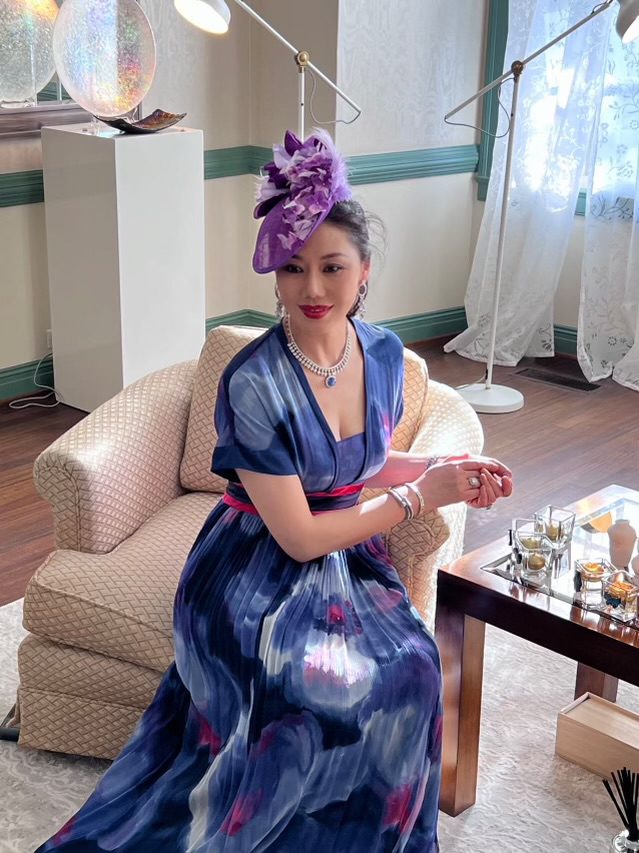
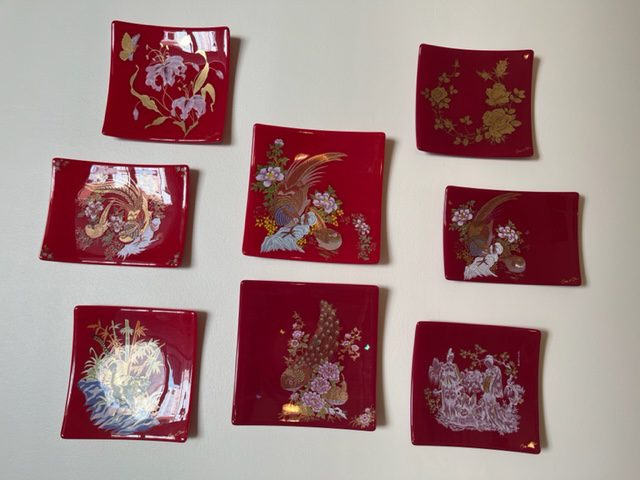
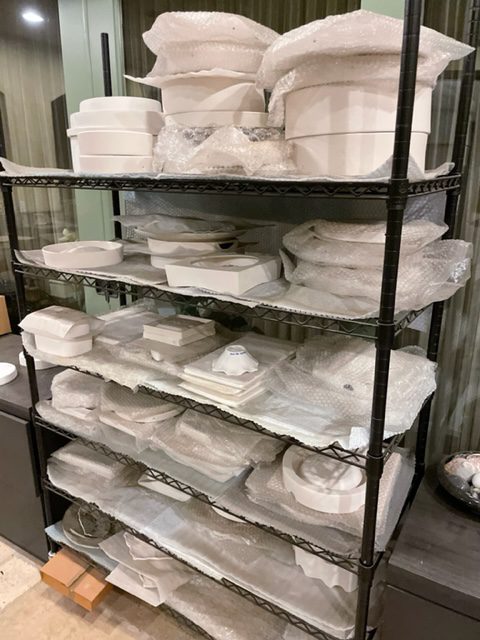

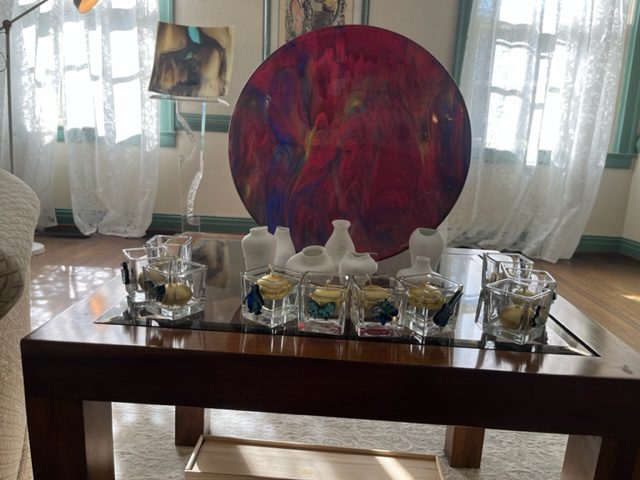


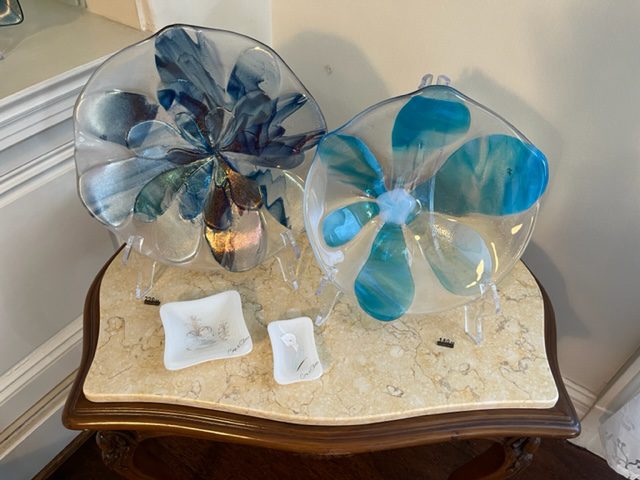
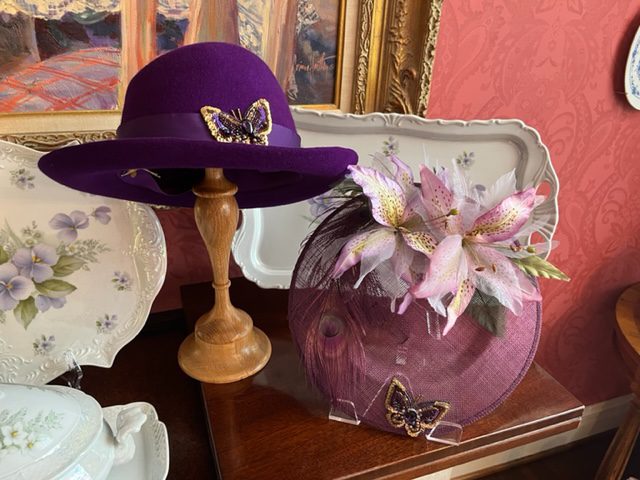

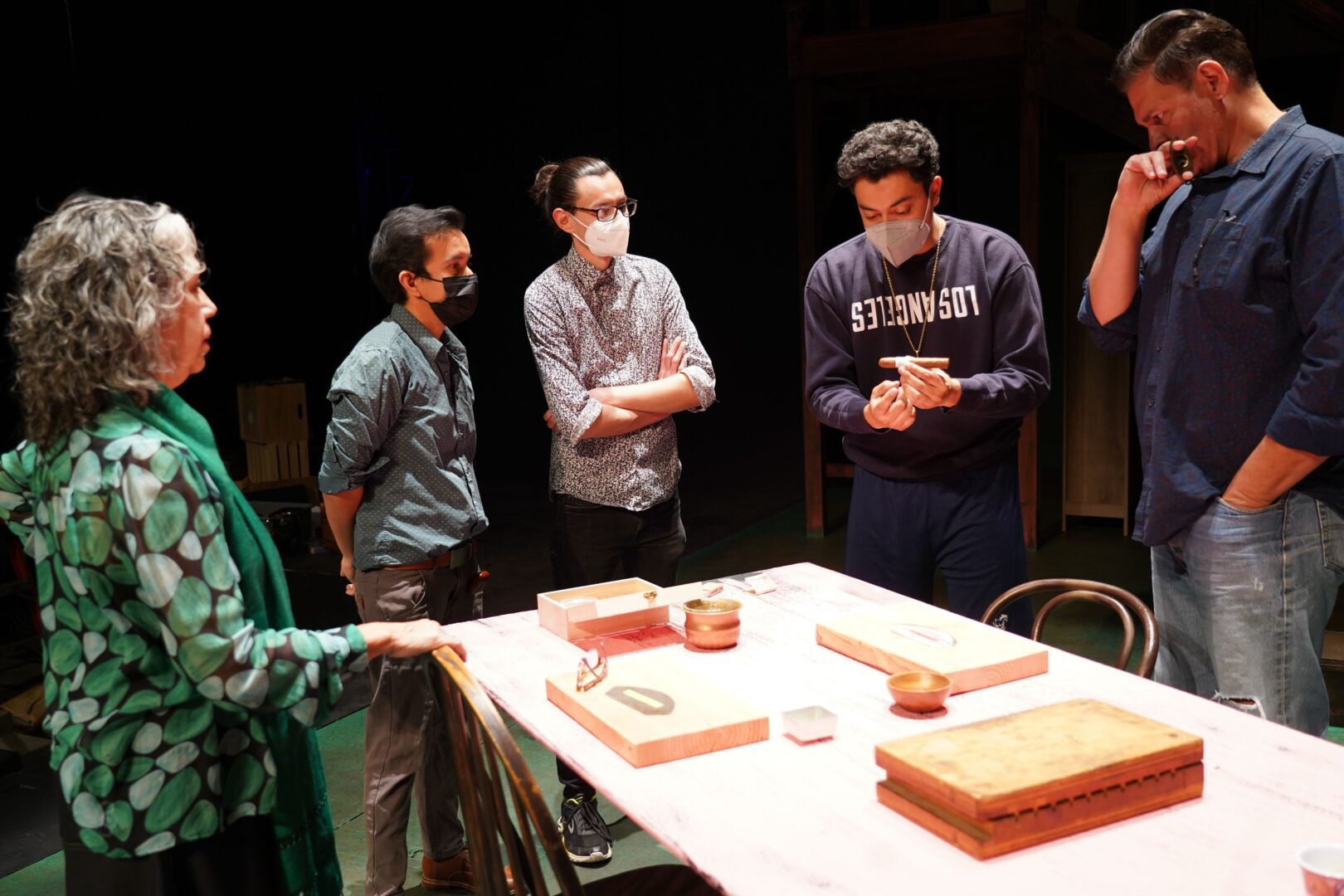




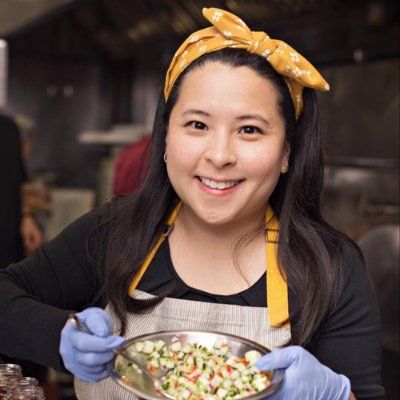
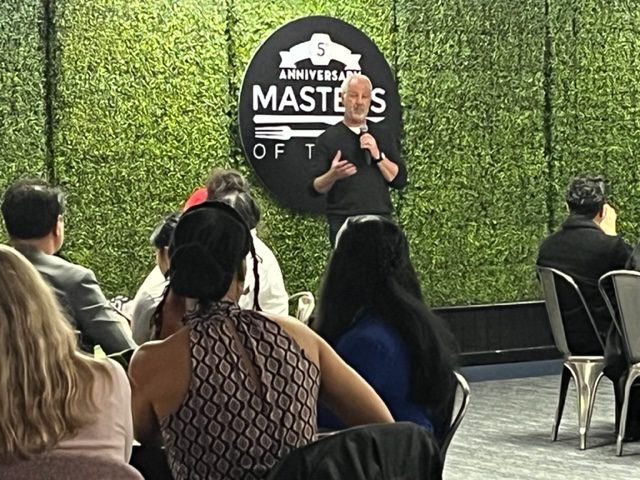

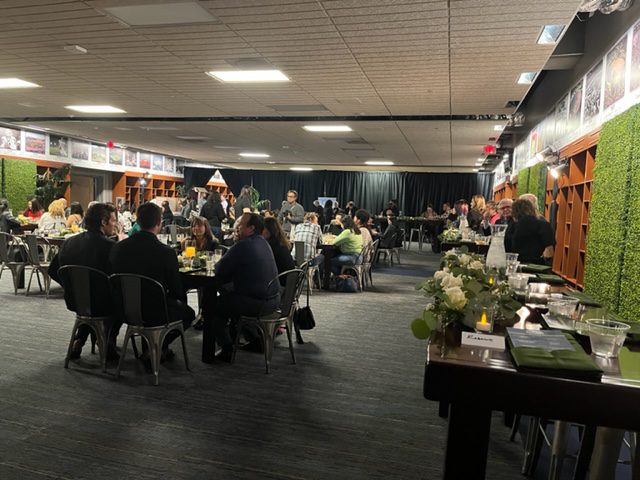
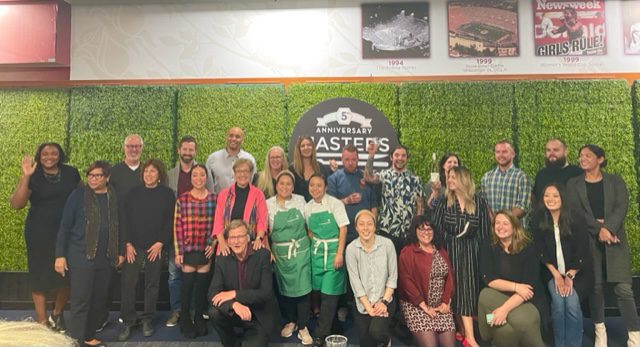
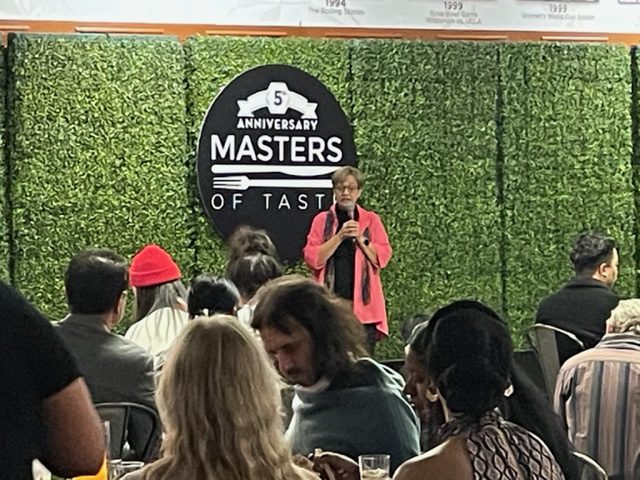



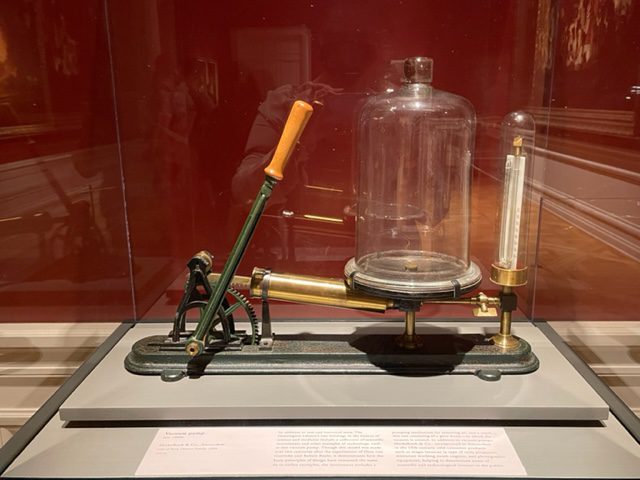
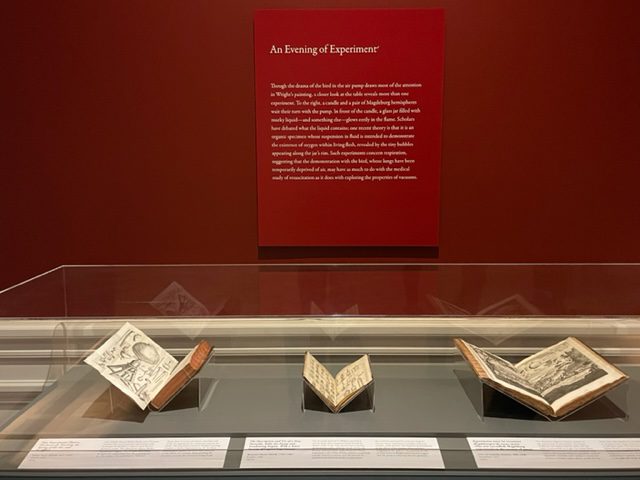
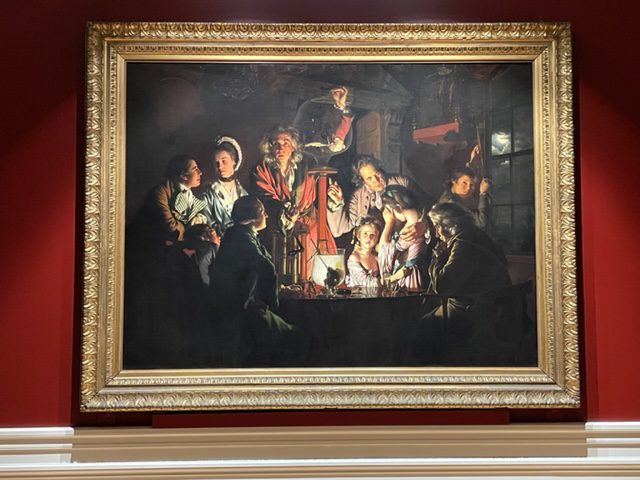

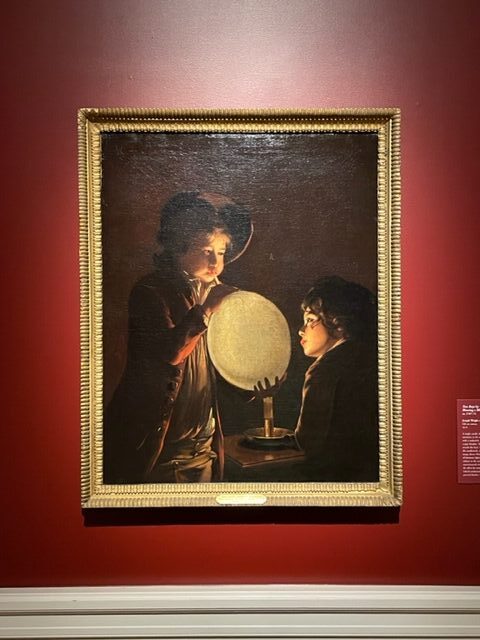
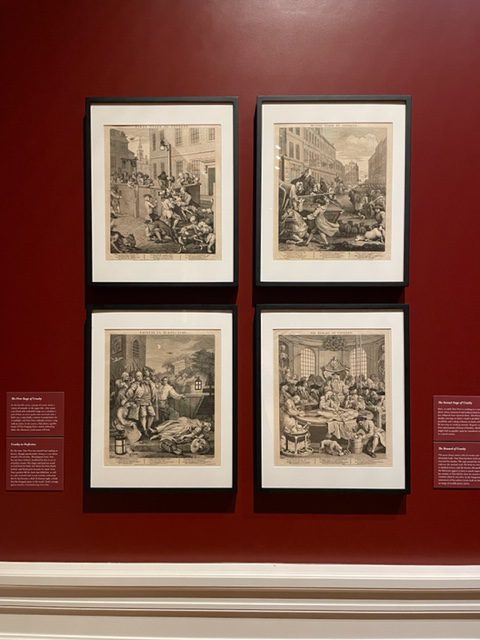
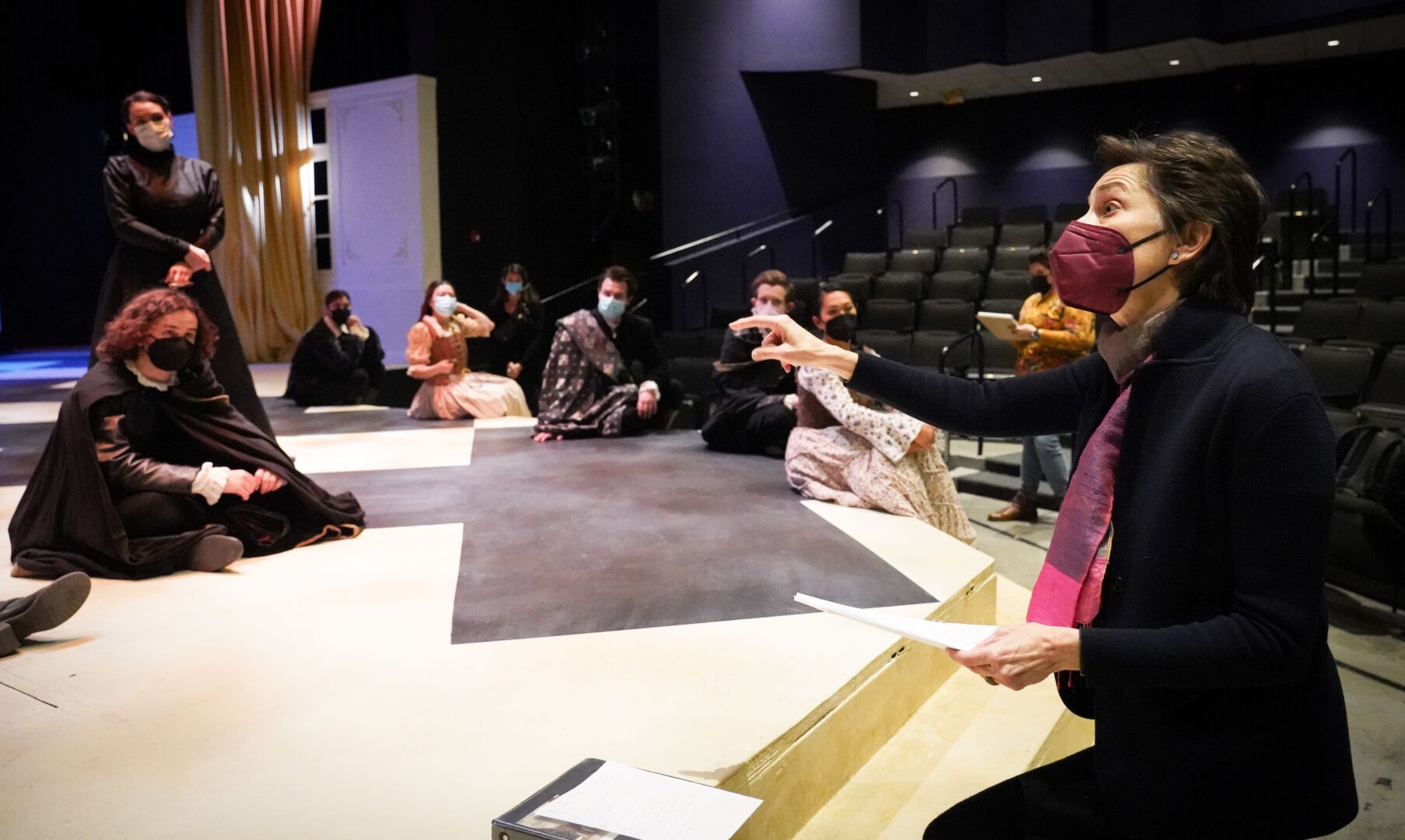


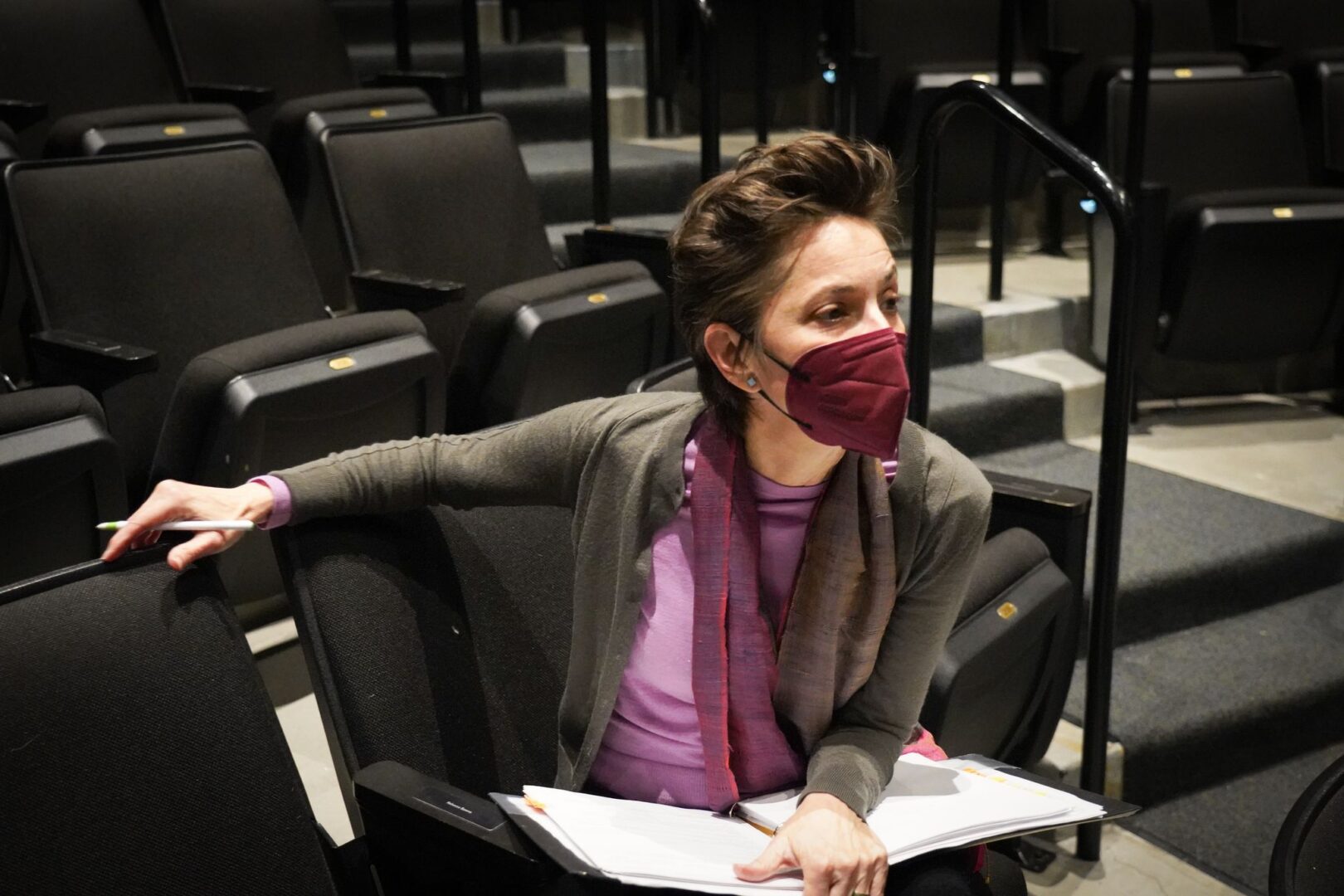


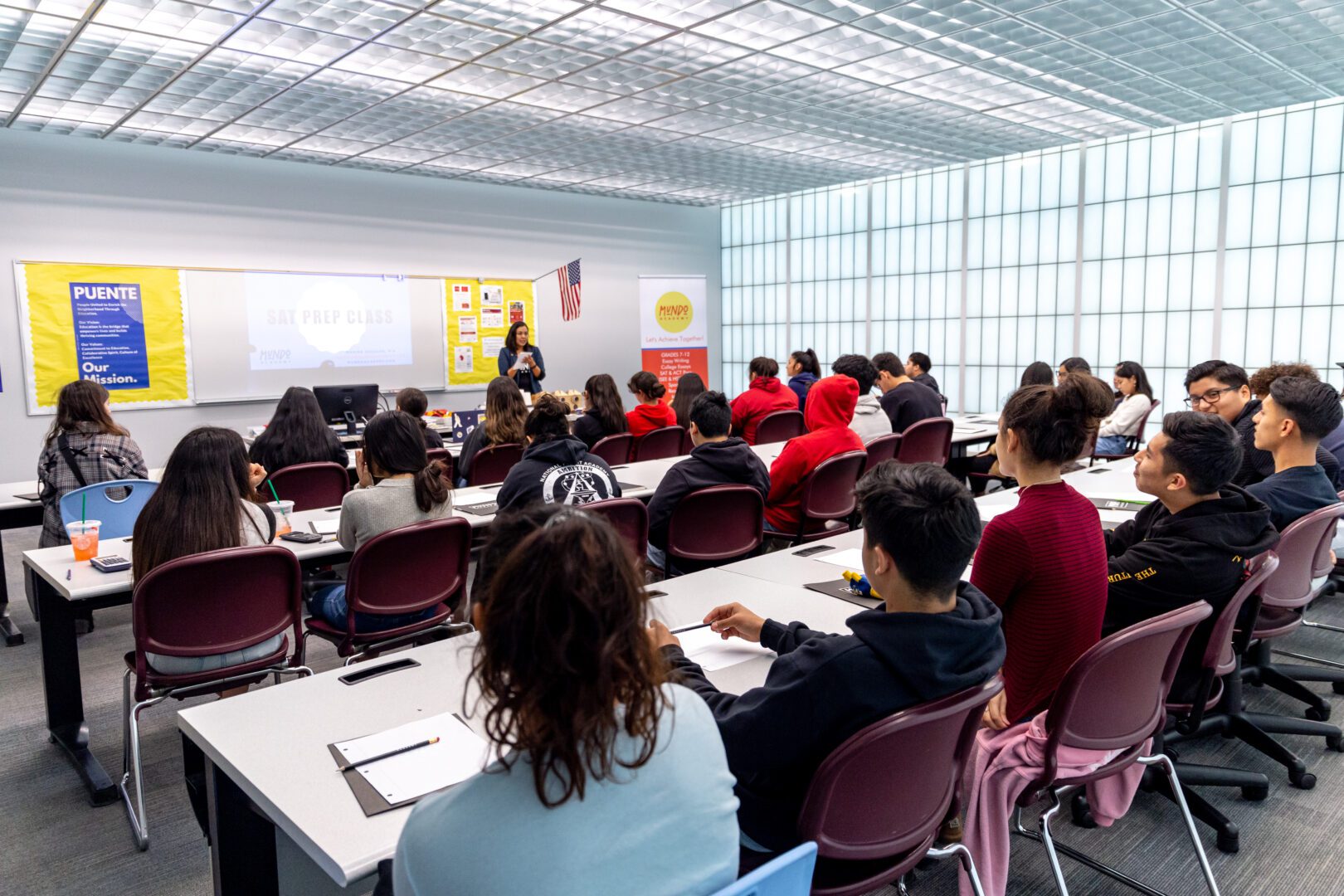

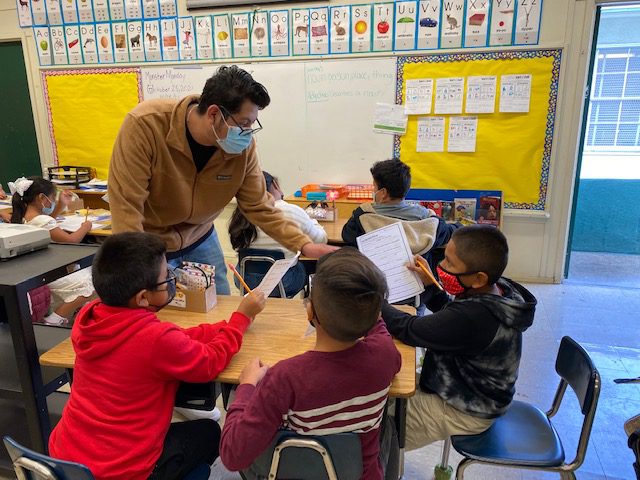
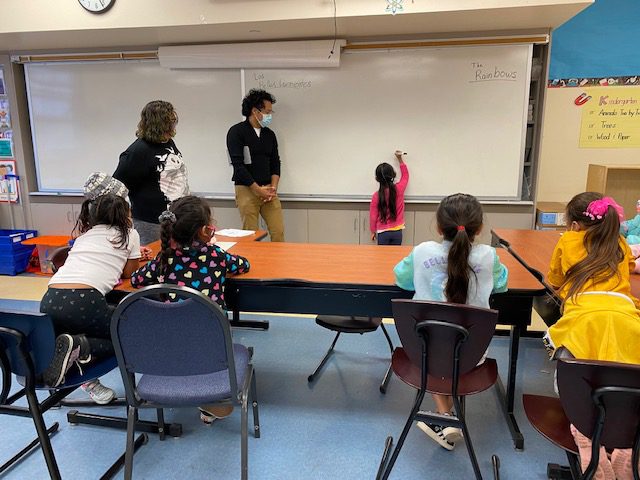
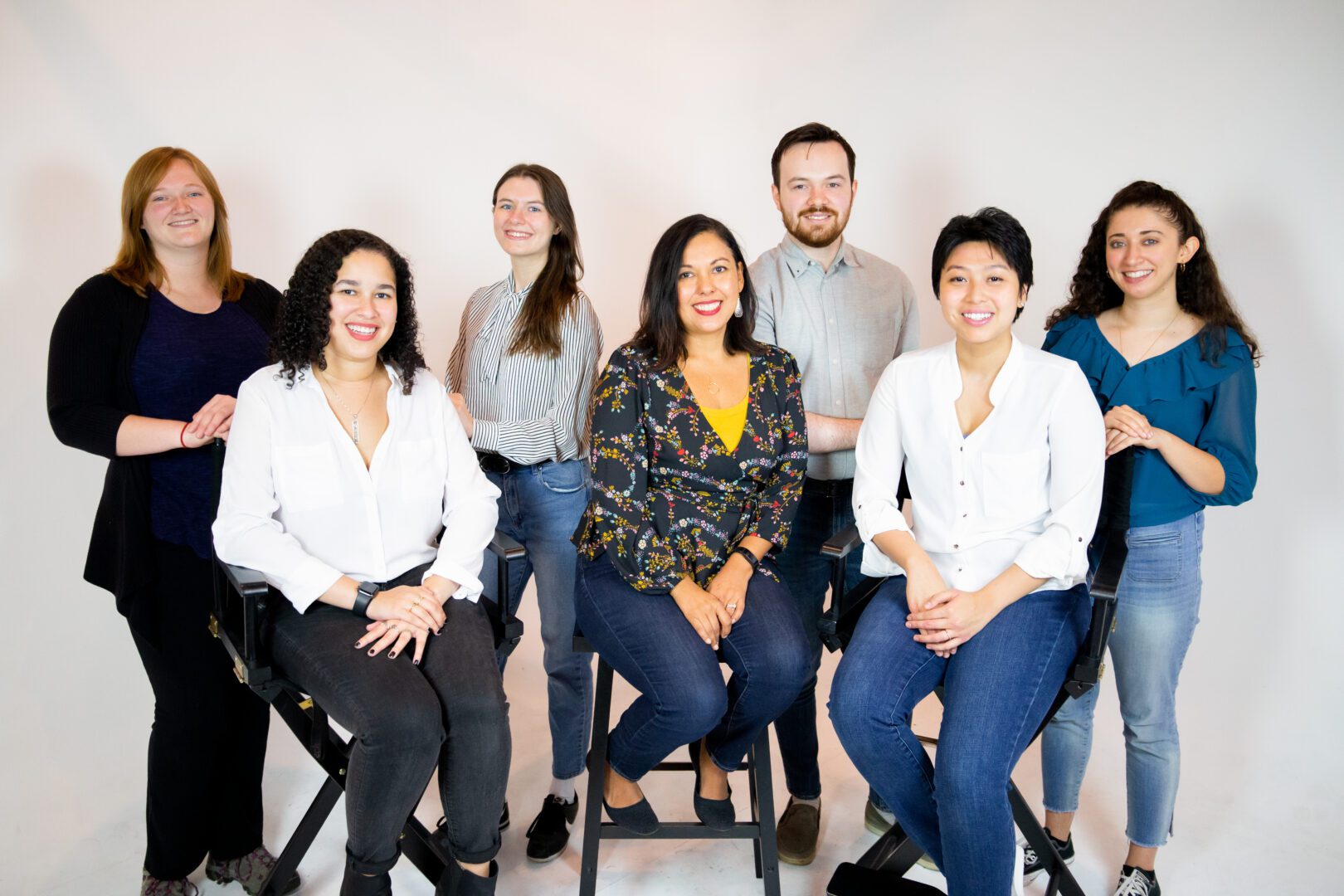


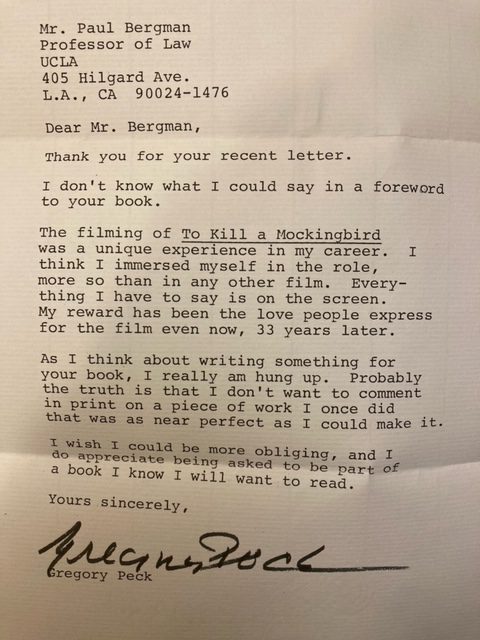
 A San Gabriel Valley Inquirer