About 10 years ago, Lauren Yee watched an LA Band called Dengue Fever at an outdoor music festival. That singular event inspired her to write a play called “Cambodian Rock Band” and it debuted in 2018 at South Coast Repertory in Orange County.
“Cambodian Rock Band” has since been staged in various iterations at different venues. The show makes its return to Southern California from Feb. 13 to March 9 in the David Henry Hwang Theatre at East West Players in Los Angeles — not too far from Long Beach, which is home to the largest Cambodian population outside of Cambodia.
This part-play, part-rock concert tells the powerful story of a Khmer Rouge survivor returning to Cambodia after three decades. As his daughter prepares to prosecute one of the regime’s most notorious war criminals, they must confront their shared history through the healing power of music.
East West Player’s production marks director Chay Yew’s 13th collaboration with the theater, bringing his signature vision to an extraordinary ensemble. He directed the world premiere of “Cambodian Rock Band” at South Coast Repertory and the off-Broadway run at Signature Theatre.
The cast, many of whom were part of the original world-premiere production, includes Kelsey Angel Baehrens as Neary/Sothea, Abraham Kim as Rom/Journalist, Tim Liu as Ted/Leng, Jane Lui as Pou/Guard, Joe Ngo as Chum and Daisuke Tsuji as Duch.
Speaking by phone, New York-based playwright Lauren Yee talks about the genesis of “Cambodian Rock Band,” what compels her to write, and her work process.
“I fell in love with Dengue Fever’s music — it was infectious, and fun and joyful,” begins Yee. “They play their own take on music inspired by the Cambodian rock scene of the ’60s and ’70s. So I went on a deep dive into their musical influences and learned about those musicians, a lot of whom were killed or died during the Khmer Rouge’s takeover of Cambodia in the early ’70s. It was shocking to me that not only the people, but this whole branch of musical history had been under attack. I thought, ‘there’s a play somewhere in here and I want to write it.’”
Shown from left to right: Joe Ngo as Chum, Tim Liu as Leng, Kelsey Angel Baehrens as Sothea, Jane Lui as Pou, and Abraham Kim as Rom perform “One Thousand Tears of a Tarantula” by Dengue Fever. | Photo Teolindo / East West Players
For a long time, Yee just contemplated about what that play might be. Then in 2015 she was commissioned by South Coast Repertory to write a play for them and she started working on what was to become “Cambodian Rock Band.”
Yee relates, “In the development process I brought on an actor named Joe Ngo, who I knew from Seattle, and it just so happened that his parents were survivors of the Khmer Rouge. And he played the electric guitar! It went from being a play about music to a play where the actors should play their instrument. He has just been the heart and soul of the show. He premiered the play at South Coast in 2018 and he’s basically been performing the role on and off for the past seven years. His involvement with the play is turning ten this year and he’s coming back to his home base of Southern California to perform the play at East West Players.”
“For a playwright, it’s a dream to have actors who have such a long relationship with a single work,” enthuses Yee. “Usually theaters bring in the actors for a month of rehearsals and a month of performances, and the actor may never touch the play again. But to be able to have these actors come back, like Daisuke Tsuji, Jane Lui, Abraham Kim, who were in the original cast at South Coast and two other actors — Kelsey Angel Baehrens and Tim Liu — join the show having done previous iterations of it, is a beautiful homecoming and something very rare in theatre.”
A Chinese American, Yee has written several Asian-centric comedies and dramas. One of her earlier plays was a comedy called “Ching Chong Chinaman” that featured the Wongs, a Chinese American family, in which she skewered every cliché about Asian American identity. More recently, she wrote a drama titled “The Great Leap,” about an American basketball team that traveled to Beijing in 1989 that explored the intersection of identity and politics and the cultural and political risks of speaking out.
I ask if she writes Asian plays because she’s Asian or because she wants to see more Asian representation in theatre, Yee responds, “I think it’s both. First and foremost, I’m a human who loves theatre so I think my plays represent a wide range of topics, ideas, and characters. But one thing I can offer the theatre world that I’m very proud of, is that I write great roles for Asian American performers where they get to play basketball or shred on an electric guitar and do really cool things and play the villain.”
“Sometimes parts of the plays I write reflect my own lived experience and family history,” continues Yee. “And also, over the years, I find I’ve been really interested in unpacking Communism in Asia in the 20th century and its collision with Western culture. It sounds very dry, but to me it’s about ‘What is it like when something seemingly Western as basketball collides with China?’ ‘What is it like when you’re living in a world that has outlawed Western music and then you hear electric guitar?’ as in ‘Cambodian Rock Band.’ I find those clashes incredibly interesting.”
And Yee doesn’t shirk from sensitive topics as she did with “Ching Chong Chinaman.”
She explains, “’Ching Chong Chinaman,’ which I wrote almost 20 years ago, is very close to my own family experience. It shines a light on how others thought of Chinese Americans and Asian Americans at a time when it wasn’t on people’s radar. Stop AAPI Hate was not a thing yet. We were just coming off seeing Asian Americans as this model minority and no one was talking about how we’re viewed and what language is being used against us.”
“For me, that was the right title for the play because I think it’s important that we don’t ignore the things that are traumatic — like charged language,” Yee adds. “We shouldn’t pretend that everything’s okay; we have to confront them.”
Shown from left to right: Joe Ngo as Chum, Kelsey Angel Baehrens as Sothea, Tim Liu as Leng, Jane Lui as Pou, and Abraham Kim as Rom. | Photo by Teolindo / East West Players
According to Yee, she doesn’t have a fixed idea if a play she’s writing is going to be a comedy or a drama.
“Each play is like a kid: the child is born and you don’t know their personality, what they’re going to be like,” enlightens Yee. “But as you begin to spend time with them you see how they speak and communicate. In all of my plays there’s the vein of humor that runs throughout; there’s something deeply, painfully funny in them. I think drama and comedy exist in that same human experience. I really can’t separate the two.”
While most of Yee’s plays have been universally praised by critics, she’s a little shy when it comes to reviews.
“I can write a play and two different people can have totally different opinions about what they think of it or how the play should have gone,” Yee says. “I’m most invested in listening to the voices that are closest to the creative process.”
As for the audience takeaway, Yee observes, “I’m really excited for whatever the audience takes away. I think it’s going to vary based on who you are and your experiences with the music and its history. For those new to this history, I want to incite you to dig deeper and learn more; to think about the power of art, and the threat of oppressive regime, and what can happen when things change.
“And for people who are closer to the material, who know the music or maybe are familiar in a personal way with the event, I hope you’re able to celebrate that music, and reflect on your own history, and share some of your own experiences with people you love. What I found with this play that has been so moving is to hear people — especially from the Cambodian community — say ‘I went through that, or I didn’t experience exactly that, but I’m going to tell my kids about what happened to me.’”
In parting, Yee declares, “I’m so excited to be part of East West Players’ 60th anniversary. Throughout the 20th and 21st century, they have been a leader in championing AAPI voices and it’s really an honor to be part of Lily Tung Crystal’s inaugural season. I think ‘Cambodian Rock Band’ is a joyride — the music is electric, the performers are amazing. It’s a show that lifts you up on your feet despite it all.”
Those who have been fortunate enough to see Yee’s plays will tell you that she creates intensely heartbreaking plays that bring the audience to tears and hysterically funny ones that have people laughing their heads off. “Cambodian Rock Band” is another one of her works that’s certain to elicit a strong emotional reaction.
Graphic design and illustration by Azuda Oda. Original photo of Manzanar, California by Dorothea Lange, 1942 / Photo courtesy of “The Camp”
In 1942 President Franklin D. Roosevelt issued an Executive Order that gave the U.S. army authority to compel 120,000 Japanese Americans believed to be security risks, to sell their homes and dispose of their possessions, and send them to ten concentration camps across the country.
This internment of Japanese American men, women, and children – one of the darkest moments in U.S. history – is the topic of an opera called “The Camp.” It will make its world premiere on February 22, 23 and March 1, 2, 2025 at JACCC (Japanese American Cultural & Community Center), which is within blocks of where 83 years ago families were loaded on buses and sent to the camps.
“The Camp” tells the moving story of the Shimono family, Japanese Americans forcibly removed from their suburban home in Southern California. After Mas, a fisherman and the head of the household, is arrested by the FBI on suspicion of espionage, the family is reunited in a desolate incarceration camp. As the family struggles to survive the emotional and physical toll of their wrongful imprisonment, this poignant, new opera illuminates the remarkable strength of familial bonds and the power of collective resistance in the face of injustice.
Pictured from left: Alexandra Bass, Steven Moritsugu, and Roberto Perlas Gómez | Photo by Mae Koo / The Camp
Presented in partnership with JACCC, “The Camp” is a collaboration between librettist Lionelle Hamanaka, composer Daniel Kessner, and director Diana Wyenn. It features an intergenerational cast of eleven singers and a 22-member orchestra led by conductor Steven F. Hofer. The associate director is John Miasaki, joined by artistic consultant Anne Marie Ketchum de la Vega, scenic designer Yuri Okahana-Benson, lighting designer Pablo Santiago, costume designer Kathleen Qui, and properties designer Brittany White to complete the creative staff.
The cast of eleven is headed by leading Los Angeles area vocalists – bass-baritone Roberto Perlas Gómez as Mas Shimono; mezzo-soprano Shu Tran as Haruko Shimono; and soprano Tiffany Ho as Suzy Shimono. With Habin Kim as Rebecca Shimono, Patrick Tsoi-A-Sue as Nobu, Krishna Raman as the Commentator, FBI Agent, and PFC Parker, Sarah Wang as Mrs. Hosaka, Steve Moritsugu as Tana, Dennis Rupp as Edwards and Reverend, Hisato Masuyama as Kenji and Jamie Sanderson as Taylor.
Speaking with me by phone just two weeks after the Palisades and Eaton Fires, New York-based Lionelle Hamanaka precedes the interview by thoughtfully inquiring after my safety and well-being. She then likens the displacement the fires caused with what happened during World War II.
Sarah Z. Wang and Krishna Raman | Photo by Mae Koo / The Camp
“I was looking at the population of the U.S. in 1945 compared to today,” begins Hamanaka. “In 2020 the U.S. population was 329 million, in 1945 it was 139 million – 120,00 Japanese Americans were displaced in 1942 because they were incarcerated and today about 200,000 California – specifically L.A. area – residents were evacuated because of the fires. A slightly higher percentage was displaced in 1942 than from the fire. Sixty percent of the residents lost their property or had to sell it in a week. I think the Japanese American population has in its collective memory a comparable tragedy to the one in California. It’s a horrible thing that it happened at all.”
Hamanaka, a sansei whose parents were incarcerated at the Arkansas Jerome War Relocation Center, wasn’t born yet during World War II. Her mother was in her late teens and had two kids while her father was about 20 years old and had graduated from Fresno State College when they met at the camp.
Like many people who endured the horrors of the Japanese American internment, her parents didn’t tell her or her siblings about their experience. Recalls Hamanaka, “I found out at 12 years old through my social studies teacher in class. Most Japanese Americans didn’t tell their kids because they didn’t want them to be burdened with a negative self-image.”
Roberto Perlas Gómez and Tiffany Ho | Photo by Mae Koo / The Camp
Learning about the camps changed Hamanaka’s entire life; she says she felt traumatized and never got over it.
I ask her how she moved forward from that revelation and she replies, “I had a very different background. I think when we were little, my dad used to read us passages from classical literature, including the works of Shakespeare, E.E. Cummings, and other writers. Even though we didn’t understand all the words, we actually memorized a lot of poems and passages when we were 3 and 4 years old. ”
“My father was an actor,” Hamanaka continues. “He was a very friendly guy and he used to have a salon in our apartment – as miserable as it was – on the Lower East Side. Because we lived where one-sixth of all Americans have passed through, it’s a very universal place. While it was segregated, my father’s circle wasn’t. He was friends with Isamu Yamaguchi and James Baldwin. Later he became friends with Mako, who was a very important actor. We had racially and sexually integrated salons at our house and I think that gave a healthy balance to the trauma that my parents had lived through.”
Hamanaka went to the Japanese American National Museum to get the records about the camp where her parents, half-brother, and half-sister were imprisoned. “The Camp” integrates people’s experience from the various camps and the stories she had heard and read.
Hisato Masuyama and Roberto Perlas Gómez | Photo by Mae Koo / The Camp
“My mother was imprisoned in Santa Anita Race Track, a local assembly point where she was in a horse stall for nine months, before she and others were transported to permanent camps. I referred to it in a dialogue in the opera,” discloses Hamanaka.
Prior to writing this opera, Hamanaka has had exposure to people’s work related to the concentration camps. She explains, “I’ve read important works of literature written about the camps, including a book called ‘No-No Boy’ by John Okada. The topic has been covered in a musical on Broadway; I’ve seen George Takei’s ‘Allegiance,’ which was very good. An opera will appeal to a different audience. I think all segments of the population should be exposed to our history but nobody knows that history unless it’s available.”
According to Hamanaka, “The Camp” is a passion project for her and the others involved in it. “I used to be a jazz singer and now I’m a playwright. I think when you’re an artist you feel it’s necessary to express yourself. In the United States there’s no support for artists, therefore, there has to be a pretty compelling reason.”
“I think culture is a decisive factor in determining consciousness. Because as human beings, we have words and we are able to tell stories. I’m a minority woman and I live in the 20th and 21st century. I’m Japanese American and we went through this experience – it’s a pivotal part of my life. Otherwise I wouldn’t have written these works that I have already done. We live in a segregated society and world; we’re divided nationally according to class and race. Within our country we’re segregated according to nationalities and generations, and so forth,” Hamanaka expounds.
Tiffany Ho and Patrick Tsoi-a-Sue | Photo by Mae Koo / The Camp
“Culture is a way of people seeking understanding and education, of ending segregation, of having compassion and all of the virtues that are described in all religious work and oral literature from the beginning of time,” continues Hamanaka. “Therefore, it’s a need; it’s part of our identity as a species.
“Because when there’s no understanding, when there’s segregation, when there’s class, national, racial, and sexual antagonism, we wind up killing each other. It’s like the teachers used to say – use your words. I used to use music, now I’m using words. I was very lucky to meet Daniel Kessner on Facebook and do this project with such an acclaimed composer.”
Hamanaka concludes, “I hope to some small extent I reflect the character of my people in that struggle and the struggle against racism in this country. Because we’re under attack right now and we need to have a big united front. If even one person or child who sees and hears the opera decides they’re going to do something and not be afraid, it is a victory.”
Briar Rosa’s “Queen III” in the “Centered in Ink Exhibition.” | Photo courtesy of the Ontario Museum of History & Art
Ontario Museum of History & Art (OMHA) presents two exhibitions that portray community issues and cultural stories. “Mission Gráfica: Reflecting a Community in Print” and “Centered in Ink: Printmaking in the Inland Empire” will open concurrently on Thursday, January 9, and will run through March 9, 2025.
A community reception will be held on Saturday, January 11, from 2 to 4 p.m., with light refreshments and a chance to meet the artists from Centered in Ink. Additionally, OMHA will host an artist talk with featured artists from the exhibitions on Saturday, February 1, from 2 to 3 p.m.
Mission Gráfica poster / Photo courtesy of Ontario Museum of History & Art
“Mission Gráfica: Reflecting a Community in Print” is a touring exhibition developed in partnership with the San Francisco Public Library that features dozens of screenprints from Mission Gráfica, a community print center of diversity and cultural ferment in San Francisco. Founded in 1982 as part of the Mission Cultural Center, Mission Gráfica became the most sought-after political poster center in the Bay Area in the 1980s. Designed to capture attention on the street, the posters urged political action as well as celebrated culture and life.
This exhibition reflects a variety of styles, approaches, and sensibilities from non-professional and emerging artists to well-known figures such as Carmen Lomas Garza, Nancy Hom, Rupert Garcia, Mildred Howard, Jean La Marr, Ester Hernandez, Michael Roman, and the San Francisco Print Collective. It will explore themes of U.S. Imperialism, gender inequality and women’s empowerment, cultural celebrations, Indigenous America, and more – many of which continue to resonate today.
Stephanie Lagos. Mixed media screenprint / Photo courtesy of Ontario Museum of History & Art
Its companion exhibition, “Centered in Ink: Printmaking in the Inland Empire,” will showcase a diverse array of printmakers and screen printers of the Inland Empire who employ their artistic skills to address pressing community issues and ignite conversations that resound with viewers. Using their printmaking practices to create powerful visual statements, the artists delve into thought-provoking themes such as identity, activism, and environmental awareness. Participating artists include Briar Rosa, Adam Aguilar, L.Akinyi, Micah Amaro, BA Soul, Kenia Cruz, Cesar Garcia, Jorge Heredia, Duan Kellum, Stephanie Lagos, Eduardo Raul Muñoz-Villagaña, Erick Revollo-Paz, and Sarah Vazquez.
Twenty seven prints from Mission Gráfica and thirty artworks for Centered in Ink will be exhibited in the museum’s North Wing Galleries.
Mission Gráfica screenprint / Photo courtesy of Ontario Museum of History & Art
Samantha Herrera, exhibition curator, says by email that the two shows were purposefully meant to run together. “Centered in Ink was planned to pair with Mission Gráfica. With most of the traveling exhibits we host, we try to complement them with the Inland Empire’s fascinating history and exciting art communities.”
“We searched in our local art community for a similar group of printmakers working together at a local art center who were producing artwork with a socially conscious theme and providing an outlet for creativity to the community at large,” Herrera says further.
“I wasn’t familiar with the Mission Gráfica art collective until recently. But I did recognize some of its artists, such as Esther Hernandez, from my studies of the Chicano rights movement in college,” discloses Herrera. “During that period, Esther’s work centered on themes of women’s rights and the struggles of Chicano farmworkers, using her art to amplify their voices and issues.”
Mission Gráfica screenprint / Photo courtesy of Ontario Museum of History & Art
“The printmakers we are featuring in Centered in Ink, all have connections to the Garcia Center for the Arts in the city of San Bernardino, similar to the artists in Mission Grafica, hosted by the Mission Cultural Center of Latino Arts in San Francisco,” explains Herrera. “Most of the local printmakers we are presenting are influenced by the Oaxaca woodcut print art form, originating from the Mexican state of Oaxaca.”
Local participating artists include:
Jacob Adame (Briar Rosa)
Briar Rosa works with various mediums to make paintings, sculptures, drawings, and prints. Their work has developed into exploring the figure and its historical relationship with symbolism.
Briar Rosa. Hover When we Weep / Photo courtesy of Ontario Museum of History & Art
Adam Aguilar
Adam Aguilar is a printmaker and multidisciplinary artist from the Inland Empire. He has worked displayed in Inland Empire galleries and museums.
Adam Aguilar. Nectar Fields / Photo courtesy of Ontario Museum of History & Art
Lilian Owiti (L Akinyi)
L. Akinyi is an interdisciplinary artist currently working to bridge the cultural landscapes of their upbringing in Nairobi to the diverse influences of the Inland Empire, where they currently live and work. Through their practice, Akinyi explores their own internal world, themes of identity, migration and the interplay between traditional and contemporary spiritual practices from her African/diasporic lens.
Micah Amaro
Micah Amaro is a San Bernardino artist who focuses on character design through colorful and expressive BIPOC illustrations. She has demonstrated her versatility by branching out into different mediums, such as printmaking with the collective Grafica Nocturna. Over the years, she has worked with many organizations, such as the Locatora Radio podcast and Arts Connection.
Mission Gráfica screenprint / Photo courtesy of Ontario Museum of History & Art
Brenda Angel (BA Soul)
An artist born and raised in San Bernardino, California, BA Soul expresses her creativity through paint, fabric, illustration, and murals. Inspired by her culture and the beauty of nature, she connects deeply with others through her art.
Kenia Cruz
Kenia Cruz is an interdisciplinary artist raised in Los Angeles and the Inland Empire, whose practice is currently focused on printmaking. She holds a Bachelor of Arts degree in Art with a concentration in Visual Studies from Cal State San Bernardino and is now pursuing a master’s degree in education with an emphasis on art at the University of Redlands.
Cesar Garcia
Cesar Garcia is a craftsman based in San Bernardino, who prefers working with printmaking techniques such as xylography, pyrography, stencil and airbrushing. He believes art is a powerful tool to create awareness about what is happening around us and reflects the times we live in.
Cesar Garcia. Untitled / Photo courtesy of Ontario Museum of History & Art
Jorge Heredia (Osvaldo Heredia)
Osvaldo Heredia is a first-generation Salvadoran Mexican, born in Downtown Los Angeles and now primarily working in San Bernardino. Heredia is a graduate of Cal State San Bernardino and a former Director of the Garcia Center for the Arts, where he led and contributed to many community projects, with the goal of empowering the community.
Duan Kellum
Born in Trenton, New Jersey, Duan Kellum is an educator, artist and activist. Kellum’s predominant mediums are screen- printing and stenciling.
Duan Kellum. Sal’s World / Photo courtesy of Ontario Museum of History & Art
Stephanie Lagos
Stephanie Lagos is a versatile artist based in the Inland Empire, exploring their Mexican Honduran heritage through various mediums, including painting, ceramics, drawing, and printmaking. Their work reflects a deep connection to their roots and cultural identity, pushing the boundaries of Eurocentric ideas in art.
Erick Revollo-Paz
Erick Revollo-Paz is an artist born in Mexico and raised in Southern California. After graduating from California State San Bernardino, Revollo-Paz developed a passion for art, specifically within printmaking practices.
Sarah Vazquez
Sarah Vazquez is a visual artist from San Bernardino, California, who works across various mediums and has been focused on printmaking since 2018. Her work is emotionally driven as she explores themes of identity, connection, and healing. Vazquez is an advocate for accessible art education and a member of the Grafica Nocturna printmaking collective.
Sarah Vazquez. Infinite Love / Photo courtesy of Museum of History & Art
Herrera declares, “Through their creative process, the artists in both exhibitions reflect various styles, approaches, and sensibilities. They explore societal struggles, weaving personal narratives into broader discussions that connect the individual to their community. These works spark dialogue on identity, place, and belonging, using diverse materials and symbols to share stories and encourage reflection. We hope the work resonates with you as much as it did with us and continues to inspire dialogue among members of the Inland Empire community.”
Through the decades and spanning cultures, artists have spoken their truths and effected social reform. Would that we, who view this exhibition, engage with their works and act on what we learn.
Teens in a flower field / Photo courtesy of Hank Wu
In the final days leading up to the Fall of Saigon on April 30, 1975, U.S. diplomats organized the massive evacuation of American and South Vietnamese citizens in an operation called Operation Frequent Wind. The capture of Saigon by North Vietnam and the Viet Cong, which marked the end of the Vietnam War, was a humiliating failure of American foreign policy in Southeast Asia.
Elizabeth Ai, a Chinese-Vietnamese-American writer, filmmaker, and producer who was born and raised in Alhambra, in the western San Gabriel Valley, documents the stories of the people who were transplanted here in the aftermath of the Vietnam war.
Ai’s film documentary “New Wave” and companion book “New Wave: Rebellion and Reinvention in the Vietnamese Diaspora” shine a light on the music that saved the 1.5 generation – refugees who were born in Vietnam but were raised in the United States. Many of these young people in Southern California found a new life and a new identity in New Wave music, a type of Euro Disco that became enormously popular in this community.
The idea for the film was conceived in Ai’s head in 2018 when she was pregnant with her daughter. She reveals that it started out as a documentary focused on the Vietnamese as a way to leave something for her daughter. She was trying to save the memories of this community before they disappeared but, in time, it all blurred into her own family history. As people shared their stories, she discovered how much they mirrored her own.
“New Wave,” the film, begins with a news clip showing the arrival of close to 160,00 Indo-Chinese refugees who first settled in Camp Pendleton and other settlements. It centers on the lived experience of Ai’s two main interviewees Ian Nguyen and Lynda Trang Đài – prominent artists of the music genre when the young refugees came of age in the 1980s – and her own.
Ian Nguyen, who goes by the professional name DJ BPM, is one of the remaining New Wave artists. He describes what it was like to live in a new country; they shared a house with four different families. It was through one of the teenage boys that he discovered New Wave music. With its steady disco beat, electronic drums, and synthesizer, it seemed ahead of its time.
Several record stores in Chinatown started carrying cassette tapes and vinyl records of the music which sounds like today’s Depeche Mode. They called it New Wave and the name stuck; in the 1980s it was played at all Vietnamese supermarkets and restaurants.
Nguyen started deejaying in L.A., Orange County, and San Diego; he has been a New Wave DJ and concert producer for almost 40 years.
After his daughter was born, Nguyen decided to try to rebuild a relationship with his father. He went to visit his dad in the nursing home and, at his father’s request, he drove around to show him the houses he used to live in. It turned out to be a very emotional reunion because it was the first time he hugged his father.
Women in Black | Photo courtesy of Thai Tai / “New Wave: Rebellion and Reinvention in the Vietnamese Diaspora”
New Wave singer Lynda Trang Đài, is called the Vietnamese Madonna. When she arrived here, she says she saw white, black, and Hispanic singers, but no Vietnamese artists – and she dreamed of being the first. She started out singing at community events.
It was when she was a high school senior that Đài began singing professionally on weekends at night clubs. During one of her weekend gigs she was discovered by a Vietnamese TV producer of a show called Paris by Night, a variety program which catered to the Vietnamese in Paris. For some, it was the only way to see other Vietnamese people; for another generation, it was a way to dream about their homeland.
Her show debuted on the same week as her high school graduation and “Give me your Love Tonight” was the song that launched her career. Young people loved Đài’s revolutionary music and the Lyndaholics became her loyal followers.
Đài became internationally famous and performed in Australia, New Caledonia, Moscow, Poland, Hungary, the Czech Republic, Norway, Finland, England, Germany, Italy, and all over Asia. After several years of collaboration, the producers of Paris by Night put on Đài’s final performance. It was the end of her TV career.
Shortly after that, Đài had a baby. To earn a living she opened a sandwich shop, which she ran while still touring with her husband Tommy who was also a singer. Because they were gone so much they didn’t spend a lot of time with their son, who grew up resenting their career and employment choices.
In the film, Ai discloses that Đài reminds her of her mom, Lan. She was very good at what she did and she broke the rules about what it meant to be a traditional Vietnamese woman. Behind her stage persona was someone who took care of her family and provided for them.
Like Đài, Lan was the sole breadwinner for their entire family. She was pushed by her own parents to take care of her 12 siblings. She came to America but ended up divorcing her husband and becoming a single mom. She worked day and night so she could pay for the mortgage and the cars, and send money to relatives back in Vietnam. And when these relatives came here, she helped them start new lives. She put them through school and bought them cars; she purchased a house for her grandparents and even funded their gambling hobby.
Elizabeth Ai | Photo by Yudi Echevarria / “New Wave: Rebellion and Reinvention in the Vietnamese Diaspora”
Because her mom was moving from one nail salon to another trying to build an empire, Ai was practically raised by surrogate parents – her Aunt Myra, her mother’s sister, and a rebellious uncle. She and her brother lived with their grandparents. They saw very little of their mom and they eventually became estranged.
Ten years after Ai last saw Lan, she reunited with her mom, who lives in Jackson Hole, Wyoming. She took her little daughter there to meet her grandmother for the first time. The audience can feel the tension between Ai and her mom as she expresses how she felt abandoned as a young child. It’s no longer a film about the Vietnamese people and how they coped in their new environment, but of the filmmaker’s personal journey and her courageous decision to confront her own buried trauma.
“New Wave: Rebellion and Reinvention in the Vietnamese Diaspora,” the film’s companion book, contains essays by Elizabeth Ai, Thúy Đinh, Thúy Võ Đặng, Thao Ha, Lan Duong, Eric Nguyen, Carolyn Huynh, Julia Huỳnh, Thuy Tran, Paul Quốc Trần, and Trace Le. It is a story of joy and youthful defiance, showing how young Vietnamese refugees reinvented themselves in the West through music, fashion, and community.
Speaking by phone, Ai discusses the film and the book, and people’s reaction to the documentary.
“Featuring Lynda Trang Đài was a no brainer,” Ai declares. “She’s the Vietnamese Madonna so I had to have her in the film. DJ BPM was someone I met randomly at a night club where my team and I went to for revival parties. He was a big fan of the New Wave music, not necessarily Lynda but of the Euro-disco artists. He used to deejay music at garage parties. They had to import this music in and he was one of the original people on the scene listening to the music. He collected these New Wave vinyl records when he was a teenager until he was in his 50s.”
Ai mentions in the film that her life changed when she had a baby and that made the big difference on how the documentary evolved.
“Beyond the Asian American community, I really wanted to touch on the theme of parent and child relationship,” explains Ai. “I don’t know if everyone wants to be a parent, but each one of us is someone’s child and we understand the friction and tension. You don’t have to be an immigrant or a refugee, or a child of a refugee, to understand what it feels like to not belong sometimes. But I do feel that the barriers, the challenges, and the obstacles become greater as a refugee or an immigrant – as somebody who is of two different worlds and cultures.”
“I feel that as a theme, the relationship between a child and a parent is universal,” continues Ai. “We’re fighting for our identities and sometimes our parents don’t understand or have their own obligations and circumstances. I think, for me, having had the privilege to be a parent on my own terms really made it even more intense the need to be able to share a part of my story with my daughter.”
Ai says, “A lot of people thought I would be going into Vietnam war stories. But for me it was more important to talk about that time when my uncle and aunties – the people who raised me – were the ones navigating this space with so much complexity and struggle. We always look at the adults who are learning English at night and working three different jobs. At the same time, it’s very challenging to be a young person in this world trying to figure out who you are.”
Book cover photo courtesy of “New Wave: Rebellion and Reinvention in the Vietnamese Diaspora”
The pandemic happened in the middle of filming so Ai and her team largely paused production throughout 2020 and 2021, prompting a start to their Instagram page to crowdsource archival material. It was also how the companion book came about.
“I got so many archives from the community with our social media, on Instagram, and our crowd sourcing that I felt it was necessary to share some of the documents that didn’t go into the film in this different medium,” explains Ai. “So that if people didn’t see the film, they could find the material in a different way. In the same token, it’s something that I felt was necessary because we don’t see these archives of us being saved by western, White American media. They don’t preserve our history.”
The authors who contributed essays in the book wrote about belonging. Ai clarifies, “The sense of wanting to belong and having their own world that they can build. Between all the other essays and my contributions, it really was to show that for so long we have been kept out of the narrative that we see on TV, or in film, or in books.”
Ai says further, “I really believe that both the film and the book are acts of community preservation and community film- and book-making. It’s really important to me to acknowledge all the people who contributed – even the act of taking a photograph and saving it – so that we could share it in this way.”
While Ai’s family – her maternal grandparents, parents, and her mom’s siblings – were refugees, she was not. And she thinks it’s because of it, not in spite of it, that she’s more involved in her ethnic community much more than immigrants are.
“Our whole life, we had the obligation to assimilate,” reasons Ai. “When we become adults we ask ourselves why we haven’t been more immersed in this world. It’s imperative that we realize all of this white-washing of culture. I’m in my 40s and as a teenager all I ever saw on magazine covers were white women; it was the most radical thing when you finally saw a black woman on the cover of a magazine or in a film.”
“But it’s still rare to see an Asian person in the media, so now we get to change that narrative,” Ai adds. “It’s beautiful to see this reclamation happening among Asian Americans in the global diaspora. Even though we were displaced by American wars happening in our country, we could still reclaim our heritage. I think we all still want to be very much connected to our ancestry; this is our cultural inheritance. I see a lot of young people in their 20s doing it and I’m as proud of them as much as I’m inspired by them.”
Quoc Si and The Magic | Photo courtesy of Quoc Si / “New Wave: Rebellion and Reinvention in the Vietnamese Diaspora”
Those who’ve seen the film are not only asking questions, but also sharing their family dynamics as well as the challenges they have to overcome.
“That’s what the problem is with this model minority myth,” Ai pronounces. “We’re all perceived as crazy rich Asians who do great in school. But that’s not true across all our diasporas; that’s not true for all cultures, not Chinese, or Japanese, or Korean, or Filipino. Everybody struggles and it’s very harmful to have these stereotypes because that becomes the expectation. Then people believe that you don’t need help or that you don’t have problems. The misconception that ripples through the community is that we’re all doctors and lawyers.”
“It’s important to have these conversations – with each other, with our parents, with our children. And as artists, to tell the stories and to say that we worked hard and we struggled, and there’s pain in the community when we appear to be successful. I think that to have humanity is to see the full scope of what it is for each one of us,’ emphasizes Ai.
“New Wave” had its world premiere in New York at the Tribeca Film Festival in June where it won a Special Jury Award for Best New Documentary Director. It will be playing in over 20 film festivals before the end of the year. Since Tribeca the film has been shown in California – in L.A., Orange County, and San Diego – and all over the United States. It has likewise been screened in Germany, Poland, and other countries.
A majority of the audience at the Vietnamese Film Festival were Vietnamese but the people who have attended the screening and have come out to support it have not been exclusively Asian Americans.
It’s heartening that the Vietnamese community and, by extension, Southeast Asians are having this opportunity to be seen and heard as “New Wave” tours the country and the globe. It’s one more step taken on the long road towards belonging and inclusion.
Caltech presents the Grammy Award-winning vocal ensemble Tonality with a program called HomeCare on Saturday, November 16, 2024, at 8:00 pm at Beckman Auditorium. Part of Getty’s PST ART: Art & Science Collide, the performance is one of Caltech’s PST ART Opening Doors series.
Known for creating choral concerts that shine a light on issues rarely presented in choral music, Tonality strives to deliver authentic stories through voice and body to incite change, understanding, and dialogue. Under the direction of Tonality founder Alexander Blake, HomeCare will focus on the climate crisis through the words of young leaders who have spoken about the urgency of taking care of our home planet and conserving the resources available on earth.
Blake discloses that he conceived Tonality because he didn’t see himself represented in the field of classical music. He says, “Growing up in North Carolina, I sang in gospel choirs and started taking classes in classical music. I realized that I was oftentimes the only person of color in those endeavors so I set out to change that. In 2016 we put out a very intentional call for musicians of color who are trained in classical music, saying we wanted to create a choir that reflected our community here in Los Angeles and globally.”
Tonality rehearses at St. John’s Episcopal Cathedral, Oct. 8, 2021 | Photo/Michael Owen Baker / Courtesy of Tonality
Tonality’s ensemble is comprised of 24 singers for its L.A. concerts and 16 on tour. But because availability changes, the ensemble has a wide roster of over 70 singers to provide opportunities for as many musicians as possible. They represent various cultures and ethnicities, including African American, Chinese/Korean, Filipino/Mix, Indian, Egyptian/Puerto Rican, Indigenous American, Mexican, Dutch/German, French/Armenian, Syrian/Native American/White, Japanese/Hispanic/White, etc. A majority of the singers are professional vocalists who sing in multiple ensembles with various artistic duties. Most of them are full-time musicians and a small number have full-time jobs outside of music
Under Blake’s leadership as conductor and artistic and executive director, Tonality had its first rehearsal in June of 2016. “We did one concert in 2016 and they asked us to do it again,” he states. “Then we started to produce our own concert – we found the rehearsal space and venue – until eventually we started getting calls.”
Within a year of its founding, Tonality’s mission evolved to use their collective voices to present concerts on themes of social justice with the hope of catalyzing empathy and community activism. Tonality received the 2020 Chorus America/ASCAP Award for Adventurous Programming, a prize given for commitment to singing and commissioning new works.
Photo courtesy of Tonality
“It was an acknowledgment of the kind of music which is rarely performed at the level and consistency we’re doing it in a classical genre,” explains Blake. “Choirs sometimes do shows that have a focus on an issue but to continually create, support, and promote music about social justice issues and working with diverse composers with diverse styles to present these topics was what was recognized by the ASCAP award.”
“The award came with cash, half of which we donated to the Black Lives Matter movement,” Blake adds. “But to me what it symbolized was the opportunity for more choirs to lean in, to use art to speak about topics that matter. It really opened up conversations about how musicians can produce concerts around justice issues and also how the choral culture can be more diverse and equitable. I think for us the biggest change is being able to perform these pieces and creating more opportunities for composers to talk about issues through their art.”
Tonality has been touring since its inception, but the first big tour opportunity came about in 2022. Recalls Blake, “We received an email from Bjork, who was looking for choirs in L.A. who were involved in social issues. She got recommendations from people who’d seen our show. Our work aligned with what she was doing and she asked us to perform with her. So we did two concerts with her in Los Angeles and three in San Francisco.”
Photo courtesy of Tonality
For the Caltech concert, Tonality will be performing a repeat of what they did in 2018.
“Most of the pieces that we did in the 2018 concert were premiered at that event,” declares Blake. “Joseph Trapanese’s ‘New Collective Consciousness’ was a piece that we premiered. ‘Earth Song,’ which was arranged by Nathan Heldman with words and music by Michael Jackson, premiered at our concert. There are a number of pieces that we were able to bring about.”
“While a lot of our music is a capella, for HomeCare we’ll have a piano for a couple of songs then we have a guitar and percussion,” Blake clarifies. “There will also be solo as well as ensemble pieces – the music genres include classical, pop, R&B, Hindustani, and various other styles.”
Describes Blake, “The format of our concerts is storytelling and the music is there to help people connect emotionally to the issue. We also work with experts and organizations to make sure people know how to get involved. We’ll be joined by a number of guests, including Dr. Lucy Jones who focused her research on how climate change will be more disastrous for earthquakes.”
HomeCare will open with Woody Guthrie “This Land is Your Land” and close with Michael Jackson’s “Earth Song.” The concert also includes music by Gaayatri Kaundinya, Luke Wallace, Christopher O’Brien, Francisco F. Feliciano, Joseph Trapanese and Carlos Fernando Lopez composing to a text of Gabriel Garcia Marquez. Tickets are available at pst.caltech.edu/events/opening-d
Mayon Volcano in Legaspoi City is considered the world’s most perfect volcanic cone | Photo courtesy of Pixabay
Long before the Immigration and Nationality Act of 1965 and the initial wave of Chinese migration to America in the mid-1800s, Filipinos became the first Asians to arrive in the continental United States on October 18, 1587 at what is now California’s Morro Bay.
Four centuries later – in 1992 – the Filipino American Historical Society introduced FAHM (Filipino American History Month) to commemorate that momentous occasion. In 2009, the U.S. Congress officially recognized October as FAHM in the United States.
Sunset at Manila Bay | Photo courtesy of Pixabay
The history of the Philippines and the United States intertwined when Spanish colonialism went head-to-head against American imperialism. Commodore George Dewey defeated the Spanish fleet at the Battle of Manila Bay during the Spanish-American War which took place on May 1st, 1898 and ended over three centuries of Spanish colonization in the Philippines. One June 12, 1898 Filipino patriot Emilio Aguinaldo proclaimed an independent Philippine republic.
Author and historian Luis H. Francia in his book, ‘A History of the Philippines’ wrote, “U.S. intentions towards the Philippines were remarkably similar to Spain’s: to exploit the Philippines as a market and source of raw materials, and to utilize the islands as a stepping stone from which to gain access to the markets of China.”
The Banaue Rice Terraces were carved into the mountains by the ancestors of the Igorot people; it is commonly referred to as the “Eighth Wonder of the World” | Photo courtesy of Pixabay
Philippine revolutionary army resisted American military forces which turned into the 1899 Philippine-American War. Francia wrote, “Ostensibly for the liberation of Spanish colonies, the war mutated into one of empire building. First against Spain, and then against the Philippines, the United States aggressively strode to be an imperialist power. The two facets of what in fact was a single war set the stage for subsequent U.S involvement in the Philippines that continues to this day.”
William Howard Taft, then civil governor of the Philippines, defended American occupation in the islands during his speech before the Union Reading Room in Manila on December 17, 1903. “It was decided that if we turned the islands back to Spain we should be guilty of a breach of faith to the people who had worked and cooperated with us in driving Spain from power …. Being the sovereign in these islands, then the question came, ‘What was our duty to these people?’”
The governor’s palace. | Photo courtesy of The Huntington Library, San Marino, Califotnia
Taft refuted the charge that the United States came to the Philippines to acquire territory and power. At the same time, he said the Filipinos weren’t ready to form a government so the Americans were there to provide the helping and guiding hand from the people who also fought hard for their own freedom.
While his remarks were a disparagement of the Filipinos’ ability and intelligence, some Filipinos acknowledged a basis for this reasoning. In his address before the U.S. House of Representatives on January 5, 1927, Grant M Hudson of Michigan, presented a speech by Vicente Villamin, a Filipino lawyer and author, who called it “the Philippine problem.”
Ifugao Igorots. | Photo courtesy of The Huntington Library, San Marino, California
“The Philippine problem involves a three-cornered responsibility, to wit: The responsibility of Filipinos to themselves to keep their country a fit place to live in, the responsibility of America to the Filipinos to give them a chance to live as a nation in a reasonably safe and satisfactory manner, and the responsibility of America to herself to make morally sure that her withdrawal from the Philippines will not open the way to conflicts in the Pacific which may develop into world conflagration. These are the determining factors in the solution of the Philippine problem, and not the showing of the different administration in the Philippines or the mental capacity of the Filipinos to govern themselves.”
Villamin then said that Filipinos themselves were of two minds – patriots were willing to stand the costs and risks of immediate nationhood while realists alleged that the knowledge of those costs and risks had not been brought home to the people.
A weaver in Zamboanga, Mindanao Island. | Photo courtesy of The Huntington Library, San Marino, California
However, the impetus for the United States to grant Philippine independence was not borne by altruism or benevolence but the financial meltdown that brought about the Great Depression of 1929. Private companies thought it would lead to the termination of duty-free exports from the Philippines that were competing with American products. They also hoped it would result in stricter immigration laws so Filipino workers – who were perceived as unfairly competing on the labor market for jobs – could no longer freely enter the U.S.
During the International Studies Conference held in Paris on June 28 through July 3, 1937, Robert Gale Woolbert submitted a memorandum on The Reversal in American Expansionist Policy.
A farmer riding on a carabao. | Photo courtesy of The Huntington Library, San Marino, California
It posited: “The decisive reason, however, for granting the Filipinos their independence was the desire of politically powerful agricultural interests in the United States to rid themselves of the competition of Philippine products. In the Jones Act Congress had formally promised the Filipinos their independence ‘as soon as a stable government can be established.’ But in the debates of 1933-1934 preceding the passage of the act setting up the Philippine Commonwealth, the crucial issue was not whether the Philippine people were ready for self-government, but how Philippine sugar, coconut oil, hemp, and tobacco could be kept out of the American market.”
Before that independence took place, however, the invasion of Poland by Nazi Germany on September 1, 1939 and the subsequent declaration of war on Germany made by Britain and France precipitated World War II. Shortly after that, on September 22, 1940, Japan – which had been extending its empire in the Pacific – invaded French Indochina and on September 27 formed an alliance with Germany and Italy.
Two individuals with the locals. | Photo courtesy of The Huntington Library, San Marino, California
Japan had been on an expansionist course for decades, imitating western countries, and its interest in Chinese markets and Asian natural resources competed with those of the United States’. On December 7, 1941, Japan launched a surprise attack on the United States Pacific fleet at Pearl Harbor, Hawaii, and nine hours later invaded the Philippines. U.S. Gen. Douglas MacArthur, who had set up his headquarters there, was caught off-guard and the Japanese quickly eliminated his troops. Shortly after that, Germany and Italy declared war on the United States.
The Japanese occupied the Philippines for almost four years and killed close to a million civilians. McArthur was forced to evacuate his headquarters in 1942 because he was deemed too valuable to the United States to be captured or killed by the Japanese. Before his departure, though, he vowed to return. And on October 20, 1944, he landed on Leyte Island to fulfill that promise. His famous speech “I have returned” remains one of the most iconic phrases of the war and his return became an unforgettable event for Filipinos.
Pursuant to the Tydings-McDuffie Law, the United States granted the Philippines its independence on July 4, 1946. Thousands of people gathered at Luneta Park in Manila to witness the end of nearly half a century of U.S colonial rule in the Philippines. But because July 4 is widely known as U.S. Independence Day, it became confusing. In 1962, then president Diosdado Macapagal reinstated June 12 as the official independence day, commemorating the 1898 proclamation.
Luneta Park and the Rizal monument. | Photo courtesy of The Huntington Library, San Marino, California
While the Philippines and the United States had severed ties long ago and the majority of Filipinos alive today did not personally experience the American occupation of the Philippines, Filipinos feel a kinship with Americans. Opinion surveys have consistently shown that the United States ranks as the Filipinos’ favorite country in the world.
As Jay Samonte, a Filipino businessman who was born and raised in the Philippines and is a Quezon City resident, remarks, “A lot of Filipinos are disenchanted with Philippine government policies and the system, and the lack of job opportunities resulting in poverty. They are always in search of greener pastures. The U.S. is one of the top choices and has the strongest influence on Filipinos. Many of them have families that went to the U.S. in the 1980s and 1990s to find jobs then came back to retire here. Another influence is Hollywood movies. But the U.S. is also one of the most difficult countries to immigrate to. Resettling in Australia, Canada, and the U.K. is easier and they have become popular options.”
“Spanish rule was perceived by Filipinos as negative because of the Spaniards’ abuses, exploitation, and the execution of (national hero) José Rizal, while U.S. occupation freed us from the Spanish and the Japanese during WWII. There is a positive feeling of Americans being seen as heroes,” concludes Samonte.
The University of Santo Tomas in Manila, founded on April 28, 1611 by Spanish friar Miguel de Benavides, is one of the world’s largest Catholic universities in terms of enrollment found on one campus | Photo by Kent Ogares for Unsplash
Spanish influence in the Philippines, however, still exists to this day and the most significant is Catholicism. A majority of Filipinos are Catholics and Catholic private schools and universities have remained popular educational choices.
But Filipinos owe the educational system being used today to the Americans. In her book, “A History of Education in the Philippines: 1565 – 1930,” Encarnación Alzona, Ph.D., associate professor of history at the University of the Philippines, wrote: “The memorizing method, which prevailed in secondary schools during the Spanish era, has been abandoned. It has been replaced by the latest pedagogical methods of instruction. Teachers are required to prepare lesson plans and to ask pupils thought-provoking questions. The project method has also found its way into the secondary school and has helped to vitalize the subjects of study.”
Moreover, English became the medium of instruction. Phonics and phonetics, grammar and usage were taught in the very early grades as they are to this day. And while Tagalog, the national language, is the dialect widely spoken by Filipinos, English has been the primary language used in professional settings and when conducting business.
Palma Hall at the University of the Philippines | Photo by Kat Fernandez for Unsplash
In 1908, the Philippine Assembly passed an act that created the University of the Philippines (U.P.) – patterned after American state universities in organization and administration. It became the benchmark for institutions of higher learning. Several universities were subsequently established and led to the accessibility of college education to a majority of Filipinos. Out of all the positive outcomes of the U.S. regime in the Philippines, education had the greatest impact. It gave Filipinos the tool to better their circumstances.
For a while U.S. History was a required course in high school and also during the second year in College. Today, however, only students at select schools study it.
According to Esmeralda Perez, who taught U.S. History from grades 9-12 at International School Manila (formerly American School) for 14 years until her retirement a few years ago, other schools that had similar curriculum were Brent School in Baguio City, Northern Luzon and another called Faith located outside Metro Manila.
Philippine jeepneys began as Willy Jeeps left behind when American G.I.s departed after World War II | Photo courtesy of Pixabay
“U.S. History covered the discovery era, technology, innovations, colonialism, domestic issues such as slavery, civil war, and involvement in the world wars, various attempts and efforts to solve economic problems brought by Depression, the excitement of Space Explorations, the challenges of the administrations such as economic, political, and social issues. The rest were covered as evolving current events,” Perez says.
Perez explains, “U.S. History provides the lens through which the students examined the success formula of a nation as well as its weaknesses in handling its problems. Filipinos gained a better understanding of how we adapted and assimilated American culture in its physical and spiritual realms.”
“Whether U.S. Colonialism has been destructive or beneficial very much depends on where we stand amidst the ongoing geopolitical situations,” states Perez. “Teaching U.S. History and colonialism in school requires a thorough understanding of the subject; they can only be effectively imparted through the eyes of an unbiased and well informed instructor. A dramatic walk through history makes learning experiential as well, for history can be a personal connectedness to a storied past.”
Manila skyline | Photo courtesy of Pixabay
That many Filipinos want to hear stories about life in America from people who have been here and dream of coming to the United States themselves is proven by my lived experience.
When my two sisters and I were little kids in Quezon City (a metropolis of Manila) in the 1960s, my mom would take us to Cavite (approximately 28 miles south of Quezon City) to see her cousins, who we called Tita (aunt) and Tito (uncle), and were visiting from the U.S. My aunts were nurses living and working in Chicago and my uncles were with the U.S. Navy.
Their visits always turned into a reunion and large celebration for our clan – my mom had 10 siblings and there were 57 children among them. Neither my sisters, cousins, nor I knew these relatives that well, but going to Cavite was always a thrill for all the kids because it meant we’d be feasting on delicious foods and delicacies all day while the grown-ups chatted away and our aunts and uncles would gift each child a dollar bill before we left.
The U.S. Embassy in Manila | Photo courtesy of Pixabay
As I got older, I became more aware that immigrating to America was a goal for many Filipinos looking for more life opportunities. As it happened, my dad was working at the U.S. Embassy in Manila and we constantly had people showing up on our doorstep to inquire if there was an easier way to get their application for U.S. residency approved. That he worked at the U.S. Information Agency (USIS) as the media relations officer, and wasn’t privy to how the consular section operated, didn’t deter anyone from asking anyway.
In the late 1970s my parents decided to emigrate from the Philippines as well. My dad had been working at the U.S. Embassy for 30 years and even if he was only 52 years old, he was granted retirement. He was also offered the chance for him and his dependents to go to the America as residents. I had turned 21 the year before and wasn’t a dependent so I had to apply separately; my mom chose to stay behind with me and my youngest sister until she finished college. My dad had to petition the three of us and it took five years to get approved.
My dad and my younger sister, who was 20 years old and had just graduated from university, immigrated first. The two of them settled down in Orange County close to where our relatives from Cavite resided and they went about the business of paving the way for the rest of us to begin a new life here. In 1980, they were able to buy a small house for all of us to live in shortly before my mom, my youngest sister, and I arrived two years later.
Luneta Park and the Rizal monument today | Photo courtesy of Pixabay
I have been a California resident for 42 years and call Pasadena home. My husband and I have a daughter who has been married now for five years and live not too far from us. My younger sister resided in Orange County until she and her Swiss husband moved to Switzerland permanently in 1994 with their two children before they turned 4 and 2 years old. My youngest sister still lives in Orange County with her husband; their four adult children and families reside near them.
It has been 78 since the U.S. granted the Philippines its independence, yet the two countries still have enduring ties that bind them. The United States continues to provide financial assistance and disaster relief. The two counties have a robust trade and investment relationship. Filipinos still want to come to America for work, but strict immigration policies have made them look for overseas jobs elsewhere.
A Manila sunset | Photo courtesy of Pixabay
Francia wrote in 2019, “The Philippine diaspora totals approximately 11 million, spread throughout the globe, from North America to the Middle East to the Scandinavian countries, with occupations ranging from doctors, nurses, and computer engineers to domestic workers, and merchant marines.”
Despite strict immigration laws, however, an estimated 4 million Filipinos live in the United States – the second largest Asian American group after the Chinese – until very recently when Indian Americans surpassed that number.
While colonialism might have been the United States’ intended goal when it drove the Spaniards away in 1898, the Philippines benefited nevertheless. Many Filipinos and Filipino Americans may think I’m misguided, and I certainly do not expect them to agree with me, but I believe the United States has given us much to be grateful for.
References:
A History of the Philippines: From Indios Bravos to Filipinos, Luis H. Francia.
The Duty of Americans in the Philippines: Address by Hon. William Howard Taft, civil governor of the Philippine Islands, delivered before the Union Reading Room, Manila, P.I., Thursday, December 17, 1903, The Huntington Library, San Marino, California.
The Philippines: Extension of remarks of Hon. Grant M. Hudson of Michigan in the House of Representatives. Villamin, Vicente, 1927, 300261, The Huntington Library, San Marino, California.
“A history of education in the Philippines, 1565-1930,” Encarnación Alzona, 1895-2001. Manila: University of the Philippines press, 1932. LA 1291.A6, The Huntington Library, San Marino, California
International Studies Conference, Tenth Session Paris, June 28-July 3, 1937. Memorandum on the Reversal in American Expansionist Policy by Robert Gale Woolbert, The Huntington Library, San Marino, California.
What has been done on the Philippines: a record of practical accomplishments under civil government. United States. Bureau of Insular Affairs, 119597, The Huntington Library, San Marino, California.
El Dorado County is famously recognized as the place where California’s Gold Rush began. According to historical accounts, on January 24, 1848, James W. Marshall discovered gold on the south fork of the American River in the valley known to the Nisenan Indians as Cullumah (beautiful valley). That momentous instance not only helped shape California’s future, it reinvigorated the country’s economy as well.
Courtesy photo
Towards the end of the 1880s another historical, albeit little-known, event transpired in El Dorado County – the public hangings that sent shock waves across Placerville.
Based on newspapers articles at the time, a reputedly wealthy farmer John Lowell was murdered on March 24, 1888 during a robbery at his ranch near Mormon Island in El Dorado County. Three men were convicted of first degree murder – John Henry Meyer, a 27-year-old immigrant from Germany; John Olson, a 24-year-old Norwegian native immigrant; and William Drager, a 41-year-old immigrant from Germany.
Meyer was hanged on November 30, 1888. Olson and Drager – who steadfastly claimed throughout the trial that they weren’t involved in the murder of Lowell – were hanged on October 16, 1889. These were the last legal hangings and among the last public executions in California.
Hangings were not uncommon in the United States back then; Placerville had been referred to as “hangtown” since the Gold Rush days. However, Olson and Drager’s sentence galvanized the whole town into action because Placerville residents felt they had not been complicit in the murder, and the death penalty was too harsh for their actual crime.
Courtesy photo
Over 425 townspeople – including the district attorney who prosecuted the case, the sheriff, and nine of the 12 jurors – signed a petition requesting the sentence be reduced to life imprisonment. It was, however, rejected and the pardon turned down. It fell upon El Dorado County sheriff James Madison Anderson to carry out the sentence and, for years, that an injustice might have been done weighed heavily on him.
His great-great-granddaughter M.G. Rawls – a retired Pasadena lawyer and author of fantasy trilogy books “The Sorts of Pasadena Hollow” – delves into this event and gives readers an intimate look at the victim, the killers, the crime, and the hangings. She chronicles the details of the case and then reaches her own conclusions about this long-forgotten and rarely discussed episode in Placerville’s past in her book called “Hanging Justice,” scheduled to publish in October 2025.
In the course of her extensive research, Rawls traveled to El Dorado County several times and visited the gravesites of her ancestors at Placerville Union Cemetery. During one of her trips there she found out about Save the Graves.
Placerville Wagon Train Event 2023 | Photo courtesy of Save the Graves
Conceived in 2019 by Mike Roberts and his wife Michele Martin, Save the Graves is a non-profit organization with a mission to restore, preserve, and celebrate El Dorado County’s historic cemetery and the stories they contain.
Speaking by phone, Roberts begins just as he does all his talks about Save the Graves. “Some people discover at some point in their lives that they have a peculiar fondness for old cemeteries. And I am one of those people. I’ve always been fascinated by them and drawn to them. It turned out there’s a word for people like us — taphophiles.”
“When I was walking my dog one day, I came upon this cemetery near my home and realized that what was once a beautiful place had gone to seed,” Roberts recounts. “No one was cutting the grass and the trash cans were overflowing. There’s so much history beneath these headstones yet no one was taking an interest in preserving it. So I took it upon myself to do that.”
New signage at Placervile Union Cemetery | Photo courtesy of Save the Graves
Roberts explains, “There are several ‘Friends of’ organizations in several cities, so I tried to create ‘Friends of Union Cemetery.’ To attract people into joining the group, I wrote a piece about the history of Union Cemetery, had it published in the local paper, and apprised readers that I was holding a couple of formation meetings and gave the times and dates.”
“One of those people who showed up was a retired PR executive for a utilities company who told me he was part of something similar to this in Long Beach called Save the Graves. The Historical Society was involved and they did theatrical portrayals of local historical characters buried in the cemetery. They researched and wrote scripts; the actors rehearsed and wore costumes authentic to the era. They charged money for the performances which people loved because they learned about the town’s history; that enabled them to raise funds to restore the cemetery. He had already committed to do some work for the Placerville Park but offered to help as soon as he finished that project,” recalls Roberts.
“I had forgotten about it until he called me two years later and asked if I was still interested in collaborating,” Roberts continues. “Coincidentally, a theatre professional he had previously performed with in Long Beach had just arrived in Placerville and he recruited him to get involved. They got us a grant and the three of us partnered up and launched our first production. As challenging as it was to stage a show at a cemetery, we pulled it off and it was very well received in the community. We held the second production and then we had a pandemic.”
Mike Roberts (in white shirt and black trousers) at a Save the Graves booth | Photo courtesy of Save the Graves
These two gentlemen Roberts teamed up with eventually moved on to do theatrical productions elsewhere, leaving Roberts to focus on his original objective.
Says Roberts, “I was everywhere doing fundraising and cemetery improvement projects, running volunteer groups, as well as doing repair and restoration work myself. What bothered me most were the broken headstones. The county that managed the cemetery wouldn’t let me touch anything because of the liability. Heaven forbid the county gets sued by someone because I cleaned their ancestor’s grave! So I circumvented a potential lawsuit by checking the genealogy of the people buried there and choosing to repair the headstones of those with no relatives in Placerville.”
Using money they’d raised, Roberts paid $3,000 to a sympathetic local cemetery operator who agreed to get 18 of the headstones off the ground. And that made a huge difference. Instead of merely explaining to people what he was trying to accomplish, it gave him something concrete to show when he asked for donations. It also made fundraising easier the following year.
According to Roberts, the real fundraising vehicle is the program for the annual event. They started out with a four-page leaflet and last year they printed a 48-page magazine with a glossy cover and inside were advertisements about local shops and proprietors interspersed with the schedule of activities.
A Historical Society booth at a Placerville event | Photo courtesy of Save the Graves
These days, when Roberts tries to sell advertising space he’s asked about readership and circulation figures, which makes him laugh. He no longer has to do door-to-door solicitations; he reaches out by email. But when he does go out to see potential advertisers, he’s always wholeheartedly welcomed. People comment on how beautiful the cemetery looks.
In the six years since he and Martin established Save the Graves, Roberts has become something of a local luminary. He attends the downtown merchants association meetings and listens to some of the problems they encounter and helps find solutions. He has been giving two-hour talks about Save the Graves before various groups.
Placerville bell tower | Photo by M.G. Rawls / Save the Graves
“Last year we incorporated Save the Graves as a non-profit organization and that enabled us to apply for funding and we got our first big one – a $5,000 grant,” Roberts says happily. “The County Board of Supervisors gave us $10,000. We’ve been receiving donations from many people in the community, I’m so humbled. This year one of the descendants of a Placerville sheriff also sent us money. I didn’t know we had prominent historical figures in our town – we’d lost track of them.”
“We now have the luxury of having the money to take care of the cemetery,” declares Roberts. “The headstone cleaning can be done by volunteers so the funds go into fixing more complicated issues, like accessibility and terrain problems, crumbling copings along the walkways, etc. We’ve gotten a lot of damaging lichens out of old headstones and we’ve posted all sorts of interpretive signs that tell stories of these places to engage people who wander through.”
“Save the Graves is as much about building community as it is about fixing the cemetery,” Roberts emphasizes. “Historic cemeteries strengthen the fabric of our community by building connections between people. Part of that requires that you know something about those who are buried – and we accomplish that through our theatrical productions, biographical stories we post, and a Find the Grave QR code the general public can scan with their smart phones. We’re building connections to the people who are here now and to the place they live – that’s community. It starts to grow and we eventually connect with each other.”
“Placerville’s demographics are shifting with folks from big, congested cities moving in because they can buy an acre of land and enjoy nature and wildlife. And guess what else they like – old cemeteries! And they’re willing to help out,” Roberts enthuses.
Vendor showing gold flakes panned in Placerville | Photo of courtesy Save the Graves
Two of those transplants to Placerville are Jacob Rigoli and Sean Manwaring with whom Rawls got acquainted when she went to see the house her great grandfather used to live in – which they now owned.
Relates Manwaring, “Jacob and I first met Meg in October 2021. At that time we were restoring the historic residence colloquially known as ‘Judge Thompson House,’ named after her great grandfather, Superior Court Justice George Thompson. It was also the childhood home of her grandmother Virginia Thompson Gregg. Before that, her great-great-grandparents lived in the circa 1862 home, making it the residence of three generations of her family. Her mother and uncles visited the home in their youth with her grandmother.”
“It was Meg who introduced us to Save the Graves,” Manwaring clarifies. “The following year, we joined the planning committee and assisted with the annual event and fundraiser. Although I’m not a Placerville native, I grew up in Northern California, frequently visiting old mining camps and Gold Rush towns with my family. I have fond memories of Placerville. Like her, my husband Jacob and I are descendants of pioneers who arrived in California either just before or during the Gold Rush.”
“We quickly bonded with Meg over our shared enthusiasm and deep appreciation for all things related to early California history. Since then, she has become a dear friend, and we truly understand her passion for preserving her family’s legacy,” states Manwaring.
2023 Save the Graves theatrical performance | Photo courtesy of Save the Graves
“The work of Save the Graves is vital in preserving not only our local history but also the stories of California’s pioneering women,” informs Manwaring. “Last year, we featured one such remarkable figure: Mollie Wilcox Hurd. Born in Placerville in 1870, Mollie’s life took an unexpected turn when she married Frank Stoddard, nephew of Elizabeth Stoddard Huntington, the first wife of Central Pacific Railroad magnate Collis P. Huntington.”
Collis P. Huntington’s nephew, Henry Huntington, and his wife Arabella founded Huntington Library, Art Museum, and Botanical Gardens – a beloved institution in the San Gabriel Valley in Southern California.
“Frank’s family connections and career in the railroad industry propelled Mollie into the elite social circles of Los Angeles,” Manwaring continues. “While in Los Angeles, she served as President of the Los Angeles Florence Crittenton Home, which was established to help women and children in need. Beyond raising their two children, Mollie dedicated herself to philanthropic endeavors, particularly advocating for women’s and children’s rights. She played a pivotal role in securing state legislation requiring fathers to pay child support regardless of marital status.”
Mollie and Frank Stoddard were married for 25 years. Following her divorce from him and after their children had grown, she married her old friend – Los Angeles area senator, Henry M. Hurd. She remained deeply connected to her Placerville relatives. She was a founding member of the Placerville Shakespeare Club, generously bequeathing a donation to build their historic building upon her death in 1929. Mollie and Senator Hurd are both buried in the Placerville Union Cemetery.
A 2023 Save the Graves theatrical performance | Photo courtesy of Save the Graves
“This year’s show called ‘Law and Order, to be held on October 19, will focus on four notable crimes that occurred in El Dorado County between 1855 and 1903,” Manwaring explains. “Each crime will be presented through historical portrayals, featuring two key figures – ranging from perpetrators to victims, and from law enforcement to members of the press. Attendees will gain insight on both the community and the justice system.”
Describes Manwaring, “The portrayals are historically accurate and performed graveside – often near the burial sites of the pioneers being depicted – and actors wear period costume. One featured crime is the John Lowell murder of 1888, in which Meg’s great-great-grandfather Sheriff James Madison Anderson testified during the trial and guarded the accused. Additionally, her great-great-uncle, Marcus Percival Bennett, served as the district attorney. The case haunted both men for years.”
“Jacob and I contributed to the research and organization for this year’s event,” Manwaring adds. “He will serve as a stage manager and I’ll portray Marcus Bennett. We are just two of the many volunteers who help put on this annual event at Placerville Union Cemetery. Mike and Michelle are the driving force behind the fundraiser that helps preserve the cemetery and the stories of those buried there.”
Save the Graves performance is usually held near the grave site of the historical person being honored | Photo courtesy of Save the Graves
“Meg’s research has unearthed a forgotten story,” pronounces Manwaring. “It’s fascinating to discover the events that shaped the townspeople and the motivations of those involved in the John Lowell murder trial. She’s helping our community discover this important chapter in our history.”
Indeed a significant event transpired over a century ago at Placerville that residents there today may know nothing about. Roberts admitted as much when he said he didn’t know about Sheriff Anderson. But through the organization he and Martin created, they are learning about these episodes in their local history and making them unforgettable.
Philippe Jacques de Loutherbourg, Iron Works of Coalbrook Dale in The Romantic and Picturesque Scenery of England and Wales | Photo courtesy of The Huntington Library, Art Museum, and Botanical Gardens
Almost daily over the past two decades, we’ve been hearing about climate change – when we experience a heat wave, when we witness a wildfire, when we see on the news an arctic blast on the East Coast, or when we learn about melting icebergs in the Antarctic Ocean.
Yet this phenomenon didn’t just happen in the last 20 years, or even during our lifetime, as the “Storm Cloud: Picturing the Origins of our Climate Crisis” exhibition at The Huntington Library, Art Museum, and Botanical Gardens demonstrates. On view from September 15, 2024 through January 6, 2025 at the Marylou and George Boone Gallery, it will be on display concurrently with “Growing and Knowing in the Gardens of China.”
Photo by May S. Ruiz / Hey SoCal
The two shows are part of PST ART: Art & Science Collide, a regional event presented by Getty featuring more than 70 exhibitions and programs that explore the intersections of art and science, past and present.
Its title originates from a series of lectures given by British writer and art critic John Ruskin in 1884. In “The Storm Cloud of the Nineteenth Century,” he conveyed concern over the changing appearance of the English sky caused by the smoke generated by coal-fired factories.
A pair of drawings that illustrates his “Storm Cloud” lecture – Thunderclouds, Val d’Aosta (1858) and Cloud Study: Ice Clouds over Coniston (1880) – is on loan to the exhibition from the Ruskin Museum and Research Centre at Lancaster University (U.K.). Ruskin made drawings of the sky throughout his life. These records of his observations helped him understand how the appearance of the sky had changed due to industrial pollution.
Arthur Severn after John Ruskin Thunderclouds, Val d’ Aosta; Cloud Study: Ice Clouds over Coniston | Photo by May S. Ruiz / Hey SoCal
To give visitors to the show greater insight, a companion book has been published and contains two major essays and 16 contributions by academics, art curators, authors, educators, environmental activists, graphic designers, poets, and scientists.
Co-curators Melinda McCurdy, The Huntington’s curator of British art, Karla Nielsen, senior curator of literary collections, and Kristen Anthony, assistant curator for special projects, talked about the exhibition by phone three days before the show.
Nielsen said, “When we were given the theme ‘Art and Science Collide,’ we knew we were going to initially use materials across the Huntington collections supplemented by key loans. We have materials by John Ruskin both in the museum and in the library and we started thinking about his process of close observation of the natural world.
Photo by May S. Ruiz / Hey SoCal
“He gave a lecture in 1884 called ‘Storm Cloud of the Nineteenth Century’ in which he talks about decades of looking at the sky, thinking about the clouds, and drawing them. He referred to this new type of cloud ‘storm cloud,’ which today we would call smog – the cloud formation that happens around particulate matter from burning coal.”
“It’s considered one of the first public outcries about human-caused climate change and it happened in 1884,” pronounced Nielsen. “We thought it was interesting that it was much earlier than when most people cite the beginning of our conversation about how long have humans known in the developing world that we were having a harmful impact on the natural world.”
Anthony explained, “So when we talk about the origins of the climate crisis, it’s important that we look at the period immediately after the Industrial Revolution because that’s when in earnest the extraction and burning of fossil fuels for industry really took off. And literally the carbon in the atmosphere began to steadily rise throughout the period that this show covers.”
“Ruskin was our starting point, but we actually traced the phenomenon through the Huntington’s collection which is strong in the histories of the United Kingdom and the United States, so it really does follow the material from Britain and the United States – it is a story of the Anglophone world. Obviously there are other stories to tell that cover the rest of the world, but this exhibition focuses on England and the U.S.,” clarified McCurdy.
Photo by May S. Ruiz / Hey SoCal
“The thing that connects London and L.A. is smog so the show moves from the British Empire and a coal-powered economy to the beginnings of our current petroleum-based economy,” Nielsen pointed out. “Of course that makes L.A. a global hub because it’s one of the leading sites of extraction for petroleum as early as the late 19th century.”
Asked about the visitor takeaway, Anthony replied, “As far as the history of climate crisis, I think visitors will walk away knowing that we’ve understood humanity’s impact on the planet longer than the average person thought. And these changes – this impact on the planet – can be charted in the cultural productions of the period. You can see the earth changing and how industry is impacting the planet through the works of art and literature and the historical and scientific texts produced in the period.”
(From left) Melinda McCurdy, Kristen Anthony, and Karla Nielsen | Photo by May S. Ruiz / Hey SoCal
In her introduction shortly before a walkthrough of the exhibition, McCurdy said the project started when the Getty announced the theme for this iteration of PST, which is ‘Art and Science Collide.’ It was originally displayed in a smaller space but as their work progressed during the pandemic, the show moved to the Boone Gallery.
The exhibition is divided into three parts and multiple sections. The first “A New Relationship to Nature” is centered on humans’ connection with the natural world shown through beautiful works of art.
McCurdy took visitors to the first room and stated, “We commenced this exhibition in the late 1700s with the rise of the Industrial Revolution when factories started drawing people away from the countryside to the city and people were disconnecting from nature because they were working indoors. They learned to appreciate nature in a different way. It started the rise of tourism – when people were going into nature for recreation and pleasure. People sought picturesque vistas, they climbed mountains, and walked through valleys looking for that connection to nature.”
John Constable, ‘View on the Stour near Dedham, ‘ 1822 | Photo courtesy of The Huntington Library, Art Museum, and Botanical Gardens
“John Constable’s painting ‘View on the Stour Near Dedham’ is in fact not a natural landscape but a scene of industrial infrastructure in Eastern England,” described McCurdy. “The river was converted into a canal in order to transport grain from the interior of the country where it was grown and processed in the mill to then be distributed to urban markets. It’s a story of commodity; we’re going to hear a lot about commodity and shipping in the 19th century. In the painting he showed how the weather and atmospheric conditions could be used to convey emotion – this is a very emotional connection to the landscape.”
The exhibition’s other sections link the arts and science more explicitly. A selection of Constable’s “cloud studies” is juxtaposed with drawings of clouds by pioneering British meteorologist Luke Howard, demonstrating the shared interest in close observations of natural phenomena.
Photo by May S. Ruiz / Hey SoCal
Manuscripts by William and Dorothy Wordsworth are placed alongside multiple guidebooks to England’s Lake District, which were geared to the English public’s growing interest in hiking as a form of recreation and respite from city life.
Nielsen expounded, “While William was known as a poet, he actually wrote a guide about the Lake District. We were able to borrow from the Wordsworth Trust in the Lake District two manuscripts by his sister Dorothy Wordsworth. She was a companion to William throughout his life, accompanying him on his inspirational walks through the countryside. She was also an astute describer of the natural world so we borrowed one of her journals which contained a description ‘encountering daffodils on a hill’ that’s very reminiscent of his ‘Daffodils’ poem: ‘I wandered lonely as a cloud That floats on high o’er vales and hills, When all at once I saw a crowd, A host of golden daffodils.’ The poem conveys the enjoyment of being in nature.”
Photo by May S. Ruiz / Hey SoCal
The history of science is explored in the next room. Anthony pointed to a research cast of ichthyosaur skull borrowed from the Dinosaur Institute, Natural History Museum of L.A. County and Bureau of Land Management. The animal which this skull belonged to was from 244 million years ago; the drawing of the ichthyosaur skeleton is by Orra White Hitchcock, wife of Edward Hitchcock.
“One of the materials in this room is a book published by James Hutton, a Scottish farmer and naturalist, also known as the founder of modern geology,” declared Anthony. “In 1788, he wrote the theory of earth which was the first work to postulate that the earth was much older than the popular understanding of earth’s age which was derived from a literal interpretation of biblical text. After looking at the layers of rock on his land and how they formed, he hypothesized the planet was millions of years old and so much older than what we had ever thought. We now know it’s 4.6 billion years old.”
A broad range of objects traces growing environmental awareness over the course of the 19th century. Significant paintings by artists of the Romantic and Pre-Raphaelite movements and the Hudson River School are shown in conjunction with rare manuscript materials, such as Henry David Thoreau’s handwritten draft of Walden. Photographs of western American mountain ranges are displayed alongside materials from the archives of early 20th century conservationists John Muir and Mary Hunter Austin.
Thomas Cole, ‘Portage Falls on the Genesee,’ 1839 | Photo courtesy of The Huntington Library, Art Museum, and Botanical Gardens
“Storm Cloud” also features artists known for their paintings of the Hudson River Valley scene in Upstate New York. Thomas Cole’s colossal “Portage Falls on the Genesee” – a gift to The Huntington in 2021 from The Ahmanson Foundation – pays tribute to the natural world as much as it cautions us about people’s effect on it.
The second section of the exhibition focuses on the problems that come with industrialization. Using a painting that depicts Jamaica, McCurdy discussed the plantation economy and the ecological damage that results from it – the extraction of resources and devastation that goes along with degradation of humanity.
Frederic Edwin Church, ‘Vale of St. Thomas, Jamaica,’ 1867 | Photo courtesy of The Huntington Library, Art Museum, and Botanical Gardens
Frederic Edwin Church’s “Vale of St. Thomas, Jamaica” shows the relationship between people and the industrializing world. On the right side of this painting, he portrays Jamaica as an untouched paradise with a very lush jumble of nature; but the left side, almost hidden by a storm cloud, illustrates evidence of severe drought exacerbated by deforestation due to plantation agriculture.
The other section of the room shows factory labor and some textiles and wallpapers produced by William Morris. McCurdy pointed out that Morris veered away from factory work and instead advocated for the artisanal way of manufacturing. One of the treasures in The Huntington’s collection is a book containing recipes for the dyes made from plants and vegetables used in his textile factories to ameliorate some of the problems causing harm to the environment.
Francis Michelin, ‘Scott’s European Fashions, for the Summer 1848 | Photo courtesy of The Huntington Library, Art Museum, and Botanical Gardens
Impacts of fashion on the environment are displayed in the next room. The rate of extinction accelerated in the 19th century due to habitat destruction, overhunting, industrial pollution, among other factors. As this case shows, fashion was a major contributor as well. The hats which most gentlemen wore were made from beaver fur. Early in the 19th century their population was in such a deep decline that environmentalists were worried they were going to be extinct. The introduction of silk plush in 1840 saved beavers from that fate. Gentlemen decided they preferred the more shiny look of silk plush so it became a trend and the beaver population began to recover.
Photo by May S. Ruiz / Hey SoCal
Late in the 19th century, around 1888-1890, women’s hats using bird body parts became a trend. This extreme hunting brought many birds like egret and bird of paradise to near-extinction. A group of upper-class women decided to counter that by convincing their friends to move away from this fashion trend. That organization turned into the Audubon Society. It was one of the earliest wildlife preservation organizations specifically to protect animals from being hunted for fashion and it was able to lobby the government to enact laws that protect migratory birds.
The final section focuses on the extraction and burning of coal into oil and the exhibition displays paintings of factories blowing black smoke into the atmosphere – images meant to signal production and progress.
Unknown, Oil Well on Fire, photograph, circa 1920s | Photo courtesy of The Huntington Library, Art Museum, and Botanical Gardens
Materials from the Ruskin collection illustrate London as one of the most polluted cities in the world. McCurdy disclosed, “The air quality was so bad and the people called it ‘fog’ and ‘pea souper’ because of its sickly green yellow color which was essentially particulates from coal-burning fires in factories mixed with the water in the air, creating a dense atmosphere.”
“London and Los Angeles are connected by smog,” reiterated McCurdy. “Many of those who grew up here remember we had days when we weren’t allowed to go outside because of the bad air quality. It has gotten better with regulations; collective action and regulations help ameliorate these problems.”
Rebecca Méndez, ‘Any Instant Whatever’ / Photo courtesy of The Huntington Library, Art Museum, and Botanical Gardens
The final work of art is a video installation by L.A. based artist Rebecca Méndez. She spliced together images of different times of the day to illustrate that our sky is a shared space and we all breathe what we throw into it. The curators used it as a 21st century cloud study.
As a parting note, Anthony shared with us The Huntington’s participation in the Climate Impact Program. They created a show that has as little adverse effect as possible and modeled sustainability practices: they reduced their research travel and limited loans to a few geographic regions and institutions so shipments could be bundled together. Within the gallery itself they mixed cases and frames from existing inventory – nothing was customized; instead of building walls with Sheetrock they used apple plywood panels so they could be disassembled and utilized for future exhibitions. They will also produce a climate impact report.
“Storm Cloud” examines a critical issue in a fascinating way that captures our attention. Anthony, McCurdy, and Nielsen did an extraordinary job in turning an otherwise lecturing tone into one that encourages us to take an active role in reversing climate change lest future generations end up inheriting a planet that’s barely recognizable as the same place their ancestors inhabited.
Back for its 16th year, the La Jolla Art & Wine Festival will be held on September 28 and 29 for a weekend of live entertainment, family-friendly activities, and more. This much anticipated event, which draws visitors from across the region to the beautiful La Jolla Village, showcases over 160 artists, and a ticketed Wine & Beer Garden featuring more than 35 international wineries and local craft breweries.
“We are thrilled to bring together such a diverse and talented group of artists, as well as the region’s finest wineries, distilleries, and breweries, in a grand open-air celebration in the village every year,” states Brenda Chand, Executive Director of the La Jolla Art & Wine Festival. “We look forward to welcoming everyone to this year’s festival and supporting the arts and education in San Diego.”
Photo courtesy of La Jolla Art & Wine Festival
The La Jolla Art & Wine Festival was founded in 2008 by Sherry Ahern in the wake of the financial crash to help people who had been adversely affected by the financial crash. A non-profit organization, its mission is to bring needed funds to the city’s public schools, art to the community, and promote La Jolla and its merchants. An astounding 10,000 came to the first festival which was held on upper Girard, where the farmers market is; it has since relocated on Girard between Torrey Pines and Prospect.
Ahern also wanted to help promote Via de Guadaloupe – Mexico’s wine country – which was then a newcomer to the industry, according to Chand. So she invited them to participate in the beer and wine garden alongside local wineries. Occupancy at the garden was limited to 450 people so there was a queue around the block during the entire weekend; the garden can now seat hundreds. They also charged attendees during the first few festivals, which is a free event today.
Photo courtesy of La Jolla Art & Wine Festival
This year, the iconic Wine & Beer Garden will feature more than 35 international wineries, local craft breweries, and distilleries, and local food vendors, offering a delightful array of tastes and experiences. Whether you are a seasoned connoisseur or simply looking to enjoy a refreshing beverage, the wine and beer garden will provide a welcoming atmosphere to savor and enjoy the festival. Participants include local favorites Pali Wine Co., Bird Rock Fine Wine, Puesto, Boochcraft, IZO Spirits, Solento Tequila, and more.
“Geppetto’s in La Jolla has been a sponsor and huge supporter of the event since day one,” continues Chand. “The owners – Brian and Danielle Miller – live in La Jolla and had kids at the schools. They helped us start the family art center because we wanted a place where families and kids could do fun projects and learn about art.”
Photo courtesy of La Jolla Art & Wine Festival
For this year’s festival, the Geppetto’s Family Art Center will offer engaging activities for children of all ages provided by the La Jolla Youth Robotics, The Living Coast Discovery Center, Seaside Arts Center, and Science Guys of San Diego. Activities will range from face painting and balloon twisting to interactive visual arts projects and exciting robotics demonstrations, ensuring that young festival-goers have an unforgettable experience.
Chand enthuses, “The event has tripled or quadrupled since its inception 16 years ago. Everyone looks forward to it because every year we add new things to make the event enjoyable and exciting. We strive to be inclusive and we like to promote up-and-coming artists so we involve artists and vendors of diverse backgrounds. Many careers have been launched at our event due to the special opportunities it brings for new vendors.”
Photo courtesy of La Jolla Art & Wine Festival
“We are juried fine art show, so all artists that want to participate must apply via Zapplications – an international artist platform. A jury selects the final participating artists. We sell the exhibit space (booths) to artists and then the artists sell their art to attendees. This year, hundreds of artists applied and we sold out of 160+ artist booths in a week.”
Art enthusiasts will have the opportunity to explore and acquire new masterpieces from artists hailing from across the United States, Mexico, and beyond. Artists will present their works in a diverse array of mediums, including painting, sculpture, jewelry design, fine glass, ceramics, woodwork, mixed media, and photography, at the open-air festival. This year’s featured artist is Roy Kerckhoffs, a renowned photographer and mixed media artist whose work conveys a story of a place with a history, highlighting the beauty that exists in human-made wooden, concrete, and steel structures contrasting with soft organic forms from nature.
Photo courtesy of La Jolla Art & Wine Festival
“The La Jolla Art & Wine Festival is one of the biggest art festivals in California and we expect over 45,000 people to attend over the course of two days,” declares Chand. “We will have 160+ fine artists, 40+ vendors in the wine and beer garden (breweries, wineries, distilleries, and restaurants), numerous sponsors, 20+ vendors in the Geppetto’s Family Art Center (where everything is free for kids), a gourmet food court, a silent auction (this is online and the link is on our website), live entertainment, live art, roving entertainment (by Rosin Box Project and stilt walkers) and pet adoptions. The festival is FREE but tickets are required for entry into the wine and beer garden. We have valet parking available and many parking lots in the area.”
While this is Chand’s third year as executive director, she has been involved with the festival as the art director since 2017. She says, “Every year brings something new and special – from the unique cool artists, to the fun entertainment, there is something happening everywhere you look. I love my job and I love getting to see my team’s hard work come together for such a special cause. Our event helps support art, science, technology and other programs that are underfunded in these public schools. To date, we have raised $1.2 million for the education benefit of 5,000 kids each year.”
So this fall, plan to drive to La Jolla Village for an art and wine weekend adventure and contribute to a worthwhile cause.
Danny Feldman | Photo by Jim Cox / Pasadena Playhouse
The Los Angeles Times recently launched L.A. Influential and Pasadena Playhouse’s Producing Artistic Director Danny Feldman was called one of The Creators – a group of outstanding individuals who are leaving their mark in film, art, music, and more. He was listed with fourteen others across all of the arts, joining an esteemed company that includes Eva Longoria, Ava DuVernay, Shonda Rhimes, Ryan Murphy, Jordan Peele, Mindy Kaling, Steven Yeun, and others. In the accompanying write-up, theatre critic Charles McNulty hailed him “The man who saved L.A. theatre.”
“It’s a little bit of an exaggeration,” says Feldman during a phone interview. He then recalls when he was informed of the honor. “They reached out a little less than a year ago to say I’ve been selected for this influencer list, so I’ve had time to digest it. I didn’t know who else was on this and the full context exactly, but I was a little shocked.”
Feldman clarifies, “I’m very pleased and grateful, but it’s really less about me than The Playhouse – I just get to be the face of it. The tribute is a sign or symbol that the work we’re doing at Pasadena Playhouse is getting noticed. This happened around the time The Playhouse won the (2023) Tony for Best Regional Theatre, which was a major achievement for us. It was an embarrassment of riches!”
The exterior of Pasadena Playhouse | Photo by Jeff Lorch / Pasadena Playhouse
“The Tony award had a tremendous impact,” emphasizes Feldman. “The Playhouse has a storied history with lots of ups and downs. The award honored the legacy and the unique history of the Pasadena Playhouse as one of the most important theatres in America. At the same time, we were recognized at a high point – when we were firing on all cylinders, when we were rising artistically.”
“Financially, we were at one of the more solid places we’ve been in our entire history; we were finding our stride and were on the eve of an expansion,” continues Feldman. “To receive a national recognition, like a Tony Award, for our body of work and for our impact of excellence in the world of theatre was overwhelming. So many of us have been working so hard for so long, to be acknowledged with a Tony Award was very fulfilling.”
In May 2025, The Playhouse’s building will celebrate its centennial and its programming will reflect its history.
Feldman states, “The Pasadena Playhouse is an iconic building and institution in our Los Angeles community as well as in the American theatre. That’s the theme throughout 2024-2025 so we’re calling it our iconic season. I was aiming for big shows that were iconic in their way –epic presentations that look like New York coming here and having a moment in our theatre.”
The Playhouse’s historic stage will feel alive with a sizzling Martin Crimp adaptation of one of the greatest plays of all time, Cyrano de Bergerac; a fresh new revival of Jerry Herman and Harvey Fierstein’s Tony Award winner for Best Musical, La Cage aux Folles; a new production of Suzan-Lori Parks’ Pulitzer Prize and Tony Award-winning classic, Topdog/Underdog – one of the best new American plays written in the last 25 years, as Feldman asserts.
Danny Feldman | Photo by Jim Cox / Pasadena Playhouse
“We’ll have special musical performances with the Civic Auditorium for two consecutive weekends of concerts featuring two of the most enduring musicals of all time: Anything Goes in Concert, starring Jinkx Monsoon as Reno Sweeney and Follies, an encore to our recent Sondheim celebration,” Feldman adds. “It’s a robust slate of shows that are sort of the greatest hits in a way, to honor our extraordinary achievement of having one of the oldest operating theatres in America. These special theatrical events will expand our initiative exploring classic American musicals with our community. ”
According to Feldman, musicals are rarely performed by non-profit theatres because they’re cost prohibitive. While the Pasadena Playhouse had staged musicals in the past, in 2019 he launched the American Musical Project – a bold and financially risky move. He discloses the reasoning behind the expensive venture, “We feel that it’s important because musical theatre is one of our contributions to the world. And we realize there’s a danger that the next generation and the generation after may not be able to experience these shows the way they’re intended in a 650-seat theatre in our community. We started with ‘Ragtime,’ ‘Little Shop of Horrors,’ and, of course, our Sondheim celebration. ‘Jelly’s Last Jam’ closing this week is the latest. We’re really showing folks our commitment and dedication to the American musical. We do them quite well, I have to say. People are really enjoying the artists and responding to them.”
Watching Broadway musicals at The Playhouse is a singularly unique experience. Feldman explains, “We love Broadway tours! It’s wonderful that our community gets to see these great shows from New York when they come to the Ahmanson or the Pantages. But those shows were created for a commercial purpose for Broadway and they go on tour with mainly New York performers. We do something very different at Pasadena Playhouse – we start with a blank page. I put together a team and they make the show from scratch. ‘Jelly’s Last Jam’ has over a hundred local employees working on it; the scale of it is pretty fantastic. I think they’re so successful artistically because of the group of hardworking people who are making it just for the audience that comes to see the show at the Pasadena Playhouse.”
Not surprisingly, the back-to-back accolades of The Playhouse’s Best Regional Theatre Tony Award and Feldman being named “The man that kept L.A. theatre alive” have put pressure on Feldman. “I try not to think about that,” quips Feldman. “But, of course I feel a lot of pressure from my daily job – I’m in a very privileged position of running a very important theatre in American history and our community. We’ve got to keep raising the bar with every decision we make, every show we decide to put on. Pasadena Playhouse is on the forefront of the American theatre, which means there are a lot of eyes on all the things we do. But it’s always been that way.”
“We take the responsibility of being the state theatre of California very seriously,” stresses Feldman. “And I think you see that in the quality of our work. I’m assembling teams of some of the top theatre-makers in America, whether they’re the most experienced – Alfred Molina is on our board and performs on our stage often – or the most exciting new talent. But regardless, these are some of the hardest-working and talented people in theatre coming to create extraordinary theatre. We operate with the thought that if we don’t get this right it may be our last. Maybe that’s not true now but it used to be true, and that’s what drives us. And while these accolades are great and we feel deeply proud and honored by them, we have a lot more to do.”
The interior of Pasadena Playhouse | Photo by Jeff Lorch / Pasadena Playhouse
Feldman expounds, “We have a big vision for Pasadena Playhouse; we’re setting the theatre up for now as well as in the next hundred years. Today we have the luxury of not just thinking about the next show, but about where the American theatre is going – how do we lead the way on that – and what it will look like two or three decades from now.”
To that end, The Playhouse will present The Next Stage Immersive Summit 2025 in January in partnership with The Immersive Experience Institute, the main service organization for immersive theater artists. The premiere gathering of creators of immersive art & entertainment will draw international guests from the fields of performing arts, themed entertainment, XR, and gaming. This is the largest gathering of its kind in the world.
“This year we expanded our audience in a dramatic way with the inauguration of a major youth and family ecosystem – classes and professional shows for kids. Keep your eye out on that programming because that’s only going to grow in the future. Theatre education is core to who we are. The school at the Pasadena Playhouse was built in the 1920s and by the 1930s the College of Dramatic Arts was one of the top schools in America,” explains Feldman.
The public’s involvement is crucial to the realization of Feldman’s ambitious plans. He exhorts, “The lifeblood of our theatre is the people in the community and we urge folks to become members – you get to come along for the whole ride, you get to see all the shows. I think the folks who have been coming recently feel the new energy at The Playhouse and they understand that. But for those who may think it’s not for them or haven’t been here in a while, we encourage you to come take a look at us, come check out the shows, come look at our education program – we’ve really become a force in the world of theatre.”
Feldman will mark eight years of stewardship of the Pasadena Playhouse this fall. He took over as producing artistic director when the venerable institution was at its nadir financially and was struggling to get traction in the community. That he even took on such a daunting challenge is remarkable enough. That he then led the way in turning its fortunes around and flourishing during these particularly trying times for American theatre is an astounding feat.
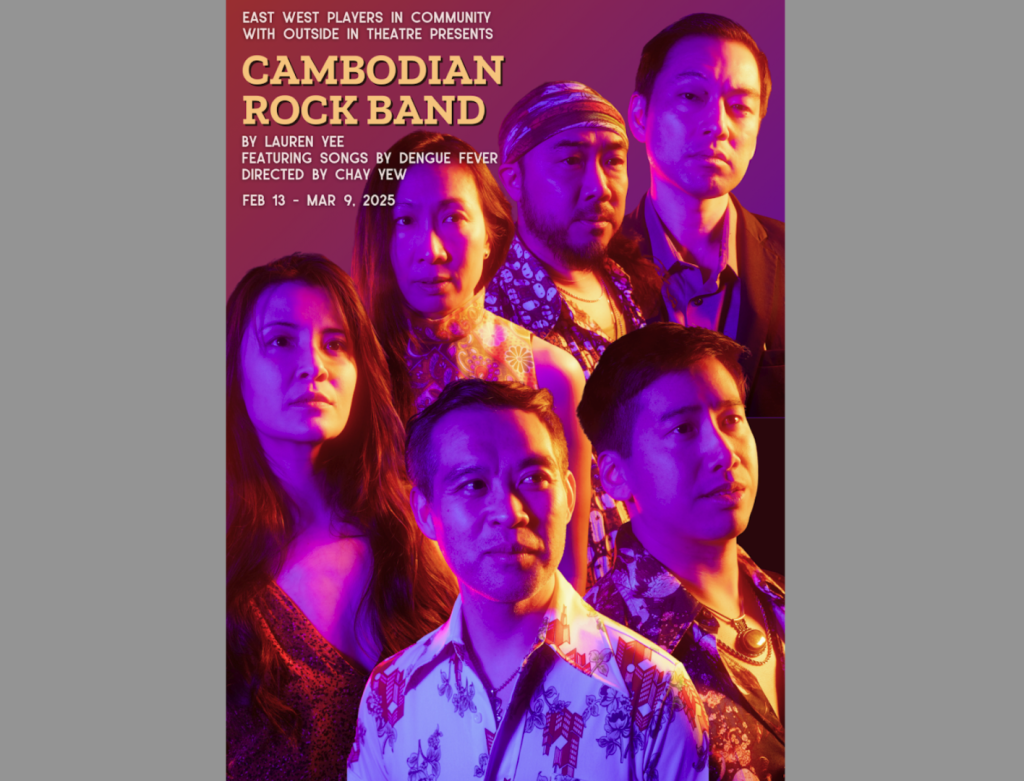
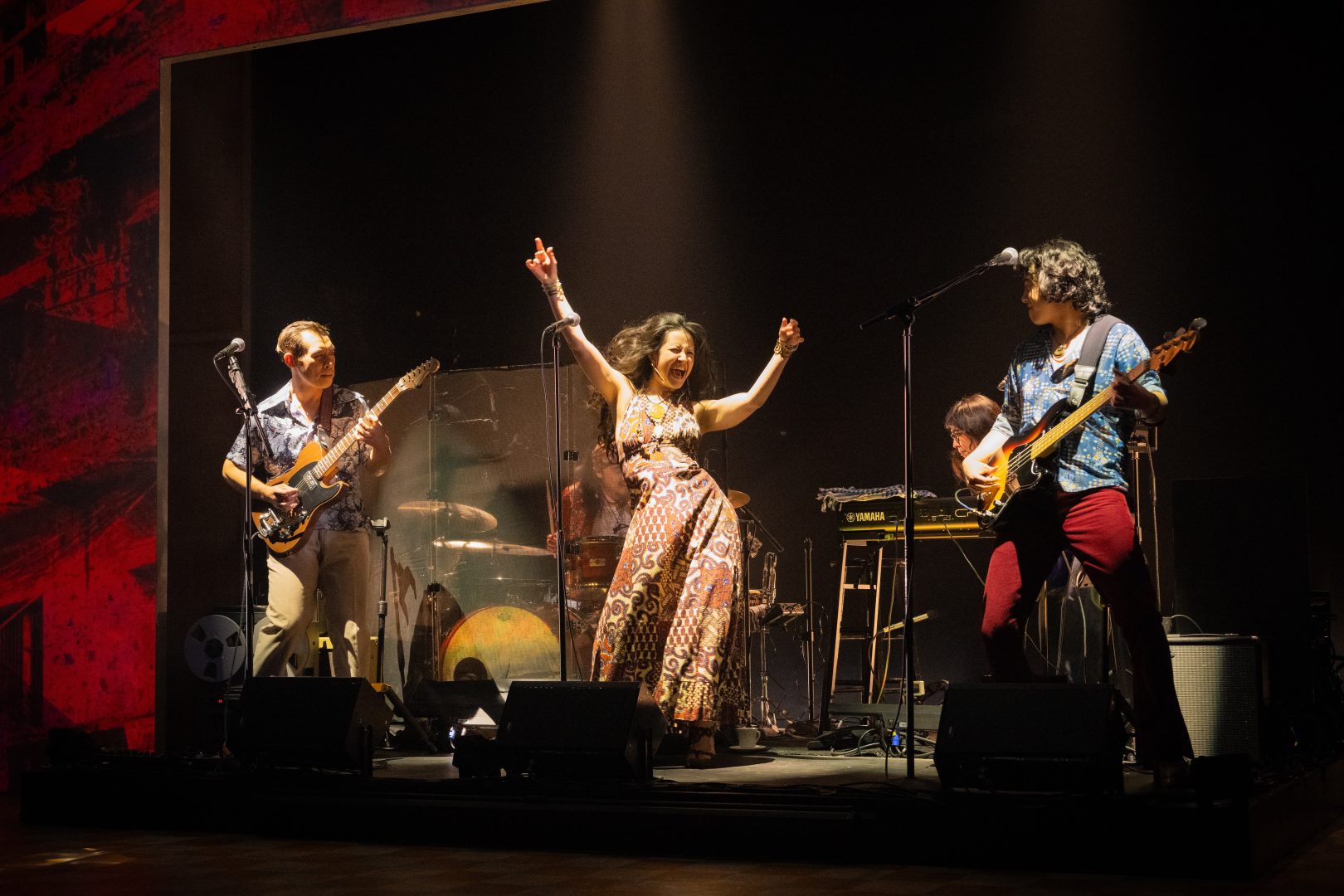
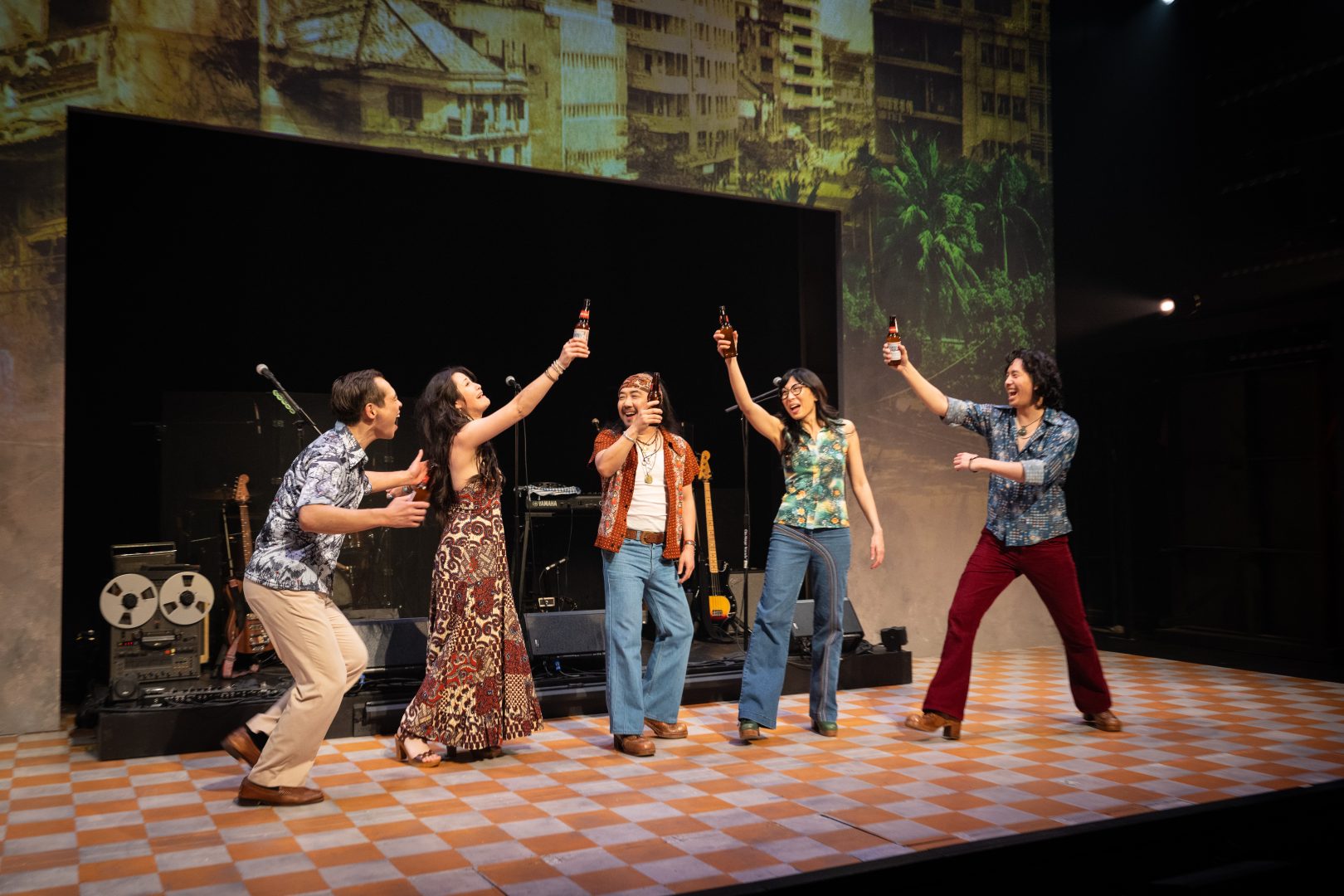
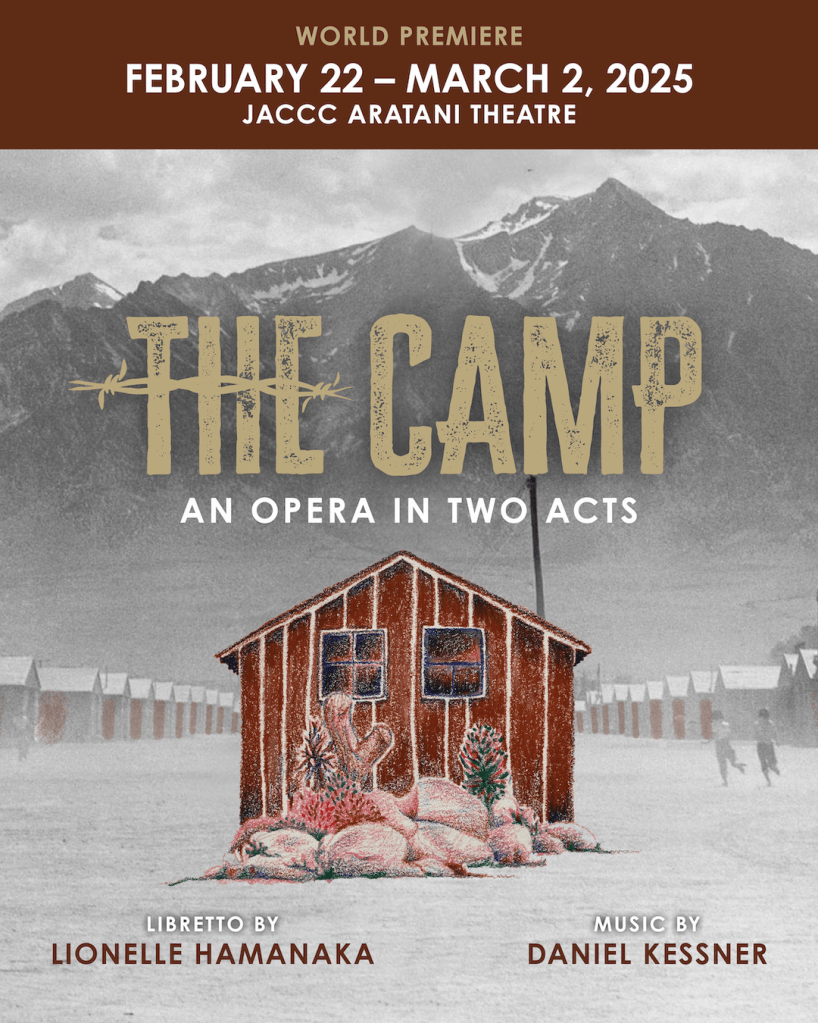
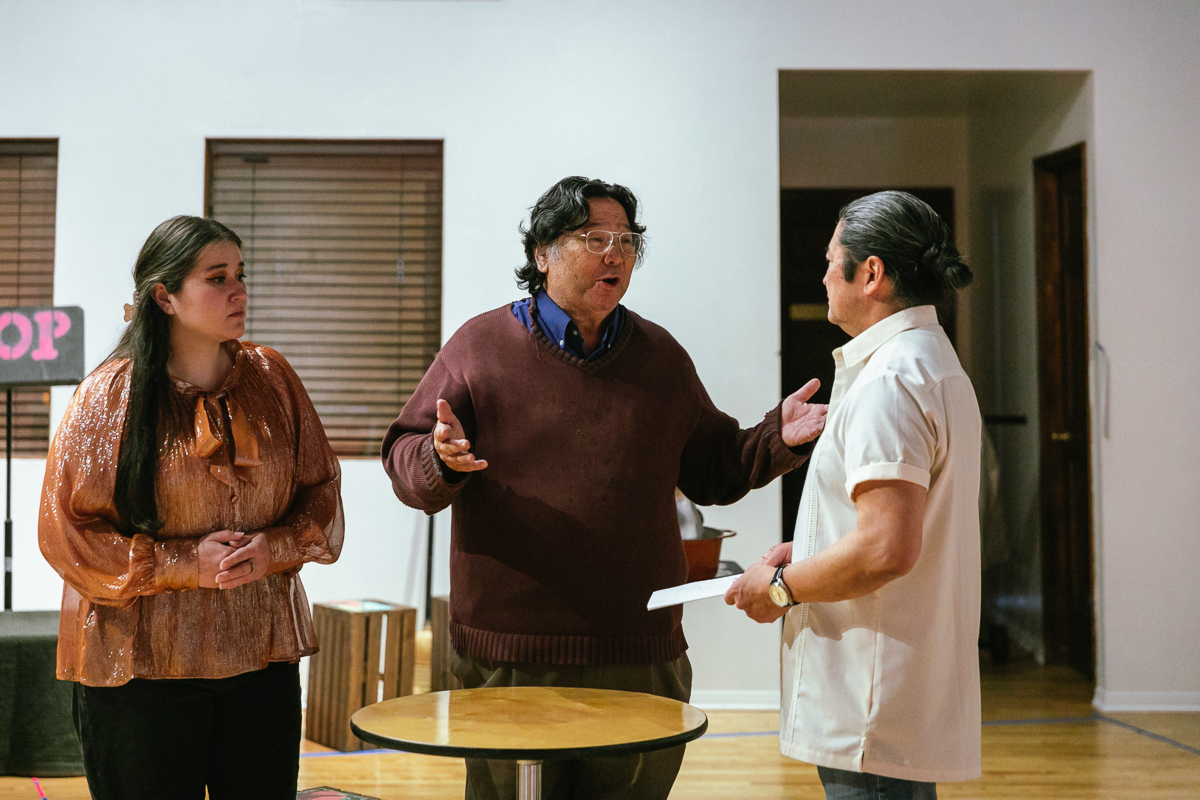
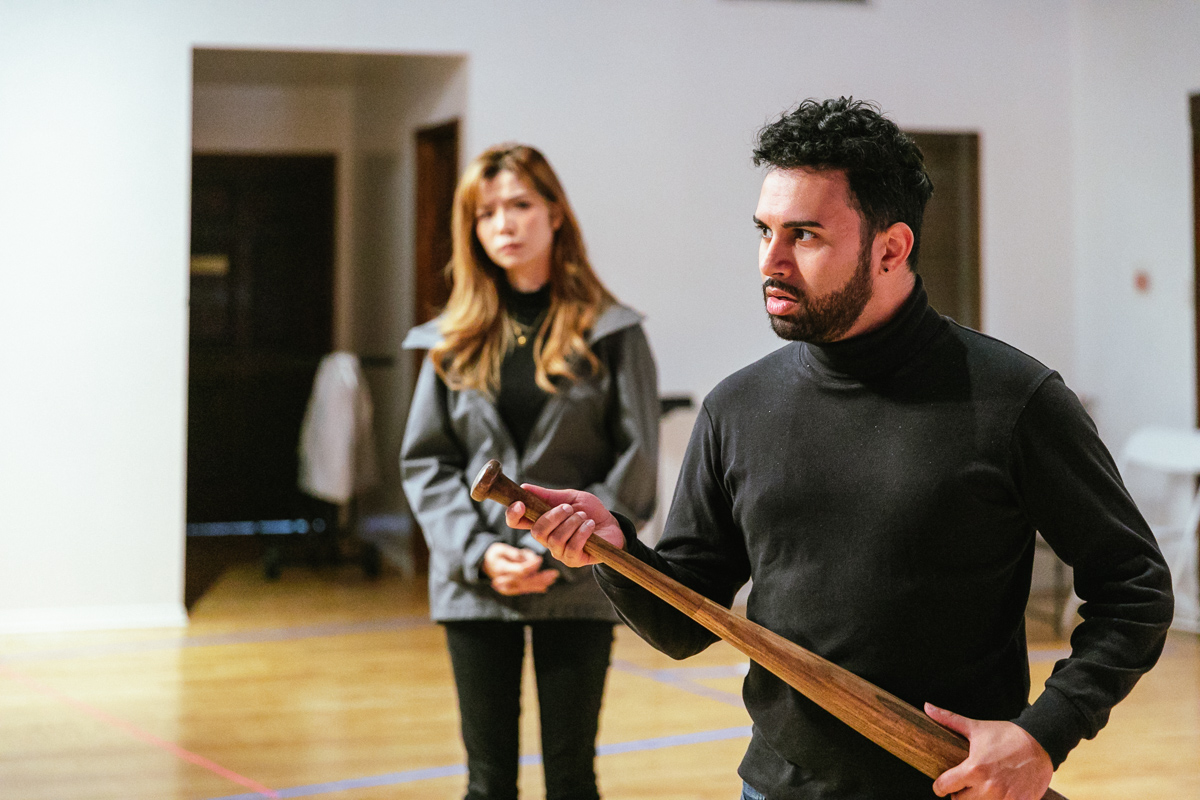
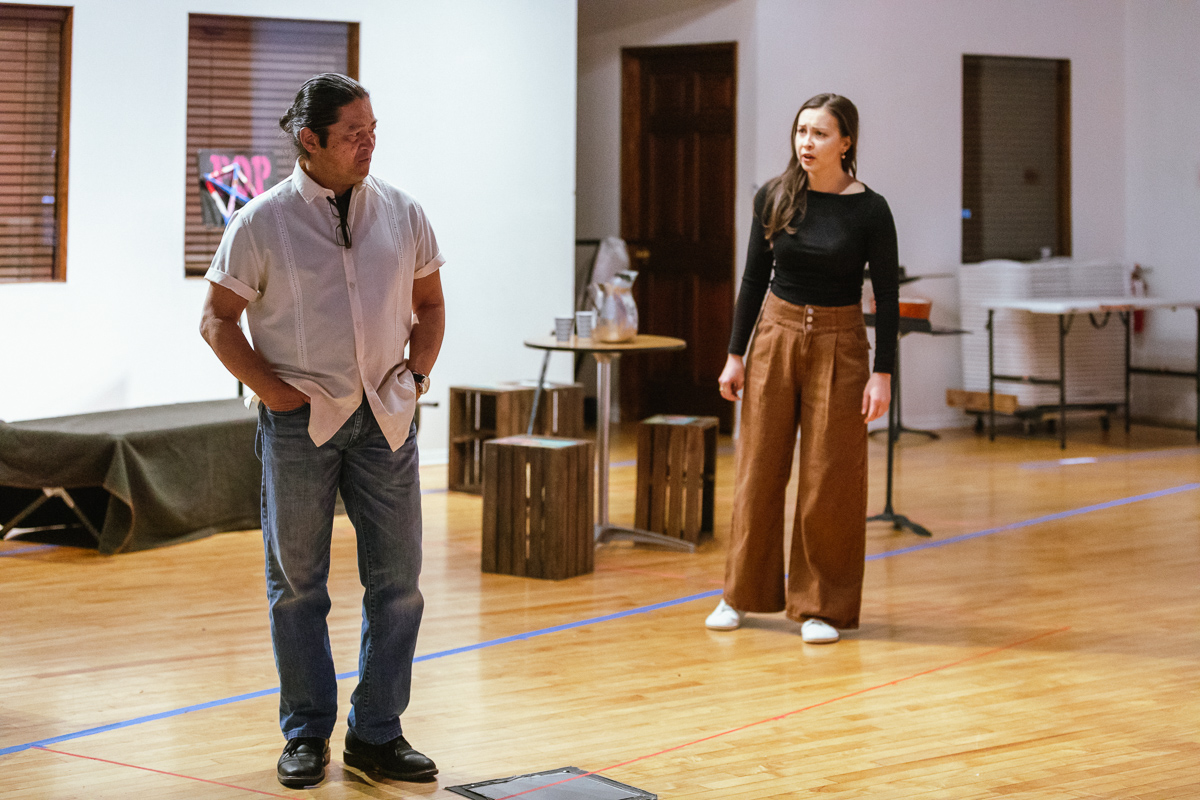
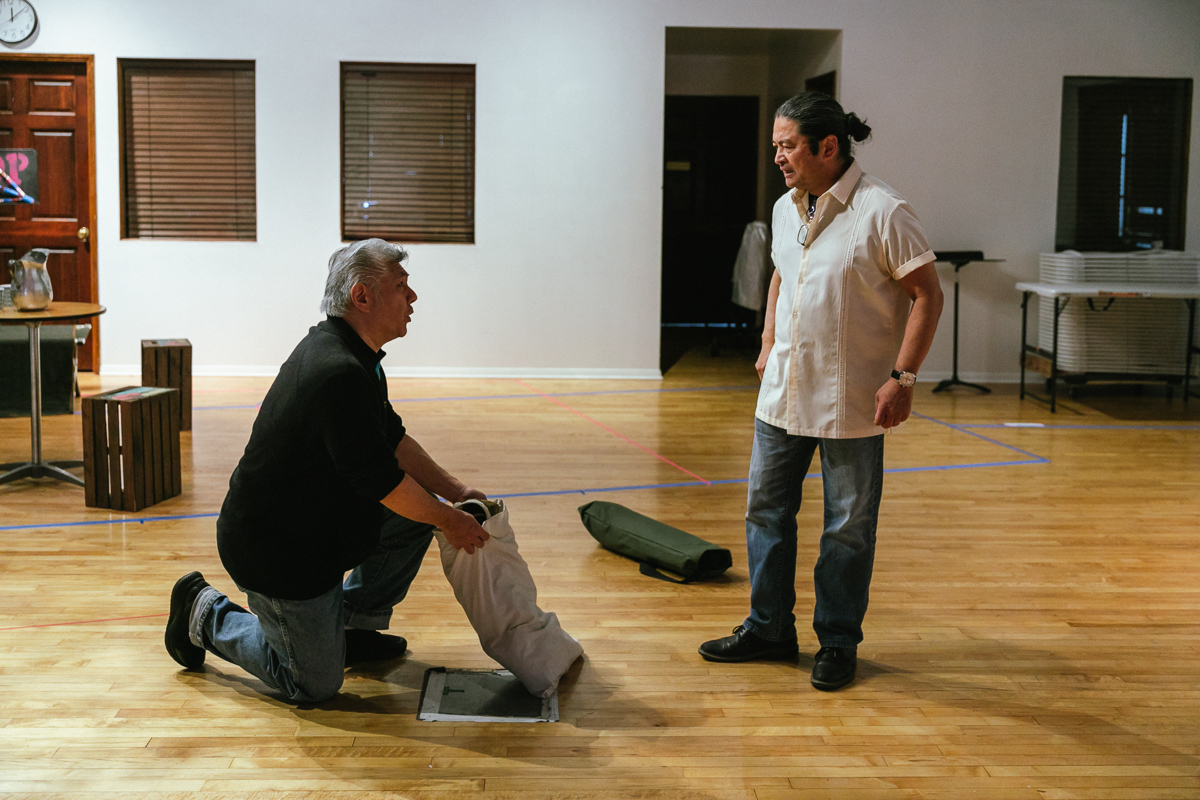
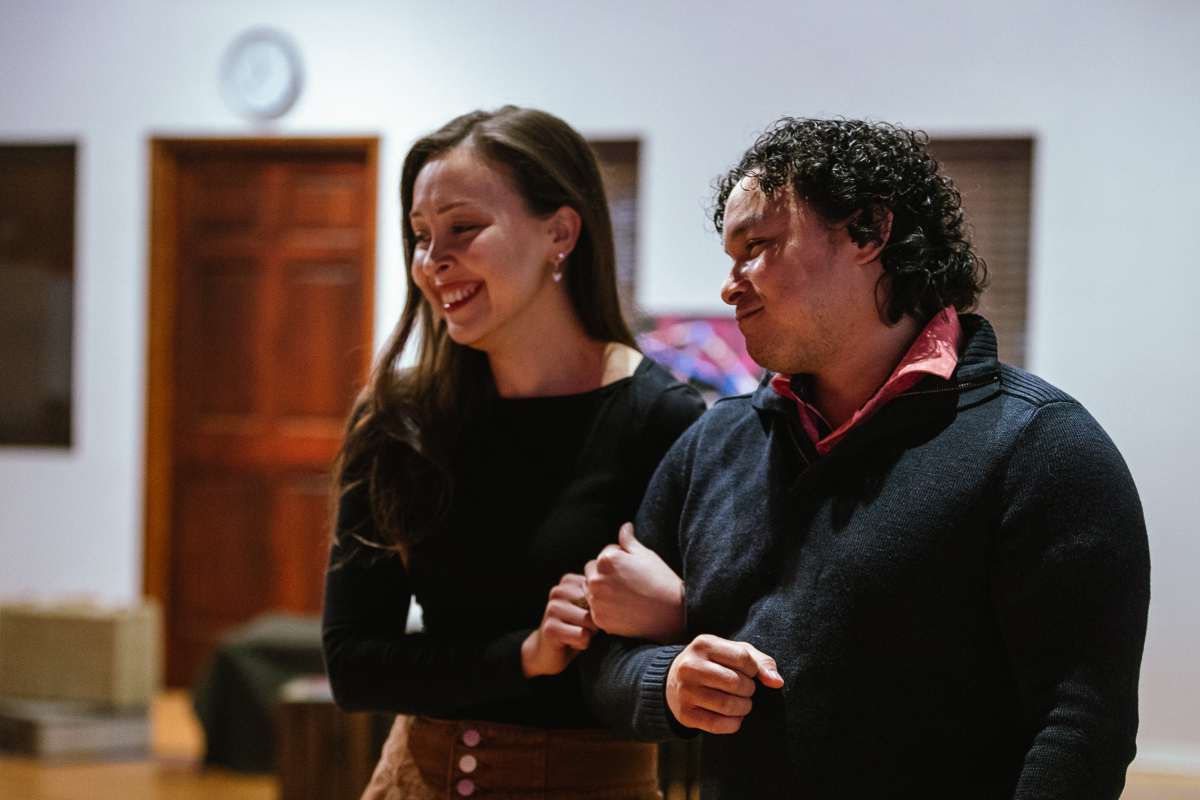

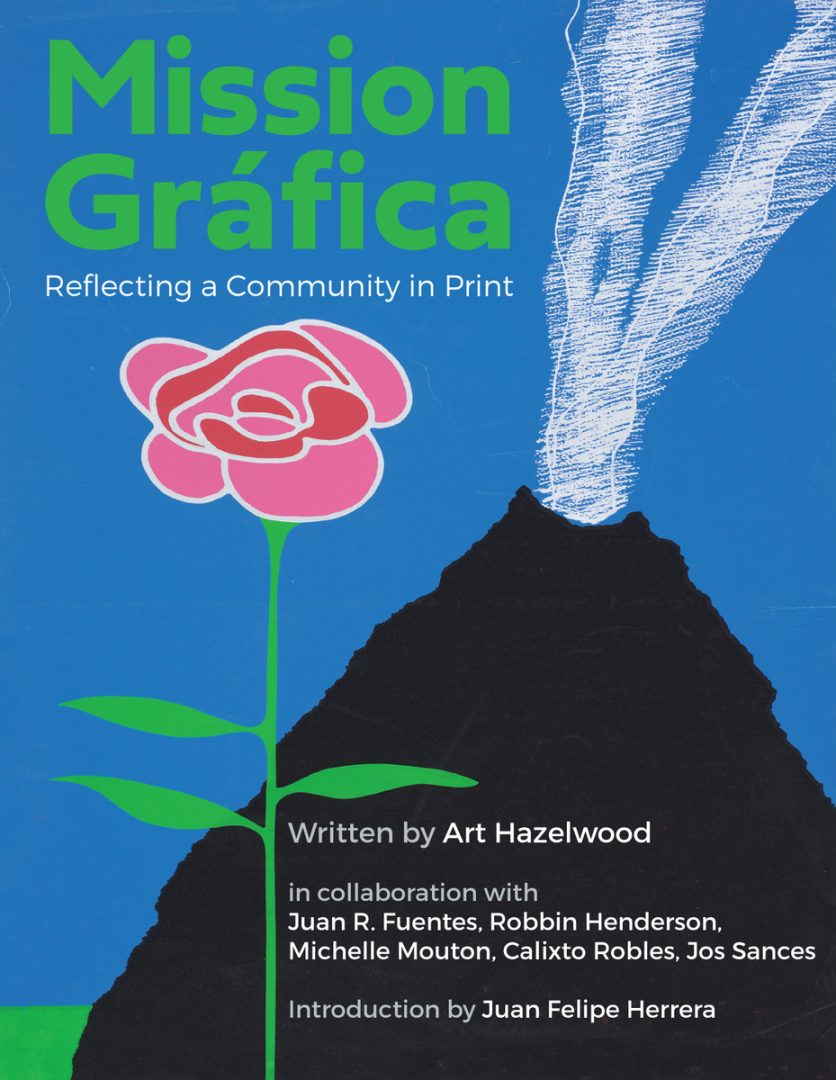
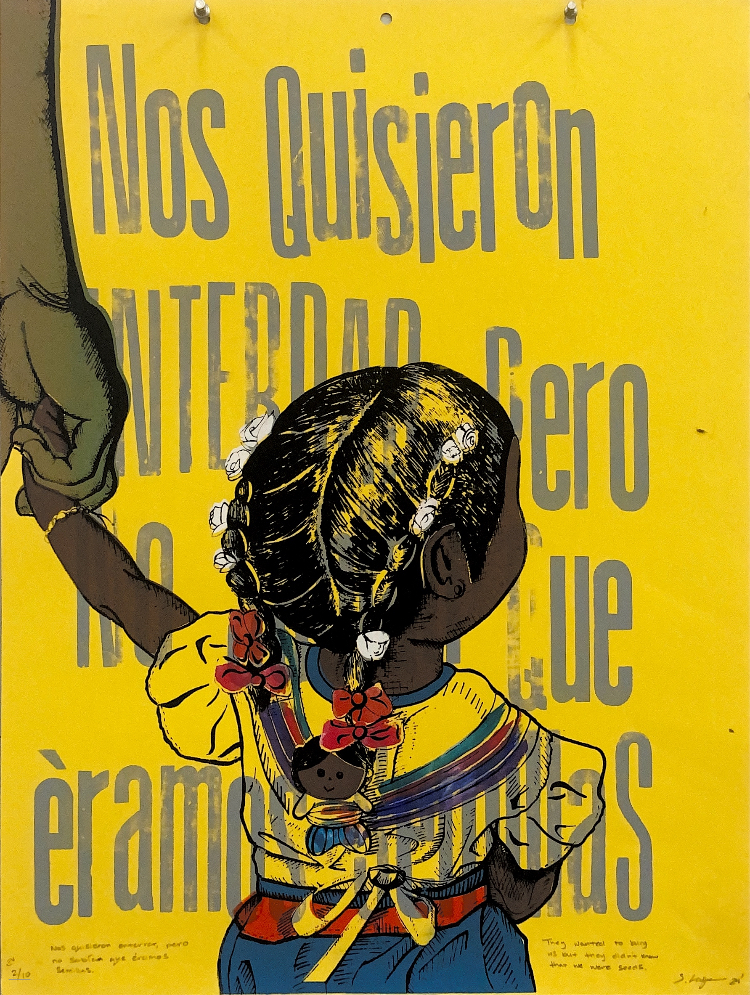
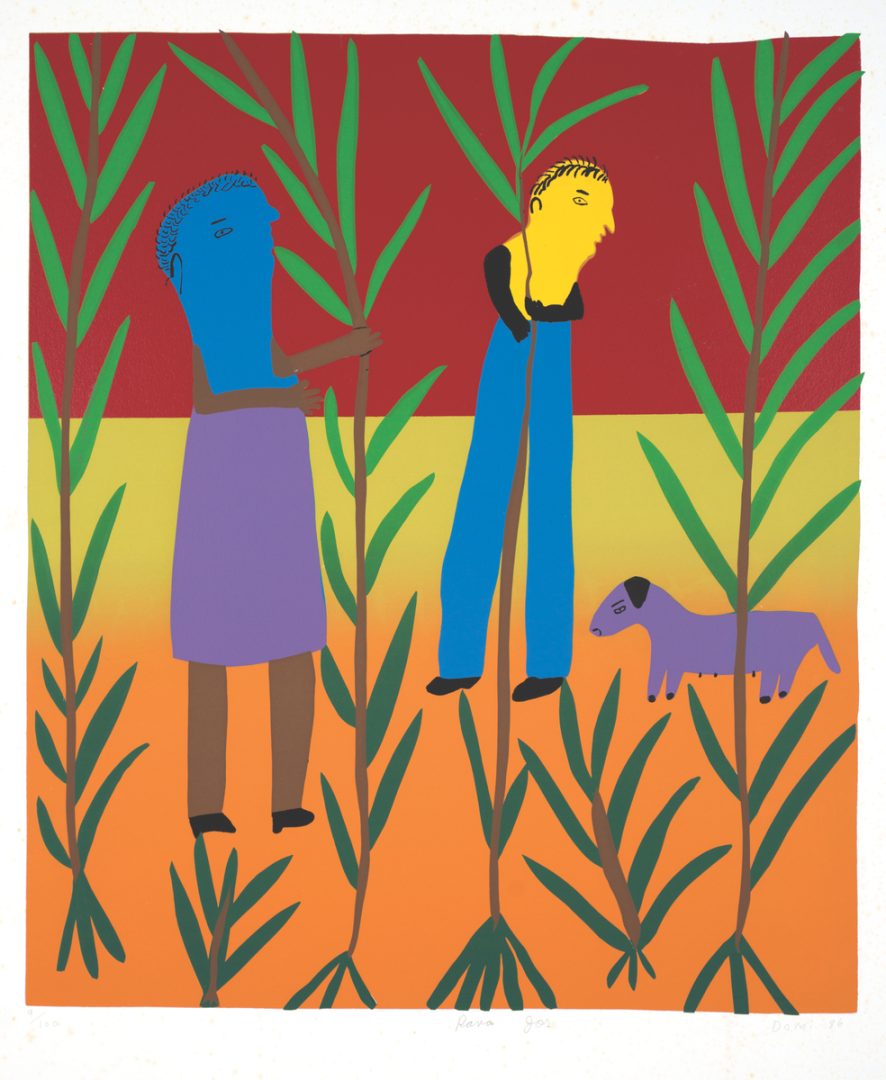
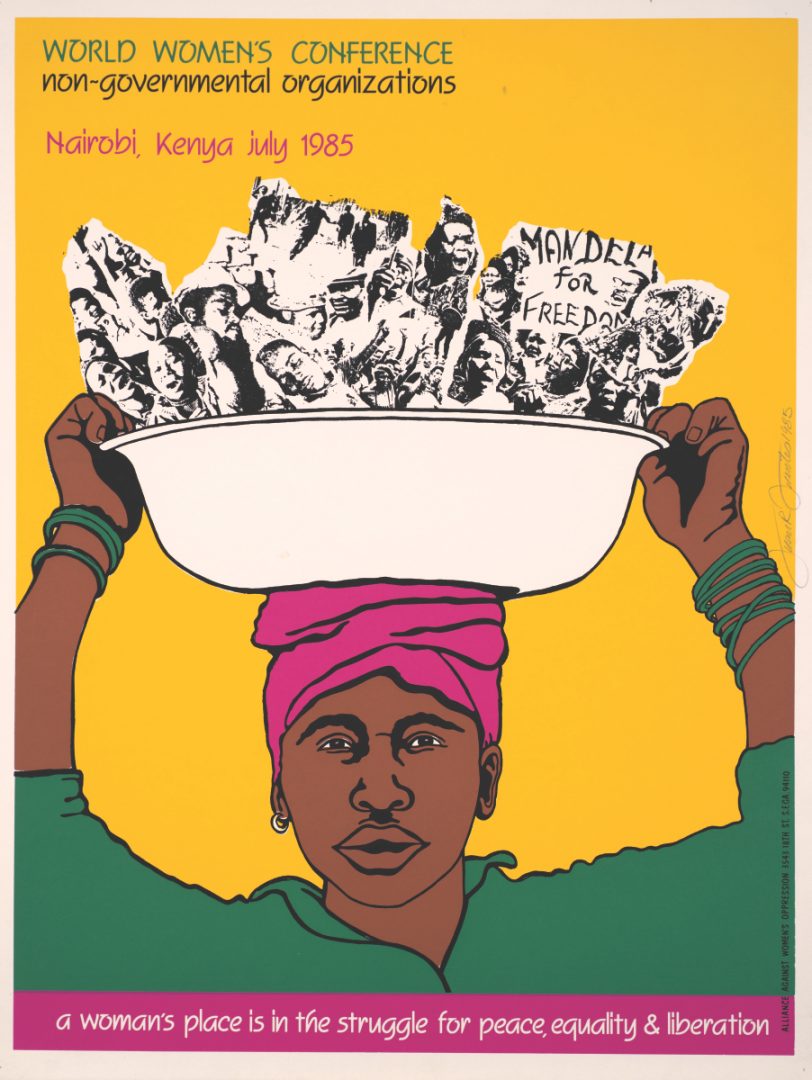
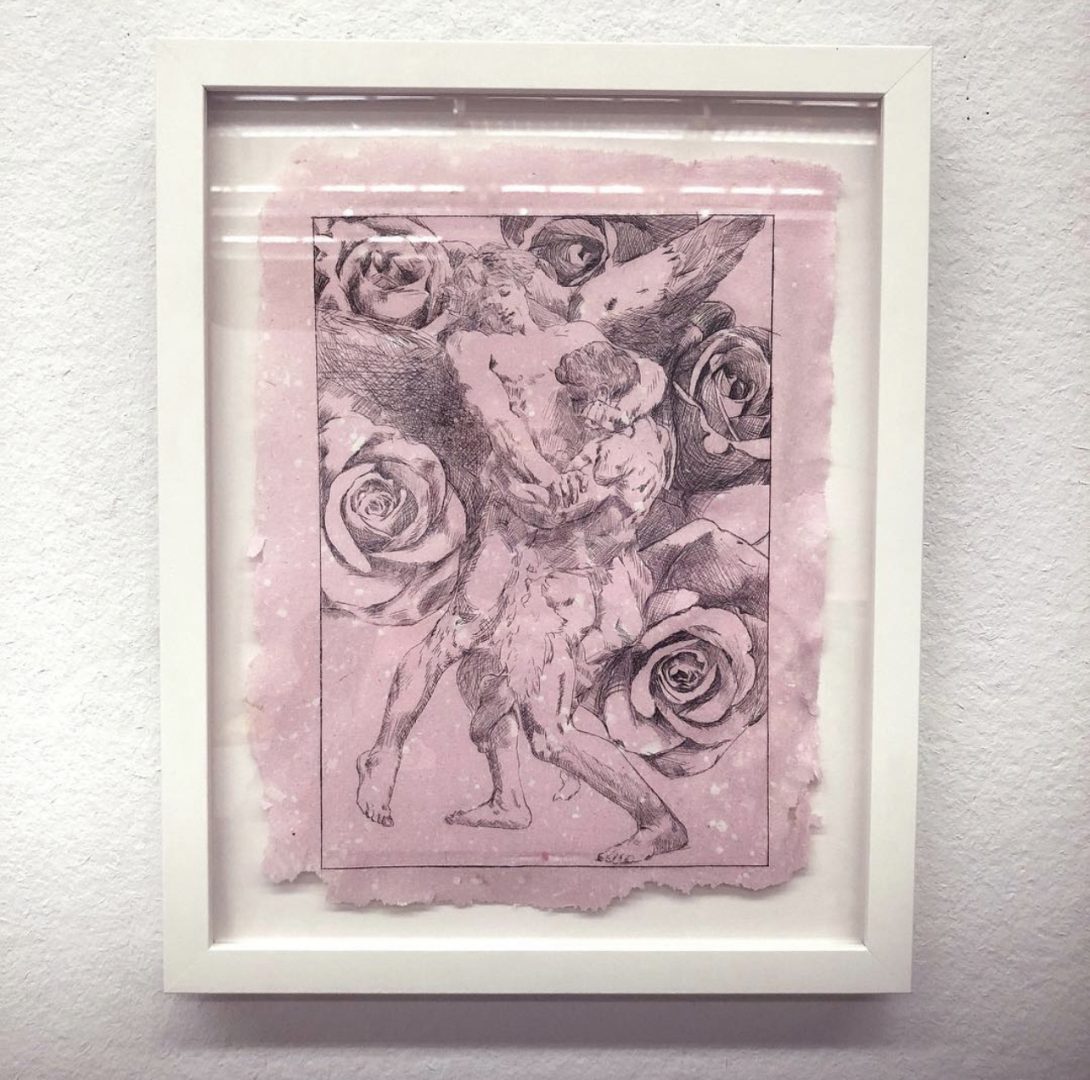
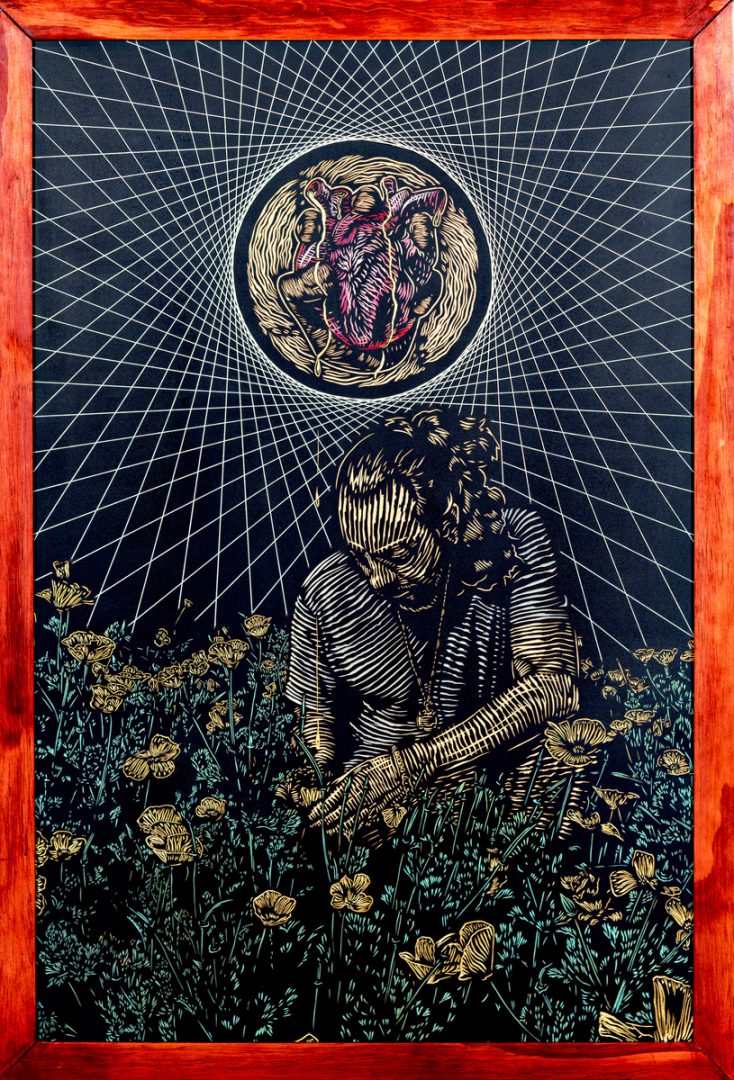
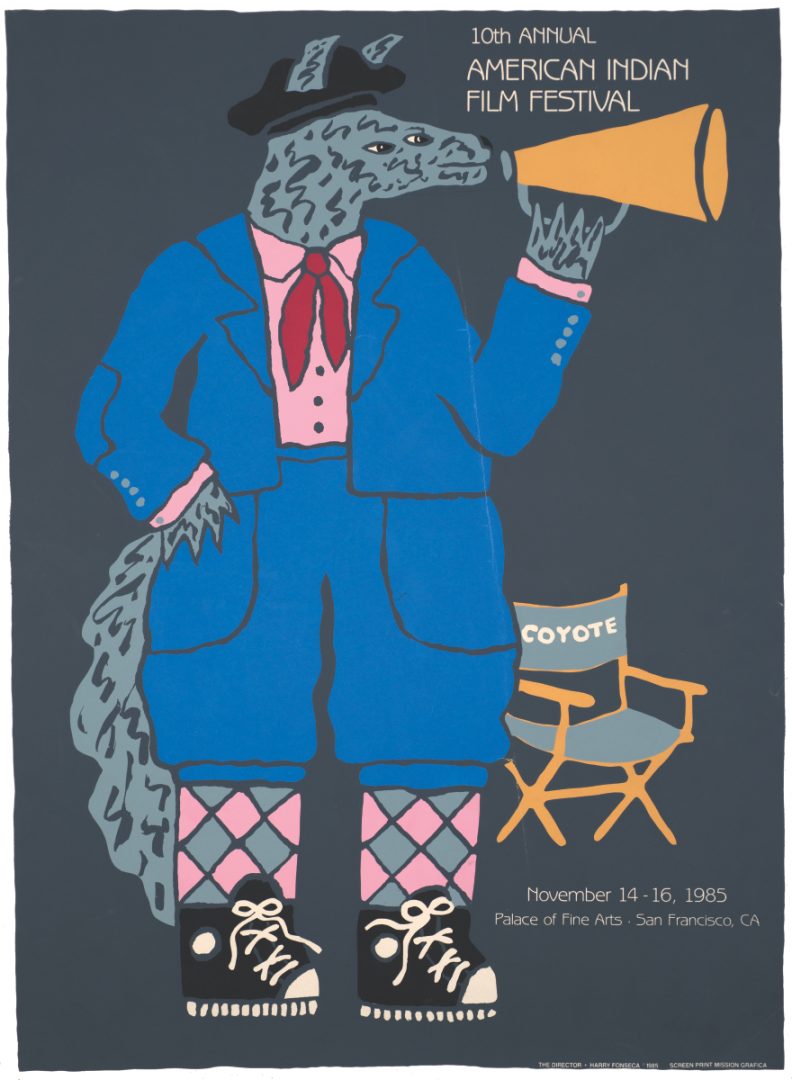
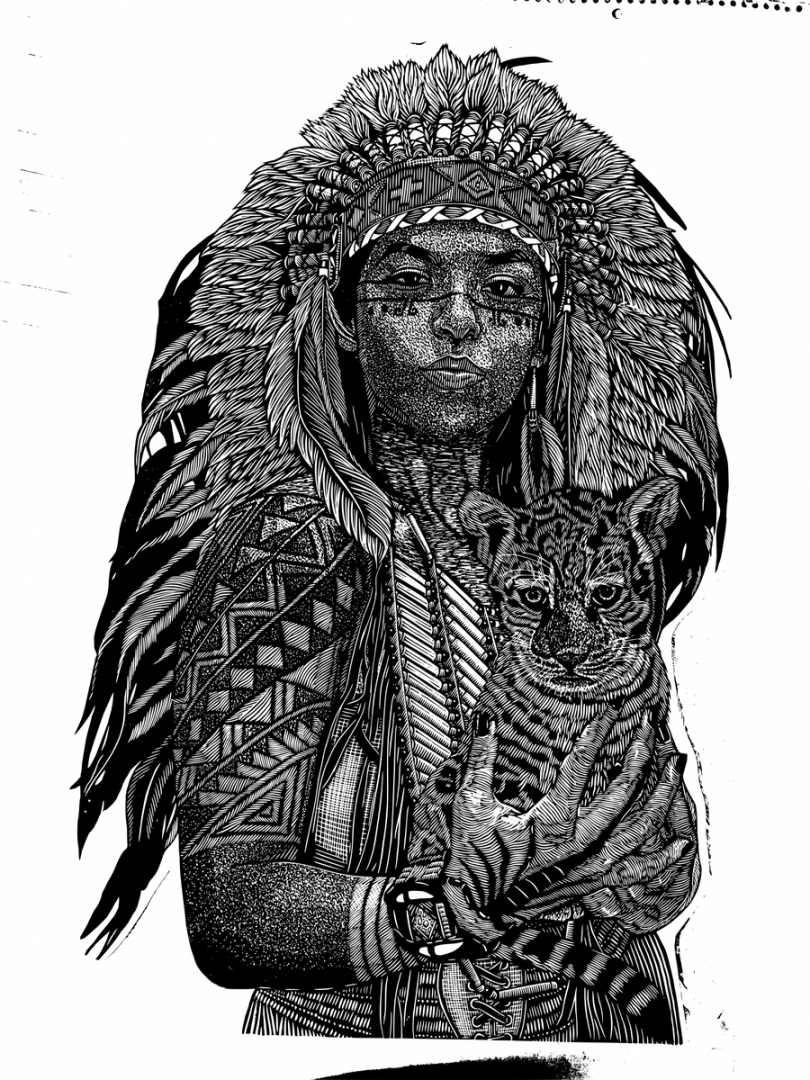
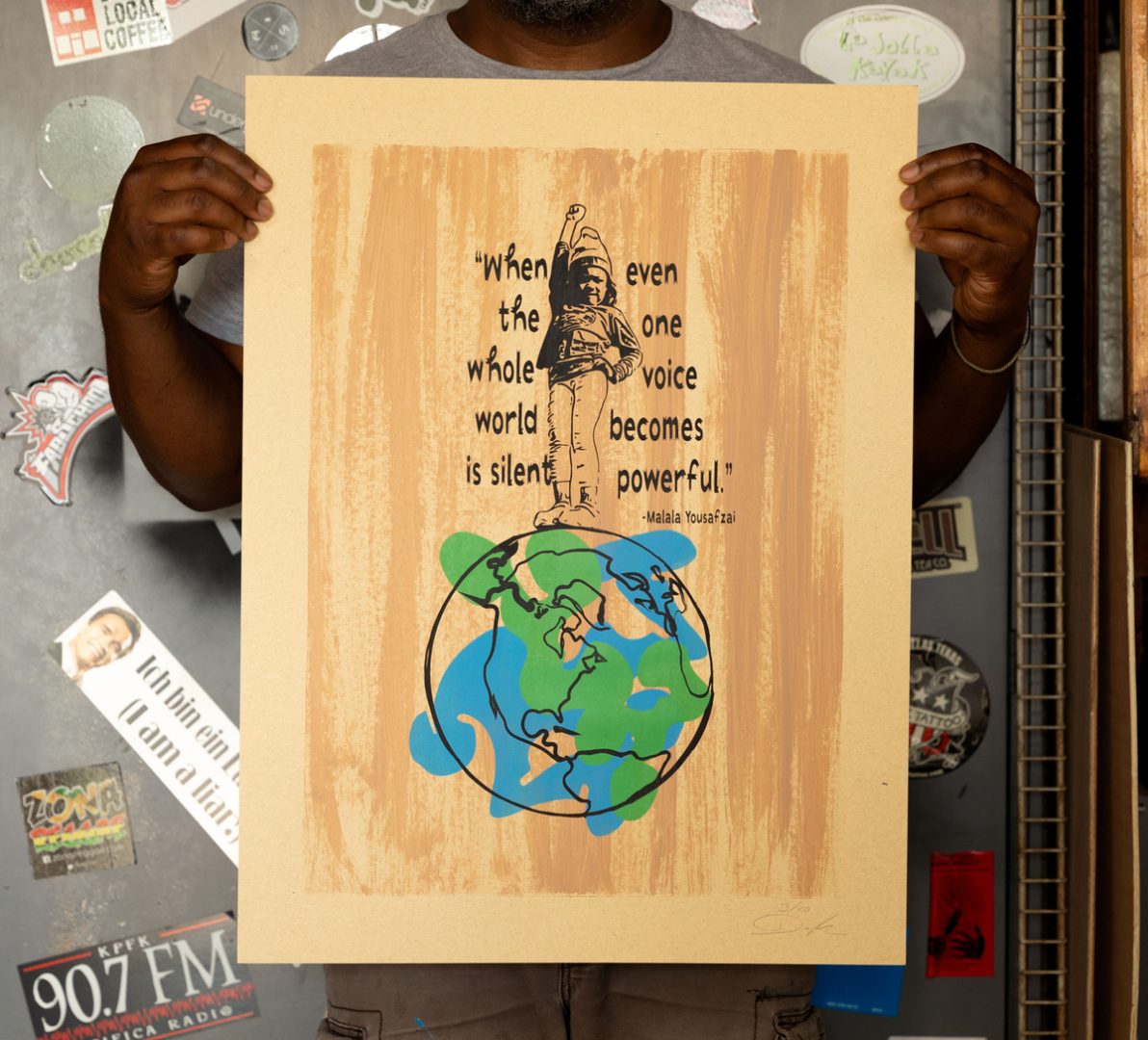
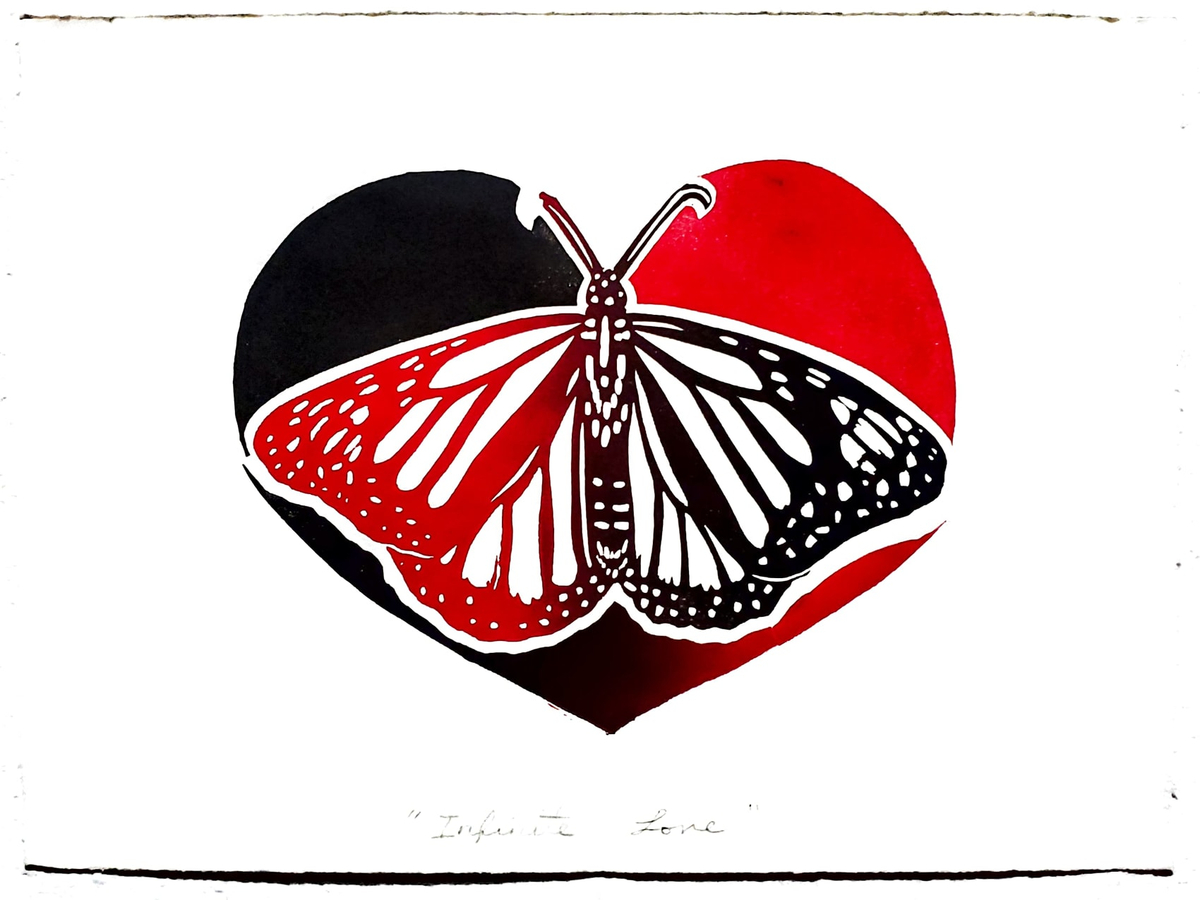
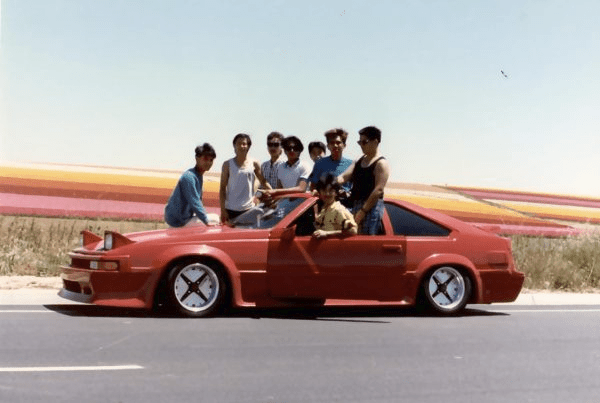
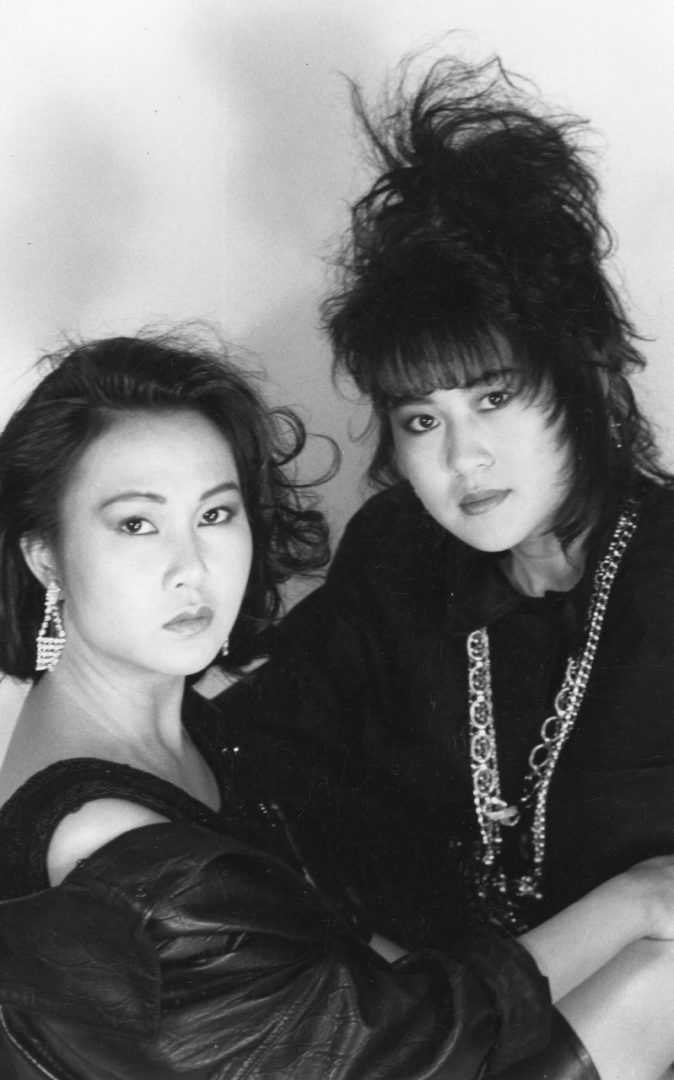
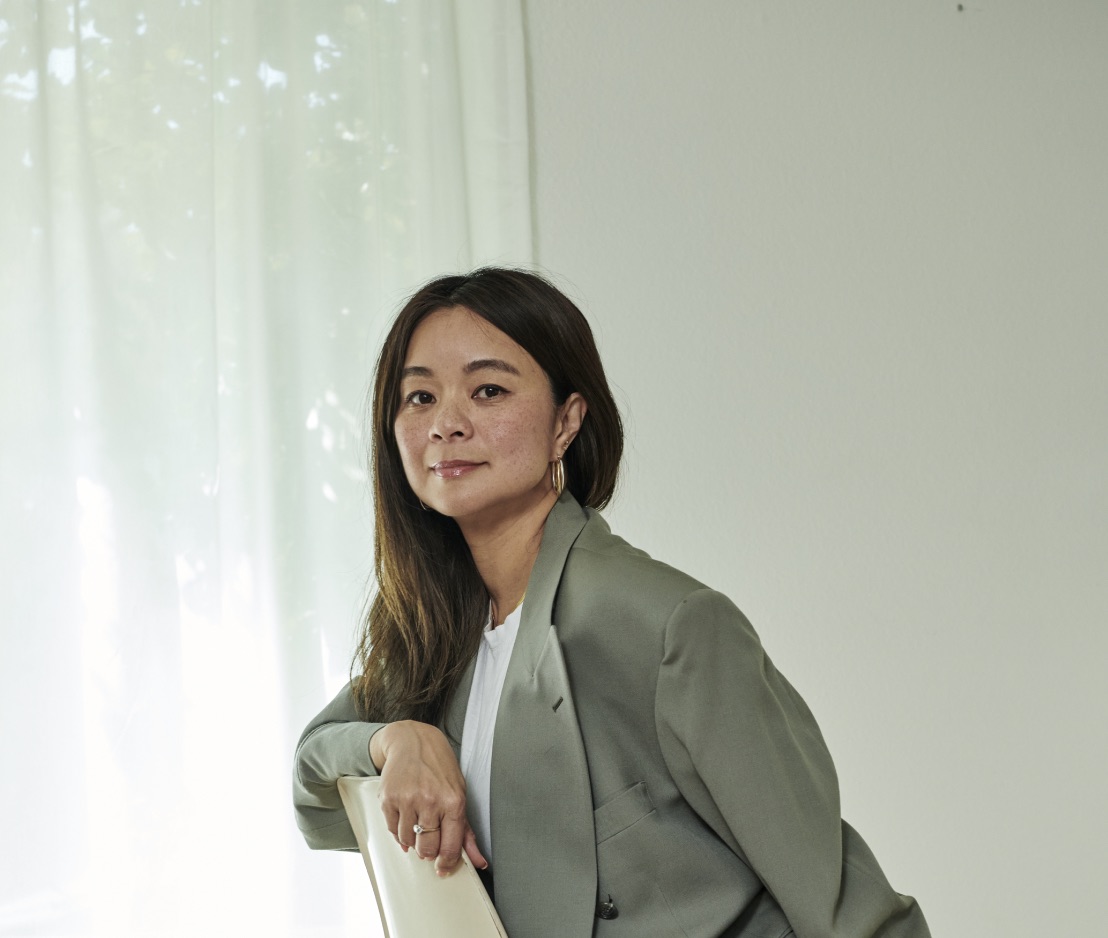
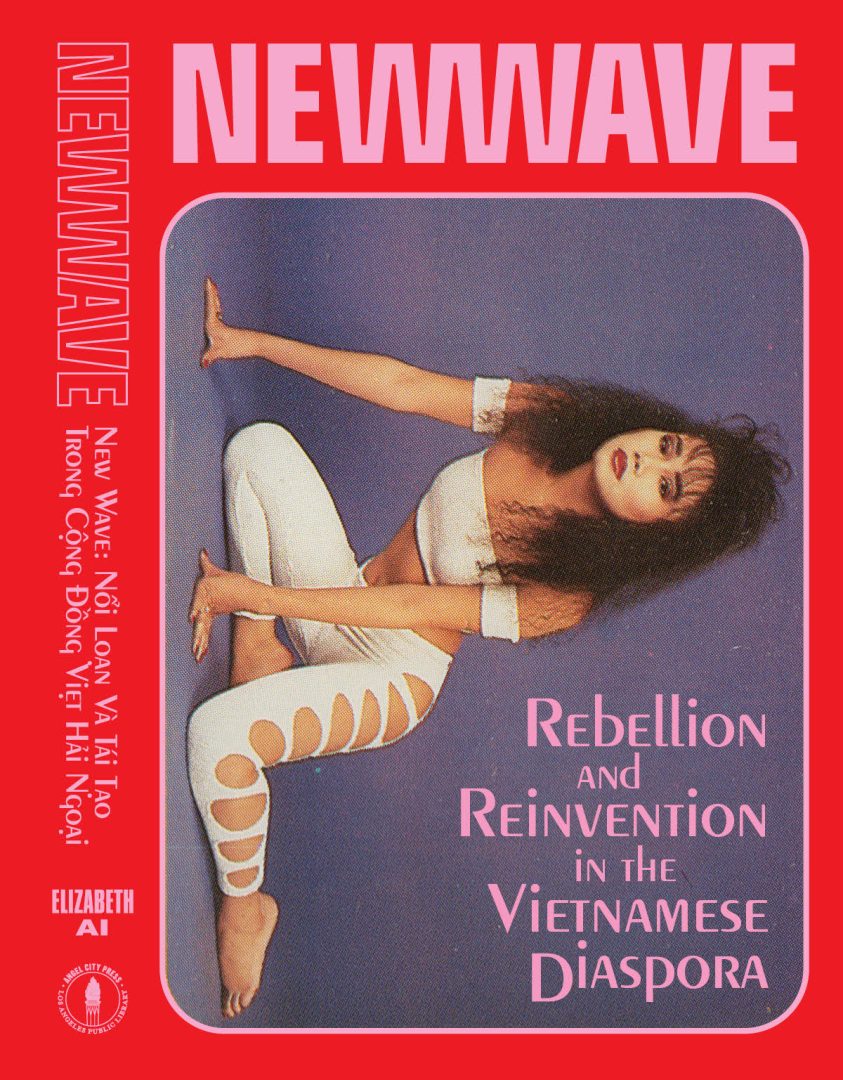
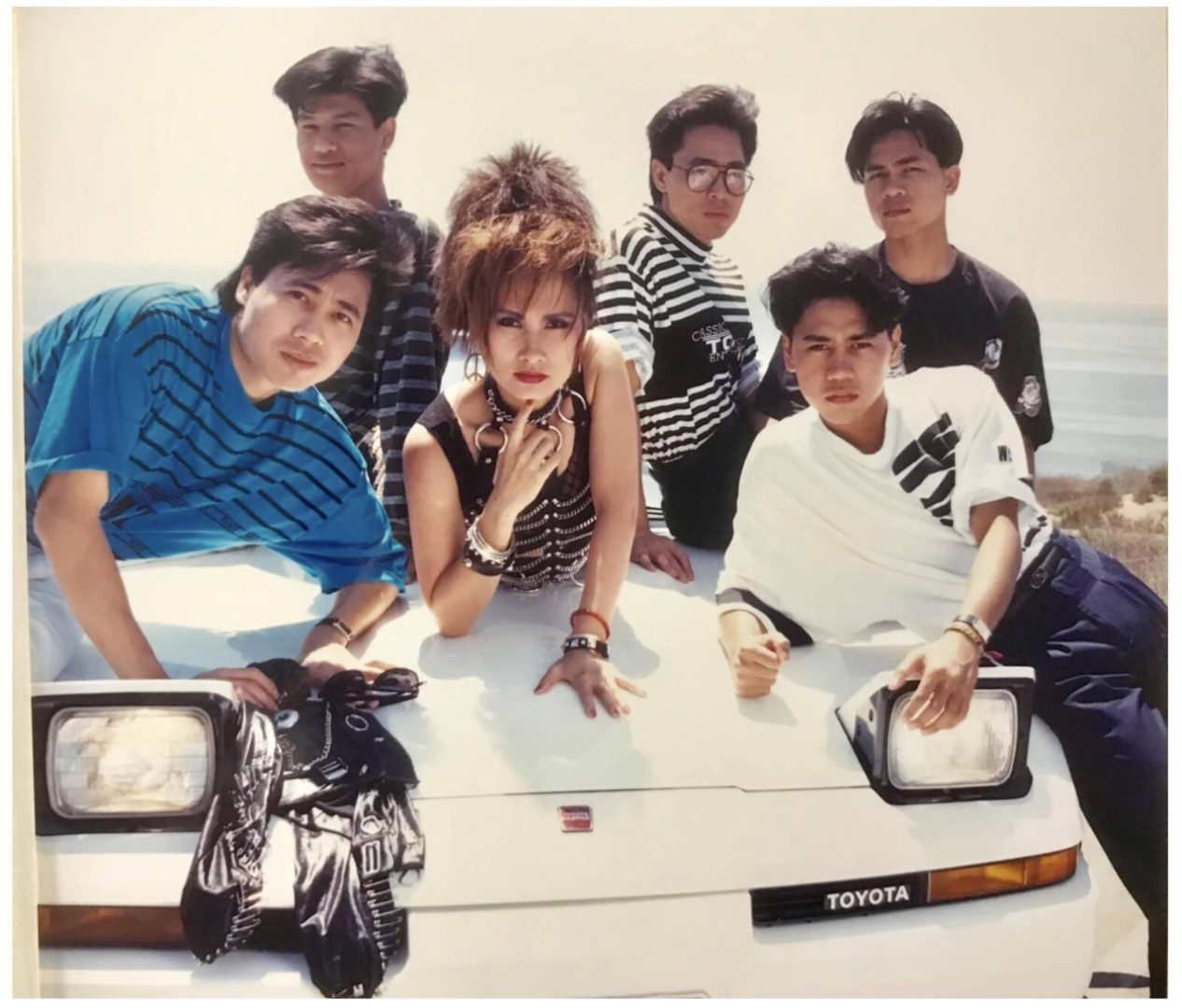
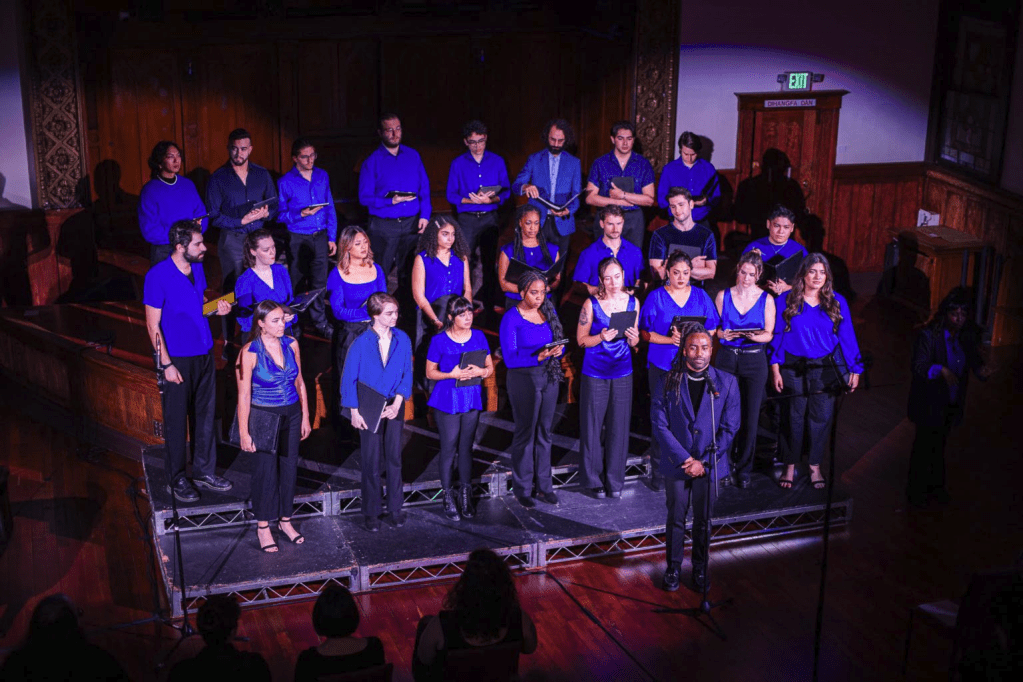
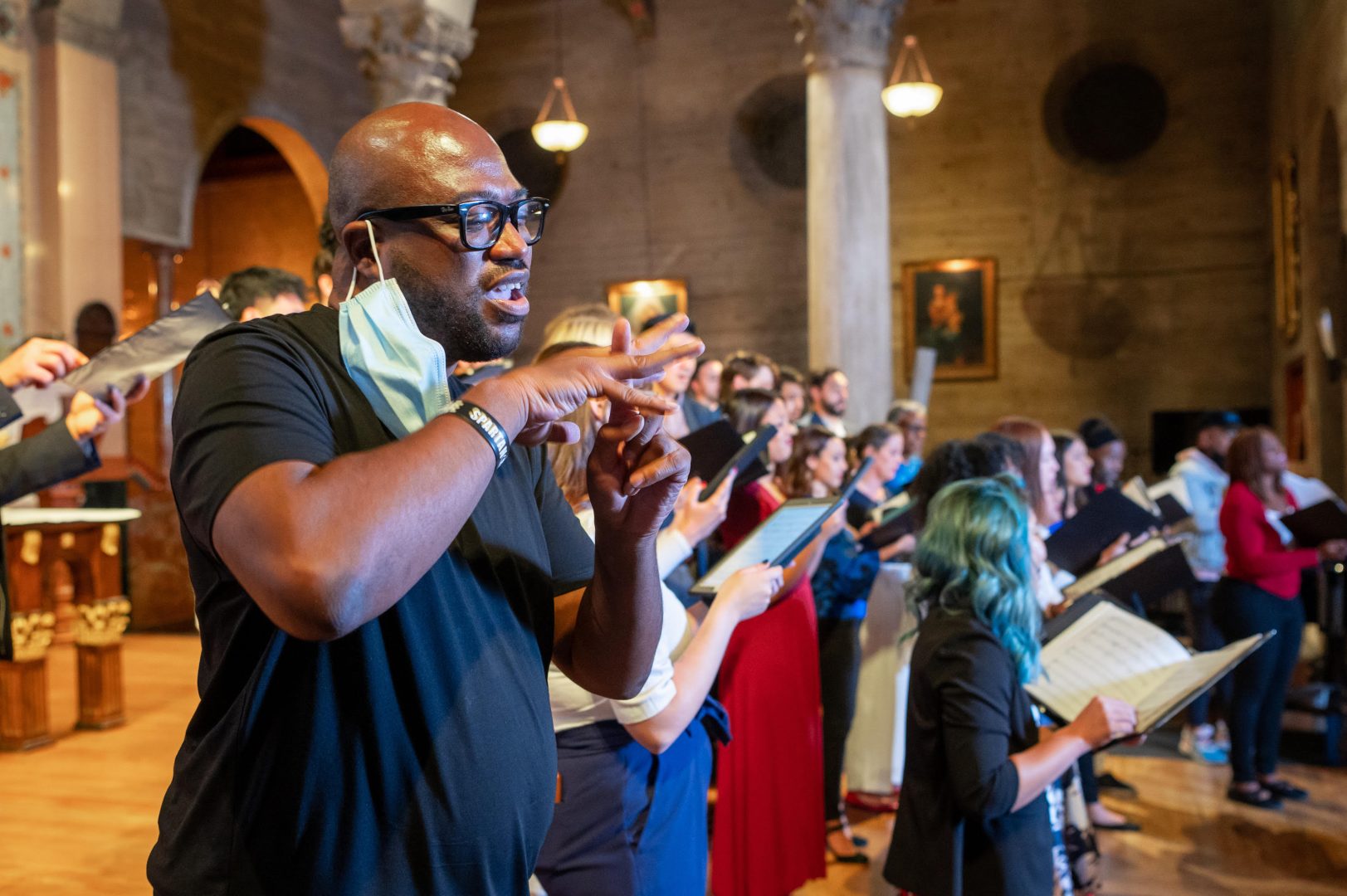
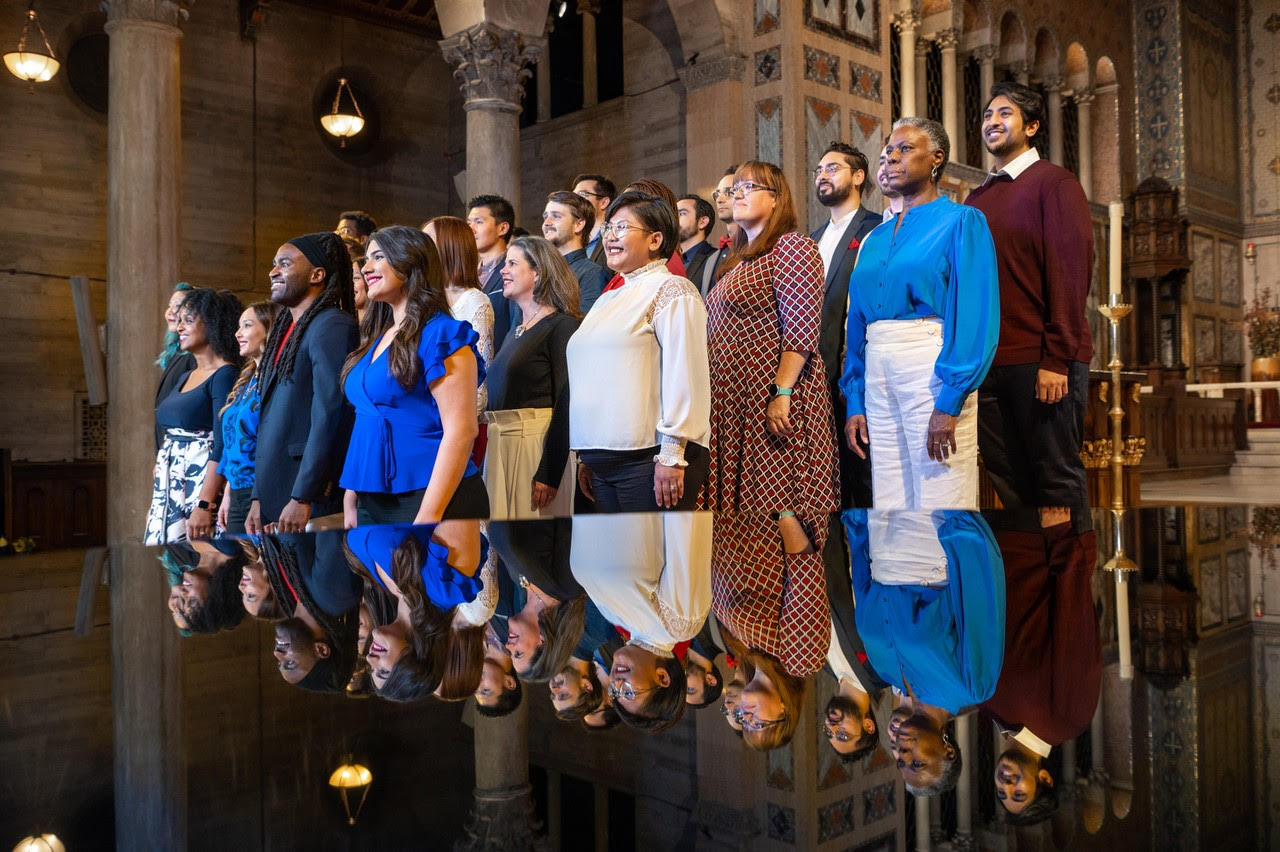
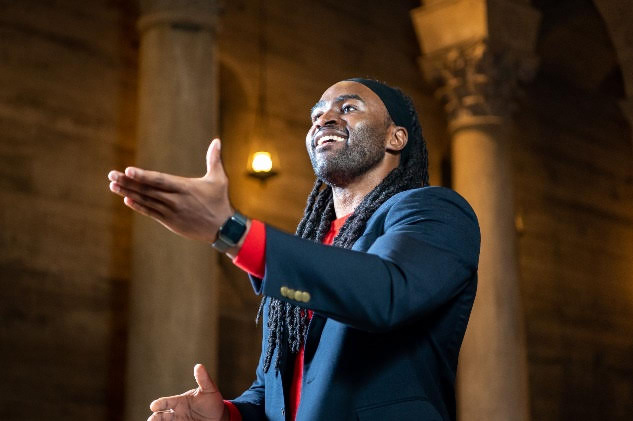
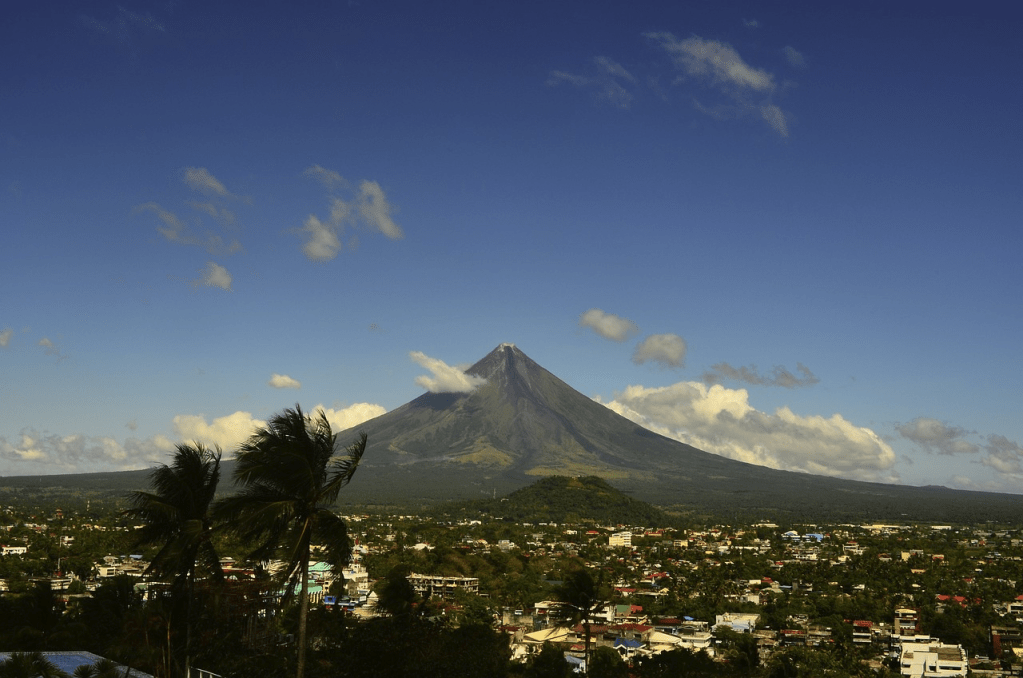
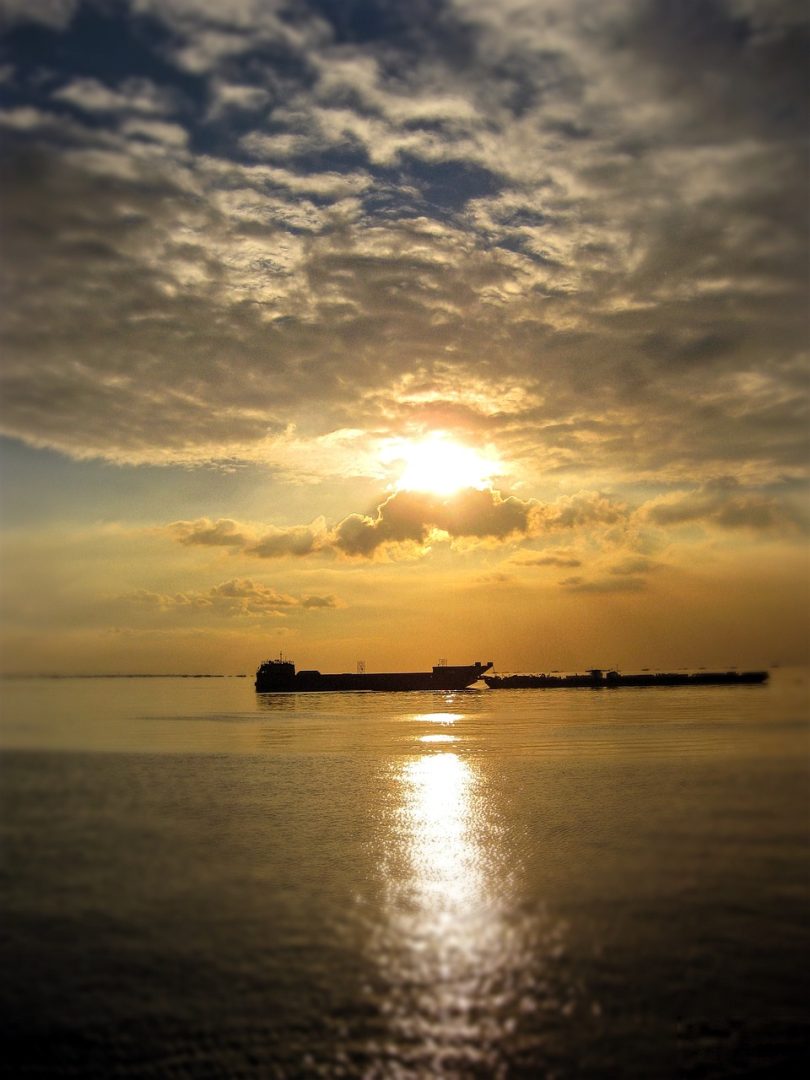
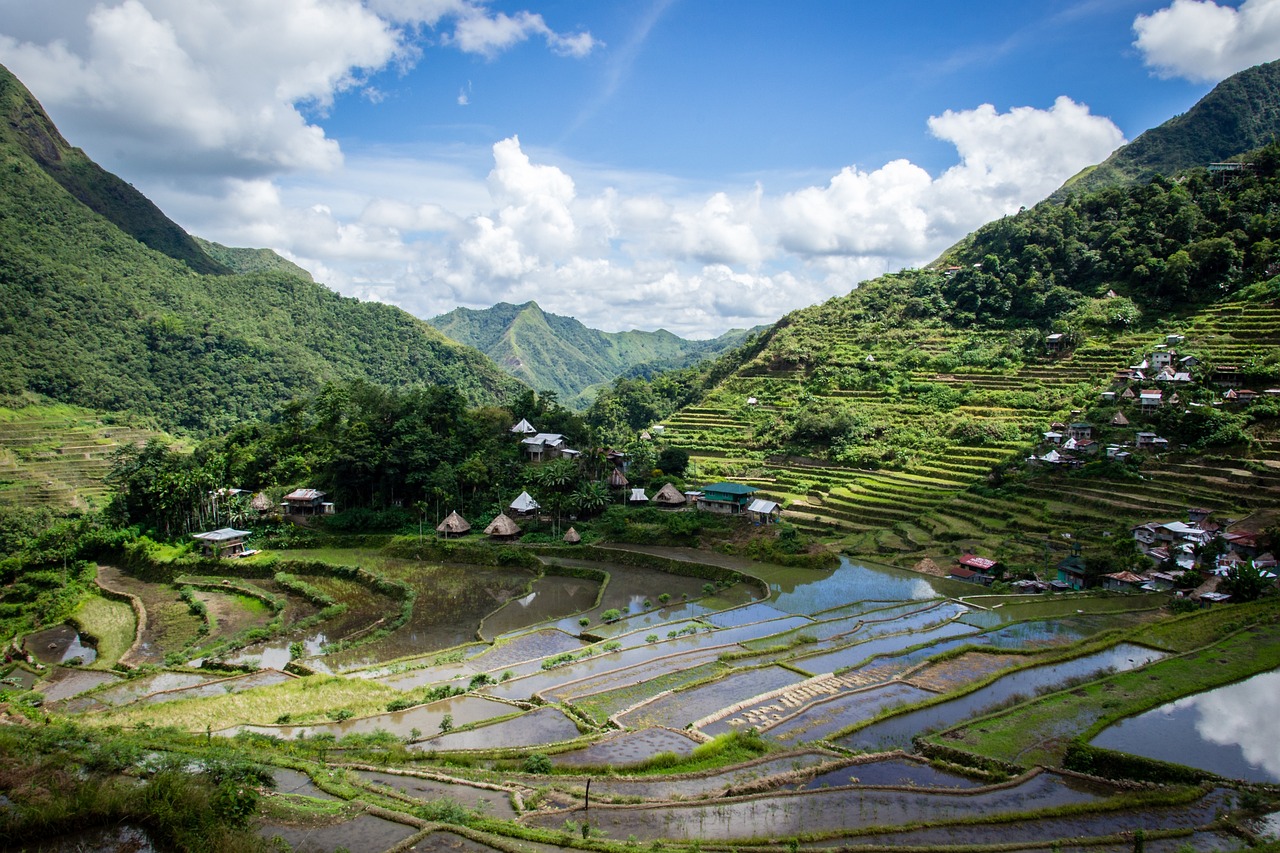
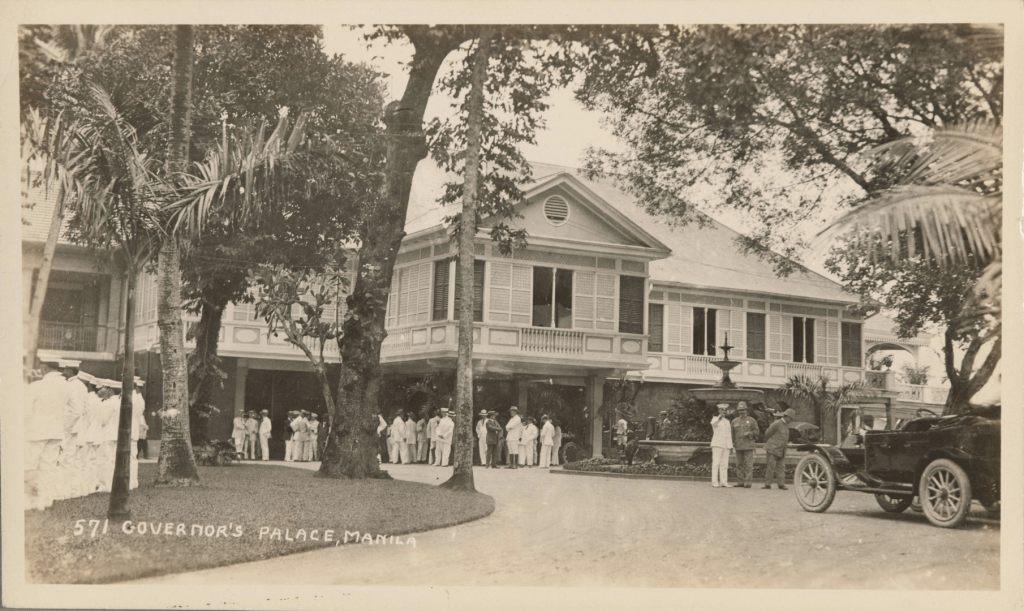
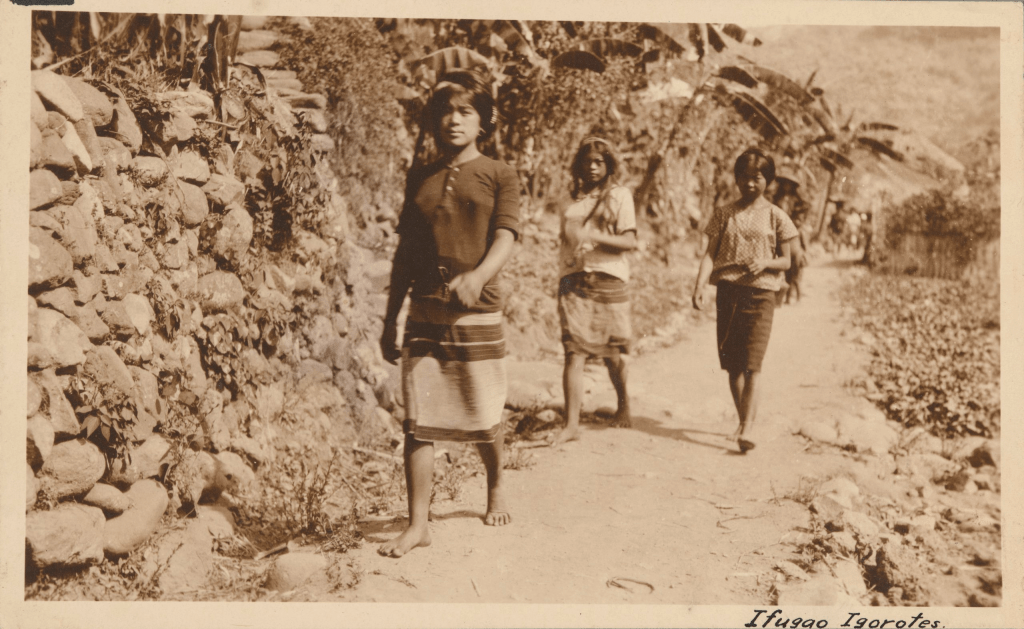
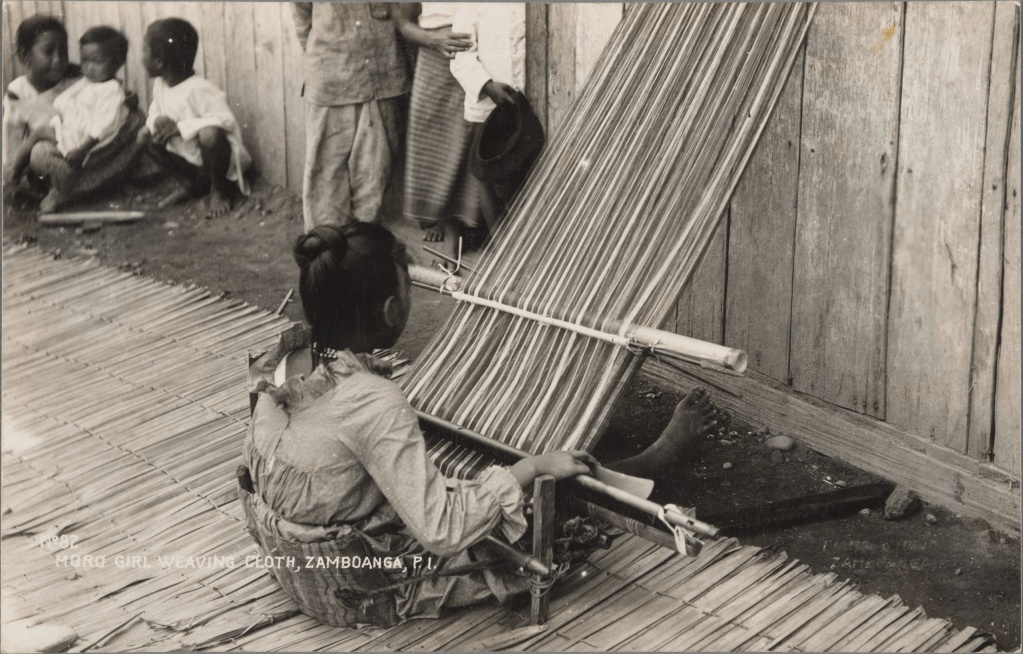
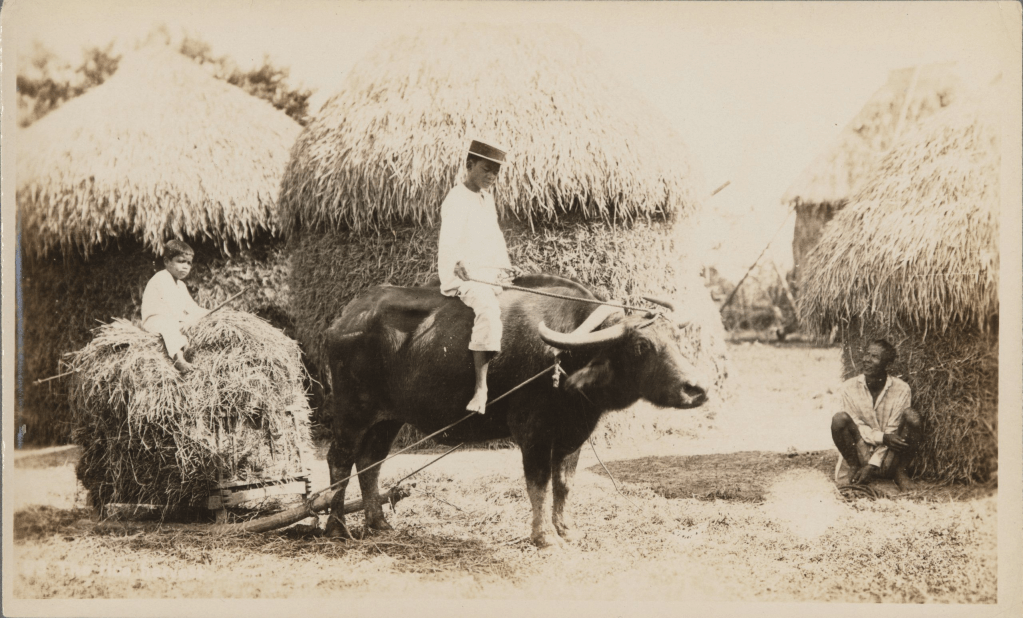
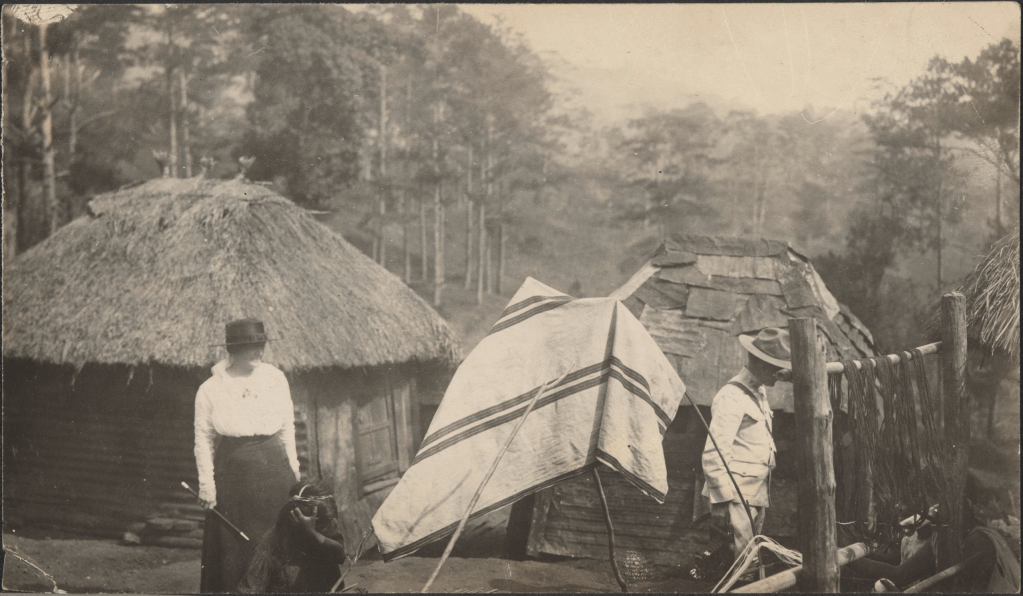
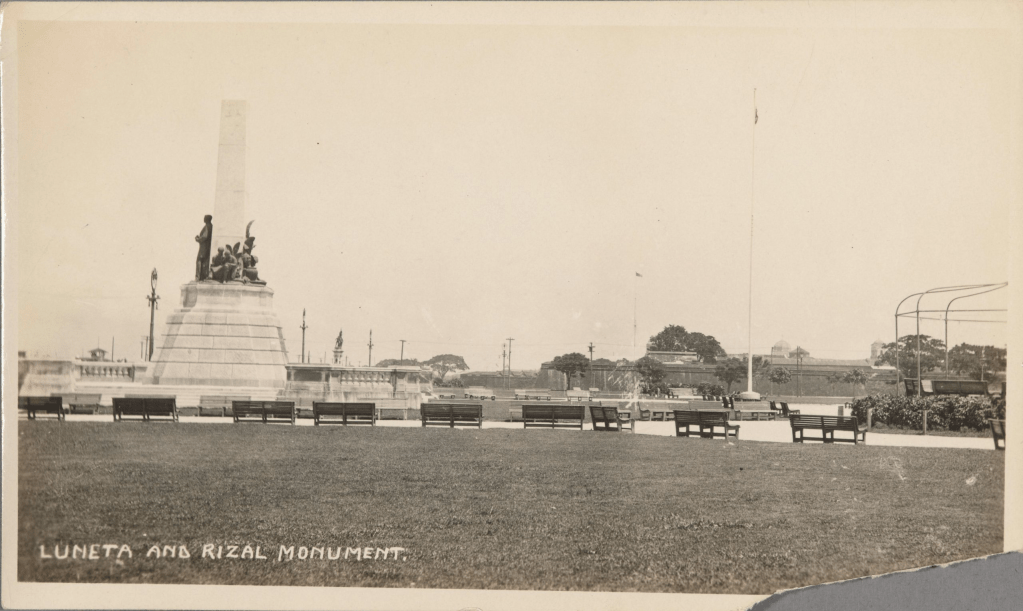
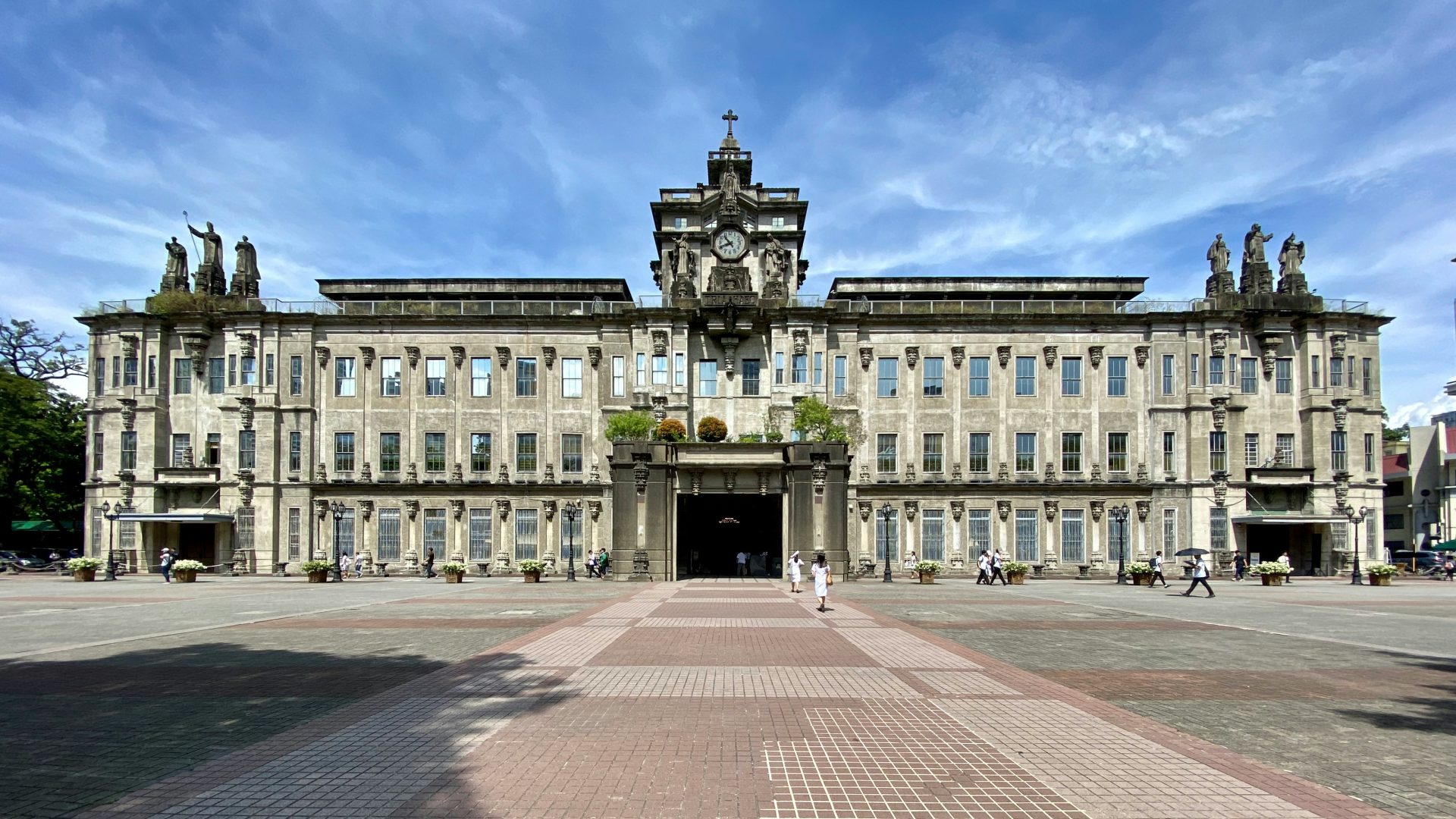
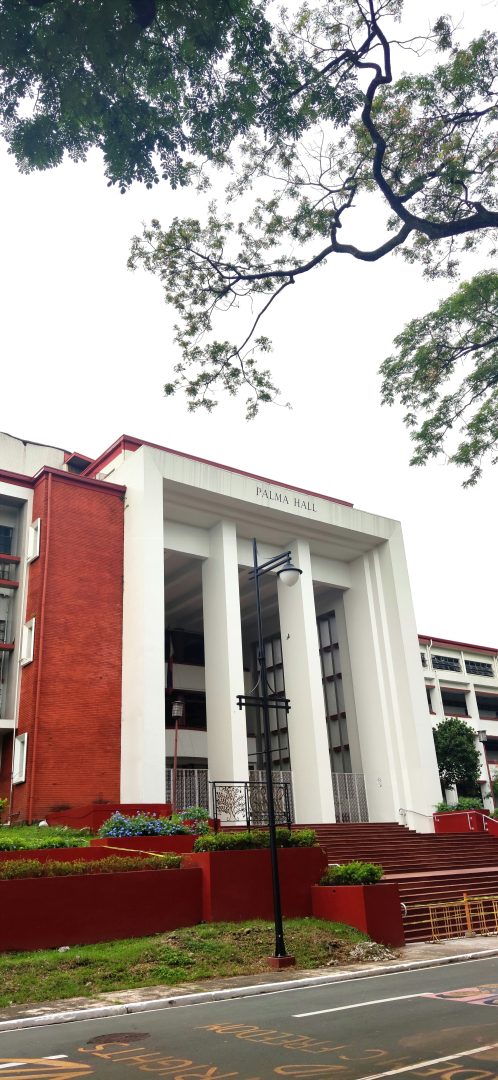
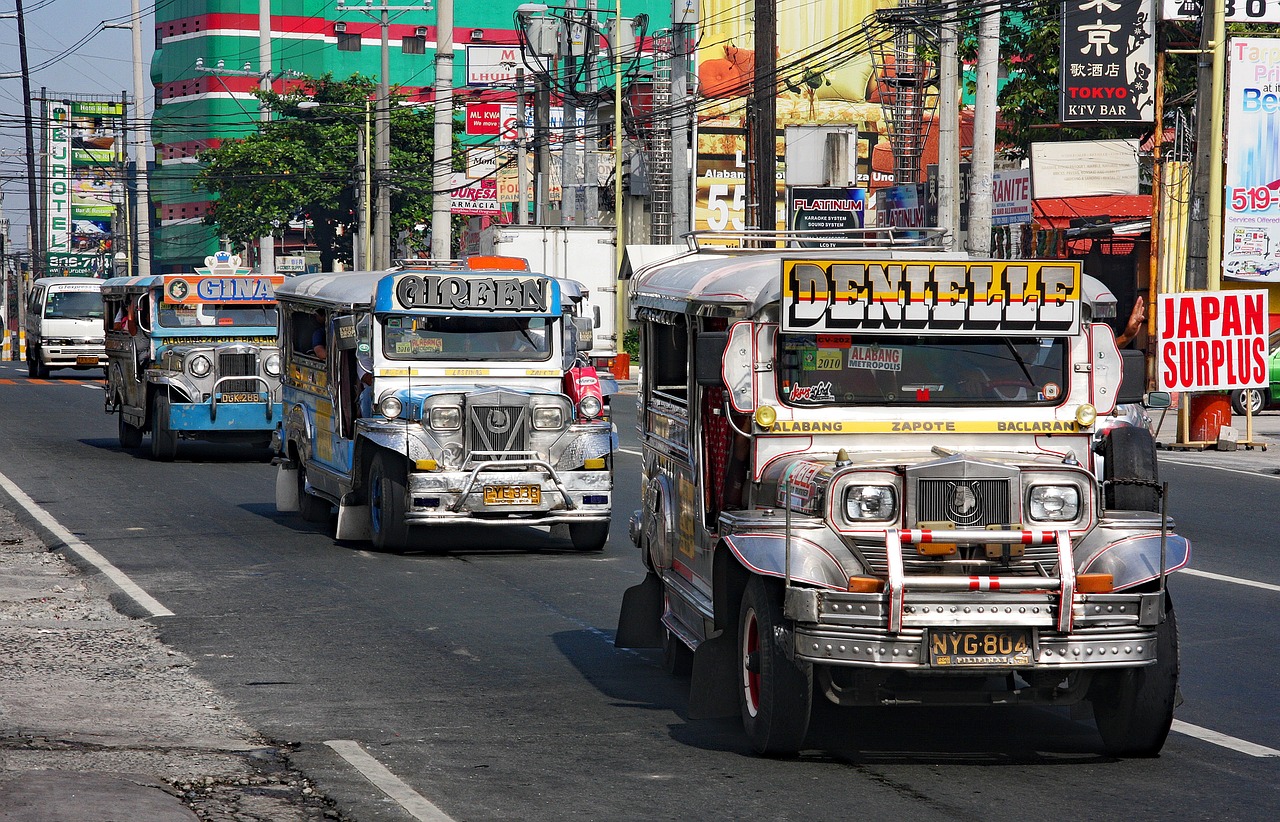
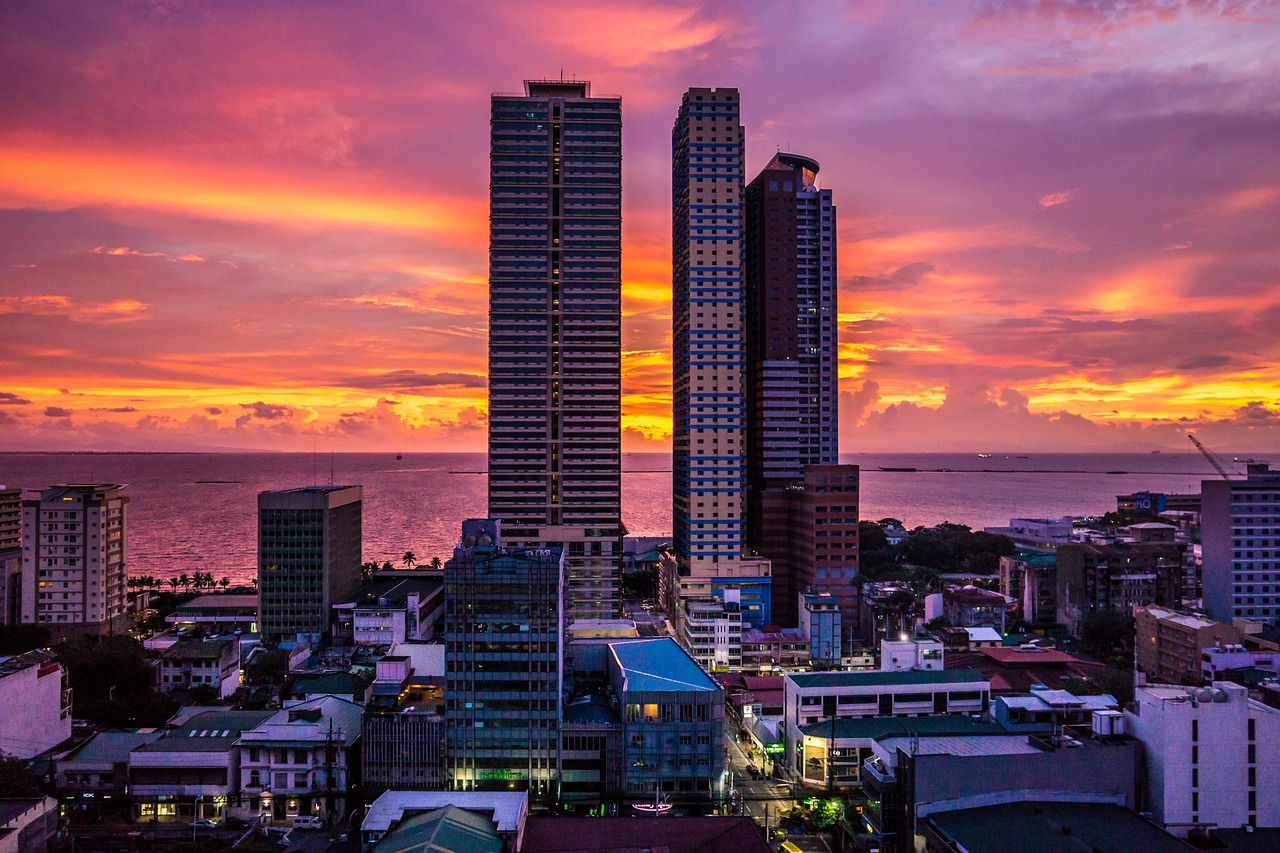
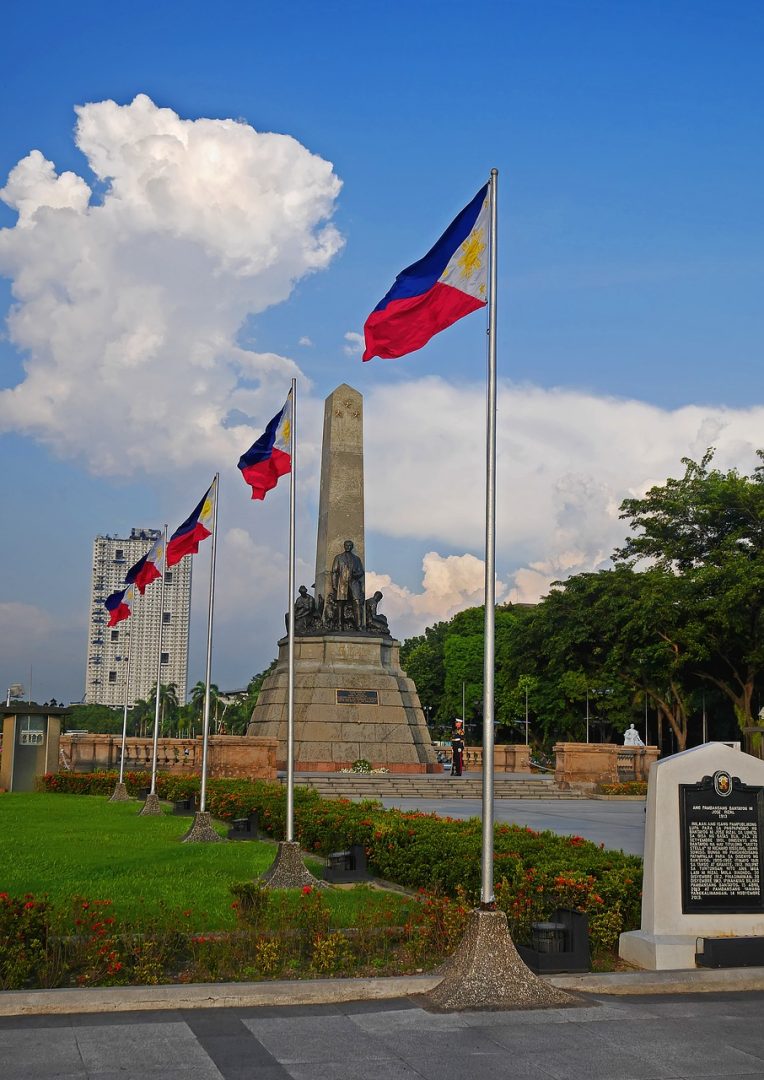
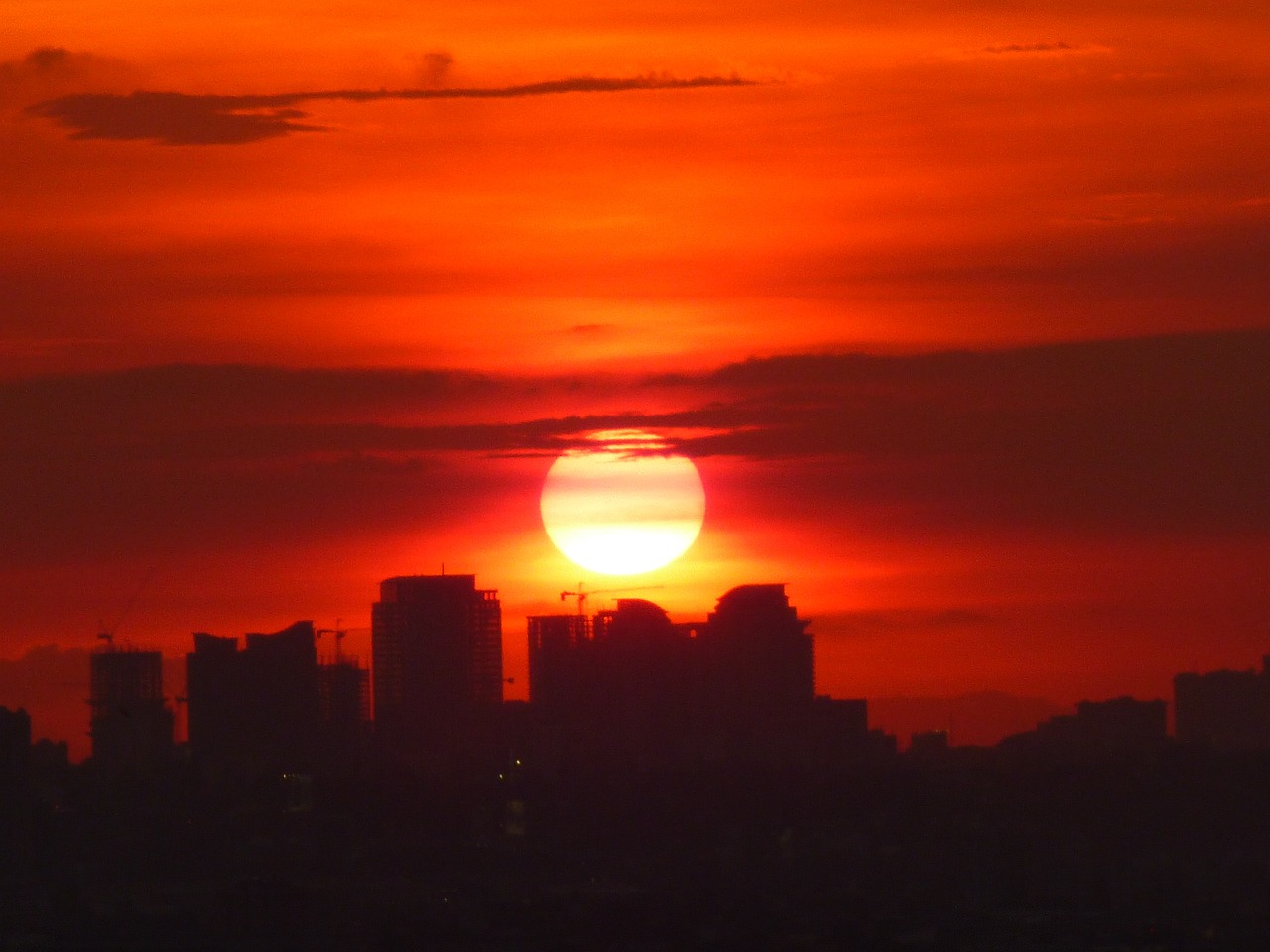
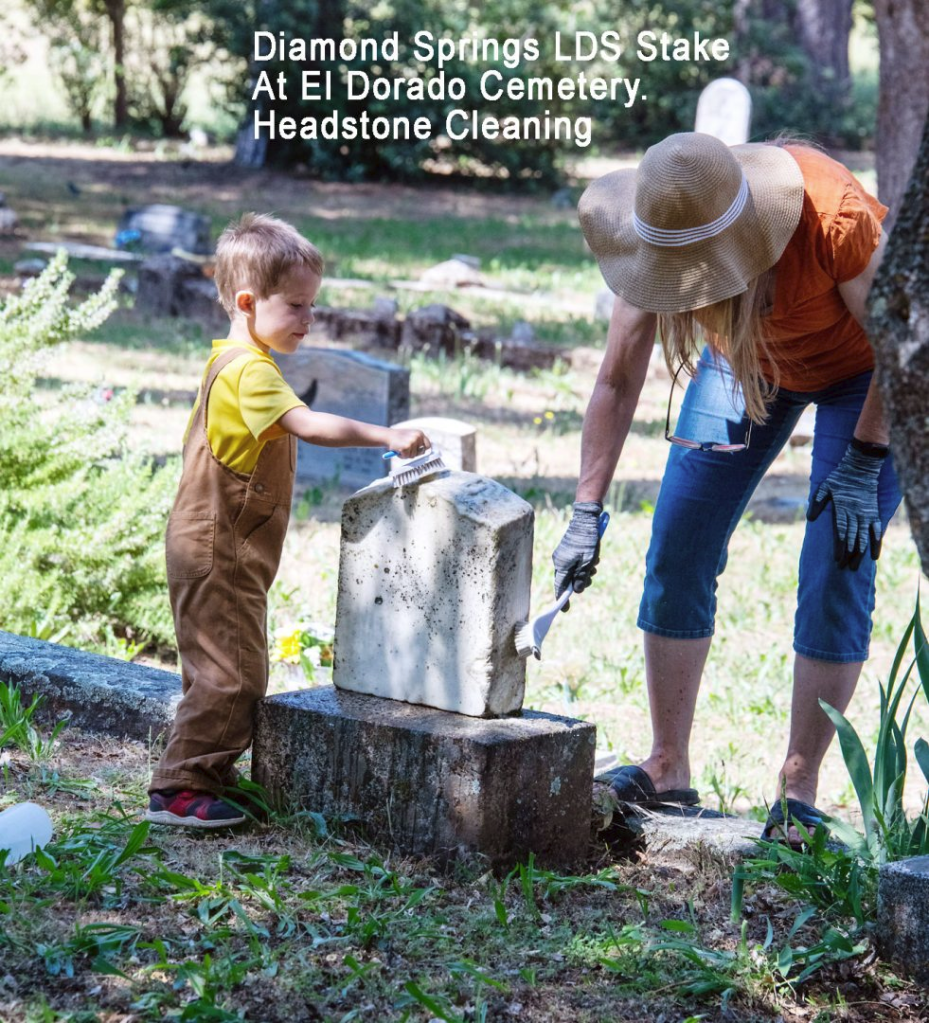

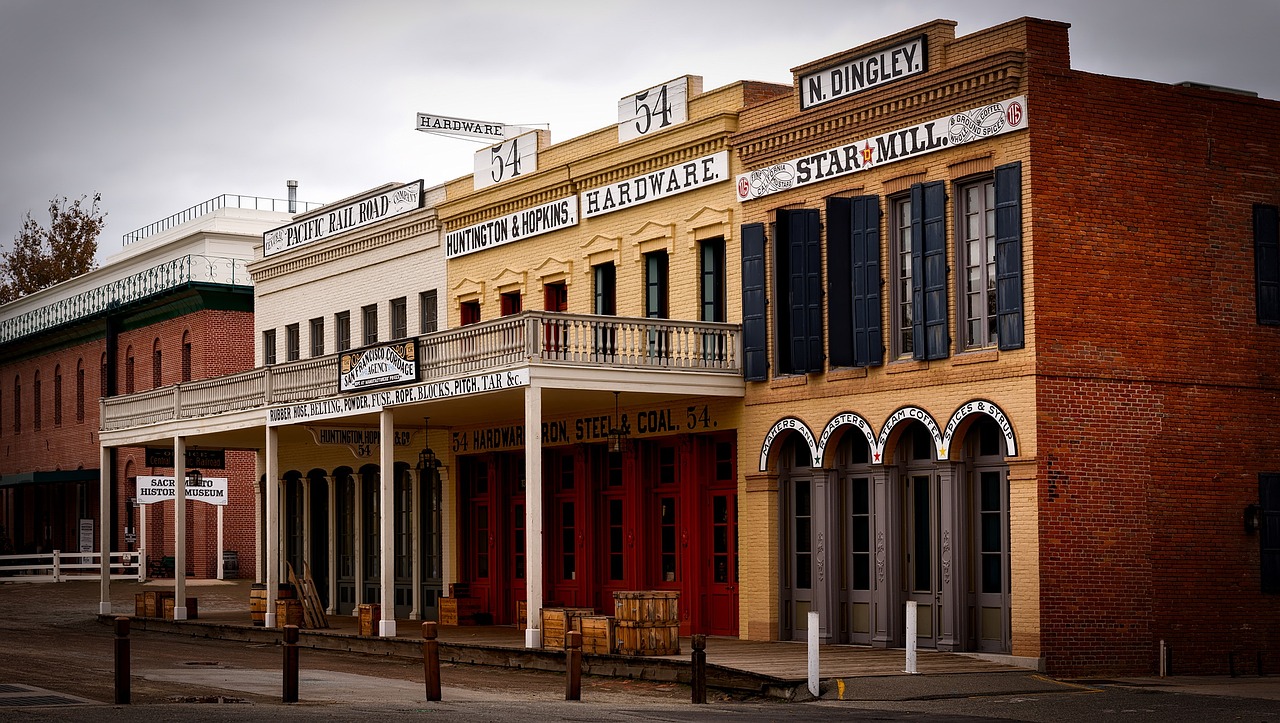
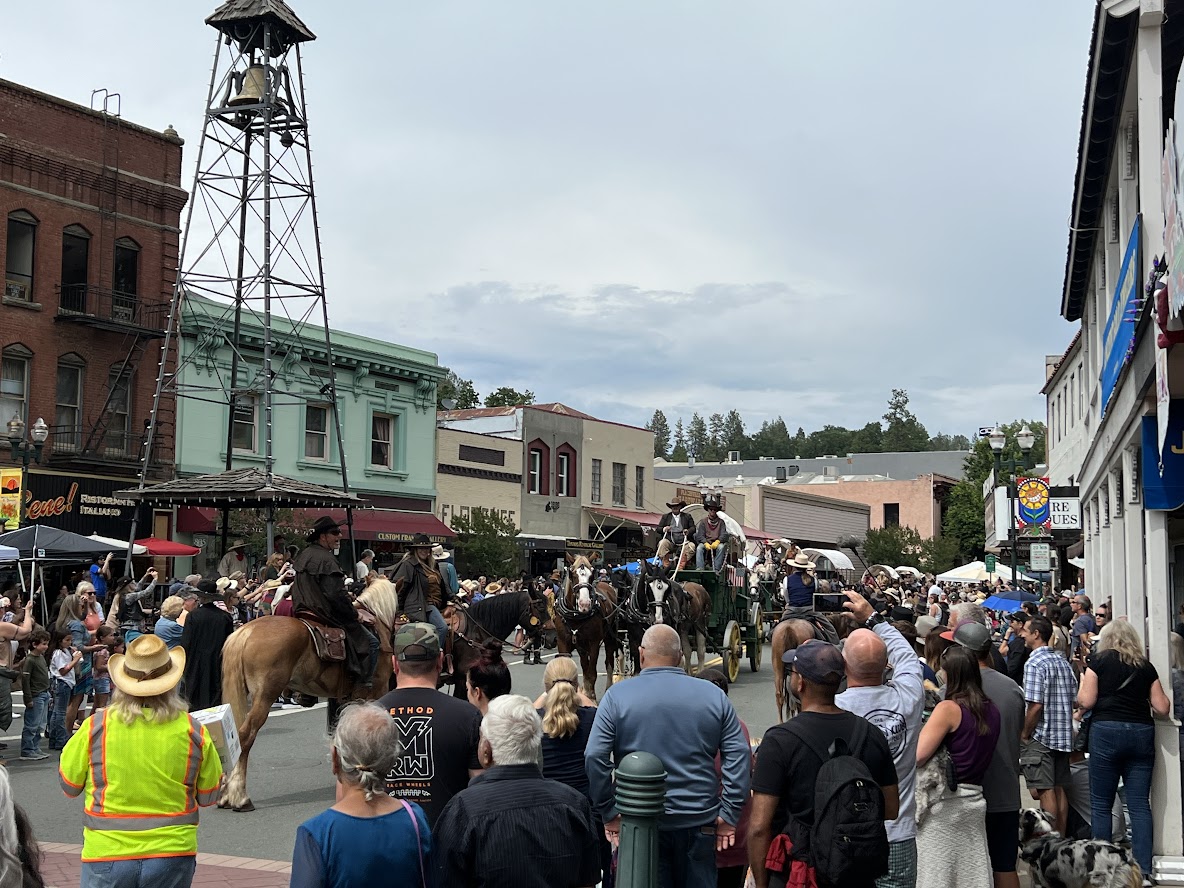
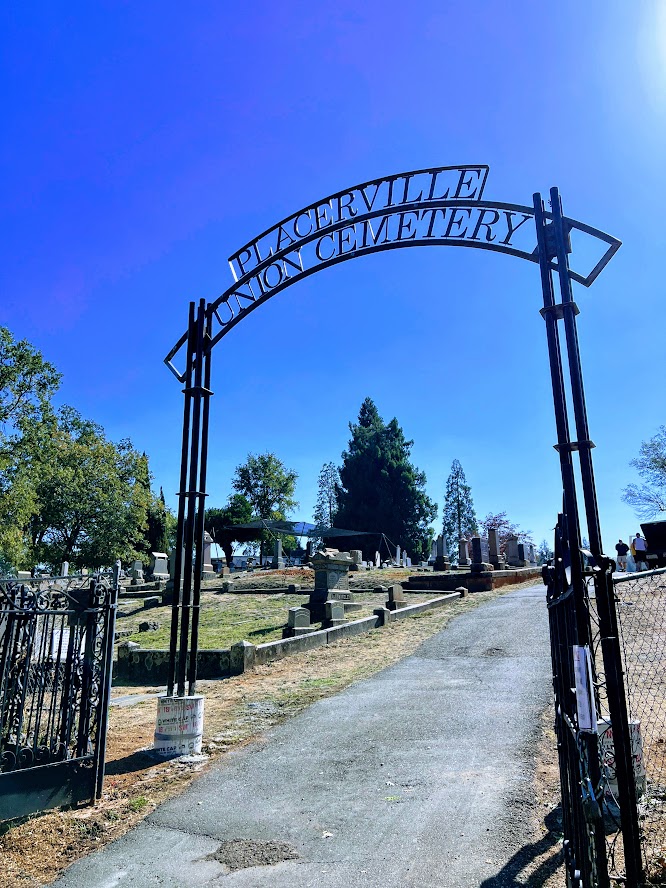
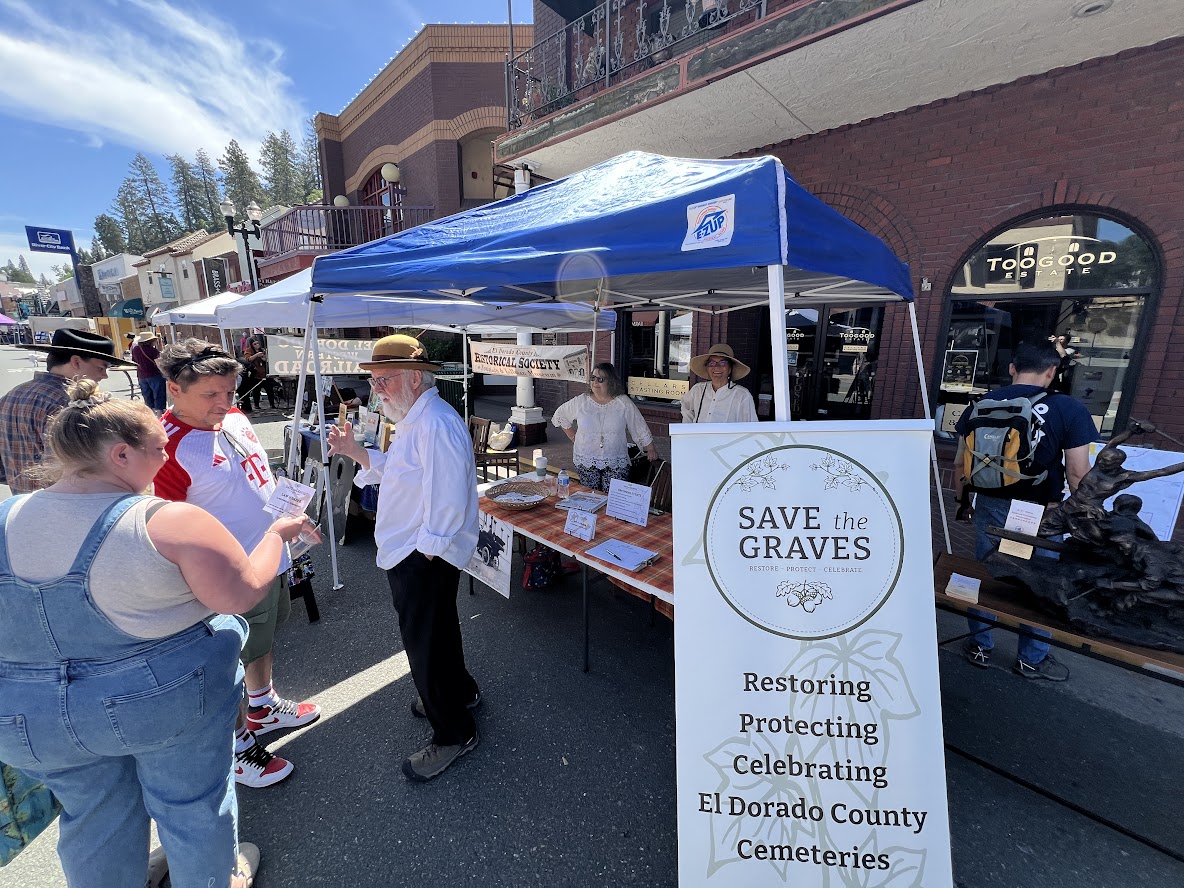
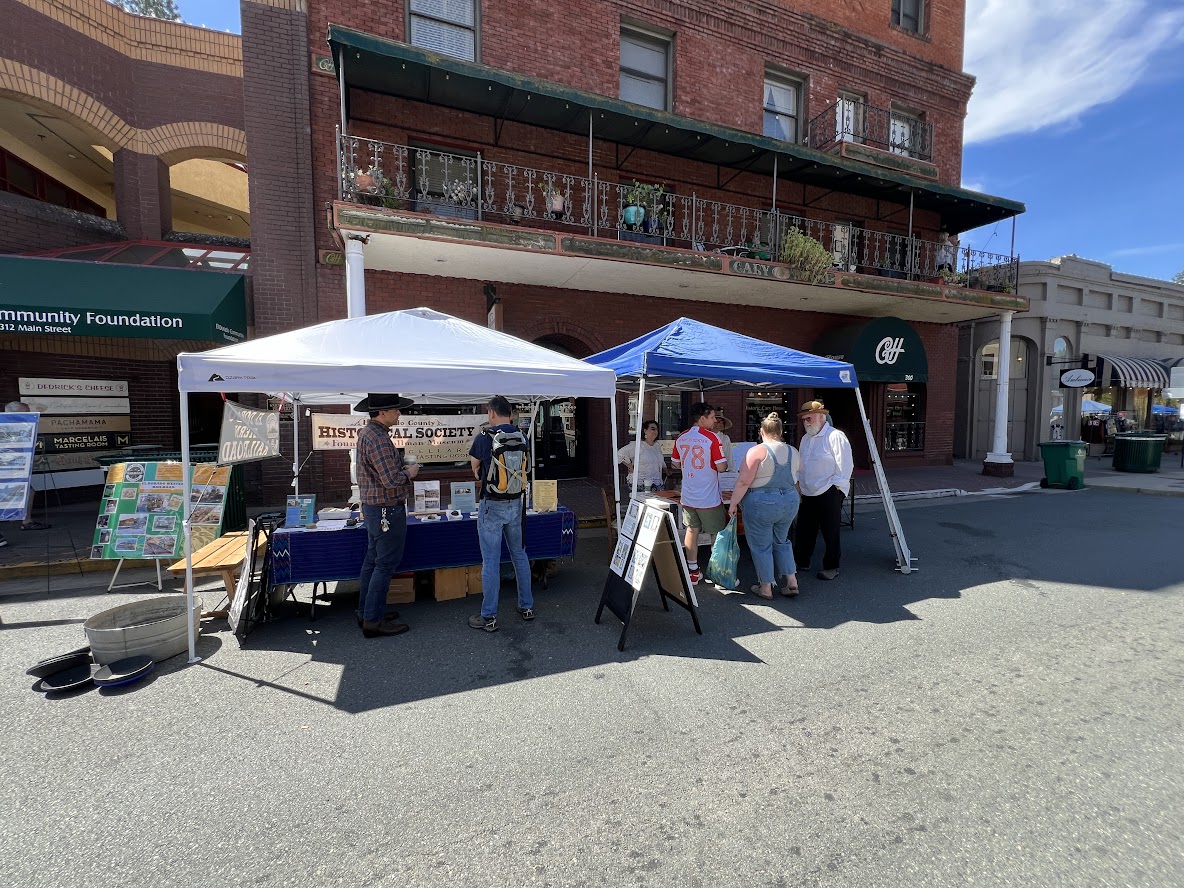
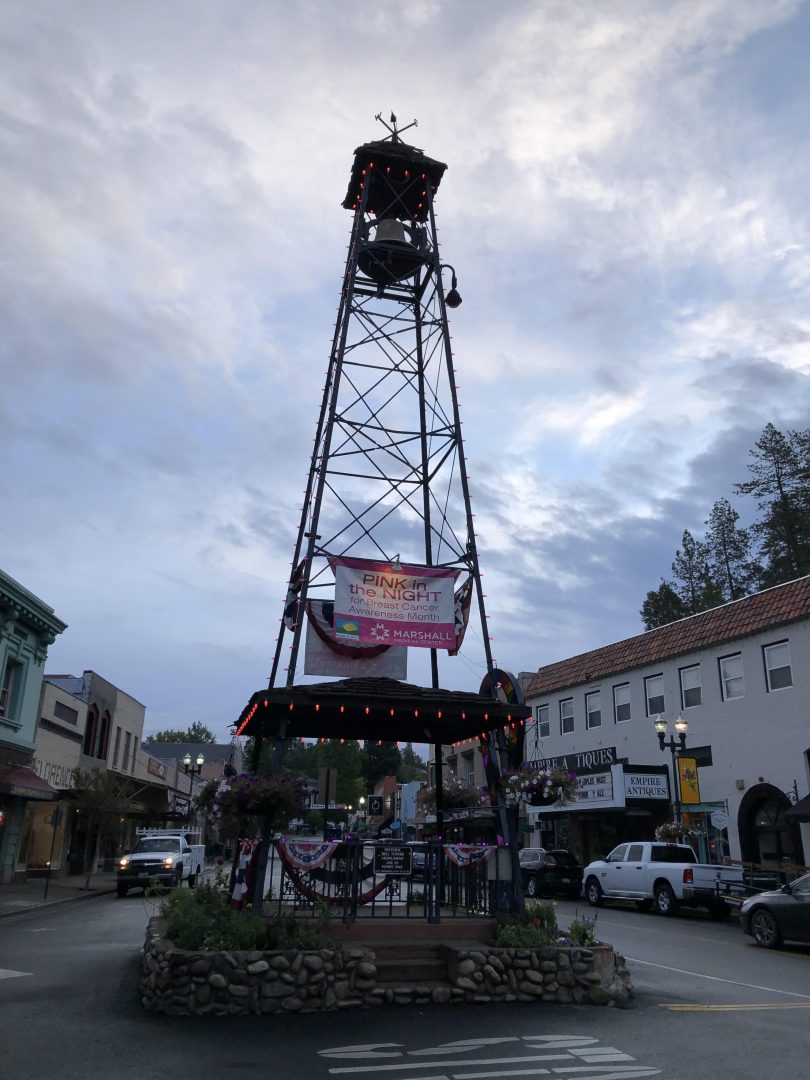
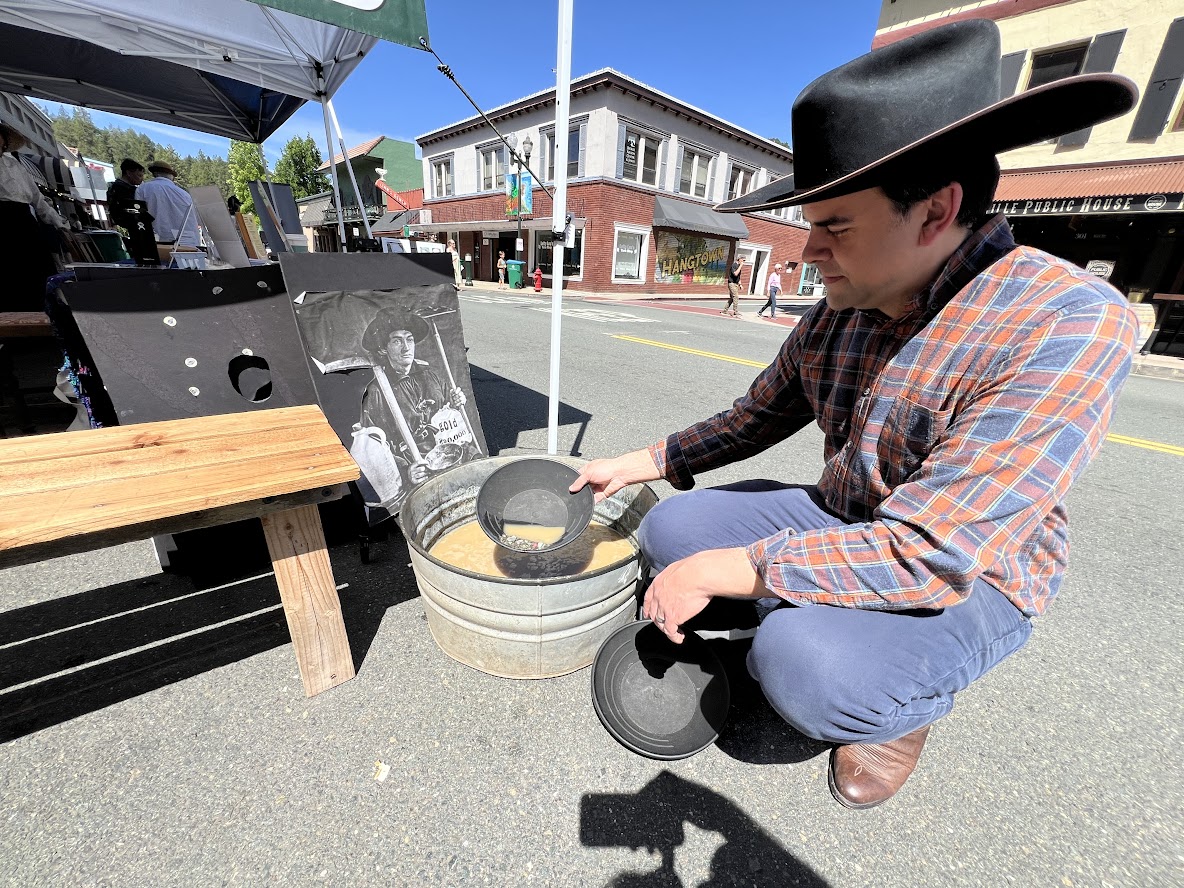
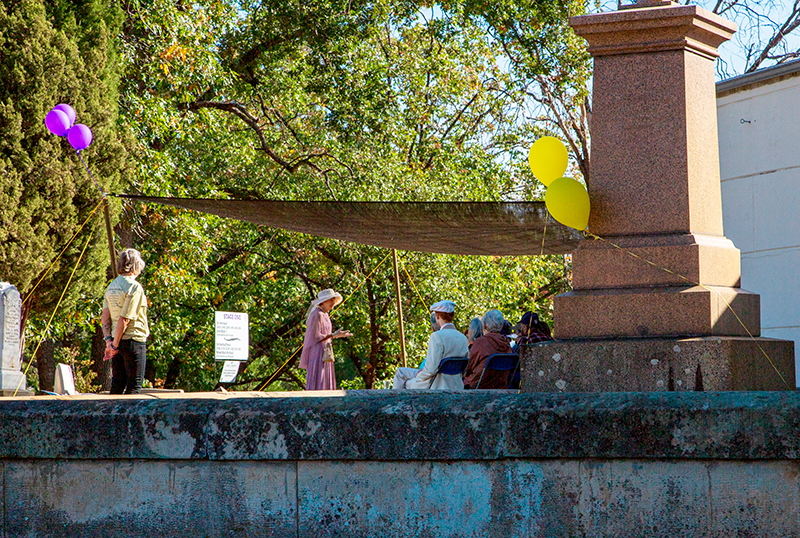
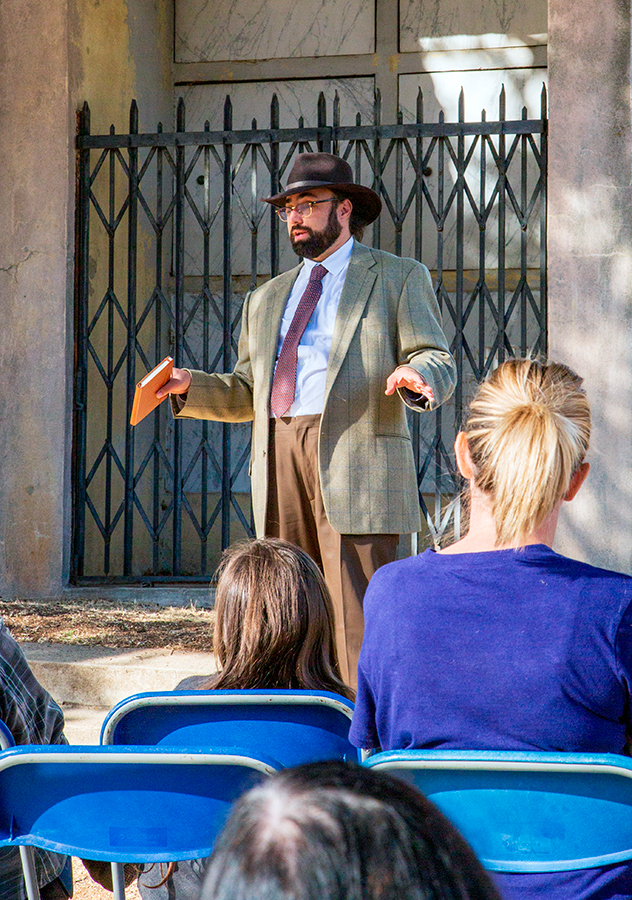
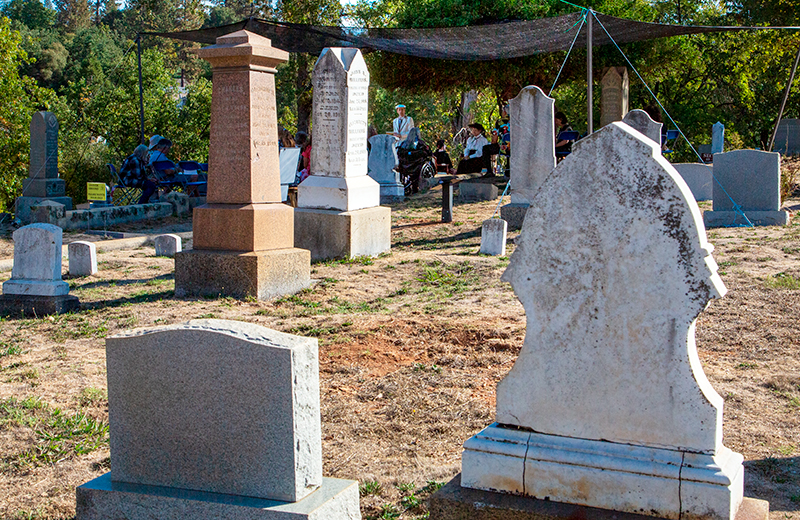
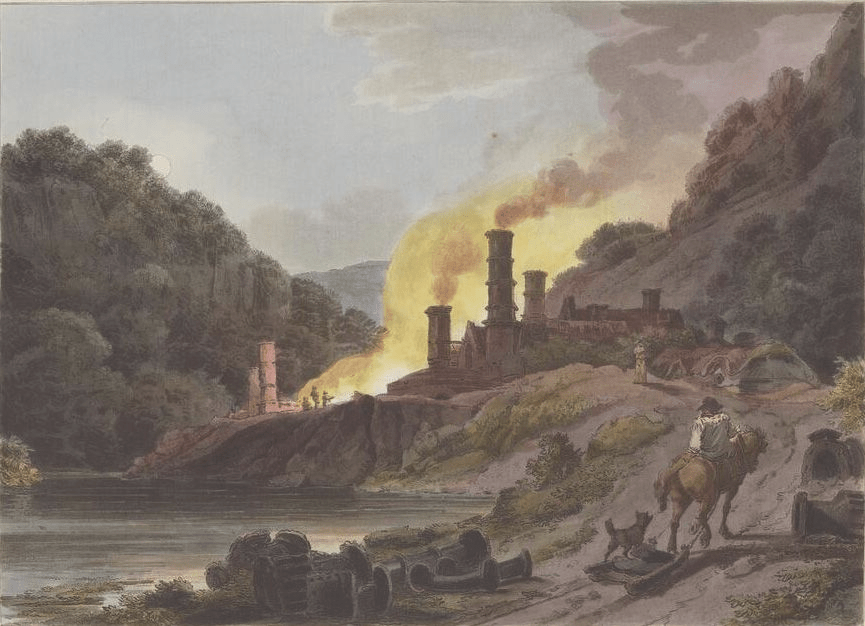
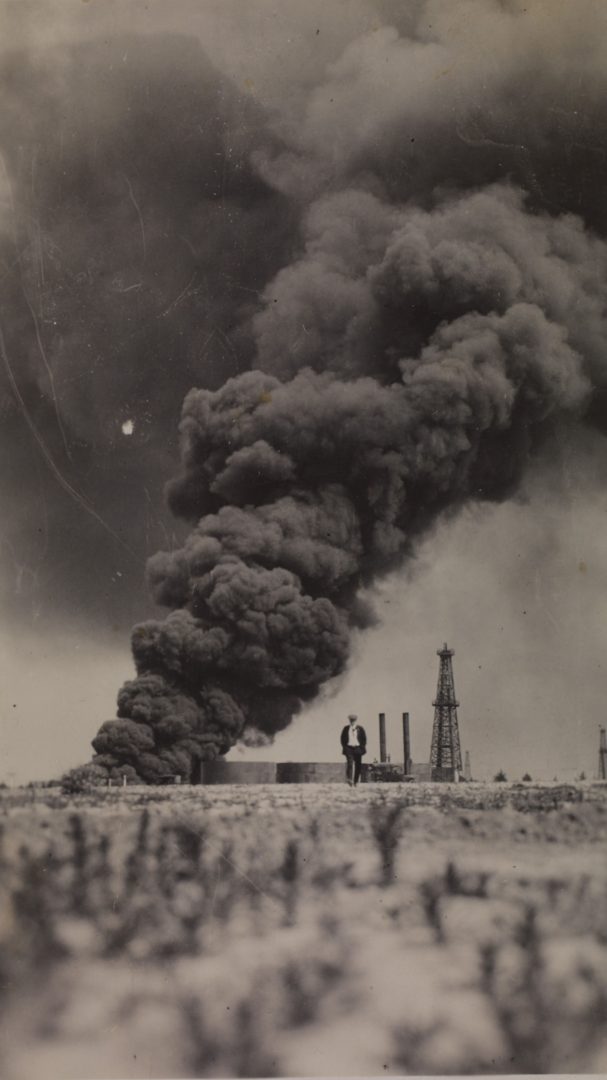

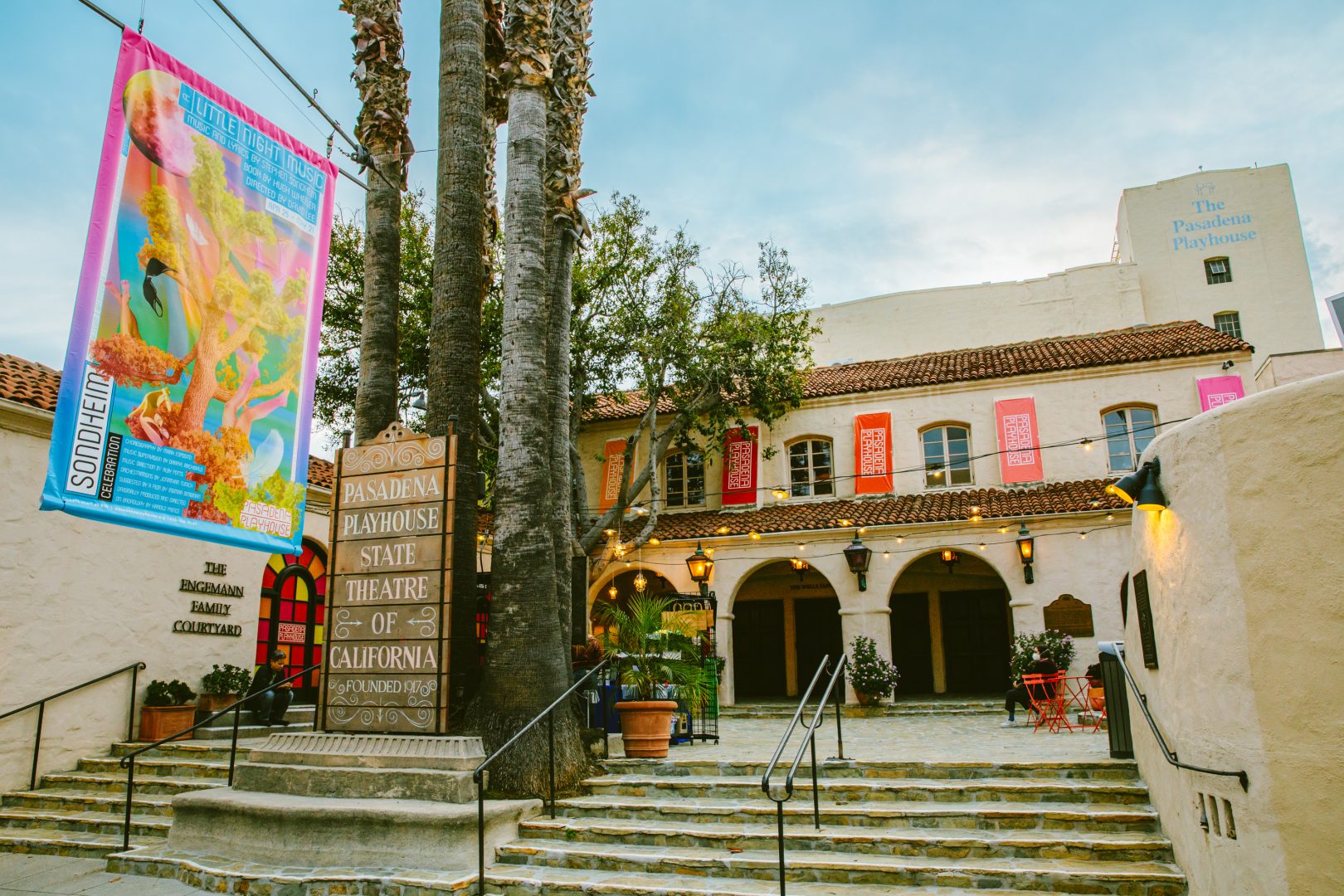
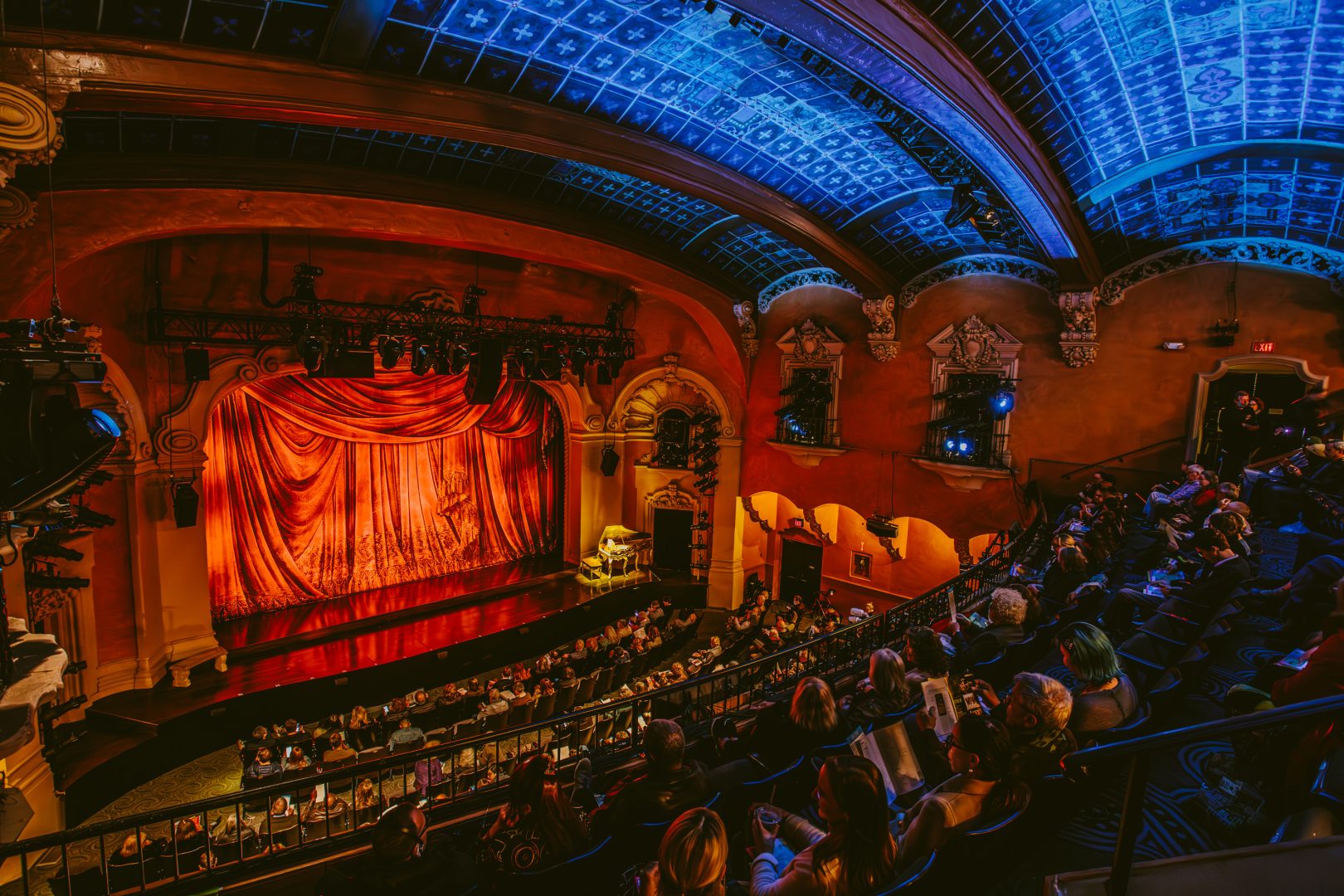
 A San Gabriel Valley Inquirer