A brunch attendee shows off her handiwork. | Photo courtesy of Day One
Day One, a non-profit organization in Pasadena, held an Altadena Community Brunch and DIY Workshops for Recovery and Sustainable Living on Sunday, September 28. Hosted by its Resiliency Studio, the event took place from 11 am to 2 pm at the Day One Lawn on 175 N. Euclid Avenue in Pasadena.
One of the many associations in the Eaton Fire Collaborative working together to support families affected by the fire, Day One focuses on youth empowerment, healthy cities, and policy development. Local government assistance also comes in various ways – including opportunities to collaborate on community events and initiatives.
This past Sunday’s Resiliency Studio Brunch and DIY Workshops was a free, family friendly event that combined a community connection through food with hands-on workshops that support recovery and sustainable living following the Eaton Fire.
Bicycle repair demonstration. | Photo courtesy of Day One
Workshops included: bike care and repair for affordable, eco-friendly mobility; composting and soil health to restore land and grow food after fire; healthy cooking with energy-efficient appliances; DIY rain gardens and rain capture systems; wildlife-friendly landscaping with native plants and birdhouse building. But the event was about more than skills – it’s about neighbors coming together to rebuild stronger, healthier, and more resilient.
“The Resiliency Studio began as a vision for a hub where families could learn about sustainability,” explained Nancy Verdin, Day One’s Director of Environmental Education and Engagement. “In the aftermath of the Eaton Fire, we reimagined how this hub could directly support families in rebuilding with sustainable strategies.”
Verdin said further, “The workshops are led by a mix of community partners (such as Community Compound, Crop Swap LA, Pulse Arts, Altadena Farmers Market), Day One staff with expertise in advocacy, public health policy and community engagement, and skilled volunteers such as bike mechanics. Together, they bring a diverse range of knowledge and experience to support our community.“
Birdhouse building. | Photo courtesy of Day One
According to Verdin, Day One has 30 years of experience working alongside residents, young people, elected officials, and other stakeholders to strengthen and build healthy, vibrant communities by advancing public health, advocating for public policies, meaningfully engaging youth, and igniting community-level and behavioral change. Comprised of a team of 24 employees, the organization is primarily grant-funded through local, state, and federal sources.
“Our programming focuses on public health, youth leadership, community engagement, and advocacy,” Verdin emphasized. “We offer youth leadership programs, provide drug prevention and education, and lead local efforts in transportation and environmental policy. Our Resiliency Studio events, however, bring together fire-impacted families as well as other local residents who want to learn more about sustainable rebuilding and recovery. Attendees come from both Pasadena and surrounding communities. We want participants to leave knowing that sustainability is tangible and within reach. As families rebuild, we hope to inspire them to imagine and implement sustainable solutions that strengthen resilience for the future.”
Composting. | Photo courtesy of Day One
“The Legacy Project Resiliency Studio Brunch was a meaningful day for our community,” declared Verdin. “Families and partners came together for hands-on workshops and resources provided by Altadena Farmers Market, Crop Swap LA, Pulse Art, Community Compound, and Oak Tree Comics, alongside our dedicated Day One staff and volunteers. Activities included bike repair, composting, cooking, native plants, and birdhouse-making, each designed to give families practical tools and strategies for sustainable rebuilding.”
“This work was supported by U.S. Greenbuild, who provided the seed funding that helped us create the Resiliency Studio,” Verdin said. “That effort has now evolved into the Collaboratory, a broader vision that brings together many organizations dedicated to supporting fire-impacted families with long-term recovery resources. With the generous contribution from Lowe’s, we are now able to provide tangible tools that will remain available to the community as they continue rebuilding.”
“It was a powerful reminder that resilience is built not only through tools and resources, but also through partnerships and community connection,” concluded Verdin.
Last Sunday’s brunch was quite a success! It would be gratifying for the Day One team if a good number of people came away encouraged by the connections they made and buoyed by the skills they gained. How heartening it would be if they left with renewed confidence that the resolve and spirit of Altadenans have not been scorched by the fire and that they w
Jessica Strand. | Photo courtesy of the Library Foundation of Los Angeles
The Library Foundation of Los Angeles’s (LFLA) ALOUD Series returns this fall with a slate of timely conversations and urgent questions shaping our world today. Prominent creatives, cultural critics, and writers will discuss themes that include the rise of authoritarianism to the politics of tech platforms, and examine Black female friendship, queer joy, and new works by literary icons. These talks – some of which are free to the public – will take place at the Mark Taper Auditorium at the Central Library in Los Angeles at 7 pm from September 18 through December 10.
Distinguished political journalist and New York Times bestselling author Ben Rhodes opens the season that showcases vital new works by National Book Award finalist Angeles Flournoy, transgender artist and activist Tourmaline, acclaimed writer Susan Orlean, award-winning novelist Gish Jen, James Baldwin scholar Nicholas Burges, and legal scholar and tech policy expert Tim Wu.
Guest moderators and conversation partners include the new Executive Director of the ACLU of Southern California Chandra S. Bhatnagar. Emmy-award winning writers and actors Lena Waithe, Issa Rae, and Ashley Nicole Black, and Pulitzer Prize-winning playwright Tony Kushner who will be joined by a cast of notable actors.
Image courtesy of Library Foundation of Los Angeles
The season closes on a mirthful note with a pair of enjoyable programs featuring NY Times Cooking recipe creator and Cookies author Vaughn Vreeland and a special evening with lead puzzle editor at the NY Times Games Joel Fagliano and guests to mark the release of Puzzle Mania!
Selecting the themes for these discussions rests on LFLA’s senior director of programing and strategic engagement Jessica Strand. To shape the series, she partnered with the ACLU of Southern California and the New York Times for a balanced line-up aligned with the organization’s mission.
With her literary pedigree, East Coast credentials, and engagement with L.A.’s civic life, Strand is perfectly suited for the role. Her father was the Pulitzer Prize-winning poet Mark Strand; she has authored ten cookbooks and previously ran the Books at Noon series for the New York Public Library.
From left: Jessica Strand, Genevieve Ko, Emily Weinstein, and Eric Kim. | Photo courtesy of the Library Foundation of Los Angeles
Given her father’s fame, it’s easy to imagine Strand having had an extraordinary childhood – her family hosting salons with plenty of cerebral exchange and lively discourse in their living room.
“I did grow up around lots of well-known writers, poets, and visual artists,” reveals Strand. “My parents were divorced when I was nine years old, so the largest chunks of time I spent with my father were during summers in far-off places. I wasn’t aware of it being special or different than other people’s childhoods since I had nothing to compare it to.”
Asked why she decided to author lifestyle books rather than literary ones, Strand replies. “I did try my hand at a novel many years ago which made the rounds but didn’t make it to print. But I put together a couple of anthologies: one of my literary programming at the Strand Book Store that Norton published and the other was a small, sweet, illustrated collection of love poems by poets over the ages which Chronicle Books published. I’m thinking my way through a project that I’m hoping to start writing in the coming months – a kind of autofiction piece about my crazy family.”
From left: Michael Chin, Ocean Vuong, Tanya Mosley, and Jessica Strand. | Photo courtesy of the Library Foundation of Los Angeles
A confirmed bibliophile, she reads to be informed and entertained and usually several books simultaneously. “I wish I had more time to read novels than I do,” says Strand. “I have lots of books going at once and try to listen in my car as well. I also read The New York Review of Books and The New Yorker. I often find a kernel of something in them that inspires an idea for a program. Though I finished it, the new Ocean Vuong still sits on my nightstand next to ‘Glitz, Glam and a Damn Good Time’ – a zany book about Mamie Fish, one of the queens of the Gilded Age.”
While Strand had to relocate to L.A. when she accepted the position at LFLA, she isn’t a stranger to the city. But that’s not to say that there weren’t some things to adapt to.
“I lived in Los Angeles for 10 years before moving to New York,” Strand discloses. “I largely grew up in New York City but have had a bicoastal life. When my mother got very ill, I felt it was time to come back to the West Coast. It was an easy move because I had a whole group of friends here already.”
“The biggest adjustment was the attitude toward culture – in New York, people reside right in the heart of the city and are willing to live modestly to be part of everything going on,” confesses Strand. “You’re expected to have seen exhibits, read certain books, gone to plays, etc. Los Angeles is full of wonderful cultural things to do but there is no expectation to participate. Here it’s about lifestyle and the outdoors; culture is part of the landscape but not an essential facet of everyone’s existence.”
Library Foundation of Los Angeles President and CEO Stacy Lieberman with author Walter Mosley.| Photo courtesy of Library Foundation of Los Angeles
Strand’s initial concept when she first came to LFLA was to do literary programs then branch out into current events and social justice-related topics and people. To that end, she expanded the Library Foundation’s ALOUD series which was created in 1992 as a live conversation with authors.
“My predecessor is responsible for creating the author series that put ALOUD on the map,” Strand clarifies. “I’ve altered it in the last seven years to include thematic programs, several Revues (more cabaret than conversation), and ALOUD in Community where we work with a curator or artist on a series for the Library. Together, we choose three to four branches to host the programs, with ALOUD’s financial and administrative support.
“Cultural programming can’t rest on a literary series anymore. Those are everywhere –several for-profit series exist in Los Angeles, and bookstores host them. ALOUD tries to present different types of series under one umbrella, so we can remain relevant and a bit different. We’re also 90 percent free. When we do charge, we sell the book, and the ticket price is never more than $10 to $12 above the book price – only to cover venue costs.”
Exterior of the Central Library in Los Angeles. | Photo courtesy of Los Angeles Public Library
ALOUD sets itself apart from other library series. Strand points out, “We’re different in that we present very high-level programming you’d usually have to pay for elsewhere. We also conceived a program called a ‘Night at the Library.’ It’s an event our small team, together with terrific partners, staged last February. From 8 p.m. to midnight, we welcomed 3,000 people into the Central Library, where more than 240 artists were performing, creating, and making throughout the building. The LA Phil performed an experimental opera on the escalators, BodyTraffic performed in the Central Library’s rotunda. We’re planning to do it again this year and opening more of the library.”
The topics explored in the ALOUD series aren’t based on personal whim. Strand explains, “I respond to what is going on around me. This includes local and world politics, trends in culture and literature, and ideas that are being discussed. I have a wonderful team – Tiffany Colli-Moon and Jorge Martinez – who both share their ideas and thoughts, and as a group we discuss what we think we should pursue in terms of talent.”
ALOUD’s fall 2025 line-up covers diverse and wide-ranging subjects – some of which are quite weighty, and others are lighthearted. It is an intentional blend of serious and cheerful topics.
“I went from heavy and important to something lighter and completely fun for the holiday season,” emphasizes Strand. “I am a strong believer in mixing up the programming. No one can tolerate a full diet of anything. I want our audience wanting to come back. The hope is to keep people engaged and interested by moving from different topic genres and production styles.”
Image courtesy of Library Foundation of Los Angeles
Strand describes how she selects who will talk with the authors in the series. “Several things can happen. Often, the speaker has someone they’d like to be in conversation with – and if this person is a close friend, it usually makes for a terrific chat. Sometimes, I think about the person’s work and who has done something that may be similar in style or subject matter. Other times, it’s about influence – maybe the two speakers were heavily influenced by the same person. Pairing is a complicated game and is part feel, part knowledge, and part what would be off-beat and fun.”
There isn’t a typical audience size and it’s difficult to say which topics attract more people.
“The audience fluctuated last season from around 80 to 900,” Strand states. “The size depends on the popularity of the person presenting. Name recognition, together with publicity, makes for a popular show. There is no subject that is more popular than another; it’s all personality-driven. ALOUD might present an incredible novelist who has published numerous books and has been translated into multiple languages, but they’re not part of the pop culture machine at the moment. So it may pull a smaller audience while someone who has less experience in the book world but is active on social media draws a robust crowd.”
ALOUD audience showing off book. | Photo courtesy of the Library Foundation of Los Angeles
It’s impossible for Strand to single out one engaging and memorable ALOUD discussion since she took over the programming at LFLA. Says Strand, “That’s like naming a favorite child, which I can’t do. But I can tell you what makes me most happy after a program. First, if the audience is engaged, reacting in real time, completely taken with the discussion
Much thought and deliberation go into each ALOUD show. Strand and her team ensure that both the presenters and audience take away something rewarding from the experience. And they don’t want to deliver an unforgettable discussion; they aspire to provide the impetus for community involvement.
Public executions aren’t exactly pleasant subjects to write a book about. But for M.G. Rawls, a retired Pasadena lawyer and author of the young adult fantasy trilogy “The Sorts of Pasadena Hollow,” it was a compelling topic that had captivated her for decades. Rawls’s great-great-grandfather, James Madison Anderson, was the El Dorado County sheriff who carried out one of the last public hangings in California towards the end of the 1880s. For years, the thought that an injustice might have been done weighed heavily on him.
In her book “Hanging Justice,” scheduled to publish in October, Rawls delves into this event and gives readers an intimate look at the victim, the killers, the crime, and the hangings. She chronicles the details of the case and then reaches her own conclusions about this long-forgotten and rarely discussed episode in Placerville’s past. She will give an author book talk sponsored by the El Dorado Historical Society on Friday, October 17 from 6 to 7:30 pm at the Morning Star Lodge (also known as the Odd Fellows Lodge) in Placerville.
Based on newspaper articles at the time, a reputedly wealthy farmer John Lowell was murdered on March 24, 1888 during a robbery at his ranch near Mormon Island in El Dorado County. Three men were convicted of first degree murder – John Henry Meyers, a 27-year-old immigrant from Germany; John Olsen, a 24-year-old Norwegian native immigrant; and William Drager, a 41-year-old immigrant from Germany.
Meyers was hanged on November 30, 1888, but Olsen and Drager’s execution on the same day was stayed pending appeal. Coverage of the arrests, trial, and hangings was a local sensation. Dozens of newspaper articles ranging from the Sacramento Bee to the San Francisco Examiner recounted the gory details. Hundreds of spectators observed Meyer’s hanging, that gave it a circus-like atmosphere.
Olsen and Drager – who steadfastly claimed throughout the trial that they weren’t involved in the plot to kill Lowell – were hanged on October 16, 1889. Sheriff Anderson limited the observers to the minimum required by law and had canvas draped over the courtyard to keep out as many prying eyes as possible.
The Placerville Wagon Trail Event in 2023. | Photo courtesy of ‘Save the Graves’
Hangings were not uncommon in the United States back then; Placerville had been referred to as “hangtown” since the Gold Rush days. However, Olsen and Drager’s sentence galvanized the whole town into action because Placerville residents felt they had not been complicit in the murder, and the death penalty was too harsh for their actual crime.
Over 425 townspeople – including the district attorney who prosecuted the case, the sheriff, and nine of the 12 jurors – signed a petition requesting the sentence be reduced to life imprisonment.
The men had been model prisoners and were ready to accept their fate. Moreover, the victim – John Lowell – allegedly was of dubious character, having made many enemies and was himself accused of murder just a couple of years before. Olsen and Drager’s attorneys worked diligently to save them, even hand-delivering the petition and request for a pardon to Governor Waterman in Sacramento. Still, the petition was rejected, and the pardon turned down. For a long time, the townspeople wondered whether Olsen and Drager should have been executed.
Rawls’s grandmother had previously written about this event; but she was determined to find out more. She scoured through hundreds of old newspapers online and did extensive research at the Huntington Library in San Marino, the El Dorado Historical Society, the Center for Sacramento History, and the California State Archives. She traveled to Auburn, New Hampshire, to look at family documents and photos that her aunt and uncle have meticulously preserved.
By email, Rawls talks about what made her author “Hanging Justice,” what she learned from her exhaustive investigation, and the reader takeaway.
Model clipper ship ‘the Mountain Queen”. | Photo courtesy of M.G. Rawls
“In 1970, my grandmother wrote a community college paper about the last hangings in El Dorado County in 1888 and 1889 for which she got a B+,” recounts Rawls. “She’d played with a small model clipper ship called the Mountain Queen, crafted by two of the three hanged men while they were in jail. Sailors by trade, the two men made the miniature ship for her grandfather, my great-great-grandfather, Sheriff James Madison Anderson. It was their way of thanking him for taking care of them while their appeals were pending. They looked up to him like a father, yet he would be the one to hang them. My grandmother gave me the Mountain Queen, and I display it on a table in our living room as a relic of the event.”
It would take a while, though, before Rawls started writing the book. She discloses, “I’d had the story in my head for years, as I’m guessing many writers do, but didn’t start in earnest until about four years ago, just after I’d finished writing the third book in a young adult fiction shape-shifting trilogy – a series which combined my love for the local animals with California history. It was a natural transition for me since I love history and had experience doing research with my fiction books.”
Asked if the event haunted her family, Rawls replies, “I know that Sheriff Anderson and Marcus Bennett were emotionally torn about the executions of two of the men. Both felt that these men should have received a life sentence instead of death. Other than that, except for my grandmother, who was probably more intrigued than haunted, I don’t know what the rest of my family thought. But for the model clipper ship and my grandmother’s college paper, it is doubtful this story would have survived.”
Sheriff James Madison Anderson. | Photo courtesy of M. G. Rawls
In the course of her investigation, Rawls learned a few things that she hadn’t previously known and unearthed some personally meaningful finds.
“I knew that my great-great-grandfather, James Madison Anderson, was sheriff of El Dorado County from 1886 to 1890, so I was aware that he was generally in charge of the men,” states Rawls. “Still, I didn’t fully understand his specific role in the hangings until I read the contemporary newspaper accounts. Furthermore, until I started researching, I didn’t grasp that it was my great-uncle, Marcus Percival Bennett, Sheriff Anderson’s son-in-law, who was the district attorney prosecuting the case. I can only imagine the discussions that the two men must have had over the trial and hangings.”
“There were many surprising discoveries, made possible through the numerous institutions that I visited, family members who opened up their collections, and the hundreds of newspapers I pored over online,” Rawls continues. “I learned that the ‘victim,’ farmer and rancher John Lowell, was hated by many, and there were probably dozens who wanted to see him dead. But of course, you take your victim as you find him. I also learned that the State of California keeps all the files in death penalty cases and that anyone can access them in person through the California State Archives.”
“And lucky for me, despite a fire that burned down the El Dorado County courthouse in 1910, the El Dorado County Historical Museum had the preliminary examination records and original exhibits” adds Rawls. “While most of the records at the museum were in cursive and at times challenging to read, nonetheless, holding these documents, I found myself transported back to the period.”
The iconic Placerville Bell Tower. | Photo courtesy of M.G. Rawls
The fantasy novels Rawls previously penned flexed her imagination and creative thinking. Writing a historical non-fiction, it seems, proved to be an adventure that was just as fun and pleasurable for her.
“While I did a lot of research for my fiction books, ‘Hanging Justice’ necessarily required exponentially more,” Rawls reveals. “Still, the research institutions and historical places visited and friends made along the way more than made up for the time spent. Plus, I like researching. For me, it’s detective work – with bits and pieces in various sources to be put together like a puzzle.”
Although that’s not to say that it was without its challenges. Declares Rawls, “This is my first non-fiction book, so accuracy was necessary. Besides, while it’s unconventional, I was determined to use footnotes instead of endnotes so the reader wouldn’t have to keep turning to the back. I’ve tried to make the story interesting, too.”
Writing “Hanging Justice” was a revelatory experience for Rawls as well.
“Placerville is known as ‘Hangtown’ for the vigilante-driven hangings that occurred during the gold rush period, starting in 1849, after the discovery of gold by James W. Marshall in nearby Coloma, California, the previous year,” Rawls explains. “’Hanging Justice’ includes the telling of a particularly abhorrent hanging in 1852, when an ‘assemblage’ stormed the jail in Coloma and two men – one white and one black – were forcibly taken and hanged. The original account is in the El Dorado County Archives at the Huntington Library.”
A gold mine in El Dorado County. | Photo courtesy of Pixabay
“As highlighted in my book, the hangings for the killing of John Lowell were not the result of vigilantism,” clarifies Rawls. “They were legal executions after due process of law. Plus, like my great-great grandfather and great-uncle, many of the townspeople did not want two of the men to be executed. In my view, despite the circumstances surrounding these last hangings, Placerville had transformed into a lawful community and was determined to give these defendants a proper trial. The trial transcript in this case was over 600 pages, and the three men were represented by Placerville’s finest. Though in the end, Placerville’s best wasn’t good enough.”
This book isn’t your everyday read but Rawls thinks there’s valuable takeaway for someone who buys and peruses it.
“‘Hanging Justice’ lays bare the factual and legal groundwork for what happened,” Rawls describes. “But I hope the book also allows the reader to reach their own conclusions as to whether justice was rendered by the hangings. Personally, I found the victim’s own trial for murder several years earlier and the legal issues surrounding two of the men’s appeals fascinating. But then I’m a bit of a nerd when it comes to history.”
“Family stories worth keeping can be very fragile and will disappear if not written down,” pronounces Rawls. “The process of saving them can be both unifying and rewarding. In my case, despite the dark topic, this story has brought me together with cousins and friends I didn’t know I had, including the townspeople of Placerville. So I would urge readers to pursue their own family stories.”
During her countless trips to Placerville, Rawls learned that residents there today didn’t know about this particular event. As she worked on her book, she made it her mission to uncover all the documented facts so she could retell the story of what transpired over a century ago. It is a significant piece of their community’s history.
The cover of “Cruising J-Town.” | Photo courtesy of Oliver Wang
Cruising J-Town: Behind the Wheel of the Nikkei Community, on view from July 31 through November 12, 2025, chronicles the central roles Japanese Americans have played in countless car scenes throughout Southern California. Presented by the Japanese American National Museum and curated by cultural scholar and writer, Dr. Oliver Wang, it will debut at Art Center College of Design’s Peter and Merle Mullin Gallery on South Arroyo Parkway in Pasadena.
Through previously untold stories, Wang, a Cal State Long Beach sociology professor, reveals how a community in a state of constant transition and growth used cars as a literal vehicle for their creativity, dreams, and quest for freedom.
Tats Gotanda with his award-winning 1959 customized Chevrolet Impala, the Buddha Buggy, 1963. | Photo by Dick Day / Image courtesy of Hearst Autos, Inc
In the book’s introduction, Wang writes that growing up in the San Gabriel Valley, he wasn’t much of a “car guy.” He sits down to chat about how someone who doesn’t profess a passion for cars ended up writing a book and curating an exhibition about them, what he learned from the hundreds of interviews he conducted, and what he hopes readers take away from it.
“While my personal interest revolves around music, by the time I graduated from high school in 1990, I was aware of this very popular phenomenon of young Asian Americans tricking out their cars and street racing,” Wang says. “When I went off to college and began taking Asian American Studies classes, I was already interested in the pop cultural side of the community and the ways in which Asian Americans have engaged in different forms of popular culture over the years.”
“By the time the 2000s rolled around, there were articles in magazines about Asian American dynamic within the import car scene,” continues Wang. “But there was no sustained interest in it. As far as I know, none of the authors ever went on to produce anything beyond those academic articles. Part of me, maybe naively, just kept assuming that at some point someone was going to write a book about this because it seems to me – as a pop culture scholar and writer – it was such an obvious thing to focus on. It’s a pop culture activity which has such meaning for people that they invest time and money into. There are elements of ethnic identity, class, and gender.”
Oliver Wang | Photo by May S. Ruiz / Hey SoCal
In 2016, Wang was having a conversation with a good friend who also came out of Asian American Studies at U.C. Berkeley in the 1990s. Again he lamented about the absence of books about the subject.
His friend’s reply was “You’ve been complaining about this for 20 years, and you literally have made your career studying and writing about Asian America popular culture. If you really feel someone should be doing this work, why don’t you just go out and do it?”
That friendly challenge steered Wang towards this endeavor. At the suggestion of his wife Sharon Mizota, who is a Yonsei (fourth generation Japanese American), he interviewed his Sansei (third generation Japanese American) father-in-law Don Mizota.
“I knew that he was into cars but I didn’t realize that when he was in high school in the San Fernando Valley in the mid- to late 1950s, he and his friends – most of whom were children of Japanese American farmers and gardeners – started a car club called ‘kame,’” Wang confesses. “The joke was that kame means turtle in Japanese because all of them had pretty slow cars.”
Gardener Annie Takata loading up her truck, Los Angeles, May 1976. | Photo by Dennis Kuba / Courtesy of Visual Communications Photographic Archive
“It was a really fascinating interview,” enthuses Wang. “I wasn’t just learning more about my father-in-law, but also about the friends and the community that he grew up in. I then interviewed other people of his generation – Japanese Americans who would have been teenagers in the 50s or early 60s and were part of car clubs back then. I found examples in mid-city and South Bay, like Gardena and Torrance. I heard about them or saw photos of those who came out of East L.A. and Boyle Heights.”
“Clearly, there was a scene that existed then and that was what I started to explore,” Wang says further. “I wrote about some of what I had found in a relatively short article that appeared in Discover Nikkei, the Japanese American National Museum’s newsletter. I wasn’t really sure what I was going to do with the research that I was collecting. And I wasn’t entirely positive I had the bandwidth or the interest to really turn this into a book – even though I did feel strongly someone should write one.”
“In 2018, by coincidence, the museum independently came up with the idea of doing an exhibition about cars,” recalls Wang. “And because I had written that one article and they didn’t have anyone in-house that had the background to curate a show, they thought maybe I would be interested in doing it. I had a little background – I had interviewed a handful of people – but didn’t have a comprehensive knowledge of the long arc of this community’s history within the car world.
Street racers Tod Kaneko and David Eguchi, in Glen Kuwata’s Chevrolet Vega, during a Nisei Week Cruise. | Photo courtesy of Tod Kaneko
“But because I always want to leave myself open to learning new things – like curating an exhibition – and because it’s really important to me that the research I do be public-facing and not be available only to academics, an exhibition seemed like a wonderful way of solving multiple things. So I agreed to take it on.”
It was a slow project initially and Wang and his team lost a minimum of two years because of the pandemic. But in 2022, they set out to interview people in earnest.
“The exhibition and the book really began to form through all these conversations,” says Wang. “At this point I’d spoken to probably at least a hundred people about their personal histories and they were from very different areas that involve cars – not just about sport or recreation, but also very much about work, family, and community.”
Members of the L.A. Retail Fish Association at San Pedro Wharf, November 24, 1964. | Photo by JAck Iwata / Courtesy of Clyde Iwata and Teruo “Ted/Snyder Endo family
Asked if there was something he discovered during the seven years he was working on the project that surprised him, Wang pauses before replying, “Everything surprised me! I knew so little going in. Every new conversation expanded and opened up my awareness even more. And this was the reason to do the project – there was no book that existed from which I could learn about these things. I wouldn’t have wanted to do the project if someone had already laid out its history and the different facets.”
“In terms of what really stood out to me, the first thing that comes to mind would be the fish trucks,” reveals Wang. “By the late 1940s, when the Japanese American community returned to Los Angeles after being incarcerated during WWII, they didn’t have relatively easy access to food markets. They were geographically dispersed; some had moved out to Pacoima or Gardena or parts of the Eastern San Gabriel Valley. The fish trucks drove all around the Southland six days a week and did door-to-door deliveries of Japanese food items – fresh fish, rice, tofu, jerky, candy. For decades the fish trucks provided this useful community service to people who didn’t have the time or the means to easily come down to Little Tokyo to do their grocery shopping.”
“At some point by the early 1960s, there were enough trucks out there that the fish truck drivers organized themselves into what became known as the Los Angeles Retail Fish Association,” Wang relates. “At the same time, it was a way to prevent them from inadvertently competing against each other. And because they were now unified, they were able to negotiate better wholesale pricing.”
Bob Hirohata’s 1951 Mercury Coupe, aka the Hirohata Merc. on the National Wall, Washington D.C., 2017. The car was displayed after being added to the National Historical Vehicle Registry. | Photo courtesy of Hagerty Drivers Foundation
While Wang claims the book isn’t a complete history of the Japanese car culture in the Southland, essays from contributors cover a wide range of materials and personal anecdotes commencing with an insightful foreword by George Takei about what cars symbolize for the Nikkei community. Associate curator Chelsea Shi-Chao Liu pens five essays: the voluntary evacuation of Japanese Americans; the concentration camps during WWII and the Japanese Americans’ return and resettlement; the fish trucks; the displacement of Japanese Americans because of freeway construction; and drift racing. Oliver Otake writes about Nikkei auto designers; Jonathan Wong discusses the import car culture of the 1900s and 2000s; and Akiko Anna Iwata delves into the car audio systems business.
The book is a companion to the exhibition but it isn’t a catalog. And that’s by design. It’s a stand-alone publication that can be read and enjoyed by someone who doesn’t have an opportunity to see the exhibition.
Takeo “Chickie” Hirashima, the renowned Nisei racing mechanic of the WW II era with George Takei, Ontario Speedway, 1965. George is wearing the mechanic’s shirt for his character, Kato, from the film Red Line 7000. | Gift of Charles and June Keene, Japanese American National Museum
“A conventional catalog for a museum exhibition is normally meant to be a mirror of the show,” clarifies Wang. “We could have produced a catalog, but because there hasn’t been a book on this topic before, it just made more sense to write one that provides all of these stories and the back history rather than making it strictly tied to the show in terms of format. There’s absolutely overlap between the two, but going to the exhibition is its own experience and the book is its own experience as well. The book is based on the same history and set of stories.”
Wang expounds, “The book, which is divided into four chapters, is organized loosely chronologically. We start in the early 1910s, which is not just the birth of Japanese American car culture but also of the car culture of Los Angeles. It is when access to cars and trucks becomes much more available to people. While cars have existed in the U.S. prior to that, the 1910s is when you see it become affordable to the average family. The book goes all the way through the current day, looking at very contemporary scenes like the drift racing.
Toyota senior lead designer Bob Mochiziko working with a 20% scale clay model of what became Toyota’s FT-1 concept car. Calty Design Research, Newport Beach, 2013. | Photo courtesy of CALTY Design Research
“On the other hand, the exhibition is split into four themes: speed (covers racing and performance); style (about customization and design, drift racing falls under style because drivers are not graded on speed but on style when they’re skating on corners); work (looks at ways vehicles have factored in life and labor within the Japanese American population); and community. Community is very broad in scope but it allowed us to explore other dynamics – from the role that cars and trucks played during the WWII incarceration experience, car clubs and the ways in which people organized themselves communally and collectively through cars.”
The exhibition features five cars, each of which is tied to one of those themes. For Speed, Wang and his team picked a Meteor – an early 1940s hot rod that was formerly owned by George Nakamura. The Nakamura family donated it to the Peterson Museum.
There are two cars for Style: a customized 1951 Mercury coupe owned by Brian Omatsu called Purple Reign – a remarkable and eye-catching, show-stopping custom job; and a 1989 Nissan 240SX owned by Nadine Sachiko Hsu, who created the Drifting Pretty team when she was a pro racer in that circuit.
Drifting Pretty Racing Team, California Speedway, Fontana, CA. | Photo by Nadine Sachiko Hsu / Courtesy of Sachiko Hsu
For work, they have a Ford F100 from 1956 – a pick-up truck that used to be driven by a West L.A. gardener who was known as the hot rod gardener of West L.A. because he had a muscle car engine installed in the pick-up truck
For community, the curators borrowed a 1973 Datsun 510 – the first Japanese import to really take off within the Japanese American street racing scene.
Beyond the cars, they display helmets owned and worn by former race car drivers; accessories that people would typically have installed in their cars, especially in the 1980s import scene; reproductions of archival photos; jackets from the 1950s and 1960s car clubs, as well as 1970s and 1980s racing clubs; car plaques, which are basically license plates that Japanese American car clubs embellished with their name and logo; and ‘thank you’ gifts that gas stations and fish trucks used to give their customers.
Tom Ikkanda (seated), Fred Ige, and Frank Ige, Sawtelle, mid-to-late 1940s. Both Ige brothers worked for Ikkanda at his West L.A. service station on Sawtelle Blvd. | Photo courtesy of Richard Ikkanda
As for the reader takeaway, Wang would like for us to appreciate how the Japanese Americans have figured in the history of Los Angeles car culture.
“The world of cars and trucks has been an integral part of Japanese American lives for over a hundred years,” declares Wang. “Japanese Americans have contributed to many different aspects of car culture over that time, even if they have not been widely recognized for it. They were there, not just in the background but very much in the foreground. These hidden or forgotten mysteries, as you might call them, are there waiting to be discovered and shared.”
Furthermore, Wang wants to emphasize the subject of the Cruising J-Town book and exhibition. “I encountered quite a few people who think the project is about the history of how Toyota and Honda came to the U.S. I usually have to just very gently correct them and say this isn’t a show about cars and car brands; it’s first and foremost, about a community of people and their relationship to cars and trucks. The people in the community are at the center of it; cars help tell their stories but the cars are not the focus.”
“The irony is, I think people assume that it’s about Japanese car brands because Japanese cars have become such an important part of the American car landscape,” Wang stresses. “And I think the Japanese American community – in its own small but significant way – helped contribute to how Japanese imports were able to get legitimized and become respected within the American car world.”
Oliver Wang | Photo by May S. Ruiz / Hey SoCal
After the exhibition opens and his book is released, Wang will have the time to work on his next endeavor. He has several projects on the back burner. He has already done the research about how New Order’s “Bizarre Love Triangle” became the unofficial anthem for Asian American Gen Xers; there’s one project that he and a research partner have been discussing about inter-ethnic marriages; and there’s a podcast idea that he wants to get back to called “Songs for Ourselves,” the conceit for which he says is drawn from the fact that for most Asian Americans growing up in America, their favorite songs were by people from other communities.
But that’s all in the future. For now, Wang has given us the “Cruising J-Town” book and exhibition to peruse and take in. And one doesn’t have to be a car aficionado or Asian American to find the stories they tell to be illuminating and uplifting.
A work in The Huntington’s new exhibition is by Janet Harvey Kelman, “Stories from Chaucer Told to the Children” with pictures by W. Heath Robinson, London: T.C. and E.C. Jack, 1906, gift from Donald Green. | Image courtesy of The Huntington
The Huntington Library is renowned for several iconic pieces — the Gutenberg Bible, the Ellesmere Chaucer manuscript, and Shakespeare’s Folio, to name just a few. Visitors expect to see them individually at their usual spot.
Soon these exceptional items will be displayed at The Huntington Mansion alongside other important objects that reveal surprising connections and untold stories in a series called “Stories from the Library.” The inaugural show, on view from June 21 through Dec. 1, will feature Geoffrey Chaucer’s “Canterbury Tales” and later iterations of the work, and the visionary figures who shaped Los Angeles.
“The Tales Through Time” commences with The Huntington’s Ellesmere Chaucer manuscript, an elaborately decorated work created between 1400 and 1405. The most complete and authoritative version, it is presented together with later iterations of the work to illustrate how creators like writers, artists and printers — collectively and individually — changed the tales textually and visually over five centuries of retellings.
“Los Angeles, Revisited” explores ways in which architects, planners, business owners, and activists have contended with a constantly evolving city like Los Angeles. The show is anchored by the 1902 design plans for L.A.’s first skyscraper Braly Block, conceived by architect John Parkinson.
Sandra Brooke Gordon, the director of the library, states, “Drawn from across the library’s vast holdings, each rotation in this series centers on a single item making a star turn — a destination object — placed in conversation with other selections. These exhibitions highlight the interrelatedness, beauty, and power of the library’s collection of approximately 12 million items, while encouraging visitors to make new and inspired connections.”
Vanessa Wilkie, senior curator of medieval manuscripts and British history and head of library curatorial, and Steve Tabor, curator of rare books, co-curated “The Tales through Time.” By email, Wilkie talks about how the series originated, how they prepared the exhibition, and what she hopes visitors take away from it.
“While the mansion was built first, Henry Huntington had the Library constructed beginning around 1919, relatively early in his collecting,” Wilkie says. “So in a sense, he always envisioned that his library collections would be displayed independently of his other collections. I’ve always appreciated this idea — that books, archival documents, photographs, prints, and manuscripts deserved their own celebrated space.”
Just as necessity is the mother of invention, complications engender improvisations, as Wilkie discloses. “When the institution decided it was time to end the long run of the library’s Main Hall exhibition, ‘Remarkable Works-Remarkable Times,’ we were all committed to keeping library collections on view with the understanding that we logistically couldn’t take down an exhibit and have an exhibit in the same space. We saw this logistical challenge as an opportunity!
“The Art Museum generously offered to open two gallery spaces to the library. It was an obvious choice to put library collections in the historic ‘Large Library’ but our collections contain over millions of flat works — like photographs, architectural drawings, maps, and drawings. The Large Library doesn’t allow for anything to be hung on the wall, so the Focus Gallery was offered as a second location to showcase more of our collections … to tell more stories from the library.
“The Works of Geoffrey Chaucer,” Hammersmith: Kelmscott Press, 1896, from the Sanford and Helen Berger Collection. | Image courtesy of The Huntington
“Curators immediately saw this as an opportunity for unexpected pairings of exhibits, which made us all the more eager to think in unexpected ways,” continues Wilkie. “We are mindful that visitors always love to see some favorite pieces, like the Gutenberg Bible and the writings of Octavia Butler, and we envisioned this exhibition series as an occasion to bring in some of those beloved hits while also giving visitors a chance to get to know other parts of our magnificent collections. Our hope is that people come to see what they already love but leave thinking about a favorite piece in a new way or, better yet, having seen something they never expected!”
Asked what motivated their decision to center the exhibit around Geoffrey Chaucer’s The Canterbury Tales, Wilkie replies, “The Ellesmere Chaucer is one of The Huntington’s most famous manuscripts; it is gorgeous, but it is also perhaps the most influential work in the English-speaking world. ‘Stories From the Library’ is a rotating exhibition series that does something new for our collections, so we liked the idea of starting with a book people already know quite well and framing it in a completely different way than how visitors have seen it over the past twelve years. We actively chose not to think about ‘The Canterbury Tales’ in a singular historical context but rather wanted to think about how the Ellesmere Chaucer brought individual tales together and then what the visual and textual trajectories for those tales were.”
While the sheer number of items in the library’s collection could have posed a challenge when deciding which piece to showcase in the inaugural exhibition, the curators knew exactly what to launch with.
“Beginning with ‘The Canterbury Tales’ gave us a fairly focused starting point, and then we just followed the pilgrims through our collections!” declares Wilkie. “We have some 15th century manuscripts with copies of individual tales, so we plotted those through time and then narrowed back down when we realized our collections could easily fill multiple galleries.”
“The Chaucer display is paired with ‘Los Angeles, Revisited,’ an exhibition about the shifting real and imagined landscapes in L.A.,” Wilkie explains. “No other place in the world could offer that pairing with these stellar pieces; it is the past and present colliding in spectacular ways! When curators are thinking about exhibitions in this series, we’re also thinking about how they’ll be paired and recognize that their sum is greater than their individual parts — although their individual parts are also pretty special.”
The Ellesmere Chaucer manuscript. | Image courtesy of The Huntington
Visitors to The Huntington can expect to see “Stories from the Library” for a while.
“We anticipate the series running for three or four years and have paired-exhibitions planned that can take us far beyond that,” discloses Wilkie. “Each exhibition will run for six months, but we’ll turn pages or swap out entire pieces at the three-month mark. Library materials are extremely sensitive to light, so while we want to keep exhibits up to give visitors a chance to see them, we also need to be mindful of the physical needs and constraints of fragile collections.”
“Most people are introduced to ‘The Canterbury Tales’ as a singular canonical text, but this exhibition is a chance for people to break it down and see how it has changed, or not changed, over the centuries,” Wilkie says. “That also demonstrates how unstable the concept of a canonical work really is. Throughout the series, we hope people will be invigorated by seeing beloved favorites alongside never-before-exhibited items, in spaces they don’t typically see library collections. Change isn’t easy, but it can also give us a fresh perspective.”
“Los Angeles, Revisited” is curated by Erin Chase, the library’s associate curator of architecture and photography. She discusses the anchor piece of the exhibition, what other materials will accompany it, how she planned the show, and the visitor takeaway.
John Parkinson, architect, Building for Southern California Savings Bank (Braly Block), elevation to Spring Street, 1902, ink on tracing cloth. | Image courtesy of The Huntington
“The 1902 design plans for L.A.’s first skyscraper is part of a larger recent acquisition made by the Huntington which is the archive of the architecture firm of John and Donald Parkinson,” Chase begins. “It has never been shown in a museum or library before so it’s very exciting to be able to show it to the public.
“Also included in the exhibition is a variety of materials from across the Huntington’s library collections,” adds Chase. “Everything from an 1888 early birds-eye-view map of East Los Angeles to architectural drawings of iconic L.A. buildings like the Braly Block and Googies coffee shop, to historical and contemporary photographs and manuscripts by literary figures such as Eve Babitz and Christopher Isherwood.”
Explains Chase, “This is a small jewel-box exhibition with a hefty theme so striking the right balance was important. Los Angeles lacks the centrality and layout of most traditional American cities and it’s what makes us unique. I wanted to celebrate the city and the visionaries who believed in its promise, but it was also important to address some darker parts of our past including redevelopment and the displacement of families as a result. Additionally, L.A. has always served as an unwitting muse for artists. So it was important to include people like Ed Ruscha and Gusmano Cesaretti who have helped us make sense of our urban landscape from a visual perspective.
“I hope visitors get a deeper understanding of some of the issues architects, planners, business owners, residents, and activists contended with in the 20th century,” Chase says. “L.A. grew rapidly between 1900 and 1950 and this exhibition just begins to touch on major issues that have impacted the urban landscape such as architecture, transportation, and redevelopment. Most of all, I hope they enjoy seeing some of the extraordinary drawings and photographs from the Huntington’s archives up close. Many of these have never been on view before, so this is a great opportunity to catch them.”
“Stories from the Library” will be an eye-opener for many of us who have not fully appreciated the expanse and significance of The Huntington Library’s holdings. Until now the drawing of the groundbreaking Braly Block has never been displayed in an exhibition. It’s going to be so much fun to discover what surprise each show brings.
Mansheng Wang works on “Without Us.” | Photo courtesy of Mansheng Wang/The Huntington
“Wang Mansheng: Without Us,” an immersive installation that explores the interconnections between humans, flora, and fauna through contemporary art and classical concepts of nature, unveiled at The Huntington on May 17. On view through Aug. 4, 2025 in the Studio for Lodging the Mind 寓意齋 – a gallery within The Huntington’s renowned Chinese Garden – the exhibition features 22 hand-painted delicate silk panels that invite visitors to enter a luminous, meditative landscape.
Created by Mansheng Wang, the 2025 Cheng Family Foundation Visiting Artist in the Chinese Garden, the paintings in traditional and black walnut ink depict intricate scenes of trees, rocks, water, and other natural elements – some inspired by The Huntington’s Chinese Garden, Liu Fang Yuan 流芳園, the Garden of Flowing Fragrance.
The panels – arranged in singles, diptychs, triptychs, and a quadtych – are Wang’s vision of the natural world. Suspended from the gallery’s ceiling, they invite visitors to animate the installation as they walk around and become part of the landscape.
Installation view of “Wang Mansheng: Without Us.” | Photo by Linnea Stephan / The Huntington
Wang isn’t a stranger to the Chinese Garden at The Huntington; he has participated in several calligraphy shows, but this is his first solo exhibition at the gallery. During a walkthrough of the installation, he recounts his initial conversation with Phillip E. Bloom – curator of the exhibition, the June and Simon K.C. Li Curator of the Chinese Garden, and the director of the Center for East Asian Garden Studies – his vision for the installation, and his work process.
“In 2020, Phillip invited me to be The Huntington’s Visiting Artist at the Chinese Garden and I was thrilled!” began Wang. “I like to put my hands in the soil and I’ve been gardening almost 30 years. Coming to The Huntington for the first time about 10 years ago felt like being in heaven; I was so jealous of all the gardeners who work in this beautiful place.”
“Phillip was already familiar with my work, which is primarily about nature,” continues Wang. “Doing a larger-scale project was something we had discussed for some time, but everything was delayed by the pandemic. That extra time actually allowed me space to think and prepare. In early 2024, Phillip confirmed that an exhibition would be possible, so I wrote a proposal for an installation with silk panels. He liked the idea, and we introduced it to the Huntington exhibition team.”
The exhibition’s title comes from a unique perspective. Wang explains, “’Without Us’ imagines a world without humans. Of course, gardens are man-made. I’d visited the Huntington several times over the years to study its rich variety of trees and plants. ‘Without Us’ includes inspiration from these wonderful collections but the work’s scope is broader in that it incorporates my experiences in traveling and hiking in many different places.”
Installation view of “Wang Mansheng: Without Us.” | Photo by Linnea Stephan / The Huntington
“Right before working on this exhibition, I did a show at the Philadelphia Museum of Art,” relates Wang. “Because of the pandemic I couldn’t bring the paintings back to China to mount them so the works were displayed on unmounted silk. And that sparked the idea to use transparent silk and hang the paintings in the middle of the gallery to make it more interesting.”
“To prepare for this installation, I created a small model of the works,” Wang says further. “I chose very thin silk so visitors can view the paintings from both sides – it created an extra angle to view nature. I used narrow, tall panels for mountain peaks and broader sets for a lotus pond or an expanse of woods and hills. You walk in and view an almost three-dimensional landscape and see details – tress, plants, animals, insects, birds. Some are from a distance, like the lake and a far-away mountain. Because of the light there’s slight movement, making the installation magical and dreamlike. ”
He transformed his Hudson Valley studio to prepare and work on the paintings. Describes Wang, “I built a large wall with moving wood panels so I could change the size of the board. Then I installed metal sheets on the wood and covered them with silk canvas. I used magnet to keep the silk in place because its thin and slippery. I hadn’t used much silk in my work until recently so I took notes and wrote my experience – like how the brush felt on it. Most of the time I worked on the wall, but I used too much ink and it would drip and stain the wall. So I would sometimes move the canvas on a large table.”
“The work also required me to step back at least ten feet away after a few brushstrokes – even after adding just two leaves to it. I used three ladders with various height to reach different areas; I had to keep going up and down the ladder and stepping back to view the whole picture. I put in a lot of steps, it was like working out in the gym,” Wang says with a chuckle.
Mansheng Wang working on “Without Us.” | Image courtesy of the artist / The Huntington
Originally, Wang planned to paint 28 panels, but he had to scale it down to 22 to fit the gallery space and allow visitors sufficient distance to view the artworks. He started thinking about what he wanted to paint and began practice work in 2020. But the actual painting only commenced in 2024 and ended early this year.
The first two panels in the exhibition are his tribute to the silkworm. Enlightens Wang, “This is the first painting I worked on in 2022. It’s called ‘The Silkworm and the Mulberry Tree’ and is my homage to the silkworm. The silk industry is a major component of China’s economy. Chinese people have been writing on silk for 6,000 years and this material is very valuable to them – it’s their source of livelihood.”
Visitors to the gallery will walk around the silk panels as they would on a trail leading up to the peak of the mountain. Wang says, “After you hike through the landscape and walk up this mountain, you think you’ve reached the summit. But there are more peaks beyond and you see a cascading waterfall, creating a large body of water and running through all the 22 panels in different forms – a smaller waterfall, stream, creek, lake, and even the mist on the mountain.”
‘Without Us’ is Wang’s exhortation for us to consider the consequences of our actions – the harm they inflict on our planet. “When I was little we were taught that we are superior beings because we can make tools,” expounds Wang. “As I got older, I realized how the growth of technology gives humans greater power to cause damage to nature. While we used shovels and saws before, we can now utilize machines to cut down a 200-year-old tree in minutes. Even more worrying is that we’re able to create nuclear weapons which could ultimately destroy ourselves and this earth.”
Installation view of “Wang Mansheng: Without Us.” | Photo by Linnea Stephan / The Huntington
Through his exhibition Wang also wants to remind us of the importance of water and conserving this precious resource. He declares, “These plants and animals are what makes earth special – and it’s all because of water. It’s what nourishes us and keeps all these beautiful things in nature alive. But people are the ones using it the most – we drink it, we cook our food, we take showers, we flush our toilets, we wash our cars, and so on. And we all know that California has constant water shortage and is prone to drought. On top of that, we pollute the water.”
On the walls of the gallery, visitors will find excerpts copied from Wang’s calligraphy taken from classical Chinese literature, featuring the writings of scholars, poets, and philosophers, including Confucius 孔子 (551–479 BCE), Zhuangzi 莊子 (4th century BCE), and Laozi 老子 (6th century BCE). Many of the passages refer to the ancient Chinese concept of guan 觀 – to observe and appreciate nature by emptying the mind and allowing the natural world to enter.
“As you walk through the space, you get a different angle to look in and view the area,” explains Wang. “I hope people who come to see the paintings also read the texts to enjoy and be inspired by. Moreover, the texts provide viewpoints from which to observe the paintings.”
Lastly, Wang clarifies, “Although the title of this piece is ‘Without Us,’ many people were involved. They encouraged me along the way and helped with the details needed to realize this project, from the curatorial team to the preparators and installation team to the registrars, security staff, and many more. I am grateful for their enthusiasm, support, and guidance.”
Installation view of “Wang Mansheng: Without Us.” | Photo by Linnea Stephan / The Huntington
Mansheng Wang joins a remarkable company of visiting artists in The Huntington’s program, as Bloom reveals when he speaks about the initiative. “In 2012 we received a gift from the Cheng Family Foundation to endow a program to bring in artists to the Chinese Garden every year or two to create a new work in response to the site. We have hosted musicians, playwrights, performance artists, and now painters. The most recent before Mansheng was someone named Zheng Bo, who is a performance artist. He created a series of exercises and led visitors in doing them in the garden.”
Suspending artworks from the ceiling isn’t something totally new, discloses Bloom. “It’s the first time we’re hanging artworks from the ceiling but in our last exhibition called ‘Growing and Knowing in the Gardens of China,’ we had a reproduction of an artwork hang from the ceiling but it served more as a spatial divider. That was the first time we used this hanging system, which was practice for this installation. Our experts knew what to do.”
Asked if an artist is given a mandate on what to create, Bloom replies, “Each time is different. Of course, we have some sense of the artist’s work beforehand. Through a series of conversations, we come up with a project. The one major exception was when we commissioned an artist specifically to make a video that’s permanently on display in the restaurant in the garden, but which we’ve also shown in some exhibitions. In this case, Mansheng and I came up with a project that would fit the gallery.”
Installation view of “Wang Mansheng: Without Us.” | Photo by Linnea Stephan / The Huntington
“Mansheng has a very scholarly approach to painting, which I admire,” pronounces Bloom. “He knows the history of painting so well, and he responds to art history in very thoughtful ways in his works. Visually, I love the sense of dynamism in his paintings of rocks and trees, which he creates in part by using brushes that he himself makes from reeds. But most importantly, perhaps, he and his wife Helena Kolenda are wonderful people. It is very pleasant to work with them, and to talk with them about art, nature, and society.”
“We have been discussing this project for about five years, so I had some sense of what the project would involve,” Bloom states. “He sent me updates regularly on his progress, including photos and videos. I was amazed by the detail of the works as well as by how completely they immerse a viewer. But it was not until we installed them in the gallery that I really could feel how successful and compelling ‘Without Us’ actually is.”
Bloom expresses what he thinks people will find engaging about the silk panels. “I think visitors will be struck by how beautiful the installation is. When you enter the gallery, it almost feels as though you have entered a lantern. The silk is so perfectly illuminated, and the light interacts with the ink and silk in such striking ways.”
“But more importantly, as visitors actually take time to look at the panels, they really will feel as though they are walking through a pristine, natural paradise – a world that humans have not disturbed. However, by walking through the panels, visitors themselves will disturb that world: the panels sway in response to visitors’ movement,” concludes Bloom. “I think it is impossible not to interact with this artwork without reflecting simultaneously on how spectacular nature is and how deeply we humans are intertwined with it.”
“Flashes of Light,” a new musical by Billy Larkin and Ron Boustead, makes its world premiere at the Sierra Madre Playhouse from May 25 through June 9, 2025. Directed by Jon Lawrence Rivera, founding artistic director of Playwright’s Arena, the production is about visionary inventor Nicola Tesla and his muse Electra, the formidable goddess of storm clouds.
Set against the backdrop of the industrial revolution in New York City in the late 1800s, the story follows inventor Nikola Tesla, guided by Electra, who sends him visions of groundbreaking inventions during lightning storms. Their connection amps up when Tesla’s rivalry with Thomas Edison intensifies during the “War of the Currents,” a battle that shaped the world’s electrical future. As Tesla and Electra become obsessed with pushing the envelope of scientific discovery, a star-crossed love story fraught with peril unfolds as the line between science and mythology begins to blur.
Bringing together mythology and science, romance and historical fiction, “Flashes of Light” is a brilliant idea in musical theatre. The music’s heartfelt lyrics, soaring vocals, and haunting melodies blending jazz, pop, and rock, bring this fantastical story both tragic and divine to life.
Co-creators Larkin and Boustead discuss by email the origins of this collaborative work, the choice of venue, and the audience takeaway.
“Billy became fascinated with Nikola Tesla – this mysterious figure – so critical in the development of our modern technology, yet so underappreciated in the mainstream of American history,” begins Boustead. “Tesla was known to experience flashes of light and blinding headaches throughout his life, which were most likely migraines, but we attributed his malady to the overwhelming influence of Electra, Goddess of the storm clouds. Naturally, her power would be a lot for a mortal to endure.”
Thomas Winter as Nikola Tesla. | Photo courtesy of M. Palma Photography
“Also, the obsessive Tesla never married or was known to have a partner, so the idea of including Electra as his muse gave us a romantic storyline to add to the narrative,” Larkin adds.
While integrating myth or folklore with a factual figure and moment in science might seem conflicting, mythology is very much intrinsic to theatre, as Larkin and Boustead explain. “Mythology has been a staple of theater since its beginning, and crafting this tale became a catalyst to do a deep dive into some of the more compelling figures of Greek and Roman myth. Electra answers to a council of gods, more senior than herself.”
“Naturally, Athena – known for her wisdom, power, and morality – leads the council,” Larkin and Boustead clarify. “Prometheus, who had given mortals the gift of fire, is on hand to guide Electra in her mission to assist humans in the development of electricity. And Dionysus is an amusing addition to the council, with his drunkenness, his humor, and the sibling rivalry he shares with his sister, Athena.”
Teasing out the story, Larkin and Boustead relate. “Nikola Tesla leaves his homeland in Serbia with a head full of ideas about how to best distribute electricity for homes and factories at the dawn of the industrial revolution. He lands in New York where he becomes a rival to the great Thomas Edison in the ‘war of the currents,’ a contest between Edison’s direct current method, and Tesla’s alternating current.
“Along the way, Tesla interacts with prominent figures in 19th century finance and industry, like J.P. Morgan and George Westinghouse, and befriends the first American celebrity – the one and only Mark Twain. Through every challenge, Tesla is being assisted in his groundbreaking inventions by Electra, heard and felt only by him, during lightning storms. Like all interactions with the gods, theirs is a star-crossed relationship, with profound and tragic consequences.”
Devyn Rush as Electra and Thomas Winter as Nikola Tesla. | Photo courtesy of M. Palma Photography
Asked why they chose to debut their production in an intimate setting, Larkin and Boustead reply, “In April of 2024, we performed a concert of songs from our show at the El Portal Theatre in Noho, which we filmed. A friend of mine, who attended the concert, happens to be on the board of Sierra Madre Playhouse, and brought our project to the attention of Matt Cook, the artistic director. Matt thought ‘Flashes of Light’ would be an exciting addition to their 2025 calendar and approached us about staging our first run in their 99 seat theater setting. We love the historic and intimate vibe of SMP, and find it a welcoming atmosphere to get our production on its feet.”
Musicals normally require an orchestra – which the Sierra Madre Playhouse couldn’t accommodate – so they had to improvise. “Our score is built around a full jazz-rock band,” describe Boustead, “Because of the size limitations of the stage at SMP, we determined that the best approach for the music was to use the hybrid combination of Billy at the piano, assisted by tracks covering the rest of the orchestration.”
All 26 songs in the show are original and co-written by Larkin and Boustead in the course of eight years. However, many other beloved songs ended up on the cutting room floor, otherwise their show would be three hours long.
Devyn Rush as Electra. | Photo courtesy of M. Palma Photography
The co-creators dream that their show will one day be staged at larger venues but, for right now, they are happy to debut it in the San Gabriel Valley.
Larkin and Boustead emphasize, “Like any other musical theater creators, we imagine a trajectory that takes our project to larger venues next, with the ultimate goal of becoming a smash Broadway hit show, and eventually a touring company. But for now, we are singularly focused on making this version the very best it can be, given the time, budget, and space considerations available.”
“We hope audience members will gain a clearer appreciation for the tremendous contributions that Nikola Tesla made to our modern world,” pronounce Larkin and Boustead. “ We have been faithful to much of the history and science as it really happened, but we believe that the way we’ve told Tesla’s story will move audiences – sometimes to laughter, sometimes tears – but in the end to appreciate the value of one man’s life.”
“Tesla’s story is one that explores themes of science, mythology, genius, madness, immigration, friendship, romance, and ultimately legacy,” Larkin and Boustead declare as a final note. “It’s one that resonates with anyone who strives to leave the world a better place than they found it.”
These topics are as realistic as they are fantastic, as relatable as they are aspirational. “Flashes of Light” promises to be a little show with huge potential to reach great heights. And we in the San Gabriel Valley are so fortunate to be the very first ones to see it launch.
The Norton Simon Museum in Pasadena. | Photo courtesy of Tony Mariotti/Wikimedia Commons (CC BY 2.0)
The facade of the Norton Simon Museum is known to millions of television viewers around the world as the backdrop of Pasadena’s annual Rose Parade. With the beautiful San Gabriel Mountains behind it and flower-bedecked floats traveling along Colorado Boulevard on a sunny winter morning, it is an iconic image that once enticed countless people to move to Southern California, and still draws several thousand tourists to the city.
As the museum celebrates its 50th anniversary, it is undergoing an exterior renovation project to make it more inviting for these television viewers and people on the grandstands to come in and discover the treasures found within.
During a recent tour of Norton Simon Museum, Leslie Denk, vice president of external affairs, talks about the captivating man behind the institution’s magnificent collection, the history of the museum and the exterior improvement project.
Gallery entrance. | Photo courtesy of the Norton Simon Museum
“Norton Simon was originally from Portland, Oregon,” Denk begins. “When he was in his late teens, he and his family moved to Los Angeles. He started to think about business and with a small loan, he took over Hunt’s Food, which was called something else back then. He was really known for identifying businesses with potential but weren’t financially successful and then turning them around. Some of the businesses in his conglomerate include Avis Car Rental, Canada Dry Corporation, McCalls Publishing and, of course, Hunt’s Food where he really made a name for himself.”
While Simon always knew he wanted to become a business man, his first art acquisition was happenstance. Relates Denk, “As the story goes, in the early 1950s he and his first wife were living in Larchmont Village in L.A. and his wife hired a decorator to revamp their home. The decorator brought in works of art that didn’t speak to him. He had his regular haircuts at the barber shop in the Ambassador Hotel on Wilshire Blvd. where there was an art gallery. One day in 1954, he popped in at the gallery and ended up purchasing a few works of art. As a former senior curator who was hired as a young person by Simon described, ‘it was like an olive coming out of a bottle – he could never put the olives back in.’”
Today the Norton Simon Museum boasts a collection of 12,000 paintings, sculptures, and works on paper. Its collection of European paintings and sculpture, which spans the Renaissance to the 20th century, includes the finest collection of Impressionist and Post-Impressionist art on the West Coast.
Retrospect Exhibition Installation. | Photo courtesy of the Norton Simon Museum
It’s a staggering number considering Simon was personally involved and didn’t have a team acquiring artwork on his behalf. A self-created capitalist, he approached art acquisition like a business — purchasing an artwork and selling it when the value increased to procure more.
Before he acquired the building to display his collection, most of Simon’s art was traveling. Denk said, “He had a program called Museum Without Walls where he would send portions of his collection to other museums around the country. A lot were held at LACMA for many years too. He also had them at his businesses — several large monumental sculpture were at his corporate campus — and at his homes where he had a really interesting way of storing his art collection. He kept them in something similar to a vault where he had racks to hang them. It was an important part of his acquisition strategy to live with the paintings; he wanted to spend time with the artwork to see how he felt about it before he would commit to purchasing it.”
Norton SImon, third from right. | Photo courtesy of the Norton Simon Museum
Norton Simon Museum’s history is intertwined with that of Pasadena Art Museum’s. Denk reveals, “This building was actually built in the late 1960s by the Pasadena Art Museum which was the first modern and contemporary art museum in the Los Angeles area. They did some groundbreaking exhibitions in the 1950s and 1960s and they wanted to expand and relocate from their site on Los Robles. This land was owned by the city and they were able to build this structure. It opened in 1969, but they ran into a lot of financial difficulty.”
“They eventually struck a deal where Simon assumed control of the building and their collection, paid off their debts, and did some repairs,” Denk continues. “We debuted this museum in October 1975 and it was renamed Norton Simon Museum. When Simon took over, he quickly realized the museum is the backdrop of the parade. He negotiated to have the bleachers moved, he enlarged the museum’s letterings, and commissioned the rose placard on the front of the building. It’s a wonderful tradition that we’re happy to be part of.”
The building was designed for a contemporary art collection, with curved walls outside and similarly shaped interior. “After Simon’s death in 1993, his widow and the Board of Trustees decided to do a remodel of the interior galleries and they hired Frank O. Gehry,” states Denk. “He raised the ceilings, added the skylights, squared off the walls, and created new gallery spaces appropriate to the Simon collection.”
The pond in the sculpture garden. | Photo courtesy of the Norton Simon Museum
“At the same time, the sculpture garden was reenvisioned by landscape designer Nancy Goslee Power,” Denk says further. “The previous garden had been pretty minimalist and modernist — with a lot of turf, a long rectilinear fountain, and sparse plantings. When Jennifer Jones Simon hired Nancy, she asked her to create a romantic space to better reflect the collection and was a nod to Monet’s gardens. So Nancy patterned it after Japanese strolling gardens and it became a real highlight for visitors to the museum.”
Organized chronologically on an H pattern, the European collection is the first stop on our tour of the galleries.
“We have the only painting by Raphael west of Washington, D.C. — it’s one of the unique things people may not know about the Norton Simon Museum,” Denk discloses. “As part of our 50th anniversary, we selected 50 works of art throughout the museum, including this ‘Madonna and Child with Book’ and put labels that highlighted recent research or other projects that we’ve done, like conservation work, so people can learn a little bit more about how to care for and interpret the collection.“
Raphael (Raffaelo Sanzio, Italian, 1483-1520) “Madonna and Child with Book,” c. 1502-03 oil on panel. | Photo courtesy of the Norton Simon Foundation
Denk leads me to the next piece saying, “This is our wonderful ‘Still Life with Lemons, Oranges, and a Rose’ painted by Baroque Spanish artist Francisco de Zurbarán. It is the only signed and dated still life by this great master of the school of Seville. It was lent to the Prado last year and it will be a highlight of a Zurbarán major exhibition coming up in the next year or two. A scholar once referred to it as the ‘Mona Lisa of Still Life.’”
As we enter the theater, Denk explains, “Our theater seats almost 300 people and we screen films, host lectures, stage performances here year-round. In 2001, it was refurbished by Arthur Gensler Jr. & Associates Inc. We do about 10 lectures, four performances, and approximately 25 films a year. A week from today, we’re starting a film series directed by previous directors of the board that will run through July as part of our 50th anniversary celebration.”
Rembrandt’s “Self-portrait.” | Photo courtesy of the Norton Simon Museum
When we reach the 17th century Dutch wing, Denk remarks, “Here we display three paintings by Rembrandt – ‘Portrait of a Boy,’ ‘Self-portrait,’ and ‘Portrait of a Bearded Man in a Wide-Brimmed Hat.’ We have a huge and significant Rembrandt print collection and sometimes we organize smaller exhibitions for it. Ten years ago we had a rare Rembrandt print show.”
In the French and Italian 18th century collection, the museum has a notable selection of French paintings that include works by Jean-Siméon Chardin, Jean-Baptiste Greuze, and Jean-Honoré Fragonard; Italian masterpieces by artists like Giovanni Battista Tiepolo.
Impressionism Gallery. | Photo courtesy of the Norton Simon Museum
We reach the 19th century collection and Denk declares, “This is probably the most well-known among our artworks and this period was the origins of his art collecting. As he became more immersed in the art world he began collecting other genres and forms. We have this incredible Van Gogh ‘Portrait of a Peasant,’ which is certainly iconic of the collection. ‘Mulberry Tree’ by Van Gogh is also a real knockout. We have a pretty significant Van Gogh collection — the biggest in Southern California.”
Degas’s “Little Dancer Aged Fourteen.” | Photo courtesy of the Norton Simon Museum
Simon was fascinated by Edgar Degas and the museum has a wonderful collection of his works, including a little sculpture. Claude Monet is another crowd-pleaser and they have a few of his paintings. ‘The Ragpicker’ by Édouard Manet, is one of the highlights of their 19th century collection.
The museum’s pastel collection is in a dimly-lit space to protect the works. Degas’s small sculpture ‘Little Dancer Aged Fourteen’ is also kept in here because her skirt is material and also has sensitivity to light.
In the 20th century collection section, Denk points out a painting called ‘The Traveler’ by Liubov Popova — a Russian artist who died very young.
Picasso’s “Woman with a Book.” | Photo courtesy of the Norton Simon Museum
“Simon loved Picasso,” Denk pronounces. “We have various works here and a print collection. This is his ‘Woman with a Book’ — it’s one of the most celebrated likenesses of his lover Marie-Thérèse Walter and is another well-known work of art in the collection.
“This is a great artwork by Diego Rivera — ‘The Flower Vendor’ painted in 1941 — that was donated by Cary Grant to the museum,” says Denk. “That’s another fun little story that we’re highlighting for the anniversary because he served on the Board of Trustees. Diego Rivera did a series of similar paintings and this is one of them.”
Diego Rivera’s “The Flower Vendor” was a gift from actor Cary Grant. | Photo courtesy of the Norton Simon Museum
A number of works in the Modern Art gallery are from the Pasadena Art Museum, including those of the “Blue Four” — Lyonel Feininger, Alexei Jawlensky, Paul Klee, and Vassily Kandinsky. Constantin Brancusi’s sculpture called “Bird in Space” commands the most prominent spot beneath the skylight. Other art pieces include an Alberto Giacometti sculpture called “Tall Figure IV” from 1960 and Barbara Hepworth’s “Four-Square (Walk Through).”
From the Modern Art gallery, we walk downstairs to the lower level gallery which houses South and Southeast Asian Art.
“In 1971, Simon met and married Jennifer Jones who was an Academy Award-winning actress,” Denk explains. “They went to Hawaii for their honeymoon but he wasn’t a beach kind of guy and he got bored. So she suggested they move on to India. While he was there he started visiting museums and became excited about South Asian art. His collection later expanded to include Southeast Asia.”
The Asian collection. | Photo courtesy of Norton Simon Museum
The Asian collection was previously showcased in the main gallery but was moved here during the remodel with Gehry. It has three exhibition wings where temporary shows are held. It will be the site for the museum’s 50th anniversary exhibition called “Gold.” The café has been moved here since the start of the renovation work.
Donning hard hats and neon vests, we then explore the outdoor grounds where the renovation is going on.
“This exterior remodel has been in conversation for more than ten years,” Denk expounds. “Since 2021, we have been working on the conceptual and pre-design phases. The early part of the project was to make the exterior of the building more inviting for passers-by to want to come in, to make the main entrance more visible, to refurbish our tile — to create a better street presence, if you will. We’ll construct new pedestrian path and a fresh sign which will run parallel to the driveway. Our east driveway will be more visible as well. We’ll also have the ability to close our gates and protect the campus.”
Rendering of the Norton Simon Museum’s Sculpture Garden. | Image courtesy of ARG and SWA
The sculpture garden and pond – a favorite of visitors to the museum – are getting updated. Says Denk, “Our sculpture garden is 25 years old and the liner at the bottom of the pond was past its lifespan so we knew this was a good opportunity to drain the pond and rebuild it. We’ll make the pond smaller and reposition it away from the building to make it easier for people to navigate the area during busy exhibition openings and events.
“We’re redoing all the paths and hardscaping and adding more seating. People love our garden and I want to promise our visitors that it will look a lot like it did. We’re not trying to redesign the garden or change the original concept of it being a lush and romantic special place,” Denk assures.
Heath tile. | Photo courtesy of the Norton Simon Museum
The most recognizable feature of the Norton Simon Museum is the structure’s distinct tile-clad façade created by San Francisco-based Heath Ceramics. With 115,000 tiles on the building, the significant commission launched Edith Heath’s tile business.
According to Denk the tile had never been cleaned before other than the occasional spot cleaning and rain. Part of this project is working with architectural restorers to undertake a conservation treatment and touching up little blemishes. Heath is also recreating the tile for missing areas.
Additionally, a solid wall will be built around Colorado Blvd. and Orange Grove to help reduce the noise from the street. A big olive tree will be planted to catch people’s eyes. Along the south lawn three light pole banners which will have details from objects from the collection will be erected. Drivers will get a glimpse of Van Gogh’s ‘Portrait of a Peasant’ or Picasso’s “Woman with a Book.” “The Thinker” will be relocated near the pedestrian path away from the trees to make it more visible.
Rendering of the Norton Simon Museum’s main entrance and pedestrian walkway | Image courtesy of ARG and SWA
The architectural firm that’s leading the project design is Architectural Resources Group. Denk explains how they made the choice, “We interviewed a couple of different architectural firms and we really liked Architectural Resources Group because they are preservation-focused. Even though we’re not a historic site we have a lot of iconic elements like the tile and podium wall. We knew that they would come to this project with sensitivity for maintaining a lot of the physical elements of our site that are so important to us, especially being the backdrop of the parade.”
While they had hoped to complete the renovation sooner, Denk is hopeful it will wrap up in time for the October celebration. She says, “We had a soft launch in February with the opening of the ‘Retrospect’ exhibition, the ‘50 Objects’ on our website, and a program series — lectures and tours that highlight the museum’s history.”
“But our big moment of celebration will be in October,” Denk emphasizes. “The actual date of the name change to the Norton Simon Museum was October 24, 1975. That’s the day we’re opening the ‘Gold’ exhibition and the following Saturday we’re planning to have a community festival. It would be a great opportunity for people who haven’t been to the museum to see it and for others to rediscover it.”
A “Retrospect” exhibit installation. | Photo courtesy of the Norton Simon Museum
Norton Simon Museum hosts approximately 8,000 school groups from the Pasadena Unified School District and schools throughout the area every Monday, Thursday and Friday morning. The museum also welcomes 150,000 visitors per year, 70% of whom are local and 30% from Southern California, other states and abroad.
The museum has become an integral part of Pasadena’s Rose Parade so they adjust their hours for it. They’re closed on the day of the parade and they add more open days so people can come when they’re here for the annual event. They also make sure they have something exciting for visitors to see — whether it’s a special loan or an interesting exhibition — on top of their exceptional collection.
In the 50 years since Norton Simon Museum’s establishment, it has distinguished itself as a tourist destination and the place where art enthusiasts can find extraordinary artworks. With the completed renovation project, this rare gem in Pasadena will certainly shine ever
New Signage at The Huntington gate. | Photo courtesy of David Esquivel / The Huntington
Frequent visitors to The Huntington will be surprised to see starkly different signage as they enter the gates. The familiar name The Huntington Library, Art Museum, and Botanical Gardens with all its flourishes has been replaced with only the letter “H.” The bold visual identity and simplified name “The Huntington” are just the introduction to the institution’s first sweeping branding initiative in its 106-year history.
The H monogram signifies a foundation grounded in tradition but focused on modernization. Incorporating a jewel-like center, it serves as a reminder that The Huntington is a treasured cultural institution. The gem is flanked by two stylized pillars – one pointing left toward the past and one pointing right toward the future.
A large canvas with the new logo near the Celebration Garden. | Photo by May S. Ruiz / Hey SoCal
Launched on April 8, 2025, the brand rollout includes new signage, a refreshed website, a marketing campaign inviting visitors to “Rediscover The Huntington,” educational content for all ages, new branded merchandise, celebratory giveaways, and special Second Sunday events with activities for all ages. The rebrand is propelled by the visionary One Huntington strategic plan led by President Karen R. Lawrence – a transformation that marks the next chapter in the institution’s evolution.
Interviewed by email, Lawrence spoke about the concept behind the rebrand.
Karen R. Lawrence during the opening of Shōya House. | Photo by Brianna Chu / Hey SoCal
“The rebrand emerged from our strategic planning process,” she said. “It supports our institutional priorities and commitments directly; in particular, demonstrating the connections among our three core collections – library, art, and botanical – and expanding access, engagement, and education for a broader public, both digitally and in person.
Expounded Lawrence, “What is most important to note about our new brand is that it helps The Huntington achieve several objectives:
“Connecting our collections: First, we simplified our name from The Huntington Library, Art Museum, and Botanical Gardens to just The Huntington. It better represents the powerful cross-fertilization among our three core collections and conveys that the whole is more than the sum of its excellent parts! We use the term ‘One Huntington’ to describe these unique connections.
“Our monogram, too, reflects this unity: While our previous monogram borrowed heavily from the botanical, our new H – with a jewel-like center flanked by two pillars – captures the essence of what we do as an institution. One pillar honors our history, the other looks to the future, and the gem in the middle is what makes The Huntington unique: our people, our collections, and our mission.
“Increased accessibility and digital agility. Our previous ornate H was beautiful but didn’t scale well – imagine trying to decipher that intricate design on a smartphone screen – it simply didn’t work. The new monogram is clean, modern, and legible across all formats.”
Exterior view of the Rose Garden Tea Room. | Photo by Joshua White / JWPictures.com / The Huntington
The extensive branding initiative entailed getting input from all quarters. Lawrence stated, “Members of our Trustees and Board of governors were thoughtful partners throughout the process. They wanted to make sure that we preserved what has always been special about The Huntington but endorsed our desire to reflect recent initiatives as well. We issued an open request for proposals from firms that specialize in branding and communications and ultimately selected Base Design, an international creative agency, to help guide us. The process was collaborative, with feedback loops at every stage – from early concepts to final design.”
“We formed a Steering Committee and a larger stakeholder group,” added Lawrence. “We intentionally involved staff from across the institution, because a brand isn’t just a logo – it’s how we see ourselves, how the public sees us, and how we want to be seen.
“We invited a wide range of stakeholders to weigh in on the design concepts, suggesting a number of modifications, including the logo. Their feedback helped shape not only how the brand looks but also the spirit it conveys.”
Betye Saar, ‘Drifting Toward Twilight,’ 2023 installation. | Photo by Joshua White / JWPictures.com / The Huntington
The final decision about the new brand was not arrived at single-handedly by Lawrence. She clarified, “It was a consensus-driven process. We took an iterative approach that allowed many voices to be heard and incorporated along the way. Together, we made some course corrections, which I believe made the final product better. It honestly reflects a shared vision.”
Lastly, Lawrence encouraged people to see for themselves what The Huntington offers.
“We are inviting everyone to Rediscover The Huntington. We are known as a superb research library to scholars around the world. Members of the public know us for our Rose Garden, or for The Blue Boy and our Ellesmere Chaucer, and we’re rightly proud of these masterpieces, but we’re also home to more contemporary and recently-acquired works and collections – by Thomas Pynchon, Betye Saar, Octavia Butler.”
The private garden at Shōya House. | Photo by Brianna Chu / Hey SoCal
“Other ‘new’ acquisitions include a 320-year-old Shōya House in the Japanese Garden, which was moved piece by piece from Japan to its new home. The house, with its surrounding ecosystem, is a historic example of a contemporary priority – sustainability. We hope our longstanding visitors as well as new ones will find new and surprising things to discover here.
“With our new visual identity and streamlined name, we’ve also launched a series of digital initiatives that expand our reach, bringing The Huntington to global audiences – students, researchers, and our ‘community of the curious.’
The execution of The Huntington’s rebrand fell to Annabel Adams, who came on board in August 2024 as Vice President for Communications and Marketing. While she took me on a tour of the site one week after the rollout, she talked about stepping into this new role only six months before the launch, the new logo, and the programs that lean into The Huntington’s values.
The Huntington Store. | Photo by May S. Ruiz / Hey SoCal
“I knew coming in that I was going to lead the rebrand, but I didn’t get to see the brand because we had to keep it confidential,” Adams began. “This was actually years in the making. My predecessor Susan Turner-Lowe conducted a stakeholder and focus groups. They did studies to assess how a brand can lean into our values and serve our communities better. That’s what led to this rich color palette, the agile and adaptable H that can scale both for print and digital media. It is in service to all the research they did for years coming up with this brand.”
Continued Adams, “I had the privilege of coming on board when the brand had already taken shape and my job was to deploy it – to bring it to life across the institution. I worked with my incredible communications team to adapt the signage, the website; anywhere there was an existing logo or monogram, we touched it with the new brand. And there were hundreds of them!”
Banners show people engaging with the collections. | Photo by May S. Ruiz / Hey SoCal
As we approached an allėe of banners on the Brody California Garden, Adams said, “Our creative director Lori Ann Achzet was the talent behind the scenes bringing this striking brand to life. She created these banners – which show how people engage with the collections at The Huntington – and did the front gate revamp. She’s an incredible designer and asset to us.”
“Part of the rebrand is to remind people that there are three components to The Huntington – the library, art museum, and botanical gardens,” Adams reiterated. “People love the ornate H with the filigree and leaves – it’s so beautiful. However, it really is representative just of the botanical gardens. We’re proud of our 130 acres of botanical gardens, but we also have an art museum and a library. The rebrand is meant to unify and showcase that we are the synergy of these three collections. The arrows in the monogram also have significance: the arrow pointing left means traditions which we are honoring and the one pointing right is for innovations.”
The Chinese Garden. | Photo by David Esquivel / The Huntington
“You do realize this redesign will be met with resistance from people like me who have been coming here for decades and are very familiar with the old monogram,” I pointed out. Without hesitation, Adams countered, “I’m aware of that. But it’s important to note that all the things that everyone loves at The Huntington have not changed. I take it as a compliment that people feel so passionately about The Huntington they know and love. And that resistance to change speaks to how powerful people’s affinity to the institution is.”
Adams again echoed Lawrence’s explanation for the rebrand, “Our old monogram – as ornate and beautiful as it was – could not scale down in an iPhone icon. This new H is accessible for a digital world; we want the experiences of our brand to be accessible to everyone and the ornate H wasn’t.”
“Our values are what guided the brand and my job is to find ways to further lean into them,” Adams asserted. “Those include being more accessible, adapting to a digital world, ensuring our audience can engage and benefit from The Huntington. Then that meant we also have to develop programs that could help us see the brand in action.”
The Rose Hills Foundation Conservatory for Botanical Science. | Photo courtesy of The Huntington
The Huntington’s evolution reflects its increasingly important role as a world-renowned institution – welcoming over one million visitors, hosting more than 500 school groups, engaging about 2,000 scholars and 1,000 volunteers, and reaching approximately seven million website and digital library users and 110 million social media users annually.
As part of the brand launch, The Huntington is expanding its reach with new digital products that connect students, lifelong learners, and global audiences to its renowned collections – anytime, anywhere. These offerings include:
“Huntington How To”: This four-episode YouTube series brings The Huntington’s collections to life through practical guidance from its in-house experts. The first episode, featuring Stephen Reid, assistant curator and head gardener of the Rose Garden, demonstrates how to grow and care for roses, even in Southern California’s unique climate. Future monthly episodes will explore such topics as deciphering historical handwriting, interpreting decorative arts, and repairing books.
Rothenberg Reading Room. | Photo courtesy of The Huntington
“Collections for the Curious”: Designed for the intellectually curious, this new digital discovery tool will allow online visitors to explore The Huntington’s holdings by using keywords and filters, generating results from the library, art, and botanical collections. The public tool will launch in June with a series of curated highlights that will spotlight unexpected connections among The Huntington’s three collections, including items from recent exhibitions, as well as Latino art and artists, tea services, and women artists.
“Everyday Extraordinary”: Developed in collaboration with award-winning educational content producer Makematic, this playful animated series introduces primary school students to fascinating scientific concepts in a fun and accessible way. Episodes will explore such botanical topics as photosynthesis, mushrooms, and carnivorous plants. The series will launch in May.
According to Adams, The Huntington partnered with Museums for All to make the institution affordable for everyone. Individuals who receive SNAP (Supplemental Nutrition Assistance Program) benefits are eligible for a reduced admission of $3. Since the partnership’s launch in January, The Huntington has welcomed nearly 8,500 visitors through the program.
Architectural rendering of Scholars Grove. | Image by VTBS Architects / The Huntington
An important project is the development of Scholars Grove, a residential community designed to support visiting fellows conducting research in the institution’s renowned collections. Scheduled for summer construction to last 14 to 16 months, it will address long-standing housing challenges for The Huntington’s visiting research fellows – providing 33 residential units arranged in seven one- and two-story buildings, along with a commons building designed to foster interdisciplinary collaboration.
The project design incorporates and preserves 150 trees, including a Magnolia pacifica tarahumara (the only known mature specimen in North America), several historic oaks, and a research grove of avocado trees – one of which dates to founder Henry E. Huntington’s time.
New logo on merchandise; an artist painted an orange from The Huntington’s orange grove for the label on the marmalade jar. | Photo by May S. Ruiz / Hey SoCal
Asked what the biggest challenge was for her, Adams responded, “Doing all this in six months! But there is an undercurrent of enthusiasm and possibility at The Huntington that I find really refreshing and energizing. So I think it was never a question to me of whether this was possible, it was just how do we think of this as a continual deployment? In six months we have this major launch but we are going to continue to lean into the brand now. The launch was a catalyst and how we maintain that momentum is the next phase.”
“We have this beautiful ad that’s coming out in the Museum section of the New York Times – the first time that we’re going to have an advertisement that shows an object from each collection represented as this one foundation and what it offers to the world as a cultural institution. One of items we’re spotlighting in the ad is Octavia Butler’s archive. It’s also the first time we’re spotlighting in an ad this incredible collection that’s so meaningful for us to have at The Huntington. Octavia Butler is a Pasadena native and her work always had impact and meaning, but I think it specially has meaning at a time like now. It’s going to be exciting to see how we can continue to bring that message of what The Huntington has to offer across its collections to everyone through how we communicate with our audience,” expounded Adams.
Don Bachardy Exhibition in the Boone Gallery. | Photo by May S. Ruiz / Hey SoCal
Added Adams, “We have a number of great exhibitions planned this year. Don Bachardy in the Boone Gallery is the first exhibition in the new brand. You see on the title wall how the colors and the font work. It’s really legible and accessible.”
“The power of this brand is the accessibility,” Adams emphasized. “A brand is more than just the visual identity, it’s the execution in action. Things like the YouTube ‘how to’ series, Museums for All, the Scholars Grove – those are initiatives that spotlight the accessibility that we’re leaning into with this new brand, the legibility, even our color palette. The colors weren’t chosen willy-nilly, they were from items in our collections in the library, the museum, and the botanical gardens. These are colors that represent The Huntington and that’s why they’re meaningful. These images of people in action are meant to signify that when Henry Huntington created this institution, his goal was to put these collections to use.”
“It’s our invitation to people – to rediscover The Huntington,” declared Adams. “We haven’t changed. You know us for Blue Boy and Pinkie. But do you also know us for Borderlands? Do you know us for the Kehinde Wiley portrait? Do you know us for Shōya House? Come and see everything that The Huntington offers.”
The Huntington means different things to different people. I first visited The Huntington 43 years ago because of the Ellesmere manuscript of Chaucer’s Canterbury Tales and Shakespeare’s Folio in the Library and The Blue Boy and Pinkie in the Art Museum.
(L to R) Abby Mirhan and Emily Wong pose for pictures in front of the artwork created by The Huntington staff to celebrate the launch of the rebrand. | Photo by May S. Ruiz / Hey SoCal
For Abby Mirhan of South Pasadena, The Huntington means the gardens. She was there one Friday to rediscover what she loved about it and find new things she hadn’t seen.
Mirhan said, “My first visit to The Huntington Gardens was 40 years ago when my mom took me. I hadn’t heard of it before and didn’t know what to expect. When I saw the beautiful Chinese and Japanese Gardens, the first thing that came to mind was ‘Why didn’t I come here before now? It’s so close to my house, I should really visit more often.’”
That didn’t happen though. The last time Mirhan was at The Huntington was about ten years ago when she volunteered to chaperone her youngest daughter’s class for a field trip. So she decided to re-experience it with her friend, Emily Wong.
Wong, who’s from Montebello, is excited to join her friend. For her, The Huntington means the museum. She disclosed, “I came here several years ago with my husband and my daughter to see the artwork in the museum. But today, I’m going to explore the gardens as well.”
A selfie of Mirhan and Wong with Mary Cassatt’s painting ‘Breakfast in Bed’. | Photo courtesy of Abby Mirhan
While some of us might hope for a glorious sunny day on our visit to The Huntington gardens, Mirhan and Wong were delighted that they unexpectedly came on a grey and gloomy day.
“I have a medical condition that makes me sensitive to sun exposure,” enlightened Mirhan. “I usually bring a hat whenever I go outdoors. We got lucky with today’s overcast weather.”
Mirhan and Wong arrived at 10:00 to take in the full Huntington experience. They explored the many beautiful gardens and marveled at the roses and wisteria in full bloom; looked at the artwork in the galleries and gazed in awe at the stunning paintings and artwork.
“We had a really great time – we took soooo many selfies to show our families and as a reminder of this fun day,” Mirhan said laughing.
Asked what they liked best on this visit, Wong replied, “I loved the pretty flowers in the gardens and the gorgeous landscapes. I also enjoyed reading the backstory of the art pieces.”
Abby Mirhan by a lily pond. | Photo courtesy of Emily Wong
Ever the garden enthusiast Mirhan quickly said, “I really enjoyed the lily ponds, especially where the bamboos reach across – I never knew bamboo trees could bend! I also liked the jungle garden; it felt like being in a different world instead of San Marino!”
There is something for everyone at The Huntington any day of the year, in any weather, as Adams told me during our tour. The plants are beautiful year-round and there will always be blooming flowers no matter when you visit.
Installation view of Borderlands with Three-Bound by Enrique Martinez Celaya at Scott Galleries of American Art. | Photo by Joshua White / JWPictures / The Huntington
Many visitors that Friday couldn’t remember what The Huntington’s old monogram looked like and didn’t particularly care – they just wanted to engage with the collections. Adams may be justified in not being overly concerned about long-time habitués who aren’t thrilled to see the new logo of our cherished institution. She’s convinced we’ll eventually come around and learn to like this new H.
Henry E. Huntington would have been very pleased to know that the institution he founded in 1919 is being determinedly and purposefully equipped to stay relevant and ensure his legacy continues to be useful to everyone in The Huntington’s next century.
In L.A. County, freeways are a ubiquitous part of our surroundings. It’s hard to imagine a time when we traveled the expanse of the region on city streets. As population increased and more cars traversed the roads, freeways were constructed to make driving safer for people and areas more accessible.
The 110 Freeway, more popularly known as the Pasadena Freeway, is one of the oldest (if not the first) freeways in the United States. The first section – the Arroyo Seco Parkway – opened to traffic in 1938 and the rest of the throughway opened in 1940. Today, there are several freeway interchanges that connect Los Angeles to various parts of California and to other states.
Countless buildings were demolished to make way for the construction of these freeways. The book “Los Angeles Before the Freeways: Images of An Era 1850-1950” gives a lush, visual tour of a Los Angeles that no longer exists – one of elegant office buildings and stately mansions that were razed in the name of “progress.” Originally published by Dawson’s Book Shop in 1981, it has become a cult classic among L.A.’s architectural historians.
Photo courtesy of Pixabay
Gorgeous black-and-white photos from Arnold Hylen that capture a forgotten era are showcased in the book. It has an original essay by the photographer that provides historical background and context for the time period. This new edition from Angel City Press, to be released on March 25, contains additional, never-before-seen photographs from Hylen and newly unearthed information from historian Nathan Marsak on these lost architectural treasures.
The stunning photography recalls an era when downtown Los Angeles was unspoiled by wide-scale redevelopment and retained much of its original character. Each page offers a glimpse of what the city used to be, before some of its architectural jewels were destroyed for the newer, more modern city that would soon follow.
Marsak graciously agreed to be interviewed by email about how he became an L.A. historian – despite not being a native Angeleno – and the upcoming book “Los Angeles Before the Freeways” and why it’s important to get it republished.
“I was born and raised in Santa Barbara, and Los Angeles was like a weird, distant backyard,” he began. “Our television stations were all out of L.A. so I became obsessed with, for example, commercials for Zachary All and Cal Worthington. Then we’d go to LA and it was so different from the picture-perfect neighborhoods of Santa Barbara; in the 1970s Los Angeles was pretty treeless, covered in billboards, blanketed in smog. Like a dying civilization, but with so many insane neon signs, so much bizarre architecture. The whole of the city was fantastical like Disneyland, albeit a giant, grimy, dystopic version of Disneyland.”
California State Building on First Street. | Photo by Arnold Hylen / Courtesy of Angel City Press
The career choice, however, was preordained. Marsak explained, “My father was a historian and I follow in his footsteps. While other parents took their kids to baseball games, I was being led through Florentine museums or the cathedrals of France. I would have been destined to become a historian no matter where I landed, but I’m very glad my home became Los Angeles.”
Taking up roots in L.A., though, wasn’t always part of Marsak’s plans. He disclosed, “In the early 1990s, I was out in Wisconsin, going to graduate school and doing architectural history. But the lure of Southern California pulled me back, especially after I saw the ’92 riots on TV. I packed my things, and read Raymond Chandler and James Ellroy to acquaint myself with my new home, and moved to East Hollywood and began looking for ‘Old L.A.’
“Sometime in the mid-90s, I was in a downtown bar talking up the old timers about lost Los Angeles and one of them said ‘you know there was a guy who took photos all around here back in the fifties, and he published a coupla books of them’ — referring of course to Arnold Hylen – and I immediately began combing the bookstores until I found Hylen’s 1976 Bunker Hill book, and his 1981 Los Angeles Before the Freeways.”
L.A. historian Nathan Marsak / Photo courtesy of Angel City Press
And reading those books became the impetus to discover the architectural history of his adopted home.
“I loved Hylen’s Freeways book, and used to drive around with it on my lap like a Thomas Guide of phantom Los Angeles,” said Marsak. “And because so few copies existed – Dawson’s Book Shop only printed 600 of them in 1981 – I made it my mission to reprint it.”
“But for all of Hylen’s groundbreaking research, as included in his indispensable essay, there were unanswered questions,” continued Marsak. “I wanted to flesh out the buildings with the addition of their architects and construction dates. Naturally, as well, I wanted the images to be larger, and clearer, and that would require being in possession of the original negatives, which I finally managed to purchase in 2016. Each negative strip had three images, so sometimes there were alternate angles or shots of something not in the book. I was thrilled to be able to include some of those never-before-seen captures.”
Amestoy Block on Main and Market | Photo by Arnold Hylen / Courtesy of Angel City Press
The original version of Hylen’s book contained 116 photos and the expanded new edition of “Los Angeles Before the Freeways” has 143 images. Hylen began taking photographs downtown about 1950. The majority of his output occurred between 1955-1960, but there are images in the new book that date to as late as 1979, according to Marsak.
“This is not a book about buildings that were only lost to freeways,” Marsak clarified. “It also includes some structures that were demolished when the Hollywood Freeway made its easterly path through Fort Moore hill, and of course there are some images of the Harbor Freeway as it was constructed west of Bunker Hill. But most of the structures contained herein were lost to parking lots, or the expansion of the Civic Center. An accurate number for how many structures were razed because of freeway construction would be difficult to gauge, but a safe bet is about 1,000.”
The road to getting the book republished was long. Marsak related, “I established contact with Hylen’s family about 2006, and by the time I acquired rights and negatives, in 2016, I was already working on my Bunker Hill book for Angel City Press, so ‘Freeways’ took a back burner. I began writing the captions and scanning the ‘Freeways’ negatives in early 2022, which was about two years of work before I handed Angel City Press a completed manuscript in 2024.”
Marsak added, “I hope readers take away that there were first-rate domestic and commercial structures by top-flight architects in the 19th century. Naturally, the fact that the majority of the structures featured have been wiped away, I also hope causes readers to become active with preservation in their communities.”
Through this book, Marsak would also like us to have a better appreciation for the city.
“There’s more to Victorian L.A. than just the Queen Anne houses on Carroll Avenue or at Heritage Square – which are great, don’t get me wrong! – but we once had an incredible collection of Romanesque Revival, Italianate, and other styles blanketing the city in general, downtown in particular,” emphasized Marsak.
Unfortunately, these magnificent edifices didn’t survive the wrecking ball and – but for the images in the book – no trace of their past existence remains.
“Very few people in postwar America were interested in architectural salvage from Victorian buildings,” Marsak lamented. “The Magic Castle, though, utilized parts of structures for its fanciful interior. And of course, most famously, two houses from Bunker Hill were moved to Montecito Heights as the first structures in the Heritage Square project. But they were sadly burned to the ground not long after their relocation.”
It’s a disgrace that the inspired works of eminent architects had to be sacrificed in the service of building something as pedestrian as a parking lot. Fortunately, we’re now repurposing the ruins of significant structures. Many interior decorators and designers are sourcing demolished materials to integrate into new construction to imbue character and a distinctive look. It’s one way to ensure that torn down buildings are given a second life
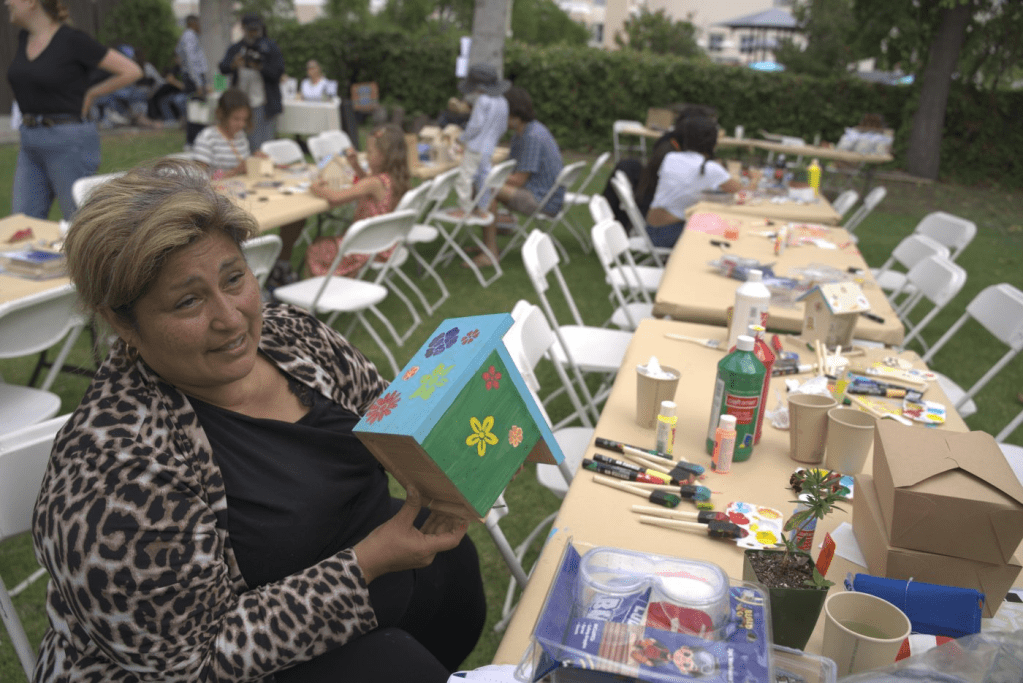
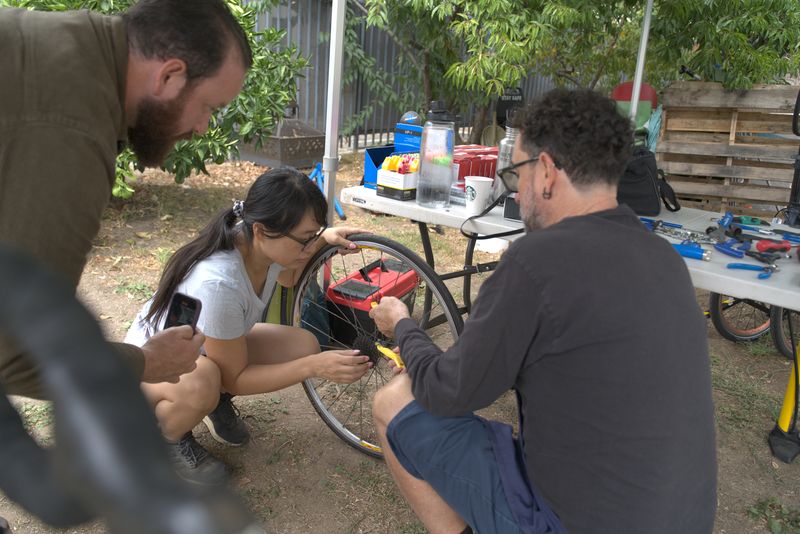
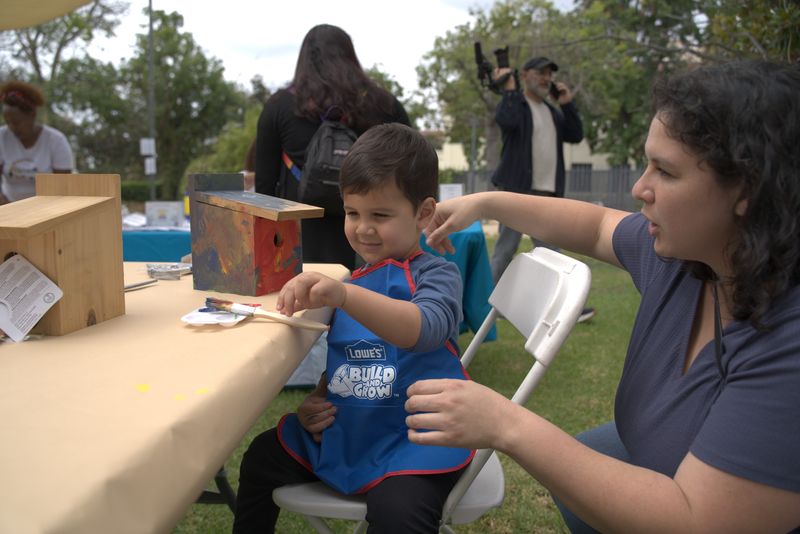
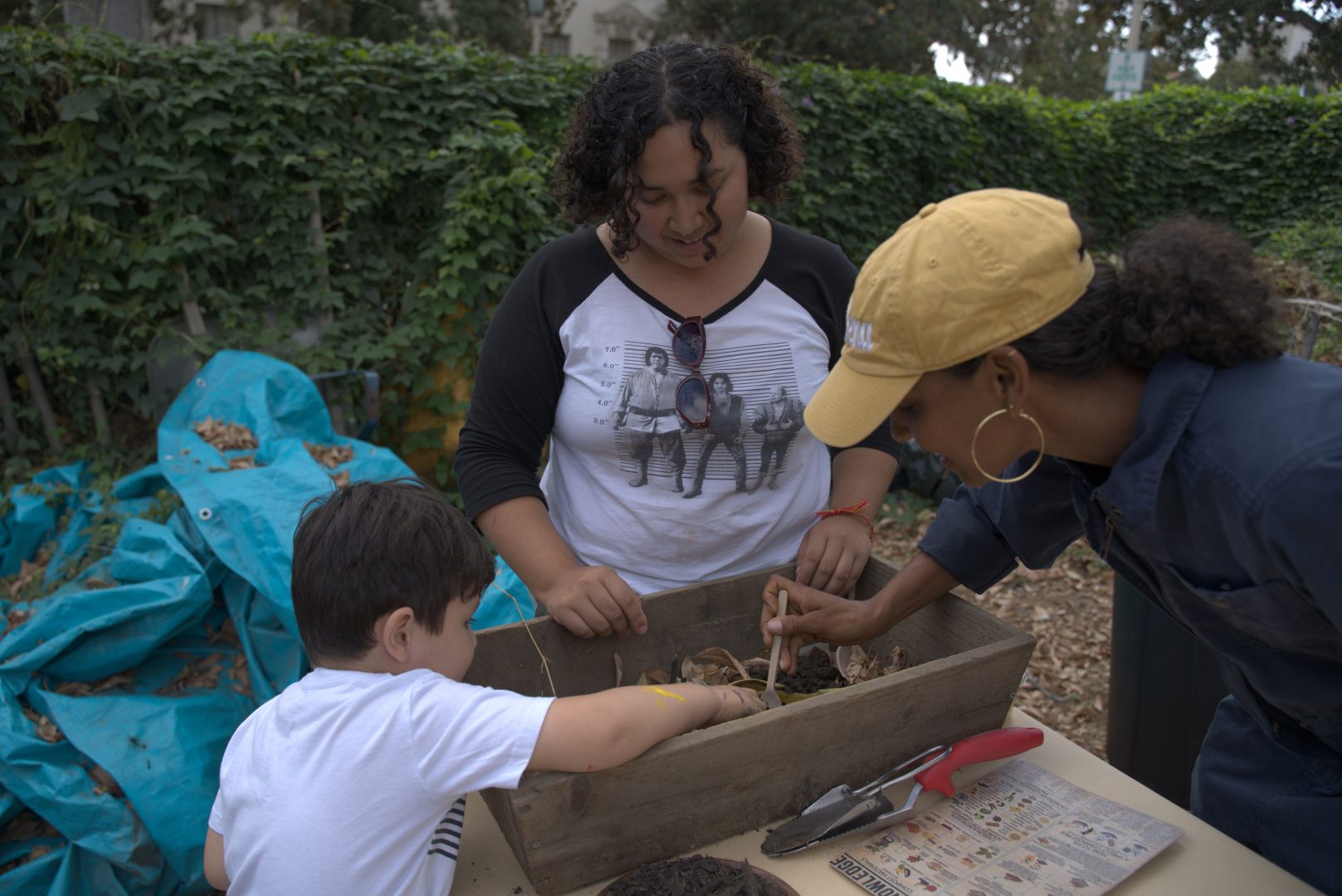
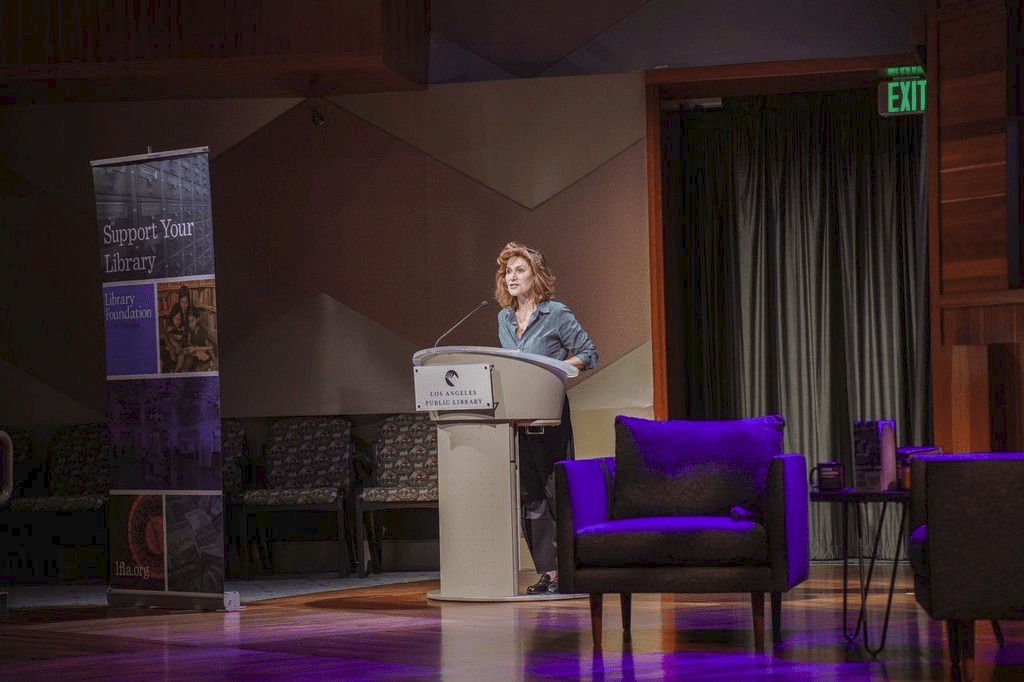
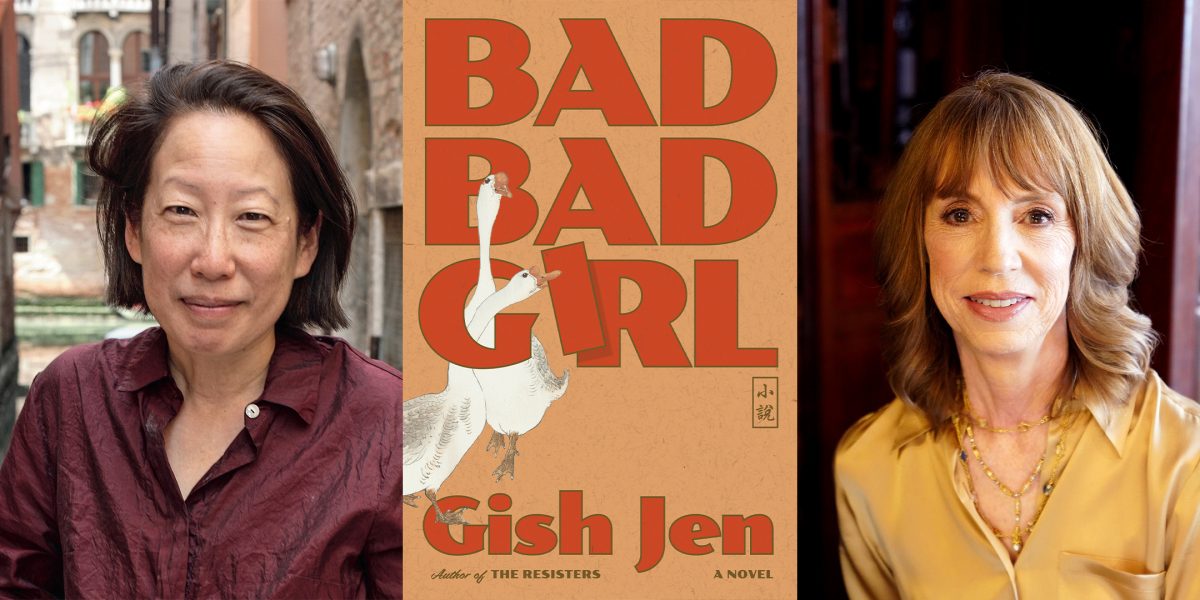
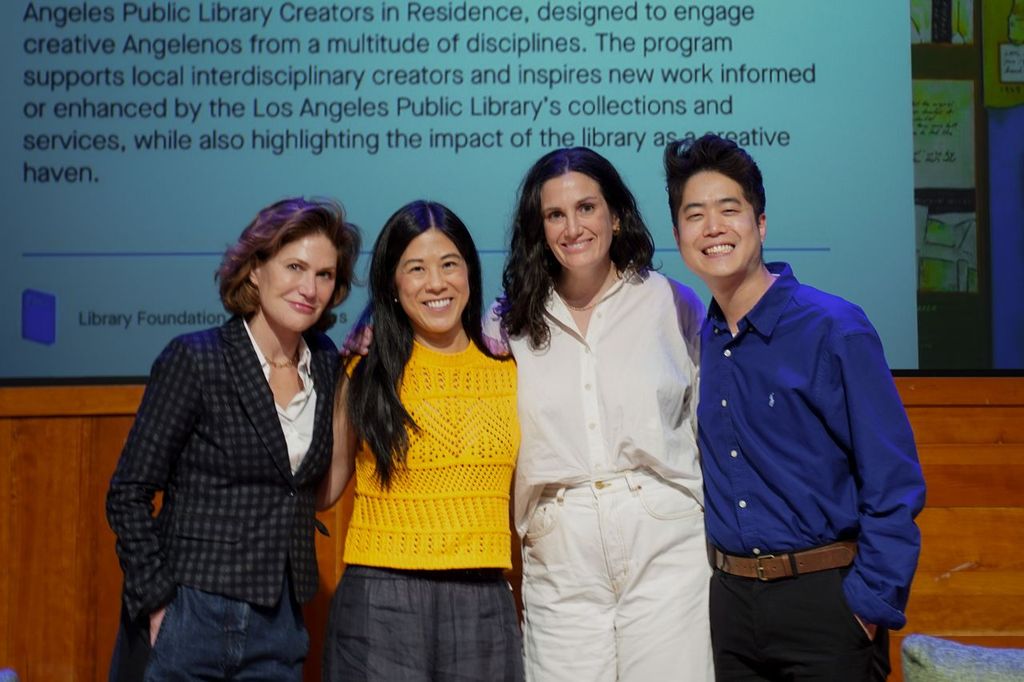
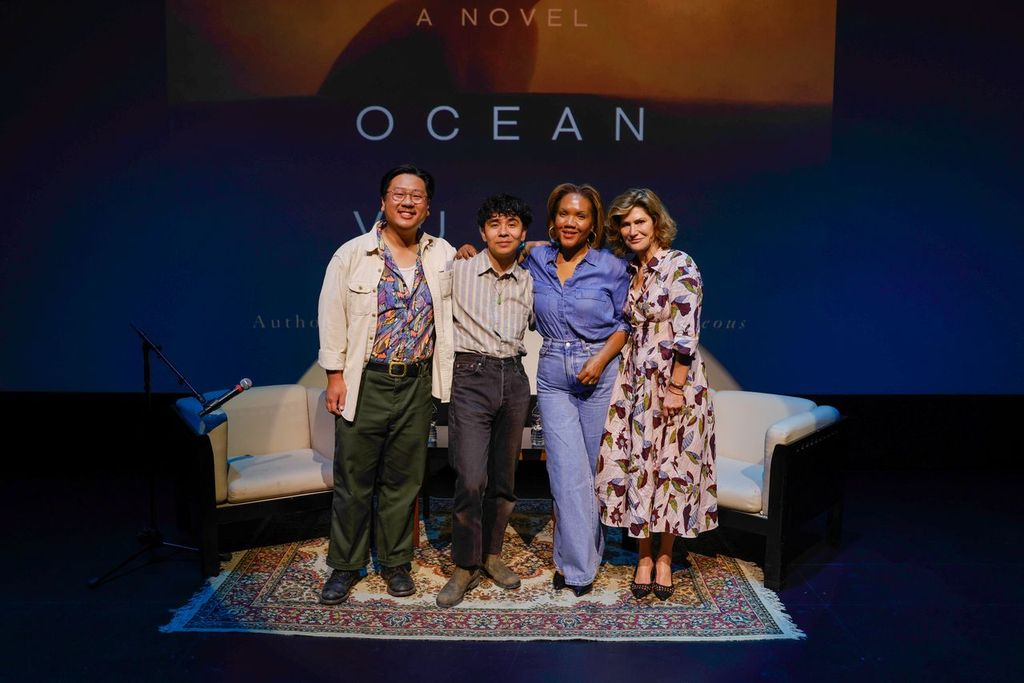
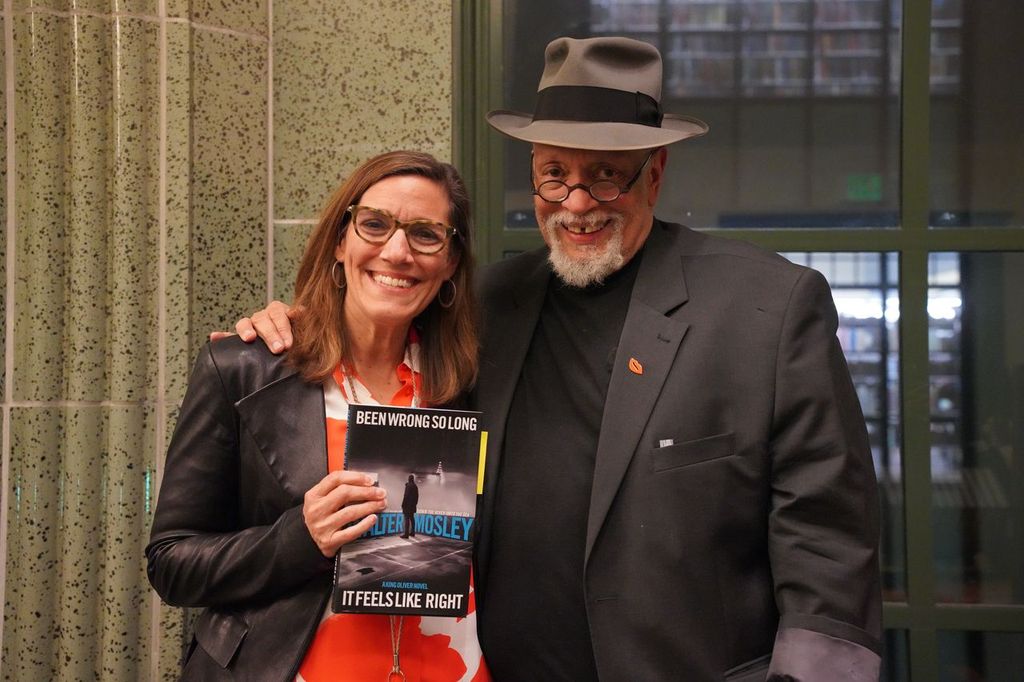
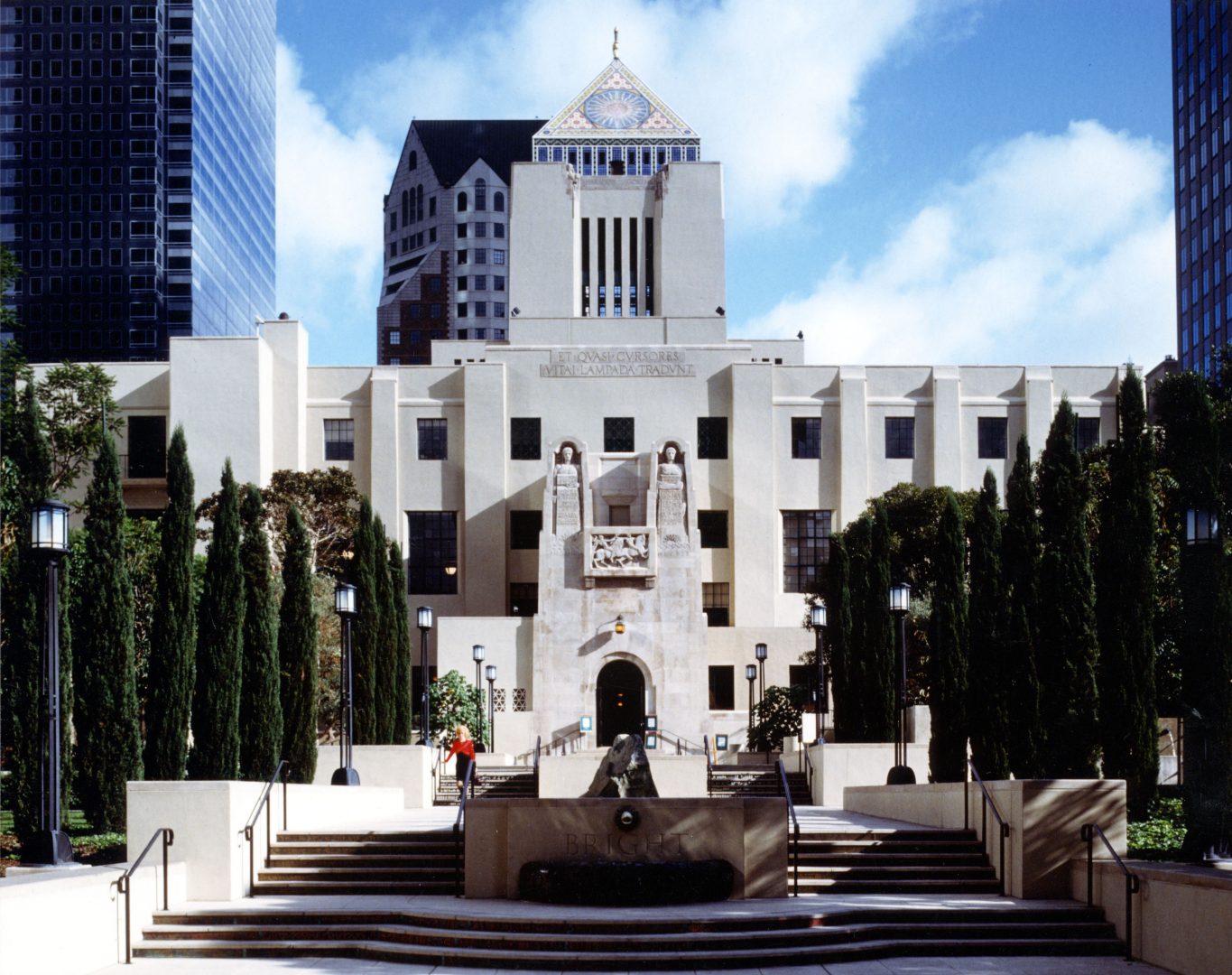
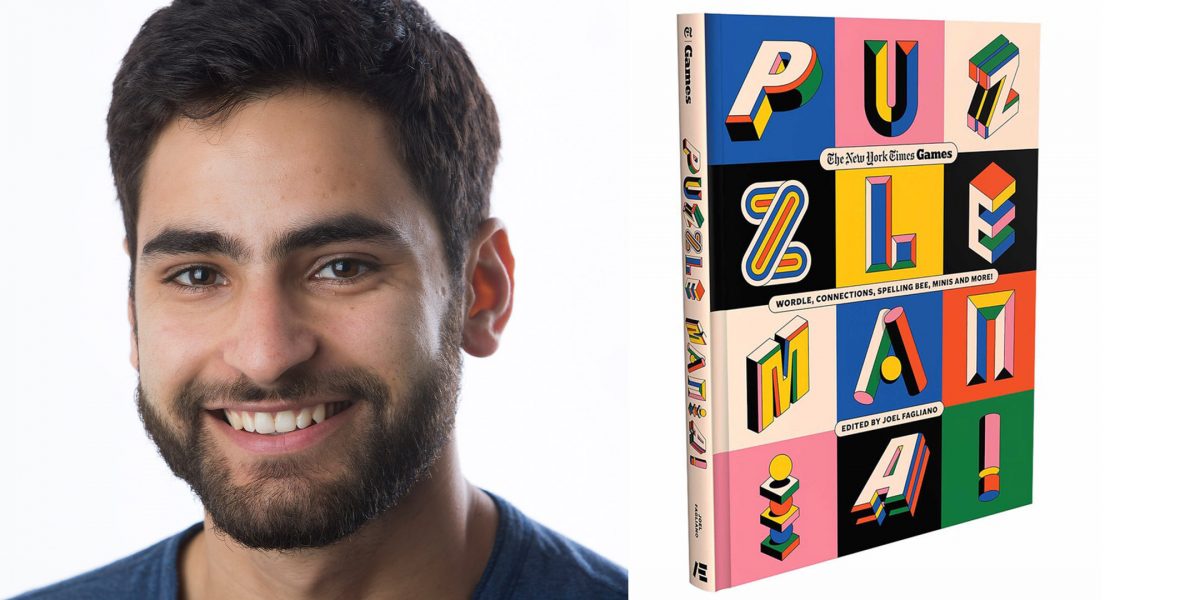
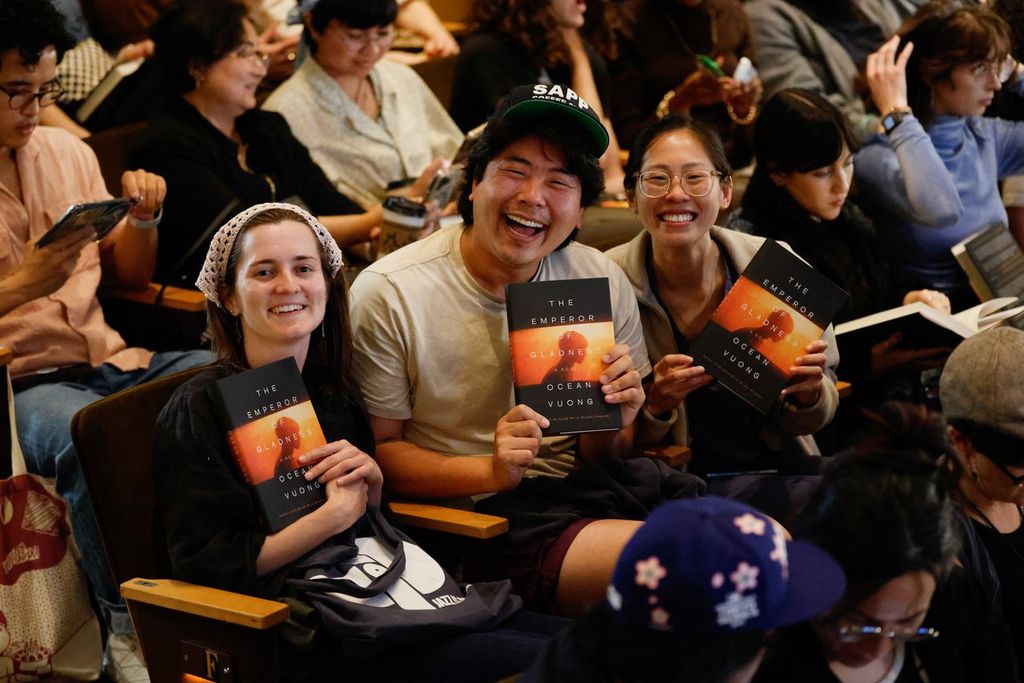
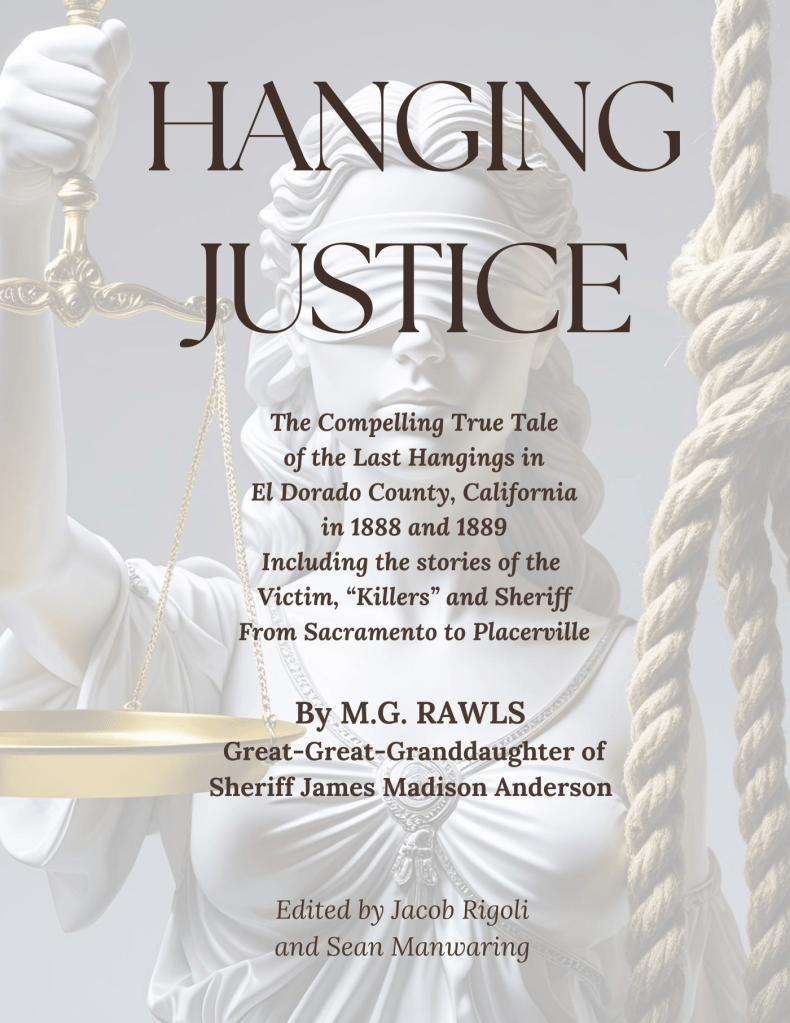
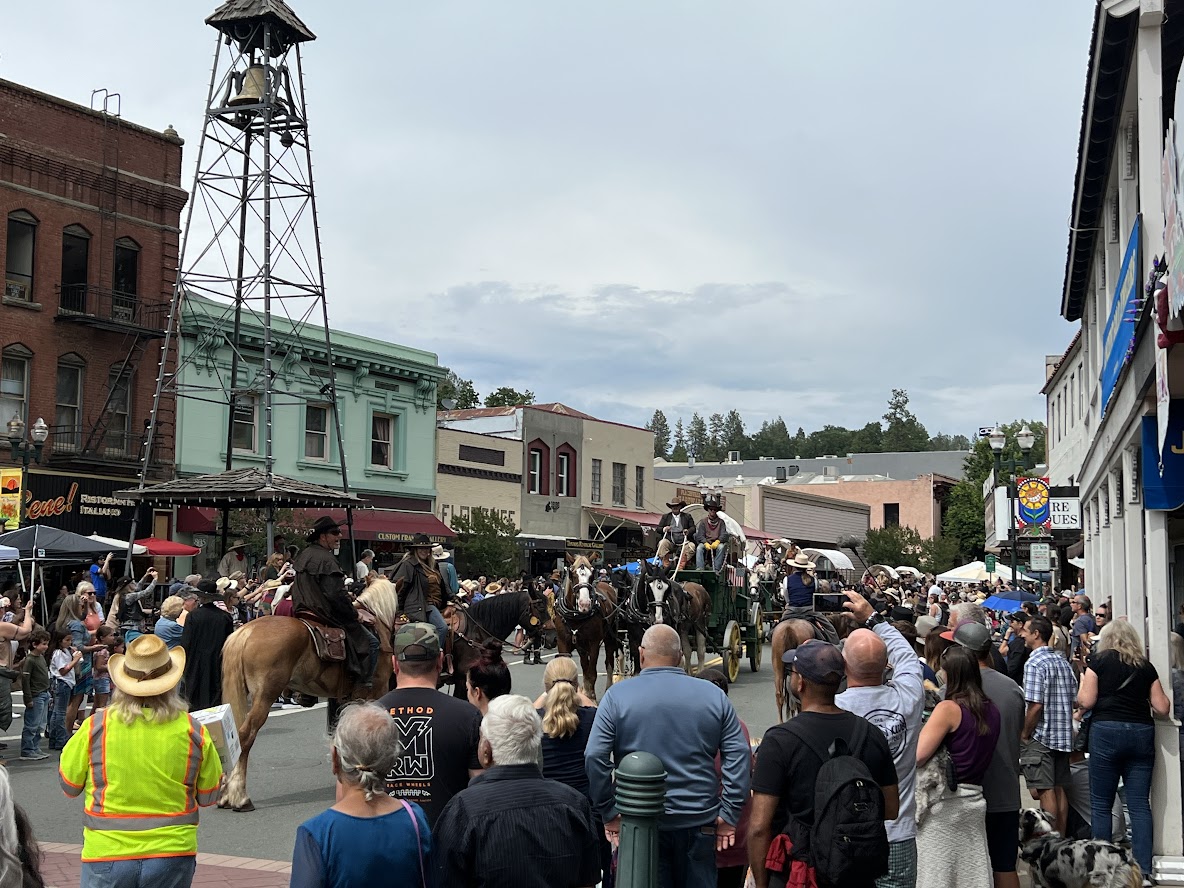
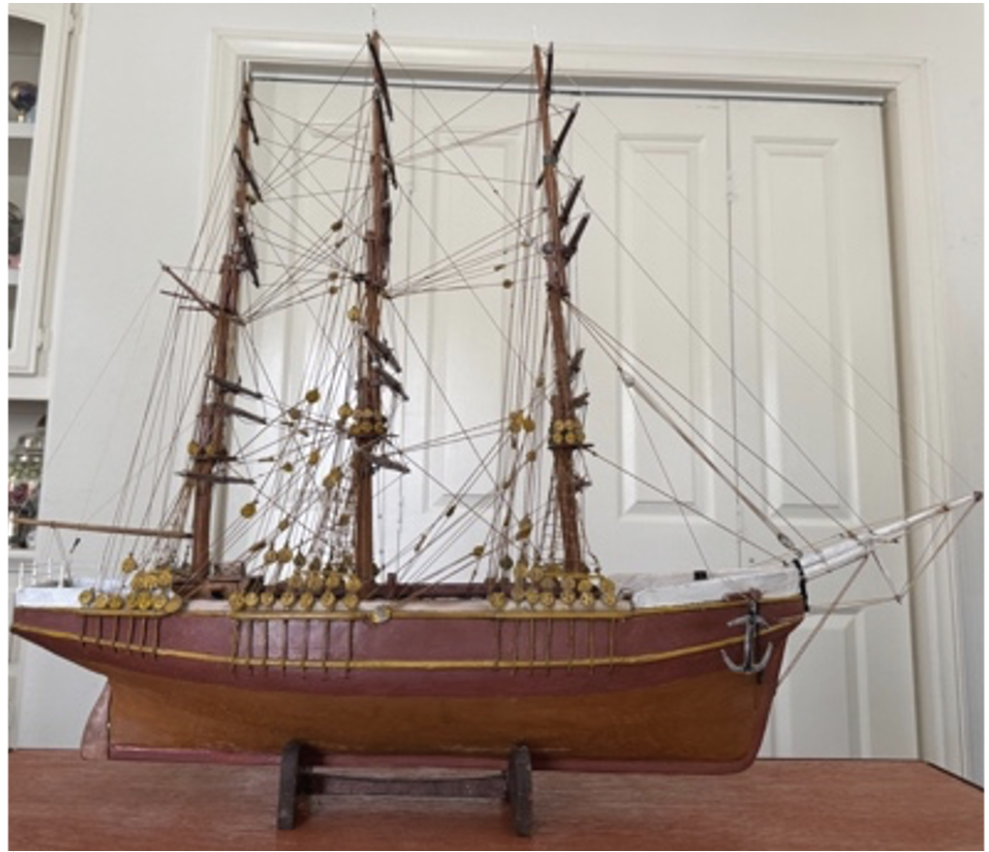
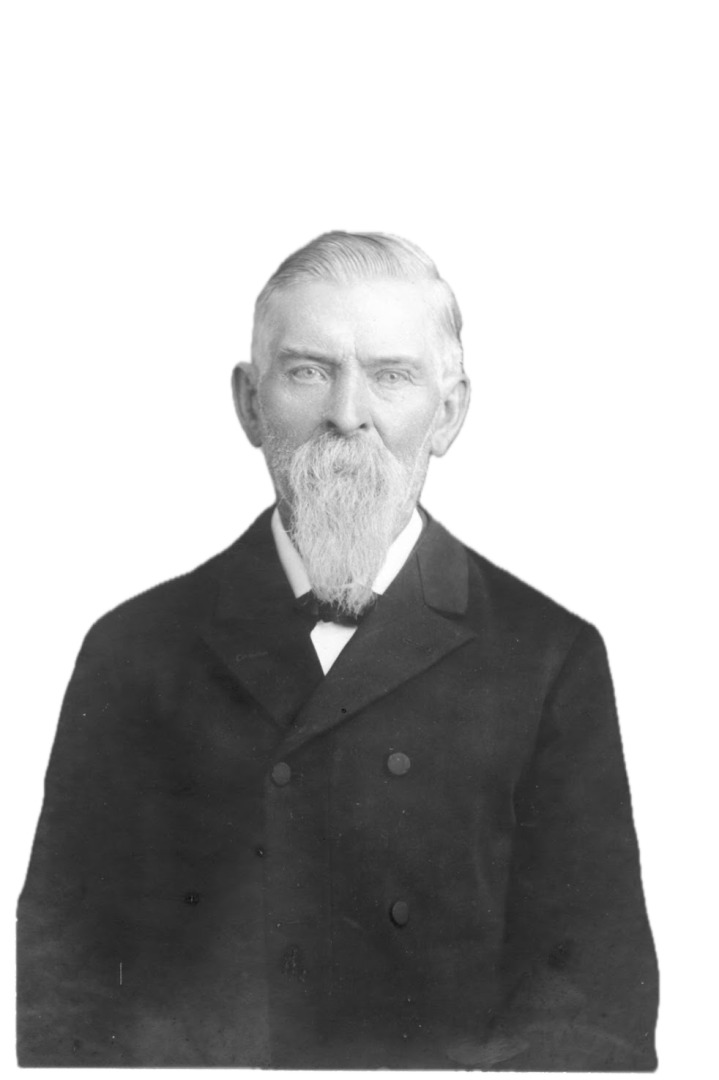
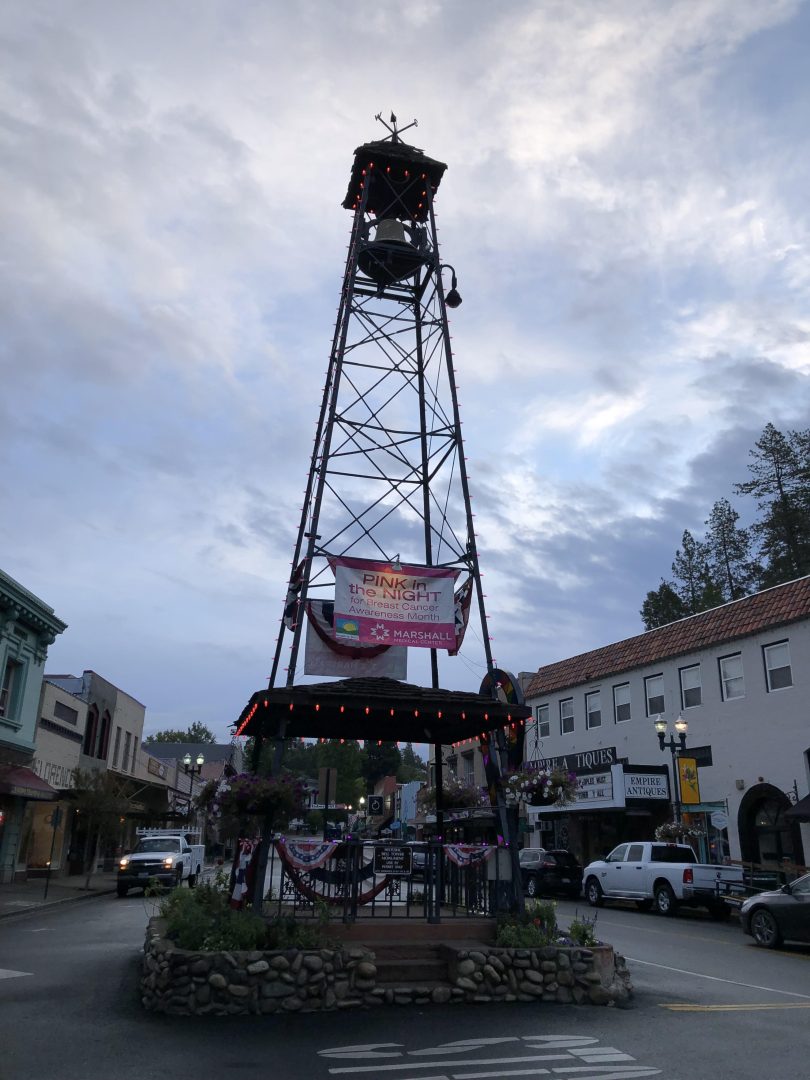

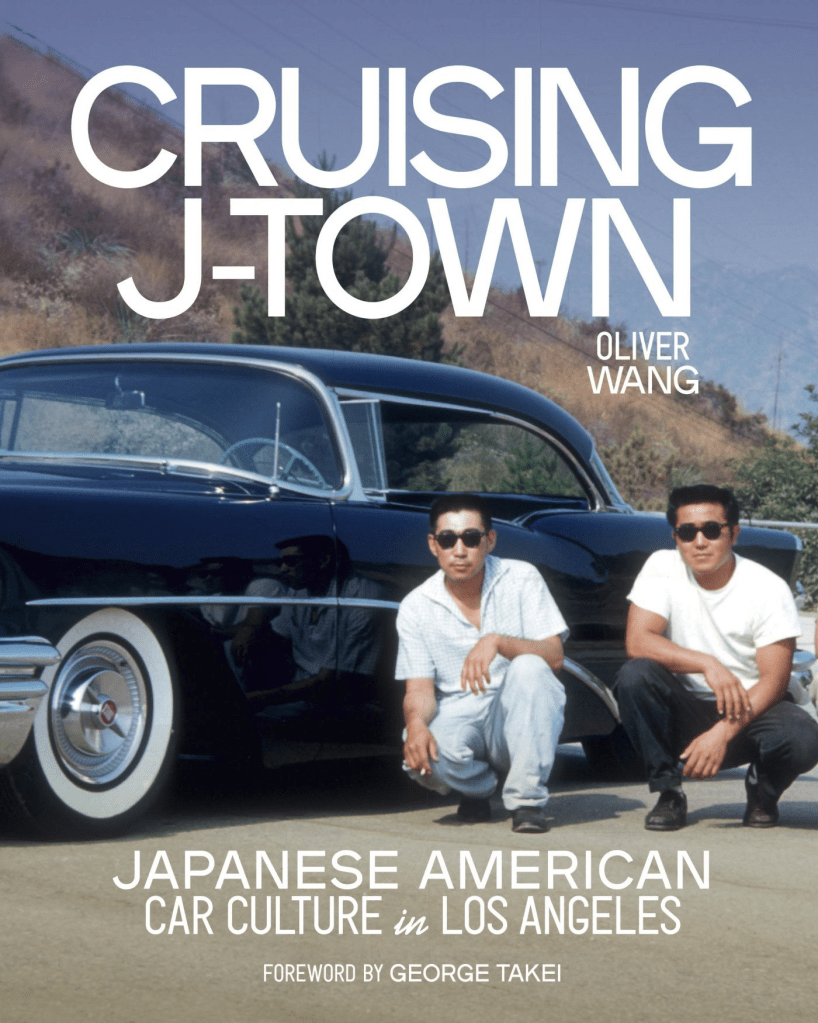
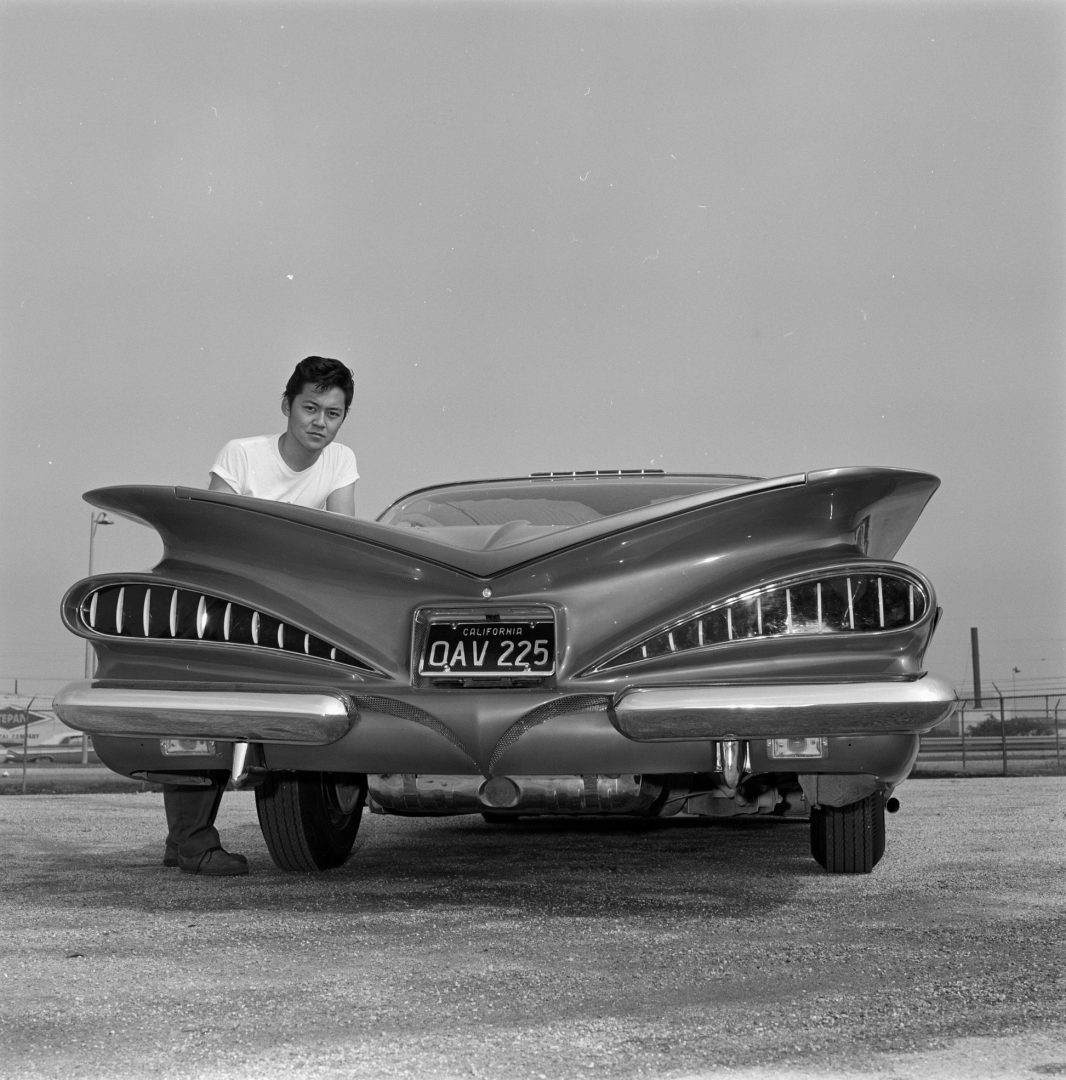
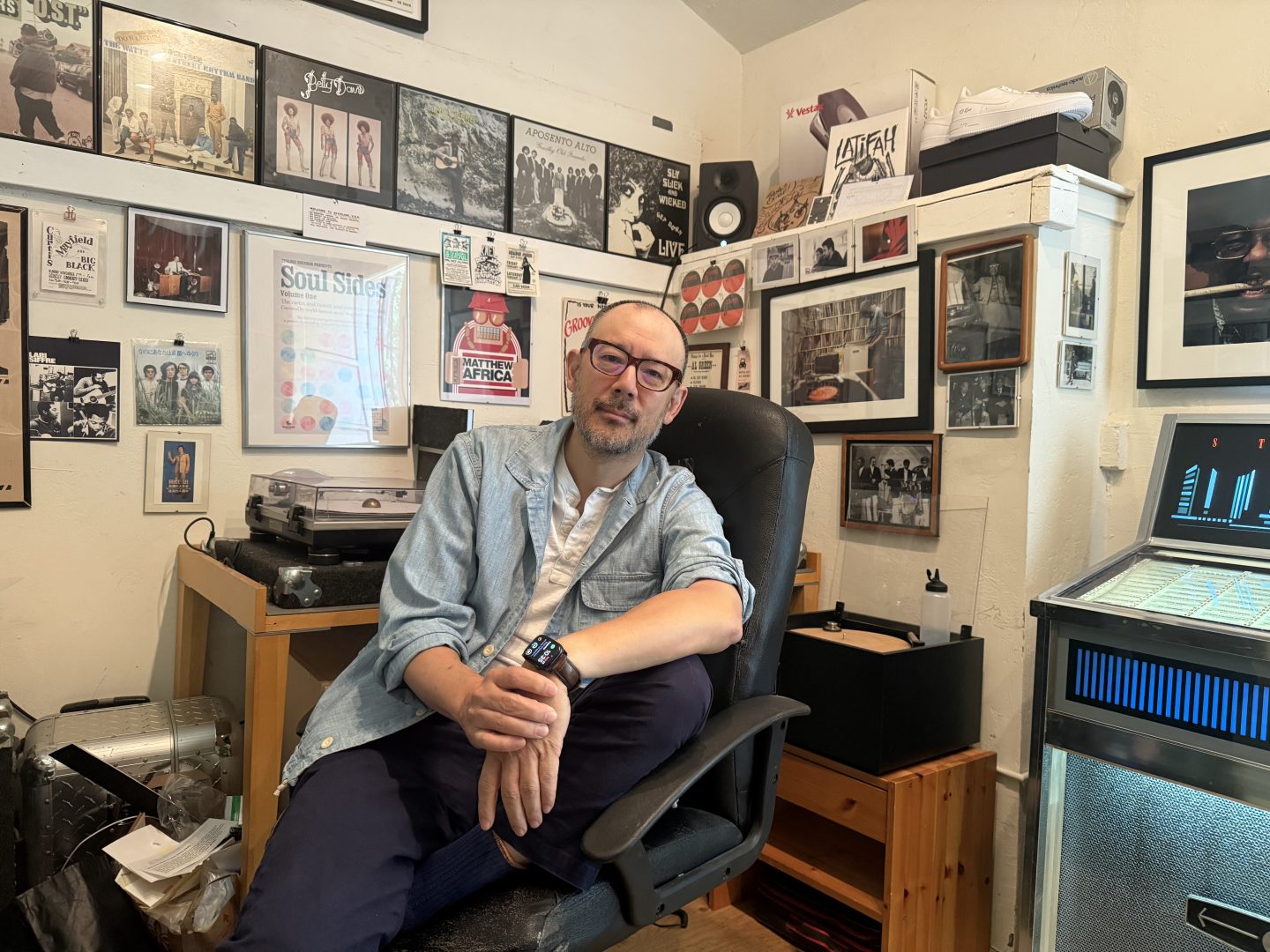
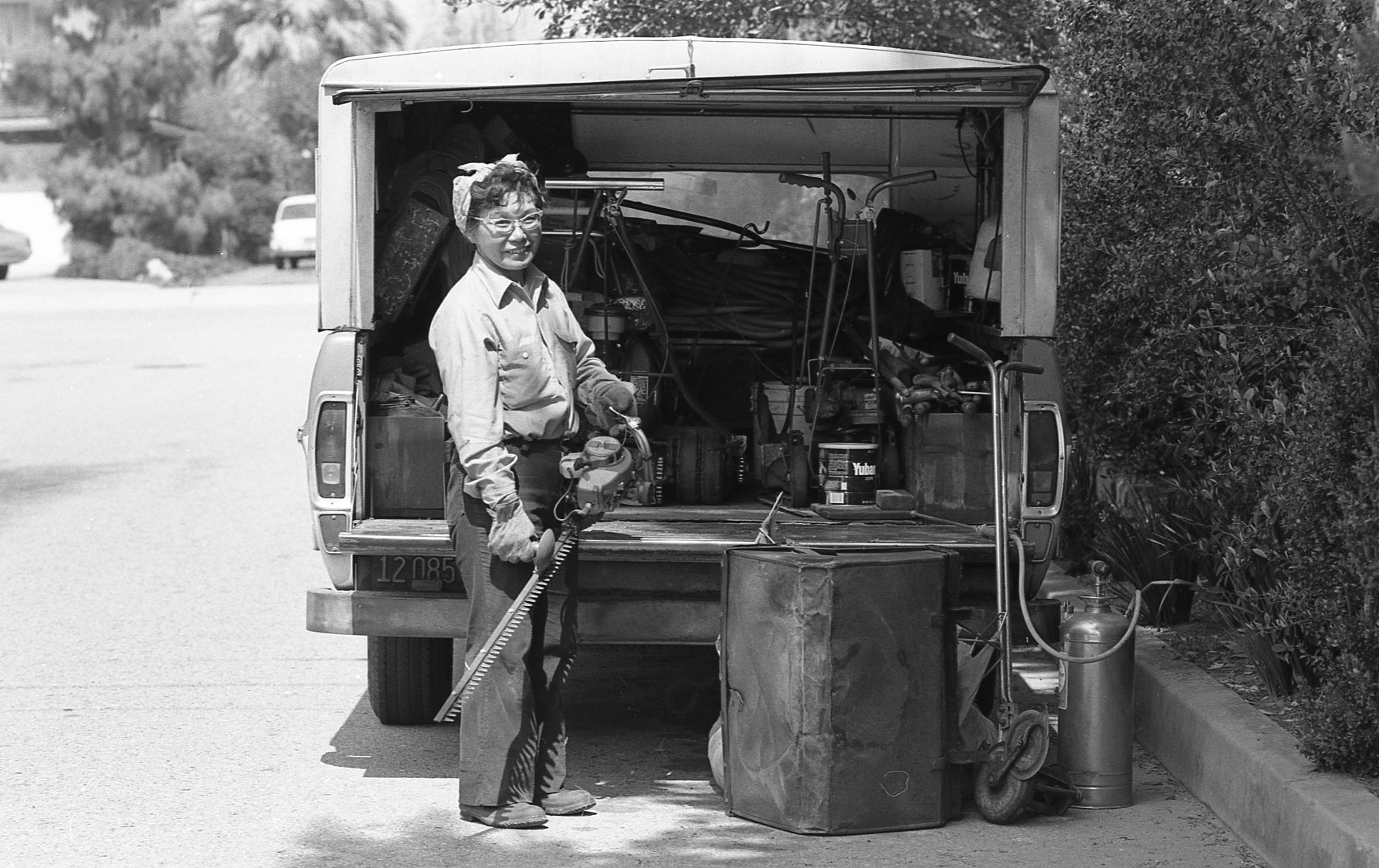
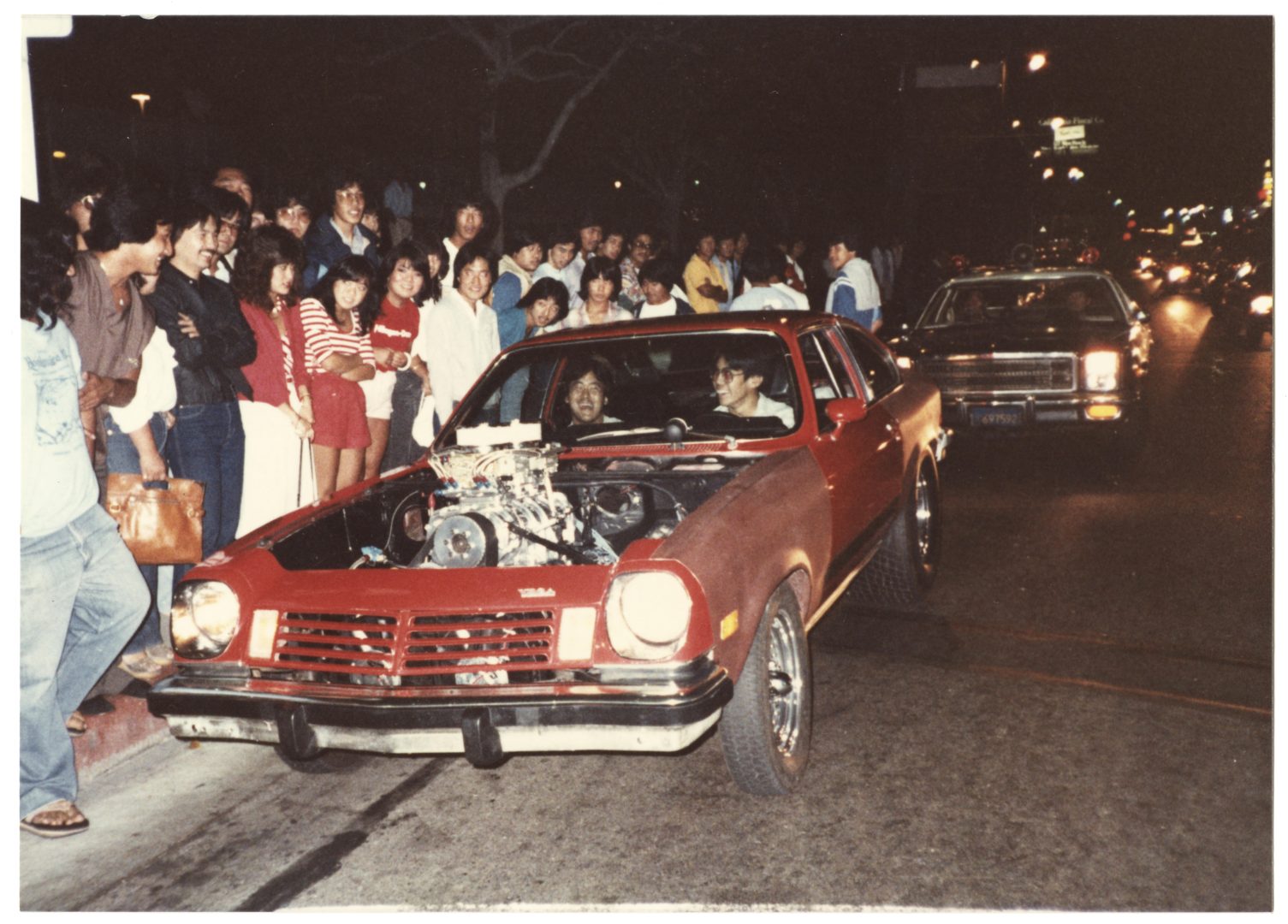
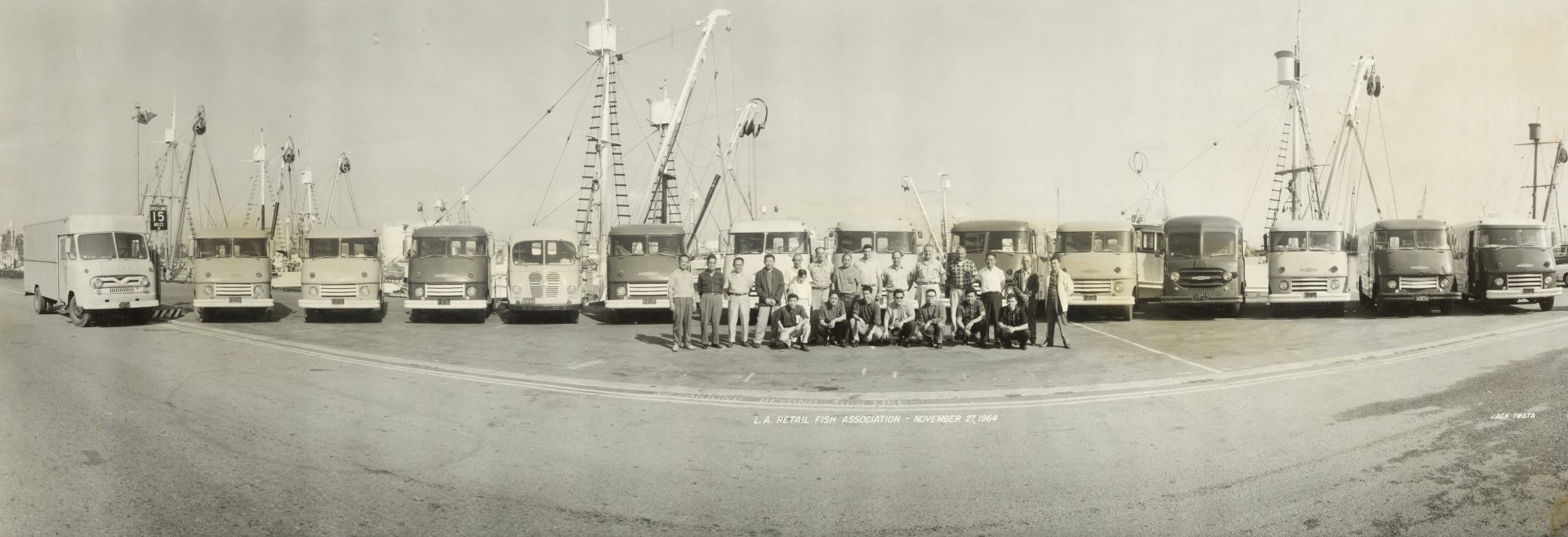
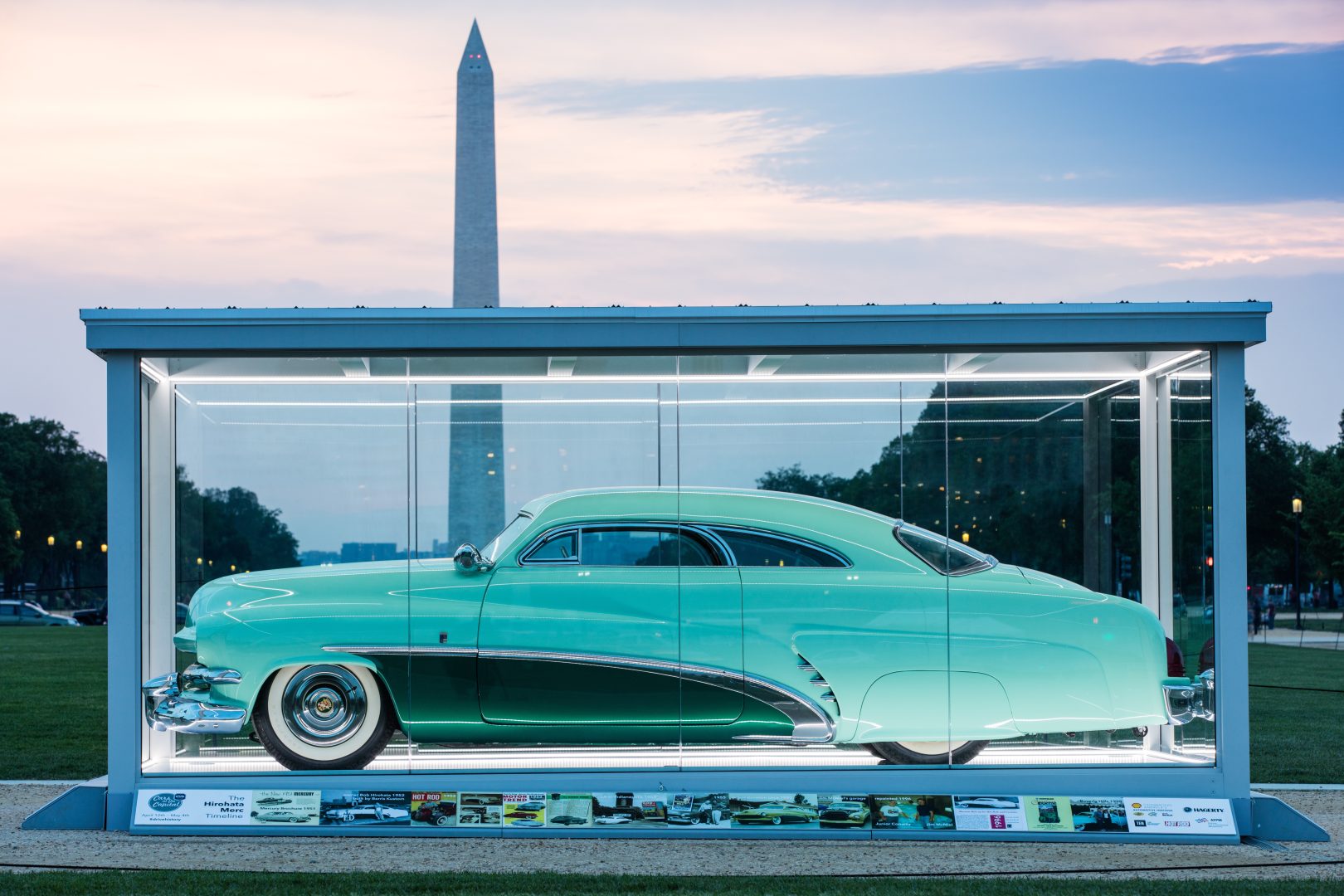
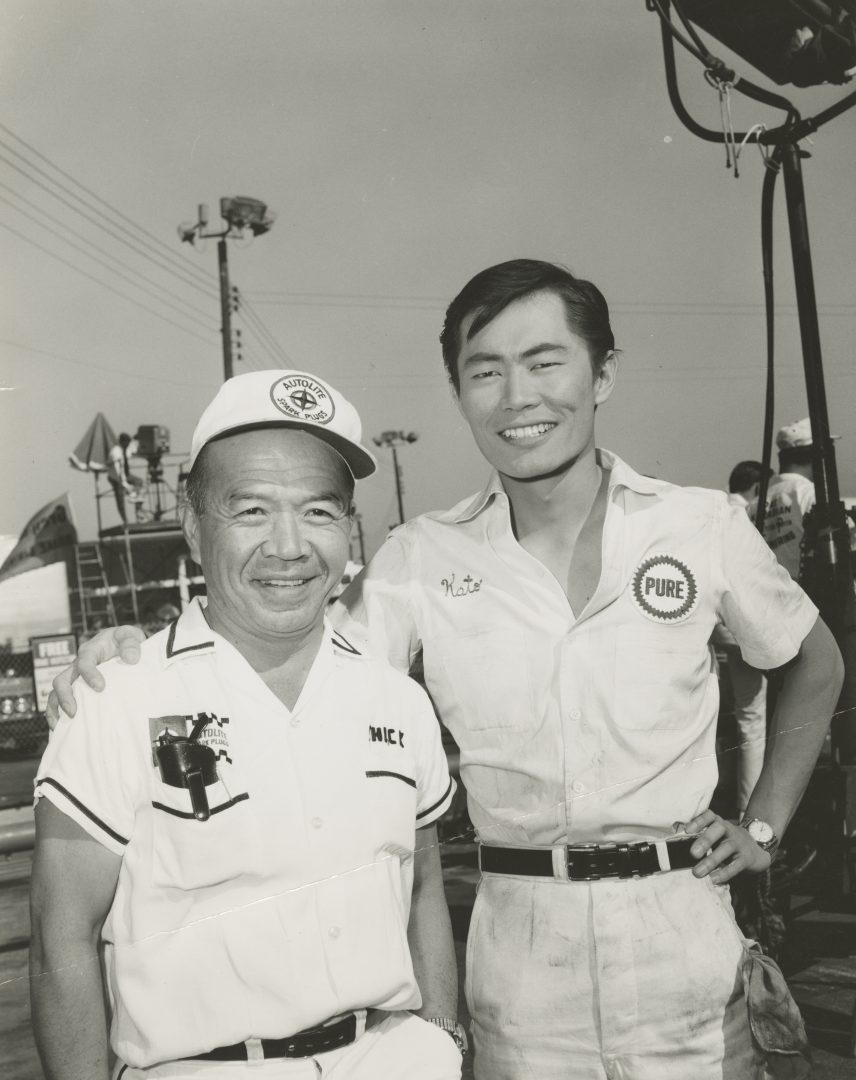
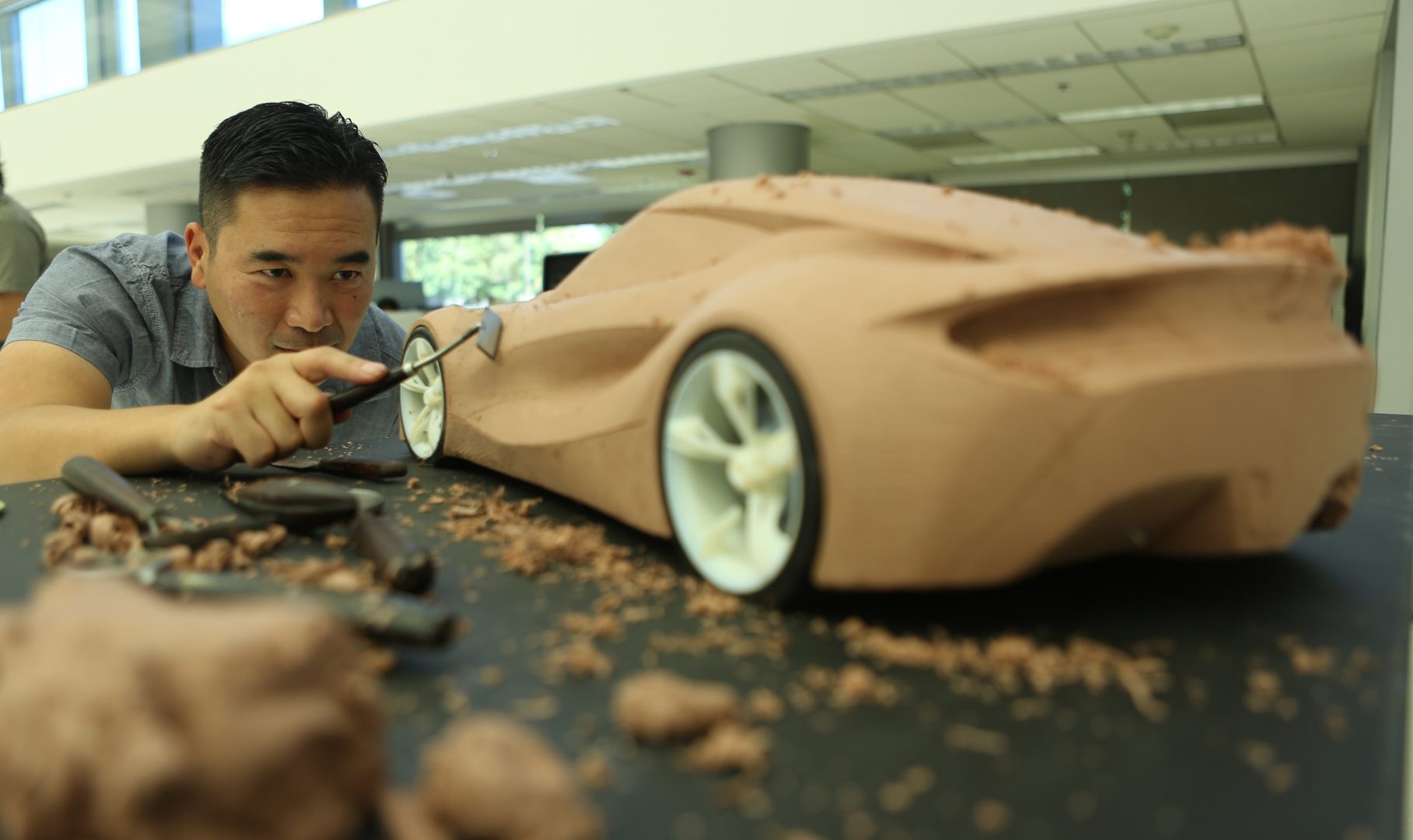
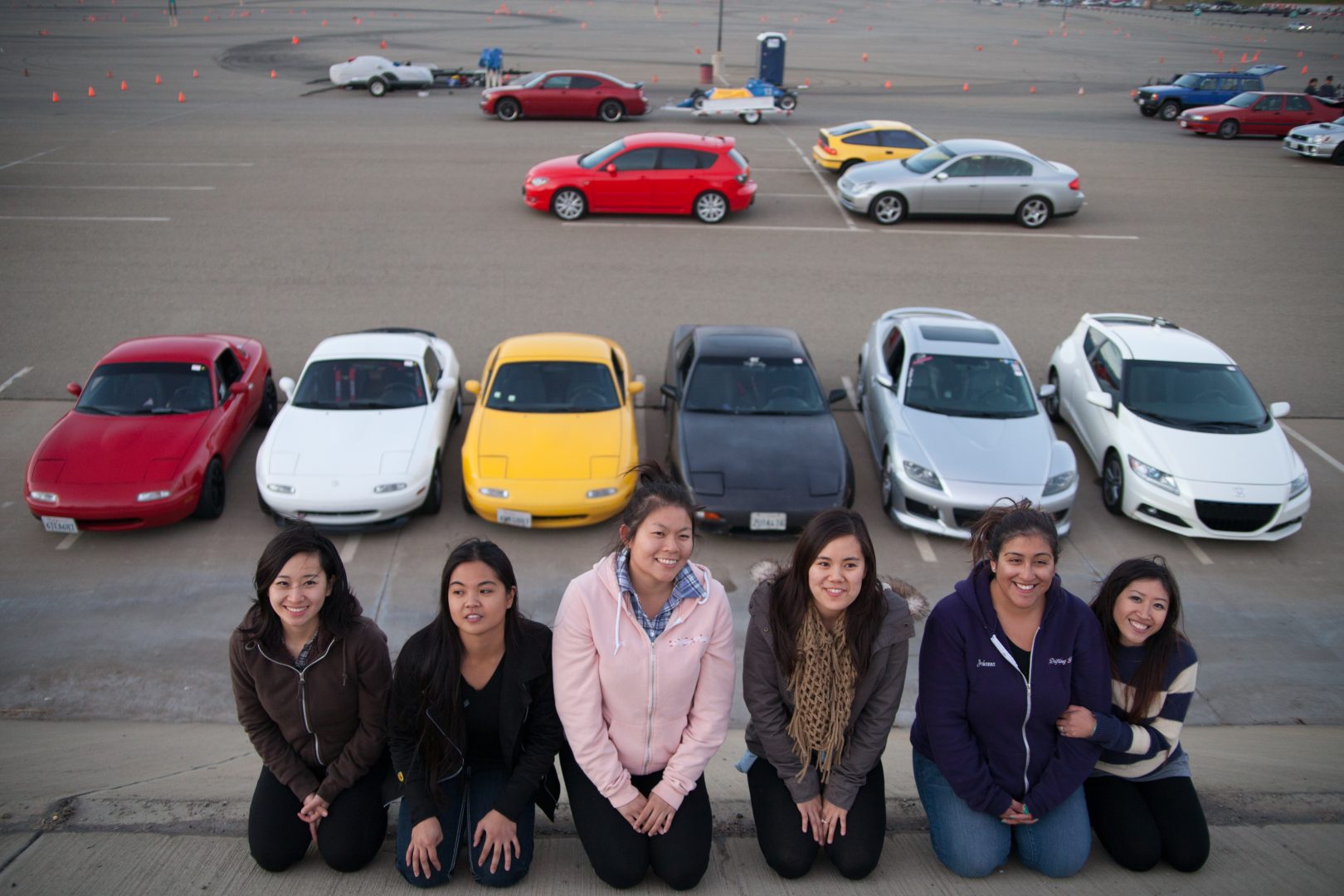
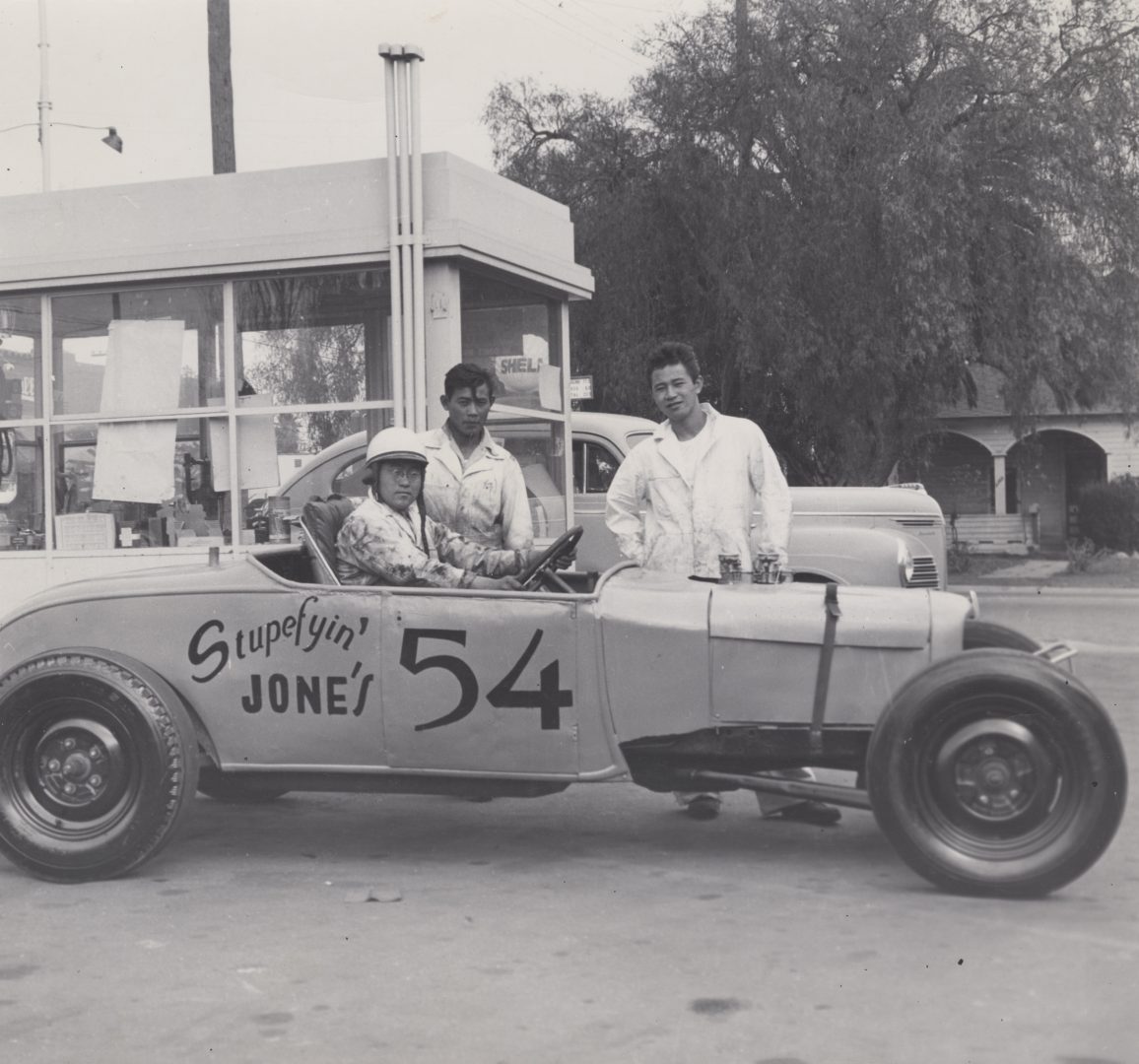
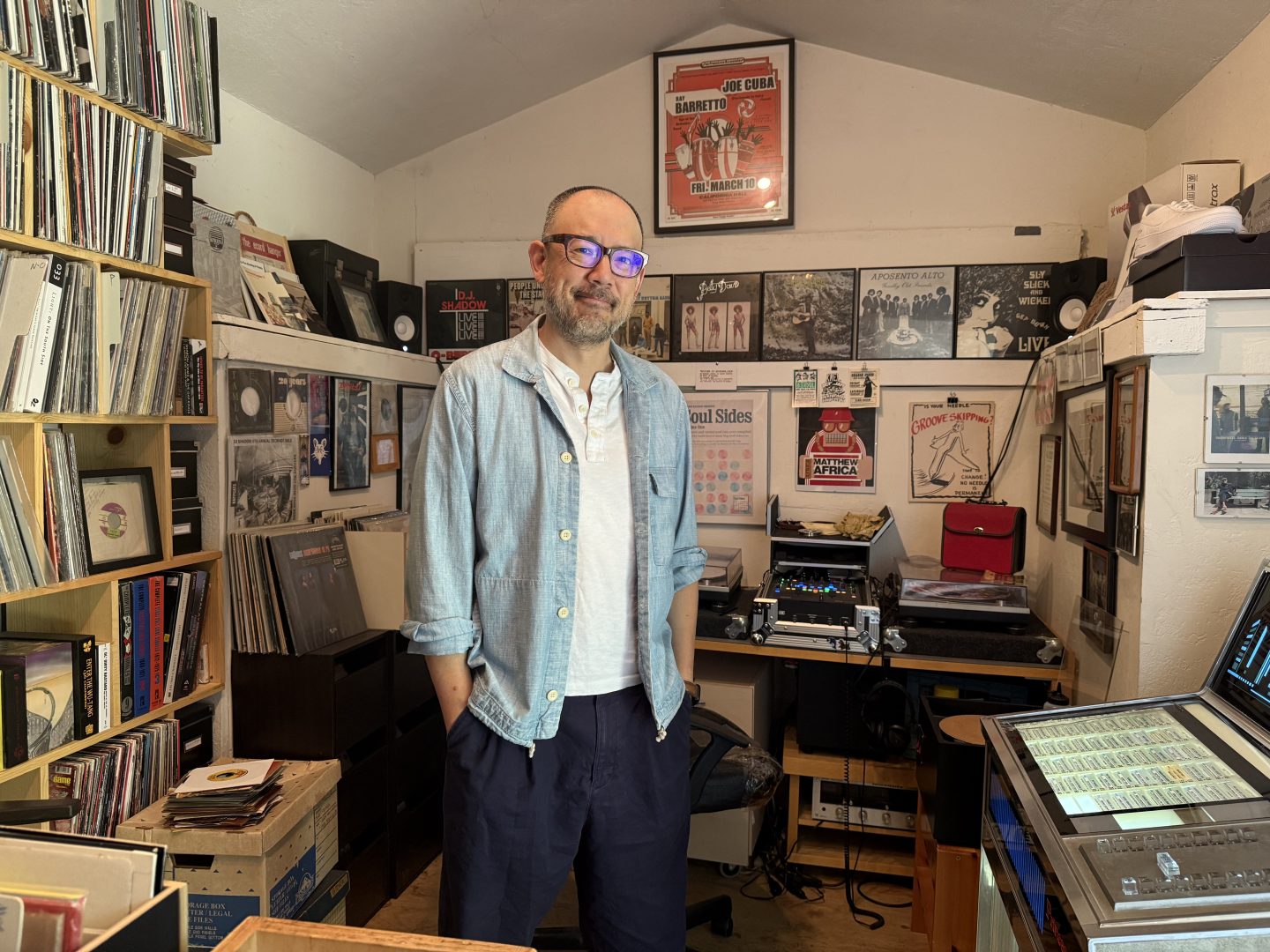

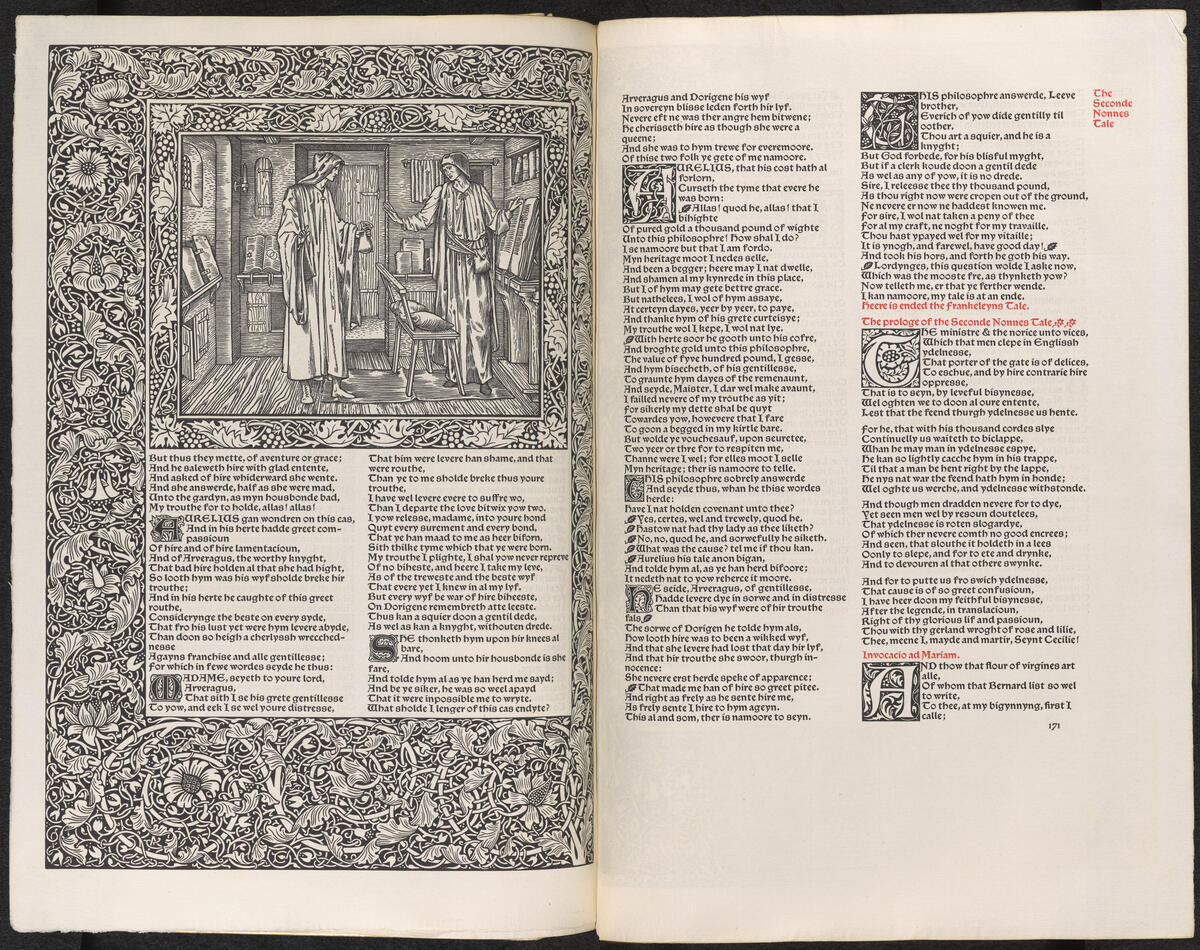
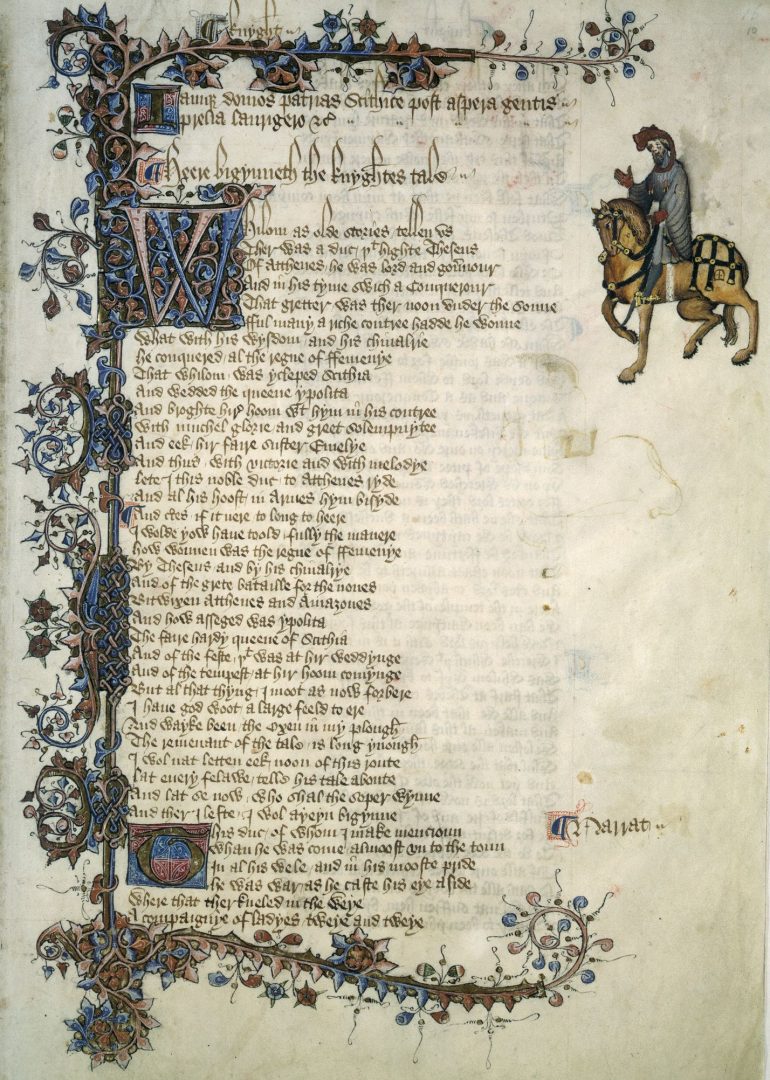
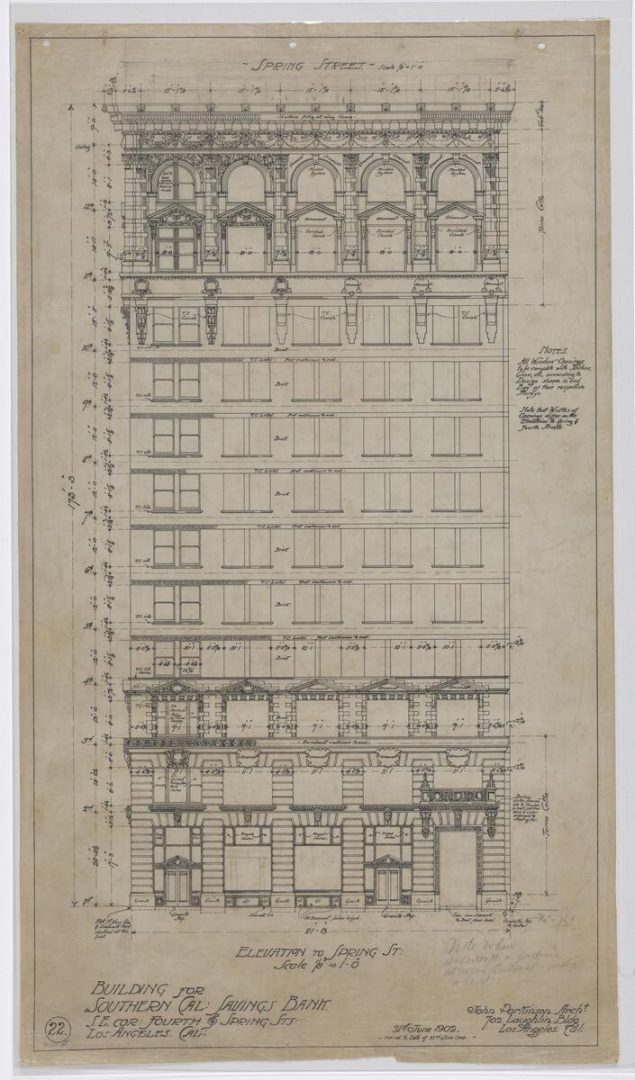
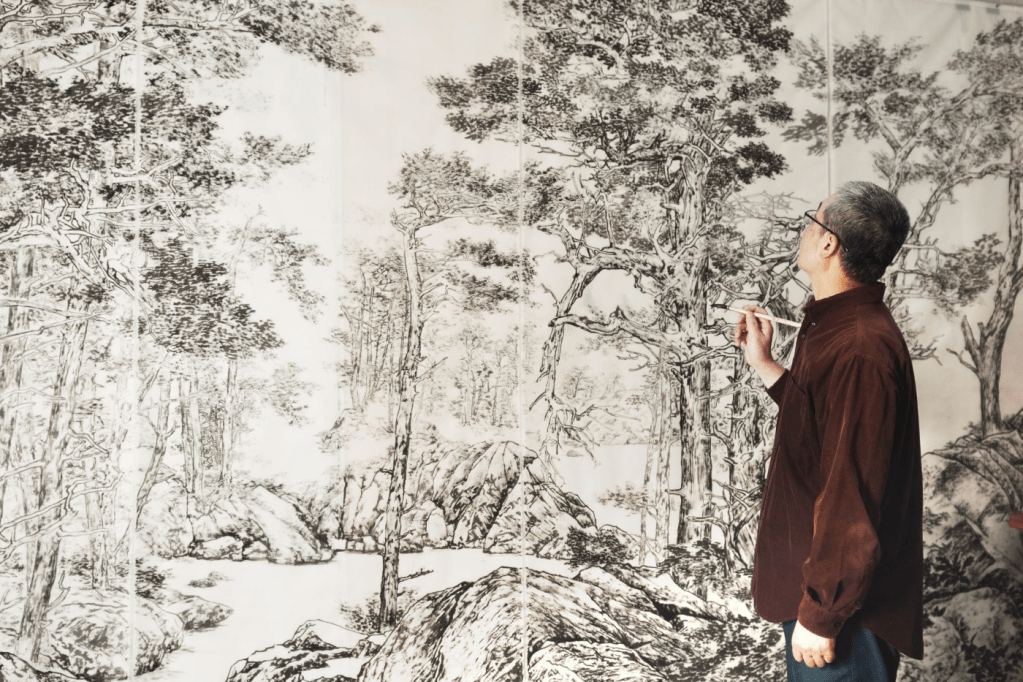
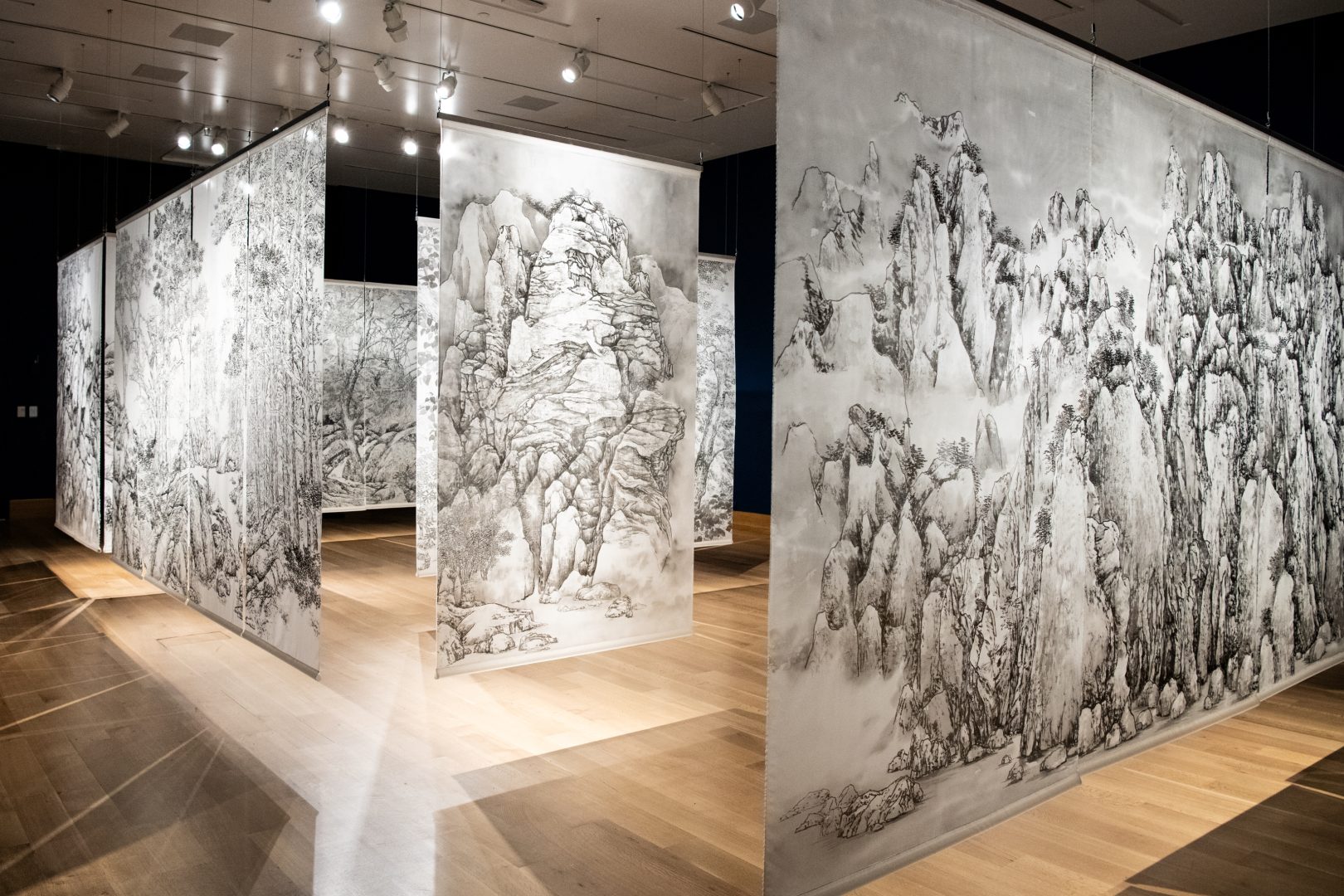

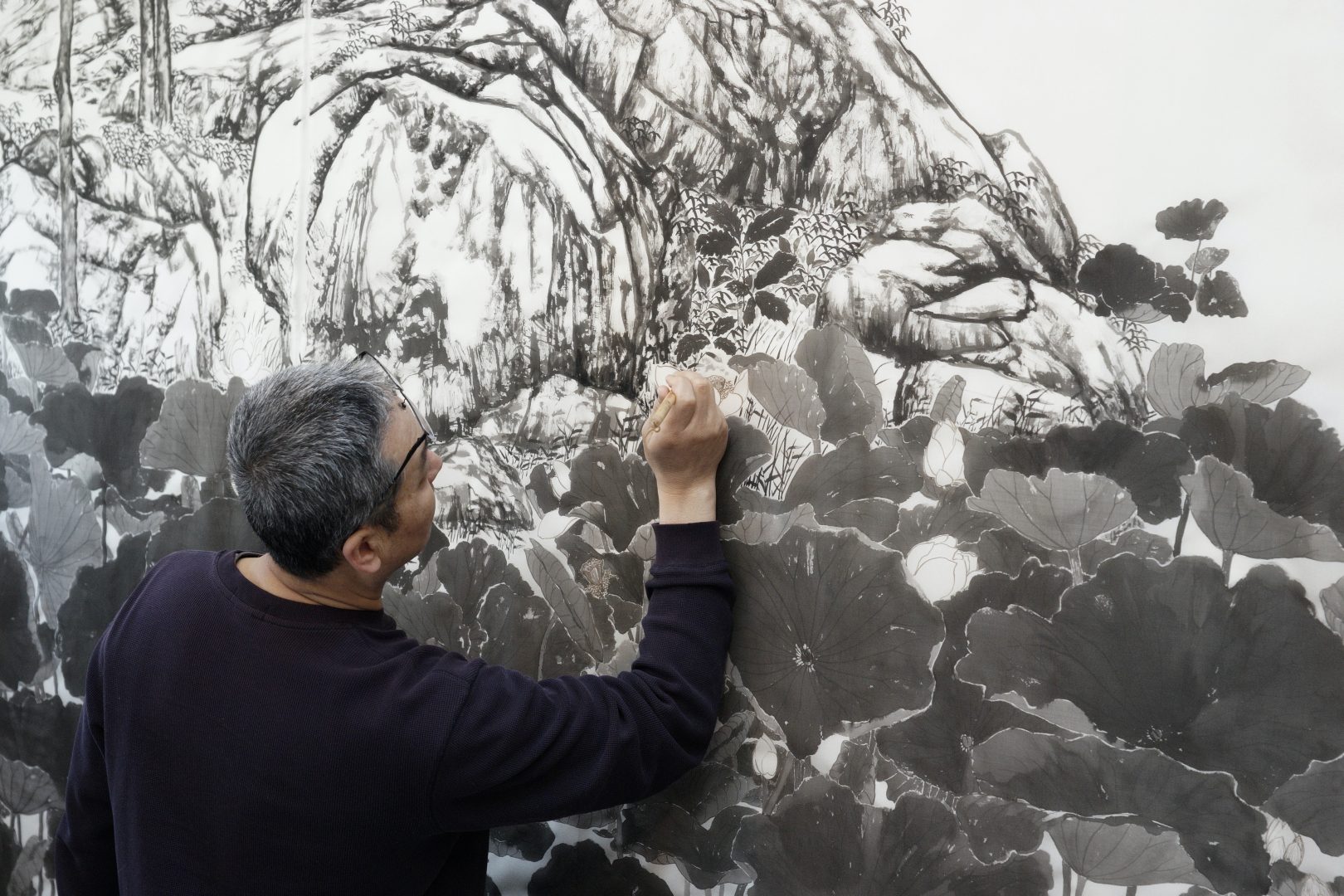

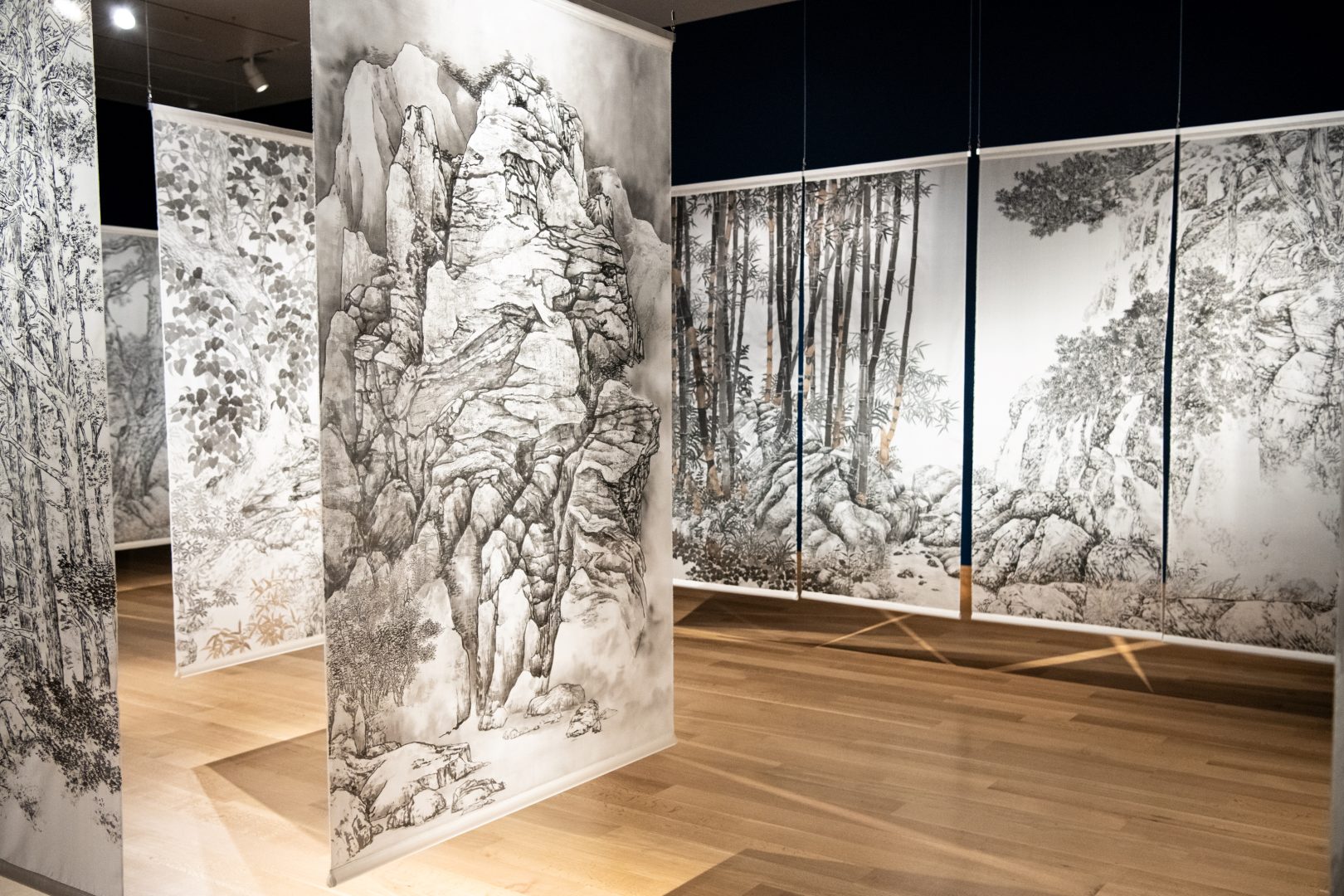
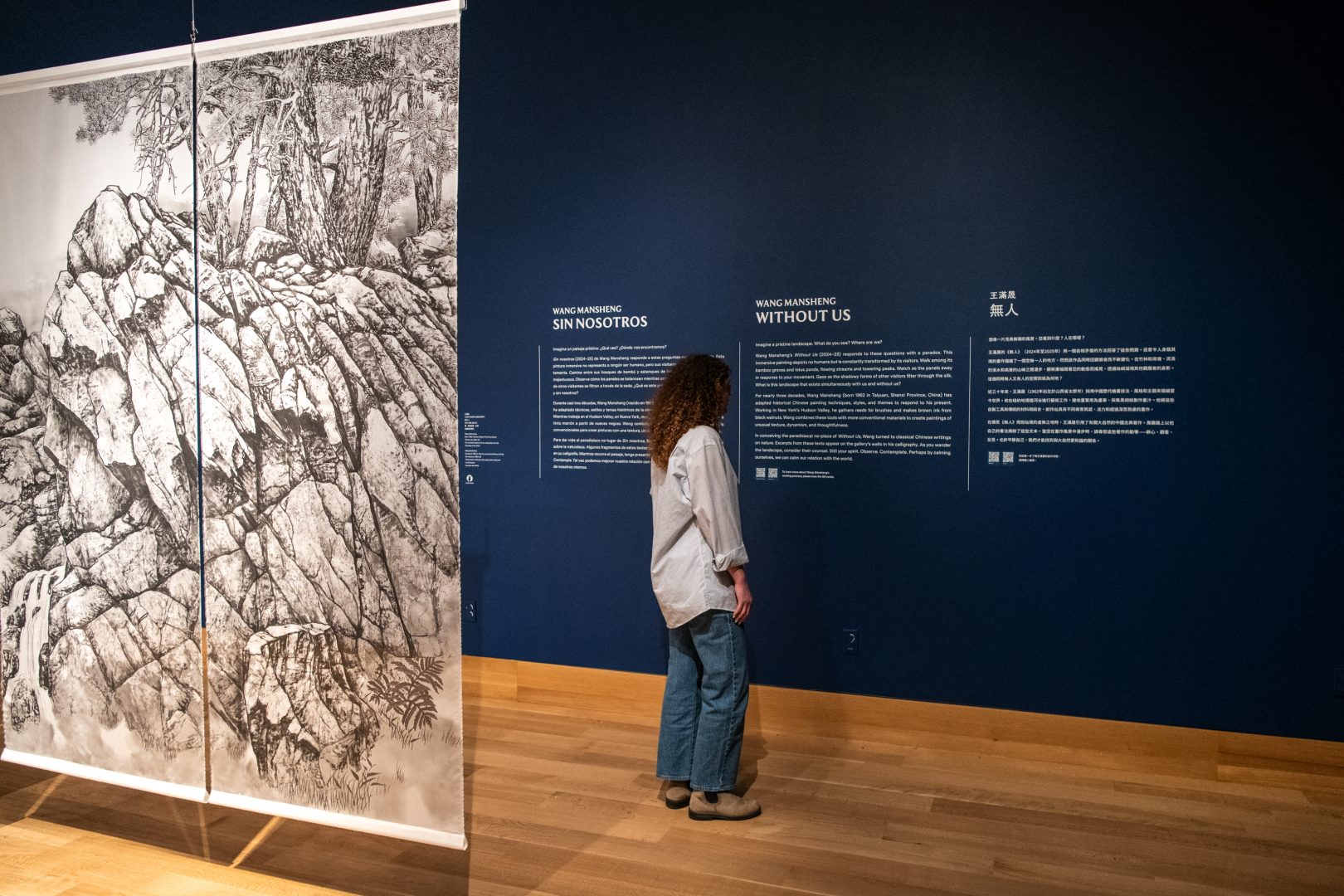
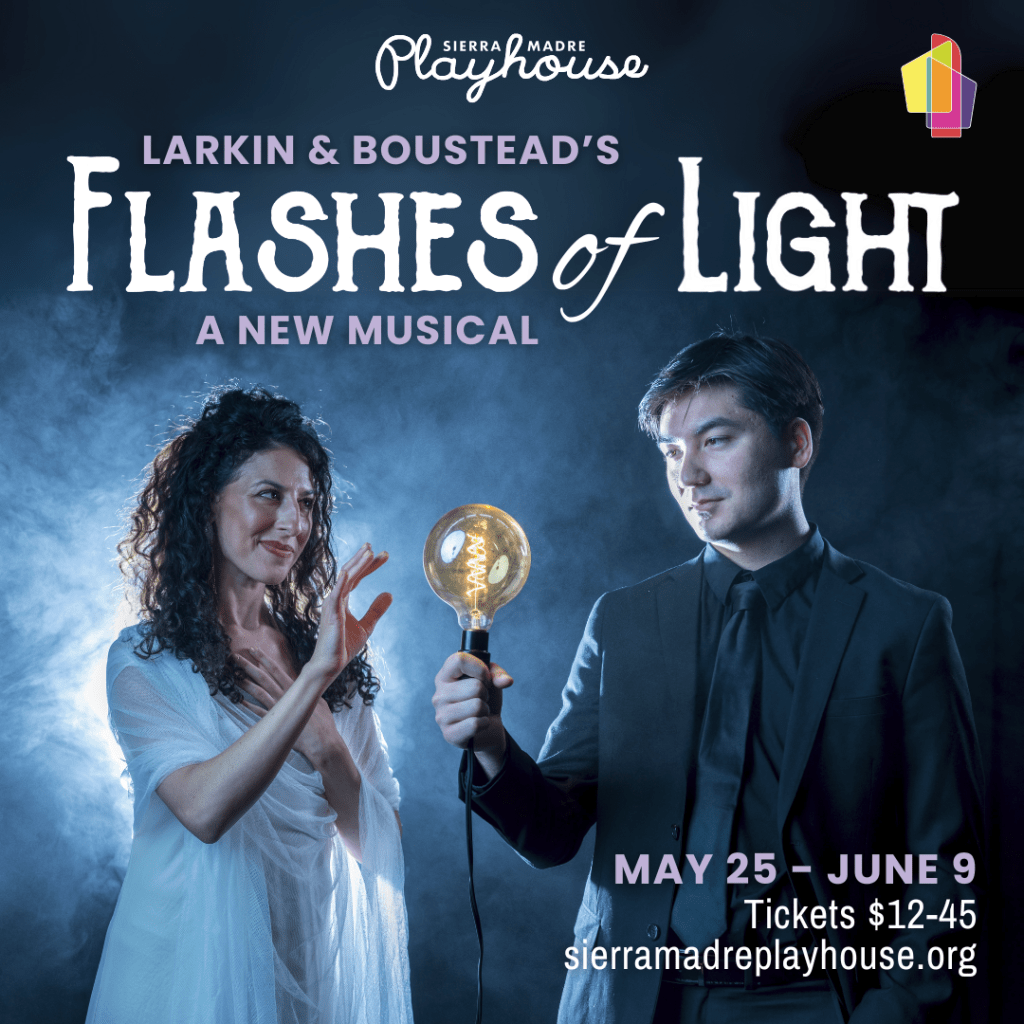
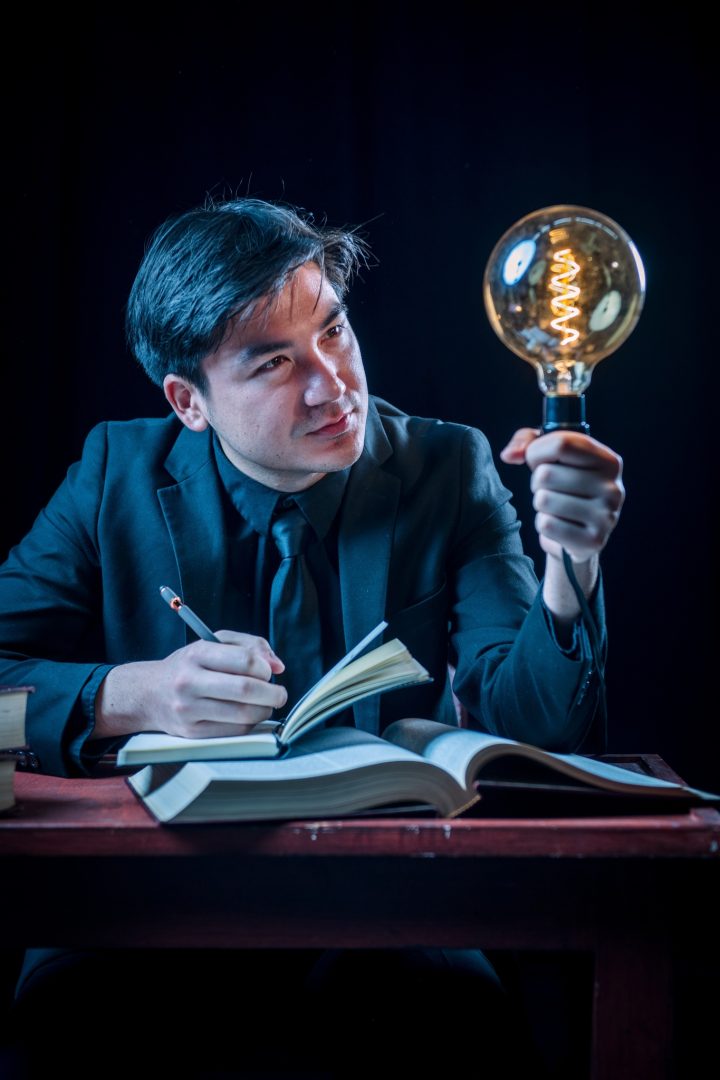
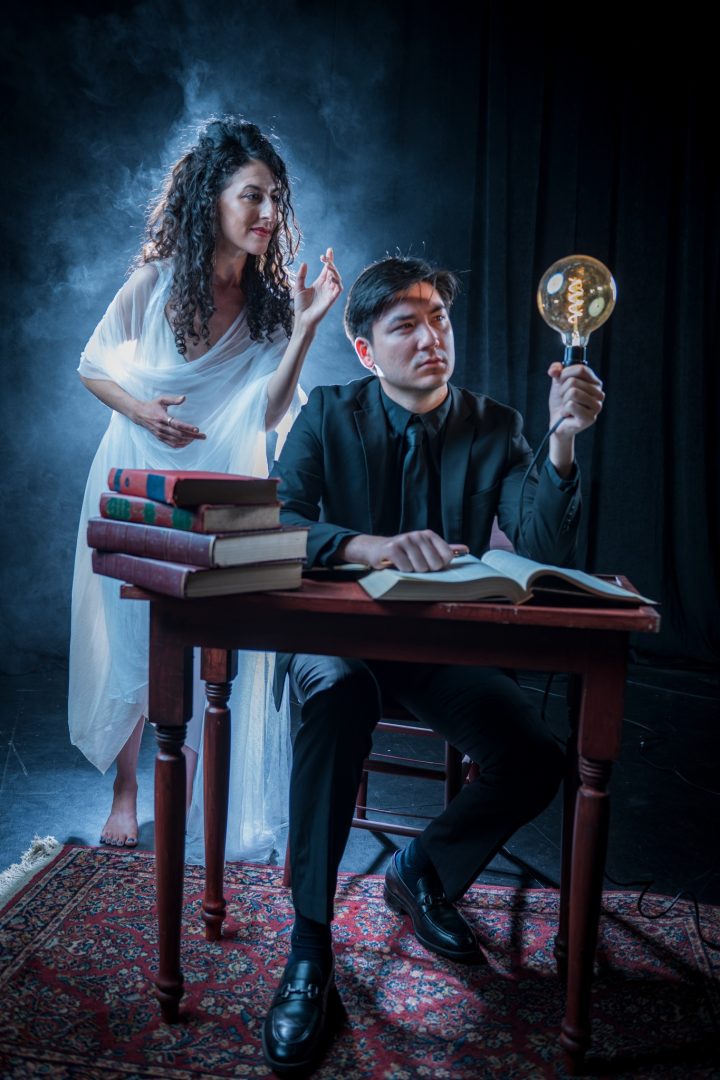
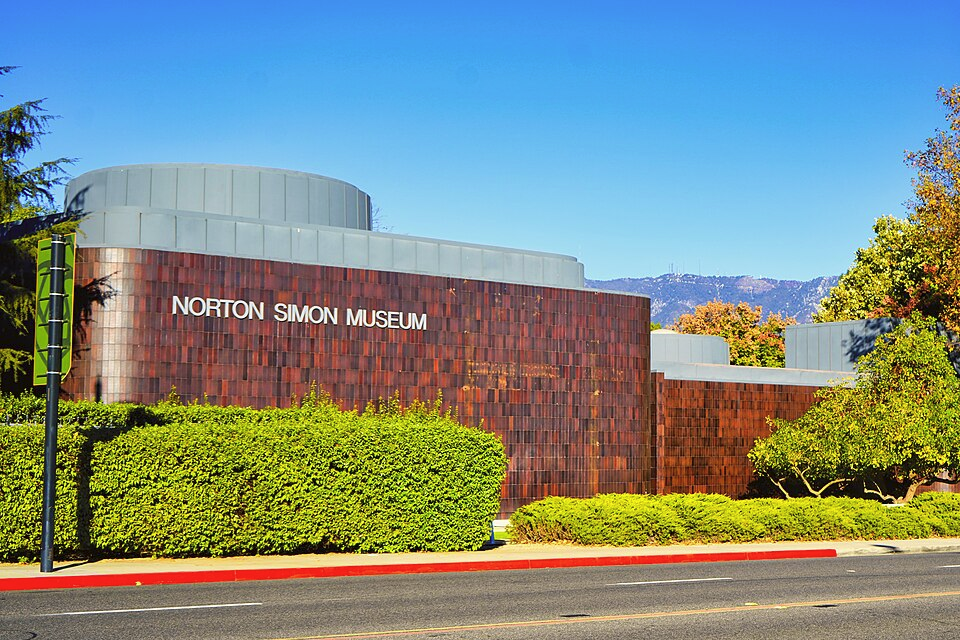
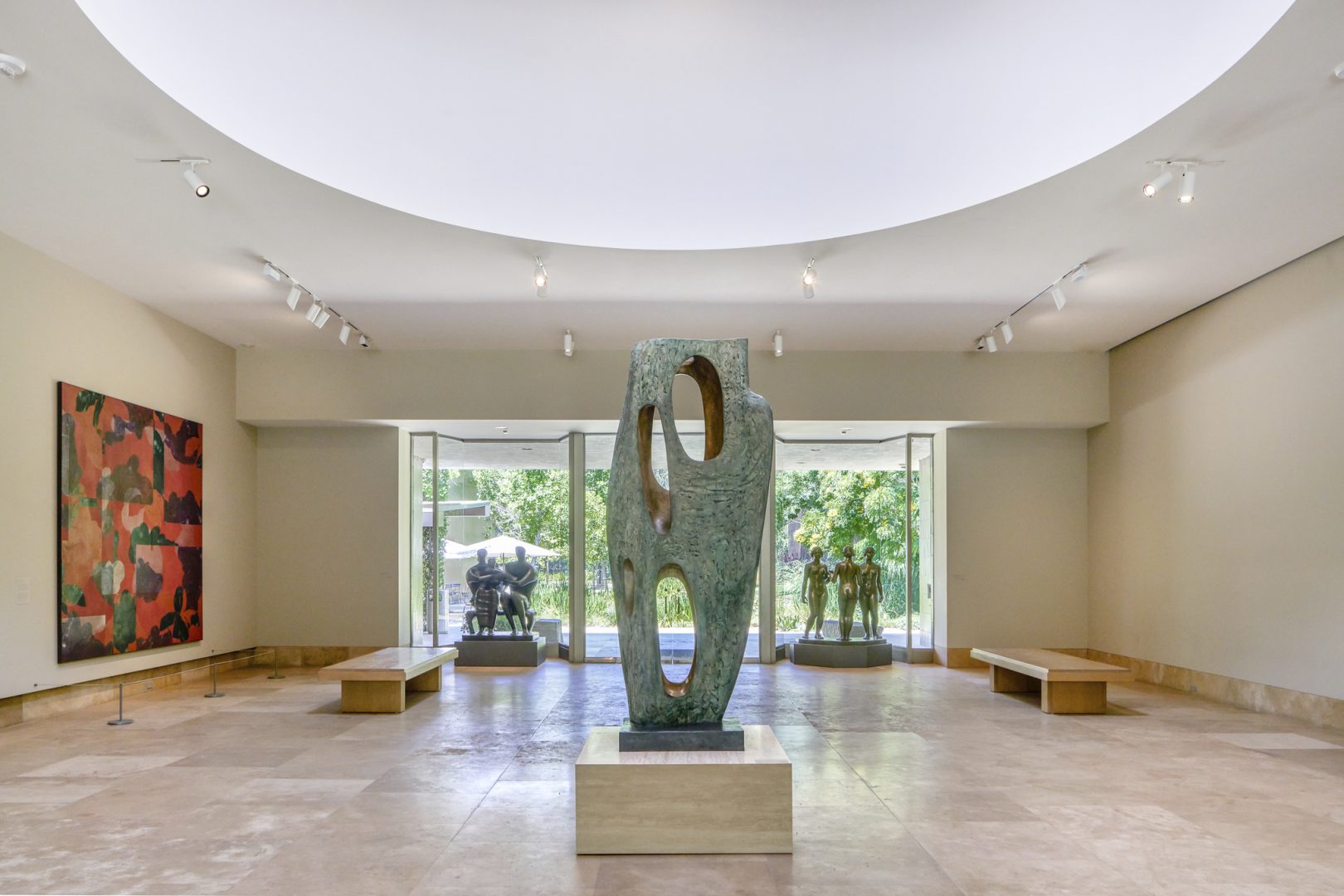
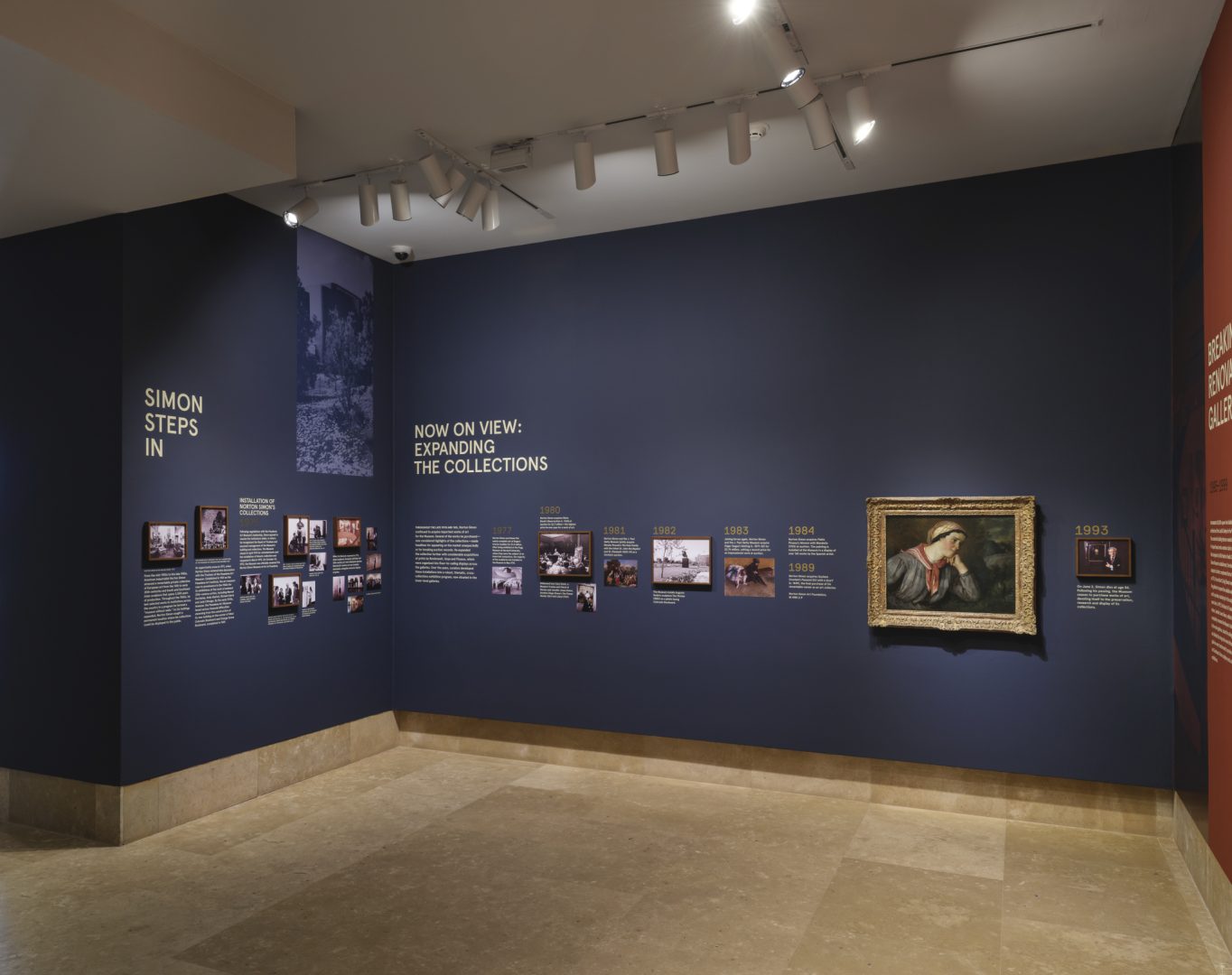
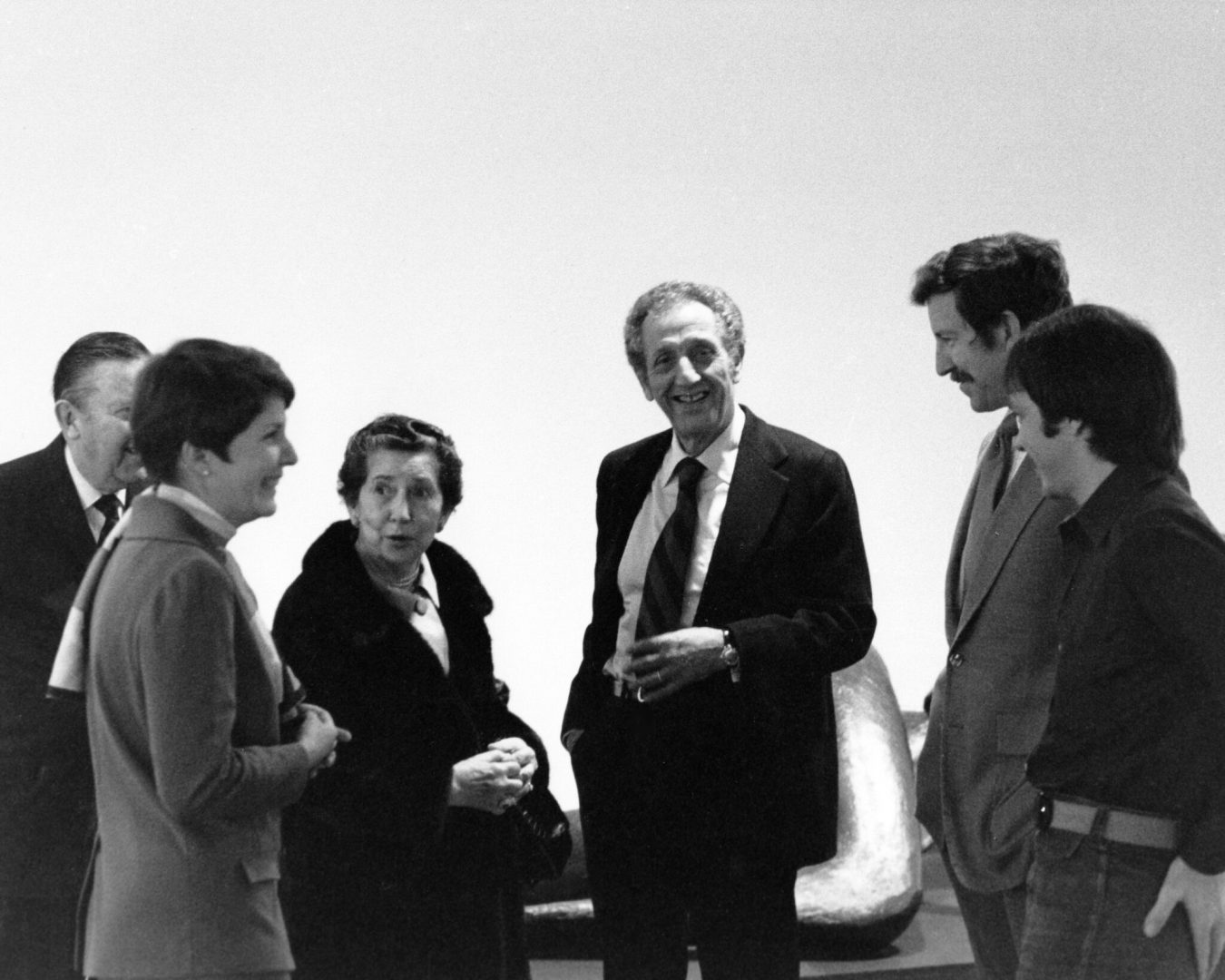
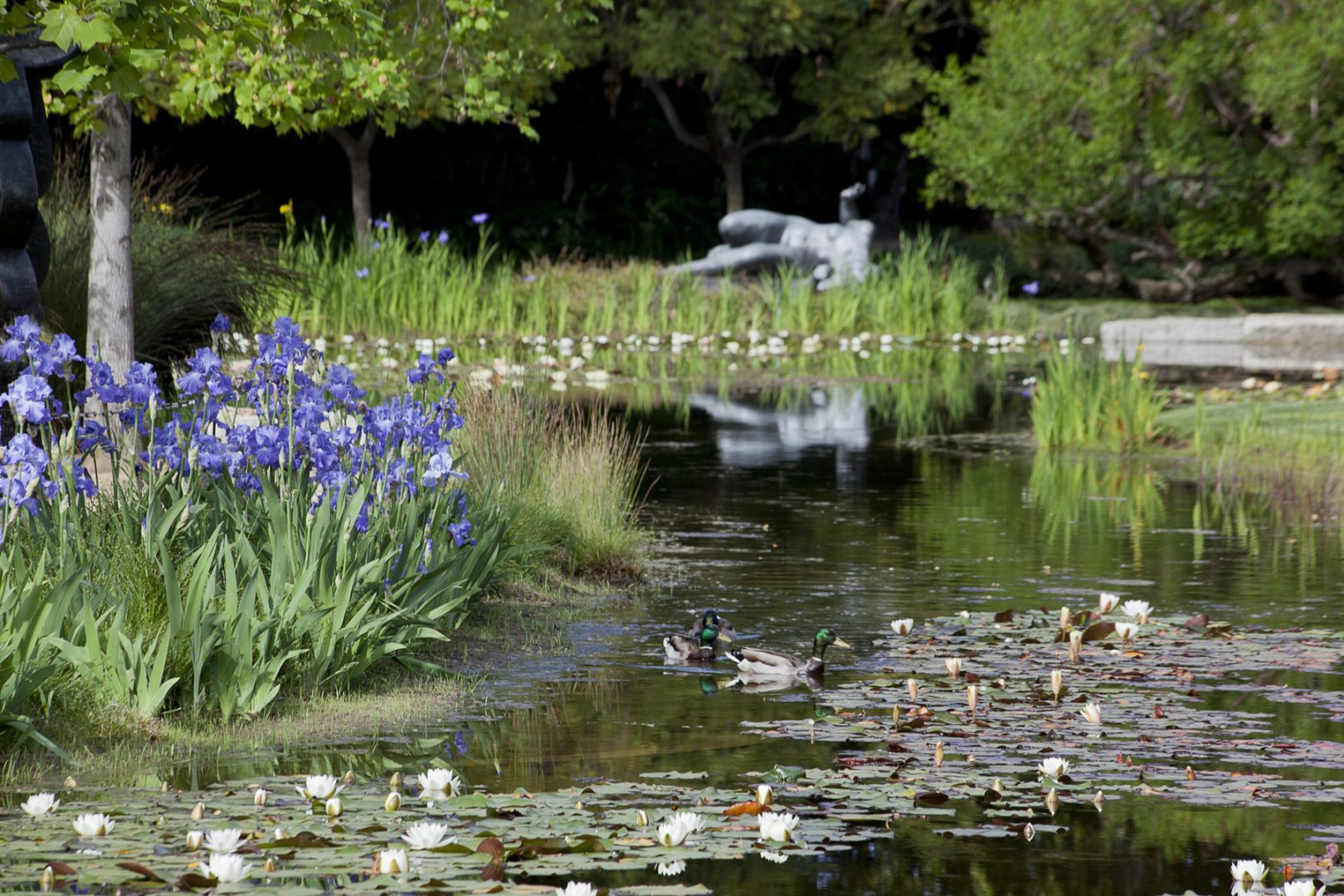
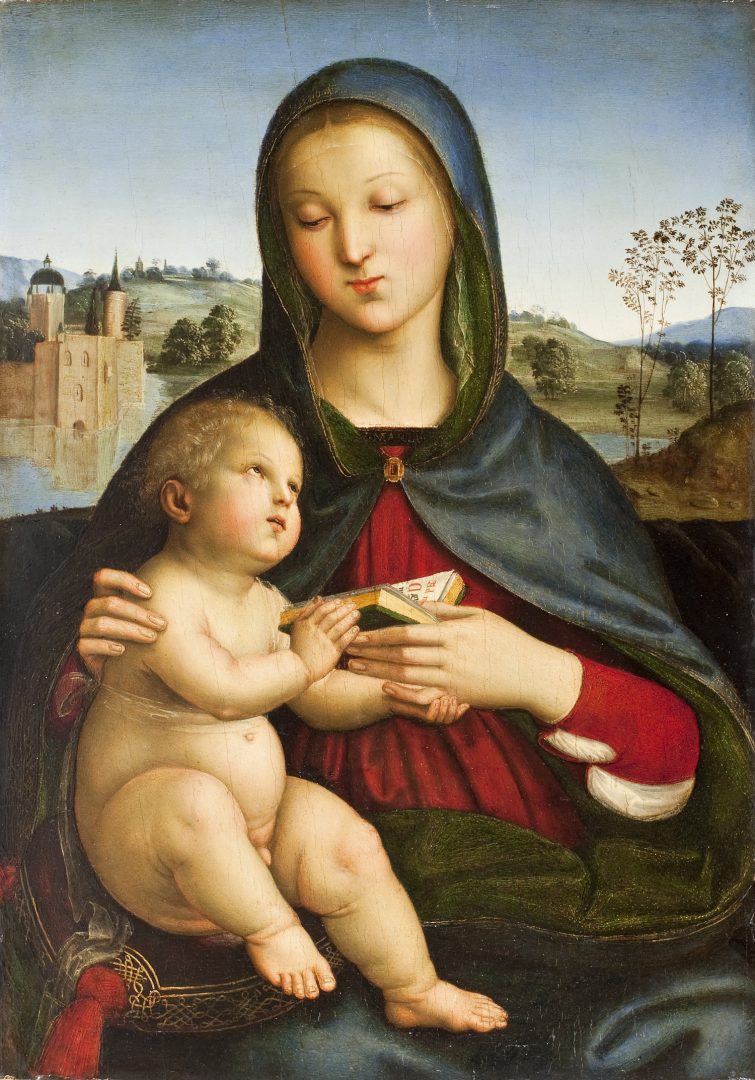
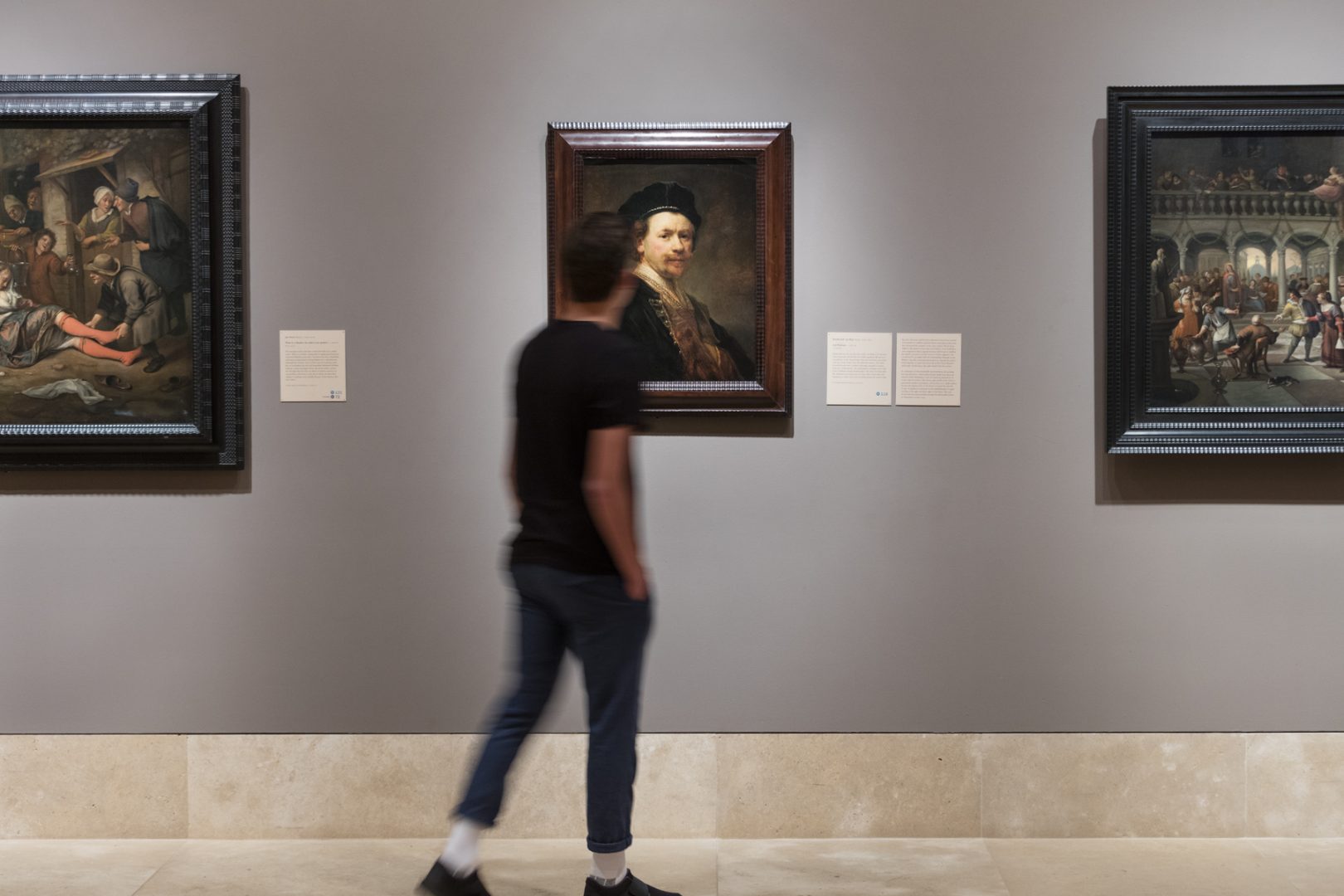
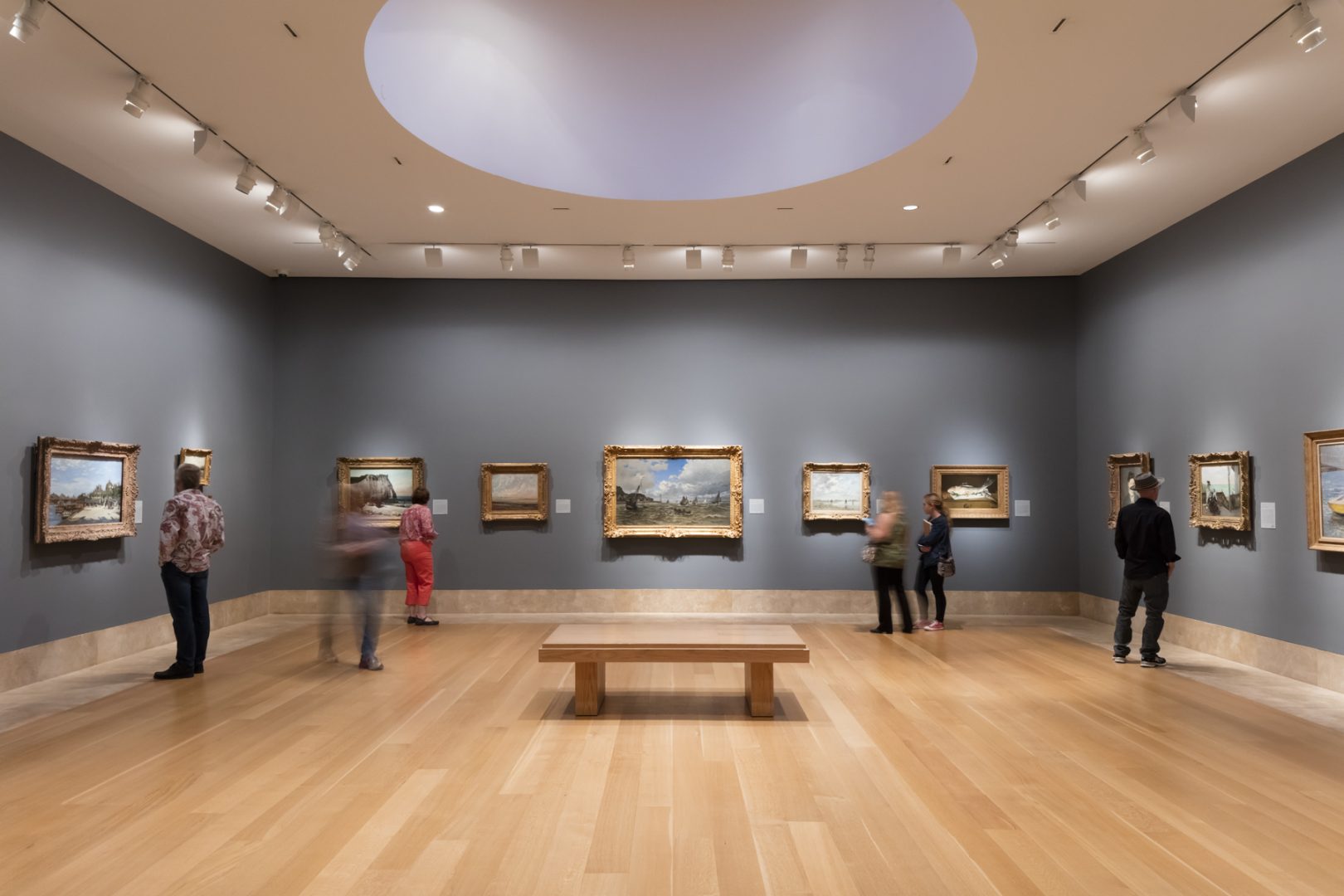
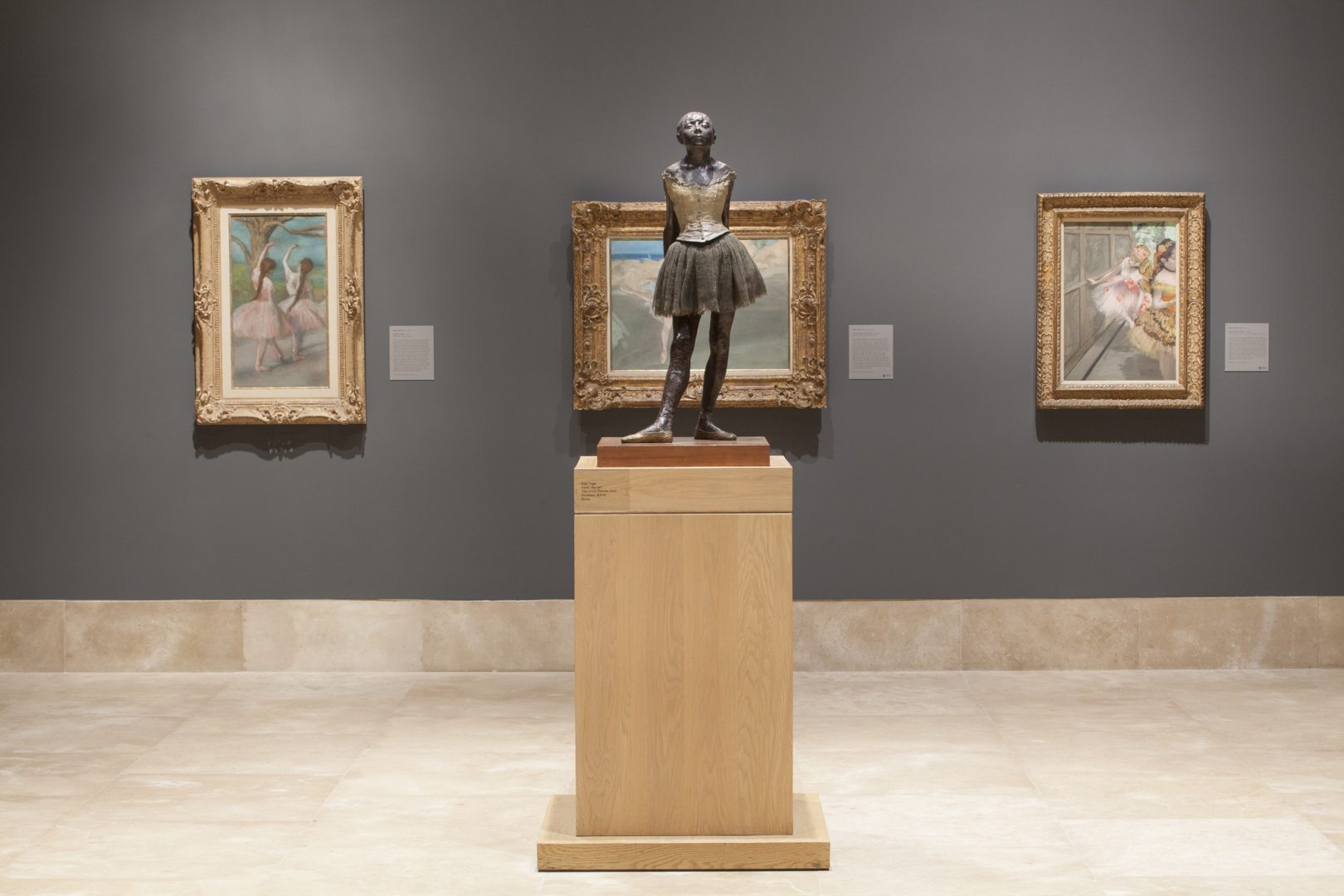
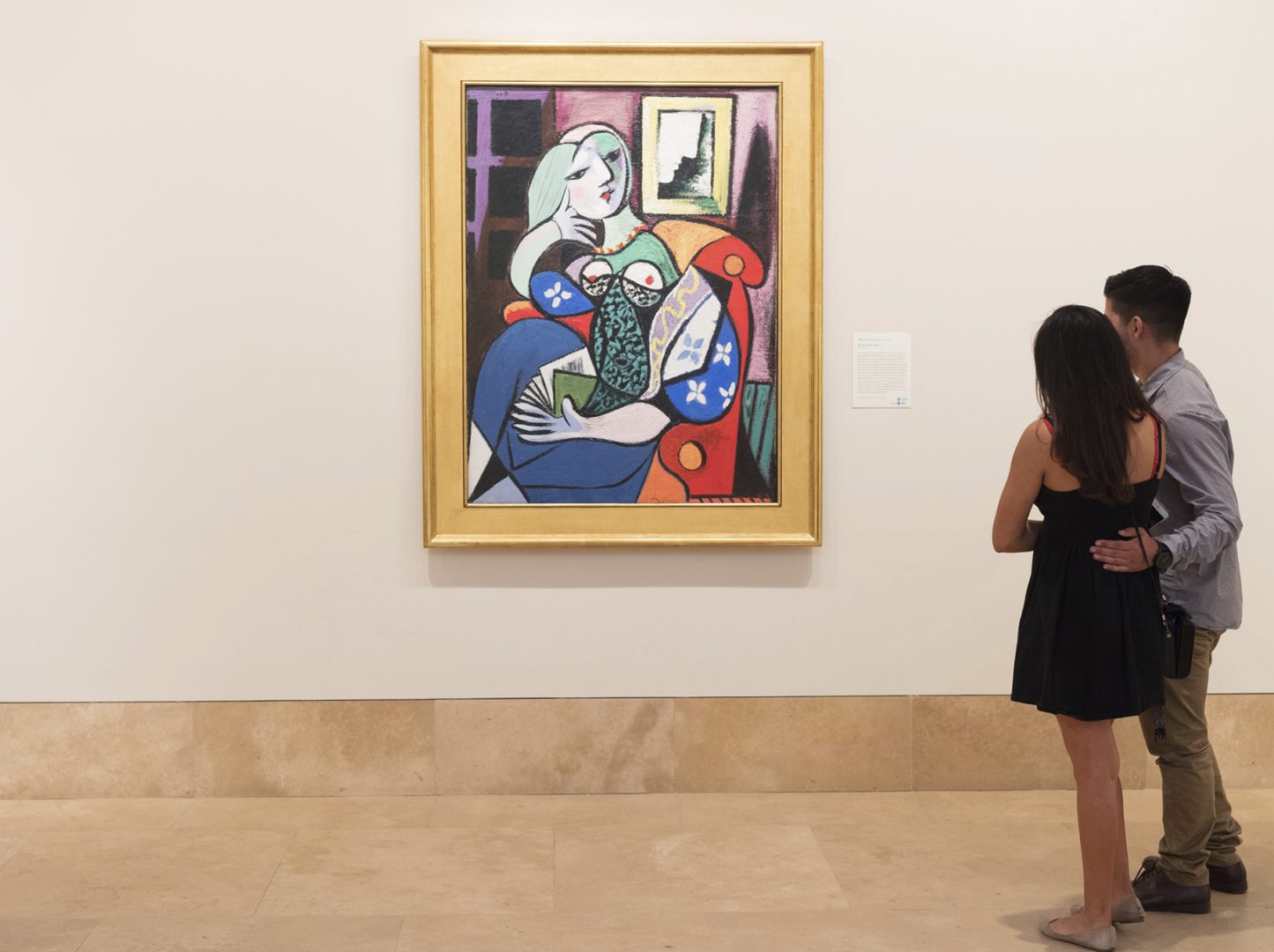
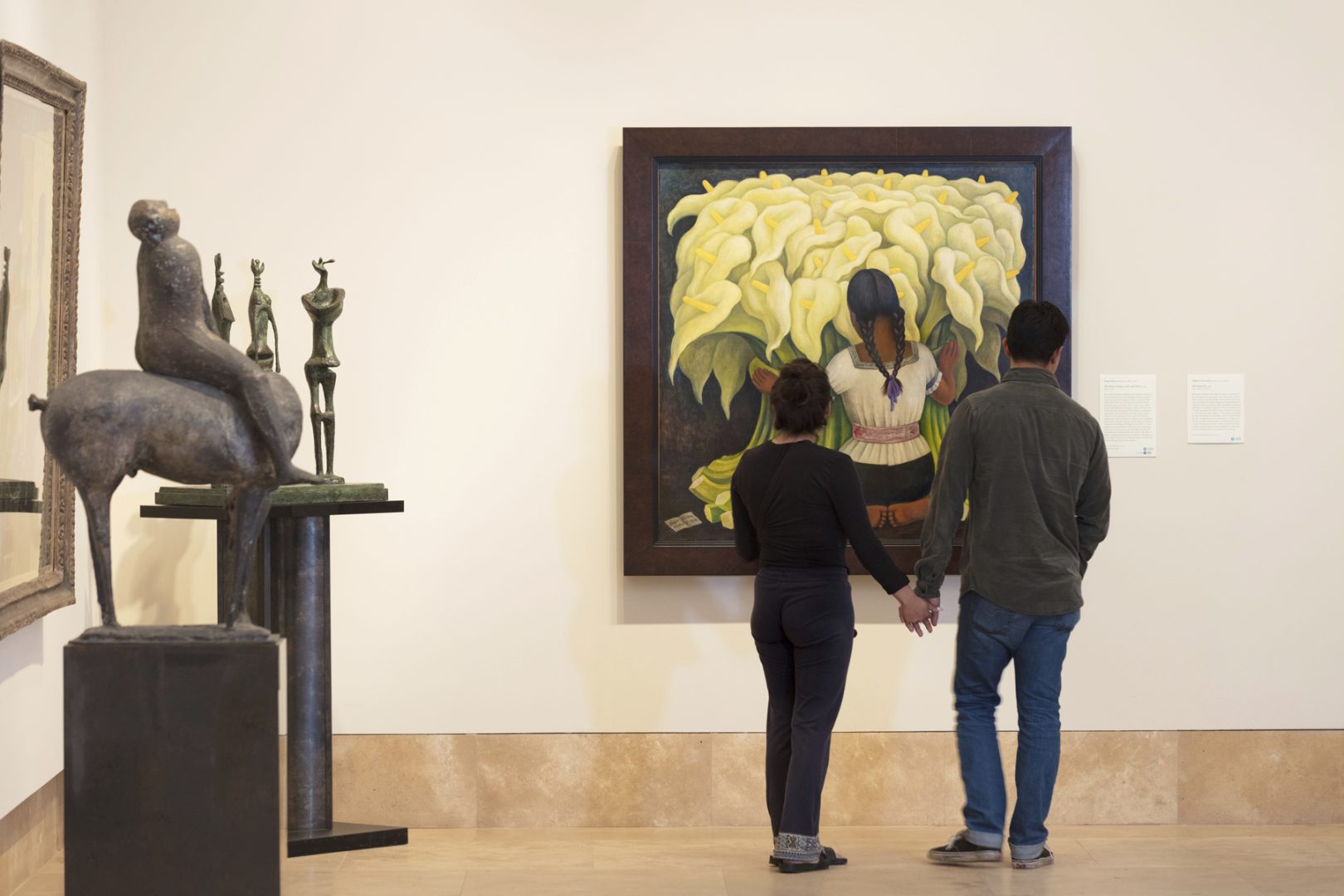
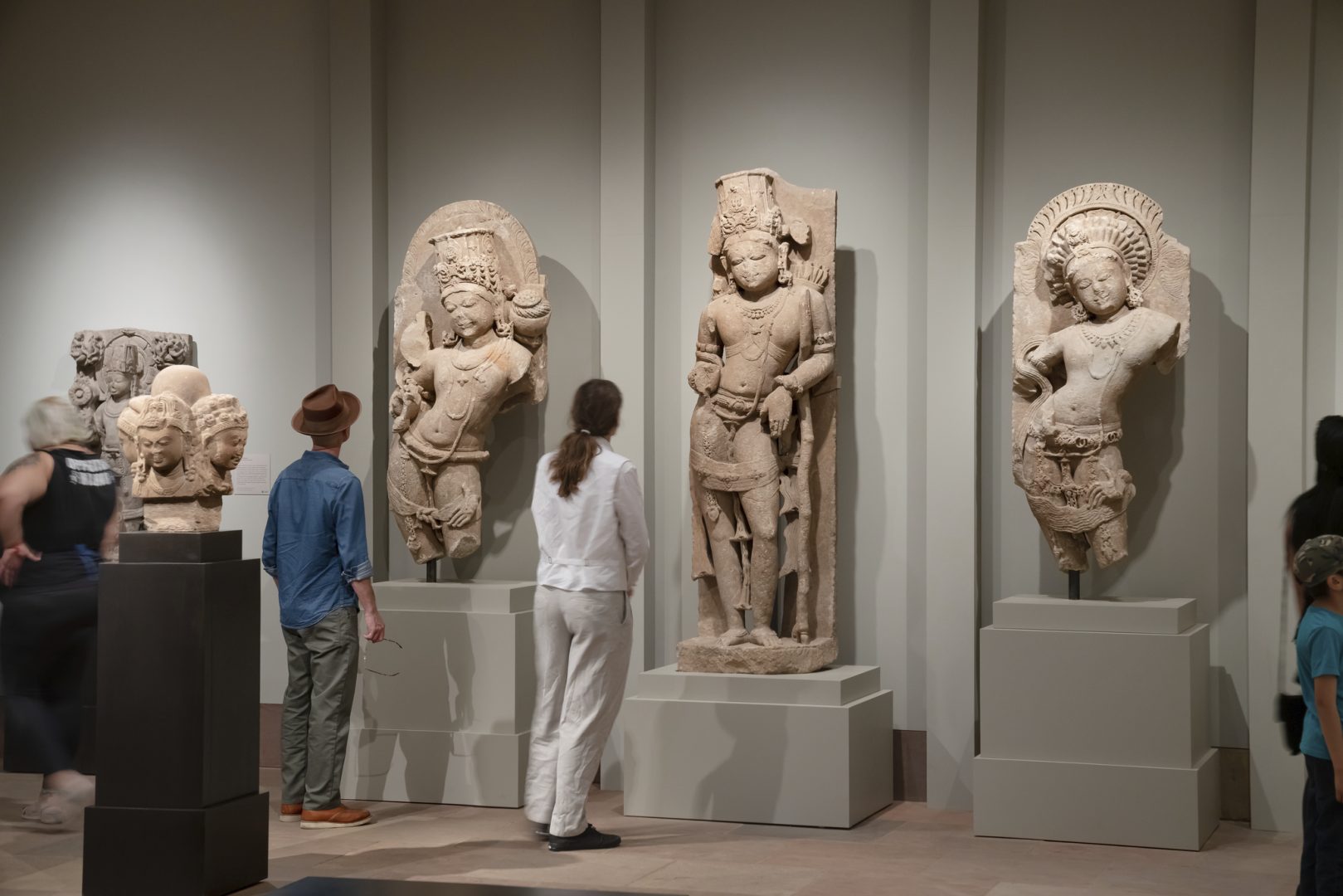
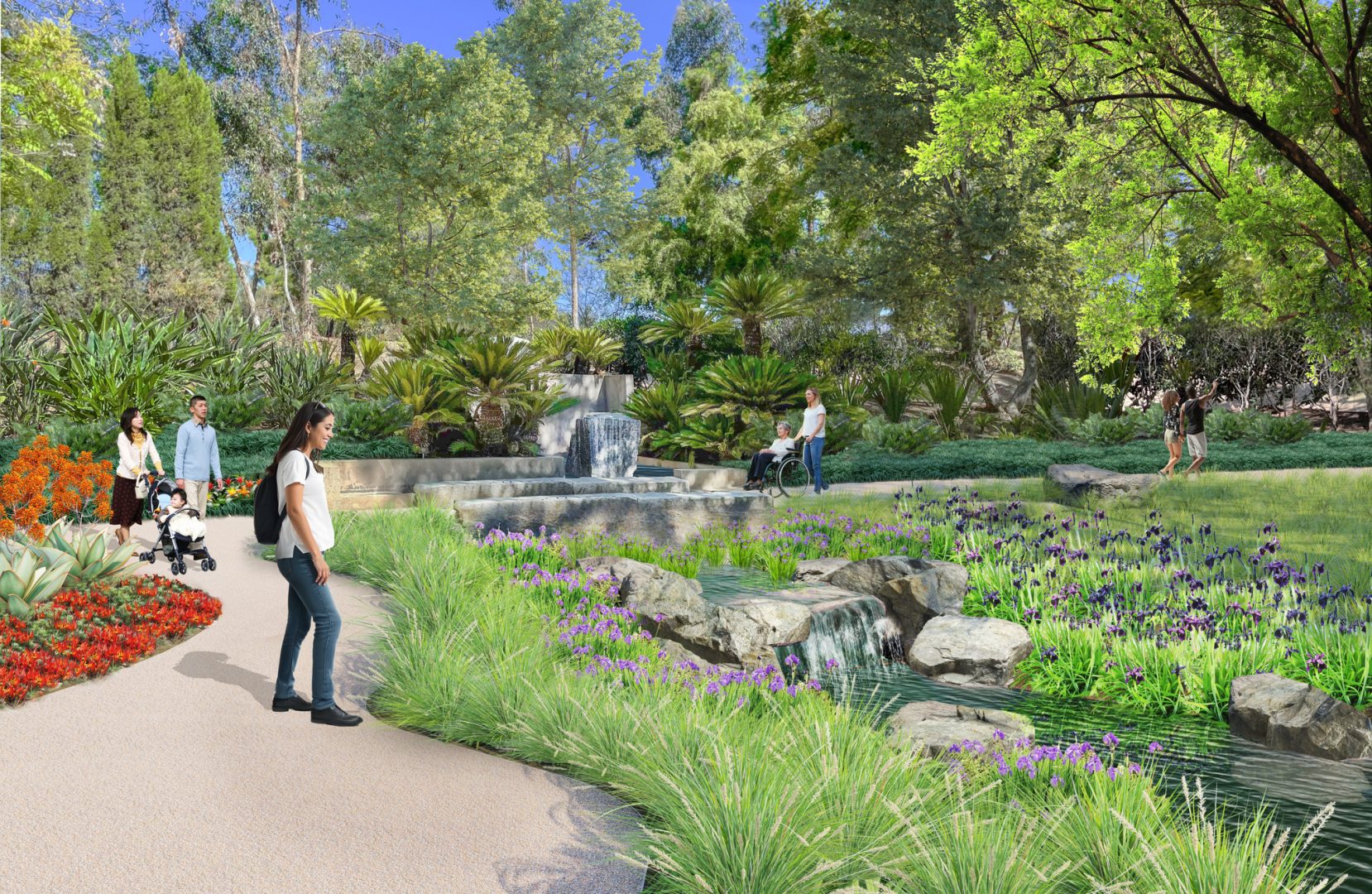
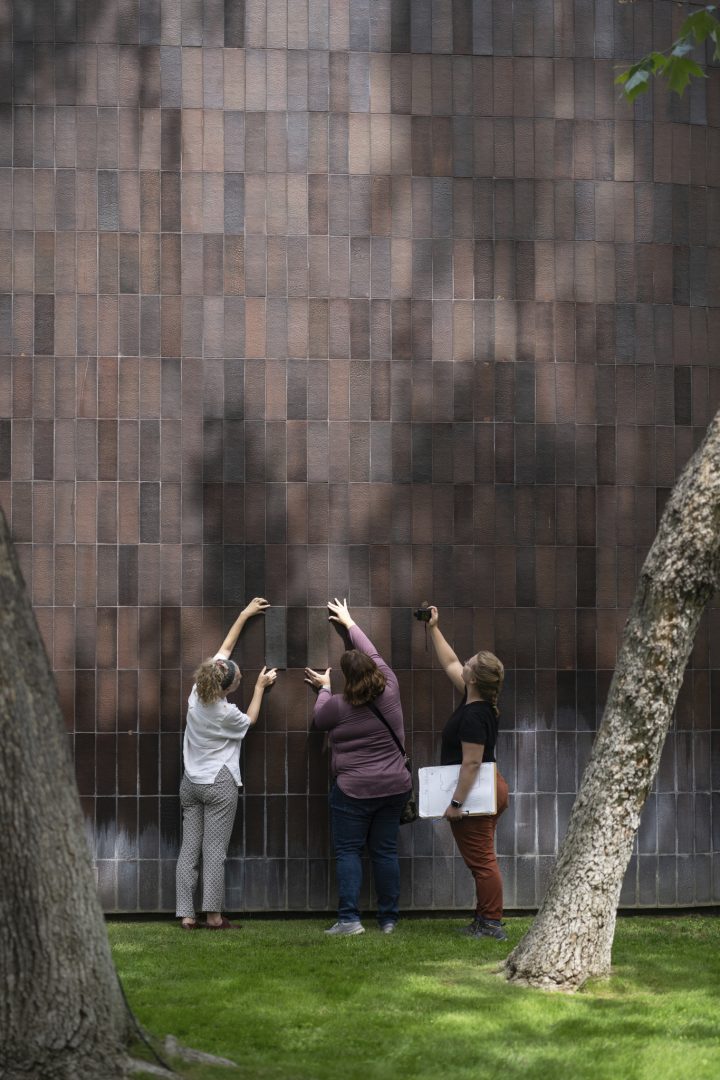
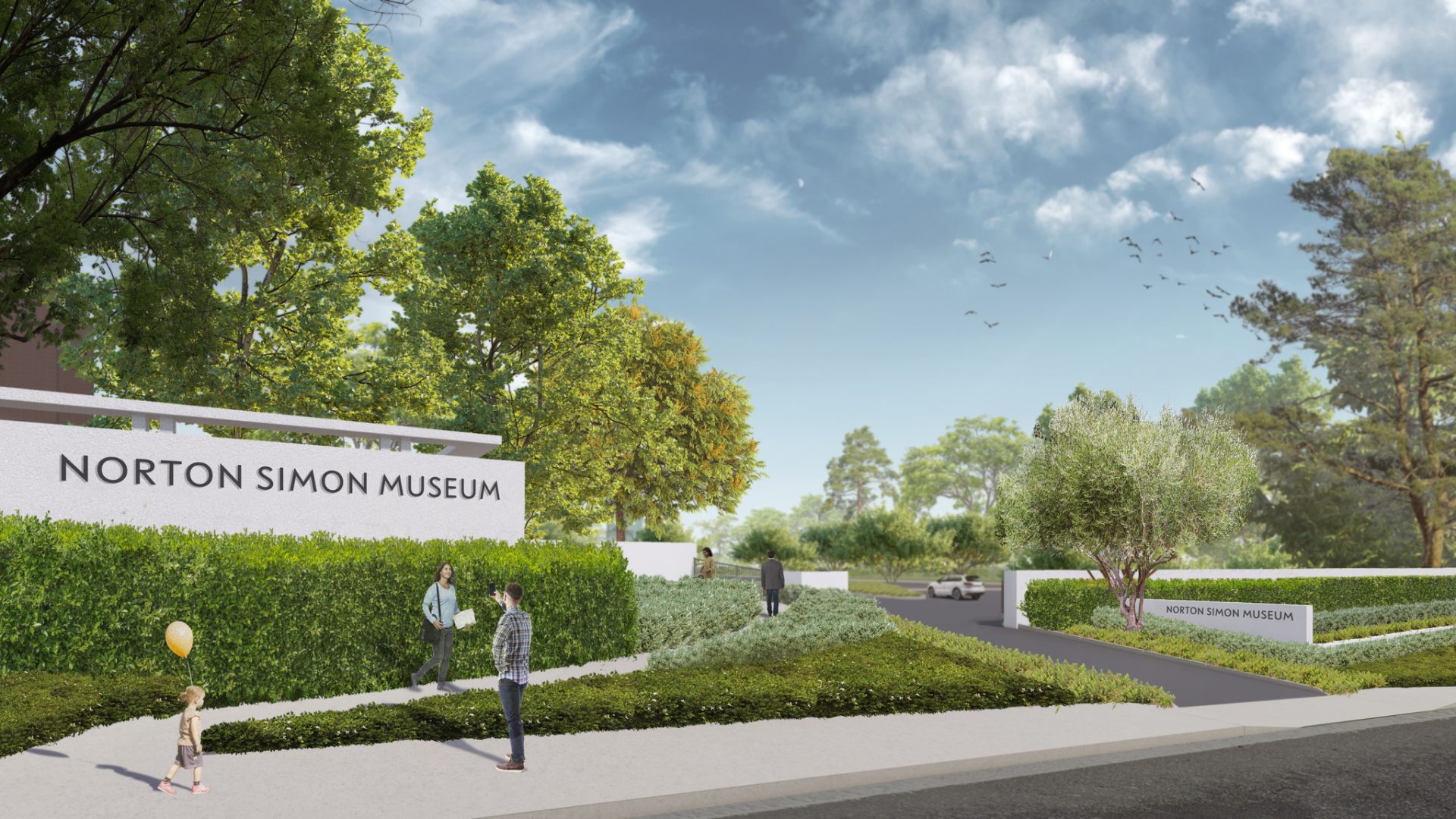
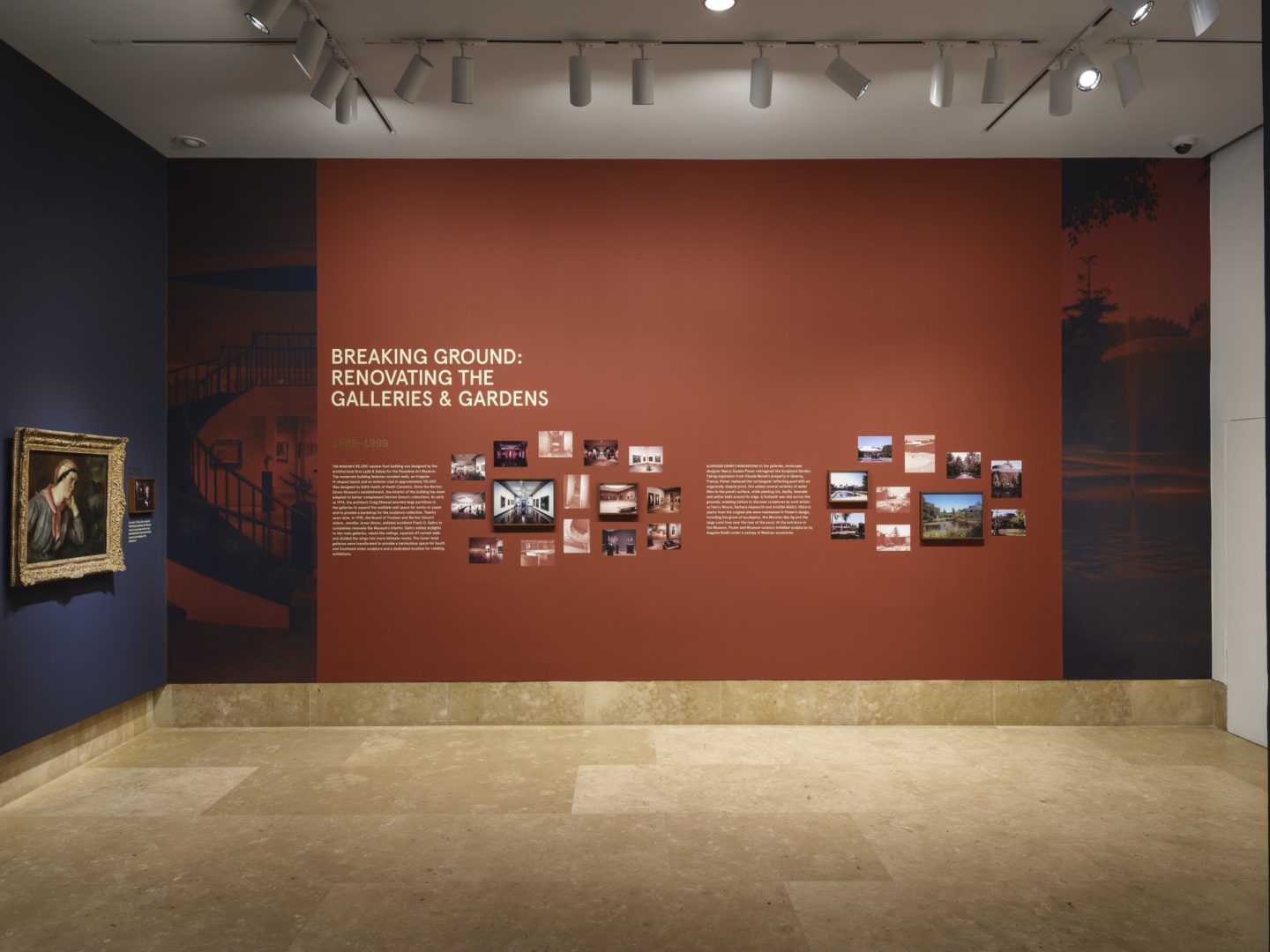
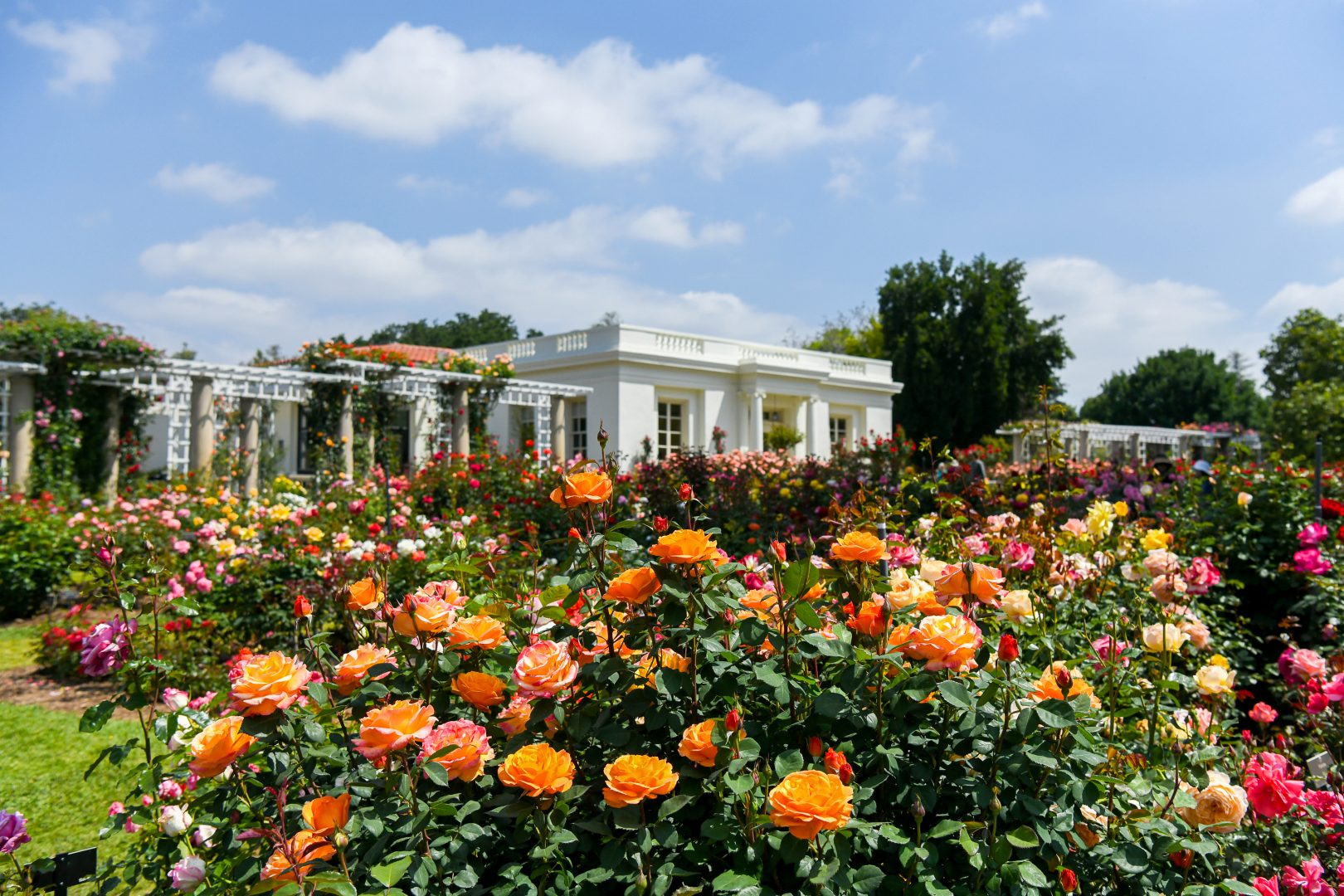
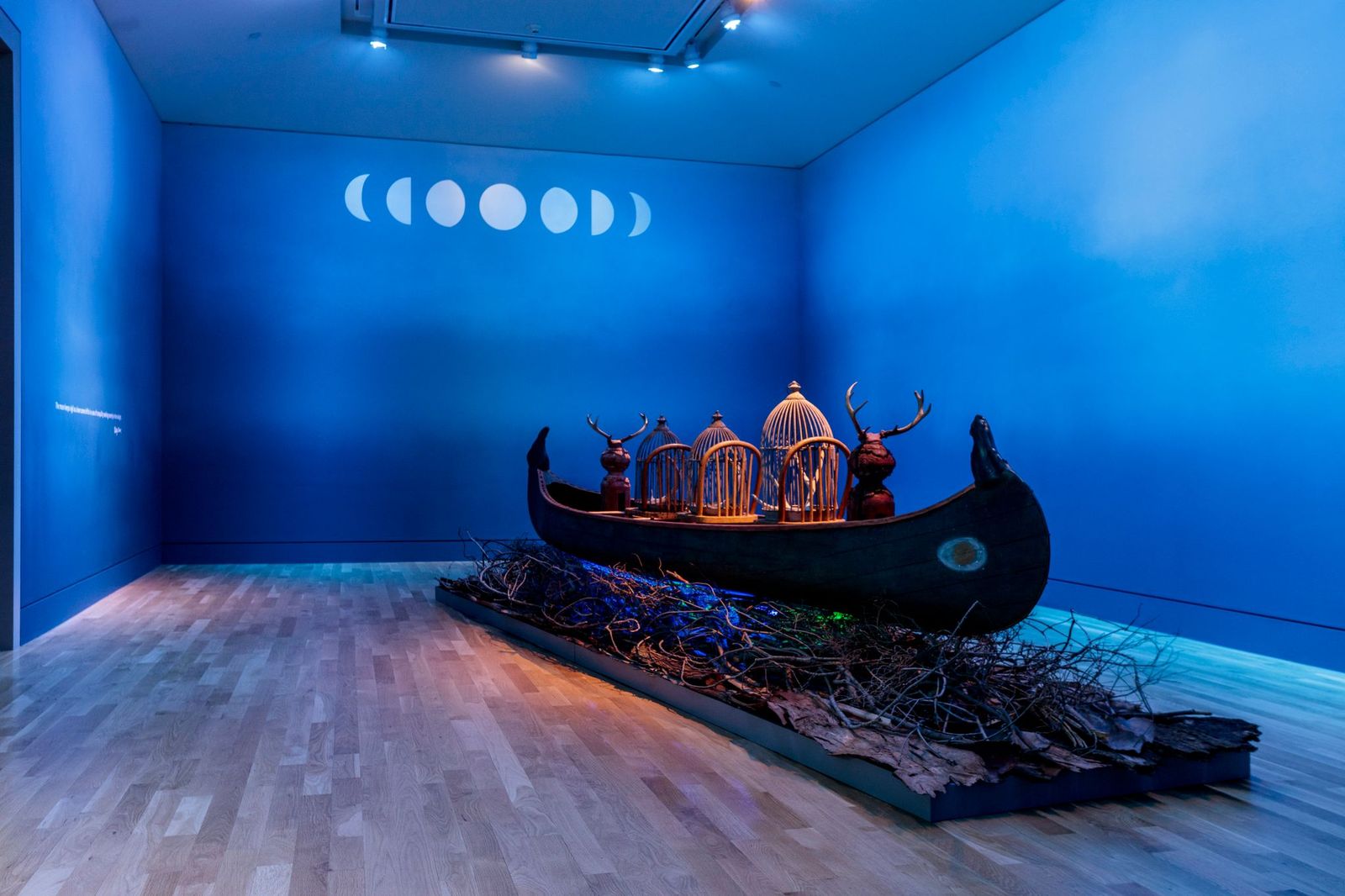
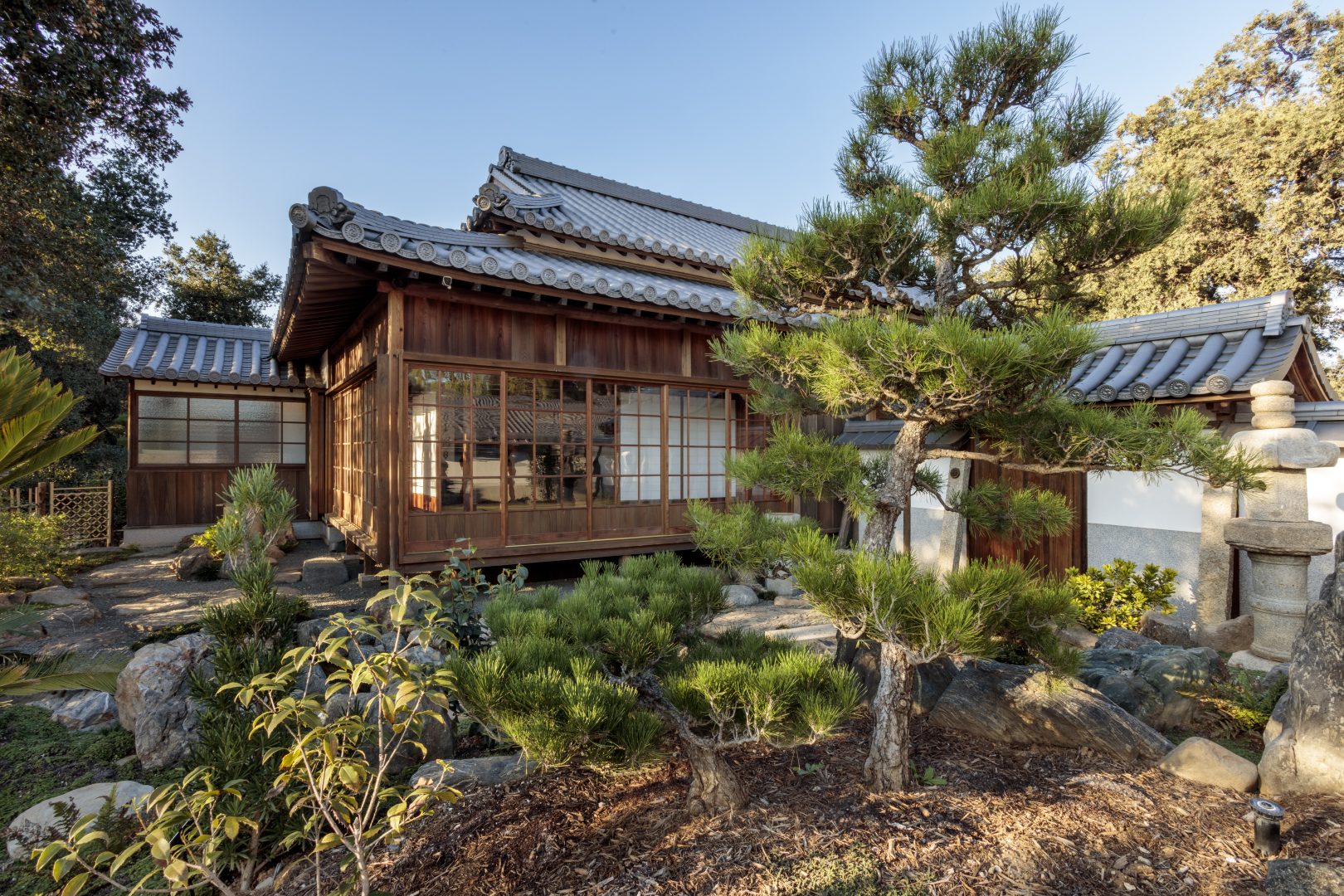
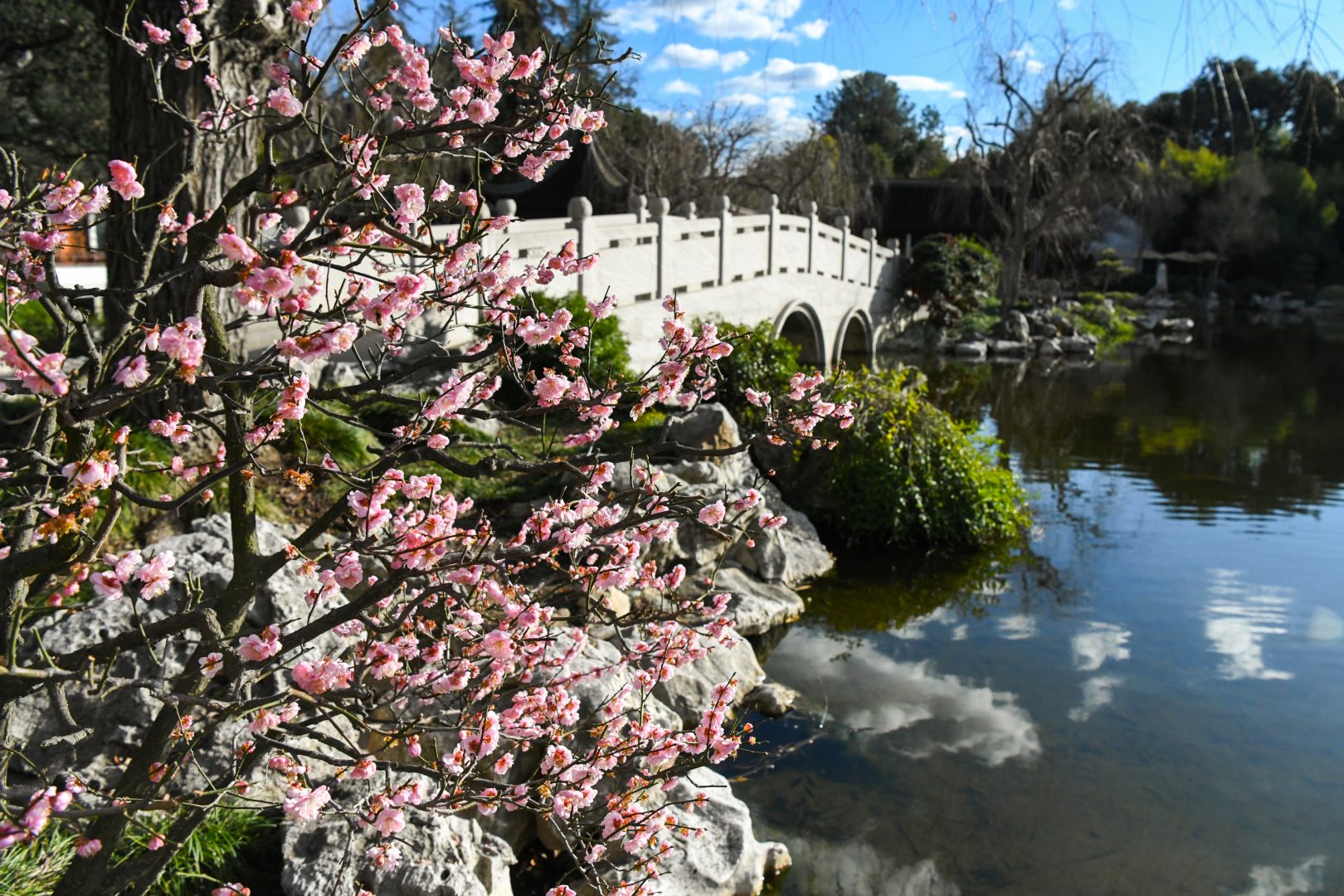
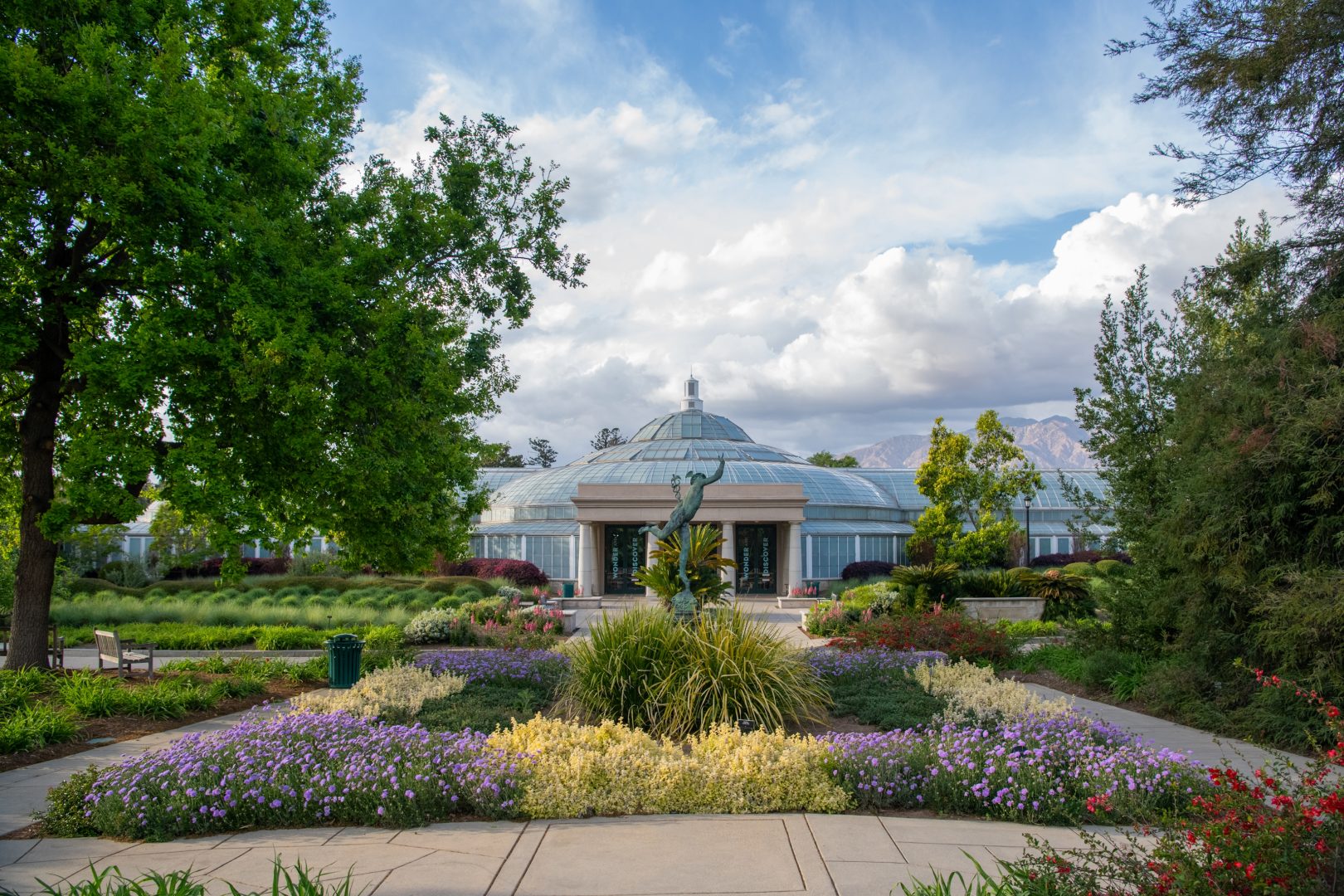
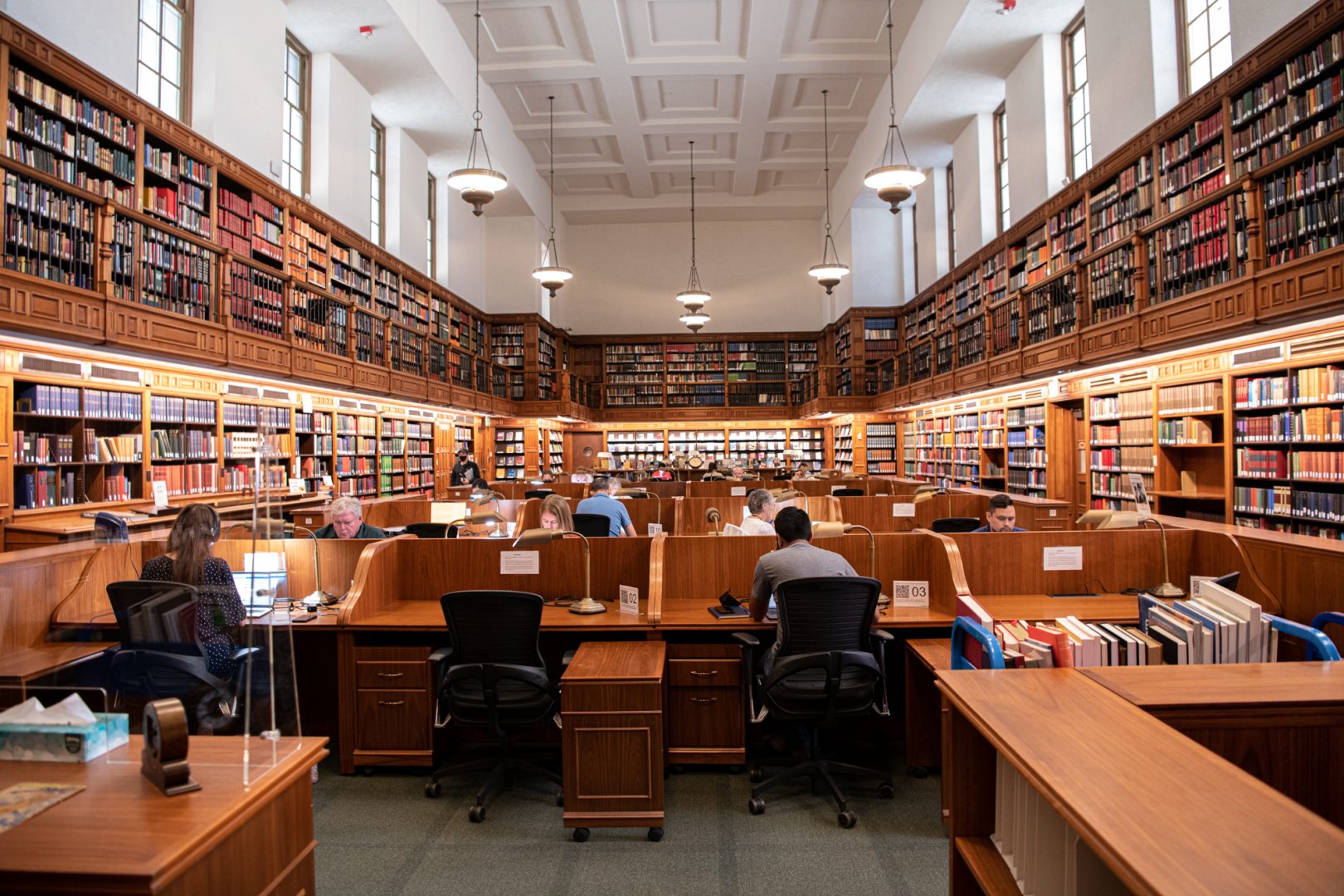
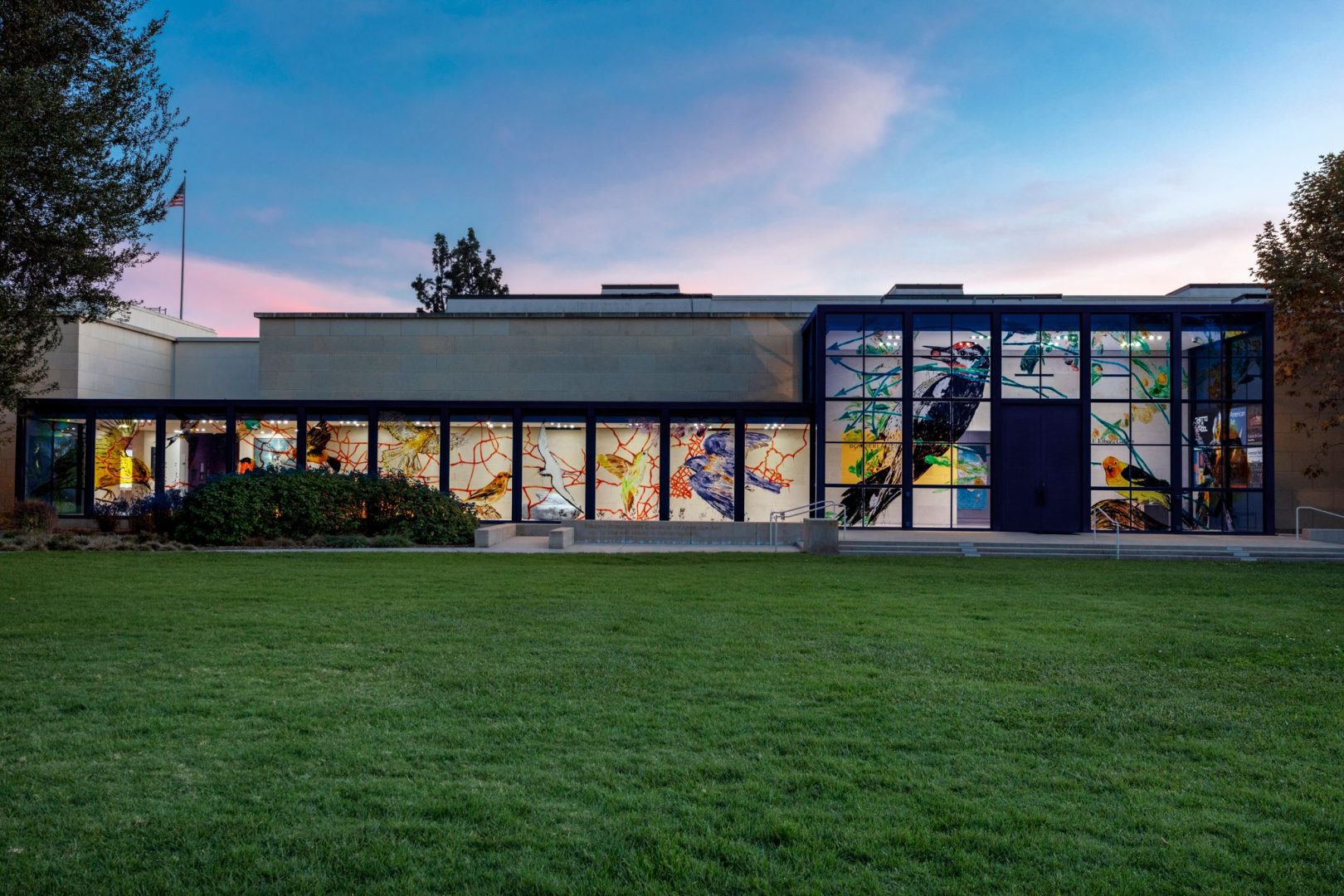
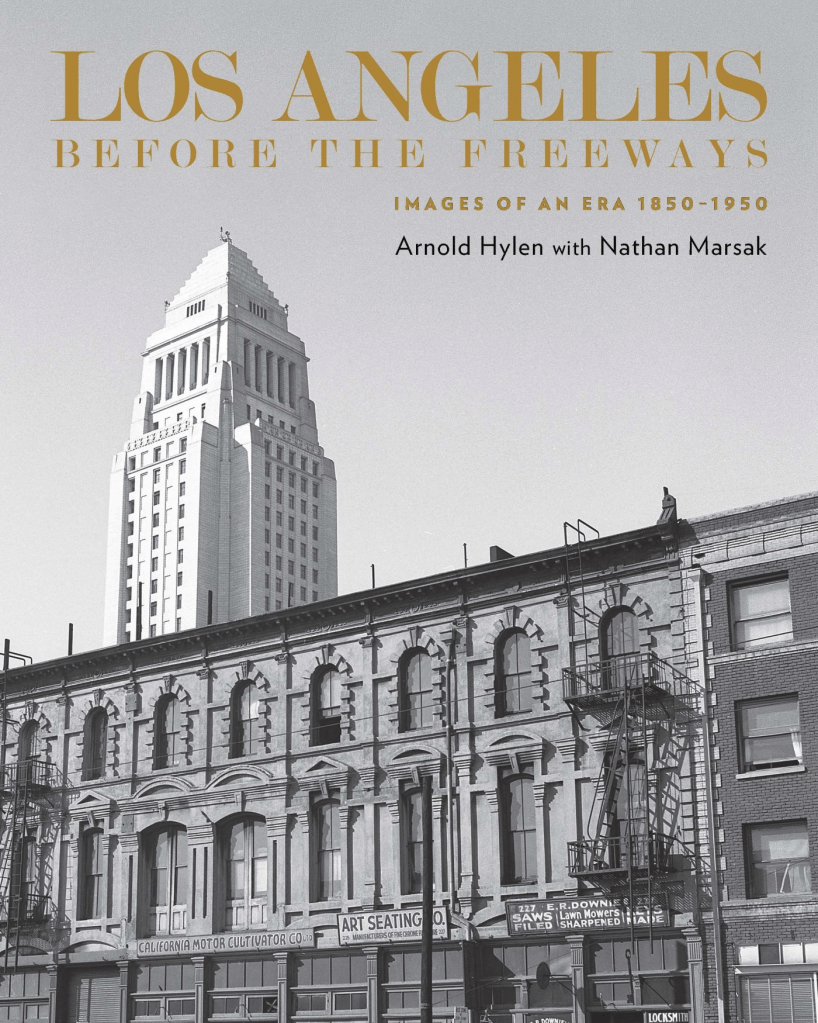
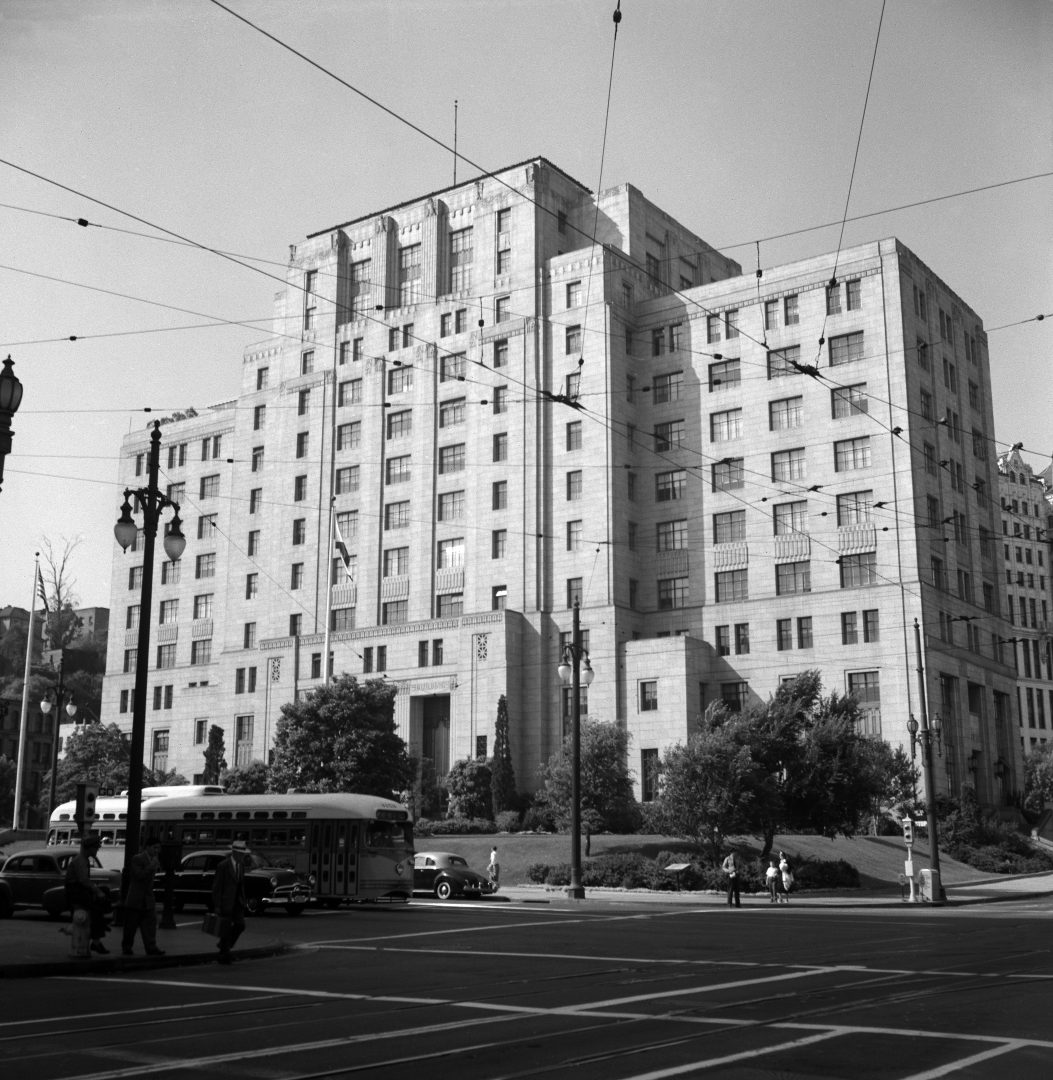
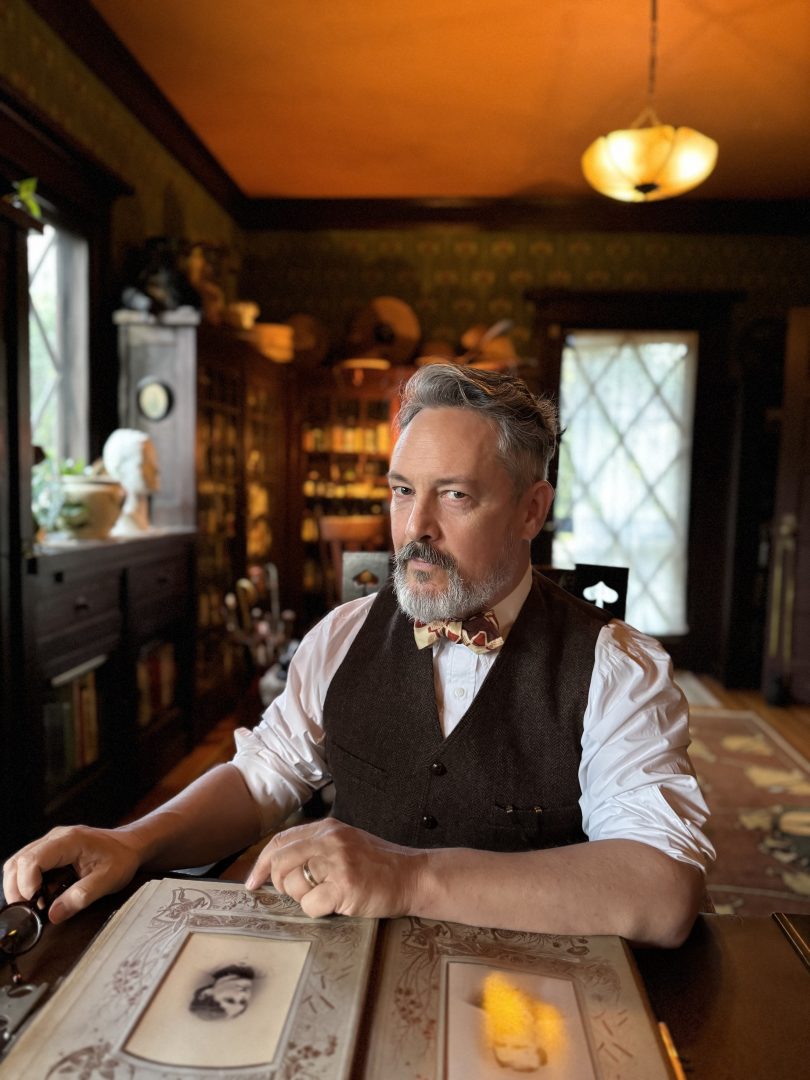
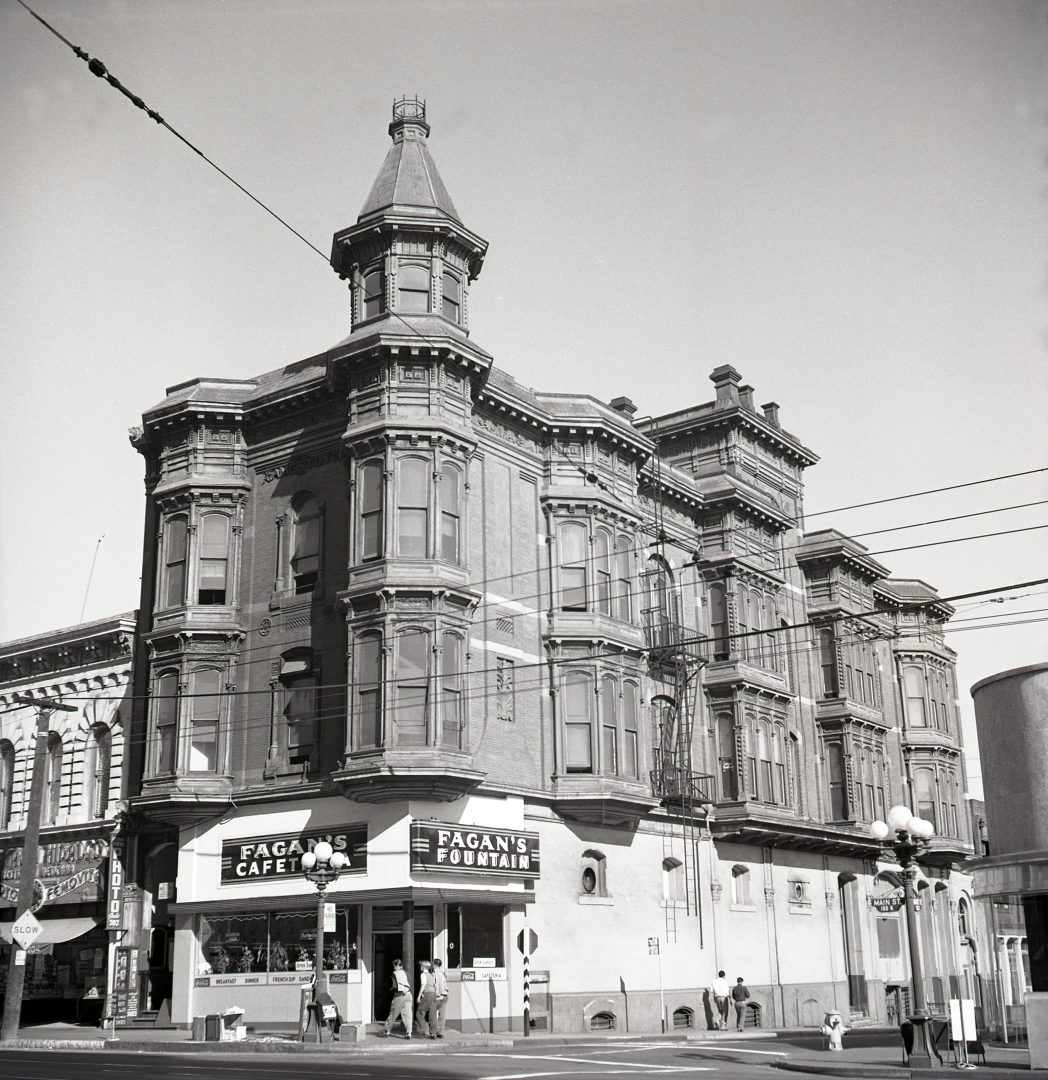
 A San Gabriel Valley Inquirer