Originally published on 6 August 2019 in the Pasadena Independent, Arcadia Weekly, and Monrovia Weekly
Shown left to right: Eric and Richard Dong with Congresswoman Judy Chu | Courtesy Photo
Arcadia teens Richard and Eric Dong were honored with the ‘Youth of the Year’ distinction during Congresswoman Judy Chu’s 10th Annual Leadership Award ceremonies held last Sunday, July 28, from noon to 3 pm at the Arcadia Community Center. Awards were also given for Businessperson, Educator, and Volunteer of the Year, among others.
Richard graduated this past spring from San Marino High School (SMHS) and will be attending New York University this fall, while Eric is a rising senior at SMHS. The brothers are active volunteers and philanthropists, spending hours doing service at various community organizations and schools while endowing the same places with funds to support their mission.
Children of Chinese immigrants, Richard and Eric were instilled with the importance of contributing to society during their earliest years growing up in San Gabriel Valley. Both of them are gifted piano players and they happily share their passion for music. They perform at schools, chapels, central libraries, senior citizen and homeless centers, and for the public at Walt Disney Concert Hall in Los Angeles and Carnegie Hall in New York.
From their father, Richard and Eric learned the intricacies of the stock market that made them savvy investors. Using the financial gains from their investments, they established their first endowment to their middle school (Clairbourn) in 2014 to provide scholarships for students in music and the arts. Heartened by its positive outcome, they continued to give more – to San Marino High School to fund school supplies and to the International Leadership Foundation (ILF) to support leadership training, US-China relations, human rights, and global democracy and governance initiatives in 2017. And, in 2018, they founded the Richard and Eric Dong Endowment Fund for Union Station to provide scholarships for children.
Additionally, Richard and Eric were recipients of the President’s Volunteer Service Award at Gold level, Congressional Award for Bronze and Silver Medal, and the 2018 Outstanding Young Philanthropist Award given by the Association of Fundraising Professionals.
In their acceptance speech at the awards ceremony, Richard and Eric acknowledged Congresswoman Chu for her continued encouragement and thanked Ivy Sun, honorary chairperson of ILF’s L.A. Chapter and former mayor of San Marino Richard Sun. They also expressed their deep gratitude to Anne Miskey, CEO of Union Station Homeless Services in Pasadena, for nominating them.
As always, the Dong brothers attributed Robert F. Kennedy’s words ‘Our future is not a gift, it is an achievement’ as their inspiration and for empowering them to do good work. Young people in San Gabriel Valley would do well to emulate Richard’s and Eric’s exemplary undertakings.
Originally published on 5 July 2019 in the Pasadena Independent, Arcadia Weekly, and Monrovia Weekly
University of Arizona | Courtesy Photo
The road to college
We in Pasadena know it’s the middle of summer when temperatures are soaring in the triple digits, and many of us are looking for ways to beat the heat.
Summer was traditionally when teen-agers found jobs flipping burgers at fast food joints, cashiering at retail stores, or working as lifeguards at Southland beaches. However, as I mentioned last month, today’s teenagers are busy pursuing summer enrichment activities or internships. These seasonal occupations are either being taken by older people who are working past retirement age or young foreigners who come to the country on a work-study visa.
This is a lost opportunity; getting a summer job is an important component because employers are looking for work experience from applicants, even from those fresh out of college. It shows that they are responsible and have been successful in the workplace.
That said, there’s the reality that your children are facing – build impressive resumes to look attractive to admissions officers. They should be in some enjoyable classes, recreational camps, or professional internships to spend their time productively. There are test-prep courses students can take during summer to get them ready for all the standardized exams required for their college application. Today’s high school kids want to be as good as, if not better than, their classmates. Nowhere is this cutthroat competition more apparent than in the western San Gabriel Valley where a record number of students are getting perfect scores on the APs, ACTs, and SATs.
There is an abundance of things to do during the summer months. There is absolutely no excuse for boredom and inertia.
RISING FRESHMAN
High School is going to be an exciting phase in your children’s academic life. Having completed middle school and their tween years where they found their identity, they are now ready to assert themselves in this new environment.
If your children had not shown much interest in reading during their elementary or middle school years, you need to encourage them to spend this month reading – just for the sheer pleasure of it. Persuade them to look for different authors and genres, familiarizing themselves with various styles and themes would help them find their own voice. Reading would expand their vocabulary as they gain maturity in their writing and that would prepare them for composing their personal statement.
RISING SOPHOMORE
As mentioned above, summer is an opportune time for reading. Encourage your children to spend part of their day to this pleasurable and educational pursuit.
Your children should find an enrichment program or perform community service work related to something they are passionate about. Sustained effort and interest in one particular cause show that your children are sincere, and not just padding their resumes.
If your children are so inclined, they can start researching colleges. Nowadays, they can go online and get virtual campus tours of most colleges or universities.
RISING JUNIOR
Your children should be preparing themselves for one of the busiest years of their high school career. They should be immersed in community service work, professional internships and enrichment programs. Some students enroll in test-prep courses during the summer months to get them ready for PSAT and SAT. They can attend one of the many schools offering these courses with some of their friends to make it less of a chore.
They can likewise start researching colleges and going online to get virtual college campus tours. This would also give your children some idea about the college application process.
Summer is the perfect time for them to read extensively to expand their vocabulary and prepare them for writing their essay for the college application.
RISING SENIORS
This is the year that would test your and your children’s mettle. Be prepared for the marathon (which actually started in the spring of their junior year).
They should still be continuing the community service work they began back in their freshman year, getting an internship, or looking for avenues to use their talent.
If your children did not visit the schools to which they are applying, this summer would be a good time to take that trip. It would help them narrow down their list to a more realistic number of applications.
They should also be thinking about their personal statement. Some universities also require a supplementary essay specific to them, with topics that range from the practical to the philosophical. Admissions officers are constantly on the lookout for something fresh and original in applicants’ compositions. However, it requires a certain amount of creativity and proficient writing skill to come up with a treatise that would impress seasoned readers.
That said, your children might also find some time to actually enjoy this summer before they get swallowed up by the vortex of college applications.
COLLEGE-BOUND SENIORS
Unless your children are spending this summer agonizing because they’re waitlisted at their first choice school, they must be very excited to have completed high school and are anxiously looking forward to the next phase of their education. By this time, they should have put in the deposit on the college they plan to attend. Some colleges would be sending out the procedures for class registrations, information on housing, meal specifics, and such other details to the incoming class.
Let your children take the lead on the college moving arrangements and only offer guidance when they ask for it. In all likelihood, your children would be moving away from home, maybe going to the other side of the country. They would need to practice being on their own and the preparations for moving would be a good place to start.
If your children will be attending a university across the Atlantic, as my daughter did, there is a whole set of preparations you have to attend to. Applying for a student visa should be your priority as it could take a month to secure. You and your college-bound student need to communicate closely with the school as their requirements may differ greatly from those of American universities.
Email or call the university to know when to wire the tuition and other college fees. Make sure your student has the necessary information on how to register for classes, how to apply for housing, what essentials to bring to school, where to find items that your student would need.
Going to school in another country would take more preparation so make sure you have enough time to spend helping your student settle into his or her new environment.
At this juncture, let me address another situation. If your children weren’t accepted to any school they applied to, then they would need to decide if they want to attend a community college. Most of these institutions will accept new students close to enrolment time. Some of them have arrangements with the UC system so graduates can attend a UC school for their junior and senior year. This has the double advantage of ensuring your children get a college diploma from a four-year university and saving on the cost of their education.
There could also be some instances when your children could gain admission during the spring term to their first choice school (this scenario happens if the school wants to keep their school ranking and your children did not receive a perfect SAT score but they met all the other requirements for admission. If your children have highly desirable qualities that will enhance their student body, they will wait until after their school has been ranked so your kids’ SAT scores will no longer affect their place). Confer with your children’s college counselor about how to accomplish this.
Some college applicants who are on waitlist on their dream university, ask to be deferred (this would only work if your children met all the academic qualifications for admission to the school with only the problem of the university not having the space for your student this year).
Of course, there is the option to take a gap year after high school. Europeans have traditionally done this and it is a growing trend among American students. They spend a year pursuing activities that employ their skills and talents. One of my daughter’s classmates used it performing charity work in Africa. This alternative could help your children stand out in a sea of similar-looking applicants. Several universities consider this as a major boost in an applicant’s resume. Admissions officers tend to see the student in better light – this person has some tangible experience to bring in and, therefore, adds to the school make-up.
So whether your high school graduate is going directly to college, going by the community college route or taking a gap year, recognize their decision as a first step towards their independence.
‘Good Boys,’ the psychological thriller from playwright, Marvel comics author, and screenwriter Roberto Aguirre-Sacasa will have its Los Angeles premiere at the Pasadena Playhouse from June 26 to July 21. Starring renowned television actress Betsy Brandt in the role of Elizabeth Hardy, it is helmed by off-Broadway and regional director Carolyn Cantor.
Set in 1988, the play tells about Brandon Hardy, a high school senior at St. Joseph’s Prep who has the world at his feet. Handsome, athletic, and smart, he is a model student after the mold of his father. But when a pornographic videotape becomes the talk of the locker room, he gets caught up in a media explosion which threatens to shatter the Hardy’s comfortable life. ‘Good Boys’ is a riveting drama that delves into what happens when a family must separate fact from fiction and, ultimately, choose to either preserve a legacy of privilege or risk losing everything in pursuit of the truth.
During a recent phone conversation, Sacasa discloses the genesis and the current iteration of the play. “It was inspired by a real scandal that broke out at my alma mater. It’s a work of fiction, but it has parallels to what had actually happened and that I personally knew about. The title was originally ‘Good Boys and True,’ which comes from the prep school’s motto and is quoted in the play. It premiered in 2008 and was performed at several regional theatres but has never been on a major stage until now. I hope this West Coast debut at The Playhouse will give it the wider exposure I believe it deserves.
“Danny Feldman (Pasadena Playhouse’s Producing Artistic Director) was looking for material that was relevant to what’s been on the headlines recently – specifically the college admissions scandal and the Bret Kavanaugh nomination process. My husband, who has been involved with the Playhouse, brought my play to his attention. So we sat down to discuss how we could update it and one of Danny’s first suggestions was to rename it ‘Good Boys.’ I resisted it at first, but as I worked on the rewrites, it did start to feel more and more like a new play, so I came around to the title change.”
Aguirre-Sacasa describes, “The dramatic situations in this play are uncannily similar to incidents and issues that we’re still grappling with in this country – viscerally – even more so than when I first wrote it. In revisiting the play, I further explored themes like privilege, masculinity, and personal responsibility, as Brandon and Elizabeth find themselves on trial by their community and each other. ‘Good Boys’ is a sort of moral thriller, a game of cat and mouse between a mother and her son, with twists and turns that will keep you guessing about the truth right up to the end.”
While the actions of Brandon and his gay friend Justin drive the plot, the person who finds herself most affected by the scandal is his mother Elizabeth who, at the start of the play, has spent a lifetime doing the right thing – being a good doctor, thinking of herself a good mother, and questioning how to be a good wife.
Asked why he chose to make Elizabeth the central character in ‘Good Boys,’ Aguirre-Sacasa responds, “I thought there could be a little more psychological complexity in the mom’s journey through the play. A teenager is still developing, still figuring out their place in the world. An adult, presumably, knows their true self by that point. That said, I feel like both characters are compelling, it’s just that one is answering for sins done in the present, the other for sins done in the past.”
Originally from Washington, D.C., Aguirre-Sacasa attended Georgetown University where he studied playwriting. He received his Master’s degree in English Literature from McGill University, and earned an MFA from Yale School of Drama.
While Aguirre-Sacasa wrote plays early on in his career, he is also an avowed comic book reader. His semi-autobiographical play about a comic book writer and playwright was staged in 2006 at the Manhattan Theatre Club in New York. His theatrical work converged with comic book writing when Marvel hired an editor from a theatrical agency to find new writers and she called him.
Marvel signed him on for the ‘Fantastic Four’ and Aguirre-Sacasa’s first story was published in 2004. That was followed by more ‘Fantastic Four’ stories in ‘Marvel Knights 4’, ‘Nightcrawler’ vol. 3, the ‘Sensational Spider-Man’ vol. 2, and ‘Dead of Night featuring Man Thing.’
In 2013 he created ‘Afterlife with Archie’ which proved to be such a success that he was named Archie Comics’ chief executive officer. The book was also the inspiration for the television series ‘Riverdale,’ which he developed, and is now on its 4th season.
Additionally, Aguirre-Sacasa has written episodes for ‘Glee’ and developed the series ‘Chilling Adventures of Sabrina.’ He has gained a wide following among young people, whom he describes as very passionate and vocal about what they believe in. Twelve years ago he came to Los Angles to work on a television series. He discovered he truly enjoyed being here and decided to stay.
He manages to successfully move from one genre to another but Aguirre-Sacasa confesses that he has the most fun writing suspense thrillers. He expounds, “I enjoy writing in different genres – horror and stories about teenagers, for instance – but I love psychological thrillers because they are, essentially, character pieces. You put a character in a charged, dangerous situation, you turn up the heat, and you watch what they do. Will they crack under pressure? Will they lie or tell the truth? How will their actions define them? That’s true of most genres, of course, but with a good, juicy psychological thriller like ‘Good Boys,’ you get to do a deep dive.
“I don’t judge my characters, I keep them true to themselves,” he adds. “And I don’t impose my own expectations on what my audience should take away from the play. Each one will have a different experience based on where they are in their lives. That said, I’m a big believer in stories having beginnings, middles, and ends, so I think that ‘Good Boys’ does offer some resolution, though the mom and son have started their next journey. Their story with us – their trial with us – is over. Their story with each other is continuing.”
Originally published on 6 June 2019 in the Pasadena Independent, Arcadia Weekly, and Monrovia Weekly
Howard University | Courtesy Photo
The road to college
The mere mention of college applications is enough to cause apprehension among parents and high schoolers. To say that the process is a complicated one to navigate is a spectacular understatement. Frantic parents are now deeply involved in the process that should have been between their children and the high school counselor.
While we’re already dismayed about legacy admissions, finding out that some parents have resorted to downright fraud makes us enraged. It also calls into question the credibility, much less the integrity, of the American education system. The bribing scandal that was exposed a few months ago is proof that the process isn’t a meritocracy and it benefits mostly the wealthy. It’s a tragedy for the thousands of students who worked so hard but were denied acceptance because they had no other means but their best efforts.
We can only hope that all the negative publicity would lead to the overhaul of the admissions process. It clearly isn’t working. The College Board, for one, is expanding the adoption of the adversity SAT score which I plan to talk about in greater detail after the summer break.
June 21st is summer solstice, marking the beginning of summer. Most high schoolers have recently graduated, or are about to graduate. When I was in school, the onset of summer meant taking a break from the harried pace of schoolwork, extra-curricular activities, and campus club events. But our children have a widely different experience from ours. Increased competition to gain admission to highly selective universities has forced teens to fill summer hours with other pursuits to pad their resume.
There was a time when teenagers worked summer jobs. More than the financial gain, having a summer job shows admissions officers that your children took on responsible roles and gained invaluable real-world experience. It also gives young people the satisfaction that they have the ability to earn money.
Challenger, Gray & Christmas (CGC), an outplacement career and transition service company, forecasts that teens will see a hot job market this summer to fill the 180,000 total jobs created per month this year. It predicted job opportunities could increase around 5% and the teen participation rate could rise as well.
According to the CGC outlook released last April, teens gained 1,388,000 last summer, which was 7.8% higher than the 1,288,000 jobs gained by teenagers in the summer of 2017. This was the highest number of teen jobs gained since 2012, when 1,397,000 jobs were added.
“Teens have not participated in the job market at the same rate they did since their peak work years in the 1970s. In fact, teen participation has dropped since the recovery in 2009, when 37.5% of teens were in the labor force,” Andrew Challenger, Vice President of CGC, said in the same press release.
While the teen participation rate hovers near 35%, the sheer number of opportunities, as well as student desire to gain employment experience, may bring more teens back into the labor force.
“Employers value work experience, in some cases, more than education. The summer job for teens is incredibly valuable in showing future employers they are able to work in a professional setting,” pronounced Challenger.
High school counselors all agree with Challenger’s assertion. However, if there are no job opportunities in your area, I hope your children will find some beneficial ways to spend the summer months. The gap between school years is so big that kids forget everything they learned then go back to school in the fall unprepared for the work. Parents should let their children have a variety of fun, educational, productive activities that stimulate their brain.
It’s also the time to look at what your children have accomplished, and what benchmarks they need to achieve to propel them to the next school year.
Photo by sofatutor for Unsplash
FRESHMAN
Ninth grade is behind them! Your children’s grades should indicate that they took high school seriously and that they put all their efforts at getting good marks. They should have already made plans for summer programs, internships, and community service work. They should engage in activities that truly reflect their passion. Instead of yearly joining a group of kids building houses in Guatemala, they might consider an activity that would really mean something to them.
College admissions officers see the same pursuit on all the resumes they receive that your children would not be doing anything memorable. Encourage them to think outside the box, avoid the herd mentality. If your kids enjoy music and performance, for instance, they might consider organizing an original musical to be presented to seniors at your city’s retirement center.
In 2016, the Harvard Graduate School of Education released a seminal report called “Turning the Tide: Inspiring Concern for Others and the Common Good Through College Admissions” which was endorsed by 80 colleges and universities. It points out that today’s process puts much emphasis on personal success rather than service for others.
It recommends students engage in: meaningful, sustained community service; collective action that takes on community challenges; authentic experiences in diversity; work that helps them appreciate the contributions of the past generations; contributions to one’s family.
All the recommendations in the study, however, are courses of action that high school counselors are already preaching to students. So, in that regard, it really isn’t anything new. What’s new is the strong emphasis that admission officers place on the depth, rather than the breadth, of students’ engagement with any given community service.
Should American universities really take this study to heart and use its recommendations, it is incumbent upon you to encourage your children to do well in school and to put a lot of thought into what community service they want to embark upon.
SOPHOMORE
Your children’s end-of-year marks in 10th grade should have improved over last year’s if they didn’t do well in their freshman year. College admissions officers want to see students who continue to better themselves.
They need to take whatever standardized tests are required – ACT or June SAT subject tests are the norm. They also need to continue the community service activity they started last summer. While it is advisable to show consistency for admissions officers to know that your kids have a passion for such work, they could do a variation of it; they don’t want to be monotonous.
They can start researching about colleges, specifically looking for the institutions offering the courses they want to major in.
JUNIOR
The school year that just ended was a pivotal one for your children as it would be the last full year that college admissions officers will see on your kids’ application. It should reflect your children’s efforts at getting the best marks they could muster, and an improvement over the first two years of high school.
Make sure your children have their community service work, internship, and enrichment program ready for summer. These activities should be a continuation of the previous years’.
This is going to be their busiest summer with standardized tests like the ACT, SAT, SAT IIs, and APs. If they have not seen the schools they are considering applying to, this would be their last chance to visit college campuses. You might consider making it a fun summer trip for the family (my daughter and I spent two weeks visiting universities as part of our summer vacation).
Your children should start thinking about their essay topic; meeting with their school counselor to make sure they have taken all the required courses for graduation and college (the UC and Cal State universities have their A – G requirements that need to be completed); and lining up teachers they would like to ask for recommendations.
SENIOR
Well, your children have accomplished a major milestone – successfully completing high school and getting accepted into a college or university! This period in their life will never again be repeated, so let them revel in what they have achieved. Give yourself a pat on the back while you’re at it, you’ve been a major influence in whatever path they choose to take from here.
Originally published on 31 May 2019 in the Pasadena Independent, Arcadia Weekly, and Monrovia Weekly
Li wearing one of her bespoke fascinators | Courtesy photo / Handmade by Cissy Li
Americans, as a rule, don’t typically wear hats the way they do sunglasses as a fashion accessory. However, if it were up to Cissy Li, all ladies would be wearing hats wherever they go, most especially to weddings and other stylish events. To advance her lifestyle philosophy, she started creating headwear in 2006 from her Pasadena home for close friends. And, recently, she displayed her collection called ‘Handmade by Cissy Li’ at an exhibition held at Joann’s Fine Arts Ai+ Gallery on Mentor Avenue.
The path that led Li from Suzhou as a child growing up, to Milan as an haute couture model and, finally, to Pasadena as an artisanal milliner, is paved with extraordinarily good fortune.
“I’ve always loved design, fashion accessories, and modeling, ” Li proclaims. I double-majored in Fashion Design and Modeling at Suzhou University near Shanghai. After graduation, I moved to Beijing where I worked for two years at the government-owned modeling company in exchange for my free education. Knowing that modeling as a career usually has a short span – because agencies are always looking for 14- to 16-year-olds – in 1997, I went to the Lutzelau School in Switzerland and took a Hotel Management course to have a back-up plan. It’s now called Swiss IM&H (Swiss Institute for Management and Hospitality).”
Li as a runway model in Milan | Courtesy photo / Handmade by Cissy Li
“Fortuitously, I went to New York in 2000 for a modeling pageant and earned the top award for Best Runway Model,” discloses Li. “The prize was a contract with an agency in Milan called ‘Zoom.’ In the same year, I won the Universal Asian Supermodel pageant in Las Vegas and was selected one of the Top Five Models. As a professional runway model working in Milan, I was lucky enough to wear the clothes and accessories of French and Italian designers, including Ferre, Nina Ricci, and Valentino. And my love for hats was only reinforced. When you wear one, you can’t lower your head because it’s going to fall. That compels you to stand erect and maintain good posture – so hats make you look very elegant.”
“I considered quitting by 2003 because I thought I was too old for the profession. So I moved to the U.S. and taught at the Barbizon Modeling School in Las Vegas. We entered a competition in New York but one of the students dropped out. Consequently, my boss told me I had to be my student’s replacement because she had already paid the registration fee. I protested saying, ‘I’m 26! I’m too old to compete.’ She retorted with, ‘You’re Asian, they won’t be able to tell your age.’ So I went to New York and won! The prize was another contract to go to Italy. And I thought, I had just left Italy and now I’m being sent back there,” Li recalls with a laugh.
“I did one show to fulfill the contract but I couldn’t continue doing it,” says Li. “In this business you sign one contract with one agent and if they refer you to another you get double charged, so you don’t really make any money. The cost of living in Italy is high – renting an apartment and feeding yourself cost a lot. And then you have to pay the agency on top of that. Besides, I wanted to focus on a different career, so I came back to the U.S. I was working for Bellagio Hotel in Las Vegas as the Assistant Manager for Channel’s Fine Jewelry in 2005, when I met my future husband who’s from Pasadena. So I moved here and it was then I began making hats.”
Li’s interest in various crafts includes decoupage. She walks over to a side table, picks up a tray, and explains, “I created this with marble and gold leaf and it can be used for tea cups or as an Asian cheese board. It took three weeks to finish because the process involves layering the resin which needs to dry between applications. Additionally, there are several factors that affect it, like the weather and temperature. It has to be 70 degrees for the resin to adhere and, as you know, we had a long winter this year. For instance, these coasters took three months to complete. Taking all those into account, the pieces become too costly that I wouldn’t be able to sell them at a reasonable enough price for people to buy them so I give them to close friends as gifts. Handmade pieces are never perfect but these imperfections are what make them valuable. They’re evidence of being one-of-a-kind, and not commercially- or machine-made.”
The tools of Li’s trade | Courtesy photo / Handmade by Cissy Li
“I love art. Besides my kids, art is my passion,” Li emphasizes. “I draw, paint, and design. And, of course, I have my hat projects. But you couldn’t do that full time when you have little kids at home. Now that they’re older, I can do a little bit more. I always say you have to choose a job you like so it doesn’t become a chore. I get up at 6:45 or 7:00 to get my children ready for the day, drop them off at school, and then I work in my studio. I pick them up from school, help them with homework, finish dinner, then I go back to my studio. Sometimes I’m here late at night or until the early morning hours. I get only four or five hours of sleep but I don’t feel tired because I love it and I don’t regret putting in that many hours working on my hats. Look at my fingers – they look dirty because the materials I use, like beaver hair, require a lot of steaming, stretching, pressing, and pushing onto the felt. After four hours, I literally cannot lift my arms. I do it because it’s my passion; if it were only for the money, I’d stop after eight hours. But I put in 12 hours at a stretch working on one single hat.”
“Sorting the materials for making the hats is also time-consuming,” adds Li. “I get shipments from England, Ukraine, Russia, and the Czech Republic. Vendors send me pictures of the items but when they get here, the colors are different from what are in the photos. I’m very visual; I can see the various hues. I’m also good with size and proportions so I have to sort and organize all the materials to make sure I put them together correctly. With items like flowers or feathers, you really need to source reliable vendors – I find them through friends’ introductions while some are very old and well-known houses, so I’m confident about their products. It’s also important to see them for yourself because you can’t tell their quality through photos. I travel to Europe every summer for two months and I visit my vendors between family holidays.”
Pretty in Pink | Courtesy photo / Handmade by Cissy Li
Li specializes in fascinators, which aren’t really hats but fashionable headdresses that Prince William’s wife Catherine, otherwise known as the Duchess of Cambridge, made extremely popular.
“Each fascinator takes me anywhere from two to three weeks to complete because I want to find the precise color,” Li expounds. “I’m not very particular with a lot of things in my life, I’m pretty easy-going, but I am exacting in my work. There was one peacock fascinator I worked on which took a month to finish and, in the process, I learned that peacocks have green or blue shoulders. Some of the feathers that arrived had green reflections, some had reddish blue, so when I put them together they looked like Chinese fried rice. I had to order from different vendors to get the specific shades and then match them correctly. One client bought it, but instead of wearing it on her head, she has it hanging on her wall along with other paintings – she treats it like a piece of art. Knowing that clients appreciate the outcome makes this work gratifying.”
Working tirelessly for several months, Li was able to create over 100 handmade hats for an event she fittingly called ‘An Affair to Remember.’
Li’s fascinators on display at ‘An Affair to Remember’ | Courtesy photo / Handmade by Cissy Li
“The show was meant as an exhibition and not as a sales event,” clarifies Li. “I wanted to give all my guests the chance to look at the hats and try them on. If someone were to buy a piece, then no one would be able to see it. However, a couple of guests really wanted to buy the hats and they waited until after the end of the show to take the items. A friend and loyal customer from Newport Beach had planned on coming to the exhibition but wasn’t able to make it because she twisted her knee a few days before. When I posted pictures of the hats for the event, she called me to tell me which one she wanted to buy.
“My clients are usually people I already know. I haven’t really gone commercial because I have no time. I’m one person and I can’t do the marketing and production all at once. Hats are also a very individual thing so I don’t mass-produce. I do it the traditional way – with custom sizing, fitting, and so forth. I’m leaving in mid-June for my annual trip to Europe but I’m hoping to start a website when I come back, not to sell the products but to showcase the hats so people who want to buy them can contact me. It’s also tough to do an online business; the laws protect customers and not the sellers. Our hats are shipped in beautiful hard boxes but when customers decide to return them, they come back in such bad shape and you feel awful about the merchandise. People looking for a bespoke hat can come to my studio, select all the components, and get instructions on how to wear the hats. It’s really about mutual respect.”
Li modeling a designer gown at the Asian Pacific American Festival held this past weekend | Courtesy photo / Handmade by Cissy Li
As an aficionado, Li is convinced that no one carries off wearing hats with more aplomb than the English. And where does one find an abundance of hats in all their splendor but at The Royal Ascot. It’s also the perfect place to get ideas for her hats, so she makes it a point to go to the opening of the renowned horse races in June. It’s both a work and fun excursion because she takes her children with her and they’re usually there for the Royal Procession when the Queen is in attendance.
On one particular occasion, her daughter, Claire, was so entranced by Queen Elizabeth’s headwear. Having been around her mom as she fashioned spectacular hats for clients, Claire confidently declared that Li would one day be the first Chinese-American milliner to create a bespoke piece for the Queen. Any other mom would brush off that endorsement as merely child’s fancy, but Li took that to heart. For several months now, she’s been in contact with some people connected with The Royal Ascot to figure out how to make it possible. However, she’s also cognizant that there are so many hoops to go through.
“The Queen approves only one brand of hats and clothing for The Royal Ascot,” Li states. “Selling there is also complicated because of taxation laws and import regulations. I have to consider all the things that could possibly go wrong. Can you imagine if we got stopped at the airport as we’re leaving because I didn’t take care of every legality? What would have been such a happy trip would end up something I’d deeply regret.”
Whether Li succeeds in getting her hats worn by the Queen and the smart crowd attending The Royal Ascot or not, nothing can hinder her from creating headwear for ladies here. We don’t have to be royals to wear her spectacular fascinators. But donning her meticulously fashioned hats will certainly make us feel like princesses.
Originally published on 13 May 2019 in the Pasadena Independent, Arcadia Weekly, and Monrovia Weekly
Acting for 15-year-olds | Photo by Brian Feinzimer / A Noise Within
A Noise Within’s (ANW) ‘Summer With Shakespeare’ acting camp will once again be open from June 17 to July 19, 2019 and children don’t have to be aspiring actors to attend it. The most important skills that they will gain, in fact, are those that help them in their day-to-day life.
“Our focus is social learning and the soft skills which are going to help our students succeed as they get older, regardless of whether or not acting is a passion of theirs,” emphasizes Alicia Green, ANW’s Director of Education and Community Outreach. “Those include empathy, self-confidence, team-building, compromise, public speaking skills – the things that are really going to help them stand out in the current climate of technology where most kids are so used to working on their computer instead of interacting with others. These are inherent in a theatre class or theatre camp.”
“And if kids are interested in pursuing theatre, it’s an incredible place to train,” Green adds. “We’re a professional repertory theatre and all our instructors are working artists in their craft who have pedagogical backgrounds as well. However, we also have a lot of kids who are just interested in exploring the texts or because it’s fun for them and they enjoy being here. I don’t even think that they always know the soft skills they are developing. They come for the friendships that they’ve made. Sometimes, too, they come back because this is a place where they feel good about themselves. Truly, there are so many reasons we have such a high return rate with our students. It’s one thing to go to camp and have fun all day with your friends but it’s another to make it so meaningful that kids come back year after year.”
An 8-year-old learns sword-fighting | Photo by Brian Feinzimer / A Noise Within
Parents, whose children have gone to the ‘Summer with Shakespeare’ camp, only have high praise for the program. Green gets several gratifying feedback including, “Thank you so much for providing a wonderful camp experience for my five-year-old daughter. She came home the first day reciting Shakespeare and was excited to go every day. As a parent, I was really impressed by how it wasn’t just a singing and dancing camp; she learned a lot about all aspects of Shakespeare!”
“It’s a really well-run program, with enough structure for those who need it but freedom and flexibility to make it fun,” another parent points out. “The kids really learn about theatre and acting in a fun, productive atmosphere. It’s also great that it happens in a real theatre space.”
One Dad says, “The proof is in the pudding. As I sat in the audience watching the effects that a summer of A Noise Within had had on my 13-year old daughter, I was – in a word – becalmed. It was wonderful that she was appreciated so much and given a hefty amount of responsibility (read trust) onstage. We will be forever grateful for this summer!”
“Your children will be challenged, encouraged, nurtured, and leave with a broad range of skills and a new level of confidence,” is how one parent puts it.
Campers themselves have amazing testimonials to share. One of them claims, “‘Summer with Shakespeare’ was a life-changing experience I will never forget!”
Another camper enthuses, “I love this camp!!! They actually taught me stuff about acting and teamwork! ‘Summer With Shakespeare’ helped me achieve my goals and encouraged me to get out of my comfort zone and also taught me how to do things, such as making a prop or a costume!”
7-year-olds play with hula hoops | Photo by Brian Feinzimer / A Noise Within
The five-week camp is open for children who are as young as 3 all the way to 18 years old – from pre-school to high school. Green describes the different options students have.
“If you’re in high school you’ll perform ‘Julius Caesar.’ And in that five weeks, from beginning to end, their goal is to self-produce every aspect it takes to do a play. They do their own set, costumes, text work, swords. There will be movement, light, and sound elements. They will then perform on our stage with their sets, costumes, and everything they’ve developed in those five weeks.
“We have an identical program for middle school. This year they’ll be doing ‘Romeo and Juliet,’ and it’s the same exact thing – sets, costumes, props, etc. Everything is really on them, we provide the skills, material, and support that they need. But the expectation is that they’re responsible for building the set and making their costume. The finished product looks like kids made it instead of it looking like we have professional technicians come in. And that’s part of the plan. The kids are really proud of what they’ve accomplished – this is theirs and they’re going to present what is theirs at the end of the five weeks.”
Green continues, “We also have weekly camp options and every week has a theme. For each week that has a theme, there will not be a performative element. We’re very much process over product. There’s an open house at the end of every themed week so that parents can come in and observe and see what their kids have been doing for the past week.
“Week 1 is Comedy. They’ll do commedia and focus on the comedic text – they’ll sing, dance, and have a great time. Week 2 is Tragedy. We incorporate swords, stage combat, ‘Macbeth,’ ‘Hamlet,’ and the tragic text. Kids love this week because, you know, who doesn’t love a good tragedy? Week 3 is Histories and Romances. We keep the swords, but we throw in a little bit more – it’s a combo week. Weeks 4 and 5, for the weekly option, will have the same production. For ages 6 to 9 and 10 to 13 – those two weeks are a more condensed, less intense version of the five weeks. They’ll make their set and costumes, and at the end of those two weeks they’ll perform on our stage.”
Friendships are built at ‘Summer with Shakespeare’ | Photo by Brian Feinzimer / A Noise Within
“We have our pre-school week, which is incredible!,” effuses Green. “I’ve never had such feedback from parents so surprised that their 3-year-old was reciting Shakespeare a year later. Kids are still developing language and that’s something that’s so magical about doing a Shakespeare camp with kids. Adults tend to find Shakespeare intimidating. It’s different for kids because they’re still learning language, books, and texts in school. So if we don’t make it scary, they’re not scared of it. They’ll approach it with a great deal of excitement, they’ll learn the origins of language, and they’ll get to play with characters. Something that’s so great about doing camp here at A Noise Within is we’re a classical repertory company. We’re doing the plays that have permeated history for hundreds of years because they resonate with us as humans. Kids get these texts because they understand what the characters are going through. For instance, they meet characters who get jealous of somebody. They see what that feels like and what the repercussions of that are. These are all things that permeate all of Shakespeare’s texts and it’s really exciting to grasp that natural connection. We’re not only helping kids by learning Shakespeare which is great for them in school, but by building soft skills like empathy, and becoming better humans in the process.”
“It’s definitely a natural pathway for children who want to be actors, too,” clarifies Green. “Rafael Goldstein, one of our resident artists, was one student from years back, who transitioned from ‘Summer with Shakespeare’ camp to the ANW stage. Sam Christian has been doing ‘Summer with Shakespeare’ now for six years, I believe, and he was in ‘Raisin in the Sun’ last season. This past season, he was in ‘Rosencrantz and Guildenstern Are Dead’ and he just finished ‘Argonautika.’ And a lot of our summer camp students do end up with our ‘Christmas Carol’ for all the young people’s roles.”
So let your kids have a grand time learning how to sword-fight this summer! The skills they acquire are guaranteed to stay with them long after the summer months. And they will look back to that time with both pleasure and gratitude.
Originally published on 6 May 2019 in the Pasadena Independent, Arcadia Weekly, and Monrovia Weekly
‘Noises Off’ ensemble | Photo by Craig Schwartz / A Noise Within
A Noise Within (ANW) culminates its 2018-2019 season with another staging of ‘Noises Off’ that’s guaranteed to make audiences laugh their socks off. This smash hit production of Michael Frayn’s riotous comedy will run on a limited engagement from May 21 through June 9.
Frayn’s joyfully out-of-control British farce features an under-rehearsed and over-worked cast and crew with a penchant for drama more personal than professional, preparing for the world premiere of a new play aptly titled ‘Nothing On.’ As the production progresses, the bumbling cast brings the house down – literally.
Reprising his role as Garry Lejeune, is Kasey Mahaffy, who was recently awarded by the Los Angeles Drama Critics Circle (LADCC) ‘Best Lead Performance’ for his role as Rosencrantz in ANW’s production of ‘Rosencrantz and Guildenstern Are Dead.’ ANW also won the McCulloh Award for ‘Best Revival for Rosencrantz and Guildenstern Are Dead’ and Geoff Elliott won for ‘Best Direction’ for the play.
Kasey Mahaffy in his winning performance of Rosencrantz | Photo by Craig Schwartz / A Noise Within
Still basking from his newly received honor, Mahaffy sits down with me to talk about being a resident artist (RA) at ANW, ‘Noises Off,’ winning the LADCC award, and how theatre changed his life.
“I always knew I wanted to be an actor. My parents had cable and, when I was really young, I would watch a lot of Tom Hanks comedies like ‘Splash’ and ‘The Money Pit.’ I wanted to do what he was doing. But that was as far as that went. I wasn’t talented at anything; I couldn’t do sports – I couldn’t catch a pop fly, I couldn’t run. I was pretty good at Nintendo but that was about it. I felt worthless; I was an insecure, fat, gay (but didn’t know it) kid. In junior high, I was picked apart, shoved in lockers, and called faggot. Children would chase me after school and every day I would come home crying. I spent two years in agony, sobbing and wishing I could snap my fingers and disappear. I don’t want to trivialize it, but I was so sad, depressed, and scared of bullies that I contemplated suicide. I didn’t just want to hide, I wanted to disappear. In my heart if this was what life was, I didn’t want to be a part of it anymore.”
“But I stuck with it through that summer before high school and then I saw this group of people in high school putting on a play, which prompted me to audition for the theatre program,” continues Mahaffy. “I got into my first play which was ‘Dr. Doolittle’ where I was Monkey #3. It was my premiere and I was hooked! I instantly had a family who told me that I had value, that I had something to contribute to the group. They laughed at my jokes and said I was handsome. It was the first time in my life someone thought I was handsome! There wasn’t even a question, I knew I was home. That was when I was 13 and this year I’m going to be 40 and it will be my home for the rest of my life. Theatre illuminated a way out for me; it’s the place that made me feel good and trust myself.”
Mahaffy, a Portland, Oregon native, went on to earn his BFA in Acting from Southern Oregon University. He completed an Actors’ Ensemble Internship at the Pacific Conservatory for the Performing Arts (PCPA) in Santa Maria, California then moved to New York City and did regional theatre for three or four years before coming to Los Angeles.
“I did the Hollywood schlog and some plays, but mostly I worked in retail,” Mahaffy reveals. “I was miserable at selling women’s shoes at Bloomingdale’s and that’s the worst thing you could ever wish on someone to do. My entire life changed when Geoff (Elliott) and Julia (Rodriguez-Elliott) invited me to be an RA at A Noise Within because that meant my day job was theatre. I didn’t have to wait a table again, sell shoes, or work in a mall. I could come here and do what I love and make money and have insurance. I can still get to audition and work for TV. I personally feel that I’m the luckiest actor in this town.”
Mahaffy as Garry Lejeune | Photo by Craig Schwartz / A Noise Within
The role of Garry Lejeune was one he had dreamed of. Mahaffy says, “I’ve wanted to play this part for 23 years. I originally saw ‘Noises Off’ when I was in high school – three acts of an ensemble running up and down stairs, tripping around, and telling the funniest jokes that I’ve ever heard. I looked at the guy who played Garry and I thought, ‘That! That’s the role I want! But it took 23 years for me to get it. I’ve auditioned for many productions of it and have been offered Tim, the stage manager, two different times in my career and turned them down. Nothing against him, Tim is a great part but I didn’t want to be in a play where I was watching my dream role be done by somebody else. I knew that Garry was the role for me. Geoff and Julia took a chance on me. I’ve played some really great supporting parts here but up until then, that was the biggest thing they’d given me. From day one, I knew who he was, what I wanted to do with it, and where I wanted to take it.
“Last year we had half the rehearsal time because it was a remount and most of the cast had already done it. But I was new and I had, arguably, the hardest and biggest role. I had a condensed period to memorize all my lines. It was a crazy rehearsal process. This sounds so tacky, but I think the thing that helped me get there quickly was that intense desire to play this part. Of course, Geoff and Julia, co-directing it and having experienced this play a few times before, gave me pointers on what to avoid and the pitfalls. You really have to pay attention to Michael Frayn’s direction particularly in Act 2 which has practically no words, just running around backstage. It’s wild. You can put your own spin to these roles but it’s all in his script. You have to do what’s written or you get off track and the whole thing falls down like a house of cards.
“It went so well, but it was one of the hardest things I’d ever done. I had to be in peak physical shape – I had never been in that shape my whole life so I’m kind of excited to get back to it so I can get abs again. I do three hours of cardio and I could eat anything I want during the show, which is fabulous. But it’s tough on the body – three hours of non-stop running and shouting. I have to fall down a flight of stairs twice – pants on, pants off, and shoelaces tied. It’s pretty taxing but worth it.”
While the actors put in so much physical exertion, they make it look like they’re having fun on stage and the audience never catches them sweating. ‘Noises Off’ is really a play made to showcase ANW’s ensemble work but the show belongs to Mahaffy’s Garry. He’s the one who’s doing the most on stage, trying to right all the wrongs, and keeping the show on track. He also has the best punch lines.
Rafael Golstein (left) and Kasey Mahaffy (right) in ‘Rosencrantz and Guildenstern are Dead’ | Photo by Craig Schwartz / A Noise Within
Mahaffy is extremely proud to be at ANW. He says, “We’re pushing and stretching ourselves to do the shows. This company has always been incredible but, in the last five or six years, I’ve felt that they’re leaping into a new level of excellence. Julia is fantastic, she can tell a story while making everything visually stunning. Geoff, whom I had never been directed by and then got directed by him two shows in a row – ‘Rosencrantz and Guildenstern Are Dead’ and ‘Glass Menagerie,’ – is an actor’s director. As an actor himself, he knows how to speak like an actor and how to deliver a note, so he gets these acting ensembles just singing. They’re in a really exciting place artistically and our productions are more ambitious. Audiences can tell. They come up to us and say ‘We’ve been subscribers for ten years and the shows are great, but they’ve gotten better and better the last three or four years and we’re bringing in people!’
“A Noise Within opened doors for me. I’d never been up for anything before now and I just won the L.A. Drama Critics Circle Award a couple of weeks ago for ‘Rosencrantz and Guildenstern.’ I tied with Tom Hanks! He’s my idol! Watching him in movies all those years ago made me want to be an actor – it sort of looped back around. He wouldn’t remember me but I’ve met him a few times, mostly during catering jobs when I served him shrimp, and he’s just as lovely as you think he is. It would be a dream come true to work with him one day. But it was a neat moment, particularly, to call home and tell my mom ‘I just won best actor in L.A. and I tied with Tom Hanks!,’ and my mom going, ‘What the f– are you talking about? Wha….’ I’m sorry, I know I sound really smug, but it was just this really glorious moment for me.”
In the last two years, Mahaffy has done frequent TV guest appearances, like NCIS. Additionally, he’s had some life-changing auditions for a network series – they were at the point where it was him and another actor. And while they didn’t work out, he knows it was a matter of time so he has to keep away at it.
Mahaffy adds, “I’ve also done a couple of those Wix commercials, which were filmed in Tel Aviv, Israel. I had to fly there – it was really beautiful and exotic and fun. Next month I’m going to Hong Kong to do a play. I’m flying around the world to do art; I’m getting closer and closer with those TV jobs. My TV agent is so supportive – they come out here and see our plays. So when they see ‘Noises Off’ they know how to pitch me and call casting directors and producers and say, ‘Listen, you’ve got to come over and see this kid fall down a flight of stairs,’ and they do. Ever since I became an RA here, my life has been expanding and I owe this company the world for that.”
‘Noises Off’ ensemble | Photo by Craig Schwartz / A Noise Within
As to roles he would like to play someday, Mahaffy discloses, “I’ll tell you an interesting story. My other dream role was Tom in ‘The Glass Menagerie’ and they offered it to Raf (Rafael Goldstein, a resident artist an ANW). He’s my brother so it was fine, but I was going to be a little bit jealous nevertheless. Geoff said, ‘I want you to play the ‘gentleman caller.’’ I read it 15 years ago and I just remember him as the guy who comes in, kisses Laura, and they dance and then he leaves. But in the rehearsal of that show, I realized Jim is the role I want to do, not Tom. There are so many pockets and corners of this character that you could explore. I had the time of my life playing the ‘gentleman caller’ because of that, which surprised me.
“I’ve only got a few more years left to play Prior in ‘Angels in America.’ It’s another role I’ve been chasing around for 20 years. There have been other opportunities where I’ve almost gotten it, but it wasn’t quite right. But, who knows, maybe they’ll do it here one day. I’m not egotistical enough to think they’d do a show based on their RA or do star vehicles for people. But we have a whole group of RAs and we can do ‘Angels in America’ here – it’s one of the hardest shows to put on and it hasn’t been done in L.A.
“Coming from the theatre, I like shows that have different layers – those which are actor and character-driven, like ‘Russian Doll.’ I don’t know if you’ve seen it on Netflix, but the tone of ‘Russian Doll’ is very much like what I enjoy – dark, funny, quirky, and surprising. A dream would be a series on HBO. People who create for cable, like Allan Ball, who did ‘Six Feet Under’ and ‘True Blood’ for HBO, want to get to the nitty gritty of stuff and his characters express their ugliness and their pain in the most truthful manner possible. You really can’t do that with network because they’re worried about advertisers and if they’re going to push away people in the mid-west.”
“Being able to play a variety of roles is one of the blessings of being at A Noise Within. And to win an award for a show that was like an existential treatise on death – what happens when people disappear from your life – not long after my brother’s passing meant a lot. I dedicated that show to his memory, he was with me the entire time. And then there’s ‘Noises Off’ where you carry boxes and fall down stairs – they couldn’t be any more different in tone. But that’s why we do theatre and the fun of being an RA is that you could do crazy, dark things one show and then walk around wearing a big mustache and make an idiot of yourself. By the way, I based the look of my character off of Burt Reynolds – I was going for a ginger Burt Reynolds. My character loves getting all the ladies so I grew that mustache and it was my homage to Burt,” Mahaffy says with mirth.
The same day that Mahaffy and I meet, A Noise Within announced the theme for its 2019-2020 season, an event as highly anticipated as it was closely guarded, that all the resident artists were on pins and needles to learn their fate. ‘They Played With Fire’ season begins with the California premiere of Nick Dear’s adaptation of the chilling fable by Mary Shelley, ‘Frankenstein’ (August 11 to September 8, 2019) to be directed by Boston Court Pasadena’s Artistic Director Michael Michetti.
As if to underscore the diversity of acting parts he tackles and his versatility in inhabiting these characters, Mahaffy will be taking on the role of Victor Frankenstein. I can’t wait to see what he does with it!
Originally published on 2 May 2019 in the Pasadena Independent, Arcadia Weekly, and Monrovia Weekly
San Jose State University | Courtesy Photo
The road to college
In a few weeks the school year will be over!!! Freshmen are looking forward to their last month, relieved that they are almost done with 9th grade. Meanwhile, it is a bittersweet time for seniors as they anticipate the end of their high school career and spend the last remaining weeks with lifelong friends.
FRESHMAN
This is the last call for your 9th graders who need to improve their grades! Make them focus on staying on top of school and homework. Get them up to speed on their studies and ready for final exams. Their final grades will be on their transcript, one of the most important components of your children’s college application.
If their marks are not adequate for college acceptance requirements, they need to meet with their college counselors to arrange for remedial summer classes.
Remind them to get their summer projects lined up. If they need to get approval for a particular service activity they want to pursue, they need to speak to their grade level dean right away. Get them to spend their summer months in programs to supplement an art interest by applying for internships or jobs. There are companies which have internships that students have to pay for while there are a few that actually pay their interns to work during the summer. Get your children to research the various organizations in town or in nearby cities.
Admissions officers look for students who have demonstrated sustained community service in a few well-chosen areas. It isn’t the quantity of activities but the quality that’s important – they want to gauge the depth of students’ intellectual and ethical engagement to a given cause. The summer after their freshman year is the time for your children to find activities that truly speak to their interest and passion. Let them choose one that really resonates with them which they should carry through their four years in high school.
The long summer months are also a great time for your children to read. Encourage them to explore various genres and different authors. At the very least, reading will help them expand their vocabulary and expose them to different writing styles. This will come in handy when they write their personal statement and supplementary essays for their college application.
SOPHOMORE
Sophomore year is when your children have fully transitioned into high school. They are comfortable about how this phase fits into the whole secondary school experience. They have taken the practice PSAT, as a preparation for junior year when the results determine their eligibility for the National Merit Scholarship. They have also taken some AP tests, if they took an AP course.
Hopefully, your children have also done well in their studies, have maintained good grades this entire year, and have prepared for final exams. Admissions officers expect grades that are consistent, and if their freshman marks weren’t that great, their sophomore grades should at least show improvement over last year’s.
Make sure your children have lined up their summer activities. These should be an extension or an expansion of what they did in the summer of freshman year. Admissions officers want to see commitment to a particular interest.
JUNIOR
Make sure your children have registered to take all the required standardized tests for college admissions. The Cal State and UC schools start taking applications in October of their 12th grade, and if your children are applying through early action or early decision to other colleges, they need to have taken the SAT or ACT this summer.
Your children’s final grades are extremely important! Eleventh grade is the last complete year that college admissions officers will see on the application and they expect grades that are either consistent with, or better than the first two years’. They need to prepare well for final exams.
SENIOR
If your children are still sweating it on the waitlist of their first-choice college, they need to ensure their final grades are terrific! They should keep up with all other school and extra-curricular classes and send the college admissions officers any updates on awards and honors they receive. They should ask their college counselor if an additional letter of recommendation might be helpful. Keeping in touch with the admissions office reinforces their interest in attending the school if accepted.
They should have put a deposit on their second-choice school to guarantee them a place for the incoming class in the fall. Although, if they come off the waitlist on their first choice, they will lose this deposit.
Be there for your children to support them whatever the outcome of their college application. It has been a significant phase of reaching adulthood and was a very important learning experience. In the end, what matters is not where they had been accepted; the college they attend will not guarantee success in the real world. It’s how they use their education that determines how well they do in life.
Originally published on 22 April 2019 in the Pasadena Independent, Arcadia Weekly, and Monrovia Weekly
Veralyn Jones (left) as Hera and Trisha Miller (right) as Athena | Photo by Craig Schwartz / A Noise Within
Pasadenans have until May 5 to catch A Noise Within’s (ANW) spectacular production of ‘Argonautika,’ before it sails into the sunset. An epic theatrical journey by Tony Award-winning director and playwright Mary Zimmerman, it made its world premiere in 2006 at Chicago’s Lookingglass Theatre.
Directed by ANW’s Producing Artistic Director Julia Rodriguez-Elliott, ‘Argonautika’ is a modern take on the classic Greek myth ‘The Voyage of Jason and the Argonauts’ which tells about his quest for the Golden Fleece. It features an ensemble of multi-talented actors led by Ty Mayberry as Jason, Trisha Miller as Athena, Veralyn Jones as Hera, and many others.
In this story, the Greek goddesses Athena and Hera are collaborators in their common goal to help Jason. Miller and Jones share scenes for the better part of the show and have such a wonderful time. On a recent mid-morning, they chat with us about this production, their roles, and how proud they are to be on the show.
As if proving just how in sync they are, Miller and Jones exclaim at the same time, “We had never been on stage together before now, we met at the audition.”
“Veralyn and I bonded from day one, which was great because so much of the challenge of the show was trying to figure out who we are in this mix,” begins Miller. “There’s such an interesting order in a show like this where there are immortal goddesses and semi-gods. And then there are the Argonauts. The first couple of weeks of rehearsals we had so many conversations about what exactly does it mean to be a goddess.”
The interaction between Miller and Jones on stage is such a delight to watch as they seem like two friends who are comfortable with each other. And, as in true relationships, there are bound to be some disagreements. There’s one scene when the displeasure on Athena’s face is utterly hilarious to behold.
“Our characters have little spats throughout the show because we have completely different ways of approaching the problem,” elucidates Miller. “Athena is very methodical, she’s very much into strategy and she’s an anti-romantic. So when Hera comes up with the idea to go to Aphrodite, Athena thinks ‘That’s the last person I want to see at this point.’ Hera uses love to get Medea to go along with their plan, and Athena’s thinking ‘Oh this is going to be a terrible idea.’ I loved showing not real anger but playful exasperation.”
Jones pipes in, “Exactly! Like you say, Athena’s all methodical. And I think Hera is all emotion, she’s very vengeful. That’s such an amusing dynamic.”
Both Jones and Miller credit Rodriguez-Elliott for this show’s unique vision.
“In the published version of the script, Mary Zimmerman wrote that she struggled whether or not to put how she created all these monsters in the first production because she said so much of the fun of theatre is problem-solving and figuring things out,” Miller explains. “I think this was the perfect show for Julia because what she does best, I think, is coming up with a lot of inventive design and movement. And that’s the magic of this show!”
Ty Mayberry (left) as Jason and Angela Gulner (right) as Medea | Photo by Craig Schwartz / A Noise Within
“It’s interesting, you said that,” observes Jones. “When I first read the script, I wondered how Julia was envisioning how everything that’s in the script was going to materialize on the stage. Then there are also moments when we appear some place by flying in. Not having seen the production before, I tried finding photographs but there wasn’t that much out there. So, as an actor, you just have to wait and trust that the director has a vision, and she did. Not being in her head, you don’t know initially how all this is going to happen. But as we started rehearsing, and day after day, it was very clear for her. She just kind of put it out there and somehow we got it; it all came together.
“They did a lot of pre-production work; I think she said they had been working on this for five months prior to rehearsals. She had all hands on deck for this show. It’s a huge production! People told me when they saw it they had no idea they were coming in to see all the acrobats and gymnasts – someone falling from the sky and all that. There’s even a dragon, and I’m always so charmed by that dragon.”
Miller discloses, “Julia mentioned before that Mary Zimmerman’s work has a very strong directorial DNA to it in how she writes and uses her actors. I had done her ‘Metamorphoses’ before at a theatre in Dallas and it has the same sort of style to it. I joked to Julia one time that I’ve been chasing the Mary Zimmerman dragon ever since because I had so much fun doing that production. There’s so much humanity and camaraderie in her work too. This story is so much about determination and that meshes with what we all love about doing theater in the first place.”
“… Being able to collaborate in ensemble work,” interjects Jones. “We’re part of something bigger than life. That’s what I love about this show – the idea that we’re all in this to start the process and finish it. Everyone’s in sync; that’s true ensemble work. I see those Argonauts out there and how they throw their bodies into what they’re doing. I’m in total awe of the production I’m in, which I find exciting.”
“You’re absolutely right,” concurs Miller. “There are moments when there’s such precision in this show so that, like you said, if any movement is off, it takes so much focus from everybody. There’s one point in the show right when the ship launches and I’m up on the bridge with all the Argonauts and they start rowing … there’s all this movement and choreography that’s so precise. People are jumping down from the bridge and climbing up and down ladders, it’s to the second – you have to be precise. And it’s really, really difficult, but when it all comes together there’s no greater feeling in the world.”
“The scope of this production is bigger,” Miller claims. “I didn’t see the original ‘Argonautika’ but I do know that they didn’t use silks. The sea monster was completely different – I think it was just fabric and two eyeballs. I believe Mary Zimmerman only had a month to write and put it together, which is how she usually works. I think the benefit of us having more time is that Julia was able to find and use all the talent she needed to realize her vision. She has a cast that includes Marc (Leclerc), who’s actually a stuntman and can come down from the rafters, Cassandra (Marie Murphy) who can sing and act while she’s hanging upside down from a silk rope, and Richy (Storrs) who can play every instrument you hand him. She brought in a movement coach, Stephanie Shroyer, and Ken (Merckx, Jr.) who’s the fight choreographer.”
“This piece is really made for ANW in terms of how they want to utilize their physical space on and off the stage,” Jones supplies. “This is the big type of ensemble work they like to do; although this is far more ambitious than anything I’ve seen them do. That they have two other shows in repertory just makes it all the more incredible.
“It’s crazy backstage. There’s as much going on there as on stage. We only have three crew members and they do so much – running to get us what we need, move props and sets. They’re also the dragon puppeteers and they have to light the lanterns. They are multi-tasking in a big, big way.”
The ensemble | Photo by Craig Schwartz / A Noise Within
Asked if Rodriguez-Elliott gave specific directions in what she wanted to see from each character, Jones responds, “You, as the actor, have to come in with the knowledge about the character and bring that to her so she can direct you. She clarified that Hera is a goddess and that she’s the queen of heaven. So my task is to figure out how to play that physically and emotionally in world of this play. For me, the character unfolds itself as I go along. What I learn about the character informs me how to perform it for the audience.”
“For me, Athena has such a strong point of view about how she approaches things,” answers Miller. “She wants to think things through before making a decision, which is completely different from Hera’s. That’s a fun dynamic to have. But also, it was really helpful for this show knowing what our costumes were going to be like from the beginning. On the first day of rehearsal, our costume designer Jenny (Foldenauer) gave a presentation so we knew what we were going to be wearing. All the armor that Athena’s wearing gives the feeling that she’s powerful but, at the same time, it also restricts movement. So, for me, a lot of that was finding economy of movement and stillness. I think that also reflects who Athena is, someone with an intense focus. Part of my rehearsal process is just paring down my action and making everything purposeful and well thought-out.”
As to what they want the audience to feel when they leave the theatre, Jones declares, “Hera has a sense of who she is. Right or wrong, she goes after what she wants. I want women in the audience to be empowered – to know that she has the ability to take her destiny in her own hands. I’d love for women to feel they could rule – that they could take their own power and do with it what they will. I’d love for them to have that sense of ownership of purpose in their physical and emotional power. Hopefully, it’s directed in the right way.”
To which, Miller says, “That’s a good answer and it’s true. All three of us here are actually parents to daughters and that’s so much more important for me now – to play strong female characters for young women to emulate.
“Let me add that our dramaturge Miranda came in to talk to us about Greek mythology and the characters and what she found in this play that was important ,‘The whole play is about the humanity, the dogged determination, and the camaraderie within this voyage, and community to take care of each other.’ That’s so much what I hope people leave with. And I think the last scene of the play’s so beautiful where the Argonauts become the stars and constellations. They went on this great journey that they were so uncertain of, but they did it. They pulled together through sheer will, camaraderie, and determination. They were able to take control of their destiny and they’re still watching over us. I’m so proud of this show and it’s thrilling to be part of it.”
This could very well be ANW’s most extravagant production yet – complete with an actor dropping down from the rafters, another one singing as she hangs upside down from a silk rope, an unexpectedly likeable dragon, and a ferocious sea monster. It is a feat of inventiveness and creativity that is sure to entertain and please an audience used to lavish sets. That ‘Argonautika’ also imparts a message of empowerment for all women only makes it a show no one would want to miss!
Originally published on 16 April 2019 in the Pasadena Independent, Arcadia Weekly, and Monrovia Weekly
Martin Chalifour during CSArts-SGV’s Master Class | Courtesy photo
California School of the Arts – San Gabriel Valley (CSArts-SGV) premieres ‘Blend: Music and Motion’ featuring Los Angeles Philharmonic Concertmaster Martin Chalifour on Friday, April 19 at 7:00 pm at the Duarte Performing Arts Center. Chalifour will be the soloist with CSArts-SGV’s Philharmonic Strings and Classical & Contemporary Dance Conservatory students. The concert will highlight Edvard Grieg’s “Holberg” Suite, “Portraits” by Joel McNeely, “Navarra” by Pablo de Sarasate, and “Verano Porteño” from “The Four Seasons from Buenos Aires” by Astor Piazzolla.
Chalifour has been the principal concertmaster of the Los Angeles Philharmonic since 1995. A violinist with a career in orchestral, solo, and chamber music, he actively performs a diverse repertoire of more than 60 concertos, appearing as soloist with many prominent conductors and orchestras worldwide. Chalifour received a Certificate of Honor at Moscow’s International Tchaikovsky Competition, and is also a laureate of the Montreal International Musical Competition. He teaches at the USC Thornton School of Music and Caltech.
Prior to the concert, CSArts-SGV, in partnership with founding campus Orange County School of the Arts (OCSA), hosted a master class with Chalifour on March 1st as part of the Master Artist Series. Students from each school’s Instrumental Music Conservatory performed for Chalifour and received expert coaching and instruction. An additional 150 students from both schools observed to learn from the renowned concertmaster and their peers.
The Master Artist Series at CSArts-SGV and OCSA gives students the opportunity to gain valuable arts training and career advice from guest artists, teachers and industry professionals. Renowned specialists from the fields of dance, fine and media arts, music, and theater provide workshops, lessons, and performances to motivate students and provide once-in-a-lifetime learning experiences within their arts discipline.
Jeffrey de Seriere, Director of the Instrumental Music Conservatory, along with students Reece Fong, a high school sophomore, and Erin Braden, a 12th grader, happily talk about the Master Class and upcoming concert.
“This is the first time that Martin will be performing with our school,” de Seriere says. “We got in contact with him through Dr. Sakura Tsai, one of our string faculty members who teaches violin and viola. She had performed with Martin in the past and she thought it would be a great idea for him to work with our students. It’s a unique concert because we are also collaborating with our classical and contemporary dance conservatory. We integrate all the grade levels – 7th grade through senior – in the ensemble. There are 33 students from the philharmonic strings and 15 students from the dance conservatory on stage for this. It’s a full concert production with a total of seven pieces, two of which include some choreography.”
Fong describes the master class, “There were four participants who played the solo pieces they’ve been working on. Martin listened to them, then gave feedback, and offered suggestions on what they should improve on. It was a cool experience because we got to see Martin’s take on any music – he didn’t know beforehand what they were going to play.”
Chalifour gives suggestions | Courtesy photo
“Both Reece and Erin are on all the pieces in the concert. Erin is our second chair violinist in the orchestra and Reece is our second chair violist,” explains de Seriere. “We started rehearsing at the beginning of this semester after we came back from our winter break. Some of the music they’ve already played before but the bulk of it we only started rehearsing in January. This group rehearses regularly twice a week for one hour and ten minutes, but our soloists had two rehearsals with Martin for two hours. So we’ve only had a total of four hours rehearsing with him, with one more rehearsal with him before our performance.
“The thing that’s different for us at CSArts than other public schools is that public schools usually rehearse every single day during the week because they have a band block every single day. We only have two hours and 20 minutes of rehearsal every week combined for this group. There’s not a lot of rehearsal time which means that students have to do a lot more preparation on their own. When they come into rehearsal it’s expected of them to understand their part so we focus on putting it together as an ensemble rather than working on individual parts. Practicing is doing everything they can on their own and rehearsing is doing everything they can with everyone else and how their parts lock in together. It’s something I constantly reiterate.”
Braden pipes in, “That’s what I noticed with orchestra rehearsals – they’re short and we don’t have a lot of time within the week. It’s like a master class in that you play your piece to the best of your ability up to that point. Then coming to rehearsal pushes you further so you can learn more from the piece, get the little details you couldn’t do on your own, and polish the music. Then our conductor can help us integrate as a group and create something better.”
“One of the things Martin brought up when I first started talking with him was that he was really interested in working with dancers,” de Seriere adds. “I thought it was fantastic, as we happen to have a Classical and Contemporary Dance Conservatory. So I spoke with the dance conservatory director, Alison Dambach, and she was also excited with the idea. She got involved in the process of picking the music as well. The two pieces that Martin is soloing in with us were music that we all decided would be great to have choreography to. One of them is a piece by Argentinian composer named Astor Piazzolla, something that’s essentially a tango but is also modeled after Vivaldi’s Four Seasons, which a lot of people are familiar with. So there’s a little bit of Vivaldi in there too.”
Continues de Seriere, “So it’s not a typical orchestra concert because we have a soloist on the multiple pieces and choreography going on. We normally do our rehearsals twice a week but since we’ve had this added layer to it, we’re holding more rehearsals. Last night for example, we had the dancers in our rehearsal room over here and we were running through it to make sure the tempo was right for the dancers.”
Fong agrees, “It was a good rehearsal – it was the first time that we got to hear Dr. Tsai play the solo with Martin. They were both really prepared and played very well; I think the audience will be super impressed.”
“It’s different,” Braden supplements. “I don’t think we’ve had a concert where we’ve been on stage with two soloists and choreography dance. It gives a different vibe. We don’t do this very often and I think it’s a pretty good experience for us and the audience. I’m excited and I think it’s really cool that we’re doing the dance. It’s fun watching them dance. Usually you’re focused on the piece but now we’re connecting with another group of students.”
Ballet dancers join the rehearsal | Courtesy photo
Elaborates de Seriere, “They’ve both mentioned that they’re excited about doing this performance with dancers because one of the things I want to do here is ensure that students are involved in collaborations which may not be available at a normal public school. Musicians and dancers collaborate all the time in the entertainment world. But students in high school don’t usually get to interact at this high art level. Ballet is something that is very popular and there’s plenty of music that’s been written for ballet – both Stravinsky and Tchaikovsky have written for ballet – but it’s not as popular today. I don’t think it’s because it’s not a viable thing, it’s just not happening enough. This is their first time accompanying dancers who are trained in ballet.”
“Yesterday we worked on the speed and tempo, which musicians know well,” de Seriere continues. “As the conductor, I have to follow the dancers and figure out what works best for them. We’re all collaborating and seeing what’s going to be most beneficial to the overall product. That’s something they wouldn’t normally get at a public high school, but it was something that Alison and I thought would be a good experience for them. And it’s great for the dancers too because they’re hearing a lot of the lingo we’re throwing around – like dynamic and tempo – that crosses over to dance, but some will be completely new to them. We call it co-lab because it really is a lab where students are seeing and interacting with the other artists who are outside of their subject area.”
Asked what CSArts-SGV offers, Fong responds, “I’ve been playing the viola since 6th grade. Before I went to CSArts I didn’t have an environment where I constantly knew what I had to do to improve and have fun with it as well. At my old school it was just orchestra and we had one performance at the end of the semester. Here, you’re focused on your craft and you have more time to work on it. Mr. D and Dr. Tsai both know what you have to do and they push you and that really helps.”
“I think it’s a really good place because it’s a nurturing environment; we all learn together,” Braden answers. “Of course there are other schools like LACHSA and Colburn which concentrate on music and arts but I like this school because it also has great academics. At the same time, we each have so much focus on our instruments or our talents. Dr. Tsai helps us with the details on our pieces that other schools won’t provide. There’s orchestra but that’s about it in normal school. We also have the chance to perform for other students. If you want to be a performance major, that’s something you can focus on here and teachers can help you. Each teacher knows each kid pretty well here – we’re not a huge school yet – and ensures they get where they want to be. It’s good for goals. I’m hoping to pursue a degree in Music to be a music teacher or music therapist and attend either Southern Utah University or BYU (Brigham Young University) and CSArts-SGV has provided me with excellent preparation.”
De Seriere expounds, “This is the second year that the school has existed and this year we’ve had three performances with this orchestra. We played for the City of Hope Tree Lighting, we had our own Fall Concert, and we played at Festival. We have the performance with Martin, then there’s another Festival that we’re performing at, then we have our end-of-the-year production. By the time the year is done, we would have had eight performances.”
This weekend, Braden and Fong will perform and demonstrate how far they’ve come since. And with Chalifour to imbue the concert with gravitas, it should be a magnificent treat for us!
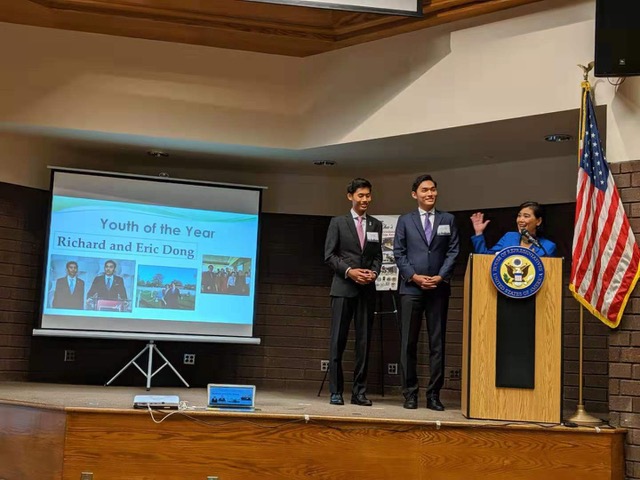
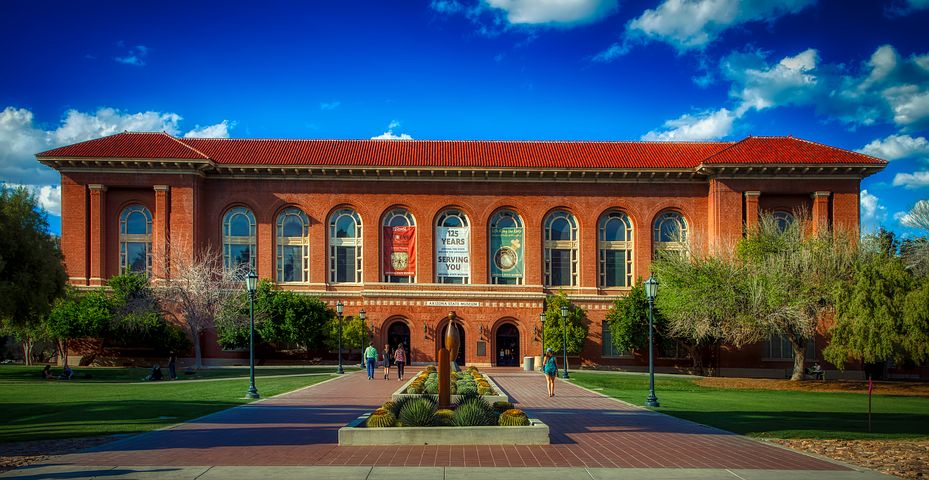






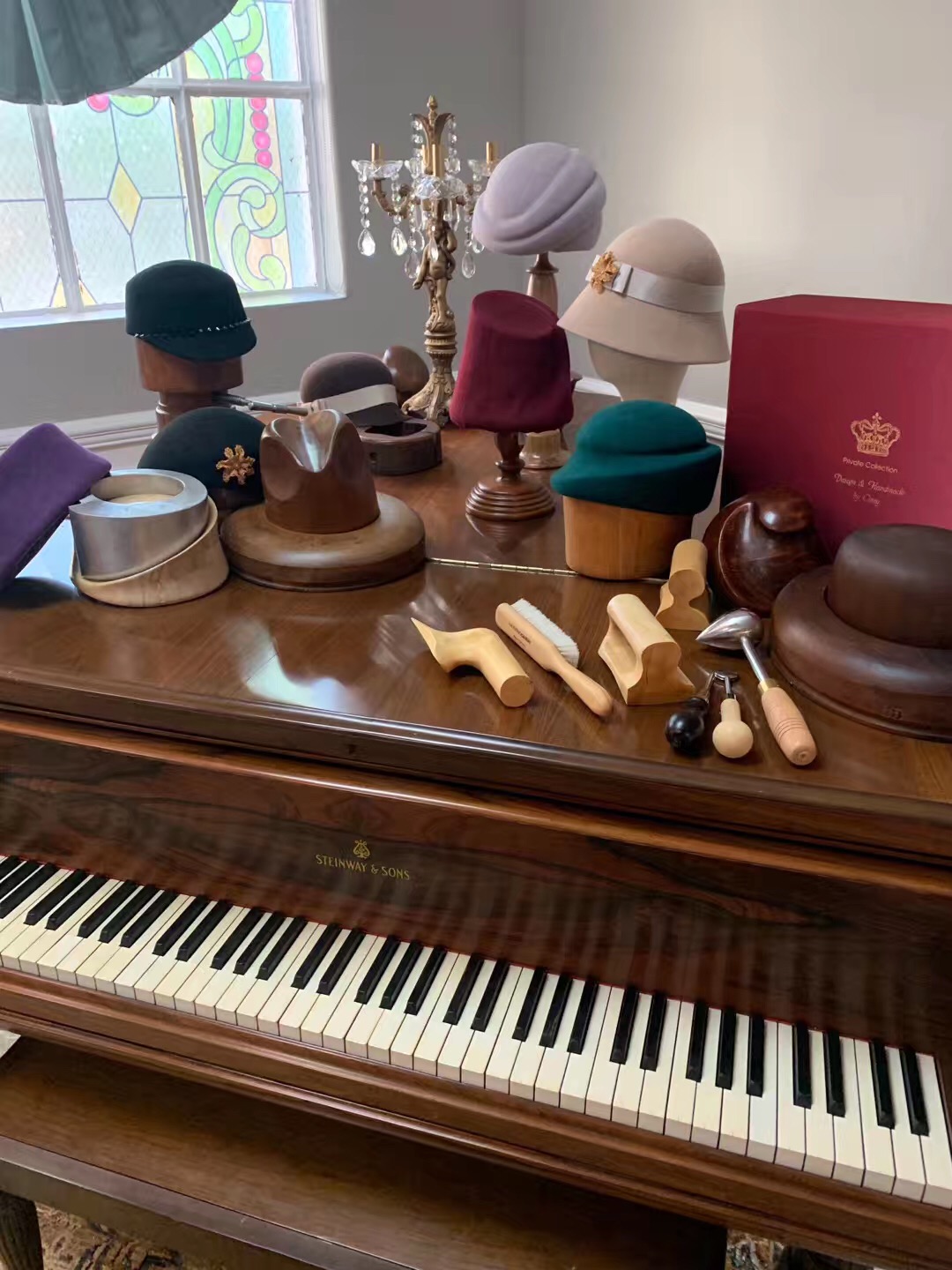
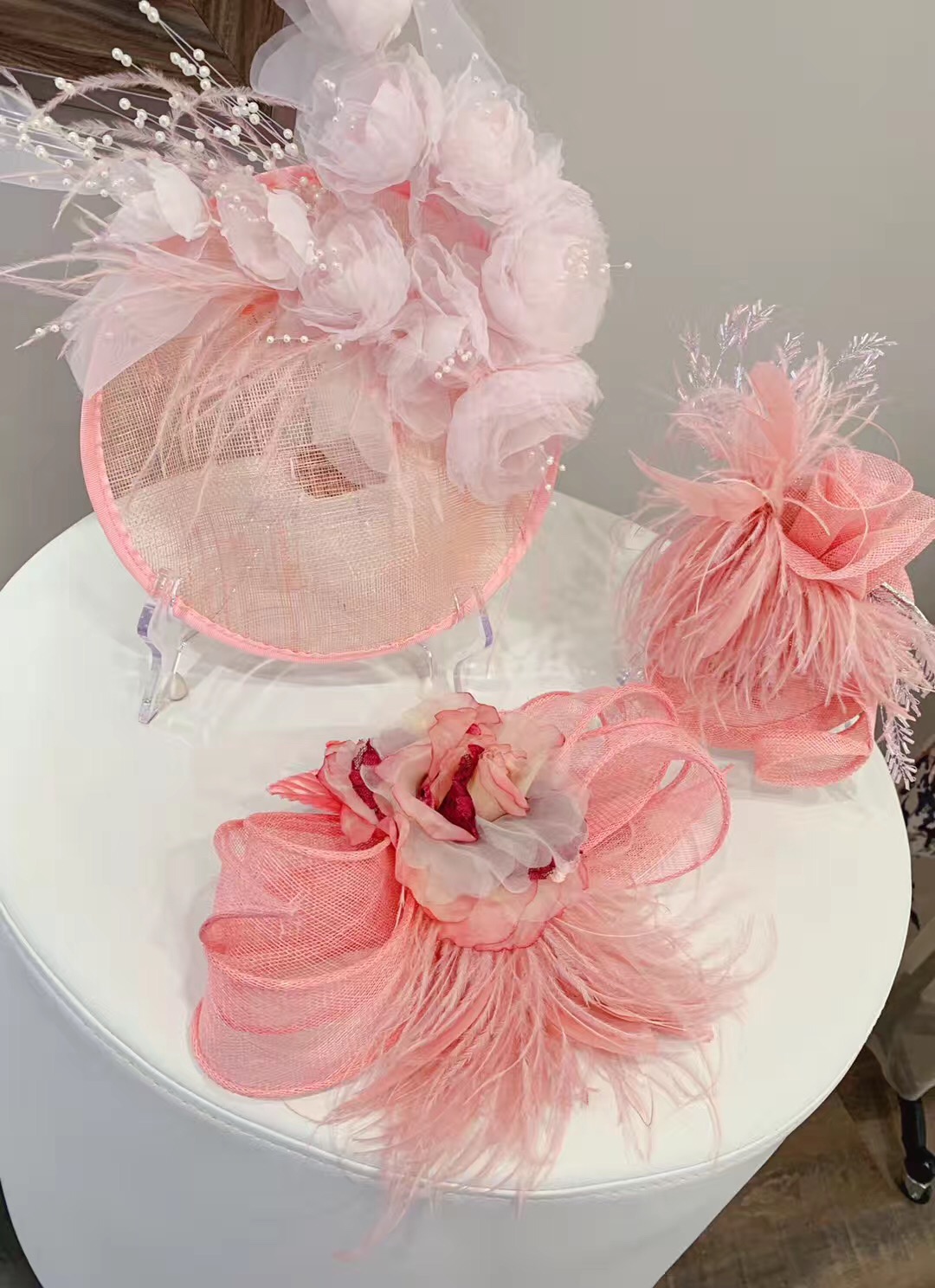
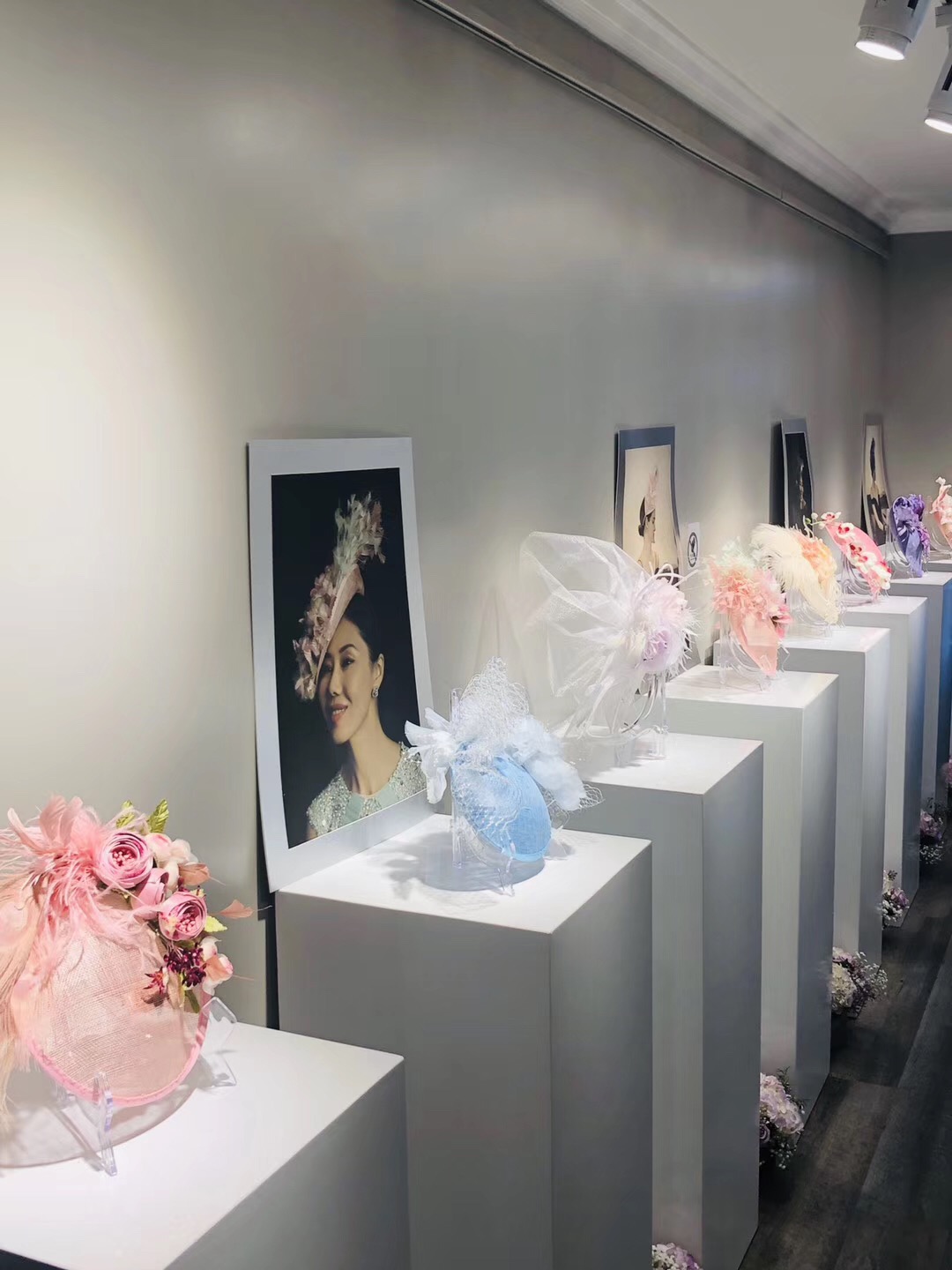










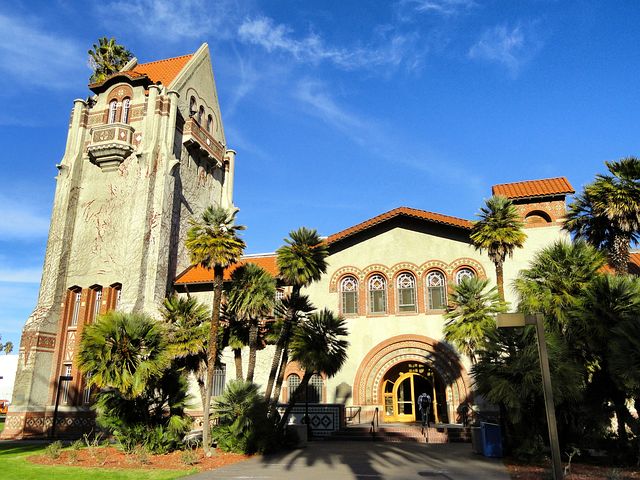



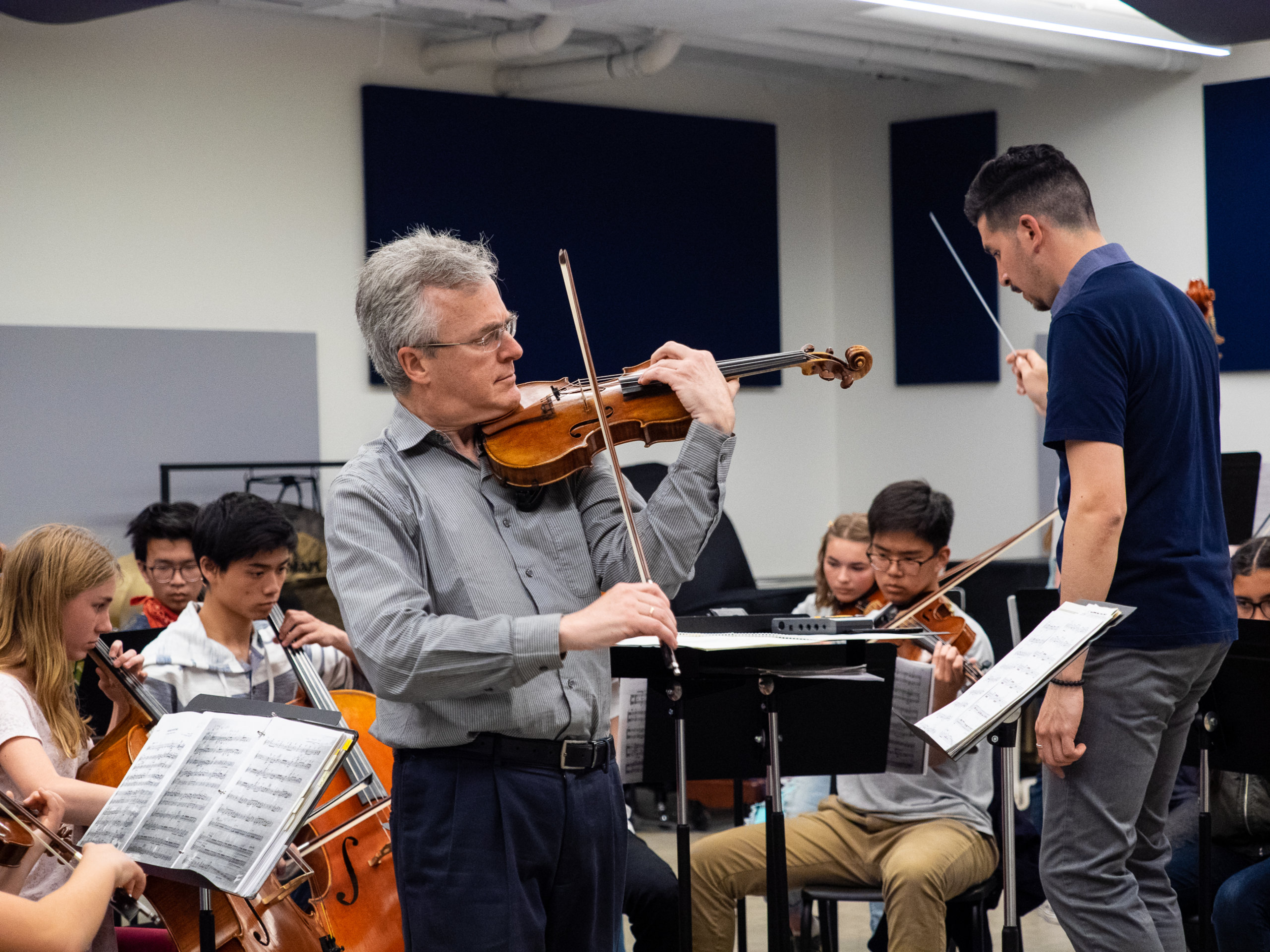
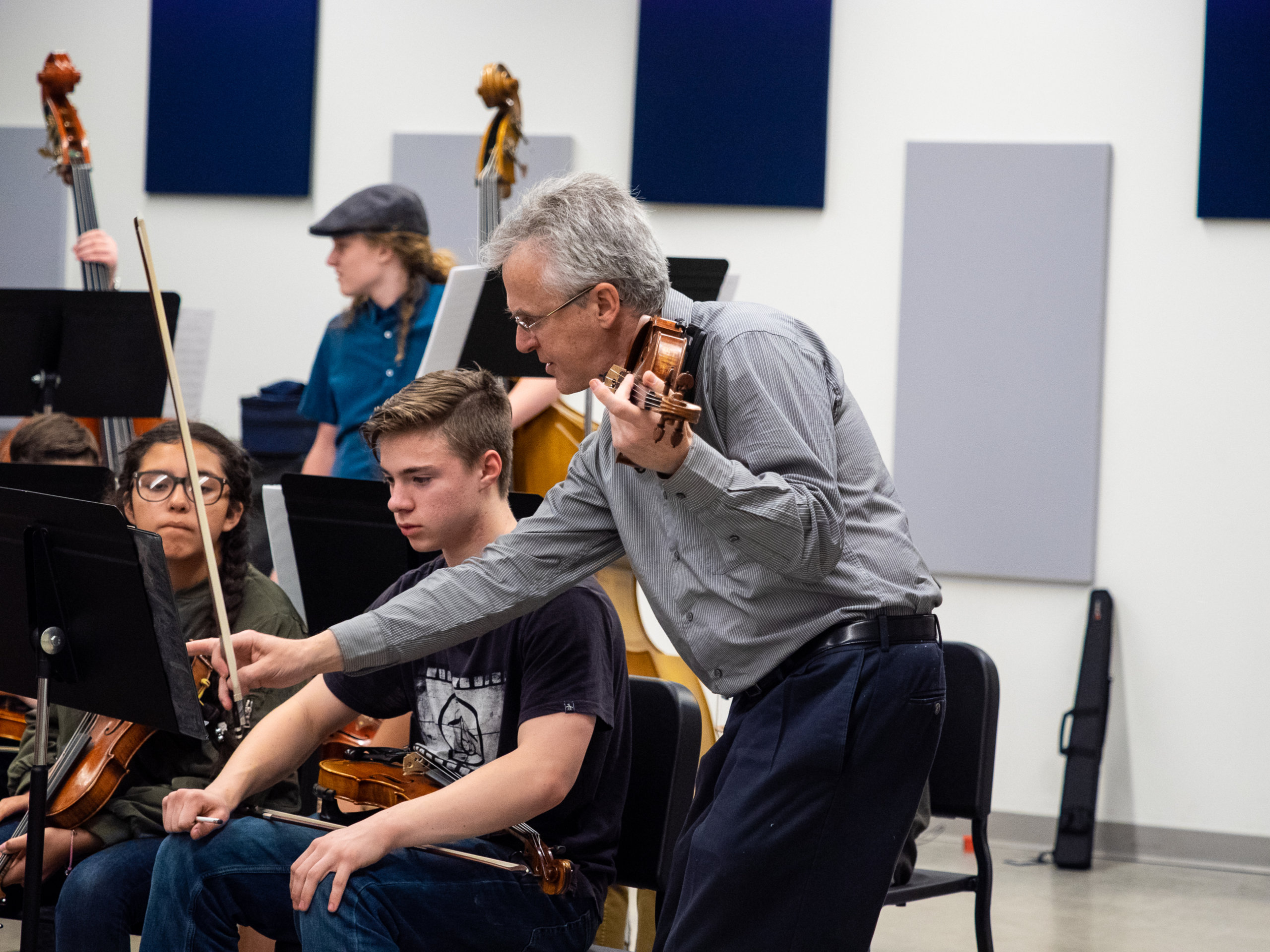
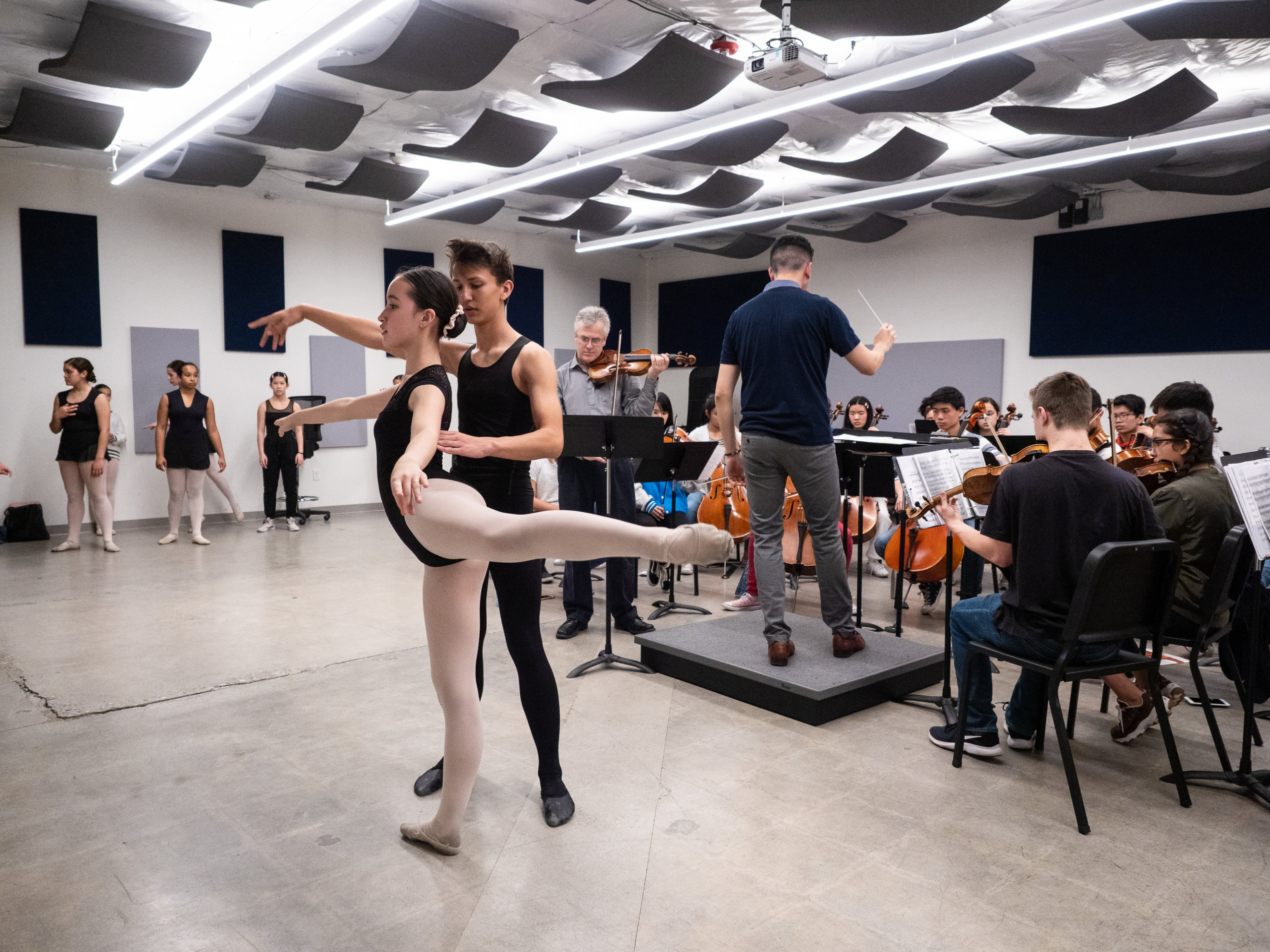
 A San Gabriel Valley Inquirer