Originally published on 15 October 2020 in the Pasadena Independent, Arcadia Weekly, and Monrovia Weekly
Spencer and his ‘magic’ cards | Photo courtesy of Spencer Cheung
We’re in lockdown – until the foreseeable future. For the past seven months we’ve been indoors either remote learning, teleconferencing, or chatting with friends on Zoom. We’ve been playing video games or watching movies on cable. Some of us are probably bored out of our wits.
If, like me, you’re barely hanging on to your sanity, I suggest taking this opportunity to learn something you’ve never tried before that might be useful or entertaining. Lately, people have been making sourdough bread and posting their progress online. It apparently takes a great deal of patience, practice, and a certain amount of luck, to make a perfect one.
But if baking isn’t your thing, how about learning magic card tricks? Spencer Cheung, a 17-year-old Arcadia High School senior, has created a YouTube video to teach you what he knows. Via email, he tells me how he became an aficionado.
“From childhood, magic has always been a part of my life,” discloses Spencer. “For example, whenever I did good in school, my mom would take me out at night, reach her hand out to a star, and it would magically turn into a sticker of a shiny, gold star. Of course, at the time, I didn’t know that the sticker was already in her hand. My mom performed magic every night by making something seemingly impossible, well, possible. And I’ve been interested in magic since. But it was when I saw a clip of Shin Lim doing magic on YouTube that I decided to pursue it as a hobby. It absolutely blew my mind and, for hours, I sat by the computer trying to figure out how it was done. From there, I was hooked, and the rest, as they say, is history.”
Spencer continues, “I didn’t take any courses in magic – most of my repertoire has been self-taught. However, I did get some tips from older members of the surrounding magic community that I know. It took around a year to properly pick up magic, but I think a turning point for me was when I got second place in ‘Arcadia’s Got Talent Competition.’ After successfully performing a trick in front of an audience of close to a hundred, I truly felt comfortable with my art and, from then on, was able to have the confidence to perform anywhere for anyone. I also have had the pleasure of performing for a bigger audience during the pandemic through a free Zoom magic show a few weeks ago.
“When the pandemic hit Southern California in mid-March and Governor Newsom ordered a lockdown, I thought I’d help fight the spread of COVID-19 by encouraging others to stay home and learn to do magic card tricks. That way, what they will be spreading is the joy of magic! So on YouTube, I have created an extensive series of 43 videos which teaches all the fundamentals a beginner will ever need in sleight of hand.
“When I was starting out, I was often lost because there was no clear path to follow that would help me properly learn magic. Thus, I created my channel to give others the sense of direction that I never had. Furthermore, I believe that magic is one of the best hobbies to build confidence and foster self-expression. It is also something that can be practiced and enjoyed by all ages.”
Spencer played varsity tennis | Photo courtesy of Spencer Cheung
Magic isn’t the only activity Spencer is busy with. He says, “Before lockdown, I played varsity tennis for Arcadia High School. I’ve been playing tennis for five years and I have achieved a high ranking of top 100 in Southern California in 2019. During social distancing, I’ve been playing piano for the Certificate of Merit program, practicing some tennis, learning how to play the ukulele, and self-studying French.”
Like most students, Spencer isn’t too thrilled with distance learning. He reveals, “It has affected my studies as all of my classes have turned virtual. While it hasn’t really influenced the material or the rate at which I learn, it has hindered my ability to ask questions and develop a real bond with my teachers. I am an extroverted and inquisitive person who usually thrives in an in-person environment, but because of distance learning, the extra barrier of a screen and a mute button makes it much harder to truly connect with my teachers and properly engage with the material.”
Spencer is in the midst of college applications – a crucial period in a high schooler’s life. I ask if the lockdown has made the process more complicated than it already is and if he’s able to confer with his adviser/college counselor.
“Most of the process is typically online, so inputting personal information and essays are still the same,” assures Spencer. “The only part that is complicated is writing about activities that you haven’t been able to engage in because of COVID. For me, the biggest upset was that I couldn’t accomplish my full duties as president of the Arcadia Magic Club which I founded at my school. Also, the lockdown does make it exponentially harder to tour colleges in person, but virtual tours are a safe and informative alternative.
“Given that Arcadia High School is such a big school, with over 3,000 students in total, students’ main form of communication with their counselors have been over email. Thus, many Arcadia students are used to speaking with their counselors over email and the lockdown hasn’t changed much.”
As to what he’s going to pursue in college, Spencer says, “As of now, I plan to major in political science because as a member of my school’s We The People Constitution Team, I have learned the importance of civic education and the significant role that politics play in the pandemic and our everyday lives. However, I am also interested in economics and other business-related fields because my father is an accountant. Regardless of major though, I hope to study abroad during my college years. I love traveling and exploring different cultures which is also the reason why I am currently learning French and plan to learn many other languages in the future.”
In the meantime, Spencer will teach us how a deck of cards can add some magic to our daily life.
Originally published on 8 October 2020 in the Pasadena Independent, Arcadia Weekly, and Monrovia Weekly
The Stargazing Tower, one of the new pavilions in the expanded section of the Chinese Garden. The Stargazing Tower offers sweeping views of the lake and garden below and of the ‘borrowed landscape’ beyond, including the San Gabriel Mountains and Mount Wilson Observatory, which inspired the pavilion’s name. | Photo by Beth Coller / The Huntington Library, Art Museum, and Botanical Gardens.
To say that it took a village and a few decades to create the Huntington Library, Art Museum and Botanical Garden’s Liu Fang Yuan (the Garden of Flowing Fragrance) wouldn’t be an exaggeration. And we’ll have the opportunity to see the completed project and revel in all the pleasures within when the expanded Chinese Garden opens on Oct. 9, 2020. And what a treat it will be!
Enjoy the arrival of fall meandering along lush landscapes, magnificent pavilions, and new attractions. Spread on 15 acres of land, 12 acres of which comprise a central garden, it features a bamboo grove on its western edge and a conifer forest to the north, making it one of the largest classical-style Chinese gardens in the world.
The Stargazing Tower is the perfect vantage point from which to view the gorgeous landscape below and the beautiful San Gabriel Mountains in the distance. This 527-square-foot pavilion is situated on the highest point in the garden at the southern end of the lake and evokes the Mount Wilson Observatory, which is visible from the tower, and the work of astronomer Edwin Hubble, whose papers are part of the Library’s holdings in the history of science.
Visit The Verdant Microcosm, the 17,900-square-foot area on the western slope of the garden designed for the study, creation, and display of penjing (miniature potted landscapes, similar to Japanese bonsai).
Take a breather at the aptly called Reflections in the Stream and Fragrance of Orchids Pavilion, which is shaded by mature California oaks near a gently flowing stream. The name of this 308-square-foot pavilion brings to mind the legendary gathering of poets at the Orchid Pavilion in Shaoxing in 353, immortalized by the great calligrapher Wang Xizhi, who wrote the preface to the collected poems.
Wander into the Courtyard of Assembled Worthies, a large patio paved with intricate pebble mosaics which links the existing Clear and Transcendent pavilion on the north side of the lake – the frequent site of concerts and performances – with the new exhibition complex.
Mature oaks frame a view of the Courtyard of Assembled Worthies and the Flowery Brush Library, two of the new features in the expanded Chinese Garden. | Photo by Aric Allen / The Huntington Library, Art Museum, and Botanical Gardens
As you would correctly surmise, all these wonders are the culmination of the yearslong work of countless experts and contributions from numerous individuals. In a pretaped interview, Phillip E. Bloom, June and Simon K.C. Li curator of the Chinese Garden and director of the Center for East Asian Studies, expands on what went into the garden’s creation.
Bloom reveals, “The idea for the Chinese Garden came about more than 20 years ago when Jim Folsom, the Telleen/Jorgensen director of the Botanical Gardens, began conceiving of a garden where he would showcase common American garden plants that are actually Chinese in origin. But as he learned about what a Chinese garden is and how it typically incorporates architecture, calligraphy, poetry, sometimes even painting, he began to understand that having plants alone would never be sufficient.
“It was a cross-cultural effort which began with The Huntington collaborating with Chinese American designers in the San Gabriel Valley in the late 1990s. In the early 2000s, we began working with a design firm in China. Since 2004 we also worked with a construction company based in Suzhou, China to build the actual garden which was done in three phases – from 2004-2008; 2012-2014; 2018-2020. The completion of the project took over two decades, involved more than 2,200 donors, probably over 150 artisans from China, innumerable subcontractors and laborers from the U.S., as well as 150 docents, and two or three different curators.
“On the construction aspect, at any one time, there typically were three or more languages being spoken – English, Mexican Spanish, Mandarin, and the Suzhou dialect. The workers had to learn to collaborate with each other despite their linguistic differences so there tended to be a lot of sign language being used on site.”
Bloom discloses further, “The Chinese American community played a major role in its creation. Before there was even a design for the Liu Fang Yuan, Jim initially consulted with the Chinese American community to understand, first of all, what a Chinese garden is and, more importantly, how it can serve the area around it. In the 1980s, the population of San Marino changed quite dramatically; today 70 percent of its population is of Chinese American descent. So it became imperative for The Huntington to create a garden that would be meaningful to the people who live in the area.
“Subsequently, these residents have become supporters either as donors, docents, or members of The Huntington. Many of them come to the garden every single day for their morning walk. It has also become a vital educational space. Students from various school districts in the San Gabriel Valley frequently come to the garden to learn about Chinese culture and how it is being adapted in an American context, to see examples of Chinese art which we feature periodically in the garden.”
World in a Wine Pot, one of the architectural features within the Verdant Microcosm, the garden’s new penjing complex.The Chinese art of penjing is similar to Japanese bonsai. | Photo by Beth Coller / The Huntington Library, Art Museum, and Botanical Gardens
As to what sets the Liu Fang Yuan apart and makes it noteworthy, Bloom explains, “Physically, the garden is unique because of its site. Southern California has a relatively dry climate so they had to plant it quite differently from what is typically done in Suzhou. It has also been adapted to local building and audience requirements. The garden itself, although it looks traditional, was designed to be able respond to its environment – the buildings are earthquake-resistant – and the needs of an American public – they are wheelchair- and stroller-accessible.
“Additionally, we have chosen to include an art gallery and a reproduction of a Ming Dynasty scholar’s studio. Through these spaces, we’ll be able to engage in exciting cultural activities and public educational programs. Eventually, students can come in to the studio and pick up a calligraphy brush and experience pre-modern scholar lifestyle.
“Most importantly, through the Center for East Asian Garden Studies, we’re able to offer a monthly lecture series on East Asian garden history, mount exhibitions periodically that bring art into dialogue with the garden, stawge performances directly from China as well as other places in the United States occasionally to perform traditional music as well as modern adaptions of such. There is no garden – to my knowledge – anywhere in China that is supported with scholarly and public programming.”
Liu Fang Yuan plays a significant role in promoting understanding and appreciation of East Asian garden culture, according to Bloom. He elucidates, “Our programming allows Americans to better understand East Asian garden culture and Chinese Americans to have a different perspective to learn about their own culture from scholars. Every month we have a lecture on East Asian garden history. Periodically we hold concerts, we bring artists, through an artist residency program, we actually create artwork in the gardens.
“Our initial exhibition, called ‘A Garden of Words,’ displays the original works of calligraphy we used to create the name placards on the buildings and scenic features and poetic couplets throughout the garden. Before any of these Chinese inscriptions were written on wood, stone, or tile, they existed as works on paper created by about 35 different contemporary artists from around the world, including China, Taiwan, Hong Kong, the U.S., and the U.K.
“At the same time, the garden itself functions remarkably well as a place of cross-cultural understanding with the scholar’s studio – where people can sit and try to do calligraphy or play the guqin – and art gallery and where we’ll have exhibitions that will provide an artistic perspective on Chinese garden culture. In the western expansion we created a massive, new penjing court where people would be able to compare Chinese penjing and Japanese bonsai.
View of the Lake of Reflected Fragrance, showing some of the original features that opened in 2008 (l–r): the Pavilion of the Three Friends, the Jade Ribbon Bridge, and the Hall of the Jade Camellia. In the foreground is the Bridge of the Joy of Fish. | Photo by Martha Benedict / The Huntington Library, Art Museum, and Botanical Gardens
A press release issued by The Huntington’s Communications Office describes the indoor spaces, which Bloom mentions, to open later: The art gallery, Studio for Lodging the Mind, a 1,720-square-foot climate- and light-controlled building at the northern end of the garden that will showcase changing exhibitions of Chinese artworks, both contemporary and historical. The gallery’s inaugural exhibition will feature ‘A Garden of Words: The Calligraphy of Liu Fang Yuan,’ will open in May 2021.
There’s the Flowery Brush Library adjacent to the gallery, a hall designed in the style of a scholar’s studio –a garden retreat traditionally used to create paintings and calligraphy. Also in this north section is a new casual restaurant with outdoor seating, known as the Pavilion Encircled by Jade. And a large open space overlooking the lake, the Terrace of Shared Delights, will be used for banquets, festivals, and other gatherings.
Cultural programming slated to coincide with the opening will include a virtual screening of the video ‘Fragrant Rhythms: The Seasons of Liu Fan Yuan’ by artist Tang Qingnian, on Sunday, Oct. 11, at 4 p.m. The video was produced during Tang’s residency as the Cheng Family Visiting Artist in 2019. The screening will be followed by a conversation with the artist and soundtrack musicians Wu Man (who composed the score) on the pipa (lute) and Kojiro Umezaki on the shakuhachi (bamboo flute). Presented on the Zoom videoconferencing platform, the screening is free with reservations, available at huntington.org/calendar.
Online lectures related to the opening will include: ‘The Pleasures of Chinese Gardens’ by curator Phillip E. Bloom on Thursday, Oct. 8, at 4 p.m., and ‘The Past and Future of The Huntington’s Asian Gardens’ by James Folsom, on Thursday, Oct. 29, at 4 p.m.
In addition, a special display of orchids throughout the Chinese Garden will celebrate the debut of the expanded features. Many of the flowers will be drawn from The Huntington’s own extensive orchid collections, supplemented by blooms from local orchid societies and commercial exhibitors. The display is tentatively scheduled for Oct. 16–18.
After being confined indoors for seven months remote learning and working from home, we’re longing to finally see what’s out there. An outing to Liu Fang Yuan fits the bill perfectly!
Originally published on 8 October 2020 in the Pasadena Independent, Arcadia Weekly, and Monrovia Weekly
A coach gives pointers before a game | Photo courtesy of Alternative Baseball Organization
Baseball has long been hailed as America’s favorite pastime. According to the National Baseball Hall of Fame and Museum’s website, its history dates back to the 1840s. Years later Civil War soldiers on both sides played it as a diversion from the grimness of their circumstances. And, depending on whom you ask, it’s either the perfect sport or the most boring.
While baseball is as American as apple pie, though, attendance at Major League Baseball games has seen a decline in recent years. Its fan base is greying and young people aren’t as keen on the sport as their parents were. That said, baseball still attracts kids ages 6 to 12; it’s the second most popular sport behind basketball. However, it isn’t the natural sport of choice for children with autism. Until now.
Taylor Duncan, who comes from Dallas, Ga., founded the Alternative Baseball Organization in 2016 to provide an authentic baseball experience for teens and adults (ages 15+) with autism and other disabilities. Its mission is to provide physical and social skills enrichment in life on and off the baseball diamond.
“Baseball, like life itself, is so unpredictable on a per game basis,” explains Duncan. “We can learn how to grow and adapt in life just like we learn to do so in sports. One day you win, another day you lose, some days you hit a home run, other days you have those slippery butter fingers and miss every single ball hit to you in the field! We go through hot streaks and cold streaks in sports just like in everyday life. It’s a great way to continue building those social skills for life after high school. It’s a shame because once the Macho Man Randy Savage music ends (upon graduating high school), so do their services as many providers only cater to those 18 or others still in public school. This means that in a lot of areas across the country, there are no services catered to their individual needs. There needs to be more offered across America to help those like me have the services and encouragement to continue our successful paths toward independence.”
Continues Duncan, “During the pandemic, when no professional sports were going on, I had the chance to appear on news media stations in the search for new coach/managers, volunteers, and players to start new teams across the country. The goal is to provide this authentic experience in as many communities as possible. Every person deserves the chance to be accepted for who they are, encouraged to be the best they can possibly be, and instilled the confidence needed to fulfill dreams in life on and off the baseball diamond. They deserve an opportunity to connect with others just like themselves, whether they’ve played baseball before or not. If they haven’t played before, we’ll teach them the skills. Just bring a glove and your willingness to try. We love it when everyone gives 110% effort!”
Duncan with his mom | Photo courtesy of Alternative Baseball Organization
It was in 2000, when he was four years old, that Duncan was diagnosed with autism. He experienced sensory anxiety and had speech issues. Relates Duncan, “While my mother helped me through my developmental delays, I still faced a lot of social stigma and negative perceptions growing up and was denied many of the same social opportunities as others my age. To be honest, though, my autism diagnosis and social awkwardness were not a big concern for me. Curiosity and creativity were always encouraged growing up so it didn’t occur to me that I was different. It didn’t really hit me until around the fourth grade after my parents divorced and my step-brother (at age 24, from my mom’s side) had committed suicide and I started to face a lot of bullying from other students and even the teacher I had that year who falsified my IEP records. When the bullying from other students in middle school continued in sixth grade, my mother homeschooled me all the way through the end of high school.”
“My mother helped me through those developmental delays” Duncan adds. “She’d work long hours with me every night on how to react to different social situations and skills needed for successful independent living for when I got older. Despite my being different, everyone encouraged me to be the best I possibly could. One of the most important things my mother had ever done, though, was instead of telling me ‘NO!’ like so many others had or having those same perceived low standards, she gave me the opportunity to try. She had the courage, time and time again, to say ‘if you think you can.’ She’s always been the best supporter possible for me and still is to this day.”
“While I got my high school diploma from Ashworth High School with honors in 2014, the stigma and perception about what people with autism can and can’t accomplish stayed with me. I’d always felt as if I had something to prove,” discloses Duncan.
Duncan loved baseball as a child | Photo courtesy of Alternative Baseball Organization
Because of development delays and negative perceptions, coaches denied Duncan the opportunity to compete in traditional sports. Despite that, he played one successful year of youth baseball.
Duncan says, “The coach took me under his wing and made it such a fun experience. I learned way more than wins, losses, and statistics. I learned how to work as a team with people of varying personalities; and how to communicate and work together with my teammates to make needed plays in order to move forward throughout the game. To say it was a massive confidence booster is a colossal understatement. Unfortunately, at the start of the next year, a new coach took over and deemed me too much of an injury risk to participate on his team. I was bummed out. Yeah, I believed his win-at-all-costs attitude was completely bogus and only showed he was in it for himself to look good.
“However, I was never one to give up. I’d keep trying for new opportunities through the years. I still had that large passion in me, I didn’t want to give it up and accept ‘no’ for an answer. I attempted to play in a local church league slowpitch team. The head coach used to be a special education teacher himself, yet still held the same low standards and perceptions. Eventually, I realized that if I was going to have the same chance as everyone to enjoy this pastime, I was going to have to get out there myself and build that slowpitch team. And I did. I found several other guys from Craigslist and Facebook groups and we nearly took home the league’s trophy that season. It wasn’t a great season, but I learned a lot about leadership and what it’s truly like to coach an actual team. It was a pretty rad experience, if I say so myself.”
Much like those who follow baseball as a professional sport, Duncan developed an interest in it as a young boy. He recalls, “I was a big fan of baseball growing up. Luckily here in Atlanta in a time before cable, we had access to watch many of the Atlanta Braves’ home games on Ted Turner’s TBS Superstation (Channel 17). The Braves were very fun to watch during that time, but I tell you what was really fun to watch was Randy Johnson and the Arizona Diamondbacks. My interest in the sport was renewed when he pitched a perfect game right here in Atlanta at Turner Field on the opposing team. Those other kids at school the next day were not very happy about that; I seemed to be the only one in the building who was overjoyed over it. Randy Johnson, Hideo Nomo, and Ichiro Suzuki are my favorite all-time players. My favorite player today in MLB though is Shohei Ohtani – by a longshot. I’ve been following his career since he pitched in the Koshien High School tournament in Japan that jump started his professional baseball career. When it comes to following him, I’ve pretty much been a fan of his since almost the very beginning.”
A young Duncan at play. | Photo courtesy of Alternative Baseball Organization
While baseball is a passion, it isn’t Duncan’s exclusive interest. In fact, his interests run the gamut. During the years when he couldn’t play competitively, he pursued other hobbies which he enjoys to this day (and some that didn’t quite work out, he confesses with a laugh).
Duncan divulges, “On my dad’s side of the family, I listened to a lot of Joy Division, Ramones, Agent Orange, a lot of punk, metal, classic rock, and obscure stuff that’d play on college radio. I was big into skateboarding at one point too, finally visiting KONA at the age of 16 for skate lessons. Well, let’s just say I’m no Tony Alva or Rodney Mullen – I don’t have THAT kind of balance. Hahahaha. Most of the time growing up though, I had an intense interest in trivia and quiz shows. Sick days from school were fun for me… wanna know why? It wasn’t just soup and medication that made me feel better. Every sick day made a perfect day to watch Bob Barker and ‘The Price is Right.’ Just about every evening back then, I’d watch ‘Supermarket Sweep,’ ‘Shop ’til You Drop,’ ‘Jeopardy!’ (Hang in there! We love you, Trebek!), and ‘Wheel of Fortune’ with my grandmother then sometimes ‘Press Your Luck’ and Game Show Network on the weekends (Watch out for that whammy!).
As hectic as his schedule is, Duncan is taking online classes offered by Toccoa Falls College in Georgia to earn a bachelor’s degree in nonprofit business administration with a minor in sports management.
“I chose to wait until this year to attend college because I wanted to take time to see what I was good at and what I would enjoy doing,” says Duncan. “I enjoy helping others and I enjoy the game of baseball. Yet, I didn’t see any type of baseball league that followed the same rules as seen on television. I felt called to start Alternative Baseball. As we continued expanding, we’ve started having interest from those in Canada, Mexico, Japan, South Korea, Deutschland, and Australia who want to start Alternative Baseball in their communities. I wanted to make sure I learn as much as possible in order to one day provide the experience for those globally as well.”
Duncan accepting House Resolution 1420 at the Georgia State House of Representatives in 2018. | Photo courtesy of Alternative Baseball Organization
One of Duncan’s goals is to raise international awareness for autism. I point out that we already mark April as World Autism Awareness month that starts with April 2 as World Autism Awareness Day, and he asserts, “Yes, we have an Autism Awareness Day and month but autism doesn’t stop after April of each year. It isn’t just awareness either. It’s about highly emphasizing the importance of acceptance and inclusion in not only athletics but also employment, personal relationships, and our romantic lives. This is a constant effort which takes every day of the year to promote and we have no plans to stop anytime soon! Remember the saying, ‘Rome wasn’t built in a day.’ It will always be a constant effort. The more help we can bring in to promote the overall mission, the merrier! That’s why I reached out to everyone who might have connections – I networked, networked, networked. And I prayed others would believe in the overall mission. As Babe Ruth quipped, ‘Never let the fear of striking out keep you from playing the game.’”
Prepping the team for a game. | Photo courtesy of Alternative Baseball Organization
When promoting Alternative Baseball, Duncan emphasizes that is isn’t like baseball as we know it. He clarifies, “It’s different (and quite opposite) from similar programs in which we play using the same rule-set as the Los Angeles Dodgers and Anaheim Angels. We don’t have any buddies assisting our players in the field, we play by the traditional rule structure with wood bats. The only adaptation is the type of ball which is slightly larger and much softer than a regulation size baseball. We continue to educate: Yes, we can play traditional rules like everyone else. We may have a disability, yes, but we want the same opportunities as everyone else.”
Duncan’s efforts are slowly getting attention and recognition. Alternative Baseball was recently commemorated as a Community Hero at an Atlanta Braves game and has been featured on ESPN’s ‘Baseball Tonight’ and NBC’s Weekday ‘Today Show.’ He also did a TedXAtlanta talk on providing more opportunities in and outside of sports for those with autism and other special needs.
Alternative Baseball commemorated as a Community Hero. | Photo courtesy of Alternative Baseball Organization
And Alternative Baseball is coming to Pasadena! Duncan appeared on KTLA in early August to announce his launch and has subsequently found a manager for this area. Now, the search for players is on. He’s looking for players of any experience level, aged 15 and over, and anyone with a disability besides autism.
Duncan says further, “We encourage those even with no experience with disabilities to get involved because it’s a learning and enriching experience for everyone to see what we can do when we’re given the opportunity to get out there, to try, and give it our best. Those interested in volunteering, playing, or umpiring can visit www.alternativebaseball.org to sign up today!
“We’re also looking to roll out the Alternative Baseball All-Star Game in all the metro areas we serve. It’s our reward for our players’ participation and our hard work throughout the year! Our players who attend 70% or more of practices and games would have the opportunity to play alongside/against former professional baseball players in a real nine-inning game, no restrictions added. It’s a straight up experiment of putting the skills we’ve learned through the year to the test against those regarded as some of the very best in the game! We’ve run that game since 2016 for those in Greater Atlanta; 2019 for those across the Chattahoochee Valley.”
Alternative Baseball and the organization’s mission gained traction during the pandemic when there weren’t sports events on television. Between June and September, when Duncan couldn’t imagine it possible to do, he appeared on TV 1,000 times building teams around the country.
Let’s rejuvenate national enthusiasm and pride in the sport while we give our youth with autism and other developmental disabilities this opportunity to shine in baseball and beyond!
Originally published on 1 October 2020 in the Pasadena Independent, Arcadia Weekly, and Monrovia Weekly
Radcliffe Quad undergrad housing at Harvard University | Courtesy Photo
The road to college
The road to college involves four years of complicated planning and complex scheduling. High school students are extremely busy – homework, extra-curricular activities in art and sports, campus clubs, all compete for their time. To add to that, they have to make sure they get excellent marks in their courses and on the standardized tests. Their GPAs and SAT/ACT scores have to impress college admissions officers to really consider their application.
I know some parents who enroll their kids in SAT prep courses as early as 9th grade and some independent counselors recommend that students sit for the SAT in 10th grade. However, I feel that taking the SAT this early isn’t necessarily the best course of action – students still have so much to learn and aren’t really ready for this test. Unless there are extenuating circumstances (if the SAT is a requirement for an advanced math course, for instance) that necessitate them to take it, I would suggest waiting a bit. My daughter took her SAT and ACT the summer before her senior year. By then she had accumulated as much knowledge as high school covered.
FRESHMAN
Encourage your children to keep their focus on their schoolwork. By this time, they should have figured out what extra-curricular activities they are interested in pursuing and what sports they want to participate in. Give them guidance as they navigate this new phase in their school life, and support the choices they make.
SOPHOMORE
Depending on your children’s course choices and load, there could be standardized testing required of them. Your children should be taking AP and SAT II exams following completion of the course while the knowledge they gained in class is still fresh in their minds. The best preparation for both AP and SAT II exams is for your children to make sure they understand the subject matter and do well in all tests the teachers give in class. If there is something they don’t understand, they should right away speak to the teacher to ask for clarification or, possibly, find a tutor for additional help. The results of these standardized exams are required for college applications.
JUNIOR
Your children should be aware that junior year is the last complete year of high school performance that college admissions officers will see. They have to put more effort at doing well and getting good marks.
They should register for and take the PSAT, which is also the qualifying exams for the National Merit Scholarship. It is also a good time for your children to meet with their school counselor to make sure they are taking all the courses they need to graduate and apply to college.
Your children should also be keeping up with their extra-curricular and sports activities. College admissions officers look at several components as they try to assemble an incoming class made up of the best candidates to add to their student body.
Several area high schools hold College Fairs on campus. This is an excellent opportunity for you to see what the different colleges and universities are offering. Your children will get to meet and speak to admissions officers – usually the same people who will be reviewing your children’s application, reading the essay, and sitting around the table – who will be making their case for your children during the all-important decision-making rounds. They have a say on whether your children get accepted or denied admission to the school of their choice.
| Courtesy photo
SENIOR
Eighteen year-olds are intent on getting into the college of their dreams. After all, they have spent four years preparing towards this goal. The cost of a college education may not have necessarily been top of mind for them.
However, with the ever-increasing cost of tuition, books, accommodations, and meals, a college education has become very expensive for a lot of Americans. Many parents can’t afford to send their children to college, necessitating children to take on a student loan. Today student debt is at a staggering $1.5 trillion.
To help parents and students make informed choices, PayScale, Inc., the world’s leading provider of on-demand compensation data and software, released its annual College Salary Report for the 2019-2020 school year. Using data collected from more than 3.2 million college alumni, it provides estimates of early and mid-career pay for 2,646 associate and bachelor’s degree-granting schools in the United States.
An accompanying piece to this is a report PayScale puts out in the spring, called College Return on Investment, which details how much it will cost to attend a particular school and the earning potential of its alumni. These two reports are worth looking at when your children make decisions on what majors to take and what schools to apply to.
Your children should now be in the process of completing the common app, and finalizing their essay topic or personal statement. They should have provided the teachers who are writing their letters of recommendation with stamped envelopes.
Depending on what course your children are applying for, they may be required to send supplementary material (auditions or portfolios) with their application and they need to get those ready. Audition tapes for Arts Performance, for instance, can be uploaded on YouTube for easy access. Your children should check the website of the college or university to which they are applying about supplement material requirements. Your children’s school counselors are also a great resource as they are always in contact with college admissions officers.
If your children’s high school offers interview advice and guidance, they should take advantage of it. Basic information like what clothes and shoes to wear, in addition to how to answer questions, all help towards giving your children confidence. While this is not a professional statement, in most cases, interviewers are not as concerned about the answer applicants give, as they are about their demeanor and how they present themselves . Also, if your children are visiting a campus and an interview with an admissions officer is a requirement for application, they should take the opportunity to schedule the interview at that time. Admissions officers like to see demonstrated interest – a campus visit and interview will be remembered and noted.
Be on top of application deadlines; most schools offering Early Action or early Decision have to receive your children’s application by the 1st of November.
You and your children should be researching scholarships. Some websites include: CollegeXpress (www.collegexpress.com); Fastweb (www.fastweb.com); Free Application for Federal Student Aid (www.fafsa.ed.gov); National Merit Scholarship Corporation (www.nationalmerit.org); Scholarships.com (www.scholarships.com); Scholarships360 (www.scholarships360.org); Student Aid on the Web (www.studentaid.ed.gov). You should also attend the financial workshops being offered at your children’s high school. Most high schools offer on-site guidance, with specialists who can answer your questions.
Your responsibilities as parents are limited to offering encouragement, guidance, and moral support as your children go through this stressful time. But while you need to let your children manage this process, you should also express your concerns and expectations. Communicate with your child, the counselors, and the teachers when you have inquiries.
Be there for your children but learn when to get out of their way. Never try to communicate with the college admission officers as it is the surest way to sabotage your children’s chances for admission. Do not be overzealous about getting your children accepted to their dream university; there is a school out there that’s the right place for them. While this may sound hollow now, the counselors at your children’s school and the admissions officers at the colleges, or universities to which your children are applying, are actually the experts at finding the best fits.
Originally published on 28 September 2020 in the Pasadena Independent, Arcadia Weekly, and Monrovia Weekly
Javon Johnson in ‘Still’ | Photo by Jeff Lorch / Pasadena Playhouse
Theatre saw its early beginnings over two thousand years ago in Athens, Greece when festivals were held in March to honor Dionysus. Today, this art form is staged all year around the globe. And it can be argued that nowhere is it performed more at its magnificence than at the Pasadena Playhouse, the state theatre of California.
In the 103 years since its founding by Gilmor Brown, the Playhouse has evolved from being home to a small troupe of performers, to becoming the ‘star factory’ for film studios and a source of talent for the radio, television, and movie industries, to delivering groundbreaking theatrical experience, authentic community engagement, and life-long dramatic learning under the leadership of Producing Artistic Director Danny Feldman.
The Playhouse continues its mission in the wake of the global pandemic that shuttered all theatre companies, with the unveiling on Sept. 30 of PlayhouseLive – a first-of-its-kind nonprofit streaming platform that brings theater directly to its audience. Members will be able to access a new digital hub for high-quality theater experiences, presenting live and live-captured performances, original series, educational programming, and other industry-related content.
PlayhouseLive will highlight a wide array of theatrical voices through new and revisited work and will break down the physical boundaries of theater walls and open access to audiences all over the world. Distribution channels will include a standalone website, iPhone and Android apps, AppleTV, Amazon FireTV, Roku, Chromecast, and AirPlay, among others. This new digital platform will also serve as an online companion to the work that Pasadena Playhouse and partner theaters create on the stage when live theater performances resume.
Feldman, who graciously agrees to be interviewed by email, expands on the concept, “PlayhouseLive has a little bit of everything! There are some marquee pay-per-view events, there are original series and special offerings just for digital members, and then there is free content as well. In addition, we’ve moved all of our classes online and you can find that on PlayhouseLive as well. The theatrical events will be on for a few weeks while some of the other programming will remain on PlayhouseLive all year long. You’ll just have to check it out to see what we’ve got at any given time!”
PlayhouseLive launches with the premiere of ‘Still.,’ a newly commissioned work written by and starring Javon Johnson, and directed by Donny Jackson. The production is part of the fall line-up of pay-per-view streaming programming. As one of the nation’s most prominent spoken-word artists, Johnson shares his very personal experience as a Black man in America at this crucial time in our history. Blending powerful imagery, witty prose, and beautiful lyricism, Johnson shines in this unforgettable theatrical event.
I ask Feldman how he decided on the performer and experience to spotlight. He explains, “Our Board chair had worked with Javon in the past and connected us. From the moment I saw his work, I was captivated and knew I had to work with this artist. After the murder of George Floyd and the ensuing unrest that took over our nation, I was really looking for a way to respond with a piece of theater. For me personally, art has the unique power to bring to life ideas and emotions that simply can’t be captured on a page or in text alone. So I spoke with Javon about bringing his poetry to life on our stage to respond to the moment. I’m really proud of the piece and we’re all excited to share it with our community and the world.”
Streaming simultaneously with ‘Still.’ are ‘Jerry Herman: You Like,’ a new musical revue dedicated to the works of legendary Broadway composer/lyricist Jerry Herman, and new works from Ojai Playwrights Conference.
Bob Baker Marionette Theatre | Photo by Ian Byers-Gamber / Pasadena Playhouse
There’s also ‘Family Entertainment’ with the Bob Baker Marionette Theatre‘s production of ‘The Circus.’ Filmed in front of a live audience, it features over 100 of Bob Baker’s exquisitely hand-crafted marionettes – where the fiercest and the mildest of animals roam, trapeze performers execute daring, spine chilling aerial feats of acrobatics, and the clowns do what clowns do best. A beloved Los Angeles tradition, a Bob Baker puppet show has been experienced by more than one million children of all ages since the Theater’s establishment in 1963.
Other programs include the pilot episodes of four new series: ‘In Development’ gives an insider’s look at unproduced theatrical works as they are introduced to the world for the first time. The first episode will feature Megan Mullally and Nick Offerman performing excerpts from ‘Iceboy!,’ a new musical by Mark Hollmann, Jay Reiss and Erin Quinn Purcell.
‘Intermission with Hashtag Booked’ features celebrity interviews hosted by LaNisa Frederick and Danielle Pinnock, a comedic duo that started the web series ‘Hashtag Booked.’ Their first guest will be acclaimed actor Alfred Molina.
‘Page to Stage’ goes behind the curtain to explore the theatrical journey from concept on to opening night. In ‘Page to Stage: Little Shop of Horrors,’ the creative team at Pasadena Playhouse takes us from rehearsal to opening night of their groundbreaking revival. It features interviews with George Salazar, Mj Rodriguez and Amber Riley. ‘Page to Stage’ is free to the public.
‘From the Archives’ celebrates the unique impact regional theater has had across generations in shaping American culture. Initial episodes include a silent film featuring rare vintage footage of The Playhouse from the 1930s; a documentary short chronicling the years the Playhouse went dark (1968 through 1984) and the journey of the extraordinary woman who kept the hope alive to bring the historic theater back; and a fascinating look at the historic 1928 production of Eugene O’Neill’s ‘Lazarus Laughed’ which brought 151 actors together to perform 420 roles in a four-act play – a memorable production that put Pasadena Playhouse on the map.
PlayhouseLive will also feature educational Programming, including ‘The Everyday Avant Garde in Black Theatre Making,’ led by award-winning writer, composer, and performer Eisa Davis; ‘Shakespeare Masterclass’ led by internationally-recognized director and actor Rob Clare; ‘Basics of Stage Management,’ led by Broadway stage managers Kathleen Purvis and Andrew Neal, and the return of Adam Epstein with ‘The Contemporary Broadway Musical’ and Janet Fontaine with ‘Playtime with Miss Janet.’
Alfred Molina in ‘Intermission with Hashtag Booked’ | Courtesy photo / Pasadena Playhouse
I then ask Feldman to describe the challenge of pivoting from live stage productions to virtual offerings, what went into planning the events for PlayhouseLive, and how he plans to recreate the communal experience of live theatre when we can’t physically be with other people.
“First of all, nothing can replicate the live experience and that wasn’t something we were trying to do in any way,” clarifies Feldman. “Rather, we wanted to provide an alternative experience that merged the worlds of theater, film and television. It’s a hybrid experience and something we had fun exploring. In addition, we wanted to pull the curtain back and expose the backstage world with documentaries, interviews with artists and other behind-the-scenes shows giving patrons an experience they can’t get by sitting in our seats in the theater.”
“This was a massive challenge and I’m so proud of our Playhouse team for pulling this off. Between learning new skills, adapting our existing expertise, and all the COVID complications, we’ve all grown so much since we started this effort a few months ago,” declares Feldman.
An empty theatre must be a lonely sight and I ask Feldman if he has been to the Playhouse since the lockdown began in mid-March. He replies, “Yes! I’m actually here in the building right now! It’s a little haunting seeing the empty theater but it’s actually one of my favorite things. There is an amazing energy inside the empty auditorium. The potential of what is to come is present when you stand on the bare stage. I like to think about all the people and great theater that will inhabit this building when this mess is all over. That’s exciting!”
What lessons can we learn from these extraordinary times, I query. Feldman responds, “I think through the grief and loss of what we had all expected these past few months to be, we can refocus on what is important to us. I have felt myself and others around me change and have a better understanding of ourselves.”
Lastly, I invite Feldman to share any other thoughts he would like me to write. He says, “There are so many people in need in our community right now. And for those who are fortunate enough to be able to support others during this time, I’d just want to advocate for thinking about supporting the arts. If we all band together, getting through this time and don’t support our cultural institutions, is that really the world we want to come back to? We must recognize that in order for us to return to a world that is full of vibrant culture, NOW is the time to invest in our nonprofit cultural institutions. Otherwise, many won’t be with us on the other side of the pandemic.”
Live theatre performances went on even at the height of the world wars. Let’s ensure the survival and endurance of theatre for the next several thousand years after we’ve won the fight against this global pandemic.
Originally published on 24 September 2020 in the Pasadena Independent, Arcadia Weekly, and Monrovia Weekly
Erica Jong | Courtesy Photo
The Broad Stage and esteemed L.A.-based publisher Red Hen Press continue Season 2 of the Red Hen Press Poetry Hour as they discuss modern feminism. The online episode, which will broadcast on Facebook Live on Thursday, Sept. 24 at 6 p.m., will honor the extraordinary life and legacy of one of the leading proponents of feminism. Host Sandra Loh leads a program with five unique artists talking about the intersections between feminism, performance, identity, and poetry in the time following the demise of Ruth Bader Ginsburg, the #MeToo Movement, and a century of women’s suffrage.
The five unique poets and writers who will appear on the program are: Erica Jong (on tape), whose first and most famous novel, “Fear of Flying,” published in 1973 sold 37 million copies, blowing conventional thinking about women, marriage and sexuality out of the water; Judy Grahn, a foremother of feminist, the gay and lesbian liberation movement; Brooklyn based gender-liminal multi- and inter-disciplinary artist C. Bain, whose “Debridement” (Great Weather for Media) was a finalist for the 2016 Publishing Triangle Awards; Pushcart Prize nominee and Jack Straw Writer Program alum Amber Flame, a queer Black mama just one magic trick away from growing her unicorn horn; and Monique Jenkinson known for her herstory-making work as cis-gendered drag queen Fauxnique, crossing cabaret and contemporary dance. Fauxnique’s “The F Word” will perform at The Broad Stage in 2021.
Known the world over, Jong has inspired women of all ages to acknowledge and voice their needs and desires. She agrees to be interviewed by email to talk about her work and feminism.
I begin by confiding that I managed to get a copy of her book “Fear of Flying” when I was a very naive high school student at a Catholic school and I felt it wasn’t something a “nice” girl should be reading. I ask if that was a common reaction at that time.
Jong responds, “I think that some people were shocked and other people relieved. Through the years people have breathed a sigh of relief and said, ‘now I know that I am not abnormal. Now I know that other women think about sex and love the way I do.’ I guess it depends on when the person reads my work; some people feel relieved that their feelings are like mine and other people, perhaps younger, are shocked. What I have learned is that the response to a book is never static. I continue to be grateful to my readers for all their responses.”
I
inquire if it was meant to be provocative and Jong says, “I guess so! I don’t
think there is any point in writing if people are indifferent.”
When
I ask why she wrote it, Jong replies, “I think I was upset that women’s books
were not honest enough. I think however difficult it is, honesty is essential
to the writer and to the person! I write to share my courage and I’m immensely
grateful to my readers for communicating with me”
Has feminism come a long way from the bra-burning days of the 1960s? I query. To which Jong replies, “The feminist revolution has taken much too long. Remember that it started in the 18th century. Ever since Mary Wollstonecraft, we have been trying to tell the truth about our lives. Unfortunately, there are moments of regression but the main thing is that women have become more honest about dealing with feelings. We would never accept the silence that was forced on us in the past. Many women now feel they have the right to demand what they need. The incredible response to the death of Ruth Bader Ginsburg shows how much we still need feminist heroines to inspire us.”
The
topic of feminism is still an important discussion today. As Jong explains, “I
wish I could say that women’s honesty has been embraced by everyone but that is
not the case. We must still encourage each other to tell the truth about our
lives.”
Finally,
I ask how we get to that point when women, lesbians, gays, bisexuals,
transsexuals, and queers will all be treated the same. “We get to that point by
talking honestly about our feelings and we get to that point by writing
fiercely. We get to that point by never accepting silence,” asserts Jong.
Originally published on 18 September 2020 in the Pasadena Independent, Arcadia Weekly, and Monrovia Weekly
‘The Blue Boy’ by Thomas Gainsborough post conservation photo | Photo by Christina Milton O’Connell / The Huntington Library, Art Museum, and Botanical Gardens
Created by English landscape and portrait painter Thomas Gainsborough around 1770, ‘The Blue Boy’ occupies a place of honor at The Huntington Library, Art Museum, and Botanical Garden’s Thornton Portrait Gallery and is seen by about 800,000 people annually. After an 18-month restoration project, it has been rehung and will be available for viewing when it’s safe for the museum to reopen. And when we do get the chance to visit again, we’ll fully appreciate why the painting gained the moniker.
‘Project Blue Boy’ began in 2017 when conservators carried out a preliminary analysis of the painting. It was examined and documented using a range of imaging techniques that allowed Christina O’Connell, senior paintings conservator, and Dr. Melinda McCurdy, associate curator of British art, to see beyond the surface with wavelengths the human eye can’t see. Infrared reflectography rendered some paints transparent, making it possible to see preparatory lines or changes the artist made. Through ultraviolet illumination, they were able to examine and document the previous layers of varnish and old overpaints.
Their findings determined what needed to be done and how it was going to be accomplished – ‘The Blue Boy’ required conservation to address both structural and visual concerns. “Earlier conservation treatments mainly have involved adding new layers of varnish as temporary solutions to keep it on view as much as possible,” O’Connell declared at the start of the project. “The original colors now appear hazy and dull, and many of the details are obscured.”
According to O’Connell, there were also several areas where the paint was beginning to lift and flake, making the work vulnerable to paint loss and permanent damage; and the adhesion between the painting and its lining was separating, meaning it did not have adequate support for long-term display.
New images of the back of the painting were taken to document what appeared to be an original stretcher (the wooden support to which the canvas is fastened) as well as old labels and inscriptions that told more of the painting’s story. Furthermore, minute samples from the technical study and from previous analysis by experts were studied at high magnification (200-400x) with techniques including scanning electron microscopy with which conservators could scrutinize specific layers and pigments within the paint.
The undertaking uncovered new information of interest to art historians as well. During preliminary analysis, conservators found an L-shaped tear more than 11 inches in length which, data suggest, was made early in the painting’s history. The damage may have occurred during the 19th century when the painting was in the collection of the Duke of Westminster and exhibited frequently.
Side-by-side comparison of Thomas Gainsborough’s ‘The Blue Boy,’ Pre-conservation (left), post conservation (right) | Photo by Christina Milton O’Connell / The Huntington Library, Art Museum, and Botanical Gardens
It was decided early on that this conservation project was going to be different from what they had undertaken before – it would have an educational component and involve the community. The Huntington partnered with Bank of America’s Art Conservation Program to finance the massive undertaking.
For the first time in its history, The Huntington held a year-long exhibition from September 2018 to September 2019 showcasing the project in progress – the capstone of its centennial celebration. During the first three months, ‘The Blue Boy’ was on public view in a special satellite conservation studio set up in the west end of the Thornton Portrait Gallery, where O’Connell worked on the painting to continue examination and analysis, and began paint stabilization, surface cleaning, and removal of non-original varnish and overpaint.
It went off view from February through June when O’Connell performed structural work on the canvas and applied varnish with equipment that couldn’t be moved to the gallery space. ‘The Blue Boy’ then returned to the gallery where visitors witnessed the in-painting process until the close of the exhibition.
The final phase – held off view from October 2019 to March 2020 – involved in-painting, varnishing, supportive backing, and adjusting the framing.
A stabilized and restored painting was scheduled to be back at the Thornton Portrait Gallery in the spring, but the pandemic delayed the public unveiling until Thursday, Sept. 10. To help get the word out, The Huntington held a virtual press briefing. In conjunction with the event, Dr. McCurdy and O’Connell agree to be interviewed by email.
Christina Milton O’Connell, Mary Ann and John Sturgeon Senior Paintings Conservator, removed discolored varnish with small swabs | Courtesy Photo / The Huntington Library, Art Museum, and Botanical Gardens
I ask if they were able to find the answers to questions they had when they embarked on the project: What technical means did Gainsborough use to achieve his spectacular visual effects? Did he develop special pigments, create new materials, pioneer new techniques?
O’Connell replies, “We’re still waiting on some data from our samples and we hope to have more information soon. What we do know is that Gainsborough used a complex mixture of many different pigments together to make his colors. He also used many layers of opaque and transparent paint to create different visual effects. Now that the painting has been cleaned, we can see nuances of his brushstrokes that were obscured under the discolored/cloudy varnish. We can appreciate his technique from the fluid and fast strokes he applied to the sky and landscape to the more complex network of paint strokes that comprise the figure of the boy.
What might new technologies tell us about this earlier abandoned portrait? Where does this lost painting fit into his career? How does it compare with other earlier portraits by Gainsborough? Will there be other evidence that may become visible beneath the surface paint, and what it might indicate about Gainsborough’s painting practice?
“The digital x-ray gave us a clearer picture of the abandoned painting than we had previously,” answers Dr. McCurdy. “We were able to capture more of figure’s face, including his eyes, which we had never seen before. That was an exciting discovery. Unfortunately, there just wasn’t enough information for us to identify the sitter or to suggest a specific date range for the portrait.”
Adds O’Connell, “As Melinda indicated, we learned a lot from the x-rays. We also used infrared reflectography (IRR) to see through some of the layers of paint (X-rays go through all the layers). With IRR, we could confirm that Gainsborough didn’t take that previous portrait very far – he only captured the likeness of the sitter and painted very preliminary outlines for the figure’s shoulders. I’d like to point out that there isn’t one analytical technique that provides all the answers, we have to study the painting with many different forms of technology to get different pieces of information.
Did you discover other evidence beneath the surface paint and what did it indicate about the artist’s painting process?
“We used some techniques of analysis that hadn’t previously been used to study the painting,” says O’Connell. “One of those techniques is infrared reflectography (IRR). With this analysis, we can see what is beneath some of the paint layers and it’s a useful technique for examining the preparatory layers or sketches an artist applied under the paint. For Blue Boy, we can see preparatory lines that establish the bold pose of the figure from the very beginning stages.
Christina Milton O’Connell uses tiny brushes to reconnect Gainsborough’s brushstrokes across the voids of past damages | Courtesy Photo / The Huntington Library, Art Museum, and Botanical Gardens
I ask if there were other revelations they hadn’t expected to unearth and Dr. McCurdy responds, “We hadn’t expected to find that the painting had suffered a major damage in the past. The canvas had been torn, but it had been repaired so well that it hadn’t shown up in previous x-rays.”
Continues O’Connell, “Discovering the tear helped us understand the reason why the painting was lined. There was a large damage that needed repair.”
“How does this restoration project compare with others you have done before?” I inquire.
“The condition issues for Blue Boy were not surprising for a painting from the 18th century,” O’Connell discloses. “Each treatment is slightly unique and a conservator has to take into account the original materials and how they’ve aged over time, but also the past treatments and restorations. Each project is a unique case study and that’s one of the things I love about the field.”
Painting restoration doesn’t sound like a thrilling project for the average person who isn’t knowledgeable about art, so I ask what we should find exciting to know. I tell them I was shocked to learn that Gainsborough had painted over something – it seems sacrilegious – but I imagine it was a common practice among artists.
Dr. McCurdy explains, “It is not that uncommon to find another painting beneath the surface composition. There are many reasons an artist might decide to paint over something else – maybe the composition didn’t work out the way s/he wanted? Maybe a client did not pay? Materials are expensive, so it could also happen for cost-saving reasons. In this case, we know that Gainsborough didn’t paint Blue Boy as a commissioned work, so he wasn’t being paid for it. It made financial sense to re-use a canvas he already had.”
“Sharing the treatment process with our visitors created another avenue for them to learn about and see Blue Boy in a new way,” O’Connell expounds. “Visitors were extremely fascinated to learn about all the layers that comprise the painting (there are 8-9 and you wouldn’t know that just from looking at the surface). Some visitors are drawn to learning more about Gainsborough’s technique and others were drawn to the process of conservation. Some were interested to see the forensic side of the technical investigation. The focus on research and education (part of The Huntington’s mission) really meant that this project had something for everyone.
Christina Milton O’Connell in-painting in the conservation lab | Courtesy Photo / The Huntington Library, Art Museum, and Botanical Gardens
“I have many memories from visitors coming to the gallery, but one that stands out was a day when I had a detailed discussion with an artist and a polymer chemist from JPL about varnishes. They both had a different reason for asking their questions and a different experience and understanding of varnish, but everyone was engaged.”
Please share your thoughts about what you, personally, learned as you did this project, I ask.
Dr. McCurdy states, “In watching Christina uncover Gainsborough’s original palette from beneath layers of dirt and discolored varnish and overpaint, it was remarkable to see this painting that everyone knows through cheap reproductions be revealed as a truly compelling work of art. Now, we get a better sense of the relationship between the figure and the landscape, we are better able to see the complexity of Gainsborough’s brushwork, and the true colors of the figure’s blue costume. Due to the discoloration, it had appeared slightly green-ish. That effect is now gone, and it is brilliant blue again. It must have been striking to audiences who first saw it in 1770.”
“Conservation is very much a process of discovery,” concurs O’Connell. “I spent a lot of time looking at the surface of Blue Boy while setting tiny flakes of paint back into place and during the cleaning process where, inch by inch, I saw the original surface emerge from underneath many layers of degraded and cloudy varnish. Each treatment has unique problems to solve and decision-making as part of the process, so there’s an opportunity for learning with each treatment.”
Lastly, I inquire if there’s something that they would like to add. And Dr. McCurdy divulges, “For me, the fact that The Huntington decided to do this conservation work on public view was important. Of course, this is a beloved painting to many of our visitors, and we knew we needed to keep it on display as much as possible, but the most exciting thing was the way the project engaged visitors with the role museums play in preserving cultural heritage. There were times when the crowd of visitors around the satellite conservation lab in the Thornton Portrait Gallery was several deep. People were excited to learn more about this painting and to see the conservation work unfold in front of them.”
Installation view of ‘The Blue Boy’ in the Huntington Art Gallery | Photo by John Sullivan / The Huntington Library, Art Museum, and Botanical Gardens
‘The Blue Boy’ has a storied provenance. Thomas Gainsborough was among the most prominent artists of his day. Though he preferred to paint landscapes, he built a flourishing career as portraitist to the British aristocracy whom he depicted at their leisure. However, ‘The Blue Boy’ wasn’t a commissioned work but was done to show off his skill at the Royal Academy. Later circulated accounts that Gainsborough did it to disprove another painter’s belief about the use of the color blue were dispelled by The Huntington’s curators as apocryphal and were made after his death. The model was believed to be Jonathan Buttall (1752–1805), the son of a wealthy merchant and who was also the first owner of the painting, but his identity remains unconfirmed.
Anthony van Dyck, the 17th century Flemish painter, was a major influence in British art and Gainsborough’s Blue Boy’ appears to be an homage to him. Instead of dressing the figure in the elegant finery worn by most sitters at the time, Gainsborough chose knee breeches and a slashed doublet with a lace collar – inspired by van Dyck’s ‘Portrait of Charles, Lord Strange.’ It made its debut at the Royal Academy exhibition of 1770 as ‘A Portrait of a Young Gentleman,’ where it received high acclaim. By 1798 it was being called ‘The Blue Boy.’
When Henry and Arabella Huntington purchased ‘The Blue Boy’ in 1921, it was already being hailed as Gainsborough’s greatest work and a national treasure. His image was on print reproductions, even on chocolate tin containers. It was no surprise then that the sale of the painting to an American caused an enormous protest in its homeland. The National Gallery displayed it one last time before it left for California and reportedly drew 90,000 people.
But they needn’t have lamented – ‘The Blue Boy’ is as beloved and treasured at his home of 99 years. As Christina Nielsen, The Huntington’s Hannah and Russell Kully Director of the Art Collections, pronounced during the press briefing, “We hold him in trust not only for this generation but for future generations.”
The boy wearing a dazzling blue outfit and defiant demeanor once more stands confident at The Huntington’s Thornton Portrait Gallery where he will continue to beguile hundreds of thousands of admirers into the next century.
Originally published on 14 September 2020 in the Pasadena Independent, Arcadia Weekly, and Monrovia Weekly
Weber setting up his file folder for his animation videos | Photo by Nancy Lin
Fifteen-year-old Weber Lin was an Arcadia High School freshman when schools closed their campus in March and resorted to virtual learning. One day he and his parents read a CNN online article about a group of people in Montana who were making 3D-printed Personal Protective Equipment (PPE) to help with disposable mask shortages in local hospitals. They shared their ‘Montana Mask’ design with the public, which started a worldwide grass-roots effort to alleviate PPE shortages everywhere. And Weber saw an opportunity to join the cause.
Using a 3D printer he had won at a previous competition, Weber printed reusable ‘Montana Masks’ for a local urgent care clinic as his Eagle Scout project. Arcadia Police Chief Robert Guthrie also asked for an order of the masks for his police force. The venture was such a success that it grew into a much larger endeavor. He started a GoFundMe campaign raising over $3K, acquired six more printers, and created over 3,000 pieces of PPE (masks, face, shields, and ear savers) which he distributed to frontline workers from Hawaii to the East Coast and even to South America.
Weber assembling some 3D printers | Photo by Nancy Lin
Weber later learned that the Breakthrough Junior Challenge, an annual global competition for students to inspire creative thinking about science, added a COVID category this year. Having already worked on providing masks in March and April, he thought entering the competition’s COVID category was a natural extension of his efforts to help stem the spread of COVID-19. He spent over 150 hours producing a public service announcement (PSA) to help people, even kids, to better understand the coronavirus.
The idea was to create an entertaining and educational PSA with an unusual angle – from the point of view of the virus. Weber has always enjoyed making videos for school projects, even adding a bit of fun with green screens and stop-motion clay animation. For the Breakthrough Junior Challenge video, though, he really pulled out all the stops. He converted the family dining room – which he had previously used as a makeshift 3D printing PPE factory – into a production studio. His PSA includes a file folder that moves by itself and body parts that magically fall apart and come together. But what truly makes this amazing is that he’s completely self-taught, never having taken any formal class in film-making or video editing.
That project advanced Weber into the top 30 semifinalist stage and he is now in the Popular Vote phase. If he wins either the overall popular vote or the COVID category popular vote, it would shortcut him into the final round of judging for a chance to win a $250K scholarship, a new $100K science lab for his high school, and a $50K prize for his favorite STEM teacher.
With your help, Weber can win the popular vote and Arcadia High School can get a science lab. Please enter your vote before September 20. Use this link to his video and instructions on how to vote.
Share the video with friends for a SECOND VOTE (making sure they only vote by going THROUGH the link too; just “liking” your shared post will not count for votes)
IMPORTANT: ONLY LIKES/SHARES ON THE OFFICIAL BREAKTHROUGH PAGE COUNT!There is a max of 2 votes (1 like/1 share) per FB account owner.
Whether he prevails in the competition or doesn’t, Weber is already a winner in the eyes of all the frontline workers whose health and lives he helped save.
Originally published on 11 September 2020 in the Pasadena Independent, Arcadia Weekly, and Monrovia Weekly
Benjamin Franklin appointed the first postmaster general in 1775 but it wasn’t until the passage of the Postal Service Act in 1792 that the post office department was created. In 1970, it became what we now know as the United States Postal Service (USPS).
For all the noble purposes its creation was intended, the USPS has seen its share of negative press and not by its own doing. In 1986, a series of incidents involving postal workers killing managers, fellow workers, and police officers originated the derogatory expression ‘going postal.’ Since then, anyone having a meltdown is described as ‘going postal.’
President Trump recently threatened to block aid for the agency unless it quadruples its prices for package shipping. That could adversely affect the USPS’s partnership with Amazon to deliver the online giant’s packages at a discounted rate. Yet, its financial woes may have nothing to do with shipping prices but are due to a congressionally-mandated retirement health plan that no other agency is required to observe.
All these, however, are a cause for concern among USPS employees as they wonder if they will have jobs when the dust finally settles. I would like to advocate recognizing the invaluable service that these men and women provide and rescuing them from an uncertain future.
Our
mail carrier Rudy has been working in our neighborhood since my daughter
Brianna was four years old. She thought then that Rudy was a relative because
each time he delivered our mail, we would chat and ask about each other’s
family members as if we knew them personally.
Rudy
and I swapped accounts of the challenges in finding caregivers for parents with
dementia and the travails of the ‘sandwich’ generation – adults who have aged
parents and young children to look after. We commiserated with each other when
these parents we had been worrying about passed away.
It
was Rudy who chased after our hyperactive cocker spaniel Charlie when he bolted
out into the street as we were chatting by the front door one day. As fast as
Charlie ran, Rudy was faster and got our dog safely back in no time.
I don’t know everything that happens in our neighborhood, but Rudy sees them all and that’s how I find out. He is privy to a lot of joyful occasions as well as the heartbreaking events. He was the one who told me that the well-known interior designer who owned the gorgeous French Regency residence nearby was moving to South Pasadena to open a larger office. Four years ago, he excitedly informed me that the teenager who lived close to us had qualified to compete in swimming at the Summer Olympics – he was as proud of her as her parents were!
A USPS office | Courtesy photo
When an internationally famous pop star suddenly died about a decade ago, Rudy told me a neighbor of ours was bereft not only because she knew him personally – she was one of his back-up singers – but also because his worldwide tour was going to be her major break.
A sad occurrence Rudy relates concerns an older resident who lived on her own. He says, “I always made it a point to stop for a few minutes to look in on her and would run errands for her. One day, I found out that some of her relatives were trying to extort money. I took it upon myself to let her exploiting relatives know that I was aware of what was happening, and that I would report them to the proper authorities if they attempted it again. She has since passed away and her estranged daughter is now living in the house. I wish she had been there when her mom needed her.”
Perhaps the most heartrending event Rudy has witnessed unfolded only a few weeks ago. He recalls, “There was an electrical accident at the house that’s being built up on this street. I saw the man who was working inside come running out with his body on fire. People had gathered, telling him to roll around the grass but there really wasn’t much of that left, there was mostly debris from all the construction. The man’s clothes had burned and he was naked, so I asked someone to get me a towel to cover him with. The paramedics arrived rather quickly and rushed him to the hospital but, tragically, he passed away the following day.”
As
to the job itself, Rudy says, “It is generally a pleasant job. The mail
processing at the facility where I work is quite organized – the mail being
distributed to carriers is balanced out so that there aren’t days when we’re
delivering them until dark. That’s not to say that it isn’t stressful, though,”
he admits. “There’s always the pressure to work faster and more efficiently.”
It’s usually the mail carrier who is the first to see changes in the area and Rudy has observed a shift in demographics in the last decade. He reports, “There’s a lot of construction going on. Older residents are moving out and are being replaced by younger families. The pandemic caused an increase in online shopping which has meant more packages to deliver, but I already had more packages than other carriers’ even before the lockdown because there are more young people on my route and they tend to shop online.”
I ask what he likes about being a mail carrier, and Rudy replies, “The people are all very friendly, warm, and caring. There’s one elderly gentleman who keeps an ice chest with cold water and soda waiting for me on his porch. Another older lady calls me on my cell or home phone when she hasn’t see me for days, to make sure I’m okay. Everyone takes the time to chat or say ‘Hello.’ It’s the people that make it a gratifying job.”
Rudy
has been working for the post office for 31 years. He and his wife will be
celebrating their 39th anniversary next month, after having raised
four children ranging in age from 38 to 25. He’s eligible for retirement and is
looking at all his options. He loves the job and enjoys his daily rounds in the
neighborhood but he thinks it might be time to hang up his mail carrier hat. It
will be a gloomy day when he decides to – we can’t fathom having someone other
than Rudy deliver our mail.
| Courtesy photo
A
mail processing clerk who graciously agrees to answer my questions on condition
of anonymity because he is contractually prohibited from speaking with the
media on behalf of the post office without their prior approval, has been a
USPS employee for six years now.
When I inquire if he feels the agency gets undeserved bad publicity, he says, “I’m not sure that USPS gets all that much bad publicity. At the end of the day it is a service that customers pay for; and when a customer has a bad experience they will want to complain about it (sometimes rightfully so). Maybe some people wrongfully believe their tax dollars are being spent to support the Postal Service and would like to have more say in how it is handled. As a service it is not without its shortcomings, but postal workers fulfill a vital role in society. Everyone notices when the package or letter they’ve been expecting arrives late and a lot of people are working to make sure it won’t.”
I ask how the budget cuts affected employees, his workplace, and the performance of his duties, and he replies, “At my facility only overtime hours were cut; but in a facility with hundreds of employees, that equates to a lot of work time. The only changes I have experienced were cuts to overtime and operational hours, i.e., operations were to be shut down at prescribed times to facilitate a regimented flow of mail; but that meant unprocessed mail was held for the following day.”
“This led to delays in processing for delivery, which meant most days were heavy (for this time of year) and ultimately led to sending large amounts of mail to the carriers every day,” he continues. “That affects how long they are out on the road and, in turn, how quickly they can return with mail to be sent out processed. These policies would not have held up under the volume of the election mailings [opinion based on having worked during previous elections] – the amount of mail that would have been delayed would have been astronomical. During the 2016 election, mail-in-ballot volume increased processing time for outgoing mail by 1-2 hours a day for multiple weeks leading up to the election itself.”
As to accounts in the media about rotting food and dead animals at some postal offices, he clarifies, “The only parcels we work on are 1-day Express and those were unaffected. Live animals, perishables, organs, et. al. are only supposed to be sent 1-day Express. If those items were sent by another method it would be handled by another facility; and those stories do not surprise me with parcel volume as high as it is coupled with the cuts we had experienced.”
“The
atmosphere at work is fairly neutral, trending toward concern,” he adds. “There
was a lot of confusion and frustration with the policies enacted at the
beginning of August. There is some uncertainty with regard to funding and the
longevity of the Postal Service, should the recent strains put on it persist.
“It
is largely a good place to work, notwithstanding. Like many jobs there are
supervisors and managers you like and those you don’t; coworkers you like and
those you don’t. There is plenty of opportunity to advance or branch out into
different jobs other than what I do currently. More recently, it has been
stressful with wearing a mask all day at work and the political climate making
our future uncertain. But I have work that keeps me busy enough to not worry
too much.”
As he points out, the USPS is a good place to work at. It is also a compassionate agency. According to the USPS website, it has a long history of providing career opportunities to veterans, reservists, and their family members. It employs more than 97,000 veterans across the country. Former military members make up over 18 percent of its personnel, which means it employs veterans at three times their share of the national workforce.
Besides being a good employer, the USPS offers affordable postal and shipping rates and small business owners rely on it to get their products to customers. While the recent delays due to the budget cuts caused havoc on their shipping budget and even resulted in lost income for some, that is not the norm. The USPS has reliably delivered parcels and packages to their destination in a few days.
Compared with those of other countries, we enjoy the least expensive postal delivery system – a fact most of us don’t fully appreciate. Being an avid traveler with an annoying habit of sending postcards to friends and family from wherever I am, I have first-hand knowledge.
We spend 55 cents to send by first-class mail a one-ounce letter, and 15 cents for each additional ounce, $1 for a flat/large envelope, and 35 cents for postcards anywhere within the United States – that’s 3,797 million miles of land area. We pay $1.20 to send a letter or card to most countries in Asia and Western Europe.
The
Royal Mail, on the other hand, charges 76p for first-class (approximately $1.30)
and 65p (approximately 86 cents) for second class mail within the United
Kingdom. Tom, my son-in-law, is from England and his entire family lives there.
It costs his friends and family from ₤1.55 (about $2.06) to ₤1.66 (about $2.21)
to send him a one-ounce card during the holidays. And having been to the U.K. a
few times, I know that it costs at least ₤1(about $1.33) to send a postcard here.
My
sister, who lives in Switzerland with her husband and daughter, spends CHF 2.00
(about $2.12) to send a letter to me. I have to add that the Swiss postal
system hasn’t been as reliable as in the past – the last time I sent my niece a
birthday card, it took seven weeks to get to her, when it used to take only
five days.
I have relatives in the Philippines who have limited themselves to sending me e-cards during Christmas because the price of international postage stamps is prohibitive. To give you a clear picture of what I mean, the minimum wage there is 537 Philippine pesos (PHP) or $11.05 per day and sending a one- ounce letter (up to 28.35 grams) to L.A. county costs 140 PHP or $2.88. That’s over a quarter of what a Filipino minimum-wage worker makes in one entire day!
U.S. stamps | Photo by May S. Ruiz / Beacon Media News
Even
as we pay affordable rates for postage, we complain each time the price
increases. So the USPS created the ‘Forever’ stamp we can use even when the
rate goes up. I haven’t heard of any other country’s postal system that has
resorted to that.
Speaking of stamps, the United States has some of the prettiest stamps you can find. And I know what I’m talking about – I have quite an impressive stamp collection that spans 74 years and covers 65 countries. Okay, I’m old (because who else but an old person would have a stamp collection, right?) but not quite as old as the oldest stamps in my collection. It just so happens that my long-deceased grandfather worked for the Philippine post office and he bequeathed to me his commemorative first day cover of the July 4, 1946 Philippine Independence Day stamp (Philippine independence from American rule, which is different from when the United States liberated it from Spanish colonization in 1898). In fact, it was how my hobby started. But I digress.
Postal workers perform essential functions which cannot be replaced by a machine. The ZIP code, which was introduced and implemented in 1963, allowed for automated mail sorting. And since I’ve only ever received or sent out letters and cards with ZIP codes on them, I thought a letter would not get to its destination without it. Until I was proved wrong. Two weeks ago, Tom received a card from his childhood friend in England. Instead of putting the ZIP code, his friend inadvertently wrote Tom’s entire 10-digit cell phone number!
While a missing ZIP code isn’t exactly an adversity to overcome, America’s postal workers have battled natural calamities to get our mail delivered. The motto ‘Neither snow nor rain nor heat nor gloom of night stays these couriers from the swift completion of their appointed rounds’ aptly describes what they accomplish.
Our mail carriers are a part of our daily lives – they cheer with us when we celebrate milestones and grieve with us when we mourn our misfortunes. They are a thread in the fabric of our community.
Originally published on 1 September 2020 in the Pasadena Independent, Arcadia Weekly, and Monrovia Weekly
University of Mississippi | Courtesy photo
The road to college
It’s after Labor Day and that usually means the end of summer. Classes have begun in mid or late August so your children are settling into the new school year by now.
Before I launch into the college guide, let me touch on a topic that often times causes family discord. Counselors tell their students to follow their passion when it comes to deciding what to pursue in college. That makes a lot of sense because people generally learn better when they’re studying something they are interested in. However, we also hear about researches that find STEM degrees are the most valuable, with the liberal arts the least valuable, to employers. Parents, anxious about their children’s earning potential, career future, and over-all financial stability then discourage their children from taking liberal arts in college and push their children into the STEM fields.
On the other hand, employers also emphasize that they’re looking for applicants with excellent communication skills even when the job isn’t STEM-related. The contradictory information is enough to make anyone’s head spin. The one thing researchers and career advisors agree on is that earning a college degree will pay off in the long run. So whether your children are looking to get an engineering degree or are more interested in the humanities, the important thing is for you to support your children’s choice and help them to be ready for college.
My daughter’s high school administrators preached to their students that the college application process doesn’t start until the spring of their junior year and, therefore, they shouldn’t be working on it until then. As our family’s experience belatedly proved, however, the process really begins on the first day of 9th grade. Hence, I advocate that your children start preparing as soon as they get into high school. Doing so makes a world of difference in their college search outcome.
In last month’s college search guide, I said that the College Board is expanding the use of the adversity score to the SAT in an effort to make college admissions more equitable. It had many detractors, however, and the College Board recently announced that it’s dropping the adversity score and will now use what it calls ‘Landscape.’
While it pretty much includes the same factors that were in the ‘Adversity Score,’ the College Board claims ‘Landscape’ is more transparent and provides admissions officers more consistent background information.
In an article published in the Wall Street Journal on August 27, education writer Douglas Belkin, reported that the adversity score (also called environmental context dashboard) was a combination of 15 socioeconomic metrics from a student’s high school and neighborhood.
‘Landscape’ will add six ‘challenge’ factors that provide the ‘summary neighborhood challenge’ and the ‘summary high school challenge indicator.’ The factors are college attendance, household structure, median family income, housing stability, education levels, and crime.
Belkin noted that this is the second time that the College Board has rolled back efforts to reflect students’ socioeconomic backgrounds – it dropped a similar effort 20 years ago due to unfavorable reaction from colleges. And this will most probably not be the last word on the matter. The current admissions process is intrinsically flawed and band-aid solutions can’t make it right.
I still think that adding ‘screening methods’ misses the point. Every student is different and can’t be lumped under a general category. But admissions officers can’t reasonably learn about each one when they have approximately 30 minutes to scan each application. With ever more American students applying and interest among foreign students to study here increasing, the competition will not diminish any time soon.
| Courtesy photo
FRESHMAN
Instill in your children good time management and organizational skills early on. High school is so much busier than what they’ve been through yet. These skills will help them have a happy, productive, and successful four-year experience.
If your children didn’t develop good study habits in lower and middle school, they need to buckle up and be serious about academics. Encourage them to immerse themselves in the culture of their high school and get involved in various extra-curricular activities that support their interests, and which they can carry on into the next three years.
Your children should find the time to meet with their school’s counselor to map out a four-year curriculum that meets all the requirements for graduating and going into college. Most colleges or universities require: four years of English; four years of mathematics; four years of science with advanced work in at least one of the three disciplines – biology, chemistry, physics; four years of a world language; three years of history, including American and European.
They should take the most challenging courses they could handle. If their high school offers Advanced Placement (AP) subjects in ninth grade and your children decide to take the course, they have to be ready to take the exams after they complete it. Colleges usually only recognize 4s and 5s to show competency. Highly selective institutions also expect As on AP courses on students’ transcripts.
SOPHOMORE
By this time, your children should be fully transitioned into high school. They should be picking up where they left off – taking AP courses, working on extra-curricular activities they had identified in their freshman year, playing sports for their school, etc.
Practice exams for standardized tests are given in your children’s sophomore year so make sure they are registered for the PSAT. Taking these tests will help them identify their weaknesses and study for them. Several companies and organizations offer test preparation courses; your children should register to one if they need help getting ready for these exams (ACT: www.act.org; PSAT: www.collegeboard.com; Educational Testing Service: www.ets.org; Kaplan: www.kaplan.com; National Association for College Admission Counseling: www.nacacnet.org; The Princeton Review: www.princetonreview.com).
It may seem too early to do this, but your children can start looking at colleges that offer courses in their fields of interest. Or they can begin considering all possible options, if they haven’t determined what they are thinking of taking in college.
| Courtesy photo
JUNIOR
This is a very hectic, even stressful, time in your children’s high school life. It is also the last complete year that college admissions officers will see your students’ grades and accomplishments. It is a decidedly important year for them; they need to put the effort to show admission officers that they are capable of doing the work and are qualified for admission to the school to which they will be applying. If your children are thinking of applying to universities through early action/decision, their junior year grades and work will become all the more significant.
Aside from the rigors of school, sports, extra-curricular activities, there are standardized tests to take. Your children should be taking the Preliminary SAT/National Merit Scholarship Qualifying Test (PSAT/NMSQT) early next month. I would like to remind parents not to put extra pressure on their children as they get ready for the standardize exams – they are stressed enough as it is and a higher than average SAT score does not guarantee admission to their dream university.
You and your children should be going to College Fairs being held at their high school. They should be gathering information about colleges and universities – courses and diplomas offered; standardized test requirements for admission; deadlines for early action/decision, if being offered, and for regular admission.
SENIOR
It is going to be a marathon for your children! From the moment they get in the doors of the school, they are going to be putting much of their focus on college applications. If your children are applying for early action/decision, they should have taken all the standardized exams required by the university during their summer after junior year.
Make it a point to attend your children’s “Back to School Night” because the counselors will most probably be giving parents information about the college applications that will be starting in earnest.
The organizational skills that I have been talking about since your children entered 9th grade will be put to the test during their senior year. Encourage your children to create a calendar with standardized testing dates, counselor meeting schedules, application deadlines.
Your children should have a binder with separate sections for each college or university and a log of what needs to be accomplished for each, like: required standardized tests (SAT or ACT, SAT II grades; AP test scores, etc.); writing supplement; how many letters of recommendation they require; application fee; how to send the application.
Ideally, you and your children have visited the colleges they are thinking of applying to. One of the first things they have to do is finalize the list of colleges and universities to which they will send applications – eight was the norm when my daughter was applying. However, students now are sending in 12 or more applications. This new normal, though, has only added to the competitiveness of the process. I would suggest limiting it to 12 because applying to more schools doesn’t make a university with a 4% admission rate a more reachable goal.
They should be ready to write their personal statement; they should also have provided stamped envelopes to the teachers giving them recommendations.
One factor that makes the college admissions process really stressful for parents is the feeling of not knowing what’s happening. School counselors generally only have time to meet exclusively with students so parents feel shut out. However, there are books you can read to help demystify this process. A book I would recommend is called “Getting In! the Zinch Guide to College Admissions and Financial Aid in the Digital Age” by Steve Cohen, Anne Dwane, Paulo de Oliveira, and Michael Muska.
The professional guidance and insight the authors of this book provide will give you the ability to help your children navigate this complicated process. Use the book constructively; do not make it another source of stress for yourself and your children.
Over the course of writing a College Search Guide, I have also met a few outstanding independent counselors and I highly recommend them should you feel more comfortable getting regular, face-to-face time with a counselor.
Greg Kaplan is a local independent counselor and can be reached at greg@earningadmission.com and his website is www.earningadmission.com. There is a Boston-based counseling group called College Vine, which offers near-peer mentoring; one of their counselors is an Arcadia High School alumna, who is currently a senior student at Cornell.
If you are applying for financial aid, be aware that the Free Application for Federal Student Aid FAFSA (www.fafsa.ed.gov) submission date starts on October 1st to align with the college application schedule.
It goes without saying that as busy as your children are when they go through the college application process, they should also get the best grades they are capable of. The colleges to which they are applying will require their first quarter grades if they’re looking to gain admission through early action or early decision.
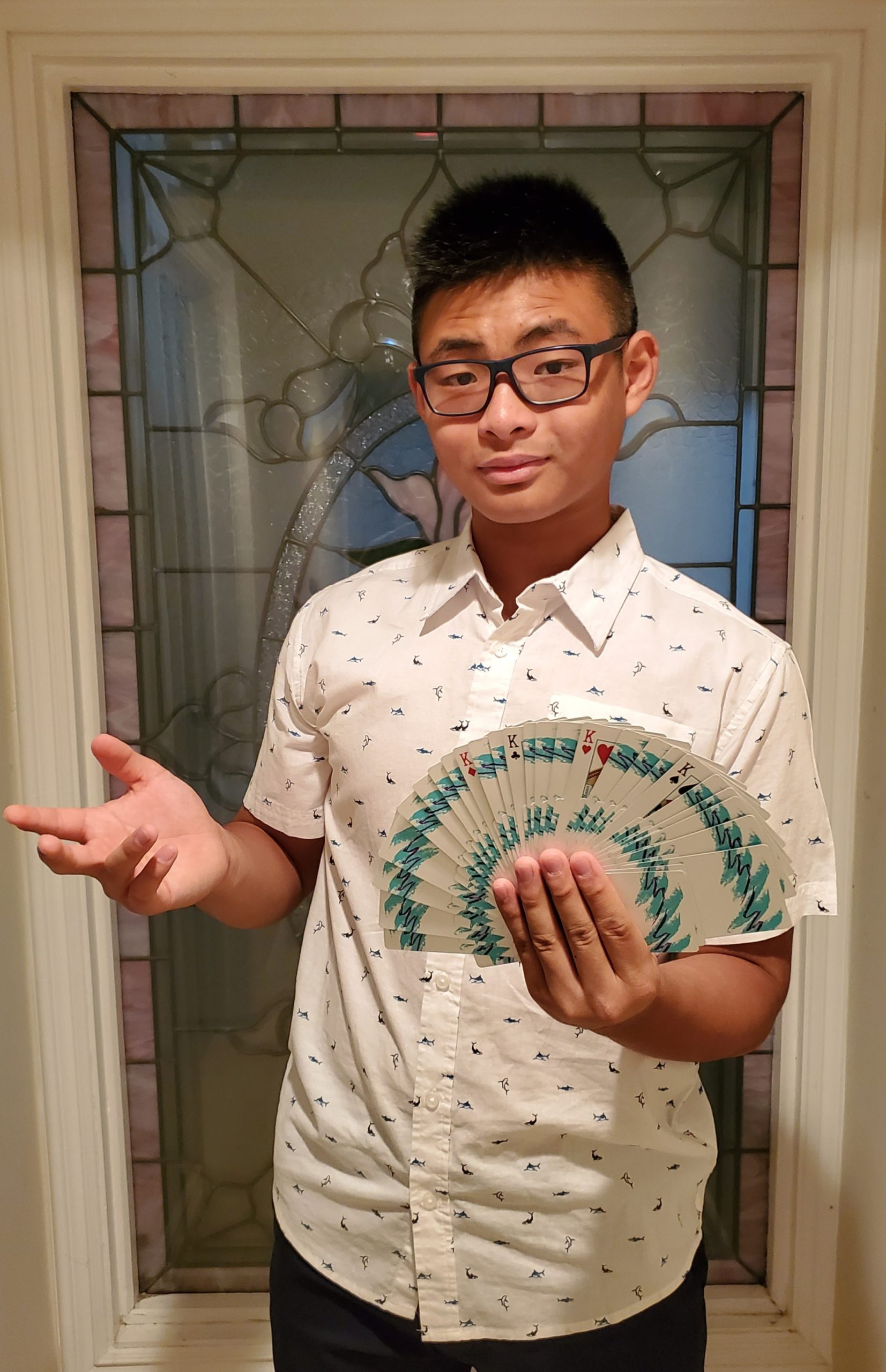





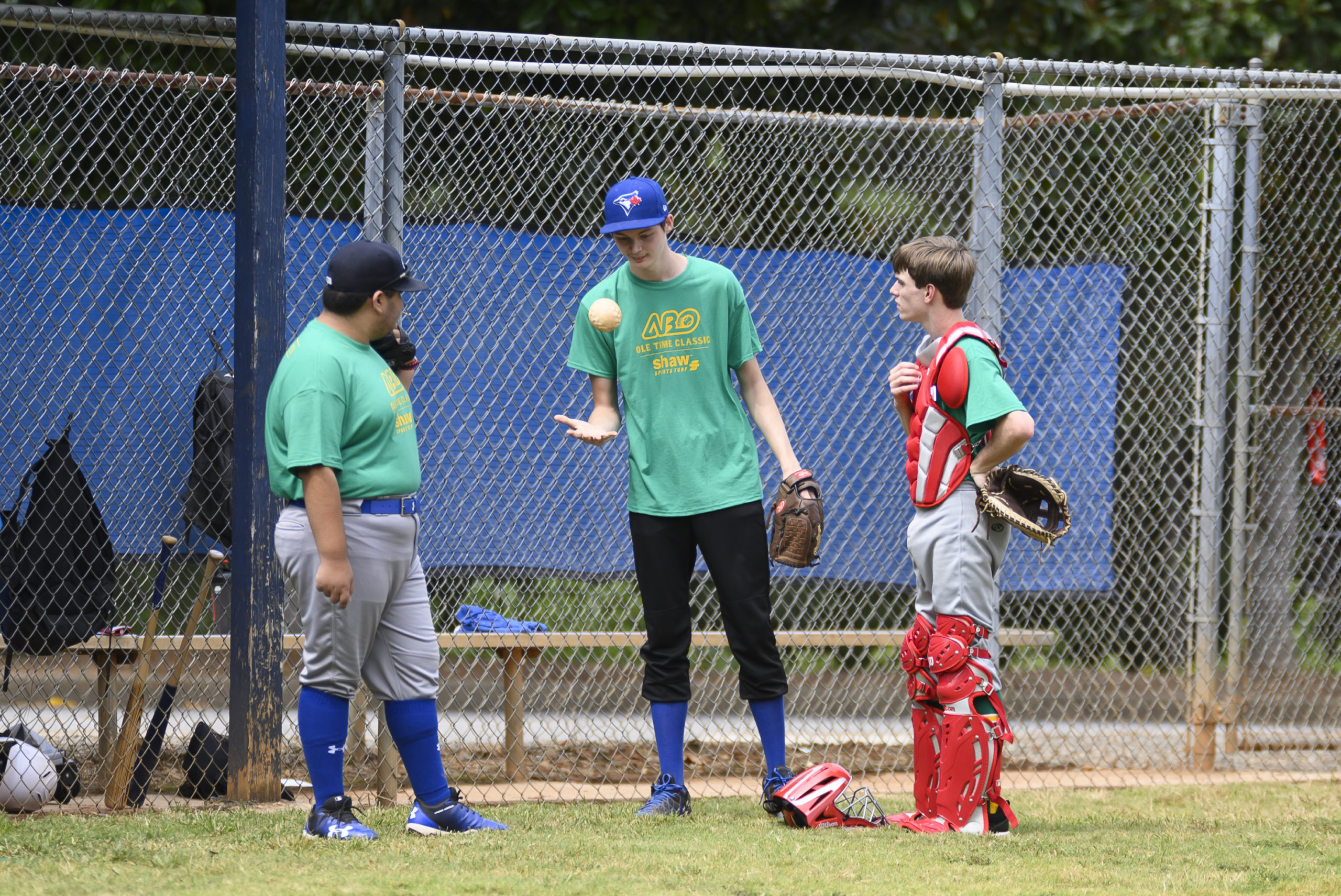
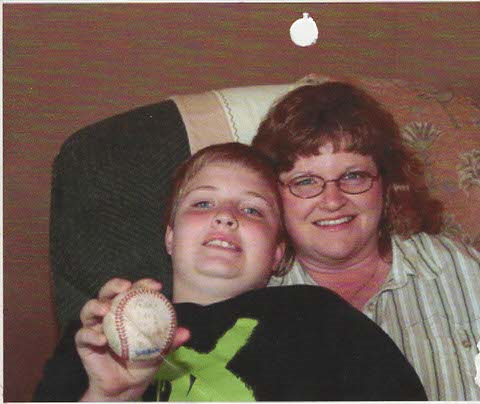




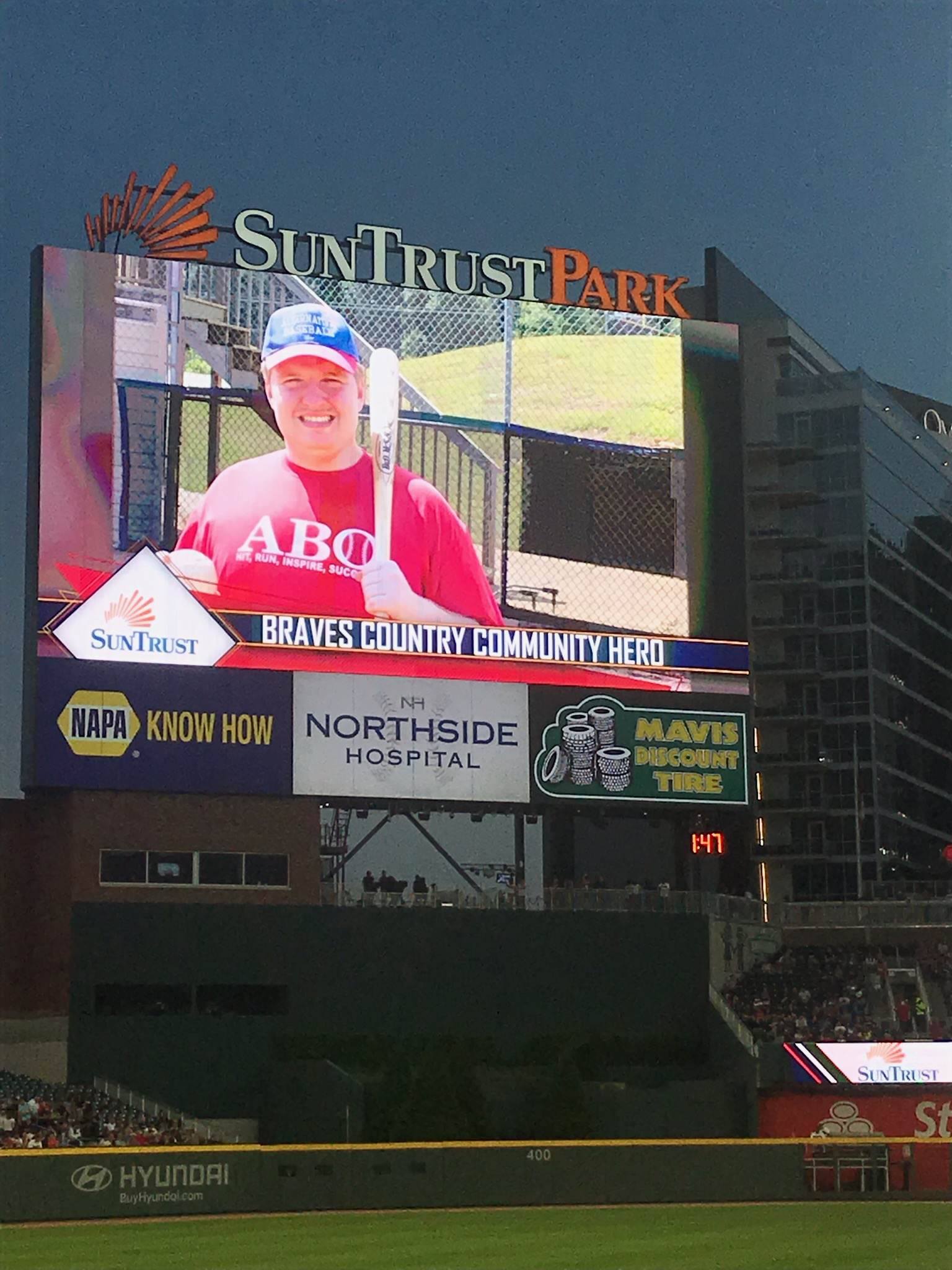
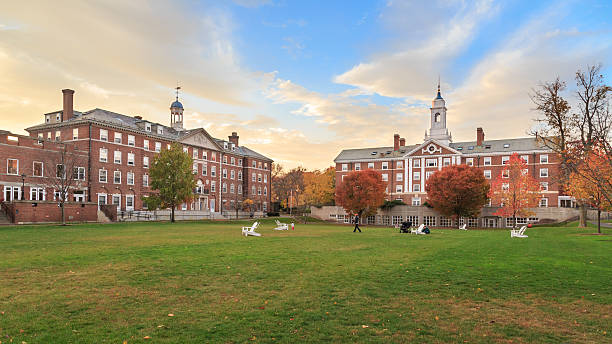



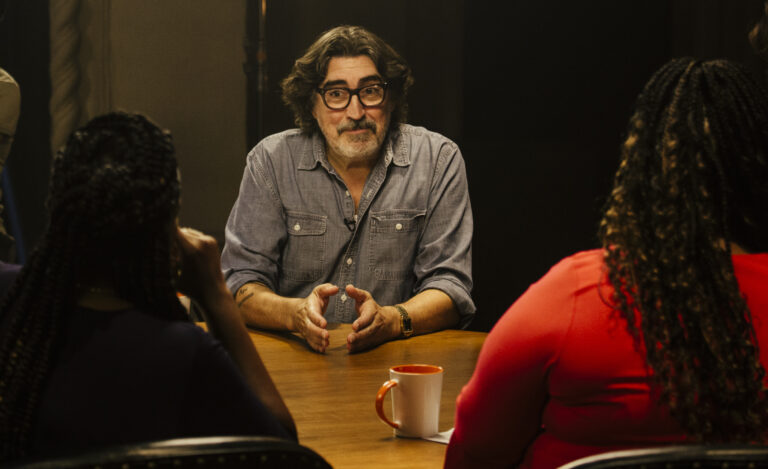

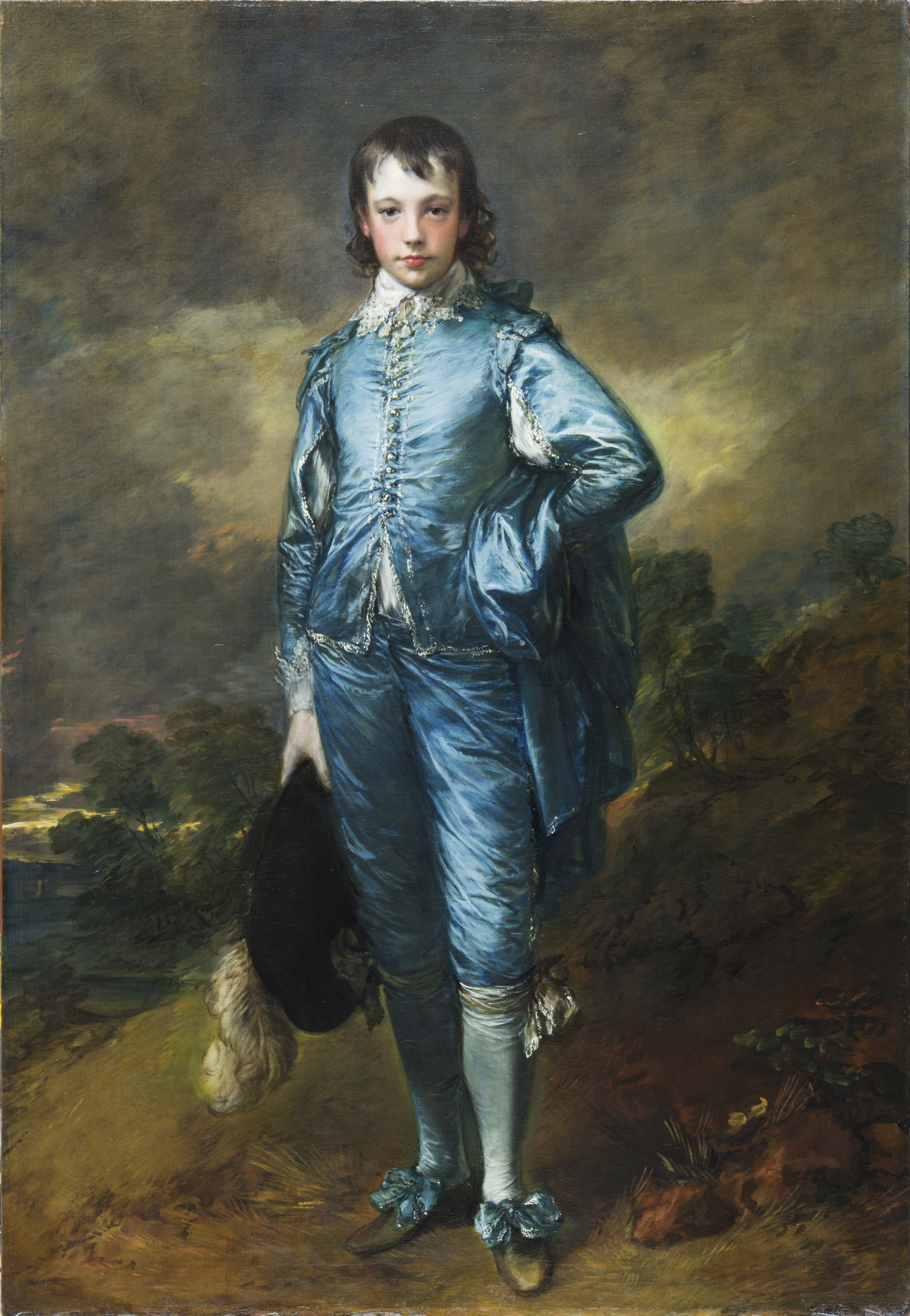
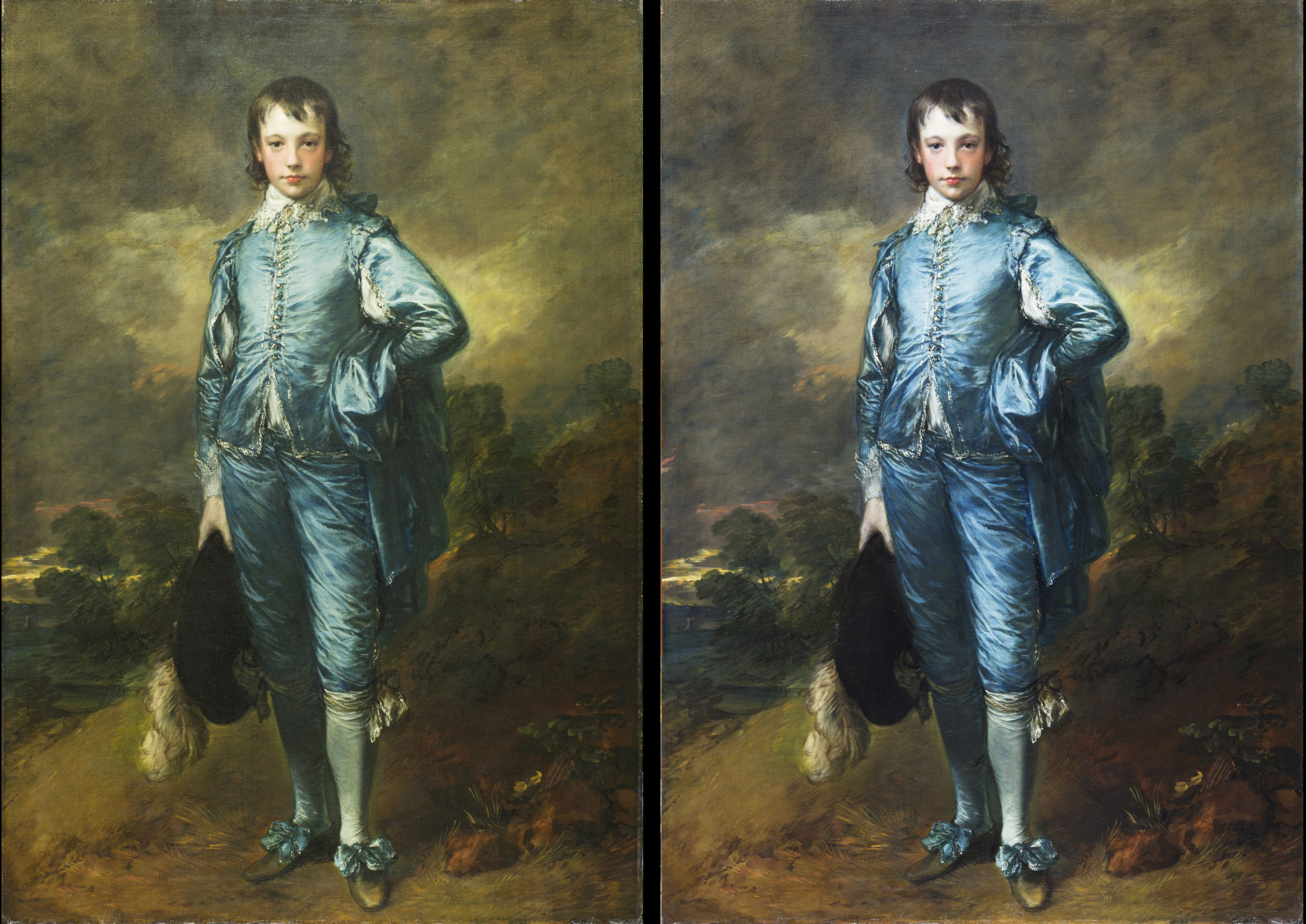
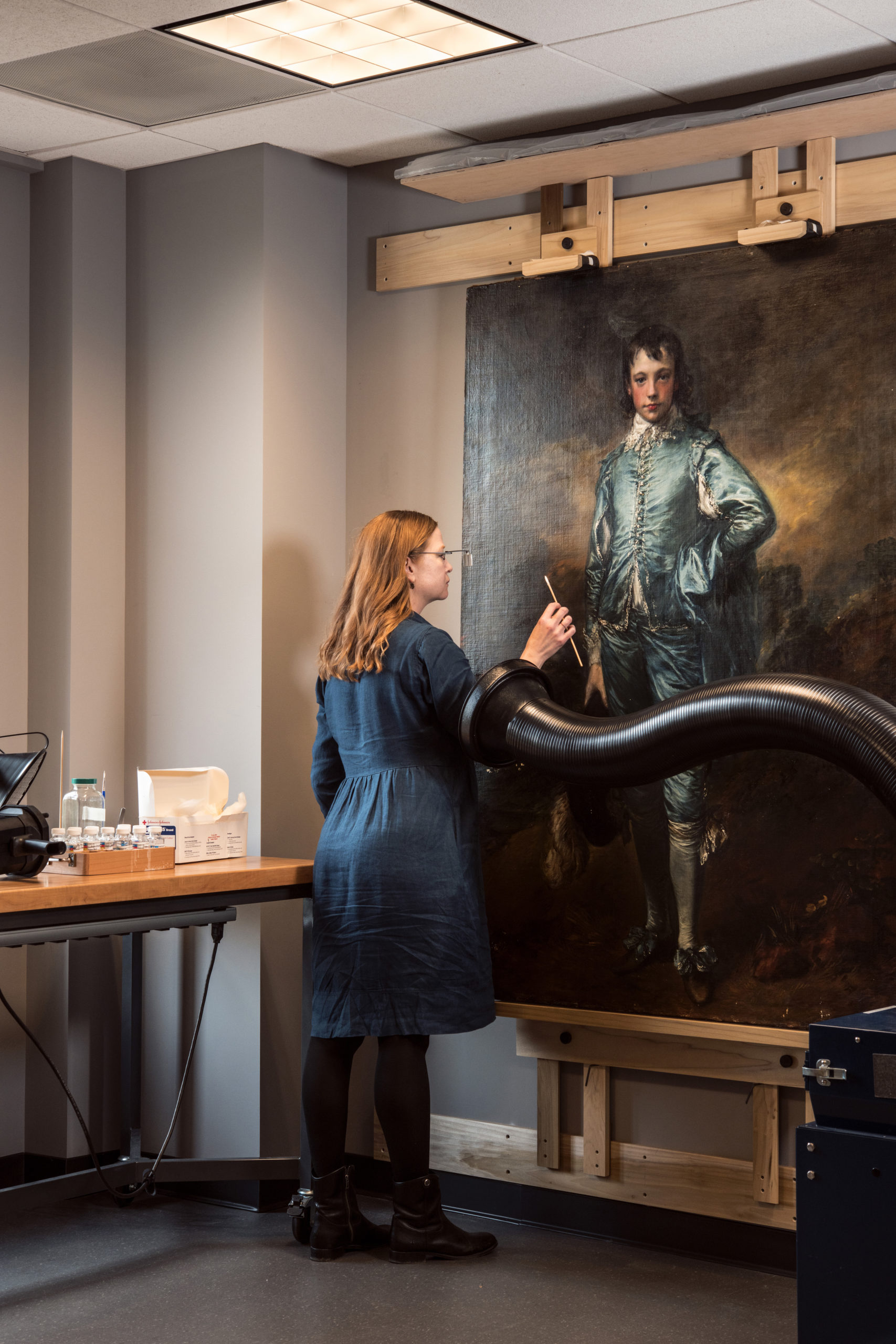

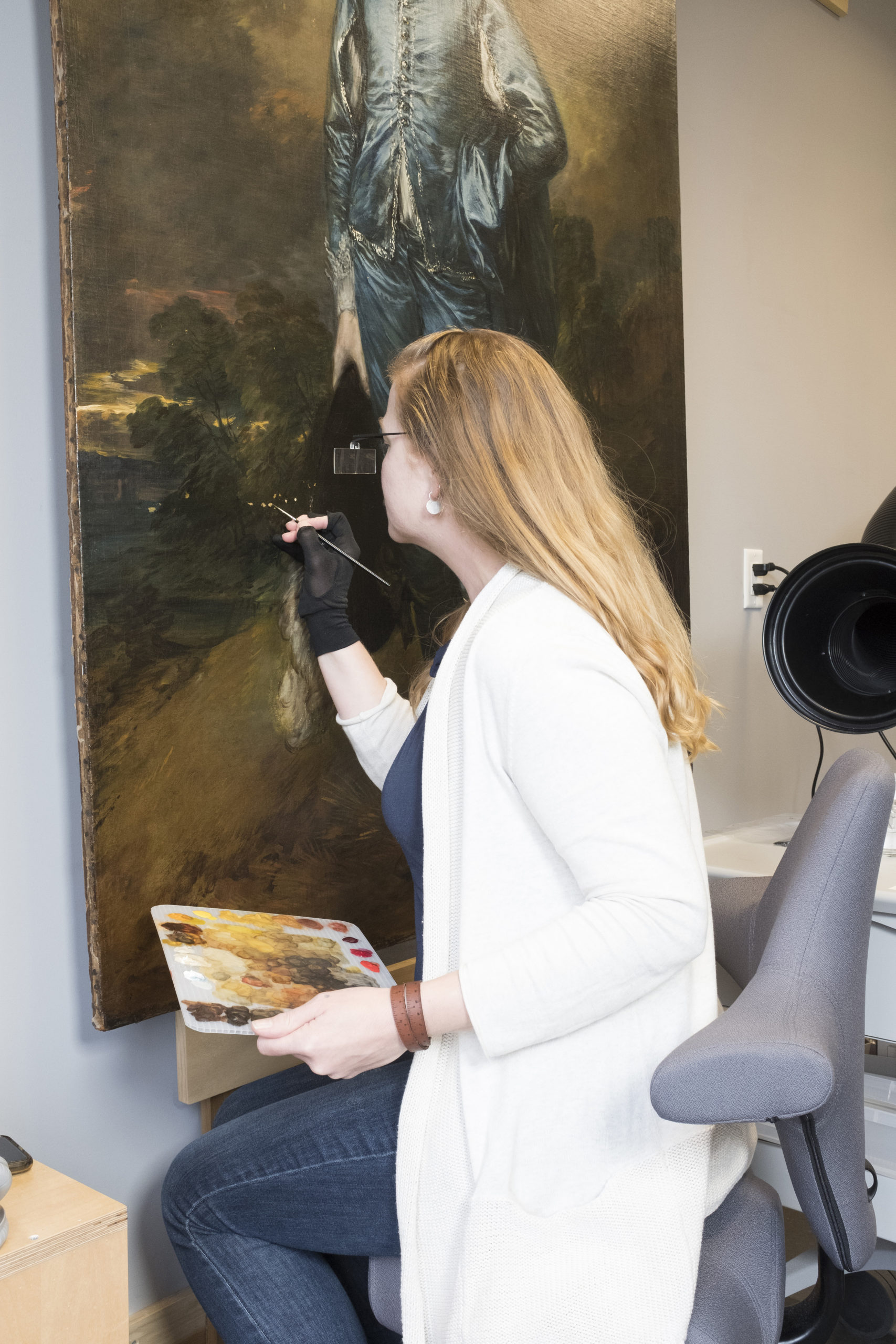
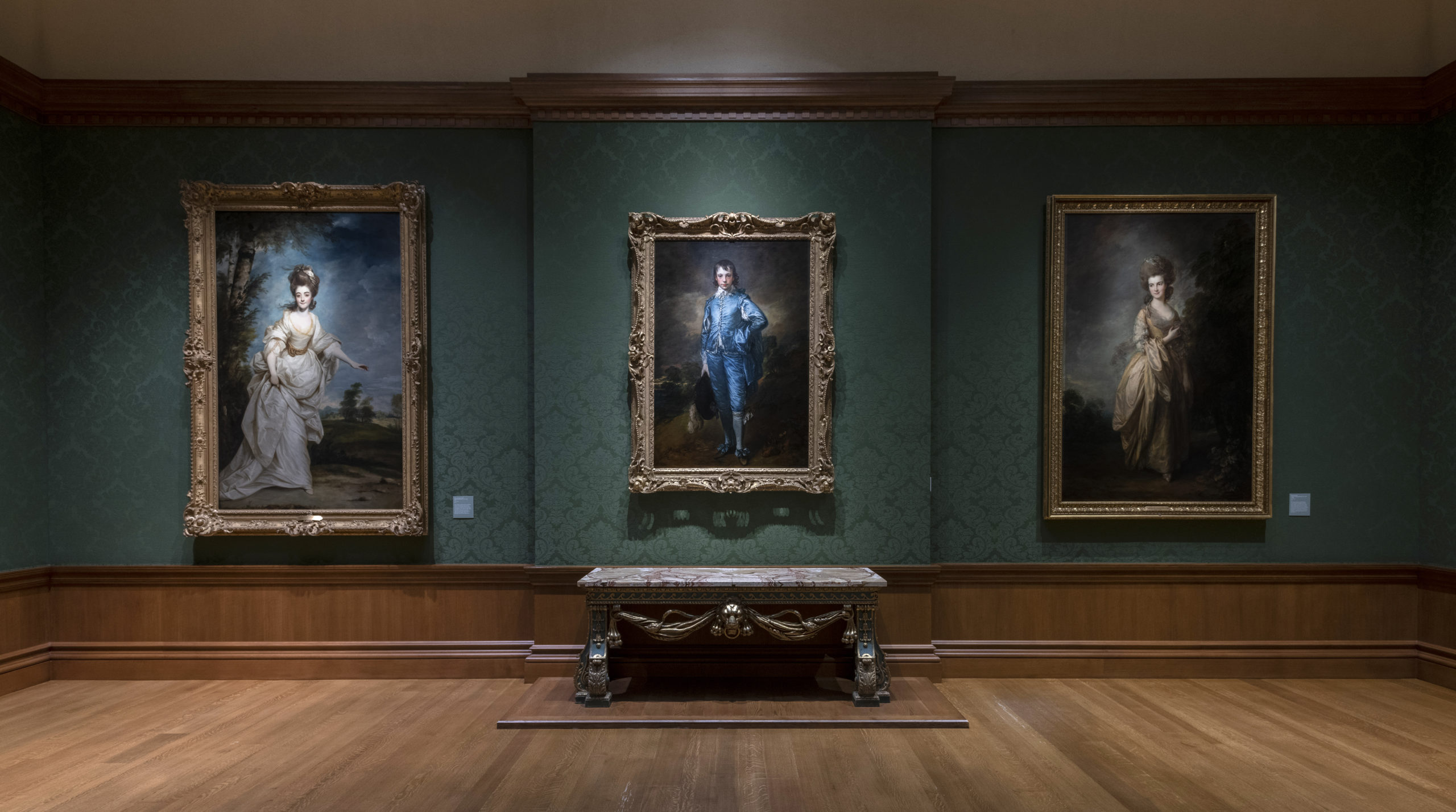
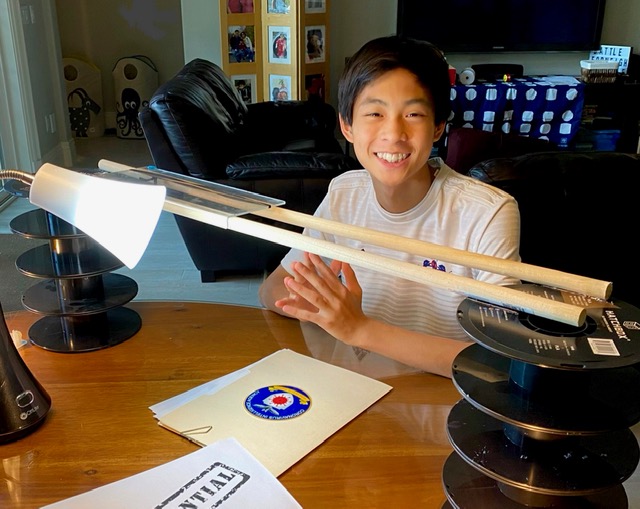
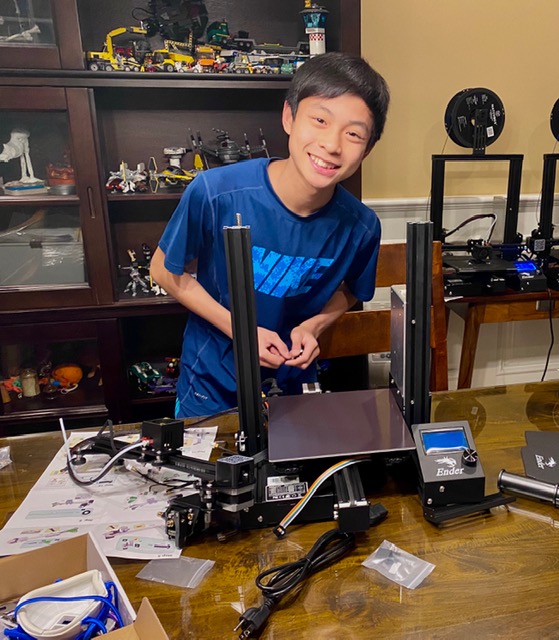


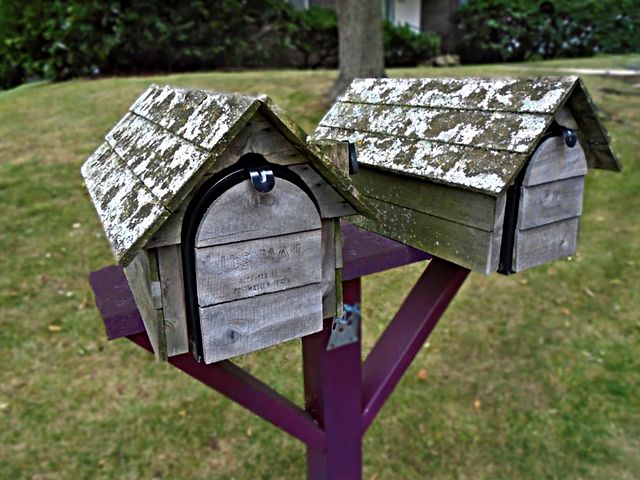
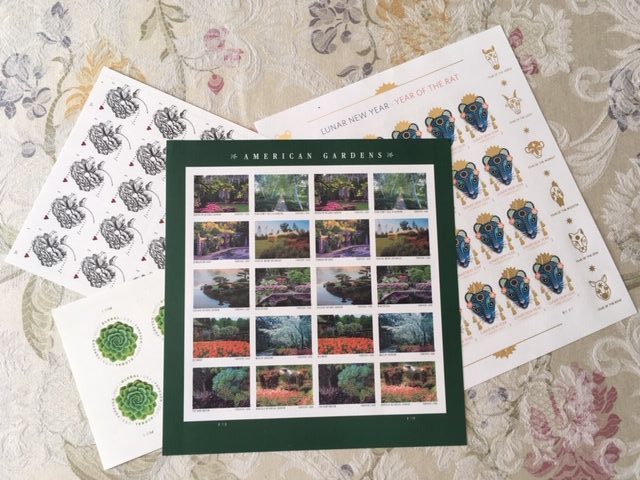
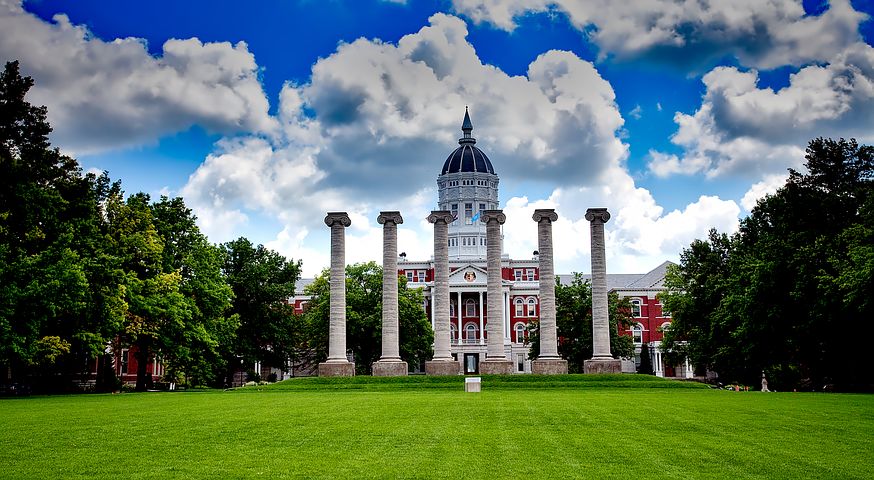


 A San Gabriel Valley Inquirer