‘The Blue Boy’ to Leave for London Next Year

Originally published on 19 August 2021 on Hey SoCal

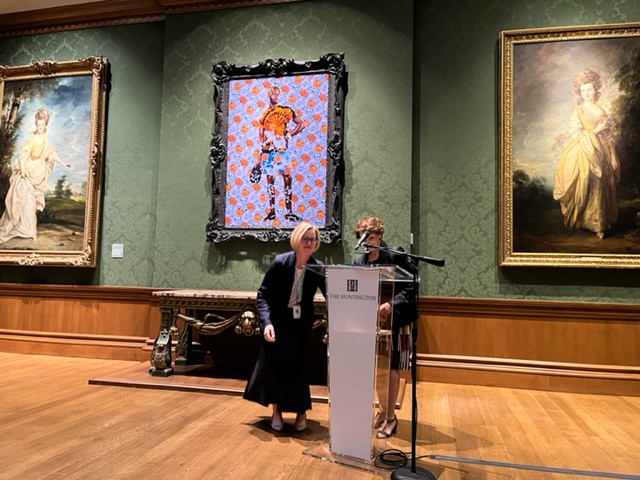
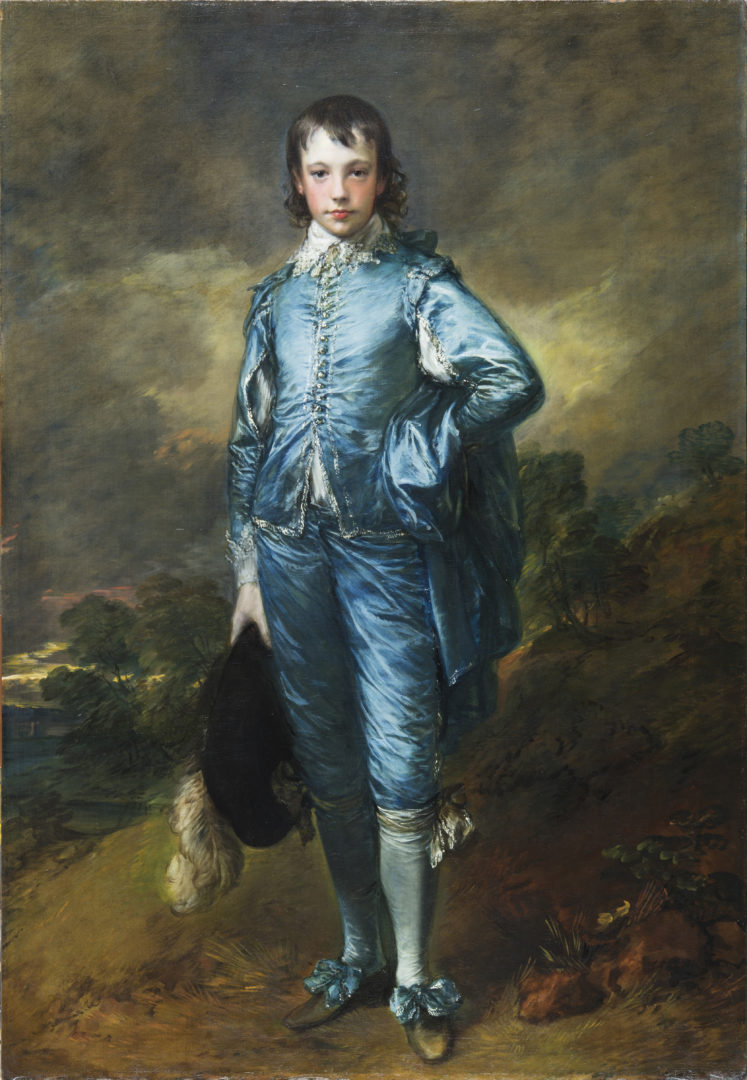
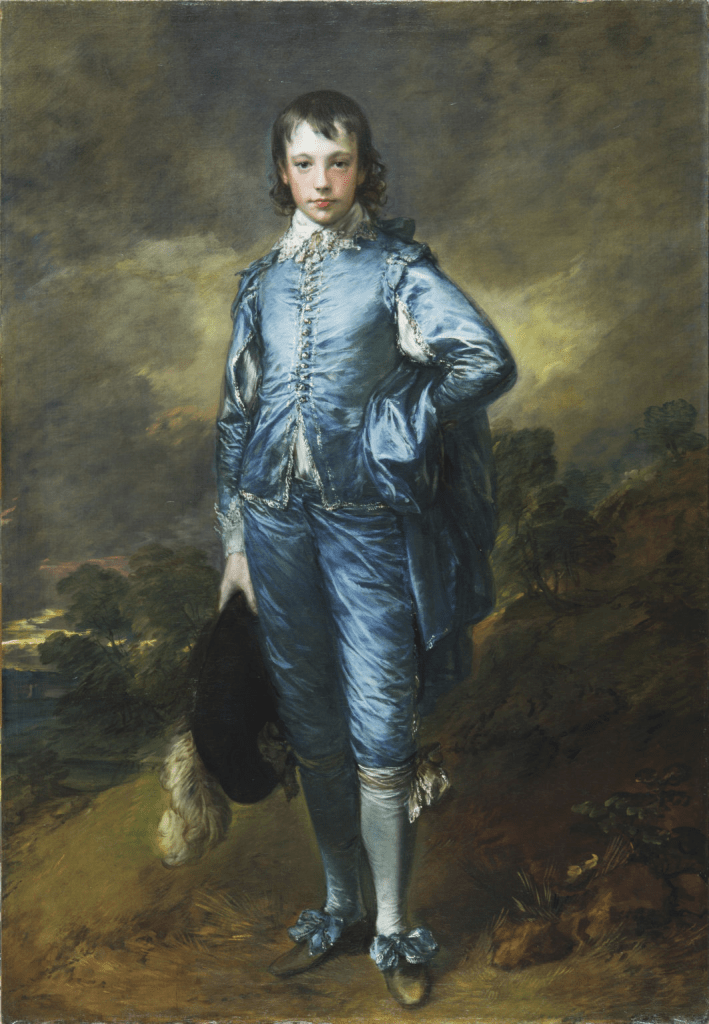
‘The Blue Boy’ | Photo by Christina O’Connell / Huntington Library, Art Museum and Botanical Gardens

Among the many treasures housed in The Huntington’s art galleries, none has a more storied history than Thomas Gainsborough’s “The Blue Boy.” It had been a beloved artwork in its homeland – images of the boy in the striking blue attire appeared on various souvenir items. Its purchase in 1921 by an American collector caused quite a stir among the British people and they took to the streets when they found out that it was leaving for America.

“The Blue Boy” has occupied an important place at the Huntington Library, Art Museum, and Botanical Gardens since it opened in 1928. Along with the breathtaking and expansive gardens, the many valuable collections in the library – William Shakespeare’s quarto and folio editions, a rare Gutenberg bible on vellum, the Ellesmere manuscript of Chaucer’s “Canterbury Tales,” and Benjamin Franklin’s handwritten autobiography, among them, – the impressive works of art in the various galleries, the “Blue Boy” attracts more than 800,000 visitors every year.  

In 2018, The Huntington embarked on “Project Blue Boy,” a nearly three-year conservation project to analyze, stabilize, clean, and restore the painting. To provide visitors a peek into the art and science of the process in real time, much of the conservation work was performed in public. Senior paintings conservator Christina O’Connell, who led the project, gave approximately 170 gallery talks and answered questions posed by the more than 200,000 visitors who came to watch the progress between 2018 and 2019.  

The restored “Blue Boy” was scheduled to be back at the Thornton Portrait Gallery on March 26, 2020 but the coronavirus pandemic delayed that much anticipated unveiling (read related article here). While it was back at its usual spot in September last year, it was only on April 17 this year – when The Huntington’s art galleries were again open to the public – that visitors got to see Gainsborough’s masterpiece.

And then last month, The Huntington announced that “The Blue Boy” will be returning to England 100 years after it left. From Jan. 25 through May 3, 2022, it will be on display at the National Gallery in London – a reversal of events when it was last viewed by 90,000 people during its last three weeks there before it departed for its new home in California.

This time, the news stunned art experts. In a Los Angeles Times article published on July 6, art critic Christopher Knight wrote that he asked Mark Leonard, a retired conservator of paintings at the J. Paul Getty Museum, for a comment. Leonard replied that the panel of nine American and European art conservators – experts the museum convened in December 2018 to evaluate the “Blue Boy’s” condition – expressed shock about the decision made by The Huntington’s board of trustees.

Knight further wrote that “sending the picture was unanimously opposed by the expert team, who believed travel puts the prized work at grave risk. They warned of potential structural damage to the 250-year-old canvas from the arduous trip.”

While it’s magnanimous of The Huntington board to lend “The Blue Boy” to the National Gallery so that others across the Atlantic are afforded the opportunity to once more see it, we in the San Gabriel Valley are also very protective of it. We have wonderful memories of going to the Thornton Gallery to gaze in awe at Gainsborough’s genius, and we want to make sure the painting celebrates its next centennial.                

How do you feel about “The Blue Boy” traveling 5,429 miles and being gone for four months? We invite you to send us an email and tell us, in 100 words or fewer, your thoughts about it and share your experience looking at this magnificent work of art. Send your email to: MayRChu56@gmail com. Unless you request otherwise, we will include your name when we publish our informal poll. 

SGV Schools Reopen After More Than a Year of Remote Learning

Originally published on 10 August 2021 on Hey SoCal

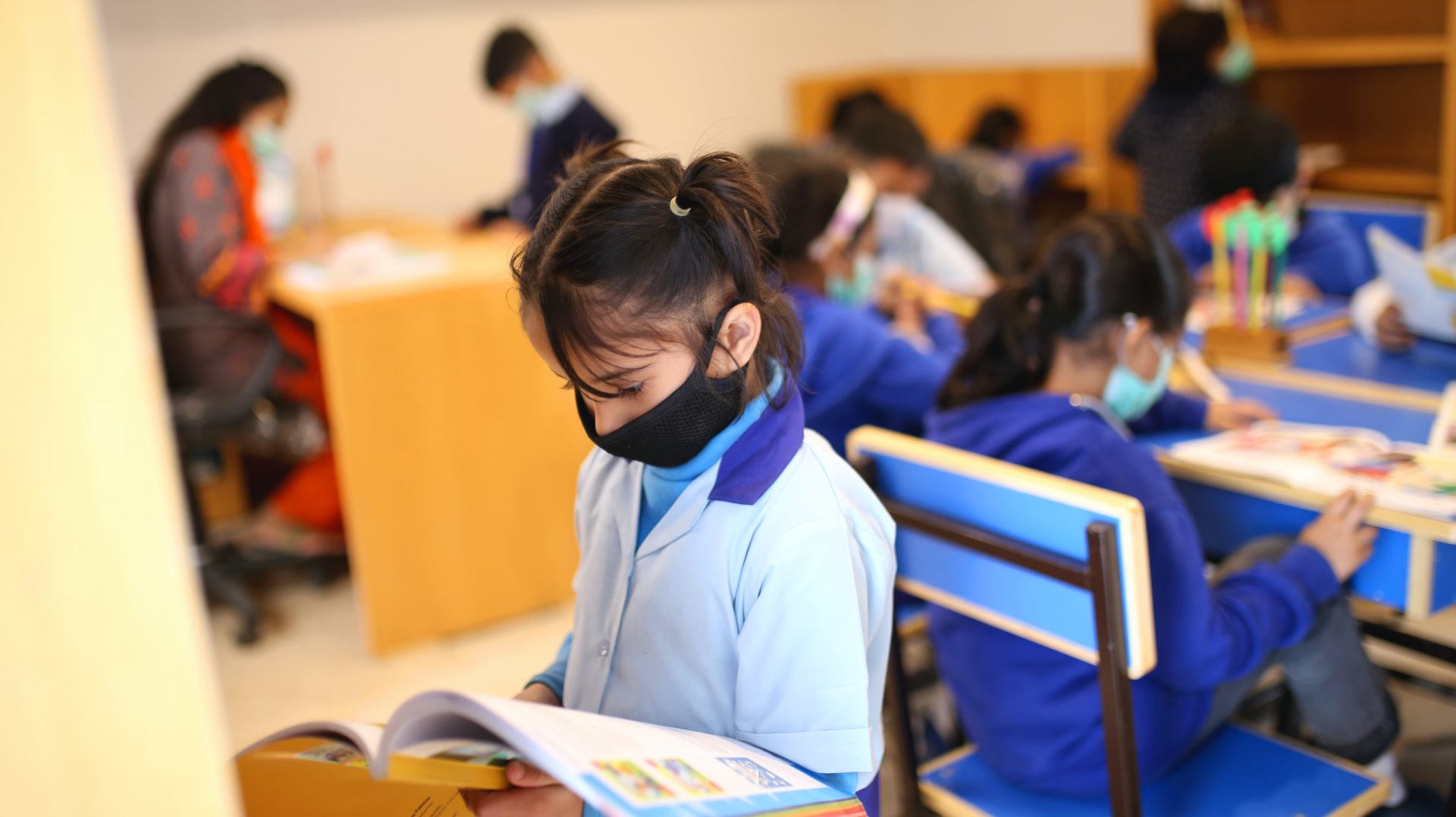
Photo by Muneer Ahmed OK on Unsplash

Schools are gearing up for reopening full time after more than a year of remote and hybrid learning. Such happy news should be a source of relief for parents who believe that virtual classes don’t adequately provide the environment and tools conducive to learning. However, the seemingly uncontrollable coronavirus infection rates from the Delta variant are causing trepidation, even fear, among these same parents.

Some people have gone so far as saying that it’s irresponsible for schools to reopen and have students come on campus under these circumstances. While the cost of learning loss should not be taken lightly, the threat to students’ and teachers’ safety and health should not be discounted in any way either. It is essential that we bring students back in the classrooms; it is necessary to keep students and teachers safe. Both are moral imperatives – one need doesn’t outweigh the other.

To find out how school districts and administrators are handling this sensitive issue, we reached out to the Arcadia, Monrovia, and Pasadena school districts and heads of independent schools to share their plans with us and our readers.   

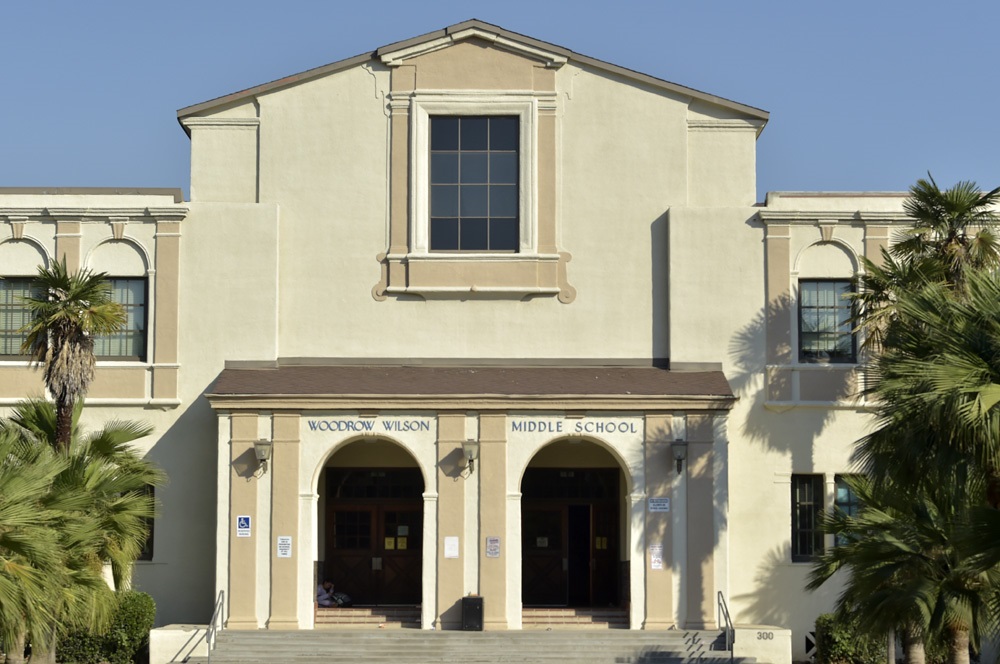
Wilson Middle School | Photo by Terry Miller / Hey SoCal

The Pasadena Unified School District serves approximately 17,000 students from kindergarten through 12th grade who live in Pasadena, Altadena, and Sierra Madre. Operating four high schools, five middle schools, three K-eighth, and 15 K-fifth elementary schools, it is the largest in the western San Gabriel Valley. Through Hilda Ramirez-Horvath, PUSD communications manager, Superintendent Brian McDonald discloses:

“School begins in PUSD on Thursday, Aug. 12. Classes will be full-time and in-person, five days a week. Learning will take place on campus an independent study will be available as an option for parents who are hesitant about sending their children back on campus. According to the California Department of Public Health (CDPH), in-person instruction can occur safely when prevention strategies are implemented. Since the pandemic began, PUSD has implemented multiple layers of robust set of safety measures. We will comply with the State’s public health requirements for schools and continue to work closely with the Pasadena Public Health Department (PPHD).

“We’re following the guidance of Pasadena Public Health and the California Public Health Department. We’re urging everyone who is eligible to get the vaccine, we have a robust COVID testing program, and masks are required for everyone. Ventilation is also in place with commercial-grade air purifiers in classrooms and common areas.

“As to whether PUSD will be requiring students to show proof that they’re fully inoculated, mandatory vaccinations for children are set by the state public health department. We will comply with state guidance.”

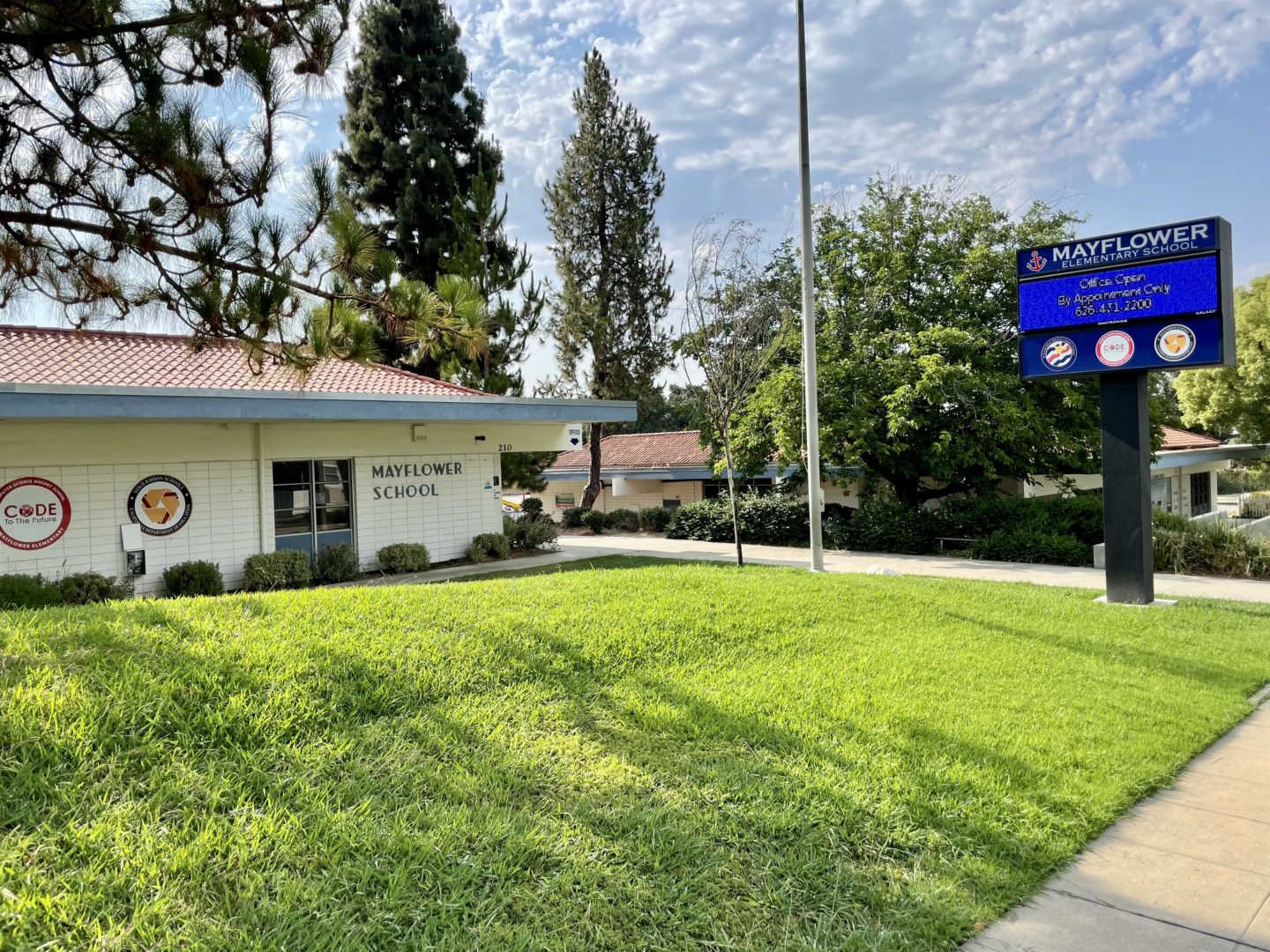
Mayflower Elementary School | Photo courtesy of Monrovia Unified School District

The Monrovia Unified School District encompasses five elementary schools, two middle schools, and one comprehensive high school. Superintendent Ryan Smith says:

“Our school year will begin on Wednesday, Aug. 18. We are very excited to welcome students back to campuses for traditional in-person instruction. We do have an independent study program at Mountain Park School that is a viable alternative for any family that prefers that their student continue to learn online on either a short or long-term basis.

“As always, we will be adhering to all requirements for schools that are laid out in both state and county public health guidelines. This includes the wearing of masks indoors for all students and staff; outdoors, masks are optional. Distancing is no longer a requirement in these guidelines; however, when feasible, we will do what we can to space students as needed or appropriate. We will not be requiring students to show proof of vaccination as that is not a requirement in health guidelines; students younger than 12 cannot be vaccinated anyway at this time. We have protocols in place to routinely clean our classroom, ensure proper ventilation, and access to PPE, again, all in accordance with public health requirements.

“We continue to emphasize that students who are ill or exhibiting symptoms stay home, handwashing, wearing masks, and that people get vaccinated if they are able.

“We are very excited about the start of the school year! Among our immediate priorities as we return are the following: identifying gaps in learning for each individual student and acting to address them; ensuring access to resources and support to address the social-emotional learning needs of all students; and utilizing technology to continue to personalize and accelerate student achievement.”

The Arcadia Unified School District is made up of 11 schools and serves about 9,500 students. It’s consistently named as one of the top school districts in the country by various ranking organizations; Arcadia High School is a U.S. News & World Report Gold Medal School.

We didn’t get a response from the school district’s information office but we learned that Arcadia High School will be opening on Aug. 11. Last Friday, Aug. 6, we observed the campus abuzz with activity – students were registering for classes, the band was practicing at the Performing Arts Center, and sports teams were meeting at the stadium. We saw safety protocols posted everywhere, the masking mandate strictly enforced, and bottles of hand sanitizers perched on tables at the reception lobby and at entrances. There was a definite air of eager anticipation for the school year to begin.

Most independent schools will start their 2021-2022 school year on the last week of August and, understandably, don’t have their plans etched in stone at this time. Among the handful of heads of school we requested information from, two agreed to tell us their procedures while emphasizing that they are in flux.                                            

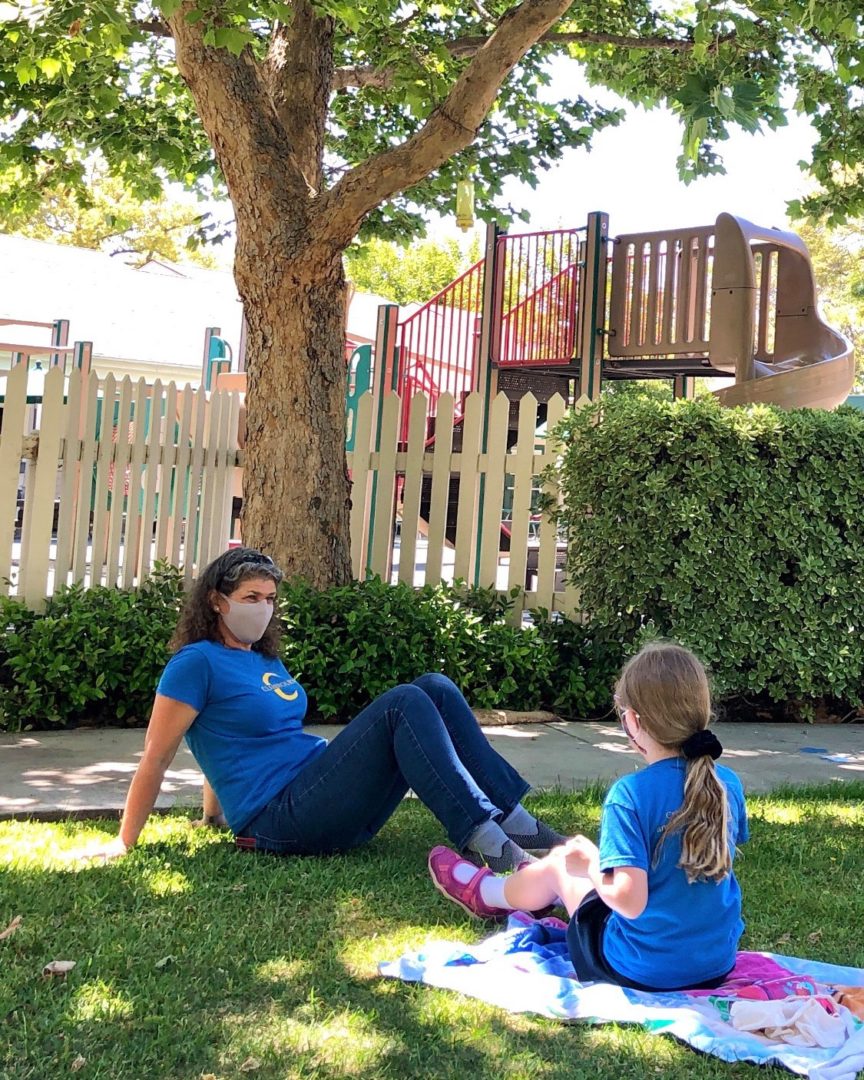
Head of school Amy Patzlaff relaxes with a student | Photo courtesy of Clairbourn School

Clairbourn School in San Gabriel, which has served the Pasadena area continuously since 1926, is a day school with a small enrollment of 200 students from pre-K to eight grade. Head of school Amy Patzlaff, states:

“Our opening day is Aug. 26, and we currently plan to offer only in-person instruction, but there may be situations that we will handle on a case-by-case basis. That said, we are prepared to go fully remote in any class or grade should that become necessary due to health department orders, exposures, or any other reason. 

“Besides cleaning procedures in place, we have hand sanitizers at every building entrance, desks are spaced out in classrooms to a minimum of three feet and more where possible, ventilation has been increased, and we are mandating universal masking on campus. We have visual cues to help with spacing – dots on benches and paw prints on the sidewalks. We do daily health screening for symptoms prior to arrival on campus. We will be doing regular COVID testing as long as it is recommended, including upon return to campus after holidays. In addition, we follow all of the protocols recommended by the health departments of isolating any symptomatic students or adults, sending them home, and requiring testing before return to campus. We will collect vaccination information and store it, according to privacy laws, along with all other health records.

“The spring was a good test of protocols while fewer students were on campus. We found the students compliant and the teachers vigilant. With the layers of protection in place, we are confident that we have mitigated the risk enough to have a successful year. A group of school nurses in our area have been working closely together to share strategies and procedures. This brain trust has helped each school to build on the collective work to launch successfully. I am grateful for the partnerships. In addition we have been working very closely, since March, with Pasadena Public Health, Los Angeles Public Health, cohorts of local schools, and Joffe Emergency Services. All of these agencies and groups have been generous with their time and knowledge. They all have provided expert advice that we can use immediately.” 

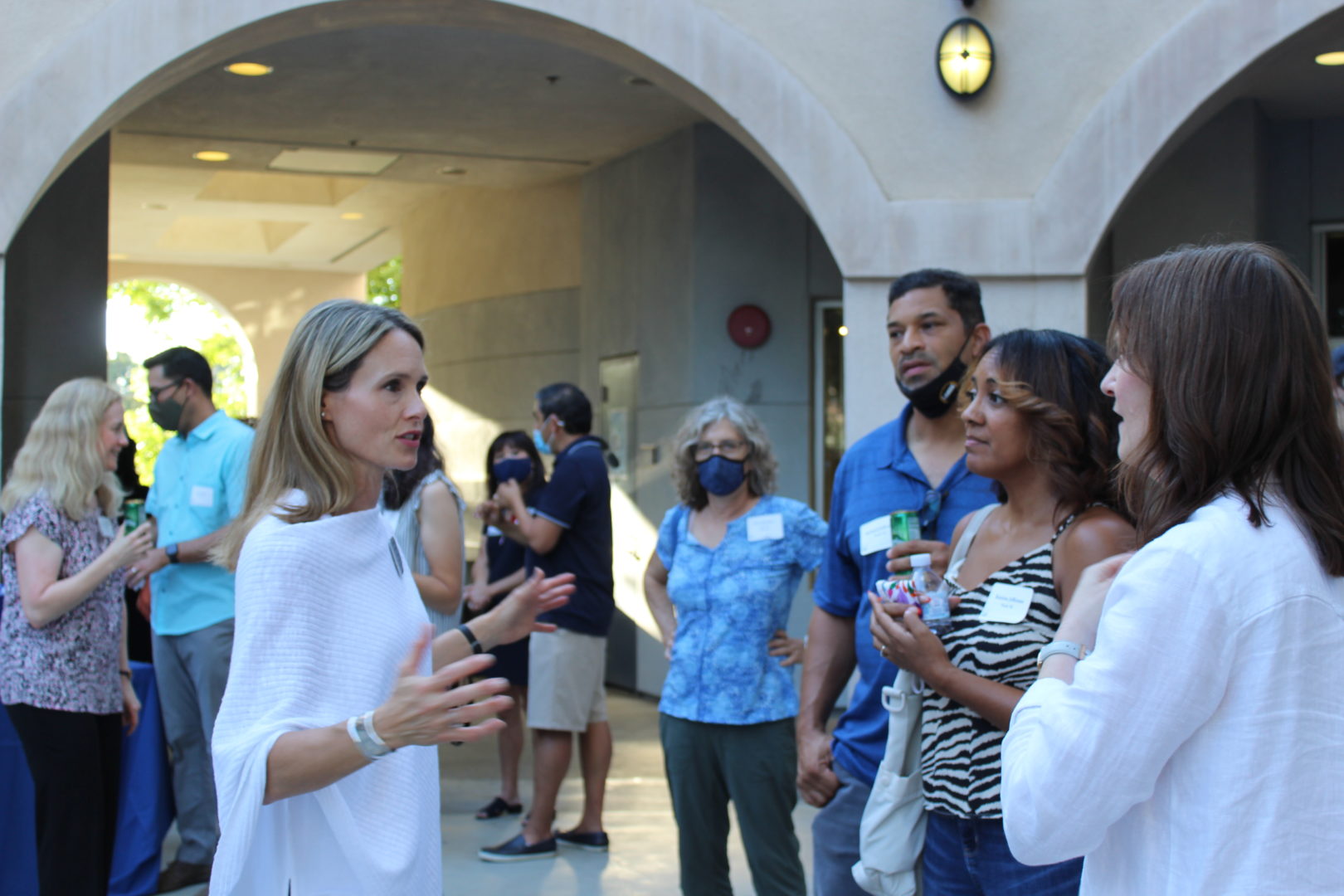
Vanessa Walker-Oaks (in white blouse on the left) chats with parents during a “Meet and Greet” event | Photo courtesy of Flintridge Preparatory School

A nationally recognized coed learning institution, Flintridge Preparatory School in La Cañada Flintridge, educates students from seventh to 12th grade. Through their director of communications, Nicole Haims Trevor, head of School Vanessa Walker-Oakes, shares their opening plans.           

“Our school year will begin on Aug. 26 for in-person classes only. We will follow all guidance from the State of California and Los Angeles County, including (but not limited to) masking indoors and outside as appropriate, enhanced cleaning protocols, improved ventilation, frequent handwashing, and daily symptom assessments. We are prepared to be responsive as conditions and guidance change.

“We expect all eligible community members to be vaccinated and to voluntarily share their students’ vaccination status. However, we anticipate our policy to change when the FDA fully approves the vaccination, removing the emergency use authorization.

“While we are mindful of the Delta variant, we here at Flintridge Prep are enthusiastic and excited to reopen this fall, and we look forward to revitalizing our relationships and reconnecting with our families on campus. Flintridge Prep values our community’s health, safety, and wellness, and we will use a variety of tactics to reduce risk for our students, their families, and our faculty and staff.”

August College Search Guide

Originally published on 2 August 2021 on Hey SoCal

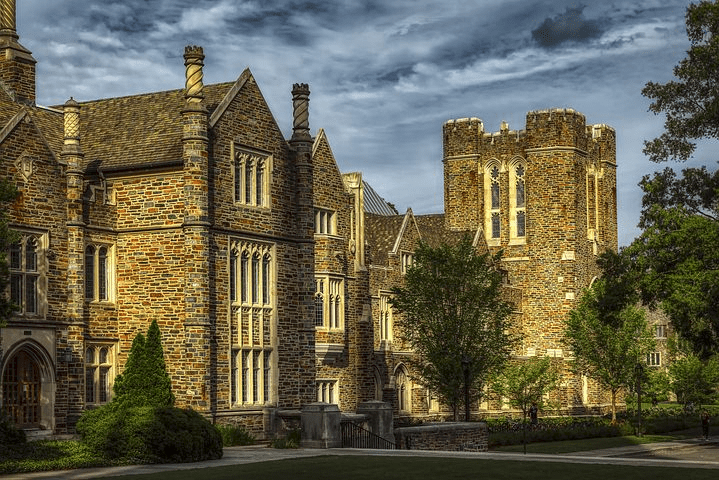
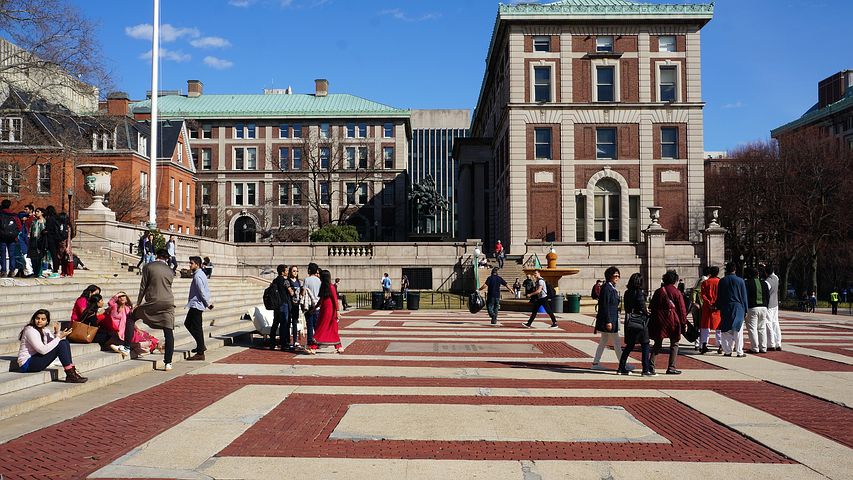
Columbia University | Courtesy photo

The road to college

Amidst recent headlines about the rise in COVID infection rates caused by the delta variant, most school districts in the San Gabriel Valley are planning to reopen this fall. Many parents have reservations about sending their children back on campus, and that’s not surprising. Even after getting fully vaccinated, a lot of us have remained vigilant – masking when we go to the grocery stores and other high-traffic places, putting on gloves, and social distancing – to keep ourselves and others safe and healthy. We certainly don’t want all that to be for naught.             

The pandemic has altered many of our usual activities, but what hasn’t changed is that getting ready for college application begins in high school – whether your children are just starting ninth grade or are already in 12th grade. The only difference is the pace at which they are working on their resume. They start building all the components that go into their transcript as soon as they get into high school. By the time they reach their senior year, they should have a transcript with excellent grades balanced with an equally impressive array of extra-curricular and enrichment activities.       

Make sure you attend ‘Back to School Night.’ I’m quite certain that besides orienting you and your children about academics, administrators and teachers will be giving an update on safety and social distancing protocols.        

You and your children should determine their interests and career goals and see what courses the school offers which appropriately meet those. These should be the guidelines for your students during the four years they are in high school. The outcomes of their work then determine which colleges or universities they should consider when they put together their list of where to apply.

An important factor in the admissions process is the students’ (and parents’) preconceived ideas about where they should apply and what their dream school is. Oftentimes, kids apply to the same dozen or so most-recognizable university names. This creates an unreasonable expectation which, more often than not, leads to unhealthy behavior. There are innumerable institutions that offer excellent teaching; there is a school out there that is the right fit for your child. 

FRESHMAN

High school is vastly different from middle school. Teachers have higher criteria from the work students turn in. Your children need to develop their analytical skills as their teachers will require deeper thinking and subject exploration from their papers. They should also have better time management skills to handle the more rigorous course load and extra-curricular activities.

In the first few days of ninth grade, your children will have several things they will be making decisions on, and tackling. I have to add here that high schools send their profile to the college or university to which your children are applying. Admissions officers will know what opportunities were available and if the applicant took advantage of them. I have listed them here with a brief description or explanation:

AP COURSES

Make sure your children choose the AP subjects they will need in the course(s) they will be taking in college. They shouldn’t pile up on APs to pad their resume because they will need to take the AP and SAT II exams for these subjects. Some universities only accept a 4 or a 5 on an AP exam for it to have any merit at all. While college admissions officers favor students who took on challenging AP subjects, they don’t look kindly on low AP grades or SAT II test scores either. Encourage your children to take courses they are truly interested in; students who study something they really like generally do well on it.     

CLUBS

Your children should join the clubs they actually want to be involved in; encourage them to participate actively. Ideally, your children would start a society based on their interest or something they feel strongly about. It can be something socially impactful, or it can be a fun club for student members to take a respite from their heavy academic load. In my daughter’s school, one student formed a Superhero Club where they went to all the openings of the latest Marvel or DC Comics films. Needless to say, this isn’t a smart idea during the pandemic.        

ATHLETICS

This is an essential component of high school life that is being severely impacted by the pandemic. Schools are being challenged to find a way for students to safely participate in sports at this time.                    

ARTS CLASS

If your children’s school offers art electives, encourage them to take a course. Usually, in the first year, the grade level dean encourages students to try various classes on offer so they can determine what they really want to focus on in the next three years.        

LANGUAGE

Besides the core subjects – English, history, math, science – a world language is a requirement for admission into college. In some elementary schools, students can take Mandarin and Spanish immersion classes. The Pasadena Unified School District, for one, offers French in addition to Mandarin and Spanish. If they continue on, these children will be ready not merely for college; they will be well-equipped for an increasingly global society.   

COMMUNITY SERVICE

Your children should do something they feel strongly about and work it every summer; it shows commitment to the activity they took on. This is going to be an essential component in your children’s transcript. Admissions officers are looking for depth of community involvement.       

SUMMER CAMP/ENRICHMENT COURSE

If your children have a passion for a particular activity, they should pursue a summer program related to it. Guidance counselors in some schools compile a list of the most engaging courses locally, out-of-state, or internationally.  

It goes without saying that all the above activities are merely supplements to good grades in the core subjects. Loading up on extra-curriculars at the expense of grades is definitely ill-advised. While admissions officers at all the universities talk about their holistic approach to their selection process, a student’s GPA remains a very critical, if not the single most important, component of your children’s college application. In fact, with the UC and Cal State systems’ dropping the standardized tests (ACT and SAT), your children’s grades are the most significant determinants of their college-readiness.  

SOPHOMORE

Your children have fully transitioned into high school, the demands of which were drilled into their subconscious the past school year. They have to put ninth grade behind them and face 10th grade with renewed energy and enthusiasm.

JUNIOR

This is going to be your children’s busiest school year. Make sure your children confer with their school’s counselor to ascertain they have all the courses required for graduating and for college. If they are applying to schools that still require standardized tests, they need to know what these are and when to take them. They should research which colleges and universities offer the course(s) they would like to pursue.

SENIOR 

By this time, your children should know where they will be applying and have visited (in-person or virtually) the schools. They should have taken all standardized exams required for college applications, firmed up their college/university list, researched all kinds of scholarships, lined up teachers to write their recommendations, perfected their personal statement, and learned how to complete the common application.

July College Search Guide

Originally published on 2 July 2021 on Hey SoCal

Clemson University | Courtesy Photo

The road to college

Your children have just weathered what is possibly the greatest upheaval in their young lives. The coronavirus crisis has affected all of us in ways we’ve never before experienced. But  summer has brought with it renewed energy as the economy reopens and people resume their usual activities.

Many seniors actually enjoyed in-person proms and graduations, all rites-of-passage not to be missed. There are also promising data from Challenger, Gray, & Christmas that suggest summer jobs will be plentiful this year.

As we cautiously get back to normal, or the new normal, encourage your children to focus on the main objective during their high school years – build impressive resumes to look attractive to admissions officers. They should be in some enjoyable classes, recreational camps, or professional internships to spend their time productively. There are test-prep courses students can take during summer to get them ready for all the standardized exams required for their college application. Today’s high school kids want to be as good as, if not better than, their classmates. Nowhere is this cutthroat competition more apparent than in the western San Gabriel Valley where a record number of students are getting perfect scores on the APs, ACTs, and SATs.  

RISING FRESHMEN

High School is going to be an exciting phase in your children’s academic life – especially after having spent a year-and-a-half of remote learning. Having completed middle school and their tween years where they found their identity, they are now ready to assert themselves in this new environment.

If your children have not shown much interest in reading during their elementary or middle school years, you need to encourage them to spend this month reading – just for the sheer pleasure of it. Persuade them to look for different authors and genres, familiarizing themselves with various styles and themes will help them find their own voice. Reading will expand their vocabulary as they gain maturity in their writing and that will prepare them for composing their personal statement. They need to practice writing essays, a staple in high school courses. Brianna Chu, a writer for Hey SoCal and tutor at Mundo Academy, wrote a blog on essay writing which your children might find useful.   

Now is the time for your children to start developing time management and study skills that will help them succeed in high school. A recently published article “A Review of New Research on Study Skills and Time Management Benefits” also written by Brianna Chu, delves into these topics.

RISING SOPHOMORES

As mentioned above, summer is an opportune time for reading. Encourage your children to spend part of their day to this pleasurable and educational pursuit.

Now that the economy has reopened, your children should find an enrichment program or perform community service work related to something they are passionate about. Sustained effort and interest in one particular cause show that your children are sincere, and not just padding their resumes.

If your children are so inclined, they can start researching colleges. They can go online and get virtual campus tours of most colleges or universities.

RISING JUNIORS

Your children should be preparing themselves for one of the busiest years of their high school career. They should be immersed in community service work, professional internships, and enrichment programs. Likewise, they can research colleges and go online to get virtual campus tours. This will also give your children some idea about the college application process.

Summer is the perfect time for them to read extensively to expand their vocabulary and prepare them for writing their essay for the college application.

RISING SENIORS

This is the year that will test your and your children’s mettle. Be prepared for the marathon (which actually started in the spring of their junior year). They should still be continuing the community service work they began back in their freshman year, getting an internship, or looking for avenues to use their talent.

If your children didn’t get the chance to do an in-person college visit, this summer would be the perfect opportunity to do so if you’re all fully vaccinated. I’m sure that, like the majority of us who have felt cooped-up during the pandemic, you’re excited to pack your bags and travel. When my daughter was applying to colleges, we incorporated the campus tours with our summer vacation.       

They should also be thinking about their personal statement. Likewise, some universities require a supplementary essay specific to them, with topics that range from the practical to the philosophical. Admissions officers are constantly on the lookout for something fresh and original in applicants’ compositions. However, it requires a certain amount of creativity and proficient writing skill to come up with a treatise that will impress seasoned readers.          

That said, your children might also find some time to actually enjoy this summer before they get swallowed up by the vortex of college applications. 

COLLEGE-BOUND STUDENTS

Unless your children are spending this summer agonizing because they’re waitlisted at their first choice school, they must be very excited to have completed high school and are anxiously looking forward to the next phase of their education. By this time, they should have put in the deposit on the college they plan to attend. Some colleges will be sending out the procedures for class registrations, information on housing, meal specifics, and such other details to the incoming class.

Let your children take the lead on the college moving arrangements and only offer guidance when they ask for it. In all likelihood, your children will be moving away from home, maybe going to the other side of the country. They need to practice being on their own and the preparations for moving will be a good place to start.

If your children will be attending a university across the Atlantic, as my daughter did, there is a whole set of preparations you have to attend to. Applying for a student visa should be your priority as it could take a month to secure. You and your college-bound student need to communicate closely with the school as their requirements may differ greatly from those of American universities.

Email or call the university to know when to wire the tuition and other college fees. Make sure your student has the necessary information on how to register for classes, how to apply for housing, and what essentials to bring to school. Research where to find items – including beddings (sizes are different from what’s standard here) and small electric appliances (voltage and shape of plug are different) – that your student will need. Knowing beforehand what stores you have to visit saves time. 

Going to school in another country takes more preparation, so make sure you have enough time to spend helping your children settle into their new environment. When my daughter left for college in the U.K., we arrived there three weeks prior to ‘freshers week.’ We opened her bank accounts, shopped for household items, and familiarized ourselves with the area (nearest grocery stores and hospital to her housing, for instance).           

For most parents, sending their children away to college across the country is difficult enough. Letting 18-year olds live on their own 5,000 miles away for four years is almost unthinkable. It takes a great deal of courage, on your part and your children’s, to make that plunge. But you’ll find that they grow into confident, responsible, and self-reliant adults and it was the best decision you both made.             

college campus

At this juncture, let me address another situation. If your children weren’t accepted to any school they applied to, then they have to decide if they want to attend a community college. Most of these institutions will accept new students close to enrolment time. Some of them have arrangements with the UC system so graduates can attend a UC school for their junior and senior year. This has the double advantage of ensuring your children get a college diploma from a four-year university and saving on the cost of their education.

There are some instances when your children might gain admission during the spring term to their first-choice school (this scenario happens if the university wants to keep their ranking and your children did not receive a perfect SAT score but they met all the other requirements for admission. If your children have highly desirable qualities that will enhance the university’s student body, they will wait until after their school has been ranked so your kids’ SAT scores will no longer affect their place). Confer with your children’s college counselor about how to accomplish this.

Some college applicants who are on waitlist on their dream university, ask to be deferred (this will only work if your children met all the academic qualifications for admission to the school with only the problem of the university not having the space for your student this year). 

Of course, there is the option to take a gap year after high school. Last year, many students deferred going to college because they felt that paying a full tuition isn’t worth the price when schools may not reopen their campuses and classes may be held remotely. Waiting until campuses reopen offers them the full experience of freshman year.

In a strange twist, The New York Times education Briefing reported two weeks ago that “law schools experienced a surge in applicants over the past year, driven by a mixture of factors, including the coronavirus pandemic, the presidential election and the Black Lives Matter movement. To ease the load, many schools have promised that scholarships will be in place for students if they choose to defer. A few are offering financial incentives. Duke promised $5,000 to students who accepted a ‘binding deferral’ and promised to go next year. Columbia University also dangled money in front of some students: $30,000 if they deferred. The school focused on recent graduates and also offered some career placement help, like two sessions with a career counselor and a list of open jobs.”

Pre-pandemic, one of my daughter’s classmates used her gap year performing charity work in Africa. This noble use of a gap year can help your children stand out in a sea of similar-looking applicants. Several universities consider this as a major boost in an applicant’s resume. Admissions officers tend to see the student in better light – this person has some tangible experience to bring in and, therefore, adds to the school make-up.

Whether your high school graduate is going directly to college, going by the community college route, or taking a gap year, recognize their decision as a first step towards their independence.  

Friends In Deed Named Nonprofit of the Year for Work Helping Homeless

Originally published on 29 June 2021

The plight of the homeless is heartbreaking enough during normal times; their circumstances become devastatingly dire when there’s a pandemic. Not only do the homeless have to worry about where to get food and spend the nights, they have the added anxiety of how to keep safe from a virus they cannot see yet has infected over 34 million and killed more than 603,000 people in the United States.Organizations with a mission to help the homeless face the same challenge as they try to find volunteers willing to brave the risk of infection and keep the financial resources coming in. So it is only fitting that they get recognized for weathering the crisis. Friends in Deed, an interfaith social services agency founded in Pasadena in 1894 to provide supportive services to meet basic human needs for homeless and at-risk community members, has been named 2021 California Nonprofit of the Year for Senate District 25 by Senator Anthony Portantino.

Rabbi Joshua Levine Grater (on foreground) at a Rotary Club meeting | Photo courtesy of Friends In Deed

According to a statement released by the organization to announce the award, Friends In Deed (FID) is one of more than 100 nonprofits throughout California that will be honored by their state senators and assembly members for their tremendous contributions to the communities they serve, particularly in response to the COVID-19 pandemic. Senator Portantino’s 25th District encompasses portions of the San Fernando and San Gabriel valleys.

Friends In Deed has five core programs, including a Food Pantry providing 2,500 households over 635,000 pounds of food yearly; The Women’s Room, a day shelter for homeless and at-risk women, offering free services like over 500 laundry loads and almost 600 showers for guests annually; a weather-activated Bad Weather Shelter providing a warm meal and refuge from the cold, wind, and rain in the winter months; a Street Outreach and Housing team working to end homelessness on the streets of Pasadena with about 20 people successfully housed each year; and an Eviction Prevention and Rental Assistance program offering emergency rent, case management, or rental assistance resources to approximately 280 households each year.

A local farmer-and-daughter team volunteers regularly in the Food Pantry to help sort and stack items | Photo courtesy of Friends In Deed

Rabbi Joshua Levine Grater, who has been Friends in Deed’s executive director since 2017, was tasked to lead the organization through these unprecedented times. Nothing in his training nor previous experience could possibly have prepared him for the daunting and heart-rending undertaking.

Asked by mail how he managed, Rabbi Grater replies, “A few things kept me going — our amazing staff and how dedicated they were to our clients and guests, never giving up and continuously working to adapt, innovate, and stay the course through the challenges; the folks that came to FID who needed our services, and were so happy that we were open and assured they weren’t alone to face such challenging and painful times; and the immense community support and outpouring of love and appreciation for our work. Each day that felt overwhelming or that the new challenge presenting itself was too much, the staff, guests, and community kept me going and gave me the strength to persevere and face each new day with a sense of hope.”

The pandemic notwithstanding, FID didn’t waver on its mission. Rabbi Grater says, “COVID had a huge impact on our programs, but through the hard work of our staff and dedicated volunteers, we are proud to say that our services operated continuously throughout. We adapted our food pantry to outdoors in our parking lot; we implemented social distancing and limits on guests in The Women’s Room; we converted our Bad Weather Shelter, which wasn’t feasible, to a cold weather clothing distribution twice a week; and we used funds, public and private, to put many clients into motel rooms, providing safety, security and a sense of home while we helped to locate bridge or permanent housing.” 

The Food Pantry moved its operations outside during the pandemic to allow for proper social distancing | Photo courtesy of Friends In Deed

There are ongoing necessities according to Rabbi Grater. “Our most important needs are unrestricted funds to support our Eviction Prevention and Rental Assistance program, which is handling all of the people who are at risk of losing their homes and facing thousands of dollars in back rent. We also have an ongoing need for more space, so if anyone has a piece of property or a building they want to donate to us, we would love that!”

To support their activities, FID obtains funds from various sources. Rabbi Grater says, “We are grateful to have individual donors, foundations and grants, community partners, congregations, government agencies, and some corporate sponsors to sustain us. Additionally, we’ve held fund-raising events. Our main fundraiser has been Jazz on the Green, a wonderful evening under the stars at Castle Green, where we gather for food, drink, silent auction, community, and, always celebrating honorees — an individual, a congregation, and a business partner. For the past few years, we’ve also had a very successful golf tournament.”       

Other nonprofits in the area also offer tremendous assistance. “We have a regular food pantry, we offer rental assistance, and we have a day refuge for at-risk women and those experiencing homelessness; these are programs unique to FID. However, Union Station Homeless Services (USHS) is a regular partner for us, and we share many of the same clients at different stages of their journey. USHS has a jobs program and we also connect folks to local job centers,” Rabbi Grater discloses.

FID’s support goes beyond shelter for the night. Rabbi Grater says, “Our Outreach Team and Housing Navigators keep in touch with clients to see how they are faring. In most of the programs that we pass people along to, be it bridge housing or permanent supportive housing, they have their own case management team so we know our clients are in good hands. We do usually continue to check in our folks for at least six months after we have housed them to continue to offer support.”

Marlene Martinez (pictured, right) coordinates celebrations for The Women’s Room guests, complete with a ‘Welcome’ doormat, whenever someone gets housed | Courtesy Photo / Friends In Deed

And Rabbi Grater has a couple of success stories to share:

“Linda is a Pasadena native who has been homeless for 17 years, sleeping under bridges or in shelters when she could find one that would take her in. Due to the physical and emotional damage caused by abuse from her family, she is on disability, but she always spent her disability checks on motel rooms for as many nights as she could, and relied on panhandling for food. She lost her previous housing when the building was bought by a new property management company, which evicted all the folks on disability. This is not an uncommon story.

“During the day, Linda spent her time mostly in parks — reading, writing, and doing art. She has worked with several different organizations to try and get housed, but nothing has ever quite worked out for her. Finally, a friend gave her Friends In Deed’s phone number. We were able to get her into an emergency motel program, and then worked with her to get into permanent housing.”

Continues Rabbi Grater, “At the time of writing, our Outreach Specialist and Housing Navigator Najwa Payton Jones is at the permanent housing facility, working with the staff and Linda to get all the paperwork done so that she can get the keys! She will be moving in next Thursday.

“Linda says the thing she is looking forward to most about having her own home is to no longer worry constantly about being attacked. She also hopes to go back to school and finally earn her high school diploma, and we wish her the very best of luck!”

Another story involves a man. Rabbi Grater relates, “Porfirio who worked for 20 years in the same job, and then lost it because of the pandemic. His wife of 30 years told him to get out if he wasn’t bringing home any money. Already suffering from mental illness, he walked away and slept in a Pasadena park for three weeks.

“When he was found, Porfirio was severely ill with malnutrition,” adds Rabbi Grater. “It took multiple coordinated efforts from Pasadena homeless agencies to get him the help he needed. As a start, he was housed in a single-room-occupancy facility which also provided him with social services support.

“However, Porfirio is very independently minded, and he wanted to stand on his own two feet. The FID Housing Location program was able to assist him with getting his own apartment in Pasadena, which has returned his sense of independence to him, and he is now actively looking to get back to work.”

Finally, Rabbi Grater notes. “We were founded in 1894 and have been operating continuously, in one form or another, since then — 127 years! While our revenue, staff, and programs have grown significantly in the last few years, it is the ongoing support and dedication of our hundreds of volunteers that allow us to provide the services with compassion, connection, and dignity to so many guests and clients. We truly live up to our motto: doing together what we cannot do alone!”

June College Search Guide

Originally published on 1 June 2021 on Hey SoCal

Johns Hopkins University | Courtesy Photo

The road to college

June usually marks the end of the school year and the start of summer break. Many teens have been vaccinated and those who are hoping to find summer jobs will not be disappointed. According to Challenger, Gray & Christmas (CGC), the summer of 2021 is shaping up to be a boon for teen job seekers, as it predicts teens will gain two million jobs.        

In its summer job outlook forecast, CGC’s senior vice president Andrew Challenger said, “Retailers, quick-service restaurants, and amusement parks are looking for workers right now and many are having a hard time finding them, despite the 8.4 million Americans who are out of work. This summer, as vaccine numbers increase and regions see transmission rates go down, consumers will be ready to spend at retailers, restaurants, and amusement parks, as well as enroll their children in parks programs and summer camps, creating thousands of opportunities.”

CGC’s report included statistics from the Centers for Disease Control and Prevention’s (CDC) estimate that roughly 25% of the population is fully vaccinated and almost 40% have received at least one shot of a two-dose vaccine as of April 19. Meanwhile, March retail sales surged 9.8%, nearly double what was predicted, likely due to the impact of the stimulus payments. Employment in leisure and hospitality increased by 280,000 and in eating and drinking places by 176,000, according to the latest employment data from the Bureau of Labor Statistics (BLS). This will only continue to go up as restrictions ease nationwide.

Moreover, CGC stated that summer jobs created for teens aged 16 to 19 years old soared to 2.2 million during the pandemic-induced recession last year, as the types of jobs created en masse last summer were those that traditionally go to teen workers.

While CGC didn’t have a rosy prediction about 2020 summer jobs, it reported that last summer saw a record-high 2,192,000 jobs gained by teens, a 26% increase from the 1,737,000 jobs gained by teenagers in the summer of 2019. The number of employed teens was down by over one million jobs from peak employment of 6,409,000 in July 2019 to 5,353,000 in July 2020. As of March 2021, 4,890,000 teens are employed, up from 4,811,000 in the same month last year. 

The scheduled lifting of most restrictions on June 15, will also mean that there will be summer internships available. Encourage your children to call some of the local businesses or even go online to find one that speaks to their passion. A few internships in Southern California can be found on this website.   

Additionally, as summer camps reopen, there will be more activities for your children this summer. Camps are a wonderful way for them to meet other kids or reunite with friends they hadn’t seen all year. If you didn’t manage to book a Tom Sawyer camp, check out your local schools’ summer offerings.

Enrichment programs are a fun and educational way for children to spend the summer months. Your local school most likely has an activity that’s appropriate for each age group and grade level; the Pasadena Educational Foundation (PEF) has an excellent program for PUSD students.            

| Courtesy photo

FRESHMAN

Some schools may have eliminated final exams and given pass or fail grades in lieu of the letter grades, which must have been a disappointment for straight-A students. But that shouldn’t deter them from continuing to get excellent grades because the student’s GPA is the single, most important component of their transcript. And with the UC system’s decision to drop the SATs and ACTs from their requirements, students’ GPAs have become ever more significant.       

If your children can find summer enrichment activities, they should definitely pursue these. They also need to do a lot of reading to help them prepare for all the essays they will have to write when they start sending out their college application. Brianna Chu, a tutor at Mundo Academy, wrote a blog about essay writing that your children might find useful.

SOPHOMORE

Your children’s end-of-year marks in 10th grade should have improved over last year’s if they didn’t do well in their freshman year. College admissions officers want to see students who continue to better themselves. 

While the UC system has dropped the standardized test requirement, not all universities have. So your children need to take the ACT or June SAT subject tests.

JUNIOR

The school year that just ended was a pivotal one for your children as it will be the last full year that college admissions officers will see on your kids’ application. It should reflect your children’s efforts at getting the best marks they could muster, and an improvement over the first two years of high school. 

This is going to be their busiest summer with standardized tests like the ACT, SAT, SAT IIs, and APs. If they have not seen the schools they are considering applying to, they might consider taking virtual tours.

Your children should start thinking about their personal statement and should have learned how to write compelling essays. They should be checking in with their school counselor to make sure they have taken all the required courses for graduation and college; and lining up teachers they would like to ask for recommendations.

SENIOR

Schools reopened for in-person learning in the last few months. If your children went back on campus, they were able to properly say goodbye to their teachers and friends. Some high schools held either virtual graduations or had ceremonies divided into small groups. I hope you attended their commencement rite and celebrated with your graduate.       

Your children have accomplished a major milestone – successfully completing high school and getting accepted into a college or university! This period in their life will never again be repeated, so let them revel in what they have achieved. Give yourself a pat on the back while you’re at it; you deserve some credit in helping them get to this point. 

Pandemic Amplifies Inequity in Education

Originally published on 20 May 2021 on Hey SoCal

It’s graduation season for seniors – an event that is usually greeted with gleeful anticipation by students and their families. These students, who spent the majority of their last year in high school distance learning, are leaving after what would have arguably been one of the most memorable periods of their life. But it’s memorable in the worst possible sense because a great number of them feel it has been a lost year.                

The college application process, a rite-of-passage for teenagers all over the country, wrought a great deal of anxiety and disappointment this year. Already a nerve-wracking time for students and parents, the pandemic has not only intensified their apprehension but has also exposed a trend in college admissions. According to a New York Times education briefing, selective schools – including California’s UC system and Penn State – saw double-digit surges in applications due to standardized test scores being waived this admissions cycle. Harvard University had a record-setting 42% increase and the entire Ivy League had to extend its notification by a week to give admissions officers time to read and process applications. It marked the lowest college acceptance rates in a decade for these schools.    

On the other hand, many state schools and small private colleges suffered double-digit drops in applications and enrollments. Many institutions outside the top-tier have been struggling for years and the pandemic just made it worse. The N.Y. Times report further said American colleges and universities have endured losses of more than $120 billion and a few have shut down permanently. The institutions still operating often have to make up the difference by cutting services and programs that provide the tools, resources, and support which many low-income and first-generation students need to complete their degrees.

A survey released a few weeks ago by Intelligent.com, a resource for pre, current, and post college students to use when making choices for their education, provides additional evidence of pandemic’s negative effect. It found that one in four students who left college during the pandemic isn’t returning – at a time when getting into a university  was tougher than ever.

Intelligent.com’s key findings are as follows:

  • 21% of students from households that earn less than $25,000 annually left school during the pandemic.
  • 38% of students of color who left school during the pandemic did so because they could not afford tuition.
  • 19% of undergraduate students say they won’t graduate on time because of pandemic-related disruptions.
  • One-third of college students would attend classes exclusively online in exchange for a 10% tuition decrease.

Beata Williams, a college admissions expert and a consultant at Intelligent.com, pronounces, “For many students who have comfortable spaces to study in, privacy, and online connectivity capabilities, the shift to online classes did increase their productivity. However, for students who live in smaller spaces with shared rooms, less privacy, and may have caretaking responsibilities, the shift to online learning during the pandemic decreased their productivity.”

Beata Williams | Courtesy Photo

By email, Williams answers Beacon Media News’ questions: 

When was Intelligent.com established? What is its mission? Where is it headquartered? Who are the people behind the organization?

Intelligent.com was founded in 2017 by a group of digital marketers based in Seattle, Wash. The founding members can be found here: https://www.intelligent.com/about-us/ and the managing editor is Kristen Scatton. Our mission is to help students make smarter choices through our research and the information we publish.

Please describe your background, including number of years in education and capacity.

I have worked with students in an academic setting since my early twenties when I began my career in the Office of the Vice Chancellor for Student Affairs at the University of Illinois at Chicago. I authentically enjoy and have passion for coaching students to achieve their academic and professional goals. I also fell in love with the potential to make an impact within an academic environment. I completed my B.S. in marketing and my M.S. in public administration at UIC.

After completing my graduate studies, I moved to New York City and worked at Columbia University in the Executive MBA and Executive Education Program offices with executive level students as a finance and admissions officer. I later transitioned to New York University Leonard  B. Stern School of Business where I worked in student engagement,  executive education, MBA international programs, global programs and academic affairs. I thoroughly understand the admissions process and have extensive experience working with domestic and international  students. 

For the past nine years, I have been focused on coaching students through the undergraduate and graduate admissions process. A few schools my students have been offered admission to include: Carnegie Mellon, Columbia, Cornell, Hong Kong University of Science and Technology, London School of Economics, MIT, NYU, Oxford, UCLA,  UPENN, USC, and Yale. Ninety-nine percent of my students have been admitted to at least one of their top choices. The feedback I overwhelmingly receive is that not only have I helped students reach their dream programs, I alleviate the stress by breaking down the application process into manageable steps leading them towards consistent progress towards their goals. 

What was the purpose of the survey?

We designed the survey targeting enrolled college students with the purpose of determining how they felt about the current state of their education given that it is forcing them to learn in different settings and formats. We wanted to know how the quality of their education and their outcomes have changed during the pandemic and if that has changed their education plans for the future.

When was the survey done and who conducted it? How many students participated and how did you find them? Of the students you asked, how many declined to answer? What methodology was used?

The survey was administered by online survey platform Pollfish on April 6, 2021. We surveyed 1,250 American college students, including undergraduate, graduate, and doctoral students aged 18 and older about the impact of the pandemic on their education, and their preferences for school attendance once the pandemic is over. Of the 1,250 polled, none of them declined to answer. The data show 8/600 people were from the LA area (Los Angeles & Long Beach).

Does Intelligent.com offer services or products geared for college students?

Intelligent.com offers resources and guides for prospective college students and current college students to help students succeed in the classroom by bringing together the latest research with tips and techniques championed by today’s leading experts.

Please tell me anything else I need to know about you and Intelligent.com that I didn’t ask.

The internet is filled with information (some garbage). Yet where do we go when we need answers? As a group of digital marketers who have a deep understanding of the internet we wanted to do something about it. We deployed our team of experts and research to scour through all the nooks and crannies of the internet to find the buried treasure, analyzing mountains of data, in order to create content that helps students gain a competitive advantage in their pursuit of higher education and future endeavors. And to make this possible, we’re committed to finding a business model that best serves our users and doesn’t corrupt the integrity of our content. So you won’t find programmatic ad blocks on our site, nor will you find affiliate disclosures. Oh, and you definitely won’t see any ‘native ads’.

All is not lost, though. Williams assures, “While the pandemic has exacerbated the divide between advantaged and disadvantaged students, it has created an opportunity to re-envision and shift to a more equitable learning environment through hybrid learning opportunities at lower costs available to everyone. Community colleges serve a large percentage (approximately 50%) of students lacking in college prep skills and those from lower incomes; President Biden’s proposal to make community colleges tuition free, has the potential to significantly change the access to education for many students. And I still see a need for education in the future.”

National WWII Museum Field Trip Focuses on Japanese Americans’ Incarceration

Originally published on 11 May 2021 on Hey SoCal

Los Angeles area middle- and high-school students will be participating in The National WWII Museum’s annual electronic field trip (EFT) to be held on May 13 focusing on Japanese Americans’ incarceration during the war. It is significant that this year’s EFT falls during Asian-American Pacific Islander (AAPI) Heritage Month when we pay tribute to their contributions to our country’s culture, history, and achievements.

The National WWII Museum in New Orleans opened on June 6, 2000, the 56th anniversary of the largest seaborne invasion in history, as the D-Day Museum. In 2003, Congress designated it as the official WWII museum of the United States. Its six-acre campus encompasses five pavilions which house historical exhibitions, on-site restoration work, a period dinner theatre, and restaurants.      

Its website describes, “Offering a compelling blend of sweeping narrative and poignant personal detail, The National WWII Museum features immersive exhibits, multimedia experiences, and an expansive collection of artifacts and first-person oral histories, taking visitors inside the story of the war that changed the world. Beyond the galleries, the Museum’s online collections, virtual field trips, webinars, educational travel programs, and renowned International Conference on World War II offer patrons new ways to connect to history and honor the generation that sacrificed so much to secure our freedom.”

In its press announcement, The National WWII Museum informs that more than 1,100 L.A. County students will participate in an hour-long virtual journey into the shoes of young Japanese Americans who were forcibly removed from the West Coast after the United States’ entrance into World War II. The museum’s EFTs cover compelling World War II topics streamed directly into classrooms across the country, no special technology required.

This year’s Japanese American Experiences in WWII EFT features student reporters based in California and New Orleans, as they gather accounts from those who experienced the Japanese American incarceration firsthand and receive an up-close look at primary sources and artifacts. The session will include classroom polls and Q&As, and is complemented with a curriculum that is available for download on the museum’s website.

Via email, The National WWII Museum’s Director of Distance Learning, Chrissy Gregg, explains, “The Electronic Field Trips began in 2015 and this Japanese American Experiences EFT is our sixth program of this type. These programs began as an initial partnership between the Museum and our local public broadcasting station, but they’ve evolved into a Museum production that showcases important sites and stories from World War II through the lens of our student reporters.

“In all productions, The National WWII Museum makes an audition call for student reporters both locally and then in whatever location we are filming outside of New Orleans. For our reporters outside of New Orleans, we work with fellow museums or organizations involved in the Electronic Field Trip to share this with their educator networks. This year’s EFT is especially noteworthy because the Heart Mountain Interpretive Center in Wyoming brought this opportunity to the attention of Amy Mass and her grandson, Ryo Martinez-Mass. He is our first student reporter to actually interview a living relative (his grandmother Amy Mass) who personally experienced this event.”

Scott Fujita | Photo courtesy of The National WWII Museum

All 50 states have been participating in the EFT according to Gregg. She says, “The Museum has a large list of schools that we work with and provide programming to, all across the country. We also send marketing and email blasts to constituents to spread the word, in addition to promoting the Electronic Field Trips through the media.”

Gregg adds that California schools have participated in every broadcast beginning with The Museum’s 75th Anniversary of Pearl Harbor program in 2015. Each year, the number grows significantly. As of right now, there are 264 sites in California registered with 4,773 students and still growing. California numbers of students for each EFT are as follows:

  • 75th Anniversary of Pearl Harbor: 667
  • Fighting for the Right to Fight: African Americans in WWII: 1,542
  • 75th Anniversary of D-Day: 3,761
  • The Manhattan Project 3,312

Asked about the scope of the curriculum, Gregg replies, “We try to address one major World War II topic a year that we know is being taught in schools. On occasion, these broadcasts are also tied to anniversaries like Pearl Harbor, D-Day or the end of the war. Teachers can access curriculum related to the World War II Home Front at ww2classroom.org, and additional pre- and post-Electronic Field Trip resources are also available on the Museum’s Flipgrid page.

Discloses Gregg, “This is one of the first EFTs we’ve hosted with many direct participants with personal connections to the story: student reporter Ryo Martinez-Mass and his grandmother Amy Mass; Walter Imahara; our editors at Japanese American Memorial Pilgrimages; our script writer Helen Yoshida; and of course our host, Super Bowl winning former NFL linebacker for the New Orleans Saints Scott Fujita and expert Erin Aoyama.”

Scott Fujita is a Super Bowl-winning former NFL linebacker and beloved member of the New Orleans Saints. He played 11 seasons in the NFL before retiring in 2013. He currently serves as Head of School at All Saints Day School in Carmel, Calif. His parents are Helen and Rodney Fujita. His father was born in Gila River incarceration camp during World War II and his grandfather served in the all-Nisei 442nd Regiment Combat Team.

Erin Aoyama is a doctoral candidate in American Studies at Brown University, where she works in the fields of comparative ethnic studies, and public humanities. Her dissertation project examines the afterlives of Japanese American incarceration and redress, with a particular focus on intersections between Japanese American communities and the Black freedom movement. She is a yonsei whose family was incarcerated at Heart Mountain in Wyoming during World War II. Her grandfather served in F Company of the 442nd Regimental Combat Team.                             

Erin Aoyama | Photo courtesy of The National WWII Museum

“This project has been important to me because I think it’s vital people learn and know about the Japanese internment,” student reporter Ryo states. “My grandmother’s story and the stories of other former internees need to be passed on to the younger generations now so they can be prevented from repeating. It’s also been a powerful experience personally, learning about my family’s history and my grandmother’s life.”

Through its various exhibitions and special events, The National WWII Museum lives up to its mission to “tell the story of the American experience in the war that changed the world – why it was fought, how it was won, and what it means today – so that all generations will understand the price of freedom and be inspired by what they learn.”

The National WWII Museum’s EFT shows what Japanese Americans suffered because of a war they didn’t personally start. Many of the men and women who were sent to internment camps as adults have already passed away. But their sacrifice and experience didn’t die with them – they are acknowledged and memorialized.

And it is only fitting that on AAPI Heritage Month, young students are learning about events and people that were far removed from their circumstances but have shaped the country they are growing up in. Maybe they will be a generation of Americans who will treat someone who doesn’t look like them not with disdain or suspicion but with acceptance and inclusion.

‘We Are Here’ Contemporary Asian Art at USC Pacific Asia Museum

Originally published on 4 May 2021 on Hey SoCal

‘We Are Here’ Exhibition Gallery entrance | Photo by Brianna Chu / Hey SoCal

“We Are Here: Contemporary Art and Asian Voices in Los Angeles” was slated to open at USC Pacific Asia Museum (USC PAM) in March of last year but the coronavirus pandemic caused temporary closure of art galleries. While it was an enormous disappointment, it was a necessary mandate given the severity of the situation. We didn’t know it then, but all art venues would remain shuttered for what felt like an interminably long time.   

The museum’s announcement that it will reopen to the public on May 29 was welcome news for all art enthusiasts. “We Are Here,” which has only been accessible online, will have its final week on view with in-person visits. The news also couldn’t have come on a more fitting occasion – AAPI Heritage Month. These artists and the experiences mirrored in their work reflect Asian American and Pacific Islanders’ many contributions to our country’s history, culture, and achievements. 

“We Are Here” is curated Dr. Rebecca Hall, who has a PhD in Southeast Asian Art History from UCLA with a specialty in Buddhist art and textiles in Thailand, Laos, and Cambodia. After receiving her doctoral degree, she lived in Southeast Asia for a while doing research and teaching. She then moved back to the United States and taught in L.A. and Richmond, Va. She also had a curatorial postdoctoral fellowship at The Walters Art Museum in Baltimore, Maryland. More recently, she taught at Santa Monica College and Pasadena City College.

Because of her expertise, Hall was hired as a guest curator at USC PAM for an exhibition called “Ceremonies and Celebrations: Textile Treasures from the USC Pacific Asia Museum Collection”. It was up in the special exhibition galleries from September 2018 until January 2019, following her designation as a full-time curator in July 2018.

Prior to the pandemic, Hall graciously agreed to give a private guided tour while she discussed her vision for the exhibition and talked extensively about each artist’s background.

“I have been putting this together for a little over a year now,” Hall commenced. “It was grounded in my conviction that we have this incredible collection of art from the Asia Pacific world. And that world extends beyond the geography of Asia and the Pacific which we typically think of, but really encompasses the diversity of Los Angeles itself. As a person who’s not from L.A., but has lived here off and on since 2002, I wanted the opportunity to celebrate the diversity of our Asian and Pacific population.” 

Recounted Hall, “I didn’t have any connections to contemporary artists in L.A. but I know we have one of the most wonderfully diverse and densely populated areas of people of Asian heritage living in one of the most creative cities on earth. I knew my task would not be that difficult and I just began to explore. Once I decided to develop an exhibition featuring the work of L.A.-based Asian artists, I started googling and looking at galleries, exhibitions, and artists’ websites. I made a long list of artists, and chose the seven I was most interested in and whose work I was most drawn to. It was a slow process at the outset but it was interesting and I learned a lot about artists in Los Angeles.

“As part of the exhibition, we also have these videos of three- to five-minute conversations with the artists that add layers of understanding. One of the joys, for me, in putting together this exhibition, is how brilliantly and clearly each of these artists articulate their vision in their work as well as when they talk about it. Furthermore, they’re very dynamic artists – each one works in different media and from a different perspective.”

The exhibition is organized by artist – there is a small display with a short introduction about each, with an accompanying detail about their work. As you walk in you’ll enter the space of Phung Huynh. Hall described, “Phung is a refugee from the Vietnam War but her history isn’t as straightforward as just that. Her mother is Vietnamese; her father is Cambodian who fled Cambodia into Vietnam where he met her mom. Her mother’s side of the family is actually ethnic Chinese who moved to Vietnam as refugees from China. She moved to the United States when she was a toddler and, living in Chinatown, was pushed to learn Chinese; it became a part of who she was. So her initial works of art and what she had shown up to this point were about how we perceive Chinese people and culture and how Asian American woman are pressured to modify their appearance to acceptable American standards. When I met with her, she had actually just been embarking on artwork that looks at her experiences as a Vietnamese and Cambodian refugee.

Huynh’s display of cross-stitched license plate | Photo by Brianna Chu / Hey SoCal

“When you come into the gallery you’ll see right away something iconic – a dozen pink donut boxes that she’s using as a canvas for portraits. Each portrait is that of a refugee from Southeast Asia who exemplifies power and perseverance: herself as a toddler; her parents; an artist; a chef; and some local personalities she interviewed, including someone who survived the Khmer Rouge through his art; and a documentary filmmaker who now lives in France.

“She created a baker’s dozen and on one wall is a portrait of a 13th person who isn’t a refugee – Mister Rogers. He was the one who made her and her family feel welcome in the United States and helped them to learn English. I think a lot of people can identify with that compassion he showed everybody and his lack of judgement in the way that he helped people see that they’re all Americans. He has a warmth that we should all aspire to.”

Pink donut boxes reference the donut shops that Cambodian refugees opened to build a new life in Southern California after they fled the genocide. Huynh’s display of cross-stitched license plates, meanwhile, are souvenir key chains that kids going to theme parks can buy that signifies inclusivity and an opportunity for all Americans to find their names on these mementos.   

The next artist is Ann Le and she has twelve pieces in the show.

Ann Le’s ‘World War Apartment’ photo collage | Photo courtesy of USC Pacific Asia Museum

Hall expounded, “Ann was born in the United States to Vietnamese refugees. Growing up in a Vietnamese refugee community with her family left a lot of questions for her about who she was and why she was in this country. But her conversations with her family never directly touched on the war, its effects on them, and the reason they were refugees. I think she realized it was most important for her to articulate that point of view. She wanted to give voice to that experience and found a way to do it visually.

“Ann’s father was a photographer in Vietnam and he continued that interest in America. She has an archive of family photographs and her vision really came together when she looked at her family album. She took the photographs, collaged them on the computer, and layered them to create this juxtaposition that talks about war and loss, family and memory, in an incredibly compelling way. These are all members of her family in Vietnam and she put those photographs in front of typical Southern California middle class households to think about the disconnect, or connection, depending on your perspective, of who they are. She bridged that gap of what they would have if they were in California, or what they would have if they were in Vietnam. 

“She has done a lot of research about the Vietnam War and wrapped that research into her work as well. She shows photos of her family placed together with imagery of the war – it’s a very strong statement. There are some subtleties but everyone sees and understands what she’s trying to get at. She’s very aware of the need for that conversation to take place.”

Hall introduced the next artist Ahree Lee and her work, “It was actually this video that drew her to me; I find this to be a very emotionally beautiful experience. It’s called ‘Bojagi’ (Memories to Light) which she created when she was resident artist at Asian Art Museum in San Francisco. She collected home videos and films from members of the Asian community in San Francisco doing just regular, mundane activities like visiting Frontier Town or going to the beach for a picnic, that aren’t important enough to be represented in mainstream media. She looked at human memories, emotions, and experience and then determined what was missing – in this case, the Asian-American experience – and put that into her work. What she came up with is a video that she called Bojagi, which is a Korean hand-quilted cloth that mothers would make for their daughters when they were going away to be married and got passed down over generations.

Ahree Lee’s weaving and computer coding artwork | Photo by May S. Ruiz / Hey SoCal

We then approached the next two displays which Hall explained are a totally different body of work that’s very new for Lee. She learned to weave when she became fascinated with the connection between weaving and computer technology. Her resulting artwork reveals a history that somehow got buried – that computer coding was based on loom technology and the pioneers of early programming were women. But when computer technology turned into a hugely profitable enterprise, it became a men’s field and women were shut out of the scene. She created a piece called ‘Ada,’ after Ada Lovelace, who was the first computer programmer in the 19th century, which physically and visually connects to that past and brings women’s labor into the discussion.

The other piece is composed of seven different weavings demonstrating her own labor. It’s one week of time in 2018, wherein she showed which portion of her day was spent on each activity – personal care, food, housework, childcare, non-household work, art, and leisure. 

Kaoru Mansour’s ‘Succulent’ mixed media display | Photo by Brianna Chu / Hey SoCal

Walking to the space of Kaoru Mansour, Hall declared, “I love Kaoru’s work. You look at it and you just want to take it home with you. Growing up in Japan, Kaoru was discouraged from becoming an artist. When she moved to America, she started taking art classes and found her voice as an artist. The fact that she’s able to work every day on something that expresses who she is makes her happy. And that joy shines through in her work; she’s playful.  

“Kaoru crafts her own visual language and doesn’t restrict herself – she moves through what’s interesting to her. She comes up with an idea, like heavy things hanging from a string, and she places the strings on the canvas. She falls in love with doilies and pompoms and creates art from those. She is active outdoors and in nature, and she integrates that in her work. If she’s thinking about family and her relationship to people, her work pivots in that direction.

“Her artist’s statement ‘If I can represent my character in the artwork, then I feel that I have successfully created an honest piece,’ is spot on. It perfectly describes her joy, her love of life, and her love of making art … and it spreads. People walk in this gallery and they love it – they feel excited.” 

Reanne Estrada’s ‘Privacy Prophylactics’ | Photo by Brianna Chu / Hey SoCal

Reanne Estrada‘s art is a little bit more difficult to explain,” Hall confessed as we reach the next display. “But I could not be more thrilled that she’s in this exhibition. She works very eclectically; she has both a collaborative and an individual art-making process. All of her work that we show here are part of a single idea – surveillance and security systems and how we function within something we aren’t actively a part of – we’re being watched all the time by cameras.

“She did a performance piece on Hollywood Boulevard in September 2019 in which she used prophylactics to obscure people’s gaits from being recorded by security monitors to identify who they are. She underscores the fact that surveillance is something that we have become so passive about. She is the only artist whose work carries over into our permanent collection – she created an audio tour of the Pacific Asia Museum that talks about surveillance and how it’s everywhere, but it is necessary because we’re protecting priceless works of art. But maybe when you leave, you’ll think about how surveillance cameras invade our privacy. 

“Related to that is this website called ‘People Who Don’t Exist’ which shows how computers can harvest images of people who aren’t real but look real. She talks about how we lose control because of all the technology around us and finding ways to reassert ourselves.”

In the final gallery, visitors will see the works of two artists – Mei Xian Qiu and Sichong Xie.

Hall said about Qiu, “Mei is an ethnic Chinese woman born in Java. Her family has been in Indonesia for several generations since the 19th century where there’s a divided relationship between the Chinese and the Indonesian population. When she was born, she was given three different names by her family – a Chinese name, which was illegal according to the Indonesian government; an Indonesian name, which was required by the Indonesian government; and an American name, in anticipation of any possible future – in an embrace of her heritage. Her family fled to the United States to escape the anti-Chinese riots in Java. Her grandparents still live there, hence, Mei has been going back and forth between Indonesia and the United States with her family since her childhood. Her perspectives emanate from her as a Chinese, Indonesian, and American woman trying to figure out how she fits into all of this.”                      

Mei Xian Qiu’s series ‘Let a Thousand Flowers Bloom’ | Photo by Brianna Chu / Hey SoCal

“We’re showing different series of Mei’s work,” continued Hall. “The first one is an ongoing series she’s been doing for several years now called ‘Let a Thousand Flowers Bloom.’ It is a play on a 1965 Mao speech ‘Let a Hundred Flowers Blossom’ that saw arts flourish but subsequently got artists persecuted. She’s exploring how we think we have freedom of expression, but maybe we do not.

“It is a playful, yet serious look at the possible Chinese invasion of the United States. She’s toying with perception and the relationship between the Chinese and the United States. For instance, in this piece ‘Hollywood Land’ from 2012, the models she used in her work are actually people who would have been persecuted under Mao’s regime – intellectuals, writers, and artists. The apparel that they’re wearing, like military outfits, were from the photo studios in Beijing that people would go to mimic the Red Army or Red Guard.

“Mei’s second series is about the homeland. This one is called ‘Homecoming: Once we were the Other,’ about a Chinese woman going home who felt a disconnect between herself and her environment. She is questioning who this woman is with multiple identities in connection with the trash in the street. So she began collecting it and making art from that which asks ‘Who am I as a Chinese woman and how do I connect with this material?’ ‘How do I excavate Chinese culture and that Chinese side of myself?

“There’s always apprehension when she goes back to Indonesia because of the ongoing tension between the Chinese and the Indonesian people. It ebbs and flows – there’s violence and then everything seems fine. Using her Indonesian name Cindy Suriyani, she created a piece ‘Dewi Cantik’ (Pretty Darling) that shows a child’s and a woman’s bedroom, all nice and pretty but underneath, the threat of violence is always there. The cutout pieces are actually batik pattern because their family had a batik factory. This woman’s work changes depending on what she’s doing but they’re all around the idea of figuring out who she is with all these identities stemming from her having three different names.”

The seventh artist featured in the exhibition is Sichong Xie. Hall noted, “One aspect we’re touching on is that many people who live in L.A. are transplants and Sichong is an example. She was born in Mainland China, came to the United States initially as an undergraduate student, and found her voice as an artist. She eventually moved to L.A. for graduate school and decided to stay here. 

“Sichong’s work is quite personal as well. She was very close to her grandparents; when her grandfather passed away, she found out he had drawn an illustration that had been published in the Beijing paper in the 1960s that had a political element to it. Because of it, he was thrown into a labor camp for two years and it had an adverse effect on her family. They had to relocate to Xian where she was born. The political cartoon was destroyed and nobody talked about it again so when she found out about it, she wanted to recreate it.

Sichong Xie’s ‘Do Donkeys Know Politics’ video still | Courtesy of USC Pacific Asia Museum

“What you see here came about from the chain of conversations she had with her grandmother in trying to redraw the cartoon. She would talk on the phone with her grandmother in Xian, and draw out how her grandmother would describe the cartoon and then would send it to her grandmother. Her grandmother would say, ‘That’s not right at all; the donkey wasn’t just holding the money bag, the donkey had the family riding on it, or there was a car, etc.’ And so, she has five different versions. It brings up questions about memory and about protection – ‘Is her grandmother misremembering it?’ and ‘Is she still afraid of what the cartoon would do for her granddaughter?’ 

“Sichong is a performance and an installation artist and we’re trying to show both. In this installation, she asks ‘Do donkeys know politics?’ and she’s done versions of it over the years and I really wanted it in the show because she came up with this way of presenting it. It’s totally new from everything she’s done before.”

Of the experience, Hall remarked, “I really enjoyed the process of working with the artists. It was definitely a conversation between me and each of them. We talked together to choose which pieces would be in the show and I tried to give them creative freedom and flexibility. Some artists were in the process of creating new works of art that are in the exhibition. A lot of that was just really good timing and for that reason I could not be happier. For example, Phung Huynh had explored aspects of being Asian in the US and the specific pressures placed on Asian women, but had only just started on her work examining the refugee experience when I first met with her. Reanne Estrada was just beginning her work on surveillance and created the site specific audio tour for USC PAM. And Mei Xian Qiu totally branched out from the photography series that people are more familiar with of hers, into the scrolls and the artworks exploring her experiences in Indonesia.”

The exhibition highlights women artists and Hall said it wasn’t by design. When she set out to find the artists, she discovered that they made what she found most compelling. Coincidentally, the show was scheduled to open in 2020 when there were many planned celebrations about women. Unfortunately, what would have been a commemoration of ‘The Year of the Woman’ was eclipsed by a year marked by untold worldwide devastation brought about by a pandemic. But it’s never too late to salute women and their accomplishments.        

Hall clarified, “Personally, I’m not promoting it as an exhibition of women’s work, but this is at the point it should be because these artists do incredible work. But as a curator, I feel that the more important thing is I look forward to the day when having seven women of Asian heritage together in one show is not something out of the ordinary.

“Setting gender aside, however, the work of these artists engages with who they are as people and, often, who they are as immigrants or refugees. What I also love about their work is that they’re impeccably made. So even if you’re not interested in their narratives, I think that you can look at them and appreciate them for what they are. Furthermore, while their pieces are very specific, they express sentiments we can relate to and understand.”   

Besides being a celebration of Asian artists’ achievements, and Asian women’s work in particular, it is being shown at a very opportune moment when anti-Asian crimes have reached immense proportion and publicity. For far too long, Asians have endured such hate crimes in obscurity and silence. Recently, they have been speaking up – urgently – and it’s time they were seen and heard.

Speaking as an Asian American, we should stop being invisible and voiceless. We’re no less important than others and our truths are no less significant than that of the next person’s. ‘We Are Here’ demonstrates that Asians are part of the human race but the Asian experience isn’t exclusive to Asian immigrants and refugees. The stories these seven women are telling are as profoundly personal as they are fundamentally universal.

May College Search Guide

Originally published on 3 May 2021 on Hey SoCal

Cornell University | Courtesy Photo

The road to college

Students are ready for the end of a school year that has been marked with so much uncertainty and upheaval – education officials and school districts going back and forth between opening campuses and then resuming remote learning because of infection surges; teachers unions refusing to let their members return to campus until everyone has been fully vaccinated and schools have coronavirus testing in place; parents who are divided into two camps: those who want their children taught in school because it’s what’s best for them and those who want to continue remote learning because they don’t think schools can keep their children safe from COVID-19.

Whether your children returned on campus to finish what little was left of the schoolyear or stayed with distance learning, they must be relieved to finally get done.

Some schools are considering offering enhanced summer programs that combine academic courses with outdoor and sports activities that hadn’t been available. Academic experts have long worried about learning loss during the lengthy summer break which, inarguably, has been brought into sharper focus during distance learning. Now, more than any other year, you should encourage your children to enroll.

FRESHMAN

This is the last call for your ninth graders who need to improve their grades! GPA is the most important component of your children’s college application. If their marks are not adequate for college acceptance requirements, they need to confer with their college counselors to arrange for remedial summer classes.

By June, almost every Californian will likely be vaccinated and business will reopen. We will presumably have some kind of normalcy in our lives that will allow us to resume some of our summer activities. Encourage your children to speak with their grade level dean to figure out possible internships.  

Your children should begin planning summer volunteer activities. Admissions officers look for students who have demonstrated sustained community service in a few well-chosen areas. It isn’t the quantity of activities but the quality that’s important – they want to gauge the depth of students’ intellectual and ethical engagement to a given cause. The summer after their freshman year is the time for your children to find activities that truly speak to their interest and passion. Let them choose one that really resonates with them which they should carry through their four years in high school.            

Because we haven’t been able to go anywhere or seen anyone for 14 months, your children could be tempted to spend the summer months hanging out with their friends. While I know they deserve to get their social life back, they should also schedule some time for reading books. Encourage them to explore various genres and different authors. At the very least, reading will help them expand their vocabulary and expose them to different writing styles. This will come in handy when they write their personal statement and supplementary essays for their college application.

SOPHOMORE

Sophomore year is when your children have fully transitioned into high school. They are comfortable about how this phase fits into the whole secondary school experience. They have taken the practice PSAT, as a preparation for junior year when the results determine their eligibility for the National Merit Scholarship. They have also taken some AP tests, if they took an AP course.

Hopefully, your children have also done well in their studies, have maintained good grades this entire year, and have prepared for final exams. Admissions officers expect grades that are consistent, and if their freshman marks weren’t that great, their sophomore grades should at least show improvement over last year’s.    

Make sure your children have lined up their summer activities. They will probably have more choices than they had the summer of freshman year during social distancing, but they should try for something related to what they did last year. Admissions officers want to see commitment to a particular interest and, given the circumstances, they will really appreciate your children’s effort.   

JUNIOR

Make sure your children have registered to take all the required standardized tests for college admissions. While standardized tests are not required by the Cal State and UC systems, they are still part of the application for some and, if your children are applying through early action or early decision to these schools, they need to take the SAT or ACT this summer.     

Your children’s final grades are extremely important! Eleventh grade is the last complete year that college admissions officers will see on the application and they expect grades that are either consistent with, or better than, the first two years.

SENIOR

The high school graduation is a rite-of-passage that signifies a teenager’s first step into adulthood. I hope that your children’s school has some kind of celebration and a virtual commencement exercise planned, should an in-person graduation not be deemed safe.          

If your children are still sweating it on the waitlist of their first-choice college, they need to ensure their final grades are terrific! They should keep up with all their schoolwork and send the college admissions officers any updates on awards and honors they receive. They should ask their college counselor if an additional letter of recommendation might be helpful. Keeping in touch with the admissions office reinforces their interest in attending the school if accepted.

They should have put a deposit on their second-choice school to guarantee them a place for the incoming class in the fall. Although, if they come off the waitlist on their first choice, they will lose this deposit.

Be there for your children to support them whatever the outcome of their college application. It has been a significant phase of reaching adulthood and an important learning experience. In the end, though, what matters is not where they have been accepted. The college they attend will not guarantee success in the real world; it’s how they use their education that determines how well they do in life